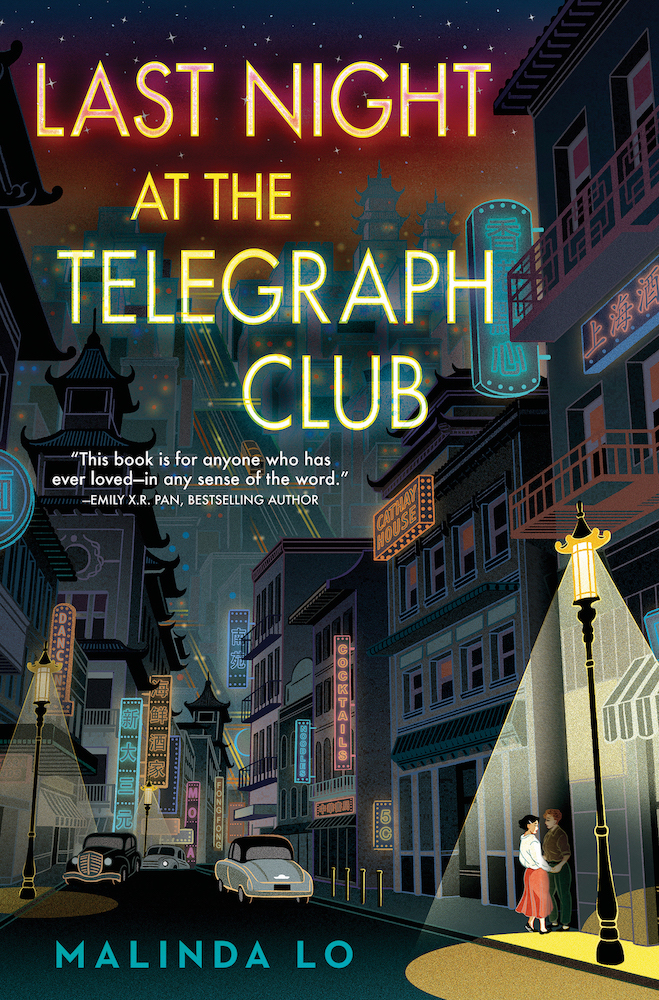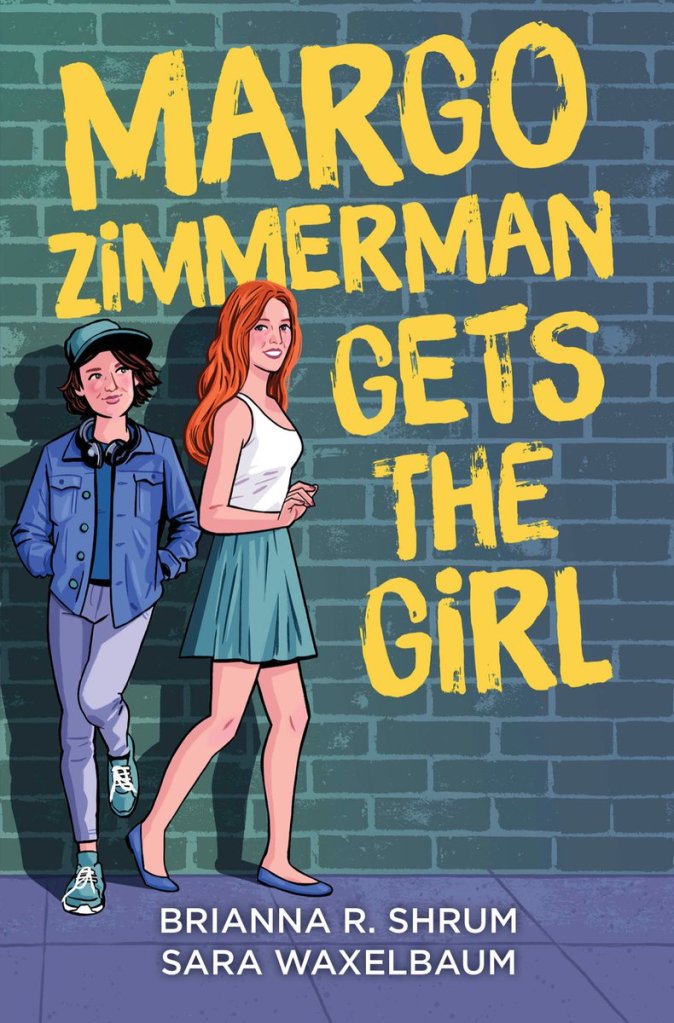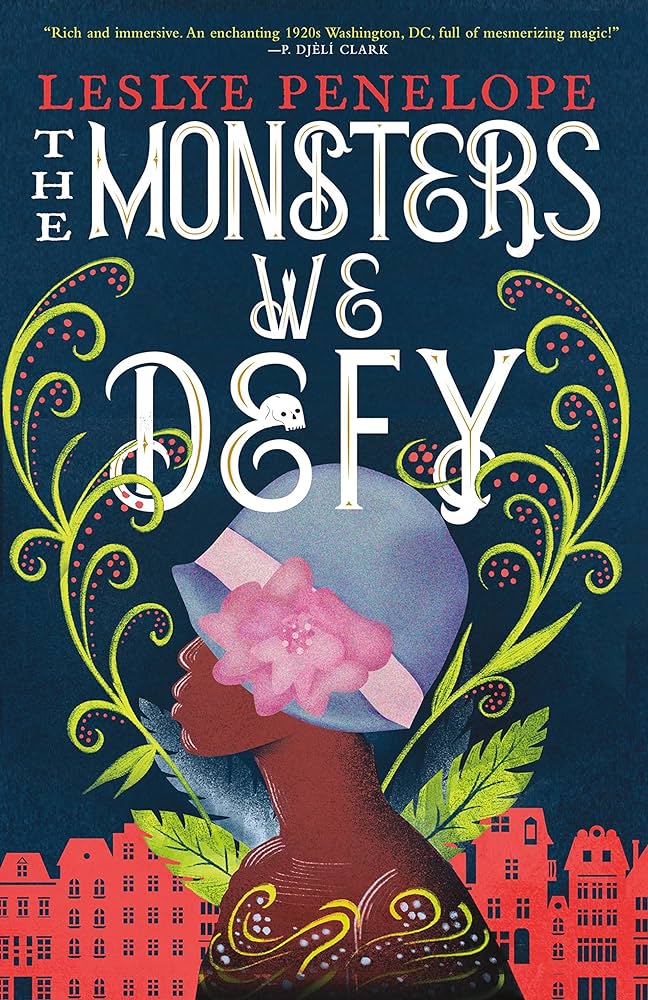
Posted in Sunday Songs

Sunday Songs: 12/14/25

Happy Sunday, bibliophiles! I hope this week has treated you well.

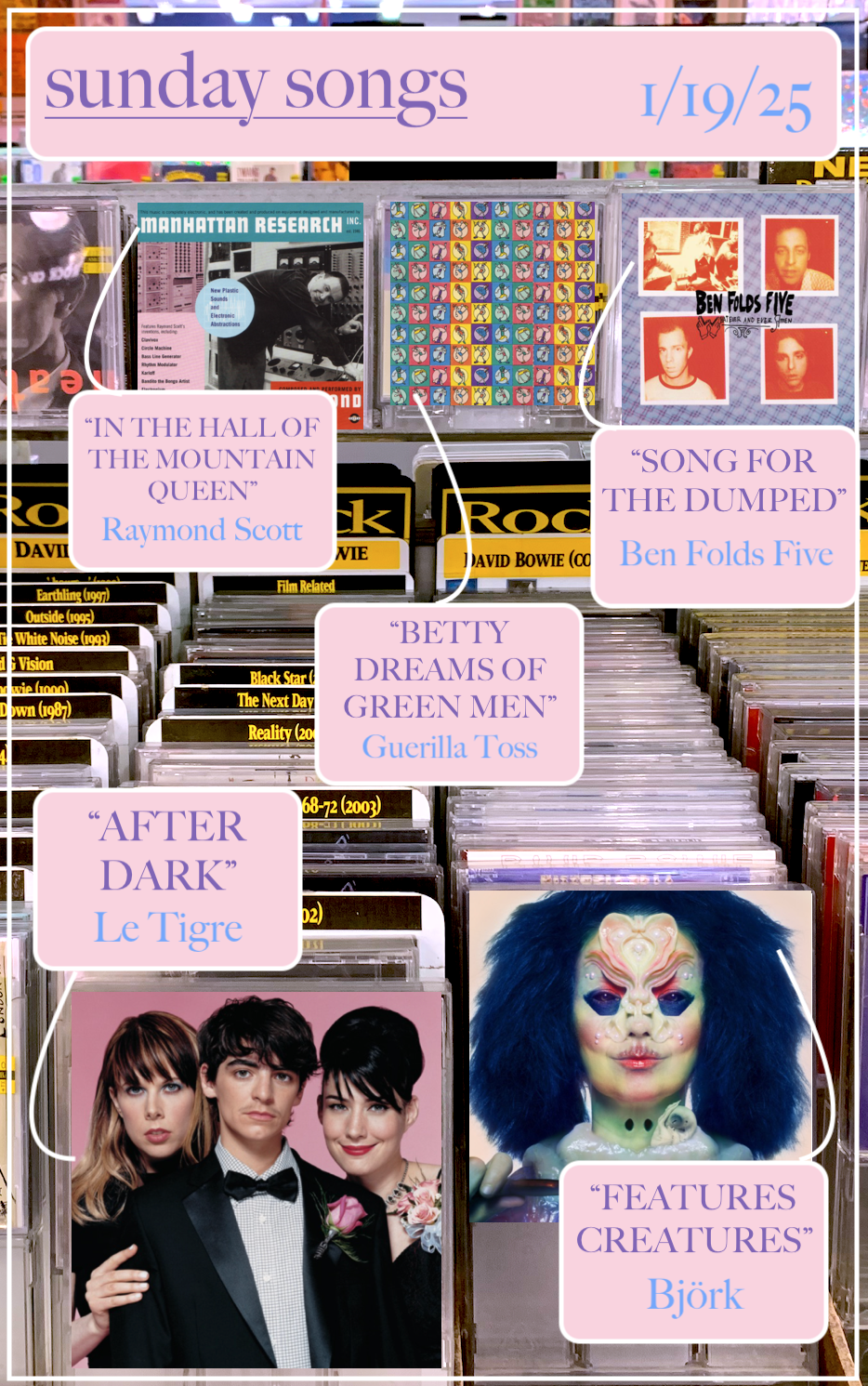
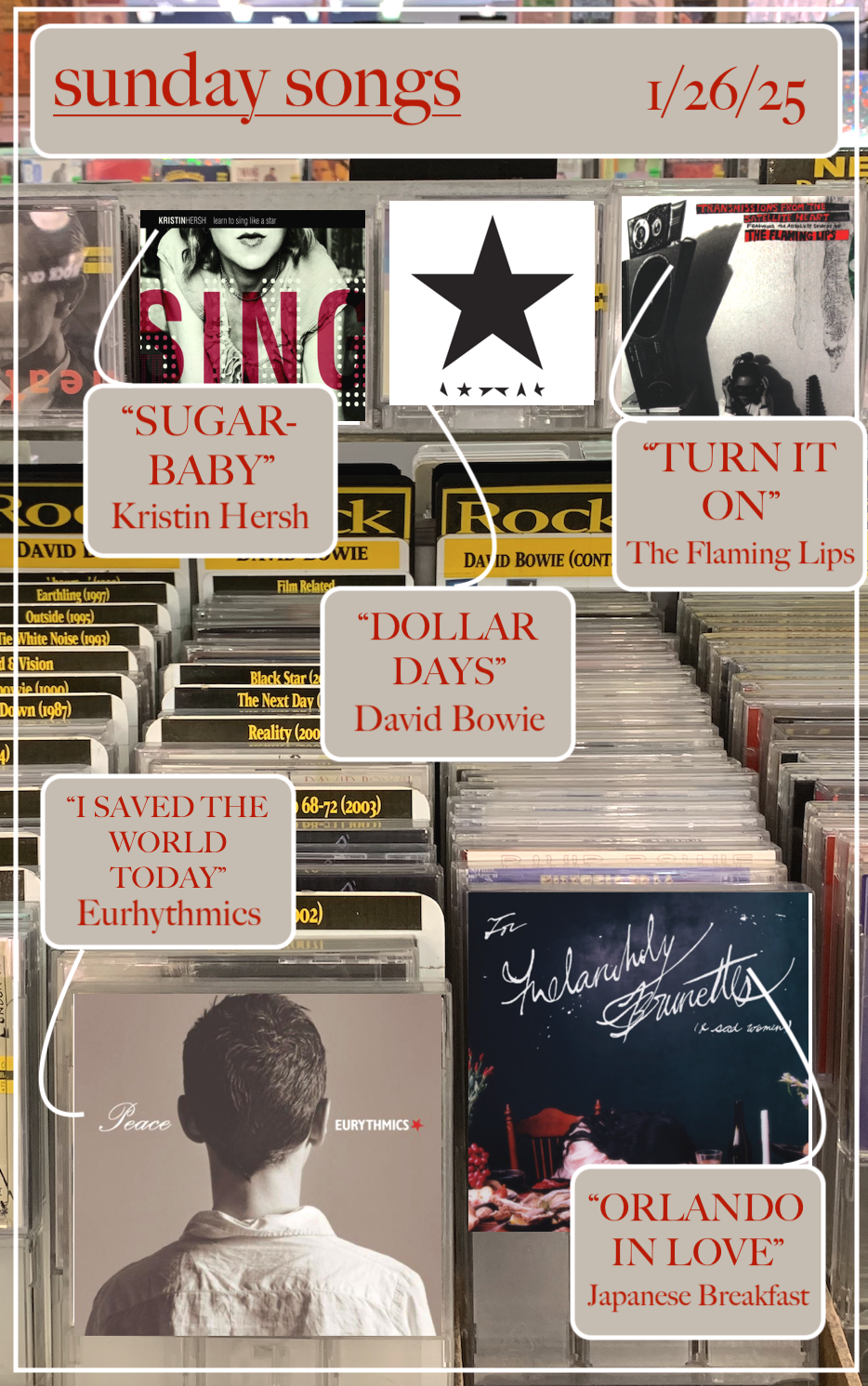
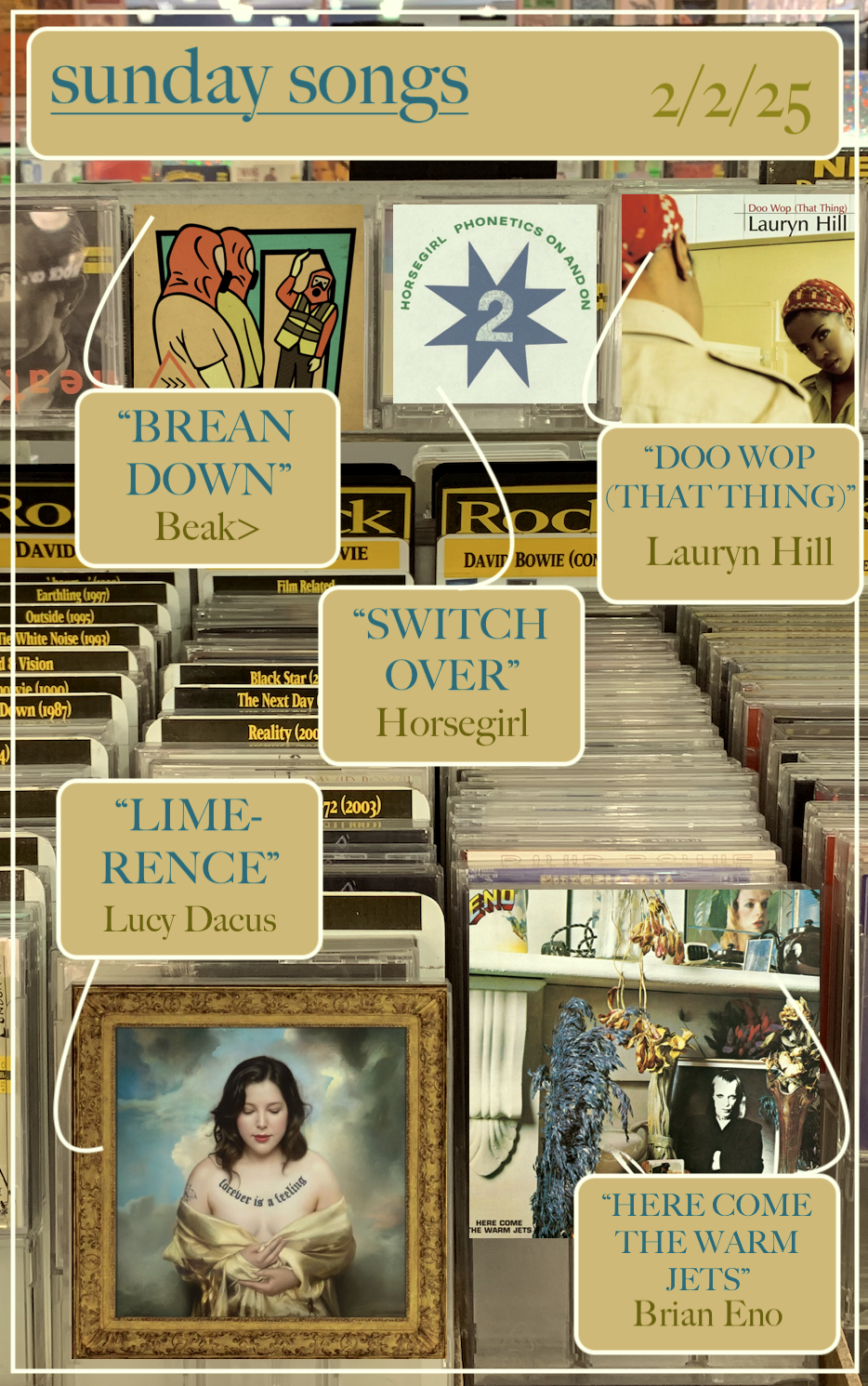
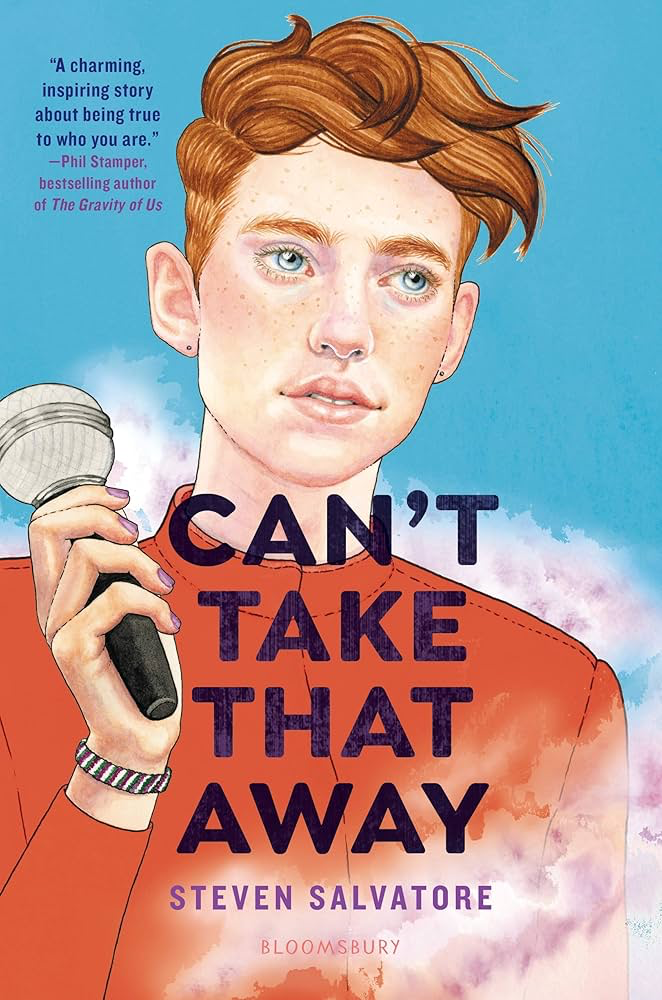
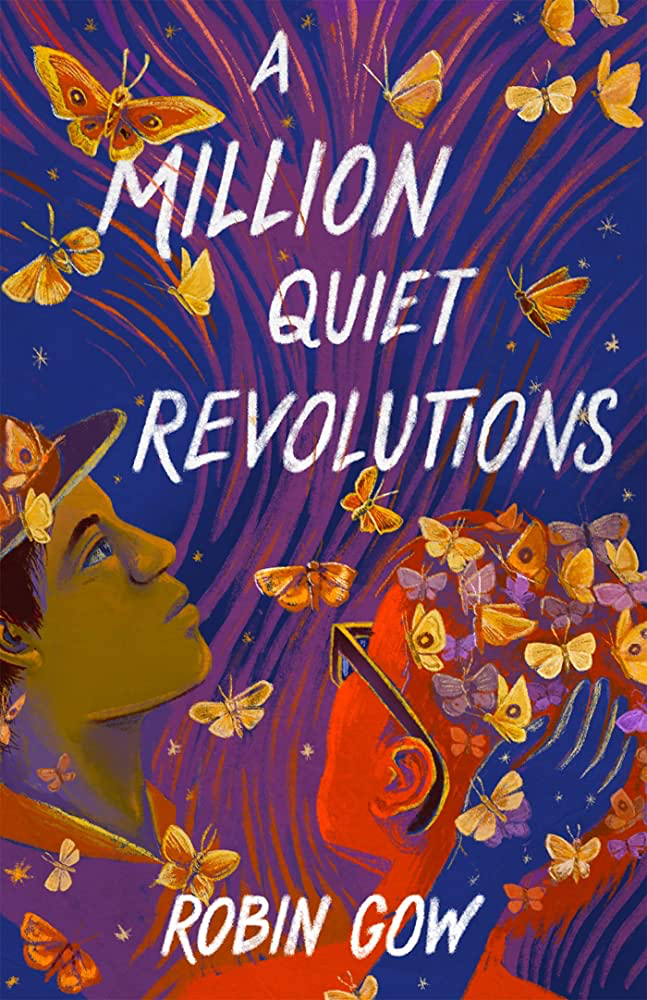
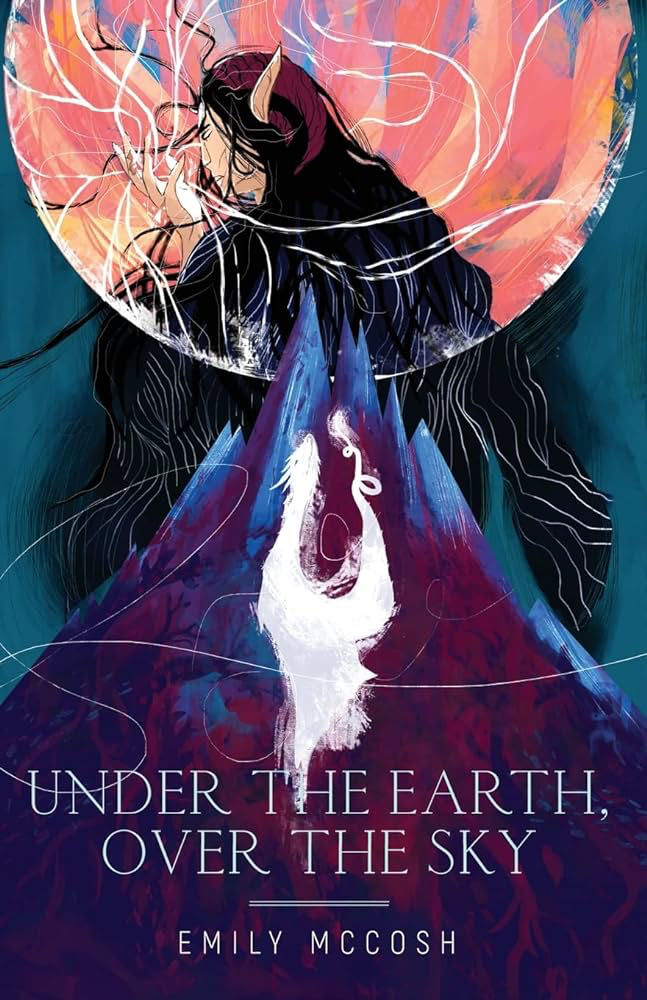
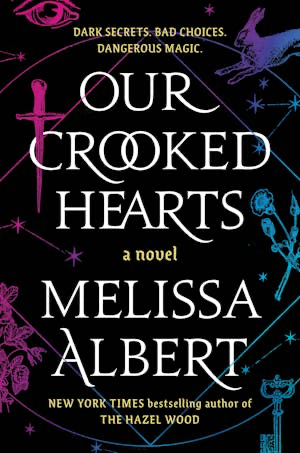
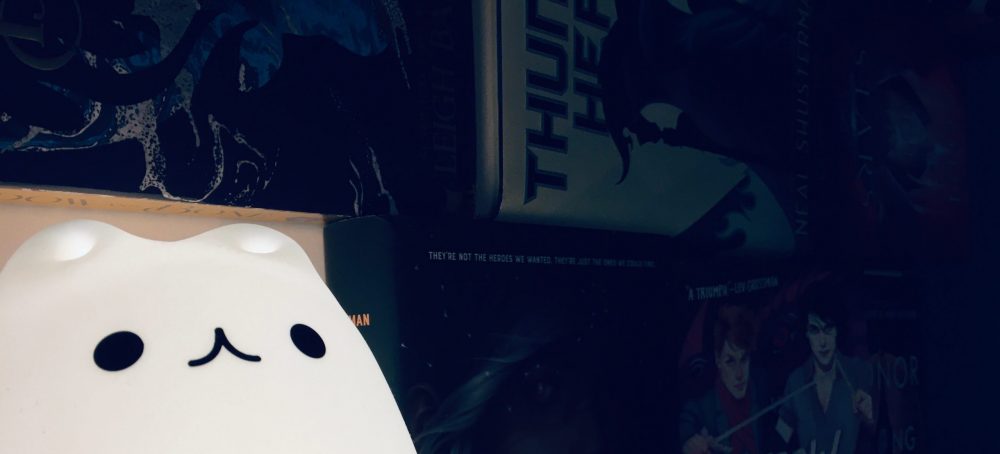
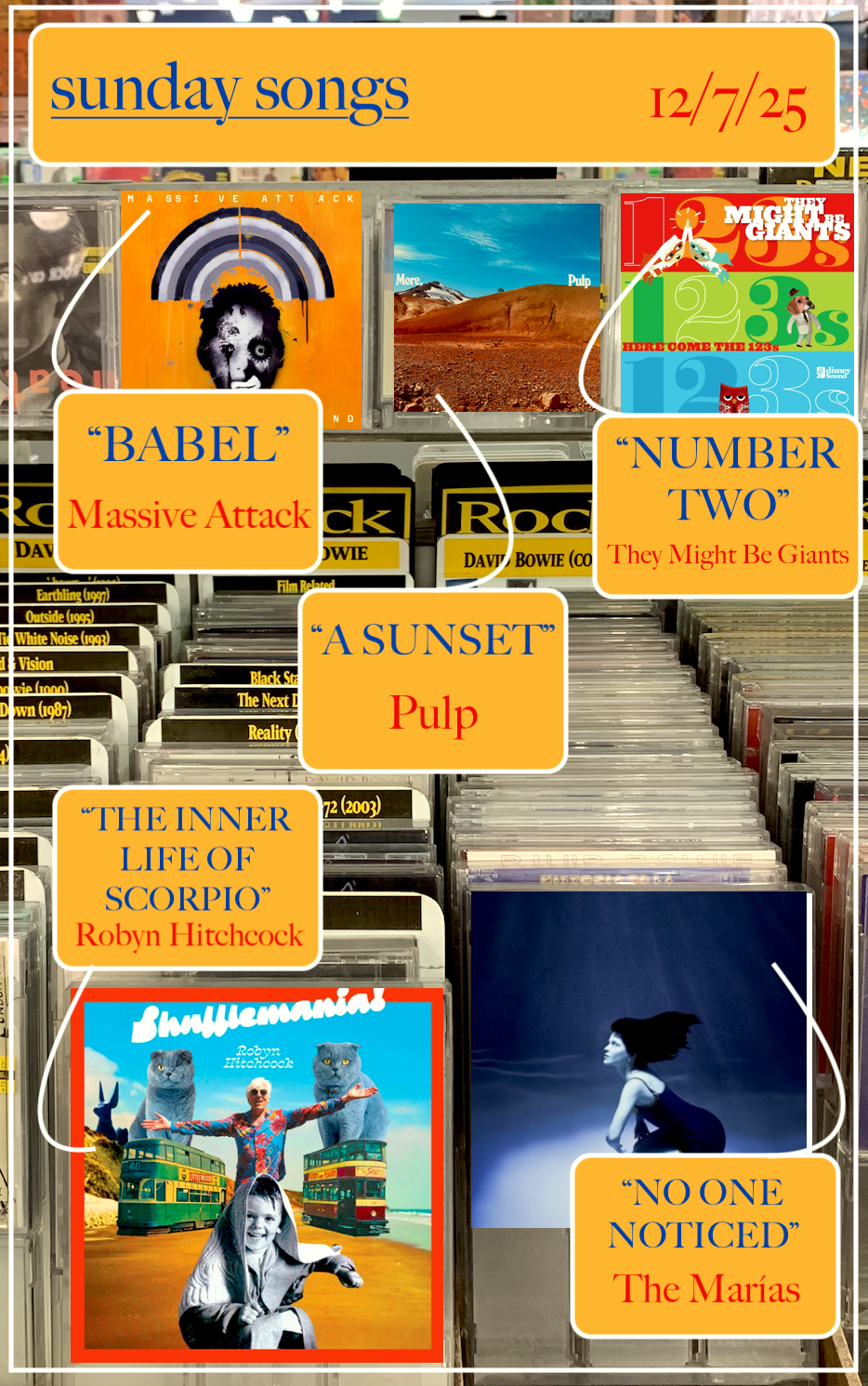
Since I had to hunker down for one more week for finals, here’s my graphic from that week:
12/7/25:

This week: Even more songs from Bad Sisters, circling back to Forever is a Feeling, and getting unexpectedly chucked back to November 2019.

Enjoy this week’s songs!
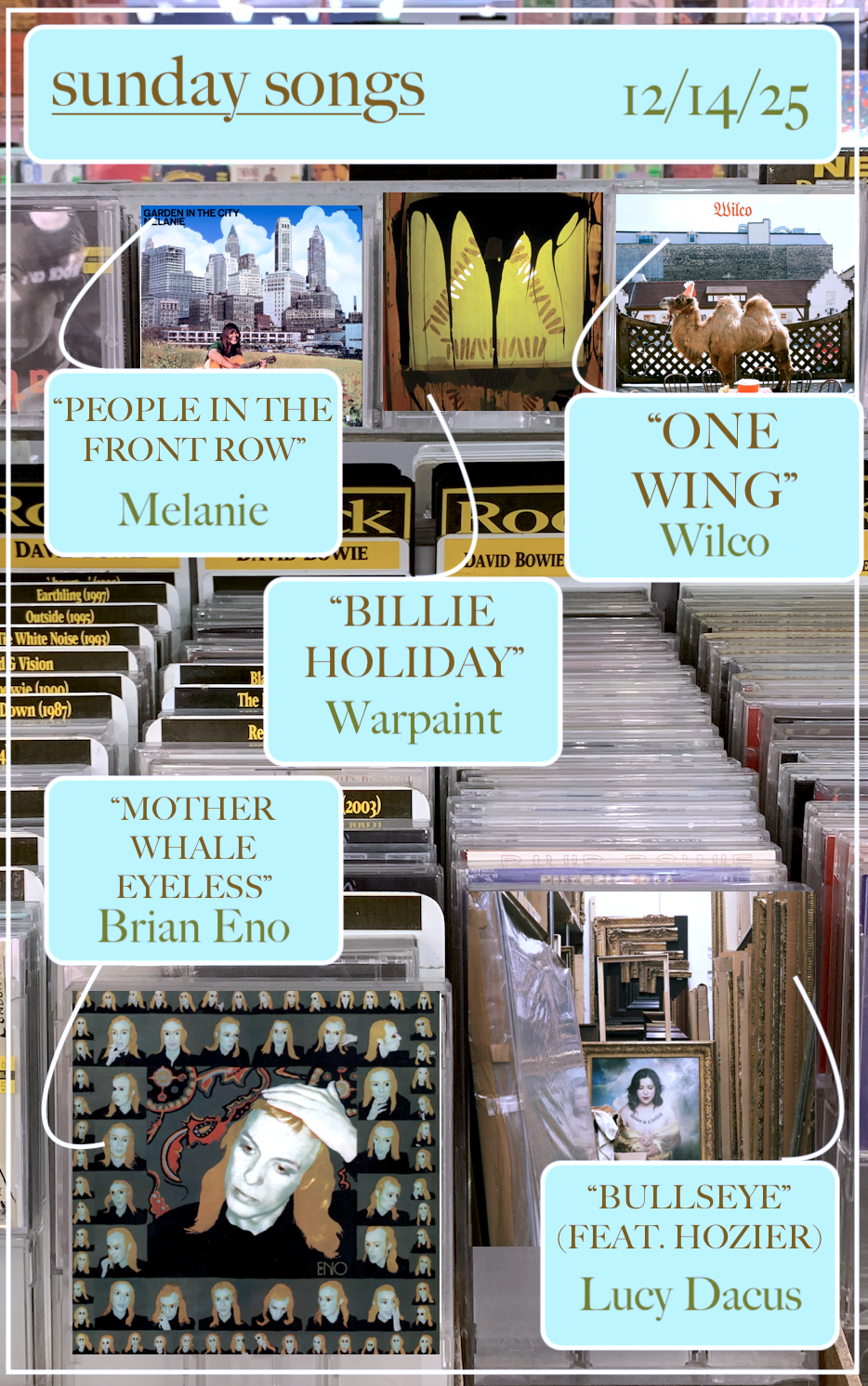
SUNDAY SONGS: 12/14/25

“Mother Whale Eyeless” – Brian Eno

Sorry, folks. It’s too early for me to draft my New Year’s Resolutions, but they probably won’t include “shut the fuck up about Brian Eno.” You’re in for a long few years.

Back in November, at the behest of my older brother, I finally got around to listening to Taking Tiger Mountain (By Strategy). Pardon the hyperbole, but to call it just an album feels like a disservice, mostly because there’s just so much crammed in there. It’s a whole stuffed Thanksgiving turkey of esoteric references and inspirations; the main defining threads are loosely centered around the Chinese Communist Revolution and general themes of warfare, but even that somehow doesn’t scratch the surface. Plane crashes, a Belgian town whose population is outnumbered by the patients in its local mental asylum, and a play dating back to the Chinese Communist Revolution (from which the album took its name) are just some of the scattered subjects that Eno covers in its 48-minute runtime. He verges from a campy satire of the military on “Back in Judy’s Jungle” to punk-precursor “Third Uncle” to the deeply moving “Taking Tiger Mountain,” a song that closes the album with the same huddled, melancholic yet triumphant feelingI always get listening to The Beach Boys’ cover of “Old Man River.” (Blame it on Fantastic Mr. Fox.) And yet, with all of those disparate images clanking about, it’s so cohesive. The thread, I think, is both Eno coming into his own as a solo artist, as well as his riotously creative imagination—it’s an album with such a distinctive style that could never be authentically replicated, no matter how hard somebody might try. There can never be another Eno, and there can never be another Tiger Mountain. It’s just so singular in its uniqueness.

Something that bubbled up in me while listening to Taking Tiger Mountain by Strategy was that although many of the lyrics are abjectly nonsensical, I found myself getting emotional out of nowhere. For “Taking Tiger Mountain,” I could pinpoint a more easily categorized reason—it’s got the feeling of relief, of victory at a steep cost, of the tearful end of a film. The other that got me misty on the first listen was “Mother Whale Eyeless.” Eschewed by the delightfully stream-of-consciousness lyrics, there’s something about a fundamental change—many have interpreted it as a relationship that can’t go on and the mounting fear of the inevitable implosion. Either way, something’s on the horizon, and it’s a shadow of dread—as in a “cloud containing the sea,” or the formidable shadow a whale might cast upon a school of passing fish. Yet what gets me about this song is that there’s some sort of near-euphoric feeling of ascent to it—you get the feeling like it’s piercing the very atmosphere like a rocket breaking the sound barrier; the only way it can go is higher, higher, higher still. There’s something anticipatory about it, yet there’s no explosive finale—you just break the sound barrier and are left with the fallout. The fallout is the euphoric journey that Eno takes you on, through winding turns buoyed by his Oblique Strategies (you’ll really get the meaning about his emphasis on repetition and/or lack thereof after listening to this song). Phil Manzanera’s guitar soars, aching of Low-era Bowie before it even existed, and Phil Collins’ pattering drums add jet fuel to the anticipatory nature of the track. (Also, I swear the electronic background noises in the very beginning sound a lot like the intro to St. Vincent’s “Big Time Nothing.” Just me?)

But the centerpiece for me is the refrain sung by Polly Eltes. This is where I got choked up out of nowhere. The entrance of Manzanera’s fuller guitar work allows for a breather and opens up the curtain for Eltes’ voice, in which she sings: “In my town, there is a raincoat under a tree/In the sky, there is a cloud containing the sea/In the sea, there is a whale without any eyes/In the whale, there is a man without his raincoat.” (I swear her voice reminds me a little of Régine Chassagne.**) There’s an uncanny feeling of poignant simplicity of it; it feels like a nursery rhyme, or a proudly recited line of an epic poem. To me, it almost feels like a declaration of purpose: an open defiance of interpretation, a thesis that even the most dreamlike and esoteric lyricism can be just as emotional as something that tackles a subject head-on. Either way, there is no denying the feeling that “Mother Whale Eyeless” gives me.

…AND A BOOK TO GO WITH IT:
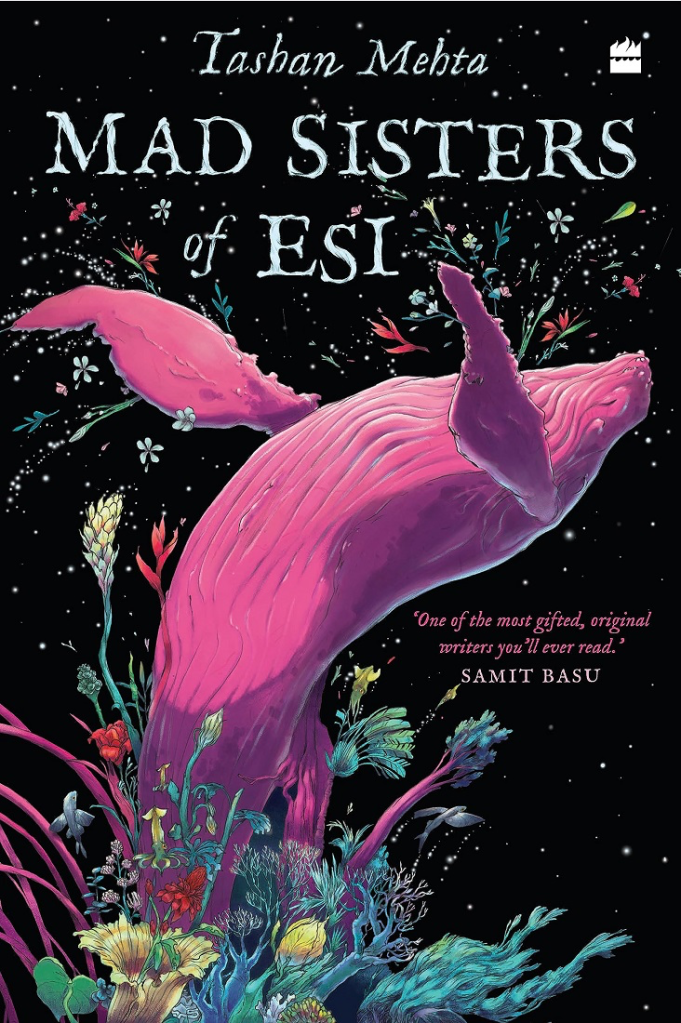
Mad Sisters of Esi – Tashan MehtaI promise I’m not putting this in here solely because of the whale…but I’m not saying they’re not connected. Either way, that surreal, imaginative quality of Eno pairs well with Mehta’s writing.

“Bullseye” (feat. Hozier) – Lucy Dacus

When Forever is a Feeling first came out, I felt like her having a Hozier feature added to the feeling that Lucy Dacus had begun to sell out. I suppose the overlap between their fanbases (read: gay people) was essentially a circle, so it probably was inevitable anyway. No disrespect to Hozier though—very talented guy, and I love his voice, but his music isn’t always my cup of tea.

To my surprise, “Bullseye” has become one of my most played songs from the album. There’s something so tender about it that reminds me of Dacus’ older work. I think what sets Dacus’ songwriting is that every emotion comes through in the most unexpected vignettes—the opening lines of “Next of Kin” (“Reading in the phone booth/Sucking on a ginger root”) come to mind. She has such a keen, observational eye that decorates her songs with the most unique setpieces, like some kind of musical bowerbird building a nest. While the ones in “Bullseye” stand out as more obviously romantic (carving locks into initials on bridges, reading annotations in your lover’s books), it’s so clear how much it shapes her songwriting. She admits it herself: “Found some of your stuff at my new house/Packed it on accident when I was movin’ out/Probably wrong to think of them as your gifts to me/More like victims of my sentimentality.” She’s a kind of museum curator of fleeting, stolen moments, which make up the core of “Bullseye.” And although Hozier isn’t normally my cup of tea, his voice with Dacus’ makes up such rich, heartstring-tugging harmonies that give the song an added layer of tender warmth.

Though I wasn’t able to catch her on this tour, the highlight has been seeing her perform this song, not just because of how lovely it is. She’s been making it her mission to duet with as many people as possible—David Bazan, Samia, Stuart Murdoch, and Jay Som, among others!

…AND A BOOK TO GO WITH IT:
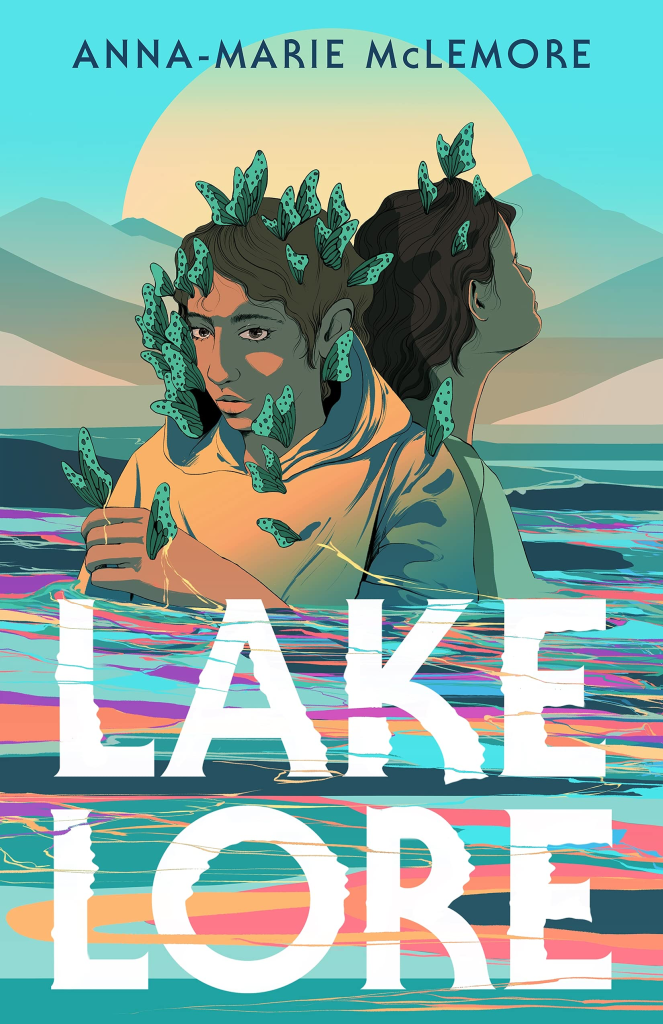
Lakelore – Anna-Marie McLemore“You’re a bullseye, and I aimed right/I’m a straight shot, you’re a grand prize/It was young love, it was dumb luck/Holdin’ each other so tight, we got stuck…”

“People in the Front Row” – Melanie

For the next two songs, we enter what I’m calling the Bad Sisters section. If I had a nickel for every Melanie song I’ve ripped from a season finale of Bad Sisters, I’d have two nickels, etc., etc.

Like many of Melanie’s more iconic songs, “People in the Front Row” is an anthem for sticking to your guns, even in the face of critics. It’s much more literal than others, and although her voice falters in wobbly ways, given the belts she’s capable of, it’s full of the same impassioned fervor of hits like “Look What They’ve Done to My Song, Ma.” The odd laugh-singing aside, it’s such a poignant, determined ode to the people who support your art through thick and thin, no matter how much critics kick you down.

…AND A BOOK TO GO WITH IT:
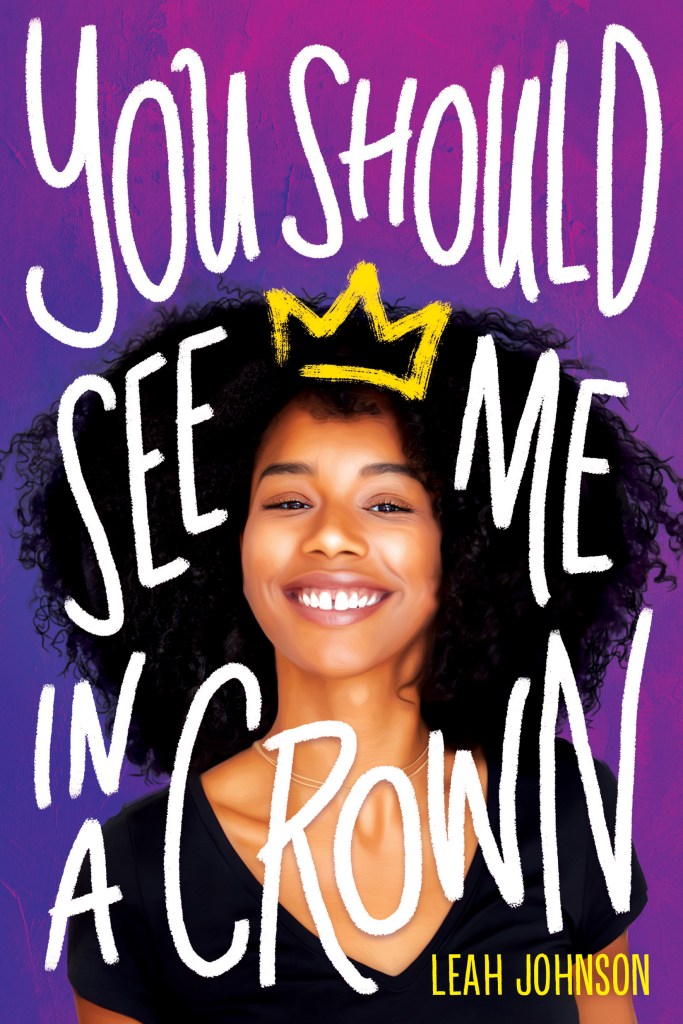
You Should See Me in a Crown – Leah Johnson“You know I looked around for faces I’d know/I fell in love with the people in the front row/Oh, how my predicament grew/Now I got friends, and I think that my friends are you…”

“Billie Holiday” – Warpaint

Warpaint have historically been hit-or-miss for me; I’ve loved their cover of David Bowie’s “Ashes to Ashes” since middle school, but most of their music has been rather lukewarm for me. I have a specific memory of trying to listen to their self-titled album on a whim several years ago and being, disappointedly, quite bored. But every once in a while, they’ll snag me out of nowhere (see also, from this EP: “Burgundy”).

This one came out of the blue in a scene in season 2 of Bad Sisters, ironically placed, given the context; it matches the eerie, melancholic tone of the scene, in which Becka finds out that she’s unexpectedly pregnant and, instead of telling her boyfriend, does what any sensible person does and…cheats on him with the guy that she’s insisted she’s over with. Naturally. (What the hell, Becka?? She’s a hot mess, if you couldn’t already tell.) There’s a deep irony behind using this song, which repeats various platitudes about staying loyal: “Nothing you can buy could make me tell a lie to my guy/Nothing you could do could make me untrue to my guy/I gave my guy my word of honor to be faithful and I’m gonna/You best be believing, I won’t be deceiving my guy.” [Ron Howard voice] Becka did, in fact, deceive her guy.

Maybe there’s a layer of irony to that beyond Bad Sisters, as although the melody is entirely original, around half of the lyrics, including the ones above, are interpolated from Mary Wells’ “My Guy.” When that much of the song is interpolated, it almost feels like cheating, even if the proper credit was given to Wells (as well as Smokey Robinson, who wrote the song). Yet it’s an entirely different atmosphere that they’re placed in, like a zoo animal let loose in a completely foreign biome; as opposed to Wells’ cheery, Motown organs, “Billie Holiday” is draped in reverb, misty strings, and acoustic guitars. It’s like wandering through a thick fog, where Wells’ song is as bright and clear as day. I suppose it’s a similar deal to Spiritualized’s use of “Can’t Help Falling in Love,” but that, to me, felt much more transformative, and used only one verse (as opposed to the three verses of Wells’ that Warpaint used). Easy way out it may be, but at least the end product is appropriately distinct, and compellingly dreamy.

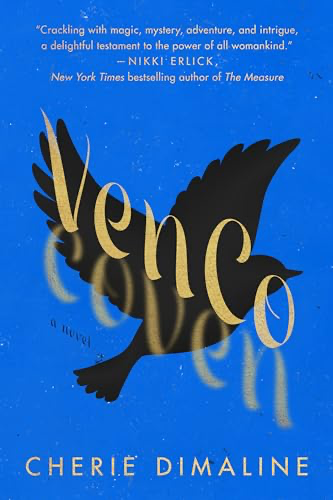
…AND A BOOK TO GO WITH IT:
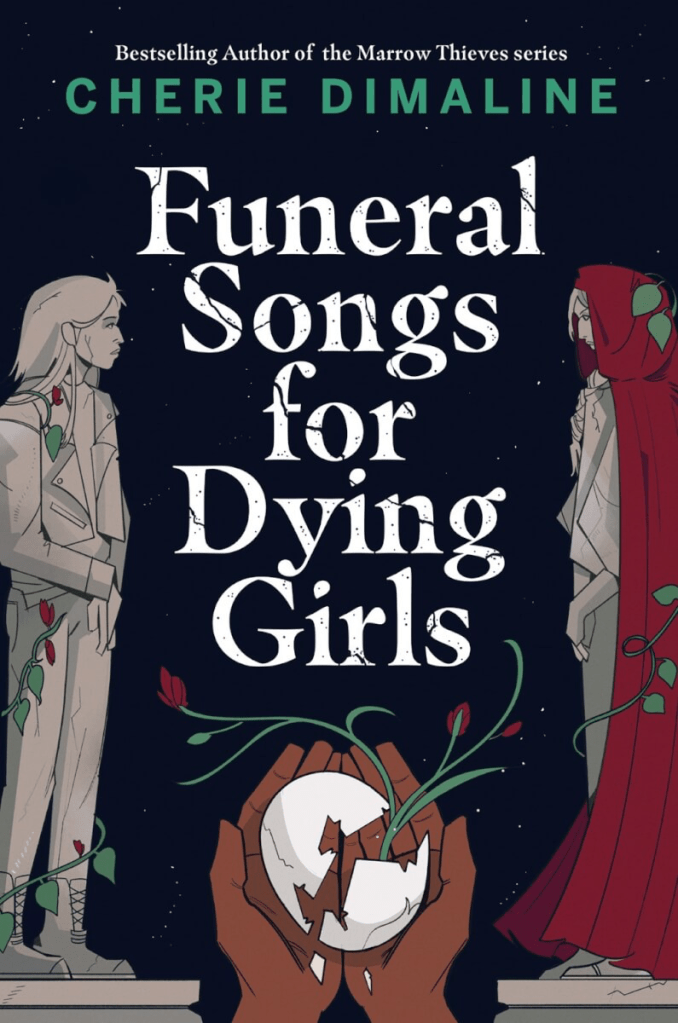
Funeral Songs for Dying Girls – Cherie Dimaline“As I walk this line, I am bound by the other side/And it’s for my heart that I’ll live/’Cause you’ll never die…”

“One Wing” – Wilco

Do you ever have those moments where a song hits you out of the park with some deeply vivid place in time that you didn’t see coming? Leave it to Wilco to throw another unexpectedly emotional curveball right into my face out of nowhere. Instantly, I had this feeling of being cold, of being in a gray parking lot. My mind placed it in November of 2019, by some uncanny instinct. I can’t place why, but I only just remembered that I had a borderline religious experience at the front row of a Wilco concert…in November of 2019. Maybe that parking lot was in the chill of the Mission Ballroom at night. My brain, inexplicably, just knew to place it at this time, even if “One Wing” isn’t in the setlist.

The brain truly fascinates me sometimes. There’s a part of me that wants to know everything about why it remembers what it does, and why it innately attaches feelings and memories to music out of nowhere. But somehow, I feel like that would ruin the magic of these fleeting, unexpected moments. I love the way my brain plays with memory and image the way it does, the way even the faintest whiff of an old tube of lipgloss or the notes of Nels Cline’s guitar is instantly transportive. I think it would ruin everything if I knew the precise logic of why my brain shuffles the cards and comes up with these vivid, dreamlike images. Sometimes, I think we ought to bask in that mystery. Tip our hats to the strange phenomena, etc. What a lovely, strange organ we have.

Oh, wait, I’m talking about a song, right? Oops. And what a song it is—I don’t know how this one completely passed me by, but Wilco always has the most moving surprises up its sleeve. From what I’ve heard of Wilco: The Album (featuring “Wilco (The Song),” there’s a lot of conflicting themes—said band theme song, more songs about murder, and determined love songs; but for an album like that, it makes sense for the songs to run the gamut of the range of the band. Next to “I’ll Fight,” “One Wing” makes clear sense—I’m not sure if it’s directly about Tweedy’s relationships, but there’s a clear undercurrent of wanting to rekindle faltering love and repairing something broken. (I’ve also seen interpretations that the “wings” allude to the divisions in American politics—literally the left and right wings—and while the broken relationship makes more sense to me personally, it makes me see things in a new light. A precursor to “Cruel Country” and “Ten Dead,” maybe?) That late-fall chill feels deliberate in the face of the haunted longing in “One Wing”—as the chorus picks up steam, it feels like icy wind buffeting against your cheeks, plucking tears from your eyes as you cling to someone for comfort. Nels Cline’s guitar, with a soaring tone reminiscent of A Ghost is Born, is as plaintive as Jeff Tweedy’s lyricism, all channeled into a plea for forgiveness against the friction of the world: “One wing will never ever fly, dear/Neither yours nor mine/I fear we can only wave goodbye.” It digs at such a tender, weak part in my soul…ouch, Jeffie.

…AND A BOOK TO GO WITH IT:
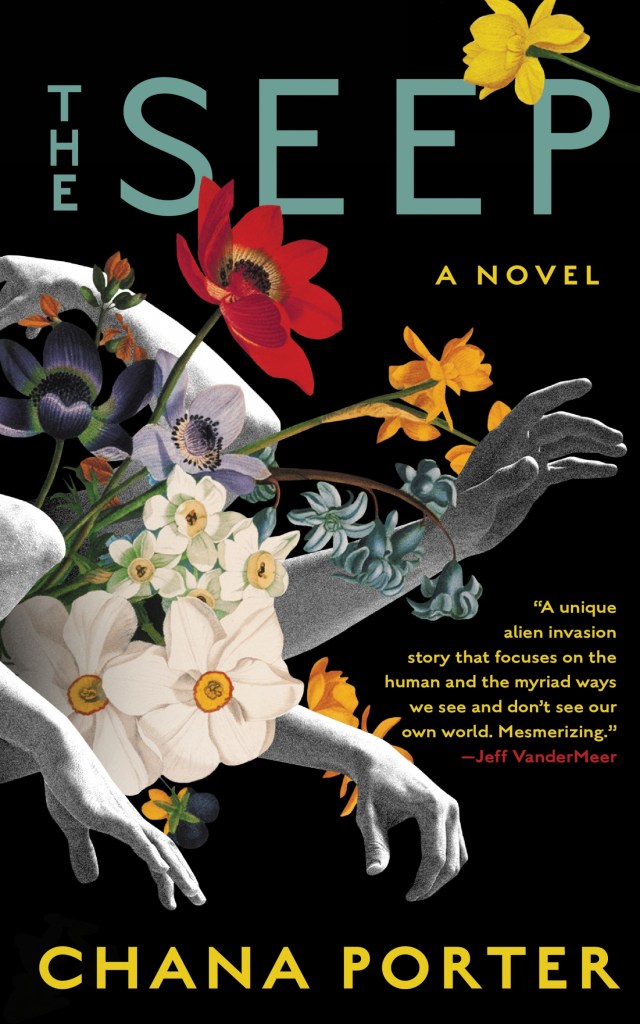
The Seep – Chana Porter“We once belonged to a bird/Who cast his shadow on this world/You were a blessing and I was a curse/I did my best not to make things worse for you…”

*”oh, haha, a goofy kid’s song!” without a shred of irony, this is an absolute banger. Somehow, it ended up being my most-listened to song for November, according to Apple Music. Never underestimate the power of They Might Be Giants writing about numbers.

**In other music news I haven’t gotten around to talking about…I try not to be in the active practice of hoping for people to get divorces, but I am so, so glad Régine Chassagne got out of there.

Since this post consists entirely of songs, consider all of them to be today’s song.

That’s it for this week’s Sunday Songs! Have a wonderful rest of your day, and take care of yourselves!

Posted in Sunday Songs

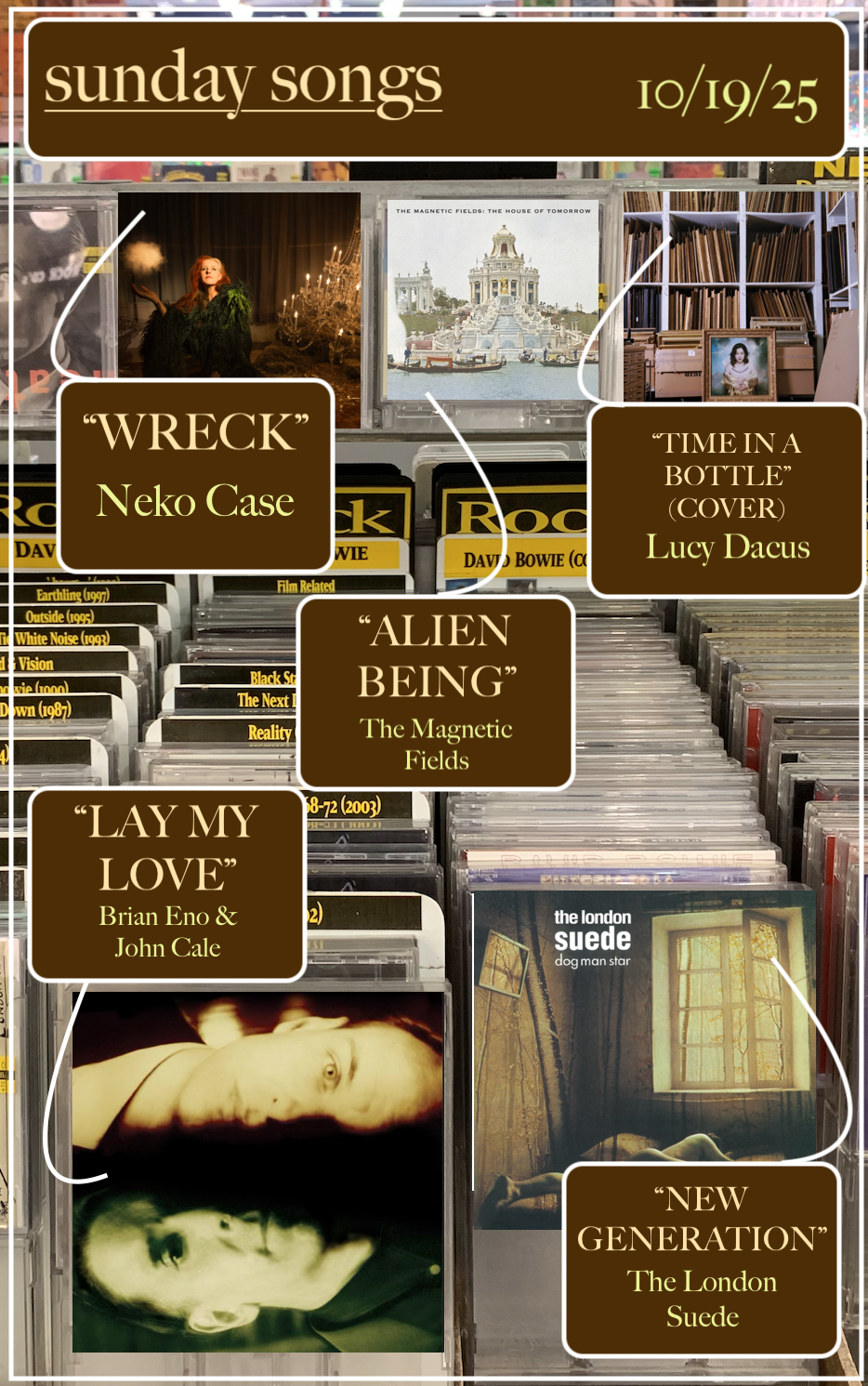
Sunday Songs: 10/19/25

Happy Sunday, bibliophiles! I hope this week has treated you well.

This week: the chances of being pursued by Brian Eno wielding chopsticks are low…but never zero.

Enjoy this week’s songs!

SUNDAY SONGS: 10/14/25

“Lay My Love” – Brian Eno & John Cale

While digging a bit about a song that I’m not even mentioning until next week, I stumbled upon something entirely different. All of those Pitchfork Best Songs of [insert decade] lists (this was from the ’90s one) are very subjective, but sometimes I appreciate looking at them simply by virtue of finding out about something new. Last week, it happened to be a collaboration between Brian Eno and John Cale from 1990, Wrong Way Up, and “Lay My Love” in particular. I was excited by the prospect of Brian Eno already, but man…I have been sucked in. I’ve listened to this one an unhealthy amount of time. It just swallows you whole in the best way possible!

By the ’80s, Brian Eno had built a decade’s worth of entirely ambient music, and there seemed to be no return for him to the more conventional (if you can call it that) rock of his earlier career, abandoning his own vocals almost entirely: in 1989, he told an interviewer that “I’m sure I could, if someone held a gun to my head, crank out a record of songs, but at this point in time I know it wouldn’t be any good.” And given the intensely argument-fraught recording of Wrong Way Up (Cale alleges that Eno once came at him wielding chopsticks, but Eno has insisted that Cale fabricated this), there’s a good chance that in another timeline, this album may not have seen the light of day after all. And yet there they were in 1990: Eno and Cale, frequent collaborators since the 1970’s, making an album consisting of just that.

You’d think that after abandoning singing for so long, Eno would appear rusty. In fact, he’s the exact opposite. “Lay My Love” feels like the distillation of the best qualities of his off-kilter vocals. Even though he’s known for his more removed, uptight vocal quality, this track presents him as warmer than he’s ever come across. It’s a song that makes you believe every word: as he sings “I am the yearning,” you can hear the pleading in his vocals, layered upon themselves ad infinitum. Cale’s rousing violins add an upbeat swing amongst the dizzyingly layered instrumentals. It’s an all-consuming slurry of glimmering sediment and flotsam, all warmed by the sun’s rays, equal parts hymn and experimental electronic music. Eno peppers in some of his most delightfully surreal, offbeat lyrics (“I am the termite of temptation”) with ones that make sense in some unarticulated part of your soul (“I am the wheel/I am the turning”). Above all, you really do feel as though this love is being laid around you like a blanket. It feels like the kind of song to soundtrack a quiet montage in a film of a house being built, or moss growing on a log: gradual, and yet hopeful in its certainty. You know that the love is coming around to you, and when it does, it will be as joyous as every note bursting from this track.

…AND A BOOK TO GO WITH IT:

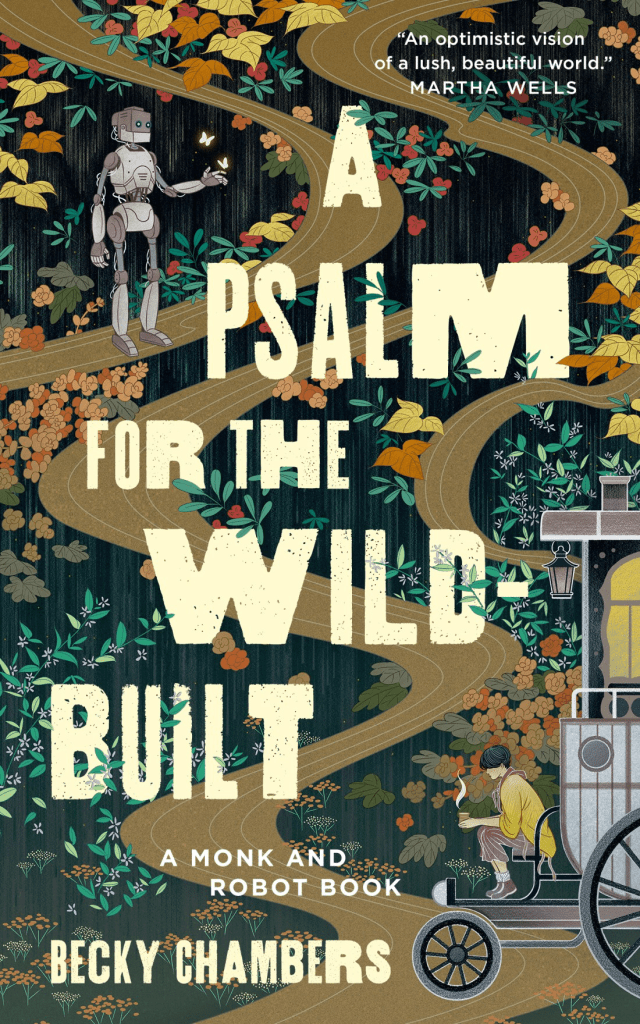
A Psalm for the Wild-Built – Becky Chambersthis seems precisely the kind of song that would soundtrack Sibling Dex and Mosscap’s quiet adventures through the woods.

“New Generation” – The London Suede

As far as the Britpop Big Four goes, The London Suede (known as just Suede in the UK) is the last frontier for me to explore; I’ve heard some of their songs sporadically and loved them (see: “Metal Mickey”), but reading The Last Party: Britpop, Blair, and the Demise of English Rock sparked some more interest in them. Add that to Neko Case’s episode of What’s in My Bag? and I was instantly hooked on “New Generation.” Along with “Lay My Love,” this song’s up there with the songs that I’ve been listening to an unhealthy amount of times. Who am I to deny my Britpop girlie urges?

I really should be a huge fan of The London Suede, given how influenced they were by David Bowie, but then again, not everybody influenced by Bowie is automatically good, of course. Brett Anderson and company seemed to worship the ground he walked on, which resulted in their melodramatic style and soaring vocals. Dog Man Star, which I’ve heard is an excellent album, was said to be inspired by a lot of Bowie’s early ’70s material, which makes perfect sense—”New Generation” feels like fanfiction set in the Hunger City of Diamond Dogs, and I fully mean that as a compliment. If Anderson’s vocals and just-so placed swoop didn’t tip you off, “New Generation” is high on the drama, but that’s part of why it works so well—it’s a strangely dystopian song that’s fit for draping yourself dramatically across the bed, full of distance and yearning. Anderson’s really doing some vocal somersaults here—he said himself that it’s one of the most difficult songs for him to sing—and amidst sepia-toned lyrics of disaffection and substance abuse, his vocals are outstretched arms beckoning for someone to swoop in and extricate him from it all.

…AND A BOOK TO GO WITH IT:

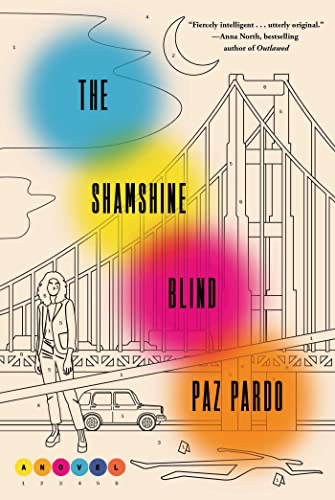
The Shamshine Blind – Paz Pardo“‘Cause like all the boys in all the cities/I take the poison, take the pity/But she and I would soon discover/We take the pills to find each other…”

“Wreck” – Neko Case

Today on incredibly specific comparisons: “Wreck” by Neko Case sounds almost exactly like this meme to me:

Maybe I do need to listen to more Neko Case after all. I’m a fan of the New Pornographers, but I really haven’t dived into any of her solo work, save for the misfire that was her cover of “Madonna of the Wasps.” You win some, you lose some. But this song, off of her new album Neon Grey Midnight Green (that’s got to be one of the better album titles I’ve heard in a while, for sure), easily falls into the win category.

For a beat, the a cappella intro lulls you into a false sense of security before dropping you headfirst into a churning, breathless whirlpool of head-over-heels romance. I can’t deny a love song that feels like you’re gleefully sprinting through a verdant field at full speed—there’s a bit of Hounds of Love Kate Bush in there somewhere in the unabashed drama that Case peddles: “I’m a meteor shattering around you/And I’m sorry/I’ve become a solar system/Since I found you/I’m an eruption/A wreck of possibilities/A volatility of stars/My clothes can’t hold together.” (Another shoutout is due to “Do I look like the sun to you?/Do I blaze freckles onto your face?”) And right after this, she breathlessly cries “And I know I can’t burn this bright forever!”—right about there, I imagine her smile splitting with reckless glee, a princess dress ballooning into endless layers of silk and tulle, a cry of nothing but sheer joy. It’s an easily addictive ode to absolutely drowning in yearning, and desperately wanting the echo to have an answer.

…AND A BOOK TO GO WITH IT:

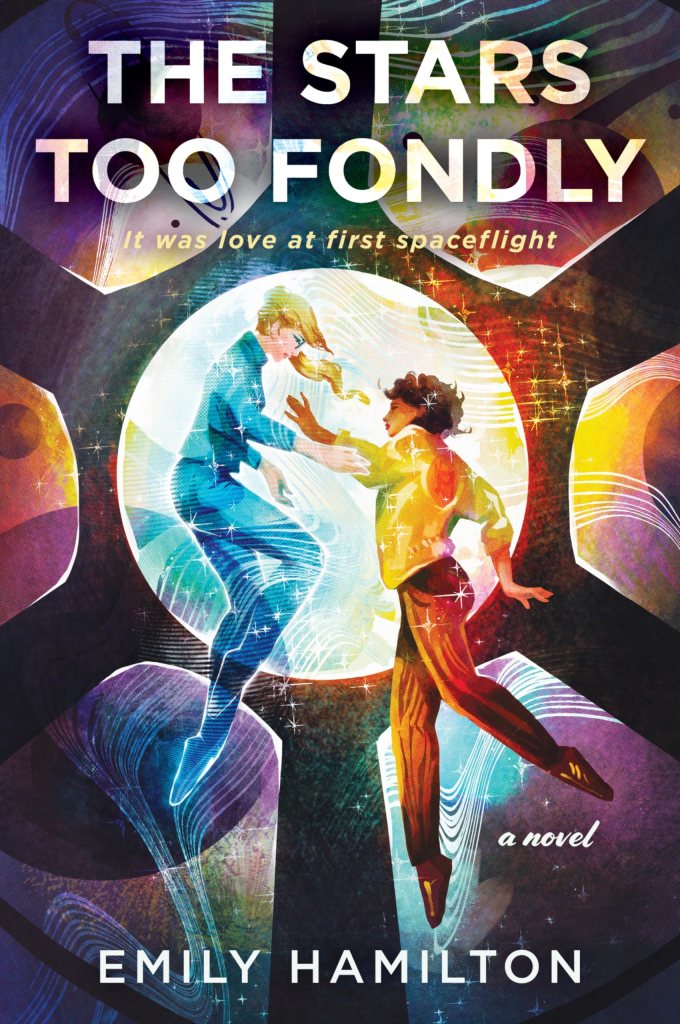
The Stars Too Fondly – Emily Hamilton“Do I look like the sun to you?/Do I blaze freckles onto your face/I bet I, bet I, bet I do/I’m a meteor shattering around you/And I’m sorry…”

“Alien Being” – The Magnetic Fields

There’s something truly beautiful about the fact that this song only has 10 likes on YouTube and a single comment that reads “being gay is awesome and you gotta try it!!!” Amen, brother.

The House of Tomorrow EP was released very early on in The Magnetic Fields’ career, and from 3/5 songs that I’ve listened to from it (this, “Either You Don’t Love Me Or I Don’t Love You” and “Love Goes Home to Paris in the Spring”), it’s clear that they’d all honed their talents very early. I suppose it helped that Stephin Merritt was in several bands before this, but it’s still very indicative of what a masterful songwriter he’s come to be. It’s also clear from the start that he’d started dissecting unhappy relationships very early on. The lyrics of “Alien Being” aren’t quite as laden with metaphor as they usually are, but they’re monotonous and repetitive—which feels like precisely the point. Almost all of them end with “nothing at all” (“You talk a lot about nothing at all/”Watch TV shows about nothing at all”), adding to the layered, grainy drone of the synths in the background. It’s a perfect encapsulation of being around someone who makes you feel like you’re talking to a wall—no feelings, no opinions, no independent thoughts, no nothing. Good thing Merritt has a lot of those things.

…AND A BOOK TO GO WITH IT:

Here Beside the Rising Tide – Emily Jane“You have no feelings/I think you are an alien being/You won’t let me in/I think you are an alien being…”

“Time in a Bottle” (Jim Croce cover) – Lucy Dacus

The X-Men fan in me and the Lucy Dacus fan in me were both screaming when I found out that this was a thing…I don’t even have any sentimental feelings towards the original, but I just saw the title and got activated like a sleeper agent. Say what you want about the later Fox X-Men movies, but there’s one thing that they did best, and that was make immaculate slo-mo Quicksilver sequences with great needle drops.

I maintain that Forever is a Feeling bordered on being a disappointment, but I’m softening to some of it—especially now that we’ve gotten an expanded edition: Forever is a Feeling: The Archives. It’s mainly demos and live versions, but it had the poignant track “Losing” (should’ve been in the album, that’s my two cents) and this Jim Croce cover. Dacus’ tender, delicate fingerpicking style was practically made for this cover, as was the overall aesthetic of the album, combining acoustic guitar with gently swelling strings. I just can’t get enough of how she treats the guitar as an instrument—the way she plays on “Time in a Bottle” makes it feel like it’s not simply an instrument but a waltz partner. Her rich voice is on full display with this cover, making every note ring out with the yearning I’ve come to love her for. It’s tender in its sparing instrumentation, but her voice fills out all the empty spaces, creating a cover steeped in love and longing, just like the best parts of Forever is a Feeling.

…AND A BOOK TO GO WITH IT:

When the Tides Held the Moon – Venessa Vida Kelleythe tender feeling of this cover would fit right in with this heartfelt, moonlit romance.

Since this post consists entirely of songs, consider all of them to be today’s song.

That’s it for this week’s Sunday Songs! Have a wonderful rest of your day, and take care of yourselves!
Posted in Sunday Songs

Sunday Songs: 8/17/25

Happy Sunday, bibliophiles! I hope this week has treated you well.

This week: this semblance of a color scheme is hanging on for dear life, but I needed to talk about Biophilia IMMEDIATELY you must understand…

Enjoy this week’s songs!

SUNDAY SONGS: 8/17/25

“Virus” – Björk

Another Björk album down! I was highly anticipating listening to Biophilia from the sheer conceptual layers of it; though the original app is now defunct, it still exists as a glittering piece of music and science education, reuniting our understanding of the sciences with the emotion that was always inherent to it. Whether it’s the structure of our genes (“Hollow”) to the phases of the moon (“Moon”), the ability Björk has to weave personal narratives of the rocky parts of healing with the natural processes of the world never ceases to astound me. Admittedly, Biophilia took me another listen around to fully get with it, but that’s mostly because being stuffy and lethargic from a nasty cold whilst the Amen break comes hurtling at you at 90 mph isn’t ideal. The artistry of…well, every single music video of the album never ceases to astound me. It would be easy for the concept to supersede the actual contents of Biophilia, but Björk never fails to pull the rug out from under me every single time. GOD.

“Virus” was one of the most delightful tracks from the album, so gentle, yet carrying a sinister undertone. Wreathed in tinkling chimes and gameleste, it uses a virus as a metaphor for a parasitic, one-sided relationship: “Like a virus needs a body/As soft tissue feeds on blood/Someday I’ll find you.” The virus motif sings sweetly, with Björk’s vocals as delicate and crystalline (no pun intended) as the icy instrumentals surrounding her, reminiscent of Vespertine. It makes itself indispensable (“Like a flame that seeks explosives/Like gunpowder needs a war”) as it sucks the life from its host, but never betrays its true intentions. Everything is hidden under the sweetness—as things tend to be in parasitic, codependent relationships, if we’re taking the more literal route with it. Even when she takes on the persona of a virus slowly killing a host, Björk’s vocals have never sounded more emotive and warm, only getting richer with age, something that time has proven since 2011. Though she uses that same voice to portray much more genuine and non-parasitic feelings throughout Biophilia, the beauty of her voice never ceases to entrance me, no matter the narrative delivery and what it’s hiding—which is exactly the point. It’s intoxicatingly sinister.

…AND A BOOK TO GO WITH IT:

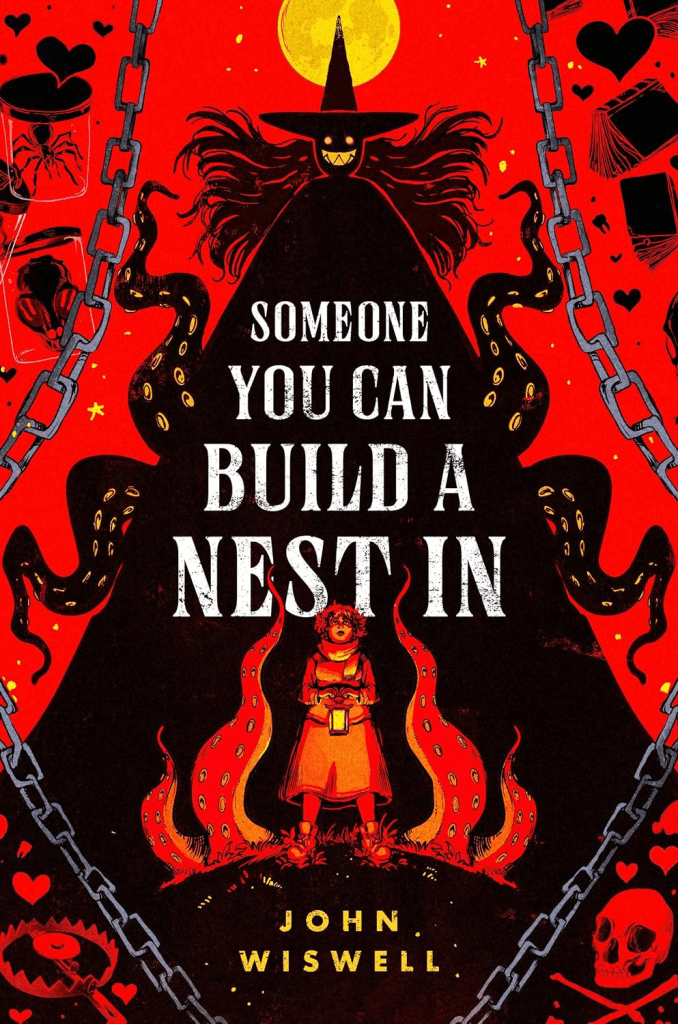
Someone You Can Build a Nest In – John Wiswell“Like a mushroom on a tree trunk/As the protein transmutates/I knock on your skin/And I am in…”

“Bus Back to Richmond” – Lucy Dacus

Nearly five months after Forever Is a Feeling came out (and about a month after Lucy Dacus got a license to start marrying people onstage…what a queen), I’ve cooled down slightly from the initial disappointment, even if only a few degrees. I still hold that it’s her weakest and most commercial album, but at the end of the day, it’s a Lucy Dacus album, and knock on wood, I’ve never encountered a bad Lucy Dacus album. I’ve warmed up much more to “Bullseye,” but most of the other tracks I wasn’t a fan of on the first listen have remained the same for me.

But not long ago, Dacus released two extra tracks that were meant for Forever Is a Feeling but were ultimately cut from the album. REJOICE!! She said that “Bus Back to Richmond” didn’t fit with the rest of the album, but to me, replace some of the weaker tracks with this one, and the album would’ve been more memorable. Though it falls instrumentally into the more introspective, acoustic side of her discography, “Bus Back to Richmond” is a soft, wintry ramble through missed opportunities and sparkling promises of the future. Dacus’ poetically observational lyrics shine in this one, from her descriptions of the “watercolor fireworks” bursting on New Year’s Eve and “eight of us left to the floor and the bed/and the futon that sunk in the middle.” In Christmas light-dappled vignettes, she paints with startling tenderness the coalescing of a future romance, the moments that slowly merged together to form something gleaming in the not-too-distant distance. Even in the heat of August, it feels like a woolen blanket wrapped around you as you stare at the embers of a crackling fire—the perfect winter song for summer.

…AND A BOOK TO GO WITH IT:

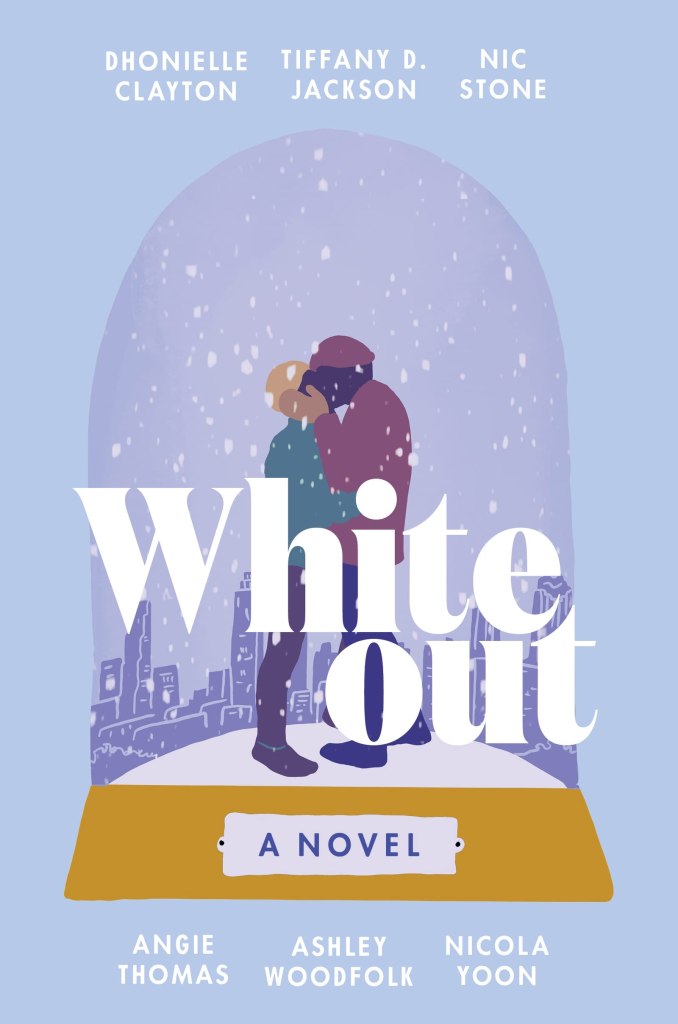
Whiteout – anthologyintertwining love stories that all converge in a record-breaking blizzard.

“Rabbit Run” – IDLES

New music from IDLES is always a welcome thing, but granted, it was quite disappointing that it was from the soundtrack for, of all things, Caught Stealing. I saw the trailer before seeing Superman (which was as wonderful as everybody has been saying it is. HOPE IS PUNK ROCK! I think Superman would love IDLES), and it basically just looked like a vague “punk rock” pastiche involving a slightly terrifying looking Matt Smith and a vague plot involving Austin Butler battling a bunch of ethnic stereotypes for…uh, reasons, I guess. Regrettably, the punk aesthetic fits with IDLES’ sound, and I hate to see them involved with something that looks so downright stupid, but…they do kind of fit the vibe.

“Rabbit Run” is one of four songs that will eventually appear on the soundtrack of Caught Stealing. Though it doesn’t seem to fall into the Arcane curse of “movie/TV soundtrack songs whose lyrics blatantly regurgitate whatever plot points they’re paired with,” it still feels restrained for IDLES; despite how cagey the lyrics are, it feels relatively free-flowing until the chorus kicks in. But the layers of Nigel Godrich-sounding production give it the perfect middle ground between slick and gritty, as do Joe Talbot’s vocals. The lyrics are certainly weaker than the typical IDLES far (“Beat you slow like your padre/Got you running like a jailbreak”), but when “Rabbit Run” hits the spot, it feels like the perfect score for high-octane chase scene, and a worthy display of Talbot’s vocal range.

…AND A BOOK TO GO WITH IT:

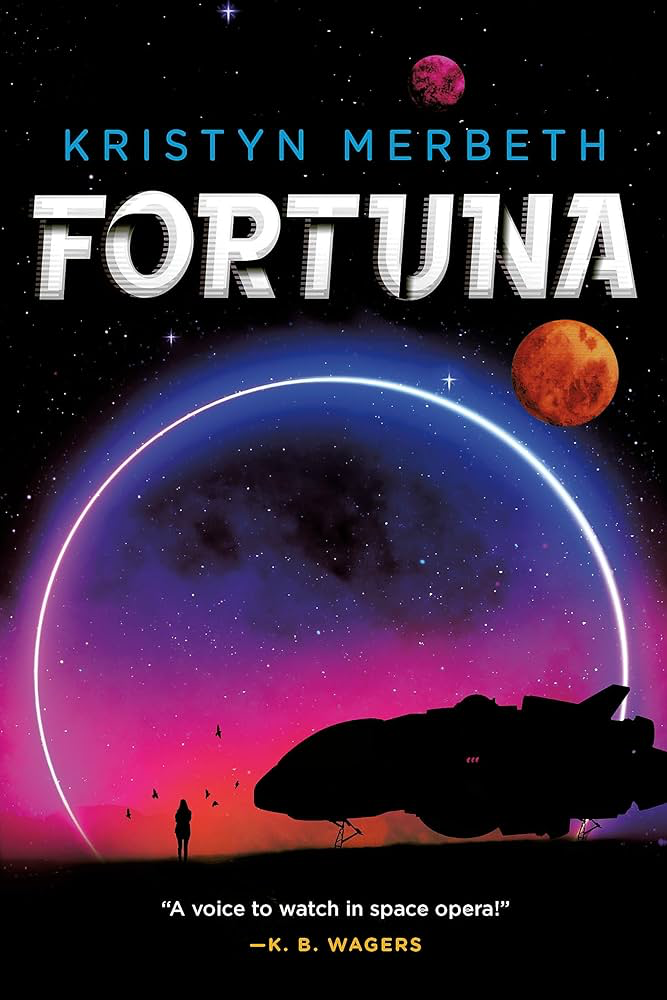
Fortuna – Kristyn Merbeth“Make way for collateral damage when I’m bored/Pick the scab on the arm of the beast til it’s ravaged when I’m bored/Oh so many things to do or not do when I’m bored…”

“Third Uncle” – Brian Eno

Today on “Madeline won’t shut the fuck up about Brian Eno,” we’re going back to the glammier days of the early ’70s. But in the case of this song, “glammier” feels like a misnomer, even though it’s placed both directly in the heyday of glam rock and Eno’s own heyday of his brand of glam rock. If it’s glam, it’s the zenith of uptight glam—it has the texture of touching guitar strings that are one wrong move away from snapping in half. It’s been wound up so severely that for all of nearly five minutes, it remains in the liminal space milliseconds before the tension breaks. With a thrumming bassline from Brian Turrington being the most freeform part of the song, every other part of “Third Uncle” is the music equivalent of squishing as many objects as possible into a box that will barely fit all of them—everything’s under the lid, but the seams are bulging. In the right mood, it’s energizing, and in the wrong mood, it’s borderline anxiety-inducing. To me, though, that’s proof that Eno’s rock experiment worked exactly as he calculated it: it’s an exercise in tension without release, only hints of freedom once the guitar swerves in one direction or the other. Even Eno’s nonsensical lyrics—a laundry list of items, some of which are burned—are uttered with the urgency of someone passing a secret code along through a burner phone.

Through this song, it’s easy to see just how much Eno’s influence spread. We mostly hear of Eno’s pioneering influence in the fields of glam rock, post-punk, and ambient music, but “Third Uncle” practically had a shockwave effect when it came to the early goth bands of the ’80s, starting in earnest after Bauhaus covered the track in 1982. It feels looser and less claustrophobic than the original, but it contains all of the trademark roughness around the edges carried over from Eno and into the grimier catacombs of what had just become goth. They achieve a balance of being hurriedly frantic (weirdly, I can hear the urgency of “It’s The End of the World As We Know It [And I Feel Fine]” in Peter Murphy’s vocal delivery) and yet mistier than looser than their forefather (or fore-uncle?), resulting in a rare cover that reinterprets the original way that somehow feels true to its original spirit.

…AND A BOOK TO GO WITH IT:

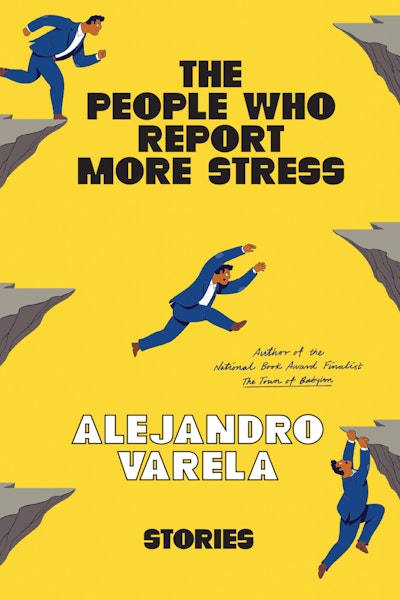
The People Who Report More Stress – Alejandro Varelaa series of interconnected stories who are as tightly-wound as the instrumentals of this song.

“mangetout” – Wet Leg

“mangetout” starts at about 3:59 in this video, but the whole Tiny Desk Concert is worth a watch!

I’m late to writing about moisturizer in whole by about a month; for me, it’s not making my hypothetical 2025 best-of list, but god, it’s such a fun album! Wet Leg have gotten even more energetic with their sound, never quite pushing the boundaries of their previous musical landscape outwards all the way, but introducing enough novelty to it that it feels fresh. It’s a perfect summer album with its glistening production and shouted lyrics. And honestly, anyone who shoves Oasis out of the #1 spot on the charts has an immediate seal of approval from me. Somebody had to humble those clowns.

Even though I’d already had a preview of “mangetout” from their Tiny Desk Concert, released days before moisturizer came out, for me, it represents the melding of where Wet Leg once was and where they are today. The lyrics could’ve come straight out of their self-titled debut, and though, admittedly, they’ve written this song in some variation at least four times, they always manage to keep it fun, whether it’s with the gleefully shouted end of the song that snaps away just before devolving into chaos, or the blatantly obvious but still hilariously random inclusive of the name “Trevor” just to rhyme with “clever.” (It’s a dirty job, but someone’s got to do it.) Of course, I know maybe…ten words tops in French, so I fully just thought they’d mashed together “man get out” into a single word, but as one of the comments says on this Tiny Desk, “there was always going to be someone to be first on the moon, and there was always going to be someone to be first to realize that the French word for sugar peas was spelled ‘man, get out.'” If anyone was to be trusted to deliver this knowledge accordingly, it’s Wet Leg.

…AND A BOOK TO GO WITH IT:

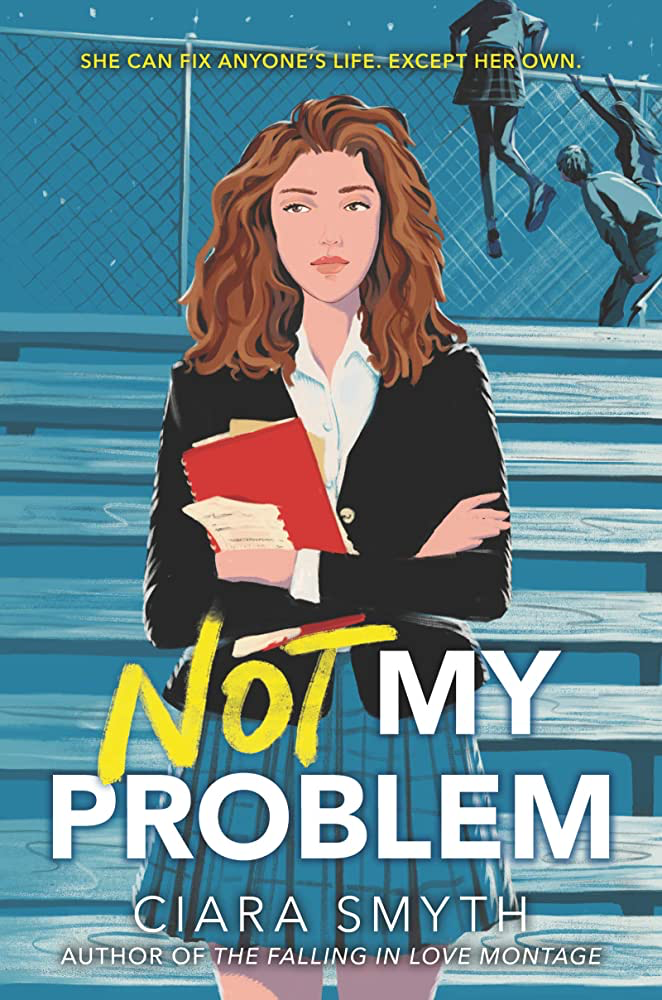
Not My Problem – Ciara Smyth“You think I’m pretty cruel/You say I scare you?/I know, most people do/This is the real world, honey…”

Since this post consists entirely of songs, consider all of them to be today’s song.

That’s it for this week’s Sunday Songs! Have a wonderful rest of your day, and take care of yourselves!
Posted in Book Review Tuesday

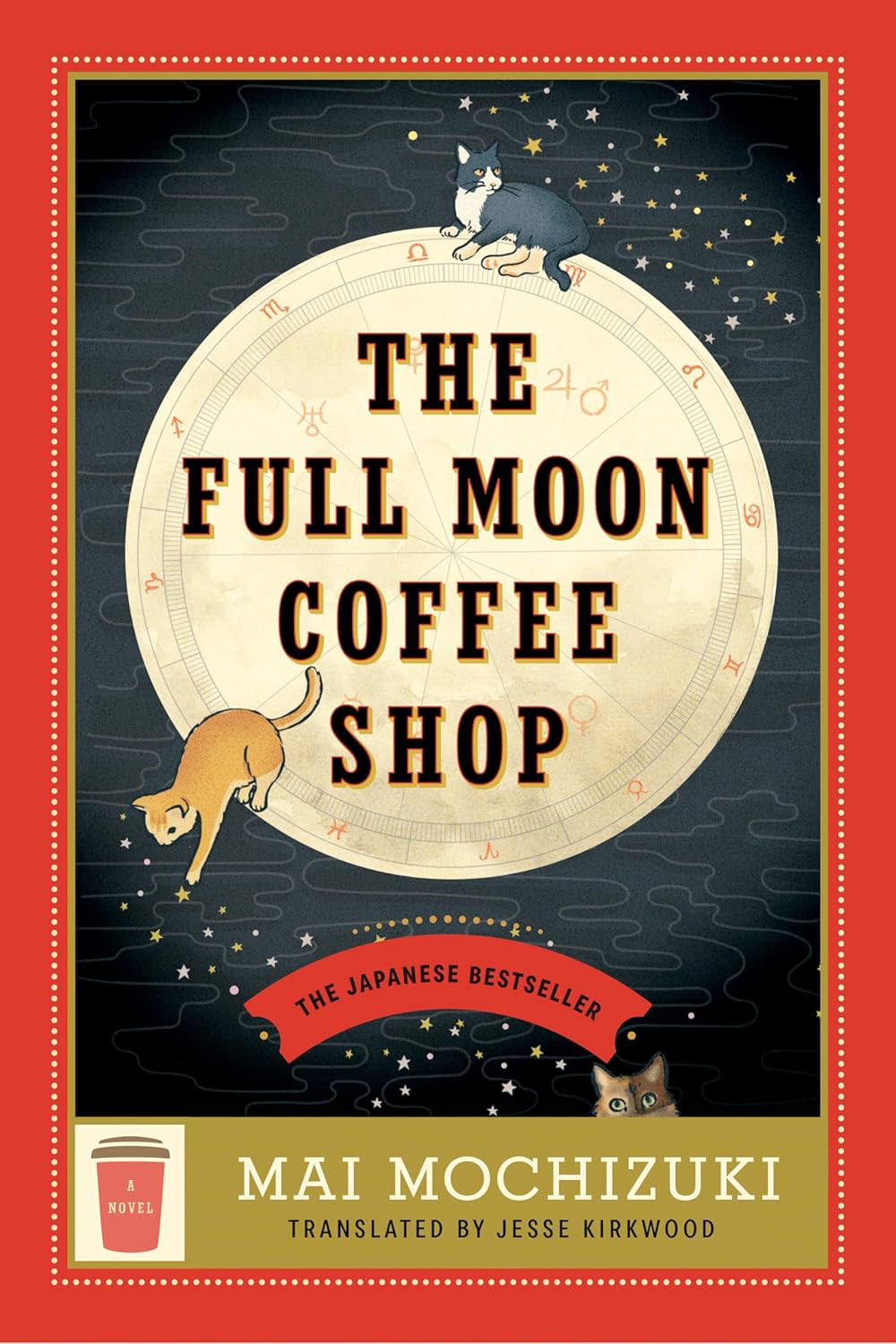
Book Review Tuesday (8/12/25) – The Full Moon Coffee Shop

Happy Tuesday, bibliophiles! Apparently today marks ten whole years since I started with this blog…granted, it was a pretty far cry from what it is today, but it’s a marvel that I’ve kept it going for this long. Thanks for tagging along, everyone! 🫡

In my ongoing quest to read more translated books, I’ve stumbled upon a lot more Japanese books about cats than I anticipated. Granted, they’ve varied greatly, but it’s a pattern. Not that I’m complaining—I’ll read most anything involving cats! Which is partly why I decided to read The Full Moon Coffee Shop. It sounded downright whimsical, and to some degree it was, but ultimately, that quality was dulled by the formulaic nature of…well, pretty much everything else.

Enjoy this week’s review!

The Full Moon Coffee Shop – Mai Mochizuki (translated by Jesse Kirkwood)

The Full Moon Coffee Shop is no ordinary café. It only appears during the night of the full moon. Its waitstaff are talking cats, and you can never order what you want—they only serve you what you need. And if you find yourself in the Full Moon Coffee Shop, you’re in need of direction in life. Weaving together the interconnected stories of five unlikely strangers, the Full Moon Coffee Shop may be the answer to their burning questions—and the healing they desperately need.

TW/CW: cheating/affairs, sexism, grief

One of the biggest letdowns in reading: finding a book that seems super cute and whimsical, and then said whimsy is there in name only. You can’t just give us an incorporeal coffee shop manned by talking astrologer cats and then be so unconvinced by your own whimsy! God.

The worst thing that a cozy book can be is preachy. Having a low-stakes novel centered around life lessons, healing, and character growth doesn’t mean that you have to have a Learning Moment™️ worded like a PSA every few chapters. It’s a pitfall that’s easy to fall into with cozy fiction, but it’s one that takes away the magic for me. For novels that are meant to be about taking quiet moments that are often taken for granted and giving them more weight and value to the narrative, having everything explained to you seems so contrary to what “cozy” means to me. I just resent books that try to show character development decently, and then ruin it all by assuming that the reader doesn’t have the capacity to figure out what just happened and regurgitating it word-for-word. This was the main problem with this novel—it assumed so little of the reader and spelled everything out in the least subtle way. Every chapter of The Full Moon Coffee Shop pulled a “And what did we learn today, kids?” moment at the end without fail, and it just got so tedious so quickly. It just felt so preachily worded and repetitive, dulling any emotional impact this story could’ve had.

I feel so conflicted when talking about the writing of The Full Moon Coffee Shop. I read it in translation, so I really don’t know who’s to blame for the quality of the writing. I don’t know if Mai Mochizuki’s original text was dryly written to begin with or if Jesse Kirkwood’s English translation somehow dulled some of Mochizuki’s writing style and rendered it blander than before! I have no clue! Gaaaaaaaah! In any case, The Full Moon Coffee Shop was written so stiffly for a book that billed itself as so whimsical. The characters’ inner monologues all feel very rote and one-note and there’s hardly any sensory descriptions to immerse the reader in the setting. The writing let me down the most when we were introduced to the coffee shop itself, the most unique part of the novel; while I enjoyed the concepts of everything, from the celestial-themed desserts to the talking cat waitstaff, it was all described with the sparsest possible detail, the bare minimum word count to get the reader to visualize a new image. The Full Moon Coffee Shop is a slim novel, so it’s not like more detailed descriptions would’ve made it overly long—I was barely immersed in both the real-world and magical settings. The same can be said for the characters, who were barely developed beyond a problem they needed solving. The writing just felt like the bare minimum of describing…well, everything.

For me, one of the main issues with The Full Moon Coffee Shop was just how formulaic everything was. I had the same issue with What You Are Looking For is In the Library, a similarly cozy book about finding direction in life, but in that case, the stories were so repetitive and short and seemed to be saying the exact same thing, so my patience ran thin much earlier than with this novel. Once again, cozy doesn’t necessarily mean predictable—it should mean something that’s low-stakes, not repetitive. The Full Moon Coffee Shop felt like hearing the same story three times over; character is dissatisfied with life, character discovers coffee shop, character gets their natal chart read, character has a revelation and magically figures out how to fix their life. Rinse and repeat for 200 pages. You can see how tired that got. I appreciated that Mochizuki at least attempted to switch things up for the last story, but it didn’t do much to my interest in the story. All that changes is that it’s framed through the characters thinking that the coffee shop experience is a dream. Sadly, that amounted to little more than a perspective change and a switch to a handwritten font. It just got so repetitive and boring after a while, and even though the stories focused on different problems, Mochizuki rarely had anything new to say.

I hadn’t read a ton of reviews of The Full Moon Coffee Shop going in, but it seems a lot of people had problems with the heavy emphasis on astrology. The presence of astrology in and of itself wasn’t an issue for me, but it was more how said astrology was woven into the novel that got on my nerves. “Woven” is a generous word—even as someone who’s at least sort of into astrology, I felt absolutely sledgehammered over the head with every minute detail of it. After a certain point, The Full Moon Coffee Shop just became Astrology for Dummies. You know that meme of the kid pretending to read the Bible, but there’s a Minecraft book peeking out of the Bible? That’s what it felt like. It’s less of a novel and more somebody talking at you about the natal charts of complete strangers for 200 pages. I guess it might be beneficial to assume that your reader doesn’t know much about astrology, but Mochizuki got so bogged down in explaining every minute detail of every character’s astrology that the real meat of the story got lost. For me, it took away from the heart of the story, which should’ve been getting insights into the characters and their healing journeys. I feel like astrology easily could’ve been a fascinating aspect of the novel if not for how unsubtly it was shoehorned in—there could’ve been a chance to give it some narrative significance rather than spending 50 pages explaining astrology to the reader like they’re 5 years old.

Despite the formula of The Full Moon Coffee Shop getting on my nerves, I at least appreciated some of the messaging that the cats gave to the characters on how to fix their lives, particularly in the second chapter. However, the advice that the cats gave Mizuki seemed downright weird. I get that she’s not having success in her career, but the cats telling her to get with the times and not write what she loves just seemed so odd to me. There could’ve been something so poignant about success not being everything and her failures only being a small part of her career, but the cats were just talking to her like they were corporate executives telling her to be hip with the kids! Not only did that rub me the wrong way, the story itself seemed to refute the cats’ advice as well. Mizuki ends up finding success when she injects her signature style into a project that she was only doing for the money, thereby finding success in being herself and putting her own personal spin on things! Crazy concept! So why even have the cats tell her that in the first place, if that’s not even the lesson that the novel leads us to believe that Mizuki takes away from it?

All in all, a cozy novel that billed itself as tender and sweet, but ended up being unsubtle, preachy, and unconvinced of its own lessons. 2 stars.

The Full Moon Coffee Shop is the first in the Full Moon Coffee Shop series, followed by Best Wishes from The Full Moon Coffee Shop. Mai Mochizuki is also the author of the Holmes of Kyoto series.

Today’s song:

That’s it for this week’s Book Review Tuesday! Have a wonderful rest of your day, and take care of yourselves!

Posted in Sunday Songs

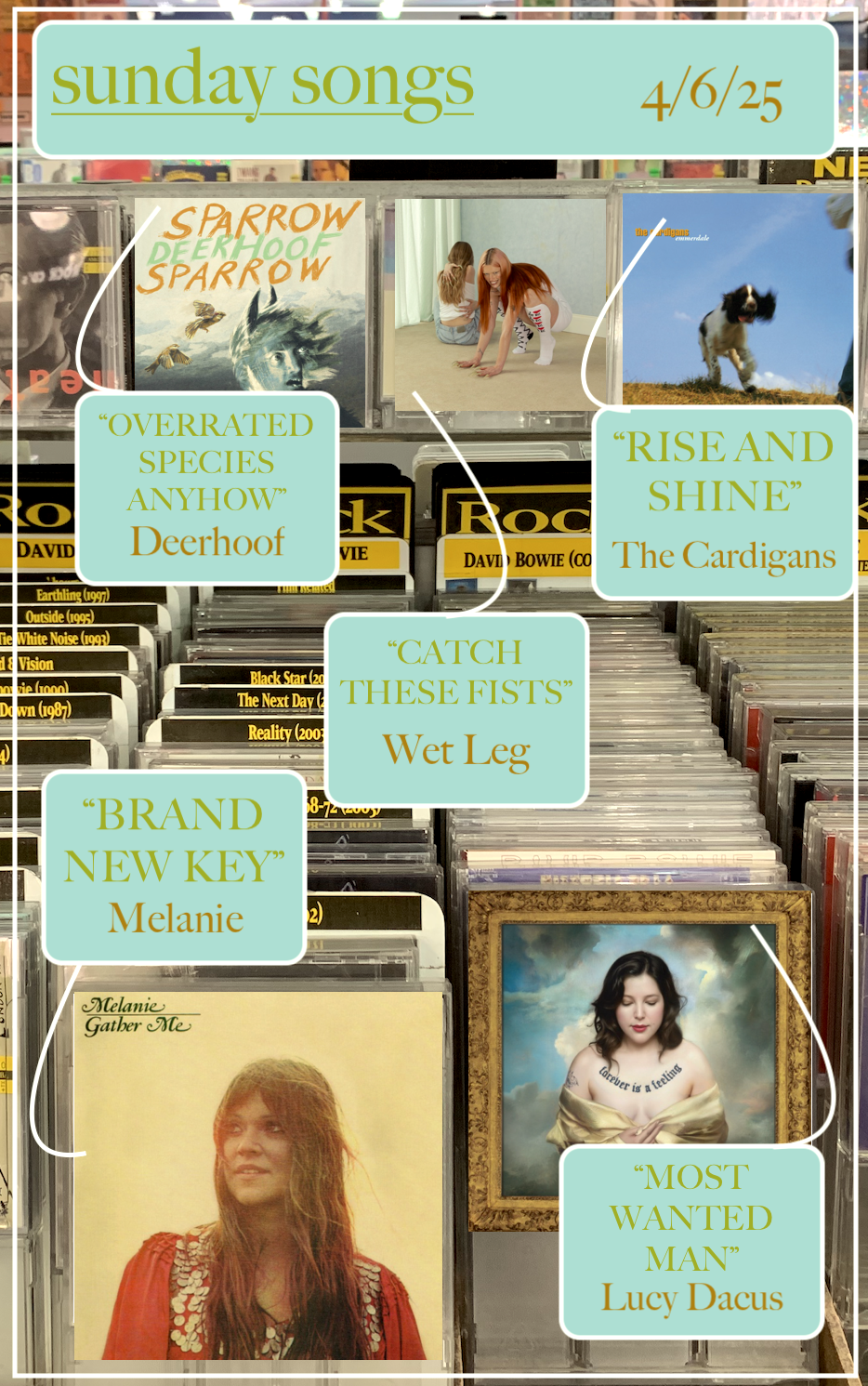
Sunday Songs: 4/6/25

Happy Sunday, bibliophiles! I hope this week has treated you well.

This week: I wish I’d gotten this unintentionally all-women lineup (or, all frontwomen, at least) for March, but every month is Women’s Month! (Especially now…reach out to your representatives about the SAVE Act, for the love of god. Protect your right to vote!) Also, the broad spectrum of romance: rollerskating past a cute person’s window on one end, and beating up creepy guys in the club on the other. Duality of woman.

Enjoy this week’s songs!

SUNDAY SONGS: 4/6/25

“Brand New Key” – Melanie

Somebody needs to start a hypothetical support group for carefree, childhood-inspired songs that get slapped with distinctly “adult” interpretations (see: “Lookin’ Out My Back Door,” a delightful song about imagination that everybody chalks up to LSD). Yeah, yeah, you can’t control how your work will be interpreted, but for the love of god, EVERYTHING ROD-SHAPED ISN’T AN INNUENDO. Quit summoning Freud with an ouija board…why can’t we as a culture let go of darkening everything inspired by childhood? Everybody just seems content to label anything childish as naïve, whack it with a frying pan, and justify its essence by saying that there’s a “mature” meaning behind it…can you not digest a little unadulterated happiness without your edgelord pills?

Anyways. As Melanie tells it, the song was inspired by eating McDonald’s after an extensive fast: “no sooner after I finished that last bite of my burger …that song was in my head. The aroma brought back memories of roller skating and learning to ride a bike and the vision of my dad holding the back fender of the tire.” It’s such a weightless song—from the minute the opening riff kicks in, it never walks—it skips between jump-ropes. “Brand New Key” is just so charmingly joyous to me. Melanie boldly announces herself with a smile that never fades as the song retains a timeless bounce that makes every step into a little shimmy, every turn of the shoulders into a carefree sway. Yet even with the folksy instrumentals, the kind that should give this song a one-way ticket into Wes Anderson’s next movie, it’s Melanie’s voice that makes “Brand New Key.” She takes on the persistence of the song’s narrator with a self-assured confidence—she can roller-skate anywhere she pleases, and she’ll do it with gusto. The way she crows the iconic line in the second verse—”For someone who can’t drive, I’ve been all around the world/Some people say I’ve done alright for a girl”—can’t inspire any emotion other than pure, fist-pumping joy. “Brand New Key” isn’t exactly some sort of revolutionary work of feminism (and that might be as much of a stretch as the innuendo), but I can’t help but think of Melanie’s boldness and relentless devotion to her creative vision, so soon after she’d performed at Woodstock at the age of 22 and begun to make a name for herself as an artist. “Brand New Key” has gone down in history more as a novelty song than anything, but it’s stuck for a reason—I can’t help but bob up and down with joy with every successive play.

…AND A BOOK TO GO WITH IT:

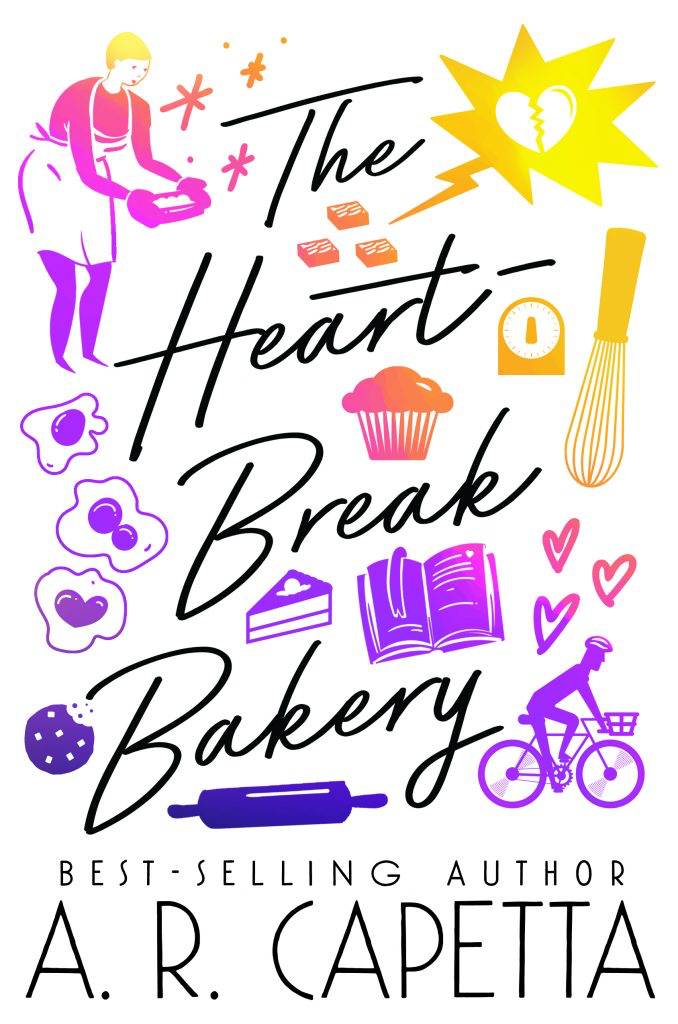
The Heartbreak Bakery – A.R. CapettaThe romance isn’t a one-to-one match, obviously, but the carefree spirit of young love (and bicycle-riding) remains the same.

“Most Wanted Man” – Lucy Dacus

Now that the dust has settled and I’ve listened more to Forever is a Feeling, it’s still a good album, but not the good I can usually expect from Lucy Dacus. After my first listen, I came away with the thought that the singles were better than the album as a whole, but also that she’d almost sold out, that dreaded stage in an artist’s career. It’s not like she wasn’t indie-popular before, but now she’s on the verge of popular popular, dueting with Hozier popular. I don’t believe Dacus, with her penchant for turns of phrase too clever to fully fit any kind of mold, will ever go fully mainstream. But with the relatively toned-down spirit of Forever is a Feeling, I can’t help but think that it was the doing of a major label that made some of these songs…almost tame. Even though the same amount of emotional explosion remains under the surface, for half of the songs, it almost feels curtailed. She’s never allowed an impassioned belt or more than a small guitar solo at the end of a song. I’m not saying that she was, y’know, absolutely screamo or anything, but she knew how to give even the smallest moments the weight of the world. This album should’ve been the perfect opportunity, given that it’s crafted from heartfelt vignettes of falling in love with Julien Baker (SO HAPPY FOR THEM!!! my boys…I wish them all the best!! 🥹). Maybe it’s just personal. It’s always weird to see indie artists get popular. Who knows.

That being said, it’s not like Forever is a Feeling was a bad album by any stretch. Lyrics? Always top-notch. And when it was able to delve into the deepest well of emotion (see: “Lost Time”), it got plenty of moments of true, misty-eyed beauty and affection. “Most Wanted Man” was one of the immediate standouts, and not just because of the tempo. With it’s upbeat, guitar-driven sway, Dacus constructs a tattered, energetic scrapbook styled like a blurry-viewed movie montage of moments with Julien Baker: “Tied in a double knot/Just like our legs all double knotted/In the morning at the Ritz/$700 dollar room, still drinking coffee from the Keurig/We’re soaking up the luxuries on someone else’s dime.” Dacus called it the song on the album that’s most overtly about her relationship with Baker, and it’s full of unbridled joy for what they’ve had, but also for the adventures they’ve yet to have together, repeating a starry-eyed refrain of “I’ll have time to write the book on you.” Besides the healing reference to “Everybody Does” (“Gripping my inner thigh/Like if you don’t, I’m gonna run”…right in the 2020 Madeline) and Baker herself contributing harmonies, it’s a song brimming with hope, of seizing the moment, and yet holding the excitement of spending your life with someone in your heart. Major label or no, they can’t stop Lucy Dacus from penning the most heartfelt songs about relationships, be they romantic or platonic.

…AND A BOOK TO GO WITH IT:

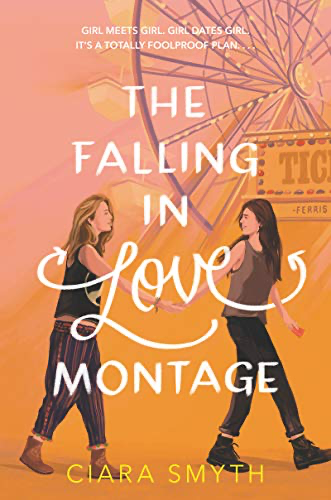
The Falling in Love Montage – Ciara SmythA similarly energetic and tender (and sapphic!) story of love and adventuring.

“Overrated Species Anyhow” – Deerhoof

I know an album intro when I see one…and I heard this single before Deerhoof announced their new album, Noble and Godlike in Ruin. It’s short, anthemic, it feels like a nice thesis…and it’s a good thesis to boot: “Love to all my aliens/Lost, despised, or feared/You are why I wrote these passages.” I feel like that scene in Into the Spiderverse at Peter Parker’s funeral where one of many strangers in a Spider-Man masks tells Miles Morales that “he’s probably not talking about you,” but I will gladly be accepted as one of said aliens. Hey, “Future Teenage Cave Artists” got me through a pretty nasty bout of anxiety, and I cherish it to this day.

Thus far, some of the album seems to be about frontwoman Satomi Matsuzaki’s experience as an immigrant in America alongside all of the hateful rhetoric that is (and has always been) multiplying; Admittedly, I balked at the use of the word “savages” in the way that it’s used here, but I can see it as being a reclamation of a term that has been historically lobbed against immigrants. (Still not ideal, but I can at least see the justification of it.) “Overrated Species Anyhow” feels almost choir-like, meant to be sung as a kind of incantation of sanctuary; amidst the chaotic melding of birdsong, “Via Chicago”-like drumming, and a cascade of rippling instrumentals, the track serves as both an outstretched hand to the othered and an opening of the album’s curtain. I don’t think I’m dedicated enough of a fan to go into Noble and Godlike in Ruin, but this offering is a lovely, delightfully weird one, as Deerhoof always is.

…AND A BOOK TO GO WITH IT:

A People’s Future of the United States – edited by Victor LaValle (anthology) – at times, frightening (and sometimes too feasible) visions of the future, but all containing stories of marginalized resistance.

“catch these fists” – Wet Leg

Wet Leg’s self-titled 2022 debut isn’t a particular favorite of mine, but it marked its place right when I graduated high school—it was full of droll, commandingly danceable anthems for that short time in my life. Yet even then, I got the sense that their songs were on the repetitive side. They’re a bit like Weezer, in a way—they have maybe two or three songs, but all of them are great. They know what they’re good at. Now that Rhian Teasdale and Hester Chambers have announced their next album, moisturizer (are all of their albums going to be synonyms for “wet?” damp, coming in 2028!), it seems as though they’re trodding on the same path. Here’s the thing: it’s a good path. I feel like it’d be too harsh to call them one trick ponies, because they’ve got at least two or three, but those tricks? They’re infectious, catchy, and begging to be played over and over. “catch these fists” may be covering the same ground they’ve covered for three years (unsatisfying romance, drugs, clubbing, shitty men), but they inject it with energy that would make anyone want to get up and have some fisticuffs. The disaffected, rhythmic way that Teasdale intones the lines of “Can you catch a medicine ball?/Can you catch yourself when you fall?” provide a slinking hook for a song with a killer right hook that never loses its potency.

…AND A BOOK TO GO WITH IT:

Into the Crooked Place – Alexandra Christoan action-packed match for the high energy (and fist-fighting) in this song.

“Rise and Shine” – The Cardigans

Whew, we’ve got another whiplash transition here…not necessarily from the tempo, but without a doubt, the lyrics. I guess if we’re going linearly, we’re healing? You gotta beat scummy men hitting on you to a pulp sometimes, but then you’ve got to go reconnect with nature and regain your faith in humanity the next morning. Healing! We’re circling back to Melanie’s unfettered happiness in no time.

Leave it to The Cardigans to bring that pure levity. “Rise & Shine” was the first song that they recorded with Nina Persson as the lead vocalist, which…the fact that they considered anyone else but her is astounding, given how enduring and clear her voice has proven to be, but it seems that it’s the reason they began their upward descent to fame. It later came on their debut album, Emmerdale, and the track feels as free as the album cover’s dog bounding through a field of grass. With its jangly guitars and tambourine percussion, there’s an inherent scent of summer that they’ve bottled inside every note as Persson sings of reconnecting with nature: “I want to be alone for a while/I want to Earth to breath to me/I want the ways to grow loud/I want the sun to bleed down.” Despite the angst aplenty that they’d later become masters at (see: “Step On Me”), this kind of upbeat, optimistic spirit became an undercurrent of their music that keeps me returning time after time. Even when Nina Persson’s in abject misery, they at least make you want to dance, right?

…AND A BOOK TO GO WITH IT:

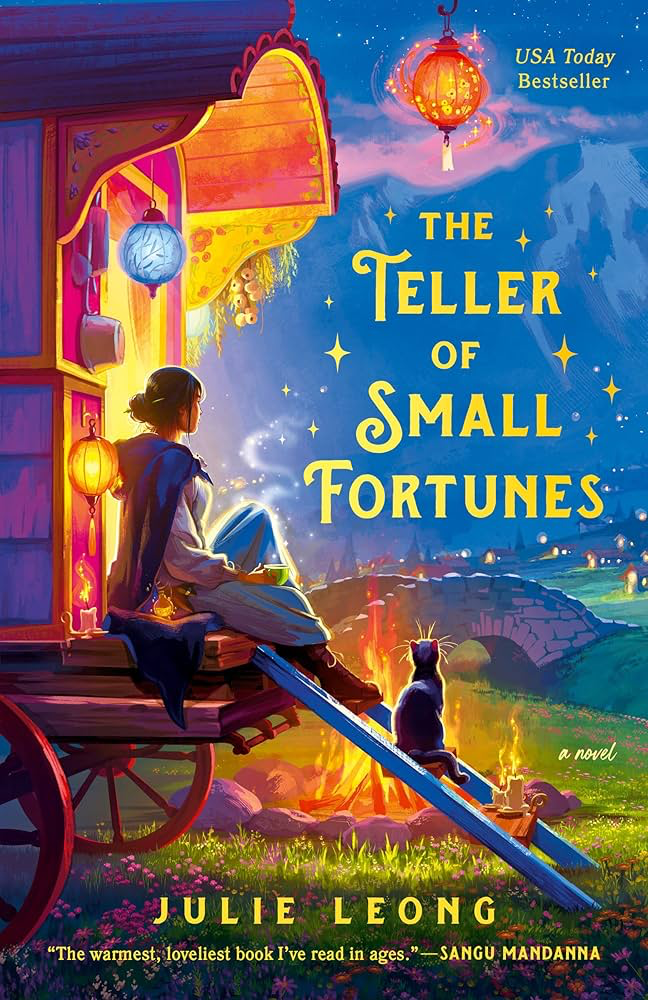
The Teller of Small Fortunes – Julie Leong“I want to be alone for a while/I want earth to breathe to me/I want the waves to grow loud/I want the sun to bleed down…”

Since this post consists entirely of songs, consider all of them to be today’s song.

That’s it for this week’s Sunday Songs! Have a wonderful rest of your day, and take care of yourselves!

Posted in Book Review Tuesday

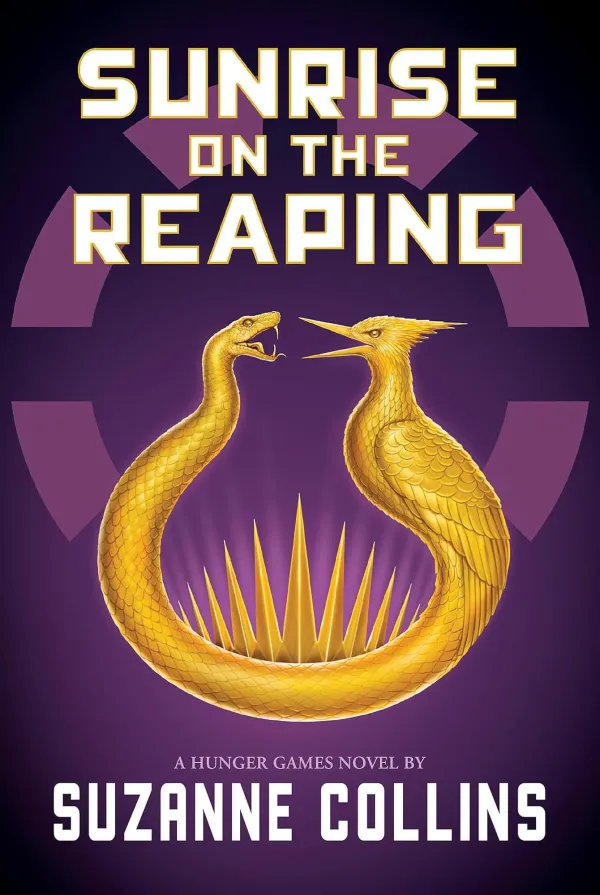
Book Review Tuesday (4/1/25) – Sunrise on the Reaping (The Hunger Games, #0.5)

Happy Tuesday, bibliophiles!

Now, for a book I absolutely LOATHED…

…gotcha. Get Fool’d. 🫵

Here we are in April, and I’ve turned a hard left from reviewing cozy (to varying degrees) fantasy for two weeks straight to one of the most brutal novels I’ve read all year. Ladies, gentlemen, and others: Suzanne Collins. Sunrise on the Reaping did exactly what it was supposed to: it pulled no punches, and yet it also had a message that’s critical to how we move through these times.

Enjoy this week’s review!

Sunrise on the Reaping (The Hunger Games. #0.5) – Suzanne Collins

Haymitch Abernathy knows his fate is sealed the minute he’s reaped for the 50th Hunger Games, the second Quarter Quell where twice as many tributes are chosen to pay the price for losing a bygone rebellion. All Haymitch ever wanted was a quiet life, tucked away in District 12 with his family and Lenore Dove, the girl he loves. As he’s carted off to the Capitol, he knows that he has the chance to end the cruelty that the Capitol has gotten away with for decades. With a handful of unlikely allies, Haymitch plans to end the Hunger Games once and for all. But has he estimated just how far the Capitol will go to secure its grip on Panem—or have they underestimated his tenacity?

TW/CW: graphic violence/blood, murder, gore, descriptions of injury, poisoning, animal attack/death, loss of loved ones, death of children, fire

WARNING: this review contains some spoilers! If you haven’t yet read Sunrise on the Reaping, tread lightly.

Sunrise on the Reaping was precisely as brutal as it should have been. Suzanne Collins did not hold back. I had to sit in silence after finishing it…the only shred of levity I could find was remembering that Philip Seymour Hoffman played Plutarch Heavensbee in the movies and imagining his character from The Big Lebowski in his place. [uncomfortable laughter] “That’s marvelous…”

24 years before The Hunger Games, the Capitol that we were introduced to rules with a similarly iron fist. One of the most chilling aspects of Sunrise on the Reaping was how Collins showed even more of the sinister inner workings of what the Capitol was doing to keep the Districts in line. The manipulation of both Louella and her brainwashed body double was one of the most chilling—I knew both of them were doomed from the start, and it made the reach of the Capitol all the more frightening. But perhaps the most horrifying was the Capitol reaping Beetee’s barely teenage son as punishment. What stands out about Collins’ worldbuilding is how much she focuses on the human cost; aside from the obvious, she’s adept at showing the lack of regard the Capitol has for marginalized lives, and that dehumanization forms the core of what makes the Capitol so oppressive: profiting and dealing in death.

In particular, I loved how Suzanne Collins portrayed a middle-aged President Snow. He’s as chilling as he is in the original trilogy—ruthless, heartless, but above all, laser-focused on having everything under his control, whether it’s the citizens of the Capitol or the many tributes stepping out of line. His brief interaction with Haymitch revealed so much about his character. Sure, the whole reference to the “Snow lands on top” motto from The Ballad of Songbirds and Snakes did feel like Collins blatantly going wink-wink, nudge-nudge, you can clap now to the reader, but the rest of his character revealed just how far he’ll go to dictate the entirety of his environment. It was honestly so funny how incel-y he was in regards to projecting all of his relationship woes from 40 years ago onto Haymitch’s girlfriend (all while he’s recovering from being poisoned, gotta admire the dedication), but it just goes to show that even in his weakest moments, Snow will always rue the things that slipped through his fingers—and do anything in his power to prevent it from happening again.

This aspect is something that’s fairly present in the first two Hunger Games novels, but I like that the Hunger Games themselves never take up much of the book. Collins knows that if she were to make every book solely about the Hunger Games, they would be feeding into the very same spectacle that she’s commenting on. It’s never about the spectacle—it’s the senseless brutality becoming the spectacle. (Also, it all comes back to the people in the fandom who go “now I want to see every single Hunger Games” and don’t realize…) In the case of Sunrise on the Reaping, it gives the effect of how quickly Haymitch has to process everything (and the fact that he can’t process it), but also that the pressure is constricting him more than it ever has, which heightens so much of the emotion. The main draw of the book, for many people, becomes not the focal point, but the point where Haymitch is put to the test—not the entire plot.

That’s not to say that Sunrise on the Reaping was flawless. As much sympathy as I had for Haymitch, his narrative voice got on my nerves for the first half of the novel. Collins played up that sort of overly earnest, country bumpkin style of speaking, making him more of a caricature than a person for a good third of the novel. I supposed it functioned more to show how easily innocence and ignorance can be destroyed in the face of revelations about how the world works, but it didn’t work for me because Haymitch knew about the cruelty of the Capitol firsthand. On principle, it was a shaky way to build his character. He almost seemed too good, even though he was so willing to break the rules and spit in the face of the Capitol. Again, the contrast between him both post-Quarter Quell and his older self is appropriately drastic, but I think I could’ve done without the setup. Plus, it just got so annoying hearing call everyone “sweetheart” and give candy to smiling children constantly. We get it…salt of the earth, etc., etc. I just couldn’t believe that Haymitch was truly pure. Collins never shied away from Katniss not being as such—why not Haymitch?

I already knew how Sunrise on the Reaping was going to end. I’d remembered the few details that Collins had alluded to and had gotten transferred to a fan wiki. It’s a given going into a Hunger Games novel that you operate on the prospect that everyone’s doomed. It would have been so easy for Collins to let that speak for itself, to not put any effort in and rely solely on the inevitability that the fans were going to be devastated anyway. But Collins, as always, gives such a depth to every character, making every slight the Capitol makes that much crueler. You know that Haymitch’s life is upended after he wins the Hunger Games, but Collins gave him a drive, a life, and stakes beyond what we see in the original trilogy, that makes his losses so much more painful. One of Suzanne Collins’ best qualities as a writer is that she toes the line between giving characters unexpected nuance and sympathy, but never outright excusing their actions. She’s a cartographer of personality, however rocky.

I saw the message of Sunrise on the Reaping coming a mile away, and to be honest, I didn’t even care. I knew how Haymitch’s games ended. From the moment he started plotting to destroy the arena and end the Hunger Games for good, I knew his mission would end in failure. But as with every successive Hunger Games novel that Collins writes, there’s a critical message to be found, and this one rings true in these times more than ever. We know that Haymitch fails, but because the rest of the trilogy exists, we know that his dream takes flight—just not when he wanted it to. Resistance and rebellion, even when they fail at first, are always worth fighting for, no matter how difficult the path towards peace is. No matter how much Haymitch failed, he was critical in exposing the cracks in the Capitol’s system—and he helped bring it down in the end, even though he failed in his first try. No matter how long it takes, resistance is always worth it, even if you don’t get to see its immediate effects.

Overall, a raw, brutal, and deeply emotional installation in the Hunger Games universe. 4.25 stars!

Sunrise on the Reaping is one of two prequels set in the Hunger Games universe, preceded by The Ballad of Songbirds and Snakes. The main trilogy is comprised of The Hunger Games, Catching Fire, and Mockingjay. Collins is also the author of many other books for children, including the Underland Chronicles, Year of the Jungle, and When Charlie McButton Lost Power.

Today’s song:

Forever is a Feeling was a slight disappointment, to be honest, but this song ROCKS

That’s it for this week’s Book Review Tuesday! Have a wonderful rest of your day, and take care of yourselves!

Posted in Sunday Songs

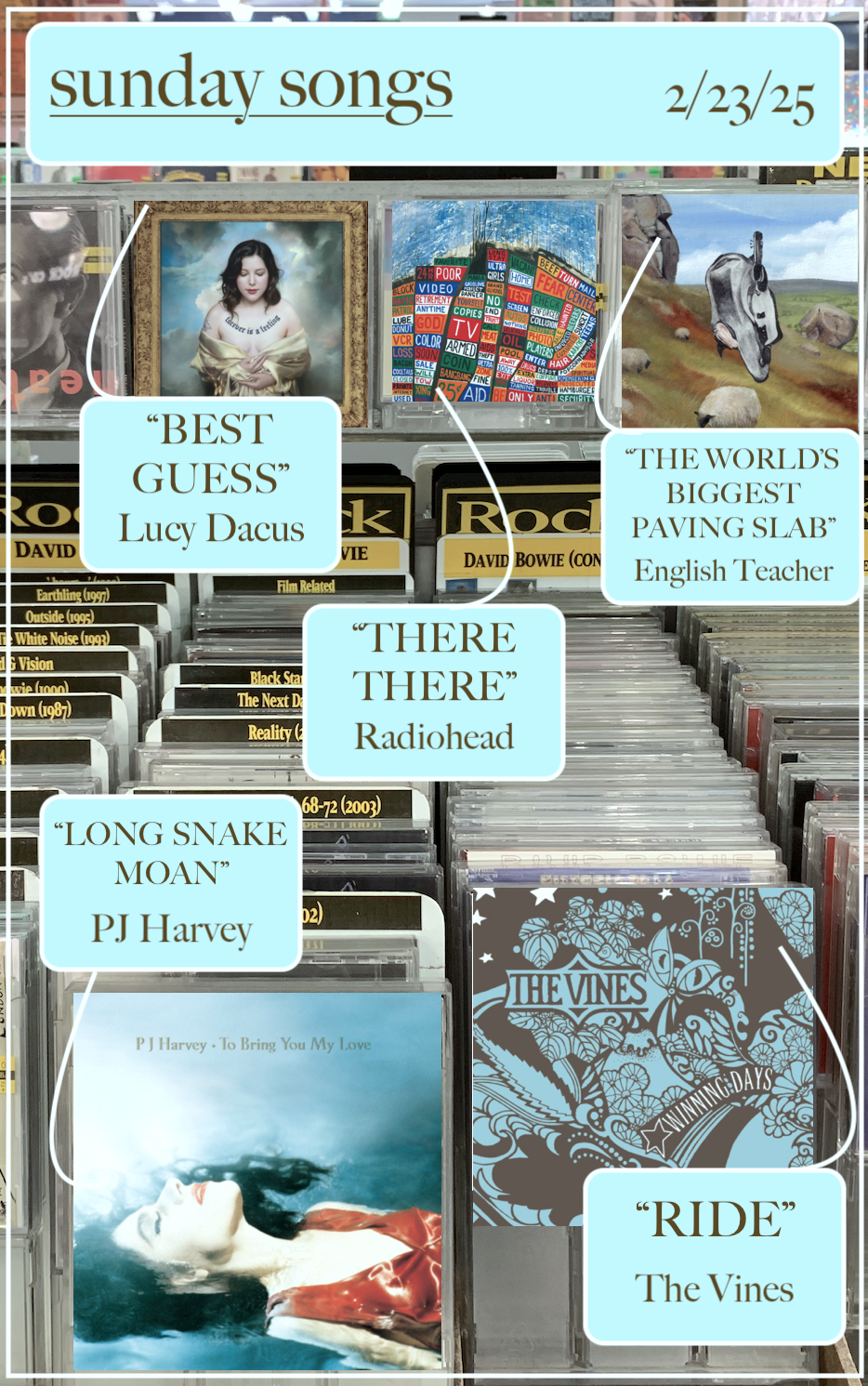
Sunday Songs: 2/23/25

Happy Sunday, bibliophiles! I hope this week has treated you well.

This week: British women dominating rock music for decades, American women giving the gays what they want, and Thom Yorke’s seeming inability to make a bad song since 1995.

Enjoy this week’s songs!

SUNDAY SONGS: 2/23/25

“Long Snake Moan” – PJ Harvey

Finally, finally, I’ve listened to a full PJ Harvey album! Took me long enough. Me and my arbitrary rules for listening to albums that I break half the time. Anyway. To Bring You My Love? I know this is the most vague descriptor you could give for an album, but it truly ROCKS. So many of these tracks embody the raw power that rock n’ roll can have. Not just that, but it feels like a love letter to the rich ancestry of the blues in rock n’ roll. Even without as much background knowledge of the blues, you can just feel the grimy, grungy crawling with threads of DNA in the history of blues in every growl that Harvey lets out. The desperation and wayward storytelling of “To Bring You My Love” and “Teclo” could’ve been fragments lost in the American south from decades before Harvey released the album. It feels to me like an example of the enduring power of any kind of music—here we have a white British woman in the mid-’90s taking inspiration from music from the ’20s-’40s made primarily by Black people all the way across the ocean, here in the States. Who would’ve thought.

One caveat with me saying that the album rocks: it’s got a relatively slow tempo, and we don’t get into the real guitars-going-crazy rock for a few songs. “Long Snake Moan” is one such song, and it knows it—Harvey’s sly “mmm-hmm” before the guitars slam into you like the brunt force of an avalanche is more proof of a smirk than a visual could ever be. She knows she’s about to absolutely wallop her listeners. And “Long Snake Moan” is one of the most enduring songs on the album. The title is a nod to Blind Lemon Jefferson’s “Black Snake Moan,” and though the sound differs, the desire of it is what fuels both; Harvey recalls a lust so all-consuming that “You’ll be drowning/Hell’s below, God above/All drunk on my love.” With every impassioned bellow, you can feel the ragged passion sloughing off every note, desperate yet distinctly conscious of its towering presence and power.

…AND A BOOK TO GO WITH IT:

The Familiar – Leigh Bardugo“In my dreaming/You’ll be drowning/Hell’s low, God above/All drunk on my love…”

“Ride” – The Vines

I was this close to calling The Vines Britpop, but as it turns out, they’re technically nothing of the sort. Not because of the sound, which very edges closer to the rockier side of Britpop, but because they’re Australian. I don’t want to risk the wrath of any Australians, so consider myself checked before I’ve gotten hypothetically wrecked. Oops.

Regardless of whether or not they wanted to hop on the bandwagon, “Ride” feels firmly between Blur’s grunge-parody-that-became-kinda-grunge self-titled album and Supergrass. (Craig Nicholls also kinda has that Britpop, bad-boy frontman look on lock. The bangs, the smolder…) And “Ride” is such an adrenaline rush of a rocker. Guitar tone? Heavy and clean in perfect balance. Vocals? Though Nicholls’ voice doesn’t stand out to me, that distorted scream in between the chorus reminds of the best of 2000’s rock. The art of the rock scream is a sacred one—a well-placed scream can make or break a song, and Nicholls’ is simultaneously put in the spotlight and tucked into the crashing rhythms of the chorus, a grungy accent that drives up the fuel-burning energy of the track. It’s got a rasp that’s perfect for just what it is—a headbangable, garage-y rock track begging for a flimsy stereo speaker to be blasted from.

…AND A BOOK TO GO WITH IT:

Victories Greater Than Death (Unstoppable, #1) – Charlie Jane Andersthe adrenaline-rushed, breakneck pace of this novel matches the reckless, rocking urgency of this track.

“Best Guess” – Lucy Dacus

This video is so cute and gay that I can almost ignore how annoying Cara Delevingne is…oh, no, wait, she’s caressing Lucy Dacus and hamming it up for the camera. Of course.

Either way, 2025 is shaping up to be an excellent year for music about tender love between queer women, between Send a Prayer My Way and everything that Lucy Dacus is putting out (aside from “Limerence”…oof). As much as Dacus’ emotional hard-hitters have a soft spot in my heart (was my 18-year-old brain permanently altered by the “Night Shift” belt? Perhaps), she makes tender, gentle love songs look easy. It rings similarly to her pair of Carole King covers (“Home Again” and “It’s Too Late”) from 2022, with the same slow rhythm and inner warmth; even with the fleeting mentions of over-the-moon obsession (“Tracing your tan lines/Making you mind/If this doesn’t work out/I’ll lose my mind”), it’s a very grounded, worldly kind of love song, in typical Dacus fashion. The first verse of the song centers around caressing the more physical aspects of her lover’s body, but it almost immediately professes that “I love your body/I love your mind/They will change/So will I.” So simply stated, but immediately after that, Dacus professes her undying love. That to me, feels like real love—appreciating your partner for everything that they are, impermanent as it may be. It shouldn’t be groundbreaking lyrical ground, and I don’t think it is, but it’s always refreshing when it comes up, with so many love songs focusing on youth and impermanent, surface-level qualities of people. Plus, “Best Guess” is just such a lovely, catchy song. That guitar riff at the end? Absolutely SUCCULENT. Waiter, more Lucy Dacus guitar work, please! Best-of lists are inevitably subjective, but you didn’t get named the 213th best guitarist of all time by Rolling Stone for nothing, queen! Plus, again…it’s gay. More music videos full of queer people AND queer people being happy, please!!

…AND A BOOK TO GO WITH IT:

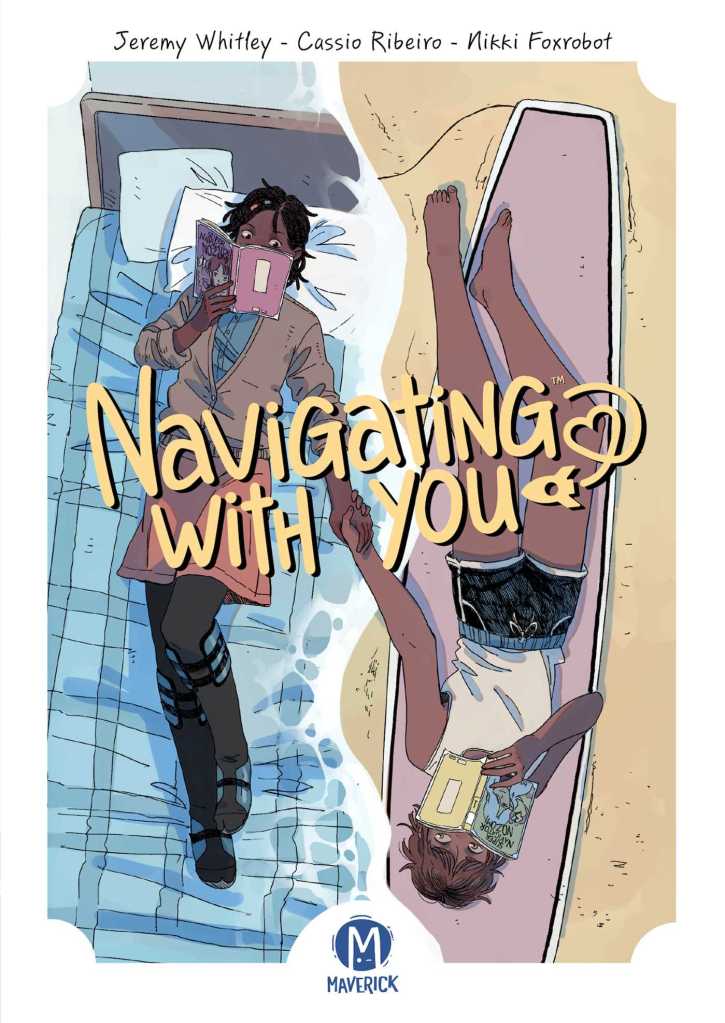
Navigating With You – Jeremy Whitley and Cassio Ribeirosoft, tender, sapphic love…and bonding over manga.

“There, There” – Radiohead

It always comes back to Radiohead. I don’t talk about music videos as extensively as much as I do the songs themselves, but “There, There” has to be one of my favorite Radiohead music videos of all time. Maybe my favorite? Not sure. Directed by Chris Hopewell, it shows Thom Yorke, his movements edited to give the appearance that he’s a stop-motion puppet, wandering into a Beatrix Potter storybook; after peering into miniature houses hollowed into trees, he finds squirrels smoking pipes, a weasel riding a Penny-farthing, all manner of rodents having a feast, and a cat couple’s wedding ceremony officiated by a crow. Of course, Thom Yorke breaks the first rule of the Brothers Grimm (from which he and Hopewell drew inspiration for the video), that being “don’t steal the shiny clothes off of that ominous-looking tree.” You can imagine how well that goes for him. It goes contrary to the largely technological, dystopian aesthetic that has endured throughout Radiohead’s discography, despite their many changes in sound. Up until The King of Limbs, their music was rarely associated with such naturalistic imagery, but that kind of fairytale darkness, paired with the lyrics, makes for a different kind of eeriness than what they usually brew. It all makes the song’s alternate title, “The Boney King of Nowhere,” all the more fitting.

Now, the lyrics…”We are accidents waiting to happen?” WHEW. I always forget about that one…for a band that seems to churn out unforgettable lyrics at a concerning rate, even this feels like one of the most masterful lines they’ve ever come up with. Like the gleaming coat and boots that Yorke finds in the forest, “There, There” is a song of being tugged in a myriad of directions—likely all the wrong ones. In typical Radiohead fandom fashion, most people seem to be divided about what kind of temptation it’s specifically talking about—general religious, personal relationships, you get the picture. The emphasis on the personal pronouns—”I go walking in your landscape,” “We are accidents waiting to happen”—lead me to believe closer to the latter, though I and We can easily be other concepts. There’s an intoxication to “There, There,” a painfully magnetic urge to enter into something dangerous, something that will by all accounts destroy you, but the irresistible temptation remains: “There’s always a siren/Singing you to shipwreck/Steer away from these rocks/We’d be a walking disaster.” One part of you cries “Heaven sent you to me,” the other cries “We’d be a walking disaster.” The chorus of “Just ’cause you feel it/Doesn’t mean its there” is the perfect embodiment of keeping up the façade of devotion—or any kind of emotion that has such a sway that you’re convinced of its reality, even when it has no roots. The whole band makes this spectacle of temptation feel like a trek deep into the mouth of a cave; Phil Selway leans on the thumping of the tom-toms, creating a truly cavernous shell for the song, while the reverb on Jonny Greenwood’s and Ed O’Brien’s guitars echo as though confined by the same dappled walls.

I get so hyperbolic with Radiohead. God, I know I do. I swear that past a certain point (1995?), a good 75% of their songs are tiny masterclasses in how to be creative—how to craft an atmosphere, how to write a gut-punching lyric, how to make music that sticks.

…AND A BOOK TO GO WITH IT:

Someone You Can Build a Nest In – John Wiswell“Why so green and lonely?/Heaven sent you to me/We are accidents waiting to happen…”

“The World’s Biggest Paving Slab” – English Teacher

So listen. I haven’t seen Frank. The one with Michael Fassbender, right? I’ve been meaning to watch it for years, but I haven’t gotten around to it. Should this music video give me enough of an idea?

My entirely arbitrary album listening system Destiny has not yet decided whether or not English Teacher will end up being a band I actually get into, or if I’ll resign myself to going “oh, this song is GREAT” and put off listening to them for another three to five business years. They’ve only got one album, This Could Be Texas, so I really don’t have an excuse. It’s on the list, though. And that one album won last year’s Mercury Prize, so it has to be worth it—not necessarily by virtue of being award-winning, but beating out Beth Gibbons and Charli XCX isn’t exactly an easy feat, even for an award that seems to cater more to alternative artists. Either way, “The World’s Biggest Paving Slab” is proof that no matter what, some part of me will always be attracted to any kind of alt/indie rock coming out of the UK. Something must be in the water there. Or maybe I inherited the gene from my dad, who spent his high school days listening to Julian Cope. Probably both.

Even just from this glimpse, I can already see how much of an avant-garde sensibility that Lily Fontaine and company have; their chord progressions seem to slant ever so angularly, prickly and particular, until the chorus lets them dissipate like fog. The lyrics are a collage of people and curios from Fontaine’s hometown of Colne; being at university for four years gave her the space to look back on it: “witnessing the social, economic and political issues that exist around there in juxtaposition with the beauty of the landscape and the characters that live within in it.” “The World’s Biggest Paving Slab” evokes everything from banks to remnants of the witch trials and a far-right terrorist—a complex history within what, as far as I can tell, is an unassuming, rural place on the surface. Through Fontaine, Colne itself announces its presence as something to be “Walk[ed] all over,” yet also as something containing multitudes beneath the time-weathered stone, for those who care to notice. Fontaine’s vocals switch from airy in the chorus to spoken-word in the blink of an eye, but both ring equally as cries of complicated pride: “I am the world’s biggest paving slab/And the world’s smallest celebrity.”

…AND A BOOK TO GO WITH IT:

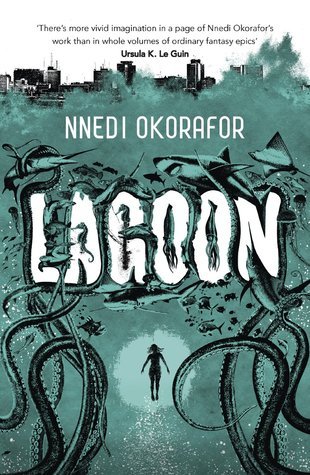
Lagoon – Nnedi Okoraforthe place couldn’t be further away, but it’s a similar concept united around the soul of a place—in this case, Lagos, Nigeria.

Since this post consists entirely of songs, consider all of them to be today’s song.

That’s it for this week’s Sunday Songs! Have a wonderful rest of your day, and take care of yourselves!
Posted in Sunday Songs

Sunday Songs: 2/2/25

Happy Sunday, bibliophiles! Hope you didn’t drive angry today.

Since I’ve been absent for the past two(ish) weeks, here are my graphics and songs from the middle of January:

1/19/25:

1/26/25:

This week: shoutout to Brian Eno songs with vehicles in the names. Plus, Lucy Dacus is thinking about breaking your heart (but when is she not?).

Enjoy this week’s songs!

SUNDAY SONGS: 2/2/25

“Limerence” – Lucy Dacus

January. Love it or hate it, it’s that magical time of year when all of the singles and album announcements for the first half of the year start rolling in. Oh, the sweet sound of new music…especially when it’s from Lucy Dacus! It’s been known that she’s been cooking something up after previewing a handful of new songs post-the record (as is Julien Baker—new album from her and TORRES too!!), but mid-January, she officially announced her new album, Forever Is a Feeling, which will be out this March! Aside from…well, y’know (I know it’s a painting, which makes it more impressive, but what in the PicsArt is that album cover?? That font?? 😭 No hate to Dacus or to Will St. John, but…there could’ve been so many better choices…), I’m so excited for this new record—I’m loving the aesthetic of gilded museums and flowing dresses, as well as the orchestration that Dacus has brought to the record—or at least to “Limerence.”

The other day, I saw some reel or another about how a lot of modern songwriters see writing down explicit, confessional details (or details that sound authentic enough to be confessional) in their songs as an automatic way to get depth, and I halfway agree. I do think that with the steady stream of Phoebe Bridgers wannabes that have been pouring out of some factory in L.A. since 2021 has influenced that, but I don’t think it’s always lazy songwriting. Let’s just say that you can tell when it’s for soul-baring or clout-getting purposes. The key is knowing which details are important: vignettes or extended scenes that elevate the themes or contribute to evoking the intended emotion, something that Bridgers has always excelled at. I hate to say it, but the first lines of “Limerence” nearly feel like the anti-Bridgers method: “Natalie’s explaining limerence/Between taking hits from a blunt, high as a kite/While Roddy’s playing GTA/I swear, why is he so good at this game?/It should be cause for concern.” Against the delicate, piano-dominated orchestration of “Limerence” and the soaring warmth of her voice, such ordinary details feel shoehorned in, without as much connection to the rest of the song. It’s not as though she hasn’t written similarly observational lyrics, but the wording (and maybe the mention of some guy playing GTA with a harp in the background) doesn’t mesh with the rest of the track.

Key word here is nearly. I’ve been a fan of Dacus long enough to trust in the consistency of her songwriting—that bit really is a blip in the vast glory that is her catalogue. The rest of “Limerence” swiftly picks up the slack of those first handful of lyrics. Orchestral Lucy Dacus is, in my opinion, the best Lucy Dacus; guitar carries her humbly captivating gravitas perfectly, yet there’s something about strings, piano, and harp that carry it to new heights (see: “Body to Flame”). With the gentle tempo that recalls the reflection of silk off of marble floors during a ballroom waltz, Dacus drifts into melancholy rumination…as she often does, but it has yet to get old, especially since she’s at least self-aware of the fact (see: “The Shell”). Against the delicate plucking of harps and strings, she sings of drowning herself in distraction just to distance herself from the inevitable collapse of a relationship: “I want what we have/Our beautiful life/But the stillness, the stillness/Might eat me alive.” Carrying the leaden weight of wanting to break free, “Limerence” nervously toes circles around its subject, subtle enough between the folds of a voluminous dress to avoid the truth. The marriage of Dacus’ unbeatable voice and the almost hesitant restraint of the orchestra carve out that feeling of wanting to squirm free, but feeling the weight of severing the other person even more intensely. It’s no wonder that Dacus seemed to have the trouble she did releasing “Limerence” as a single—it was a last-minute call after releasing the much more lighthearted “Ankles” (also excellent), but I can imagine that it has that effect—too personal to keep close but also to release, yet a song that needed to be launched as one launches a satellite out into the vastness of space.

It’s…yeesh, huh? Couldn’t have expected less from Lucy Dacus…anyways, the music video is much more delightful, I promise (and see? 3:19, there’s your album cover):

…AND A BOOK TO GO WITH IT:

Can’t Take That Away – Steven Salvatore“Is there a difference between lying to you/If it feels just as bad as telling thе truth?/I know that there is/And I know what I’ll pick…”

“Here Come the Warm Jets” – Brian Eno

I’m about 6 months too late to make a “brat summer? Nah, Brian Eno summer” joke, but humor me, alright? We cling to what we can in these trying times. Let me have my shitty Brian Eno jokes. Brian Eno winter doesn’t have the same ring to it. (Now, Cocteau Twin-ter—okay, okay, fine, that one’s run its course, I know…)

Somehow, when compiling my list of my favorite album closers of all time, I forgot “Here Come the Warm Jets” entirely. At that point, it had been a solid year since I listened to Here Come the Warm Jets, and it had fallen off my radar. Only when I listened to Before and After Science: Ten Pictures did this track return to me. Obviously, the emotional impact of instrumental tracks can’t be understated, but it seems they’re often overlooked when they’re not film scores. Eno, to me, has a true gift of imbuing such clarity of emotion into his instrumentals (see: “The Big Ship”). Technically, “Here Come the Warm Jets” isn’t technically instrumental, but the vocals don’t come in at 2:33, and they’re so shrouded that they sound like vaguely nonsense chanting. (Eno has said that the lyrics are also meaningless and free-associative, as are many of the lyrics on the album.) Especially as a closing track, “Here Come the Warm Jets” is one of those songs that’s able to breathe life into its title without words. With the dense, buzzing hive of distortion, so thick you could stick your hand in it and feel the wings of millions of insects, it has the fuel and squeal of both tires screeching against the tarmac and the heat and urgency of a plane taking off.

Like “The Big Ship,” you can trace the slow, hopeful ascent of the song, a steady trajectory upwards as the music rises and fades into a cloud-streaked sky. And…okay, well, I know the dirtier interpretations of the whole “Here Come the Warm Jets” phrase, and the playing card on the album cover doesn’t help, but I’m choosing to believe that they’re jet planes, and I can feel the warmth of the rising, fiery hope propelling their engines skyward. Besides, Eno took the title from how he felt the guitar sounded—“like a tuned (warm) jet,” which he added into the track sheet. As with most anything he observes, it’s truly right on the money.

…AND A BOOK TO GO WITH IT:

Activation Degradation – Marina J. LostetterI can imagine the warm atmosphere of this song amongst the machinery of this novel, humming along with all of the engines and parts.

“Brean Down” – Beak>

Man, I admire committing to the bit, but how do you pronounce >>>>? Or >>>, where “Brean Down” is taken from, come to think of it? The only pronunciation I’ve seen is from BBC Radio, which, after some hesitation, called it “four chevrons.” I thought it was some sort of !!! (chk-chk-chk…don’t come for me, that’s all I know about them), but that doesn’t have the pretentious ring I thought it would have. Fascinating…you do you, Beak>. Can’t knock them, especially since one of their (now former, as of last year) members, Geoff Barrow, was from none other than PORTISHEAD back in the day…damn.

When my dad sent “Brean Down” to my brother and I, he described it as “if Radiohead and Shakey Graves had a baby,” and the more I listen to it, I can’t think of a more astute description. There’s a dread-inducing, dead-eyed drone aplenty, but with vocals from someone who’s practically a British Alejandro Rose-Garcia—it’s almost eerie how similar he and Billy Fuller sound. (The Britishness wasn’t even detectable…) Either way, it’s got a kind of creeping, cagey nausea to it that’s perfectly paired with the dusty brick walls and city streets of the music video, all while Fuller sings of alienation and empty absorption: “Tell me what I want and I feel like I do/Stuck in a cage and the people looking at you/Nobody’s perfect and even if you say so/We don’t like the music ’cause it ain’t up on the radio.” There’s your Radiohead for you…but really, Beak> excelled at making the song have the illusion of looseness, with the occasional pulse of the guitar and the drums, but still ultimate feel caged and immobile, as purposefully restrained as the artfully jerky moves of the music video’s danger, Vladislav Platonov. It’s not just the mechanical drone that haunts “Brean Down,” but the sensation as if something is slowly shadowing your figure—conformity, so it seems. Not a whole lot that induces dread as much as that.

…AND A BOOK TO GO WITH IT:

Junker Seven – Olive J. Kelley“Tell me what I want, and I feel like I do/Stuck in a cage and the people looking at you/Nobody’s perfect and even if you say so/We don’t like the music ’cause it ain’t up on the radio…”

“Switch Over” – Horsegirl

Only took me three singles to use the actual Phonetics On & On cover for one of these graphics…I do it for the color scheme. After months, it finally fit. Sorta.

With every single from Phonetics On & On that comes out, I’m continually blown away by just how much Horsegirl have grown and the incredible talent they’ve managed to accrue with experience and maturity. From the beginning, they’ve known how to throw together a tight groove, but “Switch Over” is one of their most striking ones yet. It shines in the way that only freshly polished wood does, creating a catchy, dynamic tapestry with lyrics that, when put together, only consists of about nine words total, repeated over and over. It’s not unusual for Horsegirl, but god, it’s sure been refined from greatness to something fantastic. In limbo between the ’70s (if that wasn’t evident from the Lou Reed poster at the beginning of the video), the ’90s, and something uniquely current. Even with the rhythm kept on such a tight leash, there’s an undeniably current of ease and whimsy running through it—I think it’s the lack of restraint. They’re throwing everything into making something deceptively simple and cooped up, but the passion that they throw into it makes the edges, rigid upon first glance, wiggle with every strike of Gigi Reece’s cymbals. (Also, gotta love how they just disappear into nothingness the minute they hit the cymbals. Peak comedy.) Maybe it’s too early to say so, but Phonetics On & On is shaping up to be one of the best albums of the year—“2468” and “Julie” were hits from the start, but “Switch Over” is proof that we can’t predict the breadth of talent that Cheng, Lowenstein, and Reece (and Le Bon) have up their sleeves.

Man, I’m glad to live in a world with Horsegirl in it. Their only sin so far is refusing to tour near where I live.

…AND A BOOK TO GO WITH IT:

Time and Time Again – Chatham Greenfieldrapid switching and repetition, but this time, it’s repeating the same day over and over (yes, this is basically lesbian Groundhog Day).

“Doo Wop (That Thing)” – Lauryn Hill

Aside from the crushing constraints of the music industry, especially for someone as influential as Lauryn Hill was at her peak…yeah, if I wrote anything as good as this, I’d be perfectly content to get it out there and then disappear from the face of the earth. Well, sure. The tax evasion and the random controversies aren’t exactly ideal. But again—if you release one album and become this influential, I don’t blame her. “Doo Wop (That Thing)” is an extension of that—it’s almost mythic in its construction, written and produced solely by Hill. Sure, I’m late to the party—it took me a minute to warm up to hip-hop as a whole, really—but better late than never.

In fact, I can’t think of a better time to return to this song. If there’s anything that’s essential in these times, it’s “Doo Wop (That Thing).” (The line “Talking out your neck/Saying you’re a Christian” comes to mind for…multiple reasons, related and unrelated to the song’s message.) You need armor against misogyny, materialism, and being seen only for your body and sexuality—it goes both ways, as Hill astutely points out. Patriarchy harms everybody. “Doo Wop (That Thing)” isn’t so much an anthem as it is instructional, and not even instructional in the “and THAT’S why…” way. It’s less of lines on a chalkboard than it is the calloused hand of a mentor, a mother, on your shoulder telling you not just to not make her past mistakes, but to know your damn worth. It’s critical. Men have always thought that they’re immune to the consequences of their actions (and the systems we have in place have reaffirmed that), but I’ve seen Trump’s reelection embolden them even more. Jesus Christ…if I had a son, I’d never kick him out of the house for being queer (a bit redundant, since I’m queer myself, but stay with me), but I WOULD if I found out that he was commenting “your body, my choice” under women’s posts online. CHRIST. Moments like these do seem like nothing has changed since 1998, but maybe that’s why Hill’s rallying cries resonates now more than ever. I want it on banners all across the country, from now until it’s no longer relevant: “Respect is just the minimum.” It’s a call for men to reconsider (and ENTIRELY reconstruct) how they treat women and for those women to realize the potential they have within themselves, restrained by misogynistic structures and societal expectations. The end of the first verse really does send chills down my spine: “Let it sit inside your head like a million women.” Remember those who came before you. You have your power, and their power.

…AND A BOOK TO GO WITH IT:

The Poet X – Elizabeth Acevedoa young girl reckons with being seen only for her body—and learning to use her voice.

Since this post consists entirely of songs, consider all of them to be today’s song.

That’s it for this week’s Sunday Songs! Have a wonderful rest of your day, and take care of yourselves!
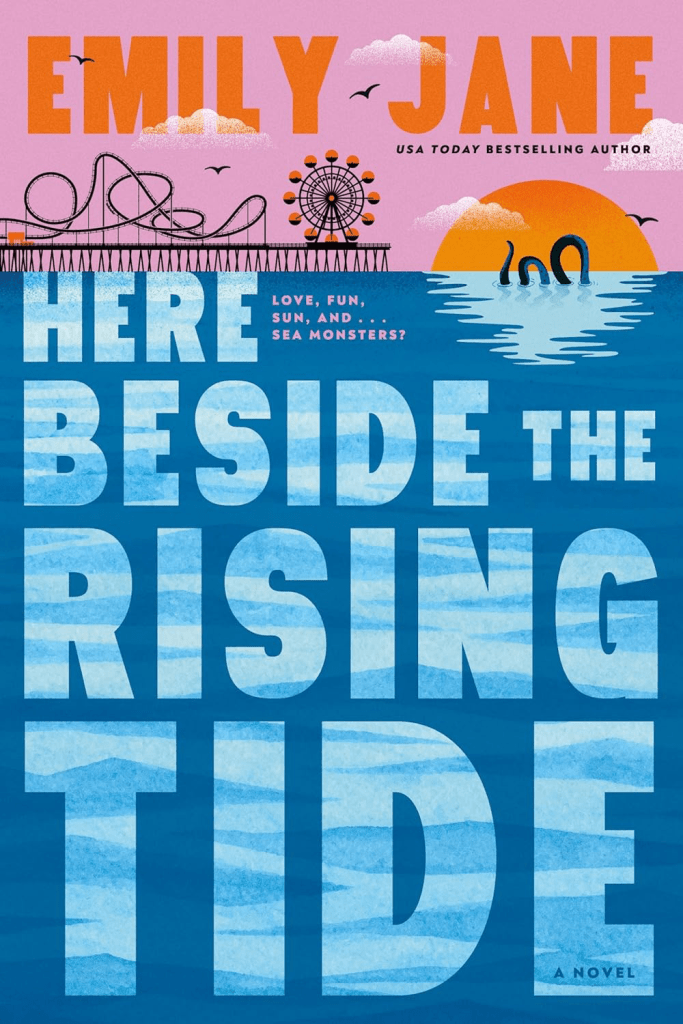
Posted in Sunday Songs

Sunday Songs: 3/31/24

Happy Sunday, bibliophiles, Happy Trans Day of Visibility, and Happy Easter, for those celebrating! I hope this week has treated you well. 🐰🏳️‍⚧️

For once, I’ve got a color scheme that lines up with the festive colors. Enjoy it while it lasts….either way, this week: songs about love, songs that feel like being in a swimming pool, and songs about jelly.

Enjoy this week’s songs!

SUNDAY SONGS: 3/31/24

“Freedom of Speak (We Got Three Minutes)” – De La Soul

It’s been about a year since De La Soul’s music triumphantly returned to streaming after decades of legal battles, and about a year since my De La Soul awakening. Three Feet High and Rising is now permanently etched into my map of my freshman year of college; I spent a good two weeks with that delightfully creative and unabashedly silly album as my soundtrack, and it put a spring in my step even when the weather remained cold enough for those nasty piles of sludge and dirt leftover from at least three separate snowstorms to stay on the sidewalk. I listened to it in spring, but it’s undeniably a summer album, all bright colors and jumping joy.

Three Feet celebrated its 35-year anniversary earlier this month (3/3), and with it came a handful of demos that got left off of the extensive; it feels like a Kate Bush or self-titled St. Vincent situation (and no, I will not stop shoehorning the latter album into every conversation, this is just how it is talking to me) where they were just cooking so much and without any dilution of talent, so they just had to leave a few tracks on the back burner so as not to a) overstuff the album and b) blow our minds more than they already had. I haven’t had the chance to dig through the other demos and scrapped songs that they released, but it’s clear from “Freedom of Speak (We Got Three Minutes)” that it was a tough decision to leave them off Three Feet High and Rising. Never once was their joyous spirit dimmed, and this track is proof. After a conversation with my family, I concluded that part of what endeared me to De La Soul (and a lot of other hip-hop artists at the time) is that they lacked the machismo that defined the genre in the decades to come; not to get all “mOdERn mUSiC sUCks” with it, but I do find myself missing the early days when people like them or A Tribe Called Quest just released their collage hip-hop with subject matters that, most often, just ended up as anecdotes about their days and the snacks that they liked—or, in De La Soul’s case, a PSA about wearing deodorant that clocks in at less than a minute long. (“THAT’S RIGHT! YOU SMELL 🫵”) Who knows why that mentality got left in the dust; I bet it hasn’t gone away entirely, but I’m not well versed in hip-hop enough to know where it ended up. “Freedom of Speak” has a similarly stream-of-consciousness premise, with a good chunk of it being Posdnuos and Trugoy (rest easy) talking about their routines—taking a shower, cooking breakfast, shopping with girlfriends. But even with such a mundane subject matter, they managed to inject it with the same infectious joy that made the whole of Three Feet High and Risin so memorable—ordinary things feel like the smoothest, most cheerful events to grace the earth, and all of it is wrapped around a fake construct: being forced to cram all of their musings into three minutes. They got cut off at 2:51, unfortunately. Oops.

…AND A BOOK TO GO WITH IT:

The World of Edena – Jean Giraud Mœbiusokay, fine. You got me. I’m double-dipping again. But there’s something similar about the ways that Mœbius and De La Soul are creative—and delightfully technicolor.

“When” – Deau Eyes

Lucy Dacus brought me here; while I was doing some digging on “My Mother & I” a few weeks ago, I found a thread talking about the performance with her mom on backing vocals, and a user mentioned seeing her with Deau Eyes as the opener on at least one of her tours. They both hail from Virginia and seem to be on good terms with each other, and any friend of Lucy Dacus (minus T*ylor Sw*ft) is a friend of mine, so I figured I would give her a listen. And…I can’t get fully on board with most of her style— it ranges from somewhat experimental indie to pure twang, but most of it comes off quite forced. And the fact that a lot of the marketing around her weirdly centers around her being a gemini, of all things (?), is certainly odd, but…if that’s her worst sin, then I can let it pass. That one’s probably more on her marketing team than on her.

“When,” against some of the other Deau Eyes songs I listened to, sounds more like 2020’s Sleater-Kinney, which is a win I’ll certainly take. Even if my enjoyment of Deau Eyes extends mostly to this song, it’s a smoothly urgent indie shuffle, rattling along with Ali Thibodeau’s (ohhhhhhh, so that’s where the name came from) vocals, which hold the melody steadier than an anchor holds down a time-battered ship in the stormy sea. Delayed guitar riffs travel in neat circles around the centerpiece of Thibodeau’s voice, playing tricks on my ears as I try to pinpoint exactly where they’re coming from—a single center or hovering all around? It’s almost dizzying on headphones, but Thibodeau keeps it reserved enough to not overwhelm the song. In this case, it’s the lyrics that are the spotlight; in a world where we are told that we are naught but products to be sold, when our bodily wellness is the cost for being able to navigate through the world with any kind of arbitrary success, Thibodeau has a bridge that couldn’t be any more relevant: “Hey, I see you/You matter more than you think you do/Each and every move, it matters too/So set the mood.” Just like how Thibodeau’s vocals anchor the music, she anchors the space around her, encouraging us to follow suit; the lyrics are simple, but undeniably true. Maybe I’m not sold on every part of Deau Eyes’ catalogue, but good on her for spreading the good word of letting yourself take up space in a world that wants to make us small. It’s what you deserve.

…AND A BOOK TO GO WITH IT:

VenCo – Cherie Dimalinethe time has come to reclaim your space, and by “reclaim your space” I mean “exact feminist witchcraft justice upon the skeevy, corrupt white men who wanted to take that away.”

“Jelly Filled Coffin” – Hether

Sometimes, you have a long and sentimental reason for finding and subsequently liking a song. Sometimes Apple Music digs it up, slaps it on the abject depression “Chill” playlist, and you listen to it just because of the name. It’s like “Crocodile Tears and the Velvet Cosh”—if there is ever another song called “Jelly Filled Coffin,” they’ll be copying this guy.

I first talked about Hether (a.k.a. Paul Castelluzzo) a little over a year ago, and I didn’t expect to be talking about him again—”Shy” was sweetly catchy, but I didn’t find myself wanting to uncover more of his music. I guess I’m a lazy, no-good, Gen Z slave to That Damn Phone then, since Apple Music did the discovering for me, but…for once, the algorithm did something good, unlike the time that of Montreal’s nearly 10-minute-long suicidal ideation “No Conclusion” landed on, of all places, the “Get Up!” playlist. I can’t make this shit up. At least we can take comfort in the fact that no human mind could fuck a playlist up that badly. You have to take the wins when they aren’t blatantly the product of automation. Even though Play it Pretty was released only three years after Hether Who? – EP, there seems to have been a shift towards the meandering for Hether; “Jelly Filled Coffin” has the glassy eyes of the peak of summer, humid and delirious from staring too long in the sun. The first comparison that came to mind was a less psychedelic Ty Segall—they have a similar delivery, drifting like a lazy river in the public pool, but just as brightly chlorine-colored. Every line feels like it’s being dictated from somewhere in the depths of the same pool, rippling and unnaturally blue (or is that the jelly? Depends on the jelly we’re talking about). The concept of a jelly-filled coffin was such an oddball pairing that I almost didn’t think of how oddly tragic it could potentially be—presumably being lowered six feet under, but trapped in a substance slippery enough to give you the illusion of movement. That would explain the resignation with which most of the lyrics are delivered: “Rip it out from my chest/Keep the love and leave the rest/Tether me to a post/A parasite chose you, the host.” And yet, even with the exhaustion creeping through the ripples of distortion, it never feels truly sad—it’s more delirium than outright depression, sleepwalking on the borders between sadness and just being tired. My dad made the comparison of his lyrics to Robyn Hitchcock, and many of his songs have a similar quality; on anybody else, it might sound tragic, but here, it could just be as deep as words strung together that sounded unique.

…AND A BOOK TO GO WITH IT:

In the Watchful City – S. Qiouyi Lua meandering body-hop between the stories of strangers inhabiting a strange world.

“Nostalgia” – Alice Phoebe Lou

Like Hether, I never expected to be wandering back around to Alice Phoebe Lou. I think it was around two years ago that I found her through “Witches,” which came from an old high school friend after I posted one of those “send me a song that reminds me of you” question boxes on my Instagram story. I was glad to have a new song to spin around in my head, and I was gladder still that something as gently bubbly as “Witches” reminded them of me. It sneaks back into my shuffle every now and then, and I never complain when it does.

“Witches” and “Nostalgia” are only about a year apart in terms of release date, but both of them are broadly categorized under blues; the former doesn’t feel like blues at all—more sparkly indie pop than anything, but I have no purview to talk about how blues has evolved as a genre over the decades—but the latter certainly does. Fitting that this song is called “Nostalgia” in the first place, since all of it evokes a time capsule made of sea glass, harkening back to the slow, swaying melodies of the ’40s and ’50s, but with a distinctly modern touch. If there was one lyric that would properly encapsulate this song, it would be this: “It feels like swimming/Swimming with my eyes closed.” Indeed, the soft organs and Lou’s voice feel like they’re being projected from inside of an underwater cave, a rich gray until the light from a crack in the ceiling makes the water dance on the ripples in the rock. With every lyric, you travel further in the water in slow motion, the foam from your impact fanning out around you, bubbles swirling upwards as you close your eyes, letting the waves kiss your skin. And yet, it feels just as vividly like a ballroom slow dance, engulfed in golden light as the sunset fades into night and drinks clink all around you. Whichever effect Lou was going for—or neither of those at all—is suited to her voice; her voice dips from a quiet, bluesy coo to a musical exhale that echoes through the caverns with ethereal gentleness.

…AND A BOOK TO GO WITH IT:

Last Night at the Telegraph Club – Malinda Lolesbian love in the 1950’s, with a dash of butterflies and moonlight kisses.

“Charm You” – Samia

This is one of maybe…three or four Samia songs that I’ve listened to so far, and I wish I liked them all as much as I liked this one. Then again, there’s only a certain type of as-of-yet undiscovered musician that can cover The Magnetic Fields’ masterpiece “Born on a Train” (which I reviewed about a year ago!), and…I hate to say it, but Samia is not that kind of musician. But I’ll let it slide—Arcade Fire covered the same song ages ago, and they didn’t quite pull it off either; they have the extensive instrumentation to theoretically pull it off, but the only recordings I could find were ones where the sound quality isn’t great and Win Butler was singing like he had the world’s most painful case of strep throat, so…not exactly their proudest moment either. It’s hard to cover near-perfection. I feel like Peter Gabriel has been one of the only people I can think of to cover The Magnetic Fields well and not make it sound either more melodramatic than it ever needed to be or just plain bland (seems there’s no in-between), but also, that’s Peter Gabriel. I should also mention The Shins and their excellent cover of “Strange Powers”—that, at least, was perfectly suited to James Mercer’s penchant for bare emotion, and even though The Magnetic Fields have such a dense orchestration to a lot of their songs, making this one acoustic wasn’t as risky of a move as it seems—Mercer makes it work beautifully. (Childhood staple, too.) We aren’t worthy of The Magnetic Fields, and we are similarly not worthy of Peter Gabriel or The Shins. It’s a hard act to follow. So props to her for trying, at least. Chances are I’m just too attached to “Born on a Train,” but I feel like to cover it, you’ve got to back up all that emotion with the toy-train-on-plastic-tracks instrumentals and faded grandeur peeking out from behind the curtain.

That aside, Samia captured something truly rare in “Charm You”—there’s something about it that sets it apart from all the other songs of hers I’ve listened to. Some of her other songs feel like she’s stretching her voice too thin, but the warm wails of this track perfectly suit the mood she’s meticulously crafted—a love song, but not one of wanting to chase a lover down or get them to like her. I’ve unintentionally bunched together too many songs that inherently feel like swimming, but this song in particular is a dive into a hot tub, a slow, boiling love that seeks to bare its soft parts: all of the pretense of a crush is gone, and all that’s left is to fall in deep: “What if we could shut up for an hour or two/Quiet, memorizing what the people do/Wouldn’t have to try and find myself in you.” The style of songwriting that Samia has taken is an approach I’ve seen a lot of indie pop artists take—collaging a hodgepodge of vignettes together to form a cohesive story—often a love story. It’s a move right out of the Phoebe Bridgers/Arlo Parks/Lucy Dacus/[fill in the blank with your sadgirl of choice] playbook, but what makes them stand out from the others is the emotion that strings them together—it’s not random moments just to flash your songwriting chops. That’s a trap I’ve seen a lot of songwriters fall into, but for once, Samia seems to have the writing flair to pull it off; every lyric on “Charm You” sounds like a red-cheeked confession with a bashful smile, giggling at some charmingly awkward memory: “Baby, let me show you the synthetic pond/Couldn’t we believe it was the hand of God/Making water boogie to a Ke$ha song?” Maybe it’s the way that the word “boogie” feels so out of place that it fits in perfectly or the image that it creates (I can see the warm, blue-lit water rippling from here, wherever there even is), but Samia’s vignettes are ones that stick, and not ones that just toss in a fruit metaphor and talk about smoking on the porch, or something. Like the album cover of Honey, there’s a blue warmth about “Charm You” that instantly charms the heart.

…AND A BOOK TO GO WITH IT:

Margo Zimmerman Gets the Girl – Brianna R. Shrum and Sara Waxelbaumtrying to be someone you’re not—even if it’s the prevailing queer stereotype—isn’t the surefire way of making someone like you, but maybe tutoring and mutual pining will…

Since this post consists entirely of songs, consider all of them to be today’s song.

That’s it for this week’s Sunday Songs! Have a wonderful rest of your day, and take care of yourselves!
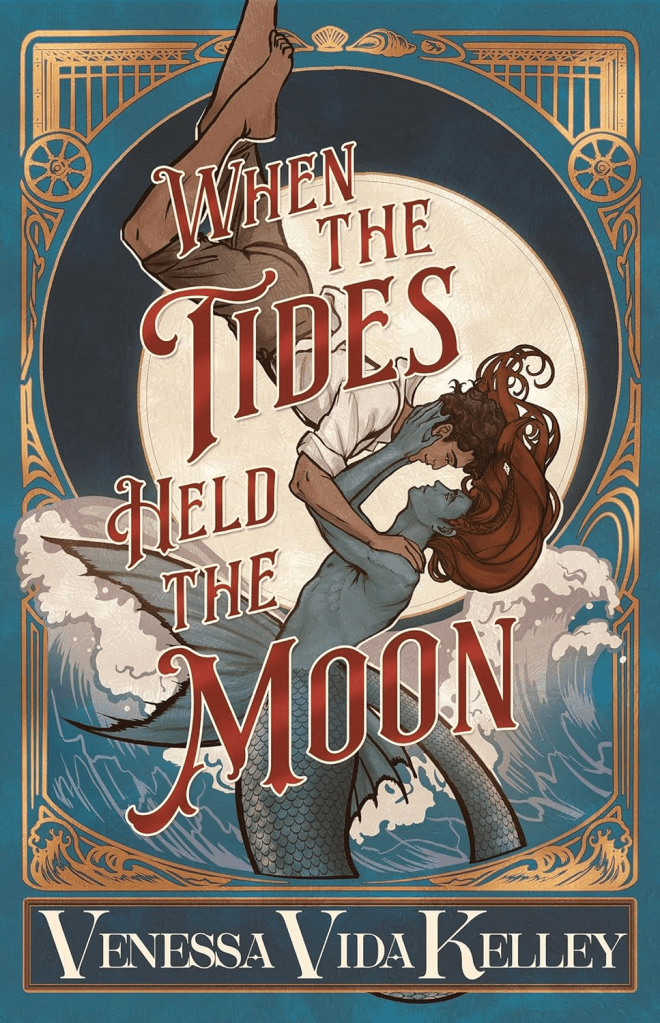
Posted in Book Review Tuesday

Sunday Songs: 3/17/24

Happy Sunday, bibliophiles! I hope this week has treated you well.
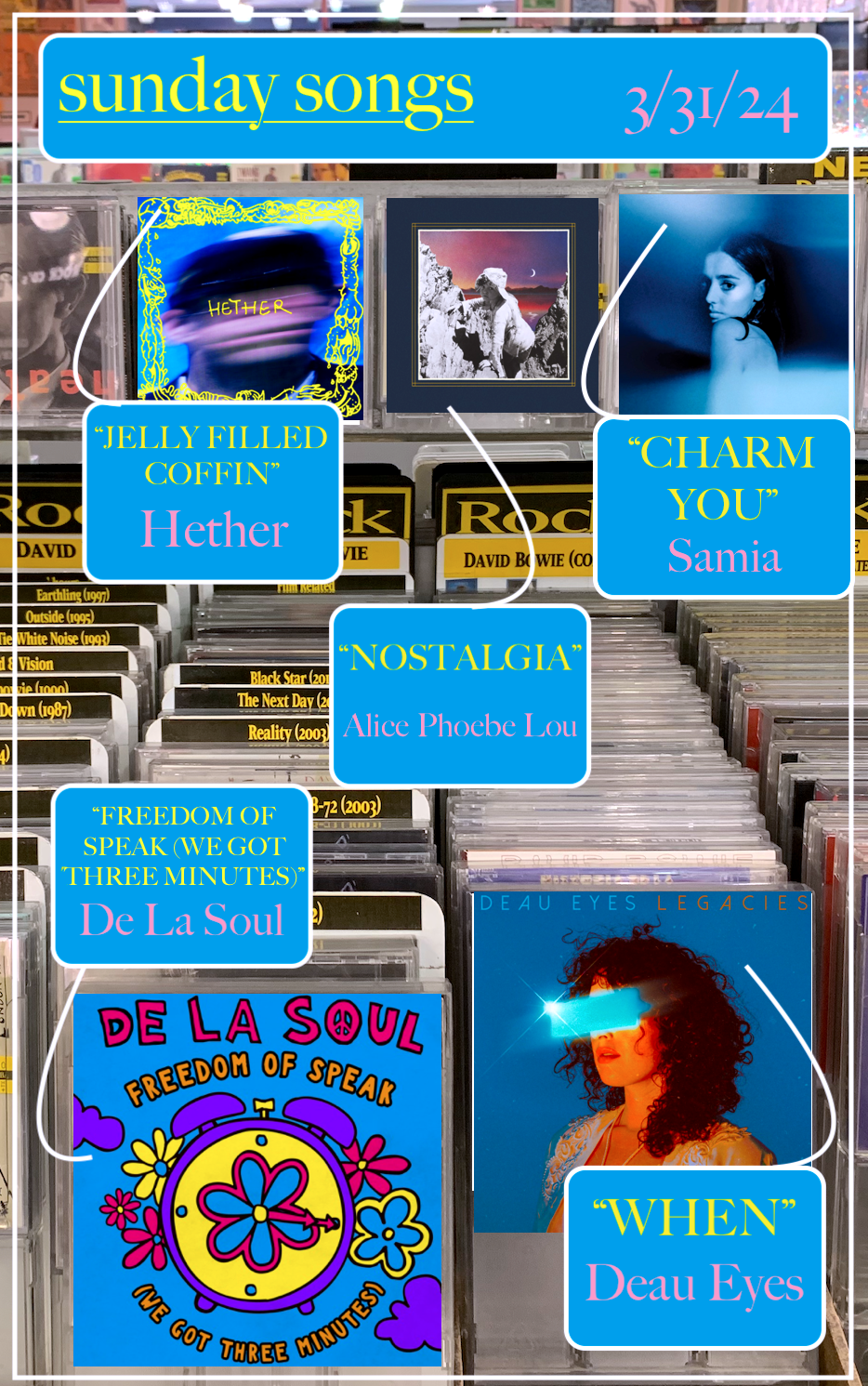
Happy St. Patrick’s Day! Despite appearances, you theoretically would not actually be able to pinch this week’s graphic for not wearing green, despite wearing mostly brown. Please give it up for Lucy Dacus and her green top.

Also, most of the songs this week are either bittersweet or just………flat-out sad, so…apologies in advance.

Enjoy this week’s songs!
SUNDAY SONGS: 3/17/24

“Sarah” – Alex G

I knew it. I knew I’d fall into the Alex G trap eventually. My Car Seat Headrest-poisoned brain finally succumbed to another sad white guy with voice cracks and bedroom recording equipment. It was only a matter of time.

I genuinely can’t decide if “Sarah” is fully tragic, or if there’s some sweetness in there. The atmosphere that Alex G creates certainly leans toward the former; listening to this song is a blur from a car window, sticky with the humidity of the South as you drive past flat, dismal lawns and white-painted houses that have stood there so long that the paint has peeled and molded to brown in the corners. It dwells in a kind of dream-space where the narrator is hesitant to leave, knowing that the consequences will crash down upon them the minute they step foot into the less-green grass on the other side of the fence. Again, my mind has permanently been altered by listening to too many of the earlier, lo-fi Car Seat Headrest songs when I was at the tender, impressionable age of 14, but there’s an enchanting melancholy of the cheap distortion on the guitar and the synths that drift like ribbons underwater, each note trailing off like a thought unsaid. In a way, “Sarah” is a kind of love song, but with a love that’s overshadowed by the damning realization that you’re not the right person for the one you love. And yet, the narrator cannot extricate themselves from Sarah, wanting to cling to her desperately, but knowing that the more they stay, the more they’ll destroy her. It doesn’t feel like a self-hating, depreciating kind of awareness—it’s a crushing realization that the narrator really is, in some way, in a place where they’ll only drag the people they love down with them, against all of their wishes. That’s what makes it tragic to me; Alex G sings half of the song in a higher pitch that drives his voice to shattering cracks, and you can hear his voice break as he sings the line “she loves me like a dog.” The distorted howl of “did I make a mistake?” feels like it drifts up into a smoky, firework-scented sky as it dissipates into digital nothingness, an anguished thought birthed in the depths of introspection.

…AND A BOOK TO GO WITH IT:

Man o’ War – Cory McCarthya painful and poignant journey of learning to love yourself and other people.

“Houdini” – Kate Bush

Two years ago, I doubt I would have listened to The Dreaming in full. I warmed up to Kate Bush’s earlier stuff more easily, but with the onset of the most recent season of Stranger Things, I was just kind of Kate Bush’d out, which, for a woman of her insane talent, it kind of embarrassing to say. I just couldn’t turn a corner without hearing “Running Up That Hill”—as objectively good a song as it is, the omnipresence of it turned me off. But two years, a listen to The Kick Inside, and more than a good word from my brother (the world has never seen a more fervent Kate Bush superfan), and I finally found myself here. I’m glad I listened to it now—even though my love for “Suspended in Gaffa” (still my favorite track) persisted through the summer of 2022, there was so much weirdness and artistry to the album that it was almost overwhelming—more than once it felt like that in a “mom, come pick me up, I’m scared” way (see: “Get Out of My House”), but overall, that was all apart of the package deal. Admittedly, I can’t fully get on board with all of it; as much as I love the lyrics to “Sat in Your Lap,” that song has irrationally annoyed me since I was a kid, and that quality hasn’t exactly faded—I wish it had, but it’s in the minority of songs that I actively skip on this album. After three albums, this almost feels like Bush’s Hunky Dory: the moment where she had honed her skills and image and officially started going absolutely bonkers.

One such aspect that Bush had nailed by the time that The Dreaming came around was channeling raw, untapped emotion; you can almost feel the bewildered, shaking tears slipping from her eyes as she is faced with something divine in “Suspended in Gaffa” and the feral release in the form of braying like a mule at the end of “Get Out of My House.” It’s overwhelming because it’s exactly what you’re supposed to feel—both of these songs are about separately intense and overpowering emotions, and I believe there’s very few musicians out there who can make that tidal wave translate from the music to the body. That’s already a feat, but given that she was 24 when she released this album…okay, I need to stop googling “how old was Kate Bush when she released [insert album],” because I inevitably get existential. Either way, it’s talent—and “Houdini,” the album’s grief-drenched penultimate track, is testament to that. Recounting the story of Houdini’s wife, Bess, who tried to contact him through seances with a code that the two had devised to ensure that it was him (“Rosabel, believe”); contact was allegedly made in 1929, but she lated believed the code to be the result of trickery from beyond the grave. It’s a deeply tragic story, and Kate Bush pulled no punches in drowning “Houdini” in sorrow. Soft piano dominates the piece, but when it isn’t demure and solemn, Bush lets out a mourner’s wail so convincing that I’d easily believe that she’s channeling Bess Houdini’s bereaved spirit as she bellows out “With your life/The only thing in my mind/We pull you from the water!” That image, of Houdini passing the key to his chains to Bess through a kiss, was what made it on the cover art—I thought it was a wedding ring for the longest time, but to be fair, only the round part is visible on her tongue, and the rest is concealed behind her lips.

…AND A BOOK TO GO WITH IT:

The Monsters We Defy – Leslye Peneloperomance, daring, and communicating with spirits beyond the veil.

“Objects” – Big Thief

Alright. That’s enough of the abject depression for now. Here. Sit down on the bench beside me. Here’s $20, go see a Big Thief.

I’d like to think that I’ve found out about all of these separate Big Thief songs independently, but in reality, all of the songs I end up listening to are the ones brought up by my fantastic brother’s equally fantastic girlfriend, so once again: thank you. If there was ever a song to describe this time of year—nearly spring, almost warm, and the grass is still brown but peppered with sprouts pushing through—it would be “Objects.” Each pluck on the guitar feels like worms and beetles gently crawling through crumbly earth, the shifting of tiny pebbles and dead leaf fragments as they bore tunnels through the ground. This was only recorded about eight years ago, but there’s already a stark difference in Adrianne Lenker’s voice; when I think of this song and earlier songs (see also: “Velvet Ring”), her voice sounds papery, thinner than thumbnails and soft enough to fold into simple origami. It’s gotten simultaneously more feathery, more feral, and richer with the years, but what I’ve heard of these first two Big Thief albums feel like time capsules in her vocal evolution. And like the springtime that “Objects” evokes, the lyrics are all about the spillover of love as it begins to blossom; like the same sprouts that push their way to the sunlight, the object of affection inspires the narrator to “[Leave] the familiar/Air is getting chillier/Stepping outside your skin.” It’s not just Lenker’s voice that feels understated—all of the instruments feel restrained and green, but it conveys that fizzy, bashful feeling of the beginnings of love.

…AND A BOOK TO GO WITH IT:

A Million Quiet Revolutions – Robin Gowqueering the Revolutionary War, and the blossoming of young love.

“Your Young Voice” – King Creosote & Jon Hopkins

I generally have Joe Talbot of IDLES to thank for a lot of things, namely the musical positivity he’s brought into my life, but I also have him to thank for finding this song. Recently, Talbot was featured on BBC’s CBeebies bedtime story segment, where, after reading the picture book Under the Love Umbrella, he listed off some songs to soothe children. This was one of them, and the minute I heard it, I understood completely.

This song is a very sparing one. In a sense, “Your Young Voice” is barely a song at all. It’s only two lines that repeat for almost three and a half minutes: “And it’s your young voice that’s keeping me holding on/To my dull life, to my dull life.” And yet, it tugs at the heartstrings more than some songs with a full verse-chorus structure of the same length. The lyrics are so simple, and yet, their repetition weaves together what a mountain of unnecessary stanzas do in any other piece; their repetition feels like a promise, a mantra—you get the sense that whoever’s young voice is keeping the narrator anchored, the only thing keeping them clinging to the end of their fraying rope. Repeated over these three and a half minutes, it feels like a prayer to remember why they’re enduring this life in the first place. King Creosote (a.k.a. Kenny Anderson…King Creosote is a fantastic stage name, if I’ve ever seen one) has a voice with a constant, shuddering waver that whispers over your ears like cold wind over the plains, and that waver is what cements that image of frailty and unconditional love for me. “Your Young Voice” is also simple in its composition—mostly acoustic guitar, with some piano that fades into the ending as Anderson’s voice dissipates into the fog, but this song is all about dredging the well of deep emotions from a place of emotions stripped bare: there’s no need for embellishment or flair. No matter if your interpretation of the young voice is a parent to a child or teenagers falling in deep (not the interpretation that would’ve come to mind first, but that’s how Sex Education took it, although they used a cover…not nearly as good as the original, in my opinion), this song is love, boiled down to its tearful essence.

…AND A BOOK TO GO WITH IT:

Under the Earth, Over the Sky – Emily McCoshnot to double-dip on the pairings (it’s been three months, it’s fine), but this one is an even better fit, in my opinion—the bare tenderness of the father-son relationship at the heart of this novel was made to be listened to with this song.

“My Mother & I” – Lucy Dacus

When I was thinking about organizing this graphic, I was just loosely going off of looks, not necessarily what order the songs are in. That’s generally how the process goes. However, there are times where I end up shooting myself in the foot and then turning around and shooting the feet of everybody else who might happen upon this post. I mean…I guess “Houdini” or “Sarah” would been kind of an awful way to end this batch, but it looks like we’re bringing down the house with…Lucy Dacus ruminating on the complicated relationship between her and her mother. Real light stuff to go with your Sunday morning cup of coffee, huh? My bad, guys.

2019, the album where “My Mother & I” appears, is part cover album, part original material, each song released to coincide with a holiday—“La Vie en Rose” for Valentine’s Day, “Dancing in the Dark” for the shared birthday of her father and Bruce Springsteen, and “In The Air Tonight” for Halloween (Lucy, it’s a good cover, but…that’s the song you cover for Halloween? Out of all the objectively spookier songs that exist?), etc. “My Mother & I,” as you probably gathered, was released on Mother’s Day, and also to coincide with Taurus season—both Dacus and her mother are Tauruses, part of what the song anchors itself around (“The stars have a lot to say/About women born in the month of May”). It’s a beautiful song, but I find myself glad that I haven’t been able to connect to it fully; the relationship that Dacus describes with her mother, the distance and later connection emphasized by the fact that Dacus was adopted, is one that seems to be full of fractures, but scored by the love that ultimately tethers them. I’m so close to my own mother that it makes me thankful that, even if I had the aspiration to write music, the only feeling that would come up is gratitude because I have the honor of being her daughter. There’s a restrained kind of sorrow that hints at places where Dacus seems to have needed the guidance of her mother (“They called me an old soul/When I was too young to know/The difference between a soul and a ghost/I feared what was inside/Trapped in my body, kept from the other side/A spirit searching for a second life”). “My Mother & I” comes from a place of wistful rumination, but ultimately reaches for a sense of forgiveness and commonality—Dacus branches beyond the Taurus connection to a wholly human one—”We want love, warm and forever/We want to die in the presence of our loved ones/My mother and I.” It’s…ow. Yeah. I don’t know why I went into a Lucy Dacus song that I hadn’t heard and not thought “hmm, surely it won’t be emotionally crushing!” But in this case, the emotional core comes from a kind of forgiveness that has taken years to spread its roots, but has only grown stronger in the dirt with age. And it seems that the forgiveness is mutual, since she’s since performed this song with her mother on backing vocals:

…AND A BOOK TO GO WITH IT:

Our Crooked Hearts – Melissa Albertforbidden magic with lineage through a flawed mother and a daughter left to pick up the pieces.

Since this week’s post consists entirely of songs, consider all of them to be today’s song.

That’s it for this week’s Sunday Songs! Have a wonderful rest of your day, and take care of yourselves!