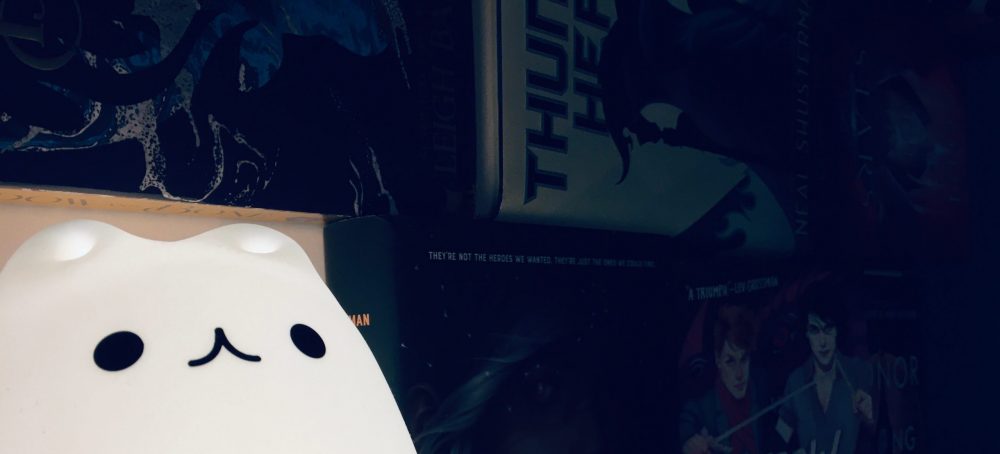
Here’s my favorite flower emoji. Pick it if you like—it’s for everyone to enjoy, but it’s not real, no damage done! Keep it for the road:🪻
You’ve probably noticed by now that I’ve gone into my finals hibernation. The only reason I’m popping on right now is because this post is mostly pre-written, so I’ll probably be radio silent for another week or so. March and April have been topsy-turvy—despite the veil of illusion that is the internet, I’m always on the verge of freaking out about the news. I’ve had my fair share of spirals. I repeat to myself: I do what I can. I can freak out, but I can never give in to fear. Easier said than done, but I’m trying here. I’m donating when I can. I’m getting the word out. And when I actually have the time, I’m keeping up with reading diversely and reviewing intersectionally. The sun is out, the weather is warmer, and I am trying to soak up as much of it as I can.
Today’s my last official day of my junior year of college. I’ve got finals ahead, but I’ve got the humanities blessing of having no in-person finals, just papers to turn in. They’re all longer than I’d care to write, but thankfully they’re all about things I enjoy. I’ve done a lot of writing about science fiction, especially cozy sci-fi and how it’s a counter to sci-fi convention of how everything has to have the universe at stake. It’s worth it to tell stories where, to take Kurt Vonnegut at his most literally, all the characters want is just a glass of water. Quiet stories of kindness are not naïve—they teach us to dream about worlds where everything around us iskinder.
As I look back on junior year, I see a fishbowl with pebbles strewn across the floor, but the goldfish flopped back into what was left and did its very best to thrive. I took on a hefty workload while juggling a metric ton of anxiety, and it’s been an uphill battle to stay mindful and stay present. But I am learning. I’m getting better. I really think I can see clear signs that I’ve gotten better this semester. Sure, I had the workload, but I was able to, y’know, get out and realize that there are people and places beyond my bed and that the voices in my head are full of shit. I stepped out of my comfort zone…within bounds. I expanded the zone, shall we say. I went to some new restaurants and got a tad more social. Most of all, I tried to embody the joy that I don’t see in the word around me. I know there are plenty of lazy people using “joy as an act of resistance” as an excuse to do absolutely nothing to counteract the hellscape around us, but it’s true. When people are unironically saying things like “the sin of empathy” and not even stopping to think about what the hell they’ve just said, being joyful and showing those in power that you won’t bend to their tactics is as powerful as any protest. So keep on finding and being the joy.
Today, I group-hugged some friends of mine after class. Two of them are graduating seniors, and today was their last ever day in undergrad. In an attempt to adjust my position, I ended up jostled to the center of the hug. It embodied the feeling that I hope to give to myself and others: being surrounded by love on all sides. Junior year’s out the window. Onto better things Thursday.
Let’s begin, shall we?
MARCH READING WRAP-UP:
I read 13 books in March! I focused mainly on books by women for Women’s History Month. I also got into a major sci-fi stint (they never go away, every other reading mood just happens in between them), and read some new greats by familiar authors!
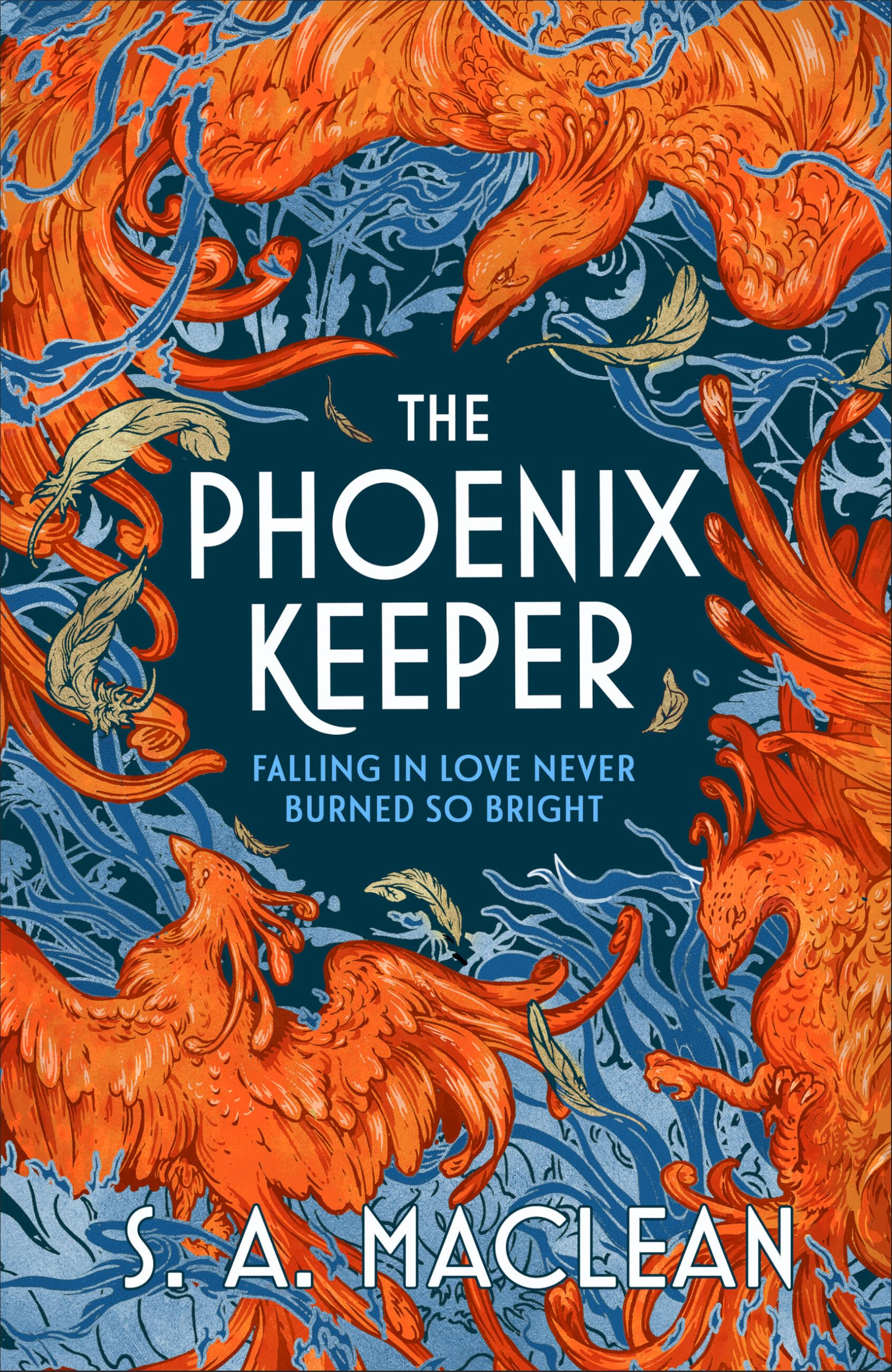
I read 16 books in April! Trust me, I have genuinely no clue how that managed to happen. “Don’t cry because it’s over, smile because it happened,” or something? We’ll see if I can actually keep up the momentum. Either way, April was a mixed bag—some absolute hard-hitters, but also my very first DNF of the year. (Sorry, The Phoenix Keeper. I just feel like there’s millions of better ways to describe the pale white MC than having skin like “gossamer.” With all of the mythical creatures, I was starting to think that she was one too, given that word choice…)
remembered this song out of nowhere yesterday…this song was on a birthday playlist that my dad made for me, and I had it on my new iPod. it’s still kickin’ to this day, somehow. fond memories abound…
That’s it for the second wrap-up of the year! Have a wonderful rest of your day, and take care of yourselves!
I’ve finished the Sonic Symbolism podcast, and all it’s left me with is a rabid desire to do a deep dive of the rest of Björk’s albums. Medúlla is enticing as it’s the next one chronologically (even though I’ve given up on listening to her albums chronologically), but also because of the uniting concept behind it. Inspired by primal, prehistoric imagery of motherhood, family, and storytelling around campfires, Medúlla was constructed almost entirely from the human voice. Aside from some synths and piano, it’s almost all a-capella, but not in the way that you’d think. Each voice becomes percussion, scattered onomatopoeia, and rising tidal forces that lift something primal from your soul. And every possible voice ends up featuring on this album—Tanya Tagaq (throat singing), Rahzel, Dokaka (beatboxing), and Mike Patton (deep backing vocals that Pitchfork described as “demonic”) all feature in the varied vocal tapestry. I ended up being too busy to write about “Pleasure Is All Mine,” but that song, in its simultaneous feminist ode and playful toying with women’s capacity to be selfless, really does succeed in digging into something innate, almost instinctual within me.
In concept, “Triumph of a Heart” is almost as ridiculous as the music video. (Fun fact: Björk’s cat husband in this video spawned the “I should buy a boat” meme from way back when.) Forming the percussion of the song, alongside Dokaka’s melodic beatboxing, is what can only be described as restrained raspberry noises and sounds that are almost akin to somebody who’s only heard a cat once trying to make cat sounds. Yet it all works in such a familiar yet alien synchronicity that comes together in a way that only Björk can make it. The track is an ode to how music can make you feel and the joy of dancing, a pleasure shared since early humans were able to whack sticks together and harmonize around the fire; maybe it’s an obvious choice for this album, but using only bodily instrumentation is the perfect medium to explore the visceral nature of music and dance, the way that it sometimes vibrates your soul: “The nerves are sending shimmering signals/All through my fingers/The veins support/Blood that gushes impulsively towards/The triumph of a heart.” I always see such sentiments of people undervaluing the arts, even as they consume it by the truckload and think nothing of it; it’s not a viable, useful profession, more fodder for AI and mindless listening. It’s so easy for us to forget that art in all its forms, the same as the need for medicine and food, is innate to us, and has been since we were gathered in the shelter of the first fires.
As a bonus: here’s some behind the scenes footage of the recording of “Pleasure Is All Mine”:
…AND A BOOK TO GO WITH IT:
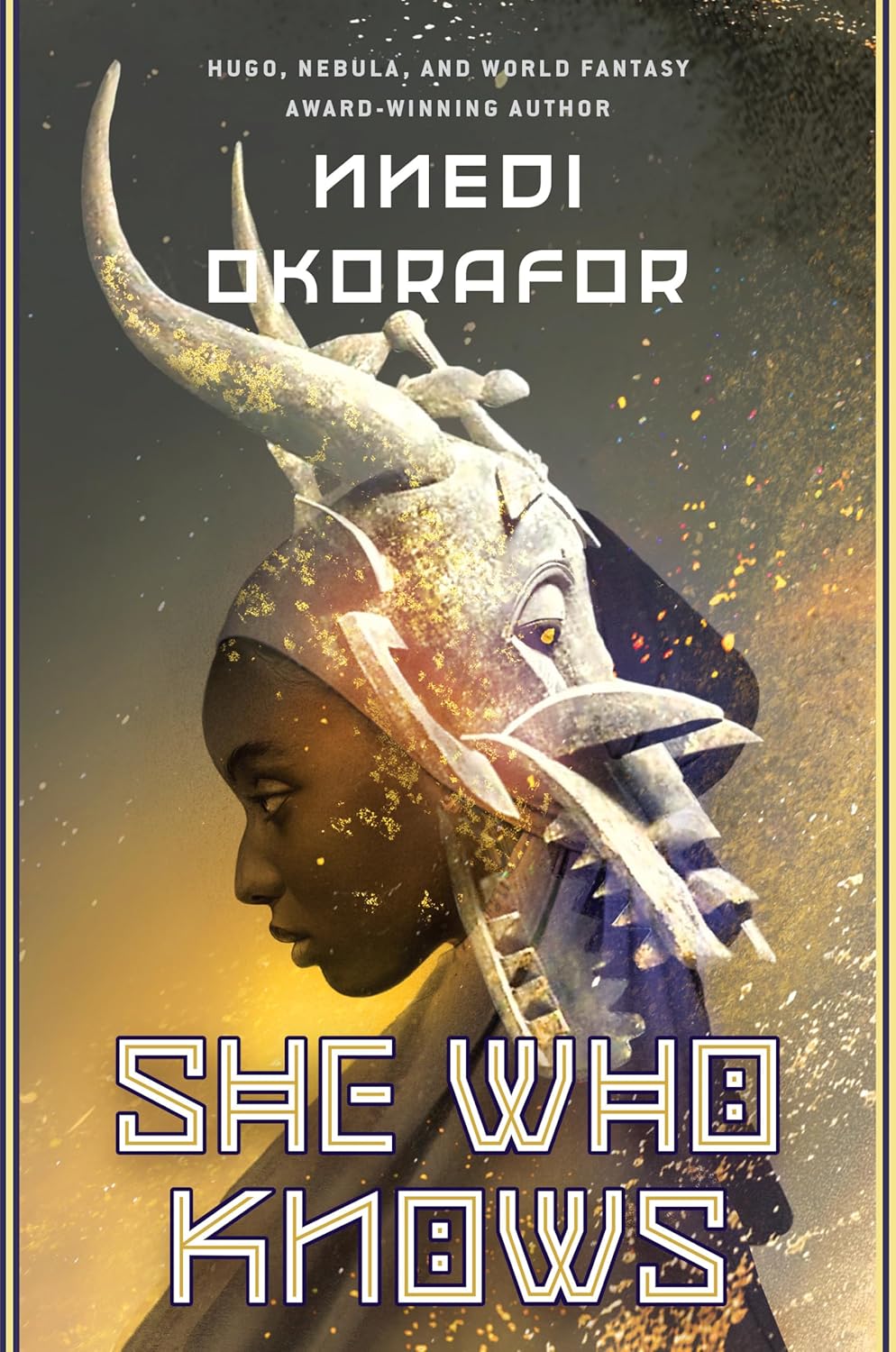
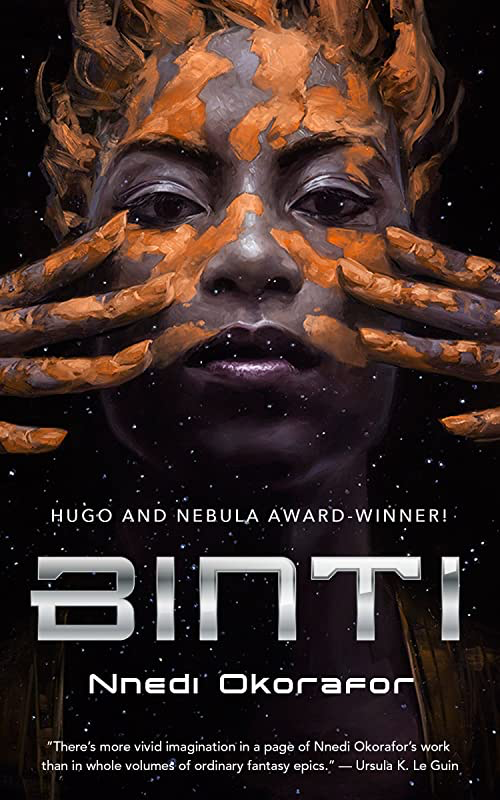
Binti – Nnedi Okorafor – this novella also falls into that merging of preserving cultures that have survived for thousands of years and alien technology, and it blends into a bizarre, delightful trilogy.
For Melancholy Brunettes (& sad women) sadly fell under the She Reaches Out to She Reaches Out to She curse on this blog, which roughly translates to “I wanted to write about at least 2-3 of the singles, but they all ended up landing on weeks where I didn’t have time to write.” Shame, really, because “Orlando in Love” and “Mega Circuit” were silk-drapingly romantic and creepily artful, respectively. Now that I’ve listened to the whole album, at its best, it embodies those qualities, oscillating from semi-autobiographical, tragic stories to some of the more fictional songwriting that Michelle Zauner drew on for Jubilee. She simultaneously leans into the notion of the “sad girl” while critiquing the fact that women are so often pigeonholed into this description (see the title), embroidering her own dramatic melancholy with orchestral arrangements and references to Greek mythology. Though it wasn’t always successful and the end dragged (see: “Men in Bars,” an faux-earnest, ballad-y duet with…Jeff Bridges? Huh?), For Melancholy Brunettes was, for the most part, an artistic leap that was a good 75%-80% successful in its feats of daring. It acknowledges its place amongst the traditionally emotional role of female musicians, but also acknowledges the light that peers in through the cracks (see: “Here Is Someone”—for maximum enjoyment, transition it with “Frosti” by Björk).
“Honey Water” was one of the standout tracks. I never thought of Japanese Breakfast as someone who could necessarily conjure up eeriness. Sure, she’s written plenty about all manner of unpleasant feelings, but I’ve never gotten dread as one of the most prominently featured ones. Zauner’s signature, breathy whisper takes on the feeling of a carnivorous plant laden with dew, ready to ensnare all manner of insects. Yet she’s not the one doing the ensnaring in this song—the narrative, toeing the line between fiction and reality, as her songs often do, speaks of an unfaithful lover repeatedly leaving her for someone else: “The lure of honey water draws you from my arms so needy/You follow in colonies to sip it from the bank/In rapturous sweet temptation, you wade in past the edge and sink in/Insatiable for a nectar, drinking ’til your heart expires.” The dread that Zauner dredges up is more a kind of stagnation, the sinking feeling of seeing the inevitable unfold around you, and yet somehow feeling powerless to move—or leave. The closing refrain, as the guitars rise in a crashing, insectoid drone, echoes Slaughterhouse-Five’s famous tidbit: “So it goes/I don’t mind”; the narrator convinces herself that all of her partner’s unfaithful transgressions are a fact of life. That tired powerlessness is what makes the dread so palpable, the music swallowing her as she mutters the last repetition of her exhausted mantra.
…AND A BOOK TO GO WITH IT:
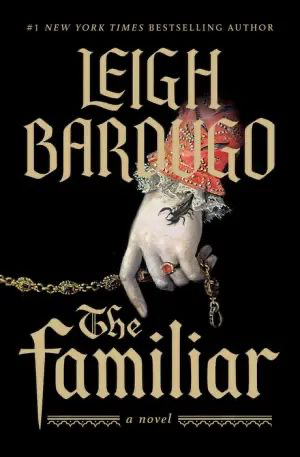
The Familiar – Leigh Bardugo – “In rapturous sweet temptation, you wade in past the edge and sink in/Insatiable for a nectar, drinking ’til your heart expires…”
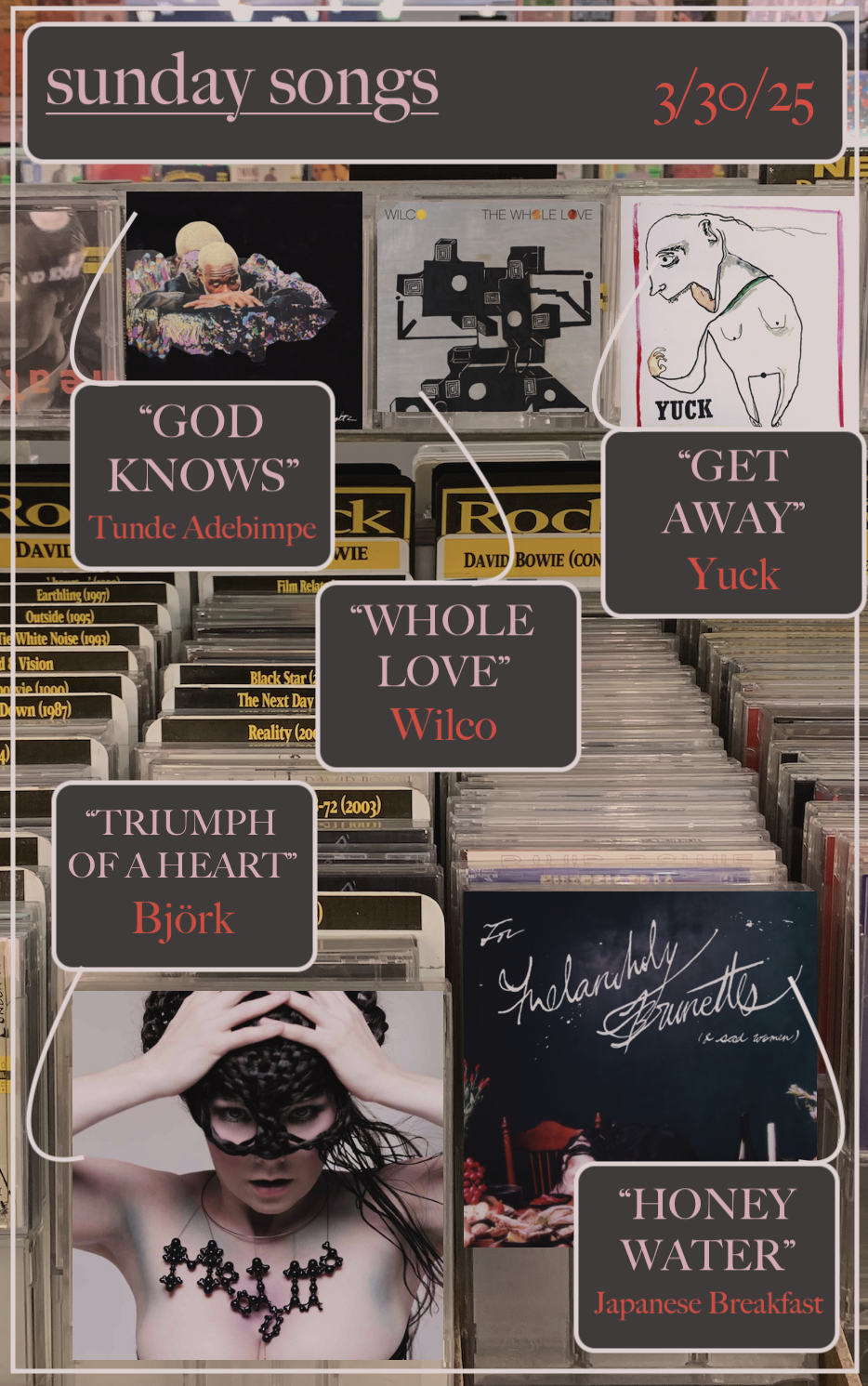
Remember how I was halfway chiding myself for hoping that Thee Black Boltz was just going to be TV on the Radio 2: Electric Boogaloo? Now that “God Knows” is out, I think that might honestly just be what the album is like regardless of expectations. “Magnetic” introduced us to a familiar, nostalgic sound full of energy, “Drop” was the point where Adebimpe seems to diverge, and now we’ve got “God Knows,” which sounds straight off of Nine Types of Light or even Dear Science. It’s giving me some perspective on how much Adebimpe made TV on the Radio—Dave Sitek constructed the scaffolding, but Adebimpe was the heart of it all, without a doubt. Balancing sharp acoustic strumming with synths that ripple and bubble, this track adds to “Drop” in the sense that both songs feel like they’re floating. It fits with the album cover for me—as Adebimpe clings to his geode island in the middle of an undefined void, he’s buoyed through it, like an ocean, propelled by nothing but the endlessly catchy hooks he’s been producing of late. “God Knows” stands out to me as the strongest of the three offerings so far—like “Magnetic,” it’s been sharpened to its tightest point to make indie rock tracks that wouldn’t be out of place 10 or even 20 years ago. Tunde is timeless.
Man, YouTube comments are so funny sometimes. I hope the Latina woman who posted “I love this white song, don’t tell my homegirls I listen to this” is doing okay and still listening to Wilco happily. Wilco really is the great unifier.
Here’s an album that I’ve probably listened to in full, but only remember about half of. The Whole Love soundtracked many a car ride to school or piano lessons and whatnot back in 2011. I even remember popping my dad’s borrowed CD into my old Hello Kitty CD player while I was playing with my Build-A-Bears in my room. That should give you a picture of the kind of hipster child I was, but I digress. The resulting tour was also the first time I saw Wilco—and my very first concert, at Red Rocks at the age of eight. So even if I haven’t mapped it out fully, The Whole Love was integral to my childhood, whether it was watching the music video for “Born Alone” on my dad’s old laptop (I distinctly remember saying that it “made my head spin”) or sitting on my dad’s shoulders on that summer night. Really, it boils down to my dad. Raising me on all that Wilco made me turn out alright, I think.
Back to “Whole Love” in particular. The song already carries a metric ton of nostalgia for me, but it never gets old with any successive playing. As far as The Whole Love goes, it feels like one of the more accessible tracks—it’s classic Wilco, but with the artsy twist that the album presents. There’s a passage in Steven Hyden’s This Isn’t Happening: Radiohead’s ‘Kid A’ and the Beginning of the 21st Century that talks about the significance of album openers setting the tone for the album as a whole. Hyden points to “Art of Almost” as an example—with all of the Thom Yorke-esque synth weirdness, it signals to the listener that this is gonna be the weird Wilco album. That experimental nature leeches into the most “accessible” sounding tracks—like this one. Even as Jeff Tweedy brings his gentle, acoustic sway into fruition, the background can only be described as fluttering—they jitter and judder like the freshly-dried wings of just-hatched butterflies, creating tiny fractals in the background. Yet even if you stripped that weirdness away, “Whole Love” would still be a classic—whether it’s craft or my nostalgia talking, there’s something so innately comforting about the layered harmonies, folded on top of one another like layers of fine fabric.
This song played before Soccer Mommy came on when I saw her a few weeks back, and for a split second, I confused it for some Apples in Stereo song that I somehow hadn’t heard in my childhood. Turns out, there’s probably no Apples in Stereo song that I missed when I was a kid, hence why I didn’t recognize it. (Cut me some slack, it was loud in there…) Yuck doesn’t have the same electronically-oriented whimsy as the Apples in Stereo, but they seemed to branch off of the indie sound of the early 2010’s, with their synth-like guitars, ’90s distortion, and the nasally vocals of Daniel Blumberg. Those guitars were what made me nearly mistake them for the Apples in Stereo, but they’re clearly more students of, say, Sonic Youth or Dinosaur Jr. But they had that sun-soaked, 2010’s indie aesthetic down to a science; even without the yellow filter on their music video, “Get Away” just oozes the sensation of a dream of being on a road with no speed limits while the sun beats down through the windshield. Even as Blumberg laments that he can’t get away, wrestling with negative thoughts, the track speeds along with a carefree freedom, kicking up gravel as it forges its own path. Certainly fits right in with Soccer Mommy’s sound too—she’s got an eye for good indie, that’s for sure….
…and so does the Academy, apparently? You’re telling me that this guy just won an Oscar for his original score for The Brutalist? That’s a connection I didn’t expect to make in this post…good for you, Daniel Blumberg!
One of the best surprises a concert can have in store is a good opener. There are infinite jokes about bad openers, half of which…well, might be dogging on perfectly fine artists trying to get their foot in the door, and half of them are true. I really do try to at least go into openers with an open (no pun intended) mind, because everybody has to start somewhere, no matter how big of an artist they’re opening for. But sometimes it’s just up to your taste. Even with some cringy performances, you can at least tell that they’re trying.
I saw Soccer Mommy about two weeks ago (stellar performance!!!! as always!! and the crowd had basic human decency this time, unlike the parasitic frat bros that populated her crowd last time) with Hana Vu as the opener. I kept my expectations low. I expected to just nod along and twiddle my thumbs, but I think I may have found an excellent artist! She came off quite shy, mumbling to the audience and asking us what we had for dinner, but once she started performing, it was clear that Soccer Mommy had a worthy match to her sound. However, if I had to compare Vu to anyone, it would be to Lucy Dacus—they have a similar brand of indie rock, both bearing warm, rich vocals and guitar-driven angst with no shortage of heart. Nothing can come close to “Night Shift,” but Vu clearly studied how that song goes supernova at the end. The closer to her most recent album, Romanticism, “Love,” like Vu’s performance before Soccer Mommy, starts out unassumingly, but quickly becomes a dramatic landslide aided with thundering drumbeats, strings, and Hana Vu bellowing as though into a cavern. The lyrics, as sparse as they are, come sung clutching a bleeding heart in both hands, staining everything within arm’s reach. It truly lives up to the drama of the album cover, with Vu draped in robes and with a sword pressed to her neck, modeled after Artemisia Gentileschi’s “Judith Slaying Holofernes.” Either way, Hana Vu has earned a tally in favor of the good opening bands I’ve seen—and a place in my more regular rotation of artists. A big thank you to Soccer Mommy for giving a platform to Vu’s talent, and thank you to Vu for the fantastic opening act!
…AND A BOOK TO GO WITH IT:
To a Darker Shore – Leanne Schwartz – “I just want you to stay/You know I hate giving up/And oh, Well I guess it’s just me/Please don’t leave me alone/You know I can’t let you be…”
Once my dad sent me this song, it was immediately relegated to my quiet instrumental study playlist. I shouldn’t say “relegated,” really. It’s a great song to peacefully study along with, but it keeps you on your toes. Ten minutes long and dense doesn’t make it sound appealing, but “Bad Timing” sounds like how those slow motion videos of flowers unfurling after the frost melts from their buds look. “Bad Timing” also proves my long song theory right with flying colors—the best ones have enough changes to keep you interested for ten minutes. This track in particular feels like two songs in one. The first is a homely, acoustic ditty, which peacefully bows out at the 2:50 mark, giving way to a chorus of plucked strings and, of all instruments that should sound shimmery, an accordion would be my last guess. Yet Jim O’Rourke pulls it off, making it shudder and glimmer along with the synths. You’re lured into a soft, ambient sense of security, but like rot climbing up the roots of a plant, O’Rourke tears away at the music, fiber by fiber, until the remnants are ablaze in distortion and ascending mayhem by the time you reach the eight and a half minute mark. It’s clear to me the magic O’Rourke made with producing almost all of Wilco’s albums—he has such a talent for taking a simple melody, stretching it out and contorting it as easily as a chef kneads dough. He put something entirely unassuming into the oven, and something wholly unexpected came out the other side once the experimental yeast rose.
On another note: I can’t for the life of me find who made the album art for Bad Timing, but it’s just so charming to me.
…AND A BOOK TO GO WITH IT:
Annihilation – Jeff Vandermeer – everything becomes slowly, gradually unrecognizable and strange, just like the progression of “Bad Timing”
Brian Wilson is alive and well, but what I’ve listened to of Sinister Grift feels like a glimpse into an alternate universe where Brian Wilson got temporally airlifted from the ’60s into the 2020s and had to find his way around. That, and if he’d been given nothing but a knapsack full of various synths and electronic knickknacks to carry with him on his time-out-of-time journey. “Ends Meet” is the definition of psychedelic, constantly fading in and out of focus like ripples over sunlit water. Noah Lennox’s voice also feels piped in from beneath the shallows of a reef—released this February as it was, everything I’ve heard of Panda has been carefully crafted to be specifically summery and aquatic, at least in sound (see: “Comfy in Nautica,”“Ferry Lady”*).
The existential lyricism feels at odds with the music at first glance: Lennox is confronting what we all have to confront at some point in our lives: we’re all gonna die, so what else is there to do? His answer is as simple and as difficult as any: appreciate everything in it, bad and good: “And when it is my time/Dig it all.” It’s a lesson I’ve been chipping away at for the better part of last year, what with my difficulty in staying present and not projecting myself into possible futures (not the time traveling Brian Wilson ones, unfortunately), but the way that Panda Bear takes it musically seems different than most. Sonically, “Ends Meets” feels so daydreamy and almost dissociative—its head isn’t in the clouds, it practically is the clouds. Even the face on the album cover of Sinister Grift looks like their mind is somewhere else entirely. But that in and of itself is putting that sentiment of being un-anchored into music and into words. It’s a jarring pairing in concept, tackling this subject matter with such an acid-tinged, vacation-like musical landscape, but to me, it’s the feeling of letting go of that burden, of knowing that all you can do in life is appreciate every facet of it.
*the “Ferry Lady” music video is about as trippy as you’d expect, so if you’re sensitive to flashing images or eye strain, you’ve been warned.
…AND A BOOK TO GO WITH IT:
The Library of the Unwritten – A.J. Hackwith – “They got a spot to bury you/It’s not news, you’re tremblin’ for what?/Just keep it in the groovе (Don’t let up)/But keep the doorways shut…”
I was never much of a Disney kid, but Wall-E, one of the first movies I saw in theaters as a kid, will always unlock a particularly special place in my heart. StarWars was my true introduction to sci-fi, but the more I think about it, Wall-E was right up there in conditioning me to fall headfirst into the genre. Even now, in my twenties and watching Wall-E for a grade to analyze the gender dynamics for a class on Disney and gender…it broke me. I knew it would. Sure, Mark Fisher cites it by name in Capitalist Realism when he talks about how Hollywood has subsumed anti-capitalist resistance and yada yada yada, but…god, how could even the most shriveled soul not be moved by an almost newborn race of humankind returning to the same earth, babies treading over barren ground as the giddy captain gleefully lists off all the plants that can be grown in it? And you’re already crying? And then they hit you with “Down to Earth?” Diabolical.
Part of my class’s discussion on the gender dynamics of Wall-E, beyond how we’re socialized to see Wall-E and Eve as boy and girl even though they’re…intelligent machines with no gender to speak of, was how the viewer is socialized to show their relationship as romantic (and traditionally heterosexual) from the markedly older, “classic” media surrounding them. Notable songs and clips from Hello, Dolly! do the heavy lifting there, but in the barest sense, Louis Armstrong’s cover of “La Vie En Rose,” one of the more ubiquitously recognized love songs of this century, which plays when Wall-E first becomes romantically interested in Eve, adds to this effect. And while I see the argument, as women and gender studies/queer theory-pilled as I am, I really don’t think Wall-E is nearly as guilty as a whole cadre of other Disney movies who have improperly shaped particularly women and young girls’ views on how gender and romance should be. For me, “La Vie En Rose” feels as pure as Wall-E and Eve, in all of their innocent, nonsexual romance. Even as a little kid, only knowing Louis Armstrong from “What A Wonderful World” (and thinking that Grover from Sesame Street was behind the vocals), something about those piano flourishes unfurled a kind of petal inside of me. It’s one of the first examples I can name of a melody really scratching an itch in my brain. I’m next to illiterate when it comes to jazz, but Armstrong was clearly one of those rare people who could give his trumpet such an individual voice—by the end of the song, you could call it just as much of a vocalist as he is. Paired with the cinematography of Wall-E’s tire treads tracing neat lines in the trash-laden dirt, something about it felt so neat, so meant to be, a puzzle piece shifting into place. Both of them are clean, and yet not sanitized—they’re sweet, earnest, pure. A part of childhood me is warmed every time I hear this song, obviously, but even outside of that context, the soothing spell of this rendition is undeniable. As is Wall-E.
…AND A BOOK TO GO WITH IT:
The Cybernetic Tea Shop – Meredith Katz – Louis Armstrong’s take on “La Vie En Rose” is obvious coffee/tea shop music, but combined with my Wall-E association, why not return to this cozy, tender tea shop in a distant future?
The music video for “Here Comes Your Man” has to be one of the more uncomfortable music video experiences I can think of, not because of any particular content, but more because you get the overwhelming feeling that nobody wants to be there. Every time they pan to Frank Black or Kim Deal (or Joey Santiago, honestly), they look like they’re trying to telepathically kill the cameramen, Professor X style. They don’t want to be there, the camera crew doesn’t want to be there, and they don’t want you there either…oh, my bad, sorry for the intrusion. I’ll see myself out. For good reason, though—they were averse to making music videos, and when their label pressured them to do so, they famously decided to stick it to the man and gape their mouths open like fish while the lyrics were playing. Given…well, everything I’ve heard about Frank Black, it could easily just be them being petty, but for an underground band who were achieving success they didn’t seem to want, it’s understandable.
I always feel a kind of odd shame when I like That One Song/Album That Got Popular with a certain band that the band openly hates with a passion. If I’d had the time to write a post last week, I would’ve said the same thing for Julian Cope and “Someone Like Me”—My Nation Underground is one of his poppier albums, and one that he wasn’t satisfied with. (See also: “Me Myself & I,” a song I love, but that De La Soul inserts “we hate this song” into live performances of the lyrics…yeah, you get the picture.) For Pixies, they weren’t satisfied with this pop song to the point where they almost never performed it live. But…it’s so good. Sure, it’s simpler and more accessible than some of their work, but they knew how to make one of the most iconic alternative pop songs. Most alternative rock fans would probably be able to recognize that bassline immediately, all thanks to the timeless talent of Kim Deal. There’s layers to the genius of it—the harmonies of Deal and Black, the vague, surrealist lyrics about homeless people boarding a train before an earthquake, the faint comfort and hope in spite of that. The chorus of “here comes your man” was a last minute addition, but it’s always given a kind of solace for me, ever since I was a kid, before I understood the lyrics of the verse. Even with the bleak nature of the verse, it’s always implied a kind of salvation or relief to me. Bottom line: sometimes, even if That Song got popular, it’s obviously popular for a reason, but how talented a band’s craft is can often shine through in the charts.
If Tomorrow Doesn’t Come – Jen St. Jude – a similar kind of disaster-oriented scenario to the song, of people scrambling to safety in the wake of a planet-destroying asteroid.
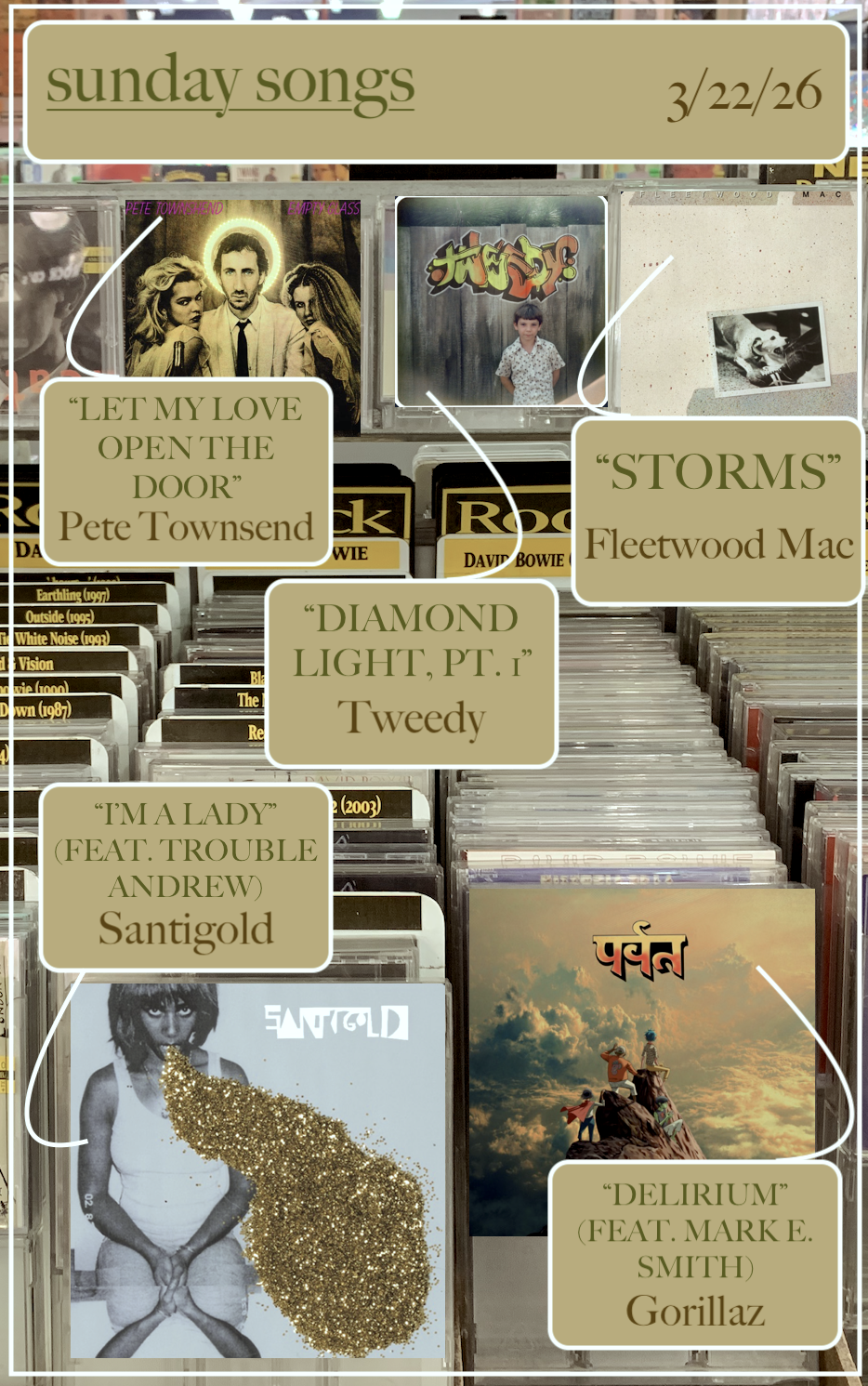
Since this post consists entirely of songs, consider all of them to be today’s song.
That’s it for this week’s Sunday Songs! Have a wonderful rest of your day, and take care of yourselves!
You know it. You know I’m all for cozy literature. I wasn’t particularly in a moment where I needed cozy fantasy, but these days, I love to space them into my regular reading rotation to keep things lighter, if need be. I’m usually more for sci-fi than fantasy, but I love a good fantasy every once in a while. The Teller of Small Fortunes wasn’t the best cozy fantasy I’ve read, but like a mug of tea, it was great for a momentary hug of warmth and love.
Tao is an immigrant from Shinara, making a living far to the west in Eshtera. She makes a living off of fortune-telling, but hers are not like the grand tales that people expect from those with Shinn heritage. But Tao’s fortunes have a catch: they are small fortunes, minor events that seemingly have no consequence, but will add up towards a life of crucial choices. She cannot stay for long in one place, lest these fortunes pile up and her customers start to expect more complex predictions. But when she crosses paths with an ex-mercenary and a thief-turned-poet on the road, Tao has to keep a promise to the fortune she gave them: they’re looking for a missing girl, and Tao knows that she’ll be reunited with them. What’s unknown, however, is how it’ll happen…
TW/CW (from Julie Leong): political conflict, death of a parent, parental neglect, racism, grief, alcohol
While The Teller of Small Fortunes wasn’t the best cozy fantasy I’ve ever read, if you’re looking for something sweet to tide you over, look no further! In the mood for found family, cats, spells, and wonky pastries? I’ve got just the book for you.
Given the crowds that I hang around with, it might surprise you that I’ve never actually played DnD. I’ve always been adjacent to people who are into it and frequently play it, but I’ve never played myself. By osmosis, I know enough about it to discern that anyone who loves DnD will absolutely eat up The Teller of Small Fortunes! Somebody with more DnD knowledge could probably sort each character into a class, but I’m illiterate in that department; yet even still, I can tell that it came about in the way that many DnD campaigns seem to: out of love and out of friendship. Leong’s cozy fantasy has the perfect balance of wholesomeness, levity, and more serious themes, and overall, it’s an ode to the friends we find in unexpected places. The contrasting personalities of Tao, Mash, Silt, and Kina made for a delightful found family with goals that often got in the way of each other, but twisted to form a journey across a fantastical land that taught them lessons about identity, friendship, and individuality. It’s just so sweet. Admittedly, it did border on a bit cloying at times (even for me, both with my cozy fiction proclivities and my merciless sweet tooth), but overall, cozy fantasy fans will be more than satisfied. Plus, there’s a cat. Automatic win in my book.
Tao’s character arc and the themes around it were the heart of The Teller of Small Fortunes. This novel focuses heavily on her immigrant identity, but it explored something that I haven’t often seen with these narratives. In order to make a living outside of her home country, Tao has to perform a stereotype—in her case, being a seer. She relies on this preconceived notion of her people all being able to see the future, and knows that she’ll be able to make money off of it, yet she tries so hard to make it define her. On the other side of the coin, there’s the Guild of Mages, who physically want to use her as a pawn, fitting her into their similarly superficial stereotype of what a magic-user should be. Yes, The Teller of Small Fortunes is very much a “be yourself” narrative (I will always hate Disney for making people trivialize this kind of message), but it’s one that’s complicated by the nuance of the aspects of Tao’s identity. For her, being herself is a lifelong fight, held up by several systemic forces of oppression. Her journey is a mental one just as much as it is physical, and it required the same labor, with a satisfying conclusion: the conscious effort by her to not let other people box her in.
However, the writing sometimes got on my nerves. For me, cozy fantasy can sometimes fall into the trap of being almost condescending in its writing style; it veers to strongly into the “and what did we learn today, kids?” kind of storytelling, even if it’s often aimed at adults. There is a marked difference between having a low-stakes plot and dumbing down the language for your audience. The Teller of Small Fortunes didn’t completely fall into making the language overly digestible, but every plot point and side quest (of which there are many) tended to have a very clear, obviously stated lesson that accompanied the ending. Even if said plot points were well-executed—which they often were, especially the scene with the phoenix egg—their impact was often lessened by the regurgitating of what the scene was meant to mean for the characters and the message, as if we couldn’t figure it out. I honestly didn’t mind that these plot points, especially the ending, were wrapped up in notably kind, easier ways—that’s almost a staple of cozy fiction, at this point—but we didn’t have to get their message shoved in our faces on a neon sign. Additionally, as a character, Kina also erred on this side of saccharine—she was sweet in the way that some cozy fiction characters are, but like the pastries she made, it got a little too sweet in a grating way.
I also found the worldbuilding to be quite generic. The Teller of Small Fortunes was one of those fantasy novels that took existing countries, copied and pasted them into the narrative, and added magic and mythical creatures; Shinara was clearly an analogue for China, which, while it was great for the themes of anti-immigrant sentiment and xenophobia, didn’t make for worldbuilding that was interesting or novel in any way. The same can be said for most of the other places that Tao and the gang pass through—most of them fell under the “vaguely European, I will not elaborate” curse that plagues high fantasy, and the only things that distinguished them, if any, were some of the exports/trades that they had. I will say that I loved the system of the Guild of Mages, and they served as great commentary for tokenization and a distant but tangible source of corruption in the world, but they didn’t have enough of a presence for them to have an effect on the world for me. It all felt very lackluster to me in contrast to the care that was put into the characters. I also would’ve liked more clarification on the regional magic. It’s implied through some of Tao’s background that magic is often associated with/endemic to particular regions (hence the stereotypes of Shinn people being seers/fortune tellers and whatnot), but we don’t get a clarification of whether or not the rule also applies to the surrounding regions.
Overall, a cozy fantasy that had lovely, poignant characters and themes, but was less fortunate in the worldbuilding department. 3.5 stars!
The Teller of Small Fortunes is a standalone and Julie Leong’s debut. Her next novel, The Keeper of Magical Things, is a companion novel set in the same universe as The Teller of Small Fortunes, and is slated for release in October 2025.
Today’s song:
That’s it for this week’s Book Review Tuesday! Have a wonderful rest of your day, and take care of yourselves!
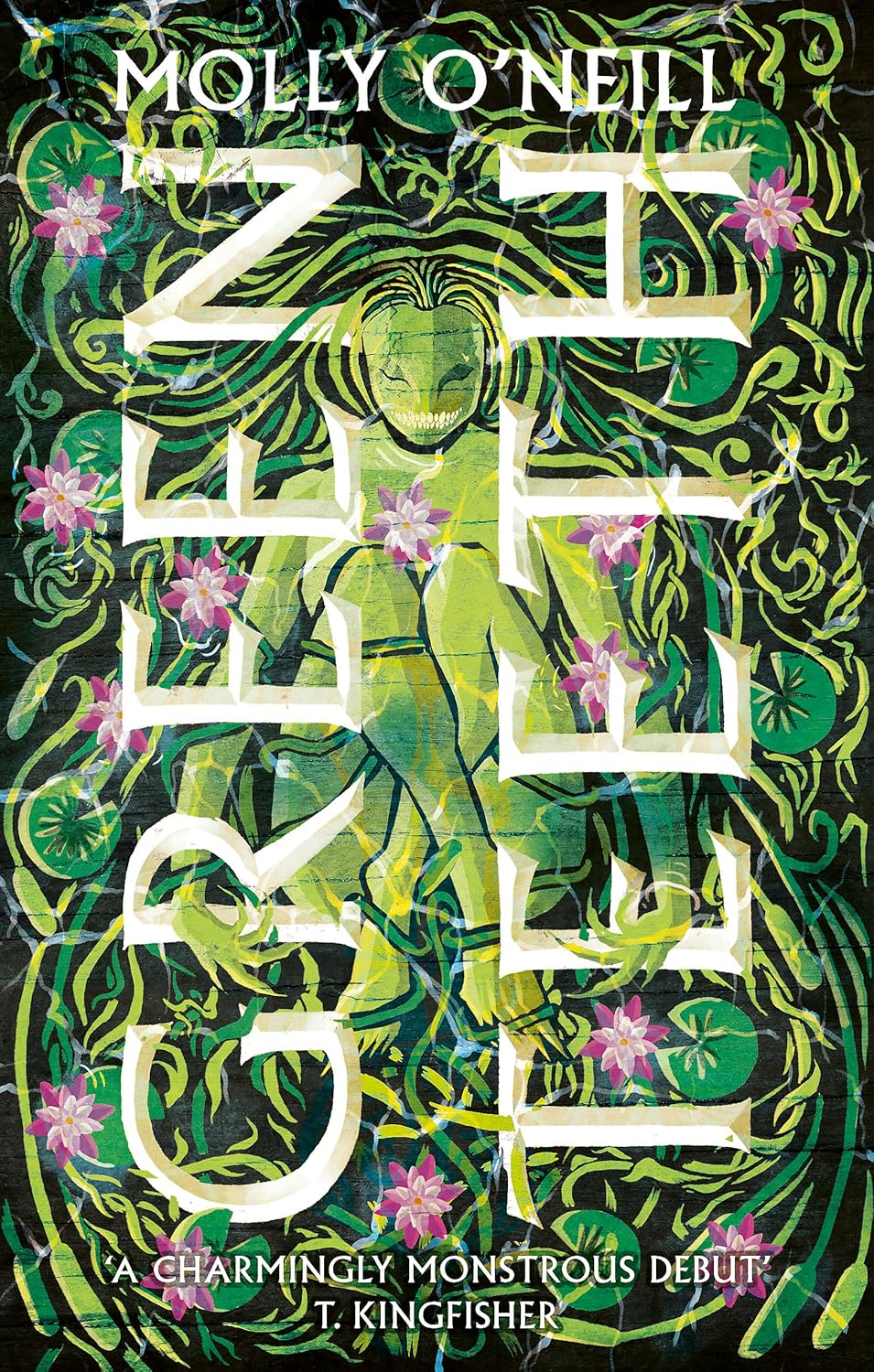
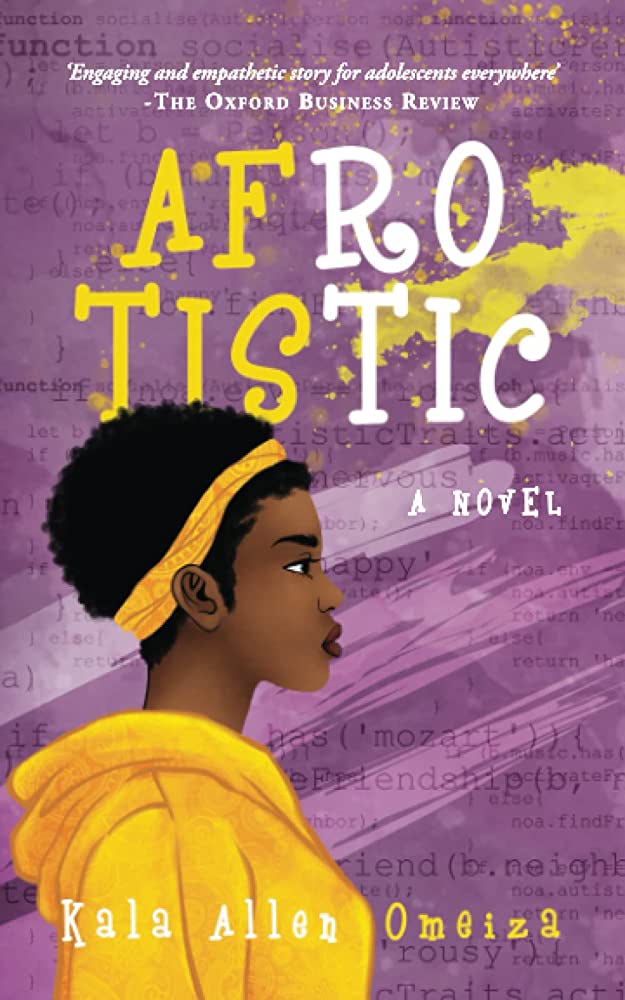
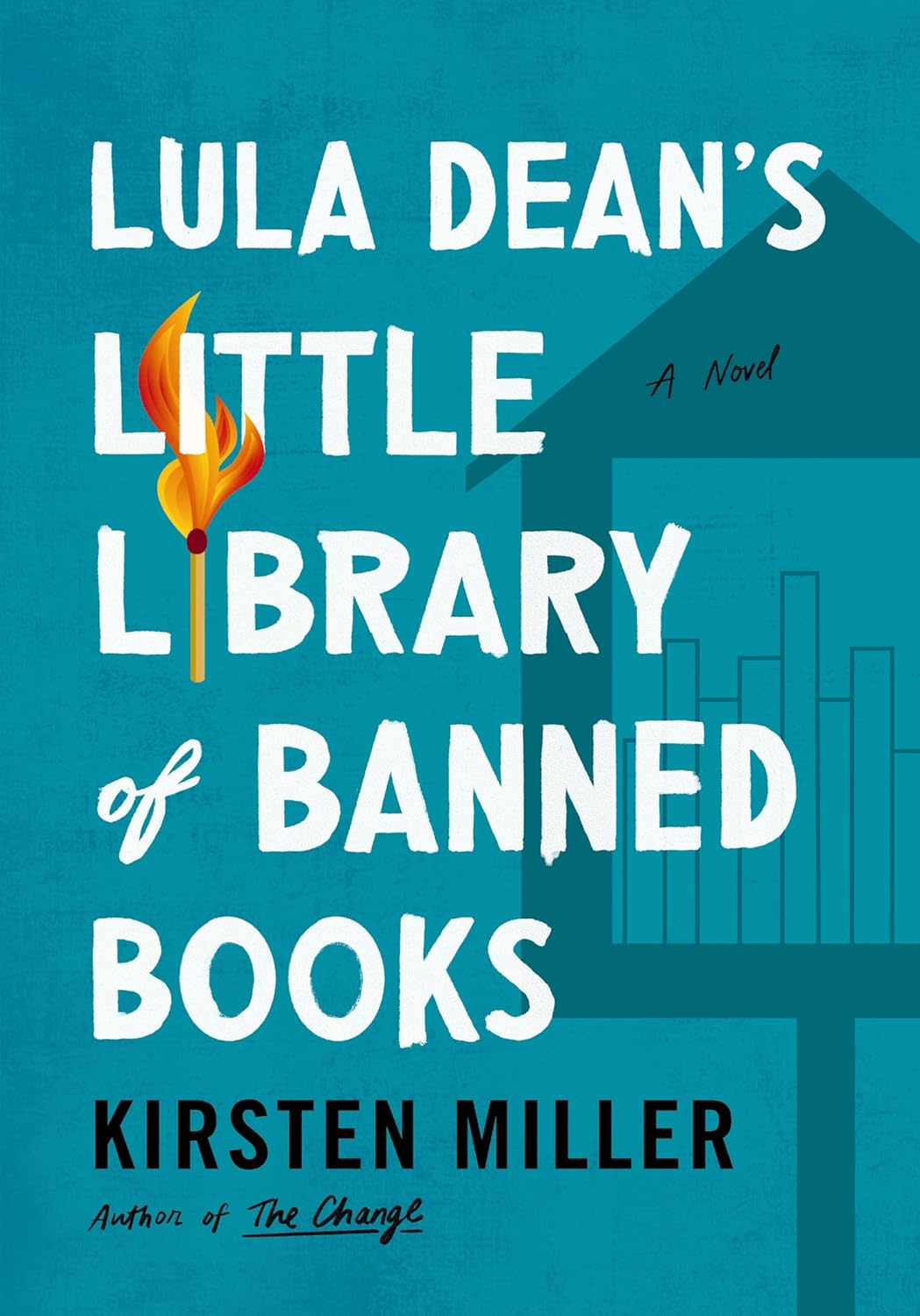
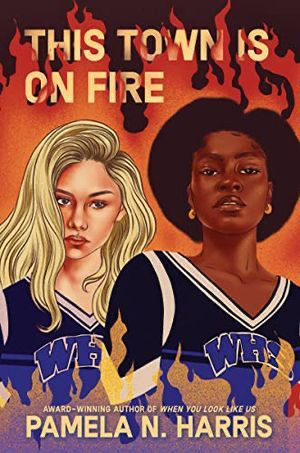
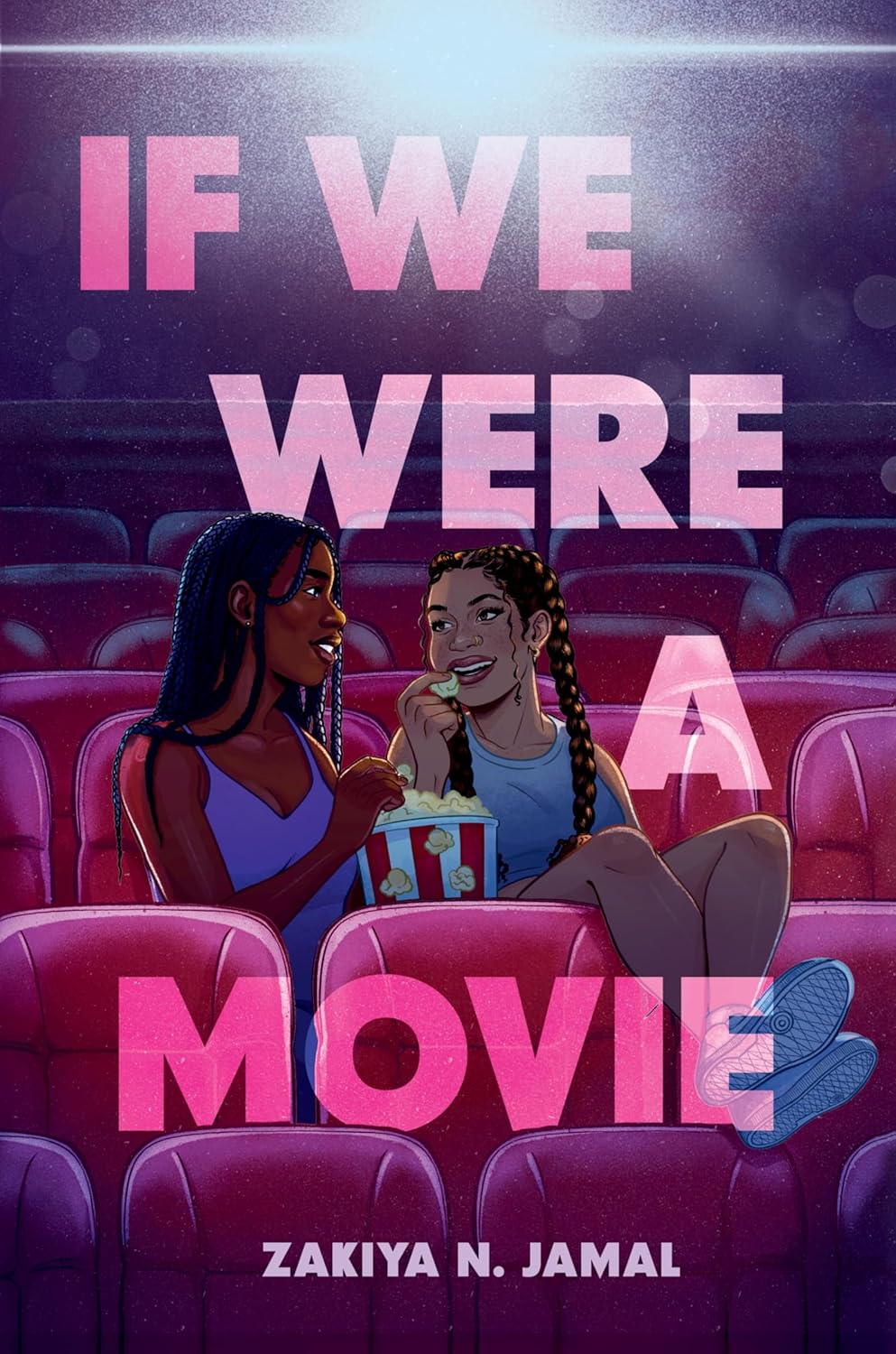
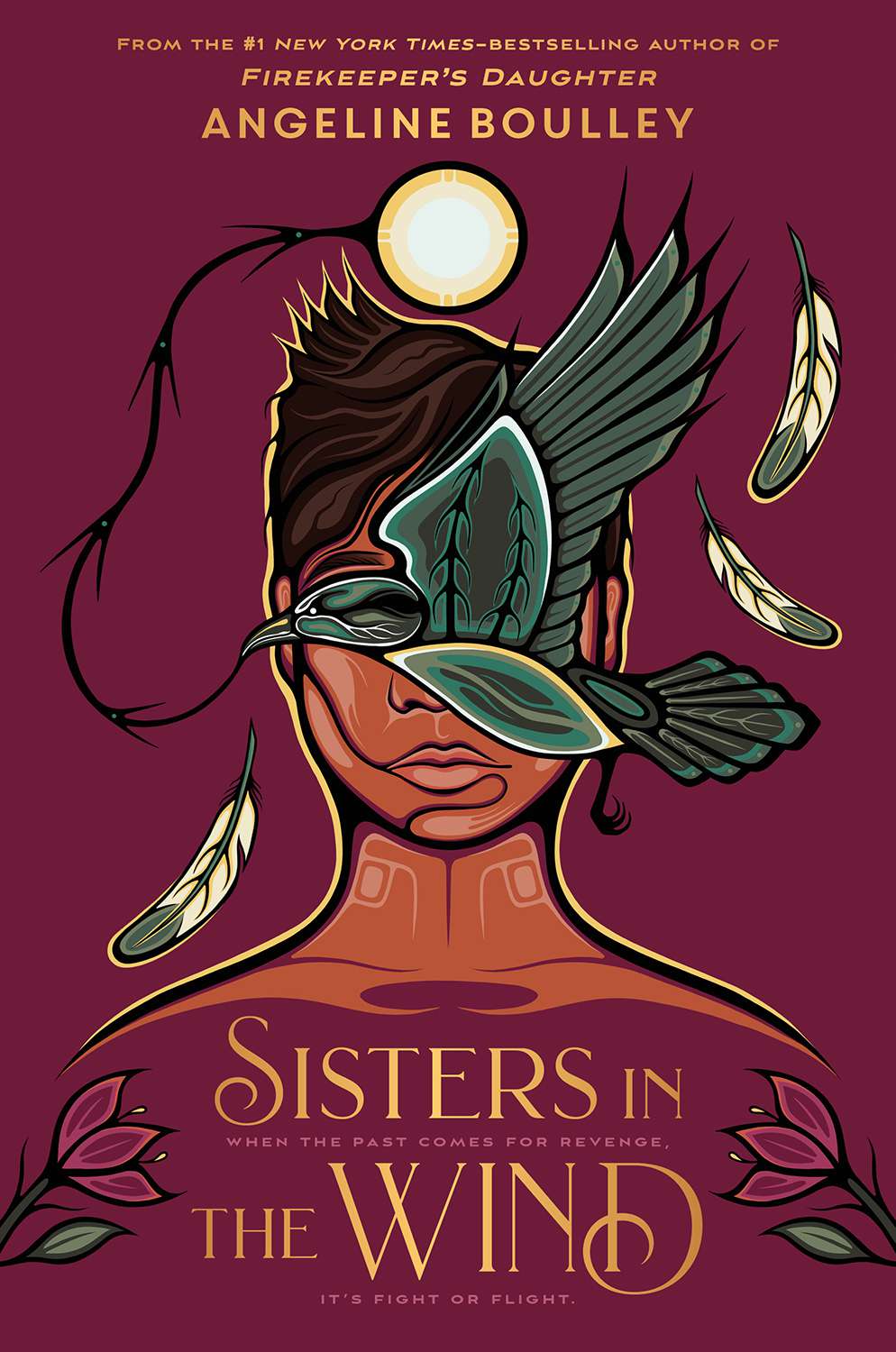
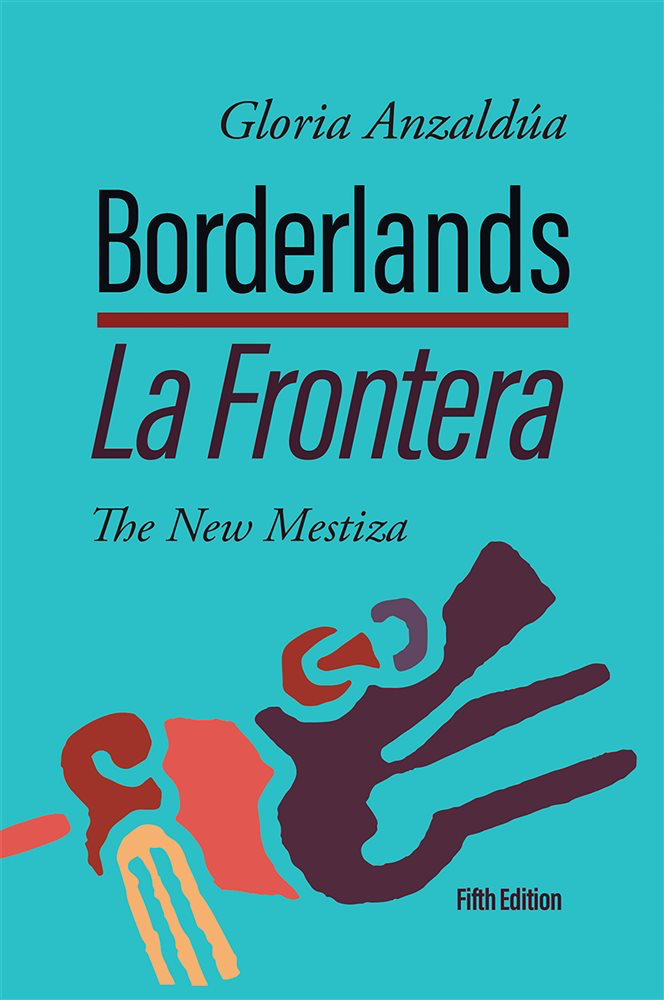
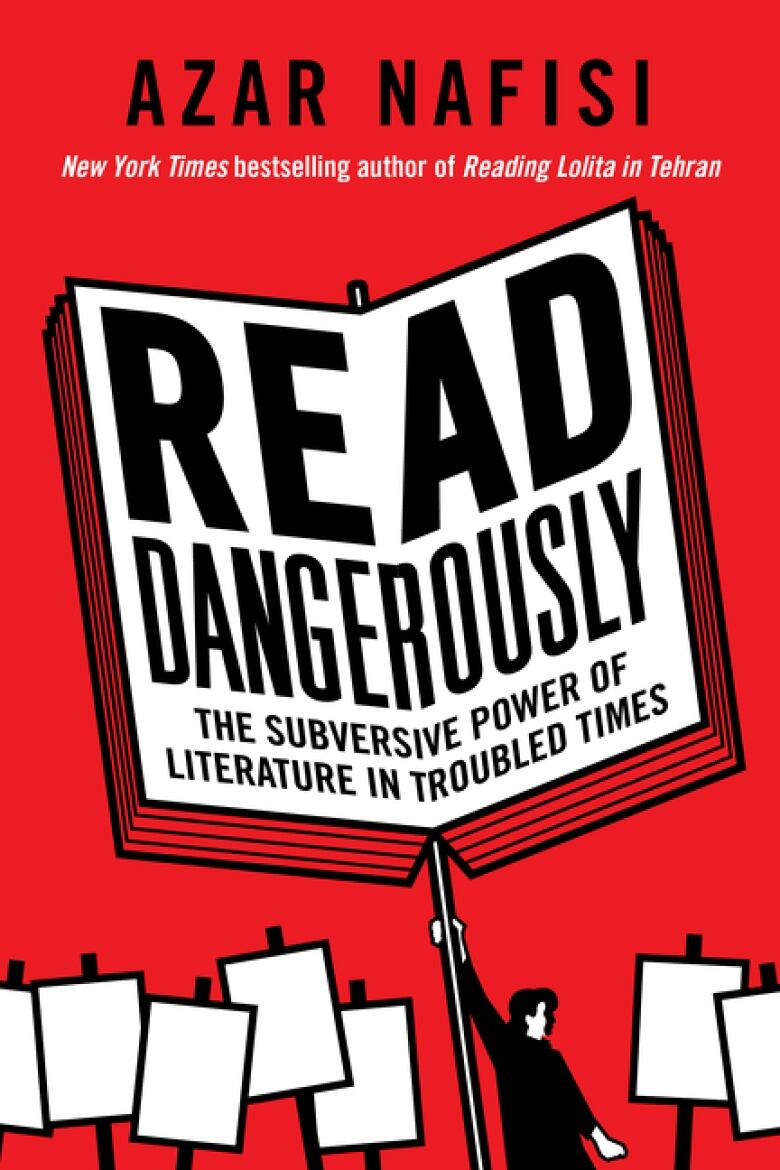
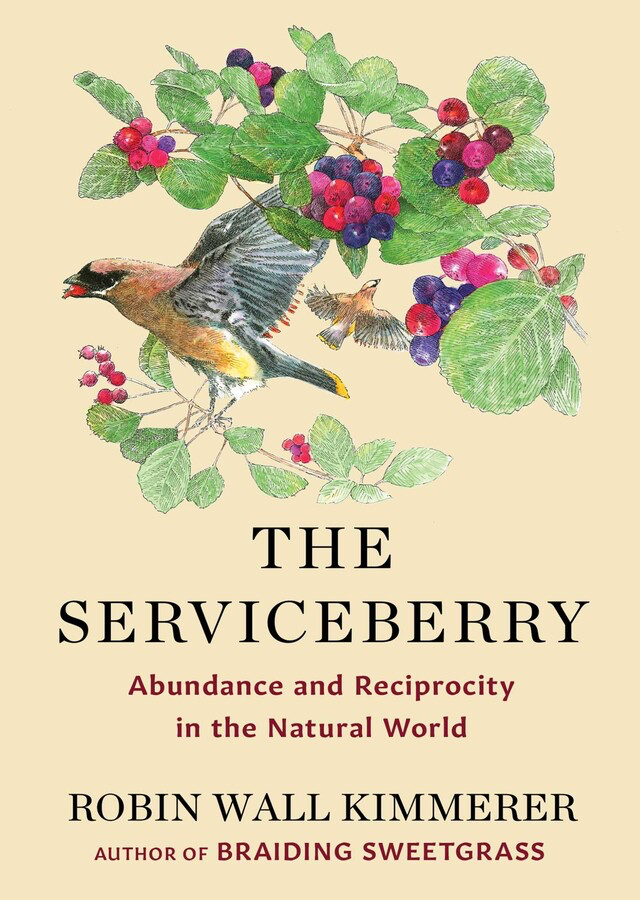
Here in the U.S., March is Women’s History Month! Every year, I find myself repeating the same horrors about the attacks on women’s rights in the past five years. This year is no different, save for the fact that with Trump’s presidency, so many men have felt emboldened to let their misogyny run rampant—and our society seems to encourage it, time after time. Every year, we fight to make sure that misogyny, sexism, and rape culture become impermissible again. Though it seems like an uphill climb with no discernible light at the end of the tunnel, there will always be a constant: we will keep fighting for all women. For women of color, for immigrant women, for queer and trans women (especially trans women, because feminism wouldn’t be possible without them), for disabled women, for survivors. They keep pushing against them, so we’ll keep fighting—and keep reading. The good news is that literature is rife with heroines fighting against the system, and as long as these stories are told and spread, someone will be inspired to fight. So as with all the other year, I’ve compiled even more books of women fighting against oppression from a variety of perspectives, age ranges, and genres.
NOTE: once again, I’ve switched these posts to books for several age ranges, too lazy to change the header, etc. etc.
TELL ME WHAT YOU THINK! Have you read any of these books, and if so, what did you think of them? What are your favorite feminist books? Let me know in the comments!
Today’s song:
How Women Made Music brought me here…
That’s it for this year’s Women’s History Month list! Have a wonderful rest of your day, and take care of yourselves!
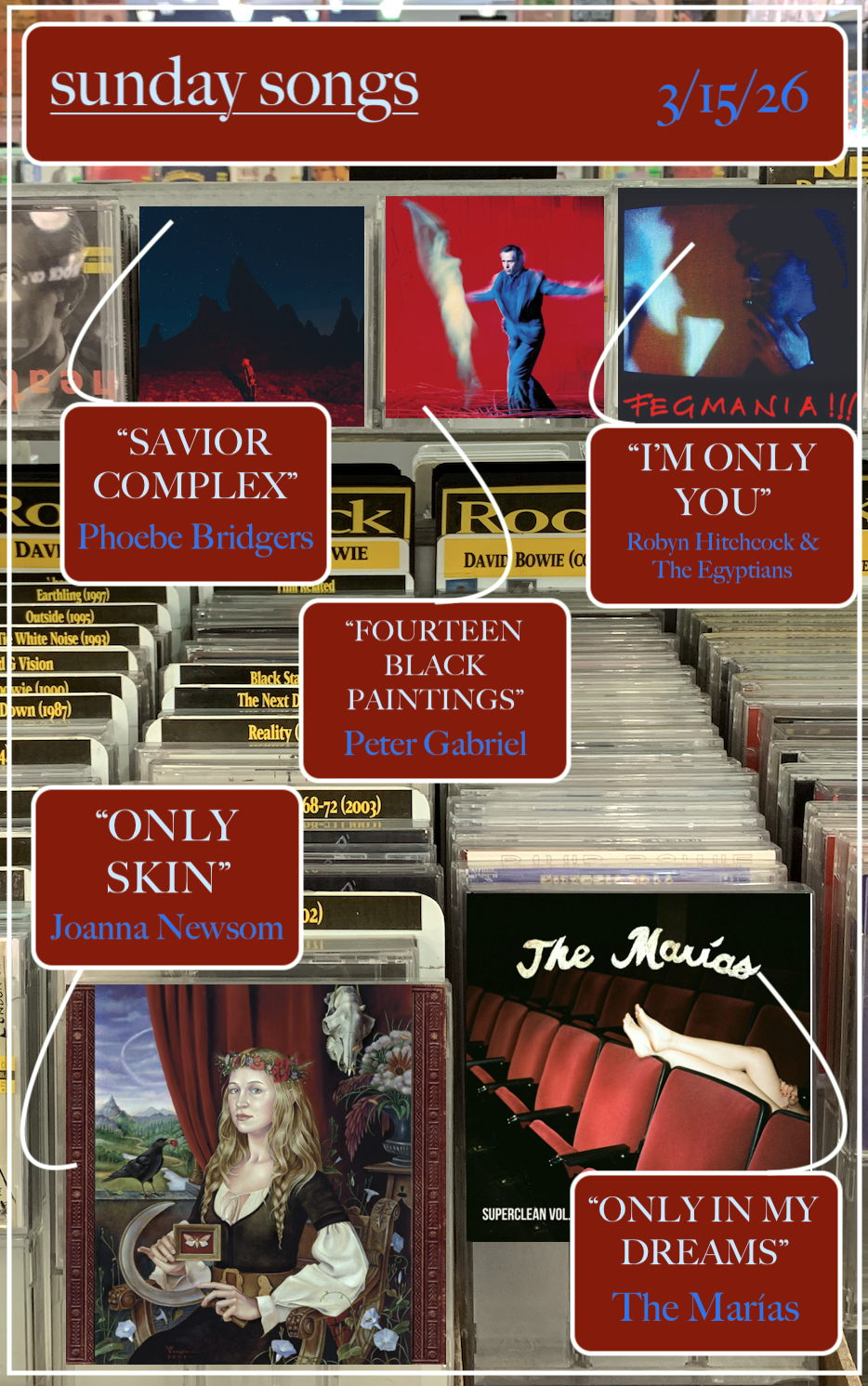
Happy Sunday, bibliophiles! I hope this week has treated you well.
This week: were it not for me yapping about Horsegirl earlier this week, this post would be unfathomably long…sorry. Stick around for my rambling hitting concerning levels the minute I have more free time.
Since A Ghost Is Born got its anniversary reissue a few weeks back, I took the time to listen to the album in its entirety for the first time…surprising, I know! That being said, I’d basically listened to all but two tracks on the album, but I hadn’t gotten to listen to it all the way through in the right order. After a childhood being fed Wilco by my dad about as much as I was fed milk as a baby (both were nourishing and necessary for my development), only two tracks remained: “Wishful Thinking” and this track. It’s songs like “Less Than You Think” that make me remember how much of a poet Jeff Tweedy is. I don’t say that about every singer; in the abstract, music is poetry set to song, but it doesn’t often feel that way. In this case, it’s understandable that the poetry of “Less Than You Think” gets lost in the other masterpieces in Wilco’s catalogue. But it’s not just a case of an underrated track—there’s a reason this one gets lost in the fray so often. For three minutes, it’s any normal Wilco song—one of their sadder ballads, but standard Wilco fare…
…and then you realize that there’s 12 minutes left.
That 12 minutes is entirely composed of a shrill, grating stretch of electronic droning and background noise from the studio. To say that it’s excruciating to listen to, especially with the volume up after listening to the actual song part, is almost an understatement. It’s unpleasant in every sense of the word. Yet that’s precisely the point. Not to be the “🤓☝️ erm ackshually, this nigh-unlistenable 12 minutes of noise has a deep meaning that’s essential to the understanding of the song,” but…it does. It’s unlistenable because it’s meant to be unlistenable—Tweedy and the rest of the band used this song to recreate the experience of having chronic migraines, a condition Tweedy has had all his life, but was exacerbated by his painkiller addiction: “I don’t know why anyone would need to have that expressed to them musically. But it was all I had.” Tweedy put “Less Than You Think” out anyway, knowing that it’d be “the track everyone will hate,” saying that “I know ninety-nine percent of our fans won’t like that song, they’ll say its a ridiculous indulgence. Even I don’t want to listen to it every time I play through the album. But the times I do calm myself down and pay attention to it, I think it’s valuable and moving and cathartic. I wouldn’t have put it on the record if I didn’t think it was great.” And he’s right. Being so experimental with this catharsis brings us so much closer to the experience than words ever could, as much as a master wordsmith as Tweedy is. Catharsis for a pain as profound as this doesn’t have to be listenable or tolerable to be worth putting out into the world—it’s catharsis, after all. Sure, I’ve skipped it every time I’ve listened to it since, but once again…that’s the point. We’re meant to sympathize with Tweedy’s pain, but even he admits that it’s not exactly easy listening. (Some absolutely diabolical individual in the YouTube comments called it “the best song to tee up on the bar jukebox right before you leave…” Satan, is that you?)
But that glorious, incandescent three minutes before you get the worst headache you’ve ever experienced? Deeply moving, in an entirely different way. They got me. They got me good with the sad bastard music. The piano is played with such a heaviness that you can only imagine it being played with lead weights strapped to each finger. Delicate taps of the dulcimer climb up an invisible ladder, each strike coinciding with Tweedy’s repetition of “Lightly tapping/a high-pitched drum.” And for a song that Tweedy knew would be an instant skip for most of his listener, he packed it with some of A Ghost is Born‘s most downright poetic lyrics:
“As your spine starts to shine You shiver at your soul A fist so clear and climbing Punches a hole in the sky So you can see For yourself If you don’t believe me There’s so much less To this than you think…”
Yeah, I pulled a Lisa Hannigan again. I’m tempted to just copy and paste all of the lyrics. Punches a hole in the sky? More like punches a hole in my soul, ow. Though the lyrics toy with the chaos of the universe and the clarity of realizing that maybe everything hasn’tbeen choreographed by a higher power, I can’t help but connect it with Tweedy’s migraines—all the talk of shivering and “Your mind’s a machine” sounds an awful lot how I imagine living with both migraines and addiction must feel: a cycle of dullness and excruciating pain, exposing how much of the brain has been devoted to going through the motions. As for the solemn resignation to atheism, it connects to that experience—it seems pain that immeasurable makes you either seek out or entirely swear off of religion without a happy medium. With or without words, Tweedy conjures a pain he had to exorcise from his person, yet is able to resonate if you’re willing to dig through the earth to find it. Sometimes you have to make art from agony in order to make the burden lighter, whether or not you give it to the world. In any case, Jeff Tweedy makes the pain worth weathering.
…AND A BOOK TO GO WITH IT:
Two Girls Staring at the Ceiling – Lucy Frank – told in sparse verse, these two characters go through a similar pain as they work through chronic pain diagnoses in the same hospital.
Today, on: Madeline listens to Björk’s discography wildly out of order…we’ve come to Debut. It’s another one of those albums that I’d listened to about half of already, but it was just track after track of honed energy and happiness…seriously, this album couldn’t have come at a better time in my life. I think listening to Post about this time last year and Debut now feel aligned with my life in some way. A lot of Björk’s experience at the time was drawn from moving from Iceland to the UK in her late twenties, and being adventurous, putting out her feelers, and embracing the newness of it all, taking everything in (see: “Enjoy”). In some ways, I feel a connection to that kind of exploration. Now that I’ve shed most of the apprehension of freshman year (though definitely not all), I feel like I’m slowly beginning to grow into a new place, a new home, a new environment. I know I’m a little dramatic about that…I’m going to a college that’s less than an hour away from my hometown, so I can’t quite compare. But there came a time when I realized I was living in a whole new place, and I’d barely scratched the surface of everything in it. After the initial crisis, I’ve begun dragging my friends to whatever new place that I can find. Baby steps, but I’m slowly cataloguing new restaurants that I’ve tried. New routes to class. New coffee places on campus, now that Starbucks jumped on the DEI-stripping bandwagon. I’m not throwing myself headfirst into a new city, immersing myself in the early ’90s rave nightlife like Björk did, but I can’t help but connect to that apprehension, that excitement of really knowing you’re somewhere new, physically and emotionally. I’d do well to take it to heart the more I grow up.
“Big Time Sensuality” embodies Björk’s absorption of ’90s house music while in London, and even though it’s far from the weirdest part of her catalogue, you can’t take the weird out of Björk. Even amidst the house beats behind her, you can’t erase the skyrocketing highs and growls that, even for her firs solo effort, were already staples of her vocal style. Despite what the title would have you believe, there’s nothing necessarily sexual about it, yet it retains the ecstasy you’d think it would have. This ecstasy, however, comes from a common theme on Debut: reaching out and taking risks to soak the fullest out of life: “I don’t know my future after this weekend/And I don’t want to.” Its heart is imbued with the rush of friendship, throwing your passion into your music, and independence in a few environment: Björk told David Hemingway that the song’s inspiration came from “[Creating] pretty deep, full-on love relationships with friends…I can be a coward a lot of the time and there comes a moment when I write a song when I get quite brave.” “Big Time Sensuality” throws itself face first into uncharted waters, all with a dimple-stretching grin. Björk’s already diverse vocal range embodies the chorus of “It takes courage to enjoy it/The hardcore and the gentle.” And the music video, directed by Stéphane Sednaoui, embodies that daring joy, with Björk dancing on the back of a truck bed driving through New York City, baring her grin for all to see.
All the cool people like Wire. I’m not saying that to assert that I’m [snaps fingers] hip (that alone proves that I’m really not). It’s more that if you rattle off any creative, clever band from the past three to four decades, they all name Wire as an influence–Sonic Youth, R.E.M., and Soundgarden are just a handful of people touched by their music, and you can hear their genealogy in grunge, hardcore punk, and even Britpop. (Heavy on the Britpop. See Elastica’s “Line Up,” one of several songs that Wire took Elastica to court over claims of plagiarism.) Want proof? How about Wire playing with Jon Spencer and St. Vincent back in 2015? See what I mean? They’re the great uniters. All the cool people like Wire.
For all intents and purposes, Wire left their more punk sound behind with Pink Flag (see “12XU”), trading it for a minimalist, synth-dominated sound on Chairs Missing. To my ear, it sounds like the musical equivalent of brutalism; to the touch, every texture is rough as concrete, but every edge is sanded down to absolute straightness. Graham Lewis’ thick bass dominates the sound, rippled through with guitars, handclaps, and a wall of synth so dense that it becomes more percussion than the actual drums. I can’t help but hear some leftover punk not in the sound, but in the lyrics. Houseflies don’t sound particularly punk at first glance (nor does Graham Lewis’ apparent thing for writing about winged insects on this album)—they’re more for being stepped on by a pair of massive docs than the subject of a song. But yet, this simple animal becomes so deeply punk: “I am the fly in the ointment/I can spread more disease than the fleas/Which nibble away at your window display.” At its core, punk is has always been about disruption, whether that’s in the abrasive quality of the music or grating against the establishment. A fly is a fundamental nuisance, a tiny speck of a creature that, as the song says, spreads disease so easily, ripping up the threads in the fabric of something pristine and perfect. No matter how many swings you take at them with a flyswatter, they always come out, reproducing rapidly…just like disease, and just like resistance. Even with the dry intonation of the lyrics, it reads to me as a deeply proud song, a finger crossed behind the back and a smirk on the face as the time bomb counts down its last second. It’s a promise, and it’s a declaration of purpose: disturbance.
…AND A BOOK TO GO WITH IT:
Countess – Suzan Palumbo – “But there’s an air-pellet hole/I can crawl through to you/I am the fly in the ointment/I can spread more disease than the fleas/Which nibble away at your window display…”
How does it feel? How does it feel for those of you with the right names to share a name with a Cocteau Twins track? For all of the Loreleis, Amelias, Beatrixes, Ivos, Carolyns, etc…do you realize how lucky you are?
Out of all of the Cocteau Twins songs I’ve heard, “Amelia” is one that embodies their general qualities the most, taken almost to an extreme. Regardless of whether or not I could hear the lyrics even if they weren’t nonsensical, they’re sunken so deep into the production that they become a kind of fog-like mist. The unmoored, bass-less flow of the track reminds me of something off of Victorialand, a record where bassist Simon Raymonde was notably missing. Liz Fraser’s vocals are as textural as ever, uttering a whole menagerie throat-fluttering bird calls amidst a barrage of gated reverb that descends upon you like the patter of heavy rain on a windshield. Next to some of their other tracks, it feels slightly less cohesive—the intensity of the gated reverb, reverb’d into high heaven as it is, doesn’t completely mesh with the airiness of the vocals or the other instrumentation. Somehow, it’s almost comforting—the Cocteau Twins stand out to me as a band who truly found their niche and stuck to it, digging in their heels to make that niche as unique and them as possible in the most artistic and adventurous way. Weirdly, it comforts me that it took them time to get their rhythm down, and even then, their earlier steps still blow me away. “Amelia” certainly does—the sheer variety of vocal styles that Fraser layers over one another is proof that even on a record that the band famously hated, their nascent talent couldn’t help but shine in its own way.
…AND A BOOK TO GO WITH IT:
Meru – S.B. Divya – I can only imagine that the experience of being a god-like Alloy and floating in space sounds something like the Cocteau Twins.
Since this post consists entirely of songs, consider all of them to be today’s song.
That’s it for this week’s Sunday Songs! Have a wonderful rest of your day, and take care of yourselves!
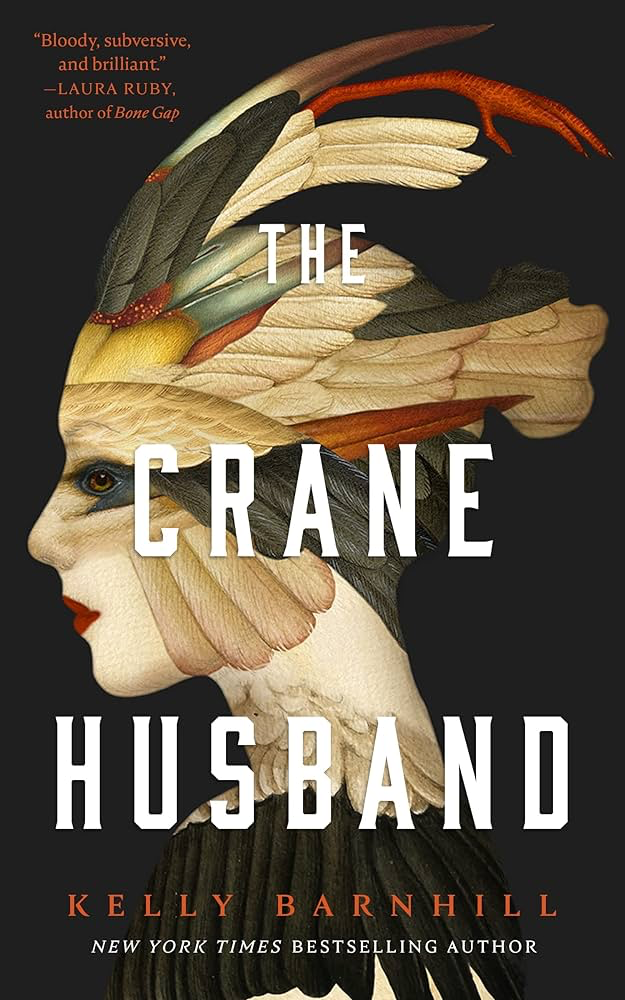
Happy Sunday, bibliophiles, Happy Trans Day of Visibility, and Happy Easter for those celebrating!
Mentally, I’m still at the beginning of the semester, but somehow midterms are over and I’ve just gotten back from break…ignoring that…
Let’s begin, shall we?
GENERAL THOUGHTS:
I’ve continued to be busy in most of my academic aspects of life, but I’ve managed to stay on top of it—midterms season wasn’t as bad as I thought it was going to be, and it certainly helped that we got an accidental four-day weekend thanks to a snowstorm so drastic that my college called two snow days in a row. I’ve lived in Colorado my whole life, and I’ve never experienced a double snow day…good times, gotta say. I didn’t leave my dorm for all of that Thursday and spent my time playing Minecraft and drinking hot chocolate. A win is a win. But now, the weather’s warming up, and I’m looking forward to soaking it all in.
I honestly thought that this month was going to be my worst reading month, but I read a lot more than I expected; spring break definitely gave me a boost, and March has ended up being my best reading month of 2024 so far! Rating-wise, it’s a different story (certainly more stinkers in this batch), but there were plenty of excellent reads before and after my brief reading slump. Blogging has been about the same—again, school has made it so that I’m mostly sticking to my usual book reviews and Sunday Songs, but I’ve had fun writing them all the same.
Other than that, I’ve just been drawing, playing Minecraft (WE’RE FINALLY GETTING THE DOG UPDATE), studying, watching The Bear, The Completely Made-Up Adventures of Dick Turpin (STAND AND DELIVAH), Abbott Elementary, and Constellation (I haven’t been this stressed out and baffled by a show since Dark, and that’s really saying something), series 17 of Taskmaster, Dune: Part 2 (may thy knife chip and shatter), seeing Chelsea Wolfe live (!!!!! THE QUEEN), and reverting from human to hibernating grizzly bear the minute snow started falling.
READING AND BLOGGING:
I read 19 books this month! I thought it would end up being a lot less than that, but spring break gave me much more time to read. As far as ratings, this has probably been my worst reading month (first DNF and 1-star rating of the year…), but that doesn’t mean that I didn’t read a ton of fantastic books!
Happy Sunday, bibliophiles, Happy Trans Day of Visibility, and Happy Easter, for those celebrating! I hope this week has treated you well. 🐰🏳️⚧️
For once, I’ve got a color scheme that lines up with the festive colors. Enjoy it while it lasts….either way, this week: songs about love, songs that feel like being in a swimming pool, and songs about jelly.
It’s been about a year since De La Soul’s music triumphantly returned to streaming after decades of legal battles, and about a year since my De La Soul awakening. Three Feet High and Rising is now permanently etched into my map of my freshman year of college; I spent a good two weeks with that delightfully creative and unabashedly silly album as my soundtrack, and it put a spring in my step even when the weather remained cold enough for those nasty piles of sludge and dirt leftover from at least three separate snowstorms to stay on the sidewalk. I listened to it in spring, but it’s undeniably a summer album, all bright colors and jumping joy.
Three Feet celebrated its 35-year anniversary earlier this month (3/3), and with it came a handful of demos that got left off of the extensive; it feels like a Kate Bush or self-titled St. Vincent situation (and no, I will not stop shoehorning the latter album into every conversation, this is just how it is talking to me) where they were just cooking so much and without any dilution of talent, so they just had to leave a few tracks on the back burner so as not to a) overstuff the album and b) blow our minds more than they already had. I haven’t had the chance to dig through the other demos and scrapped songs that they released, but it’s clear from “Freedom of Speak (We Got Three Minutes)” that it was a tough decision to leave them off Three FeetHigh and Rising. Never once was their joyous spirit dimmed, and this track is proof. After a conversation with my family, I concluded that part of what endeared me to De La Soul (and a lot of other hip-hop artists at the time) is that they lacked the machismo that defined the genre in the decades to come; not to get all “mOdERn mUSiC sUCks” with it, but I do find myself missing the early days when people like them or A Tribe Called Quest just released their collage hip-hop with subject matters that, most often, just ended up as anecdotes about their days and the snacks that they liked—or, in De La Soul’s case, a PSA about wearing deodorant that clocks in at less than a minute long. (“THAT’S RIGHT! YOU SMELL 🫵”) Who knows why that mentality got left in the dust; I bet it hasn’t gone away entirely, but I’m not well versed in hip-hop enough to know where it ended up. “Freedom of Speak” has a similarly stream-of-consciousness premise, with a good chunk of it being Posdnuos and Trugoy (rest easy) talking about their routines—taking a shower, cooking breakfast, shopping with girlfriends. But even with such a mundane subject matter, they managed to inject it with the same infectious joy that made the whole of Three Feet High and Risin so memorable—ordinary things feel like the smoothest, most cheerful events to grace the earth, and all of it is wrapped around a fake construct: being forced to cram all of their musings into three minutes. They got cut off at 2:51, unfortunately. Oops.
Lucy Dacus brought me here; while I was doing some digging on “My Mother & I” a few weeks ago, I found a thread talking about the performance with her mom on backing vocals, and a user mentioned seeing her with Deau Eyes as the opener on at least one of her tours. They both hail from Virginia and seem to be on good terms with each other, and any friend of Lucy Dacus (minus T*ylor Sw*ft) is a friend of mine, so I figured I would give her a listen. And…I can’t get fully on board with most of her style— it ranges from somewhat experimental indie to pure twang, but most of it comes off quite forced. And the fact that a lot of the marketing around her weirdly centers around her being a gemini, of all things (?), is certainly odd, but…if that’s her worst sin, then I can let it pass. That one’s probably more on her marketing team than on her.
“When,” against some of the other Deau Eyes songs I listened to, sounds more like 2020’s Sleater-Kinney, which is a win I’ll certainly take. Even if my enjoyment of Deau Eyes extends mostly to this song, it’s a smoothly urgent indie shuffle, rattling along with Ali Thibodeau’s (ohhhhhhh, so that’s where the name came from) vocals, which hold the melody steadier than an anchor holds down a time-battered ship in the stormy sea. Delayed guitar riffs travel in neat circles around the centerpiece of Thibodeau’s voice, playing tricks on my ears as I try to pinpoint exactly where they’re coming from—a single center or hovering all around? It’s almost dizzying on headphones, but Thibodeau keeps it reserved enough to not overwhelm the song. In this case, it’s the lyrics that are the spotlight; in a world where we are told that we are naught but products to be sold, when our bodily wellness is the cost for being able to navigate through the world with any kind of arbitrary success, Thibodeau has a bridge that couldn’t be any more relevant: “Hey, I see you/You matter more than you think you do/Each and every move, it matters too/So set the mood.” Just like how Thibodeau’s vocals anchor the music, she anchors the space around her, encouraging us to follow suit; the lyrics are simple, but undeniably true. Maybe I’m not sold on every part of Deau Eyes’ catalogue, but good on her for spreading the good word of letting yourself take up space in a world that wants to make us small. It’s what you deserve.
…AND A BOOK TO GO WITH IT:
VenCo – Cherie Dimaline – the time has come to reclaim your space, and by “reclaim your space” I mean “exact feminist witchcraft justice upon the skeevy, corrupt white men who wanted to take that away.”
Sometimes, you have a long and sentimental reason for finding and subsequently liking a song. Sometimes Apple Music digs it up, slaps it on the abject depression “Chill” playlist, and you listen to it just because of the name. It’s like “Crocodile Tears and the Velvet Cosh”—if there is ever another song called “Jelly Filled Coffin,” they’ll be copying this guy.
I first talked about Hether (a.k.a. Paul Castelluzzo) a little over a year ago, and I didn’t expect to be talking about him again—”Shy” was sweetly catchy, but I didn’t find myself wanting to uncover more of his music. I guess I’m a lazy, no-good, Gen Z slave to That Damn Phone then, since Apple Music did the discovering for me, but…for once, the algorithm did something good, unlike the time that of Montreal’s nearly 10-minute-long suicidal ideation “No Conclusion” landed on, of all places, the “Get Up!” playlist. I can’t make this shit up. At least we can take comfort in the fact that no human mind could fuck a playlist up that badly. You have to take the wins when they aren’t blatantly the product of automation. Even though Play it Pretty was released only three years after Hether Who? – EP, there seems to have been a shift towards the meandering for Hether; “Jelly Filled Coffin” has the glassy eyes of the peak of summer, humid and delirious from staring too long in the sun. The first comparison that came to mind was a less psychedelic Ty Segall—they have a similar delivery, drifting like a lazy river in the public pool, but just as brightly chlorine-colored. Every line feels like it’s being dictated from somewhere in the depths of the same pool, rippling and unnaturally blue (or is that the jelly? Depends on the jelly we’re talking about). The concept of a jelly-filled coffin was such an oddball pairing that I almost didn’t think of how oddly tragic it could potentially be—presumably being lowered six feet under, but trapped in a substance slippery enough to give you the illusion of movement. That would explain the resignation with which most of the lyrics are delivered: “Rip it out from my chest/Keep the love and leave the rest/Tether me to a post/A parasite chose you, the host.” And yet, even with the exhaustion creeping through the ripples of distortion, it never feels truly sad—it’s more delirium than outright depression, sleepwalking on the borders between sadness and just being tired. My dad made the comparison of his lyrics to Robyn Hitchcock, and many of his songs have a similar quality; on anybody else, it might sound tragic, but here, it could just be as deep as words strung together that sounded unique.
Like Hether, I never expected to be wandering back around to Alice Phoebe Lou. I think it was around two years ago that I found her through “Witches,” which came from an old high school friend after I posted one of those “send me a song that reminds me of you” question boxes on my Instagram story. I was glad to have a new song to spin around in my head, and I was gladder still that something as gently bubbly as “Witches” reminded them of me. It sneaks back into my shuffle every now and then, and I never complain when it does.
“Witches” and “Nostalgia” are only about a year apart in terms of release date, but both of them are broadly categorized under blues; the former doesn’t feel like blues at all—more sparkly indie pop than anything, but I have no purview to talk about how blues has evolved as a genre over the decades—but the latter certainly does. Fitting that this song is called “Nostalgia” in the first place, since all of it evokes a time capsule made of sea glass, harkening back to the slow, swaying melodies of the ’40s and ’50s, but with a distinctly modern touch. If there was one lyric that would properly encapsulate this song, it would be this: “It feels like swimming/Swimming with my eyes closed.” Indeed, the soft organs and Lou’s voice feel like they’re being projected from inside of an underwater cave, a rich gray until the light from a crack in the ceiling makes the water dance on the ripples in the rock. With every lyric, you travel further in the water in slow motion, the foam from your impact fanning out around you, bubbles swirling upwards as you close your eyes, letting the waves kiss your skin. And yet, it feels just as vividly like a ballroom slow dance, engulfed in golden light as the sunset fades into night and drinks clink all around you. Whichever effect Lou was going for—or neither of those at all—is suited to her voice; her voice dips from a quiet, bluesy coo to a musical exhale that echoes through the caverns with ethereal gentleness.
This is one of maybe…three or four Samia songs that I’ve listened to so far, and I wish I liked them all as much as I liked this one. Then again, there’s only a certain type of as-of-yet undiscovered musician that can cover The Magnetic Fields’ masterpiece “Born on a Train” (which I reviewed about a year ago!), and…I hate to say it, but Samia is not that kind of musician. But I’ll let it slide—Arcade Fire covered the same song ages ago, and they didn’t quite pull it off either; they have the extensive instrumentation to theoreticallypull it off, but the only recordings I could find were ones where the sound quality isn’t great and Win Butler was singing like he had the world’s most painful case of strep throat, so…not exactly their proudest moment either. It’s hard to cover near-perfection. I feel like Peter Gabriel has been one of the only people I can think of to cover The Magnetic Fields welland not make it sound either more melodramatic than it ever needed to be or just plain bland (seems there’s no in-between), but also, that’s Peter Gabriel. I should also mention The Shins and their excellent cover of “Strange Powers”—that, at least, was perfectly suited to James Mercer’s penchant for bare emotion, and even though The Magnetic Fields have such a dense orchestration to a lot of their songs, making this one acoustic wasn’t as risky of a move as it seems—Mercer makes it work beautifully. (Childhood staple, too.) We aren’t worthy of The Magnetic Fields, and we are similarly not worthy of Peter Gabriel or The Shins. It’s a hard act to follow. So props to her for trying, at least. Chances are I’m just too attached to “Born on a Train,” but I feel like to cover it, you’ve got to back up all that emotion with the toy-train-on-plastic-tracks instrumentals and faded grandeur peeking out from behind the curtain.
That aside, Samia captured something truly rare in “Charm You”—there’s something about it that sets it apart from all the other songs of hers I’ve listened to. Some of her other songs feel like she’s stretching her voice too thin, but the warm wails of this track perfectly suit the mood she’s meticulously crafted—a love song, but not one of wanting to chase a lover down or get them to like her. I’ve unintentionally bunched together too many songs that inherently feel like swimming, but this song in particular is a dive into a hot tub, a slow, boiling love that seeks to bare its soft parts: all of the pretense of a crush is gone, and all that’s left is to fall in deep: “What if we could shut up for an hour or two/Quiet, memorizing what the people do/Wouldn’t have to try and find myself in you.” The style of songwriting that Samia has taken is an approach I’ve seen a lot of indie pop artists take—collaging a hodgepodge of vignettes together to form a cohesive story—often a love story. It’s a move right out of the Phoebe Bridgers/Arlo Parks/Lucy Dacus/[fill in the blank with your sadgirl of choice] playbook, but what makes them stand out from the others is the emotion that strings them together—it’s not random moments just to flash your songwriting chops. That’s a trap I’ve seen a lot of songwriters fall into, but for once, Samia seems to have the writing flair to pull it off; every lyric on “Charm You” sounds like a red-cheeked confession with a bashful smile, giggling at some charmingly awkward memory: “Baby, let me show you the synthetic pond/Couldn’t we believe it was the hand of God/Making water boogie to a Ke$ha song?” Maybe it’s the way that the word “boogie” feels so out of place that it fits in perfectly or the image that it creates (I can see the warm, blue-lit water rippling from here, wherever there even is), but Samia’s vignettes are ones that stick, and not ones that just toss in a fruit metaphor and talk about smoking on the porch, or something. Like the album cover of Honey, there’s a blue warmth about “Charm You” that instantly charms the heart.
Happy Sunday, bibliophiles! I hope this week has treated you well.
This week: sit down, kiddo. Soon you’ll be a mature adult, so your father and I have decided that you’re ready to learn about the (acid, lady) birds and the bee(tle)s.
Like Odelay, I’ve very much screwed myself over when it comes to this album; as my brother was showing this song to me in the car (thank you, by the way), I talked to him about the album, and after we talked about all of the songs I’ve heard off of Mezzanine, we concluded that I’ve…basically listened to the whole thing, save for some of the apparently duller songs and some instrumental breaks. Oops. My brother’s advice was to go through the album in its entirety anyway, so I’ll still take that advice. Eventually. The Sisyphean album bucket list persists.
I have a special soft spot for songs that sound like their album art. Most of the tracks on Mezzanine have a similarly creeping feel, but “Dissolved Girl,” to me, feels the most like Nick Knight’s photograph of a shiny, almost glistening stag beetle; the initial photo was taken by Knight at London’s Natural History Museum. Minus the pincers, it almost looks like the exoskeleton of a xenomorph—also a fitting image for the creeping feel of some of Mezzanine’s tracks. Much of the album retains that prickly feel of looking at the fine hairs adorning the beetle’s legs, but this song, especially the intro, captures it best. I can almost imagine that same beetle in captivity, scuttling around across a blank canvas in erratic patterns, like a shot from an old nature documentary. Its antennae twitch, it pauses in thought, then scuttles off into a corner again, only to emerge a few seconds later. Looking back, I’m ashamed that I completely missed that fact that this track was also featured in The Matrix. Granted, I was also so caught up in the glorious cheese of that movie that there wasn’t much else to focus on except for a) that one absolute monster of an H.R. Giger fever dream scene, and b) the fact that Keanu Reeves can barely act (sorry, dude, I’m sure you’re a nice guy). But like the stag beetle’s shell, that sleekness blends in with the landscape that the Wachowski Sisters crafted all those years before. I’ve tricked myself into thinking that there were raindrops or dewdrops on said beetle’s shell, but no—it was a trick of the light, and a trick of the music. “Dissolved Girl” runs over your skin like frigid water and catches all the colors of light like an oil spill, darkly alluring in the dapples patterned across it. Sarah Jay Hawley’s voice isn’t just sultry—it’s a puff of rasping steam from a rusty teakettle, blossoming into strange clouds as it’s swallowed by synths and guitars that were made for dramatic entrances and nothing more. It really is dissolving, but it seems to reform itself every passing second, an ouroboros of electronic deja vu.
…AND A BOOK TO GO WITH IT:
The Fifth Season – N.K. Jemisin – the lyrics don’t reflect the connection so much as the feeling of it does—uncertainty, circularity, and deja-vu abound.
Note to any aspiring songwriters who may come across this post: I accidentally typed “acid birthday” into YouTube while looking this song up, so there’s a good song title right there. It already sounds ten times ickier in subject matter already, but…it sure is a song title.
Robyn Hitchcock seems to have been planted in the rich, fertile soil of ’60s musical inspiration from the start. Listen to any of his songs from his solo works or from one of his many groups over the years, and that bright, whimsical jangle always pops out of the woodwork. But before I saw him back in January, I found out that he’d played several short shows where he only played sets of Syd Barrett covers, and the comparison clicked instantly. Personally, I’m glad that Hitchcock took the good parts from Barrett’s legacy and never went off the deep end, but if there was ever a perfect fit, the two’s musical and lyrical styles were practically made for each other. There’s no doubt that plenty of artists have found drugs to be an outlet for imagination, but it’s always temporary; I never mean to make light of addiction and the very real consequences it can have on a person and their loved ones, but every time I hear about any of these instances, it’s a short-lived outlet. We know where it tragically led Barrett (rest easy) and many other artists of his time, but often, these things have been discovered have always been dormant—maybe it was the drugs that exposed them, but that kind of creativity lingers in all of us. We all have different ways of finding it, and all we can do is learn to live with it carefully—the very things that we perceive as opening it can destroy it just as quickly. At least we can look to Hitchcock as an example—it seemed he knew early on that his wild creativity was at the wheel, and he’s managed to preserve it for decades.
That kind of easygoing, ’60s feel is etched all throughout his decades-long, insanely prolific career, but some of the earliest notes of it, to me, can be found in his first solo album, Black Snake Diamond Role, and in particular, “Acid Bird.” Aside from the unmistakably sixties jangle of it all, from the lazily swaying chords to the way that the guitar is almost made to sound like the limbo between a guitar and a sitar. And like the entirety of Hitchcock’s career, this song is full of oddball wordplay, entirely nonsensical, but somehow sensible, in the sense that, having seen him live, he had every intention of putting these words together in this exact order. It’s unmistakably late ’60s psychedelia—I can hear the lyricism of Pink Floyd’s “See Emily Play” and the instrumentation of…well, probably any late ’60s Beatles song you can think of, and yet, it couldn’t be anybody else but Robyn Hitchcock. Going even later, I’ve always thought of his wordplay as so much like Marc Bolan, like he has access to some bizarre fantasy world that can only be described to us mortals in words that don’t fully make sense when strung together in the order that they are. I’m just glad that Hitchcock has dedicated his career to mapping it in all of its hills, valleys, and acid birds.
If you laid out all of the elements of “Barley” bare, it would fit a pretty common definition for really pretentious music. You’ve got your discordant synths, you’ve got your avant-garde, nonsensical lyrics, you’ve got some off-kilter guitar riffs for good taste, and you’ve got disaffected vocals courtesy of Rachel Brown, who sounds for all the world like they did not want to be there. But this song feels more in the vein of play than construction—the minimalism and freeform feel of it all feel like just that: freeform. It feels like this song was conceived in 5 minutes tops, and I’ve grown to enjoy that quality about it. I keep bringing up Beck in this post for reasons unknown to me, but the technique of Water From Your Eyes (or, alternatively, what sigma male gymbros call tears) seems to be similar: stick a bunch of parts together with a bit of synths and Elmer’s glue, then create the most earwormy eyesore you’ve ever heard. I say “eyesore” only because it’s the best word that comes to mind—it doesn’t sound pleasant, and yet, it sounds good. Between Brown’s vocals, the hectic instrumentations, and the urgency of it all, “Barley” feels like the squirming child of Guerilla Toss and Wilco’s “Spiders (Kidsmoke)“—drolly sung, but full of lyrics that could be prophetic, and as jagged and crawling as all get-out. I’d never thought I’d compare those two, but that’s the beauty of this song—it’s a strange, stiff chimera of a song, and I love it and all of its jerky, weak-kneed beauty.
…AND A BOOK TO GO WITH IT:
Aug 9 – Fog – Kathryn Scanlan – a similar connection of loose bits and bobs, this time in the form of poetry made from what remained of a stranger’s diary that Scanlan found at an estate sale.
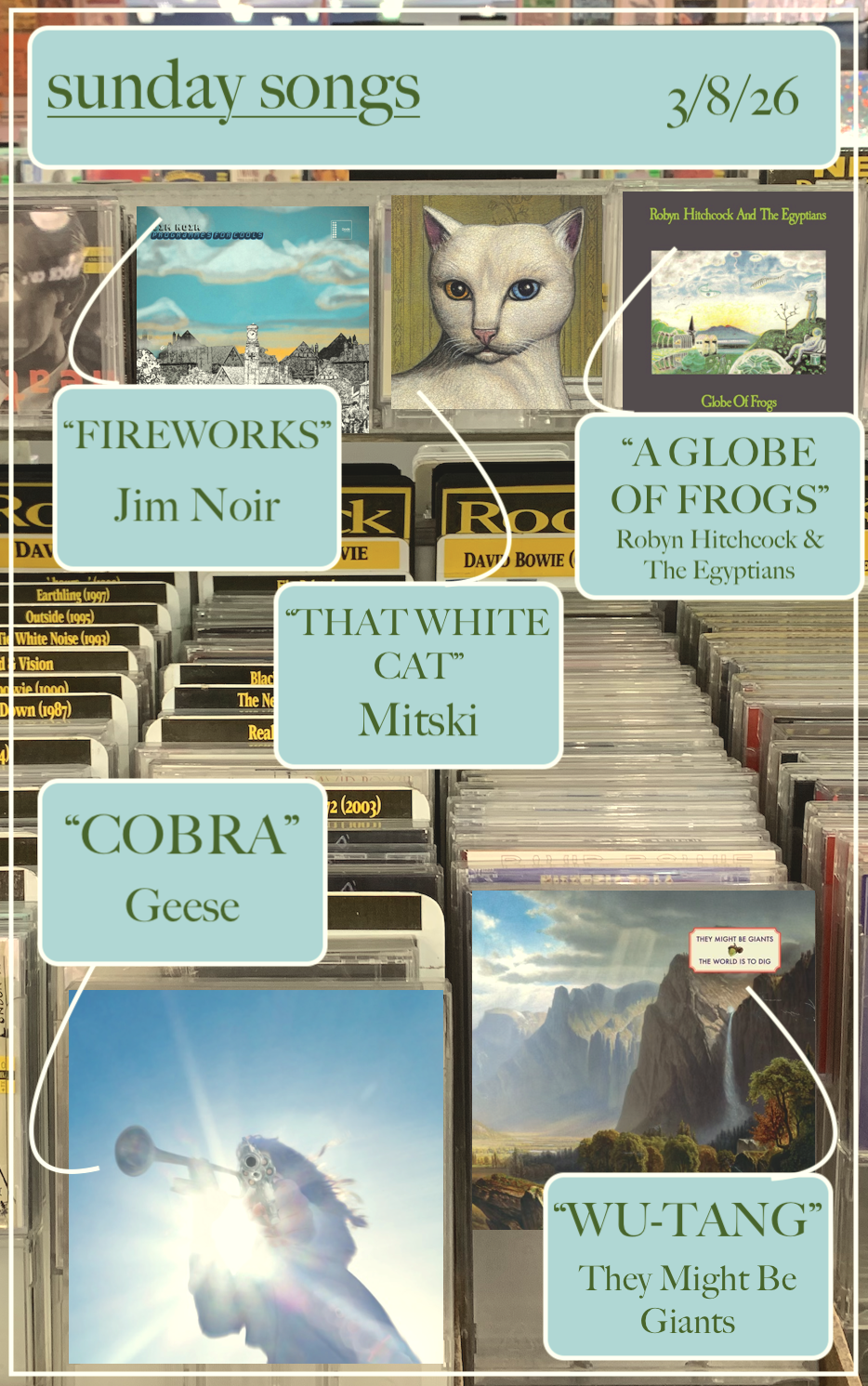
Before the switch from monthly EPs to releasing the excellent record Rotate as half of Co-Pilot, a lot of the EPs he was putting out were starting to feel thinned out; even at the beginning of the project, many of the tracks were throwaways that he later polished up, but as time went on, some of the whimsical, lighthearted creativity that he’s known for seemed to have bled out somewhere down the line. The last few EPs felt a little hollow—the last thing I’d expect of Jim Noir, the same mind that could make a song about putting off going to the store to get tea (if there was ever a more British concern) into a sunny, ’60s-flavored synthfest. I wouldn’t be surprised if he was saving his musical time and energy for Co-Pilot during the weaker run of EPs (justifiably so, I mean, God, what a record), but I did miss the more creative tidbits. It seems that some time away has given him time to shake things up, and now we have Ladybird – EP, which I can happily say is a delight! I found myself particularly drawn to the title track; there’s still a hesitant restraint about it, but it has every hallmark of a catchy Jim Noir tune—cymbal heavy drumming, humming vocals, and of course, bleep-bloop aplenty. Gotta have that good bleep-bloop. The background is decorated with sounds that almost ring like a submarine’s radar, and the rest of it hums with buzzy energy, nervously scuttling about like the insect it’s named for. It’s hesitantly bouncy, with eyes that seem to dart about every few minutes before ducking behind the nearest door. I wouldn’t call it his masterpiece, but it gives me hope that this could be the start of the album that he’s been teasing for…almost two and a half years now, I think? If Rotate is all we get, then I’d certainly be happy, but I find myself wanting another win for Jim Noir. It’s what he deserves.
…AND A BOOK TO GO WITH IT:
Binti – Nnedi Okorafor – “I’m surrounded by things I’ve never needed so much/I’d rather give it away instead of finding it’s not enough…” right there, huh?
As I’m writing this, it’s been about a day since I saw Chelsea Wolfe a second time for the She Reaches Out To She Reaches Out To She tour. Insufferable crowd and headache-inducing opening band notwithstanding (2/3 times that I’ve seen shows at this venue, the crowd has been gross and disrespectful, so…hopefully not a curse), she and her band put on an incredible show; obviously, nothing’s going to compare to my first experience seeing her at the Stanley Hotel, which is about as goth as one can get even if Wolfe isn’t present, but what this show had going was the fact that one of her songs was performed whilst some kind of trick of the light made her look like she’s standing astride some kind of fiery, inter-dimensional portal. What I’m trying to say is that she absolutely brought down the house. As usual.
Somehow, I thought that “Spun” would be on the setlist, and I listened to it a handful of times before the show, but…I guess I remembered wrong? It wasn’t one of the songs I was sorely looking forward to seeing, but I do feel a little silly now that the song I’ve picked for this week is the one she didn’t play. Well, any excuse to talk about Chelsea Wolfe is a good excuse, so here we are. Seems I need to add Spun to the album bucket list, since almost everything off of it has been nothing short of arresting. “16 Psyche” was the first song from Spun I heard, back when my tender, 14-year-old brain was as impressionable and soaked up melodramatic lyrics like a sponge (listen, there’s nobody else who can deliver “my heart is a tomb/my heart is an empty room” but her); now that I’ve seen it live, it’s one of her most captivating tracks. But “Spun” is captivating in an entirely different way; where “16 Psyche” takes a nosedive into cloak-billowing wails and drama almost immediately, “Spun” has the pace and feel of mold crawling up the walls. Staunchly on the more metal side of Wolfe’s brand of goth-metal (I promise I’m not stringing buzzwords together, that’s just her brand), the industrial drums and guitars march like a legion of robots summoned from hell, armor cracked as they trudge through the flames. Fleeting moments of said drums speeding up provide a cliff for the instruments to dive off, then leap straight down into the lake of fire, a tenuous equilibrium shattered when you least expect it. “Spun” prowls with its hackles raised, poised to bolt from a history best left in the flames: “I lift my eyes, I slow my gait/And I never wanna see you again.” But the final breaths of “Spun” are exhales released from a clenched chest, fittingly whispered by Wolfe as though she’s speaking in tongues: “And all and everything or nothing.”
…AND A BOOK TO GO WITH IT:
The Genesis of Misery – Neon Yang – the title already sounds like something that Chelsea Wolfe would name an album, but even if that weren’t true, this novel is chock-full of fiery forges, prophetic madness, and the voices of angels (or are they?)
Since this post consists entirely of songs, consider all of them to be today’s song.
That’s it for this week’s Sunday Songs! Have a wonderful rest of your day, and take care of yourselves!
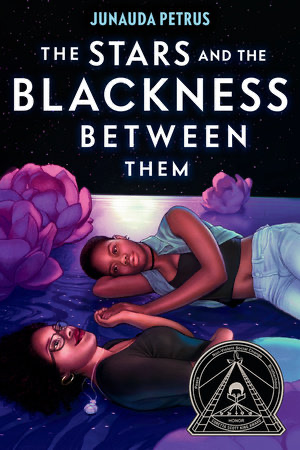
Technically, this review is an early review, but I didn’t get it as an ARC—I got it through the Amazon First Readers program. Usually, the books they offer aren’t my cup of tea, but The Monstrous Misses Mai seemed intriguing, and I never say no to free Kindle books. I love a good story about witches, and though it was predictable at times, The Monstrous Misses Mai was an entertaining addition to the wide subgenre!
Los Angeles, the early ’50s. Cordelia Mai Yin is down on her luck. Disowned by her parents and out of work, she’s been finding it difficult to find a place to stay. The apartment she eventually finds is cramped and occupied with three other roommates, but they have more in common than just their middle names. They all have unfulfilled dreams—and they all need a way to pay the rent. Callum, a mysterious friend of their landlord, knows it too. He offers them the deal of a lifetime, in exchange for a small sacrifice. Now, Cordi has a stable income and the job of her dreams, but the spells binding her reality are quickly beginning to fade, and the girls are running out of sacrifices to appease them…
TW/CW: body horror (mild), murder, loss of loved ones, manipulation
WARNING: this review contains some spoilers!
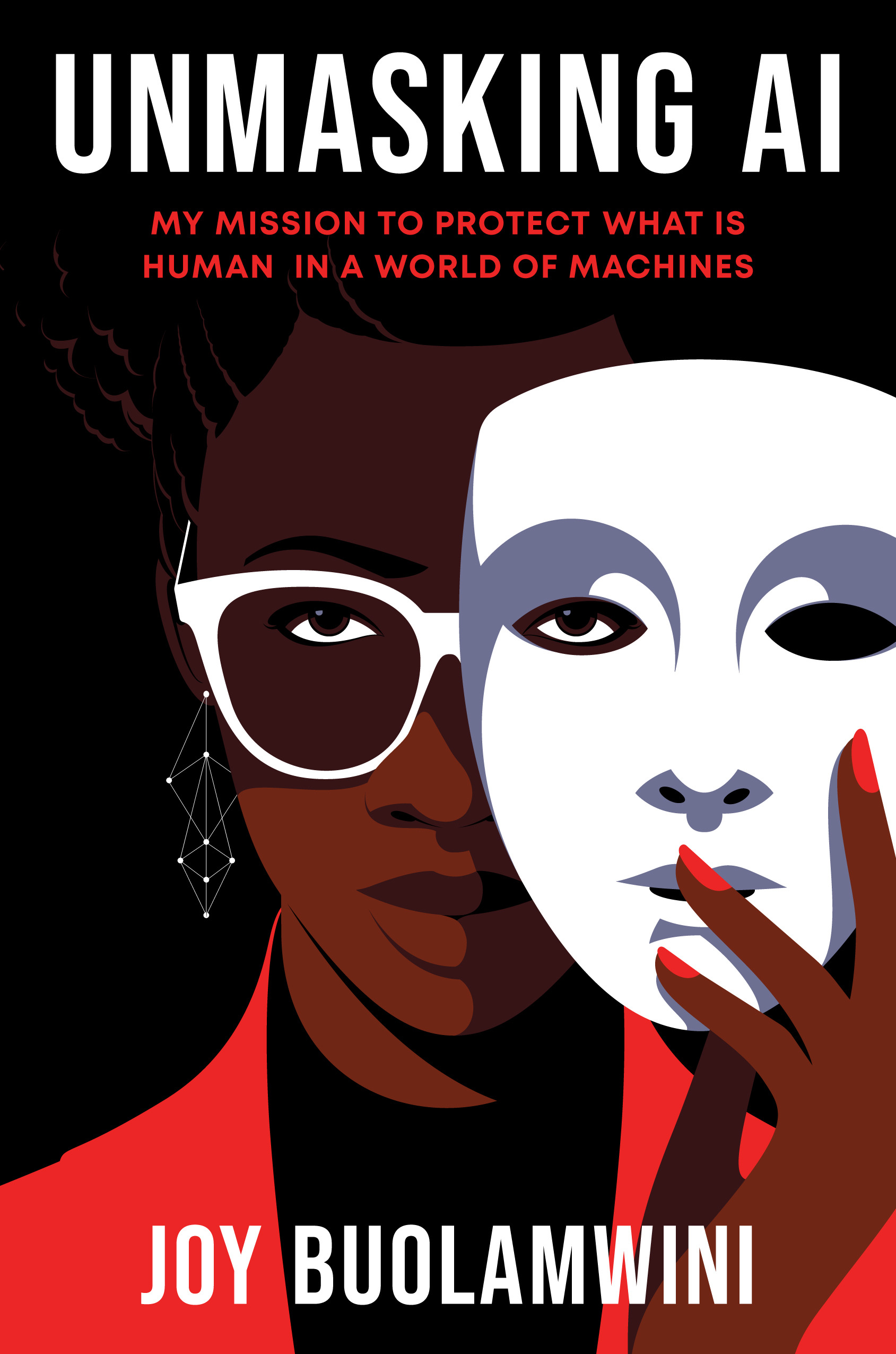
I received a free copy of this book as part of the Amazon First Reads program!
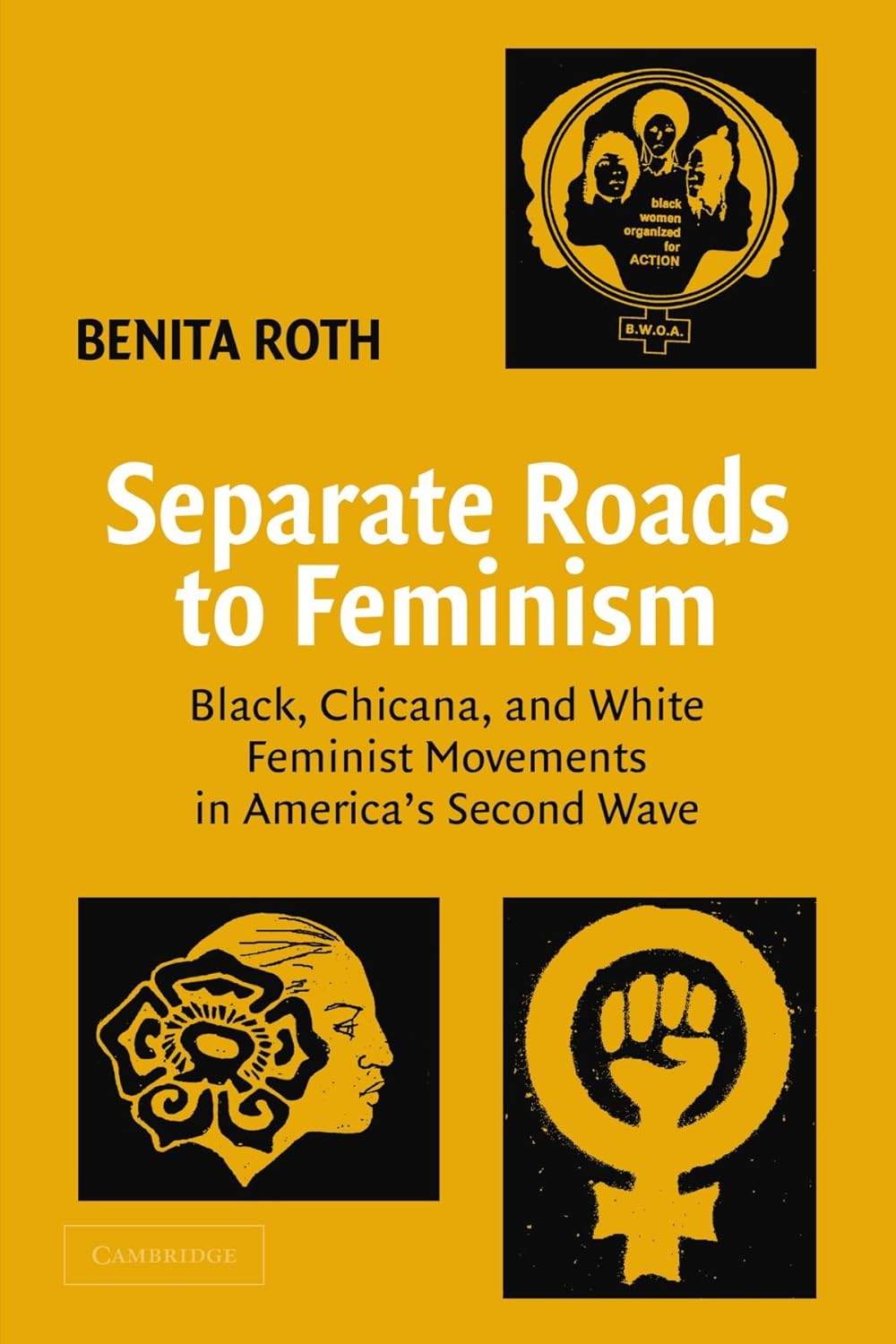
In the grand scheme of things, I don’t blame these characters—mostly Cordi—for turning to witchcraft to find a way to pay the rent. You gotta do what you gotta do in this economy. And in the economy of L.A. in the ’50s too, I guess.
The Monstrous Misses Mai was such an entertaining novel! I love a good book about witches, but I would say that it’s slightly different than your typical witch novel in that none of the main characters know what they’re doing with their magic. They’re all but sucked into a magical pyramid scheme that requires greater and greater sacrifices as it drains them little by little. Magic always comes at a cost: we all know that from the get-go, and this novel is no exception. But not knowing what exactly would happen to the women of the Mai residence was what kept the tension up for this novel for me. Although I wanted more out of the eventual climax (more on that later), it was a great narrative tactic to keep the reader guessing—not necessarily about where the plot would go, but about how things would go wrong for the characters.
Van Hoang has excellent prose, and it especially served this novel when it came to describing both L.A. in the ’50s. Her descriptions are so vivid and colorful—there wasn’t a single image in this novel that I couldn’t visualize in almost cinematic detail. The way that Hoang described both the cramped loft that the Mai women share and the glitz and glamor of the fashion world that Cordi finds herself entangled in made the world feel so much more tangible, and the divide between the double lives that the characters lived felt so much more fleshed out and tense as a result. Having such a stark contrast made the creeping feeling of dread for the characters even more palpable—with the magic that they were dabbling, the glamorous lives that they were leading would no doubt catch up to them.
The Monstrous Misses Mai focuses on four women (Cordi, Tessa, Silly, and Audrey), but we’re reading entirely from Cordi’s perspective. Cordi was a compelling enough character, and her struggles—both financial and magical—fueled the plot and pacing in a steady way. However, I wish I could say the same for the other characters. Tessa was next in terms of the most fleshed-out character, but for most of the novel, she only felt like Cordi’s confidante, and not the magical accomplice that she was supposed to be. Silly and Audrey were barely characterized at all—Silly was only seen in sparing glimpses, and what we got of Audrey was entirely one-dimensional; Audrey was the token no-nonsense, “guys, maybe it’s a bad idea to be messing around with forbidden magic” character, and all the resolution gave her was an “I told you so” [strikes pose with hand on hip] moment and no development whatsoever. I feel like this novel could have worked better as a multi-POV novel; if we got into the heads of all four of the Mai women, we could have gotten individual ideas for their specific stakes, risks, and transformations.
Remember what I said about not knowing about the magic? It worked for most of the novel, but when it came to the ending, I found myself wanting more. The resolution felt so predictable—they’re finally too many spells deep to reverse their magic, leaving them in a worse situation than they were before. For a little while, I almost thought it was going to resolve in some kind of tired “oh, women and their vanity hahaha, you know how chicks are” ending, but luckily, it’s 2024, so not to worry about that; I do appreciate that the blame was placed squarely on Callum for being the one who instigated a magical pyramid scheme and nearly stole their souls. However, I feel like there wasn’t a whole lot that was original about Hoang’s take on this kind of story. I expected there to be something strange about what the magic cost them or how their transformations occurred, but all we get is their (very mild) bodily deterioration and some lost fingernails/hair loss. Which, yeah, the fingernails were pretty gross, but I found myself wanting a kind of unique magical toll that it took—something otherworldly that would ultimately expose them. It wasn’t bad, per se, but it wasn’t the most memorable take on this kind of story.
All in all, a story of witchcraft and deception with memorable prose but not-so memorable twists. 3.5 stars!
The Monstrous Misses Mai is a standalone, and Van Hoang’s adult debut. Hang is also the author of the Girl Giant and the Monkey King series (Girl Giant and the Monkey King and Girl Giant and the Jade War) and the forthcoming middle grade novel Hidden Tails.
Today’s song:
That’s it for this week’s Book Review Tuesday! Have a wonderful rest of your day, and take care of yourselves!