Posted in Sunday Songs

Sunday Songs: 9/29/24

Happy Sunday, bibliophiles! I hope this week has treated you well.

This week: high school throwbacks, off-kilter oddities, and a few too many people trying to explore each other’s minds than I’m comfortable with. Cool it, Charles Xavier…

Enjoy this week’s songs!

SUNDAY SONGS: 9/29/24:

“Piano Fire” (feat. P.J. Harvey) – Sparklehorse

It’s a Wonderful Life is one of those albums that took me a bafflingly long time to listen to. I know, I know, I did it to myself, but the fact that I didn’t pick it up when I was 15 and irreparably mired in Good Morning Spider astonishes me. It’s probably owed to the fact that I was also even more irreparably mired in OK Computer, which tends to overshadow things a tad bit. Looking back, maybe it was for the best that I wasn’t on an all-Sparklehorse diet at that age. I already looked pathetic scuffing my snow boots through the hall while blasting “Maria’s Little Elbows” through my earbuds between classes. I was 15, guys. It was 100% that serious, trust me.

What I can say is that I think I would have felt the same way about It’s a Wonderful Life at 15 as I do now—it’s a triumph of an album. Scattering through surreal urgency and subdued melancholy, it has every kind of Sparklehorse you’d like—along with a smattering of collaborators. It’s almost funny how different said collaborators are (take Nina Persson’s delicate backing vocals on “Gold Day” and then Tom Waits growling like a hulking ogre on “Dog Door”), but the power of Sparklehorse has always lain in the disparate elements Mark Linkous cobbles together. Like some kind of American Gepetto, he constructs all of his songs into tiny figures made of warped wood and bird bones, and what totters to life creaks with every step. They’re quaint creatures with acorns for heads and cigarettes and toothpicks for legs, but there’s no other way to love them save for exactly as they are.

Those he chooses to collaborate with feel much the same way. P.J. Harvey, of all people, was a left-field choice when I first heard about her featuring on “Piano Fire.” The only Sparklehorse song I could conceive being able to contain the kind of raw fury she exudes was “Pig,” and that had already come and gone by the time It’s a Wonderful Life came out. “Piano Fire,” however, is one of the most upbeat tracks on the album; you feel a racing urgency to it, immediately sprinting down an overcast beach the minute the first guitar chords kick in. Or maybe it’s the searing heat of airport tarmac that you’re sprinting across the minute you hear the opening line: “I got sunburnt waiting for the jets to land.” Sunburnt describes “Piano Fire” surprisingly well; it has the texture of an old photograph left out in the sun too long, all of the colors now bleached to unnatural, pale shades. Linkous almost takes a backseat on his own song, never raising his voice when he dishes out surreal vignettes of “Fiery pianos wash up on a foggy coast/Squeaky old organs have given up the ghost/Fire them up and kill the piano birds.” But that urgency is why P.J. Harvey is so perfect for this song; once the chorus kicks in, her soaring voice provides the jet fuel for this creaky old jet to careen off the runway and into a sky littered with the strangest birds you’ve ever seen.

…AND A BOOK TO GO WITH IT:
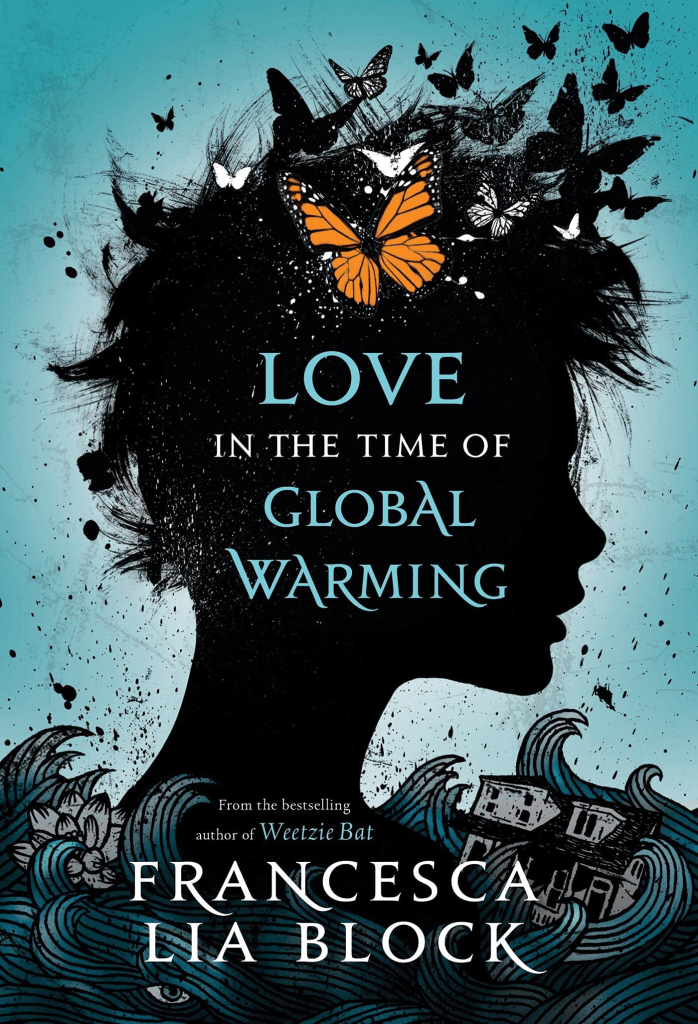
Love in the Time of Global Warming – Francesca Lia BlockBlock’s bizarre, dreamlike prose certainly fits with the surreal imagery that Linkous employs in this song—and the majority of his catalogue.

“Gigantic” – Pixies

In almost two and a half years of making these Sunday Songs graphics…this is the first time I’ve double-dipped. It was bound to happen eventually, not just because my music taste is finite, but because this song has lingered with me from a young age. I faintly remember being around five or six and hearing this song in my dad’s old car, driving in fading light down the road back to my house, and hearing the iconic chorus: “Gigantic, gigantic/Gigantic, a big big love.”

I’ve often talked about how simplicity in lyrics can convey more than the most complex songs in some cases, and if you need further proof, look no further than “Gigantic.” Most of that work is done by the immense, never-fading talent of Kim Deal, who sells every metric ounce of explosive love in this song; with every cry of “A big big love,” you get it—there’s no other words that can adequately describe the kind of secretive, all-consuming romance that swirls through every pluck of the bass. That opening bass riff is the shy, cracking open of a bedroom window when the parents are asleep, an invitation with a blushing, anticipatory smile. What follows never fails to knock me off my feet. I say “knock” and not sweep or lift me off my feet precisely because that’s what it feels like, as though the ground has opened up beneath you, and you’re falling headfirst into the unknown—contained in a kiss that consumes every cell of your body.

…AND A BOOK TO GO WITH IT:
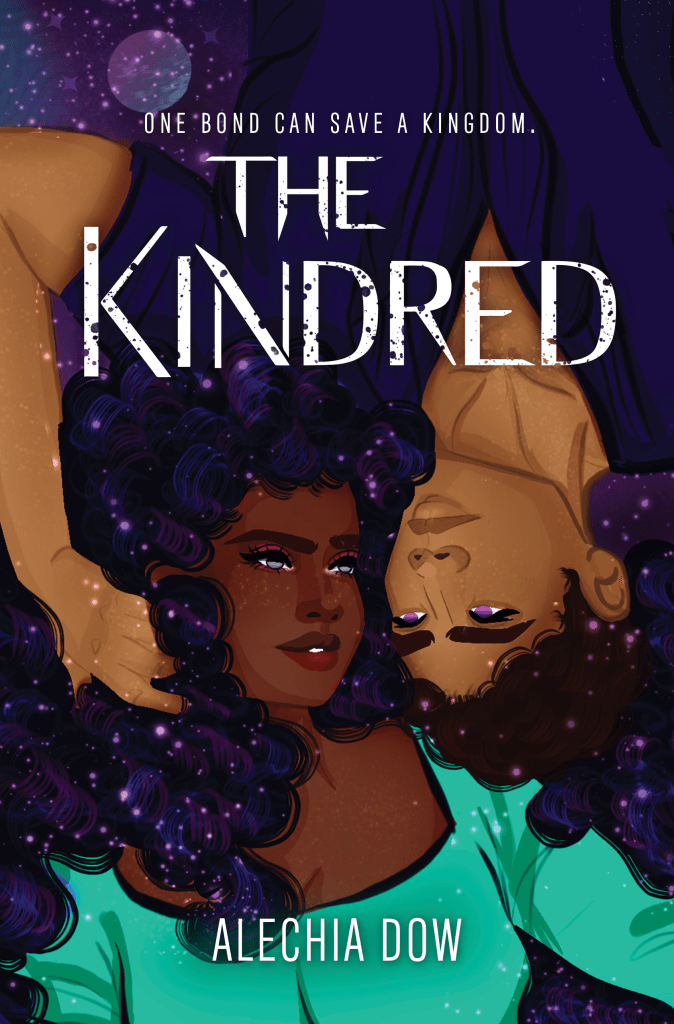
The Kindred – Alechia Dowall-consuming, explosive, and intergalactic love.

“Take Me To The River” – Al Green

I’m sure Al Green is a perfectly nice guy, but…that album cover and title is not it, man…”Al Green Explores Your Mind?” Can he…can he not?

The fact that they were just naming albums anything back in the day aside…how did I not know about this song for so long? I’ve loved the Talking Heads cover for years, but somehow, it never dawned on me to look it up and discover that it was a cover. There’s something to be said for the phenomenon of white artists’ covers of songs by Black artists overshadowing the originals, but this isn’t quite the case—from the looks of it, between the amount of times that this song has been covered (most recently by Lorde for a Talking Heads tribute album, oddly enough) and the royalties from [checks notes] those animatronic wall fish, it’s cemented itself as an enduring classic of soul. I’m sure Al Green isn’t complaining about the latter though, given that he’s gotten the most royalties from the fish cover. Yet no matter the strange journey that “Take Me To The River” has taken, none of it has overshadowed how deliciously groovy it is. It’s endured for five decades in counting precisely because it wastes no time in getting straight into its slinky, infectious funk. Green’s voice flies from slick to howling in seconds and recovers in record time, all in time with the blasts of an impeccable horn section. 50 years, and you can’t not bop your head. I’m still not jazzed about Al Green exploring my mind, but I can’t deny that he worked some undeniable, immortal magic with this one.

…AND A BOOK TO GO WITH IT:

The Final Revival of Opal & Nev – Dawnie Waltonthough the musical genres differ, the atmosphere and climate of the ’70s runs through both.

“Secretarial” – A.C. Newman

I’ve had a turnaround. I’ll be honest—even though I’ve liked several New Pornographers songs since I was young, “Secretarial” has always bugged me for some reason. I never hated it, but it was always one of those songs where, over the years, I developed a reflex of just skipping it whenever it came on shuffle. I didn’t question it for a while. Many years have passed, and for once, I didn’t skip…and here we are.

A.C. Newman—and most of The New Pornographers’ catalogue, by extension—has this songwriting style that’s just so distinctive in a way that I can’t put my finger on. Even if you separated his or Neko Case’s voice from the lyrics, I could hear a line like “So come on, let the sun in/We’ve been gunning for promotion/Postering the slogans on the roadsigns.” and immediately go “yup, A.C. Newman wrote that.” What makes it so distinct has bugged me for years, and to this day, I can’t fully put my finger on it. The closest I can say is that their specific diction has an inherently off-kilter quality to it. Newman is never overly verbose, but the way he arranges words is always slightly askew. His lyrics dwell in the thin limbo between obtuse poetry and sense, situated in a place where you can decently get the metaphor he’s going for, but instinctually, you know that those syllables just don’t go together neatly. “Secretarial,” like another other Newman product, might as well be a puzzle, in that sense, but one that was put together wrong with the pieces that only look like they should fit together, but stick and slide against each other. I’ve never been great with time signatures, but this one is angular enough to match the slanted lyrics. Even if you don’t know the guy, you can’t deny that it takes some serious talent to not just think of but pull off “Lady, it’s secretarial” as a hook.

…AND A BOOK TO GO WITH IT:
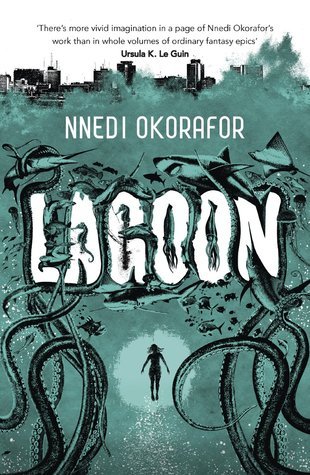
Lagoon – Nnedi OkoraforI’ve used this book more than once, but it was right there…

“One day you blew across the water/After racing through the countdown/Spewing ancient wisdom like your friend/The revelation had come and they were looking for me…”

“Henry” – Soccer Mommy

Oh, early Soccer Mommy…oh, “Henry.” This one sure soundtracked many a one-earbud-in free draw in art class my sophomore year. I think it was in the fall that I found this song as well; it carries a distinct smell of wet leaves and wood chips in the pumpkin patch. Cheesy as the title of this album, the self-released For Young Hearts, is, it’s not like it’s a lie. Here’s to many more high schoolers listening to this in art class.

It seems that “Driver” has put a pin in this tradition, but “Henry” is part of a long lineage of Soccer Mommy songs about the seduction of Bad Boys™️ (see also: “Death By Chocolate”). Of course, the natural conclusion was that the ultimate bad boy was to be conquered in “lucy,” that being…the devil himself. (God, I need to stop. I sound like a youth pastor.) But here in 2016, “Henry” chronicled the kind of guy who hung out behind the high school, smoking cigarettes in a leather jacket, and giving you a wicked smile as you passed. Sophie Allison’s younger voice, along with the plucky instrumentation (cannot get enough of that bass), makes you feel like you’re following a mischievous wood sprite through sunlit woods. Light and lovesick, it captures that heady, teenage love drug that makes every step stumble: “‘Cause Henry has a laugh like fire/And it’s spreading through the streets and burning on telephone wires/I don’t know just what it is/But he’s driving all the good girls bad with that evil smile of his.” Soccer Mommy’s had that golden, indie touch all along—”Henry” remains a classic to me.

…AND A BOOK TO GO WITH IT:
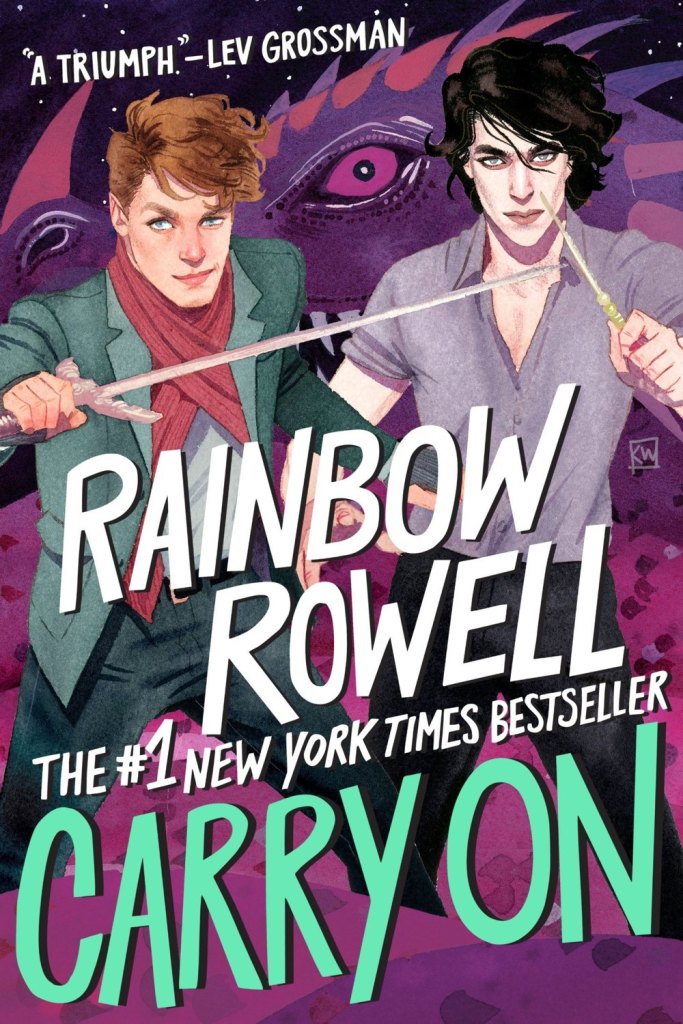
Carry On (Simon Snow, #1) – Rainbow Rowell“I don’t know/Just what it is/But he’s driving all the good girls bad with that evil smile of his…”

Since this song consists entirely of songs, consider all of them to be today’s song.

That’s it for this week’s Sunday Songs! Have a wonderful rest of your day, and take care of yourselves!

Posted in Sunday Songs

Sunday Songs: 7/21/24

Happy Sunday, bibliophiles! I hope this week has treated you well.

This week: music for pretentious weirdos (me), music for animation, and music that makes me cry on the regular.

Enjoy this week’s songs!

SUNDAY SONGS: 7/21/24

“Dirt on the Bed” – Cate Le Bon

I came into Pompeii with plenty of curiosity, having finally gotten around to listening to Cate Le Bon after hearing her work producing Wilco’s latest album, Cousin, and her vocal feature on St. Vincent’s “All Born Screaming.” Vaguely remembering the buzz and air of weirdness around Pompeii, I decided to listen to it first.

Pompeii and “Dirt on the Bed” have reminded me of why a spectacular album intro can be both a blessing and a curse. If nothing surpasses the first track, then the rest of the album can never recover—or at least reach the heights of the first song. You can enjoy yourself, but never as much as you did after one song. Just one. It’s a horrible dilemma. Pompeii was fantastic from the start, but after the first four songs, nothing’s quite the same—great, but like my experience with R.E.M.’s Green, nothing tops the back-to-back splendor of the first four songs. And that splendor is set in motion by the crawling intro, “Dirt on the Bed.” As the title suggests, it has the dread of something unclean creeping into the house, like a nun on the scent of sin in a shuttered Catholic girl’s school. An off-kilter, stumbling chorus of brass blooms in moldy bursts, an airborne sickness pulsating through each thrum of the bass. Now I know exactly why St. Vincent chose to work with Le Bon—”Dirt on the Bed” is especially evidence of this, but all I could think of during Pompeii is that it felt like St. Vincent had remained lyrically and instrumentally in Actor, but slowly adorned her music with synths. They’re so similar to each other, down to their folkier, precocious indie beginnings that blossomed into full-on devotion to strangeness. This is modern art pop at some of its best, unabashedly weird and precise in every flourish. “Dirt on the Bed” makes even more sense when you see it as a product of a pandemic-produced album; it paces listlessly, putting on a smile as it tries to scrub every trace of illness and dread from a spotless house. Even as calmly as Le Bon sings each lyric, foreboding seeps through every misty horn blast.

That’s how an album intro is done. After several more listens, I’d say that nothing comes quite as close to it, but “Dirt on the Bed,” “Moderation,” “French Boys,” and “Pompeii” is SUCH an undefeated stretch of songs. Pompeii is worth a listen just for that, as is the album’s very St. Vincent closer, “Wheel.”

…AND A BOOK TO GO WITH IT:

Drunk on All Your Strange New Words – Eddie Robson“Sound doesn’t go away/In habitual silence/It reinvents the surface/Of everything you touch…”

“Poor Song” – Yeah Yeah Yeahs

…okay, I can’t possibly be normal about this because I cry a little every time I hear it. Either way, there’s an undiluted purity about this song that makes any kind of analysis feel like ten steps in the wrong direction. It’s a paramount example of how easily beauty and simplicity can intertwine, and it cuts more deeply than some songs I know with hundreds of metaphors.

It’s very nearly perfect. Karen O tends to do that.

…AND A BOOK TO GO WITH IT:

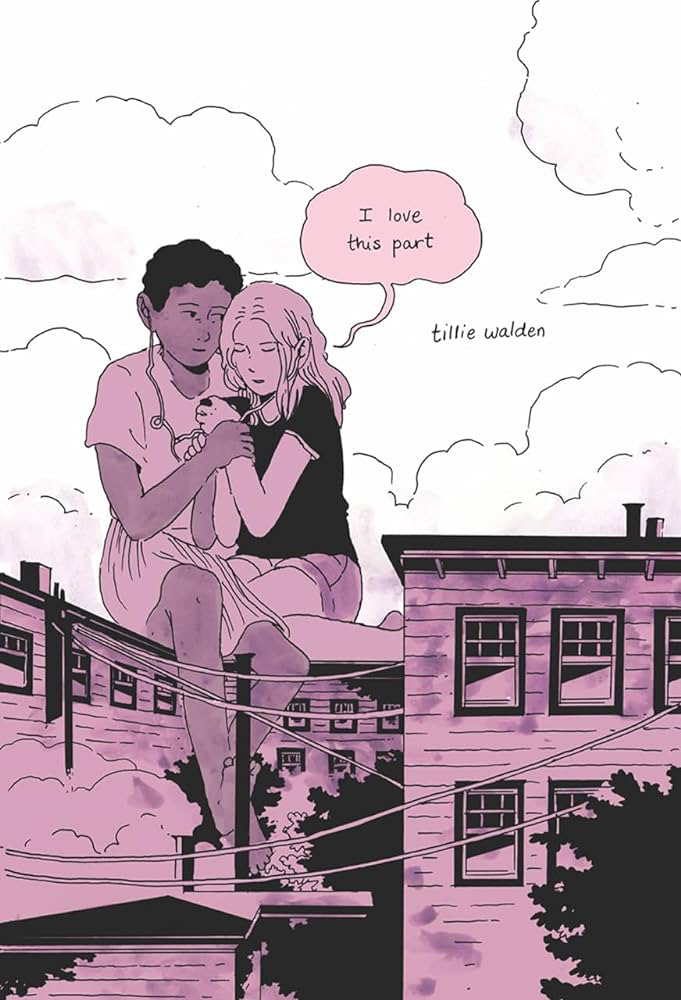
I Love This Part – Tillie Waldenquiet and gentle teenage romance.

“It’s A Wonderful Life” – Sparklehorse

One of the first times I remember hearing this song was in the car with my dad, as I come across many a good song. Looking back, since I was so young, it must have been a trip back into Sparklehorse’s catalogue shortly after Mark Linkous’ tragic passing. But as we drove home that night, the windows buffeted by snow or sleet, my dad made a wry remark about the lyrics: “he’s not feeling too good, huh?”

With every emotion comes an infinite number of ways to express it, not just confined to song. There’s the kind of songwriting that outright says that you’re sad, while others cloak it in metaphor. Neither is better than the other, but what Mark Linkous did feels like a category all its own, albeit closer to category #2. Many of the lyrics of “It’s A Wonderful Life” (if there was ever a more sarcastic title) are nonsensical, as his lyrics often are (“I wore a rooster’s blood/When it flew like doves”), but nestled between these impenetrable tidbits, the ones that do make sense land like anvils to the gut. I’ve never heard such sadness and shame articulated in the line “I’m the dog that ate your birthday cake.” Dare I say it’s one of my favorite song lyrics ever? It’s up there, just for such an unadorned, bare line to have such an instantly devastating effect; You can picture that dog, not knowing that it’s not supposed to eat human food and not processing that there’s a child sobbing at their ruined birthday, but being able to detect the shame all the same, but never know the reason why. It cowers, but it doesn’t know why it’s feeling this way. Linkous delivers it with all of that shame, clouded in the atmospheric cage of keyboards that prickle with heat lightning.

With that kind of lyricism, it came as a massive shock that this wasn’t one of his classic pieces of melancholy. In fact, Linkous wrote it as a jab at critics who panned an image of overarching depression over his catalogue: “I got fed up with people in America thinking that my music is morose and depressing and all that. That song is like a “fuck you” to journalists, or people who are not smart enough to see what it is.” And…listen, I’m a guilty party. I still think that Sparklehorse is one of the preeminent purveyors of high-quality sad bastard music, and he had enough strife in his life to justify every tear-jerking lyric. Yet this new light makes the lyrics I thought were nonsensical fall into place. Linkous describes the rest of the song as follows: “In the end, it was more about how every day, you should pick up something, no matter how minuscule or microscopic it is, and when you go to bed, you can say I was glad that I was alive to see that. That’s really what it’s about.” Wearing rooster’s blood when it flew like doves becomes a fleeting, once-in-a-lifetime capture of lightning in a bottle, and being the only one who can ride that horse th’yonder suddenly rings out as a humbly sung badge of honor. It was never sarcastic—it’s a wonderful life. I won’t ever be able to hear “I’m the dog that ate your birthday cake” without the sadness it insinuates, so maybe I’m just as much a part of the problem as the journalists he was taking a shot at, but the main takeaway for me is how versatile of a lyricist he is—if you look closely enough, he makes the absurdities of life both tragic and humbly hopeful.

Either way you absorb “It’s A Wonderful Life,” you can’t deny how otherworldly it sounds. Even years after I first heard and subsequently clung to this song, I can only name maybe one other artist who has ever come close to sounding like this—Lisa Germano, who, whether or not the two knew of each other, has a similar modus operandi of making music that sounded like rotting wood and empty doll’s heads. Lyrically and sonically, almost nobody sounds like Sparklehorse, and I suspect it’ll take a miracle for anyone to come close.

…AND A BOOK TO GO WITH IT:

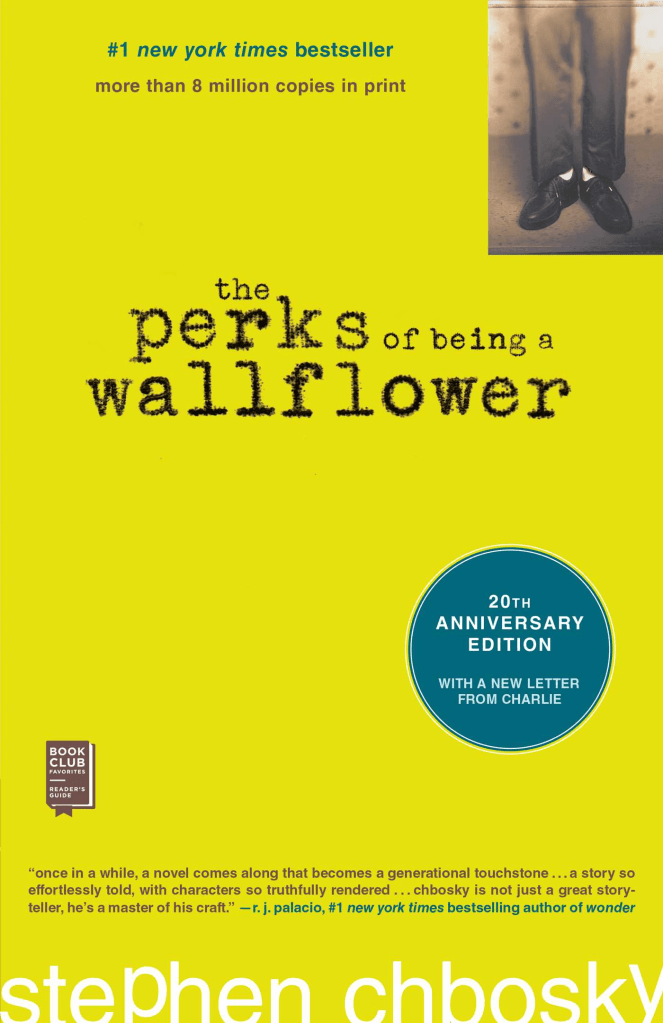
The Perks of Being a Wallflower – Stephen Chbosky Sparklehorse is no “Something,” but the crushing weight of depression and self-loathing comes across similarly.

“Girl from Germany” – Sparks

I’d heard bits and pieces of Sparks before, but like “Future Teenage Cave Artists” last week, I have Horsegirl and their episode of What’s In My Bag? to thank. Love those pretentious (affectionate) weirdos.

It seems I’ve only gotten through one strand in the massive haystack in terms of the INCREDIBLY prolific career of Sparks, which started in 1967 (under several different names) and had its most recent entry last year. Edgar Wright made a documentary about their musical exploits, and the list of artists they’ve influenced seems to span an infinite number of genres, all the way up to Horsegirl in 2023. So, having only heard two of their songs (including this one): hats off to you guys, really! Being that flagrantly weird for almost six decades is nothing short of impressive, and I can’t help but admire their musicianship in that regard.

“Girl from Germany” scratches my eternal itch for early-’70s glam rock, although it’s not all glam—it’s more glam in the sense that Brian Eno was glam at the same time, not quite like Bowie or Bolan were glam. Squeaky-clean, warm guitars as far as the eye can see and a healthy dose of theatricality cloaks this track make for a song that’s deliciously meticulous in every aspect. Russell Mael affects high-pitched vocals that wouldn’t be out of place in The Rocky Horror Picture Show while Ron Mael’s keyboard melodies glitter like light reflected off a glass of wine. And like Brian Eno, they used such a theatrical machine to touch on touchy subjects—in this case, in the climate of the early ’70s, bringing home a German girl to relatives who were mired in the horrors of World War II: “Well, the car I drive is parked outside, it’s German-made/They resent that less than the people who are German-made.” Even if every affectation is theatrical to the core, it’s still a prejudice that resurfaces today—assuming that any given person is an extension of the government and horrors of their homeland, and having to grapple with the cultural fallout of such a simple gesture of love.

…AND A BOOK TO GO WITH IT:

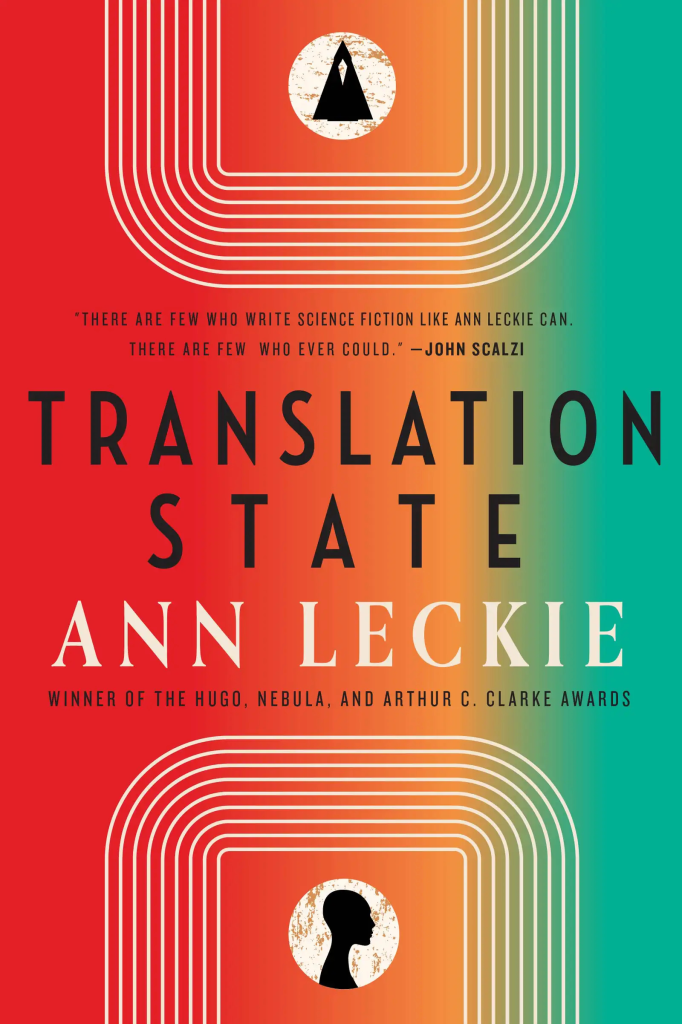
Translation State – Ann Leckie – cross-cultural confusion and characters with heart.

“Hideaway” – The Olivia Tremor Control

Having only heard one song (this one) from Black Foliage: Animation Music, I’ve already logged it into my slipshod mental list of album titles that perfectly describe the music they contain. The Olivia Tremor Control have always been masters of musical density, making soundscapes that unfold like intricate pop-up books, each layer of noise a painted paper cutout in an endless jungle. “Hideaway,” so far, is the pinnacle of that density; with each successive strain of woozy, turn-of-the-century homage to ’60s psychedelia, you’re pulled into a lush forest of plants that unfold just enough to let the tiniest slivers of light through. It’s not just the black foliage that hits the mark so fittingly—the “animation music,” as Will Cullen Hart called it, is “all the stuff floating around…To me, that’s what [animation music] is: sort-of a sound and space, personified—just flying around to greet you in a friendly way.” All at once, the xylophone chimes and trumpet blasts give “Hideaway” the feel of both the colored-pencil animations in Fantastic Planet and the bouncing characters in Schoolhouse Rock!, a papery and breathless expedition into a darkened forest of cartoonish proportions.

…AND A BOOK TO GO WITH IT:

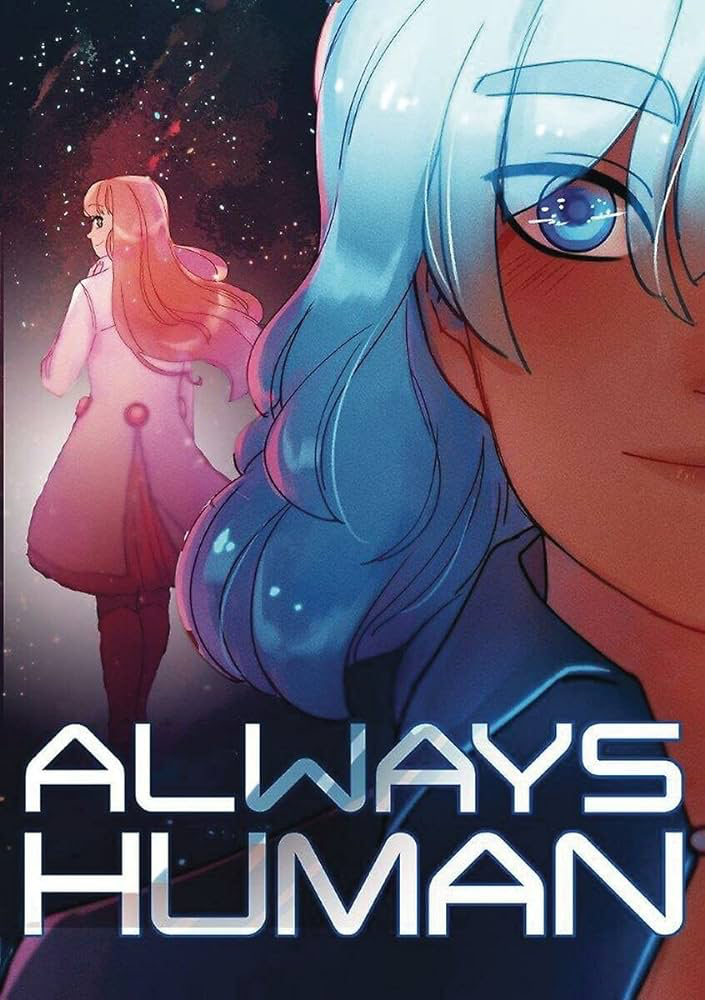
Always Human – Ari North simple, stylized art with vibrant colors—perfect for animation music.

Since this post consists entirely of songs, consider all of them to be today’s song.

That’s it for this week’s Sunday Songs! Have a wonderful rest of your day, and take care of yourselves!

Posted in Uncategorized

Sunday Songs: 9/24/23

Happy Sunday, bibliophiles! I hope this week has treated you well.

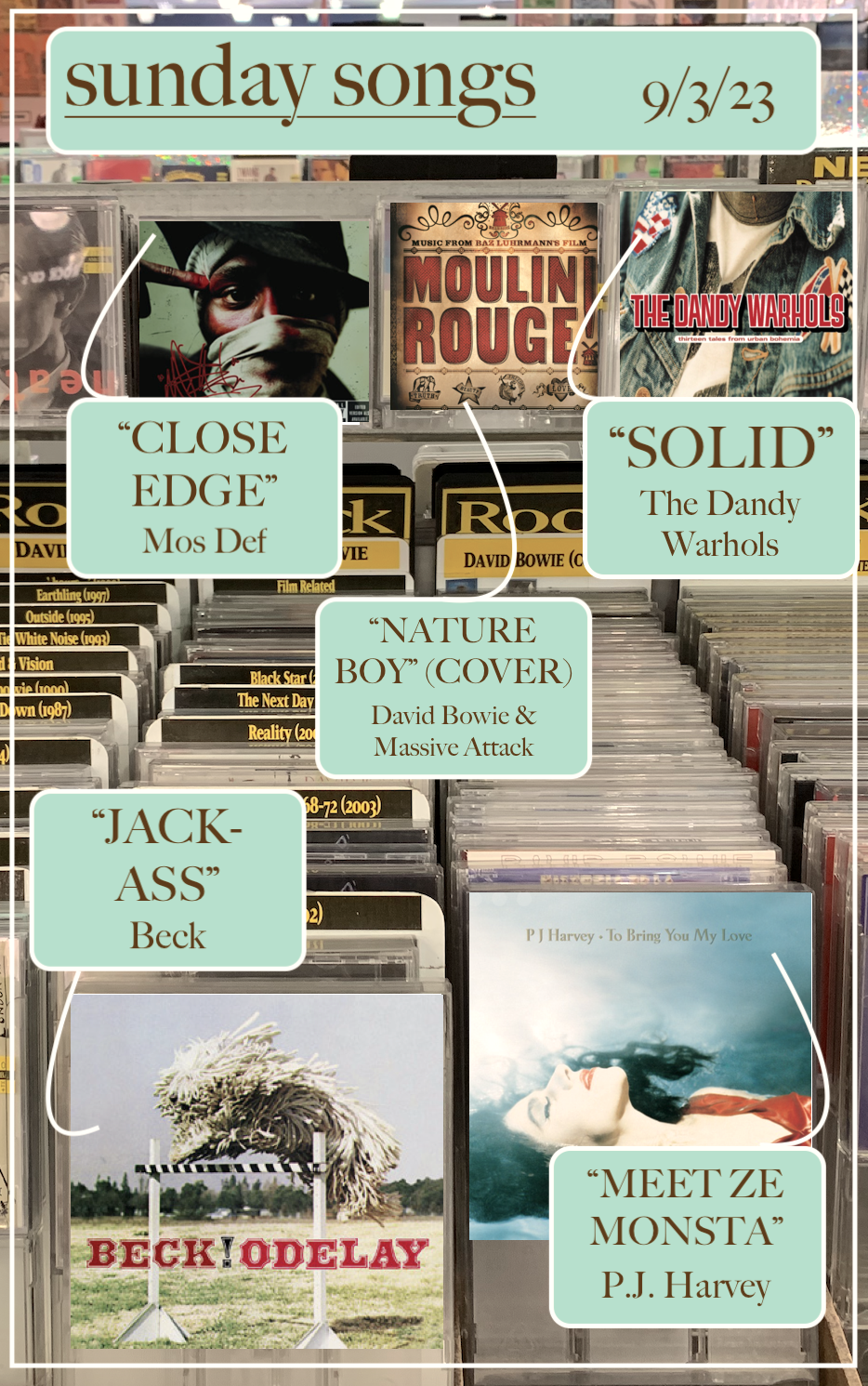
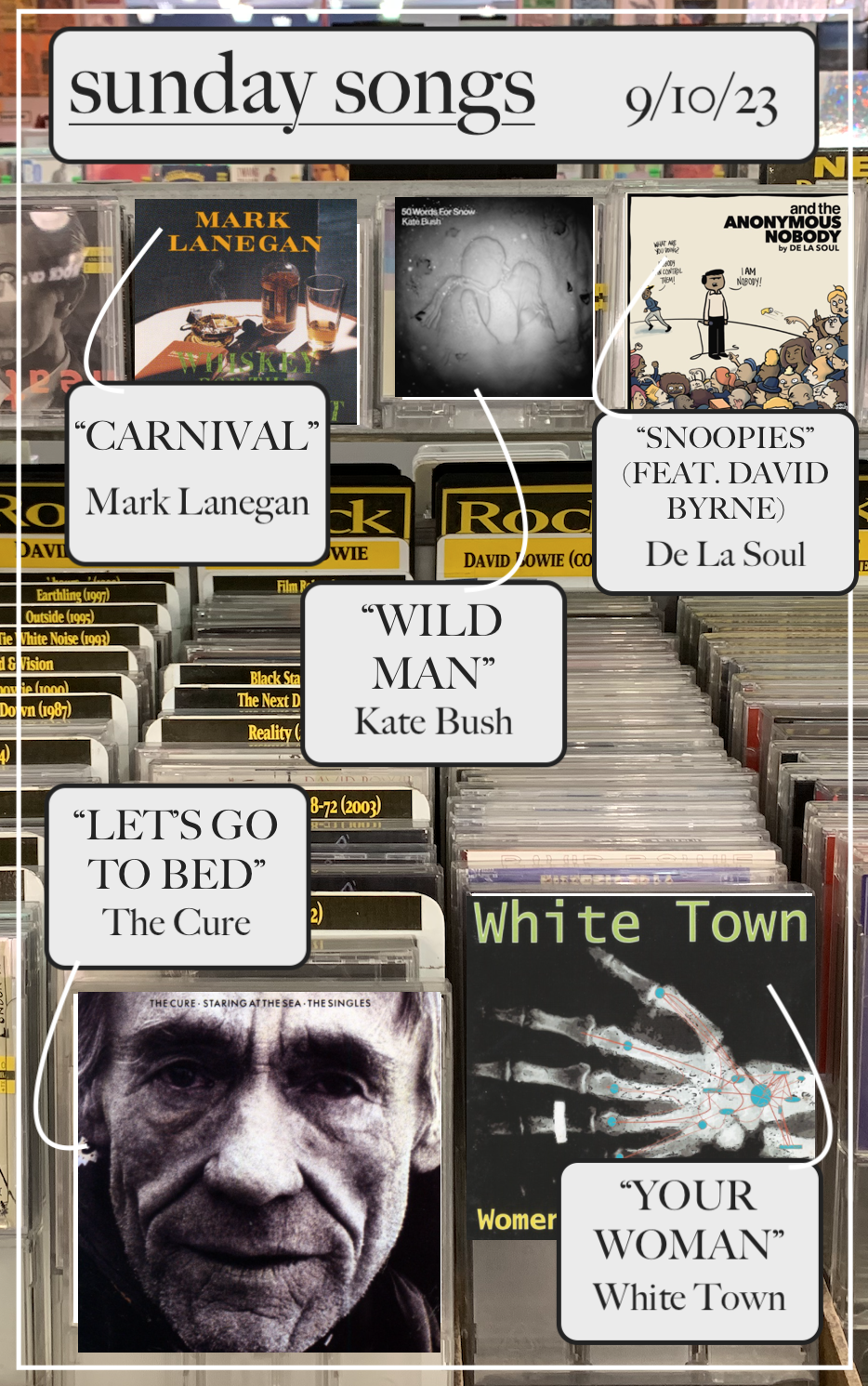
Guess who’s back! Here I am again, and I think I’m almost ready to get back on my somewhat-normal blogging schedule. While I was away, I still made the Sunday Songs graphics, but I just posted them on my personal Instagram; even though I never wrote about them, I think they’re all cool and that you should listen to them, so here are the songs for most of September:

9/3/23:

9/10/23

9/17/23

Enjoy this week’s songs!

SUNDAY SONGS: 9/24/23

“On the Floor” – Perfume Genius

No, sorry, this isn’t the J-Lo “On the Floor.” I doubt that one’ll end up on one of these posts. Listen, I had a group project in my freshman year of high school where my friends and I had to make a version of it about reflexive verbs for Spanish II. You can understand why I’m not too keen on revisiting it.

Instead, have a wonderfully bubbly song that has no connotations about group projects for Spanish class! Huzzah! Back in June, I saw Perfume Genius open for the Yeah Yeah Yeahs, and while nothing can come close to the performance of the latter, I still came away with a few excellent Perfume Genius songs in my back pocket. The grinding indie chug of “Describe” overshadowed the few that I downloaded, but the other day, “On the Floor” came on shuffle right before I was about to pack things up for bed, and I couldn’t help but have an impromptu, one-woman dance party in my dorm room. Under the glow of my rainbow lights (I feel like Mike Hadreas would approve), I felt a rush of fizzy joy, like the pop of a freshly-opened can of soda, bubbling up in me as the notes filtered through my headphones. Ever since, it’s never failed to put a smile on my face. It has the same effect as a lot of Japanese Breakfast songs have on me; from the glistening guitars to the ethereal harmonies in the chorus, every part of “On the Floor” seems to glitter. It’s a song coated in colorful lights, twinkling like the panels of a disco ball as Hadreas sings of what he drescibed as “that maddening, solitary part of desire.” It’s a song laden with no shortage of obsession and longing, but coated in the most joyous façade of pop, impeccably polished. In stark contrast, the video feels…very Perfume Genius, from my limited scope of his work, but doesn’t mesh as much with how I perceived the song? “On the Floor” seems more suited to scenes of a club bathed in pink and purple lights, as opposed to a sweaty Mike Hadreas rolling around in the dirt with a lover that fades away like the breeze (like the crush he describes projecting onto). You do you, I guess.

“Kind Ghosts” – Sparklehorse

Ouchie.

I don’t have much experience with listening to posthumous albums, save for David Bowie’s Toy, and even in that case, it was more that Toy was fully recorded and then shelved while he was still alive, while Sparklehorse’s Bird Machine was never finished in his too-short lifetime. And even though my reputation for sad bastard music precedes me (be grateful that these posts never originated when I started listening to Radiohead), Bird Machine hurt to listen to. I can’t rightly say if my tolerance for sad music has faded since then, but if I had to sum it up, sometimes it helps to have the feeling of being consumed by sound. For a lot of artists in that vein, the spectrum of all that kind of all-consuming sound is somewhere that you can lose yourself in; on the one end, Radiohead felt like being transported into a haunting, alien landscape, a whole dimension where I could detach myself from the earthly world. (High school does that to a gal.) Right on the other end, Julien Baker’s first album, Sprained Ankle, was just the right amount of raw and vulnerable to feel as though the music was watching over me as I grieved. Even though I will always champion narratives of hope and the value of love, I’m not about to discount the times in which sad music is exactly what I needed. Healing should always be the goal, and I am better for having healed from what Baker was there for me with, but there’s something to be said for, in her words, “giving the sorrow some company.” And even though I only break out the specific “sad bastard music” playlist for that reason, sometimes it’s just simply feeling the sweeping swell of emotion surround you. I feel it with non-sad music as well (ever heard of Hunky Dory? Talk about sweeping), but the thread here is that I can’t not feel everything—good and bad—like a tidal wave some days. Thus, I gravitate to songs that make me feel that way. Big feels need company.

But here, it’s hard to lose myself. It’s not that it isn’t “sweeping” by my wobbly definition, but a song like this is almost impossible to separate from Mark Linkous’ circumstances. “Kind Ghosts” is a truly gorgeous song, with buzzing-insect effects on Linkous’ voice and a distorted, ethereal hum that permeates every note like moss growing over stones. And like an insect, it has the delicacy, the fragility of a dragonfly’s wing, a transparent wavering that catches the light. Like most of his other works, the lyrics balance woodsy, quaint nonsense with plain ol’ gut-wrenching devastation. “I came to drink more whiskey than water” and “I’ve swallowed a phantom/And I forget how to breathe” leave no room for misinterpretation, but even such sense-defying oddities as “I hung my wolves up high in the pine trees/Like cannonball sails they wouldn’t stay hung” sound just as plainly tragic. I doubt any listener could ever fully separate this lyricism from the absence that Mark Linkous left too soon in this world; some of Sparklehorse’s similarly atmospheric works of art are the aforementioned kind I can lose myself in, but Bird Machine will always be a hard record to swallow. Painfully beautiful, but necessary nonetheless.

Here. Come sit next to me. Grab a tissue. Send your thank yous to Mark.

“Déshominisation (I)” (from Fantastic Planet) – Alain Goraguer

Alright, who ordered the weirdest possible palate-cleanser?

I’ve had the honor of being the learning assistant for a science fiction class this semester, and that’s meant that I’m getting to read and watch a whole lot of wonderfully bizarre (and nostalgic—we love my man Ray Bradbury 😔✊) stuff. Early on, we watched this for homework; I had a vague feeling beforehand about remembering seeing something about giant, blue, French aliens with soulless red eyes somewhere (probably on one of my Pinterest deep dives), but nothing could have prepared me for this movie. The animation is nothing short of gorgeous—all hand-drawn, incredibly detailed, and full of vibrant color at every turn. But it’s…yeah, it’s more than a little bit of a trip. There’s random interludes with alien creatures eating each other (I’m certain that they all would have given me nightmares as a kid), an uncomfortable amount of alien boobs, and far too many lingering shots on said soulless red eyes with nothing behind them for comfort. It’s beautiful, but in the way that makes your head hurtI’m still not entirely sure what I watched, but…I liked it? Yeah, I liked it.

Nothing added more to the surreal nature of Fantastic Planet more than Alain Goraguer’s score; most of it is a recurring motif of experimental jazz, which really does put you in the mind of “what did I just watch?” It all screamed Pink Floyd to me, which, since Dark Side of the Moon came out in the same year as this movie, makes sense. I can’t help but think of “Time” whenever I hear anything from this score. This movie seems like it would be on that kind of prog-rock wavelength. That’s what made it the perfect atmosphere for this film—the proggy, spacey theme that runs through the whole score marries perfectly with the oddball, alien landscapes that we traverse through. It’s a bizarre movie. I certainly don’t regret watching it.

“Limbo” – Shakey Graves

Looks like somebody was enjoying himself in quarantine, huh? Enough to crank out at least thousands of possible combinations for this album? Seriously, go play around with the Movie of the Week section of the Shakey Graves website. My first go at it generated a cover of David Bowie’s “Five Years” as a part of the soundtrack… :,)

But even without all that insanity, Movie of the Week is nothing short of excellent. Even though the second half lags slightly, I wouldn’t call a single track off this album bad. But, sadly, it’s really the first half that carries it—aided by the album’s singles, the fantastic “Lowlife,” and this absolute stunner of a song. Clocking in at nearly 7 minutes long, none of that length ever feels real—if I had to make an estimate, it sounds more on the 4-minute side. But I’ll always be grateful that we get all 6:40 of “Limbo” in all of its utterly cinematic weirdness. The beginning is deceptively unassuming, clunking in with distorted piano chords and Alejandro Rose-Garcia singing each word with gentle restraint. But right around the 1:10 minute mark, “Limbo” erupts into a shock wave of humming synth that could only find a place elsewhere if elsewhere was the outer space exhibit in a museum. It’s a song that looms, casting its shadow over your in waves of colorful static, blinking in and out of focus. And even if this song didn’t explicitly reference limbo, it would still be fitting for the soundscape that Rose-Garcia has created; between the discordant marriage of every instrument and effect and the gremlin-ish, artificial harmony alongside his voice, it really does feel like slipping in and out of some wild hallucination, toeing the line between reality and delusion. Shakey Graves knows the unsteady cradle of limbo, and they play it well.

“Veronica” – Daddy Issues

I heard this song in the background of a video, and after I found out that the band was called Daddy Issues, I was prepared for the rest of the song to not be up to pat. We get it, you edgelords. And although I’m still rolling my eyes at the band name, the timeless catchiness of this song makes it slightly better. Guess that’s just the kind of thing you have to name your punk band. It was bound to happen eventually.

“Veronica” feels like a song lost in time. It has that bright, pop-rock flavor that could have made it a cult hit if it was included in an 80’s teen movie. But it lacks just enough polish to make it land somewhere between 90’s riot-grrrl, grunge, and alt-rock. It wouldn’t have even been out of place sometime in the 2000’s, spoken in the same breath as Giant Drag. And here we are in 2015, where Daddy Issues married all of those elements and came out the other side with this. In theory, it shouldn’t stand out from any other song of its breed. You know the drill: She’s Veronica. She’s gorgeous. She’s fierce. She’s a little crazy. She’s off to steal some hearts. She’s gonna take over the world. You wanna make her your girlfriend. You wanna make out with her. But there’s just something about Daddy Issues that makes you believe every word of it, even though you’ve heard it a thousand times. Maybe it’s the mercurial lilt of Jenny Moynihan, effortlessly shifting from delicate high notes to delivering the grungy punch this song needs. Or maybe it’s the way that it all feels so precise, like it was floating in the ether all along, waiting to be discovered. Either way, it’s an undeniable earworm. All of you directors trying to put together a soundtrack for a teen movie: get over here, what are you doing?

And there’s no way that this whole song isn’t a Heathers reference. “She’s teenage suicide”? Come on.

Since this post consists entirely of songs, consider all of them to be today’s song.

That’s it for this week’s Sunday Songs! Have a wonderful rest of your day, and take care of yourselves!

Posted in Sunday Songs

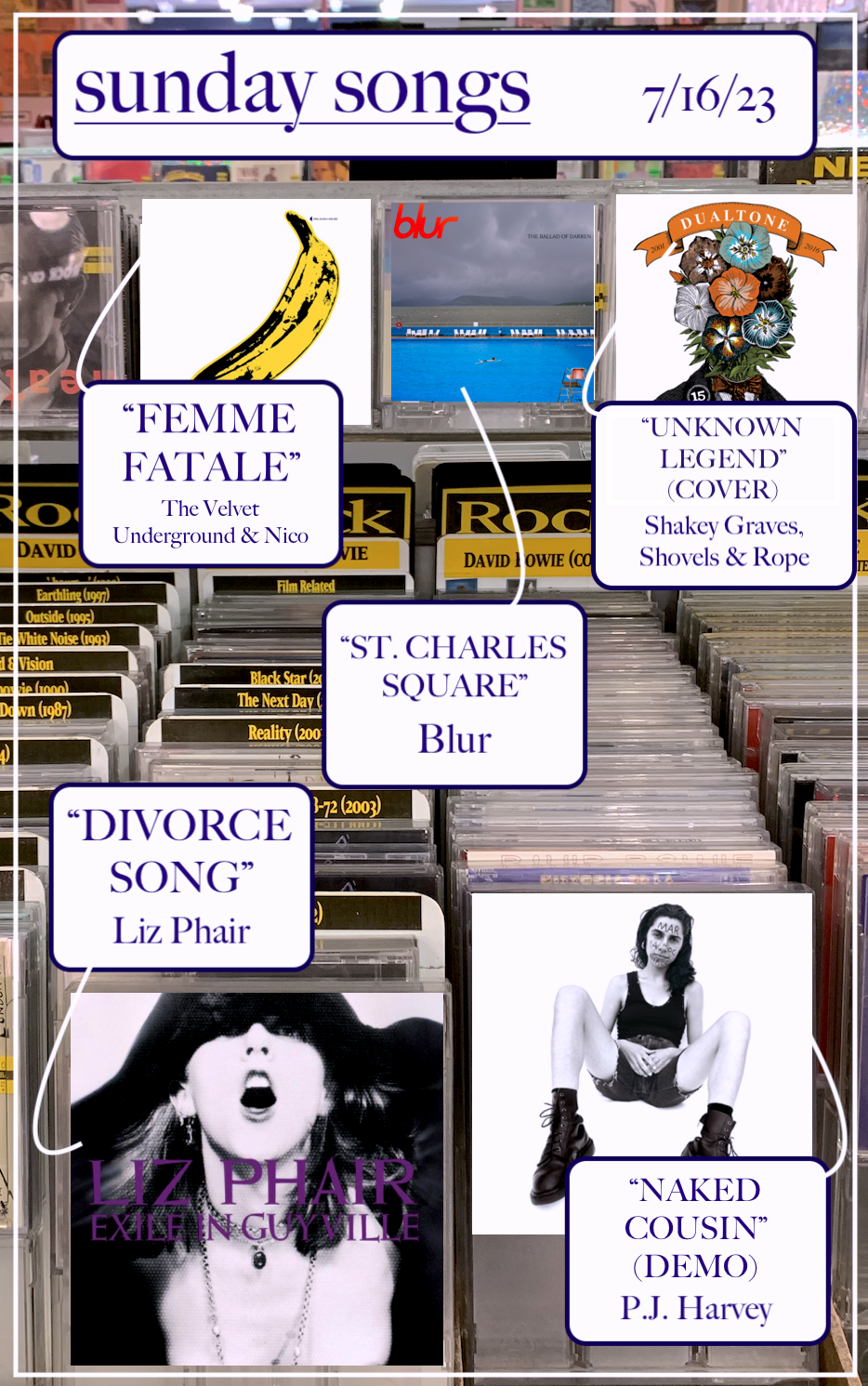
Sunday Songs: 7/16/23

Happy Sunday, bibliophiles! I hope this week has treated you well.

Sparklehorse also posthumously released “The Scull of Lucia” this week, and it would’ve fit the color scheme, but I just know that it’s gonna make me too sad to write about. Love you, Mark, but I’m trying to preserve my sanity.

Enjoy this week’s songs!

SUNDAY SONGS: 7/16/23

“Divorce Song” – Liz Phair

I guess this week’s batch is starting out on a sour note, but I just have not stopped listening to bits and pieces of this album for weeks, so get Liz Phair’d. My advice, though: as we are in the peak of road trip season, this is the absolute worst song to put on a road trip playlist, as good as it is. Regardless of whether or not you’re in a romantic relationship on said road trip, I feel like it’s just a horrible omen either way.

Speaking to Rolling Stone, Liz Phair said that she wasn’t surprised that this song became a fan favorite from Exile in Guyville: “…[‘Divorce Song’] has that deadpan delivery. It’s an ordinary person doing ordinary things…the song is really just about relating to another person. It feels like an action-packed song. You’ve done a lot…but really it’s just two personalities trying to be intimate and bumping up against each other on a road trip and that’s all that happens.” The concept of lyrical storytelling is, for some reason, always equated to having some grand, lofty narrative, as if stories about ordinary things somehow don’t make the cut. But that’s exactly what makes “Divorce Song” such a powerful song—it’s a linear narrative about a road trip gone south, and yet it packs the same punch of a narrative spanning multiple songs. You can tangibly feel the trapped heat of the inside of a car, the humid desolation of a cramped hotel room, and the sinking realization that “it’s harder to be friends than lovers/and you shouldn’t try to mix the two/’cause if you do it and you’re still unhappy/then you know that the problem is you.” Against the backdrop of Phair’s turmoil, small details create a painfully fleshed-out picture (“and it’s true that I stole your lighter/and it’s also true that I lost the map”), the images of this song feel as real as if I were watching them unfold on a movie screen; that really should be the bare minimum, but honestly, in the age of mass-produced, filtered music dominating the airwaves, this song feels like a breath of fresh air, even 30 years later. (Not too sound like a boomer there. I’ve just been inundated for the past few days because Taylor Swift was in town this weekend.) Contrary to Pitchfork contributor Scott Plagenhoef’s assertion that Exile would come off as dated to this generation because we’re so used to explicit sexual content in mainstream music…it’s not dated in that sense? At all?? Sure, we are exposed to more of it, but that doesn’t diminish the value of one of the first female artists to bring these kind of raw, unapologetic, and honest lyrics to the indie rock scene and owning it. It’s not like it’s impossible to see that empowerment shining through, whether it’s in the context of 1993 or 2023.

Seriously, Pitchfork…whose grand idea was it to have a man write a review of the 15th Anniversary Edition of Exile in Guyville? Not that men can’t write reviews of music by women and vice versa, but this one? The album that specifically came about to critique the boy’s club of indie rock? That’s just a war crime, if I’ve ever seen it. The review is from 2008, but…no, they had definitely had women on board at Pitchfork by then. There’s no excuse. Jesus Christ…

“Naked Cousin” (demo) – P.J. Harvey

uhhhhhhh tommy shelby sigma male octillionaire grindset cillian murphy moment

No, I haven’t watched Peaky Blinders yet, but my parents recently going through the whole show (and getting close to finishing it) has me almost convinced to watch it?? If anything will convince me, though, it’s the absolutely loaded soundtrack: Radiohead? The White Stripes? The Kills? I mean, come on. Perfection. And this too!

And, it’s reminded me that I need to get into P.J. Harvey. Somehow, I always forget about her, but every time I hear a song of hers, it’s instantly gripping, whether it’s the grinding jumpscare of “Rid Of Me” or what is hands down the best cover of The Rolling Stones’ “(I Can’t Get No) Satisfaction” ever performed, along with our queen Björk:

If that doesn’t make you want to worship the ground that they both walk on, just for a moment, I’m not sure what possibly will. The sheer power they both wield.

Again, there’s no excuse for me not to get into more P.J. Harvey right this minute, except for my pileup of albums waiting to be listened to. But for now, I at least have this song—and it’s a demo? How is this a demo?? Lucy Dacus, on her episode of Amoeba Records’ YouTube series What’s In My Bag? picked an album of Harvey’s 4-track demos, and remarked about how she wished that her demos were “remotely shareable” in comparison. Either way, I’m so glad that this demo is out in the world. Even with my limited P.J. Harvey knowledge, raw power is what characterizes what I’ve heard of her music—raw-throat screaming, instrumentals that bear down on you like an onslaught. “Naked Cousin” is just that; the slightly grungier (not necessarily grungy in the Nirvana way, but in both the musical and non-musical sense of the word), grimier sound quality coming from the demo enhances its atmosphere. It’s an eerily sinister song, the dirtiness of the instrumentation matching the lyrical image of discomfort that Harvey weaves: “I hate his smell and/I hate his company, but/But most of all, I hate that he/He looks just, just like me.” It’s a deeply uncomfortable song—Harvey really enhances the tangible feel of someone lingering over you, the feeling of their hot, sour breath pressing against your skin. She can certainly create an atmosphere, even if it’s the last one you’d want to be surrounded by.

“Femme Fatale” – The Velvet Underground & Nico

Since I’ve started working at the library, I’ve made a playlist for myself to listen to while I’m shelving books. It’s all soft, slow songs, both so I don’t get distracted and so it matches the atmosphere of the library. So there’s a lot of Phoebe Bridgers, Radiohead, Wilco, some older St. Vincent, et cetera. “Femme Fatale” went on there almost immediately, but not just because it fit those criteria: nothing makes you feel more like a character in an indie movie than listening to The Velvet Underground in a library.

Nico’s vocals take the lead on “Femme Fatale,” leaving Lou Reed to the backing vocals on the chorus. I already talked a little about the power of her voice back when I first listened to The Velvet Underground & Nico back in April with “All Tomorrow’s Parties,” but those two songs together are emblematic of her vocal range. Next to the looming, encroaching presence on the former (although it comes later in the album), “Femme Fatale” sees Nico dipping into a gentle whisper, her voice fading to an almost imperceptible hiss at the very end of each chorus as she says “hear the way she talks.” As massive of a presence as her famously low, resonant voice is, she slips into the quiet so easily (see also: “I’ll Be Your Mirror”), and yet retains the same cavernous quality—even as her voice drifts through the enchantingly gentle intro of guitar and tambourine, you can instantly feel it in your chest, making your bones vibrate. Or maybe the latter is just the mixing of this song—famously headphone-vibrating, if the YouTube comments are any indication. It’s the perfect fit for a film—the only movie I can seem to find with it is Bandslam, which I’ve never heard of, but Wes Anderson really needs to get on it. Past time that he used it for something, although maybe he filled his personal Nico quotient in The Royal Tenenbaums?

One Nico song seems like a small quotient, but who am I to judge Wes Anderson? He’s Wes Anderson, after all.

“St. Charles Square” – Blur

Gather ’round, my fellow Americans, let us all cry and watch videos of Blur performing in Wembley Stadium, and hope for the best that they’ll just get over themselves and announce a North American tour. Grab your tissues. Cry with me.

But this. THIS. This is the Blur that I’d been missing! “The Narcissist” was a solid song, but “St. Charles Square” is a much better showcase of their talents—and brimming with so much more creativity. Unlike the former single, which sounded as though it could be a solo Damon Albarn track, “St. Charles Square” finally feels like Albarn, Coxon, James, and Rowntree have reformed as a truly cohesive unit, their unique talents blending as seamlessly as they did in the 90’s. Whether or not Damon Albarn’s “OI!” at the beginning is a callback to “Parklife” (aaaaaaaaaall the people) or just him being British is up for debate, but even if it is nostalgia bait, you bet I’m biting it. You guys have no idea how many times my mom and I have car-danced to that song. I’ll gladly be a nostalgic shill for a bunch of white, middle-aged British guys. And finally, finally, Graham Coxon’s signature guitar playing has returned to the spotlight! His riffs are as power-laden and punchy as ever, and he’s adopted an echoing tone that calls back to David Bowie at the very beginning of the 80’s, right as he released Scary Monsters (And Super Creeps). And this song is full of scary monsters and super creeps of its own—the delightfully eerie lyrics are rife with “ghosts come back to haunt me” and “something down here/And it’s living under the floorboards/Its grabbed me round the neck with its long and slender claws.” With all that to work with, it’s no wonder that Albarn’s flair for showmanship shines in this track: I’d be lying if I told you that his piercing, werewolf howl at 1:40 didn’t make me giddy on every single listen. It’s a spooky delight all the way through.

“Unknown Legend” (Neil Young cover) – Shakey Graves, Shovels & Rope

I didn’t know until I started looking into this song that it was a cover—Shakey Graves was the main draw, I only knew of Shovels & Rope because they always come up as similar artists when I search for Shakey Graves on Apple Music, and I can only remember one (1) Neil Young song off the top of my head. And normally, I wouldn’t be one for folk-country songs describing a blonde woman riding through the desert on a Harley-Davidson that rhymes “diner” with “finer” (in reference to said woman), but, again: Shakey Graves.

iTunes has this song labeled as Shakey Graves & Shovels & Rope (and my English major brain wants to separate them with a comma or “and,” not a second ampersand, for the love of god 😭), but I was surprised to see that YouTube lists it as Shovels & Rope feat. Shakey Graves; if anything, there’s far more Shakey than Shovels—Alejandro Rose-Garcia is clearly taking the lead on vocals here. (I guess that this song was also included on Shovels & Rope’s covers album, Busted Jukebox, vol. 1, so that’s probably why.) Either way, the harmonies on this rendition of Neil Young are my main draw. Rose-Garcia’s voice has this distinct, irreplaceable rasp to it, rough and raw-throated at the edges, but never losing its power. Combined with the husband and wife duo of Michael Trent and Cary Ann Hearst (is it bad to ask who’s the shovel and who’s the rope in this relationship?), their voices form a resonant group of harmonies, with Hearst’s high notes elevating the thrill of the music and Trent providing a steady wall for it to anchor itself against. Whether they’re hitting the highest of high notes or gently drifting away from the chorus with their whispered repetition of “the air she breathes.” Again: I’m not usually one for the folky covers with the obligatory harmonica solo at the end, but Shakey Graves will convince me.

Since this post consists entirely of songs, consider all of them to be today’s song.

That’s it for this week’s Sunday Songs! Have a wonderful rest of your day, and take care of yourselves!