Posted in Sunday Songs

Sunday Songs: 12/14/25

Happy Sunday, bibliophiles! I hope this week has treated you well.

Since I had to hunker down for one more week for finals, here’s my graphic from that week:
12/7/25:

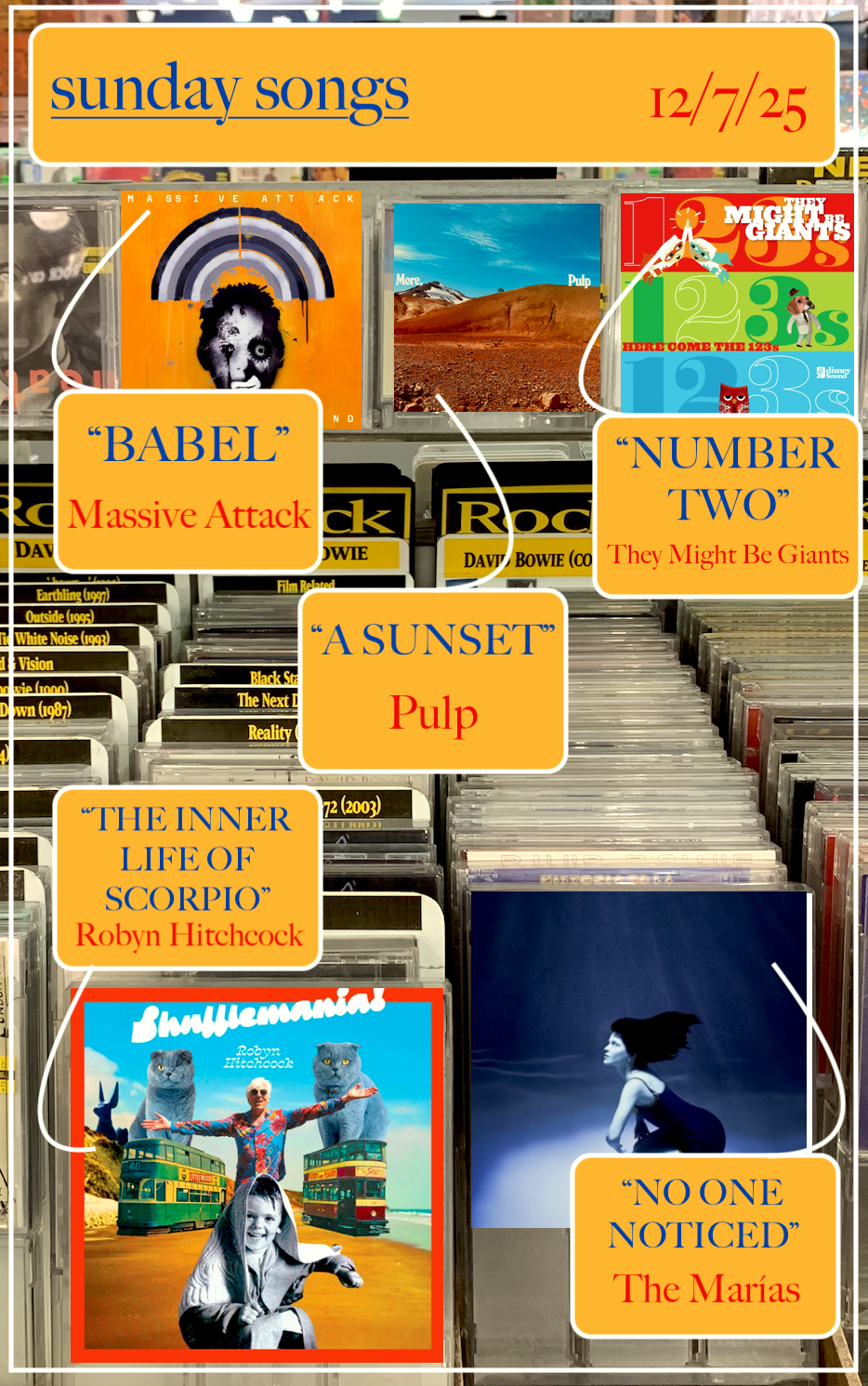
This week: Even more songs from Bad Sisters, circling back to Forever is a Feeling, and getting unexpectedly chucked back to November 2019.

Enjoy this week’s songs!
SUNDAY SONGS: 12/14/25

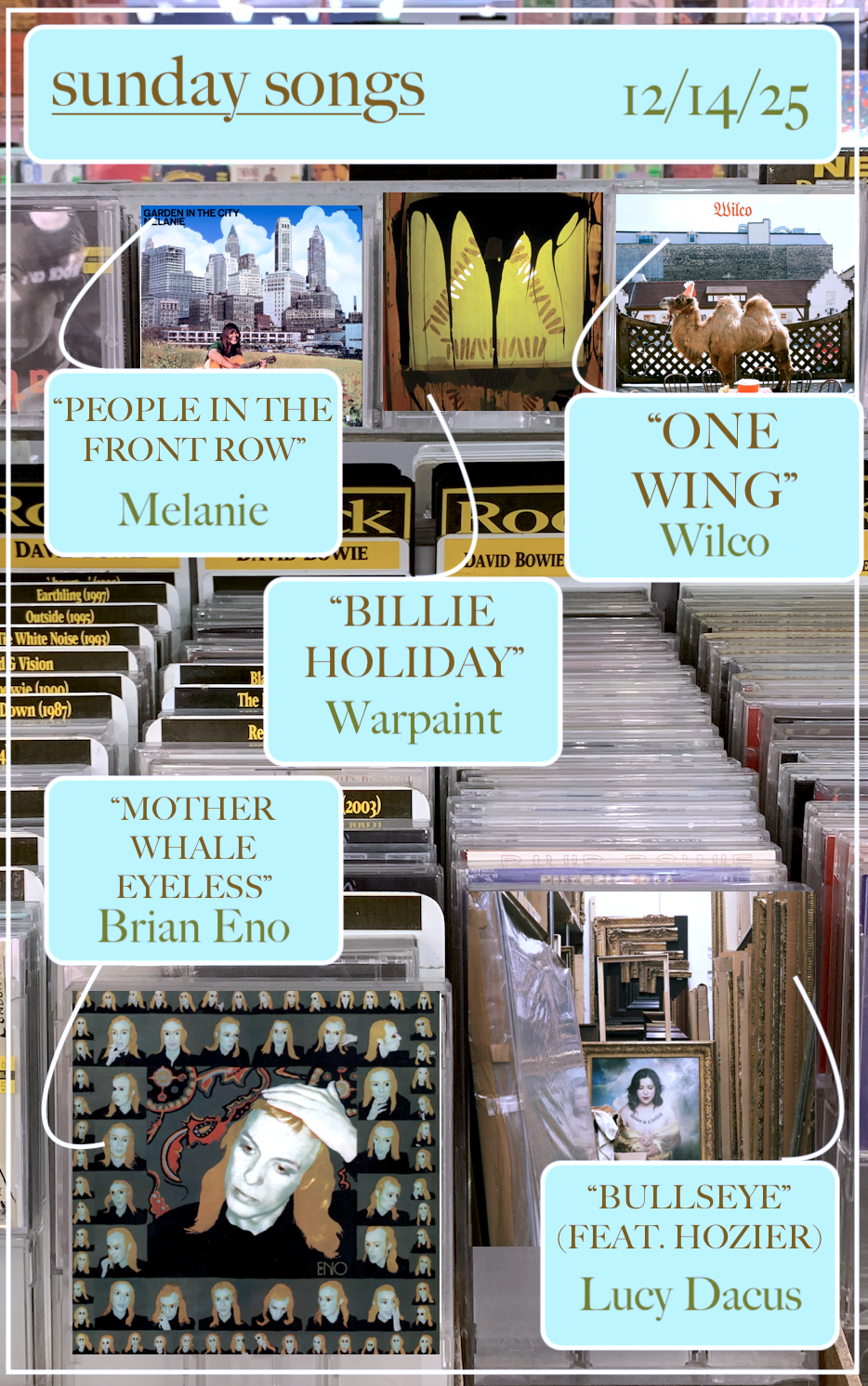
“Mother Whale Eyeless” – Brian Eno

Sorry, folks. It’s too early for me to draft my New Year’s Resolutions, but they probably won’t include “shut the fuck up about Brian Eno.” You’re in for a long few years.

Back in November, at the behest of my older brother, I finally got around to listening to Taking Tiger Mountain (By Strategy). Pardon the hyperbole, but to call it just an album feels like a disservice, mostly because there’s just so much crammed in there. It’s a whole stuffed Thanksgiving turkey of esoteric references and inspirations; the main defining threads are loosely centered around the Chinese Communist Revolution and general themes of warfare, but even that somehow doesn’t scratch the surface. Plane crashes, a Belgian town whose population is outnumbered by the patients in its local mental asylum, and a play dating back to the Chinese Communist Revolution (from which the album took its name) are just some of the scattered subjects that Eno covers in its 48-minute runtime. He verges from a campy satire of the military on “Back in Judy’s Jungle” to punk-precursor “Third Uncle” to the deeply moving “Taking Tiger Mountain,” a song that closes the album with the same huddled, melancholic yet triumphant feelingI always get listening to The Beach Boys’ cover of “Old Man River.” (Blame it on Fantastic Mr. Fox.) And yet, with all of those disparate images clanking about, it’s so cohesive. The thread, I think, is both Eno coming into his own as a solo artist, as well as his riotously creative imagination—it’s an album with such a distinctive style that could never be authentically replicated, no matter how hard somebody might try. There can never be another Eno, and there can never be another Tiger Mountain. It’s just so singular in its uniqueness.

Something that bubbled up in me while listening to Taking Tiger Mountain by Strategy was that although many of the lyrics are abjectly nonsensical, I found myself getting emotional out of nowhere. For “Taking Tiger Mountain,” I could pinpoint a more easily categorized reason—it’s got the feeling of relief, of victory at a steep cost, of the tearful end of a film. The other that got me misty on the first listen was “Mother Whale Eyeless.” Eschewed by the delightfully stream-of-consciousness lyrics, there’s something about a fundamental change—many have interpreted it as a relationship that can’t go on and the mounting fear of the inevitable implosion. Either way, something’s on the horizon, and it’s a shadow of dread—as in a “cloud containing the sea,” or the formidable shadow a whale might cast upon a school of passing fish. Yet what gets me about this song is that there’s some sort of near-euphoric feeling of ascent to it—you get the feeling like it’s piercing the very atmosphere like a rocket breaking the sound barrier; the only way it can go is higher, higher, higher still. There’s something anticipatory about it, yet there’s no explosive finale—you just break the sound barrier and are left with the fallout. The fallout is the euphoric journey that Eno takes you on, through winding turns buoyed by his Oblique Strategies (you’ll really get the meaning about his emphasis on repetition and/or lack thereof after listening to this song). Phil Manzanera’s guitar soars, aching of Low-era Bowie before it even existed, and Phil Collins’ pattering drums add jet fuel to the anticipatory nature of the track. (Also, I swear the electronic background noises in the very beginning sound a lot like the intro to St. Vincent’s “Big Time Nothing.” Just me?)

But the centerpiece for me is the refrain sung by Polly Eltes. This is where I got choked up out of nowhere. The entrance of Manzanera’s fuller guitar work allows for a breather and opens up the curtain for Eltes’ voice, in which she sings: “In my town, there is a raincoat under a tree/In the sky, there is a cloud containing the sea/In the sea, there is a whale without any eyes/In the whale, there is a man without his raincoat.” (I swear her voice reminds me a little of Régine Chassagne.**) There’s an uncanny feeling of poignant simplicity of it; it feels like a nursery rhyme, or a proudly recited line of an epic poem. To me, it almost feels like a declaration of purpose: an open defiance of interpretation, a thesis that even the most dreamlike and esoteric lyricism can be just as emotional as something that tackles a subject head-on. Either way, there is no denying the feeling that “Mother Whale Eyeless” gives me.

…AND A BOOK TO GO WITH IT:
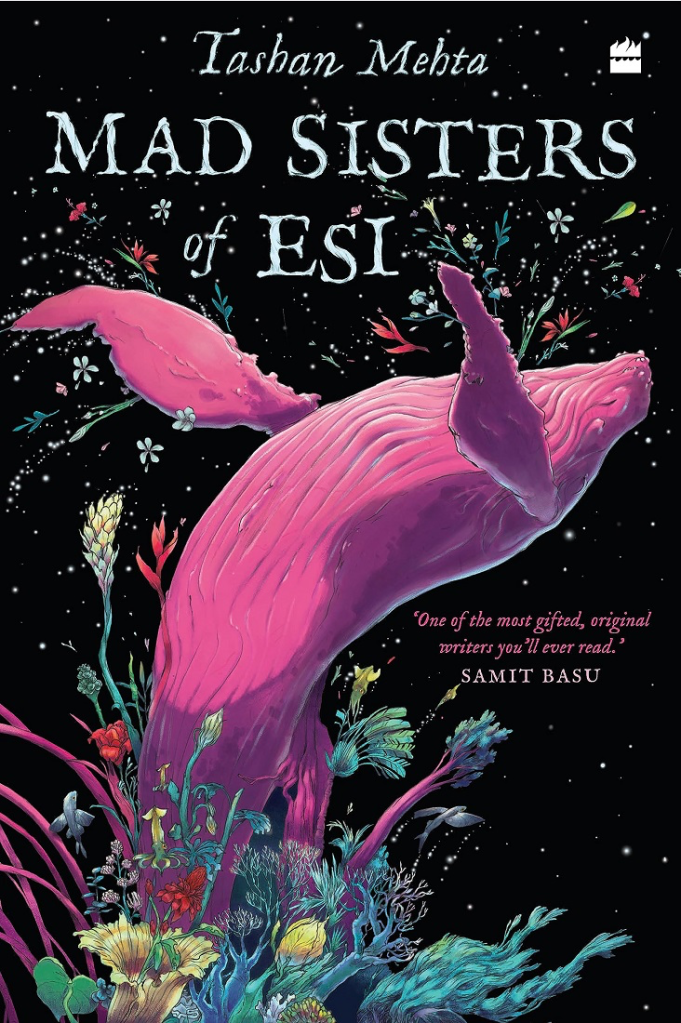
Mad Sisters of Esi – Tashan MehtaI promise I’m not putting this in here solely because of the whale…but I’m not saying they’re not connected. Either way, that surreal, imaginative quality of Eno pairs well with Mehta’s writing.

“Bullseye” (feat. Hozier) – Lucy Dacus

When Forever is a Feeling first came out, I felt like her having a Hozier feature added to the feeling that Lucy Dacus had begun to sell out. I suppose the overlap between their fanbases (read: gay people) was essentially a circle, so it probably was inevitable anyway. No disrespect to Hozier though—very talented guy, and I love his voice, but his music isn’t always my cup of tea.

To my surprise, “Bullseye” has become one of my most played songs from the album. There’s something so tender about it that reminds me of Dacus’ older work. I think what sets Dacus’ songwriting is that every emotion comes through in the most unexpected vignettes—the opening lines of “Next of Kin” (“Reading in the phone booth/Sucking on a ginger root”) come to mind. She has such a keen, observational eye that decorates her songs with the most unique setpieces, like some kind of musical bowerbird building a nest. While the ones in “Bullseye” stand out as more obviously romantic (carving locks into initials on bridges, reading annotations in your lover’s books), it’s so clear how much it shapes her songwriting. She admits it herself: “Found some of your stuff at my new house/Packed it on accident when I was movin’ out/Probably wrong to think of them as your gifts to me/More like victims of my sentimentality.” She’s a kind of museum curator of fleeting, stolen moments, which make up the core of “Bullseye.” And although Hozier isn’t normally my cup of tea, his voice with Dacus’ makes up such rich, heartstring-tugging harmonies that give the song an added layer of tender warmth.

Though I wasn’t able to catch her on this tour, the highlight has been seeing her perform this song, not just because of how lovely it is. She’s been making it her mission to duet with as many people as possible—David Bazan, Samia, Stuart Murdoch, and Jay Som, among others!

…AND A BOOK TO GO WITH IT:
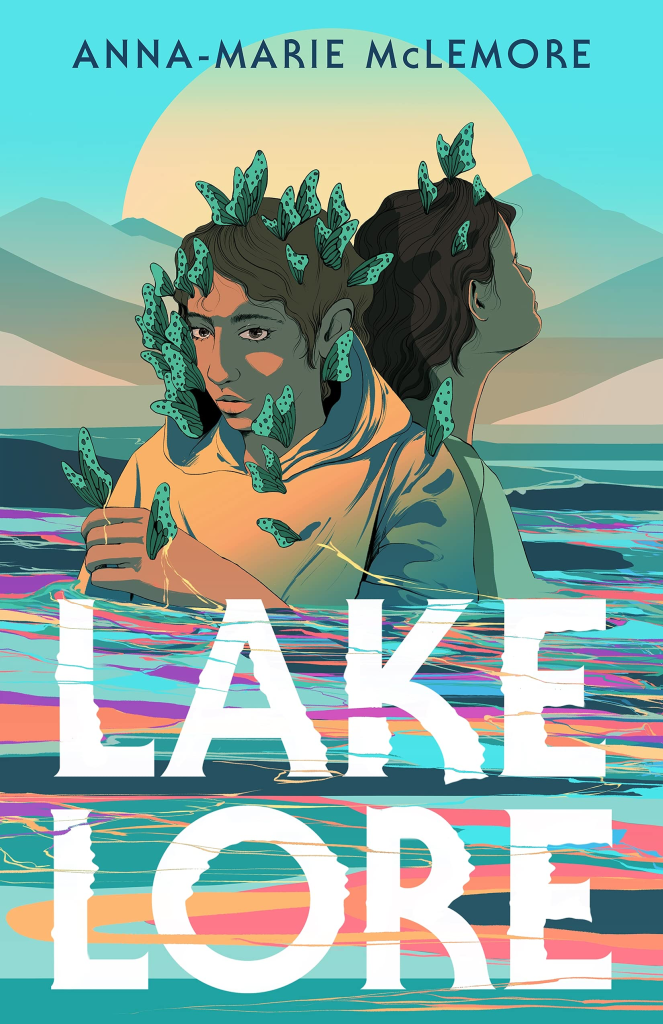
Lakelore – Anna-Marie McLemore“You’re a bullseye, and I aimed right/I’m a straight shot, you’re a grand prize/It was young love, it was dumb luck/Holdin’ each other so tight, we got stuck…”

“People in the Front Row” – Melanie

For the next two songs, we enter what I’m calling the Bad Sisters section. If I had a nickel for every Melanie song I’ve ripped from a season finale of Bad Sisters, I’d have two nickels, etc., etc.

Like many of Melanie’s more iconic songs, “People in the Front Row” is an anthem for sticking to your guns, even in the face of critics. It’s much more literal than others, and although her voice falters in wobbly ways, given the belts she’s capable of, it’s full of the same impassioned fervor of hits like “Look What They’ve Done to My Song, Ma.” The odd laugh-singing aside, it’s such a poignant, determined ode to the people who support your art through thick and thin, no matter how much critics kick you down.

…AND A BOOK TO GO WITH IT:
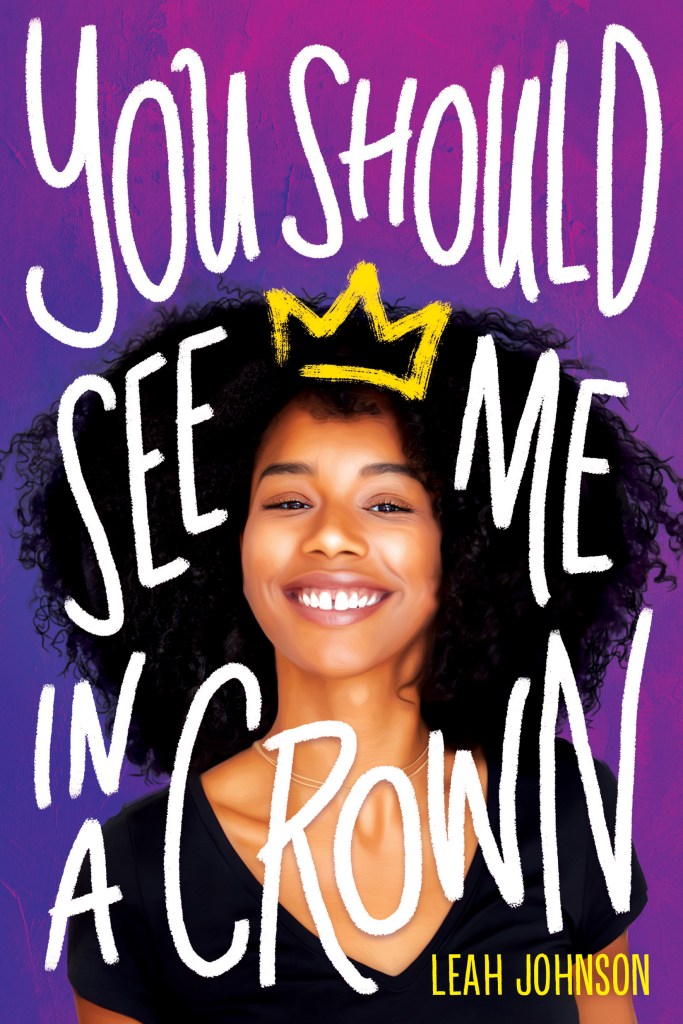
You Should See Me in a Crown – Leah Johnson“You know I looked around for faces I’d know/I fell in love with the people in the front row/Oh, how my predicament grew/Now I got friends, and I think that my friends are you…”

“Billie Holiday” – Warpaint

Warpaint have historically been hit-or-miss for me; I’ve loved their cover of David Bowie’s “Ashes to Ashes” since middle school, but most of their music has been rather lukewarm for me. I have a specific memory of trying to listen to their self-titled album on a whim several years ago and being, disappointedly, quite bored. But every once in a while, they’ll snag me out of nowhere (see also, from this EP: “Burgundy”).

This one came out of the blue in a scene in season 2 of Bad Sisters, ironically placed, given the context; it matches the eerie, melancholic tone of the scene, in which Becka finds out that she’s unexpectedly pregnant and, instead of telling her boyfriend, does what any sensible person does and…cheats on him with the guy that she’s insisted she’s over with. Naturally. (What the hell, Becka?? She’s a hot mess, if you couldn’t already tell.) There’s a deep irony behind using this song, which repeats various platitudes about staying loyal: “Nothing you can buy could make me tell a lie to my guy/Nothing you could do could make me untrue to my guy/I gave my guy my word of honor to be faithful and I’m gonna/You best be believing, I won’t be deceiving my guy.” [Ron Howard voice] Becka did, in fact, deceive her guy.

Maybe there’s a layer of irony to that beyond Bad Sisters, as although the melody is entirely original, around half of the lyrics, including the ones above, are interpolated from Mary Wells’ “My Guy.” When that much of the song is interpolated, it almost feels like cheating, even if the proper credit was given to Wells (as well as Smokey Robinson, who wrote the song). Yet it’s an entirely different atmosphere that they’re placed in, like a zoo animal let loose in a completely foreign biome; as opposed to Wells’ cheery, Motown organs, “Billie Holiday” is draped in reverb, misty strings, and acoustic guitars. It’s like wandering through a thick fog, where Wells’ song is as bright and clear as day. I suppose it’s a similar deal to Spiritualized’s use of “Can’t Help Falling in Love,” but that, to me, felt much more transformative, and used only one verse (as opposed to the three verses of Wells’ that Warpaint used). Easy way out it may be, but at least the end product is appropriately distinct, and compellingly dreamy.

…AND A BOOK TO GO WITH IT:
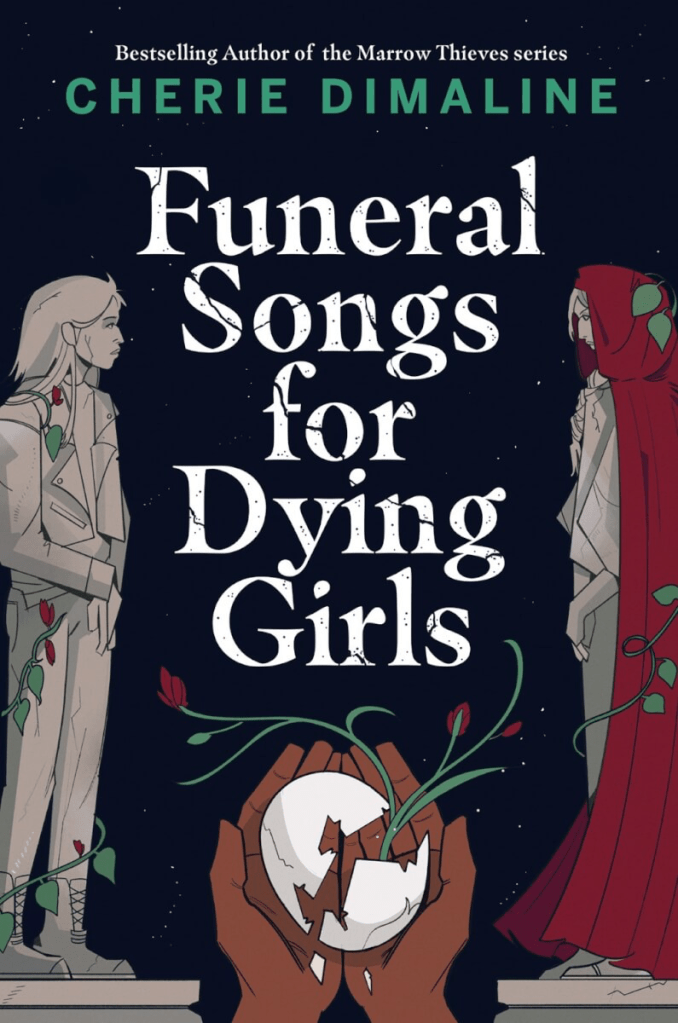
Funeral Songs for Dying Girls – Cherie Dimaline“As I walk this line, I am bound by the other side/And it’s for my heart that I’ll live/’Cause you’ll never die…”

“One Wing” – Wilco

Do you ever have those moments where a song hits you out of the park with some deeply vivid place in time that you didn’t see coming? Leave it to Wilco to throw another unexpectedly emotional curveball right into my face out of nowhere. Instantly, I had this feeling of being cold, of being in a gray parking lot. My mind placed it in November of 2019, by some uncanny instinct. I can’t place why, but I only just remembered that I had a borderline religious experience at the front row of a Wilco concert…in November of 2019. Maybe that parking lot was in the chill of the Mission Ballroom at night. My brain, inexplicably, just knew to place it at this time, even if “One Wing” isn’t in the setlist.

The brain truly fascinates me sometimes. There’s a part of me that wants to know everything about why it remembers what it does, and why it innately attaches feelings and memories to music out of nowhere. But somehow, I feel like that would ruin the magic of these fleeting, unexpected moments. I love the way my brain plays with memory and image the way it does, the way even the faintest whiff of an old tube of lipgloss or the notes of Nels Cline’s guitar is instantly transportive. I think it would ruin everything if I knew the precise logic of why my brain shuffles the cards and comes up with these vivid, dreamlike images. Sometimes, I think we ought to bask in that mystery. Tip our hats to the strange phenomena, etc. What a lovely, strange organ we have.

Oh, wait, I’m talking about a song, right? Oops. And what a song it is—I don’t know how this one completely passed me by, but Wilco always has the most moving surprises up its sleeve. From what I’ve heard of Wilco: The Album (featuring “Wilco (The Song),” there’s a lot of conflicting themes—said band theme song, more songs about murder, and determined love songs; but for an album like that, it makes sense for the songs to run the gamut of the range of the band. Next to “I’ll Fight,” “One Wing” makes clear sense—I’m not sure if it’s directly about Tweedy’s relationships, but there’s a clear undercurrent of wanting to rekindle faltering love and repairing something broken. (I’ve also seen interpretations that the “wings” allude to the divisions in American politics—literally the left and right wings—and while the broken relationship makes more sense to me personally, it makes me see things in a new light. A precursor to “Cruel Country” and “Ten Dead,” maybe?) That late-fall chill feels deliberate in the face of the haunted longing in “One Wing”—as the chorus picks up steam, it feels like icy wind buffeting against your cheeks, plucking tears from your eyes as you cling to someone for comfort. Nels Cline’s guitar, with a soaring tone reminiscent of A Ghost is Born, is as plaintive as Jeff Tweedy’s lyricism, all channeled into a plea for forgiveness against the friction of the world: “One wing will never ever fly, dear/Neither yours nor mine/I fear we can only wave goodbye.” It digs at such a tender, weak part in my soul…ouch, Jeffie.

…AND A BOOK TO GO WITH IT:
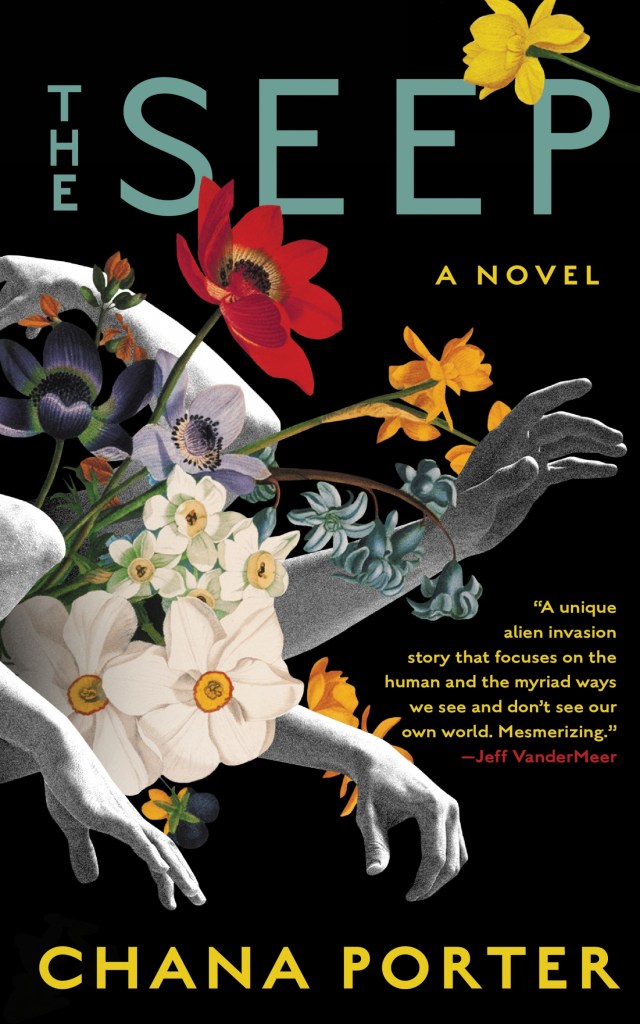
The Seep – Chana Porter“We once belonged to a bird/Who cast his shadow on this world/You were a blessing and I was a curse/I did my best not to make things worse for you…”

*”oh, haha, a goofy kid’s song!” without a shred of irony, this is an absolute banger. Somehow, it ended up being my most-listened to song for November, according to Apple Music. Never underestimate the power of They Might Be Giants writing about numbers.

**In other music news I haven’t gotten around to talking about…I try not to be in the active practice of hoping for people to get divorces, but I am so, so glad Régine Chassagne got out of there.

Since this post consists entirely of songs, consider all of them to be today’s song.

That’s it for this week’s Sunday Songs! Have a wonderful rest of your day, and take care of yourselves!

Posted in Sunday Songs

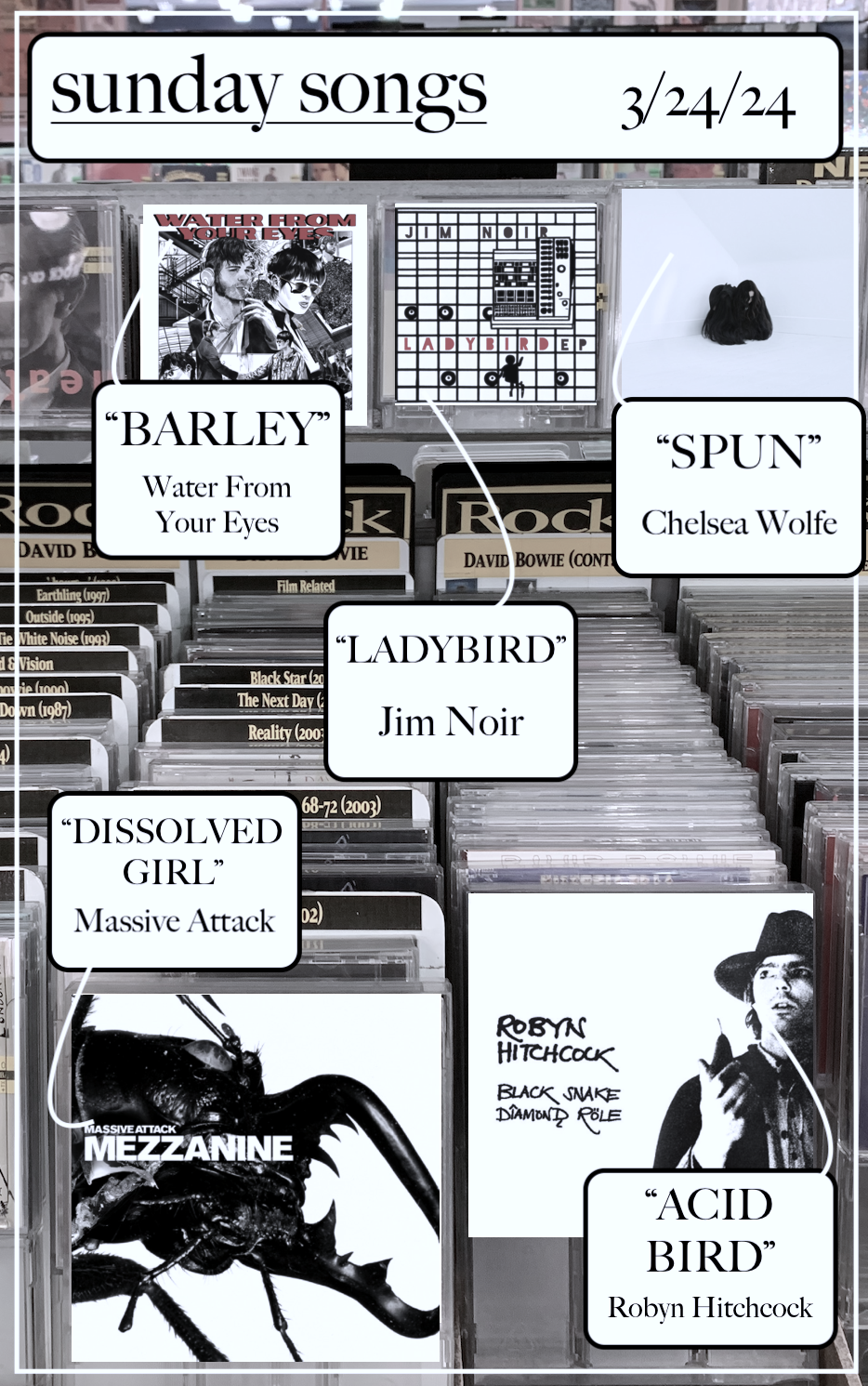
Sunday Songs: 3/24/24

Happy Sunday, bibliophiles! I hope this week has treated you well.

This week: sit down, kiddo. Soon you’ll be a mature adult, so your father and I have decided that you’re ready to learn about the (acid, lady) birds and the bee(tle)s.

…why are you leaving?

Enjoy this week’s songs!

SUNDAY SONGS: 3/24/24

“Dissolved Girl” – Massive Attack

Like Odelay, I’ve very much screwed myself over when it comes to this album; as my brother was showing this song to me in the car (thank you, by the way), I talked to him about the album, and after we talked about all of the songs I’ve heard off of Mezzanine, we concluded that I’ve…basically listened to the whole thing, save for some of the apparently duller songs and some instrumental breaks. Oops. My brother’s advice was to go through the album in its entirety anyway, so I’ll still take that advice. Eventually. The Sisyphean album bucket list persists.

I have a special soft spot for songs that sound like their album art. Most of the tracks on Mezzanine have a similarly creeping feel, but “Dissolved Girl,” to me, feels the most like Nick Knight’s photograph of a shiny, almost glistening stag beetle; the initial photo was taken by Knight at London’s Natural History Museum. Minus the pincers, it almost looks like the exoskeleton of a xenomorph—also a fitting image for the creeping feel of some of Mezzanine’s tracks. Much of the album retains that prickly feel of looking at the fine hairs adorning the beetle’s legs, but this song, especially the intro, captures it best. I can almost imagine that same beetle in captivity, scuttling around across a blank canvas in erratic patterns, like a shot from an old nature documentary. Its antennae twitch, it pauses in thought, then scuttles off into a corner again, only to emerge a few seconds later. Looking back, I’m ashamed that I completely missed that fact that this track was also featured in The Matrix. Granted, I was also so caught up in the glorious cheese of that movie that there wasn’t much else to focus on except for a) that one absolute monster of an H.R. Giger fever dream scene, and b) the fact that Keanu Reeves can barely act (sorry, dude, I’m sure you’re a nice guy). But like the stag beetle’s shell, that sleekness blends in with the landscape that the Wachowski Sisters crafted all those years before. I’ve tricked myself into thinking that there were raindrops or dewdrops on said beetle’s shell, but no—it was a trick of the light, and a trick of the music. “Dissolved Girl” runs over your skin like frigid water and catches all the colors of light like an oil spill, darkly alluring in the dapples patterned across it. Sarah Jay Hawley’s voice isn’t just sultry—it’s a puff of rasping steam from a rusty teakettle, blossoming into strange clouds as it’s swallowed by synths and guitars that were made for dramatic entrances and nothing more. It really is dissolving, but it seems to reform itself every passing second, an ouroboros of electronic deja vu.

…AND A BOOK TO GO WITH IT:

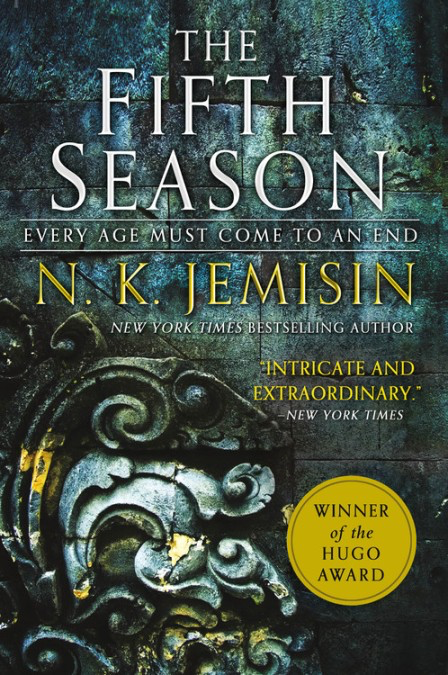
The Fifth Season – N.K. Jemisinthe lyrics don’t reflect the connection so much as the feeling of it does—uncertainty, circularity, and deja-vu abound.

“Acid Bird” – Robyn Hitchcock

Note to any aspiring songwriters who may come across this post: I accidentally typed “acid birthday” into YouTube while looking this song up, so there’s a good song title right there. It already sounds ten times ickier in subject matter already, but…it sure is a song title.

Robyn Hitchcock seems to have been planted in the rich, fertile soil of ’60s musical inspiration from the start. Listen to any of his songs from his solo works or from one of his many groups over the years, and that bright, whimsical jangle always pops out of the woodwork. But before I saw him back in January, I found out that he’d played several short shows where he only played sets of Syd Barrett covers, and the comparison clicked instantly. Personally, I’m glad that Hitchcock took the good parts from Barrett’s legacy and never went off the deep end, but if there was ever a perfect fit, the two’s musical and lyrical styles were practically made for each other. There’s no doubt that plenty of artists have found drugs to be an outlet for imagination, but it’s always temporary; I never mean to make light of addiction and the very real consequences it can have on a person and their loved ones, but every time I hear about any of these instances, it’s a short-lived outlet. We know where it tragically led Barrett (rest easy) and many other artists of his time, but often, these things have been discovered have always been dormant—maybe it was the drugs that exposed them, but that kind of creativity lingers in all of us. We all have different ways of finding it, and all we can do is learn to live with it carefully—the very things that we perceive as opening it can destroy it just as quickly. At least we can look to Hitchcock as an example—it seemed he knew early on that his wild creativity was at the wheel, and he’s managed to preserve it for decades.

That kind of easygoing, ’60s feel is etched all throughout his decades-long, insanely prolific career, but some of the earliest notes of it, to me, can be found in his first solo album, Black Snake Diamond Role, and in particular, “Acid Bird.” Aside from the unmistakably sixties jangle of it all, from the lazily swaying chords to the way that the guitar is almost made to sound like the limbo between a guitar and a sitar. And like the entirety of Hitchcock’s career, this song is full of oddball wordplay, entirely nonsensical, but somehow sensible, in the sense that, having seen him live, he had every intention of putting these words together in this exact order. It’s unmistakably late ’60s psychedelia—I can hear the lyricism of Pink Floyd’s “See Emily Play” and the instrumentation of…well, probably any late ’60s Beatles song you can think of, and yet, it couldn’t be anybody else but Robyn Hitchcock. Going even later, I’ve always thought of his wordplay as so much like Marc Bolan, like he has access to some bizarre fantasy world that can only be described to us mortals in words that don’t fully make sense when strung together in the order that they are. I’m just glad that Hitchcock has dedicated his career to mapping it in all of its hills, valleys, and acid birds.

…AND A BOOK TO GO WITH IT:

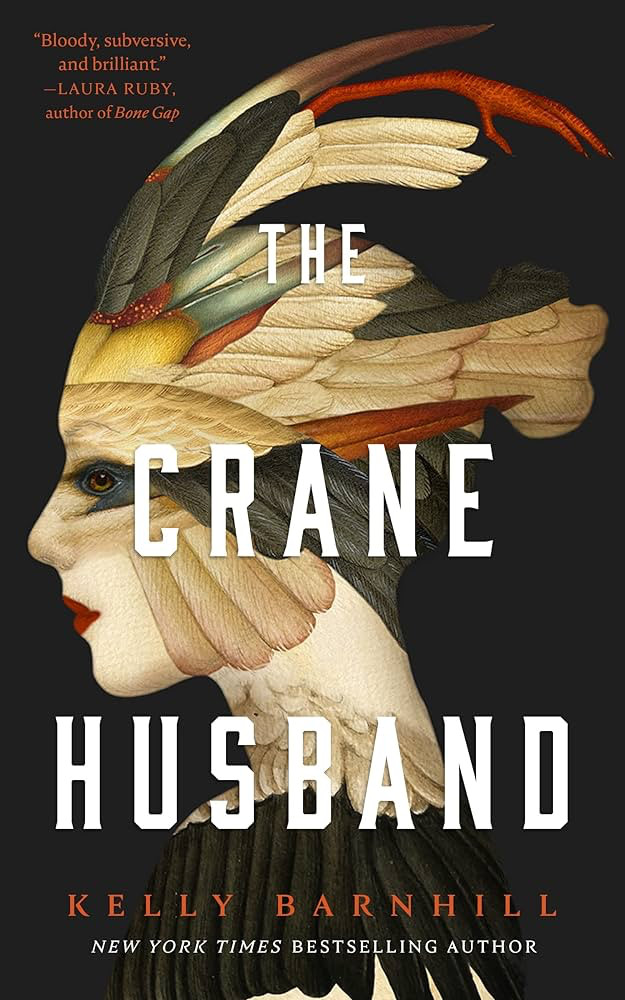
The Crane Husband – Kelly Barnhilla hazy, eery crawl between genres, steeped in slipshod tapestries and sinister birds.

“Barley” – Water From Your Eyes

If you laid out all of the elements of “Barley” bare, it would fit a pretty common definition for really pretentious music. You’ve got your discordant synths, you’ve got your avant-garde, nonsensical lyrics, you’ve got some off-kilter guitar riffs for good taste, and you’ve got disaffected vocals courtesy of Rachel Brown, who sounds for all the world like they did not want to be there. But this song feels more in the vein of play than construction—the minimalism and freeform feel of it all feel like just that: freeform. It feels like this song was conceived in 5 minutes tops, and I’ve grown to enjoy that quality about it. I keep bringing up Beck in this post for reasons unknown to me, but the technique of Water From Your Eyes (or, alternatively, what sigma male gymbros call tears) seems to be similar: stick a bunch of parts together with a bit of synths and Elmer’s glue, then create the most earwormy eyesore you’ve ever heard. I say “eyesore” only because it’s the best word that comes to mind—it doesn’t sound pleasant, and yet, it sounds good. Between Brown’s vocals, the hectic instrumentations, and the urgency of it all, “Barley” feels like the squirming child of Guerilla Toss and Wilco’s “Spiders (Kidsmoke)“—drolly sung, but full of lyrics that could be prophetic, and as jagged and crawling as all get-out. I’d never thought I’d compare those two, but that’s the beauty of this song—it’s a strange, stiff chimera of a song, and I love it and all of its jerky, weak-kneed beauty.

…AND A BOOK TO GO WITH IT:

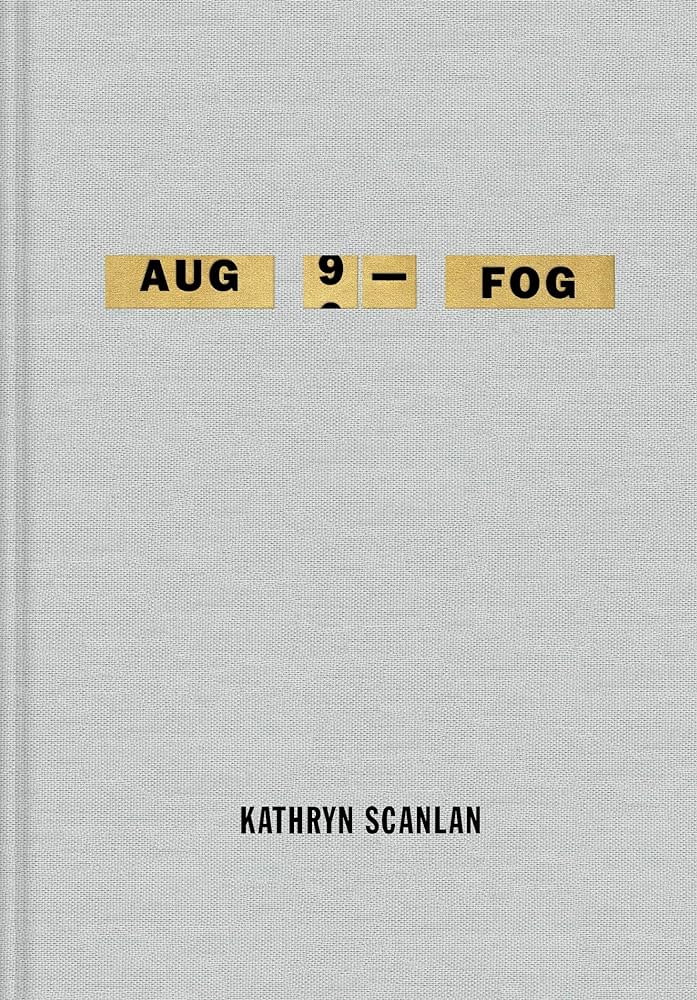
Aug 9 – Fog – Kathryn Scanlana similar connection of loose bits and bobs, this time in the form of poetry made from what remained of a stranger’s diary that Scanlan found at an estate sale.

“Ladybird” – Jim Noir

HE’S BACK! Well, he never really left, and was doing some incredibly impressive things while he was “gone,” but he’s back to serving up EPs via Patreon (as always, support a fantastic independent artist if you’re financially able! It’s worth your while!).

Before the switch from monthly EPs to releasing the excellent record Rotate as half of Co-Pilot, a lot of the EPs he was putting out were starting to feel thinned out; even at the beginning of the project, many of the tracks were throwaways that he later polished up, but as time went on, some of the whimsical, lighthearted creativity that he’s known for seemed to have bled out somewhere down the line. The last few EPs felt a little hollow—the last thing I’d expect of Jim Noir, the same mind that could make a song about putting off going to the store to get tea (if there was ever a more British concern) into a sunny, ’60s-flavored synthfest. I wouldn’t be surprised if he was saving his musical time and energy for Co-Pilot during the weaker run of EPs (justifiably so, I mean, God, what a record), but I did miss the more creative tidbits. It seems that some time away has given him time to shake things up, and now we have Ladybird – EP, which I can happily say is a delight! I found myself particularly drawn to the title track; there’s still a hesitant restraint about it, but it has every hallmark of a catchy Jim Noir tune—cymbal heavy drumming, humming vocals, and of course, bleep-bloop aplenty. Gotta have that good bleep-bloop. The background is decorated with sounds that almost ring like a submarine’s radar, and the rest of it hums with buzzy energy, nervously scuttling about like the insect it’s named for. It’s hesitantly bouncy, with eyes that seem to dart about every few minutes before ducking behind the nearest door. I wouldn’t call it his masterpiece, but it gives me hope that this could be the start of the album that he’s been teasing for…almost two and a half years now, I think? If Rotate is all we get, then I’d certainly be happy, but I find myself wanting another win for Jim Noir. It’s what he deserves.

…AND A BOOK TO GO WITH IT:

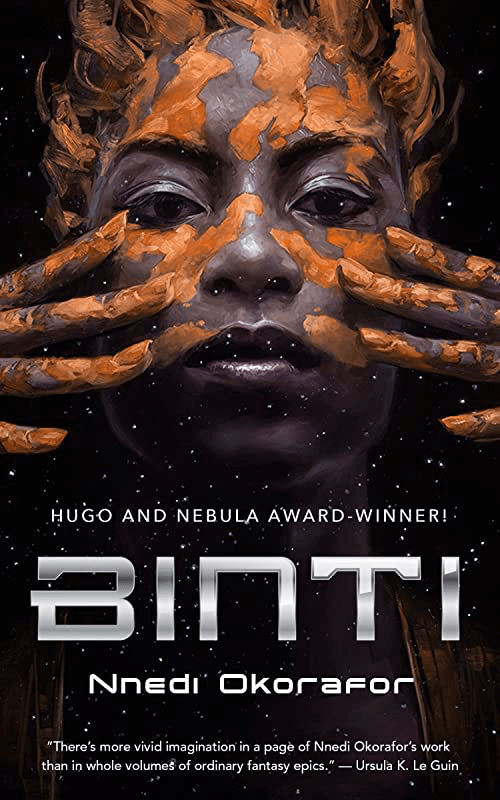
Binti – Nnedi Okorafor“I’m surrounded by things I’ve never needed so much/I’d rather give it away instead of finding it’s not enough…” right there, huh?

“Spun” – Chelsea Wolfe

As I’m writing this, it’s been about a day since I saw Chelsea Wolfe a second time for the She Reaches Out To She Reaches Out To She tour. Insufferable crowd and headache-inducing opening band notwithstanding (2/3 times that I’ve seen shows at this venue, the crowd has been gross and disrespectful, so…hopefully not a curse), she and her band put on an incredible show; obviously, nothing’s going to compare to my first experience seeing her at the Stanley Hotel, which is about as goth as one can get even if Wolfe isn’t present, but what this show had going was the fact that one of her songs was performed whilst some kind of trick of the light made her look like she’s standing astride some kind of fiery, inter-dimensional portal. What I’m trying to say is that she absolutely brought down the house. As usual.

Somehow, I thought that “Spun” would be on the setlist, and I listened to it a handful of times before the show, but…I guess I remembered wrong? It wasn’t one of the songs I was sorely looking forward to seeing, but I do feel a little silly now that the song I’ve picked for this week is the one she didn’t play. Well, any excuse to talk about Chelsea Wolfe is a good excuse, so here we are. Seems I need to add Spun to the album bucket list, since almost everything off of it has been nothing short of arresting. “16 Psyche” was the first song from Spun I heard, back when my tender, 14-year-old brain was as impressionable and soaked up melodramatic lyrics like a sponge (listen, there’s nobody else who can deliver “my heart is a tomb/my heart is an empty room” but her); now that I’ve seen it live, it’s one of her most captivating tracks. But “Spun” is captivating in an entirely different way; where “16 Psyche” takes a nosedive into cloak-billowing wails and drama almost immediately, “Spun” has the pace and feel of mold crawling up the walls. Staunchly on the more metal side of Wolfe’s brand of goth-metal (I promise I’m not stringing buzzwords together, that’s just her brand), the industrial drums and guitars march like a legion of robots summoned from hell, armor cracked as they trudge through the flames. Fleeting moments of said drums speeding up provide a cliff for the instruments to dive off, then leap straight down into the lake of fire, a tenuous equilibrium shattered when you least expect it. “Spun” prowls with its hackles raised, poised to bolt from a history best left in the flames: “I lift my eyes, I slow my gait/And I never wanna see you again.” But the final breaths of “Spun” are exhales released from a clenched chest, fittingly whispered by Wolfe as though she’s speaking in tongues: “And all and everything or nothing.”

…AND A BOOK TO GO WITH IT:

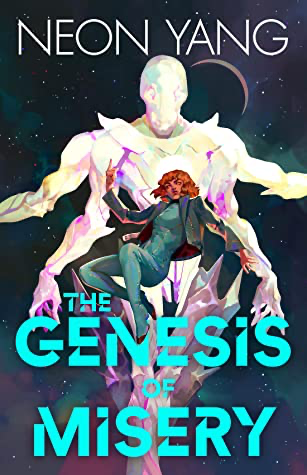
The Genesis of Misery – Neon Yangthe title already sounds like something that Chelsea Wolfe would name an album, but even if that weren’t true, this novel is chock-full of fiery forges, prophetic madness, and the voices of angels (or are they?)

Since this post consists entirely of songs, consider all of them to be today’s song.

That’s it for this week’s Sunday Songs! Have a wonderful rest of your day, and take care of yourselves!
Posted in Sunday Songs

Sunday Songs: 11/12/23

Happy Sunday, bibliophiles! I hope this week has treated you well.

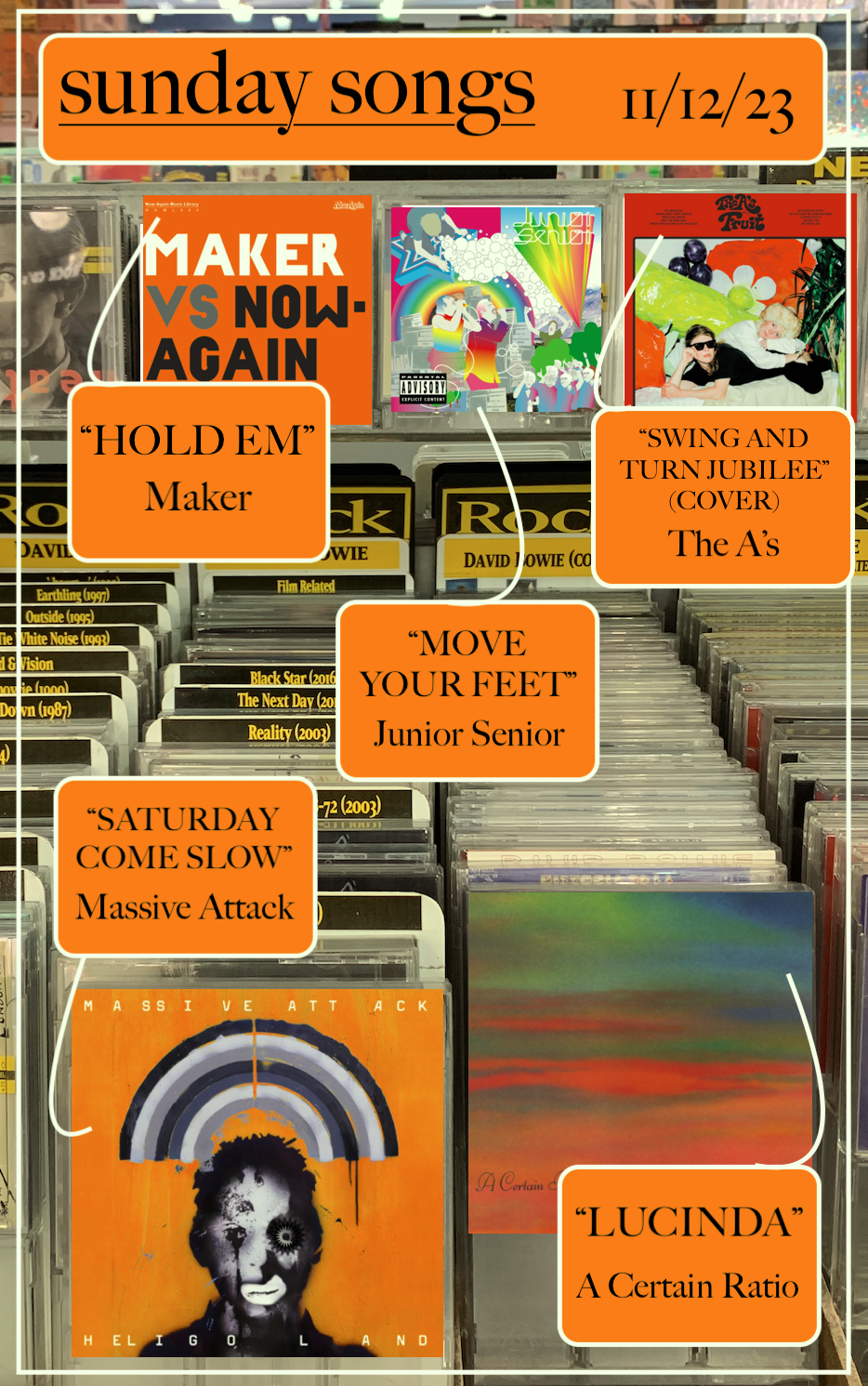
11/12/23: another satisfying date where the month and the day add up to the year. Glorious. Savor these days. And to soundtrack those days, why not listen to some nice, orange songs? (Half of which I stole from Wilco’s pre-show playlist, but that’s beside the point).

Enjoy this week’s songs!

SUNDAY SONGS: 11/12/23

“Saturday Come Slow” – Massive Attack

CONTENT WARNING FOR THE MUSIC VIDEO: most of the music video consists of an interview with a former Guantanamo Bay prisoner recounting the torture and inhumane conditions of the prison, so if this is triggering for you, proceed at your own discretion. That part of the video begins at 3:32.

I’m slowly (no pun intended) getting into Massive Attack, mostly thanks to my brother and my dad. This one is all thanks to my brother, who confessed to us while we were in line for Peter Gabriel last month that he had no idea until then who was singing on the track. His first thought was Gruff Rhys (makes sense), but apparently not—Damon Albarn does the lead vocals for this song.

That was all the convincing I needed to download it. You know me.

I’ve noticed a phenomenon in any later Damon Albarn project (of which there have been two this year) where there’s a point where it ceases to sound like Gorillaz or Blur, and just sounds like Damon Albarn. Gorillaz usually remedies some of this with its rotating cast of guest features, but on something like Blur’s newest album, The Ballad of Darren, there’s very little to distinguish it from his solo work. As I said in my initial thoughts on the album back in July, it’s still good music, but it lacks what makes Blur Blur, even though all the moving parts are present. But how does that flip when Damon Albarn is the feature instead of the one in charge of the features? “Saturday Come Slow” has an aura to it that could only be produced by the likes of Massive Attack; the slow build of it has an unmistakable air of foreboding, as if the Saturday coming slow is a shadow wiggling its too-long fingers over your shoulder. Fitting that Albarn croons about “the limestone caves/in the southwest lands,” imagery that calls to mind barren, sheer things towering over you. It’s a kind of eery creeping that meshes with the howling echo of his voice, but that you don’t quite get with Gorillaz or Blur; Gorillaz can get plenty spooky in a fun way, but they were never meant to be creepy—they’re a pop act at heart, and even though they’ve tread territory that pop hasn’t normally trod on for the 20+ years they’ve been active, it doesn’t have the foreboding build of this song. Blur, on the other hand, got plenty weird and unnerving in their experimental years (see: “Caramel,” “Trailerpark”), but their brand of unnerving came more from the claustrophobic atmosphere of off-kilter samples and synths that built up its cramped exoskeleton. The dread of “Saturday Come Slow” comes from how spacious it feels—like those limestone caves, that sense of foreboding comes from the primal sense of being surrounded by something larger than yourself—and being walled in by it, with only the echo of your voice to accompany you.

“Lucinda” – A Certain Ratio

This is the first of two songs this week that I stole from the playlist that played before Wilco’s phenomenal show at the Mission Ballroom back in October. An indicator of a really good show can be found in its playlist—if you keep going back and forth between you and everyone else who came along trying to Siri every song that comes on, then you know it’s gonna be a good show. Same thing happened with when I saw Spiritualized last year. That whole playlist was in heavy rotation for a solid month and a half afterwards. (Lesley Gore and Daniel Johnston: duality of man.)

The first thing that anybody has to notice about the song is the bass. That bass. Sweet Jesus, it’s so good. “Lucinda,” once the chorus kicks in, has not one but two basslines, all working in the thicket, most delicious tandem possible. Jez Kerr leads the charge with a sound that feels thick enough to cut with a butterknife—it propels the sound to new heights, taking what might have otherwise been a bare-bones, post-punk dance song to something hypnotically head-nodding. The bass might as well be the vocals—Martha Wilson’s tight vocals are soft and fleeting, but it’s Kerr’s bass that really takes center stage in “Lucinda.” It’s more than a head-nodder—it’s a whole-body-swayer, buttery and enigmatic enough to send waves through your whole system. Thanks, Wilco.

“Hold Em” – Maker

I’m not like other girls…I didn’t find out about this song through Abbott Elementary. I found out about it through my mom, who…found out about it through Abbott Elementary. It’s good stuff. The song and Abbott Elementary, from the laughter I’ve heard from the bedroom whenever she watches it.

Whatever the case, “Hold Em” was destined for theme music from the start. The beat and instrumentation has that kind of meticulous touch to it. Smooth really is the best word to describe it: the groove that persists through this song never wanes, but never feels the need to amp up the intensity. With the persistent but boxed-in drumbeat and the humbly soft bassline, it lulls you into an instant rhythm, but the kind of rhythm understated enough to allow for some freeze-frames and title screens as the opening credits roll through. And yet, it never feels understated: it’s bold. It feels like there’s constant pops of color bursting through your ears. It’s infectious. And that’s what would make it a great theme song: catchy enough to remember, but smooth enough to share the stage with a visual element.

“Move Your Feet” – Junior Senior

I have nothing to say for myself. It slaps. Just Dance 2 and its effects on society.

Look, the original spot for this slot was gonna be “The Day I Tried to Live,” but I figured we’d stave off that depression for a few weeks. I’m going to talk about it eventually (because it’s still a fantastic song), but it’s getting dark at 5pm and I still haven’t adjusted. We don’t need that energy right now. Move your feet. Feel united.

“Swing and Turn Jubilee” (cover) – The A’s

We’ll end on a softer note with the other song that I stole from Wilco, or, at any rate, whoever was behind their playlist. Drastically different than “Lucinda” (and most of this week’s songs), but nonetheless beautiful.

In the style of Kim Deal, The A’s are a side project of a side project; consisting of Amelia Meath and Alexandra Sauser-Monnig, the A’s came about after both of them took breaks from previous bands and solo careers—they both hail from North Carolina and had crossed paths in the music industry, and thus this project came to be. I haven’t listened to any of their work (save for…[checks notes] Sylvan Esso? That Sylvan Esso? The annoying Sirius XMU Sylvan Esso? Can’t be…) outside of this band, but the two of them together made for hauntingly beautiful harmonies. Watching them on their recent Tiny Desk Concert solidifies the image even more—they’re like charmingly unnerving cartoon characters, with their matching leaf-print dresses, black lipstick, and giant sunglasses. I wouldn’t be surprised if they eventually became those old ladies from Coraline in their latter years.

“Swing and Turn Jubilee” is part of their album Fruit, an album of almost all covers (save for the original song “When I Die”), ranging from cowboy and folk standards to Shelley Duvall (more on the latter in a few weeks, mark my words). Some of the other songs that they performed on Tiny Desk definitely get too into that yodel-ay-hee-hoo, Buster Scruggs a-capella vibe for me, but in any case, there’s no denying the magic that happens when their harmonies collide. “Swing and Turn,” even if I hadn’t first heard it from Wilco, would have been an instant stand-out, if a quiet one; their performance is just their voices, Sauser-Monnig on guitars, and Meath making percussion by tapping her thick-soled sneakers into a basket of stones. Doesn’t get much folkier than that. Most of these kinds of Appalachian folk songs that I hear from movies or from covers (so covered that the original songwriter is lost to time) are the kind that have a kind of desperate, underlying sorrow to them that permeates even the sweetest love song. Living in the bare bones of the U.S. just does that to a person, I guess. But there’s something about this take on “Swing and Turn” that turns the sorrow into tenderness. It doesn’t give me that icky, Dust Bowl malaise; to be fair, most iterations are faster and more upbeat than most other songs of its ilk, but the restrained, slow pace of The A’s take on it fooled me into thinking so. But it’s partly due t how plainly sweet the lyrics are: “Hardest work I’ve ever done/was working on a farm/Easiest work I’ve ever done/was falling into your arms.” The gentle honey of Meath and Sauser-Monnig’s soft harmonies seem to take me in their arms themselves, like I’m being rocked to sleep.

Either way, these kind of modern folk covers are just begging to be put somewhere in either Fargo (NEW SEASON IN A WEEK AND A HALF WHO’S HYPED) or the next Coen Brothers project. If your whole deal is melancholy covers of already melancholy and unnerving folk songs, you’re just asking for it, at that point.

Since this week consists entirely of songs, consider all of them to be today’s song.

That’s it for this week’s Sunday Songs! Have a wonderful rest of your day, and take care of yourselves!