Insert panicking about how 2025 is already halfway gone, yada yada yada. It’s always jarring to get to that point after you’ve spent the first half of it relatively unaware, but honestly? Given the truly magnificent shitshow 2025 has been…good riddance.
Let’s begin, shall we?
GENERAL THOUGHTS:
My school got out jarringly early, which was nice, but part of me is still reckoning with the fact that “summer” has now expanded to fit all but the first week of May in it. I shouldn’t complain. It’s given me a lot of extra time to read and do all of the things that I lamented not being able to do while I was in school. I picked back up with guitar lessons, started improving my knitting, listened to several amazing albums (while knitting), and honed down my drawing. It’s all I can do to keep the anxiety/boredom-depression that starts threatening to consume everything once I get too into a routine, but I’ve got a part-time job, so I’m throwing as much as I can at my brain to keep it occupied.
And Jesus, it’s hard to keep it occupied. Nothing’s changed since my last wrap-up, and my constant state of teetering over the edge of snapping thanks to the news is ever-present, especially this month (FUCK TRUMP AND GET ICE OFF OUR STREETS). There’s nothing like being on vacation and appreciating the splendor that Colorado’s public lands provide us with and then seeing that a bunch of senators wanted to sell off millions of acres of that “undeveloped land”. At least they’re not quite as on that anymore, though I urge everyone to keep the pressure on them, because there are far too many issues that they’re either exacerbating or ignoring. But especially during Pride Month, I have to remind myself that taking care of myself and giving back to my community is an act of resistance, especially as a queer, neurodivergent person, because a) the government doesn’t want us to exist (because why else would THEY SHUT DOWN THE LGBTQ+ SUICIDE HOTLINE? Inexcusable, comically mustache-twirling, depraved evil right there), and b) they want us to be over-individualistic so that we ignore what connects all of us.
But it hasn’t been all freaking out, I promise. I went on a lovely road trip to Crested Butte with my family, and I spent a week up in the mountains looking at so many wonderful wildflowers. Getting back to both my family and my hobbies has made me more centered—the foundation is still wobbly (because of…everything), but I can always count on them to keep me grounded and keep me in the present. I found solace in my community during Pride Month, though I didn’t end up going to any of the local parades because of either plans or the heat. (Denver, I love you, but I’m not standing out in 90+ degree heat. I’m here and I’m queer, but I’m also really pale and don’t want to get excessively sweaty or sunburned.) My existence is an act of resistance, and as much as I can, I will use it for good.
If anything, it’s at least good to have a summer where I actually have movies to look forward to (definitely Superman, and I’m on the fence about Fantastic Four, but I’ll see it, if only for Cousin Thing). Y’all…The Phoenician Scheme. It’s so beautiful, dude. Wes Anderson is physically incapable of making a bad movie. Go see it. GO SEE IT.
Also, I managed to knit my first functional thing in mid-June…here’s this bag I finished up before my vacation!
My magnum opus. Obviously. I’m now keeping a paused knitting project in it, so I hope it’s not one of those “gingerbread man living in a gingerbread house completely oblivious to the fact that he lives in a house of his own flesh” situation. I try not to think about it.
MAY READING WRAP-UP:
I read 13 books this month! In an absolute whiplash of ratings, I had two DNFs and two 5-star reads this month, but between them, there were some great reads. Surprisingly, the nonfiction books (both of which had red covers, coincidentally) were the stars this month!
I read 16 books this month! Even with my part-time job, summer has given me more time to read, which is always welcome. Although there were some misses in the mix, I had a great bunch of (mostly) queer reads for pride month, both from familiar and new authors!
I’ve had several of Mike Chen’s novels floating around my TBR for quite some time. I’d forgotten that I’d read a short story of his in From a Certain Point of View: The Empire Strikes Back, and I figured I’d give his novel-length writing a try. Plus, I was just in a sci-fi mood (as I always am). Despite the flaws that dragged down the premise, Light Years from Home was an ambitious novel that blended genres and didn’t shy away from being messy. Whether it successfully cleaned up its messes, however, is up for debate.
15 years ago, the Shao family was thrown into disarray. Jakob, the only son, and their father disappeared. Their father later returned, dazed, disoriented, and convinced that he and Jakob were abducted by aliens. He died soon after.
Jakob has been missing for over a decade now. Sisters Evie and Kass haven’t spoken since the incident, with Evie diving into alien conspiracy theories and Kass throws herself into her work and caring for their aging mother. But when Jakob returns, parroting their late father’s theories about alien abduction, the sisters have no choice to bury the hatchet and reunite. As Jakob’s story grows wilder and the rift between the sisters widens, they must contend with the possibility that all of this may be true—but can Jakob be trusted? And if his story is true, what does it mean for the fate of Earth?
TW/CW: death of a parent, grief, dementia themes, substance abuse (smoking, drinking)
In the acknowledgments, Mike Chen says that this story was initially inspired by “Red” by Belly, and I’m tempted to give it another half a star just because I’ve never heard anyone outside of my immediate family or Pitchfork talk about them. The title also makes me think of The Rolling Stones’ “2000 Light Years from Home,” but that’s a vague enough title that it could be a reference to a lot of things. Although Belly didn’t save every flaw, Light Years from Home is a solid meld of science fiction and realistic fiction.
Light Years from Home has one of the most compelling beginnings of a book that I’ve read recently. You’re thrown right into the action aboard a Seven Bells spaceship in a classic space opera setting. Jakob cradles his alien comrade in his arms as they die, and thus begins his perilous quest back to Earth. But the reader and Jakob are the only people who know about this—the only other character who did (their dad) is notably dead. It would’ve been easy to just have the characters not believe him, but Jakob is already established as an unreliable person—his real life experience sounds suspiciously like an outrageous lie he would’ve told in his college days, which gives the characters both more obstacles to overcome, but more of their messy family dynamic to dissect. In terms of plot, Light Years from Home was a great study in not taking the easy way out—everything was messy and tangled, making for a book that had lots of drama and hurdles to pick apart.
Every single member of the Shao member was on the obnoxious, insufferable side (save for maybe Evie), but Chen did a great job of capturing the complicated family dynamic in the novel. Fifteen years after Jakob’s abduction, the wounds remain raw, and not a single member of the family has recovered from the fallout. Although I wasn’t satisfied at all with the character development of…well, any of the family (I’ll get to that later), Chen did an excellent job of weaving together all of the contrasting beliefs, motivations, and traumas that each family member had. All of them dealt with Jakob and their dad’s disappearance and death, respectively, in wildly different ways, and their coping mechanisms butted heads over the course of the novel. Even though this was ultimately handled poorly at the end, I did also appreciate the sensitive depiction of their mom’s dementia; Chen did a very respectful job of depicting the emotional impact of her memory loss and not being able to recognize her own children.
For all of the focus on the messy Shao family, the promised character development that their dynamic hinged on was not delivered on. There should’ve been plenty of conflict with Jakob reckoning with the man he was on Earth versus the man he was while serving in space with the Seven Bells, yet none of that happened. All of his character development happened off-page, resulting in a character that came off more flatly than I think was intended. Likewise, Kass and Evie were set up for significant development, but nothing happened with them either. Evie’s beliefs were reinforced and she and stayed static throughout the novel, not giving up her fantasies of aliens for the sake of the family. The closest Kass got, if you could call “okay, I guess aliens do exist” character development, was a brief revelation that even though she’s a therapist, that she doesn’t know everything about herself or her family, and that she shouldn’t pretend to know everything. That last half of my sentence amounted to about a paragraph around 50 pages before the novel ended, and it felt like entirely too little too soon. In the end, the character development was a jumble of unfulfilled promises—we got the shells of what could’ve been nuanced characters, but despite the bizarre journey they went on, they came out the exact same as they were before.
Also…I’m sorry, what the hell was that ending? Somehow, it was one of the most anticlimactic parts of the whole novel, and weird in ways that didn’t make sense. Jakob returns to the Seven Bells, but there’s hardly any fanfare or even extended moments of grief from the sisters, even though their brother has just decided to spend the rest of his life in space and never see them again. There wasn’t nearly enough emotion to it, and nor was there page time—this moment only gets around 4-6 pages tops. Instead of an emotional resolution with her daughters, the mom somehow un-dementias herself and remembers everything, and is also eerily content with her only son’s decision to spend the rest of his life in space. It all just felt so rushed and emotionally stunted compared to the rest of the novel, and not nearly as detailed as it needed to be. Weird is the only way to adequately describe it. I felt lost, but also robbed of what could’ve been something so bittersweet. I feel like it’s partially a side effect of none of the characters having any character development, but it felt like such a lack of a resolution. It was practically a non-ending.
All in all, a sci-fi/realistic fiction blend that embraced messiness in both plot and character, but had significant trouble with cleaning it up. 3.5 stars!
Light Years from Home is a standalone, but Mike Chen is the author of several novels. He has contributed short stories to From a Certain Point of View: The Empire Strikes Back and Return of the Jedi, and the full-length novel Brotherhood to the Star Wars universe. He is also the author of We Could Be Heroes, Vampire Weekend, Here and Now and Then, A Quantum Love Story, and many more novels for adults.
Today’s song:
NEW MARY IN THE JUNKYARD WOOOOOOOOOOO
That’s it for this week’s Book Review Tuesday! Have a wonderful rest of your day, and take care of yourselves!
Update: I do have something nice to say, so I’ll say something. Beyond the heinous Studio Ghibli AI trend (and if anybody here thought that was “cute,” even when the White House twitter did it, get thee away from this blog), people tend to narrow Studio Ghibli down to a very shallow, cutesy aesthetic that discounts the heart of Hayao Miyazaki’s incredible visions. Rebel Skies was one of the few pieces of media inspired by Miyazaki that clearly gets him—rich worldbuilding with whimsy and darkness in equal measure. Yet even if you take that comparison away, Rebel Skies is a YA book to be reckoned with, full of heart, spirit, and skyships.
In the Sky Cities, no one is more revered—and feared—more than Crafters: those who possess the power to draw magic from paper and make creatures come to life. Kurara, a young servant aboard a flying ship, has barely honed her powers, only using them for party tricks. But when her best friend, Haru, is revealed to be a Shinigami—a creature made of paper—and grievously injured, Kurara flees to a skyship in order to find answers. There, she hones her Crafting with Himura, an ornery Crafter with secrets of her own. As she gets to know the motley crew of her ship, Kurara discovers that Haru’s identity isn’t the only secret that’s been kept from her—and that there are enough to bring down the Empire.
TW/CW: fire, animal death, torture, death, descriptions of injury
Ann Sei Lin seems to know as well as anyone that we need a bit more whimsy in YA fantasy. The edgelord stuff has gotten boring. It’s fantasy, come on now! I get that if magic was the norm, people might not be impressed by it, but there has to be some wonder in your life, right?
First off, the worldbuilding was tons of fun! Though the Studio Ghibli-inspired elements are plentiful, if I had to summarize the world of Rebel Skies, it wouldn’t be with that. If anything, it’s more of a steampunk version of Kubo and the Two Strings. You’ve got Nausicaä-esque airships and floating cities (which both felt very Philip Reeve as well) combined with paper-based magic, and all of the possibilities you can think of along with it—paper animals, paper people, and monstrous paper beasts. (Oh, and the paper animals can talk. Gotta toss some talking animals in there.) I’m not usually one for steampunk, but this isn’t your garden-variety “slap gears and tiny hats on everything in Victorian England and call it a day” steampunk—not only is the world inspired by Asian cultures (mainly Japan), the blend of magic and machinery married easily, and often whimsically. Though the colors I imagined trended towards rusty and earth-toned, Lin couldn’t have made her world more vibrant—and multilayered; not only were there base-level divisions between the people who lived on the ground and the people who lived in the sky, there were all sorts of customs, stereotypes, and quirks that were given to each, which in turn influenced how all the mismatched patchwork of characters interacted with each other.
For me, it doesn’t get much better than the worldbuilding informing the themes of the book. Not only did I love all of the intricacies of the paper magic in Rebel Skies, I love how Lin used it to explore the theme of autonomy, and especially the lack of it. Kurara herself has been ordered around as a servant, and she sees the same thing being done to the magical beings around her; she sees how Himura treats Akane, his shikigami fox, and questions whether or not he’s really so content to devote his entire existence to serving Himura. Add that to the visceral trauma of discovering that her best friend is made of paper and has been seemingly puppeteered from afar, and the reigning empire is performing cruel experiments on its shikigami, and Kurara’s ultimate motive to both her personal journey and her journey to wrong the rights of her world lies in autonomy, and having a reciprocal, ethical relationship to her magic. It’s an excellent metaphor and an excellent addition of nuance to the worldbuilding—if the world relies on unbalanced relationships, how can I shift them so as not to do to others what others have done to me?
You all know by now how much of a sucker I am for a good found family story, and while Rebel Skies didn’t completely fulfill that promise, I love the group dynamic between all of the characters. Even though the subplot of Sayo and Kurara warming up to each other felt a bit rote, I liked the progression that their characters had. Kurara and the rest of the pirates were lots of fun, and they gave the skyship a lively, lived-in feel. I’m also a sucker for the trope of older, gruff characters taking excitable younger characters under their wing; Himura was a solid addition to the canon, but I feel like he’s hiding too much to truly be a mentor to Kurara. I’m interested to see where it goes in Rebel Fire, but my gut says that it’s going to be some kind of subversion. We’ll see. Either way, Rebel Skies’ motley crew lived up to its description, making the setting all the more lively and adventurous.
As someone who read voraciously in my childhood and longed for some kind of bridge between middle grade and the too-broad age range of YA (12 to 18 is so arbitrary and baffling, you’ll not hear the end of it from me), Rebel Skies automatically won me over. It’s categorized as YA, but it feels right in the middle of MG whimsy and adventure and more YA stakes and themes. Kurara, even as a teenager, has a childlike sense of wonder, and although some of her interactions came off as slightly more childish than her age, it hits a charming balance of innocence and discovery that feels like the ideal bridge between the age jump between the two categories. As a longtime YA reader, it hits a natural sweet spot, but in its balance of darker, more YA elements with the same kind of voice as older MG, Lin has written a book that could serve as both a younger YA reader’s introduction to the genre and an easy pleaser for the YA reader.
That being said, the one major flaw in Rebel Skies is that I didn’t see why Himura’s POV was necessary. He was a solid character, but this novel was clearly Kurara’s story. I enjoyed hearing his voice and Lin wrote it well, but I don’t think his input to the story served a purpose other than giving his side of events…that we’d already been shown through Kurara’s POV. We get that Kurara’s been slow in her training, and then Himura repeats it as such. We do get plot information that we wouldn’t have otherwise gotten from Kurara, but if that’s the only reason that Himura gets his own chapters, then what’s the point? There could be multiple interesting ways for Kurara to get this information that could deepen or complicate the relationship she has with Himura—she could overhear a conversation or sneak a look at some of his documents, for instance, and he could catch her in the act, adding more conflict to the plot. Again, he was a perfectly fine character, but aside from the interludes, Rebel Skies wasn’t meant to be a dual-POV novel. It’s the Kurara show, c’mon!
Overall, a memorable fantasy book with lush worldbuilding, a lively cast of characters, and a unique voice that balances middle grade adventurousness with the more matured nuance of YA. 4 stars!
Rebel Skies is the first book in the Rebel Skies trilogy, followed by Rebel Fire and Rebel Dawn. Rebel Skies is Ann Sei Lin’s debut novel.
Today’s song:
I’m totally new to BCNR, but I saw them open for St. Vincent the other night, and they were great performers!! this was probably my favorite of theirs.
That’s it for this week’s Book Review Tuesday! Have a wonderful rest of your day, and take care of yourselves!
Saying that a certain Björk album feels bolder or more in-your-face than others feels redundant because most of them trend towards that direction. According to Sonic Symbolism, Volta was about being upfront, brightly-colored, and loud—in her personality, in her life, and in her political views (see: “Declare Independence”). Volta’s still in the weeds as far as my album bucket list goes, but I love the distinct flavor of it—flat neons and confidence. “Innocence” is a whole feast for me to pick apart in terms of sound. It stomps all over the place, leaving an asymmetrical trail in its wake, angular and herky jerky, but never more sure of itself. It’s the kind of song that makes me think that Björk’s suit on the album cover (designed by Bernard Willem) is about to turn into some kind of mech suit with flag-shooting cannons for hands. This is one of the songs on Volta that was produced by Timbaland, giving it a chrome-like sheen that could almost be pop, but could never deny the inherent weirdness that is Björk. At the beginning, the synths speed up as though winding up for a punch. The angular rhythm is an ouroboros, constantly made and remade again against Björk’s smoother vocals. There’s even a bit at 2:13 that I swear sounds like the Severance elevator noise. Every listen brings something new to the table—there’s all manner of Easter eggs lying around.
Lyrically, I can’t help but think of Debut. “Innocence” is a reckoning with the fearlessness of youth: “When I once was untouchable/Innocence roared, still amazes/When I once was innocent/It is still here, but in different places.” It’s hard not to think of the 1992 Björk that sang of “go[ing] down to the harbor/and jump[ing] between the boats” and ecstatically declaring that there was more to life than this. But the kind of confidence that she maintains at the time of “Innocence” is balancing that excitable youth with the fears that came as she matured: speaking to The Sun, she called the song “A handshake with fear.” For her, fear makes fearlessness even more tantalizing—now that she’s known the grips of it, she appreciates it even more. Even so, it’s still an extreme, but so is fear: “Fear of losing energy is draining/It locks up your chest, shuts down the heart/Miserly and stingy/Let’s open up: share!” Man. Did I need to hear that…for the millionth time. I feel like I’m the reverse, somehow. Of course, I’m not nearly at her maturity level, but I’ve been cautious my whole life. Still am. Fearlessness is freeing, and I only find that I can appreciate it when I have those fears right in front of me: I can see them, acknowledge them, and throw them to the wind, if only for a moment.
BONUS: The video above isn’t the official music video, but the 1st place winner of a fan contest that Björk held to make a music video, created by Fred & Annabelle. Here is the 2nd place winner for the video contest, made by Roland Matusek (Björk Kart?)
…as well as Björk talking about the inspiration behind the animation contest:
It’s been about a year since I finally listen to all of Diamond Dogs in full, and I’m still blown away by how much David Bowie’s storytelling had developed. Throughout his life, Bowie accumulated an extensive library, often bringing books along with him to read on tour. (If you’re interested, John O’Connell compiled a list of some of the books that impacted him the most in Bowie’s Bookshelf. It’s a great read.) The more I think about it, the more I realize that Bowie approached songwriting like an author—whether or not there was a linear narrative, like the story of Hunger City in Diamond Dogs, he had not just melody in mind, but the exact emotion to wring out of which characters and when, and which motifs and allusions to scatter throughout. Obviously, these elements can exist outside of the realm of literature, but it’s so distinct from any given Bowie lyric, much less “Sweet Thing,” that he was a literary-minded man. No wonder I connected with him instantly.
In terms of Diamond Dogs’ tracklist, often with songs that are directly chain-linked to the others, I’m partial to “Future Legend/Diamond Dogs” (my favorite album opening of all time…nothing will ever go harder than that), but “Sweet thing” is the emotional core of Bowie’s narrative, without a doubt. Take a look at the first verse: “It’s safe in the city/To love in a doorway/To wrangle some screams from the dawn/And isn’t it me, putting pain in a stranger?/Like a portrait in flesh, who trails on a leash?” MAN. Glam rock had roots in theatre and the dramatic from the start, but this is one excerpt from Diamond Dogs that would have felt right at home on stage. As one of the entries in Bowie’s failed 1984 musical adaptation, it’s a loose twist on the ill-fated romance between Winston and Julia in Orwell’s novel; Bowie had to make some changes after the musical was dead in the water, rendering the characters nameless and the woman, seemingly, into a prostitute. Under the watchful eye of the “knowing one,” a kind of panopticon surveillance a la Big Brother, the narrator and the prostitute share painful, ill-fated, but fleeting love: “I’m in your way/And I’ll steal every moment/If this trade is a curse, then I’ll bless you/And turn to the crossroads…” With the imagery aplenty of doors and doorways, it’s an affair steeped in transition, an air of impermanence and separation present in every bittersweet moment. Bowie sells it all with one of the album’s most heart-wrenching moments: he draws out “Will you see/That I’m scared and I’m lonely?” with a stabbed, bleeding heart, hand outstretched, with full on musical theater drama. Yet never once does it feel false—Bowie can’t help but let some sincerity slip through the metric ton of personas and fiction. Alan Parker’s guitar soars in true glam-rock fashion, and somehow, the saxophones never feel out of place; Bowie’s world is all brass, rust, and forbidden love—a world fully realized that burst from the shell of Orwell to become a myth all its own.
BONUS: for the full experience, here’s the full story, told in a joining of “Sweet Thing,” “Candidate,” and “Sweet Thing (Reprise)”:
…AND A BOOK TO GO WITH IT:
Rakesfall – Vajra Chandrasekera – the 1984 pairing has run its course at this point, so here’s a story of epic-like love spanning across space and time.
Another amazing find from my dad, “Pet Rock” thrives on being propped up. The music video shows a variety of pet rocks being set up and placed around a miniature dollhouse fitted with all manner of retro furniture, tiny instruments, and mini versions of L’Rain’s album I Killed Your Dog. (Now that’s a title for you…what’d you have to do that for??) The music thrums with distortion, barely contained chaos with a bubbly, Crumb-like atmosphere, faintly on the verge of psychedelic collapse. Taja Cheek’s vocals, like Lila Ramani, flicker in and out of clarity—the only time a finger pokes through the haze is when the guitar, before the instrumentals start unraveling, almost tricks you into thinking that there’s a light at the end of the tunnel. Like the dollhouse, “Pet Rock” has the feeling of a neon-colored haunted house (new Meow Wolf concept?)—everything appears structurally sound, but there’s all sorts of weirdness drifting just out of earshot.
The lyrics take a similar turn: after speaking of being propped up like said rock “Why would you go without me?/And make me something else?”), the lyrics go from a faint dread to something outright sinister: “Like a dead girl with shades on/Propped up by captors/I’m fine/I’ve got no one to talk to.” HUH?? Cheek told Alternative Press that the story was inspired by “an old story I’d been told about a woman who was riding the train but looked strange, and the reader eventually figures out that she’s dead, with glasses on, being propped up by the people that seem to have harmed her.” There’s a solid manipulation metaphor for you—rock or human, you’re not alive, just a nice little dolly to be moved around the dollhouse in whatever way suits you.
It’s just a rock! Or not quite, this time? Rocco takes a stand?
…AND A BOOK TO GO WITH IT:
Ninth House – Leigh Bardugo – “Like a dead girl with shades on/Propped up by captors/I’m fine/I’ve got no one to talk to/It’s all my fault, I know…”
I seem to gain a tolerance for more uptight songs once I get older, but in retrospect, “Blossom” gets less uptight the more I listen to it. Sure, it’s about as high-strung as The Feelies, but it’s got this ’60s girl group feel to it that makes it inherently more playful. Komeda seems to fall into a kind of indie, ’90s niche taking their cues from the bubblegum pop from the ’60s (see also: The Rondelles); it’s jangly as all get-out, and features an almost Fred Schneider-esque chorus of spelling out “B-L-O-S-S-O-M” like a cheerleader’s chant. I’d argue that Komeda’s voices aren’t quite as enthusiastic as their forebears (and the instrumentals), but it’s got that vibrant, candy-colored spirit of the ’60s with a distinctly ’90s production—it’s much more fun now that I’ve revisited it.
What makes this song infinitely better for me is the fact that, under the title “B.L.O.S.S.O.M.,” this song was on Heroes and Villains, an album of songs inspired by The Powerpuff Girls, alongside The Apples in Stereo, Devo, Dressy Bessy, and Frank Black…what a time to be alive. This version is re-recorded, sped-up, and drum-machine-ified, and doesn’t resemble a whole lot about the original. The more electronic version isn’t jangly at all, but the very early 2000’s, rapid-fire instrumentals mesh with the 2d, supersonic speed of the Powerpuff Girls. I’m partial to the original, but at least you’ve got this absolute banger from The Apples in Stereo, right?
…AND A BOOK TO GO WITH IT:
Ocean’s Godori – Elaine U. Cho – vibrant, fast-paced, and with the kind of spaceships I can imagine blasting Komeda through their speakers.
I wasn’t here to witness it, but it must’ve been such a jarring shift in the ’90s when the Cure became more embraced by the mainstream. My parents talk about how maddening it was to have their special, alternative music be ignored or made fun of in the ’80s and then all the normies started singing along to “Friday I’m In Love.” Jeez. The Cure could always make an incredible pop song, but it never ceases to baffle me that they went from being relatively underground to selling out arenas in such a short period of time. Now that rock is less adjacent to the mainstream these days, I can’t say I’ve had an experience that mirrors it. The only thing I can think of is all of the members of boygenius getting huge, but they aren’t nearly as weird as the Cure were. The eternal battle: wanting people to appreciate your weird music, but wanting to gatekeep it at the same time…
I can’t fully grasp the kind of frustration my infinitely-cooler-than-me in their ’20s parents had when Wish came out back in 1992. I fully adore “Friday I’m In Love,” even though I can recognize that it’s leagues less weird than the more creative parts of their catalogue. But if the fact that I remember “High” to this day must prove that they weren’t all that resentful. “High” was a mainstay throughout my childhood in many a car trip—I distinctly remember mishearing “licky as trips” as “licky as chips” (those damn Brits) and Robert Smith meowing (can you really have a Cure song without it?). I’m charmed to this day about the way Smith makes adjectives into nouns with each lyric—”sky as a kite” or “kitten as a cat” makes perfect sense in his lingo. What strikes me now is that The Cure, even at their darkest, always kept true to having emotion at their core. They were dramatic and goth, but they were always in touch with whatever was at heart, and painted it in every complicated color. “High,” like “Friday I’m In Love,” is proof that they can be just as sugary and playful as they can be brooding and raw, but to an extent, all of it feels true to them. Like the subject, who’s “happy as a girl/limbs in a whirl,” “High” is The Cure in a dreamy, lovelorn state, adrift in the clouds in the throes of ecstatic love. It’s not their most emotional love song, but it’s got a similar purity as “The Perfect Girl” or “Just Like Heaven”—”High” feels like a spiritual successor of that emotion, even if it’s not fully on the level of the latter two to me. To this day, this track remains as warm as sand between my toes or afternoon sunlight heating up the glass of the back seat of a car.
…AND A BOOK TO GO WITH IT:
Across a Field of Starlight – Blue Delliquanti – “And when I see you take the same sweet steps/You used to take, I say/’I’ll keep on holding you in my arms so tight/I’ll never let you slip away…'”
Since this post consists entirely of songs, consider all of them to be today’s song.
That’s it for this week’s Sunday Songs! Have a wonderful rest of your day, and take care of yourselves!
I always feel bad whenever I come back after period of hibernation only to come back with a negative review. I just have to get it all out sometimes! I’ll probably have something nice to say by next week.
Say it with me, kids: just because a book has diverse representation doesn’t erase the flaws in its writing! Sadly, The Knockout was not the one-two punch that the title promised: it tried to hard to sound hip and teenager-y, and nosedived spectacularly.
Kareena Thakkar knows her power. She’s been building up her skills in Muay Thai, and she’s good enough to qualify for the US Muay Thai Open—an event that could take her to the Olympics if she wins. But even though it’s where her passion lies, Kareena is divided between her Muay Thai world, her peers’ desires for her to be traditionally feminine and act the way a good Indian girl should. With her ill father and the Olympics on the line—as well as a cute boy, Kareena must decide which world she’d rather stay in—or if she needs to divide those worlds after all.
TW/CW: bullying, terminal illness, misogyny, medical content
Look. I read YA frequently, knowing that it’s a market of books about teenagers mostly written by adults. Even by that standard, I haven’t read a book so deeply how do you do, fellow kids? as The Knockout in some time. I wanted to badly to root for Kareena, but her insufferable voice—and by extension, Patel’s writing—made it a real ordeal.
Kareena’s voice was the most glaring issue that The Knockout had. Firstly, she didn’t sound or act like a 17-year-old. If anything, between her language and her maturity, she sounded closer to 13 or 14. The kind of stiff, teen movie comebacks she doled out to her bullies were nowhere near the kind of experience a person would have at 17—especially someone who had been through as many struggles as her. In my experience, what you need to do when writing teenagers (or any character who’s younger than you) is to emphasize how you (or your peers) remember feeling—what you’d prioritize, what was important to you, how you would react to situations, etc. Writing like a teenager is about the emotion, because there are a lot of them running around your brain at that age. Sure, it’s hard to nail the voice, and granted, I don’t have the age distance from Kareena that Patel has. But there’s lots of easy ways to not do it, and some of those are a) extensively leaning on what you think is “hip” slang, and b) automatically skewing the character’s voices as young as possible within the teenage range. Between the unnecessary censorship of cursing here and there and her childish outbursts, Kareena was not believably 17. Additionally, Patel’s insistence at integrating what she thought to be “current” Gen Z slang was painfully bad. If anything, it dated The Knockout leagues more than making it relevant. It’s not the teenage experience, but instead the teenage movie experience, simply parroting what adults think teenagers sound like. It positions itself as current and relatablewhile never encapsulating what it was like to be a teenager, making what should’ve been the heart of the novel hollow.
As with Kareena’s supposed 17 years of age, I was never convinced of the stakes in The Knockout. When Patel established how good Kareena was at Muay Thai, all it did was make Kareena feel unnecessarily overpowered. I normally only say that about fantasy or sci-fi novels, but she was just too good to the point that every fight she did seemed to be a fleeting moment of struggle before she absolutely pummels her opponent. This continued throughout the duration of the novel. Even though Kareena had the Olympics on the line, I never once got the sense that this was hard for her. Her training seemed to be the only time she struggled—other than that, she just flew through the US Muay Thai open without a problem. If she actually experienced tangible setbacks within her practice or the Muay Thai open, I would’ve been more motivated to root for her. Yet everything seemed to be handed to her on a platter, making the stakes feel almost nonexistent. I knew from the start that Kareena would get everything that she wanted, and while I appreciate the value of having diverse characters succeeding in their narratives, it made for a book with no stakes.
Bullying is a major plot point in The Knockout, but I don’t think that Patel succeeded in making all of it completely believable. As far as Kareena getting bullied by her other Indian-American peers for not being “Indian” enough went, that was one of the few parts of the book that was successful; unlike the main plot, it gave Kareena’s struggles some tangible weight. However, I wasn’t fully convinced that her doing Muay Thai was something so outrageous that she thinks that she’ll be bullied by the whole school for it. I get that it’s not a traditionally feminine sport, but with the way that Kareena talked about Muay Thai, you would think that she’s coming out of the closet. Even with the cliched interactions between Kareena and her peers, I just couldn’t imagine her being bullied for it, and not just because if someone were to slam her into a locker, teen movie-style, she’d slam right back. Kareena being a Muay Thai champion didn’t feel nearly as dirty as a secret as Patel lead us to believe, which made some of the novel’s more personal stakes less believable as well.
Additionally, I have mixed feelings about the romance between Kareena and Amit. It didn’t fully sidetrack the book for me, but I wasn’t fully invested either. I did like that Amit was instrumental in helping Kareena reconnect with parts of her Indian culture, but I don’t think he had much of a personality beyond what he did for Kareena. They seemed to have almost all the same interests, and Amit didn’t have anything to distinguish himself other than not doing Muay Thai. He was just a blank slate with similarities to Kareena baked in so that there could be some instant “chemistry” between the two of them. The only tension in the romance was when Kareena met his more traditional family, so the tension didn’t even lie with him—it was all outside factors that threatened the integrity of the relationship. The only differences I can really think of about Amit and Kareena is that he comes from a more traditional family and he’s…well, a different gender. That’s it. He wasn’t a person, he was just a boyfriend. I do think that this kind of story is good with a romantic subplot, especially considering that it’s YA realistic fiction, but like almost everything else in The Knockout, I could not get invested whatsoever.
That being said, I do have some positives for the book. I’ve seen a lot of books, especially YA ones, where the main character has to choose between their traditional culture and the more “appealing” American culture. The Knockout, by contrast, had Kareena be raised by two parents who weren’t connected to their culture in a conventional way—they were flexible with letting their daughter be who she wanted to be without sacrificing their Indian heritage in the process. Kareena was disconnected from her roots in some ways (which she begins to remedy in this novel), but both she and her parents emphasize that there’s no single way to be Indian. I can’t speak to any cultural accuracies, of course, but I loved this as a message for a YA book in this context—there’s no one way to be any identity, be it in terms of gender, ethnicity, race, or anything else. Paired with the expectations of femininity that society puts on Kareena, it’s a wonderful message. I also really liked that Kareena had a combination of multiple interests that weren’t traditionally feminine—in addition to Muay Thai, she’s also passionate about computer science. Sadly, all this was overshadowed by the flaws in most of the novel, but if you took all that away, at least The Knockout has something beneficial to say. I just wish it was said in a less cliched, more authentic way.
All in all, a book with a positive message if you soldiered through it, but was bogged down by childish dialogue writing and characters (even by YA standards) and a lack of all-around believability. 2 stars.
The Knockout is a standalone. She is also the author of several books for teens and adults, including Isha, Unscripted, The Design of Us, First Love, Take Two, The Trouble With Hating You, Sleepless in Dubai, My Sister’s Big Fat Indian Wedding, and the Venom series (A Drop of Venom and A Touch of Blood).
Today’s song:
That’s it for this week’s Book Review Tuesday! Have a wonderful rest of your day, and take care of yourselves!
Happy Sunday, bibliophiles! First off, a very happy Mother’s Day to my wonderful mom. She inspires me to be a better and more creative person every day, and I don’t think I’d be putting pen to paper (in the drawing and writing sense) nearly as much without her guidance and creative inspiration. So thank you for all your support, hard work, and love. I am so, so lucky. 🩵
School’s out, and it should be back to our scheduled programming soon enough. Of course, every time I take a break, I end up rambling tenfold to make up for the absence…apologies in advance. This is what happens when you let me get ahold of a new Car Seat Headrest album.
Since I’ve been in the finals doldrums for a bit, here are my graphics from the past few weeks:
The more I think about The Scholars, the more I realize that this is the extreme of Car Seat Headrest’s qualities. Will Toledo has always been a scholar, and a deeply self-indulgent one. I don’t mean that derogatorily at all—his songs are just packed to the gills with references: often Biblical and also encompassing musical and literary greats. Although his life is still interwoven within the narrative (“Is it you or the sickness that’s talking?” on “The Catastrophe [Good Luck With That, Man]”), The Scholars is a veritable library in and of itself.
Not only are the usual suspects of Biblical references and allusions to music and literature, and Toledo’s past work are there, but The Scholars is Car Seat Headrest’s furry rock opera, an omniscient epic taking place at the fictional Parnassus University. There’s a full summary of it in a libretto that’s only available if you buy the vinyl, but thanks to the saints at Genius who, I’ve been able to piece together some of the narrative; it consists of vibrant characters coming out of the closet to their parents, participating in various subcultures around the college, a rival clown college, and a band of punk troubadours. All this culminates in [checks notes] the Dean of Parnassus University getting poisoned after the students from the rival clown college invade. It’s a trip…but I wish it was more readily available! When I say that The Scholars is self-indulgent, I love it in the sense that Will Toledo has created such an inventive, sprawling world between the notes of this album, and that he’s let his ambition run wild, in terms of the scale of the story and the prog sensibilities of the album. He clearly appreciates the value of letting people solve riddles and puzzles, but he’s left hardly any clues to piece together the narrative if we don’t have the libretto. I’d just like it to be more accessible—not in the sense of being more “listener friendly,” but in the sense that I want to actually be able to access the story. There’s clearly so many layers to The Scholars, and I’m dying to know more of the nuance.
That being said, even if you don’t know the story of the Rise and Fall of CCF and the Clowns from Parnassus University, The Scholars is a treat. For the first half, I was almost duped into thinking that the band had almost dipped back into Teens of Denial territory, which was twofold. On the one hand, Teens of Denial has a deeply special place in my heart, a staple of my fourteen-year-old girlhood and one of my favorite albums of all time. After the missteps of Making a Door Less Open, The Scholars is a return to form in some ways. As good as the first half was, I was afraid that it was too much so—even with the rock opera behind it, songs like “Equals” did rather feel like the same stories of drugs and regret that populating Teens of Denial. Yet after “Gethsemane,” “Reality” takes a turn into the more sprawling—and always fascinating. Trading off vocals between Toledo and Ethan Ives, it plunges into pure, 21st-century rock opera, complete with the avalanche of drama and pounding guitars that comes in at around the five-minute mark. I swear that some of the chord progressions remind me of “Cosmic Hero,” another one of my favorite epics from the band, but it’s painted into an unending landscape. Through all eleven minutes, I get the feeling of the culmination of all of the story’s events before the climax—it’s a drawn-out feeling, but one of certainty: they can’t escape what they’ve made, and they must move forward with acceptance of their fate; the whispered utterance of “no stage left” feels like an admittance that they can’t see what they’ve done, but there’s no escape from the consequences: they can’t see the audience. I’m circling back to self-indulgence, but the term sounds so negative: this just feels like Toledo unleashing the multitude of narratives within him. Is it easy to sit down and listen to songs that are nearly 20 minutes long? No, even for me. Yet as esoteric as it is, “Reality,” and this album, is worth your while, if you’ve got the time to set aside. Bottom line: be self-indulgent with your art. It doesn’t matter if there’s a small audience or no audience—you create what you think the world is missing, and the right people will find it.
…AND A BOOK TO GO WITH IT:
The Scholars 28-page libretto, only available when you purchase the vinyl – not trying to be snarky about it, genuinely. But heck, it’s pretty much a play in and of itself, complete with stage directions in the liner notes.
It’s long been accepted that XTC helped mold the Britpop movement as we know it—in fact, he almost had a direct hand in it, as he was Blur’s first choice to produce Modern Life is Rubbish; he produced a handful of the original mixes before departing from the project. But XTC made Britpop 12 years earlier. As much as I adore Blur’s sound and lyrical style from Modern Life up until about The Great Escape, hearing “Respectable Street” makes me realize exactly where they were coming in. I wouldn’t go so far to call some of it a rip-off…well, I almost would. I love Blur too much for that. Blur did develop their own style within this method, but at first, their claim to fame was largely due to songs like these. Not only does this song take a microscope to the arbitrary hypocrisies littering an uptight, quintessentially British neighborhood, but Andy Partridge has the vocal swagger to carry it all. Damon Albarn had the looks, but the line delivery is all Partridge, full of snark and with a cheeky wink as he lays out all of the double standards and not-so-well-kept secrets: “Sunday church and they look fetching/Saturday night saw him retching over our fence.” Of course, almost half of the jabs got butchered by the radio edit (“Now they talk about abortion” was replaced with “absorption,” which makes no sense, but…not a whole lot sounds like abortion, I guess?), but no amount of censorship would dull Partridge’s signature, acerbic style. Piled on with in-your-face production and the quick strikes of guitars, and you’ve got a song that inspired a generation—and hasn’t gotten the least bit old.
Also, about the promo above: I just know that set sounded heinous…I’m gonna go out on a limb and say, however talented all these guys are, that most of them did not know how to play cellos or violins. Definitely the point. Still, it must’ve sounded like middle school band practice in there…
Stephin Merritt’s writing continues to be something to behold. Even though Mark Robinson (of Unrest fame) is at the vocal helm here, this is one of the 6th’s songs that’s most indicative of Merritt’s ability to not just set a scene, but make something so objectively seedy and nasty-sounding into the most cheerful, sun-bleached indie pop you’ve ever heard. Take the first few lines:
“The sun pissing in the streets/Of some hungover place/Dances with two left feet upon her face/But soft! She is fast asleep/Beneath her mosquitoes/You would never want to know what she knows…”
First off, the imagery of the sun “pissing in the street” is a stroke of genius, evoking the lazy way that sunlight bends and dapples along the subject’s face—something so objectively beautiful turned wayward and gross, an effect that’s stacked once the drunkenness is emphasized by it “dancing with two left feet.” The environment in “Puerto Rico Way” is so bloated with alcohol and oppressive heat, but it carries itself like all of Merritt’s indie pop songs—with more confidence than it should have, given the disappointing, warmed-over love he often writes about. On the track list, it rides the high of “Here in My Heart,” which could add to the cheeriness, but this track carves out a slice of hope, even if Martina doesn’t accept the narrator’s dance, in this “hungover place.” (The drunk, free-spirited, redheaded Martina does read like a manic pixie dream girl, so maybe it wasn’t meant to be after all. Martina’s so crazzzzzzzy! Love her!!!) The admission that “Oh love, it would’ve been ideal” implies that no, she didn’t, but that indie pop-timism (I’ll see myself out) creates a wrapped towel of sunburnt nostalgia, a photograph bleached in the sun, of a fleeting dance and a fleeting girl.
It’s always fascinating to look at songs that seem ostensibly quite feminist, but had none of that intention behind them. Take “Army of Me,” a song that I’ve always interpreted as being about feminine resistance, but was more about Björk trying to get her lazy brother to get up and do something with his life. The lyrics are quite self-empowered, easily interpreted as women breaking free from male-ordered subservience. The feminist leanings are there, but it’s only a sliver of the truth. Do I still feel empowered when I listen to it? Of course. But it’s not the whole story.
The same is true of “Sheela-Na-Gig.” The title references a type of Celtic fertility figure, an image of a laughing woman posing with her genitalia bared outwards. As such, the narrator goes through a sort of comedy of errors as she gets rejected over and over after flaunting her sexual qualities to no avail (“Look at these/my childbearing hips”). It’s easy to take it as a kind of internalizing what men want in women, exhibiting it, and then being turned away when it’s not to their standards; there’s an element of slut-shaming in the male figures not wanting the narrator because she’s “unclean.” The chorus of “Gonna wash that man right outta my hair” (interpolated from South Pacific) is empowered, especially after being kicked to the curb so many times by judgmental men. But PJ Harvey never intended it to be feminist song: as she told Melody Maker in 1992, “I wanted that sense of humour in the song…being able to laugh at yourself in relationships. There’s some anger there but, for me, it’s a funny song. I wasn’t intending it to be a feminist song or anything. I wanted it to have several sides.” And there is something funny about that—if you’ve been rejected with all of the repetition and swiftness of Wile E. Coyote falling off a cliff, all you can do is look back and laugh.
It is a sort of death of the author situation; “Sheela-Na-Gig” hasn’t necessarily been lauded as some feminist anthem (and Harvey said in the same interview above that she didn’t want to be “lumped in” with more forwardly feminist bands), but even a quick glance at any reviews of the song shows that’s how many people tend to take it. In the context of PJ Harvey’s other songs, which are incontestably about misogyny and her struggles as a woman in a male-dominated industry (and world) (see: “50ft Queenie”), “Sheela-Na-Gig” seems to fit into that puzzle. I don’t want to wave that over people’s heads like they interpreted it incorrectly, either—it’s not like I got the aspect on my first listen. (I credit that to Trash Theory.) Personally, I didn’t think all of it was necessarily funny at first, although being as Gen Z as I am, I’ve only heard the phrase “childbearing hips” used sarcastically, so I took that as such. After going through literary theory, I’ve definitely been on the fence-sitting side as far as whether or not to go full death-of-the-author on any given song; the reader’s interpretation does shape the work, but I find it foolish to take it without considering the author’s intent. With “Sheela-Na-Gig,” I think there’s a lot that can be empowering, but what may be most empowering to me is finding the humor in being a woman. The semi-autobiographical narrator swings and misses repeatedly, but doesn’t let any judgement get under her skin. All of the ferocious power chords signal that she’s ready to dust herself off and try again. In the present moment, the narrator hasn’t yet learned, but the fact that PJ Harvey has looked back and learned herself seems more the point to me: having the self-awareness to feel bad for your past self, but be able to laugh at their mistakes. There’s power in being able to look back and laugh instead of wallow in sorrow—when you’re a woman, it’s all you can do sometimes. It may not necessarily be feminist, but it sure is a part of life.
It’s been almost a month since Thee Black Boltz came out, and the question remains: is this enough to sate us through the dreaded TV on the Radio drought? For the most part, I’d say yes—but it’s a separate, branching effort. Though it proves that Tunde Adebimpe was the beating heart of the band, he’s more than formidable on his own, minus Dave Sitek’s production and piled on with more synths. Though it’s not without its misses, Thee Black Boltz feels like Adebimpe stretching his fingers out in all different directions, but never stretching them beyond what makes me come back to TV on the Radio so often.
With a central theme of overwhelm during times of crisis and searching for light—creativity—amidst the choking smog, Adebimpe turns to synths and more danceable beats (see: “Somebody New,” a bolder, dancier gamble that mostly paid off in spite of the autotune) in order to pull through. “Ate the Moon” is about that overwhelm, if the title doesn’t already clue you in. Swallowed by anxious spiraling and visions of horror, the narrator scrambles for answers, but finds only regret: an echoing, childlike voice proclaims after the “the man who ate the moon” chorus that “and he choked, of course, because he bit off more than he could chew. Such a dummy!” “Dummy” echoes and is pitched down as it fades out, distorted into a trickster baring a triumphant, toothy grin as it disappears into the darkness like the Cheshire Cat. “Ate the Moon” certainly has some of what I think the albums pitfalls are: the lyricism is on the simpler, more obvious side. Not inherently a drawback, but after something as rawly and artfully written as “Tonight,” it feels cheap for him to rhyme “fire” and “desire” for the millionth time. It’s like Jeff Tweedy using someone being “cool enough to be ice cream” as a metaphor after being such an unparalleled poet otherwise. But like “Ice Cream,” it’s easy to love “Ate the Moon.” With the instant hit of Adebimpe’s boxing gloved punch of a voice and the synths and guitars that have been sewn into an electronic gestalt, it’s one of the most unique songs on the album, an adrenaline-pumped trip into the downward spiral of autonomy-less fear.
…AND A BOOK TO GO WITH IT:
Death of the Author – Nnedi Okorafor – “Seems I was iII-prepared/For the fall that finds me here/Sad extremes running through my head/Knocked my blues into the red…”
Since this post consists entirely of songs, consider all of them to be today’s song.
Finally summer! Finally, more time to read…and most of what I’ve read this month has been good, I’d say.
Let’s begin, shall we?
GENERAL THOUGHTS:
Save for the first week of the month, May has been the first month where I’ve been able to relax somewhat! Finals were over and I’d moved out of my dorm before I knew it. Straight A’s and finally being free of my STEM requirements isn’t too shabby, I’d say! I’m so proud of what I’ve accomplished this year—and I’m so glad that I can have some downtime. And I’ve made good use of it so far—May has been my best month in terms of amount of books read (although the quality of…some of said books is another story), and I’ve definitely benefitted from the time spent reading! I’ve also been trying to focus more on art this summer, and consciously taking a slice out of each day to draw has been an adventure so far. I had a solid week where I had three or four blog posts all on the back burner simultaneously, so I unintentionally made a loose schedule for blogging every day as well, so I’m getting some writing in while I recover from writing two short stories and a 20,000 word novella all in one semester. I’ve also been pruning my Goodreads TBR…I’ve managed to cut it down from around 770 to around 720, so I’d say that’s been a success?
Other than that, I’ve just been cleaning things out of the dorm and bringing them back to my house, sleeping, watching Abbott Elementary (THEY FINALLY DID IT!!! THEY FINALLY LET THEM KISS!!!), Taskmaster, and Hacks (we love Jean Smart in this house), and relishing in the warm weather and the beginning of summer. I feel like every time I’m in the car with my family, I just pass the hills and feel the need to comment on how much I love that shade of green that summertime brings. But it’s so beautiful. Every single time. It never gets old. Thank you, shades of summer green.
READING AND BLOGGING:
I read 19 books this month! I’ve been oscillating between both ends of the spectrum this month, for sure—I read one of the worst books I’ve read this year, but also two of the very best. Somehow, it’s pretty evenly split as far as ratings go when I’ve lined them all up that way, but it’s been up and down all month, but on a track towards betterment midway through. I focused on AAPI books for May, and I found some fantastic books as a result from both familiar and new-to-me authors!
I’ve been trying to find and read more translated books, but in my hunt, I’d completely forgotten that I’d put The Traveling Cat Chronicles on my TBR over four years ago. Any story about a cat is right up my alley (yes, I was a Warriors kid back in the day, why do you ask?), but now that I’ve read this one, I’ve concluded that it’s an essential read for all cat lovers—and anyone who’s ever experienced the unbreakable bond of having a special pet.
Ever since Satoru rescued a stray cat, from the brink of death, they have been inseparable from day one as cat and owner. Nana, named for his crooked tail that looks like the number seven, loves to spend time with Satoru. But due to circumstances that Nana has yet to comprehend, Satoru can no longer take care of his beloved cat. In an attempt to find an adequate home for Nana, human and cat go on a roadtrip in a van across Japan, visiting childhood friends in order to find a suitable candidate. On this trip of a lifetime, Nana will discover things beyond his comprehension—and a love for his owner that will only grow deeper.
TW/CW: illness, animal injury, loss of loved ones (past)
Goodness…this was the sweetest book I’ve read in a long time. It’s essential reading for anybody who’s ever owned and loved a cat, but also for anyone who has ever felt the sacred connection of a good pet. It’s full of laughs, but tugs at the heartstrings in a perfect balance—it’s a wholly human book, but a wholly feline one as well.
Having a good cat voice in a novel aimed mainly at adults is not an easy task. Especially since this book was first published in 2012, it would have been far too easy to go down the “I can haz cheezburger, hooman?” route and just derail the emotional core of the narrative. But Nana’s voice was hysterical, and not in a forced way at all. It’s clearly the voice of a cat from a longtime cat owner; Nana is very particular about everything, doesn’t like change, doesn’t like being petted the wrong way, and is very picky about his food. When Satoru makes an assumption about his habits, he openly derails the flow of the story just so he can clear the air and admit that no, he does not, in fact, like those mouse toys. What made it so funny was how believable it is—no matter the temperament of the cats you may have owned, you’ve 100% owned a cat like Nana. I found myself thinking of my sweet girl Hobbes, who has a similarly no-nonsense attitude about where and when she’s petted and likes to go after small birds but doesn’t kill them, leaving them to fly around the house and shed feathers everywhere She’s an angel, obviously.
Even though parts of the narrative switch to the perspectives of the human characters, Nana’s perspective was what made the heart of The Traveling Cat Chronicles. Throughout their trip through Japan, I loved seeing all of these new sights through Nana’s feline eyes, whether it was seeing the ocean (very bad) and Mt. Fuji (very good) for the first time or meeting Satoru’s many childhood friends. Perceiving all of this novelty through the narration of a cat wasn’t necessarily new to me, given my reading habits from ages 7-12, but for an adult novel, I loved seeing this perspective with more maturity, but the same amount of humor. Hearing Nana describe things as simple as the music coming from Satoru’s car radio (how does this cat come up with such eloquent metaphors?) to the chatter of the dogs on the boat towards the end of the novel in ways that felt so new, but wholly feline—and for that, I have to give so much praise to Hiro Arikawa; some of it was humorous, but some of these observations felt heartwarming in that they felt real, just the passing thoughts of a smaller animal in a big, big world.
However, Nana’s voice isn’t the entire novel—The Traveling Cat Chronicles also sees the backstories of not just its main character, Satoru, but of the childhood friends and family members that he visits. Nana was the star of the show, but some of these flashback sequences served to deepen the emotional core of the novel, especially in the case of Satoru; from his troubled childhood to his adolescence, we see Satoru’s life through other people’s eyes. Even beyond Nana’s narration, we only ever get glimpses Satoru, one of the novel’s two protagonists, entirely through lenses other than his own. Another strength was that these flashbacks were spaced apart perfectly: frequently enough that we could get fragments of Satoru’s backstory and understand it in concert with the current timeline, but far enough apart that they didn’t strangle the story. And each flashback was emotional in its own right, no matter how momentous or insignificant each vignette was. Each one felt authentic in its focus—in our minds, something as fleeting as sneaking off on a field trip weighs as much as a death in the family, and that was exactly how Arikawa told these stories.
I’ll refrain from spoiling the ending (although you can easily predict it from a few hints scattered throughout the novel), but it doesn’t make it any less heartbreaking—and beautiful. The cat’s-eye view on the events unfolding before Nana make them all the more harrowing, simply because you can’t quite explain these things to a cat, even if they understand in the abstract that something’s wrong. For cats, we are seemingly immortal monoliths until we aren’t—and it’s confusing for a creature that can understand our language, but just barely misses what makes us what we are. But beyond that, it reminds us of the inseparable connections between us and our pets. Our lives are short, but the lives of our cats, dogs, and other animals are even shorter; yet still, the mark that they leave on our lives, just like our friends, is a mark that cannot be replicated or replaced.
As I read the end of The Traveling Cat Chronicles, I was reminded of my Anakin, who passed about two months ago. He’d been in my life since I was a little kid, and by the time he peacefully passed at the ripe old age of 17, I was almost finished with my sophomore year of college. There will never be another cat quite like him, in all of his crusty, screamy, and truly lovable glory. His absence has been harder for me to take than some of my other childhood pets that have passed; when his lifelong companion Padmé died, I grieved heavily, but I had Anakin there to console me. When I came back home for the first time after he passed, I expected to see him in the guest room. Two months later, and I still peer over at the sofa, expecting him to be curled up between the cushions, fitfully sleeping in a pile of his own shedded fur. But that is the mark that he’s left on my life—impermanent, but unlike any other creature. Just as we must look to the small pleasures of life, we, like Satoru and Nana, must appreciate the impact of the smallest lifetimes on our hearts.
All in all, a cat-lover’s dream book which balances humor and heart in equal measure. 5 stars!
The Traveling Cat Chronicles is not part of a series, but Hiro Arikawa has also written a companion book of short stories, The Goodbye Cat. She is also the author of several other novels that have been translated into multiple languages.
Today’s song:
yeah this has a chokehold on me yet again 🕺
That’s it for this week’s Book Review Tuesday! Have a wonderful rest of your day, and take care of yourselves!
The only good part of 2016 was, without a doubt, the music. Blackstar remains unlistened-to just because I know that listening to it all in one sitting will destroy me (I’m only delaying the inevitable), but nothing will top that, I’m sure. Everything else, though. Teens of Denial? A Moon-Shaped Pool, which I also haven’t listened to all the way because it will similarly put me in the fetal position? Something was in the air, that’s for sure. Chances are that said somethingwas the incomprehensibly crushing weight of grief and existential dread, but my sad bastards make do.
Santigold, thankfully, never got that memo, and saved 2016 early on with 99 Cents, full of gleeful odes to self-love and living to fight another day. It’s hard to think of people that really are cooler than her—if her music wasn’t enough to convince you, then consider her episode of What’s In My Bag, in which she’s wearing a Bauhaus shirt, casually mentions that she’s on a first-name basis with Mos Def, and talks about channeling Kate Bush all in one video. Even without all that, both the music she makes and the energy that she radiates is nothing but positivity, and not the shallow kind that denies some of the darker truths of life, but the positivity cultivated by a truly good and kind spirit that wants nothing but to share some of her goodness with the world. I’ve had bad luck trying to see her live (a 16 and older venue when I was 15, a canceled tour, and bad weather, in order), but part of why I thought last time wouldn’t happen was her posting before the concert that she had a broken leg. Wouldn’t you know it, she was bouncing around onstage with her leg in a cast. That’s just the kind of person she is. She’s a creator that makes odes to the joy of creativity, and her indomitable spirit never seems to let up, even in the face of adversity. And yet, she humanly recognizes the real-time taxes of the music industry—that canceled tour I mentioned was so that she could spend time with her kids. She’s really a rare kind of musician: her authenticity comes not just from her attitude, but her willingness to be true and kind to herself.
Even when she’s being critical, it still sounds as cheerful as ever. “All I Got” is practically covered in multicolored party streamers, the kind of thing you’d hear blasting at a pride parade (anybody wanna start Queers for Santigold with me?). But it’s delightfully petty—I’m almost embarrassed at how many of the lyrics I mixed up before l looked them up, but what I found was even better than what I thought she was singing. “All I Got” is the auditory equivalent of watching somebody dressed in the puffiest, brightest neon clothes and the sparkliest makeup promptly flip you off before gleefully running off into the sunset surrounded by a gaggle of similarly dressed friends. Santigold openly throws darts at the kind of figures that have spread like wildfire in the 1% of society—those who have the most, but barely worked for what they have: “I should ask but don’t want to know/How you get something for nothing at all/Build an empire for yourself/Don’t take this personal: go to hell.” Oh, it’s very personal, I’d argue. Whether that “something” is fame, acclaim, or money, it’s a smiling takedown of people who have never worked a day in their lives and yet earn more than the creative people who get less than the recognition that they deserve—somebody like Santigold, I’d argue, who has the kind of sound that should theoretically have been topping the charts since 2008, but most of her recent acclaim in mainstream culture was born and died with a namedrop from Beyoncé. Maybe modern pop can’t take more than one genuinely kind person with the creativity to match before the industry just implodes. She’s simply too powerful for them. Her talent is best spent on whatever she sees fit, recognition or not. And that’s exactly what “All I Got” declares—she’s blazing a path of her own, straight through the undeserving.
beabadoobee recently announced a new album, This Is How Tomorrow Moves, out in mid-August! Is it promising? Yes. How about the album cover? Eh…compared to the cover for the single, it just looks like an outtake? Like they just snapped a picture while she was mid-sentence, put a nice filter on it and just called it a day? Welp…you win some, you lose some.
Either way, “Take A Bite” mostly makes up for the lack of a good album cover. It seems like a return to form—at least, of one of the forms she seems to have taken over the years. Thankfully, it’s the form I’ve liked best—the ’90s alternative-informed rock, with a dollop of slick vocals and production made for pop. “Take A Bite” oozes with tired dissatisfaction, with a minor key glossed to a sparkling shine, a coat of wine-red nail polish with a glittering overcoat. Kristi takes boredom and the dregs of an old flame with a sultry, heart-sore twist, drifting through her own imagination to make up for the color drained away by a breakup: “Indulging in situations that are fabricated imaginations/Moments that cease to exist/Only want to fix it with a kiss on the lips/But I think I might take a bite.” I suppose after “the way things go” (which I reviewed back in July), she’s moved from denial, dipped her toes in anger, and barreled straight into bargaining, making deals with her own mind to pull her out of this earthly plane. Her only sustenance is in her own head, and as she twists further inside, the instrumentals appropriately intensify, the background noise bleeding through the sheet of the background of sharp guitars as the unreal seeps into the real—or vice versa? The imagery in the music video isn’t exactly subtle, but either way, I love the shift between the bland, harsh daytime and the softer, sultrier nighttime worlds that Kristi straddles with a simple step through the alleyway. It’s sour and brittle, especially in the last, sore-throated mumbling of “do it all over again,” but like the skin of a cherry, it’s so smooth that you can’t resist at least one bite of the forbidden fruit.
…AND A BOOK TO GO WITH IT:
While You Were Dreaming – Alisha Rai – when a fabricated image and reputation falls apart, it takes the truest form of yourself to mend the pieces.
Babe, wake up, NEW MASTERS OF REALITY JUST DROPPED?? MASTERS OF REALITY? For the first time since 2009? Wow. That wasn’t on my hypothetical 2024 bingo card.
Either way, they returned from their 15 year extended hiatus with “Sugar” in early May, much to the surprise of…well, everyone. I haven’t followed them closely, but I thought that they’d all but disappeared from the face of the music scene. In the YouTube description, it’s followed up with a promise of a new album (?) but they haven’t revealed much else save for that and some ongoing European tour dates this summer. According to an interview with Louder, Chris Goss said that “Sugar” has been forming since the late ’90s, and it came into being out a desire to “become less esoteric and more directly personal.” Which…okay. Again, I’m not terribly familiar with the band beyond Sunrise on the Sufferbus (now that’s a top 10 album title right there), but “esoteric” is not among the words I’d use to describe the Masters of Reality. Musically? Not necessarily. It’s not the kind of music I’d expect for a pretentious music bro to go “you just don’t get it” to—a lot of standard blues rhythms, and not the kind of odd time signatures or chord combinations that might sound esoteric. And the lyrics? Does a song about a bitey but lovable cat really scream “esoteric?” It’s great! I’d even call it the perfect theme song for my cat. But esoteric it is not. I’m not Chris Goss, but I can’t help but be confused. Either way, I applaud the desire to be more personal for his music—it never hurts to write from the heart. Good on you, man.
Neither complex lyrics nor complex music are things I’d put as hallmarks for the band’s sound, but they do have an uncanny ability to make their music sound so neatly consuming. “100 Years (Of Tears To The Wind)” (another top 10 song title) feels like a wave curling into itself, with instrumentals that don’t just circle, but drown you as they do so—it’s a neat rhythm, but one made to swallow you, not unlike the soundscapes of Spiritualized. When my dad reintroduced us to this song to my brother and I a few years back, we all kept marveling about even though every aspect of this song was so simplistic, it was just so wholly effective in what it does. How does a song with lyrics like “I move, like syrup slow/I move, I didn’t know” feel as powerful as a full orchestra? No matter the personal changes that Goss has vowed to make in his music, I’m glad he stuck that quality; though “Sugar” has a slow, steady build, but by the time the chorus hits you, you’re caught in a swirling riptide of distorted guitars, strings, and chimes, building like a tornado in slow motion around you as your feet remain planted on the ground. The lyrics themselves still feel simple: “Sugar ain’t happy, Sugar ain’t sad/But Sugar got something, and something ain’t bad.” And yet, the shift is easy to see—even if the word choice is more simplistic than not, there’s a clear story, and one that makes a compelling song. Although it’s unclear whether the character of Sugar is drawn from Goss’ personal life or simply fictional, Goss said this about the lyrics: “[It reflects] on intelligent women trying to find their place somewhere in the mess…a real picture of what real people feel. The inner emotional reality of one life and its relevance to many lives.” And that ubiquity is what makes the narrative work: it’s a story that conjures up images of a woman dead-set on paving her own path, however winding it may be. My mind goes to images of a woman alone with her car, filling up the gas tank as the sun sets, her mind wandering about where she’s been as she contemplates where her journey will take her next. That journey will be difficult, but “my Sugar don’t care.” There’s beauty to be found in Goss’ sparse lyricism—it reinforces that your word choice doesn’t have to be eloquent to tell a story worth telling or conjure vivid imagery. All that matters is the heart that you put to page—or song.
…AND A BOOK TO GO WITH IT:
Camp Zero – Michelle Min Sterling – “Sugar got born, Sugar got raised/Left her hometown, got lost in a maze/Met lots of men, none of them worked/To just find a place where happiness lurked…”
So. I Love My Mom. I only put off listening to it because of my tradition of drawing album covers on the whiteboard on my door at school. I know, it’s college, nobody cares, but I would’ve felt weird having skeleton tiddies on display on my door for two weeks, and I doubt it would’ve gone over well with the RA. So there you have it. But now, I am free of such shackles, listening to skeleton tiddy music at my behest.
But lord, what an album. Not only does it feed both my sad bastard and occasionally raw and shouty sensibilities, but Indigo De Souza is seriously a poet. The lyrics on almost every track jumped out at me like cartoon eyes, with that slack-jawed ba-zooooooooing as the reality sets in while I scrubbed my bathroom sink. School really is a better environment for me to process albums, because leaning over to scrub some leftover gunk from the mirror was not the ideal position to let “And there was no one home in that plastic box/In that widow’s womb with the childproof locks” set in. “What Are We Gonna Do Now,” which I reviewed back in March, is still the highlight of I Love My Mom for me, but “Sick in the Head” displays some of De Souza’s most bitingly vibrant poetry. Like…doesn’t “And now that house is gone/There’s a golden lawn/And there’s a silver spoon/Someone’s been choking on” hit you like a sucker punch? But beyond that, I’m so glad that I found this song when I did, because the lyrics resonate at this age. “Sick in the Head” feels to me like a journey through the bramble back to the past, but not necessarily of the painful memories, but the childhood ethos that’s been lost and found again: “Since then our bodies have warped and bent/And now we are gray/I go back to that house sometimes/To say what I need to say.” Whew, preach. It left me wondering how old De Souza was when they wrote this song, and…turns out they were around my age, at least when I Love My Mom came out. Oh. Wow. So I’ve never had an original experience in my life, huh? But I love the imagery of this space being an empty house, and going through some sort of thorny, vine-choked gauntlet to find the part of you that now retreats in a corner, ready to be received when what is right needs to be remembered. And the quest is set off by this essential problem of growing up: “We’re going cause we’re too damn old/And nothing’s making sense anymore.” Sometimes, it’s not the wisdom of age that needs to be consulted to put yourself back on the path: it’s the little kid in you, the one that didn’t yet know that they were being perceived, and just did what they wanted to. And it’s true. My art is truest when I ask myself what my younger self would have wanted to see. It’s so easy to dismiss the stuff that your child self pointed at and said declared cool as childish and the product of an unrefined mind; Sometimes, that might be the case, but too often, we overlook the merit of how much joy that reconnecting with that urge produces. I’m working on being less critical of my writing and art, but I try to think of how little Madeline would’ve thought of how cool current Madeline’s achievements are. There may be nobody home, but there is something beyond a body that lingers in that empty house: the essence of youth and love, that, if nurtured, will guide you to the light.
I’m too scared to fully go into any kind of mommy blogging discourse just from the horrific baby names that it’s spawned, but sometimes that’s what Instagram spits out for me…for whatever reason. But in the age of iPad kids and Cocomelon, it’s comforting to see that some of the shows of my childhood are having a resurgence among new parents, particularly because of their low stimulation. In an age where kids are rapidly being fed…well, crap, basically, at incomprehensible speeds, and some parents have moved from using the TV as a babysitter to just getting their children an iPad fresh out of the womb (surely that won’t affect them 10 years down the line), some parents are reverting back to the lower-stimulation shows of yesteryear. Sure, not every single show in my childhood and beyond was angelic and perfect, and not every show now is ultra-high stimulation (I’ve heard Bluey has become gen alpha’s Blue Dog to Guide the Generations, taking the torch from Blue’s Clues), but I’m glad that the low-stimulation comfort that my parents raised me on, as well as some of the shows like Sesame Street that they were raised on, are helping kids this far down the line.
I’ve only seen Oswald come up in very few of these discussions, but I just remembered it the other day, and how quiet it was. It’s just so pure to me. Sure, Blue’s Clues and Zoboomafoo topped it, but there’s something to be said for how gentle and quaint it was. Comforting character design. Evan Lurie’s soft piano theme. Two British eggs who say “yeeees, yeeeeees” like some character that Blur parodied on Parklife. A little dachshund that looks like a hot dog. It’s just so…gentle. Thanks, Dan Yaccarino.
Squire has faintly been on my radar on-and-off for the two years that it’s been out. I figured it would be something fun, but I didn’t expect such a hard-hitting, timely, and wholly beautiful graphic novel full of vibrant characters and sharp social commentary.
Aiza wants nothing more than to be a Squire—she’ll be able to become a knight revered in legends and lore and send money home to her family, who are barely scraping by. And as a member of the Ornu ethnic group, she’s considered a second-class citizen by the empire of Bayt-Sajji, and becoming a Squire and joining the Knighthood is the only way to become a citizen. At first, she’s elated to join the ranks of the recruits, but after failing her first test, she’s relegated to the night watch. But she’s soon discovered by Doruk, the groundskeeper, whose past may lead her to discoveries about the Knighthood that may change everything. Soon, Aiza realizes that she’s become a part of the same machine that’s destroying her people, and must make a decision—loyalty to her heritage, or loyalty to the empire.
art by Sara Alfageeh
TW/CW: war themes, racism, violence, colonialism/imperialism themes, amputation (forced)
Whew. This hit me so much harder than I anticipated. But I am all the better for it—I’m so, so glad that this graphic novel exists, especially since it’s aimed at a younger YA audience.
Squire has some of the sharpest critique of imperialism in YA that I’ve seen since Maggie Tokuda-Hall’s The Mermaid, the Witch, and the Sea duology. It’s all the more poignant since the main character is so young—we never get an estimate, but it seems Aiza is on the younger side of the 12-17 age range for Squires. It’s an intimate portrait of watching everything you know about patriotism, faith, and empire be deconstructed in front of your eyes, and how that radicalizes a person—especially a young person—into enacting positive change. It holds no punches, and that’s exactly what it’s meant to do: imperialism is not something to be sugarcoated, even for younger reasons, and Squire does all of this and more.
Seeing all of this through Aiza’s eyes was what made Squire so unique. Her journey throughout the novel is as complicated as they get; at a young age, she has to grapple with the fact that the only way to gain recognition and help her family survive is to betray her own people. It’s a decision that she feels is straightforward at first, but having been fed on heroic, medieval-style propaganda, she feels in her heart that she’s right. It’s only when she fails to meet the standards of the empire that she sees the error in her ways, and her crisis begins: how can she hold an empire that she’s been groomed to love and an identity that has shaped her life in equal regard? Not such a simple decision, especially when you’re 13 or 14—and when you realize that this empire has been carrying out raids on the very same people that you once called family and friends, who the empire likens to mongrels and scum. Alfageeh and Shammas executed her journey, in all of its emotional messiness, with such care and beauty; you really feel for Aiza as she watches the reality that the empire constructed for her crumble, and her eventual mission to pursue justice was a truly resonant call to action for our times.
For the first 30% of Squire, I didn’t think that I would end up rating it 5 stars. I loved Alfageeh’s art, toeing the line of stylized and realism with ease, with each character displaying a unique emotional range. For the first third of Squire, it’s mostly seeing Aiza go through her training—a lot of running around in the countryside and playing at being a Knight. But the minute the tone shifts, it shifts dramatically—and for good reason: this is when Aiza’s image of the empire is turned to dust. Never once did the tone shift feel unrealistic; not only did it represent the drastic fall of Aiza’s faith in herself (and the Knighthood) after failing her first round of tests, but it felt true to her age and situation. If I’d been in the same situation at that age, I would have lashed out just like she did, that classic mix of sadness, anger, and deep-seated frustration at trying so hard, only to miss your goal by a hair.
Squire’s cast of characters were equally vibrant, and beautifully rendered by both Alfageeh and Shammas. Shammas’ writing made them feel like real teenagers grappling with circumstances out of their control. Like Aiza, each of them went through a complicated journey before joining Aiza and her cause; some had reason to believe that empire was beneficial to them, others never wavered in their faith until the end. Above all, they felt like confused kids—and that’s what they were. But the relationship that stood out most to me was that of the mentor relationship between Aiza and Doruk. After some hesitation, Doruk begins to see himself in Aiza—a child abandoned by the empire and forced to see the might that she once viewed as heroic being turned against her own people. I’m always a sucker for stories with ambitious, energetic kids being guided by disgruntled, older mentors, but in this case, it was a relationship that was crucial to Aiza’s development. Here was someone who had been ground through the same machine as she was and come out the other side knowing the truth; Doruk knew he had the power to change things, and mentoring Aiza in secret was his way of rebelling: teaching. God. God. Somebody hold me.
Squire’s climax was one of the book’s strengths, not just in its execution but in its symbolism, if the latter was in your face. (I’d argue that it’s supposed to be in your face—explosively annihilating a symbol of imperialism doesn’t really scream “quiet” to me.) The unity of Aiza and her band of misfits shone through after page after page of delicate development, and the conclusion, as dramatic as it was, really was the only way the book could end: in flames. What a beautiful note to end on—the physical representation of imperialism and blind patriotism, both as a character and a location, going up in flames as a result of the justice and drive of ordinary people. Yes. YES! I’ve seen some reviews that it’s a very straightforward way of going about imperialism as a whole, but I think what Squire has the power to do is be an introduction to the horrors of imperialism for younger readers just getting into the genre. Especially in these horrific times, Squire gives older MG and younger YA readers a picture of imperialism digestible enough to apply to both history and the present (especially the present). And I can’t think of any other novel fitting of the job: it’s a heavy load to carry for so many young readers, but I am so, so glad that Squire exists.
All in all, a timely and deeply emotional portrait of imperialism and war that is sure to touch the hearts of readers young and old. 5 stars!
And by the way, if it wasn’t already clear: Free Palestine.
Squire is a standalone; Nadia Shammas is also the author of Ms. Marvel: Stretched Thin, Confetti Realms, Where Black Stars Rise, and several other comics. Sara Alfageeh is also the illustrator of Not Yet: The Story of an Unstoppable Skater, and has contributed to Once Upon an Eid, Bingo Love, vol. 1: Jackpot Edition, and many other comics.
Today’s song:
I LOVE MY MOM!! (in the sense that I love my mom, and also this album, I Love My Mom.)
That’s it for this week’s Book Review Tuesday! Have a wonderful rest of your day, and take care of yourselves!
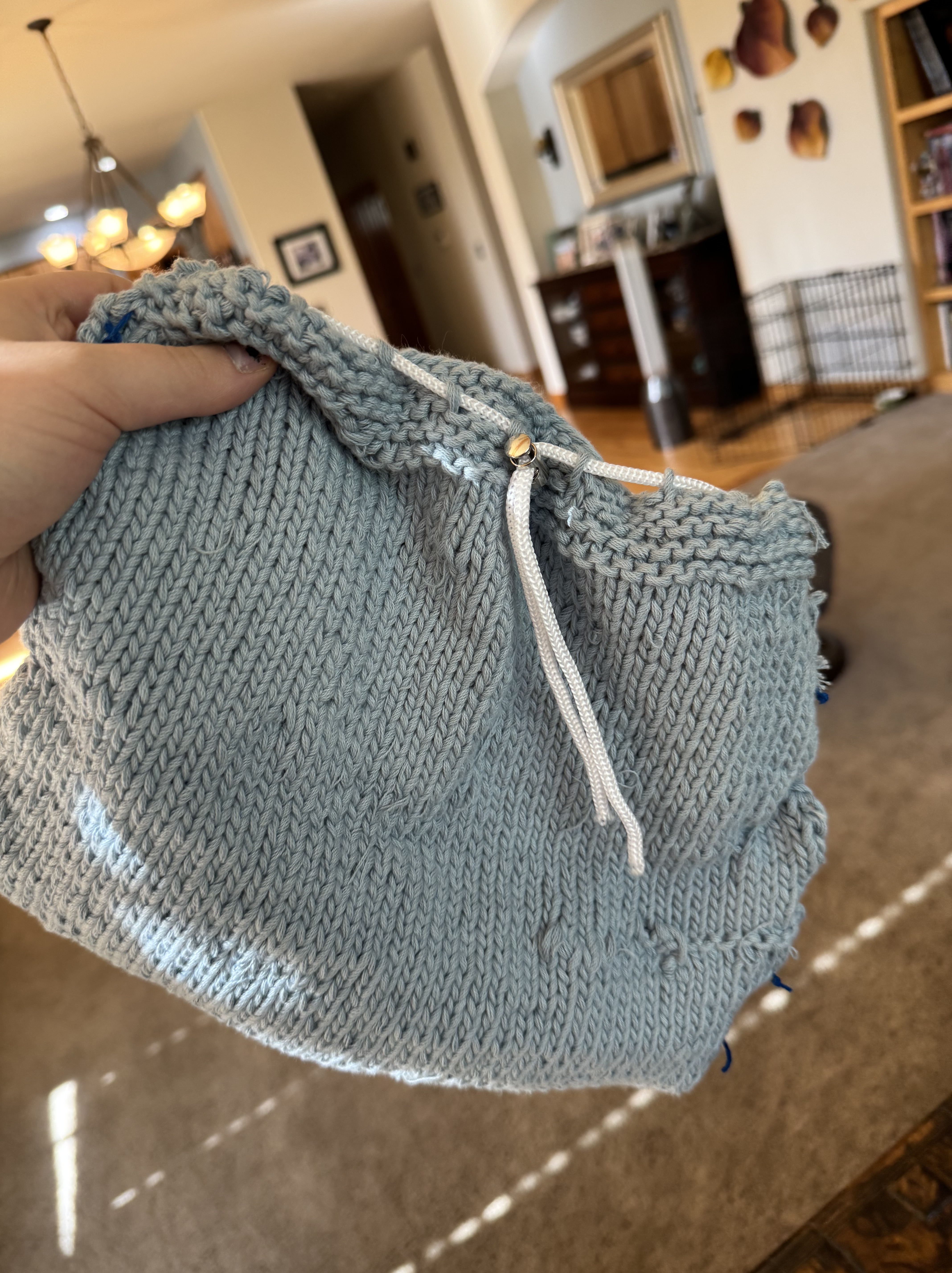
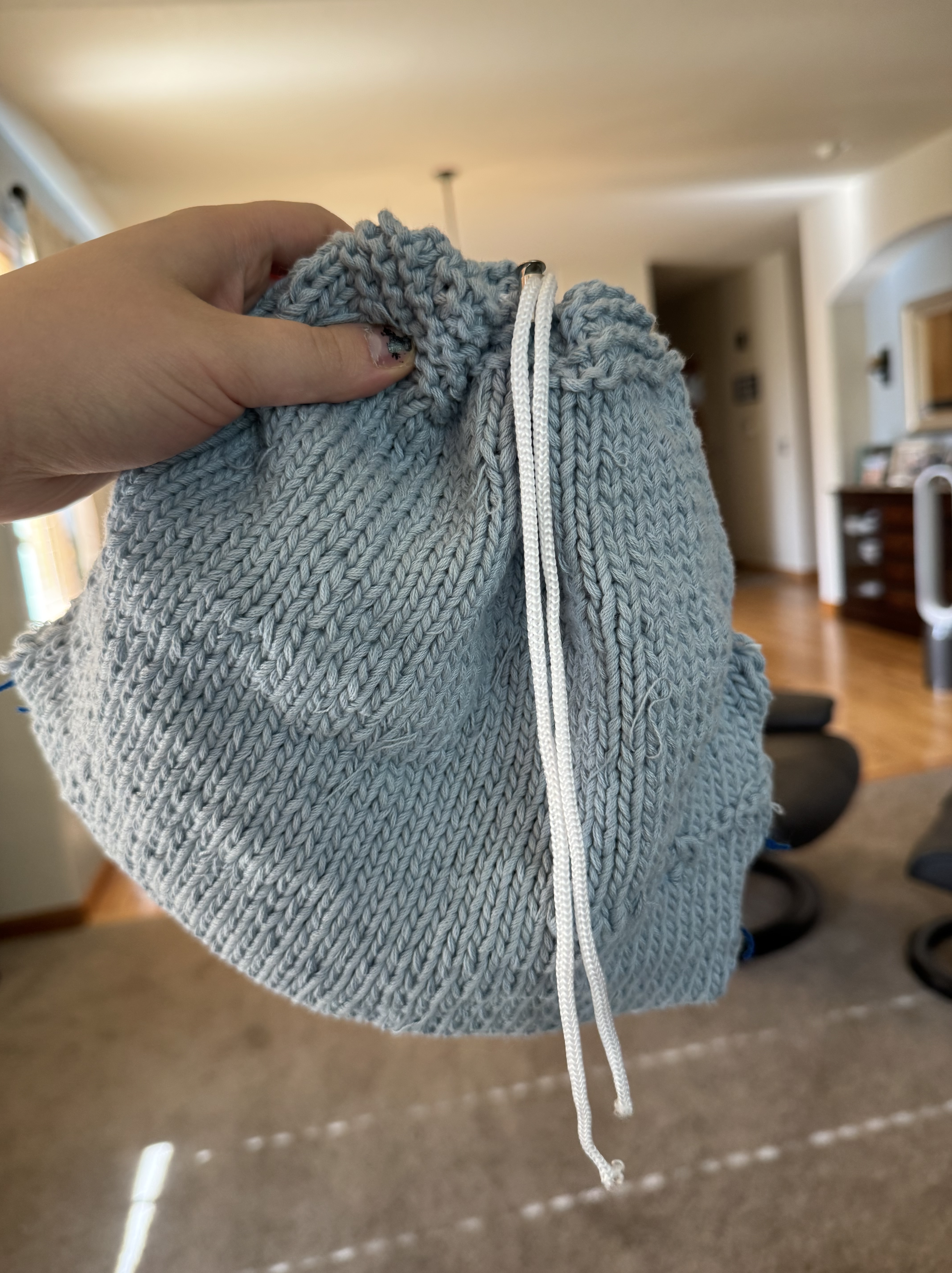
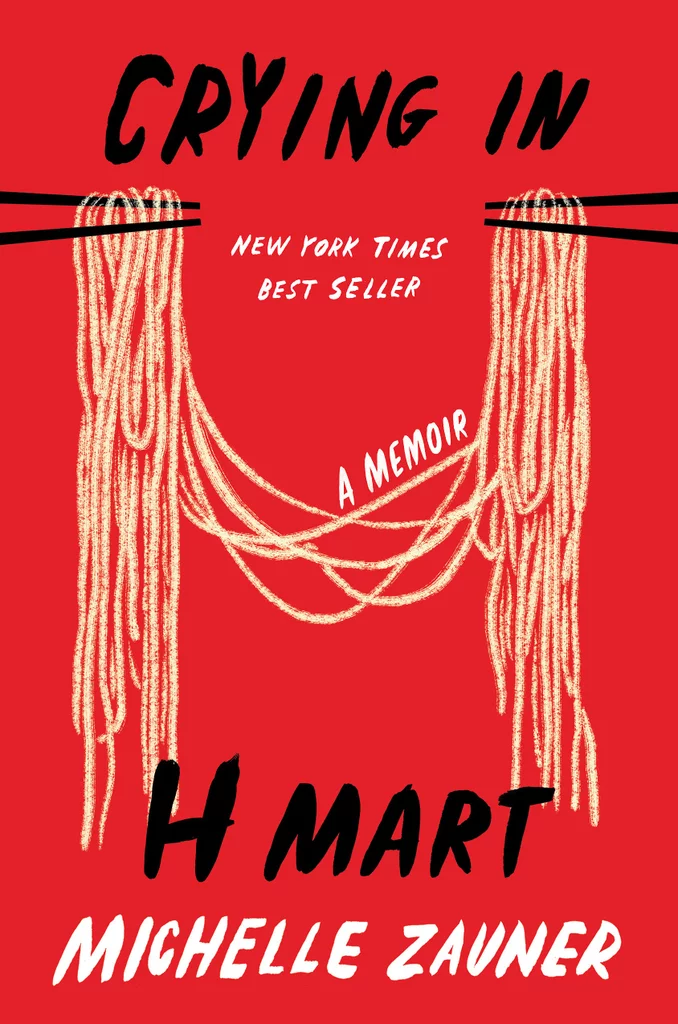
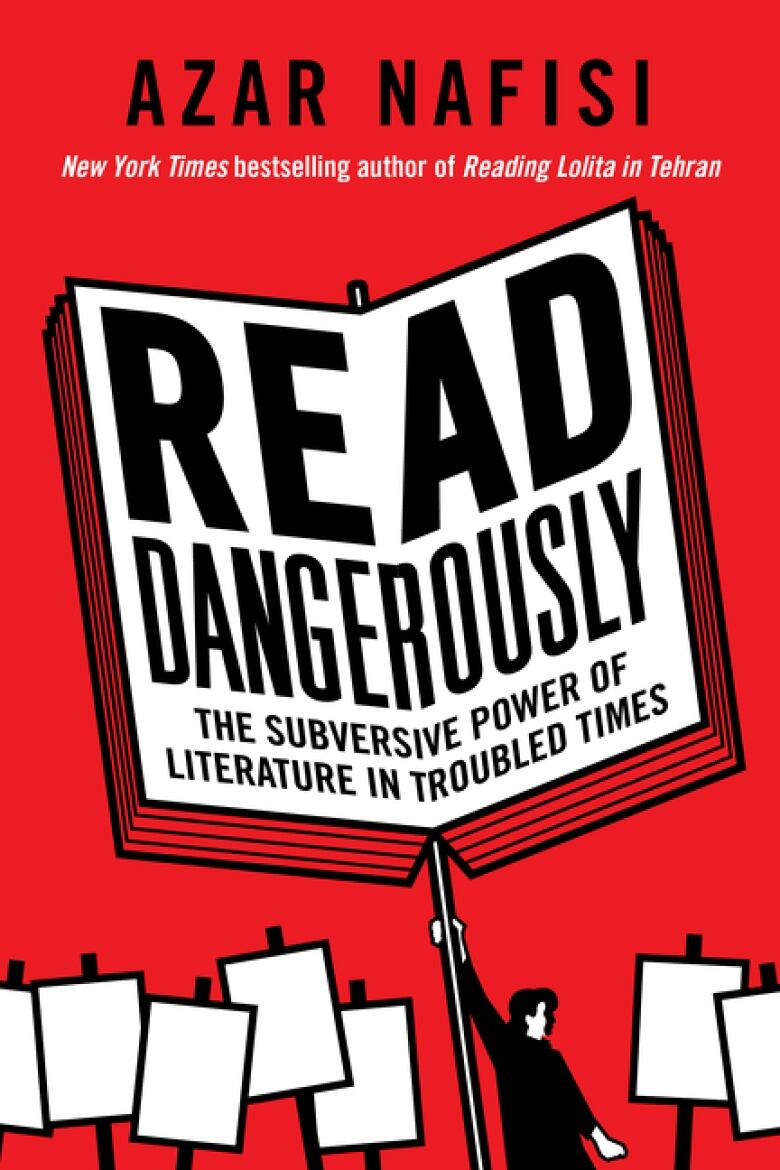
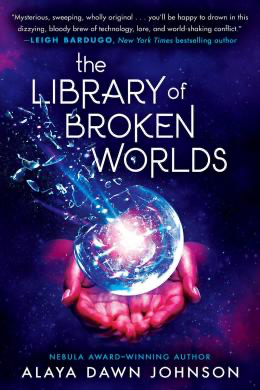
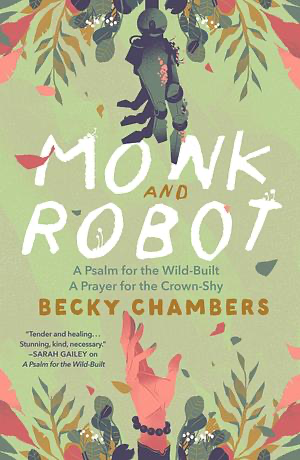
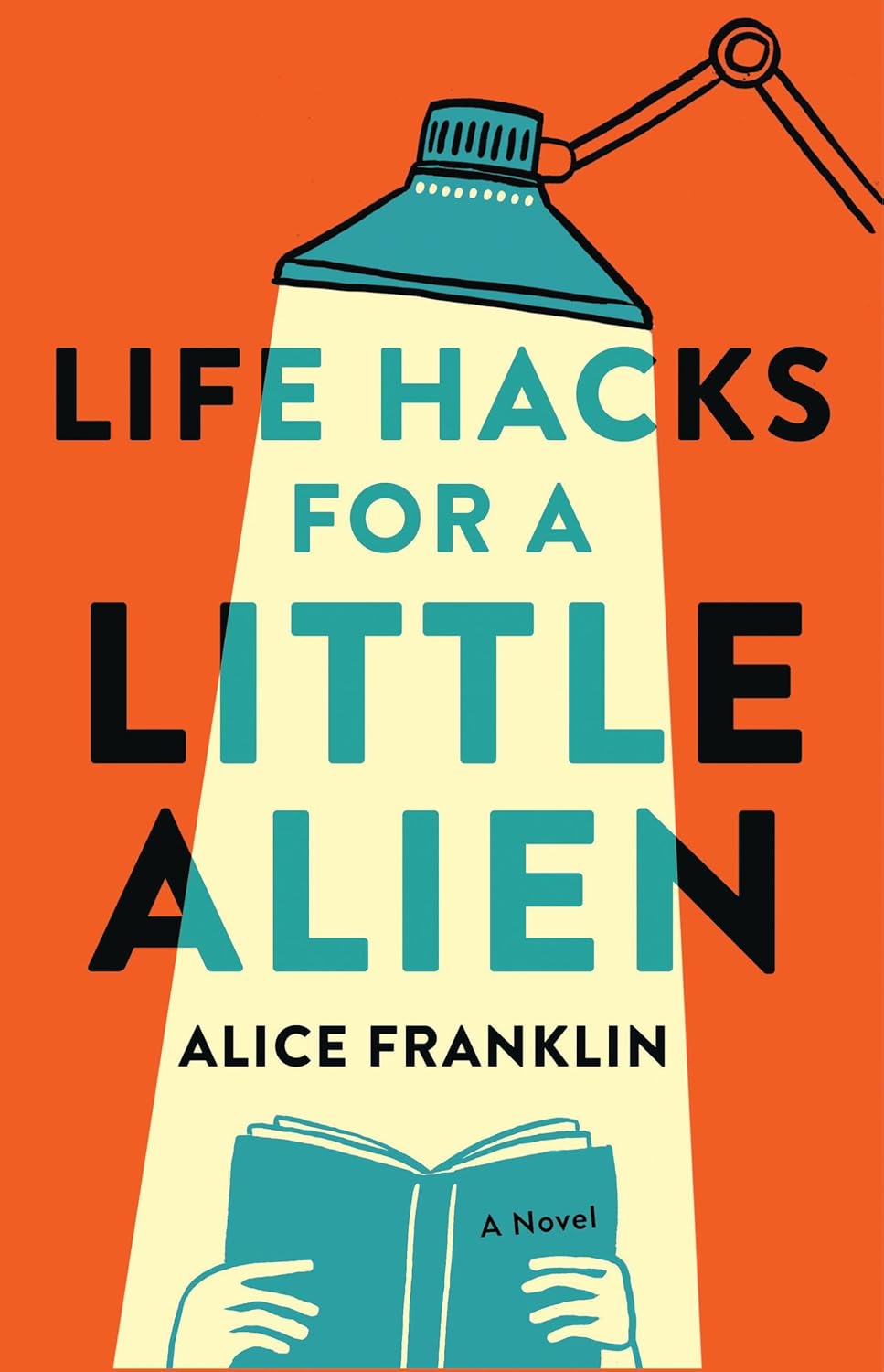


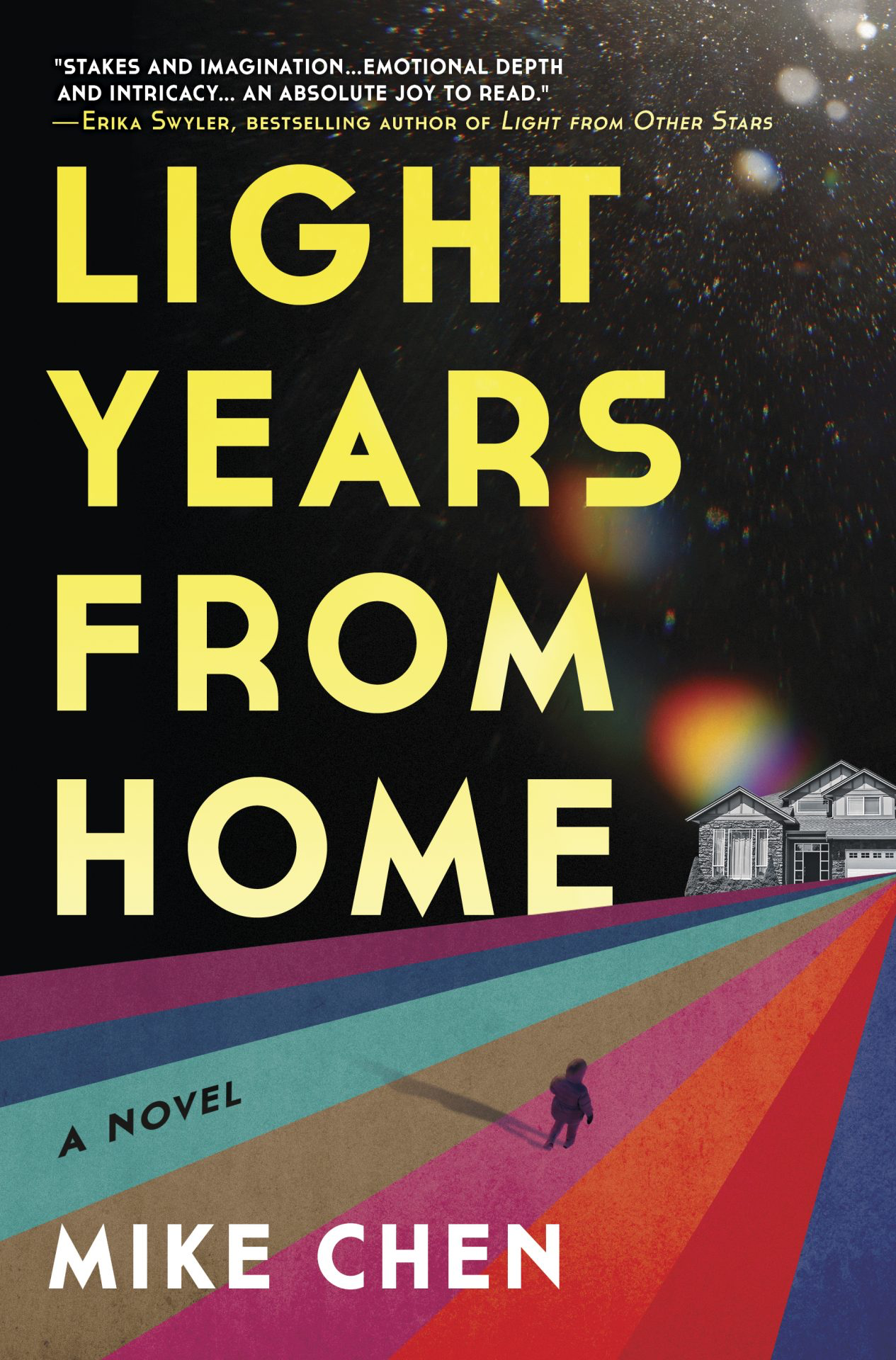
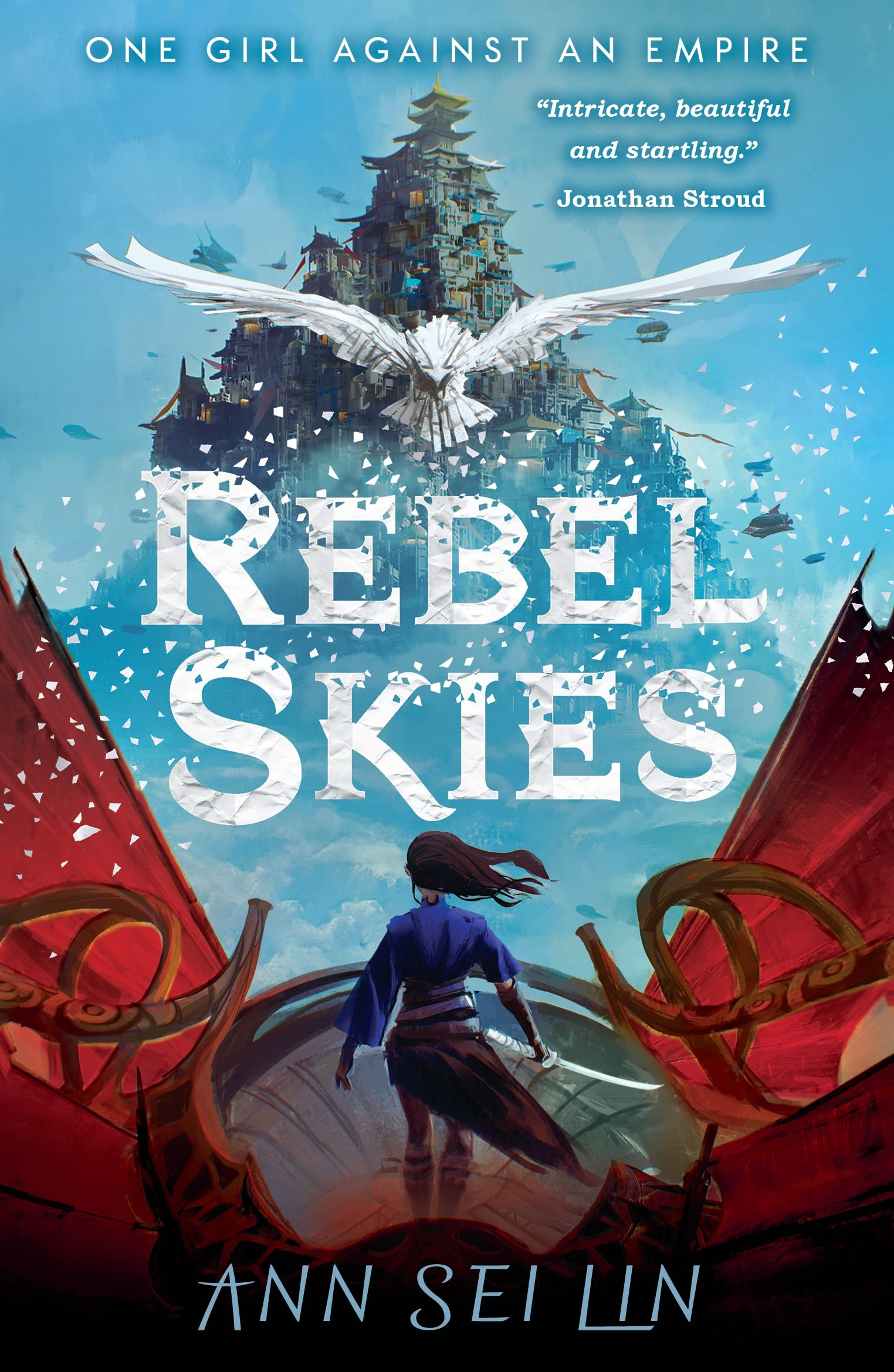

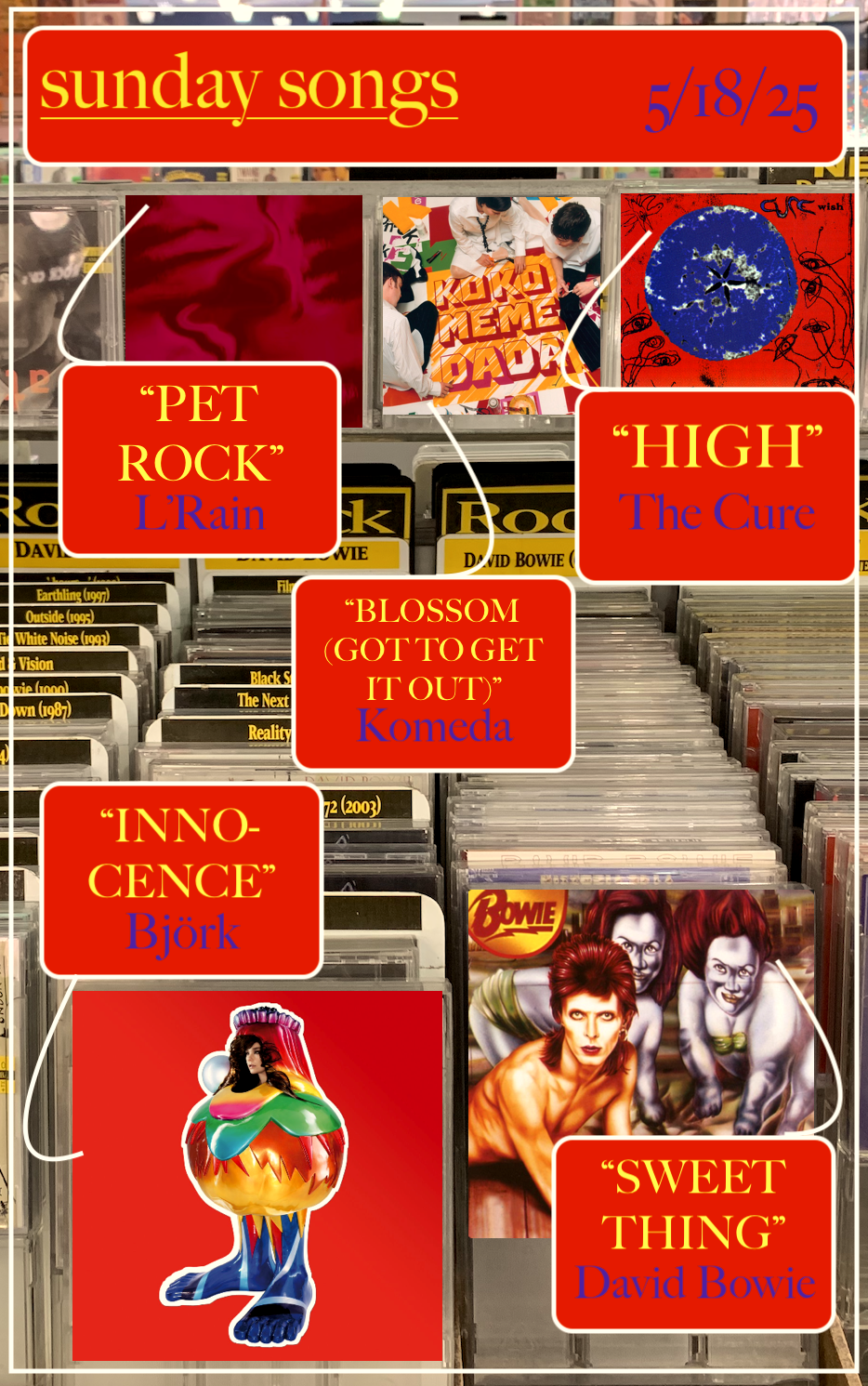
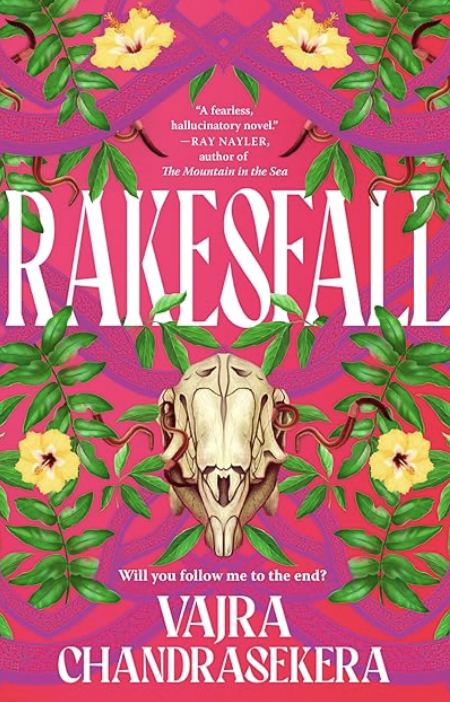
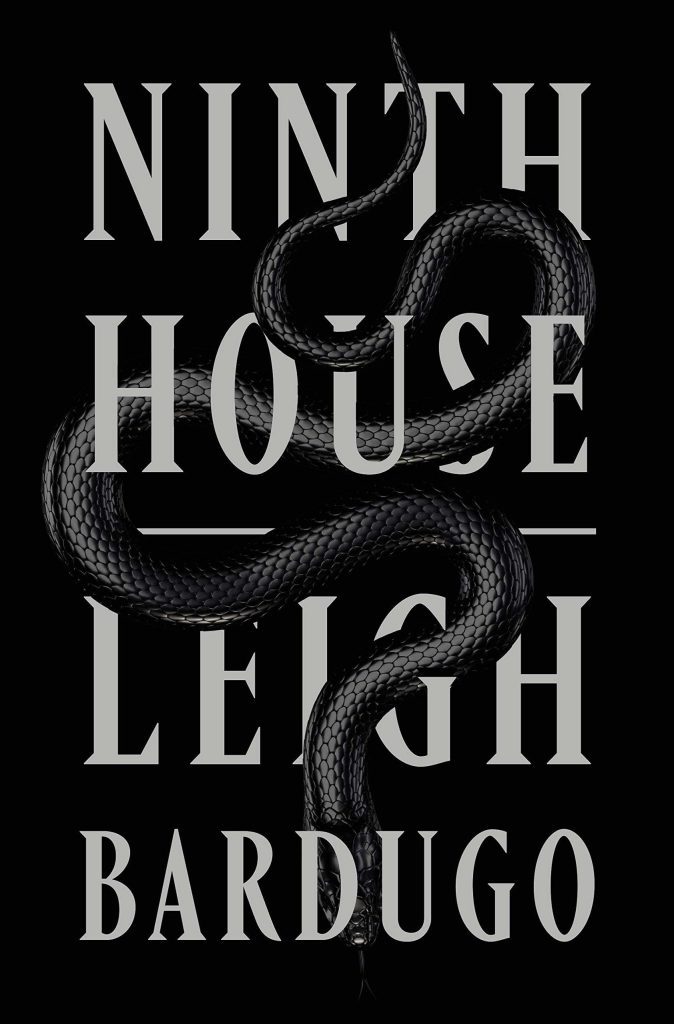
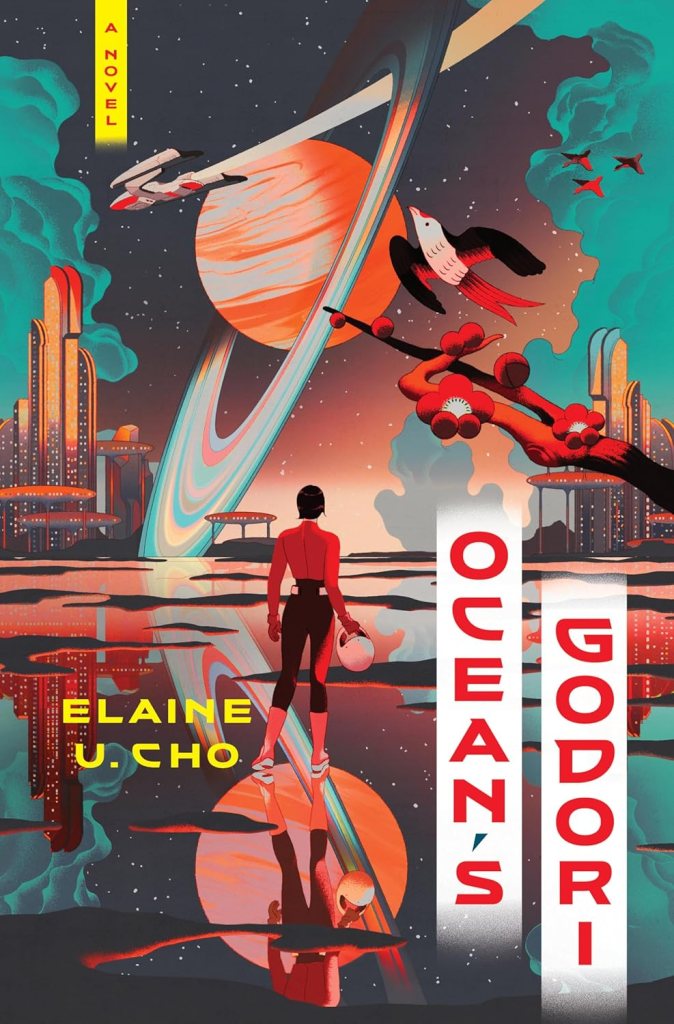
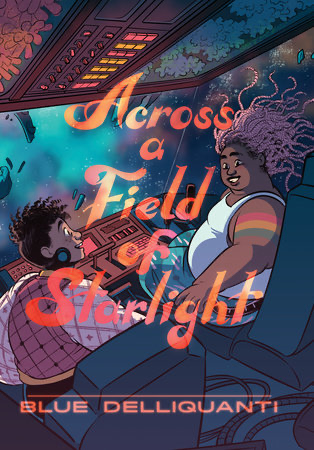
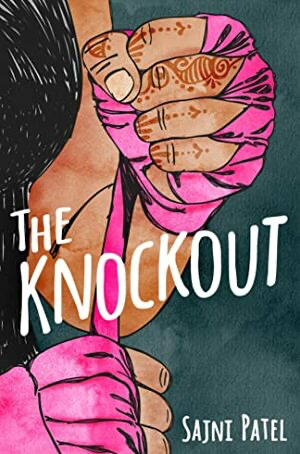
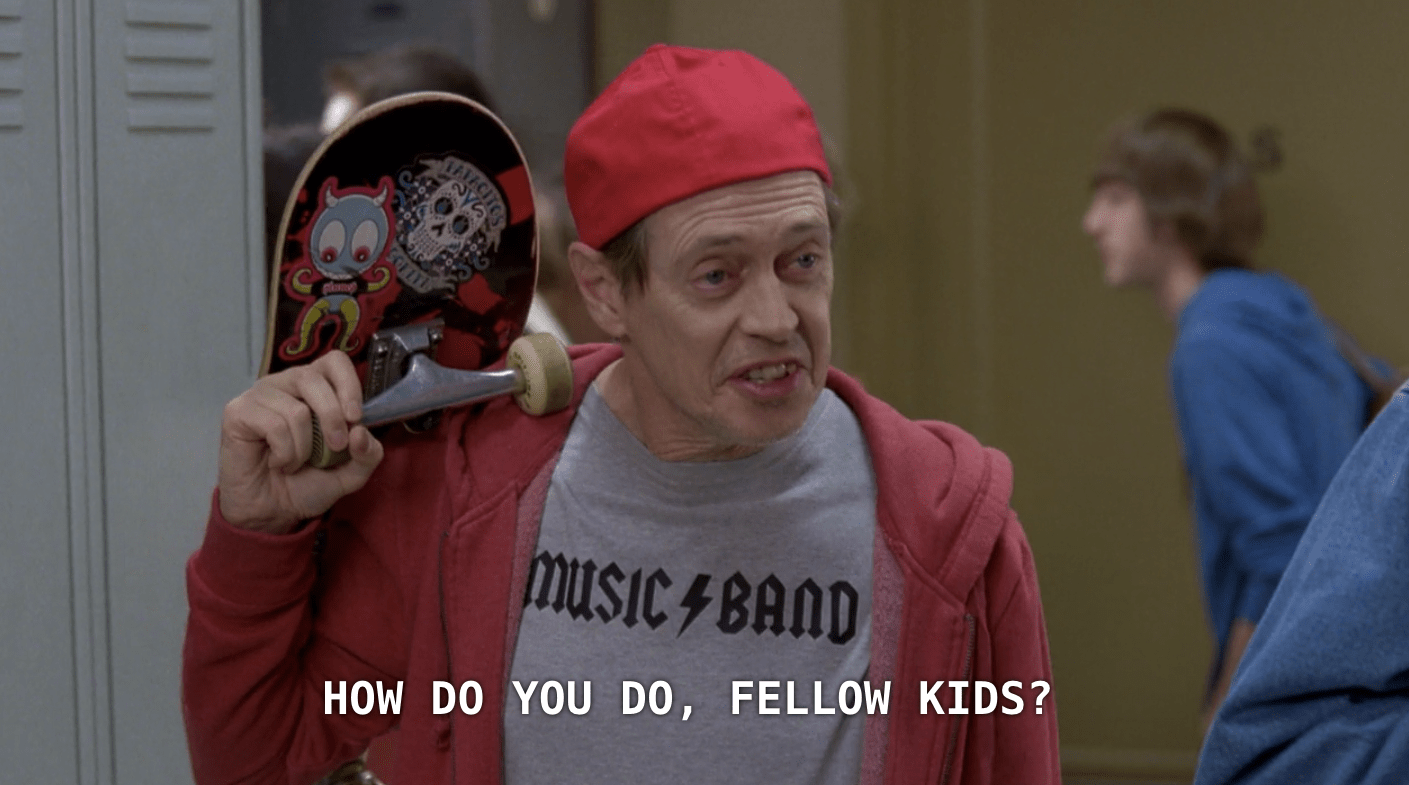

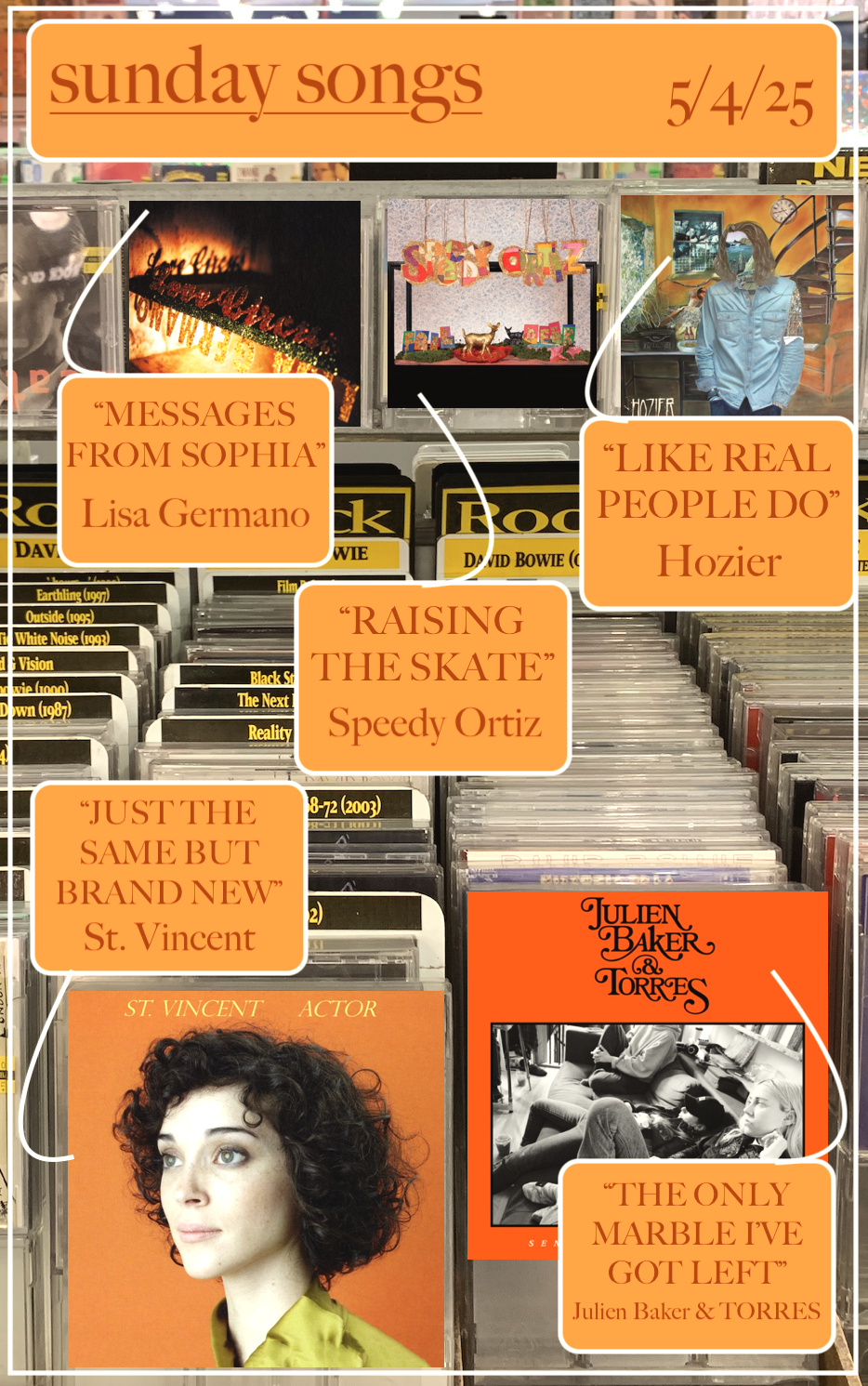
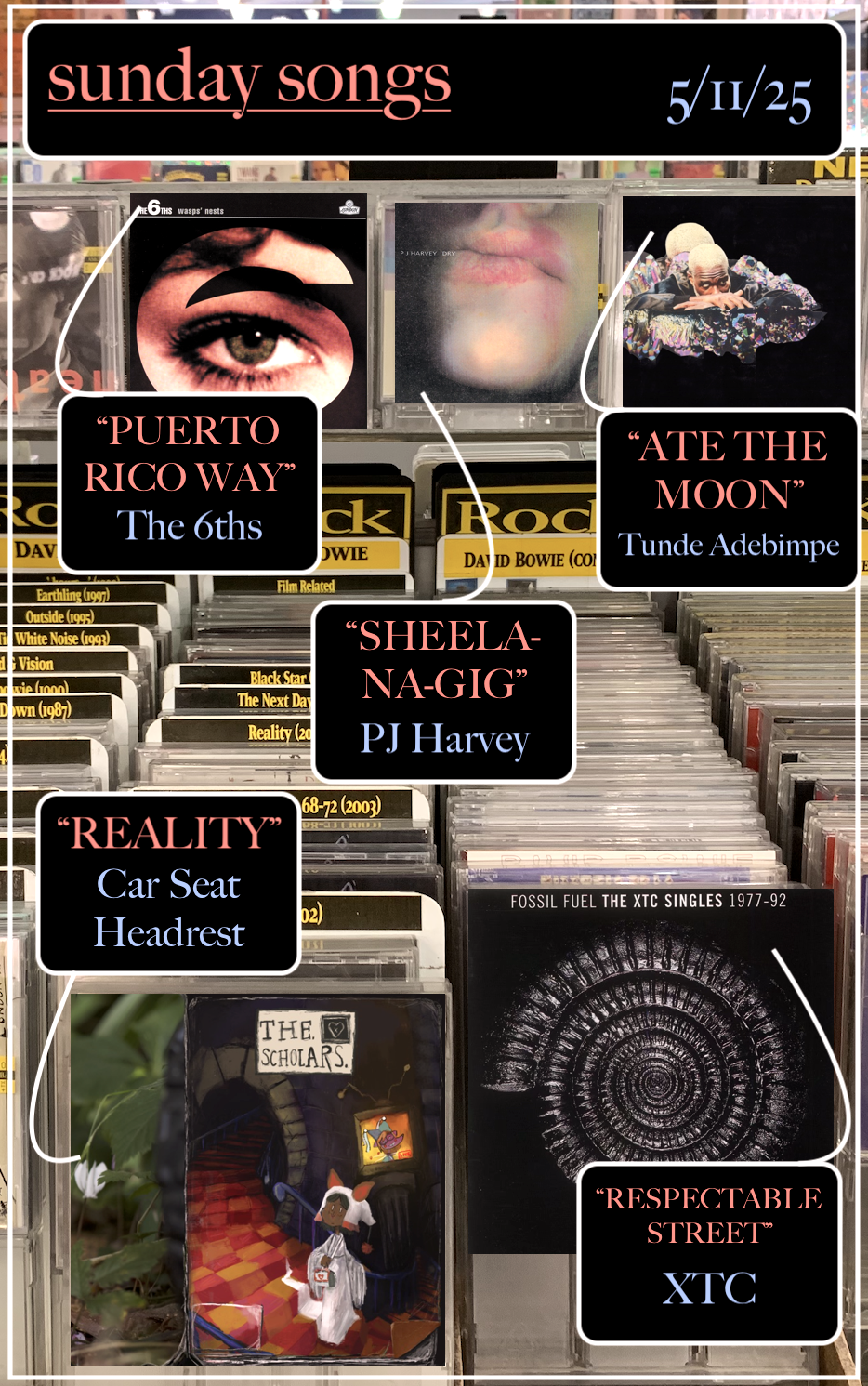
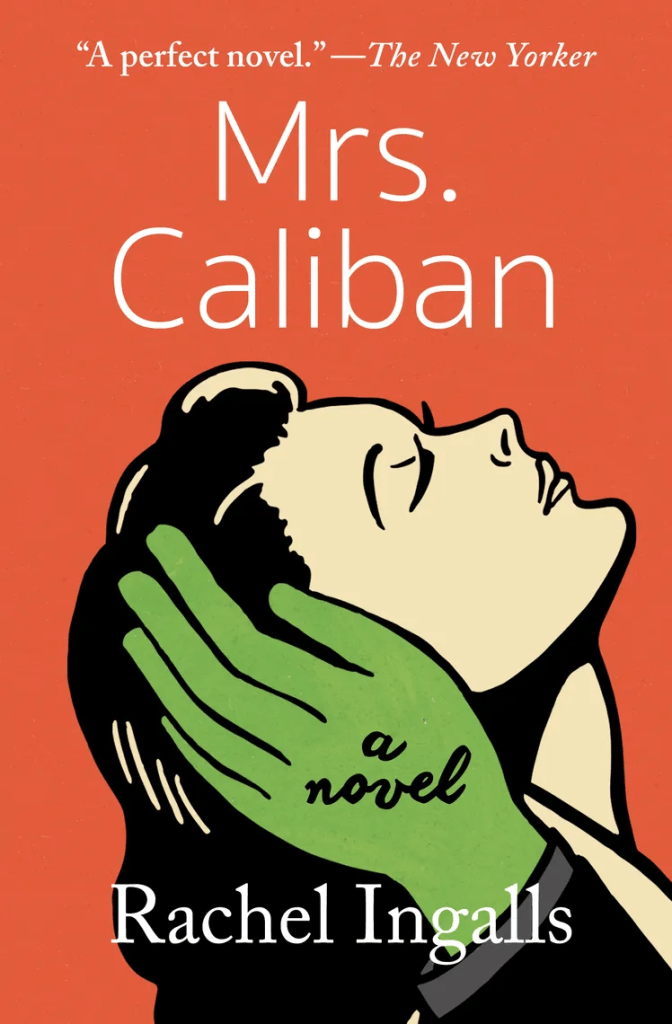
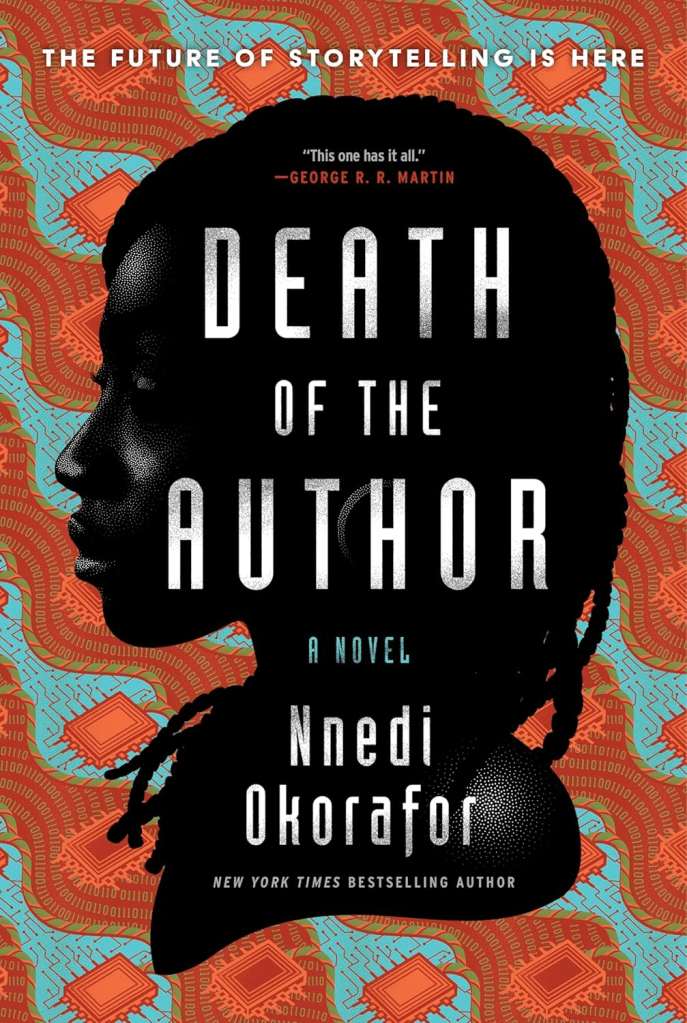

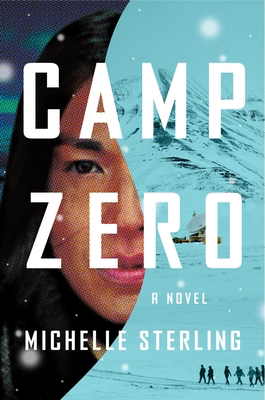




 The Bookish Mutant