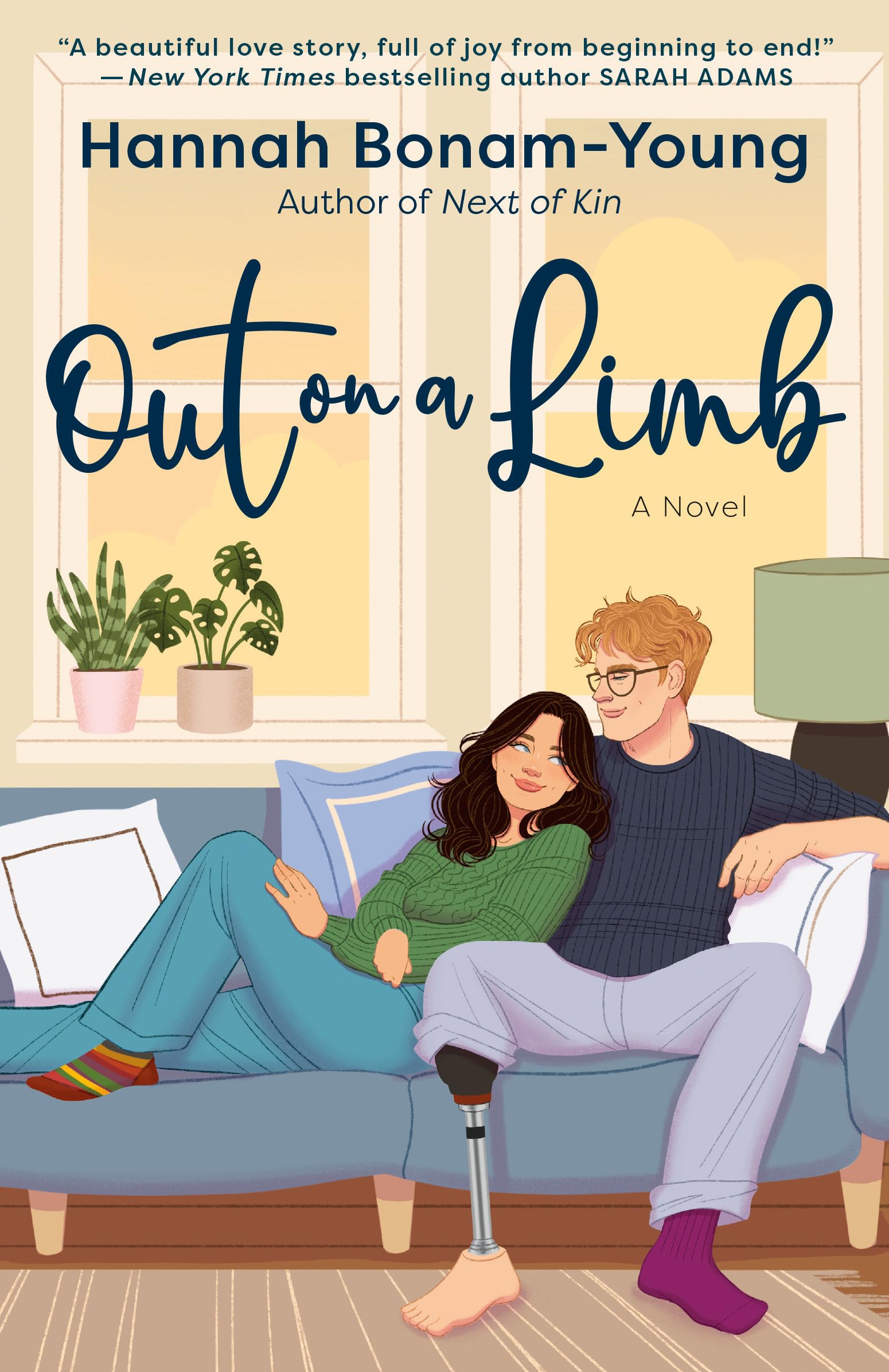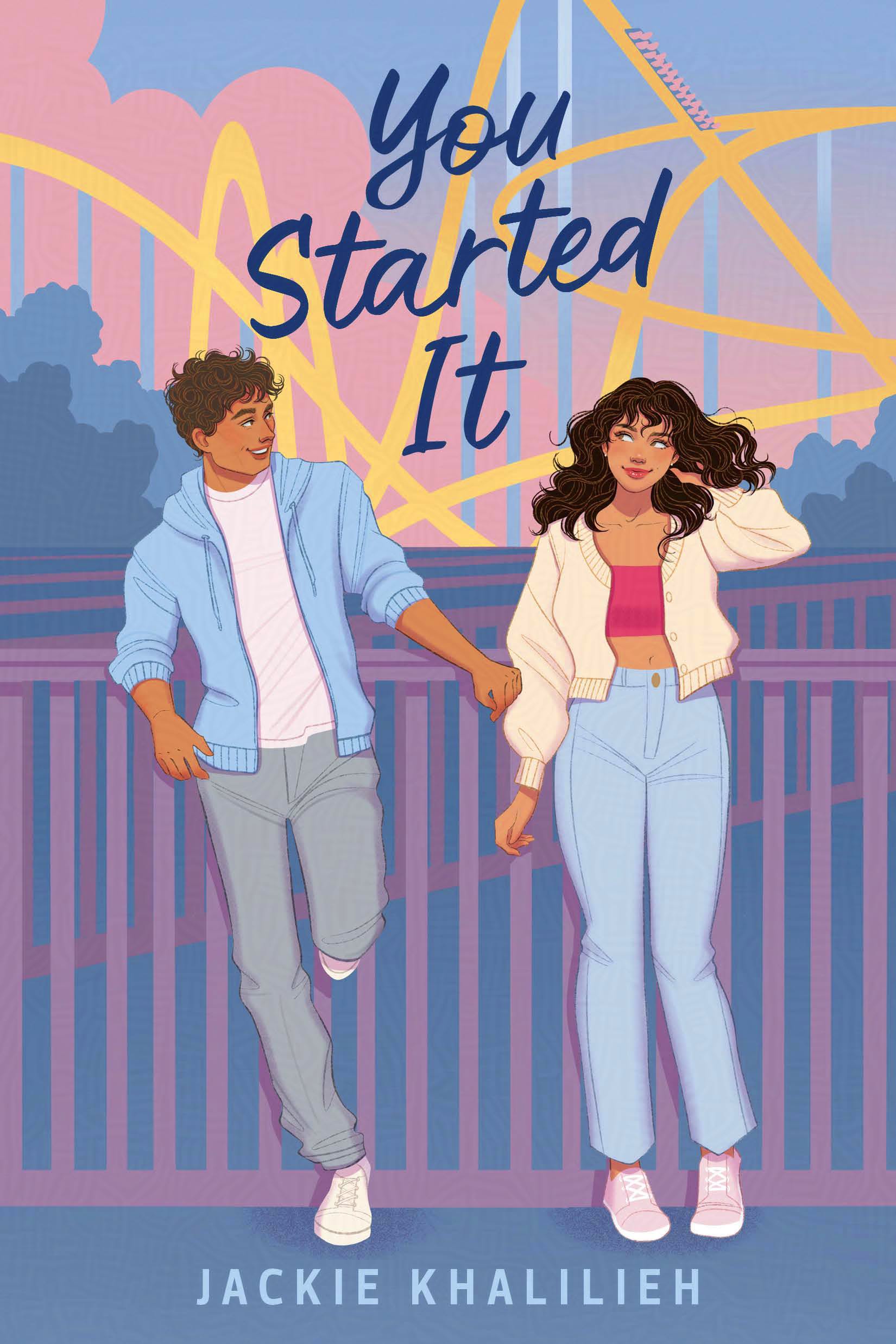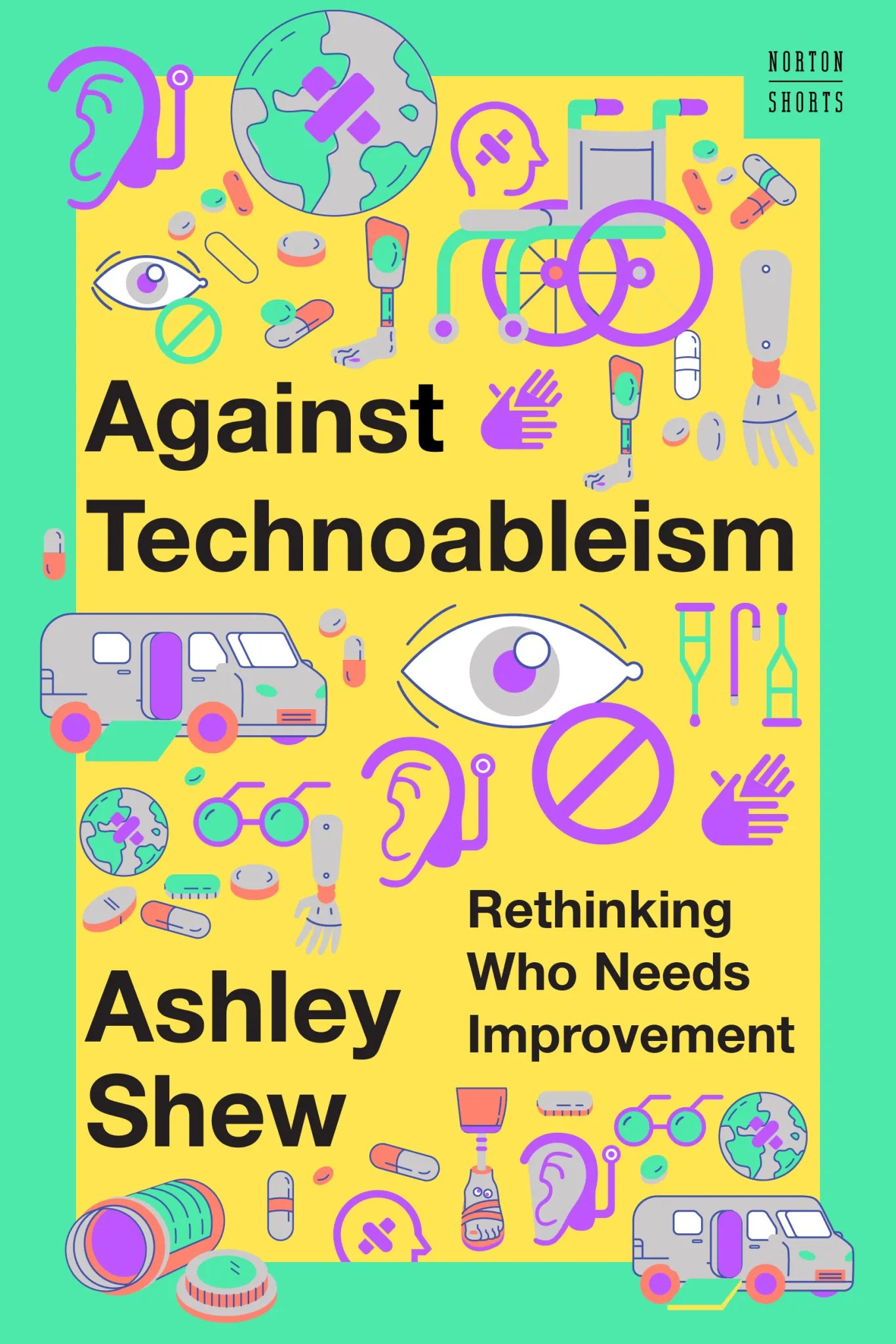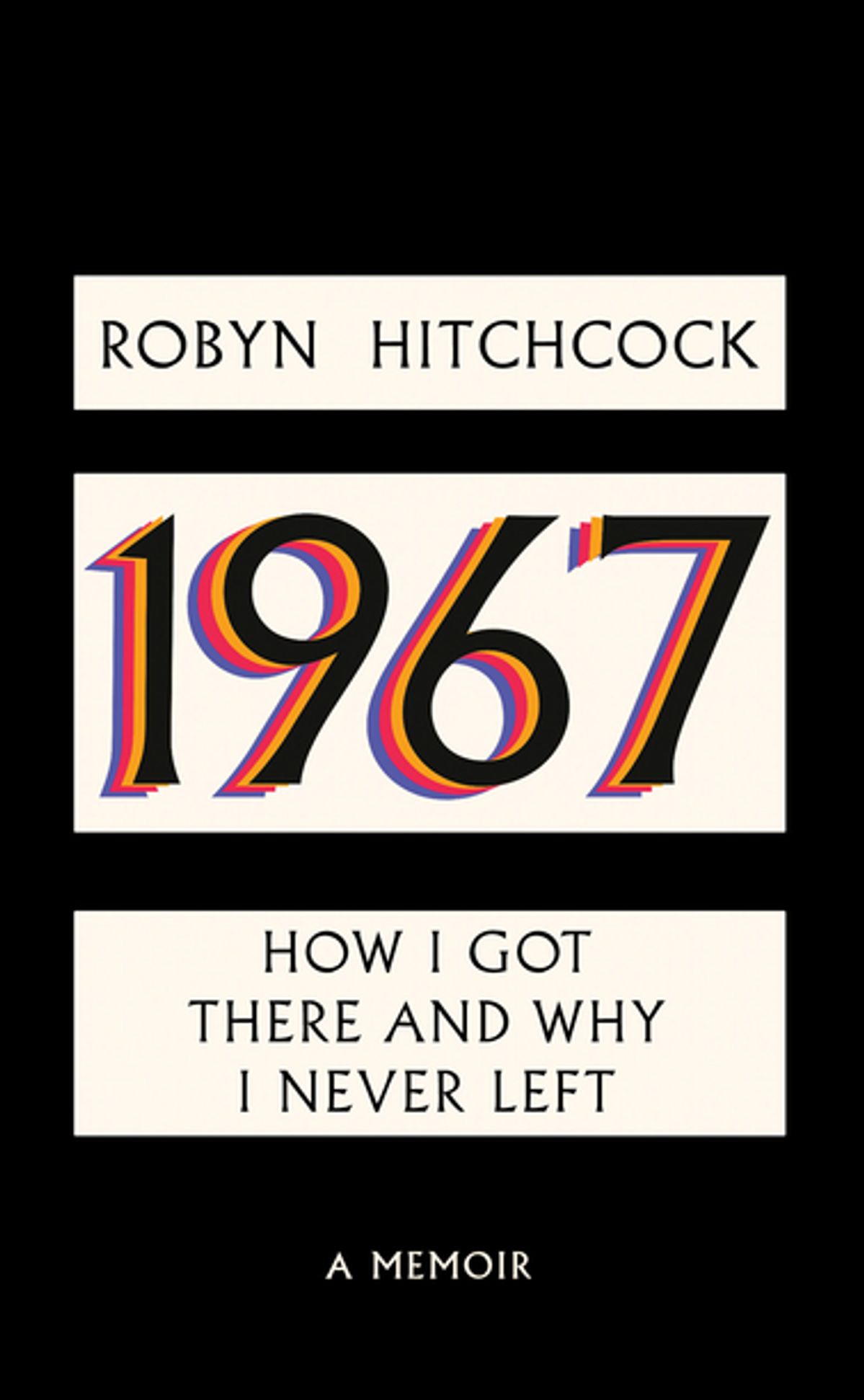
Posted in Books

♿️ The Bookish Mutant’s Books for Disability Pride Month (2026 Edition) ♿️

Happy Monday, bibliophiles!

Here in the U.S., July is Disability Pride Month! It seems like every year, representation—and all-around recognition—for disabled people only progresses by millimeters. Time and time again, it’s left on the back burner by so-called intersectional activists, continually ignored from unaccommodating public education to inaccessible infrastructure in the biggest cities and the smallest towns. It’s gotten bleaker still with the damaging rhetoric spread by R.F.K. Junior and by the Trump administration at large. And we’ve somehow let the r-word insidiously creep back into common use. I feel like it’s relevant that when I was in high school, I frequently heard people call their phones “autistic” when they were broken or not working—2019 wasn’t as long as ago as people would like to think. Dehumanizing disabled people has always been baked deep into the roots of our language and slang—and yet it’s so easy to just switch words around.

In short, the world hasn’t exactly gotten kinder to any of us in the disabled community. But recently my best friend sent me this hilarious (and wonderful) reel, and it reminded me of the endurance of our community:

Yes, this is totally goofy. But it’s true. Despite all of the rampant campaigns to dehumanize and outright eradicate disabled people in all aspects of life, we are still here. The disabled community is as diverse as our struggles, but we have weathered all of them. There are countless issues that we have to face, in the highest forms of government and even in the simple ways we interact with friends and strangers. But if there’s one thing that the disabled community has done, it is endure—and endurance is nothing without community. The strength of our community is what has allowed us to create a more accessible world, little by little, and it is the key for making the world a kinder and more accessible place to be.

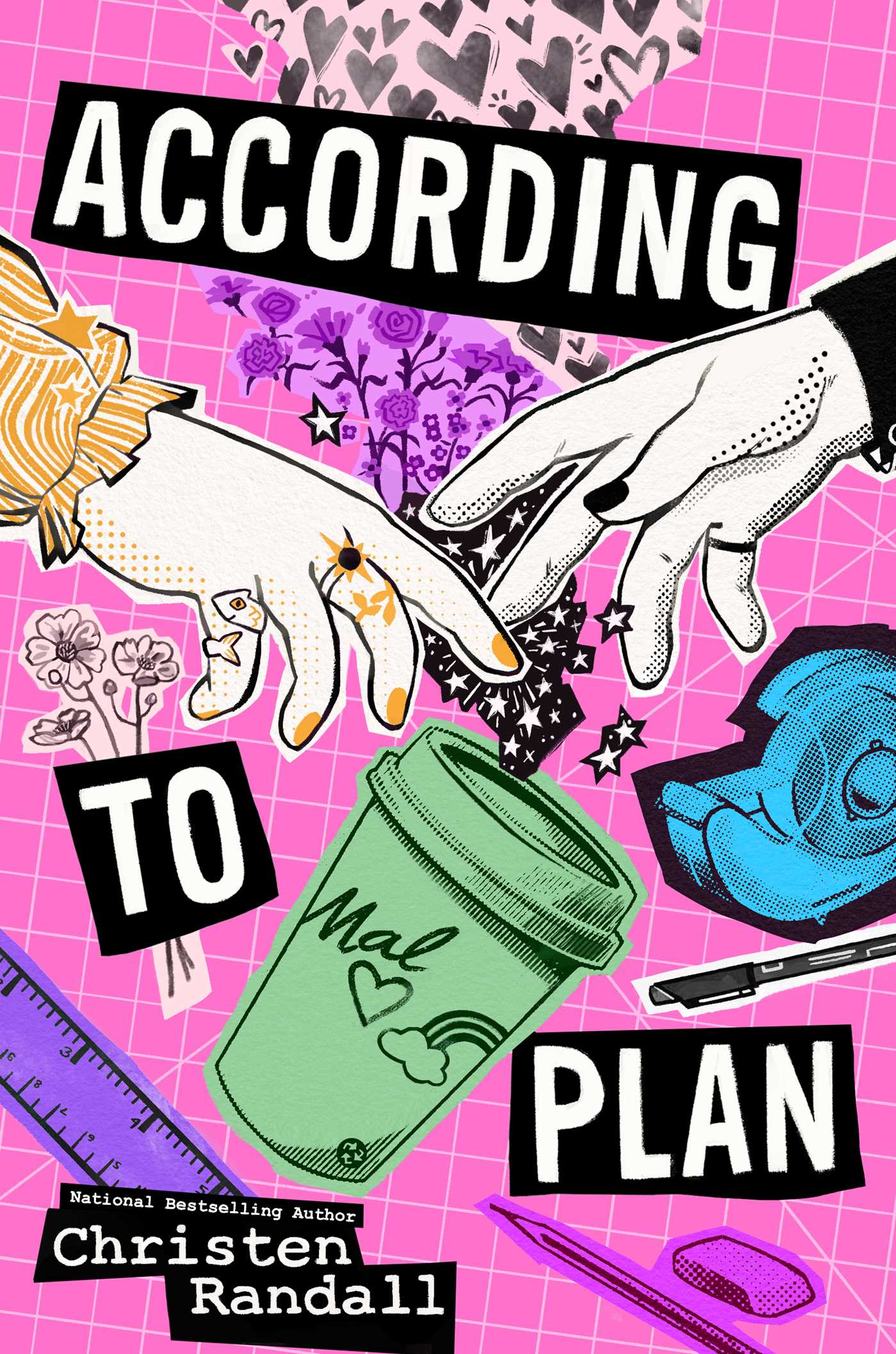
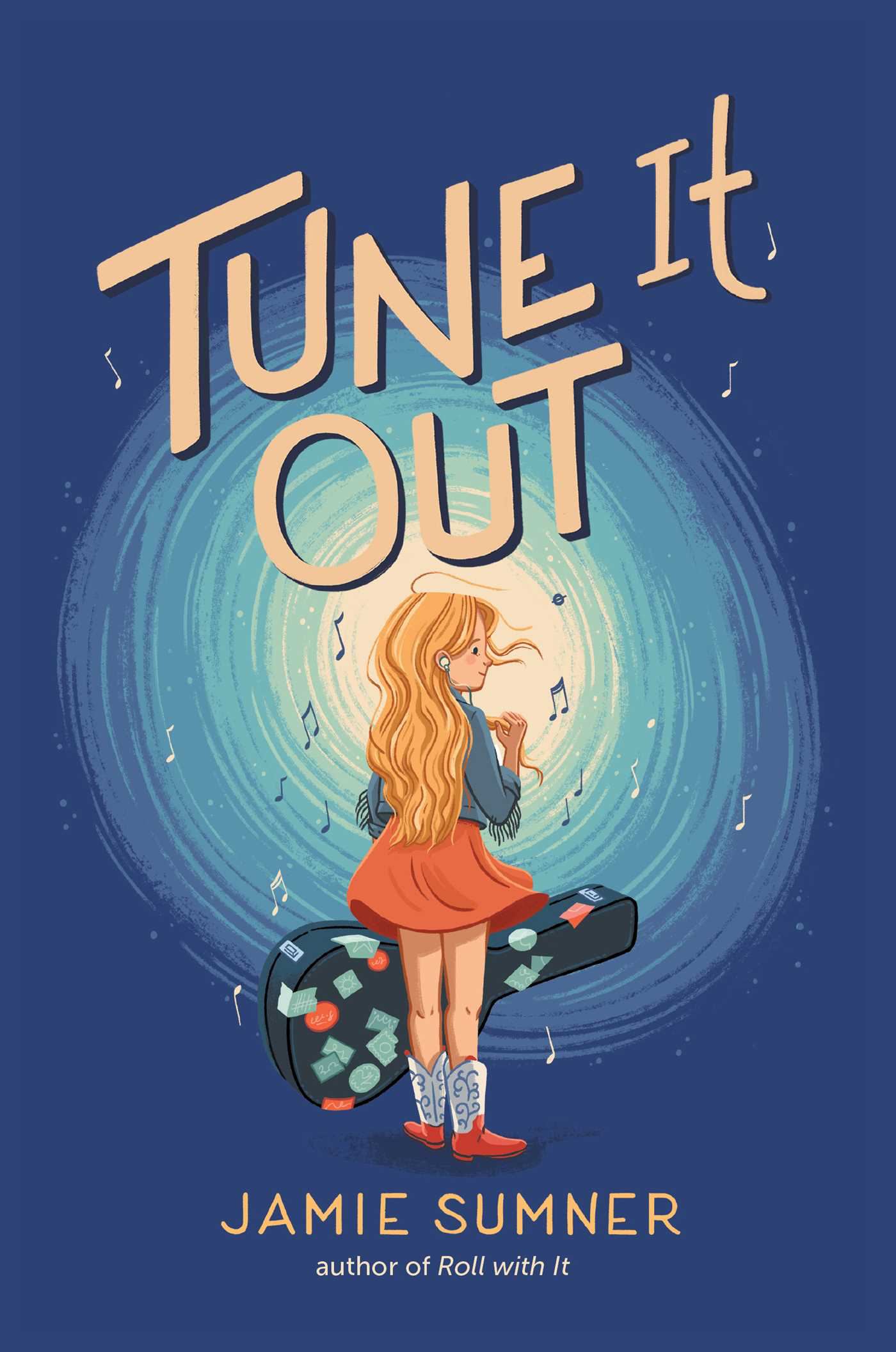
Also, four years out from my installation of this post where I talked about the absolute dearth of SPD representation out there (see 2022 in the “previous lists” section below), I’ve finally read one more book with a main character with SPD. Halfway through 2026, and it was one of the best books I’ve read this year by a long shot. Thank you, Jamie Sumner. Representation matters. 🩵

NOTE: my memory (and the internet) is imperfect, so if I’ve misrepresented/mislabeled any of the specific rep in these books, don’t hesitate to let me know!

KEY FOR TERMS IN THIS POST:

  • MC: Main character
  • LI: Love interest
  • SC: Side character

For my previous lists, click below: 

Let’s begin, shall we?

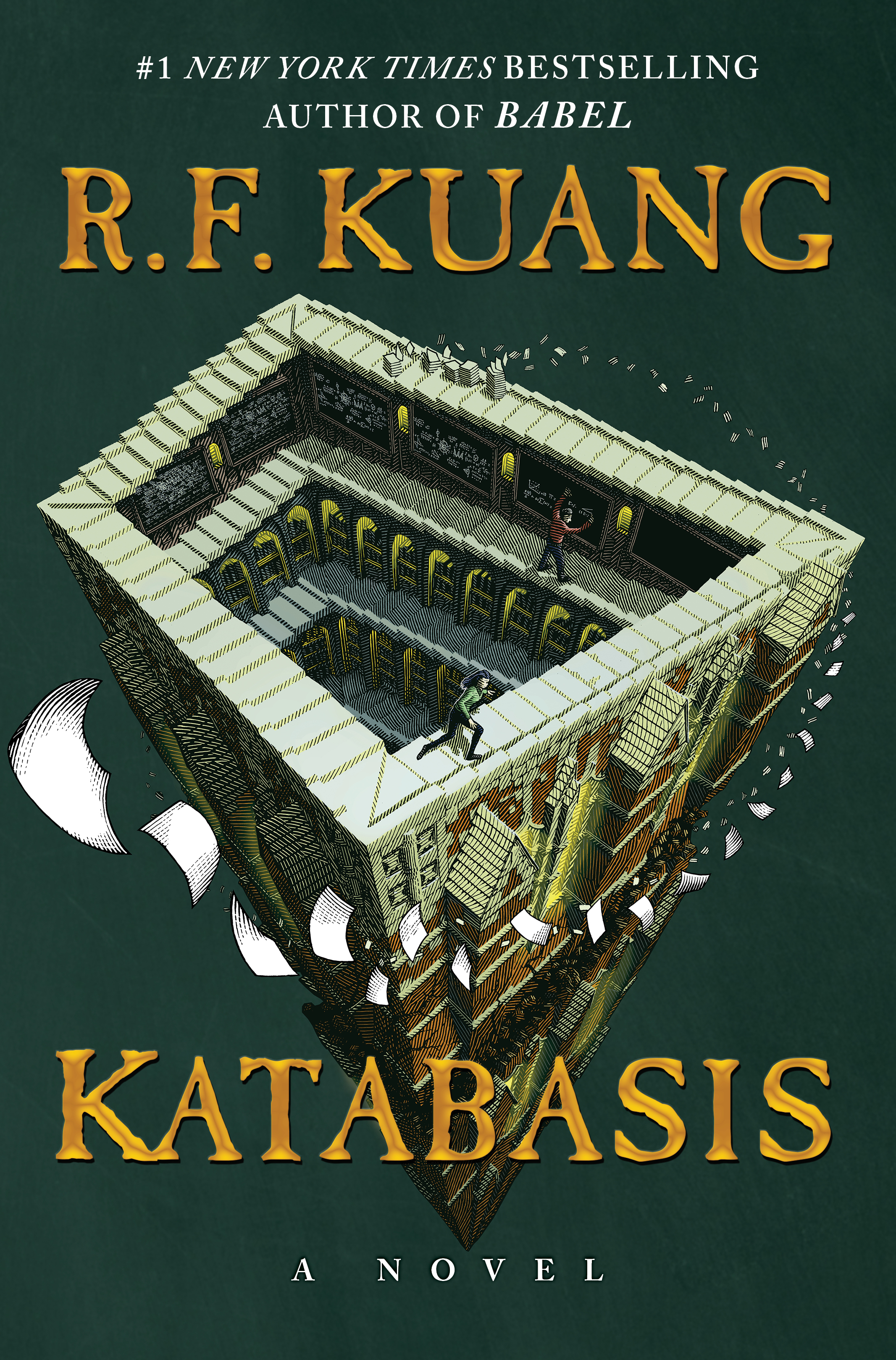
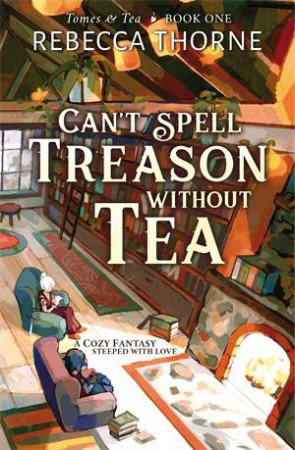
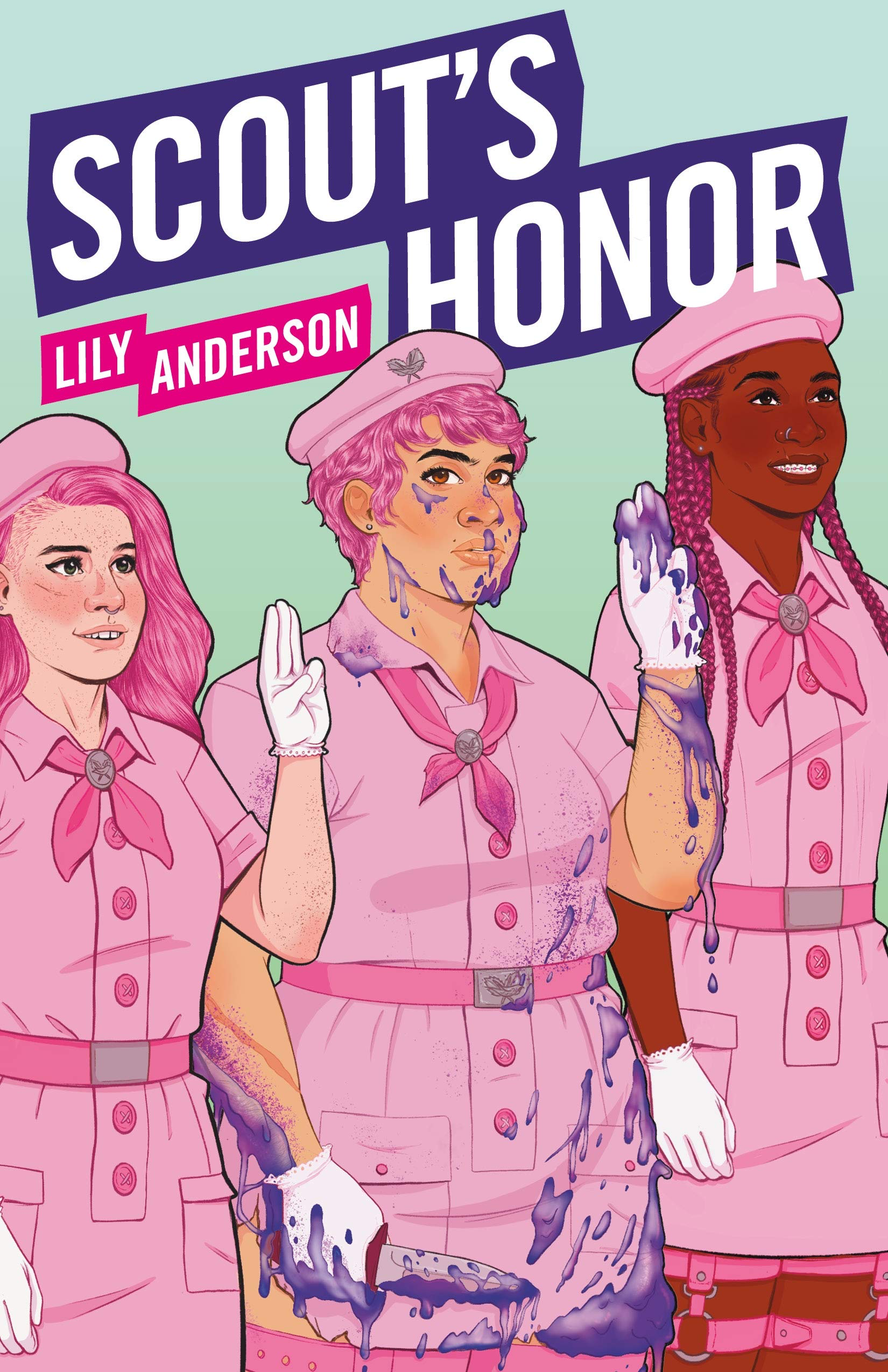
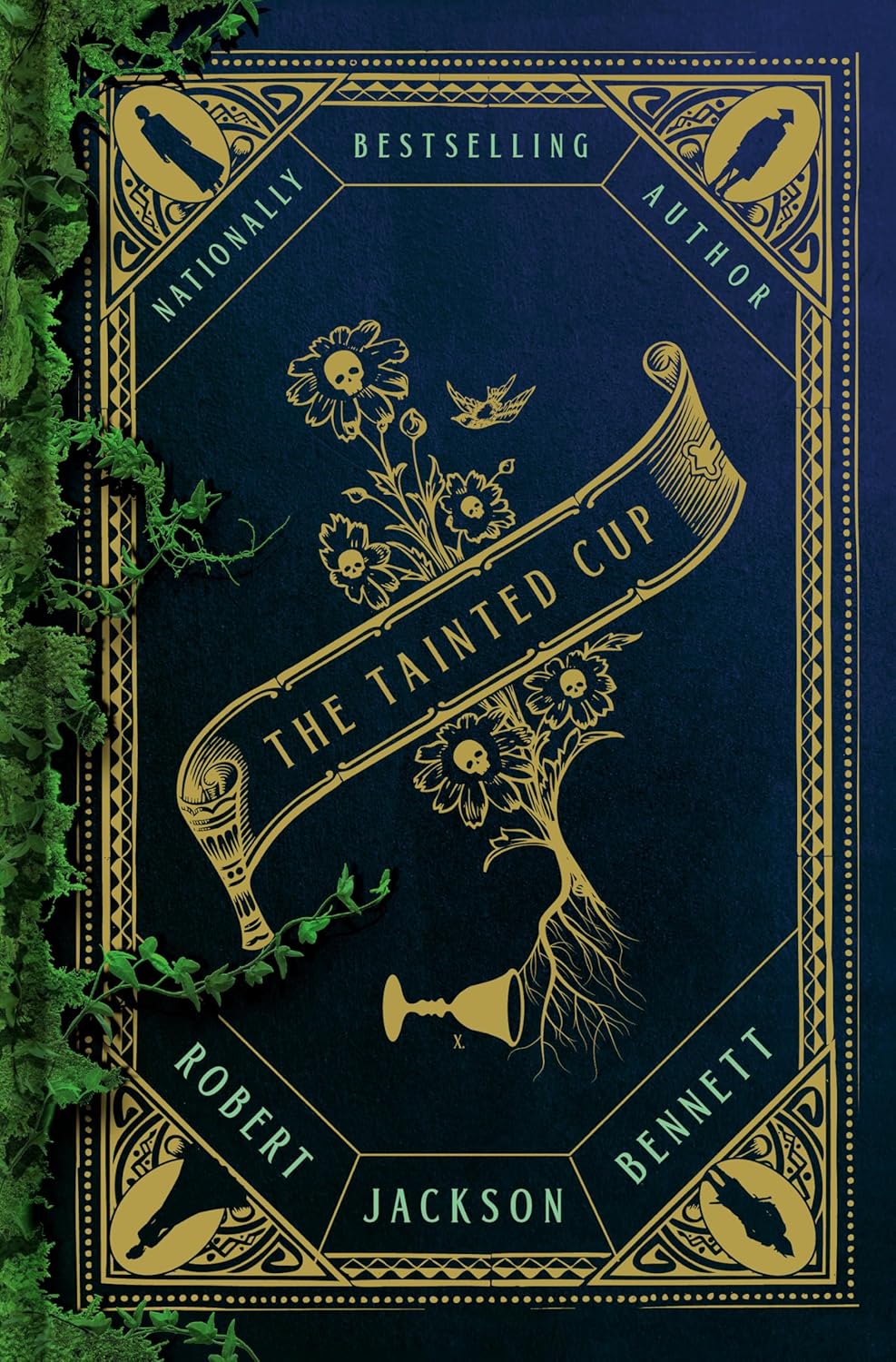
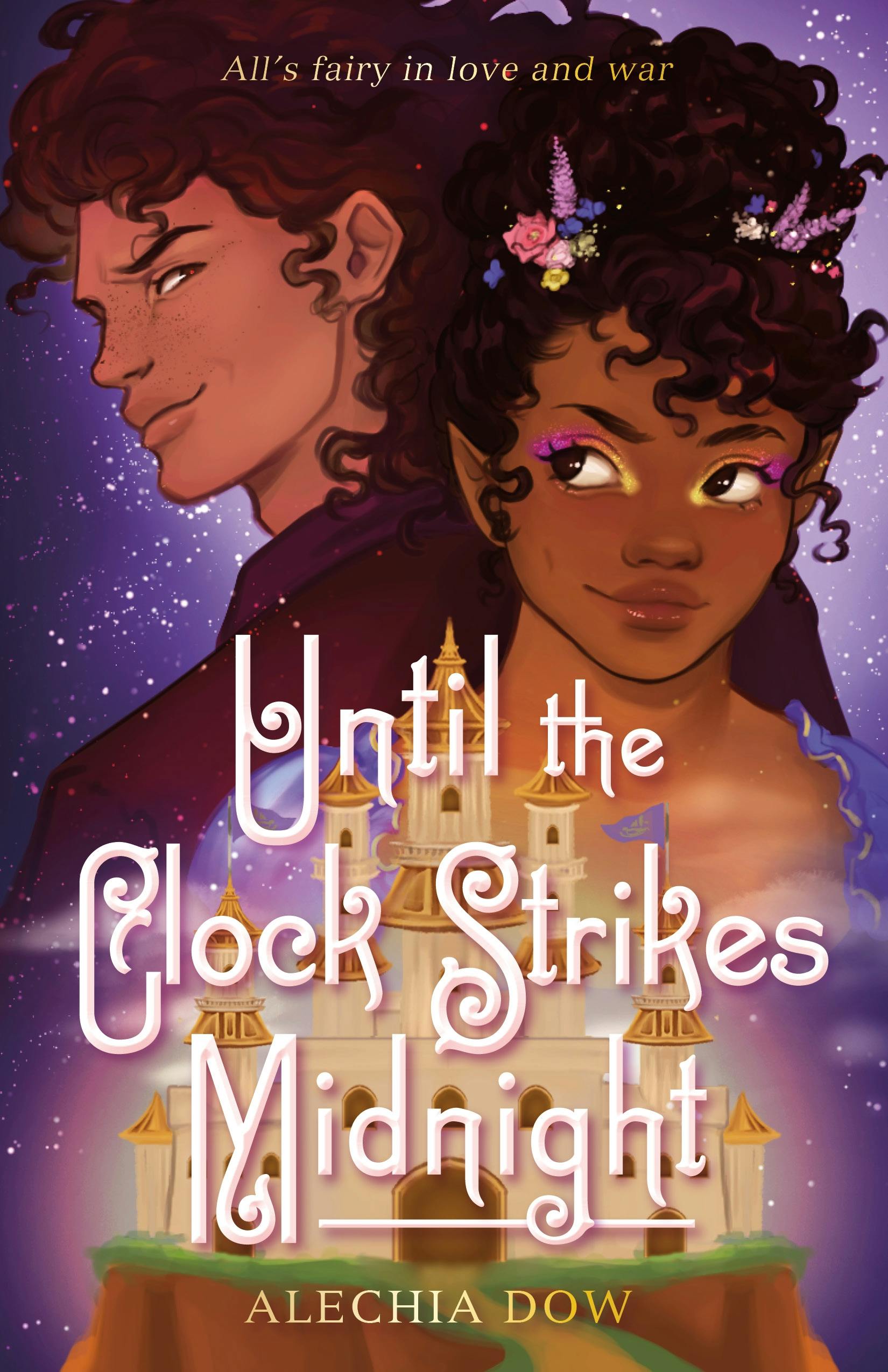
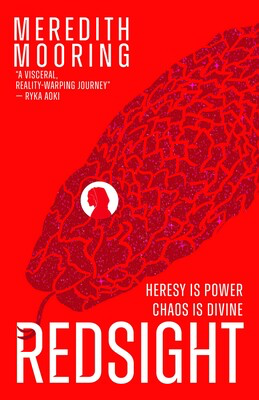
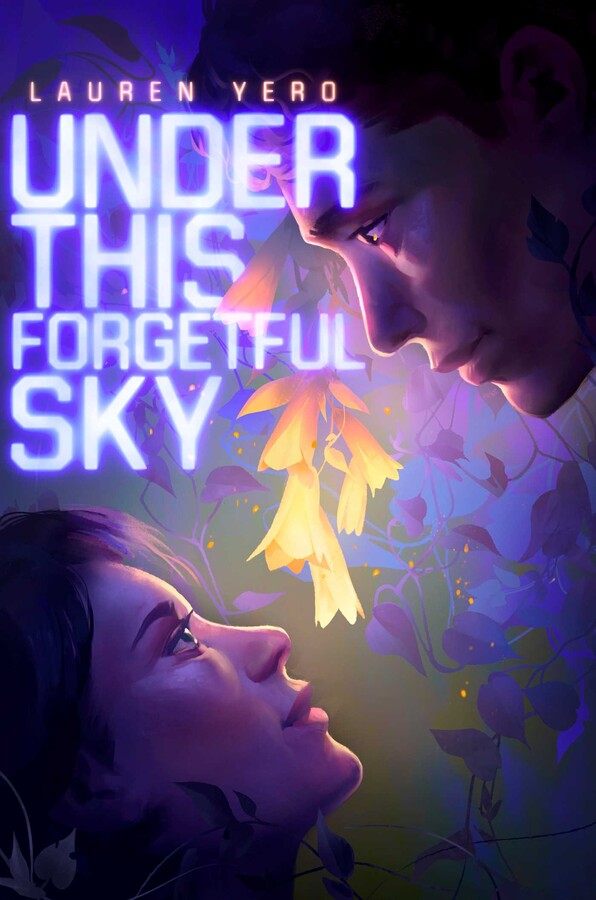
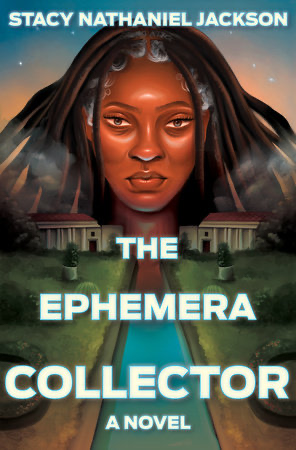
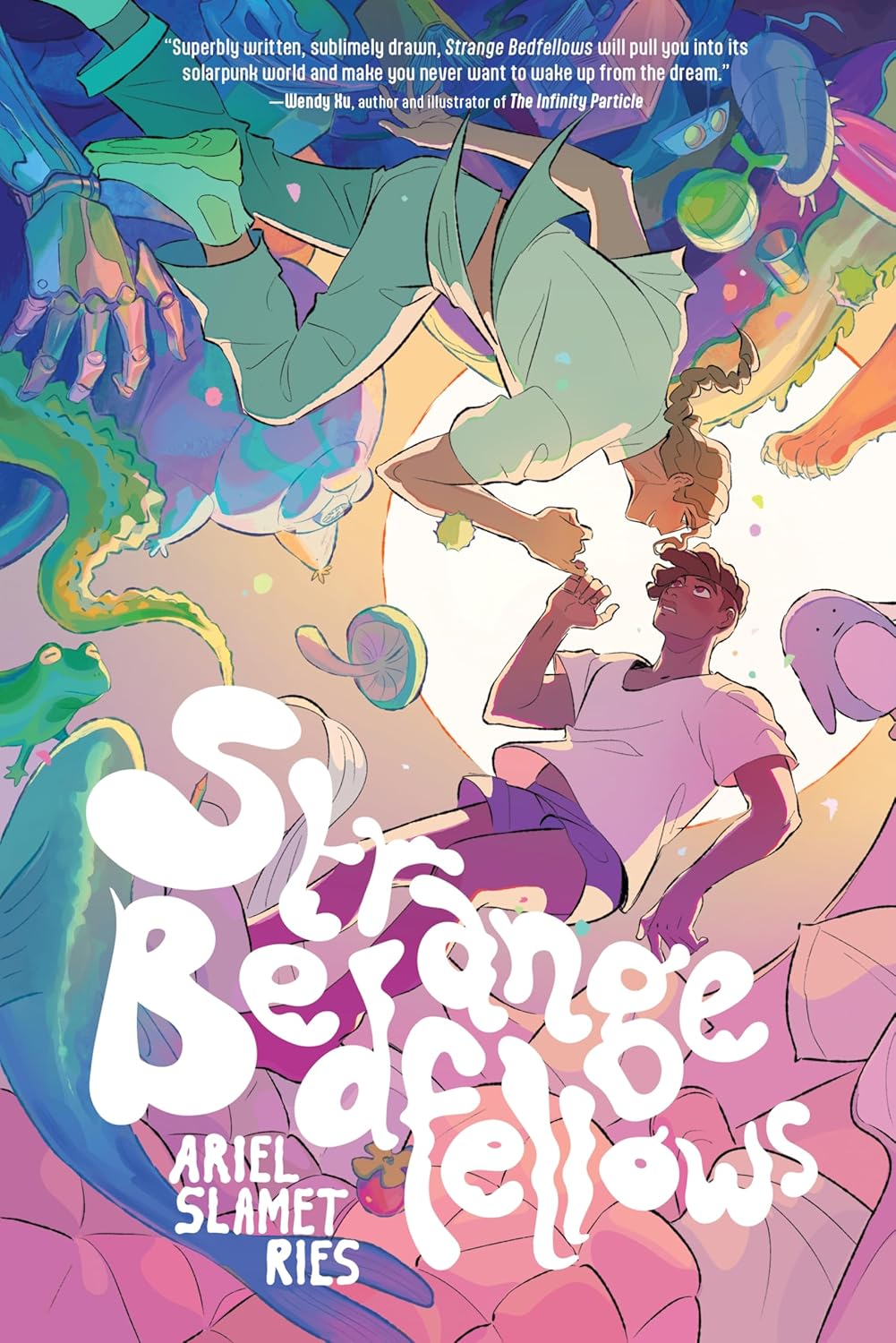
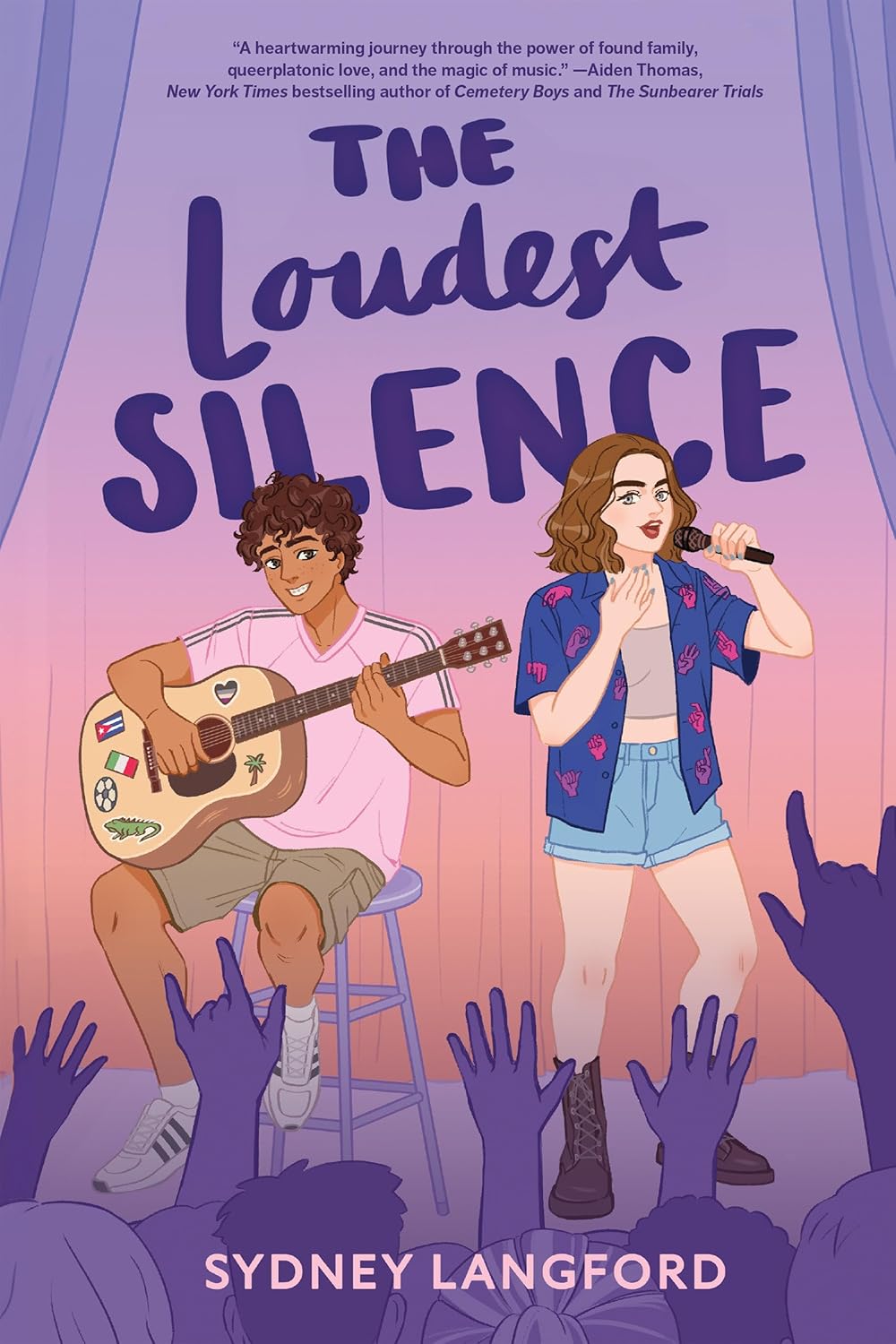
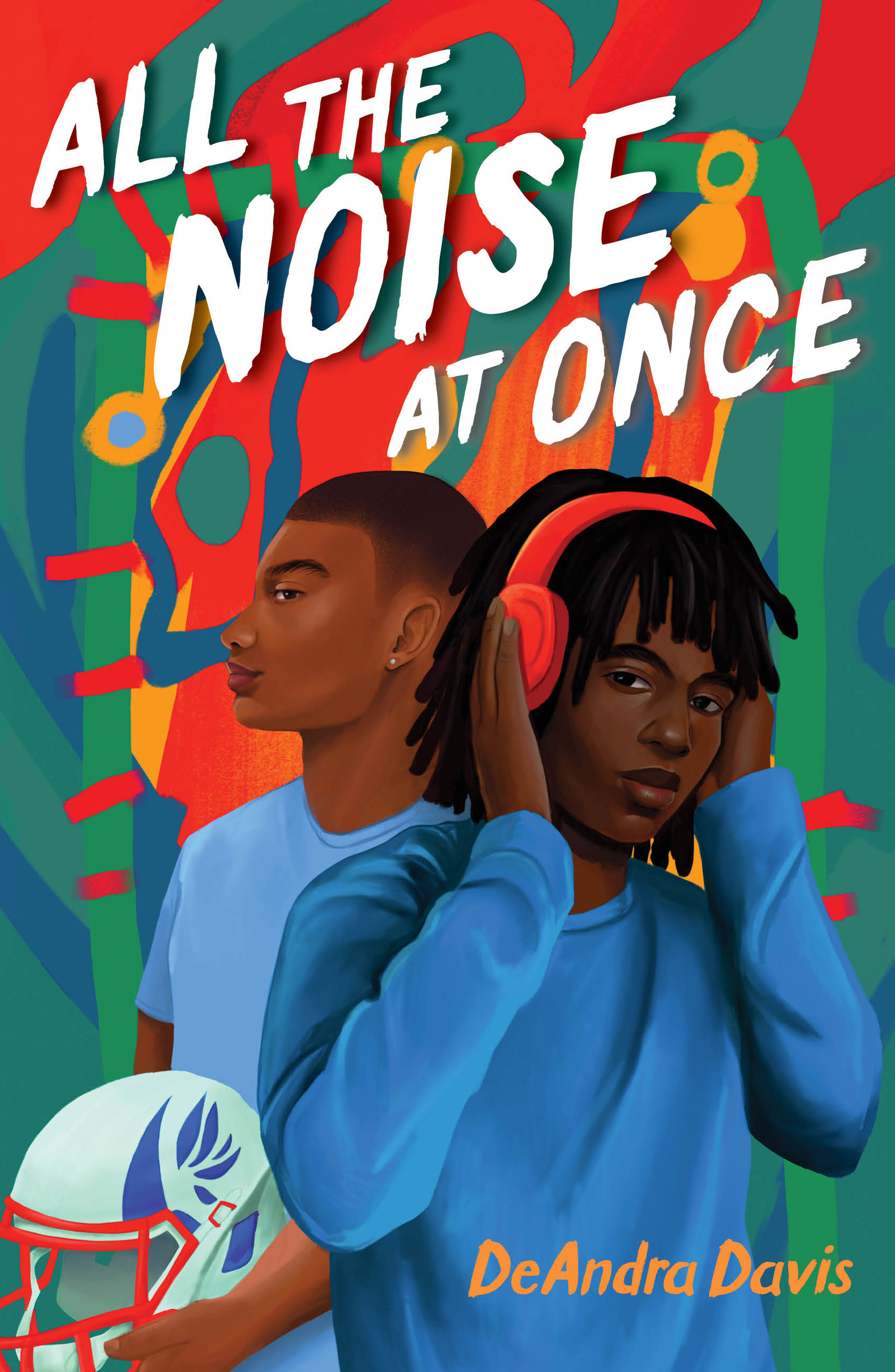
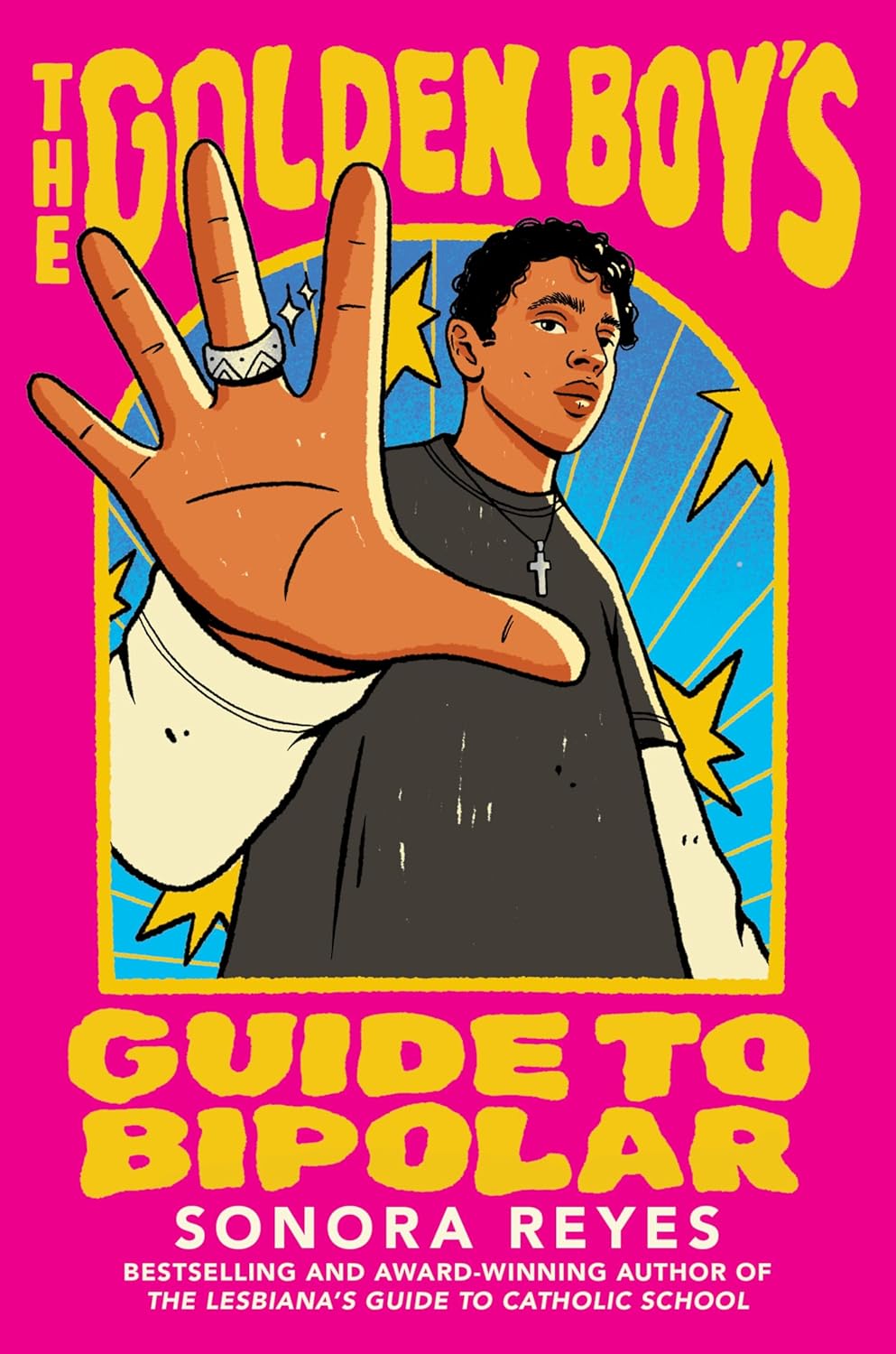
♿️ THE BOOKISH MUTANT’S BOOKS FOR DISABILITY PRIDE MONTH (2026 EDITION) ♿️

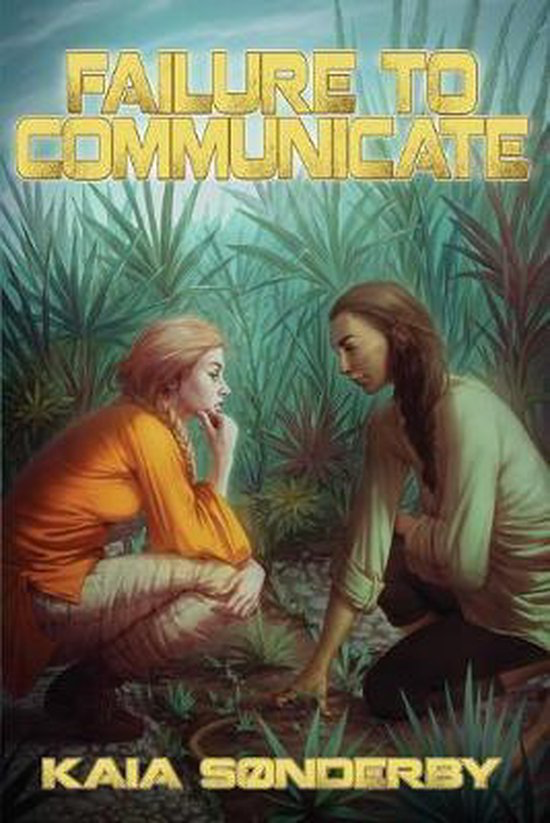
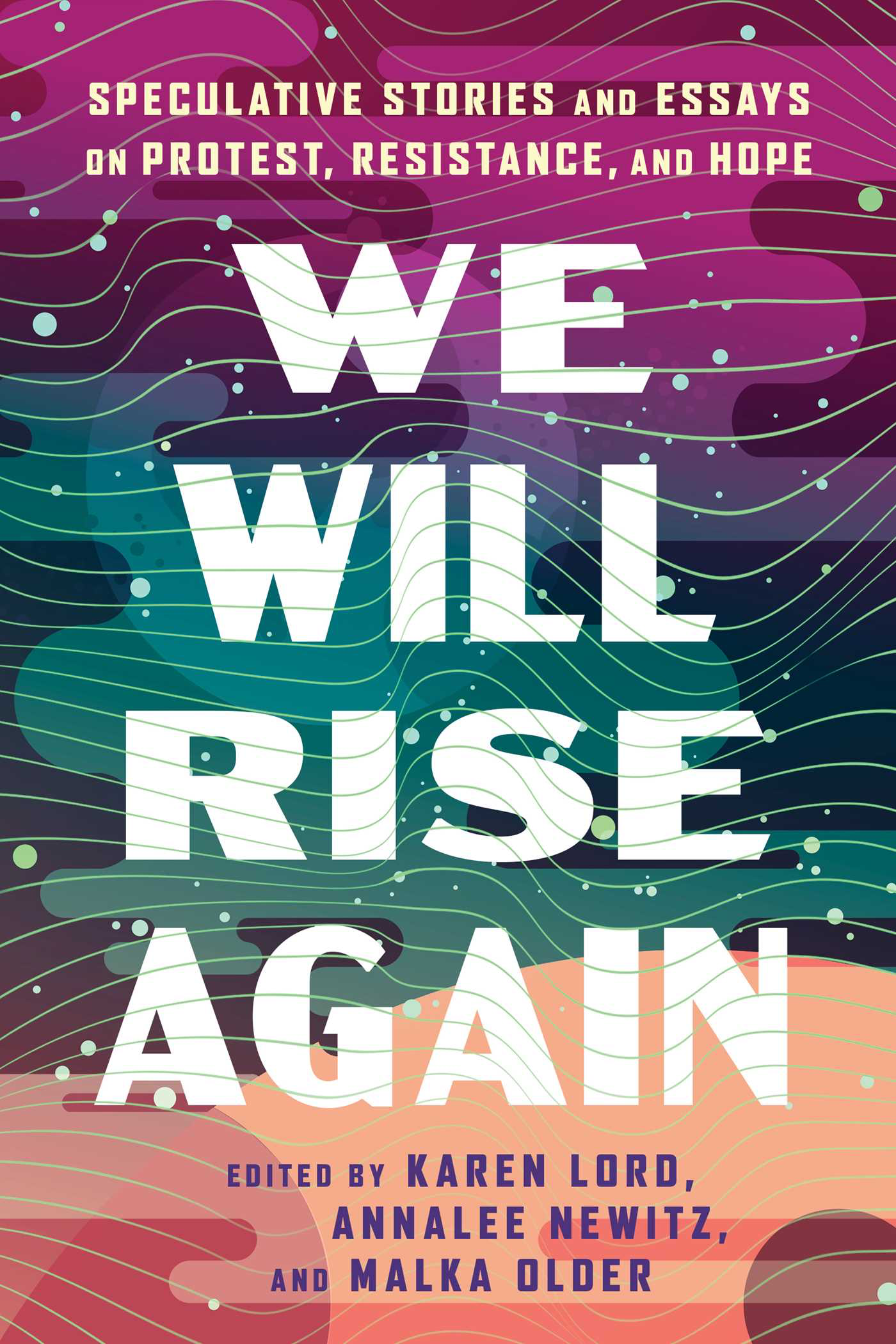
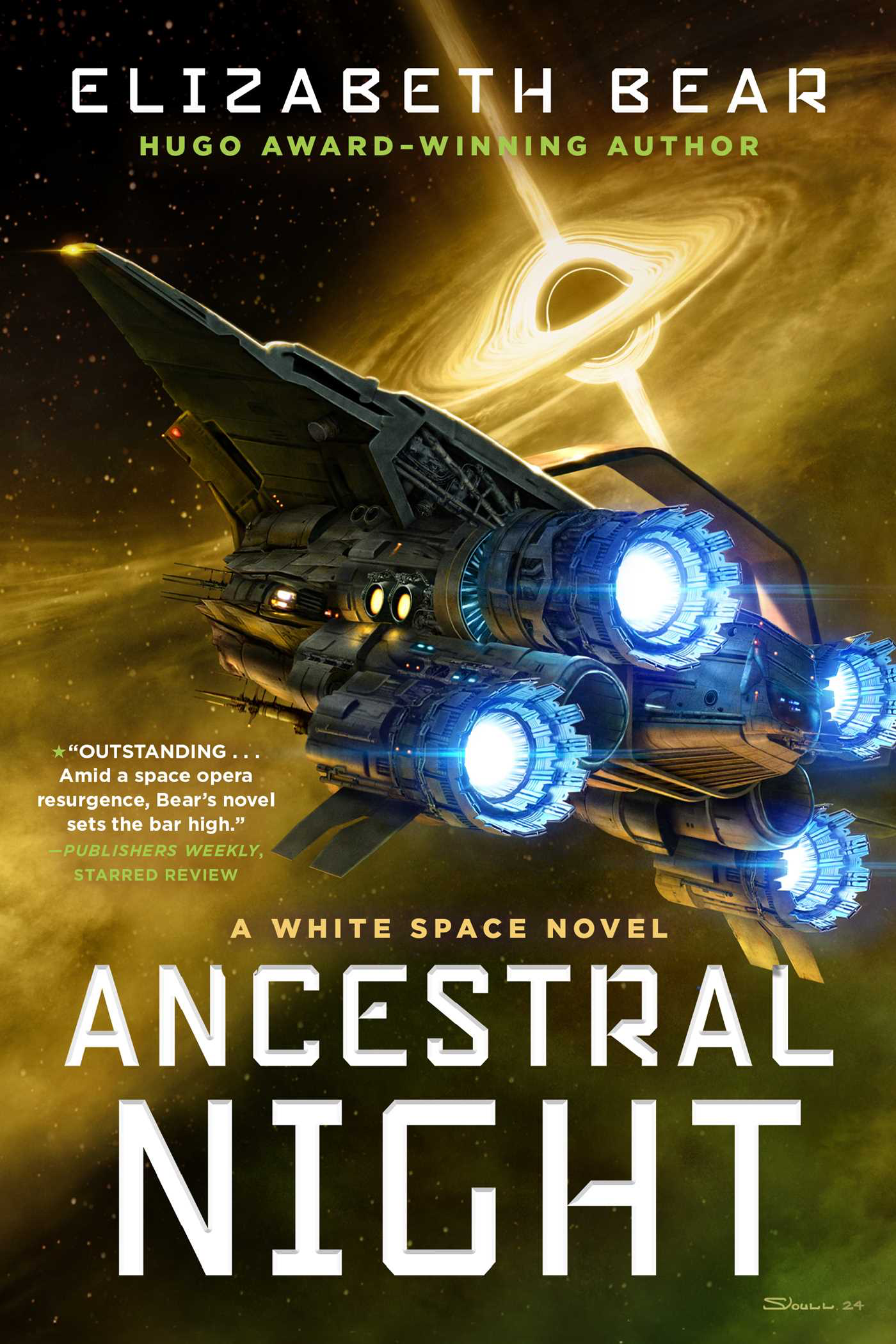
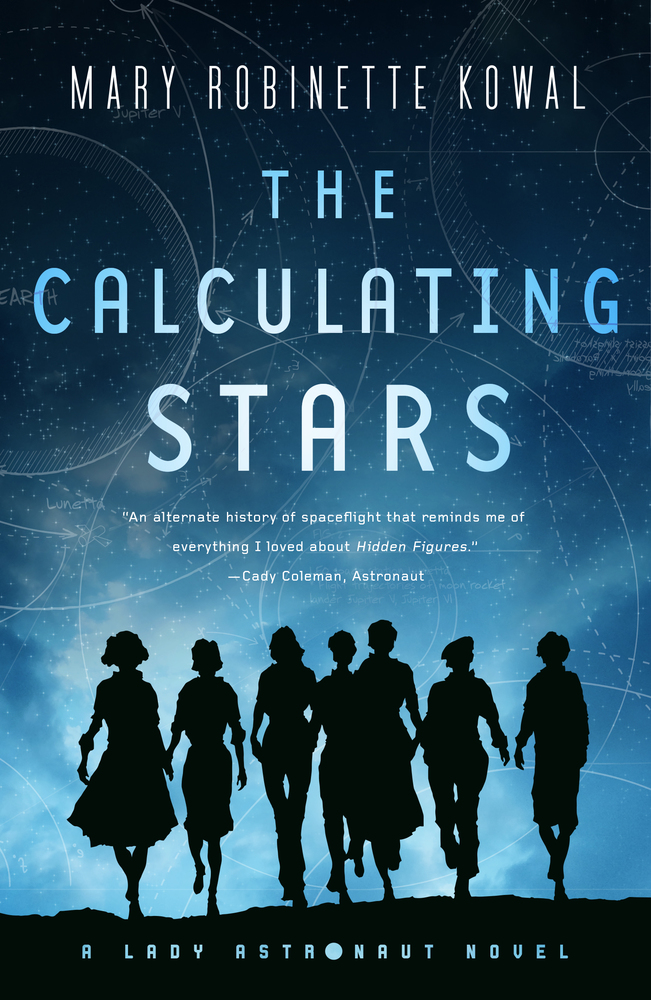
FANTASY:
SCIENCE FICTION:

REALISTIC/HISTORICAL FICTION:

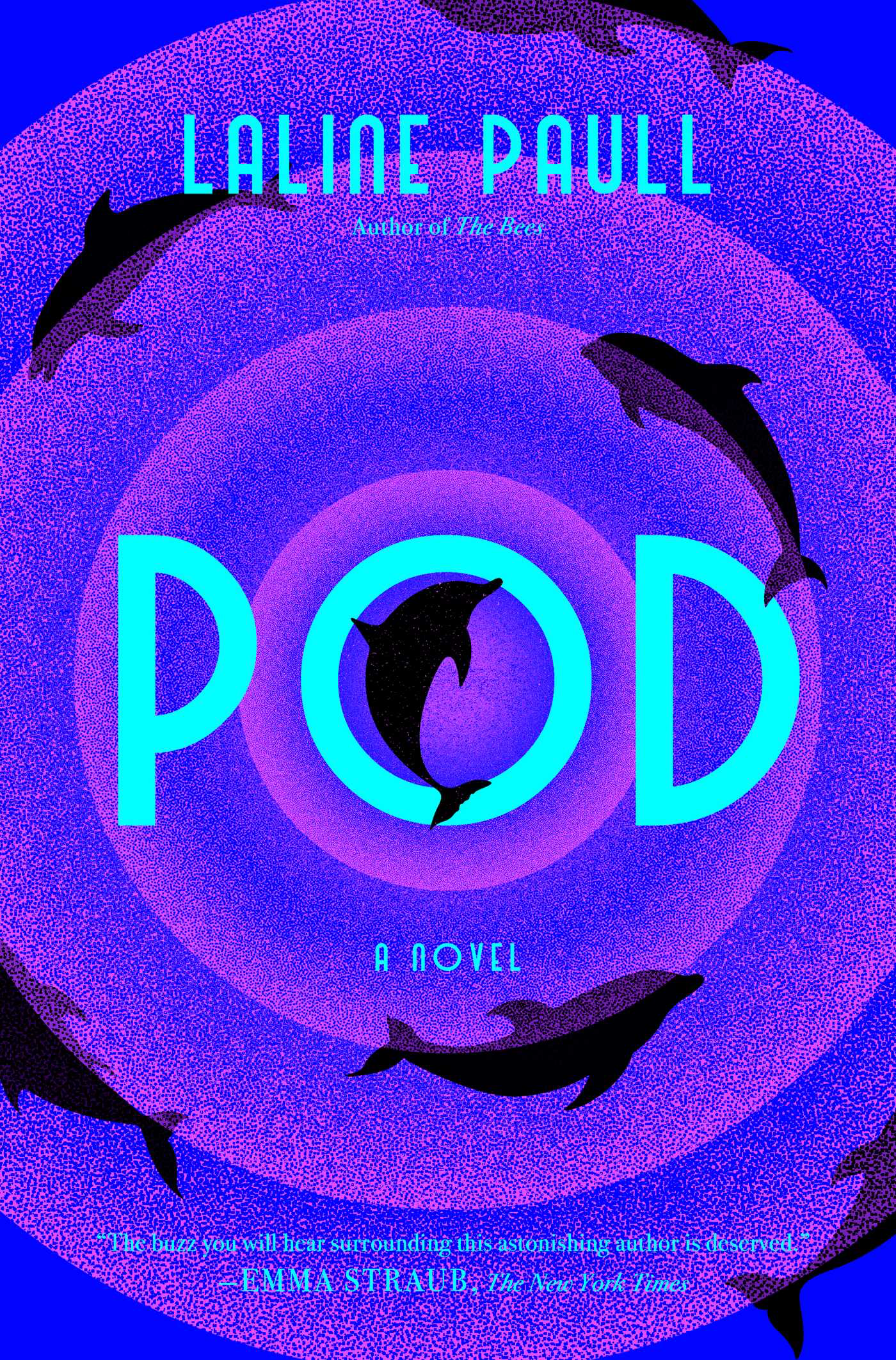
*the POV character in Pod is a dolphin, but I feel that the representation still counts.

NONFICTION:

TELL ME WHAT YOU THINK! Have you read any of the books on this list? What are your favorite books with disability rep? Let me know in the comments!

Today’s song:

THIS JUST IN, ROLE MODEL HERMIT IS A BANGER

That’s it for this post! Have a wonderful rest of your day, and take care of yourselves!

Posted in Book Review Tuesday

Book Review Tuesday (6/30/26) – Where Sleeping Girls Lie

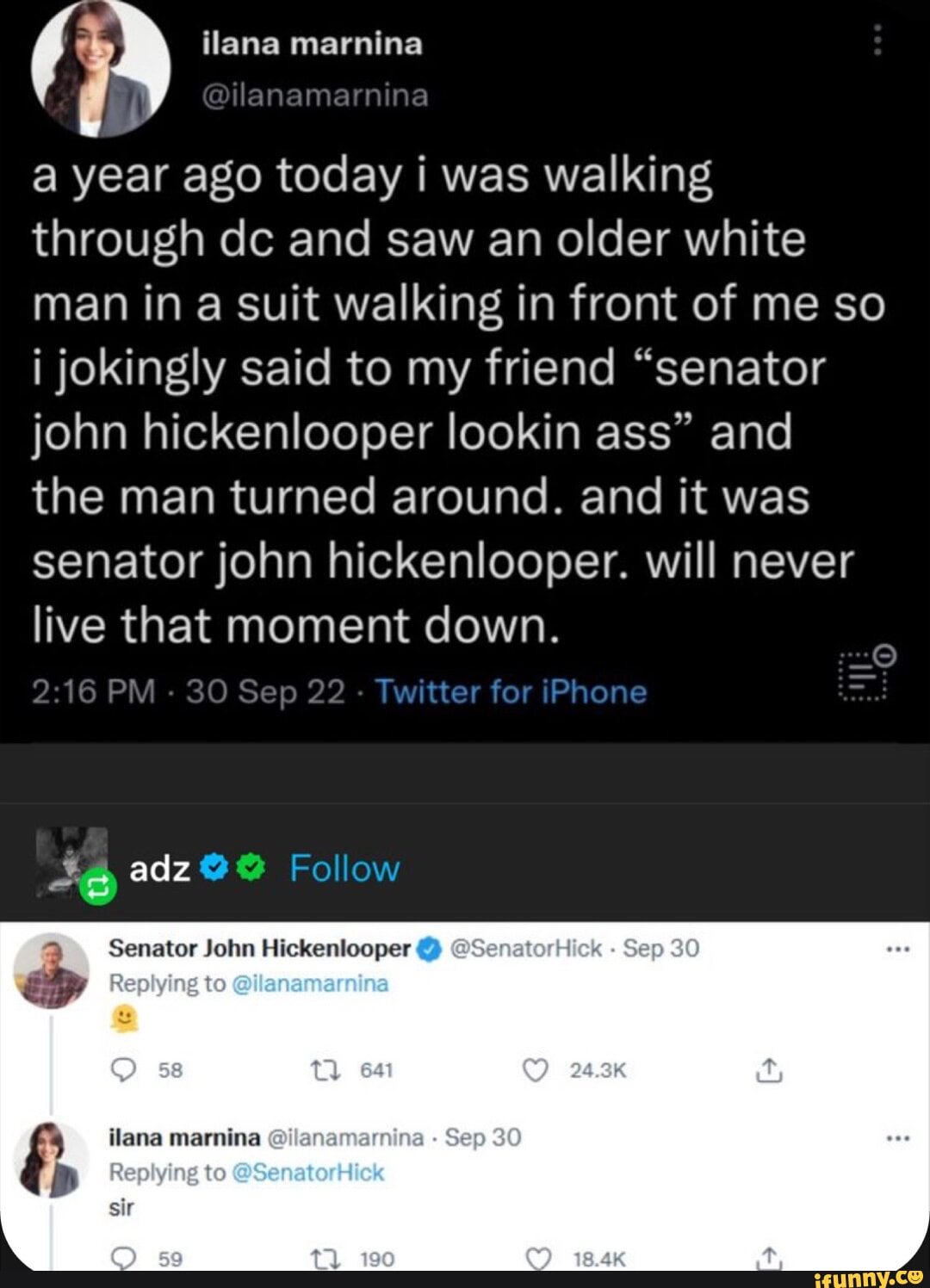
Happy Tuesday, bibliophiles, and if you’re a fellow Coloradan, happy Election Day! Get your ballots in by 7 pm today for them to be counted! (And preferably cast your vote for Julie Gonzales for Senate—we need somebody truly progressive, not another AIPAC-backed old white dude in office.)

we don’t need hickenlooper anymore, get him outta here…

I was a fan of Faridah Àbíké-Íyímídé’s Ace of Spades back when it first came out in 2021. Even though it’d been almost five years since I’d read a book of hers, I figured I’d give Where Sleeping Girls Lie a shot. Although it was by no means perfect, Where Sleeping Girls Lie was still a tense and fast-paced mystery.

Enjoy this week’s review!

Where Sleeping Girls Lie – Faridah Àbíké-Íyímídé

Sade Hussein is ready to start over—no matter the cost. Freshly an orphan and homeschooled all her life, she’s enrolled in Alfred Noble Academy, a cutthroat boarding school where only the most privileged earn a spot. She has her reservations, but she finds comfort in Elizabeth, her roommate and fellow outsider. But when Elizabeth goes missing and the faculty of ANA doesn’t seem to care, Sade knows that the school has something sinister lurking beneath the surface—and she’ll do anything to expose it.

TW/CW: rape/sexual assault themes, suicide, animal death, substance abuse, murder, loss of loved ones

WARNING: this review contains spoilers! Proceed with caution if you want to read this book and haven’t yet.

It’s been almost five years since I read Ace of Spaces. My tastes have inevitably shifted a bit. But it says something that Faridah Àbíké-Íyímídé’s writing feels just as sharp, even though I’m no longer in the target audience. Where Sleeping Girls Lie is a timely mystery that kept me hooked!

Faridah Àbíké-Íyímídé has still got it. Where Sleeping Girls Lie is, for the most part, both excellently plotted and paced. This book is just over 400 pages (on my Kindle edition, at least), and I managed to blow through it in only two days. (Yes, I know I’m a fast reader, but for me, that’s still saying something.) Every beat of the mystery of Elizabeth’s mystery—and the sinister underbelly of ANA that gets exposed in the process—was meticulously planned, and I loved how the back-and-forth between Sade and Baz developed along with the clues they discovered. It was so grippingly written, and Àbíké-Íyímídé did such an excellent job of spreading the mystery and reveals out in a logical but still fast-paced way, giving enough breathing room between reveals to keep me hooked for the whole novel.

I also really enjoyed the dynamic between Sade and the other characters. Although there were times when Àbíké-Íyímídé’s writing felt a little too YA and her humor didn’t always land, she did a fantastic job writing the effortless rapport between all of the main characters. The dynamic between Sade and Baz was sweet, but I think I enjoyed the slow-burn romance between Sade and Persephone the most; in an age group where it’s so easy to write halfhearted insta-love, Àbíké-Íyímídé’s gradual, will-they-won’t-they dynamic between the two girls was one that I was rooting for from the start. As with her other novels, there’s diversity aplenty—it’s always so cool to see protagonists like Sade (Black, Muslim, sapphic, and has depression and C-PTSD) in the spotlight, and the diversity in this novel felt so effortless and natural. And as Where Sleeping Girls Lie deals with all manner of slimy, predatory characters, I enjoyed the nuance that Àbíké-Íyímídé applied to the many gross characters (especially Jude and August)—they weren’t cardboard villains, but realistic manipulators who had built up charming exteriors and skirted around the blame for their reprehensible actions.

That brings me to the main theme of Where Sleeping Girls Lie; I put trigger/content warnings at the top of all my reviews, but I would highly suggest keeping them in mind before reading this book. This novel deals a lot with rape culture, sexual assault, and how systemic misogyny protects powerful men from ever facing the consequences of their actions. While this novel is technically a murder mystery, there isn’t a singular “villain” to pin the crime on: the villain is the system, which I think is the best way to do justice to this issue. The resolution isn’t neatly tied in a bow, and all of the bad guys don’t get paraded off to jail; while Sade and the others get some semblance of closure, I liked that Àbíké-Íyímídé didn’t shy away from the fact that more often than not, rapists and misogynists are allowed by our patriarchal system to get off scot-free. Sade also has depression and C-PTSD, and while I can’t speak to the accuracy of the representation, I appreciated Àbíké-Íyímídé’s depiction of how such traumatic events can become deeply embedded into a person like her. It’s a biting indictment of rape culture that pulls no punches—exactly as it should be.

However, Where Sleeping Girls Lie faltered in the handling of its twists. Ultimately, what happens in the next two paragraphs is the main reason this didn’t get the full four stars from me. From the start, there’s the matter of Sade being an unreliable narrator; while Àbíké-Íyímídé maintains this for a solid amount of time, it feels like she all but abandoned the twist with Jamila until the last minute. We get Sade’s hallucinations/dreams about Jamila early on in the book, which were excellent in terms of building up the eerie atmosphere. However, they’re then completely forgotten, and there’s no further indication of Jamila’s role in the story until we get the reveal about her—to say that it’s put on the backburner is an understatement. It’s like Àbíké-Íyímídé completely forgot about her existence and then had to scramble to include her during the Big Reveal (with a capital B). I’m all for a surprise twists, but it feels like after the first 30 pages of the book, there’s hardly any indication that Sade has something that drastic to hide. I find it hard to believe that Sade didn’t even have a handful of fleeting memories of her recently dead twin sister throughout this entire thing.

The same can be said about the twist about Francis at the end of Where Sleeping Girls Lie. I get that the message was supposed to be that the “culprit” of the mystery was meant to be the system of patriarchy/rape culture/misogyny, and I appreciated that choice. But the twist about Jude being offhandedly killed by Francis out of nowhere just didn’t make much sense. Like with Jamila, it felt like Àbíké-Íyímídé had built up this intricate web for the Fishermen plot, and then forgot that there was supposed to be a culprit to the murder, and just threw a dart at one of the more unlikable characters just so that the more nuanced characters didn’t have to take the fall. The rest of the mystery of Where Sleeping Girls Lie was so well plotted that it just felt cheap to pin it on a relatively inconsequential character and move on.

All in all, a gripping YA mystery that grabbed my attention, but failed to clinch the full four stars for the handling of its twists. 3.75 stars!

Where Sleeping Girls Lie is a standalone, but Faridah Àbíké-Íyímídé has also released Much Ado About Persephone, a short story set after the events of the novel. She is also the author of Ace of Spades, The Heirs, the co-author of Four Eids and a Funeral (with Adiba Jaigirdar), and has contributed to several short story anthologies, including The White Guy Dies First: 13 Stories of Fear and Power, Doctor Who: Origin Stories, Black Joy, and more.

Today’s song:

happy end of pride month. god, I love britpop.

That’s it for this week’s Book Review Tuesday! Have a wonderful rest of your day, and take care of yourselves!

Posted in Book Review Tuesday

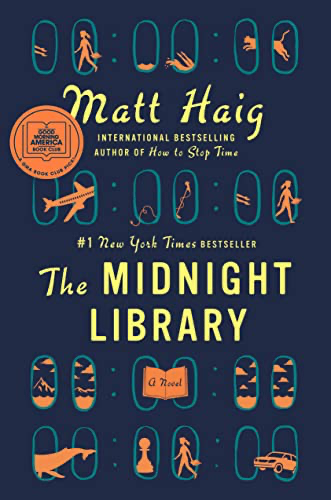
Book Review Tuesday (2/7/23) – The Midnight Library

Happy Tuesday, bibliophiles!

I’ve had this book on my radar for a few years now, but I wanted to read it after the ocean of hype died down. I forgot about it for a while, and I found a copy at my college’s library, and figured that it might be worth a try—I read The Humans, also by Matt Haig, and thought it was decent, so I decided to take a stab. I lowered my expectations to average from all of the hype, but The Midnight Library ended up being even worse than I thought—insultingly un-nuanced and a wholly frustrating read.

Enjoy this week’s review!

The Midnight Library – Matt Haig

Nora Seed has reached what seems to be a dead end in her life. All of her childhood dreams never came to fruition, and now she’s stuck in her thirties with nowhere to go. But after she attempts to take her own life, Nora finds herself in the Midnight Library, where every book on the endless shelves contains an alternate life—lives where she pursued different dreams, different boyfriends, and every other imaginable outcome. As she travels through a multitude of alternate realities, Nora must come to terms with herself and how she wants to live her life—full of regrets, or full of hope?

TW/CW: suicide/suicidal ideations, animal attack, loss of a loved one, depression, panic attacks, animal death, substance abuse, cancer

A recurring thought that came to me while reading The Midnight Library was that it was like if you sucked every ounce of nuance and complexity out of Everything, Everywhere, All At Once. I know full well that Everything came out two years after this novel, but my point still stands. In the abstract, the message of The Midnight Library was good, but it had all the subtlety of a sledgehammer to the face, which made for an exceedingly unpleasant reading experience.

The Midnight Library is a case study in the effect of good or bad execution of a story idea. If you have a good idea but don’t execute it well, the idea itself gets bogged down in all of the structural flaws of the writing itself. The message that Matt Haig tried to get across was a good one—focusing on living your life, not getting bogged down with regrets, and giving yourself a chance to change—but it was so ham-handed in its delivery that all of the nuance (of which there was SO much potential) was erased entirely. It was so clear that The Midnight Library was trying to say something, but without any complexity, it ended up spitting out nothing that we haven’t heard before.

For instance, in one life, Nora Seed is a world-famous rockstar selling out arena shows all around the world. However, as Nora progresses through this alternate timeline, she realizes that this alternate self is feeling empty inside, and that fame has left her a barren shell of what she once was. That’s all well and good, and it’s a good message that fame does not automatically equal happiness. But at the end of the chapter, this message was digestibly packaged into a short platitude, right above Nora’s hypothetical follower count on social media. It was almost insulting how it was delivered—what was the point of that when Haig showed it through his writing just a page before? Even if you’re not a writer, if you’re ever taught about writing in school, “show, don’t tell” is one of the first principles that you’re taught. As a reader, it feels insulting to one’s intelligence: I got the message just fine, why be that redundant and blatantly obvious?

Furthermore, a lot of the potential lives, even though they were neatly and obviously packaged to the reader to teach them a lesson, ended up contributing nothing to the plot. When they did contribute, the message was reiterated by the all-knowing librarian, as if I’m watching a children’s show, each episode ending with an “and what did we learn today, kids?” kind of message. The Midnight Library isn’t all that long of a book, but a good quarter of the misadventures through Nora’s alternate lives didn’t serve any purpose, even though that was the obvious intent.

Lastly—Matt Haig isn’t at fault for this first part, but dear lord, do not let the synopsis fool you. This is not a feel-good book. The inciting incident for The Midnight Library is Nora attempting suicide, and that got glossed over so much in the marketing of the book. For the first part of the book, I feel like Nora’s mental health issues, although they aren’t explicitly named, were dealt with respectfully, but once it got to the end of the book, it took a turn for the worse. As if by magic, Nora’s depression is cured, and she now has the will to live again, after glimpsing all of her alternate lives. It really felt harmful—yes, this is a sci-fi/fantasy book, but depression and other mental health issues don’t magically disappear after a romp through alternate realities. Downplaying something as serious as depression and suicide really didn’t sit right with me, and it felt like the ending of the book erased something that should have been acknowledged far more in this book.

All in all, a disappointing book that decided to take its well-intentioned message and knock you over the head with it, thereby erasing all attempts at nuance and complexity. 2 stars.

The Midnight Library is a standalone, but Matt Haig is also the author of The Humans, How to Stop Time, The Radleys, and several other books.

Today’s song:

I like this one even more than Panopticom—I can’t wait to see what else this album brings!!

That’s it for this week’s Book Review Tuesday! Have a wonderful rest of your day, and take care of yourselves!