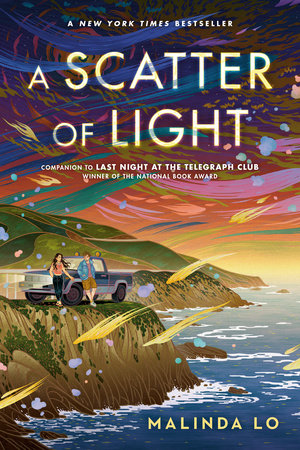
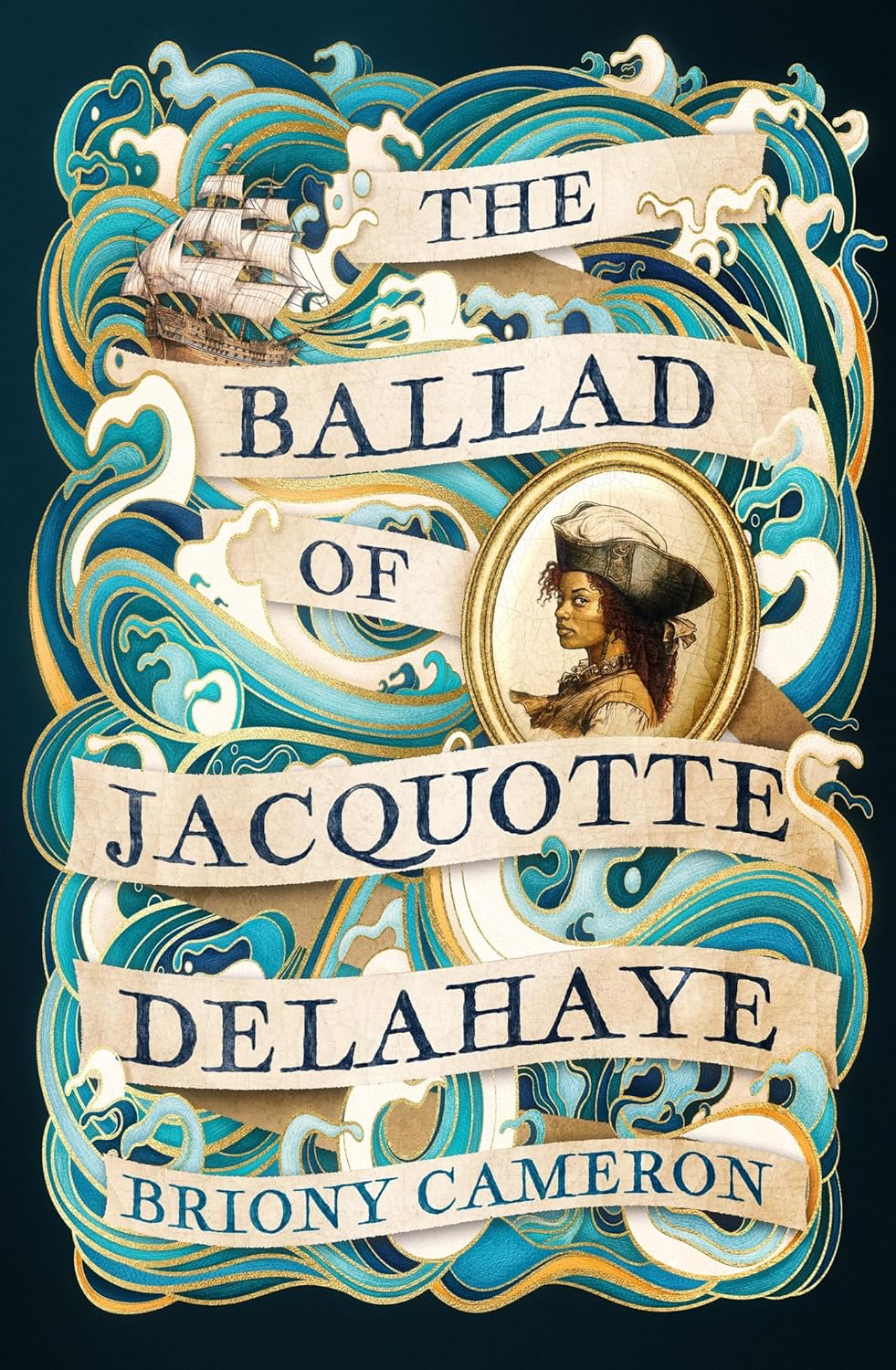
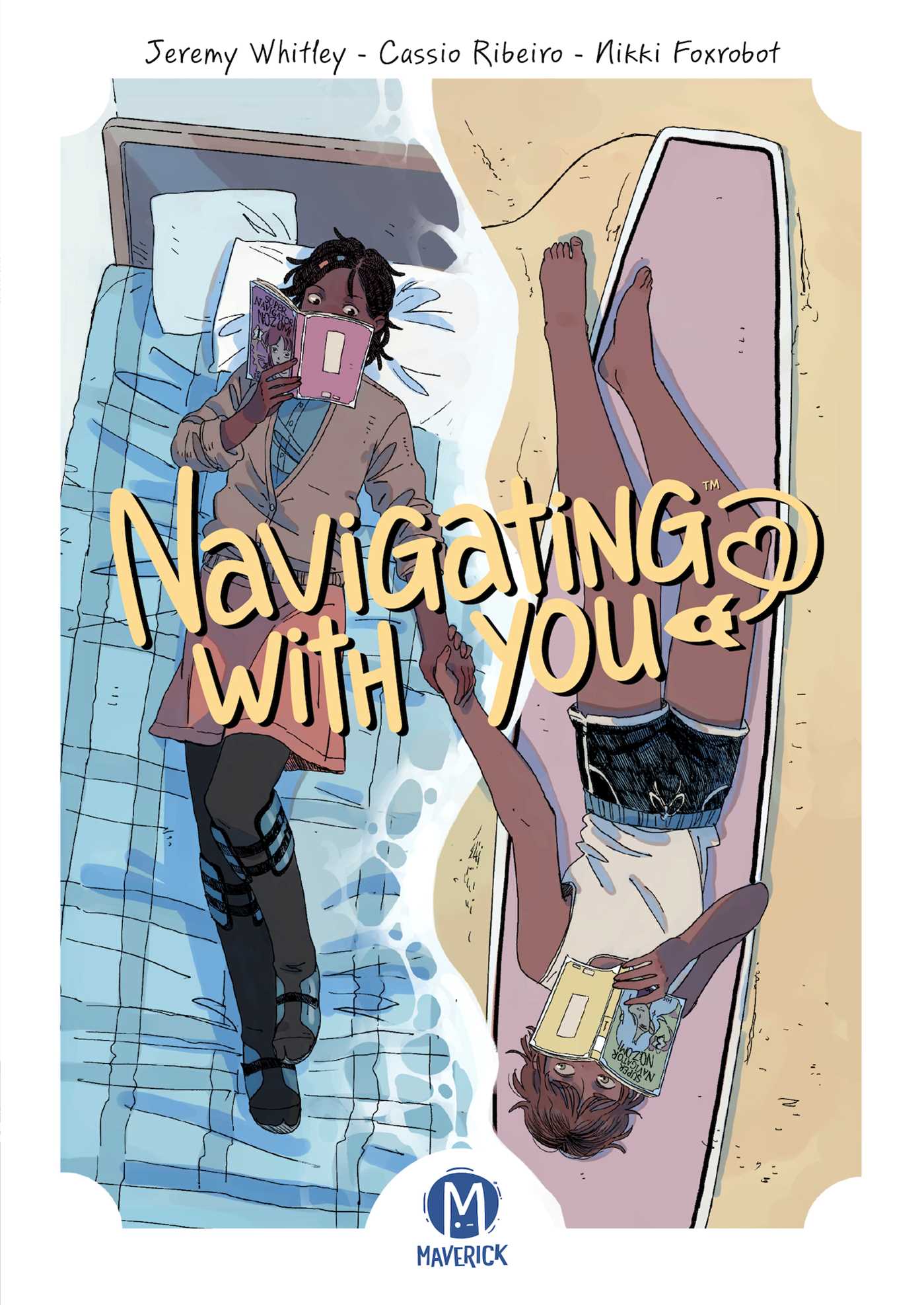
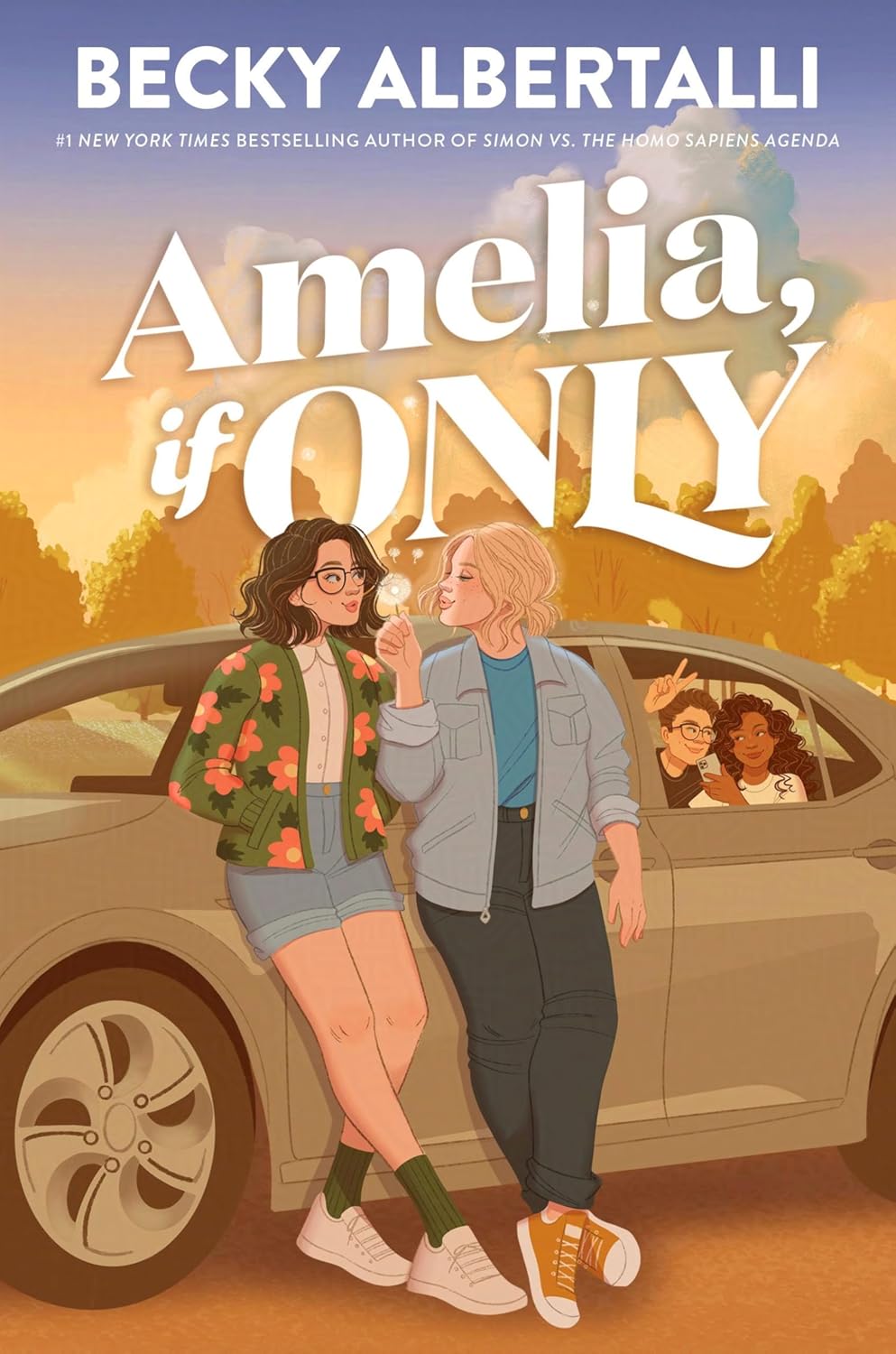
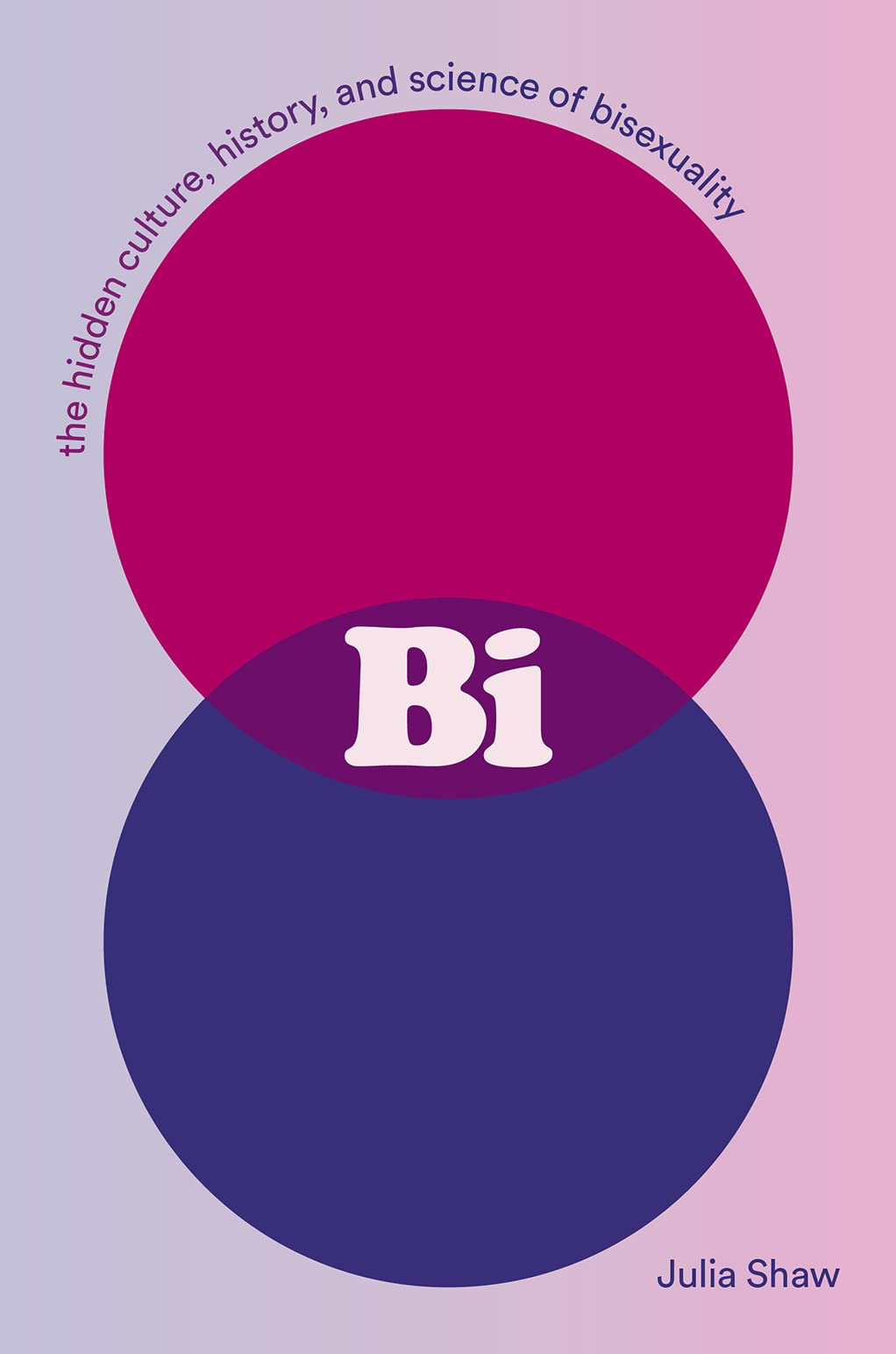
This past week, September 16-23, has been Bisexual Visibility Week, and today, September 23rd, is Bisexual Visibility Day! See me. I’m right here. Well, in your screen. Along with my Latine Heritage Month post, this is another one that I’ve neglected to do some years since it comes at a slightly dicey time in the school year, but I probably shouldn’tbe neglecting, since it, y’know, directly correlates to my identity. Oops. A little embarrassing, but once again, no time like the present.
Every year. Every year, I swear to god. I’m much less online than I used to be, but from what I see snatches of, every other year, some discourse comes back about whether or not bisexuals are actually “queer enough” or if straight-passing bisexuals are allowed at pride, or something equally meaningless. (Also, I feel like everyone debating the latter should remember that Brenda Howard, a bisexual woman, was a key figure in creating Pride events and rallies as we know them here in the States.) Just seeing flashes of whatever’s going down on TikTok makes me lose a year off my life. But it brings up a point that I’ve often thought about when it comes to the queer community: the infighting needs to stop. Please. There’s no sense in playing the oppression olympics amongst ourselves, especially when the threats against the LGBTQ+ community at large are so much more pressing. Also, please stop being weird about bisexual people. This is coming from somebody who’s had the privilege of not experiencing any direct biphobia, thankfully, but has heard it in real life directed at friends and loved ones, as well as seeing it run rampant on the internet. All of this petty fighting is a distraction from what’s really happening: not long after they removed the word transgender from the Stonewall National Monument website, they removed the word bisexual from the “history and culture” section. As of now, they’ve since reinstated it (though the absence of trans people remains glaring…love to all my trans siblings, in light of, well, everything), but it sends a clear message: they’re bent on cutting our community up until they can conveniently erase it from American history. And we will not be erased.
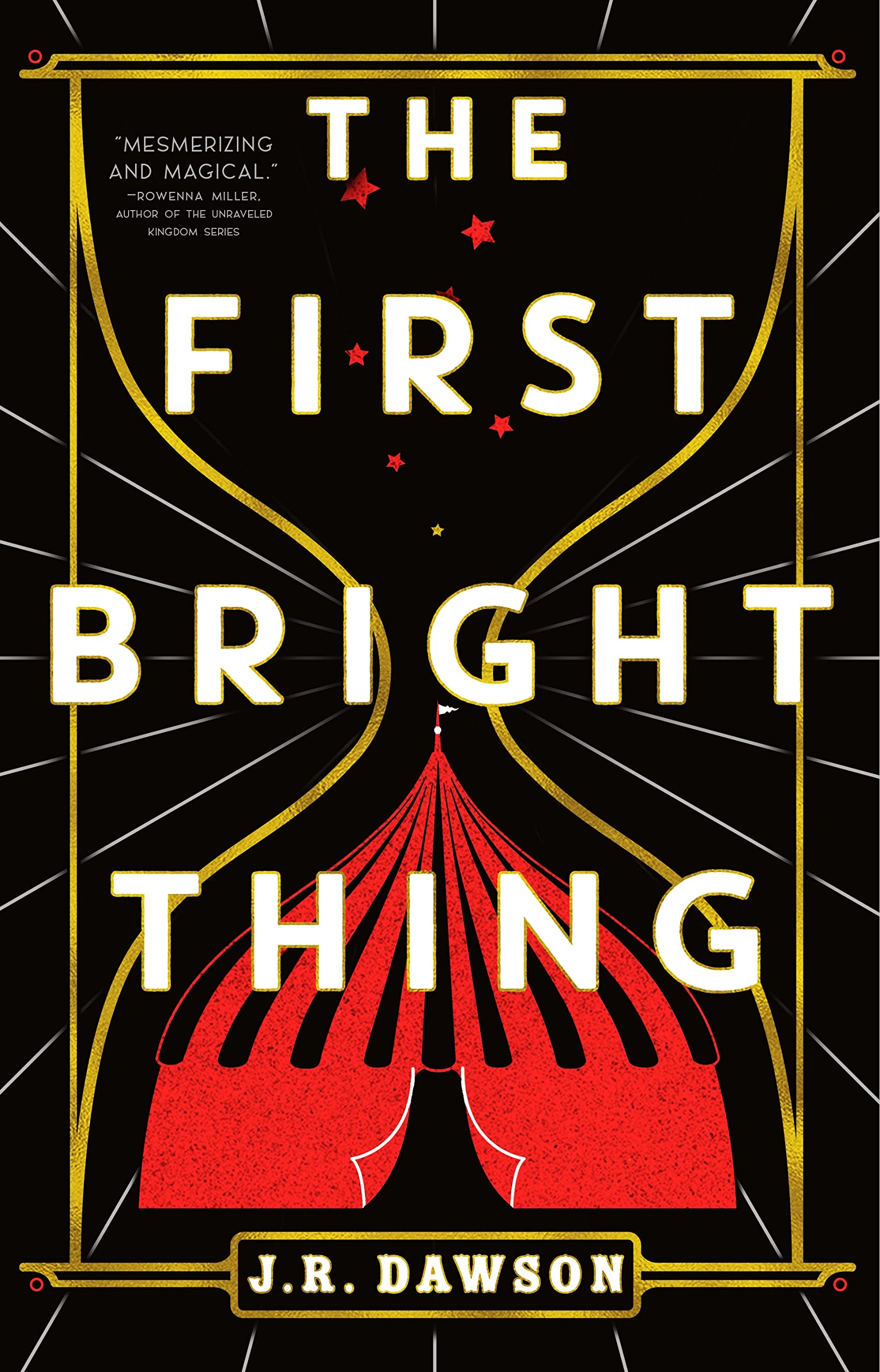
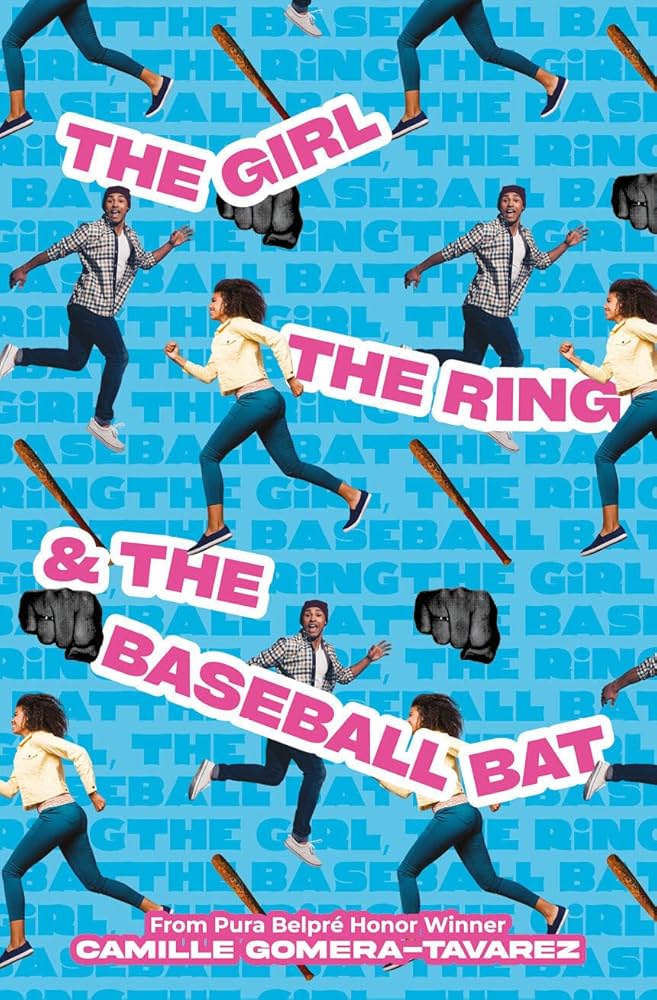
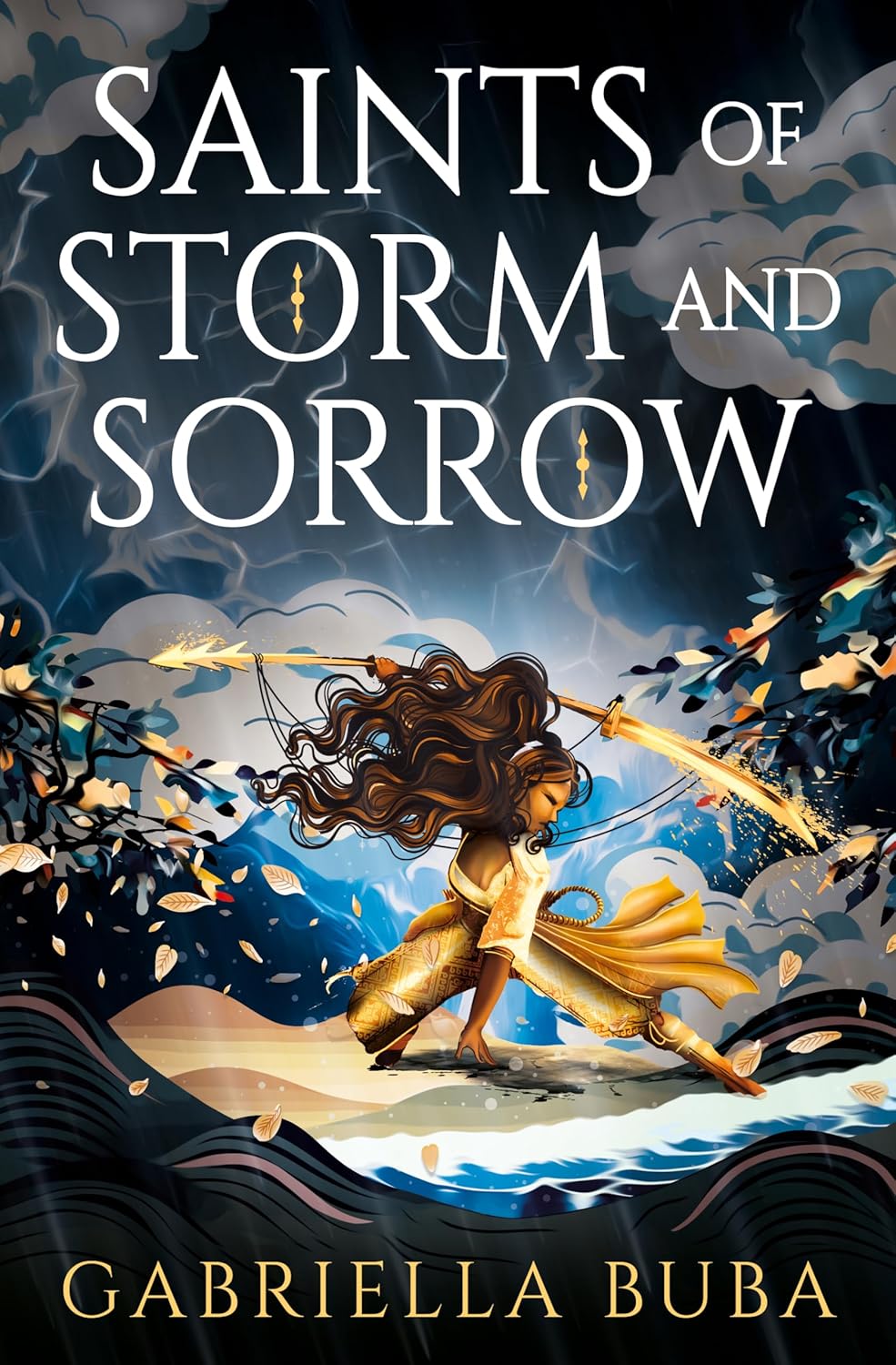
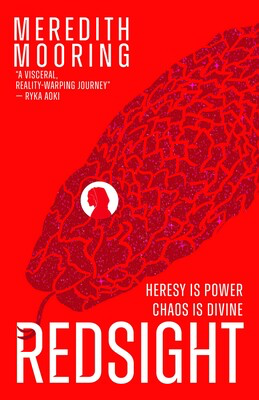
To all of my fellow bisexuals: you are bisexual enough. No matter your relationship status, attraction, or partner, you will always be bisexual. Nobody can dictate your identity but you. Not the internet, not the people in your life—nobody. There is no one central bisexual experience, but every individual experience under the sun is valid, so long as you want to claim it. You’re the captain of this ship, and you are bisexual enough. And you are loved. I don’t know about you, but I’ve loved being bisexual in the nearly seven years (Jesus, has it been that long?)
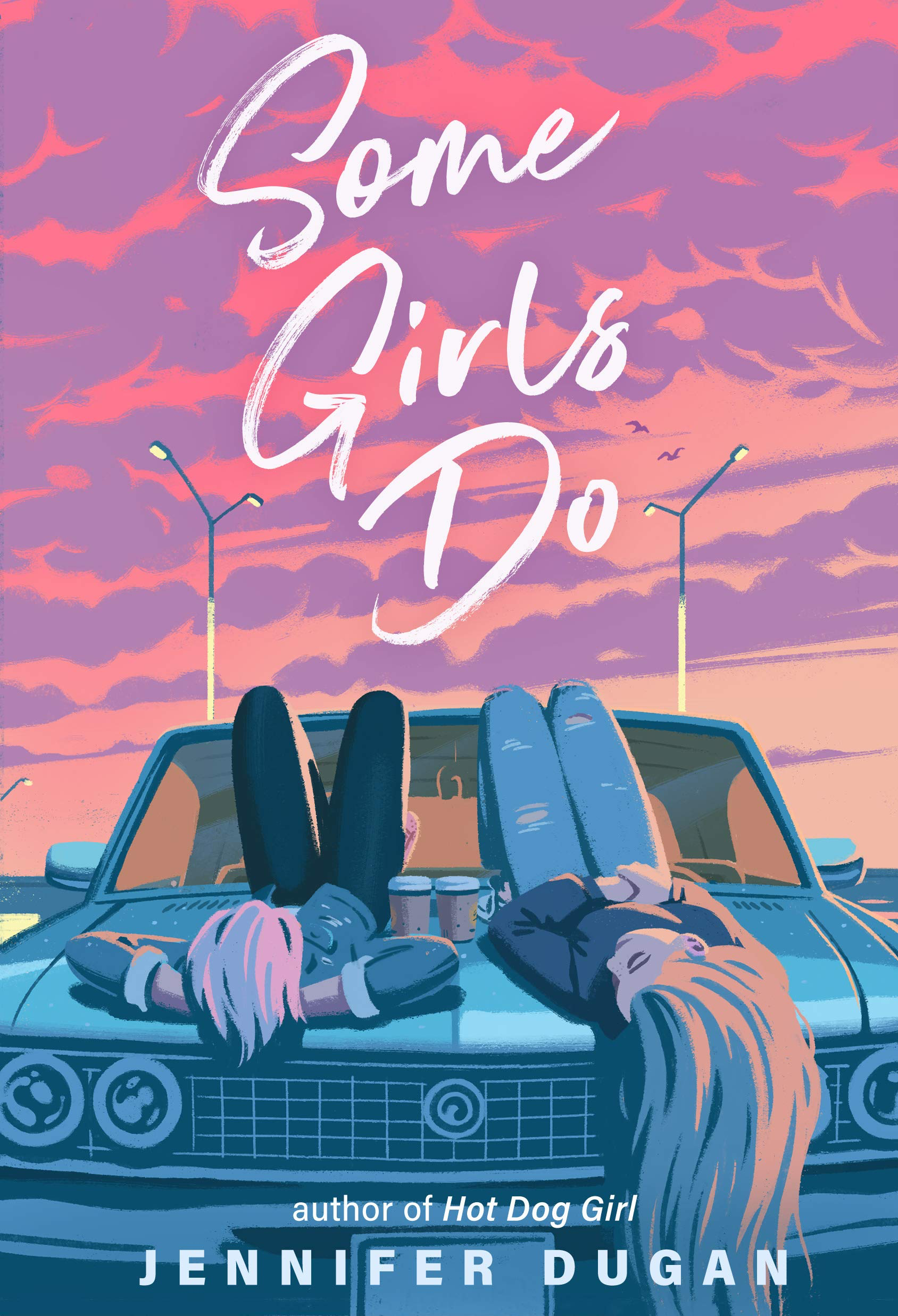
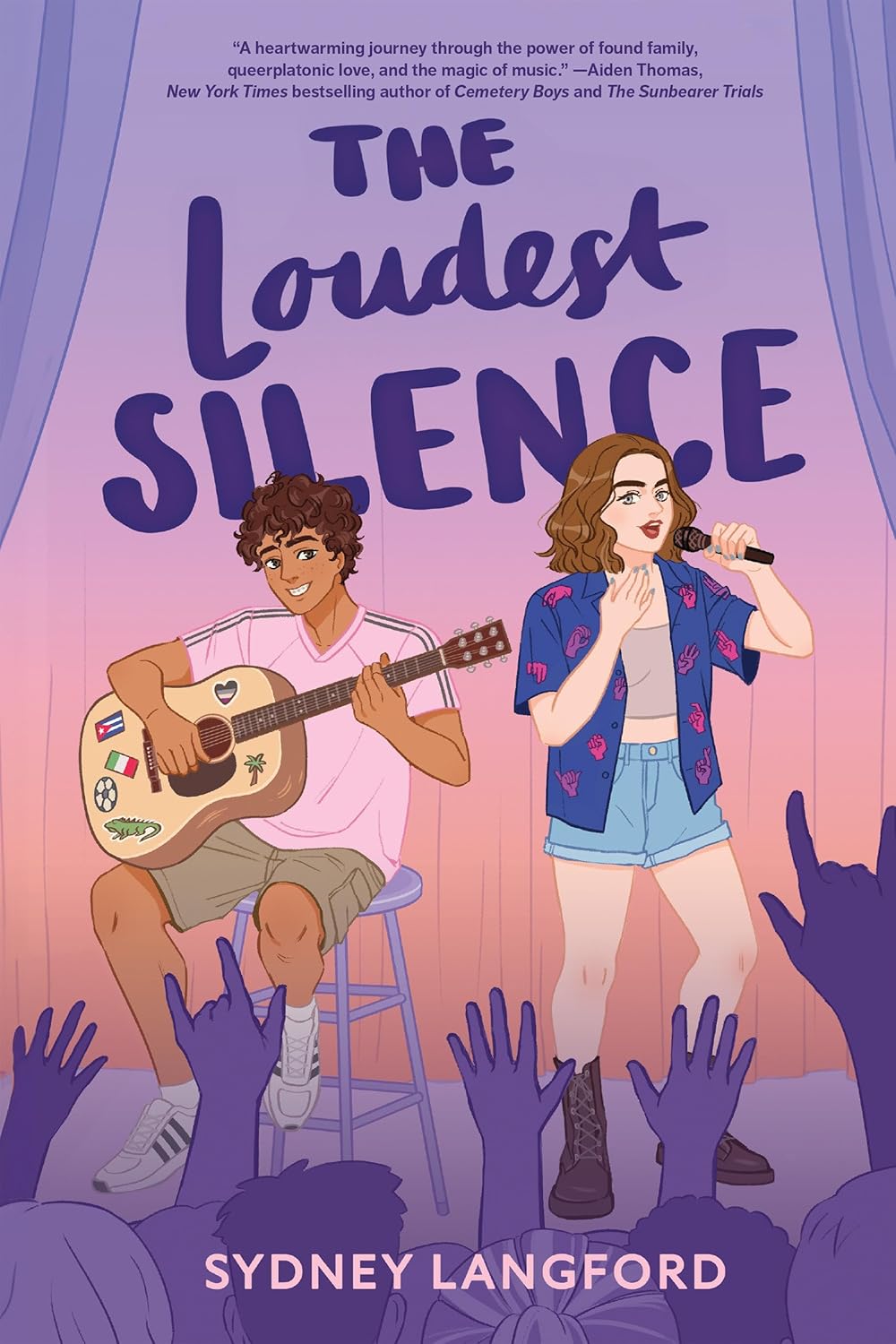
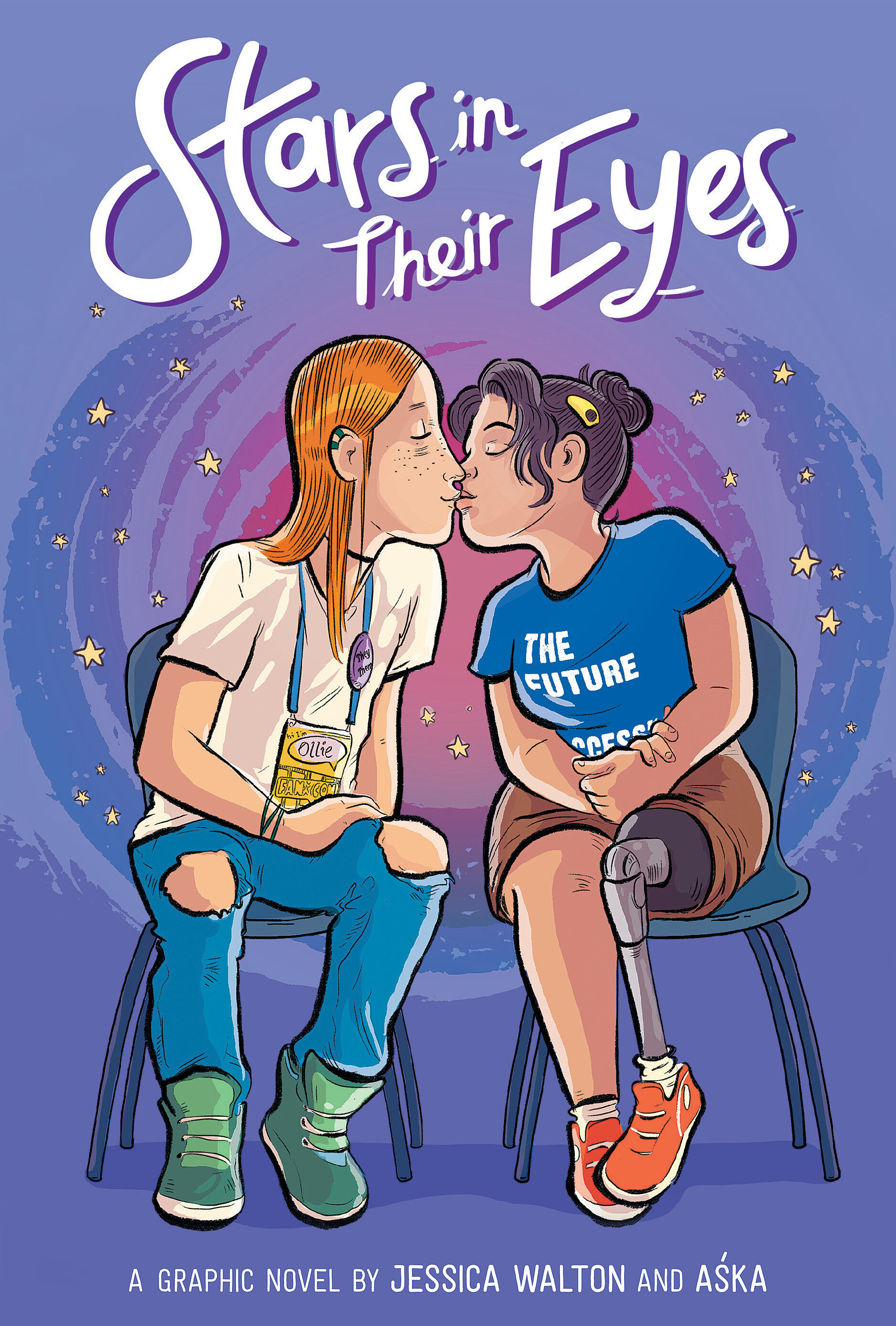
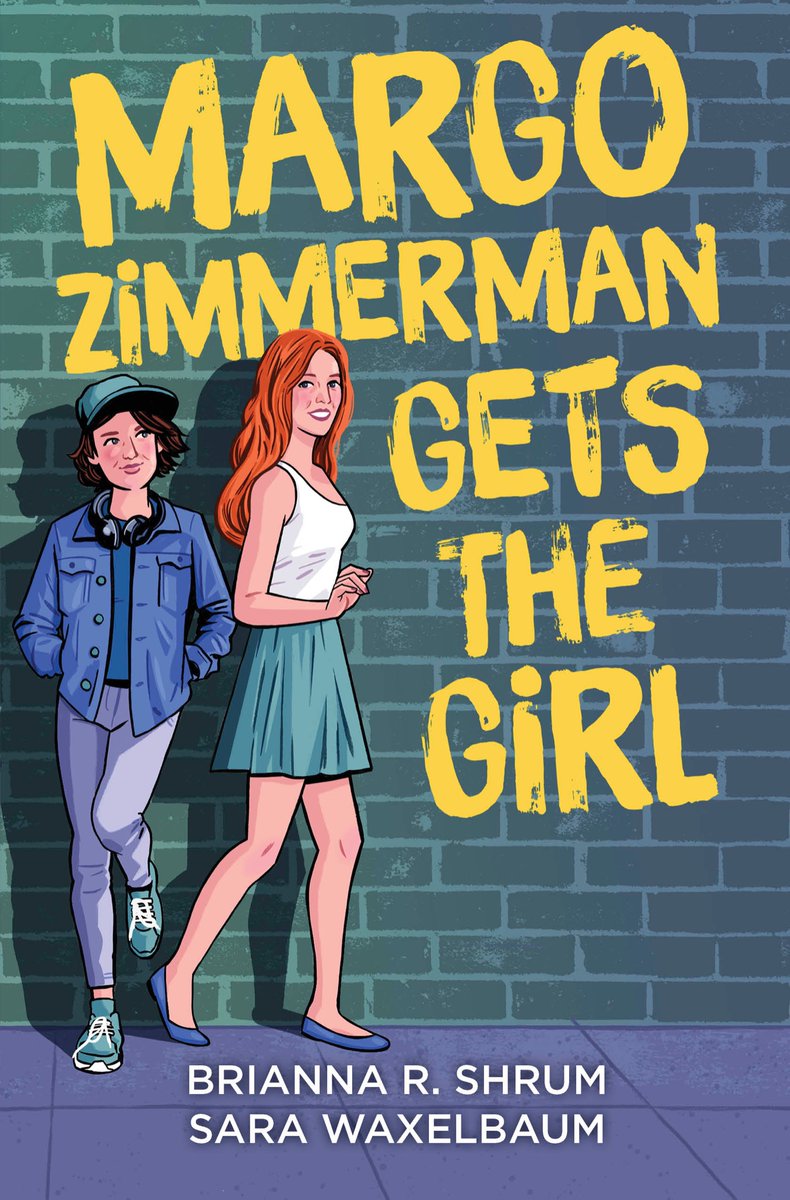
TELL ME WHAT YOU THINK! Have you read any of these books, and if so, what did you think of them? What are some of your favorite books by bisexual authors? Let me know in the comments!
Today’s song:
MICHELANGELO DYING IS UPON US, LET’S GOOOOO
That’s it for this recommendations post! Have a wonderful rest of your day, and take care of yourselves!
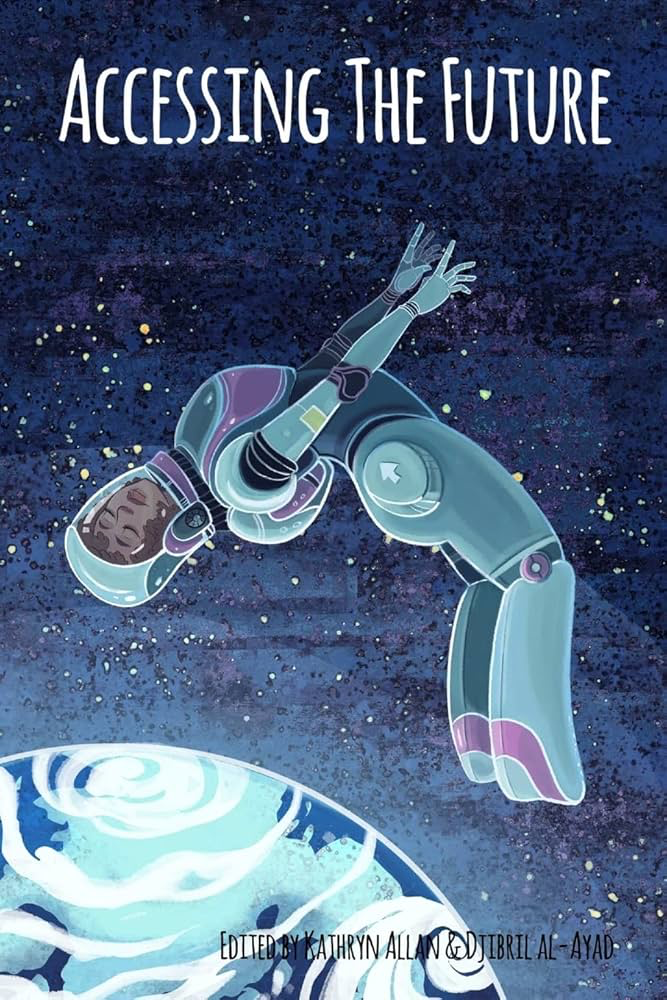
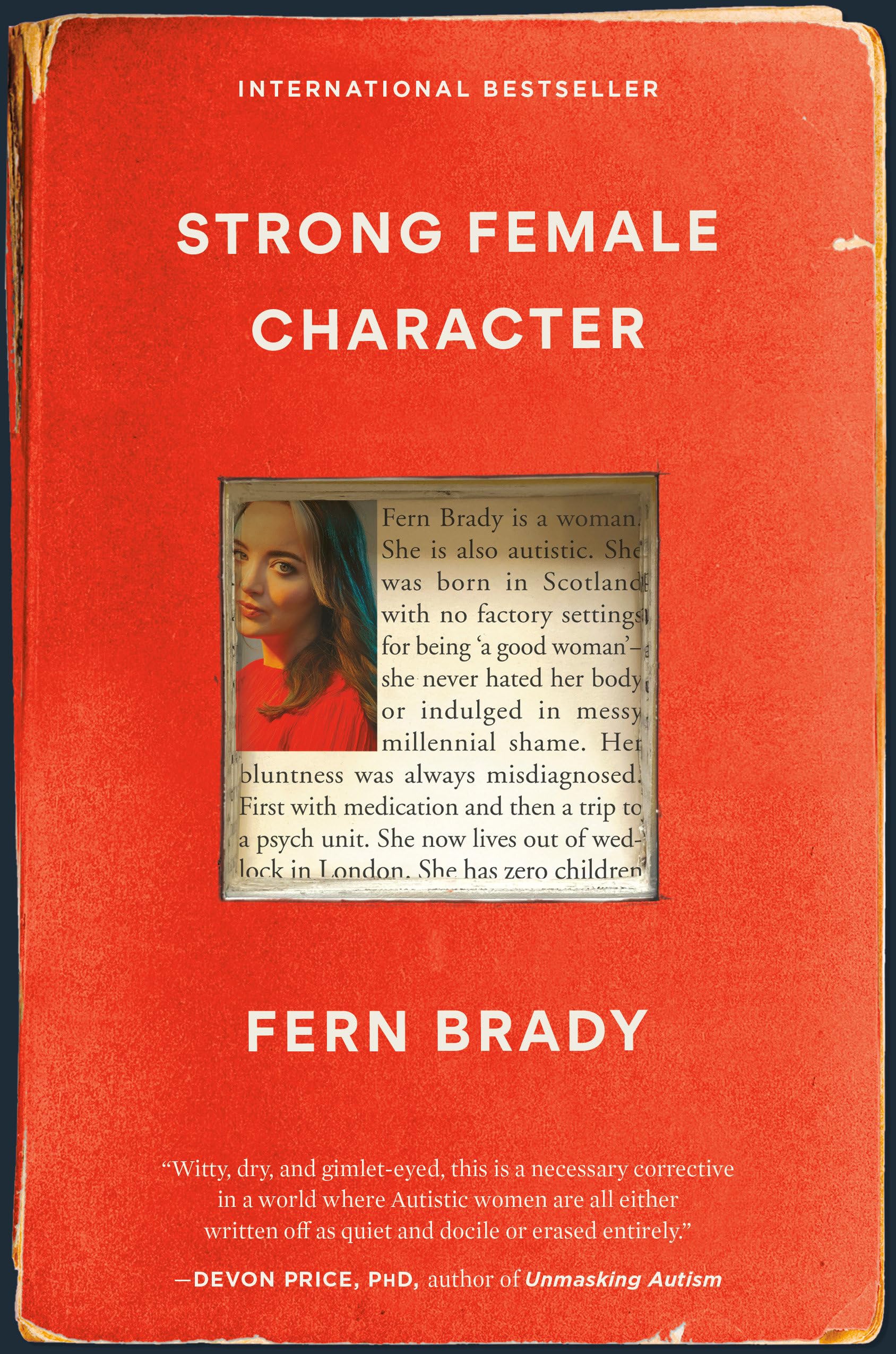
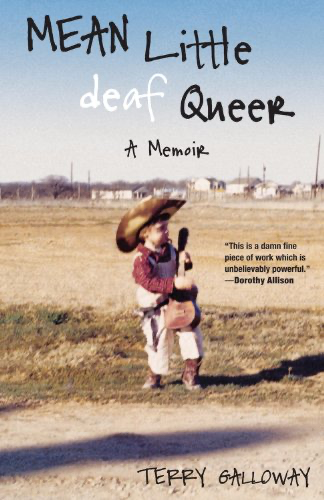
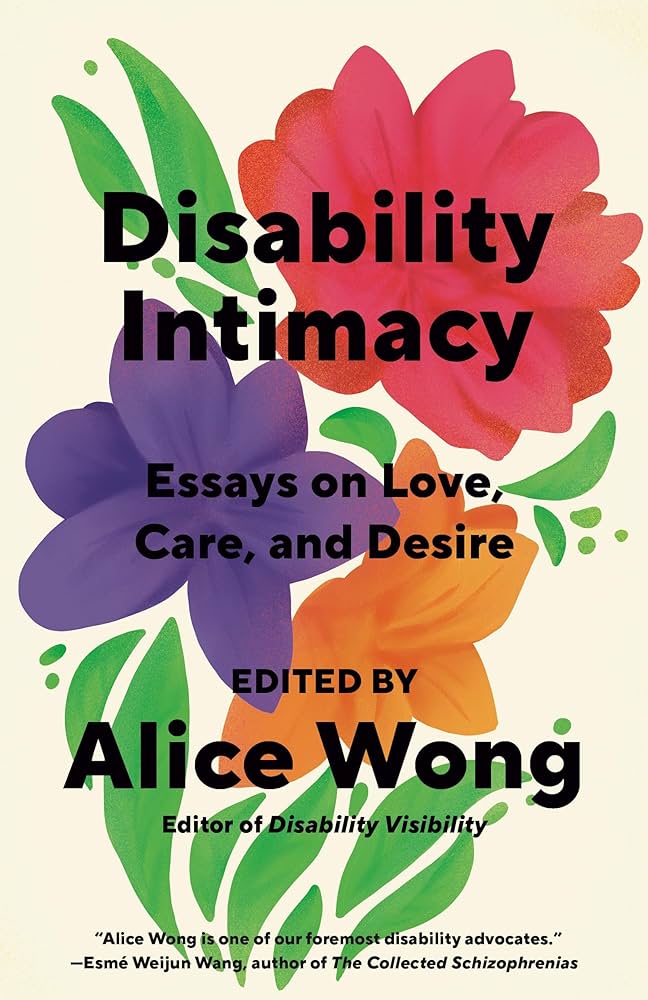
Here in the U.S., July is Disability Pride Month! This July, we find ourselves in a situation that’s far from celebratory. Both the U.S. and the U.K. are on the verge of passing legislation that would make cuts to the healthcare programs and benefits that many disabled people rely on. It’s clearer than ever that the people in power see disabled people as disposable and not deserving of respect. In the years since I’ve started making these posts, visibility for disabled people (and this pride month) has seen a small increase (in my experience) yet continues to be left behind in feminism. And I’m still on the hunt for any kind of media that accurately represents my own disability (sensory processing disorder), and I know many disabled people have had similar experiences. But that’s no reason to give up. It’s no reason to stop writing, to stop reading, and to stop listening to the lived experiences of disabled people. We cannot be erased with legislation—we will always be here, and we’re sticking around no matter what.
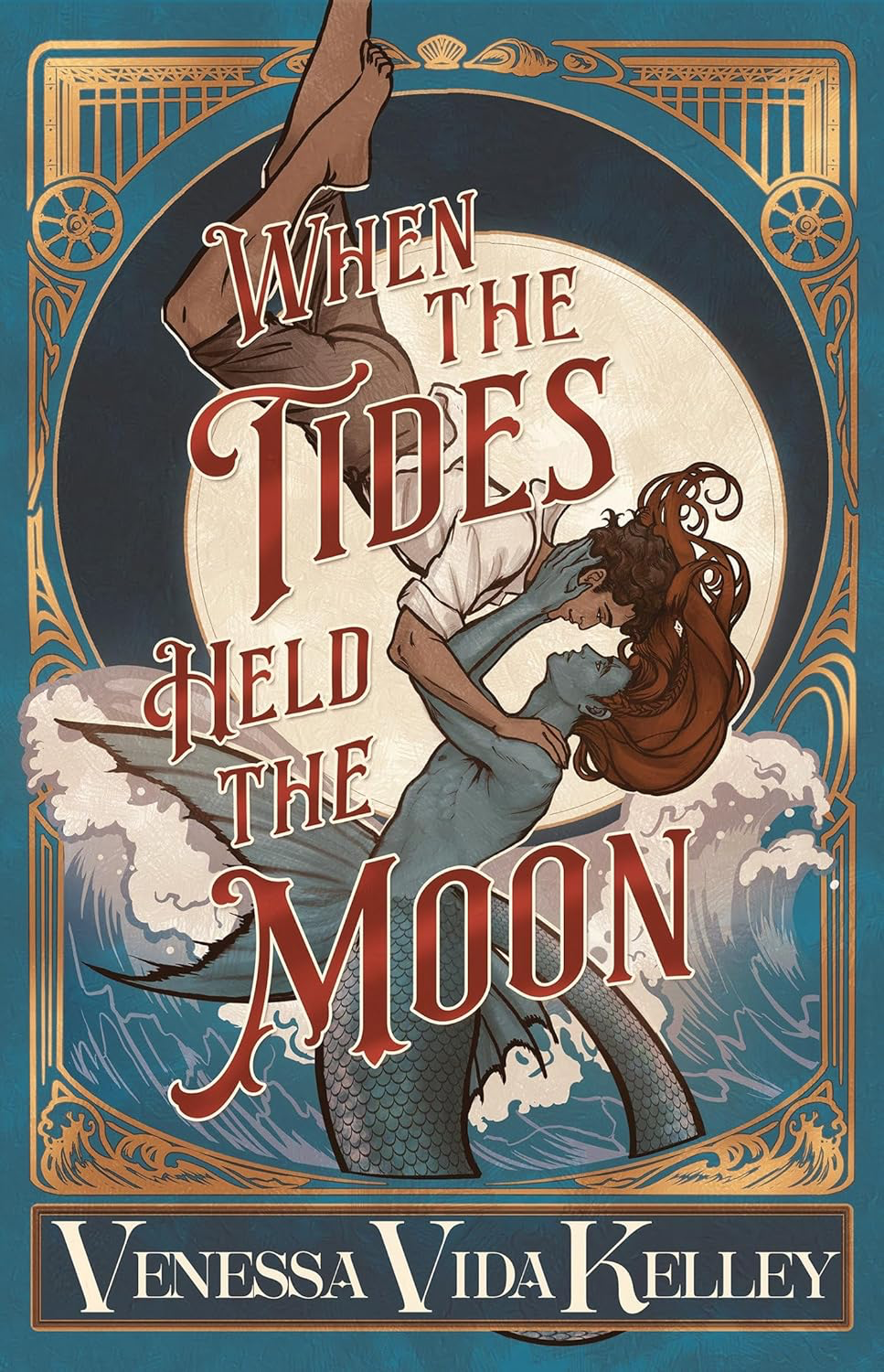
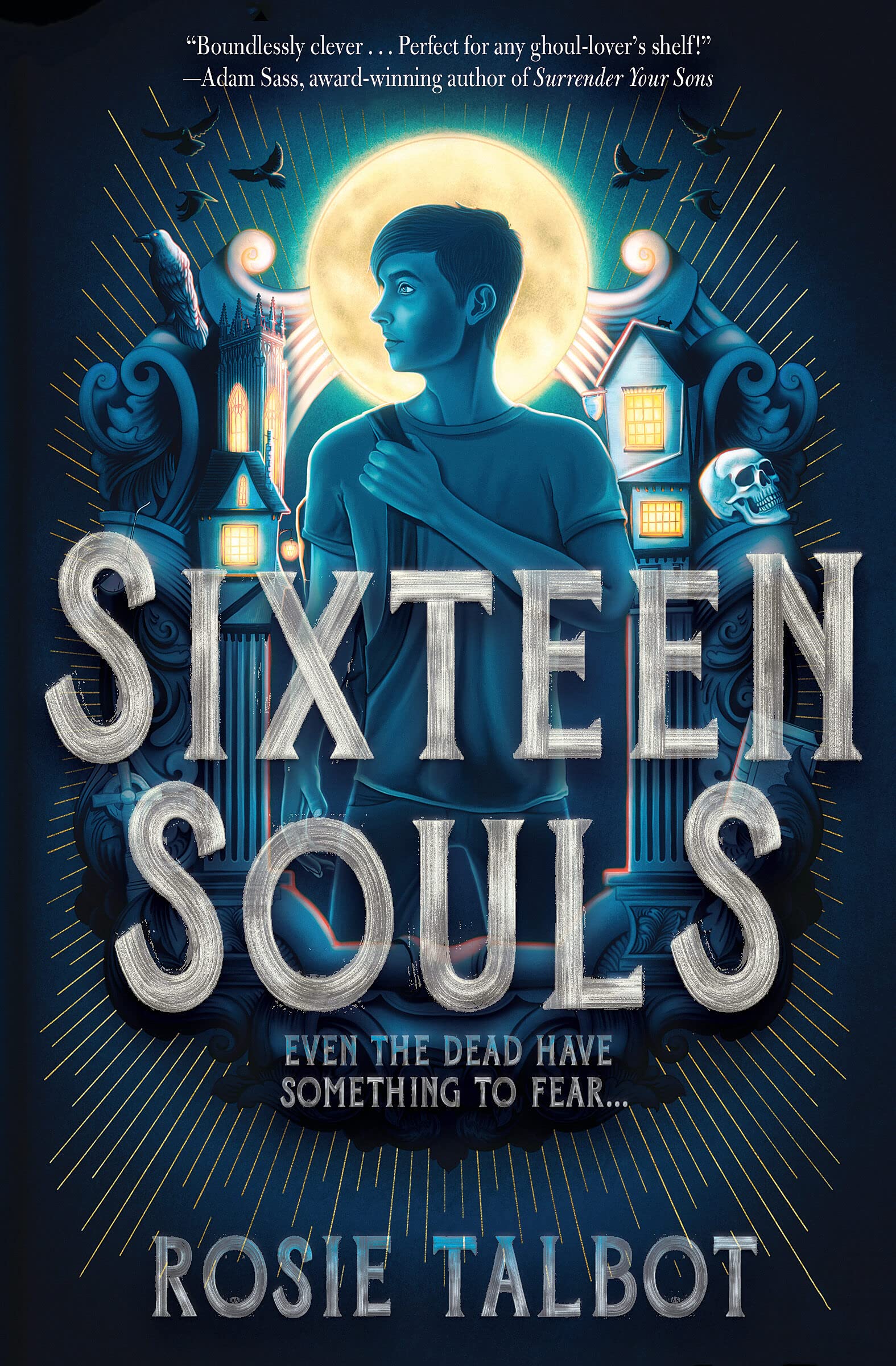
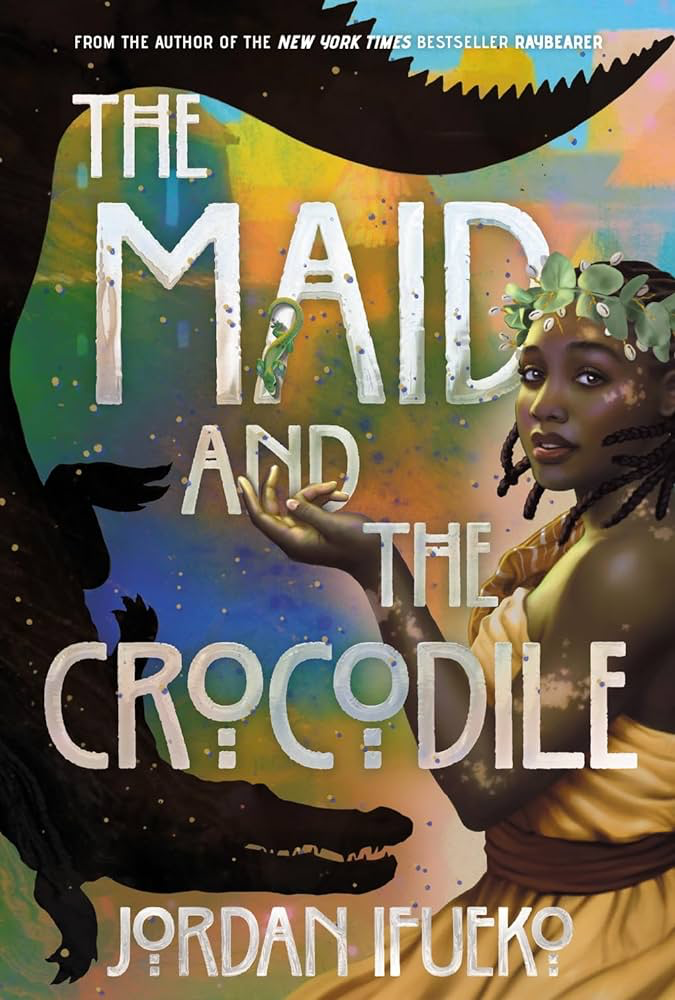
So here is another list of some of the best books with disabled representation that I’ve read in the past year! I’ve included books from all age ranges (middle grade to adult) and genres that represent a multitude of disabilities.
NOTE: my memory (and the internet) is imperfect, so if I’ve misrepresented/mislabeled any of the specific rep in these books, don’t hesitate to let me know!
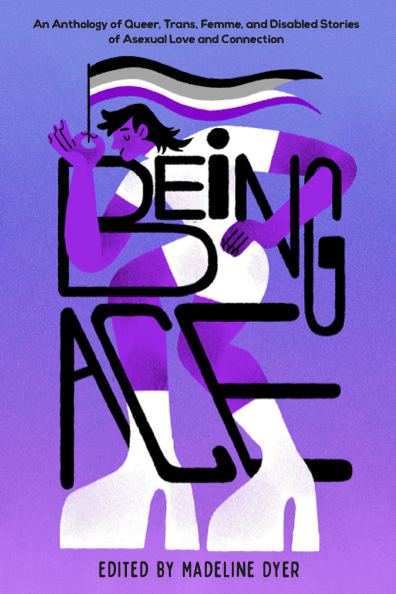
*I’ve arbitrarily included Being Ace in the science fiction section, but it includes several genres, many of which fall under sci-fi/fantasy. It could theoretically go in all three fiction categories in this post.
TELL ME WHAT YOU THINK! Have you read any of these books, and if so, did you enjoy them? What are some of your favorite books with disability rep? Let me know in the comments!
Today’s song:
That’s it for this recommendations list! Have a wonderful rest of your day, and take care of yourselves!
Here in the U.S., June is Pride Month! I usually start off these posts with something about how the world is slowly getting kinder to queer people, but that, as always, the shadows of homophobia and transphobia loom large. Well…Christ, it sure is looming larger than ever. Misinformed voters have decided that they’re perfectly content to return us to an administration that has already required passports to revert to the carrier’s assigned gender at birth and has been emboldened to toy with the idea of repealing the right to same-sex marriage. Of course, here I am sitting on my comfy couch in my comfy blue state of Colorado that thankfully has a) a gay governor (shoutout to Jared Polis), and b) enshrined the right to same-sex marriage in the constitution, but that doesn’t mean that my heart doesn’t constantly ache. All of us in the queer community are deeply interconnected. What hurts one of us hurts all of us.
Book banning across the country has disproportionately targeted queer books, deeming the presence of such subjects in children’s, middle grade, and YA literature as pornography and grooming. And god forbid that a drag queen commits the incredibly sexual and predatory act of…[checks notes] reading picture books to kids at libraries. Republicans have their priorities twisted. That’s old, old news by now. Books and libraries were never meant to be war zones, but fascists have made it their mission, then and now, to declare the right to information and new ideas as the most dangerous threat to their power. This goes for books both queer and non-queer. But the power of queer books can’t be overstated. Even I, who grew up in an incredibly supportive, accepting environment (biggest thank you imaginable to my wonderful family for being that way), was enlightened and comforted when, in the short period when I was closeted, I found bisexual characters in books that reflected my story and my feelings. Queer literature is revelatory, and it saves lives. For queer people, it gives them the comfort that they aren’t alone. For others, it gives them a glimpse into perspectives that they might not have otherwise considered, and compels them to empathize with people who are different than them.
So this pride month, and all year round (as always), when you think of what you can do to support the LGBTQ+ community, consider picking up a book. Support queer authors. Buy from queer-owned bookstores, because they tend to be pretty cool places. Support your local library (because they need it now more than ever)—checking out queer books shows them that they’re in demand, and that encourages librarians to keep on shelving them. For us book bloggers and other social media-oriented folks: keep on reviewing and shouting out books. And for all of us: no president, no government, and no legislation can take away your queerness. No one has that power but you. Your queerness is revolutionary and beautiful. Keep on being queer.
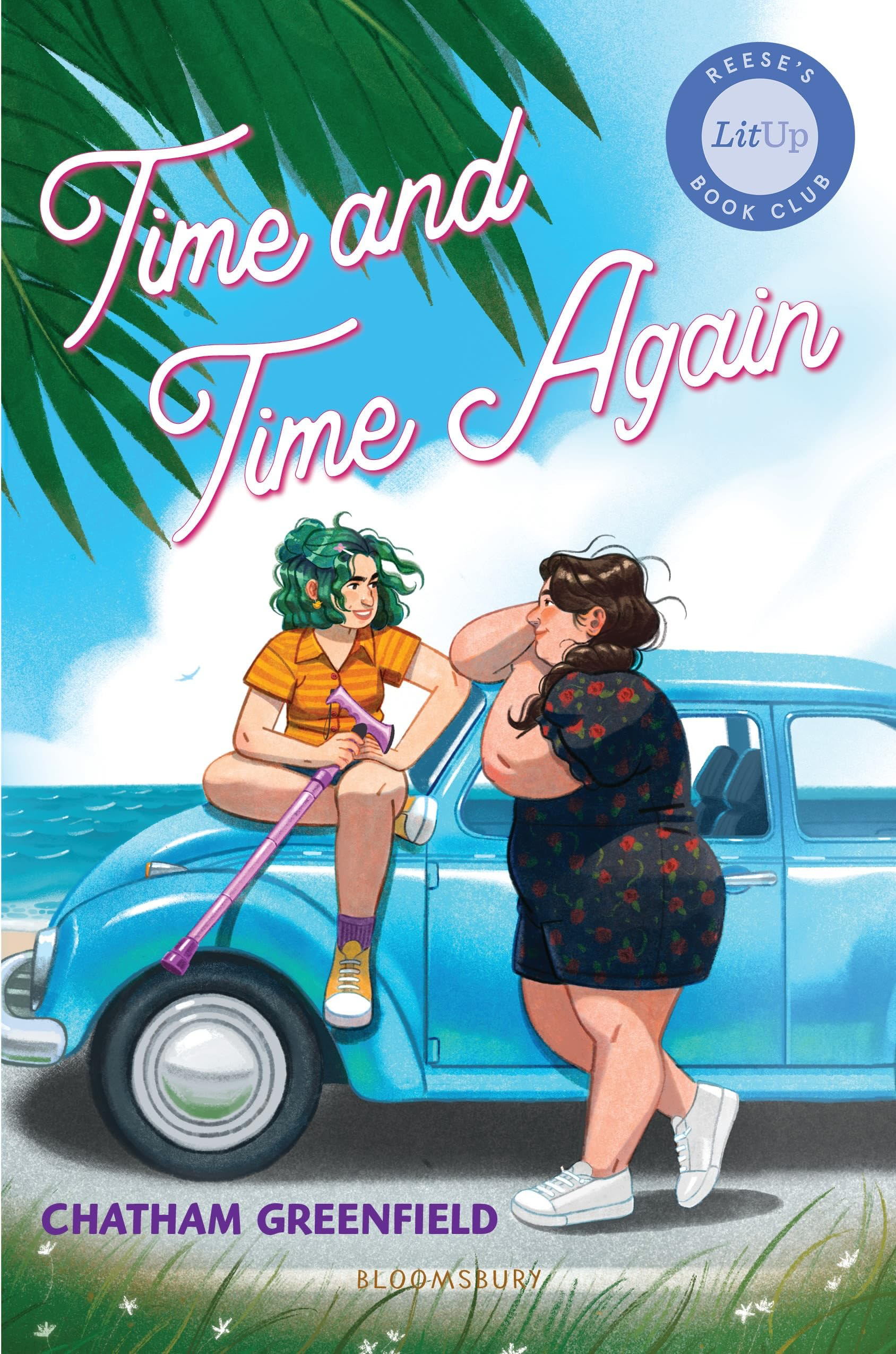
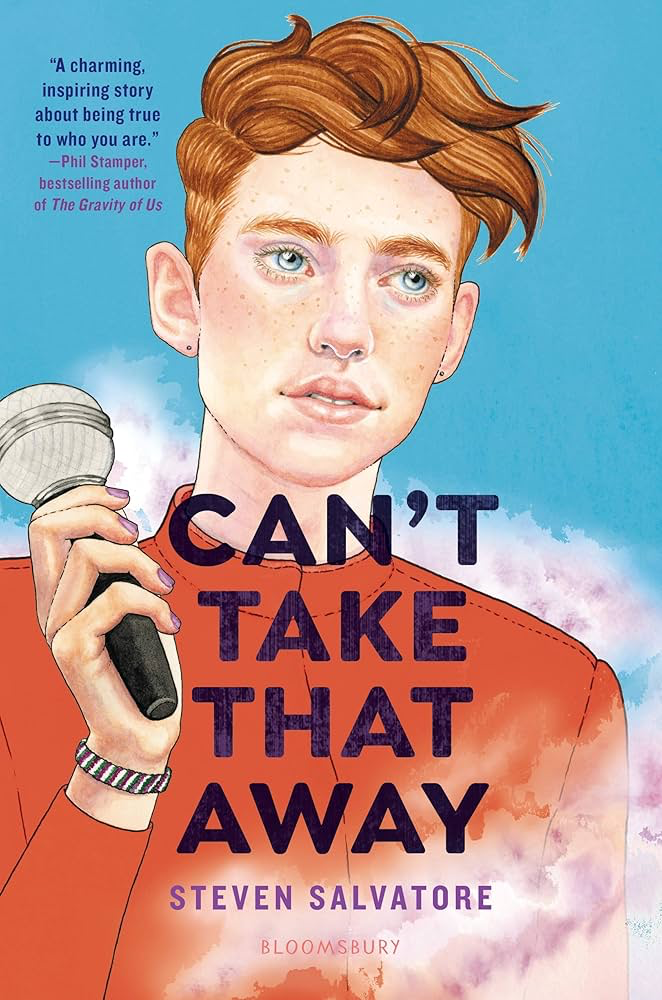
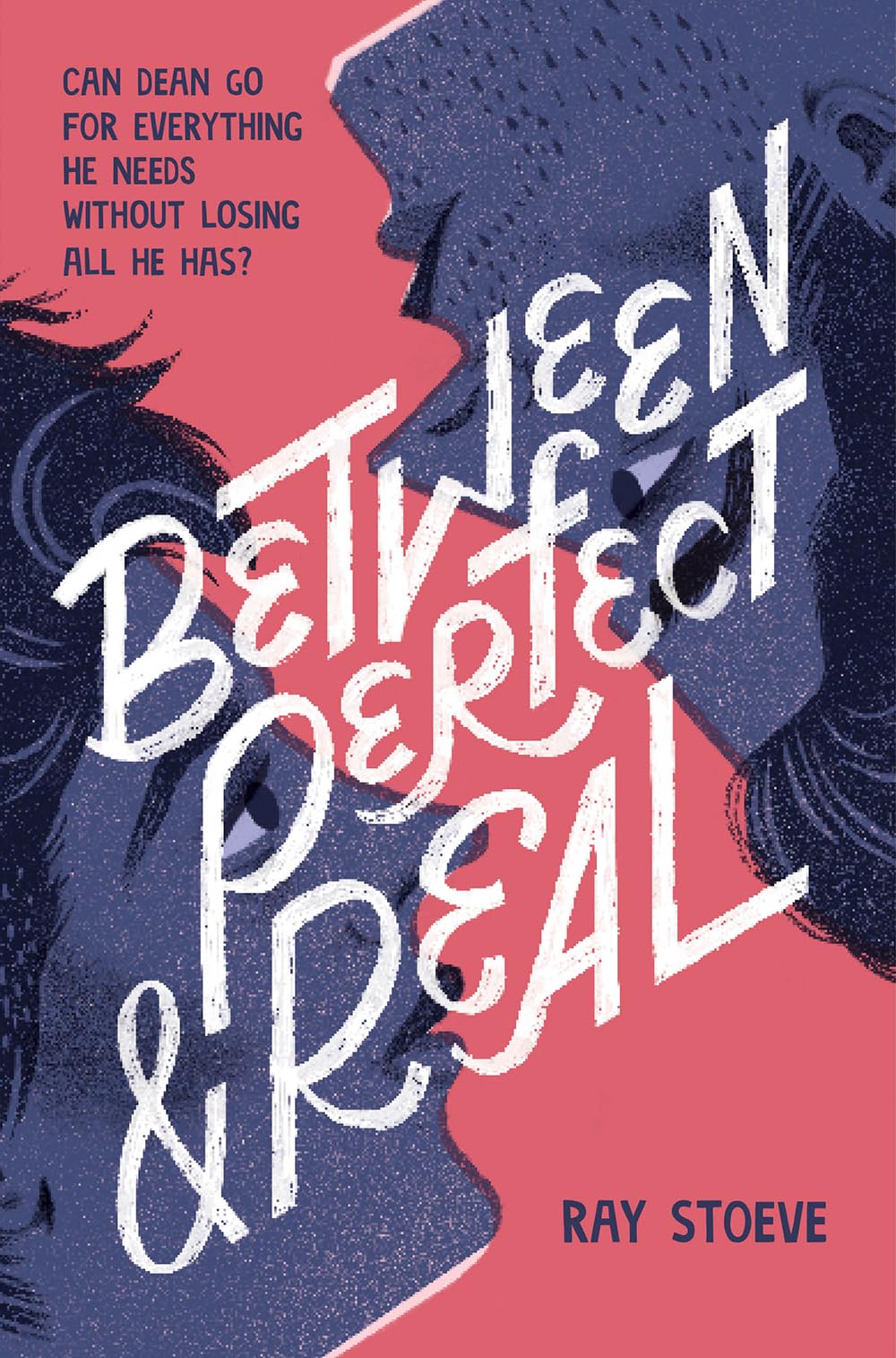
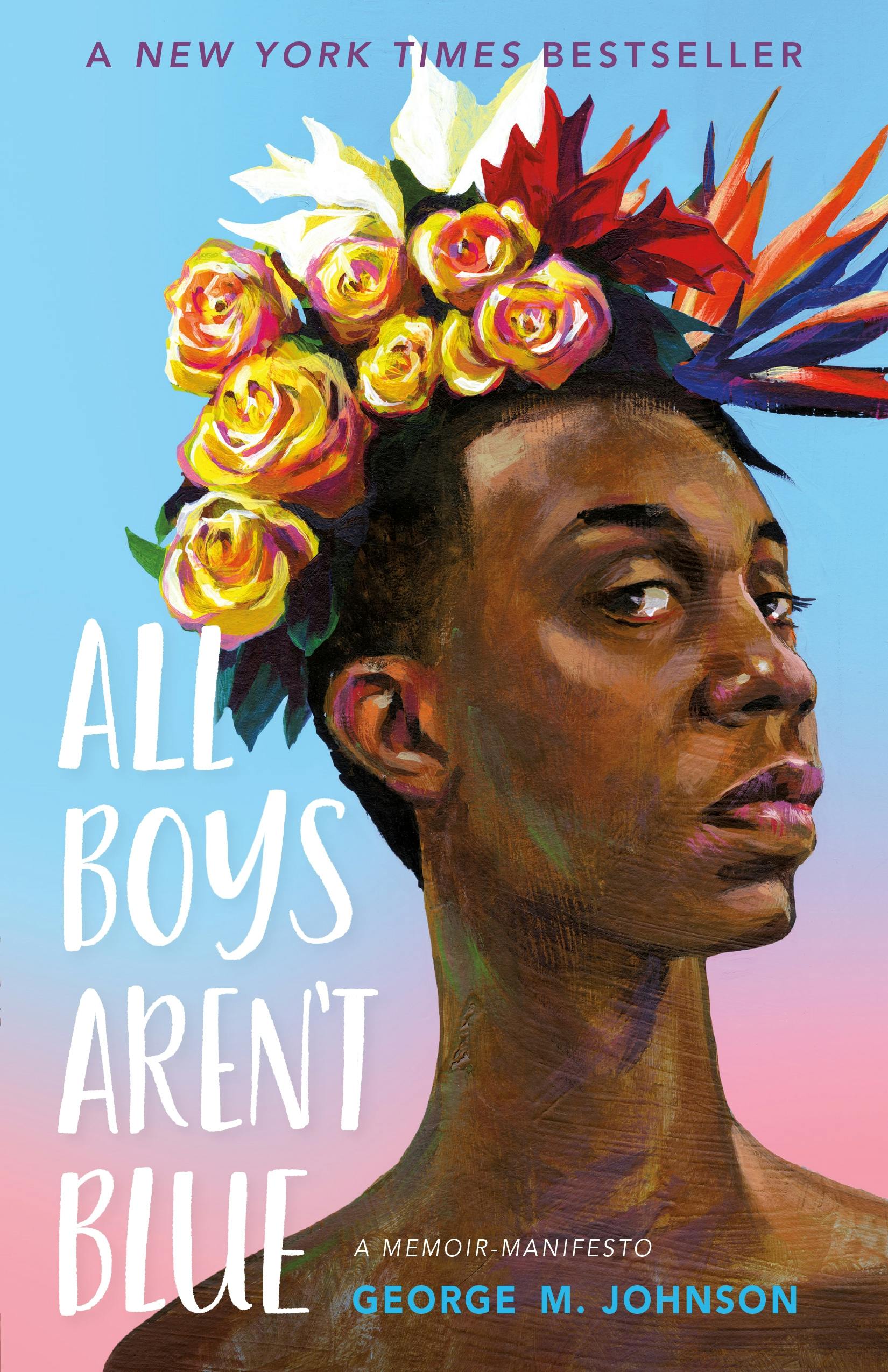
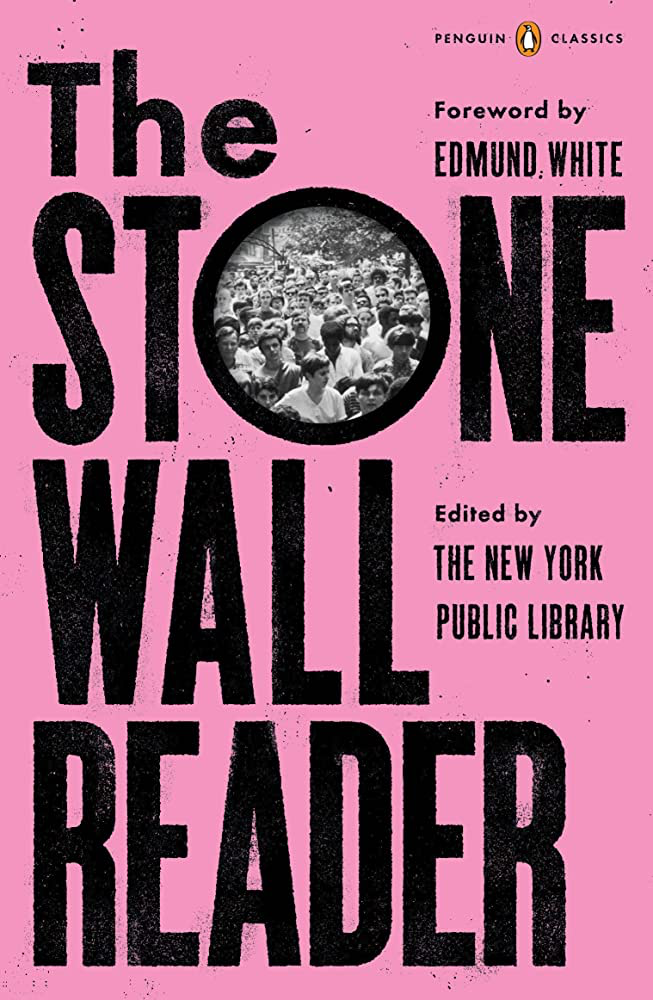
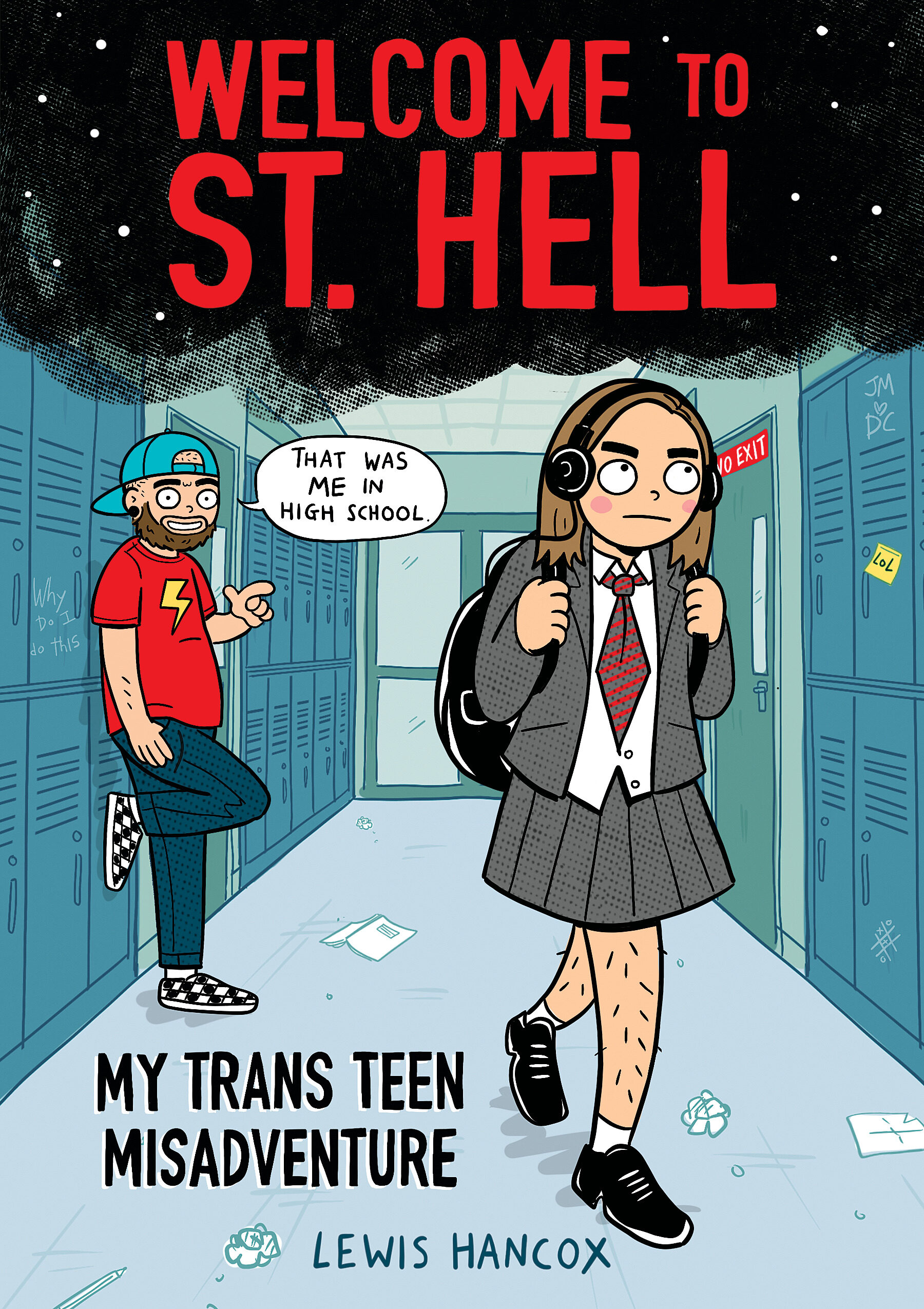
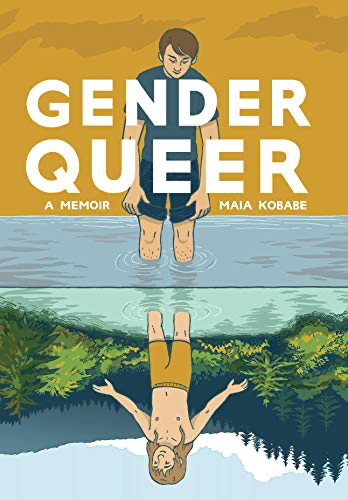
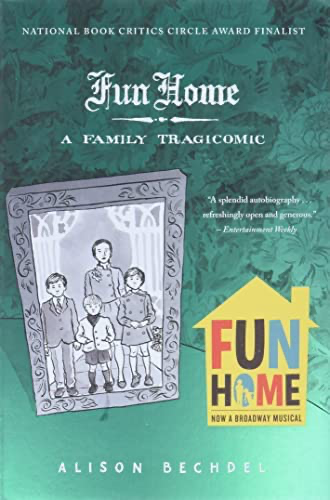
So here is my annual list of great LGBTQ+ reads from all sorts of genres, backgrounds, and identities. If I’ve mistakenly identified something about a book’s representation, please let me know! I’ve mixed YA and Adult books here, and I’ve also added a nonfiction section for the first time, as I’ve done with my other recommendation lists.
TELL ME WHAT YOU THINK! Have you read any of these books, and if so, what did you think of them? What are some of your favorite queer books that you’ve read recently? Let me know in the comments!
Today’s song:
lindsey…please tell me this is a sign that you’re cooking something…
That’s it for this year’s pride recommendations! Have a wonderful rest of your day, and take care of yourselves!
Happy Sunday, bibliophiles! I hope this week has treated you well.
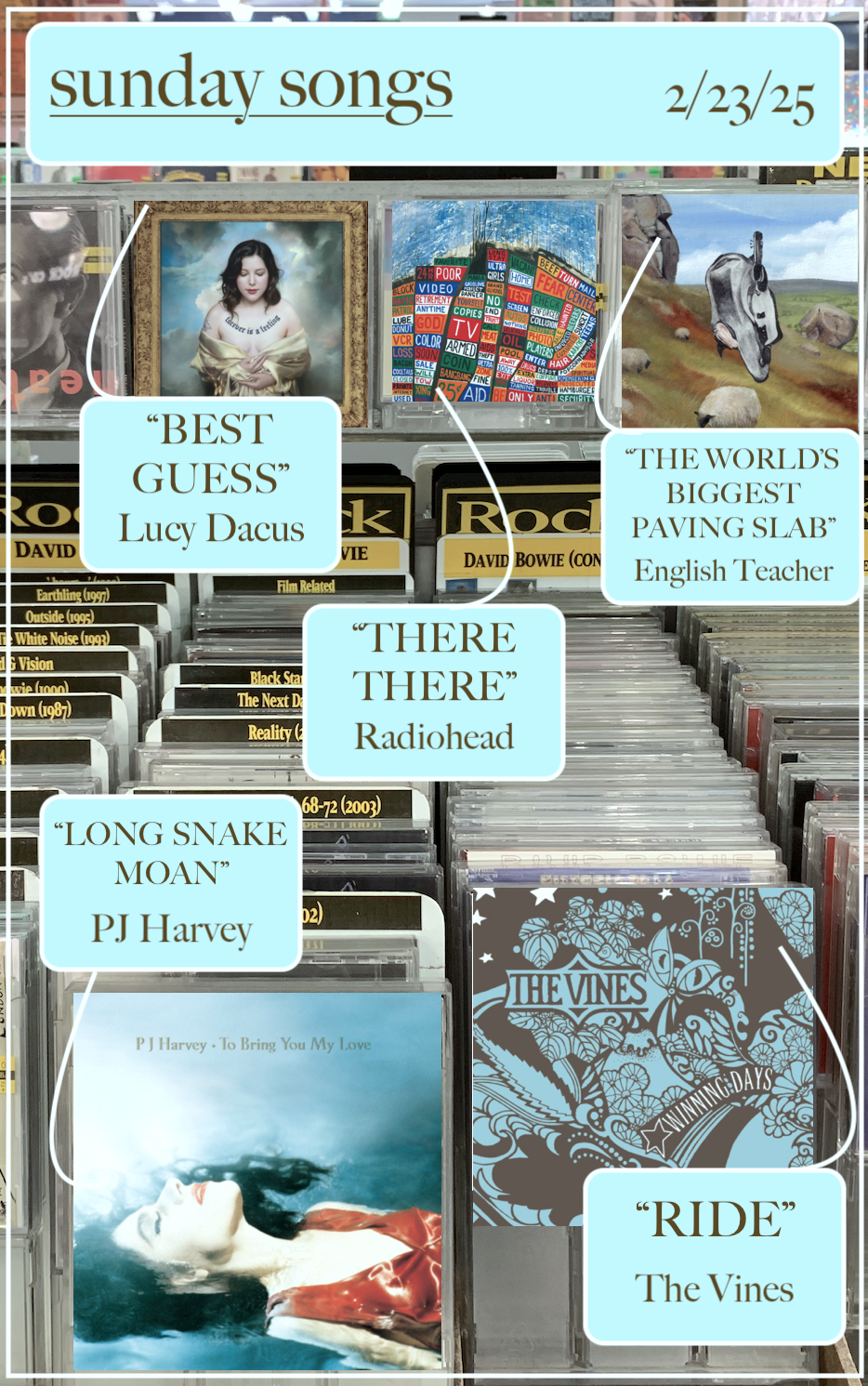
This week: British women dominating rock music for decades, American women giving the gays what they want, and Thom Yorke’s seeming inability to make a bad song since 1995.
Finally, finally, I’ve listened to a full PJ Harvey album! Took me long enough. Me and my arbitrary rules for listening to albums that I break half the time. Anyway. To Bring You My Love? I know this is the most vague descriptor you could give for an album, but it truly ROCKS. So many of these tracks embody the raw power that rock n’ roll can have. Not just that, but it feels like a love letter to the rich ancestry of the blues in rock n’ roll. Even without as much background knowledge of the blues, you can just feel the grimy, grungy crawling with threads of DNA in the history of blues in every growl that Harvey lets out. The desperation and wayward storytelling of “To Bring You My Love” and “Teclo” could’ve been fragments lost in the American south from decades before Harvey released the album. It feels to me like an example of the enduring power of any kind of music—here we have a white British woman in the mid-’90s taking inspiration from music from the ’20s-’40s made primarily by Black people all the way across the ocean, here in the States. Who would’ve thought.
One caveat with me saying that the album rocks: it’s got a relatively slow tempo, and we don’t get into the real guitars-going-crazy rock for a few songs. “Long Snake Moan” is one such song, and it knows it—Harvey’s sly “mmm-hmm” before the guitars slam into you like the brunt force of an avalanche is more proof of a smirk than a visual could ever be. She knows she’s about to absolutely wallop her listeners. And “Long Snake Moan” is one of the most enduring songs on the album. The title is a nod to Blind Lemon Jefferson’s “Black Snake Moan,” and though the sound differs, the desire of it is what fuels both; Harvey recalls a lust so all-consuming that “You’ll be drowning/Hell’s below, God above/All drunk on my love.” With every impassioned bellow, you can feel the ragged passion sloughing off every note, desperate yet distinctly conscious of its towering presence and power.
I was this close to calling The Vines Britpop, but as it turns out, they’re technically nothing of the sort. Not because of the sound, which very edges closer to the rockier side of Britpop, but because they’re Australian. I don’t want to risk the wrath of any Australians, so consider myself checked before I’ve gotten hypothetically wrecked. Oops.
Regardless of whether or not they wanted to hop on the bandwagon, “Ride” feels firmly between Blur’s grunge-parody-that-became-kinda-grunge self-titled album and Supergrass. (Craig Nicholls also kinda has that Britpop, bad-boy frontman look on lock. The bangs, the smolder…) And “Ride” is such an adrenaline rush of a rocker. Guitar tone? Heavy and clean in perfect balance. Vocals? Though Nicholls’ voice doesn’t stand out to me, that distorted scream in between the chorus reminds of the best of 2000’s rock. The art of the rock scream is a sacred one—a well-placed scream can make or break a song, and Nicholls’ is simultaneously put in the spotlight and tucked into the crashing rhythms of the chorus, a grungy accent that drives up the fuel-burning energy of the track. It’s got a rasp that’s perfect for just what it is—a headbangable, garage-y rock track begging for a flimsy stereo speaker to be blasted from.
This video is so cute and gay that I can almost ignore how annoying Cara Delevingne is…oh, no, wait, she’s caressing Lucy Dacus and hamming it up for the camera. Of course.
Either way, 2025 is shaping up to be an excellent year for music about tender love between queer women, between Send a Prayer My Way and everything that Lucy Dacus is putting out (aside from “Limerence”…oof). As much as Dacus’ emotional hard-hitters have a soft spot in my heart (was my 18-year-old brain permanently altered by the “Night Shift” belt? Perhaps), she makes tender, gentle love songs look easy. It rings similarly to her pair of Carole King covers (“Home Again” and “It’s Too Late”) from 2022, with the same slow rhythm and inner warmth; even with the fleeting mentions of over-the-moon obsession (“Tracing your tan lines/Making you mind/If this doesn’t work out/I’ll lose my mind”), it’s a very grounded, worldly kind of love song, in typical Dacus fashion. The first verse of the song centers around caressing the more physical aspects of her lover’s body, but it almost immediately professes that “I love your body/I love your mind/They will change/So will I.” So simply stated, but immediately after that, Dacus professes her undying love. That to me, feels like real love—appreciating your partner for everything that they are, impermanent as it may be. It shouldn’t be groundbreaking lyrical ground, and I don’t think it is, but it’s always refreshing when it comes up, with so many love songs focusing on youth and impermanent, surface-level qualities of people. Plus, “Best Guess” is just such a lovely, catchy song. That guitar riff at the end? Absolutely SUCCULENT. Waiter, more Lucy Dacus guitar work, please! Best-of lists are inevitably subjective, but you didn’t get named the 213th best guitarist of all time by Rolling Stonefor nothing, queen! Plus, again…it’s gay. More music videos full of queer people AND queer people being happy, please!!
It always comes back to Radiohead. I don’t talk about music videos as extensively as much as I do the songs themselves, but “There, There” has to be one of my favorite Radiohead music videos of all time. Maybe my favorite? Not sure. Directed by Chris Hopewell, it shows Thom Yorke, his movements edited to give the appearance that he’s a stop-motion puppet, wandering into a Beatrix Potter storybook; after peering into miniature houses hollowed into trees, he finds squirrels smoking pipes, a weasel riding a Penny-farthing, all manner of rodents having a feast, and a cat couple’s wedding ceremony officiated by a crow. Of course, Thom Yorke breaks the first rule of the Brothers Grimm (from which he and Hopewell drew inspiration for the video), that being “don’t steal the shiny clothes off of that ominous-looking tree.” You can imagine how well that goes for him. It goes contrary to the largely technological, dystopian aesthetic that has endured throughout Radiohead’s discography, despite their many changes in sound. Up until The King of Limbs, their music was rarely associated with such naturalistic imagery, but that kind of fairytale darkness, paired with the lyrics, makes for a different kind of eeriness than what they usually brew. It all makes the song’s alternate title, “The Boney King of Nowhere,” all the more fitting.
Now, the lyrics…”We are accidents waiting to happen?” WHEW. I always forget about that one…for a band that seems to churn out unforgettable lyrics at a concerning rate, even this feels like one of the most masterful lines they’ve ever come up with. Like the gleaming coat and boots that Yorke finds in the forest, “There, There” is a song of being tugged in a myriad of directions—likely all the wrong ones. In typical Radiohead fandom fashion, most people seem to be divided about what kind of temptation it’s specifically talking about—general religious, personal relationships, you get the picture. The emphasis on the personal pronouns—”I go walking in your landscape,” “We are accidents waiting to happen”—lead me to believe closer to the latter, though I and We can easily be other concepts. There’s an intoxication to “There, There,” a painfully magnetic urge to enter into something dangerous, something that will by all accounts destroy you, but the irresistible temptation remains: “There’s always a siren/Singing you to shipwreck/Steer away from these rocks/We’d be a walking disaster.” One part of you cries “Heaven sent you to me,” the other cries “We’d be a walking disaster.” The chorus of “Just ’cause you feel it/Doesn’t mean its there” is the perfect embodiment of keeping up the façade of devotion—or any kind of emotion that has such a sway that you’re convinced of its reality, even when it has no roots. The whole band makes this spectacle of temptation feel like a trek deep into the mouth of a cave; Phil Selway leans on the thumping of the tom-toms, creating a truly cavernous shell for the song, while the reverb on Jonny Greenwood’s and Ed O’Brien’s guitars echo as though confined by the same dappled walls.
I get so hyperbolic with Radiohead. God, I know I do. I swear that past a certain point (1995?), a good 75% of their songs are tiny masterclasses in how to be creative—how to craft an atmosphere, how to write a gut-punching lyric, how to make music that sticks.
So listen. I haven’t seen Frank. The one with Michael Fassbender, right? I’ve been meaning to watch it for years, but I haven’t gotten around to it. Should this music video give me enough of an idea?
My entirely arbitrary album listening system Destiny has not yet decided whether or not English Teacher will end up being a band I actually get into, or if I’ll resign myself to going “oh, this song is GREAT” and put off listening to them for another three to five business years. They’ve only got one album, This Could Be Texas, so I really don’t have an excuse. It’s on the list, though. And that one album won last year’s Mercury Prize, so it has to be worth it—not necessarily by virtue of being award-winning, but beating out Beth Gibbons and Charli XCX isn’t exactly an easy feat, even for an award that seems to cater more to alternative artists. Either way, “The World’s Biggest Paving Slab” is proof that no matter what, some part of me will always be attracted to any kind of alt/indie rock coming out of the UK. Something must be in the water there. Or maybe I inherited the gene from my dad, who spent his high school days listening to Julian Cope. Probably both.
Even just from this glimpse, I can already see how much of an avant-garde sensibility that Lily Fontaine and company have; their chord progressions seem to slant ever so angularly, prickly and particular, until the chorus lets them dissipate like fog. The lyrics are a collage of people and curios from Fontaine’s hometown of Colne; being at university for four years gave her the space to look back on it: “witnessing the social, economic and political issues that exist around there in juxtaposition with the beauty of the landscape and the characters that live within in it.” “The World’s Biggest Paving Slab” evokes everything from banks to remnants of the witch trials and a far-right terrorist—a complex history within what, as far as I can tell, is an unassuming, rural place on the surface. Through Fontaine, Colne itself announces its presence as something to be “Walk[ed] all over,” yet also as something containing multitudes beneath the time-weathered stone, for those who care to notice. Fontaine’s vocals switch from airy in the chorus to spoken-word in the blink of an eye, but both ring equally as cries of complicated pride: “I am the world’s biggest paving slab/And the world’s smallest celebrity.”
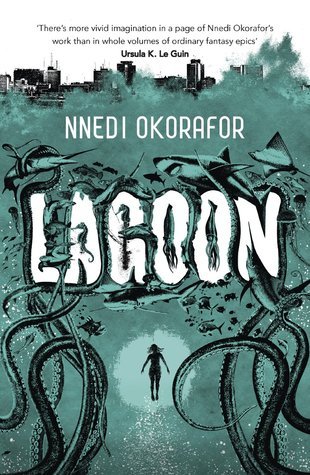
…AND A BOOK TO GO WITH IT:
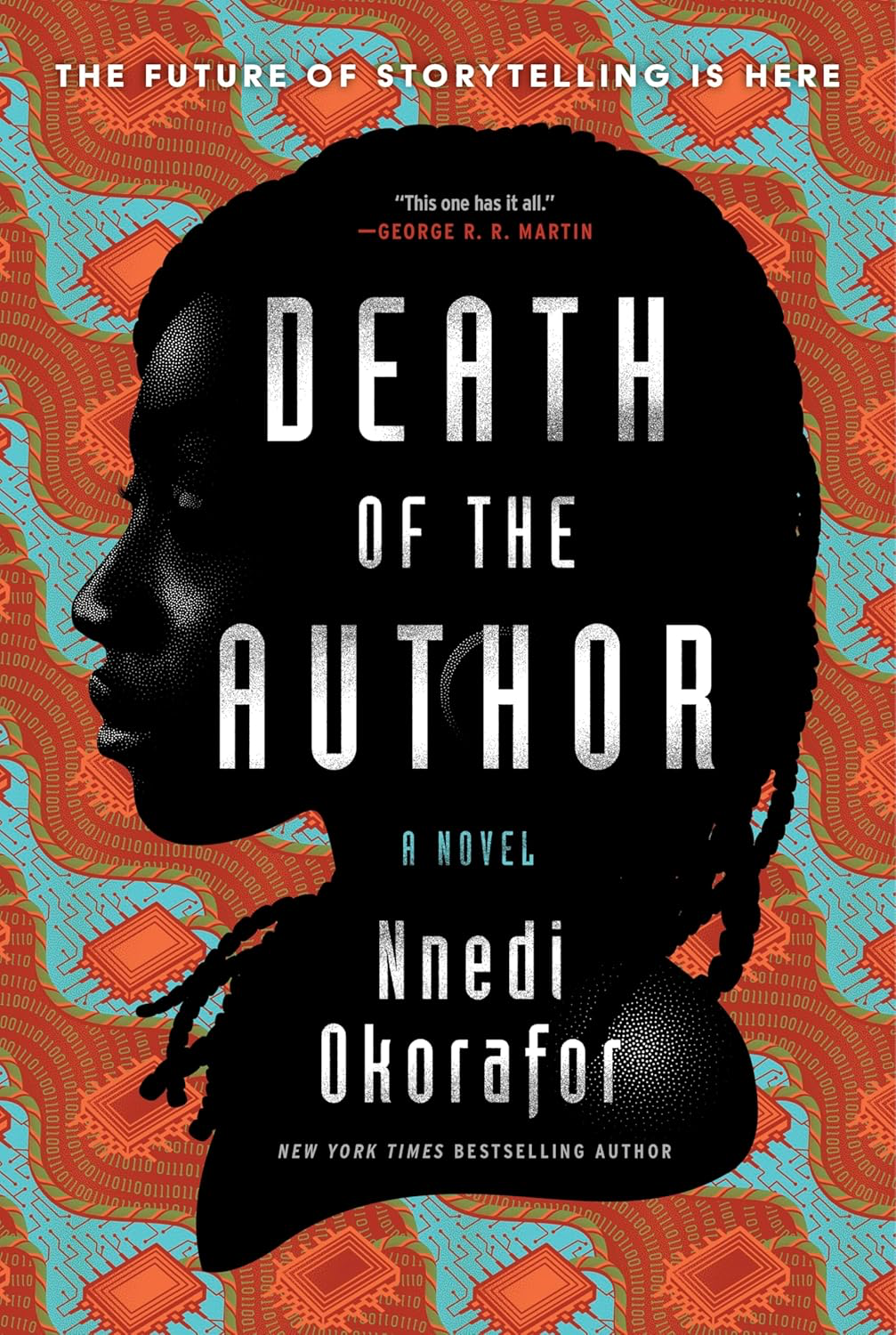
Lagoon – Nnedi Okorafor – the place couldn’t be further away, but it’s a similar concept united around the soul of a place—in this case, Lagos, Nigeria.
Since this post consists entirely of songs, consider all of them to be today’s song.
That’s it for this week’s Sunday Songs! Have a wonderful rest of your day, and take care of yourselves!
Happy Monday, bibliophiles…sort of. We’re in for a long four years.
It’s already been said what a slap in the face it is to have Trump sworn in on the day we normally set aside to commemorate Martin Luther King Jr., one of America’s preeminent champions of civil rights. (I’m sure the administration will find some way to spin it in their favor, the same way that Trump spun the Women’s March. Eurgh.) I’m grieving. I will continue to grieve, so long as our country is once again helmed by a tyrant who uplifts the wealthy and bigoted while the marginalized are squashed underfoot. My processing this won’t end until we get him out of office (because I refuse to believe that this is the end), and that’s okay.
But today, as with most of the activity on this blog, I’d like to talk about books.
Anyone who has even had a semblance of a pulse on the news in the last five years or so has seen the increased hateful rhetoric surrounding books—particularly those concerned with promoting diverse voices. Mass book bans have swept the country, with everything from the most innocuous picture books to critical feminist knowledge being stricken down across the board, all in the name of “protecting the children.” The process of objecting to a book is frighteningly simple and straightforward, leading to bans on the basis of misinformation—just look at the time Amanda Gorman’s The Hill We Climb was challenged after a single complaint…and attributed to Oprah Winfrey (ah, yes, because all Black women are the same person, apparently). Apologies for the strong language here, but to quote a great button that I have on one of my jackets, “you know these fuckers banning books don’t read shit.” It’s true. Rarely do those in charge of banning, especially those in the highest offices in the country, consider the actual contents of the books—they simply get a whiff of anything that smells to them of D.E.I. or the “woke groomer agenda” and try to smite it out of the public consciousness.
It was never about the children. The majority of the books that are being banned to “protect children” aren’t even aimed at children. And even if they are, it’s only for superficial reasons—inclusions of, god forbid, diverse perspectives (LGBTQ+, POC, disabled, etc.) or acknowledgments that maybe, just maybe, America is not perfect and has never been perfect. It truly is dangerous. We’ve seen how the Trump campaign was built on twisting and exaggerating lies about this country, feeding its supporters that we must go back to some nonexistent, golden age. Of course it never existed, but the way that they do it is by blocking off access to information on all levels—perpetuating lies and attacking those who spread the truth. Book bans are how this is done at the largest level; it starts with the very youngest, and they claim to “protect the children” as they restrict their access to learning about how this country—and the world—truly is. The regimes that put blinders on its populations—especially the ones banning or burning books—never land on the right side of history.
I believe that the best way that you can combat this deliberate shielding of the truth is to read. In a world where the ruling class relies on you being complacent enough to accept their lies as fact, reading is the ultimate form of rebellion. We read to learn: about other kinds of living, other kinds of people, and possibilities in the imaginations of people you know nothing about. Literature is the site of change because it shows us this possibility—if you can imagine an alternative world, you can put it into action. When you feel powerless, remember that you have boundless knowledge at your fingertips.
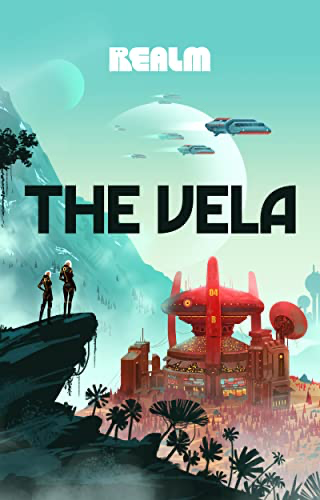
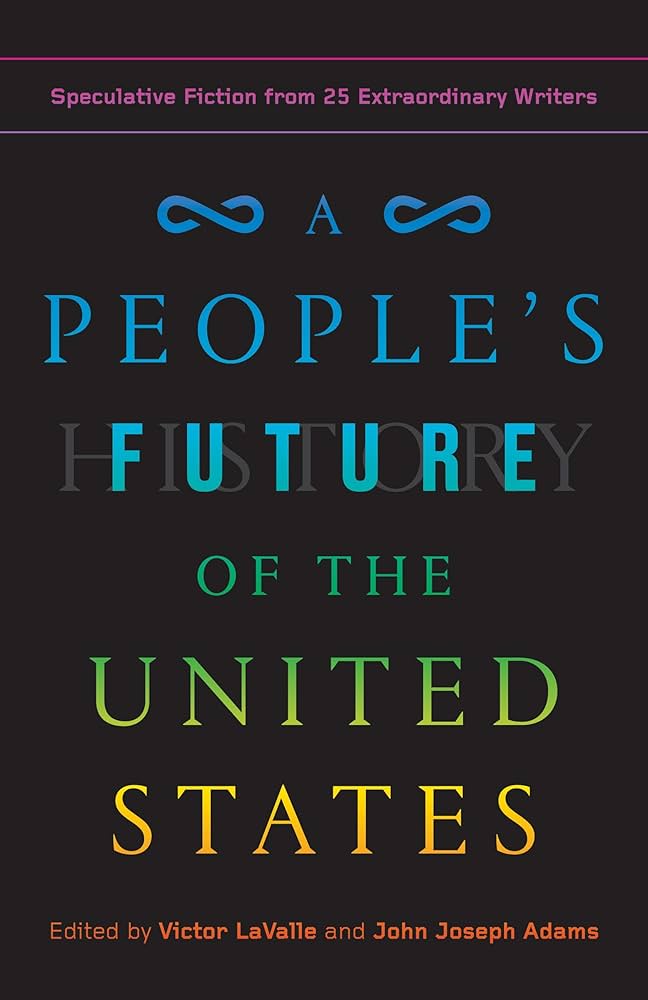
So I’ve compiled this reading list for anyone looking to rebel. I’ve gathered books of all age levels and from all kinds of diverse voices that Trump and his cronies would have you believe neither matter nor exist. Whether your stance is to directly fight the power or quietly rebel by imagining a way out, there are books here for you. Fiction and nonfiction, here are the tools you need to combat misinformation, bigotry, and hatred—and have a great read, too.
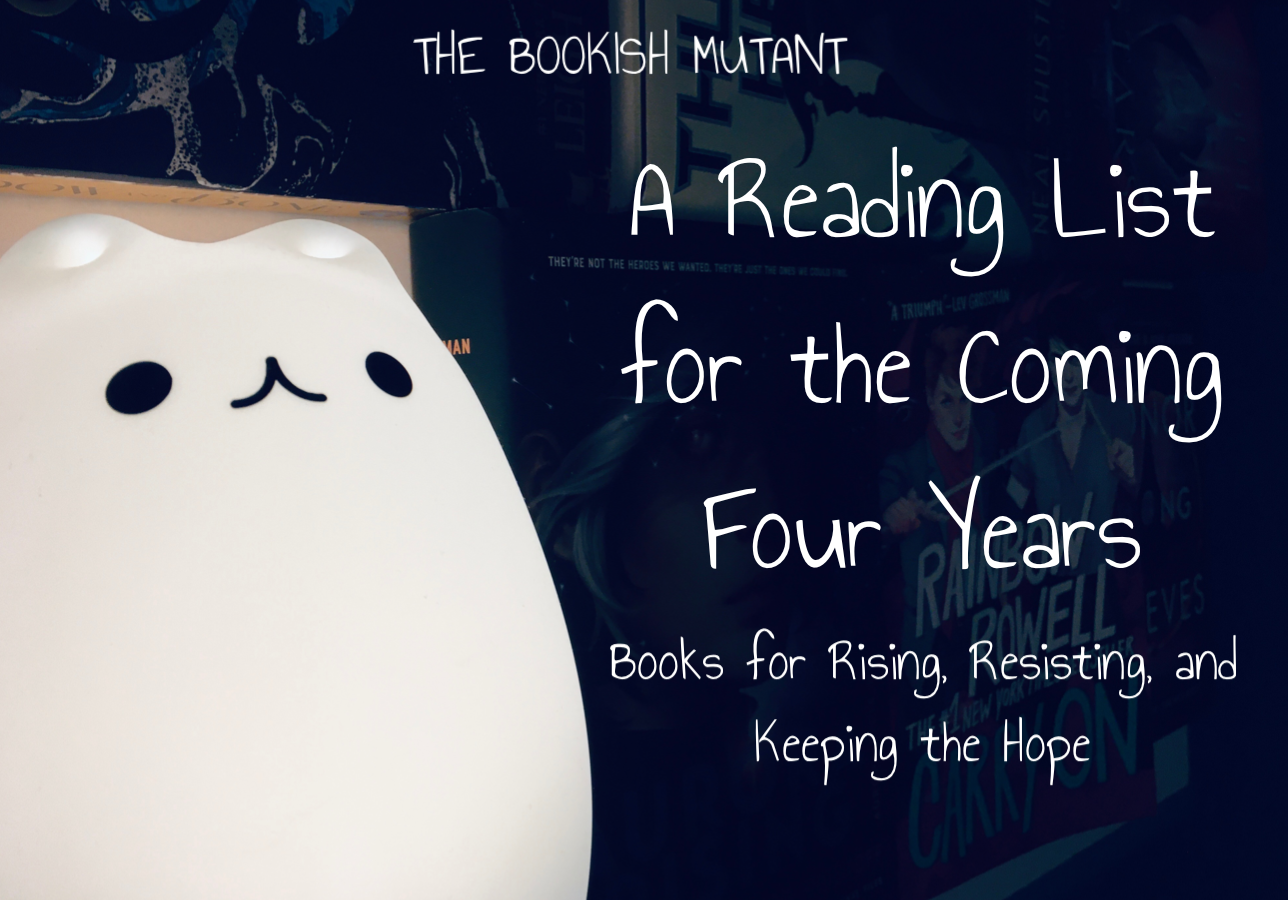
A READING LIST FOR THE COMING FOUR YEARS | Books for Rising, Resisting, and Keeping the Hope
FOR THE FIGHT:
These are the books about resistance, in the real world and in imagined worlds. If you need the motivation to stand up and fight for your rights and the encouragement to not pull punches when doing so, these are the books for you.
Here is something I want to emphasize going forward: it’s important to fight, but not all of us have the strength to do so—and that’s okay! Plenty of people aren’t ready to get out into the streets, and we need to respect that perspective. (This is coming from someone who isn’t quite ready either.) What we need the most in these times is hope, and though there is injustice in these books, they present stories where, despite hardships, joy prevails. They also present vital alternatives to the now—one of the most powerful ways of resisting, in my opinion, is to have the ability to imagine a better tomorrow, whether it’s alternate history, the distant future, or simply a kinder present.
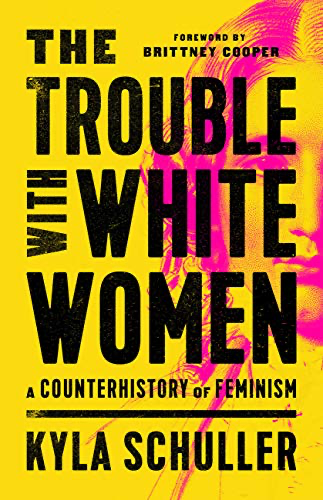
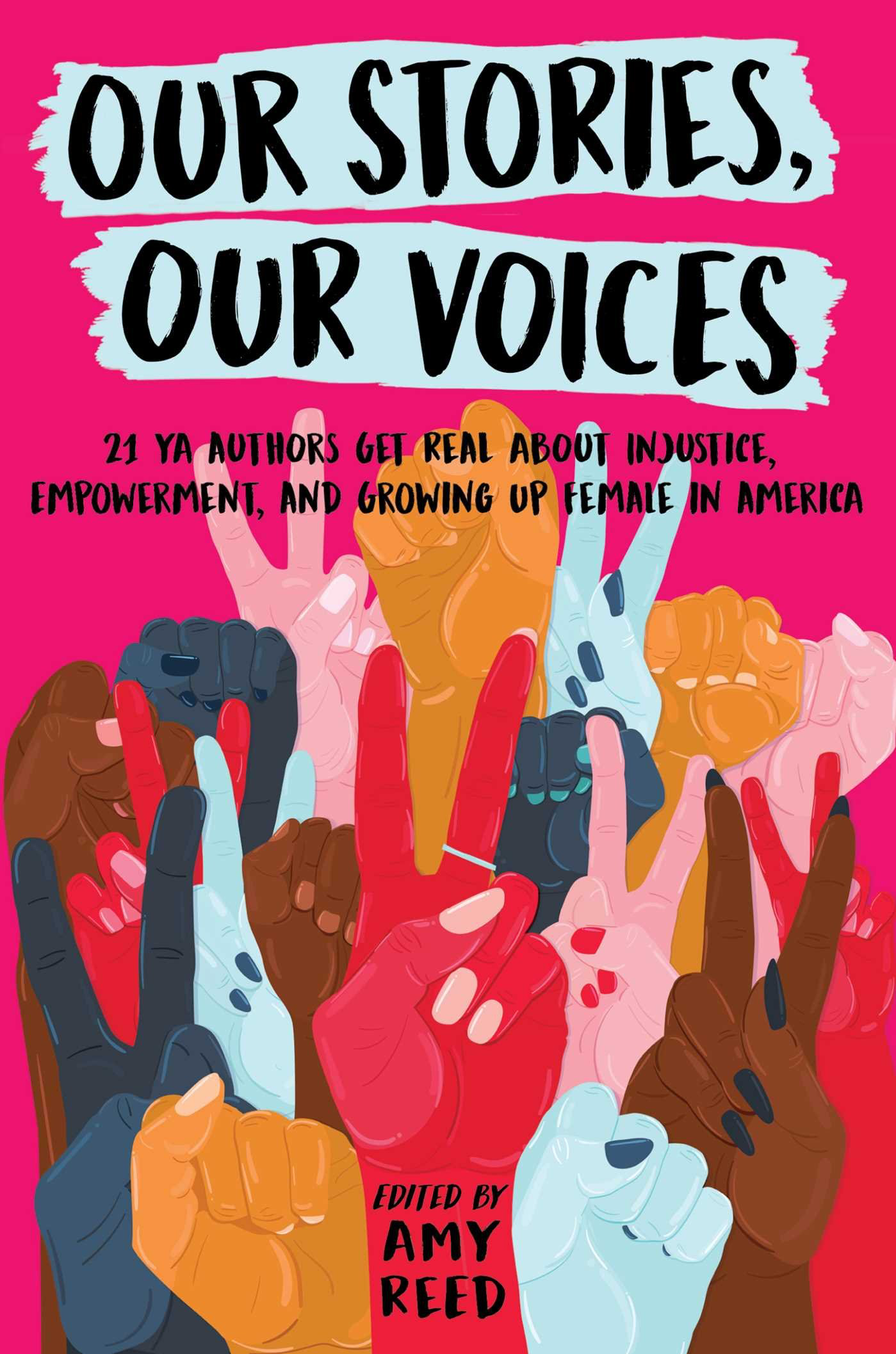
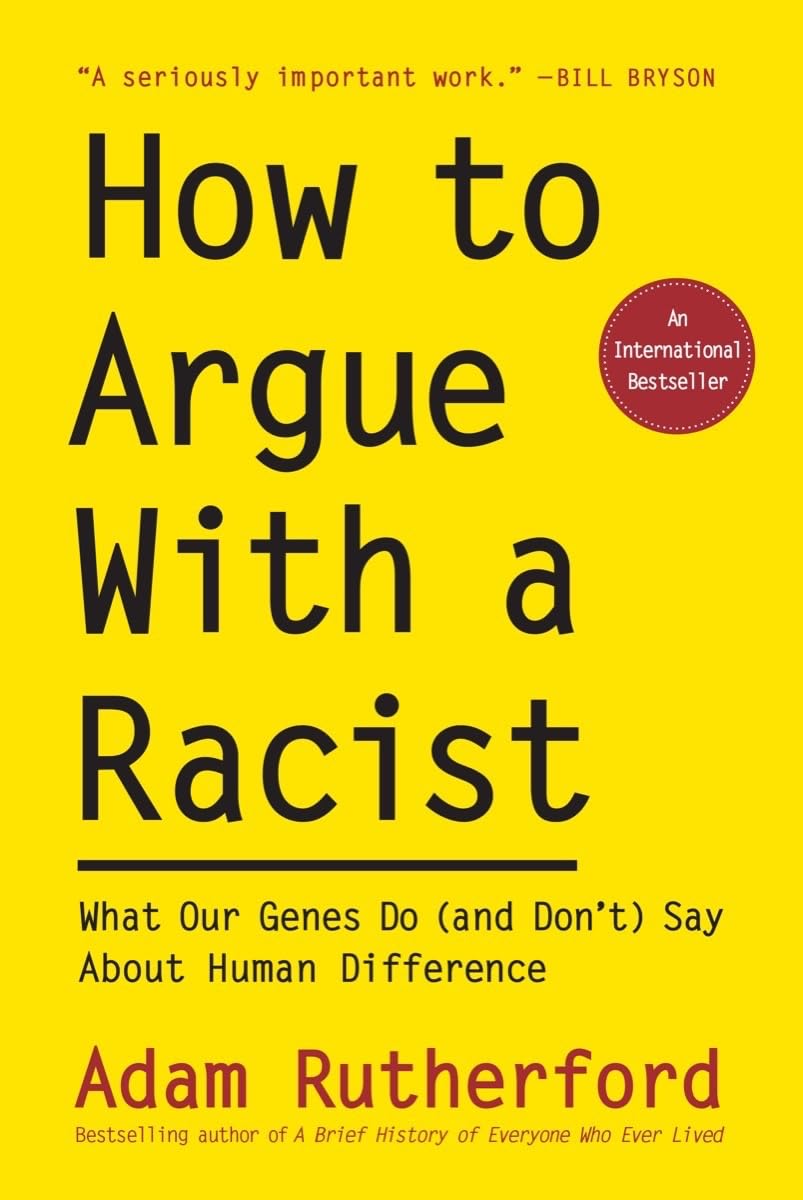
The best way to combat misinformation is to inform yourself. Here are some of my favorite nonfiction books about resistance and feminism and its many facets—race, sexuality, gender, ability, and more. Ranging from revered feminist scholars to more contemporary perspectives, I hope there is something for everybody here.
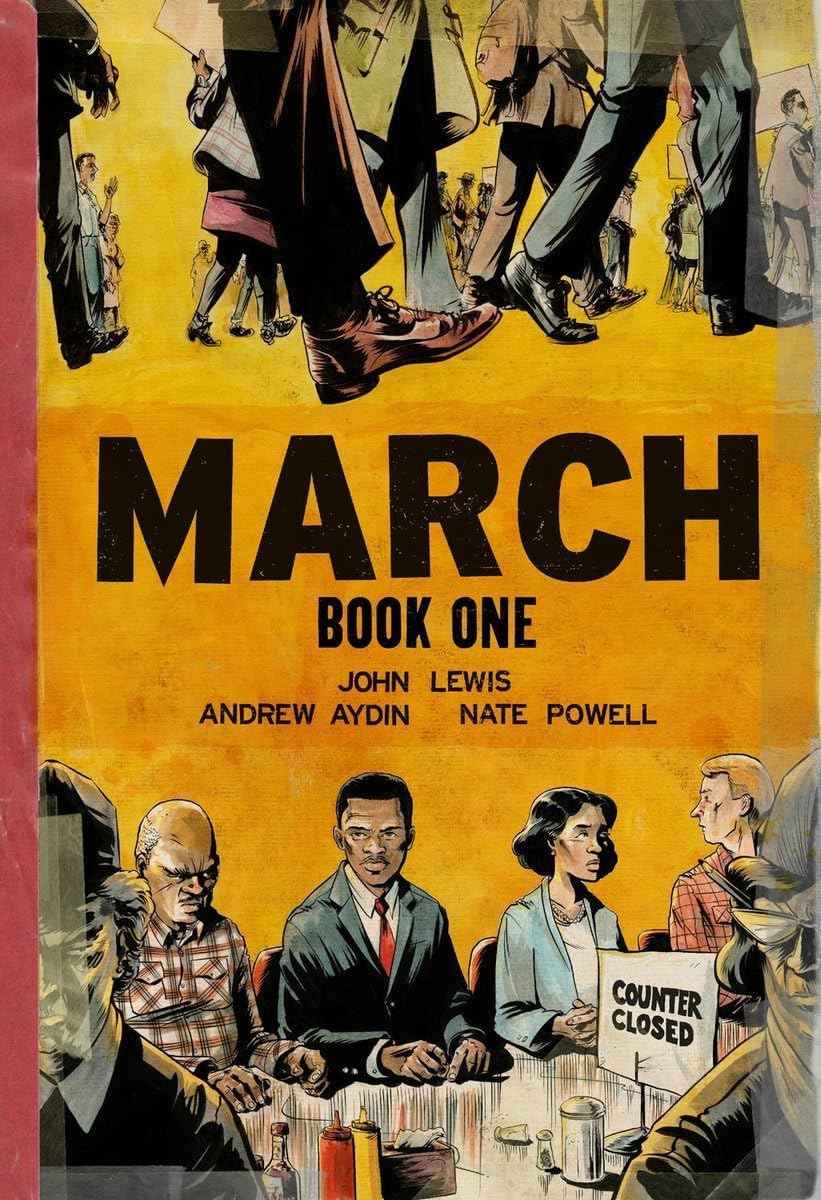
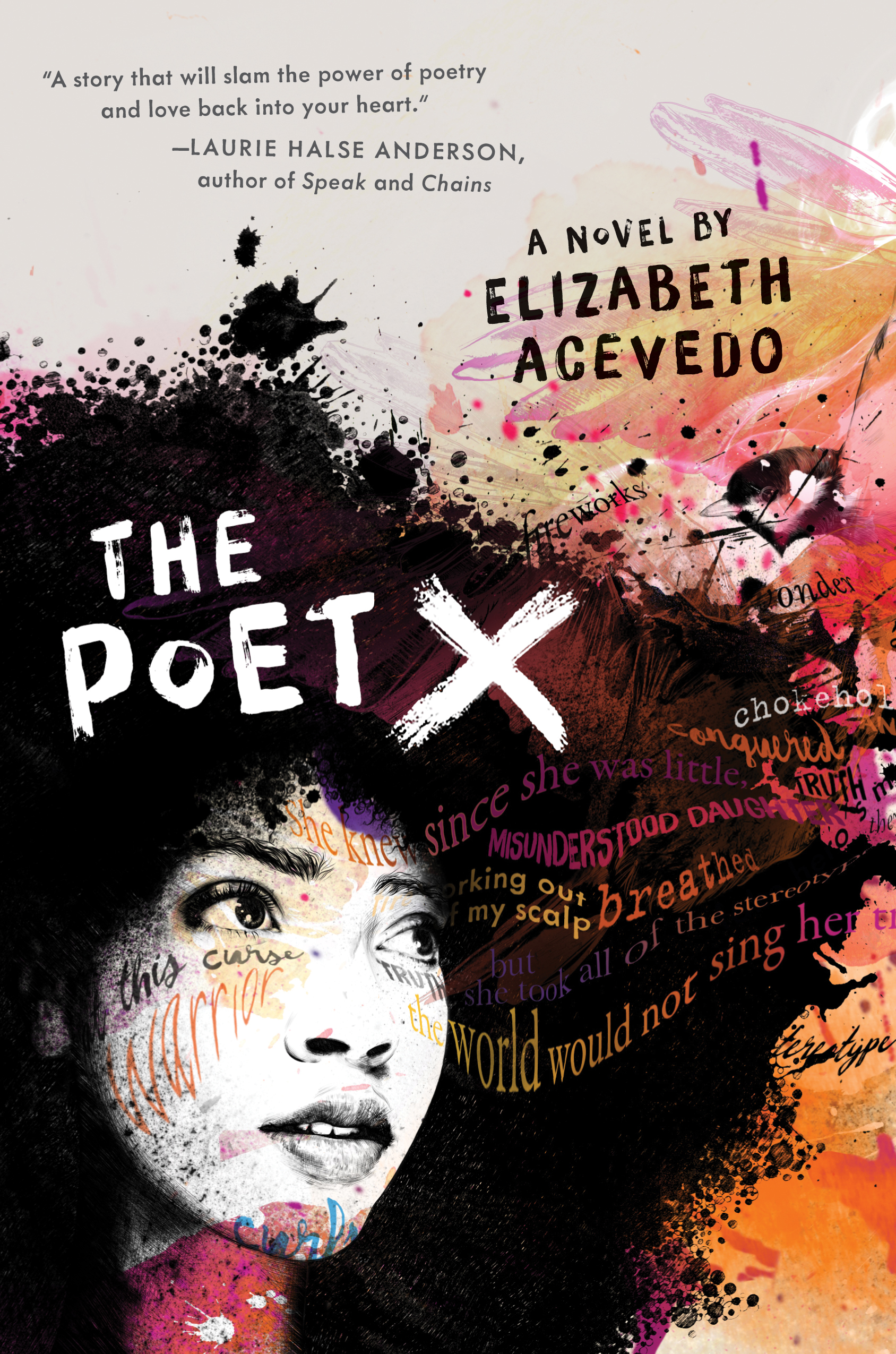
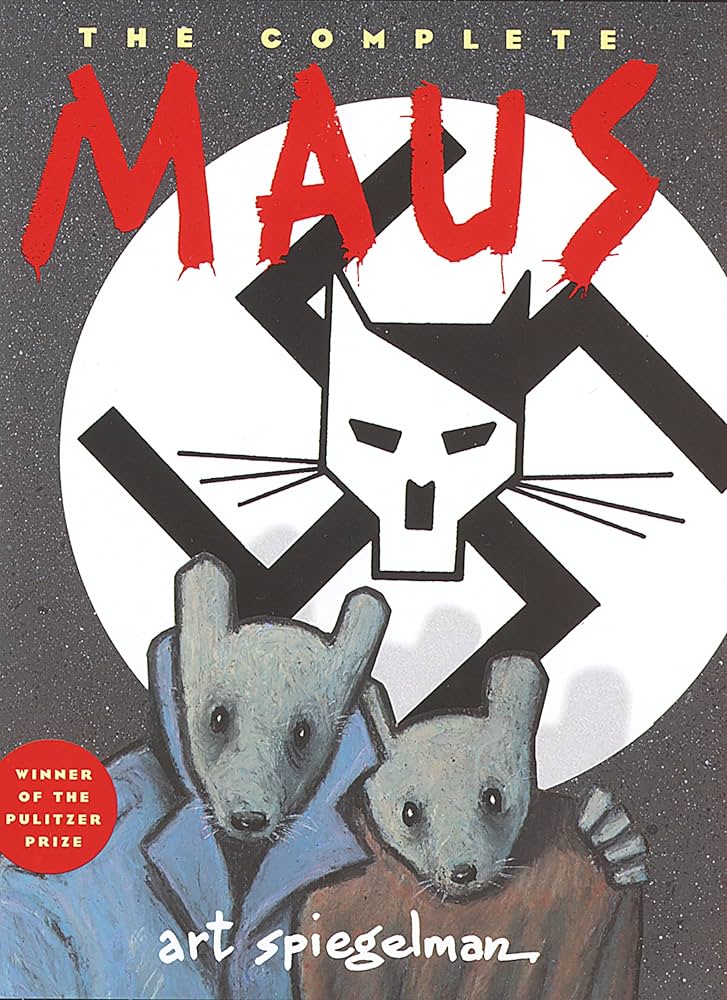
A SELECTION OF GREAT BOOKS BANNED FOR RIDICULOUS REASONS:
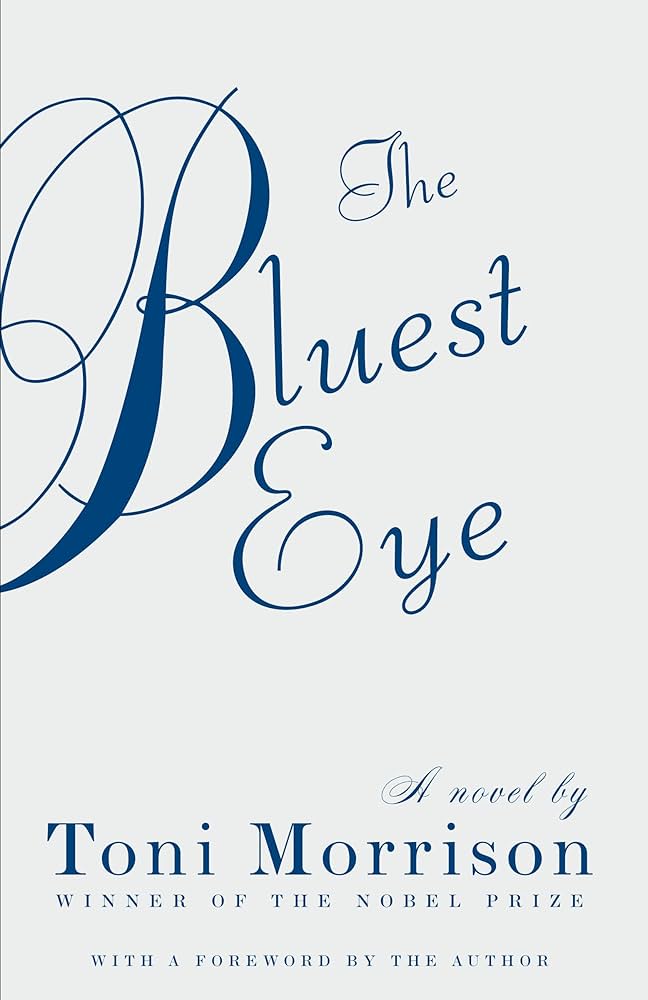
Here in the U.S., we’ve seen a deeply disheartening uptick in book bans for a number of reasons—none of them valid. Standing up to book bans is essential in these times, and through it, you can discover some excellent literature, whether they’re classics like Maus and The Bluest Eye or newcomers like The Poet X.
PEN America – if you’ve been paying attention to efforts against book banning, you’ve likely seen PEN America come up, and for good reason—they are one of the foremost organizations fighting for the rights of authors and journalists, as well as the freedom to read and write.
Authors Against Book Bans – self-explanatory, but this organization has a variety of resources on how you can fight against book bans around the country.
M.K. England (Substack) – although my list didn’t end up containing any of their books (sorry 😬), England has provided a comprehensive list of ways you can fight back against the potential threat of Project 2025 in terms of queer literature for younger (MG and YA) audiences.
SUPPORT! YOUR! LOCAL! LIBRARY! Wherever you are in this country, use as many of your library’s resources as you can! Whether you’re checking out books physically or digitally, or using their non-book services, libraries need all the support that they can get in these coming years.
That being said, this list is by no means exhaustive! I encourage you to look beyond this list to find even more books you love that live up to these principles. Scour the internet and your local library, and you are sure to find many more examples. Let me know in the comments what your favorite books about making change, resisting, and keeping hope are!
Today’s song:
it’s a relevant song for this post, but also, I did just listen to Humanz for the first time over the weekend. Not their best, but this was one of the highlights; as much as I despise Oasis, I do find it poetic that Albarn and Noel Gallagher sang together on this one after having the most ridiculous, decades-long rivalry. (To say nothing of Liam…)
That’s it for this post! Have a wonderful day, and…I know I put this at the end of every post, but please take care of yourselves. I love you.
Happy Tuesday, bibliophiles, and happy New Year’s Eve! 2024 was…well. It sure was a year, wasn’t it? Things happened! Too many things. Man.
I’ll keep it short, because I’ve said something along the lines of the same thing for several months now. I like doing these wrap-ups, but they’re certainly time-intensive, so I doubt I’ll be able to keep up with the monthly schedule going into 2025. However, my brain does like sorting things into silly little lists with bullet points and whatnot, so I thought I would throw this together for the end of the year. Even though I was working so much, I did get to a lot of fun reads, and I didn’t want to leave them out! As I said in my 5-star Reads post, it’s been a rocky and anxious year, but that doesn’t mean it wasn’t populated with good reads—and moments in general—throughout. So, for the last time in 2024, here’s a wrap-up of everything from August to December.
Enjoy this massive wrap-up!
WRAP-UP: EVERYTHING I’VE READ SINCE AUGUST
AUGUST
I read 17 booksin August! I don’t think anything for the rest of the year will measure up to having two 5-star reads back to back, but either way, this ended up being a lovely month for reading. Also, before everybody comes after me for DNFing Remarkably Bright Creatures…you can’t blame me after this line was said by a supposedly 30-year-old character: “bicep day was lit at the gym today.” How do you do, fellow kids?
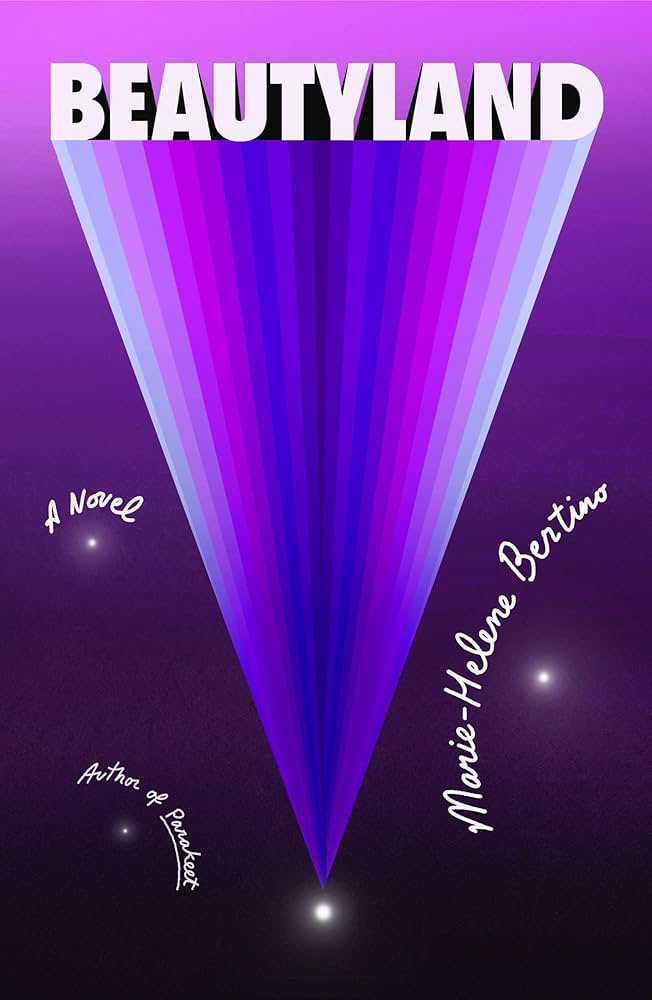
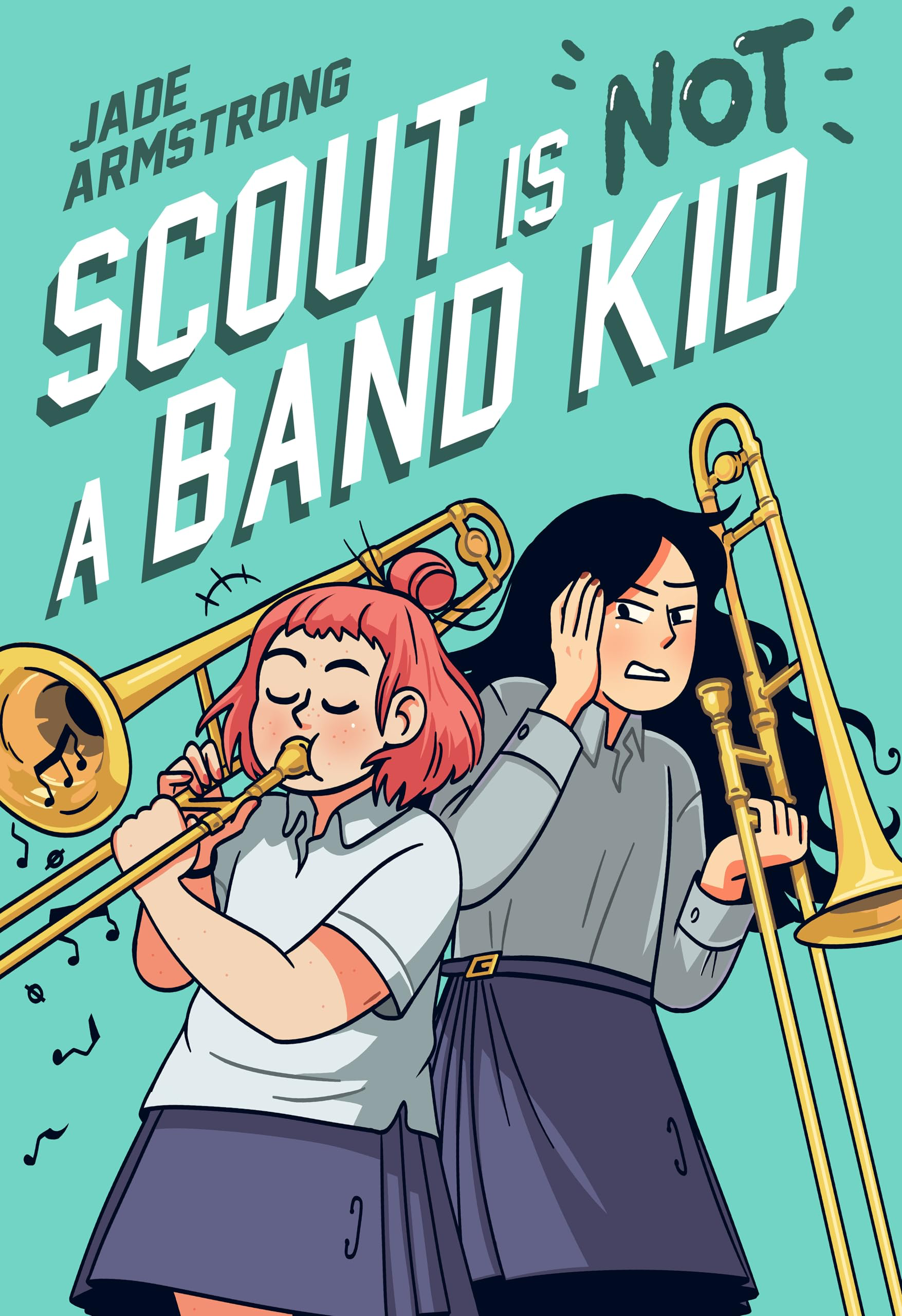
I read 15 books in September! I was so caught up in my reading schedule being disturbed (somewhat) by school starting that I didn’t even realize that I didn’t have any 1 or 2-star reads! Miraculous. Either way, between my work, I was able to squeeze in some great reads for both Bisexual Visibility Week and Latinx Heritage Month.
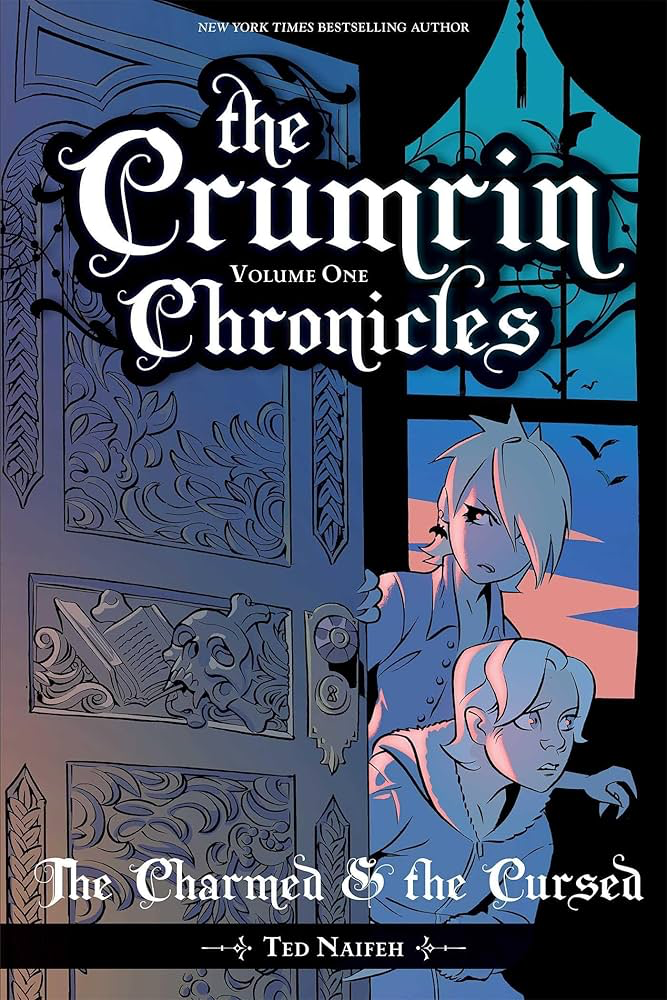
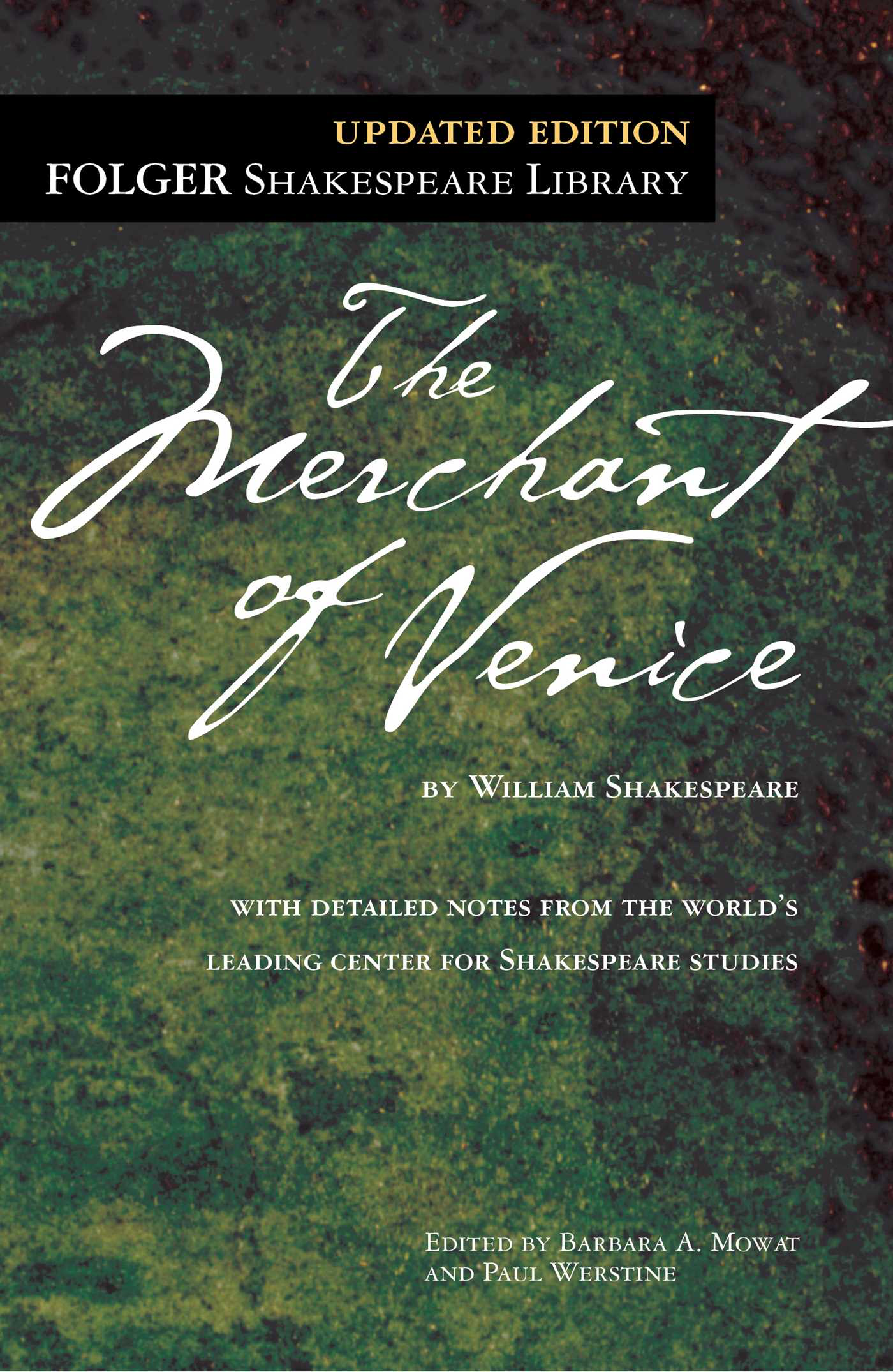
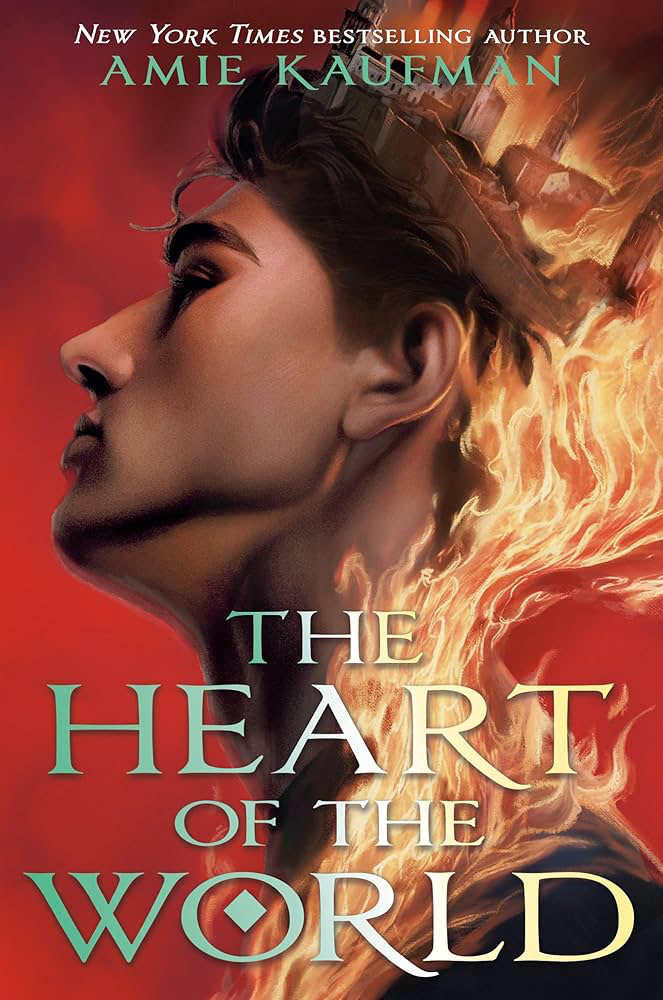
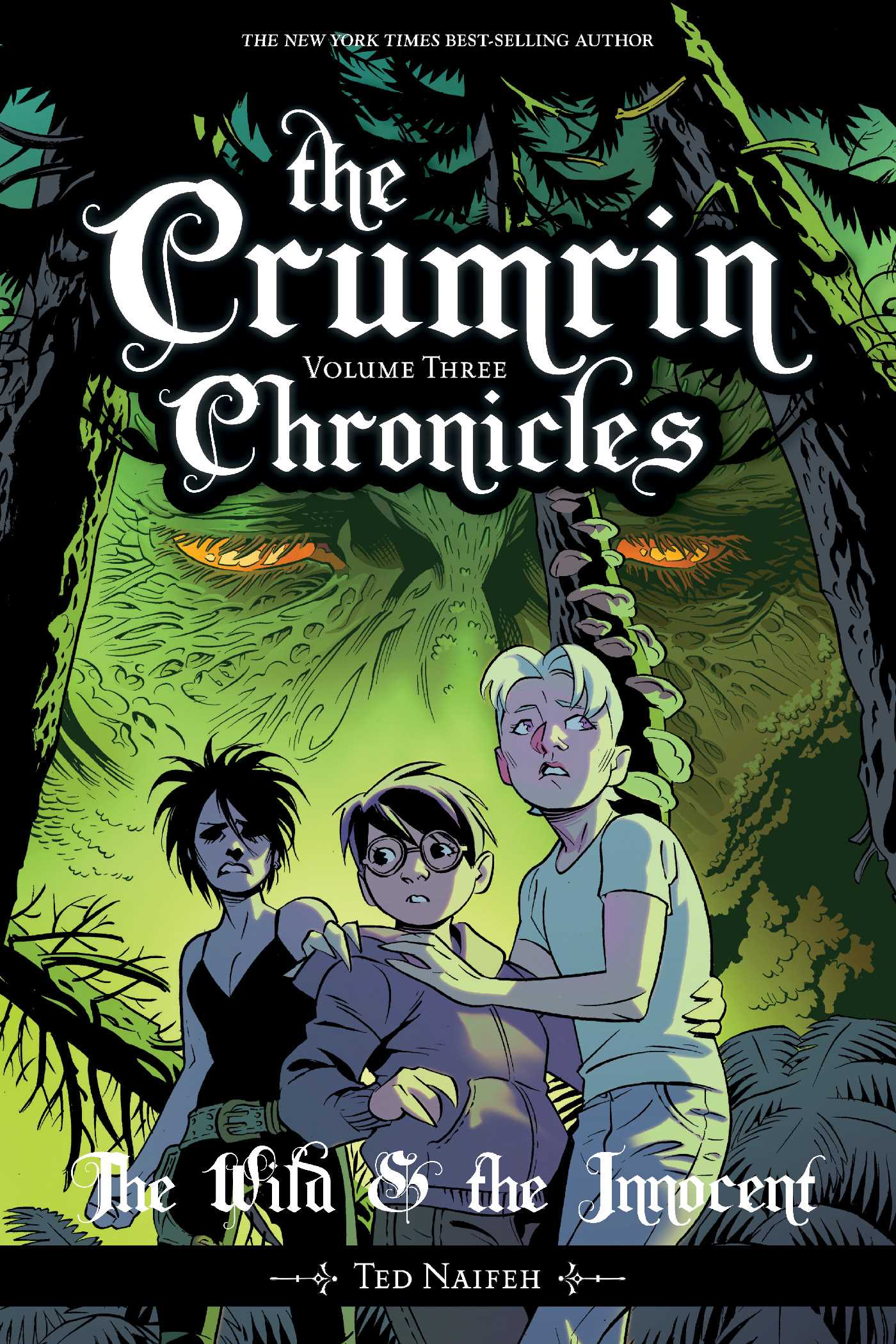
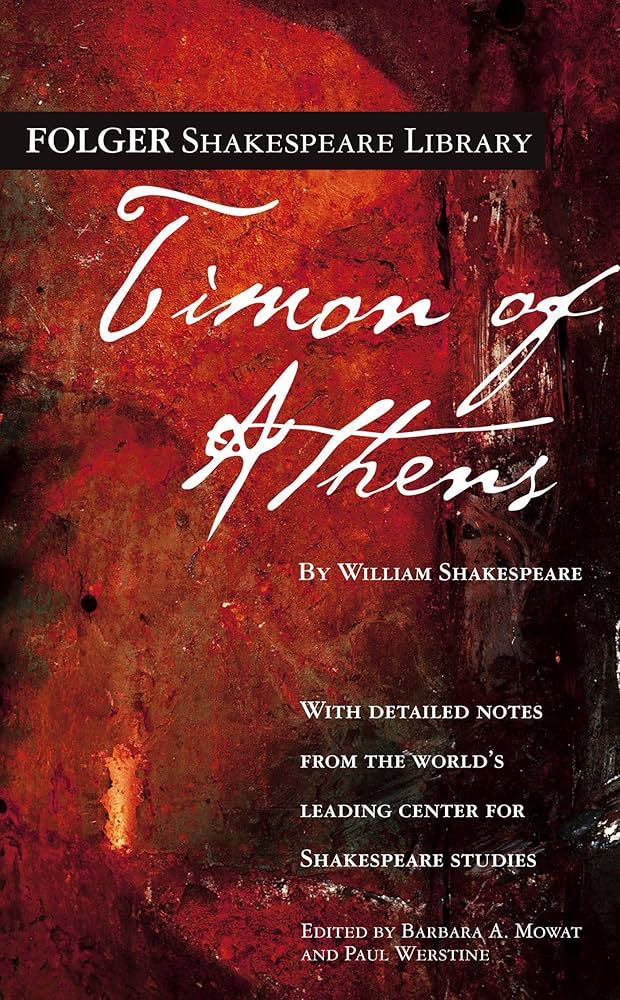
I read 15 books in October! Spooky season, busy as it was, another great month for books—new Crumrin Chronicles, new books from Amie Kaufman and Eliot Schrefer…oh, and I finally read Hamlet after all these years. I’ve seen so many adaptations that I just found myself going “HE DID IT!!! HE SAID THE LINE!!! HE SAID THE LINE!!” whenever I saw a passage I recognized.
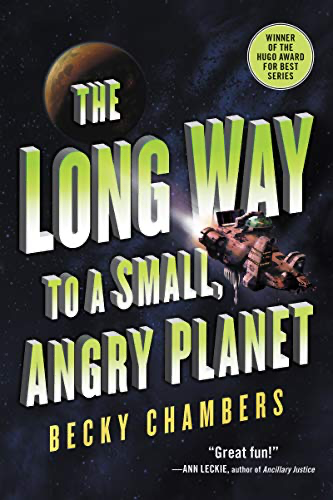
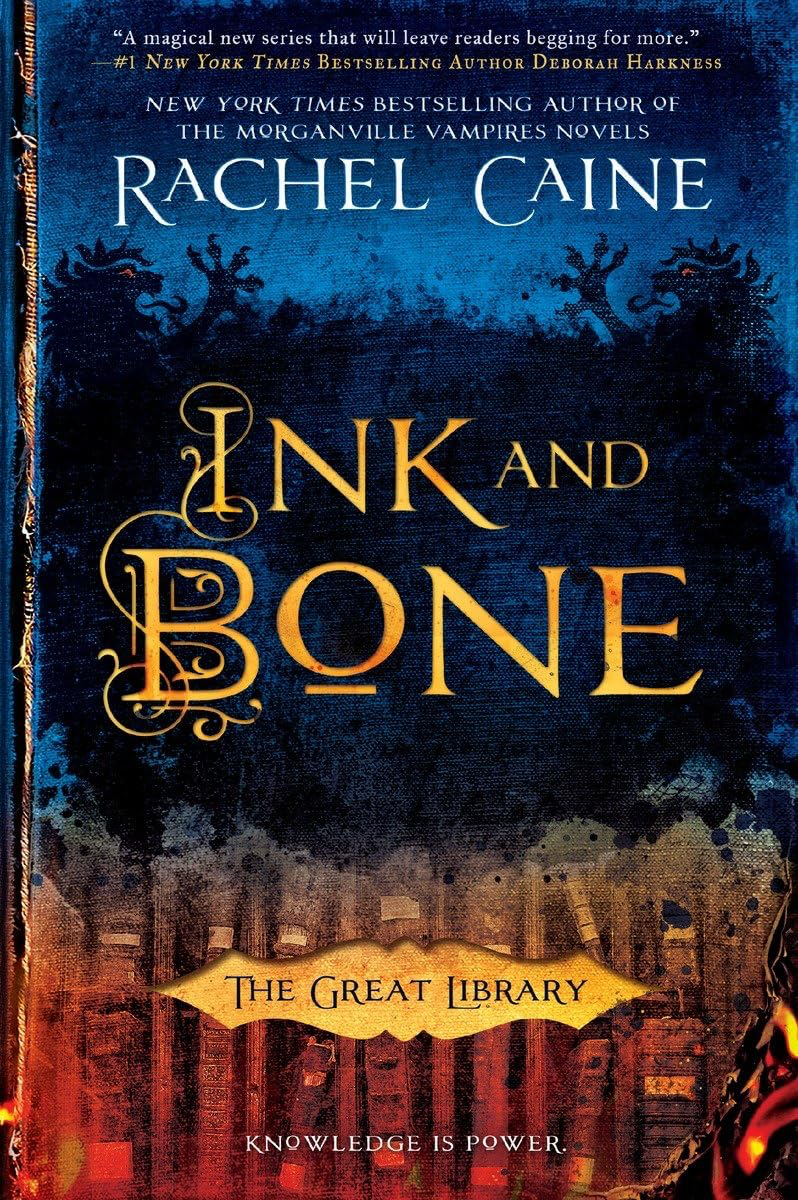
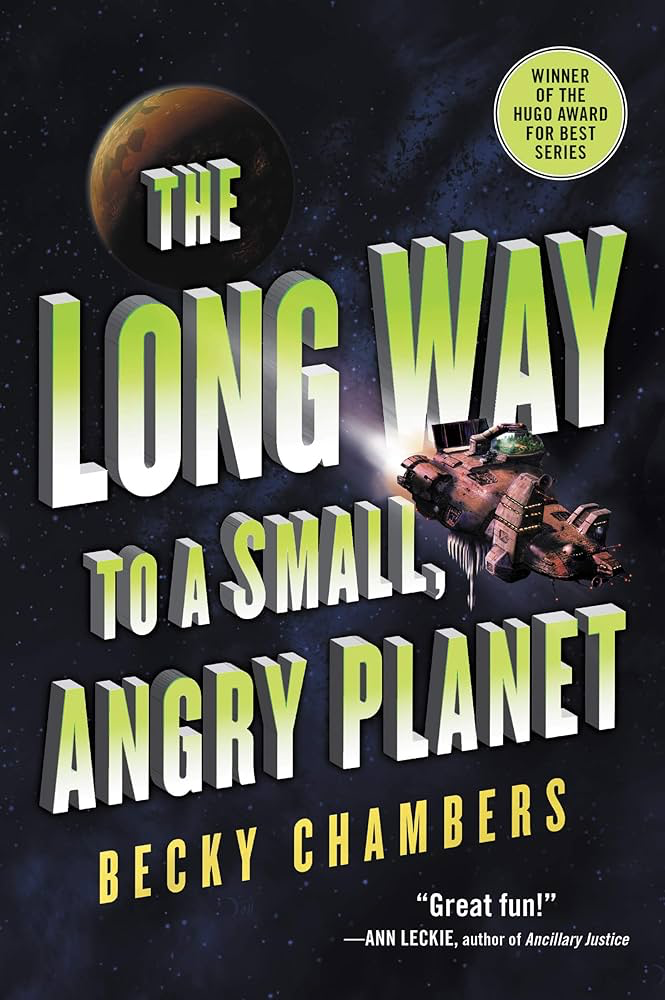
I read 14 books in November! I shouldn’t have to explain why I decided to read The Long Way to a Small, Angry Planet on Election Day. Jesus fucking christ. Also, I hate to speak ill of the dead, but either I’ve grown out of Rachel Caine, or I just read her better books in high school…maybe I should’ve read Ink and Bone when my taste was less discerning.
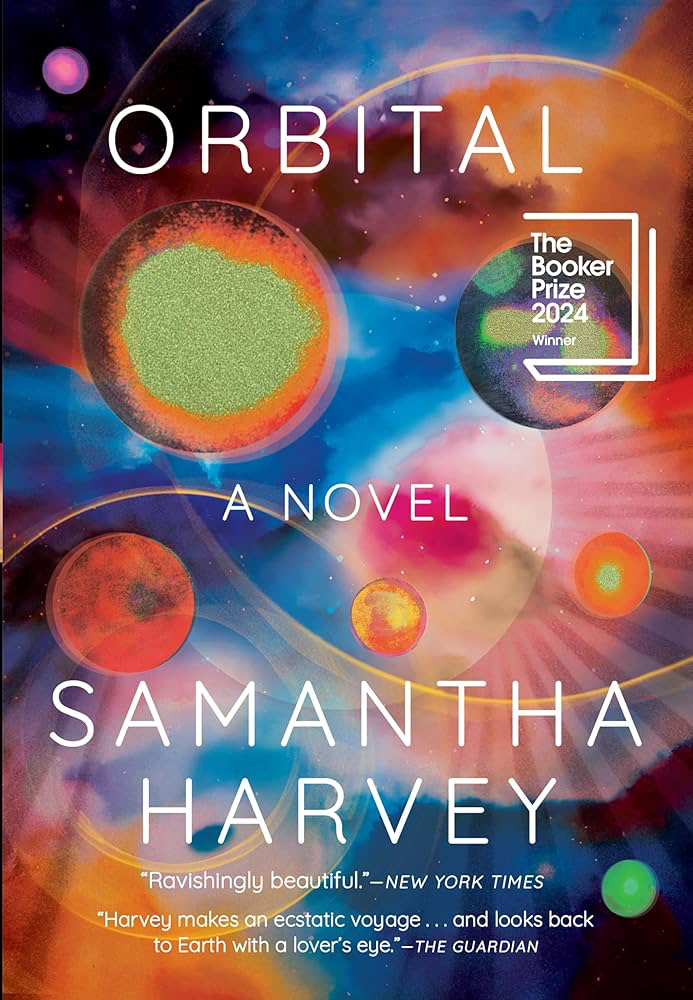
I read 13 books in December, and rounded out my Goodreads challenge with 199 books read this year! I’d say that’s pretty impressive. December proved to have a solid bunch this month (to say nothing of the pretentious, 212 pages of nothing that was Orbital).
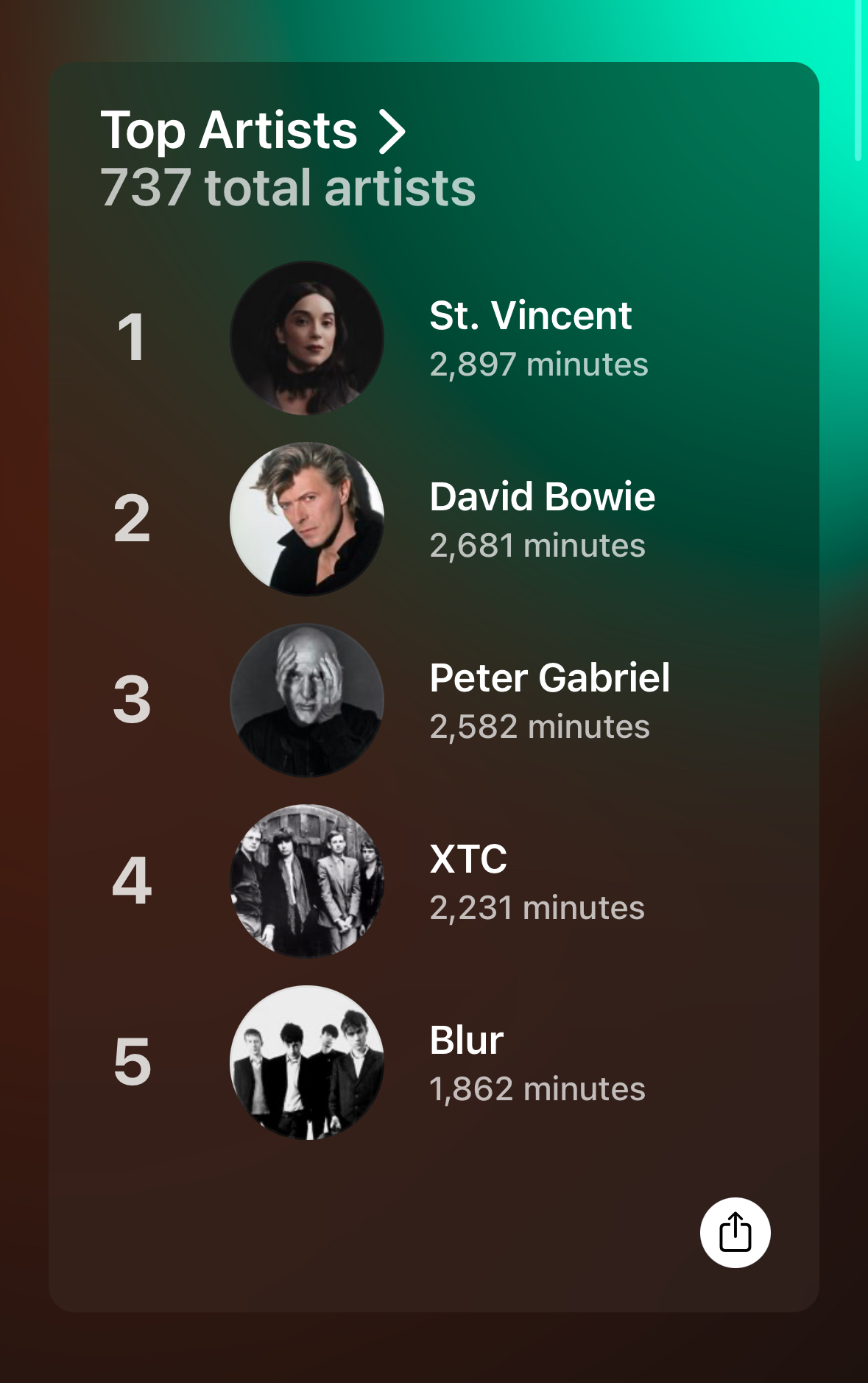
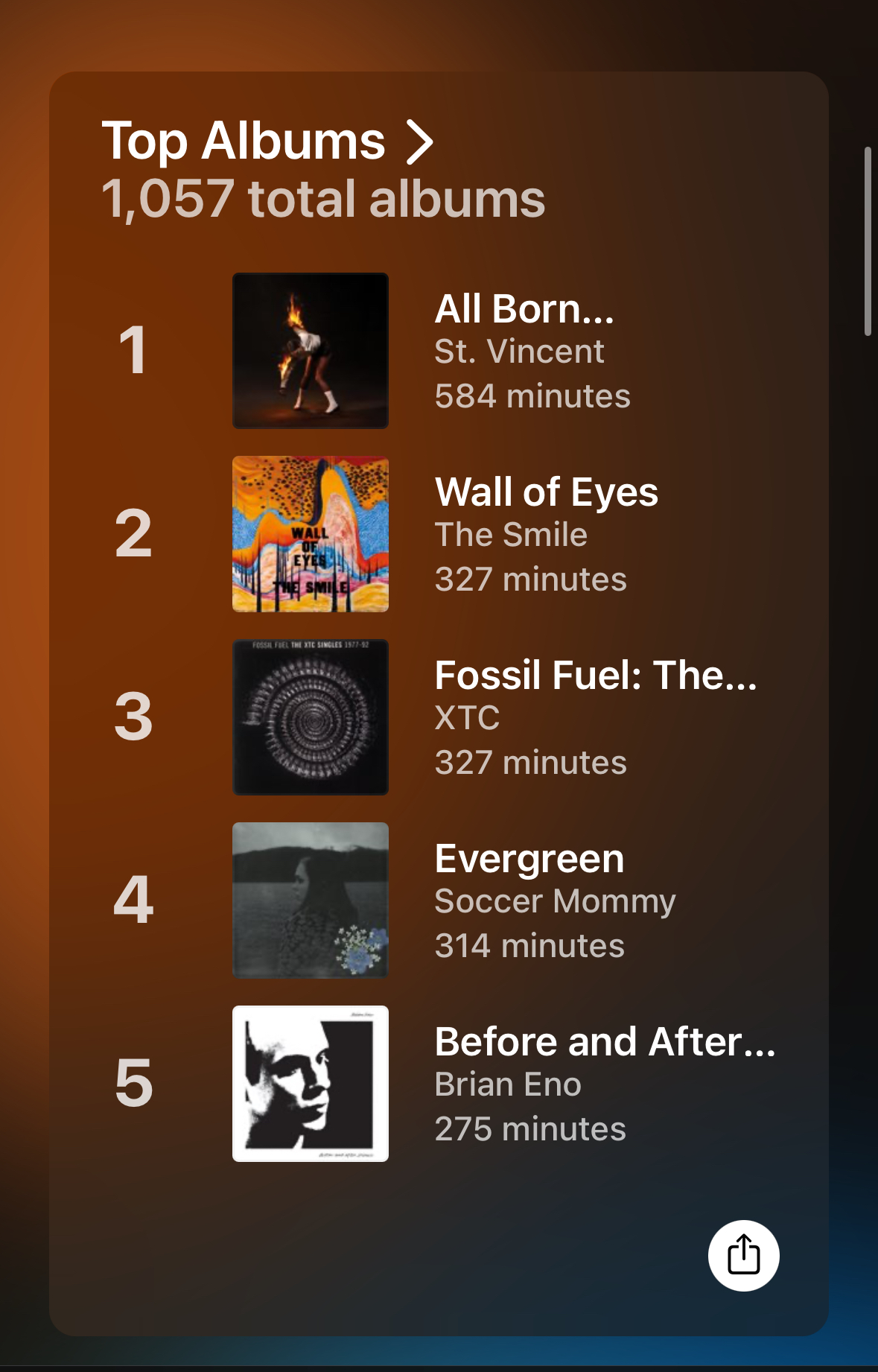
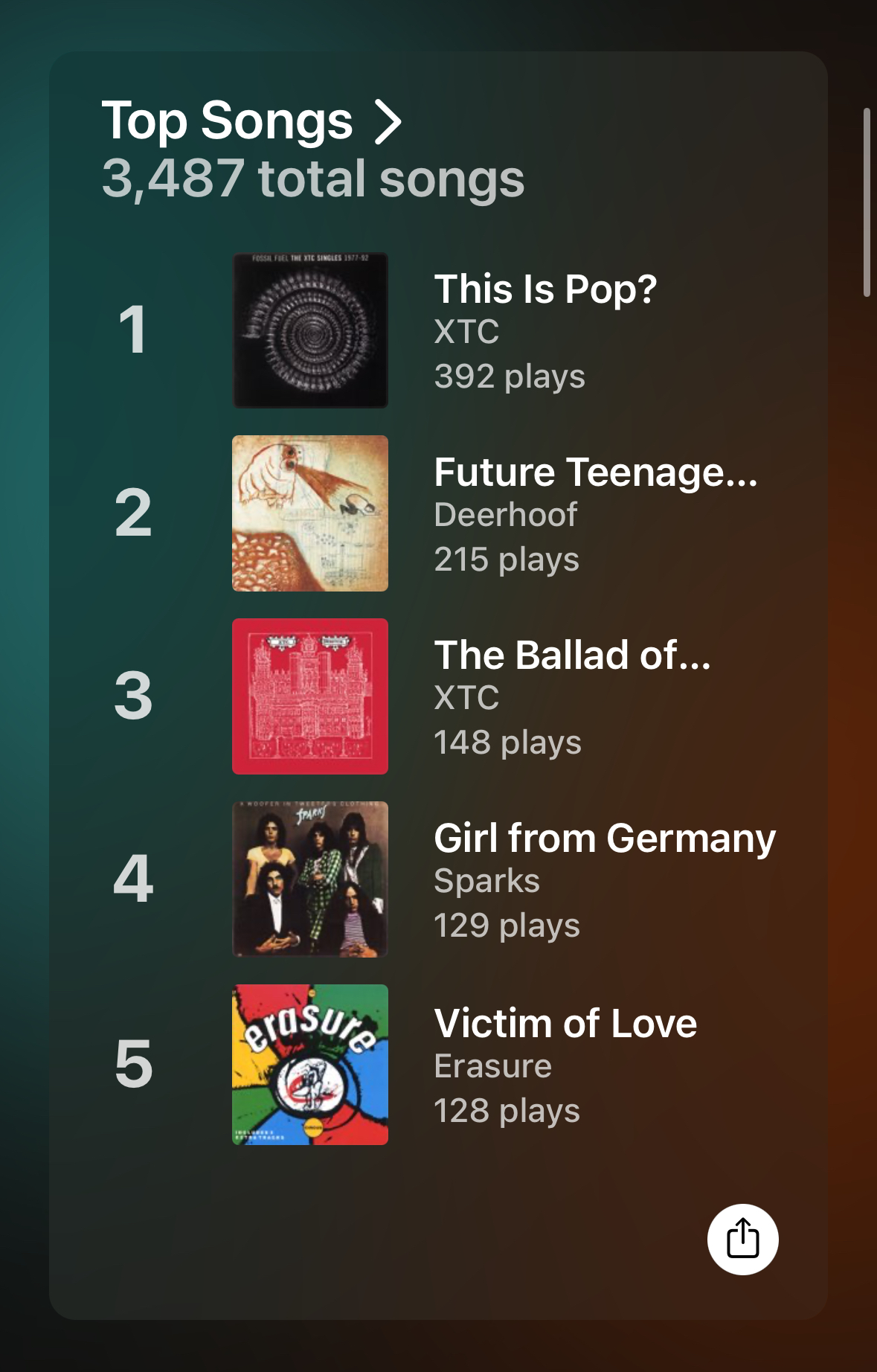
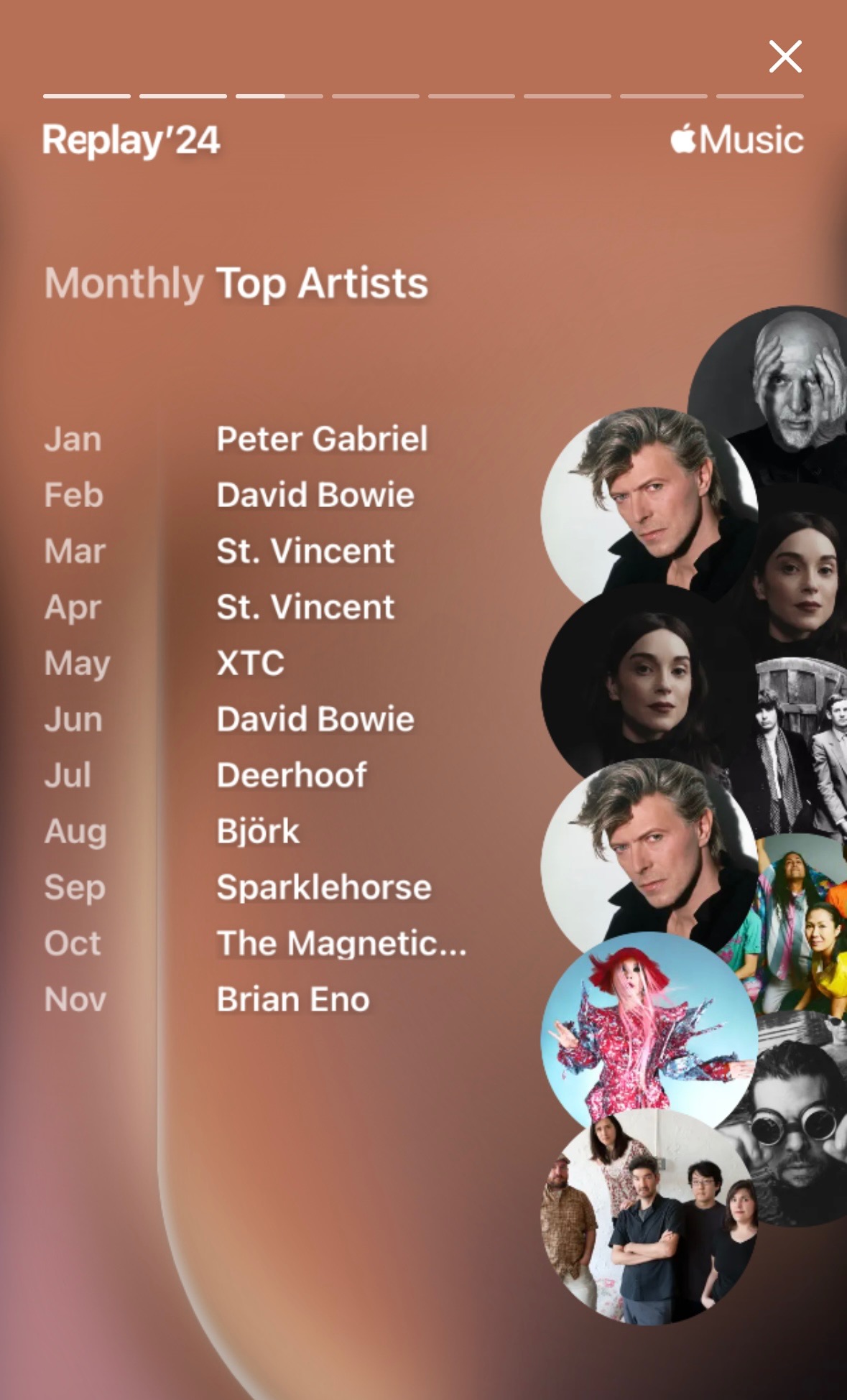
In lieu of my usual songs/albums that I’ve been listening to lately, enjoy some selections from my Apple Music Replay. It appears I’ve lost my hypothetical Welsh street cred (no longer in the top 100 listeners for Super Furry Animals…it’s been an honor), but it’s been replaced by being in the top 500 for XTC? I did listen to “This is Pop?” and “The Ballad of Peter Pumpkinhead” an unhealthy amount…
In addition, here are my Sunday Songs for each month:
it’s finally cold enough to allow myself to listen to Victorialand! Great album to close out 2024 with.
Now, how to wrap up a wrap-up…all I can say is that I love you. My blog may not have the numbers of views and likes that it used to (even though the follower count has gone up…620 of y’all, oh my god, thank you!), but I treasure the small community that I’ve got here. I write these things mostly to write out into the world what I want to see and ramble about the things I love, but I’m grateful that, through it all, you’ve all stayed to stick it out and listen. I’ve always done it for myself and not in the service of getting more likes or views, so I’m glad that someone’s listening anyway.
I hope you all find love, solace, hope, or whatever it is you need in this coming year. In the grand scheme of things, I’m frightened (and hoping that my Canadian cousins have a room to spare up north, hahahahaha [SCREAMING]), but on the smaller scale, with the things I can control, I’m glad to be turning over a new leaf. It’ll be difficult, but I’ve built up the tools to go forward in a healthier, compassionate, and more loving way. Whoever you are, I hope 2025 brings what you need, big or small. As always: spread love, not fear or hate. Look at the stars. Keep on reading, watching, listening, and engaging with what you love. And most importantly, be kind—to others, and to yourself.














 The Bookish Mutant