Posted in Book Review Tuesday

Book Review Tuesday (8/13/24) – Beautyland

Happy Tuesday, bibliophiles!

As far as science fiction goes, I’m not usually for the literary side of it—that goes for most literary novels of any genre, to be honest. I’ve often found that the sci-fi part is dulled in favor of mass appeal. But the premise of Beautyland fascinated me, not just as a science fiction reader, but as someone who’s grown up feeling like an alien. Surprise, surprise—I cried.

Enjoy this week’s review!
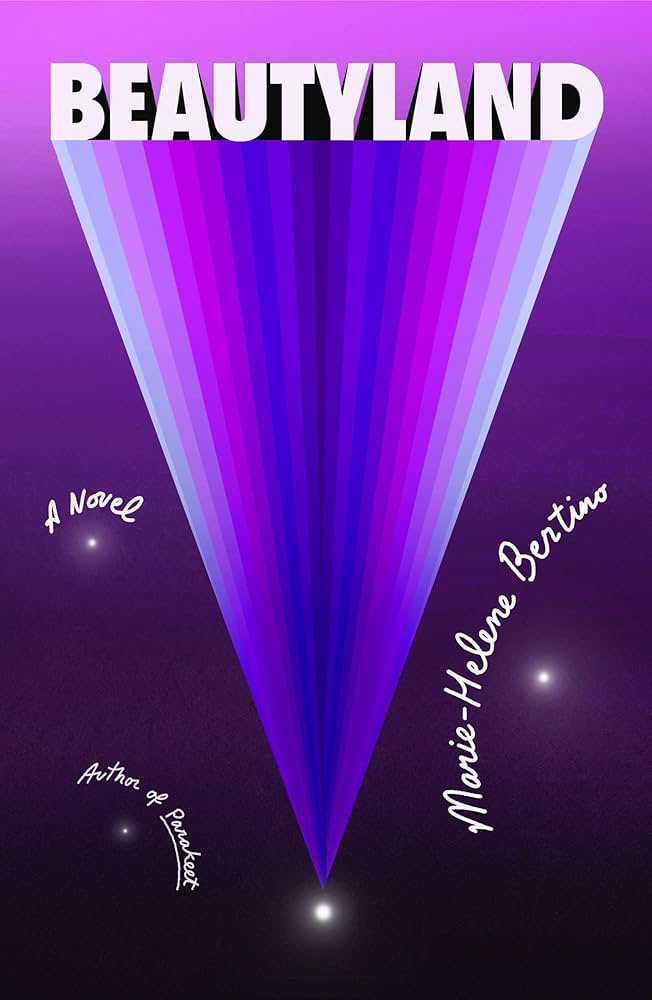
Beautyland – Marie-Helene Bertino

Philadelphia, 1977. Humanity has given the gift of Voyager 1, along with its landmark Golden Record, to space. Unbeknownst to us, a power hidden deep in the cosmos has given humanity a gift in exchange. At the same time as the launch of Voyager 1, a baby is born to an unknowing mother, not human but alien. Her mother names her Adina, and as Adina grows older, she learns how to communicate with her kinfolk in space, reporting the oddities of human life and culture through an old fax machine. As Adina pretends to be human, she experiences the joy and terror of human existence, but longs for closure—will she ever be able to return to her homeworld?

TW/CW: cancer, sexual harassment, loss of loved ones, pet death, bullying, grief, 9/11 themes (brief)

One of the best feelings is when you pick up a book that you’re interested in, but not expecting anything marvelous from, and then getting absolutely pied in the face out of nowhere with the feeling that this book gets me. Setting aside my reservations for literary sci-fi, Beautyland digs into the heart of my experience growing up—of feeling alien, but of cataloguing all of the nonsensical facets of American culture and the feeling of not belonging. I cried. I laughed. I had an echoing pang in my chest for a while. Like life, all of it was worth reading and living.

Observations about the human condition formed the heart of Beautyland. Through Adina’s messages on a fax machine, she reports to her alien superiors on everything from the oddities of American culture (“When it was time to decide the official food of movie-watching, human beings did not go for Fig Newtons or caramel, foods that are silent, but popcorn, the loudest sound on earth”) to the painful and uneasy truths of human existence (“The ego of the human male is by far the most dangerous aspect of human society”). Bertino’s writing shone the most when chronicling Adina’s observations. She adopted a blunt, matter-of-fact tone of a distanced journalist, someone watching our species from the sidelines, yet always managed to wring the emotion from it, be it humor or sorrow. The wonder of Adina when she visited her superiors at night, in a vast room inside of her mind, was just as palpable, capturing her childlike curiosity. You felt every joy of Adina reporting back on the eccentricities of humanity, and every sorrow once Adina matures and realizes the dark side of our nature. The eventual abandonment of her superiors as she grew older drove the point home even more—at a certain point, nobody can answer these questions for you, and you realize that you don’t have the answers, and neither does anyone else. All that’s left to do is live your life, and observe.

Though it wasn’t outright said or diagnosed, the neurodivergent themes of Beautyland were what stuck with me the most. (I have sensory processing disorder, and, among other things, I felt Adina’s growing discomfort with sensations as simple as hearing people breathe and chew.) Whether or not you believe that Adina is actually an alien, the experience of being on the fringes and unable to understand not just other people but their actions deeply resonated with me. As Adina moves through middle and high school and is ostracized by her more popular peers and tries to scientifically observe them, she’s confronted with a frequent feeling of questioning why it has to be this way: why are these girls looking at me like I’m gum on the bottom of their shoes? Why is not wanting sex such an affront to men? Why don’t they like me? That feeling of knowing something’s missing, but being unable to find it, put into words a feeling I struggled with through my adolescence, a sense that everybody else knew something I didn’t, and that was what made me so strange to them.

I read Beautyland as both science fiction and historical fiction; some people have put it up in the air as to whether or not Adina actually is an alien, but I think the answer is…yes. Both can be true. I’ve grown up in a similar way to Adina, feeling so on the outside of everything that I’ve attached myself to science fiction and alienness in general. Like Adina, it’s informed by some neurodivergence and general outsiderness, but there’s something to be said for all of the questions presented being true. Yes, she may be an alien sent from an advanced race beyond the solar system, and yes, she has some neurodivergent tendencies as well. The two can coexist. And Beautyland’s embrace of how these qualities can intersect was what made it so impactful; this experience fundamentally makes us human, even if it makes us feel alien. I often see criticism of alien or robot characters who are characterized as “inhuman,” but what makes them inhuman boils down to them just having the traits of neurodivergent people (“lack” of emotion, misunderstanding of how humans work) and those on the asexual/aromantic spectrum (no desire for romance or sex, that which “makes us human”), and I think it’s a valid criticism to apply to characters who are written thoughtlessly. But who’s to say that an alien character like this can’t also be neurodivergent and asexual? Again: the two can coexist. Bertino wrote Adina as a character with a deep understanding of human culture, and that, to me, does not skew the reading of her as asexual and neurodivergent.

Somehow, one of the most emotional parts of Beautyland for me was how Bertino wrote about Carl Sagan. As I mentioned before, the novel is written in fragments, not always linearly, but taking frequent detours outside of Adina’s immediate life and into moments of relevant pop culture at the time—the popularity of Carl Sagan being one of them. With her connection to the Golden Record and the absence of her own father, Adina looks up to Sagan as a surrogate father, someone who can teach her more about the cosmos from which she was born from. Even having never met him in person, the way that Adina processed Sagan’s death was where I lost it; this is one of her first experiences of loss, and it’s the loss of someone who has unknowingly guided her through her alien life, teaching her about the universe, and by proxy, given her a roadmap of the human condition. Fleeting as it was, Bertino wrote this instance—and the connection to Sagan in general—with the kind of love of someone you feel like you’ve known all your life, but have never even met.

All in all, a deeply human exploration of what it means to be alien. 5 stars!

Beautyland is a standalone, but Marie-Helene Bertino is also the author of Parakeet, 2 A.M. at The Cat’s Pajamas, and the short story collection Safe as Houses.

Today’s song:

new Smile!! not my favorite, and I can see why they left it off the album, but a solid track nonetheless.

That’s it for this week’s Book Review Tuesday! Have a wonderful rest of your day, and take care of yourselves!

Posted in Books

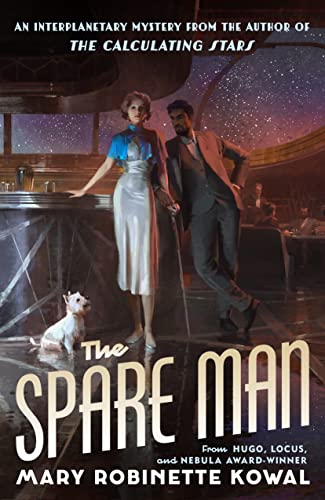
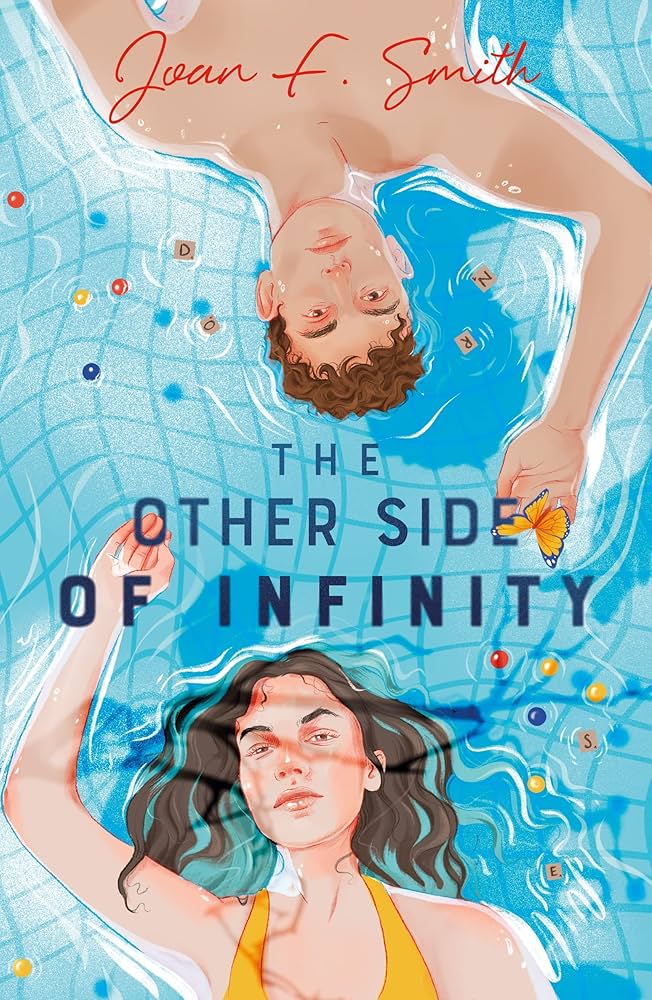
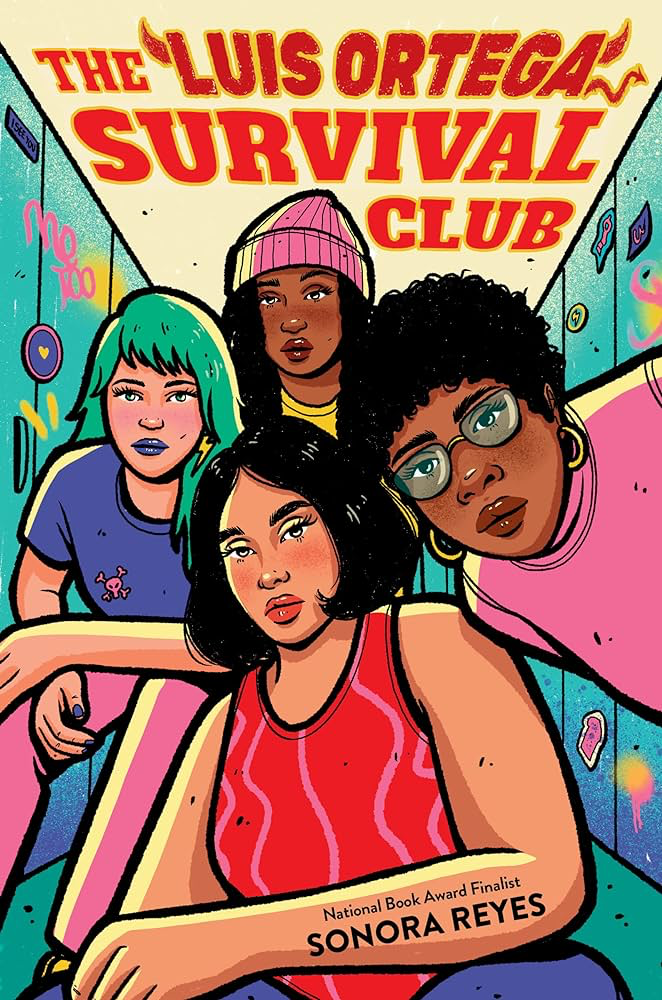
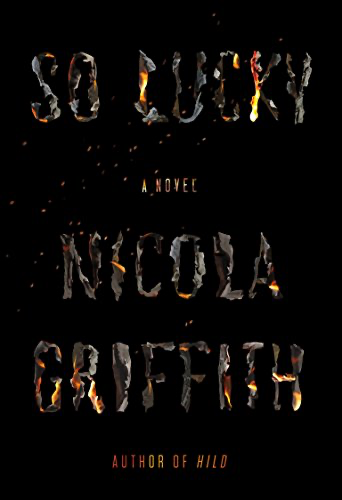
♿️ The Bookish Mutant’s Books for Disability Pride Month – 2024 Edition ♿️

Happy Monday, bibliophiles!

Here in the U.S., July is Disability Pride Month! In the three years that I’ve been making these lists, disability is still forgotten even in many intersectional feminist circles, and the importance for uplifting the disabled community has never been more important than know, what with the fallout of the COVID-19 pandemic, where disabled people, especially those who are immunocompromised, were disproportionately affected. Every year, even though I look in as many places as I can, it’s difficult for me to find books with disabled stories at the forefront that don’t center suffering or being “inspiring.” (As of now, I have only ever read one book with my disability, SPD, and heard of only one other. Inspiration for me to write my own stories…) So with these lists, I hope to provide disabled books with a wide range of representation, both in terms of disability and in the intersection of race, gender, and sexuality.

NOTE: my memory (and the internet) is imperfect, so if I’ve misrepresented/mislabeled any of the specific rep in these books, don’t hesitate to let me know!

KEY FOR TERMS IN THIS POST:

  • MC: Main character
  • LI: Love interest
  • SC: Side character

For my previous lists, click below:

Let’s begin, shall we?

♿️THE BOOKISH MUTANT’S BOOKS FOR DISABILITY PRIDE MONTH (2024 EDITION)♿️

FANTASY:

SCIENCE FICTION:

REALISTIC FICTION:

TELL ME WHAT YOU THINK! Have you read any of these books, and if so, did you enjoy them? What are some of your favorite books with disabled rep? Let me know in the comments!

Today’s song:

this song makes me SO so incredibly happy!! thank you to Horsegirl for recommending it!!

That’s it for this month’s recommendations! Have a wonderful rest of your day, and take care of yourselves!

Posted in Book Review Tuesday

Book Review Tuesday (4/25/23) – Social Queue

Happy Tuesday, bibliophiles!

Earlier this month, I was looking for some books with autism rep for Autism Acceptance Month. I stumbled upon this one on a Goodreads list, and it seemed like a fun read. And while I did have some problems with the writing style, it was a solid romance through the lens of a young Autistic woman!

Enjoy this week’s review!

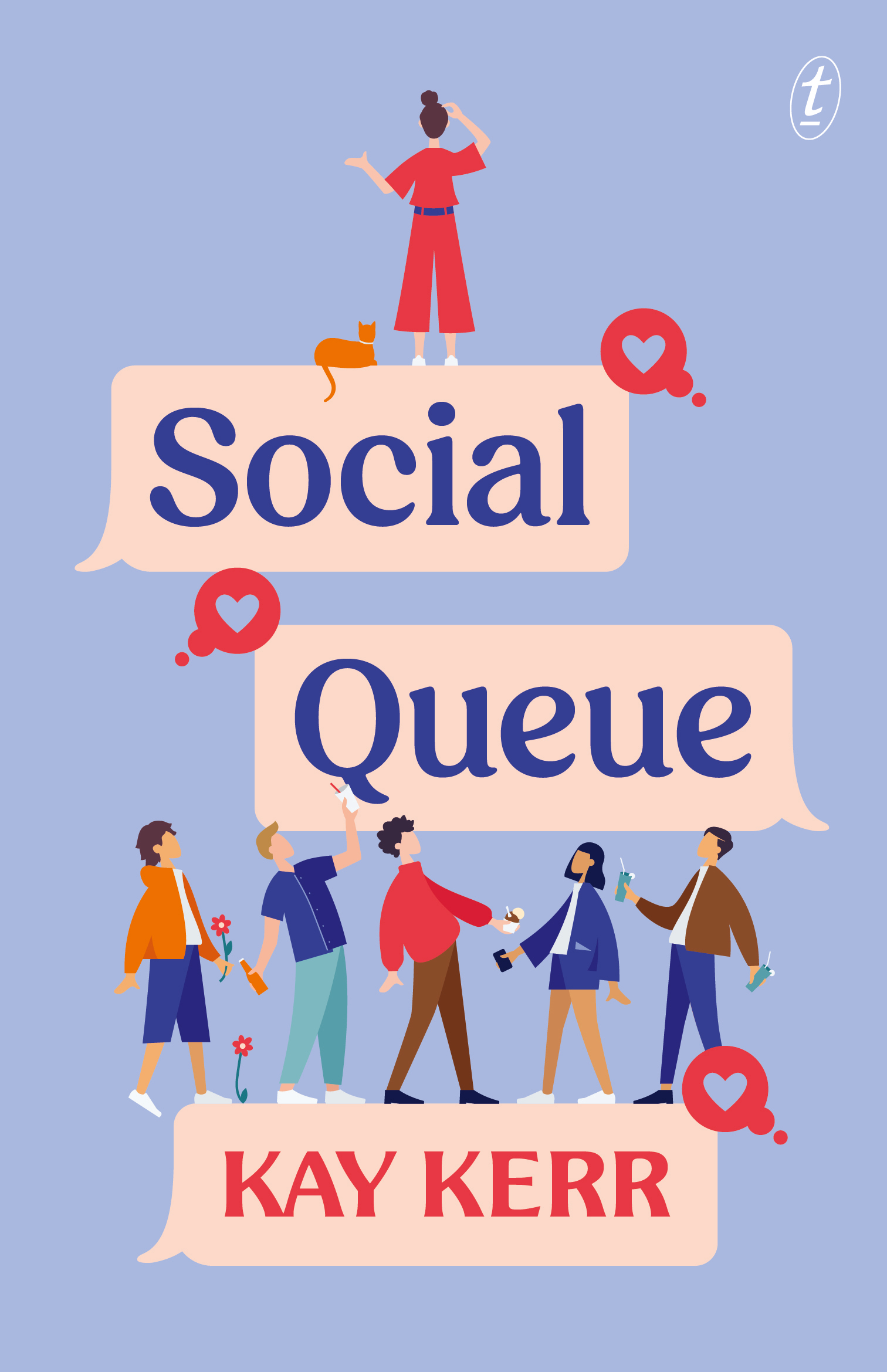
Social Queue – Kay Kerr

18-year-old Zoe is determined to turn over a new leaf. After a string of bad experiences in high school, she lands an internship at an online media company, where she writes pieces about her dating experiences—or lack thereof. But when these pieces get noticed by some of her old high school classmates, Zoe must reassess her idea of romance—and if taking second chances is worth it at all.

TW/CW: ableism, police brutality, bullying, sensory overload, misogyny

I found this one mostly on a whim (the quest for good disability rep never ends) and figured that it would be a good read for Autism Acceptance Month this year. And…I’ve come out of it with mixed feelings. I did like it, and I’d say it was a solid read. But I just had such a hard time getting into the writing, and while I loved all of the discussions around autism and disabled identity in general, they often came out very forced.

Let’s start with the good stuff. Zoe was a great protagonist, and she was the perfect fit for this kind of story. Although I wished we could have seen some more personality from her, I loved the journey of self-love and acceptance that she goes on over the course of this book. She had great character development, and her interactions with the other characters felt authentic and genuine. I can’t speak to how accurately her autism was depicted, but as a neurodivergent person, a lot of it felt very authentic, what with the sensory overload and whatnot. Either way, it’s always incredibly refreshing to see disabled characters/stories actually being written by disabled authors, so Kay Kerr deserves a thank you just for that.

There were some great conversations about autism and about disability in general as well in Social Queue! Zoe’s experiences—especially with her well-intentioned but ultimately harmful coworker trying to write about disabled issues—were so important to have in a book, and Kerr handled all of them very well. I loved the emphasis on restructuring the language we use around disabled people, especially removing the context of disability automatically being synonymous with suffering and doing away with the narrative of “overcoming” one’s disability. Social Queue raises so many questions that are so often left out of conversations about disability (and in feminism in general), and even as a piece of fiction, it works as a good primer for somebody looking into disabled issues.

That being said, some of the situations which Kerr tried to implement said conversations about disability came off as forced to me. For instance, early on in the novel, Zoe witnesses an instance of police brutality directed at an Autistic man. While this is a great starting point for conversations about disability and police brutality, it felt…blatantly like a plot device, like this horrifying instance of police brutality was set up just so that these conversations could be had in the book. Even though said conversations stemming from it were worth having, the placement and writing of it just made such a horrifying thing into nothing more than a conversation starter. Didn’t leave the best taste in my mouth.

I think part of why that instance didn’t work was because of Kerr’s writing style. Just like the cover, which looks like it was made in 15 minutes on Canva, nothing about it felt very distinct; none of the characters had unique voices, and most of the descriptions of the plot were mostly concerned with going from point A to point B without much embellishment. I’m not saying that Kerr should’ve gone headfirst with the purple prose, but the writing felt so dry that it needed some kind of embellishment, anything to make it more interesting. Even though Zoe was a solid character, this writing made for a significant amount of disconnect between her and some of the other characters that we were supposed to sympathize with.

Additionally, the romance aspect was iffy for me. I loved the premise of Zoe reconnecting with people from her high school and exploring her sexuality, but since the writing was so bland, most of said love interests were interchangeable to me. The only distinguishing factor was a) one of them was a girl (we love to see characters questioning their sexualities, though!! good stuff), and b) that one of them was a creep. That was pretty much it. Also, the fact that Zoe ended up with Gabe after all that infuriated me. I get forgiving and forgetting, but if a guy makes a WHOLE CLASS PRESENTATION about how you’re “so inspiring” just because you’re disabled, I WOULDN’T EVEN CONSIDER GIVING HIM A SECOND CHANCE. WHY. Apologies aren’t even enough at that point. That’s just disgusting. And I’m glad that they did cover that, but…Zoe. Bestie. You can do so much better than him. There was a lot of “he was mean to you because he had a crush on you, so it’s fine” action in Social Queue as a whole too, which rubbed me the wrong way, but Gabe was the most offensive for me.

All in all, a romance novel that did a good job of representing disabled and Autistic issues, but was let down on several occasions by its bland writing. 3 stars.

Social Queue is a standalone, but Kay Kerr is also the author of Please Don’t Hug Me and Love & Autism.

Today’s song:

BABE WAKE UP NEW PALEHOUND JUST DROPPED

That’s it for this week’s Book Review Tuesday! Have a wonderful rest of your day, and take care of yourselves!
Posted in Book Review Tuesday

Book Review Tuesday (6/28/22) – Lakelore

Happy Tuesday, bibliophiles!

I’ve been a huge fan of Anna-Marie McLemore’s books for ages; their prose is always immersive and lush, and their stories never fail to pull at the heartstrings. So I was over-the-moon excited to find out that they had a new book out! I put Lakelore on hold as soon as I could, and I finally got to read it last week. While it wasn’t their best work, Lakelore is still a beautiful tale of the trans experience.

Enjoy this week’s review!

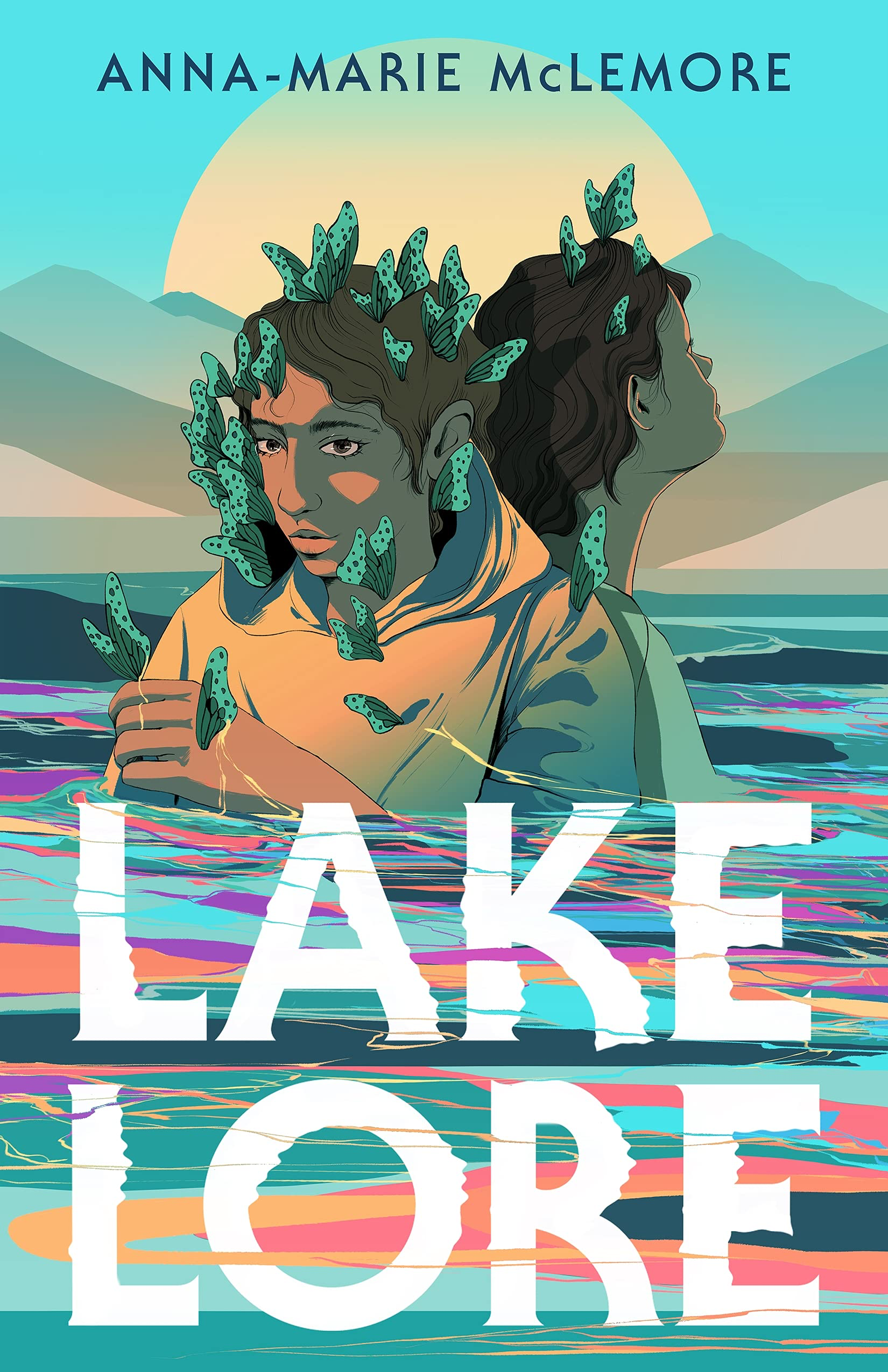
Lakelore – Anna-Marie McLemore

The town where Bastián and Lore live has a secret: under the lake is a strange, unknown world. But they are the only ones who have ventured down into this secret world, and they know something that the other townsfolk don’t know: the world under the lake is blending with the real world. The only way to put the two worlds back in their places is for Bastián and Lore to reunite, but the secrets between them may tear them apart before they reach their goal.

TW/CW: ableism, bullying, racism, transphobia, dysphoria

I loved Lakelore, but it lacked the very thing that makes McLemore’s other books so unique—the magical realism aspect. It was there, sure, but it felt so sidelined when the synopsis emphasized it so much. That being said, Lakelore was still excellent, and it’s sure to resonate with so many nonbinary readers!

The representation in Lakelore was truly fantastic! Both Bastián and Lore are Latinx and nonbinary; Bastián also has ADHD and Lore has dyslexia! This kind of intersectional representation is what I live for, and McLemore wrote it all so gracefully! Each aspect of their identities was so wonderfully written, from Bastián’s journey starting testosterone to Lore’s therapy sessions to cope with school having dyslexia. The whole book is a beautiful testament to being the other in some way, and the way that McLemore explores it with Bastián and Lore was fantastic.

And I’d be remiss if I didn’t mention Anna-Marie McLemore’s unforgettable prose! Their writing is as strong as ever in Lakelore, and the way their signature, magical writing style told Bastián and Lore’s stories made it all the more engaging, emotional, and tender. It’s the kind of writing that feels like looking at pure, unadulterated magic, instantly transporting the reader to the small town and the mysterious lake at its heart.

That being said, I was a little disappointed with the magical realism aspect of Lakelore. At best, it was underdeveloped; we got glimpses of the world beneath the lake, but it was never quite expanded upon. We saw that this underwater realm gave Bastián’s alebrijes (which I also loved—great metaphor for healthy coping mechanisms!) the ability to move, but other than that, it was very vague, save for the urban legend aspect of it. I guess it’s on me for thinking that Lakelore was gonna be some kind of nonbinary Abe Sapien kind of deal, but even so, I wanted so much more from that aspect after how strong McLemore’s magical realism/fantasy game usually is.

All in all, a fantastic addition to Anna-Marie McLemore’s pantheon that lacked slightly in the magical realism department, but made up for it with the beautiful depiction of a Latinx, nonbinary, and neurodivergent experience. 3.75 stars, rounded up to 4!

Lakelore is a standalone, but Anna-Marie McLemore is also the author of The Mirror Season, Wild Beauty, When the Moon Was Ours, Dark and Deepest Red, Blanca & Roja, The Weight of Feathers, and the forthcoming Great Gatsby remix Self-Made Boys.

Today’s song:

That’s it for this week’s Book Review Tuesday! Have a wonderful rest of your day, and take care of yourselves!