

Happy Sunday, bibliophiles! I hope this week has treated you well.
This week: lots of watery songs this week—you’re either in a swimming pool or standing mysteriously in the pouring rain, so pick your poison.
Enjoy this week’s songs!
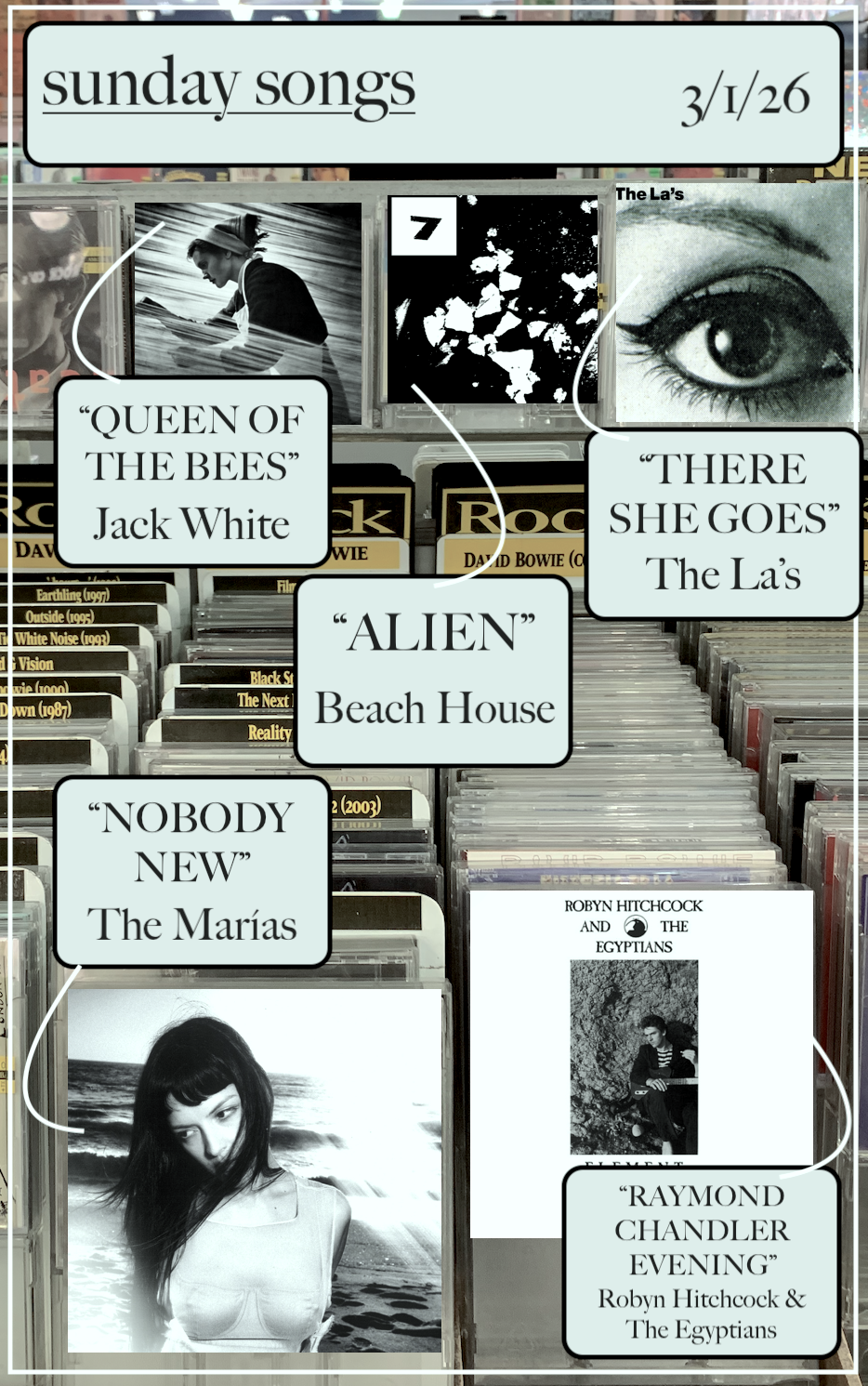
SUNDAY SONGS: 3/1/26
Apparently, 2025 was an exceptionally fruitful year for women who make music that sounds like you’re underwater (see also: Cate Le Bon). There’s a broader spectrum of both vibes and aesthetic here without a doubt, but in separate ways, María Zardoya and Le Bon have made music that sounds like dunking your head into crystal-clear water and watching tiny fish dart past your face. Of course, Cate Le Bon’s completely on another planet, but although The Marías don’t snag me nearly as much as she does (and nobody makes aquarium gravel music like Cate Le Bon), they’ve clearly perfected their own art of making music that sounds like light reflecting off the bottom of a swimming pool.
Here’s another contender for my list of songs with specific lyric pronunciations that scratch a very specific itch in my brain; pretty much everything that comes out of Zardoya’s mouth is downright ethereal, but the way she sings “nadie como tú” in the chorus feels like a massage on the tired folds of my brain. Gently wistful and listless, “Nobody New” has the heavy-eyed feeling of the first thoughts that tumble through your head after you drag yourself out of a dream you can’t quite remember. It’s sleepy, but in a way that instantly draws you in—in my limited experience, the best Marías songs feel like slipping into the sea, but fully embracing the swell of the waves as they crest over your head. It’s simultaneously weightless, like hair billowing underwater, but sagging with the weight of yearning.
…AND A BOOK TO GO WITH IT:
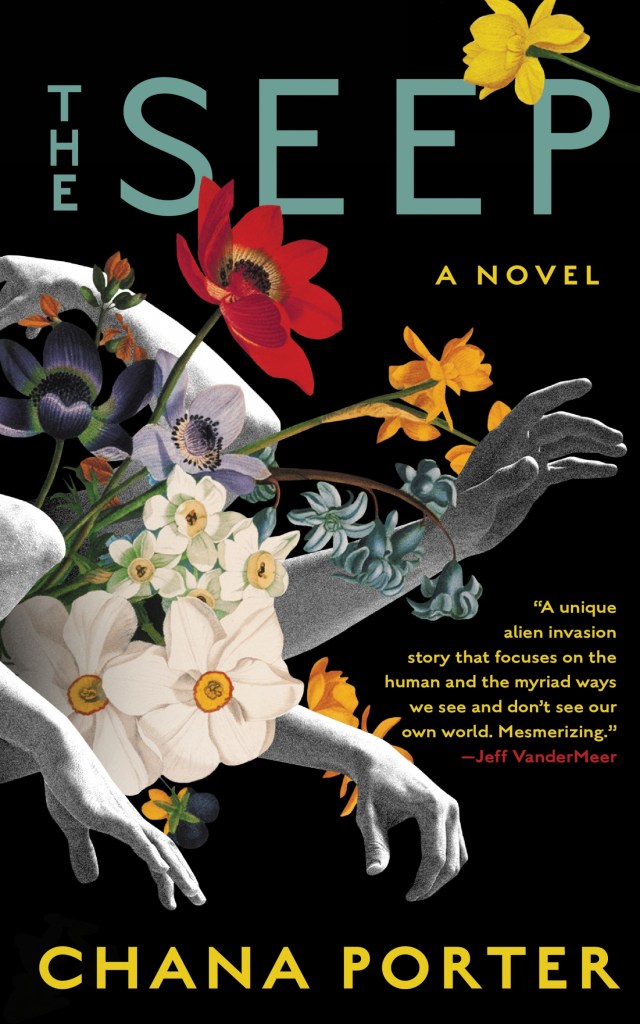
The Seep – Chana Porter – “Baby, I promise/There’s nobody new/I’m being honest/There’s no one like you…”
“Raymond Chandler Evening” – Robyn Hitchcock & The Egyptians
I often lament that perfect songs are too short. I’m the last person I’d expect to say that about a Robyn Hitchcock song that barely scrapes past the two minute mark is just the right length. “Raymond Chandler Evening” only repeats its chorus once, and it’s generous to even call it a chorus when there’s only just verses apart from it. But some songs were meant to be a brief but potent punch, and “Raymond Chandler Evening” is one of them. It’s a series of polaroids strung together from the atmosphere of a noir detective novel—fitting, since the song itself is a tribute to detective fiction author Raymond Chandler. Every darkly humorous turn of phrase creates a vivid image that can only seen in black and white, from the abandoned body to the rain-soaked pavements. The only burst comes from Hitchcock’s description of the “yellow leaves [that] are falling/in a spiral from the sky.” It smells like rain. But interspersed within that noir backdrop is some of Hitchcock’s most wry lines: “I’m standing in my pocket/And I’m slowly turning gray” and “There’s a body on the railings/That I can’t identify/And I’d like to reassure you/But I’m not that kind of guy.” Hitchcock knows exactly how to package so much vitality and wit into such a short amount of time—as usual, Hitchcock doesn’t get the flowers that he deserves by and large. But the song was included in the comic The Crow, and a Cyberpunk 2077 side quest also paid homage to it in title, so it’s made more than a few ripples in pop culture—and rightfully so.
…AND A BOOK TO GO WITH IT:
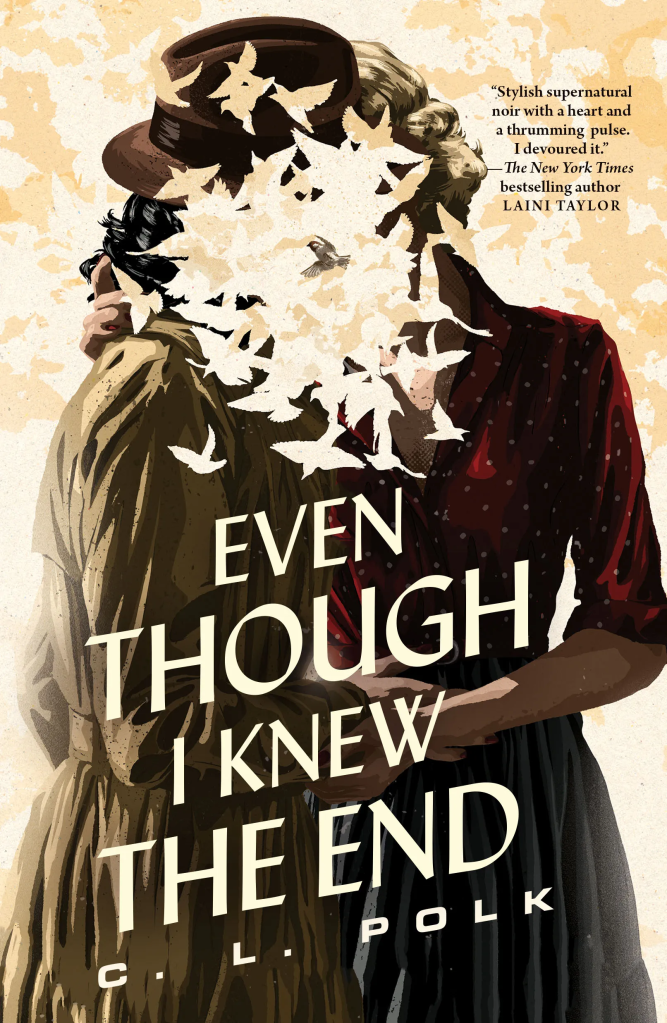
Even Though I Knew the End – C.L. Polk – “It’s a Raymond Chandler evening/And the pavements are all wet/And I’m lurking in the shadows/’Cause it hasn’t happened yet…”
“Queen of the Bees” – Jack White
I wish that there was a real, tangible reason for Jack White to get on my nerves. Scratch that—maybe it’s good that it’s just his personality that’s grating. It could be way worse. I’ve just never recovered from how much of a pretentious prick he came off as in It Might Get Loud. But he’s recently created his own publishing house and absolutely shredded with IDLES…the man makes it harder and harder to hate him every day.
After No Name proved to be rather samey (I saw a promotional poster last year that said “the best rock record of 2024 has no name“…lmao), it was official that I was just kind of sick of Jack White. After the adventurous two-for-one deal that was Fear of the Dawn and Entering Heaven Alive, White’s sonic range started becoming the same song over and over. So I let him fade into the background…and somehow forgot about this gem from Entering Heaven Alive. How could I have possibly forgotten about this song? “Queen of the Bees” is one of my favorites of his. He’s putting on every ounce of bluesy airs, but this time, but it doesn’t feel as posturing as some of his other stabs at the genre. So much of his solo work is very bluesy, but there’s a point where he almost becomes a caricature of himself (we once again circle back to It Might Get Loud). But “Queen of the Bees” feels like an honest embodiment of the genre. It’s a slick, charming strut where every strike of the mallet against the xylophone feels like a Cab Calloway-style cartoon feeling a visual chill up its spine. White’s rasping croon, though indebted to past rockers, comes straight from the soul, surpassing mere tribute. Yes, almost everything about the man is a meticulously curated performance, but I’ll give him this: he never half-asses anything. Everything you get from him is a labor he puts every ounce of his passion into.
…AND A BOOK TO GO WITH IT:
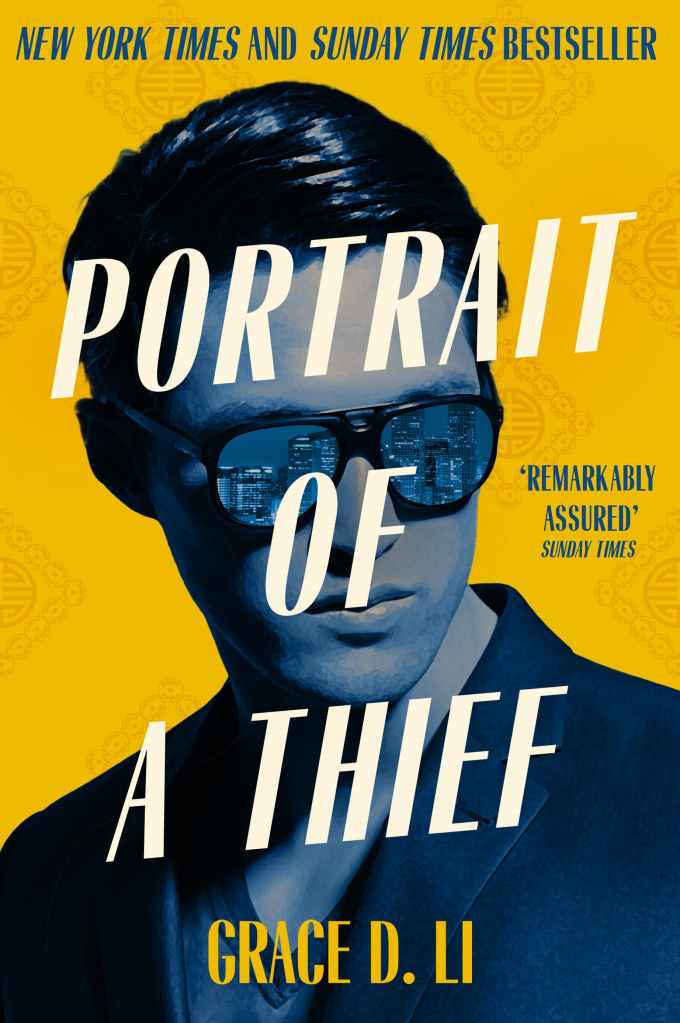
Portrait of a Thief – Grace D. Li – “I’ll butter your toast/While you’re taking it easy/My tea needs honey/’Cause it’s not so good/And who cares if I’m misunderstood/’Cause I love you…”
NOTE: definitely proceed with caution before watching the music video if you have epilepsy or any kind of photosensitivity issues.
Sometimes there’s no use in giving a big preamble about how I found this song. The other day, I just thought to myself, “isn’t there a Beach House song called ‘Alien?’ Wonder what that’s like,” and here we are. I’m just glad that it’s good—but then again, I’ve never met a Beach House song that I didn’t like. Them naming a song “Alien” is almost redundant, because all of their songs that I know have an equal degree of spaciness, and this track is no different. But it’s pure shoegaze indulgence; the distortion roars like the engine of a rocket careering through space, while Victoria Legrand’s vocals are whispers clinging to the soaring jet trail hurtling through the stratosphere. The lyrics verge on being surreal, but the castoff “helpless and glimmering” feels exactly how it is to be carried away on the comet’s tail of this song.
…AND A BOOK TO GO WITH IT:
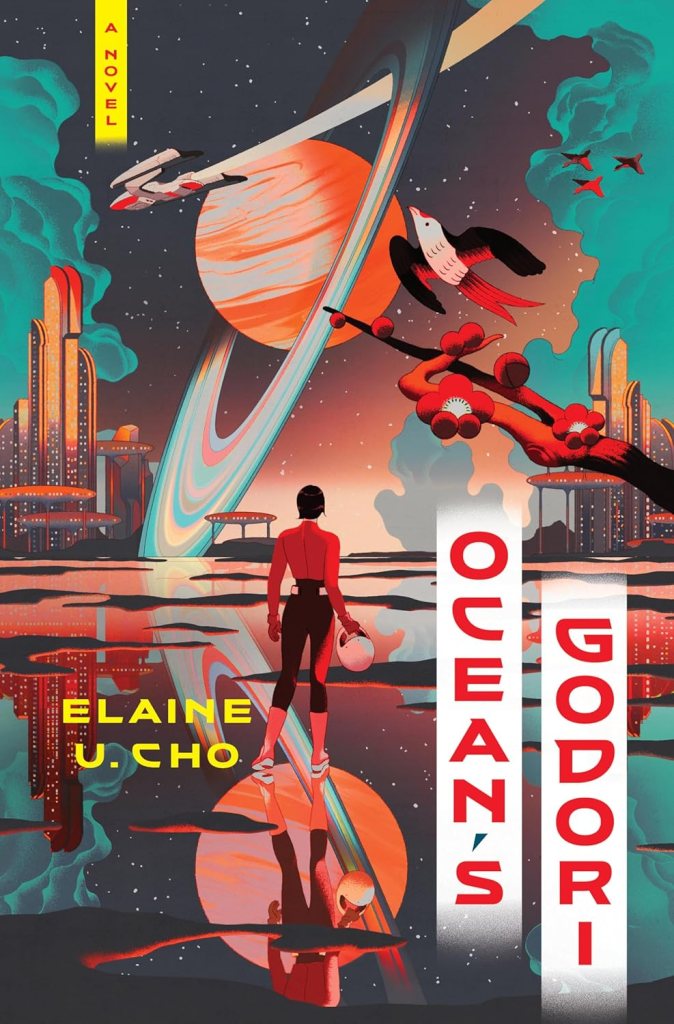
Ocean’s Godori – Elaine U. Cho – this track would fit in with the shining, sci-fi world of this novel: glistening, but with traces of rust and grime around the edges.
“There She Goes” has to be one of the more ironic stories in rock music history. It’s considered by legions of musicians, music critics, and music directors for every rom-com under the sun to be a perfect song. It heralded a renewed appreciation of the ’60s styles of The Beatles and The Kinks, but is often credited with being one of the songs that jumpstarted Britpop in the early ’90s. Yet by all accounts, its architect, Lee Mavers, hated it. Even when you brush past the inevitable “this song is popular and mentions veins once, it’s gotta be about drugs” (it’s been confirmed by multiple band members that it isn’t about heroin) rumors, there’s so much mythos swirling around this song; most of them are about frontman Lee Mavers, who hates the band’s one and only album. The characterizations span from troubled perfectionist at best to irascible and impossible to work with at worst, cycling through dozens of producers and band members just to achieve the unreachable, perfect sound in his head. It has to be a tragedy to never have that satisfaction be reached, and to have your legacy be the runoff from those fruitless sessions. And yet…how the hell could “There She Goes” be considered a failure? This ought to be the guidebook for a pop song—catchy, charming without being cloying, and guaranteed to make you nostalgic. This song is a must if you want to make your bus ride into a rom-com montage. It’s jangle pop royalty, and rightfully so—nobody jangles like The La’s, and not many have jangled quite so well since.
…AND A BOOK TO GO WITH IT:
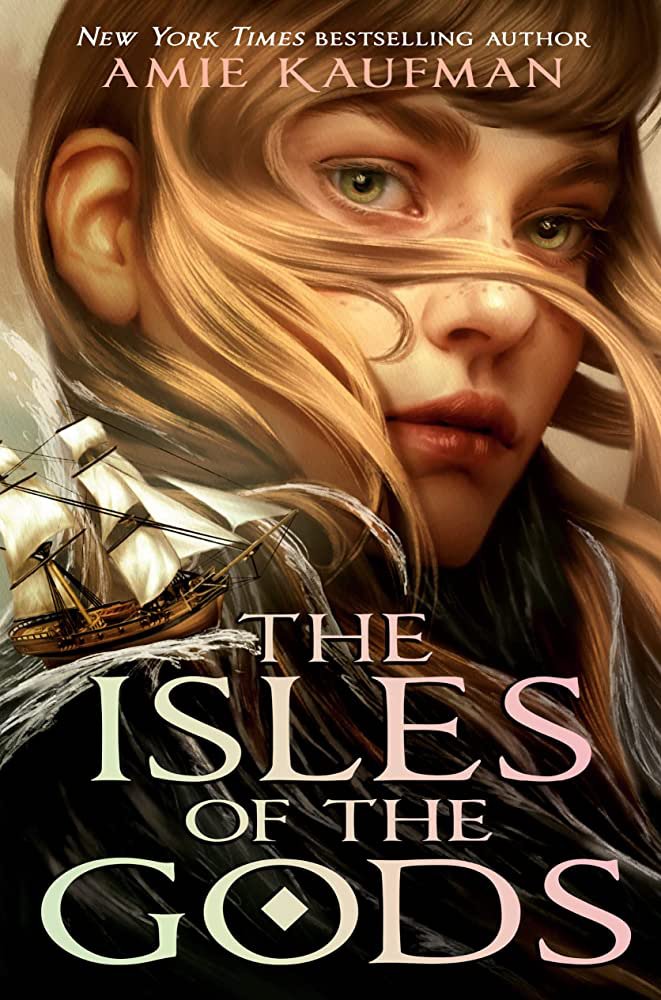
The Isles of the Gods – Amie Kaufman – “There she goes/There she goes again/She calls my name, pulls my train/No one else could heal my pain…”
Since this post consists entirely of songs, consider all of them to be today’s song.
That’s it for this week’s Sunday Songs! Have a wonderful rest of your day, and take care of yourselves!


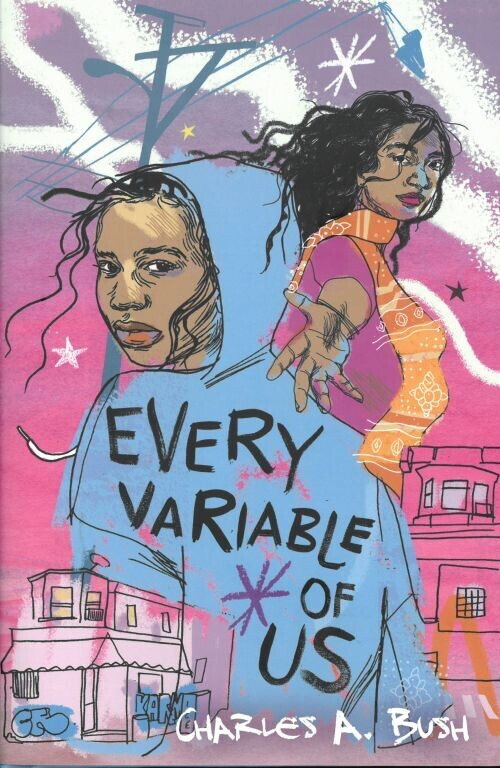
 The Bookish Mutant