Posted in Book Review Tuesday

Book Review Tuesday (7/21/26) – Field Guide for the Formerly Villainous

Happy Tuesday, bibliophiles!

I hate to say it, but while Amie Kaufman has never let me down with her books, her book recommendations are less reliable. That’s how I found out about Field Guide for the Formerly Villainous, but to be fair, I’ve been reading and enjoying Autumn K. England/M.K. England’s books since I was in high school. They’ve never been a favorite or auto-buy author for me, but their books have been consistently solid and enjoyable in a pinch. Unfortunately, their cozy adult debut is their weakest novel to date.

Enjoy this week’s review!

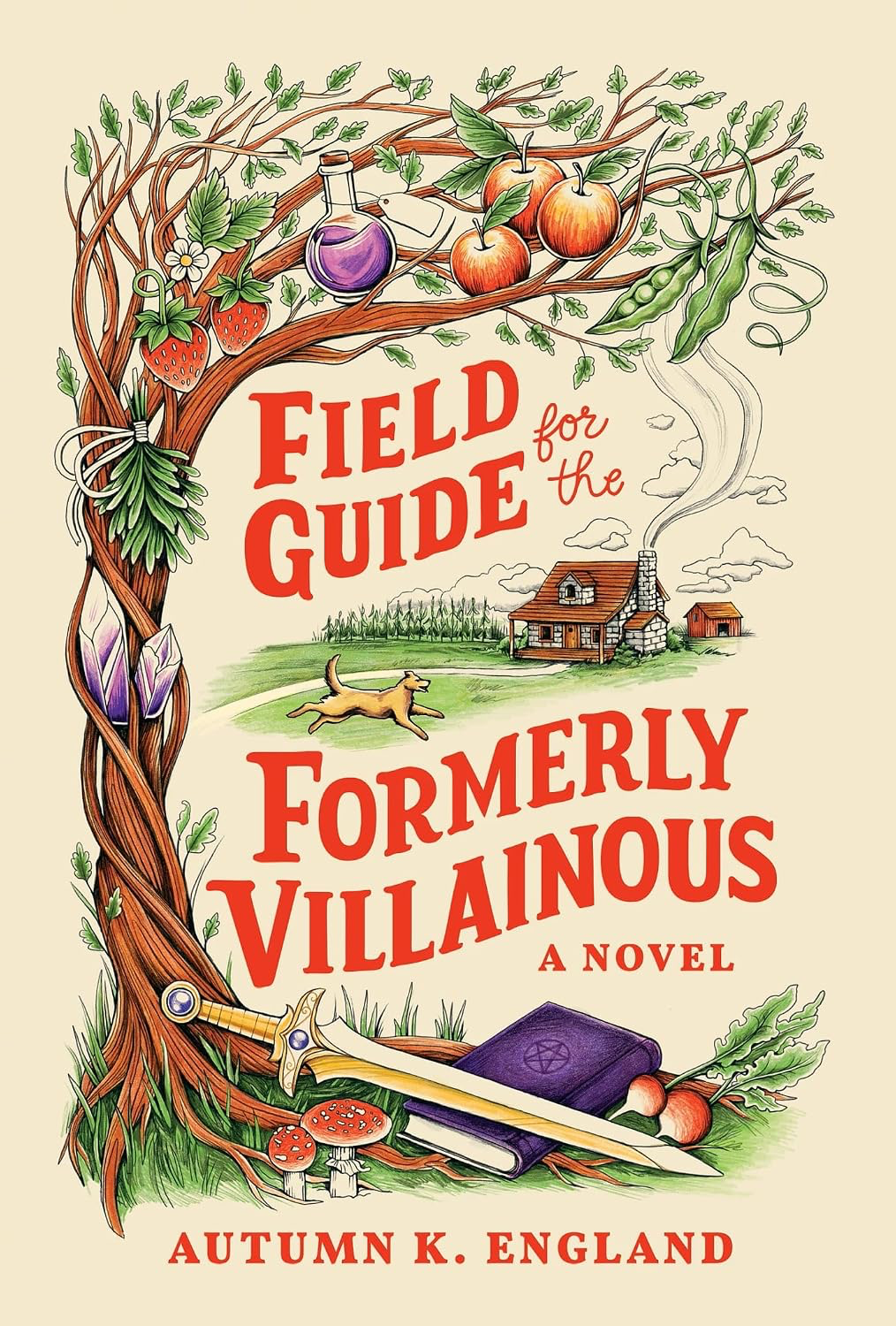
Field Guide for the Formerly Villainous – Autumn K. England

Oaklin Nettlewood is turning over a new leaf. After narrowly escaping from a magical cult, Oaklin has fled to the small town of Mossley’s Rest. In a fit of desperation, they buy a farm, not knowing that its former occupant was a beloved staple in the town before her death. Her ghost lingers in the barn, and she’s bent on helping Oaklin revive the farm in earnest. But between painful flashbacks, suspicious townsfolk, and Oaklin’s self-imposed barriers, will they ever be able to start over?

TW/CW: panic attacks, mental illness themes, past descriptions of murder/violence, substance abuse

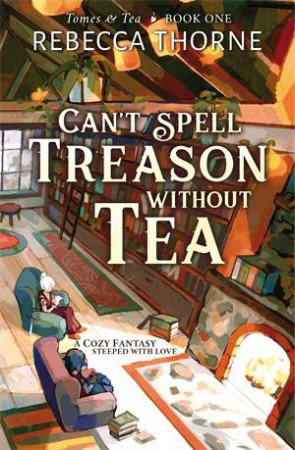
I wasn’t a massive fan of England’s books before, but they were consistently entertaining, which is why I’ve kept reading them. This might be where I break up with them. I should’ve seen the red flags when this was compared to Can’t Spell Treason Without Tea, which I rated too generously in retrospect. Field Guide for the Formerly Villainous was largely bland, and when it wasn’t bland, it was grating; there are so many ways to make cozy genre fiction compelling, and England used none of them.

Field Guide for the Formerly Villainous did have a prominently good aspect; it’s not just a matter of “the main character is disabled/mentally ill and that’s cool,” but England’s depiction of Oaklin’s PTSD was so empathetic. England did an excellent job of writing all of the facets of Oaklin’s trauma and mental illness. No punches were pulled with the depictions of their violent flashbacks, and their frequent panic attacks and harshly critical inner monologue were treated with the appropriate balance of sympathy and authenticity—unlike some other parts of the book, none of it felt sanitized, which I appreciated. It didn’t just feel like representation for representation’s sake—it felt like a genuine attempt to humanize a mental illness that’s quite stigmatized.

I’m not sure if I was just able to pass over the flaws in England’s novels in high school because I wasn’t super discerning or if Field Guide for the Formerly Villainous is just their worst novel. Whatever the case, one of the biggest weaknesses of this novel was just how downright bland it is. I hate to say this, but I genuinely can’t think of a single unique quality that England’s writing has. There were a few nicely flowery metaphors here and there, but it just felt devoid of any individuality. The bucolic setting was described at the barest minimum, as were the relationships between Oaklin and the others. I wasn’t expecting a worldbuilding marvel, or anything, but any sense of the world beyond the absolute bare minimum was missing. England’s writing style was just exceedingly nothing. This was certainly a book. With words in it.

I was hoping that England’s characters and dialogue would pick up the slack that the boring writing left off. Unfortunately, that was not the case. Apart from Oaklin, who was decently written, and Granny (whose main distinguishing factors were that she was a ghost and had the mannerisms of an old lady), the supporting characters were lazy copy and pastes of each other. Looking back, the only thing that distinguished Lior from the others was that she was [checks notes] an attractive woman who had a different job from the others. Ryn and Jules were the exact same character. (I think one of them plays guitar? That’s all that distinguishes them.) But what really exacerbated this issue was that all of their dialogue sounded the same. To make matters worse, they all had these very modern, gratingly “quirky” mannerisms that felt like some insufferable person’s DnD campaign. For all the effort that England put into making the people of Mossley’s Rest seem like the kind of small town folk that you’d be comfortable being neighbors with, I just wanted to leave as soon as possible.

An extension of this character issue came in the form of the romance. I liked the setup of Oaklin and Lior’s relationship, but none of it felt earned. From the start, I knew that they would end up together. That in and of itself wasn’t the problem; the problem was that their romantic progression felt so fast and unearned. So much of how their relationship developed fell into the many timeskips throughout the novel, leaving what we had on the page insufficient. It just lacked tension. In cozy genre fiction of any kind, romance is a great way to introduce an element of low-stakes tension without making the novel overly tense. Here, it was just insta-love, and wholly unearned. The only real barriers were Oaklin’s past identity and their conflicting professions, both of which got smoothed over pretty quickly. I do like that Lior was able to accept Oaklin in spite of their past, but it just felt like it robbed the book of some fluffier tension that it very much needed.

That being said, I will say that, in spite of not enjoying myself throughout most of Field Guide for the Formerly Villainous, I did love the ending. It’s messier than a lot of cozy fantasies like it are willing to get, and the biggest takeaway is that Oaklin is fundamentally deserving of love in spite of their past, which they had no control over. Yes, it was a little sappy, but I always appreciate narratives about the harsh criticism that characters have about themselves being proven wrong. England stuck the landing, but it wasn’t enough to save the whole novel.

All in all, a cozy fantasy that was forgettable in all senses of the word. 2.25 stars.

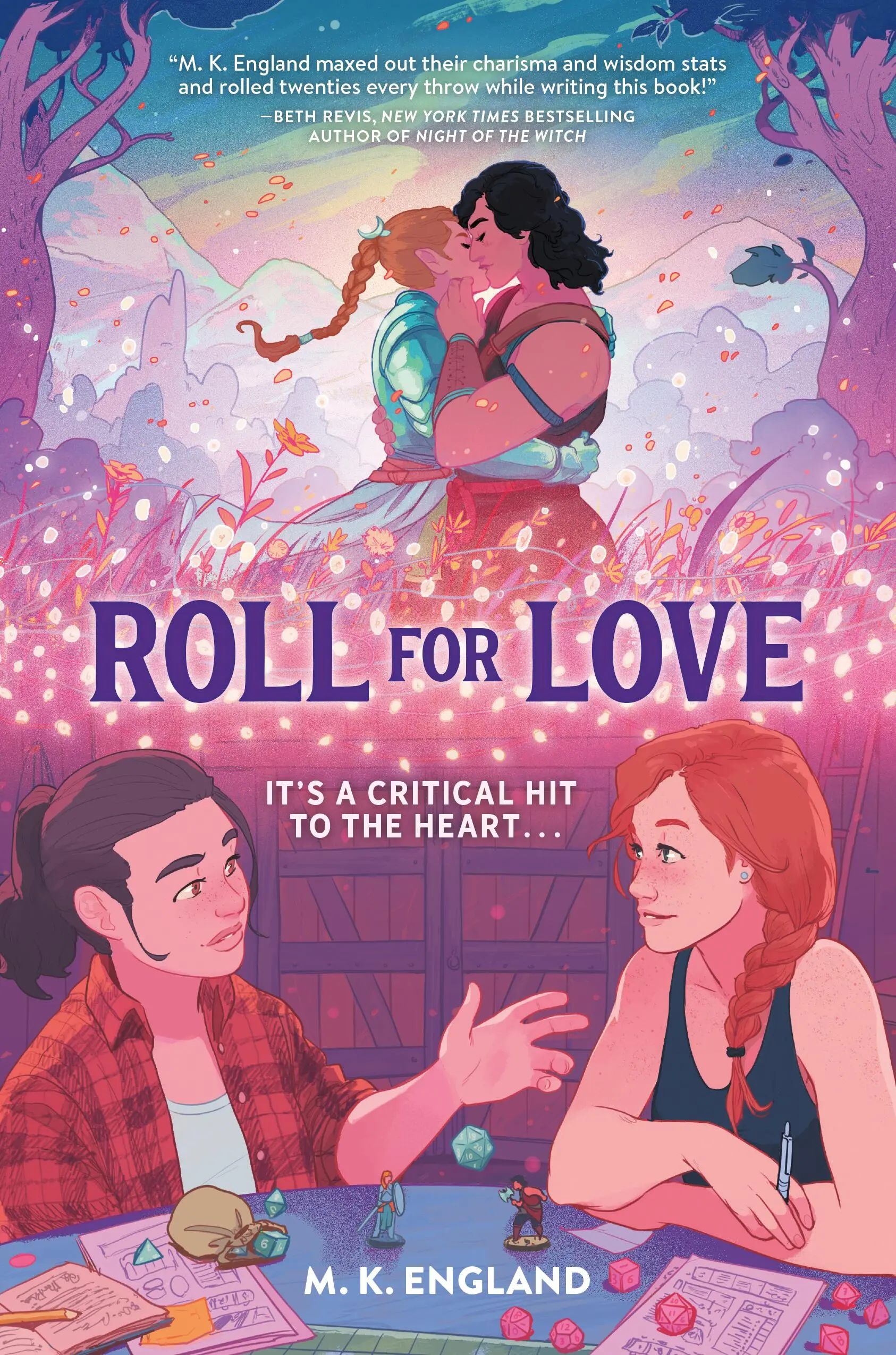
Field Guide for the Formerly Villainous is the first novel in the Everyday Magic series, but no sequels have been announced yet. Autumn K. England (also writing as M.K. England) is also the author of several other books for teens and adults, including The Disasters, Spellhacker, Roll for Love, All Fired Up, and many others.

Today’s song:

NEW CHELSEA WOLFE ALBUM IN AUGUST, THIS IS NOT A DRILL!!

That’s it for this week’s Book Review Tuesday! Have a wonderful rest of your day, and take care of yourselves!

Posted in Books

🏳️‍⚧️🏳️‍🌈The Bookish Mutant’s Books for Pride Month (2026 Edition)🏳️‍🌈🏳️‍⚧️

Happy Thursday, bibliophiles!

Here in the U.S., June is Pride Month! You know the drill. I hate how bittersweet these posts are, and the bitter keeps growing. I see the beauty of this month and our queer community, but I can’t help but shrivel from the reminders that there have been repeated attempts to take queer books off the shelves across the country, and that the trans community here in the states has been under attack more than ever. My heart truly, truly hurts for all of us. I hurt. Of course, here I am, being cisgender in my cushy blue state with an openly gay governor, but nonetheless, I hurt whenever any other member of the queer community is hurt.

I’ve been an out and proud bisexual for almost eight years. Not long, in the grand scheme of things, but these years have taught me so much about queer people and the LGBTQ+ community. If there’s anything that I see in us, it’s our tenacity. No matter the slew of hateful legislation and rhetoric, we always come back stronger than ever. If there’s anything that the queer community doesn’t do, it’s back down in the face of a threat. In spite of the never-ending threats from outside and inside (the infighting never stops, y’all need to be normal about each other, please), we are like dandelions pushing through the cracks in the pavement: we never surrender, and we continue to bloom in the face of adversity.

But here’s the thing. I don’t like having to be this resilient. I don’t think any of us do. But if there’s anything to take solace in, it’s that our community is so strong and diverse that there will always be someone fighting. Yes, we all have to do what we must, but it’s important to remember that simply surviving, just being, is resistance in the face of the government wanting the public to believe that we aren’t worthy of the same rights as everybody else and that our stories are not fit for public consumption. You don’t have to be out and proud. All you have to do is be.

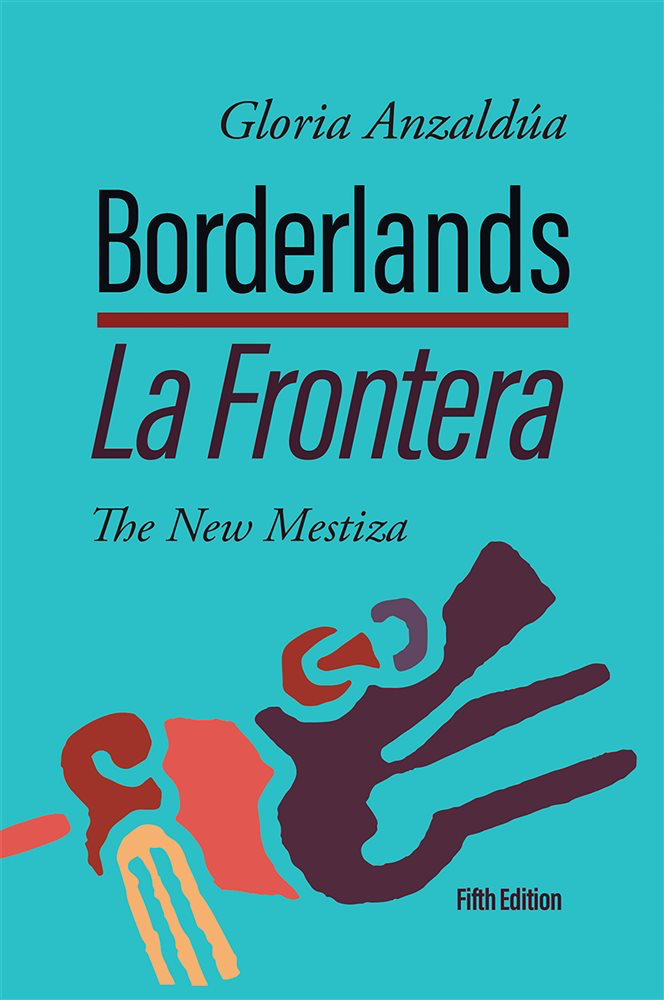
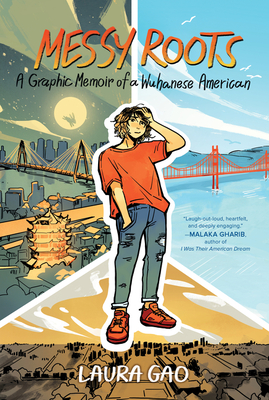
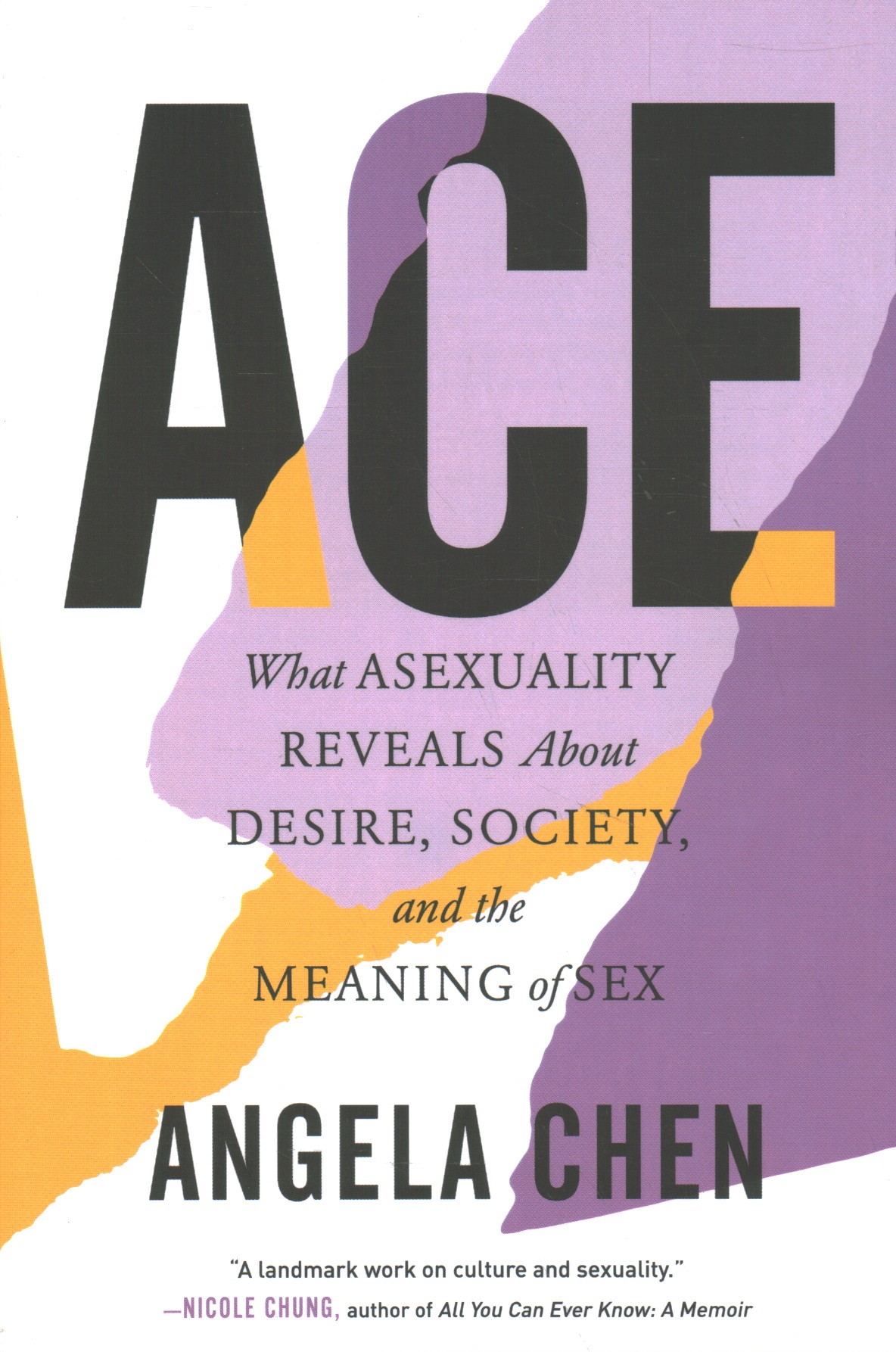
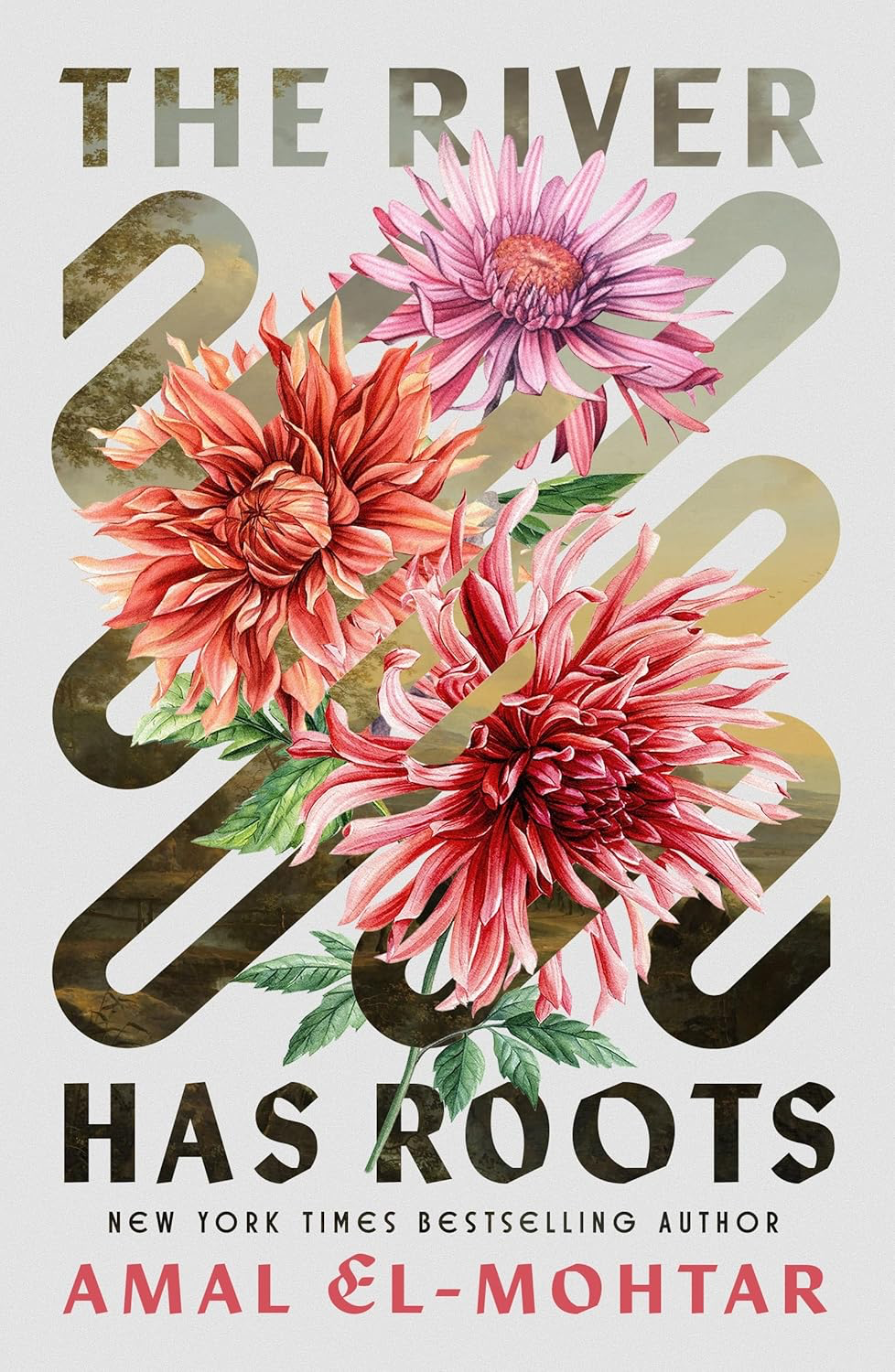
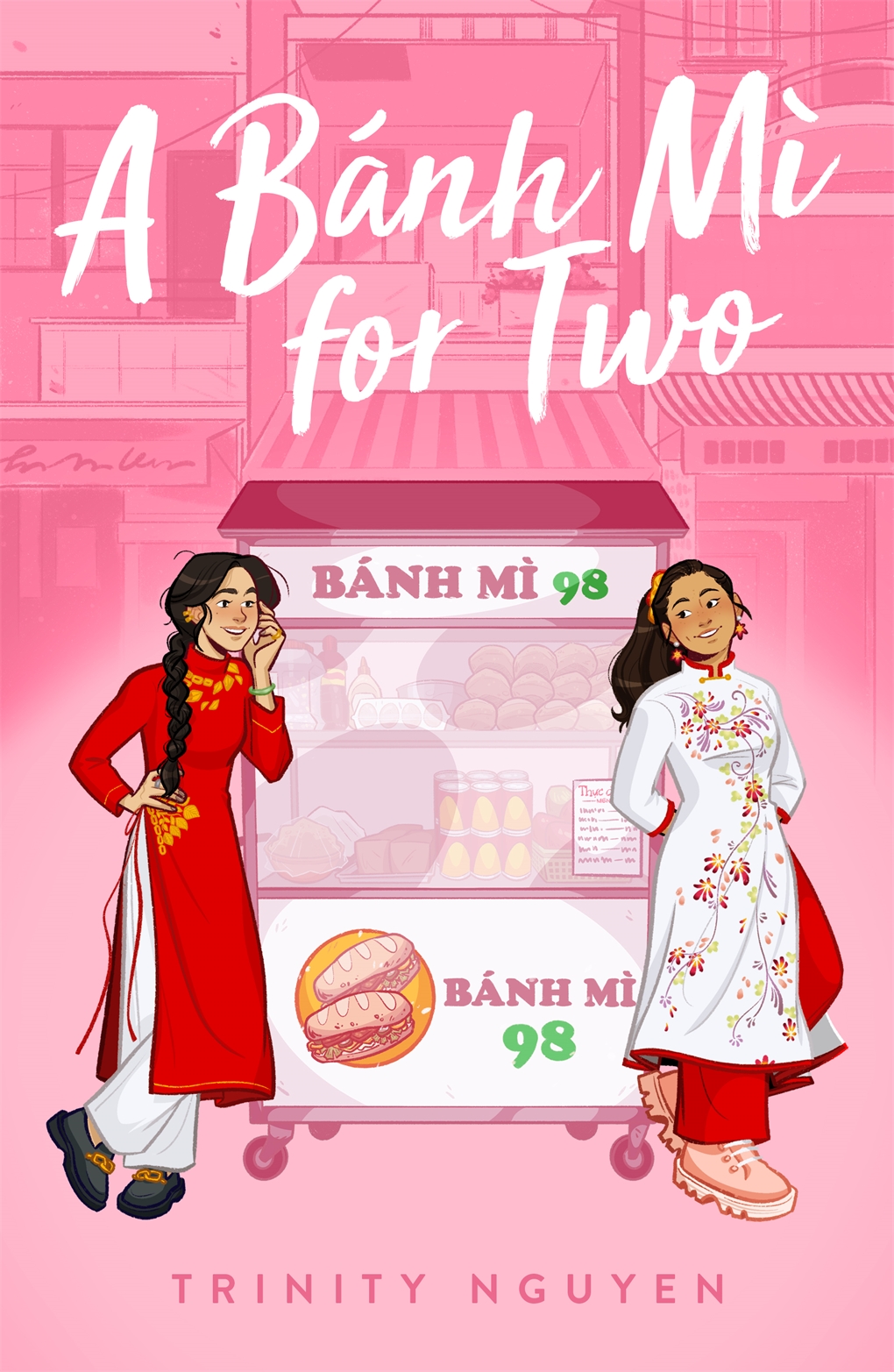
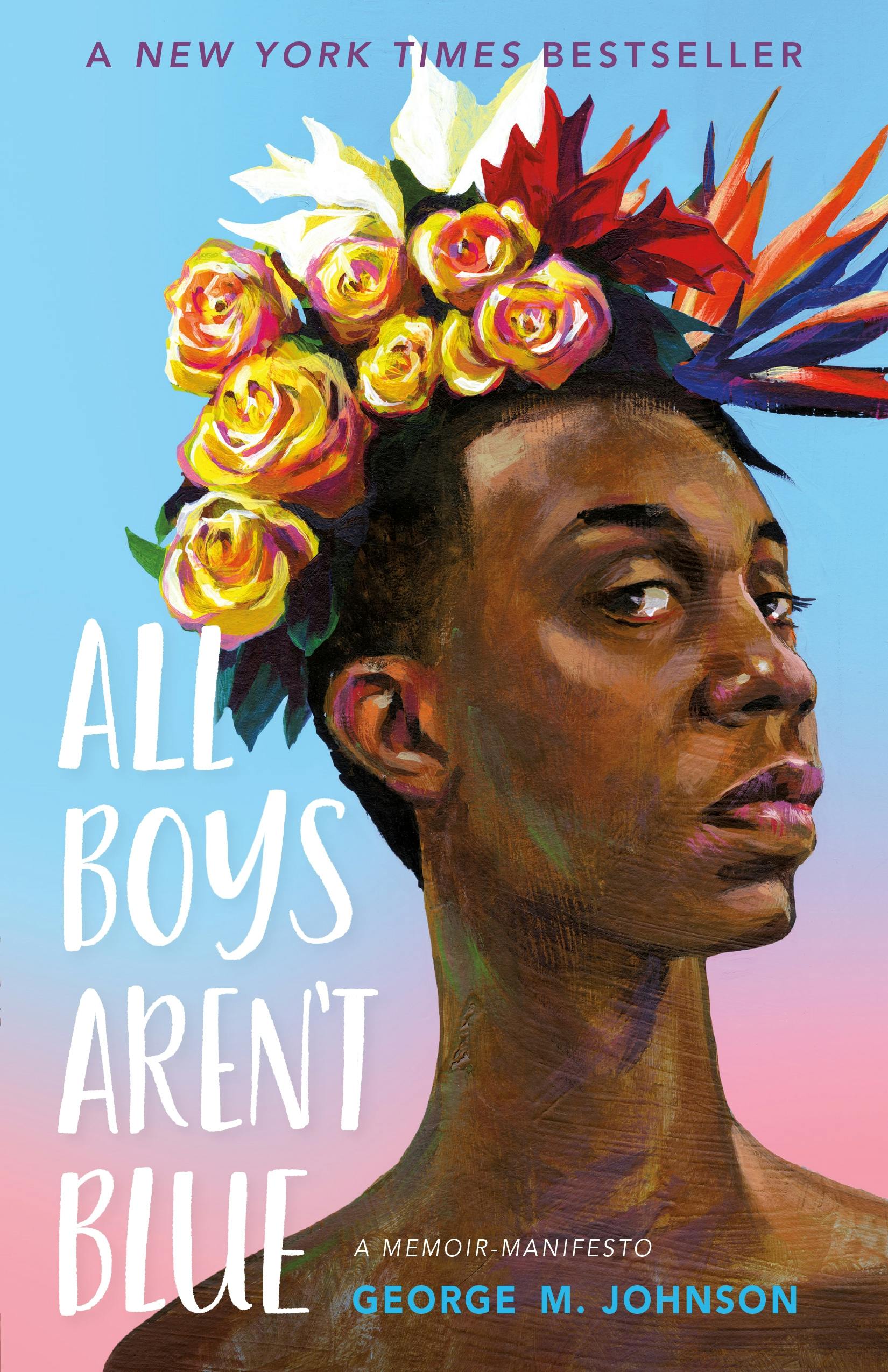
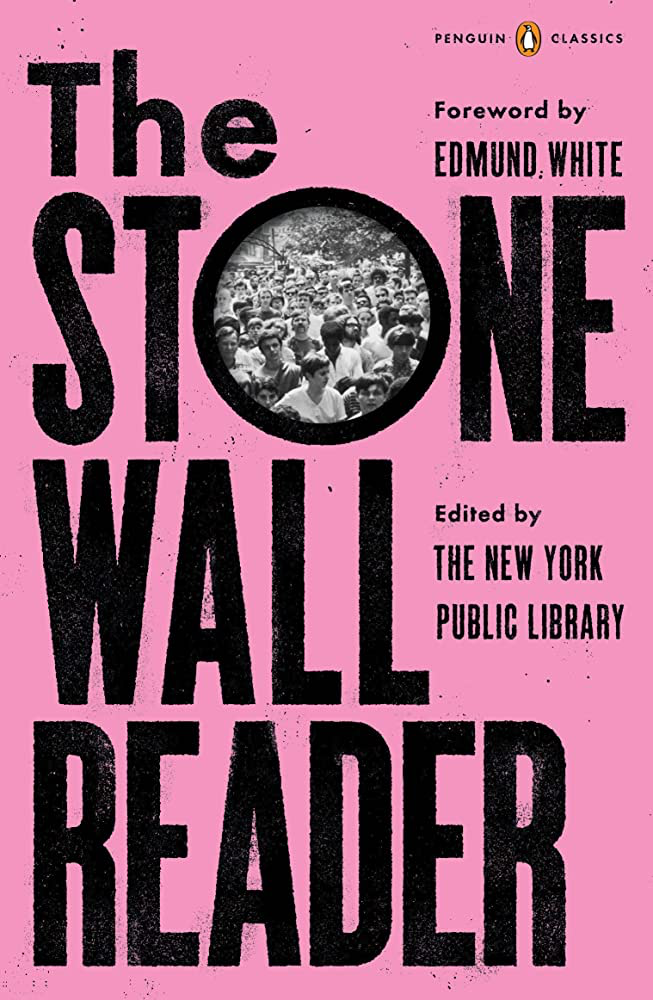
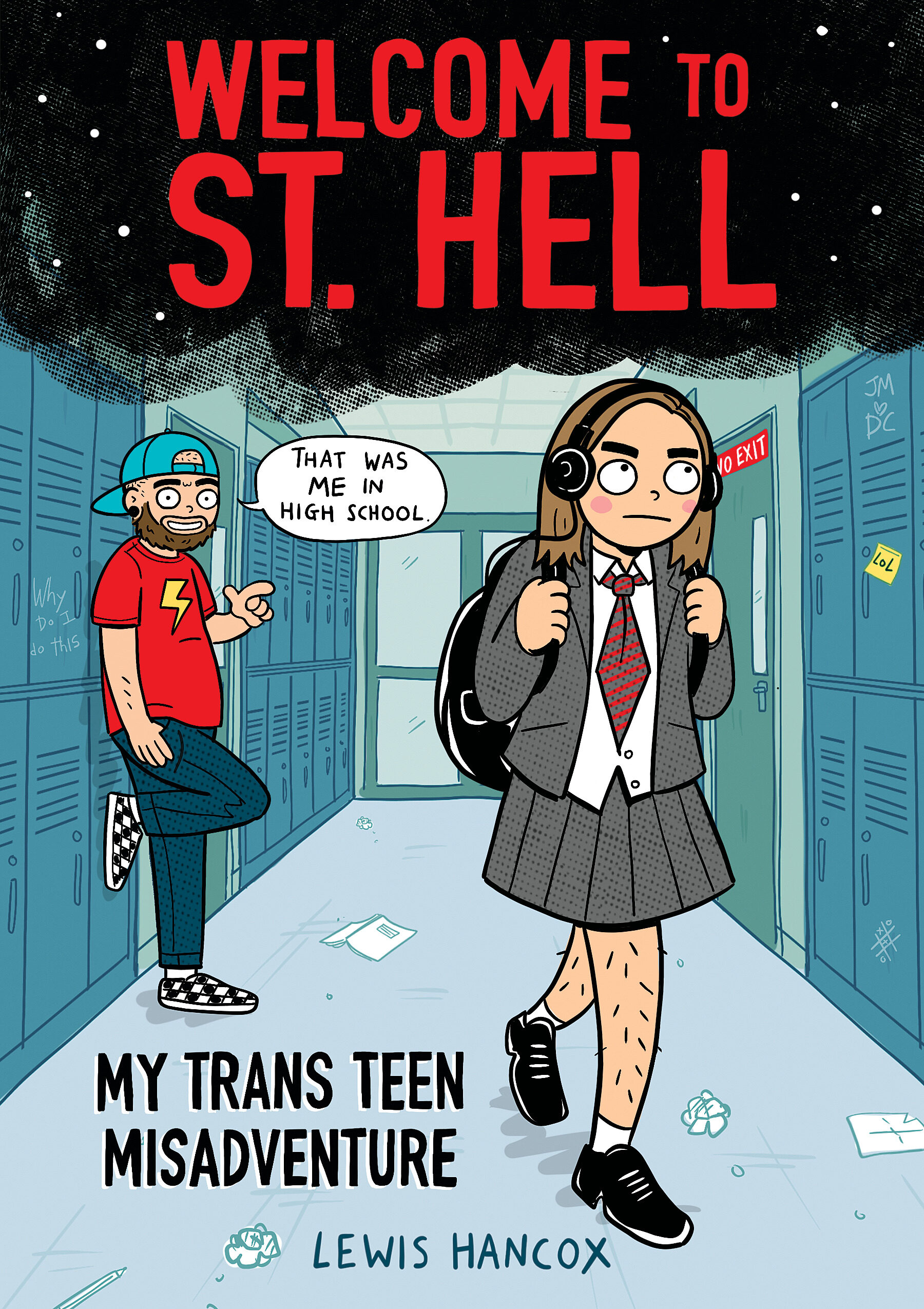
So here’s my annual pride month recommendations list of queer books from a variety of genres and backgrounds. I’ve compiled all kinds of books from various sexual orientations and gender identities, as well as backgrounds (queer people of color, disabled queer people, queer immigrants, etc.). Hopefully there’s something for everyone. (As always, if I’ve mistakenly identified anything on this list, please let me know! I’m only human.)

Now, more than ever, it’s crucial to support the LGBTQ+ community (especially the trans community, who are under attack more than ever) in whatever way you can. If you want to show your support them monetarily, here are some great organizations to donate to:

This is a non-exhaustive list, and I encourage you to seek out organizations in your area! There are so many wonderful people across the country (and the world) doing great work for the LGBTQ+ community.

A refresher on my key:

MC: Main character

LI: Love interest

SC: Side character(s)

For my posts from previous years, click below: 

Let’s begin, shall we? 

🏳️‍⚧️🏳️‍🌈THE BOOKISH MUTANT’S BOOKS FOR PRIDE MONTH (2025 EDITION)🏳️‍🌈🏳️‍⚧️

FANTASY:

SCIENCE FICTION:

REALISTIC/HISTORICAL FICTION:

*it’s worth noting that the main character of this novella is a mountain lion, but I feel like it still counts.

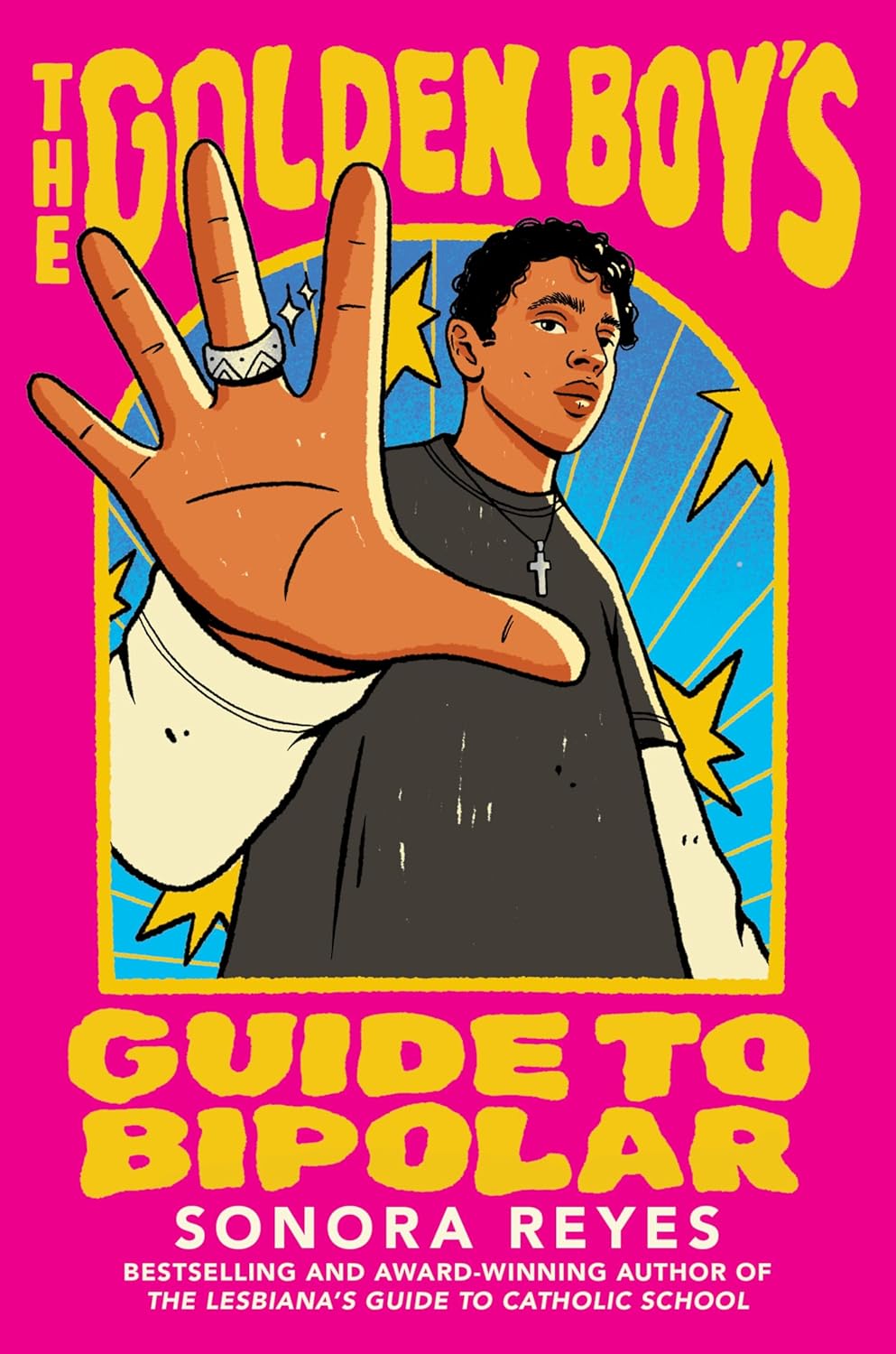
**the cover for The Golden Boy’s Guide to Bipolar has not yet been updated to reflect Sonido Reyes’s name change.

ANTHOLOGIES (VARIOUS GENRES):

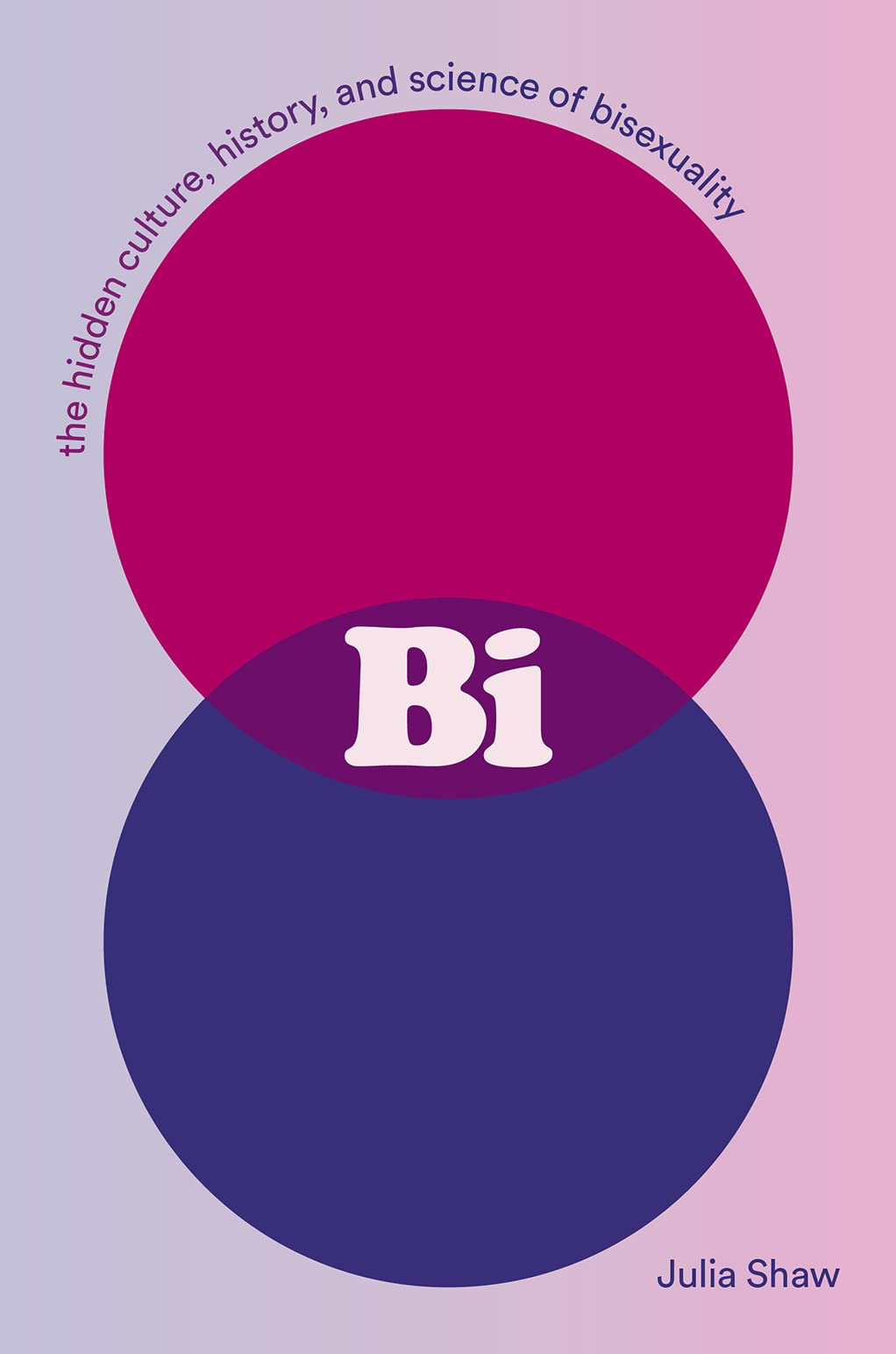
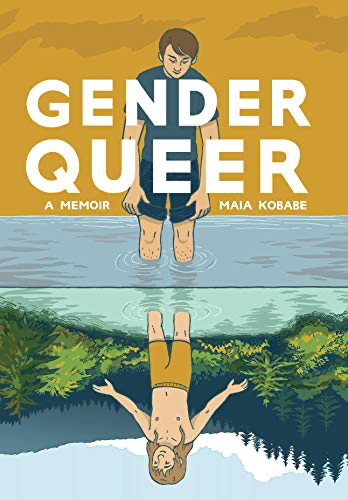
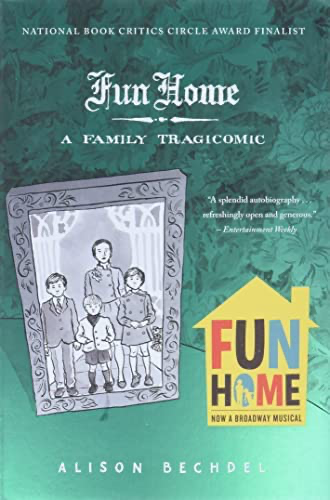
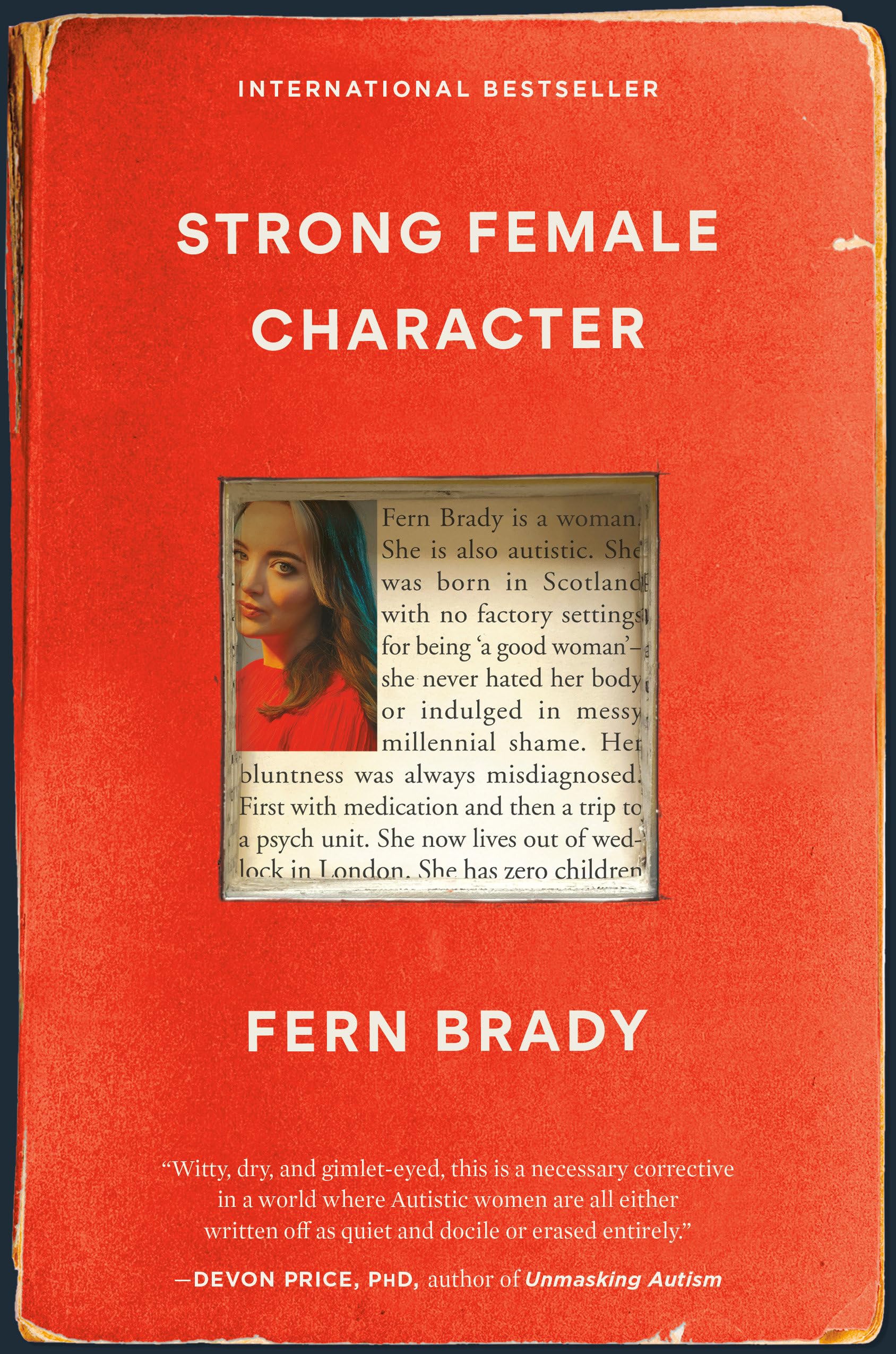
NONFICTION:

TELL ME WHAT YOU THINK! Have you read any of these books, and if so, what did you think of them? What are some of your favorite queer books that you’ve read recently? Let me know in the comments!

Today’s song:

That’s it for this recommendations post! Have a wonderful rest of your day, and take care of yourselves!

Posted in Books

🏳️‍⚧️🏳️‍🌈The Bookish Mutant’s Books for Pride Month (2025 Edition)🏳️‍🌈🏳️‍⚧️

Happy Monday, bibliophiles!

Here in the U.S., June is Pride Month! I usually start off these posts with something about how the world is slowly getting kinder to queer people, but that, as always, the shadows of homophobia and transphobia loom large. Well…Christ, it sure is looming larger than ever. Misinformed voters have decided that they’re perfectly content to return us to an administration that has already required passports to revert to the carrier’s assigned gender at birth and has been emboldened to toy with the idea of repealing the right to same-sex marriage. Of course, here I am sitting on my comfy couch in my comfy blue state of Colorado that thankfully has a) a gay governor (shoutout to Jared Polis), and b) enshrined the right to same-sex marriage in the constitution, but that doesn’t mean that my heart doesn’t constantly ache. All of us in the queer community are deeply interconnected. What hurts one of us hurts all of us.

Book banning across the country has disproportionately targeted queer books, deeming the presence of such subjects in children’s, middle grade, and YA literature as pornography and grooming. And god forbid that a drag queen commits the incredibly sexual and predatory act of…[checks notes] reading picture books to kids at libraries. Republicans have their priorities twisted. That’s old, old news by now. Books and libraries were never meant to be war zones, but fascists have made it their mission, then and now, to declare the right to information and new ideas as the most dangerous threat to their power. This goes for books both queer and non-queer. But the power of queer books can’t be overstated. Even I, who grew up in an incredibly supportive, accepting environment (biggest thank you imaginable to my wonderful family for being that way), was enlightened and comforted when, in the short period when I was closeted, I found bisexual characters in books that reflected my story and my feelings. Queer literature is revelatory, and it saves lives. For queer people, it gives them the comfort that they aren’t alone. For others, it gives them a glimpse into perspectives that they might not have otherwise considered, and compels them to empathize with people who are different than them.

So this pride month, and all year round (as always), when you think of what you can do to support the LGBTQ+ community, consider picking up a book. Support queer authors. Buy from queer-owned bookstores, because they tend to be pretty cool places. Support your local library (because they need it now more than ever)—checking out queer books shows them that they’re in demand, and that encourages librarians to keep on shelving them. For us book bloggers and other social media-oriented folks: keep on reviewing and shouting out books. And for all of us: no president, no government, and no legislation can take away your queerness. No one has that power but you. Your queerness is revolutionary and beautiful. Keep on being queer.

So here is my annual list of great LGBTQ+ reads from all sorts of genres, backgrounds, and identities. If I’ve mistakenly identified something about a book’s representation, please let me know! I’ve mixed YA and Adult books here, and I’ve also added a nonfiction section for the first time, as I’ve done with my other recommendation lists.

A refresher on my key:

MC: Main character

LI: Love interest

SC: Side character(s)

For my posts from previous years, click below:

Let’s begin, shall we?

🌈THE BOOKISH MUTANT’S BOOKS FOR PRIDE MONTH (2025 EDITION)🌈

FANTASY:

Includes paranormal, magical realism, horror, and genre fusion(s)

SCIENCE FICTION:

Includes dystopia, speculative fiction, & genre fusion(s)

REALISTIC FICTION

NONFICTION:

TELL ME WHAT YOU THINK! Have you read any of these books, and if so, what did you think of them? What are some of your favorite queer books that you’ve read recently? Let me know in the comments!

Today’s song:

lindsey…please tell me this is a sign that you’re cooking something…

That’s it for this year’s pride recommendations! Have a wonderful rest of your day, and take care of yourselves!

Posted in Book Review Tuesday

Book Review Tuesday (4/8/25) – You Sexy Thing

Happy Tuesday, bibliophiles!

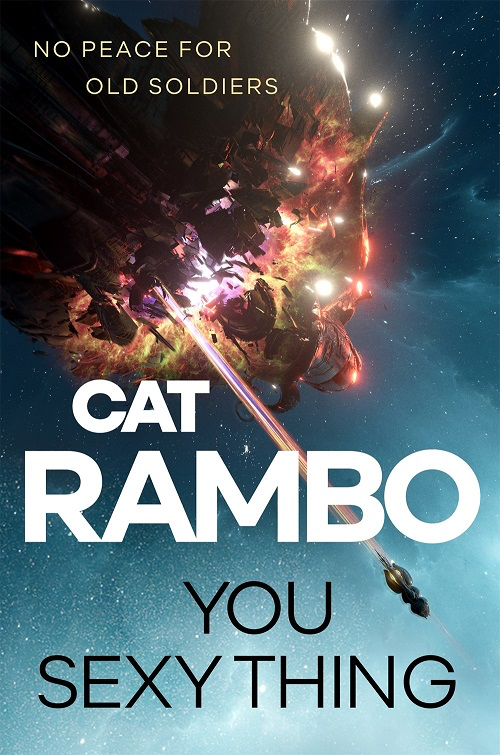
I’ll skip the prologue about how predictable it is that I picked up another queer space opera, and one with a ’70s music reference in the title at that. (SING IT WITH ME!! 🎶I BE-LIEVE IN MIRACLES—🎶) Nonetheless, I kept my expectations low, and I’m glad I did. Hilarious, heartbreaking, and heartwarming all at once, You Sexy Thing is the start of a true joy of a space opera trilogy!

Enjoy this week’s review!

You Sexy Thing – Cat Rambo

It’s been decades since Niko Larson and her fellow soldiers were able to break free of the Grand Military of the Hive Mind, where they were voiceless pawns in a never-ending war. Now, they run the Last Chance, a humble restaurant at the edge of TwiceFar Station, serving customers from all over the galaxy and from all walks of life. But when a mysterious, sentient ship destroys their livelihood before giving them a mysterious mission that they can’t refuse, Niko and her fellow chefs and restaurateurs must return to the fray they tried so desperately to escape—all with the heir to the Paxian Empire in tow.

TW/CW: sexual content, violence, blood, torture, kidnapping/imprisonment, war themes, abuse, genocide themes, death

The entire time I was reading this book, I’d click on the Kindle cover and I’d immediately start hearing “You Sexy Thing.” It just kept coming back, like I was trapped in a sitcom gag with a signature musical cue. Probably the intended effect. Not complaining, though. Absolute banger.

What an excellent space opera this was! You Sexy Thing scratched so many of my favorite sci-fi itches, and one of the biggest ones was the aliens and creatures! CREATURES! CREATURES! I’d place You Sexy Thing as bordering on space fantasy, though I won’t go into a whole digression on what counts/doesn’t count as sci-fi or SF; that was mainly because of the ghosts, some magic use, and were-creatures. However, Rambo did an excellent job with all of the alien denizens of this galaxy! There was a fantastic balance of humanoid and more unfamiliar creatures, all of whom were delightful. Skidoo was a personal favorite, as I’m particularly fond of any kind of cephalopod-inspired aliens, but Petalia, even if their name was rather on-the-nose (in line with a lot of the humor of the book), had some fascinating details about their culture and plant-based physiology. Also, there’s a chimp. Gotta have a chimp to round out the crew, amirite? Thankfully, this one doesn’t go the way of Nope, and Gio is a perfectly reasonable individual. There’s also lots of casual queerness abound, which is always a plus.

Another thing I love in space opera is a good motley crew, and You Sexy Thing had a stellar one! Rambo’s choice (apparently a challenge from fellow sci-fi author Ann Leckie, if the epigraph is anything to go by) to have You Sexy Thing in an omniscient, third-person POV was a great solution for covering the thoughts of all of the characters, discarding the need for separate chapters for everyone. All of them had distinct and lovable (mostly) personalities that made them butt heads with some characters and mesh with others, while still retaining a sense of familial bonding. Even outside of the restaurant setting, they retained a hilarious rapport that was a joy to read. Dabry’s musings on cooking were a delight, Atlanta’s trouble fitting in with the crew made for some lovely interactions, and Niko’s continuous struggles to face her past made for some of the novel’s most emotional points. You Sexy Thing balanced levity with emotional weight to great effect, and had a fantastic cast of characters to split the difference.

Amidst all of the humor, You Sexy Thing explores some quite complex, nuanced emotion, which I appreciated. I don’t think Rambo fully explored the implications of everything that had been done to Petalia, and how returning to Niko’s company affected them, but what we got was appropriately complicated, messy, and painful to read—exactly how it should have been, given the circumstances. This story never strays away from the cross-cultural complications of relationships, grief, and more, which added to how fleshed-out and unique all of the characters felt. By the end, all of the betrayals were appropriately punches to the gut, but ones that were cushioned by the found family dynamic that had been built up by the end.

Like the characters, the worldbuilding was an absolute treat! I will say, some of it was rather scattershot—we frequently get references to alien species and places that don’t even show up after they’re mentioned, but since this is a trilogy, I might be able to get past that, assuming that they come up later. I’m mostly accepting it, knowing that a) this is a huge galaxy, and b) that the world will presumably be expanded upon. It only really peeved me when they failed to explain much about what said alien races looked like. Other than that, Rambo’s worldbuilding was fascinating to pick apart! Sometimes, individual concepts are more interesting than the whole, and that aspect was made manifest by many of Rambo’s concepts, from married couples (or friends) being able to meld into a single being to the biotechnology that made You Sexy Thing (the sentient ship) possible. Through it all, I got the sense that Rambo’s galaxy was a distinctly lived-in one, which made my reading experience all the better.

My only real complaint, if any, was Tubal Last. You Sexy Thing had moments of being purposely cheesy, from the in-your-face ’70s music references to the on-the-nose character names; the latter felt like a nice, tongue-in-cheek reference to some of the characteristics of older sci-fi. That quality extended to the villain, who was cartoonishly evil. I don’t necessarily mind a comically evil villain every now and then, but in contrast to the complexity and nuance of many of the characters, Tubal Last felt out of place, just another obstacle (a formidable one, but a very one-note one) for the crew to overcome. He was over-the-top, but not in a way that necessarily served the story, other than some slightly unique motivations.

Overall, You Sexy Thing was a blast from start to finish, with a lively, energetic galaxy and a cast of lovable characters and daring hijinks to fill it with. 4.5 stars!

You Sexy Thing is the first book in Cat Rambo’s Disco Space Opera series, followed by Devil’s Gun and Rumor Has It. They are also the author of Neither Here Nor There, the Tabat Quartet (Beasts of Tabat, Hearts of Tabat, and Exiles of Tabat), And the Last Trump Shall Sound (with Harry Turtledove and James Morrow), and many other full-length works and short stories. Rambo is also the former president of the Science Fiction and Fantasy Writers of America (SFWA).

Today’s song:

it’s taken me this long to finally listen to Jimmy’s Show all the way through…preparing for Jimmy’s Show 2? either way, it’s an absolute delight.

That’s it for this week’s Book Review Tuesday! Have a wonderful rest of your day, and take care of yourselves!
Posted in Book Review Tuesday

Book Review Tuesday (7/23/24) – Finna

Happy Tuesday, bibliophiles!

Finna has been on my radar since it came out back in 2020; it had a funny and clever concept, but it just kept being pushed back on my TBR for whatever reason. I ended up picking it up after hearing praise from one of my creative writing classmates, and although it wasn’t perfect, it delivered on its inventive premise.

Now, tread lightly! This week’s book review contains spoilers for the novella, so if you intend to read Finna, skim at your own risk.

Enjoy this week’s review!

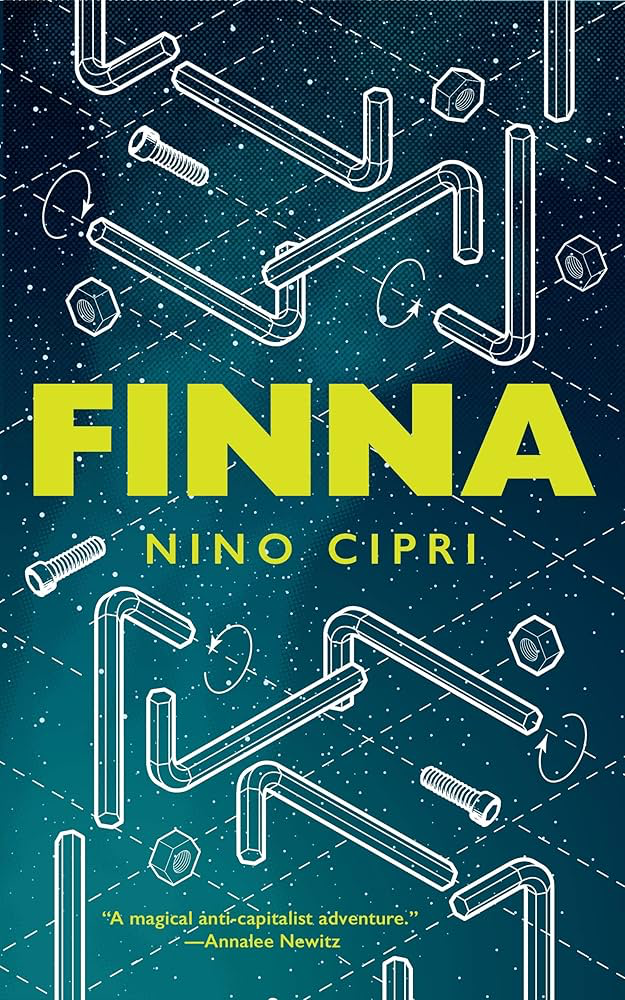
Finna (LitenVerse, #1) – Nino Cipri

Ava and Jules barely make a living working minimum wage at LitenVarld, a Swedish furniture supply giant. Ever since they broke up, they’ve been trying to avoid each other, and with the labyrinthine structure of the store, it’s easy. But the two are thrown together when an old woman goes missing and the manager tells them that LitenVarld is no ordinary store—it’s prone to opening wormholes that lead to alternate dimensions. Ava and Jules must search across the universes to return the old woman to safety at any cost, but their superiors appear less and less like they have their needs in mind…

TW/CW: blood, violence, grief, mental health themes (anxiety and depression), misgendering

My main concern with Finna was that it would only have the premise to hold it up. It’s a fantastic premise! And although it wasn’t a perfect novella, it went far beyond the expectations for its ideas, delivering an anti-capitalist spin on the monstrous multiverse.

Making Finna a novella was, without a doubt, a wise move. It’s got an inviting premise—a not-IKEA store that’s home to a multitude of portals to strange and hellish dimensions—but it’s one that could have easily been stretched out. It partly works because…well, if you’ve ever been inside IKEA, that’s where your mind naturally goes, but Finna mainly succeeded because Cipri knew the limits of the idea. If it had been a full-length novel, I’m sure it would have been interesting to see the other dimensions hidden within the interdimensional labyrinth of LitenVarld, but the plot couldn’t have sustained itself beyond 100 pages. I’ve seen too many novels where the story has been stretched far too thin, so to have an author know the limits of their story—and have an inventive novella to show for it—was incredibly refreshing.

Finna is the perfect story for right now not just because it has a fun concept, but because it truly nails the kind of corporate neglect that runs rampant in workplaces in this day and age. Even against the threat of a multiverse full of monstrous obstacles (including but not limited to man-eating furniture), Ava and Jules are having to tackle threats leagues beyond their pay grade, and their only compensation is gift cards for a pasta restaurant. Their managers openly tell them that they don’t actually care about the old woman who’s gotten lost in the multiverse—they just want Ava and Jules to find an alternate universe replacement for her so that they can keep up appearances. It’s all so blatantly uncaring and corporate—and it’s all realistic. If some massive chain of stores discovered a wormhole in one of their locations, they would absolutely cover it up until it was no longer possible to do so, especially at the expense of the minimum wage employees. I will say that, although you got hit over the head with this even though the commentary was right there already, Finna’s setup made it perfect for the anticapitalist commentary that Cipri explored—corporations only make it look like they care about you when it looks good for them, and even then, the worker is always dispensable. The execution of this corporate setting was, in the end, what made Finna so successful in that regard—it seems like a real, capitalist response to a fictional problem.

That being said, even though Finna works best as a novella, it did fall victim to some of the pitfalls of novella writing. It’s difficult to develop characters in just over 100 pages, and this worked to the detriment of its protagonists, Ava and Jules. We only knew them from the lens of their situations and their breakup; after finishing the novella, all I knew about Ava was that she a) had a failed relationship with Jules, b) had anxiety and depression, and c) hated her job—nothing much about her personality. This is about as deep as we get with her, and for Jules, we get even less, other than the fact that they’re more reckless and cocky, and for that reason, Ava doesn’t like working with them. The plot was compelling and well-executed enough for me to continue reading the story, but it was so plot and theme-driven that the characters were left in the dust.

Such underdeveloped first drafts of characters meant that the emotional impact of Finna was all but deadened. I got the feeling that I was supposed to feel something when Jules sacrificed themself so that Ava could return to her home dimension, but since I knew so little about them, I never felt much. What Jules needed, perhaps more than a handful of base personality traits, was some kind of motivation; it could also be down to how quickly the second half moves, but their quest through the other dimensions gave us no indication of why they would go from reckless to selfless. It could just be the constraints of the novella format, but I’ve read plenty of novellas longer and shorter than Finna that have been able to establish well-rounded characters with believable motivations, so I’m not sure if there’s much of an excuse for this.

All in all, a novella with a funny, inventive premise and sharp anti-capitalist commentary that was dragged down by its underdeveloped characters. 3.5 stars!

Finna is the first novella in the LitenVerse series, followed by Defekt. Nino Cipri is also the author of the short story collection Homesick: Stories and the forthcoming YA novel Dead Girls Don’t Dream. They have also contributed stories to Nonbinary: Memoirs of Gender and Identity, Transcendent: The Year’s Best Transgender Speculative Fiction, and several other anthologies.

Today’s song:

forgot about this song for ages…

That’s it for this week’s Book Review Tuesday! Have a wonderful rest of your day, and take care of yourselves!
Posted in Book Review Tuesday

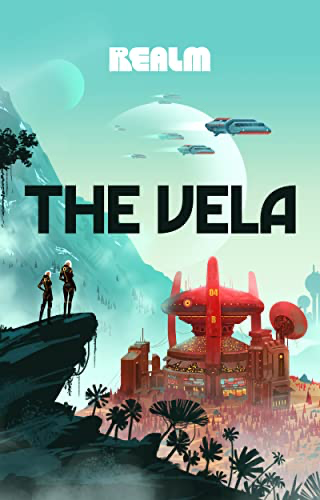
Book Review Tuesday (7/16/24) – The Vela

Happy Tuesday, bibliophiles!

The Vela came on my radar again when I dredged my TBR for books to read during this year’s Disability Pride Month. Beyond the disability rep…what could possibly go wrong with Becky Chambers AND Rivers Solomon, right? I’m glad to say I was right—whether it was the work of new-to-me or longtime favorite authors, they all came together in stunning harmony in The Vela, a timely sci-fi epic that’s as observant as it is thrilling.

Enjoy this week’s review!

The Vela: A Novel – Yoon Ha Lee, Becky Chambers, Rivers Solomon, and S.L. Huang

Asala Sikou can’t afford to care about anybody but herself. Not when her star system is on the verge of collapse, and not when everyone she once knew is long dead. But when she receives a job to track down the Vela, a ship hauling thousands of refugees that mysteriously disappeared, Asala knows that there’s more than meets the eye to the incident. So does Niko, the smart but sheltered child of another planet’s president. The two unlikely companions will have to team up to track down the Vela—and all of its refugees—before they’re embroiled in a galaxy-wide war.

TW/CW: xenophobia, racism, themes of genocide, descriptions of death/corpses

The promise of Becky Chambers and Rivers Solomon in one novel was the main draw of The Vela for me, but by the time I finished the novel, I was fully invested in all four contributors. Their talents came together so seamlessly, making for a novel that wasn’t just coherent, but downright thrilling—The Vela is sure to satisfy whether or not you’re familiar with the authors.

Out of all of the authors who contributed to The Vela, I was the most hesitant about Yoon Ha Lee; the one book I’ve read of his was one that didn’t mesh with my style (but that was also his first attempt at middle grade, so that could have been my issue). I read a sample of Ninefox Gambit ages ago and liked it, but not enough to buy it. Consider me proven wrong about him! As the author who started off the novel, he was the perfect choice. His fast-paced prose made for an opening chapter that integrated the reader swiftly and effortlessly into the world of The Vela. Later on, his battle scenes were some of the highlights of the novel; every chase sequence and dogfight is so meticulous that I questioned whether or not he’d actually been in the thick of an intergalactic war. I’ll be seeking out more of his work after this!

Becky Chambers was, by far, the author I was most excited about seeing in The Vela. I’ve fallen head-over-heels in love with her cozy sci-fi, as many other readers had. What she contributed to The Vela, however, was a sense of complication. Like The Galaxy, and the Ground Within, where she piled a series of unlikely characters together and had them clash in terms of culture, politics, and personality, Chambers excelled at complicating the relationships between each character. Her cozy agenda made me forget how well she writes cold, fascist characters; the way she wrote General Cynwrig sent chills up my spine, conveying the dull distance she has from every other character. Every interaction with her is nothing but war room strategy, and that’s why she and Niko clashed so fundamentally. While toeing over making Cynwrig sympathetic, Chambers gave us a glimpse into her mind without justifying her actions. It’s a difficult dilemma to skirt around, but one that served to develop Niko incredibly; they had a very un-nuanced view of the galaxy, and although their views weren’t changed fundamentally, it allowed them to see different sides without excusing their horrific actions.

Rivers Solomon, the other author I was looking forward to reading in The Vela, gave us the novel’s best glimpse into the mind of the protagonist, Asala. Their prose here, which combines rough-edged anger with exceptional metaphor, fleshed out Asala in ways that the other chapters did not; Solomon had the weight of sculpting all of the events that made Asala as cool and calculated as she was, and by the end, I had a vision of her that was as clear as a map, with every mountain range and river of her life writ out. Her cold disillusionment was palpable, but by the time Asala begins to move more towards purpose and determination, we can see, with incredible clarity, every step that led up to it.

S.L. Huang was the only author featured in The Vela who I was completely unfamiliar with. Now that I’ve finished the novel, I’m keen on checking out her other works, because I can’t think of many other authors who are able to write war so poetically, but never romanticize it at any point. Nothing is ever glorified (as it should be, both in general and considering the themes of The Vela), but there’s something so silk-smooth and beautiful in the way she described battalions of ships on the horizon and the chaos of war as all of the parties scramble for a handhold. For a novel with a prominently anti-war sentiment, Huang’s prose served a valuable purpose—humanizing the consequences of war that many of the characters were unable to grasp, and writing it with such tact and heart that it bordered on poetry.

As a whole…what a timely novel, isn’t it? Surely, we couldn’t learn a thing or two from this world, where star systems and planets are being physically torn apart and destroyed because nobody considered that their enemies are also human…surely that’s not applicable to [checks notes] practically every issue we’re dealing with at the moment, no?

All in all, a seamless and cohesive sci-fi thriller that wonderfully harmonizes the unique talents of the authors that it displays. 4 stars!

The Vela is the first in an anthology series, followed by The Vela: Salvation, which features Nicole Givens Kurtz, Sangu Mandanna, Maura Milan, and Ashley Poston.

Today’s song:

my friend and I were discussing our favorite album intros last night, and they showed me this…they’re right on the money with this one (thanks!!)

That’s it for this week’s Book Review Tuesday! Have a wonderful rest of your day, and take care of yourselves!
Posted in Book Review Tuesday

Book Review Tuesday (7/9/24) – Stars in Their Eyes

Happy Tuesday, bibliophiles!

I’m always on the hunt for books with disability and bisexual rep, and I’ll always go for a graphic novel, so Stars in Their Eyes was a natural pick for me! With a charming story and graceful handling of social issues, this graphic novel was an adorable, light read that’s perfect for readers in transition between middle grade and YA.

Enjoy this week’s review!

Stars in Their Eyes – Jessica Walton and Aśka

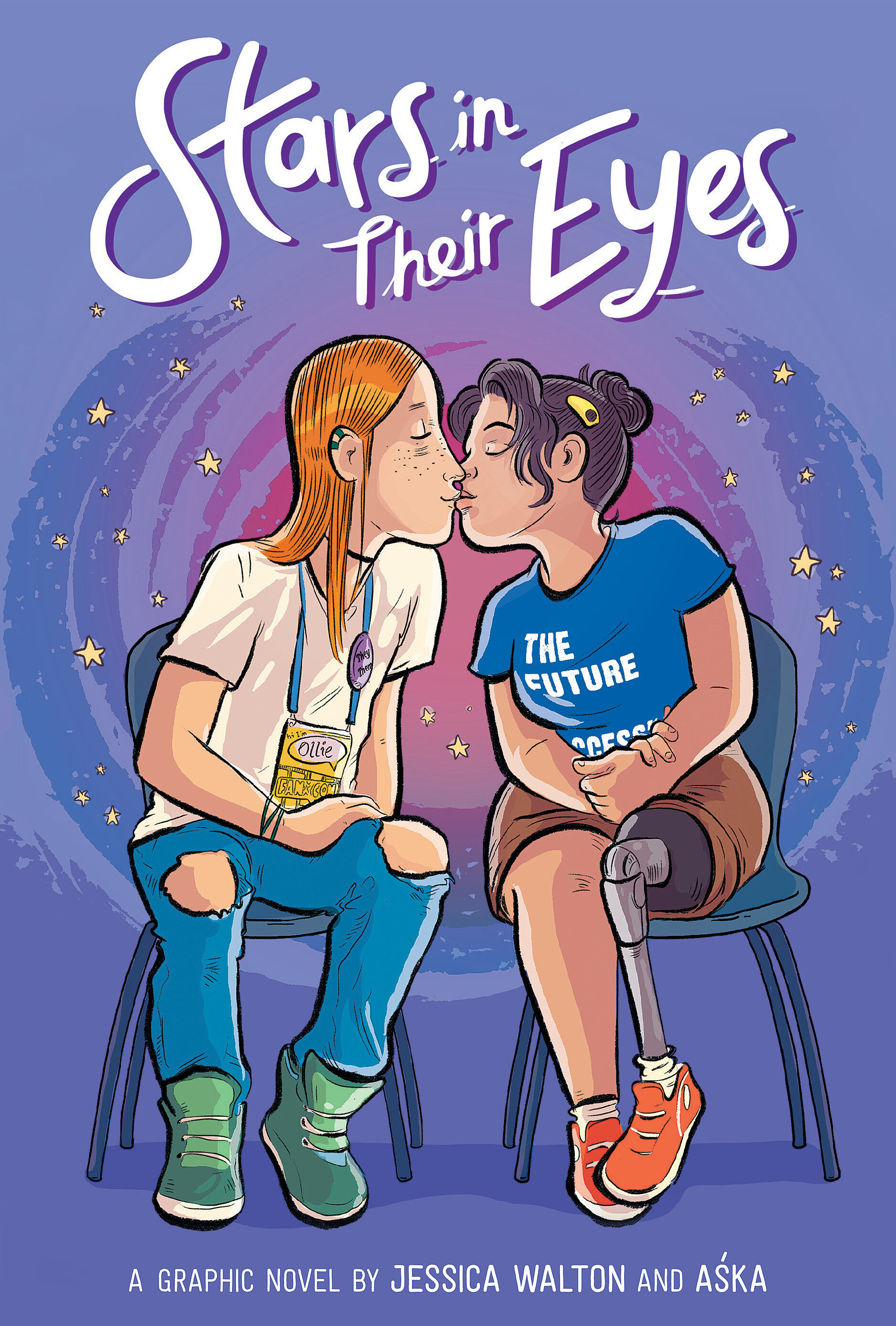
Maisie has saved up to go to her first FanCon, and now she’s finally on her way! She’s excited to meet her idol Kara Bufano, an action star who’s an amputee just like her. On arrival, FanCon isn’t everything that Maisie thought it would be—it’s loud, confusing, and it’s making her chronic pain act up. But when she meets Ollie, one of the young FanCon volunteers, it’s love at first sight. Maisie feels comfortable talking about her disability and queerness with them, but how will they manage when FanCon is over and they have to go home?

TW/CW: panic attacks, descriptions of cancer (past)

I’m firm in the belief that there should be some kind of smaller, transitory genre between middle grade and YA; the gulf between kid’s books and books meant for teens, especially in terms of maturity, is larger than most realize. But Stars in Their Eyes hits the perfect sweet spot between the two. With younger protagonists but a more nuanced view of social issues—and love at first sight—this graphic novel is a light, comforting read!

Even though I can’t speak to the accuracy of the specific disability rep (Maisie has a lower-leg amputation as a result of childhood cancer), it was so refreshing to see a disabled character written by a disabled author! It’s kind of painful to say that, but…the bar is so low, after so many middle grade and YA books that misrepresent disability. Nevertheless, the discussions surrounding Maisie’s disability were not only important to represent, but well-executed as well! There were plenty of natural segues that were used in Walton’s writing to get into topics such as overexertion and the importance of positive representation (!!!!), and it’s wonderful to see a pointed criticism of the narrative that disabled people exist to inspire non-disabled people. Stars in Their Eyes is bound to be so meaningful to so many young disabled readers, and it warmed my heart.

Stars in Their Eyes is also bound to be crucial for young queer people as well! Maisie is bisexual. and Ollie, the love interest, is nonbinary, but beyond that, there was an emphasis on being young and discovering your identity that I’m so glad is being represented. At 14, Maisie has only come out to a handful of people, and is nervous about being in queer spaces and going to queer events; it’s an issue that I rarely see in queer media, but it’s so important for young queer people know that it’s okay to be nervous about these things! There’s a first time for everything and everyone, and it’s natural to be shy or scared about showcasing your identity or belonging in queer spaces for the first time.

The comic con setting of Stars in Their Eyes was spot-on! I went to comic cons frequently when I was Maisie and Ollie’s age, and it’s a wondrous, nerdy experience—and it’s also an overwhelming one. It’s been several years since I’ve been to one, but I’m glad that this fictional one had a quiet-down room—I hope that soon becomes part of the institution, because what a lot of people don’t talk about with comic cons is that they’re a lot. (Man, I wish my comic con had one of those back in the day…) There’s so much to take in, from all of the booths and celebrities and cosplayers (and all of them crowded in one building), but all of that amounts to a ton of crowds and sensory overload. It’s the first comic con story I’ve seen tackle this aspect, and it’s a refreshing angle to see discussed. I have sensory issues, so that’s mainly why I got overwhelmed so easily at comic con, but it’s great to show younger readers that even though comic con is a wonderful place, it’s natural to be overwhelmed, sensory issues or not.

However, even though pop culture and comic cons were the focus of Stars in Their Eyes, a key part of it was mishandled and hindered some of my enjoyment of this graphic novel. Aside from two fictional TV shows that Maisie and Ollie bond over, almost everything is a fake reference—Barb from Stranger Things is now Bard from Danger Things, Star Wars is now Sci-fi Wars (??) and the Dark Side is the Far Side (????), and any Doctor Who-related media is referred to as “Time Doctors.” I get making faux-pop culture references to dodge copyright or establish a fictional world, but the sheer amount of them and how obviously they were referencing other very popular pieces of media just got so tiring and eye roll-inducing after a while. If it’s that obvious that you’re referencing a piece of media, it defeats the purpose of having a fake piece of media. It got so concentrated that I ended up bumping my rating down from the full 4 stars.

All in all, a lighthearted graphic novel about first love, geekdom, and the being confident in your queer and disabled identities. 3.75 stars, rounded up to 4!

Stars in Their Eyes is a standalone; Jessica Walton is also the author of Introducing Teddy, and has also contributed to the anthologies Growing Up Disabled in Australia, The (Other) F Word: A Celebration of the Fat & Fierce, and Meet Me at the Intersection.

Today’s song:

decided to give cate le bon a try after hearing her work with wilco & st. vincent…pompeii did NOT disappoint!!

That’s it for this week’s Book Review Tuesday! Have a wonderful rest of your day, and take care of yourselves!
Posted in Book Review Tuesday

Book Review Tuesday (6/17/24) – Floating Hotel

Happy Tuesday, bibliophiles!

Old news: I’m desperate for good cozy sci-fi, and most of that desperation comes from the fact that nobody does it like Becky Chambers, but publishers will slap “perfect for Becky Chambers fans!” on literally any sci-fi book with a hint of several people crammed on a ship. It has to stop. Floating Hotel looked like it might actually live up to those expectations, but I was hesitant because I didn’t enjoy Grace Curtis’ debut, Frontier. But I’m glad I gave Floating Hotel a chance, because it was just what I needed!

Enjoy this week’s review!

Floating Hotel – Grace Curtis

The Grand Abeona Hotel knows no borders, no political affiliations, and no galaxy or planet to call home. But for many, the Grand Abeona is their home away from home—a safe haven where nobody cares who you are and why you’re here. Run by Carl, the aging manager who first came to the hotel as a stowaway, the Grand Abeona is home to a vibrant cast of characters, all of whom will have paths that will unexpectedly intersect. And as small mysteries begin piling up in the far corners of the Grand Abeona, Carl and the hotel’s misfit staff must pull the pieces together before the hotel itself is put in harm’s way.

TW/CW: death, torture (both offscreen), verbal abuse

In retrospect, there’s really no better book that I could have read on my Kindle, which has the Grand Budapest Hotel on the case. Some things were just meant to be.

I doubt anyone will ever top Becky Chambers in terms of cozy sci-fi, but Grace Curtis comes close—and that’s exactly why I’m so glad that I gave her another chance. Though it’s not without its mystery and relatively high-stakes subplots, Floating Hotel is a cup of tea for the soul: quiet, observant, and downright warm and charming.

My main issue with Frontier was that it promised action, but delivered next to nothing; it’s not that I don’t like books without action, but when your book’s tagline is “love, loss, and laser guns,” you kind of…have to deliver there, no? After reading Floating Hotel, it’s clear that quieter, cozy sci-fi is what Curtis was meant to write; aside from the rebellion subplot, which was relatively under-the-radar and wasn’t a major issue until the last 20% of the novel, this novel had comfortably low stakes. Although there was a fair amount of turmoil in the empire established in the world of Floating Hotel, you really do feel like the Grand Abeona is a safe haven from all of the ills of the galaxy. There, nobody cares who you are, so long as you have a story to tell.

Another issue with Frontier was that, with all of the characters and subplots it juggled, a lot of the plot points blended together, giving the reader little time to connect with anybody. If my leap from Frontier’s 2-star rating to my 4-star rating of Floating Hotel wasn’t indication enough, Curtis has significantly improved on that aspect of her writing in the space between the two novels! This novel similarly juggles a multitude of characters—many of whom only get one chapter in the vast sea of POVs—but all of them have a unique place in the story. None of the backstories or motivations felt forced, and all of them connected back to how the Grand Abeona has healed them as people; through all of their eyes, whether it’s a waitress, a piano player, or a professor visiting for a conference, you can see just how important of the Grand Abeona is as a safe haven. Floating Hotel is one of the few books with more than 10 (I think?) POVs that has truly worked for me, and it’s a combination of really being able to connect each one to the hotel and its story, and it incorporates other characters organically before we even get their POVs—the interconnectedness was so smooth that I didn’t mind the massive amount of voices displayed.

Curtis clearly understands the cozy part of cozy sci-fi that so many people who market books as “cozy” never seem to get—the near absence of stakes. For the majority of the novel, it’s a very down-to-earth, slice-of-life kind of plot where all of the mysteries are more humorous than troubling; I mean, one of the main subplots of the first half of the novel is trying to find the culprit of an anonymous admirer leaving love letters in the lobby index. And I ate it up. It’s just so gentle!! Is the fate of the galaxy at stake? Absolutely not! The hotel staff is just getting together once a week to watch terrible movies for nostalgia’s sake!! Peak cozy sci-fi right here, folks!! There are queer and disabled characters abound (WOOHOO!!), but neither homophobia nor ableism are plot points at all! They’re just going about their lives!! This is the stuff!!

What both Curtis and Becky Chambers get right about cozy sci-fi as well is that cozy doesn’t necessarily equal apolitical. In the background, there’s plenty of discussions of imperialism with the tyrannical empire crawling with shady cloning and nepotism (take a guess at how those two things tie together…). Curtis isn’t afraid to take stabs at capitalism, environmental destruction, xenophobia (I love the subplot about the empire banning media about aliens because it would compromise the perceived superiority of the human race), and so much more over the course of the novel, and it elevates it exponentially. It emphasizes another truth (for me, at least) about cozy sci-fi, and being a gentle person in general—cozy or quiet does not equal docile or unwilling to speak out about injustice. To quote IDLES, another bastion of kindness: “Ain’t no doormats here/It doesn’t mean you have to bow, or say “Your Highness”/Just kill ’em with kindness.”

All in all, a gentle and masterful piece of cozy sci-fi, and a marked improvement from Grace Curtis’ debut. Consider my faith in her writing restored! 4 stars!

Floating Hotel is a standalone, but Grace Curtis is also the author of Frontier.

Today’s song:

am I ashamed of listening to this on repeat while writing the third book in my sci-fi trilogy? absolutely not.

That’s it for this week’s Book Review Tuesday! Have a wonderful rest of your day, and take care of yourselves!
Posted in Books

🏳️‍🌈🏳️‍⚧️The Bookish Mutant’s Books for Pride Month (2024 Edition) 🏳️‍⚧️🏳️‍🌈

Happy Wednesday, bibliophiles!

Here in the U.S., June is Pride Month! And every month, I find myself having a downer of an introduction, just because the world only gets kinder to queer people in the smallest increments, it seems. The vocal minority in this country are still bent on erasing all evidence that queer people exist in the first place, like an offending stain on a white tablecloth. (A note to homophobes: has it ever occurred to you that you don’t have to look at pride flags or queer couples? You can just look away and not make it anybody else’s problem…life is so short, man.) But our community is one characterized by resilience: no amount of book bans, culture wars, or bigotry will wipe us off the map. We are are here, we have always been here, and we will always be here. Nothing you do will make us disappear. Don’t let the vocal minority distract you from the beauty created and progress made by our community.

So once again, here’s a list of YA and Adult books with queer characters and themes, curated by your local bisexual. I also added the specific representation of each book.

Just a refresher on my key:

MC: Main character

LI: Love interest

SC: Side character(s)

For my previous lists, see below:

Enjoy these book recs!

🌈THE BOOKISH MUTANT’S BOOKS FOR PRIDE MONTH (2024 EDITION)🌈

FANTASY

SCIENCE FICTION

REALISTIC FICTION:

TELL ME WHAT YOU THINK! Have you read any of these books, and if so, did you enjoy them? What are some of your favorite queer books that you’ve read in the last year? Let me know in the comments!

Today’s song:

That’s it for this year’s pride recommendations! Have a wonderful rest of your day, and take care of yourselves!
Posted in Book Review Tuesday

Book Review Tuesday (6/11/24) – Junker Seven

Happy Tuesday, bibliophiles! I’m back from vacation, and I’m feeling rested—and ready to review one of the books I read on my trip.
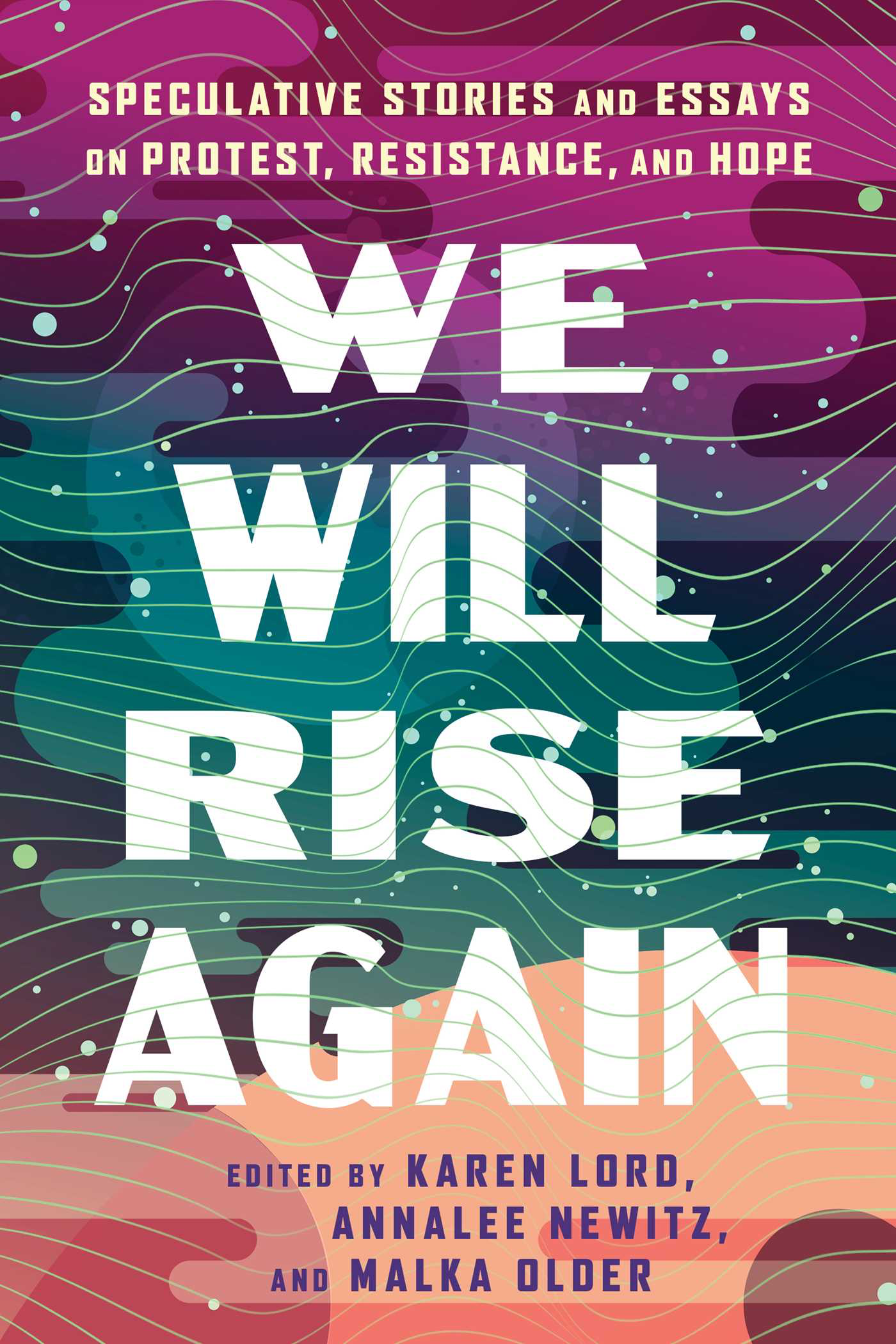
Junker Seven hung around on my TBR for about a year, and I ended up buying it on Kindle for my trip; as I’ve said ad nauseam, queer sci-fi is the stuff of life for me, so I’ll always lap it up when given the chance. Although I wish the worldbuilding (and the politics) were more creative, it was a solid tale of of love and the joy in reminding yourself that your existence is an act of resistance.

Enjoy this week’s review!

Junker Seven (Twin Suns duology, #1) – Olive J. Kelley

Castor Quasar makes a solitary but dangerous living as a junker, ferrying scrap—and fugitives—across the galaxy. They prefer to stay out of the business of others, whether that’s the widespread political unrest throughout the galaxy or simply making friends. But when Castor is offered a job with an exorbitant amount of money, they can’t help but be suspicious, even though the offer would mean valuable repairs for their ship—and an easier living. Their cargo is Juno Marcus, a trans activist with a target on her back and an urgent need to escape before the Intergalactic Peace Force finds her. Castor reluctantly agrees, but they soon find themself in over their head—and head over heels in love…

TW/CW: murder, loss of loved ones, transphobia, deadnaming, misgendering, ableism, police brutality

Junker Seven was by no means without its flaws, but if you’re looking for a love letter to trans love and identity, a slow-burn romance, and resistance in space, then you’ve come to the right place! Not my favorite, but this was a good book to start off pride month—unabashedly queer and political.

Structurally, there were a lot of odd worldbuilding choices (I’ll get to that later), but despite that, the world of Junker Seven felt wonderfully lived-in. The quiet moments where Castor was alone on their ship were what convinced me of this world being tangible; not everything is sleek, clean, and untouched. You never get the sense that the ship is cramped just because it was made so, but because of all of the choices that led Castor to the place they are today. It’s not just a plot device vehicle—it’s got special nooks and crannies that have been shifted over the years, and there’s a goldfish that’s been there through it all, Castor’s only constant companion. Details like this, as well as some of the pockets of resistance that Castor and Juno find throughout their journey, added a real human element to the story. Even with only two characters for most of the novel, Kelley did an excellent job of making the galaxy seem like a tangible place where humans have settled—and brought their unique ways into a new, far-future world.

If you’re looking for representation, especially trans representation, then you’re in the right place—Junker Seven has diversity in spades! Both the main character and the love interest are trans, as well as several side characters, and Castor is also disabled—they have burn scars, a prosthetic leg, and autism! The key part of said representation is that it never felt like a checklist; if the acknowledgements are any indication, Kelley’s goal was to create a resonant story of trans joy, love, and resistance, and though I’m not trans (disabled and queer, though), that love shone through; Junker Seven felt like a love letter to trans resistance all the way through, from Castor and Juno’s slowburn romance to Castor’s gradual radicalization. I love how the disability representation was handled as well! All of the details about Castor’s autism affects their job felt authentic as a neurodivergent person; no stone was left unturned, whether it was how wearing their prosthetic affected their sensory issues to how it affected their relationships. It’s clear from every page that the diversity in this novel wasn’t borne out of a need to tick off every possible marginalization—it was borne of a need to put authentic queer, trans, and disabled stories out into the world.
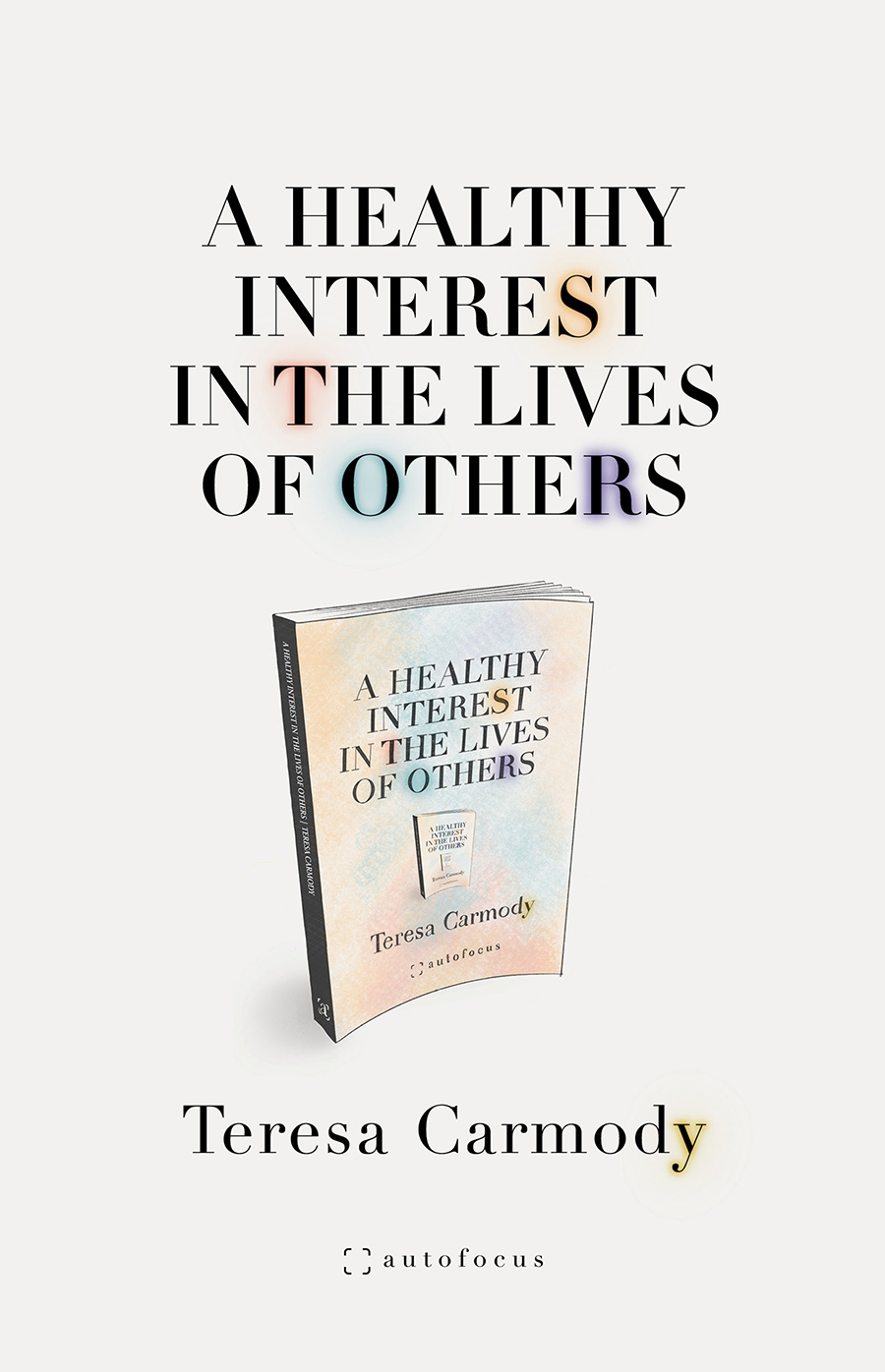
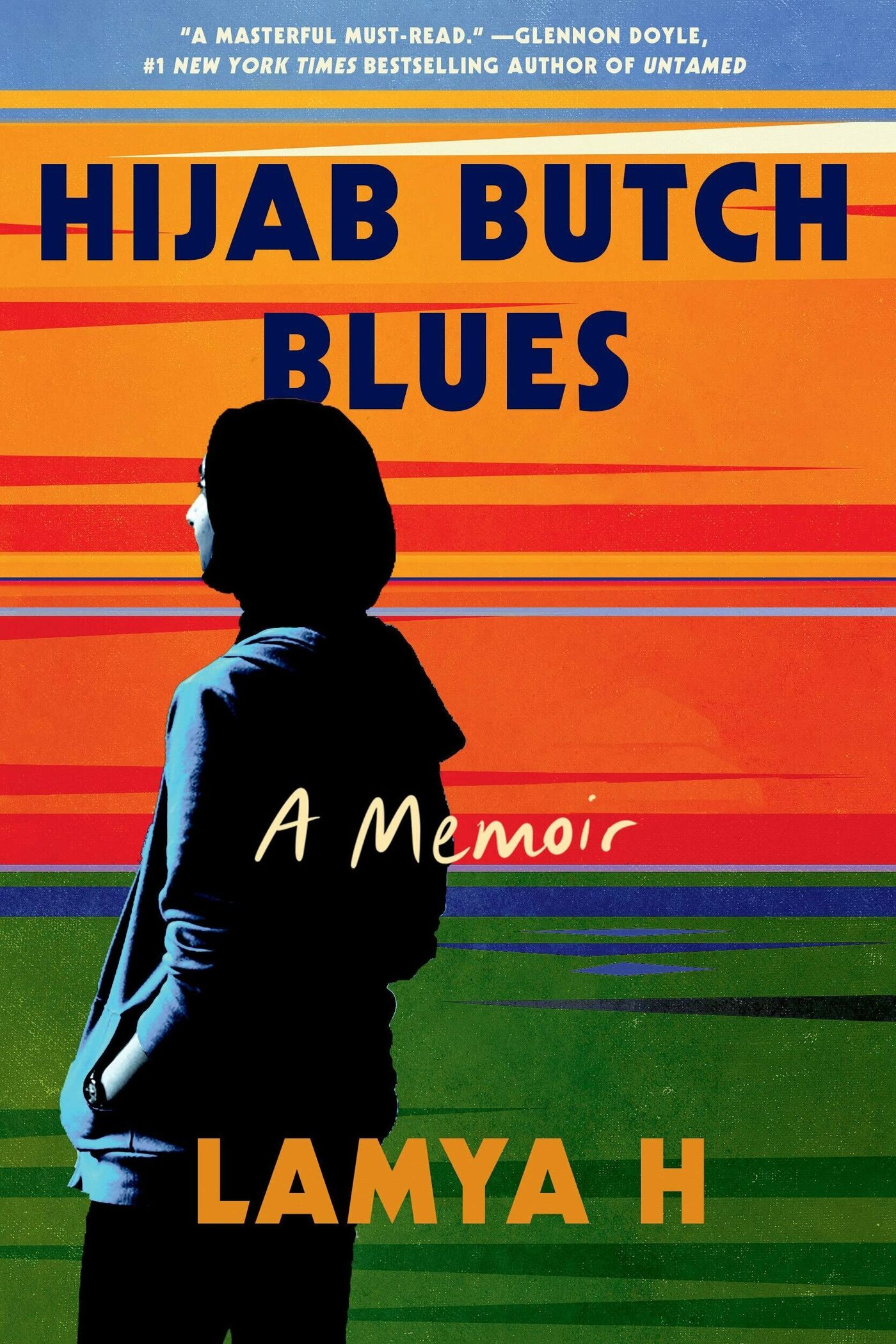
That being said, the worldbuilding of Junker Seven gets stranger the more I think about it. There are enough pockets that could convince you that, yes, this could be hard sci-fi that had some thought put into it, but the actual worldbuilding ends at the descriptions of the climates of the planets that Castor and Juno are hopping to and from. Other than that, the politics are the main focus, but given how political this book is, I was surprised at how unoriginal it was in terms of the evolution of politics and queer resistance. Junker Seven is set several hundred years from now, and yet the politics are all but copied and pasted from the U.S. politics of today—no changes whatsoever, save for being stricter when it comes to the treatment of trans people in particular. Yes, history does tend to repeat itself in terms of treatment of the marginalized, but it’s never in the exact same way twice; technology changes, rhetoric changes, leadership changes. None of that is reflected in Junker Seven; honestly, it was familiar to such a degree that it would have worked more if it were set in a less futuristic dystopia set on Earth. This story is set so far in the future that minimal changes in language and policy just makes no sense. It would have been so much more potent—and creative, frankly—to see how the adapted technology of the future actually factored into how trans people in this universe were being oppressed. There were a few throwaway mentions of more advanced technology that was being used to surveil trans people, but that was about the extent that anything changed. It all boiled down to unused potential—there were so many opportunities to explore how (possible) aspects like advancing technology, increased policing, and advancements in genetic modification could affect the status of trans people throughout the galaxy. And yet, Kelley chose to change almost nothing about our current political climate and paste it into space—to the detriment of my suspension of disbelief. Oppression of marginalized groups remains the same in its goals, but not necessarily in its methods—those change with the times.

What also suspended my disbelief was how little we knew about Marwood save for that he was horrible. Save for being a Trump stand-in, we knew almost nothing about him, save for that a) he’s evil (Trump), b) there’s a widespread news network that’s basically his mouthpiece that he uses to demonize trans people (Fox News), and c) did I mention? He’s evil. I will give Kelley some credit for at least establishing the Zephyr News aspect and the fact that his nepotistic predecessor both ended presidential term limits and instated Marwood in a corrupt, illegitimate election so that his fascist, ultra-conservative values would live on. That, at least, felt like a reasonable enough start for a villainous character, but that was it. The key word here is start. I wouldn’t say it completely falls into the dystopian trope of “we’re not going to say anything about the government, but you have to understand. They’re BAD, guys. BAD,” but it comes rather close. This circles back to my overarching issue of unoriginal worldbuilding, but I wanted to know what separated Marwood from any other run-of-the-mill fascist—did he come from a celebrity background and had no real political experience, like Reagan or Trump, or was he a more cold and calculating type with political prowess who knows exactly how to undo any kind of progress and twist the laws in order to abuse his power? A successful, frightening villain needs to be more than an evil cardboard standup that lurks in the shadows, and we never got more than fragments to show that Marwood was more than a stand-in fascist to move the plot along. (Also, did the entire galaxy, after blending into an almost universal accent after several hundred years, universally adopt a vaguely American two-party system and government? It’s…yeah, I have trouble believing that too.)

Although the disability representation is excellent, as I said before, I did find it odd that it wasn’t a part of Castor’s radicalization; being disabled in the 21st century is already a cyberpunk dystopia as it is, so I’m surprised that there wasn’t much discussion of not just Castor’s experience with being disabled, but how it affected their work or their perception of politics. Save for a throwaway line about an autistic person being driven to a life of crime because of how poorly said autism was treated and handled, there wasn’t much rumination on it other than that. I get that the main focus of Junker Seven was trans resistance specifically, I do wish we at least got more of it than what we got. Come to think of it…as diverse as Junker Seven was, there wasn’t a whole lot of intersectionality in terms of politics. I think there was…maybe one line about race and police brutality, and that was about it? I wouldn’t say that this is inherently a flaw of the book itself, but, once again, given how unabashedly political it was, I did find it odd that there wasn’t at least a small mention of the intersection of queer/trans issues with aspects like race, class, and disability.

All in all, a solid piece of queer sci-fi which suffered from unoriginal and nonsensical worldbuilding, but was nonetheless a shining ode to queer resistance. 3.5 stars!
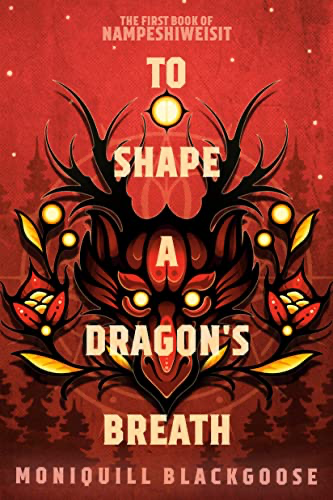
Junker Seven is the first of the Twin Suns duology, followed by the forthcoming sequel Rebel Rising, which is slated for release in September. Kelley has also released D3F3CT: A Twin Suns Novella, set in the same universe as Junker Seven, as well as the novellas As the Light Goes Out and A Very Lighthouse Christmas. They have also contributed to Spectrum: An Autistic Horror Anthology and the forthcoming Dead Cowpokes Don’t Wrangle: A Weird West Anthology.

Today’s song:

why, why, WHY DID I PUT OFF LISTENING TO THIS ALBUM FOR SO LONG??

That’s it for this week’s Book Review Tuesday! Have a wonderful rest of your day, and take care of yourselves!