Posted in Book Review Tuesday

Book Review Tuesday (1/13/26) – We Will Rise Again: Speculative Stories and Essays on Protest, Resistance, and Hope

Happy Tuesday, bibliophiles, and from the bottom of my heart, fuck ICE. Rest in power, Renee Nicole Good. My heart goes out to everybody in Minneapolis right now. ❤️‍🩹

Whoo, look at me! Actually reviewing a book not long after it came out!!

I found out about We Will Rise Again soon after it came out, and it immediately caught my eye—in fact, it seemed almost specifically engineered for me. I mean, speculative fiction based on social justice? Come on. And while the stories and essays within it varied in quality, this anthology was a worthy endeavor and a much-needed collaboration.

Enjoy this week’s review!
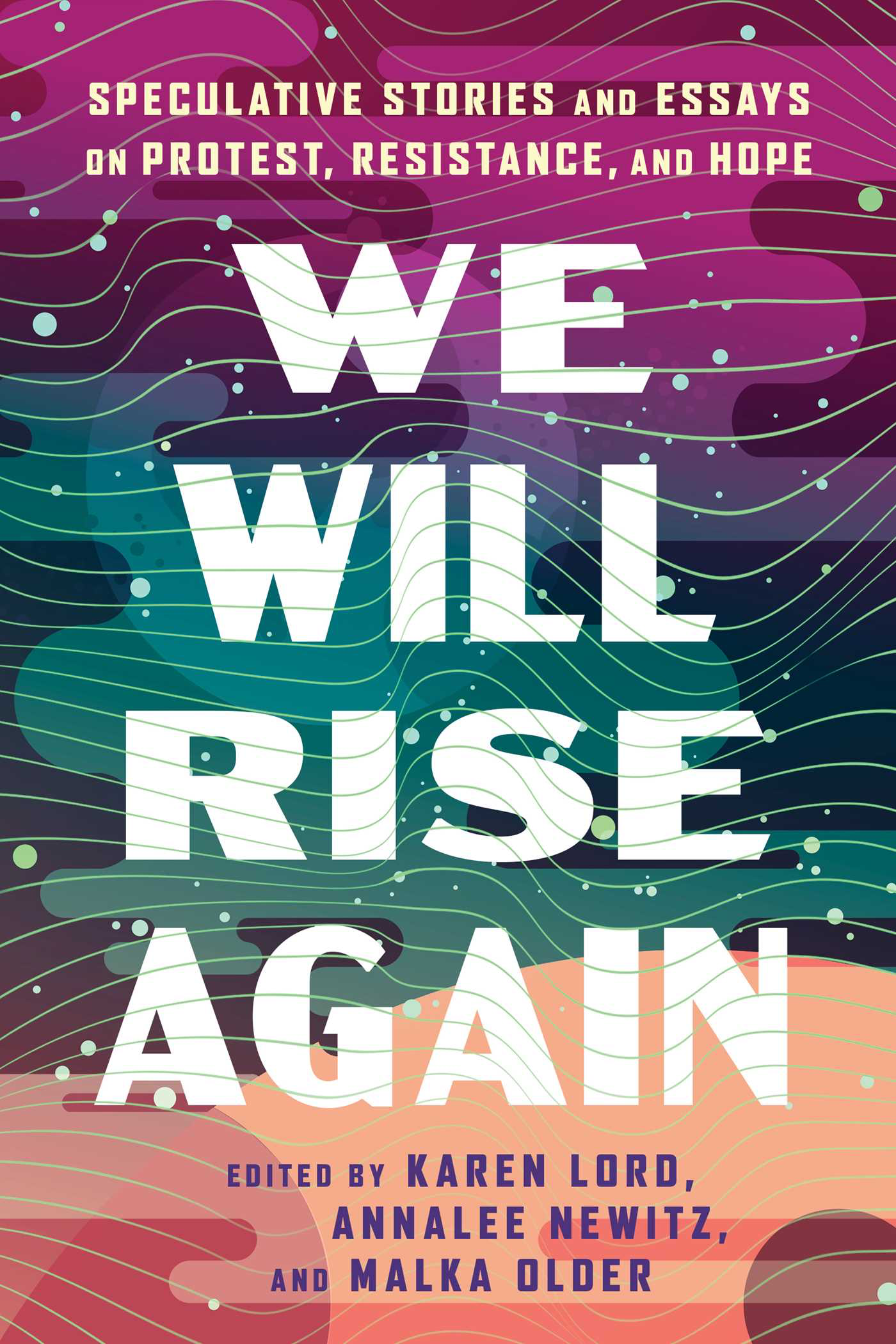
We Will Rise Again: Speculative Stories and Essays on Protest, Resistance, and Hope – edited by Karen Lord, Annalee Newitz, and Malka Older

(description from The Storygraph:)

From genre luminaries, esteemed organizers, and exciting new voices in fiction, an anthology of stories, essays, and interviews that offer transformative visions of the future, fantastical alternate worlds, and inspiration for the social justice movements of tomorrow.

In this collection, editors Karen Lord, Annalee Newitz, and Malka Older champion realistic, progressive social change using the speculative stories of writers across the world. Exploring topics ranging from disability justice and environmental activism to community care and collective worldbuilding, these imaginative pieces from writers such as NK Jemisin, Charlie Jane Anders, Alejandro Heredia, Sam J. Miller, Nisi Shawl, and Sabrina Vourvoulias center solidarity, empathy, hope, joy, and creativity.

Each story is grounded within a broader sociopolitical framework using essays and interviews from movement leaders, including adrienne maree brown and Walidah Imarisha, charting the future history of protest, revolutions, and resistance with the same zeal for accuracy that speculative writers normally bring to science and technology. Using the vehicle of ambitious storytelling, We Will Rise Again offers effective tools for organizing, an unflinching interrogation of the status quo, and a blueprint for prefiguring a different world.

TW/CW: violence, transphobia, themes of oppression/marginalization, ableism, murder

Somehow, it’s so on brand that Ursula Vernon would be that hardcore about gardening. I always vaguely got that vibe from her work, but her essay was not a surprise in the slightest.

There were all kinds of speculative fiction authors featured in We Will Rise Again: familiar authors I’ve liked, familiar authors I haven’t been a fan of, and unfamiliar authors entirely; in fact, all three of the authors who edited the anthology (Karen Lord, Annalee Newitz, and Malka Older) are all hit-or-miss authors for me, but I stuck to this anthology because the concept was so compelling to me. Sure enough, not only were their stories fascinating, so were everyone else’s. Some of my favorites were Charlie Jane Anders’s “Realer Than Real,” a meditation on being transgender in the U.S. and poking fun at gender roles, Abdulla Moaswes’s “Kifaah and the Gospel,” a potent commentary about Palestinian resistance and the inherent absurdity of colonialism, and Malka Older’s “Aversion,” an excellent commentary about how to get people to pay attention and care about issues without having to expose them to a barrage of triggering, disturbing imagery. (The latter isn’t deeply relevant at all, no way! No way…) Whether in sci-fi, fantasy, or loosely speculative formats, all of them came together in a vibrant quilt of different perspectives and ideas.

The nonfiction in We Will Rise Again was, for the most part, equally potent. I was so excited to see Nicola Griffith featured in here, and her essay “Rewriting the Old Disability Script” was as timely as ever; even though disability representation in media at large, not to mention literature, has gradually gotten better, this was a potent reminder of the staggering lack of representation of disability of any kind in mainstream media. I’d already read N.K. Jemisin’s “How Long ‘Til Black Future Month? The Toxins of Speculative Fiction, and the Antidote That Is Janelle Monae,” but it fit perfectly in this anthology and was well worth a re-read. The very core of We Will Rise Again was that the fiction stories had tangible input from activists with real-world experience; without this, I still would’ve liked these stories, but with this added layer, they strangely gave me more hope. The faith of real-world activists embedded in fiction emphasizes what this anthology was really about, for me: educated, grounded hope for a better future.

However, with an anthology that cast such a wide net idea-wise, there’s bound to be some misses. I think the biggest issue with We Will Rise Again was that it verged on being too broad. Naturally, when you’re talking about social justice, there are so many things that you can talk about, and this anthology discusses the whole gamut of them in both fiction and nonfiction, from community care to transphobia to disability rights. For the most part, I could see the common thread through all of them easily. Some of them, however, bordered on being very loosely strung together; for instance, although I loved Vernon’s essay “The Quiet Heroics of Gardening,” the connection between it and the other stories was very, very loose. I think the issue was that not all of the fiction stories had nonfiction paired with them—the format they had with most of these stories could’ve cohesively been applied to all of them and given the anthology a better, more reasonable structure.

Overall, there weren’t any stories that I didn’t like, which is a rare thing in any given collaborate short story anthology. However, I did have a structural issue with some of them. Speculative fiction is a notoriously broad term, and I think some of the stories in this collection took that a little too seriously. While some of them were clearly sci-fi, fantasy, or at least had some speculation and change to the world, some of them barely felt speculative. For instance, if you took away the fleeting fantastical element of Vida James’s “Chupacabras,” I would’ve thought that it was only set a few years after the present—there wasn’t a ton that was new about it, and said fantastical element felt like an afterthought. (I had a similar issue with Sabrina Vourvoulias’s “Persefoni in the City.”) Even with some of the “this is only meant to be a few years from now” stories, I got that what was speculative was the politics (ex. with Izzy Wasserstein’s “The Rise and Fall of Storm Bluff, Kansas”), but with the ones I mentioned, hardly anything had changed. While I get that the focus wasn’t necessarily on the worldbuilding, with the anthology’s whole point being on genre/speculative fiction as a way of collective imagination and imagining better worlds, stories like those felt at odds with the intended message. “Speculative” was a bit generous of a term for some of those stories.

All in all, a diverse and hopeful anthology, both in terms of its contributors and its subject matter, all coming together to make powerful statements about how to survive in this landscape and dream of something better. 3.75 stars!

We Will Rise Again is a standalone anthology; Karen Lord is also the author of the Cygnus Beta series (The Best of All Possible Worlds, The Galaxy Game, and The Blue and Beautiful World). Annalee Newitz is also the author of The Terraformers, Autonomous, Automatic Noodle, and The Future of Another Timeline. Malka Older is also the author of The Investigations of Mossa and Pleiti series (The Mimicking of Known Successes, The Imposition of Unnecessary Obstacles, and The Potency of Ungovernable Impulses) and the Centenal Cycle (Infomocracy, Null States, and State Tectonics).

Today’s song:

LODGER 🙌

That’s it for this week’s Book Review Tuesday! Have a wonderful rest of your day, and take care of yourselves!

Posted in Books

Feminist YA Books for Women’s History Month (2023 Edition)

Happy Wednesday, bibliophiles, and more importantly, Happy International Women’s Day!

Aside from that, the month of March in the U.S. is Women’s History Month! These past few years have been tumultuous for women here in the U.S. and elsewhere, with the attacks on bodily autonomy being some of the most violent in recent years. But despite it all, we cannot lose hope—by lifting each other up, we can foster an environment that respects women as equals. And as I’ve always said, literature is resistance: it isn’t just real-life heroes that can inspire us to incite change—fictional heroines can have just the same effect. So for the occasion, I’ve gathered even more feminist YA book recommendations.

For my previous lists, click below:

Enjoy these book recommendations!

FEMINIST YA BOOKS FOR WOMEN’S HISTORY MONTH (2023 EDITION)

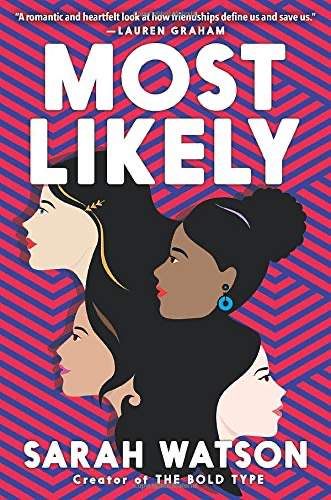
Most Likely, Sarah Watson

GENRES: Contemporary, realistic fiction, romance, LGBTQ+

MY RATING: ⭐️⭐️⭐️.5

An intersectional story that weaves together the lives of four girls in their senior year of high school—one of which will become the president of the United States.

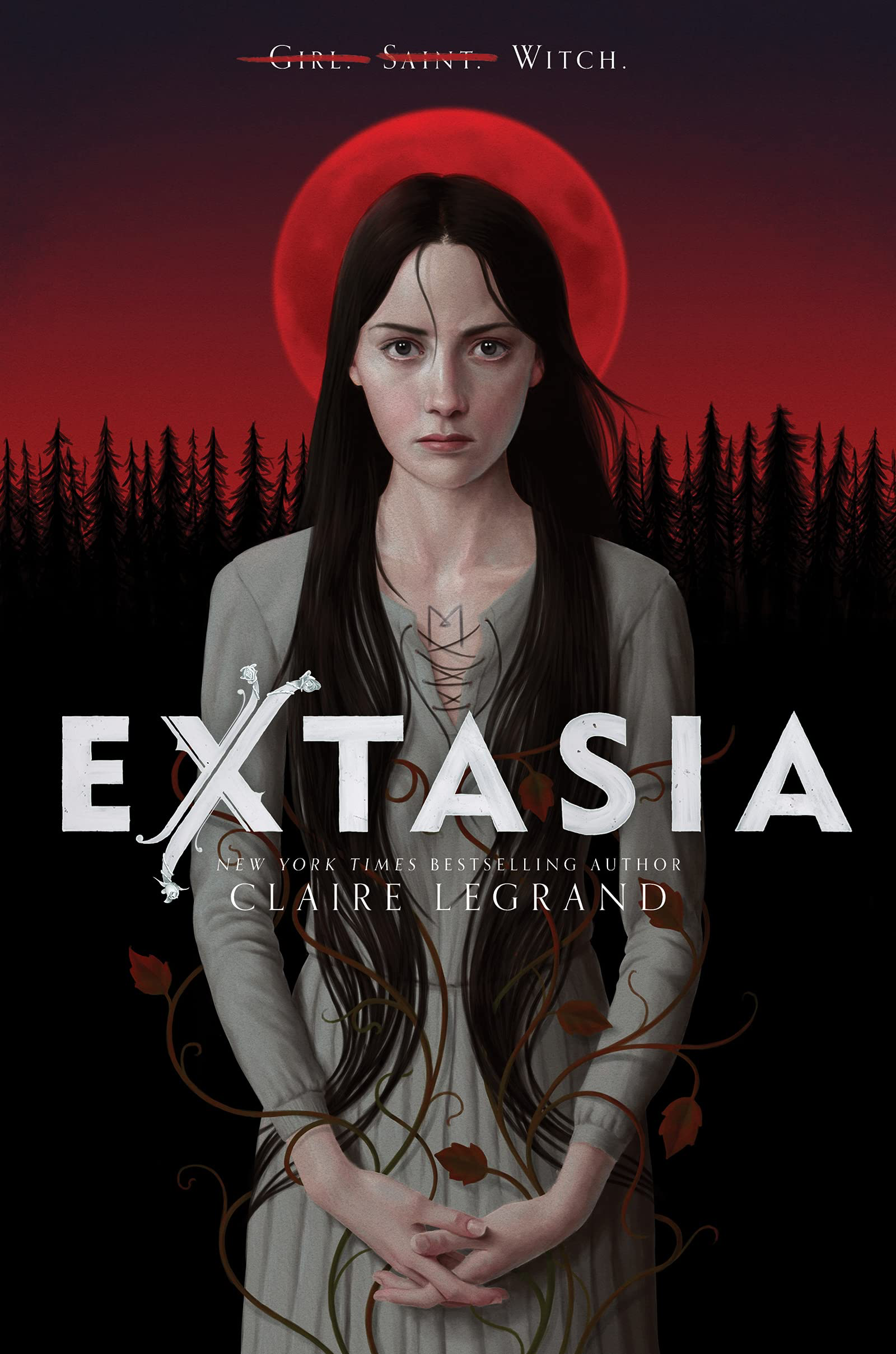
Extasia, Claire Legrand

GENRES: Dystopia, paranormal, horror, romance, LGBTQ+

MY RATING: ⭐️⭐️⭐️⭐️.5

Claire Legrand has made another gem of a feminist novel—this time, a chilling tale of unseen beasts and hidden power.

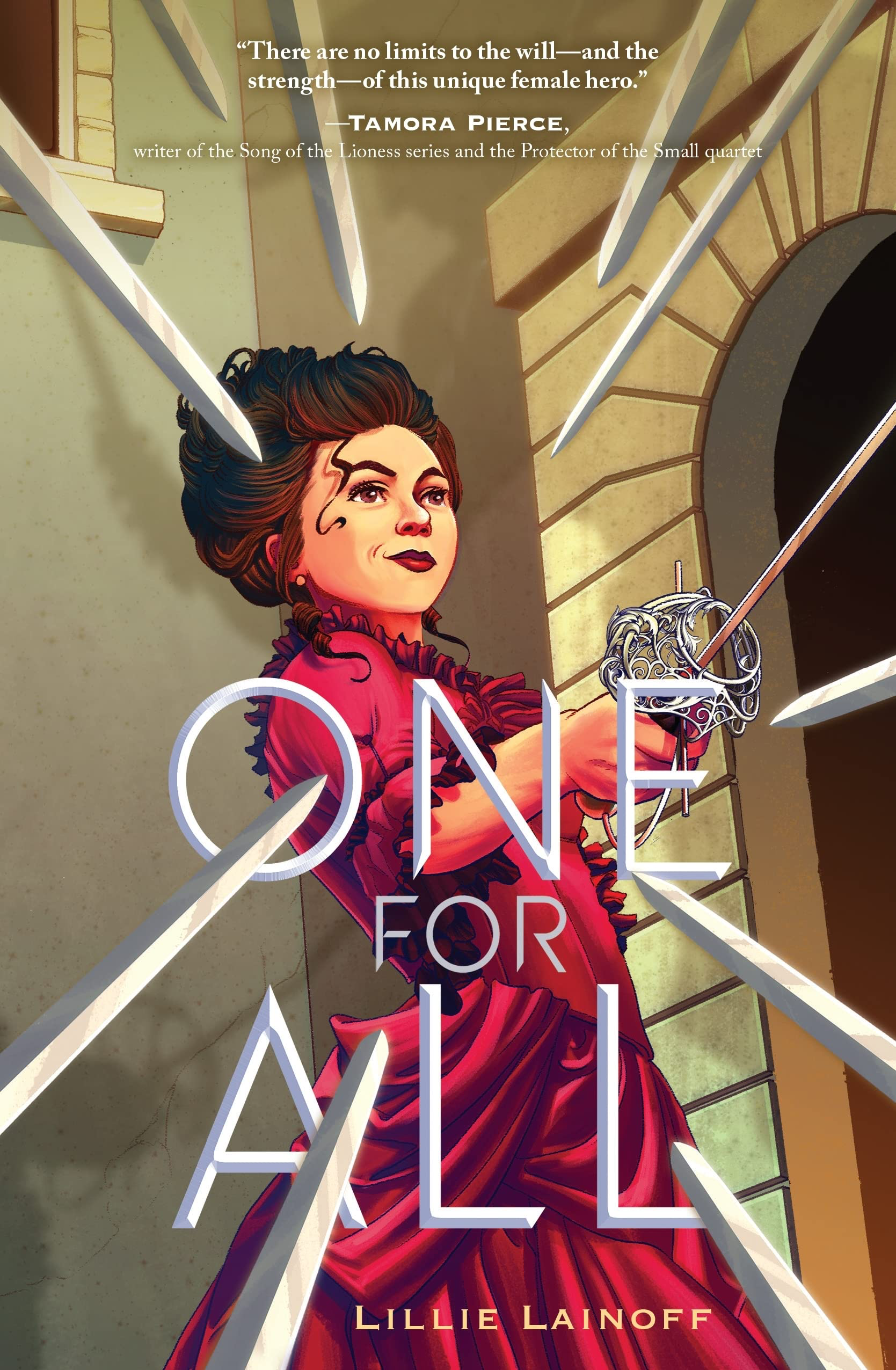
One for All, Lillie Lainoff

GENRES: Historical fiction, retellings

MY RATING: ⭐️⭐️⭐️.75, rounded up to ⭐️⭐️⭐️⭐️

A genderbent retelling of The Three Musketeers with a disabled, swordfighting protagonist—actually by a disabled author too!

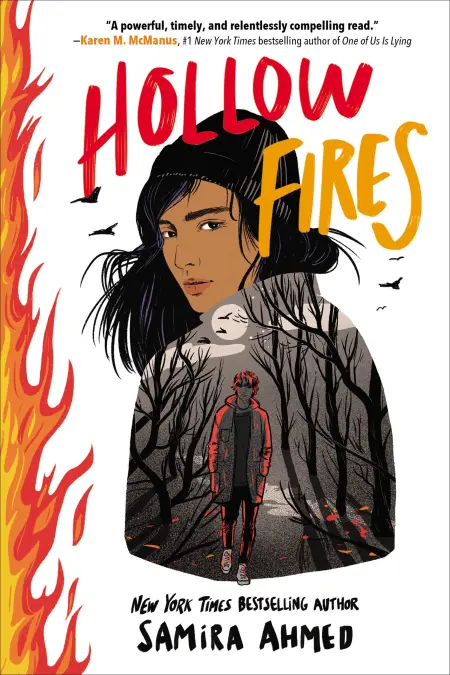
Hollow Fires, Samira Ahmed

GENRES: Contemporary, realistic fiction, mystery

MY RATING: ⭐️⭐️⭐️⭐️

Samira Ahmed always ends up showing up on these lists, and for good reason—she’s never missed with any of her raw and fiercely feminist novels, and Hollow Fires is no exception.

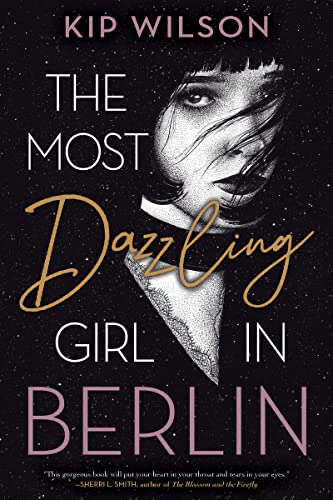
The Most Dazzling Girl in Berlin, Kip Wilson

GENRES: Historical fiction, romance, LGBTQ+

MY RATING: ⭐️⭐️⭐️⭐️.25

A beautiful novel in verse about two queer girls who perform in a cabaret in 1930’s Berlin.

The Lesbiana’s Guide to Catholic School, Sonora Reyes

GENRES: Contemporary, realistic fiction, romance, LGBTQ+

MY RATING: ⭐️⭐️⭐️⭐️

A fantastic novel about a lesbian Mexican-American girl navigating a Catholic high school—and her budding feelings for a classmate.

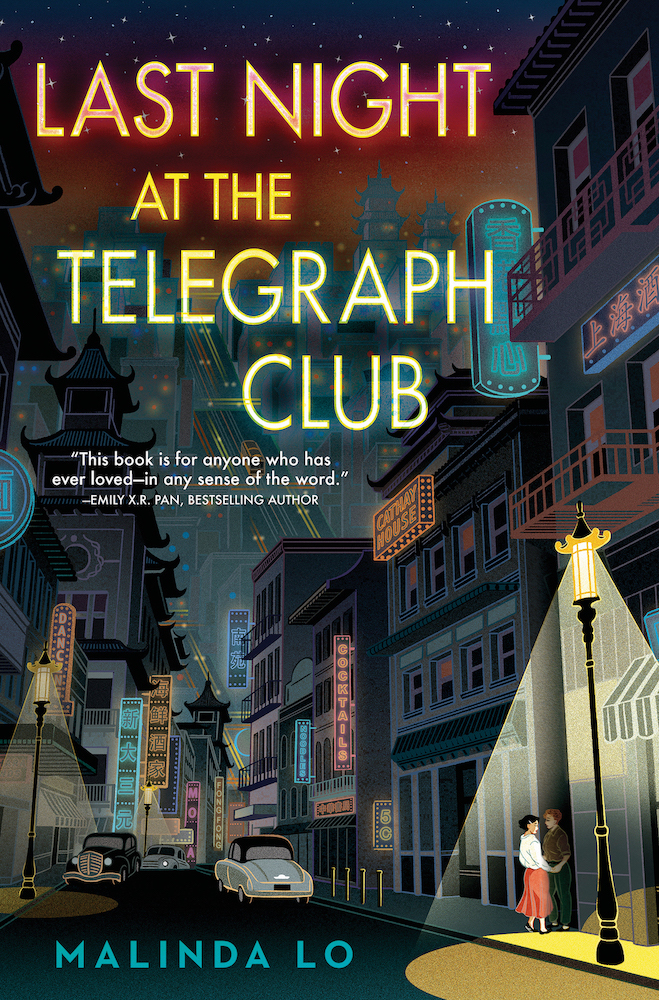
Last Night at the Telegraph Club – Malinda Lo

GENRES: Historical fiction, LGBTQ+, romance

MY RATING: ⭐️⭐️⭐️.5

A raw but tender love story of two queer, Chinese-American girls in 1950’s Chinatown.

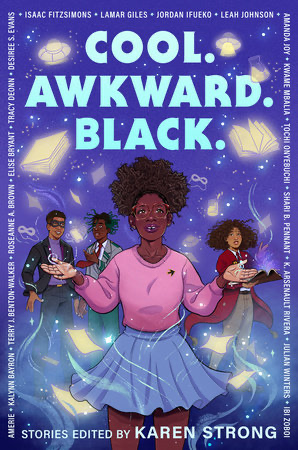
Cool. Awkward. Black. – Edited by Karen Strong (anthology)

GENRES: Fiction, fantasy, science fiction, paranormal, LGBTQ+, romance

MY RATING: ⭐️⭐️⭐️.5

An anthology of Black stories of all genres, but with a particular focus on geek culture!

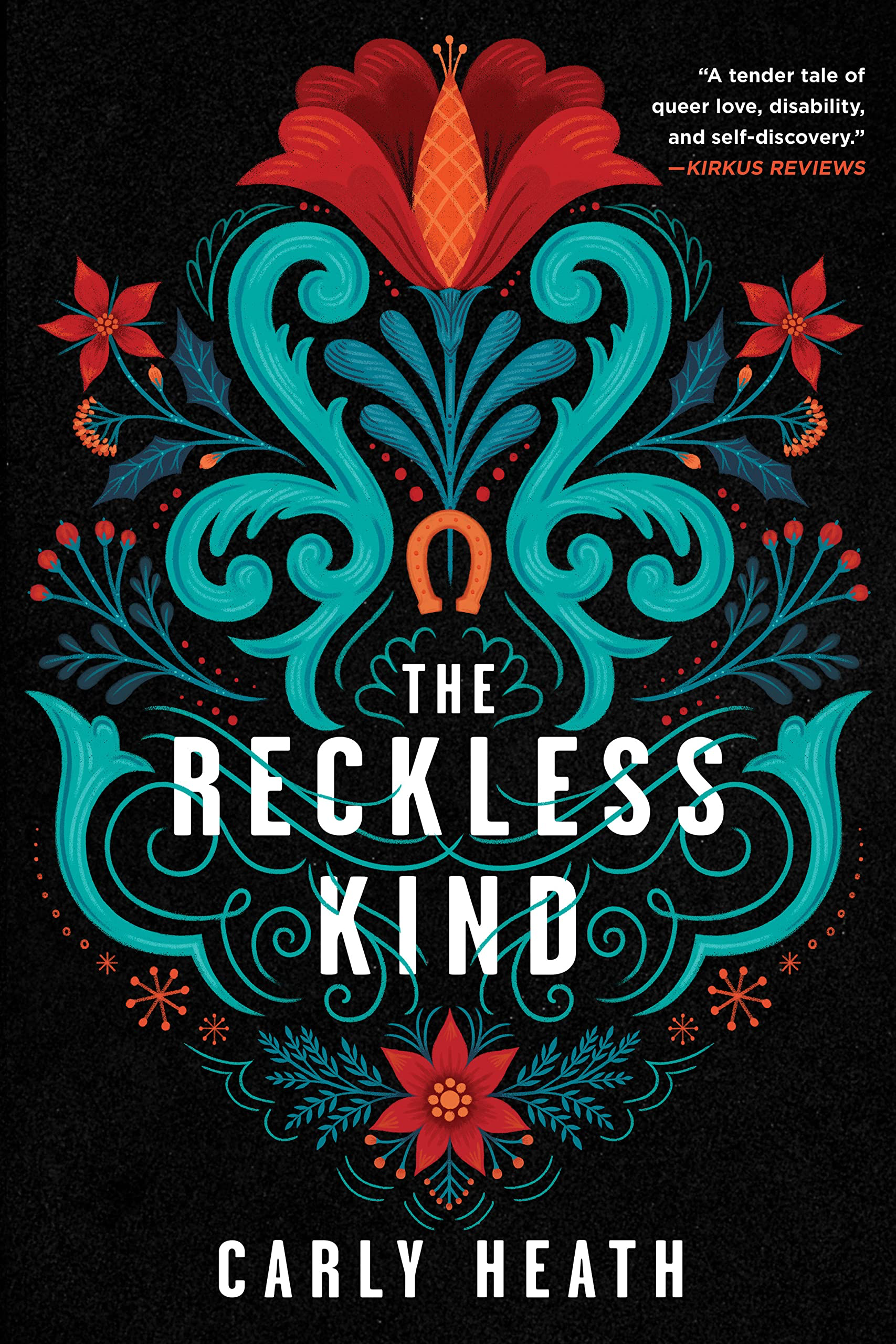
The Reckless Kind, Carly Heath

GENRES: Historical fiction, LGBTQ+, romance

MY RATING: ⭐️⭐️⭐️⭐️⭐️

I’ve described this one enough times, but I promise that I will NEVER shut up about how meaningful this book is. Just go read it. TRUST ME.

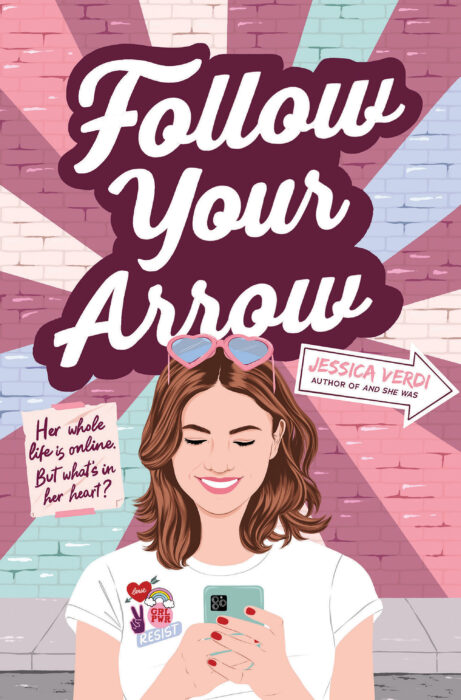
Follow Your Arrow, Jessica Verdi

GENRES: Contemporary, realistic fiction, LGBTQ+, romance

MY RATING: ⭐️⭐️⭐️

Though this book was far from perfect, I think it’s still worth it to put on this list; the writing and romance weren’t great, but Follow Your Arrow has plenty of timely discussions around bisexuality and how we treat queer women.

HONORABLE MENTION:

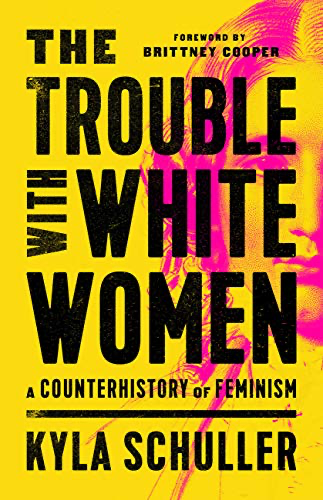
The Trouble With White Women: A Counterhistory of Feminism, Kyla Schuller

GENRES: nonfiction

MY RATING: ⭐️⭐️⭐️⭐️.5

Although this list was intended to be just for YA and fiction, I’d be remiss if I made a post about feminism and didn’t include this book. The Trouble With White Women presents a view on feminism that is necessary for moving past simply white feminism, and presents the feminist movement through those on the margins, such as Frances Harper, Pauli Murray, and Alexandria Ocasio Cortez. It’s seriously one of the best nonfiction books I’ve read in ages—on any subject matter.

TELL ME WHAT YOU THINK! What did you think of the books on this list? What are your favorite feminist YA books? Let me know in the comments!

Today’s song:

Most of the Warpaint I’ve heard hasn’t done much for me (aside from their great cover of “Ashes to Ashes”), but I love the quietness of this one!

That’s it for this list of recommendations! Have a wonderful rest of your day, and take care of yourselves!
Posted in Book Tags

Random Number Book Tag

Happy Saturday, bibliophiles, and merry Christmas Eve to those who celebrate!! Lots of baking to look forward to today…

This tag was created not long ago by the wonderful Laura @ The Corner of Laura, and it looks like a ton of fun! My TBR is out of control, so this’ll be a good chance to comb through it and clear off the dust.

RULES:

  • Link back to the original creator (The Corner of Laura) and link back to this page (otherwise, the original creator won’t get a notification).
  • Thank whoever tagged you and link back to their post
  • Go to your preferred random number generator, set the number limit to the exact number of books on your TBR list (on Goodreads or any other equivalent list) and generate 7 different numbers.
  • Find the books on your TBR list that correspond with those numbers
  • Explain why you added it, try to predict what you will think of it now and decide whether you’re going to keep it on your TBR or delete it.
  • (Optional) Challenge yourself to read the ones you decide to keep within seven weeks
  • (Optional) Tag 5 or more other people.

Let’s begin, shall we?

🎲RANDOM NUMBER BOOK TAG🎲

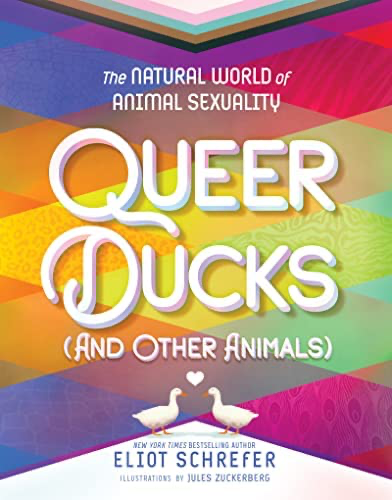
RANDOM BOOK 1: Queer Ducks (and Other Animals): The Natural World of Animal Sexuality – Eliot Schrefer

This is obviously a very different kind of book than The Darkness Outside Us (also by Schrefer), but it sounds like a really sweet book; there’s a notion that queerness is only a human concept, which is entirely wrong, and I’m glad that this book is aiming to dispel that myth, especially for a younger (YA) audience.

Keep or delete? Keep!

RANDOM BOOK 2: The Light in the Lake – Sarah R. Baughman

I’ve been meaning to get to some of the more middle grade-leaning books on my TBR, but looking back at this one, I forget why I added it, and it doesn’t seem all that compelling to me now.

Keep or delete? I think I’ll delete this one.

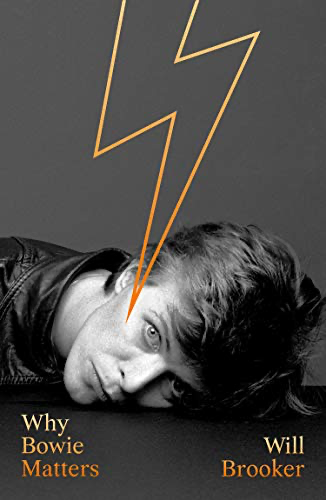
RANDOM BOOK 3: Why Bowie Matters – Will Brooker

It’s no secret how much I love David Bowie, so I don’t need to explain why this one’s on my TBR. This one has some mediocre reviews, but I’m interested in the stance that Brooker takes with this book—tackling the art and people who made Bowie who he is.

Keep or delete? Definitely keep!

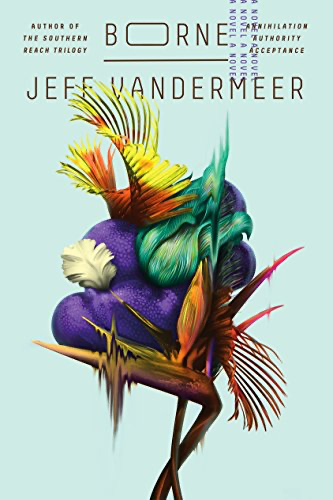
RANDOM BOOK 4: Borne – Jeff VanderMeer

After watching Annihilation, I ended up putting several of Jeff VanderMeer’s books on my TBR, but I still haven’t gotten around to reading any of them. This one sounds super out there (as all of his books seem to be), and despite how long the synopsis is, I think it’ll be an interesting read. Plus, it has much more positive reviews than most of his other books, so I guess that’s a good sign?

Keep or delete? Keep!

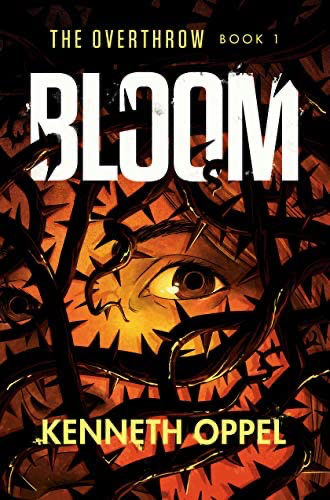
RANDOM BOOK 5: Bloom – Kenneth Oppel

It’s been ages since I’ve read anything by Kenneth Oppel, but I remember liking The Nest and some of the Silverwing books when I was in elementary/middle school. This one sounds like it’s right in between middle grade and YA, which should be interesting, especially with the sort of post-apocalyptic premise.

Keep or delete? I think I’ll keep this one.

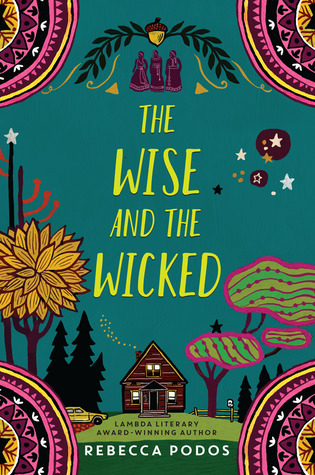
RANDOM BOOK 6: The Wise and the Wicked – Rebecca Podos

This one’s been on my TBR forever, and I’ll have to look for it again now—we’re all for queer witches in this house.

Keep or delete? Keep!

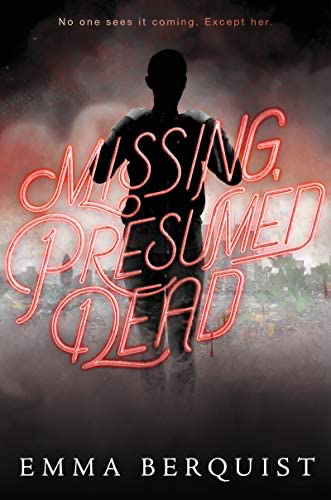
RANDOM BOOK 7: Missing, Presumed Dead – Emma Berquist

This one has also been on my TBR for ages, but other than the queer rep, I’m not sure if there’s anything about this one that’s really grabbing me.

Keep or delete? Delete, sadly.

I TAG:

Today’s song:

we love it when shuffle just slaps you in the face with childhood nostalgia…good stuff

That’s it for this book tag! Have a wonderful rest of your day, and take care of yourselves!