
Posted in Book Review Tuesday

Book Review Tuesday (11/26/24) – Countess

Happy Tuesday, bibliophiles!

I try not to let my lizard brain take over when it comes to my TBR these days (that’s how it got to almost 1,100 books back to high school…that took some serious pruning). That being said, at this point, I’ve accepted that the phrases “space opera,” “queer,” and “anti-colonial” strung together activate me like some kind of sleeper agent. Thus, Countess found its way onto my TBR and swiftly onto my Kindle. It excited me even more that Countess was Caribbean-inspired and that the author is Trinidadian-Canadian (!!!!), so my expectations were high. Though it wasn’t perfect, Countess was a raw and brutal novella—hardly a page was wasted.

Enjoy this week’s review!
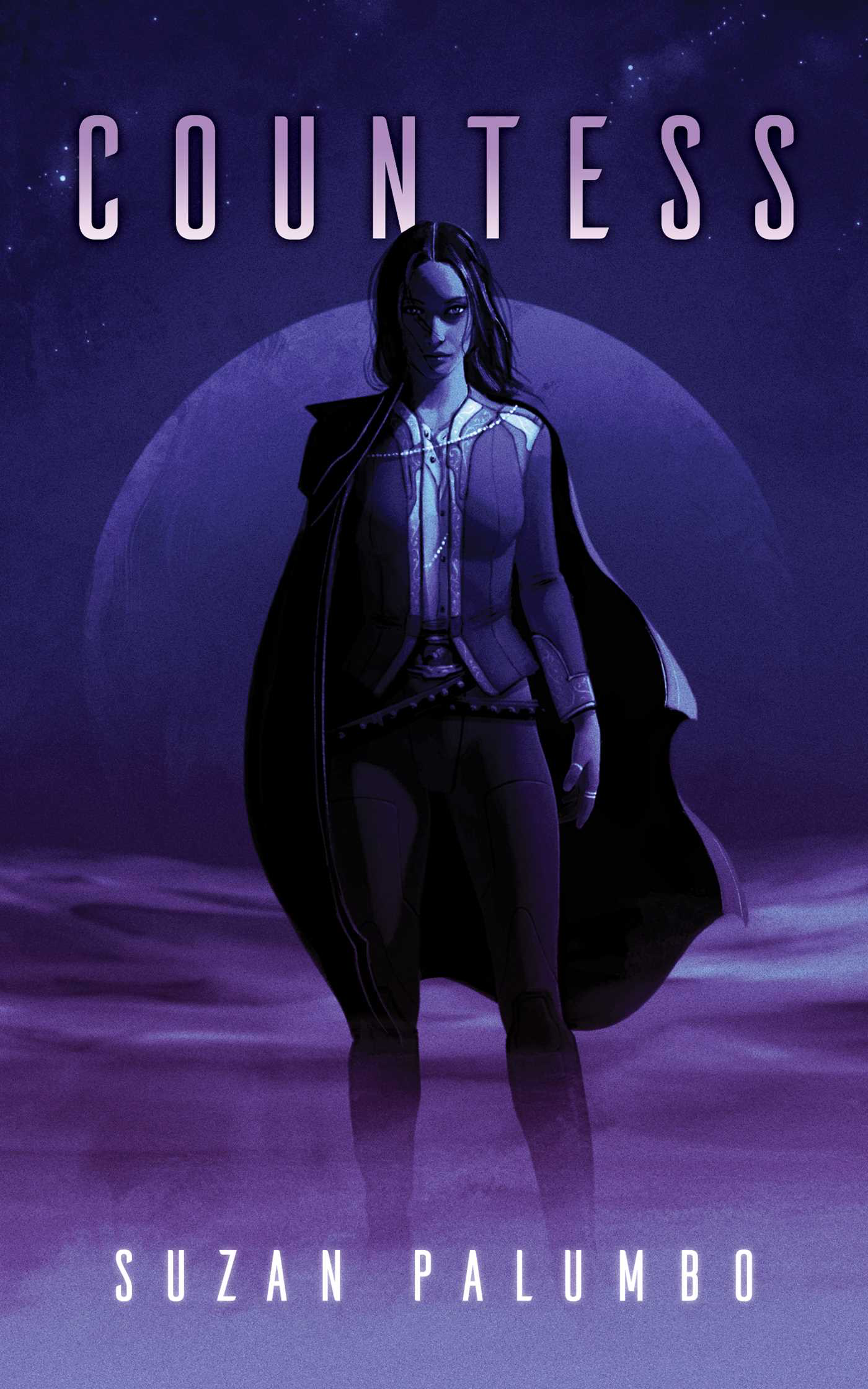
Countess – Suzan Palumbo

Centuries after the British colonized islands in the Caribbean, an evolution of their iron fist remains in space. Under the harsh rule of the Æcerbot Empire, planets and moons are stripped of their resources and their inhabitants left with the paltry choice to enter an immigration lottery to find work or make a meager on their exploited homeworlds.

Virika Sameroo has sworn her life to the empire, loyal to their army for years. But just as she attempts to ascend to a higher position, her captain mysteriously dies—and the imperial authorities frame him for his death. Imprisoned and alienated from the empire that brainwashed her, Virika becomes an unlikely figure for a galaxy-wide revolution—but will she survive long enough to see the Æcerbot empire fall to its knees?

TW/CW: colonization/imperialism themes, torture, murder, descriptions of corpses, blood, self-harm, attempted suicide, sexual assault

how it feels to enjoy a retelling when a bunch of the reviews say that it doesn’t follow the source material (I’ve never read The Count of Monte Cristo):

Of course, regardless of whether or not I’ve actually read The Count of Monte Cristo, I think it’s worth saying that a retelling doesn’t have to stick to every plot line to a T. I get going into a retelling and being disappointed on that front, but even if the setting is wildly different (as Countess is), I don’t think it’s a crime to tweak many of the plot points. In this case, having a vastly different setting kind of necessitates the plot being different, but from what I can gather, Countess is more inspired by The Count of Monte Cristo than it is a direct retelling. That’s fine, in my book. No pun intended.

As a whole, Countess was a fantastic read, but its one weak point was the writing. In a way, the writing style, even if I disliked some of it, worked for the story—and the character—that Palumbo was telling. It picks up at the halfway point, once the plot rockets into a breakneck pace in terms of both action and stakes, but for the first half, the prose felt very bare-bones. Even in this new, expansive empire in the stars full of political intrigue, there wasn’t much to embellish the prose—it was all very quick and to the point, with language that took the quickest routes to explain how we got from point A to point B. This is my first experience with Palumbo’s writing, so I’m not sure if it’s just her style, but either way, it works in connection to Virika; she’s been groomed to be a perfect, obedient soldier, so I doubt she’d be one to mince words or get into excessively flowery prose. For some of the scenes where Virika is in prison and a decade blurs by in only a handful of pages, it makes complete sense. Yet I needed some more descriptive prose to get me immersed in the setting—and in the other characters outside of Virika.

I’m all for having gentler books about resistance, but that doesn’t mean that narratives centered around brutal realities have no place. In fact, in stories like that of Countess, I’d argue that they’re necessary. This is a novella about the horrors of imperialism, down to the most minute aspects. For me, it didn’t go full grimdark, but it was because there was realism to it; grimdark is, for the most part nothing but suffering and pain with no real basis, but the events of Countess, horrendous as they are, were logical byproducts of the crushing weight of a colonialist empire with the galaxy under its colossal thumb. Palumbo pulled no punches with the depictions of what Virika goes through (especially the sequences in prison…please pay attention to the trigger warnings); some of it bordered on gratuitous, but this is a slim novella, and all of it was in service of the theme that the crimes under imperialism are many, varied, and real.

As I’ve said so many times, I see the phrases “queer,” “space opera,” and “anti-colonial” and I’ll run towards the book like I’m a bull that’s just seen the tiniest sliver of red in my peripheral vision. What grabbed me about Countess in particular was that it was Caribbean-inspired—particularly Trinidadian. My grandparents on my mom’s side are from Trinidad, and I’ve seen hardly any literature—much less speculative fiction—that incorporates these cultures. Admittedly, I’m more than a little distanced from that part of my heritage, but I’ve been learning thanks to the tireless research of my amazing artist mom, who is in the process of making a Caribbean oracle deck of her own! It’s thanks to her that I caught a lot of the Trini and generally Caribbean references (the fact that there’s a rebel ship called the Pomerac was gold), and there are plenty scattered throughout the novella—I’m sure I didn’t catch all of them, but what I recognized, I loved. I’ve loved witnessing the shift towards marginalized voices in speculative fiction, but one of the reasons it feels particularly beautiful to me is because for so long, our communities have been denied a place in the collective imagination, a place in a distant future among the stars. So thank you to Suzan Palumbo for this novella, and thank you to my wonderful mom for being the reason that I got these references.

In these kinds of stories (and in life in general), I always try to look for a glimmer of hope, even if it’s foolish of me. Make no mistake: Countess is a tragedy, one of the many (forthcoming) ones that Palumbo has written, according to her Goodreads bio. This novella is a very realistic depiction of how revolutions often make martyrs of their figureheads, and that was Virika’s fate from the start. Palumbo does make you feel the wasted potential of her life as she falls, but I couldn’t help but see the swell of revolution that she ushered in as the ultimate form of revenge—and an assurance of a better tomorrow, at least for a short time.

All in all, a brutal and bold—if not rote in periods—novel of revolutionary change and one woman’s struggle to break free of imperialism. 4 stars!

Countess is a standalone novella, but Suzan Palumbo is also the author of the anthology Skin Thief: Stories and several short stories in various magazines.

Today’s song:

finally got around to listening to Songs Of A Lost World!! this was my favorite—the whole album tended to be repetitive, but it was great nonetheless.

That’s it for this week’s Book Review Tuesday! Have a wonderful rest of your day, and take care of yourselves!

Posted in Book Review Tuesday

Book Review Tuesday (7/23/24) – Finna

Happy Tuesday, bibliophiles!

Finna has been on my radar since it came out back in 2020; it had a funny and clever concept, but it just kept being pushed back on my TBR for whatever reason. I ended up picking it up after hearing praise from one of my creative writing classmates, and although it wasn’t perfect, it delivered on its inventive premise.

Now, tread lightly! This week’s book review contains spoilers for the novella, so if you intend to read Finna, skim at your own risk.

Enjoy this week’s review!

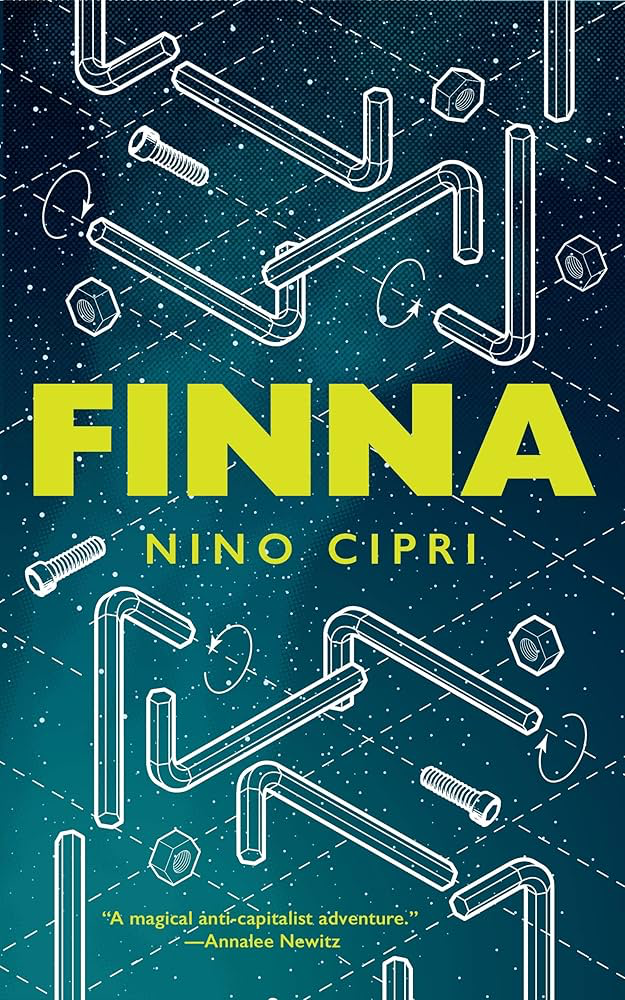
Finna (LitenVerse, #1) – Nino Cipri

Ava and Jules barely make a living working minimum wage at LitenVarld, a Swedish furniture supply giant. Ever since they broke up, they’ve been trying to avoid each other, and with the labyrinthine structure of the store, it’s easy. But the two are thrown together when an old woman goes missing and the manager tells them that LitenVarld is no ordinary store—it’s prone to opening wormholes that lead to alternate dimensions. Ava and Jules must search across the universes to return the old woman to safety at any cost, but their superiors appear less and less like they have their needs in mind…

TW/CW: blood, violence, grief, mental health themes (anxiety and depression), misgendering

My main concern with Finna was that it would only have the premise to hold it up. It’s a fantastic premise! And although it wasn’t a perfect novella, it went far beyond the expectations for its ideas, delivering an anti-capitalist spin on the monstrous multiverse.

Making Finna a novella was, without a doubt, a wise move. It’s got an inviting premise—a not-IKEA store that’s home to a multitude of portals to strange and hellish dimensions—but it’s one that could have easily been stretched out. It partly works because…well, if you’ve ever been inside IKEA, that’s where your mind naturally goes, but Finna mainly succeeded because Cipri knew the limits of the idea. If it had been a full-length novel, I’m sure it would have been interesting to see the other dimensions hidden within the interdimensional labyrinth of LitenVarld, but the plot couldn’t have sustained itself beyond 100 pages. I’ve seen too many novels where the story has been stretched far too thin, so to have an author know the limits of their story—and have an inventive novella to show for it—was incredibly refreshing.

Finna is the perfect story for right now not just because it has a fun concept, but because it truly nails the kind of corporate neglect that runs rampant in workplaces in this day and age. Even against the threat of a multiverse full of monstrous obstacles (including but not limited to man-eating furniture), Ava and Jules are having to tackle threats leagues beyond their pay grade, and their only compensation is gift cards for a pasta restaurant. Their managers openly tell them that they don’t actually care about the old woman who’s gotten lost in the multiverse—they just want Ava and Jules to find an alternate universe replacement for her so that they can keep up appearances. It’s all so blatantly uncaring and corporate—and it’s all realistic. If some massive chain of stores discovered a wormhole in one of their locations, they would absolutely cover it up until it was no longer possible to do so, especially at the expense of the minimum wage employees. I will say that, although you got hit over the head with this even though the commentary was right there already, Finna’s setup made it perfect for the anticapitalist commentary that Cipri explored—corporations only make it look like they care about you when it looks good for them, and even then, the worker is always dispensable. The execution of this corporate setting was, in the end, what made Finna so successful in that regard—it seems like a real, capitalist response to a fictional problem.

That being said, even though Finna works best as a novella, it did fall victim to some of the pitfalls of novella writing. It’s difficult to develop characters in just over 100 pages, and this worked to the detriment of its protagonists, Ava and Jules. We only knew them from the lens of their situations and their breakup; after finishing the novella, all I knew about Ava was that she a) had a failed relationship with Jules, b) had anxiety and depression, and c) hated her job—nothing much about her personality. This is about as deep as we get with her, and for Jules, we get even less, other than the fact that they’re more reckless and cocky, and for that reason, Ava doesn’t like working with them. The plot was compelling and well-executed enough for me to continue reading the story, but it was so plot and theme-driven that the characters were left in the dust.

Such underdeveloped first drafts of characters meant that the emotional impact of Finna was all but deadened. I got the feeling that I was supposed to feel something when Jules sacrificed themself so that Ava could return to her home dimension, but since I knew so little about them, I never felt much. What Jules needed, perhaps more than a handful of base personality traits, was some kind of motivation; it could also be down to how quickly the second half moves, but their quest through the other dimensions gave us no indication of why they would go from reckless to selfless. It could just be the constraints of the novella format, but I’ve read plenty of novellas longer and shorter than Finna that have been able to establish well-rounded characters with believable motivations, so I’m not sure if there’s much of an excuse for this.

All in all, a novella with a funny, inventive premise and sharp anti-capitalist commentary that was dragged down by its underdeveloped characters. 3.5 stars!

Finna is the first novella in the LitenVerse series, followed by Defekt. Nino Cipri is also the author of the short story collection Homesick: Stories and the forthcoming YA novel Dead Girls Don’t Dream. They have also contributed stories to Nonbinary: Memoirs of Gender and Identity, Transcendent: The Year’s Best Transgender Speculative Fiction, and several other anthologies.

Today’s song:

forgot about this song for ages…

That’s it for this week’s Book Review Tuesday! Have a wonderful rest of your day, and take care of yourselves!
Posted in Book Review Tuesday

Book Review Tuesday (3/26/24) – The Cybernetic Tea Shop

Happy Tuesday, bibliophiles!

There’s a special place in my heart dedicated to cozy sci-fi, but the sad thing about it is that hardly anybody does it well save for Becky Chambers. I guess it’s hard to reach the bar when it’s been set astronomically high (no pun intended), but I will still read any cozy sci-fi that comes my way, despite the amount of times that the blurb “for fans of Becky Chambers!” has severely led me astray. However, in the midst of my reading slump, The Cybernetic Tea Shop was the perfect novella to tide me over and lift my spirits.

Enjoy this week’s review!

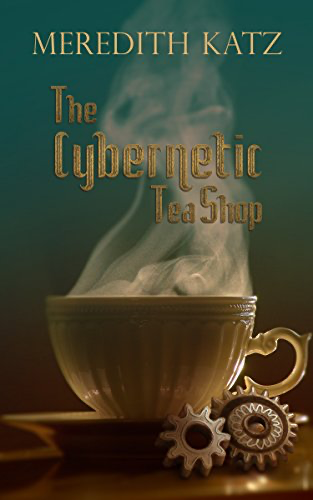
The Cybernetic Tea Shop – Meredith Katz

After the death of her master, Sal, an autonomous robot operating outside of the laws of a futuristic America, runs the tea shop that her master founded. For hundreds of years, she has run it like a well-oiled machine, but something in her program seeks something more. When Clara, an AI technician struggling to make ends meet, walks into Sal’s tea shop by chance, they have an instant spark of friendship—and perhaps even something more. Is Clara what Sal needed all along, and is Sal the key to the similarly vacant space in Clara’s heart?

TW/CW: loss of loved ones (past)/discussions of grief, hate crimes/discrimination (sci-fi)

Since about 2021, I’ve lost count of the amount of times that the tagline “for fans of Becky Chambers!” has let me down. Nobody does cozy sci-fi like her; all of the times I’ve read books with that promise, you get some semblance of found family (which comes off rather forced, in the worst instances), but it often lacks the quiet, tender moments that put the cozy prefix in. However, in that respect, I’m glad to say that The Cybernetic Tea Shop wasn’t a letdown—not without its flaws, for sure, but more than enough to scratch my never-ending cozy sci-fi itch.

I’ve been in a very novella-centered headspace for months, given that I’m trying to write one for class and I’ve been studying how they work for said class as well. One of the foremost concerns we’ve been talking about is how much worldbuilding you can fit into such a small space—often 100 pages or less. The key, I’ve learned, is, after giving your reader the necessary context to make the world feel real, is to only expand on the parts that are essential to understanding the circumstances of your characters. Katz did an excellent job of establishing this kind of worldbuilding, and it speaks to what a novella can achieve in such a small page count! Inevitably, I found myself wanting more of the futuristic American setting that Katz built, but the context we get is only what we need to understand Sal: the creation of intelligent robots, the outlawing of said robots because of ethical complications with intelligence, and the discrimination and illegality of robots in the centuries since. It’s the perfect foundation to set up not just the world, but the conflicts that these characters encounter.

Cozy sci-fi, by nature, often keeps things small; a handful of characters, a singular setting, and all else happening in the background. Novellas, also by nature, typically scale it down as well. The Cybernetic Tea Shop only centers around two characters, but that’s all it really needs; this novella is small in every aspect, and that’s why it largely succeeded. By narrowing down two characters (and their budding romance) and a single, unique setting, Katz confined her world to reasonable limits to explore in a novella; nothing ever felt too convoluted or too large to fit into just over 100 pages, but it didn’t feel too sparse, either. Similarly, aside from the character-driven focus (also the backbone of cozy sci-fi), there’s hardly any plot points, and that was actually a strength of The Cybernetic Tea Shop—in terms of structure, it was practically a Goldilocks of novellas.

However, although the general craft of the novella was commendable, the writing left a lot to be desired. For such a fascinating world and two characters moving through it in a unique way, I wanted so much more from the writing. The prose was rather bare-bones, doing the bare minimum to describe a setting or situation. I wanted so many more descriptions—and genuinely interesting descriptions— of Sal’s tea shop; you can do so many fun things with a tea shop, but I hardly got a sense for what it looked like, what it smelled like, or any other kind of sensory details. Similarly, the dialogue, although it had moments of being sweet, was often bland and stiff, and felt transactional in terms of the prose—just a way to get from point A to point B. Given that the romance between Clara and Sal was what eventually drove the novella, transactional dialogue is the exact opposite of what The Cybernetic Tea Shop needed; the kind of romance that Katz was shooting for wanted to be anything but transactional, but ended up falling flat.

In addition, I found myself wanting more from the characters. Again: cozy sci-fi is a heavily character-driven subgenre, and the evolving relationships between the characters are what make the plot go forward, and not necessarily outside conflict. I did like that Katz only zoomed in on Clara and Sal, but I almost wish that the novella had been all from Sal’s perspective. We get a very detailed and nuanced vision of Sal’s character, from her grieving her long-dead master to her insecurities and fears about being in hiding as an autonomous robot. Clara, on the other hand, was given very little of the same treatment; I would have liked to have seen her have some kind of romantic hurdle to overcome—commitment issues, hesitance, or something along those lines—that would make her something more than just a tool to instigate romance. We did get some of her background, but it didn’t add to much about her in terms of personality—the only part of her character that paired her with Sal was that she’s an AI technician, and therefore in a place to help Sal. With the focus on two characters, it would do Katz a favor to give both of them the fleshing-out that they deserve.

That being said, although Clara’s characterization left a lot to be desired, I did like the more romantic aspect of the plot towards the end of the novella. Even beyond the super sweet asexual/wlw representation (both Sal and Clara are asexual and sapphic!), there was a lot about the romance that worked; the setup of Clara fixing Sal’s programming evolving into cuddling was such an adorable and genius setup, and the resolution that came from it was similarly heartwarming. It did feel slightly rushed, but aside from that, Katz left it in a place where I didn’t quite want more, but was satisfied in knowing that their relationship was bound to blossom. I wanted something cute, and I got something cute, so Katz 100% succeeded on that front!

All in all, a tender, cozy novella with sweet romance and tight structure, but bland prose and half-baked characterizations. 3.5 stars!

The Cybernetic Tea Shop is a standalone, but Meredith Katz is the author of several other novels for adults, including the Pandemonium series (The Cobbler’s Soleless Son, Behind Bars, Heir to the Throne, and Barred Souls), the Sixth Sense Investigations series (Empty Vessels and If Wishes Were Fishes), and many more.

Today’s song:

shoutout to chelsea wolfe for playing this before her show. hauntingly beautiful.

That’s it for this week’s Book Review Tuesday! Have a wonderful rest of your day, and take care of yourselves!
Posted in Book Review Tuesday

Book Review Tuesday (11/14/23) – The Crane Husband

Happy Tuesday, bibliophiles!

Brief rant: don’t you love it when Goodreads posts the nominees for the “YA Fantasy & Science Fiction” category and…there’s no science fiction books on the list? Not a single one? Thank you Goodreads 🥰

It’s been years since I’ve read anything by Kelly Barnhill; I read a fair amount of her middle-grade novels when I was younger, and there were hits (The Girl Who Drank the Moon) and misses (Iron-Hearted Violet). But either way, the road has taken me back to her adult novella, a chilling retelling of “The Crane Wife” that I thoroughly enjoyed.

Enjoy this week’s book review!

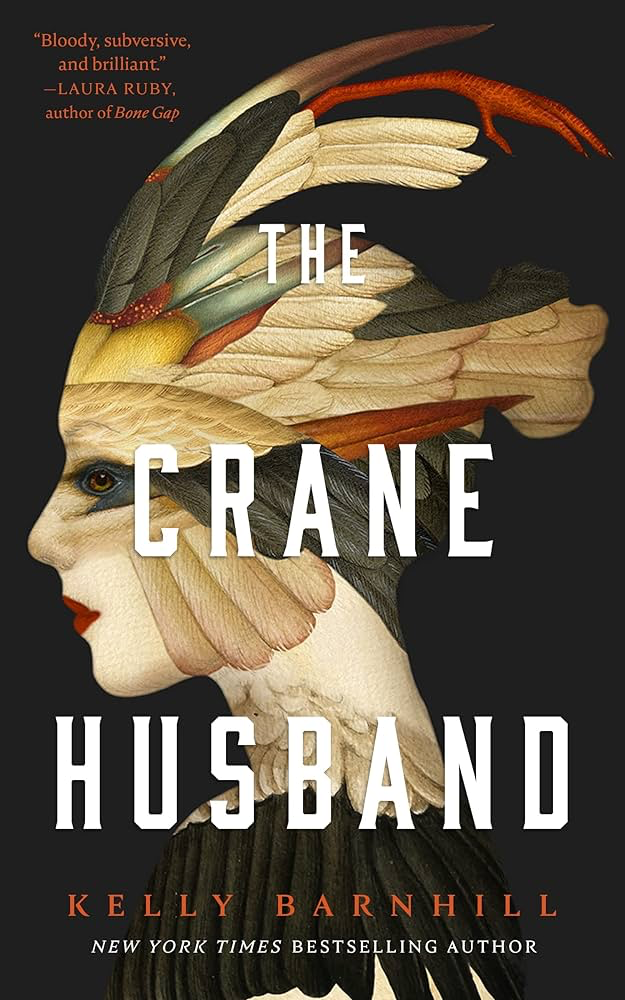
The Crane Husband – Kelly Barnhill

In a distant future, a fifteen-year-old girl lives on one of the few remaining farms in the United States, growing cloned crops in order to make a living. Her father passed away when she was young, and now she manages the farm with her mother and takes care of her six-year-old brother, Michael. But when her mother brings home a new suitor, the girl is appalled to find that the suitor happens to be a giant crane—a crane intent on working her mother to the bone in order to produce tapestries to sell. As her mother succumbs to the wills of the crane and her family grows poorer, the girl knows that the only way out is to rid the house of the crane—and she’ll do anything to make sure the bird is out of the farm.

TW/CW: death of a parent, blood, abuse, animal death, child endangerment

It’s been at least seven or eight years since I’ve read anything by Kelly Barnhill, and I was pleasantly surprised to find that when faced with the (quite large) jump from stylistic choices between age groups, she does so with eery grace! The Crane Husband was a disturbing treat, quick but chilling.

I only had a vague notion of the original Japanese folktale of the Crane Wife that this book subverts, but even without that background, Barnhill weaves a haunting, dystopian fairytale like no other. It’s that lovely kind of book that falls into science fiction, but has just enough trappings of other genres to pass as something else. The magical realism element is heavier than the rest, and it rules the book—rightfully so, given the subject matter. But like a good fairytale, Barnhill’s ability to suspend disbelief made The Crane Husband all the scarier—scenes that would have otherwise seemed charmingly quirky or absurd were downright horrifying under her lens.

Barnhill’s writing was what sold how horrific the events of The Crane Husband truly were. The way she captured the voice of the unnamed, fifteen-year-old protagonist as she had to take her livelihood into her own hands in the face of the invading crane husband had such a tangible desperation, making the conflict feel real as all get out. Tension crept out from every word, and I found myself keeping my Kindle in a vice grip as I read. And that tension never wanes—in only 118 pages, Barnhill built up monumental tension that books three times the length have failed to uphold. The Crane Husband really was nail-bitingly eerie, and it was worth it all the way.

The way that Barnhill used this tangibly uncomfortable atmosphere to drive the point of this folktale’s subversion home was also masterful. The main twist in this iteration is, hence the title, that the protagonist’s mother brings home a giant crane who she takes as her husband. And instead of the crane wife wasting away to produce beautiful tapestries, it’s the human mother being forced by the crane husband to churn out tapestries like a machine. Abusive relationships were the main theme of the novella, and Barnhill’s depiction of abuse through this lens felt as authentic as it could be, from the strained, forced silence of the women of the family and the lack of support that the protagonist finds when she tries to seek help. Beyond that, The Crane Husband’s message about suffering for art was equally powerful and important; the emphasis on how the protagonist’s mother works to the point of near-death in order to create something that people will think of as “transformative” was commentary that I wasn’t expecting from the novel, but enjoyed wholeheartedly. Needs to be said.

That being said, my only major problem with this novella was that it directly referenced the original folktale that it’s retelling. Though it was in a flashback scene, it felt tacky and unnecessarily meta to hand it to you right there—and not only that, but basically delivering the twist right at your doorstep. I will admit that I loved the line about cranes making other creatures do the work for them, but at that point, it isn’t even foreshadowing anymore—it’s just whacking you over the head with the twist that it’s supposed to be hiding from you. It made me more than a little mad, but the rest of the novella was so good that I could almost let it slide. Almost.

All in all, a timely and truly disturbing retelling that packed a stinging punch with an impressively short page count. 4 stars!

The Crane Husband is a standalone; Kelly Barnhill is also the author of many books for children, including The Witch’s Boy, The Girl Who Drank the Moon, and Iron-Hearted Violet. She is also the author of When Women Were Dragons, her first full-length novel for adults.

Today’s song:

NEW SMILE ALBUM IN JANUARY EVERYBODY STAY CALM

That’s it for this week’s Book Review Tuesday! Have a wonderful rest of your day, and take care of yourselves!
Posted in Book Review Tuesday

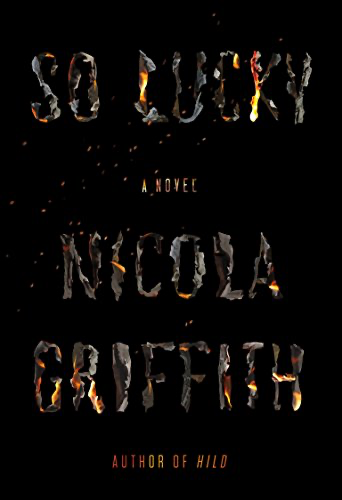
Book Review Tuesday (7/18/23) – So Lucky

Happy Tuesday, bibliophiles!

I came upon this book after poring through the “further reading” section of Alice Wong’s incredible Disability Visibility anthology (which you should also go read!!), and I put it on hold at the library soon after I heard about it. I was completely unfamiliar with Nicola Griffith before reading this novella, but she delivered so much power and resonance in the span of only 180 pages. We’re barely halfway through the year, but I know that I’ve got another favorite read of this year.

Enjoy this week’s review!

So Lucky – Nicola Griffith

Mara Tagarelli has it all. Happily married and the head of a multimillion dollar AIDS foundation, she lives a life of contentment and security. But in the span of days, Mara is diagnosed with MS, and her wife leaves her soon after. Her colleagues now dismiss her needs, and she’s left without work, without the care she needs, and without any prospects for the future. But as she slowly begins to find a community, she realizes the power that she holds—to put those she values in danger, but to give them the justice that they deserve.

TW/CW: ableism, hate crimes, murder, medical mistreatment, misogyny

I finished this book several days ago, but I’m still positively reeling from the effect it had on me. I picked it up after seeing it included as a recommendation in the “further reading” section of Alice Wong’s Disability Visibility, thinking it would be something good to read during Disability Pride Month. What I found was something far more than just “something good to read”—it was wholly refreshing, resonant, and both heartbreaking and heartwarming. So Lucky wasn’t a novel that I expected to hit me so hard, but it did, and I am forever grateful for it.

I’ve never been more in love with such an angry character, to be honest. Griffith’s writing of Mara felt more than authentic, a character that climbed out of the page, demanding to have her voice heard. And although her anger is her primary character trait, it’s an anger that resonated with me like nothing has before; in a landscape where disabled women, both fictional and real, are expected to be demure and sadly accepting of their fate (but in a sexy way, of course, because they obviously only exist as objects of pleasure for men), having a character as fiery and determined as Mara very nearly made me cry. I don’t have MS, but I am a disabled reader, so watching Mara express her anger at her treatment, at her life, and at the world around her was more than I could have asked for. More disabled women who aren’t conventionally likable and are written authentically, please! Use this novella as a guide.

So Lucky is a hard read—it doesn’t pull any punches, and that’s exactly how it should have been. It displays a lot of some of the more harsh realities of being disabled, especially being physically disabled: dismissal by your colleagues, mistreatment at work (and eventually being fired because of said diagnosis), relationship turmoil, medical mistreatment, and disability-motivated hate crimes are all a part of the narrative that Griffith portrays. It’s visceral and heartbreaking, and it doesn’t hold back in the slightest. But never once did it feel amped up for tension, or unnecessarily exaggerated: this is the story of an angry woman, and the story of a system built on bringing her down, as well as others like her. It really represents a good portion of the spectrum of issues that disabled people, especially disabled women, face, and Nicola Griffith captured all of it with incredible aplomb.

Despite that, So Lucky never falls into hopelessness. Even though Mara faces hardships aplenty, it never portrays the disabled experience as defined solely by tragedy and suffering. In spite of it all, there is always hope: Mara finding an online community of other disabled people, taking care of her cat (shoutout to Rip), and coming to the realization that her anger was never from the MS itself: it was from the experience of living in a world that did not want her to succeed. At its heart, So Lucky is an incredibly raw story, but a fearlessly hopeful story, one where our protagonist knows that her anger doesn’t come from being disabled, but from existing in a world where disabled people are treated so poorly. And that anger only adds to her determination to continue to fight for a better, more accessible world. There is no disability to inspirationally overcome, only a system. I can’t think of much that’s more beautiful than that.

All in all, a short novella that packs a deeply impactful punch, and portrays disabled womanhood in a refreshing light. 5 stars!

So Lucky is a standalone, but Nicola Griffith is also the author of Ammonite, Hild, Cold Wind, Slow River, and many other books for adults spanning several genres.

Today’s song:

never in my life would I have anticipated liking a Weezer song THIS much, but you can blame Snail Mail for this one

That’s it for this week’s Book Review Tuesday! Have a wonderful rest of your day, and take care of yourselves!
Posted in Book Review Tuesday

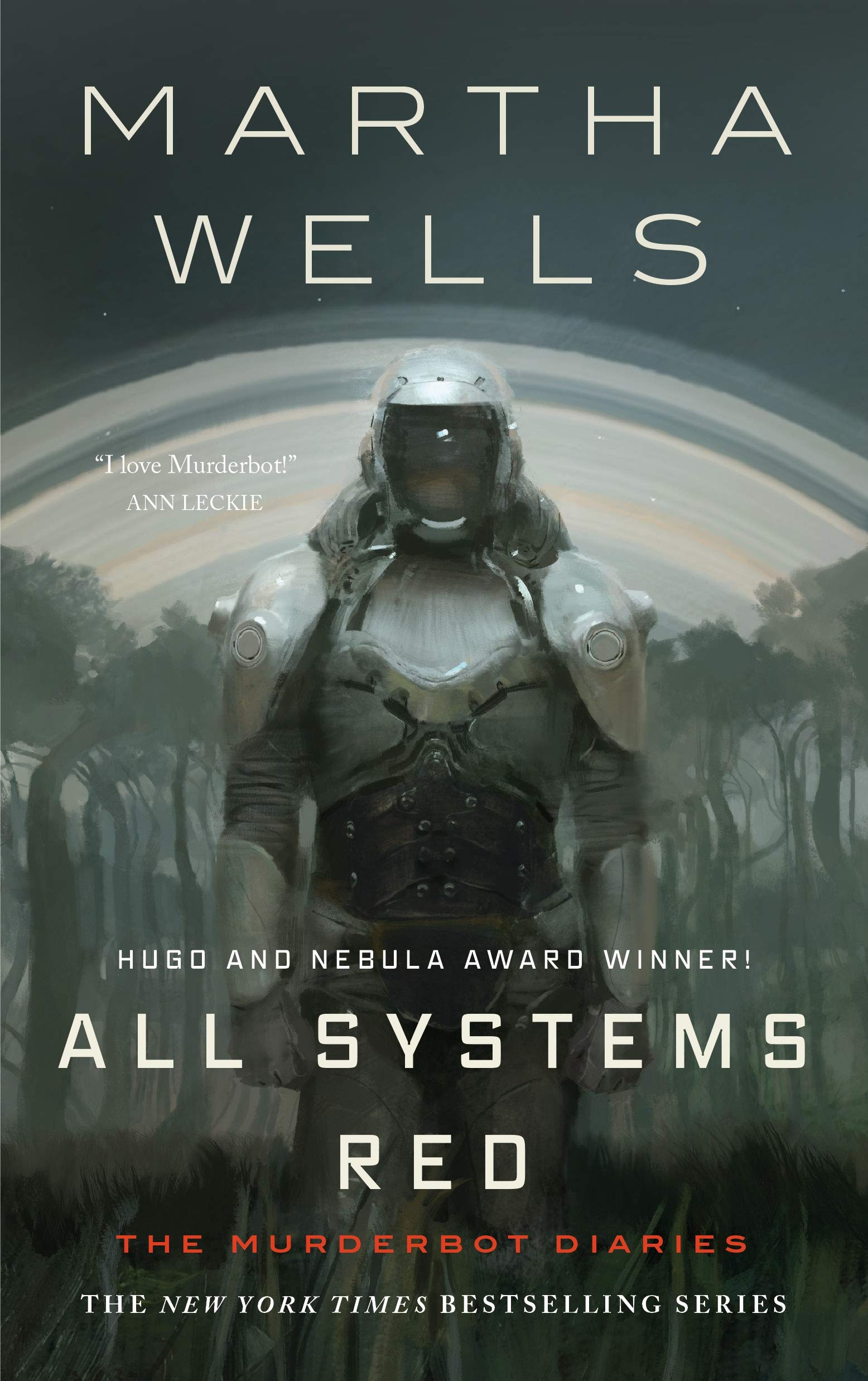
Book Review Tuesday (4/12/22) – All Systems Red

Happy Tuesday, bibliophiles!

I’ve been reading more adult sci-fi in the past few years, and this novel has been one that’s popped up on many a review from bloggers I follow, as well as recommendations from friends. It sounded clever, so I ended up buying it recently—and it was wonderfully clever!

Enjoy this week’s review!

All Systems Red (The Murderbot Diaries, #1) – Martha Wells

In the far future, no spacefaring mission goes without a SecUnit—an android who oversees the crew and their safety. One such SecUnit is different—it’s hacked into its own governor module, and now seeks to find out more about itself. Its chosen name is Murderbot.

Murderbot cares for little other than watching entertainment vids and avoiding humanity at all costs. But soon enough, its original duty is called into play when another mission severs contact without an explanation. Will Murderbot be able to discover itself—and keep its status hidden from the rest of the crew?

TW/CW: attempted suicide, blood, sci-fi violence, death, animal attack

everybody always asks where the comic relief android is…but nobody asks how the comic relief android is 😔

For such a small package, All Systems Red delivers a sci-fi character study unlike anything I’ve read! A perfect blend of sarcastic and introspective that struck a chord with my sci-fi loving heart.

A character study is all that All Systems Red really is, and for me, that’s not a complaint. I love delving into characters and seeing what makes them tick, so I ate up most of this novel. Murderbot is an instantly likable character; their sarcastic and caustic nature made for no shortage of laugh-out-loud passages. But beyond that, it was simultaneously complex—it truly doesn’t know the depths of who it is, and its quiet quest of self-discovery and its place in the universe was a consistently poignant one. I’m in it for the rest of the series (I think?) solely because of Murderbot. And yes, the first line of this review is a joke, but it’s exactly what All Systems Red did—it took a common sci-fi trope (the comic relief robot) and switched it to their perspective.

Murderbot’s development also shone in All Systems Red! Over the course of less than 200 pages, it goes from a misanthrope that does next to nothing all day to an android who realizes that it’s the only one that can control its destiny. Murderbot’s liberation story is an unexpectedly beautiful one, and I can’t wait to see how it continues.

Like I said—I adore books that focus more on character building and character studies. That being said, I did feel like there were a few aspects that got left behind in the process of making Murderbot so fleshed out. For the most part, I liked the worldbuilding well enough; the theme of corporate neglect and the struggles of the lower-level workers was well-executed, and I got a decent amount of context for the current situation. That being said, I felt as though there were…something missing. Just a tad bit more detail to give the world a little more oomph.

In addition, I felt like the rest of the characters were afterthoughts in comparison to the expertly-developed Murderbot. They all felt interchangeable, and they all blended together; they all sort of shared Murderbot’s sense of humor, and although it fit well on Murderbot, once it stuck onto the other characters, it just grew tired. Add in the fact that there are at least 8-10 other human characters in the mix that all blend together, and it all becomes a bit of a mess. I get that they’re side characters, but don’t give them all the same personality and sense of humor and call it a day.

All in all, the start to a compelling sci-fi series, and a masterful character study of an unlikely hero. 4 stars!

All Systems Red is the first novella in the Murderbot Diaries series, which consists of Artificial Condition (book 2), Rogue Protocol (book 3), Exit Strategy (book 4), Network Effect (book 5), Fugitive Telemetry (book 6), and three more untitled novellas. Martha Wells is also the author of The Books of Raksura, the Ile-Rien series, and many other series and standalone novels.

Today’s song:

Jack White is infuriating but man he can make some g o o d music

That’s it for this week’s Book Review Tuesday! Have a wonderful rest of your day, and take care of yourselves!