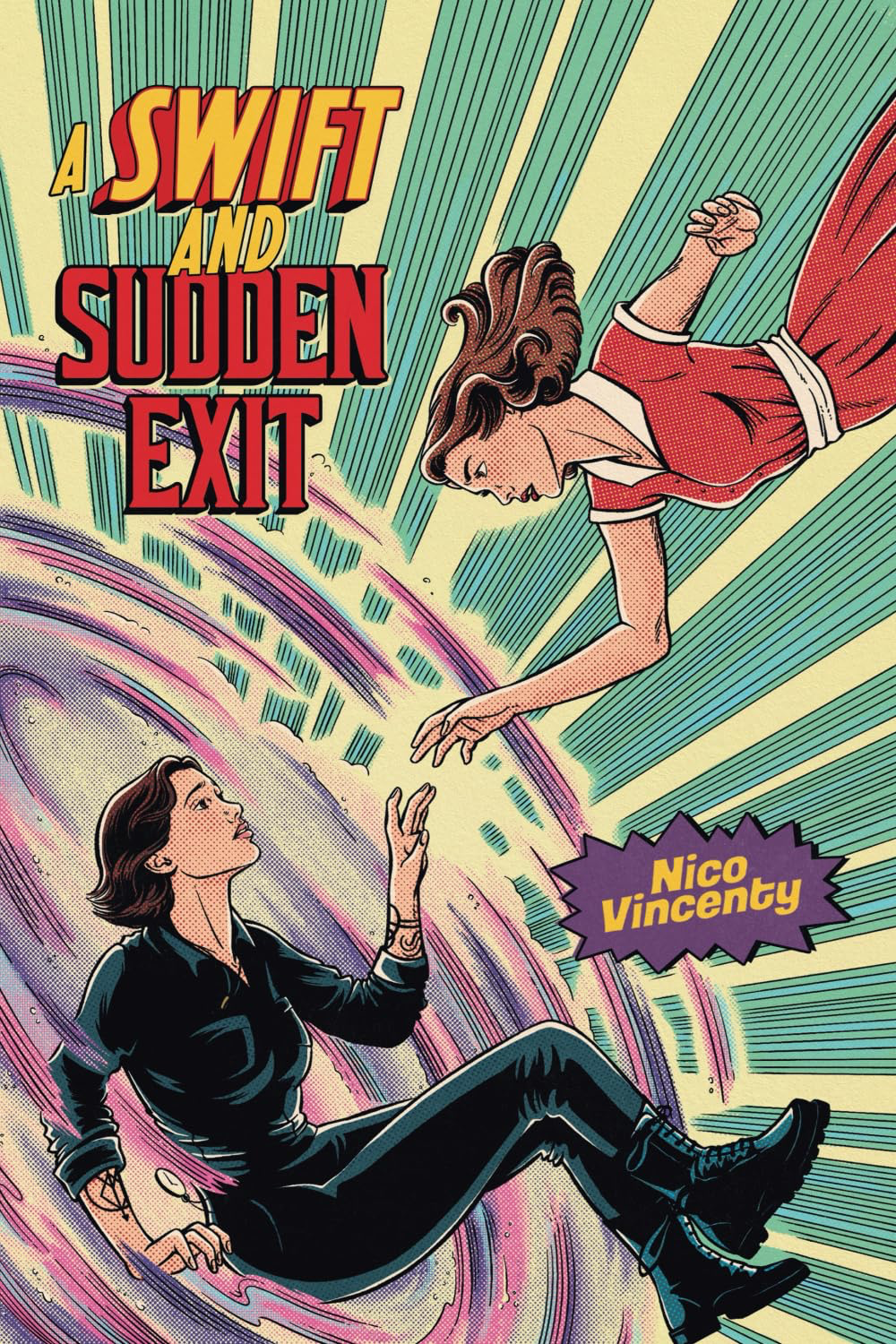
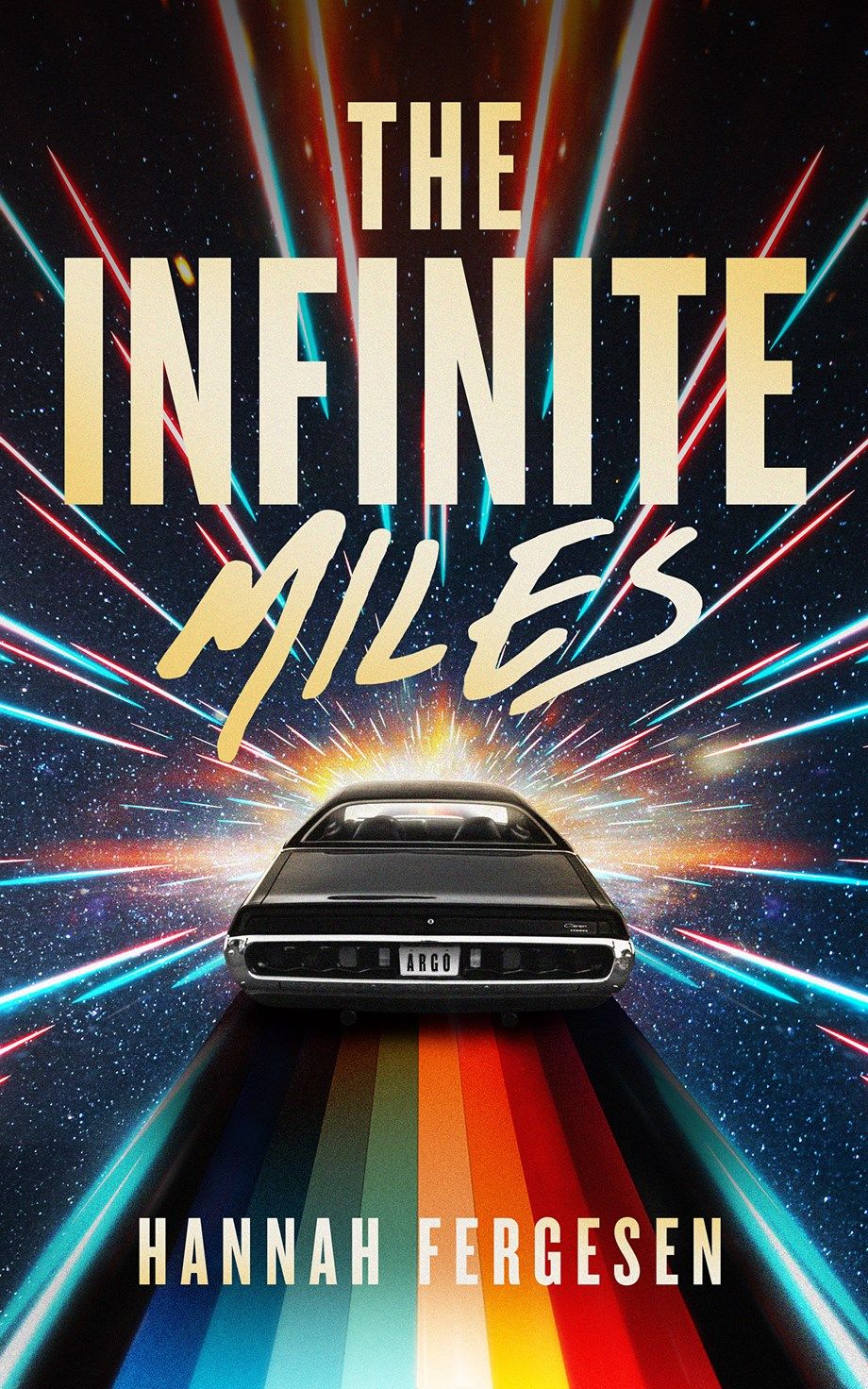
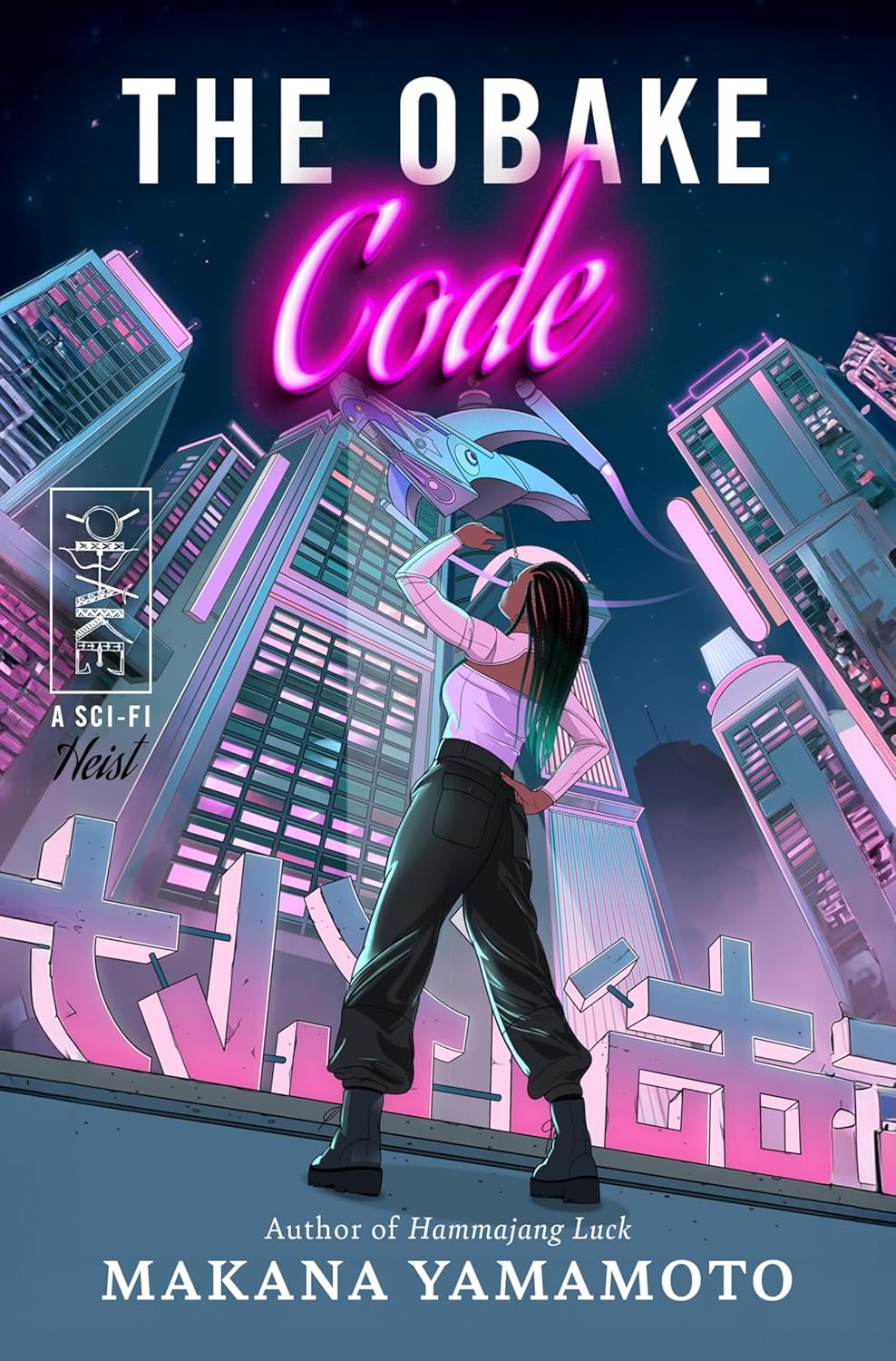
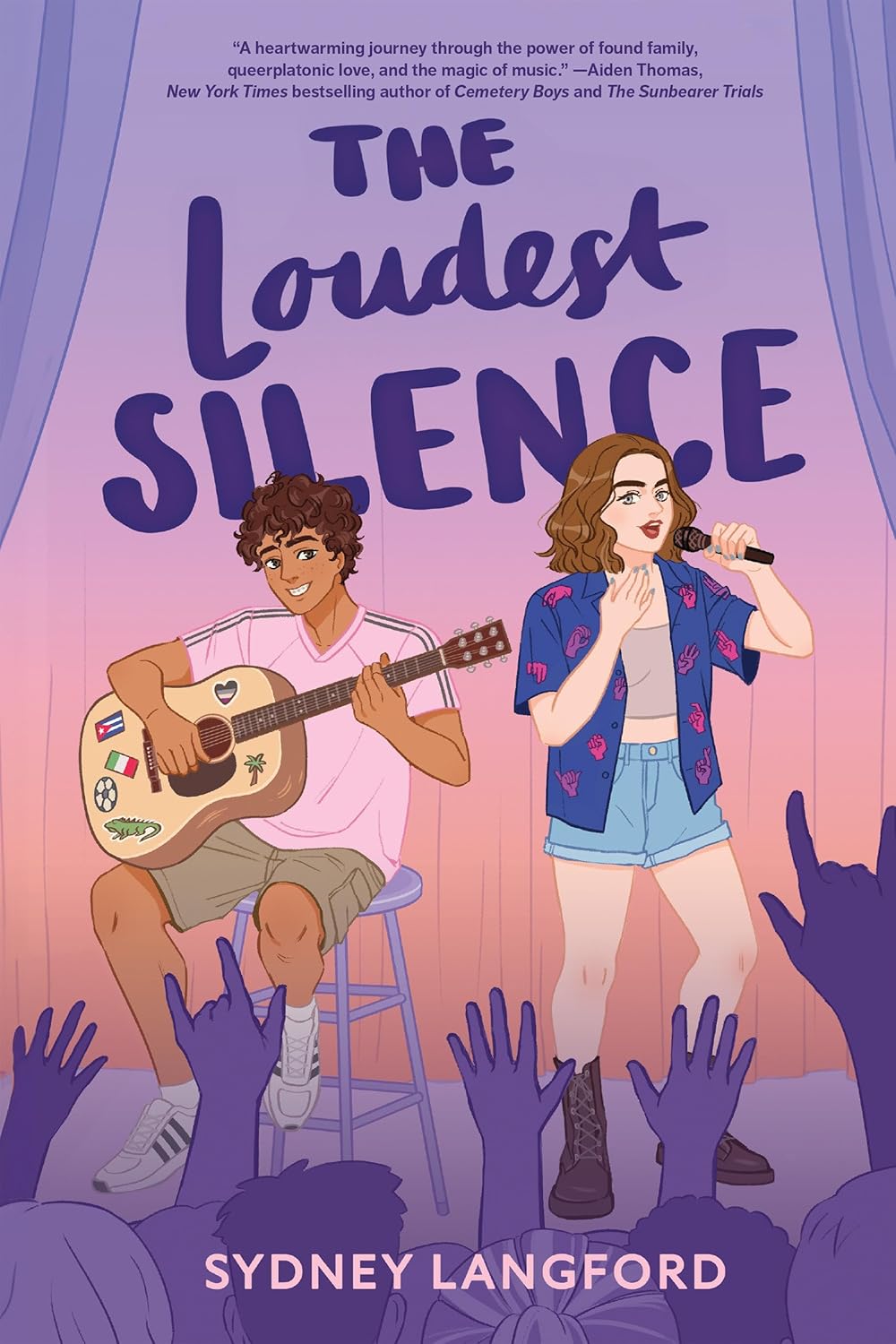
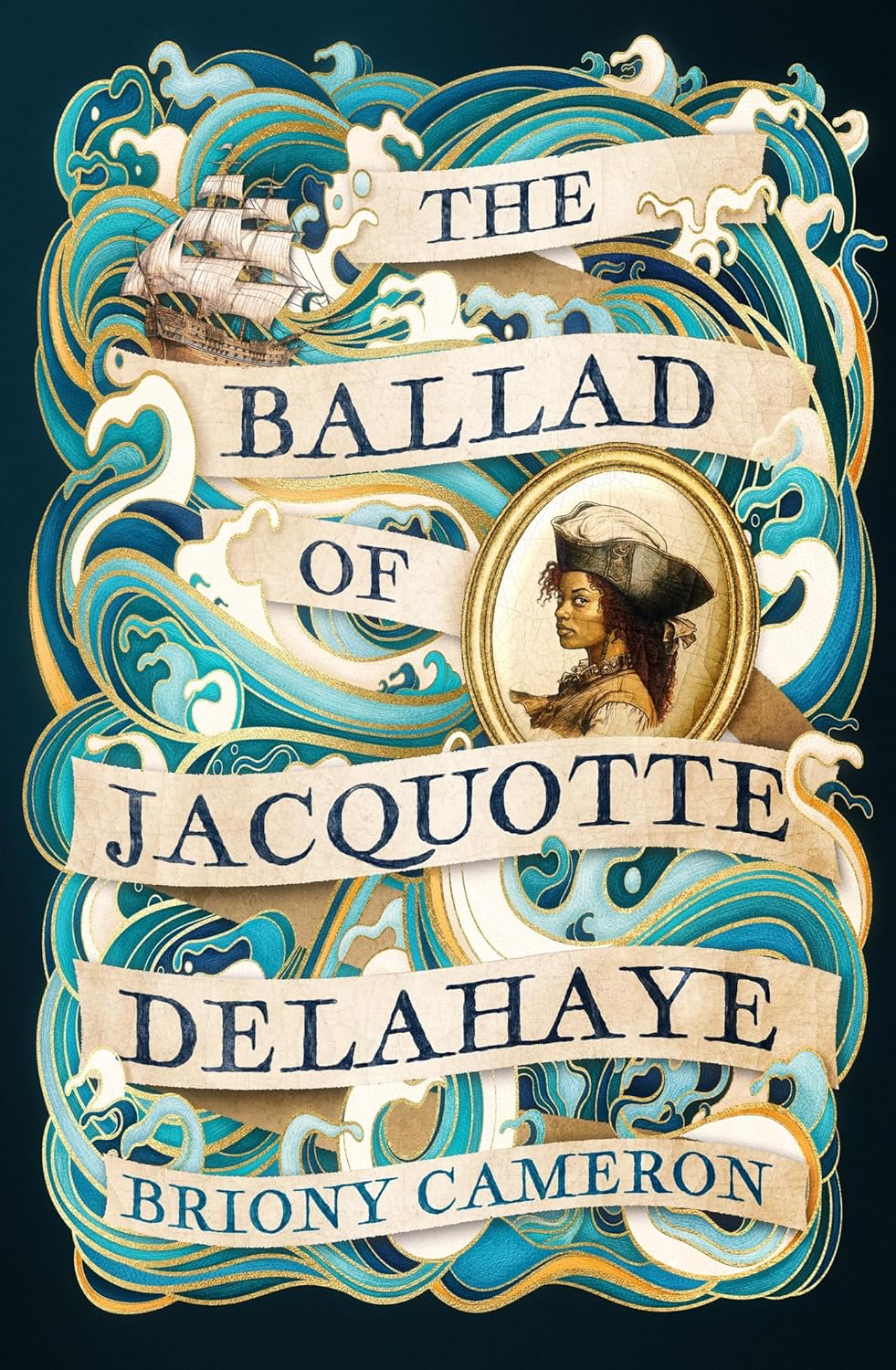
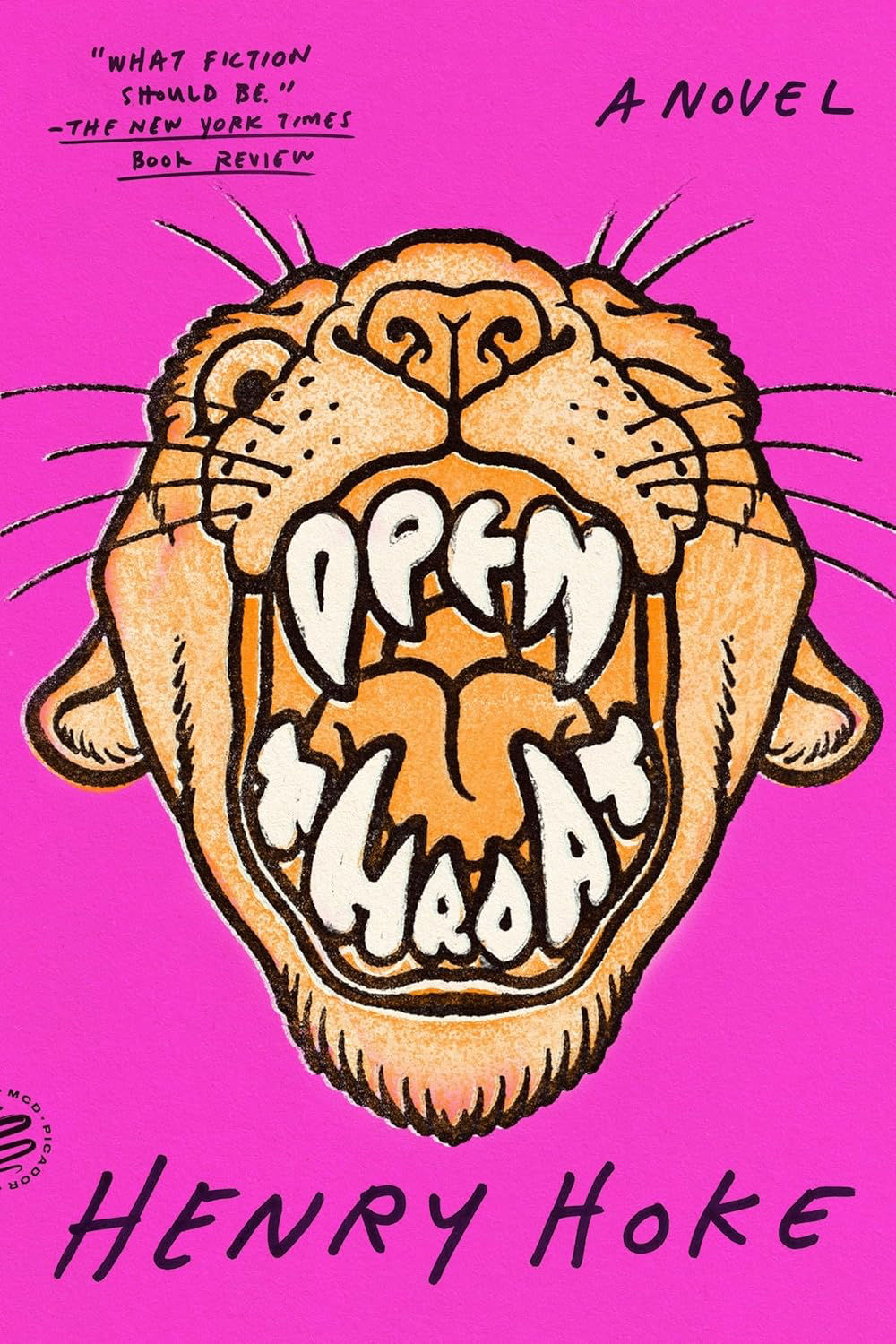
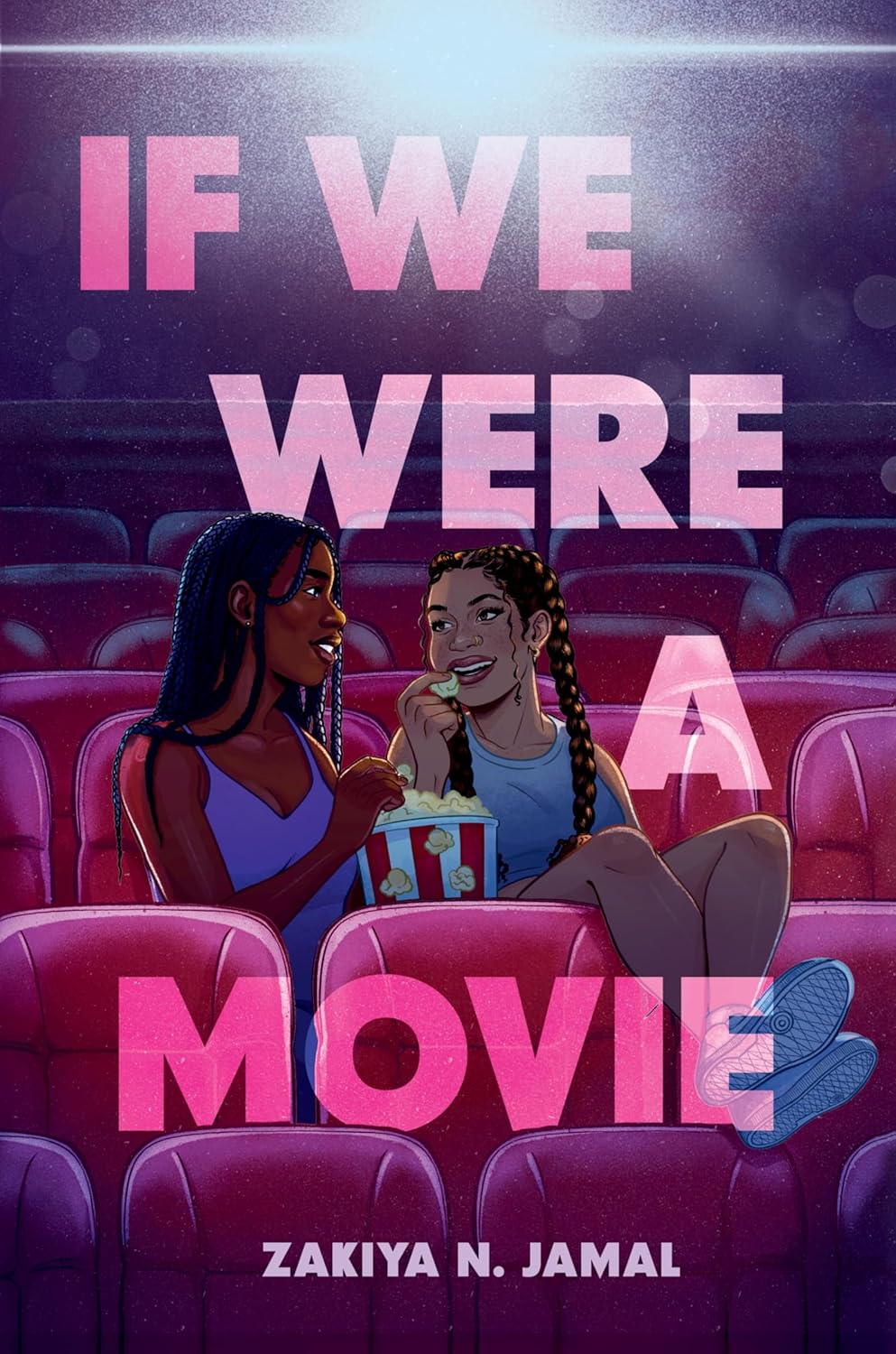
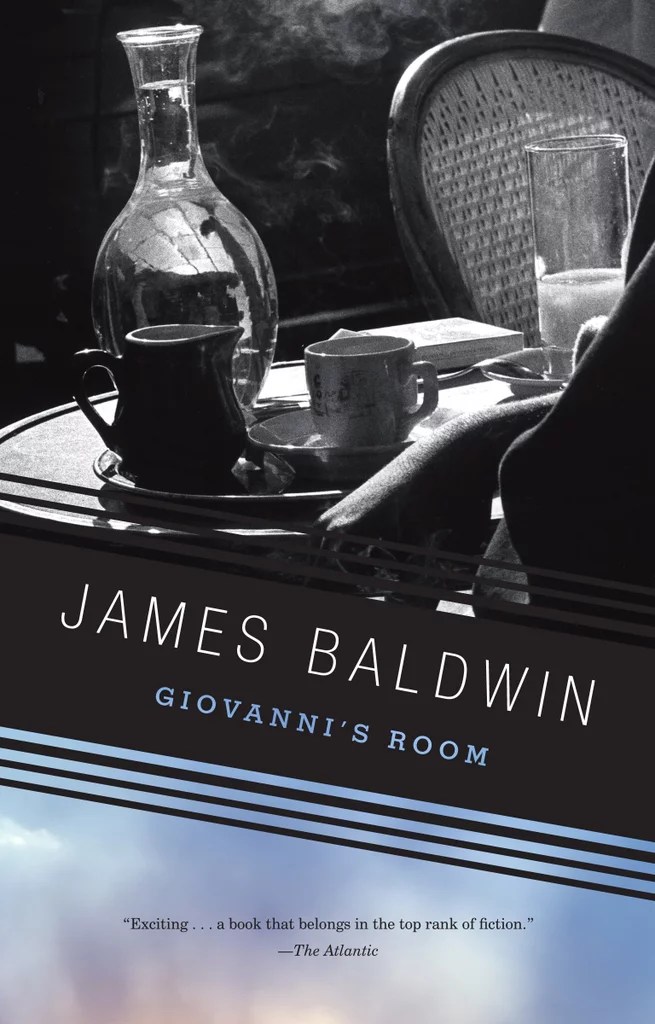
I’m back with a wrap-up, and we’ve officially passed the halfway mark of 2026…jeez. Currently reporting you within hours of melting into a puddle like the Wicked Witch of the West from this heat. I feel like I should start paying my swamp cooler for the labor it’s been putting in for the past month. Stay cool and hydrated, everybody!
Let’s begin, shall we?
GENERAL THOUGHTS:
I’m coming to you in a verydifferent place than I was while writing the March/April Wrap-Up, which is, for the most part, a welcome thing. Between my honors thesis, finals, and graduation, I had been constantly on for the most part. Sure, I had some time to squeeze in some fun and relaxation, but it was just go, go, go for most of the semester. But now I’ve got myself a nice Bachelor’s degree, and I’m spending it…not doing much. For right now, that’s exactly what I wanted.
I’ve spent most of the past few two reveling in the free time I have right now. I have several very disparate goals that I’ve set for the summer (exercise more, write one short story per month, and don’t buy any more yarn…send help, I’m drowning in yarn over here) that (knock on wood) I’ve managed to stay true to. But I love the routine I’ve set for myself. I love my college town, and I love taking walks to the local coffee shops, writing for an hour or two. (More often than not, those trips have also resulted in a trip to the record store, which has…[ahem] put a slight dent in my bank account. Maybe I need to put a ban on that too.) But ultimately, this summer has felt comfortably exploratory so far—I’m slowly trying new things, but they’ve all extended into cherished parts of my weekly routine.
So mostly, May and June have been about creativity. I’ve been more locked in than ever with my knitting, even if the results have been less than optimal. I’ve done so much more drawing and sketching. I’ve made more time to practice my guitar. I’ve written the most since I stopped my honors thesis. And I have more time to read than just before bed! Imagine that…
MAY READING WRAP-UP:
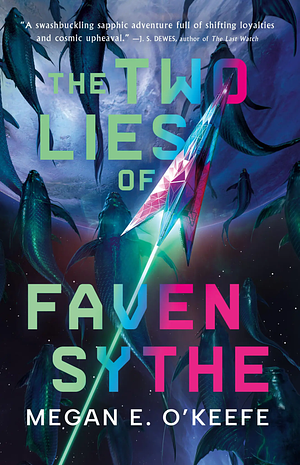
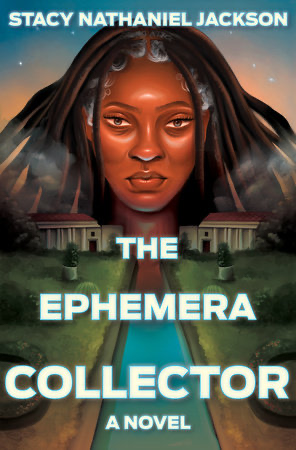
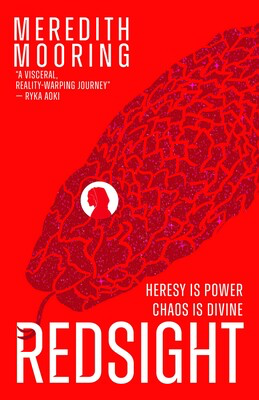
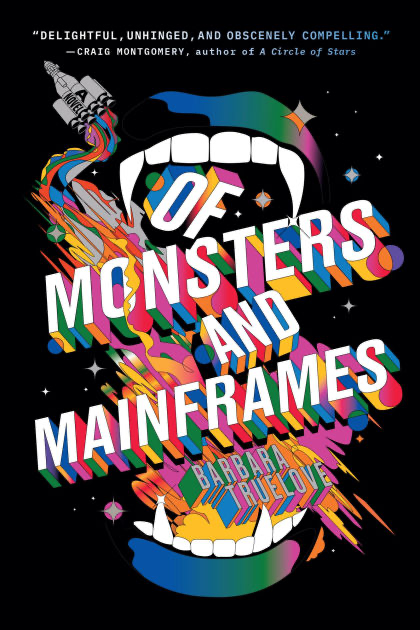
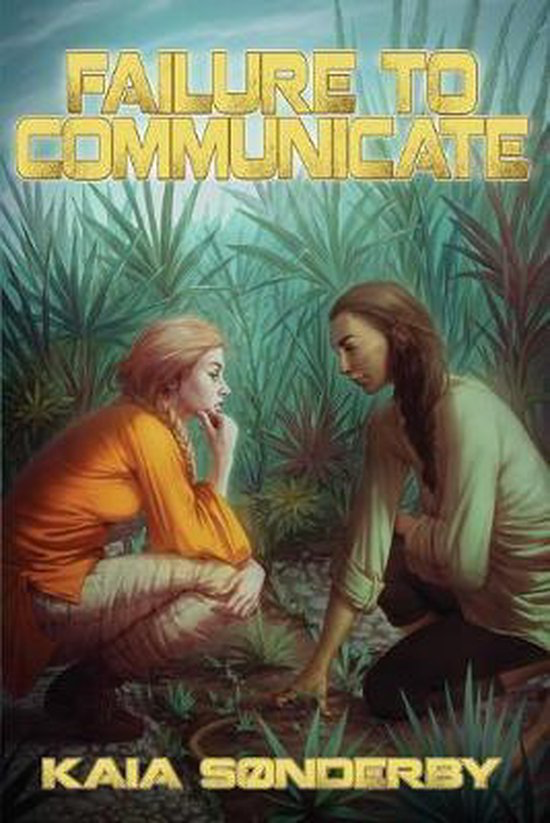
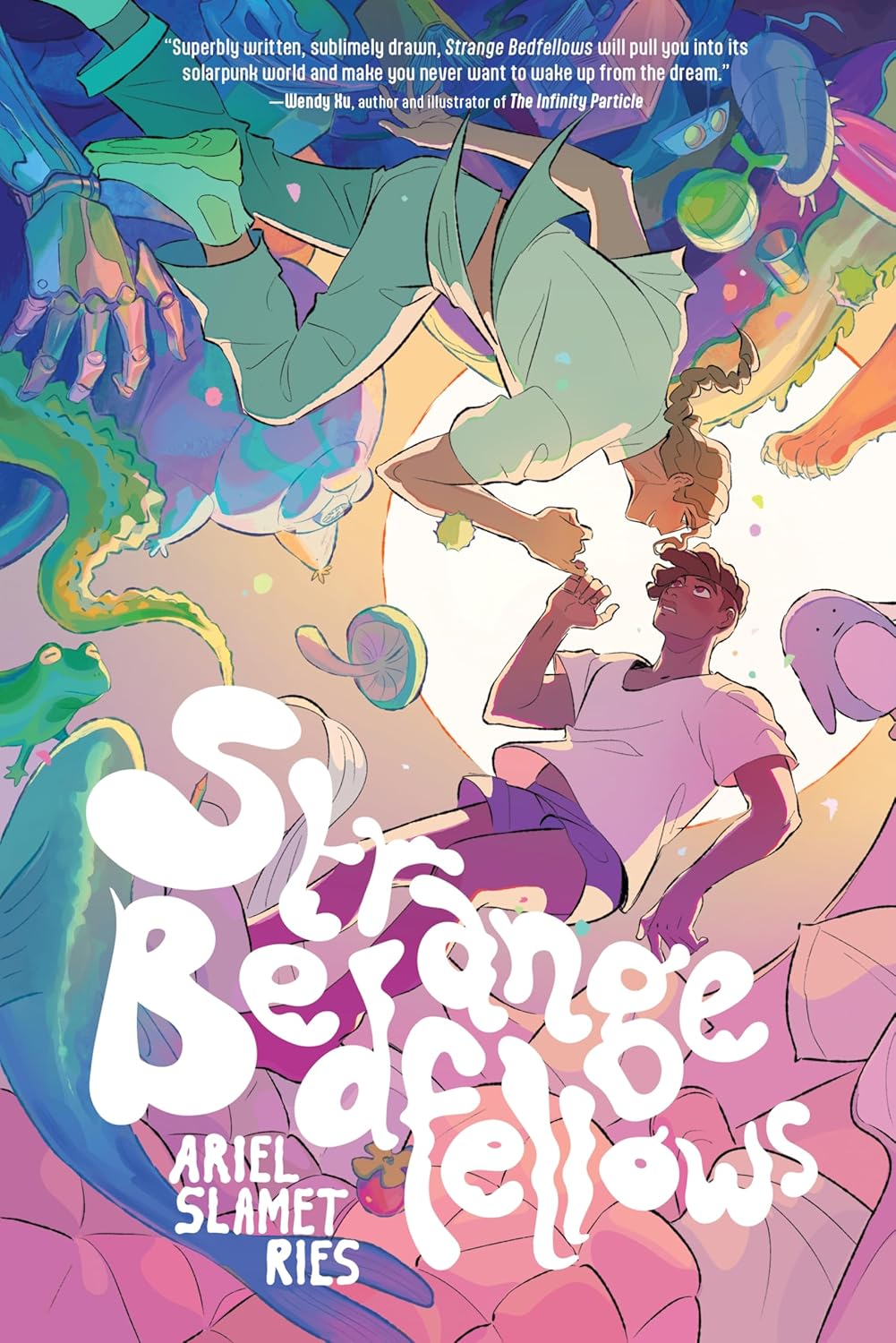
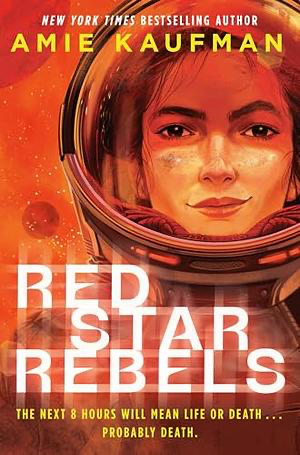
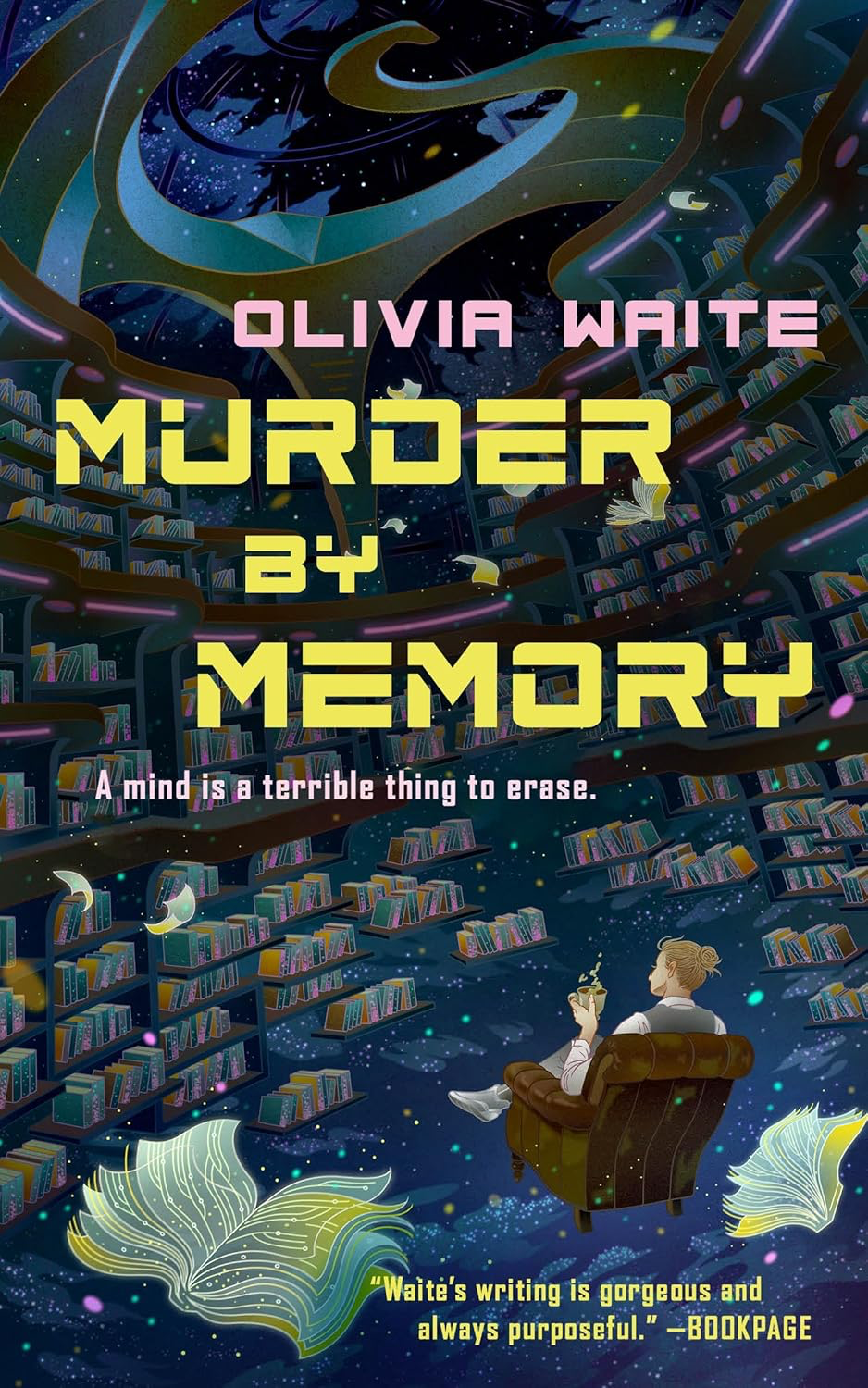
I read 13 books in May! It was really all over the place with a 5-star read and a DNF in the same month, but I read so many exciting books this month, both from new-to-me authors and familiar ones, focusing on AAPI authors for the Heritage Month.
I read 14 books in June! It’s the most books I’ve read in a month in 2026, definitely owing to being freed up by summer. Though my ratings were once again all across the board, they trended towards positive ones—and I had some excellent reads from new and familiar queer authors for Pride Month!
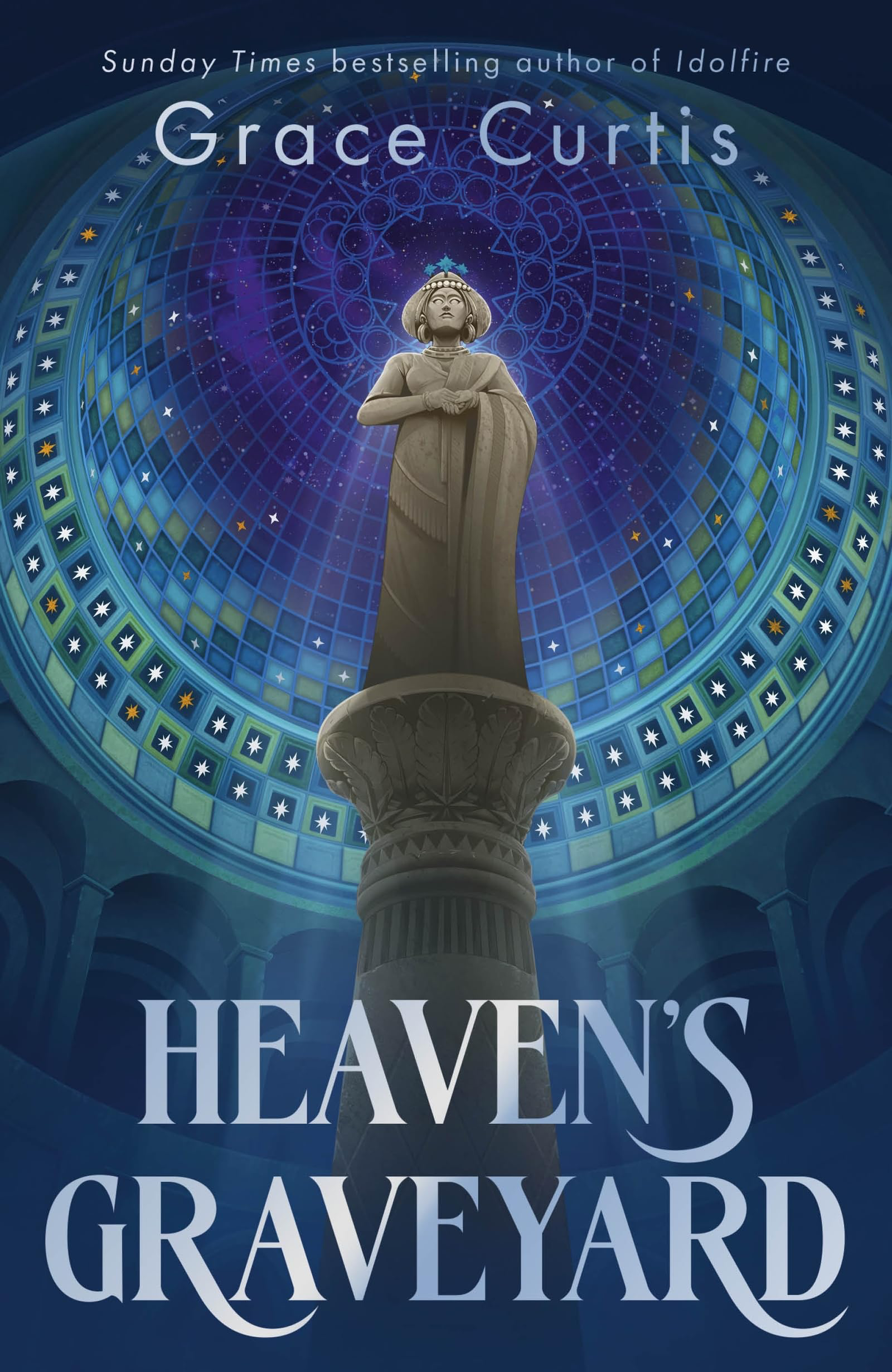
After my Idolfire freakout last week, I knew I had to get my hands on Heaven’s Graveyard as soon as I could. I put it on hold, but mercifully, it came in way sooner than I thought! YIPPEEEE!! It wasn’t as enchanting as Idolfire, but those are huge shoes to fill—Heaven’s Graveyard is still a cut above the rest.
Coda Callanuny has thrown herself into her university work. A student of archaeology, she’s been bent on solving a mystery that she’s been chasing since childhood: proving that Aleya, a figure of myth, was a real person and not a fairytale. But when a beloved professor—the only one who believes her theory—suddenly turns up dead, her chase for history becomes a chase for a murderer. It turns out that her professor’s findings could change the world, and in the wrong hands, could spell disaster. With the knowledge of a sunken, magical city in ruins, Cod must fight to protect the secrets that governments could kill for—and to protect the ones she loves.
TW/CW: murder, violence, misogyny, descriptions of injury, war themes, religious bigotry (fictional) animal cruelty, toxic relationship
First off, can we stop to appreciate how gorgeous the cover is? Aled Thompson’s artwork is truly stunning.
There. Have you taken sufficient appreciation time? Very well, onto the review…
Once again—like Idolfire, which was billed as science fantasy for…reasons, I guess, Heaven’s Graveyard isn’t science fantasy either. I’d put it more in speculative fiction or fantasy, since this is a fantastical setting and magic exists, but said magic doesn’t play a central role; there also isn’t enough “new” technology to qualify as sci-fi. But enough about my ramblings about genre misclassification and mismarketing, let’s get into how excellent Heaven’s Graveyard is!
With Heaven’s Graveyard, Curtis proves that she is a master of worldbuilding. Watching the more archaic world in Idolfire transform into something semi-modern was a fascinating feat. In terms of technology, I’d say we’re somewhere at the equivalent of the 1900’s-1930’s (radios, fantasy forms of high-speed transportation, fairly advanced warfare methods, etc.); aside from being a breath of fresh air in a genre where medieval and Victorian settings reign supreme, it was planned out so meticulously. Between the explorations of politics, education, and religion, it felt as vibrant and real as Curtis’s other worlds. I particularly liked how Curtis explored the rise of the new Procumbent religion, and how it had come to dominate much of the world and how it seeped into said politics and education. Stepping into Heaven’s Graveyard felt like I’d gotten a ticket to visit this world, which is a must for good genre fiction!
As always, Curtis’s characters shone in Heaven’s Graveyard. The central characters lacked some of the oomph that made Idolfire stick with me—I loved Coda (and Sparrow was despicable, but excellently-written as a manipulative but charming prick), but she lacked the pull that Aleya and Kirby had on me. I think part of it was just that kind of grand, mythic arc that they had wasn’t present here, and although Cod’s arc was emotional, it didn’t move me nearly as much as the former’s. Granted, I knew going in that it wasn’t going to be the same, but I just feel like the full effects of Cod and Sparrow’s disastrous relationship were glossed over, to the point where it almost felt like an afterthought. Thal grew on me much more than I expected, and I loved the relationship that she and Cod had towards the end. Like Idolfire, all of the kooky side characters felt so real and made the world feel so much more lived-in, and every glimpse made the world so delightfully human.
Like Idolfire, Heaven’s Graveyard excels at the balancing act of pairing humor with darkness. In this case, it applied to the murder mystery side of the plot. In spite of the murder of one of Cod’s beloved mentors, Curtis’s take on mystery was surprisingly funny. Most of that came from the fact that, in the first half of the novel, the main obstacle that Cod faced was the infinite layers of bureaucracy from the university and her colleagues thinking that she’s gone nuts. Yet Curtis maintains the stakes—both external and personal—involved in the mystery. I loved the first reveal about Nivela, and I loved how it tied into how this novel examined how history and historical discoveries are often manipulated for political gain. There’s a thematic thread from Idolfire about revelations that could shatter the carefully maintained foundation that a country/empire/etc. has built for itself that I appreciated. Fast-paced and full of mystery, Curtis’s blend of genres was a success.
It’s clear that Heaven’s Graveyard comes from a deep passion for archaeology and history. On the surface level, I loved Curtis’s depiction of historians and academia, from Cod’s relentless search for the truth to the bureaucratic hoops that she has to endure, even in a fantasy world. Cod’s quest to prove that Aleya was real formed the core of her character, but I loved how it tied into her character arc and Curtis’s exploration of history and obsession. Cod’s quest becomes one that blurs the boundaries of genuine desire to uncover history and her own ego, and I loved the nuance that Curtis afforded it. It also provided a timely commentary on how we often feel the need to push aside the wishes of other people and cultures in the pursuit of knowledge, and without spoiling anything, I love how Cod comes to the realization that she does. It shows not just a deep reverence for archaeology and historians, but a love for the people whose bones that this history once belonged to.
All in all, a masterful blend of fantasy, speculative fiction, and mystery that made every page worth the ride. 4.25 stars!
Heaven’s Graveyard is a companion novel to Idolfire, which is set 2,000 years before this story in the same universe; however, according to Curtis, they can be read separately from each other. Grace Curtis is also the author of Floating Hotel and Frontier.
Today’s song:
today’s oddly specific song fragment that I love: the way that tom waits says the word “mackerel”
That’s it for this week’s Sunday Songs! Have a wonderful rest of your day, and take care of yourselves!
Happy Tuesday, bibliophiles! Halfway through 2026 now…😵💫
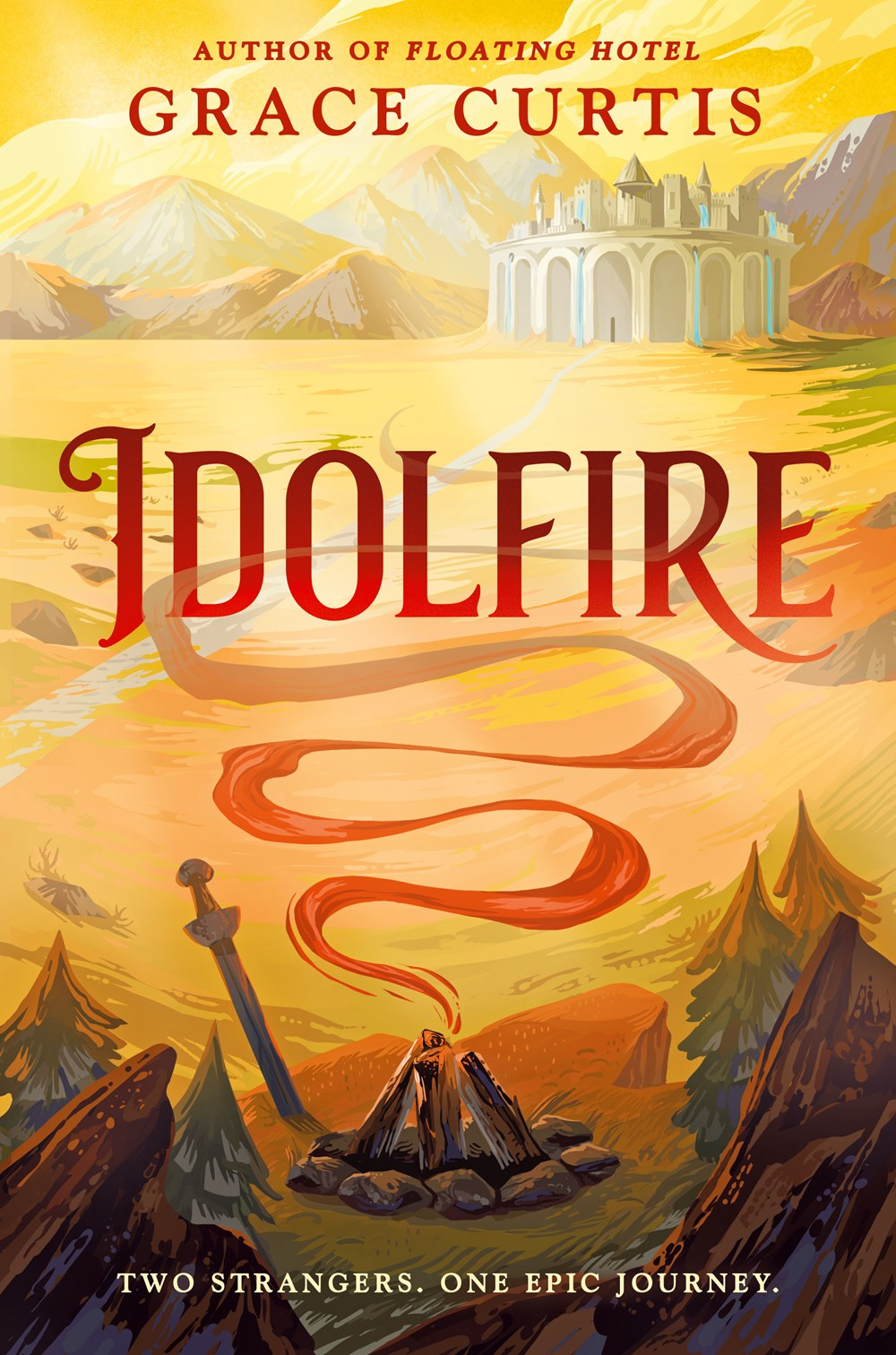
If you told me about 3 years ago that I was this excited for a new Grace Curtis book, I wouldn’t have believed you. Full disclosure: I didn’t like Frontier, but the premise of Floating Hotel was so endearing to me that I took a chance on it…and loved it. And here I am now. (Special shoutout to Kat @ The Lily Cafe, who is the reason that I know that this book exists. Thanks, Kat!) I had a feeling I was going to enjoy Idolfire, but as we’re officially halfway through the year…this might be one of my favorite books that I’ve read this year!
After illness tears her family apart, Kirby of Wall’s End sets off on the road to Nivela, a famed kingdom that has fallen from grace, but retains the promise of magic beyond its gates. Across the world, Aleya Ana-Ulai is searching for Nivela too, eager to prove herself after being abandoned by her family. When these two women from disparate regions meet on the road, neither knows that their togetherness is key to their survival. But the road to Nivela is long and treacherous, and it seems to hold everything but the answers they need within it. Aleya and Kirby must decide if the promise of Nivela is worth it—and if they’ll be able to survive at all.
TW/CW: violence, blood, war themes, loss of loved ones, child death, infertility
First off—this isn’t a slight on the book, but if you’re going in (like I did) expecting science fantasy, Idolfire is not that. This is straight up fantasy. I’m convinced that the “science fantasy” thing was tacked on for marketing reasons after Curtis wrote two sci-fi novels. Just be forewarned about that…and the fact that this book came dangerously close to destroying me. This might be one of the best books I’ve read all year.
Grace Curtis’s prose keeps getting better and better with each novel she writes. It’s prose that gave me genuine, heartwarming joy to read. She just has this way of making everything, from the setting to the subtle glances between characters, so wholly human; it goes beyond feeling lived-in and real and becomes something with a real heartbeat. Where Curtis succeeds is in shedding light on the unsaid; slight turns of phrase became quietly heartwarming or heartbreaking with a single word. Her renderings of the varied landscapes that Aleya and Kirby travel through are so rich and full of life. Every line of dialogue is razor-sharp, both in their humor and their power to devastate. If you want proof of Curtis’s improvement as a writer, Idolfire is the perfect evidence.
One of the strongest aspects of Idolfire was how it balanced humor and more sobering, serious themes. Curtis has really honed her talent for humor—there were so many moments throughout that were laugh-out-loud funny. Aleya and Kirby had such excellent chemistry (more on that later), but their separate senses of humor pinged off of each other exceptionally well, making for a fantastical road trip that never had a dull moment. And yet, Curtis gave the same amount of care to depict the darker themes of the novel alongside the lighter ones. Curtis’s depiction of war was one that has stayed with me; her descriptions of it have no interest in glorifying its purpose or its participants. Even for a novel billed with swordfighting, her sparse, devastating language in describing the horrors of war were so impactful in a genre where there’s often a degree of romantic language ascribed to something so horrendous. From the effect it has on the minds of individual soldiers to the scars that it wrought across the lands of Idolfire, Curtis explored every facet of living during wartime. Yet Curtis had the same level of care in the lighthearted and dark aspects of Idolfire—for a novel like this, it was a very difficult balance to strike, but Curtis absolutely clinched it, making for a novel that was, above all, human.
I didn’t think that Curtis’s character writing could get much better after Floating Hotel, but I was proven wrong. Although I loved the slice-of-life roving between multiple characters, I think that narrowing her focus down to two central characters did a great service to their development. Aleya and Kirby were some of the most memorable characters that Curtis has ever written. A less talented writer would’ve slapped a hasty grumpy-sunshine dynamic on them and left it at that, but they both had such richly layered personalities. Both of them had trauma so deeply embedded in their psyches, but Curtis did an excellent job of showing us how it manifested in both of them and shaped their personalities. I loved how Aleya’s more reserved, stoic nature played off of Kirby’s more mischievous personality, but the deeper you get, the more you realize that both of these traits serve as shields for both of them. They had such immediate, lovable chemistry, and the progression from begrudging companions on the road to lovers was impeccably paced, and every step of that progression felt so natural—and instantly lovable to root for. Without spoiling anything, things do turn out bittersweet for them, but I think the way that Curtis ended their story was poignant and fitting for both of them.
I also adored the road trip plot of Idolfire, and it kept me guessing constantly. Curtis’s talent for character writing also applied to the menagerie of weirdos that Aleya and Kirby met along the road to Nivela. Even the smallest glimpses we got of the denizens of Idolfire‘s expansive fantasy world were so fleshed-out, and they added so much life to the already fantastic worldbuilding. Balance is something that Curtis clearly has been honing, because like the balance between levity and darkness, there was a great balance of more action-packed moments—such as Aleya’s many swordfights—and downtime with Aleya and Kirby. The pacing was neat as a pin, and even the downtime between the more climactic parts of the novel were measured out to near-perfection. Idolfire really was a balancing act in so many ways, but Curtis toed the lines she set with enviable ease.
And if there’s anything that you can expect Curtis to do well with, it’s sharp commentary on empires and imperialism. Floating Hotel excelled at that as a point in the background, and Idolfire honed in on it even more. I think what Idolfire brings to the conversation is how ideas shape the image of an empire. Fully acknowledging that Curtis is British and I’m just projecting my experience onto this book, but I couldn’t help but think about Nivela—and Aleya and Kirby’s goals—in terms of the permanently out of reach “American dream,” and how an empire can build up an idea of itself while hiding a crumbling foundation beneath it. The further they go on their journey, the more they see the destructive aftermath of an idea twisted into something that excuses genocide and imperialism. I also liked how it tied into the magic system, with belief being what makes certain magic work/not work, and how that translated into the belief in Nivela, which has been faltering to the point of destruction. (Without getting into spoilery territory, there’s some really fascinating stuff about the very literal, human cost that this has in the world of Idolfire.) In the end, I think it was a beautiful meditation on the power of ideas, and how they can be twisted into something so terrible that it swallows the world, but how we can use that same power to create a more equitable world worth living in.
Ultimately, with ratings like these, there’s always that slight oomph that pushes it into 5 star territory. I think there’s still a few small nitpicks that made 5 stars not justifiable, but it sure was close. Overall, Idolfire was a deeply moving and human road trip fantasy, a meditation on the nature of the ideas and idols we hold up in our minds. 4.75 stars!
Idolfire is a standalone, but it has a companion novel, Heaven’s Graveyard, set 2,000 years later in the same universe. Grace Curtis is also the author of Frontier and Floating Hotel.
Today’s song:
I’m sorry, Let’s Dance (1983), I was unfamiliar with your game
That’s it for this week’s Book Review Tuesday! Have a wonderful rest of your day, and take care of yourselves!
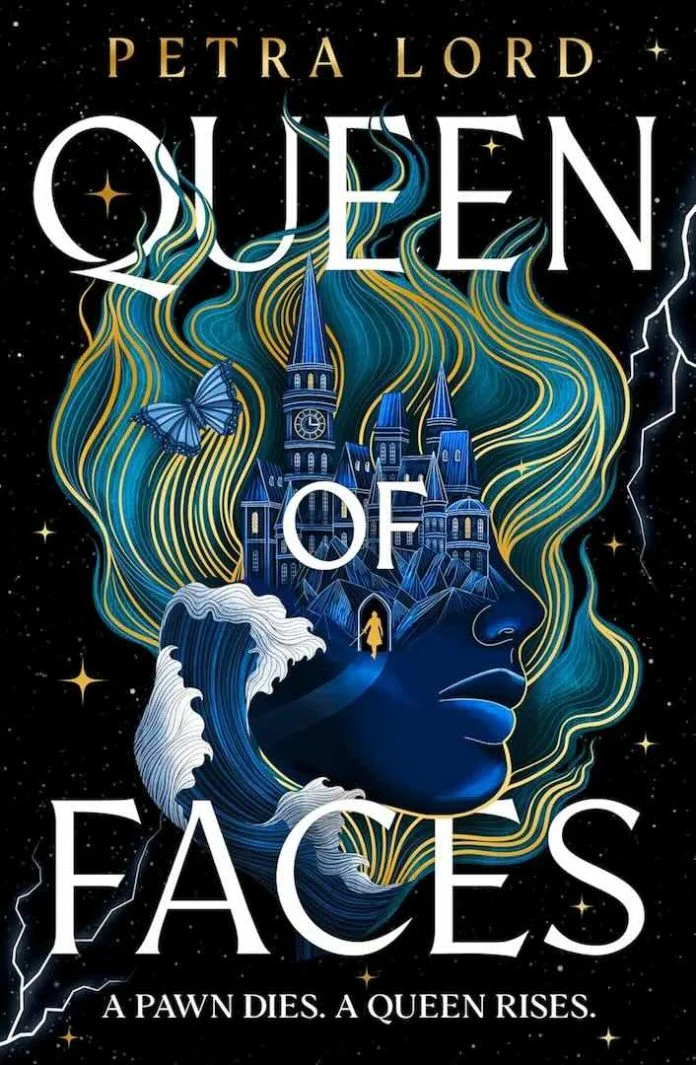
I’ve seen a lot of buzz about Queen of Faces in the past few months, and it seemed intriguing. Plus, you know I’m always up for queer rep in my fantasy! So of course, I had to pick Queen of Faces up. (Unrelated, but I’ve had “Queen of Eyes” by The Soft Boys stuck in my head solely because of reading this book. New title for the sequel just dropped?) I’m glad to say that though it wasn’t perfect, Queen of Faces was a promising debut fantasy novel!
Anabelle Gage is trapped in a body that isn’t hers—cheap, male, and rapidly deteriorating. Her only way to swap into a new, magical body is to be accepted into Paragon Academy, the most prestigious school in all of the Eight Oceans. After failing her entrance exams, Anabelle is certain that she’s doomed to die in the body she’s trapped in. One run-in with the law later, and she’s faced with Nicholas Carriwitch, Paragon’s renowned headmaster, who gives her a choice: be his right-hand mercenary, or die for her transgressions. Now entangled in a world of magic, crime, and mystery, Anabelle must decide if her choice was worth it—and how to get out of the body that she hates.
TW/CW: descriptions of injury, blood, suicide, violence, racism (fictional ethnicities/nationalities), war themes, dysphoria
In this day and age, it truly makes my heart sing to see queer voices flourishing in YA and middle grade voices flourish.I just had this lingering feeling that this is going to make so many trans teens so, so happy. This novel is so thematically strong; Ana’s journey was full of twists and turns, but it was so easy to sympathize with her and her continual struggle to find herself—not just in a new chassis (the magical bodies that can be swapped in this universe), but in terms of her identity. Lord includes a lot of motifs about transformation; there’s a recurring bit about caterpillars, butterflies, and metamorphosis that was, granted, a bit heavy-handed at the worst of times, but for a YA audience, was a lovely and poignant metaphor for both transness and general coming-of-age. Her journey is a perfect one for a YA audience, trans or not—her feelings of insecurity and unsureness about her identity and purpose are sure to deeply resonate with so many people.
Queen of Faces is billed as dark academia, but I’m not sure if it completely fits the label. We get some of that classic magical school format paired with the dark underbelly that Ana discovers, but most of the plot focuses on Ana’s time as a mercenary, and not necessarily Paragon Academy itself. That being said, it’s not necessarily an issue with the book—more just an issue with the marketing. Paragon Academy started to feel like an afterthought towards the end, and there were definitely some loose ends that could’ve been tied up with that plot. However, Ana’s mercenary plot was what drove the novel, and it was the most compelling part of the story for me. Lord has a knack for writing action sequences, and her tense atmosphere was flawlessly maintained for the whole novel. I loved how Ana and Wes played off of each other during this plot, and all of the friends-turned-foes (and vice versa) had excellent chemistry; Ana and Wes are shaping up to be the kind of enemies-to-lovers YA couple that I would’ve loved in high school. (However, the weird pseudo-love triangle going on was, yes, pretty YA, but it was so rushed and unfinished that I couldn’t even excuse it being YA. It was just…odd.) Beyond that, I loved how all of this coalesced into Ana’s character development, and her discovery of the truth of her mysterious job—and her superiors—was such a vital component to her eventually self-realization.
The worldbuilding in Queen of Faces was a mixed bag, but most of it was solid. Lord’s magic system was imaginative and well thought-out. I loved Lord’s visualizations of the branches forming, and I loved all of the consequences of how magic affected Caimor and the rest of the world. I also think the history of Caimor and the Eight Oceans was explained nicely, and without any unwieldy info-dumps. The system of the chassises and body-swapping was well-done as well, and served as a cogent commentary on class inequality. However, some of the other aspects of the worldbuilding were slightly shaky. I had a vague sense of the technology level—I assumed closer to the 1920’s given the presence of cars and radios, but not much more advanced than that, but I didn’t get a good sense of it. Lord also regularly inserted the fact that Ana loves romance manga, which felt jarring and out of place in this otherwise fantastical setting. I had the same issue with the fact that there’s something called the “Babel Curse,” which would imply the existence of Christianity/the Bible in this otherwise completely fantasy universe. Small issues, sure, but they took me out of the narrative with how much they were mentioned. But for a debut novel’s stab at worldbuilding, it’s a good start.
Queen of Faces unfortunately suffered from some pacing issues. The first third or so was paced reasonably well, and I had a good sense for how the events of the novel had progressed. However, once Anabelle gets to Paragon Academy, there’s time-skipping all over the place; my irrational hatred for random timeskips is just that—irrational—but Lord often didn’t let the reader know that these timeskips had even happened until the last relevant minute. I fully thought that only days had passed by, and boom…it’s been a month? The pacing was just so uneven that it was difficult to get my footing in places, which took me out of the main narrative, especially in the first half of the novel. Given the fact that we’ve mostly left Paragon Academy behind by the second half of the novel, it didn’t help that the pacing also left so many loose threads unresolved. Things evened out towards the end, but it never fully recovered from the topsy-turvy pacing at the beginning.
All in all, a daring and mysterious debut full of dark magic, shifting alliances, and conspiracies. 3.75 stars!
Queen of Faces is Petra Lord’s debut novel and the first book in the Queen of Faces series; its followup, King of Masks, is slated for release in 2027.
Today’s song:
That’s it for this week’s Book Review Tuesday! Have a wonderful rest of your day, and take care of yourselves!
Here in the U.S., June is Pride Month! You know the drill. I hate how bittersweet these posts are, and the bitter keeps growing. I see the beauty of this month and our queer community, but I can’t help but shrivel from the reminders that there have been repeated attempts to take queer books off the shelves across the country, and that the trans community here in the states has been under attack more than ever. My heart truly, truly hurts for all of us. I hurt. Of course, here I am, being cisgender in my cushy blue state with an openly gay governor, but nonetheless, I hurt whenever any other member of the queer community is hurt.
I’ve been an out and proud bisexual for almost eight years. Not long, in the grand scheme of things, but these years have taught me so much about queer people and the LGBTQ+ community. If there’s anything that I see in us, it’s our tenacity. No matter the slew of hateful legislation and rhetoric, we always come back stronger than ever. If there’s anything that the queer community doesn’t do, it’s back down in the face of a threat. In spite of the never-ending threats from outside and inside (the infighting never stops, y’all needto be normal about each other, please), we are like dandelions pushing through the cracks in the pavement: we never surrender, and we continue to bloom in the face of adversity.
But here’s the thing. I don’t like having to be this resilient. I don’t think any of us do. But if there’s anything to take solace in, it’s that our community is so strong and diverse that there will always be someone fighting. Yes, we all have to do what we must, but it’s important to remember that simply surviving, just being, is resistance in the face of the government wanting the public to believe that we aren’t worthy of the same rights as everybody else and that our stories are not fit for public consumption. You don’t have to be out and proud. All you have to do is be.
So here’s my annual pride month recommendations list of queer books from a variety of genres and backgrounds. I’ve compiled all kinds of books from various sexual orientations and gender identities, as well as backgrounds (queer people of color, disabled queer people, queer immigrants, etc.). Hopefully there’s something for everyone. (As always, if I’ve mistakenly identified anything on this list, please let me know! I’m only human.)
Now, more than ever, it’s crucial to support the LGBTQ+ community (especially the trans community, who are under attack more than ever) in whatever way you can. If you want to show your support them monetarily, here are some great organizations to donate to:
This is a non-exhaustive list, and I encourage you to seek out organizations in your area! There are so many wonderful people across the country (and the world) doing great work for the LGBTQ+ community.
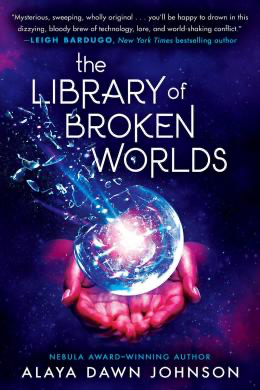
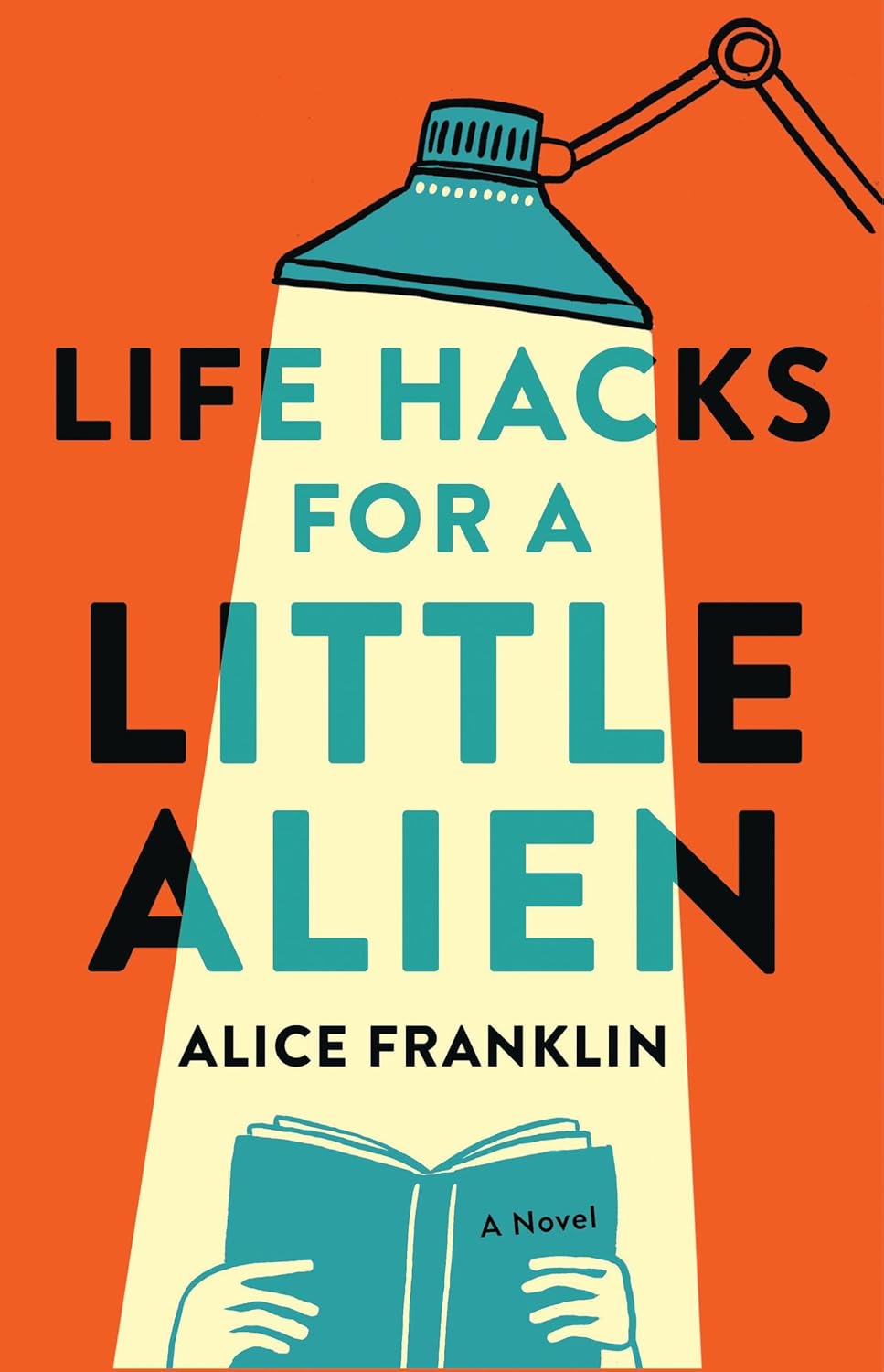
The Library of Broken Worlds – Alaya Dawn Johnson | YA | sapphic MC and LI, wlw relationship, several queer/gender-nonconforming SCs (queernormative world, widespread use of neopronouns) | space fantasy, romance, POC | ⭐️⭐️⭐️.75
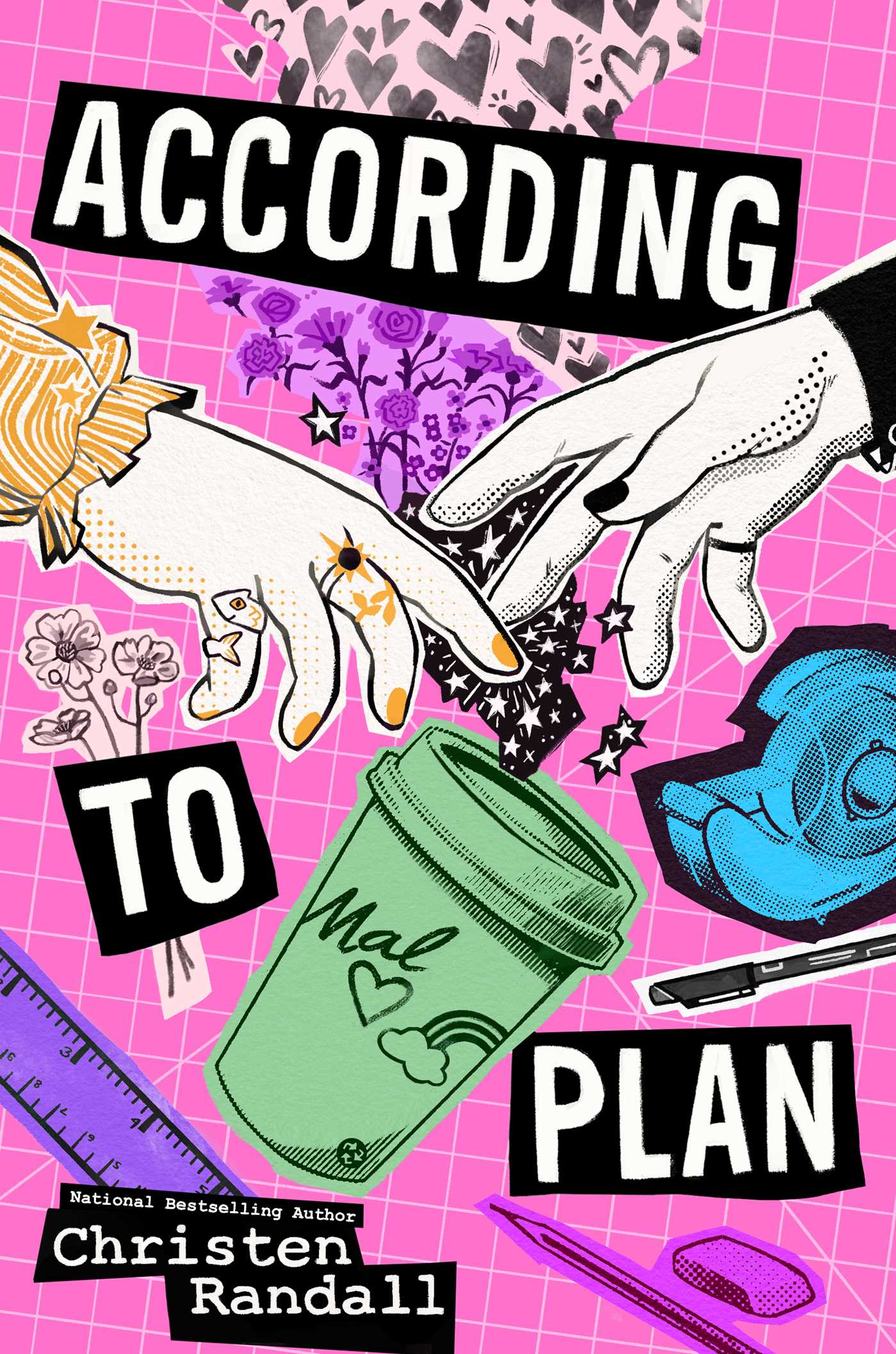
According to Plan – Christen Randall | YA | nonbinary, bisexual MC, bisexual LI, queer relationship, several queer SCs | disability, romance | ⭐️⭐️⭐️.5
TELL ME WHAT YOU THINK! Have you read any of these books, and if so, what did you think of them? What are some of your favorite queer books that you’ve read recently? Let me know in the comments!
Today’s song:
That’s it for this recommendations post! Have a wonderful rest of your day, and take care of yourselves!
Insert panicking about how 2025 is already halfway gone, yada yada yada. It’s always jarring to get to that point after you’ve spent the first half of it relatively unaware, but honestly? Given the truly magnificent shitshow 2025 has been…good riddance.
Let’s begin, shall we?
GENERAL THOUGHTS:
My school got out jarringly early, which was nice, but part of me is still reckoning with the fact that “summer” has now expanded to fit all but the first week of May in it. I shouldn’t complain. It’s given me a lot of extra time to read and do all of the things that I lamented not being able to do while I was in school. I picked back up with guitar lessons, started improving my knitting, listened to several amazing albums (while knitting), and honed down my drawing. It’s all I can do to keep the anxiety/boredom-depression that starts threatening to consume everything once I get too into a routine, but I’ve got a part-time job, so I’m throwing as much as I can at my brain to keep it occupied.
And Jesus, it’s hard to keep it occupied. Nothing’s changed since my last wrap-up, and my constant state of teetering over the edge of snapping thanks to the news is ever-present, especially this month (FUCK TRUMP AND GET ICE OFF OUR STREETS). There’s nothing like being on vacation and appreciating the splendor that Colorado’s public lands provide us with and then seeing that a bunch of senators wanted to sell off millions of acres of that “undeveloped land”. At least they’re not quite as on that anymore, though I urge everyone to keep the pressure on them, because there are far too many issues that they’re either exacerbating or ignoring. But especially during Pride Month, I have to remind myself that taking care of myself and giving back to my community is an act of resistance, especially as a queer, neurodivergent person, because a) the government doesn’t want us to exist (because why else would THEY SHUT DOWN THE LGBTQ+ SUICIDE HOTLINE? Inexcusable, comically mustache-twirling, depraved evil right there), and b) they want us to be over-individualistic so that we ignore what connects all of us.
But it hasn’t been all freaking out, I promise. I went on a lovely road trip to Crested Butte with my family, and I spent a week up in the mountains looking at so many wonderful wildflowers. Getting back to both my family and my hobbies has made me more centered—the foundation is still wobbly (because of…everything), but I can always count on them to keep me grounded and keep me in the present. I found solace in my community during Pride Month, though I didn’t end up going to any of the local parades because of either plans or the heat. (Denver, I love you, but I’m not standing out in 90+ degree heat. I’m here and I’m queer, but I’m also really pale and don’t want to get excessively sweaty or sunburned.) My existence is an act of resistance, and as much as I can, I will use it for good.
If anything, it’s at least good to have a summer where I actually have movies to look forward to (definitely Superman, and I’m on the fence about Fantastic Four, but I’ll see it, if only for Cousin Thing). Y’all…The Phoenician Scheme. It’s so beautiful, dude. Wes Anderson is physically incapable of making a bad movie. Go see it. GO SEE IT.
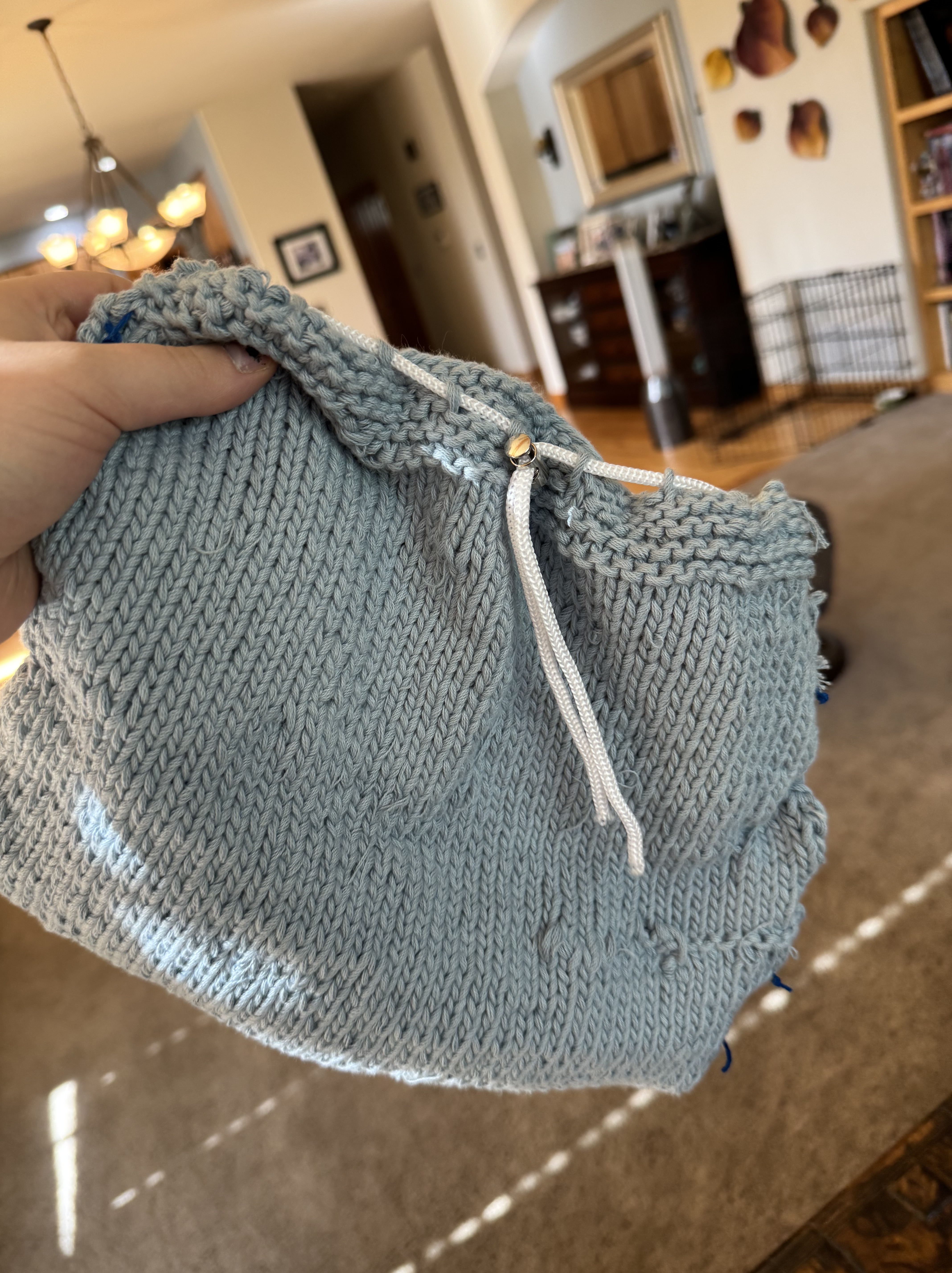
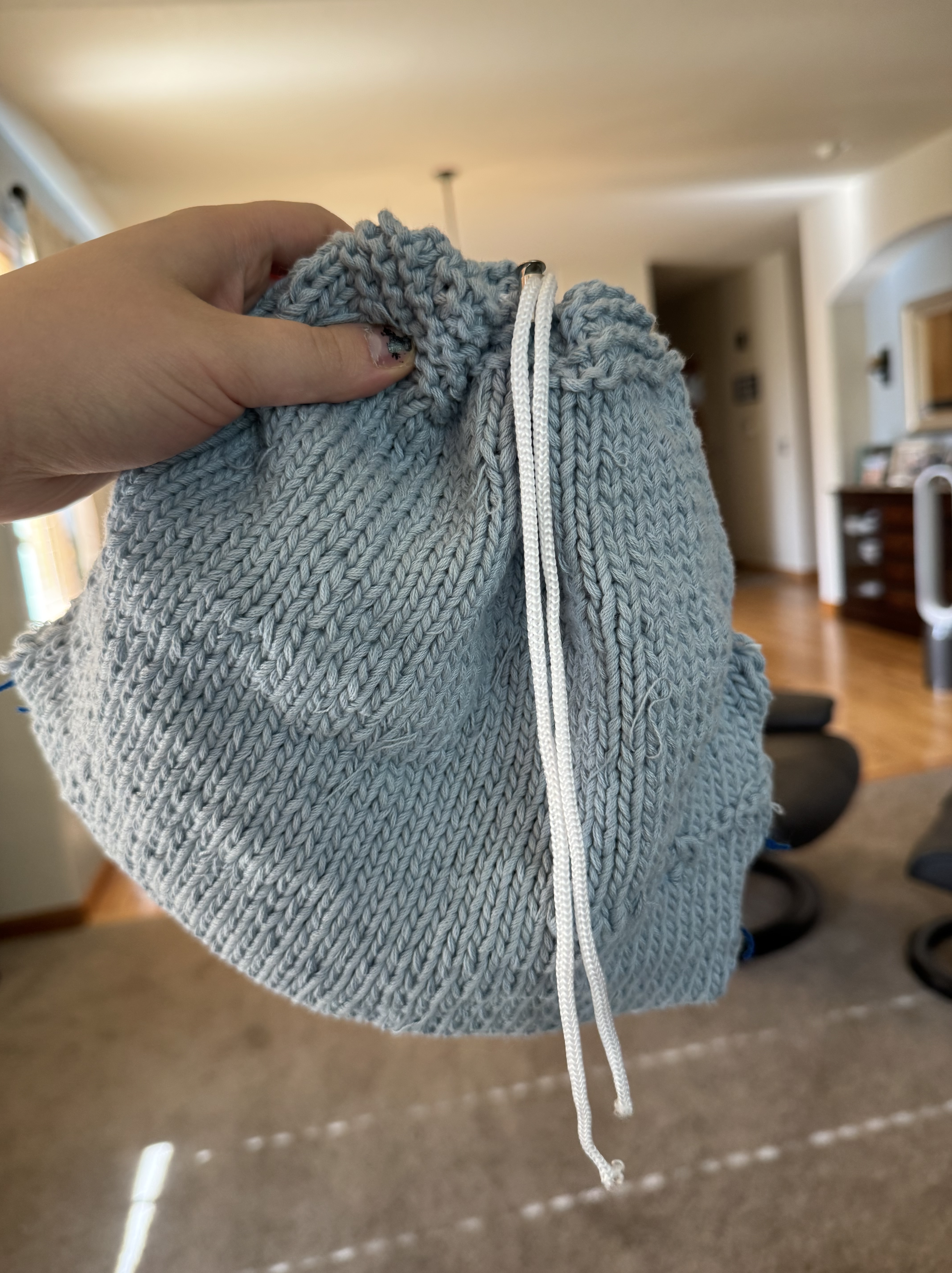
Also, I managed to knit my first functional thing in mid-June…here’s this bag I finished up before my vacation!
My magnum opus. Obviously. I’m now keeping a paused knitting project in it, so I hope it’s not one of those “gingerbread man living in a gingerbread house completely oblivious to the fact that he lives in a house of his own flesh” situation. I try not to think about it.
MAY READING WRAP-UP:
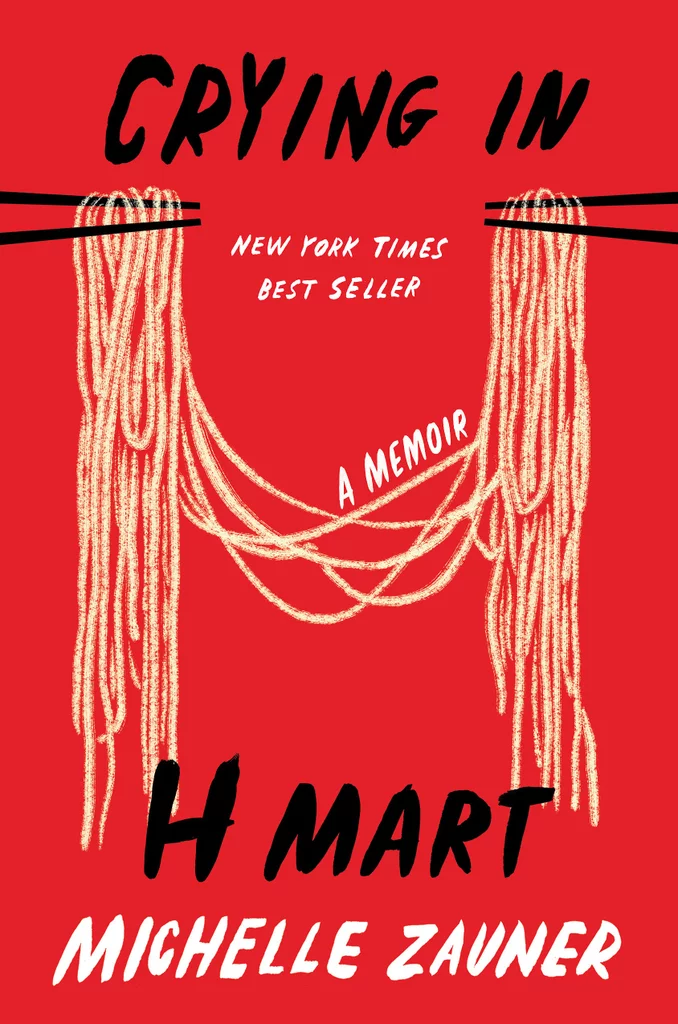
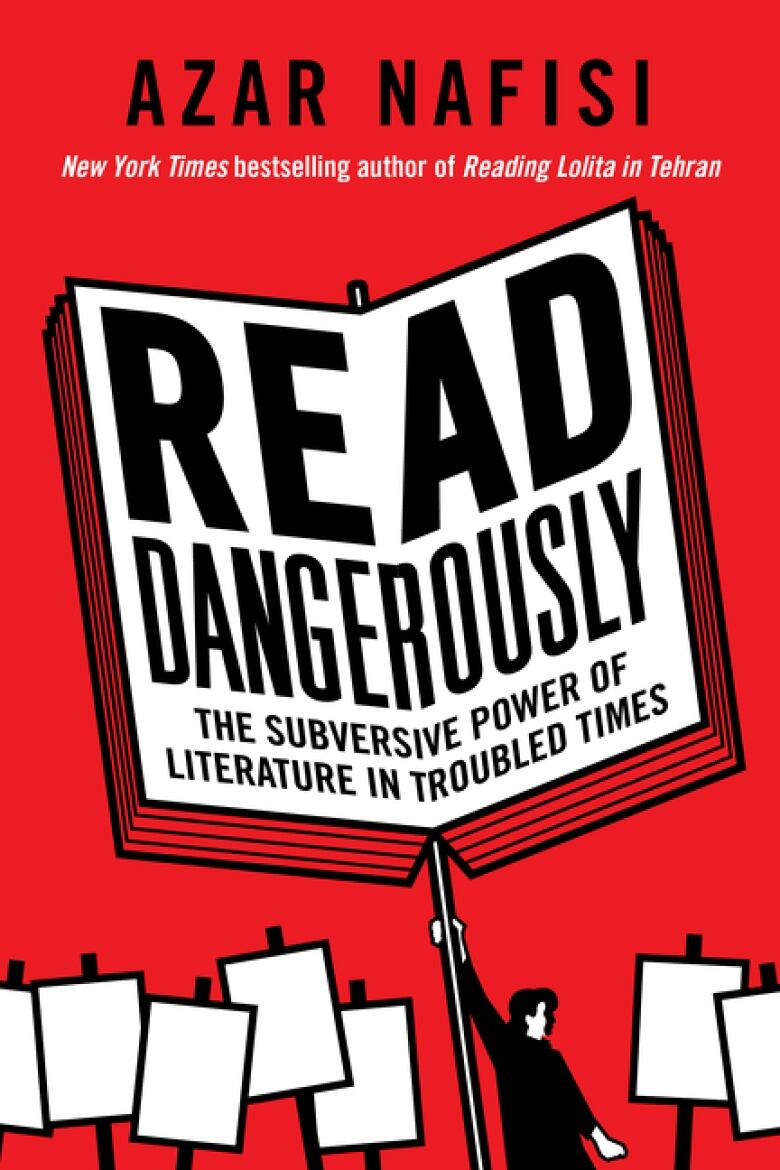
I read 13 books this month! In an absolute whiplash of ratings, I had two DNFs and two 5-star reads this month, but between them, there were some great reads. Surprisingly, the nonfiction books (both of which had red covers, coincidentally) were the stars this month!
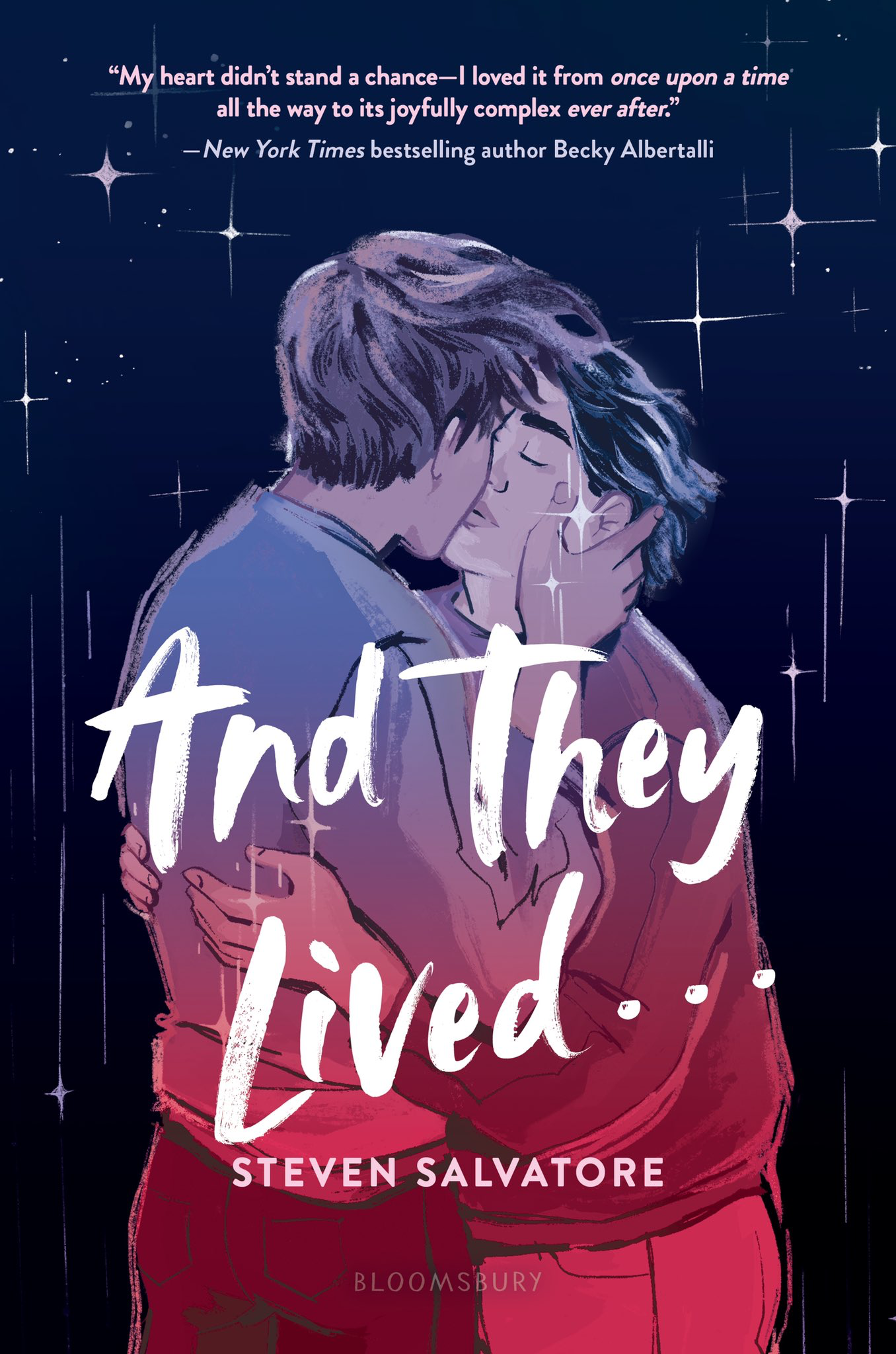
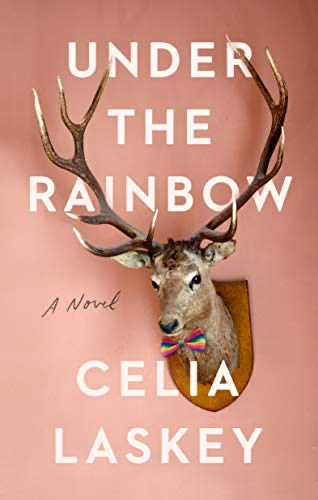
I read 16 books this month! Even with my part-time job, summer has given me more time to read, which is always welcome. Although there were some misses in the mix, I had a great bunch of (mostly) queer reads for pride month, both from familiar and new authors!
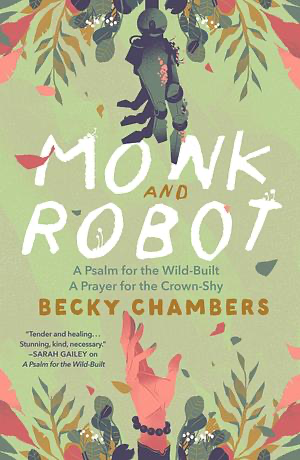
This week: Becky Chambers double-dipping, offloading my gripes about the train wreck that was season 4 of Hacks, and…oh, whoops, I think this post was supposed to be about music. My bad.
“They’re back!” I say, having not even listened to a full Big Thief album. This kind of thing sure does happen a lot, huh?
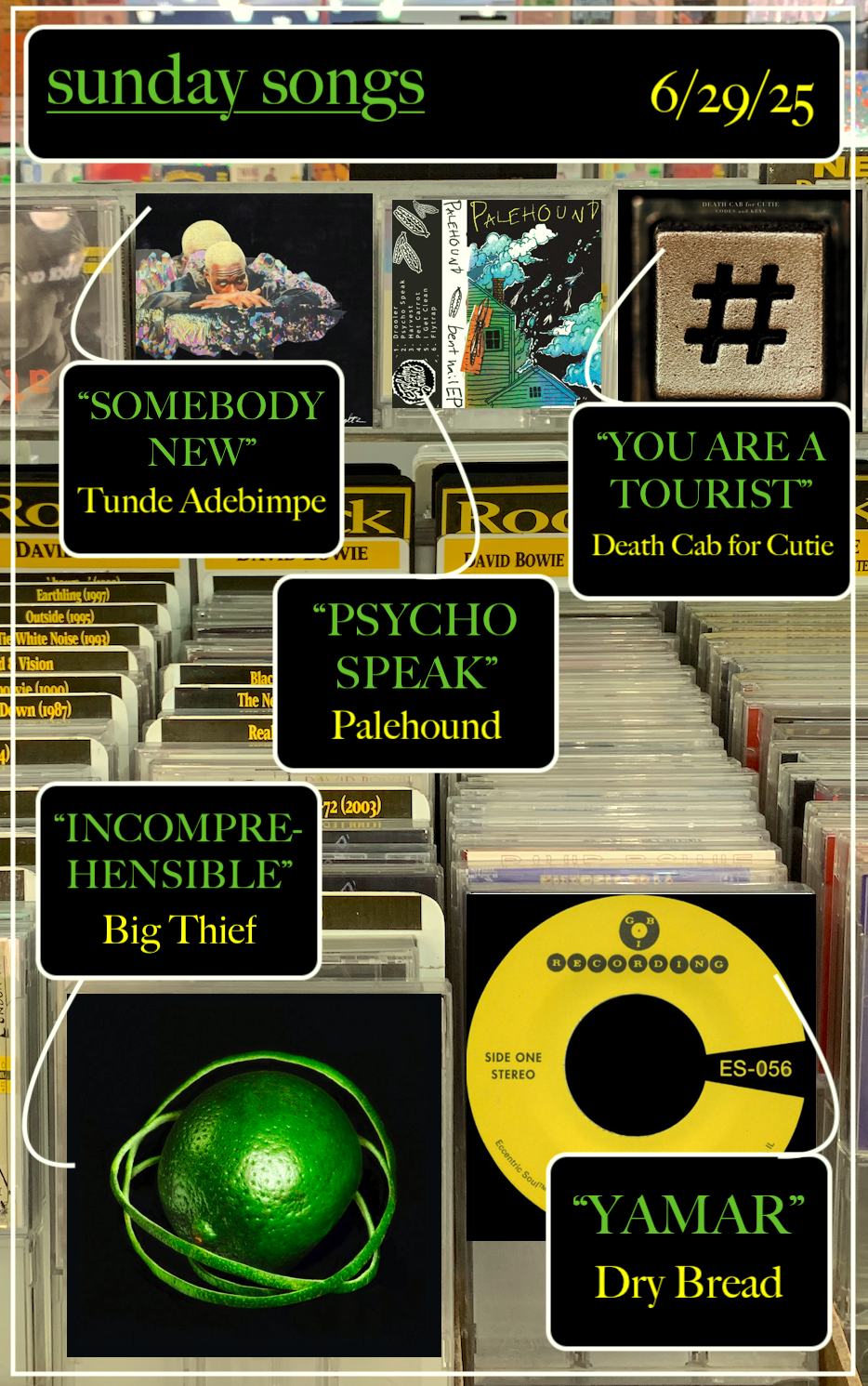
Regardless of whether or not I’ll listen to Double Infinity when it comes out this September or after I’ve finally gotten around to Dragon New Warm Mountain I Believe In You, “Incomprehensible” is a treasure in the here and now. The production is an absolute treat. It’s a far cry from some of their older, more folkier material, but never once does it feel removed from their emotional core. It glistens like dew, icy and starry yet tender and inviting, encircling, even. Guitars glitter and bubble next to the papery percussion. Adrianne Lenker’s voice drifts gently in their fabricated ether, but never once does it distract from the true star of the show: the lyrics, man, these lyrics! Lenker has truly honed her talent for poetic lyricism, and her beautiful messaging and penchant for lush turns of phrase are on full display here. Here’s a snippet:
“In two days, it’s my birthday/And I’ll be 33/That doesn’t really matter next to eternity/But I like a double number, and I like an odd one too/And everything I see from now on will be something new.”
What’s the music equivalent of that “absolute cinema” meme of Martin Scorsese? This deserves it, I think, if not just for that verse. “Incomprehensible” is a heartfelt ode to being free—not just driving down an endless road, as North American highways are wont to make you feel, but being free from societal pressures. I might be ascribing my love to it because it came to me at a time like this, where I am putting all of my energy in being free of expectations and embracing being as weird as possible, but in any other time, “Incomprehensible” would be a pleasure. Intertwined with imagery of nature—rolling clouds, birds, lupine flowers, and the glittering scales of fish—this freedom to just be is fully realized as a natural state: flowers grow and clouds form without any pressure that we have man-made, save for natural ones necessarily for survival. They don’t have the expectations on women to make them dread aging or conform to a certain look, to mourn every hair as it turns gray. The further we are from nature, the closer we get to these false ideals that we’ve fabricated for ourselves. I could go on about the myriad ways about how we could learn from nature, but the lesson in “Incomprehensible” is one of many: if we pay attention more to nature, we realize that all of these societal pressures are just that, constructs; to be more natural is to live free of expectations of what should be and to simply be.
…AND A BOOK TO GO WITH IT:
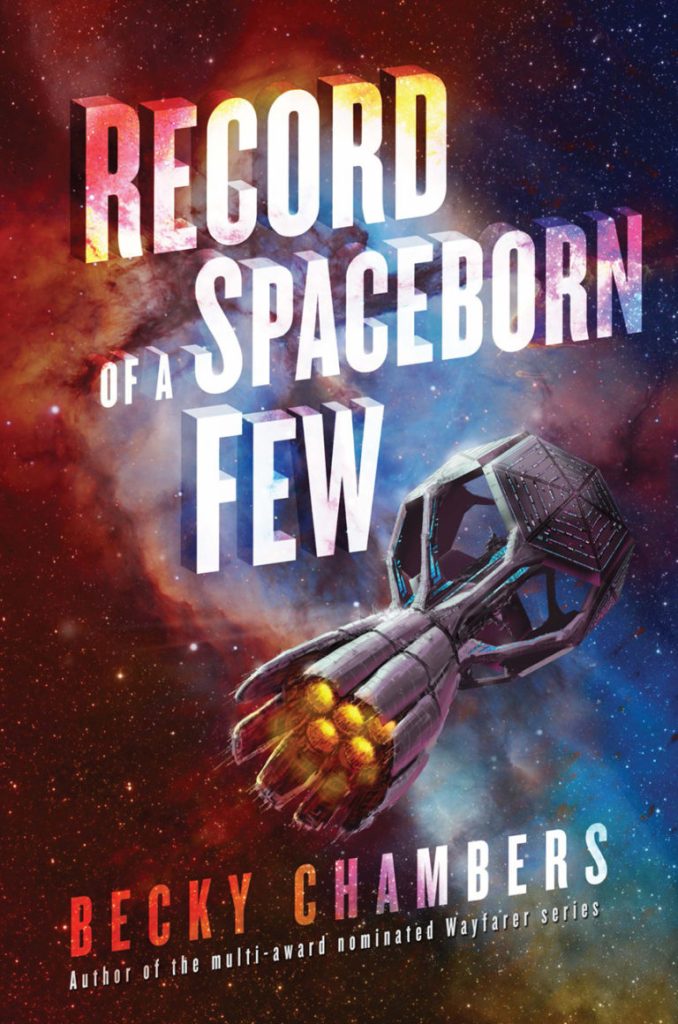
Monk and Robot – Becky Chambers – “And as silver as the rainbow scales that shimmer purple blue/How can beauty that is living be anything but true?”
I’m not like other girls…I didn’t even know the main reason that most people know this song is because Phish frequently covers it. Oof. I did discover it, as I tend to discover random, obscure ’60s and ’70s songs, through Hacks.
Can we talk about Hacks, by the way? Specifically, how gloriously they fucked up what was one of the longest consistent runs of a good comedy show? They had such a wonderful thing going—the sharp humor, the chemistry between Hannah Einbender and Jean Smart, and the excellent bisexual representation. Season 4 really just threw every single one of those things out the window. I’m still so mad. They were so sensitive and respectful about depicting bisexuality and biphobia, then boom…they proceed to throw the laziest possible stereotype about bisexuality at Ava. She goes from having heartfelt conversations about her identity with Deborah to being thrown into a threesome for reasons that neither furthered the plot nor said anything new about her as a character. At least the resolution was that the other two in the threesome were a chill polyamorous couple who didn’t want to be used for sex, which I appreciated (what with there being hardly any respectful depictions of polyamory anywhere), BUT WHY THE HELL WAS THAT NECESSARY? WHY DID THEY HAVE TO THROW IN THE “I’m in a threesome…supa bi!” LINE??? WHAT POSSESSED THE SHOWRUNNERS TO DO A COMPLETE 1-80 FROM THOUGHTFUL, AUTHENTIC DEPICTIONS OF BISEXUALITY TO WHATEVER STEREOTYPES THEY COULD HIT FIRST ON A DARTBOARD????
Sorry. Had to get that off my chest. Moving on…
As much as I love Hacks, they tend to have an issue with their needle-drops. In most cases, it’s a 30 second snippet from the song in question, and it’s usually shown over an aerial shot of whatever city they’re driving into—usually Las Vegas or Los Angeles. A few times is fine, but…yeah, it’s a little old. Given the absolute gold that was both the scene and the needle drop of “I Won’t Tell” in season 3, I knew they were at least capable of something more. In the case of “Yamar,” it’s in between the two; played at the intro of season 4, episode 6, it’s a small snippet that plays over a shot of Ava wrangling a comically large bundle of birthday balloons.
Though the editing was smooth, “Yamar” was all but hacked (no pun intended) to pieces—they only have about three lines from the verse before they get to the chorus. Which is really a disservice, because this is such a relentlessly catchy gem from the ’70s! My music taste is…well, yeah, it’s very much on the Western side. So I’m always glad when I find a piece of non-Western music that absolutely grabs me. I think the common denominator is the ’70s, regardless of the region it’s from. Even though the lyrics belie a somber reminiscence of looking for the unspoken point of leaving childhood behind and getting older, “Yamar” has an unfailing gallop that signals nothing but joy. That grainy, ’70s production strangely does everything in this song a service, giving the pianos a warm sheen and softening the rapid percussion, like the sun-bleaching of an old photo. It’s hard for me to feel anything but joy from this song, and maybe that could somehow be the point: dancing in defiance of having to grow older.
…AND A BOOK TO GO WITH IT:
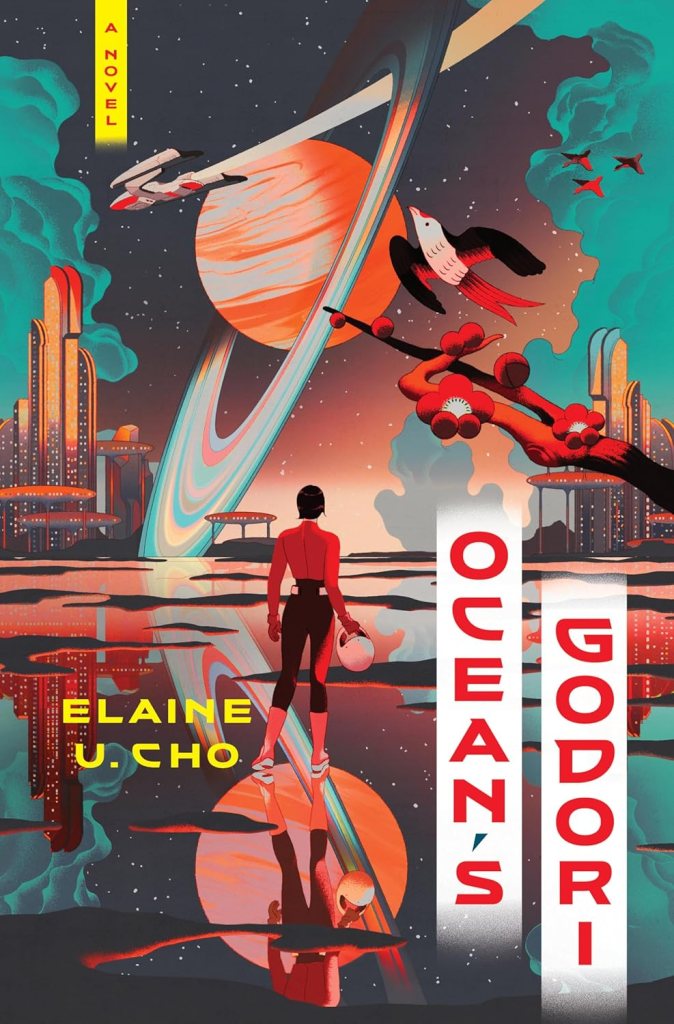
Ocean’s Godori – Elaine U. Cho – Reconciling with childhood and a skewed sense of identity, but all with a dose of hope and joy.
It’s once again Tunde Time here on the Bookish Mutant.
I haven’t necessarily come back to a lot of Thee Black Boltz, even though I retain that it’s a great album. Somewhat regrettably, it’s the singles that I’ve mainly been returning to, but at least they were well-picked singles, I suppose? I’d say that “Ate the Moon” and “The Most” were great surprises, but singles like this, “Magnetic,” and “God Knows” are the reigning highlights. Yet “Somebody New” still surprises me in how much I actually like it—even for Tunde Adebimpe. Autotune and a more directly pop direction aren’t directions that typically work for indie rockers like him, but it works. The autotune doesn’t make his voice shinier or more polished—it just distorts it, adding another layer of synth to the synth-pop that this song is soaked in. There’s plenty of ’80s throwback in the sound, from the video production to the synths, but never does it feel like a song meant to vomit up nostalgia—it’s just another in the long line of foolproof methods that Adebimpe has employed that make a song instantly danceable. Along with the delightful music video, in which Adebimpe has a Lego Batman moment with a Yo Gabba Gabba creature, “Somebody New” is one of the best examples of when somebody outside of the pop sphere takes a stab at a pop song—and knocks it out of the park.
BONUS: Here’s his recent performance on the Tonight Show:
…AND A BOOK TO GO WITH IT:
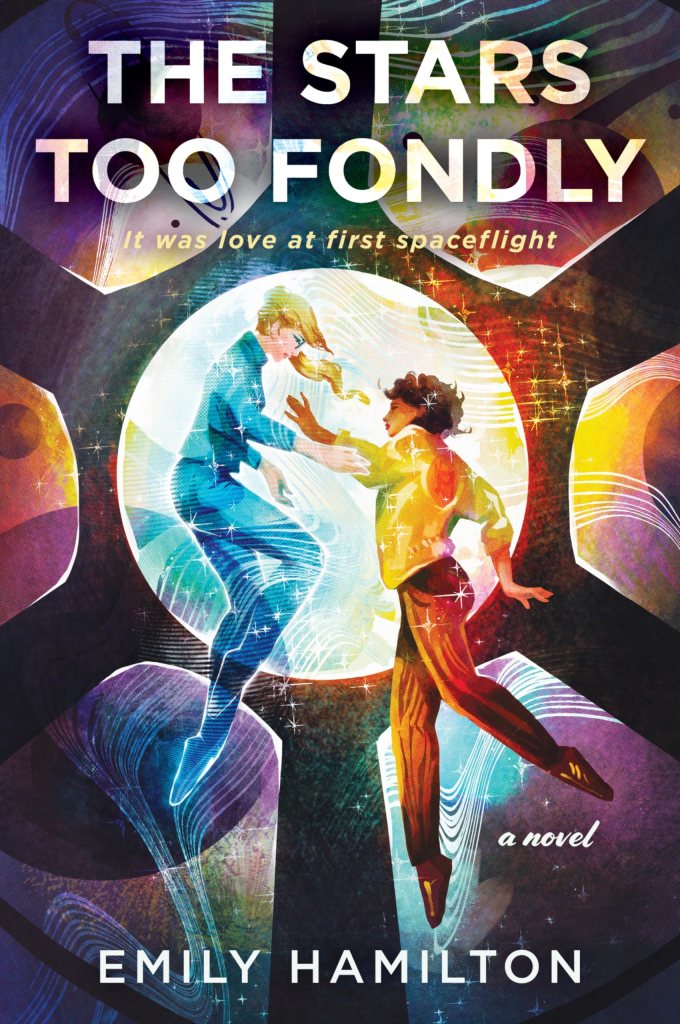
The Stars Too Fondly – Emily Hamilton – “I just wanna be somebody new/Is there nothing in the world that we can say about this/Heavenly vibration coming through?/How can we feed this love?”
It’s been about two and a half years since the Palehound Panic that shook the world this blog (alive and well) and my beat-up headphones (rest in peace). Although El Kempner isn’t dominating my Apple Music replay anymore, they’re always a delight to come back to, no matter the era. “Psycho Speak” returned unexpectedly, a cut from their debut EP, Bent Nail. Scrappy encapsulates so much of this barely three-minute-long song: the more indie production of their early days, the verging on out-of-breath delivery of the lyrics, and the cymbal-dominated percussion. Like the EP’s title and album cover, “Psycho Speak” evokes worn-down houses and dirty sidewalks, baseball bats dragged through the dirt. Kempner wasn’t quite at the level of precision that they have on their later songs, but “Psycho Speak” is a song that begs to be a little rough around the edges, fragmented like the end of the song: the final lyric of “I went downstairs and curled up with the cat” feels like a sentence fragment, leaving something unsaid. In fact, this track is built entirely off of things unsaid, in this tale of dating a rich man who leaves intermittently and for long periods, but who takes comfort in the company of his pets. Or maybe it’s that simple of a tale—the tiniest peephole into a story.
…AND A BOOK TO GO WITH IT:
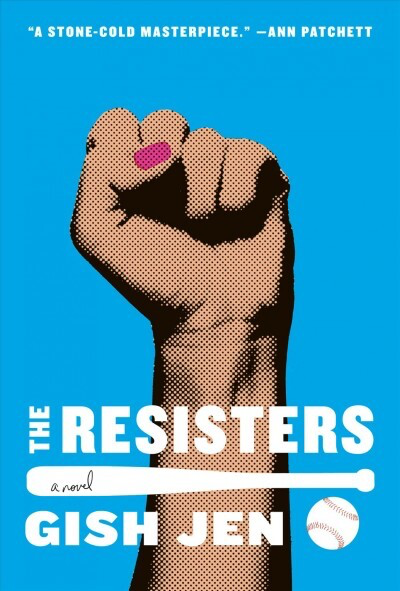
The Resisters – Gish Jen – the atmosphere of this novel, though much bleaker, has a very similar scrappy attitude and feel to it, especially where the younger characters are concerned.
The buzz around “You Are A Tourist” probably eclipses the song itself; its music video, a Meow Wolf-esque spectacle of kaleidoscopic lights, dancers outfitted in feathers, and geometric backdrops, was the first scripted music video in history to be shot in a single take. Given the impeccably elaborate choreography of it all, it’s honestly astounding. But even before I knew anything about the video or the fact that this song was one of their more popular ones, “You Are A Tourist” captivated me. The melody and arrangement feel so cyclical for me—from the loop at the beginning to the way that the instruments seem to circle each other, as though they were layered in concentric train tracks. And though it’s adjacent to the “I’m in my ’20s and angsty and need to get out of this town” format, as always, Ben Gibbard’s lyricism are what separates it from the rest. Of course, the “And if you feel just like a tourist/In the city you were born” instantly grabs me, but it feels less like a statement of purpose and more of a guidebook for those looking to start over and strike out on their own, a soothing, steady hand on your shoulder in the face of turbulent emotions, a kind of prayer against stagnation.
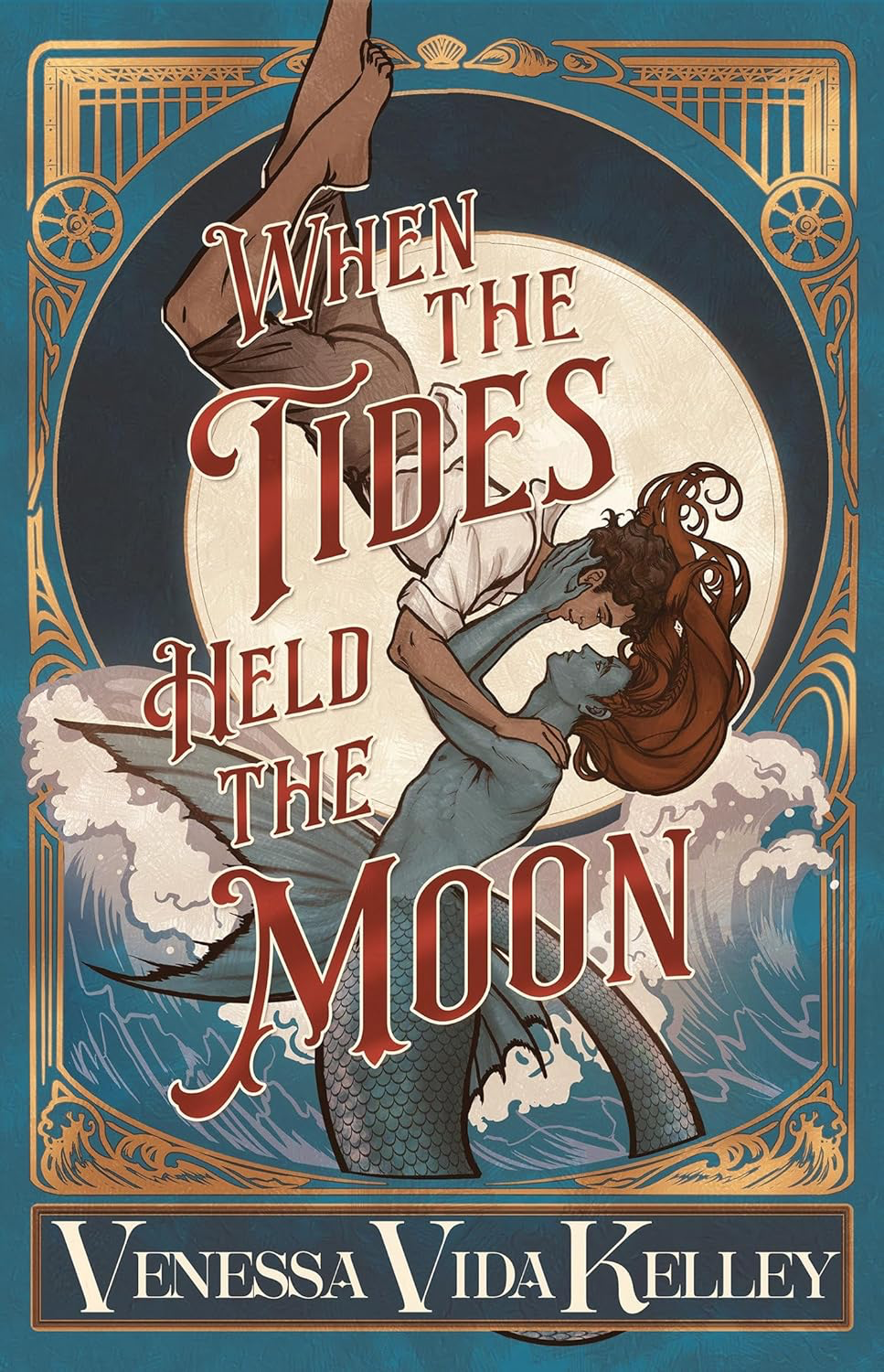
I found this novel in an Instagram post about upcoming queer releases in 2025, and this one immediately caught my eye. You put a comparison to The Shape of Water in the tagline, and you bet I’m in. (If anything, it’s right between The Shape of Water and Nightmare Alley, given the setting.) Venessa Vida Kelley has delivered a vibrant and sensitive story of queer love and solidarity amongst weirdos.
Orphaned and far from his homeland of Puerto Rico, Benny Caldera makes a living as an ironworker in 1910’s New York City, barely scraping together enough to stay afloat and out of reach of the taunts of his white coworkers. But when Sam Morgan, the owner of a sideshow, notices his handiwork, he commissions a strange project for him: a tank whose contents are unknown to him. Benny takes the opportunity for a new job, and finds an unexpected family in the sideshow’s performers. He soon finds out that the tank holds an impossible marvel: a captured merman. As Benny gains the merman’s trust, he finds himself drawn to him—and the merman to him. But when Morgan’s abuse to the merman turns deadly and the sideshow begins to crumble, it’s up to Benny to hatch a plan to save them all.
TW/CW: racism, homophobia, abuse (emotional and physical), violence, blood, ableism, xenophobia, mentions of sexual assault (off-page)
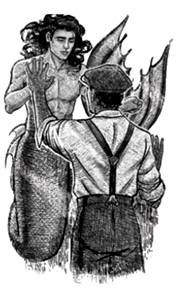
art by Venessa Vida Kelley
I may be a somewhat critical consumer, but listen…you dangle a comparison to The Shape of Water in front of me like a carrot, and goddamnit, I’m eating it right up. God forbid that a weird girlie such as myself consume even more media about found family, fish people, and the nature of marginalization!! That being said, nothing comes close to The Shape of Water, but that’s not the book’s fault. When the Tides Held the Moon is a beautiful novel in all of its parts.
When the TidesHeld the Moon boasts a vibrant cast of characters, and it really felt like a feat for Kelley to balance all of them and still give them unique and complementary personalities. Besides Benny and Río, the cast is mostly rounded out by the fellow performers in the sideshow, of which there are many. Yet out of the nine (I think?) primary side characters, none of them ever felt like an afterthought. Each of them were not only rounded out, but had such thoughtfully planned interactions with all of the other characters—sometimes clashing, and sometimes meshing perfectly. There were individual romances and special friendships between the nine of them, but they were a shining example of found family done well. Despite their individual differences, their solidarity and kinship shone through on the page, making for a narrative that had no shortage of tenderness and heart.
The romance between Benny and Río shone in When the Tides Held the Moon. There was such a tenderness to both of them that gave the novel so much of its heart. I’m always a sucker for narratives about two outsiders falling in love, but I love the ways that their separate senses of outsiderness intertwined; they shared music, stories, and tales of their respective homelands. The slow burn romance was paced well, and never felt rushed. I do feel like the ending was a tad bit too close to The Shape of Water, without spoiling anything, but I think their individual way of solidifying their romantic relationship at the end of the novel separated itself enough in the end, making for a resonant, vibrant end to the novel and to their respective arcs. It was all just so wonderfully sweet, but never in a way that felt insincere or cloying—I just loved them!
When the Tides Held the Moon is an incredibly diverse novel, which was exactly how it should’ve been; even without nearly as much knowledge as Kelley has (this was a very well-researched novel and it shows), it would’ve been a disservice to show either New York City or the culture of sideshows as places that don’t have a history of diversity. Immigrants from many different countries (Puerto Rico, Ireland, India, and Russia to name a few) are at the forefront, as well as lots of queer people, disabled people, people of color, and people who overlap within these intersections. However, some novels have a tendency to have a very 21st century view of all of these things. When the Tides Held the Moon felt very historically sensitive in terms of the language it used around these characters, but not in a way that was sanitized. In fact, it didn’t hold back from depicting the kinds of horrific oppression that these characters faced. Yet it wasn’t straight-up trauma porn either—it was honest about the struggles marginalized people faced during this time period, but never in a way that felt like their trauma was being exploited for emotion. That emotion shone through naturally in the interactions that the characters had and the solidarity they fostered in the face of mutual oppression.
That being said, the major thing keeping When the Tides Held the Moon was some of the writing, particularly the dialogue writing. Even from someone with a fairly high tolerance for bombastic, dramatic dialogue (I love Ray Bradbury and the Claremont run of X-Men for similar reasons, if that gives you a good idea of where I’m at), Kelley’s dialogue often bordered on too much. As sensitive and nuanced as everything else about this novel was, the dialogue trended towards excessively cheesy and overdramatic more often than not. Though I adored Río as a character, his voice very much fell into that overly verbose, “wise”-sounding dialogue that you could slap on any fantasy character. Benny in particular had some of that pathetic “aw, gee, mister, gimme a break, why don’tcha” kind of overwritten voice that was in-character at best but almost grating at worst. The side characters had varying degrees of this affliction, but none of them necessarily jump out at me save for the very stereotypically New York mobsters (“he’ll be sleepin’ with the fishes,” etc…wait, there was SUCH a missed opportunity them to say that). The only exception I can think of was Matthias since it was established that it was his genuine personality and not a consequence of the writing. If this were any other novel, I would’ve tolerated this much less, but Kelley’s story had so much heart that I could partially let it slide…but not all the way.
All in all, a beautiful, sensitive novel about love and marginalization with a big heart. 4 stars!
When the Tides Held the Moon is a standalone and Kelley’s debut novel. She is also the author of the forthcoming graphic novel Manu Faces the Music, which is set to be released in 2026.
Today’s song:
That’s it for this week’s Book Review Tuesday! Have a wonderful rest of your day, and take care of yourselves!
THEY’RE BACK!! Well, mary in the junkyard haven’t been gone for long, but nonetheless, I’m always excited about whatever new music they’ve got going. In fact, they’ve already had a fruitful year: a great feature on Richard Russell is Temporary, a shoutout on 2D’s Gorillaz G Mix 22, and a spot as one of the opening acts on Wet Leg’s UK and North American tours. I can only hope that their debut album is in the near future, but for now, they finally seem to be on the way to getting the attention they deserve!
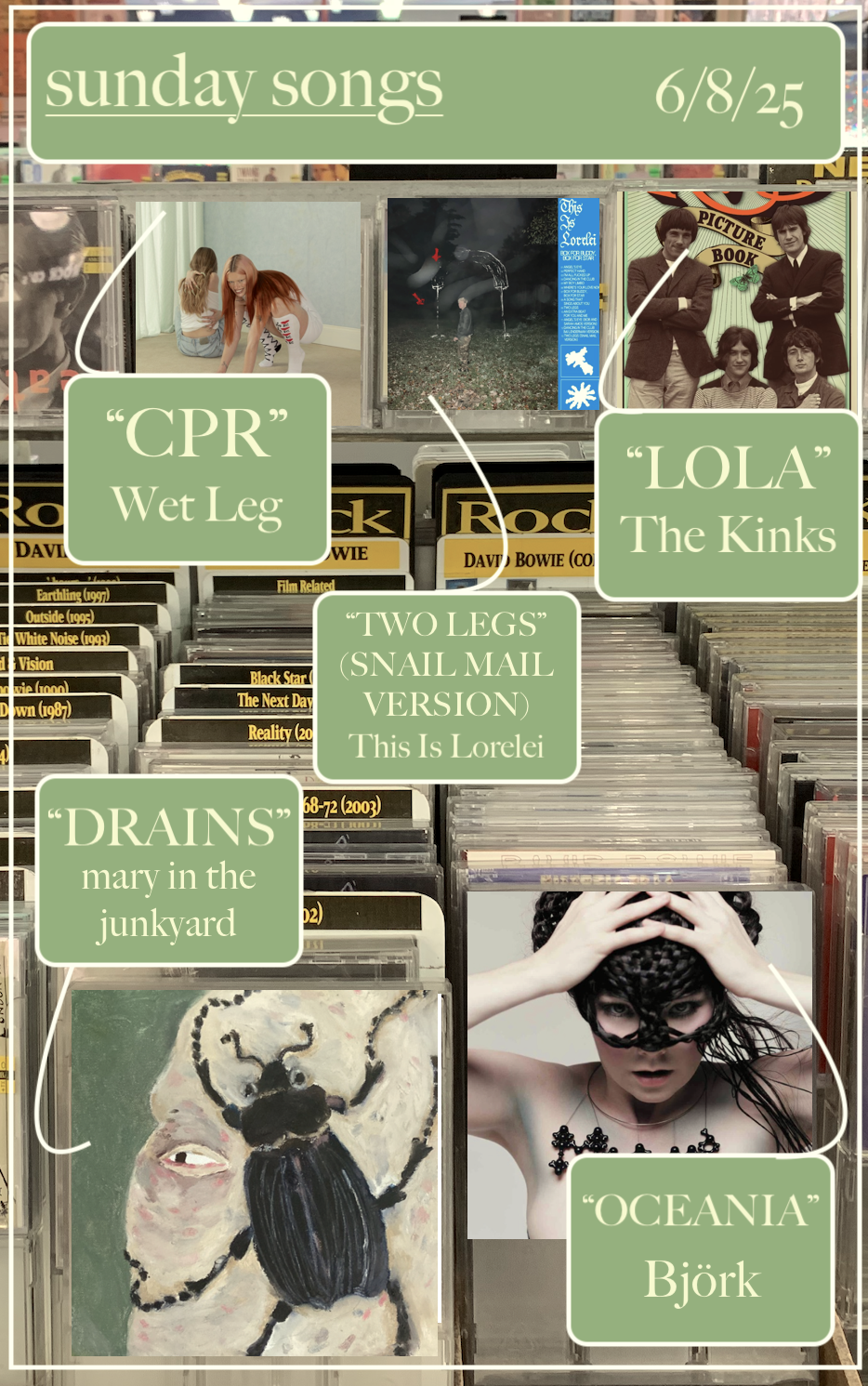
“drains” continues the trajectory of their debut EP, this old house, which contained four songs full of ghosts, flies, rot, and angst dug out of the graveyard, living up to the description in their Instagram bio as “angry weepy chaos rock.” This time, the grime and goop they’re examining comes from the sewer; in the great music video, it’s personified as a tiny little clay creature that really does look quite innocent, but ends up wreaking some accidental havoc. With electric guitars that ring in a strangely plaintive way, “drains” stumbles about, written in a frustrated daze as the narrator struggles to put names to feelings—and to how her lover makes her feel. Not good, if the lyrics are any indication, and yet “drains” gets scratchier and more jagged as the truth becomes ever more apparent that they’re trapped in this cycle with them: “But if you bury yourself, I will dig you out again/That’s what lovers do/If you hurt yourself, I will take you under my wing/I’m your lover and I’m loving you.” Culminating in an exorcism of a scream, the chaos of the frustration is finally let loose and given form, like the clay critter clambering through the grime-coated pipes.
Damn…Medúlla has me feeling all kinds of things. It was next in line in my scattered Björk deep-dive and I was highly anticipating it after Björk’s episode about it on Sonic Symbolism. I listened to it while knitting a scarf, and I thought of everything she described about the album, about prehistory and family and sitting around the fire and braids and ropes and weaving…and that hit me while I was knitting, doing the same activities that my ancestors, namely women, have done for thousands of years before me, and, and, and…yeah. Medúlla is very nearly a no-skip album (“Submarine” wasn’t my favorite). It’s one of those albums where you feel a pit opening in your stomach, but it seems to be opening up room for the energy to integrate itself into you. A good Björk album does that to a gal. And so many people think this is her worst album because it’s inaccessible? Sure, maybe her first three albums are more accessible (relatively), but do you really listen to Björk for accessible music?
I kind of agonized over which song I’d pick for this week (because you will be hearing more), but between this, “Who Is It (Carry My Joy on the Left, Carry My Pain on the Right)”, and “Desired Constellation,” this was the winner. Originally composed on pianos before Björk realized the sound she envisioned weren’t possible on pianos, “Oceania” imagines the all-encompassing consciousness of the ocean. Connecting the ocean to the album’s larger theme of motherhood is a no-brainer, because who was the mother of every life-form on the planet? Taking the nurturing spirit to the personal to the universal, Björk embodies an ocean full of love, but namely full of pride: “You have done good for yourselves/Since you left my wet embrace/And crawled ashore.” Despite her all-encompassing knowledge and reach (“You count centuries/I blink my eyes”), she retains an eye on every organism that has emerged from her waters, nurturing all of them and reminding them of where they came from; as the vocals temporarily drop out, she reminds us of the connection we all have: “Your sweat is salty/I am why.” AAAAUGH, excuse me for a moment…sorry, I just get overexcited about the wonder about how everything on Earth is intimately connected and that denying it is the root of pretty much every problem we have today…but what a song. Composed entirely of the human voice, a choir creates a rising chorus that seems to bubble to the surface like the trails made by dolphins as they race through the water. The ethereal clicks and hums compose a melody that really does feel primal, glittering as light dappling across the surface of the sea. Leave it to Björk to get so close to how water feels, in both the calmness of it enveloping your body and the delicate movements of invertebrates as they drift through the waves. I can hear both plankton and megafauna, all cradled in the arms of Mother Oceania.
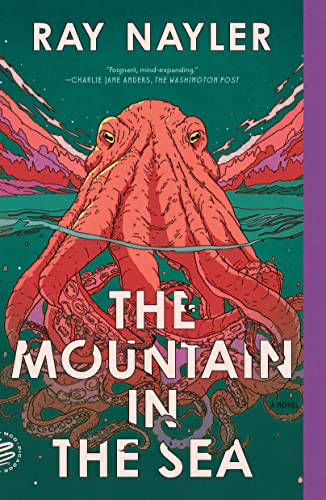
The Mountain in the Sea – Ray Nayler – unexpected connections between the most intelligent creatures on land and the most intelligent creatures in the sea.
The last time I talked about Wet Leg, I mentioned that, as much as I like them, they’ve only written about two, three songs tops. I was expecting about the same from “CPR,” and…they delivered. I say this with affection, because I mostly like this song, but they pretty much have every lyrical cliche in the book. Usually, they’ve got at least one little quirk that’s wryly funny against the normalcy of the other lyrics. This one has [checks notes] calling 911—sorry, 999, forgot that I’m in the colonies—because you’re in love. I feel a little mean saying that, but they’ve usually got something more. But for the most part, Wet Leg aren’t necessarily about the lyrics for me. The reason that “CPR” succeeds is all in the delivery—Rhian Teasdale’s sultry spoken word and the growling guitars in the background, mixed with siren-like synths make it worth listening to over and over. There’s a Britpop callback to their whole sound on this song (it feels both ’90s and a bit “St. Charles Square” to me), and listen, if there’s anything I’m always here for, it’s Graham Coxon-sounding guitars. Along with the creeping bassline, “CPR” is a hooky song on its own, but as the opening to moisturizer, I’m interested to see the direction it goes in, a trajectory that Teasdale speak-sings of, propelling herself off a cliff and into the unknown.
…AND A BOOK TO GO WITH IT:
A Tempest of Tea – Hafsah Faizal – “Try to run/Head for the hills/If you’re a ghost, then oh my God/How can you give me the chills?”
It feels so strange that I’ve only sparingly talked about Snail Mail on these posts since she’s played such a critical part in my musical lineage. I discovered her at the tail end of 8th grade, and through that weird summer before high school where I was questioning my sexuality, I listened to Lush, it became a favorite of mine, and I even met Lindsey Jordan after a show at the tiniest little club. She thought I was in college, somehow…I was 14. I left that show with the guitar pick she’d given me, a desire to pick up the guitar, and a bit more starstruck courage to come out. I followed her on another tour in my sophomore year of college, and caught her touring for Valentine a few years after.
I guess the part she plays in my life now is diminished since she hasn’t done a whole lot album-wise in almost four years. Other than that, though, she has technically done a lot: an EP of Valentine demos, an acting role in I Saw the TV Glow (that I still haven’t seen…oops), a Smashing Pumpkins cover, and a gig singing with Weezer back in 2023. One of the more recent singles she’s done is another cover—this time, a reworked version of This Is Lorelei (the solo project of Nate Amos from Water From Your Eyes)’s “Two Legs.” She’s switched up the key and added a sprinkling of Lush-sounding guitar flourishes. Since her vocal surgery several years ago, Jordan’s seemed to struggle with fitting her older catalogue into a reasonable range for her. But the easygoing tones of “Two Legs,” with its gentle twang and tenderly spoken lyrics are a sweetly comfortable fit for her. I doubt this is indicative of whatever new direction she’s taking, but this reworking was almost made for her.
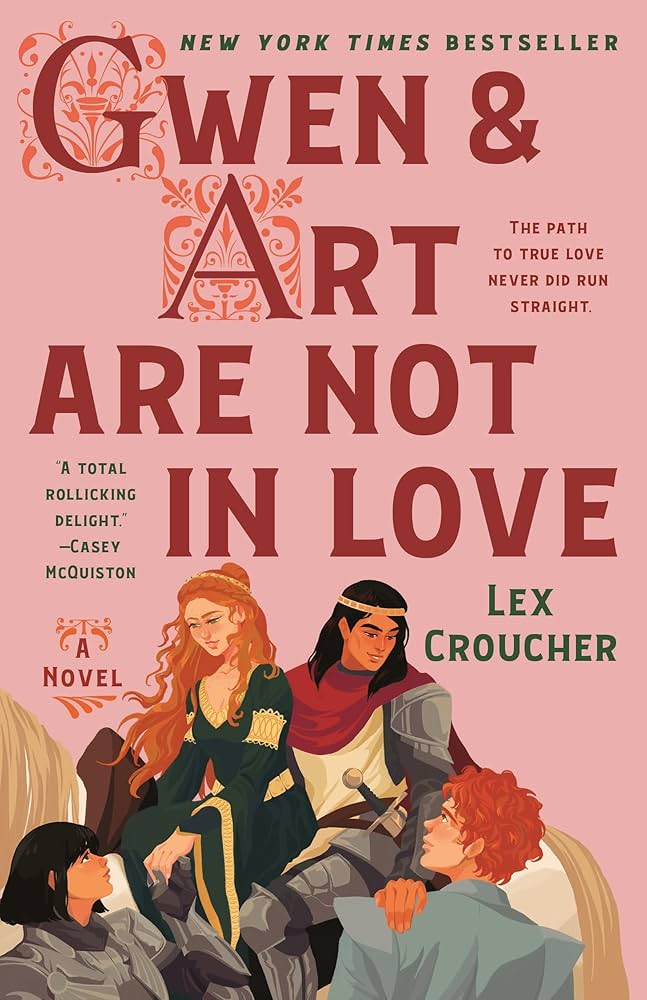
Gwen & Art Are Not in Love – Lex Croucher – “If you said you wanted two weeks/You know I’d give you nine/And they’d be yours and mine/Ain’t nothing gonna make us cry, we will not cry, love/If it made life easy for you, I would say goodbye/And love, if you said you needed two legs/I’d give you mine…”
I didn’t line this song up for pride month, but I might as well talk about it since it came back to me, in the way that a classic always does.
“Girls will be boys and boys will be girls/It’s a mixed-up, muddled-up, shook-up world/Except for Lola.”
It still blows me away that this was a hit song all the way back in 1970. Of course, it wasn’t without controversy, but to have a band put out something so blatantly queer on the airwaves that long ago never ceases to amaze me. I can only imagine the reaction of some uptight conservatives listening to the radio when “Well I’m not the world’s most masculine man/But I know what I am in the bed, I’m a man/And so was Lola” came on. Pearl-clutching ensues. “Lola” wasn’t the first queer song of its kind, but what stands out to me is that Ray Davies never once makes a joke out of Lola; there’s been some speculation over the years about whether Lola is/was inspired by a drag queen or a transgender woman (Davies later confirmed the latter), but either way, it details the protagonist falling in love with a woman, getting confused about why she “walk[s] like a woman and talk[s] like a man,” and realizing the truth about her identity. Although the protagonist does express a great deal of shock, he doesn’t outright disrespect Lola or make her the butt of a joke—he just accepts that the world is weird and variable, and that it’s fine for Lola to be who she is.
Perhaps it was because The Kinks were a relatively popular, mainstream, and notably heterosexual band that they were able to get a queer message on the air easier than other artists. For me, that doesn’t diminish the effect that “Lola” has and continues to have, given how maligned queer people—especially trans people—were at the time, and continue to be today. They could’ve just as easily made a fool out of Lola, but in this situation, it’s the sheltered, inexperienced protagonist that gets a laugh out of the audience. Lola’s not overly fetishized, either—she’s described as being attractive and sensual, but she’s not an outright sex object. Sure, some of the language is outdated (namely that Lola is still referred to as a “man” even though she’s likely a trans woman), but this is 1970 we’re talking about, of course the language isn’t going to be completely analogous to 2025. None of it comes off maliciously—it was just the language they had to work with at the time, and all of it was just to say that Lola, a trans woman at the margins of society, was deserving of love. Radical concept, eh?
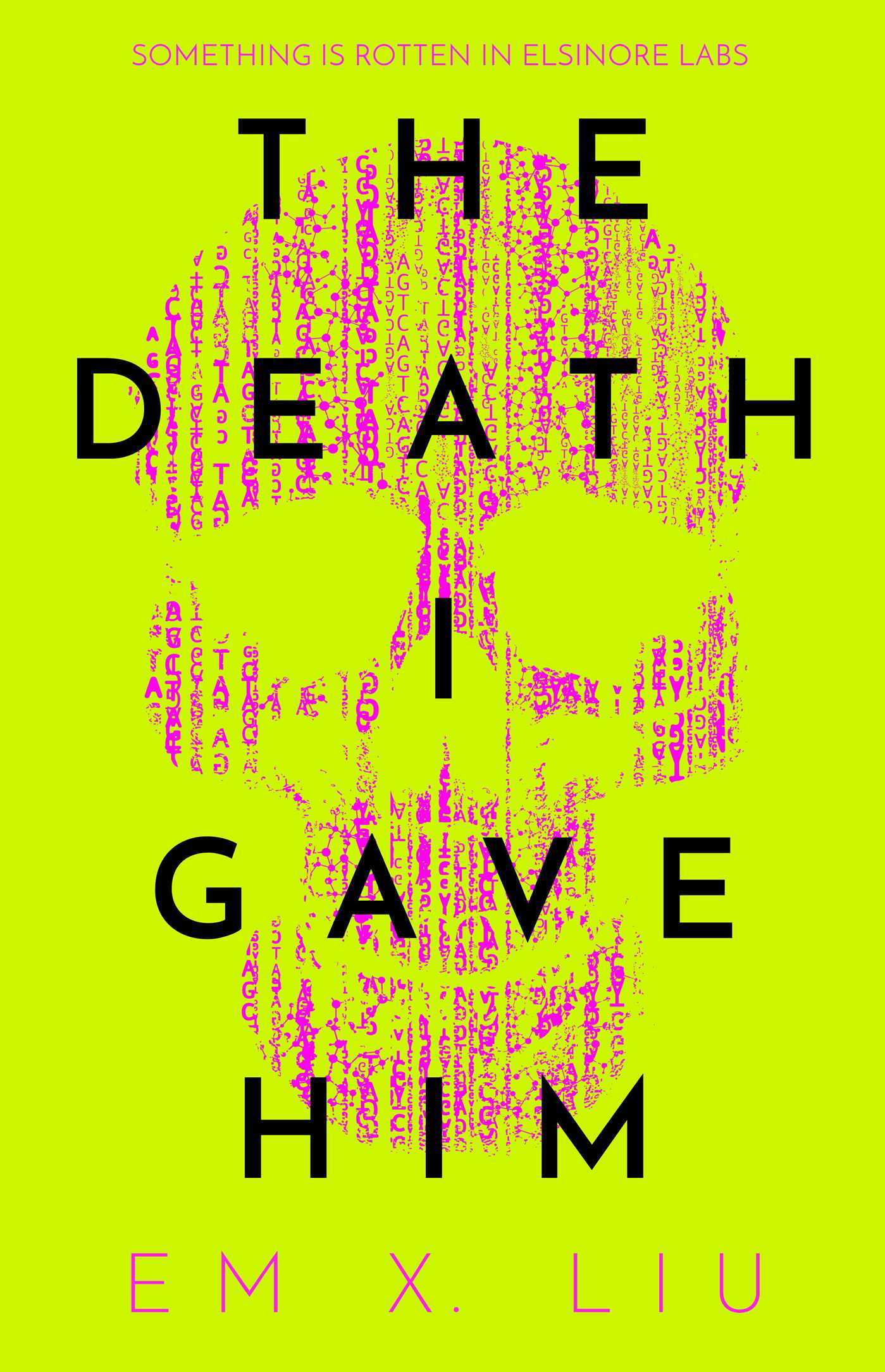
Here’s a continuation of my recent sci-fi mood…I’ve been looking to add more sci-fi to my TBR, because I seem to exhaust my supply faster than I can keep up. The premise of The Death I Gave Him being a queer, sci-fi/thriller retelling of Hamlet enticed me, but sadly, this novel didn’t deliver—not on the retelling front, and not entirely on the thriller part either.
Hayden Lichfield is intent on carrying out the mission that his father is pioneering—the Sisyphus Formula, a substance that could one day reverse death itself. Enticed by immortality and down on his luck, Hayden throws himself into his work. But when his father is found murdered in Elsinore Labs, Hayden has no idea who to turn to—and who wanted to murder the man who wanted to beat death. Trapped in his room with only his AI, Horatio, to trust, Hayden scrambles for answers, and everyone around him is a suspect. But is it not just Hayden’s friends, but his father that have been lying to him all along?
TW/CW: murder, blood, descriptions of injury, suicidal ideation, grief, death of a parent
Trying to describe whether or not The Death I Gave Him qualifies as a retelling feels like the Ship of Theseus. If all of your characters’ names allude to Hamlet and you set your story in Denmark, but not much else relates to Hamlet, is it still a Hamlet retelling? How much Hamlet does one need to remove for it to still feel like a retelling? Sadly, Em X. Liu is proof that there is a limit to how much you can remove before it stops feeling like a retelling. It’s Hamlet in name only.
Having read Hamlet less than a year ago, I went into The Death I Gave Him with a fairly fresh memory. However, if not for the more obvious name changes (Hamlet becomes Hayden, Polonius becomes Paul, etc.) and the fact that it’s set in Denmark, I really wouldn’t have thought that this was a Hamlet retelling. I’m fine with loose retellings, but I don’t think it should’ve been billed as such. The whole Denmark setting definitely felt like very a “see? This is Hamlet, I promise!” move and wasn’t relevant to the plot whatsoever. I’m fine with loose retellings, but I feel like the similarities end with what I just described above. I’m not sure if this even qualifies as a retelling so much as people named after characters in Hamlet. Also, none of these people were nearly crazy enough to be in a Hamlet retelling. You’ve got to have someone go at least a little insane to have a proper Hamlet retelling. Hayden got a wee bit depressed and existential towards the end, but there wasn’t nearly enough “something is rotten in the state of Denmark” insanity to make it feel like a true tribute to Shakespeare. It just felt like a rather emotionally stunted novel even though it’s based off of something so dramatic. Some tonal liberties are inevitable for any given adaptation, but these ones just didn’t feel true to Hamlet, which made the more obvious Hamlet references feel more like preventative measures to make sure that people remembered that this was a Hamlet retelling.
Having mixed formats (interview excerpts, security camera footage, etc.) can be a great tool to add some additional context—and a unique flavor—to a novel, and I think it works especially well with thrillers, which The Death I Gave Him partially was. However, I don’t think Liu properly executed this format. Granted, it’s difficult to pull off, but when it’s executed well, it adds another layer of mystery to what is hopefully another layer of mystery. The problem Liu seemed to have is that, with the exception of the security camera footage, all of the other perspectives sounded exactly the same. All of the interviews, document excerpts, and “fictional” interludes by Horatio were in the same tense and the same POV, which basically rendered the format useless. Beyond that, these interviews and whatnot were from multiple people, but they all had virtually the same narrative voice. By the end of the novel, it didn’t even matter where the excerpts were coming from—they all sounded the same. If you’re going to pull off this kind of format, you have to make each component sound unique—if everything sounds the same, what’s the point in specifying which chapter is an interview and which one is a fictional account?
Also, none of the characters seemed to have much of a purpose outside of being props, aside from Hayden, Horatio, and maybe Felicia if I’ve being generous. Even though we get a significant portion of the novel through her interviews and written segments, I never even got a specific read on her voice since it was so similar to every other character’s. Paul, Rasmussen, and Charles were just there until they conveniently weren’t. The timeless fun of Hamlet comes from seeing everybody scheming against each other and different motives clashing against each other, but everybody was just rendered into very similar characters with too similar motives to each other for the mystery to really be worth it.
The same was true of the plot. I was committed to The Death I Gave Him because I was excited by the premise and wanted to see how the plot unfolded. I will say that Liu did a great job of setting the scene and cramming us in said locked room of this locked-room mystery. However, very little happened in said locked room—other than a handful of scattered moments, the place was quite slow, and the ratio of information that was revealed to the amount of pages it correlated to was way off—it felt like we only got significant revelations every 100 pages, and The Death I Gave Him is a little over 300 pages. There needed to be much more intrigue and complicating factors and clashing motives for this novel to work as a mystery; what we had was quite lackluster.
All in all, a sci-fi retelling of Hamlet that missed the mark on its source material and its new plot. 2 stars.
The Death I Gave Him is a standalone, but Em X. Liu is also the author of the novella If Found, Return to Hell and several short stories in various anthologies and magazines.
Today’s song:
That’s it for this week’s Book Review Tuesday! Have a wonderful rest of your day, and take care of yourselves!