Posted in Book Review Tuesday

Book Review Tuesday (2/4/25) – Death of the Author

Happy Tuesday, bibliophiles!

I’ve been a longtime fan of Nnedi Okorafor, albeit on and off—I picked up Akata Witch back when I was in middle school, and then discovered her adult books when I was in high school. Since then, I’ve been a fan of her quirky brand of Africanfuturism. You can imagine my surprise when I found out that Death of the Author was not an addendum to her long sci-fi fantasy canon, but instead literary fiction—albeit, with a dash of sci-fi. Either way, the switch from genre to genre is as smooth as I’d expect from Nnedi Okorafor.

Enjoy this week’s review!
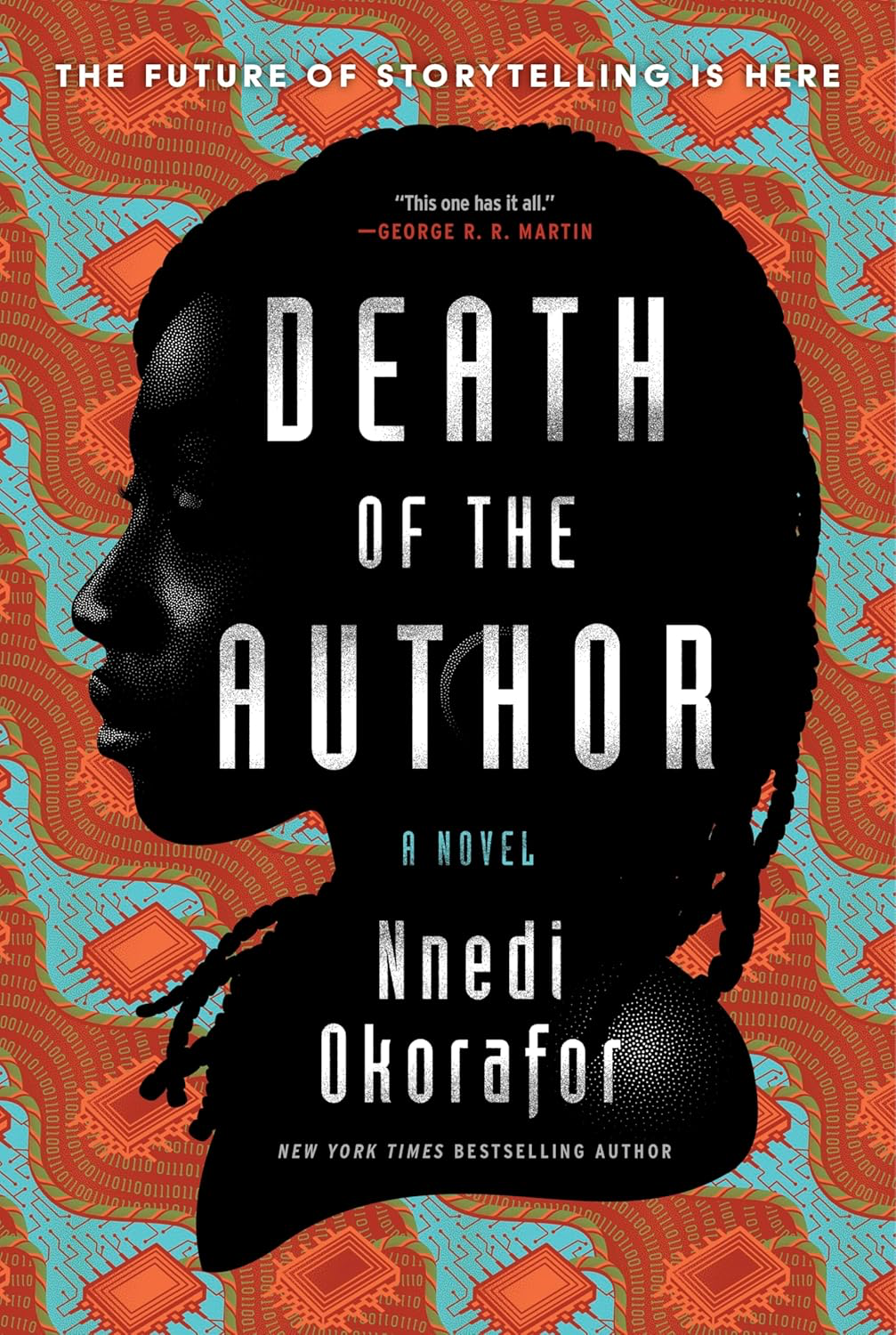
Death of the Author – Nnedi Okorafor

Zelu is on the verge of giving up her dream to be a writer. After a pile of rejected manuscripts and a botched job as a professor, she moves back in with her overbearing, judgmental family as she attempts to get back on her feet. But when a spark suddenly comes to her, she has a bestseller on her hands: Rusted Robots. As she grapples with the price of fame and the mobility—and simultaneous lack thereof—Zelu must come to terms with her own identity as she explores the fabrication of it that the public has created for her.

TW/CW: substance abuse, ableism (external & internalized), loss of a parent, near-death situations, kidnapping

Of all people, I didn’t expect Nnedi Okorafor to take the leap into literary fiction, and after I found out the switch in genre, I didn’t expect to enjoy Death of the Author as much as I did. Thankfully, it’s only really literary in the sense that it’s contemporary, realistic fiction…mostly. The woven tapestry of Zelu’s real life and her creation, Rusted Robots, turned out to be a powerful meditation on the nature of art and identity.

Once again, make no mistake: this is fiction, but it’s not entirely just fiction. The assumption is that it’s a handful of years in the future; Zelu has fairly futuristic, adaptive prosthetics that are still in beta testing, and she tests out an automated cab service that’s been newly introduced to the streets of Chicago. Yet Okorafor takes the same skilled hand that she uses to craft intricate, far-future worlds and translates it into the idiosyncrasies of modern life, from the gauntlet of social media fame (and harassment) to being in the confines of a chaotic, judgmental family. For every character that was introduced, Okorafor matched them with an unforgettable personality, even if they only appeared for a few pages. All of the complex, rapidly fluctuated emotions were depicted with sensitivity, from the highest joys to the deepest pits of anguish and the plentiful uncertainty in between. Even without her talent for worldbuilding, Okorafor is a force to be reckoned with, and Death of the Author is proof.

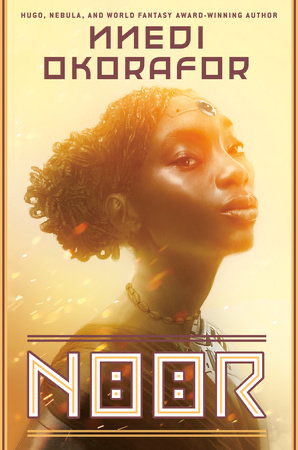
I was hesitantly optimistic that Okorafor was writing a disabled main character again; Noor was a great novel, but from my memory, there was quite a bit of internalized ableism in the main character that went unaddressed. (However, somehow I didn’t know that Okorafor has experience with disability and was herself temporarily paralyzed, so my bad.) The setting couldn’t be more different for Death of the Author, but Okorafor has certainly stepped up her game as far as writing disabled characters—and part of it is that Zelu is unlikable. More often than not, you can at least sympathize with her, but at times, you can see her for the insufferable, argumentative, reckless stoner that her family sometimes sees her as. Of course, not every disabled character has to be likeable, but her relative un-likeability made some of the novel’s most powerful commentary shine even more. As she grapples with her meteoric rise to literary fame, Zelu’s fans place the burden of her being a “role model” for a number of communities: Black, woman, Nigerian-American, disabled. Being a role model can be powerful, but as soon as people saw Zelu as more of a role model than a person, it disregarded her humanity in an entirely different way. She became an example, not an autonomous being—something that is intimately tied to what many disabled people experience. In that way, Zelu represents a leap in how Okorafor writes her disabled protagonists—not just independent, but human.

I don’t have a ton of experience with meta-fiction—it’s not a matter of me not liking it, I just hardly get around to reading much of it—but Death of the Author pulls it off with ease. If you’re still not convinced that Okorafor’s literary fiction isn’t for you, you’ll at least be tided over by her signature brand of Africanfuturism, complete with the landscape of a futuristic Nigeria, robots, and appearances from Udide. It’s somehow a delightful vision of the future, where types of robots have proliferated across the face of the Earth in the face of the extinction of the human race. It’s threaded into Zelu’s life, yet it’s also a clever distillation of the novel’s themes; Ankara’s struggle with coexisting with Ijele inside of his head, as well as the changing world around him, spoke to the themes of embracing collaboration and the blurry relationship between creator and reader.

Which brings me to the whole “death of the author” part. I’ll admit, the Roland Barthes quote from the (original) “Death of the Author” gave me literary theory flashbacks. But as a grounding concept for the book, I love how Okorafor’s Death of the Author playfully pokes fun at the concept. Here, it’s as though the concept has been subsumed by the publishing industry; instead of taking Zelu’s novel as tied to her heritage and her disabled identity, the world swallows it and regurgitates a whitewashed, Americanized movie adaptation that the public eats up. (“Look what they’ve done to my song, Ma…”) Yet at the same time, Zelu is confronted by readers who insistently pester her, insisting that everything in the novel is fully tied to her identity and selfhood. Death of the Author’s strength is the clarity it finds in the balance. Zelu’s work is intimately tied to her identity, but just as intimately tied to her imagination. Her being marginalized meant that people saw her work as surely being solely about her identity, but that wasn’t the whole story either. (The note in the acknowledgements about Okorafor talking to her daughter about worrying that readers would think that Zelu is her makes the point all the more clear.) In this case, fence-sitting is the most reasonable position I can think of—to consider reader interpretation first and foremost can have fruitful results, but to deny the lived experience veers into foolishness, and vice versa; Okorafor’s embrace of the area in the middle is what made the message so clear. Reading and world-creation is a twin act, created both by ourselves and those who receive our work—it’s not a simple question of one or the other.

All in all, a surprising novel that at first seemed like a left turn, but turned out to be another testament to Nnedi Okorafor’s enduring talent. 4 stars!

Death of the Author is a standalone, but Nnedi Okorafor is also the author of several books for adults, teens, and children, including the Binti trilogy (Binti, Home, and The Night Masquerade) the Nsibidi Scripts series (Akata Witch, Akata Warrior, and Akata Woman), Lagoon, Noor, the Desert Magician’s Duology (Shadow Speaker and Like Thunder), and many more.

Today’s song:

ADORE this album

That’s it for this week’s Book Review Tuesday! Have a wonderful rest of your day, and take care of yourselves!

Posted in Books

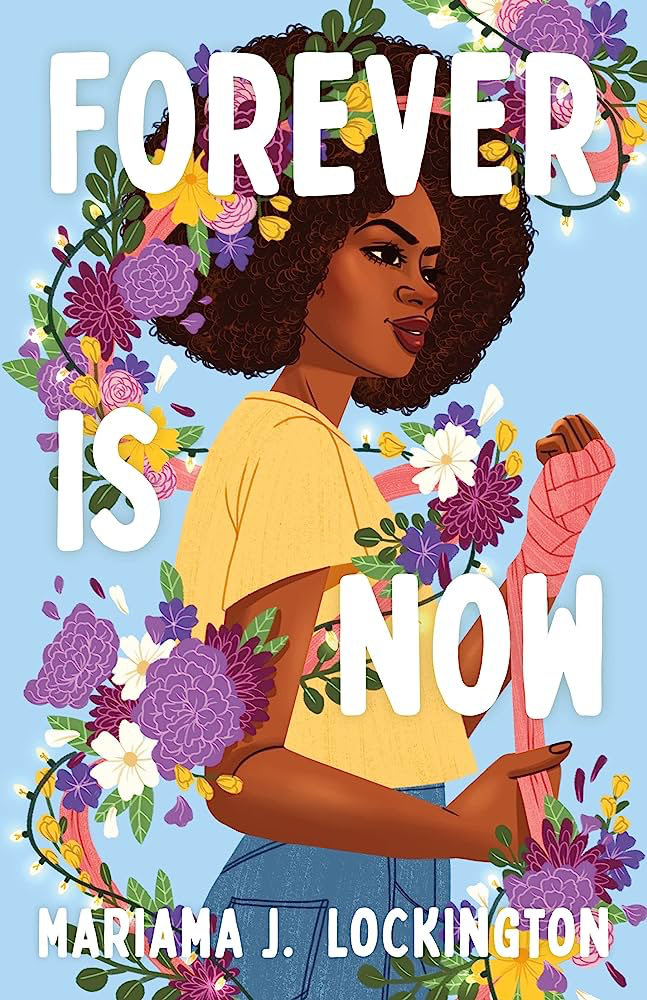
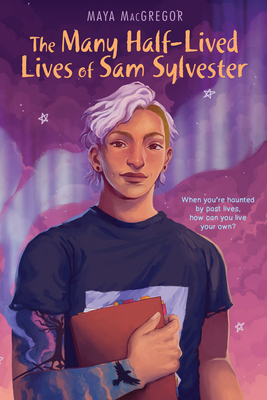
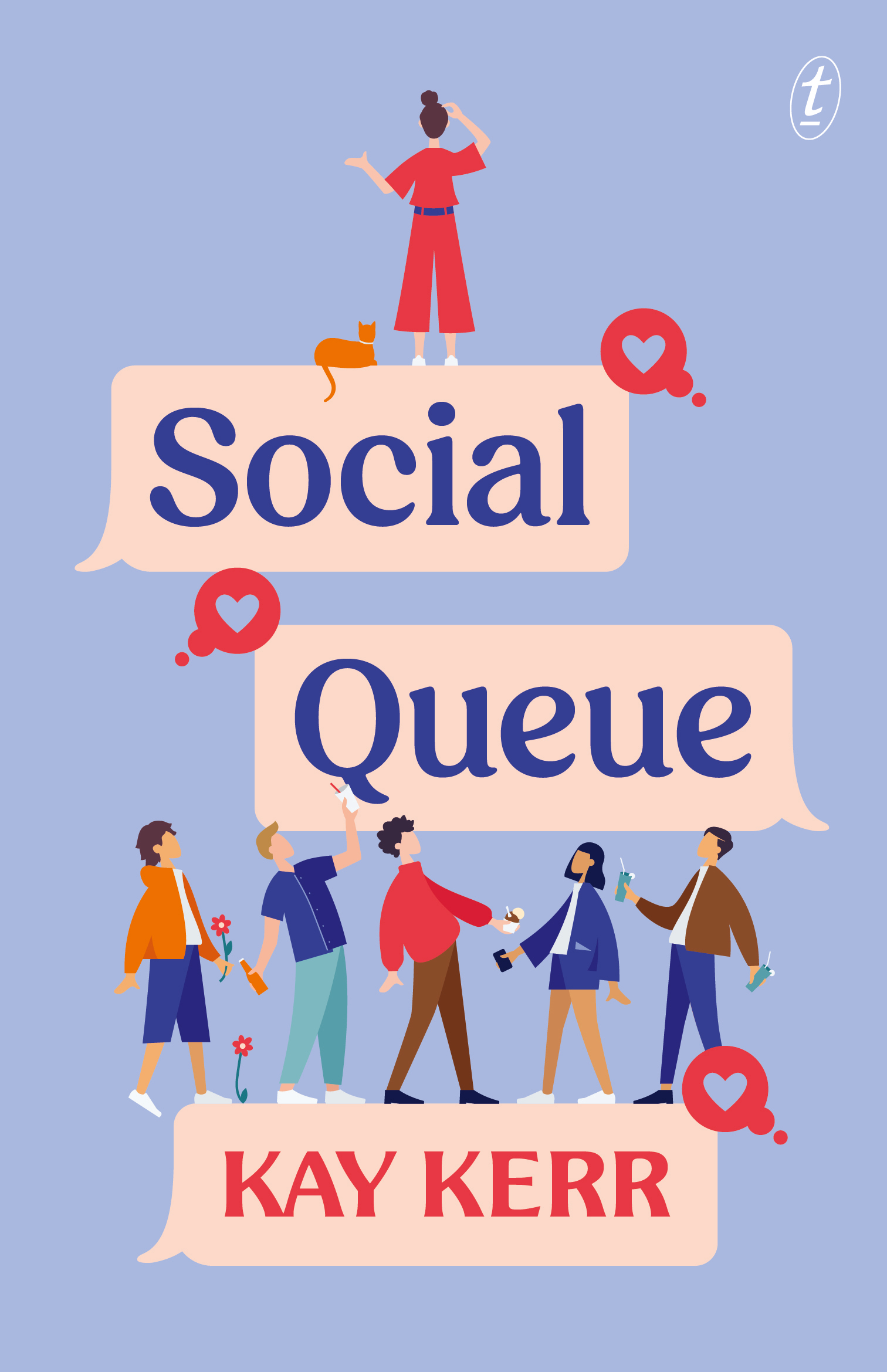
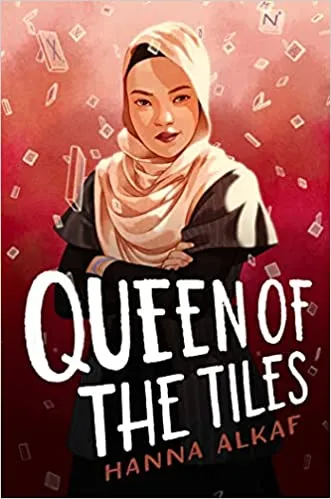
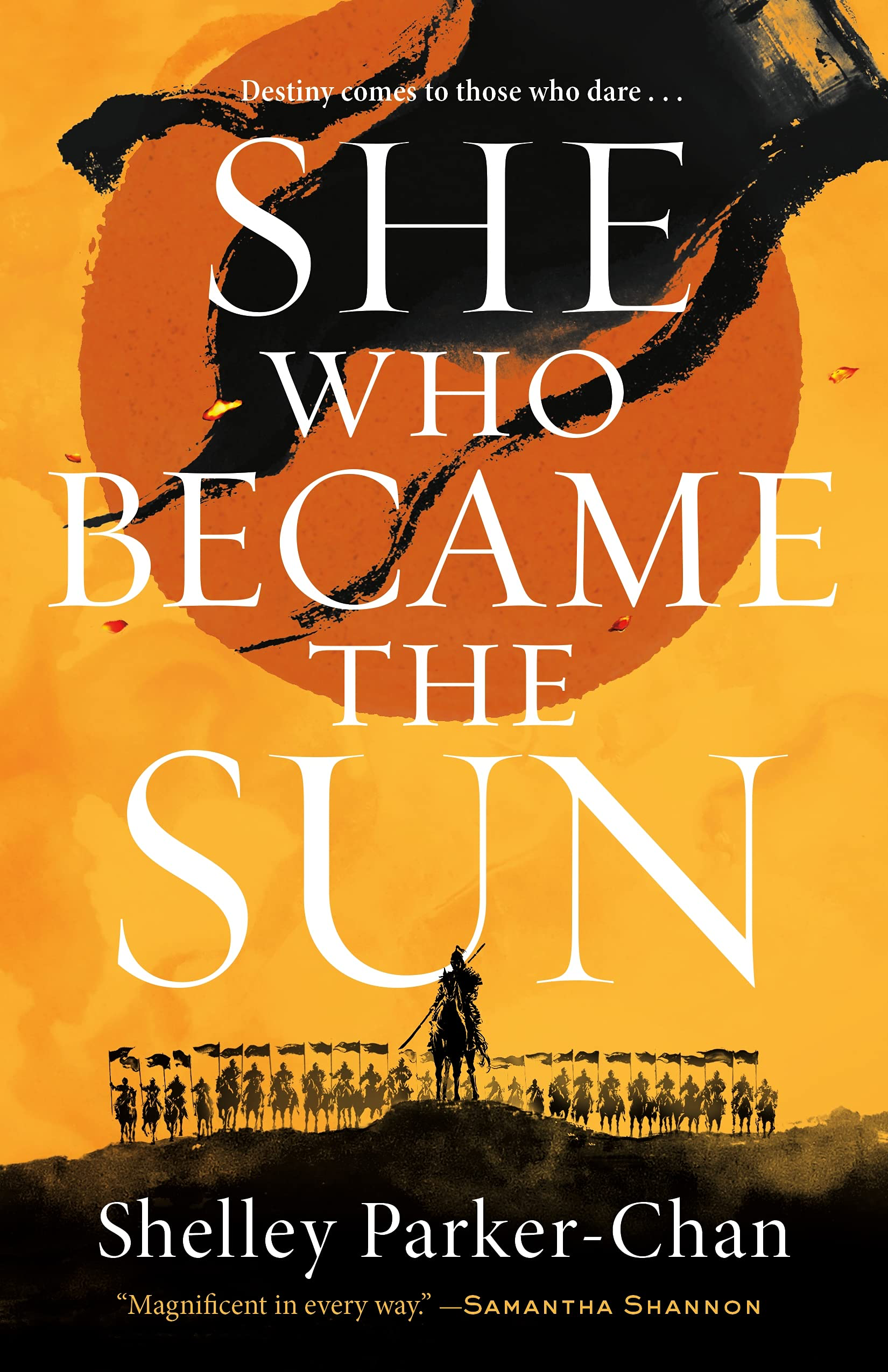
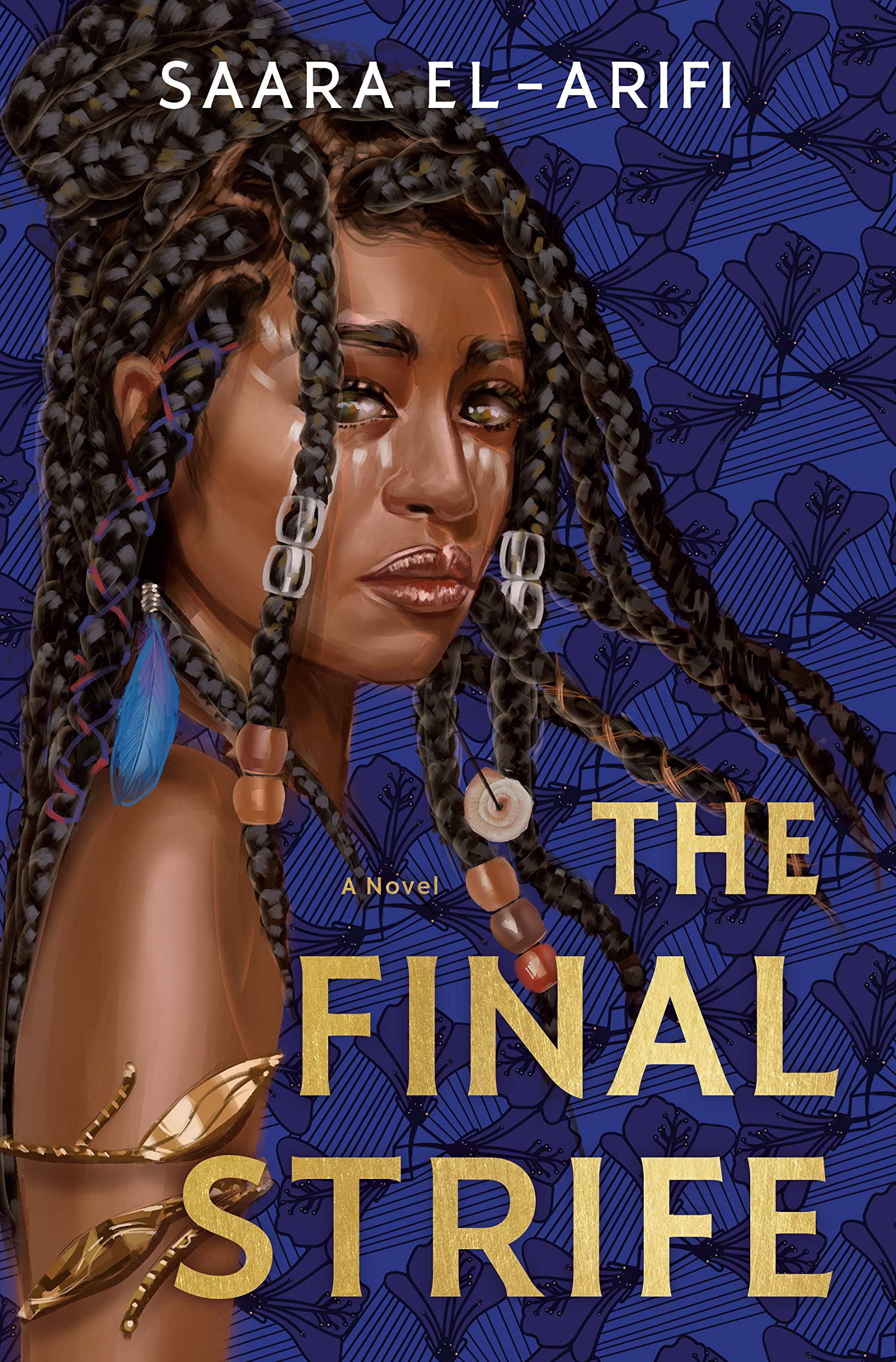
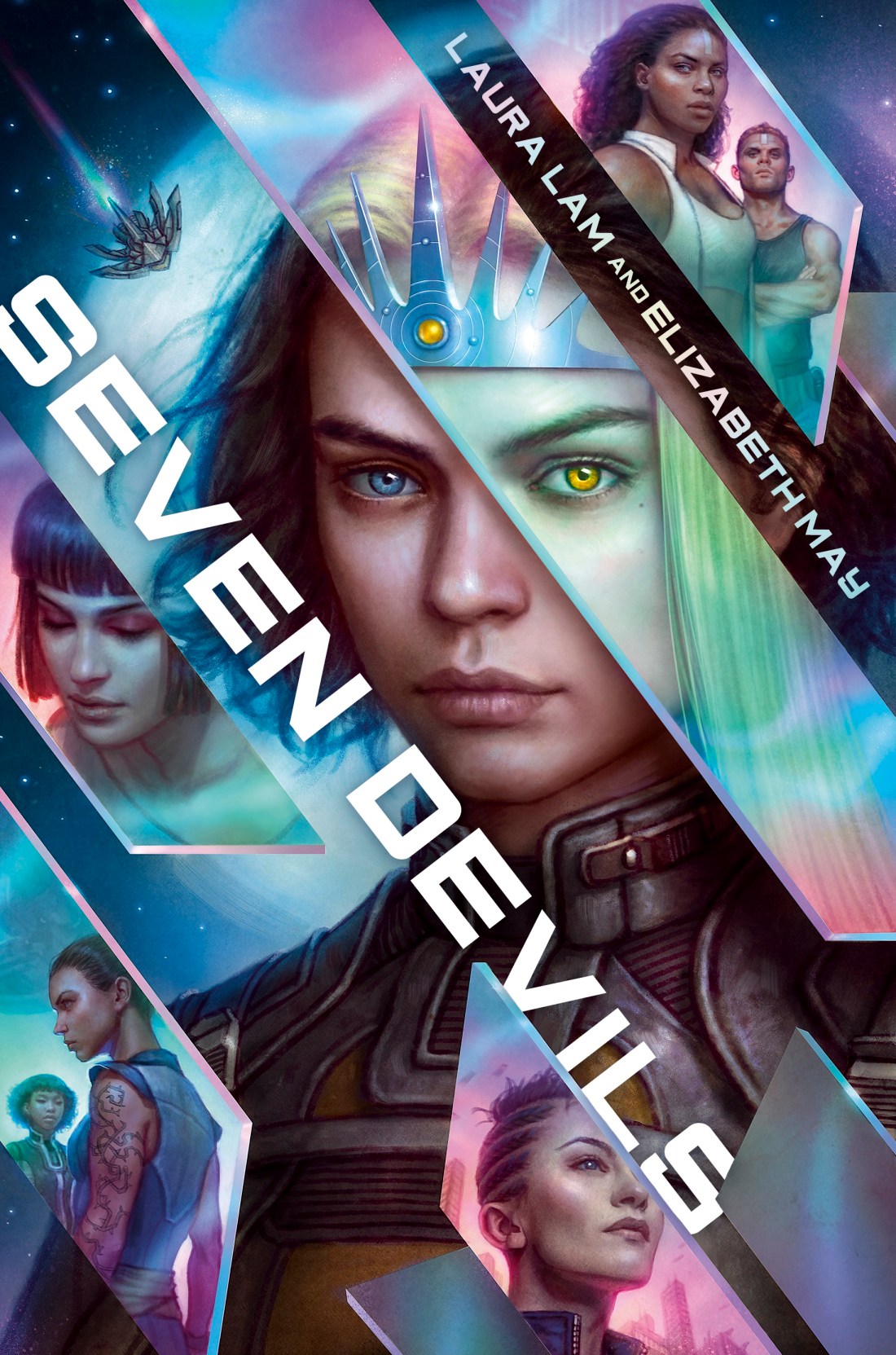
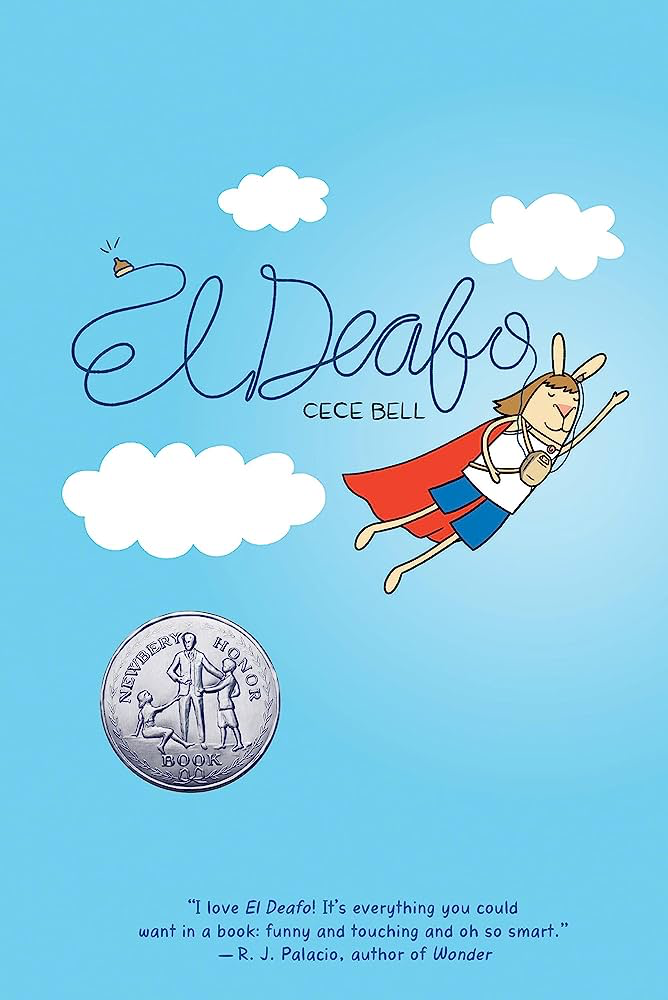
♿️ The Bookish Mutant’s Books for Disability Pride Month – 2024 Edition ♿️

Happy Monday, bibliophiles!

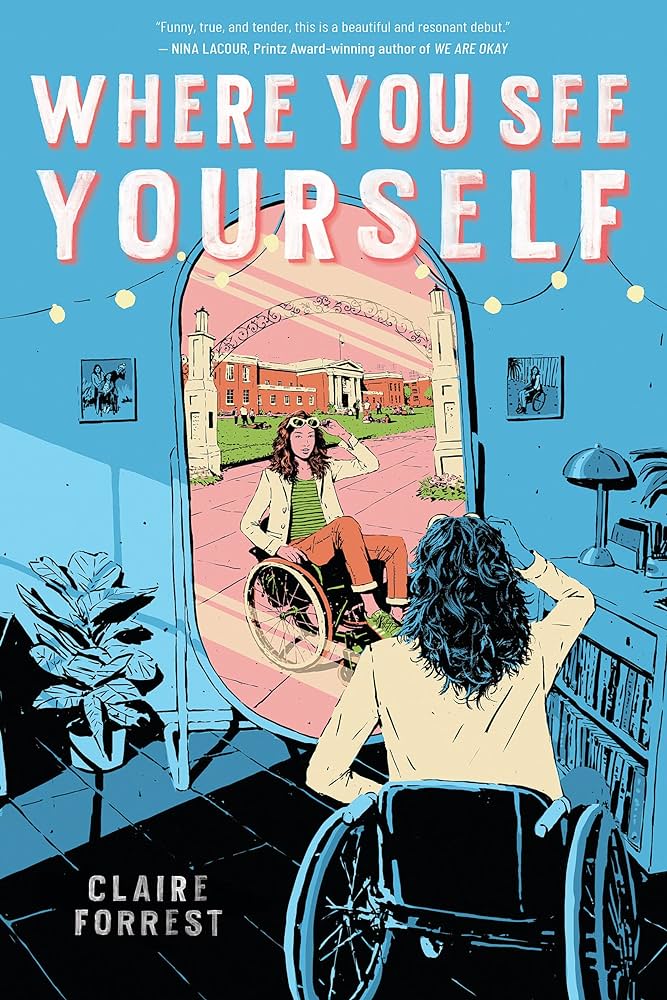
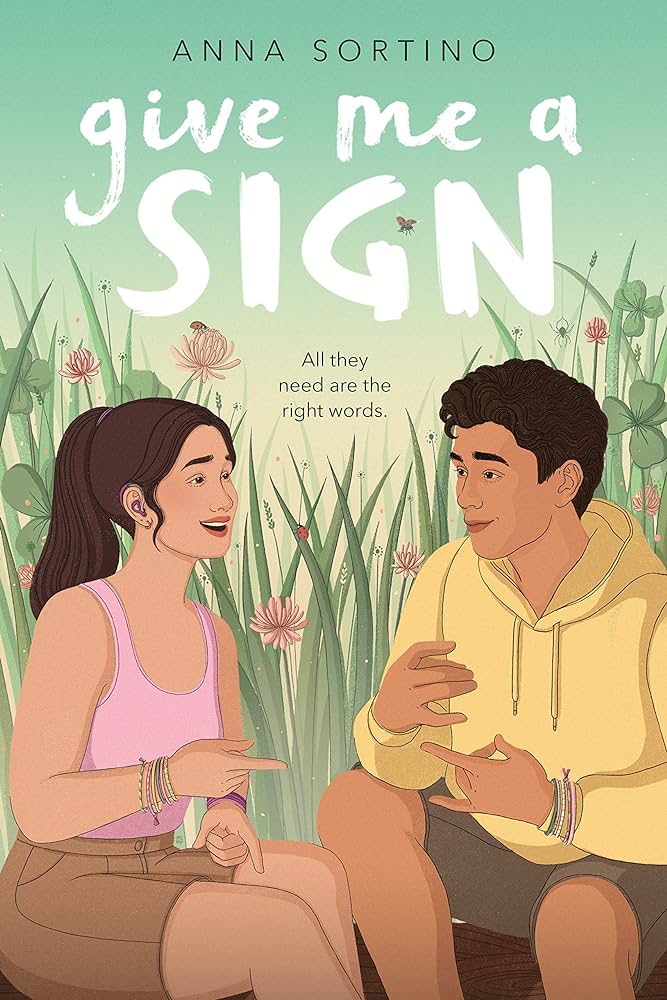
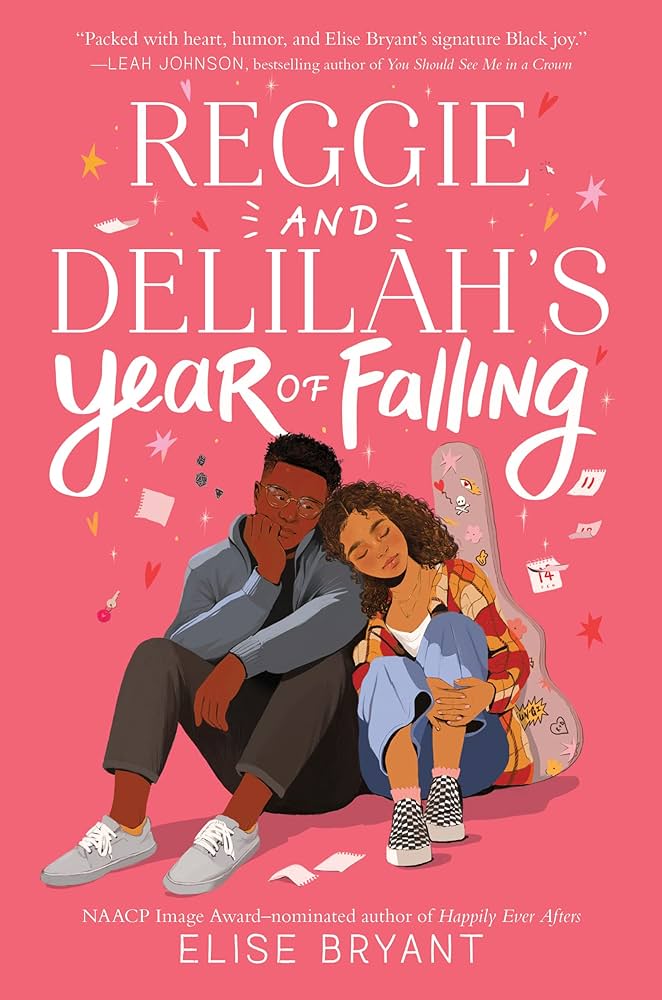
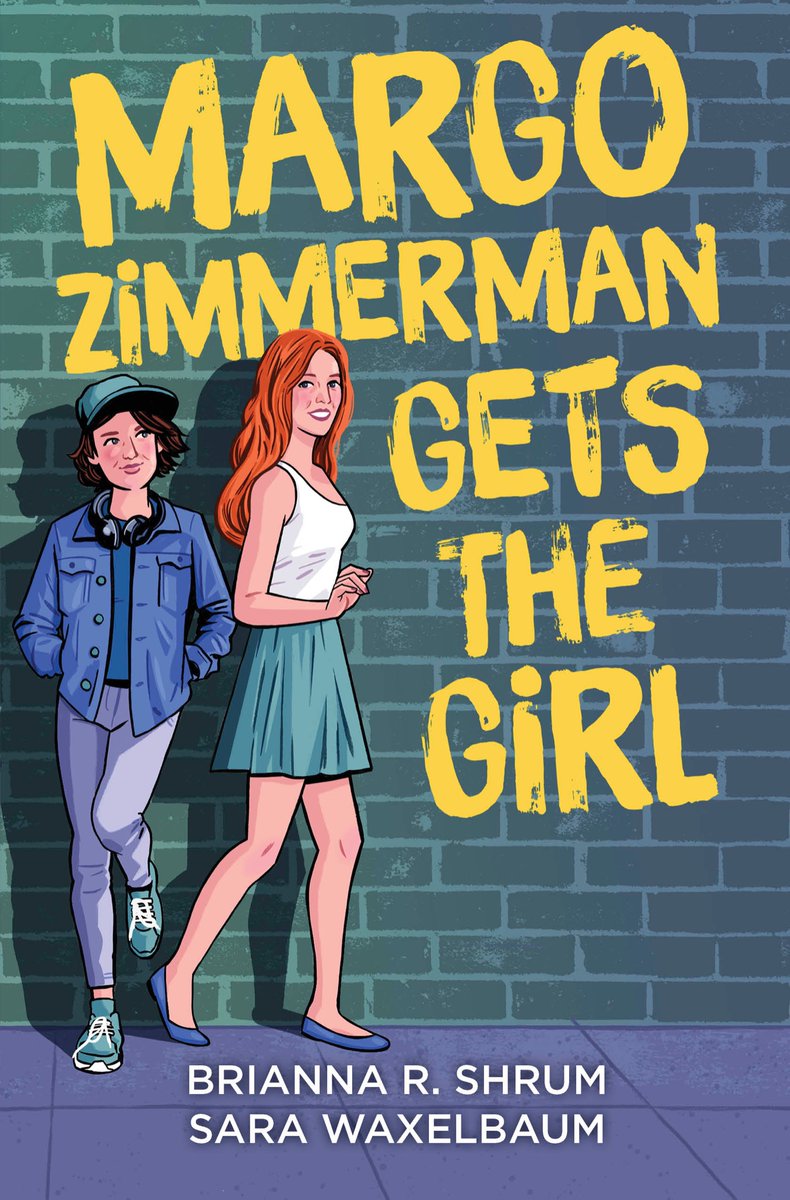
Here in the U.S., July is Disability Pride Month! In the three years that I’ve been making these lists, disability is still forgotten even in many intersectional feminist circles, and the importance for uplifting the disabled community has never been more important than know, what with the fallout of the COVID-19 pandemic, where disabled people, especially those who are immunocompromised, were disproportionately affected. Every year, even though I look in as many places as I can, it’s difficult for me to find books with disabled stories at the forefront that don’t center suffering or being “inspiring.” (As of now, I have only ever read one book with my disability, SPD, and heard of only one other. Inspiration for me to write my own stories…) So with these lists, I hope to provide disabled books with a wide range of representation, both in terms of disability and in the intersection of race, gender, and sexuality.

NOTE: my memory (and the internet) is imperfect, so if I’ve misrepresented/mislabeled any of the specific rep in these books, don’t hesitate to let me know!

KEY FOR TERMS IN THIS POST:

  • MC: Main character
  • LI: Love interest
  • SC: Side character

For my previous lists, click below:

Let’s begin, shall we?

♿️THE BOOKISH MUTANT’S BOOKS FOR DISABILITY PRIDE MONTH (2024 EDITION)♿️

FANTASY:

SCIENCE FICTION:

REALISTIC FICTION:

TELL ME WHAT YOU THINK! Have you read any of these books, and if so, did you enjoy them? What are some of your favorite books with disabled rep? Let me know in the comments!

Today’s song:

this song makes me SO so incredibly happy!! thank you to Horsegirl for recommending it!!

That’s it for this month’s recommendations! Have a wonderful rest of your day, and take care of yourselves!

Posted in Book Review Tuesday

Book Review Tuesday (1/16/24) – Godkiller

Happy Tuesday, bibliophiles!

Godkiller has been out for almost a year now, and it’s been on my radar since last December. Fantasy is second to sci-fi for me, especially where high fantasy like this is concerned, but the compelling characters and the lush, queer-normative world drew me in. Sure would be a shame if the second book wasn’t out yet…oh.

Enjoy this week’s review!

Godkiller (Fallen Gods, #1) – Hannah Kaner

In the kingdom of Middren, the worship or belief in gods of any kind is strictly forbidden. The gods of Middren grow bigger and stronger with every human that believes in them, but after a devastating war between the gods and humankind, Middren has deemed them too dangerous to continue living. In the aftermath, the last gods are hunted down by Godkillers. Kissen is a Godkiller; after her family was slaughtered by a fire god, she has taken up the mantle to ensure that what happened to her family never happens to anyone again. But when she stumbles upon Inara, a noble-born child with a minor god bonded to her, she knows that the only way to break the bond without killing her is to go to Blenraden, the last stronghold of the wild gods. The road ahead will be filled with unexpected allies and strange turns, but Kissen and Inara are weary. For a war is brewing once more, and they may be caught in the middle…

TW/CW: loss of loved ones (on- and off-page), fire, blood, violence, animal death, child death, sacrifice (human/animal), war themes, PTSD

It’s incredibly rare that I enjoy any kind of high fantasy these days, especially with the vaguely European setting and medieval technology level. But Hannah Kaner has managed to elevate all of those elements and create something truly special—a queer-normative high fantasy with no trouble being itself in a sea of carbon copies. I thoroughly enjoyed this one!

I’m all for a good trope subversion, and this presents an especially delicious one that even I’m aspiring to add into my own writing. I’ve seen a ton of posts/general discourse about how a lot of creators have shied away from making female characters that match common archetypes, but since many of the archetype’s traits are seen as more masculine, it’s almost entirely male characters that end up making up the demographic. In this case, you have the hardened warrior-type who reluctantly ends up taking a child under their wing who eventually melts their cold heart. It’s a trope I’ve always loved, but I’ve rarely seen it done with female characters. Along comes Kissen, and I’m reminded of how excellent the trope can be when it’s done exceptionally well. She has the classic personality of the archetype, but done in a way that makes her character feel fleshed out—she isn’t just hardened for the heck of it, and you get to see exactly how and why she became that way. Her interactions with Inara, from the initial reluctance (which, again, is developed more than “I don’t need a child around”) to her motherly role towards the end, felt tenderly genuine, and watching their relationship develop was one of the highlights of the book.

You know me. I’m all for queer-normative and disability-friendly sci-fi and fantasy worlds, but Godkiller feels so special precisely because of how high fantasy has historically treated both of those things. For disabled characters in particular, it’s practically an expectation that they have to be bitter and constantly in a state of suffering because being in a medieval setting where their disability is minimally understood automatically makes them a weakling. But Godkiller flips that entirely on its head—not only is the main character disabled (facial scars and a prosthetic leg), but it isn’t a main part of the plot; never do we see Kissen suffering for the plot because she’s disabled, and her disability is seen as something neutral, and something to be cared for accordingly. (There is some discussion about the discrimination that Kissen faces because of her scars, but it’s more on the front of being marked by a curse and not necessarily the scars themselves.) One of the side characters is also Deaf, and not only was she one of my favorite side characters, her scenes were explicitly shown so that the reader could see how happy she was with her wife! The fictional sign language was also treated in a similarly neutral/positive way—there’s even a bit of worldbuilding where Kaner explains that sign language isn’t just used by Deaf or mute people in Middren, but it’s used by pirates on the high seas to communicate when the roar of the ocean drowns out speech. 10/10 worldbuilding. 10/10 disabled representation, and 10/10 disabled people in happy relationships.

The god-killing premise was also one of the main draws for me about Godkiller, hence the name. It could have been easy for a book like this to ride on the premise being interesting and then proceed to do hardly anything out of the ordinary to it, but Kaner’s worldbuilding surrounding the gods of Middren was excellent! Every kind of god is explained, and I loved the wide variety of gods that we saw throughout the novel, from the more formidable ones that caused the war to minor gods like Skediceth, who were just little creatures with surprisingly formidable powers. I also loved the concept of gods tangibly feeding off of belief—the more shrines there are, the more powerful a god continues to be. Not only did this flesh out the worldbuilding, but it made a lot of elements that would have otherwise been forgettable contribute to the overall stakes of the novel.

My only major complaint about Godkiller was the ending. The pacing was solid for most of the novel, but the ending felt so much more rushed compared to the rest of it. The stakes got milder for a significant stretch, but it only felt like they were amped up in the last 5-10 pages just so that Kaner could tie in a thread to the sequel and remind the reader that Godkiller wasn’t a standalone. It was one of those endings that had me turning back to the last page and then back to the acknowledgements and wondering “wait, that it was it? that was the ending?” For how cleverly most of the novel was constructed, it just felt so sudden and sloppy compared to the rest of it.

All in all, one of the better high fantasy novels I’ve read in a while, with lovable characters, a refreshingly disability-friendly world, and neat, fascinating worldbuilding. 4 stars!

Godkiller is the first novel in the Fallen Gods series, followed by Sunbringer, which is slated for release this March. Godkiller is Hannah Kaner’s debut novel.

Today’s song:

That’s it for this week’s Book Review Tuesday! Have a wonderful rest of your day, and take care of yourselves!
Posted in Books

The Bookish Mutant’s Books for Disability Pride Month (2023 edition) ♿️

Happy Friday, bibliophiles!
Here in the U.S., July is Disability Pride Month! Although I’ve seen some more recognition for it in the past few years, I find myself saying this over and over—disability issues are left behind in intersectional feminism far too often. The larger representation in media of disabled people as otherwise white and cishet, the lack of accessibility at many pride events, and the hurdles that most disabled students have to go through in order to get accommodations at school is proof. And yet, around 27% of Americans have some sort of disability—myself included. As the literary world has slowly shown more stories with disabled characters, it’s more important than ever to uplift disabled voices.

Like some of my other themed lists this year, I’ve decided to expand it beyond YA, because I’d be remiss if I didn’t include some of the amazing Adult and MG reads with disabled rep over the years. I’ve separated all of these recs by age group, and included their genres, my rating, and the type of disability rep.

(SHOUTOUT TO NOT IF I CAN HELP IT, I FINALLY HAVE A MORSEL OF SPD REP)

for my lists from previous years, click here:

  • 2022 (+ on having SPD and the lack of representation)
  • 2021

Let’s begin, shall we?

THE BOOKISH MUTANT’S BOOKS FOR DISABILITY PRIDE MONTH (2023 EDITION)

YA:

ADULT:

MIDDLE GRADE:

TELL ME WHAT YOU THINK! Have you read any of these books, and what did you think of them? What are your favorite books with disabled rep? Let me know in the comments!
Today’s song:

That’s it for this year’s Disability Pride recs! Have a wonderful rest of your day, and take care of yourselves!