Happy Sunday, bibliophiles!
This week: bear with me, this color scheme is hanging on for dear life. Also, the many connotations (positive and negative) of “they were really just doing whatever in the ’80s.”
Enjoy this week’s songs!
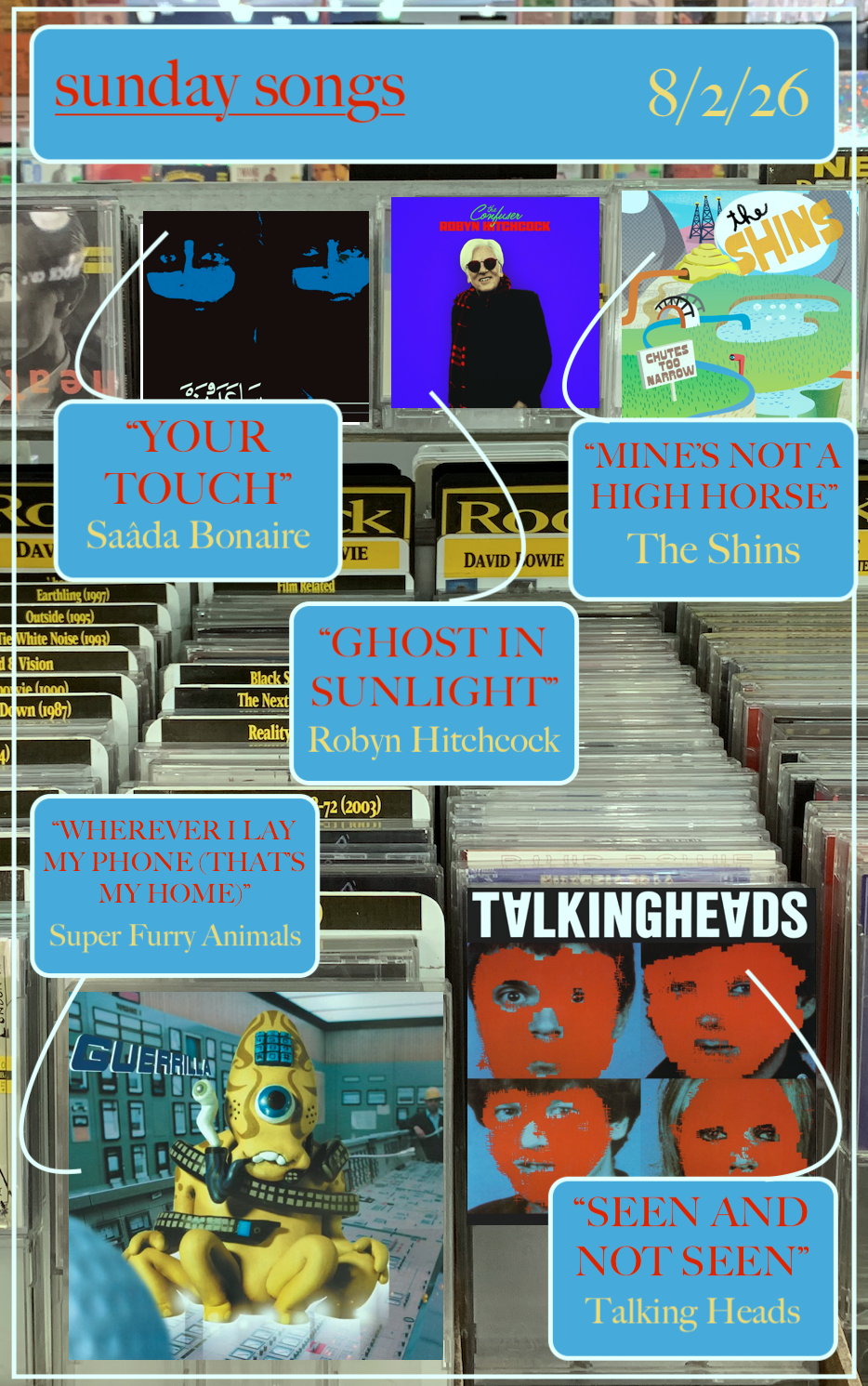
SUNDAY SONGS: 8/2/26
“Wherever I Lay My Phone (That’s My Home)” – Super Furry Animals
I love when album covers have absolute Creatures on them. Super Furry Animals lived up to their name in that regard—we’ve got the raccoon critter and its evil twin on Radiator, whatever’s going on with Phantom Power, and perhaps the most Creature of all their Creatures: the one-eyed, many-legged missing link in Minion evolution on the Guerrilla album cover. I love that dude.
In their heyday, it seems like Super Furry Animals were willing to do whatever. For me, that’s why they’re so iconic—they refused to be predictable, even if they weren’t setting out to be experimental, as was the case with Guerrilla, according to Gruff Rhys. This is the only track I’ve heard off of Guerrilla, but it’s apparently just one of the many, many detours they were willing to take on the album. “Wherever I Lay My Phone (That’s My Home)” is full of false starts and twists, all made to make you jump—it’s one of the band’s many flirtations with dance music, and it’s littered with jittering beat drops aplenty. They crammed all manner of sounds into this track (one of them being a sample of an early ringtone), from foghorn like blares at the beginning to bass that can only be described as blorping (hear me out here), and all kinds of autotune, distortion, and sped-up chipmunk voices. The beauty of Super Furry Animals is that it all works together; with the electronic connective tissue, none of the seemingly random sound effects and touches feel random. Apparently, while touring for Guerrilla, this song was used as the opener to their shows—understandably, because I’d go fucking nuts if I heard this right out of the gate.
…AND A BOOK TO GO WITH IT:
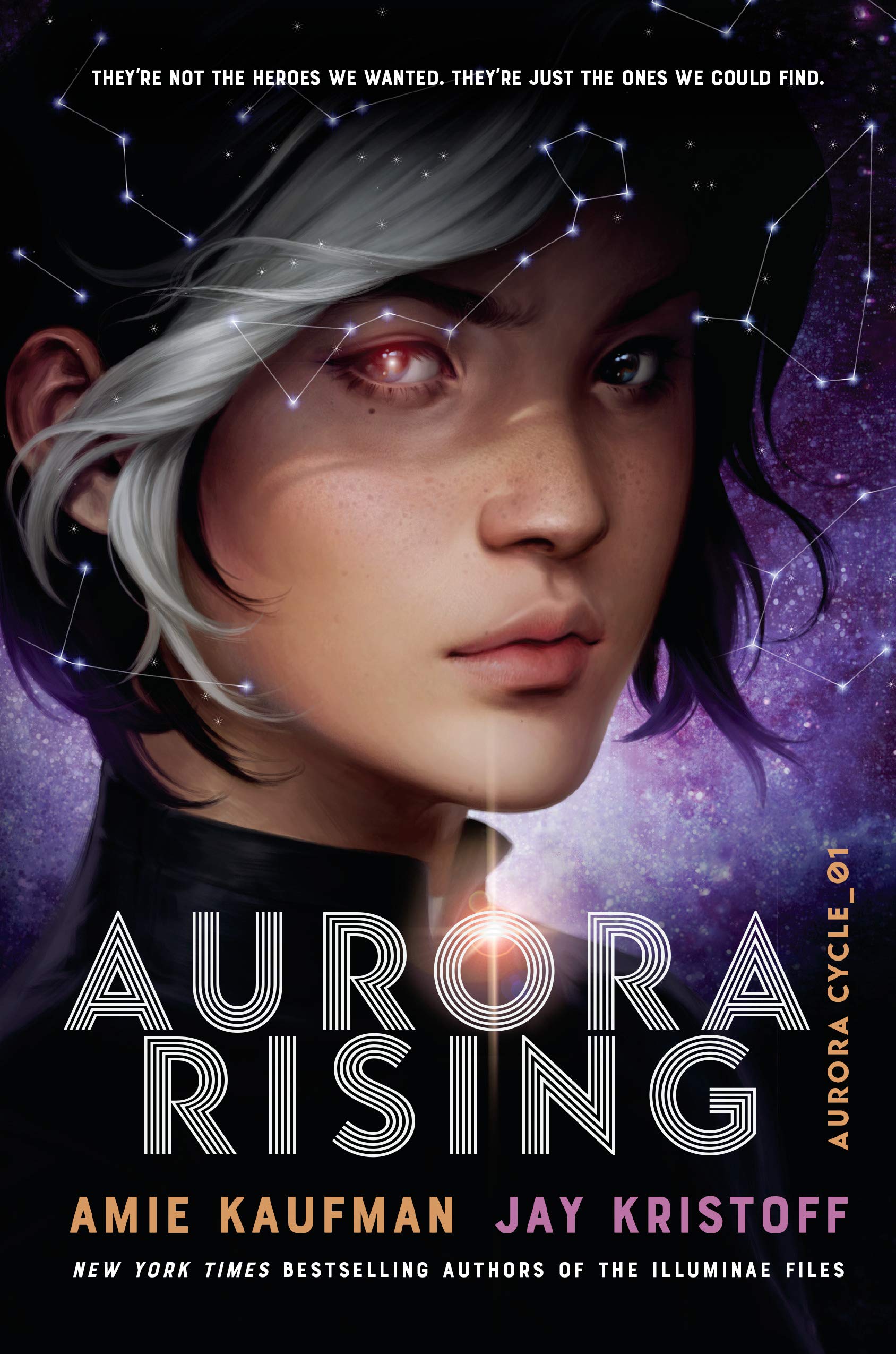
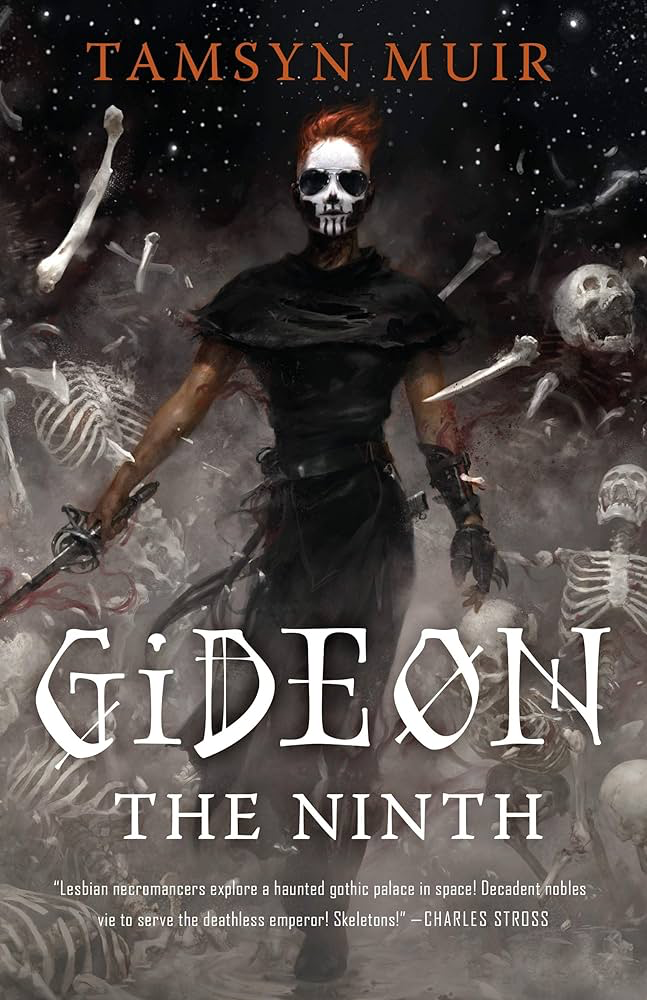
Aurora Rising (The Aurora Cycle, #1) – Amie Kaufman and Jay Kristoff – this song could 100% be playing during the ballroom scene on the Sempiternity, right? Or maybe the bar fight right before.
“Seen and Not Seen” – Talking Heads
Pitchfork’s review of Remain in Light contains this goldmine of a line: “At nearly every turn, Remain in Light thwarts cognitive sense to appeal to the gut. Or maybe the limbic system? I’m not a doctor—whatever part of human physiology is responsible for getting funky.” I don’t think there’s ever been an album so dissociative and alienated that’s simultaneously so funky. That’s probably the best distillation of Talking Heads—and most of David Byrne’s career, honestly—I can think of. To be honest, it wasn’t the showstopping marvel that everybody makes it out to be, but it was great regardless. I’d listened to “Crosseyed & Painless” and “Once in a Lifetime” so much that the best was already ruined for me. The second half meanders slightly, but it’s such a unique, influential, and unreplicatable blend of isolation and togetherness.
I’ve never really been one for spoken-word tracks, but I’ve warmed up to them lately, in no small part thanks to Jeff Tweedy’s “Parking Lot,” which is probably the pinnacle of them. (The quiet vulnerability of “I’d like to teach the world to sing…fuck, anything” is a high point of the album.) “Seen and Not Seen” is entirely out-of-body, with David Byrne’s voice devoid of almost any emotion. He describes a man with a desire to change his appearance who has tricked himself into thinking that he can “by force of will, cause his face to approach those of his ideal” after focusing on models in magazines and passersby on the street. He’s burrowed so far into his own head that he’s convinced that everyone around him has been able to replicate the process; every face he sees is the product of relentless wishing. It’s interesting that the facial features that the protagonist wants—”a more hooked nose, wider, thinner lips, beady eyes, a larger forehead”—aren’t traditionally desirable facial features, at least in the eyes of pop culture and Western beauty standards. It’s simply the image the character has in mind. “Seen and Not Seen” has the dread of a sci-fi short story from the ’70s, something that Philip K. Dick could’ve conceived, sans drugs and casual misogyny. There’s a distinct discomfort about how removed it is, but it’s a key piece of Remain in Light’s distanced story.
…AND A BOOK TO GO WITH IT:
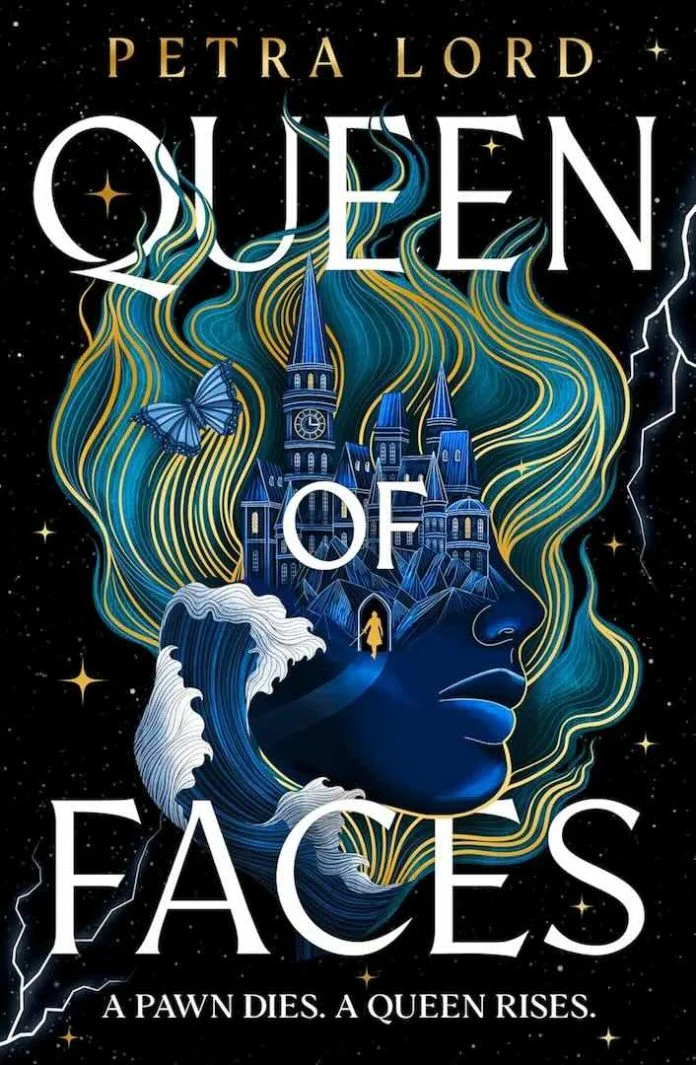
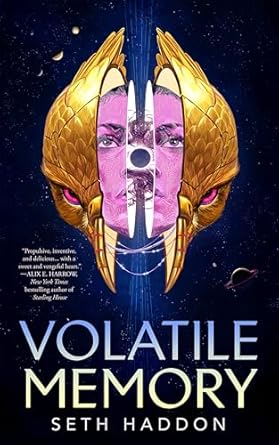
Queen of Faces – Petra Lord – I’m reminded a lot of the Chassises in this novel: magical, synthetic bodies and faces that can be swapped and altered at will, guaranteed that you’re rich enough.
The creation of Saâda Bonaire might be the epitome of the statement “they were just doing whatever in the ’80s.” It was the brainchild of German DJ Ralph Von Richtoven, who formed a loose supergroup that consisted of two models-turned-singers (Stefanie Lange and Claudia Hossfeld) and a bunch of musicians (namely Kurdish and Turkish) who had been found in an immigration center. (There was also the fact that Lange and Hossfeld would be dressed in traditional Bedouin clothing, which…hoo, boy. Yikes.) It was an early exploration of “world music,” which would later become a cornerstone of the ’80s. Richtoven’s ambition was in vain, and the project lay unfunded and unreleased until 2013. Incidentally, I heard about it through my brother, who heard it playing at some random coffee shop, which sounds like the exact kind of obscure music that only a barista could unearth. The result sounds like an alien trying to recreate ’80s disco-pop from memory. “Your Touch” adheres so strictly to what ’80s pop was, and yet it retains that left-of-center skew that makes it tread into lovable weirdo territory. Spacey synths bounce, tapes rewind, and telephones ring as Lange and Hossfeld coo about frustration (sexual and just generally situational). “Your Touch” speaks to the kind of creative freedom that was running rampant in the era; of course, it wasn’t without its cultural and financial boundaries crossed (again, probably for the best that it didn’t go forward with the cultural appropriation), but in spite of its failure at the time, it was the product of somebody with creativity to spare, and that’s the strange beauty of it.
…AND A BOOK TO GO WITH IT:

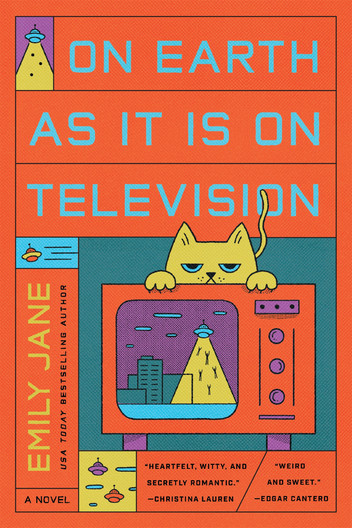
Love Galaxy – Sierra Branham – between the reality TV, sexuality, and espionage, there’s plenty of this energy going on here…in space, of course.
“Ghost in Sunlight” – Robyn Hitchcock
The Confuser! Even though I’ve been steadily following the singles on Robyn Hitchcock’s latest album, I haven’t gotten around to talking about them much here, which is a real shame. (“Yesterday’s Rain” and “My Dead Astronaut” are some of my other standouts.) Overall, it’s another showcase of his brand of quirky, jangly psych-pop, defiantly himself after decades in the industry. Having seen a few of these songs live, the studio versions of a handful of songs weren’t as potent, but fantastic nonetheless (see: “I Am This Thing”). “Ghost in Sunlight” was one of such songs. The experience of seeing it live was nothing short of enrapturing—and downright raw. Hitchcock played it solo on piano. I feel like should’ve stayed as such, because the sheer force of his craft bowled me over. He just delivered one of the most gut-wrenching lines in his catalogue (“They tore up the tracks this morning/The tracks they laid the day that you were born”) and followed it up with a raspy, powerful belt; imagine, if you will, a sprightly British man in his ’70s banging away at the piano, screaming his throat raw, then pausing to yell “FUCK ICE!” and going right back to the screaming. Nobody, and I mean nobody, is doing it quite like him.
In his defense, that spur-of-the-moment vulnerability is hard to replicate. The more polished version of “Ghost in Sunlight” that appears on The Confuser doesn’t quite capture that same feeling of wounded primality. Yet Hitchcock’s lyricism, even with his oddball lyricism, retains the core that made the live performance so memorable. That central metaphor of “a ghost in sunlight” evokes such an ephemeral image, of something already transparent on the brink of disappearance altogether. It’s all about the painful parts of transience, of old institutions and memories crumbling with time: “You disappear/Like a ghost in sunlight/Your outline fades away.” I imagine it’s more raw for Hitchcock, seeing as he’s in his 70s, watching bygone eras fade away. “They tore up the tracks this morning/The tracks they laid the day that you were born/Look at them, they’re gone” is one of Hitchcock’s most devastating and impactful lyrics to date. The Confuser is chock-full of surprises like them, and although the whole album isn’t a success, it’s well worth a listen.
…AND A BOOK TO GO WITH IT:
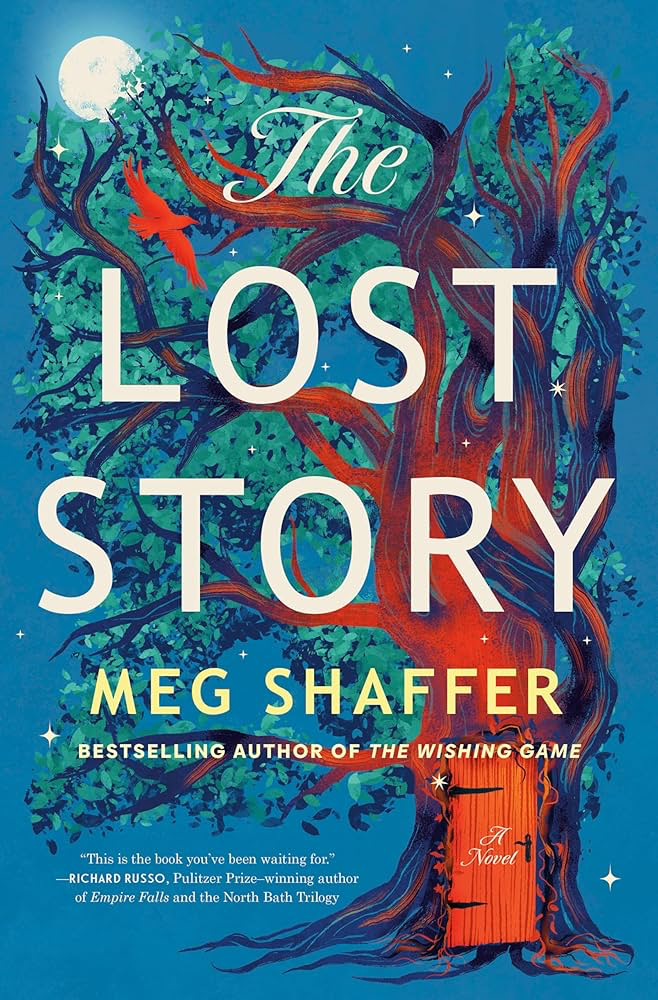
The Lost Story – Meg Shaffer – “They tore up the tracks this morning/The tracks they laid the day that you were born/Look at them, they’re gone…”
“Mine’s Not a High Horse” – The Shins
I haven’t talked about The Shins much on here, which is a real shame. Speaking of which, if we’ve got any Shins fans here…are y’all okay? And I thought the Phoebe Bridgers drought was bad! We’ve gone almost a decade without a new album, send help…
James Mercer is a lyricist for the ages, one of the few songwriters that deserves the title of being called a poet. But as much as great joy and tragedy can be wellsprings for poetry, so too can petty arguments. “Mine’s Not a High Horse” is the kind of poetry that sounds like it sprung up while seething in the shower post-argument, and that’s some of the best kind of poetry there is. (See also: “Therefore, I Am.”) I recently revisited Chutes Too Narrow through the episode of Life of the Record, and that kind of argument was how “Mine’s Not a High Horse” was born; by Mercer’s admission, it was a culmination over several arguments and conversations he’d recently had. It has that “oh, and ANOTHER thing!” feel that you can only get while replaying an argument for an audience of an empty shampoo bottle, but with Mercer’s signature touch. I’d be hard-pressed to think of a putdown more eloquent—and brutal—than “Will you remember my reply/When your high horse dies?” YOWCH. Of course, my main takeaway is that Mercer’s horse may, in fact, have been a little bit higher, but what resulted is a perfect indie rock kiss-off to whomever it may concern.
…AND A BOOK TO GO WITH IT:
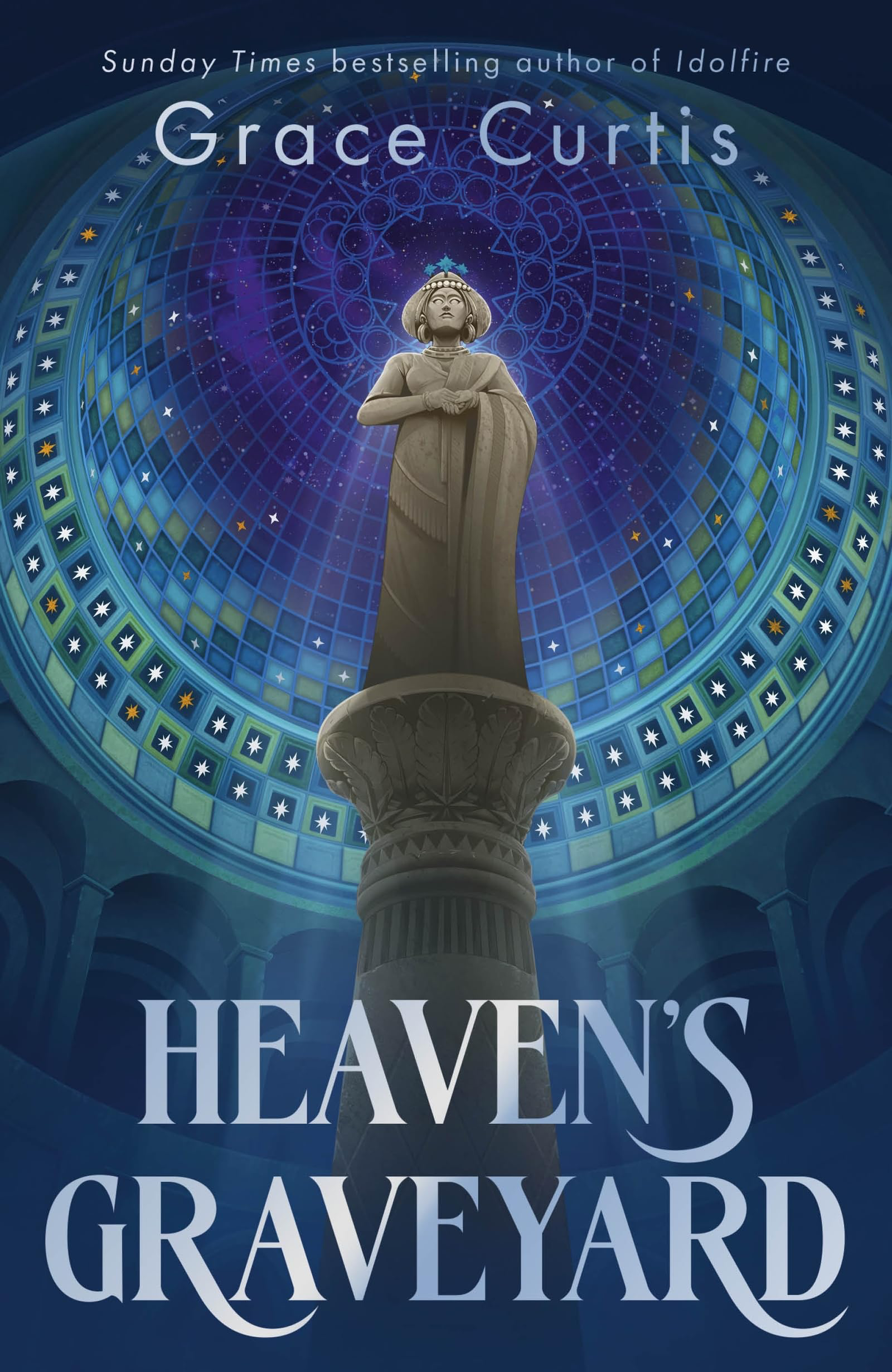
Heaven’s Graveyard – Grace Curtis – “Don’t ask for his opinion/They ought to drown him in holy water/Will you remember my reply/When your high horse dies?”
Since this post consists entirely of songs, consider all of them to be today’s song.
That’s it for this week’s Sunday Songs! Have a wonderful rest of your day, and take care of yourselves!