I’m back with a wrap-up, and we’ve officially passed the halfway mark of 2026…jeez. Currently reporting you within hours of melting into a puddle like the Wicked Witch of the West from this heat. I feel like I should start paying my swamp cooler for the labor it’s been putting in for the past month. Stay cool and hydrated, everybody!
Let’s begin, shall we?
GENERAL THOUGHTS:
I’m coming to you in a verydifferent place than I was while writing the March/April Wrap-Up, which is, for the most part, a welcome thing. Between my honors thesis, finals, and graduation, I had been constantly on for the most part. Sure, I had some time to squeeze in some fun and relaxation, but it was just go, go, go for most of the semester. But now I’ve got myself a nice Bachelor’s degree, and I’m spending it…not doing much. For right now, that’s exactly what I wanted.
I’ve spent most of the past few two reveling in the free time I have right now. I have several very disparate goals that I’ve set for the summer (exercise more, write one short story per month, and don’t buy any more yarn…send help, I’m drowning in yarn over here) that (knock on wood) I’ve managed to stay true to. But I love the routine I’ve set for myself. I love my college town, and I love taking walks to the local coffee shops, writing for an hour or two. (More often than not, those trips have also resulted in a trip to the record store, which has…[ahem] put a slight dent in my bank account. Maybe I need to put a ban on that too.) But ultimately, this summer has felt comfortably exploratory so far—I’m slowly trying new things, but they’ve all extended into cherished parts of my weekly routine.
So mostly, May and June have been about creativity. I’ve been more locked in than ever with my knitting, even if the results have been less than optimal. I’ve done so much more drawing and sketching. I’ve made more time to practice my guitar. I’ve written the most since I stopped my honors thesis. And I have more time to read than just before bed! Imagine that…
MAY READING WRAP-UP:
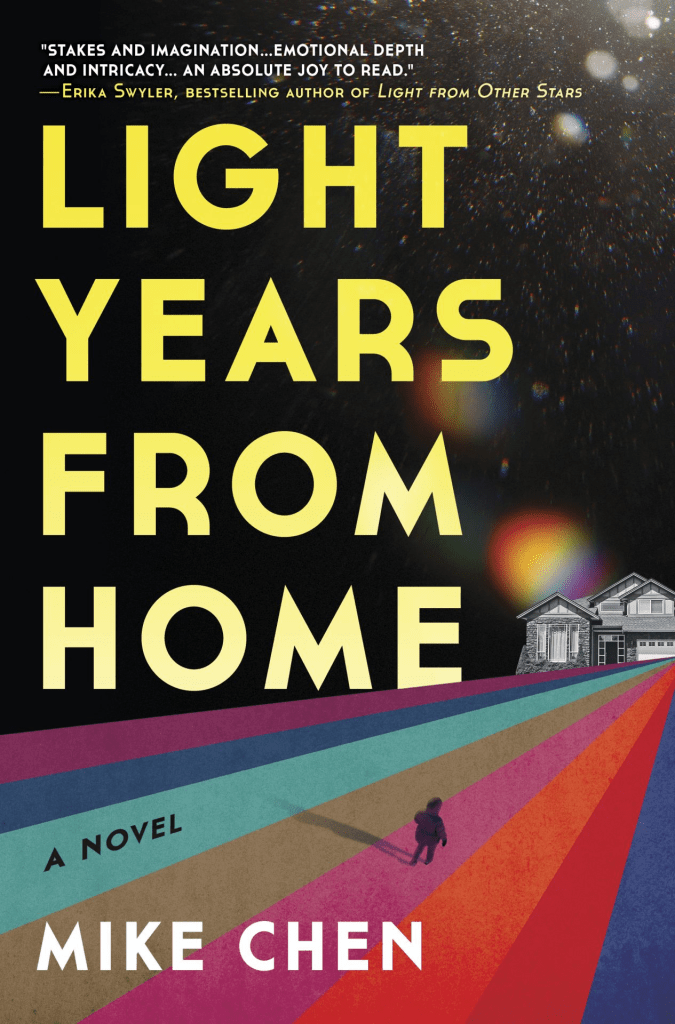
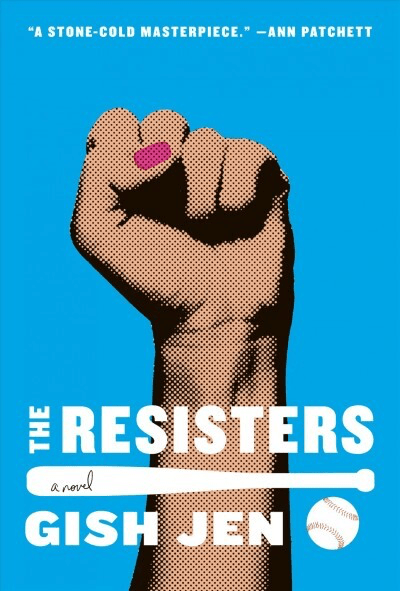
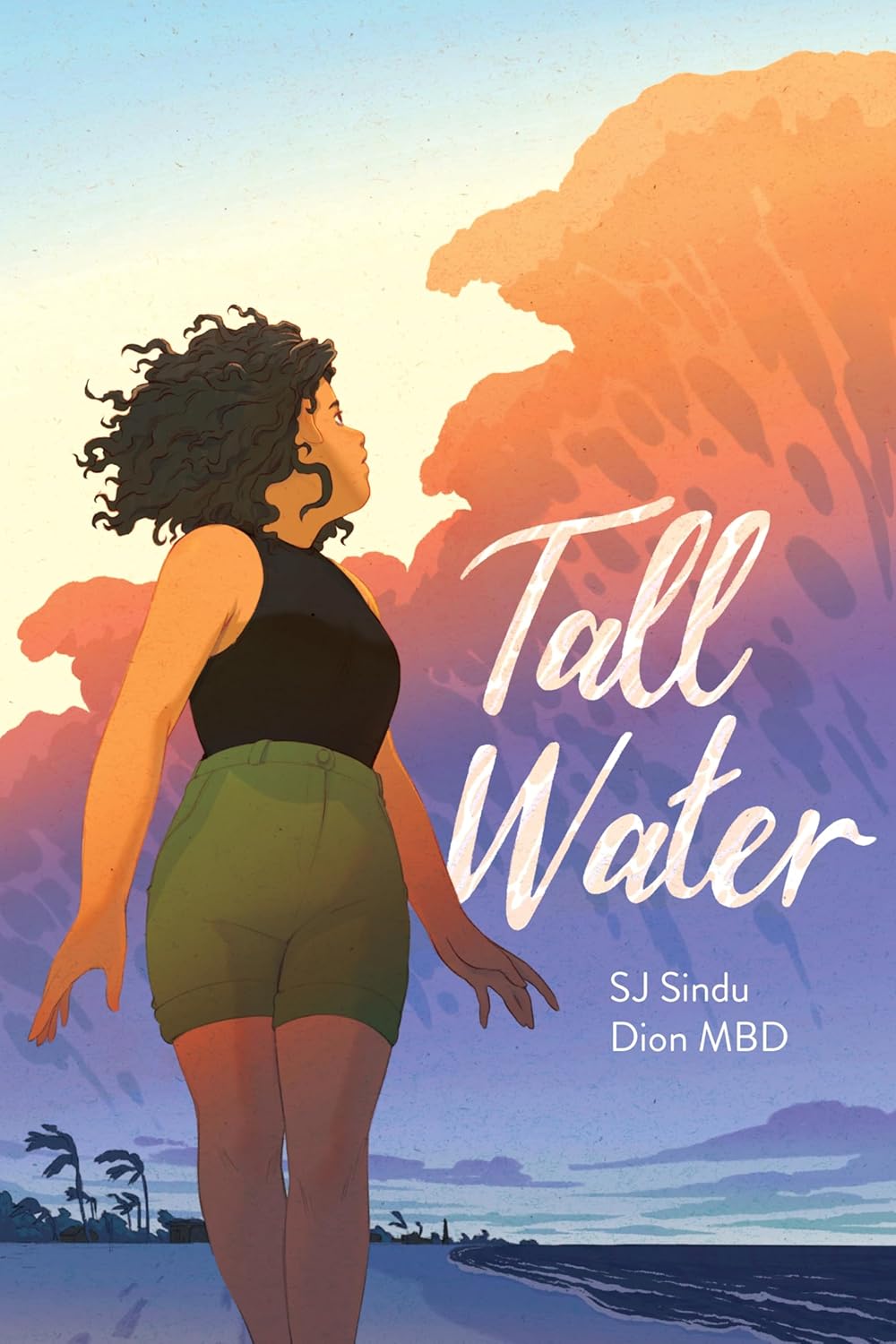
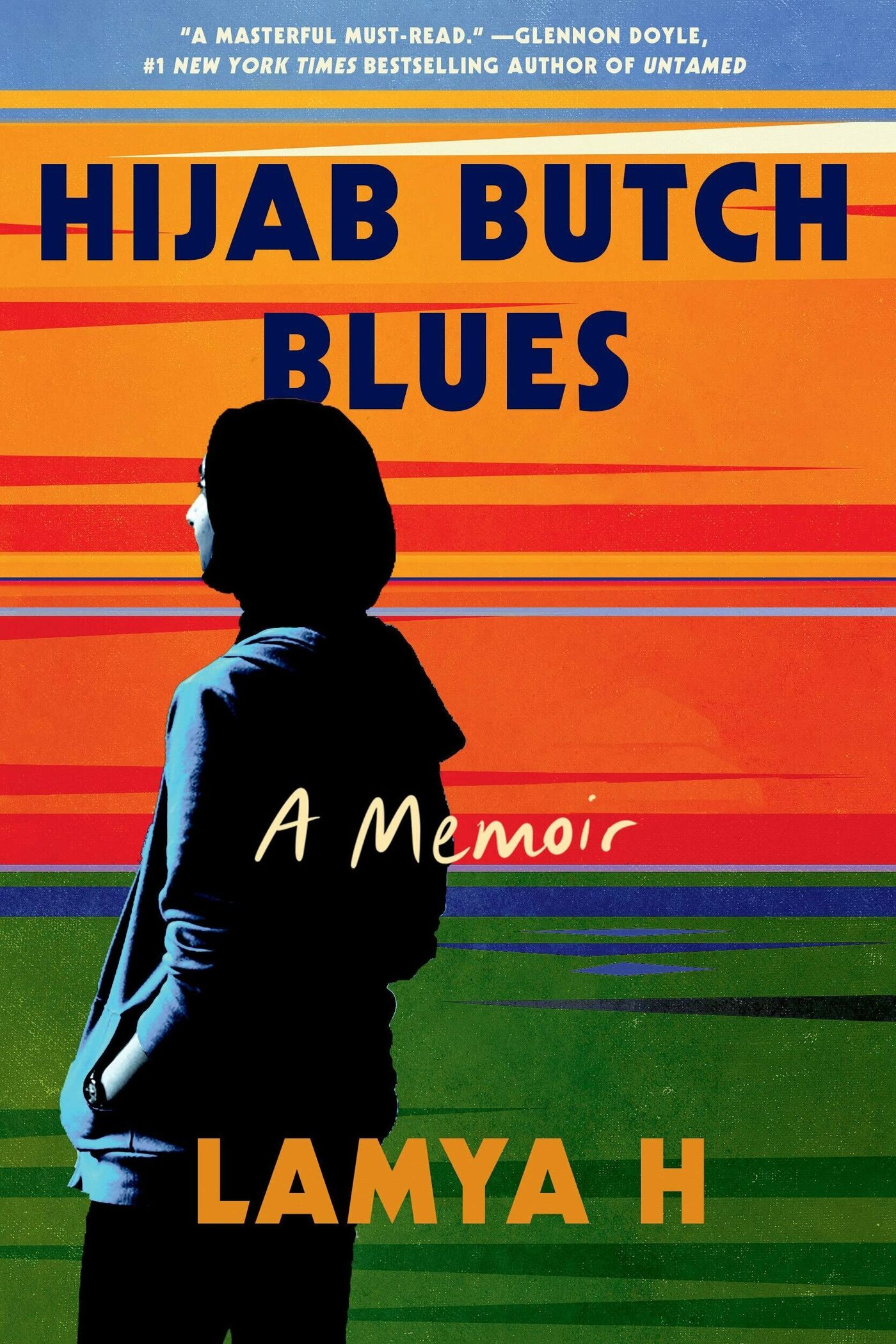
I read 13 books in May! It was really all over the place with a 5-star read and a DNF in the same month, but I read so many exciting books this month, both from new-to-me authors and familiar ones, focusing on AAPI authors for the Heritage Month.
I read 14 books in June! It’s the most books I’ve read in a month in 2026, definitely owing to being freed up by summer. Though my ratings were once again all across the board, they trended towards positive ones—and I had some excellent reads from new and familiar queer authors for Pride Month!
Happy Sunday, bibliophiles, and Happy Father’s Day! At least half of the music that gets into these posts is from my dad, and sharing music with him is one of my favorite things, so thank you 🩵
This week: does anybody remember that Instagram account that was just toilets with threatening auras? Introducing my million-dollar idea, “Brian Eno songs with threatening auras,” which totally isn’t niche and would gain so much traction.
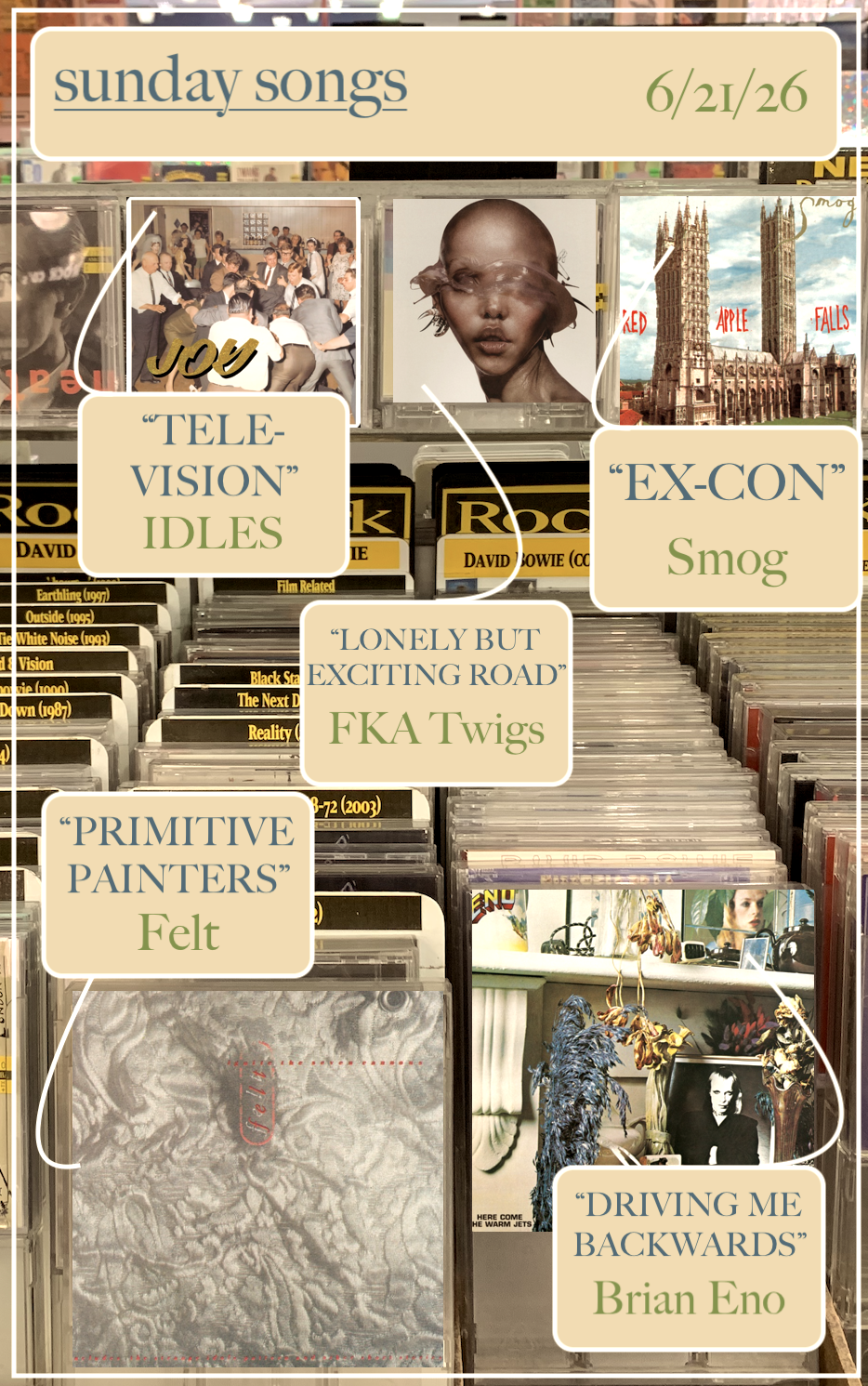
This one was a way-homer for me. I think it took me at least until a few months ago to really appreciate this song. When I was a kid, I remember my dad playing this in the car, and I think it just had that fatal combination of having droning vocals (Lawrence’s voice still isn’t particularly my cup of tea) and being over six minutes long. Perfect recipe for me zoning out and daydreaming about being in some fantasy world until it ended. Strangely, even when I’d just graduated from high school and my Cocteau Twins awakening had freshly happened, “Primitive Painters” still didn’t click for me.
Again, still not 100% on board with Lawrence—his voice has a very droning quality, and apparently he and Felt took a lot of influence from Television and Tom Verlaine, somebody else whose voice I also can’t bring myself to like. Everything about “Primitive Painters” is objectively so gorgeous that it’s easy to forgive. That guitar tone in the intro is so crystalline that it sounds less like a guitar and more of what I imagine how things would sound inside of a cracked geode. The dreamlike lyrics, according to Lawrence, spoke to “wanting to be in a select group…imagine groups of really cool kids hanging out in galleries, not pubs. That was my sort of conception,” which I never would’ve gathered; his visions of fire-breathing dragons and ships on empty seas would’ve lead me elsewhere. But it makes the defiant chorus of “you should see my trail of disgrace” even more defiant, becoming a confident flagpole planted in the dirt declaring allegiance to your own individuality. That brings us to what I think is the best part of the track—Elizabeth Fraser makes everything better, and her enchanting voice elevates “Primitive Painters” skyward.
…AND A BOOK TO GO WITH IT:
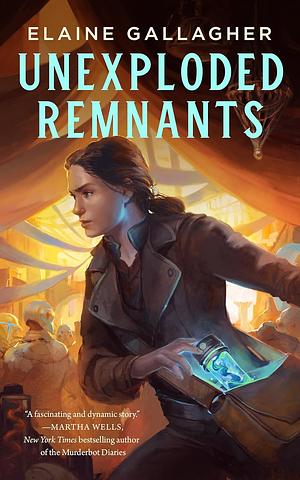
Unexploded Remnants – Elaine Gallagher – “I just wish my life could be strange as a conspiracy/I hold out hope but there’s no way of being what I want to be/The dragons blow fire, angels fly, spirits wither in the air/I’m just me I can’t deny, I’m neither here, there nor anywhere…”
The other day, I was talking to my brother, who had finally listened to Here Come the Warm Jets on a plane ride. He didn’t like it as much as Taking Tiger Mountain by Strategy, which baffled me, until I remembered that he was listening to songs like this. This song could feasibly make me go apeshit if I was 30,000 feet in the air.
Terrible way to sell “Driving Me Backwards,” I know. I used to skip around it whenever I first listened to Here Come the Warm Jets too. But it came on shuffle recently, and it was flat-out hypnotic. From such a simple skeleton—Brian Eno built this song on “only three chords, each different from the other by only one note”—blooms what might be his most densely-packed and foreboding tracks. It really does feel downright menacing, what with said three chords played like a dirge on an out-of-tune piano. Robert Fripp’s guitar zips like blips of radar, but on the steady rhythm of the repetitive piano, it feels like you’re being marched to the edge of a cliff. None of the lyrics on this album have a ton of structure, and yet combined with the atmosphere of the song, I get this image of the most dreaded possible scenario of meeting the parents: in my head, it’s this ’50s-style nuclear family (“Meet my relations/All of them grinning like facepacks”) and the girlfriend they’re giving you permission to date traps them too (“Now I’ve found a sweetheart/Treats me good, just like an armchair.”) That repetition, something Eno used to all sorts of effects later on in his career, makes “Driving Me Backwards” feel like you’re being pinned to the wall, but agonizingly slowly—whoever’s doing it is making every second of anticipation sink it.
…AND A BOOK TO GO WITH IT:
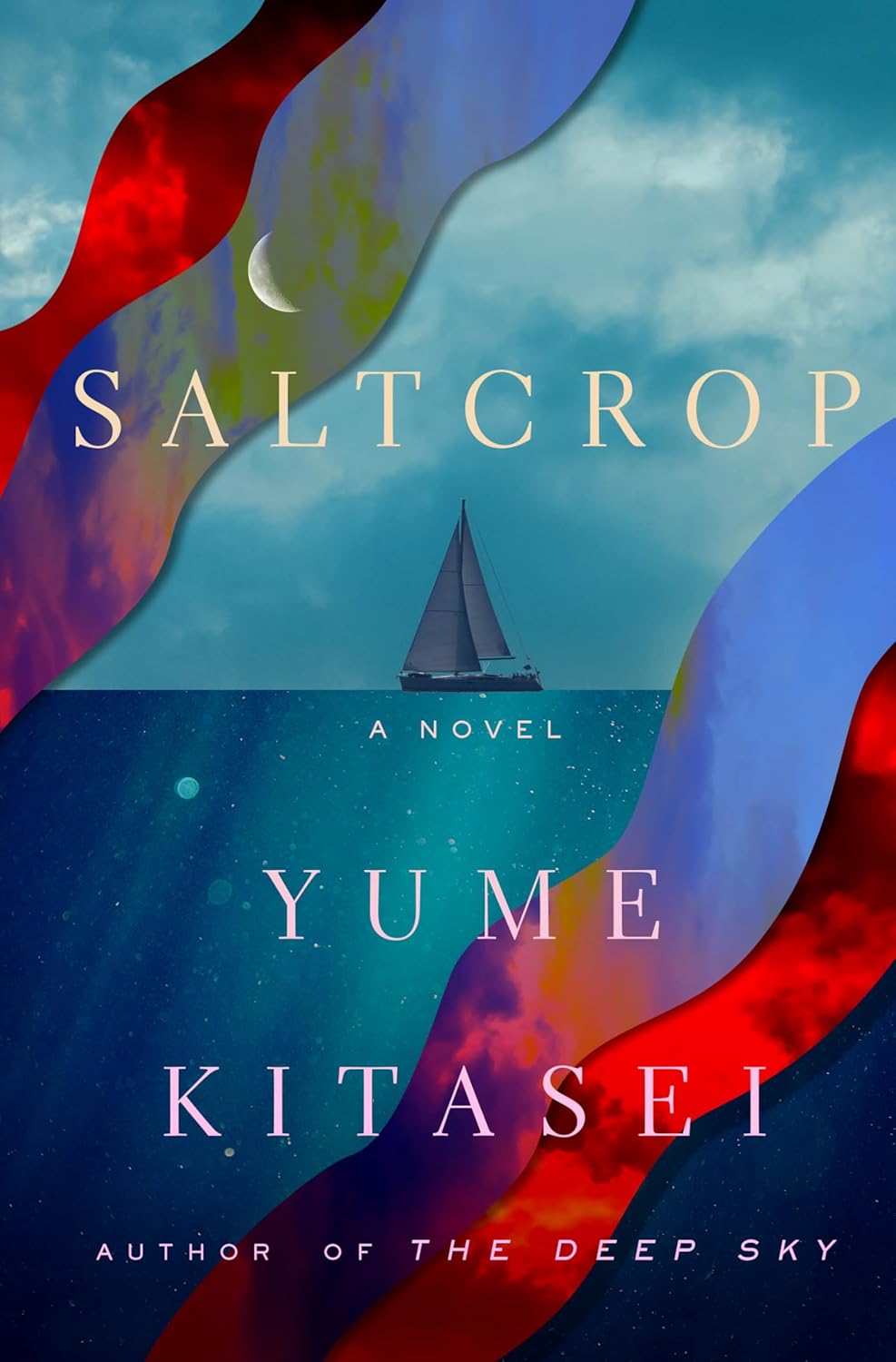
Saltcrop – Yume Kitasei – “I try to think about nothing/Difficult, I’m most temperamental/I gave up my good living…”
I still adore IDLES, and I feel like only something drastic will change it. But “Television” makes me sort of see where people are coming from with the criticism, because it’s basically the punk equivalent of this. And you know what? I’m completely on board. I think it’s so wonderful that IDLES has made a name off of having an aggressive, angry sound and image for the band, but making it into a Trojan horse for some of the most genuine and uplifting music out there. Self-love is very punk, after all, if you consider that, like Joe Talbot details in this song, that it’s tied to capitalism—companies want to make a profit off of you feeling inadequate and not looking like whichever models are in at the moment, and to reject that consumerism is verypunk. It’s all worth it just to hear Talbot yell “LOVE YOURSELF!” in a tone usually reserved for wrestling announcers.
…AND A BOOK TO GO WITH IT:
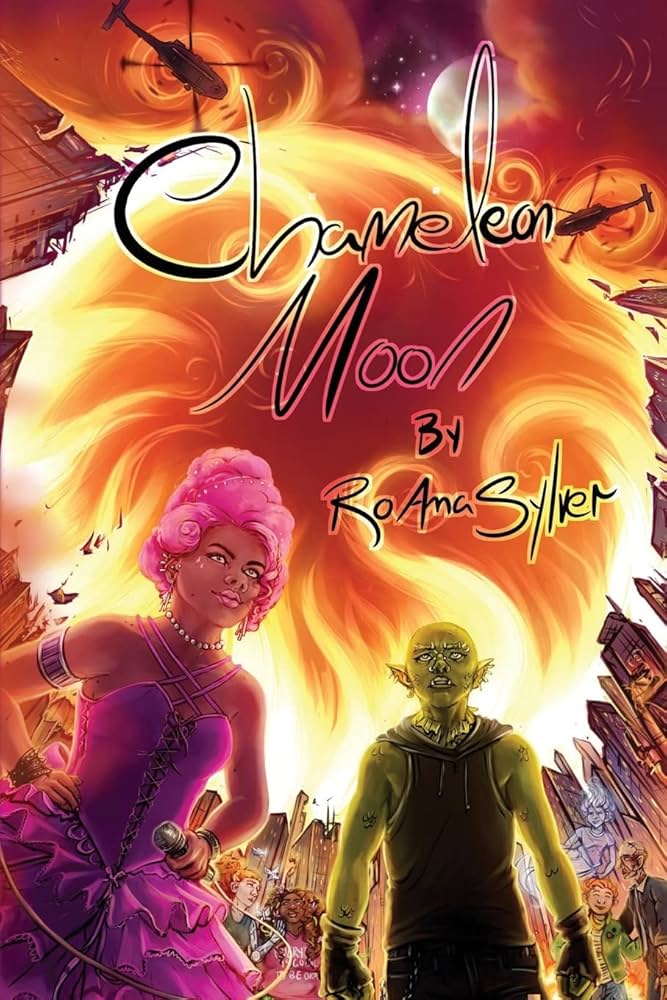
Chameleon Moon – RoAnna Sylver – “If someone talked to you/The way you do to you/I’d put their teeth through/Love yourself!”
I love a closing track that’s so clearly a Closing Track. Sure, a lot of the effort in it feels like it was put into being capital-A Anthemic, but for the most part, it works exactly as it should. Though I’m really not familiar with FKA Twigs and her work, she’s often lumped in with a lot of the weird women musicians that I admire—namely Björk, which makes sense, given that they’re both making boundary-pushing music that trends towards electronic. And nobody could be as weird as Björk, but like her, FKA Twigs is pushing through the embrace of exploring the adventure of being an individual and a trailblazer: “It might be heaven that’s coming my way/It’s gonna be a lonely but exciting road/And I’ll be finding myself on the way/It’s gonna be a lonеly but exciting road.” It’s such a beautiful sentiment, and the soaring, wordless section after the chorus reminded me of Kate Bush, another woman who paved the same path—it’s definitely got some “Cloudbusting” DNA in there. But for anyone, it’s such a hopeful sentiment, one that I’ve been trying to embody in the past few years, knowing that the path I’m taking with my life is unconventional, but wholly right for me. It’s so exciting that you forget about the lonely sometimes.
…AND A BOOK TO GO WITH IT:
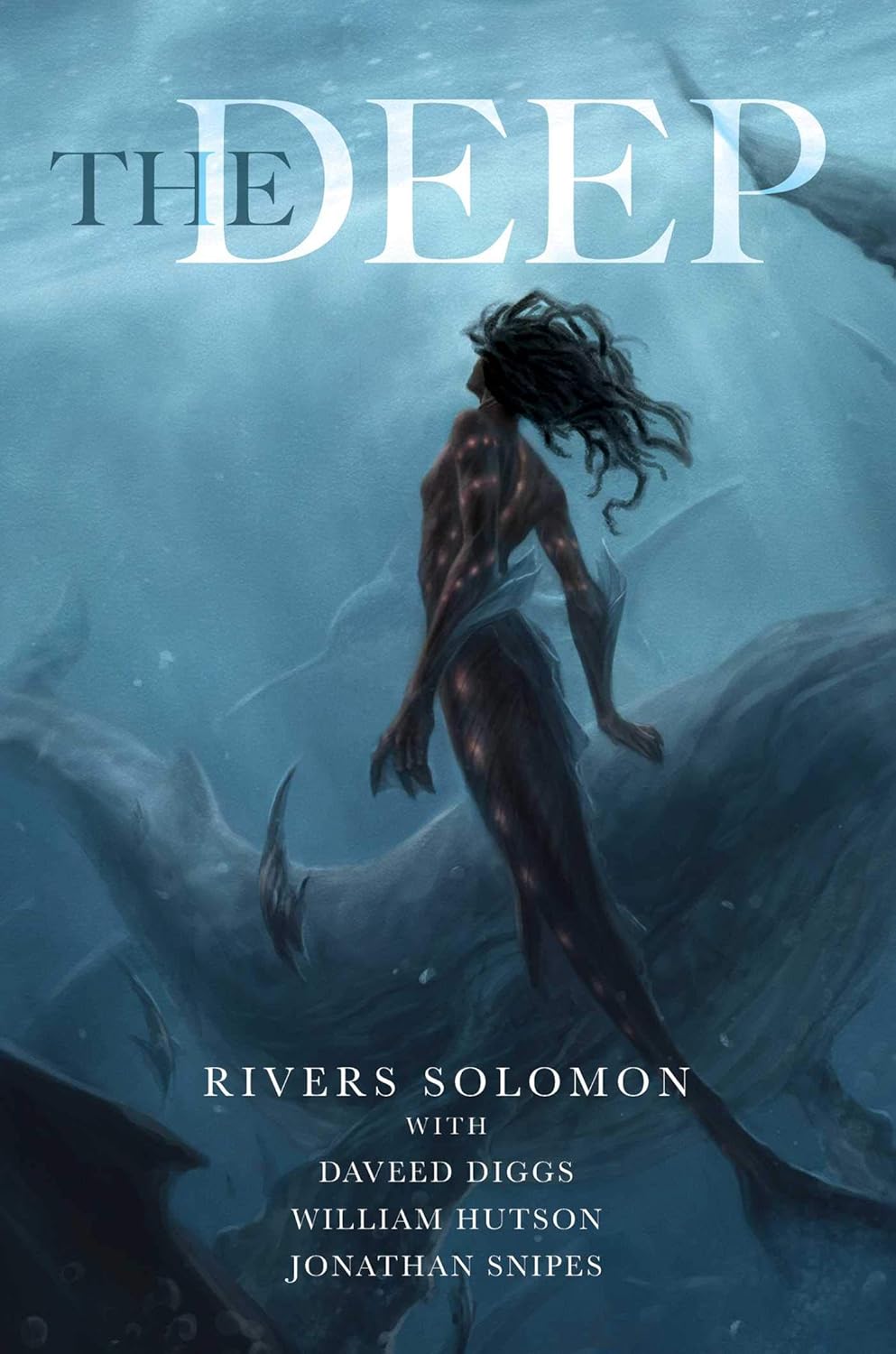
The Deep – Rivers Solomon – “So you make it up/In the hope that you’ll be something more than before/Be more than my mother was, no/Be more than her mother and her mother was/’Cause they say/’We gotta give to our children what we never was…'”
At the worst of times, socializing feels like wearing a human suit; I’m hyper-aware of what I should say, what’s normal to say and what’s unacceptable, and the sheer effort of all that deflates me by the end of the day. (Being neurodivergent isn’t what it’s cracked up to be by people on TikTok, kids. I feel like neurotypicals are treating neurodivergence the way people threw around “anxiety” and “depression” in the 2010’s. Free me from this prison.) Bill Callahan seems to understand: “Whenever I get dressed up/I feel like an ex-con trying to make good.” “Ex-Con” is an upbeat track that belies a somber undercurrent of alienation beneath it—the paradox of feeling most at home alone in your room, but feeling the most out of place in the company of other people. The repeated final line about feeling “like a robot by the river/Looking for a drink” jumped out at me from the first listen, but it might be one of Callahan’s cleverest lyrics; to me, it speaks to the desire to be a normal, functioning, conformed person, but knowing that it would probably eat you up from the inside out. The water would probably short-circuit this robot if it were to drink it. The drink of water is just out of reach. “Ex-Con” is so poignant in that way—it’s such a gentle song, but it lays bare how the worst of isolation feels.
Happy Sunday, bibliophiles, and Happy Mother’s Day! 💐 My mom has done an immeasurable amount for me—introducing me to a good portion of the songs you see here is just the tip of the iceberg. I truly don’t know where I’d be without her support. 🩵
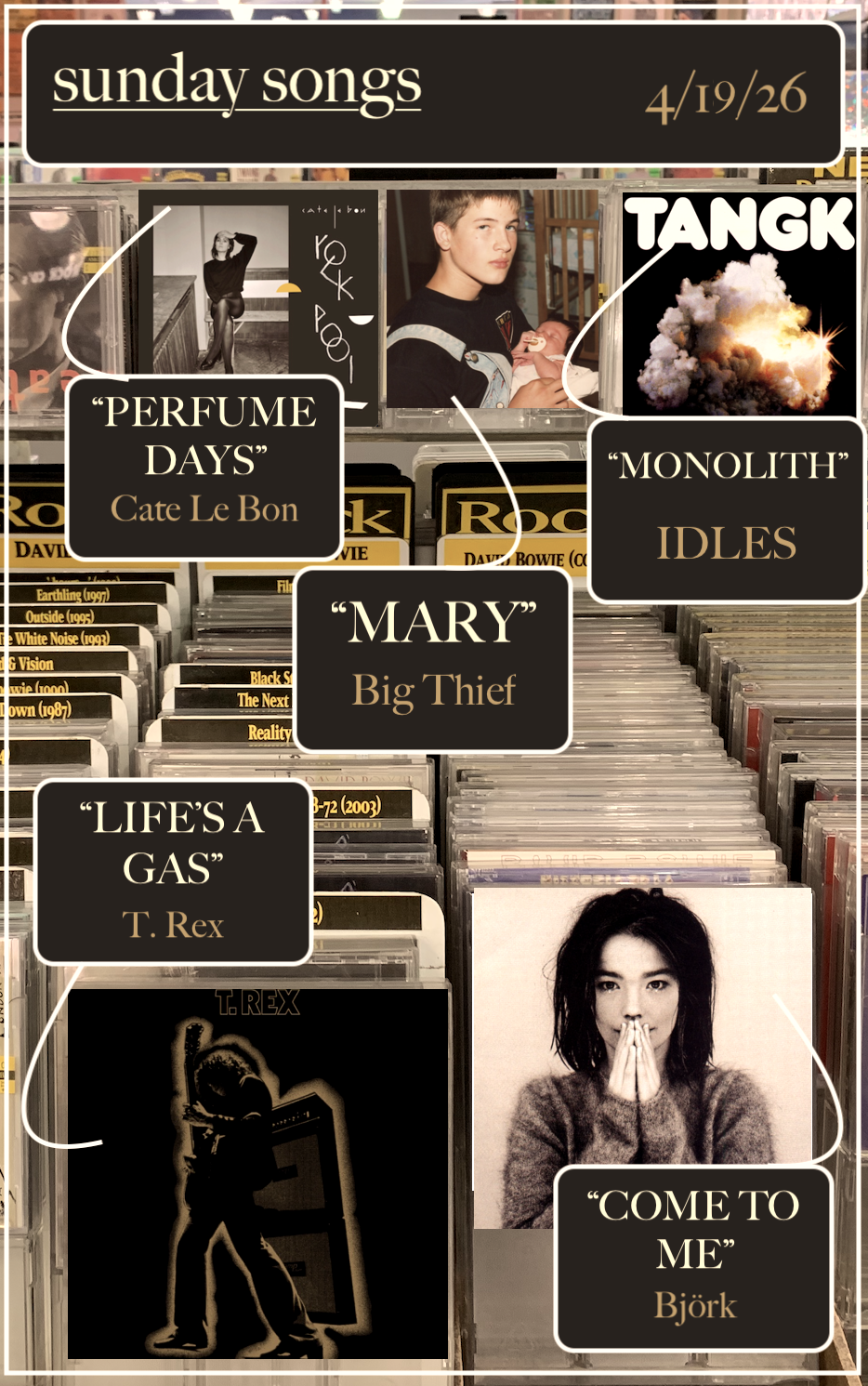
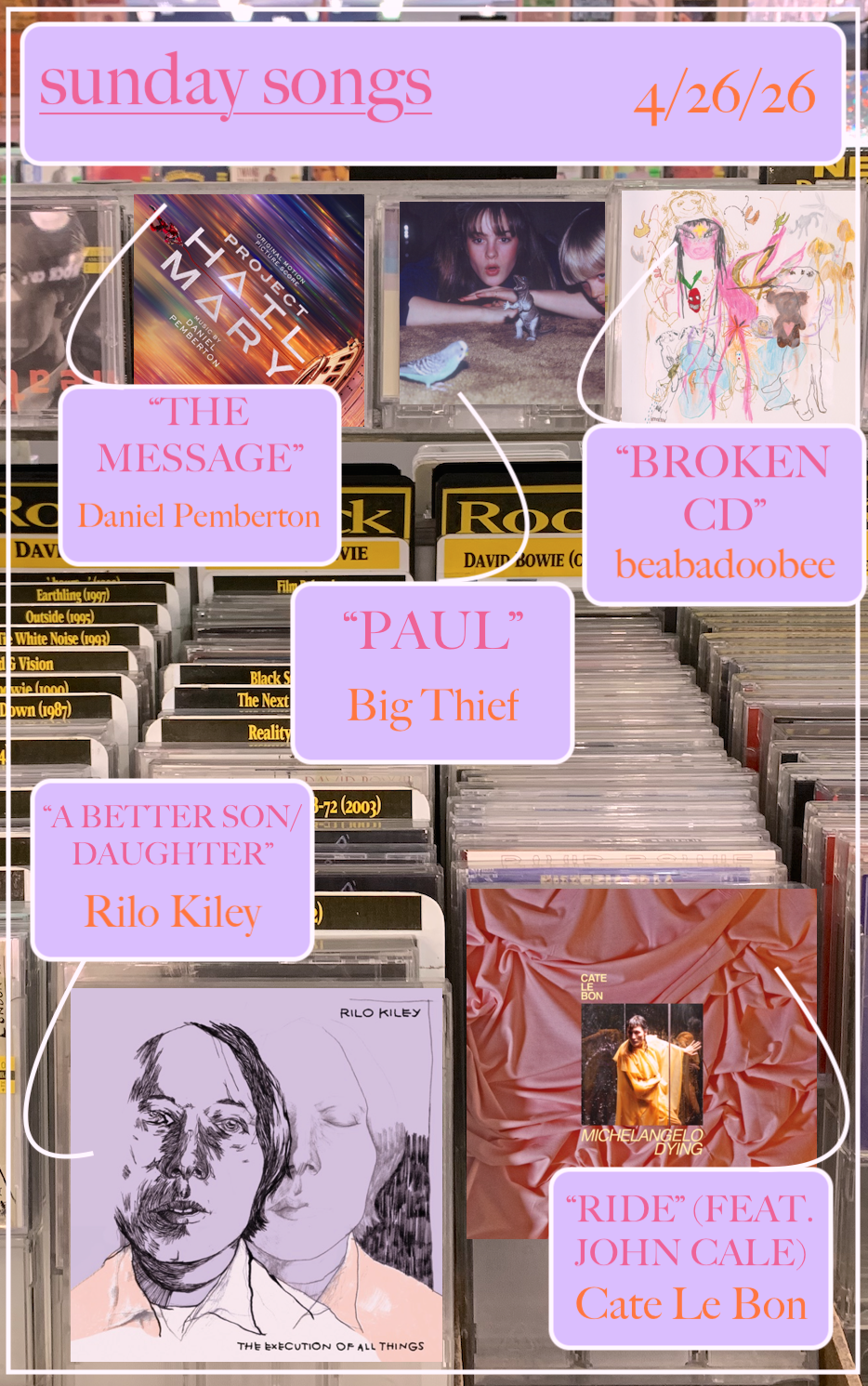
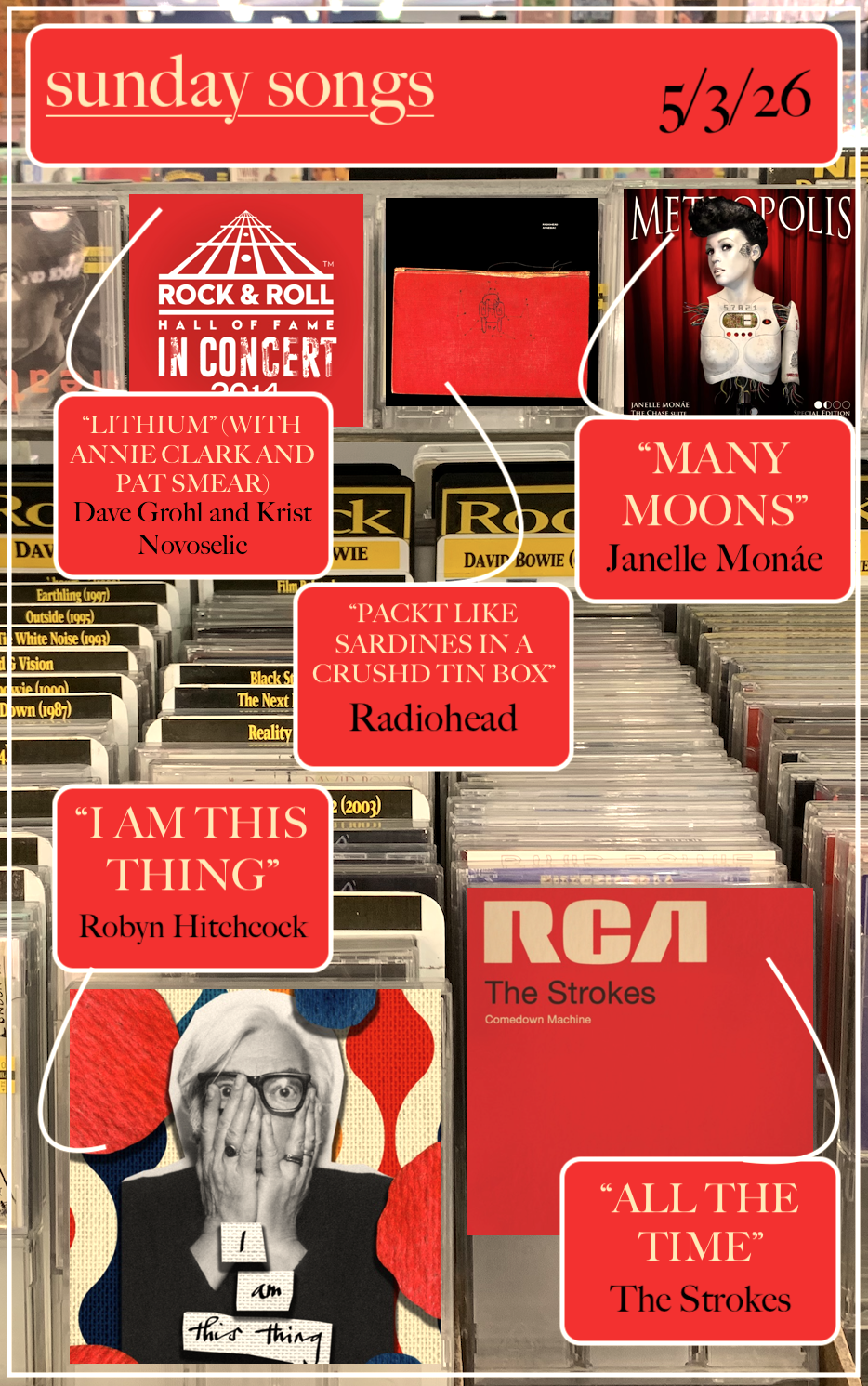
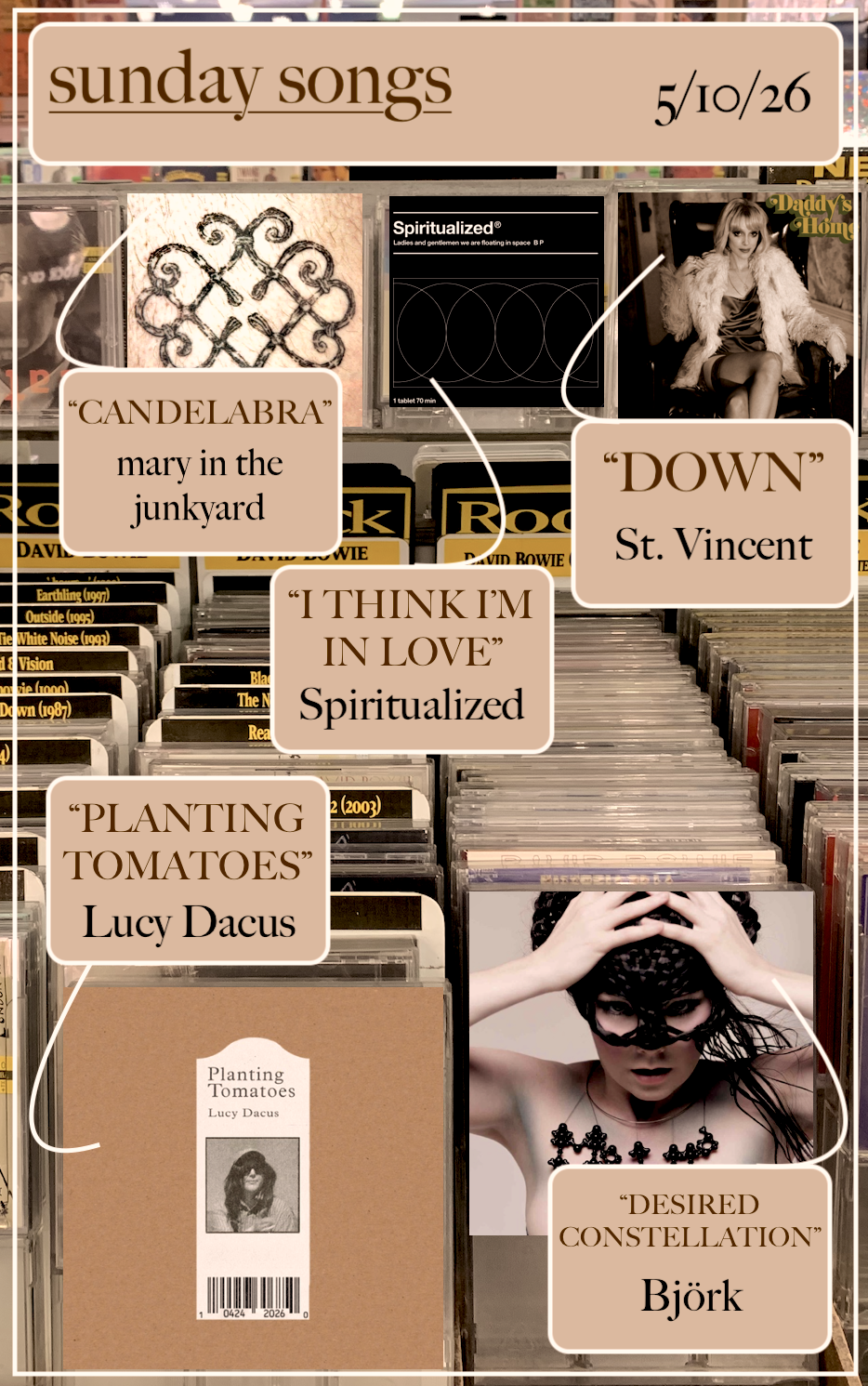
Since I’ve been gone for a few weeks, here are the graphics and songs from when I was taking a break:
This week: In honor of Mother’s Day, the mothers are mothering. (Yes, I’m counting J Spaceman, I feel like if you make something as astounding as Ladies and Gentlemen We Are Floating In Space, he gets to be called “mother” this once.)
Hot take of the day: Forever Is a Feeling would’ve been better if it had this track—and maybe “Losing”—on it. I get that “Losing” doesn’t exactly fit thematically, but sonically, it fits enough with the other tracks that it could’ve broken some of the monotony. Nobody asked, but my move would be to replace “Modigliani” with “Planting Tomatoes.” (But seriously, why was “Modigliani” the song that got the coveted Phoebe Bridgers feature?)
That’s the end of the hot take, but this might be another one: I feel like “Planting Tomatoes” might be one of Dacus’s best songs since Home Video. Forever Is a Feeling had some stunners, but composition and lyric-wise, “Planting Tomatoes” is truly something special. It takes her usual formula of stringing together perfectly-placed vignettes into something emotional. It’s more pop-forward, but in a way that feels natural to Dacus, and not trying to fit into a mold like some of Forever Is a Feeling‘s more forgettable tracks did. With reverb-drenched guitars that call back to her more indie rock days and tastefully echoing of her vocals, “Planting Tomatoes” is a breathless sprint through the realization that you’re living the life you once dreamed of—and everything that comes with it. There’s the starry-eyed ecstasy of being amongst friends and seeing the simple beauty in everything (tomatoes, holding hands with your friends, the view through a window screen).
Of course, it wouldn’t be Lucy Dacus without a trademark knife in the gut; that comes in the sparse bridge, but I think it captures something that comes along with trying to be more present: being present, but being distinctly aware of what you’ve lost while trying to be present. (“Livin’ in the moment/I can feel the moment passing.”) For Dacus, it’s the grief of losing someone that she wished she could experience the moment with; but her conclusion loops back to the chorus—the solution for all of these emotions, positive and negative, is this: “You’ve gotta live the life you’re fighting for/You’ve gotta live a life you would die for/But before then, I’ve got some ideas…” That hopeful ellipses of the chorus is where the joy of “Planting Tomatoes” lies: life is short, and yet, there is so much possibility in it.
…AND A BOOK TO GO WITH IT:
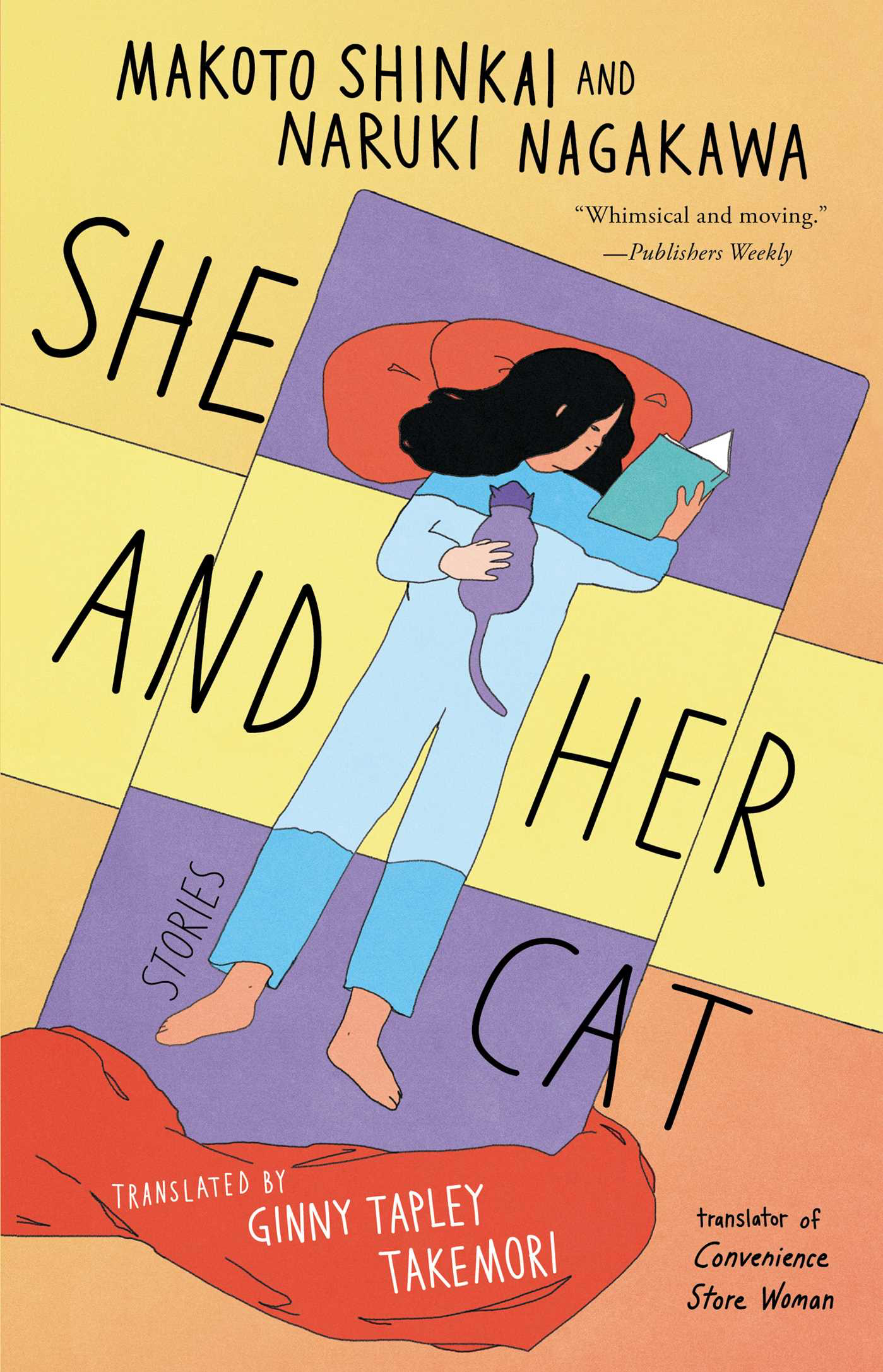
A Bánh Mì for Two – Trinity Nguyen – “Hearing my friends laughing in the distance/I can’t help but laugh along without knowing what the joke is/Can’t help thinking that I am gonna miss this/Living in the moment, I can feel the moment passing…”
I’ve been toying with the idea that Medúlla might be my favorite Björk album. I’m not 100% sure. With some of my favorite artists (Bowie, St. Vincent, etc.), it’s easy to pick a favorite. The thing about Björk is that her albums, as varying as they are in sound, are almost all at the same level of being consistently excellent. I like some more than others, but other than the two I haven’t listened to (Vulnicura and Utopia), I really can’t say if there’s a badBjörk album. Medúlla has some slight weaknesses, but after two more re-listens, I feel like even the songs that didn’t hook me as much on the first go around (see: “Submarine”) are still excellent in the ecosystem of the album as a whole. I’m firm in the belief that emotional attachment should never be ignored in choosing your favorite albums, and if that was the only criteria, Medúlla would easily slide up there—I’ve spoken about it a fair amount, but knowing the background and goal of this album was to evoke a sense of prehistoric, primal kinship connection of family and feminine lineages and storytelling as a whole makes every listen so powerful. It makes me feel in tune with that sense of being everything that your ancestors—especially the women in your family—dreamed of, but also a sort of nonlinear sense of connection across time and space. Something about it is innately human—the acapella format makes you hear every hiccup and falter in the vocals. You do feel like you’re around the fire, nestling for warmth in the presence of your kin.
But I think the best endorsement of Medúlla now is that, after a while spent dithering at the record store, I bought it on vinyl even though it was $43, but I immediately started crying after hearing “Pleasure Is All Mine,” so it was worth every penny. (Jeez, is that saying obsolete now? Wow. “Worth every dollar” just doesn’t have the same ring to it.)
When I first listened to Medúlla about a year ago, “Desired Constellation” was nearly one of the songs I talked about initially; it’s still one of the standouts from the album for me. At first, it sounds like it has some of the only non-vocal instrumentals, but I was fooled—the electronic backdrop was created by sampling Björk’s vocals from Vespertine, and adding layers of effects, giving it the delicate, sparkling effect that you hear; more relevant to the song’s subject matter, it’s specifically of this line from “Hidden Place”: “I’m not sure what to do with it.” It has some of my favorite Björk lyrics, hands down: “With a palm full of stars/I throw them like dice (Repeatedly)/On the table (Repeat, repeatedly)/I shake them like dice/And throw them on the table/Repeatedly (Repeatedly)/Until the desired constellation appears.” It’s an intimate, hard-hitting exploration of trying to make order out of chaos, of picking up the pieces until they resemble something you can make sense of.
…AND A BOOK TO GO WITH IT:
Saltcrop – Yume Kitasei – “It’s slippery when/Your sense of justice/Murmurs underneath/And is asking you: ‘How am I going to make it right?'”
We’re now two singles into Role Model Hermit, and I don’t want to jinx it, but it’s shaping up to be promising. “Candelabra” leans more towards their earlier acoustic work, but it fits just as snugly with the sweeping “Crash Landing.” As it turns out, it’s a holdover from frontwoman Clari Freeman-Taylor’s solo career, all the way back in 2021; it’s clear she’s gained so much more confidence since then, and despite “Candelabra” being a soft and wistful song, you can hear the leaps and bounds Freeman-Taylor and co. have made in the 5 years since. Whether acoustic or with a full band, this higher-quality production has done wonders for their sound, making it sound cleaner without sacrificing any of their eerie, vulnerable atmosphere. And vulnerability is something that “Candelabra” is ripe with, a meta, half-whispered confession about the confusion of songwriting and intimacy: “I want you to know me through my songs/They’re so much cleaner than anything I could say” is bookended with “Frantically I wrote you a letter/One I knew I never would send/Write fast, write deep, write better/Nothing I ever write will be enough.” This self-deprecation keeps this understated tune afloat.
Musically, I might be reverting to a pandemic-era state. Normally, that’d be a cry for help, but by some miracle, the memories I have of listening to Spiritualized during the pandemic are actually very positive. They said it couldn’t be done…but also, I listened to Ladies and Gentlemen We Are Floating in Space for the first time during the very early days of the pandemic, so that’s why the memories never soured. This was the part of the pandemic where I’d finished my highly modified AP tests and was waiting for my preordered copy of Aurora Burning to arrive in the mail. I hadn’t gotten burnt out and depressed…yet.
But I think Ladies and Gentlemen is one of those albums that no bad situation could sour. It’s just a masterpiece, through and through, a masterclass in creating and maintaining an atmosphere, of slow-burn tales that unfurl like you’re adrift in space, held to your spaceship by the thinnest tether, but never lost completely. The amount of layers in each song, whether 3 or 17 minutes, makes each one feel like an entire expanse of space that J. Spaceman has personally mapped out and condensed into sound waves. And if we’re talking about slow burns, then “I Think I’m In Love” is one of the key studies of it on Ladies and Gentlemen. Of course, the sun-blinded haze of this song comes from the monotony of heroin—something that comes up repeatedly on this album—but the way that it unfolds from this dissociative state back into a colder reality once the high wears off is one of J. Spaceman’s most memorable compositions on this album. For the first two minutes, his airy self-harmonization makes you feel like you’re waking up from a dream, still bleary-eyed, unsure of where you are. Every effect from the guitar pedals makes the song glimmer, but once the song gets curb-stomped back to Earth, the bleating saxophones and steady percussion only add to the atmosphere, as densely-packed with sound as a rainforest is with flora. And cynical as it is, the lyrics in the last 2/3rds of the song are so painfully self-effacing, but sardonically clever:
“I think I can hit the mark/Probably just aimin’/I think my name is on your lips/Probably complainin’/I think I have caught it bad/Probably contagious/I think that I’m a winner, baby/Probably Las Vegas.”
I mean…oof. And he’s got a whole four minutes full of these self-aimed barbs up his sleeve. But it really demonstrates the state he was in, musically and lyrically; the transition to drugged-out, blissful ignorance to astronomical levels of self-deprecation is just where he was at the time of the album, and honestly, with the rock bottom that he hit multiple times, it just makes me all the more grateful that we live in the timeline that he survived both of his near-death experiences, mostly due to complications with the drugs he was abusing throughout his life. And sure, we’ve got those debates about whether you need drugs to make an album as masterful as this, to which I say…dude, have you listened to Everything Was Beautiful lately? Sure, nothing can touch Ladies and Gentlemen, but it’s basically Ladies and Gentlemen with J Spaceman being clean and happy. Either way you look at it, “I Think I’m In Love” is a pitch-perfect study in Spaceman’s ability to make a song feel like an entire dimension in and of itself, a push-pull of dissociation and reality, like a slingshot firing in slow motion.
…AND A BOOK TO GO WITH IT:
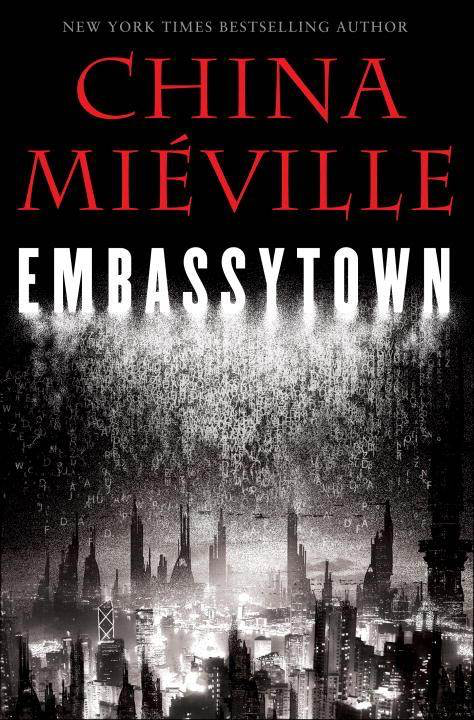
Embassytown – China Miéville – “I think I’m in love/Probably just hungry/I think I’m your friend/Probably just lonely…”
Daddy’s Home is approaching its 5 year anniversary, and…I feel so old. I know that’s dramatic. But it has such a specific, comfortingly nostalgic place in my heart; I specifically remembering finishing my AP exams after slogging through the mire of online school, and walking out of the building knowing that I had a new St. Vincent album as a reward. Especially coming off of the heels of the deeply disappointing MASSEDUCTION, it was like being bathed in rays of sunlight. Nearly 5 years later, it holds up as a sonically consistent and pure fun album, despite its subject matter. It’s a sly concentration of “if I don’t laugh, I’ll cry,” especially when looking back at circumstances more messed up than you could’ve predicted. (For Clark, it was her father getting arrested and finishing out his sentence around the time of the album’s release.) It’s difficult to think of an artist who’s channeled an aesthetic so clearly—this is straight up early ’70s, and nothing but; the only pitfall is that, past this era, it almost feels wrong to hear her play tracks from this album live without the intricately crafted aesthetic and campy blonde wig. But I guess that’s what you get for committing to a bit thishard.
Daddy’s Home was anchored on a slew of excellent singles, and “Down” hasn’t lost its sheen nearly 5 years on. It’s got bite. Acerbic but righteous in its condemnation of a good-for-nothing abuser, every lyric is spit with triumphant venom. We’ve been inundated with vaguely feminist revenge stories in the past decade or so; It’s a real shame that a lot of stories about getting the upper hand on your abuser have become cliche, but I feel like it’s more the shallow idea of these revenge fantasies being labeled feminism by default that’s made a lot of mainstream stories ring hollow. Even Clark herself has said that “Down” is a revenge fantasy. However, I think the reason “Down” sets itself apart is the campof it all—it realizes it’s playing into a cliche and a somewhat universal experience of wanting to get back at someone who’s wronged you, and Clark puts every ounce of performance into this character. Daddy’s Home is honestly a masterclass in tragic camp—it rarely takes itself entirelyseriously, and that’s what gives it the edge. Plus, who could deny that guitar solo, delectable ’70s tone and all?
GUESS WHO’S BACK…WITH A BACHELOR’S DEGREE! 🎓 YIPPEE!! Either way, I’ll be back to my normal posting schedule for the foreseeable future, as I’m now done with finals and all of my graduation festivities.
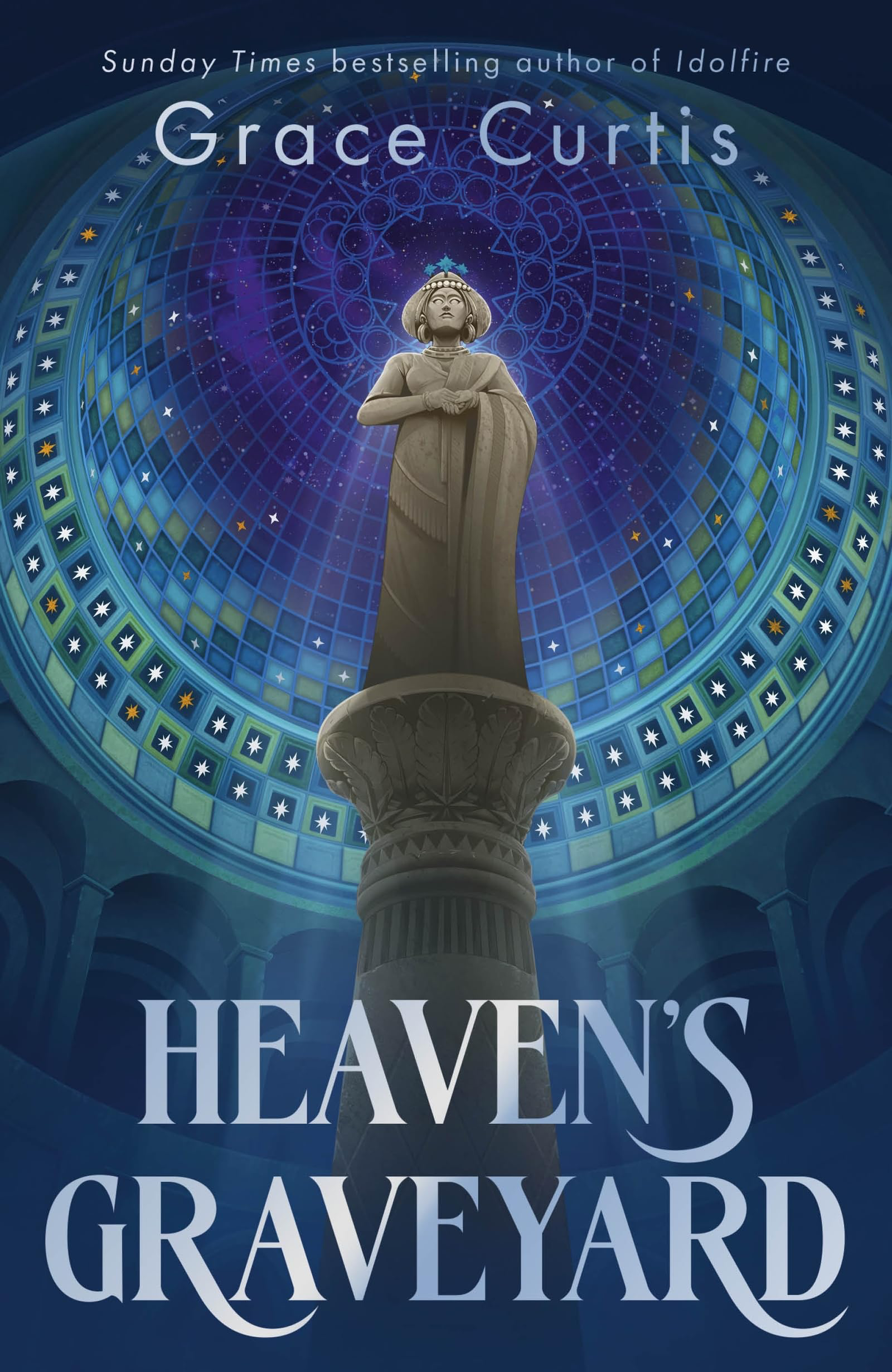
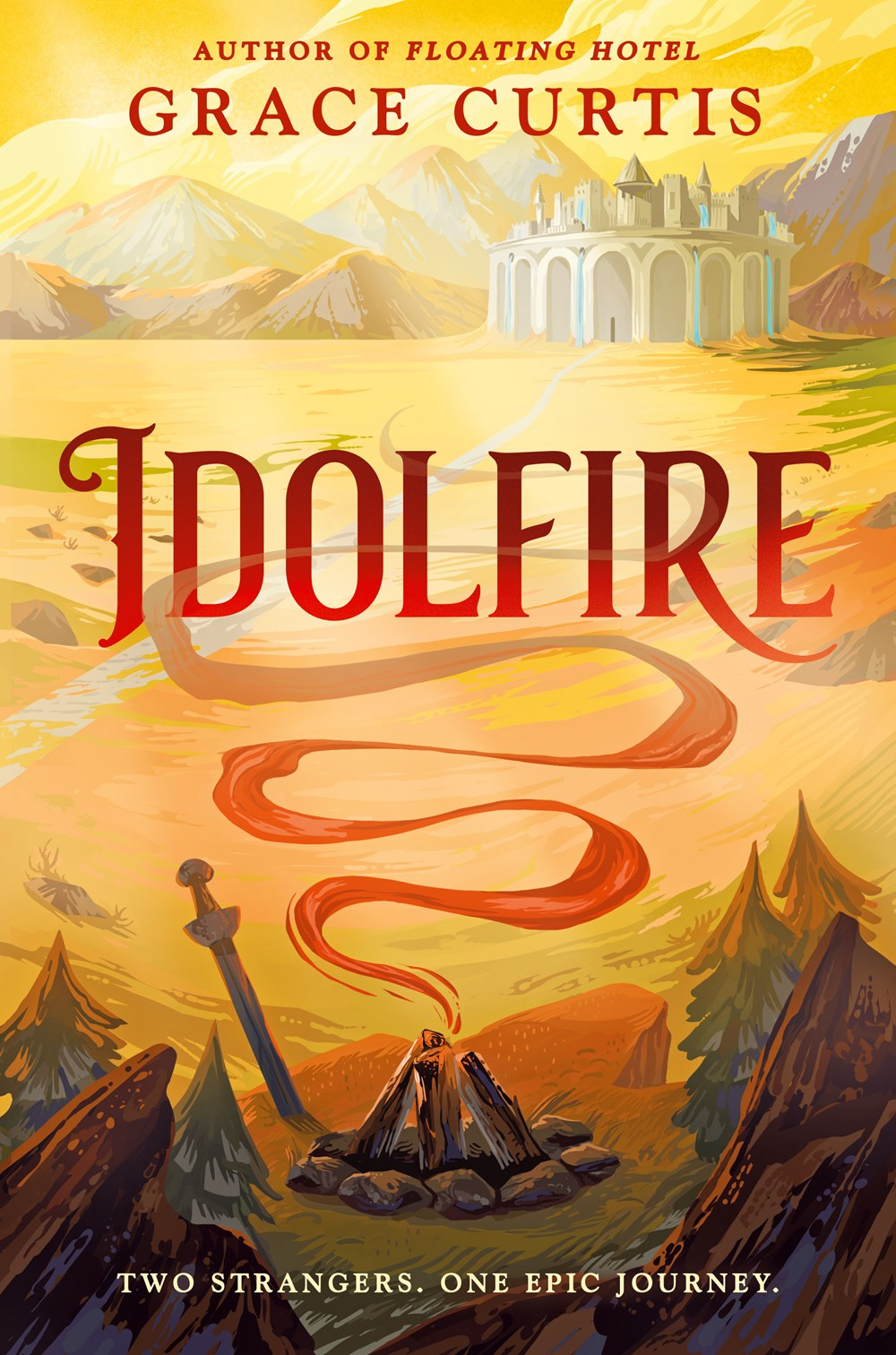
I’ve been a fan of Yume Kitasei since her debut, The Deep Sky. Her second novel, The Stardust Grail,was a 5-star read for me—it’s truly a gem, if you haven’t read it already. (After re-reading it last month, I’m firmly convinced that we need another book set in that universe. Her worldbuilding was so expansive!! It needs a companion novel!! Please!!) So I was ecstatic to hear that she was writing another sci-fi novel. It seems she’s been jumping between all kinds of sci-fi subgenres: a literary thriller with The Deep Sky, space opera with The Stardust Grail, and now dystopia with Saltcrop. And though it didn’t blow me away like The Stardust Grail did, Saltcrop is still a worthy, timely testament to Kitasei’s talents.
In a world ravaged by climate change, the three Shimizu sisters–Nora, Carmen, and Skipper—eke out a living with their aging grandmother. But Nora has been missing for months without an explanation. Carmen has faith that Nora will turn up soon, but Skipper suspects foul play. The sisters voyage out into uncertain waters to find Nora, but when they stumble into an intricate conspiracy that’s more than they bargained for, they must decide whether the journey was worth it at all—and if Nora is even out there in the first place.
TW/CW: medical content, body horror, death of parents, abuse, violence, murder, illness, animal death, chronic illness themes
One of the coolest things about watching Yume Kitasei’s career expand, from a reader’s perspective, is her willingness to try almost anything within the sci-fi genre. Her first novel was a more literary, sci-fi thriller; her second, a daring space opera with influences from Star Wars and Indiana Jones. Saltcrop is wholly different than both of them, and perhaps the greatest thing about it is that Kitasei never seems to run out of ideas, and that she’s unafraid to chase them.
Saltcrop is full of heart, and to me, that was its main strength. What formed this heart was the central relationship between Skipper, Carmen, and Nora. Even though 1/3 sisters was notably missing for 2/3rds of the novel, her presence was palpable; all that was possible due to the subtle interactions that Kitasei wove through Skipper and Carmen, both past and present. Their clashing but united dynamic as sisters propelled the novel in such a poignant way. Though you know from the start that Skipper and Carmen would cross the ocean for their sister (and they do), Kitasei never falters in giving you the sense of the complex but steadfast love that they have for each other. It feels like a middle finger to all of the dystopian media that posits that the apocalypse will somehow deteriorate our inherently human urge to love and help each other. Siblings will be siblings, even when climate change floods the world—Kitasei means that in every sense possible.
The settingof Saltcrop is familiar: a flooded dystopian world rendered unrecognizable by climate change, where the poor eke out a hardened existence while the rich continue to get richer. It’s a plot we’ve heard many times before, but Kitasei’s touch made it much more human. Aside from the exploration of the sisters’s relationships, I think what made Saltcrop’s plot and worldbuilding so memorable were the vignettes that made it human. Kitasei’s flooded world was peppered with stories of ordinary people, dead and alive, who made a living in spite of nearly inhospitable circumstances. It doesn’t shy away from the dark and ugly parts of this world (namely the spread of illness and corporate greed) Combine that with the clearly exhaustive research she did about agriculture, epidemiology, and genetic modification that got especially relevant in the last half of the novel, and Saltcrop was one of the most lived-in dystopias that I’ve read in quite some time.
I said earlier that Saltcrop is fairly different from her previous two novels, but in terms of writing, I think it trends closer to The Deep Sky, which is to say that it leans more into the literary side of her prose. And if there’s anybody I trust with more literary prose, it’s Kitasei. Her eye for poignant, needle-sharp descriptions that lodge themselves into your heart is stronger than ever—there are casual gut-punches laid about everywhere. Even in the heart of a climate-ravaged dystopia, there were almost Fargo-like interludes where reality and memory warp, which was all the more potent considering the themes of remembrance in Saltcrop. (The bear scene in the middle especially comes to mind.) Like the plot, Kitasei’s prose turned an environment that we’ve seen many times before into something wholly fresh and enlivened.
I’ll admit, I have some mixed feelings about the ending. On the one hand, I loved how the sisters rallied together to try and bring down the antagonist corporation, which routinely swallowed all of their attempts at resisting; the gradual, quiet victory was hopeful, and felt realistic to the long and rocky road to justice that we see with these kinds of issues. However, I feel like there were so many unanswered questions at the end; without spoiling anything, it felt like the setup to another novel, but there was so much left unsolved and unsaid, and yet Kitasei gave it the tone of a bittersweet ending, but a concrete ending all the same. It only felt wrapped up in the sense of the corporation plot, but beyond that, it felt unfinished. I’m all for an ambiguous ending, but with such a key piece of the puzzle missing, it didn’t feel satisfying in the slightest.
All in all, a startlingly human post-apocalyptic story of sisterhood and survival. 4 stars!
Saltcrop is a standalone, but Yume Kitasei is also the author of The Deep Sky and The Stardust Grail.
Today’s song:
genuinely criminal that this isn’t available on streaming, but this is, hands down, one of the best Wilco covers out there
That’s it for this week’s Book Review Tuesday! Have a wonderful rest of your day, and take care of yourselves!
Happy Monday, bibliophiles! This is the last of my scheduled posts, so you can expect that I’ll be slowly getting back to my normal posting routine soon.
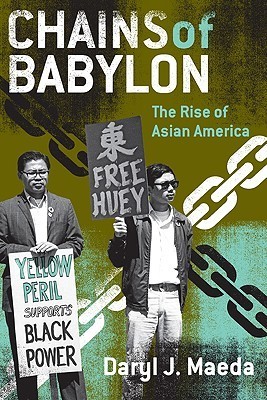
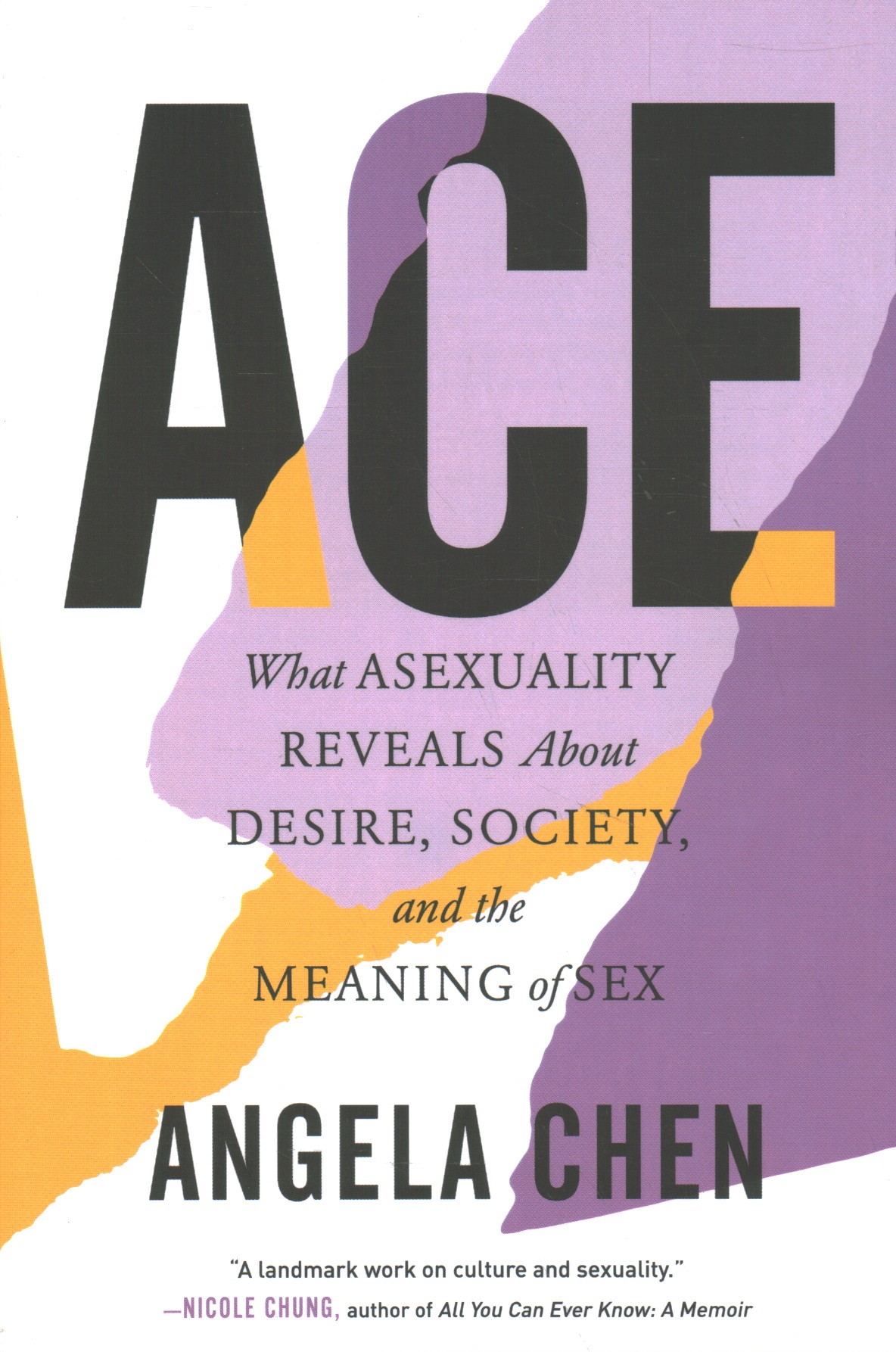
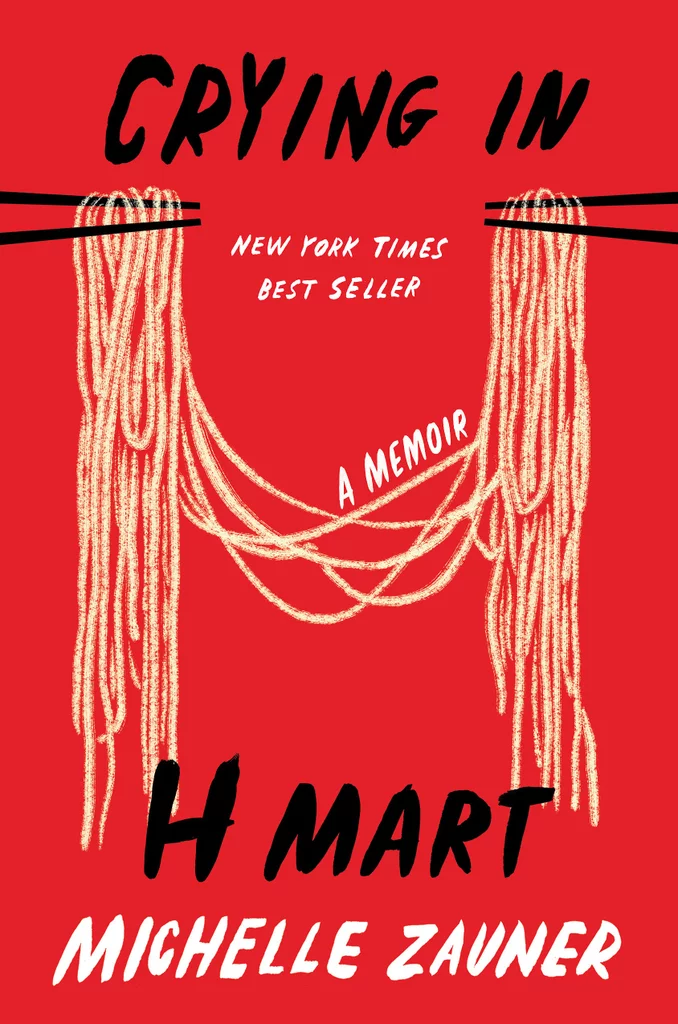
Here in the U.S., May is Asian American and Pacific Islander Heritage Month! As with all of the heritage and pride months, it has always been difficult to ignore how complicated of a moment it is. In particular, I think of the unspeakable violence that ICE has been inflicting on AAPI immigrants, and Asian people at large, no matter their status; combine that with the blatant racism that this administration has allowed, and it has made this time in American history exceedingly dangerous. But we have to remember that it has always been this way, in some way, shape or form—our historical treatment of AAPI people in America has been nothing short of shameful, from the conception of this country to now.
Yet as with every year, the best way to combat the government wanting to silence AAPI voices—and all marginalized voices—is having pride in one’s heritage and educating oneself. Pride and education are the two things that the government deems most dangerous in any marginalized community, and fostering them is the ultimate antidote to the continual erasure of AAPI voices from our history and literature. So I hope with this list, which draws from fiction and nonfiction and from many different backgrounds and genres, helps this effort.
TELL ME WHAT YOU THINK! Have you read any of these books, and if so, what did you think of them? What are some of your favorite books by AAPI authors? Let me know in the comments!
Today’s song:
That’s it for this recommendations post! Have a wonderful rest of your day, and take care of yourselves!