Posted in Book Review Tuesday

Book Review Tuesday (4/14/26) – Tune It Out

Happy Tuesday, bibliophiles!

Alright, let’s do this one last time.

My name is Madeline. I was diagnosed with SPD at age three, and I’ve talked about it fairly extensively on this blog, often in relation to what I usually talk about on here: books and music. Current research gives the estimate that around 1 in 20 people has some form of SPD, but it’s rarely talked about—much less depicted in pop culture. The representation of it in literature (and every other kind of media) is almost nonexistent. I’ve had the privilege of meeting more people with SPD in college, and that’s made me much less isolated and more confident. Nonetheless, the conversation around SPD tends to amount to crickets. Thankfully, progress in representation has inched forward. Last year, we got the documentary Sensory Overload, which was an excellent and intersectional window into all kinds of people with sensory issues, including SPD—I highly recommend it.

But until I read this novel, I’d only heard of one other fiction book on the subject (Carolyn Mackler’s Not If I Can Help It, which I also highly recommend), and that book only came out in 2019. So you can see why I grew up feeling more than a little alienated.

I rarely get excited to hear about books from authors I’ve never even heard of. But the minute that I found out that Tune It Out had SPD representation, I was itching to read it. Unfortunately, I couldn’t find it at the library or any bookstores for six years. So I had a little celebration when my library got a copy of it on Libby! I don’t even care that I’ve aged well past the middle grade target audience, because Tune It Out provided something for me that I’ve been searching for all my life.

Enjoy this week’s review!
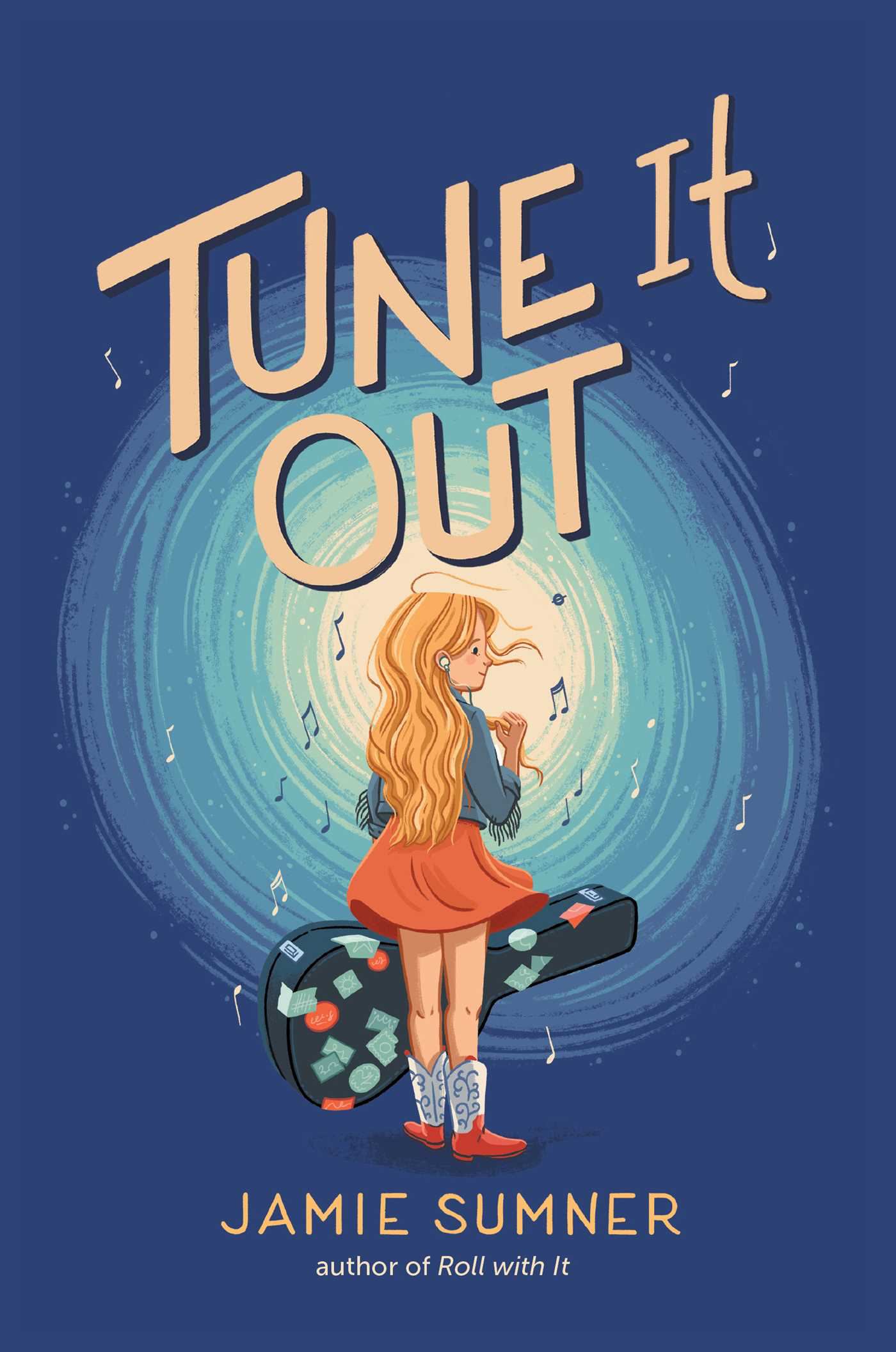
Tune It Out – Jamie Sumner

As far as Lou Montgomery is concerned, she’s getting along just fine. Sure, she and her mother may be unhoused, but despite Lou’s intense aversion to crowds and loud noises, she’s been able to function, trying to get noticed by a talent scout so that her mother can finally get the big break they’ve always dreamed of. But when an incident leads to Lou being separated from her mom by CPS, she’s forced into an entirely new life—one with school, new people, and all sorts of sounds that she doesn’t like. What’s more, she finally has a name for her feelings—SPD. Lou isn’t sure if she likes it. But as Lou comes to face the facts about herself, her mother, and her new life, she realizes that finding her voice may not be as hard as she thought.

TW/CW: child neglect/abuse, ableism, panic attacks/sensory overload, car accident

Here’s the thing. I’ve gotten emotional over representation of all kinds. Seeing my experiences of being bisexual, mixed-race, and/or the general experience of being a woman have all touched me in ways that most books don’t. For SPD, it’s different. I was full on sobbing in my bed reading Tune It Out, because so few books—and any other kind of media—have addressed this part of me. I am so beyond glad that Tune It Out exists.

First, the obvious: the SPD representation! That was the entire reason I picked up Tune It Out, and I saw so much of myself in Lou. SPD is a varied diagnosis, but a lot of Lou’s symptoms were similar to mine, particularly her heightened sensitivity to sound. Her experience going to the airport for the first time, as well as the fire drill scene, really hammered home how harrowing sensory sensitivity is—every sound feels like an attack on you, and you feel that attack become pain in your body. Her aversion to touch and certain textures hit home too, especially with unwanted physical contact. Sumner’s prose made these sensations so embodied. Also, the scene where she gets an iPod for the first time and is able to use music to self-soothe truly struck me. I’ve still got my beat-up iPod nano from when I was about Lou’s age, and it serves the same purpose to this day. It’s a part of having SPD that’s always been a reliable way to help me calm down from sensory overload, and I loved that Sumner explored this in Tune It Out. I saw so much of my younger self in Lou. Sumner clearly did her homework in that regard, and I can’t thank her enough for that.

Another aspect of SPD representation that Tune It Out touches on is occupational therapy. Lou was diagnosed at an older age than I was, but the questionnaires and coping mechanisms that she learns at school were very accurate to my experience with SPD and therapy. A lot of the new challenges she faces at school, from crowded cafeterias to fire drills, were appropriately shocking to her (with the combined factor of her being formerly unhoused and not used to this particular school environment), and I loved how she learned to cope with these everyday struggles. I also appreciate that Sumner introduced the perspective of Lou having some internalized ableism; a lot of her mom’s beliefs about her “just being skittish” and that she could just “tough it out” without a problem were deeply embedded in her own belief system, which made her very reluctant to get diagnosed. Lou’s arc about realizing that SPD is nothing to be ashamed of and learning to cope with sensory issues in healthy ways resonated with me deeply, and I’m sure it will with so many other readers.

Tune It Out deals with some heavy topics, but I think it does it in a way that makes it perfect for older middle grade readers. One of the main conflicts of the book is that Lou is being controlled by her neglectful, manipulative mother; one of the main realizations that she has is that her mom has been using her singing talents to try and get them money, and she refuses to acknowledge that a) her daughter’s dreams are not her own, and b) her daughter isn’t just “skittish,” but has a disability that is not being properly accommodated. It’s definitely an older middle grade subject to realize that your parent might be emotionally abusive, but the way that Sumner handled it gave it the weight it deserves. Lou idolized her mother for so long, but she reacted exactly how I would imagine a 12-year-old would. It’s a difficult read in those portions, but I think it’s an important subject for younger readers to be exposed to.

In terms of the lighter, more classic middle school parts of the plot, Tune It Out reminded me of some of my favorite middle grade novels that I read in elementary and middle school. I loved the scenes with Lou and her new friends, especially Well, who read delightfully like a Wes Anderson character. The scenes of them bonding over music made me bawl. Lou’s fears about her new friends were relatable, but all of them coming together to support Lou taking control of her own narrative were so heartwarming. Sumner really captured that feeling of being in middle school and being fundamentally different from your classmates in a way that shook me to my core.

Ultimately, I think Lou’s arc in Tune It Out was incredibly powerful. Given that so many narratives about disability lean into “inspiration” plots, I think it’s so potent that Lou’s arc centers around her gaining autonomy over her life. She finally works up the courage to stand up to her neglectful, emotionally abusive mother—that scene was one of the most poignant in the book. But I think that the core of Lou’s arc—her life being controlled, and then her gaining control over her life—is so important for young, neurodivergent girls to hear. Honestly, it works for all kinds of young girls. When you’re neurodivergent and/or a girl, so many people will try to tell you how to live your life, and being told from a young age that you are the only one in charge of your story is something that needs to be heard and reinforced. My hope is that young girls will learn that from Lou, and I have no doubt that they will. I needed a Lou when I was 12, but I’m just glad that the generations of girls to come will have a Lou of their own.

All in all, Tune It Out was easy to love: full of heart, charm, and just the sort of representation that I’ve been searching for ever since I knew about the concept of representation. Thank you, Jamie Sumner. Representation matters. 5 stars!

Tune It Out is a standalone, but Jamie Sumner is the author of several other books for children, including Roll With It, The Summer of June, Glory Be, Please Pay Attention, and more.

Today’s song:

That’s it for this week’s Book Review Tuesday! Have a wonderful rest of your day, and take care of yourselves!

Posted in Book Review Tuesday

Book Review Tuesday (7/19/22) – Not If I Can Help It

Happy Tuesday, bibliophiles!

Ever since I realized that literature has been something I could see myself in, I’ve been looking high and low for books with SPD representation. For years, all I managed to find were help books for parents SPD children (again—not diminishing their value, I was just looking for something else) and hardly any fiction in sight. By some miracle, I ended up coming across this book recently, and I was elated to find a book that finally reflected my disability! I set my expectations hesitantly high, but I ended up adoring Not If I Can Help It; I wish I had it when I was Willa’s age.

Enjoy this week’s review!

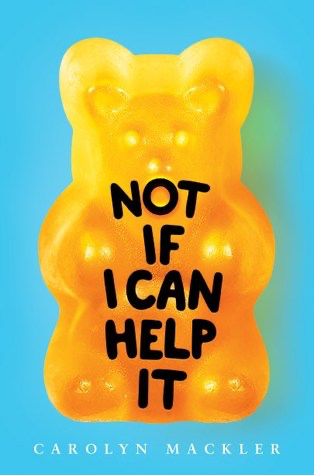
Not If I Can Help It – Carolyn Mackler

Willa has Sensory Processing Disorder—she hates the texture of certain foods, tags and seams on clothes irritate her to no end, and she gets overwhelmed easily. With her occupational therapist, she’s been able to manage it—and keep it a secret from her 5th-grade class. But when her dad breaks the news that he’s engaged to her best friend’s mom, she struggles to handle the change—she loves her best friend Ruby, but being her sister would be another situation entirely. As 5th grade draws to a close, can she and Ruby work things out—as best friends, and as sisters?

TW/CW: sensory overload, bullying

I’m going to go so far as to say that Not If I Can Help It is a fairly monumental book for me. It’s the first book I’ve ever read with a protagonist who has SPD, and as somebody with SPD, it fills my heart to see myself in a book like this. I’m so, so, so glad this book exists.

I’ve been trying to find any kind of SPD fiction for years, and Not If I Can Help It surprised me with how realistically and respectfully SPD was handled. I related so much to Willa—even though our specific brands of SPD differed (Willa’s seems to be more tactile, whereas mine are mainly auditory), I related so much to Willa’s experience, from her experience with handling change to the everyday things she does with her parents to cope with her SPD. (I JUST GOT MY OWN BODY SOCK TOO??? we love the body sock in this house) I’ve been going back to OT in preparation for college lately, and I also loved the scenes with Willa and her therapist in the sensory gym—again, so respectfully written and authentic! Mackler mentions in the acknowledgments that Not If I Can Help It was partially based off of her experience with one of her sons, who has SPD, and this is bound to be a book that so many of us with SPD will relate to—I certainly did.

It’s been a while since I’ve read any middle grade, but the gap was a lot easier to bridge than I thought it would be. Mackler’s writing, along with our shared experience, made me instantly feel for Willa. She’s such a unique, determined character, so full of life and spirit. I loved her individual quirks, and her growth over the novel made me wish that I had this kind of book when I was her age—I could’ve used a Willa when I was going into middle school. (Also, kudos to Willa for managing her SPD on top of living in MANHATTAN, wow…)

The story was additionally a super sweet one. I completely related to Willa’s reticence to having change, and all of the changes she experiences (her dad getting married to her best friend’s mom, going to middle school, and her longtime babysitter moving, to name a few) served to help her grow so much as a character. All of the supporting characters were wonderfully unique in their own ways, adding not only to the story, but helping to emphasize the point, to paraphrase Ruby’s mom, that we all have our “things” going on—not everybody is as normal as you may think they are, and that there will be all kinds of people to support you along your journey.

All in all, a book that I sorely wished that I’d been able to read when I was younger, but one that I’m so glad I got to read here and now. This is the first book with SPD rep that I’ve read, and given how authentically it was represented, it will always have a special place in my heart. Thanks so much to Carolyn Mackler and Willa. 💗 4.5 stars!

Not If I Can Help It is a standalone, but Carolyn Mackler is also the author of several middle grade and YA books, including Tangled, Infinite In Between, Love and Other Four-Letter Words, and The Earth, My Butt, and Other Big Round Things.

Today’s song:

adding this song to my internal list of songs with god tier intros

That’s it for this week’s Book Review Tuesday! Have a wonderful rest of your day, and take care of yourselves!

Posted in Books

YA Books for Disability Pride Month (2022 Edition) + my experience with SPD and why representation really, really matters

Happy Monday, bibliophiles!

It’s July again, which means—though it’s too often overlooked—that it’s Disability Pride Month here in the U.S.! Even as intersectional as feminism and diversity efforts have become in recent years, the disabled community has been left out of the picture more often than not. YA books are no exception—even now, it’s difficult to find good, solid disability rep, and even harder to find books from disabled authors. So uplifting disabled voices is always important, as with uplifting all kinds of marginalized voices.

I’ve talked a little about good and bad disability rep on this blog, but I haven’t talked about how it affects me—I did put it in my bio a few months ago offhandedly, but I’m disabled as well. I have sensory processing disorder (SPD), a neurological disability that causes me to over-respond to sensory input, mainly sound; My nervous system doesn’t translate stimulus like a neurotypical brain would, making me over-respond to certain sensory input. Big crowds, loud noises (fire alarms, stopping buses, and almost anything that you can find in a city) are major causes of anxiety and discomfort for me, and often cause me to go into a fight-or-flight position or overload entirely.

As a result, being in situations with lots of sensory stimuli, such as school or social gatherings, can be exhausting, what with trying to juggle keeping my cool with said stimuli and participating fully in an activity. It also affects how I go about ordinary tasks as well—driving, for instance, has been a struggle, what with my hypersensitivity combined with my iffy-at-best motor coordination. (Part of SPD is that the nervous system doesn’t fully integrate all of my senses, which is why tasks like these are difficult for me.) SPD makes me feel everything—sound especially—far more intensely than a neurotypical person might, which often overloads my system.

Here’s the thing: although I’ve seen other parts of my identity—bisexuality, being mixed race, or even just personalities like mine—represented in books, I’ve never seen SPD represented in a book. Not on TV, movies, or any other kind of media, either. Never. I’ve been looking for years, but most of the time, what comes up when I search for books with characters that have SPD usually ends up being help books for parents with SPD kids. (Not to dismiss the value of those books—just not what I’m looking for.) There have been a few, but even then, they haven’t been available at the library. (I’ve got one on hold though—let’s hope Not If I Can Help It is good) I could always be missing something (PLS IF ANYBODY KNOWS ANY KIND OF MEDIA WITH GOOD SPD REP DROP SOME IN THE COMMENTS BEGGING YOU), but it’s been frustrating going to google and getting something that decidedly wasn’t what you were going for.

Even though I’ve seen myself represented in other ways, it’s frustrating to not have book characters—even side characters—that have similar experiences to me. Growing up, I had my fair share of not-so-subtle teasing for expressing some of my symptoms, and in that respect, I had no role models, no fictional characters to really look up to in that respect. That’s part of why I’m writing books with protagonists that have SPD—there’s always a kid out there who just needs a fictional character to look up to when they have nobody else. This is why representation matters—for those who never saw themselves represented growing up, and for those to come who may have the chance to feel represented.

So here are my disability pride month recs for 2022—not all of them are from disabled authors, but I’ve done my best to compile a list from a variety of genres, a variety of backgrounds (POC, queer, etc.), and a variety of disabilities.

(for my list from 2021, click here!)

Let’s begin, shall we?

YA BOOKS FOR DISABILITY PRIDE MONTH

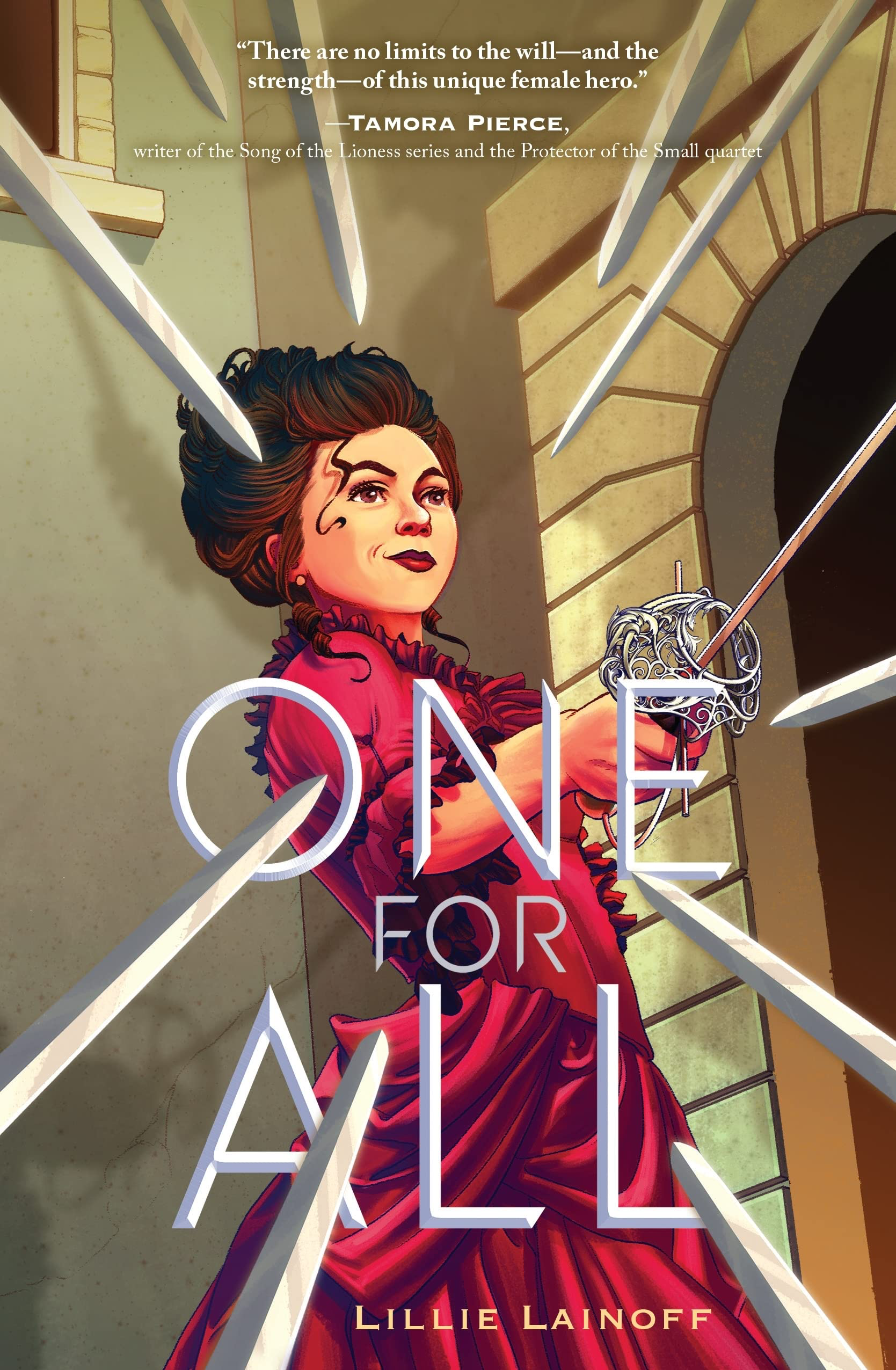
One for All, Lillie Lainoff

GENRES: Historical fiction, retellings

REP: MC with POTS (disabled author)

MY RATING: ⭐️⭐️⭐️.75, rounded up to ⭐️⭐️⭐️⭐️

A Three Musketeers retelling featuring a swordfighting, chronically ill protagonist!

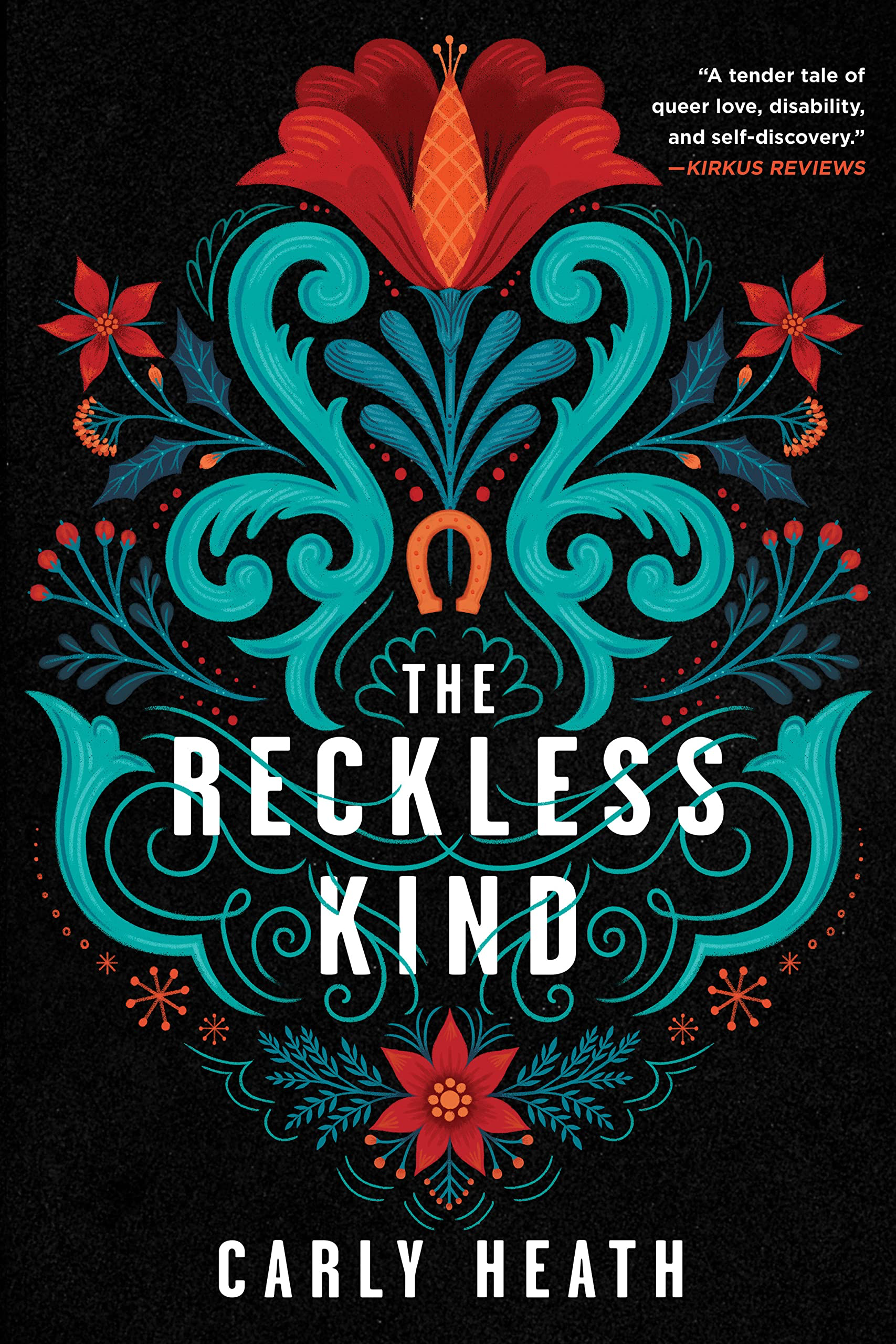
The Reckless Kind, Carly Heath

GENRES: Historical fiction, romance, LGBTQ+

REP: MC with Waardenburg syndrome, MC with Brown-Séquard syndrome, MC with anxiety, side characters with post-concussion syndrome (disabled author)

MY RATING: ⭐️⭐️⭐️⭐️⭐️

I’ll be reviewing this one soon—a beautiful and tender tale of a disabled, queerplatonic triad in 1900’s Norway!

The Weight of Our Sky, Hanna Alkaf

GENRES: Historical fiction

REP: MC has OCD

MY RATING: ⭐️⭐️⭐️⭐️

A harrowing story of a girl with OCD in the Philippines searching for her mother during the race riots of 1969.

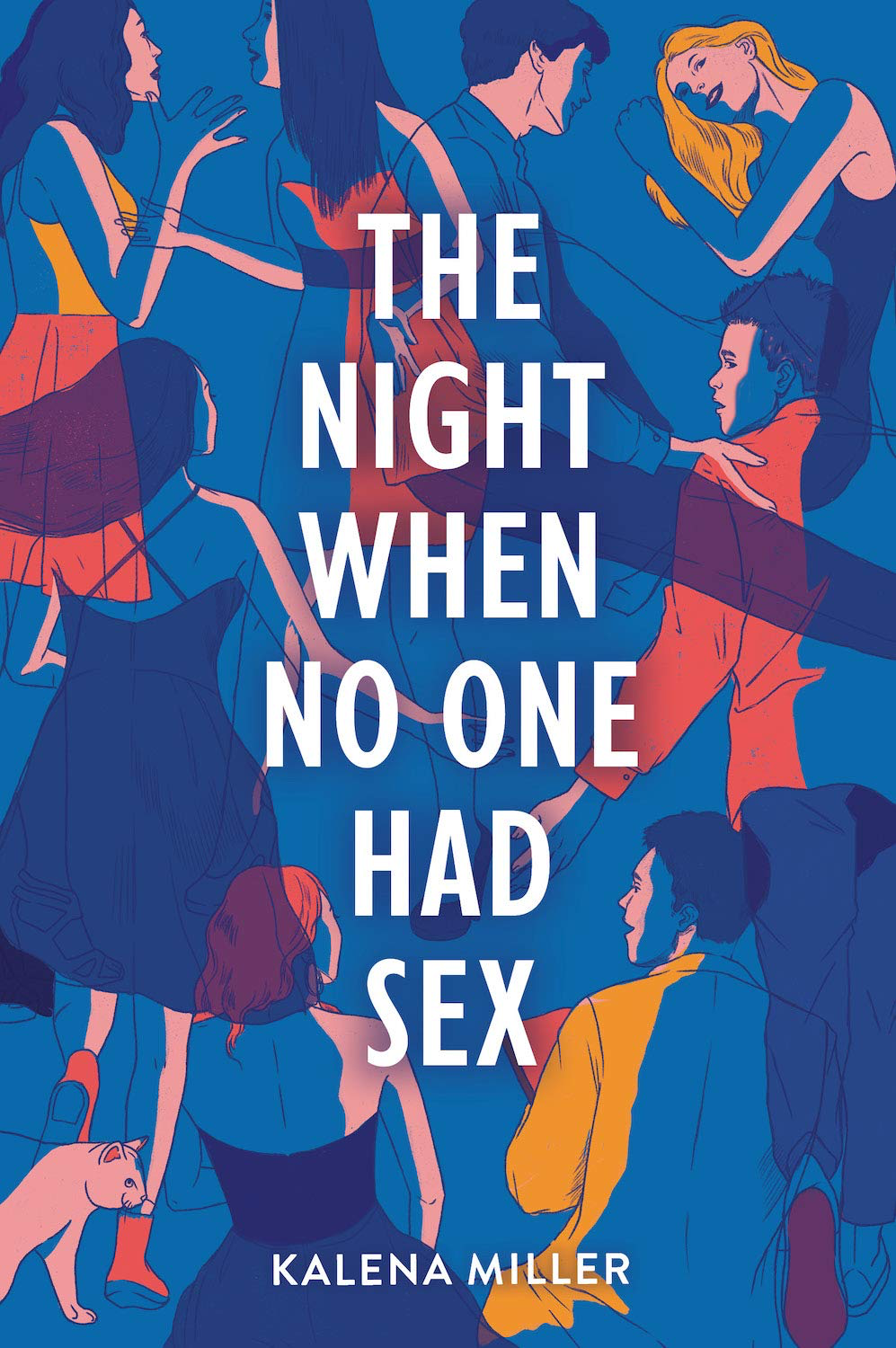
The Night When No One Had Sex, Kalena Miller

GENRES: Contemporary/realistic fiction, romance, LGBTQ+

REP: Multiple POVs; one MC has Lupus (chronic illness)

MY RATING: ⭐️⭐️⭐️.5

A diverse and funny story of four pairs of teenagers on prom night and a humorously failed sex pact.

The Boy Who Steals Houses, C.G. Drews

GENRES: Contemporary/realistic fiction, romance

REP: MC has anxiety, autistic side character (disabled author)

MY RATING: ⭐️⭐️⭐️.5

A messy and emotional story of a boy and his brother making their own in a world that turns its back on them.

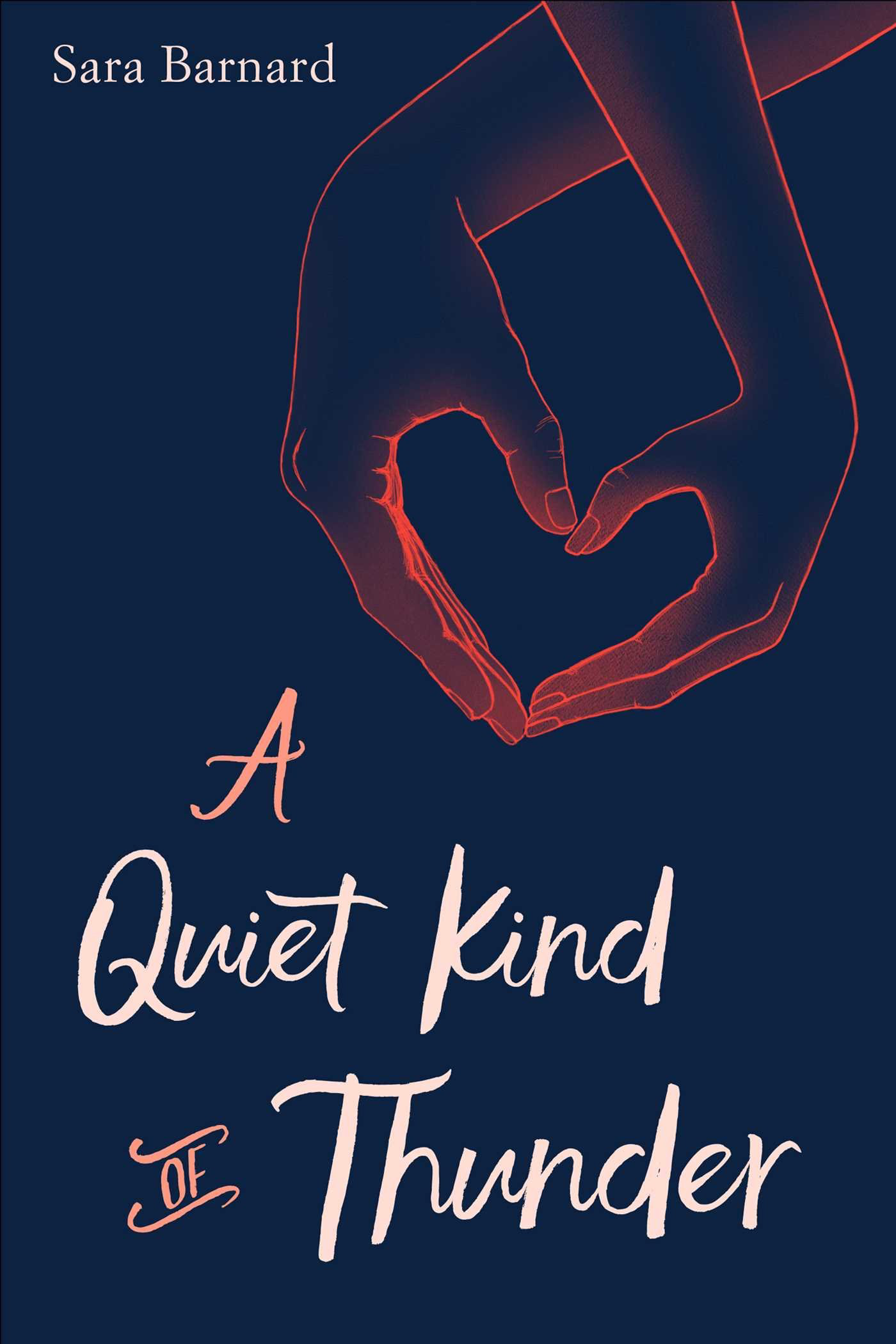
A Quiet Kind of Thunder, Sara Barnard

GENRES: Contemporary/realistic fiction, romance

REP: MC is selectively mute, Deaf love interest

MY RATING: ⭐️⭐️⭐️.5

A tender, sweet romance with disability front and center!

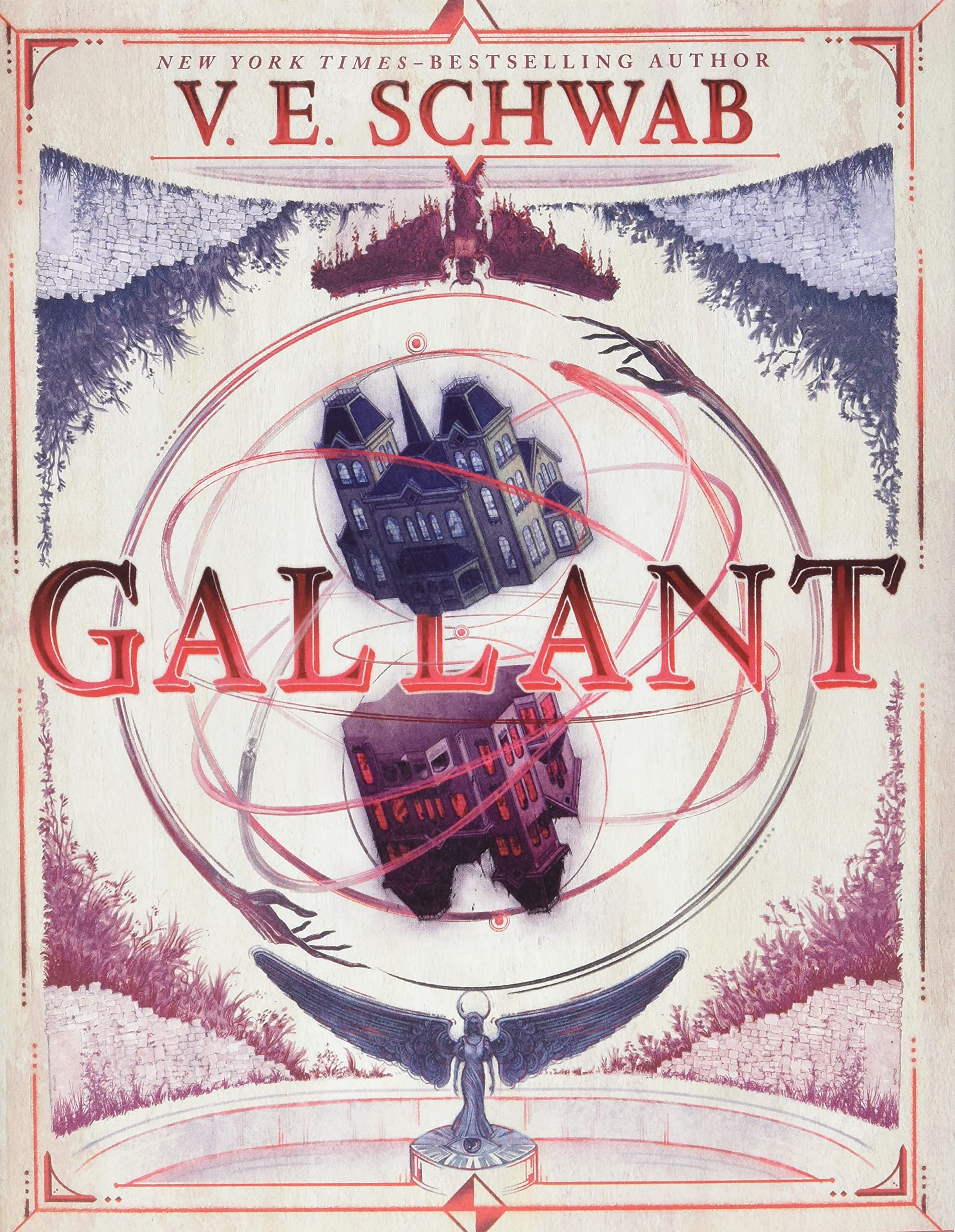
Gallant, V.E. Schwab

GENRES: Paranormal, fantasy

REP: MC is mute and uses sign language to communicate

MY RATING: ⭐️⭐️⭐️.75, rounded up to ⭐️⭐️⭐️⭐️

Though this wasn’t my favorite V.E. Schwab book, I loved its paranormal atmosphere!

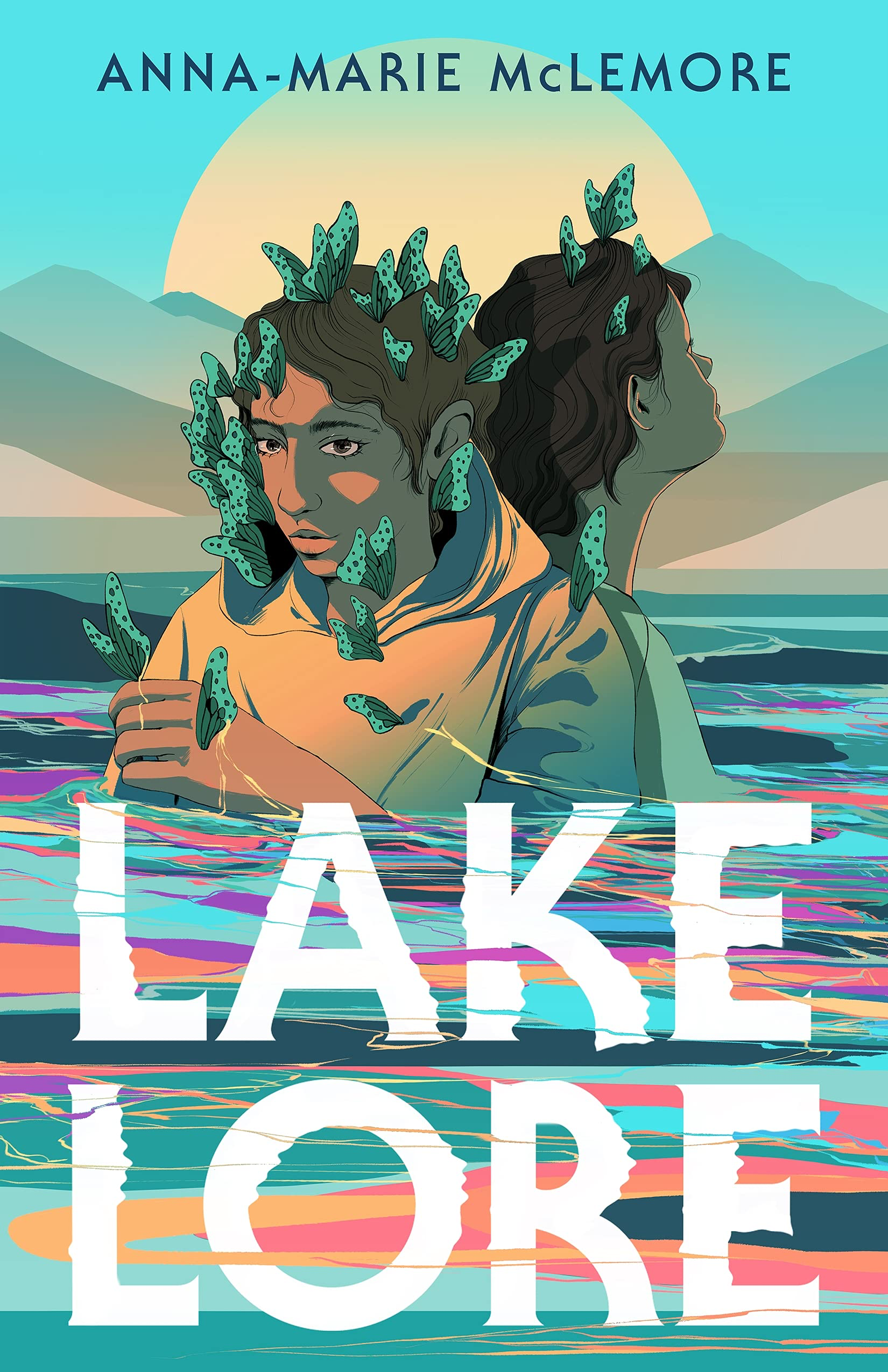
Lakelore, Anna-Marie McLemore

GENRES: Magical realism, fantasy, fiction, LGBTQ+

REP: MC with ADHD, MC with dyslexia (disabled author)

MY RATING: ⭐️⭐️⭐️.75, rounded up to ⭐️⭐️⭐️⭐️

Lakelore is one of the most intersectional pieces of magical realism or fantasy that I’ve ever read—both protagonists are nonbinary, Latinx, and neurodivergent!

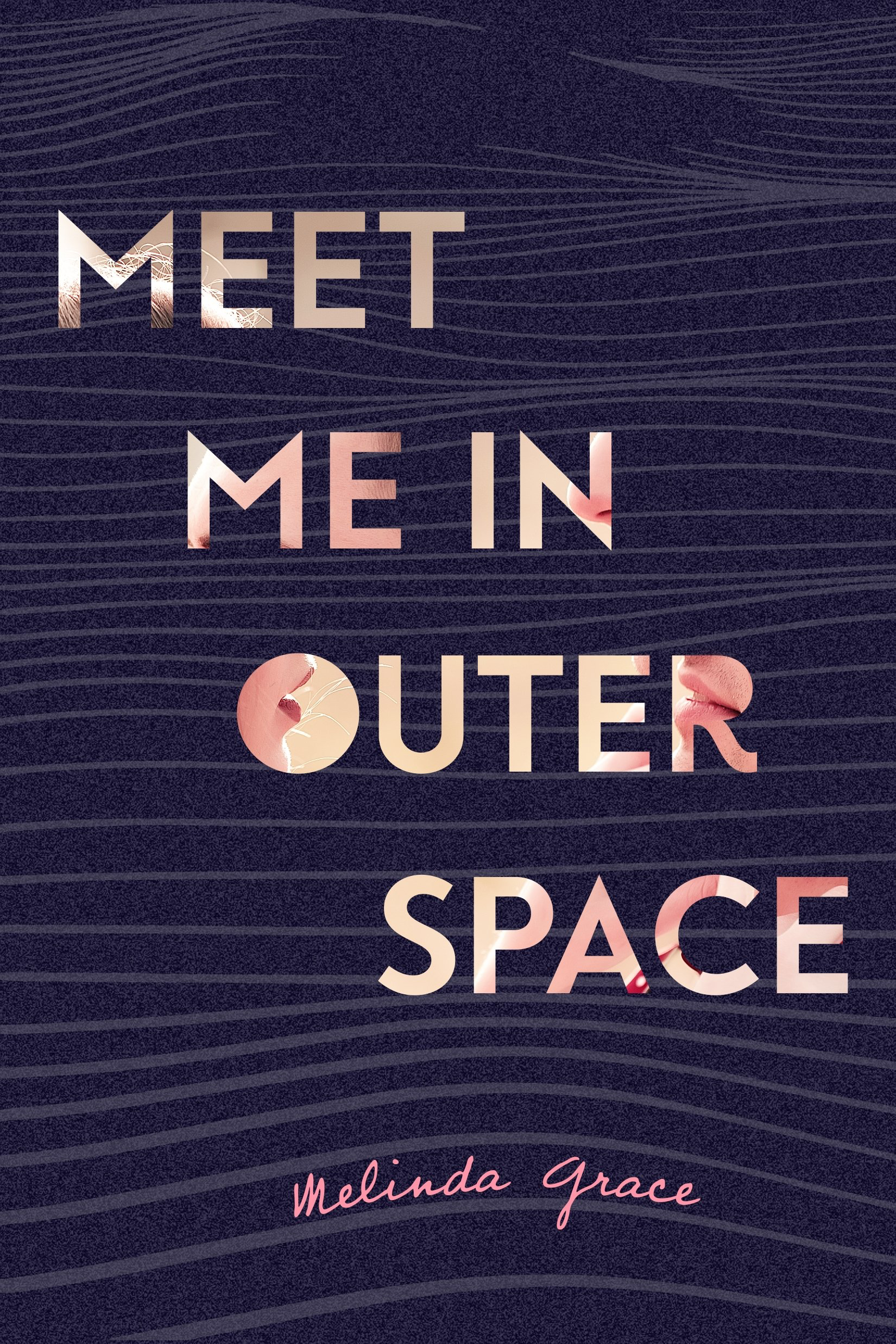
Meet Me in Outer Space, Melinda Grace

GENRES: Contemporary/realistic fiction, romance

REP: MC has Central Auditory Processing Disorder (CAPD) (disabled author)

MY RATING: ⭐️⭐️⭐️.75, rounded up to ⭐️⭐️⭐️⭐️

Although I wasn’t as big of a fan of the romance, I loved how Meet Me in Outer Space explored navigating disability in college!

On the Edge of Gone, Corinne Duyvis

GENRES: Science fiction, survival, post-apocalyptic

REP: Autistic MC (disabled author)

MY RATING: ⭐️⭐️⭐️.5

A gripping post-apocalyptic book featuring a determined, Autistic protagonist!

TELL ME WHAT YOU THINK! Have you read any of these books, and if so, what did you think of them? What are your favorite YA books with disability rep? And please, does anybody have any recs for media with good SPD rep? Kinda desperate over here…

(I can only go with my headcanon that Jean Grey from X-Men has SPD for so long, folks, please…)

Today’s song:

I wanna hate Jack White so bad but HE JUST KEEPS PUTTING OUT SONGS LIKE THIS

That’s it for this post! Have a wonderful rest of your day, and take care of yourselves!