Posted in Sunday Songs

Sunday Songs: 2/16/25

Happy Sunday, bibliophiles! I hope this week has treated you well.

This week: We’ve got Paul McCartney and a song about a dog on the docket, but nowhere is “Martha My Dear” involved. Sorry, gang.

Enjoy this week’s songs!
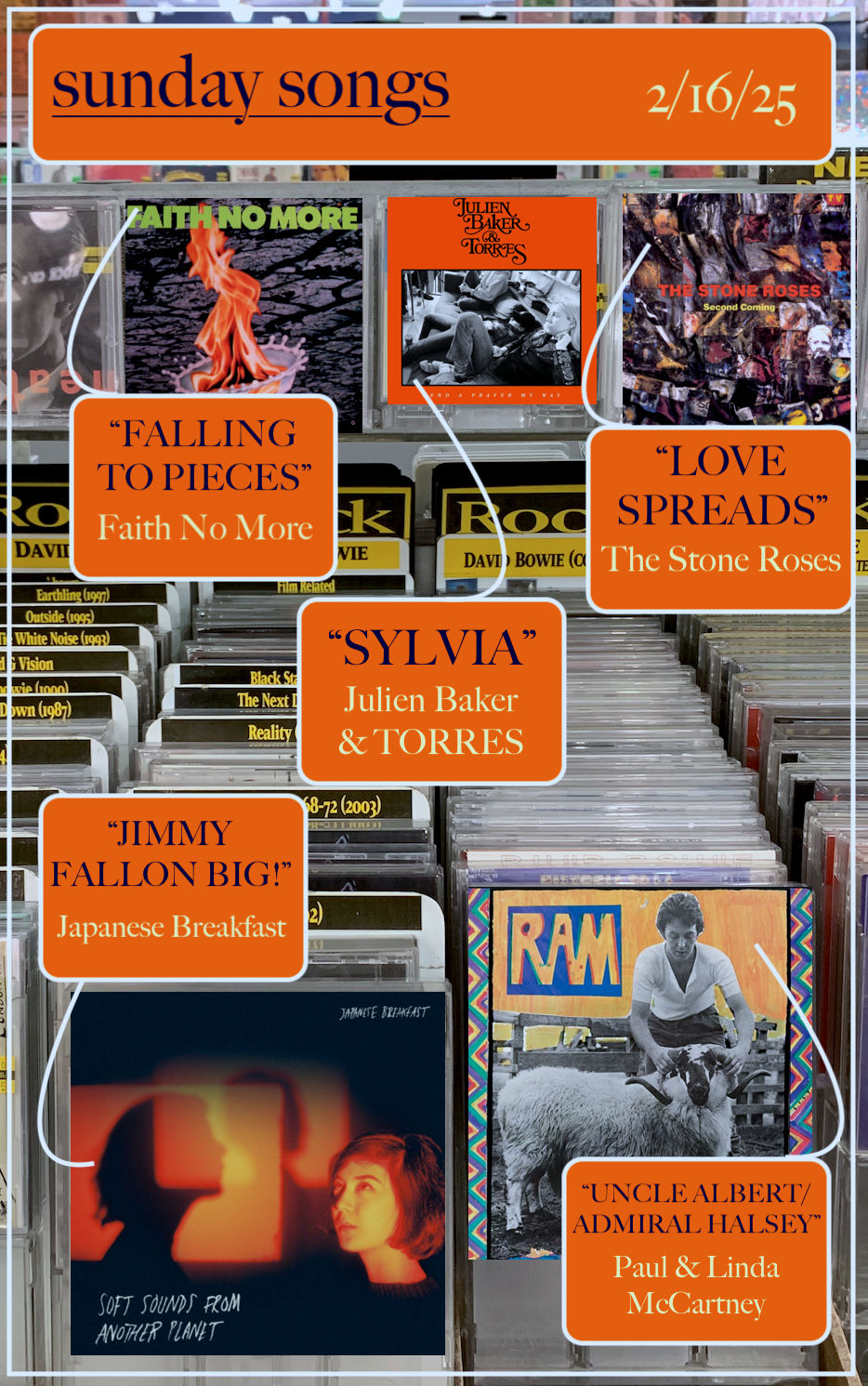
SUNDAY SONGS: 2/16/25

“Jimmy Fallon Big!” – Japanese Breakfast

Michelle Zauner jokingly referenced this song when posting about her recent appearance on the Tonight Show to promote “Orlando in Love,” the first (excellent) single from her forthcoming album For Melancholy Brunettes (& Sad Women). But before she got Jimmy Fallon Big, someone else tried to—Deven Craige, the bass player for her former band, Little Big League; Zauner wrote the song about how he split the band after his other band was, in his words, about to go “Jimmy Fallon big,” and decided to put his energy into that instead of Little Big League. The move left Zauner crushed: she told NPR in 2017 that “it felt like losing a brother, and there was this shame, feeling like I was never going to get there myself.” There’s truly something more than bittersweet about it—the passion she poured into every bit of the vocals shows a deep devotion to her former bandmate, and yet the resentment sloughs off of the chorus in relenting waves: “Why walk/When you can show up on time?” I mean, they’re on good terms now, but BURN.

I promise this segue will become relevant, but I recently listened to the first episode of Björk’s excellent Sonic Symbolism podcast, where she frequently refers to the history of music as a great tree with thousands of interspersed branches that connect and diverge from one another. Listening to “Jimmy Fallon Big!” is one of those 21st century moments where I can so clearly see the tree rings, the ancestry and lineage where an evolutionary branch broke off. Michelle Zauner has been crafting intricate, emotional dream pop for quite some time now (see: “Sit,” which I talked about back in July), but this track has the Cocteau Twins written all over it. It’s not just the warm, dreamlike drone of the instrumentals, but the way that said instrumentals obscure the meaning of the chorus almost completely. It makes the opening line of “We aren’t bound by law/We aren’t bound by anything at all” make all the more sense artistically. On the first few listens, I almost wondered if it was born from the same songwriting method that Fraser used to craft her nonsense miracles. Where they break off—besides having a clearer anchor tying the music down to earth, is how Zauner grounds the emotion; not many people can get to the level of Fraser, and I don’t think Zauner is one of them, but she’s got the clear talent of crafting the most elaborate musical smoke screen to cloak her misgivings.

…AND A BOOK TO GO WITH IT:
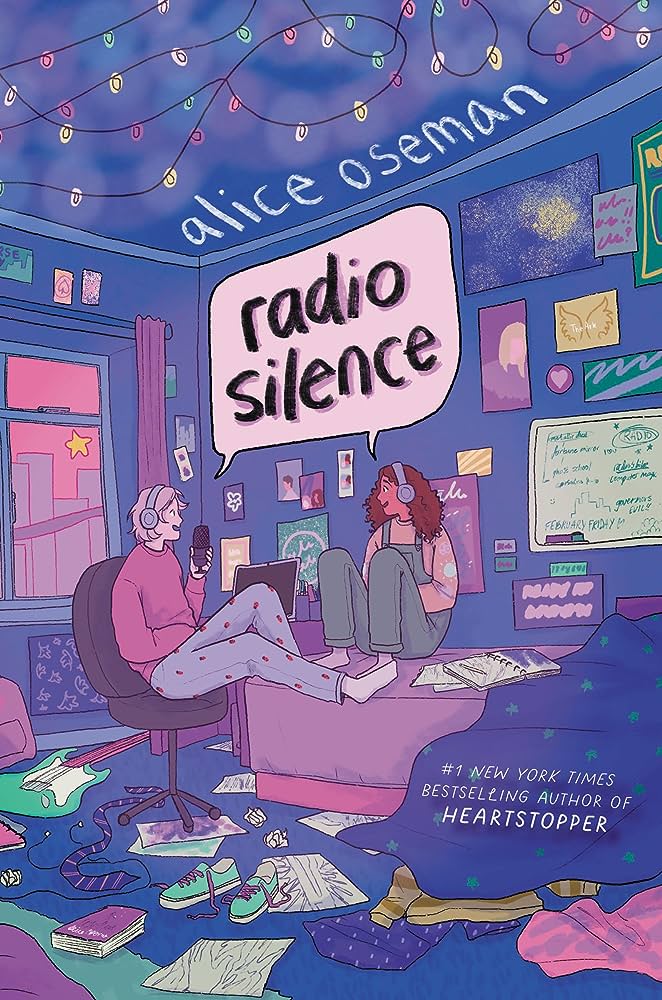
Radio Silence – Alice Osemanpainful secrets, fractured friendships, and a mysterious podcast.

“Uncle Albert/Admiral Halsey” – Paul & Linda McCartney

credit to @DannyVegito on twitter

Memes aside, shoutout to Paul McCartney and his joyous whimsy. I’m fully aware that I use the phrase “joyous whimsy” with the same frequency of congresspeople emailing you saying that you have a MIDNIGHT DONATION DEADLINE and it’s URGENT, and I don’t want to repeat myself, but I think the world needs more of it. And who’s got it? PAUL!

BUTTAH PIE!

BUTTAH PIE?

THE BUTTAH WOULDN’T MELT, SO I PUT IT IN THE PIE, ALRIGHT?

As far as Beatles lore goes, I feel like Ringo gets more of the credit for whimsy, and for good reason—the dude saw the other three tearing at each other’s necks and decided to write a song about an octopus. But as obnoxious as Paul got during a lot of those sessions, over the course of his career, he had a gentleness to his artistic soul too, and it showed in his songwriting.

“Admiral Halsey notified me/He had to have a berth or he couldn’t get to sea/I had another look and I had a cup of tea and butter pie?” C’mon. That sounds like something straight out of some 1940’s British children’s book with yellowing pages and inked illustrations. But uptight is the opposite of how McCartney and McCartney—Linda deserves the brunt of the credit for the sheer jubilation she brings to the “Hands across the water, Heads across the sky” refrain—delivers this song. Plus, the Admiral Halsey in question was loosely based off of an American admiral from World War II, and McCartney painted him as a stiff authoritarian who is “symbolic of authority and therefore not to be taken too seriously,” so it’s making him uptight just so you can stick your tongue in his face. It’s just so infectiously jolly. There’s an orange-hued, sunlit laughter to the whole bit. It’s got the warmth of reuniting with an old friend, or being back in some rose-tinted decade and sweeping your lover off their feet on the dance floor, particularly the “Admiral Halsey” section. It’s hard to think of a song so wonderfully carefree, in every sense of the word. Hands across the water, heads across the sky indeed.

…AND A BOOK TO GO WITH IT:
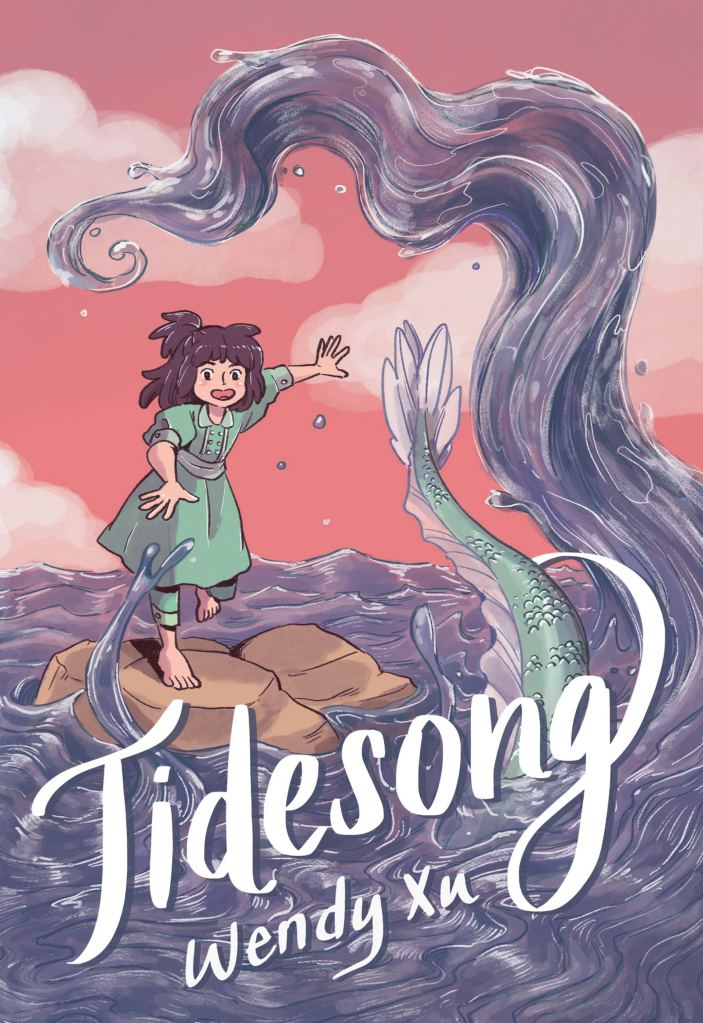
Tidesong – Wendy Xuhands across the water, as well as a hearty, healthy dose of childlike wonder.

“Falling to Pieces” – Faith No More

Hoooooowhee. Going straight from Paul & Linda McCartney frolicking through a field to Faith No More…I don’t think whiplash even begins to describe that. Well. Welcome to my shuffle.

Faith No More seem to have been on the fringes, even where hard rock is concerned, and it’s easy to see why even the freakier people weren’t as willing to embrace them—Mike Patton’s voice and their mishmash of rock and early hip-hop influences stand out immediately. As does the goofy video. The lyrics and subject matter are standard fare for any kind of alternative music of the time (“Indecision clouds my vision/No one listens/Because I’m somewhere in between/My love and my agony”), but everything else is just off the walls. Directed by Ralph Ziman, the video is the last thing you’d expect to match the song’s aesthetic—neon colors aplenty, Mike Patton in a bowler hat and some kind of clown suit for half the video, and enough fish that I imagine the storyboarding process went something like this. Patton’s distinct vocals rangefrom a nasally standard to a hint of the heights he’d later reach on “Midlife Crisis,” and they stand behind a bassline that holds all of the instrument’s resentment for being in the background for decades. Even in a subgenre that’s already weird, this is real weird, unpredictable, unabashed weirdness. Somebody needs to bring back green-screen goldfish back into hard rock.

…AND A BOOK TO GO WITH IT:
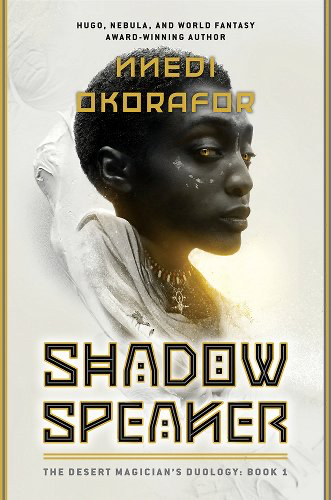
Shadow Speaker – Nnedi Okoraforthe lyrics are broad enough that I couldn’t narrow it down to a specific theme, so I added the mood—and came to this book, a bold, chaotic punch to the face.

“Sylvia” – Julien Baker & TORRES

On April 18th, I’ll have to show where my allegiance lies…Thee Black Boltz and Send A Prayer My Way come out on the same day. Well, okay. I’ve already decided. My allegiance is to Tunde Adebimpe, to the republic! But I’ll stagger my listening. The former has a priority over Julien Baker & TORRES, but I’ll give both a listen.

“Sylvia” is the second single Send A Prayer My Way, and it proves a valuable point: we need more good, wholesome songs about our pets. Why not write love songs for the little creatures that enrich our lives? I mentioned “Martha My Dear” earlier, but we need more songs about our furry (and not furry) friends, if you ask me. (See also: Jim Noir’s “My Little Cat”) TORRES takes the lead on this track, which recounts their experience with a foster dog and how a puppy can touch your heart in the way that only a puppy can: “anyone who has ever had the honor of sharing a home with a beloved pet knows that a pet is family—they’re the best friends you could ever have.”

They recalled an experience of taking Sylvia on the road and feeling as though they were truly meant to be. There’s something special about holding a puppy when you’ve just brought them home, and not just in the warm-and-fuzzy way. There’s an immediacy you feel, the knowledge that you’ve got a little heartbeat next to yours, a furry, helpless body that you’re suddenly in charge of. It really is a new member of the family, and one that you have the responsibility to protect. Puppies are exhausting—the time my boy Ringo slipped out of his collar, ran down the street, and evaded me for a solid five minutes before showing up on my porch with a shit-eating grin comes to mind. But “Sylvia” taps into that feeling of knowing you have more than a companion: “Haunted by all the goodnights that I’ve missed/Every time your cheek goes unkissed/A day for me is a week for you/And my life’s already halfway through/Tomorrow, today’s worries might turn out to be regrets…” It taps in to being conscious of your pet as something you can keep around for amusement, but a deeply ingrained part of your life, while retaining the simultaneous fear and joy of giving them all the love you can in their short lives.

And because we NEED a picture of sweet Sylvia…

BABYYYYYYYYYY

…AND A BOOK TO GO WITH IT:
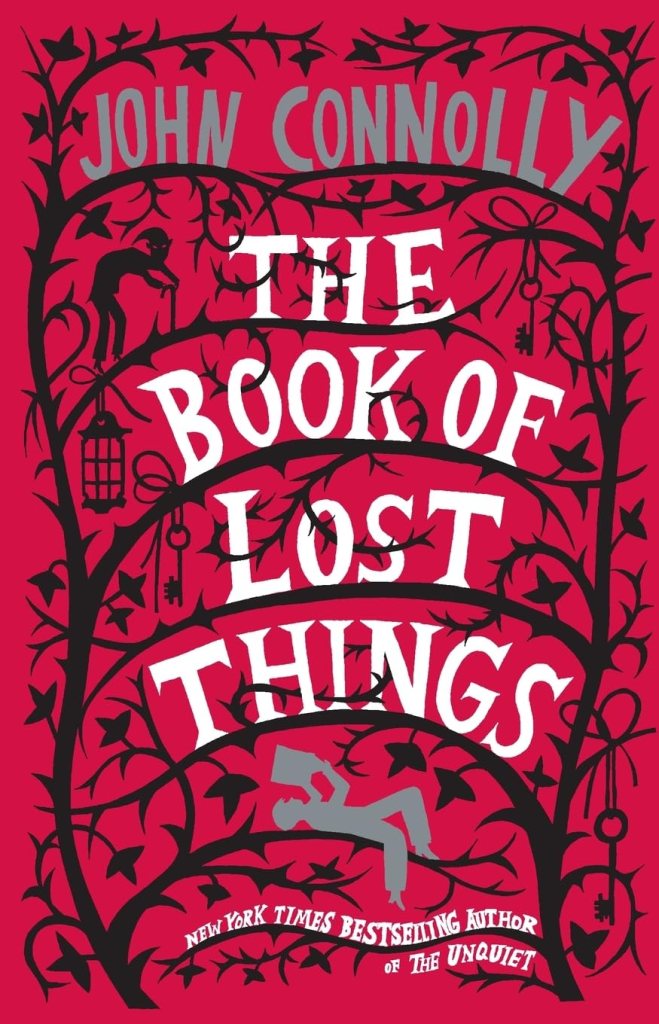
The Book of Lost Things – John Connolly“Sylvia” had me thinking of fictional dogs—as far as books go, my first thought was of Boswell, David’s loyal dachshund that accompanies him on his adventures.

“Love Spreads” – The Stone Roses

Really and truly Severance-pilled rn…CAN WE TALK ABOUT SEVERANCE? The deepening of existing friendships and yet also the storylines of corporations driving a wedge in their workers to discourage them from solidarity? Unity…unions, perhaps? HELLY WOULDN’T BE CRUEL? SHAMBOLIC RUE? THE WORST MELON PARTY YET? A CHILD? PAPERCLIPS? THE TENDENCY OF CORPORATIONS TO SHOW PROGRESS AS MARGINALIZED PEOPLE SIMPLY SWALLOWED INTO THEIR SYSTEM? GOATS? THE—

Oh, wait, there’s a song here? ALL THE BETTER TO PUT INTO SEVERANCE

…AND A BOOK TO GO WITH IT:

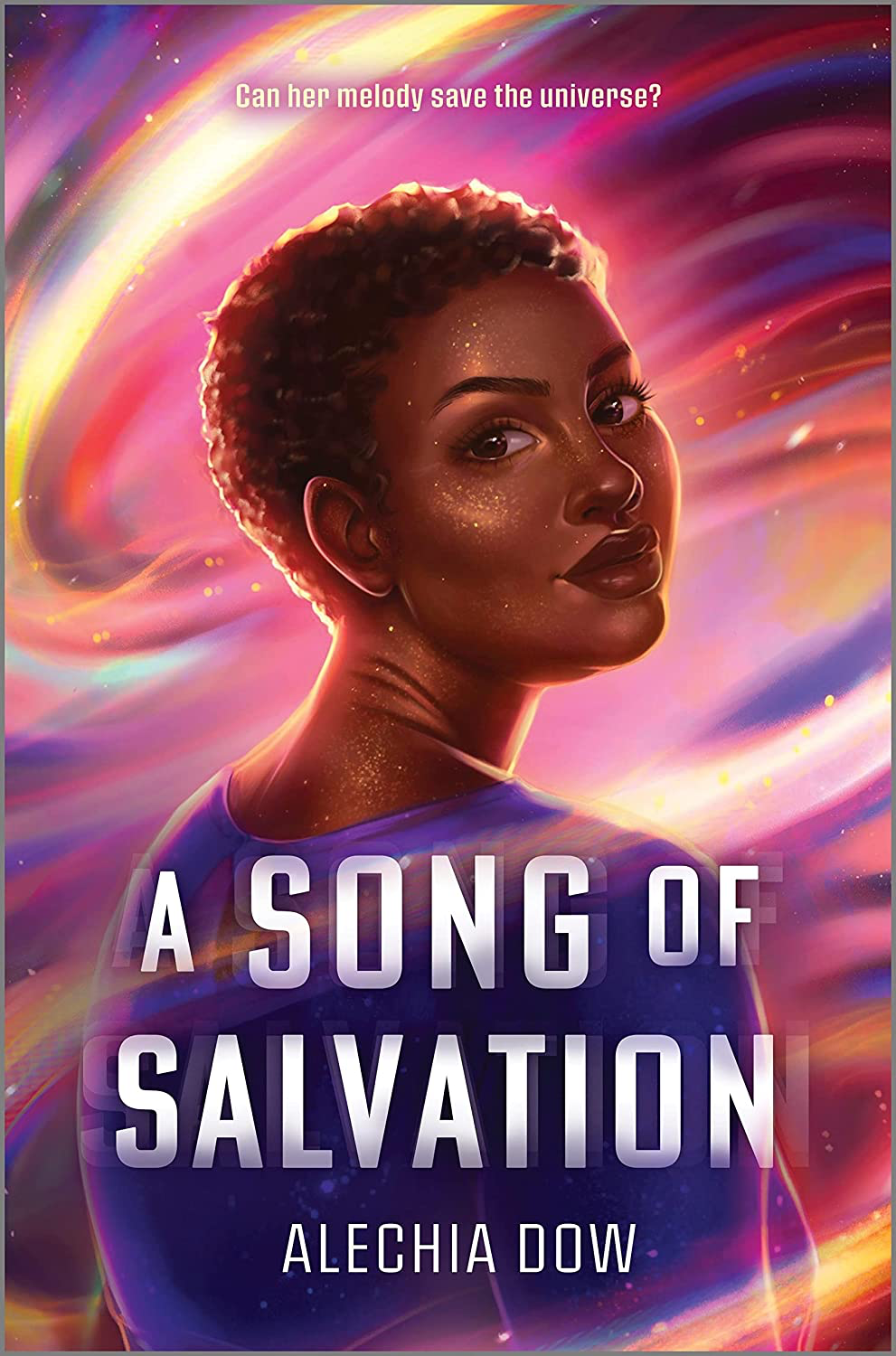
A Song of Salvation – Alechia Dow “Let me put you in the picture/Let me show you what I mean/The messiah is my sister/Ain’t no king, man, she’s my queen…”

Since this posts consists entirely of songs, consider all of them to be today’s song.

That’s it for this week’s Sunday Songs! Have a wonderful rest of your day, and take care of yourselves!

Posted in Book Review Tuesday

Book Review Tuesday (2/4/25) – Death of the Author

Happy Tuesday, bibliophiles!

I’ve been a longtime fan of Nnedi Okorafor, albeit on and off—I picked up Akata Witch back when I was in middle school, and then discovered her adult books when I was in high school. Since then, I’ve been a fan of her quirky brand of Africanfuturism. You can imagine my surprise when I found out that Death of the Author was not an addendum to her long sci-fi fantasy canon, but instead literary fiction—albeit, with a dash of sci-fi. Either way, the switch from genre to genre is as smooth as I’d expect from Nnedi Okorafor.

Enjoy this week’s review!

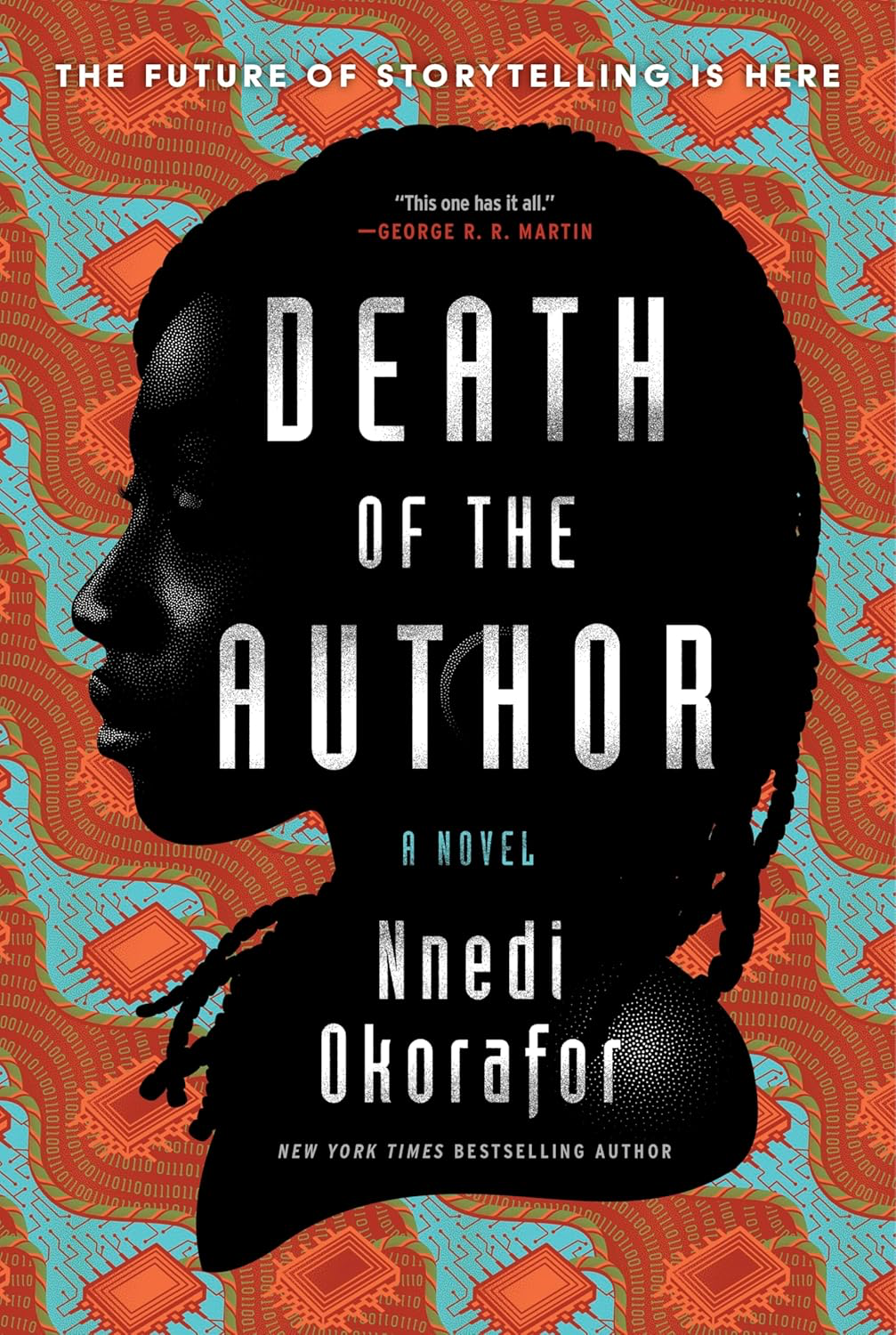
Death of the Author – Nnedi Okorafor

Zelu is on the verge of giving up her dream to be a writer. After a pile of rejected manuscripts and a botched job as a professor, she moves back in with her overbearing, judgmental family as she attempts to get back on her feet. But when a spark suddenly comes to her, she has a bestseller on her hands: Rusted Robots. As she grapples with the price of fame and the mobility—and simultaneous lack thereof—Zelu must come to terms with her own identity as she explores the fabrication of it that the public has created for her.

TW/CW: substance abuse, ableism (external & internalized), loss of a parent, near-death situations, kidnapping

Of all people, I didn’t expect Nnedi Okorafor to take the leap into literary fiction, and after I found out the switch in genre, I didn’t expect to enjoy Death of the Author as much as I did. Thankfully, it’s only really literary in the sense that it’s contemporary, realistic fiction…mostly. The woven tapestry of Zelu’s real life and her creation, Rusted Robots, turned out to be a powerful meditation on the nature of art and identity.

Once again, make no mistake: this is fiction, but it’s not entirely just fiction. The assumption is that it’s a handful of years in the future; Zelu has fairly futuristic, adaptive prosthetics that are still in beta testing, and she tests out an automated cab service that’s been newly introduced to the streets of Chicago. Yet Okorafor takes the same skilled hand that she uses to craft intricate, far-future worlds and translates it into the idiosyncrasies of modern life, from the gauntlet of social media fame (and harassment) to being in the confines of a chaotic, judgmental family. For every character that was introduced, Okorafor matched them with an unforgettable personality, even if they only appeared for a few pages. All of the complex, rapidly fluctuated emotions were depicted with sensitivity, from the highest joys to the deepest pits of anguish and the plentiful uncertainty in between. Even without her talent for worldbuilding, Okorafor is a force to be reckoned with, and Death of the Author is proof.

I was hesitantly optimistic that Okorafor was writing a disabled main character again; Noor was a great novel, but from my memory, there was quite a bit of internalized ableism in the main character that went unaddressed. (However, somehow I didn’t know that Okorafor has experience with disability and was herself temporarily paralyzed, so my bad.) The setting couldn’t be more different for Death of the Author, but Okorafor has certainly stepped up her game as far as writing disabled characters—and part of it is that Zelu is unlikable. More often than not, you can at least sympathize with her, but at times, you can see her for the insufferable, argumentative, reckless stoner that her family sometimes sees her as. Of course, not every disabled character has to be likeable, but her relative un-likeability made some of the novel’s most powerful commentary shine even more. As she grapples with her meteoric rise to literary fame, Zelu’s fans place the burden of her being a “role model” for a number of communities: Black, woman, Nigerian-American, disabled. Being a role model can be powerful, but as soon as people saw Zelu as more of a role model than a person, it disregarded her humanity in an entirely different way. She became an example, not an autonomous being—something that is intimately tied to what many disabled people experience. In that way, Zelu represents a leap in how Okorafor writes her disabled protagonists—not just independent, but human.

I don’t have a ton of experience with meta-fiction—it’s not a matter of me not liking it, I just hardly get around to reading much of it—but Death of the Author pulls it off with ease. If you’re still not convinced that Okorafor’s literary fiction isn’t for you, you’ll at least be tided over by her signature brand of Africanfuturism, complete with the landscape of a futuristic Nigeria, robots, and appearances from Udide. It’s somehow a delightful vision of the future, where types of robots have proliferated across the face of the Earth in the face of the extinction of the human race. It’s threaded into Zelu’s life, yet it’s also a clever distillation of the novel’s themes; Ankara’s struggle with coexisting with Ijele inside of his head, as well as the changing world around him, spoke to the themes of embracing collaboration and the blurry relationship between creator and reader.

Which brings me to the whole “death of the author” part. I’ll admit, the Roland Barthes quote from the (original) “Death of the Author” gave me literary theory flashbacks. But as a grounding concept for the book, I love how Okorafor’s Death of the Author playfully pokes fun at the concept. Here, it’s as though the concept has been subsumed by the publishing industry; instead of taking Zelu’s novel as tied to her heritage and her disabled identity, the world swallows it and regurgitates a whitewashed, Americanized movie adaptation that the public eats up. (“Look what they’ve done to my song, Ma…”) Yet at the same time, Zelu is confronted by readers who insistently pester her, insisting that everything in the novel is fully tied to her identity and selfhood. Death of the Author’s strength is the clarity it finds in the balance. Zelu’s work is intimately tied to her identity, but just as intimately tied to her imagination. Her being marginalized meant that people saw her work as surely being solely about her identity, but that wasn’t the whole story either. (The note in the acknowledgements about Okorafor talking to her daughter about worrying that readers would think that Zelu is her makes the point all the more clear.) In this case, fence-sitting is the most reasonable position I can think of—to consider reader interpretation first and foremost can have fruitful results, but to deny the lived experience veers into foolishness, and vice versa; Okorafor’s embrace of the area in the middle is what made the message so clear. Reading and world-creation is a twin act, created both by ourselves and those who receive our work—it’s not a simple question of one or the other.

All in all, a surprising novel that at first seemed like a left turn, but turned out to be another testament to Nnedi Okorafor’s enduring talent. 4 stars!

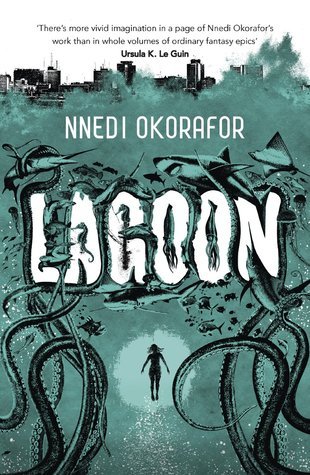
Death of the Author is a standalone, but Nnedi Okorafor is also the author of several books for adults, teens, and children, including the Binti trilogy (Binti, Home, and The Night Masquerade) the Nsibidi Scripts series (Akata Witch, Akata Warrior, and Akata Woman), Lagoon, Noor, the Desert Magician’s Duology (Shadow Speaker and Like Thunder), and many more.

Today’s song:

ADORE this album

That’s it for this week’s Book Review Tuesday! Have a wonderful rest of your day, and take care of yourselves!

Posted in Sunday Songs

Sunday Songs: 4/28/24

Happy Sunday, bibliophiles! I hope this week has treated you well.

This week: holding back on my thoughts on my most anticipated album of the year and a movie that makes me angrier than I’d like to admit, but just for the sake of showcasing the songs I meant to showcase, I kept that short.

Enjoy this week’s songs!

SUNDAY SONGS

“Sweetest Fruit” – St. Vincent

Sometime when I’m out of the finals woods, mark my words: there will be a review of All Born Screaming, because, predictably, I have Thoughts. But, in the interest of not making myself sound like a broken record a few weeks in the future, I’ll keep it snappy. All Born Screaming is a great album, but…not in the way that I expected it to be. What it isn’t, however, is the hard rock album that it was advertised as. It’s much less cohesive than I’ve come to expect from St. Vincent, but for the most part, the individual songs that were thrown into this unexpected stew are good—we’ve got the world’s most perfect pairing for “Marrow” (Annie I am BEGGING you to play these two back to back live), “Five Years” 2: Electric Boogaloo, and tons of other elements that hit you from beyond left field. It’s a mess, but I’m starting to feel like that’s almost the point: All Born Screaming is the musical form of a mental breakdown, and it certainly sounds like it. I swear that’s a compliment. Mostly. Some of it’s dissonant in a way that doesn’t seem all the way intentional. But that’s a discussion for when I break down the whole album.

For now, I’m shifting the focus to my favorite of the new tracks. “Sweetest Fruit” is, like the title suggests, genuinely delicious to listen to. The main synth line that anchors it balloons and blossoms like polyps, or a sped-up version of said sweet fruit ripening on the branch. In a quieter, science fiction world, that sound feels like an alarm, a reminder—maybe that the laundry’s done, or that your spaceship is alerting you to the fact that you’re close to docking at the planet of your choice. But unlike MASSEDUCTION, where such synths were the stiff, Barbie pink foundation upon which all the tracks were built, it’s woven through with lightning strikes of her signature shredding, jaggedly slicing into the synth-pop frame just when you start to feel relaxed. Now, for my token mention of St. Vincent’s godly self-titled record: All Born Screaming is far less organized than it, but sonically, this is the closest it’s been in a decade; it’s not fully glossy pop like MASSEDUCTION, but there’s plenty of dystopian franticness undercutting what would otherwise be neat. And the synthy, shiny feel is the perfect medium for, at least, part of what “Sweetest Fruit” was meant to do: for Clark, it partially functioned as a tribute to the late SOPHIE, who Clark has said that she “admired from afar” for quite some time. Most of the mention of her is reserved to the first verse and doesn’t continue, but some took it as capitalizing on her death; if the whole song was about it, I could almost see it, but it’s simply a retelling of a too-soon death; in 2021, SOPHIE fell to her death while watching the moon on the roof. I don’t mean to rush to defend everything that she does (because the album cover hasn’t stopped being tone-deaf, and I’m incredibly disappointed that she didn’t at least acknowledge that), but this seems like a stretch. It isn’t like this is anything new for Clark—what was “The Melting of the Sun” if not an extended tribute to the women who she loved and who inspired her, dead and alive? I remember hearing, back when MASSEDUCTION was released, that she’d scrapped several songs that were tributes to David Bowie; I can see why that would have felt like capitalization as well, since MASSEDUCTION was released a year after his death, but there’s something to be said for connecting artists across music, whether the other hears it or not—we are all indebted to so many people for the styles we create, as much as they are our own. And if there were any track to eulogize SOPHIE, it would have to be “Sweetest Fruit,” coated with the same, shining gloss with which SOPHIE made a name for herself.

…AND A BOOK TO GO WITH IT:

Drunk on All Your Strange New Words – Eddie Robsonin terms of how I visualized both the look of the Logi and the sensation of hearing their language in your head, it aligns neatly with the globular, polyp-y synths throughout this song.

“The Dresses Song” – Lisa Germano

This song does in less than four minutes what Poor Things failed to do in two and a half hours. I’m not saying that I could do better than an award-winning director, but at this point…skill issue. Lisa Germano did all that without the gratuitous shots of Emma Stone’s feet as her character learns how to masturbate…at the mental age of a toddler.

Can you tell I had beef with Poor Things?

Now that I’ve got that off my chest, let’s shift the focus to a tale of feminine identity that’s actually worthy of praise. I haven’t listened to Lisa Germano’s debut, the ironically-titled Happiness, in full, but its clear from the start that she came here to make unsettling music, and that’s exactly what she made a career out of, as criminally underrated as she continues to be. Happiness, though steeped in solemn, eyes-averted confessions (see: the hauntingly beautiful “The Darkest Night Of All,” which I talked about back in October), hasn’t yet gone off the deep end in terms of said unsettling quality just yet—it would be another few years before we got into the “mom, come pick me up, I’m scared” atmosphere that came to dominate her sound. Yet “The Dresses Song” unsettles in its flatness and complacency. Not quite at the shivering, clenched waver that I’ve come to love in her voice, Germano instead sings much of “The Dresses Song” in a flat affect, dull and sucked dry of emotion. Amidst the bounce of tapestry-weaving bass, clinking tambourines, and the kind of folksy violins that would suggest somebody’s about to break out into a jig, Germano seems to sit cross-legged as everything happens around her, but never to her: “You make me think about nothing/It feels so good like that/You look at me so fragile.” Germano sings of the powerlessness of slipping into a loss of autonomy; like the doll’s head on the album cover, she sings as though she’s being dragged through the dirt by a child, dressed up and posed for tea parties at will, outwardly welcoming but inwardly dreading the surveillance of her body. Every repetition of “you make me wanna wear dresses” is uttered as a twist of the knife, convincing herself that oh, it’s not so bad, and yet her hollow, bird-bones voice strips the illusion bare—the illusion that, like in the music video, that’s she’s okay with being paraded around in costume like a child. “The Dresses Song” comes from a place of the darkest kind of complacency—the period where you’re stuck at the bottom of an empty well, but you’ve convinced yourself that the polluted water trickling down goes down just fine—at least it’s something to drink.

Isn’t it so lovely to grow up where every inch of your body is policed just because of your gender? Surely that won’t have mental repercussions further down the line. Surely, one Yorgos Lanthimos would at least somewhat understand that and realize that a) discovering one’s sexuality isn’t the be-all, end-all of what makes a liberated woman, and b) that said depiction of sexual exploitation was so constant and gratuitous that it became exploitative in and of itself. Surely.

…AND A BOOK TO GO WITH IT:

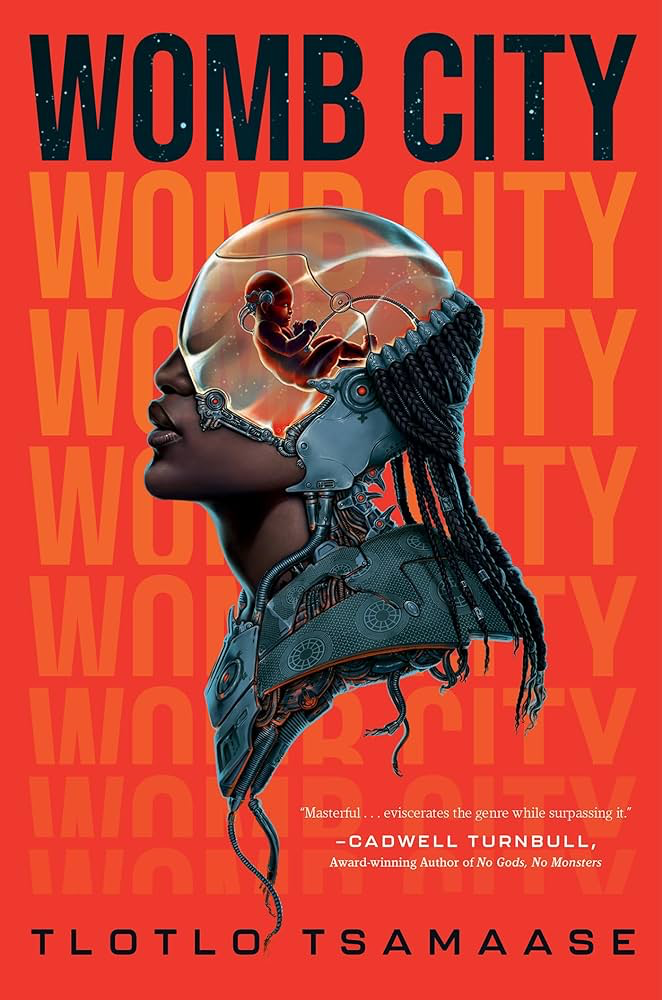
Womb City – Tlotlo Tsamaase“take me to your castle/it feels so good in there…”

“Some Time Alone, Alone” – Melody’s Echo Chamber

I’m honestly surprised that Noah Hawley hasn’t come across Melody’s Echo Chamber (that we know of), because…come on. This was made for Legion. It’s not even psychedelic inspiration anymore—it’s purely psychedelic in a way that’s not just trying to recreate a sound from the sixties.

Like Tame Impala, it just seems like the next generation of psych-rock. So it was not a surprise in the slightest when I found out that Melody’s Echo Chamber’s self titled record (pushes glasses up bridge of nose) was produced by Kevin Parker himself. (Did you know that Tame Impala was just one guy? It’s just one guy. Can you believe it? I bet you didn’t know that. It’s just one—[gets pulled offstage by a comically large cane]) “Some Time Alone, Alone” has distortion so thick that you practically have to wade through it with a hazmat suit—it’s hard to describe the atmosphere that Melody Prochet and Kevin Parker have created with any words other than thick. It’s like sticking your arm into rainforest greenery, endlessly pushing aside massive fronds just to find the pulse of light gleaming at the heart of the glen. Every riff and rhythm circles into each other like a diagram of an atom, forever orbiting the warm nucleus—Prochet’s voice, which has the feel of Nina Persson if she happened to stumble upon the blue drugs from Legion, suspended in the ether. It’s gone beyond sounding like the ’60s into something truly representative of how the genre has evolved: it sounds so modern, but never in a polished way. It’s a child nurtured by the ’60s, for sure, but there was no place it could have gestated other than a 21st-century test tube.

…AND A BOOK TO GO WITH IT:

The Shamshine Blind – Paz Pardolost in a tangled conspiracy—and the confines of your mind, brought on by artificially-induced emotions.

“Here Comes President Kill Again” – XTC

Nothing I could say could complicate this song or shed new light on it, really, and certainly not when we’re living it, and have been living it on and off at least since the ’80s. Probably further. XTC always seemed to be attuned to the needle of the social climate, and save for a handful of outdated political references here and there, they’ve stood steadfast against the battering of the waters of time. “Ain’t democracy wonderful?/Them Russians can’t win!/Ain’t democracy wonderful?/Lets us vote someone like that in.” Certainly feels like King Conscience and Queen Caring have been rolling in their graves for quite some time…ah, no, surely, we don’t need to put our heads together and solve pressing issues like gun violence, climate change, genocide, and a nation bent on killing its queer children, no way! We’ve got to call the national guard on the student protestors using their right to free speech to call attention to the horrific Palestinian genocide that our tax dollars have basically been funding! Ain’t democracy wonderful?

…AND A BOOK TO GO WITH IT:

1984 – George Orwellyou could really slot this one in with any given dystopia, but this novel was the blueprint—and the dirge-like feel of “Here Comes President Kill Again” certainly fits in.

“Strange Phenomena” – Kate Bush

If there’s anybody who’s intimately familiar with strange phenomena, in whichever meaning you take the phrase, it’s Kate Bush. How else does one write the most horrifying song about being turned into a kite against your will and make it so groovy?

Most of my enjoyment of The Kick Inside remains dominated by “Them Heavy People,” “Wuthering Heights,” and the aforementioned “Kite,” but ever so often, another track rises back from the ether, summoned by the erratic will of my shuffle. It’s easy to lump “Strange Phenomena” into that very specific breed of early Kate Bush where it’s all swinging-from-the-curtains theatre, and…yeah, rediscovery didn’t erase that quality (see: the video linked above), but it made me remember why Kate Bush (mostly) gets it right. Centered around the concept of what Bush described as “how coincidences cluster together,” it has the starry eyes of an ingenue as piano notes rise and fall propelled by wind from a fan, made to make her hair billow. (Apparently it’s not centered around getting your period, despite the opening: “Soon it will be the phase of the moon/When people tune in/Every girl knows about the punctual blues.” The only thing convincing me of anything else than the period reading of that line is the “punctual” part. Punctual my ass.) “We can all recall instances,” she said to Music Talk in 1978, “when we have been thinking about a particular person and then have met a mutual friend who—totally unprompted—will begin talking about that person.” It’s an unabashed celebration of whatever it is, that unknowable part of the brain or simply a truth of the unknowable universe, reveling in the love that we can glean from ordinary things. I can’t think of a much happier outlook to life that Bush’s declaration that “we are surrounded by strange phenomena,” whether or not you believe that something is pulling the strings to bring them together. For once, the theatre doesn’t come off as silly or overly self-important—it feels like a calculated response to the joyous puddles that we leap through as we move through this life.

…AND A BOOK TO GO WITH IT:

Shadow Speaker – Nnedi Okoraforstrange phenomena aplenty, whether it’s friends in unexpected places or the mutation of the Earth itself.

Since this post consists entirely of songs, consider all of them to be today’s song.

That’s it for this week’s Sunday Songs! Have a wonderful rest of your day, and take care of yourselves!
Posted in Books

The Bookish Mutant’s Books for Black History Month (2024 Edition)

Happy Tuesday, bibliophiles!

Apologies for the lack of a Book Review Tuesday this week; like with Sunday Songs, I’ve just had a busy few days, and I wasn’t able to put anything together in time, but I was creating this post in advance, so I figured today would be a good day to post it.

Here in the U.S., February is Black History Month! Since I’ve started making these recommendation lists back in 2021 (and focusing on reading more diversely in general), I’ve discovered so many incredible authors, and now that I’m reading YA and adult novels in almost equal measure, my scope has broadened so much more. (Note: I’m still frugal about my media space on WordPress, but this list, like last year’s, contains both YA and adult novels, even though the header image just says YA.) But as with every single year, it’s more crucial than ever to uplift Black voices—not just to amplify them and other marginalized groups in the fields of literature and publishing (especially when the industry sees diversity as nothing but a box to be checked off, more often than not), but especially since we’re living in a climate here in the states (and elsewhere) that is intent on erasing both our systemic racism (past and present) and silencing Black voices. And one of the most accessible ways to fight this poisonous rhetoric is to read—to open your eyes, to learn for yourself, and to share what you have learned with others. In a landscape where anything other than the white, cishet, abled majority wants to ban any voice that isn’t theirs, reading is an act of resistance.

For my lists from previous years, click below:

Let’s begin, shall we?

THE BOOKISH MUTANT’S BOOKS FOR BLACK HISTORY MONTH

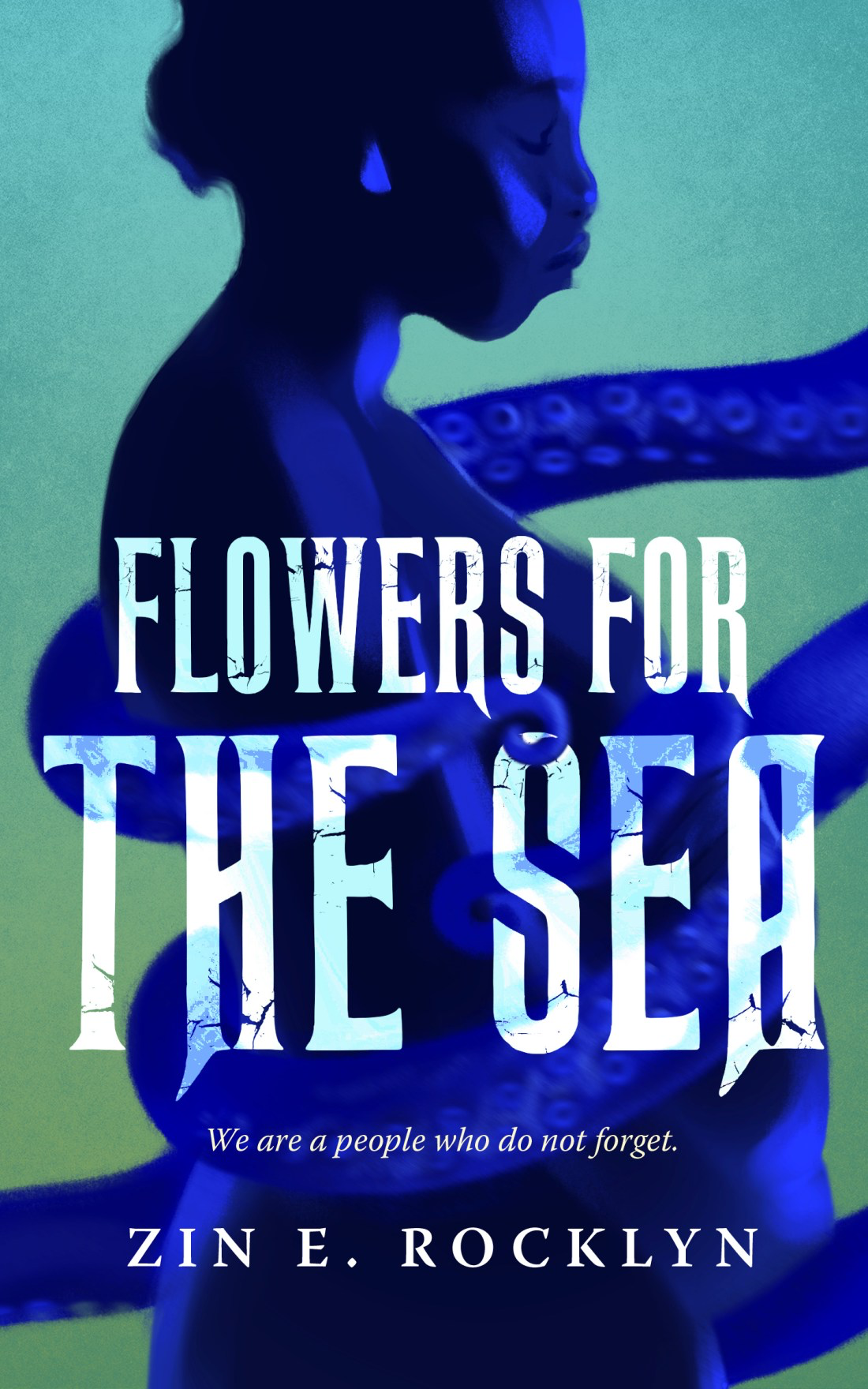
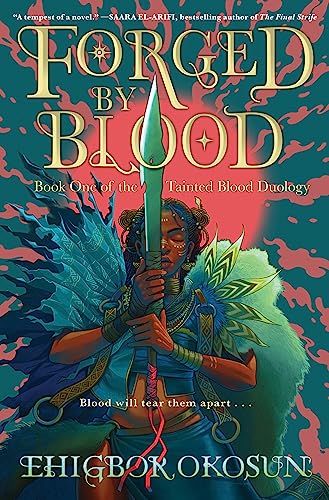
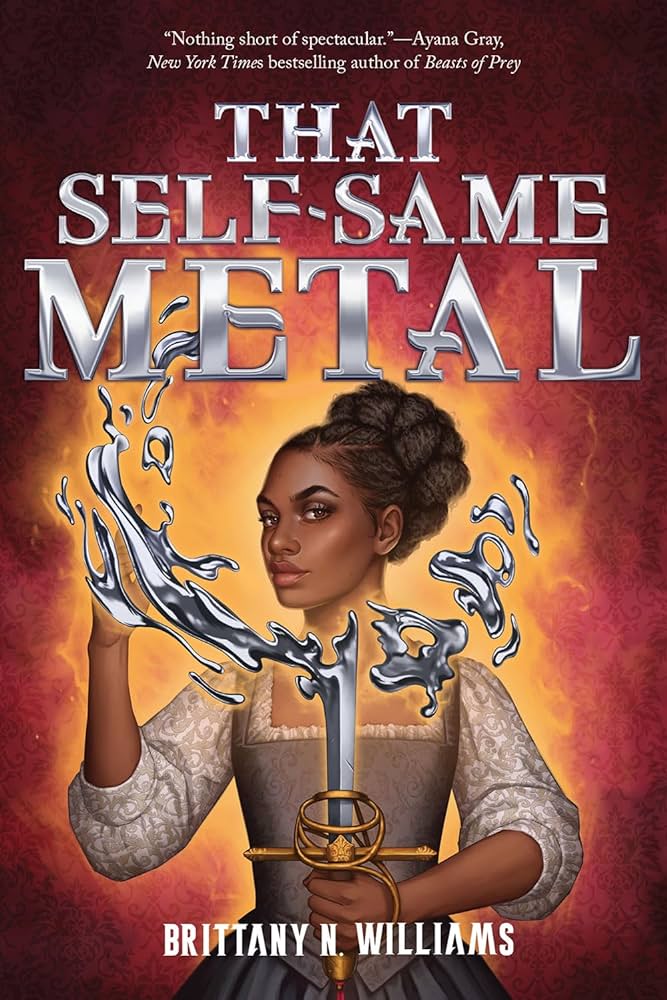
FANTASY:

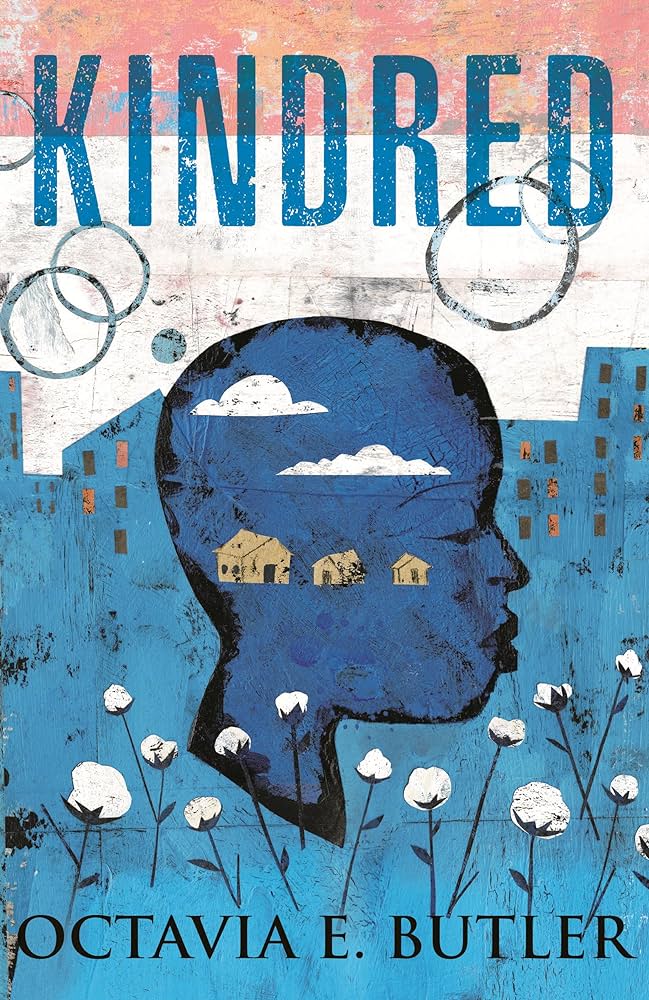
SCIENCE FICTION:

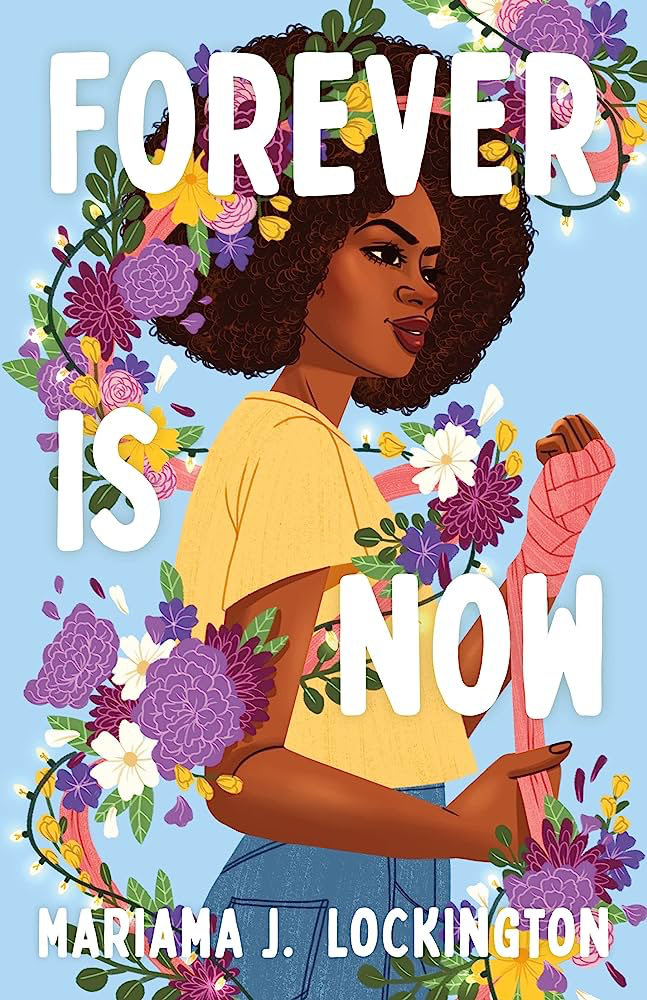
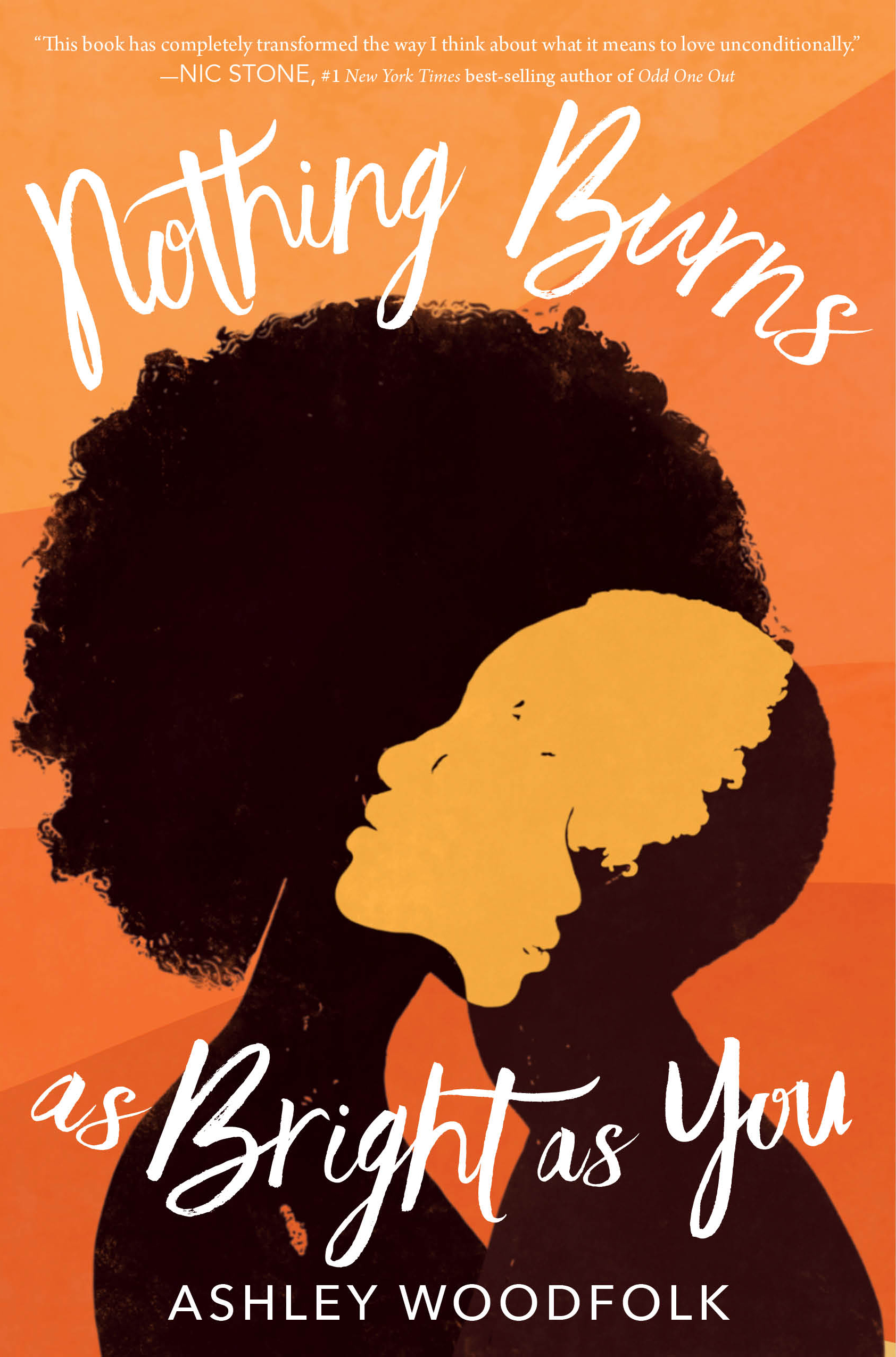
REALISTIC FICTION:

TELL ME WHAT YOU THINK! Have you read any of these books, and if so, did you enjoy them? What are some of your favorite books by Black authors that you’ve read recently? Let me know in the comments!

Today’s song:

thanks again to my brother for exposing me to this one!

That’s it for this recommendation list! Have a wonderful rest of your day, and take care of yourselves!

Posted in Book Review Tuesday

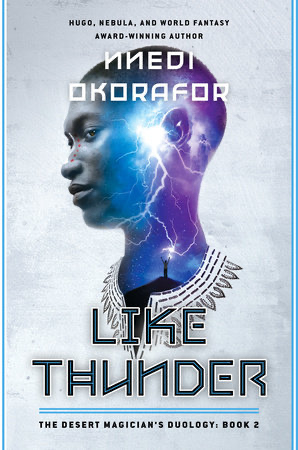
Book Review Tuesday (1/9/24) – Like Thunder (The Desert Magician’s Duology, #2)

Happy Tuesday, bibliophiles!

After I finished Shadow Speaker back in December, I was eager to see what the newly published sequel, Like Thunder, had in store. It was finally available at the library recently, and it was one of my first reads of this year. And though it retained some of the issues that Shadow Speaker had, it was still a worthy sequel and end to the duology.

TREAD LIGHTLY! This review may contain spoilers for book one, Shadow Speaker. If you haven’t read it and intend to, read at your own risk.

For my review of Shadow Speaker, click here!

Enjoy this week’s review!

Like Thunder (The Desert Magician’s Duology, #2) – Nnedi Okorafor

2077. Three years after Ejii and Dikéogu saved Earth from the threat of Chief Ette and forced him to sign the truce to bring no harm to the Changed, Dikéogu has realized that the fight is not over. Estranged from his parents and living on his own, he knows that the truce is due to expire, and that the humans are growing more hostile to the Changed by the day. After disaster strikes and puts those that he love in danger, he sets off to find the one person he knows that can help save the day: Ejii. But when they reunite, saving the world—for the second time—is more difficult that either of them bargained for.

TW/CW: genocide, slavery, ableism, murder, death, loss of loved ones

In general, I was still a fan of this book, but strangely, even though a lot of my minor gripes with Shadow Speaker were resolved, they were often filled in with elements that ended up bringing down the narrative. That’s not to say that Like Thunder wasn’t a worthy sequel—it absolutely was, and it was a fitting way to finally end the Desert Magician’s Duology, all these years after Shadow Speaker was initially published.

The worldbuilding was, without a doubt, the strongest aspect of Shadow Speaker, and Like Thunder expanded on it in all the ways that it should have! Through Dikéogu’s eyes, we get to see parts of the Desert Magician world that Shadow Speaker left behind, and they greatly enhanced the ongoing narrative of change and prejudice. Not only do we get an expansion of the effect of what kind of powers possessed by the Changed, we also see the direct effects that being Changed has on people apart from the main characters that we saw in book one. Time was clearly on Nnedi Okorafor’s side here, since she presumably had so many years apart from Shadow Speaker to craft all of the world’s eccentricities, but even if there wasn’t such a large gap between now and then, I have faith that her worlds would have been fleshed out anyway—if there’s one thing that Okorafor has excelled at over the years, it’s crafting a detailed world.

A lot of this worldbuilding contributed to the themes that Like Thunder built up, and it serves as an incredibly powerful narrative about genocide. Now that the three-year treaty between Chief Ette and the Changed has expired, he doesn’t hide the hostility that he’s been waiting to unleash since then. No matter what perspective that it’s written from, genocide is always a difficult and delicate subject to write about, and Okorafor took great care in depicting it unapologetically—it’s brutal, authentic, and horrifying, just as it should have been. In general, I preferred Ejii’s perspective to Dikéogu’s (more on that later), but Dikéogu’s voice was well-suited to handling this kind of subject matter; he had the anger that the subject warrants, and his rage not only fueled his journey, but the emotion behind this depiction.

That being said, I wasn’t the biggest fan of Dikéogu being the main POV character in Like Thunder. Although seeing the effects of the treaty dissolving through his eyes was enlightening and his anger fueled much of the novel (and for good reason), in much of the down time of the novel, I found him to be borderline obnoxious. Most of it manifested in his treatment of a lot of the female characters in the novel—once he reunited with Ejii, he had this attitude that he was still owed her after all these years, and it got on my nerves to no end. I wouldn’t have minded a romantic subplot between the two of them, but Dikéogu’s insistence on being incredibly possessive of her soured the whole thing for me. His perspective was needed to a point, but I felt like he worked better as a side character.

Going off of that, there were a lot of cheap elements in Like Thunder that sullied the narrative for me. When I think of Nnedi Okorafor, I think a lot about subversion—subversion of genre conventions, subversion of tropes, etc. But throughout the novel, there were just so many elements that felt pointless and served no purpose—and were so common that it almost seemed beneath Okorafor to add them in the first place. We get the age-old “killing the main man’s girlfriend for the plot” trope; I think it was meant to convey some of the horrors of the genocide going on, but it was already pretty evident that Dikéogu’s life was significantly changed and he already knew the horrors of genocide firsthand, so there was no point in having that subplot at all, especially since it was blatantly shoved in there to try and advance Dikéogu’s narrative arc. And the love triangle…why? Why? Once we got to that part, combined with Dikéogu’s possessiveness of Ejii, it just felt like filler drama—it didn’t advance the plot at all, and it seemed like a cheap way to generate drama as well. It just seemed like a disservice to Okorafor’s inexhaustible creativity.

All in all, a satisfying conclusion to a solid sci-fi/fantasy duology that excelled in its worldbuilding, but suffered in its use of overused and stale tropes. 3.5 stars!

Like Thunder is the second and final installment in the Desert Magician’s Duology, preceded by Shadow Speaker. Nnedi Okorafor is also the author of Lagoon, the Binti series (Binti, Home, and The Night Masquerade), Noor, Remote Control, and several other books for teens and adults.

Today’s song:

NEW SMILE WOOOOOOOOOOOOOOOO

That’s it for this week’s Book Review Tuesday! Have a wonderful rest of your day, and take care of yourselves!

Posted in Monthly Wrap-Ups

December 2023 Wrap-Up 🎅🏼

Happy Sunday, bibliophiles, and happy New Year’s Eve!

2023 has been a year of growth for me; I’ve taken a lot of leaps that I never thought I would take, and all of them paid off. December has been busy, but now that I’m home for break, I’m glad that I’ll get some rest before the end of the year.

Let’s begin, shall we?

GENERAL THOUGHTS:

First off, I hit 600 followers a few days ago! Thank you all for sticking with me for all these years. Lots of love to you all.

Most of December was fairly stressful and chaotic, what with finals and all. The good thing about being an English major is that I typically don’t have any final finals that I have to take in class, but instead, I typically have to write rather long papers and slap some portfolios together. But now it’s all done! Now, I’m nearly done with my science credits, and I recently declared a minor in Women and Gender Studies, so I’m starting those classes next semester!

Blogging and reading are always slower around this time of year—the finals slump comes for us all. College (and getting older, I suppose) has slowed down my reading speed somewhat, but it makes me glad to spend more time with books on some days. (Doesn’t mean I still blow through books in a day sometimes. Happens to the best of us. The Siren, the Song, and the Spy was incredible.) It’s also been fun to introduce some book pairings to my Sunday Songs—I’m glad I can introduce a bookish aspect to them!

Other than that, I’ve just been getting work done pre- and post-finals, putting puzzles together, drawing when I can, celebrating the holidays with my wonderful family, and starting every week eagerly looking forward to Wednesday because of the new season of Fargo. (Dear LORD, what was that ending for episode 7?????? I’m SCARED)

READING AND BLOGGING:

I read 16 books this month! Inevitably slower going because of finals, but I’ve had a ton of great books towards the end of the month! I also passed my reading goal of 200 books—I read 207 books in 2023!

2 – 2.75 stars:

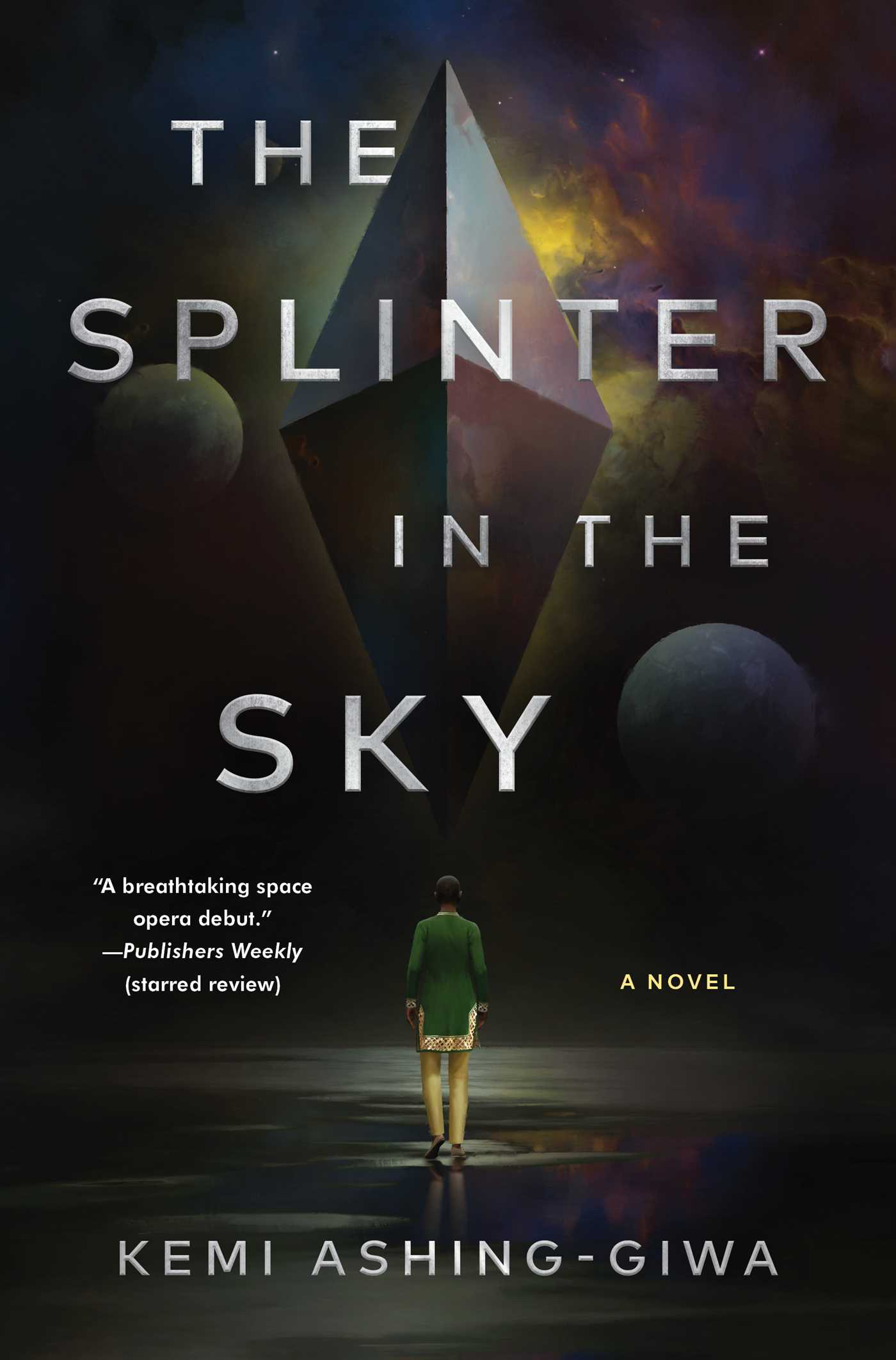
The Splinter in the Sky

3 – 3.75 stars:

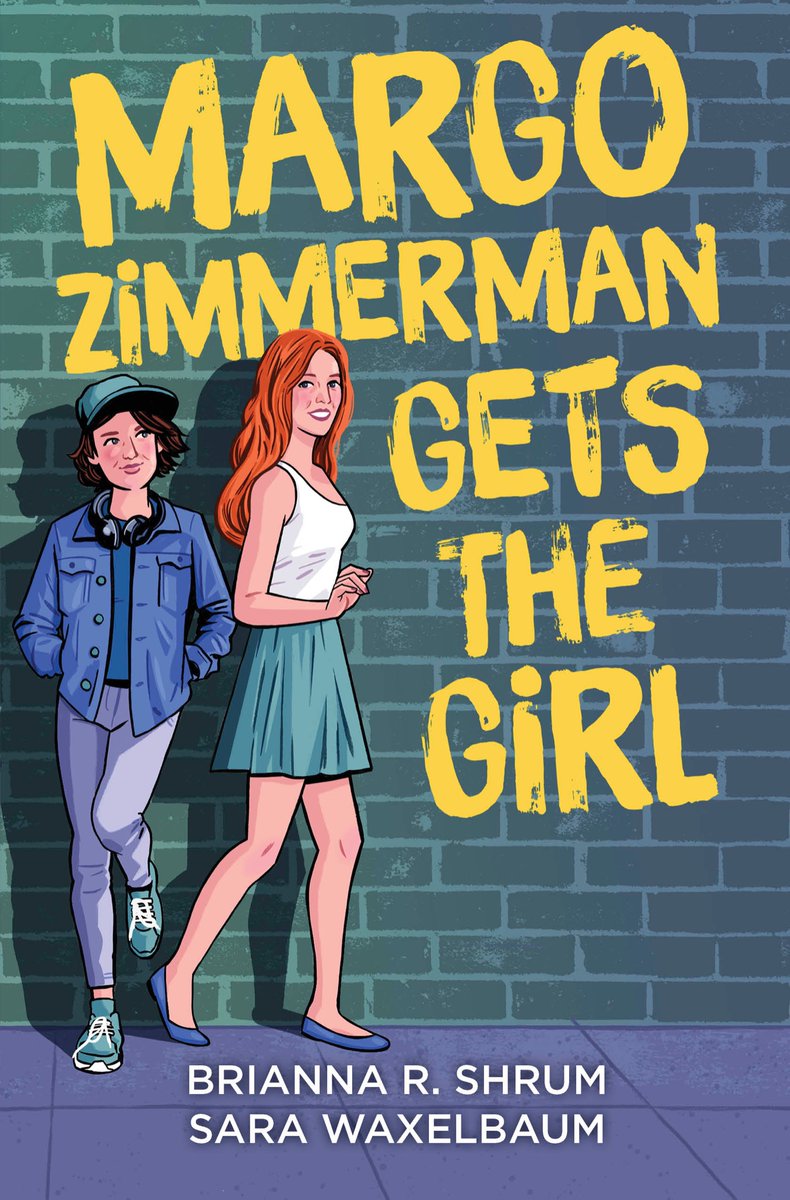
Margo Zimmerman Gets the Girl

4 – 4.75 stars:

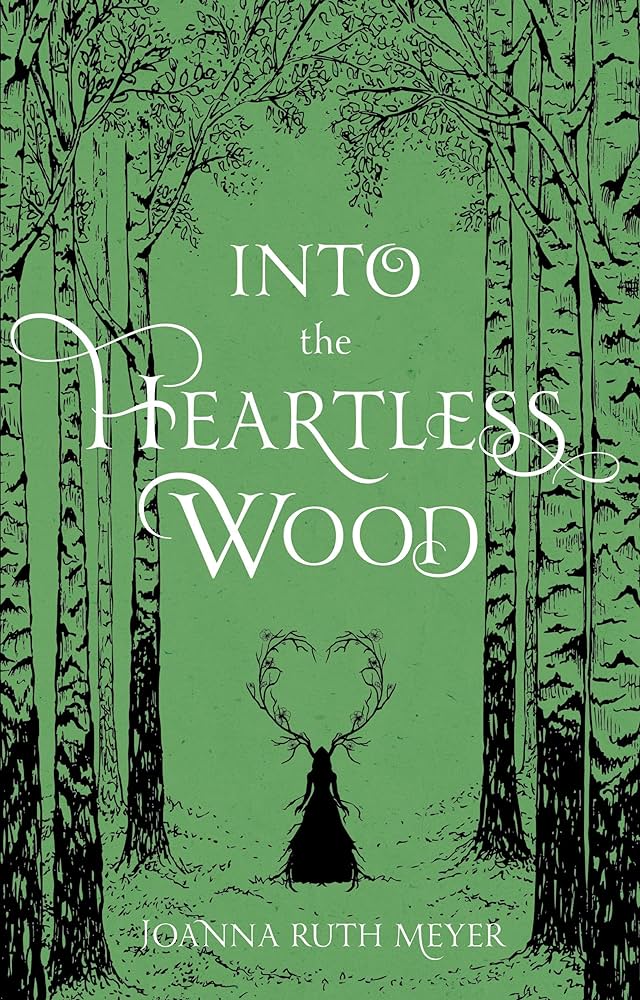
Into the Heartless Wood

FAVORITE BOOK OF THE MONTH: The Siren, the Song, and the Spy4.5 stars

The Siren, the Song, and the Spy

POSTS I’M PROUD OF:

POSTS FROM OTHER WONDERFUL PEOPLE THAT I ENJOYED:

SONGS AND ALBUMS THAT I’VE BEEN ENJOYING:

excuse me while I change into an excessively flowy dress and drape myself out the window
apologies for the whiplash but I can’t wait for this album (and this show!!!)
TASTES JUST LIKE CHICKEN!
can’t wait for this album and this show either!!! love is the fing.
joy straight to the veins
I’ve been meaning to listen to this album forever, and it was 100% worth it

Today’s song:

That’s it for this year (!) in blogging! I hope you have a wonderful day, and take care of yourselves! See you in 2024!
Posted in Book Review Tuesday

Book Review Tuesday (12/12/23) – Shadow Speaker

Happy Tuesday, bibliophiles!

I’ve been a fan of Nnedi Okorafor for several years now, but it wasn’t until about a month ago that I found out that one of her first novels, which originally went out of print, was being reissued with new content and a new cover! (Gorgeous cover, by the way.) I ended up buying it, and though it wasn’t her best (what else would you expect from one of her very first books), but it’s not just a fun ride—it’s a glimpse into an incredibly talented author coming into her own.

Enjoy this week’s review!

Shadow Speaker (The Desert Magician’s Duology, #1) – Nnedi Okorafor

Niger, 2074. In the wake of a nuclear disaster, both humanity and the natural world have developed powers far beyond their imaginations. These Shadow Speakers have been given strange abilities by the aftershocks of nuclear war. Born into this world is 15-year-old Ejii, gifted the abilities of advanced sight and hearing the thoughts of animals. When she was young, her father, a corrupt politician, was assassinated. All these years later, Ejii decides that, regardless of the horrific legacy her father left behind, she must journey out into the Sahara Desert to search for his killer.

TW/CW: murder, beheading, fatphobia

Being a (somewhat) longtime fan of an author and reading their debut or earlier works further down the line is always an eye-opening experience. I was expecting something along those lines when I bought Shadow Speaker the other day, but…man, I really had no idea what I was in for. Shadow Speaker was honestly kind of bonkers, but in the best possible way. Quite plainly, it’s one of the boldest debut novels that I can think of.

Shadow Speaker was Nnedi Okorafor’s first novel (published all the way back in 2008), and it really does feel like a debut. I said eye-opening before because you can see the through lines where Okorafor hadn’t yet hit her stride in terms of writing; in contrast to the tight organization of most of her other novels, we still get chunks of worldbuilding delivered paragraph by paragraph. Her prose has the same bold brightness and whimsical spirit that really stands out as her signature, but it hasn’t been refined as much. And with the re-release this November, despite apparent rounds of editing, there’s still a few things that haven’t aged well from 15 years ago (ex. the villain’s evilness explicitly being tied to him being fat…mmmm, yikes…). All debuts are bound to have flaws, but the latter ones could have probably been edited out. But unlike that, I feel like it’s worth keeping some of the writing as it is—reading this novel was a time capsule into the mind of a younger writer.

And yet, Shadow Speaker is still one of the boldest books I’ve read in a long time, debut or not. Everything about is really and truly nuts, and that was the best part about reading it. Once you get the exposition of Ejii’s post-apocalyptic, magical world out of the way, at no point did I know where this novel was going, and at a certain point, I ceased to even care. There’s the spread of X-Men-like powers caused by a nuclear disaster, a talking camel (also because of the nuclear disaster, how did you guess?), gods and goddesses roaming across the land…you get the idea. Actually, no. You don’t get the idea. And that’s the point of this book, from what I can tell—Ejii and her ragtag band of nuclear magicians don’t know where they’re going either, and that’s where the fun of Shadow Speaker lies.

Over the years, Nnedi Okorafor has proven herself to be an absolute master of Afrofuturism (more specifically Africanfuturism and Africanjujuism, in her words), and the latter (a term that she coined to describe a subgenre of fantasy that is specifically Afrocentric and is inspired by the mythologies of Africa) really describes this novel to a T; although the inciting incident and the introduction of powers has a distinctly sci-fi feel, Shadow Speaker is so clearly fantasy. It’s hard to do that kind of genre-bending so effortlessly in a debut, but already, Okorafor make it look easy. Every element, whatever genres you want to ascribe them to, is blended seamlessly into the world of the Desert Magician Duology as smoothly as stirring together the ingredients of a cake. It’s an impressively distinct world, and despite its flaws, I’m glad this book was brought back into print.

Part of the reason for re-releasing Shadow Speaker is that Nnedi Okorafor just published its intended sequel, Like Thunder, this November. Hopefully I can get my hands on it soon, but it’ll certainly be interesting to see the leap in writing style between the two, given how much time has passed…

All in all, a bold and wild debut from one of science fiction’s most original writers active today. 3.5 stars!

Shadow Speaker is the first book in the Desert Magician’s Duology, followed by the new sequel, Like Thunder, which came out this November. Nnedi Okorafor is also the author of many books for adults, teens, and children, including Lagoon, the Binti series (Binti, Home, and The Night Masquerade), Noor, Remote Control, and many others.

Today’s song:

this song makes me ridiculously happy

That’s it for this Book Review Tuesday! Have a wonderful rest of your day, and take care of yourselves!