Posted in Book Review Tuesday

Book Review Tuesday (4/7/26) – She and Her Cat

Happy Tuesday, bibliophiles!

I heard about this novel on Bookstagram a few months ago, and I was immediately hooked by the premise. I’ve been trying to read more translated literature when I can, and I’ve found…enough Japanese books about cats that it seems to be a certified Thing. (Nothing compares to The Traveling Cat Chronicles, though. That’s the peak, as far as I’m concerned.) And I’m not complaining. Short and sweet, She and Her Cat was a heartwarming examination of loneliness, womanhood, and the love we have for our cats.

Enjoy this week’s review!
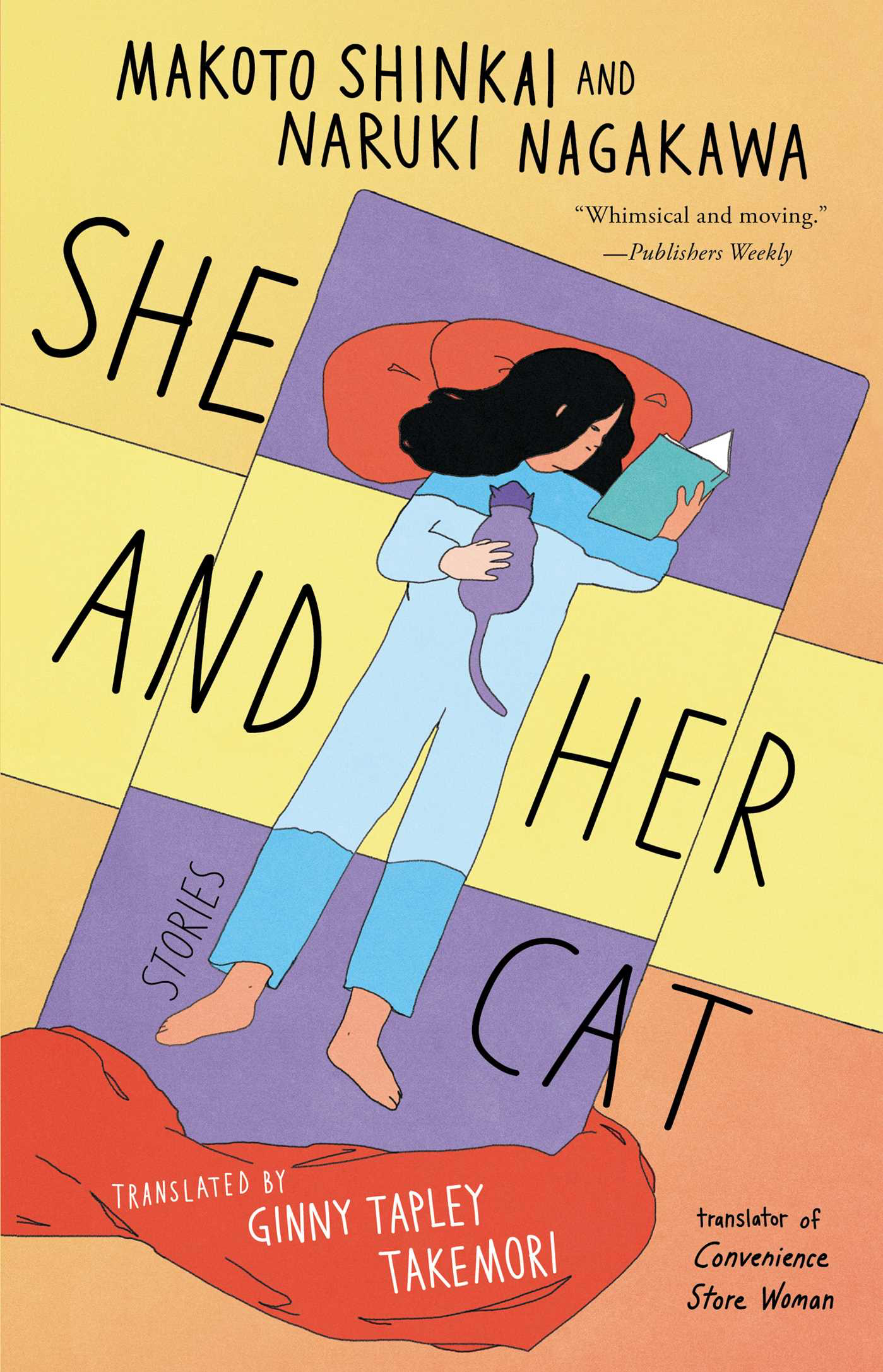
She and Her Cat – Makoto Shinkai & Naruki Nagakawa (translated by Ginny Tapley Takemori)

In four interconnected short stories, four women face hardships as they learn to grapple with adulthood. Dealing with isolation, misogyny, and troubles with love, these women have no one to turn to…save for their feline companions, who are there to help them along the way. But it turns out that the lives of our cats are more complex than we could ever know…

TW/CW: sexual harassment, cheating, death/grief themes, mental illness themes

Strangely, in my ongoing search for novels in translation to read, I always end up coming back to Japanese novels about cats. (To be fair, they’ve had varying premises—and degrees of quality.) However, I think this one is unique in its approach—it focuses on the cats and the humans in equal measure, which was an interesting move. I feel like the voice of the cats (who were anthropomorphized) was properly distinguished from the humans, and their perspective on how the humans lived was wry and cute. I will say, I feel like they were almost too human and understood too much about the human world, but I can give it somewhat of a pass since it was fairly cute. Similarly, I loved the women in the novel, and how refreshingly ordinary they felt. These characters felt like an antidote to every female character that the author describes as “plain” but is actually somehow the height of conventional attractiveness and can do everything; She and Her Cat’s human characters, however, felt like ordinary strangers people with relatable issues that they processed with the help of their feline companions.

She and Her Cat hit an excellent balance of coziness for me. There’s a line that cozy fiction/magical realism of this brand often crosses, where the “coziness” transforms from a more lighthearted, low-stakes story about more positive themes to something that becomes preachy in said themes, without any regard for the reader’s intelligence. (Fluff is fluff, but I maintain that I get irked every time an adult novel still has a “and what did we learn today, kids?” moment.) But although She and Her Cat could’ve walked straight into that trap, it avoided this pitfall with ease. The short stories within this novel were simply quiet tales of isolation, perseverance, womanhood, and the bond that we have with our cats, which is exactly the kind of stakes that a cozy novel should have—all that, and every theme isn’t spelled out for you. (Yes, I know, the bar is low, but you’d be surprised at how many times I’ve run into this…with Japanese cozy books about cats, specifically. If I had a nickel, etc., etc.)

That being said, even though this was magical realism, I didn’t quite feel that magic through the writing. I’m once again returning to the problem of “are my issues with the writing the author’s or the translator’s fault?” that I’ll never solve because…well, I’m not fluent in Japanese. Though I liked the narrative voice, the prose itself was pretty bare-bones, only describing the events as they happened in a way that was rather rote. And this is a story where you get to glimpse the world through the eyes of cats, animals that have an entirely different perception on life than we do! Additionally, I didn’t get as much of a view into the setting and the characters as I wanted to, since the writing went from point A to point B more often than not. Since She and Her Cat is a short novel (under 200 pages), there was definitely room for some more vibrant prose that would’ve made the setting and characters feel more alive. I think part of that might have been a consequence of the fact that She and Her Cat was adapted from a manga, but I feel like filling in the gaps that the art left should’ve been one of the main concerns of the team adapting this novel. If this was the result, it almost feels like they only adapted the script, and not the rest of the manga.

Additionally, although this is a short story, a lot of the events felt quite rushed. I think I would’ve gotten more out of She and Her Cat emotionally if I had more time to spend with each cat and character. Although we have the through lines between the story, they were shoved in so haphazardly that any previous development didn’t mean anything for the next story, even though we had characters that could’ve potentially undergone the slightest bit more development. Like the prose, this novel had the pacing both in-story and between stories go from Point A and Point B very quickly. The appearances of characters from previous stories were so rushed that they felt like MCU post-credits scenes: oh, hey, you know this person, right? Alright, anyway, onto the next thing…

But in the end, She and Her Cat is a somewhat lighthearted and short book, so I get it that fully fleshed-out narratives weren’t exactly the goal.

All in all, a sweet anthology that excelled in creating an emotional atmosphere with its stories, but faltered in places with its prose and pacing. 3.5 stars!

She and Her Cat is a standalone, and was adapted from the Manga by Makoto Shinkai. Makoto Shinkai is also the author of several manga series, including the your name. series, Weathering With You, The Garden of Words, and many more. Naruki Nagawa is also the author of Prince of Stride.

Today’s song:

That’s it for this week’s Book Review Tuesday! Have a wonderful rest of your day, and take care of yourselves!

Posted in Book Review Tuesday

Book Review Tuesday (1/13/26) – We Will Rise Again: Speculative Stories and Essays on Protest, Resistance, and Hope

Happy Tuesday, bibliophiles, and from the bottom of my heart, fuck ICE. Rest in power, Renee Nicole Good. My heart goes out to everybody in Minneapolis right now. ❤️‍🩹

Whoo, look at me! Actually reviewing a book not long after it came out!!

I found out about We Will Rise Again soon after it came out, and it immediately caught my eye—in fact, it seemed almost specifically engineered for me. I mean, speculative fiction based on social justice? Come on. And while the stories and essays within it varied in quality, this anthology was a worthy endeavor and a much-needed collaboration.

Enjoy this week’s review!

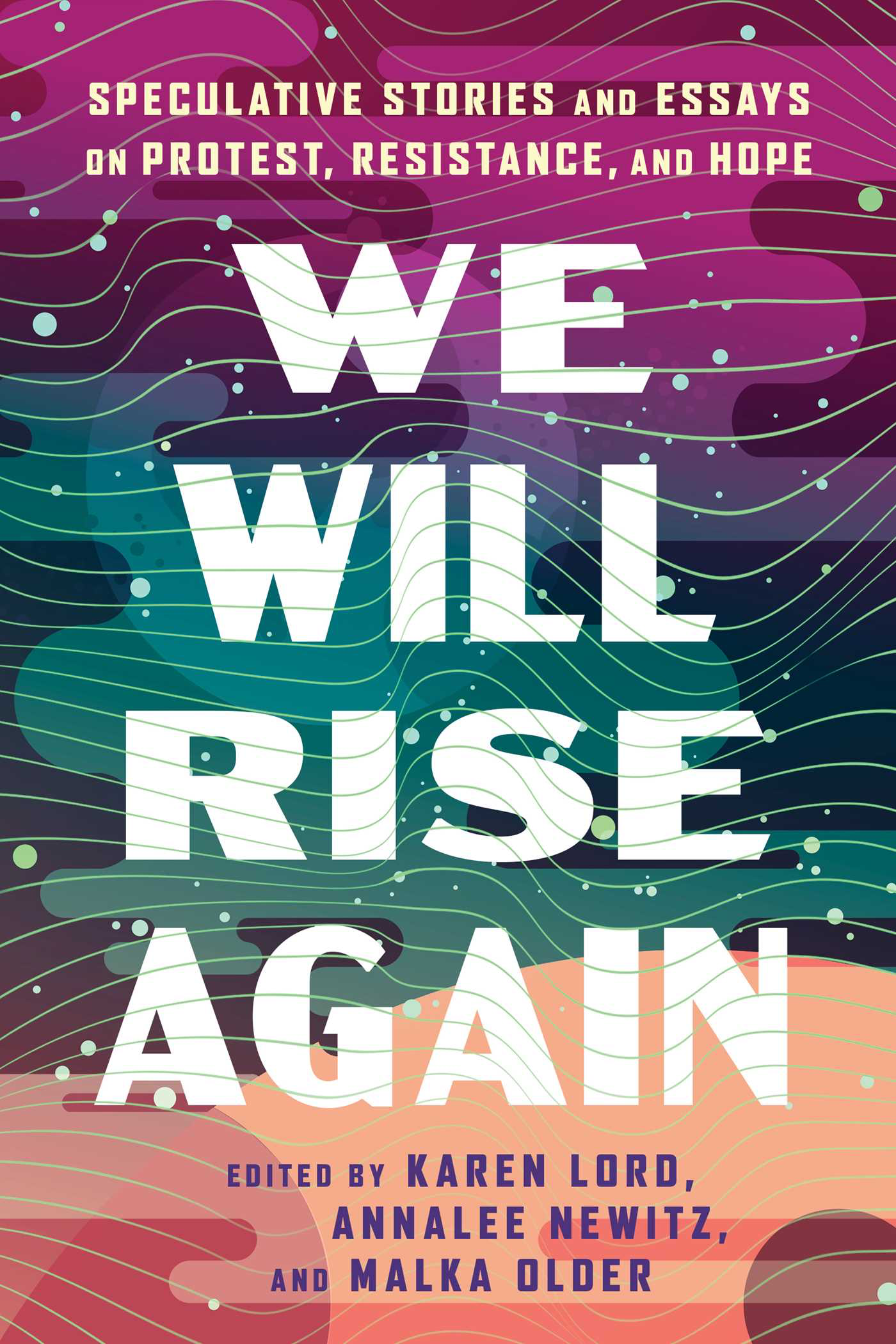
We Will Rise Again: Speculative Stories and Essays on Protest, Resistance, and Hope – edited by Karen Lord, Annalee Newitz, and Malka Older

(description from The Storygraph:)

From genre luminaries, esteemed organizers, and exciting new voices in fiction, an anthology of stories, essays, and interviews that offer transformative visions of the future, fantastical alternate worlds, and inspiration for the social justice movements of tomorrow.

In this collection, editors Karen Lord, Annalee Newitz, and Malka Older champion realistic, progressive social change using the speculative stories of writers across the world. Exploring topics ranging from disability justice and environmental activism to community care and collective worldbuilding, these imaginative pieces from writers such as NK Jemisin, Charlie Jane Anders, Alejandro Heredia, Sam J. Miller, Nisi Shawl, and Sabrina Vourvoulias center solidarity, empathy, hope, joy, and creativity.

Each story is grounded within a broader sociopolitical framework using essays and interviews from movement leaders, including adrienne maree brown and Walidah Imarisha, charting the future history of protest, revolutions, and resistance with the same zeal for accuracy that speculative writers normally bring to science and technology. Using the vehicle of ambitious storytelling, We Will Rise Again offers effective tools for organizing, an unflinching interrogation of the status quo, and a blueprint for prefiguring a different world.

TW/CW: violence, transphobia, themes of oppression/marginalization, ableism, murder

Somehow, it’s so on brand that Ursula Vernon would be that hardcore about gardening. I always vaguely got that vibe from her work, but her essay was not a surprise in the slightest.

There were all kinds of speculative fiction authors featured in We Will Rise Again: familiar authors I’ve liked, familiar authors I haven’t been a fan of, and unfamiliar authors entirely; in fact, all three of the authors who edited the anthology (Karen Lord, Annalee Newitz, and Malka Older) are all hit-or-miss authors for me, but I stuck to this anthology because the concept was so compelling to me. Sure enough, not only were their stories fascinating, so were everyone else’s. Some of my favorites were Charlie Jane Anders’s “Realer Than Real,” a meditation on being transgender in the U.S. and poking fun at gender roles, Abdulla Moaswes’s “Kifaah and the Gospel,” a potent commentary about Palestinian resistance and the inherent absurdity of colonialism, and Malka Older’s “Aversion,” an excellent commentary about how to get people to pay attention and care about issues without having to expose them to a barrage of triggering, disturbing imagery. (The latter isn’t deeply relevant at all, no way! No way…) Whether in sci-fi, fantasy, or loosely speculative formats, all of them came together in a vibrant quilt of different perspectives and ideas.

The nonfiction in We Will Rise Again was, for the most part, equally potent. I was so excited to see Nicola Griffith featured in here, and her essay “Rewriting the Old Disability Script” was as timely as ever; even though disability representation in media at large, not to mention literature, has gradually gotten better, this was a potent reminder of the staggering lack of representation of disability of any kind in mainstream media. I’d already read N.K. Jemisin’s “How Long ‘Til Black Future Month? The Toxins of Speculative Fiction, and the Antidote That Is Janelle Monae,” but it fit perfectly in this anthology and was well worth a re-read. The very core of We Will Rise Again was that the fiction stories had tangible input from activists with real-world experience; without this, I still would’ve liked these stories, but with this added layer, they strangely gave me more hope. The faith of real-world activists embedded in fiction emphasizes what this anthology was really about, for me: educated, grounded hope for a better future.

However, with an anthology that cast such a wide net idea-wise, there’s bound to be some misses. I think the biggest issue with We Will Rise Again was that it verged on being too broad. Naturally, when you’re talking about social justice, there are so many things that you can talk about, and this anthology discusses the whole gamut of them in both fiction and nonfiction, from community care to transphobia to disability rights. For the most part, I could see the common thread through all of them easily. Some of them, however, bordered on being very loosely strung together; for instance, although I loved Vernon’s essay “The Quiet Heroics of Gardening,” the connection between it and the other stories was very, very loose. I think the issue was that not all of the fiction stories had nonfiction paired with them—the format they had with most of these stories could’ve cohesively been applied to all of them and given the anthology a better, more reasonable structure.

Overall, there weren’t any stories that I didn’t like, which is a rare thing in any given collaborate short story anthology. However, I did have a structural issue with some of them. Speculative fiction is a notoriously broad term, and I think some of the stories in this collection took that a little too seriously. While some of them were clearly sci-fi, fantasy, or at least had some speculation and change to the world, some of them barely felt speculative. For instance, if you took away the fleeting fantastical element of Vida James’s “Chupacabras,” I would’ve thought that it was only set a few years after the present—there wasn’t a ton that was new about it, and said fantastical element felt like an afterthought. (I had a similar issue with Sabrina Vourvoulias’s “Persefoni in the City.”) Even with some of the “this is only meant to be a few years from now” stories, I got that what was speculative was the politics (ex. with Izzy Wasserstein’s “The Rise and Fall of Storm Bluff, Kansas”), but with the ones I mentioned, hardly anything had changed. While I get that the focus wasn’t necessarily on the worldbuilding, with the anthology’s whole point being on genre/speculative fiction as a way of collective imagination and imagining better worlds, stories like those felt at odds with the intended message. “Speculative” was a bit generous of a term for some of those stories.

All in all, a diverse and hopeful anthology, both in terms of its contributors and its subject matter, all coming together to make powerful statements about how to survive in this landscape and dream of something better. 3.75 stars!

We Will Rise Again is a standalone anthology; Karen Lord is also the author of the Cygnus Beta series (The Best of All Possible Worlds, The Galaxy Game, and The Blue and Beautiful World). Annalee Newitz is also the author of The Terraformers, Autonomous, Automatic Noodle, and The Future of Another Timeline. Malka Older is also the author of The Investigations of Mossa and Pleiti series (The Mimicking of Known Successes, The Imposition of Unnecessary Obstacles, and The Potency of Ungovernable Impulses) and the Centenal Cycle (Infomocracy, Null States, and State Tectonics).

Today’s song:

LODGER 🙌

That’s it for this week’s Book Review Tuesday! Have a wonderful rest of your day, and take care of yourselves!
Posted in Books

YA & Adult Reads for Black History Month (2023 Edition)

Happy Friday, bibliophiles!

February has just rolled around, and in the U.S., the month of February is Black History Month! Ever since I’ve started interacting more with the book blogging community, I’ve been working on reading more diversely, and making posts like these to encourage others to do the same—reading from a single, homogenous perspective is effectively reading in a bubble, when part of what makes reading so special is its ability to give you an easily accessible insight into the perspectives of others.

But this year, the theme of Black History Month is Black Resistance. I’ve been thinking a lot lately about how that relates to YA; a good portion YA literature is inherently tied to resistance and anti-authority sentiments. And yes, part of that may be teenagers rebelling against their parents, but it also instills so much power into its impressionable teen audience: even though you’re young, you have the power to change the world. Now that YA has become more diverse in recent years, it has shown that resistance is even more tangible. That tyrannical, dystopian government that the protagonist must defeat can be translated into real-word terms: systemic racism, police brutality, and so much more. Teaching teenagers (and everybody else, for that matter) that they have that power to change the world is such an important thing, because they will grow up knowing that they can enact the same changes as the characters they read about.

That being said, I have been shifting to read more adult books in the past few years, and I’d be remiss if I didn’t talk about some of the amazing books by adult Black authors as well. I’m too lazy to change the graphic, but I’m also going to include some adult-oriented books in here as well.

So with that, here are some of the YA and adult books by Black authors I’ve read in the past year. If you’d like to see my posts from previous years, click below:

Let’s begin, shall we?

YA & ADULT BOOKS FOR BLACK HISTORY MONTH (2023 EDITION)

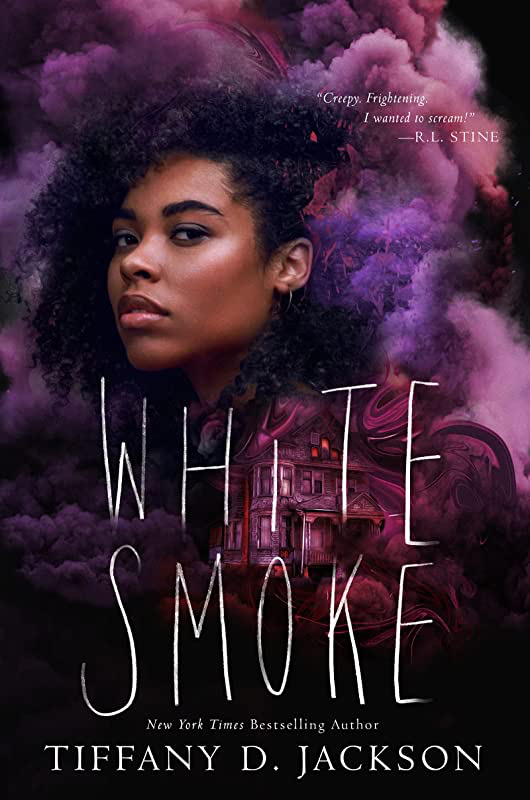
White Smoke, Tiffany D. Jackson

GENRES: YA, horror, thriller, fiction

MY RATING: ⭐️⭐️⭐️.5

Tiffany D. Jackson has a talent for building suspense, but this is the first time I’ve seen her do a full-blown horror novel—and it was exceptionally chilling!

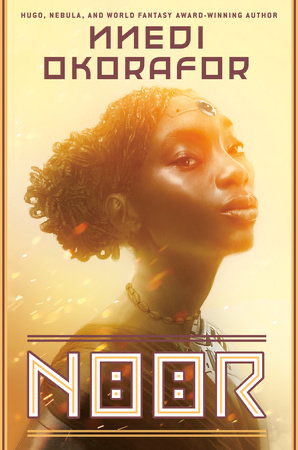
Noor, Nnedi Okorafor

GENRES: Adult, science fiction, Afrofuturism

MY RATING: ⭐️⭐️⭐️.75, rounded up to ⭐️⭐️⭐️⭐️

A wildly imaginative piece of Afrofuturism with a disabled protagonist!

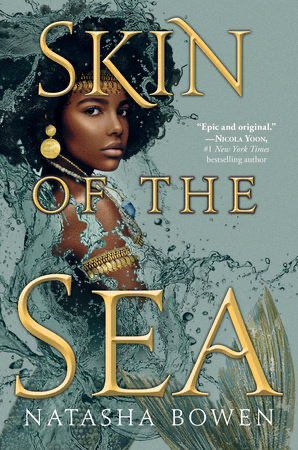
Skin of the Sea, Natasha Bowen

GENRES: YA, fantasy, retellings

MY RATING: ⭐️⭐️⭐️⭐️

YA mermaid novels have historically been disappointing for me, but Skin of the Sea gave me hope that a good one is possible—and there can be so many creative twists and perspectives put on it!

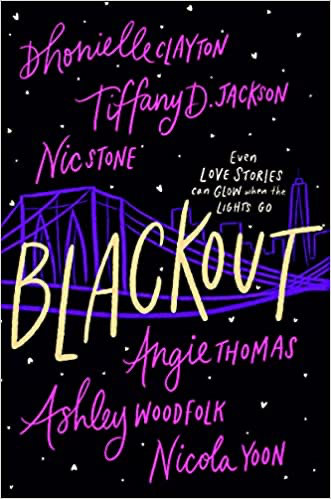
Blackout, Dhonielle Clayton et. al. (anthology)

GENRES: YA, fiction, romance, short stories (anthology)

MY RATING: ⭐️⭐️⭐️

A collection of short stories about different romances during a blackout in New York City!

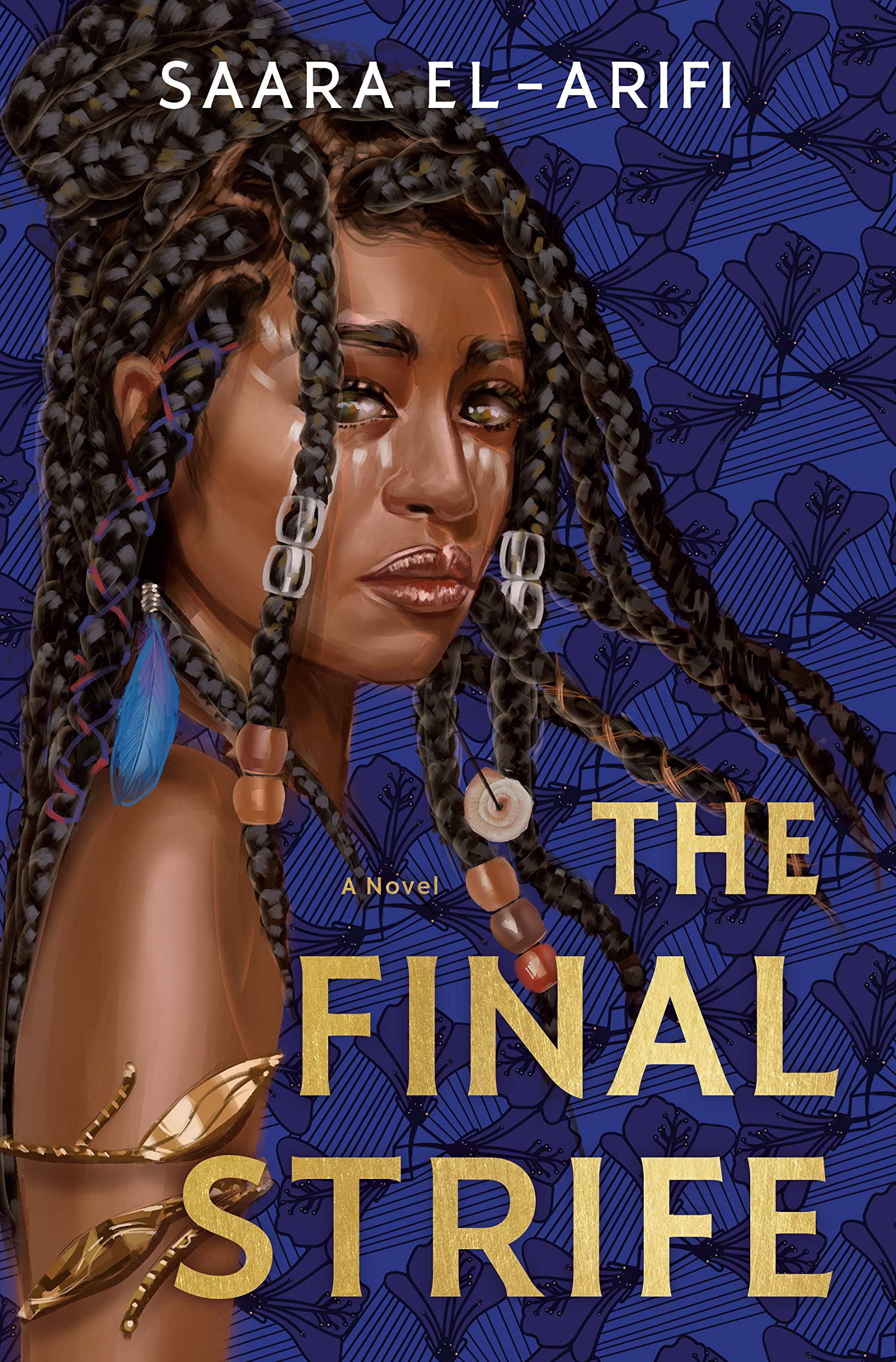
The Final Strife (Ending Fire, #1), Saara El-Arifi

GENRES: Adult, fantasy, romance, LGBTQ+

MY RATING: ⭐️⭐️⭐️.5

A fantasy with exceptional worldbuilding, an unlikely chosen one, and a sapphic romance!

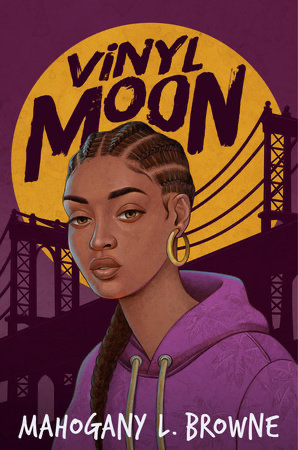
Vinyl Moon, Mahogany L. Browne

GENRES: YA, realistic fiction, novels in verse

MY RATING: ⭐️⭐️⭐️.5

Half prose and half novel-in-verse, Vinyl Moon is a beautiful story of healing and friendship.

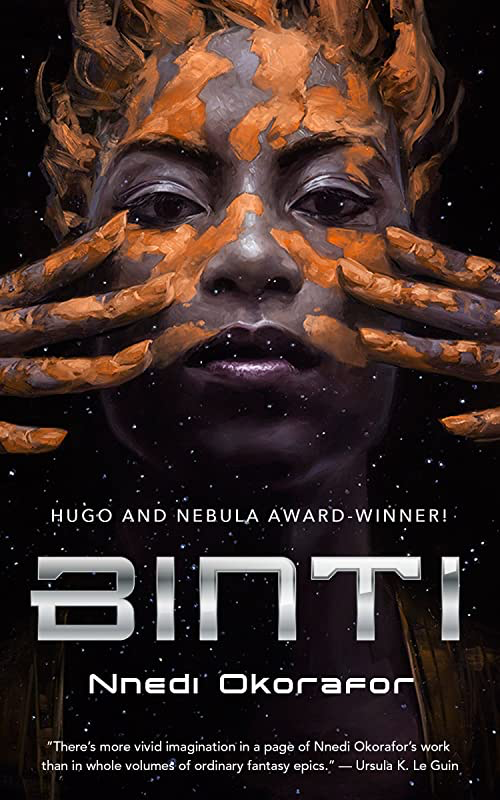
Binti (Binti, #1), Nnedi Okorafor

GENRES: Adult, science fiction, space opera

MY RATING: ⭐️⭐️⭐️.5

Normally, I wouldn’t double up on authors, but Nnedi Okorafor really deserves it here—I still need to finish this series, but it’s so charming and inventive!

TELL ME WHAT YOU THINK! What are some of your favorite books by Black authors that you’ve read recently? Tell me in the comments!

Today’s song:

somehow I didn’t know that this song existed until a few days ago, and I haven’t been able to stop listening to it since

That’s it for this year’s list of Black History Month recommendations! Have a wonderful rest of your day, and take care of yourselves!
Posted in Books

Feminist YA Books for Women’s History Month (2022 Edition)

Happy Thursday, bibliophiles!

Women’s History Month is here again in the U.S., and I figured I’d gather some more books to celebrate! Literature has always been an act of resistance, and it’s so important for readers—especially young girls—to see characters and narratives like their own to inspire change in our world. And as always, these books aren’t just for March—they’re for all year round; feminism doesn’t start and stop in March. My goal here is to uplift marginalized voices, and now is the perfect time to uplift those of women.

If you’d like to see my list from last year, click here!

Let’s begin, shall we?

FEMINIST YA BOOKS FOR WOMEN’S HISTORY MONTH

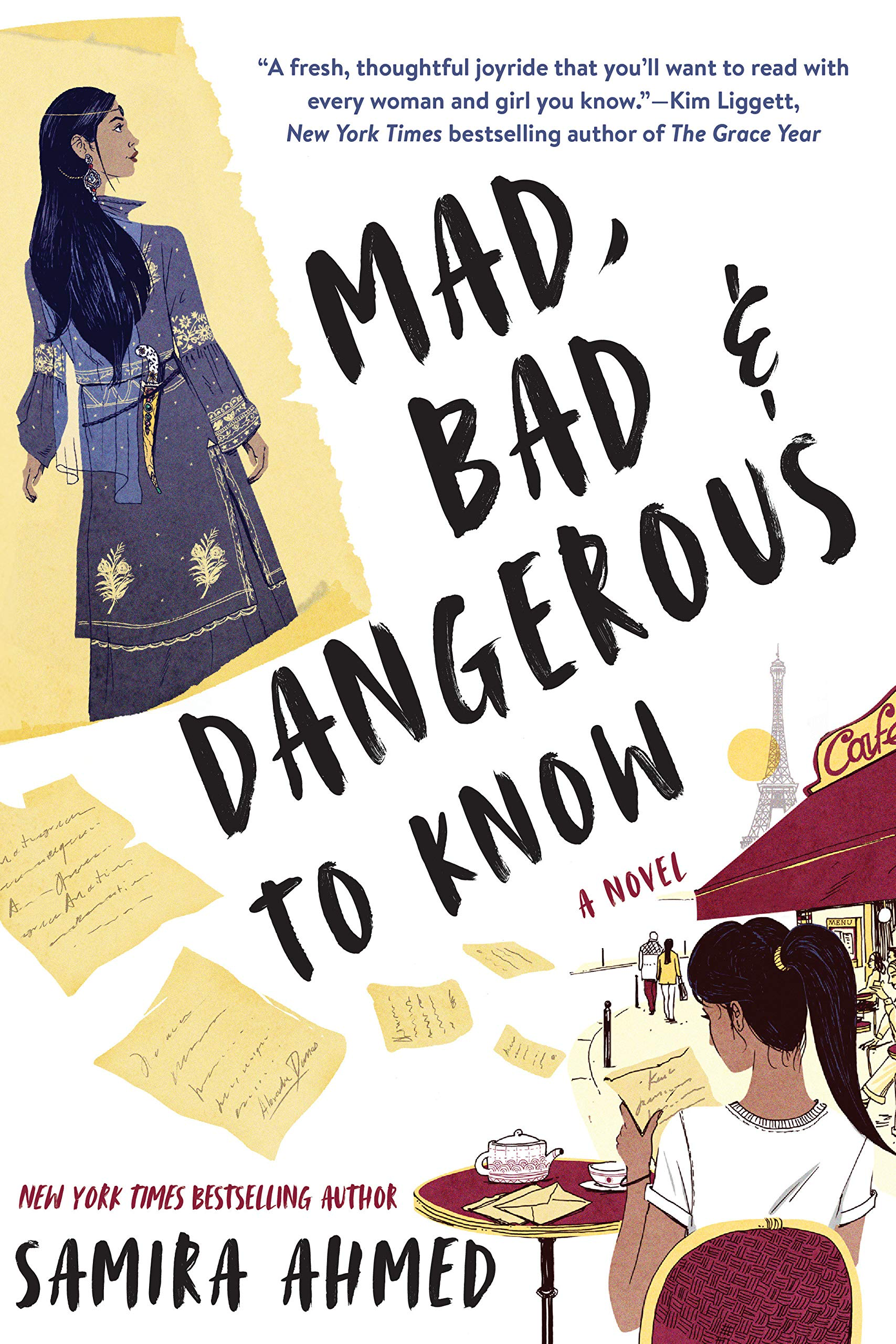
Mad, Bad & Dangerous to Know, Samira Ahmed

GENRES: contemporary, historical fiction, romance

MY RATING: ⭐️⭐️⭐️⭐️.25

Told in intersecting timelines between the present day and 19th-century. Paris, Mad, Bad & Dangerous to Know is a love letter to all the women whose stories have been overshadowed and lost to history. Samira Ahmed is such a wonderful author!

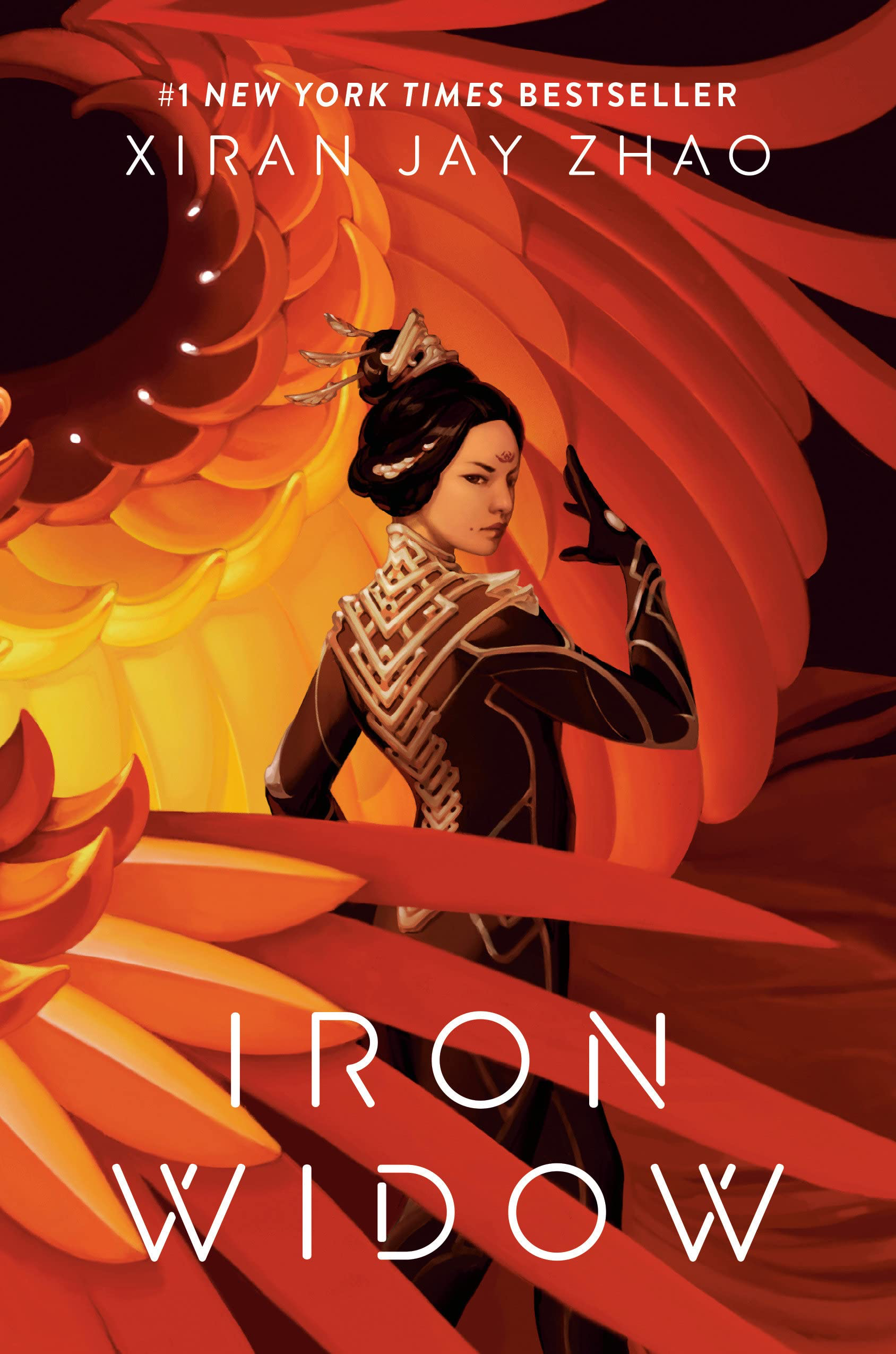
Iron Widow, Xiran Jay Zhao

GENRES: sci-fi, dystopia, romance, LGBTQ+, retellings

MY RATING: ⭐️⭐️⭐️⭐️

Iron Widow is a fierce, fast-paced sci-fi tale that deftly explores themes of rape culture, institutionalized misogyny, and society’s treatment of women through the eyes of a spitfire pilot determined to tear down an empire. (DESTROY THE PATRIARCHY WITH ROBOTS! I said what I said.)

Squad, Maggie Tokuda-Hall and Lisa Sterle

GENRES: graphic novels, contemporary, paranormal, LGBTQ+, romance

MY RATING: ⭐️⭐️⭐️⭐️.25

Squad presents a timely theme—when holding rapists accountable, where is the line between accountability and pure vengeance?—and puts a paranormal spin on it. If the premise of werewolf girls hunting down rapists doesn’t entice you, I don’t know what will.

Slay, Brittney Morris

GENRES: contemporary, fiction

MY RATING: ⭐️⭐️⭐️.5

Though this isn’t my favorite of Brittney Morris’ books that I’ve read (that title would go to The Cost of Knowing as of now), Slay was a wonderfully proud and feminist novel about gaming and Black pride.

The Mirror Season, Anna-Marie McLemore

GENRES: magical realism, fantasy, fiction, LGBTQ+, retellings, romance

MY RATING: ⭐️⭐️⭐️⭐️.25

Anna-Marie McLemore never misses a beat with their books, and The Mirror Season was no exception! All at once raw and beautiful, it presents a searing tale of love after trauma and the fight to hold rapists accountable.

The Good Luck Girls, Charlotte Nicole Davis

GENRES: alternate history, fantasy, paranormal, dystopia, LGBTQ+

MY RATING: ⭐️⭐️⭐️⭐️

Through a blend of several different genres, Charlotte Nicole Davis presents the stories of five girls, bonded through sisterhood and trauma, who take control of their own fates and fight their fair share of patriarchy—and demons.

Juliet Takes a Breath – Gabby Rivera

GENRES: fiction, contemporary, LGBTQ+, historical fiction

MY RATING: ⭐️⭐️⭐️⭐️

Juliet Takes a Breath is a fantastic, queer coming-of-age novel about sexuality, self-discovery, identity, and being a feminist. There’s an especially important discussion of the harm of “white feminism,” which, for a YA novel, is crucial to discuss.

A Phoenix Must First Burn, Patrice Caldwell et. al. (anthology)

GENRES: short stories/anthologies, fantasy, contemporary, paranormal, science fiction, LGBTQ+, romance, historical fiction

MY RATING: ⭐️⭐️⭐️⭐️

There’s not a single bad short story in A Phoenix Must First Burn! Through several different genres, all of these stories center around the experience of growing up as a Black woman, and include everything from aliens to sorcery to the American west.

TELL ME WHAT YOU THINK! What are your favorite feminist YA books? Have you read any of these books, and if you have, what did you think of them? What have you been reading for Women’s History Month? Tell me in the comments!

Today’s song:

NEW SOCCER MOMMY IN JUNE?? I’m convinced that 2022 is the year of being blessed by the music gods

That’s it for this list! Have a wonderful rest of your day, and take care of yourselves!