Posted in Sunday Songs

Sunday Songs: 11/30/25

Happy Sunday, bibliophiles! I hope this week has treated you well.

I’ve got at least one more post here before I inevitably have to crawl back into the finals burrow. Since I’ve been out of the office lately, here are my graphics from the past few weeks:
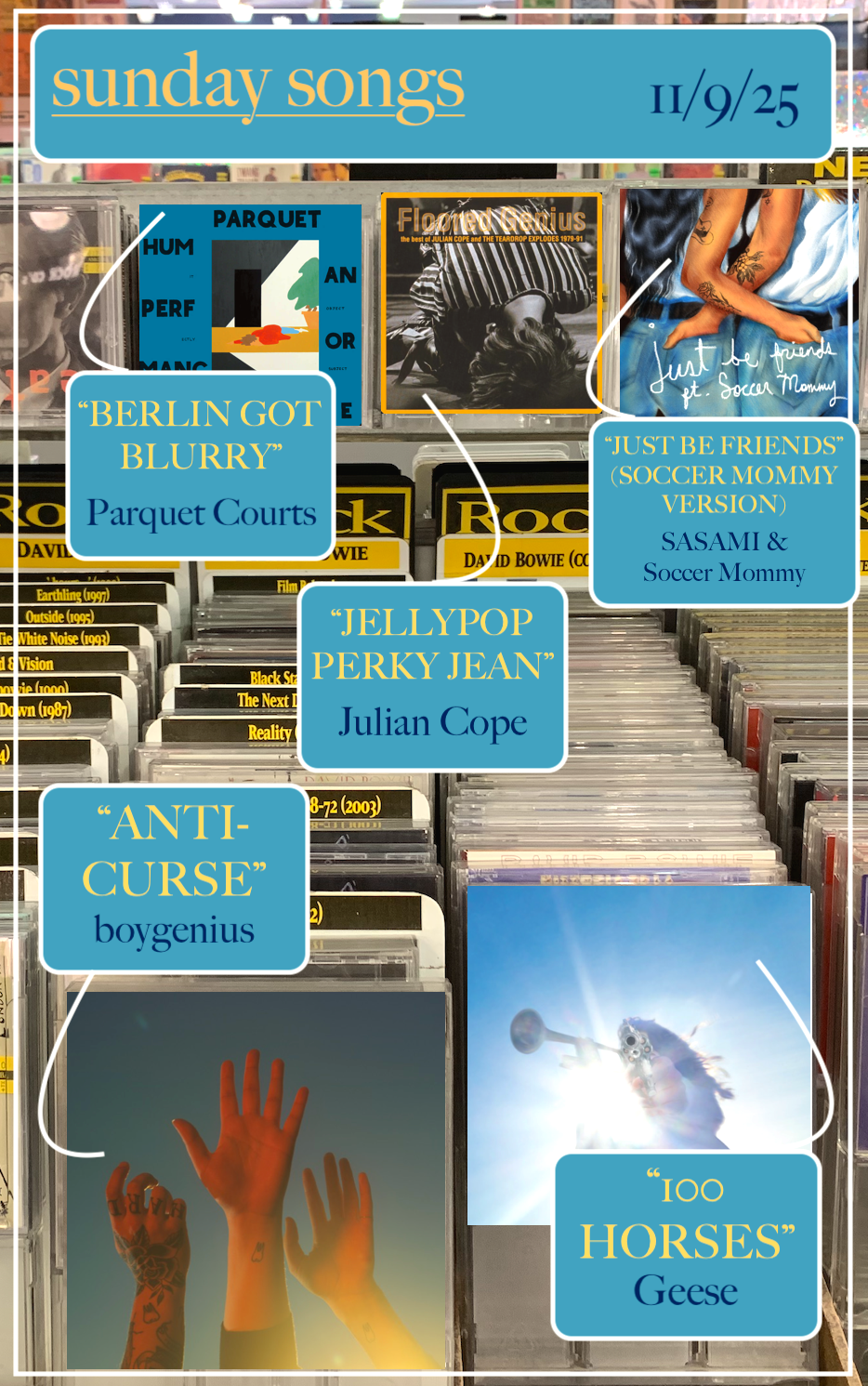
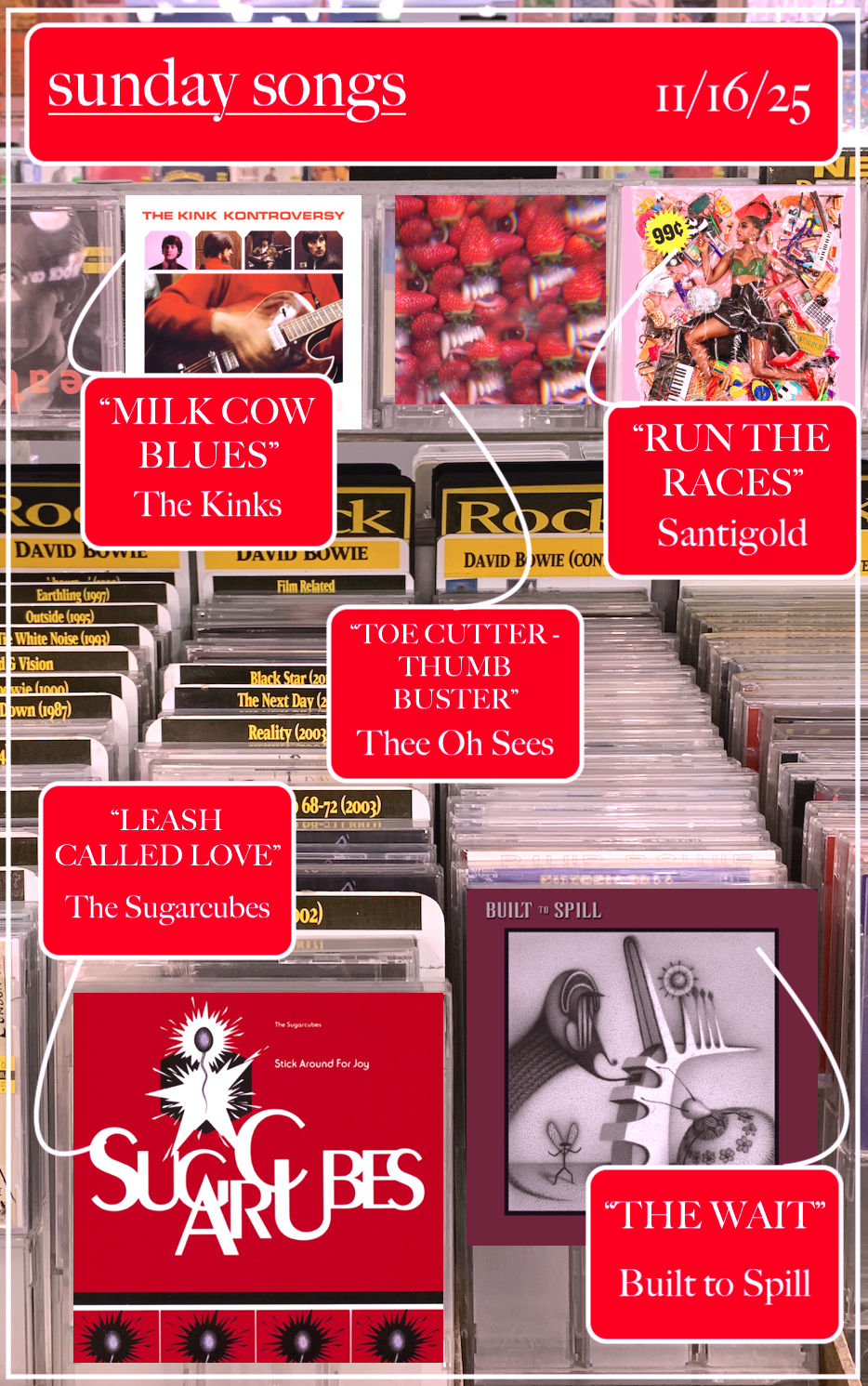
11/9/25:

11/16/25:

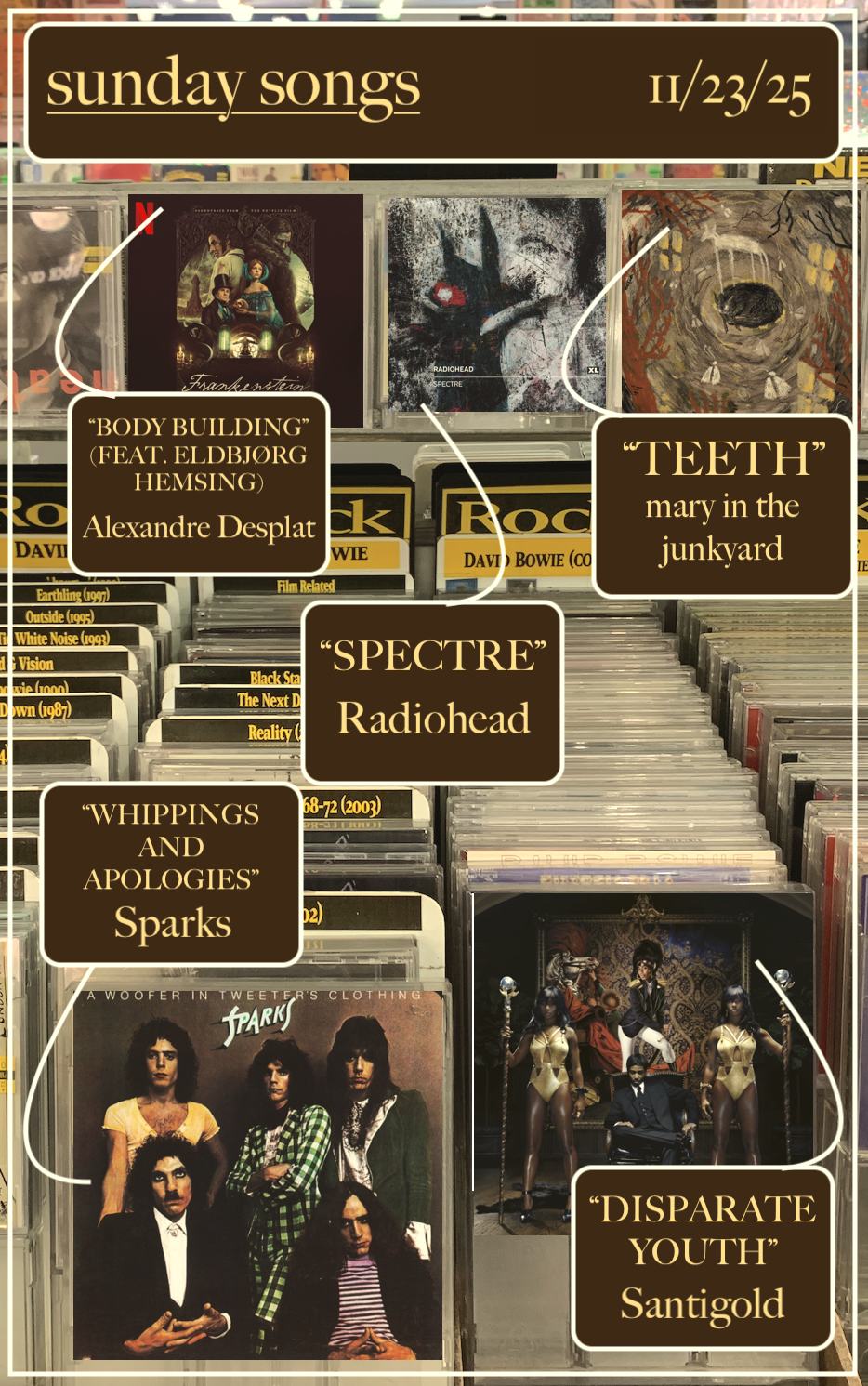
11/23/25:

This week: What half of Britpop’s Big Four frontmen are up to these days, peak goth drama, and I finally find out why Joe Talbot was hiding out in that Gorillaz exhibit like Where’s Waldo.

Enjoy this week’s songs!
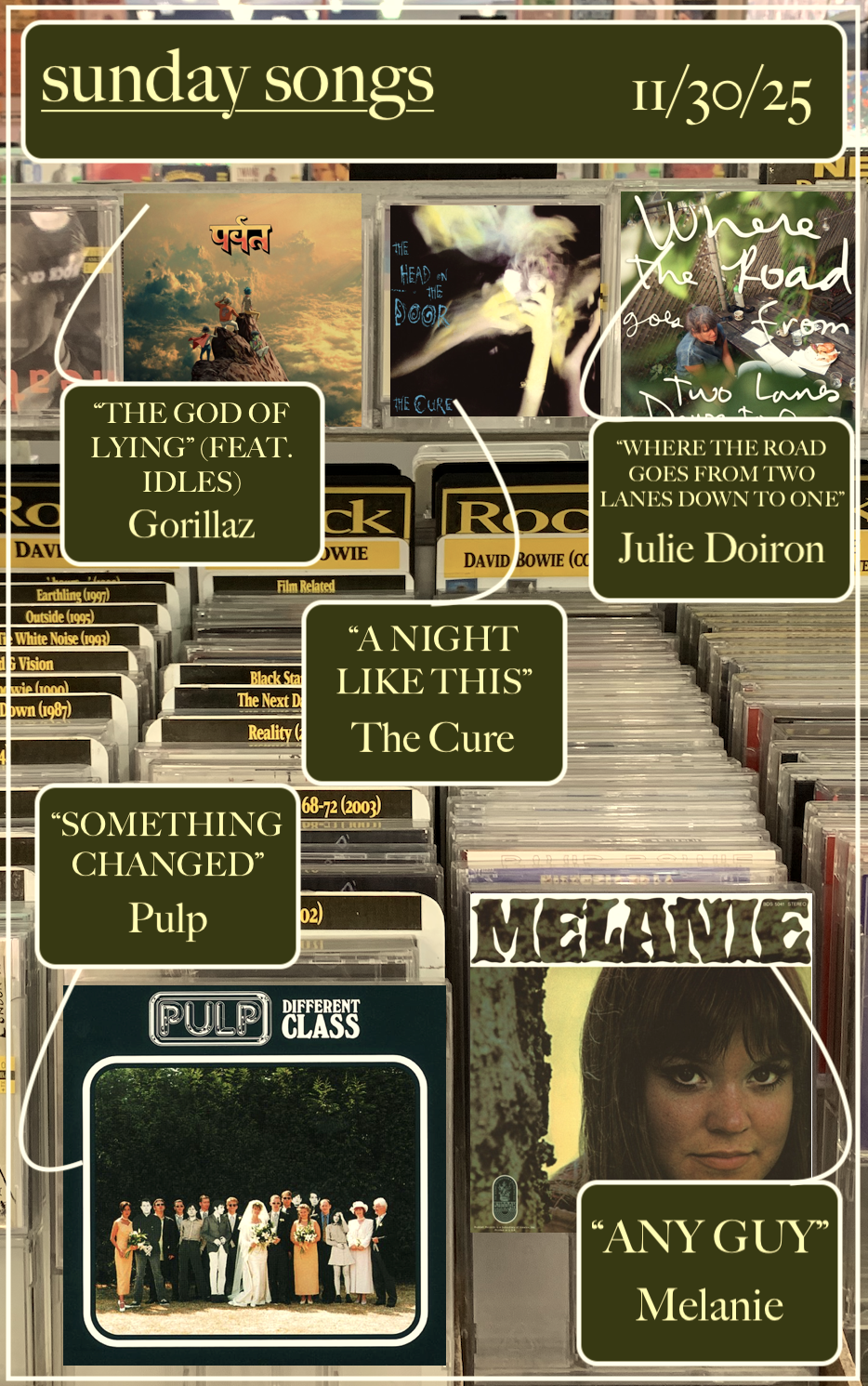
SUNDAY SONGS: 11/30/25

“Something Changed” – Pulp

Pulp recently put on an absolutely showstopping performance at NPR’s Tiny Desk Concert. I still have only a handful of Pulp songs that I really know, but even as a budding fan that initially knew only 1/4 songs in their setlist (that one being “This Is Hardcore,” yet another shoutout to my amazing dad for showing me that one!), their performance was an absolute joy. Even in the confines of said Tiny Desk, Jarvis Cocker has the most enigmatic, fluid stage presence that defies being simply Britpop and has transformed into a timeless charm. And now I have three more Pulp songs on my rotation!

“Something Changed” hooked me more than the rest, and it reminded me that I really just need to get over myself and listen to Different Class already. Themes of social and sexual frustration aside (see: “Live Bed Show”), Pulp seemed to have an uncanny ability to create such pure, resonant anthems without making them cloying or insincere. I never got around to talking about “Disco 2000” last year, but that song feels like the platonic ideal of a pure, passionate love song—it’s a small wonder that nobody’s used it in the end credits of a rom-com yet. (Maybe that’s for the best? It’d need a really good rom-com.) “Something Changed” has that same quality in softer shades, with Cocker crooning about the nature of chance against a backdrop of swelling, sunlit strings: “Do you believe there’s someone up above/And does he have a timetable directing acts of love?” For someone with a sense of humor as sardonic and often cynical as Cocker, it’s a display of sincerity that feels anything but inauthentic—you can tell that, to some degree, there’s a genuine feeling of being wonderstruck by the chances that led him to this point in time—and this whirlwind romance.

“Something Changed” starts at 8:05. While you’re here, though, the 7+ minute rendition of “This Is Hardcore” stopped me dead in my tracks. One of the best Tiny Desk Concerts this year, for sure.

…AND A BOOK TO GO WITH IT:
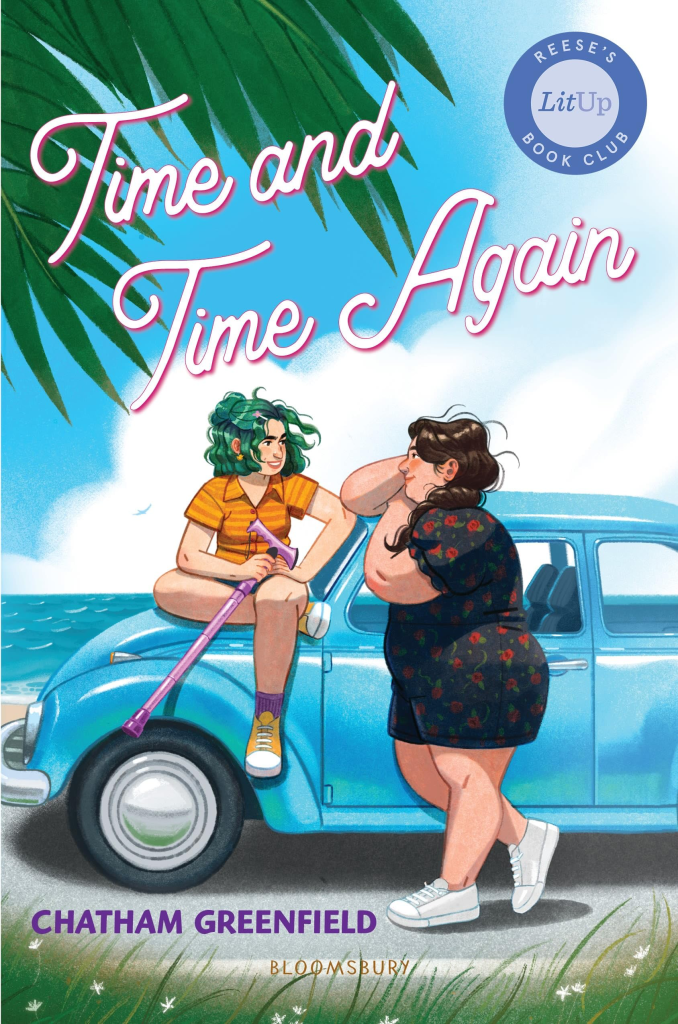
Time and Time Again – Chatham Greenfield“Oh, I could have stayed at home and gone to bed/I could have gone to see a film instead/You might have changed your mind and seen your friend/Life could have been very different but then/Something changed…”

“Any Guy” – Melanie

I never find Melanie songs organically, I just leech them off of TV shows about once a year (see: “Look What They’ve Done to My Song, Ma” thanks to We Are Lady Parts). This one in particular came from the season 1 finale of Bad Sisters, and without spoiling anything, it rang out as a bitterly triumphant anthem for the culmination of a season’s worth of work to try and eliminate a man equivalent to Satan incarnate from the face of the earth. Season 1 has been out for a few years, but I’ll still refrain from spoilers.

But some needle drops get better and better the more that you think about them. Melanie fit along with the musical feel of Bad Sisters, primarily featuring needle drops from great women-fronted bands and musicians (Bikini Kill, Nancy Sinatra, Wet Leg, and of course, the theme song and score composed by the iconic PJ Harvey). Many of them feel more atmospheric other than a handful of very purposeful ones, but “Any Guy” relates so much to the character of Grace to me. A lot of Melanie’s earlier fame centered around how childish she looked—this was pre-“Brand New Key” and people derailing childhood innocence into Freudian nonsense, but there was a clear correlation between what people saw as an unassuming young woman and the talent that resided inside of her. That image remains after her death, but for me, Melanie’s her best when she lets loose—think of the righteous fury at the end of “Look What They’ve Done to My Song, Ma!” That final belt at the end! Reckoning! “Any Guy” has that same explosive moment at the end; beneath the veneer of placid strings, Melanie stews about getting involved with a two-timing guy and feeling disposable, until her waver breaks into an impassioned howl of “Is she as pretty as me, huh?” Nothing’s better than when Melanie snaps and lets the full force of her voice free, and what better song to soundtrack a similarly unassuming, underestimated woman finally breaking free. Even when she’s singing of breaking away, there’s a waver in her voice, and that’s more Grace than anything—and there’s no shame in having a waver in your voice when you’ve finally mustered the courage to speak your mind.

…AND A BOOK TO GO WITH IT:
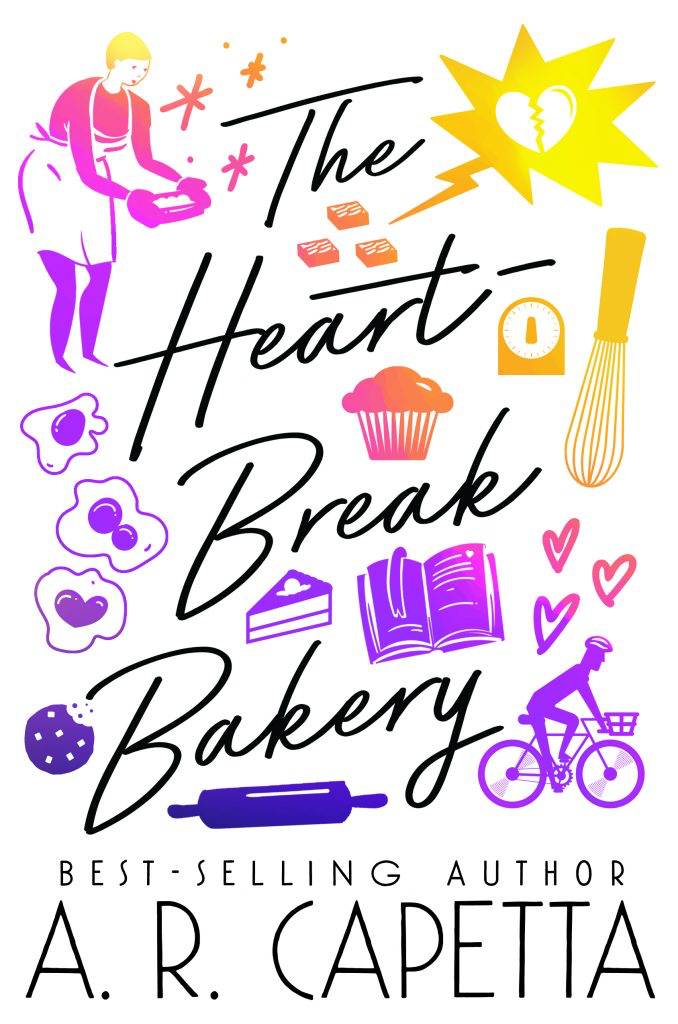
The Heartbreak Bakery – A.R. Capettabreakups, miscommunication, and one very fateful batch of magic brownies…

“The God of Lying” (feat. IDLES) – Gorillaz

Guess who’s getting tickets to L.A. the minute that they announce when the House of Kong exhibit is coming?? Prepare for me to be INSUFFERABLE and IN CALIFORNIA

Back when they did the story on the London House of Kong exhibit over the summer, they showed the collage on the wall of all of Gorillaz’s collaborators over the years. There were tons of familiar faces: De La Soul, Yasiin Bey, Shaun Ryder, St. Vincent, et cetera…but I swore that I could see Joe Talbot peeking out from between the faces. And it got me thinking…had I missed something? Mind you, this was before The Mountain was announced, so I had no idea what was a head. But now that it’s here, I’m so excited for this pairing! As is the ritual with most modern Gorillaz rollouts, the singles are hit or miss. “The Happy Dictator” was loads of fun, but “The Manifesto” is somehow two different songs, and none of them are particularly good. And here we see the post-Humanz Gorillaz “where’s Damon?” problem—it’s all the collaborators and barely him.

Thankfully, “The God of Lying” fixed this issue swiftly, with Albarn trading off verses with Joe Talbot of IDLES. Gorillaz have been mining the state of dystopian discontent that we’re in for quite some time now, but if there’s anyone more fit for an antidote, it’s Talbot. As he coolly assesses the sorry state of the world (“Are you deafened by the headlines?/Or does your head not hear at all?/Are you pacified by passion/Are you armed to the teeth?”), Albarn’s distorted voice professes that we’ve all reached for some comfort beyond the bad news, but that it’s so overwhelming that we can’t even comprehend that hope is still possible; we’re actively “running to the exit” because we somehow fear the notion of hope existing even while trapped in an endless cycle of doomscrolling and horrific news. Albarn said this to BBC Radio 1: “I suppose I’ve kind of got in my head what happened a few days ago with Mamdani in New York. And one of the things he said that really kind of stuck out for me is that ‘Hope is alive’. And in this track, Joe and I are kind of we’ve been chased by hope. And I thought, Oh, that’s nice.” First off, since I was hunkered down doing homework when it happened…THAT’S MY MAYOR! (I’ve been to NYC a grand total of one time in my life…anyways.) Second, what a poetic assessment—we haven’t just abandoned hope, we’re being pushed away from it, pacifying the weight of carrying every bad thing in the world with fleeting pleasures and addiction. It’s a poignant statement for both Albarn and IDLES, enduring proof that love remains to be the fing.

…AND A BOOK TO GO WITH IT:
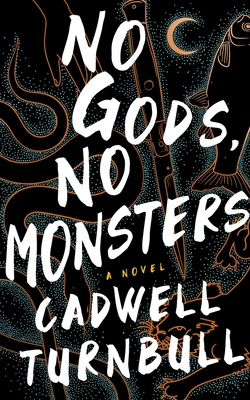
No Gods, No Monsters – Caldwell Turnbull“Are you pacified by passion?/Are you armed to the teeth?/Are you bubbling at the surface of what’s cooking underneath?/Are you dying for an answer for what they call good grief?”

“A Night Like This” – The Cure

Another album that I need to listen to: The Head on the Door, apparently! As the result of being brought up by gothy parents who went to high school in the ’80s, I’ve practically listened to the whole thing. The same can be said for a fair amount of their albums. (From The Head on the Door in particular, I have a specific memory of my parents showing me the “Close to Me” video and thinking that the puppets were really funny.)

How perfect it was that I remembered “A Night Like This” right after Halloween. Frankly, every season is The Cure season if you can get with the drama 24/7, but you can’t deny that it’s the ideal fall or winter soundtrack. This track in particular represents the peak of what I love about The Cure—oh my god, the drama. I mean that without any irony, because there’s such an art to throwing yourself into it fully without looking insincere. You have to make a bit of a fool of yourself to sell it, but Robert Smith never looked the part to me—it was so intentional, and so clearly from a place of love. Lyrically, that’s what sells the glut of the song for me, but musically, what pulled it back from my memory was that guitar tone—so incredibly rich and full, and yet cavernous in a way that it couldn’t be considered goth without. It’s the closest I feel a guitar can sound to a cello without Jonny Greenwooding it with an actual cello—there’s a depth to the sound that feels like it could only come from an instrument with a hollow body. It’s all an undeniable spectacle of romantic (capital R Romantic and the usual sense) passion.

…AND A BOOK TO GO WITH IT:
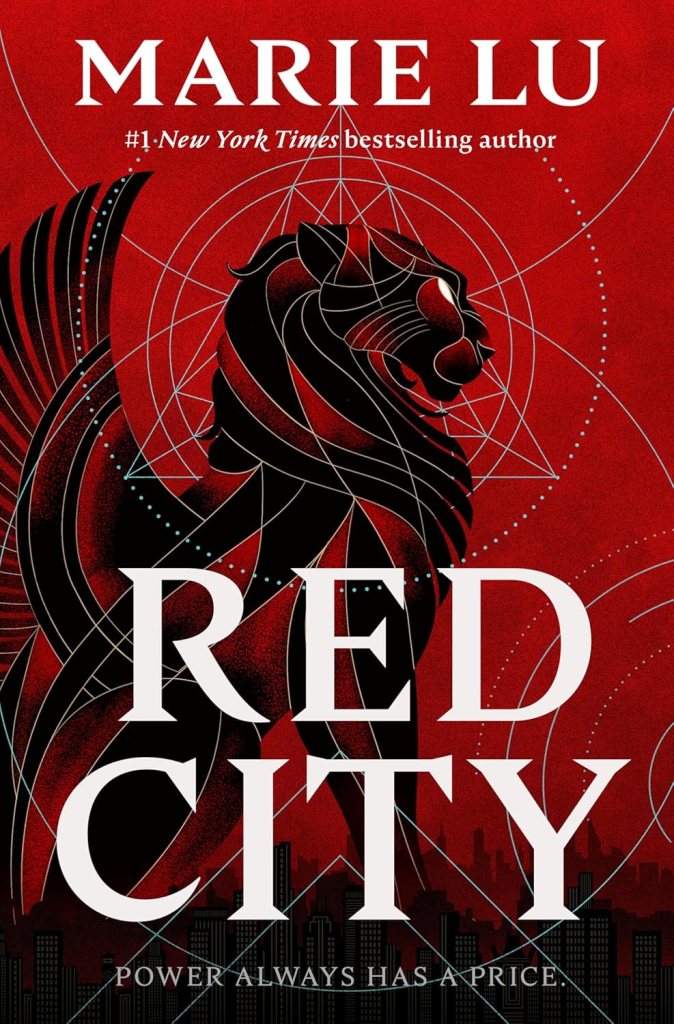
Red City – Marie Lu“It goes dark, it goes darker still/Please stay/But I watch you like I’m made of stone/As you walk away…”

“Where the Road Goes Down from Two Lanes to One” – Julie Doiron, Michael Feuerstack, Land of Talk, & Dany Placard

I just put Julie Doiron on the graphic since she’s the main artist on this song, but I wanted to credit the rest here. I just don’t think I could fit everybody else in the tiny text in that tiny little rectangle, and I’m not about to give anybody eyestrain.

I found out about this soothing song through Black Belt Eagle Scout, who played several shows with Julie Doiron earlier this month. (Happy to see that they’re well enough to play music again!!) Either way, I was immediately charmed by the nostalgic calmness of this song; it’s a six-minute, lazy stroll down memory lane, buoyed by a series of multilayered harmonies. As Doiron strings together a series of vignettes about crushes on boys and late-night driving, she gives them the feeling of blurry, sun-bleached photos with the edges curled up from wear. Towards the end, as all four of their voices fall artfully out of sync, repeating “Can you say it how I remember/Will you say it how I remember/Can you sing it how I remember/Will you sing it how I remember?”, it brings into sound the feeling of memories tangling together in your mind, timelines hazy and blurred, but just as pleasant as they were in the moment.

…AND A BOOK TO GO WITH IT:

Amelia, If Only – Becky Albertalli“Get in the van, we’re late for a show/Still got four more hours to go/Road maps, glovebox, no phone/I need to pull over, I wanna call home…”

Since this post consists entirely of songs, consider all of them to be today’s song.

That’s it for this week’s Sunday Songs! Have a wonderful rest of your day, and take care of yourselves!

Posted in Book Review Tuesday

Book Review Tuesday (10/28/25) – Red City

Happy Tuesday, bibliophiles!

It’s safe to say that I’ve grown up with Marie Lu in my formative years. Sure, her quality has wavered on occasion, but she’s been such a consistently talented writer and a consistent presence in my life since I was about 13 or 14. When I heard she was writing her first adult book, I was over the moon—and I’m glad to say that I devoured Red City just like I devoured her other books as a pre-teen.

Enjoy this week’s review!

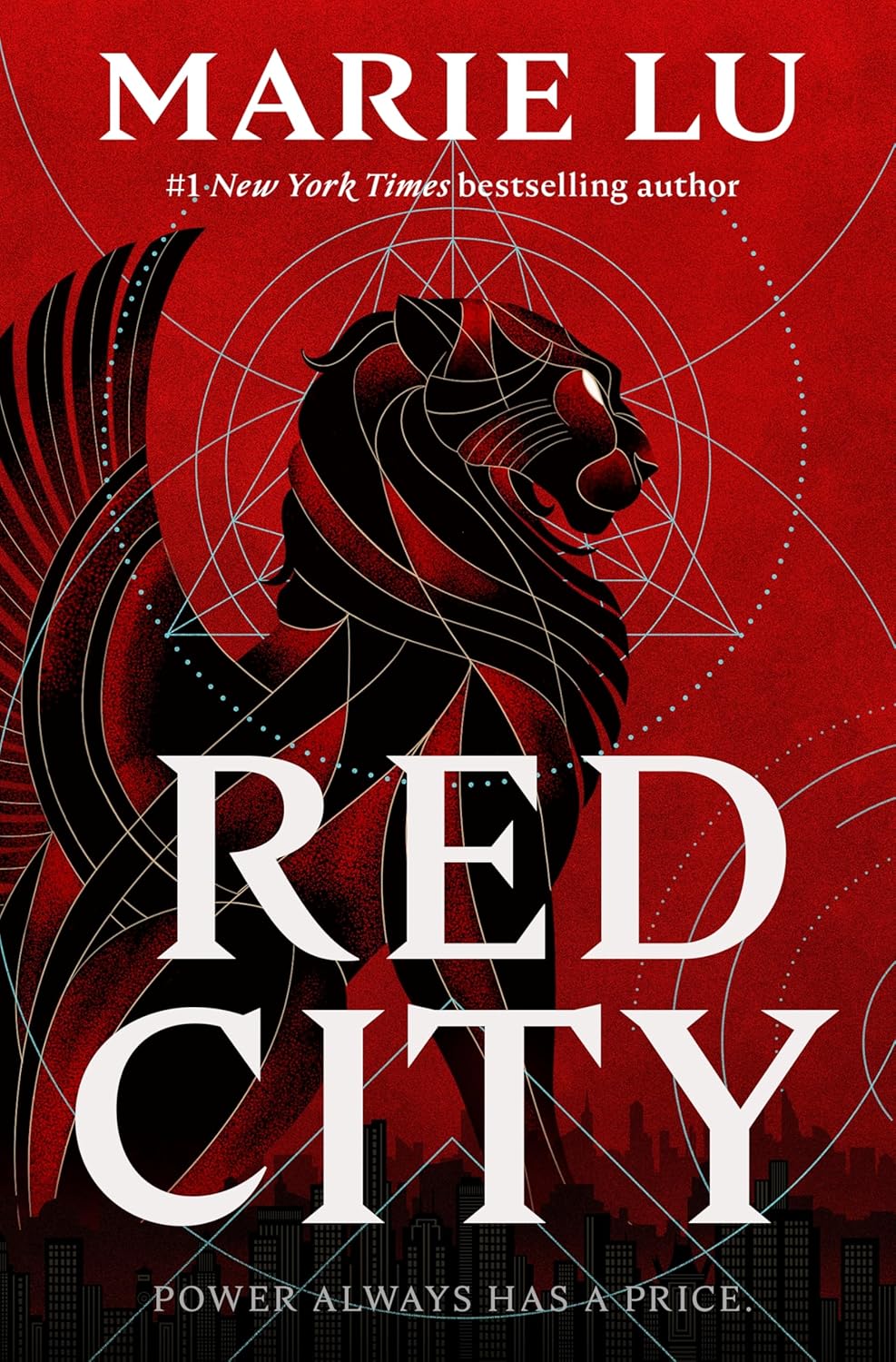
Red City (The New Alchemists, #1) – Marie Lu

In Angel City, Alchemy is the backbone of the wealthy. Those who are knowledgeable in the art of alchemical transformation can perform acts once thought impossible, both through the study of magic and the consumption of sand, a drug that makes the user more perfect—at a deadly price. For Sam and Ari, childhood friends caught on the opposite sides of the criminal syndicates of Angel City, this price is one that will bring them everything that they ever wished for. But will the rift deepening between them ever be breached—and what is the price of the enmity they’ve sown between each other in their quests for power?

TW/CW: substance abuse (fantasy), torture, violence, sexual content, loss of loved ones, child abuse

Marie Lu slipping in a reference to Nannerl Mozart whenever it’s humanly possible:

I’ve been on the Marie Lu train beginning with Warcross all the way back when I was 13 or 14, and I’ve been hooked ever since. Has she had her lower points? Sure, but it’s overshadowed by her consistency overall. Even her weaker books have still been loads of fun. It feels like a wonderful, full circle moment to be reading her adult debut now, here in my twenties and nearly finished with college. Thankfully, it did not disappoint.

First off, I think Lu’s really onto something with this alchemy-based magic system…I’m fully invested in this world! A lot of what I know about alchemy (chiefly from my amazing dad, who’s taught whole classes about this—shoutout to him!) is all about transformation—not just with the kind of alchemy that was done in ancient times with physical objects and elements, but of self-transformation, whether to reach a lofty goal of immortality or of general spiritual betterment or being closer to the divine. In Red City, the premise hinges around this quality of alchemy being perverted; you can physically perform transformation-based magic of several types, but the alchemical transformation is aided by a drug called sand. Of course, in the hands of criminal syndicates around the world, it becomes a tool to become more “perfect.” Leave it to the mafia to ruin alchemy. (New elevator pitch for Red City just dropped?)

On that subject, I really like that use of alchemy as a way to critique our societal concept of perfection. Self-transformation can be an incredibly powerful thing, when you’re putting in the work to become a better, kinder, smarter, etc. person. But when the urge to become perfect consumes you to the point of becoming a shell of your former self, it eats you up from the inside. Sam and Ari both fall prey to this, and it destroys them both. Lu always has a knack for using her fantasy and sci-fi worlds to critique parts of society, whether it was the examination of otherness and marginalization in The Young Elites or the sidelining of women’s stories in The Kingdom of Back. Using the negative potentials of transformational, alchemy-based magic to critique our society’s tendency to glamorize a destructive kind of false perfection.

So of course, by virtue of this story being about wealthy people doing horrible things to stay perfect and powerful, of course it’s set in Los Angeles. (Cue “Los Ageless” by St. Vincent. There ya go, past Madeline.) Well, not really Los Angeles. This is an alternate world that Red City is set in, and the scene is set in Angel City. But Lu took such great pains to make the worldbuilding as airtight as possible, which I thoroughly enjoyed! I expected nothing less from her, honestly, given her track record. Peppered with everything from fictional textbooks to congressional testimonies to FDA announcements, Lu left no stone unturned when it came to finding out how alchemy magic would affect the world. Even with the real-world basis to go off of, it seemed effortless for her to integrate alchemy and have the world still feel so real. I was immersed from page one, and there wasn’t a hole to be found throughout.

Making the jump from YA to Adult is harder than a lot of authors make it seem, but Marie Lu did it with ease with Red City! I feel like a lot of authors make the switch not considering how different the characters’ voices and choices will be, even with an age difference of only 5-10 years from the teenagers were once writing. I’ve read quite a few adult books from normally YA authors where the protagonists still read like teenagers. Lu made it look easy. It’s much more mature for sure, but never strays into edgelord torturefest territory either just to seem more “adult”; the violence, complexity, and sexual content are dialed up, but in a way that felt realistic for the characters, their circumstances, and the stakes. (And for the record, the way she wrote sex scenes was effortless and never got cringy, thank goodness! If I remember correctly, The Midnight Star got pretty steamy in some places, so I’m not surprised, but it’s worth commending.)

As always, Marie Lu’s characters are the star of the show in Red City. Man, she can craft such compelling characters! She just keeps winning!! Sam and Ari were both unlikable in some capacity, but they felt like tragic heroes to me. They were both doomed from the start (and I’m assuming they’ll get even more doomed as the series goes on…yippee!), but Lu wove them both like tapestries, and their stories hooked me from the start. My only nitpick is that Sam seemed to get disproportionately more development than Ari, but I’m assuming that’s what the mysterious book 2 is setting up. What we have now is excellent—Sam and Ari were both such compelling, tragic protagonists, and the way that their quests for power, recognition, and perfection tore them apart was nothing short of breathtaking. MARIE LU HAS DONE IT AGAIN!

All in all, a dark and dazzling addition to Marie Lu’s expansive fantasy canon that you won’t want to miss. 4.25 stars!

Red City is the first novel in the New Alchemists series, though no information has been released about its sequels or how long the series will be. Lu is also the author of many series for young adults, including the Legend series (Legend, Prodigy, Champion, and Rebel), the Warcross duology (Warcross and Wildcard), the Young Elites trilogy (The Young Elites, The Rose Society, and The Midnight Star), the Skyhunter duology (Skyhunter and Steelstriker), the Stars & Smoke duology (Stars & Smoke and Icon & Inferno), the standalone novel The Kingdom of Back, and the DC Comics tie-in Batman: Nightwalker.

Today’s song:

That’s it for this week’s Book Review Tuesday! Have a wonderful rest of your day, and take care of yourselves!

Posted in Book Review Tuesday

Book Review Tuesday (9/16/25) – Mistress of Bones

Happy Tuesday, bibliophiles!

Guess who’s back/back again…with a negative review. Oopsies.

Yeah, sorry. I feel like this always happens, and I hate that it’s happening a) right when I come back to blogging in earnest and b) at the start of Latine Heritage Month. I swear this has happened so many times. (Don’t worry! I made a whole post about so many more books by Latine authors that are actually worth a read!) But a gal’s gotta review some bad books sometimes, and remember, kids: a book’s diversity doesn’t immediately mean that there aren’t any issues with the writing.

I’ve been hearing about Mistress of Bones around the blogosphere, and the premise seemed like some classic, YA fantasy fun. I regret to inform you that I’ve once again been duped into reading a very lackluster and generic fantasy book. There’s some slack I’m willing to give this novel because it’s Maria Z. Medina’s debut, but god, I haven’t read such a hot mess in quite some time.

Enjoy this week’s review!

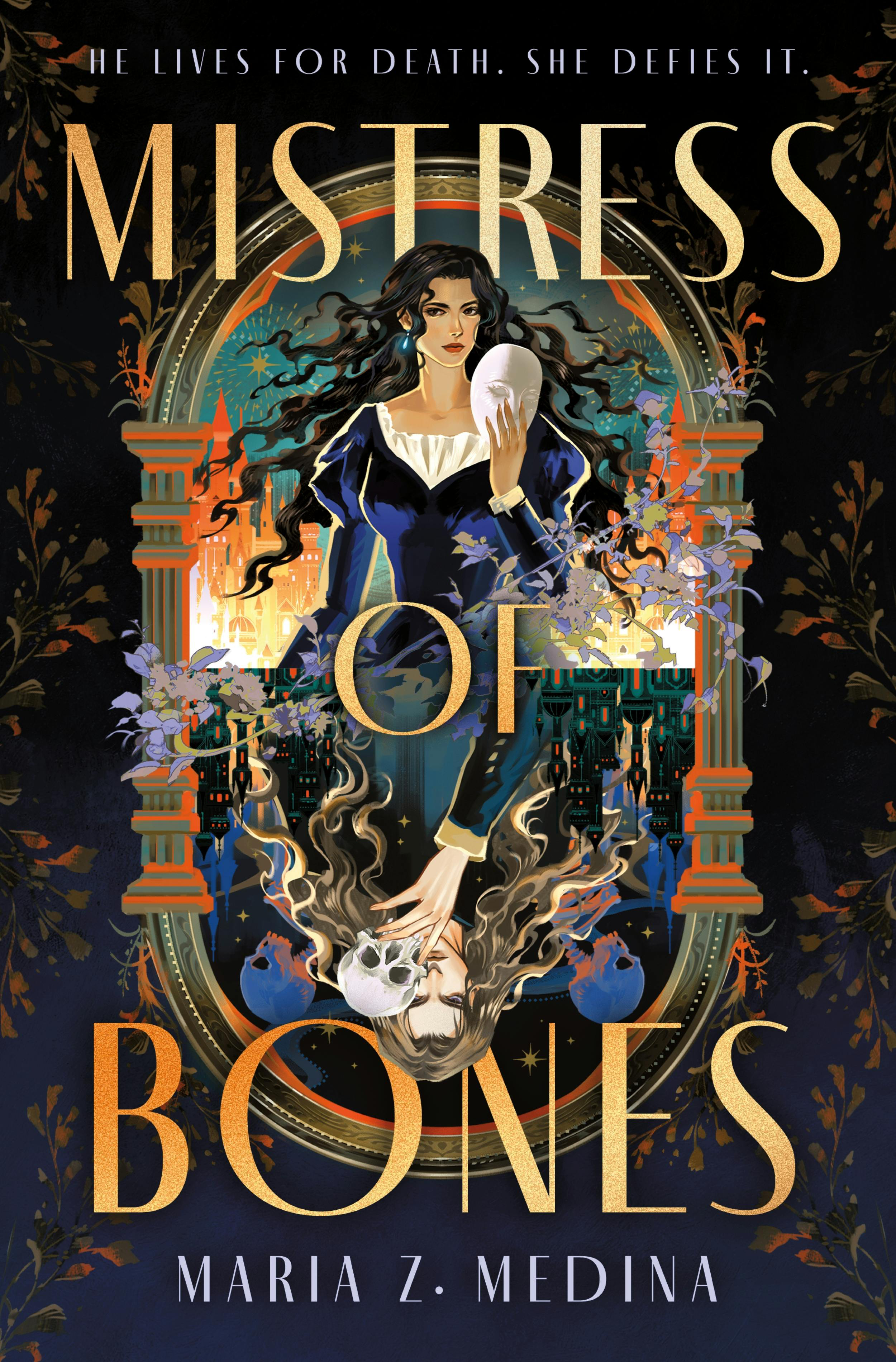
Mistress of Bones – Maria Z. Medina

Azul de Arroyo cares for little more in life than her beloved older sister, who had an early death at fourteen. But by channeling the bone magic of her people, she was able to resurrect her at a young age. But when her sister is killed again, she has no choice to journey to the capital city in order to steal back her sister’s bones and return her to life. Soon, Azul has run afoul of the Emissary of Lord Death; her escapades have not gone unnoticed, and he’s got his eye on her. The rules of Death cannot be reversed so easily, and he’ll do anything to stop her—however pulled he is to her. Dragged into a tangled web of dark magic and court intrigue, Azul must do everything in her power to bring her sister back—even at the cost of the world.

TW/CW: animal death, loss of loved ones, violence, gore, murder

DNF at about 60%. I just couldn’t take it. I really tried to make it through this one, but at a certain point, I realized just how fleeting life is, and wanted to spend that life with something other than this novel.

Listen. There’s a certain amount of slack I’m willing to give a novel like this based on a) the fact that it’s a debut novel, and b) how hard it is to get published as a marginalized author. Every novel is, to some extent, a labor of love, and I’m sure this was the truth for Mistress of Bones. I don’t mean to discount the work of Medina and anybody else involved. But god, this was a MESS. Labor of love as writing always is, this needed at least two more rounds of editing. At LEAST.

The problem with the setup of Mistress of Bones wasn’t that it had a nonlinear timeline. I don’t even know if I would call it nonlinear, but there aren’t adequate words to describe…quite what the situation with this novel is. It’s less nonlinear and more just thousands of flashbacks in a trenchcoat posing as a novel. I didn’t mind them in the prologue, and in fact, I did actually enjoy the way the prologue set up the narrative and the tone of the story. It was appropriately spooky and it set up Azul’s character nicely—it got the job done. However, this novel ended up being 50% flashbacks. Mind you, they weren’t just to the same period as the prologue, but jumping to entirely random years in the past. None of it made any logical sense, and not even in a convoluted way—it wasn’t complex, the plot points were just scattered every which way. At that point, if that much of your plot is propped up by taking random detours into the past, there’s something desperately wrong with the plot. Take the flashbacks away, and the plot was just the writing equivalent of a pile of crumpled-up tissues on the ground.

I’m usually one for bombastic dialogue; in fact, I’d like to think that I have a good tolerance, given the steady diet of classic sci-fi novels and ’80s X-Men comics I consumed when I was in high school. If done right, campy dialogue can enhance the atmosphere and the writing style in many ways. But Mistress of Bones missed the mark by miles. The key to its downfall was how self-serious it all was. Once again: I still read a good amount of YA, and there’s a certain amount of drama that you’ve got to accept from the get-go. But Medina constantly had teenagers exclaiming “Bah!” like Romantic English poets and then spouting off the corniest lines of dialogue known to man without an inch of self-awareness. (Thomas Thorne-core, and I don’t mean that in a good way. iykyk.) It was just so self-serious that it defeated the purpose of amping up the drama. What’s more is that all of the characters had the exact same voice. I expected it to be just reserved for the spooky edgelord male YA love interest, but no…they were ALL involved in this. If you’re aiming for drama, you at least have to do it right.

Speaking of the characters…they were also woefully mishandled. I’m wise enough in my older years (read: my early twenties) to know that hardly any YA fantasy book marketed with a Six of Crows comparison delivers. But this was a special kind of mismarketing. First off, only Azul, the Emissary, and Nereida really got any page time. There were a handful of other purportedly important characters skittering about somewhere, but they got so little page time that I lost interest in them and their minimal sway over the plot. Not only that, but even between the main characters, they all had virtually the same voice. They all had that pompous, overly self-serious tone that I spoke about earlier, but there was almost zero variation between any of them. You mean to say that a witch, the emissary of death himself, and a seventeen year old girl would have the exact same speaking voice? It’s almost like they were indistinguishable from each other on purpose—I can’t think of any other explanation for the breadth of how far this hot mess spreads.

Beneath it all, I can’t really say that there was much about Mistress of Bones that grabbed my attention. There were a few quirks in the worldbuilding that kept me reading for a good length, but they were barely sustained. I’m always excited to see Latine-inspired worlds and cultures in genre fiction, but it barely extended past the Spanish-inspired names. I was intrigued by the whole concept of the floating continents and the gods that mandated this seismic shift, but it barely seemed to have any bearing on the plot or the characters. The Emissary of Death should’ve had significant sway over the plot and over Azul’s actions, but the title only served to give him more edgelord love interest points. Looking back, I think this issue boils down most of my problems with Mistress of Bones as a whole: it was all setup with no payoff. We were promised a multilayered, multi-POV fantasy with romance and intrigue, and we only got the bones of those things (no pun intended). It was all skeleton, with no skin or muscle tissue to make the novel into something that could function on its own.

All in all, a novel full of messy, undelivered promises masquerading as a plot. 1.5 stars.

Mistress of Bones is Maria Z. Medina’s debut novel and the first novel in the Mistress of Bones duology; no information is currently available about the sequel.

Today’s song:

GORILLAZ AND SPARKS, THIS IS NOT A DRILL

That’s it for this week’s Book Review Tuesday! Have a wonderful rest of your day, and take care of yourselves!

Posted in Sunday Songs

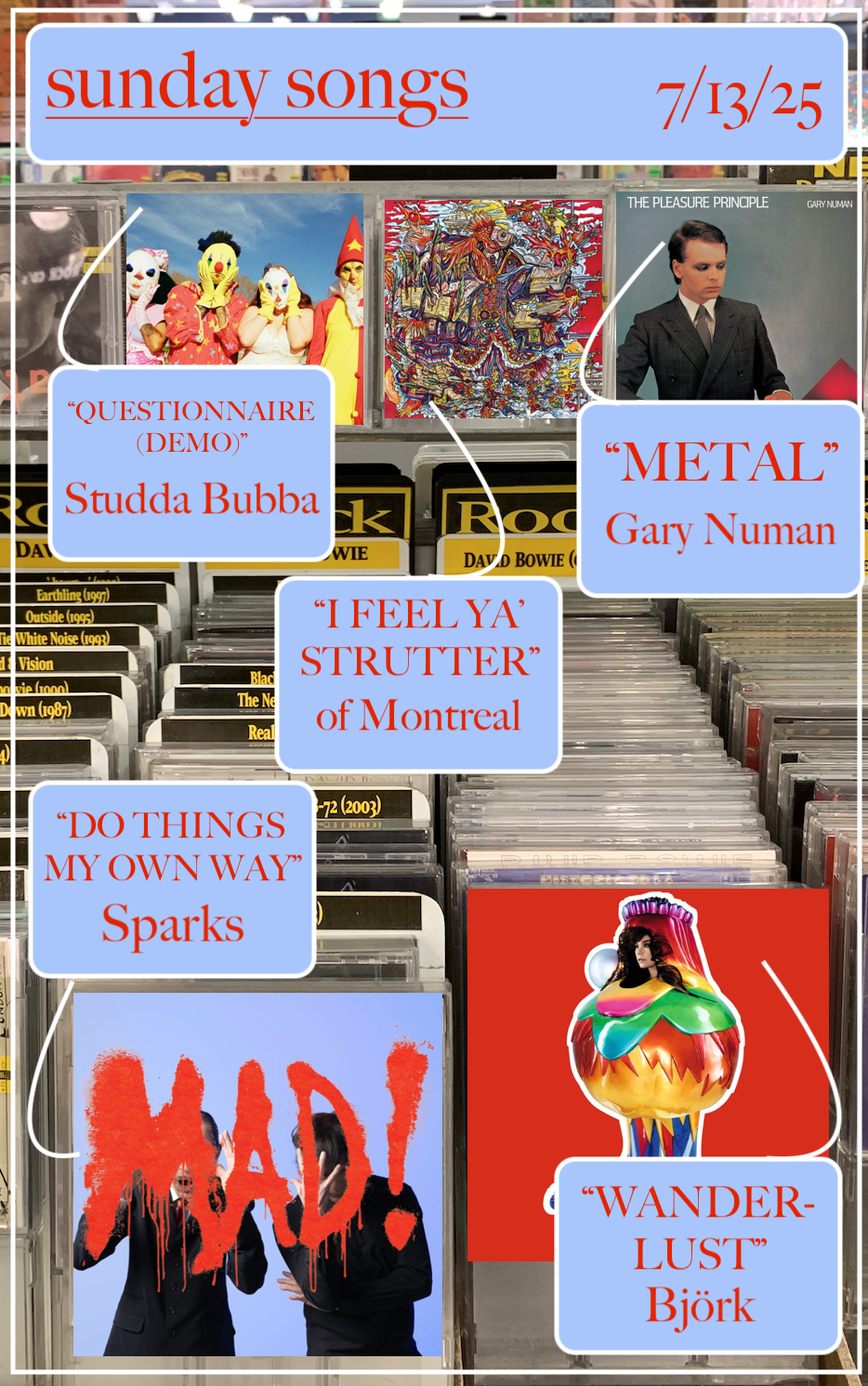
Sunday Songs: 7/13/25

Happy Sunday, bibliophiles! I hope this week has treated you well.

This week: it’s always the theme of this blog, but I feel like this roundup is a celebration of weirdos who are unafraid to express themselves in wild, creative ways. (Why yes, I am talking about Björk again, how did you guess?)

Enjoy this week’s review!

SUNDAY SONGS: 7/13/25

“Do Things My Own Way” – Sparks

I aspire to be like Sparks. I’m not even a die-hard fan or anything, but they just seem so aspirational in what they’ve done with their long, creative career. They’ve recently come out with their 26th (!!!) album at ages 79 (Ron) and 76 (Russell), and by all accounts, they’ve continued on their decades-long streak of doing nothing but their own thing. They haven’t achieved super mainstream fame, but the brothers have been producing their own brand of creativity, drawing from what seems to be their own never-ending well and the well of the present. Just look at their episode of What’s In My Bag? I seriously haven’t seen an episode of these with such a wide and diverse range of music, from K-Pop to John Coltrane to Kate Bush. They don’t seem to be stuck in the past—their personal brand of weirdness has just evolved over the decades.

At this point in their career, “Do Things My Own Way” feels like a statement of purpose from them, a propulsive anthem of confidence and being authentically yourself. Standing firm in its defiance, the track strides forward without a care for anyone or anything—nothing will shake the Mael brothers in their creativity. Anyone who’s in the way of them doing their thing is getting pushed out of the way—they’re not answering to anyone anymore. But even in that confidence, they acknowledge the rocky road that staying committed to yourself brings: “My advice, no advice/Gonna do things my own way/Roll the dice, roll the dice/Gonna do things my own way.” It’s always a gamble—there will always be people who look down at art like this as commercially inviable or not worth making. But as Sparks’ career has shown, it’s a risk worth taking. “Anywhere, anytime/Gonna do things my own way/I don’t care, I don’t care/Gonna do things my own way.” Another fantastic weirdo anthem for the books—thank you, Ron and Russell.

…AND A BOOK TO GO WITH IT:

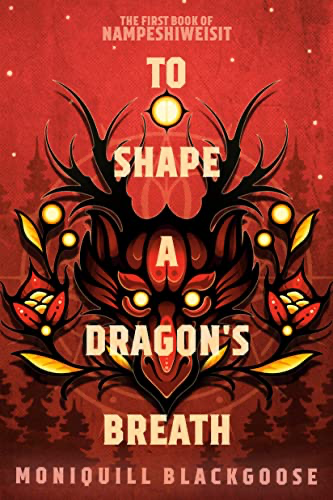
To Shape a Dragon’s Breath – Moniquill Blackgoose“My advice, no advice/Gonna do things my own way/Roll the dice, roll the dice/Gonna do things my own way…”

“Wanderlust” – Björk

The Björk deep dive continues…although this is about two weeks after I actually listened to the album, owing to the color palette rules I’ve imposed on myself. Both Volta and Medulla seem to spar in the Björk fandom for one of her least-liked albums, and every time I remember that, I’m baffled. I guess Timbaland’s more pop-sounding production isn’t for everyone, but if this is pop (yeah yeah), then this is the most bizarre pop I’ve ever listened to. Recorded during Björk’s time spent on a houseboat with her family, there’s a stark juxtaposition of the natural with the mechanical. It works both as a sonic tool and as political statement, given this album’s threads of anti-war (“Earth Intruders”) and anti-imperialism (“Declare Independence”) sentiments. It’s so delicious to me as a musical statement; even though she’s spent her whole career melding electronic music with nature, she’s turned it into a strong statement that war and colonialism are invasive and fundamentally against nature. God, I love Björk. I can’t believe I’m the kind of person who would unironically say “erm, ackshually, the foghorn noises contribute immensely to the album’s narrative,” BUT THEY DO. THEY’RE LIVE RECORDINGS OF WHEN SHE WAS ON THE HOUSEBOAT!! GUYS!!

Björk has called “Wanderlust” the heart of Volta, and it’s easy to see why. In a fairytale kind of way, it streamlines her statement of purpose, both in her personal life and in her musical career. Even though “Earth Intruders” is the first track on the album, “Wanderlust” tells its story: “I am leaving this harbor, giving urban a farewell/Its habitants seem too keen on god, I cannot stomach their rights and wrongs/I have lost my origin and I don’t want to find it again/Whether sailing into nature’s laws and be held by ocean’s paws.” I don’t blame her, especially since the move was prompted by living in New York with her family during the Bush administration. But after she breaks free, she revels in exploration and cliff-diving into the unknown, relishing in the act of discovery and intrepid daring. It’s an unabashed ode to not just stepping, but full-on leaping out of your comfort zone and being unafraid to dive headlong into the new and strange.

I originally saw the music video back in May during the Alamo Drafthouse’s Birth, Movies, Death for The Legend of Ochi (a very underrated fairy-tale/finding a creature film with lots of top tier critters, setpieces, and Willem Dafoe deftly proving that masculinity is a very silly construct). Isaiah Saxon co-directed it, and it might be one of my favorite of Björk’s music videos. Dressed in a Studio Ghibli-looking costume, Björk races down the river on the back of a herd of musk oxen, with fantastical scenery that accompanies her as a fabric-like torrent of water pushes her ever-forward into the unknown. After seeing The Legend of Ochi, I can say that yeah, it’s very Isaiah Saxon, but more than that, it’s so Björk. I can’t think of a better pairing for the spirit of the song.

…AND A BOOK TO GO WITH IT:

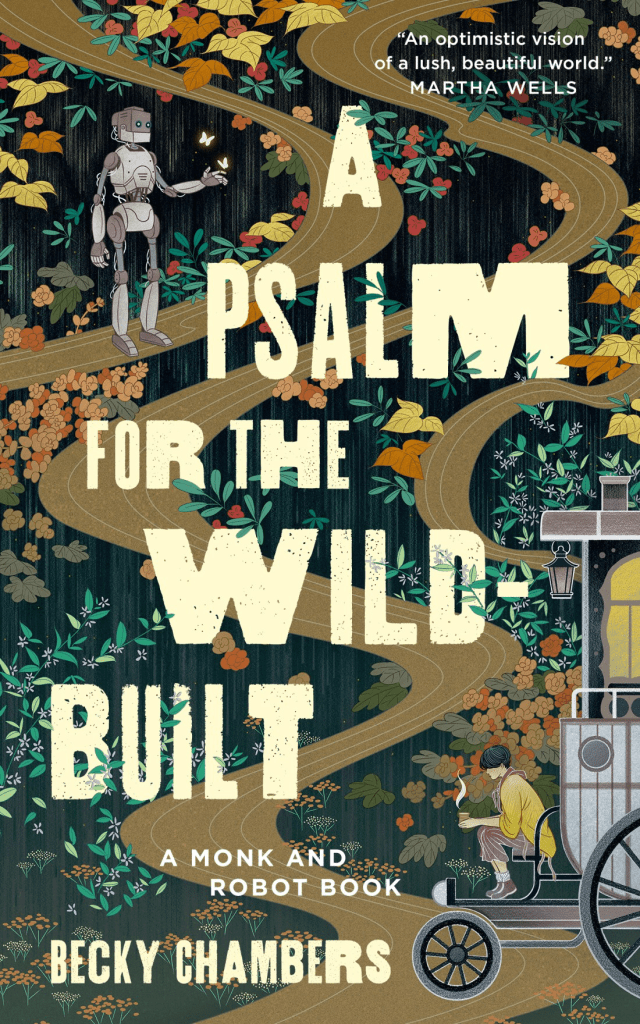
A Psalm for the Wild-Built – Becky Chambers“I am leaving this harbor, giving urban a farewell/Its habitants seem too keen on god/I cannot stomach their rights and wrongs/I have lost my origin and I don’t want to find it again/Whether sailing into nature’s laws and be held by ocean’s paws…”

“Questionnaire (Demo)” – Studda Bubba

No, this isn’t Instagram Reels music, although in the most abstract sense…I did find it on the Instagram explore page. But listen, if my Instagram is recommending me quirky little folk songs made by a group of Indigenous, trans clowns, then shit, maybe I am giving off the right vibe to the algorithm after all. Amidst the hellscape that is social media, at least sometimes I can find spots of humor and creativity. For once, I found someone with the whimsy in their soul to center the chorus a folk song around the concept of opening up a hyper-capitalist factory and paying workers with the meager stipend of a single NFT. It’s a tender balance between their soft harmonies and the abject silliness of their lyrics (they managed to slip “you wouldn’t download a car” in), but maybe that whimsy is part of what holds the glue of whatever good is left in the rotting, festering wound that is social media. Anything to get us through all this.

…AND A BOOK TO GO WITH IT:

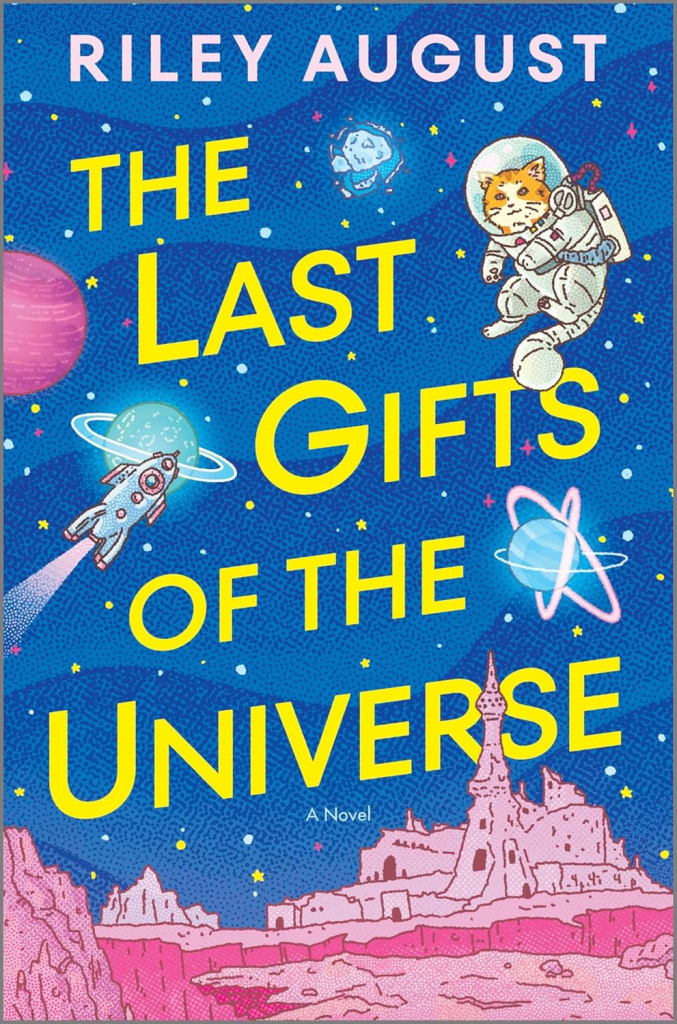
The Last Gifts of the Universe – Riley Augustsoft and tender, the kind of music I’d imagine playing in the quiet scenes with Scout and Kieran on their ship.

“I Feel Ya’ Strutter” – of Montreal

A late pride month addition, but every month is pride month…especially on this blog. And there’s not a whole lot that’s gayer than a) an of Montreal song, and b) an of Montreal song that absolutely reeks of the ’80s output of both David Bowie and Prince. This is easily one of the grooviest of Montreal tracks that I’ve heard—it doesn’t have the quaint, plinking synth soundscape of something off of Hissing Fauna, Are You the Destroyer?, but instead boasts more of a slinky, guitar-driven sound. However, nothing can keep Kevin Barnes from having the most delightfully convoluted lyrics. During the verses, her rapid-fire delivery of the lyrics is almost dizzying, as though she crammed in as much as she possibly could: “I know there ain’t no one person that/Everybody else in the world hates or wants to die/Sometimes I do think it’s me/Like, I’m in a flight simulator/And I am crushing the birth of any potential memory, hey.” Like whew, take a breather! You deserve it! But it works once he pivots to the smoother tones of the chorus, where his Prince-like howl is on full display—and he works it. It’s an infectiously catchy tune that never feels to get me on my feet. Never in a million years would I think that the lyrics “We spoke of frontal lobe regression/This is not one of those” would make me shiver with antici…pation before such a wonderful breakdown. That’s the power of Kevin Barnes, right there.

…AND A BOOK TO GO WITH IT:

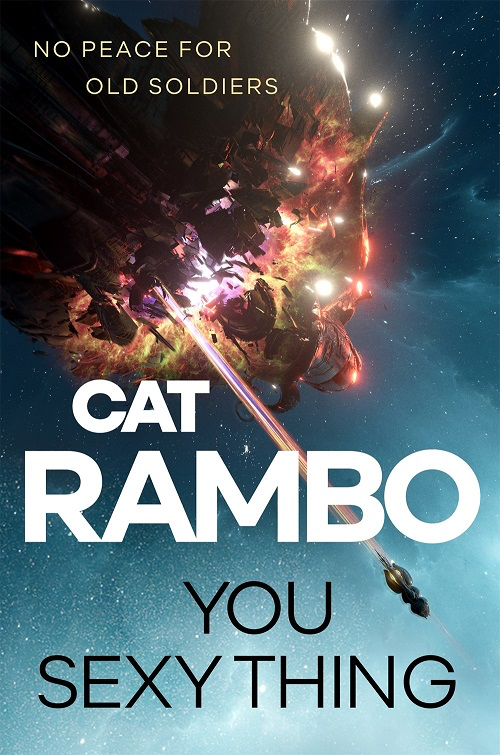
You Sexy Thing – Cat Rambo’70s/’80s music homage, passion, queerness…all in space.

“Metal” – Gary Numan

Happy Disability Pride Month, and remember, kids: you wouldn’t have synth pop as we know it without autism.

It’s often a negative trope to view certain autistic people as like robots; the comparison has long been used to dehumanize those who simply have trouble interacting with neurotypical society, equating a flat affect or a lack of outward emotion to being outright heartless. But if there’s anyone in pop culture who’s turned this on its head and embraced it, it’s Gary Numan. A key figure in new wave music and one of the pioneers of what we now know as synth-pop, Numan often used metaphors of machinery, robots, and androids to relate to his own experience growing up autistic. My sci-fi brain immediately latches onto the lyrics—it’s all a very classic, Do Androids Dream of Electric Sheep? story of a robot being created in a strange factory by ominous “liquid engineers” who tries to assimilate to human life, but is painfully conscious of the fact that “Here inside, I like metal/Don’t you?” It’s a very abjectly dystopian world, complete with the protagonist explaining that “I need my treatment, it’s tomorrow that they send me/Singing ‘I am an American’/Do you?”

But it’s the framing of the lyrics—all questions—that stand out to me in the context of neurodivergence, and of outsiderness in general. Almost all of them end in either a question (“do you?/did you?”) or an assumption of normalcy (“like you”). The protagonist has lived its life thinking that everything that has happened to it (being grown in a factory and having a heart made of batteries) is normal, and once it interacts with the human world, it slowly realizes that its experience is not a normal human experience, fundamentally out of sync with everyone else. And yeah, they’re robots, but if this isn’t a picture-perfect summation of what it feels like to be neurodivergent, I don’t know what is. I haven’t had this experience to the extent that Numan seems to have, but it’s always such an alienating feeling to realize that the way you interact with the world is fundamentally counter to most of the other people around you. It’s taken a long time for me to realize that I’m just operating on a different code, if you will, but there’s always the lingering feeling, enforced by so many people around you, that the way you interact with the world isn’t correct. Numan’s utterance of “I could learn to be a man/Like you” feeds into that desperation that somehow there’s a way to figure out how to operate neurotypically, what the secret is that they’ve all got down and you were never told. But here Numan is today, still touring in his sixties, gaining all kinds of accolades, and embracing his own autism. Here, he’s turned the outside view of him being inhuman into a way of understanding himself and the world around him, and made an iconic brand out of it—a brand no one could replace.

…AND A BOOK TO GO WITH IT:

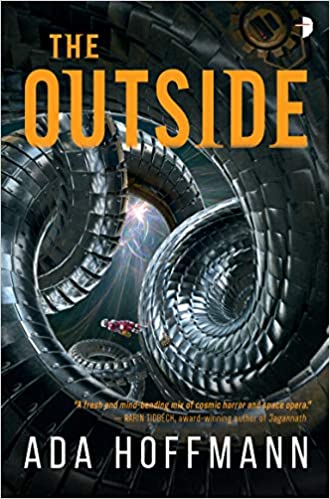
The Outside – Ada Hoffmanthough I suppose Yasira is less robot and more liquid engineer, this is a similar story of an autistic woman and her quest to put the universe to rights.

Since this posts consists entirely of songs, consider all of them to be today’s song.

That’s it for this week’s Sunday Songs! Have a wonderful rest of your day, and take care of yourselves!
Posted in Sunday Songs

Sunday Songs: 10/27/24

Happy Sunday, bibliophiles! I hope this week has treated you well.

This week: if I had a nickel for every year that I’ve had a bright green Sunday Songs color scheme right before Halloween, I’d have two nickels, which isn’t a lot, but it’s weird that it happened twice…bon appetit.

Enjoy this week’s songs!

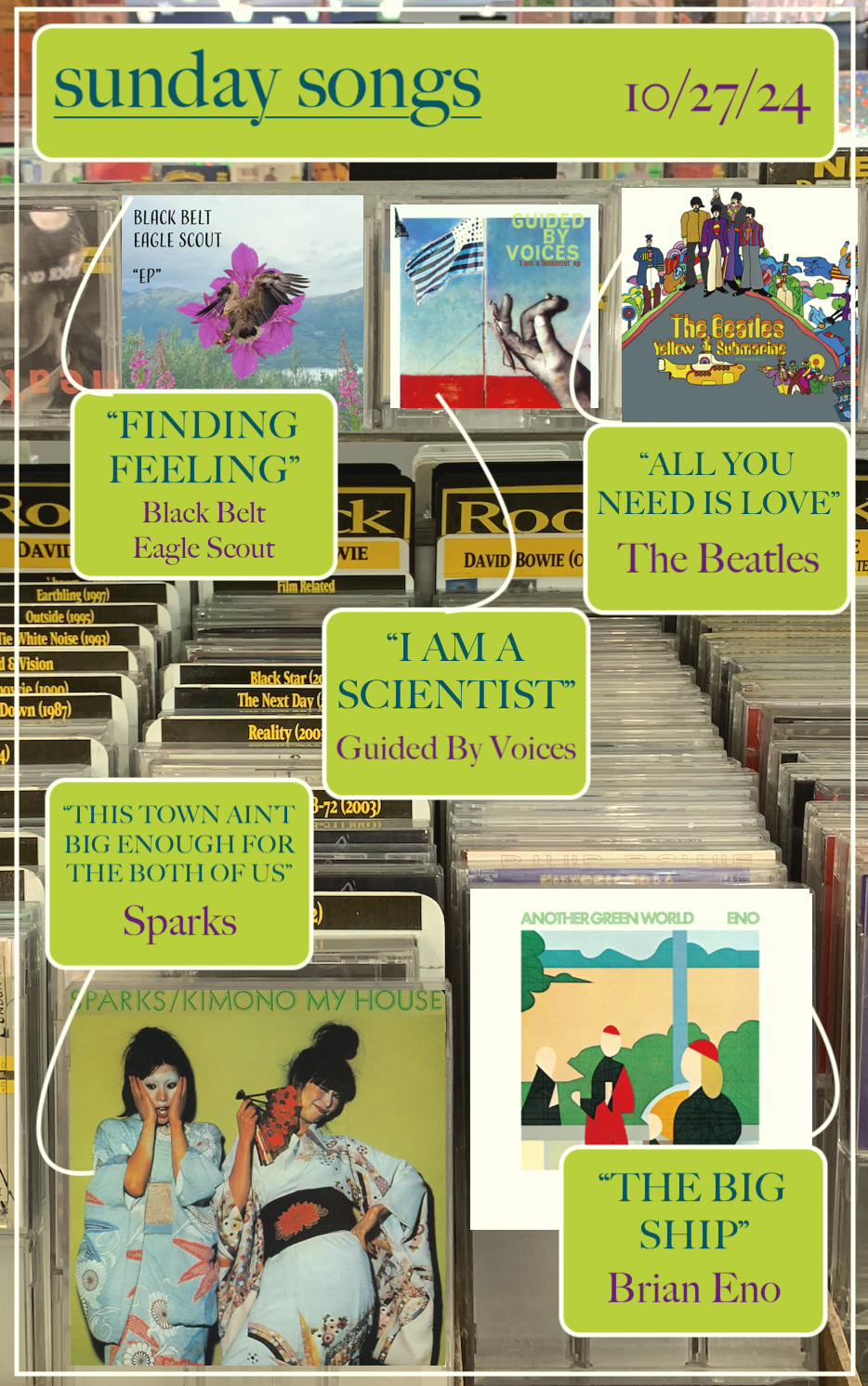
SUNDAY SONGS: 10/27/24

“This Town Ain’t Big Enough for the Both of Us” – Sparks

Because all you musicians totally want my unsolicited advice, I’ll offer it up: this is peak walk-on music. Imagine the band coming onstage the minute the drums kick in after the gunshot sound effect at 0:35. Come on.

In my glacial but nonetheless exploration of Sparks, I realized that I sort of knew this one—it’s one of their most popular and enduring songs, but I knew it from the cover that Siouxsie and the Banshees did, which should tell you all you need to know about how I was raised (read: a hipster). I think my desire for somebody to use this as walk-on music stems from just how punchily theatrical it is. It demands dynamic movement, silk, and finger guns fired into the audience of an opera house. Even though I’d place it well on the outskirts of glam (somewhere near Brian Eno ca. 1974), it walks that line between pure rock and full-face theatre. The Mael Brothers’ brand is significantly tighter than the spandex that their counterparts were (probably) wearing, but the constrained, cagey feel of it adds to the suspense, however thickly they laid it on—it certainly fits with the anecdote about the zoo animals in the first verse. Yet for the slimness of it all, they lean into how over-the-top it is. Case in point: said Wild West gunshot sound effect during the chorus. Brilliant.

Other than Siouxsie, a fair share of artists have covered “This Town Ain’t Big Enough for the Both of Us” over the years. I found out that the most recent happens to be The Last Dinner Party, who…admittedly, other than “Caesar on a TV Screen,” I haven’t exactly liked much, covered it as well, and…eh? The overwhelming vibe I got was that they were trying to go for over-the-top, but, as with…well, everything I’ve heard of theirs, they were trying way too hard. It sounds tight, but there’s hardly any fun in this. And how do you cover Sparks and not make it fun? Siouxsie and the Banshees made it their own—the flow is more dynamic and not as punctuated as the original, but it’s got that theatrical urgency that gives it the oomph that’s necessary to cover the song. The Last Dinner Party restrained themselves so much…and I hate to harsh on them, but they’re missing the whole point! The spirit of “This Town Ain’t Big Enough for the Both of Us” is to go dramatic! Go big or go home! I AIN’T GONNA LEAVE!

…AND A BOOK TO GO WITH IT:

The Good Luck Girls – Charlotte Nicole Davisanother—but very different—twist on Westerns.

“The Big Ship” – Brian Eno

me when I’m in a “making incredibly soothing but also innovative music” and my competition is Brian Eno:

Brian Eno can really do it all. He glammed up the ’70s with Roxy Music, then struck out on his own and glammed some more…and eventually came to be the person responsible for both coining and creating the genre of ambient music. He’s a master of both the lyrical and the instrumental; Another Green World contains both, but is considered by many to be part of his transition to almost exclusively making solo, instrumental ambient music. Even if he did mold the genre, however, I wouldn’t call “The Big Ship” ambient. Compared to something like “1/1,” it has an unmistakable feel of rising action, as in a novel, instead of the former’s soothing plateau. It’s unassuming at first glance, but judging from the outpouring of emotion in the YouTube comments—and its use in deeply emotional scenes from Me and Earl and the Dying Girl and The End of the Tour—”The Big Ship” is anything but. Author David Foster Wallace even said this in his posthumous novel, The Pale King:

“This song is making me feel both warm and safe, as though cocooned like a little boy that’s just been taken out of the bath and wrapped in towels that have been washed so many times they’re incredibly soft, and also at the same time feeling sad; there’s an emptiness at the center of the warmth like the way an empty church or classroom with a lots of windows through which you can only see rain in the street is sad, as though right at the center of this safe, enclosed feeling is the seed of emptiness.”

I don’t think I’ll be able to articulate anything about this song better than Wallace. I don’t think anyone ever could—he really did chip away the truth. You feel all of it. You can touch that drained eggshell’s core of emptiness, but you can see the pinprick of light made by a needle at the top. Whatever you imagine the big ship to be, the gradual rise of the song produces imagery that leads you to believe that this ship could be arriving just as well as it could be leaving. “The Big Ship” is a door ajar, but whether or not you see the light retreating or impending is entirely up to the flip of a coin.

In my mind’s eye, there’s a gargantuan, city-sized ferry, perhaps fueled by a pair of unseen wings on the hull. Like a kind knife through melted butter, it cleaves a path through a roiling sea of fog, curls of mist tracing the polished metal like child’s fingers. It moves slowly, glacially, taking its time to pave a path through the billowing clouds, into whatever lies beyond. I love the title of Another Green World, and even though I haven’t yet listened to all of it, I immediately relate to the concept of the Green World in literature; I was introduced through it by Shakespeare and A Midsummer Night’s Dream, where Athens functions as the world grounded in reality, whereas the realm of fairies, governed by magic, whimsy, and glamour, is the Greener. It is the “false” world, but also the world of innovation and real magic that we strive to create. Like a sprout, it is ripe with possibility, things yet to come to fruition. Perhaps that’s where Eno’s big ship has charted its gentle course.

…AND A BOOK TO GO WITH IT:

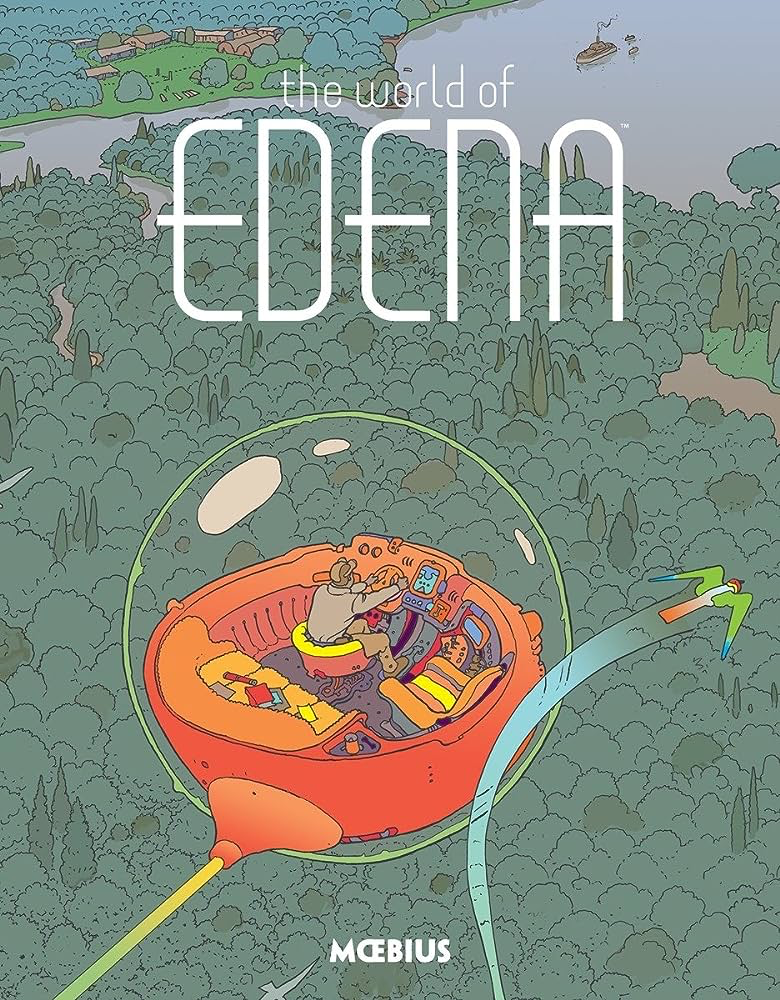
The World of Edena – Mœbiussomewhere, across temporal boundaries, I can imagine Eno and Mœbius creating art together—the latter to create the brightly-colored, simple landscape, and the former to soundtrack the gentle humming of its engines.

“Finding Feeling” – Black Belt Eagle Scout

Ten years ago, Katherine Paul self-released their debut EP on Bandcamp as Black Belt Eagle Scout. A decade later, and Paul has brought this artifact of her career to streaming, letting the world see the infancy of this project. Like Eno, it’s a soothing exercise, sculpted from handfuls of reverb and sparing percussion. Now, I can see the remnants of this sound that later permeated into their debut album, Mother of My Children; it flows as easily as water, but in those early days, they were prone to get caught up in the current and let the same phrase repeat itself for quite some time. It’s not that it’s bad by any stretch of the imagination—Paul just hadn’t hit their stride yet, and didn’t know when to whip out the cutting board to make things more succinct. (“Finding Feeling” repeats itself for the first third of the song…which is six and a half minutes long.) The lyrics lack the artistry that Paul would later learn, but time has proven that her voice has always been as crystal-clear and cooling as still water from the mouth of a glacier. “Finding Feeling” almost describes itself as you nearly get lost in the repetition, but the payoff, though long-earned, is the seed of what would become a soaring talent.

…AND A BOOK TO GO WITH IT:

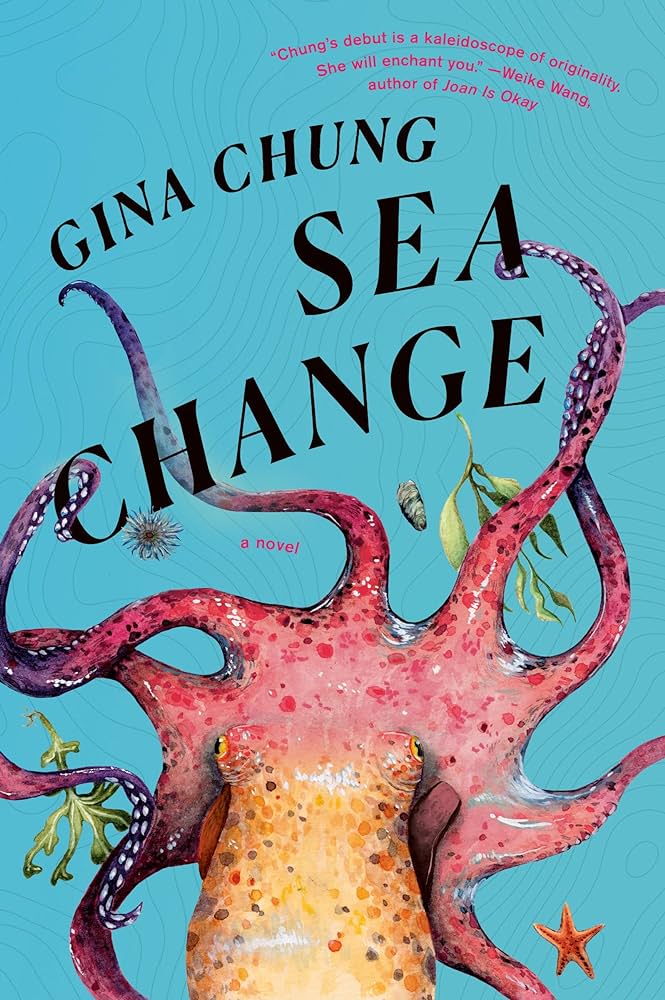
Sea Change – Gina Chung“I go home in the evening/I don’t feel a thing/I don’t know nothing/I go home in the evening/I don’t see a thing/I don’t have anything…”

“I am a Scientist” – Guided by Voices

It’s baffling that this version of “I am a Scientist”—from the 1994 I am a Scientist – EP—never made it onto the album that the original version did (Bee Thousand); the original, as good as it is, screams “demo,” muted in every way. While I’m all for the scrappy, understated recordings (see: everything Car Seat Headrest did until about 2016), the full band backing the EP version makes it into the triumphant march that it was always meant to be. And what a perfect slice of ’90s indie-rock this is—it’s Pavement from an alternate universe, one where they decided to churn out multiple albums a year for the rest of the foreseeable future. I’m no judge of how good said prolific output is, as this is one of two songs I’ve listened to, but if the talent displayed on “I am a Scientist” and the acclaim that their ’90s albums have gotten, I can only assume that said talent hasn’t dried up.

…AND A BOOK TO GO WITH IT:

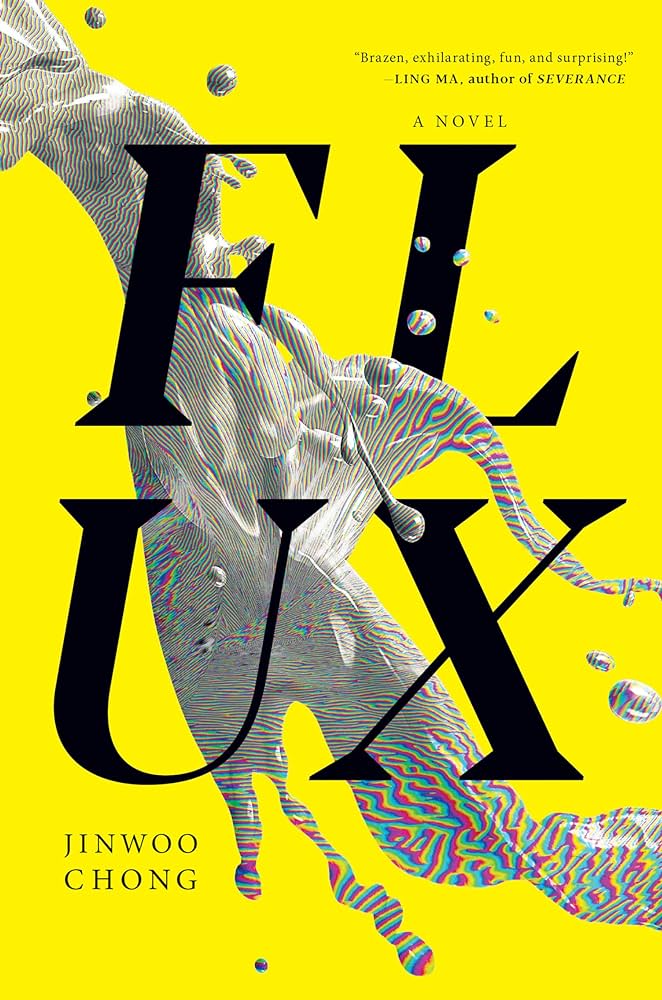
Flux – Jinwoo Chongan unraveling mystery between men, generations, television, and time travel. (Was it always successful? No, but I enjoyed enough of it. I’ll always applaud the ambition of it.)

“All You Need is Love” – The Beatles

I didn’t conceive of Sunday Songs consciously to put them on Sunday—the alliteration was just there, and it worked. But this week feels fitting that it’s on Sunday, and I’m glad I stuck this song at the end.

Here. Take a moment to breathe. We have miles and miles of anxiety ahead of us and miles and miles of horror behind us. But that is not all there is in the world. You see the spinning earth at the end of this video, animated in silence, and remember that there is love. Even if they were summoned into a studio, you can see all of the people gathered together, covered in flowers, and remember there is love. Millions of miles gives way to the possibility of endless cruelty, but if you look hard enough, you will know that our planet was never molded from just that. Whatever happens, there will always be love, and there will always be someone to embody love. Take a seat. Let the confetti brush your cheeks, let the sound lift you into the air.

All you need is love. I’ll take this into the week, I’ll keep it against my breastbone like a locket until the silver wears into my skin. Will you?

All you need is love.

…AND A BOOK TO GO WITH IT:

Since this post consists entirely of songs, consider all of them to be today’s song.

That’s it for this week’s Sunday Songs! Have a wonderful rest of your day, and take care of yourselves!

Posted in Monthly Wrap-Ups

July 2024 Wrap-Up 🌤

Happy Wednesday, bibliophiles!

Somehow July’s already over…it felt awfully fast, yet the heat made the evenings so slow…time, huh?

Let’s begin, shall we?

GENERAL THOUGHTS:

July for sure had its ups and downs; I was getting hit with the election anxiety big time at the beginning of the month…so naturally, I was overjoyed at the prospect that Biden had dropped out of the election. Comforting that my options aren’t just “old white man with dementia” and “old white man with dementia who also happens to be a felon.” (Still. No excuse to vote for the felon, folks. Harris 2024!). So my faith has been restored on that front, and I’ve ended the month on a much more hopeful note, thankfully. America remains a dumpster fire, but least there’s some light at the end of the tunnel.

I was able to read a good amount this month, though! As is with every year, I was scrambling to find more and more books with disability rep for Disability Pride Month (there’s a solid amount out there, but it’s still fairly scarce), but I ended up reading some excellent books as a result! Summer has confined me to the house for the most part, what with the miserable heat (listen, I like summer, but not 90 degree heat, let me be clear), but it’s given me plenty of time to read—and to write! I participated in Camp NaNoWriMo this month, and as of today, I reached my goal of 50,000 words a day early! I had no idea that I’d be able to pull it off a day early—I had my ups and downs as far as motivation goes, but now, I’m a little over halfway through my first draft of this novel! I’ve also had fun with my blogging this month, and I feel like I’ve written some productive reviews.

Other than that, I’ve just been drawing, playing guitar, drinking a ton of tea, watching Succession (nearly finished with season 2!), watching and re-watching several Studio Ghibli movies (technically, I saw Ponyo when I was 5, but it felt like a fever dream back then…MUCH more beautiful now!), and doing everything I can to get out of this heat.

READING AND BLOGGING:

I read 18 books this month! As with every month, there were some hits (nearly 5 stars) and misses (an unfortunate DNF…), but I especially had fun reading books for this year’s Disability Pride Month!

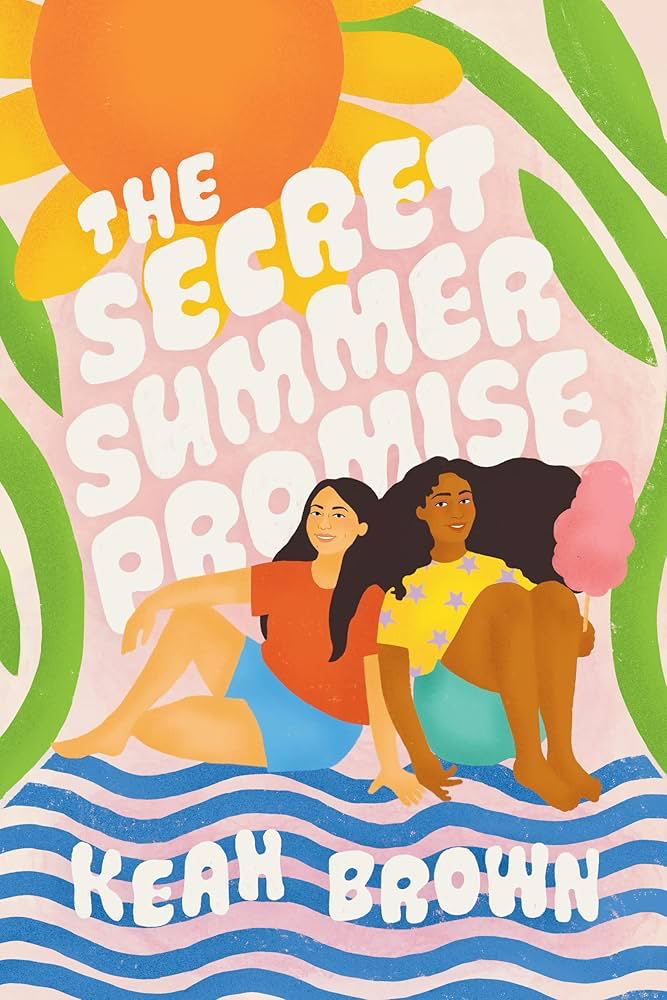
1 – 1.75 stars:

The Secret Summer Promise

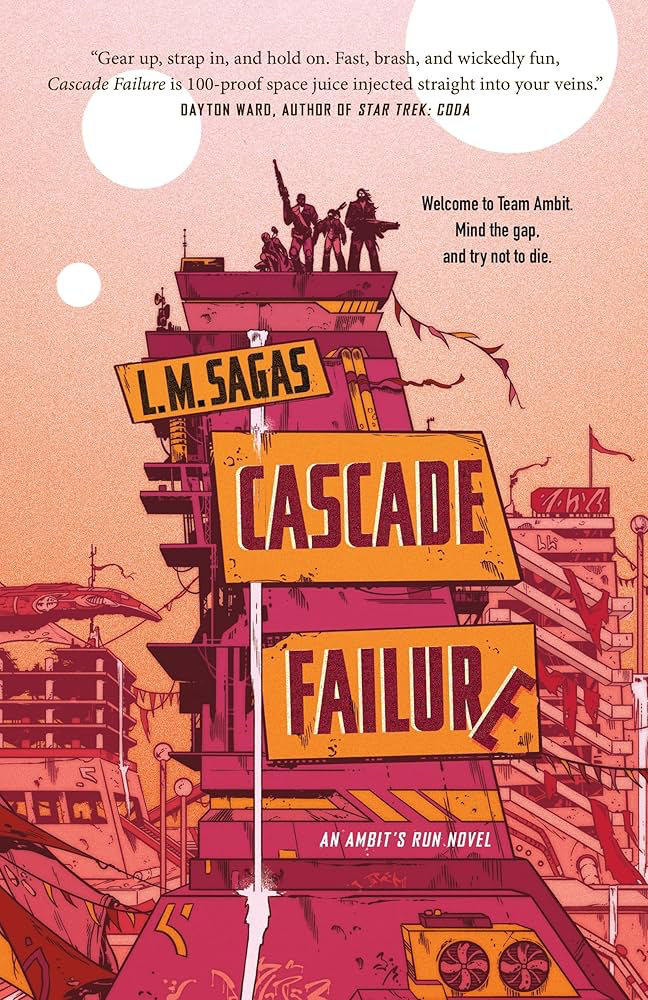
2 – 2.75 stars:

Cascade Failure

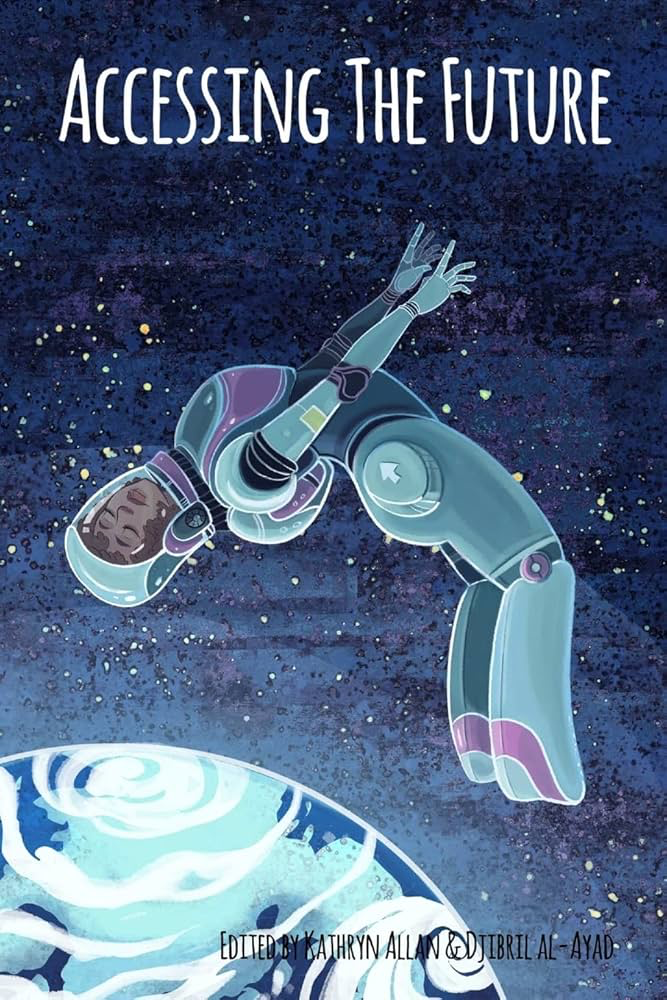
3 – 3.75 stars:

Accessing the Future

4 – 4.75 stars:

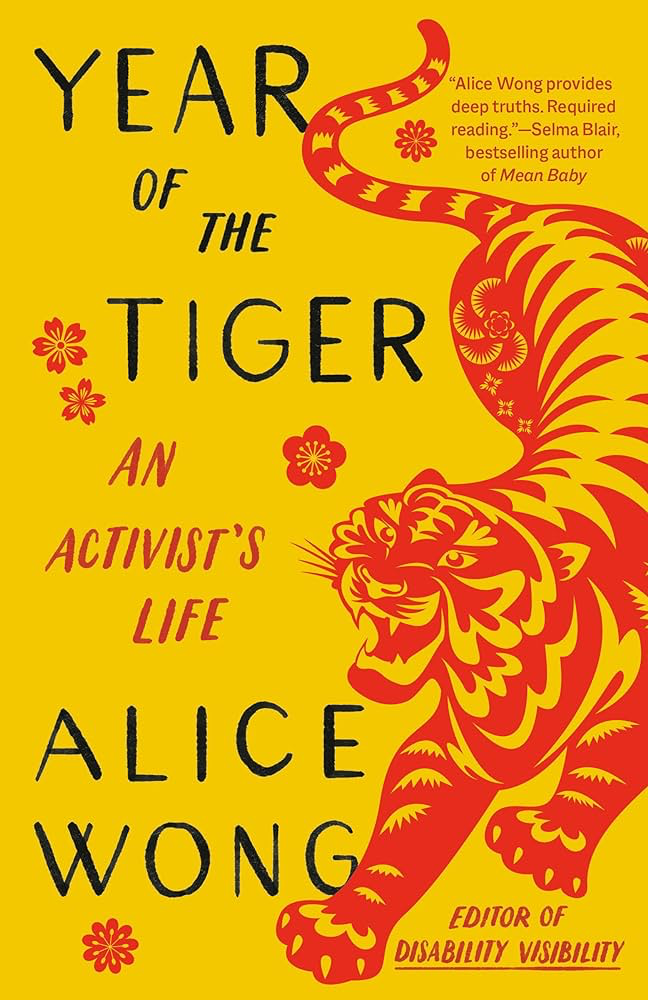
Year of the Tiger

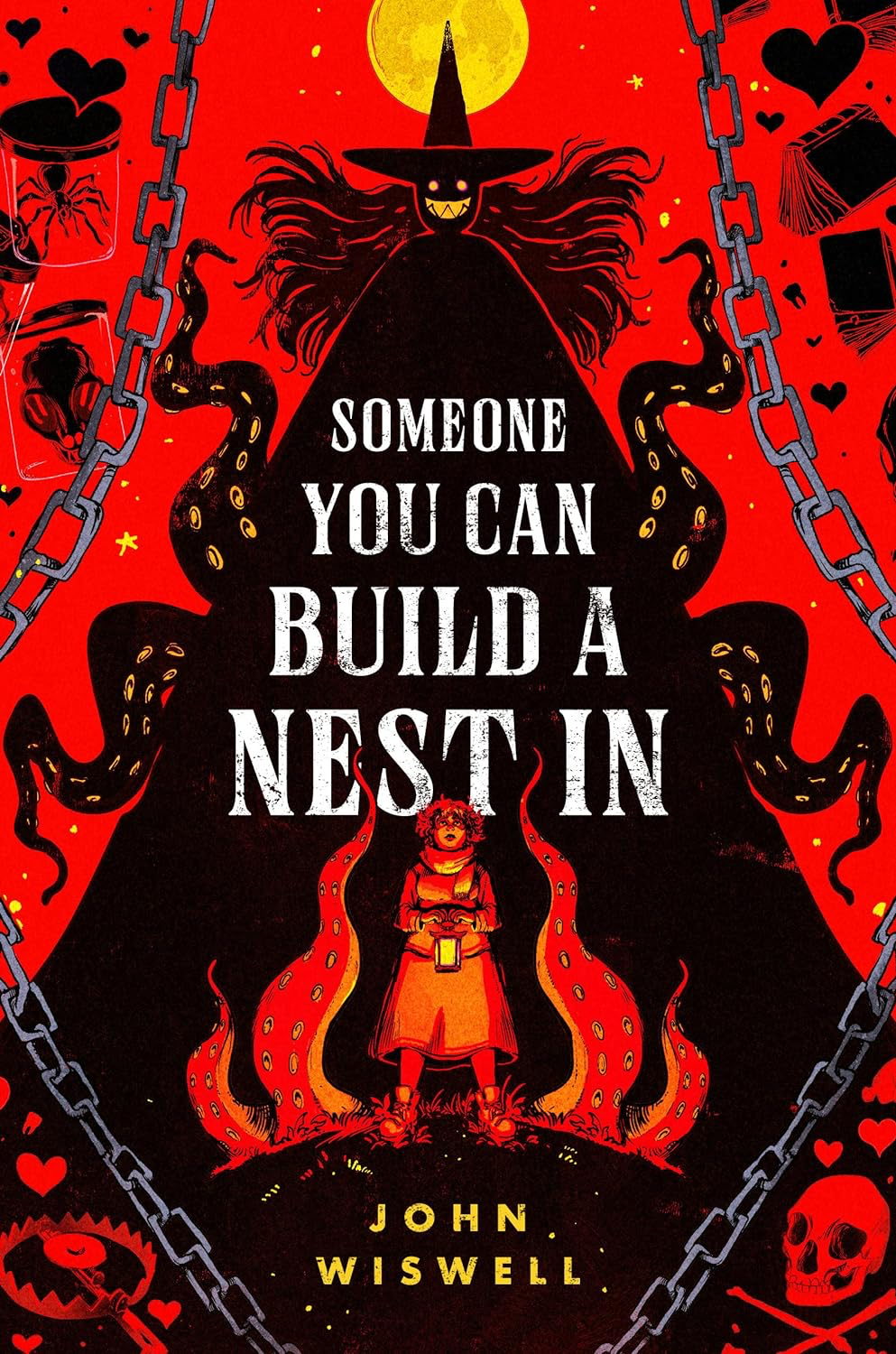
FAVORITE BOOK OF THE MONTH – Someone You Can Build a Nest In – 4.5 stars

Someone You Can Build a Nest In

POSTS I’M PROUD OF:

POSTS FROM OTHER WONDERFUL PEOPLE THAT I ENJOYED:

SONGS/ALBUMS THAT I’VE BEEN ENJOYING:

so glad I gave this album a try!
:,)
this song’s had a massive chokehold on me for at least three weeks now…
thank you to horsegirl for deerhoof and this song!!
this album is instant calm…
so glad I remembered this song… :,)

Today’s song:

RETURN OF THE SNAIL

That’s it for this month in blogging! Have a wonderful rest of your day, and take care of yourselves!
Posted in Sunday Songs

Sunday Songs: 7/21/24

Happy Sunday, bibliophiles! I hope this week has treated you well.

This week: music for pretentious weirdos (me), music for animation, and music that makes me cry on the regular.

Enjoy this week’s songs!

SUNDAY SONGS: 7/21/24

“Dirt on the Bed” – Cate Le Bon

I came into Pompeii with plenty of curiosity, having finally gotten around to listening to Cate Le Bon after hearing her work producing Wilco’s latest album, Cousin, and her vocal feature on St. Vincent’s “All Born Screaming.” Vaguely remembering the buzz and air of weirdness around Pompeii, I decided to listen to it first.

Pompeii and “Dirt on the Bed” have reminded me of why a spectacular album intro can be both a blessing and a curse. If nothing surpasses the first track, then the rest of the album can never recover—or at least reach the heights of the first song. You can enjoy yourself, but never as much as you did after one song. Just one. It’s a horrible dilemma. Pompeii was fantastic from the start, but after the first four songs, nothing’s quite the same—great, but like my experience with R.E.M.’s Green, nothing tops the back-to-back splendor of the first four songs. And that splendor is set in motion by the crawling intro, “Dirt on the Bed.” As the title suggests, it has the dread of something unclean creeping into the house, like a nun on the scent of sin in a shuttered Catholic girl’s school. An off-kilter, stumbling chorus of brass blooms in moldy bursts, an airborne sickness pulsating through each thrum of the bass. Now I know exactly why St. Vincent chose to work with Le Bon—”Dirt on the Bed” is especially evidence of this, but all I could think of during Pompeii is that it felt like St. Vincent had remained lyrically and instrumentally in Actor, but slowly adorned her music with synths. They’re so similar to each other, down to their folkier, precocious indie beginnings that blossomed into full-on devotion to strangeness. This is modern art pop at some of its best, unabashedly weird and precise in every flourish. “Dirt on the Bed” makes even more sense when you see it as a product of a pandemic-produced album; it paces listlessly, putting on a smile as it tries to scrub every trace of illness and dread from a spotless house. Even as calmly as Le Bon sings each lyric, foreboding seeps through every misty horn blast.

That’s how an album intro is done. After several more listens, I’d say that nothing comes quite as close to it, but “Dirt on the Bed,” “Moderation,” “French Boys,” and “Pompeii” is SUCH an undefeated stretch of songs. Pompeii is worth a listen just for that, as is the album’s very St. Vincent closer, “Wheel.”

…AND A BOOK TO GO WITH IT:

Drunk on All Your Strange New Words – Eddie Robson“Sound doesn’t go away/In habitual silence/It reinvents the surface/Of everything you touch…”

“Poor Song” – Yeah Yeah Yeahs

…okay, I can’t possibly be normal about this because I cry a little every time I hear it. Either way, there’s an undiluted purity about this song that makes any kind of analysis feel like ten steps in the wrong direction. It’s a paramount example of how easily beauty and simplicity can intertwine, and it cuts more deeply than some songs I know with hundreds of metaphors.

It’s very nearly perfect. Karen O tends to do that.

…AND A BOOK TO GO WITH IT:

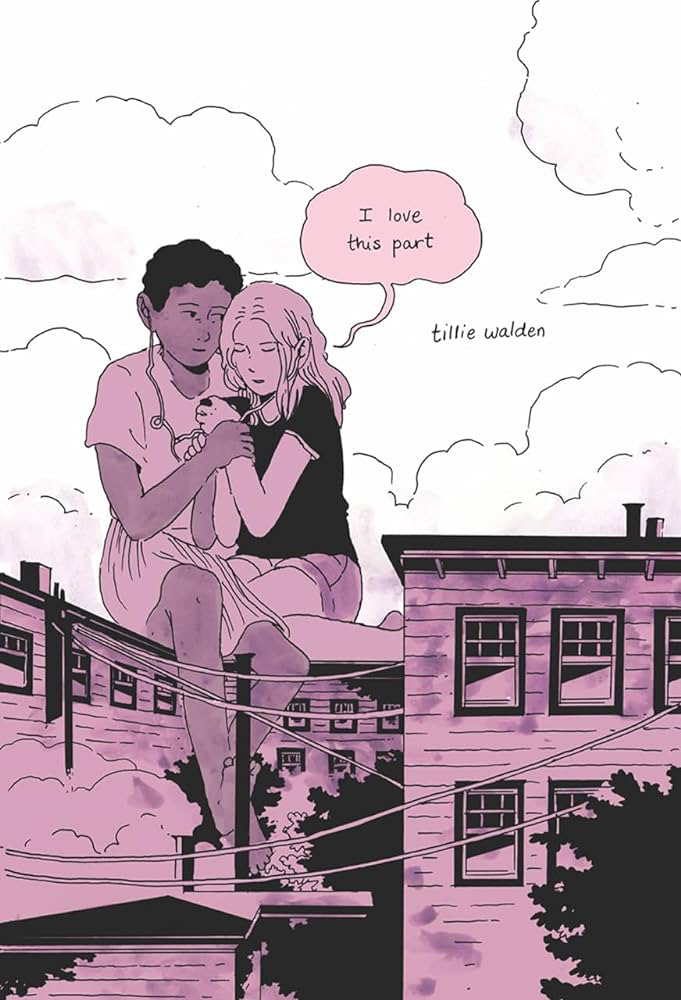
I Love This Part – Tillie Waldenquiet and gentle teenage romance.

“It’s A Wonderful Life” – Sparklehorse

One of the first times I remember hearing this song was in the car with my dad, as I come across many a good song. Looking back, since I was so young, it must have been a trip back into Sparklehorse’s catalogue shortly after Mark Linkous’ tragic passing. But as we drove home that night, the windows buffeted by snow or sleet, my dad made a wry remark about the lyrics: “he’s not feeling too good, huh?”

With every emotion comes an infinite number of ways to express it, not just confined to song. There’s the kind of songwriting that outright says that you’re sad, while others cloak it in metaphor. Neither is better than the other, but what Mark Linkous did feels like a category all its own, albeit closer to category #2. Many of the lyrics of “It’s A Wonderful Life” (if there was ever a more sarcastic title) are nonsensical, as his lyrics often are (“I wore a rooster’s blood/When it flew like doves”), but nestled between these impenetrable tidbits, the ones that do make sense land like anvils to the gut. I’ve never heard such sadness and shame articulated in the line “I’m the dog that ate your birthday cake.” Dare I say it’s one of my favorite song lyrics ever? It’s up there, just for such an unadorned, bare line to have such an instantly devastating effect; You can picture that dog, not knowing that it’s not supposed to eat human food and not processing that there’s a child sobbing at their ruined birthday, but being able to detect the shame all the same, but never know the reason why. It cowers, but it doesn’t know why it’s feeling this way. Linkous delivers it with all of that shame, clouded in the atmospheric cage of keyboards that prickle with heat lightning.

With that kind of lyricism, it came as a massive shock that this wasn’t one of his classic pieces of melancholy. In fact, Linkous wrote it as a jab at critics who panned an image of overarching depression over his catalogue: “I got fed up with people in America thinking that my music is morose and depressing and all that. That song is like a “fuck you” to journalists, or people who are not smart enough to see what it is.” And…listen, I’m a guilty party. I still think that Sparklehorse is one of the preeminent purveyors of high-quality sad bastard music, and he had enough strife in his life to justify every tear-jerking lyric. Yet this new light makes the lyrics I thought were nonsensical fall into place. Linkous describes the rest of the song as follows: “In the end, it was more about how every day, you should pick up something, no matter how minuscule or microscopic it is, and when you go to bed, you can say I was glad that I was alive to see that. That’s really what it’s about.” Wearing rooster’s blood when it flew like doves becomes a fleeting, once-in-a-lifetime capture of lightning in a bottle, and being the only one who can ride that horse th’yonder suddenly rings out as a humbly sung badge of honor. It was never sarcastic—it’s a wonderful life. I won’t ever be able to hear “I’m the dog that ate your birthday cake” without the sadness it insinuates, so maybe I’m just as much a part of the problem as the journalists he was taking a shot at, but the main takeaway for me is how versatile of a lyricist he is—if you look closely enough, he makes the absurdities of life both tragic and humbly hopeful.

Either way you absorb “It’s A Wonderful Life,” you can’t deny how otherworldly it sounds. Even years after I first heard and subsequently clung to this song, I can only name maybe one other artist who has ever come close to sounding like this—Lisa Germano, who, whether or not the two knew of each other, has a similar modus operandi of making music that sounded like rotting wood and empty doll’s heads. Lyrically and sonically, almost nobody sounds like Sparklehorse, and I suspect it’ll take a miracle for anyone to come close.

…AND A BOOK TO GO WITH IT:

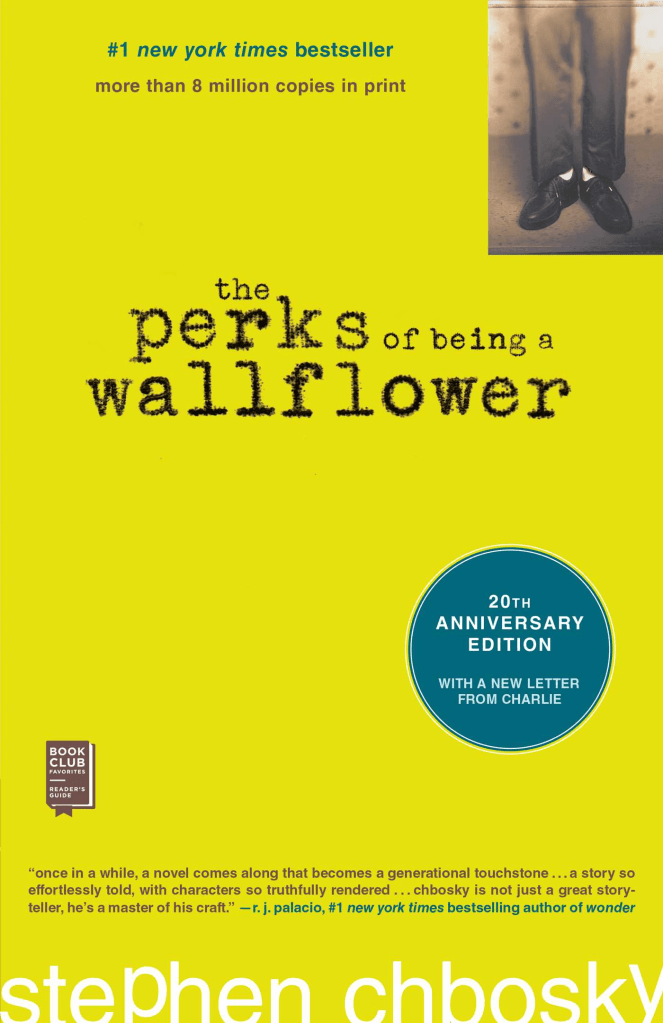
The Perks of Being a Wallflower – Stephen Chbosky Sparklehorse is no “Something,” but the crushing weight of depression and self-loathing comes across similarly.

“Girl from Germany” – Sparks

I’d heard bits and pieces of Sparks before, but like “Future Teenage Cave Artists” last week, I have Horsegirl and their episode of What’s In My Bag? to thank. Love those pretentious (affectionate) weirdos.

It seems I’ve only gotten through one strand in the massive haystack in terms of the INCREDIBLY prolific career of Sparks, which started in 1967 (under several different names) and had its most recent entry last year. Edgar Wright made a documentary about their musical exploits, and the list of artists they’ve influenced seems to span an infinite number of genres, all the way up to Horsegirl in 2023. So, having only heard two of their songs (including this one): hats off to you guys, really! Being that flagrantly weird for almost six decades is nothing short of impressive, and I can’t help but admire their musicianship in that regard.

“Girl from Germany” scratches my eternal itch for early-’70s glam rock, although it’s not all glam—it’s more glam in the sense that Brian Eno was glam at the same time, not quite like Bowie or Bolan were glam. Squeaky-clean, warm guitars as far as the eye can see and a healthy dose of theatricality cloaks this track make for a song that’s deliciously meticulous in every aspect. Russell Mael affects high-pitched vocals that wouldn’t be out of place in The Rocky Horror Picture Show while Ron Mael’s keyboard melodies glitter like light reflected off a glass of wine. And like Brian Eno, they used such a theatrical machine to touch on touchy subjects—in this case, in the climate of the early ’70s, bringing home a German girl to relatives who were mired in the horrors of World War II: “Well, the car I drive is parked outside, it’s German-made/They resent that less than the people who are German-made.” Even if every affectation is theatrical to the core, it’s still a prejudice that resurfaces today—assuming that any given person is an extension of the government and horrors of their homeland, and having to grapple with the cultural fallout of such a simple gesture of love.

…AND A BOOK TO GO WITH IT:

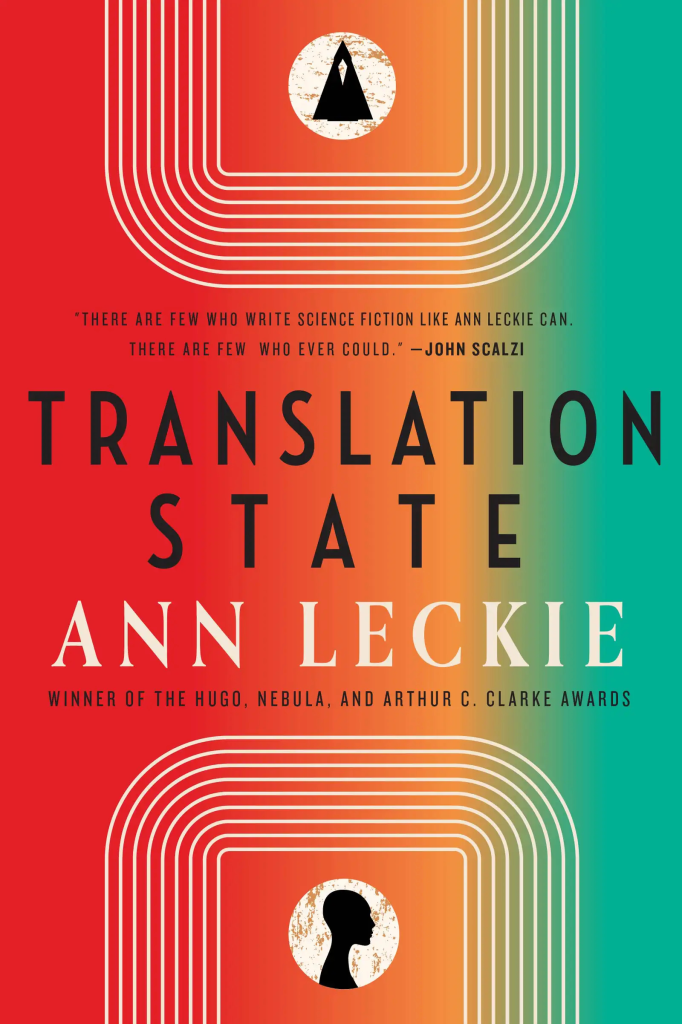
Translation State – Ann Leckie – cross-cultural confusion and characters with heart.

“Hideaway” – The Olivia Tremor Control

Having only heard one song (this one) from Black Foliage: Animation Music, I’ve already logged it into my slipshod mental list of album titles that perfectly describe the music they contain. The Olivia Tremor Control have always been masters of musical density, making soundscapes that unfold like intricate pop-up books, each layer of noise a painted paper cutout in an endless jungle. “Hideaway,” so far, is the pinnacle of that density; with each successive strain of woozy, turn-of-the-century homage to ’60s psychedelia, you’re pulled into a lush forest of plants that unfold just enough to let the tiniest slivers of light through. It’s not just the black foliage that hits the mark so fittingly—the “animation music,” as Will Cullen Hart called it, is “all the stuff floating around…To me, that’s what [animation music] is: sort-of a sound and space, personified—just flying around to greet you in a friendly way.” All at once, the xylophone chimes and trumpet blasts give “Hideaway” the feel of both the colored-pencil animations in Fantastic Planet and the bouncing characters in Schoolhouse Rock!, a papery and breathless expedition into a darkened forest of cartoonish proportions.

…AND A BOOK TO GO WITH IT:

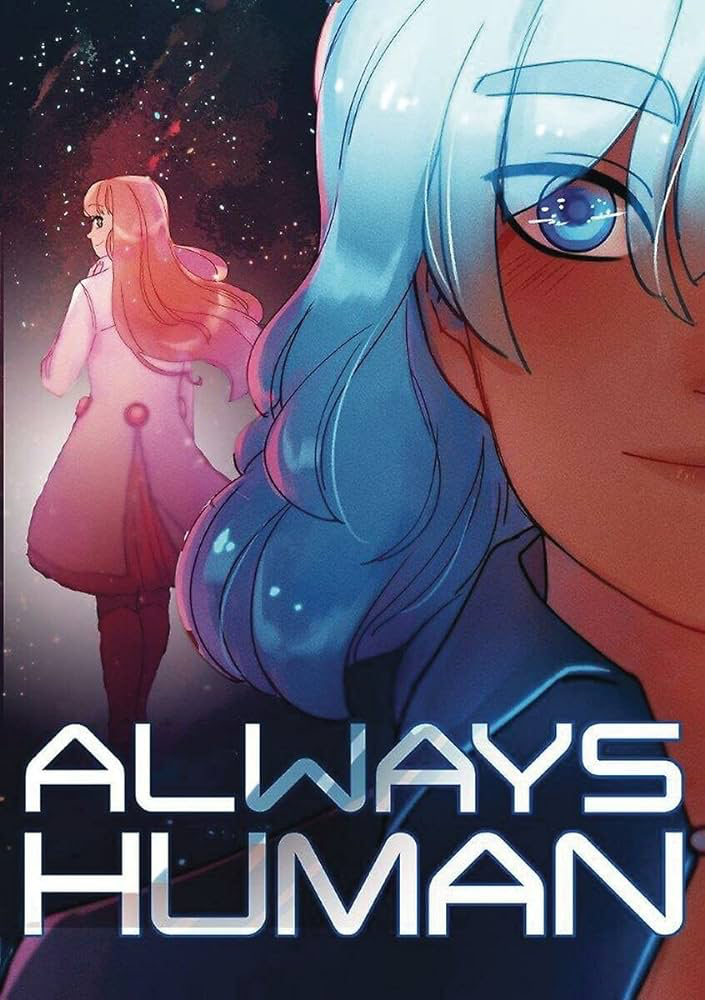
Always Human – Ari North simple, stylized art with vibrant colors—perfect for animation music.

Since this post consists entirely of songs, consider all of them to be today’s song.

That’s it for this week’s Sunday Songs! Have a wonderful rest of your day, and take care of yourselves!