Here in the U.S., March is Women’s History Month! Every year, I find myself repeating the same horrors about the attacks on women’s rights in the past five years. This year is no different, save for the fact that with Trump’s presidency, so many men have felt emboldened to let their misogyny run rampant—and our society seems to encourage it, time after time. Every year, we fight to make sure that misogyny, sexism, and rape culture become impermissible again. Though it seems like an uphill climb with no discernible light at the end of the tunnel, there will always be a constant: we will keep fighting for all women. For women of color, for immigrant women, for queer and trans women (especially trans women, because feminism wouldn’t be possible without them), for disabled women, for survivors. They keep pushing against them, so we’ll keep fighting—and keep reading. The good news is that literature is rife with heroines fighting against the system, and as long as these stories are told and spread, someone will be inspired to fight. So as with all the other year, I’ve compiled even more books of women fighting against oppression from a variety of perspectives, age ranges, and genres.
NOTE: once again, I’ve switched these posts to books for several age ranges, too lazy to change the header, etc. etc.
TELL ME WHAT YOU THINK! Have you read any of these books, and if so, what did you think of them? What are your favorite feminist books? Let me know in the comments!
Today’s song:
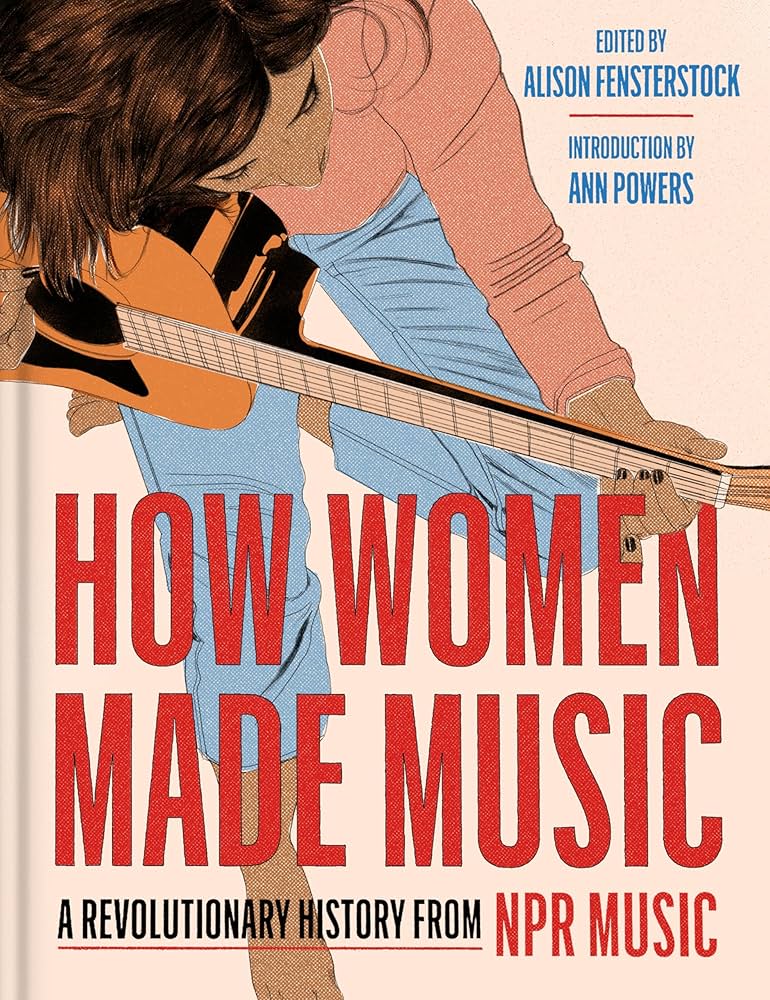
How Women Made Music brought me here…
That’s it for this year’s Women’s History Month list! Have a wonderful rest of your day, and take care of yourselves!
Happy Monday, bibliophiles…sort of. We’re in for a long four years.
It’s already been said what a slap in the face it is to have Trump sworn in on the day we normally set aside to commemorate Martin Luther King Jr., one of America’s preeminent champions of civil rights. (I’m sure the administration will find some way to spin it in their favor, the same way that Trump spun the Women’s March. Eurgh.) I’m grieving. I will continue to grieve, so long as our country is once again helmed by a tyrant who uplifts the wealthy and bigoted while the marginalized are squashed underfoot. My processing this won’t end until we get him out of office (because I refuse to believe that this is the end), and that’s okay.
But today, as with most of the activity on this blog, I’d like to talk about books.
Anyone who has even had a semblance of a pulse on the news in the last five years or so has seen the increased hateful rhetoric surrounding books—particularly those concerned with promoting diverse voices. Mass book bans have swept the country, with everything from the most innocuous picture books to critical feminist knowledge being stricken down across the board, all in the name of “protecting the children.” The process of objecting to a book is frighteningly simple and straightforward, leading to bans on the basis of misinformation—just look at the time Amanda Gorman’s The Hill We Climb was challenged after a single complaint…and attributed to Oprah Winfrey (ah, yes, because all Black women are the same person, apparently). Apologies for the strong language here, but to quote a great button that I have on one of my jackets, “you know these fuckers banning books don’t read shit.” It’s true. Rarely do those in charge of banning, especially those in the highest offices in the country, consider the actual contents of the books—they simply get a whiff of anything that smells to them of D.E.I. or the “woke groomer agenda” and try to smite it out of the public consciousness.
It was never about the children. The majority of the books that are being banned to “protect children” aren’t even aimed at children. And even if they are, it’s only for superficial reasons—inclusions of, god forbid, diverse perspectives (LGBTQ+, POC, disabled, etc.) or acknowledgments that maybe, just maybe, America is not perfect and has never been perfect. It truly is dangerous. We’ve seen how the Trump campaign was built on twisting and exaggerating lies about this country, feeding its supporters that we must go back to some nonexistent, golden age. Of course it never existed, but the way that they do it is by blocking off access to information on all levels—perpetuating lies and attacking those who spread the truth. Book bans are how this is done at the largest level; it starts with the very youngest, and they claim to “protect the children” as they restrict their access to learning about how this country—and the world—truly is. The regimes that put blinders on its populations—especially the ones banning or burning books—never land on the right side of history.
I believe that the best way that you can combat this deliberate shielding of the truth is to read. In a world where the ruling class relies on you being complacent enough to accept their lies as fact, reading is the ultimate form of rebellion. We read to learn: about other kinds of living, other kinds of people, and possibilities in the imaginations of people you know nothing about. Literature is the site of change because it shows us this possibility—if you can imagine an alternative world, you can put it into action. When you feel powerless, remember that you have boundless knowledge at your fingertips.
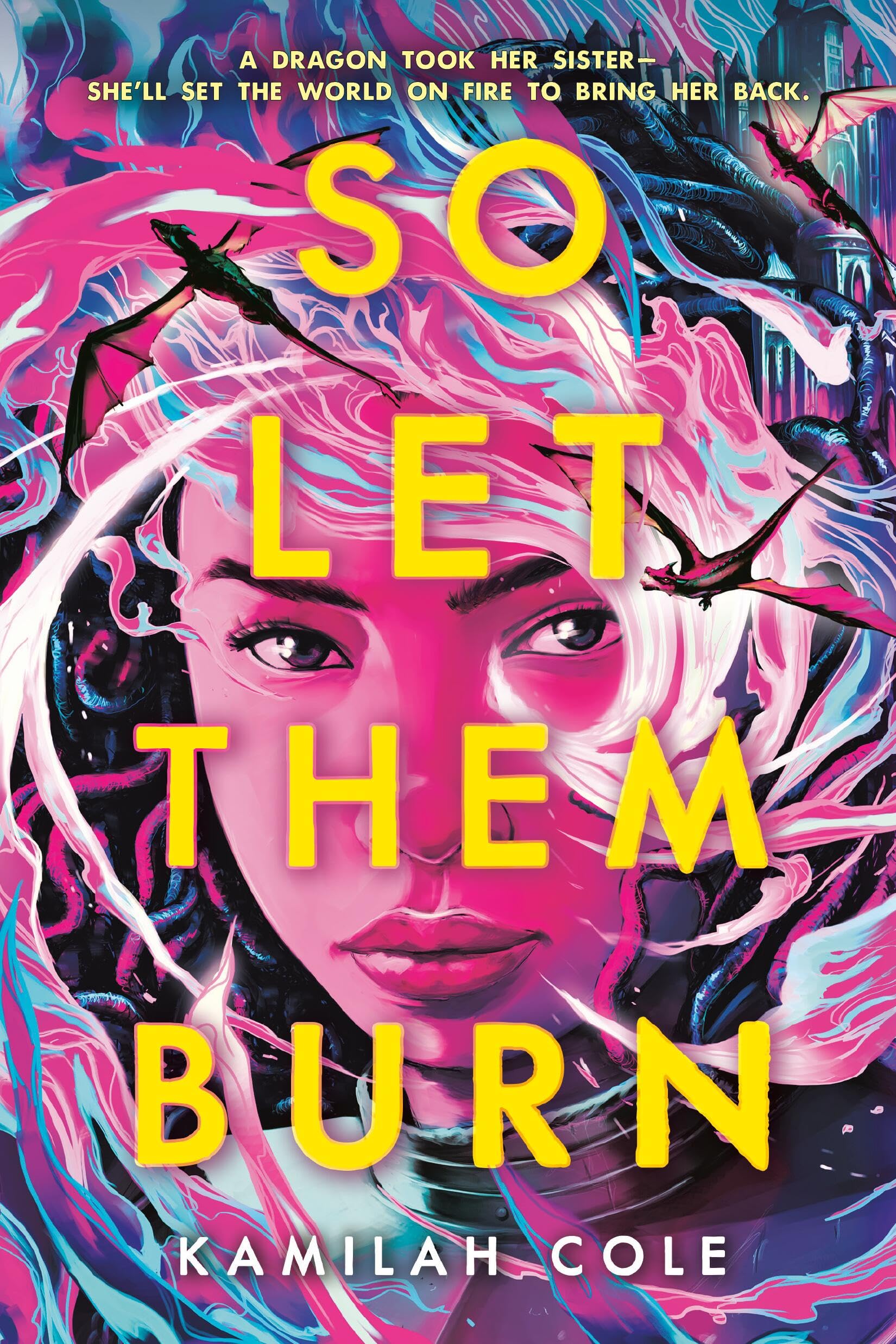
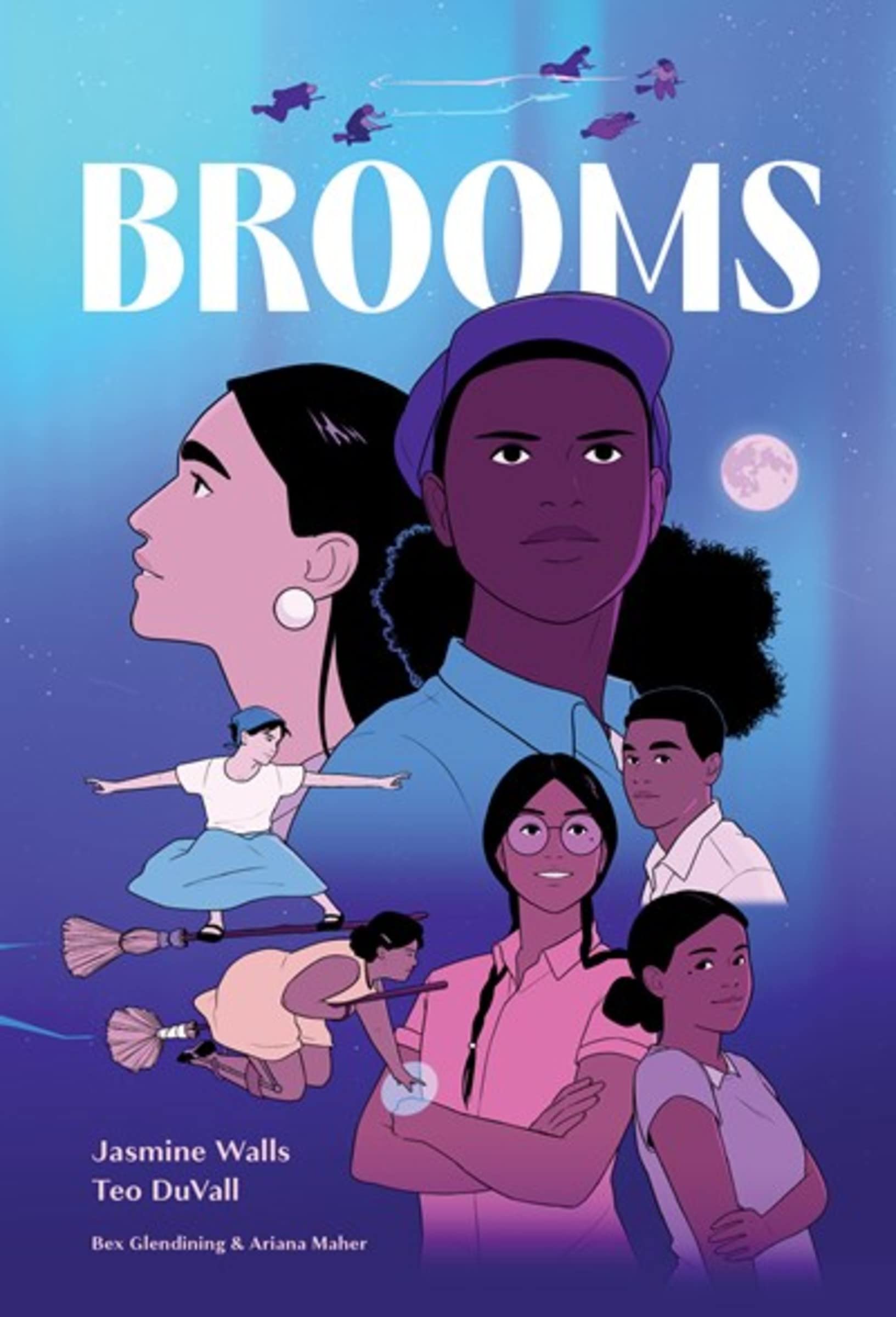
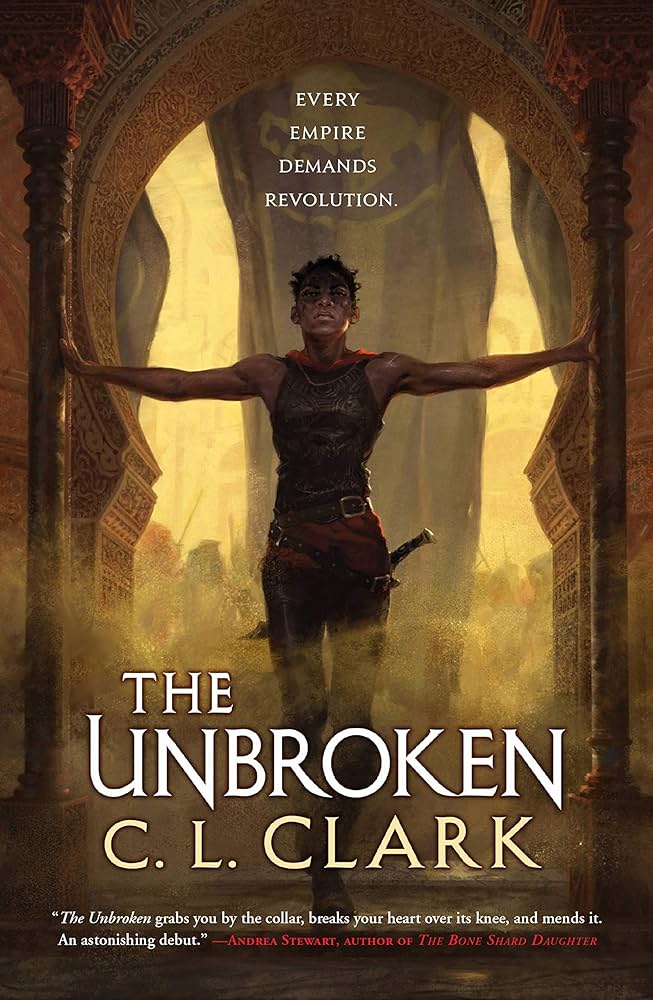
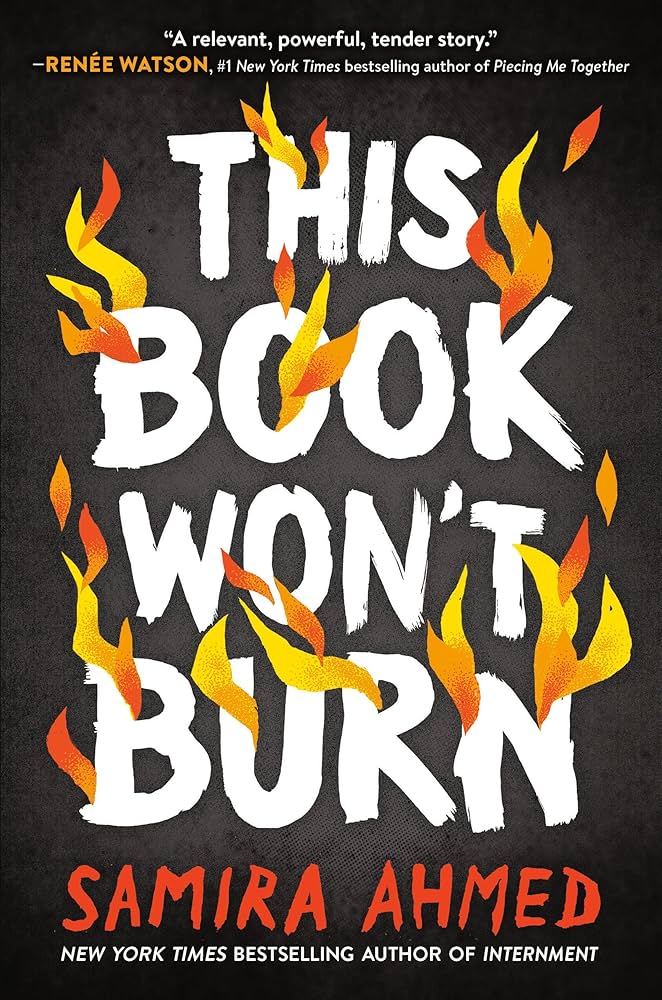
So I’ve compiled this reading list for anyone looking to rebel. I’ve gathered books of all age levels and from all kinds of diverse voices that Trump and his cronies would have you believe neither matter nor exist. Whether your stance is to directly fight the power or quietly rebel by imagining a way out, there are books here for you. Fiction and nonfiction, here are the tools you need to combat misinformation, bigotry, and hatred—and have a great read, too.
A READING LIST FOR THE COMING FOUR YEARS | Books for Rising, Resisting, and Keeping the Hope
FOR THE FIGHT:
These are the books about resistance, in the real world and in imagined worlds. If you need the motivation to stand up and fight for your rights and the encouragement to not pull punches when doing so, these are the books for you.
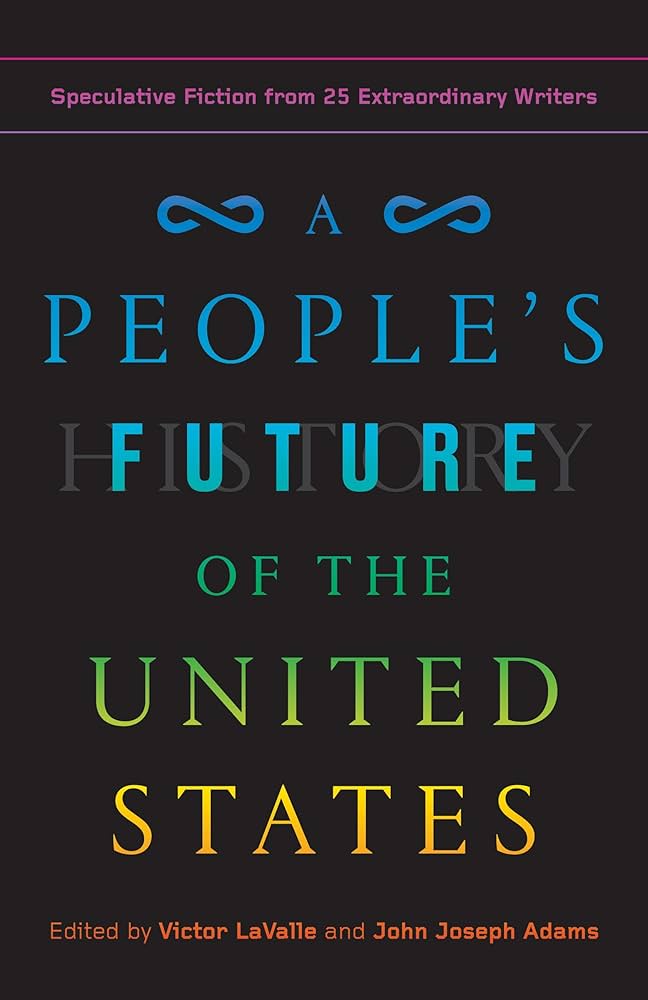
Here is something I want to emphasize going forward: it’s important to fight, but not all of us have the strength to do so—and that’s okay! Plenty of people aren’t ready to get out into the streets, and we need to respect that perspective. (This is coming from someone who isn’t quite ready either.) What we need the most in these times is hope, and though there is injustice in these books, they present stories where, despite hardships, joy prevails. They also present vital alternatives to the now—one of the most powerful ways of resisting, in my opinion, is to have the ability to imagine a better tomorrow, whether it’s alternate history, the distant future, or simply a kinder present.
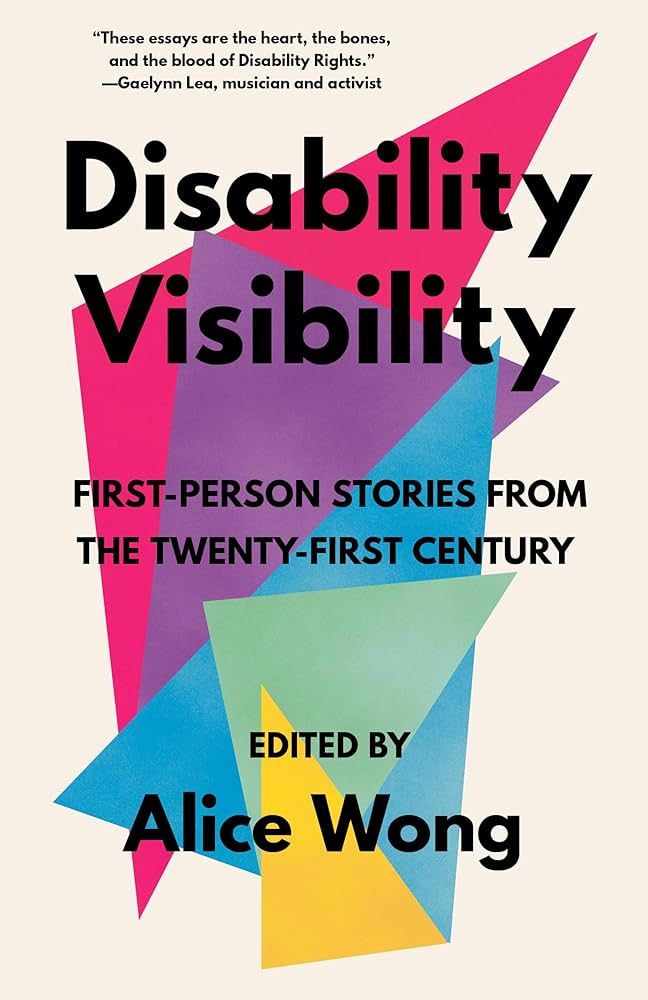
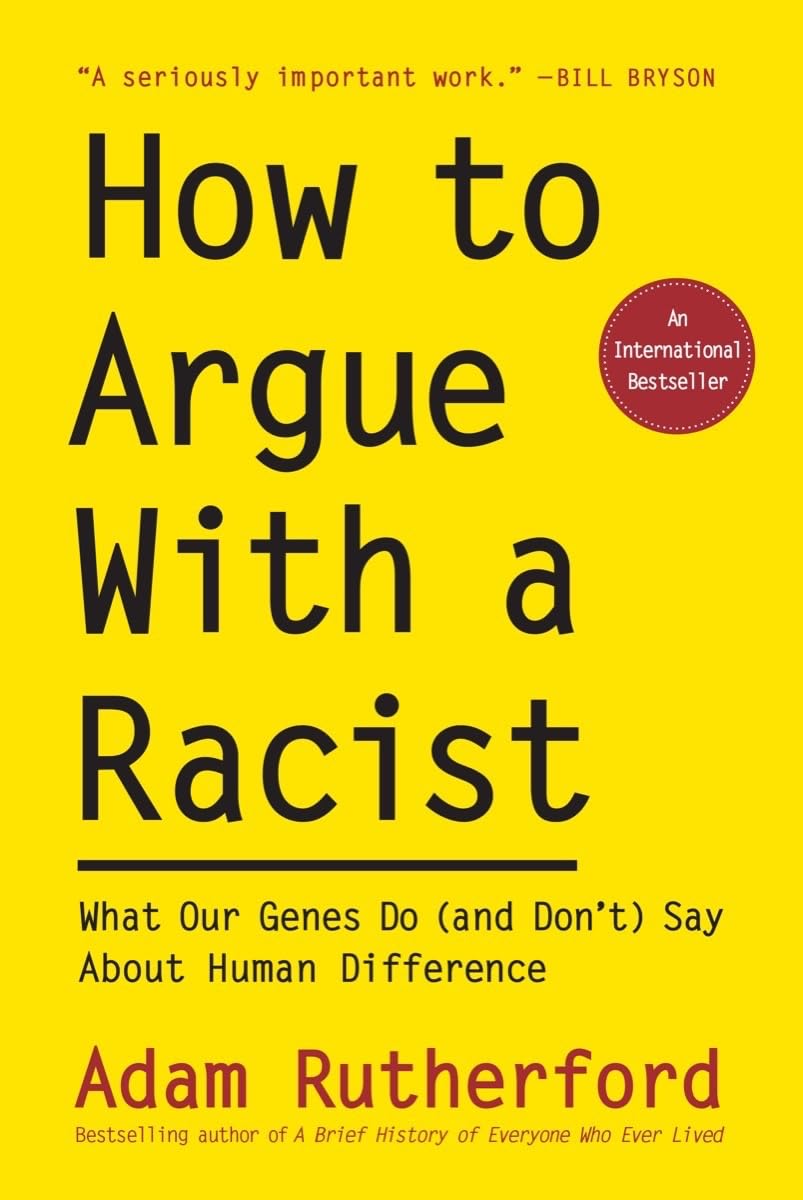
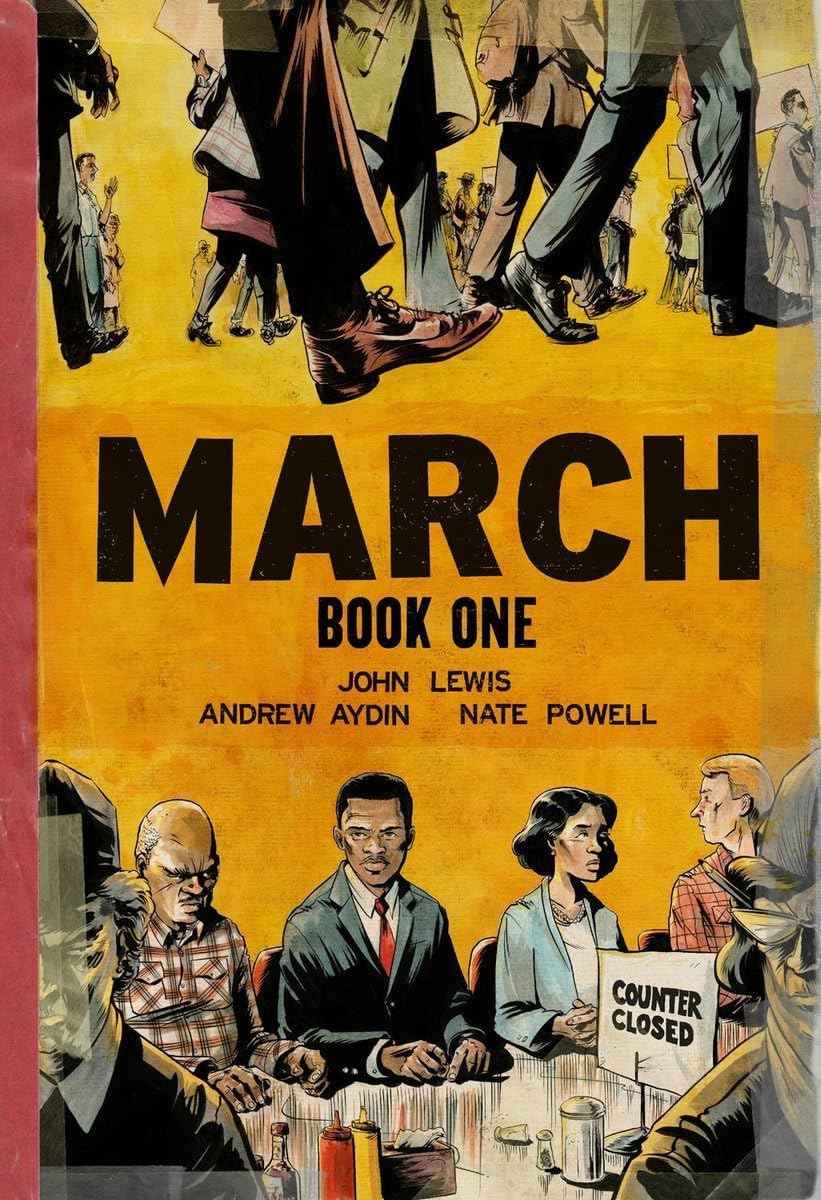
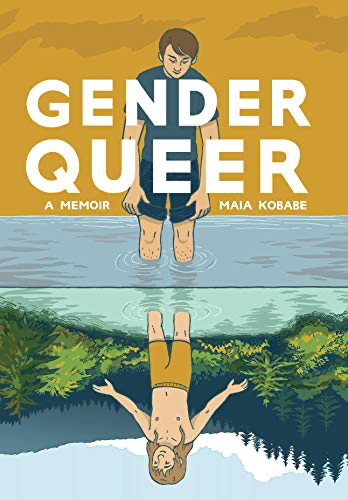
The best way to combat misinformation is to inform yourself. Here are some of my favorite nonfiction books about resistance and feminism and its many facets—race, sexuality, gender, ability, and more. Ranging from revered feminist scholars to more contemporary perspectives, I hope there is something for everybody here.
A SELECTION OF GREAT BOOKS BANNED FOR RIDICULOUS REASONS:
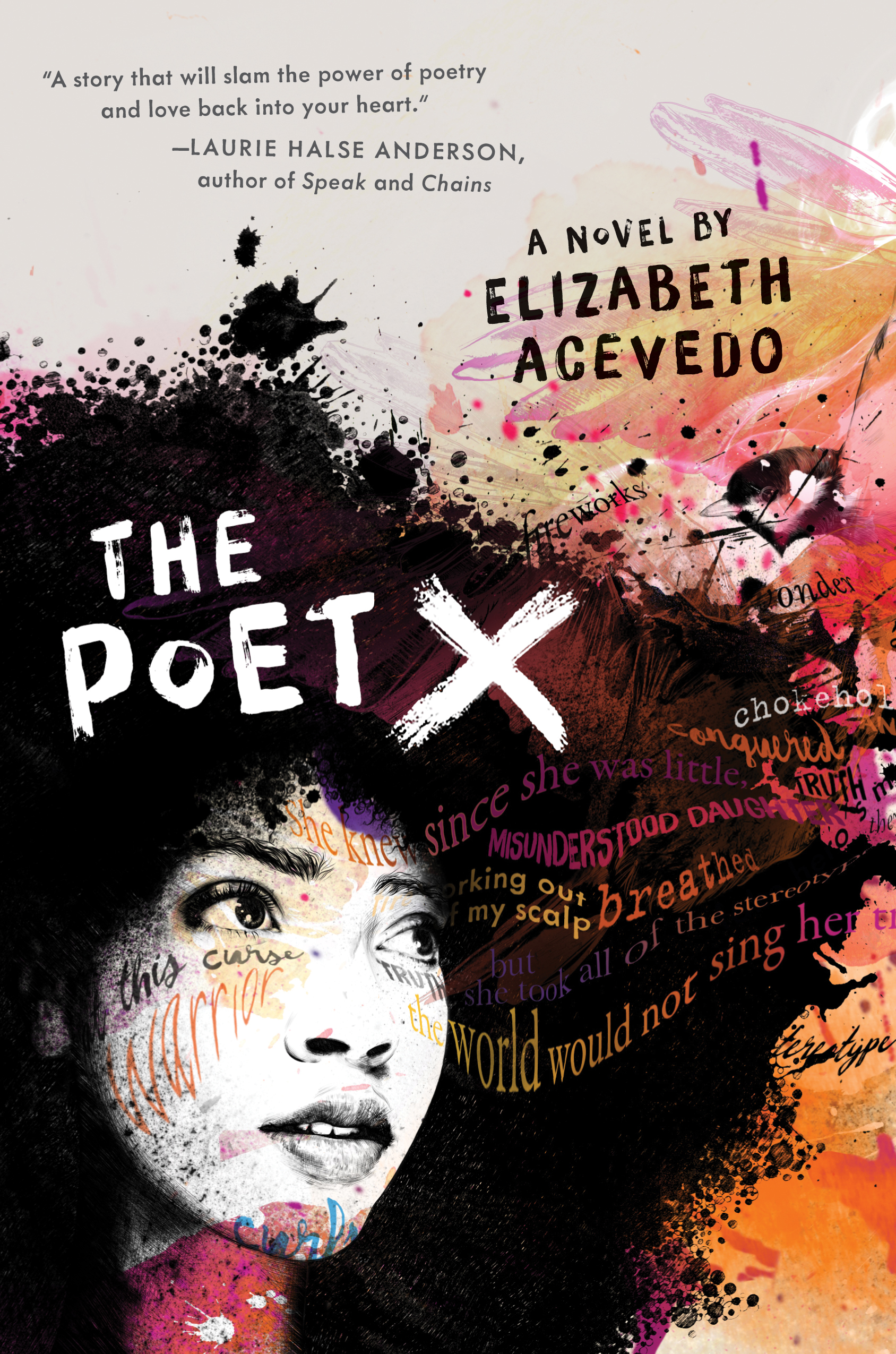
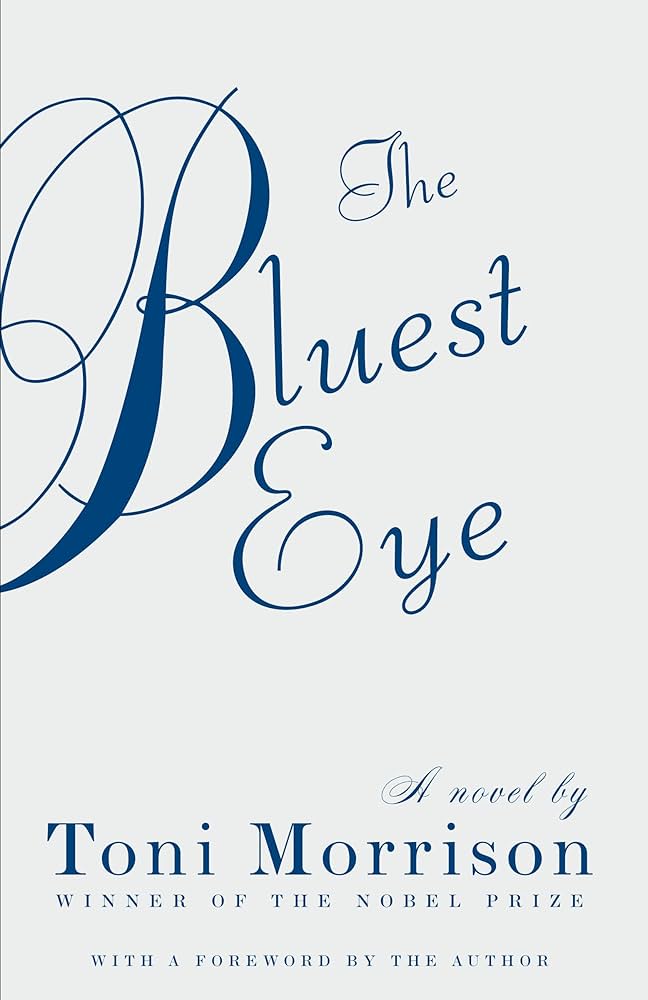
Here in the U.S., we’ve seen a deeply disheartening uptick in book bans for a number of reasons—none of them valid. Standing up to book bans is essential in these times, and through it, you can discover some excellent literature, whether they’re classics like Maus and The Bluest Eye or newcomers like The Poet X.
PEN America – if you’ve been paying attention to efforts against book banning, you’ve likely seen PEN America come up, and for good reason—they are one of the foremost organizations fighting for the rights of authors and journalists, as well as the freedom to read and write.
Authors Against Book Bans – self-explanatory, but this organization has a variety of resources on how you can fight against book bans around the country.
M.K. England (Substack) – although my list didn’t end up containing any of their books (sorry 😬), England has provided a comprehensive list of ways you can fight back against the potential threat of Project 2025 in terms of queer literature for younger (MG and YA) audiences.
SUPPORT! YOUR! LOCAL! LIBRARY! Wherever you are in this country, use as many of your library’s resources as you can! Whether you’re checking out books physically or digitally, or using their non-book services, libraries need all the support that they can get in these coming years.
That being said, this list is by no means exhaustive! I encourage you to look beyond this list to find even more books you love that live up to these principles. Scour the internet and your local library, and you are sure to find many more examples. Let me know in the comments what your favorite books about making change, resisting, and keeping hope are!
Today’s song:
it’s a relevant song for this post, but also, I did just listen to Humanz for the first time over the weekend. Not their best, but this was one of the highlights; as much as I despise Oasis, I do find it poetic that Albarn and Noel Gallagher sang together on this one after having the most ridiculous, decades-long rivalry. (To say nothing of Liam…)
That’s it for this post! Have a wonderful day, and…I know I put this at the end of every post, but please take care of yourselves. I love you.
Some years make it difficult to focus on the good things. It would be easy for me to look back at this year and see that it’s been ruled by anxiety, because…well, a good portion of it was. I was incredibly anxious about a number of things this year, I’m on the precipice of some big transitions in my life, and we’re entering a dark time in our country’s history. It can be so all-consuming that I forgot that it did not, in fact, consume all. I do have some pretty proud achievements to count towards myself this year, but most of all, I got through it. Whatever gripped me, whether or not I should have been worrying about it, I got through it. And I’m here. And I’ll be here through 2025.
The amount of books I’ve read gets smaller every year, but it’s allowed me to be more selective. Sure, my 5-star reads shrink every year, but it’s proportional to how much I actually read. I’m more selective now that I have less time to read—that doesn’t mean that bad books slip through, but I feel like the amount of stinkers I’ve read has decreased, and I’ve expanded my DNF criteria to just mean books that aren’t egregiously bad, but that I don’t want to continue with simply because life is short. My 5-star reads this year consisted of the return of old favorites, anticipated sequels, and new-to-me books that blew me out of the water—a diverse patchwork of a rocky but ultimately fruitful year—and they were a part of what made this year good.
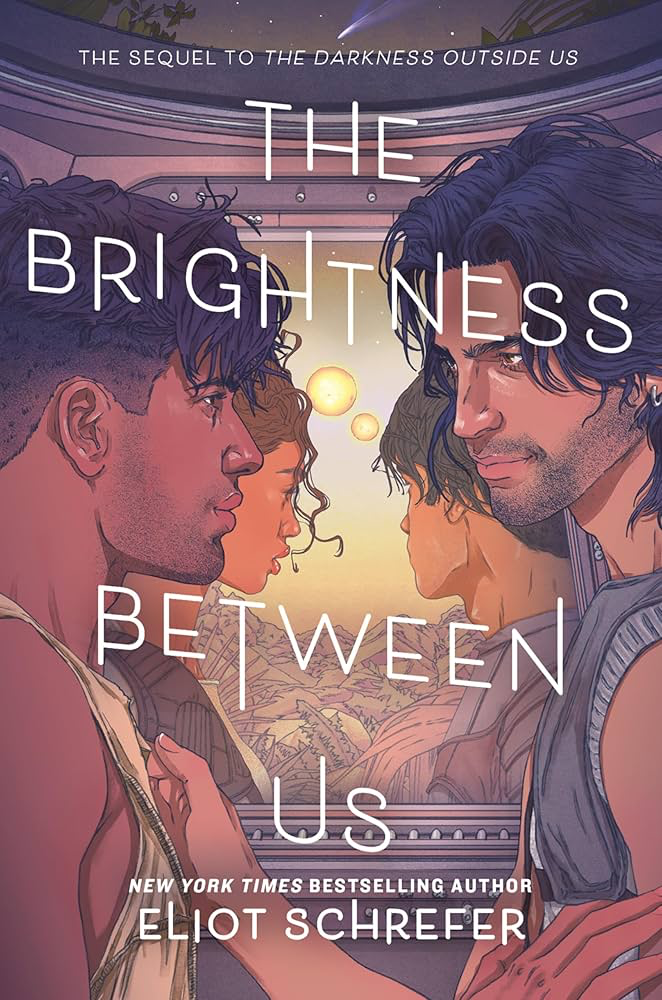
The Brightness Between Us (The Darkness Outside Us, #2) – Eliot Schrefer – I never thought that a sequel to The Darkness Outside Us was necessary, but Schrefer blew it out of the water with this one. I don’t think the emotional heights of book 1 can ever be reached again, but damn, this one sure came close. | Read my review here!
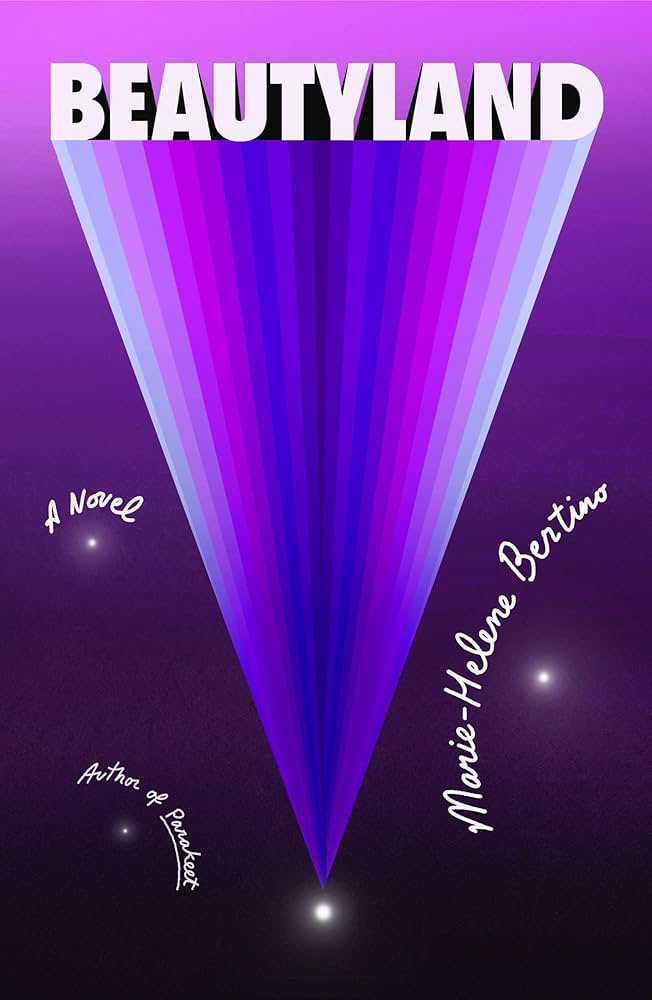
Beautyland – Marie-Helene Bertino – a brilliant exploration of alien identity, longing for a home you’ve never had, and being human. | Read my review here!
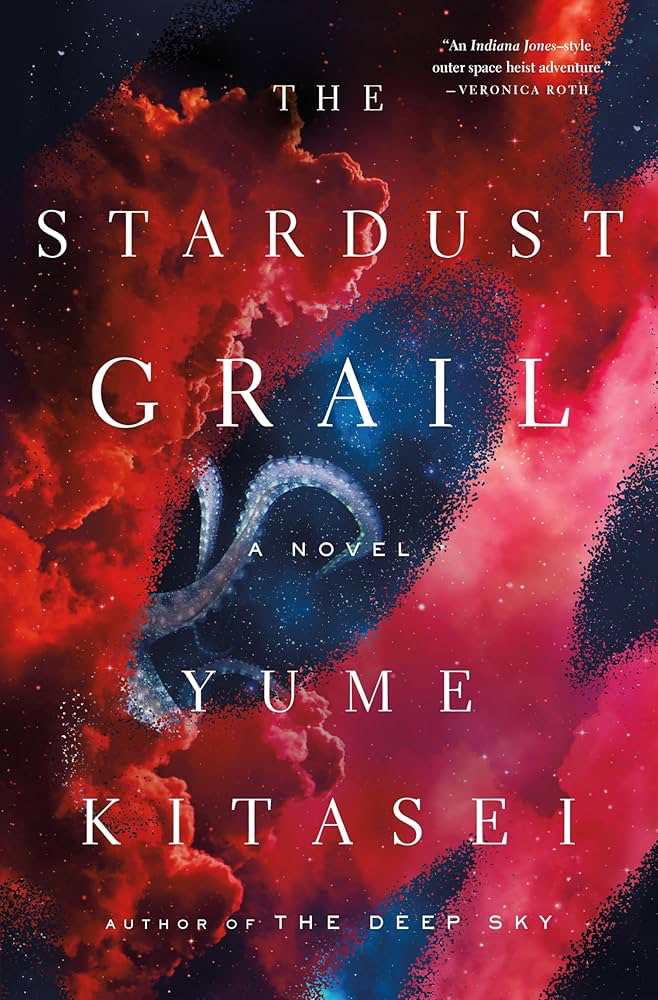
The Stardust Grail – Yume Kitasei – art theft, creatures abound, and a deeply emotional story of preserving history and friendships. | Read my review here!
TELL ME WHAT YOU THINK! Have you read any of these books, and if so, did you enjoy them as much as I did? What were your favorite reads of the year? Let me know in the comments!
Today’s song:
That’s it for my favorite books of 2024! Have a wonderful rest of your day, and take care of yourselves!
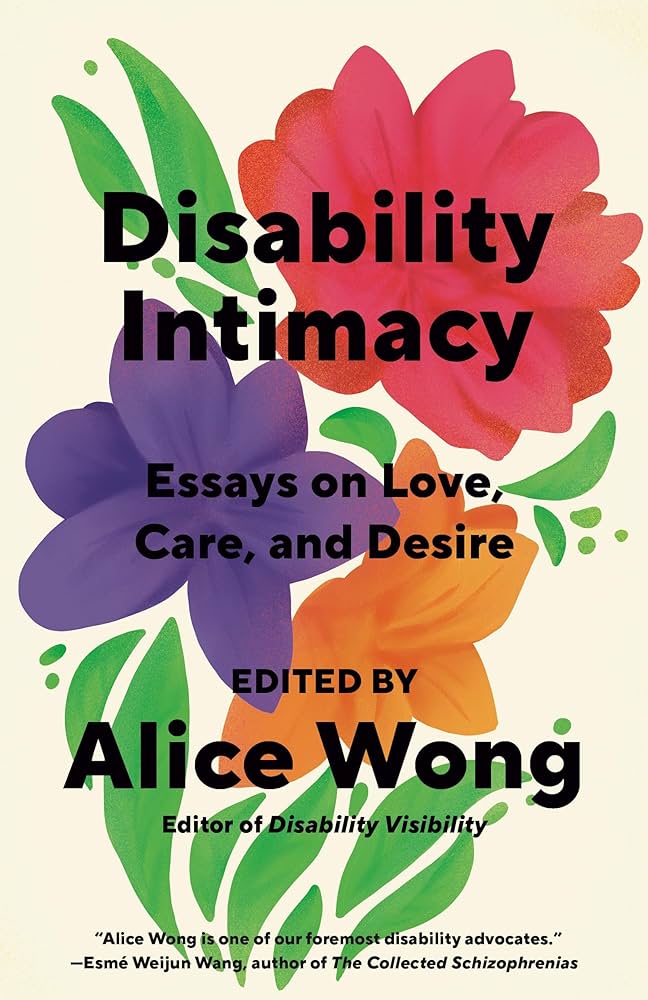
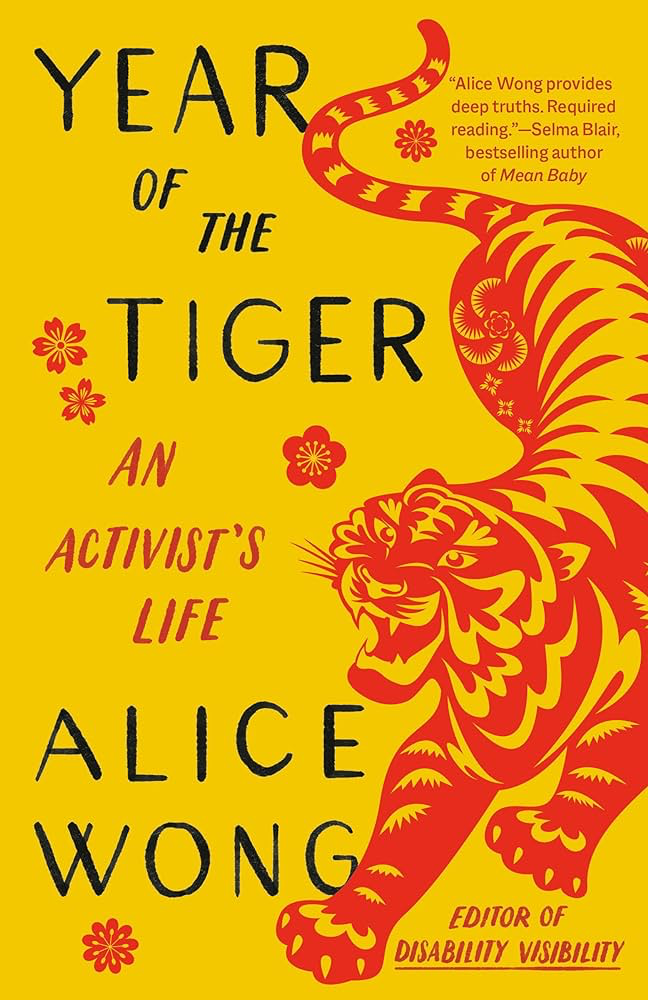
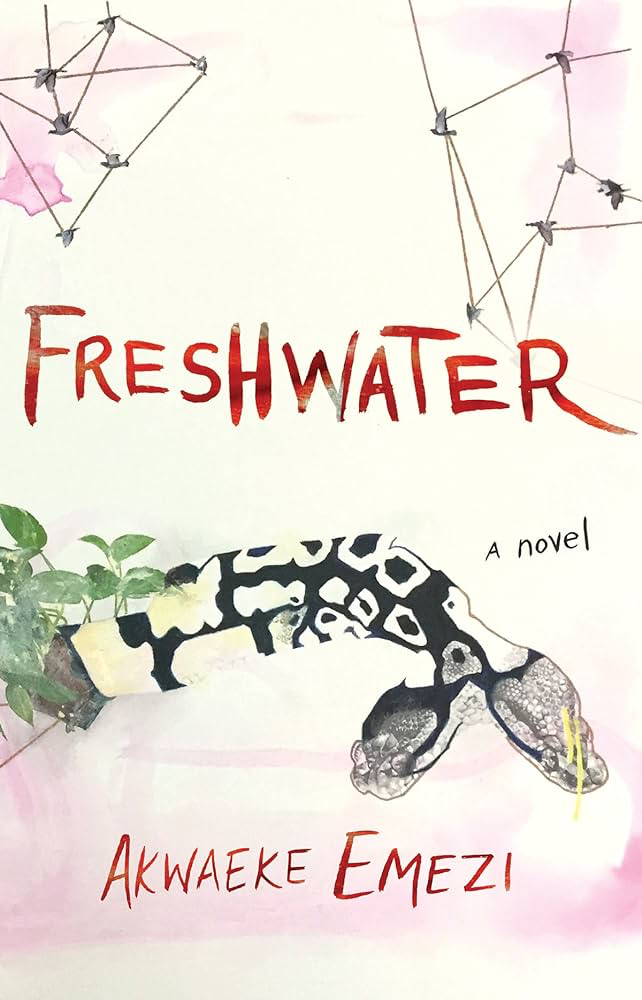
Here in the U.S., July is Disability Pride Month! In the three years that I’ve been making these lists, disability is still forgotten even in many intersectional feminist circles, and the importance for uplifting the disabled community has never been more important than know, what with the fallout of the COVID-19 pandemic, where disabled people, especially those who are immunocompromised, were disproportionately affected. Every year, even though I look in as many places as I can, it’s difficult for me to find books with disabled stories at the forefront that don’t center suffering or being “inspiring.” (As of now, I have only ever read one book with my disability, SPD, and heard of only one other. Inspiration for me to write my own stories…) So with these lists, I hope to provide disabled books with a wide range of representation, both in terms of disability and in the intersection of race, gender, and sexuality.
NOTE: my memory (and the internet) is imperfect, so if I’ve misrepresented/mislabeled any of the specific rep in these books, don’t hesitate to let me know!
TELL ME WHAT YOU THINK! Have you read any of these books, and if so, did you enjoy them? What are some of your favorite books with disabled rep? Let me know in the comments!
Today’s song:
this song makes me SO so incredibly happy!! thank you to Horsegirl for recommending it!!
That’s it for this month’s recommendations! Have a wonderful rest of your day, and take care of yourselves!
Finally summer! Finally, more time to read…and most of what I’ve read this month has been good, I’d say.
Let’s begin, shall we?
GENERAL THOUGHTS:
Save for the first week of the month, May has been the first month where I’ve been able to relax somewhat! Finals were over and I’d moved out of my dorm before I knew it. Straight A’s and finally being free of my STEM requirements isn’t too shabby, I’d say! I’m so proud of what I’ve accomplished this year—and I’m so glad that I can have some downtime. And I’ve made good use of it so far—May has been my best month in terms of amount of books read (although the quality of…some of said books is another story), and I’ve definitely benefitted from the time spent reading! I’ve also been trying to focus more on art this summer, and consciously taking a slice out of each day to draw has been an adventure so far. I had a solid week where I had three or four blog posts all on the back burner simultaneously, so I unintentionally made a loose schedule for blogging every day as well, so I’m getting some writing in while I recover from writing two short stories and a 20,000 word novella all in one semester. I’ve also been pruning my Goodreads TBR…I’ve managed to cut it down from around 770 to around 720, so I’d say that’s been a success?
Other than that, I’ve just been cleaning things out of the dorm and bringing them back to my house, sleeping, watching Abbott Elementary (THEY FINALLY DID IT!!! THEY FINALLY LET THEM KISS!!!), Taskmaster, and Hacks (we love Jean Smart in this house), and relishing in the warm weather and the beginning of summer. I feel like every time I’m in the car with my family, I just pass the hills and feel the need to comment on how much I love that shade of green that summertime brings. But it’s so beautiful. Every single time. It never gets old. Thank you, shades of summer green.
READING AND BLOGGING:
I read 19 books this month! I’ve been oscillating between both ends of the spectrum this month, for sure—I read one of the worst books I’ve read this year, but also two of the very best. Somehow, it’s pretty evenly split as far as ratings go when I’ve lined them all up that way, but it’s been up and down all month, but on a track towards betterment midway through. I focused on AAPI books for May, and I found some fantastic books as a result from both familiar and new-to-me authors!
Squire has faintly been on my radar on-and-off for the two years that it’s been out. I figured it would be something fun, but I didn’t expect such a hard-hitting, timely, and wholly beautiful graphic novel full of vibrant characters and sharp social commentary.
Aiza wants nothing more than to be a Squire—she’ll be able to become a knight revered in legends and lore and send money home to her family, who are barely scraping by. And as a member of the Ornu ethnic group, she’s considered a second-class citizen by the empire of Bayt-Sajji, and becoming a Squire and joining the Knighthood is the only way to become a citizen. At first, she’s elated to join the ranks of the recruits, but after failing her first test, she’s relegated to the night watch. But she’s soon discovered by Doruk, the groundskeeper, whose past may lead her to discoveries about the Knighthood that may change everything. Soon, Aiza realizes that she’s become a part of the same machine that’s destroying her people, and must make a decision—loyalty to her heritage, or loyalty to the empire.
art by Sara Alfageeh
TW/CW: war themes, racism, violence, colonialism/imperialism themes, amputation (forced)
Whew. This hit me so much harder than I anticipated. But I am all the better for it—I’m so, so glad that this graphic novel exists, especially since it’s aimed at a younger YA audience.
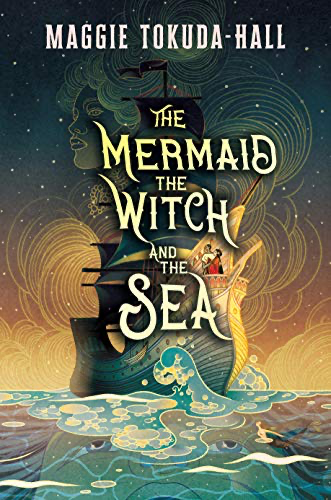
Squire has some of the sharpest critique of imperialism in YA that I’ve seen since Maggie Tokuda-Hall’s The Mermaid, the Witch, and the Sea duology. It’s all the more poignant since the main character is so young—we never get an estimate, but it seems Aiza is on the younger side of the 12-17 age range for Squires. It’s an intimate portrait of watching everything you know about patriotism, faith, and empire be deconstructed in front of your eyes, and how that radicalizes a person—especially a young person—into enacting positive change. It holds no punches, and that’s exactly what it’s meant to do: imperialism is not something to be sugarcoated, even for younger reasons, and Squire does all of this and more.
Seeing all of this through Aiza’s eyes was what made Squire so unique. Her journey throughout the novel is as complicated as they get; at a young age, she has to grapple with the fact that the only way to gain recognition and help her family survive is to betray her own people. It’s a decision that she feels is straightforward at first, but having been fed on heroic, medieval-style propaganda, she feels in her heart that she’s right. It’s only when she fails to meet the standards of the empire that she sees the error in her ways, and her crisis begins: how can she hold an empire that she’s been groomed to love and an identity that has shaped her life in equal regard? Not such a simple decision, especially when you’re 13 or 14—and when you realize that this empire has been carrying out raids on the very same people that you once called family and friends, who the empire likens to mongrels and scum. Alfageeh and Shammas executed her journey, in all of its emotional messiness, with such care and beauty; you really feel for Aiza as she watches the reality that the empire constructed for her crumble, and her eventual mission to pursue justice was a truly resonant call to action for our times.
For the first 30% of Squire, I didn’t think that I would end up rating it 5 stars. I loved Alfageeh’s art, toeing the line of stylized and realism with ease, with each character displaying a unique emotional range. For the first third of Squire, it’s mostly seeing Aiza go through her training—a lot of running around in the countryside and playing at being a Knight. But the minute the tone shifts, it shifts dramatically—and for good reason: this is when Aiza’s image of the empire is turned to dust. Never once did the tone shift feel unrealistic; not only did it represent the drastic fall of Aiza’s faith in herself (and the Knighthood) after failing her first round of tests, but it felt true to her age and situation. If I’d been in the same situation at that age, I would have lashed out just like she did, that classic mix of sadness, anger, and deep-seated frustration at trying so hard, only to miss your goal by a hair.
Squire’s cast of characters were equally vibrant, and beautifully rendered by both Alfageeh and Shammas. Shammas’ writing made them feel like real teenagers grappling with circumstances out of their control. Like Aiza, each of them went through a complicated journey before joining Aiza and her cause; some had reason to believe that empire was beneficial to them, others never wavered in their faith until the end. Above all, they felt like confused kids—and that’s what they were. But the relationship that stood out most to me was that of the mentor relationship between Aiza and Doruk. After some hesitation, Doruk begins to see himself in Aiza—a child abandoned by the empire and forced to see the might that she once viewed as heroic being turned against her own people. I’m always a sucker for stories with ambitious, energetic kids being guided by disgruntled, older mentors, but in this case, it was a relationship that was crucial to Aiza’s development. Here was someone who had been ground through the same machine as she was and come out the other side knowing the truth; Doruk knew he had the power to change things, and mentoring Aiza in secret was his way of rebelling: teaching. God. God. Somebody hold me.
Squire’s climax was one of the book’s strengths, not just in its execution but in its symbolism, if the latter was in your face. (I’d argue that it’s supposed to be in your face—explosively annihilating a symbol of imperialism doesn’t really scream “quiet” to me.) The unity of Aiza and her band of misfits shone through after page after page of delicate development, and the conclusion, as dramatic as it was, really was the only way the book could end: in flames. What a beautiful note to end on—the physical representation of imperialism and blind patriotism, both as a character and a location, going up in flames as a result of the justice and drive of ordinary people. Yes. YES! I’ve seen some reviews that it’s a very straightforward way of going about imperialism as a whole, but I think what Squire has the power to do is be an introduction to the horrors of imperialism for younger readers just getting into the genre. Especially in these horrific times, Squire gives older MG and younger YA readers a picture of imperialism digestible enough to apply to both history and the present (especially the present). And I can’t think of any other novel fitting of the job: it’s a heavy load to carry for so many young readers, but I am so, so glad that Squire exists.
All in all, a timely and deeply emotional portrait of imperialism and war that is sure to touch the hearts of readers young and old. 5 stars!
And by the way, if it wasn’t already clear: Free Palestine.
Squire is a standalone; Nadia Shammas is also the author of Ms. Marvel: Stretched Thin, Confetti Realms, Where Black Stars Rise, and several other comics. Sara Alfageeh is also the illustrator of Not Yet: The Story of an Unstoppable Skater, and has contributed to Once Upon an Eid, Bingo Love, vol. 1: Jackpot Edition, and many other comics.
Today’s song:
I LOVE MY MOM!! (in the sense that I love my mom, and also this album, I Love My Mom.)
That’s it for this week’s Book Review Tuesday! Have a wonderful rest of your day, and take care of yourselves!
















 The Bookish Mutant