Posted in Sunday Songs

Sunday Songs: 12/21/25

Happy Sunday, bibliophiles! I hope this week has treated you well. Happy Hanukkah, Happy Winter Solstice, and in advance, Merry (almost) Christmas!

This week: speaking of which, I rarely end up aligning my Sunday Songs graphics to actually include any holiday-specific songs, but it worked out just right this year…you decide if it’s a pre-Christmas miracle.

SUNDAY SONGS: 12/16/25

“Have Yourself a Merry Little Christmas” (cover) – St. Vincent

Yet another song I’ve swiped from a movie I have no interest in seeing…listen, I saw ads for this movie exclusively through Pinterest and I had no idea it existed until these songs came out. At least we’ve got several Christmas classics reimagined by indie greats, even if the movie is an afterthought for me (see: Jeff Tweedy’s cover of “Christmas Must Be Tonight”).

When I first played this song, I was afraid, with the key, that we’d fall into “St. Vincent goes too far out of her vocal range; things get awkward” territory (see: her cover of Toadies’ “Possum Kingdom”). As much as I love her, she…clearly has her limits. But she slipped into this cover of a Christmas classic with relaxed, comforting ease. Though I like covers to deviate some from the original, I feel like the rule can be broken for Christmas songs—they’re holiday standards, and they’re standards for a reason. The soft keyboards and synths generate a cozy, fireplace atmosphere, and Clark’s warm voice adds that special layer of Christmas cheer that makes me feel as though I’m under a warm blanket watching snowflakes gather outside my window. Even though it’s far from the place for her signature shredding (though I’m not sure any Christmas song merits that), I love that she lent her voice to this song.

…AND A BOOK TO GO WITH IT:

Fangirl – Rainbow RowellI feel like I rarely read Christmasy books, but this one’s got lots of Christmas cheer.

“Drive My Car” (The Beatles cover) – The Donnas

Speaking of covers that barely deviate from the original…

There’s an element of “if it ain’t broke, don’t fit it” at play, especially since this is none other than The Beatles—there’s no denying that “Drive My Car” is an impeccable pop song, and a very nostalgic one for me as well. The other cover I can think of, by the exclusively-covers side project of Supergrass, The Hotrats, follows the same formula—and I love it. So sure, although it’s a little unadventurous that nothing’s really changed about The Donnas’ version of “Drive My Car,” sometimes covers don’t need all that much change. Some songs came out of the womb (or, in this case, out of the brains of Lennon and McCartney) nearly perfect, and there’s no point in trying to change it. The opposite can be true as well—“Cry Baby Cry” comes off of my favorite Beatles album, and yet I almost love Throwing Muses’ dreamy take on the song better than the original. (Apologies for the potential Beatlemaniac heresy.) And The Donnas’ cover retains exactly what made the original so fun—it’s catchy, it’s punchy, and the harmonization is as sharp as anything. Brett Anderson (no, not the Suede one) has the exact kind of vocals that “Drive My Car” needs—upfront, with a smooth yet sharp tone that demands to be front and center. You have to be a special kind of vocalist to pull off the iconic “beep beep, beep beep, YEAH!”—and Anderson absolutely is.

…AND A BOOK TO GO WITH IT:

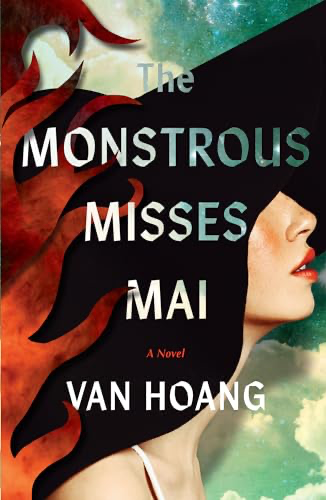
The Monstrous Misses Mai – Van Hoang“I told that girl I could start right away/When she said, ‘Listen, babe, I got something to say/I got no car and it’s breaking my heart/But I found a driver and that’s a start…'”

“(Nothing But) Flowers” – Talking Heads

Tiny Desk has had a score of heavy-hitters this year, and what better to…kind of cap the year off than David Byrne? With both new material from his latest album, Who is the Sky? and Talking Heads classics, it was truly just a shot of joy to the veins—just the thing I needed to loosen up after getting finals out of the way. For somebody so renowned for having a cagey stage presence, he seemed surprisingly loose. Maybe it’s just come with age or comfort level, but nonetheless, the joy was contagious.

I’ve slowly been picking up Talking Heads hits like ripe fruits on the side of the road. They’re one of those bands that I feel automatically a fan of, even though I only know 10 of their songs tops, just because I’ve become so attached to some of their songs. God knows I’ve got a score of fond memories attached to “Once in a Lifetime.” One of their latter-day hits, “(Nothing But) Flowers” is an upbeat yet almost cynical take on the post-apocalypse. Like many visions of the future, it imagines our polluted, industrial landscape returned to the vegetation, with Pizza Huts and Dairy Queens grown over and plowed away to make room for fields of wildflowers and wheat. Obvious references to the Garden of Eden, the world has become a pastoral haven—and yet, we cannot adjust to this sudden change, and even though our capitalist environment was pretty obviously worse, everybody yearns for that familiarity—”If this is paradise/I wish I had a lawnmower.”

It’s no wonder that Byrne chose this song for this Tiny Desk Concert, nearly 40 years after its initial release: the line “And as things fell apart/Nobody paid much attention” is a little too on the nose considering…everything. And that’s not even considering the overt political messaging in the music video. Even when we’re faced with a world full of broken, corrupt systems, we’ve become so used to living with the horrors that we might flounder when faced with something better. I hesitate to say that it’s fully cynical, since the vision Byrne and co. conjure is certainly akin to paradise, and yet the song ends with the cry of “I can’t get used to this lifestyle!” I suppose it’s less a condemnation of us and more of a condemnation of how capitalism has groomed us into thinking that it’s the Best Possible Lifestyle! while actively plowing us into the ground. It’s a testament to capitalist propaganda, for sure, to think that our hellscape of five McDonald’s in a two-mile radius and factories belching out chemicals into the air is better than idyllic fields of flowers and breathable air.

But it is, after all, propaganda: words, systems, all created by human hands. Human hands can dismantle it right over again and build something better. To quote Ursula K. Le Guin, “We live in capitalism. Its power seems inescapable. So did the divine right of kings. Any human power can be resisted and changed by human beings.” Like the flowers, I believe that we can overrun what was once Pizza Huts and factories and make do with what springs from the ashes.

…AND A BOOK TO GO WITH IT:

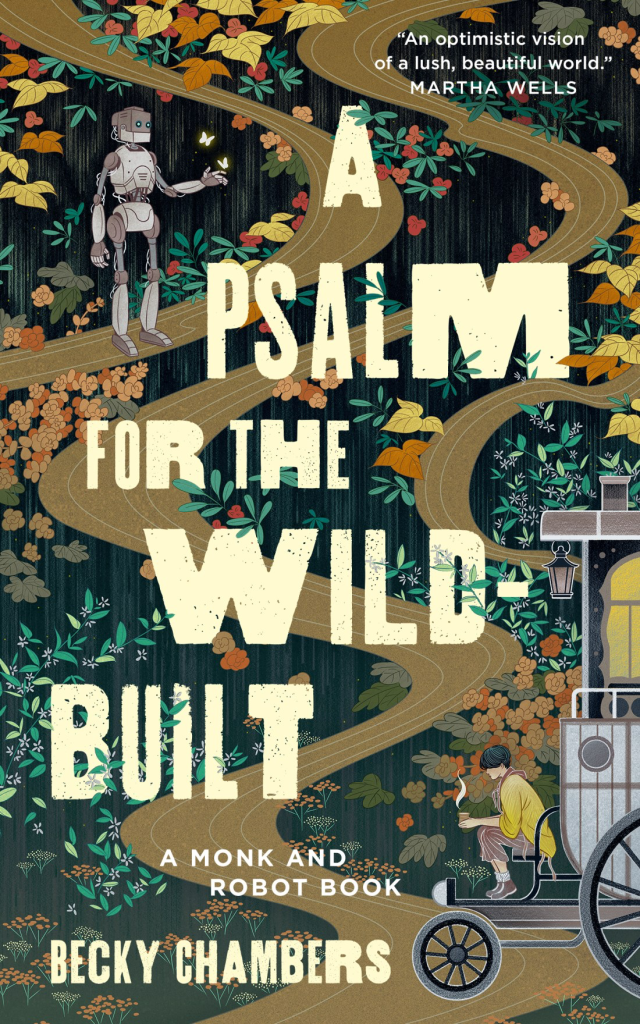
A Psalm for the Wild-Built – Becky Chambers“This used to be real estate/Now it’s only fields and trees/Where, where is the town?/Now, it’s nothing but flowers…”

“If I Was Ever Lonely” – Sharp Pins

The lingering feeling I get with this song is that it has to be indicative of something. Something’s catching on. It could just be limited to Kai Slater, but I swear it’s proof that either Elephant 6, Jim Noir, or just weirdo, offbeat, ’60s-inspired indie is on the rise again. Radio DDR was released earlier this year, but if you hadn’t told me that this was Sharp Pins, I would’ve been fooled if you’d told me that this was a leaked Olivia Tremor Control demo from 1998. Either way you hear it, “If I Was Ever Lonely” is cloaked in pure, jangle-pop fun—there’s a very Brian Wilson-esque swing to it that makes you nod your head instantly. With the lo-fi production and the literal dizziness in the lyrics, listening to “If I Was Ever Lonely” strangely feels like staring into the sun. It’s not out of any sense of pain, but more of a carefree feeling of being so head-over-heels that everything is sunny and blurry at the edges.

…AND A BOOK TO GO WITH IT:

Just Your Local Bisexual Disaster – Andrea Mosqueda“Watching from the back seat of your car/Wondering how far you can take it when I’m so lonely/Dancing in the ballroom hall/Seeing how far I can take it before I’m over you, girl…”

“One Evening” – Feist

So I’ve found the second-most popular Feist song beginning with the word “one,” it seems. (All thanks to a good friend, by the way—thank you!!) I’ve heard scattered Feist songs here and there—“1234” was a childhood staple, and I discovered “Undiscovered First” through Legion, one of many, many songs from Noah Hawley’s playlist that I desperately need to steal, or at least have a look at. The glimpses I’ve gotten are disparate, but from what I can tell, that means that Feist has range, or is at least fairly exploratory in her style. There’s the indie pop of “1234,” the anxious build of “Undiscovered First” or “A Commotion,” and “One Evening,” which has a softer, more loungey feel to it. The entire production is soft and sly in places, a song composed out of stolen glances from across the bar and accidental brushings of the hands of strangers. With soft-sung harmonies, it’s such a tightly-woven groove in such an unassuming song—beneath the softness, it boasts an airtight, deeply catchy composition.

…AND A BOOK TO GO WITH IT:

The Invisible Life of Addie LaRue – V.E. Schwab“When we started/Both brokenhearted/Not believing/It could begin and end in one evening…”

Since this post consists entirely of songs, consider all of them to be today’s song.

That’s it for this week’s Book Review Tuesday! Have a wonderful rest of your day, and take care of yourselves!

Posted in Sunday Songs

Sunday Songs: 5/18/25

Happy Sunday, bibliophiles! I hope this week has treated you well.

This week: do

you

SEEEEEEEEEEEEEEEEEEEE

THAT I’M SCARED

AND I’M LONELÆEEEEEEEEEEE

Enjoy this week’s songs!

SUNDAY SONGS: 5/18/25

“Innocence” – Björk

Saying that a certain Björk album feels bolder or more in-your-face than others feels redundant because most of them trend towards that direction. According to Sonic Symbolism, Volta was about being upfront, brightly-colored, and loud—in her personality, in her life, and in her political views (see: “Declare Independence”). Volta’s still in the weeds as far as my album bucket list goes, but I love the distinct flavor of it—flat neons and confidence. “Innocence” is a whole feast for me to pick apart in terms of sound. It stomps all over the place, leaving an asymmetrical trail in its wake, angular and herky jerky, but never more sure of itself. It’s the kind of song that makes me think that Björk’s suit on the album cover (designed by Bernard Willem) is about to turn into some kind of mech suit with flag-shooting cannons for hands. This is one of the songs on Volta that was produced by Timbaland, giving it a chrome-like sheen that could almost be pop, but could never deny the inherent weirdness that is Björk. At the beginning, the synths speed up as though winding up for a punch. The angular rhythm is an ouroboros, constantly made and remade again against Björk’s smoother vocals. There’s even a bit at 2:13 that I swear sounds like the Severance elevator noise. Every listen brings something new to the table—there’s all manner of Easter eggs lying around.

Lyrically, I can’t help but think of Debut. “Innocence” is a reckoning with the fearlessness of youth: “When I once was untouchable/Innocence roared, still amazes/When I once was innocent/It is still here, but in different places.” It’s hard not to think of the 1992 Björk that sang of “go[ing] down to the harbor/and jump[ing] between the boats” and ecstatically declaring that there was more to life than this. But the kind of confidence that she maintains at the time of “Innocence” is balancing that excitable youth with the fears that came as she matured: speaking to The Sun, she called the song “A handshake with fear.” For her, fear makes fearlessness even more tantalizing—now that she’s known the grips of it, she appreciates it even more. Even so, it’s still an extreme, but so is fear: “Fear of losing energy is draining/It locks up your chest, shuts down the heart/Miserly and stingy/Let’s open up: share!” Man. Did I need to hear that…for the millionth time. I feel like I’m the reverse, somehow. Of course, I’m not nearly at her maturity level, but I’ve been cautious my whole life. Still am. Fearlessness is freeing, and I only find that I can appreciate it when I have those fears right in front of me: I can see them, acknowledge them, and throw them to the wind, if only for a moment.

BONUS: The video above isn’t the official music video, but the 1st place winner of a fan contest that Björk held to make a music video, created by Fred & Annabelle. Here is the 2nd place winner for the video contest, made by Roland Matusek (Björk Kart?)

…as well as Björk talking about the inspiration behind the animation contest:

…AND A BOOK TO GO WITH IT:

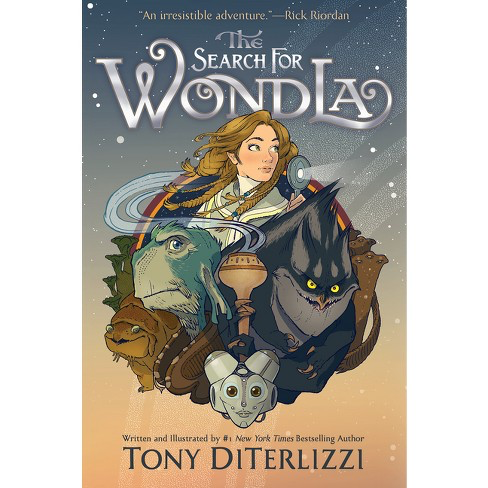
The Battle for WondLa (The Search for WondLa, #3) – Tony DiTerlizzi“When I once was fearless/Innocence roared, still amazes/Untouchable innocence/It is still here, but in different places…”

“Sweet Thing” – David Bowie

It’s been about a year since I finally listen to all of Diamond Dogs in full, and I’m still blown away by how much David Bowie’s storytelling had developed. Throughout his life, Bowie accumulated an extensive library, often bringing books along with him to read on tour. (If you’re interested, John O’Connell compiled a list of some of the books that impacted him the most in Bowie’s Bookshelf. It’s a great read.) The more I think about it, the more I realize that Bowie approached songwriting like an author—whether or not there was a linear narrative, like the story of Hunger City in Diamond Dogs, he had not just melody in mind, but the exact emotion to wring out of which characters and when, and which motifs and allusions to scatter throughout. Obviously, these elements can exist outside of the realm of literature, but it’s so distinct from any given Bowie lyric, much less “Sweet Thing,” that he was a literary-minded man. No wonder I connected with him instantly.

In terms of Diamond Dogs’ tracklist, often with songs that are directly chain-linked to the others, I’m partial to “Future Legend/Diamond Dogs” (my favorite album opening of all time…nothing will ever go harder than that), but “Sweet thing” is the emotional core of Bowie’s narrative, without a doubt. Take a look at the first verse: “It’s safe in the city/To love in a doorway/To wrangle some screams from the dawn/And isn’t it me, putting pain in a stranger?/Like a portrait in flesh, who trails on a leash?” MAN. Glam rock had roots in theatre and the dramatic from the start, but this is one excerpt from Diamond Dogs that would have felt right at home on stage. As one of the entries in Bowie’s failed 1984 musical adaptation, it’s a loose twist on the ill-fated romance between Winston and Julia in Orwell’s novel; Bowie had to make some changes after the musical was dead in the water, rendering the characters nameless and the woman, seemingly, into a prostitute. Under the watchful eye of the “knowing one,” a kind of panopticon surveillance a la Big Brother, the narrator and the prostitute share painful, ill-fated, but fleeting love: “I’m in your way/And I’ll steal every moment/If this trade is a curse, then I’ll bless you/And turn to the crossroads…” With the imagery aplenty of doors and doorways, it’s an affair steeped in transition, an air of impermanence and separation present in every bittersweet moment. Bowie sells it all with one of the album’s most heart-wrenching moments: he draws out “Will you see/That I’m scared and I’m lonely?” with a stabbed, bleeding heart, hand outstretched, with full on musical theater drama. Yet never once does it feel false—Bowie can’t help but let some sincerity slip through the metric ton of personas and fiction. Alan Parker’s guitar soars in true glam-rock fashion, and somehow, the saxophones never feel out of place; Bowie’s world is all brass, rust, and forbidden love—a world fully realized that burst from the shell of Orwell to become a myth all its own.

BONUS: for the full experience, here’s the full story, told in a joining of “Sweet Thing,” “Candidate,” and “Sweet Thing (Reprise)”:

…AND A BOOK TO GO WITH IT:

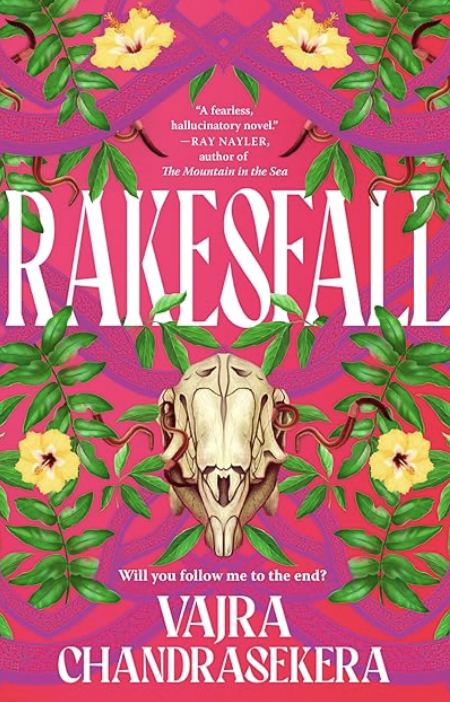
Rakesfall – Vajra Chandrasekerathe 1984 pairing has run its course at this point, so here’s a story of epic-like love spanning across space and time.


“Pet Rock” – L’Rain

Another amazing find from my dad, “Pet Rock” thrives on being propped up. The music video shows a variety of pet rocks being set up and placed around a miniature dollhouse fitted with all manner of retro furniture, tiny instruments, and mini versions of L’Rain’s album I Killed Your Dog. (Now that’s a title for you…what’d you have to do that for??) The music thrums with distortion, barely contained chaos with a bubbly, Crumb-like atmosphere, faintly on the verge of psychedelic collapse. Taja Cheek’s vocals, like Lila Ramani, flicker in and out of clarity—the only time a finger pokes through the haze is when the guitar, before the instrumentals start unraveling, almost tricks you into thinking that there’s a light at the end of the tunnel. Like the dollhouse, “Pet Rock” has the feeling of a neon-colored haunted house (new Meow Wolf concept?)—everything appears structurally sound, but there’s all sorts of weirdness drifting just out of earshot.

The lyrics take a similar turn: after speaking of being propped up like said rock “Why would you go without me?/And make me something else?”), the lyrics go from a faint dread to something outright sinister: “Like a dead girl with shades on/Propped up by captors/I’m fine/I’ve got no one to talk to.” HUH?? Cheek told Alternative Press that the story was inspired by “an old story I’d been told about a woman who was riding the train but looked strange, and the reader eventually figures out that she’s dead, with glasses on, being propped up by the people that seem to have harmed her.” There’s a solid manipulation metaphor for you—rock or human, you’re not alive, just a nice little dolly to be moved around the dollhouse in whatever way suits you.

It’s just a rock! Or not quite, this time? Rocco takes a stand?

…AND A BOOK TO GO WITH IT:

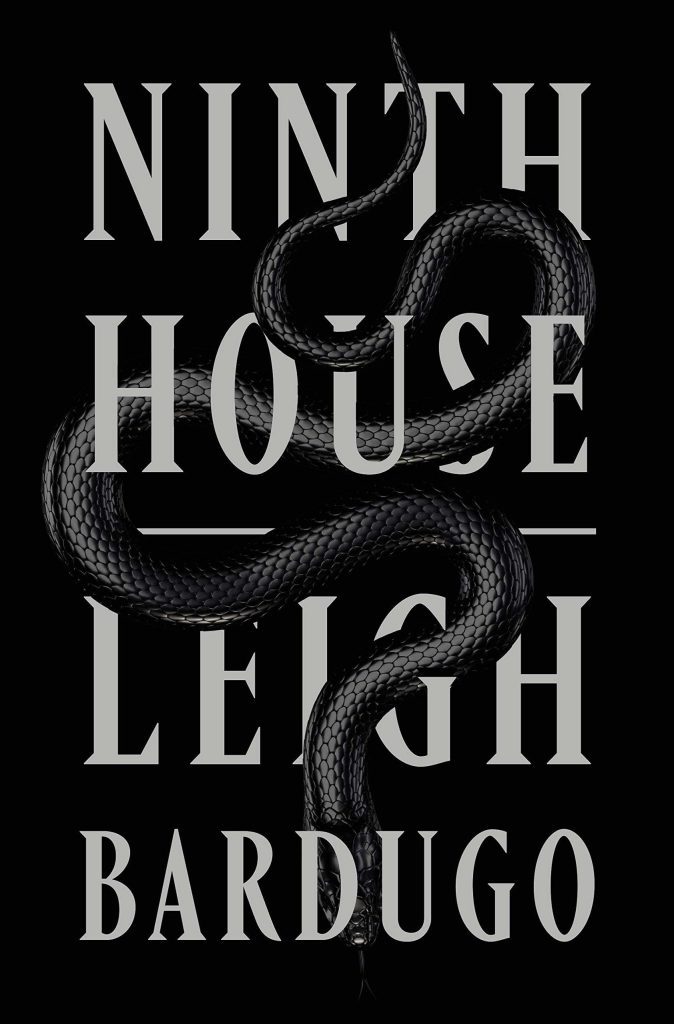
Ninth House – Leigh Bardugo“Like a dead girl with shades on/Propped up by captors/I’m fine/I’ve got no one to talk to/It’s all my fault, I know…”

“Blossom (Got To Get it Out)” – Komeda

I seem to gain a tolerance for more uptight songs once I get older, but in retrospect, “Blossom” gets less uptight the more I listen to it. Sure, it’s about as high-strung as The Feelies, but it’s got this ’60s girl group feel to it that makes it inherently more playful. Komeda seems to fall into a kind of indie, ’90s niche taking their cues from the bubblegum pop from the ’60s (see also: The Rondelles); it’s jangly as all get-out, and features an almost Fred Schneider-esque chorus of spelling out “B-L-O-S-S-O-M” like a cheerleader’s chant. I’d argue that Komeda’s voices aren’t quite as enthusiastic as their forebears (and the instrumentals), but it’s got that vibrant, candy-colored spirit of the ’60s with a distinctly ’90s production—it’s much more fun now that I’ve revisited it.

What makes this song infinitely better for me is the fact that, under the title “B.L.O.S.S.O.M.,” this song was on Heroes and Villains, an album of songs inspired by The Powerpuff Girls, alongside The Apples in Stereo, Devo, Dressy Bessy, and Frank Black…what a time to be alive. This version is re-recorded, sped-up, and drum-machine-ified, and doesn’t resemble a whole lot about the original. The more electronic version isn’t jangly at all, but the very early 2000’s, rapid-fire instrumentals mesh with the 2d, supersonic speed of the Powerpuff Girls. I’m partial to the original, but at least you’ve got this absolute banger from The Apples in Stereo, right?

…AND A BOOK TO GO WITH IT:

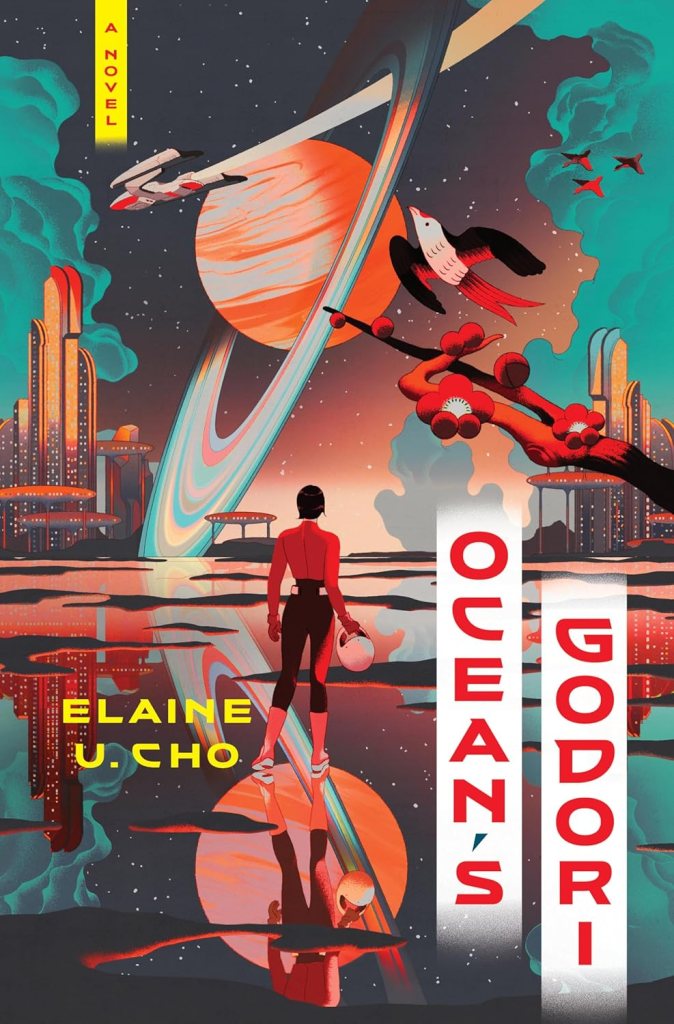
Ocean’s Godori – Elaine U. Chovibrant, fast-paced, and with the kind of spaceships I can imagine blasting Komeda through their speakers.

“High” – The Cure

I wasn’t here to witness it, but it must’ve been such a jarring shift in the ’90s when the Cure became more embraced by the mainstream. My parents talk about how maddening it was to have their special, alternative music be ignored or made fun of in the ’80s and then all the normies started singing along to “Friday I’m In Love.” Jeez. The Cure could always make an incredible pop song, but it never ceases to baffle me that they went from being relatively underground to selling out arenas in such a short period of time. Now that rock is less adjacent to the mainstream these days, I can’t say I’ve had an experience that mirrors it. The only thing I can think of is all of the members of boygenius getting huge, but they aren’t nearly as weird as the Cure were. The eternal battle: wanting people to appreciate your weird music, but wanting to gatekeep it at the same time…

I can’t fully grasp the kind of frustration my infinitely-cooler-than-me in their ’20s parents had when Wish came out back in 1992. I fully adore “Friday I’m In Love,” even though I can recognize that it’s leagues less weird than the more creative parts of their catalogue. But if the fact that I remember “High” to this day must prove that they weren’t all that resentful. “High” was a mainstay throughout my childhood in many a car trip—I distinctly remember mishearing “licky as trips” as “licky as chips” (those damn Brits) and Robert Smith meowing (can you really have a Cure song without it?). I’m charmed to this day about the way Smith makes adjectives into nouns with each lyric—”sky as a kite” or “kitten as a cat” makes perfect sense in his lingo. What strikes me now is that The Cure, even at their darkest, always kept true to having emotion at their core. They were dramatic and goth, but they were always in touch with whatever was at heart, and painted it in every complicated color. “High,” like “Friday I’m In Love,” is proof that they can be just as sugary and playful as they can be brooding and raw, but to an extent, all of it feels true to them. Like the subject, who’s “happy as a girl/limbs in a whirl,” “High” is The Cure in a dreamy, lovelorn state, adrift in the clouds in the throes of ecstatic love. It’s not their most emotional love song, but it’s got a similar purity as “The Perfect Girl” or “Just Like Heaven”—”High” feels like a spiritual successor of that emotion, even if it’s not fully on the level of the latter two to me. To this day, this track remains as warm as sand between my toes or afternoon sunlight heating up the glass of the back seat of a car.

…AND A BOOK TO GO WITH IT:

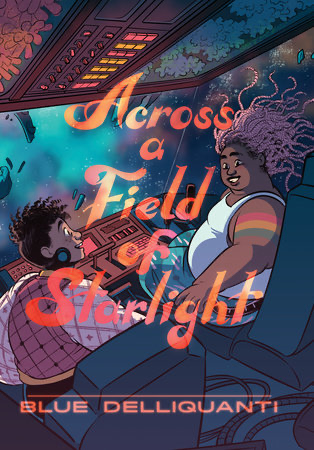
Across a Field of Starlight – Blue Delliquanti“And when I see you take the same sweet steps/You used to take, I say/’I’ll keep on holding you in my arms so tight/I’ll never let you slip away…'”

Since this post consists entirely of songs, consider all of them to be today’s song.

That’s it for this week’s Sunday Songs! Have a wonderful rest of your day, and take care of yourselves!

Posted in Uncategorized

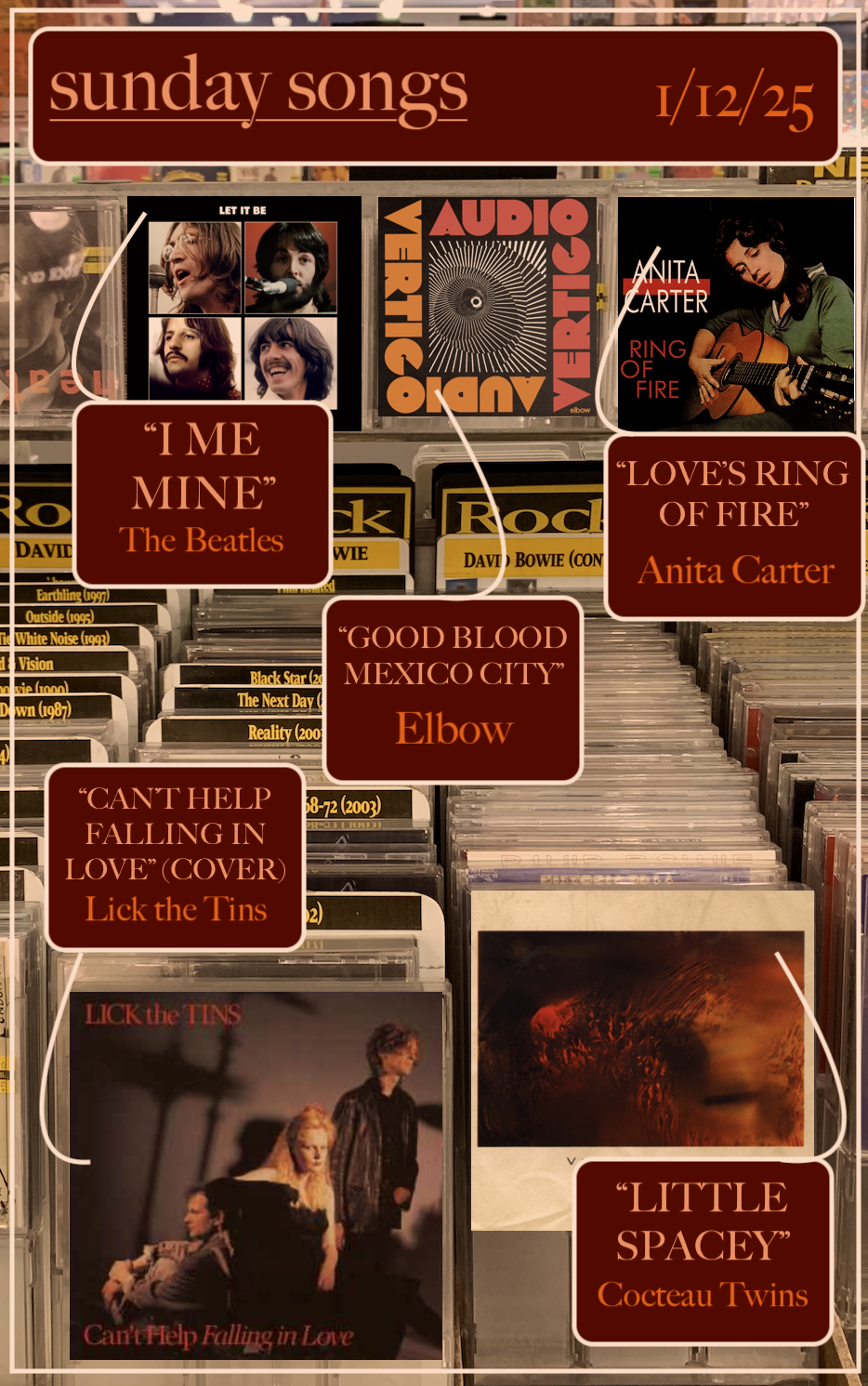
Sunday Songs: 1/12/25

Happy Sunday, bibliophiles! I hope this week has treated you well.

This week: in which being a DC comics fan and a fan of British alt-rock goes awry.

Enjoy this week’s songs!

SUNDAY SONGS: 1/12/25

“Can’t Help Falling in Love” (Elvis Presley cover) – Lick the Tins

Imagine going so hard on an Elvis cover that you have to add not one, not two, but THREE Irish polkas at the end just so that it reaches the three-minute mark…I don’t find myself saying this often, but that pennywhistle kinda goes crazy.

“Can’t Help Falling In Love” has been covered hundreds upon hundreds of times—it’s so simple and iconic that it’s an obvious go-to for anyone to wring some emotion from the audience. (Whether or not they’re always successful is debatable. At worst, it can be the easy way out.) I can’t definitively find just how many times it’s been covered since Presley’s original release, but it’s got a slew of big names parading behind it: Kacey Musgraves, Beck, Chris Isaak, U2, Erasure, Zayn of One Direction, and Christine McVie isn’t even scratching the surface. (Though this one isn’t technically a cover, Spiritualized’s “Ladies And Gentlemen We Are Floating in Space,” one of my favorite songs of all time, adds the lyrics to J. Spaceman’s melody. It gets me every time…) And…well, as with any song that’s covered as numerously as this one, even the greats blend together sometimes. Rarely do they stray beyond the lazy, slow-danceable tempo. You can’t do much to a classic…

…unless you’re Lick the Tins. Their take on “Can’t Help Falling in Love” is one of the only takes that makes it sound lively. From the minute the drums kick in, you’re propelled by the spirited energy that the Irish band injected straight into the heart of this song. It’s considerably sped up, but beyond that, they make it so naturally celebratory. Alison Marr and the chorus behind her make every verse feel like a victory lap, a joyous sprint fueled by the essence of that feeling of falling in love. Of course, said speed meant that they had to add said three polkas at the end, all performed with the same Celtic inspiration that fueled the rest of the cover (and their very small body of work), but it makes it feel like the most triumphant of endings: the rickety car is driving into the sunset, the bouquet has been caught, the girl has been got. John Hughes clocked that quickly in his decision to put it at the end of Some Kind of Wonderful—this song couldn’t be any more ’80s rom-com if it tried. But long before I saw that movie, there was always a kind of purity to it—nothing could taint the memory of a song that so embodied the unbridled joy of running through a field, bathed in sunlight.

I haven’t sampled any of the Lick the Tins originals, but this song was released on their first and only album, Blind Man on a Flying Horse. Maybe there is some kind of shame to be only known for an Elvis cover and then disappearing from the face of the earth, but if I had a cover as near-perfect as this one…I dunno. I think I’d be happy.

…AND A BOOK TO GO WITH IT:

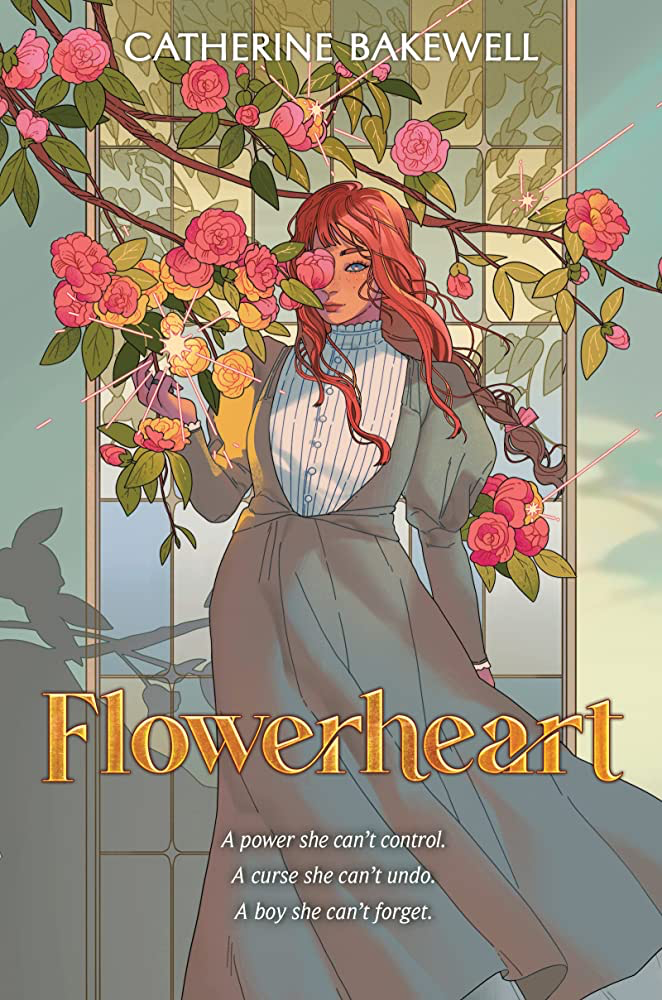
Flowerheart – Catherine Bakewellthough I didn’t enjoy every aspect of this book, I do feel like this cover would suit the homely, comforting atmosphere that it boasted at its highest points.

“Little Spacey” – Cocteau Twins

It now the dead of Cocteau Twinter. It’s been in the 20-degree range for several days now, and I’ve had several…questionably fruitful sessions of attempting to learn to knit while listening to this album. My expectations were high after how consistently fantastic the albums I’ve listened to before this (Heaven or Las Vegas and Blue Bell Knoll) and how pleasantly “Oomingmak” has lingered with me for six months, but to this day, Elizabeth Fraser and co. have not failed me.

Take out the inspirations from David Attenborough’s The Living Planet: A Portrait of Life on Earth, and it would still be a distinctly winter album. With bass player Simon Raymonde absent for the recording of this album (he was recording for the This Mortal Coil record Filigree & Shadow), the sound is more delicate than a pointed icicle dripping from a rooftop; the album’s lack of a distinct bass gives its the delicacy it needs to feel as atmospherically Antarctic as it does. (A great playlist transition for you: “Lazy Calm,” the opening track, with David Bowie’s “V-2 Schneider”…what, you thought you could escape one of my posts without a mention of David Bowie?) “Little Spacey” in particular has to be one of the iciest songs on the album. Normally, that word has the connotation of being prickly or unfeeling, but in this case, I say icy in the sense of how winter sunlight reflects crystalline colors off of it, or how it begins to melt at the corners once that sunlight comes out, or how snowflakes cling to the toothy tip of an icicle during a snowstorm. Fraser arranges and layers her harmonies in such an otherworldly way that it sounds more like an overhead flock of cooing seabirds than anything human. It has the ice of an Antarctic winter, yet all of the comfort of watching it from a TV screen, in the same way I imagine the band gathering inspiration for the album.

…AND A BOOK TO GO WITH IT:

Even the Darkest Stars – Heather Fawcettfrigid, windy, and wintry, but glittering with starlight.

“I Me Mine” – The Beatles

…yeah. It’s not like George Harrison wasn’t also a jerk during the Get Back sessions, but oh my god…being in the studio with the rest of The Beatles for that long would make me write a song about how the world is ruled by ego too. Being around John Lennon does that to a guy…and Paul McCartney bluntly correcting your grammar. Jesus. Without a doubt, it’s a bitter note for The Beatles—”I Me Mine” was the last new material recorded by them, depending on which criteria you’re going off of*—but even through the bitterness, you can of course count on George Harrison to weave something timeless from it. The oscillation from the boat-rocking-on-waves sway of the verses to the urgent clanging of the organ during the chorus seems like an accurate picture of the volatility of these sessions—sometimes, they made progress that would eventually become Let It Be and Abbey Road, but it would whip around into heated arguments (take a wild guess who started most of them) just as easily. Given the more charitable and spiritual person Harrison became as he departed from The Beatles, it’s hard to imagine him throwing any sort of truly mean-spirited shade—but I feel like “I Me Mine” could be argued as a diss track. No names named, but it’s about John and Paul. We know. Or a diss track on the concept of egoism. It’s both.

*there’s a considerable amount of debate over what counts as the last true Beatles song; “I Me Mine” had only 3/4 Beatles present for the recording.

…AND A BOOK TO GO WITH IT:

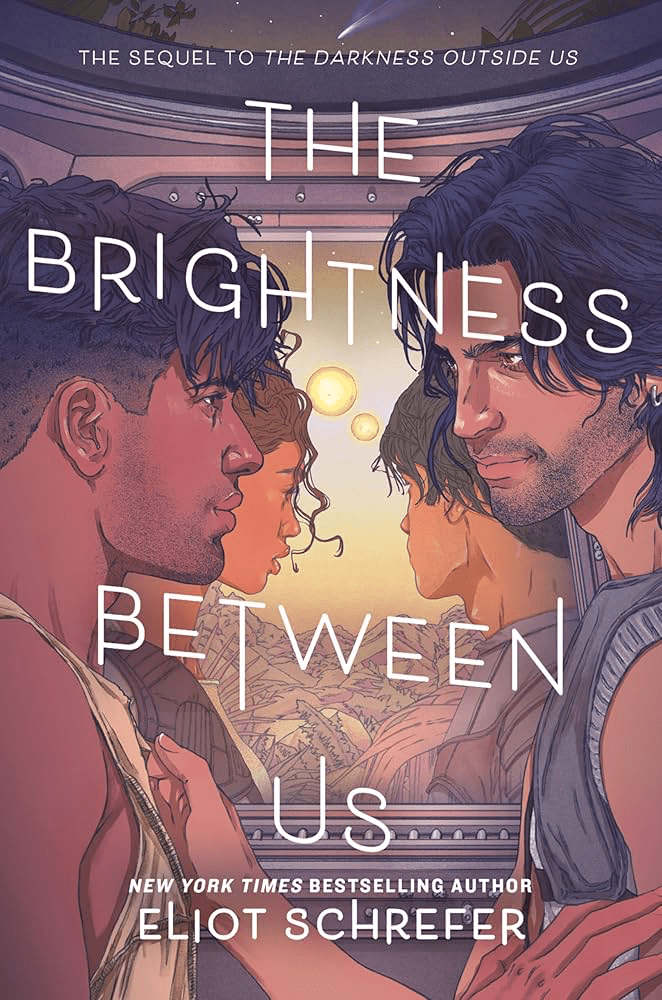
The Brightness Between Us (The Darkness Outside Us, #2) – Eliot Schreferin the less-far future side of this novel, there’s an awful lot of “I Me Mine” going on in the Cusk household…

“Good Blood Mexico City” – Elbow

Man…I love comics, but any given comic fandom is just so painfully full of contrarians. You’ve got a bunch of dudebros wasting away in basements whining about how none of the comic book movies coming out are actually comic accurate, but then the Superman trailer comes out, and those same people are whining about Guy Gardner and his glorious bowl cut? It’s pure campy comic perfection. IT’S COMIC ACCURATE. It was never about comic accuracy, was it—

Oh? What’s that you say?

…oh. Wrong guy. Wrong Guy. Garvey, not Gardner, I’ll see myself out…great song though, right?

…AND A BOOK TO GO WITH IT:

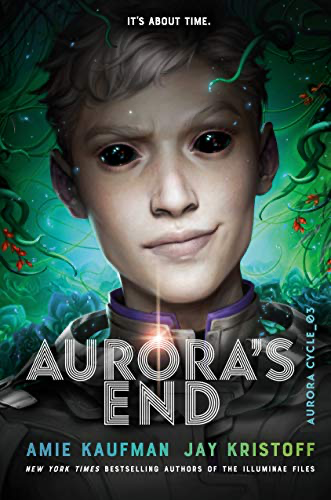
Aurora’s End (The Aurora Cycle, #3) – Amie Kaufman & Jay Kristoff“This is the day for big decisions, you know/Follow your lodestar/Starry eyes, smoky eyes, urgent eyes/This is the surge of the good blood rising/If you’re running, I’m coming…”

“Love’s Ring of Fire” – Anita Carter

If I had a nickel for each time in music history that Johnny Cash became known and adored for a cover, I’d have two nickels, which isn’t a lot, but in this instance, it’s really not weird that it happened twice. The man was supremely talented—he didn’t just cover said songs, but undeniably elevated them (the other, in this case, being his gut-wrenching rendition of Nine Inch Nails’ “Hurt”). In this case, a fair amount of people know that “Hurt” is a cover. I can’t speak for the rest of you, but it hit me like a sack of bricks when I found out that “Ring of Fire” was a cover. (The one time I’ve actually learned something from YouTube shorts—specifically this one by Tommy Edison.) I was just so accustomed to hearing his version and nothing else; I assumed with his stature that he’d written it just the same.

Turns out that Anita Carter was responsible for the original version, sister of June Carter (who Cash eventually married), who wrote the song along with Merle Kilgore. Carter’s voice is a noteworthy contrast to Cash’s—the way she croons the iconic line “I believed you like a child/oh, but the fire went wild” tickles my brain in that special sort of way that only a handful of songs do—as does the way her high note fades into a sunset sky at the end of every repetition of the chorus. Yet despite, that, it’s rather subdued for a song comparing love to, y’know, a whole ring of fire; to quote my mom upon hearing it, she sounds “emotionally distanced from the ring of fire.” Yikes…but it is awfully slow for the metaphor at hand. It could be a consequence of being able to see clearly after being chucked through said ring of fire and coming out the other side with more than a few burns, but you don’t exactly get that fervor that’s inherent to the metaphor. Johnny Cash, being Johnny Cash, took that sign, sped up the chorus, tweaked some lyrics, and added some mariachi horns after dreaming about a rendition of the song backed by them, as the story goes. To me, it’s two observers’ perspectives on the same phenomenon, but distance is the key: maybe it’s because Cash sung his view directly from said ring of fire that his version became more enduring. Either way, seeing the first evolution behind an enduring country hit was a surprising journey.

…AND A BOOK TO GO WITH IT:

The Good Luck Girls – Charlotte Nicole DavisAnita Carter’s specific version wouldn’t be out of place in the Western-inspired setting of this duology.

Since this post consists entirely of songs, consider all of them to be today’s song.

That’s it for this week’s Sunday Songs! Have a wonderful rest of your day, and take care of yourselves!

Posted in Sunday Songs

Sunday Songs: 10/27/24

Happy Sunday, bibliophiles! I hope this week has treated you well.

This week: if I had a nickel for every year that I’ve had a bright green Sunday Songs color scheme right before Halloween, I’d have two nickels, which isn’t a lot, but it’s weird that it happened twice…bon appetit.

Enjoy this week’s songs!

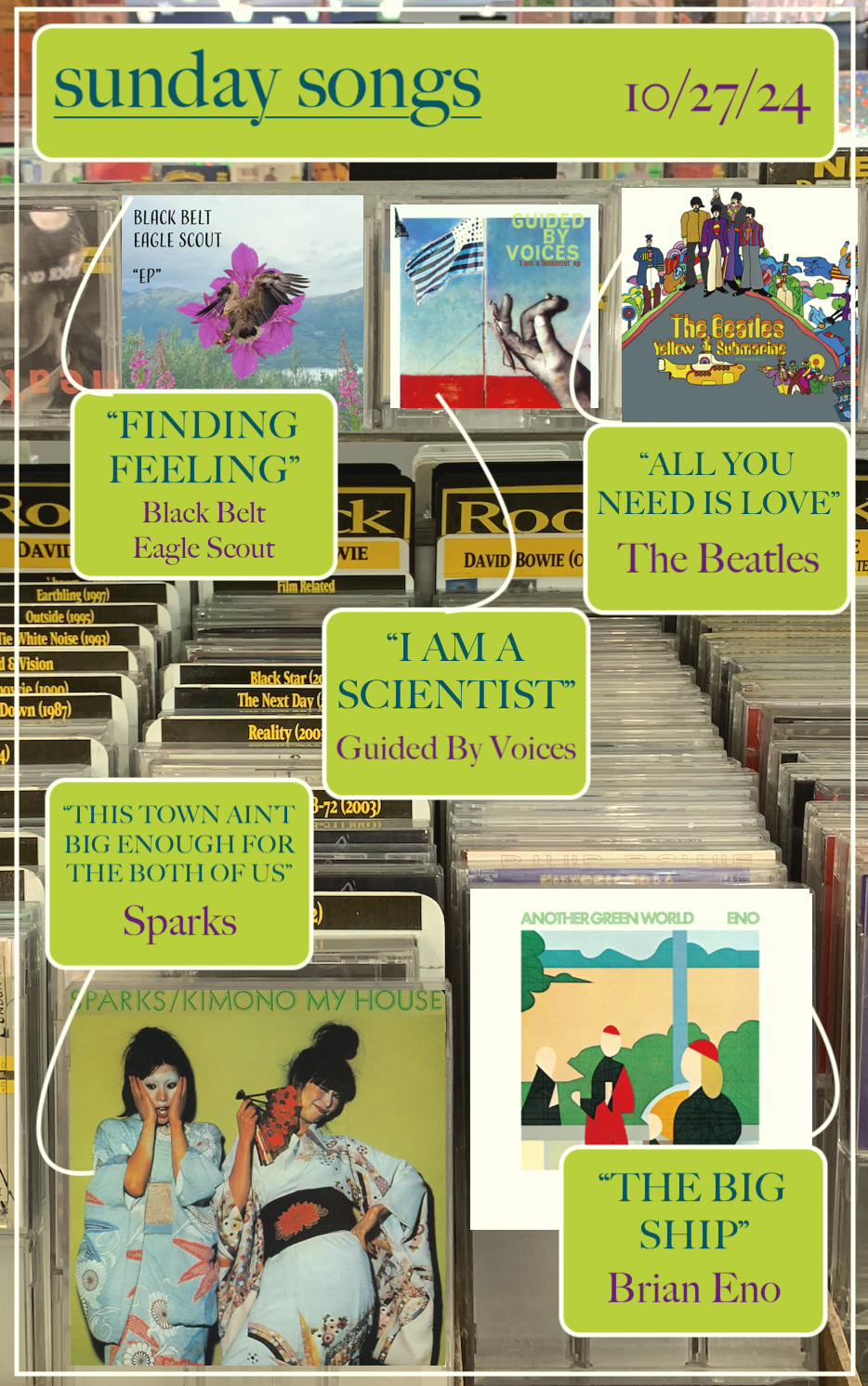
SUNDAY SONGS: 10/27/24

“This Town Ain’t Big Enough for the Both of Us” – Sparks

Because all you musicians totally want my unsolicited advice, I’ll offer it up: this is peak walk-on music. Imagine the band coming onstage the minute the drums kick in after the gunshot sound effect at 0:35. Come on.

In my glacial but nonetheless exploration of Sparks, I realized that I sort of knew this one—it’s one of their most popular and enduring songs, but I knew it from the cover that Siouxsie and the Banshees did, which should tell you all you need to know about how I was raised (read: a hipster). I think my desire for somebody to use this as walk-on music stems from just how punchily theatrical it is. It demands dynamic movement, silk, and finger guns fired into the audience of an opera house. Even though I’d place it well on the outskirts of glam (somewhere near Brian Eno ca. 1974), it walks that line between pure rock and full-face theatre. The Mael Brothers’ brand is significantly tighter than the spandex that their counterparts were (probably) wearing, but the constrained, cagey feel of it adds to the suspense, however thickly they laid it on—it certainly fits with the anecdote about the zoo animals in the first verse. Yet for the slimness of it all, they lean into how over-the-top it is. Case in point: said Wild West gunshot sound effect during the chorus. Brilliant.

Other than Siouxsie, a fair share of artists have covered “This Town Ain’t Big Enough for the Both of Us” over the years. I found out that the most recent happens to be The Last Dinner Party, who…admittedly, other than “Caesar on a TV Screen,” I haven’t exactly liked much, covered it as well, and…eh? The overwhelming vibe I got was that they were trying to go for over-the-top, but, as with…well, everything I’ve heard of theirs, they were trying way too hard. It sounds tight, but there’s hardly any fun in this. And how do you cover Sparks and not make it fun? Siouxsie and the Banshees made it their own—the flow is more dynamic and not as punctuated as the original, but it’s got that theatrical urgency that gives it the oomph that’s necessary to cover the song. The Last Dinner Party restrained themselves so much…and I hate to harsh on them, but they’re missing the whole point! The spirit of “This Town Ain’t Big Enough for the Both of Us” is to go dramatic! Go big or go home! I AIN’T GONNA LEAVE!

…AND A BOOK TO GO WITH IT:

The Good Luck Girls – Charlotte Nicole Davisanother—but very different—twist on Westerns.

“The Big Ship” – Brian Eno

me when I’m in a “making incredibly soothing but also innovative music” and my competition is Brian Eno:

Brian Eno can really do it all. He glammed up the ’70s with Roxy Music, then struck out on his own and glammed some more…and eventually came to be the person responsible for both coining and creating the genre of ambient music. He’s a master of both the lyrical and the instrumental; Another Green World contains both, but is considered by many to be part of his transition to almost exclusively making solo, instrumental ambient music. Even if he did mold the genre, however, I wouldn’t call “The Big Ship” ambient. Compared to something like “1/1,” it has an unmistakable feel of rising action, as in a novel, instead of the former’s soothing plateau. It’s unassuming at first glance, but judging from the outpouring of emotion in the YouTube comments—and its use in deeply emotional scenes from Me and Earl and the Dying Girl and The End of the Tour—”The Big Ship” is anything but. Author David Foster Wallace even said this in his posthumous novel, The Pale King:

“This song is making me feel both warm and safe, as though cocooned like a little boy that’s just been taken out of the bath and wrapped in towels that have been washed so many times they’re incredibly soft, and also at the same time feeling sad; there’s an emptiness at the center of the warmth like the way an empty church or classroom with a lots of windows through which you can only see rain in the street is sad, as though right at the center of this safe, enclosed feeling is the seed of emptiness.”

I don’t think I’ll be able to articulate anything about this song better than Wallace. I don’t think anyone ever could—he really did chip away the truth. You feel all of it. You can touch that drained eggshell’s core of emptiness, but you can see the pinprick of light made by a needle at the top. Whatever you imagine the big ship to be, the gradual rise of the song produces imagery that leads you to believe that this ship could be arriving just as well as it could be leaving. “The Big Ship” is a door ajar, but whether or not you see the light retreating or impending is entirely up to the flip of a coin.

In my mind’s eye, there’s a gargantuan, city-sized ferry, perhaps fueled by a pair of unseen wings on the hull. Like a kind knife through melted butter, it cleaves a path through a roiling sea of fog, curls of mist tracing the polished metal like child’s fingers. It moves slowly, glacially, taking its time to pave a path through the billowing clouds, into whatever lies beyond. I love the title of Another Green World, and even though I haven’t yet listened to all of it, I immediately relate to the concept of the Green World in literature; I was introduced through it by Shakespeare and A Midsummer Night’s Dream, where Athens functions as the world grounded in reality, whereas the realm of fairies, governed by magic, whimsy, and glamour, is the Greener. It is the “false” world, but also the world of innovation and real magic that we strive to create. Like a sprout, it is ripe with possibility, things yet to come to fruition. Perhaps that’s where Eno’s big ship has charted its gentle course.

…AND A BOOK TO GO WITH IT:

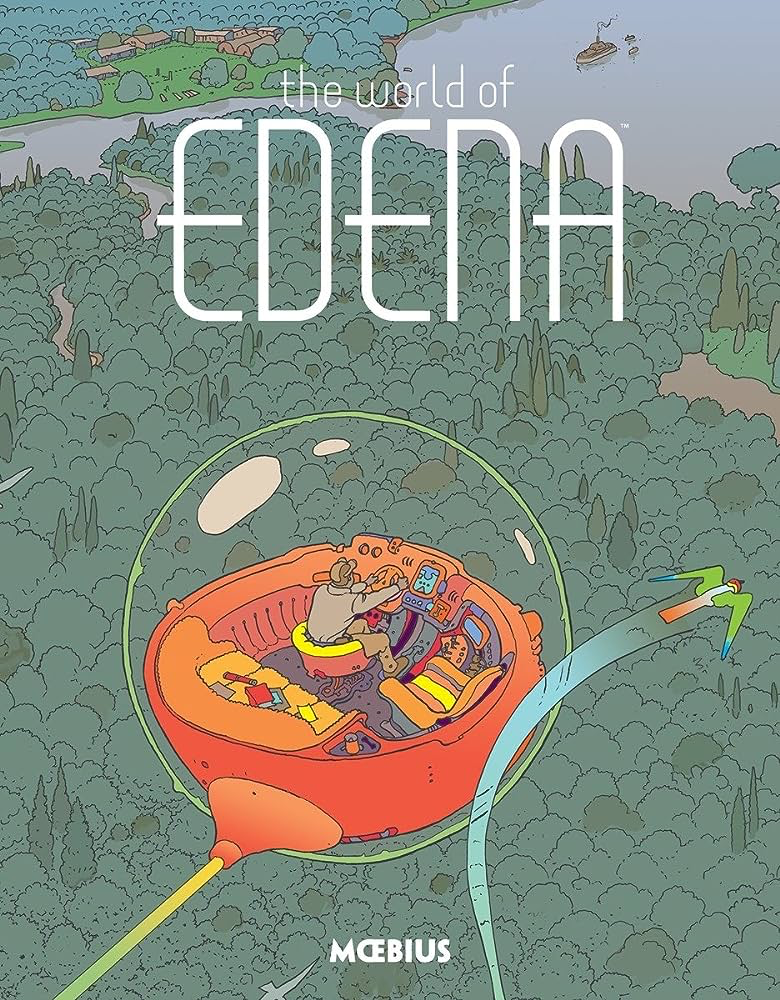
The World of Edena – Mœbiussomewhere, across temporal boundaries, I can imagine Eno and Mœbius creating art together—the latter to create the brightly-colored, simple landscape, and the former to soundtrack the gentle humming of its engines.

“Finding Feeling” – Black Belt Eagle Scout

Ten years ago, Katherine Paul self-released their debut EP on Bandcamp as Black Belt Eagle Scout. A decade later, and Paul has brought this artifact of her career to streaming, letting the world see the infancy of this project. Like Eno, it’s a soothing exercise, sculpted from handfuls of reverb and sparing percussion. Now, I can see the remnants of this sound that later permeated into their debut album, Mother of My Children; it flows as easily as water, but in those early days, they were prone to get caught up in the current and let the same phrase repeat itself for quite some time. It’s not that it’s bad by any stretch of the imagination—Paul just hadn’t hit their stride yet, and didn’t know when to whip out the cutting board to make things more succinct. (“Finding Feeling” repeats itself for the first third of the song…which is six and a half minutes long.) The lyrics lack the artistry that Paul would later learn, but time has proven that her voice has always been as crystal-clear and cooling as still water from the mouth of a glacier. “Finding Feeling” almost describes itself as you nearly get lost in the repetition, but the payoff, though long-earned, is the seed of what would become a soaring talent.

…AND A BOOK TO GO WITH IT:

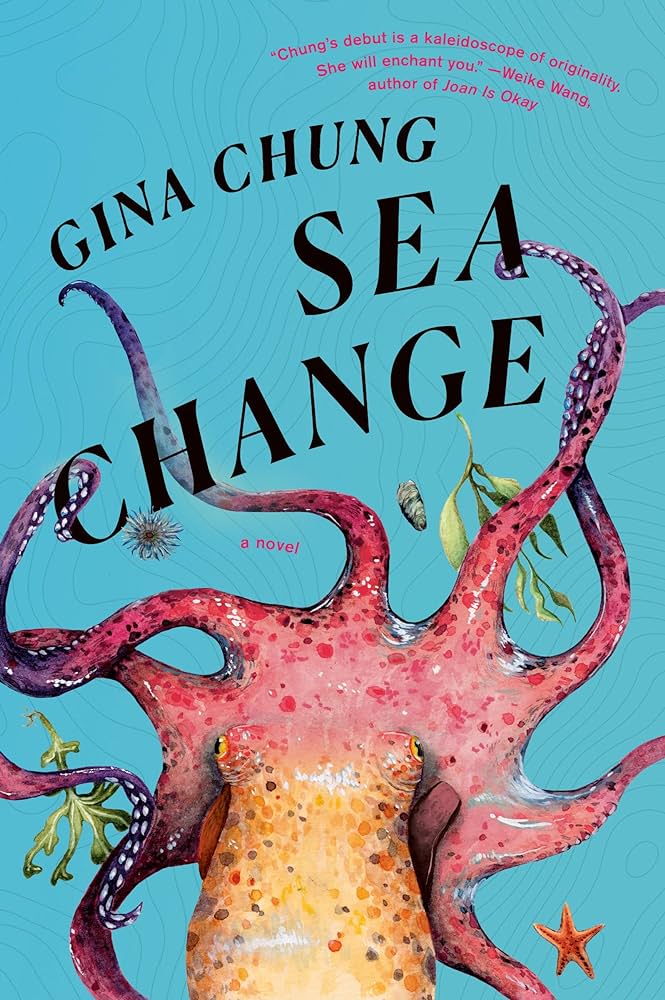
Sea Change – Gina Chung“I go home in the evening/I don’t feel a thing/I don’t know nothing/I go home in the evening/I don’t see a thing/I don’t have anything…”

“I am a Scientist” – Guided by Voices

It’s baffling that this version of “I am a Scientist”—from the 1994 I am a Scientist – EP—never made it onto the album that the original version did (Bee Thousand); the original, as good as it is, screams “demo,” muted in every way. While I’m all for the scrappy, understated recordings (see: everything Car Seat Headrest did until about 2016), the full band backing the EP version makes it into the triumphant march that it was always meant to be. And what a perfect slice of ’90s indie-rock this is—it’s Pavement from an alternate universe, one where they decided to churn out multiple albums a year for the rest of the foreseeable future. I’m no judge of how good said prolific output is, as this is one of two songs I’ve listened to, but if the talent displayed on “I am a Scientist” and the acclaim that their ’90s albums have gotten, I can only assume that said talent hasn’t dried up.

…AND A BOOK TO GO WITH IT:

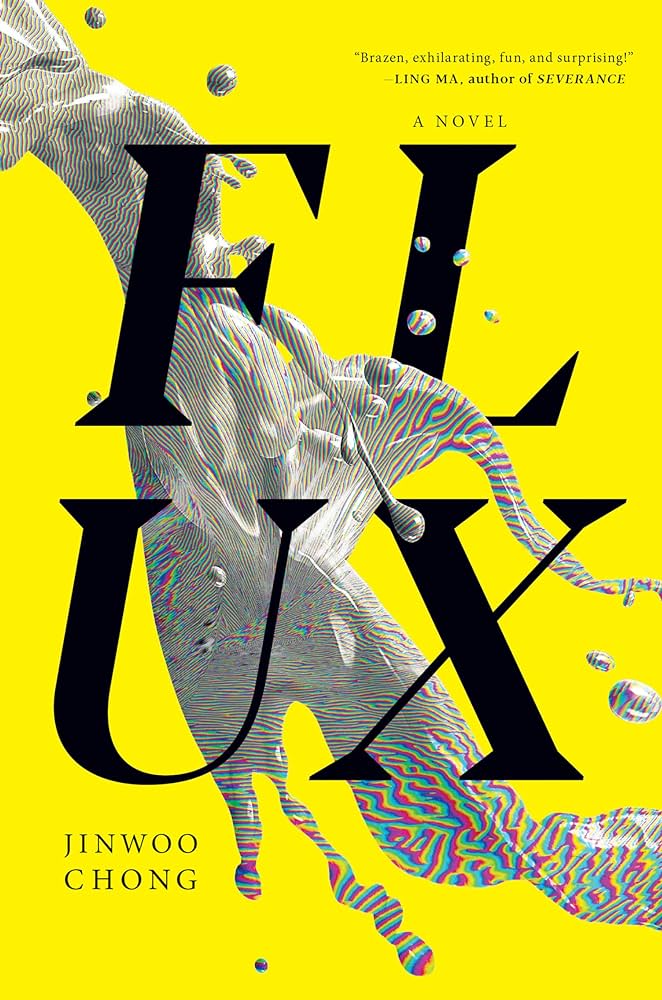
Flux – Jinwoo Chongan unraveling mystery between men, generations, television, and time travel. (Was it always successful? No, but I enjoyed enough of it. I’ll always applaud the ambition of it.)

“All You Need is Love” – The Beatles

I didn’t conceive of Sunday Songs consciously to put them on Sunday—the alliteration was just there, and it worked. But this week feels fitting that it’s on Sunday, and I’m glad I stuck this song at the end.

Here. Take a moment to breathe. We have miles and miles of anxiety ahead of us and miles and miles of horror behind us. But that is not all there is in the world. You see the spinning earth at the end of this video, animated in silence, and remember that there is love. Even if they were summoned into a studio, you can see all of the people gathered together, covered in flowers, and remember there is love. Millions of miles gives way to the possibility of endless cruelty, but if you look hard enough, you will know that our planet was never molded from just that. Whatever happens, there will always be love, and there will always be someone to embody love. Take a seat. Let the confetti brush your cheeks, let the sound lift you into the air.

All you need is love. I’ll take this into the week, I’ll keep it against my breastbone like a locket until the silver wears into my skin. Will you?

All you need is love.

…AND A BOOK TO GO WITH IT:

Since this post consists entirely of songs, consider all of them to be today’s song.

That’s it for this week’s Sunday Songs! Have a wonderful rest of your day, and take care of yourselves!
Posted in Sunday Songs

Sunday Songs: 3/24/24

Happy Sunday, bibliophiles! I hope this week has treated you well.

This week: sit down, kiddo. Soon you’ll be a mature adult, so your father and I have decided that you’re ready to learn about the (acid, lady) birds and the bee(tle)s.

…why are you leaving?

Enjoy this week’s songs!

SUNDAY SONGS: 3/24/24

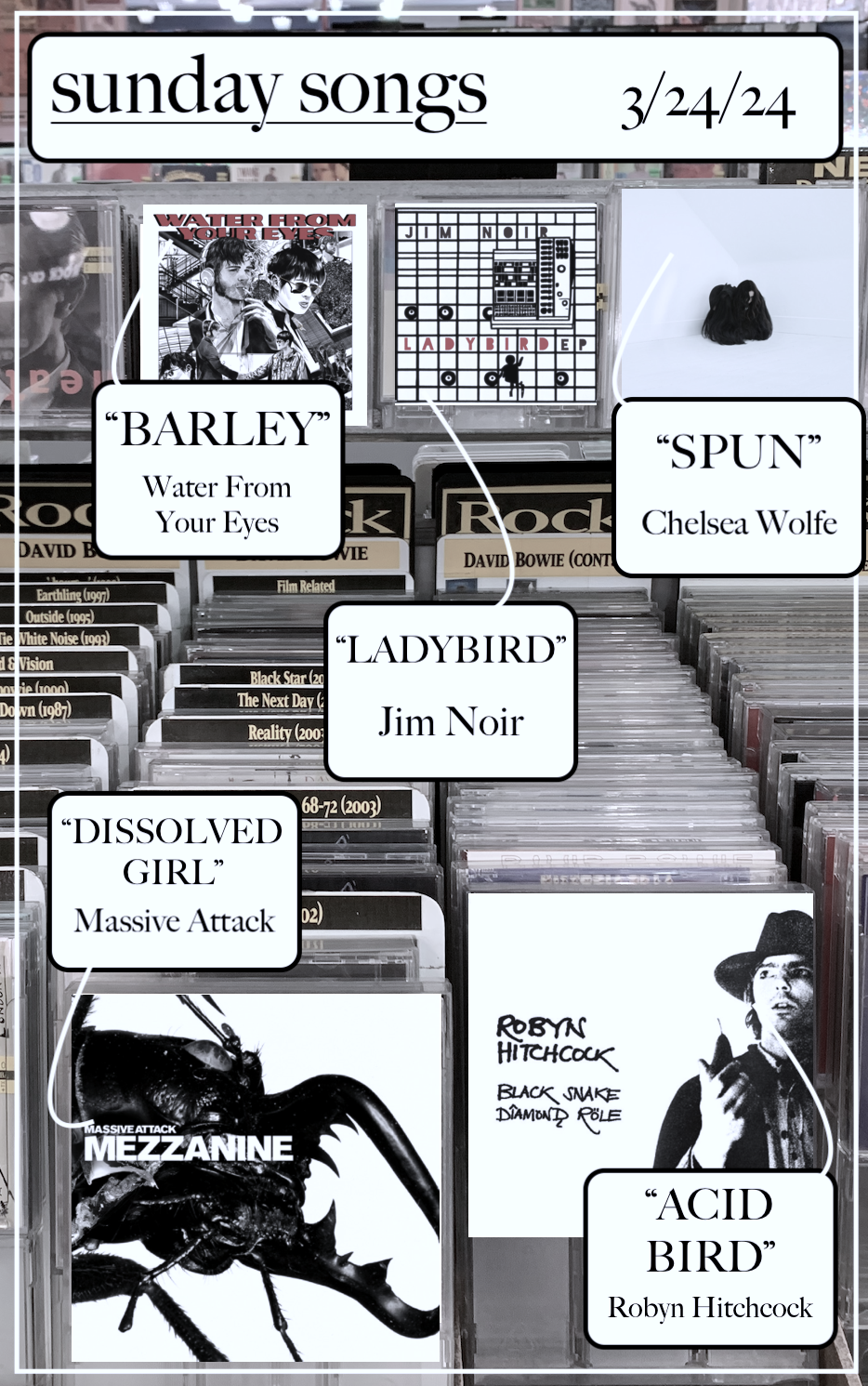
“Dissolved Girl” – Massive Attack

Like Odelay, I’ve very much screwed myself over when it comes to this album; as my brother was showing this song to me in the car (thank you, by the way), I talked to him about the album, and after we talked about all of the songs I’ve heard off of Mezzanine, we concluded that I’ve…basically listened to the whole thing, save for some of the apparently duller songs and some instrumental breaks. Oops. My brother’s advice was to go through the album in its entirety anyway, so I’ll still take that advice. Eventually. The Sisyphean album bucket list persists.

I have a special soft spot for songs that sound like their album art. Most of the tracks on Mezzanine have a similarly creeping feel, but “Dissolved Girl,” to me, feels the most like Nick Knight’s photograph of a shiny, almost glistening stag beetle; the initial photo was taken by Knight at London’s Natural History Museum. Minus the pincers, it almost looks like the exoskeleton of a xenomorph—also a fitting image for the creeping feel of some of Mezzanine’s tracks. Much of the album retains that prickly feel of looking at the fine hairs adorning the beetle’s legs, but this song, especially the intro, captures it best. I can almost imagine that same beetle in captivity, scuttling around across a blank canvas in erratic patterns, like a shot from an old nature documentary. Its antennae twitch, it pauses in thought, then scuttles off into a corner again, only to emerge a few seconds later. Looking back, I’m ashamed that I completely missed that fact that this track was also featured in The Matrix. Granted, I was also so caught up in the glorious cheese of that movie that there wasn’t much else to focus on except for a) that one absolute monster of an H.R. Giger fever dream scene, and b) the fact that Keanu Reeves can barely act (sorry, dude, I’m sure you’re a nice guy). But like the stag beetle’s shell, that sleekness blends in with the landscape that the Wachowski Sisters crafted all those years before. I’ve tricked myself into thinking that there were raindrops or dewdrops on said beetle’s shell, but no—it was a trick of the light, and a trick of the music. “Dissolved Girl” runs over your skin like frigid water and catches all the colors of light like an oil spill, darkly alluring in the dapples patterned across it. Sarah Jay Hawley’s voice isn’t just sultry—it’s a puff of rasping steam from a rusty teakettle, blossoming into strange clouds as it’s swallowed by synths and guitars that were made for dramatic entrances and nothing more. It really is dissolving, but it seems to reform itself every passing second, an ouroboros of electronic deja vu.

…AND A BOOK TO GO WITH IT:

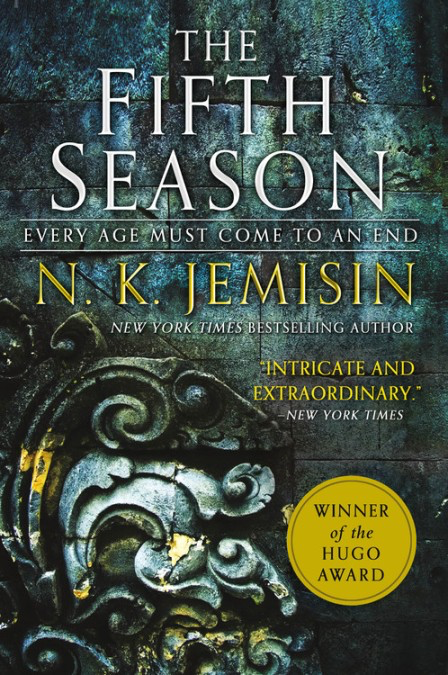
The Fifth Season – N.K. Jemisinthe lyrics don’t reflect the connection so much as the feeling of it does—uncertainty, circularity, and deja-vu abound.

“Acid Bird” – Robyn Hitchcock

Note to any aspiring songwriters who may come across this post: I accidentally typed “acid birthday” into YouTube while looking this song up, so there’s a good song title right there. It already sounds ten times ickier in subject matter already, but…it sure is a song title.

Robyn Hitchcock seems to have been planted in the rich, fertile soil of ’60s musical inspiration from the start. Listen to any of his songs from his solo works or from one of his many groups over the years, and that bright, whimsical jangle always pops out of the woodwork. But before I saw him back in January, I found out that he’d played several short shows where he only played sets of Syd Barrett covers, and the comparison clicked instantly. Personally, I’m glad that Hitchcock took the good parts from Barrett’s legacy and never went off the deep end, but if there was ever a perfect fit, the two’s musical and lyrical styles were practically made for each other. There’s no doubt that plenty of artists have found drugs to be an outlet for imagination, but it’s always temporary; I never mean to make light of addiction and the very real consequences it can have on a person and their loved ones, but every time I hear about any of these instances, it’s a short-lived outlet. We know where it tragically led Barrett (rest easy) and many other artists of his time, but often, these things have been discovered have always been dormant—maybe it was the drugs that exposed them, but that kind of creativity lingers in all of us. We all have different ways of finding it, and all we can do is learn to live with it carefully—the very things that we perceive as opening it can destroy it just as quickly. At least we can look to Hitchcock as an example—it seemed he knew early on that his wild creativity was at the wheel, and he’s managed to preserve it for decades.

That kind of easygoing, ’60s feel is etched all throughout his decades-long, insanely prolific career, but some of the earliest notes of it, to me, can be found in his first solo album, Black Snake Diamond Role, and in particular, “Acid Bird.” Aside from the unmistakably sixties jangle of it all, from the lazily swaying chords to the way that the guitar is almost made to sound like the limbo between a guitar and a sitar. And like the entirety of Hitchcock’s career, this song is full of oddball wordplay, entirely nonsensical, but somehow sensible, in the sense that, having seen him live, he had every intention of putting these words together in this exact order. It’s unmistakably late ’60s psychedelia—I can hear the lyricism of Pink Floyd’s “See Emily Play” and the instrumentation of…well, probably any late ’60s Beatles song you can think of, and yet, it couldn’t be anybody else but Robyn Hitchcock. Going even later, I’ve always thought of his wordplay as so much like Marc Bolan, like he has access to some bizarre fantasy world that can only be described to us mortals in words that don’t fully make sense when strung together in the order that they are. I’m just glad that Hitchcock has dedicated his career to mapping it in all of its hills, valleys, and acid birds.

…AND A BOOK TO GO WITH IT:

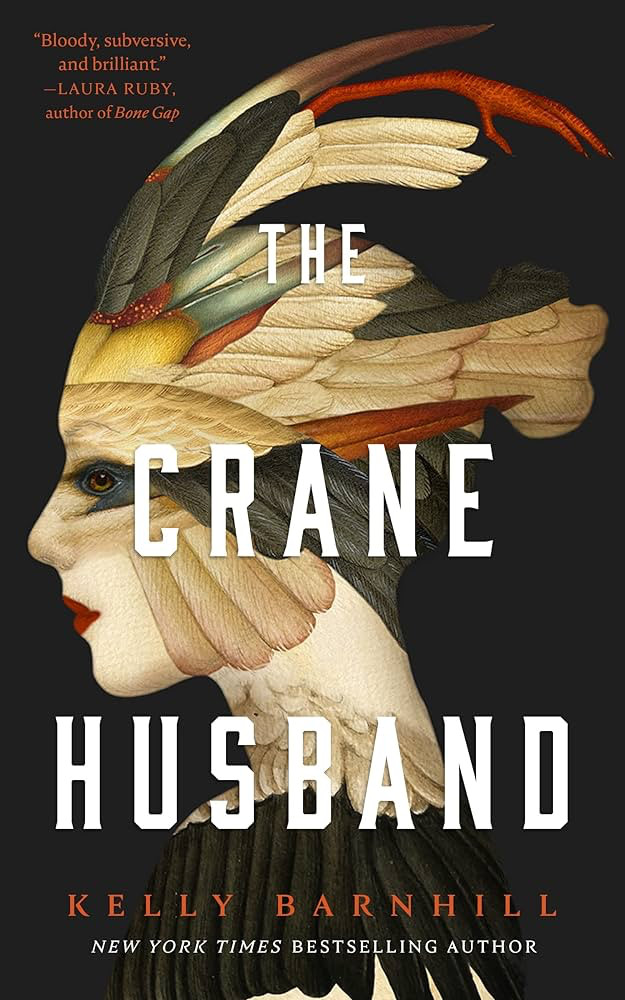
The Crane Husband – Kelly Barnhilla hazy, eery crawl between genres, steeped in slipshod tapestries and sinister birds.

“Barley” – Water From Your Eyes

If you laid out all of the elements of “Barley” bare, it would fit a pretty common definition for really pretentious music. You’ve got your discordant synths, you’ve got your avant-garde, nonsensical lyrics, you’ve got some off-kilter guitar riffs for good taste, and you’ve got disaffected vocals courtesy of Rachel Brown, who sounds for all the world like they did not want to be there. But this song feels more in the vein of play than construction—the minimalism and freeform feel of it all feel like just that: freeform. It feels like this song was conceived in 5 minutes tops, and I’ve grown to enjoy that quality about it. I keep bringing up Beck in this post for reasons unknown to me, but the technique of Water From Your Eyes (or, alternatively, what sigma male gymbros call tears) seems to be similar: stick a bunch of parts together with a bit of synths and Elmer’s glue, then create the most earwormy eyesore you’ve ever heard. I say “eyesore” only because it’s the best word that comes to mind—it doesn’t sound pleasant, and yet, it sounds good. Between Brown’s vocals, the hectic instrumentations, and the urgency of it all, “Barley” feels like the squirming child of Guerilla Toss and Wilco’s “Spiders (Kidsmoke)“—drolly sung, but full of lyrics that could be prophetic, and as jagged and crawling as all get-out. I’d never thought I’d compare those two, but that’s the beauty of this song—it’s a strange, stiff chimera of a song, and I love it and all of its jerky, weak-kneed beauty.

…AND A BOOK TO GO WITH IT:

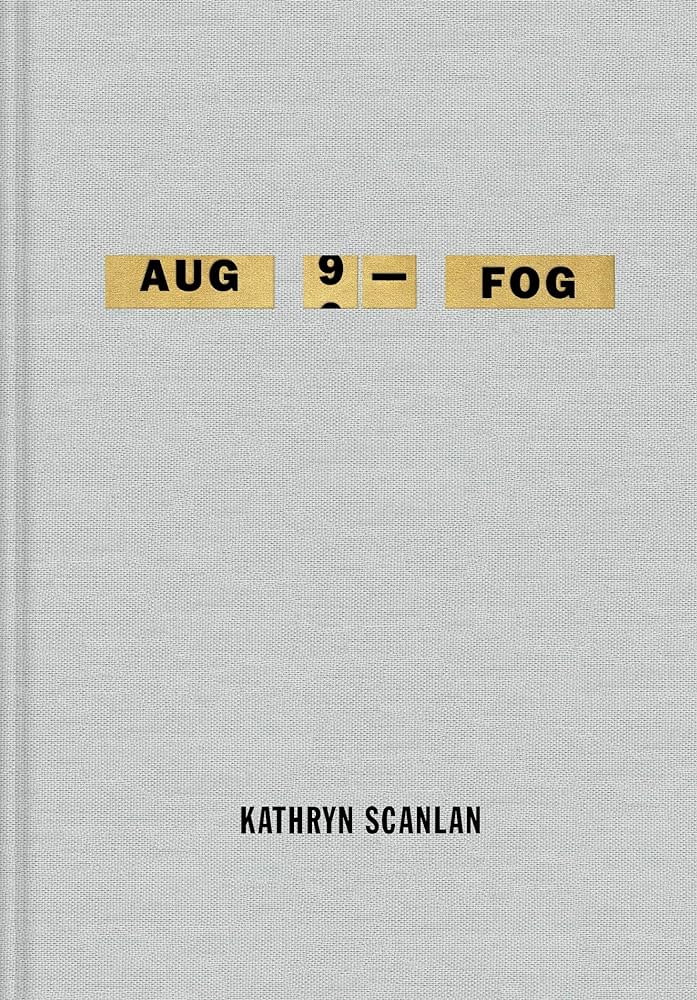
Aug 9 – Fog – Kathryn Scanlana similar connection of loose bits and bobs, this time in the form of poetry made from what remained of a stranger’s diary that Scanlan found at an estate sale.

“Ladybird” – Jim Noir

HE’S BACK! Well, he never really left, and was doing some incredibly impressive things while he was “gone,” but he’s back to serving up EPs via Patreon (as always, support a fantastic independent artist if you’re financially able! It’s worth your while!).

Before the switch from monthly EPs to releasing the excellent record Rotate as half of Co-Pilot, a lot of the EPs he was putting out were starting to feel thinned out; even at the beginning of the project, many of the tracks were throwaways that he later polished up, but as time went on, some of the whimsical, lighthearted creativity that he’s known for seemed to have bled out somewhere down the line. The last few EPs felt a little hollow—the last thing I’d expect of Jim Noir, the same mind that could make a song about putting off going to the store to get tea (if there was ever a more British concern) into a sunny, ’60s-flavored synthfest. I wouldn’t be surprised if he was saving his musical time and energy for Co-Pilot during the weaker run of EPs (justifiably so, I mean, God, what a record), but I did miss the more creative tidbits. It seems that some time away has given him time to shake things up, and now we have Ladybird – EP, which I can happily say is a delight! I found myself particularly drawn to the title track; there’s still a hesitant restraint about it, but it has every hallmark of a catchy Jim Noir tune—cymbal heavy drumming, humming vocals, and of course, bleep-bloop aplenty. Gotta have that good bleep-bloop. The background is decorated with sounds that almost ring like a submarine’s radar, and the rest of it hums with buzzy energy, nervously scuttling about like the insect it’s named for. It’s hesitantly bouncy, with eyes that seem to dart about every few minutes before ducking behind the nearest door. I wouldn’t call it his masterpiece, but it gives me hope that this could be the start of the album that he’s been teasing for…almost two and a half years now, I think? If Rotate is all we get, then I’d certainly be happy, but I find myself wanting another win for Jim Noir. It’s what he deserves.

…AND A BOOK TO GO WITH IT:

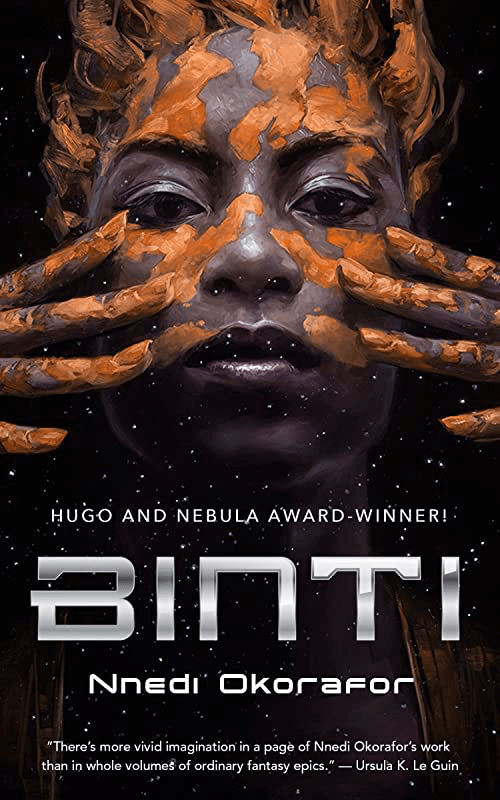
Binti – Nnedi Okorafor“I’m surrounded by things I’ve never needed so much/I’d rather give it away instead of finding it’s not enough…” right there, huh?

“Spun” – Chelsea Wolfe

As I’m writing this, it’s been about a day since I saw Chelsea Wolfe a second time for the She Reaches Out To She Reaches Out To She tour. Insufferable crowd and headache-inducing opening band notwithstanding (2/3 times that I’ve seen shows at this venue, the crowd has been gross and disrespectful, so…hopefully not a curse), she and her band put on an incredible show; obviously, nothing’s going to compare to my first experience seeing her at the Stanley Hotel, which is about as goth as one can get even if Wolfe isn’t present, but what this show had going was the fact that one of her songs was performed whilst some kind of trick of the light made her look like she’s standing astride some kind of fiery, inter-dimensional portal. What I’m trying to say is that she absolutely brought down the house. As usual.

Somehow, I thought that “Spun” would be on the setlist, and I listened to it a handful of times before the show, but…I guess I remembered wrong? It wasn’t one of the songs I was sorely looking forward to seeing, but I do feel a little silly now that the song I’ve picked for this week is the one she didn’t play. Well, any excuse to talk about Chelsea Wolfe is a good excuse, so here we are. Seems I need to add Spun to the album bucket list, since almost everything off of it has been nothing short of arresting. “16 Psyche” was the first song from Spun I heard, back when my tender, 14-year-old brain was as impressionable and soaked up melodramatic lyrics like a sponge (listen, there’s nobody else who can deliver “my heart is a tomb/my heart is an empty room” but her); now that I’ve seen it live, it’s one of her most captivating tracks. But “Spun” is captivating in an entirely different way; where “16 Psyche” takes a nosedive into cloak-billowing wails and drama almost immediately, “Spun” has the pace and feel of mold crawling up the walls. Staunchly on the more metal side of Wolfe’s brand of goth-metal (I promise I’m not stringing buzzwords together, that’s just her brand), the industrial drums and guitars march like a legion of robots summoned from hell, armor cracked as they trudge through the flames. Fleeting moments of said drums speeding up provide a cliff for the instruments to dive off, then leap straight down into the lake of fire, a tenuous equilibrium shattered when you least expect it. “Spun” prowls with its hackles raised, poised to bolt from a history best left in the flames: “I lift my eyes, I slow my gait/And I never wanna see you again.” But the final breaths of “Spun” are exhales released from a clenched chest, fittingly whispered by Wolfe as though she’s speaking in tongues: “And all and everything or nothing.”

…AND A BOOK TO GO WITH IT:

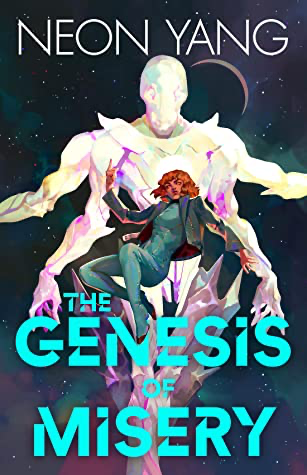
The Genesis of Misery – Neon Yangthe title already sounds like something that Chelsea Wolfe would name an album, but even if that weren’t true, this novel is chock-full of fiery forges, prophetic madness, and the voices of angels (or are they?)

Since this post consists entirely of songs, consider all of them to be today’s song.

That’s it for this week’s Sunday Songs! Have a wonderful rest of your day, and take care of yourselves!
Posted in Sunday Songs

Sunday Songs: 1/21/24

Happy Sunday, bibliophiles! I hope this week has treated you well.

The fact that all of January’s color schemes have been somewhat dreary is a complete coincidence, but it fits with all the dead foliage, snow, and misery outside. One of the suckiest months, without a doubt. But this week is more fun, at least: throwbacks of all kinds, British Invasion remnants, and my 6th grade hyperfixations coming back to haunt me.

Enjoy this week’s songs!

SUNDAY SONGS: 1/21/24

“Rattlesnake” – St. Vincent

Last week, I was overcome by the urge to re-listen to several of my favorite albums. The urge was mostly just me going through Hunky Dory and part of Aladdin Sane on David Bowie’s birthday (happy 77th, wherever you are on Mars), but I decided to put off the first new-to-me album until I got back to school. (More on that next week.) So, for the first time since…oh, probably middle school, I listened to St. Vincent’s self-titled album in full—my third favorite album of all time, only beaten out by OK Computer and Hunky Dory in my book. I have no doubt that I’d give it the same praise had it not been this way, but St. Vincent is just one of those albums that’s been such an unmistakable part of my life that it’s practically embedded in my genetic material. I played this album into oblivion back in middle school, and it’s impossible to pull out a single memory I have tied to it, since it’s painted the landscape of the time when I was 11 to when I was about 13 so distinctly. Car rides, plane trips, afternoons clutching my iPod—Annie Clark was always there. Somehow, I also used to be able to listen to music while playing minecraft, and that album (along with Hunky Dory) was the soundtrack to many a sloppy house dug into the side of a hill. But now, after so many years of growth, this album remains as truly glorious as my younger self thought it was. Not a single hair out of place, and not a single note that isn’t pumped with energy and fervor. Every soaring, jerking guitar solo still sends me into the stratosphere, and every bloody-lipped turn of phrase never fails to light up my brain. There’s just a sheer power that shakes the earth with every song; even in the quieter moments, you can’t help but be hypnotized by the chrome world that Clark created. The robed, silver-haired persona that Clark took on during this era was self-described as a “near-future cult leader,” and I’ve always liked that aspect, but I can’t help but fully understand now. I usually think I’m a levelheaded person, but I’d join that cult, no questions asked. This brand of exhilarating power puts me under a spell every single time. It’s still crazy to me that there were a whopping five bonus tracks beyond the initial 11. They must’ve had to physically restrain her from creating the most masterful pieces of music and throwing them all on the album on the first go. We weren’t ready.

Way back in 2014, “Rattlesnake” was the first song off of this album that captured me. (“Birth in Reverse” came soon after, and for some reason, it took me longer to grow on “Digital Witness,” but now I adore it to death as much as the others.) At this point, I’d gone all the way into clinging onto St. Vincent’s music like a leech. For this song in particular, it was in no small part due to the fact that it clicked into my middle school WondLa hyperfixation perfectly (see below), and at age 12, there was no higher praise that I could give a song, however abysmally I misinterpreted it. There have been many such songs over the years, but for once, my analysis of this one wasn’t all bad—the comparison still works. “Rattlesnake,” like its namesake, is prickly all over; from the opening synths to the burning, angular guitar riff towards the end, which was apparently so intense that she sliced her finger while recording it in the studio. It’s jagged like lightning—if you could touch this song, it would snap back at you with a jolt of electricity. And as Annie Clark recounts an autobiographical experience of a “commune with nature” in the middle of the desert, her breathless verses brim with beads of sweat and uncertainty as she turns tail: “Running, running, running, rattle behind me/Running, running, running, no one will find me.” In between the heatstroked repetitions, Clark hides one of the many golden lines on this album: “I see the snake holes dotted in the sand/As if Seurat painted the Rio Grande.” God, if that isn’t a stellar image. Like a feral cat, “Rattlesnake” brims with fear and flexing claws, skittish and ready to bolt at the slightest wrong move. It’s a song that palpably crackles with unbridled energy, unleashed from desperation and the desert heat.

…AND A BOOK TO GO WITH IT:

The Search for WondLa – Tony DiTerlizzilow-hanging fruit here (for me, at least), but for once, 6th grade me was onto something. It’s hard to find a song that fits this book better than the progression from “Am I the only one/In the only world?” to “I’m not the only one/In the only world.” (Ah ah ah ah ah ah ah, ah.) Healing my inner middle schooler.

“You’ve Got To Hide Your Love Away” – The Beatles

I’ve always wondered what the Help! album cover is supposed to mean—if I squinted, I thought they were spelling out the letters to “help” (Paul’s pose does look a bit like an L, but none of the others look like the right letters…); as it turns out, Robert Freeman, the photographer for the album cover, originally intended for them make the positions for spelling out “H-E-L-P” in flag semaphore, but he scrapped the idea since he thought that the Fab Four were distinctive enough no matter what pose they were striking, so he just had them…spell out gibberish in flag semaphore. The more you know.

Everything written about the versatility of the Beatles can’t be understated, but the more I listen to some of their earlier music, it’s clear that the kind of wild creativity that defined them was already gestating before they started getting into their more experimental period. Even if this is more of a tribute to Bob Dylan’s highly influential style than anything, they’ve still managed to make it so unmistakable Beatles. It’s one thing to be able to create a nice, downtempo folk tune with some scattered flutes and tambourine here and there, but even in such early days, the rhythm of “You’ve Got To Hide Your Love Away” is so salient that you can’t help but be bobbed by it like a bottle floating over the sea. The whole song has the sway of a flimsy wooden boat on the ocean, gently pitched up and down by the waves with every strum of the guitar. John Lennon’s wavering, raspy inflections are jutting and precise in all the strangest places, but that’s part of what makes this so memorable—it’d be easy to record a cover of this with a flat voice inflected with enough melancholy to sell it, but there’s an enchanting storyteller’s waver in every word. It’s the kind of song that could draw a crowd through the woods—added with the image of the four Beatles standing shoulder, I imagine a slowly expanding crowd circling around them as Lennon sings “Gather ’round, all you clowns/Let me hear you say/Hey! You’ve got to hide your love away…”

…AND A BOOK TO GO WITH IT:

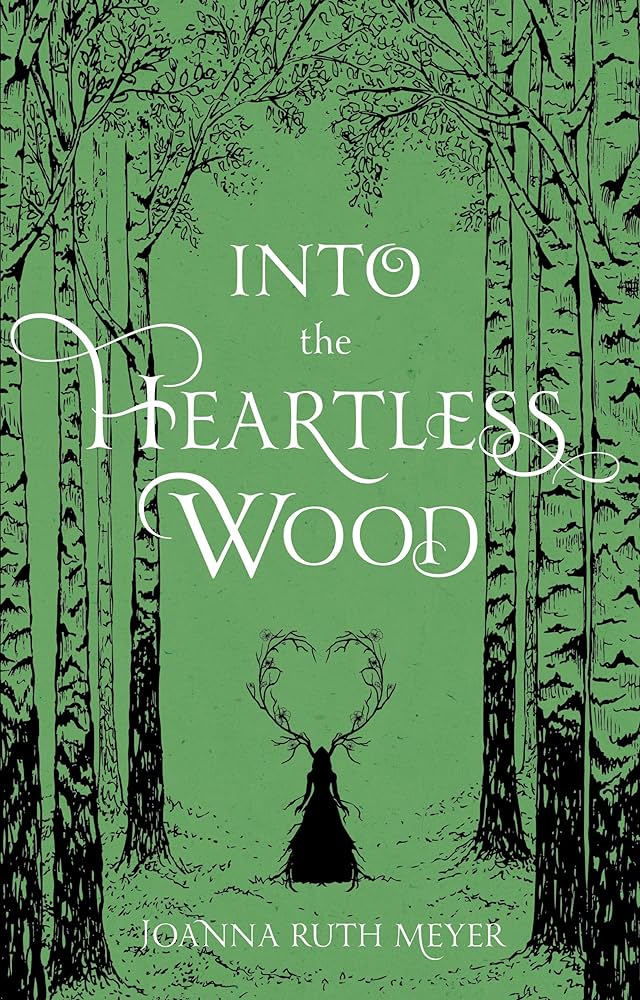
Into the Heartless Wood – Joanna Ruth Meyer“you’ve got to hide your love away” takes it pretty literally, but the both the melancholy folk sway and the uncertain, forbidden romance match this gorgeous modern fairytale.

“Come Lie Down With Me (And Sing My Song)” – Elf Power

We regret to inform you that I’m still riding the Elephant 6 high, even though I haven’t even seen the documentary yet. I’ll get to it eventually.

Unlike bands like the Apples in Stereo and the Olivia Tremor Control, Elf Power’s music usually doesn’t grab me instantaneously; there’s no denying their creativity, but it doesn’t often click with me the way that the other Elephant 6 bands do. Typically, I’ll just like the song, listen to it two or three times, and forget about it. Next to the raucous energy and whimsy of their compatriots, they seem more reserved. Reserved isn’t always a bad thing for me, but with the company they’re in, it seemed like they would have had something brighter to offer. “Come Lie Down With Me (And Sing My Song)” is similarly reserved, but it has an atmosphere that most of the other Elf Power songs I’ve listened to lack. Even if there wasn’t a mention of “rain on the sea,” this song is one of the rainier songs I’ve ever heard, practically the distorted gray of a windowpane streaked with falling rain. The acoustic, folksier approach is steeped in a strange, distant melancholy; the lyrics feel innocent enough—invitations of love in hidden spaces—but I can’t help but feel a sense of unease lurking in the background. It has the same eery air that a lot of age-old folk standards have, like something passed along during the Great Depression and whispered on the biting wind. It gives me the same lingering unease of a Syd Barrett song, like it wanted to be whimsical and innocent, but couldn’t deny some hidden darkness. And even if I’m not fully on the Elf Power bandwagon, there’s no denying that this feeling is a difficult one to replicate and successfully pull off.

…AND A BOOK TO GO WITH IT:

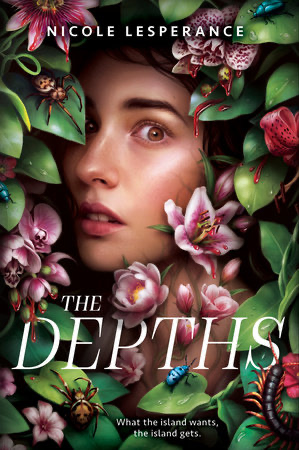
The Depths – Nicole Lesperancerain on the sea, vague discomfort looming large.

“All Nerve” – The Breeders

It’s always fascinating to see the exact ways that a talented singer’s voice changes as they age. The inevitable deepening, and often thickening, that comes for everybody, but just like how each of our voices are unique, each voice changes uniquely. There’s David Bowie’s voice expanding its horizons, deepening like an incomprehensible chasm until it began to quiver at the edges, the soft, sonorous rumble that’s slowly crept into Damon Albarn’s voice as he’s reached middle age, and the whispering rasp that laces the edge of Kate Bush’s voice in her most recent recordings.

For Kim Deal, it’s like some sort of invisible bottom has opened up, making her voice thicken like firm cake batter after a good round of stirring with a spatula. It feels strangely compressed, like most of the airiness has been squeezed out, leaving the back of the throat emotion to clamber through the crawlspace that’s been left behind. But what age never left behind for any of the Breeders was the youthful, reckless spirit that seems to have defined them. This could’ve easily been written back in the ’90s and been an alternative hit, but it works just as well as it worked six years ago. Age has not dulled the spitfire sensibilities of their songwriting—”All Nerve,” as both the title and the album suggest, is just as sparking and feral as much of their other catalogue. The stripped down instrumentation, mostly just bass, sparingly plucked guitar, and faint drums that linger at the corners of your eardrums, make the lust and desperation all the more lusty and desperate. The bare-bones feel of it all, for the first minute or so, at least, add to the feeling of gathering up all you have left—be it physical belongings or strength—to race across whatever wasteland lies ahead to see “you/Especially you.” And it’s just like the Breeders to add the song’s repeated sucker-punch of “I won’t stop” just as the guitars come crashing down like rocks on the highway.

…AND A BOOK TO GO WITH IT:

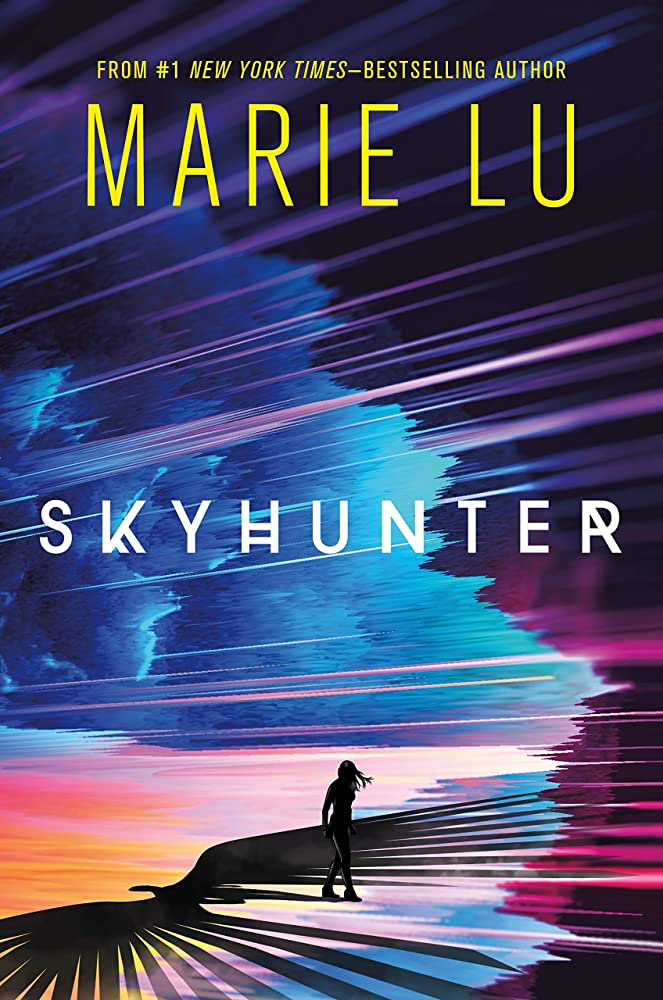
Skyhunter – Marie Ludesperate love in wartime, the feral kind with bloodied steel wings.

“Sunny Afternoon” – The Kinks

Not to bring it back to Britpop, but I’m bringing it back to Britpop. The oft-quoted difference between Blur and Oasis was that Oasis aimed to be the next Beatles (which…even if their music was any good, that would still be presumptuous), but Blur was more interested in delving into the quirkier side of the British Invasion era, namely the Kinks. And even though I’ve been hearing The Kinks in the car from a young age, the more I listen to them, the more I realize just how much Blur gleaned from their lyrical style. The minute I heard “Sunny Afternoon,” I just realized that this was “Country House” before “Country House” was a thing. Chronologically, I guess it’d be the “Country House” sequel after the character’s dissatisfaction blows up and he loses everything. Also fits with “Charmless Man” quite well.

Setting aside my recent habit of listening to music with even the briefest mention of sunshine to get myself through the January doldrums, there’s such a unique texture to “Sunny Afternoon” that pervades in so many of the artists that they influenced, Blur included. There’s a lingering taste of the hottest days of the year, squinting your eyes through the sunlight as the warmth bakes your skin. Maybe a lingering taste of lemonade, something sweet…I guess an ice cold beer, in this case, but overshadowing the summer sweetness is the knowledge that this is all that the narrator has left, now that “The taxman’s taken all my dough/and left me in my stately home.” It’s not full melancholy, but a sarcastic imitation of it that’s only there to humor the narrator—enough to hammer in the point that…yeah, whoever this dude is, he probably had it coming, even if he did lose everything. Yeah, “All I’ve got’s this sunny afternoon,” but I suspect that whatever your (ex) girlfriend told her parents about that “drunkenness and cruelty” wasn’t entirely baseless. The whole song is just “awww, you poor baby, you can’t sail your yacht? Go cry about it.” “Sunny Afternoon” has a sly sort of playfulness, the kind that makes you imagine the narrator imagined as a cartoon character, moping onscreen as you pass The Kinks themselves. (The camera would pan over to Ray Davies, who’d do some kind of silly, exaggerated frown as this rich dude slips on a banana peel, or something.) And amidst all this, you’ve got some of the prettiest harmonies I’ve heard on a Kinks song in the chorus—”Lazing on a sunny afternoon” sounds like it’s misting away like droplets of water coming out of a sprinkler, gently dissolving in the heat.

…AND A BOOK TO GO WITH IT:

The Chosen and the Beautiful – Nghi Vousually, most of the books here are ones that I’ve enjoyed, but sometimes, there’s no denying the way a book and a song pair, even if you didn’t enjoy the book. This one wasn’t my favorite, but it’s a retelling of The Great Gatsby, so you can see where the “dissatisfied rich people losing everything” thread comes in.

Since this post consists entirely of songs, consider all of them to be today’s song.

That’s it for this week’s Sunday Songs! Have a wonderful rest of your day, and take care of yourselves!

Posted in Sunday Songs

Sunday Songs: 12/24/23

Happy Sunday, bibliophiles, and a very merry Christmas Eve to all those celebrating!

As far as my book reviews go…yeah, well, I’ve been a bit of a Scrooge, but you can’t blame me. The finals reading slump comes for us all. Some days you just have to air out the dirty laundry. But despite the dreary color palette that ended up happening this week, I hope there’s enough jolliness here to assure you that yes, my festive cheer remains steadfast, and so does my love of ’70s guitars.

Enjoy this week’s songs!

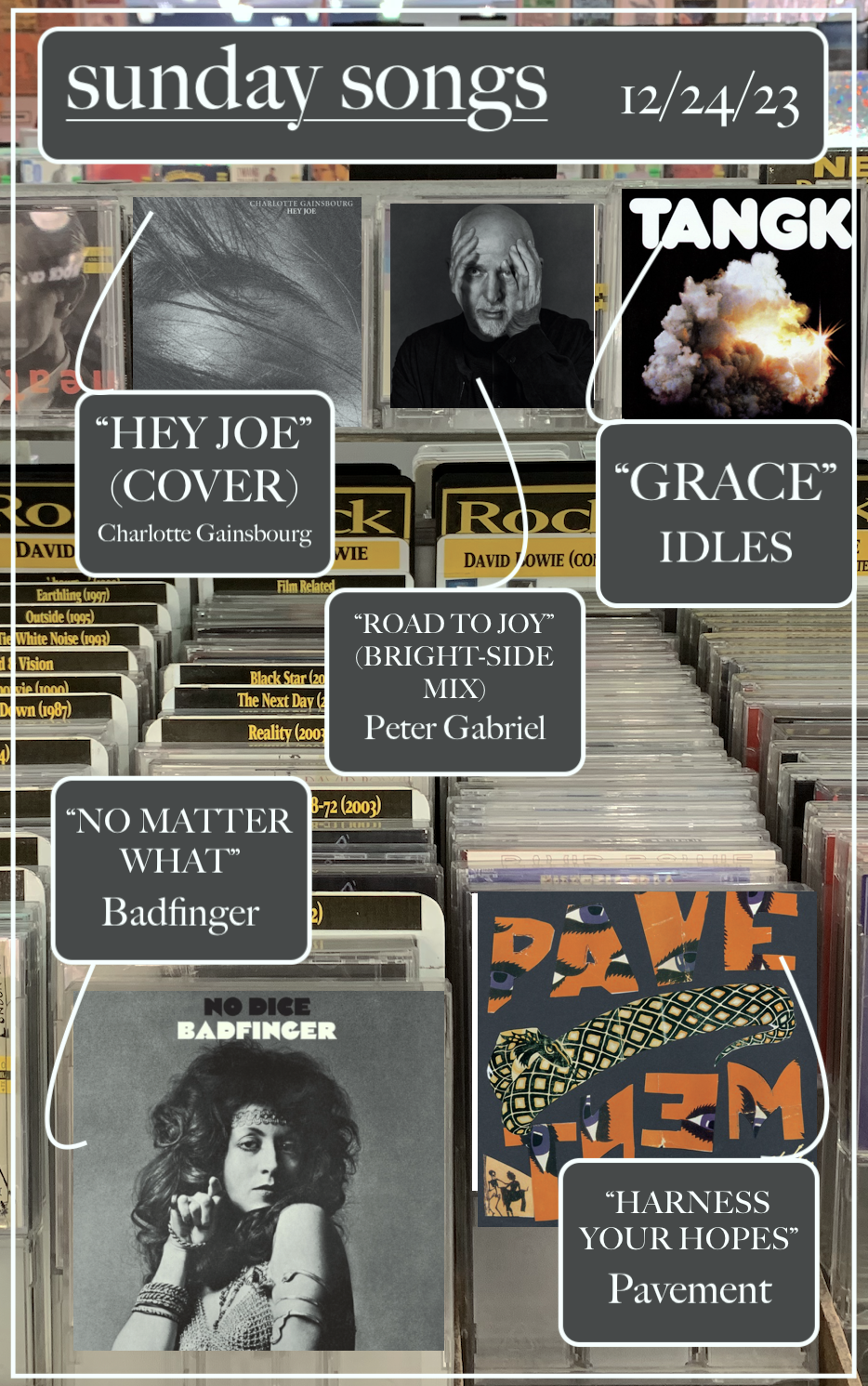
SUNDAY SONGS: 12/24/23

“No Matter What” – Badfinger

1970 was probably the worst year for trying to beat the “copying the Beatles” allegations, and the fact that these guys named themselves after an early title for “With A Little Help from My Friends” (originally titled “Bad Finger Boogie”…yeah, the name change was a good idea, John) doesn’t help their case. But I feel like being signed to Apple Records and having both Paul McCartney and George Harrison separately produce two of their other hits gets them a Get Out of Jail Free card. This once.

That aside, it also doesn’t help their case that Pete Ham sounds like the slightly growly middle ground between Paul McCartney and John Lennon, and the same nearly goes for the backing vocals, which try to hit somewhere between Lennon and Harrison. But it’s not every day that you can hit it that close to such legends, and it’s commendable no matter how (oops) you look at it. I’ve really underhyped all of this, but…there’s seriously something about this song. I swear that “No Matter What” is laced with something…oh, maybe it’s the guitars. My god, it’s barely 1970, and the ’70s guitars already sound so crisp…so full…do not get me started. But even if the guitars weren’t so sharp and full of dance-inducing warmth, there’s something so undeniably pure about this song. It’s no lyrical groundbreaker or generational anthem, but there’s a contagious joy to it—a good pop song does that. ”No Matter What” is the perfect end-credits song—the guitars start chugging in at the final shot of the movie, and everything goes black the minute that Pete Ham begins to sing. Come on, now. You can’t not go along with the clapping at 2:18. Beauty in simplicity. These guys get a pass for having either the best or the worst band name of all time. I genuinely can’t decide.

…AND A BOOK TO GO WITH IT:

1971 – Never a Dull Moment: The Year Rock ExplodedI…dammit. I totally thought No Dice came out in 1971. I was two months off—November of 1970. Oops. But either way, this book is a little drily written for a book that claims to “never have a dull moment,” but it’s nonetheless a fascinating insight into the absolute goldmine of good music in 1971. (There was never a better high note than ending the year with the release of Hunky Dory.)

“Harness Your Hopes” – Pavement

Apparently I have another “I Just Threw Out the Love of My Dreams” situation on my hands here, since this blew up on TikTok sometime back in 2020 (after Spotify’s autoplay seems to have dug it up out of nowhere), and I didn’t find out until now. Maybe that was the period when the thumbnail for the music video kept popping up on YouTube and I ignored it until it went away? Little did I know what I was in for…

Also like “I Just Threw Out the Love of My Dreams,” I can only describe “Harness Your Hopes” as pure, bottled joy. As soon as the sighing, psychedelic-tinged intro gives way to some truly squeaky-clean guitars, I felt a rush of sheer happiness course through me. Stephen Malkmus seriously pumped this song with nothing but whimsical joy…and yet it was a B-Side? Not only that, but a B-Side that faded into more obscurity than the indie obscurity they were (probably) going for, so much so that Malkmus didn’t even recognize it when he heard it playing in a bakery? Nuts. Seriously. Not that I have any beef with the guy, but when you produce something as curiously delightful as this, you don’t let it slip through your fingers. It has that freeform, Marc Bolan kind of nonsensical lyricism written all over it, with more than a little pretentious affectation (“Leisure, a leisure suit is nothing/It’s nothing to be proud of/In this late century”), but somehow, it feels less pretentious when most of the lyrics don’t make a ton of sense as a whole. (Or maybe there’s some super deep hidden meaning that only Stephen Malkmus and co. can decipher, and it’s nothing to us normies…who knows) And like Bolan, it’s the kind of wordplay that occasionally leads to something unexpectedly romantic—”And I’m asking you to hold me/Just like the morning paper/Pinched between your pointer, your index, and your thumb.”

And paired with Malkmus’ strained, cracking voice on one end and the guitars (so clean that they’re practically still kicking up bubbles) on the other, it’s a capsule of warmth, practically radiant. Bottled joy, truly.

Speaking of Stephen Malkmus’ voice…

skip to 2:11

Please tell me I wasn’t the only one in theaters who laughed way too hard at this (besides my mom). Please.

…AND A BOOK TO GO WITH IT:

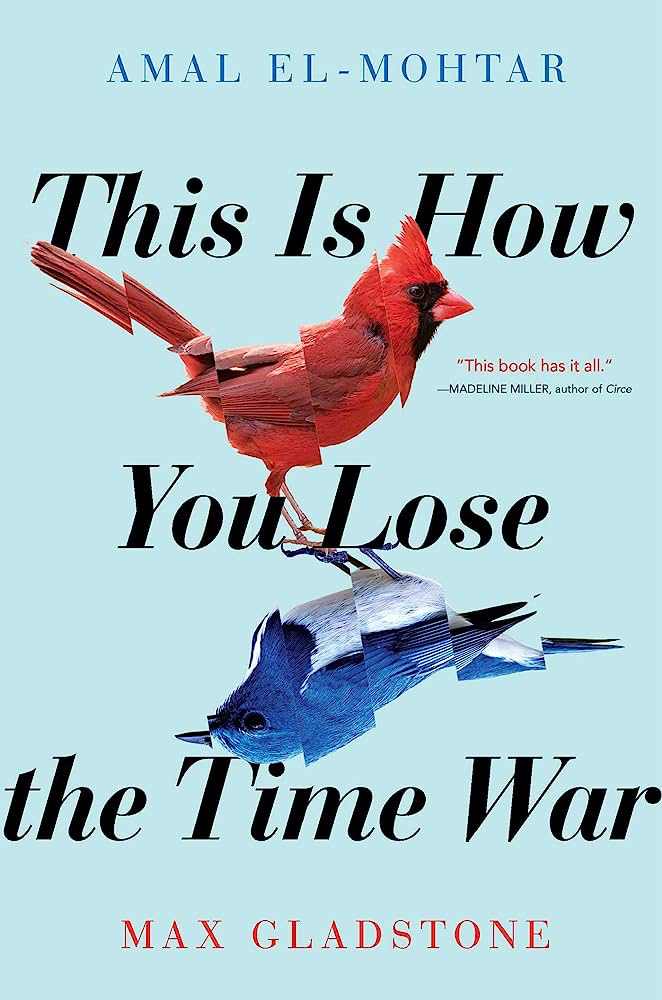
This Is How You Lose the Time War – Amal El-Mohtar and Max Gladstonefor the most part, this novel lends itself more to something more cosmically sweeping and Romantic in both senses of the word (probably Spiritualized?), but lines like “and I’m asking you to hold me/Just like the morning paper/Pinched between your pointer, your index, and your thumb” might as well be straight out of the letters between Red and Blue.

“Hey Joe” (cover) – Charlotte Gainsbourg

hnnnnnnnnnnngh me when Noah Hawley puts a song in Fargo that connects thematically in a deeply creative way hnnnnnnngh

good god I love this season of Fargo. no complaints, this show has made me feel alive again

where were Roy and Gator Tillman on January 6th

…AND A BOOK TO GO WITH IT:

A Conspiracy of Tall Men – Noah Hawleymaybe I’m cheating since I got this song from Noah Hawley. It’s fiiiiiiine. To be fair, this is his debut novel and predates the first season of Fargo by a full 16 years (it’s kind of a mess, but lovably so…mostly), but it’s got all the cross-country conspiracies and paranoia you could ever want.

“Road to Joy” (Bright-Side Mix) – Peter Gabriel

I meant to review this all the way back in June or July, when this single was first released…I forget what about it made it slip out of the roster, but I knew that it had to come back eventually. Now that all of I/O is out…it’s a great album, but I can’t help but be a little disappointed at how it was constructed. I thought that the deal was that the final organization of the songs was going to be a surprise, and that they’d be reshuffled from the order they were released in with each full moon this year, but the order just ended up being the same order they were released in. (I stand by my belief that “Playing for Time” would have been the perfect closing track.) I have similarly mixed feelings about the Bright/Dark-Side Mixes—I haven’t listened to the In-Side mix yet, but I also thought that each mix of the 12 songs would be more radically different, but the differences between the mixes are often very subtle. Some of them fit more clearly than others (ex. “I/O” is clearly more fit for Bright-Side, while “The Court” lends itself more to Dark-Side), but the tweaks between mixes are sometimes barely distinguishable.

That’s not to say that I/O isn’t a great album—it’s a beautiful picture of one of the most innovative artists alive today moving into old age and still being able to produce a relentlessly creative vision of love, mortality, and the nature of connectivity. Now that I’ve seen it live, the experience is all the more enriched, what with the stunning visuals that went along with it, as well as Peter Gabriel toeing the line between a theatrical showman (how’s reenacting the creation of life itself for a show opener?) and the wise, humble figure we’ve known him to be over the years. Songs like this one really showcased both the energy and creativity that clearly haven’t waned with age. “Road to Joy” is a highlight, without a doubt; for me, this one lends itself more to the Bright-Side mix, with the funky, “Fame”-esque guitar riffs and energetic burst of the chorus, like Gonzo firing off cannons without warning. But if the pink-shaded joy doesn’t immediately jump out at you, you know what should? The fact that this song is proof of yet another deeply creative project that Peter Gabriel’s been cooking up since the production of OVO—so, give or take, around 23 years. The man just can’t be stopped. But according to Gabriel, “Road to Joy” is part of a story about the human mind, and this song chronicles a character being woken up after experiencing locked-in syndrome; the triumphant declaration of “You were sure I was gone” has the defiant flair of someone beating the odds, and it’s impossible not to feel the joy from that.

…AND A BOOK TO GO WITH IT:

Under the Earth, Over the Sky – Emily McCoshnothing like adopting a human son to awaken your frosty, dormant heart and put you on…the road to joy, maybe? Certainly some “love call[ing] through the walls.”

“Grace” – IDLES

“Grace” has made my expectations for TANGK skyrocket, but whether or not the album turns out to be as adventurous as I feel like it’s going to be, I think I’m almost certainly going to enjoy it. It’s a change in form, even if a fleeting one.

I thought I knew what Joe Talbot sounded like when he wasn’t singing; “A Hymn” certainly gives us a hint, but there’s still the restrained growl to it that roars to life when he’s normally screaming on every other song. But “Grace” showcases his voice at its most vulnerable. Somehow, before the chorus kicked in, I almost mistook it for Mike Hadreas from Perfume Genius. I was scrambling to find the featured list for this, because…there was no way that this is the same guy who screamed at us all to never fight a man with a perm all those years ago. And I love this change in form. IDLES always mean bah-bah-business (in case you cannot tell from their tone) with their message, but this stripped-down feel that “Grace” shifts into suits their ethos just as well as their harder songs—Talbot described the song as “a call to be held,” and the quiet vulnerability really does feel like a gentle embrace. And it’s here that you can see what their change in producer has done to the sound—TANGK was co-produced by none other than Nigel Goodrich (of Radiohead fame!!), and the staccato of the drum machine and the wash of cloudy haze peeking out from under the curtain shines in the quiet places on this track. Talbot’s voice lowers into wavering smoothness, as though he’s singing from a place where no one can hear him, save for when he declares the song’s rallying cry: “No God/No king/I said, love is the fing.”

Man…I’m so excited for this album. IDLES have said repeatedly that their mission was to make an album that was purely about love and warmth—as Talbot said, “I needed love. So I made it. I gave love out to the world and it feels like magic. This is our album of gratitude and power. All love songs. All is love.” And if that isn’t exactly what we need…not to be all hippy-dippy about it, but as much as I indulge in my sad bastard music, I’m gonna go out there and say that IDLES is exactly what we need right now. I hate it that I have to say “not to be all hippy-dippy” when I’m talking about love and warmth and being kind and loving life…you’ve heard me go off about grimdark and frankly, how astoundingly dumb it is that we often think that sadder = deeper and that being happy or consuming happy media equates to stupidity somehow, but I’ll say it again. There’s nothing stupid or naïve about wanting love, giving love, and having love in your heart. IDLES get it. Love is the fing.

…AND A BOOK TO GO WITH IT:

Since this post consists entirely of songs, consider all of them to be today’s song.

That’s it for this week’s Sunday Songs! Have a wonderful rest of your day, and take care of yourselves!
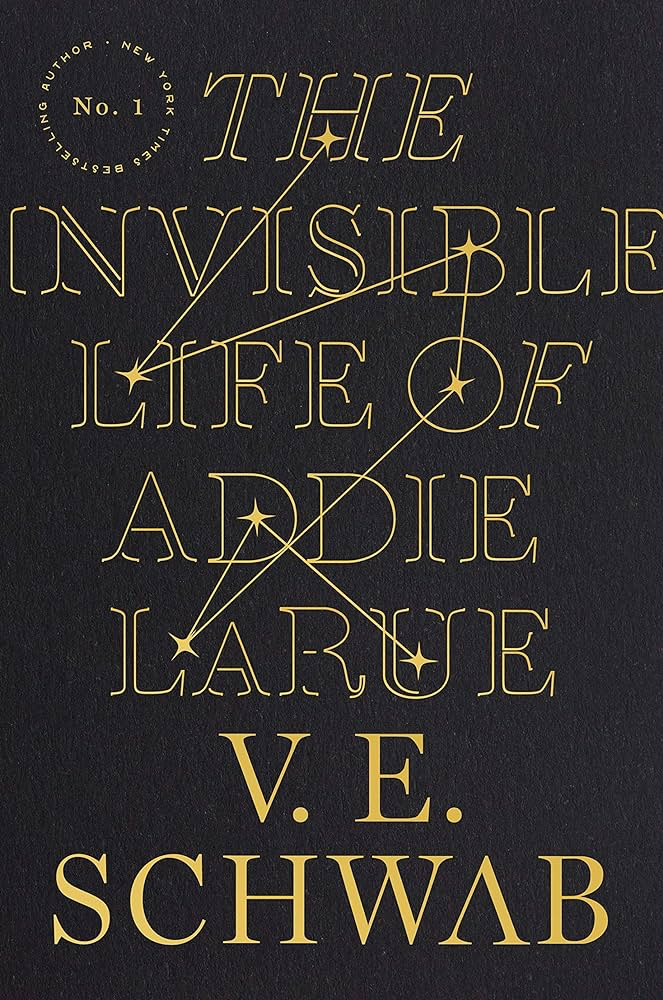
Posted in Uncategorized

Sunday Songs: 6/25/23

Happy Sunday, bibliophiles!

This week’s batch originally included a cover of “The Wreck of the Edmund Fitzgerald,” but for several obvious reasons, I omitted it since I feel like that would be the absolute worst possible timing. Whoops.

quick trigger warning: there are mentions of suicide in part of this post, so if you don’t want to read that section, skip over “Evening Star Supercharger.”

Enjoy this week’s songs!

SUNDAY SONGS: 6/25/23

“The Sensual World” – Kate Bush

Here I was thinking that “Come Talk to Me” and my 8th grade graduation were the only times that pipes of some kind (bagpipes and uilleann pipes, in this case) would ever make me feel anything…

This time, I wouldn’t say that said feeling evoked by “The Sensual World” isn’t the same kind of visceral, scoop-my-heart-right-out-of-my-ribcage of said Peter Gabriel song; this time, it’s more of a “how could she make that sound so incredibly cool” feeling. Normally, I wouldn’t be on board with these kind of fiddling, dressing up in medieval outfits kind of tunes, but I have to keep reminding myself: if anybody can do it, of course it’s Kate Bush. Of course. My favorite songs of hers make me feel like growing my shaved head all the way back out and running through the woods in a white dress (see: “Burning Bridge”), so I’m glad that she and Peter Richardson channeled that for the music video. And even without knowing much of anything about James Joyce’s Ulysses, I can’t think of a better way to adapt a monologue from a classic like that—this version is a mishmash of Molly Bloom’s monologue and Bush’s own lyrics, since Joyce’s estate didn’t grant her the rights to make the song all Joyce. (She later re-released it as “Flower of the Mountain” as a sung version of Molly Bloom’s monologue, once she was granted the rights.) I would’ve passed it off as Kate Bush and nothing but—the silky, airy cohesion throughout, the rush of joy once the fiddle and uilleann pipes kick in at the start of the chorus…everything. The chorus remained faintly in the background of my childhood memories, the title and the rest of the song lost up until a few years back, just like my favorite song was up until around two years ago. And while it’s hard to compete with my favorite song of all time at the moment, I’ve enjoyed every minute that I’ve spent with this unearthed song.

“6’1” – Liz Phair

Complete coincidence—I had no idea that Exile in Guyville just turned 30 a few days ago! Perfect occasion to talk about this song, I suppose.

Most of my Liz Phair exposure prior to a few weeks ago came from two moments: seeing this album cover in passing on our iTunes library while my brother and I were trying to make a playlist for our dad ages ago, and two Whip-Smart tracks (“Supernova” and “Whip-Smart”) that defined a specific chunk of 8th grade. Listening to either of them instantly transports me back to a bus ride in the early hours of the morning, driving out to the middle of nowhere with my school to watch the total solar eclipse. And for years, I thought that that the Exile in Guyville cover was an illustration, and that the hood over her head was her actual hair. But the other day, my mom mentioned in passing, while we were listening to Palehound, how much it sounded like Liz Phair. I believed her, having a vague memory of said two songs.

And then my mom put on the first four tracks of Exile. Holy crap, dude.

I haven’t even gotten halfway through this album, but I haven’t fallen in love with an album this quickly in ages. This track is the one that keeps coming back to me—the minute the guitars kicked in, I was reeled all the way in. And even without the context of the last half of the album, this song seems to encapsulate its thesis perfectly—daring to have the courage to break into a male-dominated indie scene and make an irreplaceable mark on it. There’s the sly turning of the Rolling Stones’ lyrics back in their faces. And of course, there’s the references to height—”and I kept standing 6’1″/instead of 5’2″” isn’t just Phair keeping her head above the water after a nasty breakup, but a joking reference to her own height—she calls this song “the bravado that [she] manifest[s]” that seemed to confuse everybody once they saw how short she is. And…yeah, if I had a nickel for every person who’s said “I thought you’d be taller” to me, I could probably buy Amazon from Jeff Bezos. Liz Phair still has an inch on me, but…yep. The short king (queen?) experience.

So, to my mom, who talked about how cool it was that we were listening to the same knds of music at the same ages: I think it’s cool too. This one’s gonna be in heavy rotation once I listen to the whole thing. I love listening to music with you too.

“I Will” – The Beatles

Happy week-belated birthday to Sir Paul McCartney! Another song that ended up on here by coincidence, but I won’t argue against doing something for the occasion.

The White Album has something for everybody. Over the course of both sides, you have classic epics of songs (“While My Guitar Gently Weeps”), nursery rhyme-style political commentary (“Piggies”), eight and a half minutes of experimental discomfort (“Revolution 9”), and everything else under the sun (here comes the). It’s part of why this album is my favorite of the Beatles’ discography—there’s no shortage of songs that you can come back to, and each time, it feels like reuniting with an old friend. Yes, even “Wild Honey Pie.” I will defend that song with my dying breath. It’s hilarious.

But it’s some of Paul McCartney’s quieter, acoustic moments that have stayed with me the most whenever I revisit parts of this album. It has the pleasant simplicity of their earliest, poppiest songs, but with McCartney’s added experience, there’s a weight to it that would’ve been difficult to achieve in their very early youth. I just now realized that the bass part is just his gentle singing—there are so many moments of quiet brilliance on this album. I added this to my playlist when I went up to Washington, and every listen felt like a warm hug—and every subsequent listen still does. 1:45 of nothing but comfort. Paul McCartney just seems to have that effect.

“Describe” – Perfume Genius

I saw the Yeah Yeah Yeahs at the beginning of the month, and it was EXACTLY as phenomenal and soul-healing as I’d expected it to be. Karen O brought an infectiously joyous energy to every minute of the set, complete with her glittery, Elvis-but-cooler outfits and confetti cannons aplenty. It genuinely warmed my heart to see the giant smile on Brian Chase’s face every time the camera panned over to the drum kit—the whole band just felt so, so happy, and that made the show all the better. Even with how damp that night generally was, I enjoyed every second.

Of course, you can’t really live up to that as an opening act, but I enjoyed parts of Perfume Genius’ opening set, without question, even only knowing one song of his beforehand (“Queen,” which…apparently he does a whole strip tease to that one normally? I guess the weather only permitted him to make generally strip tease-like motions while dragging an itchy-looking gray sheet around…the spirit is willing, but the flesh is a bit too chilly?). Every song wasn’t a winner for me, but “Describe” certainly was. Both on streaming and live, Mike Hadreas (a.k.a. “Mike on the Mic,” according to Karen O.) seems content to let his voice take a more understated backseat, which suits the propulsive guitars that wall this track in. The combination of these driving, battering rams of guitars and Hadreas’ whispery voice form a unique sound—a song that simultaneously feels sharp and prickly like porcupine spines, but smoother than a silk sheet. Hadreas toes that line of juxtaposition exceedingly well on this song—the two contrasting sounds blend only at the edges, making for a song that never feels like it’s teetering one way or the other—it’s content to plant one leg on either side of the fence and keep them there. My only real complaint is the minute-odd ending of muttering, synth-y silence, but it’s short enough to skip, and not long enough to be a major qualm. It’s probably a transition between songs on Set My Heart On Fire Immediately, but I wouldn’t know.

“Evening Star Supercharger” – Sparklehorse

I always struggle with posthumous album releases. At their worst, they’re blatant ways to capitalize off of an artist’s death and keep the nostalgia machine running, even if it’s just a collection of demos that were never meant to see the light of day. Even in David Bowie’s case—he’s my favorite singer, if I haven’t gone off about him for years on this blog, but even then, officially releasing his shelved 2001 album Toy felt weird—and it wasn’t his best work, either. I’m comforted by the fact that Bowie did actually want that album to see the light of day and seemed to be heartbroken by the fact that it got shelved, but I’m still dubious on whether or not that was Warner Music Group’s rationale for releasing it. I can say about the same for Prince’s Originals, even though I haven’t listened to it all the way through—especially with him and Bowie’s death being so close together, there’s definitely a 2016 pop-icon grief nostalgia machine running.

But Mark Linkous wasn’t necessarily a Bowie or a Prince. He wasn’t a worldwide superstar who changed the course of rock music—I can’t even think of anybody outside of my immediate family who might know about Sparklehorse. He’s gained significant renown in the indie community, but this feels different—given his history, it doesn’t seem like a cash grab at all. It seems like a genuine endeavor by Linkous’ siblings to revive some of his unreleased catalogue, not for reasons of greed or nostalgia. Toy felt somewhat off-putting; Bird Machine feels genuinely touching.

And the result of “Evening Star Supercharger” is purely Sparklehorse, without the touch of greed but still polished enough to sound smoother than a demo. It doesn’t feel far off from what I’ve heard off of Dreamt For Light Years in the Belly of a Mountain—the music has a polish of tinny glitter like a string of Christmas lights, but retains the unmistakable melancholy that ran through all of Linkous’ music. There’s an undeniable wish for stability and peace without the drugs and self-medication, but he still describes being wrenched through “the grinding metal gears/from a carnival of tears.” Knowing that he never achieved that kind of stability, leading him to take his own life in 2010, makes this unreleased material all the more heartbreaking; through the Christmas lights, it’s undeniably the sound of a damaged man. If anything, I hope Bird Machine allows us to celebrate the undeniably creative spirit that he had.

We miss you every day, Mark.

Suicide and Crisis Lifeline – 988

Since this post consists entirely of songs, consider all of them to be today’s song.

That’s it for this week’s Sunday Songs! Have a wonderful rest of your day, and take care of yourselves!
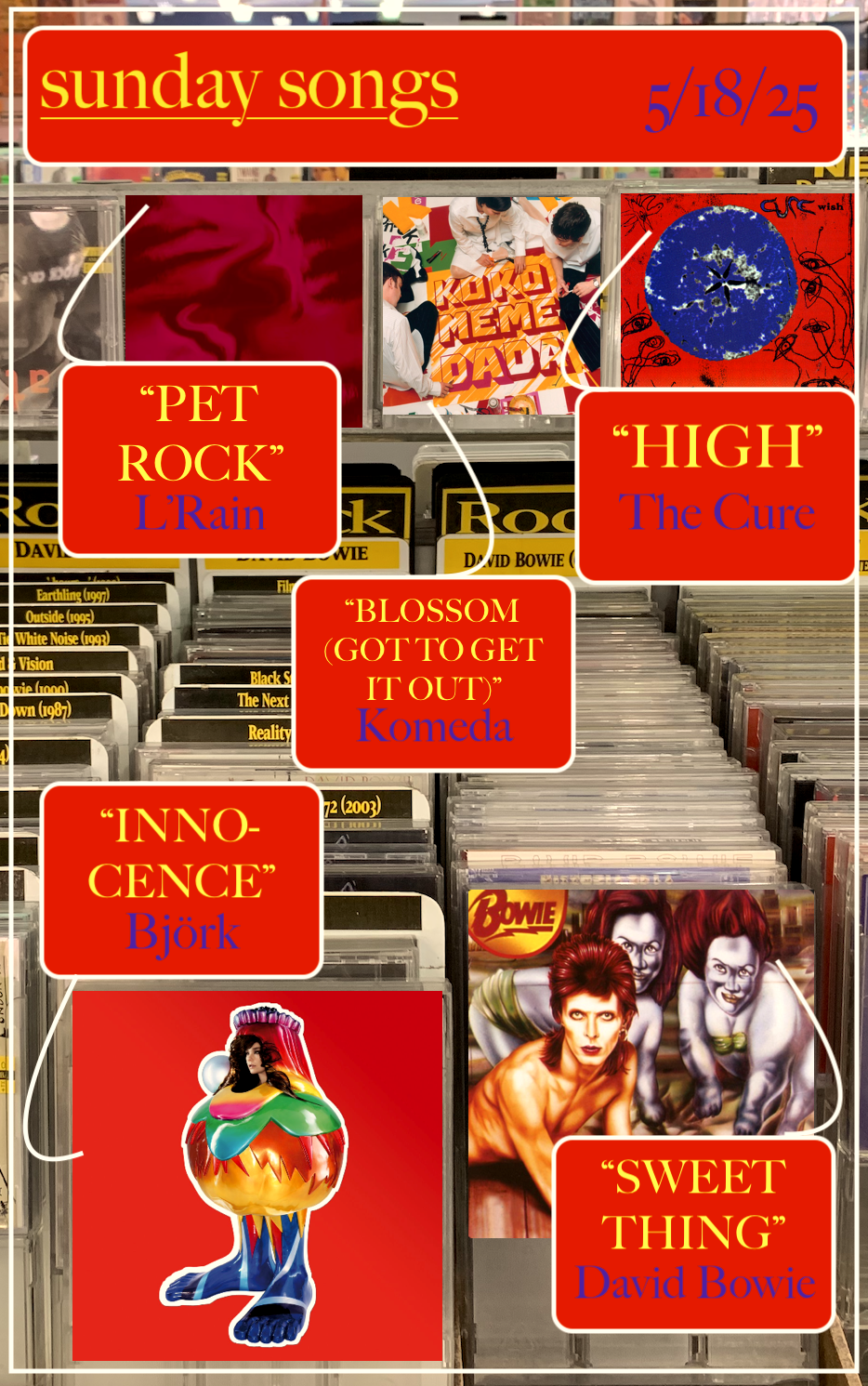
Posted in Sunday Songs

Sunday Songs: 5/21/23

Happy Sunday, bibliophiles! I hope this week has treated you well.

This post was brought to you by the never-ending Dark brainrot (it consumes), my disappointment in Kindred’s TV show adaptation, and the continued Palehound Panic™️. But this is all merely the calm before the storm, because now we’ve got the news that Blur is coming out with a new album in July…BRACE YOURSELVES

Enjoy this week’s songs!

SUNDAY SONGS: 5/21/23

“What a Wonderful World” (Louis Armstrong cover) – Soap&Skin

Somehow, it was this song, and not the original, that made me realize that the line was actually “the dark, sacred night” and not “the dark, say goodnight.” Whilst I was crying my eyes out at the Dark finale. Whatever it takes.

It’s been about two weeks now since I finished Dark and got through that gut-wrencher of a finale, and I can say with absolute certainty that I doubt I’ll ever emotionally recover from…well, anything about that show. I’ll spare you any spoilers, other than the fact that this song is present. But hopefully that part shouldn’t be a surprise, at least, with how the show-runners have now tripledipped with the Soap&Skin needle drops, including the theme song itself. I may be an atheist, but the atmospheric covers of Soap&Skin and the eerie, dew-covered-forest, small-town-murder-mystery-that-turns-into-something-way-worse aesthetic of Dark together is a match made in heaven. There’s something that she brings to this near-untouchable song (except for a third grade singing program that I did? I think), that no one else could have—it’s got all of the makings for the same haunting instrumentals of her cover of Robert Johnson’s “Me and the Devil,” but it’s impossible to take any of the love or hope out of this song. The synths make it sound like something that would’ve been in the running for a Golden Record candidate (or at least the backing track to a shot of a satellite in space), and Anja Plaschg’s rich, cavernous voice create a shadowy atmosphere, but one illuminated by an undeniable light at the end of the tunnel. It’s impossible to make this song sound anything but hopeful, but there’s different ways that hope can sing—and this was a perfect fit for the tearful, bittersweet ending to a series that’s taken up a welcome amount of space in this brain.

But while I’m here, I will offer the following…this was a great song to send off Dark with, but consider: “Blood of Eden?” Again, no spoilers, but…it’s all right there.

“Tomorrow Never Knows” (Beatles cover) – Junior Parker

Except this time, one show is a time-travel masterpiece, and the other is FX’s adaptation of Kindred. Octavia Butler deserves better than THAT. (@ the showrunners: Kevin being a somewhat static character in the book was NOT a sign to make him into a total dudebro. The X-Ray Spex shirt isn’t fooling anyone.)

However, as generally peeved as I was with that show, if there was one great thing I got out of it, I’d point to this deliciously eerie Beatles cover. I’ve since given up the whole “don’t cover the Beatles” mindset, even if we are living in an uncharted sea of awful “Here Comes the Sun” covers, because with how influential they were on…well, almost every aspect of rock music that you can think of, there’s infinitely many things that can be done with these songs, classics as they are. Take picking this song to cover—the original song is nothing short of experimental, psychedelic insanity, deliriously noisy and filled with rubber duck noises at random intervals, as one does. It’s glorious. It’s a childhood staple of mine. But Junior Parker’s taken all of the trimmings off of it, slimming it down like a tree stripped of its bark. When the dust settles, all we’re left with is bass, soft drums, scattered keyboard chords, and Parker’s sonorous, bluesy voice. The bare-bones construction of this cover makes “Turn off your mind/Relax, and float downstream” feel like a chilling whisper of coercion, not a famous allusion to psychedelics. I never thought that this song could get quite this ominous—and, despite my general beef with the Kindred show, it was a perfect fit for the show’s atmosphere—definitely the best needle drop of the show, right at the end of episode 2. It wasn’t all bad, I guess.

“Night Time is the Right Time” – Ray Charles

Listen. I only know the basics of studio recording technology, but somehow, it’s “Night Time is the Right Time” that makes me appreciate what they were trying to do in the 50’s—not necessarily what it could do, but what it caught. The version I have on my iTunes library is plenty scratchy, cloaking almost everything in that signature fuzz you get from most recorded music up to the 60’s or the 70’s. It’s charming—it’s the sound of the era. But here’s the thing—the key word is almost. In almost every recording that I’ve listened to, no matter when it was mixed, Ray Charles’ voice sounds as clear as day. You could probably chalk that up to the main goal of said recording technologies being to record his voice first and foremost, but I can’t help but romanticize that in my head, Charles’ resonant voice soaring through any technology and defying any attempts at being aged. But no matter how fuzzy or remastered any recordings get, it’s always a beacon, the foggy gleam of a lighthouse across the sea.

And on the other side of the coin, there’s Margie Hendrix’s iconic voice—not spared the fuzz, but with what I’d argue is an almost equal amount of power. She put everything into that first call of “BABY!” and never slowed down. Her voice did fall victim to the scratchy fuzz, but her declarative growl of a voice almost fits with it; there’s a rough edge to Hendrix’s voice, the kind that makes my throat raw just thinking about belting out those notes. Knowing she was in her early twenties when she sang that makes it all the more impressive. It’s a voice that instantly conjures an image—screwed-up eyes, mouth open wide, putting every ounce of lung power into the verse that you have. The song is a testament to both of their talents, what little that I know about either of them—but either way, there’s a reason that they called Charles “The Genius,” and just as much of a reason for the influx of YouTube comments declaring their love for that iconic shout of “BABY!”

“See a Light” – Palehound

Another find on my quest to absorb as much of Palehound as I can before Eye on the Bat comes out, here’s a single that El Kempner released about a month before it all went wrong. February 27, 2020, to be exact. Yeesh. Simpler times.

I noticed a pattern after listening to both Dry Food and A Place I’ll Always Go—indie-rock lightness and guitar fun are the main priorities, but Kempner always has a few melancholy, slower tracks to balance everything out, nudged just past the middle (“Dixie”) or nestled at the end (“Feeling Fruit”) of any given album. “See a Light” allows this breed of Palehound to stand on its own. It’s the perfect vessel for Kempner’s whispery voice to flourish, drifting along like fog amidst the homegrown, shoegaze-y, bedroom production. It gently crawls along to a slow drum machine and glossy guitar notes, settling in your lap like a kitten. Distortion creeps in at perfectly calculated moments, fuzzing up the edges of the instrumentals and Kempner’s voice. Beyond all of that, it’s one of the best instances of album covers (or single covers, in this case) perfectly matching the feel of the song(s) itself—the combination of the handwritten typeface and the basketball hoop taken over by bright green vibes, set against a cloudy, gray sky, matches all of the bits that make me go back and listen to this song.

“Cubist Castle – Part 1” – Alan Peter Roberts (a.k.a Jim Noir) and Steve Wareing

📢YOUR REMINDER TO SUPPORT JIM NOIR ON PATREON (link above) IF YOU CAN HE’S AMAZING📢

Ever since Jim Noir has started said Patreon, we’ve gotten a handful of his older catalogue in between the new EPs. One such offering is this—a collaboration from 2000, between himself and a longtime friend, now remastered from the original ten tracks and expanded to 30 (!). (For reference, the tracks are grouped into four chunks on the Patreon link.) It’s not the first time that Jim Noir, under whichever name, has offered up his experience with making ambient music (see Omission Sound, also available on Patreon). I’m not as well versed in ambient music in general, but I’ve gotten tastes of it from him over the years; usually, I’m ambivalent about it—for me, his ambient music functions mostly as background music, plus the odd sample with a nice layer of distortion thrown in. But “Cubist Castle – Part 1” feels different than Omission Sound’s Solutions—there’s something cheerier about it that sets it apart. Including an early version of “Everytime” (a bright soundtrack to many a painful hour studying during the pandemic), “Cubist Castle – Part 1” has calm woven into it. Although some of the later parts get plenty ominous, there’s something so gentle about this first chunk—the tinny, bubbly synths, samples of birdsong and beach sounds…it’s just nice, simply. Nice. Nice is often such an inadequate word, but given the background-music nature of this album, it fits. It’s like the auditory version of a baby sensory video. I’m just glad that all of the essay writing that I did to the tune of “Cubist Castle” didn’t ruin it.

Since this post consists entirely of songs, consider all of them to be today’s song.

That’s it for this week’s Sunday Songs! Have a wonderful rest of your day, and take care of yourselves!
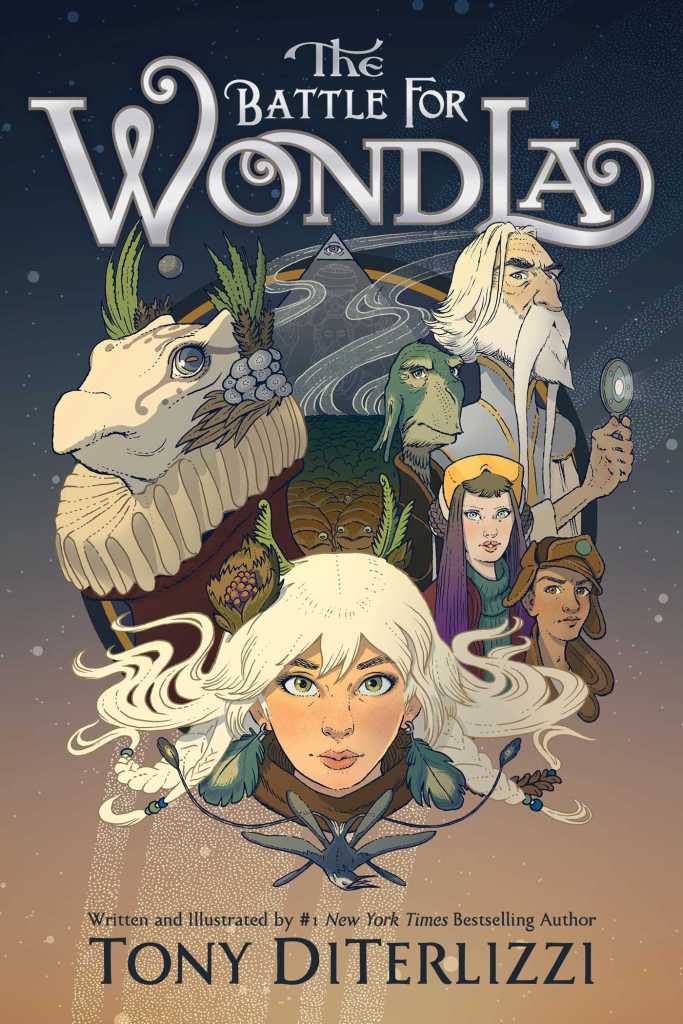
Posted in Monthly Wrap-Ups

March 2023 Wrap-Up 🌬

Happy Friday, bibliophiles!
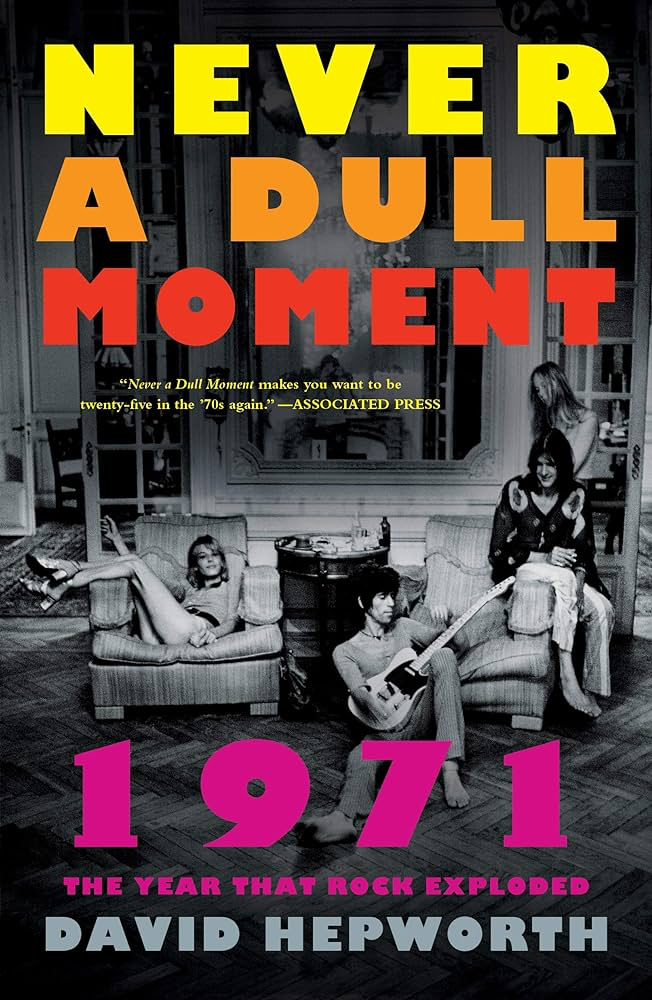
How is March already almost over?? Mentally I’m still in the first week…but it’s spring break, so that’s always good. And although I woke up sick this morning, at least I have boygenius, the cure for all that ails. Maybe their queer antibodies will help me fight this nastiness off before I have to go back to school.

[shaking the image file for the record on my iTunes library] c’mon, man, do your thing…

GENERAL THOUGHTS:

I still can’t bring myself to believe that I’m almost done with my first year of college. It feels like I should have at least 5 months left, or something…how? Either way, it’s been much easier on me taking mostly humanities classes, and even with midterms, I’ve been able to keep my head above the water. The weather’s slowly but surely starting to warm up—there were a few days were it felt like early summer, and then we got snow the very next day, and if that isn’t Colorado weather in a nutshell, then I don’t know what is. But I’ve savored the little moments—the bits of sunshine that come through the trees in the morning, the view from my dorm, and the day I had both my classes off, so I visited my friend at my dorm for next year and got coffee on the way back.

My reading’s been a little bit slower, I suppose since I’ve had several books to read for at least 3 classes, so I’ve had to read a lot of them in smaller chunks. They’ve been very different but all very good books—again, what I love about college (or at least being an English major) is that I’ve been reading books I’d never imagine reading in an academic setting—Annihilation and Harley Quinn: Breaking Glass were both on my reading list this month. I’ve managed to get some other great reads in as well, even though I had to slow down for midterms. It was harder to see since I slowed down more than usual, but it was a pretty solid reading month—only 2 books in the 2-star range, so that’s always a plus in my book (no pun intended).

Other than that, I’ve just been drawing, playing Minecraft over break (you have NO IDEA the absolute havoc some loose axolotls can do to an ocean ecosystem), watching Flight of the Conchords (as hilarious as I imagined it being), season 2 of Shadow & Bone, and Dark, and wishing for all this snow to melt. I swear that one pile of slush outside of the dining hall has been there since January…

READING AND BLOGGING:

I read 18 books this month! Better than I thought I’d done, given midterms. I found my first 5-star read of the year, though, and I also participated in the #transreadathon for the week of March 20-27, and found some great reads as a result!
2 – 2.75 stars:

Spin

3 – 3.75 stars:

The Many Half-Lived Lives of Sam Sylvester

4 – 4.75 stars:

The Thirty Names of Night

5 stars:

Story of Your Life

FAVORITE BOOK OF THE MONTH: Story of Your Life5 stars

Story of Your Life

POSTS I’M PROUD OF:

POSTS FROM OTHER WONDERFUL PEOPLE THAT I ENJOYED:

SONGS/ALBUMS THAT I’VE BEEN ENJOYING:

DE LA SOUL IS ON STREAMING GO LISTEN GO LISTEN
John Lennon put everything into that inhale huh
the only musical jumpscare that I find myself actively seeking out
SUCH a good EP
the fact that this song only took a week to get to #3 on my most played songs on apple music should say something about it…or me
delightful song, gorgeous video, solid album!!

Today’s song:

TODAY’S THE DAAAAAAAAAAAY

That’s it for this month in blogging! Have a wonderful rest of your day, and take care of yourselves!