Posted in Uncategorized

Sunday Songs: 1/12/25

Happy Sunday, bibliophiles! I hope this week has treated you well.

This week: in which being a DC comics fan and a fan of British alt-rock goes awry.

Enjoy this week’s songs!
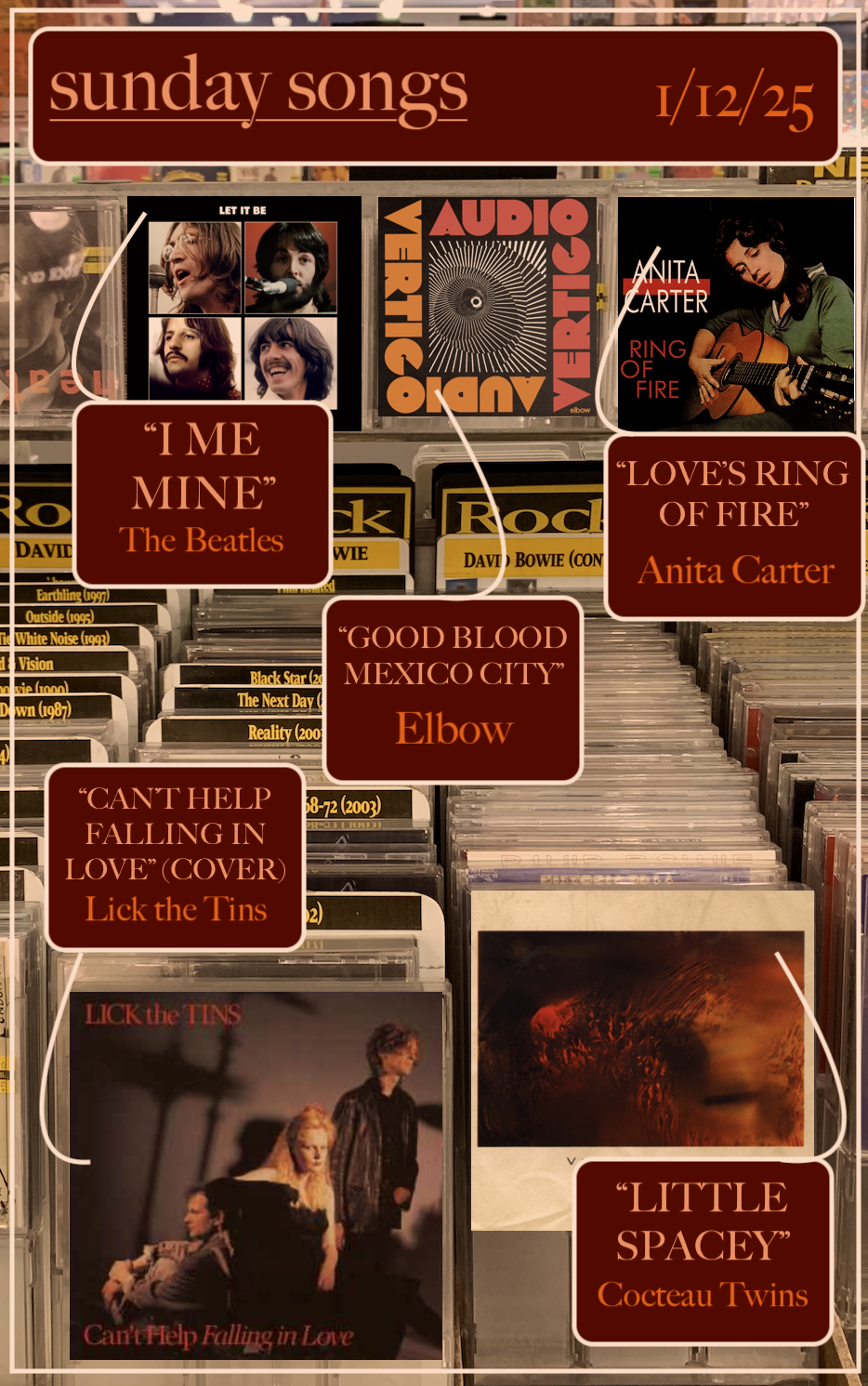
SUNDAY SONGS: 1/12/25

“Can’t Help Falling in Love” (Elvis Presley cover) – Lick the Tins

Imagine going so hard on an Elvis cover that you have to add not one, not two, but THREE Irish polkas at the end just so that it reaches the three-minute mark…I don’t find myself saying this often, but that pennywhistle kinda goes crazy.

“Can’t Help Falling In Love” has been covered hundreds upon hundreds of times—it’s so simple and iconic that it’s an obvious go-to for anyone to wring some emotion from the audience. (Whether or not they’re always successful is debatable. At worst, it can be the easy way out.) I can’t definitively find just how many times it’s been covered since Presley’s original release, but it’s got a slew of big names parading behind it: Kacey Musgraves, Beck, Chris Isaak, U2, Erasure, Zayn of One Direction, and Christine McVie isn’t even scratching the surface. (Though this one isn’t technically a cover, Spiritualized’s “Ladies And Gentlemen We Are Floating in Space,” one of my favorite songs of all time, adds the lyrics to J. Spaceman’s melody. It gets me every time…) And…well, as with any song that’s covered as numerously as this one, even the greats blend together sometimes. Rarely do they stray beyond the lazy, slow-danceable tempo. You can’t do much to a classic…

…unless you’re Lick the Tins. Their take on “Can’t Help Falling in Love” is one of the only takes that makes it sound lively. From the minute the drums kick in, you’re propelled by the spirited energy that the Irish band injected straight into the heart of this song. It’s considerably sped up, but beyond that, they make it so naturally celebratory. Alison Marr and the chorus behind her make every verse feel like a victory lap, a joyous sprint fueled by the essence of that feeling of falling in love. Of course, said speed meant that they had to add said three polkas at the end, all performed with the same Celtic inspiration that fueled the rest of the cover (and their very small body of work), but it makes it feel like the most triumphant of endings: the rickety car is driving into the sunset, the bouquet has been caught, the girl has been got. John Hughes clocked that quickly in his decision to put it at the end of Some Kind of Wonderful—this song couldn’t be any more ’80s rom-com if it tried. But long before I saw that movie, there was always a kind of purity to it—nothing could taint the memory of a song that so embodied the unbridled joy of running through a field, bathed in sunlight.

I haven’t sampled any of the Lick the Tins originals, but this song was released on their first and only album, Blind Man on a Flying Horse. Maybe there is some kind of shame to be only known for an Elvis cover and then disappearing from the face of the earth, but if I had a cover as near-perfect as this one…I dunno. I think I’d be happy.

…AND A BOOK TO GO WITH IT:
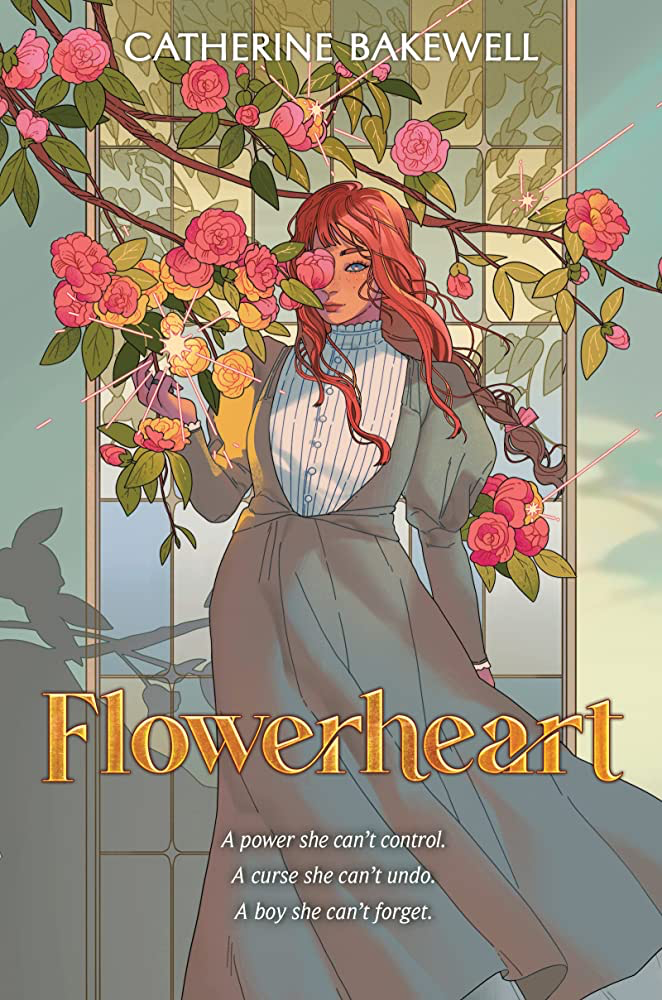
Flowerheart – Catherine Bakewellthough I didn’t enjoy every aspect of this book, I do feel like this cover would suit the homely, comforting atmosphere that it boasted at its highest points.

“Little Spacey” – Cocteau Twins

It now the dead of Cocteau Twinter. It’s been in the 20-degree range for several days now, and I’ve had several…questionably fruitful sessions of attempting to learn to knit while listening to this album. My expectations were high after how consistently fantastic the albums I’ve listened to before this (Heaven or Las Vegas and Blue Bell Knoll) and how pleasantly “Oomingmak” has lingered with me for six months, but to this day, Elizabeth Fraser and co. have not failed me.

Take out the inspirations from David Attenborough’s The Living Planet: A Portrait of Life on Earth, and it would still be a distinctly winter album. With bass player Simon Raymonde absent for the recording of this album (he was recording for the This Mortal Coil record Filigree & Shadow), the sound is more delicate than a pointed icicle dripping from a rooftop; the album’s lack of a distinct bass gives its the delicacy it needs to feel as atmospherically Antarctic as it does. (A great playlist transition for you: “Lazy Calm,” the opening track, with David Bowie’s “V-2 Schneider”…what, you thought you could escape one of my posts without a mention of David Bowie?) “Little Spacey” in particular has to be one of the iciest songs on the album. Normally, that word has the connotation of being prickly or unfeeling, but in this case, I say icy in the sense of how winter sunlight reflects crystalline colors off of it, or how it begins to melt at the corners once that sunlight comes out, or how snowflakes cling to the toothy tip of an icicle during a snowstorm. Fraser arranges and layers her harmonies in such an otherworldly way that it sounds more like an overhead flock of cooing seabirds than anything human. It has the ice of an Antarctic winter, yet all of the comfort of watching it from a TV screen, in the same way I imagine the band gathering inspiration for the album.

…AND A BOOK TO GO WITH IT:

Even the Darkest Stars – Heather Fawcettfrigid, windy, and wintry, but glittering with starlight.

“I Me Mine” – The Beatles

…yeah. It’s not like George Harrison wasn’t also a jerk during the Get Back sessions, but oh my god…being in the studio with the rest of The Beatles for that long would make me write a song about how the world is ruled by ego too. Being around John Lennon does that to a guy…and Paul McCartney bluntly correcting your grammar. Jesus. Without a doubt, it’s a bitter note for The Beatles—”I Me Mine” was the last new material recorded by them, depending on which criteria you’re going off of*—but even through the bitterness, you can of course count on George Harrison to weave something timeless from it. The oscillation from the boat-rocking-on-waves sway of the verses to the urgent clanging of the organ during the chorus seems like an accurate picture of the volatility of these sessions—sometimes, they made progress that would eventually become Let It Be and Abbey Road, but it would whip around into heated arguments (take a wild guess who started most of them) just as easily. Given the more charitable and spiritual person Harrison became as he departed from The Beatles, it’s hard to imagine him throwing any sort of truly mean-spirited shade—but I feel like “I Me Mine” could be argued as a diss track. No names named, but it’s about John and Paul. We know. Or a diss track on the concept of egoism. It’s both.

*there’s a considerable amount of debate over what counts as the last true Beatles song; “I Me Mine” had only 3/4 Beatles present for the recording.

…AND A BOOK TO GO WITH IT:
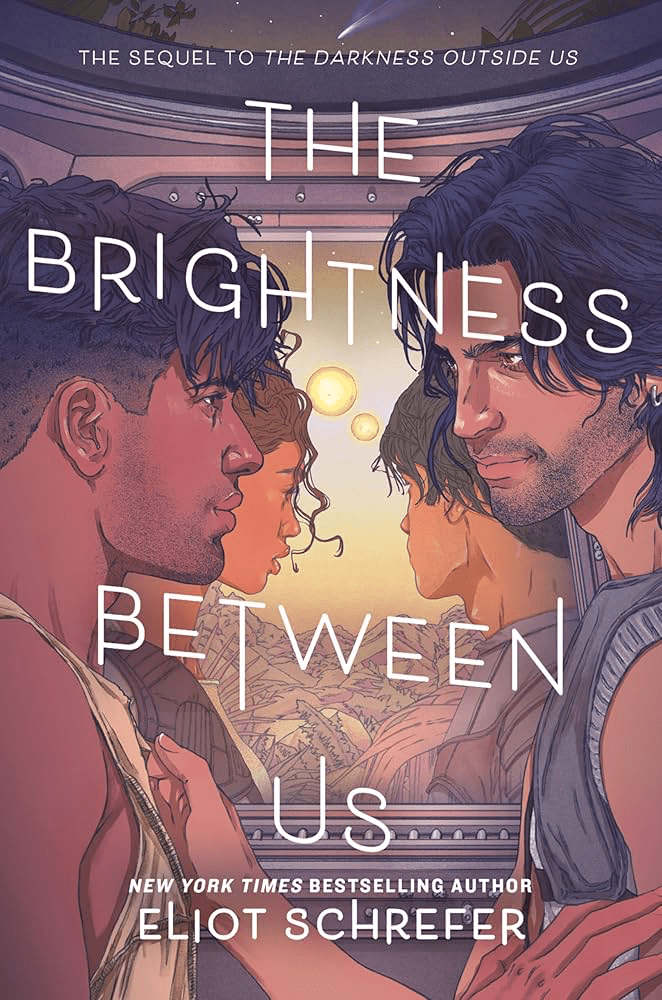
The Brightness Between Us (The Darkness Outside Us, #2) – Eliot Schreferin the less-far future side of this novel, there’s an awful lot of “I Me Mine” going on in the Cusk household…

“Good Blood Mexico City” – Elbow

Man…I love comics, but any given comic fandom is just so painfully full of contrarians. You’ve got a bunch of dudebros wasting away in basements whining about how none of the comic book movies coming out are actually comic accurate, but then the Superman trailer comes out, and those same people are whining about Guy Gardner and his glorious bowl cut? It’s pure campy comic perfection. IT’S COMIC ACCURATE. It was never about comic accuracy, was it—

Oh? What’s that you say?

…oh. Wrong guy. Wrong Guy. Garvey, not Gardner, I’ll see myself out…great song though, right?

…AND A BOOK TO GO WITH IT:
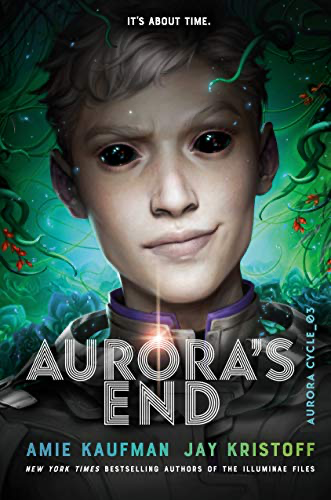
Aurora’s End (The Aurora Cycle, #3) – Amie Kaufman & Jay Kristoff“This is the day for big decisions, you know/Follow your lodestar/Starry eyes, smoky eyes, urgent eyes/This is the surge of the good blood rising/If you’re running, I’m coming…”

“Love’s Ring of Fire” – Anita Carter

If I had a nickel for each time in music history that Johnny Cash became known and adored for a cover, I’d have two nickels, which isn’t a lot, but in this instance, it’s really not weird that it happened twice. The man was supremely talented—he didn’t just cover said songs, but undeniably elevated them (the other, in this case, being his gut-wrenching rendition of Nine Inch Nails’ “Hurt”). In this case, a fair amount of people know that “Hurt” is a cover. I can’t speak for the rest of you, but it hit me like a sack of bricks when I found out that “Ring of Fire” was a cover. (The one time I’ve actually learned something from YouTube shorts—specifically this one by Tommy Edison.) I was just so accustomed to hearing his version and nothing else; I assumed with his stature that he’d written it just the same.

Turns out that Anita Carter was responsible for the original version, sister of June Carter (who Cash eventually married), who wrote the song along with Merle Kilgore. Carter’s voice is a noteworthy contrast to Cash’s—the way she croons the iconic line “I believed you like a child/oh, but the fire went wild” tickles my brain in that special sort of way that only a handful of songs do—as does the way her high note fades into a sunset sky at the end of every repetition of the chorus. Yet despite, that, it’s rather subdued for a song comparing love to, y’know, a whole ring of fire; to quote my mom upon hearing it, she sounds “emotionally distanced from the ring of fire.” Yikes…but it is awfully slow for the metaphor at hand. It could be a consequence of being able to see clearly after being chucked through said ring of fire and coming out the other side with more than a few burns, but you don’t exactly get that fervor that’s inherent to the metaphor. Johnny Cash, being Johnny Cash, took that sign, sped up the chorus, tweaked some lyrics, and added some mariachi horns after dreaming about a rendition of the song backed by them, as the story goes. To me, it’s two observers’ perspectives on the same phenomenon, but distance is the key: maybe it’s because Cash sung his view directly from said ring of fire that his version became more enduring. Either way, seeing the first evolution behind an enduring country hit was a surprising journey.

…AND A BOOK TO GO WITH IT:

The Good Luck Girls – Charlotte Nicole DavisAnita Carter’s specific version wouldn’t be out of place in the Western-inspired setting of this duology.

Since this post consists entirely of songs, consider all of them to be today’s song.

That’s it for this week’s Sunday Songs! Have a wonderful rest of your day, and take care of yourselves!

Posted in Monthly Wrap-Ups

The Great Big Wrap-Up of Everything | August-December 2024

Happy Tuesday, bibliophiles, and happy New Year’s Eve! 2024 was…well. It sure was a year, wasn’t it? Things happened! Too many things. Man.

I’ll keep it short, because I’ve said something along the lines of the same thing for several months now. I like doing these wrap-ups, but they’re certainly time-intensive, so I doubt I’ll be able to keep up with the monthly schedule going into 2025. However, my brain does like sorting things into silly little lists with bullet points and whatnot, so I thought I would throw this together for the end of the year. Even though I was working so much, I did get to a lot of fun reads, and I didn’t want to leave them out! As I said in my 5-star Reads post, it’s been a rocky and anxious year, but that doesn’t mean it wasn’t populated with good reads—and moments in general—throughout. So, for the last time in 2024, here’s a wrap-up of everything from August to December.

Enjoy this massive wrap-up!

WRAP-UP: EVERYTHING I’VE READ SINCE AUGUST

AUGUST

I read 17 books in August! I don’t think anything for the rest of the year will measure up to having two 5-star reads back to back, but either way, this ended up being a lovely month for reading. Also, before everybody comes after me for DNFing Remarkably Bright Creatures…you can’t blame me after this line was said by a supposedly 30-year-old character: “bicep day was lit at the gym today.” How do you do, fellow kids?

Book Reviews:

1 – 1.75 stars:

Shark Heart

2 – 2.75 stars:

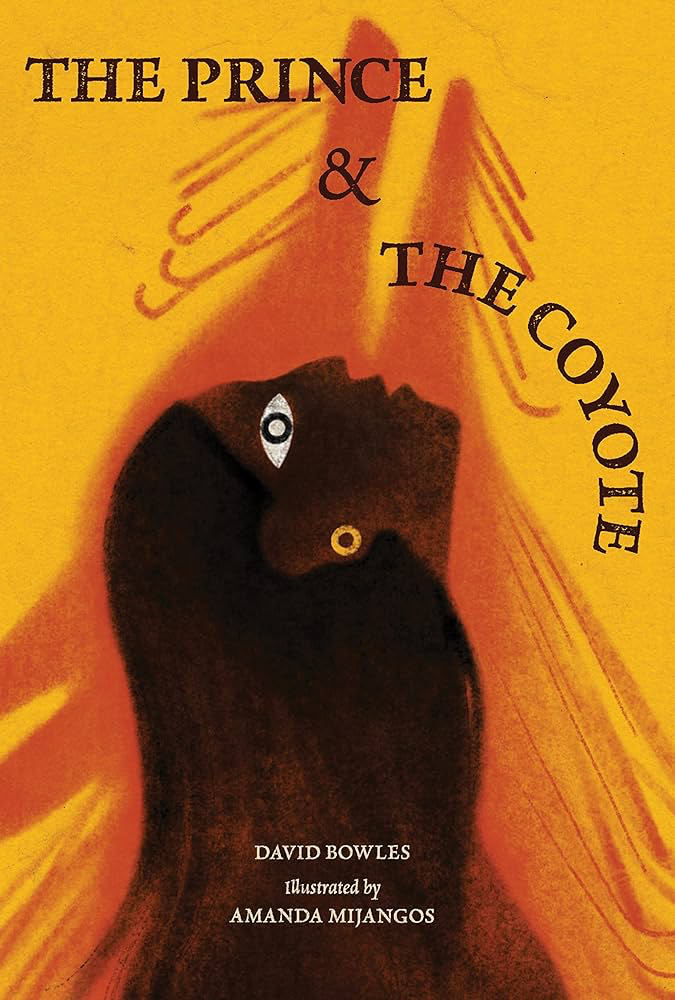
The Prince and the Coyote

3 – 3.75 stars:

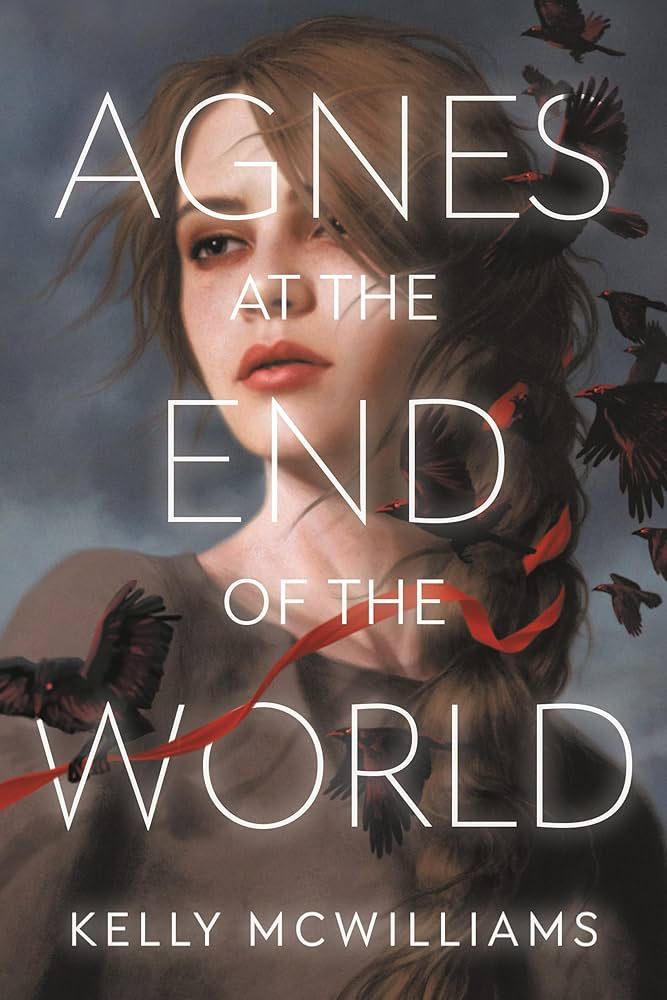
Agnes at the End of the World

4 – 4.75 stars:

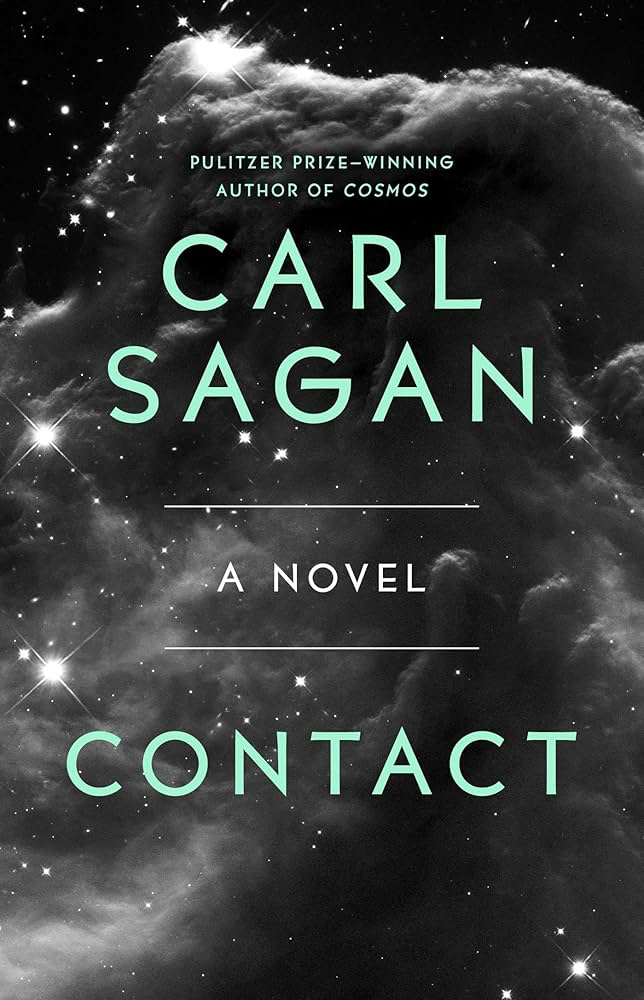
Contact

5 stars:

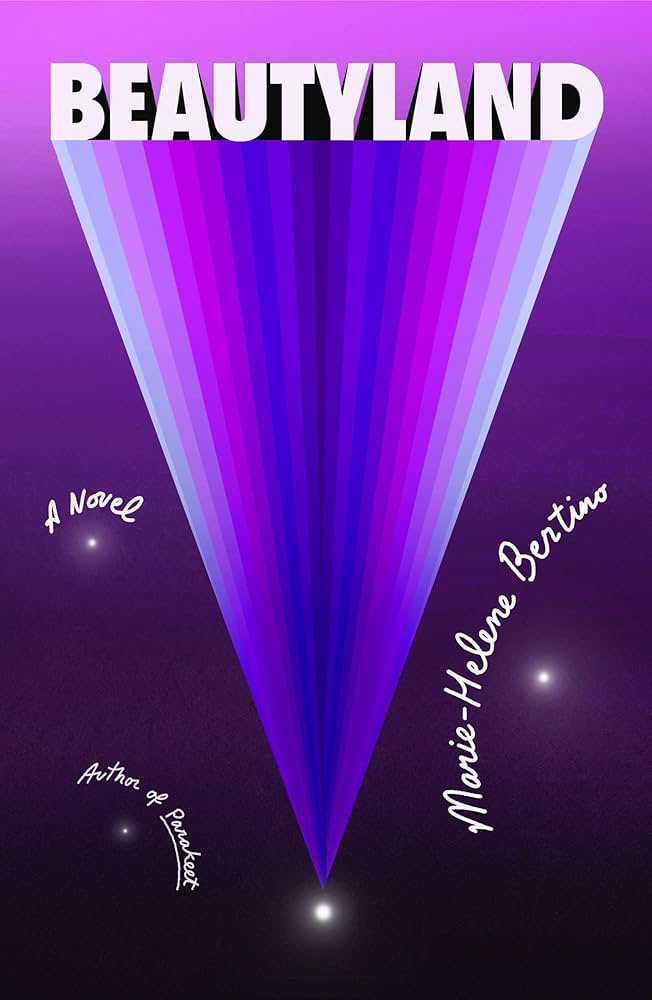
Beautyland

SEPTEMBER

I read 15 books in September! I was so caught up in my reading schedule being disturbed (somewhat) by school starting that I didn’t even realize that I didn’t have any 1 or 2-star reads! Miraculous. Either way, between my work, I was able to squeeze in some great reads for both Bisexual Visibility Week and Latinx Heritage Month.

Book Reviews:

3 – 3.75 stars:

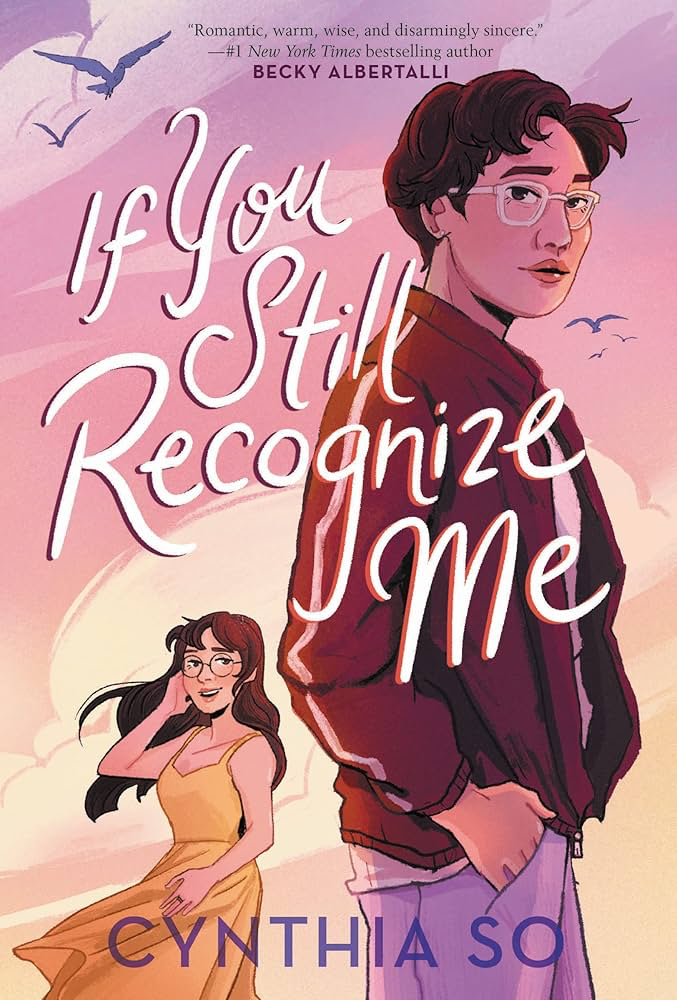
If You Still Recognize Me

4 – 4.75 stars:

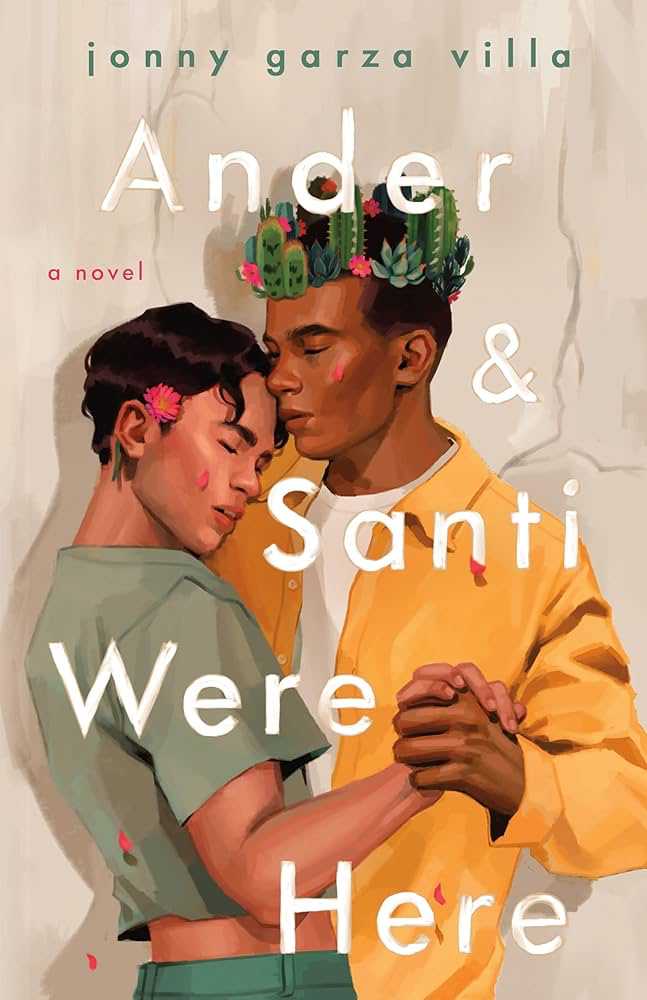
Ander and Santi Were Here

5 stars:

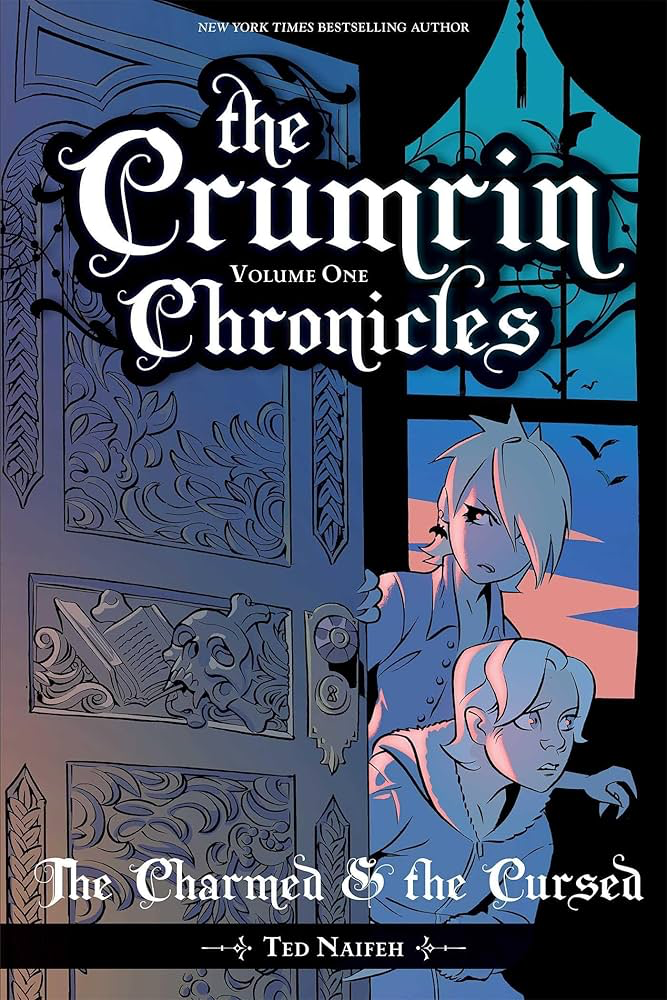
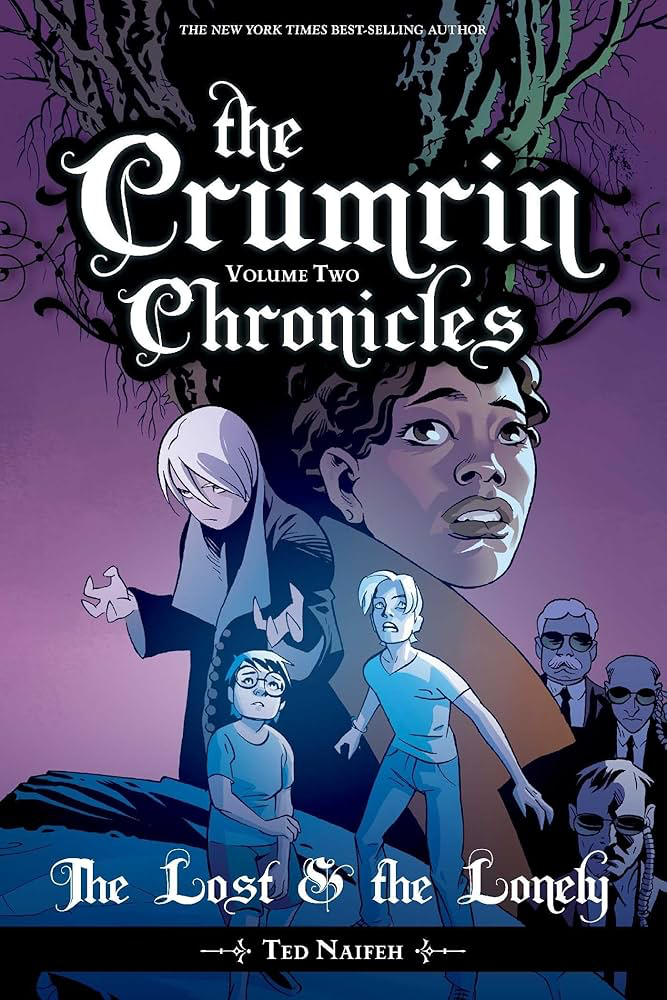
The Crumrin Chronicles, Vol. 1 – The Charmed and the Cursed

OCTOBER

I read 15 books in October! Spooky season, busy as it was, another great month for books—new Crumrin Chronicles, new books from Amie Kaufman and Eliot Schrefer…oh, and I finally read Hamlet after all these years. I’ve seen so many adaptations that I just found myself going “HE DID IT!!! HE SAID THE LINE!!! HE SAID THE LINE!!” whenever I saw a passage I recognized.

Book Reviews:

1 – 1.75 stars:

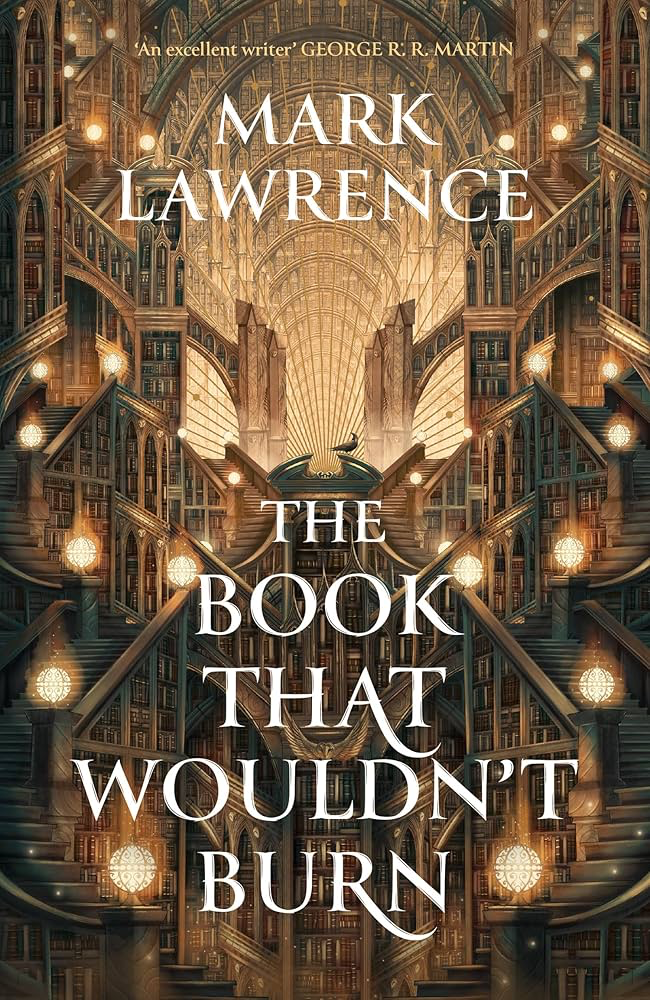
The Book That Wouldn’t Burn

2 – 2.75 stars:

The Merchant of Venice

3 – 3.75 stars:

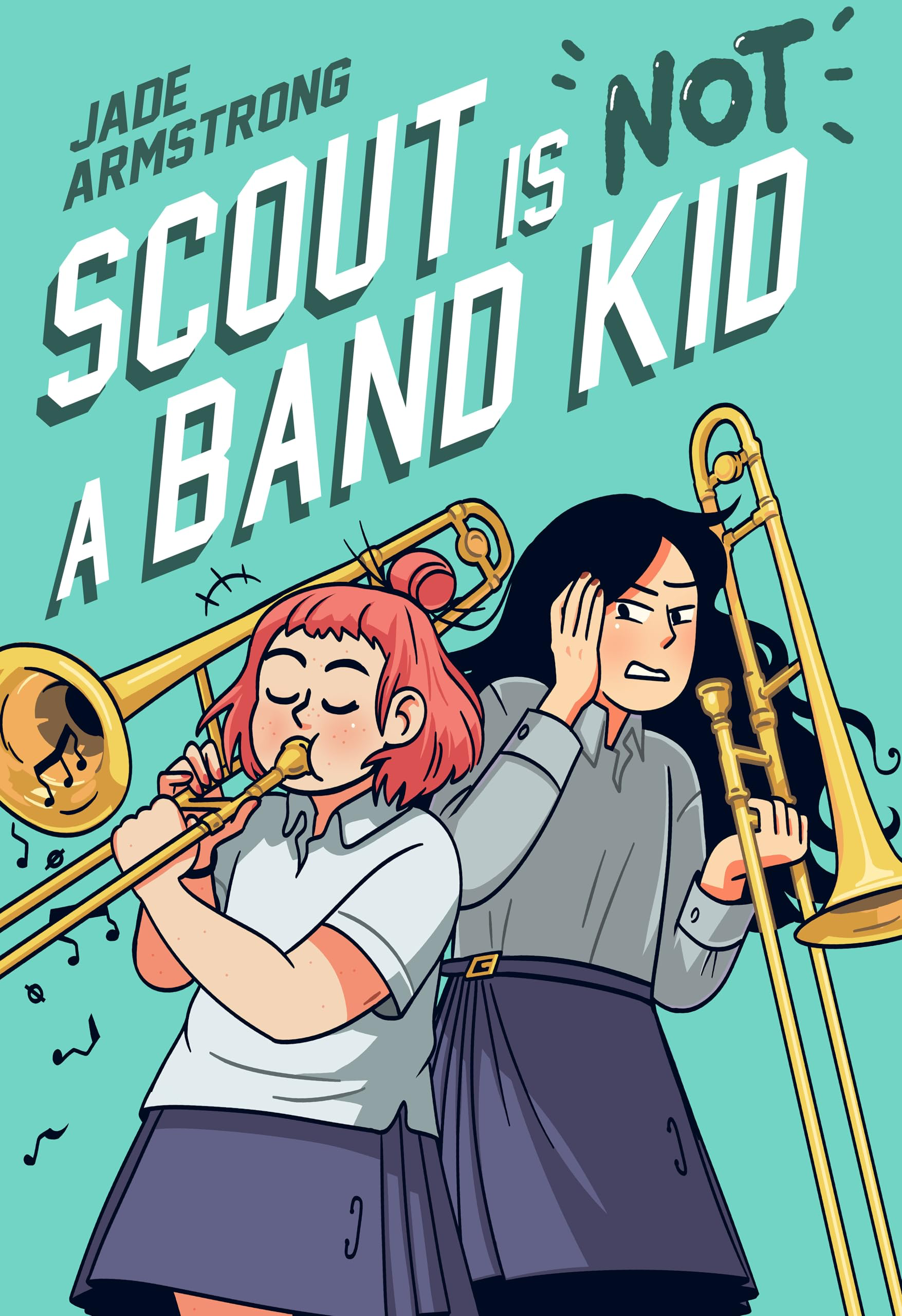
Scout is Not a Band Kid

4 – 4.75 stars:

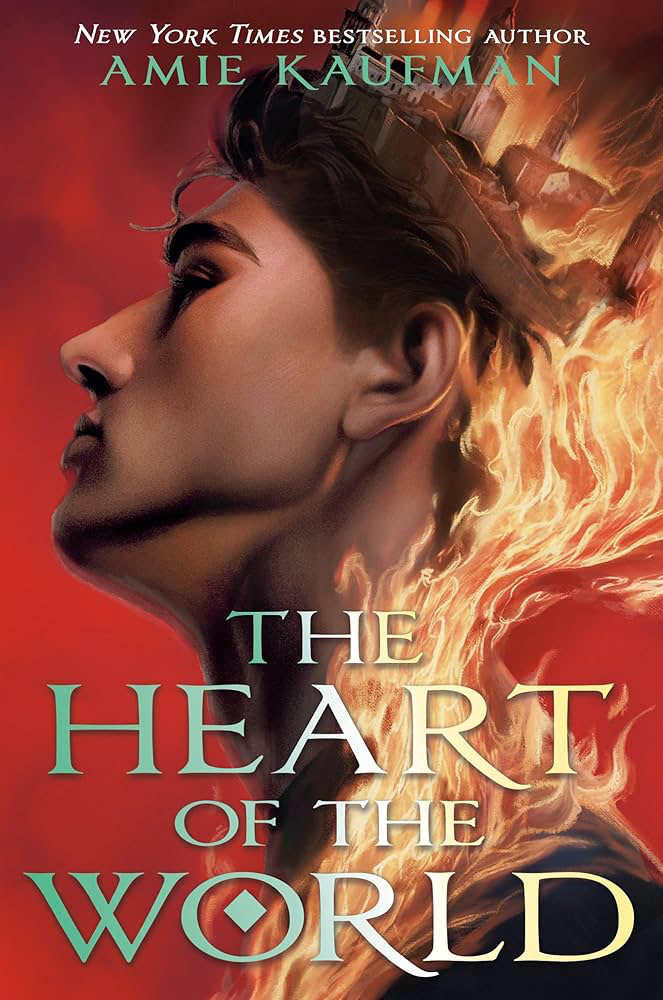
The Heart of the World

5 stars:

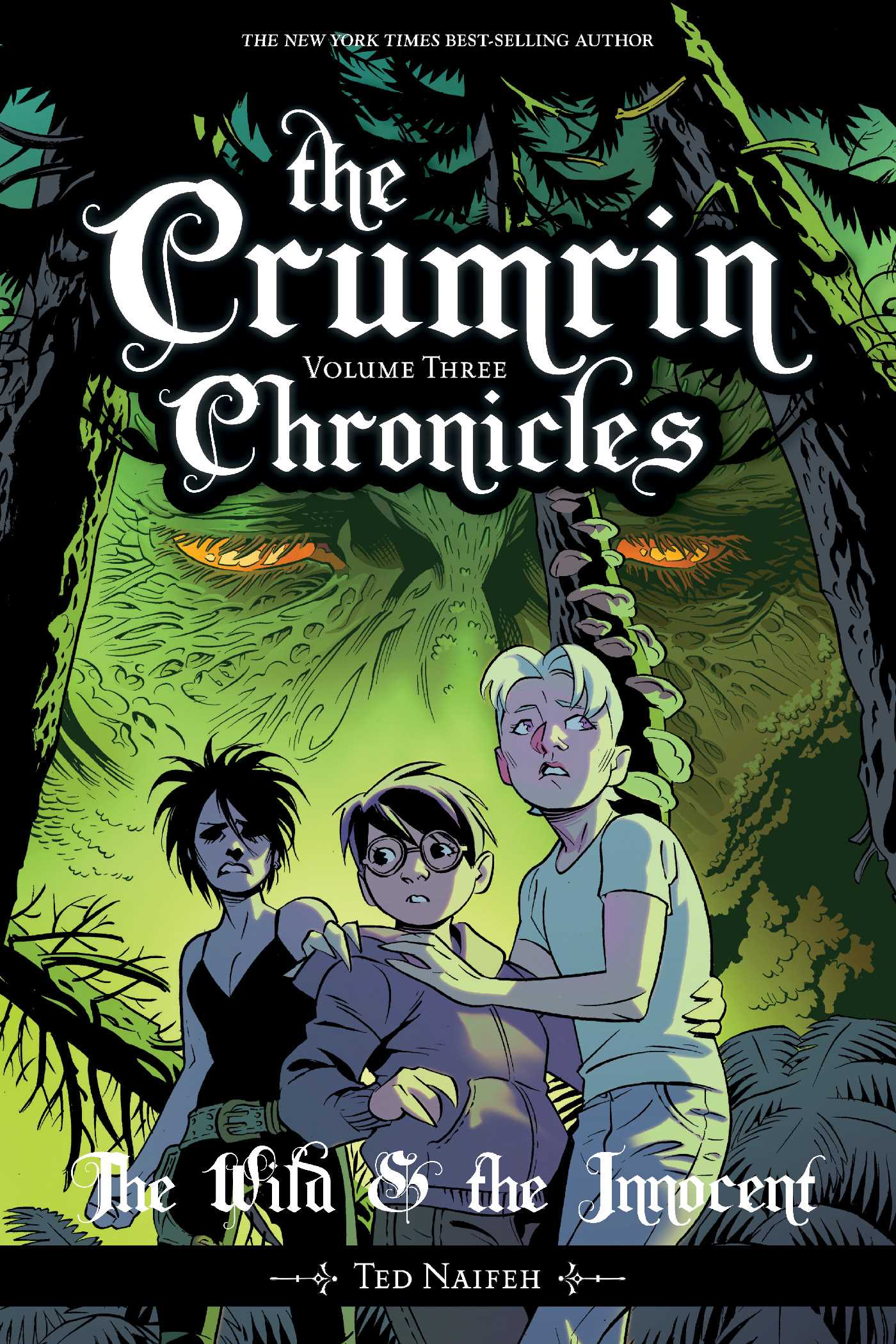
The Crumrin Chronicles, vol. 3: The Wild & the Innocent

NOVEMBER

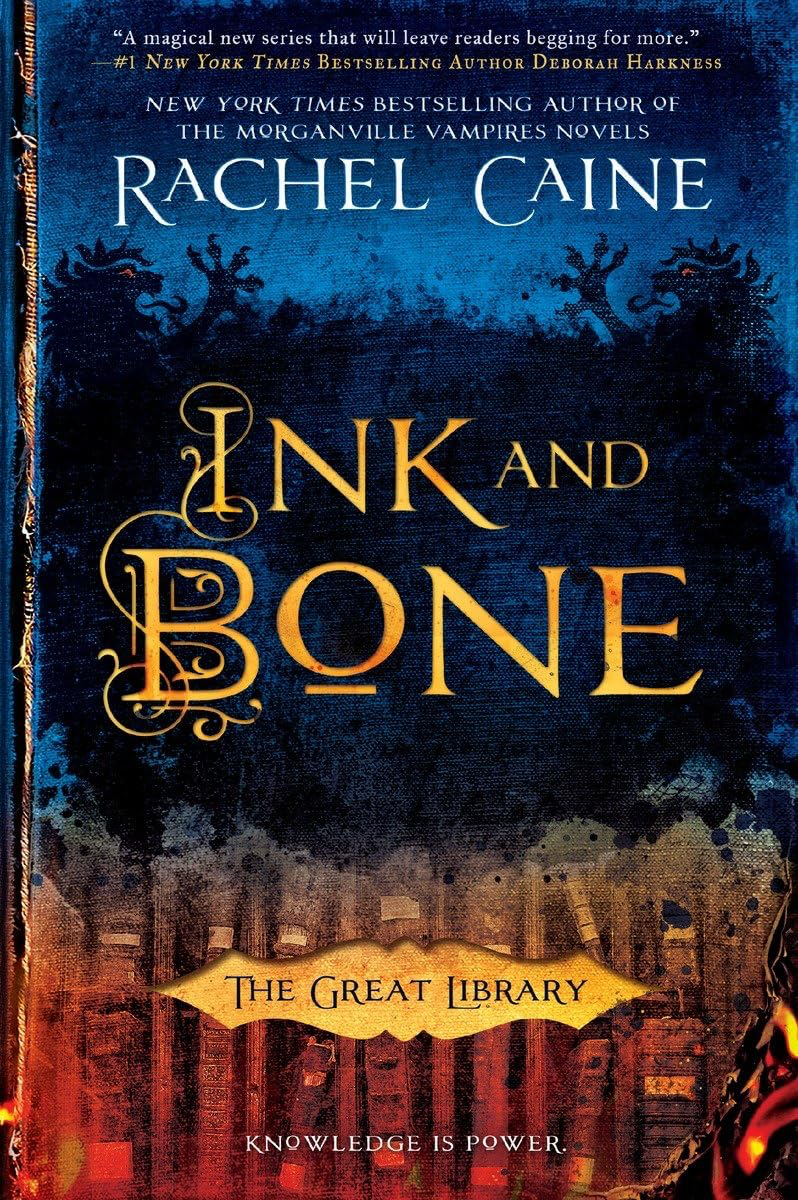
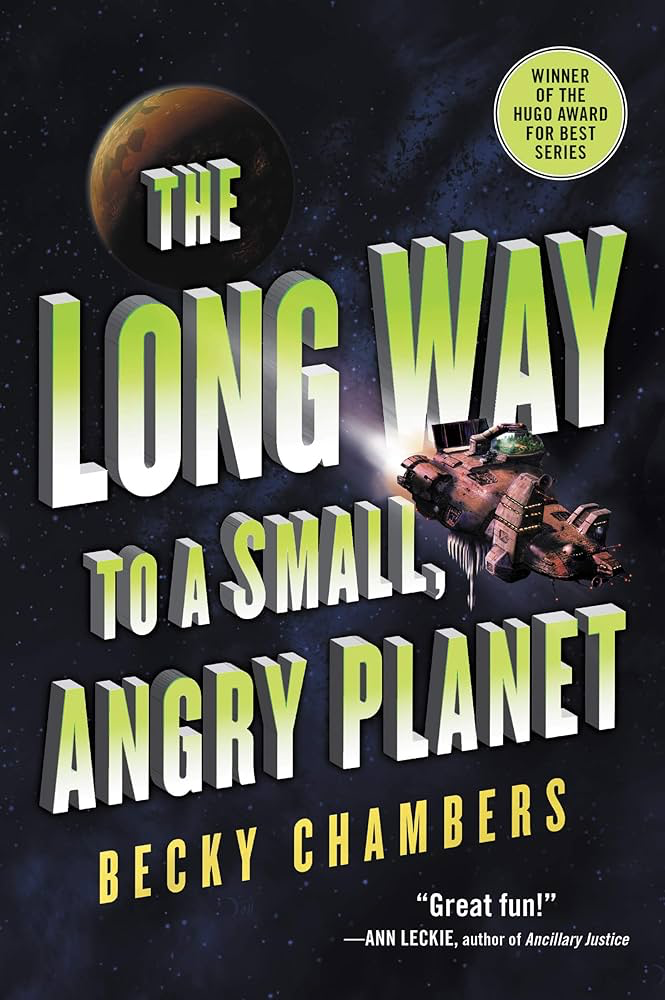
I read 14 books in November! I shouldn’t have to explain why I decided to read The Long Way to a Small, Angry Planet on Election Day. Jesus fucking christ. Also, I hate to speak ill of the dead, but either I’ve grown out of Rachel Caine, or I just read her better books in high school…maybe I should’ve read Ink and Bone when my taste was less discerning.

Book Reviews:

1 – 1.75 stars:

Ink and Bone

2 – 2.75 stars:

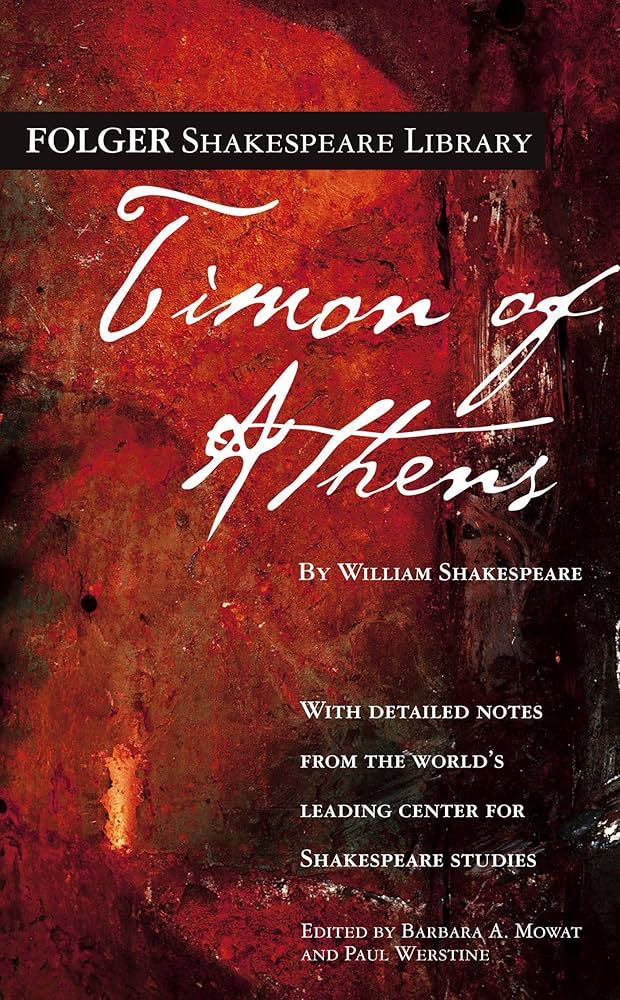
Timon of Athens

3 – 3.75 stars:

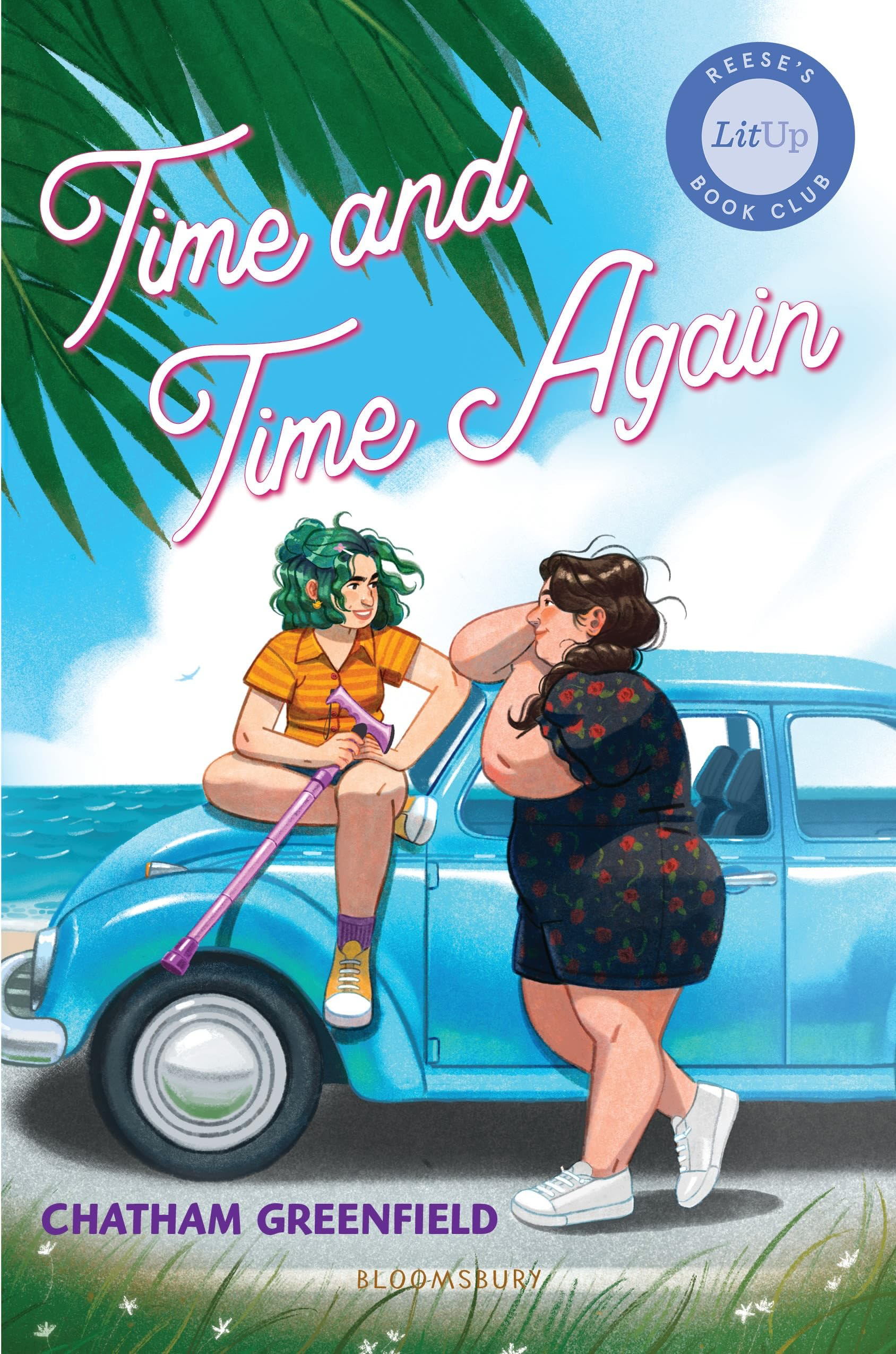
Time and Time Again

4 – 4.75 stars:

The Long Way to a Small, Angry Planet

DECEMBER

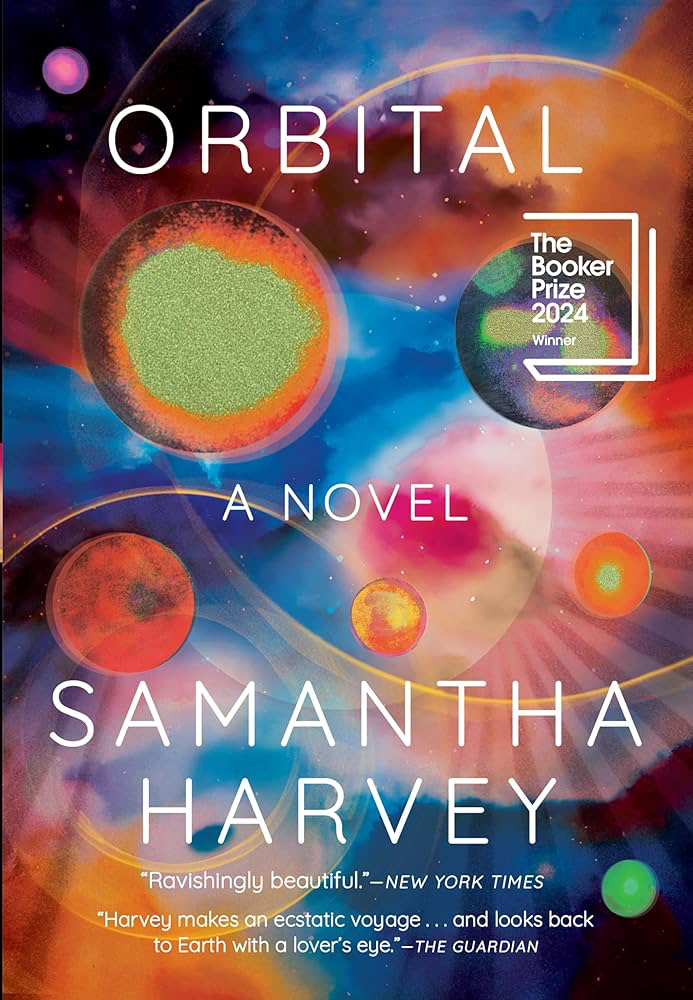
I read 13 books in December, and rounded out my Goodreads challenge with 199 books read this year! I’d say that’s pretty impressive. December proved to have a solid bunch this month (to say nothing of the pretentious, 212 pages of nothing that was Orbital).

Book Reviews:

2 – 2.75 stars:

Orbital

3 – 3.75 stars:

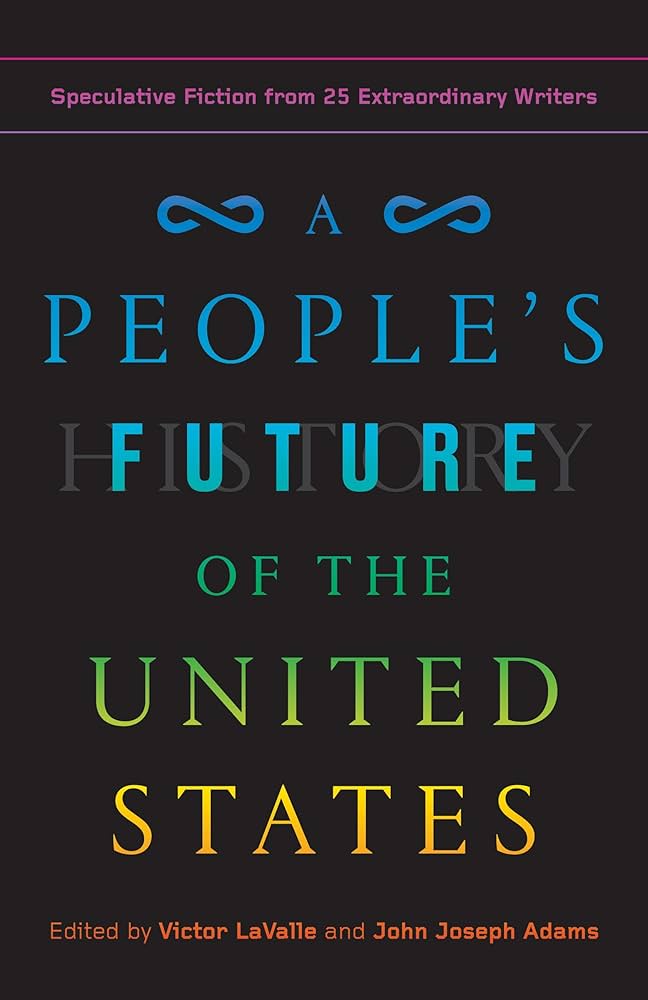
A People’s Future of the United States

4 – 4.75 stars:

The Tempest

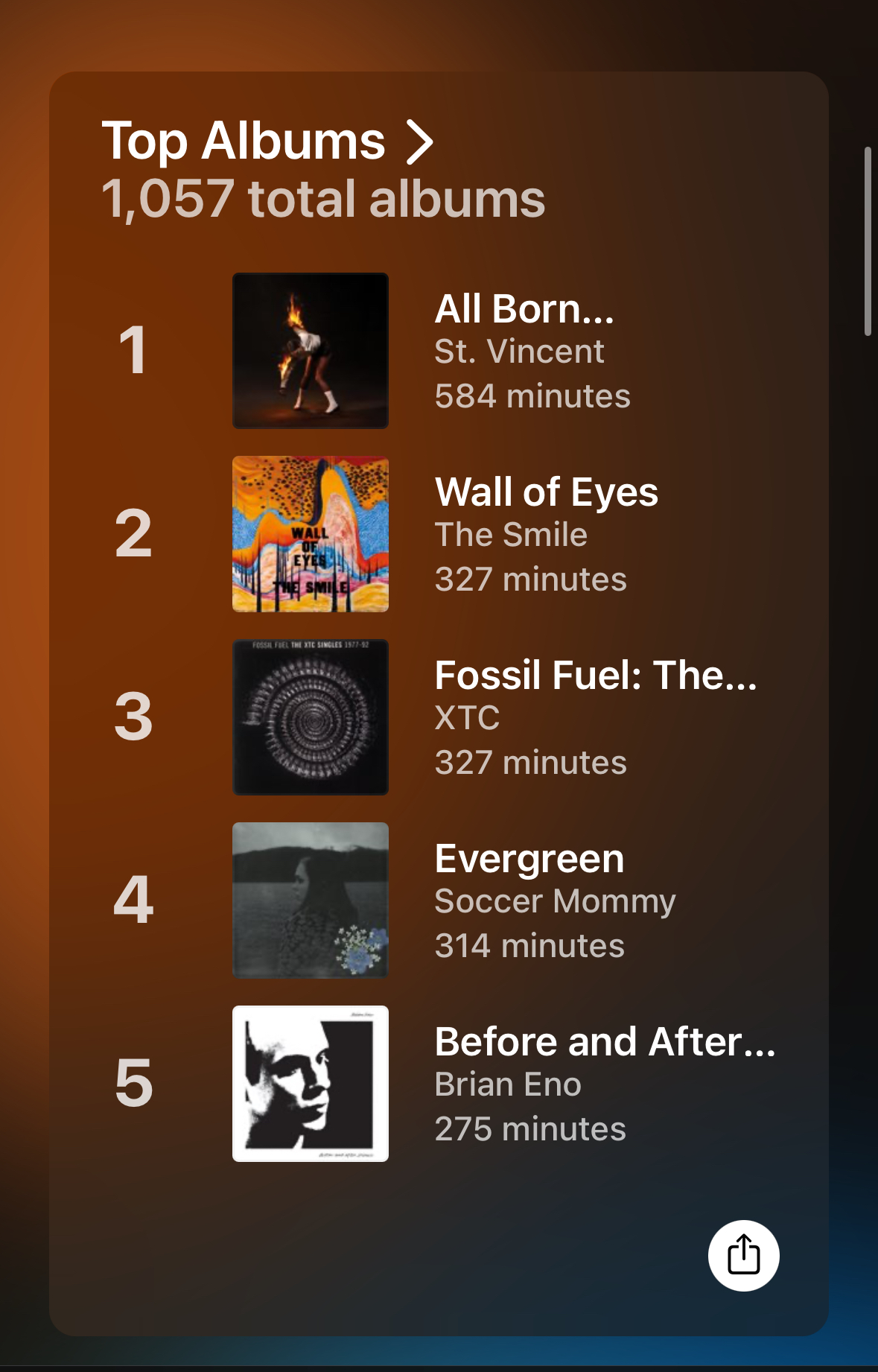
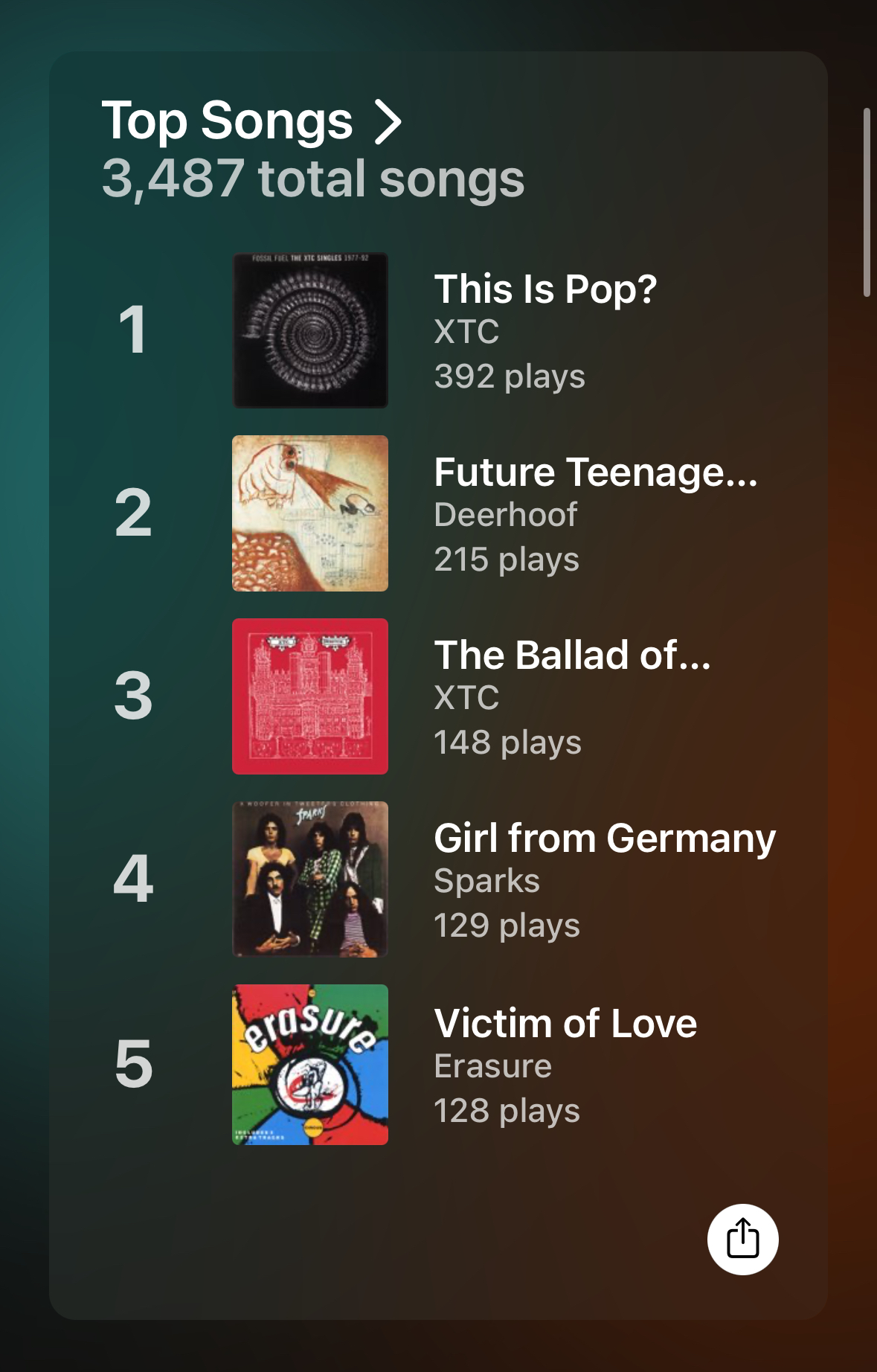
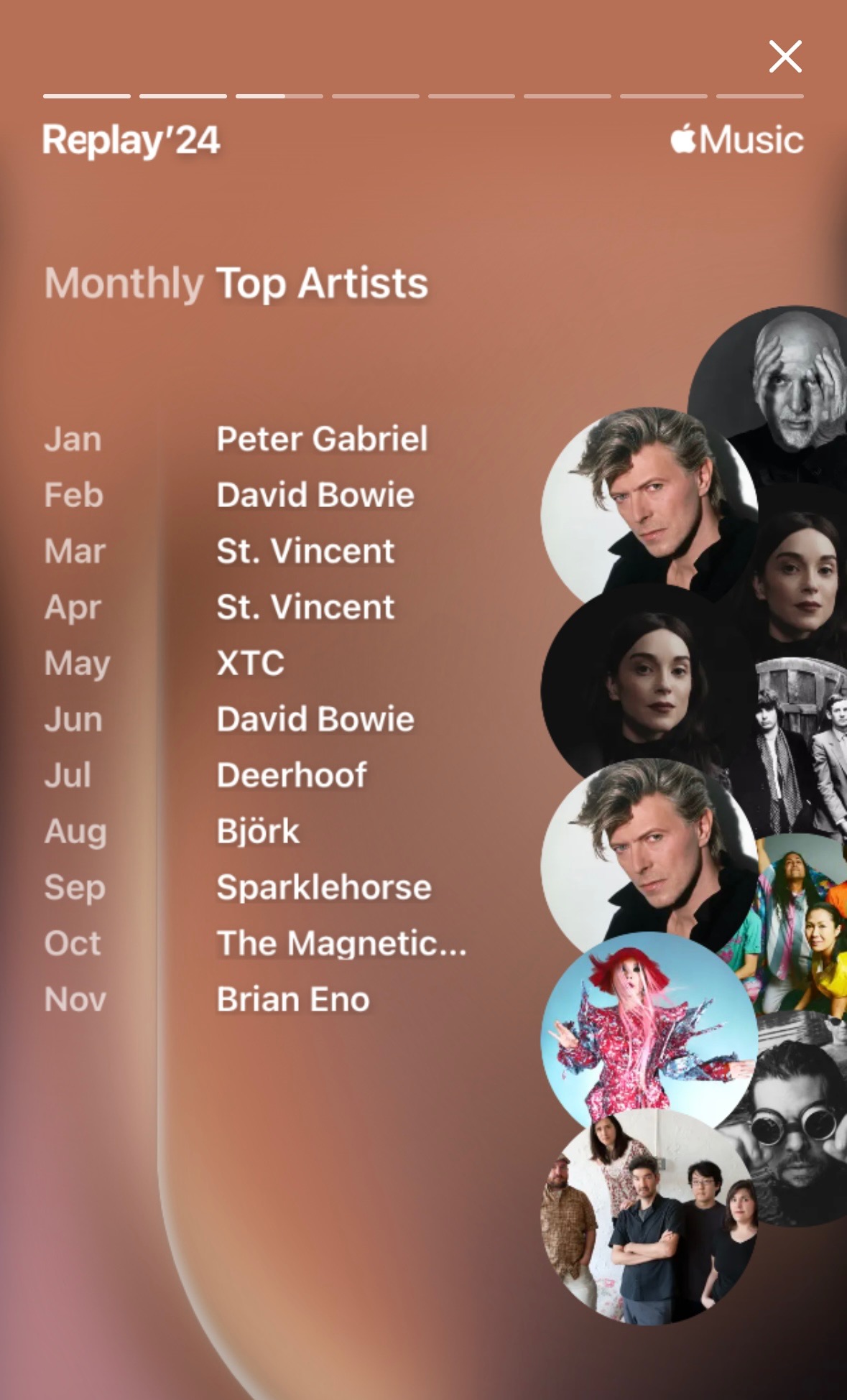
In lieu of my usual songs/albums that I’ve been listening to lately, enjoy some selections from my Apple Music Replay. It appears I’ve lost my hypothetical Welsh street cred (no longer in the top 100 listeners for Super Furry Animals…it’s been an honor), but it’s been replaced by being in the top 500 for XTC? I did listen to “This is Pop?” and “The Ballad of Peter Pumpkinhead” an unhealthy amount…

In addition, here are my Sunday Songs for each month:

AUGUST:

SEPTEMBER:

OCTOBER:

NOVEMBER:

DECEMBER:

Today’s song:

it’s finally cold enough to allow myself to listen to Victorialand! Great album to close out 2024 with.

Now, how to wrap up a wrap-up…all I can say is that I love you. My blog may not have the numbers of views and likes that it used to (even though the follower count has gone up…620 of y’all, oh my god, thank you!), but I treasure the small community that I’ve got here. I write these things mostly to write out into the world what I want to see and ramble about the things I love, but I’m grateful that, through it all, you’ve all stayed to stick it out and listen. I’ve always done it for myself and not in the service of getting more likes or views, so I’m glad that someone’s listening anyway.

I hope you all find love, solace, hope, or whatever it is you need in this coming year. In the grand scheme of things, I’m frightened (and hoping that my Canadian cousins have a room to spare up north, hahahahaha [SCREAMING]), but on the smaller scale, with the things I can control, I’m glad to be turning over a new leaf. It’ll be difficult, but I’ve built up the tools to go forward in a healthier, compassionate, and more loving way. Whoever you are, I hope 2025 brings what you need, big or small. As always: spread love, not fear or hate. Look at the stars. Keep on reading, watching, listening, and engaging with what you love. And most importantly, be kind—to others, and to yourself.

Lots of love,

Madeline

Posted in Uncategorized

The Bookish Mutant’s 5-Star Reads of 2024

Happy Monday, bibliophiles!

Some years make it difficult to focus on the good things. It would be easy for me to look back at this year and see that it’s been ruled by anxiety, because…well, a good portion of it was. I was incredibly anxious about a number of things this year, I’m on the precipice of some big transitions in my life, and we’re entering a dark time in our country’s history. It can be so all-consuming that I forgot that it did not, in fact, consume all. I do have some pretty proud achievements to count towards myself this year, but most of all, I got through it. Whatever gripped me, whether or not I should have been worrying about it, I got through it. And I’m here. And I’ll be here through 2025.

The amount of books I’ve read gets smaller every year, but it’s allowed me to be more selective. Sure, my 5-star reads shrink every year, but it’s proportional to how much I actually read. I’m more selective now that I have less time to read—that doesn’t mean that bad books slip through, but I feel like the amount of stinkers I’ve read has decreased, and I’ve expanded my DNF criteria to just mean books that aren’t egregiously bad, but that I don’t want to continue with simply because life is short. My 5-star reads this year consisted of the return of old favorites, anticipated sequels, and new-to-me books that blew me out of the water—a diverse patchwork of a rocky but ultimately fruitful year—and they were a part of what made this year good.

NOTE: I will not be including re-reads on this post; I re-read The Galaxy, and the Ground Within as well as the entire WondLa trilogy this year—obvious 5-star reads.

⭐️⭐️⭐️⭐️⭐️THE BOOKISH MUTANT’S 5-STAR READS OF 2024⭐️⭐️⭐️⭐️⭐️

HONORABLE MENTIONS (4.5 stars)

TELL ME WHAT YOU THINK! Have you read any of these books, and if so, did you enjoy them as much as I did? What were your favorite reads of the year? Let me know in the comments!

Today’s song:

That’s it for my favorite books of 2024! Have a wonderful rest of your day, and take care of yourselves!
Posted in Book Review Tuesday

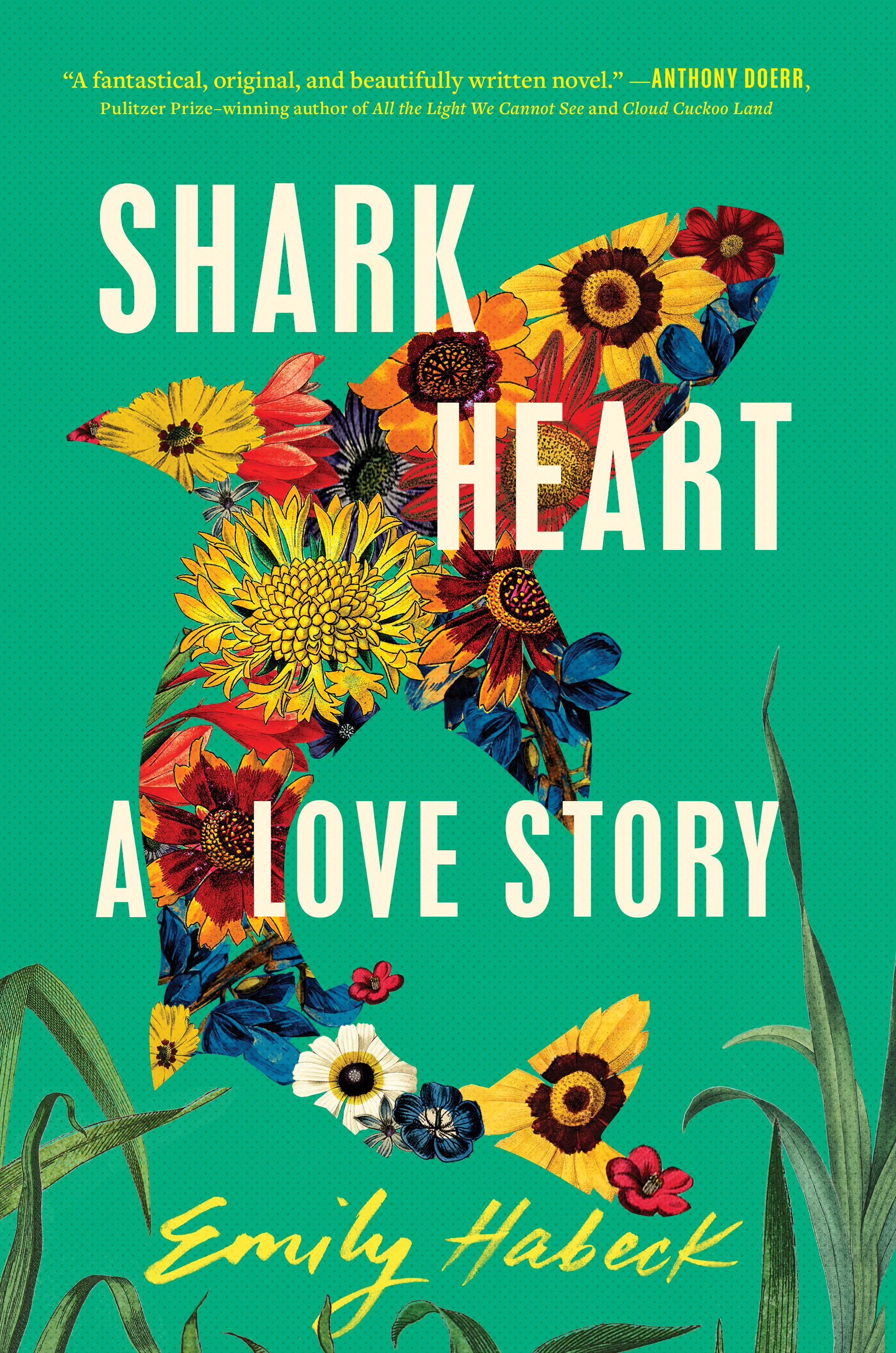
Book Review Tuesday (10/22/24) – The Brightness Between Us (The Darkness Outside Us, #2)

Happy Tuesday, bibliophiles!

We’re keeping up my sequel streak for the time being, so it seems. The difference between this and The Heart of the World is that I had no idea that The Darkness Outside Us, one of my favorite books of 2021, was even getting a sequel in the first place. That novel rocked my world—it really enraptured me in a way that not a whole lot of books ever have. But it was beautiful as a standalone—it had about as satisfying of an ending as you could ask for. So I was teetering towards hesitantly optimistic when I heard about The Brightness Outside Us, but in the end, I’m so glad I took the gamble; this novel is a different kind of twisty than its predecessor, but it’s worth taking the leap.

Enjoy this week’s review!

Now, tread lightly! This review contains spoilers for book one, The Darkness Outside Us. If you haven’t read it and intend on doing so, read at your own risk!

For my review of book one, The Darkness Outside Us, click here!

The Brightness Between Us (The Darkness Outside Us, #2)

In the 24th century, Ambrose Cusk is on the cusp of the greatest space mission mankind has ever embarked on. After losing his sister Minerva in a troubled gambit outside of the solar system, Ambrose is set to cross the universe itself in order to save her. But when he discovers that he won’t be on the ship—only clones of himself—he is determined to get to the bottom of what his true mission is—and what really happened to Minerva.

30,000 years in the future, the final clones of Ambrose and Kodiak have grown from the teenage clones they once were into fathers of two children. Owl and Yarrow live a peaceful but sheltered existence on the surface of Minerva. Owl yearns to learn what the rest of the planet holds, but her parents are keen on keeping her safe. But when her brother Yarrow begins acting strangely, the family suspects that a stranger thousands of years in the past may have sabotaged their mission.

TW/CW: violence, war, past mentions of child death, animal death, terrorism, intrusive thoughts

It didn’t even cross my mind that The Darkness Outside Us would have a sequel. I went into this novel with trepidation—how do you follow up a novel as twisty, complex, and heartwrenchingly beautiful as The Darkness Outside Us? By splitting the novel in two, as it turns out. I didn’t think that The Darkness Outside Us needed a sequel, but nonetheless, I’m glad I stuck around to see the result—of course Eliot Schrefer would have something fascinating up his sleeve.

The Brightness Between Us reminds me of how much I love a good “space colony gone wrong” story. As I said, I didn’t even think about The Darkness Outside Us getting a sequel, but this novel has the perfect setup for precisely this kind of plot. I should have trusted Schrefer from the start, given how masterful book one was, but wow, the Minerva plot amazed me! There was so much solid, hard sci-fi put into the terrain, climate, and wildlife of Minerva, and Schrefer did an excellent job of keeping the reader in the dark just enough to make everything suspenseful, even when the mysterious bones that Owl digs up in her exoplanet yard only turn out to be from a duck. From the research behind the wildlife, the weather, and the atmosphere, no stone was left unturned, each one its own Chekhov’s gun waiting to fire.

Although Owl wasn’t my favorite protagonist, she fits perfectly for the environment she’s in. Every “space colony gone wrong” needs a character who questions everything; there is always some part of the planet that has been unexplored, and someone needs to be curious and daring enough to want to discover what’s on the other side of the world. It can be even more effective when that character is a child; children are naturally curious, making it more than simply questioning authority—the authority is often their parental figures, and the excuses of them hiding things “for their safety” feel more tangible. Fifteen-year-old Owl was naturally curious, but also paired with her more obedient (at first) brother, Yarrow, giving her more resentment towards her parents. She wasn’t as likeable as Ambrose or Kodiak (I loved seeing them become parents), but they had the home field advantage of book one. But I can recognize when a character is perfect for the plot they’re in, and Owl was the perfect match for the plot of The Brightness Between Us.

After the pummeling of gut-wrenching twists that we call The Darkness Outside Us, the sequel was going to have to pull off a miracle to follow it up in terms of plot. The main twist was so earth-shattering that I thought it would be impossible to come up with anything better. I remain correct—I don’t think anyone, much less Schrefer, could come up with a twist that could top book one. But the main twist that we do have was excellent enough to propel me to finish the book in one sitting—just like The Darkness Outside Us! (The difference is that it was at a reasonable hour this time. I’ve matured since 2021, I promise.) Not only is this duology a love story 30,000 years in the making—it’s a conspiracy 30,000 years in the making! I loved the twist that Devon manipulated the frozen fetuses to develop violently aggressive traits as they grew—it gave even more stakes to an already gripping plot, and it made the days of present future half of the novel gripping as well. It gave the “space colony gone wrong” side of The Brightness Outside Us a truly unique twist—sabotage from 30,000 years in the past, and two versions of the main characters communicating across time to thwart it.

All this talk about the Minerva plot, and I haven’t even touched on the “present-day” Ambrose and Kodiak…oops. I don’t have a favorite child, I swear. The worldbuilding in this half of The Brightness Outside Us was my favorite part; getting a glimpse into the forgotten world that we only knew about in whispers in book one was fascinating. Schrefer’s vision of a world divided into a corporate hellscape of excess and a corporate hellscape of rigidity was one that was mapped out just as vividly as the alien world of Minerva. You really do see how it is that Ambrose and Kodiak got to be how they were at the start of book one. In terms of character development, it did tend to feel like listening to a broken record after book one, but that’s my only minor nitpick—Schrefer made sure that they had startlingly different—and almost as emotional—arcs as their clone counterparts in The Darkness Outside Us. Devon was a fascinating, slippery antagonist, and his sabotage was one of my favorite parts of the novel to witness unfolding.

All in all, a sequel that had a Herculean task to live up to its predecessor, but delivered a miracle in spite of the odds—just like Ambrose and Kodiak. 5 stars!

The Brightness Between Us is the second book in The Darkness Outside Us series, preceded by The Darkness Outside Us. Eliot Schrefer has also written several other books for children and young adults, including the Ape Quartet (Endangered, Threatened, Rescued, and Orphaned), The Lost Rainforest series (Mez’s Magic, Gogi’s Gambit, and Rumi’s Riddle), Queer Ducks (And Other Animals): The Natural World of Animal Sexuality, and many others.

Today’s song:

EVERGREEN COMES OUT THIS FRIDAY, ARE WE READY?

That’s it for this week’s Book Review Tuesday! Have a wonderful rest of your day, and take care of yourselves!
Posted in Sunday Songs

Sunday Songs: 10/20/24

Happy Sunday, bibliophiles! I hope this week has treated you well.
This week: we regret to inform you that the All Born Screaming brainrot has persisted for 6 months. It may be terminal. Please stand by.

Enjoy this week’s songs!
SUNDAY SONGS: 10/20/24

“Reckless” – St. Vincent

So. Almost 6 months later, and All Born Screaming remains etched onto the folds of my brain. I already talked about how the climax of this song hit me like a train in my review of the album back in May, but rest assured that time has not dulled its potency. 2024 has been a spectacular year for album intros (see: “IDEA 01,” “Wall of Eyes,” and, I’ll preemptively say it, “Lost”), and All Born Screaming’s “Hell Is Near” rightfully claims its crown in those ranks. But “Reckless” feels like the rightful evolution of it—I’d even to as far to say that it would be stunning as a whole track. Imagine that, combined into about 8:06 of a suspenseful, cinematic build. That’s perhaps the only thing that could make the sonic lightning strike at 2:38 even more explosive. Like a well-shot film, suspense is what drives “Reckless” to its pinnacle of art—every lyric is a footstep down a pitch-black hallway, constantly wary of the faulty wiring in the ceiling that’s ready to burst. Knowing that Clark has opened every setlist for this tour with “Reckless” makes the salt in the wound that SHE DIDN’T COME TO COLORADO ON THIS TOUR even saltier. WHY HAVE YOU FORSAKEN US, ANNIE? YOU WENT TO IDAHO, FOR GOD’S SAKES!

…AND A BOOK TO GO WITH IT:

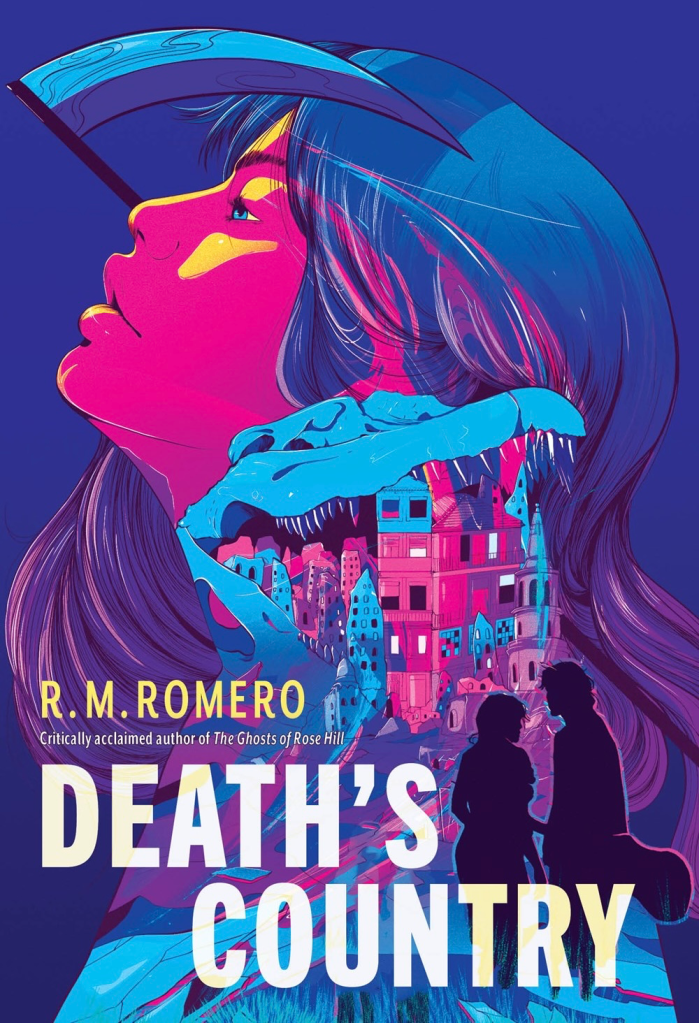
Death’s Country – R.M. Romero“If your love was an anchor/And I am lost at sea/I hear the riders calling/They’re calling for me…”

“Look What They’ve Done To My Song, Ma” – Melanie

I came here from the wonderful show We Are Lady Parts (highly recommended if you need a laugh and also want to see some Muslim punks being badass and very vulnerable on TV); it’s a fitting soundtrack for the bitter disappointment of the band at the end of the first episode of season 2 as they watch their hit song being covered by newcomers, only for said newcomers to get the bulk of the praise and applause from the crowd.

Given this song’s partial legacy of being butchered for commercial jingles (confirmation that corporate executives never listen to lyrics), there’s something predictably depressing about “Look What They’ve Done To My Song, Ma” becoming exactly what the lyrics talk about. In an slow lament that slants towards an older Broadway standard, Melanie sings of how her music has been dragged through the mud: “Look, look what they’ve done to my song/You know, they tied it up in a plastic bag/And then turned it upside down, oh Mama/Look at what they’ve done to my song.” That kind of Broadway feel is the ideal form for this song—it begs for a spotlight on a sordid character with mascara running down her cheeks as she belts her sorrow into a rapt crowd. The more I think about it, I feel like it’s one of the premier victims of the ’60s-’90s fadeout in music—why, why, why would you start turning the volume down right when she hits the most impassioned belt of the whole song? Melanie specifically wrote it about how her producer (who also happened to be her husband) would often halt her creative process in the studio, diverting her from her vision when he saw what he wanted to be a hit.

“Look What They’ve Done To My Song, Ma” has been covered a slew of times over the years, most notably by greats such as Ray Charles and Nina Simone (!!). Sometimes, with a song that covered, it’s simply a matter of fame, but it taps into what might be one of the most universal fears of anyone in the arts: trying to put yourself out there, but then getting your vision sanitized and reshaped for mass appeal. It’s always at the back of my mind. Being unreceptive towards any criticism is one thing, but I’m always afraid of what I put out there being somehow not right for what publishers want. Whatever finished products I eventually publish will have to be rigorously edited, of course, but it would kill me if there were key parts of my stories I had to dilute just so I could sell more copies. Of course, careers in the arts are often…not the most well paying, to say the least, and I almost fear having to succumb to diluting my vision just because of money more than I fear the dilution itself. Would I be able to live with myself? We’ll cross that bridge when we get to it. No, if. I’ve gotta have a little faith. If this song—released in 1970—was able to break through the constraints of producers and the music industry at large, maybe it isn’t all as bleak. Melanie did get the last laugh, from what I can tell, eventually gaining more creative control and outliving her husband. Sadly, she passed away this January, but her legacy precedes her. I’ve only been familiar with Melanie for a woefully short time, but I hope she’s resting easy.

…AND A BOOK TO GO WITH IT:

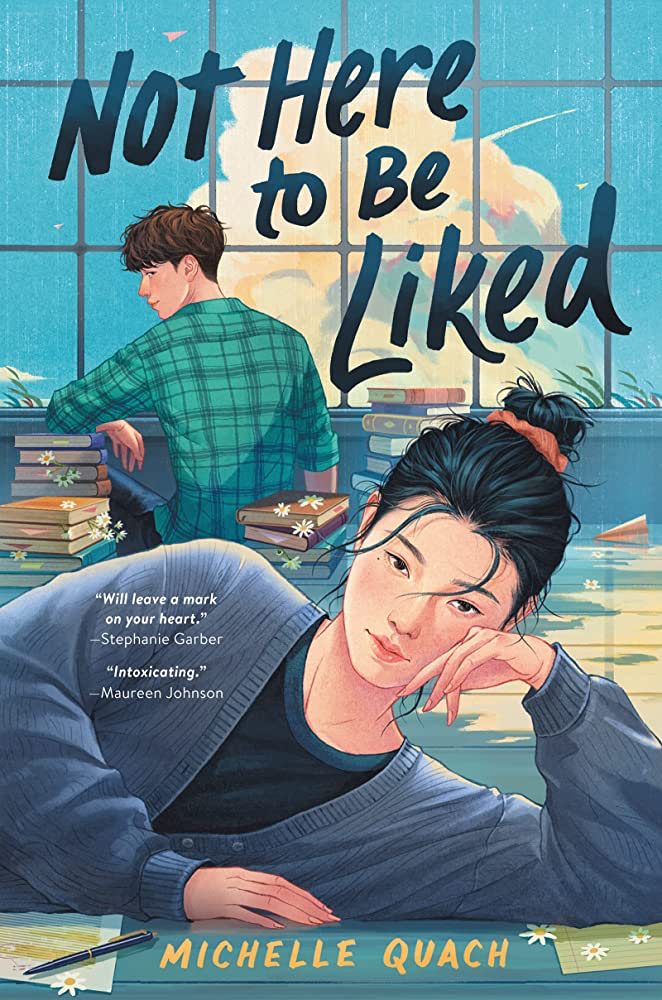
Not Here to be Liked – Michelle Quach“Look at what they’ve done to my brain/Well, they picked it like a chicken bone/And I think that I’m half insane, ma…”

“Final Fantasy” – TV on the Radio

Picture this. You open up Instagram. TV on the Radio has posted an ominous picture of their logo on their page. They’ve been on hiatus for almost a decade. When the world needed them most, TV on the Radio returned…

…just to play a few shows in New York, LA, and London.

They’re at least reissuing Desperate Youth, Bloodthirsty Babes for its 20th anniversary and we got “Final Fantasy” out of it. Hopefully the slow creep of the bass and the ominous, razor-sharp lyrics are enough to distract from the fact that we’ve been sidelined…again. I’m just telling myself that they’re cooking up something new, just so I can sleep at night. You can’t just rise from the dead like that only to play…what, nine shows in only 3 locations? Come ON.

…AND A BOOK TO GO WITH IT:

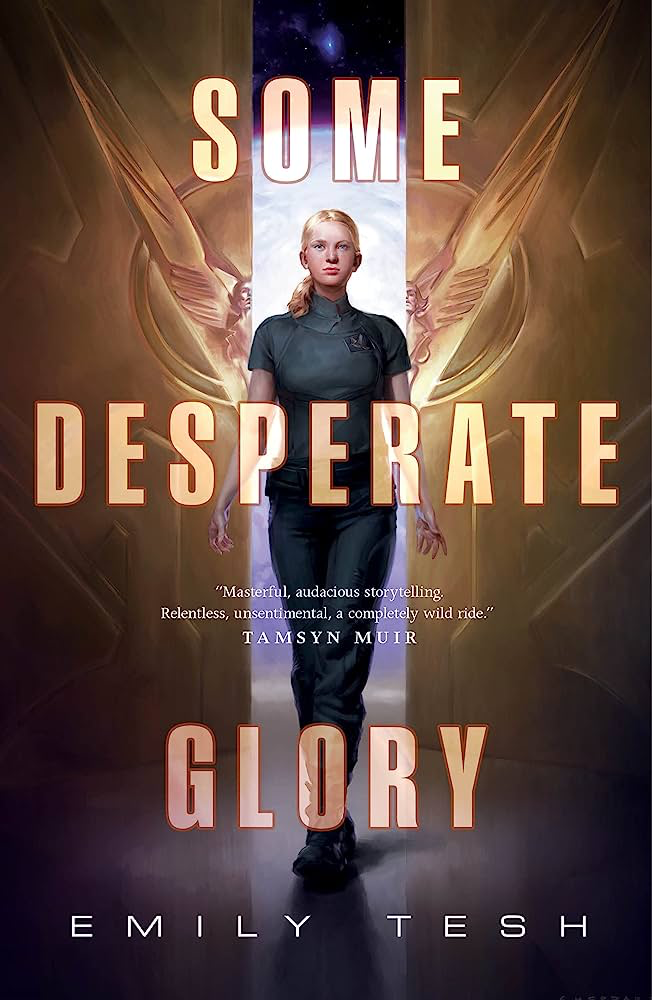
Some Desperate Glory – Emily Tesh “You’ve made a family/Now kill ’em dead/Oh it’s not me Ma/It’s what the TV said…”

“Like Humans Do” – David Byrne

When I heard this in the background of a post on Instagram earlier in the week, I got hooked through the screen—you ever just hear a 10-second snippet of a song and are immediately impelled to download it? It’s so delightfully hooky. No wonder Microsoft chose this song as one of the samples of music for their Windows XP Media Player. It’s now widely accepted as the unofficial “Windows XP Anthem”—the radio edit, that is; Microsoft used the radio edit, which cut out the following line: “I never watch TV except when I’m stoned.” (They replaced the line with “We’re eating off plates and we kiss with our tongues.”) Either way, even though I never got to experience “Like Humans Do” in that context, thank you to whoever decided that David Byrne’s music would be the flagship of Windows XP.

Byrne wrote the song as an imagined perspective of a Martian watching humans interact; the lyrics have a simplistic, domestic calm to them, placidly and warmly recounting the everyday normalities of human life that we take for granted: “For millions of years, in millions of homes/A man loved a woman, a child it was born/It learned how to hurt and it learned how to cry/Like humans do.” With its clanging, light percussion and that classically funky, Talking Heads groove, it’s a jangle that really does embody one of its more delightful lyrics: “Wiggle while you work.” You bet I was IMMEDIATELY wiggling when I first heard this song…and on every subsequent listen. And it feels exactly like the kind of song Byrne would write. It’s in that same vein of Björk’s “Human Behaviour,” but with more of a calm appreciation rather than baffled curiosity on the subject. Relating it back to Byrne’s autism diagnosis later in life doesn’t explain everything, but as with Björk, who said that she “may be semi-autistic” in an interview in 2011, it does make sense for Father Autism himself to take on this kind of subject matter. Of course, you can zoom this lens out to apply this observational mentality to anyone on the fringes of normality, but it does feel like a role I’ve embodied as a neurodivergent person myself. You watch others to learn how to act, and sometimes, you feel like you’re another species collecting enough information to try and blend in. Of course, the freedom comes when you realize that there’s no point in blending in, but for me, at least, there was never a shunning of neurotypical behavior—simply a realization that I would never fully be able to imitate it, and I’d found enough people who understood and words to explain why I am the way I am. “Like Humans Do” feels like the calm epiphany of discovering difference once neurodivergent acceptance becomes reality.

…AND A BOOK TO GO WITH IT:

Beautyland – Marie-Helene Bertinolisten, I try not to double-dip on book pairings, especially since I paired this book with “Always Crashing in the Same Car” last week. But…the alien observing humans connection is right there!

“Breaking the Split Screen Barrier” – The Amps

Normally, I take a liking to any given Kim Deal-related song fairly quickly. But “Breaking the Split Screen Barrier” wasn’t so instantaneous for me. The beginning sounds like a series of false starts layered on top of each other. The prolonged space between each chord doesn’t just feel like a ruse: they pile up on top of each other so much that you feel like you’re being served three courses of red herrings. And I hate to say that about The Amps! I don’t think I’m that impatient of a listener, but I’m used to them getting straight to the point (see: “I Am Decided”).

After a few listens, however, you realize how much that slow build pays off. Every instrument has more crunch and crackle than a wadded-up ball of tin foil. In between the gravel and abrasion, Kim Deal murmurs her borderline surreal lyrics into a void curtained by echoing near-abrasion. Maybe I am guilty of being one of those damn gen z-ers with an attention span shorter than that of a minnow, but I think I can be patient—especially when Kim Deal is concerned. It paid off for “Breaking the Split Screen Barrier.”

…AND A BOOK TO GO WITH IT:

The Brightness Between Us (The Darkness Outside Us, #2) – Eliot Schrefer“I know you’re not sane anymore/That doesn’t mean you’re fine…”

BONUS: the great Jim Noir has a new album Jimmy’s Show 2, out on November 5th! He released a music video to accompany the lead single, “Out Of Sight,” this week:

Since this post consists entirely of songs, consider all of them to be today’s song.

That’s it for this week’s Sunday Songs! Have a wonderful rest of your day, and take care of yourselves!