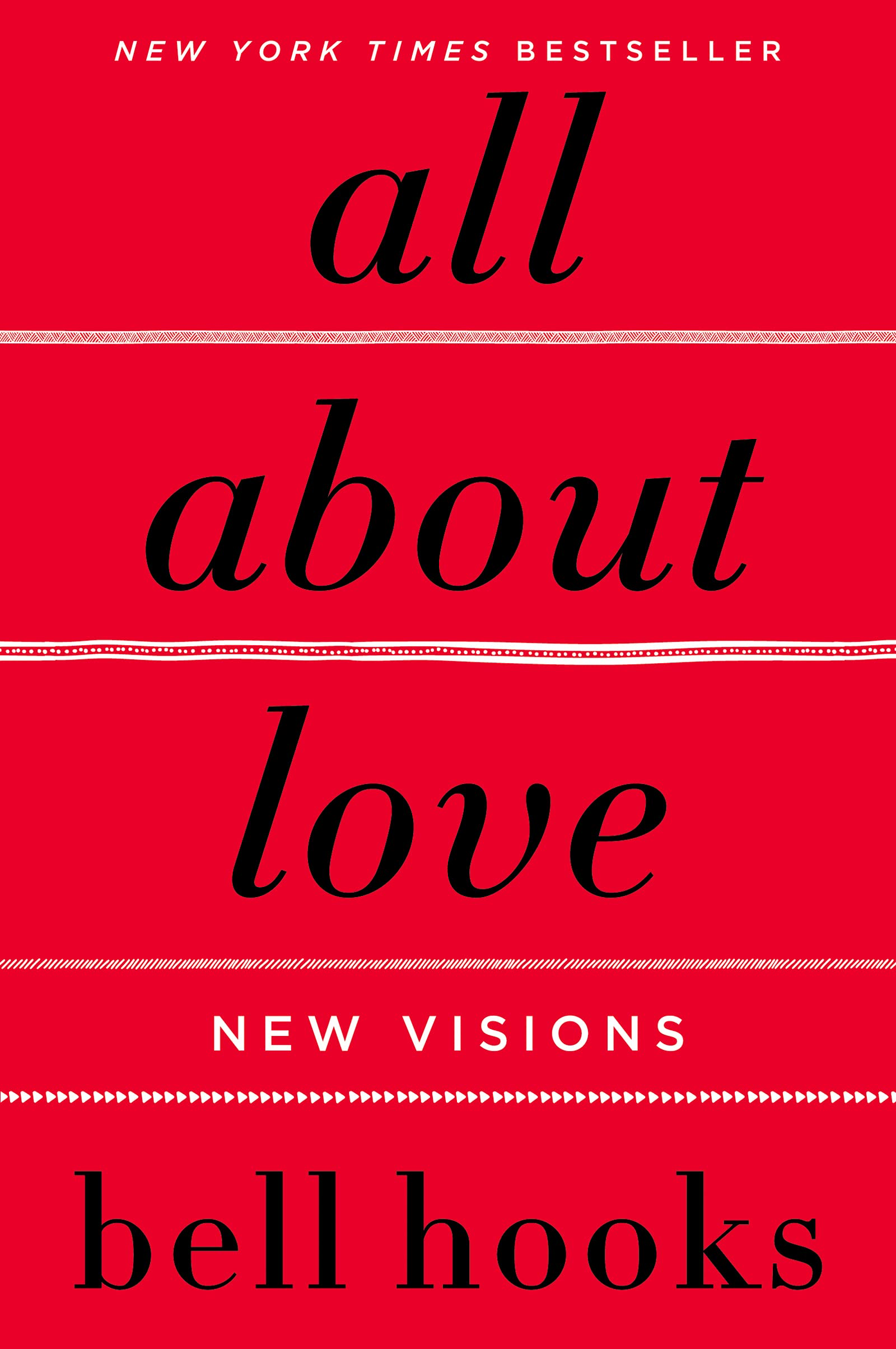
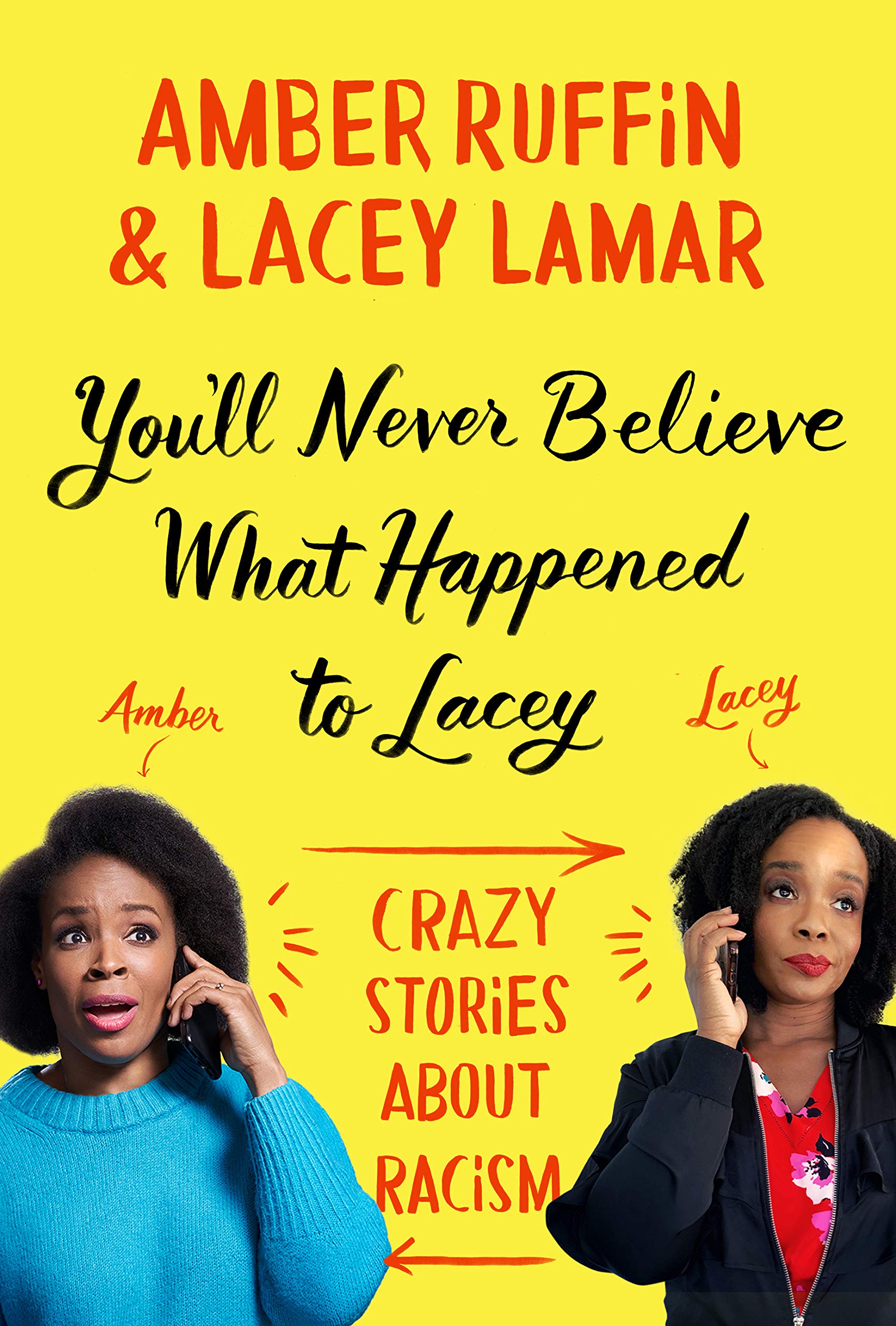
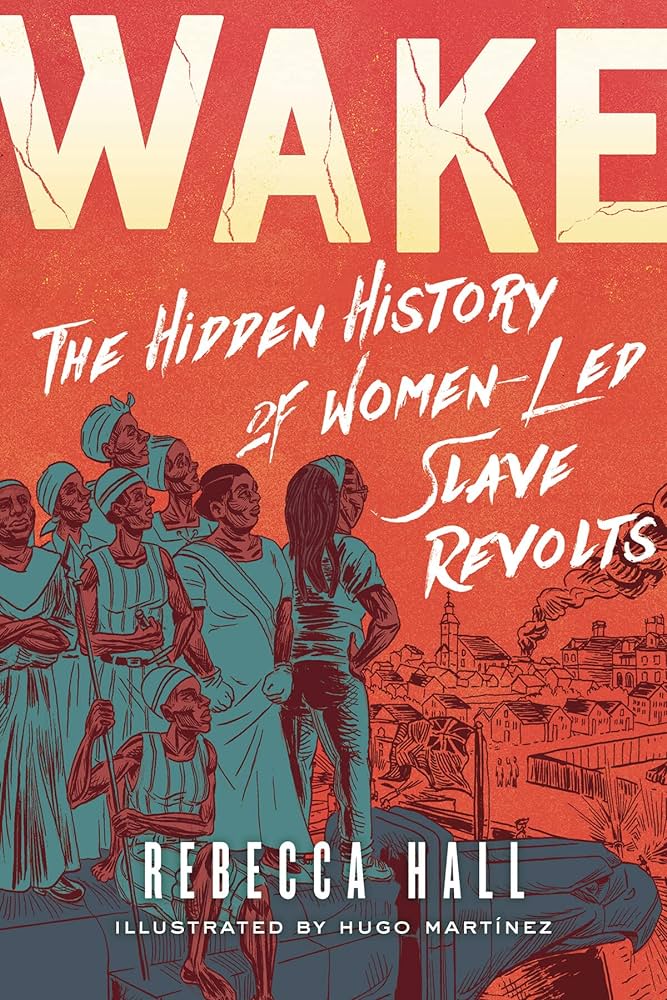
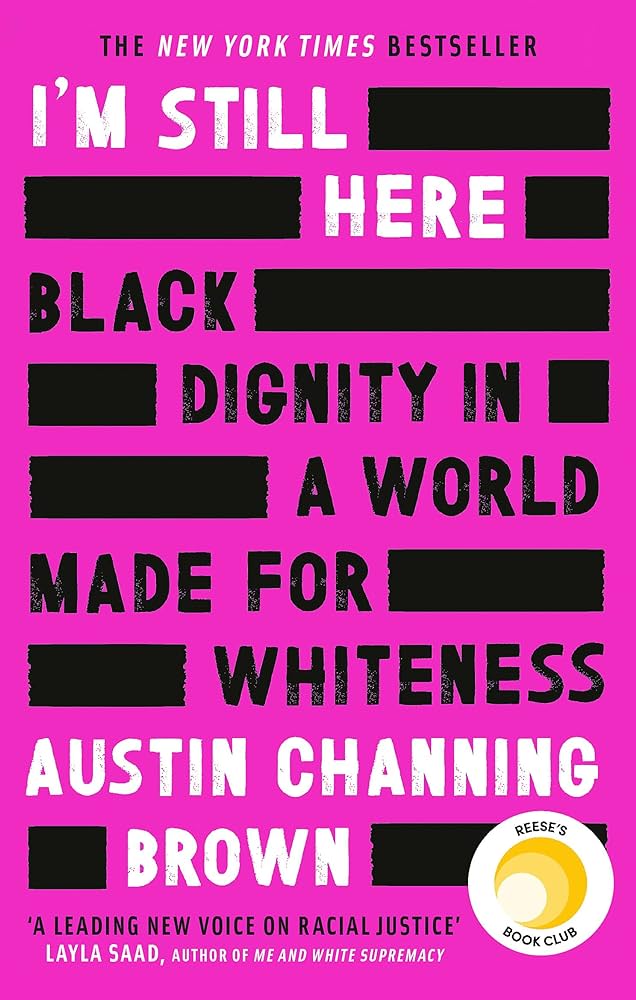
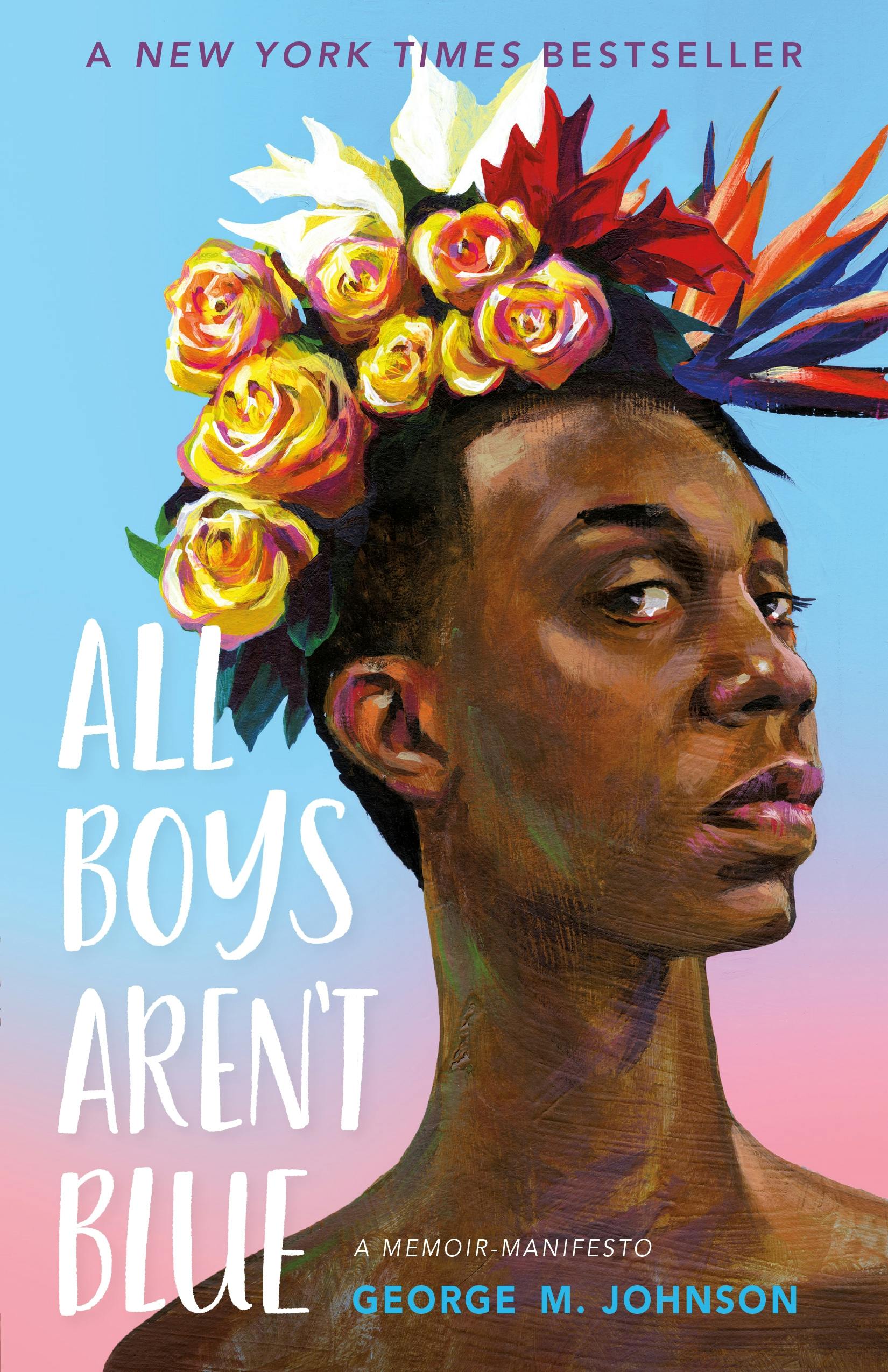
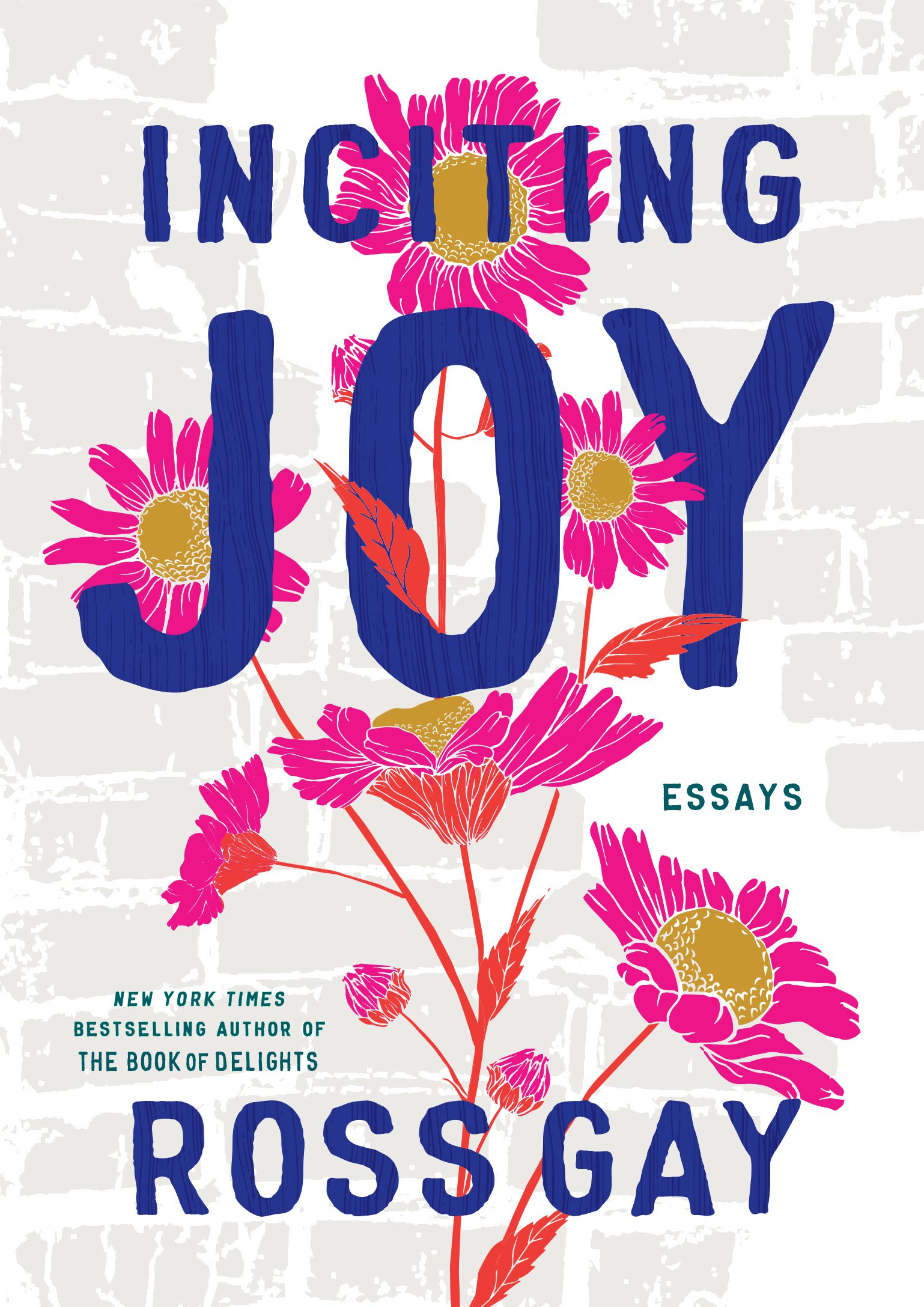
Here in the U.S., February is Black History Month! Another year, another post where I lament the erasure of history by the Trump administration. There’s no end to the irony of this erasure when our country was quite literally built off of the labor of enslaved peoples. This is just somebody’s blog and not some grand antifascist statement, but I can’t help but think that education, and reading in particular, is one of the best ways to combat the government’s erasure of the contributions of Black people in the U.S. And if my post gets just one person who didn’t know about our history to look further, then I feel like I’ve done something good.
This year, I’ve included nonfiction as well as fiction, many of them concerning the often glossed-over history of Black people in this country. But during any month celebrating marginalized people—and every month in the year—it’s so important to go looking for the history that your school, your government, or your peers have left behind. Black people always have been, always are, and always will be an integral part of United States history, from its literary tradition to its very foundation. Denying this is monstrous, and sets a dangerous precedent for the national perception of our country. So, as with every post like this I make: go out and read books by Black authors, and educate yourself about Black history in February and every month!
Below are some links to Instagram, but they provide resources for Black History Month—and every month!
NOTE: not all of these books strictly adhere to the genres that I placed them in; a lot of them are fairly genre-bending, especially in the two genre fiction categories. It just goes to show how much of a creative bunch these authors are—we’ve got a lot of authors here who break and bend the rules of fantasy and sci-fi. Also, just for new readers—the “YA” on the cover image is a bit of a misnomer, but once again, I’m too lazy to make a new graphic for it and there’s only so much space for my WordPress media.
Let’s begin, shall we?
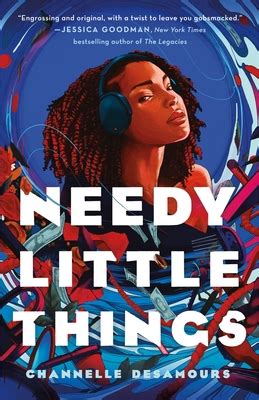
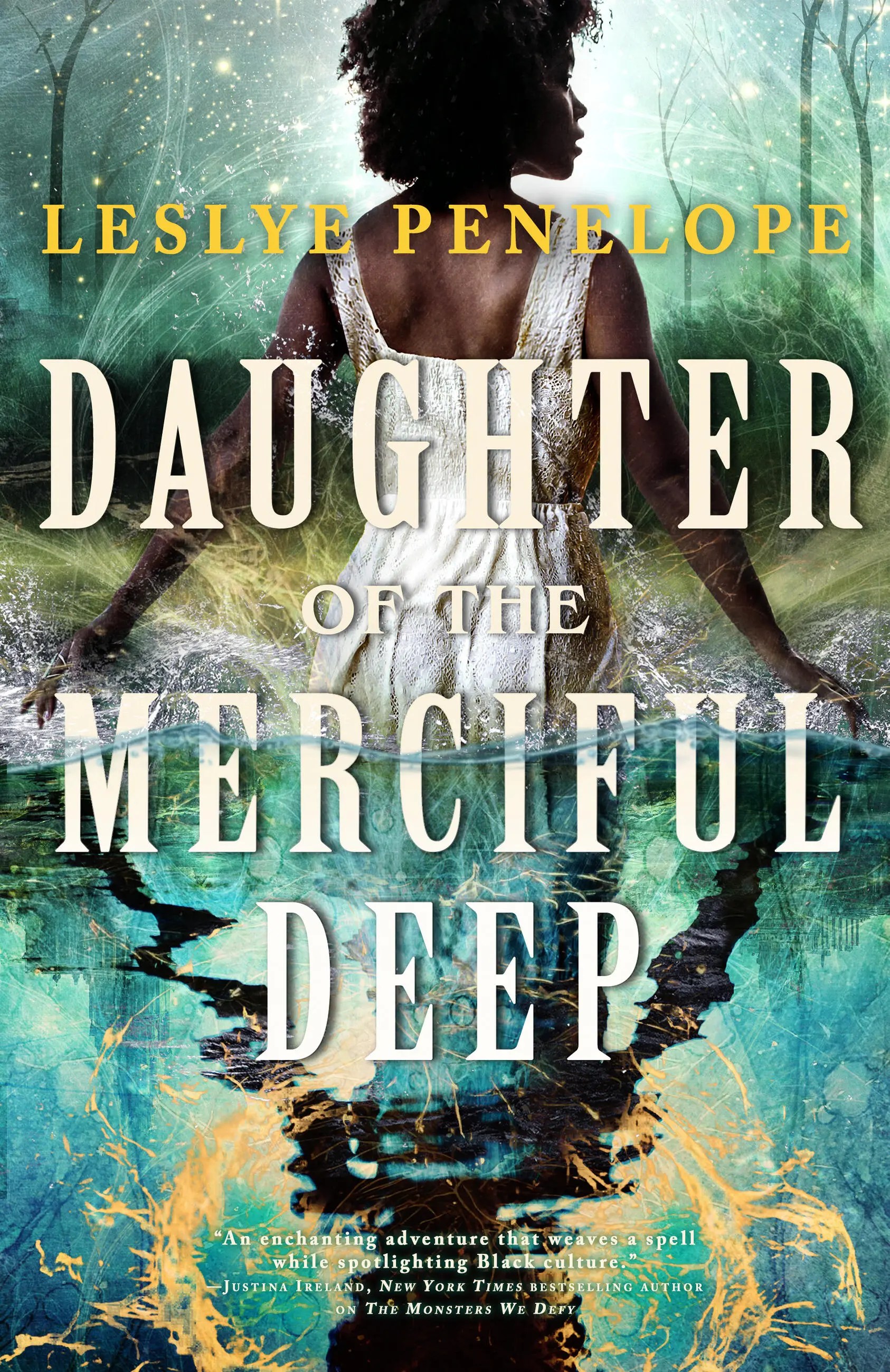
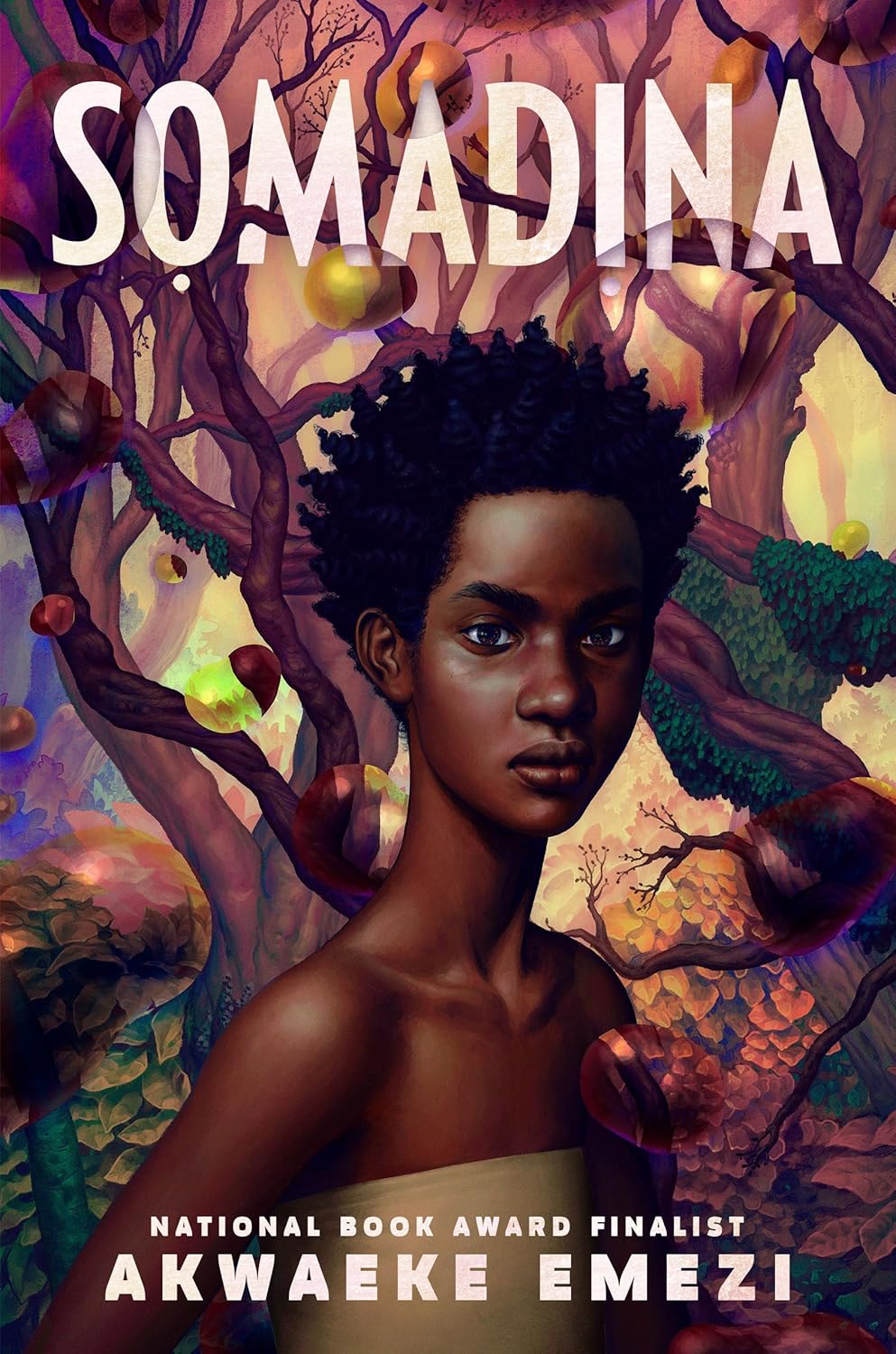
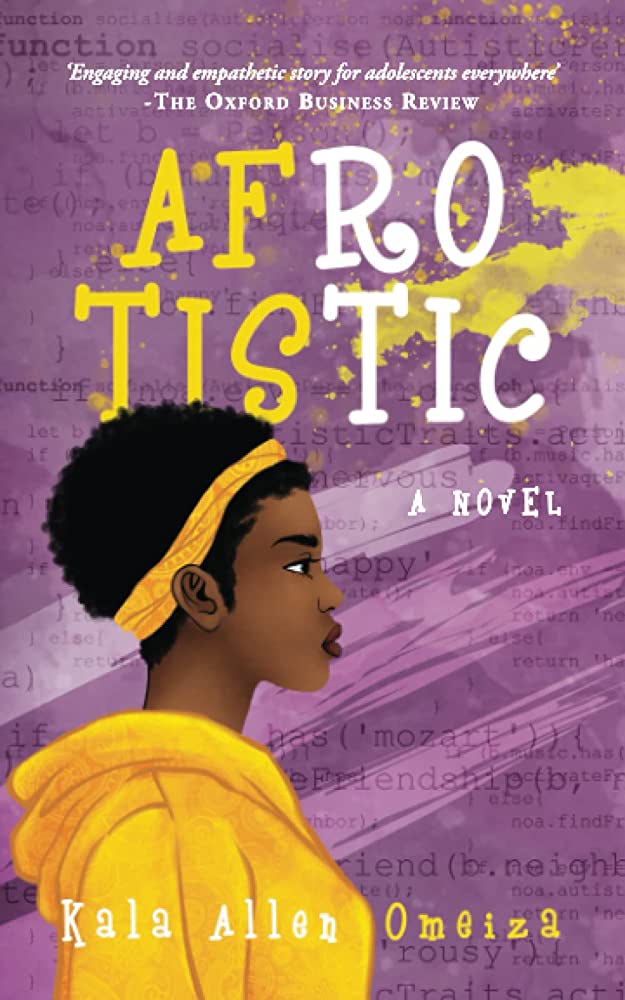
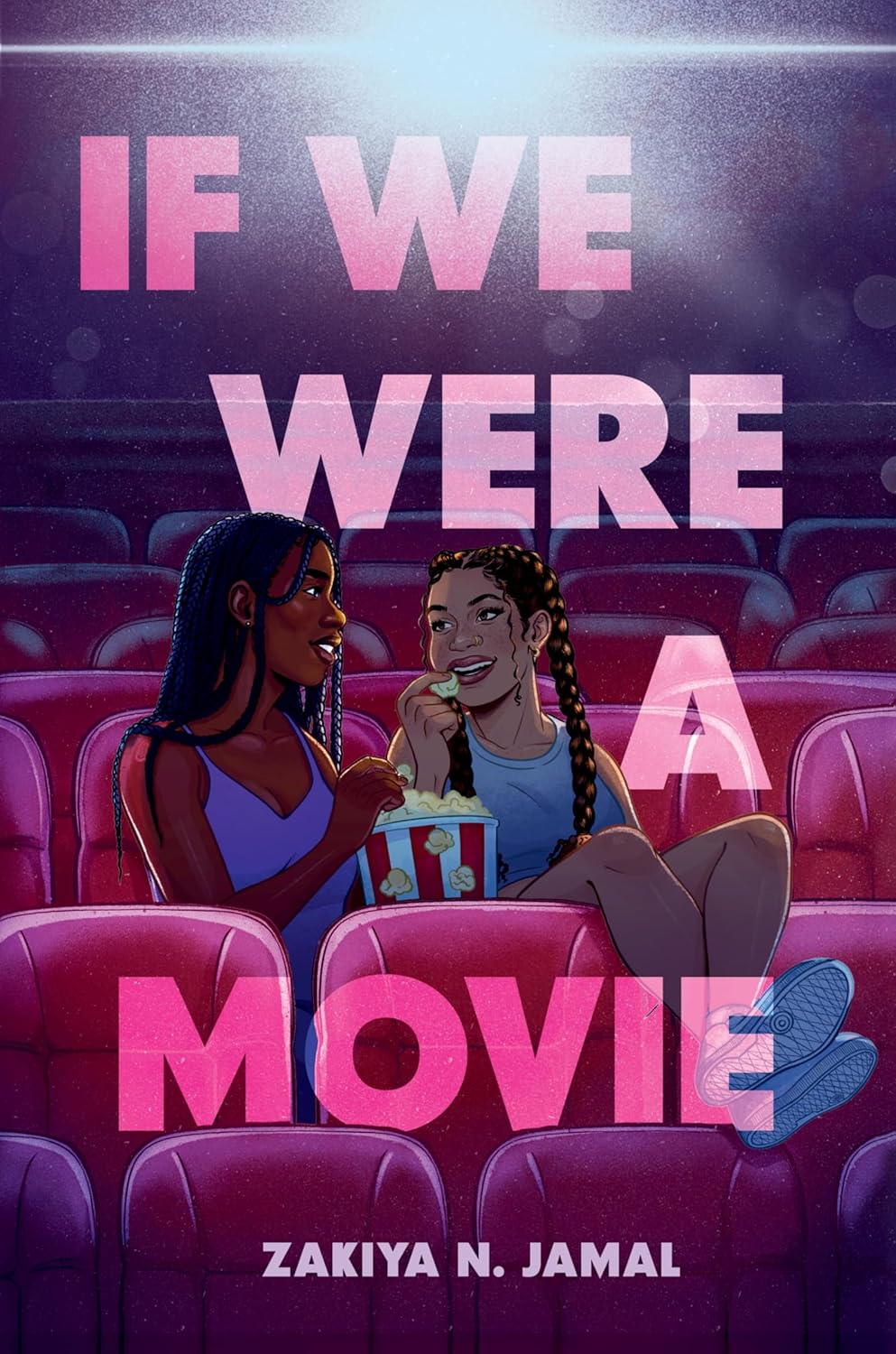
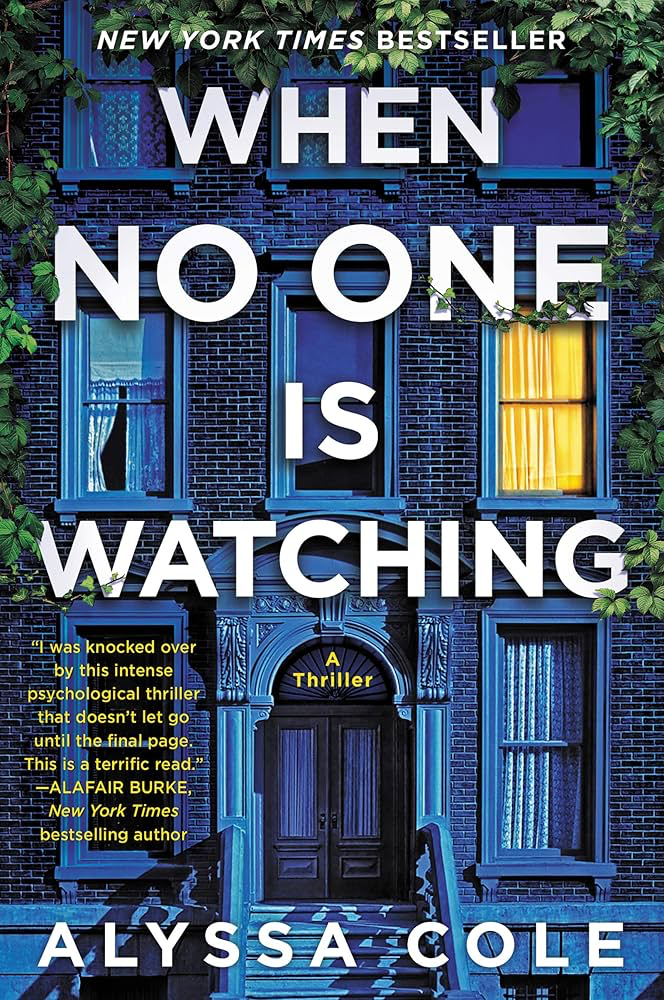
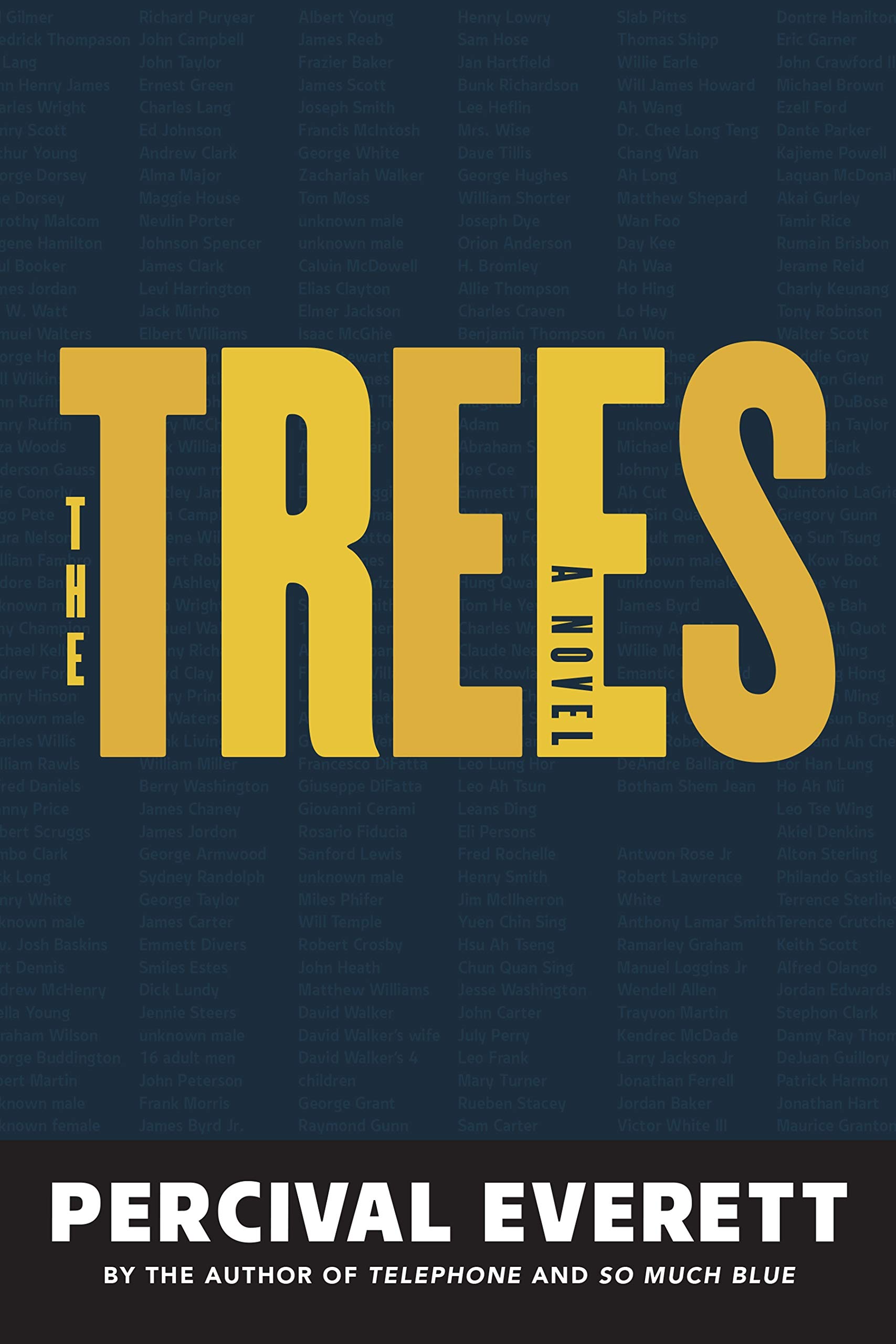
THE BOOKISH MUTANT’S BOOKS FOR BLACK HISTORY MONTH (2025 EDITION)
TELL ME WHAT YOU THINK! Have you read any of the books on this list, and if so, what did you think of them? What are some of your favorite books by Black authors that you’ve read recently? Let me know in the comments!
Today’s song:
That’s it for this recommendations list! Have a wonderful rest of your day, and take care of yourselves!
Happy Sunday, bibliophiles! I hope this week has treated you well.
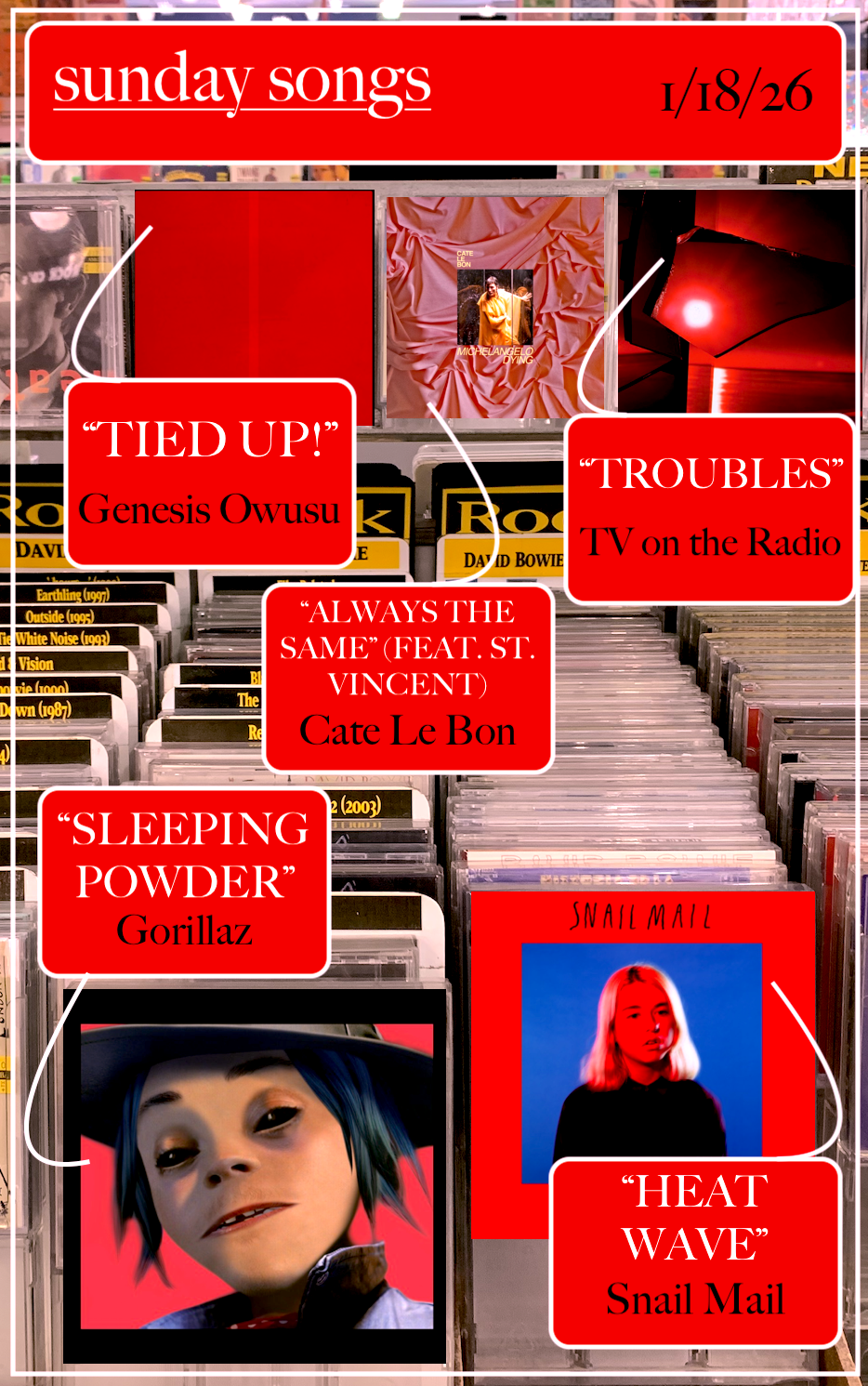
This week: two queens maximizing their joint slay, songs that get a little confusing in the discography next to each other, and unintentionally capitalizing (as if I earn any money from this blog) on gay hockey being the next big thing. Also, a shoutout is due to my mom, because I ended up getting 3/5 of these songs from a single car ride with her. Love you 🙂
Here’s the thing about Gorillaz: I’ve talked extensively about how since 2018, they’ve become less Gorillaz and more about the collaborations, and it feels like they’ve lost themselves somewhere in the midst. The thing is that they’re fully still capable of returning to their roots and balancing the old with the new. Even though it sounds like it could’ve come from Plastic Beach, “Sleeping Powder” was released after Humanz came out in 2018. According to the official Gorillaz lore, 2D made this song behind the rest of the band’s back because he felt that he’d been excluded from the album (shhh, don’t tell Murdoc); the song is primarily about the character’s drug addiction, as evidenced by the music video, complete with the classic “this is your brain on drugs” sample and a 3D 2D (they said it couldn’t be done…) tripping balls and abusing his green screen privileges. It feels like a promise of what Gorillaz still could be; “Sleeping Powder” never feels like it could mesh with Blur or Damon Albarn’s solo work, as some of his more recent music does. It’s pure Gorillaz, channeling the urgency and grooves from their earlier eras but giving them a more modern flourish. Complete with a fusion of acoustic guitars and synths—and one of Albarn’s signature raspy howls—”Sleeping Powder” feels like a reminder that the core of Gorillaz exists—it’s just been buried, which, given how hit or miss their output has been since 2018, is a real shame.
…AND A BOOK TO GO WITH IT:
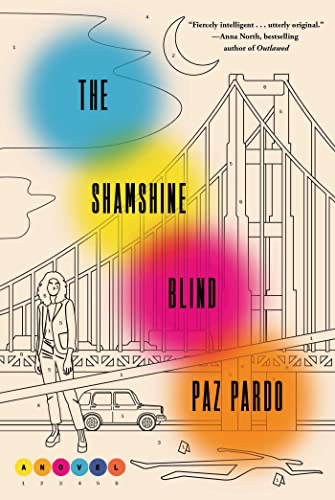
The Shamshine Blind – Paz Pardo – “I get dropped from where I belong/I take my pills and I get in the mode/And I take five to get it to load in/Even in the place…”
Hearing “Heat Wave” when I was 14 felt as though something in the world of music had cracked open like an eggshell, and the yolk of possibility had opened up for me. I’d just discovered Snail Mail on the cusp of her first album, Lush, and the first few singles instigated a seismic shift in me. Here was Lindsey Jordan, only 18 at the time, making such raw, fully-formed music with guitar at the forefront. She was openly gay, she wasn’t traditionally feminine, and she looked like somebody who I’d see in my brother’s high school class. But here she was, taking the indie world by storm.
It’s so oddly raw listening to “Heat Wave” now. I’m older than Jordan was in that video now. The lyrics are even more teenage now, but they hit almost as hard as they did when I was 14. At a show I saw her at when I was 16, Jordan admitted that she’d forgotten which song was about which girl; now, it hardly matters—she bottled that open-wound feeling of a fresh breakup and concentrated it so fully that its source is irrelevant. Concentrating that emotion so distinctly is a feat at any age, but at 18! 18! I was writing stories about weird spaceships with way too much purple prose at 18. Man. “Heat Wave” is so chock-full of emotion that it felt almost heady, like strong perfume, listening back to it after so many years; and yet, adorned with some seriously intricate and catchy guitar riffs (once again, AT 18, Jesus Christ), “Heat Wave” is such an indie gem, and Lush remains a testament to the sheer talent she’d worked so hard to cultivate.
Even if Valentine was weaker in retrospect, and even if this new single doesn’t turn out good, there’s still the Snail Mail I loved in 2018. She’s the main reason I picked up the guitar in the first place, and she gave me the courage to come out not long after I saw her at a tiny club in Denver. And I will always treasure that Snail Mail.
…AND A BOOK TO GO WITH IT:
Perfect on Paper – Sophie Gonzales – “And I hope whoever it is/Holds their breath around you/Cause’ I know I did/And otherwise/If only sometimes/Would you give it up, green eyes?”
One word keeps popping up like a whack-a-mole every time I listen to “Tied Up!”, and that is “groovy.” Dear lord, this is such an expertly tight groove. There’s not really a genre I can definitively pin it to, and from the looks of it, the same is true for STRUGGLER, the critically-acclaimed album the it comes from. But either way, this song is neat as a pin—this is a groove, nothing more, nothing less.
Loosely centered around the character of The Roach, a struggler on the run from the manifestation of any antagonistic force you can think of, named God. (Sidenote: I love the bug-eyed sunglasses that Owusu wore when he toured for this album. Perfection.) Along with “Leaving the Light,” an adrenaline-fueled sprint away from God’s wrath (“I’m a beast I can feel them poaching/Stamp me down, but a roach keeps roaching”), “Tied Up!” embodies what feels like the mentality of this Roach character: no matter what God throws at him, roaches are famously unkillable, virtually impervious to apocalypse and mass extinction. Owusu declaring that he’s bleeding from his legs right on the heels of the most upbeat pop chorus is whiplash, but it embodies that feeling of taking pride in being unbeatable when you’re being beat down from all sides. Owusu chucks all manner of musical influences in the pot—hip-hop, pop, alt-rock—but they all come out feeling like something wholly new. Aside from a few weak lyrics here and there (“What other choice can I chose?” always trips me up), “Tied Up!” has no bumps in the road—it’s a slick groove all the way through.
…AND A BOOK TO GO WITH IT:
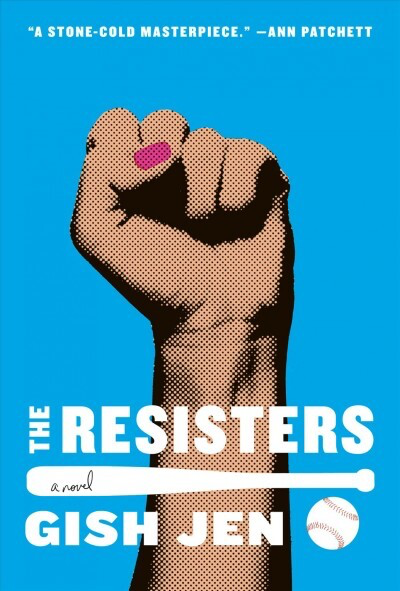
The Resisters – Gish Jen – “I’m bleeding from my legs but it’s alright today/Better out here than the hell where I stay/I said my feelings start to wobble when I stare at the doves/I’m fighting through life, I have no boxing gloves…”
If there ever was an audio manifestation of “two queens coming together to maximize their joint slay,” then this is it. This is the only thing keeping the fabric of 2026 together. I can only hope that Cate Le Bon will follow in St. Vincent’s footsteps and retroactively announce a tour date near me.
Praise! We get a momentary extension of my favorite album of 2025, Michelangelo Dying! From the looks of it, there was a fruitful window where St. Vincent and Cate Le Bon were drawing from each other’s musical wells; back in 2024, Le Bon contributed backing vocals to “All Born Screaming.” Now, St. Vincent’s switched roles, providing a harmony for Le Bon on this track from the Michelangelo Dying sessions. “Always The Same” falls on the slower side of the album with songs like “Pieces of My Heart” or “Is It Worth It (Happy Birthday)?” and deals with the same heartbreak, although not in the heart-ripped-from-your ribcage way. What stands out to me about MichelangeloDying is that it’s not a breakup album in the traditional sense—it’s not about the romance so much as it is about the gradual buildup leading to the break. There’s little rage or sorrow, but what there is in great amounts is exhaustion, repressed and built up in the chest until it makes you collapse. She’s not a fountain of blood in the shape of a girl so much as she is a river running dry.
“Always The Same” takes that same bleary-eyed exhaustion and draws it out; Le Bon describes her losing battle with her lover as “back and forth like a country/losing land to war,” shrinking herself until there’s nothing left of her at all. The background saxophones are almost unrecognizable as the instruments they are, made so ripply and strangely plastic by the production, expanding and contracting like a lung made of rubber. Both lyrically and instrumentally, it’s like watching a bundle of herbs dry out in the oven: something that was once green burns up and loses all its color. St. Vincent offers her higher harmonies to rise with Le Bon’s sonorous vocals, a devil on her shoulder to dismiss her pain, repeating: “she can bury it!”
Nowadays, this song has to be a pain for TV on the Radio, since they put out a far more popular song called “Trouble” four years later. Oops. Hindsight is 20/20. At least “Troubles” is a bonus track, so it gets forgotten easily. Good for clarity, not good for a perfectly good song that deserves more attention. But if girlpool could make it work by having two completely different songs called “Pretty,” then TV on the Radio can too.
Either way, “Troubles” doesn’t deserve to get left in the dust; even if there are stronger tracks on Nine Types of Light, it’s a calm, steady track—the even-keeled instrumentals makes the chorus of “Despite all the heartbreak it brings/Our love is a surefire thing” feel just as anchored. With imagery of springtime fields and songbirds aplenty, it’s alight with flickers of hope amidst the plateau. It’s a vow to be the calm after somebody’s storm. Even if it’s more restrained than some of the more adventurous, intricate tracks on the album (see: “Killer Crane”), the vocal harmonies are as melodic and light as the songbirds they describe, and the flickers of horns and fluttering synths make for a song built like a dense greenhouse full of bright blooms.
Happy Sunday, bibliophiles! I hope this week has treated you well.
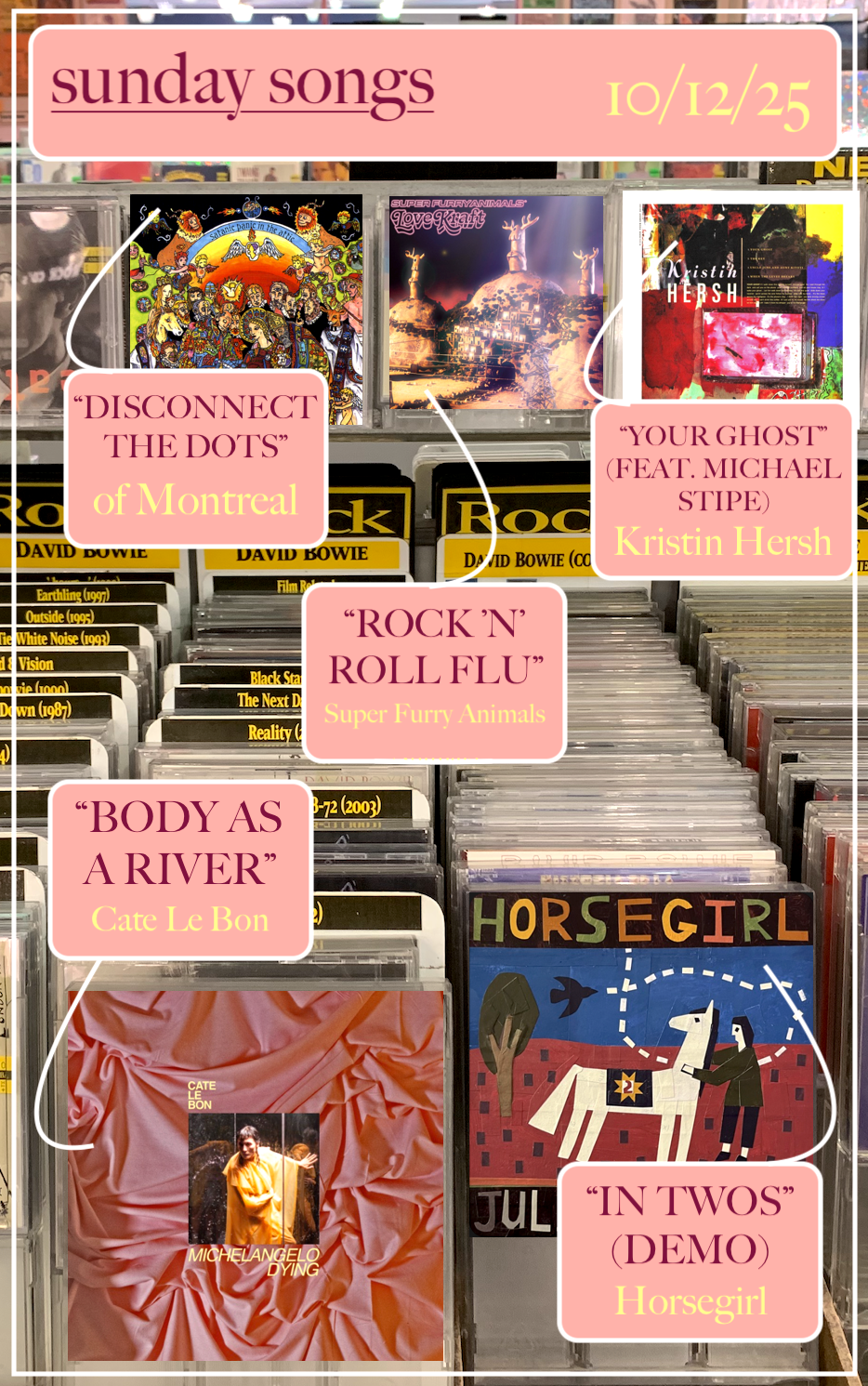
This week: shoutout to the Welsh for carrying alternative music at the moment. Also, I continue to eat up 99% of what Horsegirl does, and Michael Stipe appears in (somewhat) unexpected places.
Y’all. MICHELANGELO DYING! It’s a strong contender for my favorite album of the year at this point. I’m trying my best not to listen to it to death, but it’s so hard when this album has hidden sonic surprises every time I go back to it.
Since 2019, Cate Le Bon’s music has felt like an ever-expanding, tactile landscape. Listening to her last three albums feels like running your hands over a model village of an alien world, full of all manner of silken, rubbery textures charting out a world that only Le Bon has access to. Thankfully, she’s chosen to share that world with us, and her musical cartography has made me all the better. Michelangelo Dying in particularly made me feel like I was plunging through a sunlit creek, watching the sunlight dapple through the water onto my skin, watching pebbles, plants, and silvery fish dart through the current alongside me. As she maps out the prognosis of a personal heartbreak, she transforms her knotted mess of pain and grief into a vibrant swath of glistening sound; “Mothers of Riches” bobs up and down like birds vying for a mate, and “Ride,” with the help of John Cale (!!!), meanders into a searing climax and shows off Le Bon’s vocal and emotional range.
But it’s “Body as a River” that swept me off my feet and into the frigid creek waters—or the river, I guess I should say. Or maybe not: after all, “My body as a river/A river running dry.” There’s only a riverbed to speak of now, for Le Bon, a once rushing energy force now diminished by pain. It’s one of those songs that you instantly surrender to. Awash in thrumming pianos and guitars and saxophones so warped and bubbly that they cease to become instruments, Le Bon drags you along with the proverbial current. You can’t do much other than release yourself to the thrall of the music—and I’m glad to do it time after time. The entire album feels watery, but this feels like this musical concept pushed to its extreme; it all burbles and rushes like a waterfall, Le Bon’s voice layered, echoed, and pulled apart in all directions to linger in the feeling of exhaustion and transience. Her lyricism dwells in the real and the surreal in equal measure: “Do you see her/Falling on the wishing bone/Dripping like a candle?/In the pages lost/I’m holding on to sorrow and lust.” It’s a song that makes me glad to be alive in a time when, if you look hard enough, artsy people are honing their craft beneath the shadow of the mainstream, free to let their unique sound flow free like water. We don’t deserve Cate Le Bon.
Phonetics On & On has had me in a chokehold ever since it came out on Valentine’s Day. Like Cate Le Bon’s new music, it just gives me so much joy that there are so many artists out there making music true to their quirky selves, and music that’s so catchy and creative at that. Somehow, even the demos are almost on the same level as the final products of the album—both versions of “Julie” were worthy, scratchy precursors to one of the album’s most introspective moments.
“In Twos” was a faintly melancholy bridge before the album really got up and started doing the dance from the end of Fantastic Mr. Fox, but it was one of the highlights for me in terms of songwriting. It was already a spectacular track, but somehow, this lo-fi, larval stage of it is almost better than the studio version. Practically, I feel like the lower key would’ve probably been more difficult to sing, but it feels more resonant and more fitting with the lyrics, a gentle, wistful ramble through crowded city streets. The spare instrumentals on the studio version made the melancholy more tangible, but on a personal level, I just love the more garagey sound that this demo has, chock-full of a more restrained version of the sounds of Versions of Modern Performance. Despite the wistfulness, they can never take the jangle away from Horsegirl.
…AND A BOOK TO GO WITH IT:
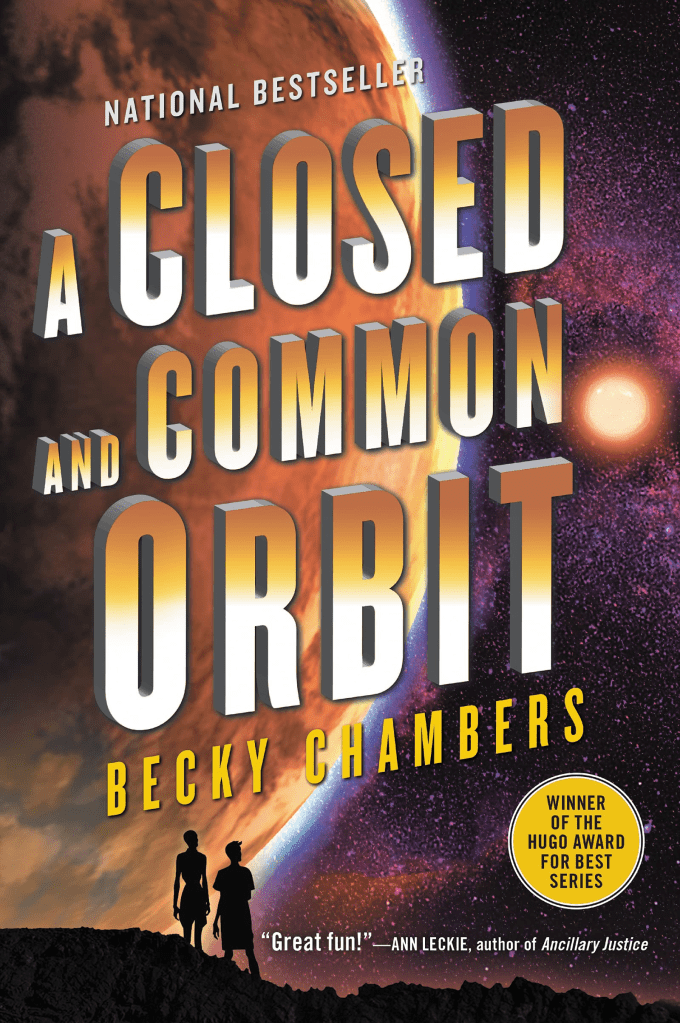
A Closed and Common Orbit (Wayfarers, #2) – Becky Chambers – “Every car that passes by drives to you/Overlooked by any face just passing through/Your footprints on the street, they walk in twos/Every good thing that I find, I find I lose…”
Isn’t it so wonderful to look back on a musician’s sound to see exactly where the good stuff gestated? “Disconnect the Dots” is already the good stuff in question, but I swear it’s like peeling back a layer of age to see the future of where of Montreal would go in the next four years. I can practically hear an embryonic version of the anxious thrum of “Heimdalsgate Like a Promethean Curse” in the bouncing bass of this track and the ever-so-slightly off kilter, catchy dance music of The Sunlandic Twins. “Disconnect the Dots” comes right as Kevin Barnes had stepped off of the precipice of their potential; the lyrics haven’t gotten as English major delightful yet, but this feels like one of their dance songs, so it doesn’t really need those lyrics quite yet. What it does have, however, is Barnes saying “Come disconnect the dots with me, poppet”—I really should’ve seen “poppet” coming a mile away, but it’s such a quirky little additive to the song that exhibits a weirdness in Barnes that could never be suppressed.
“Rock ‘n’ Roll Flu?” That’s just what happened when I saw Gorillaz and then realized that I’d gotten RSV a few days later…thank you, thank you, I’ll be here all night.
Super Furry Animals have been all but dormant for the better part of a decade, having not released new material since 2016. Separately, most of the band has been active on different projects, but after an agonizing string of teasers that lasted a solid week, Gruff Rhys and co. announced a UK tour and a reissue of their 2005 album Love Kraft. The (extreme) optimist in me is hoping that they’ll do a US tour (and come to Colorado by some miracle), but…listen, I’m glad said super furry animals have emerged from their hibernation, at least for a fleeting moment. Big fan of whatever Super Furry Animal is in this visualizer too.
“Rock ‘n’ Roll Flu,” a joyous, harmony-driven stomper, was a B-Side from the Love Kraft sessions that has just now been released. Though I haven’t listened to any of the album, it’s got some of my favorite qualities of a good Super Furry Animals song. It’s got an absolutely glistening glam sheen to it; it really seems to shimmer like a just-washed car with a handful of water droplets clinging to the surface. With its spacey instrumentals and the seamless harmonies. It’s one of those songs that seems to encapsulate the art that Super Furry Animals surrounds itself with—it’s the exact kind of song to fit in the backdrop of their universe of bold colors and cartoon creatures on rocket ships.
…AND A BOOK TO GO WITH IT:
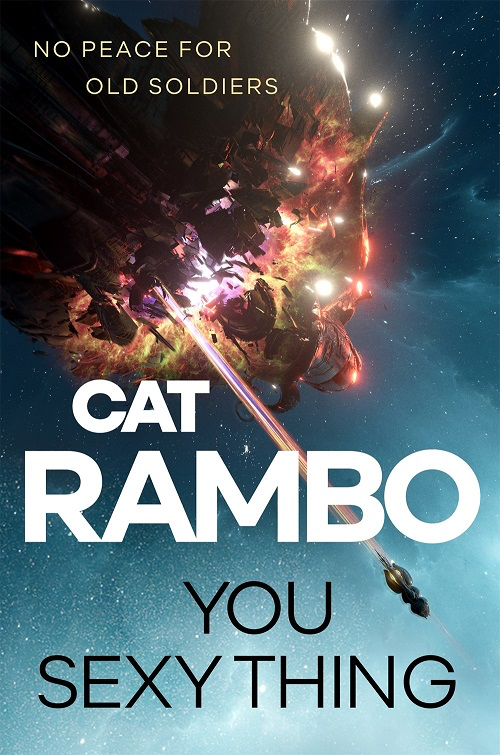
You Sexy Thing – Cat Rambo – the perfect soundtrack to a bonkers yet heartfelt romp through the galaxy with a bunch of chefs.
There’s at least five different sayings about what you can do with three chords in a rock song, but some songs make you instantly understand every one of those sayings. It didn’t even occur to me that “Your Ghost” is comprised of only three main chords until I listened to it more closely. That might be a consequence of the cello in the background making it appear more lush and complicated, but it’d be lush without it. That’s that talent of someone like Kristin Hersh; she weaves a narrative so haunting and compelling that you barely even notice how deceptively simple the composition is.
Conflicting sources about this one have said that it’s either about Hersh’s struggles with schizophrenia as a teenager or grappling with the death of a close friend. Either way, the lonely yearning for something just out of reach resonates in every note. The music video, directed by Katherine Dieckmann, captures that feeling of an early 1900’s house with aging decorations that I associate with a solid handful of Hersh’s songs. This time, it’s cast in a more decaying light as Hersh sings of being mocked by memories and visions: “So I pad through the dark and call you on the phone/Push your old numbers/And let your house ring/Till I wake your ghost.” Her lyricism is nothing short of evocative, and the verbs are really doing the heavy lifting—her “pad[ding] through the dark,” and instead of simply waiting on the other line, she “slide[s] down your receiver/sprint[s] across the wire” as she yearns for someone to answer her. Nothing does, but this ghost, whatever it may represent, drives in circles around her in dreams, almost mockingly, as if taunting her with the reminder of mortality. When I first heard “Your Ghost,” I was floored by the fact that Michael Stipe and Hersh had crossed paths, but in retrospect, I really shouldn’t have been. I guess they did run in similar circles, and if you slicked up the production and added some mandolin, this could’ve been a cut from Green. But he proves a fitting duet partner for Hersh, whose voice echoes through the decaying wooden slats of her decaying house and onto a forlorn wind.
Once again, I dropped off without warning, so apologies for that. But I just started school and moved into a new apartment, so I haven’t had much time to squeeze in some blogging. (Never mind the fact that I also have a short story due tomorrow and it’s only about 3 weeks into the semester. Whee!) This post has been written in advance, so that’s why you’re seeing it here. Chances are, I’ll probably be radio silent for a little while longer as I get my stuff fully together. But for now, here’s a recap of the latter half of my summer!
Let’s begin, shall we?
GENERAL THOUGHTS:
I’m one of those people who, even in the face of an expanse of free time (summer), easily gets restless and anxious. The solution was there all along…employment. I helped out with some online summer classes, which was a wonderful way to give some structure to my summer and provide something to break up the routine. And when the class ended, I’m proud of myself for committing to not slipping back into my anxiety before school started. When I look back at the person I was a year ago…well, I want to give her a hug, first off, but I’m so proud of the progress I’ve made since then. Anxiety really had taken ahold of me, and little by little, with the support of my wonderful family and friends (thank yous are due) and the work I’ve put in, I’ve been learning to take the reins back. There’s no feeling quite like seeing measurable progress in yourself. It’s worth it to try, is all I’m saying.
My obligatory temperature check on American politics might be pointless at this point, as the thermometer reached its hottest point long ago and the glass has all but shattered. I’d prefer not to dwell on it much. As a birthday treat, I stayed off the news for the whole week, and I’m continuing the streak. Some days the spirals get me, but I’m fighting like hell to make sure that they don’t take my sanity away and make me vulnerable to complete, utter helplessness. All I can say is for everyone to take care of yourselves. I love you. My heart goes out to everyone, but especially those in Washington D.C., Minneapolis, and Chicago.
And oh my god…I guess when I’m doing these 2-month wrap-ups, I forget that so much can happen in 2 months! Crazy, right? Superman? A massive ray of light in a dreary landscape of gritty superhero movies. Hope is punk rock. Saving squirrels is punk rock. (If anything, see it just to see Nicholas Hoult seething after Superman saves some kids.) Fantastic Four: First Steps? The first MCU movie I’ve enjoyed—genuinely enjoyed—in years. The world needed all that Silver Age goofiness (and Cousin Thing). I had the immense privilege of seeing Wilco twice, and both nights were spectacular! And Car Seat Headrest…I’ve already rambled enough about it. I crode. (See my accounts below scattered amongst the various July Sunday Songs posts.) I dyed my hair another crazy color. I finished knitting a whole scarf yesterday. I played guitar, I drew, I read, I wrote…I’m trying everything to keep the art in my life, even if only a smidge every day.
And I took another trip around the sun. I feel so grateful to be closing another chapter and starting a new one. I don’t want to jinx it, but I have a feeling that my senior year of college (how the HELL did that happen?? 😭) will be a good one. I’ll try to approach it in the same way that I’ve approached decorating my new place: putting in the work to making a space that I love. If anything, I ended August celebrating my birthday, laughing and eating cake, surrounded by people who I cherish. I have to remind myself, always, that even if I don’t see it, that I’m surrounded by love.
JULY READING WRAP-UP:
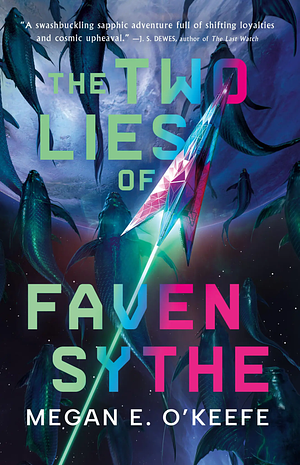
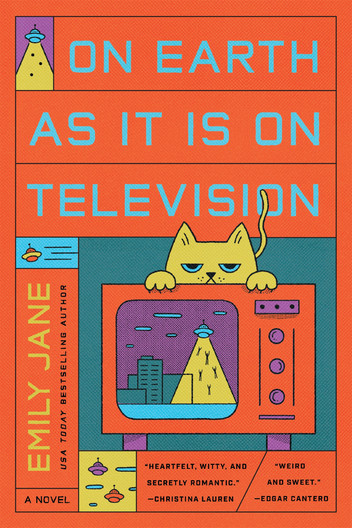
I read 16 books in July! Though there were a handful of misses, I read a ton of fantastic books for Disability Pride Month. The last book I read this month (On Earth As It Is on Television) unexpectedly blew me out of the water.
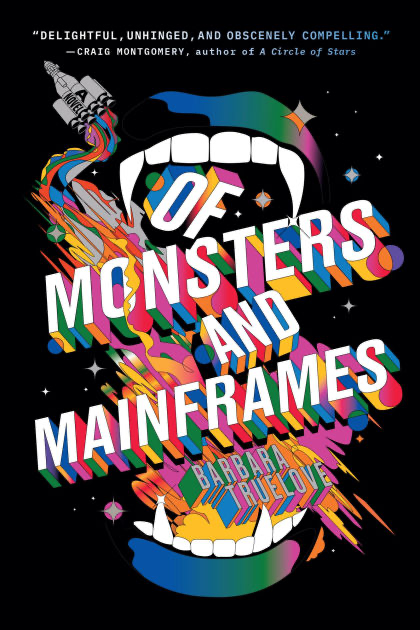
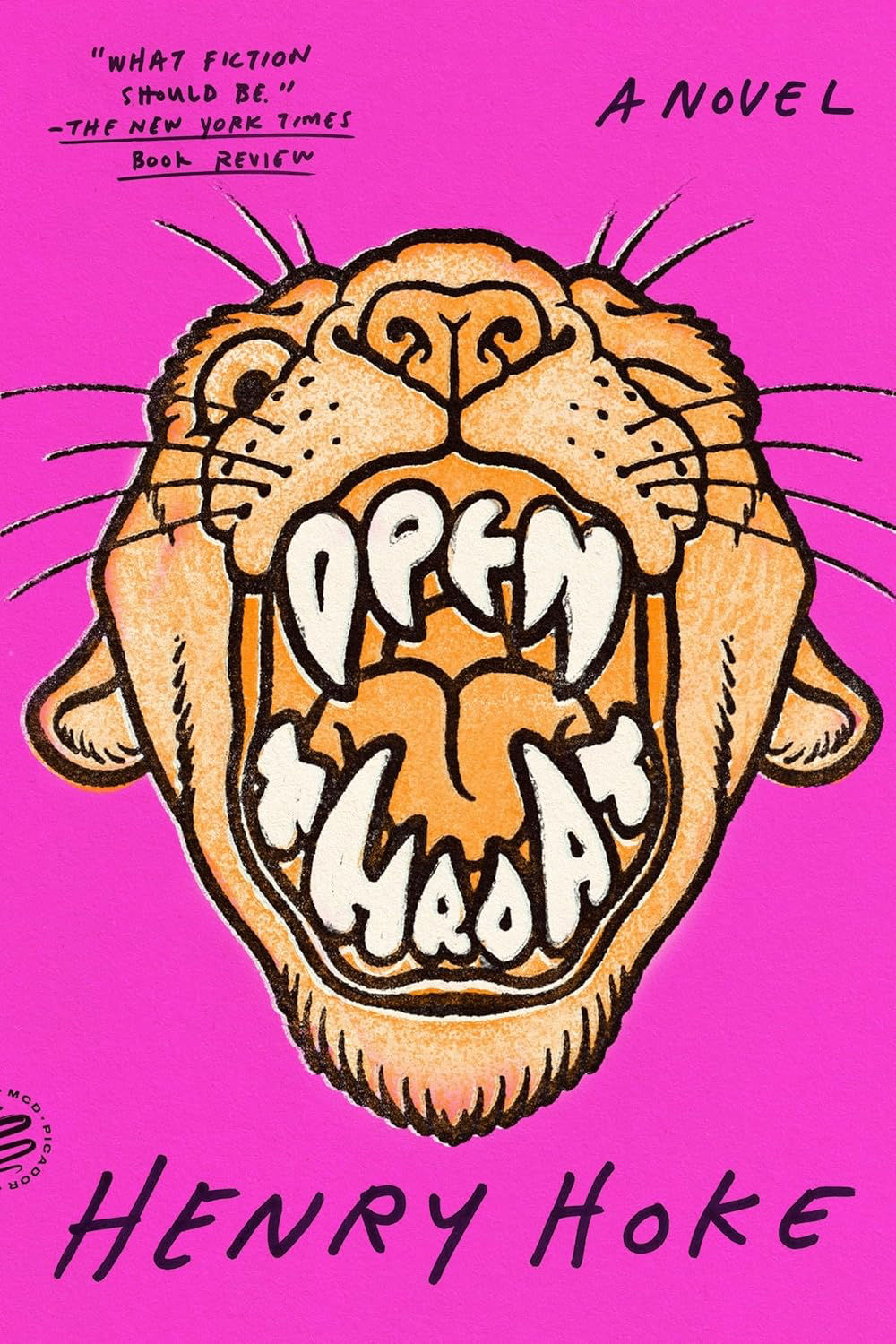
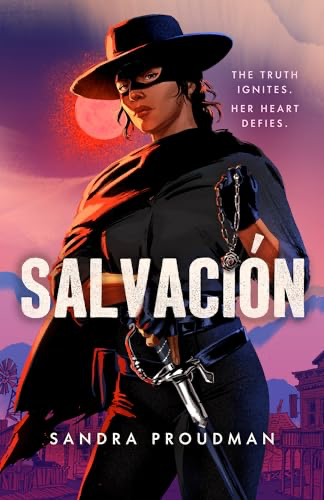
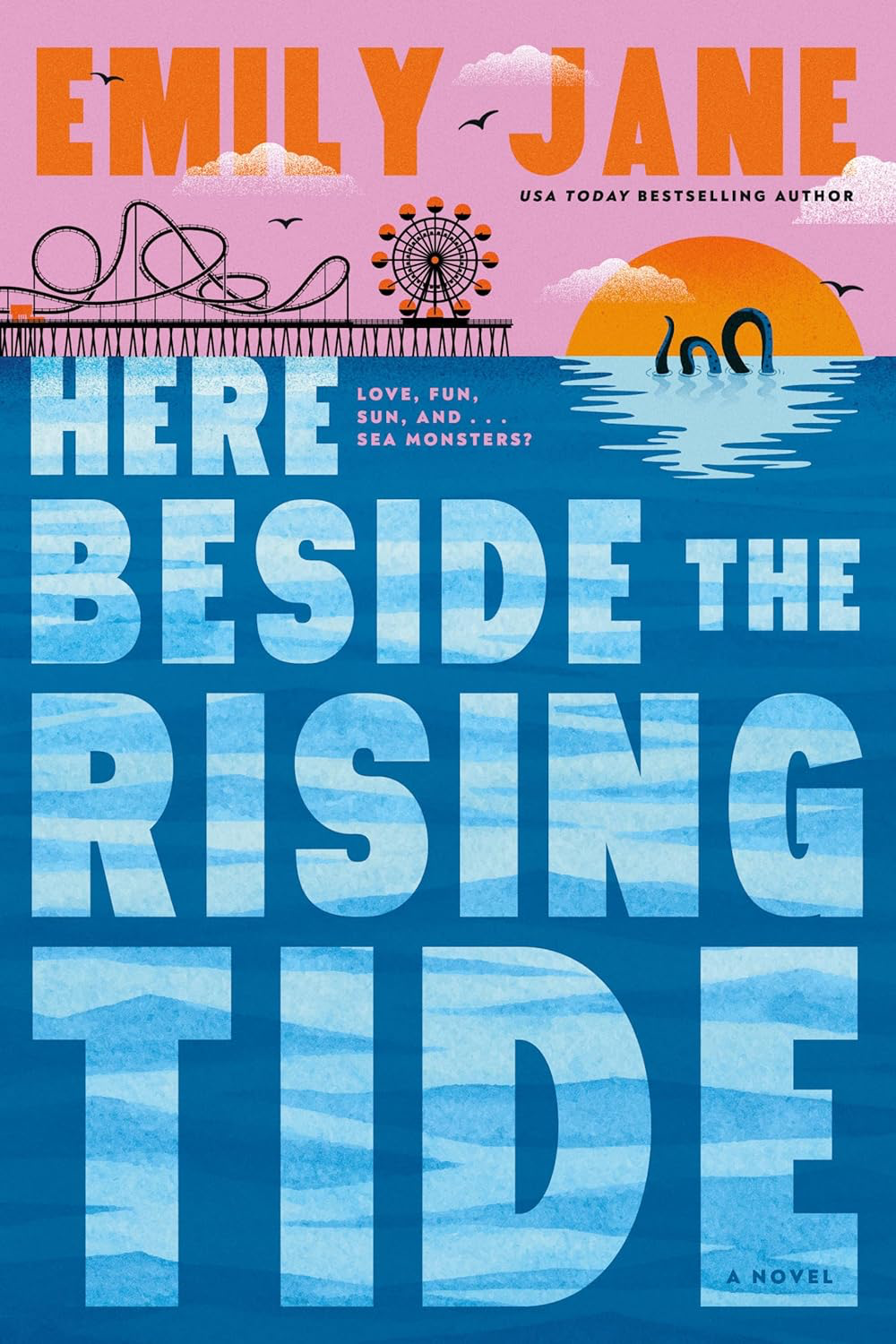
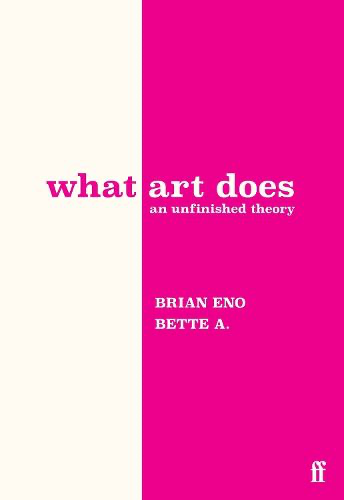
I read 14 books in August! Thankfully, I only read two books that I really didn’tcare for, and there were tons of wins throughout the month: monsters in space, a surprisingly emotional story about sea monsters and Pokémon-obsessed children, and the great Brian Eno.
Happy Sunday, bibliophiles! I hope this week has treated you well.
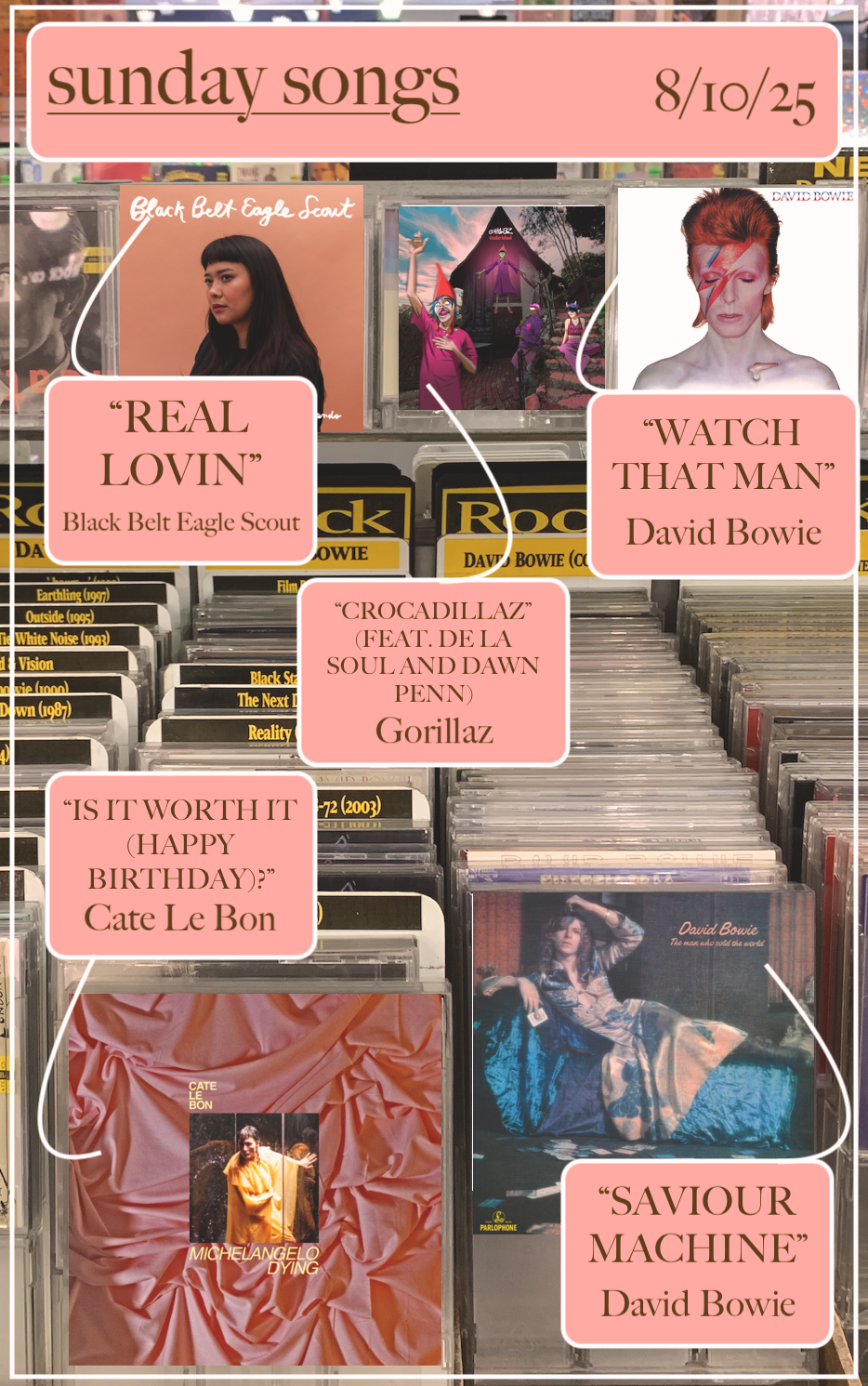
This week: a David Bowie double feature (who could’ve seen that coming?), upcoming artsy albums, and more reasons why I really just wish I had dual British citizenship, because apparently all of the good music related stuff happens exclusively in the UK.
I could really do with some more restrained excitement about Michelangelo Dying, but…these singles just aren’t letting me do it! They’re both so enchanting! I can’t get enough!! I’m really hoping they’re not the best of the bunch, but I have faith that Cate Le Bon has something quirkily artsy up her sleeve, if this and “Heaven Is No Feeling” are any indication.
“Is It Worth It (Happy Birthday)?” takes the palette of the album down a more subdued, melancholy route than “Heaven Is No Feeling,” trading the former’s synthy strut for glassy-eyed introspection. But even with the thematic shift, Le Bon’s signature modern touches are there. Awash in fizzling, electronic textures, this track is an outstretched bolt of lavish fabric, much like the pink background of the album cover. Silky and watery, it makes every instrument feel like it’s been drenched in sunlit water, from the gentle, barely perceptible bass to the saxophones. I’m not usually this big of a fan of saxophones, but the way Le Bon utilizes them, more for added sonic texture than for dramatic solos, make her world even more layered and delectable to pick apart. It’s distinctively her, but I can’t help but think of the dense, dreamy soundscapes of the Cocteau Twins when I listen to it. (“For Phoebe Still A Baby” jumps out in particular.) Yet drama is what this song quietly thrives on, as the lyrics muse on trying to make light out of abject sorrow: “Open up in hell/And dress the hall/It’s a holiday/It’s a birthday/Is it worth it?/Is it worth it?” The lyrics nearly get swallowed by the sheer magnitude of sounds woven into the production—including the signature, lilting cadence of Le Bon’s voice—but it almost seems exactly her intention. It feels both mean and inaccurate to call any of it window dressing, but next to the lyrics, all about trying to laugh heartbreak away and pretend it’s something that it’s not, it feels like exactly the kind of shrouding she’s singing about. At the end, she laments that she’s “Checking out/Even with my language in him,” just as the listener tries to extricate her from the vibrant sea of sound she’s crafted to shield herself. It’s easy to get washed away in, and if the rest of Michelangelo Dying is anything like this, I’ll be gladly losing myself in it come September.
“David Bowie predicted ChatGPT” would’ve been a good headline for this post, but as much as I love him, he was far from the first to ponder about AI. But really…this song does basically predict ChatGPT, and in this song it’s “President Joe” who introduces it to the world, which is kind of a crazy coincidence. Had to do a double take when I first heard the lyrics, for sure. Drawing from much of the sci-fi media of his time, Bowie’s version of AI comes in the form of The Prayer, an AI system introduced by President Joe to make the population’s decisions easier for them, from stopping wars to simply thinking themselves. However, it’s The Prayer itself that calls for its own destruction, going insane after having such decisions weighing on its shoulders and pondering: “Please don’t believe in me/Please disagree with me/Life is too easy/A plague seems quite feasible now/Or maybe a war/Or I may kill you all!” Life is too easy for sure, now that everyone’s trying to flirt and make art and music and go through school entirely with AI. Sorry, but can’t you idiots stop and forgo convenience to experience the tedious pleasures of the human experience? Embarrassing. Jesus Christ. Remember, kids: you can’t stake your life on a savior machine.
“Saviour Machine” rings reminiscent of short stories of the likes of Ray Bradbury, but it also reflects the much darker tone of The Man Who Sold the World. Though it wasn’t like he hadn’t trod into darker lyrical subjects before, going from something like “Uncle Arthur” to an album comprised of insane asylums, the Vietnam War, and gay sex with Satan in the span of three years is a whiplash-inducing left turn for anyone. I don’t think it’s the edginess of the subject matter that makes it feel more mature, but the exploration—The Man Who Sold the World represents a critical turning point in Bowie’s storytelling ability, and he was willing to explore places that he hadn’t explored before, pushing himself out of his typical territory in order to create something wholly unique. It feels to me what he said when he spoke about art: “If you feel safe in the area that you’re working in, you’re not working in the right area. Always go a little further into the water than you feel you’re capable of being in. Go a little bit out of your depth, and when you don’t feel that your feet are quite touching the bottom, you’re just about in the right place to do something exciting.” Darkness was coincidental, and of course, not all of the album is necessarily dark—it was merely territory that he hadn’t scoured before, and that challenge led him to create some of his most innovative work, time after time, album after album. “Saviour Machine” feels like the prelude to that storyteller’s attitude, one that would guide him to untold heights in his career.
…AND A BOOK TO GO WITH IT:
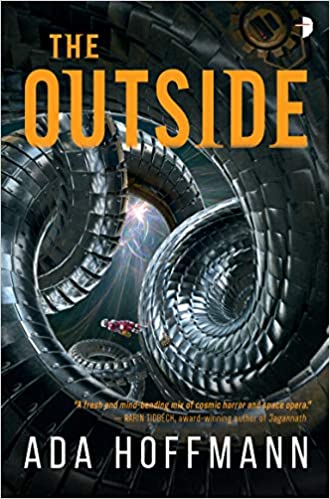
The Outside – Ada Hoffmann – A few centuries in the future, when something like The Prayer gets out of control…
Katherine Paul has a distinctly whispery voice—everything they sing sounds like they’re singing it into a cool breeze. Most of her music pre-The Land, the Water, the Sky suits it perfectly; though she’s become more adventurous with her vocal capabilities later on, a lot of her songs had a slower, softer demeanor that suited the airiness of her voice. But if there’s any song to be characterized by this, it would be this one. I’d forgotten all about “Real Lovin” for years—I initially listened to At the Party With My Brown Friends around five years ago—until it popped back into my shuffle out of nowhere. Though Paul’s voice soars with more volume towards the end of the track, her whisper-singing is perfectly suited to the quiet tenderness of the lyrics: “Now that you can dream/What is it you see/When you wake up in the folds of blankets in your bed/In your room/In your house/By yourself?” It’s the sound of a sliver of dewy light sliding through the slats of shutters in the early morning as you blink away the threads of sleep. Paul’s voice is a comfortable sheet over me as I listen, and she delivers what’s easily the softest, tenderest uttering of “well that’s bullshit” I’ve ever heard in a song. But no matter the intensity, which rises with every passing minute as the instrumentals build up, I never have a doubt that Paul means exactly what she’s saying.
…AND A BOOK TO GO WITH IT:
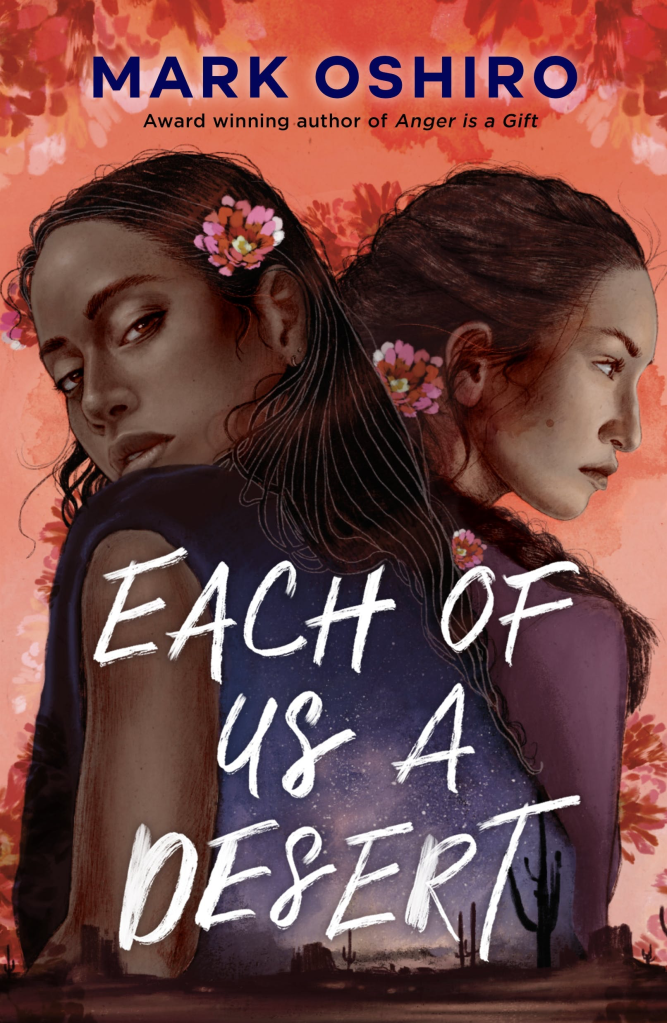
Each of Us a Desert – Mark Oshiro – “You’ve tried and tried/What seems a million times and you wonder how you’ll end up/Is it the moon?/Is it the stars?/Do they rule you and your heart?”
While I froth at the mouth that I can’t go to the Gorillaz exhibit in London, I figured it would be fitting to talk about them…for the millionth time on this blog.
It was a strangely pivotal moment when, a week after Cracker Island released back in early 2023, three more songs were added to the lineup. I had middling thoughts about the album up until then; for me, it represented the point at which Gorillaz (and later Blur with The Ballad of Darren) became nearly indistinguishable from Damon Albarn’s solo work. There were a handful of fun tracks, but as a whole, it failed to hold as much water as something like their first three records, even with the star-studded list of collaborators. And when it seemed all hope was lost…Del the Funky Homosapien and De La Soul returned! (Two years later, “Captain Chicken” has no business being so good for a song with such a goofy title AND samples of chicken clucks. God, it’s so good.) Disregarding the “Momentz” haters (heathens, all of you), every time De La Soul and Gorillaz collaborate, a special kind of magic happens. Even with Trugoy the Dove’s too-soon death hanging over it, “Crocadillaz” was one of the unmistakable highlights of the album. For a song about constantly looking over your shoulder and the trappings of fame, it has a steady, easy calmness to it, propelled by Dawn Penn’s “Doo-doo-doo-doo-doo-doo-doo” chorus, which gets delightfully stuck in my head more often than not. Trugoy and Penn make for an unlikely but smooth pairing for this song, with the former providing the sharp-edged, quick-witted verses and Penn’s smooth, resonant vocals giving the song a simultaneously retrospective and playful chorus. I’m not usually a fan of the “Gorillaz but it’s just the collaborators” songs, but with a pairing as talented as these two, it’s easy to excuse.
…AND A BOOK TO GO WITH IT:
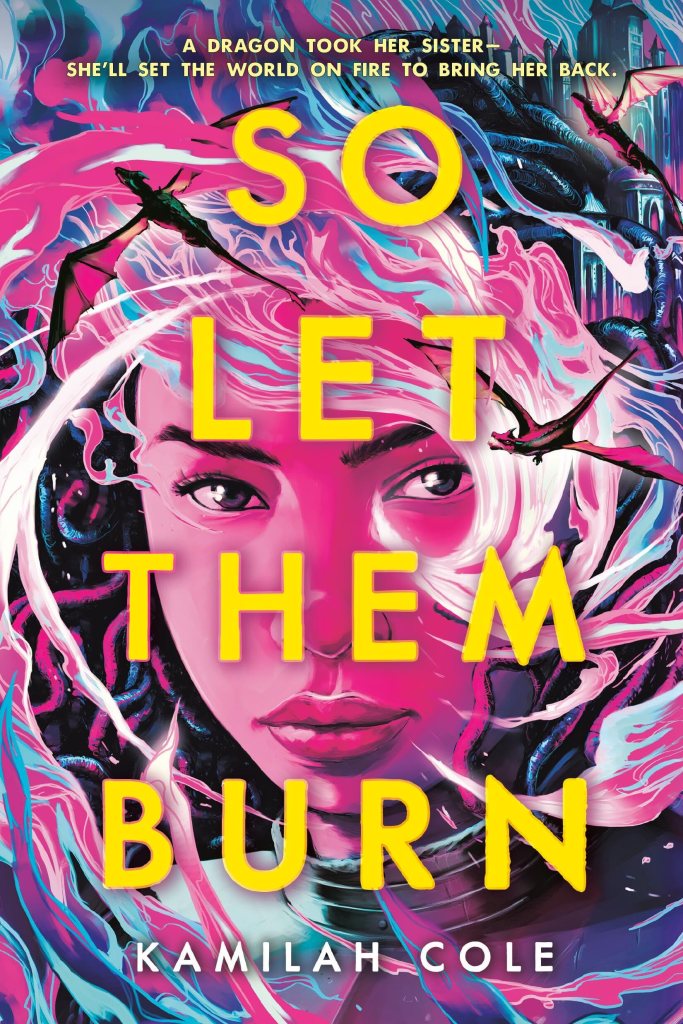
So Let Them Burn – Kamilah Cole – “Could play the sheep, but beware of the wolf’s eye/Hypnotized by the crocodile’s smiles/The exchange is brief, but watch for the teeth…”
Aladdin Sane has to be the most iconic album cover in David Bowie’s catalogue. If you know any album cover, it’s that one—the nondescript, asleep-looking Bowie with a glittering lightning bolt slashing across the front of his face. And that silvery bit on his collarbone—I always thought it was a bone fragment when I was a kid, and my dad thought it was something like mercury pooling on his skin. It raises questions! It sticks in your head! And yet, the album cover gets talked about much more than the actual album. Sure, it’s probably the weakest if we’re grouping it in with Hunky Dory and The Rise and Fall of Ziggy Stardust and the Spiders from Mars, but that’s because you’re grouping it with two of the greatest albums of all time. But it’s really such a disservice that the album only gets remembered for the cover—there are so many excellent cuts from the album, even if it never usually makes the cut for hit Bowie songs (except for maybe “The Jean Genie”). It’s slick as hell, incredibly funky…it just rocks. Listen to the album and you just know. And “Watch That Man” is what sets the tone, a rollicking dance floor rocker that begs for you to shake your hips with every word—not just the “shakin’ like a leaf” bit. Inspired by seeing the New York Dolls live, “Watch That Man” follows a lively party, with the lyrical camera roving over every participant as the music blasts. I never had any particular problem with the mix, but it was one of the more rushed songs on the album, and on reflection, doesn’t sound as clean as some of the other tracks—it’s all a bit muddy, with most of the instruments, Bowie’s voice included, being at a very similar volume. But for a song meant to emulate the rush of a concert or being on a crowded dance floor, it gets the job done spectacularly.
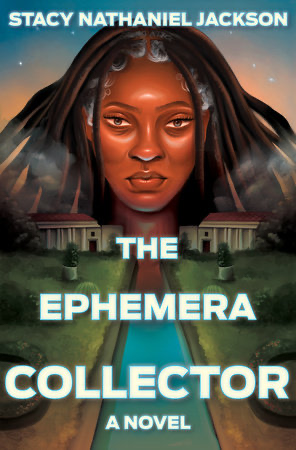
Continuing with Disability Pride Month, here’s a fascinating 2025 debut! I love books about libraries and archives, both for personal reasons and because of the possibilities that they hold. Add in the queer, science fiction aspect of it, and I was instantly hooked. The Ephemera Collector turned out to be one of the more unique books I’ve read recently, both in its mixed-media approach and the sprawling nature of its vision.
2035. In a divided, polluted Los Angeles, Xandria Brown pours her passion into her work as an archivist. Collecting ephemera from prominent Black authors, artists, and activists, she fights to preserve her work as the threat of corporate encroachment in her library looms. After the death of her wife, only her health bots, which monitor her symptoms of long COVID, keep her company. But when the library goes into lockdown for undisclosed reasons, Xandria and her health bots must get to the bottom of the mystery—and make sure that her collections are unscathed.
TW/CW: ableism, eugenics, racism, violence, medical content
Though not without its flaws, this is one of those novels where you can really feel how much of a labor of love it was for the author. The Ephemera Collector is Stacy Nathaniel Jackson’s debut novel, which he published in his 60’s (!!!). It’s a mix of prose, poetry, and visual media, and I honestly wish I’d read a physical copy instead of an ebook in this case, because I feel like my Kindle couldn’t grasp the formatting fully. Nevertheless, The Ephemera Collector is a unique novel in all senses: a unique dystopia, a unique Afrofuturist novel, and a startlingly original piece of sci-fi.
Stacy Nathaniel Jackson’s vision of the United States 10 years from now was certainly bleak, but his worldbuilding was what made The Ephemera Collector stand out so much to me. No stone was left unturned in terms of what happens to America in the next 10 years, from the threat of corporate oversight on Xandria’s archives of Black history to the COVID-34 pandemic that occurs a year before the novel is set. It was bleak to me, but not necessarily cynical to me; yeah, us going into a second global pandemic only 14 years after “getting through” the first one seems a bit cynical, but given how this country absolutely bungled how we handled COVID-19, it feels somewhat realistic. Yet the weirder and further you get from the center of what makes Jackson’s dystopia a dystopia, the more imaginative the worldbuilding gets. Xandria is followed around by health bots that all have distinct personalities. There’s a whole Atlantis 2: Electric Boogaloo situation with a group of POC separatists who settle underwater off the coast of California. The weirder Jackson gets with it, the better the worldbuilding becomes; those unique touches are what stuck with me the most.
Yet even though Jackson’s vision of the future is full of polluted air and government corruption (not too far off…oof), it never fully felt like completely gloom and doom. In the end, I feel like this novel was about the importance of preserving history, and the main character’s fight is to keep corporations out of her exhibition of Black history, namely a collection of ephemera about Octavia Butler. Our protagonist is a queer, disabled Black woman who comes from a line of disabled Black ancestors, and she is standing her ground when it comes to preserving their history as a fundamental thread in the fabric of our country. Xandria putting up this fight, for me, was what kept The Ephemera Collector from being fully cynical. To imagine a darker vision of the future is one thing, but to have a character fight it, win, and outlast said corruption and hatred (somehow, she lives to be 300 years old? I assumed it was the gene editing, but it’s never fully explained) was what gave me hope in the end. Xandria, a battered woman who faced threats to her archives, non-consensual gene editing and eugenicist practices, and the death of her wife, comes out the victor in the end, triumphant over everything she fought to defeat. She is alive to preserve the history of her ancestors, but she is also proof that even the groups that America is most determined to erase will survive no matter what this country throws at them—and outlive them by centuries.
Going into The Ephemera Collector, I knew it wouldn’t be the easiest book to digest. The reviews warned me of a novel that frequently went on tangents that didn’t relate to the main storyline, and a novel that was disorganized in general. Having that in mind, I went in with low expectations. While I do think this novel was a bit disorganized at worst, I think it was partially the point. This is a book about an archivist poring through artifacts in a massive library. Jackson’s style is very stream-of-consciousness, and I feel like it uniquely reflects what Xandria’s mindset would accurately be if she spent most of her waking hours as an archivist. It reminded me vaguely of The Library of Broken Worlds, a very different book from this one, but still a sprawling, magnificent at best, deeply convoluted at worst novel set in a vast library. Maybe that’s just what you’re in for if you write imaginative books about sci-fi/fantasy libraries. There were some sections that strayed too far from the main plot for my taste (more on that later), but overall, I enjoyed the breaks in form, whether it was the switches from prose to poetry to the anecdotes about Xandria’s ancestry. It really put me in mind of an archivist, and that seems exactly what Jackson set out to do. For me, it also tied back into the theme of preserving history—all of what we see is the history that Xandria fought so hard to keep alive and non-sanitized by corporations.
Here’s the thing, though. I was fine with the earlier tangents because I could see the thread that connected them to the rest of the novel. But around 60% of the way through, The Ephemera Collector quite literally loses the plot. Without warning, it switches to an entirely new story that’s barely connected to the main story—and that’s being generous. The only possible connection I could find was that one of the characters was a relative of Xandria, but that’s it. There’s no connection to her or the library. My dilemma is that although it was very distant from the rest of the novel, it was still a compellingly written storyline. It dealt with one of the more fascinating parts of the worldbuilding: the separatist community who created an underwater settlement, and later became pseudo-climate refugees when it became untenable to live underwater for any longer. It was so strange and lovely to pick apart, but it didn’t connect to the main narrative until the very last minute. Even in the context of Xandria looking through the archives, there wasn’t a clear thread. I’m tempted to give this less than 4 stars, because although this frustrated me, the writing was just that good. In my more arbitrary system, I guess it would be more in the 3.8-3.9 range, if we’re getting really specific, but I like it more than a 3.75. It’s a weird dilemma, but so is the whole novel, really.
All in all, a deeply imaginative Afrofuturist novel that pushed the boundaries of what a dystopia can be. 4 stars!
The Ephemera Collector is a standalone and Stacy Nathaniel Jackson’s debut.
Today’s song:
NEW GUERILLA TOSS, WOOOO
That’s it for this week’s Book Review Tuesday! Have a wonderful rest of your day, and take care of yourselves!












 The Bookish Mutant