Posted in Monthly Wrap-Ups

May/June 2026 Wrap-Up 🪭

Happy Wednesday, bibliophiles!

I’m back with a wrap-up, and we’ve officially passed the halfway mark of 2026…jeez. Currently reporting you within hours of melting into a puddle like the Wicked Witch of the West from this heat. I feel like I should start paying my swamp cooler for the labor it’s been putting in for the past month. Stay cool and hydrated, everybody!

Let’s begin, shall we?

GENERAL THOUGHTS:

I’m coming to you in a very different place than I was while writing the March/April Wrap-Up, which is, for the most part, a welcome thing. Between my honors thesis, finals, and graduation, I had been constantly on for the most part. Sure, I had some time to squeeze in some fun and relaxation, but it was just go, go, go for most of the semester. But now I’ve got myself a nice Bachelor’s degree, and I’m spending it…not doing much. For right now, that’s exactly what I wanted.

I’ve spent most of the past few two reveling in the free time I have right now. I have several very disparate goals that I’ve set for the summer (exercise more, write one short story per month, and don’t buy any more yarn…send help, I’m drowning in yarn over here) that (knock on wood) I’ve managed to stay true to. But I love the routine I’ve set for myself. I love my college town, and I love taking walks to the local coffee shops, writing for an hour or two. (More often than not, those trips have also resulted in a trip to the record store, which has…[ahem] put a slight dent in my bank account. Maybe I need to put a ban on that too.) But ultimately, this summer has felt comfortably exploratory so far—I’m slowly trying new things, but they’ve all extended into cherished parts of my weekly routine.

So mostly, May and June have been about creativity. I’ve been more locked in than ever with my knitting, even if the results have been less than optimal. I’ve done so much more drawing and sketching. I’ve made more time to practice my guitar. I’ve written the most since I stopped my honors thesis. And I have more time to read than just before bed! Imagine that…

MAY READING WRAP-UP:

I read 13 books in May! It was really all over the place with a 5-star read and a DNF in the same month, but I read so many exciting books this month, both from new-to-me authors and familiar ones, focusing on AAPI authors for the Heritage Month.

1 – 1.75 stars:
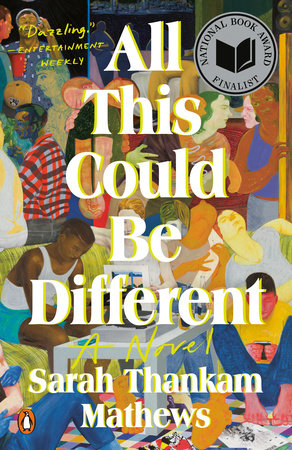
All This Could Be Different

2 – 2.75 stars:

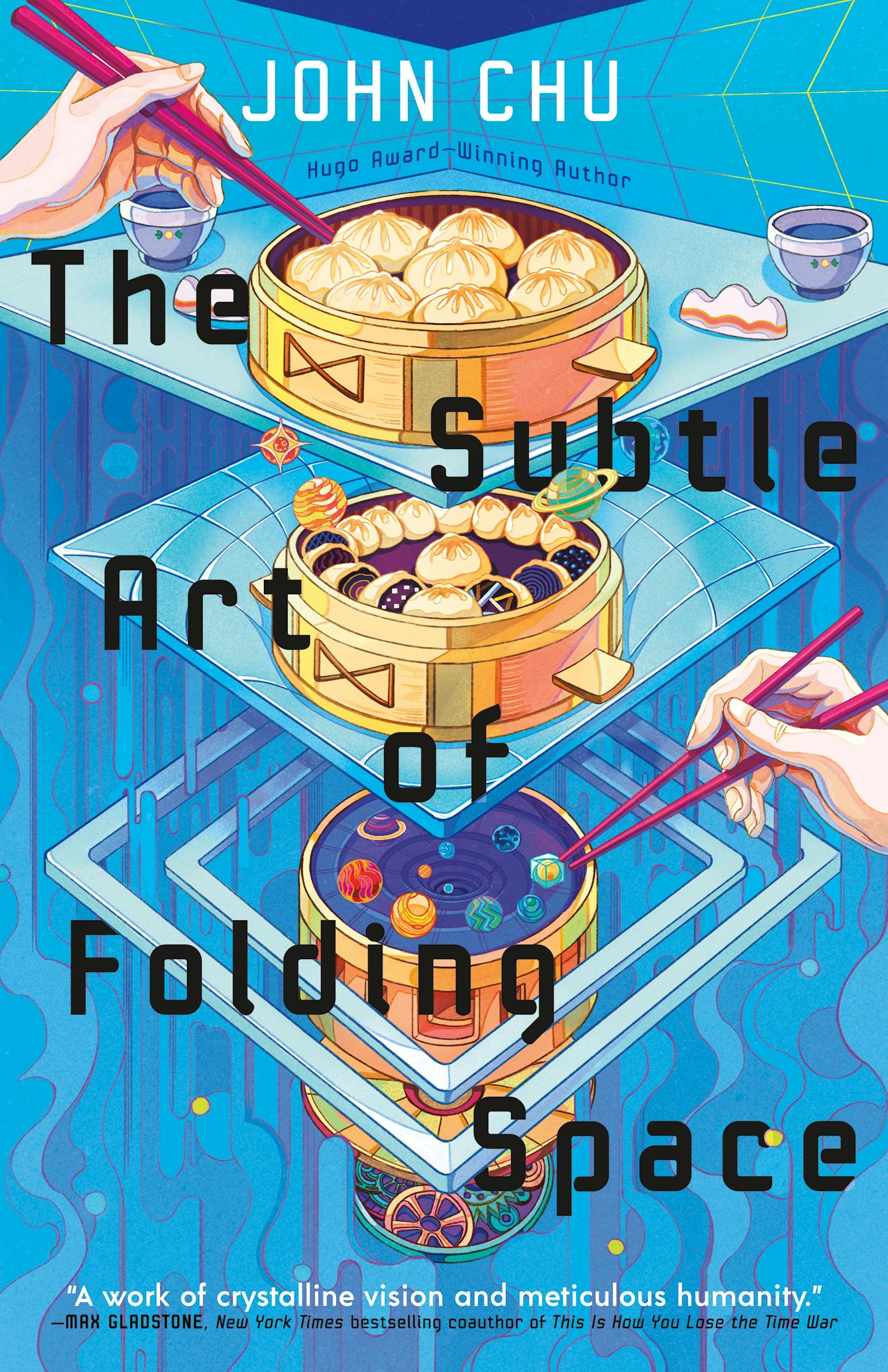
The Subtle Art of Folding Space

3 – 3.75 stars:

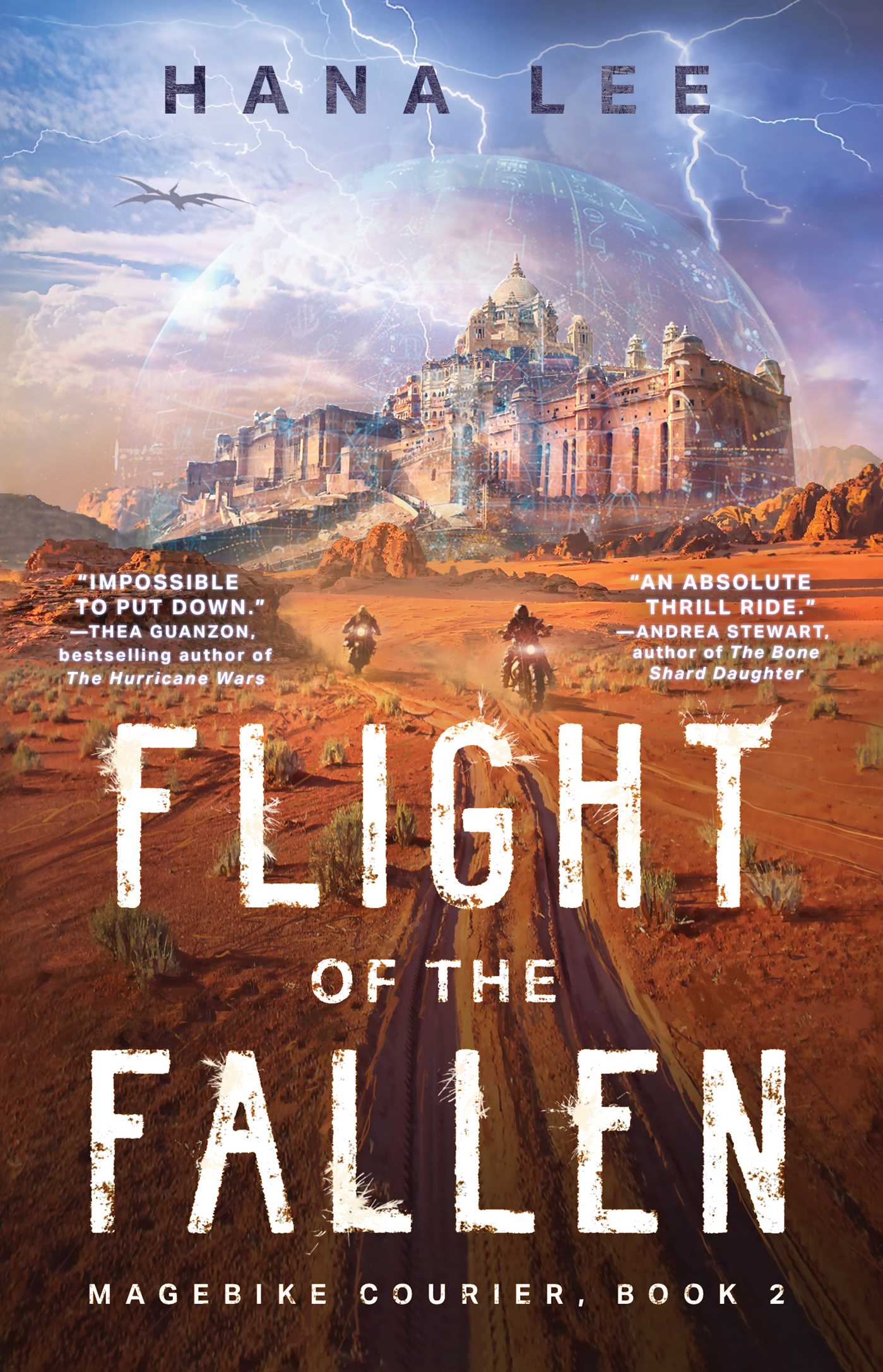
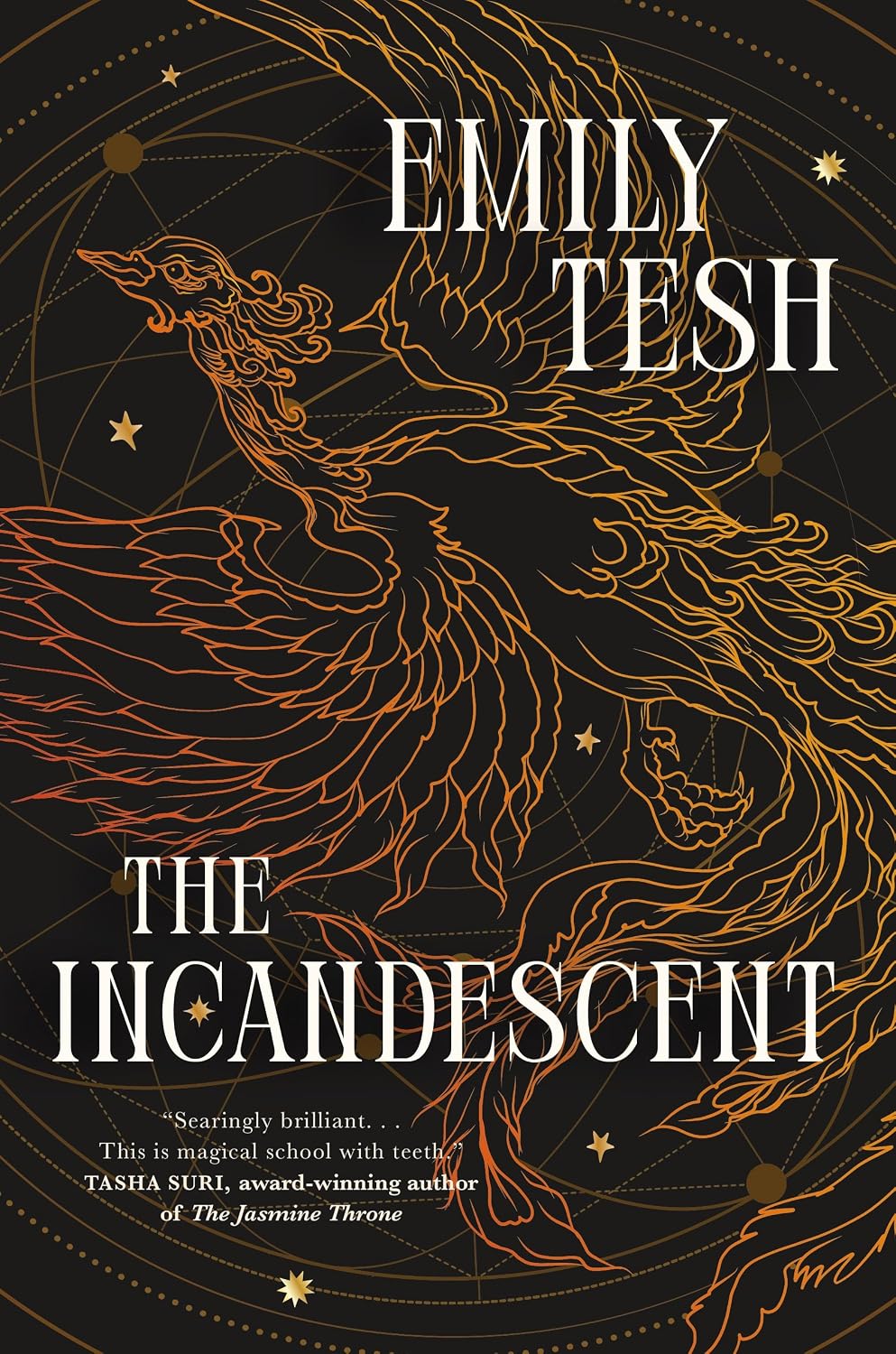
Flight of the Fallen

4 – 4.75 stars:

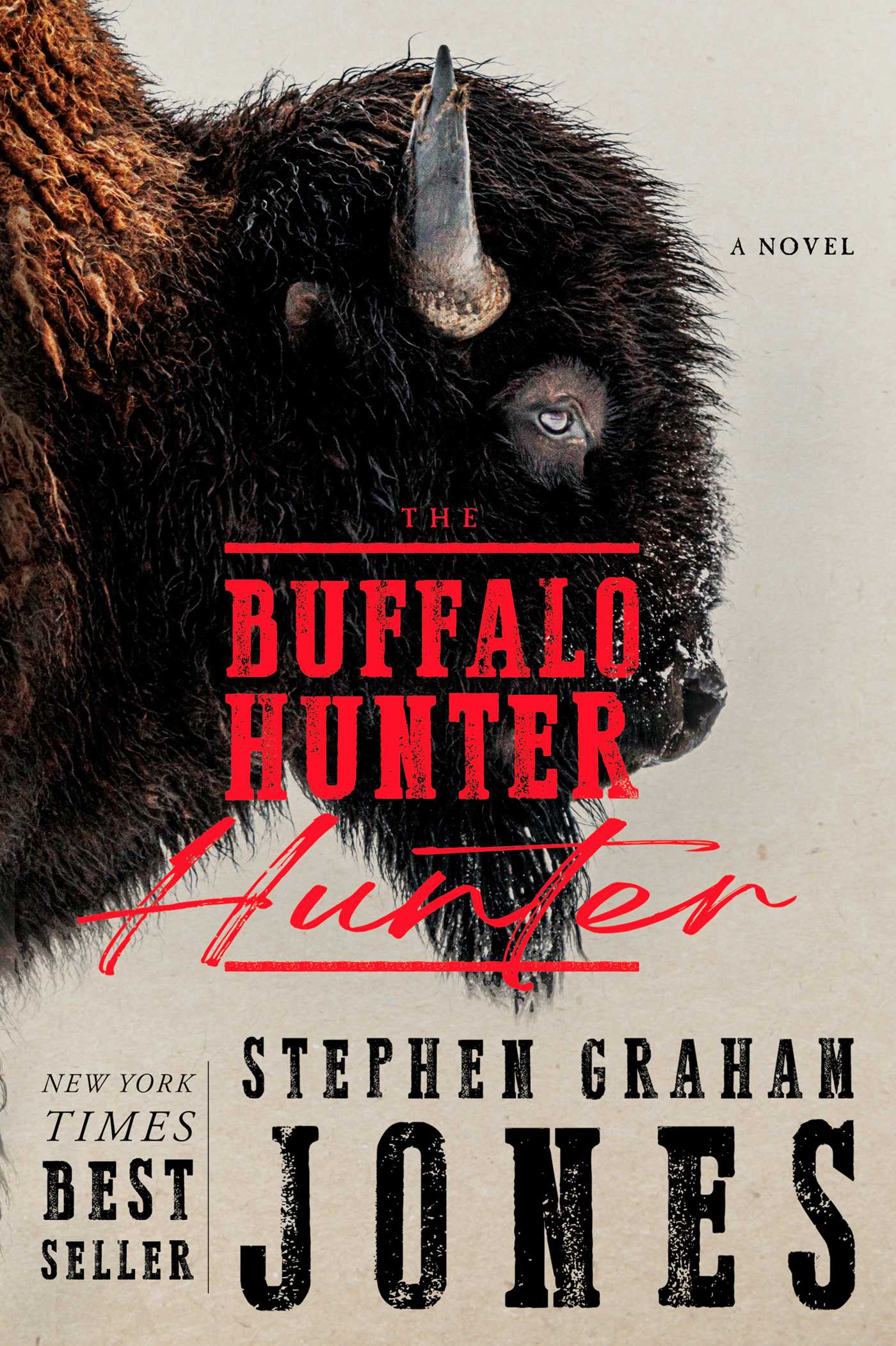
The Buffalo Hunter Hunter

5 stars:

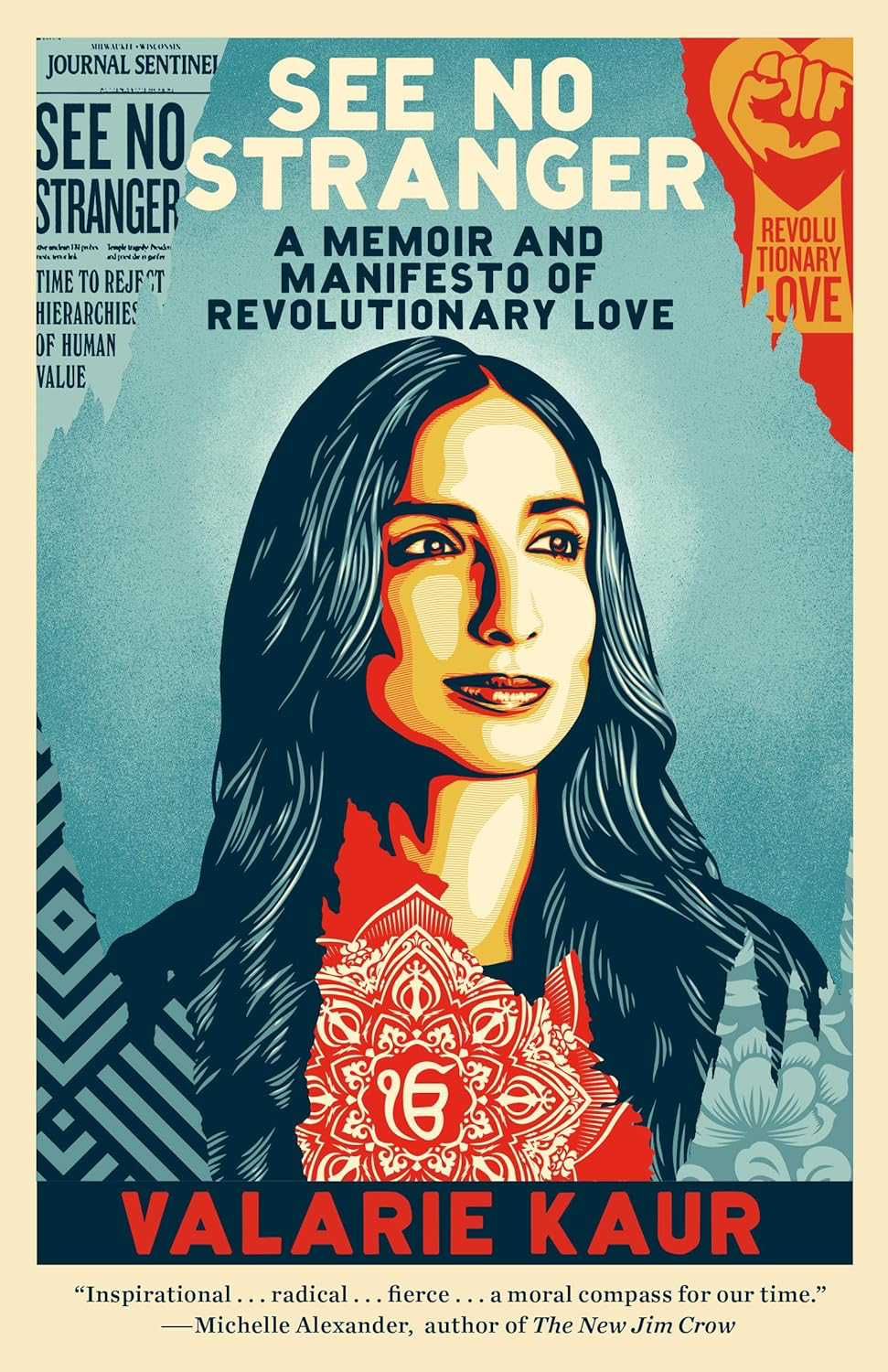
See No Stranger: A Memoir and Manifesto of Revolutionary Love

FAVORITE BOOK OF THE MONTH (not counting re-reads): See No Stranger: A Memoir and Manifesto of Revolutionary Love5 stars

See No Stranger: A Memoir and Manifesto of Revolutionary Love

REVIEWS:

SUNDAY SONGS:

BONUS:

JUNE READING WRAP-UP:

I read 14 books in June! It’s the most books I’ve read in a month in 2026, definitely owing to being freed up by summer. Though my ratings were once again all across the board, they trended towards positive ones—and I had some excellent reads from new and familiar queer authors for Pride Month!

2 – 2.75 stars:
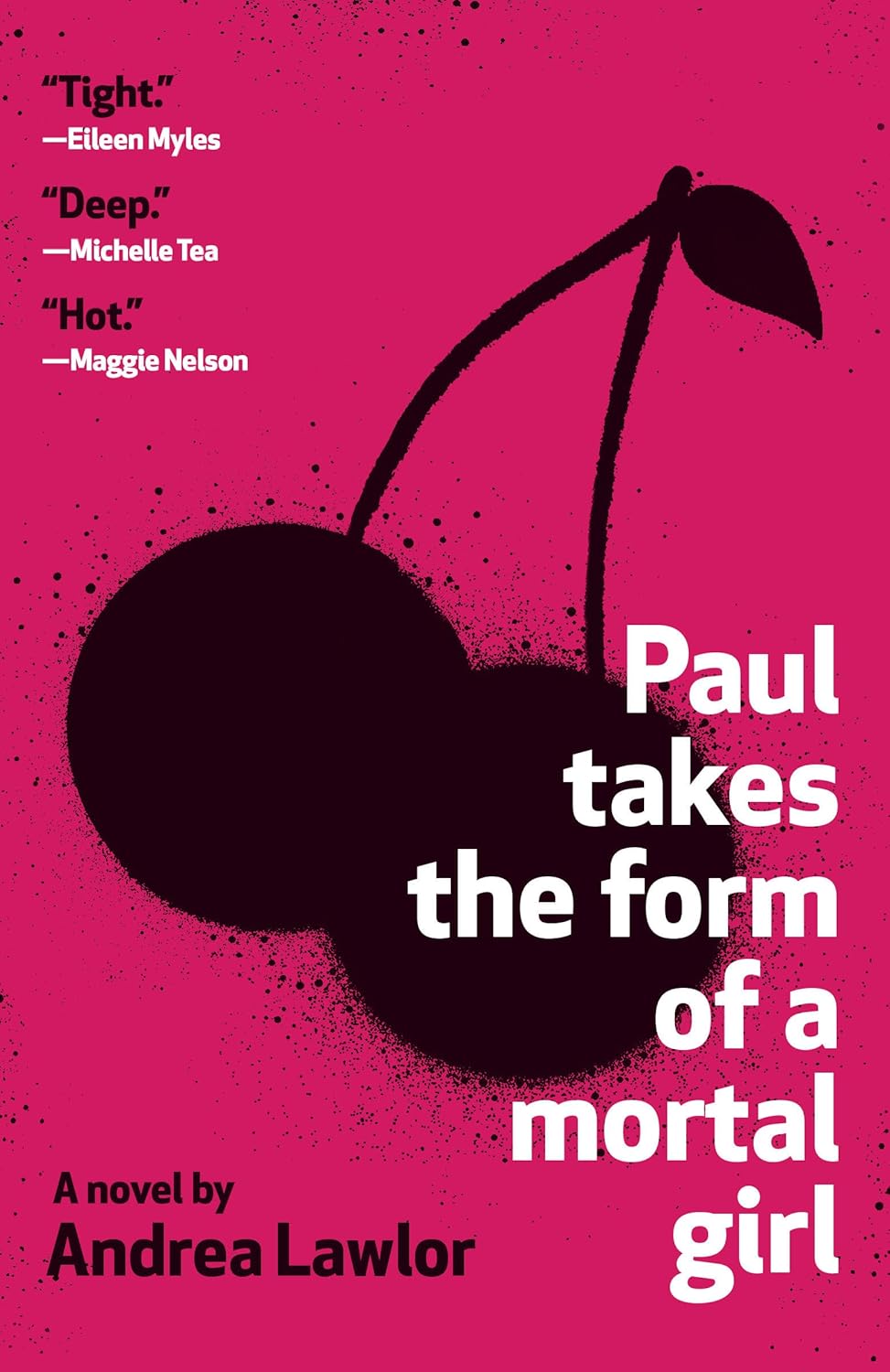
Paul Takes the Form of a Mortal Girl

3 – 3.75 stars:

Where Sleeping Girls Lie

4 – 4.75 stars:

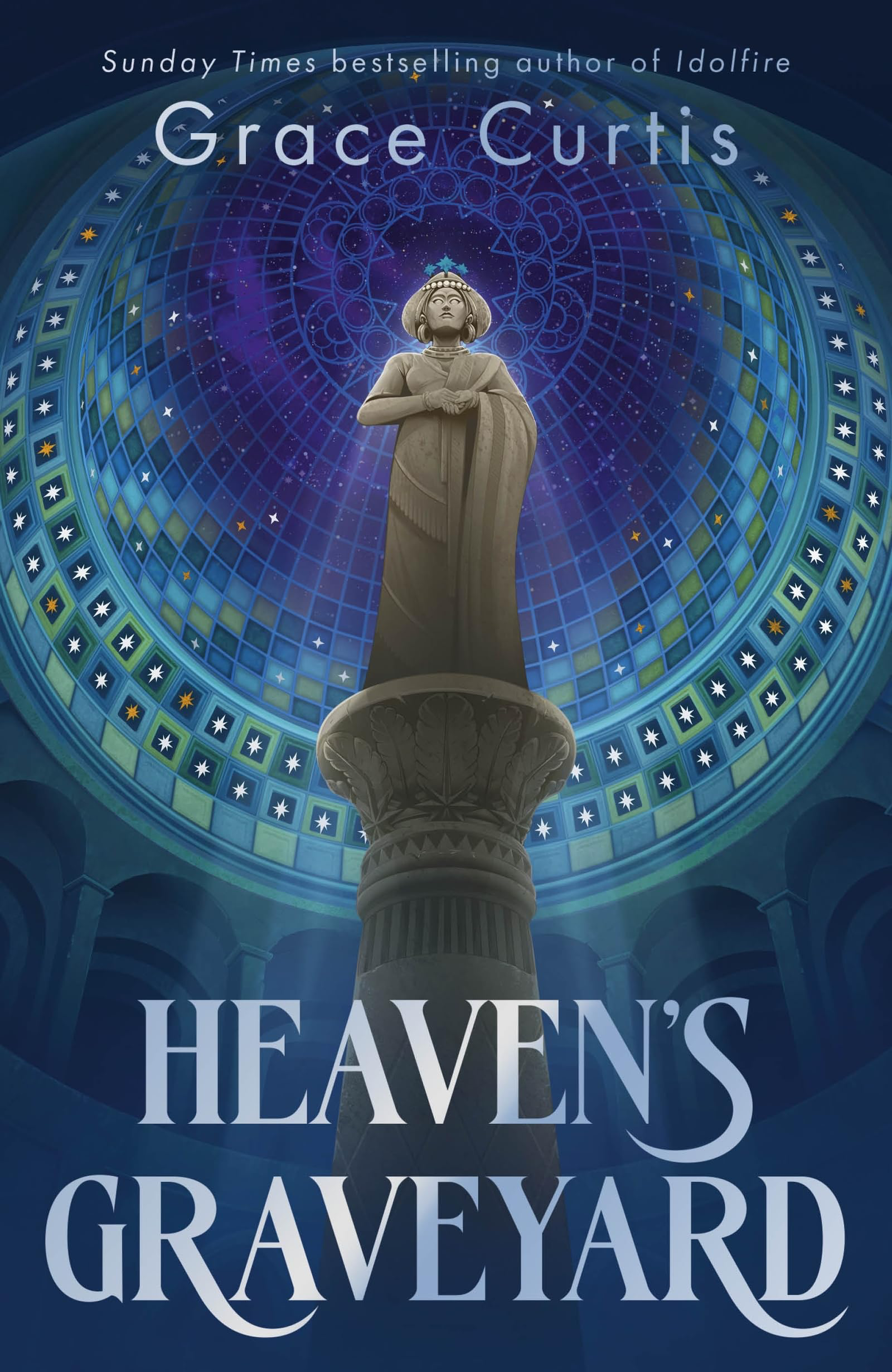
Heaven’s Graveyard

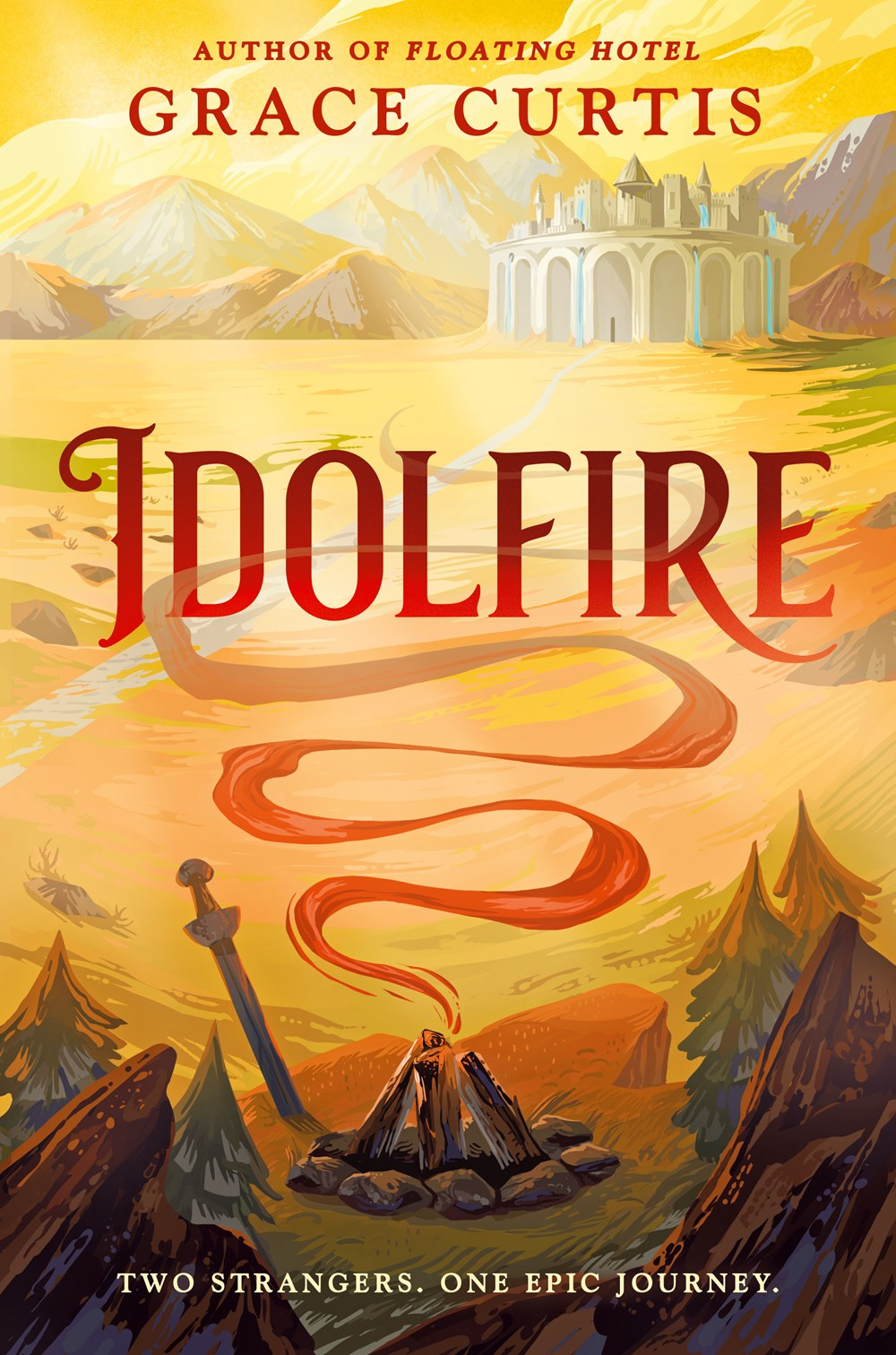
FAVORITE BOOK OF THE MONTH: Idolfire4.75 stars

Idolfire

REVIEWS:

SUNDAY SONGS:

BONUS:

Today’s song:

That’s it for this wrap-up! Have a wonderful rest of your day, and take care of yourselves!

Posted in Sunday Songs

Sunday Songs: 6/28/26

Happy Sunday, bibliophiles! I hope this week has treated you well.

This week: sort of doing a 180 on Let’s Dance, and reverting to my high school self via Stranger in the Alps.

Enjoy this week’s songs!

SUNDAY SONGS: 6/28/26

“Virginia Plain” – Roxy Music

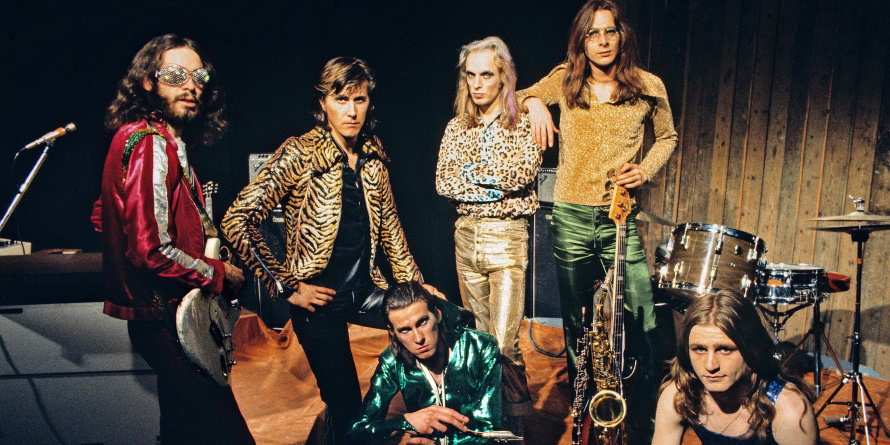
Seeing old photos of Roxy Music always cracks me up…5/6 of them look goofy as hell in all that leather and animal print, and then there’s Brian Eno over here casually serving enough looks to feed a family of four. Good god, I don’t think anybody’s gotten that closet to valiantly fighting male-pattern baldness and winning. The receding hairline fought hard, but damn if Brian Eno wasn’t fighting just as hard.

Okay, maybe I should go easier on the other members of the band, because “Virginia Plain” reminds me of why I love early ’70s glam rock so dearly. This song is just immaculate. It’s at that perfect, Ziggy-era moment in time right before glam fully broke into the mainstream. It’s all swagger, sheen, and pure skill—it’s a blast, but this song feels chiseled and streamlined to a meticulous level. Most of the Roxy Music songs I’ve heard instantly recall The Rocky Horror Picture Show to me, and Bryan Ferry’s seductive vocals feel so proto-Frank-N-Furter—I’d be surprised if Tim Curry didn’t take a few cues from him for his performance; the lyrics are classic glam as well (“You’re so sheer/You’re so chic/Teenage rebel of the week”). Phil Manzanera’s acrobatic guitar work soars, but it effortlessly shape-shifts from classic, guitar-based rock to electronic freakouts in mere seconds, leaving the space between the two eerily natural. I can’t imagine being alive in the ’70s and hearing Brian Eno’s space-age keyboards get unleashed in “Virginia Plain”—it would’ve cracked my mind in two, for sure. Some old British guy in 1972 definitely had a heart attack watching this. But to me, “Virginia Plain” embodies the best of glam rock: a sound that was meant to send a shock to the system, but pushed boundaries creatively as well as socially. It’s all shiny, leather boots and smudged eyeshadow, full to the brim with hard-earned confidence.

…AND A BOOK TO GO WITH IT:

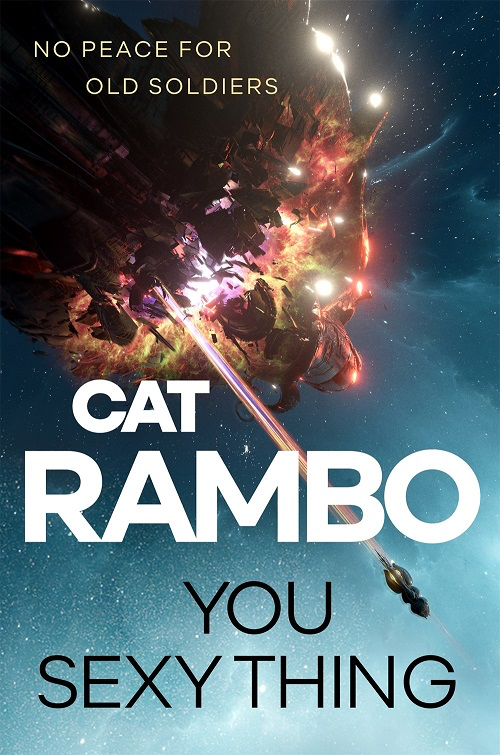
You Sexy Thing – Cat RamboI know this series is called Disco Space Opera, but…it’s just the vibes. The overwhelming vibes.

“Would You Rather” – Phoebe Bridgers

CW: domestic violence

Unfortunately for you all, the pharb sleeper agent that’s been inactive since about 2023 has been reawakened. You’ve been warned.

One of the hallmarks of early Phoebe Bridgers tracks is that they often had male duet partners who were an odd fit, vocally—they’re all good singers, but their vocal ranges and styles run counter to Bridgers’s style (see also: “Garden Song”). I think that was the initial reason that, when I first listened to Stranger in the Alps back in high school, that I was turned off from “Would You Rather”; Conor Oberst duets with Bridgers in the chorus—he’s objectively a talented singer, but his nasally voice just does not mesh with Bridgers. The same can be said for the music video, directed by Phoebe Bridgers’s younger brother, Jackson Bridgers…her penchant for gallows humor aside, what’s Conor Oberst doing with that stupid grin on his face while lip-syncing along to “in a suicide pact with our family and friends” at 1:53? Read the room, my dude…

But as with several songs on Stranger in the Alps that didn’t grab me on the first listen, “Would You Rather” only gets better—and more devastating—with each listen; her best instrumentation sounds like watching embers from a campfire become stars in the sky, and the delicate plucking at 1:05 is one such beautiful moment. According to Bridgers, “Would You Rather” was inspired by a mix of events—her childhood home burning down and her brother being suspected as the culprit, as well as an undercurrent of domestic violence; even for someone so usually candid about her experiences, I’m not surprised that neither she or the song has divulged any details of the latter. Sometimes the only way to be vulnerable is to always have the safety net of metaphor—to protect yourselves and the ones you love. Yet at the heart of it seems to be their bond as siblings: the chorus of “Come to find out/I’m a can on a string, you’re on the end/We found our way out/Of the suicide pact of our family and friends” emphasizes the lifeline that they’ve built with each other in spite of the strife that surrounded them growing up. There’s a bedraggled, burdened hope to it; despite the sense of being trapped by family, their mutual connection is what keeps them afloat in the end.

If you or a loved one is/has been a victim of domestic violence, click here for a link to the National Domestic Violence Hotline.

…AND A BOOK TO GO WITH IT:

Where Sleeping Girls Lie – Faridah Àbíké-Íyímíde “Come to find out/I’m a can on a string, you’re on the end/We found our way out/Of the suicide pact of our family and friends

“Without You” – David Bowie

I owe you an apology, Let’s Dance (1983), I wasn’t familiar with your game.

It’s easy to think of the album as David Bowie’s sellout pop album, the one where he cast aside all the pretense of experimental daring and weirdness that he’d built up with the Berlin Trilogy and Scary Monsters (And Super Creeps), not to mention the infamous “David Bowie Straight” magazine cover for an accompanying issue of Rolling Stone. Here’s the thing: yes, it is a pop album. But it’s not as if Bowie wasn’t making pop music for a significant portion of his career in the ’70s. Sure, The Rise and Fall of Ziggy Stardust was stranger than most things on the airwaves, but it was pop. This was just his ’80s pop record, and like the albums before it, Let’s Dance has so many enduring hits to spare. Sure, it’s more sparse than some of his other albums, and there’s clearly a few afterthought tracks that were just made to make it complete, with its slim eight-track, 40-minute runtime (lookin’ at you, “Shake It”). But let’s be real: it’s hard to measure up when the first track on this album is “Modern Love.” Come on.

“Without You” is often regarded by critics as one of said afterthoughts to beef up Let’s Dance. I get where they’re coming from. For a songwriter like David Bowie, the lyrics are…well, yes, even as a fan, it’s a bit bland. But I feel like a three-year gap between releases after a powerhouse like Scary Monster (And Super Creeps) justifies it. Anybody would have to recharge after that. But “Without You” feels like Bowie’s take on a slow, yearning pop song, and he hits it out of the park. Strung with guitar flourishes that glimmer like string lights, “Without You” is a warm and wistful yearner, aided by the rich, graceful deepening of Bowie’s voice as he aged into his forties. Is it as instantly memorable or well-constructed as “Modern Love” or “Let’s Dance?” Maybe not, but it’s a damn good pop song.

As a bonus: even though they’re two distinct songs, Perfume Genius also has a great song called “Without You,” and for what it’s worth, it’s a good pairing with this song.

…AND A BOOK TO GO WITH IT:

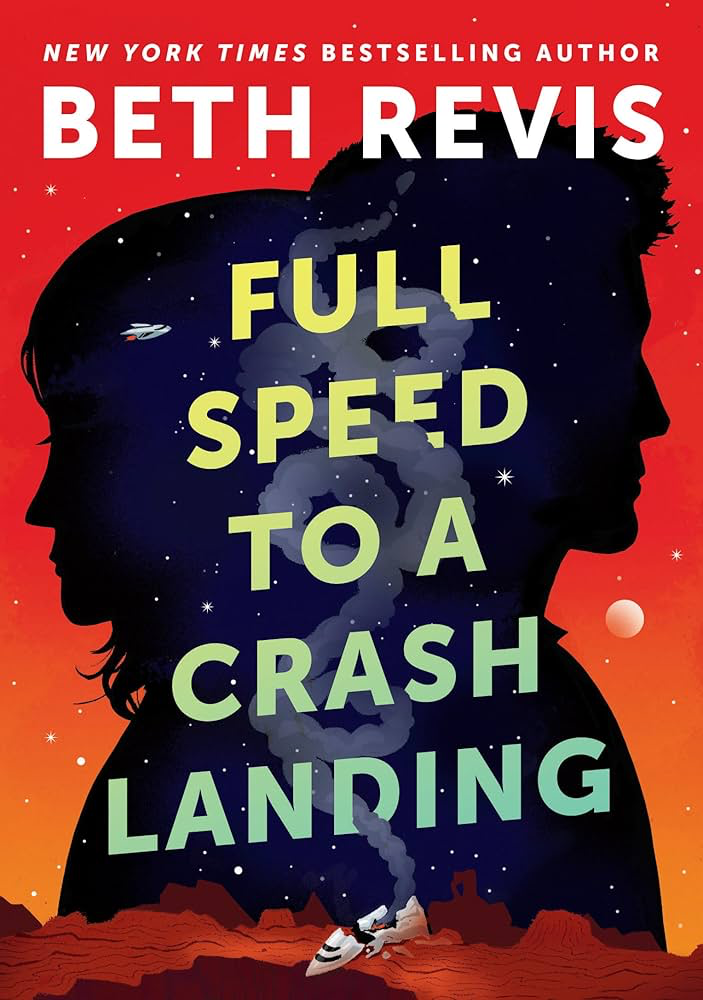
Full Speed to a Crash Landing – Beth Revis“Just when I’m ready to throw in my hand/Just when the best things in life are gone/I look into your eyes…”

“5AM Waltz” – Men I Trust

5 a.m. really is the perfect hour for this song. “5AM Waltz” is woozy in every sense of the word. Awash in reverb, the first two thirds feel like you’re stumbling around the kitchen in the middle of the night, trying to find the light-switch; it’s almost enough to feel directionless, but the directionlessness feels fully intentional. There’s lots of hyphenated genres that you find hints of—trip-hop, dream-pop, indie-pop—but whatever you’d call it, “5AM Waltz” is downright melodic and atmospheric, an exercise in crafting something memorable from less than two minutes.

…AND A BOOK TO GO WITH IT:

Floating Hotel – Grace Curtisfitting background music for a giant hotel in space, right?

“Oochy Woochy” – Graham Coxon

Chances are, if you haven’t listened to a ton of Graham Coxon’s solo work (like me), this song won’t give you a good idea of how his sound generally is. “Oochy Woochy” doesn’t sound anything like the frenetic, anxious indie-rock that he usually writes. But I think it’s proof of him being one of the members of Blur who was most willing to take risks with their sound, and it translated instantly when he had more creative freedom. I mean, this is basically a jazzy saxophone loop with a hip-hop-inflected beat. The lyrics amount to only “Oochy woochy/Yeah, baby,” with the later drawled like James Acaster. And it’s so fun. It’s the perfect walk-on song. That prolonged silence at the beginning allows the full force of the saxophones to bowl you over, and from there, it’s just such a fun, carefree groove to get lost in. Even the little quacking sounds punctuating the beat are strangely natural. He’s got range.

…AND A BOOK TO GO WITH IT:

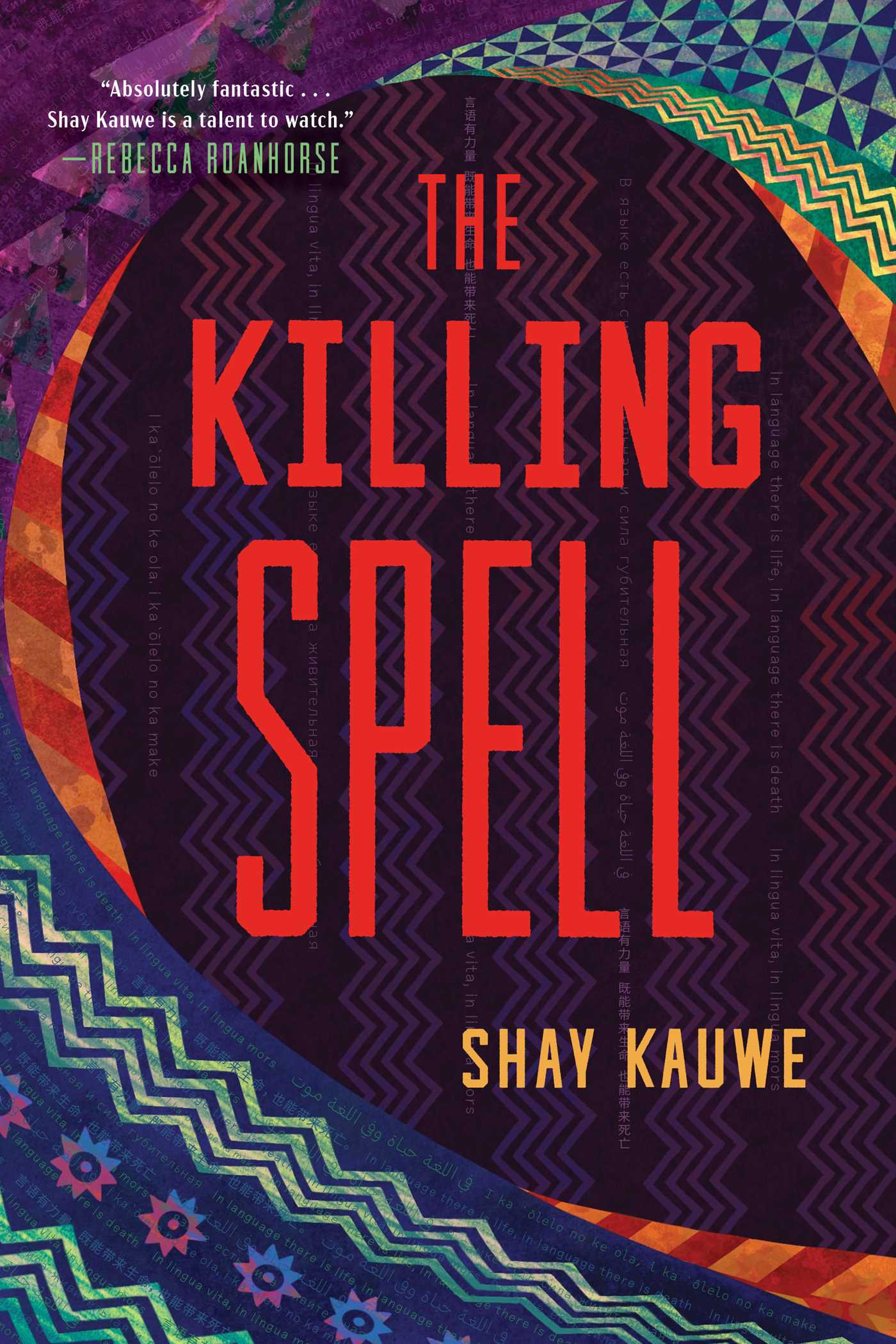
The Killing Spell – Shay Kauwethe ideal soundtrack for plunging into a crowded ballroom…somewhere in a post-apocalyptic L.A. with magic and murder running amok.

Since this post consists entirely of songs, consider all of them to be today’s song.

That’s it for this week’s Sunday Songs! Have a wonderful rest of your day, and take care of yourselves!

Posted in Book Review Tuesday

Book Review Tuesday (5/26/26) – The Killing Spell

Happy Tuesday, bibliophiles!

As I’ve been doing my AAPI books focus during AAPI Heritage Month over the years, I noticed that I’ve unintentionally neglected the PI part of the acronym, which is a real shame. Unfortunately, as with a lot of marginalized groups, it’s difficult to find books—especially genre fiction—by marginalized authors; in fact, The Killing Spell is billed as the first traditionally published adult fantasy by a Native Hawaiian author, which…insert the “disappointed, but not surprised” meme. It took until 2026 for this to happen? Christ.

Anyways, I was intrigued by that, and by the urban fantasy premise. In the end, The Killing Spell was a fun and ambitious fantasy debut.

Enjoy this week’s review!

The Killing Spell – Shay Kauwe

200 years ago, a flood of unforeseen proportions changed the world forever. The Hawaiian Islands were submerged in the ocean, and the survivors found refuge on the coast of California. Kea Petrova lives in this Hawaiian Homestead in what remains of Los Angeles, honing her language-based magic. Discriminated against by the powers that be—both because of her heritage and her magic—she tries to keep her head down. But when a powerful politician is murdered by a killing spell connected to the Hawaiian language, Kea has a target on her back. Desperate to prove her innocence, she teams up with a corrupt politician to clear her name. But what they’ll uncover may shake the magical world of L.A. to its very foundations…

TW/CW: murder, violence, sexual harassment, racism, colonialism/imperialism themes

The Killing Spell is a great debut, but what stands out about it is that I can just feel how much fun Shay Kauwe had while writing it. Though it wasn’t without its flaws, I could feel that same sense of fun and adventure on every page of this novel. I guarantee that you’ll have a blast reading it!

The characters in The Killing Spell are also a standout for sure. Kea was such a compelling main character; she has that perfect combination of being flawed enough to seem real but likable enough to root for. She’s headstrong and stubborn more often than not (to be fair, it’s justified half the time), but she’s so determined and witty that it almost makes up for it. She had the perfect combination of traits to make all of her adventures instantly worth following. The other characters were differing degrees of fun and campy, which suited the classic murder mystery atmosphere. The only character that I didn’t like as much was Sora. He was a little too cliched for my liking, and as much as I love a good enemies-to-lovers arc, Kea and Sora lacked romantic chemistry to me. The romance subplot was just forced in general—thinking back to the story as a whole, it really didn’t enhance anything about it. But he’s the exception to the rule—Shay Kauwe’s characters were a joy to follow.

Despite The Killing Spell being set 200 years in the future, it checked off all of the boxes for a fun murder mystery. I think I just like genre fiction-mystery/thriller melds in general—they just present so many fun opportunities to use worldbuilding to make a compelling world and explain the structures of it by showing you what it means for things to go wrong. There’s so much here for the diehard fantasy fans, but I think if you’re a mystery reader who wants to get into fantasy, you should absolutely pick up The Killing Spell. The setting is modern enough for a lot of the classic murder mystery beats to happen, and with the right balance of seriousness and camp; you’ve got your mysterious poisonings, unlikely detective teams, and seducing people for clues in a dance hall, all wrapped up in a futuristic fantasy package. What was clear to me was that The Killing Spell was Kauwe’s love letter to both genres, and that passion was evident with every successive page.

Language-based magic was already a fascinating magic system for Shay Kauwe to explore, but it bolsters the novel’s themes, which were one of The Killing Spell‘s biggest strengths. Many of the characters (most prominently Kea) are Native Hawaiian, and there is so much discussion about sovereignty and land ownership, as well as the preservation of Indigenous cultures. But I think the language magic and the discussions of the “legitimacy” of languages was the strongest theme in the novel. Through this magic system, Kauwe starts some very cogent discussions about what languages that people and governments deems “important” in its often Eurocentric view, and the bias against languages that don’t have as many speakers; there’s also lots of very potent discussions about cultural pride and how it can be an act of resistance when the dominant, hegemonic cultures are bent on deeming it “lesser.” Kauwe’s pride in Native Hawaiian culture shone through in The Killing Spell, and from an outside perspective, I think these kinds of perspectives are so vital to fantasy as a genre.

Most of the elements above would’ve added up to a solid four stars for me. I had some minor nitpicks, but most of them aren’t very relevant. What is relevant, however, is the worldbuilding, which left a lot to be desired. Aside from the language-based magic, which was well-thought out and thematically strong, the worldbuilding got messy. The whole impetus for the emergence of magic was this cataclysmic flood, which somehow released this language magic into the world. How this happened just…isn’t explained. At all. There was a flood, the Hawaiian Islands sunk, and…magic appeared? I guess? And The Killing Spell happens 200 years after said flood. You’d think that there would be some sort of major societal change, right? Other than the vague system of magical mobs that rule L.A., we get no explanation as to how the world reorganized itself or how magic changed society at large. This is supposed to be 200 years in the future, but nothing would’ve changed if this was just an urban fantasy set today. Other than the Hawaiian Homestead plot, we don’t get any real consequences of how the world changed after the flood. And locations outside of America get mentioned, but what the hell happened to them? Come to think of it, what’s going on in America outside of L.A.? Ultimately, the foundation was there, but Kauwe didn’t expand on it nearly enough for the worldbuilding to actually hold water.

All in all, an action-packed debut rife with magic, mystery, and intrigue. 3.75 stars!

The Killing Spell is Shay Kauwe’s debut novel, and a standalone.

Today’s song:

ANOTHER BANGER CATE LE BON ALBUM IN THE BOOKS! cyrk is excellent, and this song makes me emotional out of nowhere…

That’s it for this week’s Book Review Tuesday! Have a wonderful rest of your day, and take care of yourselves!