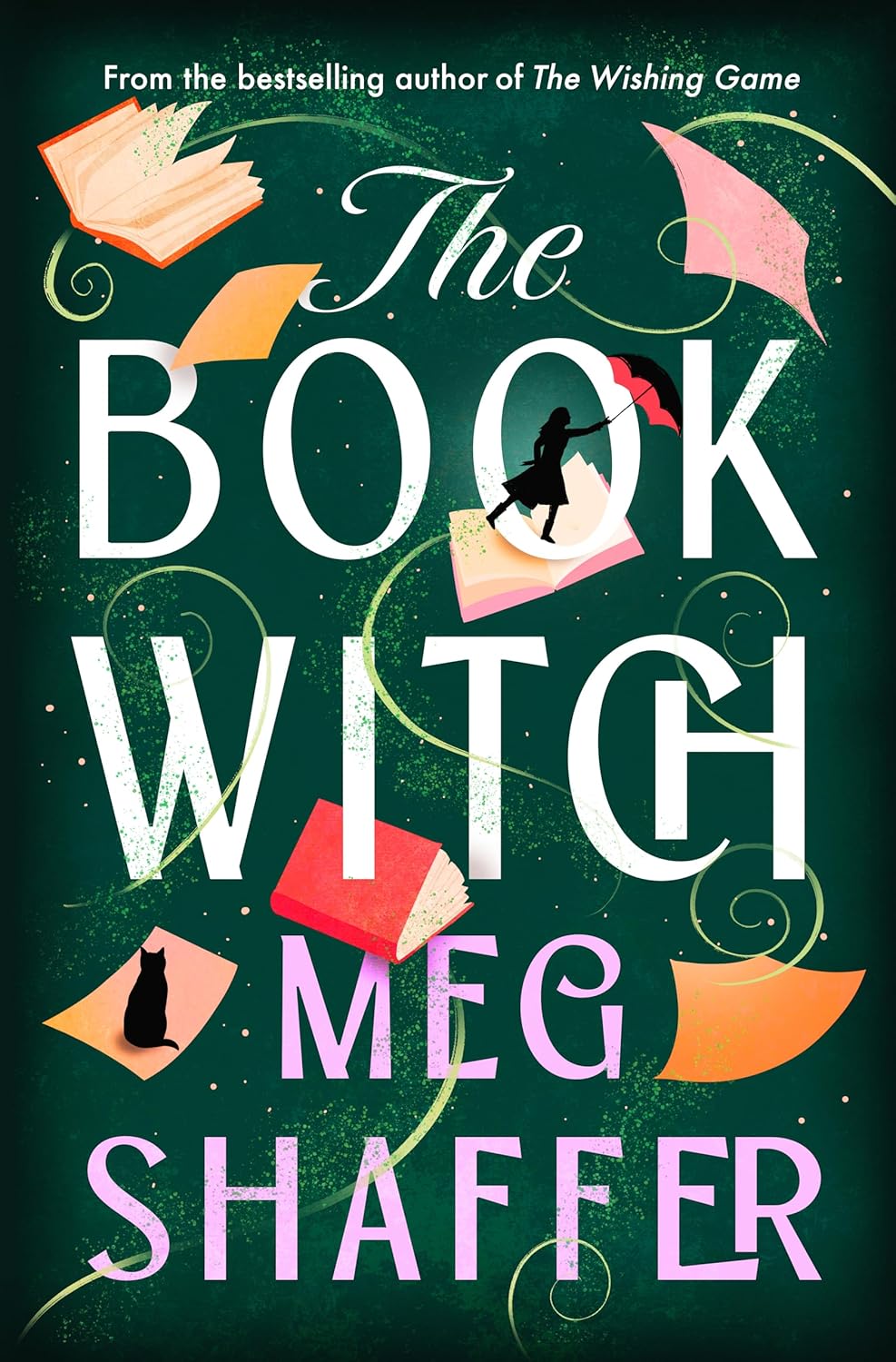
I’ve been a fan of Meg Shaffer since I first read her debut, The Wishing Game, several years ago. I liked The Lost Story as well, and when I found out that she had a new novel out this year, I was eager to see what she’d concocted. Though it was worth it to endure until the end, The Book Witch‘s corny writing nearly smothered the more earnest sentiments at its heart.
Rainy March is a Book Witch, an umbrella-wielding magician with a sworn oath to protect the fictional realm from real-world threats. Two years ago, she made the gravest mistake a Book Witch could possibly make: she fell in love with the Duke of Chicago, the main character in her favorite series. A slap on the wrist and a demotion later, and Rainy has accepted that she’ll never see the Duke again. But when her grandfather disappears, leaving cryptic, bookish clues behind, she may have to turn to him again to solve this seemingly unsolvable mystery.
TW/CW: loss of loved ones, grief themes, mild violence, terminal illness, brief descriptions of injury
WARNING: This review contains spoilers! If you haven’t read The Book Witch, tread lightly.
Let me start off by saying this: I didn’t enjoy most of The Book Witch, but it’s worth sticking it out until the ending. That being said, the payoff is excellent, but Jesus Christ, the road there was awful.
For the first 2/3rds of the novel, Shaffer’s prose in The Book Witch was insufferable. The recurring feeling that I had was that this was some kind of Sherlock x reader fanfic circa 2012 that had breached containment. It just reeked of that overly meta, quirky millennial humor that’s only become more grating with time. Rainy kisses the book boyfriend of her dreams, and mid-kiss, she says something to the effect of “Um, am I actually kissing the Duke of Chicago right now? 🤪” PACK IT UP. Who is this, y/n? Just put me out of my misery right now. And all of it is in that juvenile, cloying adorkable style, from the too-perfect Duke of Chicago (a book boyfriend made manifest) to the comically-evil, mustache-twirling, black-horse-riding stock villain, a book burner named X (I wish I was kidding). Even for a somewhat silly and whimsical concept, it just felt lazy to lean this heavily on tropes; knowing that Shaffer is capable of better writing than this made it even more sour.
On top of all that, the scaffolding of The Book Witch was barely there. There were just countless plot and character elements that didn’t feel believable at all. Rainy was meant to be somewhat exhausted, a bit jaded and beat-up after her dalliance with the Duke and the trouble she got in. We’re supposed to see the peppy Penny as a contrast to her, but they have the same cloyingly happy-go-lucky personality. Like X, all of the characters had one stock trait to go on that stayed static for the whole novel. I feel like there were more plot conveniences than actual plot, and therefore no tension, since I knew that everything would magically work out in Rainy’s favor. If this were a different author, I would’ve DNF’d it on the spot—it was just too convenient and juvenile to hold water.
Then came the last third of the novel. The Book Witch is one of those books that’s difficult for me to talk about without verging into spoilery territory, so here goes nothing. After 150+ pages of corny galumphing through fictional worlds, we get hit with the twist that Rainy March was never in the real world to begin with: she is a fictional character herself, and her author, Maxine Blake, is terminally ill and needs to pass the torch to a new author to finish her bestselling series. This is where the Meg Shaffer I know and love finally came through. This part of the book cemented some genuinely touching moments about the power of reading, the impact that authors and stories have on us, and the sanctuaries that books provide for reader and author alike. For how predictable the rest of The Book Witch was, this part hit me upside the head, and it was a glimmering lighthouse of sincerity in a sea of eye-roll-inducing prose. With that guiding the rest of the novel (and Rainy March’s journey), it actually managed to have some real heart.
With that said: does the end justify the means? Despite the poignant story behind The Book Witch, I don’t think it excuses any of the heinous prose that happened before the big reveal. Just because the story is a book-within-a-book doesn’t mean that fictional authors can’t write well. I just don’t believe that a dying old woman would write like a millennial in 2012 on Wattpad with too much time on her hands. Even though the Rainy March series is a bestselling series in-universe, I just don’t buy that something with such juvenile writing would be aimed at adults and gain the traction that it did. Having these books be a fluffy series of bestsellers doesn’t excuse the mountain of plot conveniences and tired tropes. It’s like Shaffer got so caught up in how a fictional bestseller would be written that she stumbled headfirst into every possible writing pitfall. The sad thing is that The Book Witch could’ve been so much more enjoyable and touching if not for that—the bones were here, but the meat (the book-within-a-book itself) was completely spoiled.
All in all, a novel that was worth the poignant message about the books that change us…but as a book, it didn’t change me. Honestly, it just really annoyed me. 2.5 stars.
The Book Witch is a standalone, but Meg Shaffer is also the author of The Wishing Game and The Lost Story.
Today’s song:
saw phoebe bridgers live for the first time last night (!!!!) and I’m still reeling from it!! I was really hoping she’d play this, and I just about spontaneously combusted when she did…what a magical night :,)
That’s it for this week’s Book Review Tuesday! Have a wonderful rest of your day, and take care of yourselves!
This week: bear with me, this color scheme is hanging on for dear life. Also, the many connotations (positive and negative) of “they were really just doing whatever in the ’80s.”
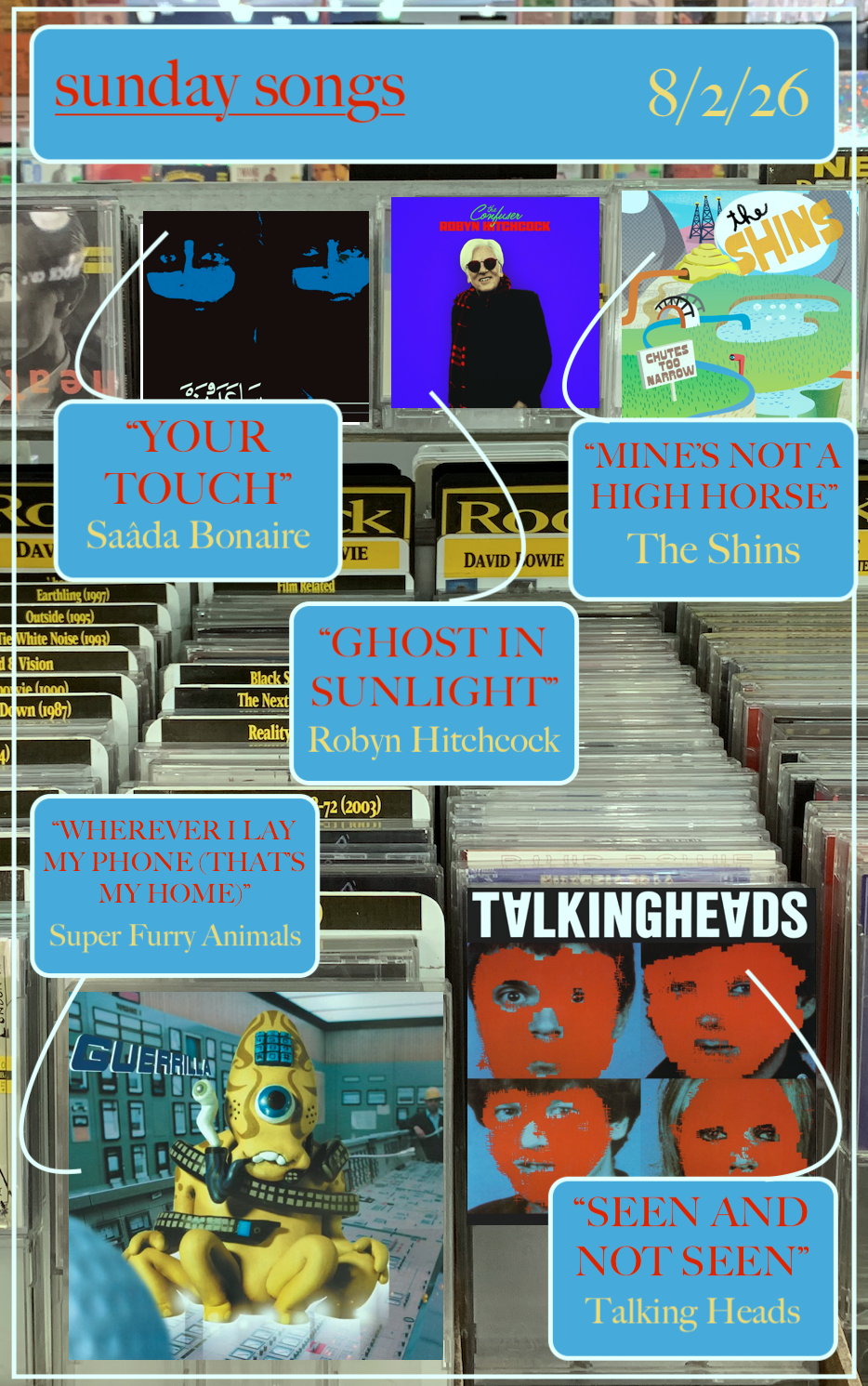
I love when album covers have absolute Creatures on them. Super Furry Animals lived up to their name in that regard—we’ve got the raccoon critter and its evil twin on Radiator, whatever’s going on with Phantom Power, and perhaps the most Creature of all their Creatures: the one-eyed, many-legged missing link in Minion evolution on the Guerrilla album cover. I love that dude.
In their heyday, it seems like Super Furry Animals were willing to do whatever. For me, that’s why they’re so iconic—they refused to be predictable, even if they weren’t setting out to be experimental, as was the case with Guerrilla, according to Gruff Rhys. This is the only track I’ve heard off of Guerrilla, but it’s apparently just one of the many, many detours they were willing to take on the album. “Wherever I Lay My Phone (That’s My Home)” is full of false starts and twists, all made to make you jump—it’s one of the band’s many flirtations with dance music, and it’s littered with jittering beat drops aplenty. They crammed all manner of sounds into this track (one of them being a sample of an early ringtone), from foghorn like blares at the beginning to bass that can only be described as blorping (hear me out here), and all kinds of autotune, distortion, and sped-up chipmunk voices. The beauty of Super Furry Animals is that it all works together; with the electronic connective tissue, none of the seemingly random sound effects and touches feel random. Apparently, while touring for Guerrilla, this song was used as the opener to their shows—understandably, because I’d go fucking nuts if I heard this right out of the gate.
Pitchfork’s review of Remain in Light contains this goldmine of a line: “At nearly every turn, Remain in Light thwarts cognitive sense to appeal to the gut. Or maybe the limbic system? I’m not a doctor—whatever part of human physiology is responsible for getting funky.” I don’t think there’s ever been an album so dissociative and alienated that’s simultaneously so funky. That’s probably the best distillation of Talking Heads—and most of David Byrne’s career, honestly—I can think of. To be honest, it wasn’t the showstopping marvel that everybody makes it out to be, but it was great regardless. I’d listened to “Crosseyed & Painless” and “Once in a Lifetime” so much that the best was already ruined for me. The second half meanders slightly, but it’s such a unique, influential, and unreplicatable blend of isolation and togetherness.
I’ve never really been one for spoken-word tracks, but I’ve warmed up to them lately, in no small part thanks to Jeff Tweedy’s “Parking Lot,” which is probably the pinnacle of them. (The quiet vulnerability of “I’d like to teach the world to sing…fuck, anything” is a high point of the album.) “Seen and Not Seen” is entirely out-of-body, with David Byrne’s voice devoid of almost any emotion. He describes a man with a desire to change his appearance who has tricked himself into thinking that he can “by force of will, cause his face to approach those of his ideal” after focusing on models in magazines and passersby on the street. He’s burrowed so far into his own head that he’s convinced that everyone around him has been able to replicate the process; every face he sees is the product of relentless wishing. It’s interesting that the facial features that the protagonist wants—”a more hooked nose, wider, thinner lips, beady eyes, a larger forehead”—aren’t traditionally desirable facial features, at least in the eyes of pop culture and Western beauty standards. It’s simply the image the character has in mind. “Seen and Not Seen” has the dread of a sci-fi short story from the ’70s, something that Philip K. Dick could’ve conceived, sans drugs and casual misogyny. There’s a distinct discomfort about how removed it is, but it’s a key piece of Remain in Light’s distanced story.
…AND A BOOK TO GO WITH IT:
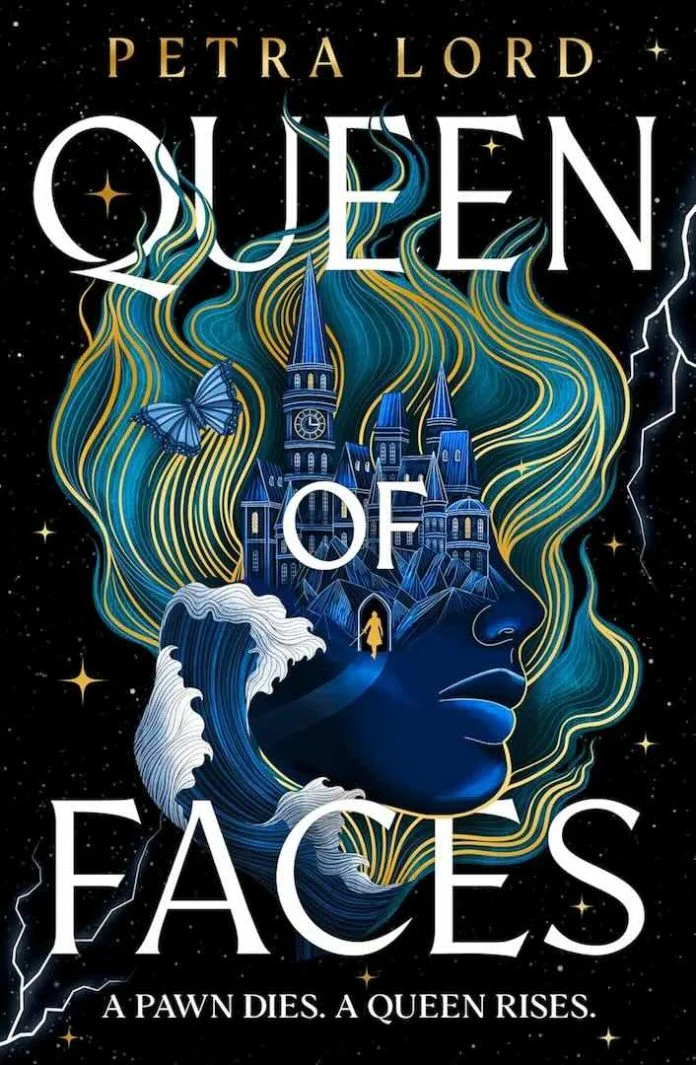
Queen of Faces – Petra Lord – I’m reminded a lot of the Chassises in this novel: magical, synthetic bodies and faces that can be swapped and altered at will, guaranteed that you’re rich enough.
The creation of Saâda Bonaire might be the epitome of the statement “they were just doing whatever in the ’80s.” It was the brainchild of German DJ Ralph Von Richtoven, who formed a loose supergroup that consisted of two models-turned-singers (Stefanie Lange and Claudia Hossfeld) and a bunch of musicians (namely Kurdish and Turkish) who had been found in an immigration center. (There was also the fact that Lange and Hossfeld would be dressed in traditional Bedouin clothing, which…hoo, boy. Yikes.) It was an early exploration of “world music,” which would later become a cornerstone of the ’80s. Richtoven’s ambition was in vain, and the project lay unfunded and unreleased until 2013. Incidentally, I heard about it through my brother, who heard it playing at some random coffee shop, which sounds like the exact kind of obscure music that only a barista could unearth. The result sounds like an alien trying to recreate ’80s disco-pop from memory. “Your Touch” adheres so strictly to what ’80s pop was, and yet it retains that left-of-center skew that makes it tread into lovable weirdo territory. Spacey synths bounce, tapes rewind, and telephones ring as Lange and Hossfeld coo about frustration (sexual and just generally situational). “Your Touch” speaks to the kind of creative freedom that was running rampant in the era; of course, it wasn’t without its cultural and financial boundaries crossed (again, probably for the best that it didn’t go forward with the cultural appropriation), but in spite of its failure at the time, it was the product of somebody with creativity to spare, and that’s the strange beauty of it.
…AND A BOOK TO GO WITH IT:
Love Galaxy – Sierra Branham – between the reality TV, sexuality, and espionage, there’s plenty of this energy going on here…in space, of course.
The Confuser! Even though I’ve been steadily following the singles on Robyn Hitchcock’s latest album, I haven’t gotten around to talking about them much here, which is a real shame. (“Yesterday’s Rain” and “My Dead Astronaut” are some of my other standouts.) Overall, it’s another showcase of his brand of quirky, jangly psych-pop, defiantly himself after decades in the industry. Having seen a few of these songs live, the studio versions of a handful of songs weren’t as potent, but fantastic nonetheless (see: “I Am This Thing”). “Ghost in Sunlight” was one of such songs. The experience of seeing it live was nothing short of enrapturing—and downright raw. Hitchcock played it solo on piano. I feel like should’ve stayed as such, because the sheer force of his craft bowled me over. He just delivered one of the most gut-wrenching lines in his catalogue (“They tore up the tracks this morning/The tracks they laid the day that you were born”) and followed it up with a raspy, powerful belt; imagine, if you will, a sprightly British man in his ’70s banging away at the piano, screaming his throat raw, then pausing to yell “FUCK ICE!” and going right back to the screaming. Nobody, and I mean nobody, is doing it quite like him.
In his defense, that spur-of-the-moment vulnerability is hard to replicate. The more polished version of “Ghost in Sunlight” that appears on The Confuser doesn’t quite capture that same feeling of wounded primality. Yet Hitchcock’s lyricism, even with his oddball lyricism, retains the core that made the live performance so memorable. That central metaphor of “a ghost in sunlight” evokes such an ephemeral image, of something already transparent on the brink of disappearance altogether. It’s all about the painful parts of transience, of old institutions and memories crumbling with time: “You disappear/Like a ghost in sunlight/Your outline fades away.” I imagine it’s more raw for Hitchcock, seeing as he’s in his 70s, watching bygone eras fade away. “They tore up the tracks this morning/The tracks they laid the day that you were born/Look at them, they’re gone” is one of Hitchcock’s most devastating and impactful lyrics to date. The Confuser is chock-full of surprises like them, and although the whole album isn’t a success, it’s well worth a listen.
…AND A BOOK TO GO WITH IT:
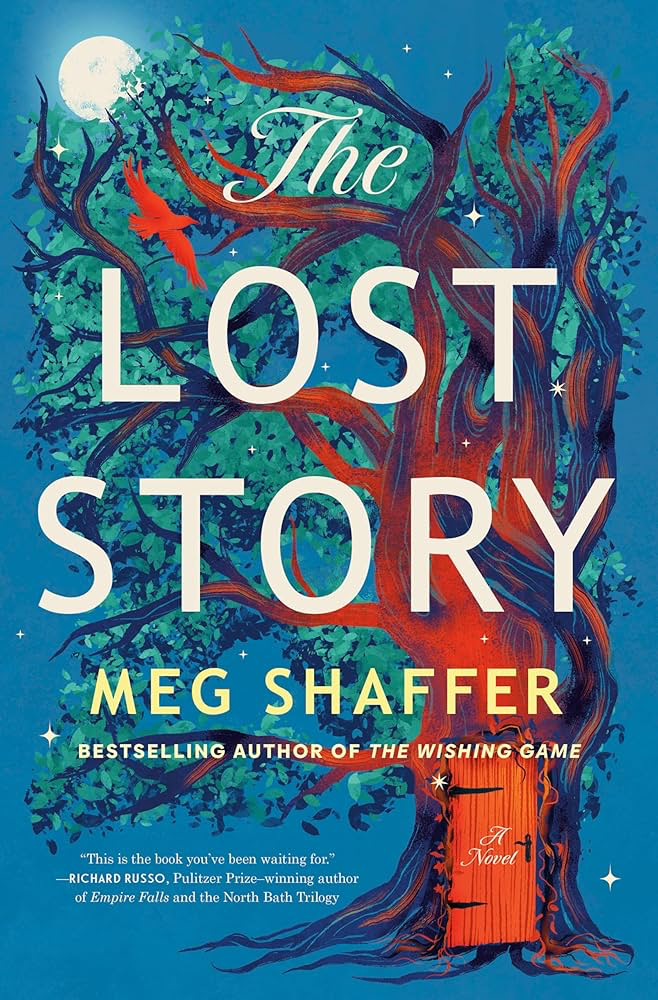
The Lost Story – Meg Shaffer – “They tore up the tracks this morning/The tracks they laid the day that you were born/Look at them, they’re gone…”
I haven’t talked about The Shins much on here, which is a real shame. Speaking of which, if we’ve got any Shins fans here…are y’all okay? And I thought the Phoebe Bridgers drought was bad! We’ve gone almost a decade without a new album, send help…
James Mercer is a lyricist for the ages, one of the few songwriters that deserves the title of being called a poet. But as much as great joy and tragedy can be wellsprings for poetry, so too can petty arguments. “Mine’s Not a High Horse” is the kind of poetry that sounds like it sprung up while seething in the shower post-argument, and that’s some of the best kind of poetry there is. (See also: “Therefore, I Am.”) I recently revisited Chutes Too Narrow through the episode of Life of the Record, and that kind of argument was how “Mine’s Not a High Horse” was born; by Mercer’s admission, it was a culmination over several arguments and conversations he’d recently had. It has that “oh, and ANOTHER thing!” feel that you can only get while replaying an argument for an audience of an empty shampoo bottle, but with Mercer’s signature touch. I’d be hard-pressed to think of a putdown more eloquent—and brutal—than “Will you remember my reply/When your high horse dies?” YOWCH. Of course, my main takeaway is that Mercer’s horse may, in fact, have been a little bit higher, but what resulted is a perfect indie rock kiss-off to whomever it may concern.
…AND A BOOK TO GO WITH IT:
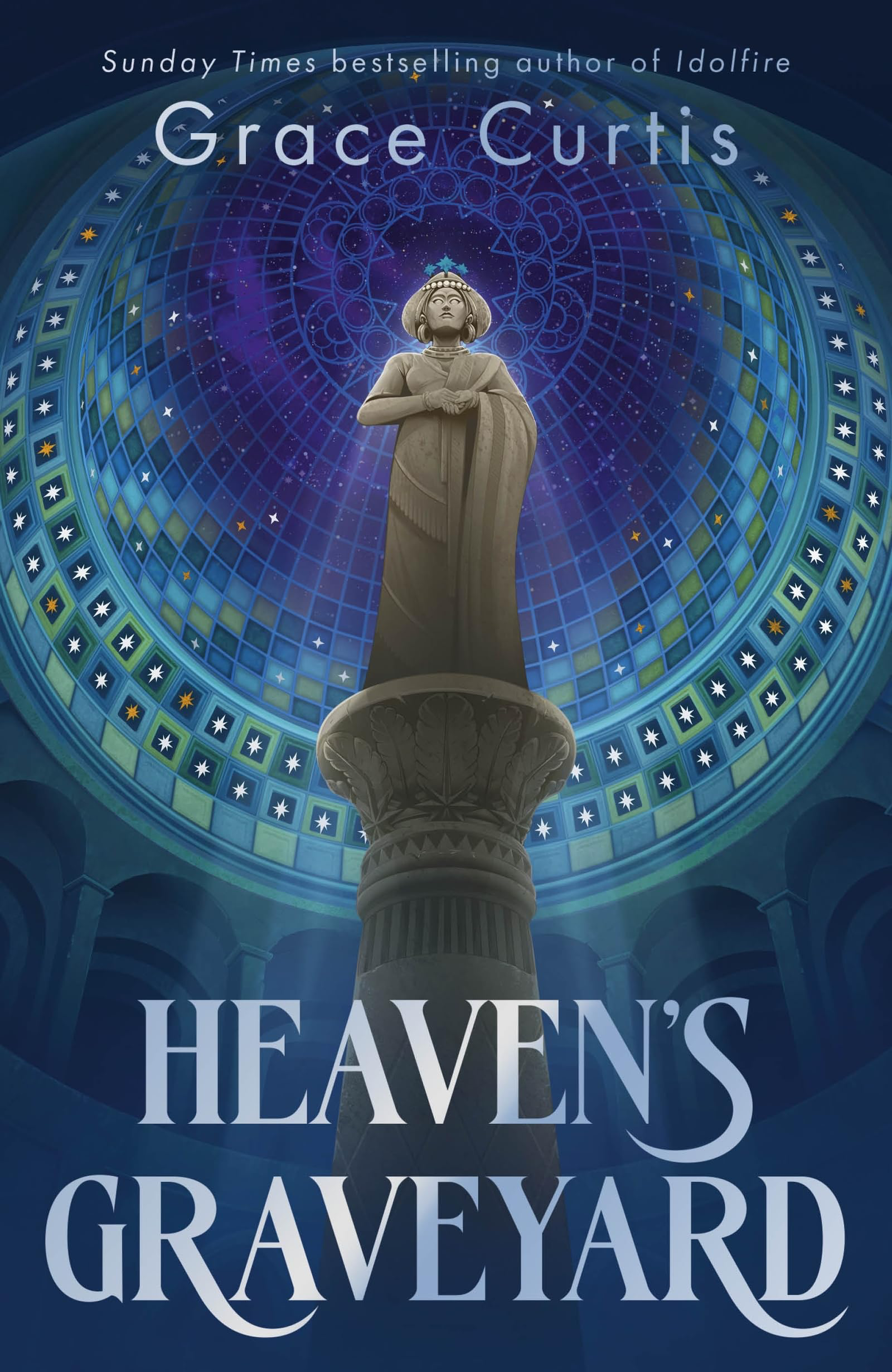
Heaven’s Graveyard – Grace Curtis – “Don’t ask for his opinion/They ought to drown him in holy water/Will you remember my reply/When your high horse dies?”
Since this post consists entirely of songs, consider all of them to be today’s song.
That’s it for this week’s Sunday Songs! Have a wonderful rest of your day, and take care of yourselves!
Happy Sunday, bibliophiles! I hope this week has treated you well.
This week: the ordering of these songs wasn’t deliberate, but either way, at least I’m easing you in with some bright, relaxing songs for spring before you get walloped upside the head. Apologies in advance. Also, in a twist of fate, the white guys are the DEI hires in this lineup.
Another offshoot of my recent mini-foray into The Marías’s discography, Not For Radio is the solo project of their frontwoman, María Zardoya. I haven’t listened to enough of The Marías to definitively say what the key differences are—or if there are any prominent differences at all. I’m sure there are. But on the surface, the sound of Melt (no, not the Peter Gabriel one) seems ever so slightly tweaked. Setting aside the gothy, densely forested album cover, what stands out to me about “Puddles” is that the watery sound of The Marías has come up for air. “Puddles” is still woozy dream pop through and through, but it has a sharper, drier sound than most of María Zardoya’s other project. I don’t mean drier in terms of content—it’s as compelling as any Marías track as I’ve heard. I mean that more in the fact that it feels more terrestrial and leafy, but in less out-there terms, I think it veers more into more guitar-based dream pop, with sounds that are less drenched in reverb and more grounded. “Puddles” is an apt title for this track in that respect—still watery, but corralled by verdant dirt and sprouts.
Despite that, “Puddles” is as woozy and hypnotic as any of Zardoya’s other projects. Her signature, whispery vocal delivery feels like being sung to sleep, uttering secret, seductive promises as you drift off into dreamland. The Pacific Northwest-looking music video feels just right for this track, with gentle notes that peek out from behind curled ferns and moss-covered logs under cover of shadows. Once it grows louder and the sound intensifies into a barely-controlled chaos, I can almost feel the chord progression become Radiohead-esque (especially with the slightly sinister, electronic moans that appear towards the end), but the sensual, hopeful nature of this track prevents it from fully going into irrevocably depressed Thom Yorke territory. But honestly, as much of a Radiohead-head as I am, it doesn’t need to be Radiohead—it just needs to be María Zardoya.
…AND A BOOK TO GO WITH IT:
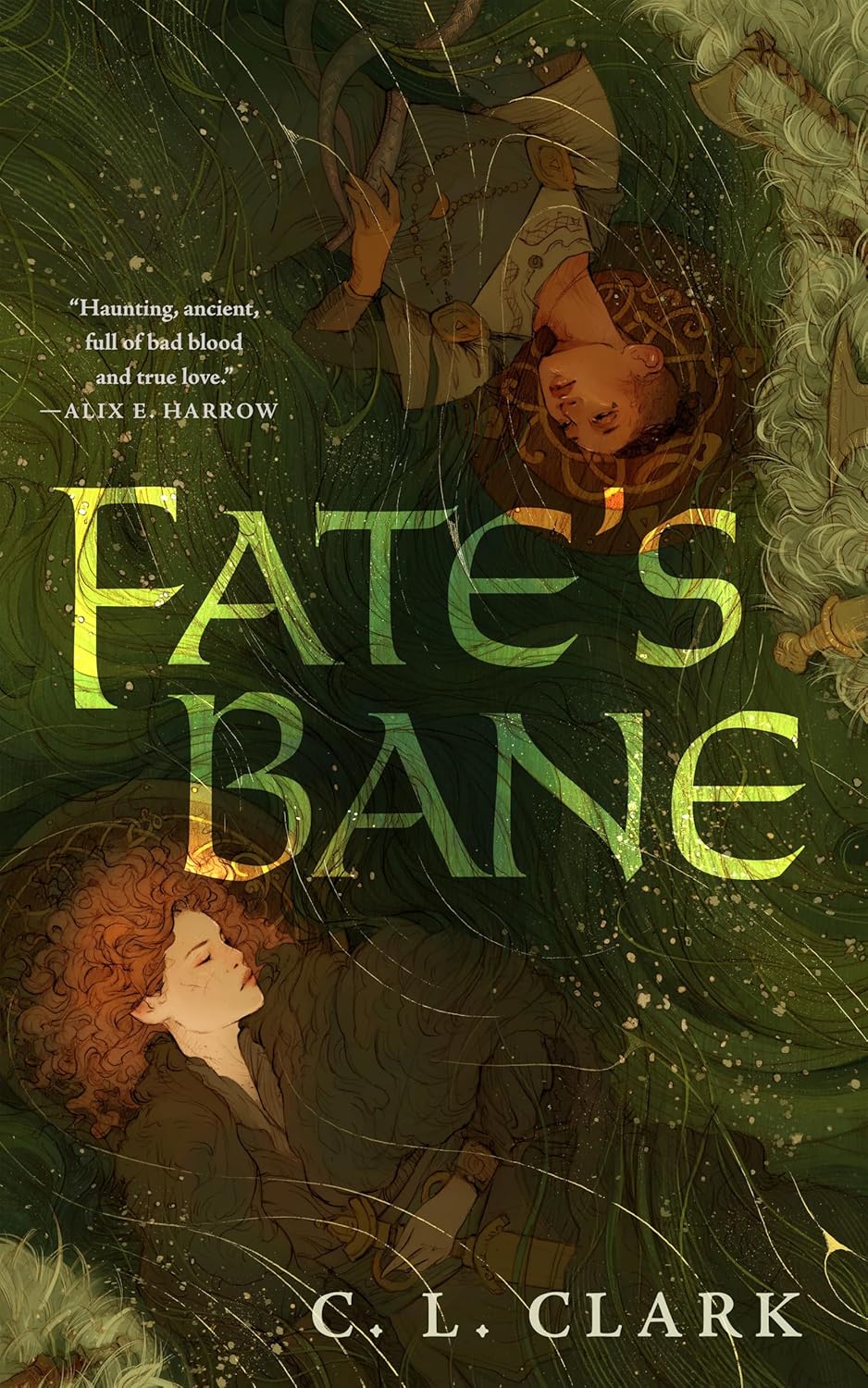
Fate’s Bane – C.L. Clark – “Puddles and puddles, I picture us there/Walking in circles and talking in stares/I’m seeing double, I’m already scared/Scared of what losing feels after we dare…”
God, I love Elephant 6. They were practically creating whole swarms of nasally-voiced dudes who liked ’60s psychedelic rock in a lab and setting them loose, and we’re all the better for it as a society. I’m sure there are some weak links among the ranks, but I’d be hard-pressed to think of any off the top of my head.
I haven’t explored The Gerbils as much as some of Elephant 6’s more prominent bands (see: The Apples in Stereo, The Olivia Tremor Control, etc.), but just from this one glimpse, I can tell that the spirit of those bands rubbed off on them. “Sunshine Soul” is a fuzzy, crunchy package of sun-bleached jangle pop, indebted to the ’60s but that couldn’t have come out of any other era but the ’90s. The production is grainy and muddled, but like a lot of its Elephant 6 compatriots, it only adds to the scrappy, garage-rock origins of the label. Even with the unexpected references to sewage and brains and arachnids in the second verse, nothing could dim the sparkle of this track. It’s nothing short of a quirky, homegrown jangle pop song, and a perfect song to celebrate the sun finally peeking out.
…AND A BOOK TO GO WITH IT:
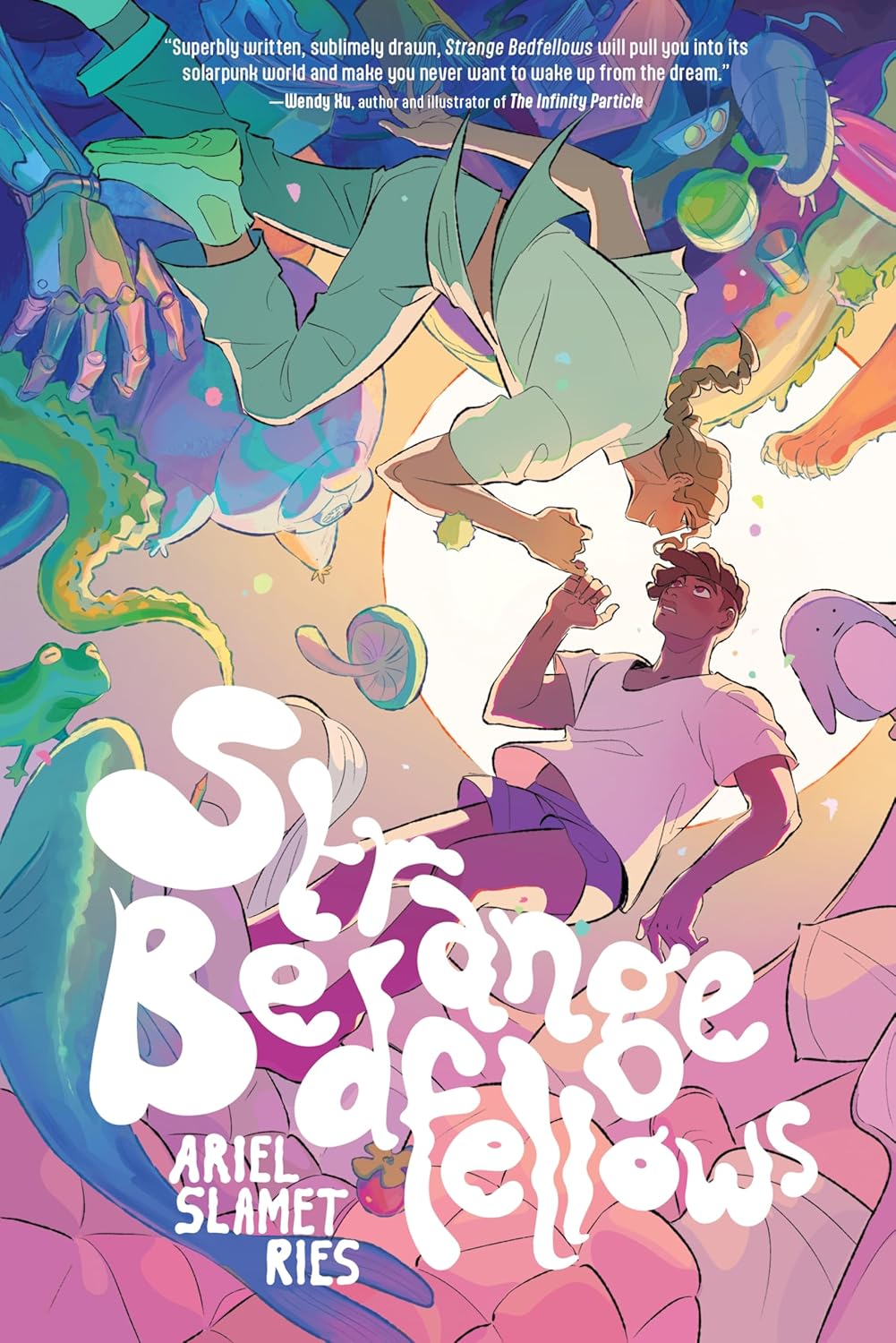
Strange Bedfellows – Ariel Slamet Ries – “Your life, it’s only a record/Turning ’round inside my brain/My life is only a needle/Scratching grooves into your vein…”
I feel like Crumb could transform any human emotion—positive, negative, or neutral—into a soothing, calm song. They’re not exactly endearing me to cockroaches in that video, that’s for sure. (Here’s hoping that the gecko at the end ate it?) But for a song that seems to be about anxiety—or any kind of notion, memory, or thought that never leaves your head—”The Bug” never ceases to be laidback and gently glimmering. All of their songs are hypnotic to me on some level, but the electronic drumbeat that begins at about 3:08 puts me under a spell every time. Almost two years after AMAMA was released, “The Bug,” as with most of the tracks on the album, remains a perfect, condensed terrarium of Crumb’s newest sound. Their songs are tiny ecosystems to me, with all kinds of delightful critters crawling about the moss…maybe some bugs, even?
…AND A BOOK TO GO WITH IT:
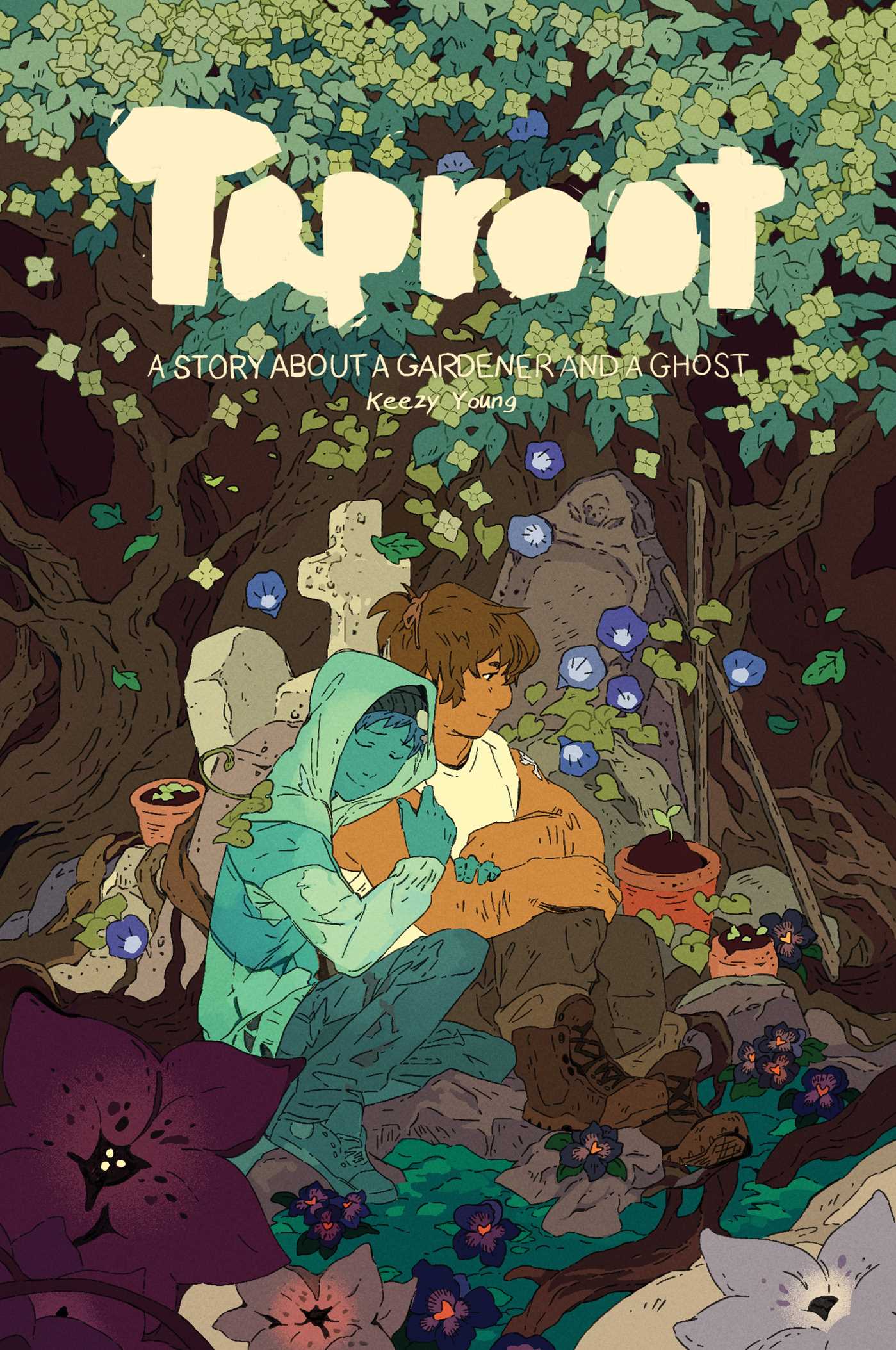
Taproot – Keezy Young – “We caught a fly/Reminds me of when I was some tiny child/Runs behind, but I can never see their eyes/Lost track of time…”
Since the last time I talked about Joanna Newsom, my cousin ended up talking me into listening to Ys in full. It’s been at least two weeks since I’ve listened to it; honestly, I’m still chewing on parts of it, but it’s a lot more hard-hitting than I thought it’d be. Sure, there are parts that I probably just won’t fully get on board with (parts of it definitely get a bit too into “Dibbles the Dormouse Has Lost His Favorite Handkerchief [Movements I-IV]” territory for me), but to be fair, Ys is honestly quite a bit different than what I listen to on a daily basis. That could be why “Only Skin” was such a shock to my system. Listening to “Only Skin” kind of ruined it for me, since that’s still the best song on the album by a long shot, but there isn’t a single song that feels like an afterthought here. Even if I don’t mesh with every facet of Ys, I could just tell from the first handful of chords how much of a labor of love this album was. Not a moment on this album suggests that Joanna Newsom was ever messing around. Through all of its bardlike, folksy, and esoteric seasons, I really can’t say that there’s a lot that compares to this album. Kate Bush comes to mind, if in spirit more than instrumentals—I think I just love a weird woman, knowing that it took a ton of glass ceilings to break through the music industry as it is, both for Bush, Newsom, and so many others.
“Emily” immediately clues you into the fact that Newsom isn’t easing you into the record. You kinda know what you’re into the minute she opens the opening track with this: “The meadowlark and the chim-choo-ree and the sparrow/Set to the sky in a flying spree, for the sport of the pharaoh.” If you’re not down with that, you have about 30 seconds to jump ship, because she doesn’t let up after that. At 12 minutes long, this song is the second-longest on the album, and it’s emblematic of a lot of the atmosphere on it: intricate harp (and some jaw-harp), sprawling orchestral composition, and esoteric lyrics that feel like getting punched in the gut with an oven mitt embroidered with flowers and moths. (Another bit to add to my hypothetical list of song pronunciations that I love: the way that she sings “meteoroid” is so full of wide-eyed wonder.) I think what makes “Emily” hit so hard for me is the subject matter, somewhat obscured as it is; the Emily in question is Newsom’s older sister, an astrophysicist who imparted the wonders of the universe onto her more creatively-inclined sister at a young age. Some of the lyrics feel like twisting the knife in the gut, since I have a similar relationship with my brother—sure, it’s not a one-to-one ratio of science and humanities, since he’s obviously a writer and a generally very creative person himself, and I wanted to be a scientist as a kid—but the song’s scenes of following her sister through the woods remind me fondly of my own childhood, turning our backyard into some Darwinian expedition before we’d go home and make up creatures in our notebooks. And thankfully, like the trajectory of “Emily,” my brother and I have managed to maintain that closeness into adulthood. The melody rocks and quakes, similar to “Only Skin”‘s feeling of a boat being tossed across a stormy sea, as Newsom recounts what they have weathered together as sisters. What solidifies their harmony is a repeated chorus, a promise made to her sister, a unity of her love of science and Newsom’s love of music:
“Though all I knew of the rot universe were those Pleaides/Loosed in December/I promise you I’d set them to verse, so I’d always remember/That the meteorite is the source of the light/And the meteor’s just what we see/And the meteoroid is a stone that’s devoid of the fire/That propelled it to thee.”
Ow. Right in the fondly-remembered sibling relationships. Anyways…love you, Max.
…AND A BOOK TO GO WITH IT:
The Lost Story – Meg Shaffer – “The whole world stopped to hear you hollering/You looked and saw now what was happening/The lines are fading in my kingdom…”
[coughing, covered in sweat, in the fetal position on the ground]
FUUUUUUUUUUUUUUUUUUUUUUU—
…AND A BOOK TO GO WITH IT:
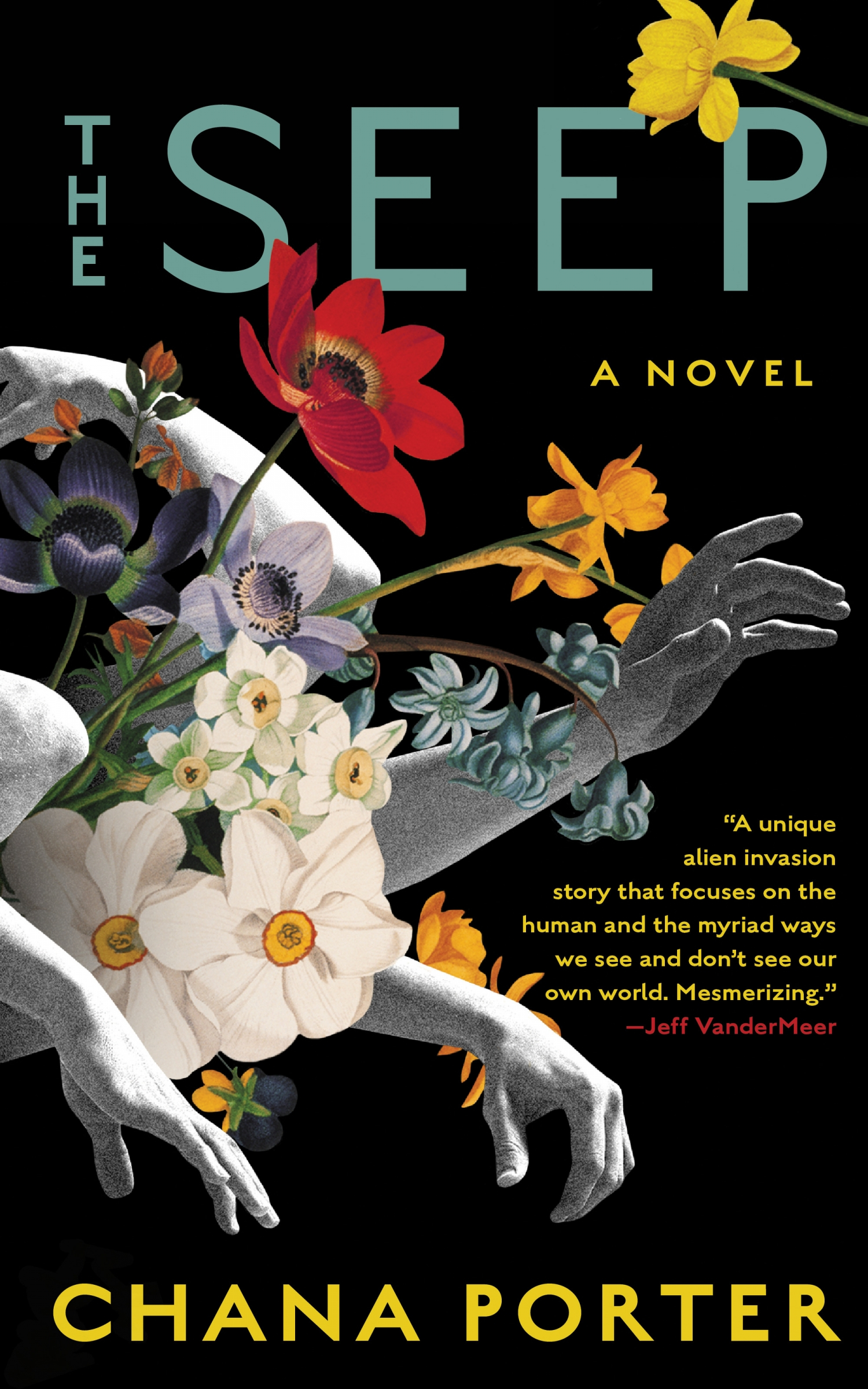
The Seep – Chana Porter – “I bet on losing dogs/I know they’re losing and I pay for my place/By the ring/Where I’ll be looking in their eyes when they’re down…”
Since this post consists entirely of songs, consider all of them to be today’s song.
That’s it for this week’s Sunday Songs! Have a wonderful rest of your day, and take care of yourselves!
This past week, September 16-23, has been Bisexual Visibility Week, and today, September 23rd, is Bisexual Visibility Day! See me. I’m right here. Well, in your screen. Along with my Latine Heritage Month post, this is another one that I’ve neglected to do some years since it comes at a slightly dicey time in the school year, but I probably shouldn’tbe neglecting, since it, y’know, directly correlates to my identity. Oops. A little embarrassing, but once again, no time like the present.
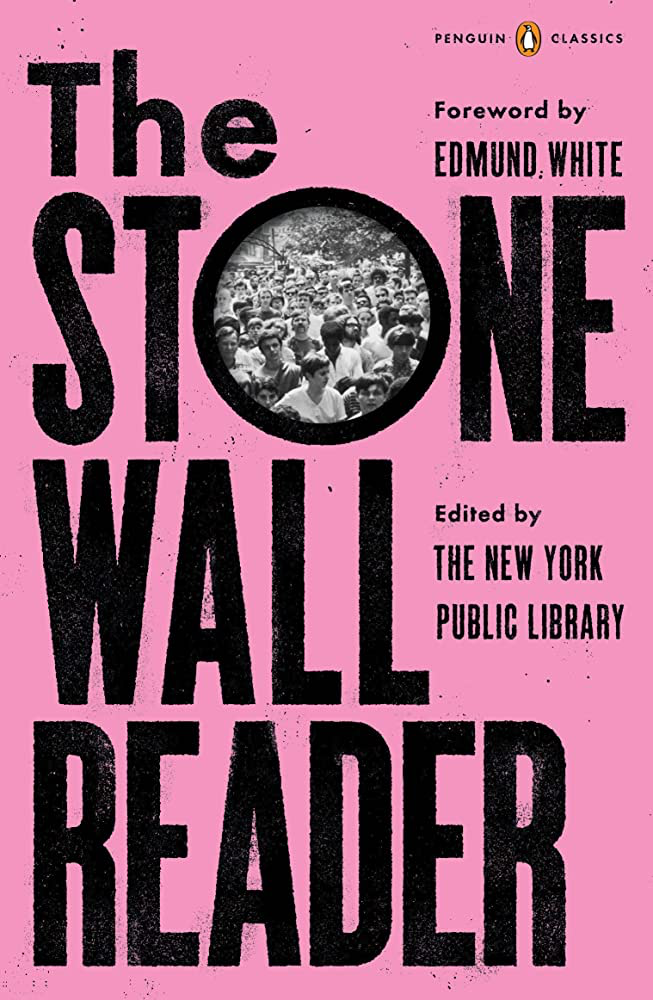
Every year. Every year, I swear to god. I’m much less online than I used to be, but from what I see snatches of, every other year, some discourse comes back about whether or not bisexuals are actually “queer enough” or if straight-passing bisexuals are allowed at pride, or something equally meaningless. (Also, I feel like everyone debating the latter should remember that Brenda Howard, a bisexual woman, was a key figure in creating Pride events and rallies as we know them here in the States.) Just seeing flashes of whatever’s going down on TikTok makes me lose a year off my life. But it brings up a point that I’ve often thought about when it comes to the queer community: the infighting needs to stop. Please. There’s no sense in playing the oppression olympics amongst ourselves, especially when the threats against the LGBTQ+ community at large are so much more pressing. Also, please stop being weird about bisexual people. This is coming from somebody who’s had the privilege of not experiencing any direct biphobia, thankfully, but has heard it in real life directed at friends and loved ones, as well as seeing it run rampant on the internet. All of this petty fighting is a distraction from what’s really happening: not long after they removed the word transgender from the Stonewall National Monument website, they removed the word bisexual from the “history and culture” section. As of now, they’ve since reinstated it (though the absence of trans people remains glaring…love to all my trans siblings, in light of, well, everything), but it sends a clear message: they’re bent on cutting our community up until they can conveniently erase it from American history. And we will not be erased.
To all of my fellow bisexuals: you are bisexual enough. No matter your relationship status, attraction, or partner, you will always be bisexual. Nobody can dictate your identity but you. Not the internet, not the people in your life—nobody. There is no one central bisexual experience, but every individual experience under the sun is valid, so long as you want to claim it. You’re the captain of this ship, and you are bisexual enough. And you are loved. I don’t know about you, but I’ve loved being bisexual in the nearly seven years (Jesus, has it been that long?)
TELL ME WHAT YOU THINK! Have you read any of these books, and if so, what did you think of them? What are some of your favorite books by bisexual authors? Let me know in the comments!
Today’s song:
MICHELANGELO DYING IS UPON US, LET’S GOOOOO
That’s it for this recommendations post! Have a wonderful rest of your day, and take care of yourselves!
Here in the U.S., June is Pride Month! I usually start off these posts with something about how the world is slowly getting kinder to queer people, but that, as always, the shadows of homophobia and transphobia loom large. Well…Christ, it sure is looming larger than ever. Misinformed voters have decided that they’re perfectly content to return us to an administration that has already required passports to revert to the carrier’s assigned gender at birth and has been emboldened to toy with the idea of repealing the right to same-sex marriage. Of course, here I am sitting on my comfy couch in my comfy blue state of Colorado that thankfully has a) a gay governor (shoutout to Jared Polis), and b) enshrined the right to same-sex marriage in the constitution, but that doesn’t mean that my heart doesn’t constantly ache. All of us in the queer community are deeply interconnected. What hurts one of us hurts all of us.
Book banning across the country has disproportionately targeted queer books, deeming the presence of such subjects in children’s, middle grade, and YA literature as pornography and grooming. And god forbid that a drag queen commits the incredibly sexual and predatory act of…[checks notes] reading picture books to kids at libraries. Republicans have their priorities twisted. That’s old, old news by now. Books and libraries were never meant to be war zones, but fascists have made it their mission, then and now, to declare the right to information and new ideas as the most dangerous threat to their power. This goes for books both queer and non-queer. But the power of queer books can’t be overstated. Even I, who grew up in an incredibly supportive, accepting environment (biggest thank you imaginable to my wonderful family for being that way), was enlightened and comforted when, in the short period when I was closeted, I found bisexual characters in books that reflected my story and my feelings. Queer literature is revelatory, and it saves lives. For queer people, it gives them the comfort that they aren’t alone. For others, it gives them a glimpse into perspectives that they might not have otherwise considered, and compels them to empathize with people who are different than them.
So this pride month, and all year round (as always), when you think of what you can do to support the LGBTQ+ community, consider picking up a book. Support queer authors. Buy from queer-owned bookstores, because they tend to be pretty cool places. Support your local library (because they need it now more than ever)—checking out queer books shows them that they’re in demand, and that encourages librarians to keep on shelving them. For us book bloggers and other social media-oriented folks: keep on reviewing and shouting out books. And for all of us: no president, no government, and no legislation can take away your queerness. No one has that power but you. Your queerness is revolutionary and beautiful. Keep on being queer.
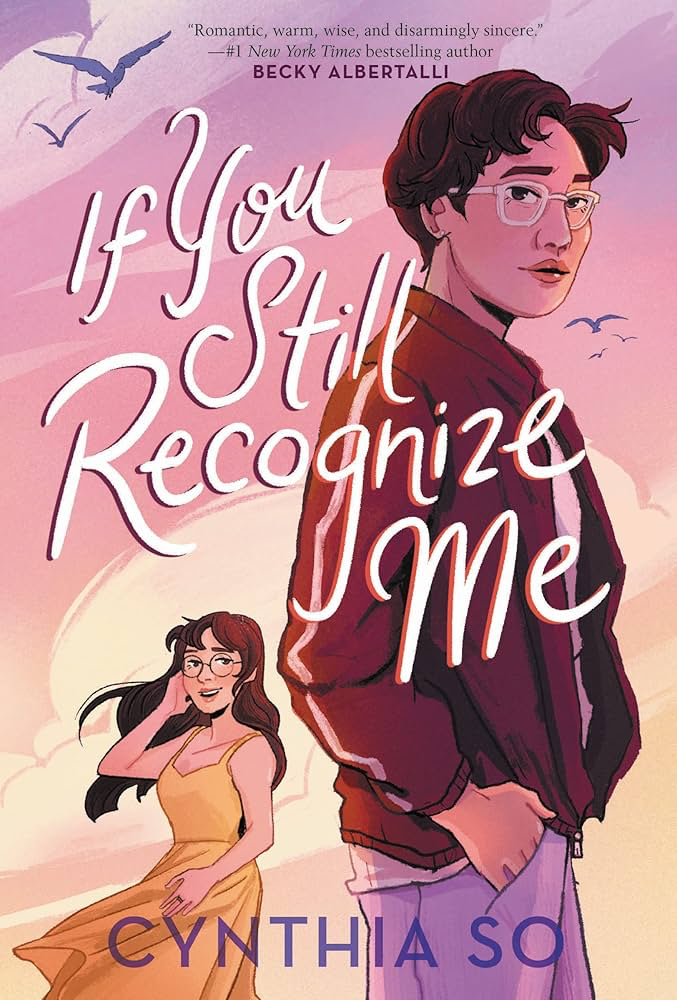
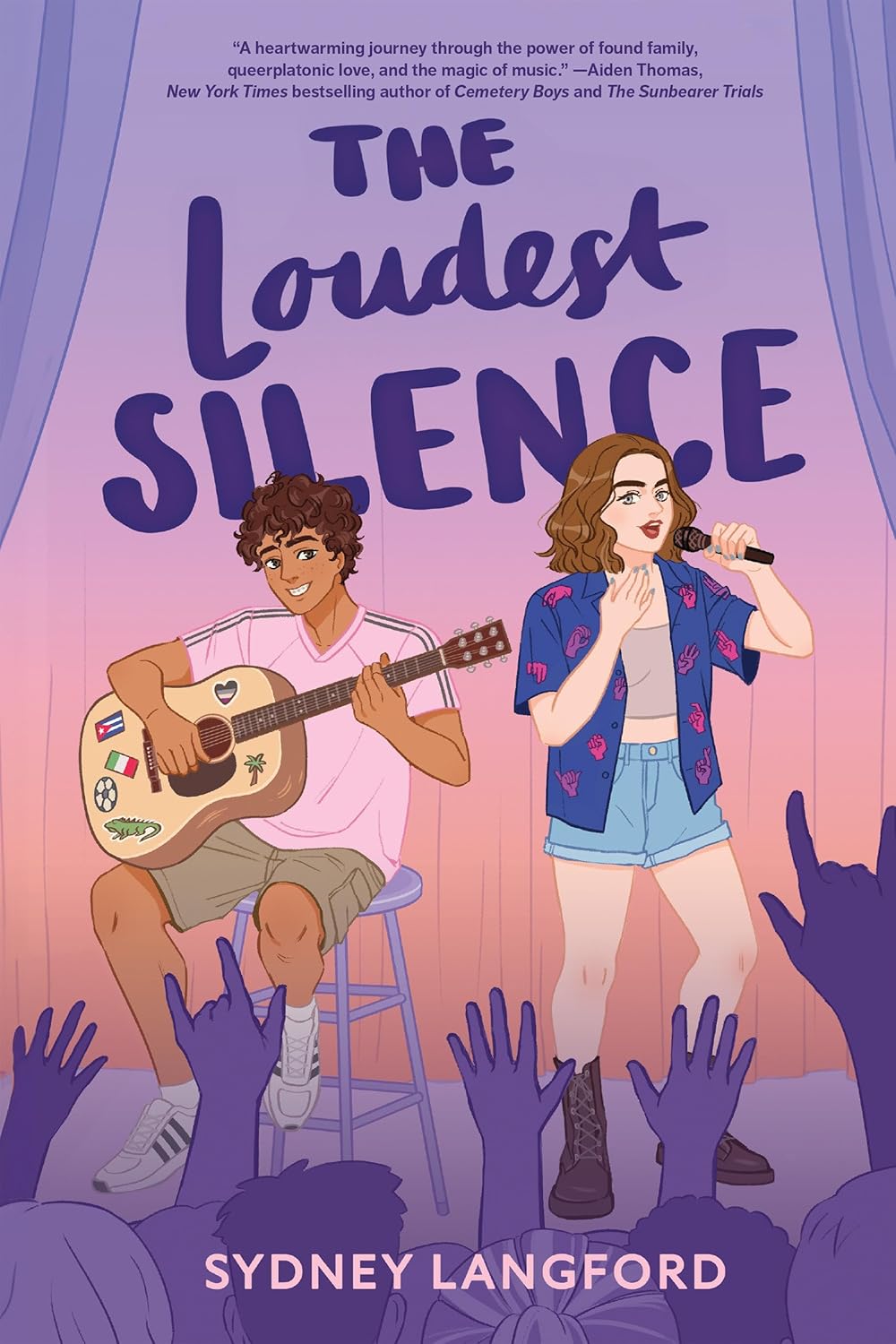
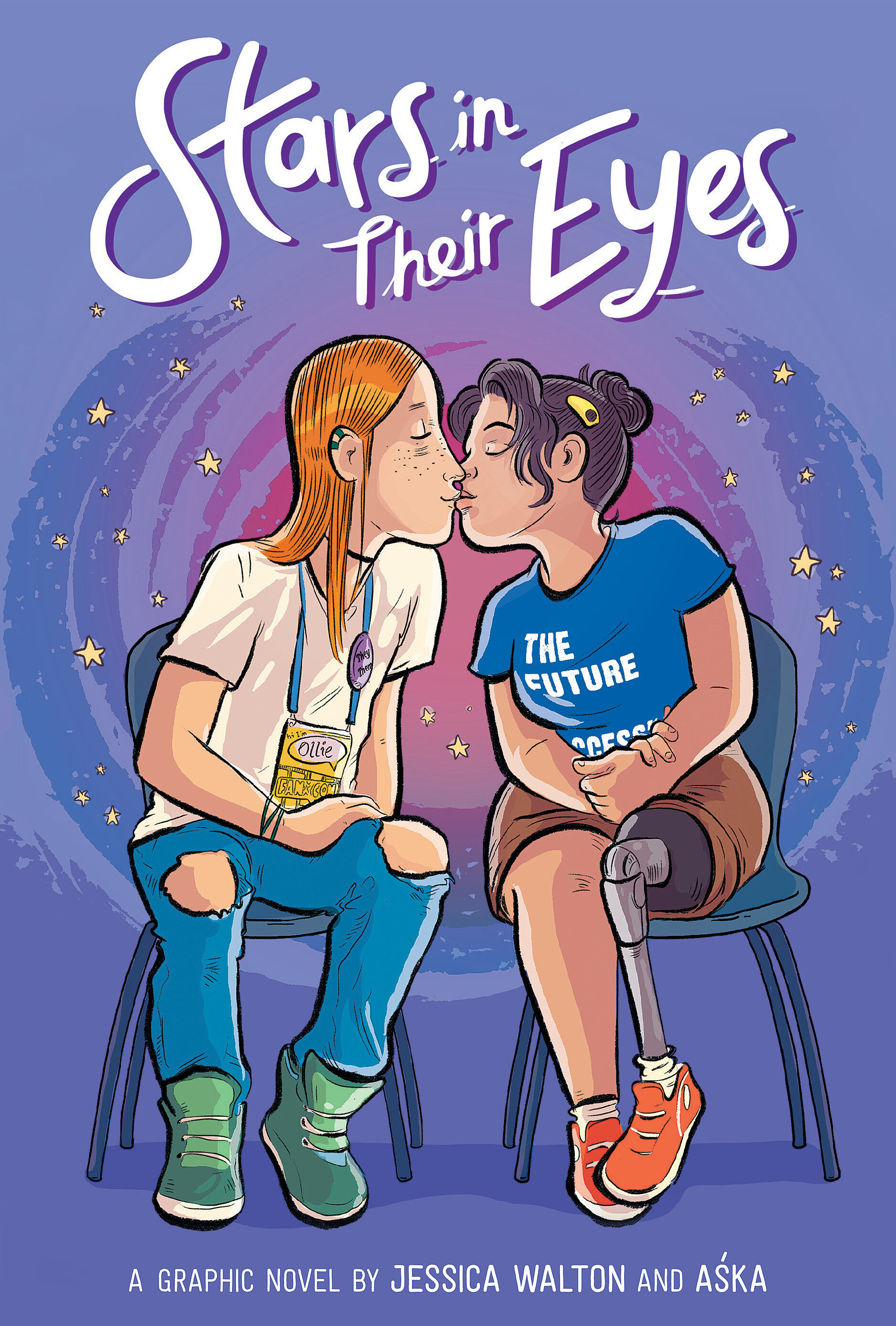
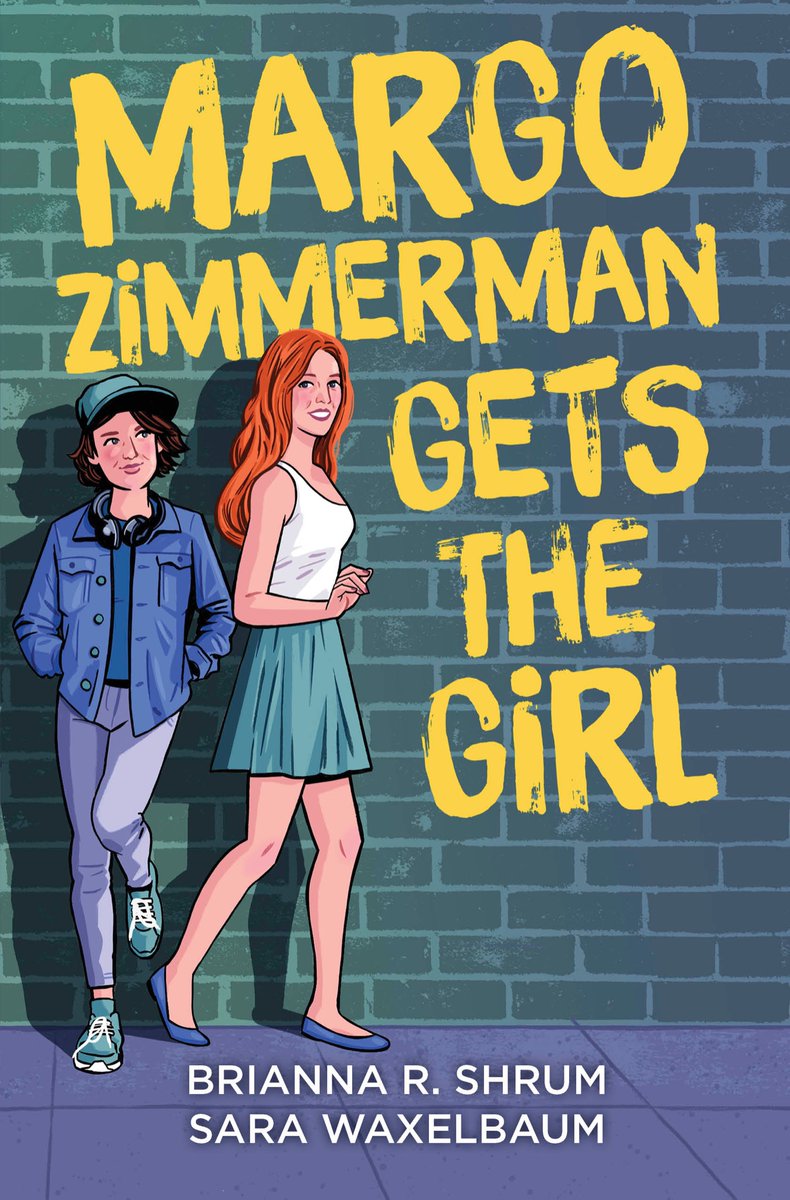
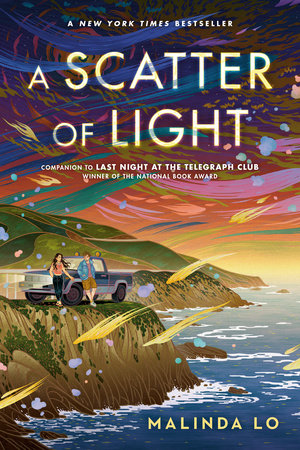
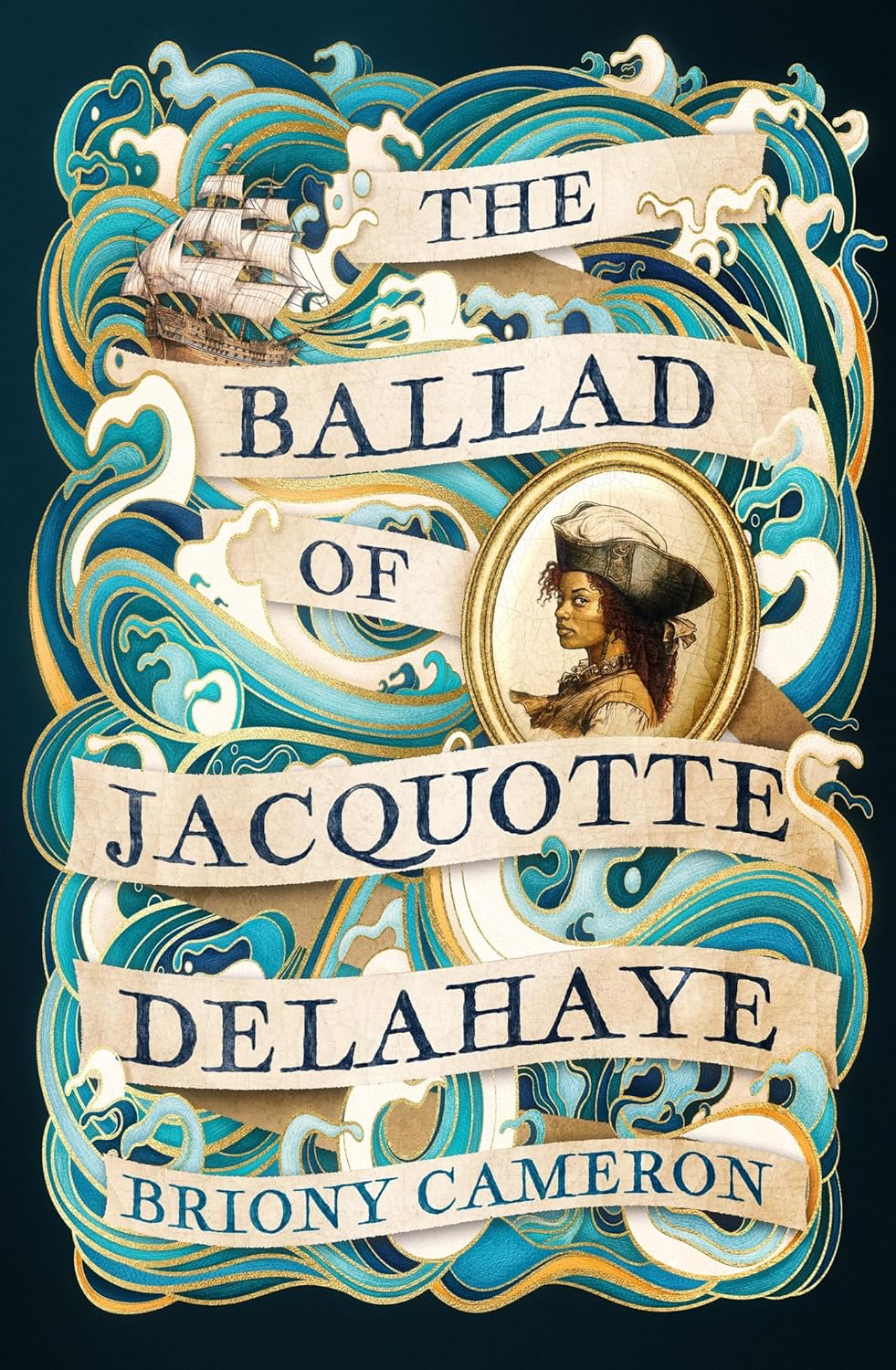
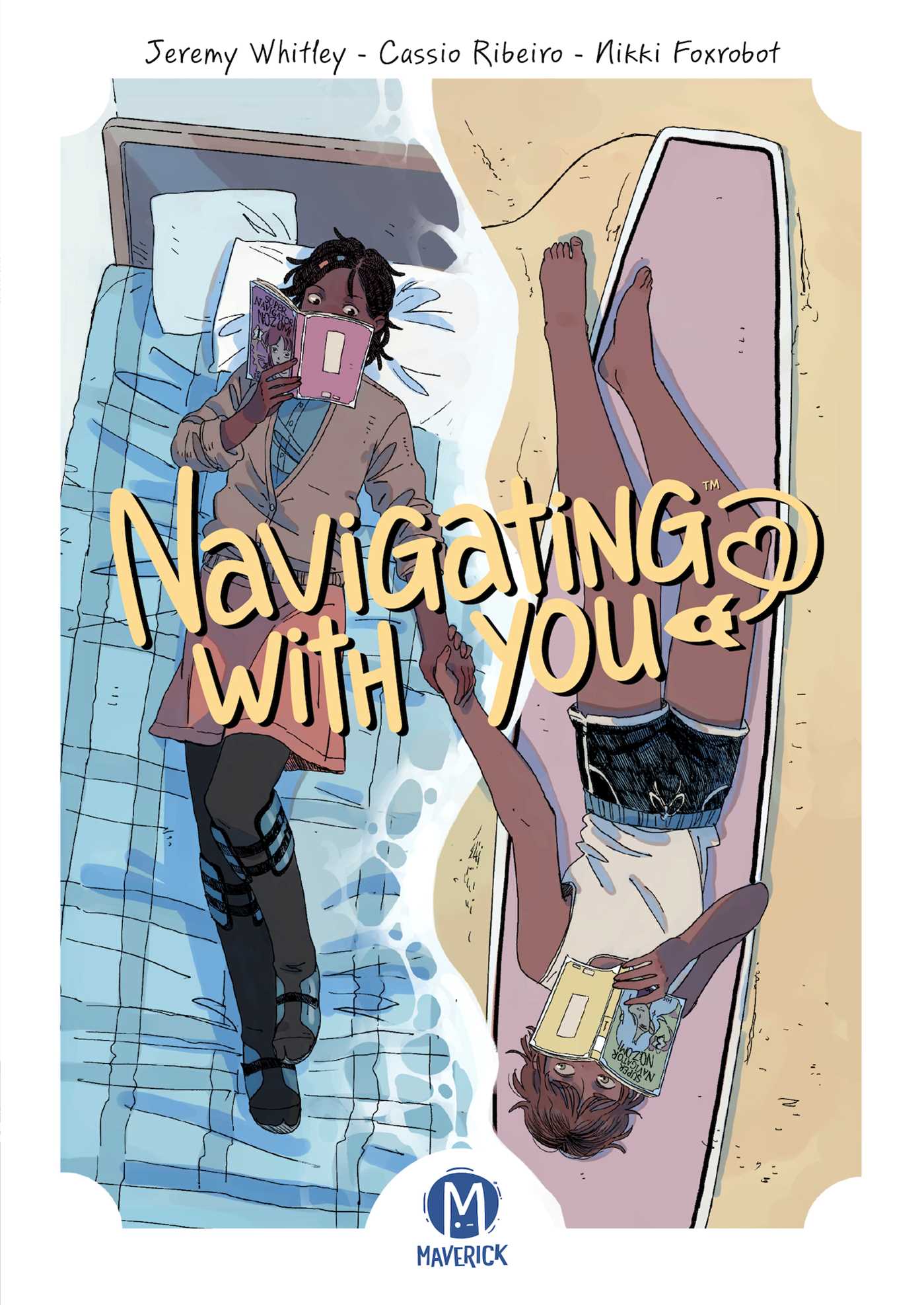
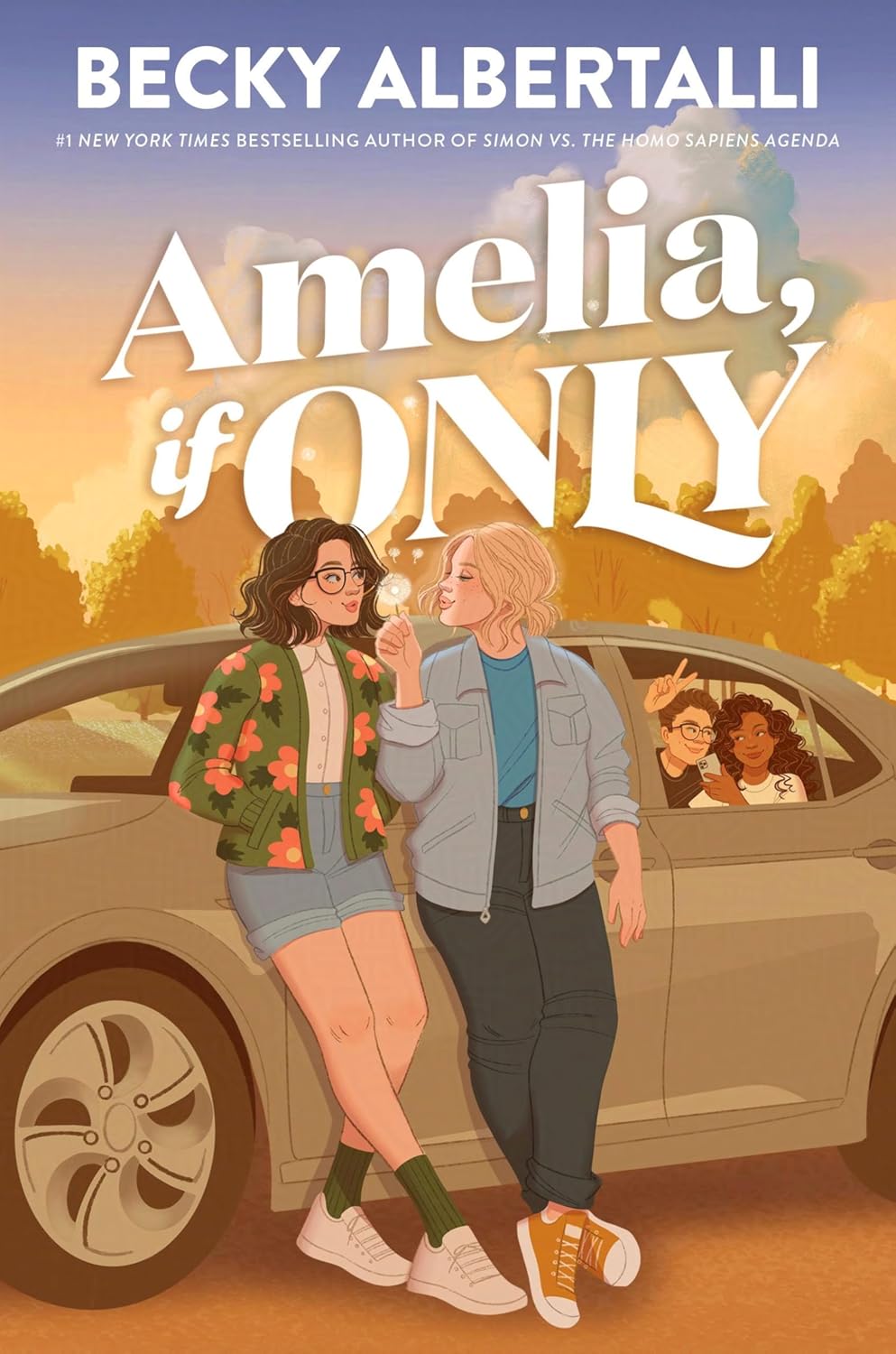
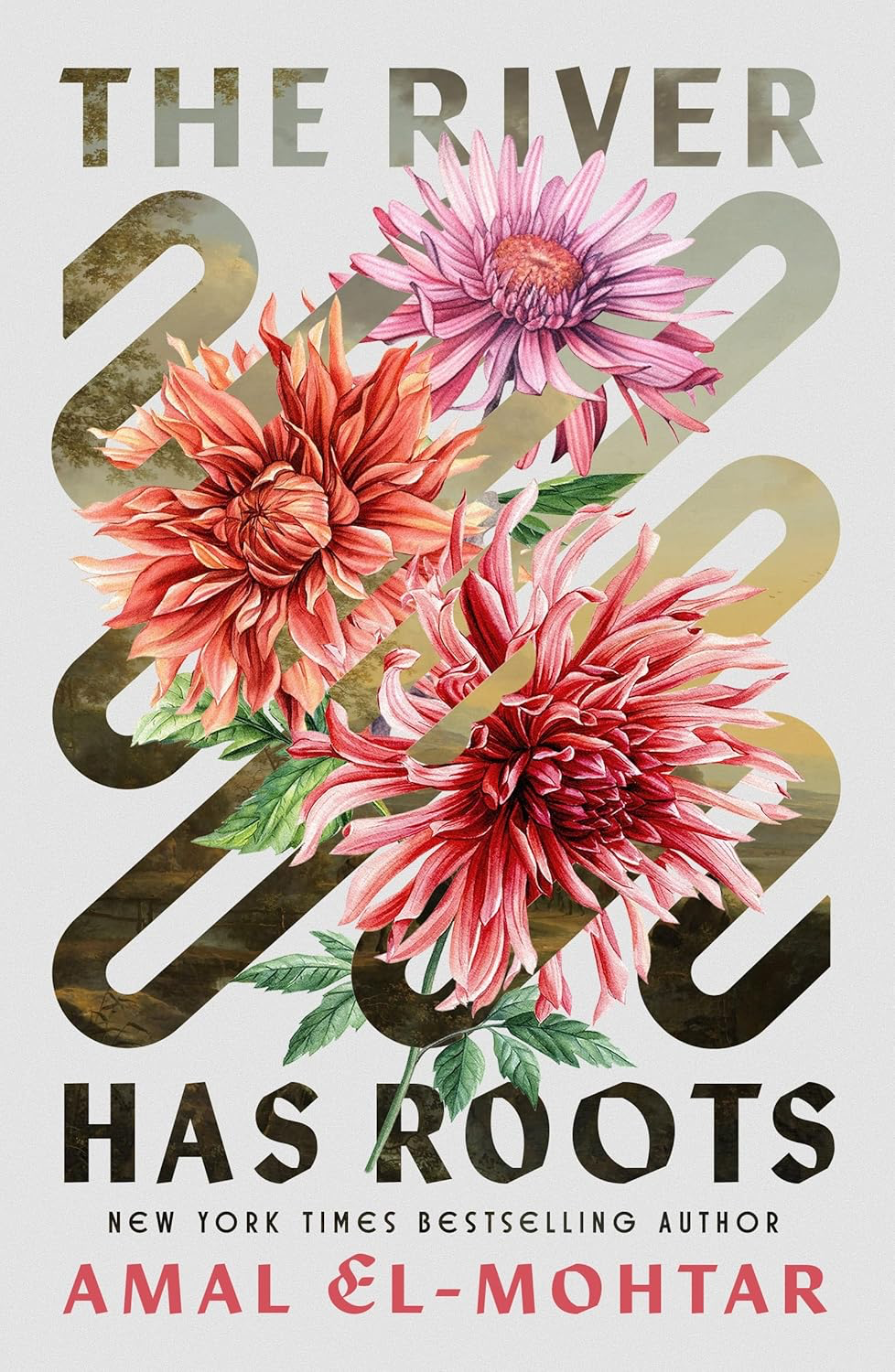
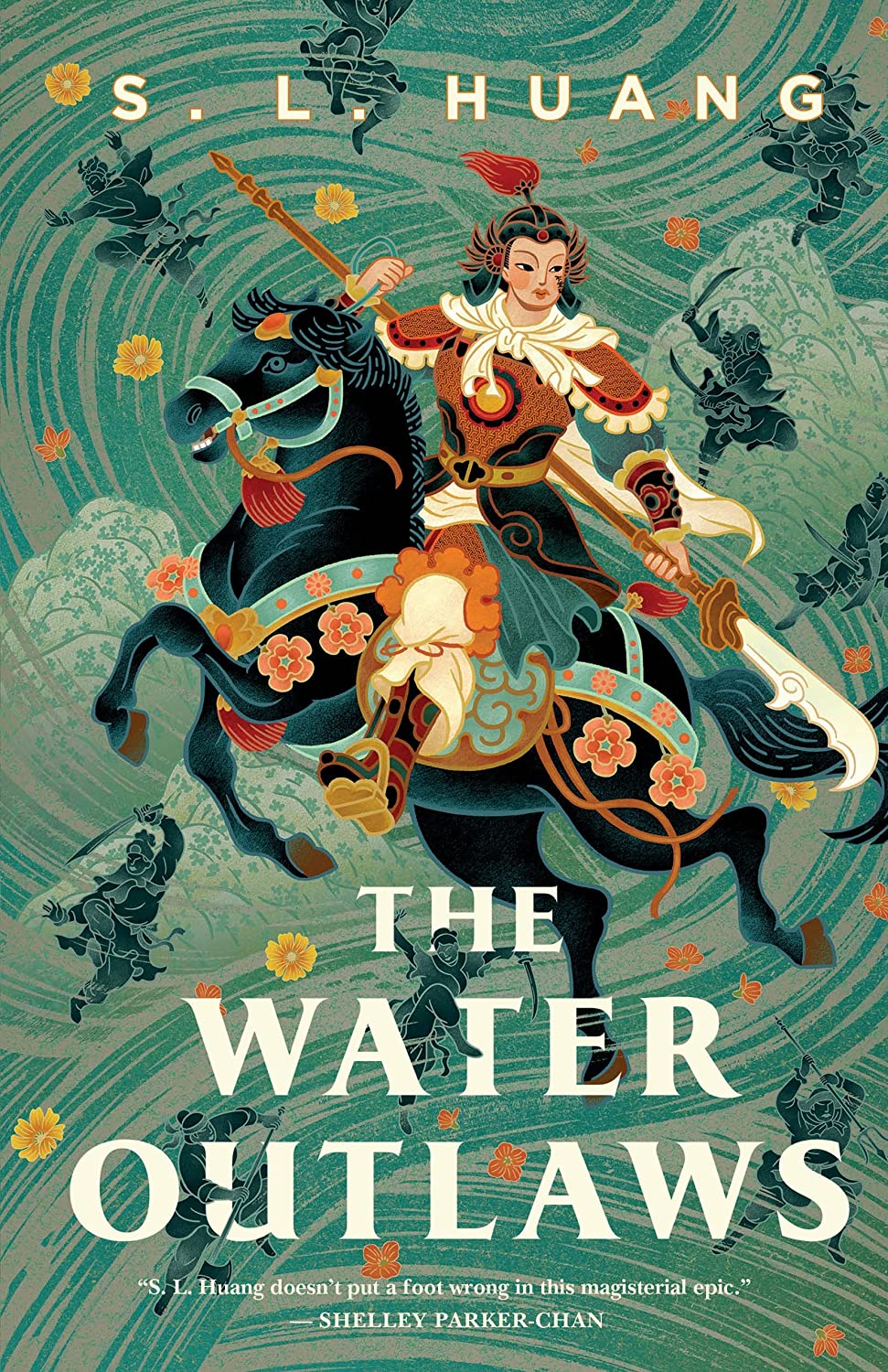
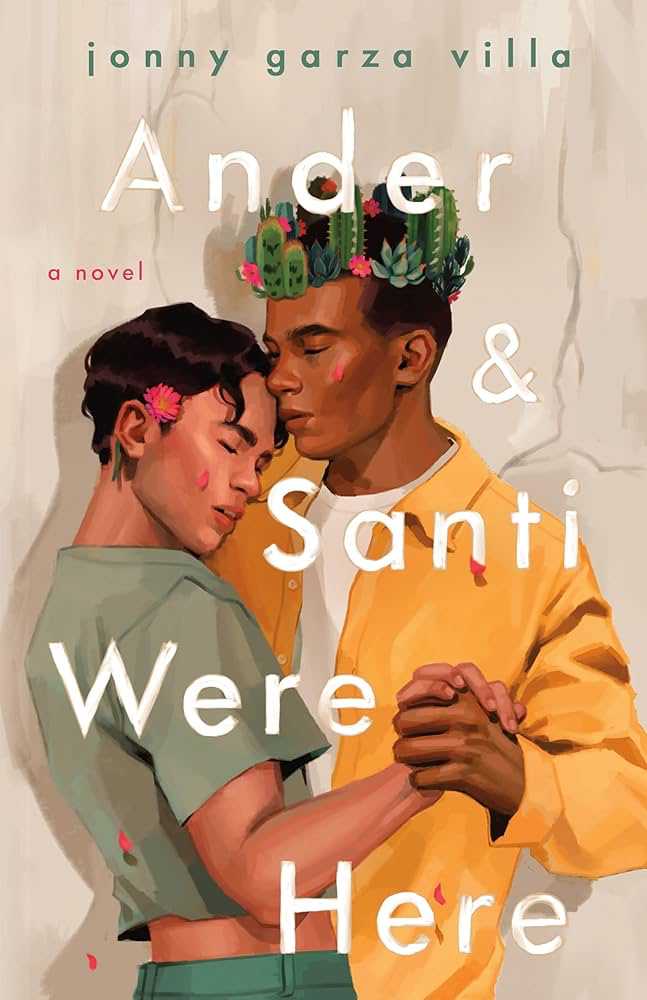
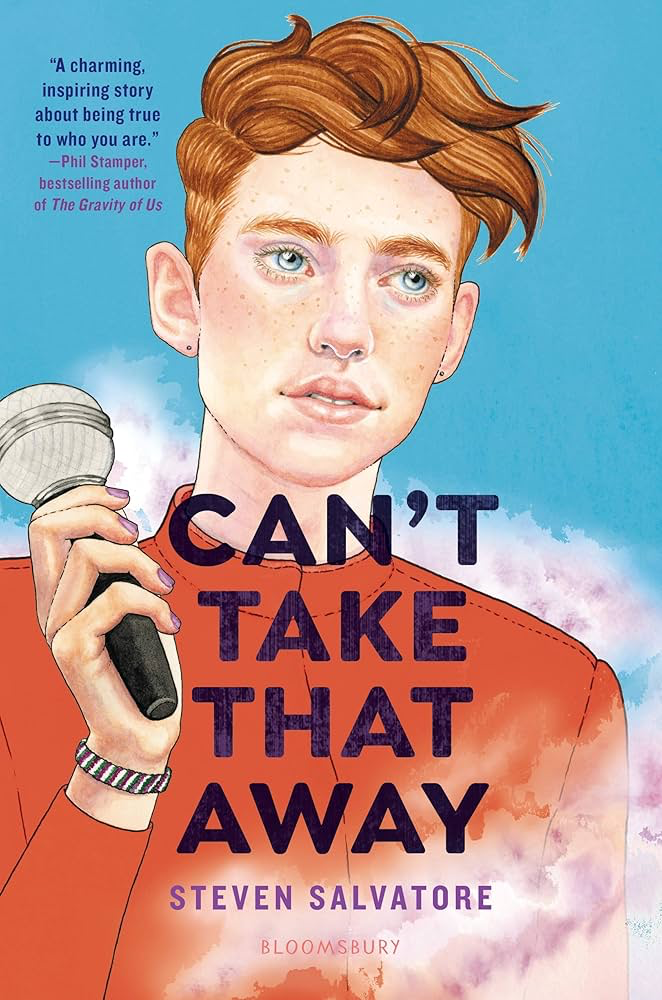
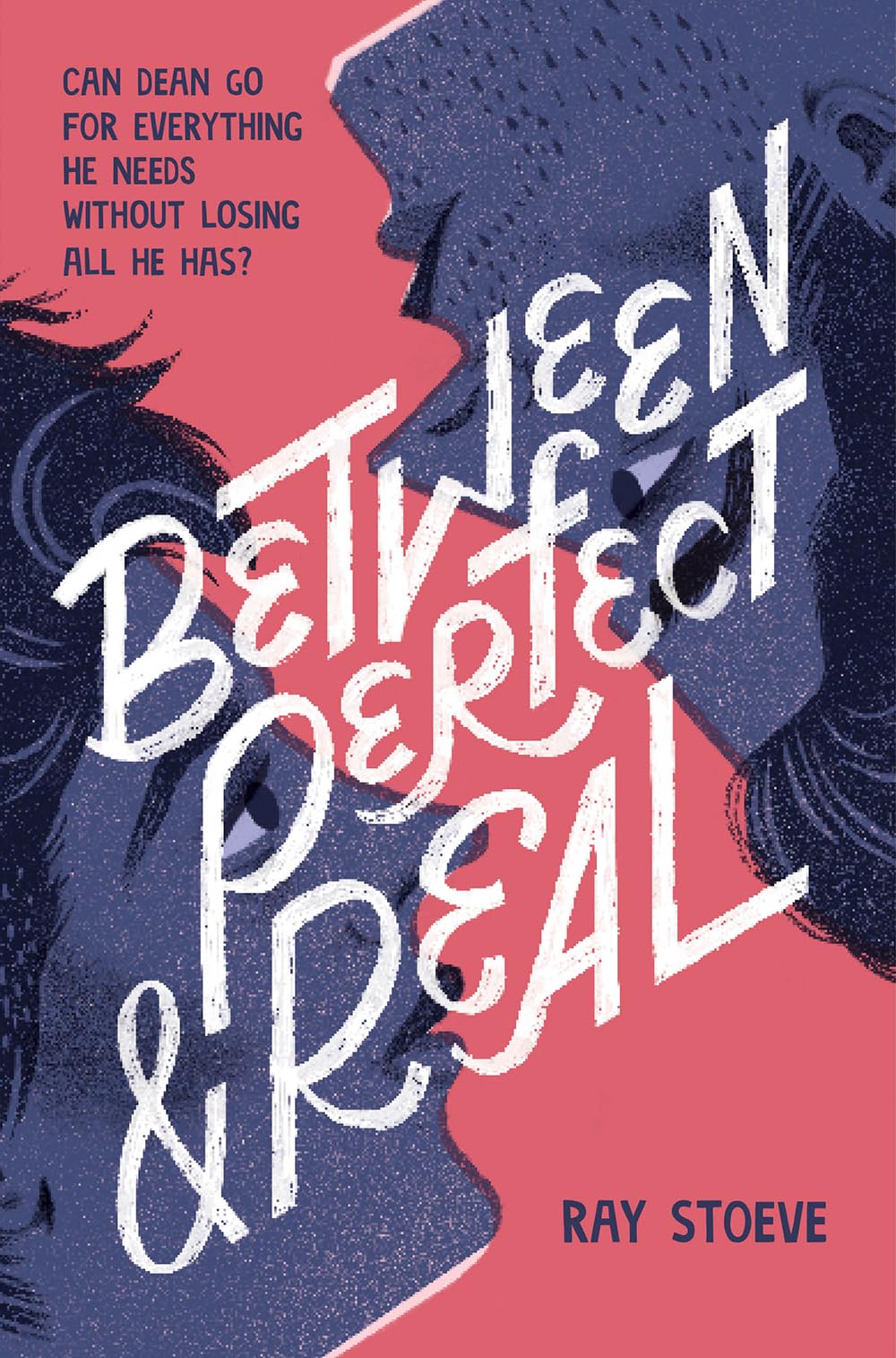
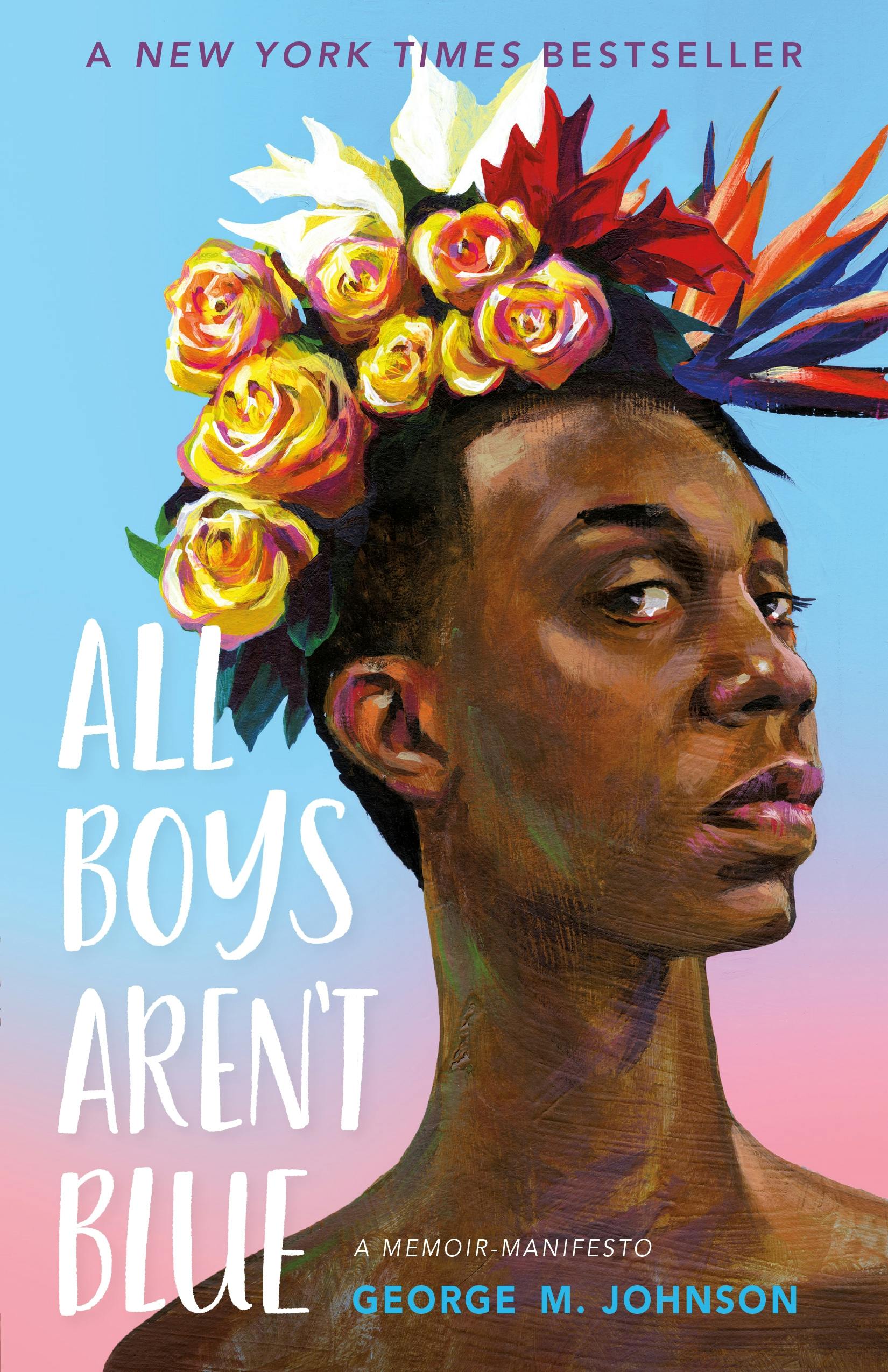
So here is my annual list of great LGBTQ+ reads from all sorts of genres, backgrounds, and identities. If I’ve mistakenly identified something about a book’s representation, please let me know! I’ve mixed YA and Adult books here, and I’ve also added a nonfiction section for the first time, as I’ve done with my other recommendation lists.
TELL ME WHAT YOU THINK! Have you read any of these books, and if so, what did you think of them? What are some of your favorite queer books that you’ve read recently? Let me know in the comments!
Today’s song:
lindsey…please tell me this is a sign that you’re cooking something…
That’s it for this year’s pride recommendations! Have a wonderful rest of your day, and take care of yourselves!
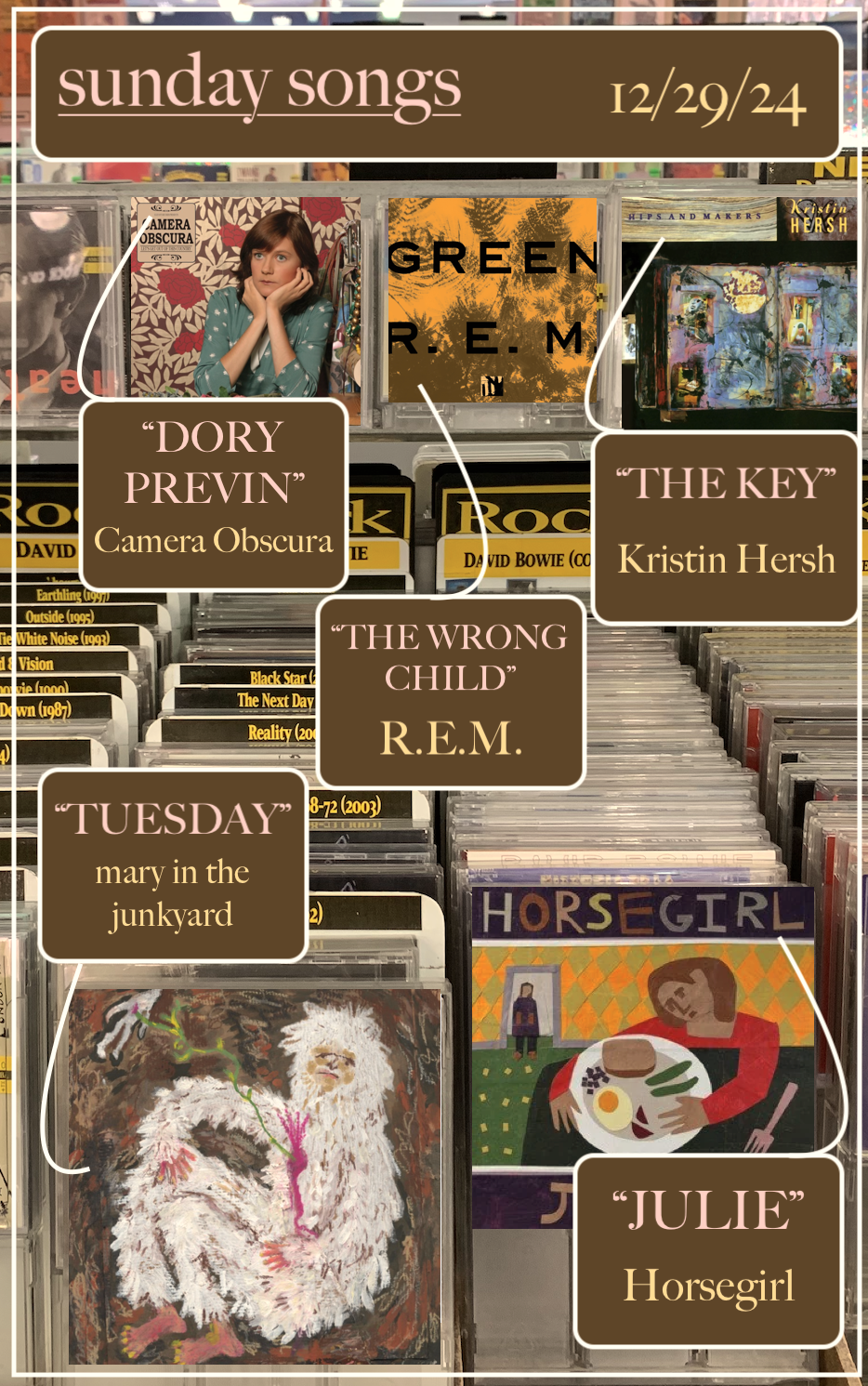
“this is my california” was my introduction to mary in the junkyard, but “Tuesday” was what convinced me to like them. [slides glasses up bridge of nose] Having listened to their entire discography now (read: a four-song EP and three singles), I gather that, whenever it comes time for them to release an album, I’ll be happy with the product, but I really, really hope that “Tuesday” is more the direction that they go in.
“Tuesday” might as well be three songs Frankensteined together into a neat five minutes, but in its shambling, stitched-up form, it packs an unexpected punch. Imagine: three figures hunched over a cauldron. One adds something adjacent to your typical sadgirl indie, one adds the juiciest bass-line you’ve ever heard, and another adds a skittering tribute to Radiohead’s “2+2=5.” Pieces of the patchwork monster reveal themselves in the light in the form of Clari Freeman-Taylor’s lyrics—a favorite of mine is “I feel like an alien here/Breathing from a separate hole.” As…gross an image that potentially conjures (no, not that hole, GET YOUR MIND OUT OF THE GUTTER), it’s apt for the jerkily combined spare and found parts of this song. It’s an urgent sprint through a foreign landscape, furtive as it darts into alleys and backroads as it tries to find its way around. The disheveled yeti in the music video seems more whimsical than the lyrics imply, but it’s nonetheless a story of a creature out of its element.
Freeman-Taylor, when interviewed for The Line of Best Fit, explained that “Tuesday” was written about living in the city for the first time: “[I] was feeling very small…I wanted to write about my yearning for chaos and realness—we all have wildness within us that we might be suppressing and we shouldn’t feel like aliens because of it.” Wildness and chaos are what stands out to me—”Tuesday” scampers with the speed of a frantic prey animal, cornered as it finds a new burrow to dart into. Cities and nature have a very different kind of chaos to them—a city’s chaos feels bred by the bustle of machinery and productivity, and it becomes so compressed and rushed that order births chaos; nature’s chaos comes only from the cycle of itself. That clash of opposite breeds of chaos is where “Tuesday” finds its not-so-happy, alien(ated) medium, the space between the shards of flint where the embers crack away.
First off: in concert with an excellent song, I have to praise this incredible music video by Daphna Awadish Golan! Her style melds so well with the collaged aesthetic of Horsegirl’s album covers and sound; the music video consists entirely of black and white footage of cities, animals, and people colored in with pastels that jump away from the grainy shades of gray.
As for “Julie” itself, the song makes me even more excited for Phonetics On & On just because I entirely can’t pinpoint the direction that Horsegirl are going in—and that excites me so much. Sure, albums have their more energetic points and their slower points, but this track is only one song away from “2468” and lands just past the halfway mark of the album. Their first album, Versions of Modern Performance, was fairly cohesive in its tempo and the invitations of different sounds and lyrical styles; aside from the instrumental interludes, there were never any slowdowns unless it was to watch a song crumble (“The Fall of Horsegirl”), but even that was crunched out and artsied-up to the extreme.
That’s not to say that “Julie” isn’t artsy, but it touches a more introspective side that the band have rarely reached thus far. The skeleton, aside from the slower tempo, is as Horsegirl as ever: guitar slides that dart around like frightened koi in a pond, buzzing synths, and a healthy dose of “da-da-da-da”s integrated throughout. (Is it really Horsegirl if there’s no da-da-da-da?) Yet the lyrics deviate from their usual style of sticking nonsense phrases together. Whether or not there’s a real Julie behind it, they extend reflection and comfort towards a figure: “Well, there’s something on your plate/You wish it was morе than you could take/We have so many mistakеs to make/What do you want from them?” It feels like an encouragement to break from monotony and form; the colored-over footage of subways in the music video emphasize that impression, but the mistakes to make feels to me like an encouragement to be human, to break free of a routine or lifestyle that isn’t necessarily crushing, but nonetheless doesn’t serve you either. With the way that the Horsegirl gang has with weird words, it doesn’t surprise me that they have something more emotional in them, but either way, it’s a promising glimpse of Phonetics On & On.
…AND A BOOK TO GO WITH IT:
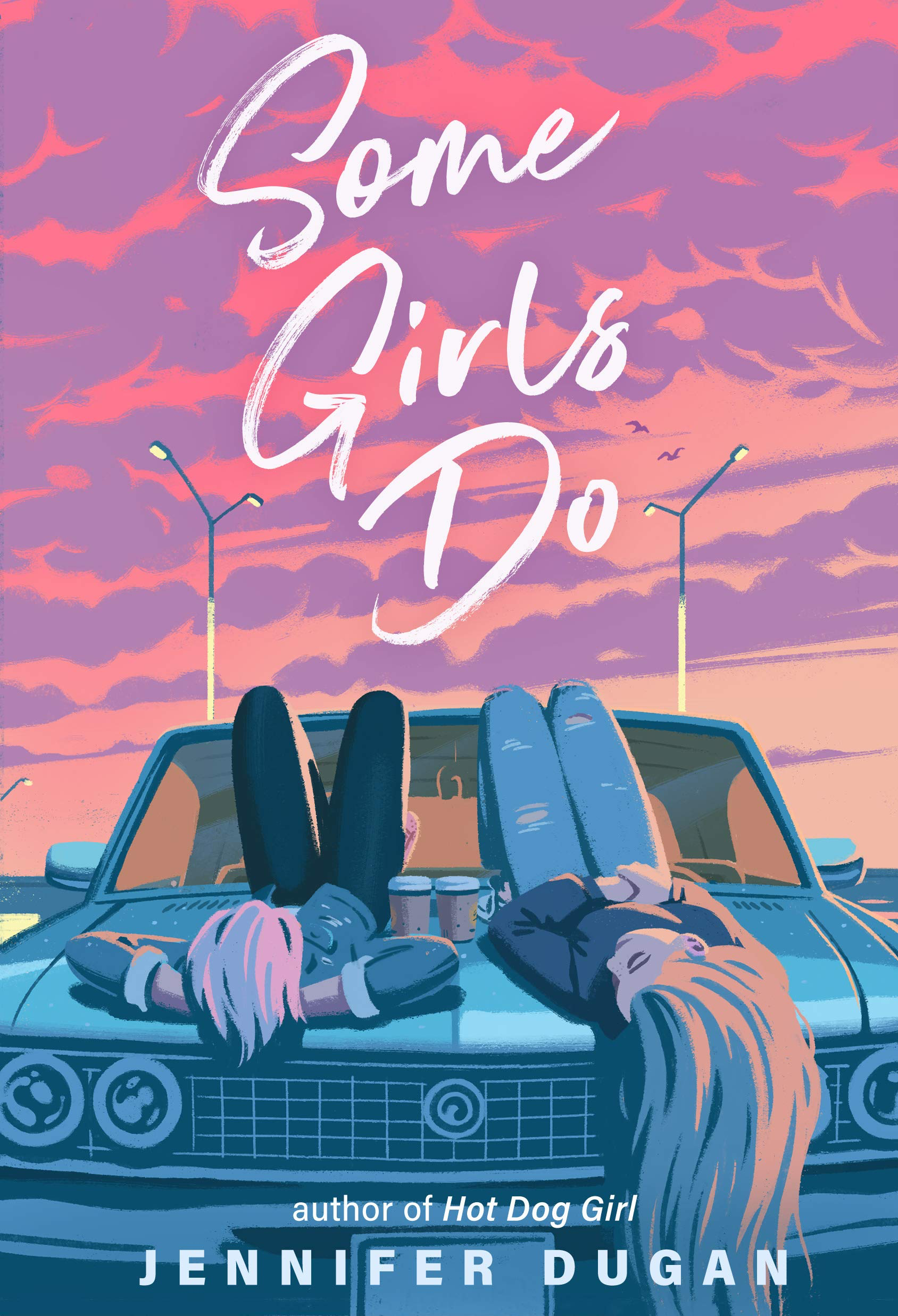
Some Girls Do – Jennifer Dugan – “To have the same dream three times a week/Favors too big for you to keep/I have so many mistakes to make/Mistakes to make with you/You know I want them too…”
What is it with Scotland and cranking out soft-sounding indie pop bands in the late 90’s and early 2000’s? Does the weather necessitate that kind of tempo? No complaints of course, knowing that they produced this and Belle and Sebastian, who Camera Obscura were heavily influenced by. Even from all the way across the pond, “Dory Previn” has a nearly country twang, but it’s distinctly indie-pop, with its ever-stargazing, wistful delivery of Tracyanne Campbell’s lyrics or the muted instrumentals. The album title, Let’s Get Out of This Country, suggest more urgency, but “Dory Previn” implies that the sentiment is more out of quiet resignation; it’s a song at the crossroads, not ready to give up a lover, but at the same time “Sick of the sight of my old lover/Went under sheets and covers to get away from him.” Simultaneously wrapped up in the waning colors of the sunset and right smack in the emotional middle of 2 a.m., it feels like the exhausted yet determined position right after you’ve cried your eyes out; you’re embarrassed it took this long to decide, but you’re making a change—for Campbell, it’s the mantra-like repetition of “I think it’s time/I put him out of my mind.”
…AND A BOOK TO GO WITH IT:
Man o’ War – Cory McCarthy – “So I took a glimpse of Montana/Now nothing else matters/I’ll heal eventually…”
Can we talk about Green? Genuinely, I think the only thing wrong with the album is that the album cover isn’t green. Probably a joke between the band members and the album artist, but the burnt shade of yellow on the cover does somehow fit how the album feels—sunny, but in a humid, Southern way. Sometimes it’s the eager yellow of energy and intent (“Get Up,”“Stand”), and other times it’s the fading yellow of a sunset over memories curling up and going sepia (“I Remember California”).
I’ve loved this album since late high school, but “The Wrong Child” was one that I was so used to skipping when it came on shuffle that it became lost. To be fair, the beginning is one of the less listener-friendly ones of the album, immediately opening with the out-of-sync clash of the mandolins and the key that Michael Stipe is singing in. (Can we talk about those mandolins? If anything else, Green will make you appreciate what a mandolin can do.) Once you stay with it—and I’m so glad I did on that fateful night in early December—it contains some of Stipe’s most evocative poetry on the whole album. The first verse should be in masterclasses about the ability of music to set a scene:
“I’ve watched the children come and go/A late long march into spring/I sit and watch those children/Jump in the tall grass/Leap the sprinkler/Walk in the ground/Bicycle clothespin spokes/The sound the smell of swingset hands…”
The smell of swingset hands! It’s so specific, but I can smell exactly what Stipe is describing, the medley of the sweaty scent of skin with the tang of metal smeared all over it. There’s some gravel mixed in if I dig deep enough. I can feel the tickle of every blade of grass, each ray of sunlight. But more than that, I can feel the deep-seated aching of this song. Over the years, there have been a variety of interpretations of the song, everything from a burn victim reintegrating into society to a young gay boy’s experience of homophobia. In 2008, Stipe admitted that he’s “fine with any and all interpretations that aren’t manifested in real life as harmful, hateful or violent,” but that it was loosely centered around “a kid who is physically handicapped, and left it purposely undefined.” It is distinctly othered song. I can’t relate to the severity of what the subject experiences, but even some of it rings true for me; I did feel isolated from my peers for quite some time, in part due to my SPD, among the varied things that made me different. There was never that outright bullying, but I could see it all in the periphery, the kids that laughed behind their hands whenever I had what they saw as an overreaction to an unexpected sound—some of that “Hey those kids are looking at me/I told my friend myself/Those kids are looking at me” certainly put a bit of a knife in my gut. But this subject has become so removed from society for whatever reason that they yearn for the outside world, even if its occupants do nothing but torment them. They attempt to self-soothe, but in the end, they try to mold themself to the outside world instead of the other way around, repeating the chorus like a mantra: “I’m not supposed to be like this/But it’s okay.” And god, Stipe’s delivery of “it’s okay,” the bleeding rawness of it…oh, god. Yeah. It gets me every time. It delivers that sense that the subject is trying so hard to justify their existence and their right to play with the other kids that they’ve convinced themself that they are inherently wrong. They try and try, but never reach the happiness the other kids have, and the only way they know to try to reach it is to convince themself that they’re the problem, not the prejudice and taunting of the others. That is what any kind of prejudice does to you: it convinces you that, even if you were born in the same way as humans have been reproducing for millions of years, that you’re wrong, and not the fabricated idea of rightness taught from a young age. In the end, I’m glad that Stipe kept the subject undefined, because it does provide a kind of sanctuary, a reassurance that none of us are alone in this experience, whichever lyric rings true.
…AND A BOOK TO GO WITH IT:
The Reckless Kind – Carly Heath – “Hey those kids are looking at me/I told my friend myself/Those kids are looking at me/They’re laughing and they’re running over here/They’re laughing and they’re running over here/What do I do?”
“You don’t inspire a metric ton of trust/’Cause I’m on fire, and so is all my stuff.”
There. I could just leave it at that, and it would explain the whimsical cleverness of this song, kind of like “Little Bird,” which I talked about back in July. Once again, that wouldn’t work, simply because there are just too many good lyrics here. Leave some for the rest of us, Kristin! God. So selfish. Can’t we get some of whatever creativity inspired “If I lived in a pumpkin shell/I’d have the key/And if I had a daughter/She’d look a lot like me?”
I may use the word “whimsy” quite liberally, but there’s a kind of ethereal whimsy to “The Key” that I can only describe in images. This song was a frequent visitor in my dad’s car when I was young; I associate it the most with nights spent on the car ride back from dinner or road trips. As the sky darkened, so did the images in my mind—not in emotion, just in the amount of light that was let in. Kristin Hersh felt candlelit, the kind of music meant to soundtrack a child’s nursery in the early hours of night. The lyrics nearly call to mind Lewis Carroll—save for the absence of made-up words, I wouldn’t bat an eye if you attributed “Copper and snow/Make a dusky blue boy” to one of his poems, if he’d condensed them more. Less British, of course. (Maybe that’s for the best.) We’re not getting too “Walrus and the Carpenter” with it, but we sure are close. “The Key” is inherently soft; in that children’s bedroom, dated maybe 100 years ago, with flowery, peeling wallpaper and lacy curtains, I can see a pink, plush blanket over a bed tucked in the corner, yellowed by a lantern on the dresser. Hersh’s fingerpicking has a comforting repetition to it, chords blending into each other as gently as freshly-washed hair splays out across a pillow. In between all of these images, there’s a ballerina in a music box that squeaks as it spins in a circle. Sometimes it’s the one I had as a kid, sometimes there are subtle tweaks—longer hair, different painted eyes. Like that music box, the repetition is soothing in a way that few songs are—the song’s outro of “and we’d dance all night” is a promise, and one filled with golden-lit joy to come. As Hersh’s guitar fades out, I see that mother and daughter, dancing in circles. I didn’t quite get it when I was younger, but that repetition, that security, swaddled me up like a blanket.
…AND A BOOK TO GO WITH IT:
The Lost Story – Meg Shaffer – “If I lived in a pumpkin shell/I’d have the key/And if I had a daughter/She’d look a lot like me…”
Since this post consists entirely of songs, consider all of them to be today’s song.
That’s it for the last Sunday Songs of 2024! Have a wonderful rest of your day, and take care of yourselves!
Happy Tuesday, bibliophiles, and a merry Christmas Eve (and Christmas, in advance) to those who celebrate! No matter your beliefs, I hope you’re staying warm and spending time with your loved ones this week. Happy holidays! ❄️⛄️🎄🍪
I discovered Meg Shaffer’s debut novel, The Wishing Game, about a month back and loved it. (Bottom line: if you’re an adult who wished they could’ve gotten Willy Wonka’s golden ticket as a kid, READ IT.) Naturally, I moved onto The Lost Story the minute it became available at the library. Although it wasn’t as strong as Shaffer’s debut, The Lost Story is a testament to the healing power of fantasy.
When they were 15, Rafe Howell and Jeremy Cox went missing in the West Virginia woods. Six months after their disappearance, they came back, seemingly unscathed. What the rest of the world doesn’t know is that they escaped to a fantasy world hidden deep in the Red Crow State Forest. But only Jeremy remembers their odyssey. Now, distanced for 15 years, Rafe remembers nothing about what happened that day, and Jeremy has a magical knack for discovering missing persons.
Emilie Wendell has gotten wind of Jeremy’s talent for locating the missing, and enlists his help to find her older sister, who vanished in the same stretch of woods where he and Rafe went missing all those years ago. With Rafe and Jeremy in tow, Emilie discovers a magical world that could have only sprung from the mind of a child, only visible to those who look hard enough. But confronting this world and its secrets may lead to the very reason that Jeremy and Rafe never spoke of their time together—and the reason why Emilie’s sister never returned.
TW/CW: near death situations, discussions of child endangerment/kidnapping (past), abuse (physical and emotional), homophobia,loss of loved ones (past), fantasy violence, mentions of suicide (past)
I never got around to reviewing The Wishing Game (which I liked better than The Lost Story) here, but it’s safe to say that Meg Shaffer is out here doing the good work, and by the good work I mean writing books about reclaiming childhood innocence and joy via the stories we loved as children. Having read both books, Shaffer really gets the power of stories—and the power of rediscovering them in adulthood. The balance between childlike wonder and whimsy and the harrowing realities that come with adulthood are a difficult balance to strike, but The Lost Story lives in the reality between them and never denies either aspect. Rafe and Jeremy’s journey of healing, rescuing people who may not need to be rescued, and realizing their love for each other was a rickety, emotional ride, but one that, once the plot got going, paid off in spades. Plus, I love that Shaffer made this story a distinctly queer one—I always love queer books, but the fantasy escapism plot with their queer identities made so much sense when you consider how fiction can be a sanctuary for queer people.
Part of what madethat aspect of The Lost Story land so well was that Shanandoah truly felt like a child’s wonderland. There was a charm to the misplaced names (the Valkyries being only what a young girl would think of the real Valkyries of Norse myth, for instance) and the over-the-top magical ones, and each fantasy element had the nonsensical aspect of a child’s mind. This world is full of magical horses, impossibly sweet fruit, vengeful spirits, and everything a child could possibly populate a fantasy world with—and all of it is delightful. The Narnia influence was clear (it’s wonderful! Imagine C.S. Lewis without the proselytizing), but there was a whimsy to it that Shaffer excelled in—even if it was separate from the real world, she fully succeeding in making a world feel like it was ripped from the pages of a 13-year-old girl’s notebook.
However, I really didn’t see the point of Emilie being a part of the story. In contrast to Jeremy and Rafe’s complicated relationship, the only thread connecting her to the narrative was the fact that it was her sister who happened to have gone missing. Her personality bordered on grating—there wasn’t much to her other than a determination to find her sister and having her “teehee! so quirky”-isms when the plot called for it. (But did it really call for it?) My main issue with her is that she didn’t have the development that the other characters did. She witnesses the wonders and horrors of Shanandoah and comes out of it having barely changed, save for the fact that she’s reunited with Shannon. In contrast with Rafe and Jeremy, it just seemed increasingly obvious that she didn’t have as much business being there, even though she was purportedly the main character. The Lost Story might have been stronger if she had been nixed entirely—she was placed as the protagonist, but at its heart, it was the story of Rafe, Jeremy, and Shannon, not her.
Additionally, The Lost Story had some issues with its pacing. It took nearly halfway through the book for the characters to reach Shanandoah, the whole premise of the book. The first third or so, although Shaffer’s establishment of the exposition was spread out evenly, tended to drag. Instead of more development that could have lead more to the (excellent) arcs of the characters later on, we get drawn-out scenes of banter between the main characters once they reunite, as well as some tired training montages that could have been flattened out into a much shorter scene. As a result, the first half of the events in Shanandoah were rushed together—our heroes reach this famed fantasy land, and almost immediately, they’re separated and thrown on wildly different adventures that only converge in the last quarter or so. For such a grounded story, there needed to be more even allocation of events that truly mattered, which is why I couldn’t give it the full 4 stars.
That being said, I loved how the duality of the themes were tied together in the end. For all of the characters, the land of Shanandoah was escapism, but they had different ways of handling reality while in it. For Rafe and Jeremy, they couldn’t stay because there were real monsters they had to confront; Shanandoah worked both as a place for them to rekindle their relationship, but also to confront the very real demons back in the real West Virginia. For them, they had to return to the real world to heal. But for Shannon, Shanandoah was the realest part of her life. She had gotten into a situation that no child should ever be placed in, and for that, her childhood wish for another world came true, and it became her sanctuary. If The Lost Story had gone with either interpretation, I would’ve been happy, but I loved Shaffer’s approach in depicting both sides of fantasy and escapism. Fantasy can be a place to ignore all of your troubles, but also a place you return to when you need healing. Even if it’s fictional, it can be the truest, realest part of you. Both can be true.
All in all, a heartfelt and heartstring-tugging fantasy for all of the kids who wanted to return to Narnia. 3.75 stars, rounded upto 4!
The Lost Story is a standalone, but Meg Shaffer is also the author of The Wishing Game.
Today’s song:
That’s it for this week’s Book Review Tuesday! Have a wonderful rest of your day, and take care of yourselves!