Posted in Sunday Songs

Sunday Songs: 6/29/25

Happy Sunday, bibliophiles!

This week: Becky Chambers double-dipping, offloading my gripes about the train wreck that was season 4 of Hacks, and…oh, whoops, I think this post was supposed to be about music. My bad.

Enjoy this week’s review!
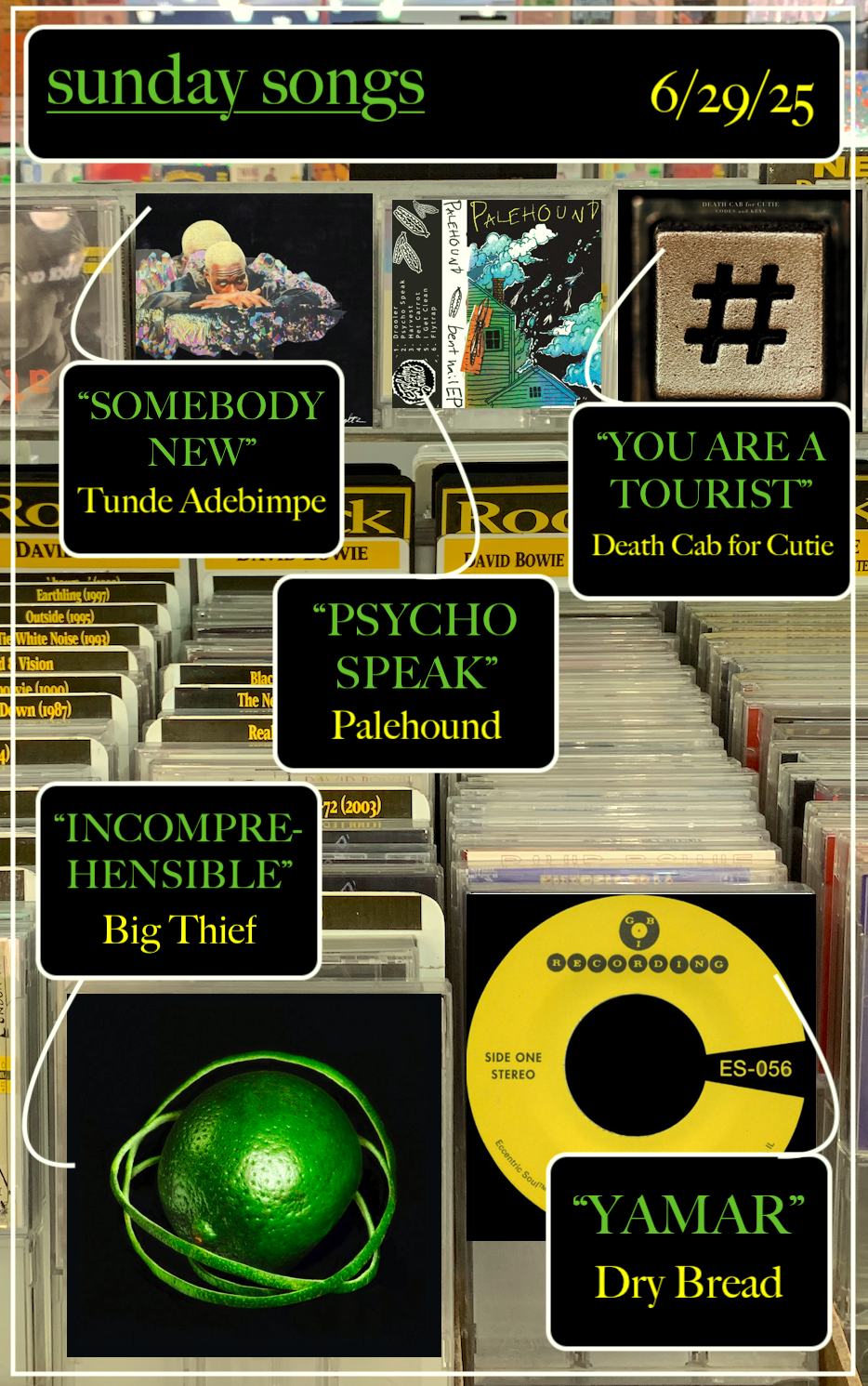
SUNDAY SONGS: 6/29/25

“Incomprehensible” – Big Thief

“They’re back!” I say, having not even listened to a full Big Thief album. This kind of thing sure does happen a lot, huh?

Regardless of whether or not I’ll listen to Double Infinity when it comes out this September or after I’ve finally gotten around to Dragon New Warm Mountain I Believe In You, “Incomprehensible” is a treasure in the here and now. The production is an absolute treat. It’s a far cry from some of their older, more folkier material, but never once does it feel removed from their emotional core. It glistens like dew, icy and starry yet tender and inviting, encircling, even. Guitars glitter and bubble next to the papery percussion. Adrianne Lenker’s voice drifts gently in their fabricated ether, but never once does it distract from the true star of the show: the lyrics, man, these lyrics! Lenker has truly honed her talent for poetic lyricism, and her beautiful messaging and penchant for lush turns of phrase are on full display here. Here’s a snippet:

“In two days, it’s my birthday/And I’ll be 33/That doesn’t really matter next to eternity/But I like a double number, and I like an odd one too/And everything I see from now on will be something new.”

What’s the music equivalent of that “absolute cinema” meme of Martin Scorsese? This deserves it, I think, if not just for that verse. “Incomprehensible” is a heartfelt ode to being free—not just driving down an endless road, as North American highways are wont to make you feel, but being free from societal pressures. I might be ascribing my love to it because it came to me at a time like this, where I am putting all of my energy in being free of expectations and embracing being as weird as possible, but in any other time, “Incomprehensible” would be a pleasure. Intertwined with imagery of nature—rolling clouds, birds, lupine flowers, and the glittering scales of fish—this freedom to just be is fully realized as a natural state: flowers grow and clouds form without any pressure that we have man-made, save for natural ones necessarily for survival. They don’t have the expectations on women to make them dread aging or conform to a certain look, to mourn every hair as it turns gray. The further we are from nature, the closer we get to these false ideals that we’ve fabricated for ourselves. I could go on about the myriad ways about how we could learn from nature, but the lesson in “Incomprehensible” is one of many: if we pay attention more to nature, we realize that all of these societal pressures are just that, constructs; to be more natural is to live free of expectations of what should be and to simply be.

…AND A BOOK TO GO WITH IT:
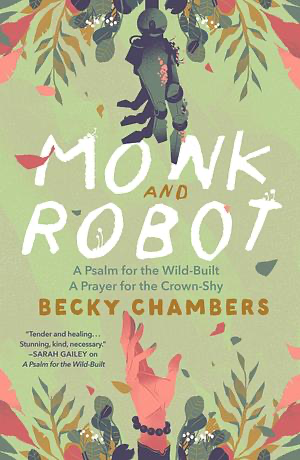
Monk and Robot – Becky Chambers“And as silver as the rainbow scales that shimmer purple blue/How can beauty that is living be anything but true?”

“Yamar” – Dry Bread

I’m not like other girls…I didn’t even know the main reason that most people know this song is because Phish frequently covers it. Oof. I did discover it, as I tend to discover random, obscure ’60s and ’70s songs, through Hacks.

Can we talk about Hacks, by the way? Specifically, how gloriously they fucked up what was one of the longest consistent runs of a good comedy show? They had such a wonderful thing going—the sharp humor, the chemistry between Hannah Einbender and Jean Smart, and the excellent bisexual representation. Season 4 really just threw every single one of those things out the window. I’m still so mad. They were so sensitive and respectful about depicting bisexuality and biphobia, then boom…they proceed to throw the laziest possible stereotype about bisexuality at Ava. She goes from having heartfelt conversations about her identity with Deborah to being thrown into a threesome for reasons that neither furthered the plot nor said anything new about her as a character. At least the resolution was that the other two in the threesome were a chill polyamorous couple who didn’t want to be used for sex, which I appreciated (what with there being hardly any respectful depictions of polyamory anywhere), BUT WHY THE HELL WAS THAT NECESSARY? WHY DID THEY HAVE TO THROW IN THE “I’m in a threesome…supa bi!” LINE??? WHAT POSSESSED THE SHOWRUNNERS TO DO A COMPLETE 1-80 FROM THOUGHTFUL, AUTHENTIC DEPICTIONS OF BISEXUALITY TO WHATEVER STEREOTYPES THEY COULD HIT FIRST ON A DARTBOARD????

Sorry. Had to get that off my chest. Moving on…

As much as I love Hacks, they tend to have an issue with their needle-drops. In most cases, it’s a 30 second snippet from the song in question, and it’s usually shown over an aerial shot of whatever city they’re driving into—usually Las Vegas or Los Angeles. A few times is fine, but…yeah, it’s a little old. Given the absolute gold that was both the scene and the needle drop of “I Won’t Tell” in season 3, I knew they were at least capable of something more. In the case of “Yamar,” it’s in between the two; played at the intro of season 4, episode 6, it’s a small snippet that plays over a shot of Ava wrangling a comically large bundle of birthday balloons.

Though the editing was smooth, “Yamar” was all but hacked (no pun intended) to pieces—they only have about three lines from the verse before they get to the chorus. Which is really a disservice, because this is such a relentlessly catchy gem from the ’70s! My music taste is…well, yeah, it’s very much on the Western side. So I’m always glad when I find a piece of non-Western music that absolutely grabs me. I think the common denominator is the ’70s, regardless of the region it’s from. Even though the lyrics belie a somber reminiscence of looking for the unspoken point of leaving childhood behind and getting older, “Yamar” has an unfailing gallop that signals nothing but joy. That grainy, ’70s production strangely does everything in this song a service, giving the pianos a warm sheen and softening the rapid percussion, like the sun-bleaching of an old photo. It’s hard for me to feel anything but joy from this song, and maybe that could somehow be the point: dancing in defiance of having to grow older.

…AND A BOOK TO GO WITH IT:
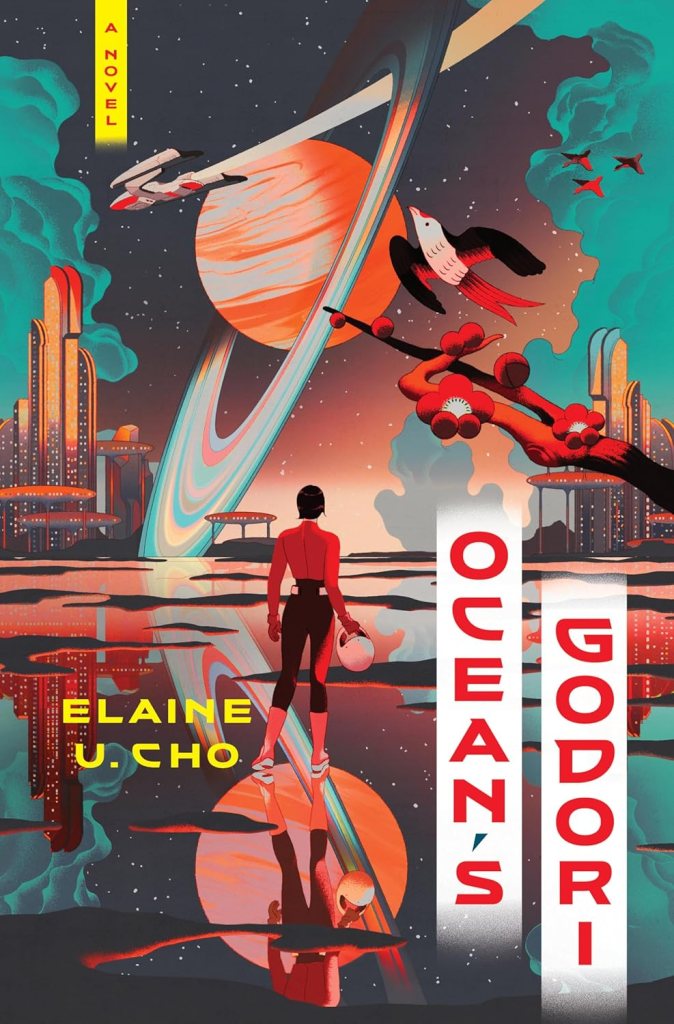
Ocean’s Godori – Elaine U. ChoReconciling with childhood and a skewed sense of identity, but all with a dose of hope and joy.

“Somebody New” – Tunde Adebimpe

It’s once again Tunde Time here on the Bookish Mutant.

I haven’t necessarily come back to a lot of Thee Black Boltz, even though I retain that it’s a great album. Somewhat regrettably, it’s the singles that I’ve mainly been returning to, but at least they were well-picked singles, I suppose? I’d say that “Ate the Moon” and “The Most” were great surprises, but singles like this, “Magnetic,” and “God Knows” are the reigning highlights. Yet “Somebody New” still surprises me in how much I actually like it—even for Tunde Adebimpe. Autotune and a more directly pop direction aren’t directions that typically work for indie rockers like him, but it works. The autotune doesn’t make his voice shinier or more polished—it just distorts it, adding another layer of synth to the synth-pop that this song is soaked in. There’s plenty of ’80s throwback in the sound, from the video production to the synths, but never does it feel like a song meant to vomit up nostalgia—it’s just another in the long line of foolproof methods that Adebimpe has employed that make a song instantly danceable. Along with the delightful music video, in which Adebimpe has a Lego Batman moment with a Yo Gabba Gabba creature, “Somebody New” is one of the best examples of when somebody outside of the pop sphere takes a stab at a pop song—and knocks it out of the park.

BONUS: Here’s his recent performance on the Tonight Show:

…AND A BOOK TO GO WITH IT:
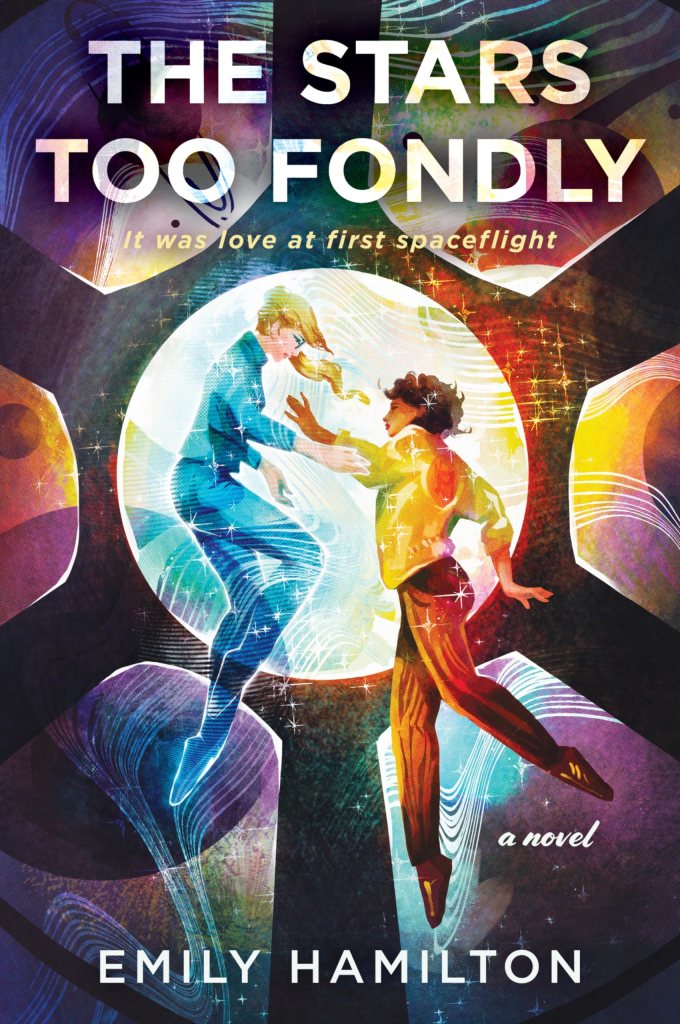
The Stars Too Fondly – Emily Hamilton“I just wanna be somebody new/Is there nothing in the world that we can say about this/Heavenly vibration coming through?/How can we feed this love?”

“Psycho Speak” – Palehound

It’s been about two and a half years since the Palehound Panic that shook the world this blog (alive and well) and my beat-up headphones (rest in peace). Although El Kempner isn’t dominating my Apple Music replay anymore, they’re always a delight to come back to, no matter the era. “Psycho Speak” returned unexpectedly, a cut from their debut EP, Bent Nail. Scrappy encapsulates so much of this barely three-minute-long song: the more indie production of their early days, the verging on out-of-breath delivery of the lyrics, and the cymbal-dominated percussion. Like the EP’s title and album cover, “Psycho Speak” evokes worn-down houses and dirty sidewalks, baseball bats dragged through the dirt. Kempner wasn’t quite at the level of precision that they have on their later songs, but “Psycho Speak” is a song that begs to be a little rough around the edges, fragmented like the end of the song: the final lyric of “I went downstairs and curled up with the cat” feels like a sentence fragment, leaving something unsaid. In fact, this track is built entirely off of things unsaid, in this tale of dating a rich man who leaves intermittently and for long periods, but who takes comfort in the company of his pets. Or maybe it’s that simple of a tale—the tiniest peephole into a story.

…AND A BOOK TO GO WITH IT:
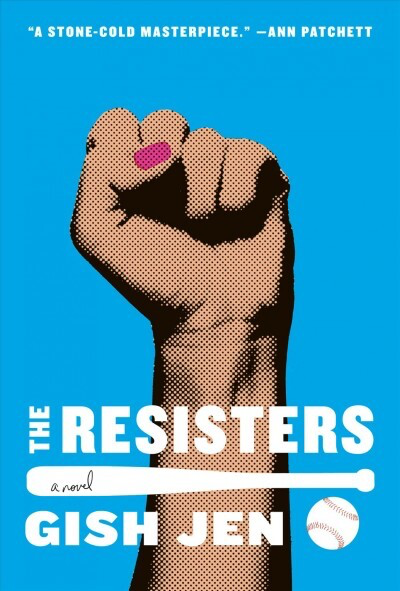
The Resisters – Gish Jenthe atmosphere of this novel, though much bleaker, has a very similar scrappy attitude and feel to it, especially where the younger characters are concerned.

“You Are A Tourist” – Death Cab for Cutie

The buzz around “You Are A Tourist” probably eclipses the song itself; its music video, a Meow Wolf-esque spectacle of kaleidoscopic lights, dancers outfitted in feathers, and geometric backdrops, was the first scripted music video in history to be shot in a single take. Given the impeccably elaborate choreography of it all, it’s honestly astounding. But even before I knew anything about the video or the fact that this song was one of their more popular ones, “You Are A Tourist” captivated me. The melody and arrangement feel so cyclical for me—from the loop at the beginning to the way that the instruments seem to circle each other, as though they were layered in concentric train tracks. And though it’s adjacent to the “I’m in my ’20s and angsty and need to get out of this town” format, as always, Ben Gibbard’s lyricism are what separates it from the rest. Of course, the “And if you feel just like a tourist/In the city you were born” instantly grabs me, but it feels less like a statement of purpose and more of a guidebook for those looking to start over and strike out on their own, a soothing, steady hand on your shoulder in the face of turbulent emotions, a kind of prayer against stagnation.

…AND A BOOK TO GO WITH IT:
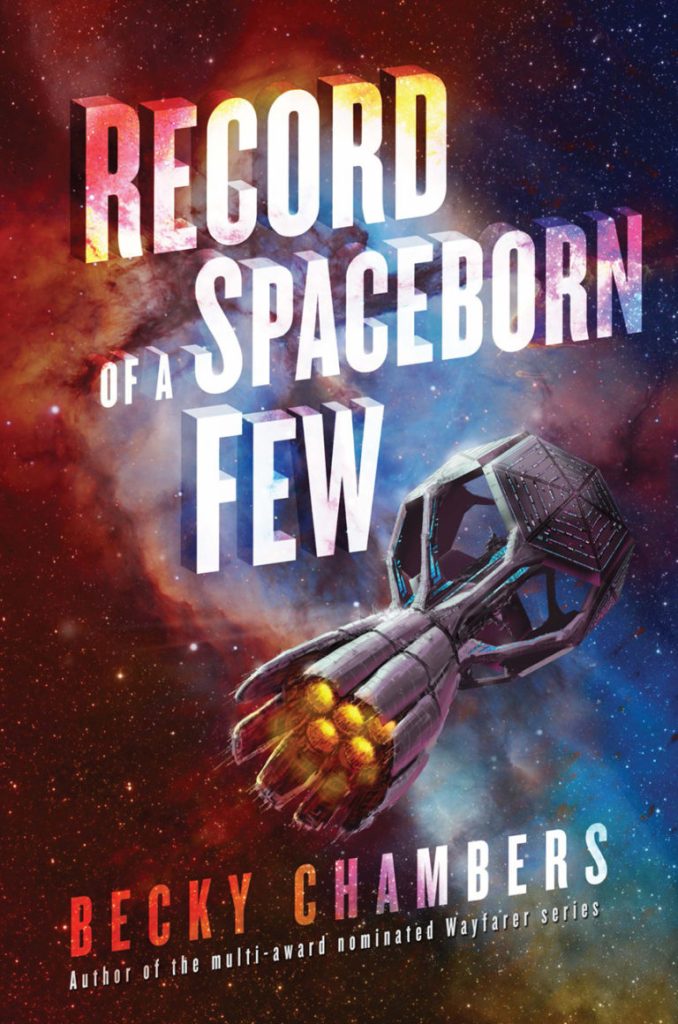
Record of a Spaceborn Few (Wayfarers, #3) – Becky Chambers“And if you feel just like a tourist in the city you were born/Then it’s time to go and define your destination/There’s so many different places to call home…”

Since this post consists entirely of songs, consider all of them to be today’s song.

That’s it for this week’s Sunday Songs! Have a wonderful rest of your day, and take care of yourselves!

Posted in Sunday Songs

Sunday Songs: 5/11/25

Happy Sunday, bibliophiles! First off, a very happy Mother’s Day to my wonderful mom. She inspires me to be a better and more creative person every day, and I don’t think I’d be putting pen to paper (in the drawing and writing sense) nearly as much without her guidance and creative inspiration. So thank you for all your support, hard work, and love. I am so, so lucky. 🩵

School’s out, and it should be back to our scheduled programming soon enough. Of course, every time I take a break, I end up rambling tenfold to make up for the absence…apologies in advance. This is what happens when you let me get ahold of a new Car Seat Headrest album.

Since I’ve been in the finals doldrums for a bit, here are my graphics from the past few weeks:

4/27/25:

5/4/25:

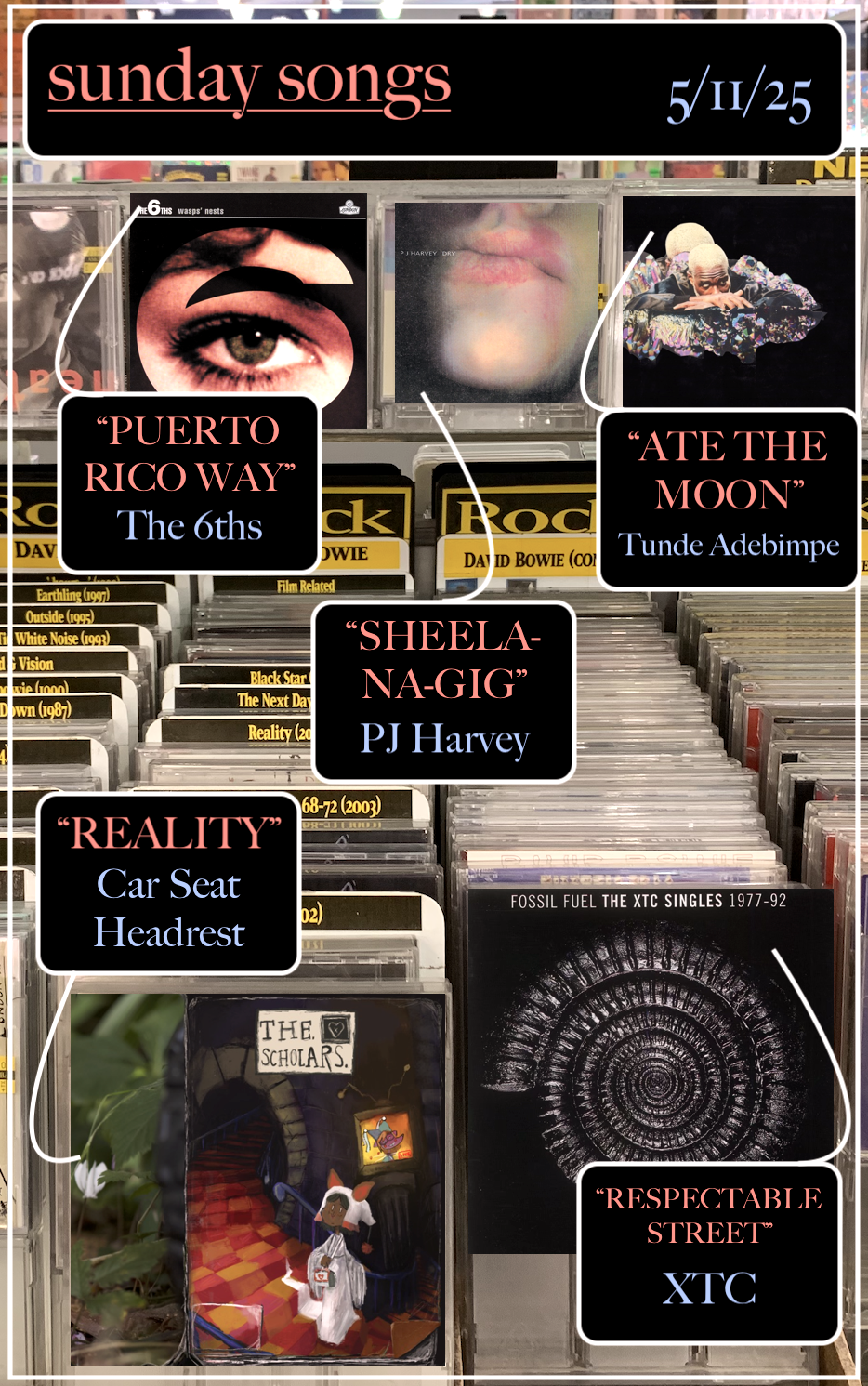
This week: BRO DOESN’T EVEN REALIZE THIS IS RESPECTABLE STREET! 🫵😂

Enjoy this week’s songs!

SUNDAY SONGS: 5/11/25

“Reality” – Car Seat Headrest

The more I think about The Scholars, the more I realize that this is the extreme of Car Seat Headrest’s qualities. Will Toledo has always been a scholar, and a deeply self-indulgent one. I don’t mean that derogatorily at all—his songs are just packed to the gills with references: often Biblical and also encompassing musical and literary greats. Although his life is still interwoven within the narrative (“Is it you or the sickness that’s talking?” on “The Catastrophe [Good Luck With That, Man]”), The Scholars is a veritable library in and of itself.

Not only are the usual suspects of Biblical references and allusions to music and literature, and Toledo’s past work are there, but The Scholars is Car Seat Headrest’s furry rock opera, an omniscient epic taking place at the fictional Parnassus University. There’s a full summary of it in a libretto that’s only available if you buy the vinyl, but thanks to the saints at Genius who, I’ve been able to piece together some of the narrative; it consists of vibrant characters coming out of the closet to their parents, participating in various subcultures around the college, a rival clown college, and a band of punk troubadours. All this culminates in [checks notes] the Dean of Parnassus University getting poisoned after the students from the rival clown college invade. It’s a trip…but I wish it was more readily available! When I say that The Scholars is self-indulgent, I love it in the sense that Will Toledo has created such an inventive, sprawling world between the notes of this album, and that he’s let his ambition run wild, in terms of the scale of the story and the prog sensibilities of the album. He clearly appreciates the value of letting people solve riddles and puzzles, but he’s left hardly any clues to piece together the narrative if we don’t have the libretto. I’d just like it to be more accessible—not in the sense of being more “listener friendly,” but in the sense that I want to actually be able to access the story. There’s clearly so many layers to The Scholars, and I’m dying to know more of the nuance.

That being said, even if you don’t know the story of the Rise and Fall of CCF and the Clowns from Parnassus University, The Scholars is a treat. For the first half, I was almost duped into thinking that the band had almost dipped back into Teens of Denial territory, which was twofold. On the one hand, Teens of Denial has a deeply special place in my heart, a staple of my fourteen-year-old girlhood and one of my favorite albums of all time. After the missteps of Making a Door Less Open, The Scholars is a return to form in some ways. As good as the first half was, I was afraid that it was too much so—even with the rock opera behind it, songs like “Equals” did rather feel like the same stories of drugs and regret that populating Teens of Denial. Yet after “Gethsemane,” “Reality” takes a turn into the more sprawling—and always fascinating. Trading off vocals between Toledo and Ethan Ives, it plunges into pure, 21st-century rock opera, complete with the avalanche of drama and pounding guitars that comes in at around the five-minute mark. I swear that some of the chord progressions remind me of “Cosmic Hero,” another one of my favorite epics from the band, but it’s painted into an unending landscape. Through all eleven minutes, I get the feeling of the culmination of all of the story’s events before the climax—it’s a drawn-out feeling, but one of certainty: they can’t escape what they’ve made, and they must move forward with acceptance of their fate; the whispered utterance of “no stage left” feels like an admittance that they can’t see what they’ve done, but there’s no escape from the consequences: they can’t see the audience. I’m circling back to self-indulgence, but the term sounds so negative: this just feels like Toledo unleashing the multitude of narratives within him. Is it easy to sit down and listen to songs that are nearly 20 minutes long? No, even for me. Yet as esoteric as it is, “Reality,” and this album, is worth your while, if you’ve got the time to set aside. Bottom line: be self-indulgent with your art. It doesn’t matter if there’s a small audience or no audience—you create what you think the world is missing, and the right people will find it.

…AND A BOOK TO GO WITH IT:

The Scholars 28-page libretto, only available when you purchase the vinyl – not trying to be snarky about it, genuinely. But heck, it’s pretty much a play in and of itself, complete with stage directions in the liner notes.

“Respectable Street” – XTC

This has to be the first Britpop song.

It’s long been accepted that XTC helped mold the Britpop movement as we know it—in fact, he almost had a direct hand in it, as he was Blur’s first choice to produce Modern Life is Rubbish; he produced a handful of the original mixes before departing from the project. But XTC made Britpop 12 years earlier. As much as I adore Blur’s sound and lyrical style from Modern Life up until about The Great Escape, hearing “Respectable Street” makes me realize exactly where they were coming in. I wouldn’t go so far to call some of it a rip-off…well, I almost would. I love Blur too much for that. Blur did develop their own style within this method, but at first, their claim to fame was largely due to songs like these. Not only does this song take a microscope to the arbitrary hypocrisies littering an uptight, quintessentially British neighborhood, but Andy Partridge has the vocal swagger to carry it all. Damon Albarn had the looks, but the line delivery is all Partridge, full of snark and with a cheeky wink as he lays out all of the double standards and not-so-well-kept secrets: “Sunday church and they look fetching/Saturday night saw him retching over our fence.” Of course, almost half of the jabs got butchered by the radio edit (“Now they talk about abortion” was replaced with “absorption,” which makes no sense, but…not a whole lot sounds like abortion, I guess?), but no amount of censorship would dull Partridge’s signature, acerbic style. Piled on with in-your-face production and the quick strikes of guitars, and you’ve got a song that inspired a generation—and hasn’t gotten the least bit old.

Also, about the promo above: I just know that set sounded heinous…I’m gonna go out on a limb and say, however talented all these guys are, that most of them did not know how to play cellos or violins. Definitely the point. Still, it must’ve sounded like middle school band practice in there…

…AND A BOOK TO GO WITH IT:

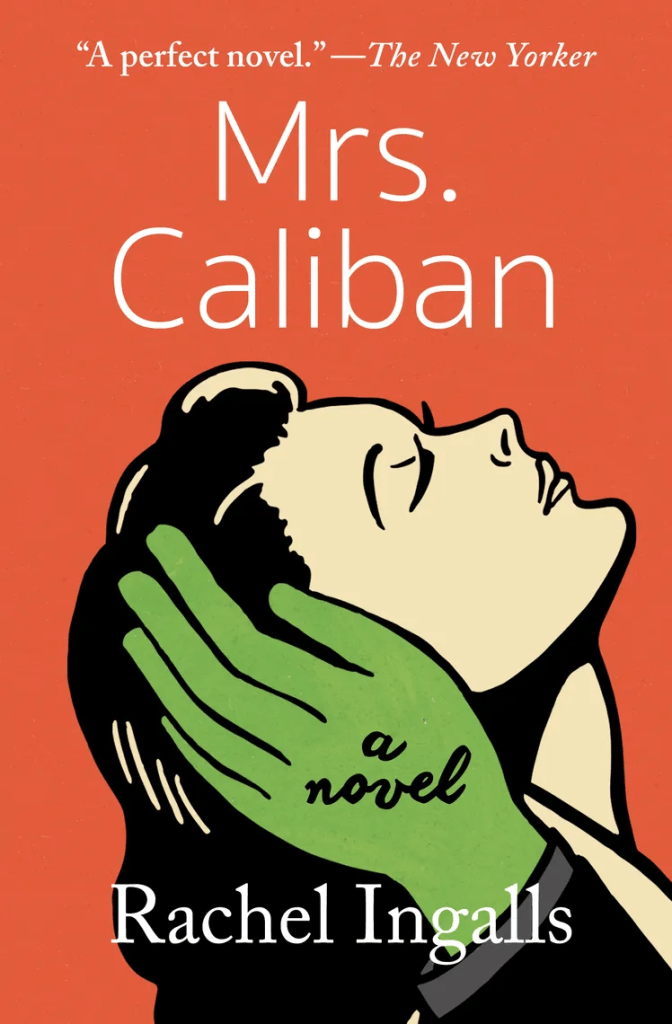
Mrs. Caliban – Rachel Ingallsnothin’ like an escaped frog creature to spice up your respectable street, eh?

“Puerto Rico Way” – The 6ths

Stephin Merritt’s writing continues to be something to behold. Even though Mark Robinson (of Unrest fame) is at the vocal helm here, this is one of the 6th’s songs that’s most indicative of Merritt’s ability to not just set a scene, but make something so objectively seedy and nasty-sounding into the most cheerful, sun-bleached indie pop you’ve ever heard. Take the first few lines:

“The sun pissing in the streets/Of some hungover place/Dances with two left feet upon her face/But soft! She is fast asleep/Beneath her mosquitoes/You would never want to know what she knows…”

First off, the imagery of the sun “pissing in the street” is a stroke of genius, evoking the lazy way that sunlight bends and dapples along the subject’s face—something so objectively beautiful turned wayward and gross, an effect that’s stacked once the drunkenness is emphasized by it “dancing with two left feet.” The environment in “Puerto Rico Way” is so bloated with alcohol and oppressive heat, but it carries itself like all of Merritt’s indie pop songs—with more confidence than it should have, given the disappointing, warmed-over love he often writes about. On the track list, it rides the high of “Here in My Heart,” which could add to the cheeriness, but this track carves out a slice of hope, even if Martina doesn’t accept the narrator’s dance, in this “hungover place.” (The drunk, free-spirited, redheaded Martina does read like a manic pixie dream girl, so maybe it wasn’t meant to be after all. Martina’s so crazzzzzzzy! Love her!!!) The admission that “Oh love, it would’ve been ideal” implies that no, she didn’t, but that indie pop-timism (I’ll see myself out) creates a wrapped towel of sunburnt nostalgia, a photograph bleached in the sun, of a fleeting dance and a fleeting girl.

…AND A BOOK GO WITH IT:

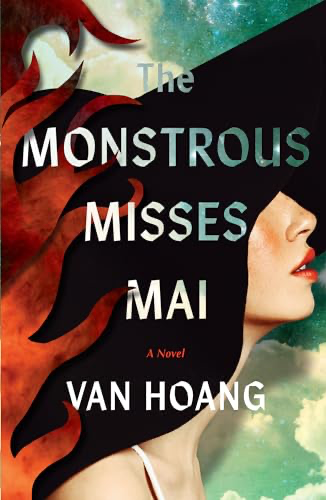
The Monstrous Misses Mai – Van Hoang“She’s drunk every single day/She’s young most of the time/She’s spent all of the rent on her decline…”

“Sheela-Na-Gig” – PJ Harvey

It’s always fascinating to look at songs that seem ostensibly quite feminist, but had none of that intention behind them. Take “Army of Me,” a song that I’ve always interpreted as being about feminine resistance, but was more about Björk trying to get her lazy brother to get up and do something with his life. The lyrics are quite self-empowered, easily interpreted as women breaking free from male-ordered subservience. The feminist leanings are there, but it’s only a sliver of the truth. Do I still feel empowered when I listen to it? Of course. But it’s not the whole story.

The same is true of “Sheela-Na-Gig.” The title references a type of Celtic fertility figure, an image of a laughing woman posing with her genitalia bared outwards. As such, the narrator goes through a sort of comedy of errors as she gets rejected over and over after flaunting her sexual qualities to no avail (“Look at these/my childbearing hips”). It’s easy to take it as a kind of internalizing what men want in women, exhibiting it, and then being turned away when it’s not to their standards; there’s an element of slut-shaming in the male figures not wanting the narrator because she’s “unclean.” The chorus of “Gonna wash that man right outta my hair” (interpolated from South Pacific) is empowered, especially after being kicked to the curb so many times by judgmental men. But PJ Harvey never intended it to be feminist song: as she told Melody Maker in 1992, “I wanted that sense of humour in the song…being able to laugh at yourself in relationships. There’s some anger there but, for me, it’s a funny song. I wasn’t intending it to be a feminist song or anything. I wanted it to have several sides.” And there is something funny about that—if you’ve been rejected with all of the repetition and swiftness of Wile E. Coyote falling off a cliff, all you can do is look back and laugh.

It is a sort of death of the author situation; “Sheela-Na-Gig” hasn’t necessarily been lauded as some feminist anthem (and Harvey said in the same interview above that she didn’t want to be “lumped in” with more forwardly feminist bands), but even a quick glance at any reviews of the song shows that’s how many people tend to take it. In the context of PJ Harvey’s other songs, which are incontestably about misogyny and her struggles as a woman in a male-dominated industry (and world) (see: “50ft Queenie”), “Sheela-Na-Gig” seems to fit into that puzzle. I don’t want to wave that over people’s heads like they interpreted it incorrectly, either—it’s not like I got the aspect on my first listen. (I credit that to Trash Theory.) Personally, I didn’t think all of it was necessarily funny at first, although being as Gen Z as I am, I’ve only heard the phrase “childbearing hips” used sarcastically, so I took that as such. After going through literary theory, I’ve definitely been on the fence-sitting side as far as whether or not to go full death-of-the-author on any given song; the reader’s interpretation does shape the work, but I find it foolish to take it without considering the author’s intent. With “Sheela-Na-Gig,” I think there’s a lot that can be empowering, but what may be most empowering to me is finding the humor in being a woman. The semi-autobiographical narrator swings and misses repeatedly, but doesn’t let any judgement get under her skin. All of the ferocious power chords signal that she’s ready to dust herself off and try again. In the present moment, the narrator hasn’t yet learned, but the fact that PJ Harvey has looked back and learned herself seems more the point to me: having the self-awareness to feel bad for your past self, but be able to laugh at their mistakes. There’s power in being able to look back and laugh instead of wallow in sorrow—when you’re a woman, it’s all you can do sometimes. It may not necessarily be feminist, but it sure is a part of life.

…AND A BOOK TO GO WITH IT:

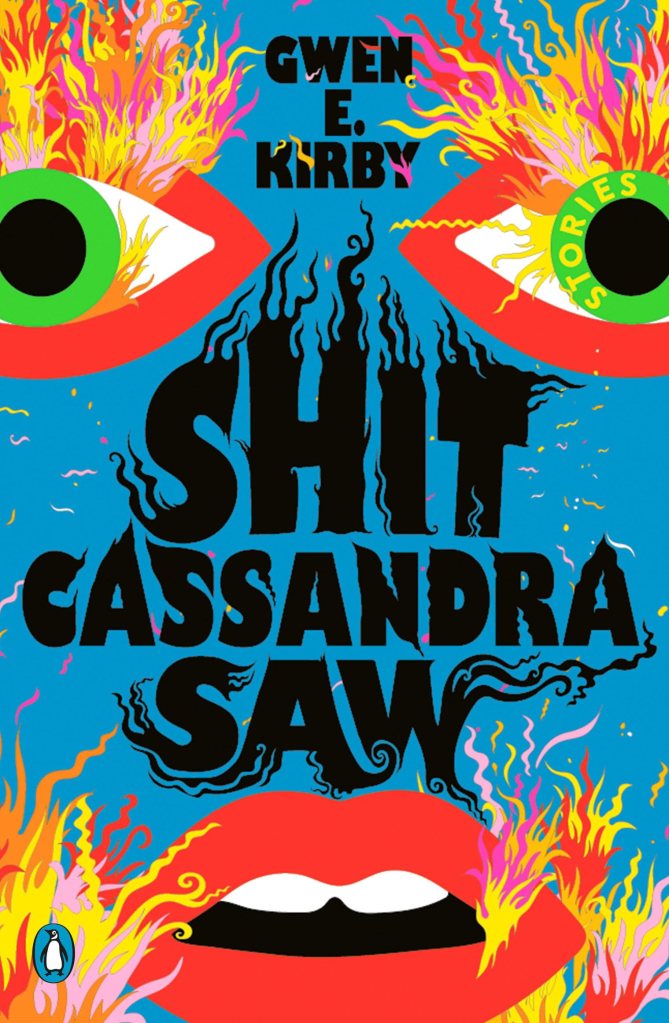
Shit Cassandra Saw – Gwen E. Kirbychronicling the varied experiences of women with wry humor—and honesty.

“Ate the Moon” – Tunde Adebimpe

It’s been almost a month since Thee Black Boltz came out, and the question remains: is this enough to sate us through the dreaded TV on the Radio drought? For the most part, I’d say yes—but it’s a separate, branching effort. Though it proves that Tunde Adebimpe was the beating heart of the band, he’s more than formidable on his own, minus Dave Sitek’s production and piled on with more synths. Though it’s not without its misses, Thee Black Boltz feels like Adebimpe stretching his fingers out in all different directions, but never stretching them beyond what makes me come back to TV on the Radio so often.

With a central theme of overwhelm during times of crisis and searching for light—creativity—amidst the choking smog, Adebimpe turns to synths and more danceable beats (see: “Somebody New,” a bolder, dancier gamble that mostly paid off in spite of the autotune) in order to pull through. “Ate the Moon” is about that overwhelm, if the title doesn’t already clue you in. Swallowed by anxious spiraling and visions of horror, the narrator scrambles for answers, but finds only regret: an echoing, childlike voice proclaims after the “the man who ate the moon” chorus that “and he choked, of course, because he bit off more than he could chew. Such a dummy!” “Dummy” echoes and is pitched down as it fades out, distorted into a trickster baring a triumphant, toothy grin as it disappears into the darkness like the Cheshire Cat. “Ate the Moon” certainly has some of what I think the albums pitfalls are: the lyricism is on the simpler, more obvious side. Not inherently a drawback, but after something as rawly and artfully written as “Tonight,” it feels cheap for him to rhyme “fire” and “desire” for the millionth time. It’s like Jeff Tweedy using someone being “cool enough to be ice cream” as a metaphor after being such an unparalleled poet otherwise. But like “Ice Cream,” it’s easy to love “Ate the Moon.” With the instant hit of Adebimpe’s boxing gloved punch of a voice and the synths and guitars that have been sewn into an electronic gestalt, it’s one of the most unique songs on the album, an adrenaline-pumped trip into the downward spiral of autonomy-less fear.

…AND A BOOK TO GO WITH IT:

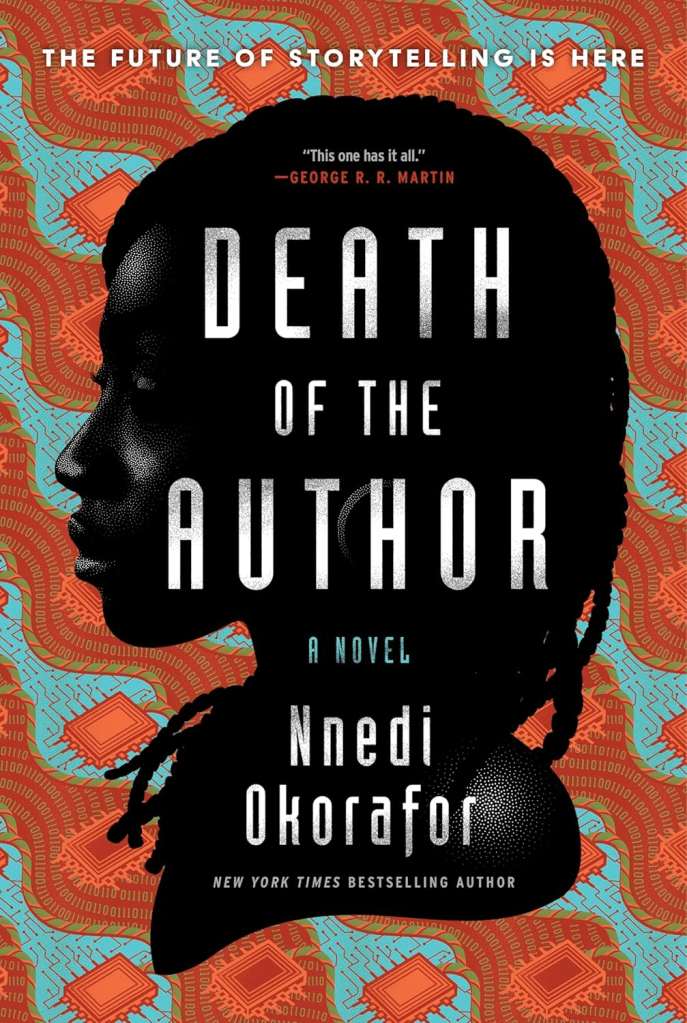
Death of the Author – Nnedi Okorafor“Seems I was iII-prepared/For the fall that finds me here/Sad extremes running through my head/Knocked my blues into the red…”

Since this post consists entirely of songs, consider all of them to be today’s song.

Posted in Sunday Songs

Sunday Songs: 3/30/25

Happy Sunday, bibliophiles! I hope this week has treated you well.

This week: new music from 2025—both released this year and overheard before a Soccer Mommy show.

Enjoy this week’s songs!

SUNDAY SONGS: 3/30/25

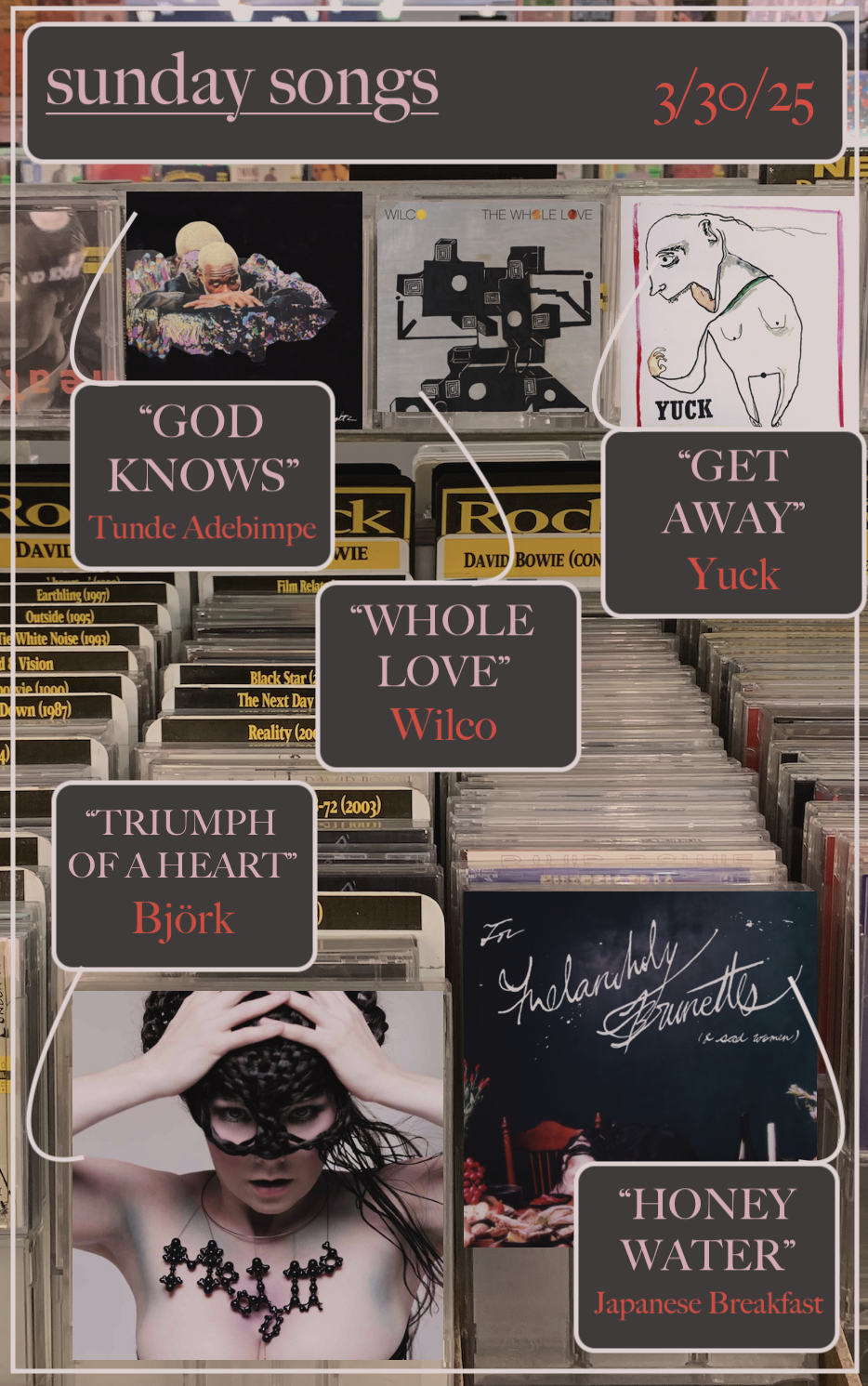
“Triumph of a Heart” – Björk

I’ve finished the Sonic Symbolism podcast, and all it’s left me with is a rabid desire to do a deep dive of the rest of Björk’s albums. Medúlla is enticing as it’s the next one chronologically (even though I’ve given up on listening to her albums chronologically), but also because of the uniting concept behind it. Inspired by primal, prehistoric imagery of motherhood, family, and storytelling around campfires, Medúlla was constructed almost entirely from the human voice. Aside from some synths and piano, it’s almost all a-capella, but not in the way that you’d think. Each voice becomes percussion, scattered onomatopoeia, and rising tidal forces that lift something primal from your soul. And every possible voice ends up featuring on this album—Tanya Tagaq (throat singing), Rahzel, Dokaka (beatboxing), and Mike Patton (deep backing vocals that Pitchfork described as “demonic”) all feature in the varied vocal tapestry. I ended up being too busy to write about “Pleasure Is All Mine,” but that song, in its simultaneous feminist ode and playful toying with women’s capacity to be selfless, really does succeed in digging into something innate, almost instinctual within me.

In concept, “Triumph of a Heart” is almost as ridiculous as the music video. (Fun fact: Björk’s cat husband in this video spawned the “I should buy a boat” meme from way back when.) Forming the percussion of the song, alongside Dokaka’s melodic beatboxing, is what can only be described as restrained raspberry noises and sounds that are almost akin to somebody who’s only heard a cat once trying to make cat sounds. Yet it all works in such a familiar yet alien synchronicity that comes together in a way that only Björk can make it. The track is an ode to how music can make you feel and the joy of dancing, a pleasure shared since early humans were able to whack sticks together and harmonize around the fire; maybe it’s an obvious choice for this album, but using only bodily instrumentation is the perfect medium to explore the visceral nature of music and dance, the way that it sometimes vibrates your soul: “The nerves are sending shimmering signals/All through my fingers/The veins support/Blood that gushes impulsively towards/The triumph of a heart.” I always see such sentiments of people undervaluing the arts, even as they consume it by the truckload and think nothing of it; it’s not a viable, useful profession, more fodder for AI and mindless listening. It’s so easy for us to forget that art in all its forms, the same as the need for medicine and food, is innate to us, and has been since we were gathered in the shelter of the first fires.

As a bonus: here’s some behind the scenes footage of the recording of “Pleasure Is All Mine”:

…AND A BOOK TO GO WITH IT:

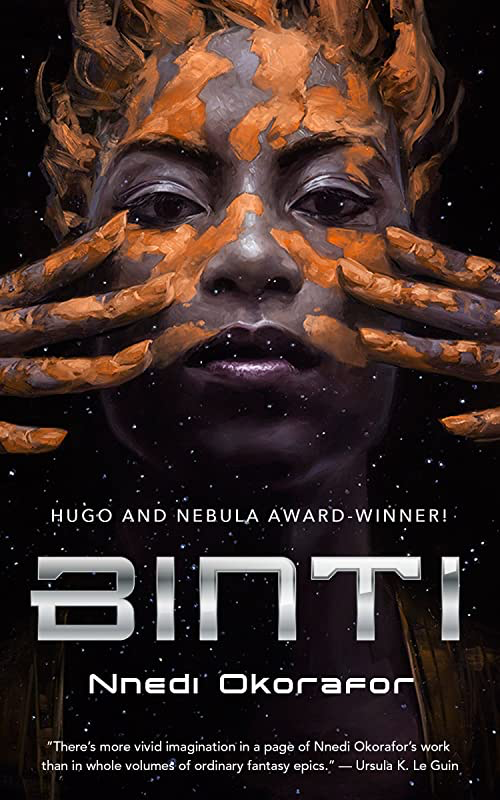
Binti – Nnedi Okoraforthis novella also falls into that merging of preserving cultures that have survived for thousands of years and alien technology, and it blends into a bizarre, delightful trilogy.

“Honey Water” – Japanese Breafkast

For Melancholy Brunettes (& sad women) sadly fell under the She Reaches Out to She Reaches Out to She curse on this blog, which roughly translates to “I wanted to write about at least 2-3 of the singles, but they all ended up landing on weeks where I didn’t have time to write.” Shame, really, because “Orlando in Love” and “Mega Circuit” were silk-drapingly romantic and creepily artful, respectively. Now that I’ve listened to the whole album, at its best, it embodies those qualities, oscillating from semi-autobiographical, tragic stories to some of the more fictional songwriting that Michelle Zauner drew on for Jubilee. She simultaneously leans into the notion of the “sad girl” while critiquing the fact that women are so often pigeonholed into this description (see the title), embroidering her own dramatic melancholy with orchestral arrangements and references to Greek mythology. Though it wasn’t always successful and the end dragged (see: “Men in Bars,” an faux-earnest, ballad-y duet with…Jeff Bridges? Huh?), For Melancholy Brunettes was, for the most part, an artistic leap that was a good 75%-80% successful in its feats of daring. It acknowledges its place amongst the traditionally emotional role of female musicians, but also acknowledges the light that peers in through the cracks (see: “Here Is Someone”—for maximum enjoyment, transition it with “Frosti” by Björk).

“Honey Water” was one of the standout tracks. I never thought of Japanese Breakfast as someone who could necessarily conjure up eeriness. Sure, she’s written plenty about all manner of unpleasant feelings, but I’ve never gotten dread as one of the most prominently featured ones. Zauner’s signature, breathy whisper takes on the feeling of a carnivorous plant laden with dew, ready to ensnare all manner of insects. Yet she’s not the one doing the ensnaring in this song—the narrative, toeing the line between fiction and reality, as her songs often do, speaks of an unfaithful lover repeatedly leaving her for someone else: “The lure of honey water draws you from my arms so needy/You follow in colonies to sip it from the bank/In rapturous sweet temptation, you wade in past the edge and sink in/Insatiable for a nectar, drinking ’til your heart expires.” The dread that Zauner dredges up is more a kind of stagnation, the sinking feeling of seeing the inevitable unfold around you, and yet somehow feeling powerless to move—or leave. The closing refrain, as the guitars rise in a crashing, insectoid drone, echoes Slaughterhouse-Five’s famous tidbit: “So it goes/I don’t mind”; the narrator convinces herself that all of her partner’s unfaithful transgressions are a fact of life. That tired powerlessness is what makes the dread so palpable, the music swallowing her as she mutters the last repetition of her exhausted mantra.

…AND A BOOK TO GO WITH IT:

The Familiar – Leigh Bardugo“In rapturous sweet temptation, you wade in past the edge and sink in/Insatiable for a nectar, drinking ’til your heart expires…”

“God Knows” – Tunde Adebimpe

Remember how I was halfway chiding myself for hoping that Thee Black Boltz was just going to be TV on the Radio 2: Electric Boogaloo? Now that “God Knows” is out, I think that might honestly just be what the album is like regardless of expectations. “Magnetic” introduced us to a familiar, nostalgic sound full of energy, “Drop” was the point where Adebimpe seems to diverge, and now we’ve got “God Knows,” which sounds straight off of Nine Types of Light or even Dear Science. It’s giving me some perspective on how much Adebimpe made TV on the Radio—Dave Sitek constructed the scaffolding, but Adebimpe was the heart of it all, without a doubt. Balancing sharp acoustic strumming with synths that ripple and bubble, this track adds to “Drop” in the sense that both songs feel like they’re floating. It fits with the album cover for me—as Adebimpe clings to his geode island in the middle of an undefined void, he’s buoyed through it, like an ocean, propelled by nothing but the endlessly catchy hooks he’s been producing of late. “God Knows” stands out to me as the strongest of the three offerings so far—like “Magnetic,” it’s been sharpened to its tightest point to make indie rock tracks that wouldn’t be out of place 10 or even 20 years ago. Tunde is timeless.

…AND A BOOK TO GO WITH IT:

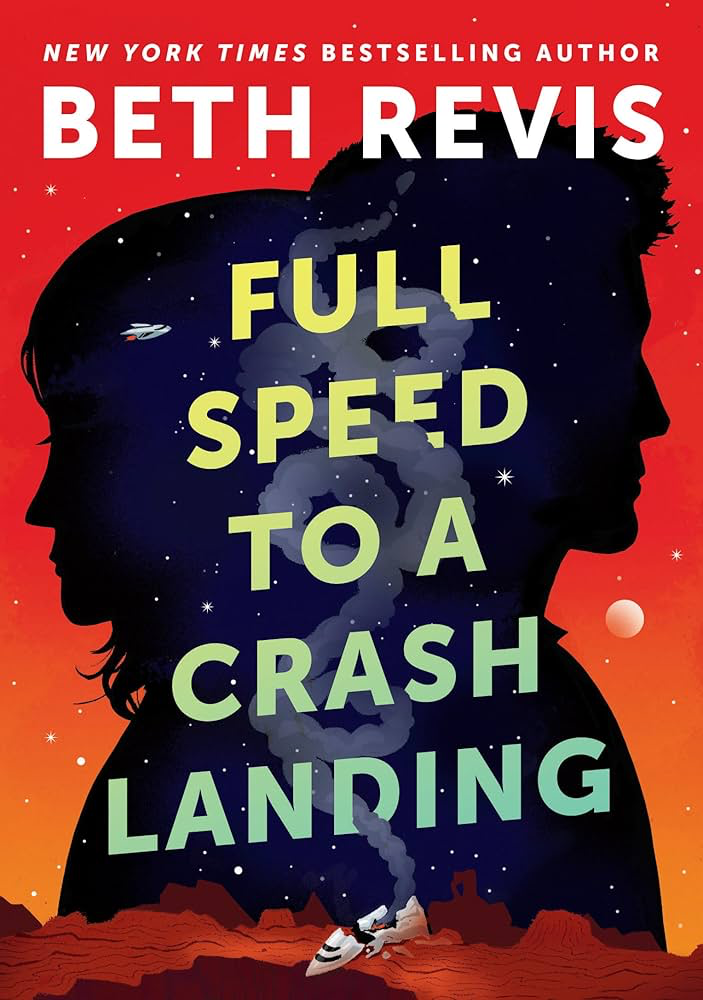
Full Speed to a Crash Landing – Beth Revis“God knows you’re the worst thing I’ve ever loved/And you’re bad news/But we still got to have our fun…”

“Whole Love” – Wilco

Man, YouTube comments are so funny sometimes. I hope the Latina woman who posted “I love this white song, don’t tell my homegirls I listen to this” is doing okay and still listening to Wilco happily. Wilco really is the great unifier.

Here’s an album that I’ve probably listened to in full, but only remember about half of. The Whole Love soundtracked many a car ride to school or piano lessons and whatnot back in 2011. I even remember popping my dad’s borrowed CD into my old Hello Kitty CD player while I was playing with my Build-A-Bears in my room. That should give you a picture of the kind of hipster child I was, but I digress. The resulting tour was also the first time I saw Wilco—and my very first concert, at Red Rocks at the age of eight. So even if I haven’t mapped it out fully, The Whole Love was integral to my childhood, whether it was watching the music video for “Born Alone” on my dad’s old laptop (I distinctly remember saying that it “made my head spin”) or sitting on my dad’s shoulders on that summer night. Really, it boils down to my dad. Raising me on all that Wilco made me turn out alright, I think.

Back to “Whole Love” in particular. The song already carries a metric ton of nostalgia for me, but it never gets old with any successive playing. As far as The Whole Love goes, it feels like one of the more accessible tracks—it’s classic Wilco, but with the artsy twist that the album presents. There’s a passage in Steven Hyden’s This Isn’t Happening: Radiohead’s ‘Kid A’ and the Beginning of the 21st Century that talks about the significance of album openers setting the tone for the album as a whole. Hyden points to “Art of Almost” as an example—with all of the Thom Yorke-esque synth weirdness, it signals to the listener that this is gonna be the weird Wilco album. That experimental nature leeches into the most “accessible” sounding tracks—like this one. Even as Jeff Tweedy brings his gentle, acoustic sway into fruition, the background can only be described as fluttering—they jitter and judder like the freshly-dried wings of just-hatched butterflies, creating tiny fractals in the background. Yet even if you stripped that weirdness away, “Whole Love” would still be a classic—whether it’s craft or my nostalgia talking, there’s something so innately comforting about the layered harmonies, folded on top of one another like layers of fine fabric.

…AND A BOOK TO GO WITH IT:

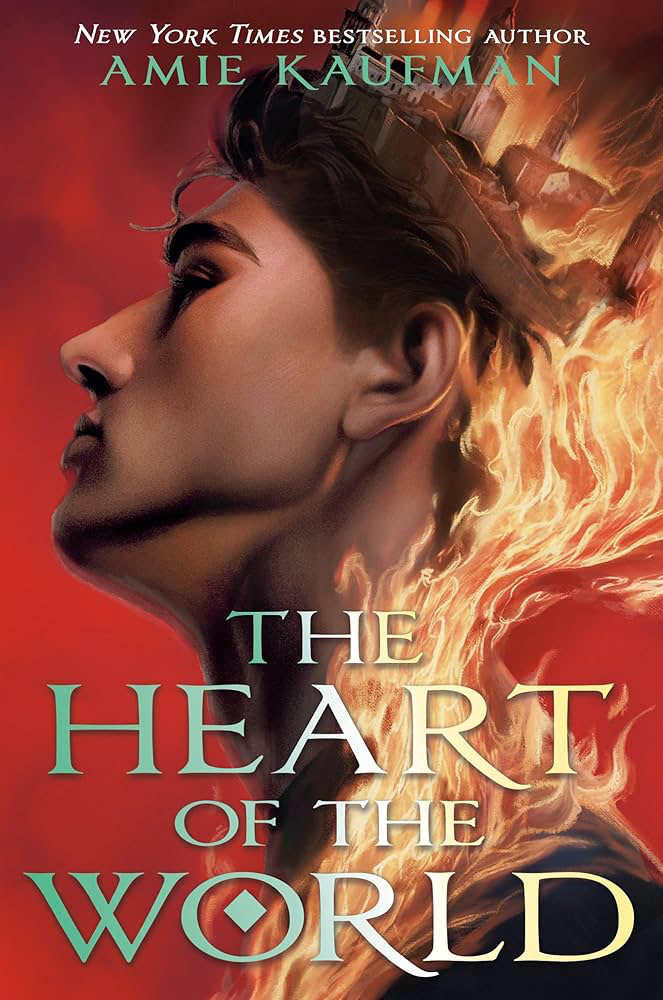
The Heart of the World (The Isles of the Gods, #2) – Amie Kaufman“And I know that I won’t be/The easiest to set free/And I know that I won’t be the last/Cold captain tied to the mast…”

“Get Away” – Yuck

This song played before Soccer Mommy came on when I saw her a few weeks back, and for a split second, I confused it for some Apples in Stereo song that I somehow hadn’t heard in my childhood. Turns out, there’s probably no Apples in Stereo song that I missed when I was a kid, hence why I didn’t recognize it. (Cut me some slack, it was loud in there…) Yuck doesn’t have the same electronically-oriented whimsy as the Apples in Stereo, but they seemed to branch off of the indie sound of the early 2010’s, with their synth-like guitars, ’90s distortion, and the nasally vocals of Daniel Blumberg. Those guitars were what made me nearly mistake them for the Apples in Stereo, but they’re clearly more students of, say, Sonic Youth or Dinosaur Jr. But they had that sun-soaked, 2010’s indie aesthetic down to a science; even without the yellow filter on their music video, “Get Away” just oozes the sensation of a dream of being on a road with no speed limits while the sun beats down through the windshield. Even as Blumberg laments that he can’t get away, wrestling with negative thoughts, the track speeds along with a carefree freedom, kicking up gravel as it forges its own path. Certainly fits right in with Soccer Mommy’s sound too—she’s got an eye for good indie, that’s for sure….

…and so does the Academy, apparently? You’re telling me that this guy just won an Oscar for his original score for The Brutalist? That’s a connection I didn’t expect to make in this post…good for you, Daniel Blumberg!

…AND A BOOK TO GO WITH IT:

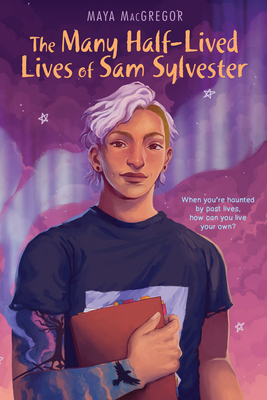
The Many Half-Lived Lives of Sam Sylvester – Maya MacGregor“Summer sun says get out more/I need you, I want you/But I can’t get this feeling off my mind/I want you, I need you…”

Since this post consists entirely of songs, consider all of them to be today’s song.

That’s it for this week’s Sunday Songs! Have a wonderful rest of your day, and take care of yourselves!
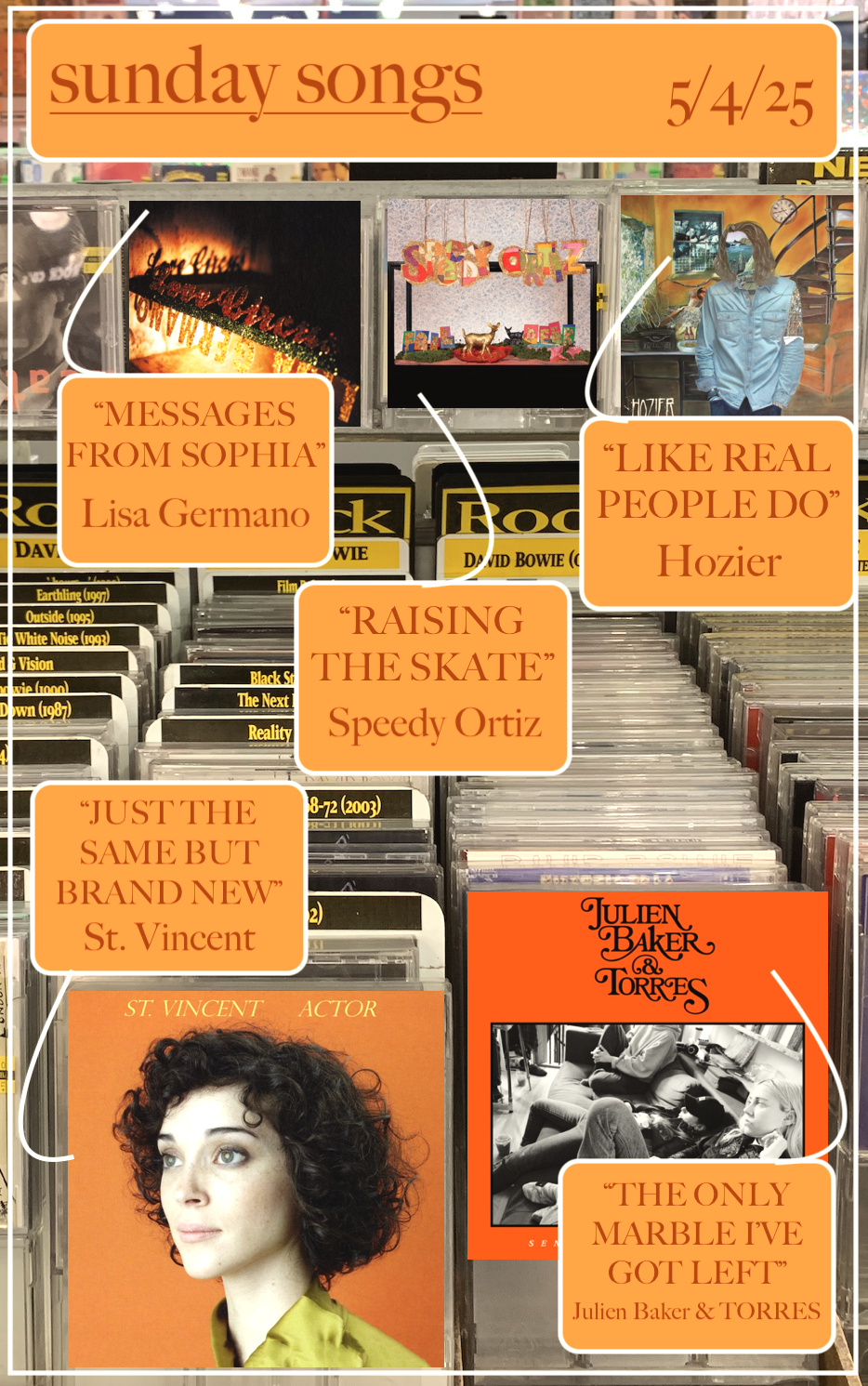
Posted in Sunday Songs

Sunday Songs: 2/9/25

Happy Sunday, bibliophiles! I hope this week has treated you well.

This week: there’s never a bad time to listen to Gorillaz, but I certainly could’ve timed when I listened to Humanz better.

Enjoy this week’s songs!

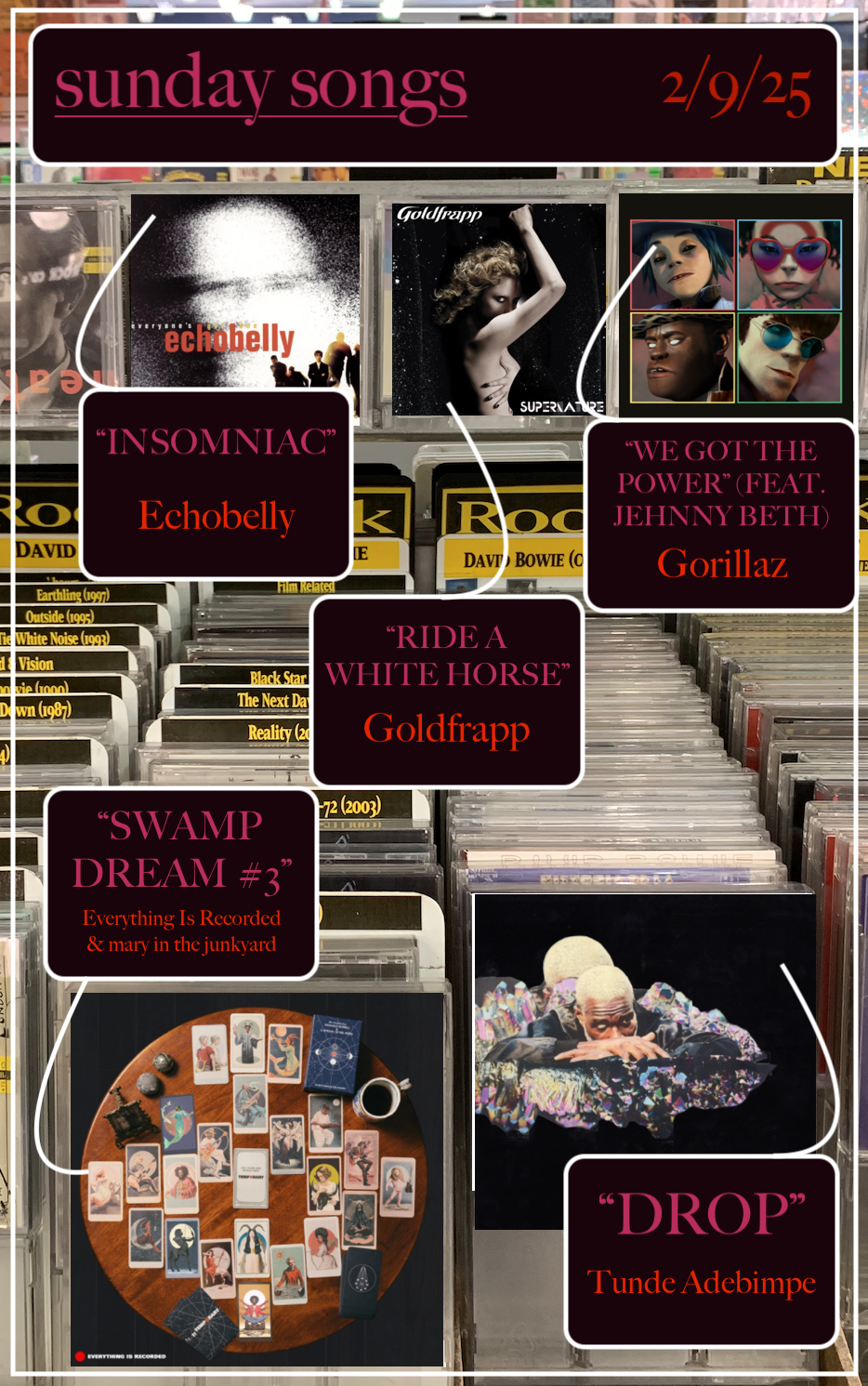
SUNDAY SONGS: 2/9/25

“Swamp Dream #3” – Everything Is Recorded & mary in the junkyard

We now return to some much-needed mary in the junkyard-posting. I suspect it’ll become consistent…at some point. Not to pressure them, but hopefully this year (or the next) holds a full-length album in the future?

In the meantime, we have an excellent collaboration between them and Everything Is Recorded, the stage name of producer Richard Russell (also the founder of XL Records); he’s produced several albums under the name, often amassing a wide variety of musicians and songwriters to bolster them in a Gorillaz-like way, minus the cartoon characters. His forthcoming album, Richard Russell is Temporary, includes the likes of Florence Welch, Kamasi Washington, Noah Cyrus, Roses Gabor (a.k.a. the singing voice of Noodle on “DARE”), Bill Callahan, and mary in the junkyard! Granted, I hadn’t heard of Everything Is Recored until mary in the junkyard announced this single, but if this guy’s the owner of a record label, I could only hope this would introduce this fantastic, burgeoning gem of a band to a wider audience.

If “Swamp Dream #3” becomes the band’s ambassador, I wouldn’t mind either. Even though it’s more electronic than most of their catalogue, it’s got a naturalistic, moss-covered feel to it that you can’t scrape off of their sound no matter how many synths you paste onto it. It has the juddering thrum of rusted machines, all at once simple and a doorway into a hidden world; although I love the music video, “Swamp Dream #3” is begging for some kind of stop-motion treatment. I imagine it as an outside view of a termite’s mound or a rabbit’s warren, with the camera panning over clay worms poking out of the dirt and tiny insects, moles, and other underground rodents traversing the vast network of tunnels. (The real worms and beetles suffice, though.) Clari Freeman-Taylor’s vocals bring a kind of wonder to the song, a curiosity that isn’t quite childlike, but still seeks to shove its hands into the sand and the dirt, searching for hidden pathways and possibilities: “Mystery of my own flesh/I’ll never stop wondering/Never stop/Turning inside out.” Needless to say, the chorus, a repetition of “into the dirt” backed by looped vocals and a stuttering drum machine, could not be a better fit for a song with hands dirtied from looking for earthworms in the ground.

…AND A BOOK TO GO WITH IT:

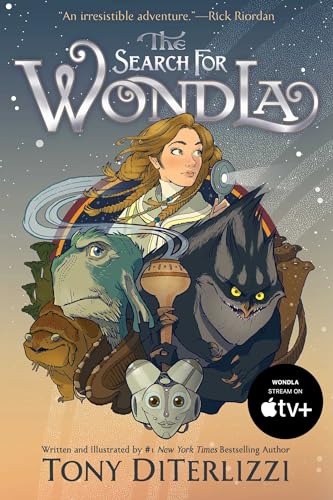
The Search for WondLa – Tony DiTerlizzi“You are from an old land/Crafted out of wet sand/What is it all about?/Staring at your hands…”

“Drop” – Tunde Adebimpe

NEW TUNDE ADEBIMPE JUST DROPPED!! THEE BLACK BOLTZ!! OUT THIS APRIL!! I’m not sure if anything will ever cure the decade-long TV on the Radio drought, but man, a new album from such a fantastic talent sure comes close.

I never got around to writing about “Magnetic,” but it felt so much like TV on the Radio to me—it was distinctly Tunde Adebimpe, but it had that same urgent propulsion that made their indie hits feel ageless. It’s one of those tracks that makes you see how far the footprints of one particular member of a band in their music. TV on the Radio bunched several people together with magic touches into a single band, which is startling, but this touch is unmistakably Adebimpe’s. But “Drop” is where his sound begins to branch out and diverge into something wholly new. It has a flavor that’s simultaneously ’80s and 2010’s indie pop. Once the beatboxing intro fades away, rhythmic as bubbles popping in midair, it becomes a much more relaxed yet introspective dive into Adebimpe’s mind. As the guitars—clean enough to almost sound like synths—radiate into the calm ripple of the track, he grapples with a sensation of awakening; “Drop” couldn’t be a more apt title for a song whose lyrics are steps away from launching off a daunting yet hopeful precipice: “I′m gonna try it for myself/I’m gonna need somebody′s help/Cast an extraordinary spell/And rise into the night.”

Together, “Magnetic” and “Drop” couldn’t make me more excited for the range of Thee Black Boltz. “Magnetic” was a perfect access point for the fans who were wanting something close to TV on the Radio 2: Electric Boogaloo (listen, it’s kind of a self-callout), but “Drop” represents the somewhat uncharted territory that we have yet to see Adebimpe cover fully.

…AND A BOOK TO GO WITH IT:

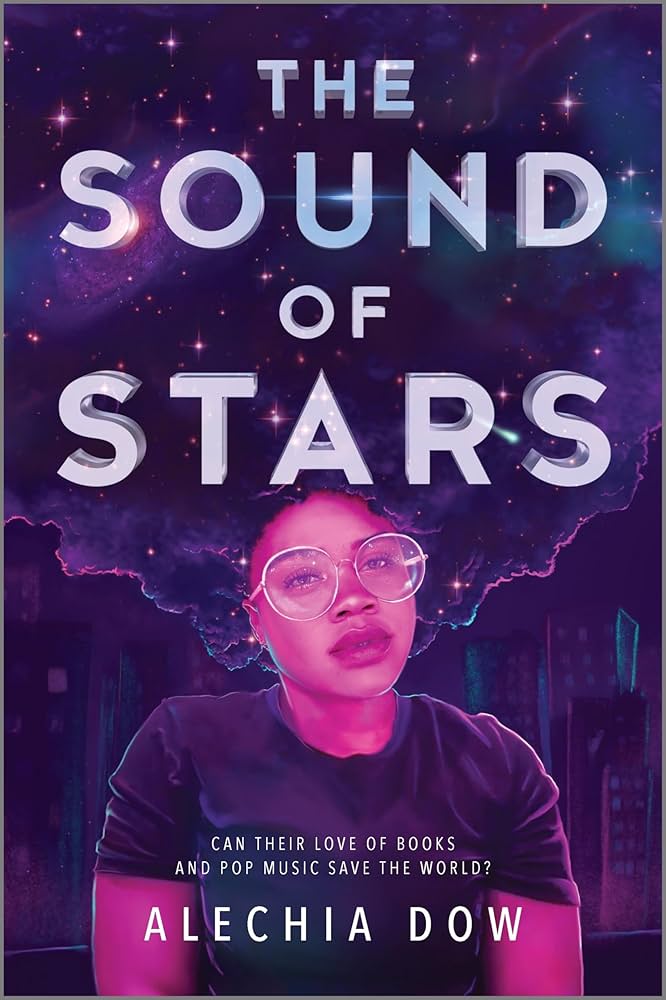
The Sound of Stars – Alechia Dow“We′re gonna feel it when we drop/Let′s go out where the visions never stop/There is a light/There’s a light just beyond this horizon/See it shine and rise into the night…”

“Insomniac” – Echobelly

Generally, the British were absolutely cooking with grease as far as rock music goes from about 1964 on, but there’s something so fruitful about the ’90s to me. If it’s from the period from 1992-1999 and it’s British, there’s a solid 75% chance that I’ll enjoy it. No, wait. Not exclusively the Brits, just because ’90s rock was so good, guys, but I just love the ’90s. To me, 1994 seems a particularly ripe crop of the vast harvest of the decade, especially the Britpop boom of the first half of the ’90s. Three out of the four of Britpop’s Big Four released albums: Blur with Parklife, Oasis (🤢) with Definitely Maybe, and Pulp with His ‘n’ Hers. But even if you look past the big players, 1994 is full of gems—”Insomniac” being one of them.

I just love Britpop, man. God. I talked a bit about Echobelly last year (with “Bellyache,” from this same album, Everybody’s Got One) with their propensity to take the genre’s penchant for social commentary a step further, as well as their much more diverse lineup compared to many Britpop bands of the time. (Not one but TWO women of color in a Britpop band was pretty much unheard of at the time) “Insomniac” is much more radio-friendly, but it embodies the “pop” of the Britpop, but never in a mindless way—more in the way that their contemporaries could wrap commentary in the most delicious guitar hooks. As Sonya Madan sings of her concerningly high subject (“I think we’ve lost control, dear/Whatever turned you on/You put it up your nose, dear”), the guitars absolutely knock you upside the head. You couldn’t wring the pure Britishness out of it if you tried (particularly the way that Madan sings “I swim in circles/In puddles/In trouble and then I go” like it’s a nursery rhyme…on a song about substance abuse), but you couldn’t wring the pure rock n’ roll out of it, either—this is what a hit should be.

…AND A BOOK TO GO WITH IT:

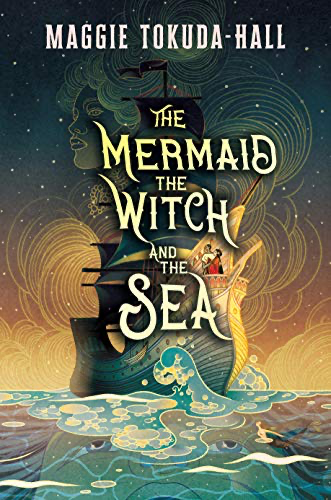
The Mermaid, the Witch, and the Sea – Maggie Tokuda-Halleven though Alfie gets a more sympathetic redemption arc in the final book, some of his relentless drug abuse certainly rings close to this song.

“Ride A White Horse” – Goldfrapp

“Ride A White Horse” is about as clean of a song you could get. It’s more than polished—it came out of the womb shinier than a disco ball, and its blinding sheen is made for dancing. Alison Goldfrapp has insisted that the title wasn’t a nod to T. Rex (but sort of was a reference to this), but the two songs couldn’t be further from each other—the dance-pop glamour of this song is about as far as Marc Bolan and company frolicking through the woods, but both have entirely distinct energies that differentiate themselves far beyond their respective choice of animals. Even for something made in 2006, Goldfrapp and Gregory’s work still sounds straight out of a club in the Blade Runner universe. Part of this is why I think the choice of making the music video for “Ride A White Horse” the epitome of dirty is kind of genius fit—it’s such a sanitized song, and yet Alison Goldfrapp sings it against superimposed backdrops of rotting food waste with scraps of toilet paper stuck to her heels, not to mention the cameo from what appears to be the proto-Trash Man. Even when there’s flies buzzing off of it, the polish of it never fades.

Also, because this popped up when I looked this up on YouTube, here’s a bit of unexpectedly delightful Goldfrapp content:

…AND A BOOK TO GO WITH IT:

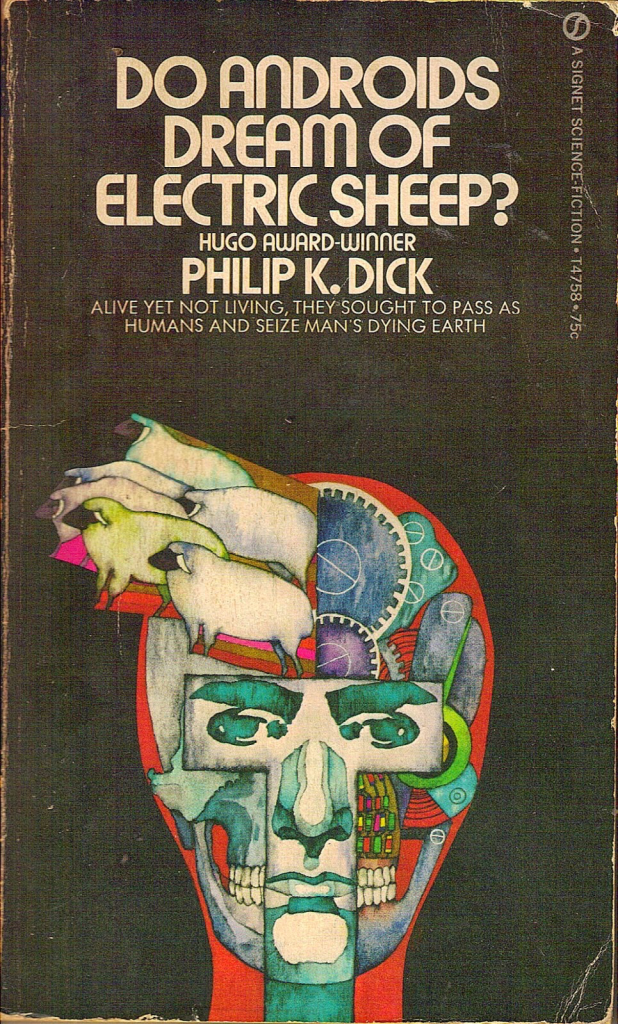
Do Androids Dream of Electric Sheep? – Philip K. Dickas much as I disliked this book, I can’t deny that it fits the atmosphere—more so of the movies, as I said before.

“We Got the Power” (feat. Jehnny Beth) – Gorillaz

In retrospect, it was probably a terrible idea to listen to Humanz for the first time mere days before the inauguration just because of the album’s conception. When telling Pusha T, one of the album’s plentiful collaborators, what the atmosphere of the album was, Damon Albarn described it as “a party for the end of the world if Trump wins.” Not only did he say this well before Trump was elected, but…well, y’know. We all know the mess we’re in. Humanz often gets lambasted by the fandom as their worst album. I wouldn’t say it’s bad, but I think it’s the nexus of modern Gorillaz, which is to say that it’s the point where their albums became increasingly devoted to their collaborators as opposed to the creative force of Albarn and Hewlett. Said collaborators are hit or miss, but most of the songs have a verse by Albarn with the exact same filter over his voice once the collaborators have had their place in the sun. Much as I love my guy Damon, it got slightly tiring after about 10 songs. But if it’s a party for the Trump-era hellscape, Humanz fulfills its purpose with flying colors, balancing social commentary with gloriously catchy pop songs. I feel like the thesis is perfectly encapsulated by Vince Staples’ chorus on “Ascension”: “The sky is falling, baby/Drop that ass before it crash.”

In spite of all that, the album ends on an anthemic note—”We Got The Power.” As simple as the lyrics are, simplicity is what this track needs. In times so overwhelmed with shock, horror, and doom, sometimes a more concise message is the best thing to cut through the noise. “We got the power to be loving each other/No matter what happens.” IT’S TRUE! It’s why “All You Need Is Love” has endured for so long. It’s simple, but it’s the kind of uniting message that we needed. If anyone should know that, with their history of cleverly packaged social commentary, it’s Gorillaz. Albarn is joined by Jehnny Beth (if I had a nickel for every time I’ve heard Jehnny Beth sing a French verse on a British band’s song, I’d have two nickels, etc., etc.) and an uncredited Noel Gallagher. I briefly mentioned it before it, but as much of an Oasis hater as I am, it really is beautiful that they were able to set aside the stupidest possible differences, realize how stupid they were, and join forces on a song about loving each other. You can’t not appreciate it. (To say nothing of Liam…) And as the closing track to an album about a party at the end of democracy, it’s a welcome light at the end of the tunnel, and a true light—it’s not the flashing club lights that shroud the fear of most of the album, but a real lodestar.

…AND A BOOK TO GO WITH IT:

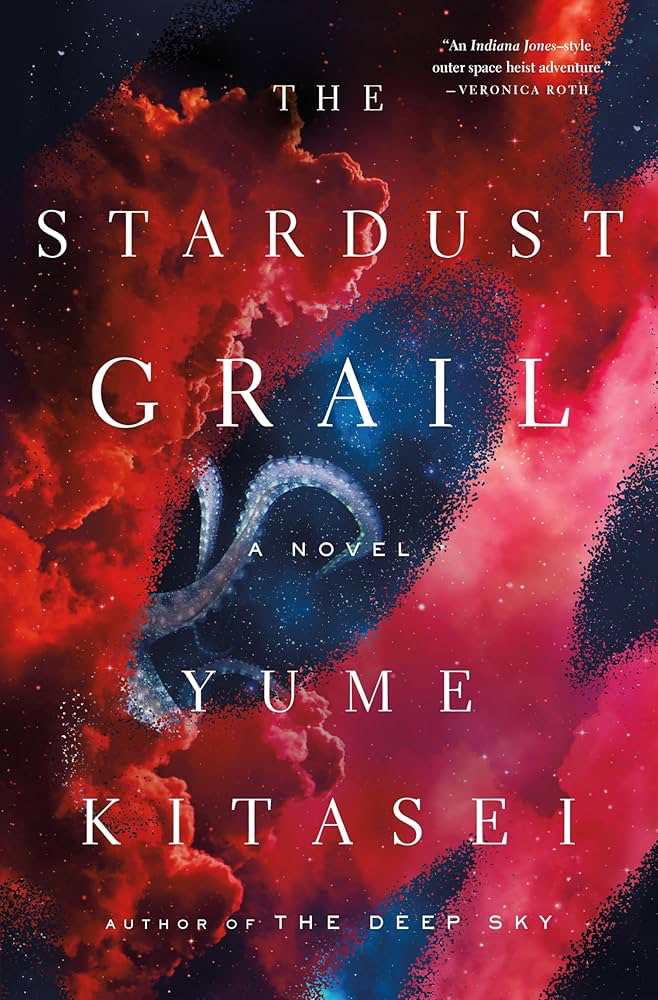
The Stardust Grail – Yume Kitasei“And we dream of home, I dream of life out of here/Their dreams are small/My dreams don’t know fear/I got my heart full of hope/I will change everything/No matter what I’m told…”

Since this post consists entirely of songs, consider all of them to be today’s song.

That’s it for this week’s songs! Have a wonderful rest of your day, and take care of yourselves!