Happy Saturday, bibliophiles!
We’ve all felt it, right? Like the past two months have simultaneously crawled by excruciatingly slow and then sped up, and then the cycle repeats itself? Anyways, I’m in denial that tomorrow is the first day of March, but in the meantime, I’ve got some books to recap.
Let’s begin, shall we?
GENERAL THOUGHTS:
Before I go on: my heart breaks for the trans community, and especially all of the trans folks in Kansas. I’d like to direct your attention to somewhere to donate to/a potential resource if you need to get out of a dangerous state—the Trans Continental Pipeline, an organization based here in Colorado that helps relocate queer and trans people from unsafe environments. Donate if you can! Sending all of my love to my trans siblings, today and every day. You are loved.
Alright, so here goes nothing with this recap of the first two months—
Wait, first two months? Insert that one Tintin meme (“What a year!” “Captain, it’s only February…”) here.
But if there’s anything that those two humble months have taught me, it’s the value of staying busy during difficult times. The government committing war crimes not even a week into 2026 feels about as American as apple pie and baseball at this point. I can’t remember a time since the age of 12 where it hasn’t been at least partially a scary time to be alive, but January and February both exemplified that, what with the horrors of ICE in Minneapolis (and elsewhere in the States) and the formal declaration that our government is a rat’s nest of the richest and most depraved pedophiles (what else is new?) imaginable. I’m rarely grateful to be this busy. What with the honors thesis and everything crammed into my final semester of undergrad, I’ve had so much to keep me busy, and this period of work couldn’t have come at a better possible time for me. I get frequent flashes of guilt that I should be doing more: the world is burning, and I’m just chiseling away at this thesis in a coffee shop. But this is my education we’re talking about, and I’m trying to focus on not falling into stagnation creatively and keep my mind limber, which isn’t nothing. And I did knit the Melt the ICE hat—I spent about 75% of these past two months learning how to make a hat in preparation for this, and I’m glad I’ve got this finished project to show for it.
It’s difficult for me to separate politics from the past two months. But I’ve still been going at a number of projects. There’s all the reading, which has also kept me afloat both intellectually and emotionally. I’m taking a class on People of Color and Social Movements, and I’ve already gotten several great books out of that. Ever since picking up knitting, I’ve discovered that I’ve accumulated and awful lot of hobbies. But what better time to have a ton of hobbies? So I’ve been knitting my way through the horrors. I’ve been chipping away at some Cate Le Bon and Robyn Hitchcock on guitar…to varying degrees of success. I’ve been sketching out sci-fi soldiers and spaceships and ordinary people to better visualize my thesis and my novel. And speaking of said novel…ANOTHER DRAFT DONE, BABY! 108,000 WORDS! The key for me here, above all, is to not become stagnant—that’s when it’s easiest for both my negative anxiety thoughts and excess rumination on the bad news to take hold. At this point, Instagram has made it so that sticking my head in the sand isn’t an option, but I sure can limit my intake of negative news. So don’t underestimate the value of putting the phone down, hanging out with friends, and your craft of choice—and, obviously. reading.
Anyways, here’s my Melt the ICE hat:

BONUS: I meant to slip this in as a bonus after one of my Sunday Songs posts, but there’s one, singular thing that has made me feel patriotic as of late, and it was the Benito Bowl. Have I ever really cared about his music? Nope, but I respected his politics. I did not expect to be crying while watching the Halftime Show the morning after the Super Bowl. I full-on saluted my phone with tears in my eyes when he shouted out Colombia. GOD BLESS AMERICA!
JANUARY READING WRAP-UP:
I read 13 books in January! Though there were some misses here and there, I had an absolute slam dunk of a month, with two 4.5 star reads and one 5 star read. If that’s not a good start to my reading year, then I don’t know what is!
2 – 2.75 stars:
3 – 3.75 stars:
- The Hundred Thousand Kingdoms (Inheritance Trilogy, #1) – N.K. Jemisin (⭐️⭐️⭐️.25)
- The Will of the Many – James Islington (⭐️⭐️⭐️.5)
- If We Were a Movie – Zakiya N. Jamal (⭐️⭐️⭐️.5)
- A Swift and Sudden Exit – Nico Vicenty (⭐️⭐️⭐️.5)
- We Will Rise Again: Speculative Stories and Essays on Protest, Resistance, and Hope – edited by Karen Lord, Annalee Newitz, and Malka Older (anthology) (⭐️⭐️⭐️.75)
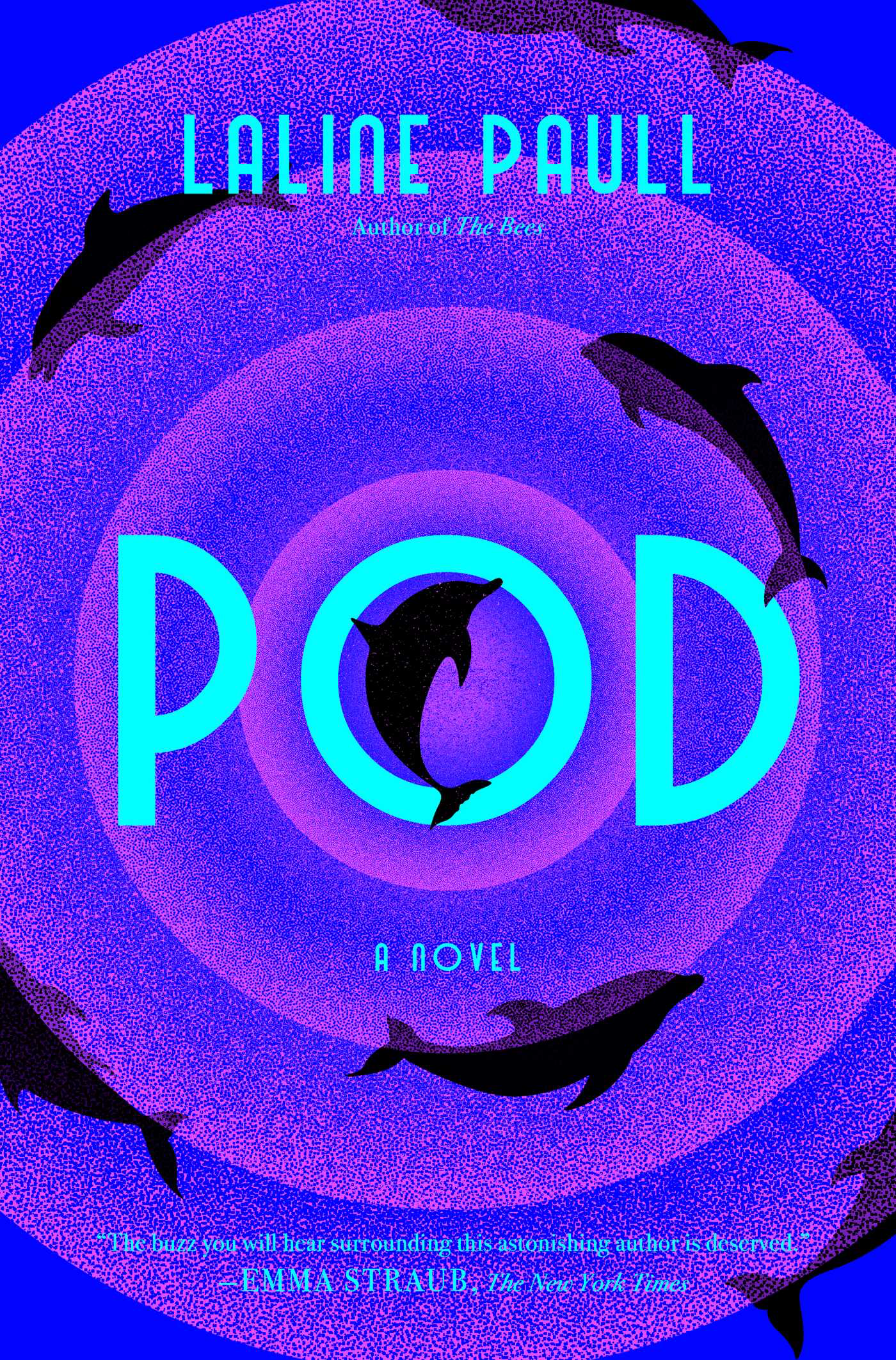
- Pod – Laline Paull (⭐️⭐️⭐️.75)
4 – 4.75 stars:
- Our History Is the Future: Standing Rock Versus the Dakota Access Pipeline, and the Long Tradition of Indigenous Resistance – Nick Estes (for school) (⭐️⭐️⭐️⭐️)
- Absolute Martian Manhunter, vol. 1: Martian Vision – Deniz Camp and Javier Rodriguez (⭐️⭐️⭐️⭐️.25)
- Ancestral Night (White Space, #1) – Elizabeth Bear (⭐️⭐️⭐️⭐️.5)
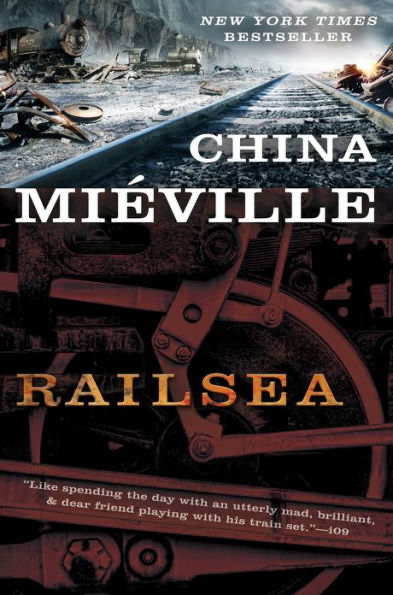
- Railsea – China Miéville (⭐️⭐️⭐️⭐️.5)
5 stars:
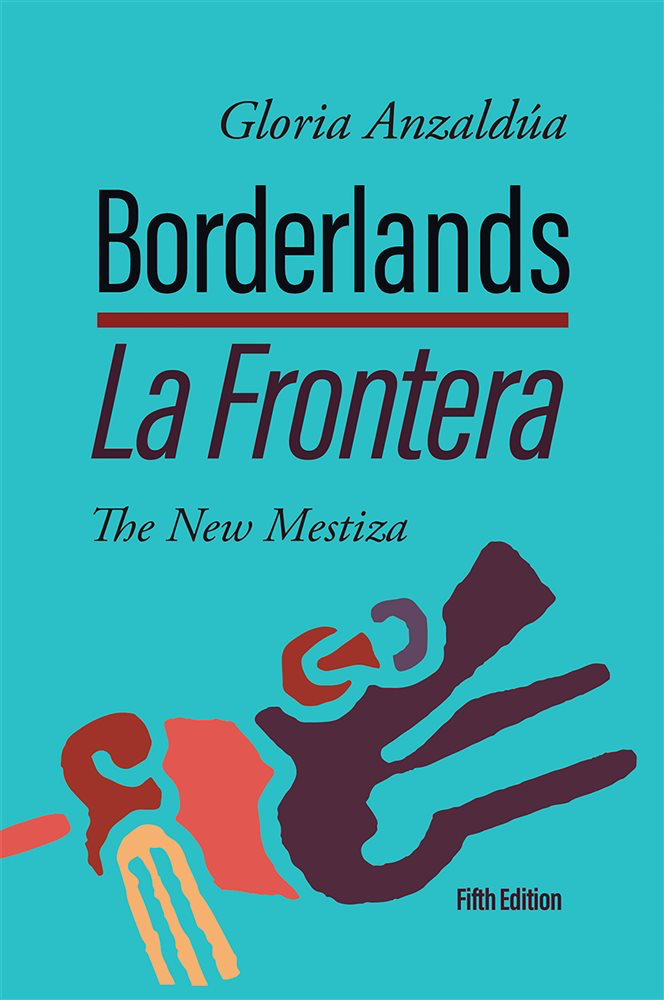
FAVORITE BOOK OF THE MONTH: Borderlands/La Frontera: The New Mestiza – 5 stars
REVIEWS:
- The Broposal (1/6/26)
- We Will Rise Again (1/11/26)
- Ancestral Night (1/20/26)
- A Swift and Sudden Exit (1/27/26)
SUNDAY SONGS:
FEBRUARY READING WRAP-UP:
I read 12 books in February! I mixed it up with new-to-me and familiar authors, and although I had my first book in the 1-star range this month, there were tons of fantastic books that I discovered too. I thought I’d get lower than this because I ended up reading several VERY thick books in a row, but I’m happy with this number. And as it’s Black History Month, I focused on Black authors.
1 – 1.75 stars:
2 – 2.75 stars:
- What Is Not Yours Is Not Yours – Helen Oyeyemi (⭐️⭐️)
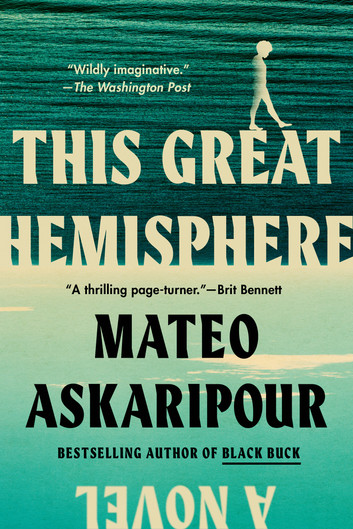
- This Great Hemisphere – Mateo Askaripour (⭐️⭐️.5)
3 – 3.75 stars:
- Chains of Babylon: The Rise of Asian America – Daryl Maeda (for school) (⭐️⭐️⭐️.5)
- Until the Clock Strikes Midnight – Alechia Dow (⭐️⭐️⭐️.5)
- She Who Knows (She Who Knows, #1) – Nnedi Okorafor (⭐️⭐️⭐️.75)
- The Rosewater Insurrection (The Wormwood Trilogy, #2) – Tade Thompson (⭐️⭐️⭐️.75)
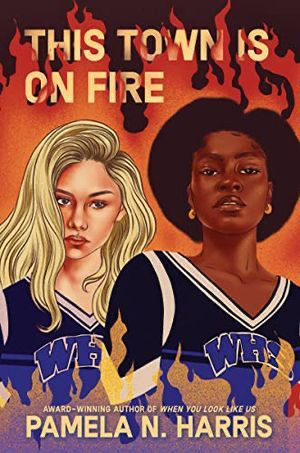
- This Town Is on Fire – Pamela N. Harris (⭐️⭐️⭐️.75)
4 – 4.75 stars:
- Unmasking AI: My Mission to Protect What Is Human in a World of Machines – Joy Buolamwani (⭐️⭐️⭐️⭐️)
- The Sovereign (Magic of the Lost, #3) – C.L. Clark (⭐️⭐️⭐️⭐️)
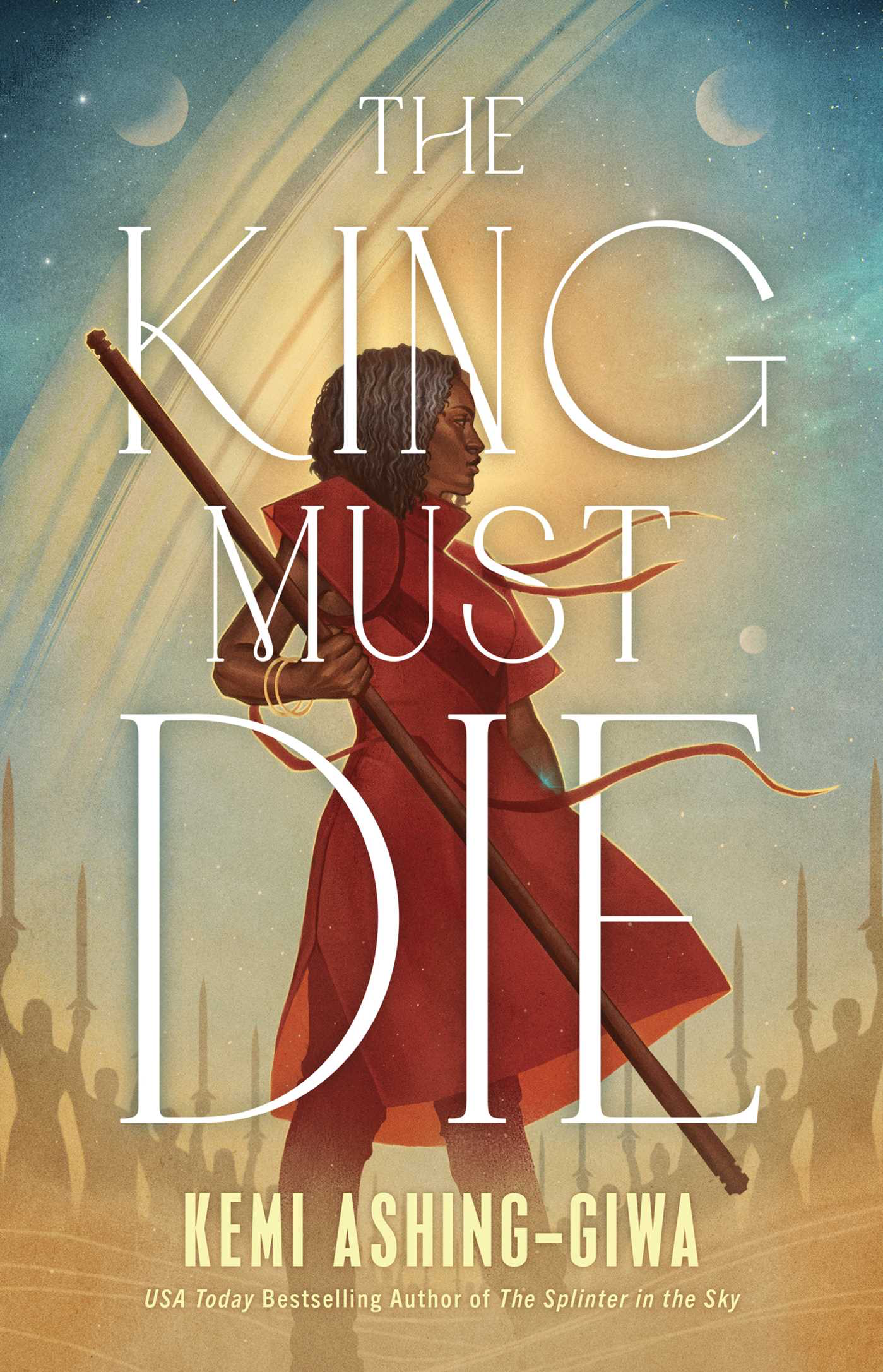
- The King Must Die – Kemi Ashing-Giwa (⭐️⭐️⭐️⭐️)
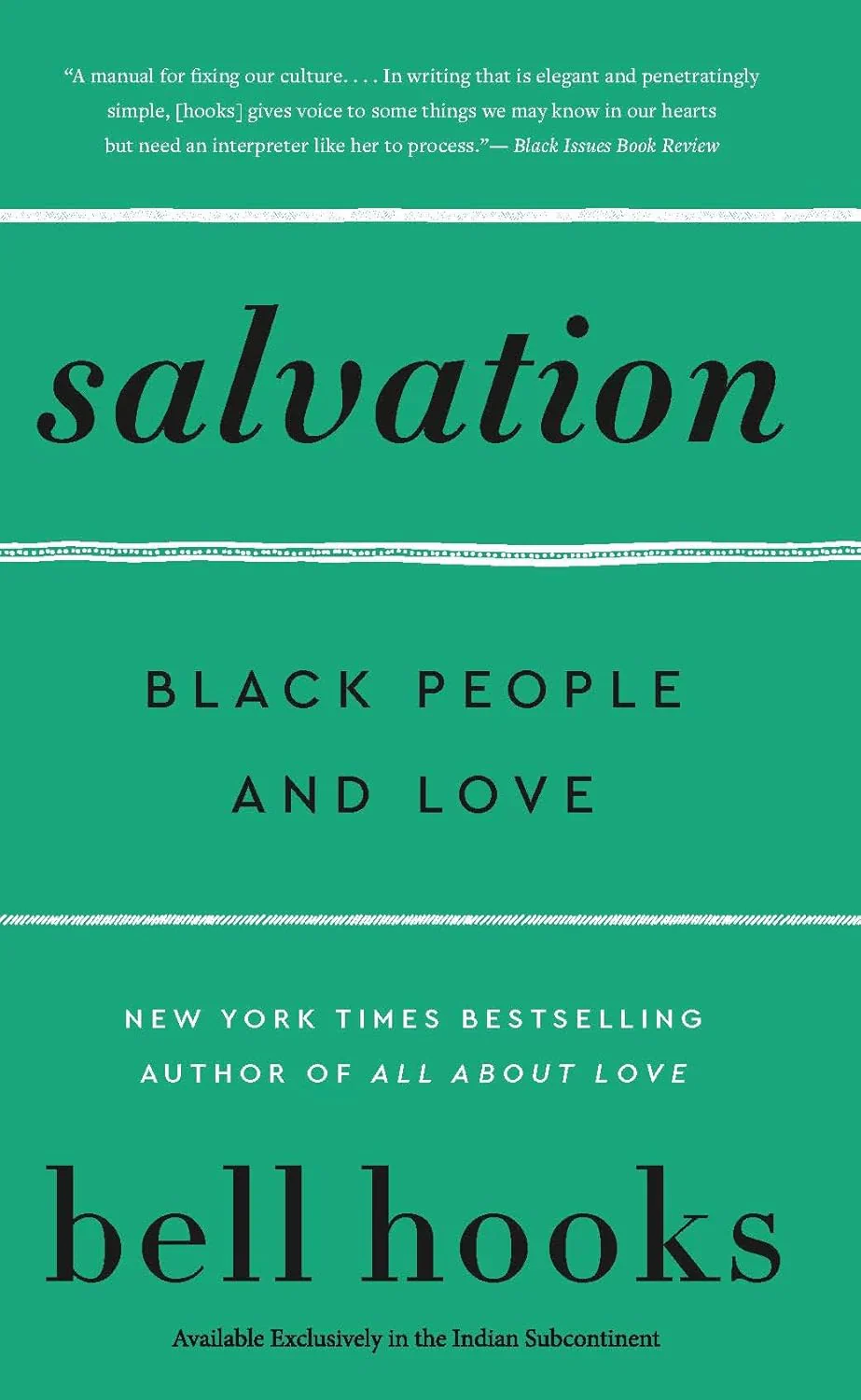
- Salvation: Black People and Love (Love Song to the Nation, #2) – bell hooks (⭐️⭐️⭐️⭐️)
FAVORITE BOOK OF THE MONTH: The King Must Die – 4 stars
REVIEWS:
- The Hundred Thousand Kingdoms (2/3/26)
- This Great Hemisphere (2/10/26)
- The King Must Die (2/17/26)
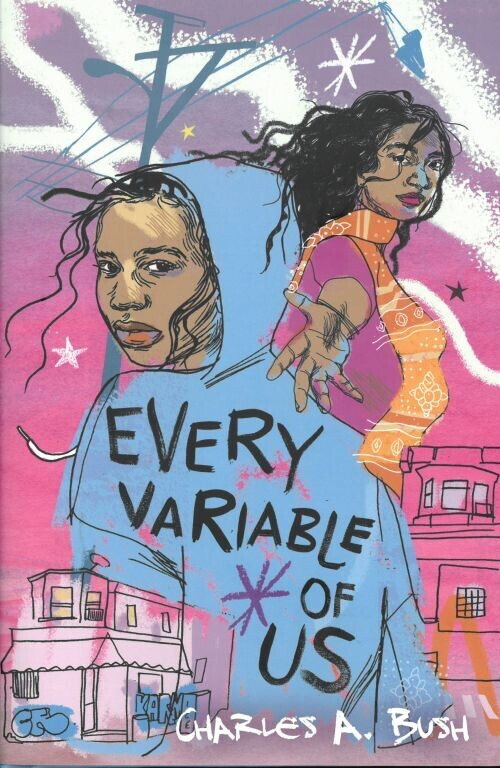
- Every Variable of Us (2/24/26)
SUNDAY SONGS:
BONUS:
Today’s song :
That’s it for this wrap-up! Have a wonderful rest of your day, and take care of yourselves!


 The Bookish Mutant