Here in the U.S., July is Disability Pride Month! This July, we find ourselves in a situation that’s far from celebratory. Both the U.S. and the U.K. are on the verge of passing legislation that would make cuts to the healthcare programs and benefits that many disabled people rely on. It’s clearer than ever that the people in power see disabled people as disposable and not deserving of respect. In the years since I’ve started making these posts, visibility for disabled people (and this pride month) has seen a small increase (in my experience) yet continues to be left behind in feminism. And I’m still on the hunt for any kind of media that accurately represents my own disability (sensory processing disorder), and I know many disabled people have had similar experiences. But that’s no reason to give up. It’s no reason to stop writing, to stop reading, and to stop listening to the lived experiences of disabled people. We cannot be erased with legislation—we will always be here, and we’re sticking around no matter what.
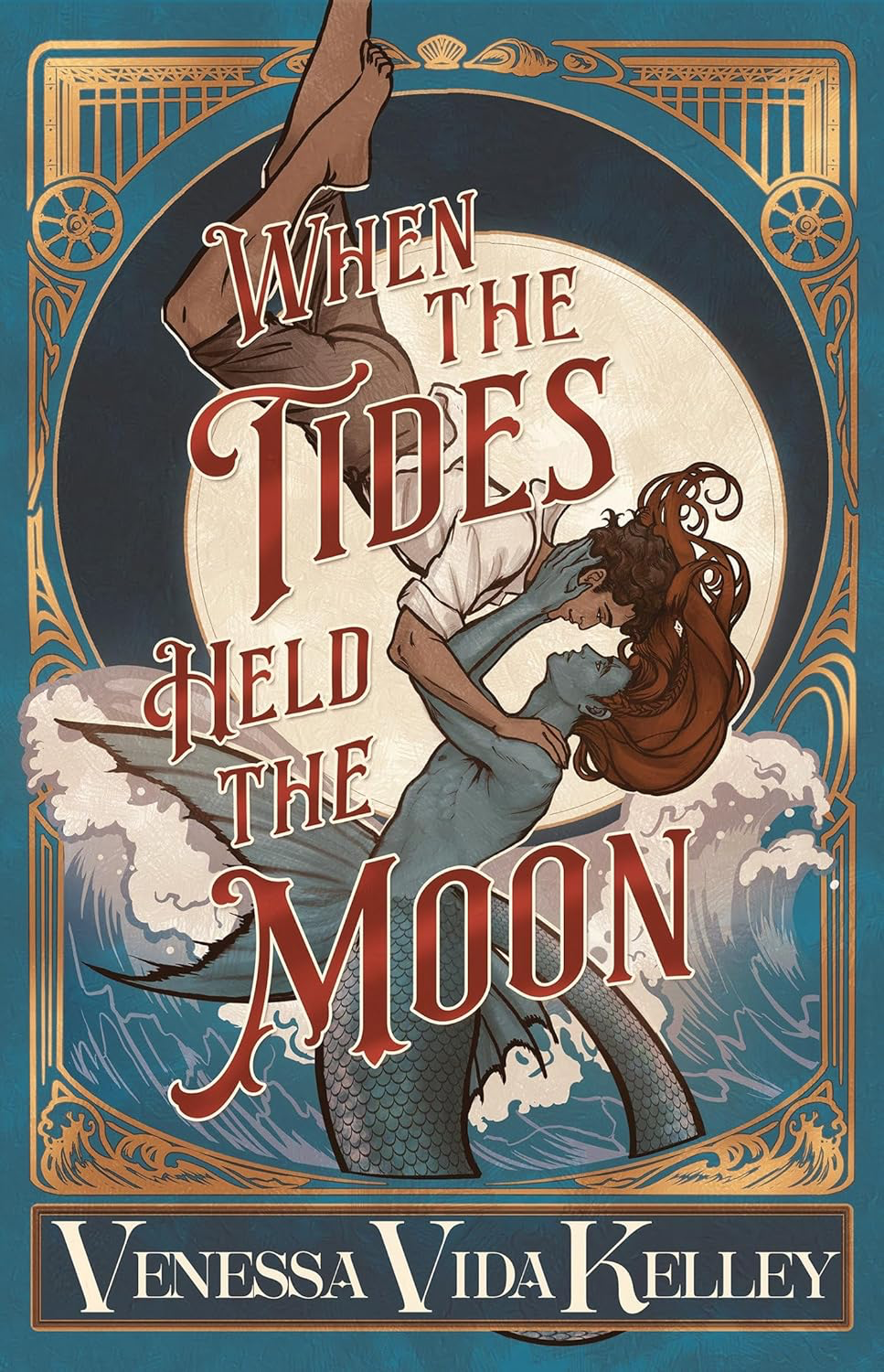
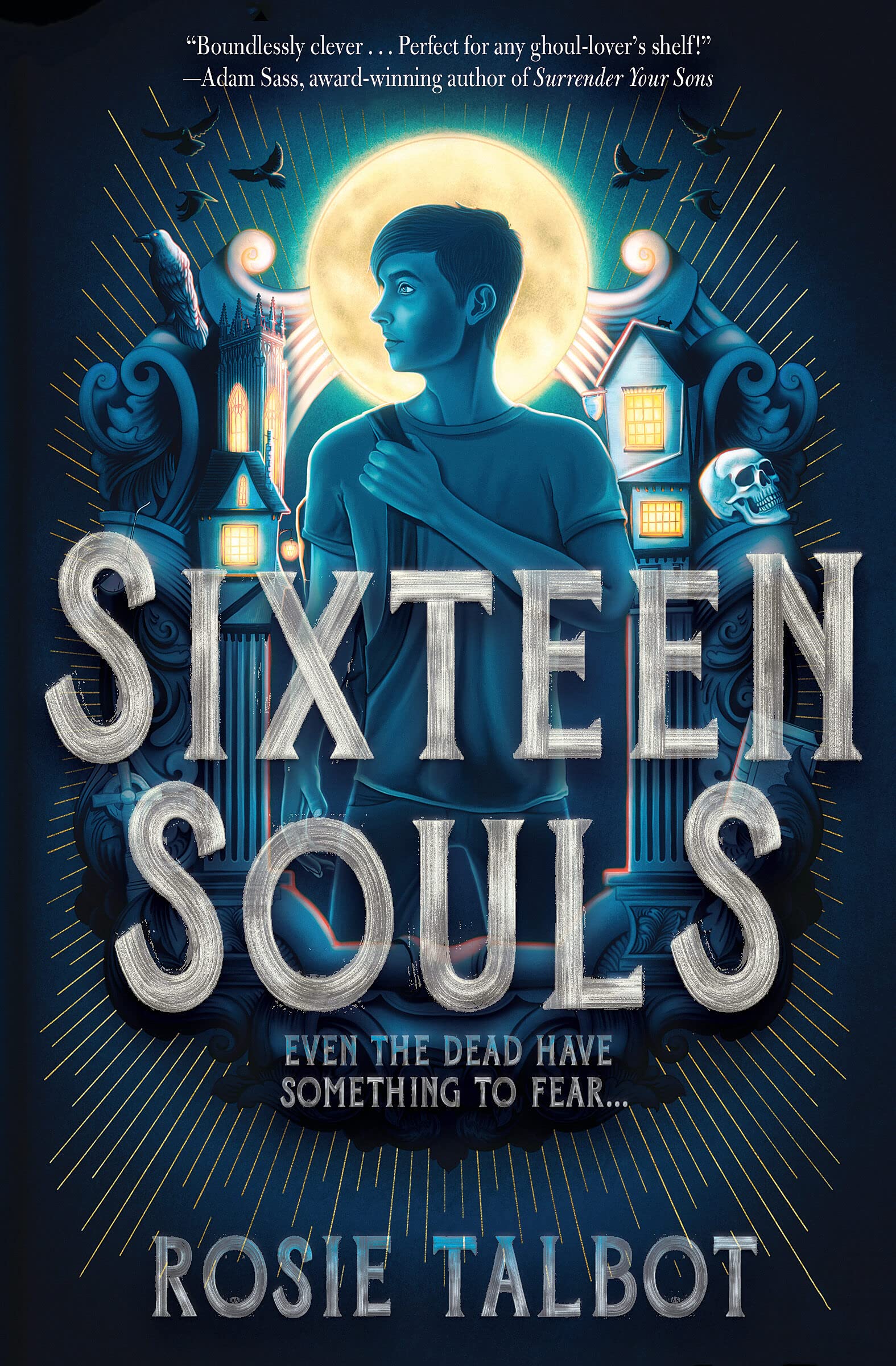
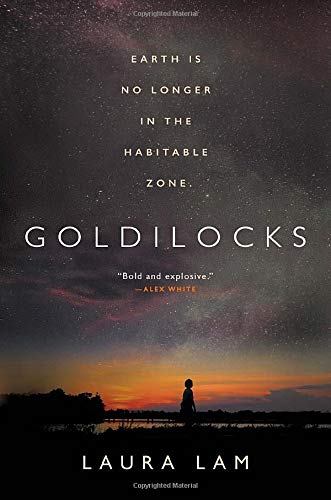
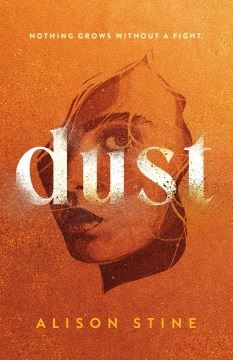
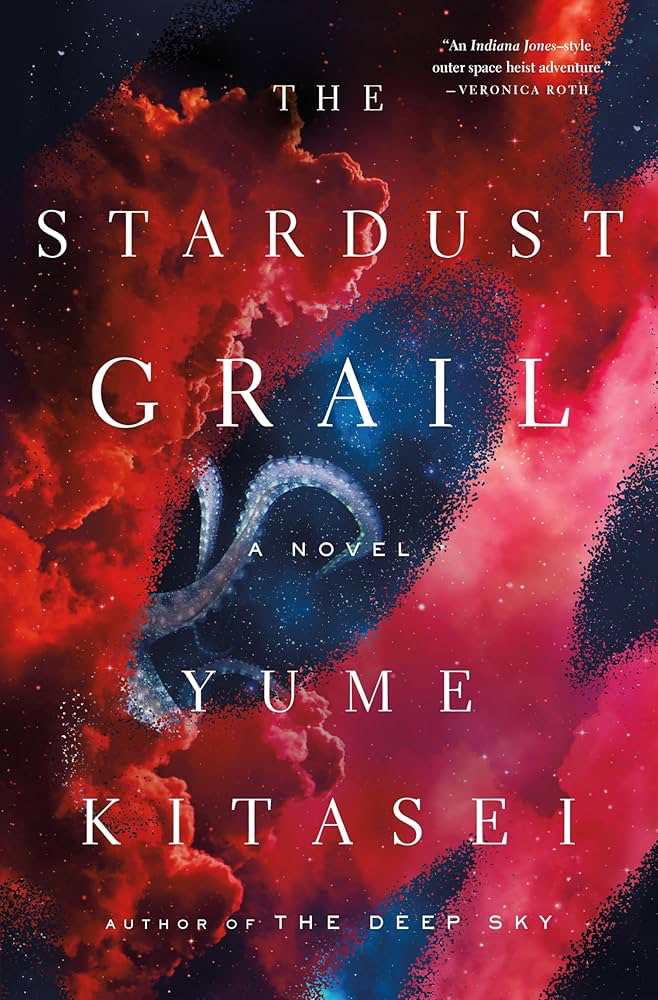
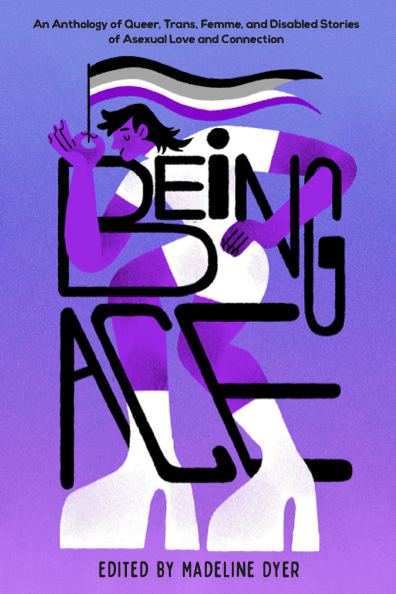
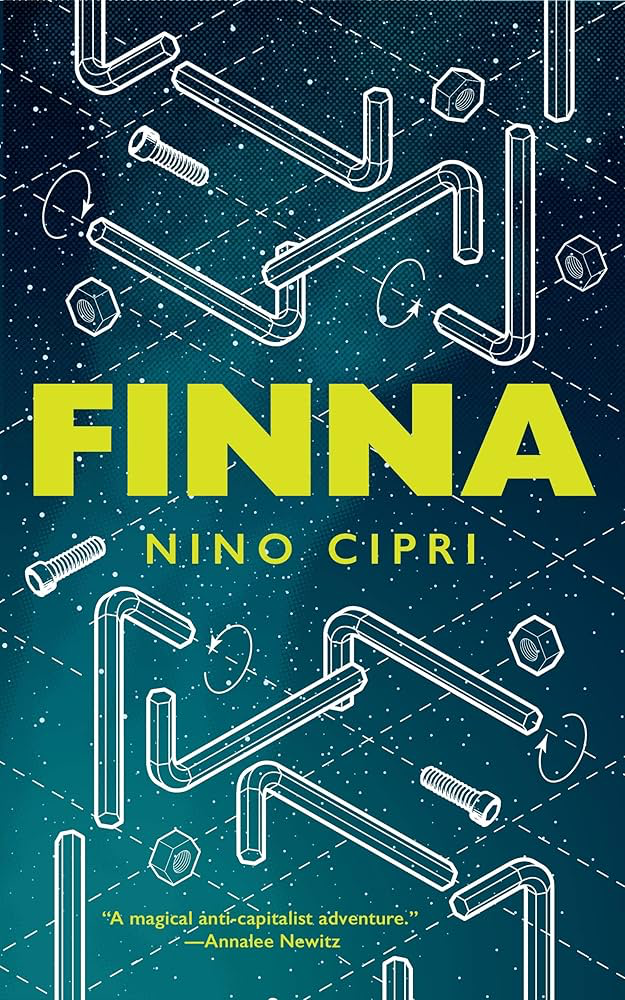
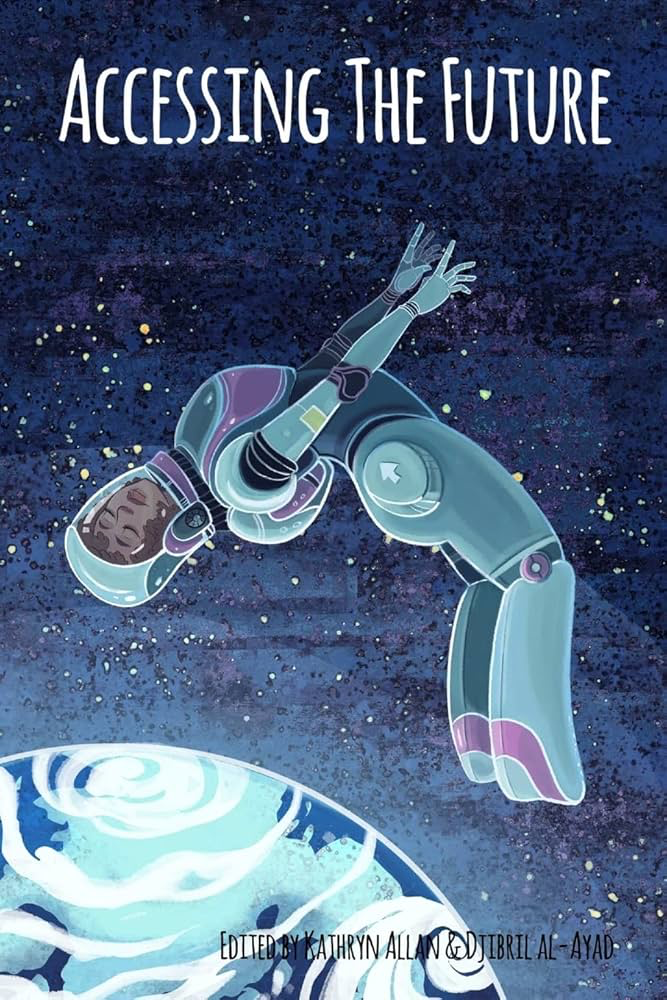
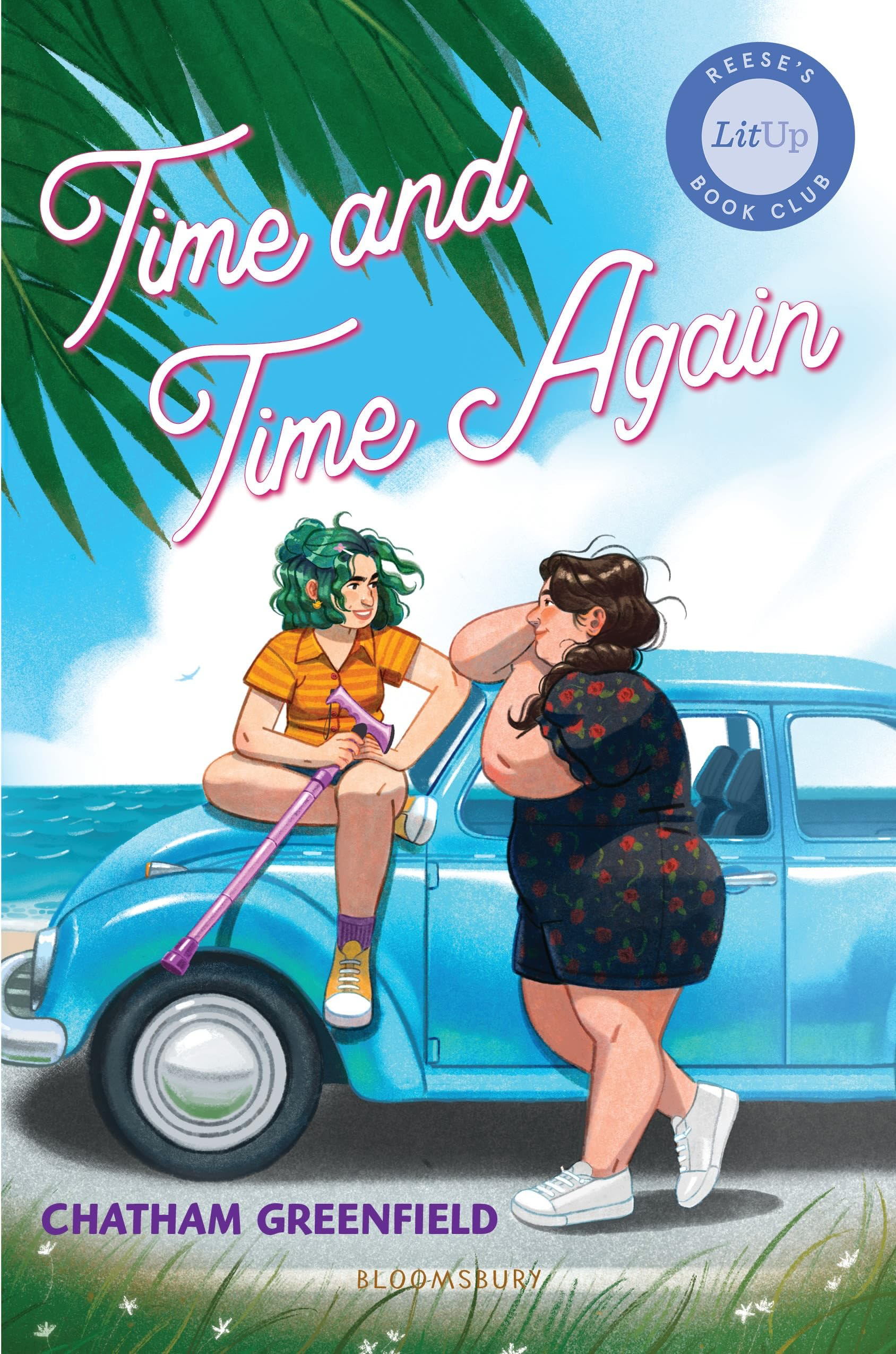
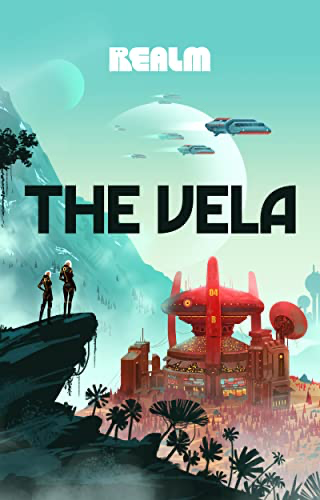
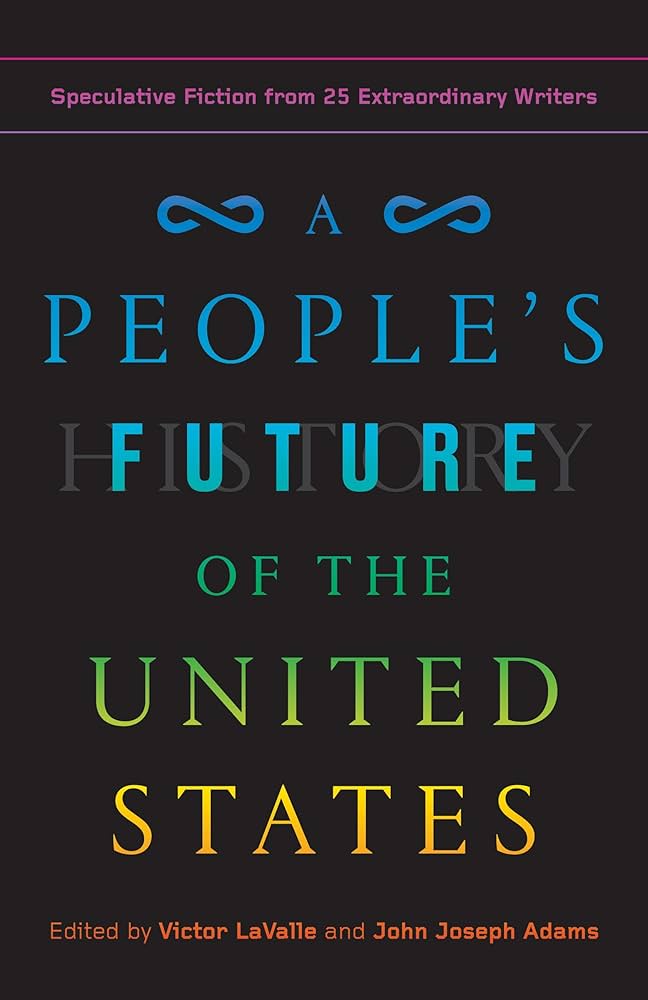
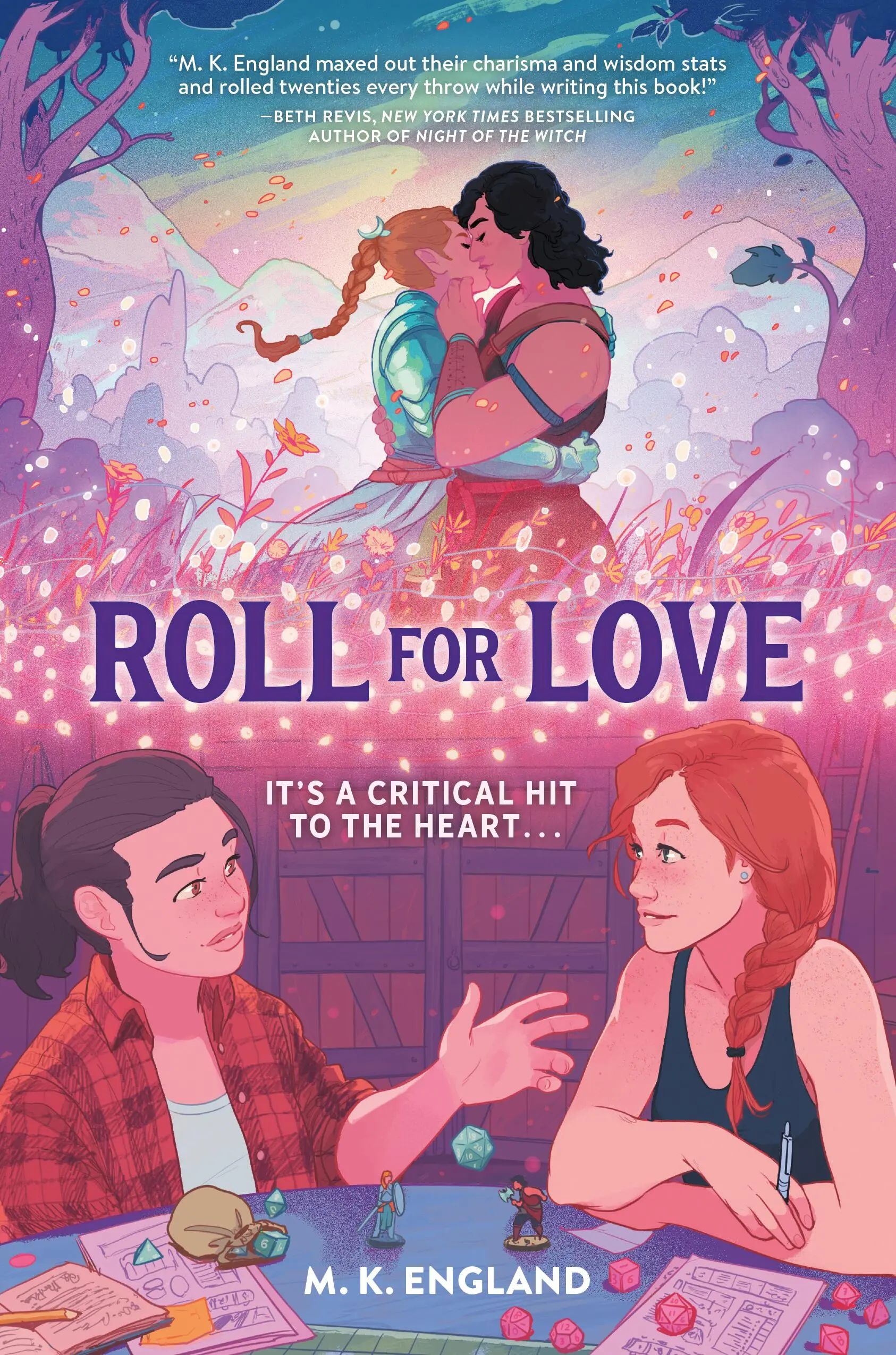
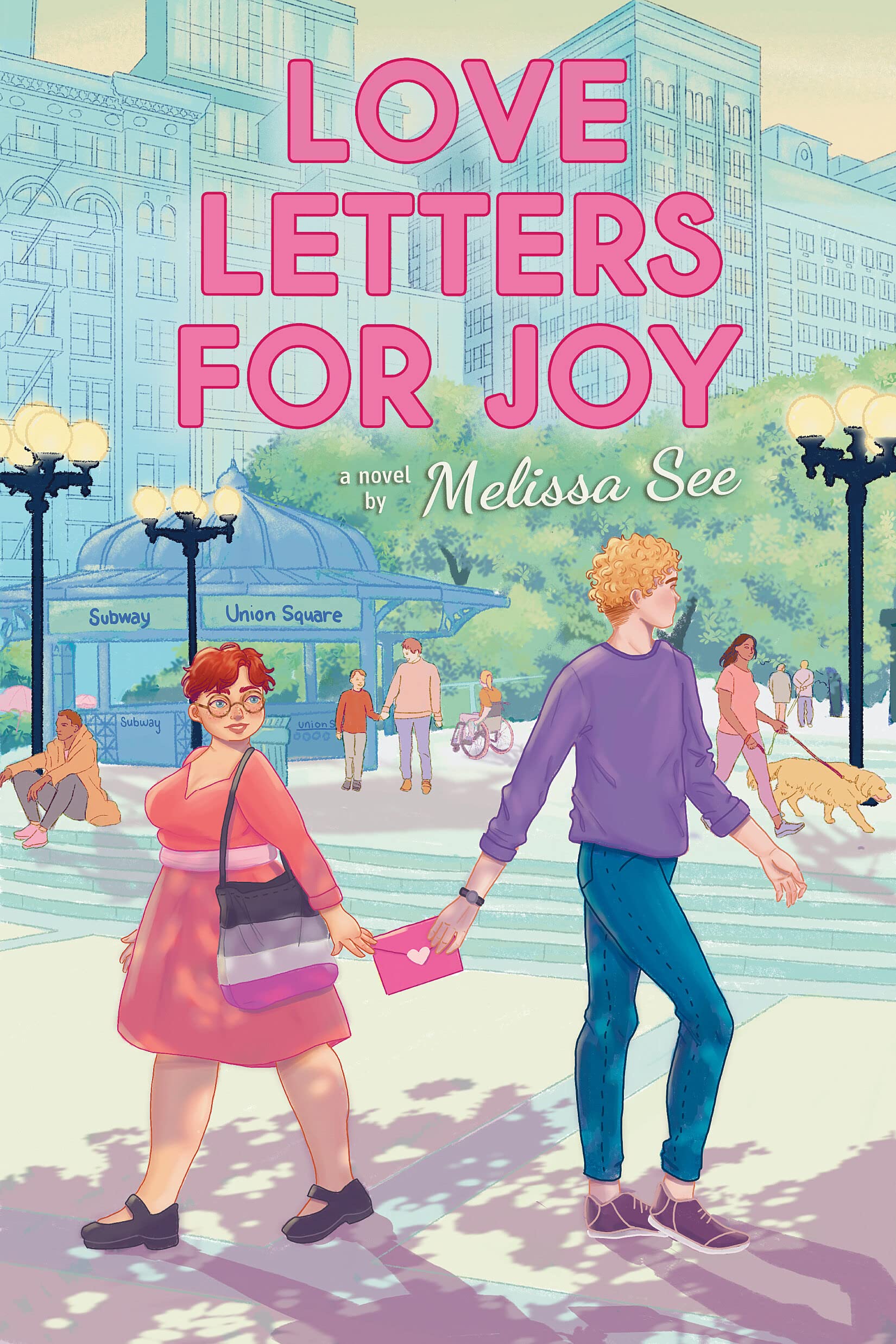
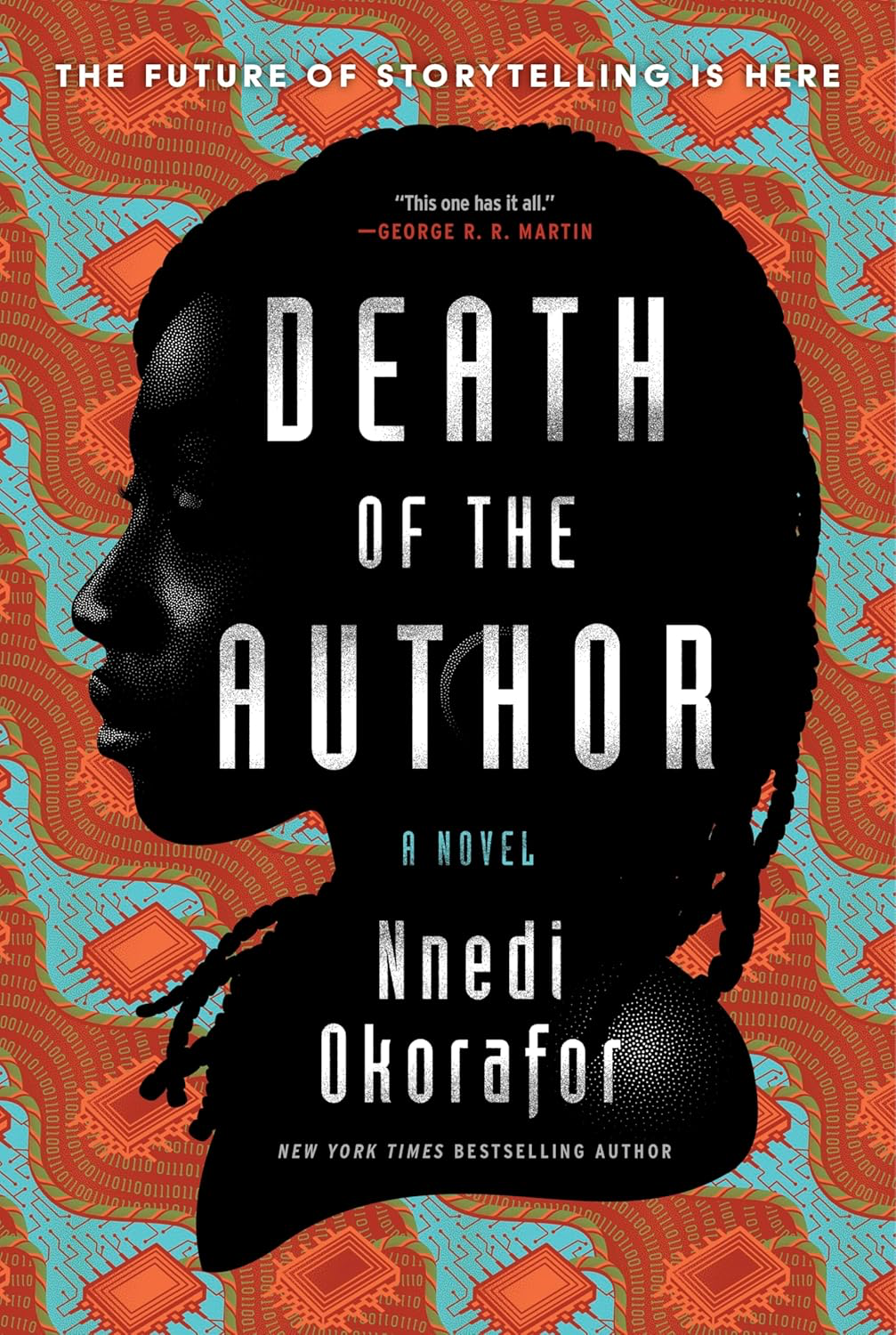
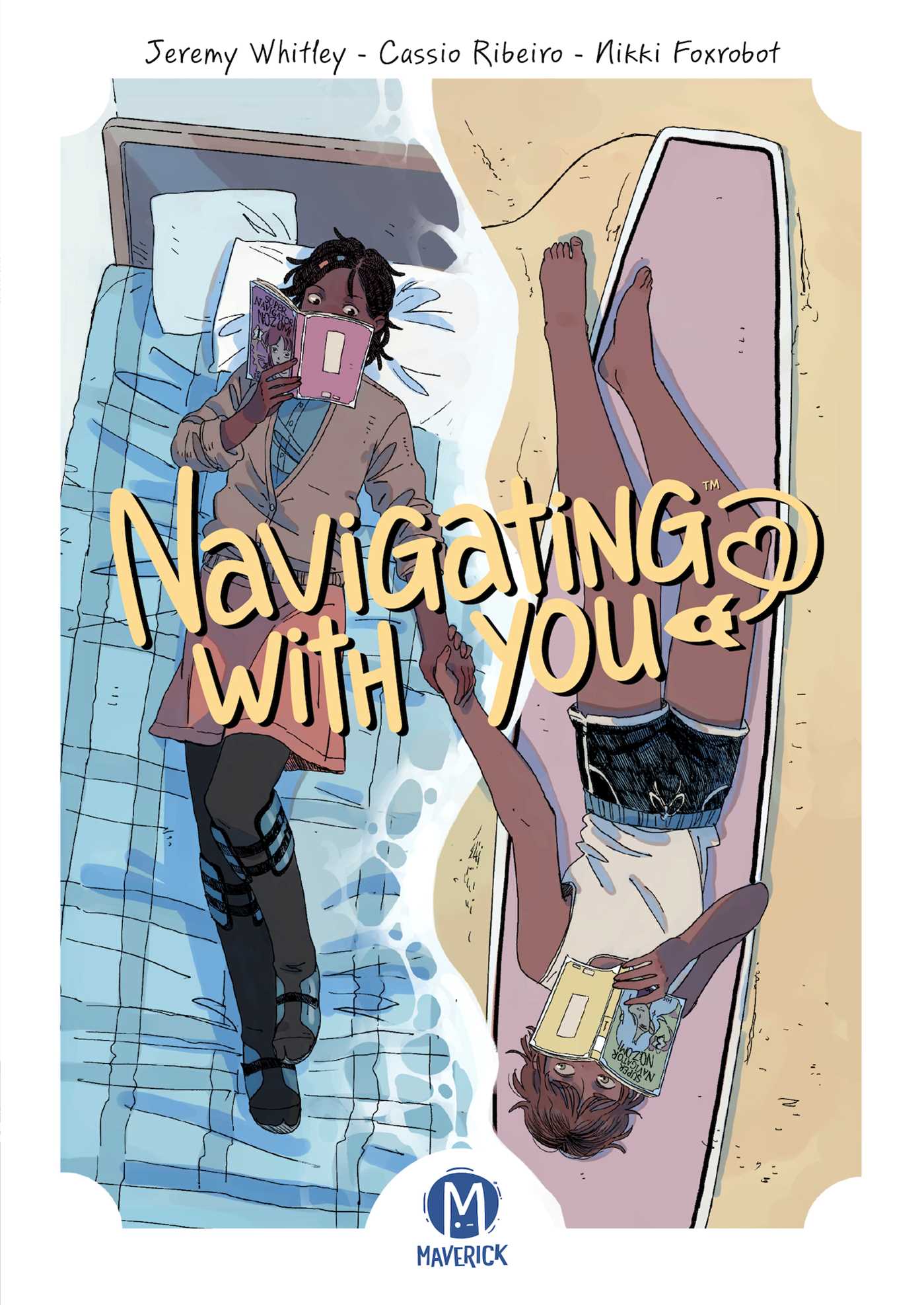
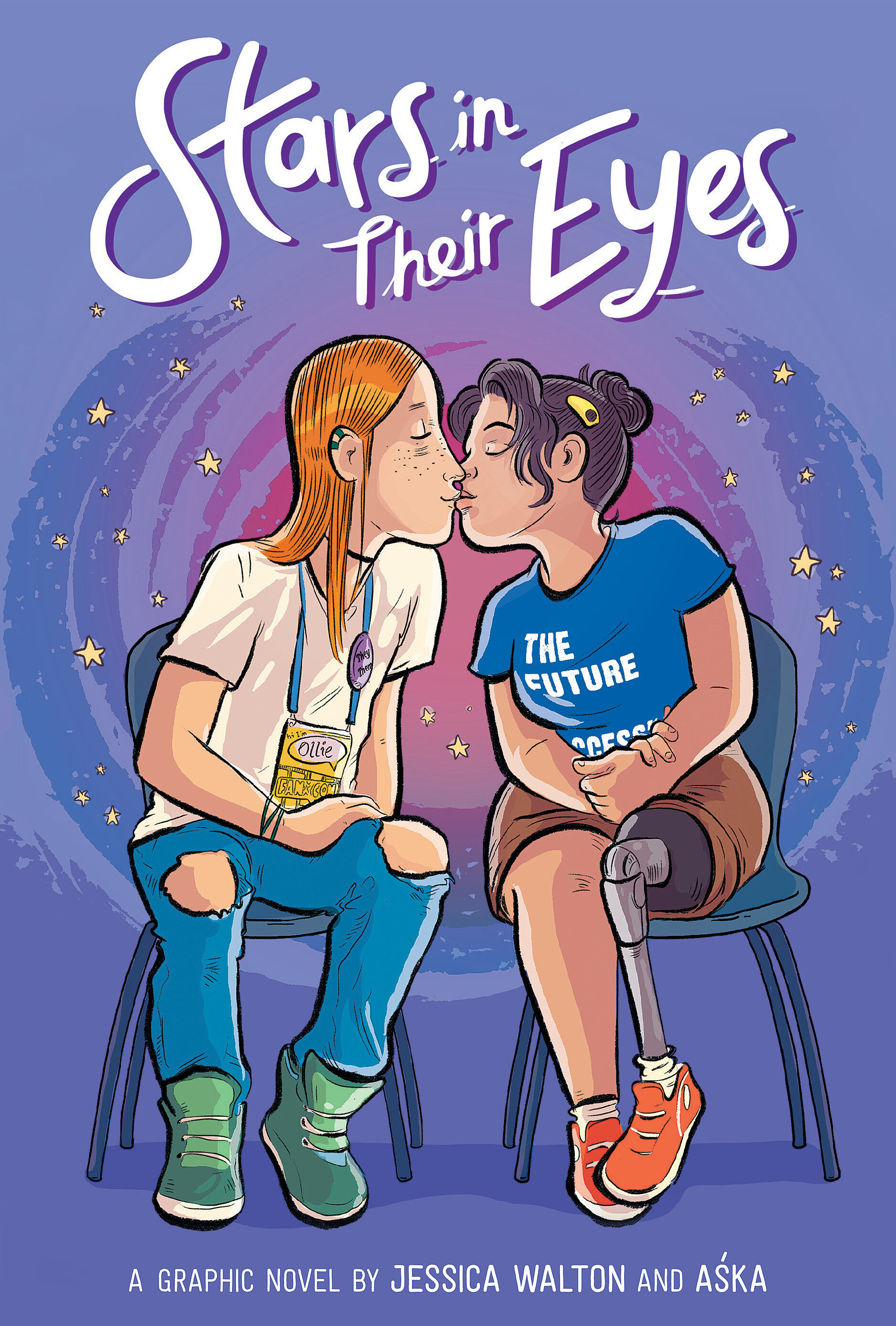
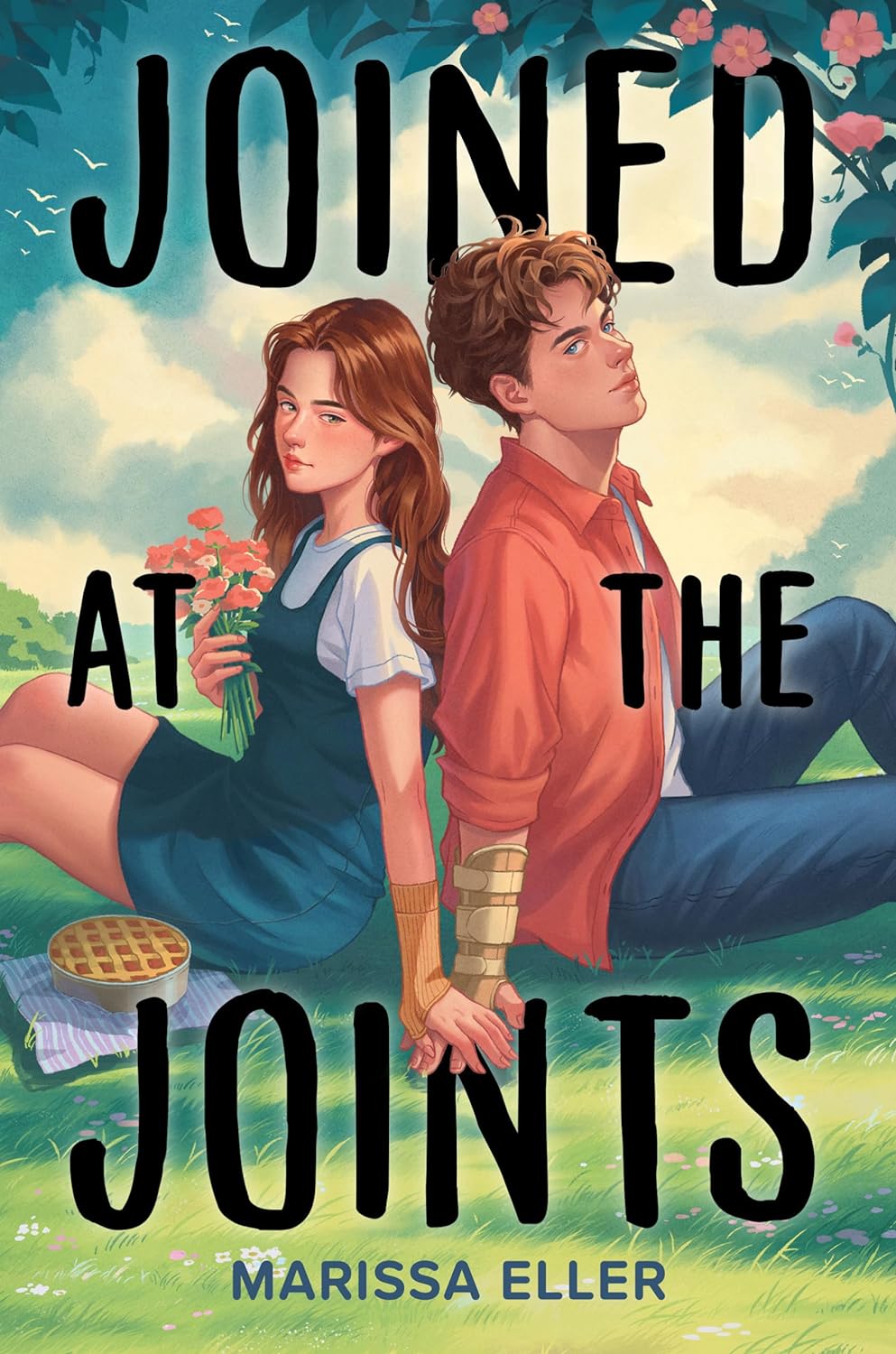
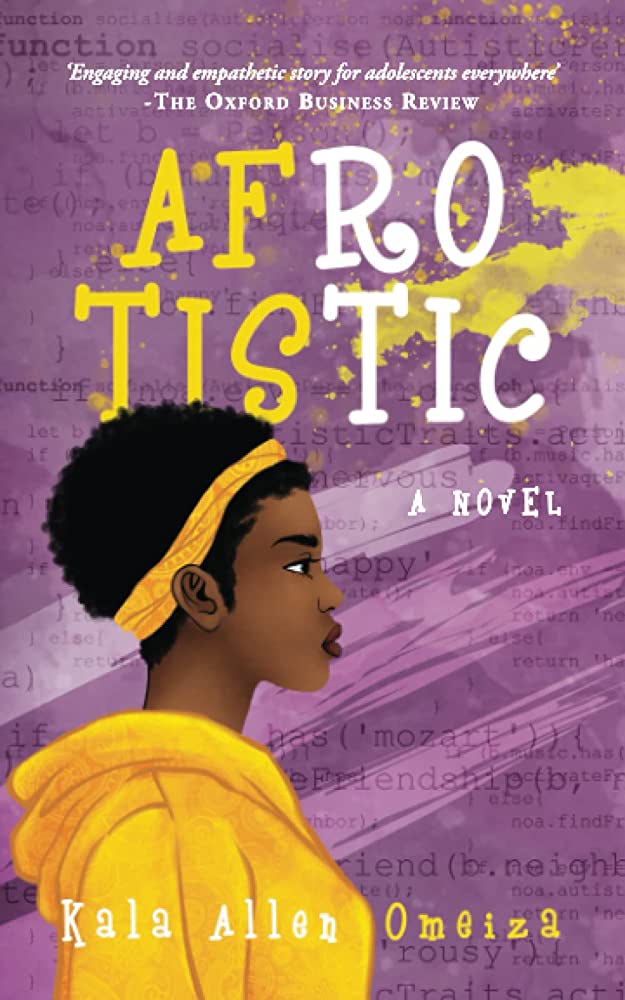
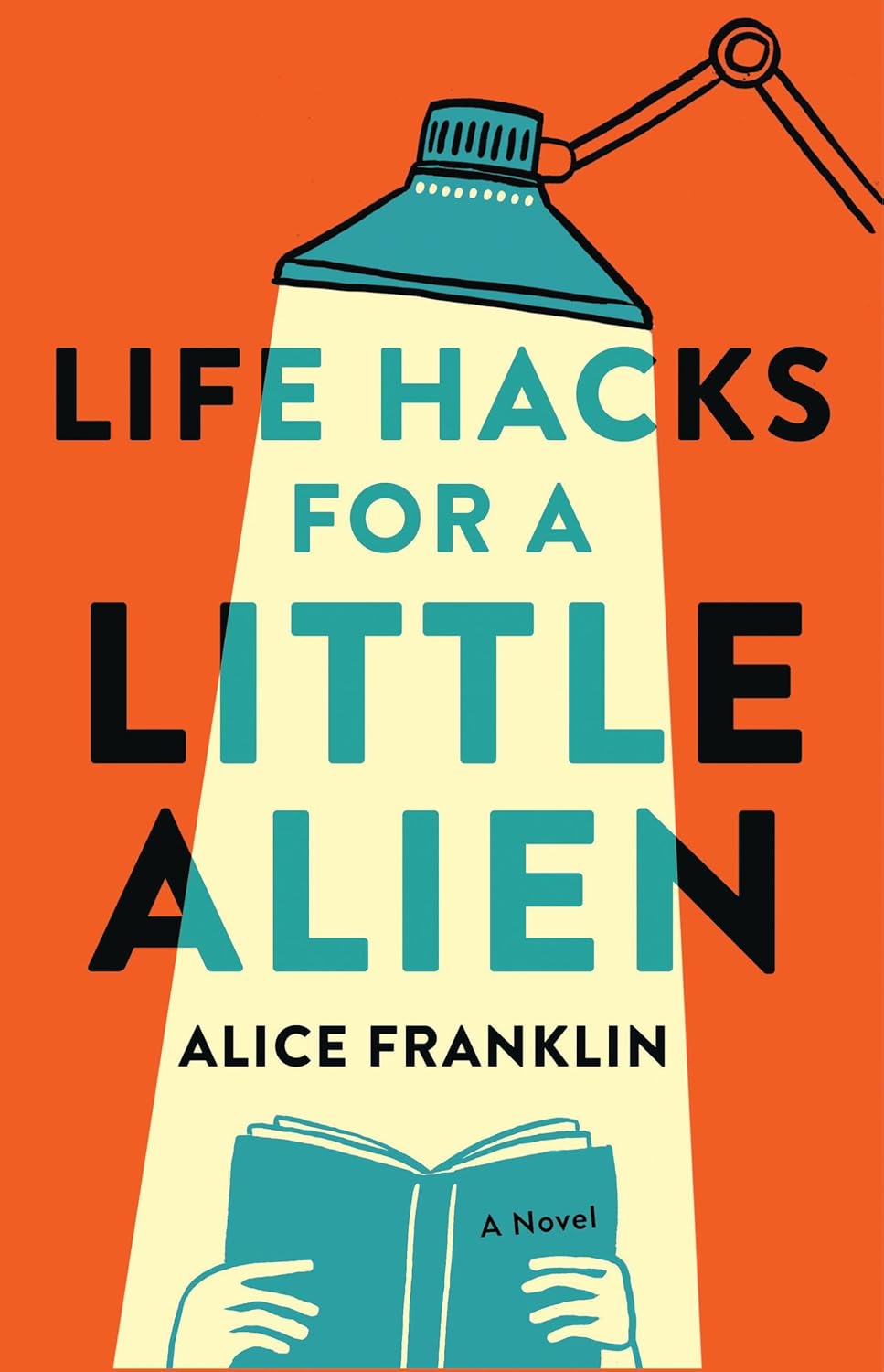
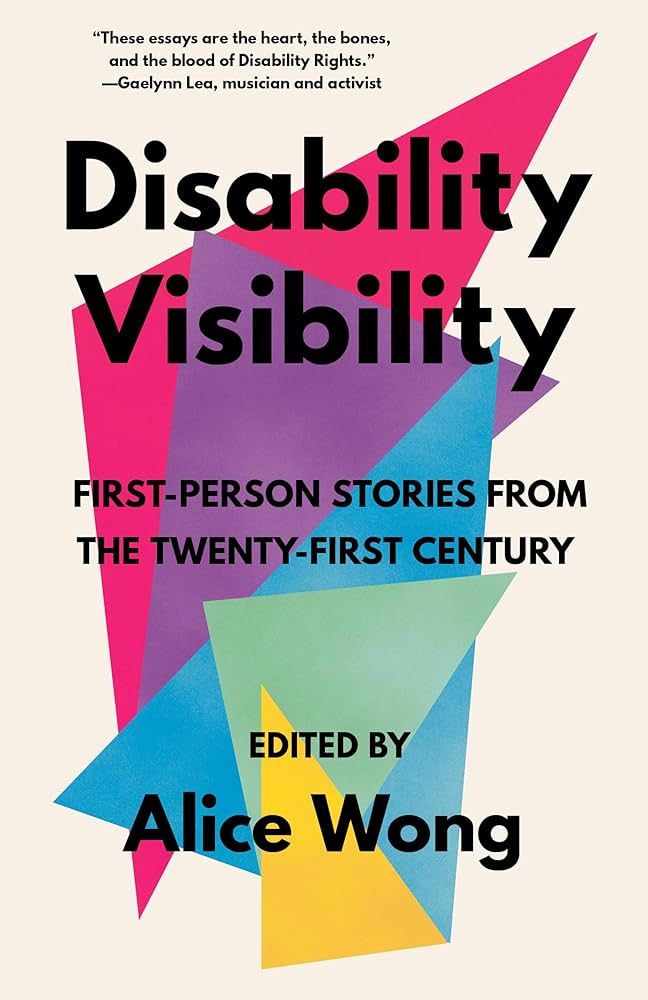
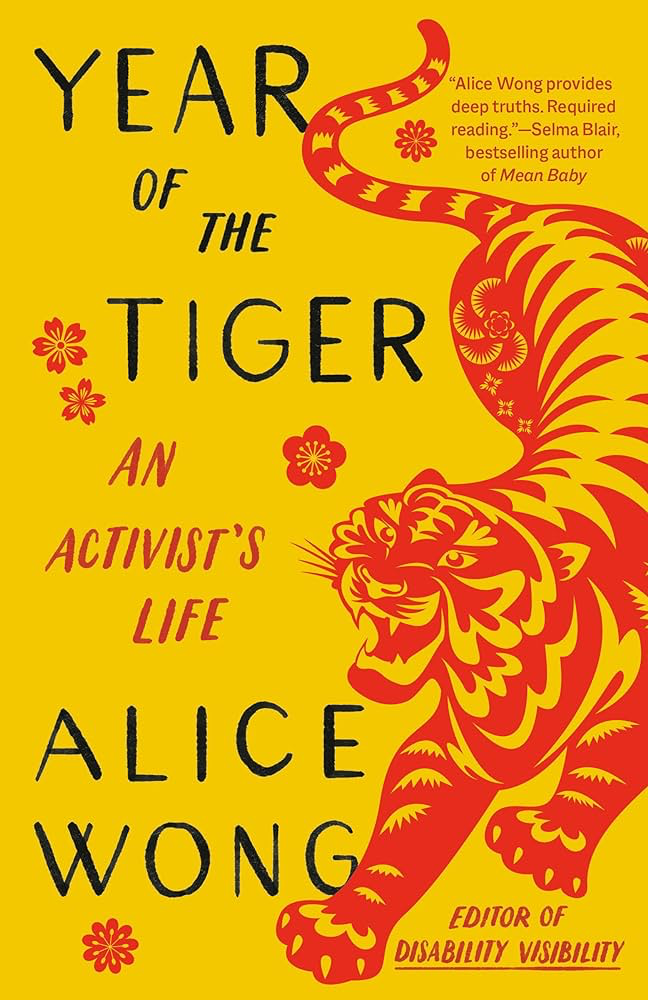
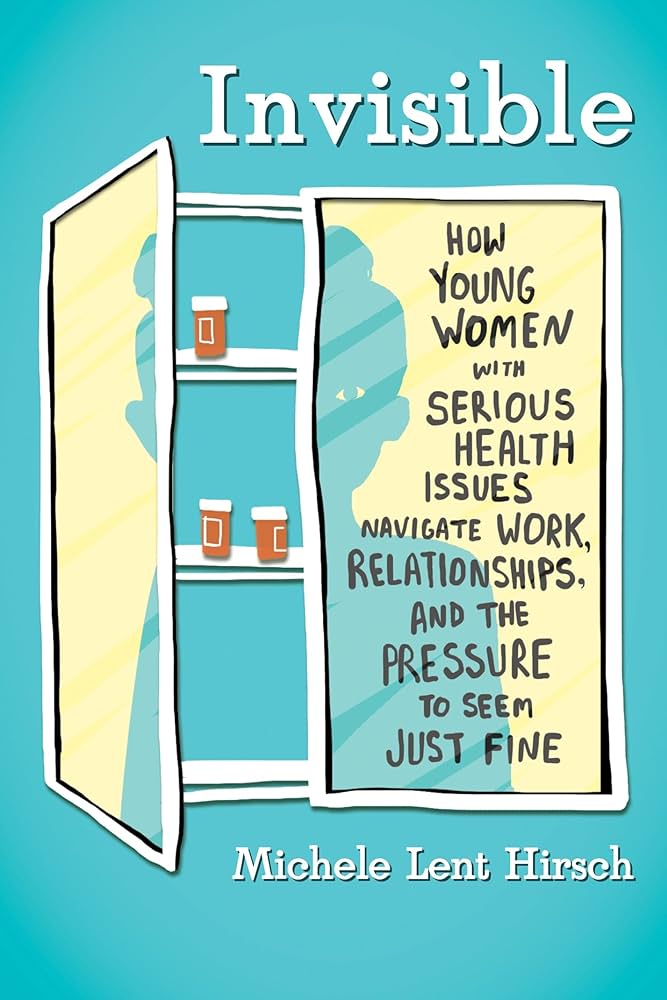
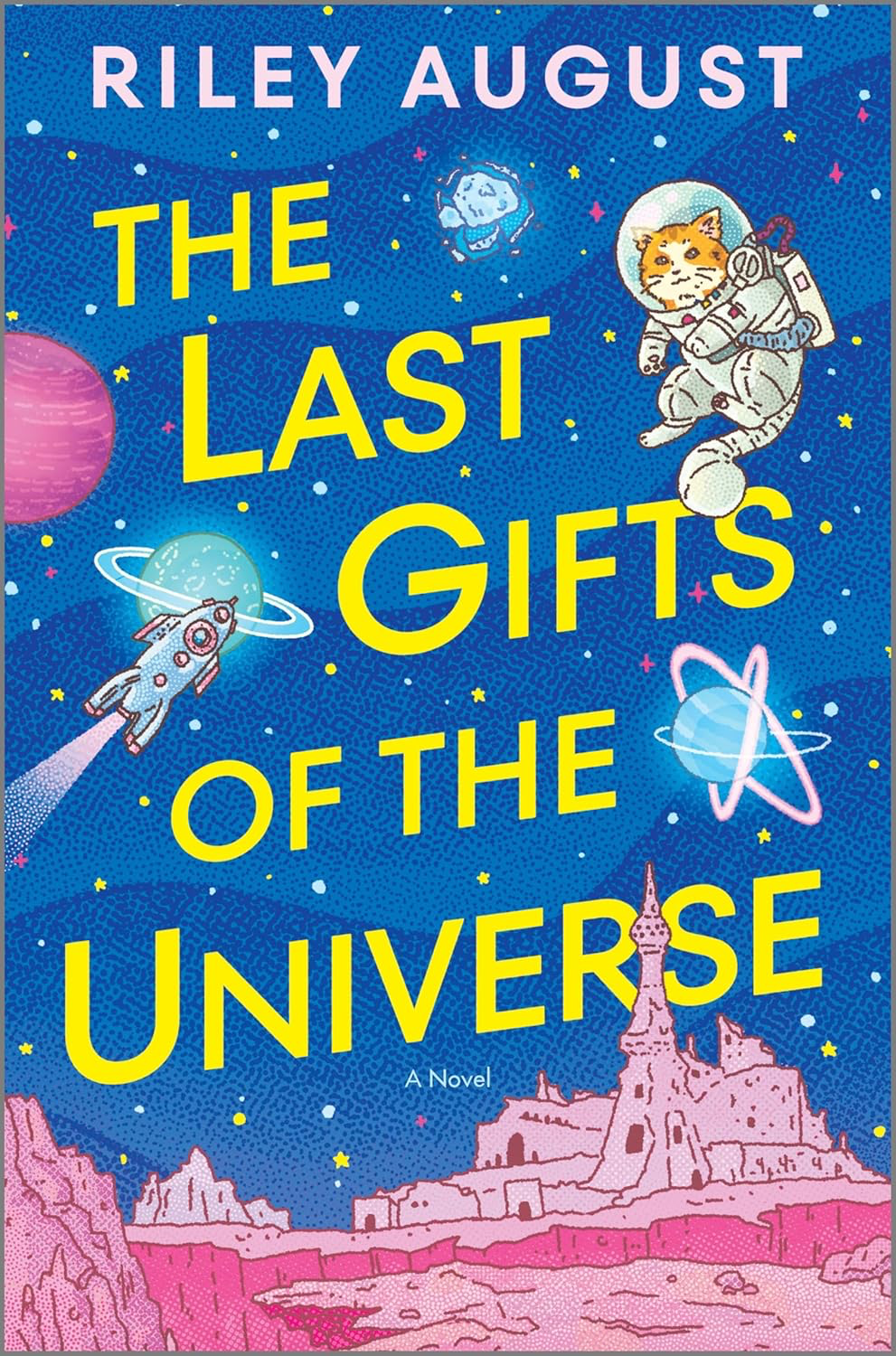
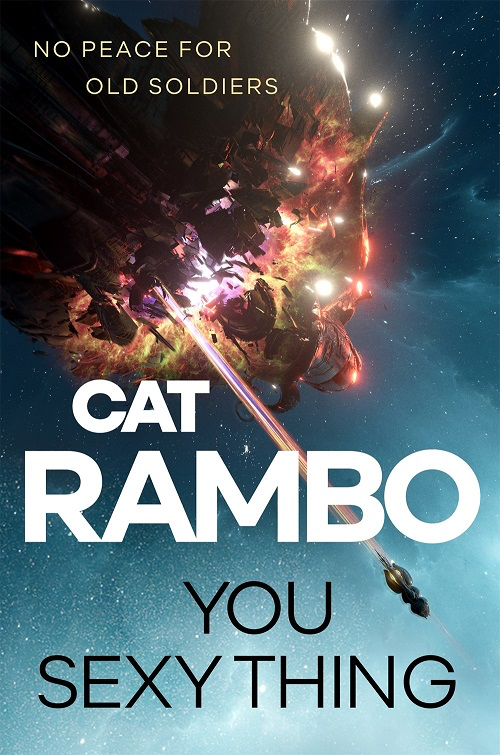
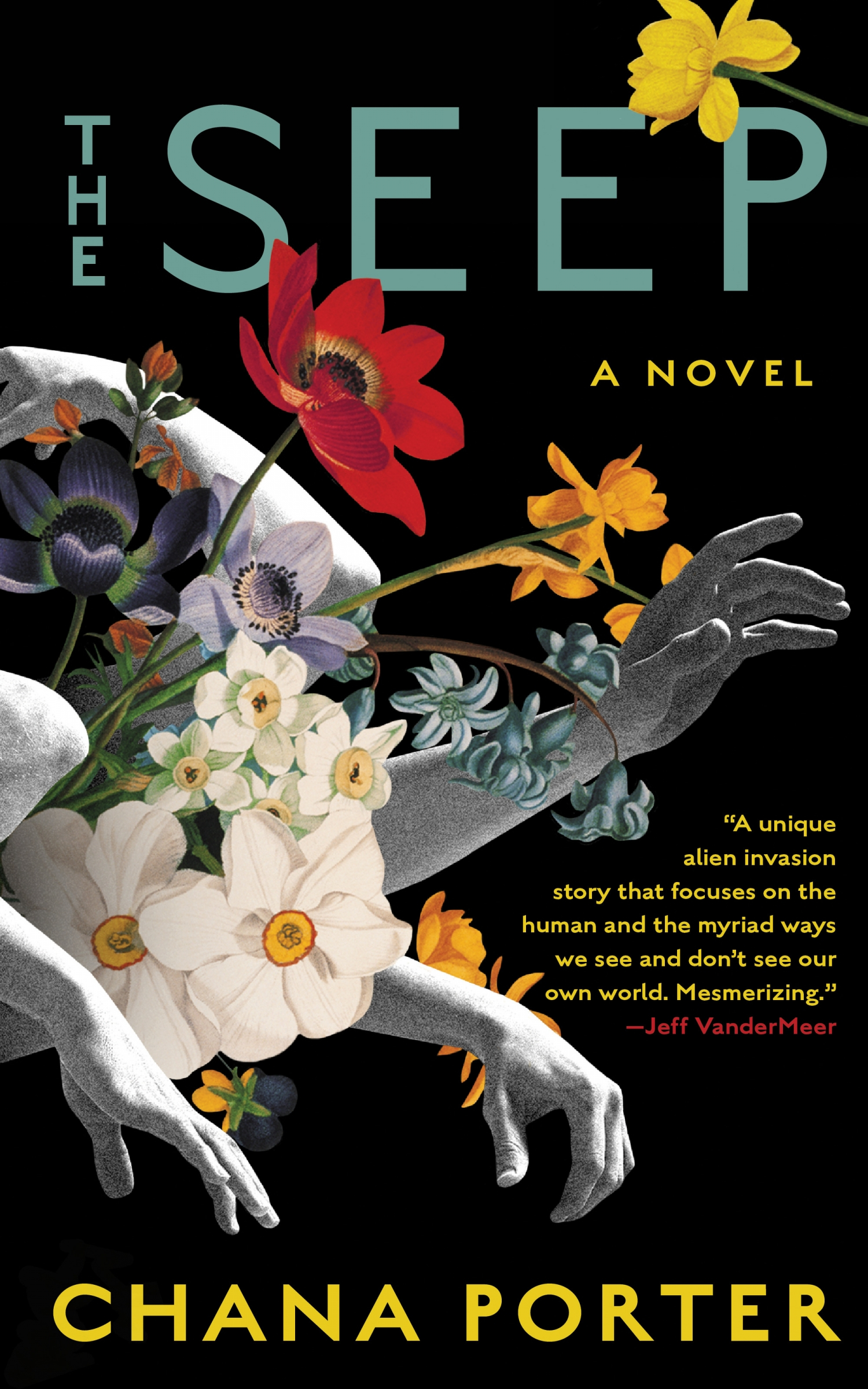
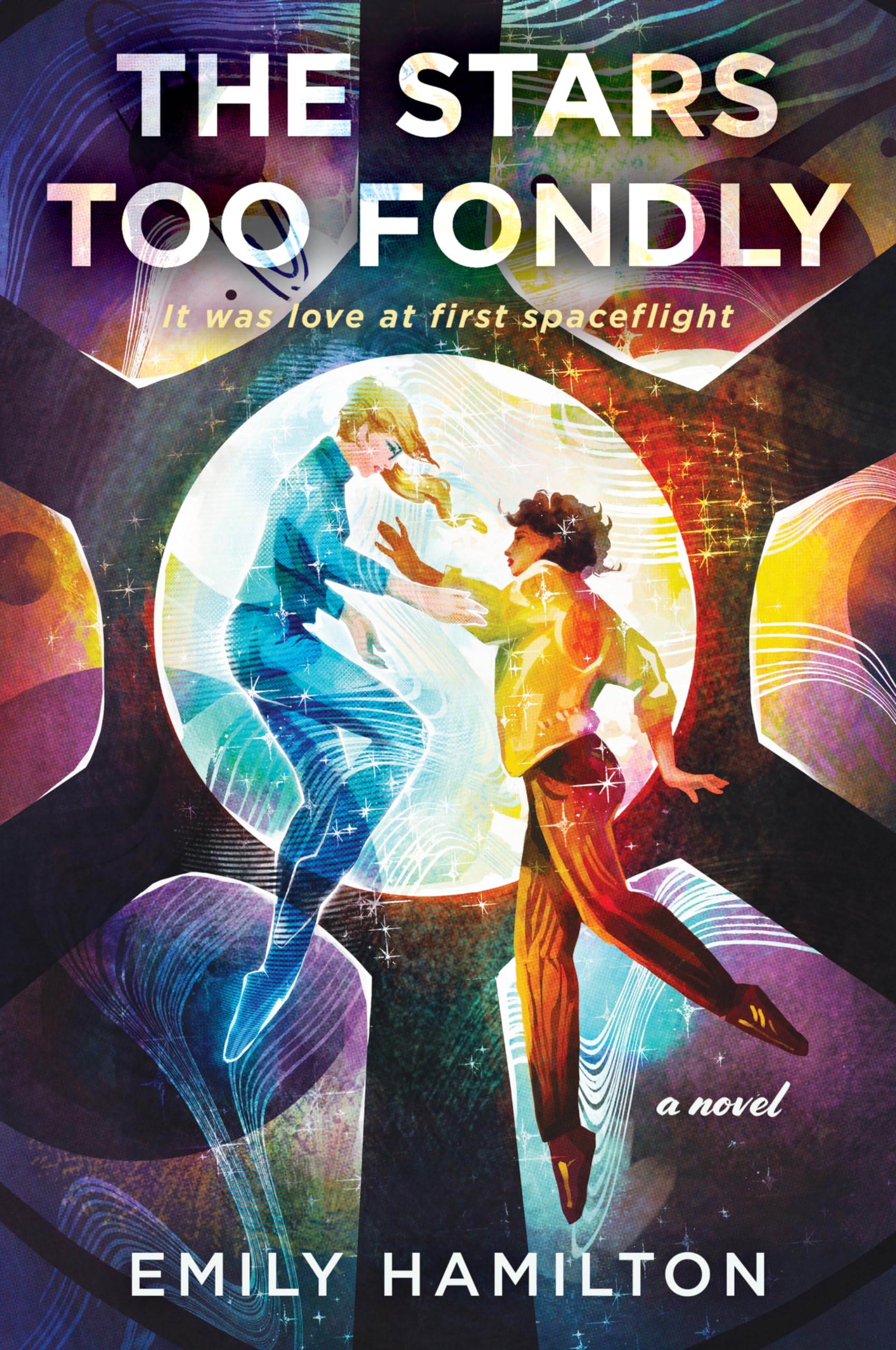
So here is another list of some of the best books with disabled representation that I’ve read in the past year! I’ve included books from all age ranges (middle grade to adult) and genres that represent a multitude of disabilities.
NOTE: my memory (and the internet) is imperfect, so if I’ve misrepresented/mislabeled any of the specific rep in these books, don’t hesitate to let me know!
*I’ve arbitrarily included Being Ace in the science fiction section, but it includes several genres, many of which fall under sci-fi/fantasy. It could theoretically go in all three fiction categories in this post.
TELL ME WHAT YOU THINK! Have you read any of these books, and if so, did you enjoy them? What are some of your favorite books with disability rep? Let me know in the comments!
Today’s song:
That’s it for this recommendations list! Have a wonderful rest of your day, and take care of yourselves!
Here in the U.S., June is Pride Month! I usually start off these posts with something about how the world is slowly getting kinder to queer people, but that, as always, the shadows of homophobia and transphobia loom large. Well…Christ, it sure is looming larger than ever. Misinformed voters have decided that they’re perfectly content to return us to an administration that has already required passports to revert to the carrier’s assigned gender at birth and has been emboldened to toy with the idea of repealing the right to same-sex marriage. Of course, here I am sitting on my comfy couch in my comfy blue state of Colorado that thankfully has a) a gay governor (shoutout to Jared Polis), and b) enshrined the right to same-sex marriage in the constitution, but that doesn’t mean that my heart doesn’t constantly ache. All of us in the queer community are deeply interconnected. What hurts one of us hurts all of us.
Book banning across the country has disproportionately targeted queer books, deeming the presence of such subjects in children’s, middle grade, and YA literature as pornography and grooming. And god forbid that a drag queen commits the incredibly sexual and predatory act of…[checks notes] reading picture books to kids at libraries. Republicans have their priorities twisted. That’s old, old news by now. Books and libraries were never meant to be war zones, but fascists have made it their mission, then and now, to declare the right to information and new ideas as the most dangerous threat to their power. This goes for books both queer and non-queer. But the power of queer books can’t be overstated. Even I, who grew up in an incredibly supportive, accepting environment (biggest thank you imaginable to my wonderful family for being that way), was enlightened and comforted when, in the short period when I was closeted, I found bisexual characters in books that reflected my story and my feelings. Queer literature is revelatory, and it saves lives. For queer people, it gives them the comfort that they aren’t alone. For others, it gives them a glimpse into perspectives that they might not have otherwise considered, and compels them to empathize with people who are different than them.
So this pride month, and all year round (as always), when you think of what you can do to support the LGBTQ+ community, consider picking up a book. Support queer authors. Buy from queer-owned bookstores, because they tend to be pretty cool places. Support your local library (because they need it now more than ever)—checking out queer books shows them that they’re in demand, and that encourages librarians to keep on shelving them. For us book bloggers and other social media-oriented folks: keep on reviewing and shouting out books. And for all of us: no president, no government, and no legislation can take away your queerness. No one has that power but you. Your queerness is revolutionary and beautiful. Keep on being queer.
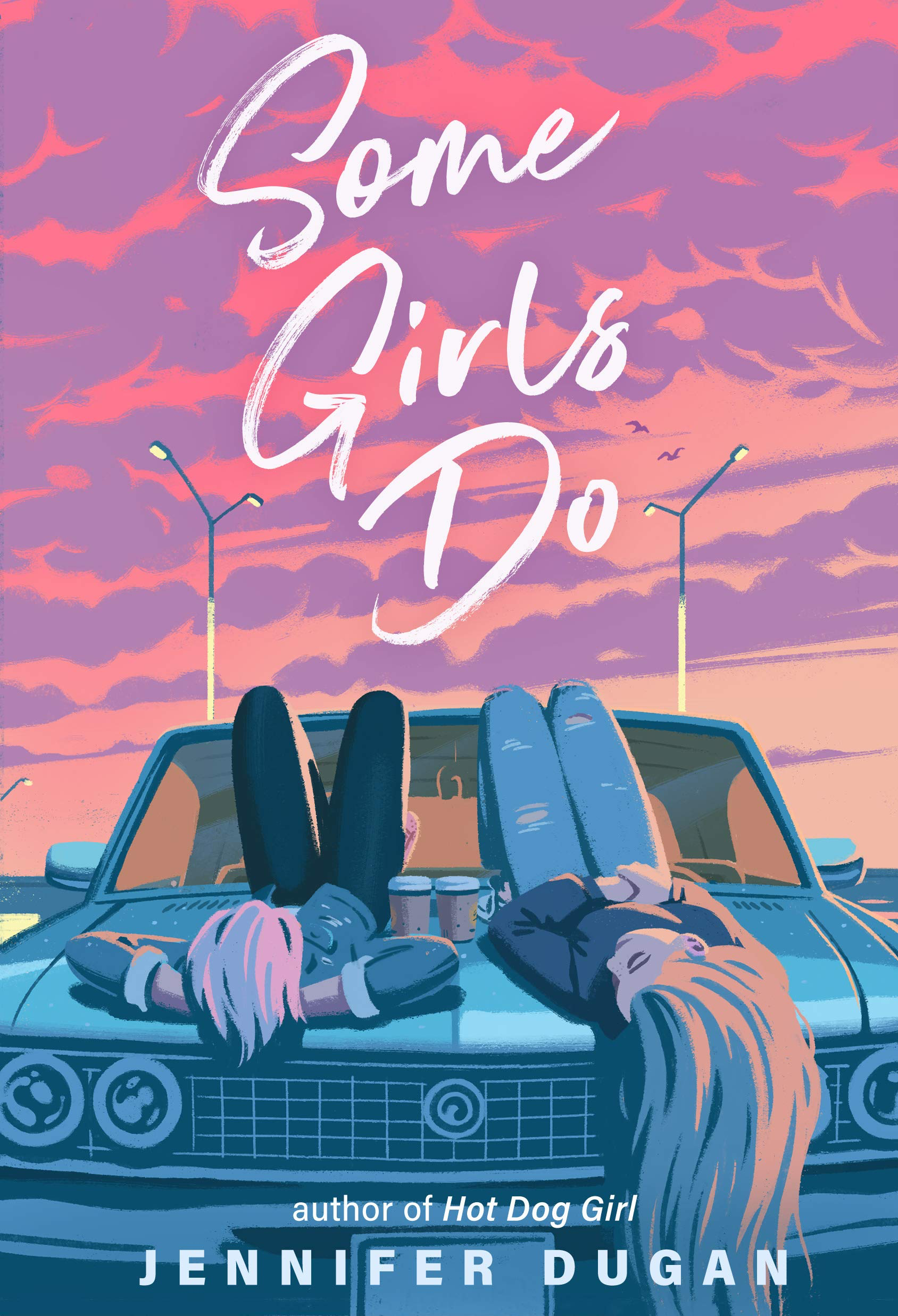
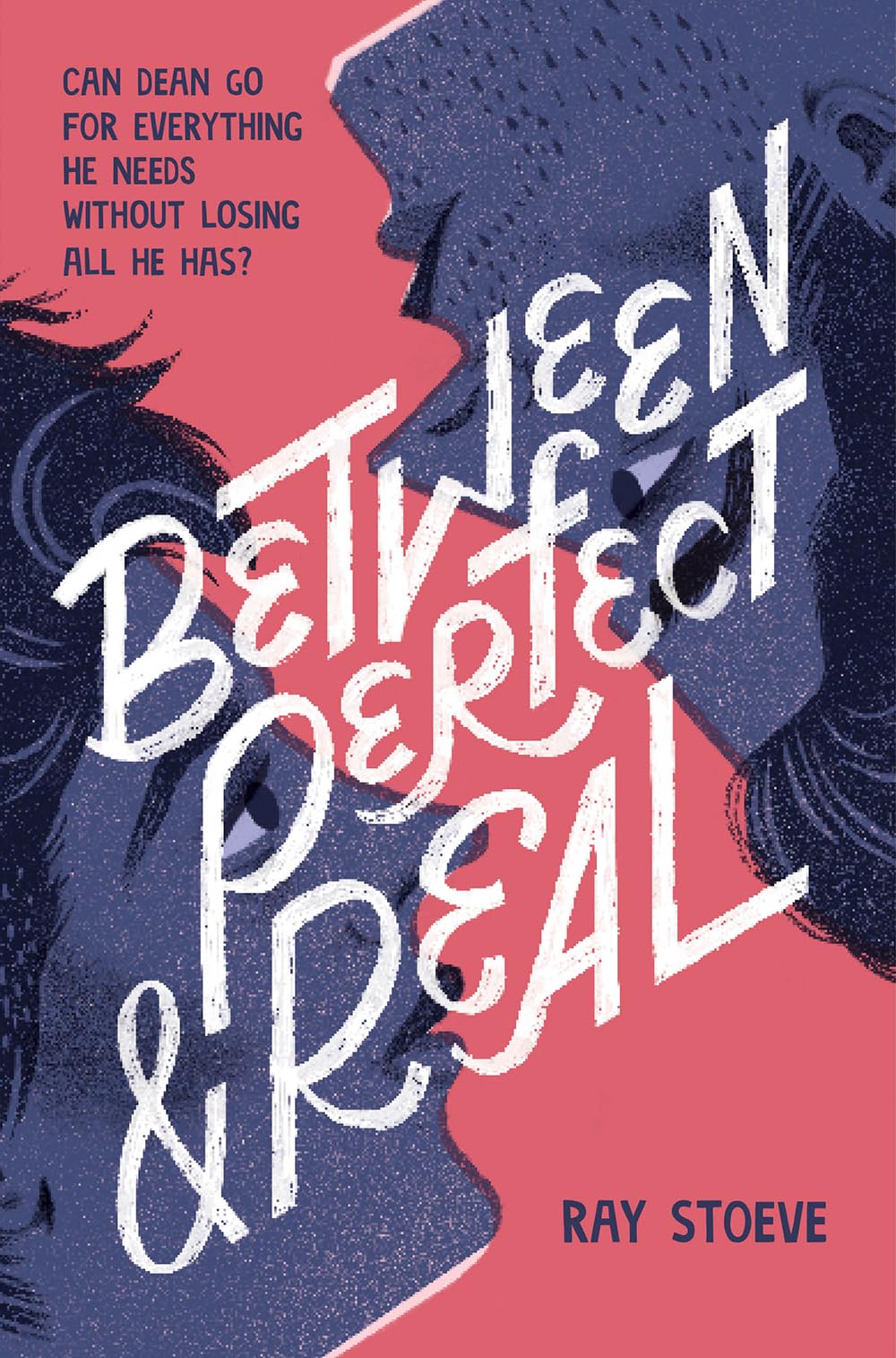
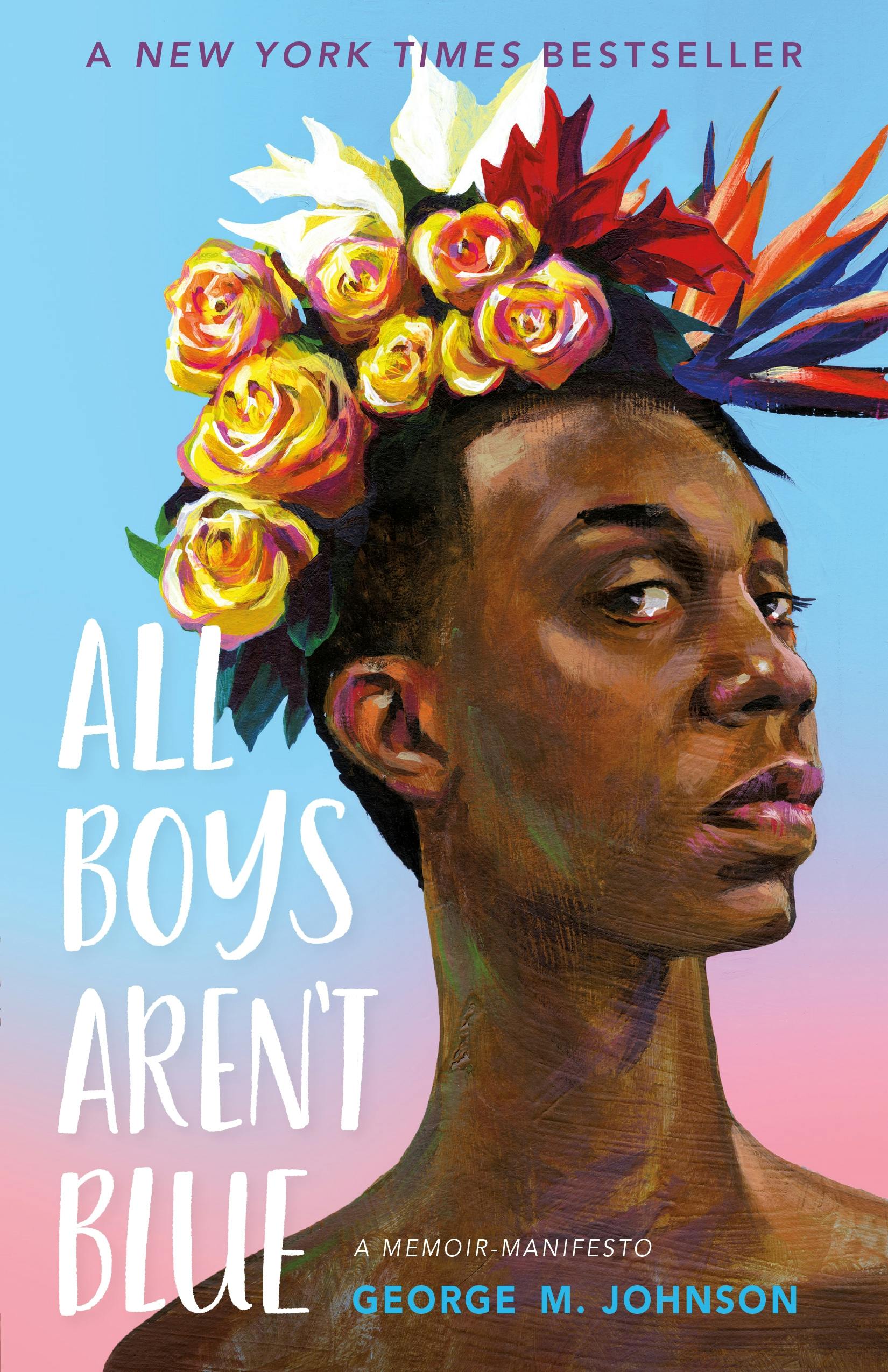
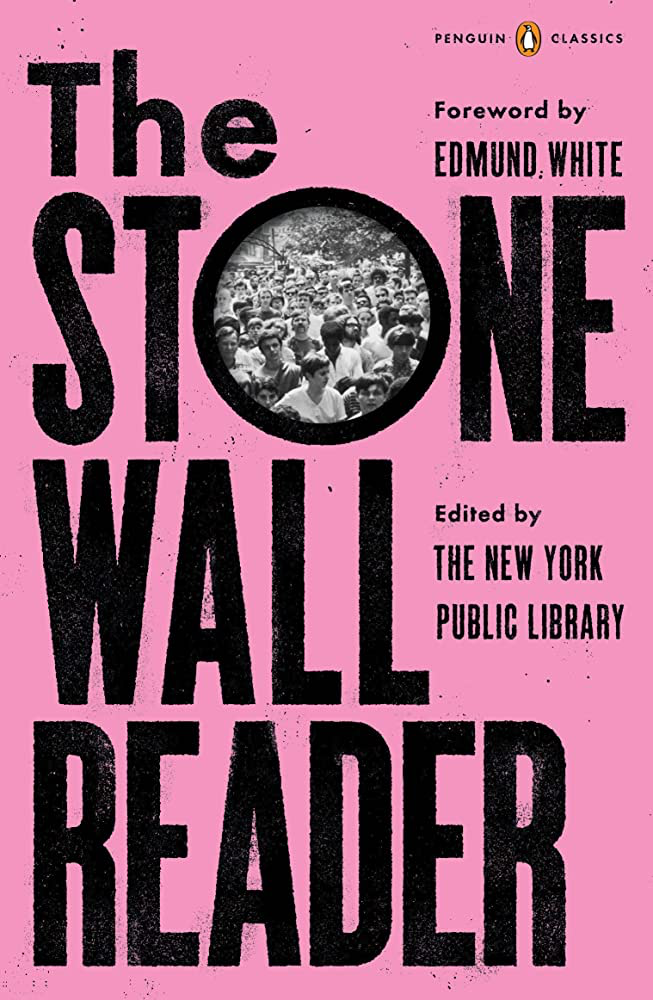
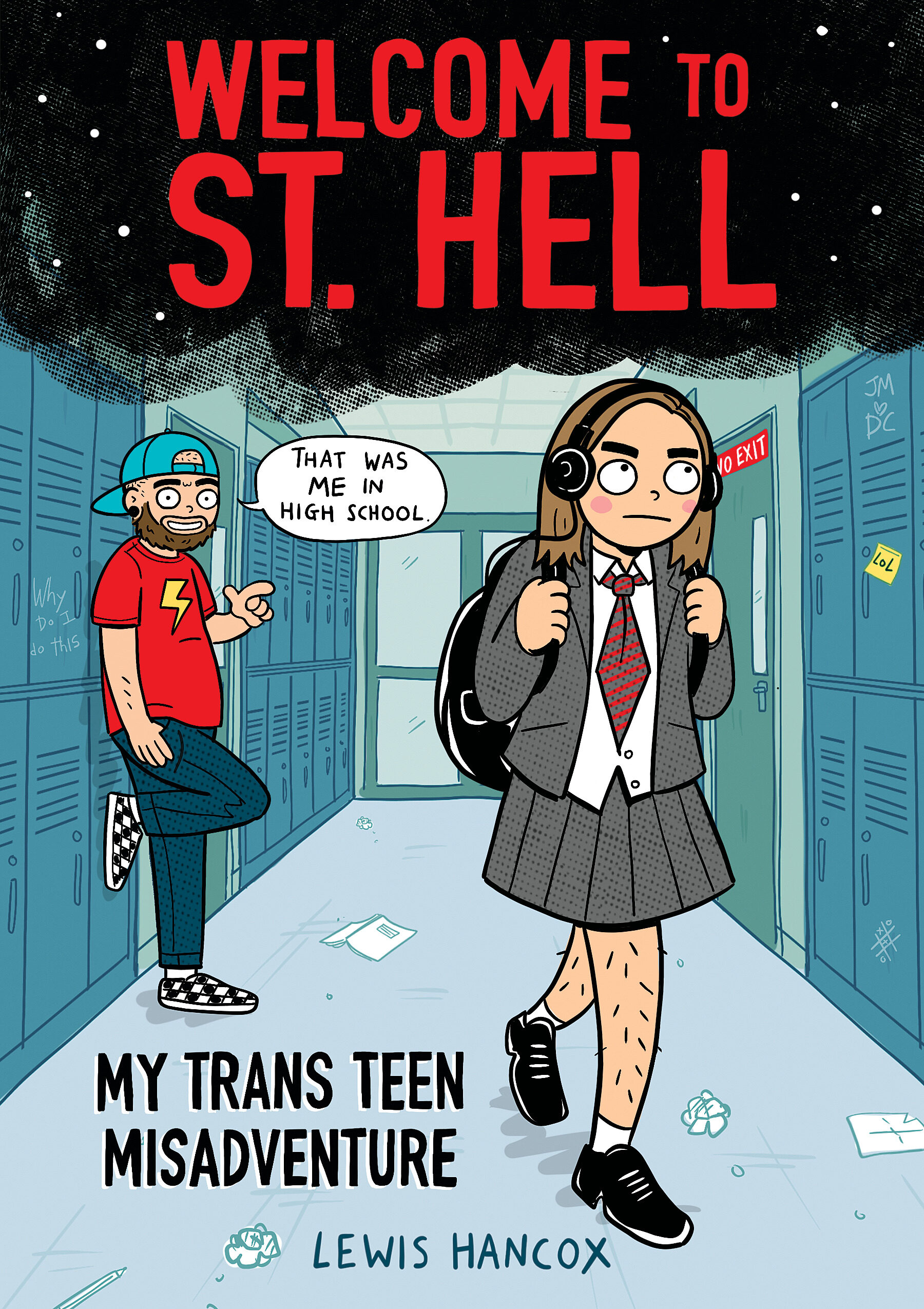
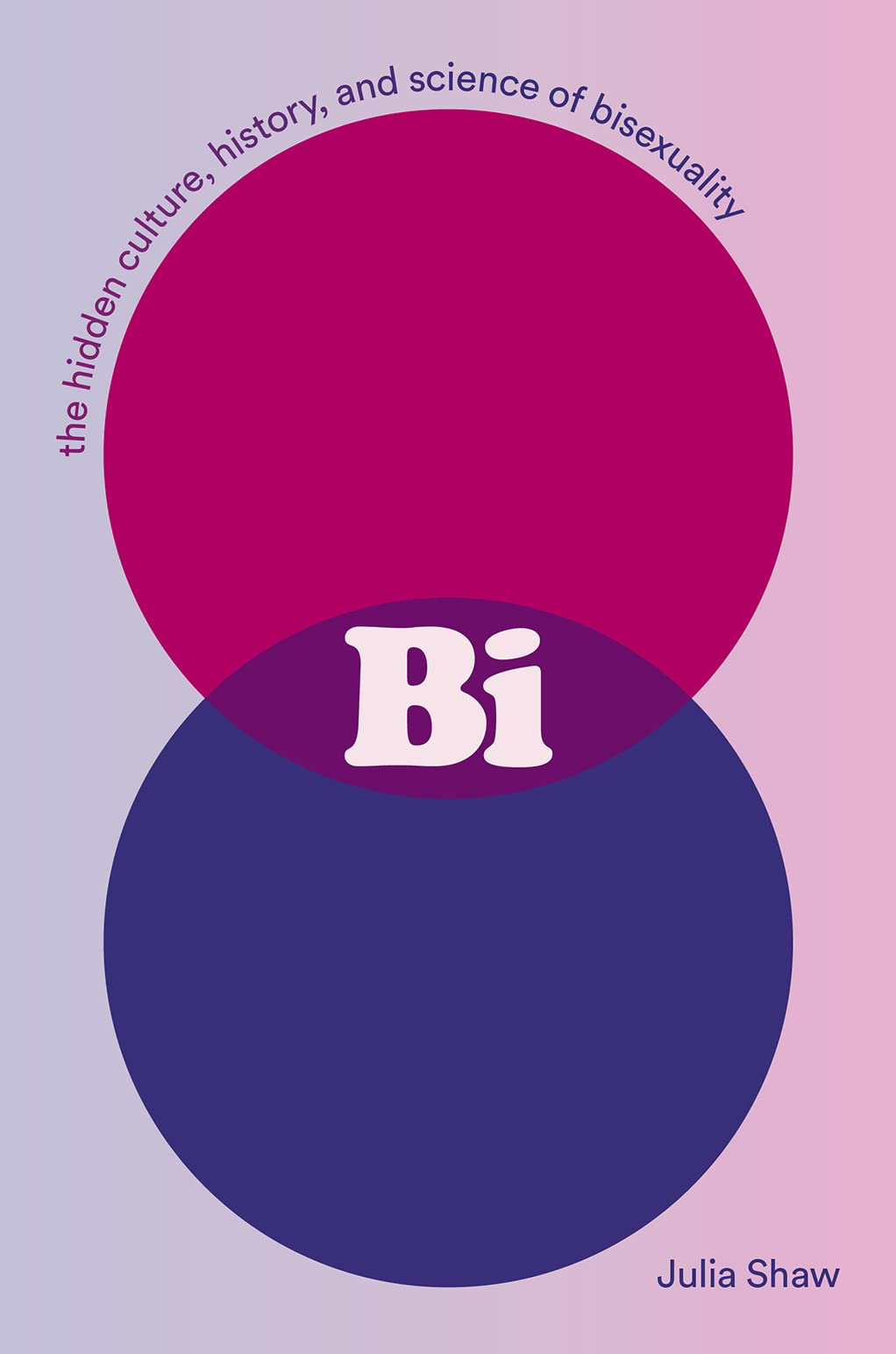
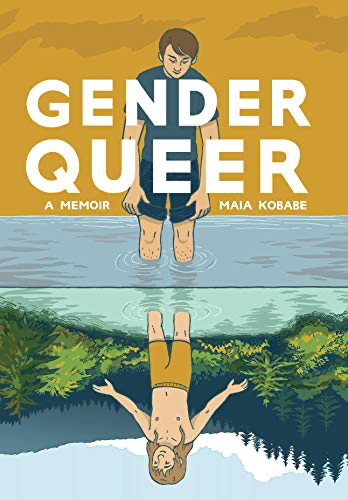
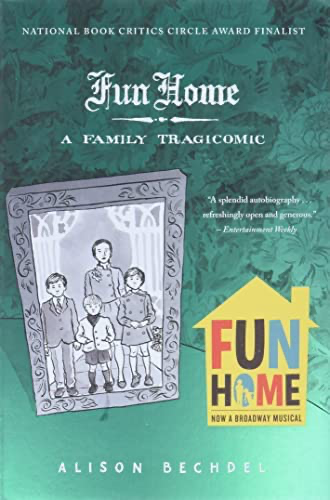
So here is my annual list of great LGBTQ+ reads from all sorts of genres, backgrounds, and identities. If I’ve mistakenly identified something about a book’s representation, please let me know! I’ve mixed YA and Adult books here, and I’ve also added a nonfiction section for the first time, as I’ve done with my other recommendation lists.
TELL ME WHAT YOU THINK! Have you read any of these books, and if so, what did you think of them? What are some of your favorite queer books that you’ve read recently? Let me know in the comments!
Today’s song:
lindsey…please tell me this is a sign that you’re cooking something…
That’s it for this year’s pride recommendations! Have a wonderful rest of your day, and take care of yourselves!
One of the best surprises a concert can have in store is a good opener. There are infinite jokes about bad openers, half of which…well, might be dogging on perfectly fine artists trying to get their foot in the door, and half of them are true. I really do try to at least go into openers with an open (no pun intended) mind, because everybody has to start somewhere, no matter how big of an artist they’re opening for. But sometimes it’s just up to your taste. Even with some cringy performances, you can at least tell that they’re trying.
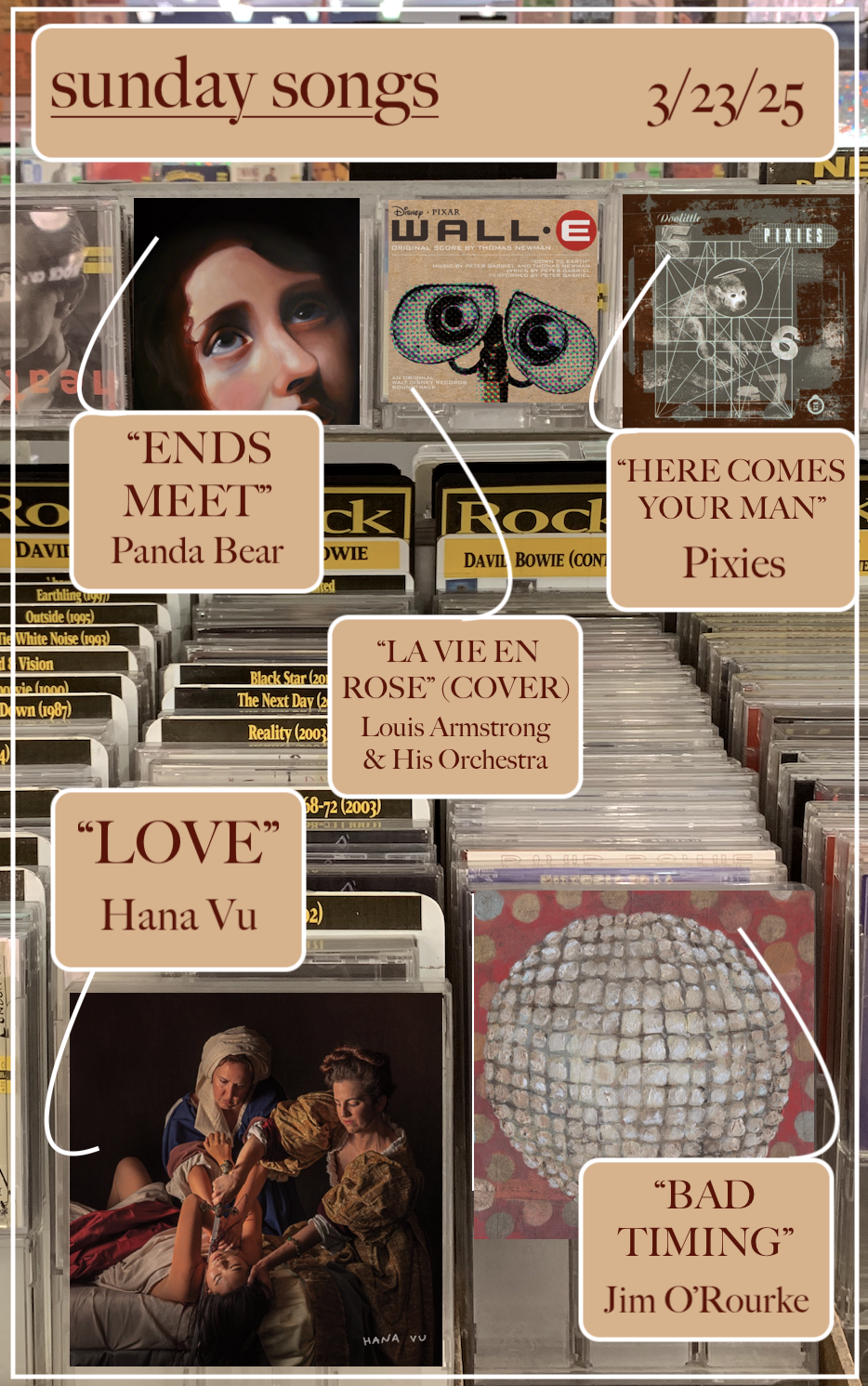
I saw Soccer Mommy about two weeks ago (stellar performance!!!! as always!! and the crowd had basic human decency this time, unlike the parasitic frat bros that populated her crowd last time) with Hana Vu as the opener. I kept my expectations low. I expected to just nod along and twiddle my thumbs, but I think I may have found an excellent artist! She came off quite shy, mumbling to the audience and asking us what we had for dinner, but once she started performing, it was clear that Soccer Mommy had a worthy match to her sound. However, if I had to compare Vu to anyone, it would be to Lucy Dacus—they have a similar brand of indie rock, both bearing warm, rich vocals and guitar-driven angst with no shortage of heart. Nothing can come close to “Night Shift,” but Vu clearly studied how that song goes supernova at the end. The closer to her most recent album, Romanticism, “Love,” like Vu’s performance before Soccer Mommy, starts out unassumingly, but quickly becomes a dramatic landslide aided with thundering drumbeats, strings, and Hana Vu bellowing as though into a cavern. The lyrics, as sparse as they are, come sung clutching a bleeding heart in both hands, staining everything within arm’s reach. It truly lives up to the drama of the album cover, with Vu draped in robes and with a sword pressed to her neck, modeled after Artemisia Gentileschi’s “Judith Slaying Holofernes.” Either way, Hana Vu has earned a tally in favor of the good opening bands I’ve seen—and a place in my more regular rotation of artists. A big thank you to Soccer Mommy for giving a platform to Vu’s talent, and thank you to Vu for the fantastic opening act!
…AND A BOOK TO GO WITH IT:
To a Darker Shore – Leanne Schwartz – “I just want you to stay/You know I hate giving up/And oh, Well I guess it’s just me/Please don’t leave me alone/You know I can’t let you be…”
Once my dad sent me this song, it was immediately relegated to my quiet instrumental study playlist. I shouldn’t say “relegated,” really. It’s a great song to peacefully study along with, but it keeps you on your toes. Ten minutes long and dense doesn’t make it sound appealing, but “Bad Timing” sounds like how those slow motion videos of flowers unfurling after the frost melts from their buds look. “Bad Timing” also proves my long song theory right with flying colors—the best ones have enough changes to keep you interested for ten minutes. This track in particular feels like two songs in one. The first is a homely, acoustic ditty, which peacefully bows out at the 2:50 mark, giving way to a chorus of plucked strings and, of all instruments that should sound shimmery, an accordion would be my last guess. Yet Jim O’Rourke pulls it off, making it shudder and glimmer along with the synths. You’re lured into a soft, ambient sense of security, but like rot climbing up the roots of a plant, O’Rourke tears away at the music, fiber by fiber, until the remnants are ablaze in distortion and ascending mayhem by the time you reach the eight and a half minute mark. It’s clear to me the magic O’Rourke made with producing almost all of Wilco’s albums—he has such a talent for taking a simple melody, stretching it out and contorting it as easily as a chef kneads dough. He put something entirely unassuming into the oven, and something wholly unexpected came out the other side once the experimental yeast rose.
On another note: I can’t for the life of me find who made the album art for Bad Timing, but it’s just so charming to me.
…AND A BOOK TO GO WITH IT:
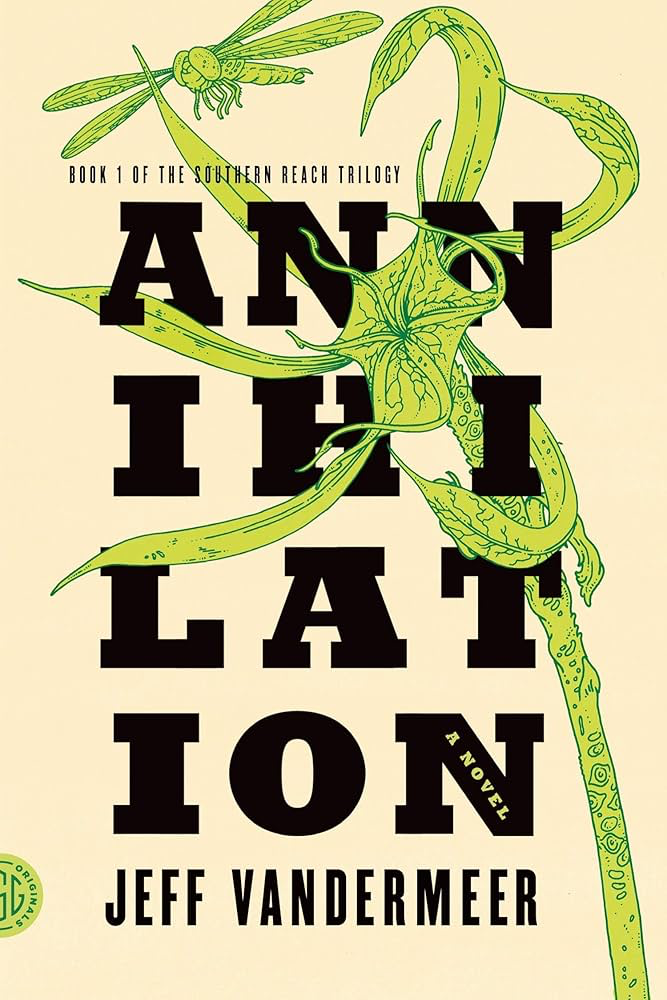
Annihilation – Jeff Vandermeer – everything becomes slowly, gradually unrecognizable and strange, just like the progression of “Bad Timing”
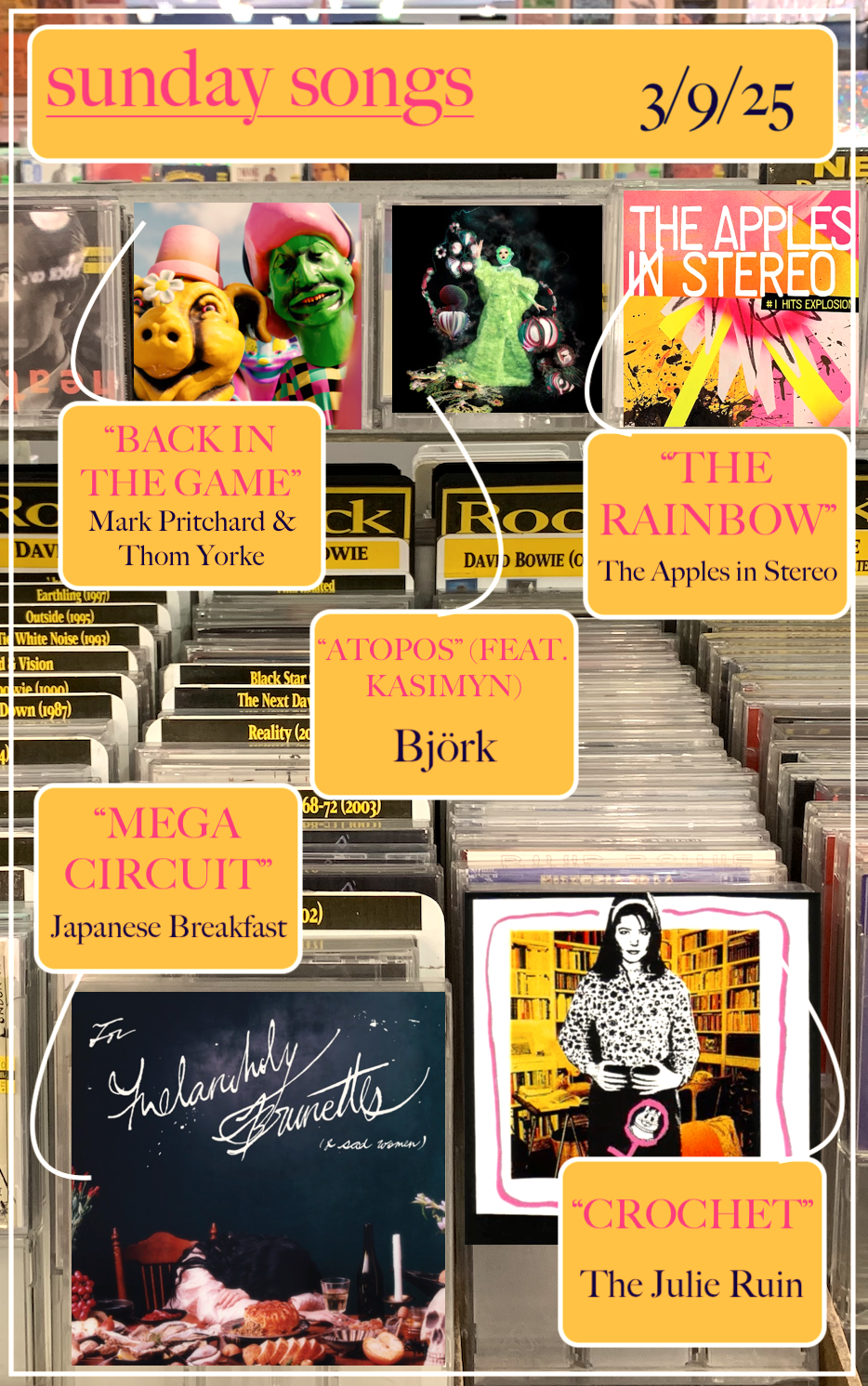
Brian Wilson is alive and well, but what I’ve listened to of Sinister Grift feels like a glimpse into an alternate universe where Brian Wilson got temporally airlifted from the ’60s into the 2020s and had to find his way around. That, and if he’d been given nothing but a knapsack full of various synths and electronic knickknacks to carry with him on his time-out-of-time journey. “Ends Meet” is the definition of psychedelic, constantly fading in and out of focus like ripples over sunlit water. Noah Lennox’s voice also feels piped in from beneath the shallows of a reef—released this February as it was, everything I’ve heard of Panda has been carefully crafted to be specifically summery and aquatic, at least in sound (see: “Comfy in Nautica,”“Ferry Lady”*).
The existential lyricism feels at odds with the music at first glance: Lennox is confronting what we all have to confront at some point in our lives: we’re all gonna die, so what else is there to do? His answer is as simple and as difficult as any: appreciate everything in it, bad and good: “And when it is my time/Dig it all.” It’s a lesson I’ve been chipping away at for the better part of last year, what with my difficulty in staying present and not projecting myself into possible futures (not the time traveling Brian Wilson ones, unfortunately), but the way that Panda Bear takes it musically seems different than most. Sonically, “Ends Meets” feels so daydreamy and almost dissociative—its head isn’t in the clouds, it practically is the clouds. Even the face on the album cover of Sinister Grift looks like their mind is somewhere else entirely. But that in and of itself is putting that sentiment of being un-anchored into music and into words. It’s a jarring pairing in concept, tackling this subject matter with such an acid-tinged, vacation-like musical landscape, but to me, it’s the feeling of letting go of that burden, of knowing that all you can do in life is appreciate every facet of it.
*the “Ferry Lady” music video is about as trippy as you’d expect, so if you’re sensitive to flashing images or eye strain, you’ve been warned.
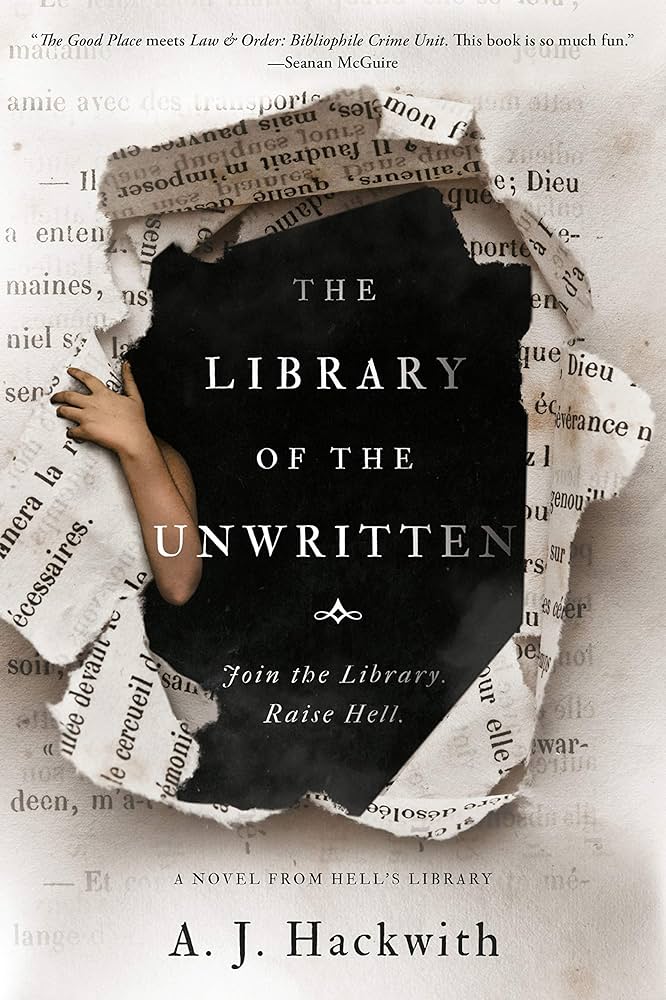
…AND A BOOK TO GO WITH IT:
The Library of the Unwritten – A.J. Hackwith – “They got a spot to bury you/It’s not news, you’re tremblin’ for what?/Just keep it in the groovе (Don’t let up)/But keep the doorways shut…”
I was never much of a Disney kid, but Wall-E, one of the first movies I saw in theaters as a kid, will always unlock a particularly special place in my heart. StarWars was my true introduction to sci-fi, but the more I think about it, Wall-E was right up there in conditioning me to fall headfirst into the genre. Even now, in my twenties and watching Wall-E for a grade to analyze the gender dynamics for a class on Disney and gender…it broke me. I knew it would. Sure, Mark Fisher cites it by name in Capitalist Realism when he talks about how Hollywood has subsumed anti-capitalist resistance and yada yada yada, but…god, how could even the most shriveled soul not be moved by an almost newborn race of humankind returning to the same earth, babies treading over barren ground as the giddy captain gleefully lists off all the plants that can be grown in it? And you’re already crying? And then they hit you with “Down to Earth?” Diabolical.
Part of my class’s discussion on the gender dynamics of Wall-E, beyond how we’re socialized to see Wall-E and Eve as boy and girl even though they’re…intelligent machines with no gender to speak of, was how the viewer is socialized to show their relationship as romantic (and traditionally heterosexual) from the markedly older, “classic” media surrounding them. Notable songs and clips from Hello, Dolly! do the heavy lifting there, but in the barest sense, Louis Armstrong’s cover of “La Vie En Rose,” one of the more ubiquitously recognized love songs of this century, which plays when Wall-E first becomes romantically interested in Eve, adds to this effect. And while I see the argument, as women and gender studies/queer theory-pilled as I am, I really don’t think Wall-E is nearly as guilty as a whole cadre of other Disney movies who have improperly shaped particularly women and young girls’ views on how gender and romance should be. For me, “La Vie En Rose” feels as pure as Wall-E and Eve, in all of their innocent, nonsexual romance. Even as a little kid, only knowing Louis Armstrong from “What A Wonderful World” (and thinking that Grover from Sesame Street was behind the vocals), something about those piano flourishes unfurled a kind of petal inside of me. It’s one of the first examples I can name of a melody really scratching an itch in my brain. I’m next to illiterate when it comes to jazz, but Armstrong was clearly one of those rare people who could give his trumpet such an individual voice—by the end of the song, you could call it just as much of a vocalist as he is. Paired with the cinematography of Wall-E’s tire treads tracing neat lines in the trash-laden dirt, something about it felt so neat, so meant to be, a puzzle piece shifting into place. Both of them are clean, and yet not sanitized—they’re sweet, earnest, pure. A part of childhood me is warmed every time I hear this song, obviously, but even outside of that context, the soothing spell of this rendition is undeniable. As is Wall-E.
…AND A BOOK TO GO WITH IT:
The Cybernetic Tea Shop – Meredith Katz – Louis Armstrong’s take on “La Vie En Rose” is obvious coffee/tea shop music, but combined with my Wall-E association, why not return to this cozy, tender tea shop in a distant future?
The music video for “Here Comes Your Man” has to be one of the more uncomfortable music video experiences I can think of, not because of any particular content, but more because you get the overwhelming feeling that nobody wants to be there. Every time they pan to Frank Black or Kim Deal (or Joey Santiago, honestly), they look like they’re trying to telepathically kill the cameramen, Professor X style. They don’t want to be there, the camera crew doesn’t want to be there, and they don’t want you there either…oh, my bad, sorry for the intrusion. I’ll see myself out. For good reason, though—they were averse to making music videos, and when their label pressured them to do so, they famously decided to stick it to the man and gape their mouths open like fish while the lyrics were playing. Given…well, everything I’ve heard about Frank Black, it could easily just be them being petty, but for an underground band who were achieving success they didn’t seem to want, it’s understandable.
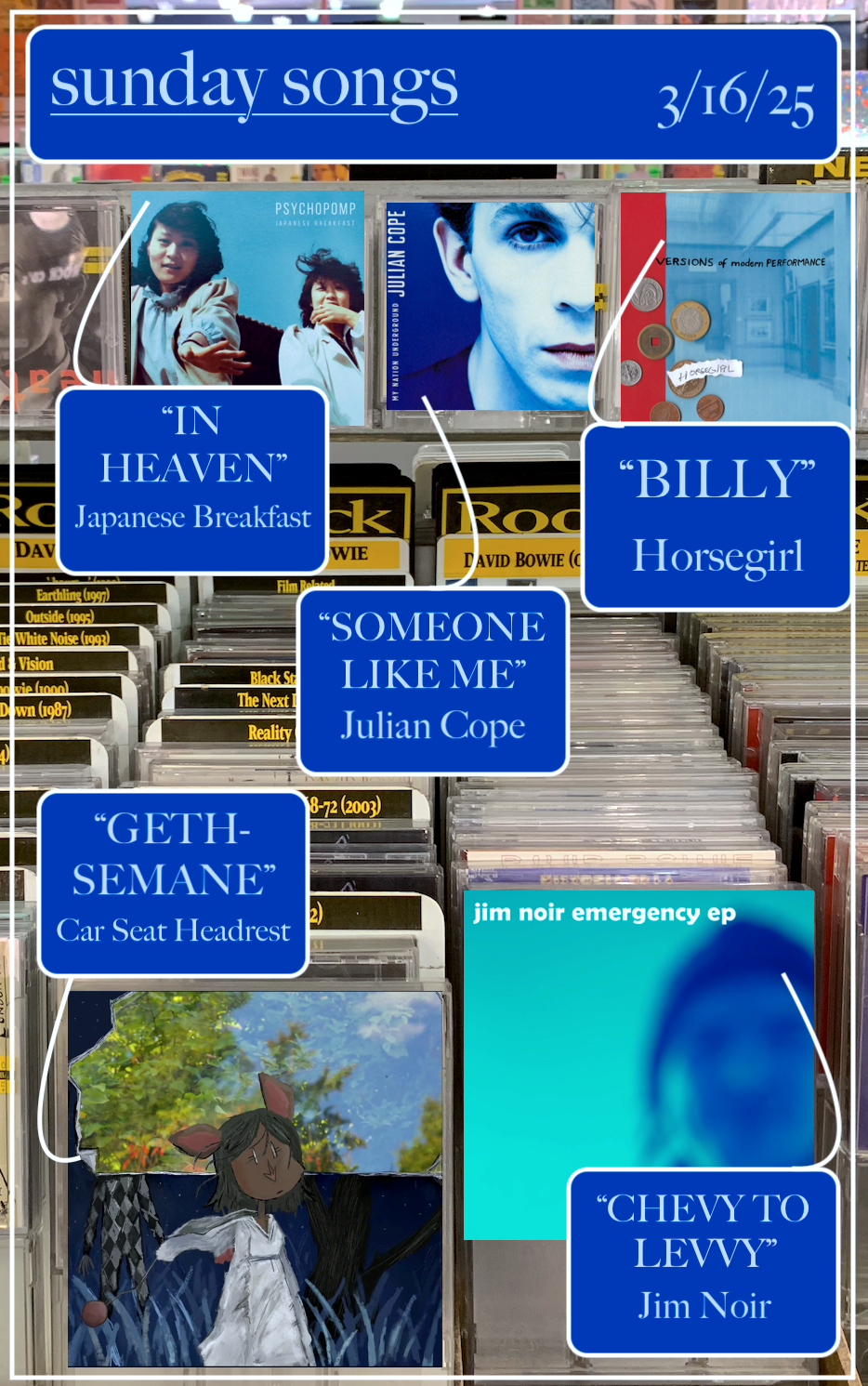
I always feel a kind of odd shame when I like That One Song/Album That Got Popular with a certain band that the band openly hates with a passion. If I’d had the time to write a post last week, I would’ve said the same thing for Julian Cope and “Someone Like Me”—My Nation Underground is one of his poppier albums, and one that he wasn’t satisfied with. (See also: “Me Myself & I,” a song I love, but that De La Soul inserts “we hate this song” into live performances of the lyrics…yeah, you get the picture.) For Pixies, they weren’t satisfied with this pop song to the point where they almost never performed it live. But…it’s so good. Sure, it’s simpler and more accessible than some of their work, but they knew how to make one of the most iconic alternative pop songs. Most alternative rock fans would probably be able to recognize that bassline immediately, all thanks to the timeless talent of Kim Deal. There’s layers to the genius of it—the harmonies of Deal and Black, the vague, surrealist lyrics about homeless people boarding a train before an earthquake, the faint comfort and hope in spite of that. The chorus of “here comes your man” was a last minute addition, but it’s always given a kind of solace for me, ever since I was a kid, before I understood the lyrics of the verse. Even with the bleak nature of the verse, it’s always implied a kind of salvation or relief to me. Bottom line: sometimes, even if That Song got popular, it’s obviously popular for a reason, but how talented a band’s craft is can often shine through in the charts.
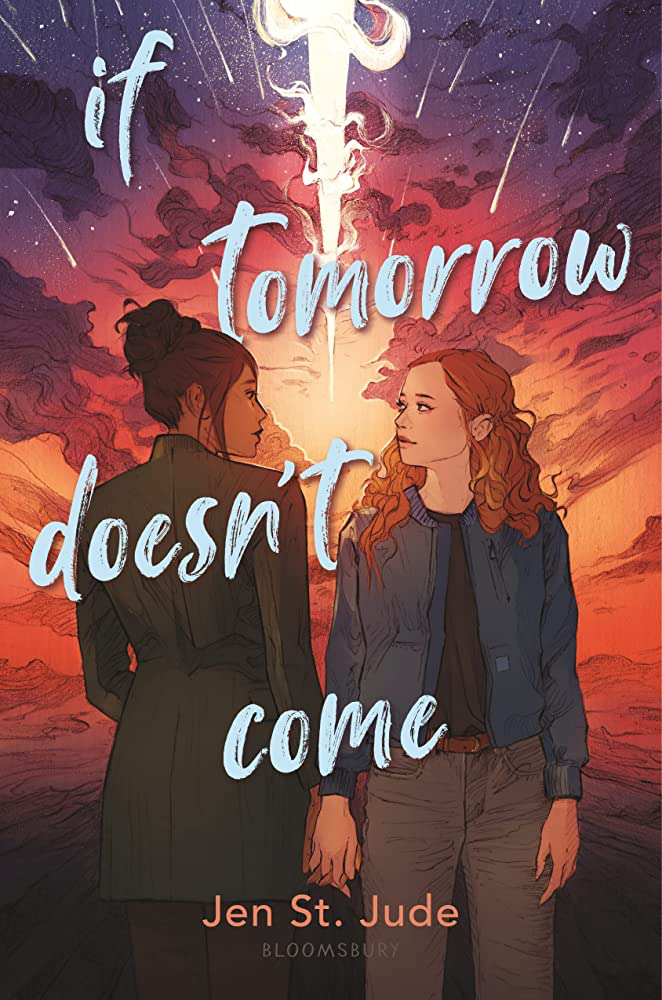
If Tomorrow Doesn’t Come – Jen St. Jude – a similar kind of disaster-oriented scenario to the song, of people scrambling to safety in the wake of a planet-destroying asteroid.
Since this post consists entirely of songs, consider all of them to be today’s song.
That’s it for this week’s Sunday Songs! Have a wonderful rest of your day, and take care of yourselves!
Somehow July’s already over…it felt awfully fast, yet the heat made the evenings so slow…time, huh?
Let’s begin, shall we?
GENERAL THOUGHTS:
July for sure had its ups and downs; I was getting hit with the election anxiety big time at the beginning of the month…so naturally, I was overjoyed at the prospect that Biden had dropped out of the election. Comforting that my options aren’t just “old white man with dementia” and “old white man with dementia who also happens to be a felon.” (Still. No excuse to vote for the felon, folks. Harris 2024!). So my faith has been restored on that front, and I’ve ended the month on a much more hopeful note, thankfully. America remains a dumpster fire, but least there’s some light at the end of the tunnel.
I was able to read a good amount this month, though! As is with every year, I was scrambling to find more and more books with disability rep for Disability Pride Month (there’s a solid amount out there, but it’s still fairly scarce), but I ended up reading some excellent books as a result! Summer has confined me to the house for the most part, what with the miserable heat (listen, I like summer, but not 90 degree heat, let me be clear), but it’s given me plenty of time to read—and to write! I participated in Camp NaNoWriMo this month, and as of today, I reached my goal of 50,000 words a day early! I had no idea that I’d be able to pull it off a day early—I had my ups and downs as far as motivation goes, but now, I’m a little over halfway through my first draft of this novel! I’ve also had fun with my blogging this month, and I feel like I’ve written some productive reviews.
Other than that, I’ve just been drawing, playing guitar, drinking a ton of tea, watching Succession (nearly finished with season 2!), watching and re-watching several Studio Ghibli movies (technically, I saw Ponyo when I was 5, but it felt like a fever dream back then…MUCH more beautiful now!), and doing everything I can to get out of this heat.
READING AND BLOGGING:
I read 18 books this month! As with every month, there were some hits (nearly 5 stars) and misses (an unfortunate DNF…), but I especially had fun reading books for this year’s Disability Pride Month!
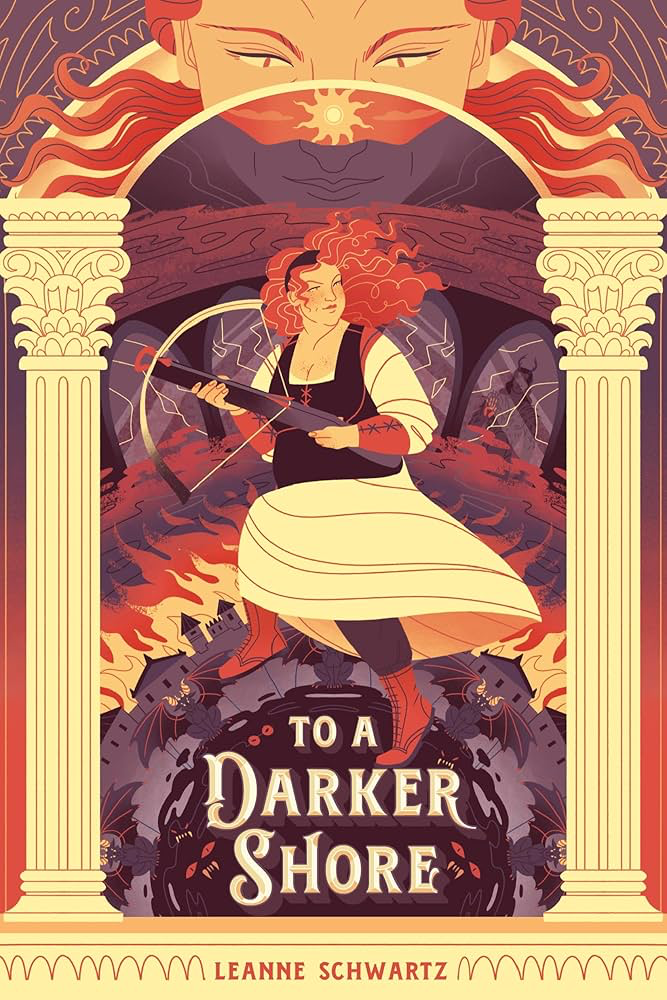
I was first exposed to Leanne Schwartz through A Prayer for Vengeance, and enjoyed her YA fantasies that centered autistic and plus-size protagonists. I’d forgotten that she’d written another book featuring an autistic protagonist, and I figured it would be perfect for Disability Pride Month. While it didn’t blow me away, To a Darker Shore had a lovely setting with immersive writing and the journey of a courageous girl who would quite literally walk through hell to save her best friend.
If there’s one thing that Alesta has known her whole life, it’s that she knows that she has something to prove. Poor, autistic, and plus-size, she means nothing to the townsfolk, save for what she can provide as a sacrifice to their hungry god, Hektorus. So she throws herself into intricate inventions, hoping they can earn her favor with the king. But when a test flight of one of her flying machines goes awry at an exhibition, Alesta knows she’s bound for hell. Yet it’s Kyrian, who helped her test the machine, that takes the fall, now condemned to hell instead of her. Alesta will do anything to bring Kyrian back…even if it means venturing into the treacherous depths of Hell itself.
TW/CW: loss of loved ones, misogyny, fatphobia, ableism, violence, blood/gore, claustrophobia, panic attacks, grief, homophobia
Why does WordPress keep trying to autocorrect “Alesta” to “Alert?” I can only imagine how it was while Schwartz was writing the book in the first place…
Even though Leanne Schwartz isn’t my favorite author, I love her apparent goal of putting out YA fantasy novels with plus-size, queer, and neurodivergent characters at the forefront. A Prayer for Vengeance didn’t blow me away, but it was an enjoyable read nonetheless; to an extent, I feel a similar way about To a Darker Shore, but it’s clear that her writing has improved greatly in the span of two books!
Schwartz’s lovely prose was clearly the star of To a Darker Shore. Throughout the novel, there’s a stark contrast between the fantasy, Renaissance Italy-inspired whimsy and the monstrous realms of hell, but Schwartz handled each of them with the appropriate weight they deserved. The first part of the novel did a wonderful job of immersing me in Alesta’s kingdom, and with every description of the coastline surroundings and the bustling cities, I was instantly transported. Schwartz’s balance of humor and weighty subjects (ableism, fatphobia, and purity culture, to name a few) was handled with aplomb—the strength of all of these aspects is how balanced they were. Additionally, To a Darker Shore’s writing felt like the perfect transition between Middle Grade and YA; apart from some violence and strong language, the accessible writing style and the narrative voice of Alesta could be a great bridge for younger YA readers to start in the genre.
Alesta was also a fantastic protagonist to propel the reader through this treacherous journey into hell! Schwartz did an excellent job of relying on showing to build up to the suspense of losing her best friend; by the time Alesta’s quest through hell begins, you truly do understand her relentless devotion to rescuing her friend, even if when they reunite, hell has permanently altered him. She stopped at nothing to make sure Kyrian made it out of hell alive, and you believed every part of her friendship and steadfast adherence to her mission. Her relentless spirit not only gave the story stakes (I certainly got the sense both she and Kyrian would fall apart without the other), but a reason to follow her along—at its best, there were times when I was invested in the story just because Alesta cared so deeply for succeeding in her impossible mission. Although I liked A Prayer for Vengeance, Leanne Schwartz’s way of writing her protagonists has improved since then, and Alesta is living proof.
I came away from To a Darker Shore with mixed feelings about the worldbuilding. On the one hand, I enjoyed the Renaissance Italy-inspired setting; Alesta is compared to Leonardo Da Vinci in the synopsis, and I loved the aesthetic of her wooden flying machines and the various magical contraptions that she constructed. The worldbuilding surrounding the religion that concerns most of the novel was also well-executed. Schwartz did an excellent job of setting up exposition in a variety of ways, ranging from stories that Alesta had grown up with to descriptions of religious festivals that served to explain some of the mythology. However, even with the obviously Christian inspiration that this religion was based in…why call it Heaven and Hell if it’s an entirely different religion? I get the comparisons here, but it kind of took me out of it to have a whole fantasy religion and then have the exact same names of Christian concepts in it. Considering how detailed most other aspects of this religion were, it comes off a bit lazy—either make it a more direct analog to Christianity, or give Heaven and Hell different (and more creative) names, in my opinion.
Additionally, there were quite a few side characters that surrounded Alesta that didn’t seem like they had anything to do. Along with the dreaded time skip that came out of nowhere [hisses like a vampire with holy water chucked on it], we were just as abruptly introduced to some of Alesta’s other friends. It wouldn’t have been a problem if they had any role in the novel other than to tell the reader that Alesta has made friends after Kyrian’s sacrifice. They were pushed aside as soon as Alesta ventured into hell (a section that takes up about a third of the novel), and therefore had no room to have distinct personalities or roles other than being Alesta’s friends. Since To a Darker Shore is centered so prominently around the unbreakable friendship between Alesta and Kyrian, it would have been better to scrap them entirely—or at least not give them a role that Schwartz seemed to place disproportionate importance on.
All in all, a YA fantasy that took some shortcuts with its side characters and worldbuilding, but was nonetheless a satisfying story of friendships strong enough to survive hell itself. 3.5 stars!
To a Darker Shore is a standalone, but Leanne Schwartz is also the author of A Prayer for Vengeance.
Today’s song:
no idea how I forgot about this one, but I’m so glad I did!! a nostalgic childhood staple, for sure.
That’s it for this week’s Book Review Tuesday! Have a wonderful rest of your day, and take care of yourselves!









 The Bookish Mutant