Posted in Book Review Tuesday

Book Review Tuesday (3/31/26) – The Actual Star

Happy Tuesday, bibliophiles! Apologies for the unexplained absence last week—I defended my honors thesis, so I needed some time to prepare (emotionally, if nothing else). But I’m back now, and man, do I have a review for you…

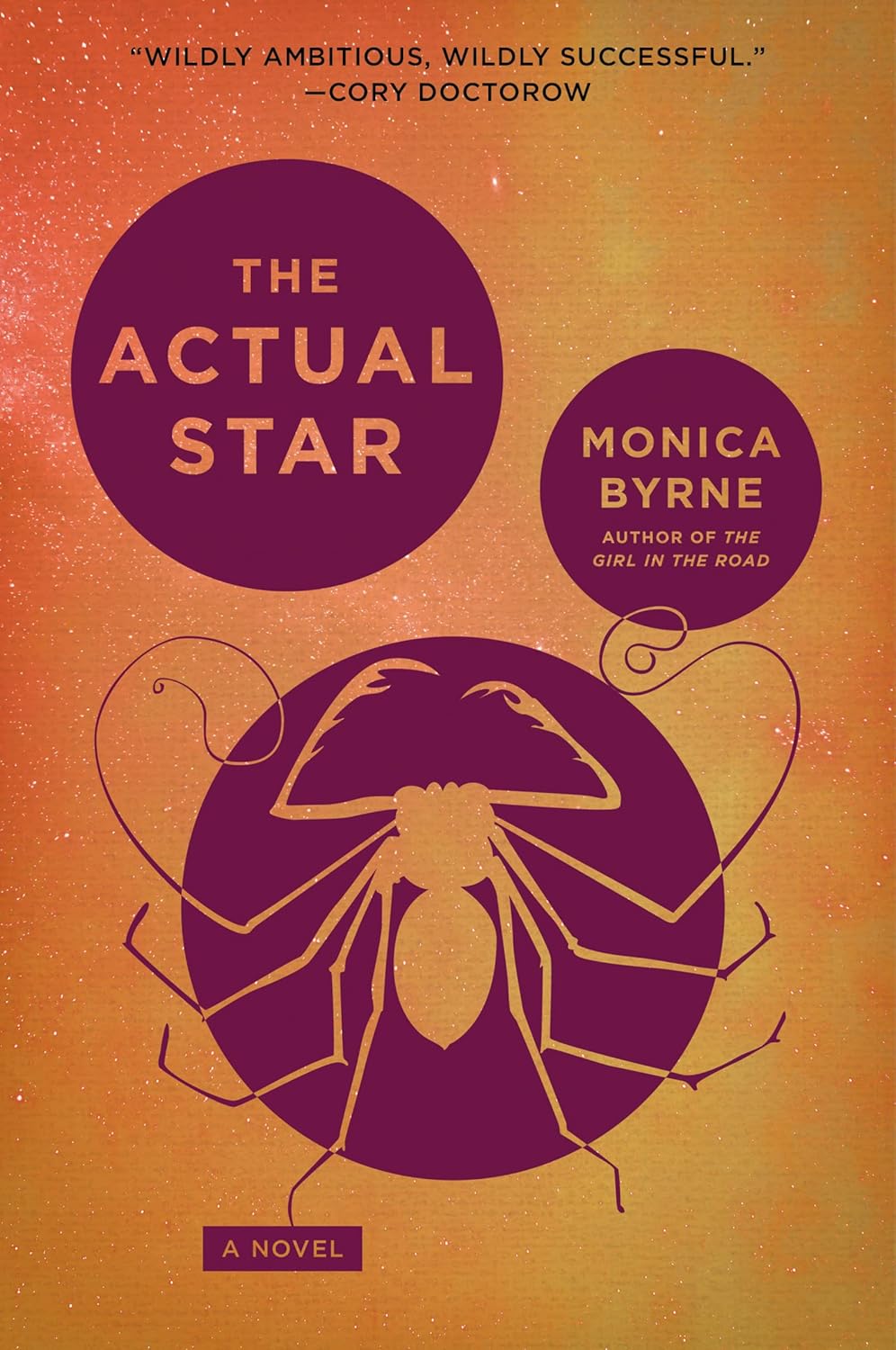
Despite having one of my least favorite animals on the cover (whip scorpions give me the heebie jeebies, sorry), I was intrigued by the millennia-spanning premise of The Actual Star, and it satisfied my eternal hankering for more science fiction. Dizzying in scope, The Actual Star is, without a doubt, an undertaking to read—even though it’s only March, I have no doubt that it’ll be one of the most ambitious books that I’ll read all year.

Enjoy this week’s review!

The Actual Star – Monica Byrne

1012. In the Mayan city of Tzoyna, Ajul and Ixul—a pair of twins descended from the Hero Twins of legend—have ambitions to reclaim a throne that was stolen from them. With their journey foretold by the gods, they will stop at nothing to claim what is rightfully theirs.

2012. Born to a Belizean father and a Mayan mother, Leah has been distanced from her father’s culture all her life. In a snap decision, she decides to venture to Belize to discover her heritage—but the mystical connection she feels to the land may be driving her to extreme decisions.

3012. The last vestiges of humanity cling to a climate-ravaged Earth. Niloux and Tanaaj, rival fanatics, are locked in a power struggle to reclaim their religion, based in ancient Mayan rituals and a mysterious saint named Leah. Their voyages will take them across an unrecognizable globe.

Across thousands of years, the lives of these distant individuals will intertwine in ways that they did not think possible.

TW/CW: self-harm (ritual), terminal illness, sexual content, incest, violence, descriptions of injury, death

To put it bluntly, The Actual Star is a mindfuck. But honestly, few other words could so succinctly put into words how I felt reading this novel. Nothing could’ve prepared me for how dizzyingly layered this novel is. Aside from the three different plots across multiple millennia, you’ve got Mayan mythology, entire sections written in Belizean Kriol, wild visions of Earth in the 31st century, pockets of poetic brilliance interspersed in bloody wrath, and so much more. “Wild ride” doesn’t even begin to describe The Actual Star. But through it all, what kept occurring to me is that Monica Byrne left no stone unturned in terms of weaving these three disparate plots together. There are so many Easter eggs connecting these timelines together, and I’m certain that I missed a ton of them. Each world was rich in narrative and thematic experimentation. It’s one of those novels that sometimes verges on an experience as opposed to a novel, and despite my qualms with it, I can’t fault this novel for being purely, showstoppingly unique.

Even though they were all connected through various through-lines, The Actual Star shone (no pun intended) in terms of the richness of the individual plot lines. While the 1012 Mayan plot was the weakest of the three in my opinion, Byrne clearly researched the time period exhaustively. I loved the 2012 plotline just for the memories of that fleeting moment when so many were convinced that the world would end, but Leah, in all her flaws, was a character I loved following through her development into something close to a (future) saint. But by far, the most entertaining and well-constructed plot was that of the speculative, climate-ravaged 3012. Byrne’s vision of the far future is bizarre, full of idiosyncratic religion, flooded cities, and humanity beyond human, but it was so rich and detailed in its construction that I loved every minute exploring this unrecognizable Earth. Beyond that, I think the power struggle in the 3012 plotline was the most interesting of the three, with the magnetic poles of Niloux and Tanaaj pushing up against each other in strange and unforeseen ways. Bottom line: Byrne did a staggering amount of research for this novel, and it shows.

However, for all of its ambition, I don’t think The Actual Star was able to follow through on all of its promises. Byrne gives us a lot to chew on here. What was most realized for me were the themes about divinity and religion, particularly with the dichotomy of what we see/know (the star) and what truly is (the actual star), a theme that I found quite poignant. For me, it worked with the plot lines of religions and personal beliefs being constructed in real time, as well as what we know the world to be in our deepest heart of hearts. However, I think there were so many thematic threads that were unresolved, even after 620-odd pages. Byrne tries to tackle a lot about the nature of death, sex, and utopia, among other things, but I think this novel was just so overstuffed that the secondary themes were bound to get rotten from sitting too long on the proverbial windowsill. Were Byrne to narrow some of the themes down, it might’ve been a more cohesive effort.

Additionally, what prevented me from enjoying The Actual Star fully was how it depicted some of its more taboo subjects. If you’re going into this novel, what you need to know first and foremost is that all—and I mean all—of the central characters are truly, deeply flawed individuals. To an extent, I really enjoyed this aspect, especially when exploring their different personalities. That being said, there’s a lot of taboo stuff happening in this novel, but I’m not sure Byrne handled it well. To Byrne’s credit, there was at least some grace given to the depictions of self-harm and cutting, but aside from that, the (plentiful) sex was gratuitous and the incest plotline was frankly unnecessary. In the end, it felt more for shock value than anything else, which did not leave the best taste in my mouth.

All in all, a complex web of a novel that boasted an ambitious premise, most of which was paid off—but by a hair, not enough. 3.75 stars!

The Actual Star is a standalone, but Monica Byrne is also the author of The Girl in the Road and Traumphysik.

Today’s song:

it’s finally here…the world finally gets to experience the pure lyrical genius of “I come at a price/like egg fried rice…”

That’s it for this week’s Book Review Tuesday! Have a wonderful rest of your day, and take care of yourselves!

Posted in Book Review Tuesday

Book Review Tuesday (3/17/26) – Greenteeth

Happy Tuesday, bibliophiles, and Happy St. Patrick’s Day! 🍀 Thankfully none of you can pinch me through the screen, but is a book with a bright green cover and “green” in the title enough for you?

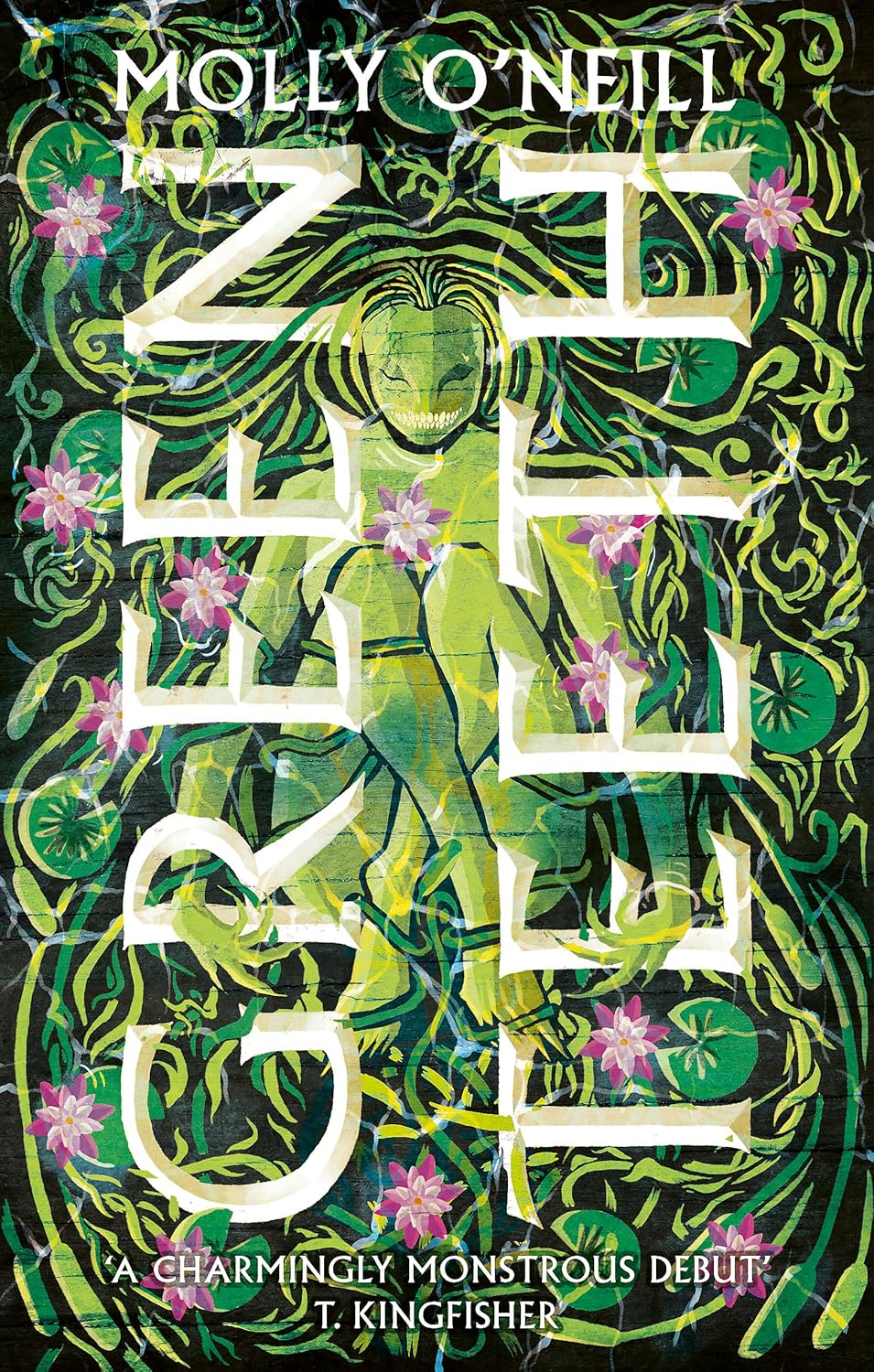
I’ve had my eye on Greenteeth ever since it came out last year—the focus on Jenny Greenteeth and the gorgeous cover (shoutout to Leo Nickolls) caught my eye, but I’ve passed it up in favor of other books…until now. (Shoutout to the Boulder Bookstore, where I got myself a copy!) Though it had its fair share of flaws, Greenteeth was a touching, fantastical story of unlikely friendship.

Enjoy this week’s book review!

Greenteeth – Molly O’Neill

Jenny Greenteeth has lived in her lake for thousands of years. Most humans that she encounters are passing fascinations—or simply a meal. But when Temperance, a human witch sentenced to drown, comes upon her lake, Jenny decides to take her in. Temperance desperately wants to return to her family, and Jenny cannot break a promise. They decide to find a way back to Temperance’s family, but what they discover along the way may hint at a darker rift between the humans and the faerie realm—one that may lead Jenny to discover more about her monstrous lineage than ever before.

TW/CW: animal death, violence, blood, descriptions of injury, grief

For some reason, I thought that Greenteeth was going to have a sapphic element to it, but that’s fully on me constantly having the Gay Goggles on for everything. In retrospect, this might be the one time where having a queer relationship between the main characters would be a bad idea, because a) Temperance is happily married and b) Jenny’s at least 1,000 years older than her. God, that would’ve been a mess.

Greenteeth filled a void that I’ve felt in a lot of fantasy, and that’s the unabashed embrace of all of the weird parts of faerie folklore. I’ve been intrigued by Jenny Greenteeth ever since I read the incarnation of her that appeared in the Hellboy comics, and it’s safe to say that these adaptations of her are very close to the inherent weirdness of the original folklore. Said folklore of Greenteeth draws from classic British, Scottish, and Welsh folklore and Arthurian legend, both of which I indulged in. O’Neill introduces a delightful cast of characters and creatures, and makes the faerie realm feel truly weird, something that a lot of fantasy seems to miss. O’Neill’s atmospheric prose rendered this realm in vibrant color, and I loved every minute of the quest.

Jenny was obviously the heart of the story here, and O’Neill did an excellent job with her! She was just so lovable—like I said above, I love that she didn’t hold any punches with making her truly weird and monstrous. Jenny acts exactly like you’d expect a 1,000+-year-old creature that lives in the bottom of a lake and barely talks to anybody to act, which made Greenteeth a delight from the get-go. With Brackus as her foil and Temperance to teach her about the world, Jenny made for a charming protagonist. However, I’m not sure if O’Neill hinted at the reveals about her past (not the really big one—more on that later) well enough, because by the time they’d been established, it seemed out of character for her to hide something so drastically, lie about it so badly, or even convince herself that these things hadn’t happened at all; with her baby, I get not wanting to reveal that, but they were only revealed when we knew Jenny as a character who wouldn’t necessarily hide these parts of herself in the way that she did. I didn’t buy all of that, but aside from those unfortunate quirks, she was a delightful character. Plus, once we got over the hurdle of said reveals, her character arc became even more poignant.

What made Greenteeth suffer the most, I think, was the tonal shifts. Ultimately, I think it was indecisive about what kind of novel it wanted to be. A lot of reviewers have pegged this as cozy fantasy, and there are a few scenes that would lead me in that direction. However, with the rapid shifts into violence and decidedly more fast-paced and action-packed sequences, I really don’t think this fits the bill. (Also, I feel like most cozy novels wouldn’t pull the move of having a dog get stabbed unceremoniously and then completely brush over this in a few sentences. Not necessarily the dog-stabbing bit, but the fact that they basically go “Oh no! Anyway,” and move on. Justice for Cavall!) It was just so inconsistent in terms of the stakes; we only get to the real meat of the objective of the characters about halfway through. Frankly, I would’ve enjoyed Greenteeth whether or not it decided to be a more cozy, found family quest or an epic, Arthurian quest, but this novel could not decide which of the two it wanted to be. I’m not sure if the half-baked limbo between the two options was the way to go.

That being said…I could not get enough of the ending twist! Personally, it’s too good for me to spoil it, but without revealing anything big, I think it gave Jenny’s arc a deeply emotional conclusion. I’m no expert on Arthurian legend, but internally, I jumped out of my seat like a football fan when said Big Reveal got revealed. However, I think it added some oomph that Jenny’s arc was in need of; the reveals we get about Jenny’s backstory came too late and with too little preamble for the seemingly heartrending emotion that came along with them, but here, I think they reached the potential that they always needed. Jenny’s true origins gave her a real sense of purpose, and even though it was more of a symbolic gesture, it gave her proof of what she needed to hear all along: that she was a powerful, important being, full of love and the potential for greatness…as all of us are.

All in all, a heartwarming fantasy novel that faltered in parts of the plot, but blew it out of the water when it came to atmosphere and the tender relationships between its characters. 3.5 stars!

Greenteeth is a standalone, and Molly O’Neill’s debut novel. O’Neill is also the author of Nightshade and Oak, which came out this February.

Today’s song:

heard this before the Jeff Tweedy show on Friday night…

That’s it for this week’s Book Review Tuesday! Have a wonderful rest of your day, and take care of yourselves!

Posted in Book Review Tuesday

Book Review Tuesday (3/10/26) – To Ride a Rising Storm (Nampeshiweisit, #2)

Happy Tuesday, bibliophiles!

I fully thought I reviewed the first book in this series…whoops. Did I just hallucinate writing a book review? In 10-ish years of writing book reviews, I guess it was bound to happen…

Suffice to say, I really enjoyed To Shape a Dragon’s Breath—it filled the void left by Harry Potter and rekindled my love for good old magic school YA, but without having to remember that J.K Rowling exists. To Shape a Dragon’s Breath is unabashedly Indigenous and queer, with a witty, delightful protagonist, a lovable supporting cast, and potent commentary on racism and colonization. And did I mention the dragons? Naturally, I was excited to see what the sequel had in store. And for the most part, To Ride a Rising Storm was a very rewarding sequel, full of the same heart that endeared me to book one.

Now, tread lightly! This review contains spoilers for book one, To Shape a Dragon’s Breath. If you haven’t read it and plan on doing so, you may want to skip this review.

Let’s begin, shall we?

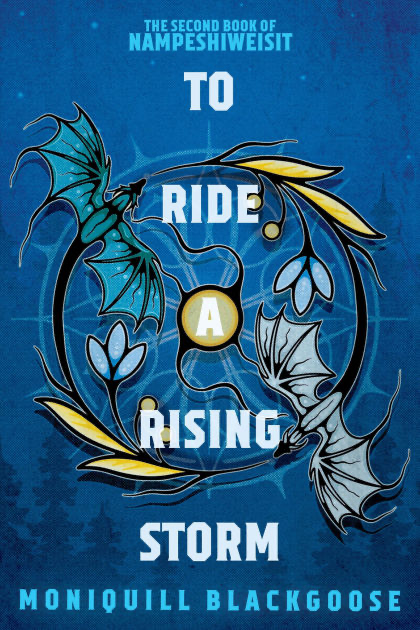
To Ride a Rising Storm (Nampeshiweisit, #2) – Moniquill Blackgoose

Anequs has survived her first year at Kuiper Academy. Eager to return home with Theod, her only other indigenous classmate…who she may be developing feelings for. She intends to spend her summer break with her family, but what she returns home to is quite the opposite. The Anglish have begun to encroach on her homeland. Anequs is determined to assert her people’s right to govern themselves, but before she can intervene, she’s swept back to Kuiper Academy for another semester. With new friends and enemies, Anequs is determined to not let the idiosyncratic, nonsensical rules of Anglish society beat her down. But with a looming political threat mounting outside of her school, Anequs’s peace might be short-lived.

TW/CW: racism, xenophobia, misogyny, homophobia, colonialism, classism, violence, descriptions of injury

I love the Nampeshiweisit series—both books have been a delight to read. But for both books, I’ve been slightly torn about the worldbuilding. What you have to know right off the bat is that it’s not subtle, but also that it’s not trying to be subtle. Anequs and her people are Native American-coded, and the English stand-in is quite literally Anglish. You can see where we’re going here. But I wouldn’t be reading book two of this series if I wasn’t on board with it; and to be fair, the Anglish are basically a hybrid of England and a lot of Scandinavian countries in terms of their culture and folklore, even though they play the role of the English here.

However, I appreciate it more in the sense that it’s a political statement rather than a worldbuilding one—Blackgoose isn’t here to beat around the bush here when it comes to critiquing colonialism. Once you get past the names, there’s a rich fantasy world to be found here. It’s a world of dragons and secret societies and magic, and Blackgoose does an excellent job of explaining how they’re integrated into this world, and how they’ve affected geopolitics; this book gets even more into the politics of the world, which I greatly enjoyed. Plus, if you’re sick of how said magic schools have handled diversity (you all know who I’m talking about here), there’s so much diversity here, be it queer, POC, or disabled characters. And none of it feels like ticking off boxes—it all feels like how marginalized people would have lived and acted historically in a multicultural space.

One of the parts I most enjoyed about To Shape a Dragon’s Breath was Anequs herself. She’s just such a spirited and downright delightful protagonist, but one that easily holds her own against the obstacles that she faces. The Nampeshiweisit series is one that I’d recommend to readers of all ages, honestly, but especially younger readers who have just reached the age range of YA, and one of the main reasons I’d recommend it to younger readers (especially young girls) is Anequs. She’s such a good role model for young women, especially young, queer women of color: she’s determined, smart, and takes both her peers and the authorities to task for their racism and colonialism. Her personality practically bursts off the page. She isn’t without her flaws, either, and all the better—young girls are better off with role models who aren’t perfect. But so much of the draw for this series is how much I love being in her head and going on adventures with her and Kasaqua. Blackgoose really struck gold with Anequs—she’s a memorable protagonist in every way.

To Ride a Rising Storm was more character-driven than its predecessor, and for the most part, it greatly benefitted from it. For most of the novel, there’s not any hardcore, climactic action, but there are so many parts of the world and other cultures that get fleshed out that I can’t complain…mostly. (More on that later.) Either way, I loved the development of Anequs and her friends, old and new. Blackgoose’s characters are just so charming and compelling, and I loved that we got more page time with them. Jadzia was a great new addition, and I loved what she added to the friendship dynamic with Anequs, Theod, Sander, and the others. The glimpses we get of those on the margins of Anglish society outside of Kuiper Academy made the world feel even realer—there were so many pockets that we hadn’t seen before, and Blackgoose’s prose made me so much more immersed into the setting. Though some of the other parts of the book suffered from this focus, To Ride a Rising Storm felt like it was there to make the world more real.

However, there are drawbacks to having a book just for making the world feel more immersive. I’m torn about To Ride a Rising Storm because although I loved reading every second of it, there was a very clear pacing issue. While I enjoyed the more cozy, somewhat low-stakes approach that this book had, it was paced quite unevenly. We get some very serious action and stakes, but they aren’t introduced until halfway through the book. The final battle is crammed into the last 3% of the novel—I checked on my Kindle when this huge battle went down, and it started at the 97% mark! For a moment this climactic, it was introduced far too late. It just didn’t quite feel like Blackgoose quite knew whether she wanted to make this novel fully cozy or low stakes; either commit to the coziness or give the stakes more weight throughout the rest of the novel. Again, I enjoyed the pace until I didn’t—the last quarter of the novel proved that there was a serious issue with imbalance.

All in all, a worthy sequel with timely political commentary, tender friendships, and one of YA fantasy’s most memorable protagonists today. 4 stars!

To Ride a Rising Storm is the second book in the Nampeshiweisit series, preceded by To Shape a Dragon’s Breath.

Today’s song:

prepping myself to see Jeff Tweedy this friday…thanks to my dad for this one!

That’s it for this week’s Book Review Tuesday! Have a wonderful rest of your day, and take care of yourselves!
Posted in Books

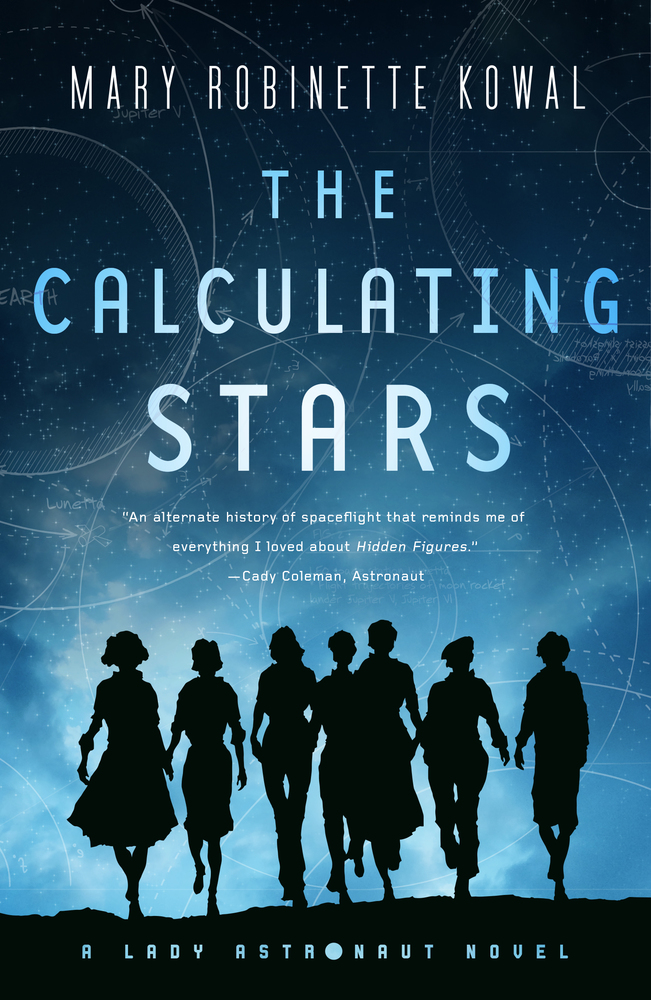
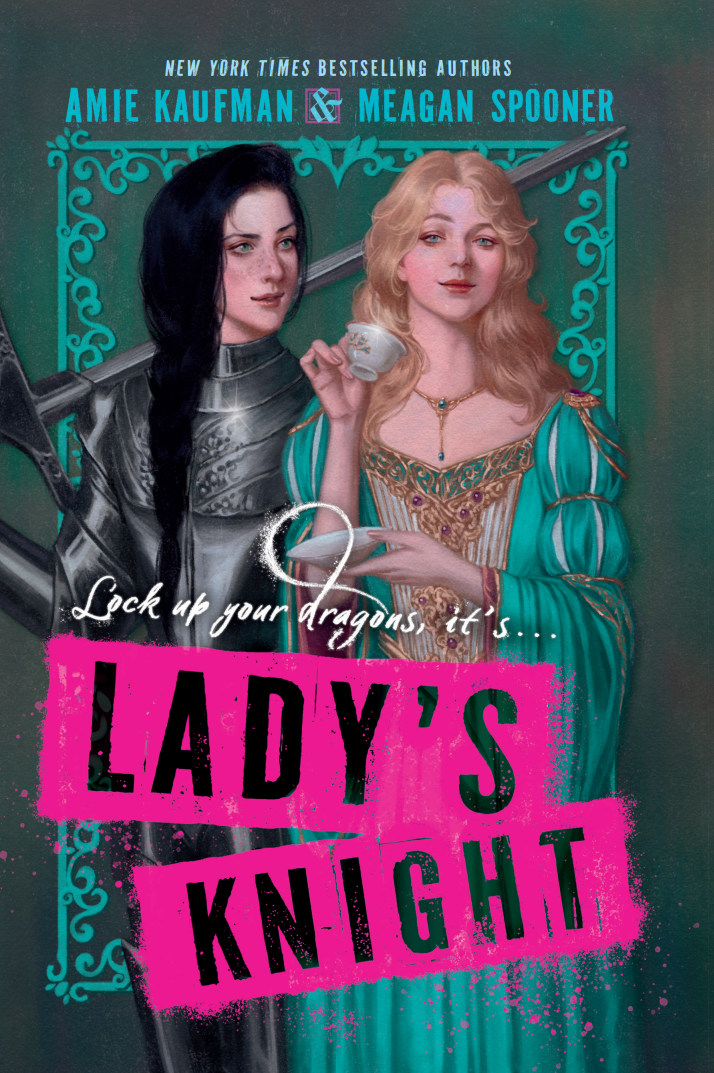
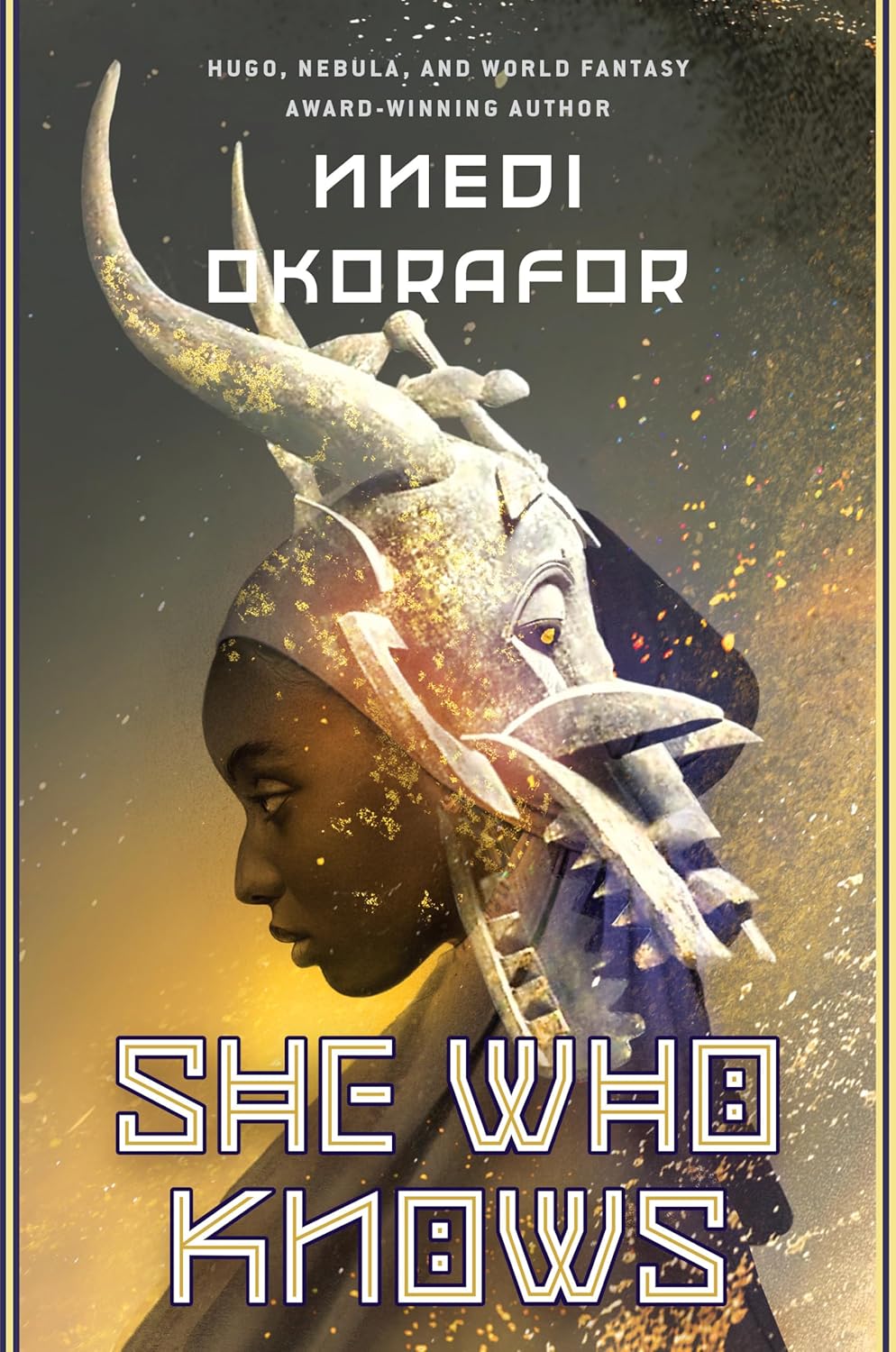
The Bookish Mutant’s Feminist Books for Women’s History Month (2026 Edition) 🚺

Happy Wednesday, bibliophiles!

In the U.S., March is Women’s History Month! More than ever, it’s blatantly clear that this administration views women as inferior and disposable, given the sweeping legislation attempting to curtail women’s rights and the complete lack of consequences here in the States for those in the Epstein Files. With all of that weighing on my shoulders, it’s hard to not feel that I’m disposable; I’ve unfortunately realized from a fairly young age that the government does not have my best interests at heart, but it’s hard not to internalize that rhetoric that I don’t matter. But that’s exactly how they want us women to feel. We have to remember, especially now, that the government is no match for the power that we have in numbers and strength. After all, this is Women’s History Month—there’s a long, proud line of women who have fought before us, and if they could face the oppression of their times, then we can face the oppression today. For all women—women of color, queer and trans women, disabled women, immigrant women, and all the rest—there is always hope.

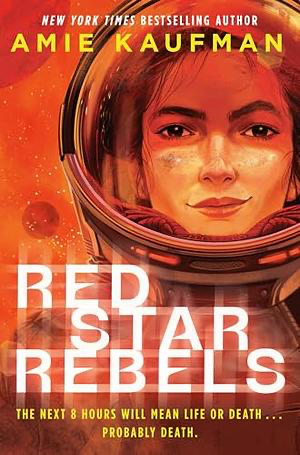
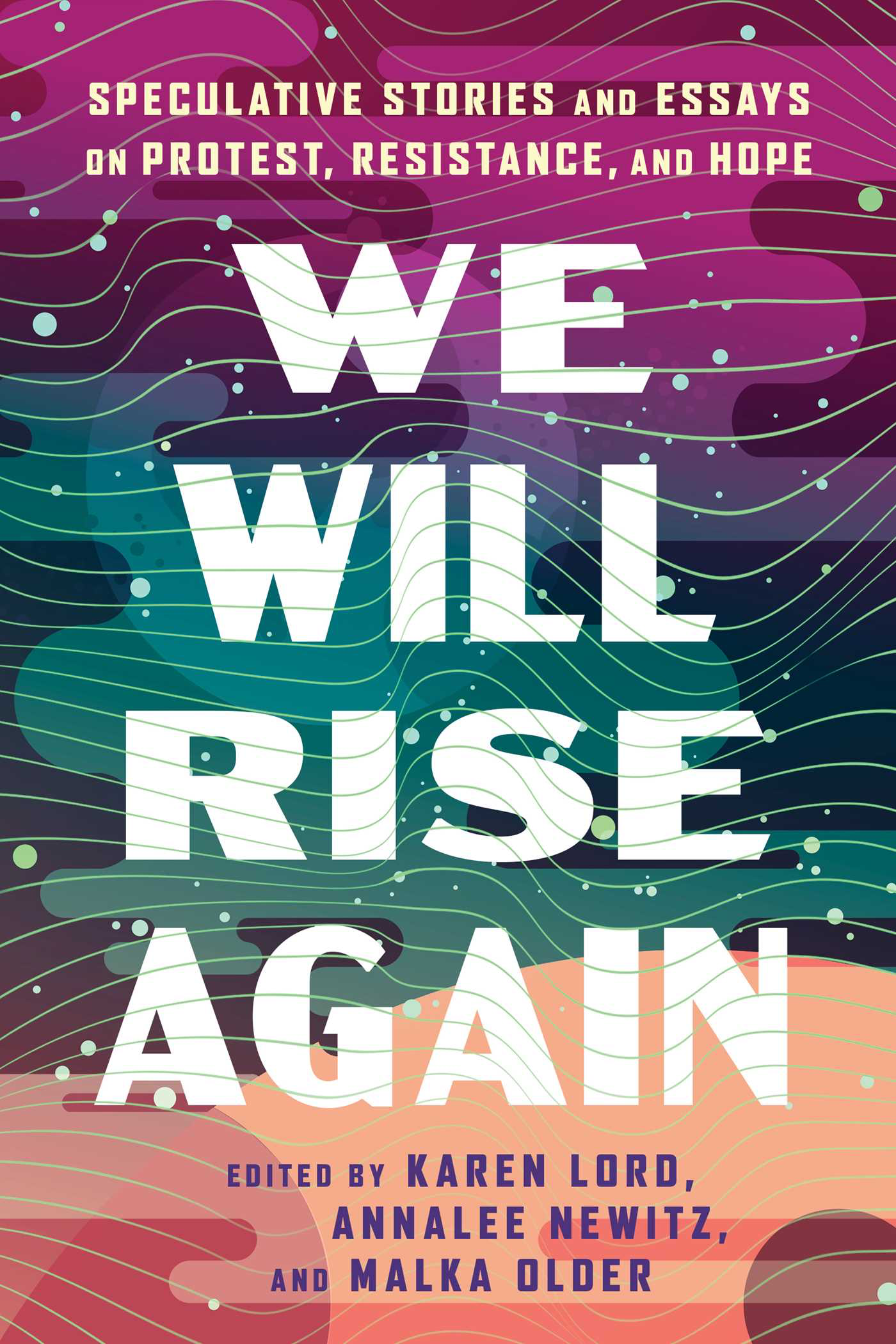
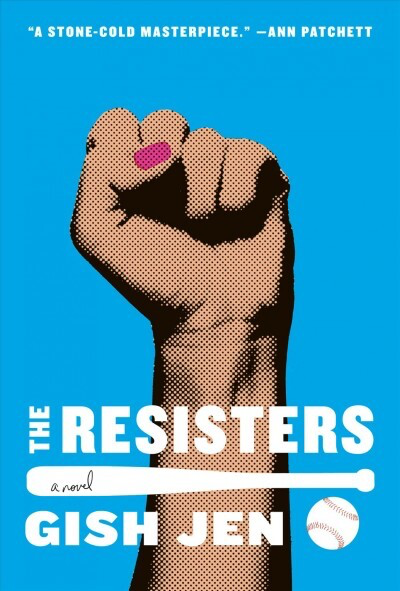
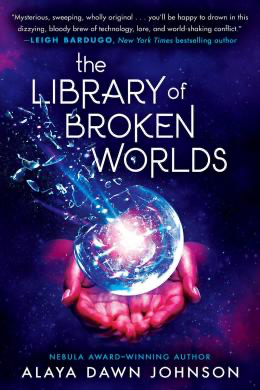
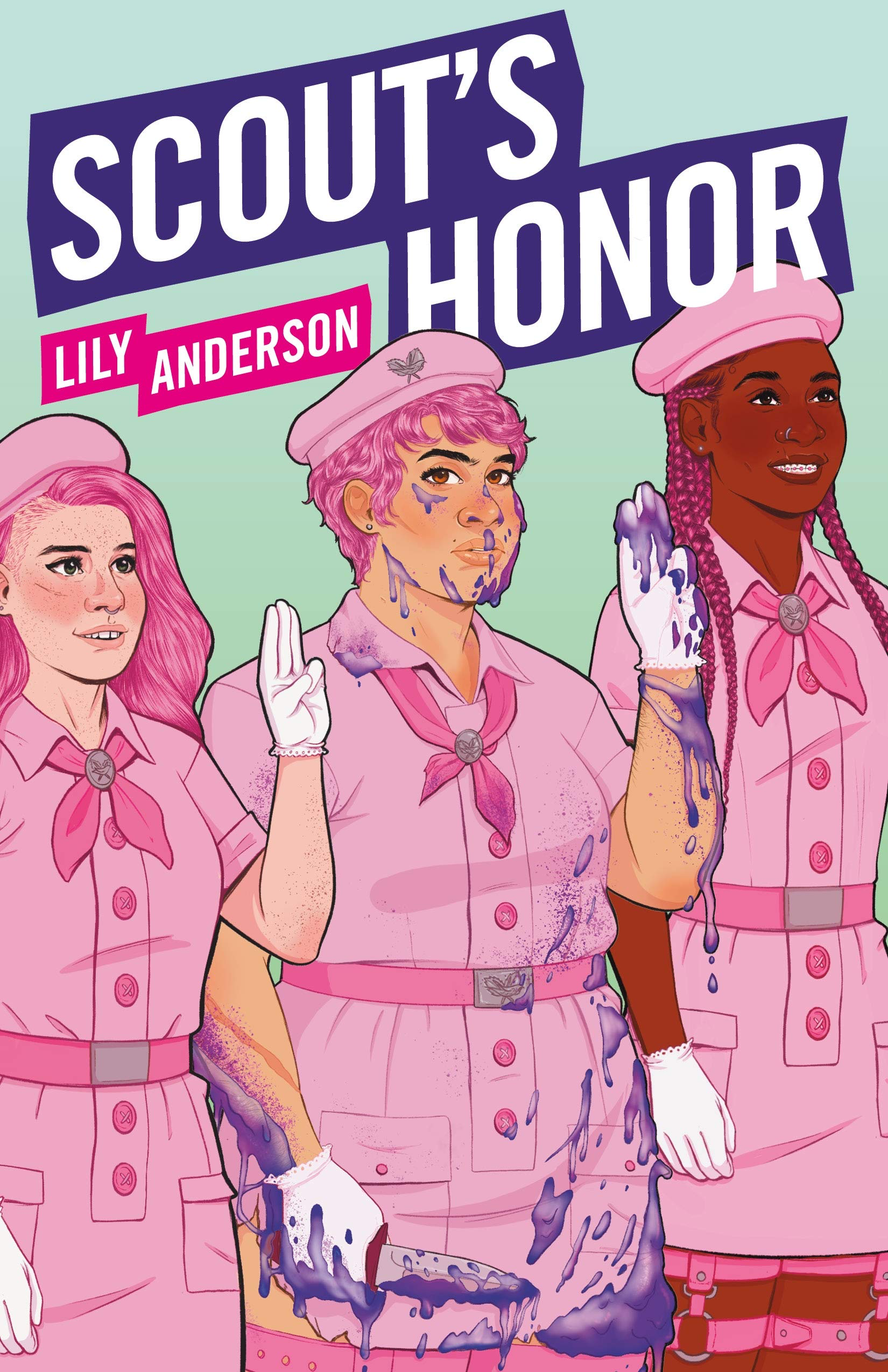
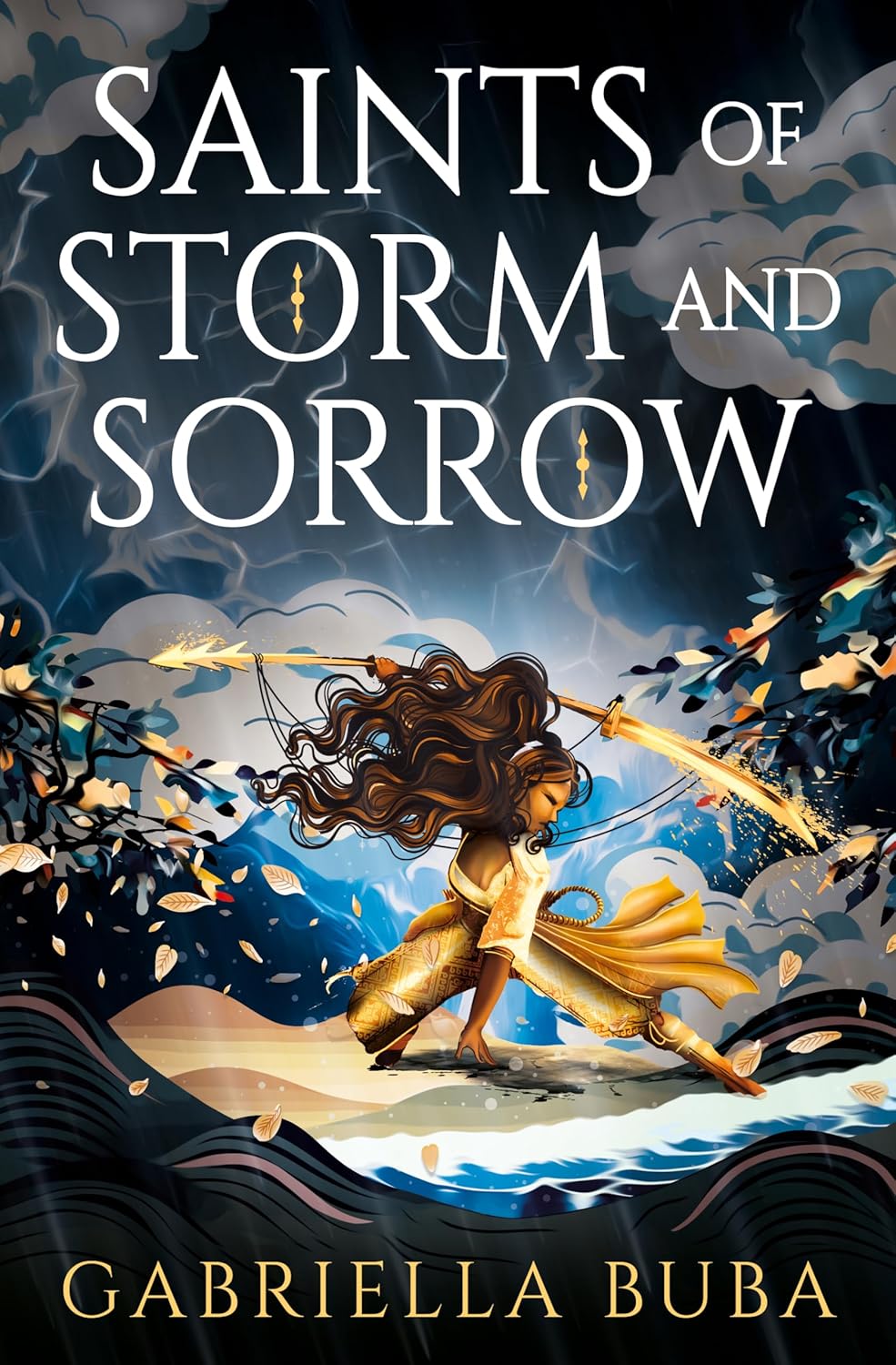
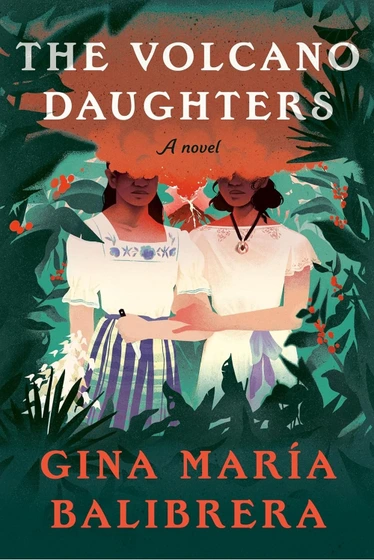
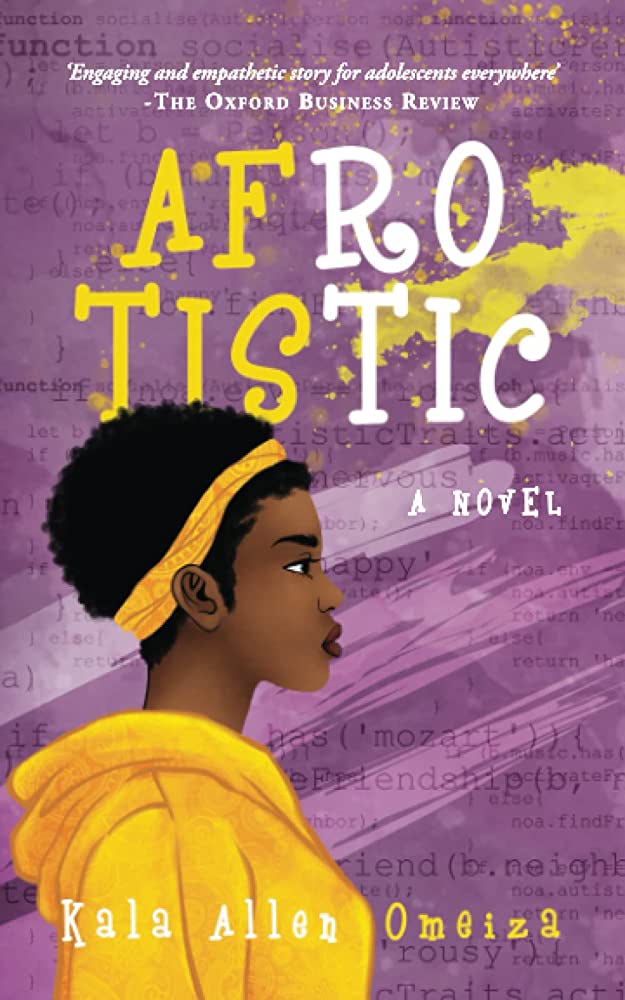
So for the occasion, I’ve compiled another list of feminist books for women’s history month: fiction and nonfiction, Adult and YA, and from all different genres and contexts. (NOTE: I’ve included We Will Rise Again in this list; not all of the contributors to this anthology are women, but I thought this would be fitting since it directly talks about resistance and feminism, and many of the contributors are women. This is not to diminish or invalidate the different identities of the authors, but rather to celebrate the feminist message that they encourage.) I hope you enjoy this list, and I hope it makes you realize that there are so many ways to be a feminist.

For my previous lists, click below: 

2021

2022

2023

2024

2025

Let’s begin, shall we?

🚺THE BOOKISH MUTANT’S BOOKS FOR WOMEN’S HISTORY MONTH🚺

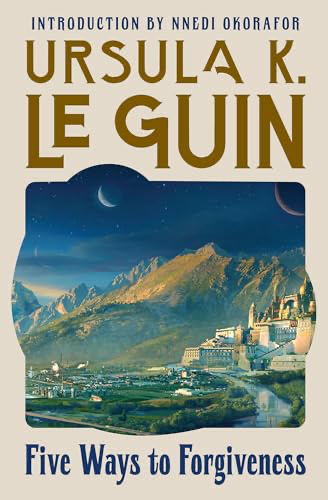
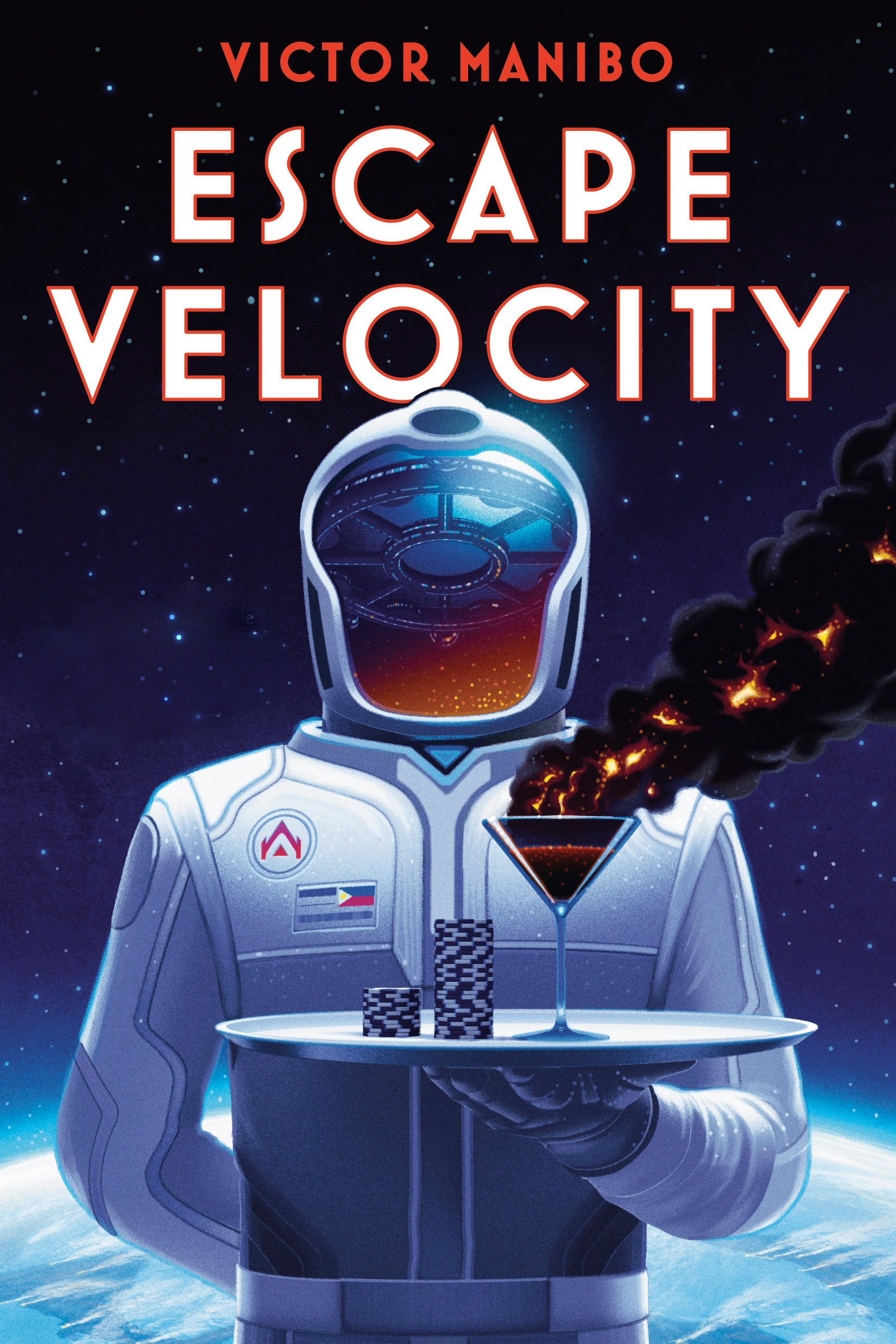
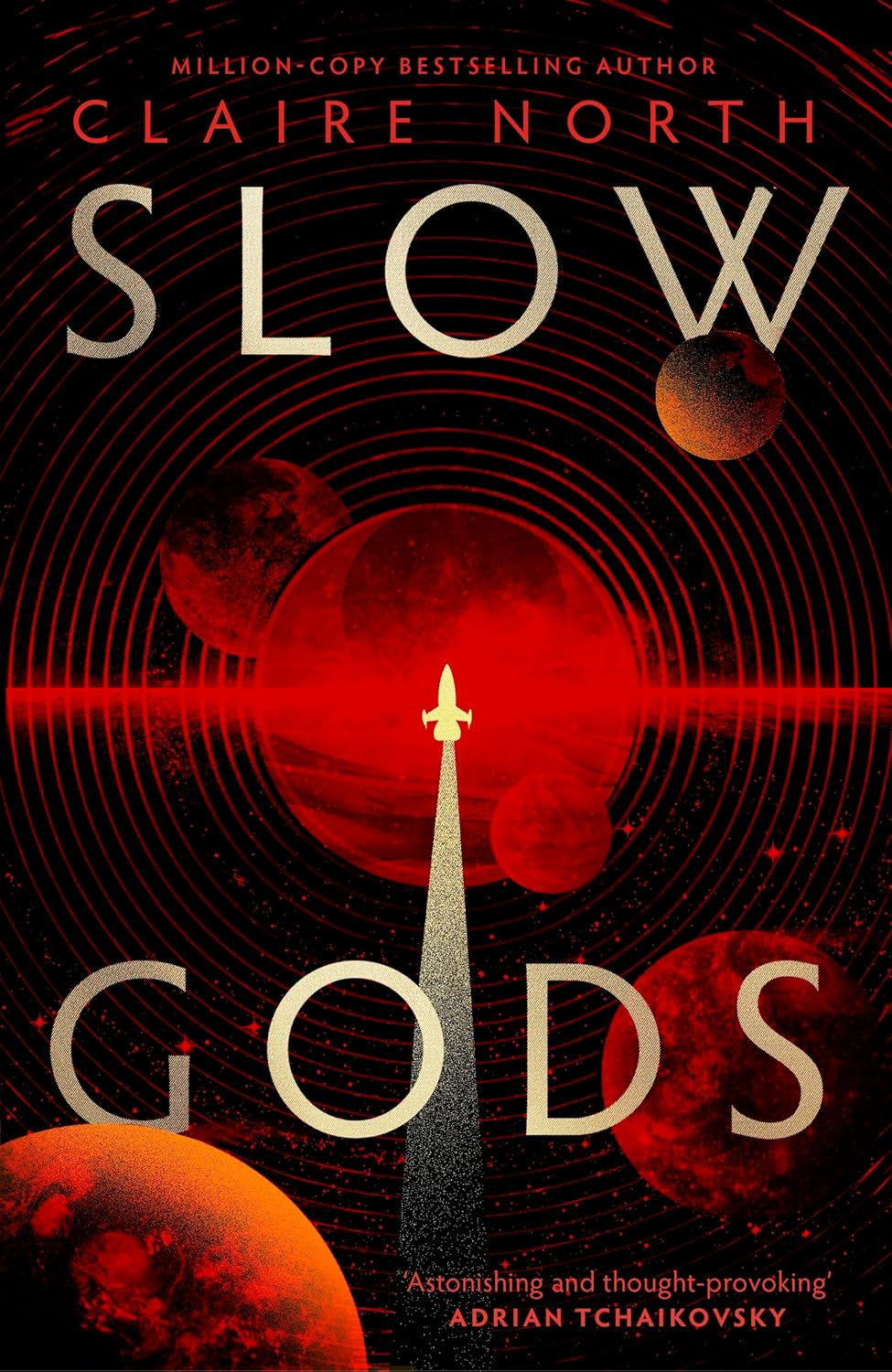
SCIENCE FICTION:

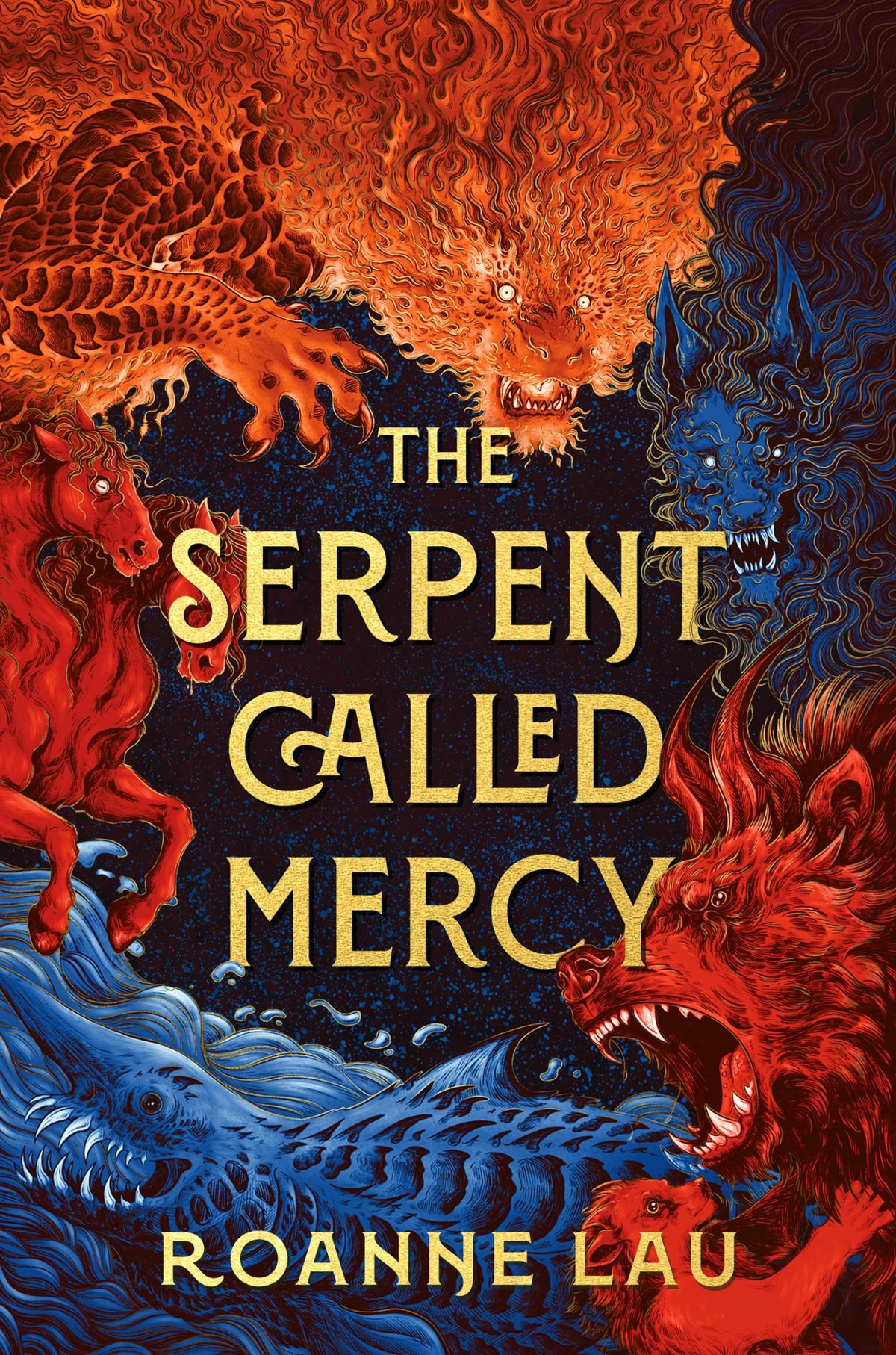
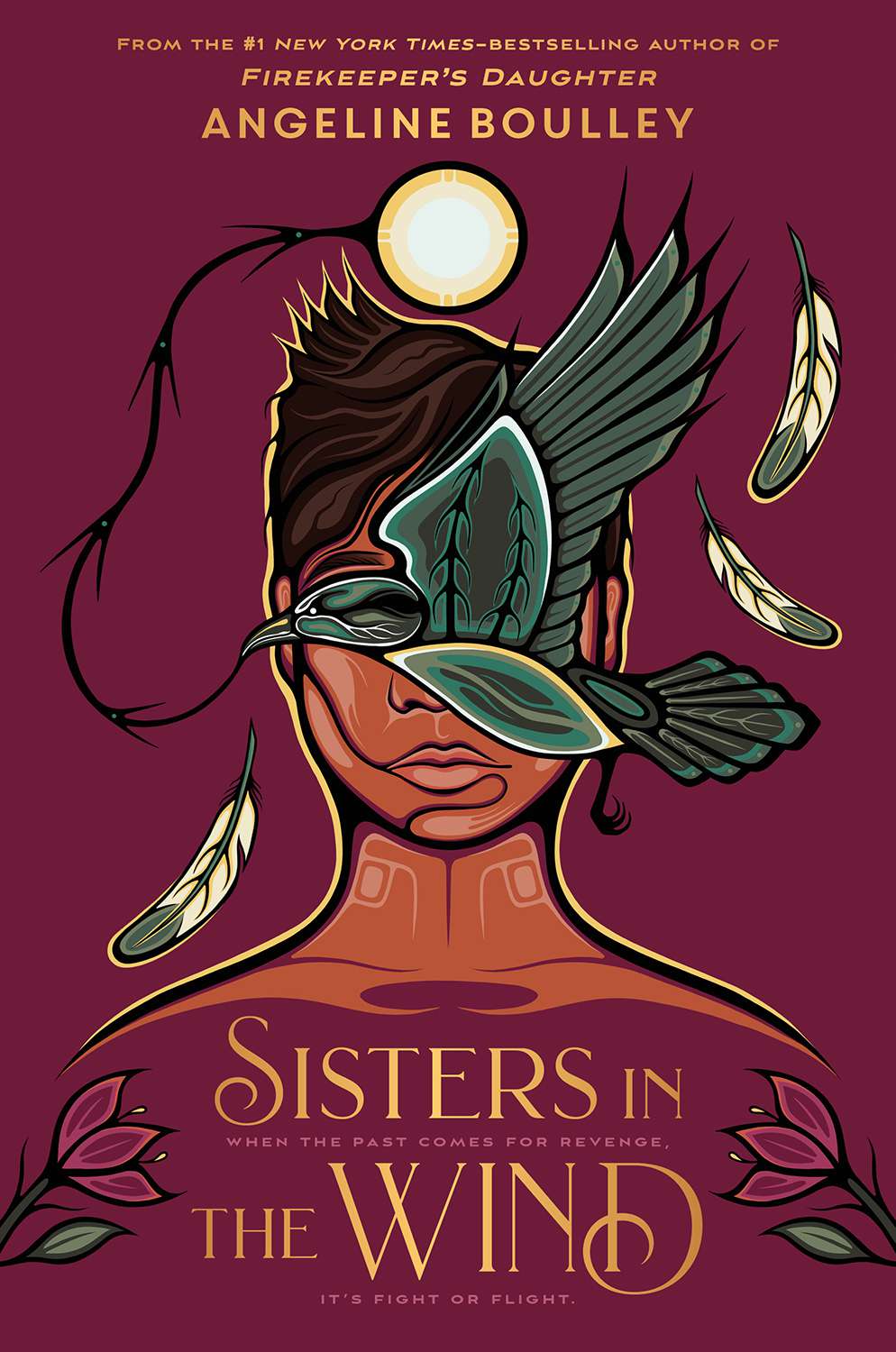
FANTASY:

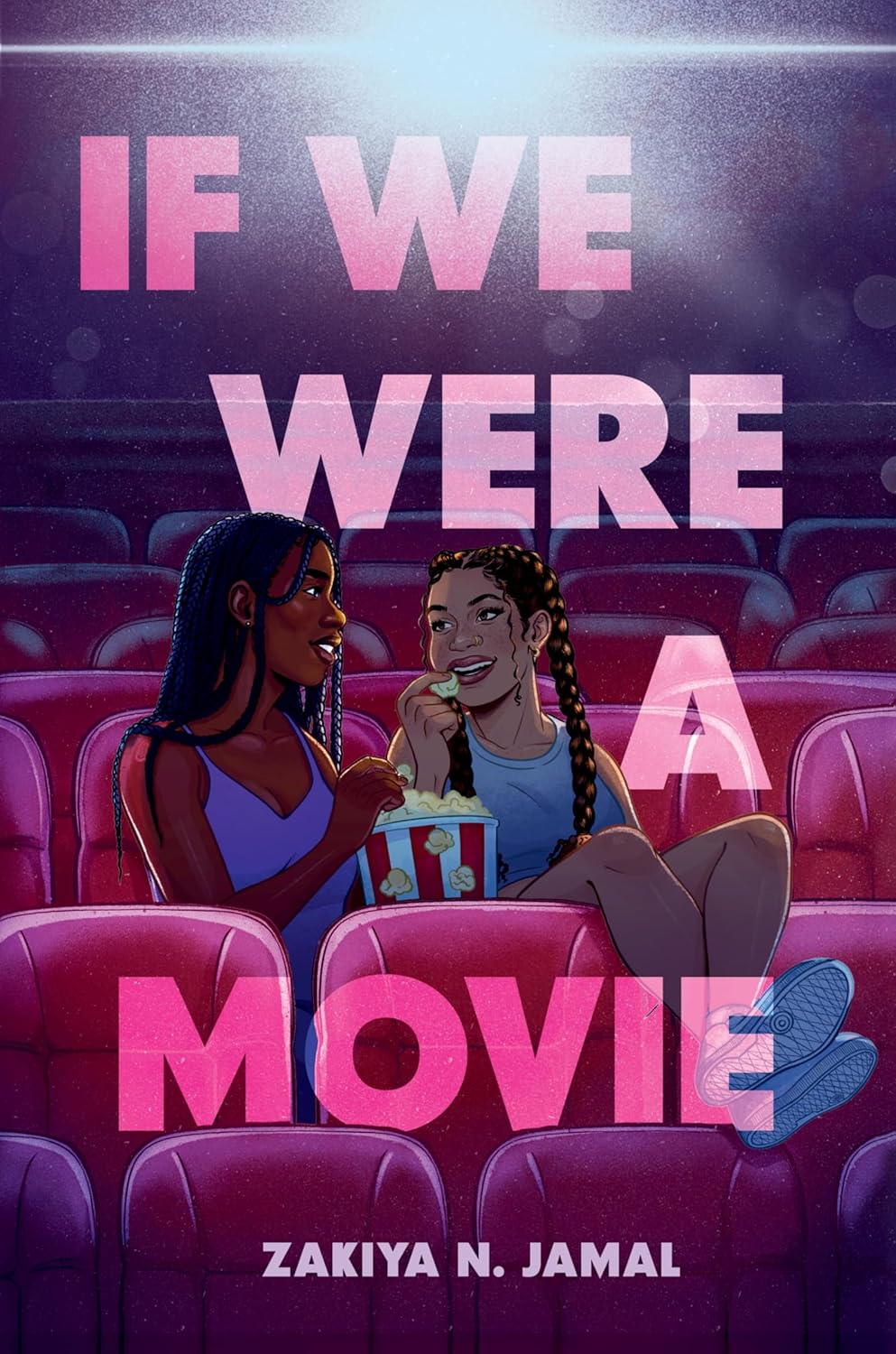
REALISTIC & HISTORICAL FICTION:

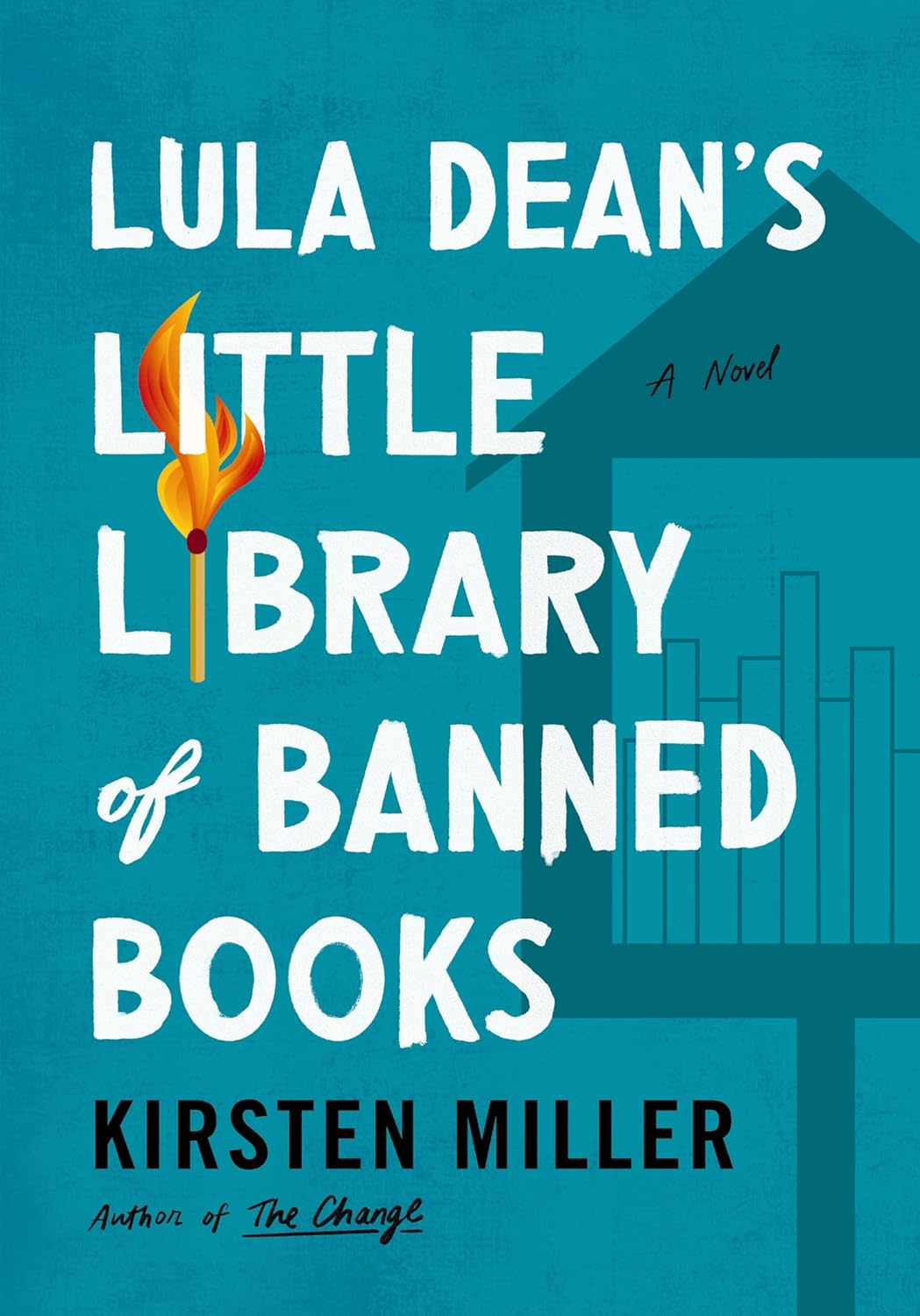
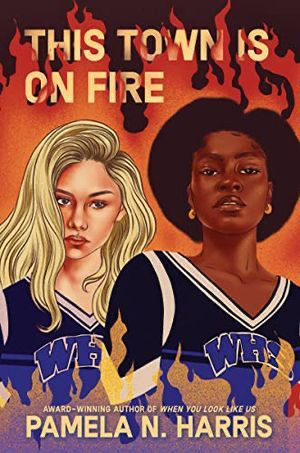
NONFICTION:

TELL ME WHAT YOU THINK! Have you read any of these books, and if so, what did you think of them? What are your favorite feminist books? Let me know in the comments!

Today’s song:

That’s it for this list! Have a wonderful rest of your day, and take care of yourselves!