Posted in Book Review Tuesday

Book Review Tuesday (7/8/25) – Something More

Happy Tuesday, bibliophiles!

I’ve been looking around for books to read for Disability Pride Month, and in general, trying to find some books by Palestinian/Palestinian diaspora authors. Something More fit both of those, so I figured I would give it a go! Though it wasn’t a perfect novel, it had all of the qualities of a classic YA romance novel—angsty, romantic, and heartfelt writing.

Enjoy this week’s review!

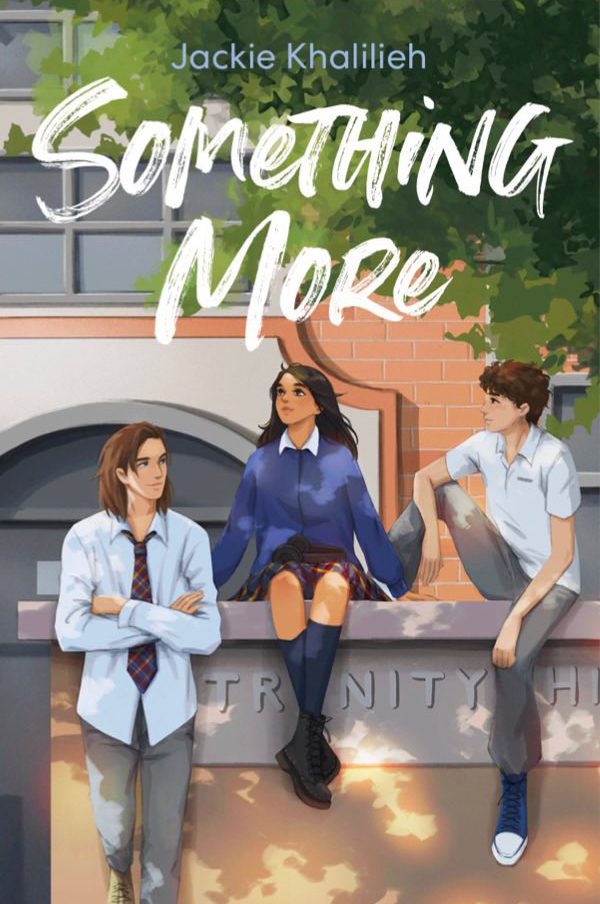
Something More – Jackie Khalilieh

Jessie is determined to turn over a new leaf. On the precipice of starting high school, she wants to show the world that she isn’t the girl who she was in middle school—lonely, awkward, and more importantly, autistic. Keeping her diagnosis a secret, Jessie quickly makes new friends—and new crushes—at Holy Trinity High. But when her friendships begin to unravel and her relationships start to crumble, Jessie questions whether it’s worth it to keep her authentic truth a secret after all.

TW/CW: ableism (external & internalized), xenophobia, racism, substance abuse, bullying

Dude. Jessie and I would’ve been best friends in high school. I would’ve gladly welcomed another neurodivergent Radiohead girlie to go sneak off to the library with during my lunch period.

Though I can’t speak to the accuracy of the representation, I loved how Something More explored Jessie’s identity! It’s something that I assume has a lot of personal importance to the author, and Khalilieh’s explored all of the facets of Jessie’s identity with such sensitivity and love. I’m not autistic, but I am neurodivergent (I have SPD), and I deeply resonated with a lot of her struggles with fitting in and adjusting to high school while being neurodivergent. I loved the arc of Jessie realizing that there’s no reason to hide her autism from her friends, and I also appreciated that a lot of her friends, despite their flaws, were respectful and accepting of her identity. The same goes with her Palestinian-Canadian identity—again, I can’t speak to the representation, but Something More had such a lovely exploration of Jessie’s experience growing up in an immigrant household and feeling like an outsider because of her Palestinian roots. It’s a deeply refreshing intersection of representation in YA literature that I adored!

I normally don’t advocate for things becoming Netflix movies, but I swear that Something More has the perfect recipe for becoming that kind of YA classic that gets a cute streaming movie. I can already see the Clueless-esque ’90s soundtrack from here, tailored towards Jessie’s special interest and the music integrated in the novel. From Jessie’s diary full of friend and boy-related (and getting her parents to get her a phone-related) goals to Jessie’s unique spark as a protagonist, it’s got the classic tropes down to a science, yet never makes them feel tired. She injects the right amounts of both the sass and the vulnerability that comes with a lovable YA rom-com protagonist. Khalilieh perfectly captures the awkwardness of entering high school and the rocky path to fitting in and finding your place. Jessie has so much great development, from realizing her self-worth in the face of her crush being dismissive of her, to realizing that she needs to stand up to her toxic “friends.” Jackie Khalilieh has clearly done her homework on YA, and with a little refinement, is well on her way to making a classic.

Despite what I loved about it, Something More suffered from a few key flaws. The most glaring of them was that…oh my god, there were so many wild, random subplots and side tangents that didn’t contribute much to the plot. Jessie’s grandma, who was almost never mentioned, randomly dies towards the end of the book, one of her friends gets involved with a creepy older man and gets dumped in a parking lot, and the rest of the friend group continuously gets tossed between several skeevy guys, seemingly with no resolution. Yeah, high school is weird, but by the end of the novel, the relationship/ex statuses between Jessie and her friend group looked like that one panel in Diary of a Wimpy Kid with the massive relationship diagram. And that’s just her friend group of FOUR PEOPLE. It was wild. Other than the gross Mel subplot, which…at the very least, I guess it gave some depth to Jessie and Levi’s relationship, none of them added to the plot, and nor did they have any ripple effects throughout the novel. I guess there was only so much time for Jessie to reflect on her grandmother dying, but if they were as close as we were blatantly told in a handful of sentences, why did it barely have an effect on Jessie? Wouldn’t she be…y’know, experiencing some form of grief? It all just felt rushed and took away page time that could’ve been used to develop the more central relationships in the novel.

Speaking of relationships…thankfully, as the cover might lead you to believe, there really isn’t much of a love triangle. (Cue a sigh of relief.) I guess you could technically make an argument for it, but honestly, up until the 80% mark, I fully thought that things between Jessie and Griffin were going to stay completely platonic. Yet even then, Levi would’ve been the worse choice…LEVI. What a piece of work! I know that Jessie had to learn, BUT GIRL! YOU CAN DO BETTER THAN HIM! Just because he’s vaguely nice and looks like Kurt Cobain doesn’t mean that he’s not a flaky, disrespectful asshole! I get that Jessie had to learn both her lesson and her self-worth when it comes to falling head-over-heels for guys, but I feel like the writing of their relationship needed some work. I feel like the time between them meeting and having their first kiss was way too fast, even if Jessie was infatuated; their dynamic over the rest of the novel felt repetitive, and it didn’t serve much to the novel save for building the case for Levi being insufferable. As for Griffin, I did like their relationship, but I honestly think it could’ve worked romantically or platonically—I did like them getting together at the end, but I also would’ve appreciated him being part of Jessie’s (abandoned) goal of getting a guy friend and having a healthy depiction of friendships of the opposite gender.

Overall, a diverse YA romance that nails all of the factors for a classic formula, but faltered in its overabundance of subplots and awkwardly-paced relationships. 3.5 stars!

Something More is a standalone and Jackie Khalilieh’s debut novel. Khalilieh is also the author of You Started It and the forthcoming Everything Comes Back to You, which is set for release in 2026.

Today’s song:

I love this song, it sounds like being in a goldfish bowl…

That’s it for this week’s Book Review Tuesday! Have a wonderful rest of your day, and take care of yourself!

Posted in Book Review Tuesday

Book Review Tuesday (5/13/25) – The Knockout

Happy Tuesday, bibliophiles!

I always feel bad whenever I come back after period of hibernation only to come back with a negative review. I just have to get it all out sometimes! I’ll probably have something nice to say by next week.

Say it with me, kids: just because a book has diverse representation doesn’t erase the flaws in its writing! Sadly, The Knockout was not the one-two punch that the title promised: it tried to hard to sound hip and teenager-y, and nosedived spectacularly.

Enjoy this week’s review!

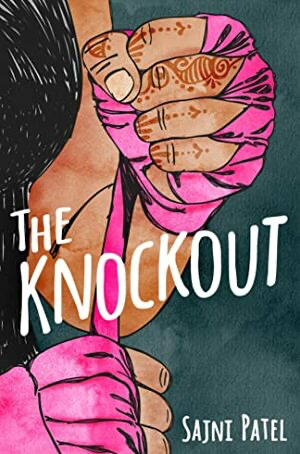
The Knockout – S.A. Patel

Kareena Thakkar knows her power. She’s been building up her skills in Muay Thai, and she’s good enough to qualify for the US Muay Thai Open—an event that could take her to the Olympics if she wins. But even though it’s where her passion lies, Kareena is divided between her Muay Thai world, her peers’ desires for her to be traditionally feminine and act the way a good Indian girl should. With her ill father and the Olympics on the line—as well as a cute boy, Kareena must decide which world she’d rather stay in—or if she needs to divide those worlds after all.

TW/CW: bullying, terminal illness, misogyny, medical content

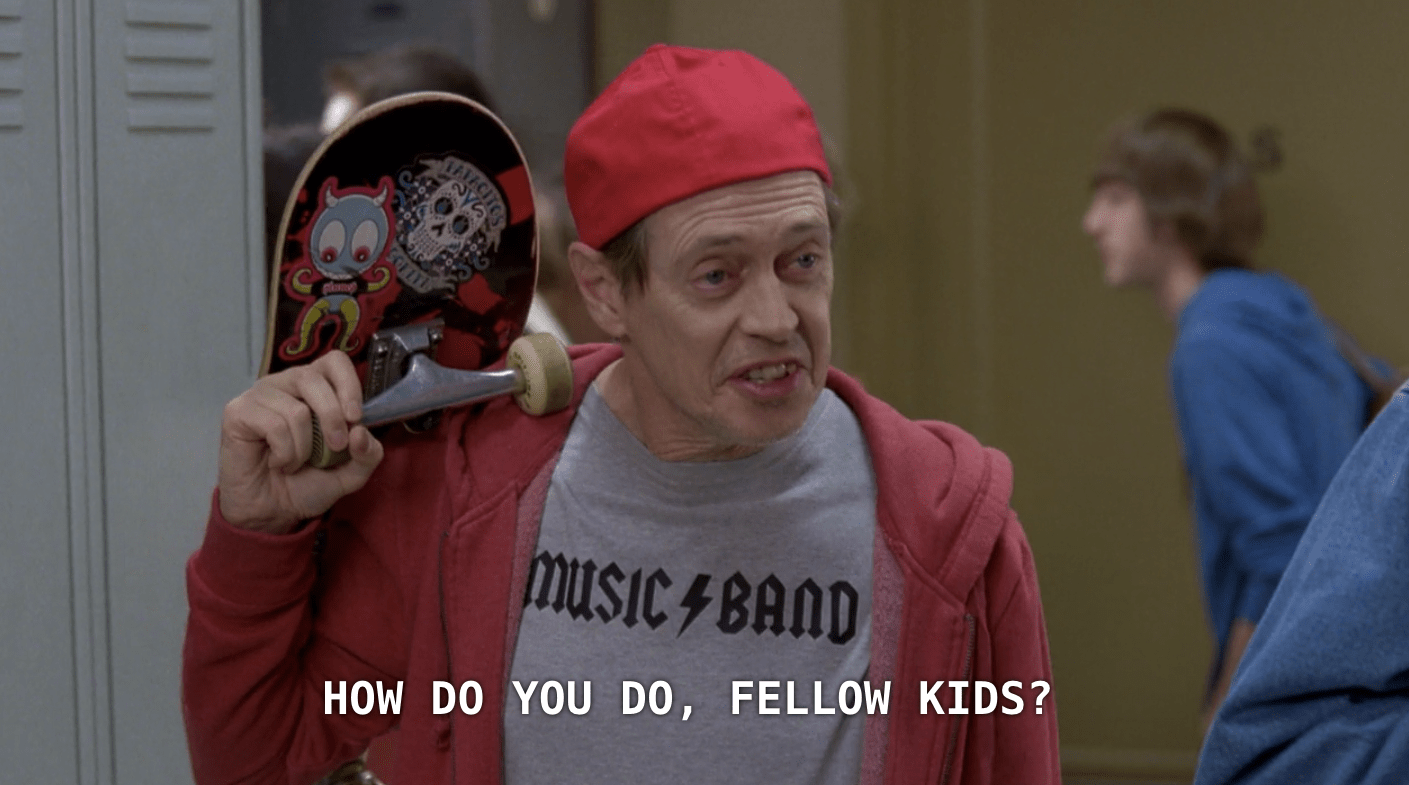
Look. I read YA frequently, knowing that it’s a market of books about teenagers mostly written by adults. Even by that standard, I haven’t read a book so deeply how do you do, fellow kids? as The Knockout in some time. I wanted to badly to root for Kareena, but her insufferable voice—and by extension, Patel’s writing—made it a real ordeal.

Kareena’s voice was the most glaring issue that The Knockout had. Firstly, she didn’t sound or act like a 17-year-old. If anything, between her language and her maturity, she sounded closer to 13 or 14. The kind of stiff, teen movie comebacks she doled out to her bullies were nowhere near the kind of experience a person would have at 17—especially someone who had been through as many struggles as her. In my experience, what you need to do when writing teenagers (or any character who’s younger than you) is to emphasize how you (or your peers) remember feeling—what you’d prioritize, what was important to you, how you would react to situations, etc. Writing like a teenager is about the emotion, because there are a lot of them running around your brain at that age. Sure, it’s hard to nail the voice, and granted, I don’t have the age distance from Kareena that Patel has. But there’s lots of easy ways to not do it, and some of those are a) extensively leaning on what you think is “hip” slang, and b) automatically skewing the character’s voices as young as possible within the teenage range. Between the unnecessary censorship of cursing here and there and her childish outbursts, Kareena was not believably 17. Additionally, Patel’s insistence at integrating what she thought to be “current” Gen Z slang was painfully bad. If anything, it dated The Knockout leagues more than making it relevant. It’s not the teenage experience, but instead the teenage movie experience, simply parroting what adults think teenagers sound like. It positions itself as current and relatable while never encapsulating what it was like to be a teenager, making what should’ve been the heart of the novel hollow.

As with Kareena’s supposed 17 years of age, I was never convinced of the stakes in The Knockout. When Patel established how good Kareena was at Muay Thai, all it did was make Kareena feel unnecessarily overpowered. I normally only say that about fantasy or sci-fi novels, but she was just too good to the point that every fight she did seemed to be a fleeting moment of struggle before she absolutely pummels her opponent. This continued throughout the duration of the novel. Even though Kareena had the Olympics on the line, I never once got the sense that this was hard for her. Her training seemed to be the only time she struggled—other than that, she just flew through the US Muay Thai open without a problem. If she actually experienced tangible setbacks within her practice or the Muay Thai open, I would’ve been more motivated to root for her. Yet everything seemed to be handed to her on a platter, making the stakes feel almost nonexistent. I knew from the start that Kareena would get everything that she wanted, and while I appreciate the value of having diverse characters succeeding in their narratives, it made for a book with no stakes.

Bullying is a major plot point in The Knockout, but I don’t think that Patel succeeded in making all of it completely believable. As far as Kareena getting bullied by her other Indian-American peers for not being “Indian” enough went, that was one of the few parts of the book that was successful; unlike the main plot, it gave Kareena’s struggles some tangible weight. However, I wasn’t fully convinced that her doing Muay Thai was something so outrageous that she thinks that she’ll be bullied by the whole school for it. I get that it’s not a traditionally feminine sport, but with the way that Kareena talked about Muay Thai, you would think that she’s coming out of the closet. Even with the cliched interactions between Kareena and her peers, I just couldn’t imagine her being bullied for it, and not just because if someone were to slam her into a locker, teen movie-style, she’d slam right back. Kareena being a Muay Thai champion didn’t feel nearly as dirty as a secret as Patel lead us to believe, which made some of the novel’s more personal stakes less believable as well.

Additionally, I have mixed feelings about the romance between Kareena and Amit. It didn’t fully sidetrack the book for me, but I wasn’t fully invested either. I did like that Amit was instrumental in helping Kareena reconnect with parts of her Indian culture, but I don’t think he had much of a personality beyond what he did for Kareena. They seemed to have almost all the same interests, and Amit didn’t have anything to distinguish himself other than not doing Muay Thai. He was just a blank slate with similarities to Kareena baked in so that there could be some instant “chemistry” between the two of them. The only tension in the romance was when Kareena met his more traditional family, so the tension didn’t even lie with him—it was all outside factors that threatened the integrity of the relationship. The only differences I can really think of about Amit and Kareena is that he comes from a more traditional family and he’s…well, a different gender. That’s it. He wasn’t a person, he was just a boyfriend. I do think that this kind of story is good with a romantic subplot, especially considering that it’s YA realistic fiction, but like almost everything else in The Knockout, I could not get invested whatsoever.

That being said, I do have some positives for the book. I’ve seen a lot of books, especially YA ones, where the main character has to choose between their traditional culture and the more “appealing” American culture. The Knockout, by contrast, had Kareena be raised by two parents who weren’t connected to their culture in a conventional way—they were flexible with letting their daughter be who she wanted to be without sacrificing their Indian heritage in the process. Kareena was disconnected from her roots in some ways (which she begins to remedy in this novel), but both she and her parents emphasize that there’s no single way to be Indian. I can’t speak to any cultural accuracies, of course, but I loved this as a message for a YA book in this context—there’s no one way to be any identity, be it in terms of gender, ethnicity, race, or anything else. Paired with the expectations of femininity that society puts on Kareena, it’s a wonderful message. I also really liked that Kareena had a combination of multiple interests that weren’t traditionally feminine—in addition to Muay Thai, she’s also passionate about computer science. Sadly, all this was overshadowed by the flaws in most of the novel, but if you took all that away, at least The Knockout has something beneficial to say. I just wish it was said in a less cliched, more authentic way.

All in all, a book with a positive message if you soldiered through it, but was bogged down by childish dialogue writing and characters (even by YA standards) and a lack of all-around believability. 2 stars.

The Knockout is a standalone. She is also the author of several books for teens and adults, including Isha, Unscripted, The Design of Us, First Love, Take Two, The Trouble With Hating You, Sleepless in Dubai, My Sister’s Big Fat Indian Wedding, and the Venom series (A Drop of Venom and A Touch of Blood).

Today’s song:

That’s it for this week’s Book Review Tuesday! Have a wonderful rest of your day, and take care of yourselves!

Posted in Book Review Tuesday

Book Review Tuesday (4/15/25) – Afrotistic

Happy Tuesday, bibliophiles!

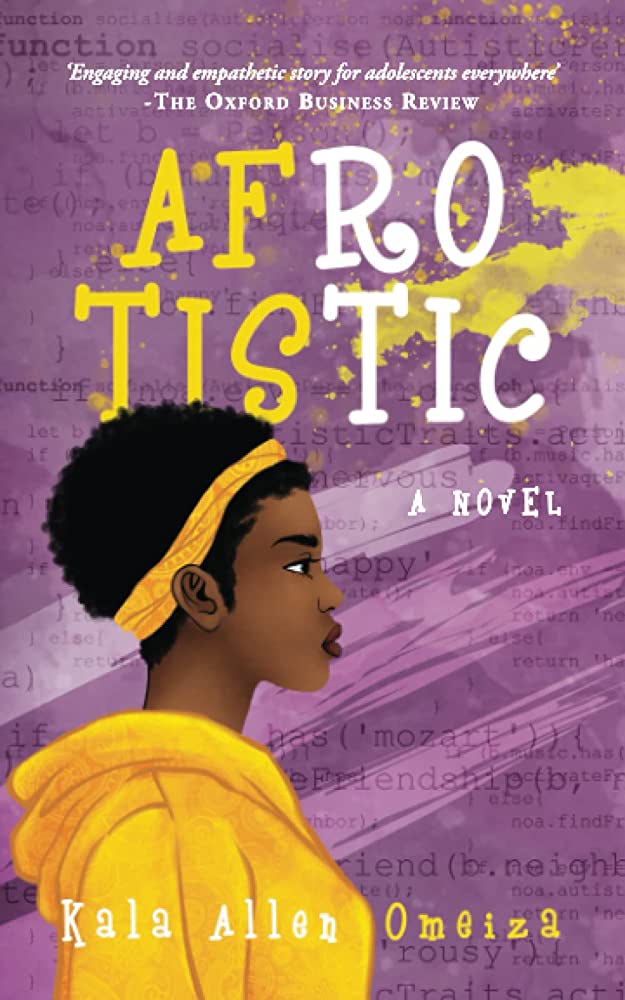
April is Autism Acceptance Month, and although I probably won’t have time to make a whole post about it (blame finals), I figured I would review a book with an autistic protagonist and an autistic author! This one’s been on my TBR for a few years, but I was only able to find a copy more recently. Although it wasn’t perfect, it’s a great book to introduce a younger audience to autistic issues, especially from a more diverse perspective.

Enjoy this week’s review!

Afrotistic – Kala Allen Omeiza

15-year-old Noa Ohunene Jenkins doesn’t know where she fits in—or if she can fit in at all. All of her life, she’s never felt Black enough or autistic enough. And now that she’s moving to a new high school, she doesn’t know if she’ll fit into either communities—much less her new school. Noa has her mind set on one thing: a place in the Dean’s Merit Society. The problem is, the only way she’ll get in is if she has leadership experience. Scrambling for answers, she decides to gather up fellow autistic teenagers and forms a group to discuss autistic issues. But will it be enough to show her peers and teachers that she’s just as worthy of praise?

TW/CW: ableism, racism, bullying, mentions of suicide (past), brief mentions of police brutality (in reference to police violence towards autistic people)

Afrotistic has been languishing on my TBR for way too long, but even though it wasn’t a perfect book, I think it’s a great book to introduce people—especially kids and young adults—to autism, ableism, and the intersection of race and disability! It’s already difficult to find neurodivergent representation in literature, but rarer within that category is autistic people of color—for that alone, Afrotistic is such an important book.

For some reason, I misremembered Afrotistic as being middle grade. Who knows why. I kept that assumption going in, and then I of course found out that Noa is 15 years old and a sophomore in high school. Whoops. That being said, going in with that mindset wasn’t all that bad, because I really feel like Afrotistic hits that sweet spot between middle grade and YA that’s so often unexplored. It appeals to a mid-teens age range because of its protagonist, but the writing is accessible enough that I feel like kids as young as 12 or 13 could comfortably read and relate to Noa and the other characters. (The fact that 12-18 is such a huge range of maturity for a single age group is whole can of worms, so I’ll save it for another time.) There are some more mature and sensitive topics that are briefly discussed (police brutality against autistic people of color, for one), but it’s brief enough that I feel like that age range could process and learn from it. Neurodivergent representation is hard to find in books aimed at all ages, and I feel Omeiza’s accessible writing style, as well as the relatability of Noa as a protagonist, makes for a book that could teach tons of pre-teens and young adults alike about Black and autistic identity.

Another reason I’m glad that Afrotistic exists is because of the intersectionality! The primary focus is on Noa’s identity as a young, Black, autistic girl, and how she’s struggled to make her voice heard because of how little attention is paid to neurodivergent (and disabled in general) people of color. Both through the essay excerpts in the story and through her real-time experiences not being believed by her peers and teachers, it was a poignant narrative about how neurodivergent people of color have to fight even harder to have their needs met and understood. Going off of that, I appreciated that within the Roaring Pebbles, there was a lot of intersectionality as well; as well as all of them being autistic, there was a mixed-race character with cerebral palsy, as well as men and women being present.

That being said, I wasn’t as charmed by the characters as the characters themselves seemed to be. I loved Noa and was rooting for her throughout the story, but I found myself less compelled by some of the other characters. It was clear that the friendship between Noa and Brayden was supposed to be one of the core friendships in the novel, but I really didn’t feel any kind of friendship chemistry between them. All Brayden seemed to do was make jokes that didn’t land and make awfully pushy remarks to Noa joining his youth group. I get that Noa is also Christian and doesn’t necessarily mind, but I feel like even if I was also Christian and I had somebody trying to get me to join their youth group that persistently, I’d snap. The issue with most of the other characters is that they were rather underdeveloped; this was inevitable with the amount of characters that were focused on in the Roaring Pebbles, but even the ones that had more page time were boiled down to one or two traits at most. I get that it’s difficult to juggle that many characters, but even the ones that were relatively more in the spotlight weren’t given enough traits to make them stand out. Going back to the whole pushy youth group thing with Brayden, I found it hard to believe that every single member of the Roaring Pebbles were completely fine with their group being filtered through said youth group and having a name with biblical inspiration. I get that if you’re strapped for resources, any venue you can have to gather is essential, but I would imagine that at least one of these characters isn’t Christian…

Additionally, what also soured me to some of these characters was the random side plots that weighed the story down. There’s a whole, completely unnecessary thread of two of the boys in Roaring Pebbles fighting over a girl that gets entirely too much page time and only served to derail the plot. About half of the conflicts that occur throughout Afrotistic felt of this nature—some of them were natural (like the inevitable issue that some of the autistic people have different triggers, which was something I appreciated being included and discussed), but others felt like filler. Here’s the issue: Afrotistic is only about 250 pages (on my Kindle edition), so there could have been so many more opportunities to discuss more aspects of Noa’s friendships, identity, or even her home life. Instead, we got problems that were solved far too quickly and didn’t contribute anything to the plot.

Also: I’m not completely sure how to feel about this, but I had to mention it. At some point, when Noa is surveying the different cliques in the lunchroom, she labels two of them the “woke kids” and the “cool woke kids.” It was…odd, to say the least? I can kind of see it as being a factor of her not feeling autistic/Black enough for those crowds, but I’ve never once heard cliques described as “woke” unless it’s some weird, insecure conservative person. I guess I’m so used to seeing “woke” being lobbed at anything vaguely liberal (or considerate of basic human decency) these days, but Afrotistic was published in 2022, and the same was true then. I’m just not sure how I feel about that.

All in all, a timely novel that deftly highlights the issues that autistic people of color face, but stumbled in terms of its characters and frequent plot digressions. 3.5 stars!

Afrotistic is a standalone novel, but Kala Allen Omeiza is also the author of Autistic and Black: Our Experiences of Growth, Progress, and Empowerment, and The Worst Saturday Ever.

Today’s song:

SO glad I found this song!! Brian Eno never gets old

That’s it for this week’s Book Review Tuesday! Have a wonderful rest of your day, and take care of yourselves!
Posted in Book Review Tuesday

Book Review Tuesday (12/17/24) – Can’t Take That Away

Happy Tuesday, bibliophiles!

For the time being, I’m back! Safe to say I was swamped this semester, so I’m glad that I’ll have about a month of rest before I go back to school for the spring semester. When I wasn’t writing here or in my WIPs, I wrote around a combined 24 combined pages for various papers…and they say being an English major is easy…

Either way, I’ve had Can’t Take That Away on my radar since it came out in 2021. As with most other books on my TBR, there’s no real rationale for it languishing there for so long. I ended picking it up because of the premise; queer YA and MG books are bearing the brunt of bans and challenges here in the States, so I wanted to support them whenever I can (even if it’s already a good amount of what I read). (I can’t find anything definitive on whether or not this one was actually banned or challenged other than one Goodreads reviewer shelving it as such.) Either way, though it had its flaws, the storyline of Can’t Take That Away feels ripped right out of the headlines, and it’s a vital piece of literature for trans teens looking to find their voices.

Enjoy this week’s review!

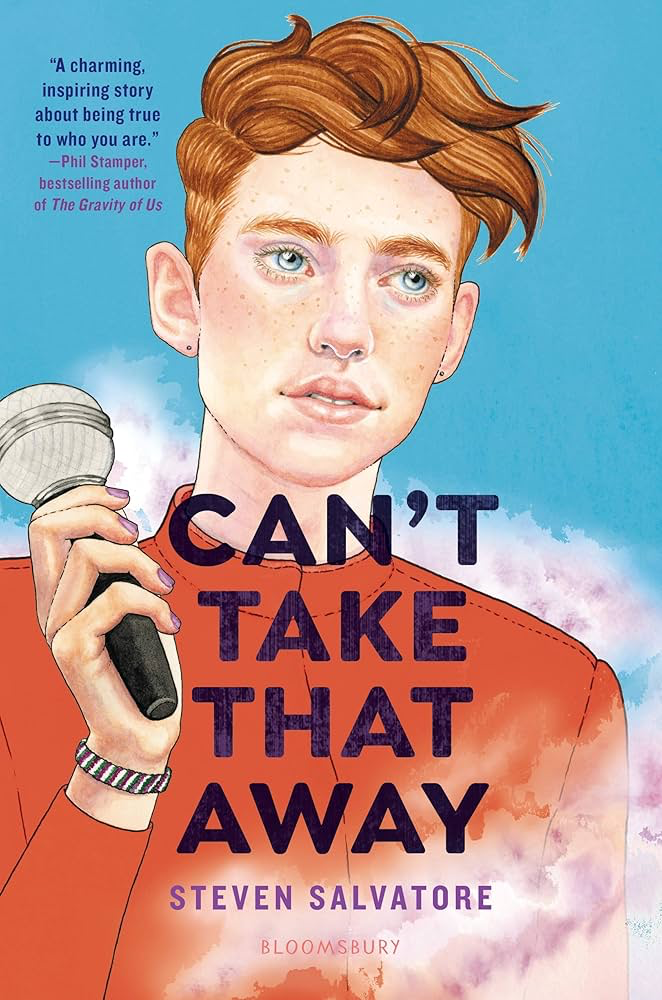
Can’t Take That Away – Steven Salvatore

Carey Parker was born to be a diva. With an unwavering love for Mariah Carey and aspirations of stardom, they have fought tooth and nail to express themself the way that they want. So when a friend convinces them to audition for Elphaba in their high school’s production of Wicked, they seize the opportunity—and land the leading role. Yet in spite of their apparent talent, parents and teachers cause an uproar about genderqueer Carey’s casting in the role of a leading lady. With mounting threats to kick them out of the play and dismantle the production all together, Carey must find their voice in order to prove that they deserve to be heard—and sing.

TW/CW: homophobia, transphobia, misogyny, misgendering, physical assault/violence, descriptions of injuries, bullying, gender dysphoria, suicidal ideation, cheating, loss of loved ones

I have nothing against Wicked, but reading this while being oversaturated with all things Wicked every time I opened up Instagram was an experience, for sure…I guess if Carey were a real person, they’d be over the moon at the prospect of the movie, so there’s that.

Without a doubt, Can’t Take That Away is a story that needed to be told. For the most part, I applaud Steven Salvatore for delivering this novel with unflinching realism (about 90% of it, at any rate. More on that later). The plot—parents and teachers cause an uproar when a genderqueer teen takes on the role of Elphaba in their high school’s production of Wicked—feels like a headline waiting to happen. I have no doubt that it’s already happened. My only minor complaint is that the main villains (Mr. Jackson and Max) felt cardboard, but they too, in a way, felt like the adults raving and ranting about “gender ideology” and the online trolls bent on tearing queer people down. They leaned on the side of exaggeration, yet…some people are just like that, unfortunately. That realism is what fueled the story; Carey’s manifold struggles, from grappling with gender dysphoria, bullies, and first love, was delivered both candidly and sensitively. Salvatore didn’t hold back from the ugly parts of some of these topics (be warned—happy ending aside, it’s a rough ride), but it made them all the more important to show that, like the plot, Carey is as real a person as your trans classmate. Carey could easily be someone in your life, and that was what made the story ring so resonantly.

That being said, I felt that the romance was incredibly messy, and not necessarily in a good way. Having Carey have their first love as they’re fighting to find themself was a good side plot in concept, but…it was just a dumpster fire for no reason. I don’t know if this is just me reading YA and no longer being a teenager, but half of the romantic drama felt unnecessary in contrast to the very timely, very upfront main plot. Why did Carey need to kiss some random guy in a basement while they were dating Cris? How are Carey and Cris just okay with everything that the other did? Maybe this is just me, but if my partner kissed somebody else in a basement while we were dating, I wouldn’t come running back…see? MESSY. Can’t Take That Away already had high drama aplenty, and I know that’s a hallmark of YA to some extent (that I appreciate), but this bordered on ridiculous.

I’m rather conflicted about the ending. It was wrapped up quite neatly, which isn’t inherently a crime, especially since it’s YA. There are bound to be some things that are tied up more nicely than they would be in real life. Can’t Take That Away is aimed at high schoolers, and unless it’s too neat, this quality isn’t always an instant flaw in YA books. That being said, Can’t Take That Away bordered on taking that to an extreme. After the protest, the cops are immediately on the side of the queer people and people of color, and have almost no hesitation about punishing the white male perpetrators of the hate crimes. Carey’s protest immediately goes viral, and they get so famous that they get free tickets to see Mariah Carey and go onstage and sing with her. The bad guys get their comeuppance almost instantly, and the good guys get the greatest rewards possible. I’m not saying that Carey and company didn’t deserve a happy ending—they absolutely did—but it felt unrealistic to a point where it almost felt like the fulfillment of a fantasy. Sure, that’s what writing’s for to some extent, but when dealing with a plot that felt ripped from the headlines, the resolution felt much less so. You can give characters a fulfilling, satisfying victory that feels earned and realistic!

Yet at the same time, queer kids deserve these kinds of stories. There are easily infinite examples of straight characters getting unrealistic endings that end in instant fame and wish fulfillment, so why shouldn’t Carey? Why shouldn’t all of the trans kids reading their story? Yes, it made me roll my eyes a little when this story, one that ended well enough, had to escalate everything to “and then Carey got everything that they ever wanted in life! Yippee!” But after the deluge of hatred and violence that Carey endured throughout Can’t Take That Away, why shouldn’t they get that ending? This novel is not escapist by any stretch of the imagination, but there’s a kind of necessary escapism in these stories—very real circumstances resolving with the absolute best possible outcome with no strings attached. Sure, it was a stretch, but Carey deserves it—and so do all of the queer teens reading this book.

All in all, a book with flaws here and there, but ultimately proved a timely story about finding your voice. 3.5 stars!

Can’t Take That Away is a standalone, but Steven Salvatore is also the author of And They Lived…, No Perfect Places, The Boyfriend Subscription, and the forthcoming novel When Love Gives You Lemons, which is slated for release in May of 2025.

Today’s song:

this is the least fitting pick for a book about a teen who loves Mariah Carey, but I only pair books with songs in my Sunday Songs, so…enjoy the whiplash. Bon appetit!

That’s it for this week’s Book Review Tuesday! Have a wonderful rest of your day, and take care of yourselves!
Posted in Book Review Tuesday

Book Review Tuesday (9/24/24) – Some Girls Do

Happy Tuesday, bibliophiles!

More importantly, Happy Bisexual Visibility Day…one day late! 🩷💜💙 I figured I would center a bisexual story for this week, and between my readings for school, I’ve been trying to squeeze in some books for this occasion and for Latinx Heritage Month as well. I’ve read a handful of Jennifer Dugan’s other novels, and I can always count on her for a solid queer YA romance. Some Girls Do wasn’t her best work, but when it hit the right notes, it was appropriately sweet.

Enjoy this week’s review!

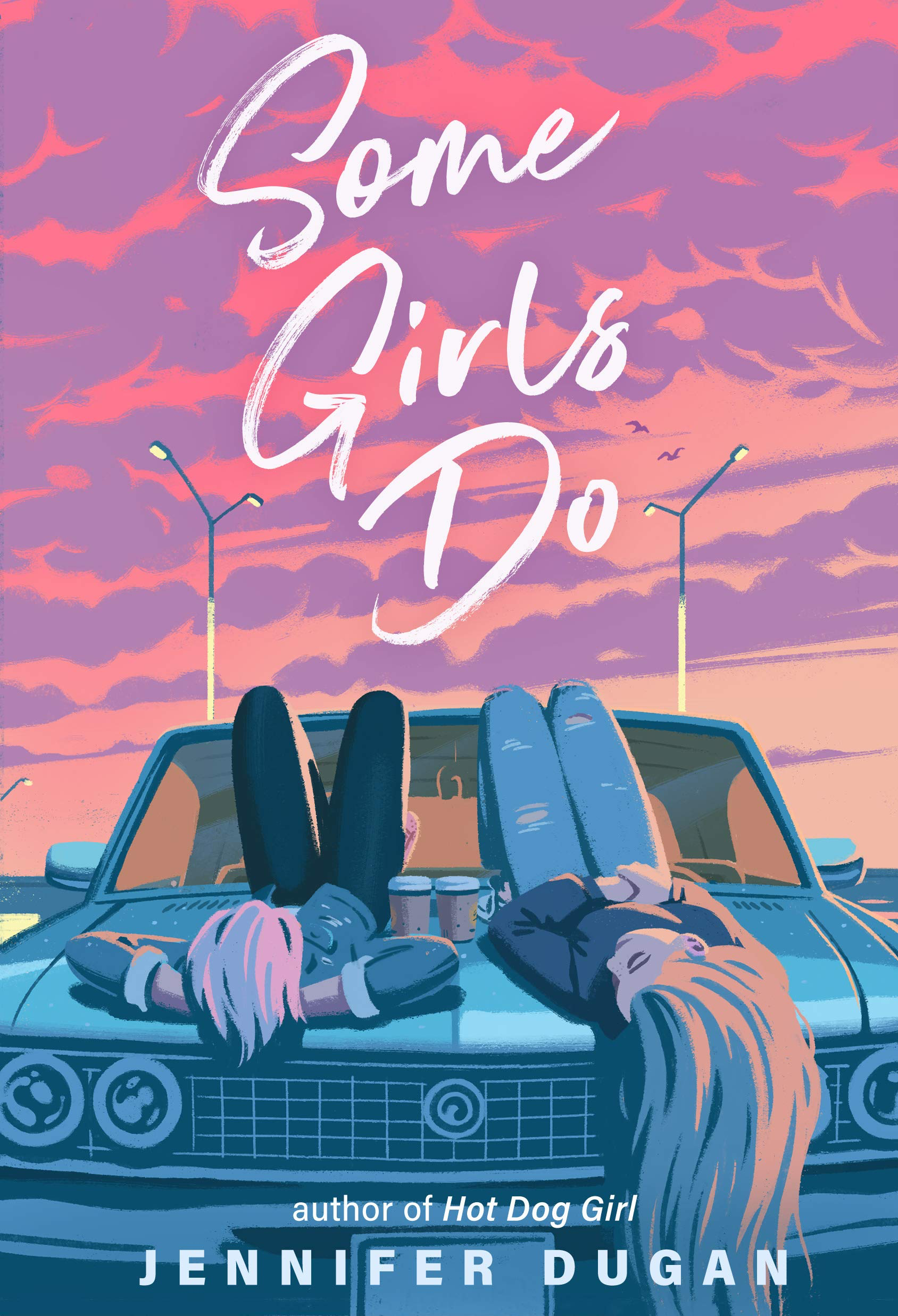
Some Girls Do – Jennifer Dugan

Ruby Torino is intent on keeping her head down until she graduates high school. Even though she’s sick of competing in beauty pageants to appease her mother, she knows that it’s the only way out—the next one’s prize is a scholarship to a community college. There, she can be openly bisexual and not have to please her parents. But when Morgan Matthews, an out-and-proud athlete who was kicked out of her Catholic school after they found out she was a lesbian, transfers to Ruby’s school, her world is turned upside down. Against all odds, the girls end up falling for each other. But Ruby can’t risk coming out—and Morgan can’t seem to let it go.

TW/CW: homophobia, biphobia, verbal and emotional abuse, pressure to come out

Some Girls Do wasn’t a perfect romance, but it was about imperfect people, and for half of the main cast, it worked out. It didn’t blow me away, but it was a solid read for Bisexual Visibility Week!

I wasn’t a fan of both members of the couple (more on that later), but Ruby was such an excellently complicated protagonist! All of her life, she’s been in a volatile position, what with her mother, who had her when she was a teenager, pressuring her into competing in beauty pageants to fulfill the dream she never got to live out herself. Between that and her abusive, homophobic father, she’s learned to guard herself, making her outward personality prickly and unapproachable, even as she blends in with the popular crowd. She’s far from a perfect person, and yet I found myself rooting for her in a way that I couldn’t bring myself to root for Morgan; Ruby’s struggles were tangible and her victories hard-won, and the biggest aspect that kept me reading Some Girls Do was the desire to see her dreams fulfilled.

I find that there’s a limbo that a good amount of queer media doesn’t talk about in terms of environments that people can grow up in. The hometown of Ruby and Morgan is in an in-between place: on paper, it’s mildly liberal and accepting, but there’s still a stigma around queer people. The high school has a pride club, but its members fear holding hands in the hallways. Some of Morgan’s friends act supportive, yet turn up their noses at the idea of the pride club. It’s a dynamic that I haven’t seen explored in queer media often, and Dugan did such a wonderful job in both portraying it and shedding a light on it. Like Ruby and Morgan’s relationship, it’s uncertain what the next day will bring, but there are pockets of unconditional shelter and safety if you look hard enough.

With that out of the way…Morgan. I was not a fan of her. To Dugan’s credit, it’s shown pretty clearly where she’s coming from; by being out, she’s had to risk everything, and is adamant that those who wronged her are proven wrong. But in being so out and proud, she comes off as callous and selfish in all of the wrong ways. When she and Ruby are trying to make it work, she continually pressures Ruby to come out, seemingly oblivious to the very real consequences that could befall her if her parents found out that she was bisexual. Even in her staunch “warrior defending the LGBTQ+ community” stance, she somehow completely forgot that not everyone has the privilege to be openly queer. There was some reconciliation of her attitude and said privilege towards the last part of the book, but in the end, it felt like too little too late.

In concept, Ruby and Morgan’s relationship was cute; once they got into a good rhythm, they had moments of quiet, tender bonding and sweet banter in equal measure. Yet despite Dugan’s efforts to make it work, the way that Morgan was written made it so that it never fully landed. It felt as though no matter how hard they fell for each other, Morgan would never accept that Ruby wasn’t comfortable with public being her girlfriend; even though there were moments at the Pride Club meant for Morgan to learn the error of her ways, she continued to pressure Ruby to do things that weren’t just uncomfortable but unsafe for her. If you took all of that out of the equation, they had some solid chemistry. But Morgan’s unwillingness to accept that Ruby had to stay closeted for her safety made the foundations of what could have been a good romance fold. Encouraging your partner to put her safety in jeopardy is decidedly not romantic.

All in all, a sapphic romance starring some girls that were thoughtfully written and easy to root for, but some girls that were too selfish to even try to like. 3.5 stars!

Some Girls Do is a standalone, but Jennifer Dugan is also the author of several other novels for YA and Adult audiences, including Hot Dog Girl, Melt With You, Verona Comics, The Last Girls Standing, Love at First Set, and many more.

Today’s song:

I’m SO glad my shuffle brought this one out of the depths, I forgot how much I loved it :.)

That’s it for this week’s Book Review Tuesday! Have a wonderful rest of your day, and take care of yourselves!
Posted in Book Review Tuesday

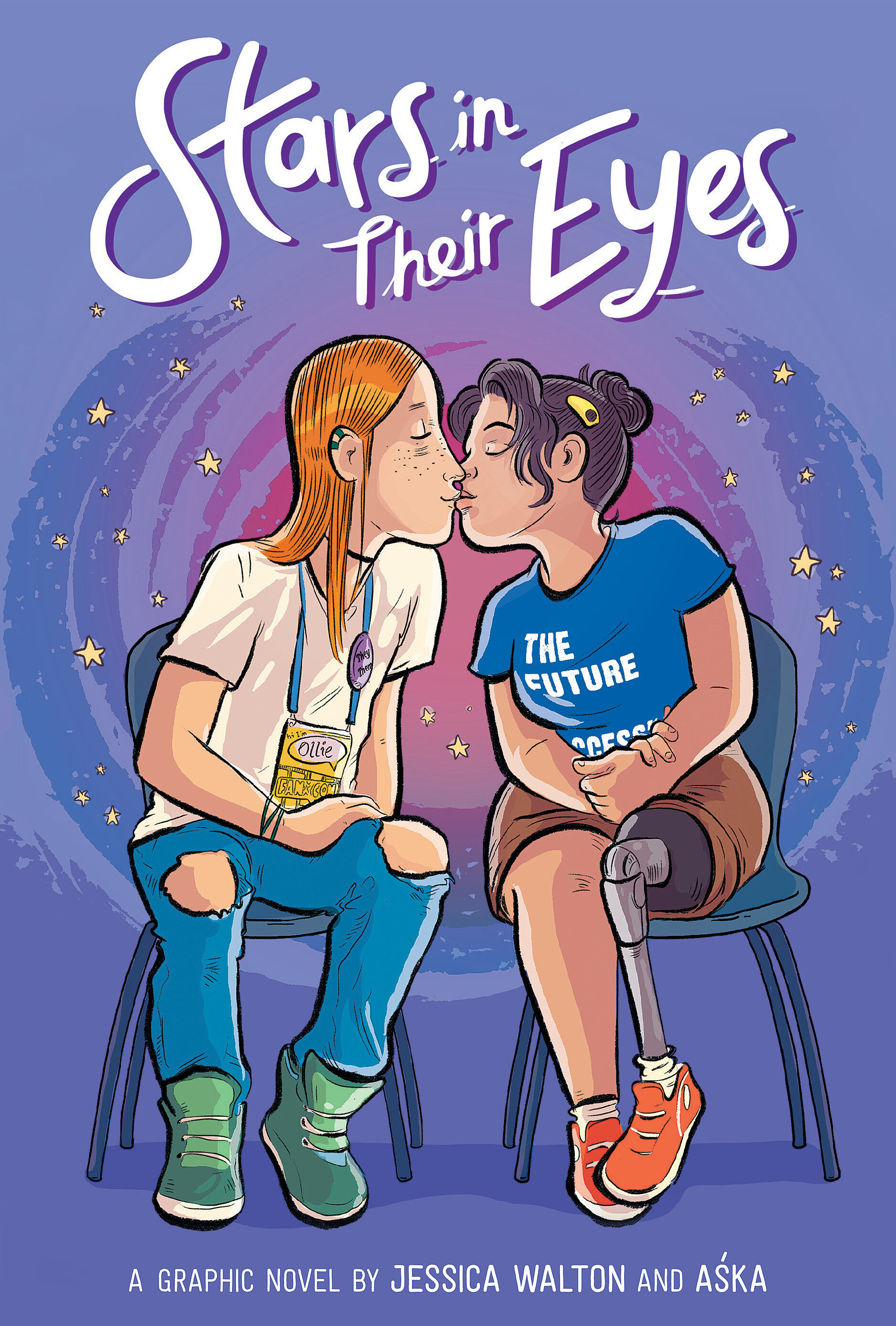
Book Review Tuesday (7/9/24) – Stars in Their Eyes

Happy Tuesday, bibliophiles!

I’m always on the hunt for books with disability and bisexual rep, and I’ll always go for a graphic novel, so Stars in Their Eyes was a natural pick for me! With a charming story and graceful handling of social issues, this graphic novel was an adorable, light read that’s perfect for readers in transition between middle grade and YA.

Enjoy this week’s review!

Stars in Their Eyes – Jessica Walton and Aśka

Maisie has saved up to go to her first FanCon, and now she’s finally on her way! She’s excited to meet her idol Kara Bufano, an action star who’s an amputee just like her. On arrival, FanCon isn’t everything that Maisie thought it would be—it’s loud, confusing, and it’s making her chronic pain act up. But when she meets Ollie, one of the young FanCon volunteers, it’s love at first sight. Maisie feels comfortable talking about her disability and queerness with them, but how will they manage when FanCon is over and they have to go home?

TW/CW: panic attacks, descriptions of cancer (past)

I’m firm in the belief that there should be some kind of smaller, transitory genre between middle grade and YA; the gulf between kid’s books and books meant for teens, especially in terms of maturity, is larger than most realize. But Stars in Their Eyes hits the perfect sweet spot between the two. With younger protagonists but a more nuanced view of social issues—and love at first sight—this graphic novel is a light, comforting read!

Even though I can’t speak to the accuracy of the specific disability rep (Maisie has a lower-leg amputation as a result of childhood cancer), it was so refreshing to see a disabled character written by a disabled author! It’s kind of painful to say that, but…the bar is so low, after so many middle grade and YA books that misrepresent disability. Nevertheless, the discussions surrounding Maisie’s disability were not only important to represent, but well-executed as well! There were plenty of natural segues that were used in Walton’s writing to get into topics such as overexertion and the importance of positive representation (!!!!), and it’s wonderful to see a pointed criticism of the narrative that disabled people exist to inspire non-disabled people. Stars in Their Eyes is bound to be so meaningful to so many young disabled readers, and it warmed my heart.

Stars in Their Eyes is also bound to be crucial for young queer people as well! Maisie is bisexual. and Ollie, the love interest, is nonbinary, but beyond that, there was an emphasis on being young and discovering your identity that I’m so glad is being represented. At 14, Maisie has only come out to a handful of people, and is nervous about being in queer spaces and going to queer events; it’s an issue that I rarely see in queer media, but it’s so important for young queer people know that it’s okay to be nervous about these things! There’s a first time for everything and everyone, and it’s natural to be shy or scared about showcasing your identity or belonging in queer spaces for the first time.

The comic con setting of Stars in Their Eyes was spot-on! I went to comic cons frequently when I was Maisie and Ollie’s age, and it’s a wondrous, nerdy experience—and it’s also an overwhelming one. It’s been several years since I’ve been to one, but I’m glad that this fictional one had a quiet-down room—I hope that soon becomes part of the institution, because what a lot of people don’t talk about with comic cons is that they’re a lot. (Man, I wish my comic con had one of those back in the day…) There’s so much to take in, from all of the booths and celebrities and cosplayers (and all of them crowded in one building), but all of that amounts to a ton of crowds and sensory overload. It’s the first comic con story I’ve seen tackle this aspect, and it’s a refreshing angle to see discussed. I have sensory issues, so that’s mainly why I got overwhelmed so easily at comic con, but it’s great to show younger readers that even though comic con is a wonderful place, it’s natural to be overwhelmed, sensory issues or not.

However, even though pop culture and comic cons were the focus of Stars in Their Eyes, a key part of it was mishandled and hindered some of my enjoyment of this graphic novel. Aside from two fictional TV shows that Maisie and Ollie bond over, almost everything is a fake reference—Barb from Stranger Things is now Bard from Danger Things, Star Wars is now Sci-fi Wars (??) and the Dark Side is the Far Side (????), and any Doctor Who-related media is referred to as “Time Doctors.” I get making faux-pop culture references to dodge copyright or establish a fictional world, but the sheer amount of them and how obviously they were referencing other very popular pieces of media just got so tiring and eye roll-inducing after a while. If it’s that obvious that you’re referencing a piece of media, it defeats the purpose of having a fake piece of media. It got so concentrated that I ended up bumping my rating down from the full 4 stars.

All in all, a lighthearted graphic novel about first love, geekdom, and the being confident in your queer and disabled identities. 3.75 stars, rounded up to 4!

Stars in Their Eyes is a standalone; Jessica Walton is also the author of Introducing Teddy, and has also contributed to the anthologies Growing Up Disabled in Australia, The (Other) F Word: A Celebration of the Fat & Fierce, and Meet Me at the Intersection.

Today’s song:

decided to give cate le bon a try after hearing her work with wilco & st. vincent…pompeii did NOT disappoint!!

That’s it for this week’s Book Review Tuesday! Have a wonderful rest of your day, and take care of yourselves!
Posted in Book Review Tuesday

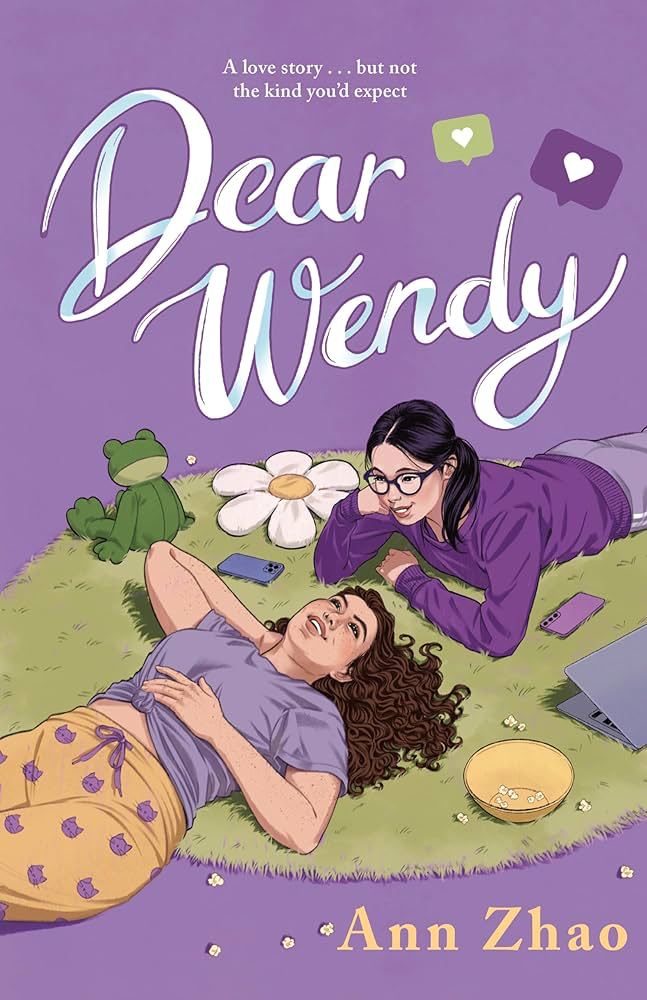
Book Review Tuesday (5/14/24) – Dear Wendy

Happy Tuesday, bibliophiles!

Hooooooooooooo-whee…rant incoming…they’re good for the soul. Sometimes. I hate to do this so soon after I posted this year’s AAPI Heritage Month recommendations, but I just had to get this review off my chest. I highly recommend all of those books over this one.

God. I really wanted to like this one. Older YA where the characters are in college are few and far-between, and what’s even fewer and further-between is aromantic/asexual representation, much less POC aro-ace representation. I almost DNF’d this one, but I really wanted to stick it out and see if it turned out any better…and tragically, it didn’t. I hate to say it, but Dear Wendy was one of the most stiffly-written books I’ve read in quite a while.

Enjoy this week’s review!

Dear Wendy – Ann Zhao

Sophie Chi and Jo Ephron are both second-semester freshmen at Wellesley College, and they don’t know that they know each other. Sophie runs Dear Wendy, an Instagram account that gives love advice to Wellesley’s student body, and Jo runs Dear Wanda, a much more unhinged parody of the former with joke advice to contrast Wendy’s more serious online persona. The two meet in real life and immediately hit it off—they’re both aroace, and have never met many people, even in the queer community, who have experienced the same things as them. But as their online feud as Wendy and Wanda gets heated, Sophie and Jo must decide if they want to divulge their mutual secret—and risk their real friendship.

TW/CW: aphobia, anxiety, bullying, discussions of coming out/non-accepting parents (brief)

Ooof. Even from an outside perspective (as a non-ace person, but still queer), there’s a noticeable dearth of asexual-/aromantic- spectrum stories, even in YA, which is usually several steps ahead of the game as far as being progressive. So in concept, I’m glad that Dear Wendy exists, and I’m sure it will help a ton of a-spec people find their voices and feel seen. But good lord, this was easily one of the most poorly-written novels I’ve read all year. I’m genuinely baffled that I read the same book as all of the other people who left such glowing reviews. Baffled. Again, speaking from an outside perspective, but I think the a-spec community deserves better than this…

I usually preface my negative reviews with this, but I’ll say it again, because it always applies: I’m willing to give a certain amount of slack to Ann Zhao since Dear Wendy is her debut novel. It’s so hard to put pen to paper, and harder still to get it published, and that in and of itself is an intense labor of love. And I’m so glad that this book exists for some people for its discussions of AAPI, aroace, and gender non-conforming identity. I’m sure it’ll be a book that will mean a great deal to a great deal of people.

But. But.

All that doesn’t fully excuse how painfully stiff Zhao’s writing was. Dear Wendy would have been a DNF for me had I not stubbornly tried to stick it out, just because I was convinced that the rest of the book wouldn’t be a disappointment. I wanted to give it a chance, with the combination of the premise and the fact that it’s Zhao’s debut. I had faith that it would get better, but it never did. For a novel that purported itself to be charming and emotional, the writing felt more like a textbook or a brochure than fiction—never once did any of the characters feel like real people talking. The novel was full of writing choices that just felt downright odd; at some point, we hear one of the main characters eavesdropping on two other characters (about the Social Media Drama™️), and after each of these side characters speak, we get their first and last names—and then never hear from them again. Characters list out song titles like they’re being read aloud by Siri, and all of the attempts at humor are just the characters doing word-for-word reenactments of jokes from Tumblr and TikTok without any attempts to hide the evidence. And for two characters that are supposed to have opposing personalities, their voices blended together in an indistinguishable, bland mess—the only way we can “tell” is through the differences in their fabricated social media personalities. If I wanted to be hit over the head with something that unsubtly, I would’ve stood under the ice dispenser in the dining hall. But through it all, I was just struck by how none of the people acted like people—they acted like social media fabrications of queer people, and the world was similarly dictated through an artificial lens.

Dear Wendy is full of a myriad of relevant topics: aroace identity and acceptance, the suffocation of allosexual culture and the unrelenting pressure to find “the one,” and immigrant parents who don’t fully accept your queerness, to name a few. I’ll say again how glad I am that these subjects are being discussed in literature, because it’s true—we do need to talk about these things! But their delivery, more than not, zigzagged around one of the most time-worn rules of writing: show, don’t tell. Although this is realistic fiction, I feel like it falls into the same kind of mistakes that some sci-fi or fantasy novels make when they deliver information that is new to the reader: they deliver it in unpalatable blocks, making time all but stop in the narrative just so the author can explain The Important Thing™️. This was how most of the discussions felt in Dear Wendy; instead of a new worldbuilding point, it was just the character’s inner monologue, uninterrupted, for at least two pages at the longest. I get that it’s crucial to weave in these points, but there’s a way to do it without harming the flow of the story—once or twice is fine, when there’s a reason for the character to be so deep inside their head, but given that this story was supposed to center around Sophie and Jo’s relationship, there could have been so many more bonding scenes where they talked about this organically! That’s not to say that those scenes weren’t there, but since we were already stuck in inner monologue limbo 50 pages ago, none of the information was new, and therefore, none of the bonding felt like new ground.

In the author’s note, Ann Zhao calls this a love letter to Wellesley College, and that although her experience there wasn’t all good, she wanted to highlight the good in Dear Wendy. Remember what I said about the stiff writing? It applied to the surroundings, too. If her writing style contained…any sort of soul, then that mission statement would have come across. Instead, I felt like I was reading a college website for some parts of the novel. I got so far in to Zhao’s descriptions of the campus and the features of the dining hall that I had to blink and question whether or not she’d been paid to write all this by the college. Look—I’m sure Wellesley is a great place (historically women’s colleges are fantastic!) and I don’t want to negate the love that Zhao had for her time there, but there were so many places where the descriptions didn’t feel, again, like people experiencing their environment—it was just being dictated through a lens so devoid of personality that I felt like I was on a college tour, forced to hear a long-winded monologue about a bunch of landmarks that I’d never see again.

Usually, I’m in favor of a little pop culture referencing once in a while. I’ve never understood the argument that pop culture references in YA fiction take them out of the story. What, is fiction supposed to exist in some kind of culture-less vacuum? God forbid your characters engage with the same media as you do…god forbid you pay homage to the creators that inspired you to put pen to paper, apparently? If there’s anything that actually takes me out of the story, it’s the fake celebrities/artists/social media apps. (I get that a lot of that is dodging copyright, but the point still stands.) The argument has never made sense to me. Sure, dumping them all in a barrage is obviously a no-no, but there’s an art to a well-placed reference, and it’s an art that I appreciate. I have a completely arbitrary Goodreads shelf for books with good music references. (This one almost went on it just for an off-hand mention of Mitski.) But reading Dear Wendy made me understand where the anti-pop culture reference people are coming from. The whole book felt like a front to shove in as many references as humanly possible. Dear Wendy is over 360 pages—it wouldn’t have killed Zhao to cut out the chapter entirely consisting of Jo and Sophie talking about Harry Styles. The only places where the music references in particular felt relevant where when Jo was DJ-ing at the college station, and even then, when she was talking to Sophie about her upcoming song choices, it felt like they were being queued up and read aloud by Siri. Mind you, this wasn’t when Jo was actually DJ-ing—this was when she was talking to her friend. It only would have been worse if she’d said “Remastered version” in verbal parentheses.

And…god. If another book tries to smother me with this many Taylor Swift references, I’m going to chew my kindle in half. It’s already bad enough that even the dining hall TV was showing me news clips about whatever mediocre thing she’s doing…please, I thought literature was supposed to be an escape…

All in all, a platonic love story with all the ingredients for something meaningful and sweet that substituted personality and charm for stiffness and irrelevant references. 1.5 stars.

Dear Wendy is a standalone and Ann Zhao’s debut.

Today’s song:

That’s it for this week’s Book Review Tuesday! Have a wonderful rest of your day, and take care of yourselves!
Posted in Book Review Tuesday

Book Review Tuesday (2/27/24) – The Melancholy of Summer

Happy Tuesday, bibliophiles!

I believe I heard about The Melancholy of Summer somewhere around the blogosphere when it first came out last May, and I figured it would be a good piece of fiction between several hefty fantasy reads. Louisa Onomé is a new-to-me author, and now that I’ve read her newest work, I don’t regret it—a coming-of-age story that pulls no punches.

Enjoy this week’s review!

The Melancholy of Summer – Louisa Onomé

Summer is alone. Waiting to turn 18 and gain her independence, she has been staying at friends’ houses after her parents were convicted of fraud and went on the run without warning. Left to her own devices, Summer has been able to keep her status a secret, but after her counselor discovers that she has been living alone, she’s sent to live with a cousin she barely knows. Struggling to balance her double life with a cousin who’s barely more independent than she is, Summer is faced with a myriad of difficult decisions for the future. But Summer is left with a burning desire to find out what really happened to her parents, and it will take her to places she didn’t bargain on going to.

TW/CW: parental abandonment, grooming, homelessness, emotional abuse

First off: this isn’t about the book itself so much as the marketing. About the marketing…whose idea was it to tag this book as “sad girl summer”? How do you see a book tackling a myriad of sensitive topics, including but not limited to parental abandonment, homelessness, and familial betrayal and go “ah, yes, ✨sad girl summer✨” WHAT? I just wanna talk to whoever made that decision. Just a quick chat. WHY? And I thought trope marketing couldn’t get any worse…

All this is to say that I’m saying these things because it’s more than The Melancholy of Summer deserves. Situated on the older side of YA, it’s not just a coming-of-age story: it’s an unflinching portrayal of the topics I discussed earlier. There’s no sugarcoating or dancing around the reality of issues here. It’s a heartbreaking novel, but it’s not one that employs horrific events for shock value—they’re an authentic consequence of Summer’s circumstances. I haven’t read a lot of novels—especially not YA novels—that have dealt with these kinds of subjects, but I really respect the route that Onomé chose to go down in terms of portraying them. Although I can’t speak to their accuracy, it feels like an unapologetic respectful depiction of parental abandonment and homelessness, along with the emotional turmoil that brings.

Going off of that, Summer’s character felt just as authentic. She really feels like a teenager, and not in a forced way; it really should be a given for a YA novel, but you’d be surprised at how many authors miss the mark. Summer isn’t just a teenager—she’s a messy one, an emotional one, and sometimes a brazen and impulsive one, but never once did it feel like Onomé was forcing it down our throats that she’s 17. Summer’s yearning for independence felt all too real, especially given her circumstances; none of the pent-up anger that she expresses felt out of place, and none of her emotional outbursts were without reason. Summer felt, more than anything, just how someone with teenage, volatile emotions would feel having to grapple with circumstances out of her control, and that’s a large part of why The Melancholy of Summer was so successful for me.

That being said, although most of the plot points did feel appropriately and respectfully handled, much of the development (or lack thereof) with the character of Olu felt very rushed and unresolved. The plot point about her being groomed, as well as the plot of Summer trying to help her out at the venue, felt like it was tossed in as a slice of filler, and therefore felt half-baked at best. With how authentically Onomé portrayed a lot of the topics in the novel, it seemed uncharacteristic that something as serious as grooming was brushed over so quickly and resolved in a way that could only be described as unsatisfying. It was all but a footnote, and it seemed like it wanted to be a major plot point, but with how unceremoniously it was shoved into the middle of the novel, it felt poorly handled.

This was a symptom of a larger issue in The Melancholy of Summer overall; other than Summer, hardly any of the side characters get the development that they need. Save for Summer’s aunt, the side characters that we’re meant to care for almost as much as Summer were often one-note and tossed aside whenever the plot called for it. Tanya, Summer’s cousin and guardian, could have been a vital character to explore, and although we do get the sense that she still feels like a kid and doesn’t know any more than Summer does about navigating life, she shows hardly any growth throughout the course of the novel. The same can be said for Olu, Sid, and many of the other people that we meet. It was clear that Summer got the most attention, and yes, she’s the protagonist, but that doesn’t mean that the side characters had to be left in the dust.

All in all, a heartbreaking and authentically-written novel with a vibrant protagonist but a not-so-vibrant supporting cast. 3.5 stars!

The Melancholy of Summer is a standalone, but Louisa Onomé is also the author of Twice as Perfect, Like Home, and Pride and Joy.

Today’s song:

That’s it for this week’s Book Review Tuesday! Have a wonderful rest of your day, and take care of yourselves!
Posted in Books

The Bookish Mutant’s Books for Black History Month (2024 Edition)

Happy Tuesday, bibliophiles!

Apologies for the lack of a Book Review Tuesday this week; like with Sunday Songs, I’ve just had a busy few days, and I wasn’t able to put anything together in time, but I was creating this post in advance, so I figured today would be a good day to post it.

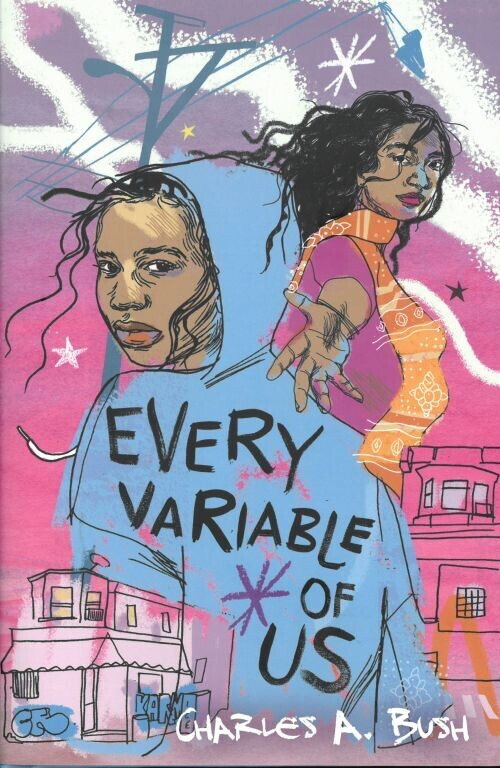
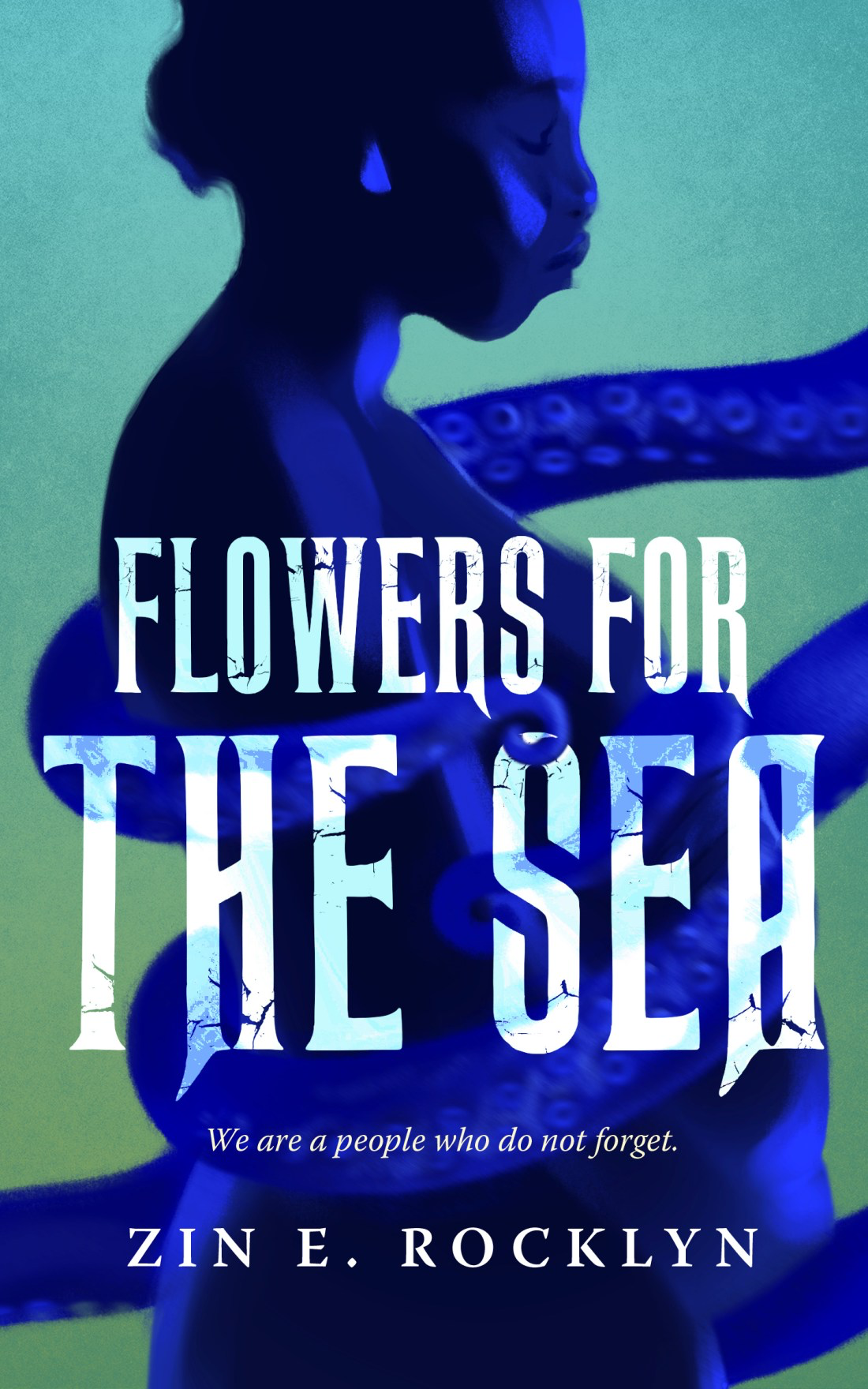
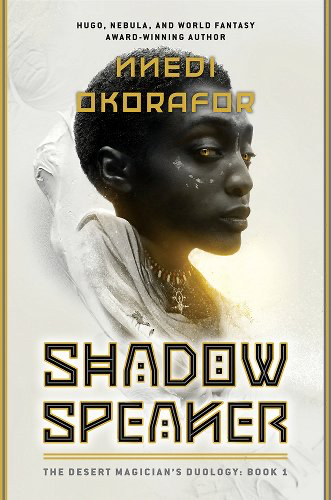
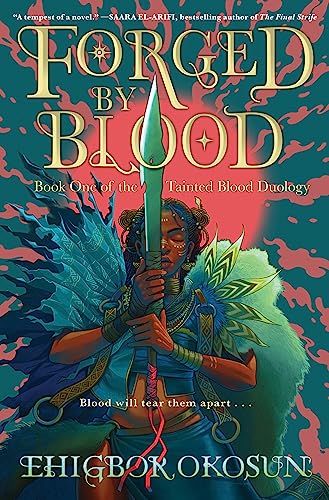
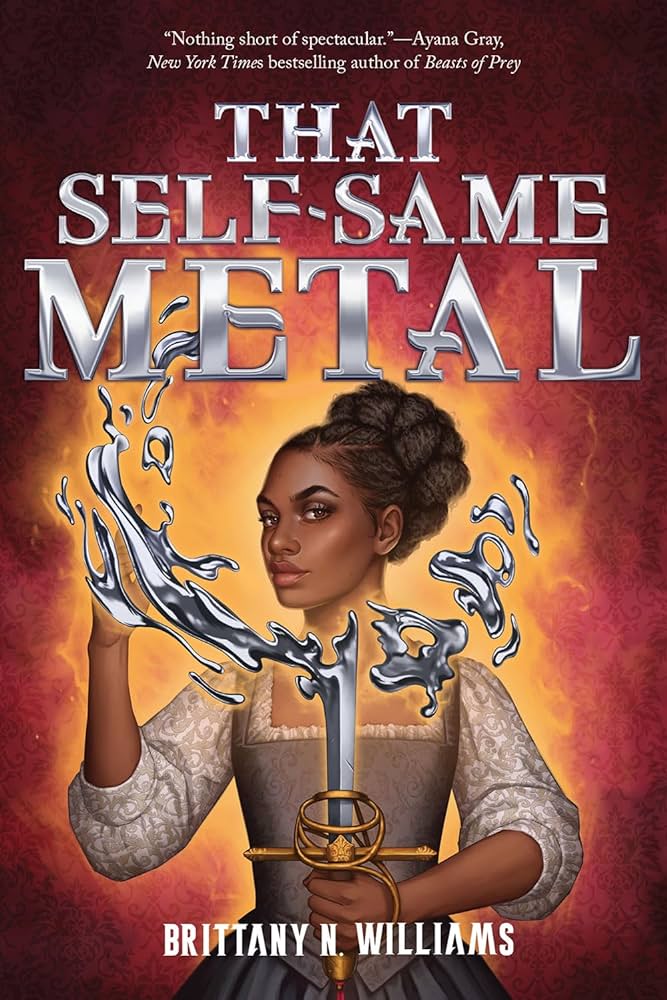
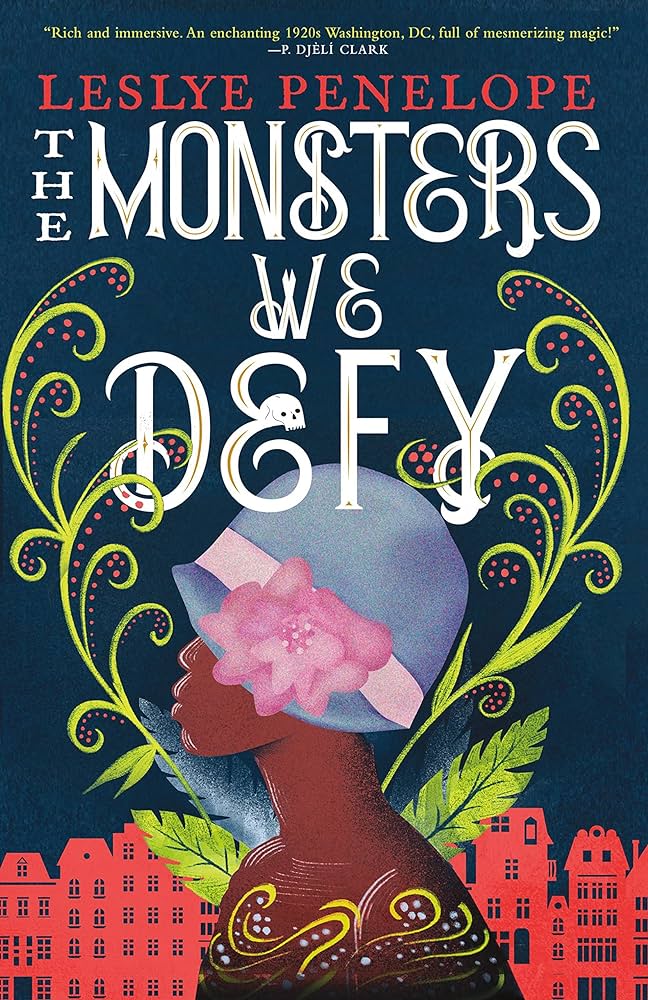
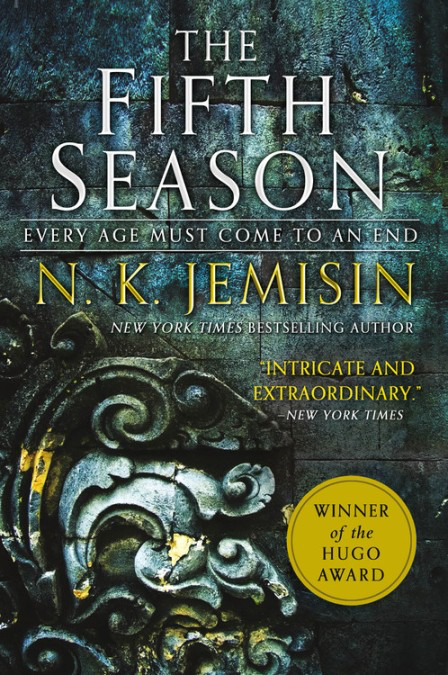
Here in the U.S., February is Black History Month! Since I’ve started making these recommendation lists back in 2021 (and focusing on reading more diversely in general), I’ve discovered so many incredible authors, and now that I’m reading YA and adult novels in almost equal measure, my scope has broadened so much more. (Note: I’m still frugal about my media space on WordPress, but this list, like last year’s, contains both YA and adult novels, even though the header image just says YA.) But as with every single year, it’s more crucial than ever to uplift Black voices—not just to amplify them and other marginalized groups in the fields of literature and publishing (especially when the industry sees diversity as nothing but a box to be checked off, more often than not), but especially since we’re living in a climate here in the states (and elsewhere) that is intent on erasing both our systemic racism (past and present) and silencing Black voices. And one of the most accessible ways to fight this poisonous rhetoric is to read—to open your eyes, to learn for yourself, and to share what you have learned with others. In a landscape where anything other than the white, cishet, abled majority wants to ban any voice that isn’t theirs, reading is an act of resistance.

For my lists from previous years, click below:

Let’s begin, shall we?

THE BOOKISH MUTANT’S BOOKS FOR BLACK HISTORY MONTH

FANTASY:

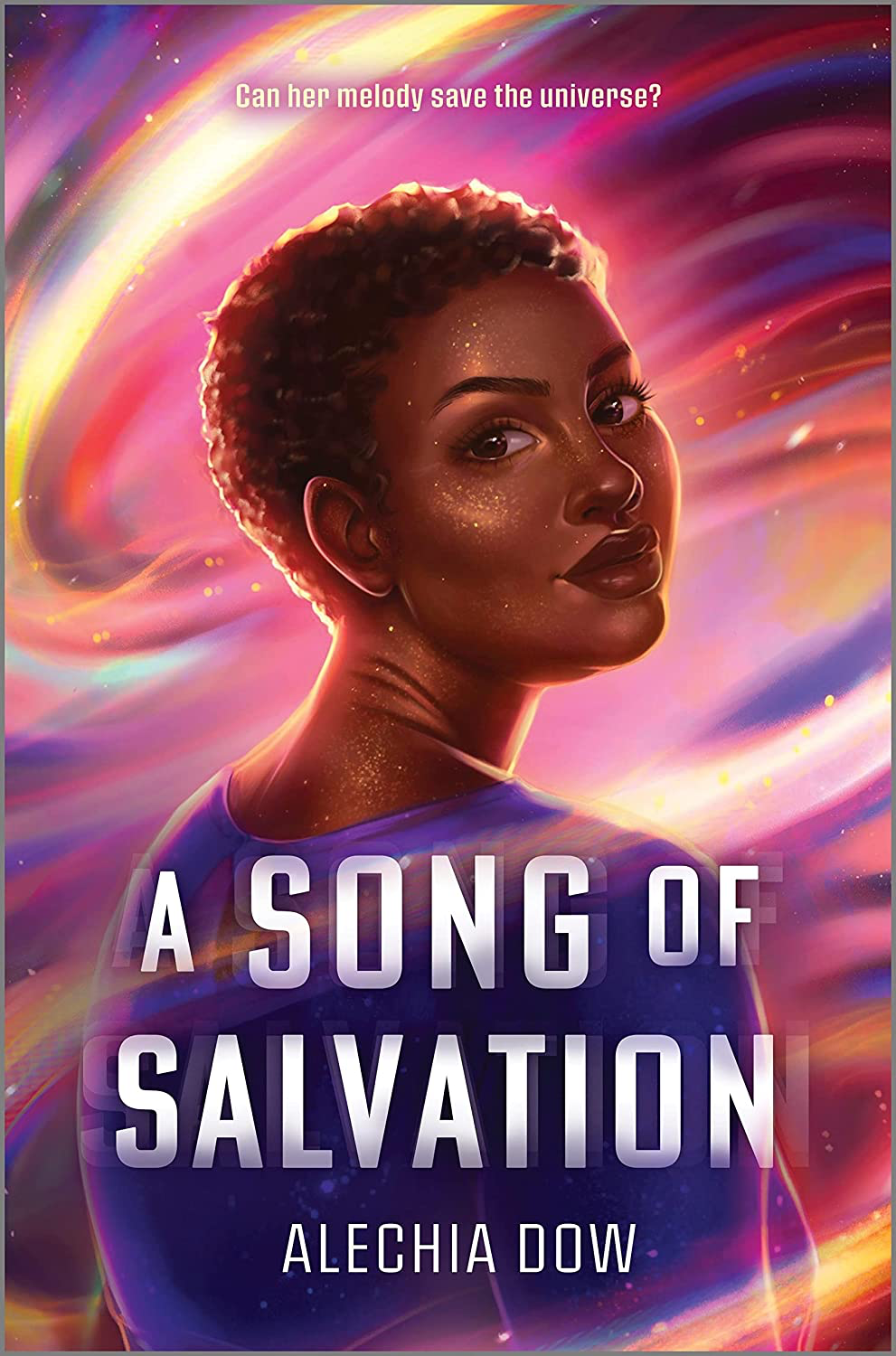
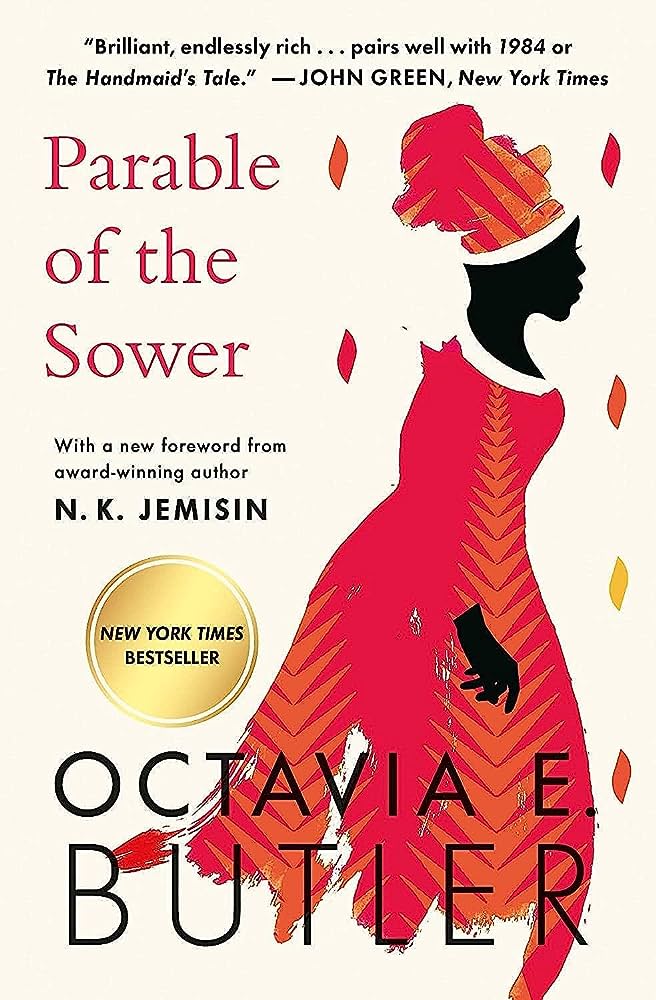
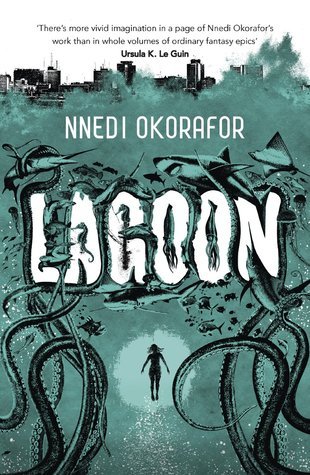
SCIENCE FICTION:

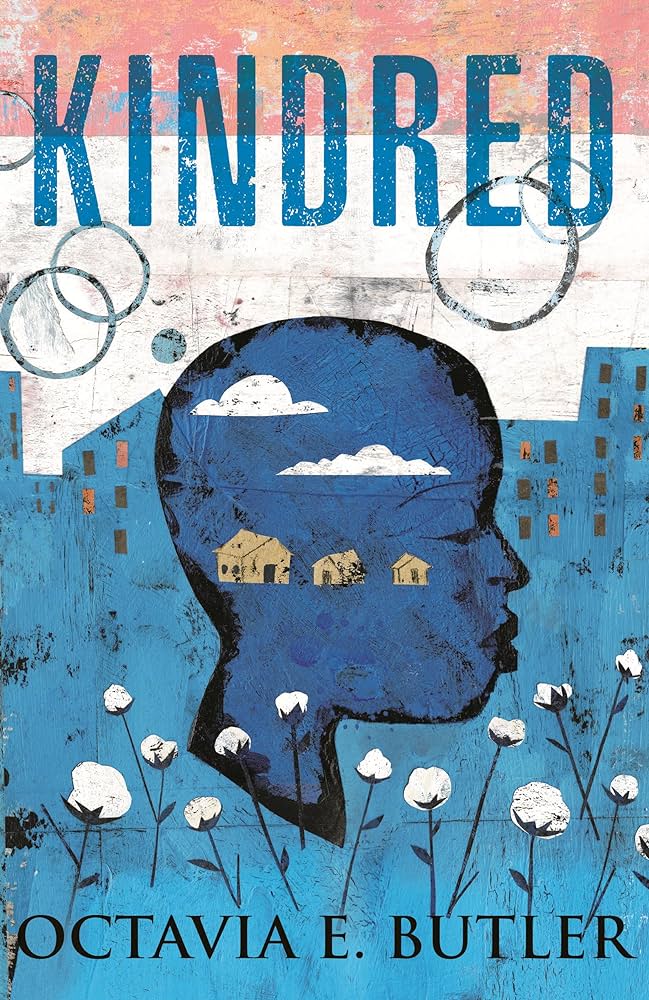
REALISTIC FICTION:

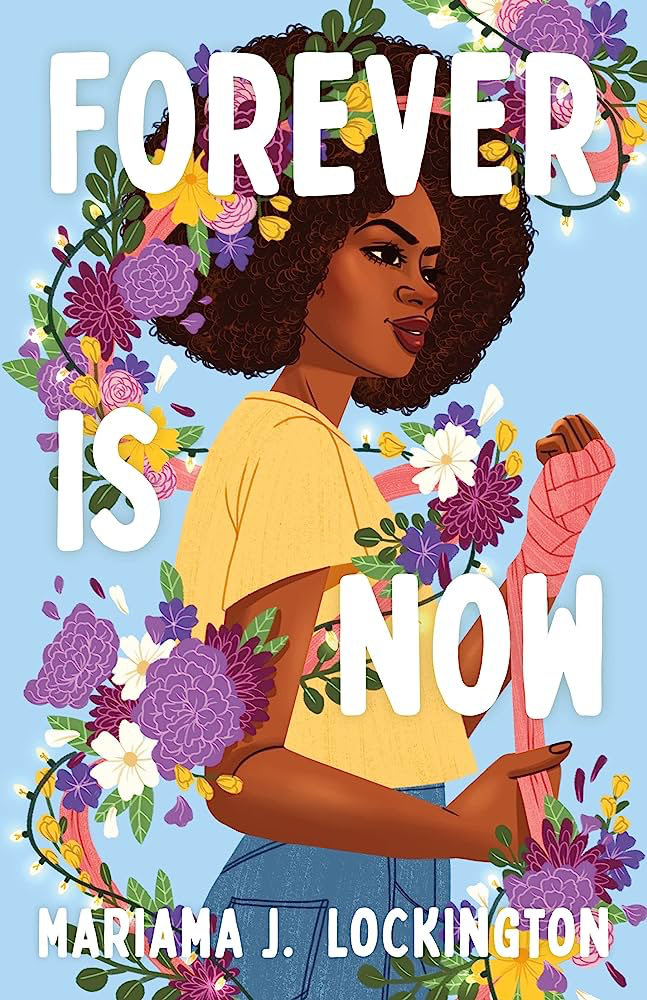
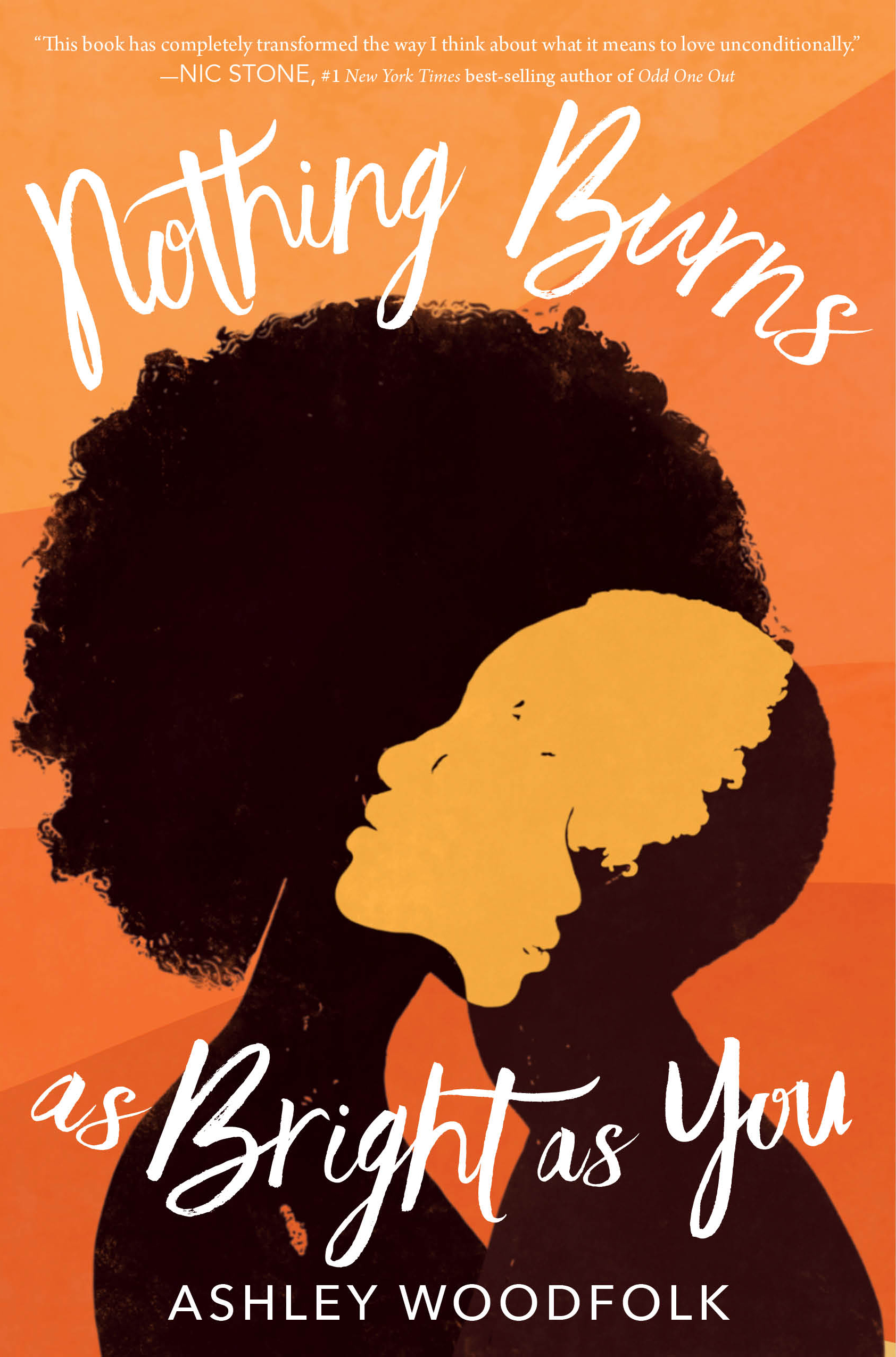
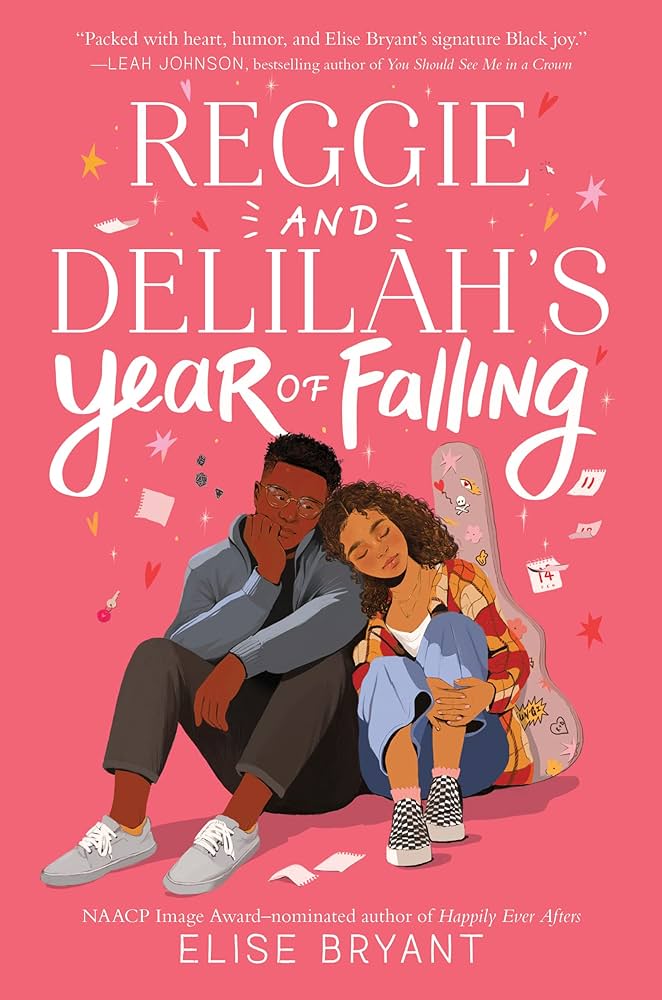
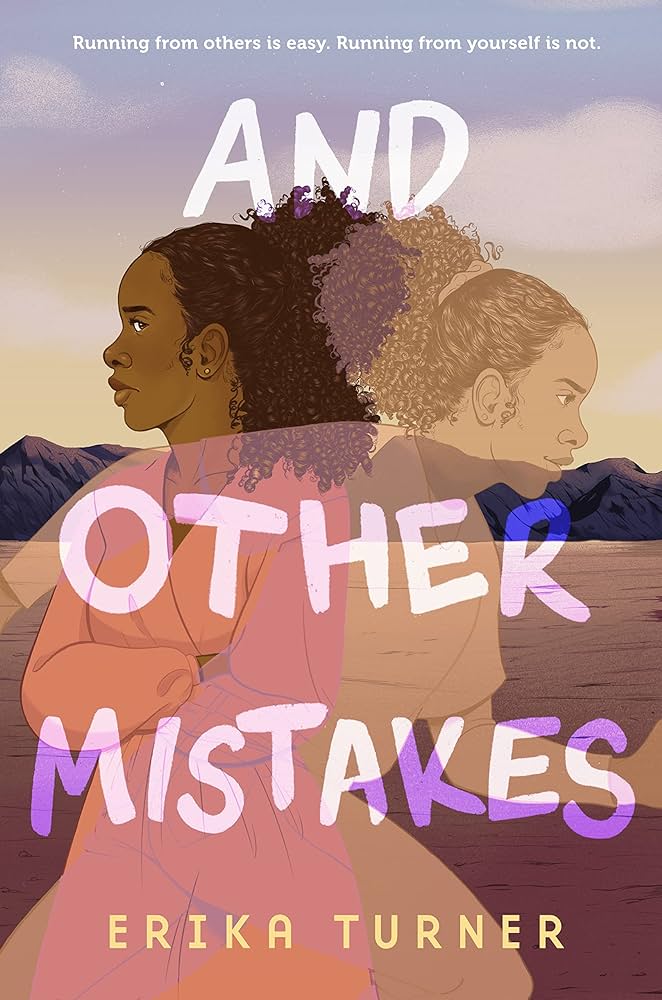
TELL ME WHAT YOU THINK! Have you read any of these books, and if so, did you enjoy them? What are some of your favorite books by Black authors that you’ve read recently? Let me know in the comments!

Today’s song:

thanks again to my brother for exposing me to this one!

That’s it for this recommendation list! Have a wonderful rest of your day, and take care of yourselves!
Posted in Book Review Tuesday

Book Review Tuesday (12/18/23) – You Have a Match

Happy Tuesday, bibliophiles!

Ever since I read Tweet Cute and loved it about three years back, I’ve been meaning to read Emma Lord’s follow-up, You Have a Match, for ages. I’m not sure if I can just chalk it up to “I shouldn’t read anything that’s languished on my TBR for more than 3 years” because it seems like most of the Goodreads reviewers I’m seeing found it just as disappointing, but either way, this one was a miss for me.

Enjoy this week’s review!

You Have a Match – Emma Lord

Abby mainly decided to give a DNA service a go as a joke. But the results tell her that she has a secret sister—Savannah Tully. And Savannah isn’t just an ordinary sister—she also happens to be an influencer with a seemingly perfect life. Desperate to find out about the sister her parents hid from her, she hatches a plan to meet up with her at summer camp. But distractions from Leo, her best friend (or something more?) and co-chef at the camp, and drama between her and Savannah threaten to throw a wrench in her plan to find out why her parents separated her sister.

TW/CW: grief/loss, mentions of substance abuse, anxiety, mentions of abandonment, brief descriptions of injury and illness (broken bones, pneumonia)

I was banking on You Have a Match being at least decent just because of the memory of how good Tweet Cute was, but I really should’ve run for the hills the minute I saw the Reese’s YA Book Club sticker on it. But whether or not I’m looking at Tweet Cute through rose-colored glasses or if Emma Lord just took a dip in quality, You Have a Match was not nearly as sweet—or even enjoyable—as its predecessor.

The main issue with You Have a Match was that it didn’t seem to know what it wanted to be. The premise (and partially the title, although it definitely applies to both) was advertised mostly as a kind of coming-of-age story of sisterhood, but the book itself also wanted to shove a fully-developed romance plot in between it all. The thing is, both of these stories could have been great as separate books—one about finding your lost sister, one about falling in love at summer camp. And I really believe that Lord could’ve succeeded with both of those stories. But even though it could have been possible to merge the two, You Have a Match felt like it didn’t know where to put the emphasis. As a result, the story felt like it needlessly jumped all over the place, making both of the plots cease to be cohesive. It really feels like a case of Lord biting off far more than she could chew.

As a result, the romance that was supposed to happen between Abby and Leo definitely suffered. So much attention was brought to the plot with Savannah and her friends that there was no room for their chemistry to develop, and by the end of the novel, none of the romance felt fleshed out in any way. All of it hinged on the reader believing the information that was very much told (certainly not shown…) that they’d had a beautiful friendship for years, and even that wasn’t enough to save the absolutely lukewarm romantic aspects of this book.

The pacing of You Have a Match didn’t help either of these issues—in fact, it was probably the reason that they were exacerbated. Once the characters got to camp, none of the timing made any sense. It felt like we were just being bounced along like a pinball from subplot A to subplot B without any room to breathe or make sense of what was happening. Everything felt transient and borderline pointless; 309 pages (for the Kindle edition) isn’t that short of a page count, but some points really did feel like filler. This is probably what could have solved the “this book doesn’t know what it wants to be” issue—cut all the filler and focus on developing the relationships between the characters, and chances are, I would’ve enjoyed it so much more.

Part of what endeared me to Tweet Cute was that the social media parts rarely came across as a Gen X author trying too hard to sound “hip.” As much as it can be, it felt real enough that the humor and romance could come through via that aspect. However, whatever internet savviness that Lord had was lost somewhere in the dust between Tweet Cute and You Have a Match. Maybe it was the shift in focus from Twitter to the whole mess that is the concept of Influencers, but it felt incredibly shallow in comparison. Despite her (eventual) redeeming qualities, Savvy came across as the most unoriginal, cardboard-cutout idea of an influencer (fit, makes green smoothies, immaculate hygiene, does yoga, etc.), but Lord could have easily subverted that idea with something that set her apart. All of the nuance came down to “influencers are people too, my life isn’t always perfect :(” and never went any further. Especially with the fact that Abby and Savvy were sisters all along, I feel like this could’ve gone so much deeper—or, at least, in a more interesting direction.

All in all, a coming-of-age, summer camp rom-com that wasted almost all of the potential that it had. 2 stars.

You Have a Match is a standalone, but Emma Lord is the author of several other novels, including Tweet Cute, Begin Again, When You Get the Chance, and the forthcoming novels The Break-Up Pact and The Getaway List.

Today’s song:

if I listen to this enough time, will I just forget that winter exists?

That’s it for this week’s Book Review Tuesday! Have a wonderful rest of your day, and take care of yourselves!