Unfortunately, I probably won’t be able to write up a book review or a Sunday Songs post this week, as I’m days away from finals. I started this post in advance, as I do with all of my wrap-ups, so that’s why I managed to put it out today. But from today on, I’ll be (mostly) radio silent for the next week or so. Wish me luck…
Let’s begin, shall we?
GENERAL THOUGHTS:
April’s been its fair share of crazy, what with job interviews, preparing for finals, and wrapping up my sophomore year of college. (How’d that happen??) It’s definitely taken a toll on my reading and blogging, but I’ve still had some free time in between. Said free time has been surprisingly fruitful this month—I finished up the 20,000 word novella that I had to write for one of my classes, and I had a solid weekend where I was able to brainstorm quite a bit for my main sci-fi trilogy. I’d still be doing said brainstorming if not for…y’know, studying for an astronomy final, but once I’m free of that, I’ll be back to making my outline even more excessively long. I’m almost there…
As I said, I had less time to read than I have in the past few months, but strangely, as far as ratings go, it’s been my most positive month. I say “strangely” because I felt like I was in a stint of good, but not great books for at least the first third of April. However, it picked up significantly, partially aided from a particularly lucky haul from Barnes & Noble with a dear friend of mine.
Other than that, I’ve just been watching The Bear, Taskmaster, and Ripley (how and why is Andrew Scott so good at being SO devious), writing when I can, and preparing for the end of the semester.
Oh, and remember how (hesitantly) excited I was about the fact that The Search for WondLa was being adapted into a TV show? We’ve just gotten the first look, and…
…not to be dramatic, but this is my villain origin story. This is my Joker arc. I’m beyond livid. They drained it. They drained it of the artistry and creativity. And the love. They made Muthr into one of those Playmobil people. Why is Otto furry and squishy? Why does Rovender have those front-facing predator eyes? Where are Eva Nine’s signature braids? Where’s the soul?
Yeah! I’m fine. They just turned my childhood into a sad, lifeless husk of a 3D animated TV show…
READING AND BLOGGING:
I read 15 books this month! Somehow, I feel like I was in a slump of good but not remarkable books for at least a third of the month, but somehow, I got through a whole month with no 2 or 1 star reads? That’s a new one for me.
imagine making Poor Things (2023) and failing to get across in two and a half hours what this song does in just under four minutes………couldn’t be me
xtc my beloved
as much as we praise Björk, I feel like she doesn’t get enough credit for how deeply romantic she can be…good god I feel so sappy and squishy listening to this song, it feels so good
david bowie make a song from the ’90s that isn’t criminally underrated challenge (impossible)
Today’s song:
hey, if we’re talking about keeping my inner middle schooler happy, at least this album was fantastic
That’s it for this month in blogging! Have a wonderful rest of your day, and take care of yourselves!
A small but vibrant joy of life: songs coming back to you when you least expect them to. Not long ago, I just had a fleeting memory of the chorus, and so I went back through Passenger to try and find the exact song (because I was not about to google “Lisa Hannigan song that goes oh oh oh oh eh eh ah ah ah eh eh”). Luckily, it didn’t take much digging, and now I have this parcel of dancing happiness.
One of the top YouTube comments on the music video for “What’ll I Do” calls this song “the happiest sad song ever,” and there’s really no other way to describe it. Lisa Hannigan does have a penchant for belting out her melancholy, but this one somehow feels happy, even though it’s about a breakup; the lyrics are like watching an slapstick comedy where miserable event after comically miserable event starts crashing down on the protagonist (“What’ll I do now that you’re gone?/My boat won’t row, my bus doesn’t come/And I have the fingers, you’ve got the thumb”), but somehow, they’re smiling through the pain, and clicking their heels for the heck of it. “What’ll I Do” sits squarely at the point where so many bad things have happened to you that you just have to laugh—there’s no use in being miserable anymore, so why not just have a laugh at yourself and do a silly little dance? And Hannigan has juiced that emotion out in barrels, making this circus of bad luck into a full-on show, a folksy singalong that’s begging for a line of cheerful dancers. I wouldn’t complain about that for the music video, but the one that we do have is hilariously fitting as well—seemingly filmed from a phone, the whole video is Hannigan singing the song while on a rollercoaster; the camera shakes incessantly, and she has to break the lip sync at least twice just so she can grab her hat before it flies away. (I get it. We’ve all been there. Currently thinking about this Hello Kitty baseball cap that fell off while I went to Legoland that one time. I never forgot about you…) Like the lyrics, it’s a rollercoaster that’s already dragged you around and thrown you up in the air, making you want to puke, but there’s nothing left to do but have a laugh until the ordeal is over.
Crumb? Making somewhat uptempo music? It’s more likely than you think.
…I actually mean that seriously, for once. Other than a handful of songs off of their last album, Ice Melt, Crumb has been known for their calm—gentle, electronic dream-pop melodies that drifted along like the bubbles in a can of soda, and tasted of that same sweetness. At least, that’s how I think of their music—in the past few years, they’ve been the band that my mom puts on when she needs to focus on her (incredible!) art, or just do some cleaning—any task that necessitates some calming of the brain. Crumb have recently announced the release of their third album, AMAMA, which is set to release just over a month from now (!!)—May 17. I initially missed “Dust Bunny” when it was released as a single last year, but now that I’ve listened to it alongside “AMAMA” and “Crushxd,” it seems like some sort of shift is on the way for the band…even if it is just the tempo. “Dust Bunny” has picked up the pace, letting the drums take the wheel as the frantic energy blossoms from the (always plentiful) synths. As evidenced by the underwater-sounding effects on both the instrumentation and Lila Ramani’s voice, they’ve never lost that wooziness that coated their earlier songs like syrup (see “Locket”), but the molasses has melted enough to allow for their constant wiggling to speed up. The lyrics, too, feel like a far cry from “I don’t have class/Got a lot of time on my hands/To sit, wait around…”; just as with the music, Ramani recalls a vignette of panic and guilt: “You’re seeing a ghost/Can’t undo what’s been done/Forever no more/Stacks of clothing fill your room, you/Can’t find one thing to return.” Despite the spaciness of the synths, there’s no doubt that it’s morphed from danceable upbeat to the kind of upbeat that’s only so because it soundtracks the search for your sprinting around the house to try and find your keys 5 minutes after you were supposed to leave for work; or, if we’re sticking to the metaphor, trying to get that one dust bunnyout of your dorm before your RA comes to do a room inspection so that they don’t think you’ve been living in a pigsty this whole time. But that panic never overwhelms the music—being so cloaked in color-changing mist and melting shapes as it is, it’s still the same ol’ Crumb deep down.
…AND A BOOK TO GO WITH IT:
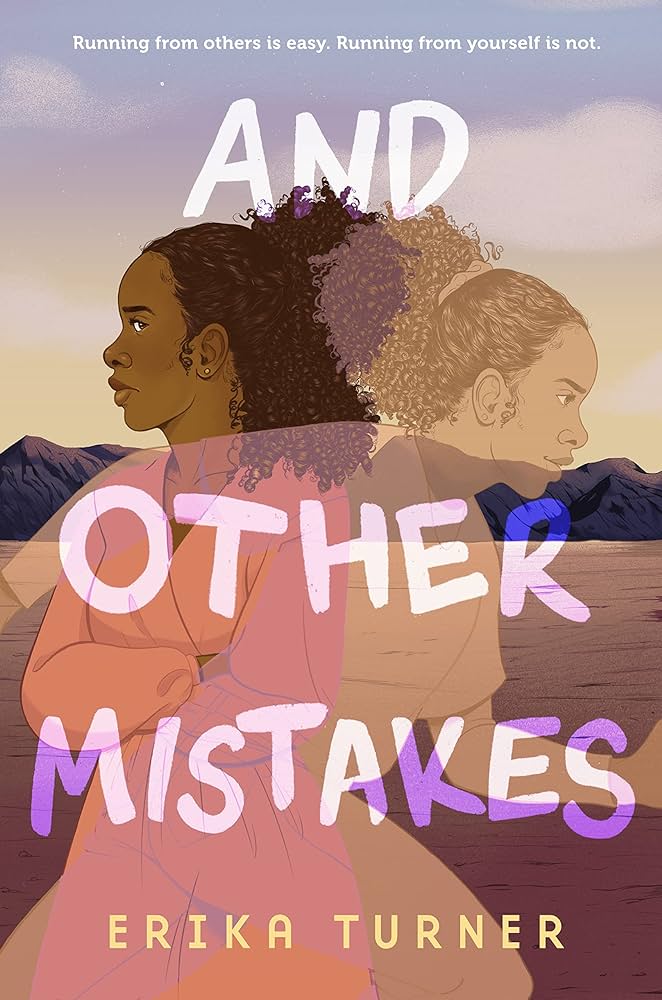
And Other Mistakes – Erika Turner – reconciling with the weight of your past actions and other people’s perceptions takes center stage in this novel.
Yet another infectious earworm that I have my dad to thank for, and also, I can definitively say that I’ve found it: my favorite band name. I mean, come on. Pop Will Eat Itself? How true is that? And doesn’t it just sound so cool as a name?
If you’re expecting their songs to be a meditation on the nature of pop, as their band name is, I’m not entirely sure if you’d be satisfied. Granted, I’ve only heard two of their songs (including this one—check out “X, Y, & Zee” for more), and neither of them concern their lyrics with such things. What they’ve got is something far superior: four and a half minutes of listing off comics, movies, TV shows, and bands that they like—sorry, dig. And it’s a blast. Aside from the fact that I never anticipated Alan Moore ever being directly referenced in a song, it’s just a catchy, synthy, fandom-fest—I’m surprised that this hasn’t been accepted as some kind of comic con anthem. Plus, there’s the enhancement of the music video, in all of its terrible ’80s CGI glory—lots of old TV sets floating around in the ether and the band members superimposed over panels from Watchmen and The Killing Joke. It’s the nerdiest club banger I’ve ever heard. What else is there to say? It slaps. Glad we can formally acknowledge that Alan Moore knows the score.
…AND A BOOK TO GO WITH IT:
…well, pretty much anything that they mention in this song: The song is basically a reading list in and of itself, so…
And that’s another Bowie album for the books! As…incapacitated as he was during that period, Young Americans feels like the first album of proof of how easily it came to Bowie to slither in and out of genres as easily as most people stroll through an open door. It oozes with slickness—somewhere in my mental periphery, this album exists solely in a smoky nightclub as midnight ticks by, clammy with warmth and blasting with saxophones. Personally, sometimes the sax went on a little too long for my liking (see “Win”), but for the most part, Bowie knew exactly how much to smear about—and make it sound deliciously raw and sultry.
But sultry isn’t all that the album boasts—Bowie always has something clever and meditative up his sleeve. Fresh off of Diamond Dogs, which was full of the proposed contents for a musical version of George Orwell’s 1984 which he never got to make, Bowie had Big Brother on the brain; the kind of theatricality that what I’ve listened to of Diamond Dogs suits a musical well, but as he turned his genre gaze to soul, it almost feels like he had that sultry quality in mind and turned it into deliberate deception. The subject of “Somebody Up There Likes Me” is the sleaziest of the sleazy—a politician who seems to float amongst his subjects without any fear of retribution: “He’s everybody’s token, on everybody’s wall/Blessing all the papers, thanking one and all/Hugging all the babies, kissing all the ladies/Knowing all that you think about from writing on the wall.” As the saxophone howls, Bowie’s fictional figure struts through the street, stopping once in a while to sweep a woman up into his arms and plant a kiss on her cheek. But every act of generosity is an empty one—this is someone grooming the public along with his own image, putting on a show of authenticity just to get them to cough up the spare change from their pockets. Bowie sums it up in the bridge: “Was a way when we were young, that/Any man was judged by what he’d done, but/Now you’ve pick them on the screen (What they look like).” Fresh off the heels of Nixon, I’m sure this was already closer to the political climate than most people wanted to admit, but I can’t help but think of how this has only been exacerbated—and not just in the 21st century. We got Reagan only a handful of years after Young Americans was released (there’s a “savage son of the TV tube” for you), and the cycle has only repeated itself in the years since. But for me, the genius in this song isn’t necessarily about the message, timely as it continues to be; this song could have been put in any of his albums, but having it on Young Americans makes the sleaze glow like neon. Setting this politician against the backdrop of a distinctly American sound, something that comes off so howling and genuine, encapsulates that political climate disturbingly well—a façade of a clean-cut, American man of the people with charm and sex appeal, but with all manner of evils stowed just out of reach of the cameras. The soundscape of Young Americans begs for some kind of old Hollywood love story, and Bowie knew it—and he took that atmosphere to its most perverse extreme just to make it ring true.
From all accounts, it seems like Franz Ferdinand peaked at this album, You Could Have It So Much Better. But I feel like it’s understandable, on some level. You try to replicate something as iconic as “Take Me Out” or this, and you risk flying too close to the sun. Lightning can’t strike twice. Well, I guess it can, if you count this and “Take Me Out,” but…okay, three times?
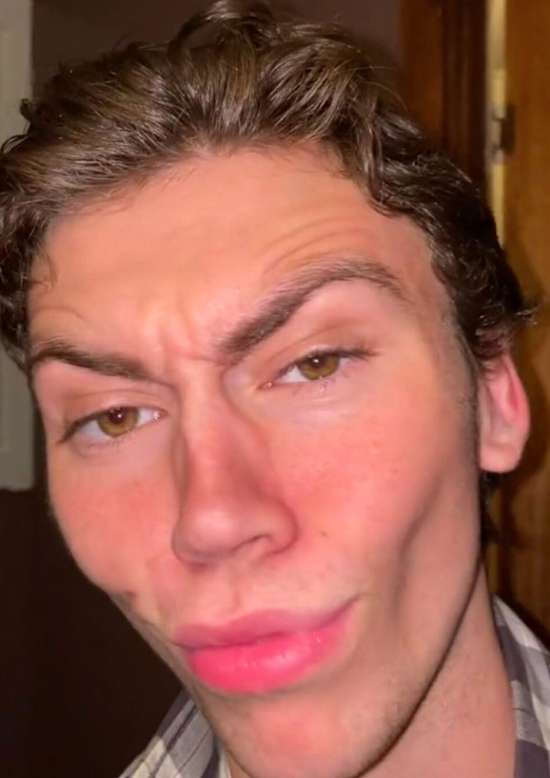
This song. It’s so stuffed with infectious hooks that it’s practically a thanksgiving turkey. It’s pumping with allure and adrenaline, and not a single bit feels wasted. You hear the first 20 seconds and think “oh, that’s a great start to the song,” but lo and behold, every single band member pulls of their top hats to reveal a second, even more spectacular hook to propel it to unforeseen heights. And from that meteoric rise, “Do You Want To” feels like the most delightfully slick, guitar-driven gold mine of 2000’s indie rock. It’s a song that wrenches you by the hand into a nighttime world of leather jackets, impeccable hair, and shiny guitars. Lyric-wise, it’s nothing that the band hasn’t covered, but lyrics were never their legacy—the absolute sheen of it all overpowers the rest of it, and it’s the kind that you can keep on repeat for hours and never get tired of. For a few years, Franz Ferdinand seemed to have perfected that kick of leather-jacket, smooth indie rock, and even though it seemed to have burned out a decade or so down the line, for a moment, their talent was clear—and explosive. The only sin that “Do You Want To” ever committed was not having a third hook hidden beneath their other top hats—the last thirty seconds (“Lucky, lucky/You’re so lucky”) are just begging for at least one more burst of smooth guitar that sounds like it’s been fired out of a cannon. It’s such a frustrating ending. With that kind of buildup, how could they not be extending the song for a finale as glorious as the entrance? Either way, the three and a half minutes that we do have is joyous enough. Almost enough to make me forgive Alex Kapranos for permanently freezing his face in this expression for no good reason:
…AND A BOOK TO GO WITH IT:
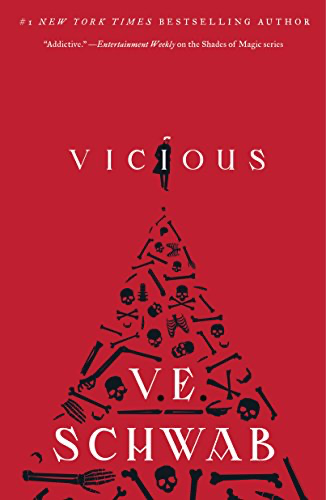
Vicious – V.E. Schwab – come to think of it, a lot of V.E. Schwab’s male protagonists fit a similarly charismatic and boundary-pushing (mostly in terms of magic and science, anyway), but this novel absolutely fits the slick, Franz Ferdinand vibe.
Frustrated that “Do You Want To” ends right before it should theoretically go on for at least two more minutes? Fear not! At least David Bowie wasn’t afraid to make his timeless grooves almost six minutes long.
Welp. I don’t know how Young Americans wasn’t on my album bucket list already, but it sure is on it now. The iconic title track and “Fame” should’ve convinced me, but somehow it was “Fascination” that pushed me over the edge. It reminds me just what I love about the ’70s; the production is nothing but slick and slinky, full of vibrance and a groove that never even comes close to sputtering out for all five minutes and 48 seconds. God, the saxophone. I don’t usually find myself saying that about saxophones, but oh my god. It’s not a song that just makes you feel like dancing—you’re all but transported to a dance floor somewhere, amidst loose ties and sunglasses and warm lights bathing everyone’s faces. Strangely, the only thing that doesn’t scream vibrant or groovy is Bowie’s voice. The more you focus on it, the eerier it feels. Even though his voice was a decade or so from becoming as rich and resonant as he was later known for, it had thinned out even more so that he was in his youth. Young Americans was recorded during the height of his crippling cocaine addiction, and you can hear it in this song more than any other on the album. I could just be projecting, given how he was able to belt out the classic “ain’t there one damn song that can make me…break down and cry?” on the same album, but whether or not it was purposeful to add to the slick, sultry air of the album and his persona, it’s not a stretch to make. His voice often takes a back seat to the sheer power of the backup singers, and despite the seduction written all over “Fascination,” I can’t help but think of the exhaustion that eventually led him to pack his bags for Berlin in a few years’ time. No judgement, but it’s kind of the reason why I’m always a little suspicious of people who say that The Thin White Duke is their favorite Bowie persona. Iconic as all the others in both looks and musical output, but…I don’t know, it feels like a red flag that the Bowie you remember most fondly is the Bowie that was characterized by exhaustion, excessive substance abuse, and behaviors that he later condemned as a byproduct of the worst period of his life. I just feel like if that’s your favorite Bowie…again, no judgment, but calm down, you edgelord. You’re not impressing anybody. Music isn’t automatically deep just because the artist was at rock bottom when they made it.
Nonetheless, it isa truly fantastic, masterful song. David Bowie was just almost incapable of having an album without at least one good song, even if it was the more commercial ’80s albums.
TANGK is a bizarre album in the best possible way. IDLES seem to have partially (but never fully, this is still IDLES we’re talking about) shed the punk sensibilities that they’re known for, and in its wake, Joe Talbot and company have gone on to explore uncharted territory for the band. Tracks like “Gratitude” and “Hall & Oates” prove that they’ll never stop being their aggressively positive selves, but TANGK has given them room to grow. How much of it we can credit to Nigel Godrich is up in the air, but either way, it’s a fascinating evolution.
Emotional vulnerability and healthy masculinity have always been cornerstones of the IDLES image, but never have they been so soft and bare on “A Gospel.” Looking back, the Ultra Mono track “A Hymn” feels like its spiritual predecessor, both in title and nature, but even then, this is the first time that IDLES have ever felt quiet. No screaming, no bass, no rasp roughening Talbot’s voice. “A Gospel” presumably finds Talbot after his recent divorce, solemnly wallowing in the aftermath: “Delete my number/I’m no more/Ignore my eyes, babe/They’re just sore.” (“I’m not crying, it’s just been raining…on my face…”) But true to IDLES’ commitment to love and mutual understanding, he harbors no ill will towards his own partner, gently offering solace and closure instead of the biting words that are all too common in these kinds of songs: “I know you better/I’m your half/Just tell me darling/And I’ll be your past.” It’s sad that it’s so rare that you find songs about relationships that aren’t malicious towards the partner in some way; in some cases, the other party is in the wrong, but we’ve had so many songs about conniving women (from men who are likely the problem) and whatnot that finding a song like this feels like a needle in a haystack. “A Gospel” seems to come, refreshingly, from a place of genuine remorse; you can feel the embarrassment in Talbot’s confessional lyrics, but they’re never overly self-deprecating or, on the other hand, aggressive. It’s a melancholy song, but it feels like the most amicable breakup song I’ve heard. Talbot has repeatedly said that the thesis of TANGK revolves around love, and although “A Gospel” takes it from a more distraught angle, it’s still love—being able to step away from a situation where you know you’re in the wrong, and encouraging a peaceful resolution.
No matter what Chelsea Wolfe album I listen to (you’ll definitely be hearing about her latest next week), it almost always makes me come back to some of the material off of Unknown Rooms. I adore Chelsea Wolfe’s shreddier, overtly goth style, but unfortunately, I drank the sad girl Kool-Aid long ago and I can never come back, so here I am, back at the acoustic album. There’s no doubt that Wolfe can wring out emotion whether or not she’s playing electric or acoustic. She’s at her best when she’s conjuring a swarm of bats from oblivion with a full assault of instrumentals, but the power always lingers. Like my favorite of her songs, “Boyfriend” (also from this album): naught but guitar and Wolfe’s ghostly rasp, it evokes the same rise of power and overwhelming emotion as anything else she’s written. In the end, it all feels cavernous.
“Boyfriend” is plenty bleak, but there’s something about “Virginia Woolf Underwater” that feels so much more so; although it’s just as sparse as any other track on this album, the discordant nature of it all ties the despair of it together, with off-kilter chords punctuated by a tambourine. Only later do the orchestral strings come in, but they feel just as cold as the rest of the song. Alluding to Virginia Woolf’s early death by drowning, the song feels as distorted as voices floating in the water. Wolfe’s voice drifts in and out of focus. The lyrics imagine Woolf’s state: “Everything you’ve owned is gone/Everything you know is wrong/Everyone you’ve loved has left/Everything you’ve touched is dead.” Given Woolf’s struggles with depression and trauma from the second World War towards the end of her life, it’s not a stretch to think that she was thinking thoughts along these lines. That’s what makes the song tragic, but there’s something touching about how Chelsea Wolfe was able to connect to her all these years later, and was moved enough to write her an elegy of sorts. It’s a cross-temporal love letter, a call through the ether to tell not just Woolf that she understands, but for others to relate to and know that they are not alone in their experiences. Only fitting that now, 12 years after the release of Unknown Rooms, that her newest album is titled She Reaches Out To She Reaches Out To She. What better way to sum up Chelsea Wolfe’s brilliant career?
…AND A BOOK TO GO WITH IT:
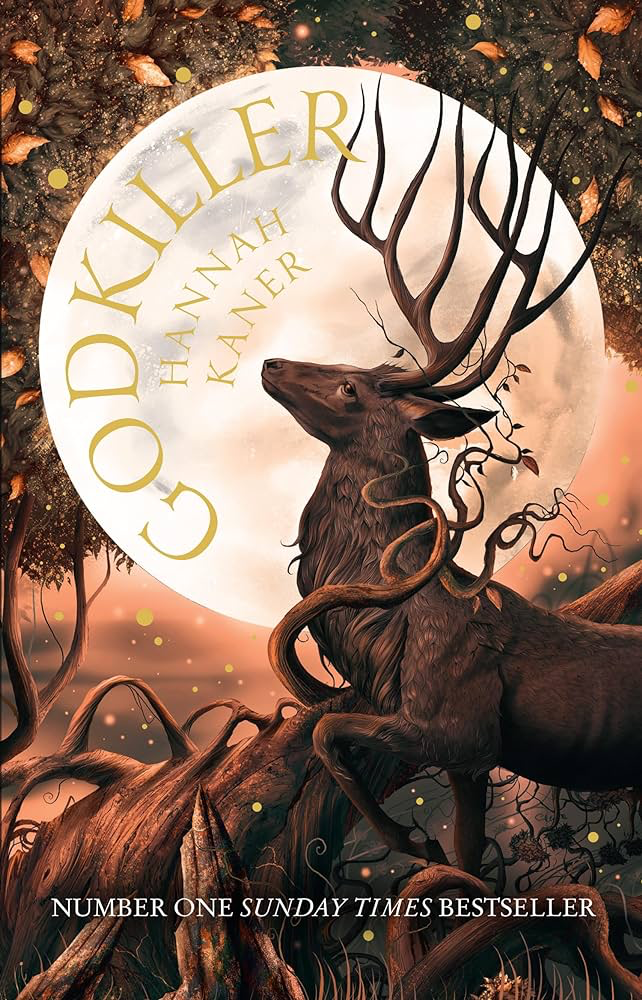
Godkiller (Fallen Gods, #1) – Hannah Kaner – this story similarly begins with Kissen, who has lost everything, and the novel follows her finding her purpose…with some killing gods on the side.
I feel like I shouldbe more invested in the fact that Beth Gibbons is releasing a solo album this May. Then again, I still haven’t picked myself up and listened to Dummy, so I feel like that’s the top priority. The only thing keeping me from it is the Sisyphean album bucket list I’ve created for myself, so we’ll see when I get around to it. Soon, given that at least a quarter of it had me in a nearly unbreakable chokehold in early 2022.
“Floating On A Moment” feels further removed from the trip-hop that Portishead was known for, opting for a more stripped-down form. Synths and samples have been exchanged for acoustic guitars and a choir, and the result is slow and gentle, like water trickling from the gutter. Admittedly, I expected something weirder from Gibbons, but I don’t not like this song—it’s good, but it’s not the kind of slow that’s always compelling (that would be Portishead). It’s good when you’re in the moment (no pun intended) and listening to it, but on the outside…I hate to say it, but it feels a little predictable? The fact that it’s track two on Lives Outgrown seems kind of bizarre unless the whole album is going to be this slow, or if it just has a slow start. What’s weirder is that “Floating On A Moment” is centered around the fleeting nature of time and staying in the present, and yet it’s so slow…I guess it could fit with the image of time slipping through your fingers, but this song feels anything but fleeting. If anything, it’s the slow drip of a memory recalled, an alternate reality pondered, a gradual crawl through the recesses of the mind. All that’s to say that this isn’t a bad song. For what it is, “Floating On A Moment” is as gentle as they come, something to have in the background. Again: I hate that I’m saying that about Beth Gibbons, of all people, but we don’t have the whole picture of Lives Outgrown. We’ll see what she’s got up her sleeve.
Even though the pervasion of AI art in music videos is maddening to me (at this point, it’s less about the fact that it’s AI and more that the “style” just looks objectively ugly), the AI elements of the music video for “Floating On A Moment” suit how the song feels; everything melting into a gloopy mess is a hallmark of AI animations at this point, but that kind of melting, combined with the real-life footage of Gibbons, melds surprisingly well with the slick, melting quality of the song.
Happy Tuesday, bibliophiles! Hope you’re all doing okay. I’m finally having a little peace after this awful school year…I still have one more day left, BUT I’M FINALLY DONE WITH PRECALC! MY SOUL IS NO LONGER BEING ACTIVELY CRUSHED!
[ahem] anyway
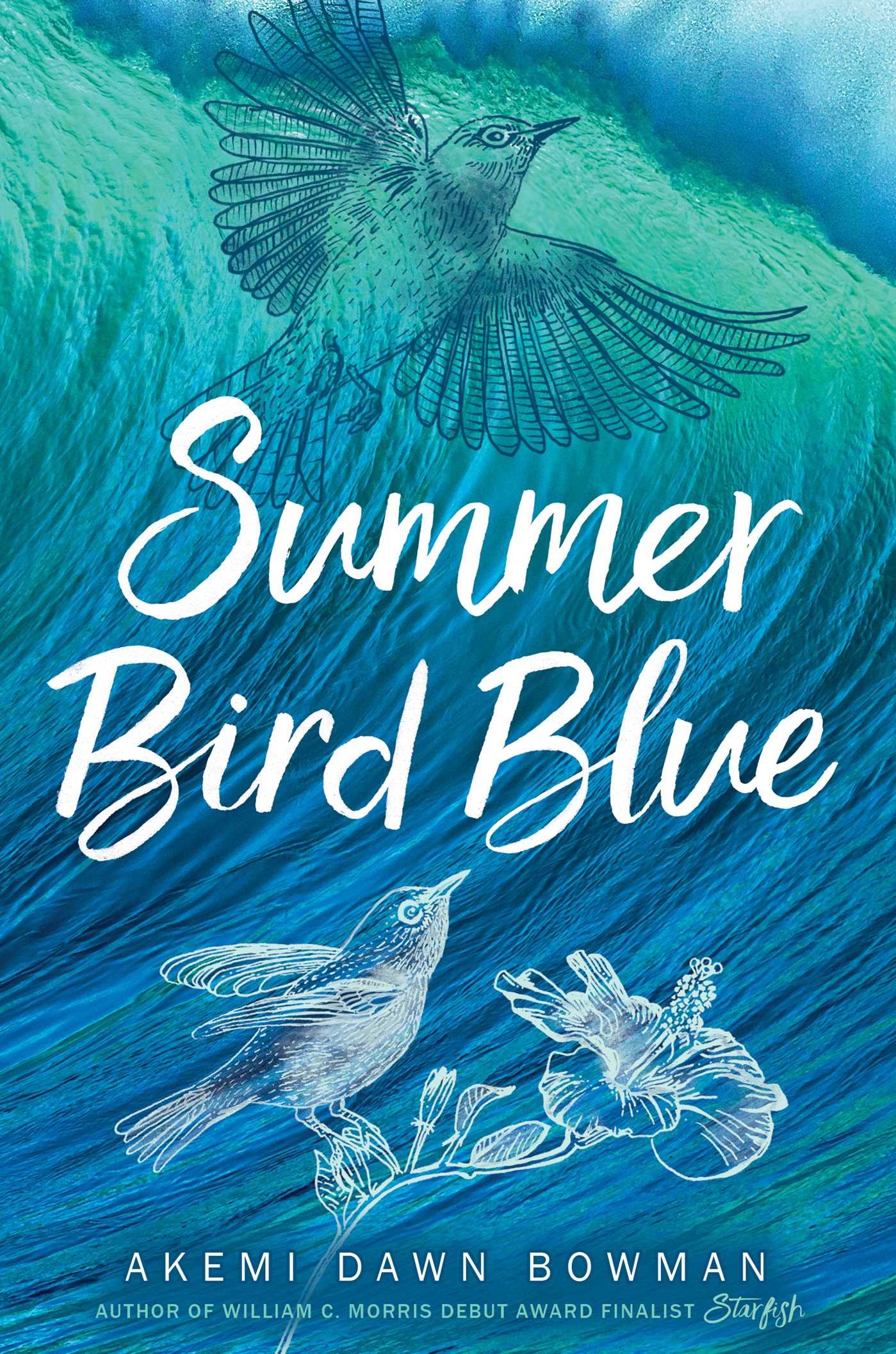
This book was been on my TBR since the dawn of time, added soon after I finished Bowman’s debut, Starfish. I finally got around to picking it up at the library recently, and I’m so glad I did! An immensely powerful portrait of sisterhood, grief, and music.
Music is everything to sisters Rumi and Lea, who write songs together based on spur-of-the-moment wordplay. But when Lea is killed in a car crash, Rumi’s life is upended completely. In a fit of grief, her mother sends her to Hawaii to live with her aunt, hoping that there, she’ll be able to process her emotions.
Instead, Rumi finds herself even more depressed than before, grappling with the absence of Lea and the waning of her creativity. But with the help of a few unexpected neighbors, Rumi begins to realize that her love of music – and the people around her – are the key to overcoming her great loss.
me internally while reading this book
TW/CW: car crash, death, loss of loved one (sibling), panic attacks, near-death experiences (drowning)
GAH.
It’s been years since I read Starfish, but what I remembered most was the powerful gut feeling it stirred up in me. But reading Summer Bird Blue made me realize what a profound talent that Akemi Dawn Bowman has, and it’s proof that sometimes, books don’t just make you feel ordinary emotion. Sometimes they make you feel raw emotion right down to your core.
Fair warning: Summer Bird Blue is one of those books that you should probably be in a good and stable place mentally before reading. I probably couldn’t have read it myself at certain (recent) points in my life, so I’m glad I read it when I did. It’s heavy: it’ll make you hurt, it’ll make you feel low, but that’s exactly what grieving feels like. The best part of this novel may be how Bowman handles grief; it’s something that holds you in its jaws and won’t let go until it’s had its fill of you. Rumi’s struggles with coping with her younger sister’s death felt all too real, from the physical symptoms to the creeping self doubt about relationships with the deceased. It’s unflinching and it doesn’t hold back, but that completes the picture of not just Rumi’s grief, but the grief of so many others.
What also stood out to me was how well-executed Rumi was as a flawed character. Even though she’s lost her sister, you don’t feel 100% sympathetic for her – she’s selfish at time, has a tendency to lash out at those she loves, and is more than a bit lacking in the apologizing department. But having Rumi be a less-than-perfect person is part of what made her and her journey all the more authentic. She feels real, fleshed-out. And her representation is also great – not only is she biracial, but she’s aromantic-asexual as well! I don’t see a whole lot of asexuality represented in YA literature (though I’m steadily seeing it increasing), so it’s great to have characters like Rumi out there.
Rumi’s personal journey was nothing short of beautiful – character development at its finest. She experiments, she makes bad decisions, she tries new things, but ultimately discovers the healing power of creativity. For her, music was intrinsically tied to her sister, but creativity was, along with her newfound relationships, was what brought her out of the darkness. And I think that’s just lovely. We love our passions dearly, but we always underestimate their power to truly save us, and that’s what makes our passions our passions.
All in all, a raw and beautiful exploration of grief and healing 4 stars!
Summer Bird Blue is a standalone, but Akemi Dawn Bowman is also the author of Starfish, Harley in the Sky, and The Infinity Courts; the first two are standalone novels, but The Infinity Courts is a trilogy, with the last two books slated for release in 2022 and 2023, respectively.
Today’s song:
woke up with this song in my head
That’s it for this week’s Book Review Tuesday! Have a wonderful rest of your day, and take care of yourselves!







 The Bookish Mutant