Happy Wednesday, bibliophiles, and happy New Year’s Eve!
I know this is probably the millionth wrap-up post you’ve seen today, but this is mostly in service of my love of bullet points and categorizing and such.
Let’s begin, shall we?
GENERAL THOUGHTS:
New Year’s Eve. It’s the time of the year when your social media is flooded with everybody making neat little wrap-up posts about everything that they achieved and how much fun they had in the past year. Now, I fully acknowledge the irony that I’m doing almost the exact same thing in written form. But with Instagram, I often find myself reluctant to post big end-of-the-year lists or posts like I do on here. With my art account, everybody seems to have stuff all ready for the holidays, but I’m just drawing whatever I see fit, rarely ready with anything festive for Christmas or the new year. All this is to say, it’s good to remember that this is, after all, social media. Even as the year ends, it’s okay to not have everything wrapped up in a neat bow. Social media’s all a sham anyway, so post at your own pace.
Compared to this time last year, when I felt like I’d gotten a proverbial pummeling from 2024, I’m at least grateful that I’m in a better place, even if 2025 was…god, it was certainly a year. And honestly, 2025 pummeled me too. But it was marginally better for me than last year, which is saying something. I’ve learned to take better care of myself. Even though keeping my head above water with everything going on in this country has been—and continues to be—an uphill battle, I feel like I’ve come so much further from the person I was last year. I moved into an apartment, I got another two semesters of good grades, I learned how to knit, and above all, I feel more independent. (I’m saying that in my head like they do in Rudolph the Red-Nosed Reindeer. In-dee-pendent!) Yet I’ve also been beaten down by stress, by school, by tragedy—preeminently a school shooting at my old high school back in September. Above all, it’s been a year of upheaval for me—not just the negative upheaval of the government (because they think that our Constitution is a suggestion, apparently), but a year of so much change. But I’m here. And hell, I’m so proud of myself. Half of the things I listed here (and many that I didn’t) are things that I never imagined myself doing even five years ago. But I’m here. I can ride the bus and make easy conversation sometimes, I know the way there and back to my record store, and I am surrounded by people who I love and who love me back. I am grateful.
Plus, the more important holiday is Ringo’s 4th birthday. Send your birthday wishes, or the birthday boy will bite your feet…
NOVEMBER READING WRAP-UP
In total, I read 174 booksin 2025!
I read 14 books in November! Though my reading count was buttressed by several re-reads and school books (and one unfortunate DNF), I encountered so many lovely books.
I read 13 books in December! Finals put me way behind my usual reading amount for the month, so I thought this would end up being my worst reading month of the year…and then my power went out for four days. I ended up reading two books in a single day, something I haven’t done since I was, what…9? 10? Either way, the power outage, as unfortunate as it was, gave my reading a bit of a boost.
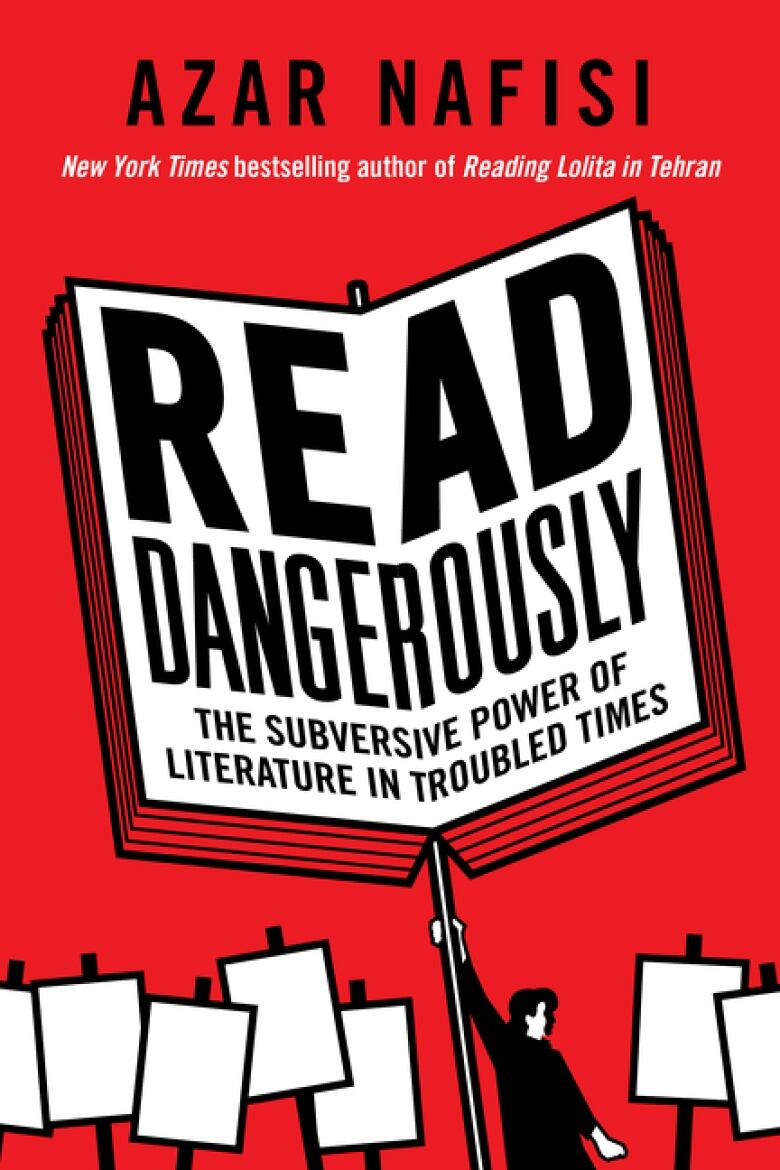
Above all, thank you for everybody here. WordPress isn’t exactly the most popular site anymore, and I’ve considered moving platforms myself. But for the people who are still here, thank you for the likes, the comments, and the kind words. This year would’ve been ten times harder to endure without my family and friends here to support me—it is the privilege of a lifetime to have you all in my life. And to anyone who’s casually read any of my posts, thanks for stopping by. Keep reading dangerously, keep loving each other. Spread love, not fear, and go to your local record store or library or indie bookshop every once in a while. Smile at people. And celebrate this new year however you see fit.
2025 is a year that defies any kind of platitudes for me, but it was a year full of upheaval—good and bad. I’m nearly finished with college, I moved into an apartment, I had my golden birthday…all with the looming specter of fascism overhead. Too many people are concernedly fine with that last bit.
This year, I wanted to make a concerted effort to read more nonfiction. As of now, according to my Storygraph, my ratio of fiction to nonfiction is 88% to 12%, which…yeah, there’s still a pretty obvious bias. But compared to last year, where only 6% of what I read was nonfiction, that’s a significant jump up! 6% more than last year! Yet even still, most of my 5-star reads ended up being nonfiction this year, something that I did not see coming. Granted, not every nonfiction book I read was amazing, but there were some real heavy-hitters this year. Spanning from memoirs to essays on everything from grief, art, and identity, I feel like this nonfiction exemplifies my aim this year: to learn more, but to resist the kind of person that the government wants me to be, and that’s someone who is ignorant. I don’t want to thank the current administration for anything, but I will give them this: their insistence on dumbing down the population has only made me want to learn more.
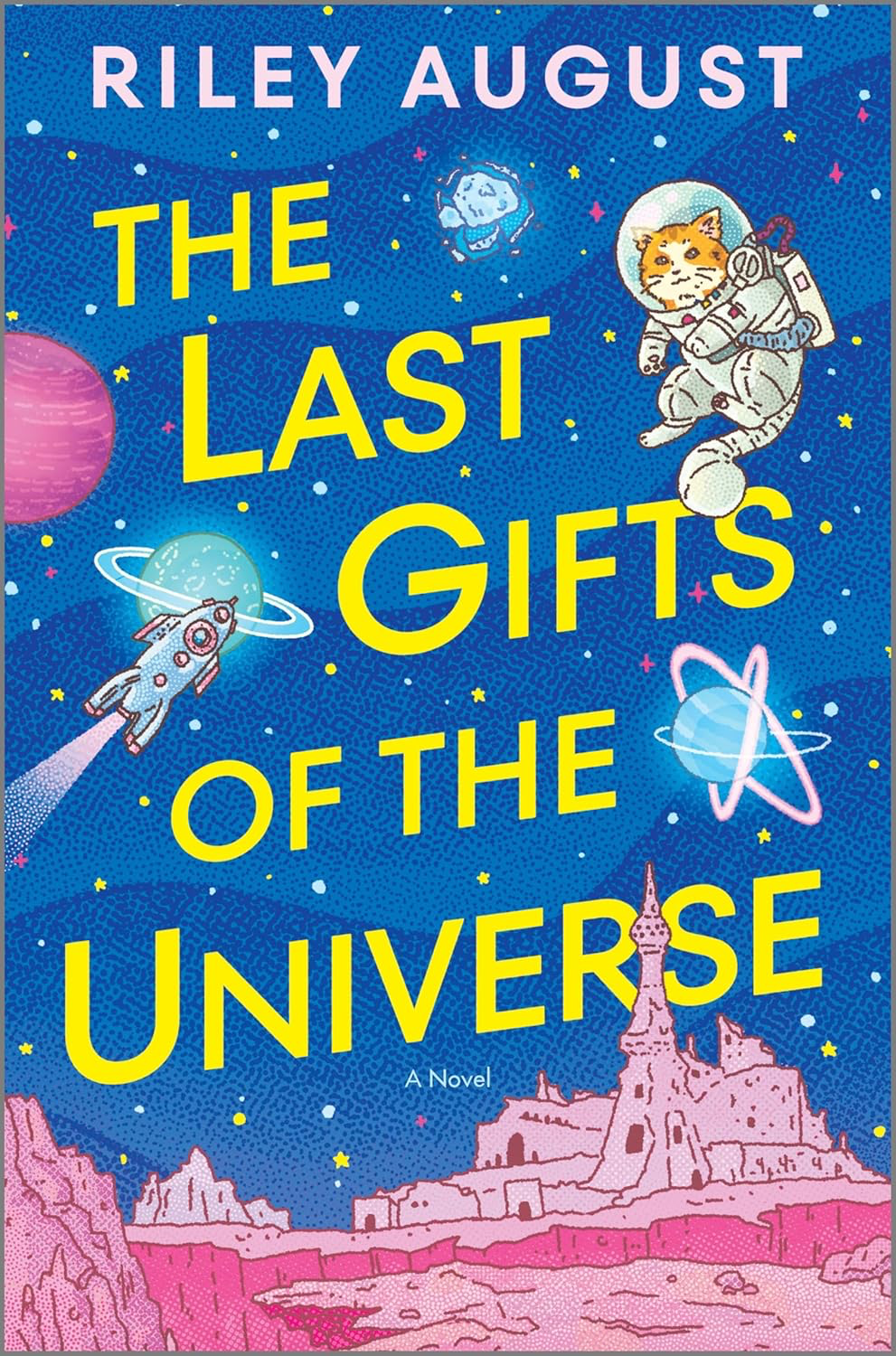
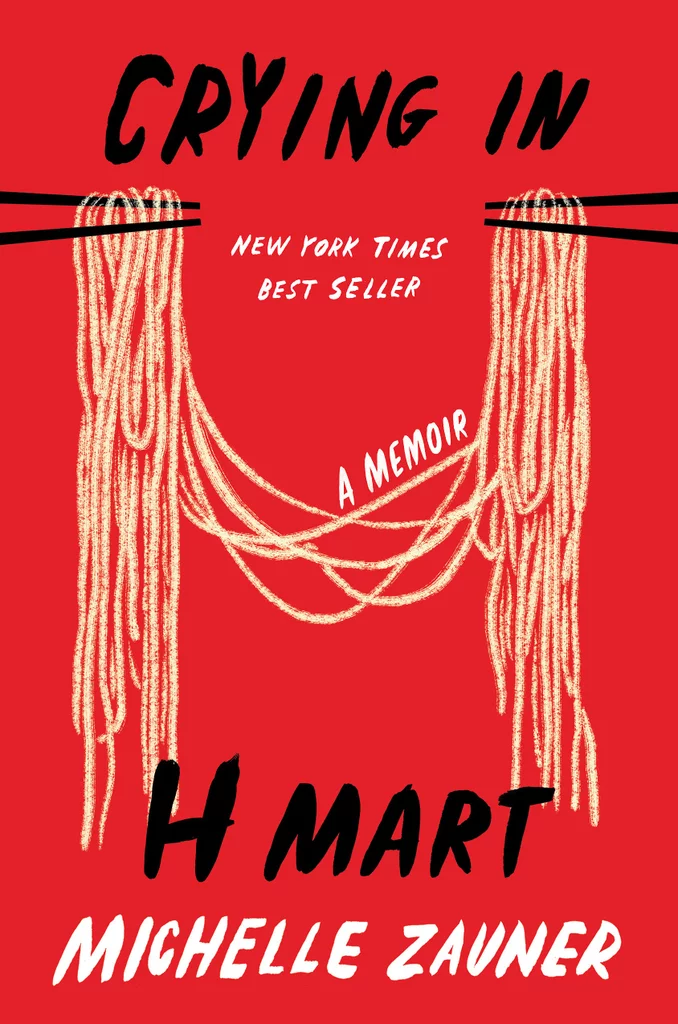
Last year, I talked about how my 5-star reads seem to shrink a little every year; I still maintain that it’s probably for the best, since I’m more selective now than I was before. (Also, it’s bound to be less since I read less and more slowly these days. I’m not blowing through 300 books a year like I was when I was 10 years ago.) And yet I noticed this year that sometimes, I was almost afraid to rate books 5 stars. I found myself second-guessing constantly: did it really move me that much? Was it that good to deserve full marks? Sure, I’ve retrospectively changed ratings of books here and there—it’s bound to happen as we age—but I just need to remember to go with my heart. And what spoke to my heart this year was an oddball bunch—fiction, nonfiction, poetry, and science fiction featuring cats. All of it moved me in some strange way, giving me the liberatory knowledge to move forward and the strength to persist. So here’s to these amazing novels that moved me the most this year.
NOTE: Normally, I don’t include re-reads on my 5-star reads of the year, but in this case I’ll make an exception, since for one of them, I retrospectively changed my rating to 5 stars. There’s nothing like a book that’s even better the second time around.
⭐️⭐️⭐️⭐️⭐️THE BOOKISH MUTANT’S 5-STAR READS OF 2025⭐️⭐️⭐️⭐️⭐️
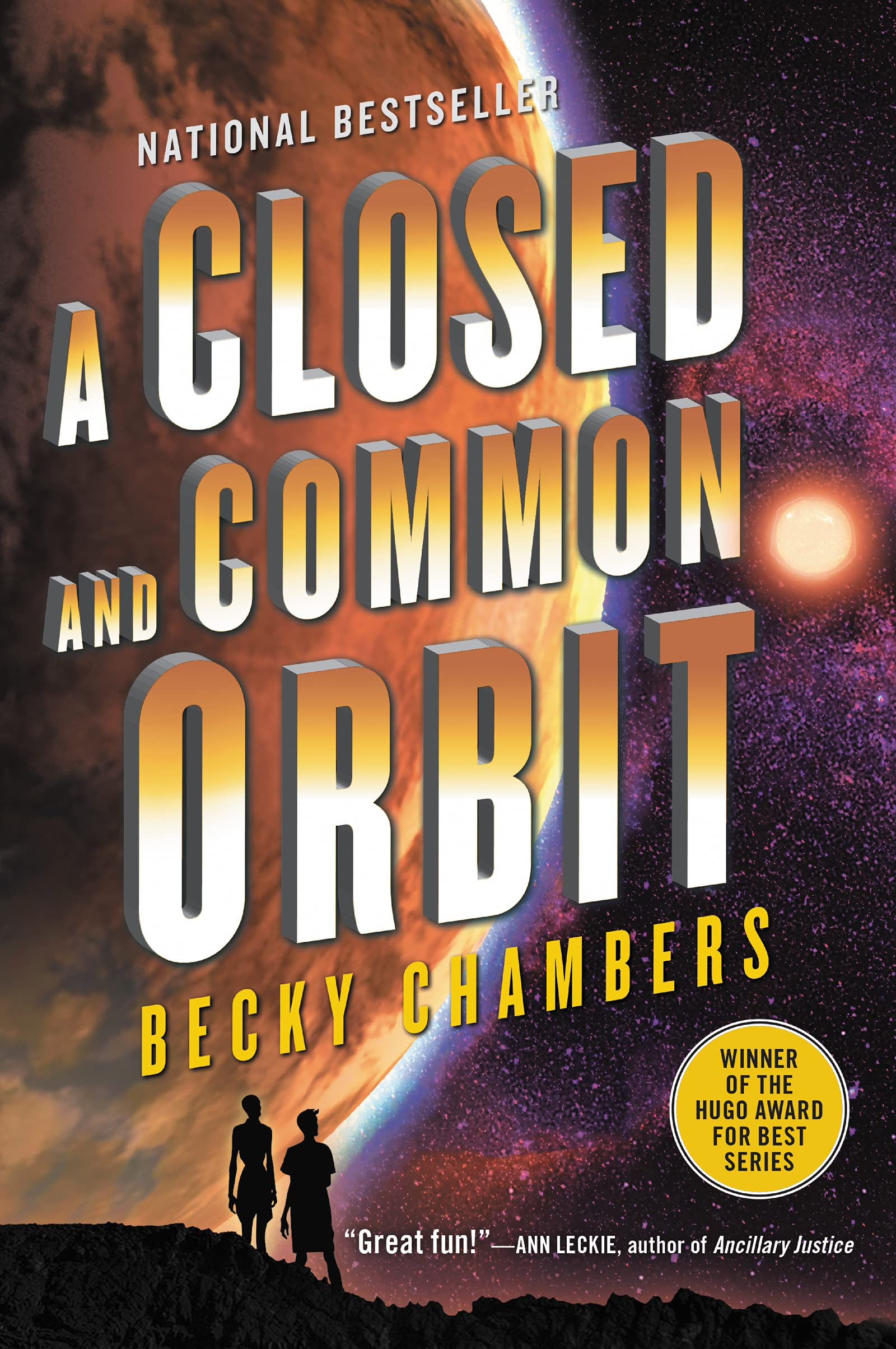
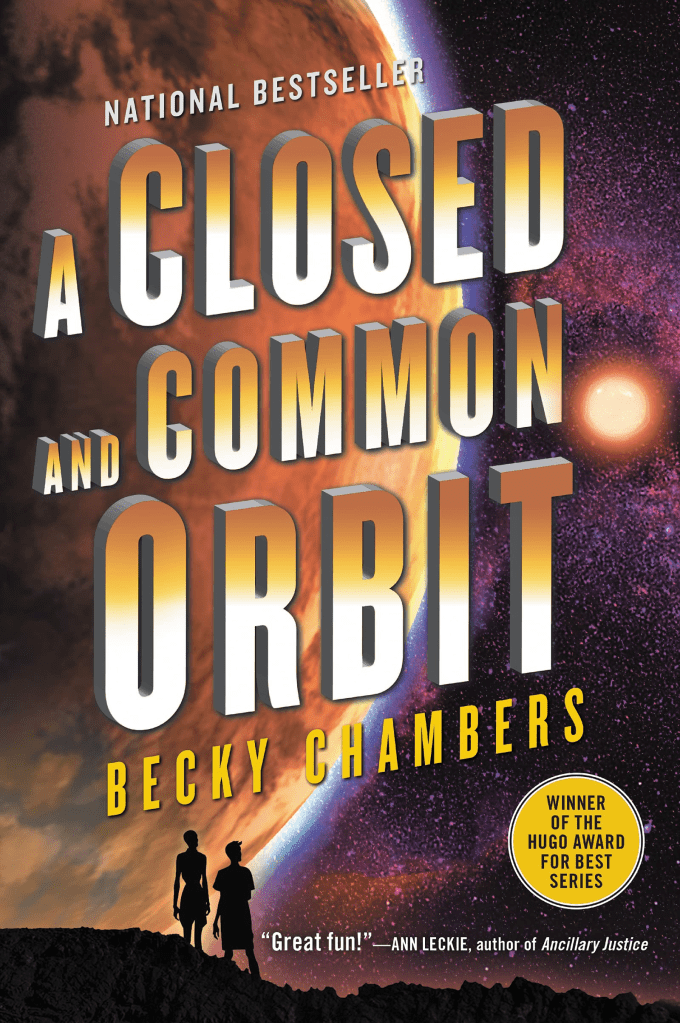
A Closed and Common Orbit (The Wayfarers, #2) – Becky Chambers | back in high school, this was my least favorite of the Wayfarers series, to which I say to my past self…how? Why? I re-read this for my science fiction course that I helped teach this fall (I can now count my professor as one of my Becky Chambers converts), and it touched me so profoundly. What a sensitive and raw depiction of trying to figure out what it means to be a human person when everybody else seems to have it down. (Spoiler alert: they don’t.)
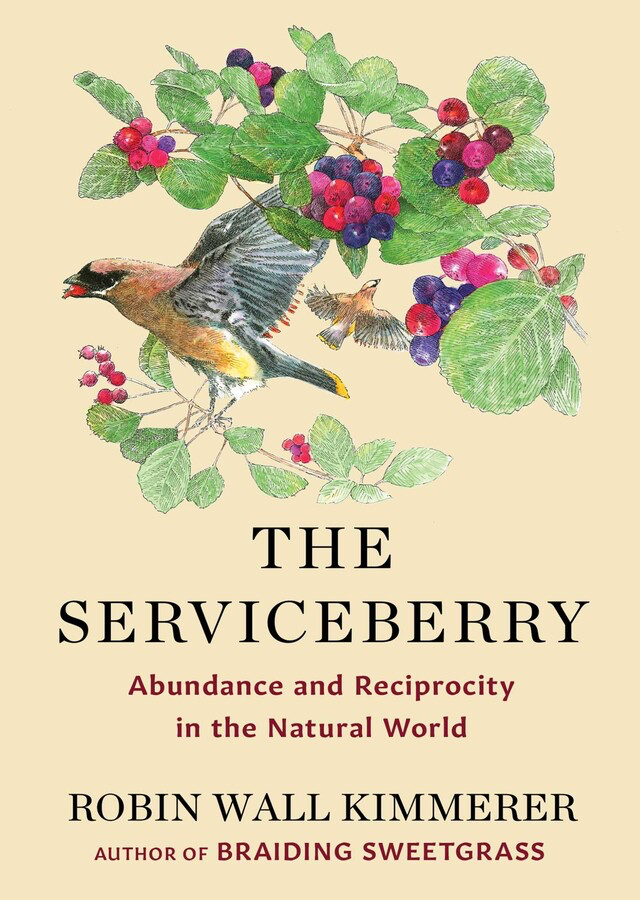
The Serviceberry: Abundance and Reciprocity in the Natural World – Robin Wall Kimmerer | I finally got around to reading most of Robin Wall Kimmerer’s books this year, and this was my favorite. A case against capitalism and a case for a world embedded more with gratitude towards the abundance present in the natural world (despite what oil executives will tell you).
TELL ME WHAT YOU THINK! Have you read any of these books, and if so, did you enjoy them as much as I did? What were your favorite reads of the year? Let me know in the comments!
Today’s song:
That’s it for this wrap-up of books! Have a wonderful rest of your day, and take care of yourselves!
Happy Sunday, bibliophiles! I hope this week has treated you well.
This week: shoutout to the Welsh for carrying alternative music at the moment. Also, I continue to eat up 99% of what Horsegirl does, and Michael Stipe appears in (somewhat) unexpected places.
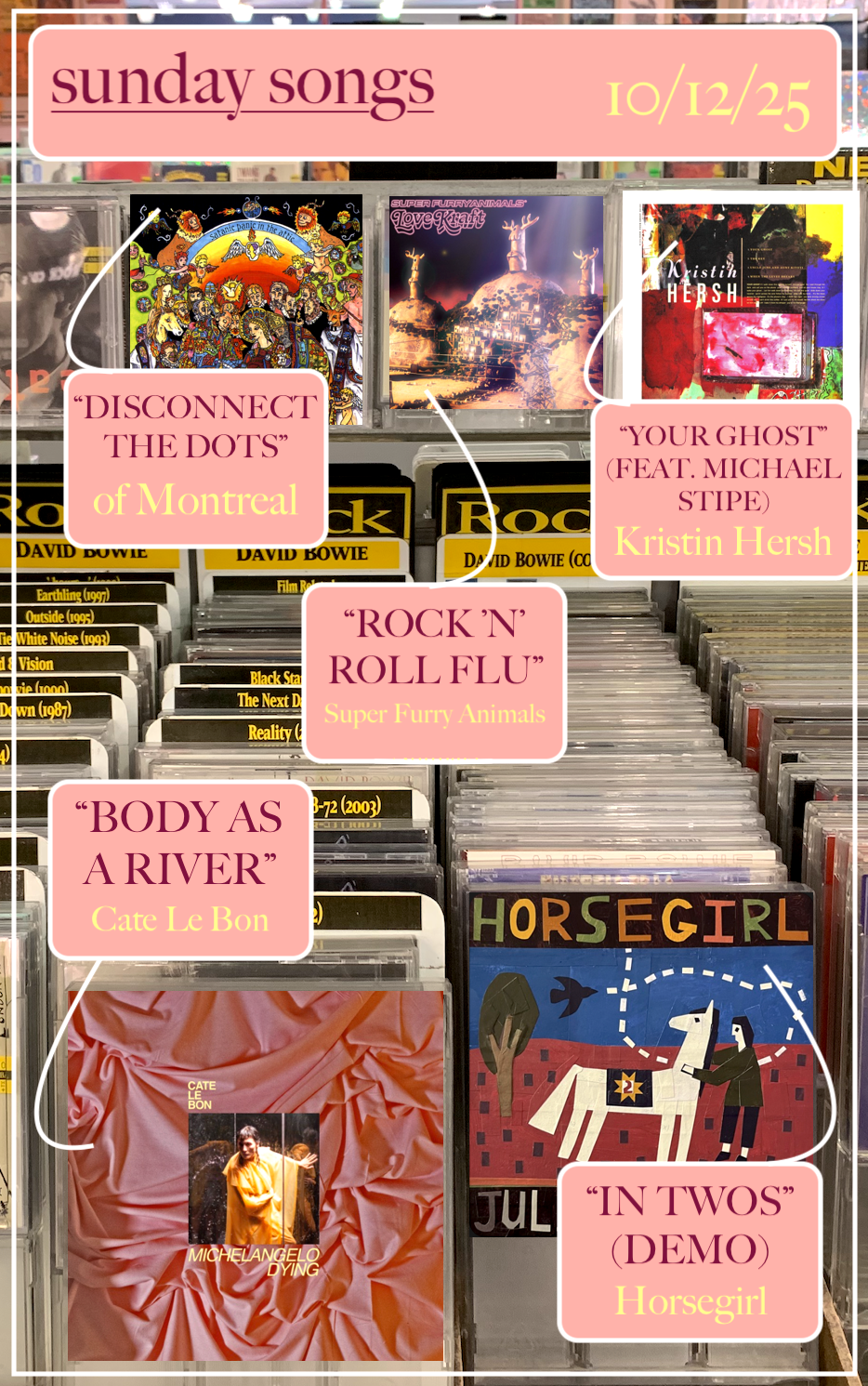
Y’all. MICHELANGELO DYING! It’s a strong contender for my favorite album of the year at this point. I’m trying my best not to listen to it to death, but it’s so hard when this album has hidden sonic surprises every time I go back to it.
Since 2019, Cate Le Bon’s music has felt like an ever-expanding, tactile landscape. Listening to her last three albums feels like running your hands over a model village of an alien world, full of all manner of silken, rubbery textures charting out a world that only Le Bon has access to. Thankfully, she’s chosen to share that world with us, and her musical cartography has made me all the better. Michelangelo Dying in particularly made me feel like I was plunging through a sunlit creek, watching the sunlight dapple through the water onto my skin, watching pebbles, plants, and silvery fish dart through the current alongside me. As she maps out the prognosis of a personal heartbreak, she transforms her knotted mess of pain and grief into a vibrant swath of glistening sound; “Mothers of Riches” bobs up and down like birds vying for a mate, and “Ride,” with the help of John Cale (!!!), meanders into a searing climax and shows off Le Bon’s vocal and emotional range.
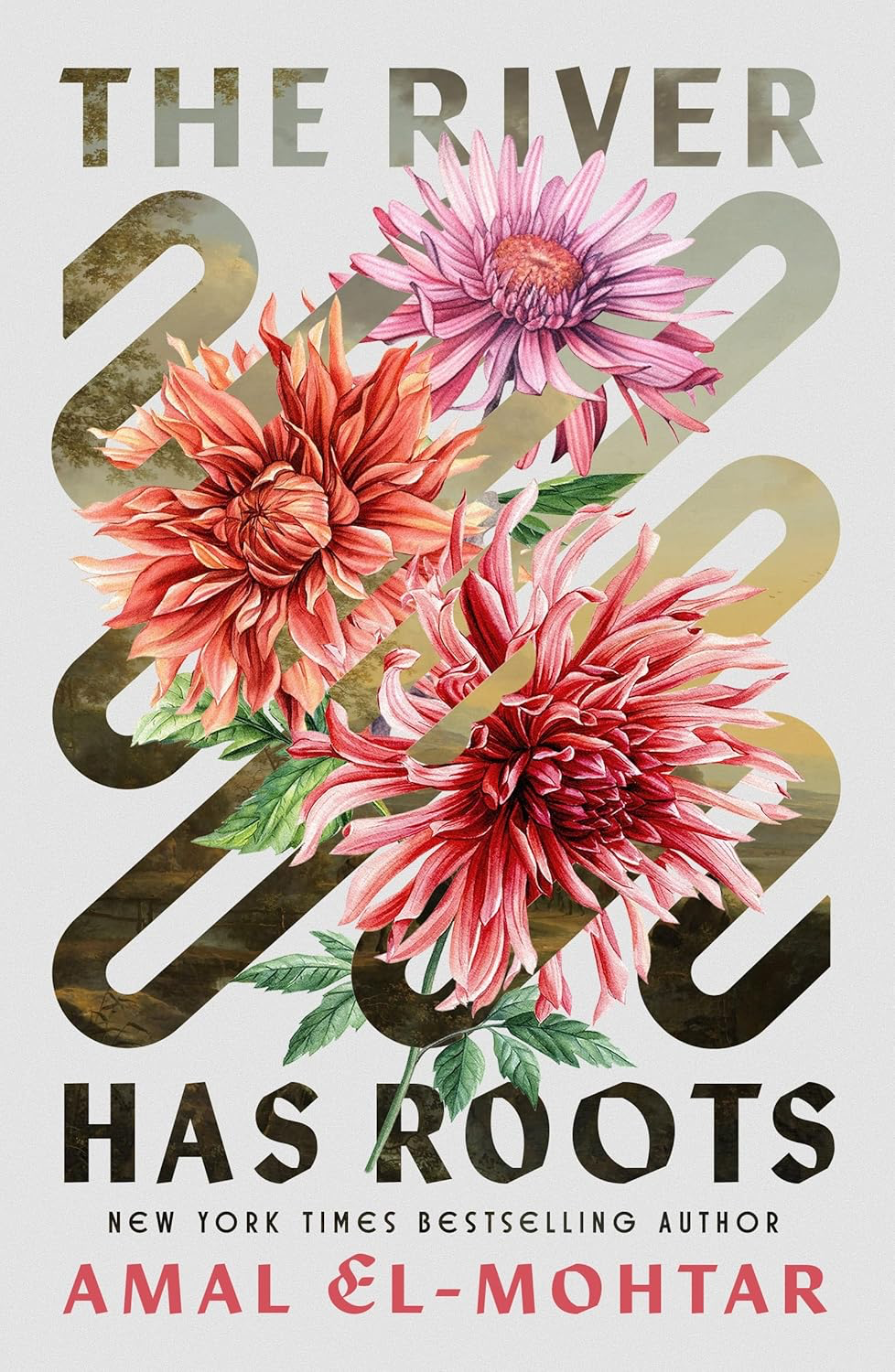
But it’s “Body as a River” that swept me off my feet and into the frigid creek waters—or the river, I guess I should say. Or maybe not: after all, “My body as a river/A river running dry.” There’s only a riverbed to speak of now, for Le Bon, a once rushing energy force now diminished by pain. It’s one of those songs that you instantly surrender to. Awash in thrumming pianos and guitars and saxophones so warped and bubbly that they cease to become instruments, Le Bon drags you along with the proverbial current. You can’t do much other than release yourself to the thrall of the music—and I’m glad to do it time after time. The entire album feels watery, but this feels like this musical concept pushed to its extreme; it all burbles and rushes like a waterfall, Le Bon’s voice layered, echoed, and pulled apart in all directions to linger in the feeling of exhaustion and transience. Her lyricism dwells in the real and the surreal in equal measure: “Do you see her/Falling on the wishing bone/Dripping like a candle?/In the pages lost/I’m holding on to sorrow and lust.” It’s a song that makes me glad to be alive in a time when, if you look hard enough, artsy people are honing their craft beneath the shadow of the mainstream, free to let their unique sound flow free like water. We don’t deserve Cate Le Bon.
Phonetics On & On has had me in a chokehold ever since it came out on Valentine’s Day. Like Cate Le Bon’s new music, it just gives me so much joy that there are so many artists out there making music true to their quirky selves, and music that’s so catchy and creative at that. Somehow, even the demos are almost on the same level as the final products of the album—both versions of “Julie” were worthy, scratchy precursors to one of the album’s most introspective moments.
“In Twos” was a faintly melancholy bridge before the album really got up and started doing the dance from the end of Fantastic Mr. Fox, but it was one of the highlights for me in terms of songwriting. It was already a spectacular track, but somehow, this lo-fi, larval stage of it is almost better than the studio version. Practically, I feel like the lower key would’ve probably been more difficult to sing, but it feels more resonant and more fitting with the lyrics, a gentle, wistful ramble through crowded city streets. The spare instrumentals on the studio version made the melancholy more tangible, but on a personal level, I just love the more garagey sound that this demo has, chock-full of a more restrained version of the sounds of Versions of Modern Performance. Despite the wistfulness, they can never take the jangle away from Horsegirl.
…AND A BOOK TO GO WITH IT:
A Closed and Common Orbit (Wayfarers, #2) – Becky Chambers – “Every car that passes by drives to you/Overlooked by any face just passing through/Your footprints on the street, they walk in twos/Every good thing that I find, I find I lose…”
Isn’t it so wonderful to look back on a musician’s sound to see exactly where the good stuff gestated? “Disconnect the Dots” is already the good stuff in question, but I swear it’s like peeling back a layer of age to see the future of where of Montreal would go in the next four years. I can practically hear an embryonic version of the anxious thrum of “Heimdalsgate Like a Promethean Curse” in the bouncing bass of this track and the ever-so-slightly off kilter, catchy dance music of The Sunlandic Twins. “Disconnect the Dots” comes right as Kevin Barnes had stepped off of the precipice of their potential; the lyrics haven’t gotten as English major delightful yet, but this feels like one of their dance songs, so it doesn’t really need those lyrics quite yet. What it does have, however, is Barnes saying “Come disconnect the dots with me, poppet”—I really should’ve seen “poppet” coming a mile away, but it’s such a quirky little additive to the song that exhibits a weirdness in Barnes that could never be suppressed.
“Rock ‘n’ Roll Flu?” That’s just what happened when I saw Gorillaz and then realized that I’d gotten RSV a few days later…thank you, thank you, I’ll be here all night.
Super Furry Animals have been all but dormant for the better part of a decade, having not released new material since 2016. Separately, most of the band has been active on different projects, but after an agonizing string of teasers that lasted a solid week, Gruff Rhys and co. announced a UK tour and a reissue of their 2005 album Love Kraft. The (extreme) optimist in me is hoping that they’ll do a US tour (and come to Colorado by some miracle), but…listen, I’m glad said super furry animals have emerged from their hibernation, at least for a fleeting moment. Big fan of whatever Super Furry Animal is in this visualizer too.
“Rock ‘n’ Roll Flu,” a joyous, harmony-driven stomper, was a B-Side from the Love Kraft sessions that has just now been released. Though I haven’t listened to any of the album, it’s got some of my favorite qualities of a good Super Furry Animals song. It’s got an absolutely glistening glam sheen to it; it really seems to shimmer like a just-washed car with a handful of water droplets clinging to the surface. With its spacey instrumentals and the seamless harmonies. It’s one of those songs that seems to encapsulate the art that Super Furry Animals surrounds itself with—it’s the exact kind of song to fit in the backdrop of their universe of bold colors and cartoon creatures on rocket ships.
…AND A BOOK TO GO WITH IT:
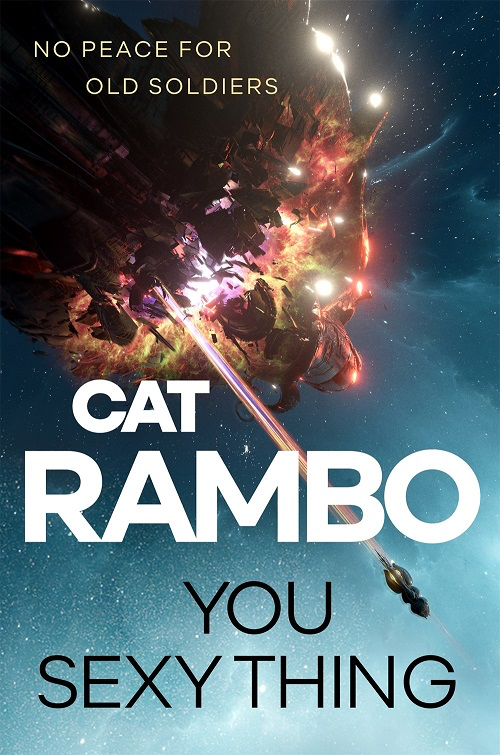
You Sexy Thing – Cat Rambo – the perfect soundtrack to a bonkers yet heartfelt romp through the galaxy with a bunch of chefs.
There’s at least five different sayings about what you can do with three chords in a rock song, but some songs make you instantly understand every one of those sayings. It didn’t even occur to me that “Your Ghost” is comprised of only three main chords until I listened to it more closely. That might be a consequence of the cello in the background making it appear more lush and complicated, but it’d be lush without it. That’s that talent of someone like Kristin Hersh; she weaves a narrative so haunting and compelling that you barely even notice how deceptively simple the composition is.
Conflicting sources about this one have said that it’s either about Hersh’s struggles with schizophrenia as a teenager or grappling with the death of a close friend. Either way, the lonely yearning for something just out of reach resonates in every note. The music video, directed by Katherine Dieckmann, captures that feeling of an early 1900’s house with aging decorations that I associate with a solid handful of Hersh’s songs. This time, it’s cast in a more decaying light as Hersh sings of being mocked by memories and visions: “So I pad through the dark and call you on the phone/Push your old numbers/And let your house ring/Till I wake your ghost.” Her lyricism is nothing short of evocative, and the verbs are really doing the heavy lifting—her “pad[ding] through the dark,” and instead of simply waiting on the other line, she “slide[s] down your receiver/sprint[s] across the wire” as she yearns for someone to answer her. Nothing does, but this ghost, whatever it may represent, drives in circles around her in dreams, almost mockingly, as if taunting her with the reminder of mortality. When I first heard “Your Ghost,” I was floored by the fact that Michael Stipe and Hersh had crossed paths, but in retrospect, I really shouldn’t have been. I guess they did run in similar circles, and if you slicked up the production and added some mandolin, this could’ve been a cut from Green. But he proves a fitting duet partner for Hersh, whose voice echoes through the decaying wooden slats of her decaying house and onto a forlorn wind.
Happy Sunday, bibliophiles! I hope this week has treated you well.
This week: were it not for me yapping about Horsegirl earlier this week, this post would be unfathomably long…sorry. Stick around for my rambling hitting concerning levels the minute I have more free time.
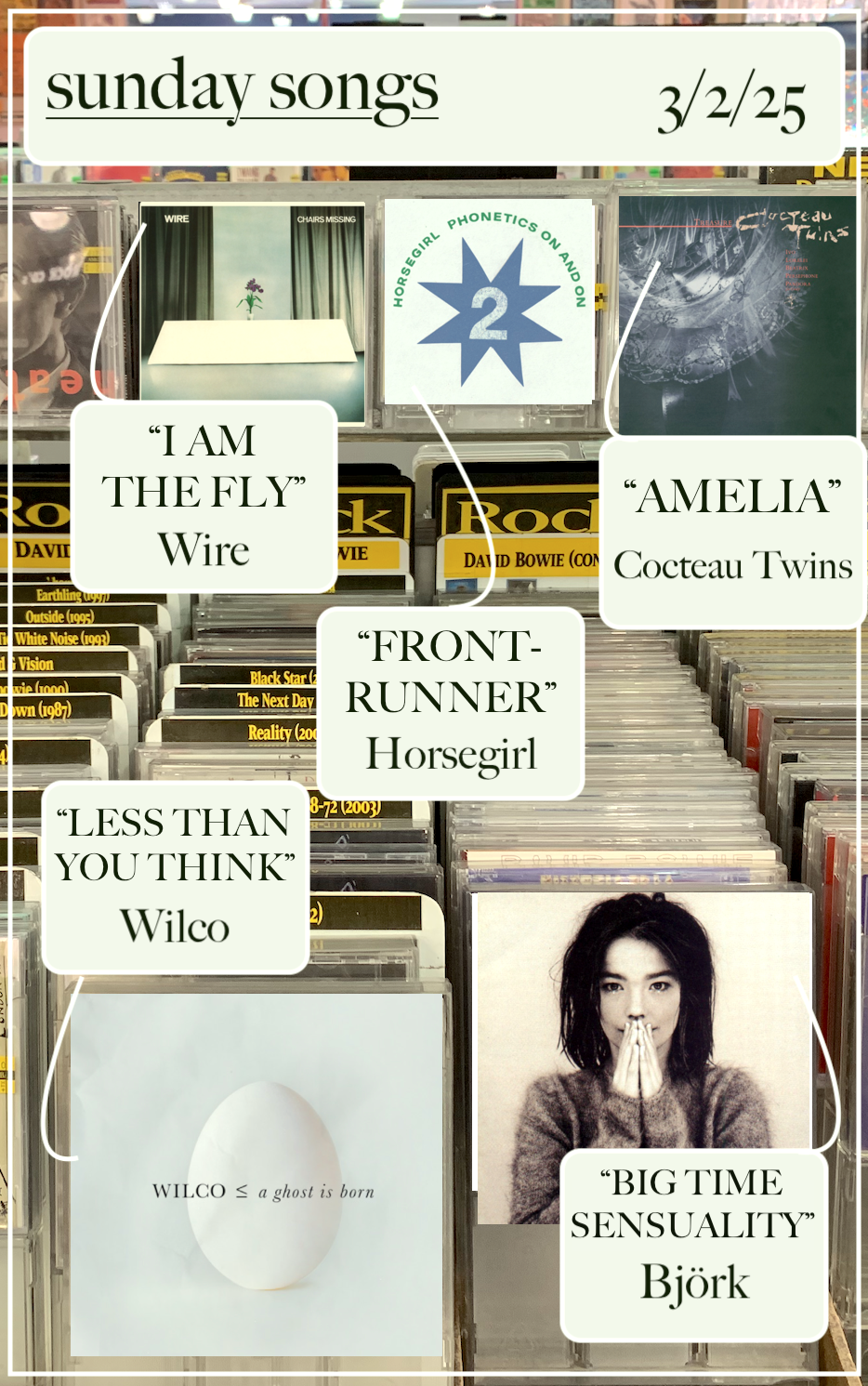
Since A Ghost Is Born got its anniversary reissue a few weeks back, I took the time to listen to the album in its entirety for the first time…surprising, I know! That being said, I’d basically listened to all but two tracks on the album, but I hadn’t gotten to listen to it all the way through in the right order. After a childhood being fed Wilco by my dad about as much as I was fed milk as a baby (both were nourishing and necessary for my development), only two tracks remained: “Wishful Thinking” and this track. It’s songs like “Less Than You Think” that make me remember how much of a poet Jeff Tweedy is. I don’t say that about every singer; in the abstract, music is poetry set to song, but it doesn’t often feel that way. In this case, it’s understandable that the poetry of “Less Than You Think” gets lost in the other masterpieces in Wilco’s catalogue. But it’s not just a case of an underrated track—there’s a reason this one gets lost in the fray so often. For three minutes, it’s any normal Wilco song—one of their sadder ballads, but standard Wilco fare…
…and then you realize that there’s 12 minutes left.
That 12 minutes is entirely composed of a shrill, grating stretch of electronic droning and background noise from the studio. To say that it’s excruciating to listen to, especially with the volume up after listening to the actual song part, is almost an understatement. It’s unpleasant in every sense of the word. Yet that’s precisely the point. Not to be the “🤓☝️ erm ackshually, this nigh-unlistenable 12 minutes of noise has a deep meaning that’s essential to the understanding of the song,” but…it does. It’s unlistenable because it’s meant to be unlistenable—Tweedy and the rest of the band used this song to recreate the experience of having chronic migraines, a condition Tweedy has had all his life, but was exacerbated by his painkiller addiction: “I don’t know why anyone would need to have that expressed to them musically. But it was all I had.” Tweedy put “Less Than You Think” out anyway, knowing that it’d be “the track everyone will hate,” saying that “I know ninety-nine percent of our fans won’t like that song, they’ll say its a ridiculous indulgence. Even I don’t want to listen to it every time I play through the album. But the times I do calm myself down and pay attention to it, I think it’s valuable and moving and cathartic. I wouldn’t have put it on the record if I didn’t think it was great.” And he’s right. Being so experimental with this catharsis brings us so much closer to the experience than words ever could, as much as a master wordsmith as Tweedy is. Catharsis for a pain as profound as this doesn’t have to be listenable or tolerable to be worth putting out into the world—it’s catharsis, after all. Sure, I’ve skipped it every time I’ve listened to it since, but once again…that’s the point. We’re meant to sympathize with Tweedy’s pain, but even he admits that it’s not exactly easy listening. (Some absolutely diabolical individual in the YouTube comments called it “the best song to tee up on the bar jukebox right before you leave…” Satan, is that you?)
But that glorious, incandescent three minutes before you get the worst headache you’ve ever experienced? Deeply moving, in an entirely different way. They got me. They got me good with the sad bastard music. The piano is played with such a heaviness that you can only imagine it being played with lead weights strapped to each finger. Delicate taps of the dulcimer climb up an invisible ladder, each strike coinciding with Tweedy’s repetition of “Lightly tapping/a high-pitched drum.” And for a song that Tweedy knew would be an instant skip for most of his listener, he packed it with some of A Ghost is Born‘s most downright poetic lyrics:
“As your spine starts to shine You shiver at your soul A fist so clear and climbing Punches a hole in the sky So you can see For yourself If you don’t believe me There’s so much less To this than you think…”
Yeah, I pulled a Lisa Hannigan again. I’m tempted to just copy and paste all of the lyrics. Punches a hole in the sky? More like punches a hole in my soul, ow. Though the lyrics toy with the chaos of the universe and the clarity of realizing that maybe everything hasn’tbeen choreographed by a higher power, I can’t help but connect it with Tweedy’s migraines—all the talk of shivering and “Your mind’s a machine” sounds an awful lot how I imagine living with both migraines and addiction must feel: a cycle of dullness and excruciating pain, exposing how much of the brain has been devoted to going through the motions. As for the solemn resignation to atheism, it connects to that experience—it seems pain that immeasurable makes you either seek out or entirely swear off of religion without a happy medium. With or without words, Tweedy conjures a pain he had to exorcise from his person, yet is able to resonate if you’re willing to dig through the earth to find it. Sometimes you have to make art from agony in order to make the burden lighter, whether or not you give it to the world. In any case, Jeff Tweedy makes the pain worth weathering.
…AND A BOOK TO GO WITH IT:
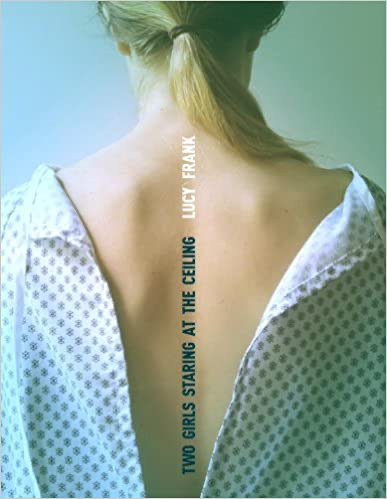
Two Girls Staring at the Ceiling – Lucy Frank – told in sparse verse, these two characters go through a similar pain as they work through chronic pain diagnoses in the same hospital.
Today, on: Madeline listens to Björk’s discography wildly out of order…we’ve come to Debut. It’s another one of those albums that I’d listened to about half of already, but it was just track after track of honed energy and happiness…seriously, this album couldn’t have come at a better time in my life. I think listening to Post about this time last year and Debut now feel aligned with my life in some way. A lot of Björk’s experience at the time was drawn from moving from Iceland to the UK in her late twenties, and being adventurous, putting out her feelers, and embracing the newness of it all, taking everything in (see: “Enjoy”). In some ways, I feel a connection to that kind of exploration. Now that I’ve shed most of the apprehension of freshman year (though definitely not all), I feel like I’m slowly beginning to grow into a new place, a new home, a new environment. I know I’m a little dramatic about that…I’m going to a college that’s less than an hour away from my hometown, so I can’t quite compare. But there came a time when I realized I was living in a whole new place, and I’d barely scratched the surface of everything in it. After the initial crisis, I’ve begun dragging my friends to whatever new place that I can find. Baby steps, but I’m slowly cataloguing new restaurants that I’ve tried. New routes to class. New coffee places on campus, now that Starbucks jumped on the DEI-stripping bandwagon. I’m not throwing myself headfirst into a new city, immersing myself in the early ’90s rave nightlife like Björk did, but I can’t help but connect to that apprehension, that excitement of really knowing you’re somewhere new, physically and emotionally. I’d do well to take it to heart the more I grow up.
“Big Time Sensuality” embodies Björk’s absorption of ’90s house music while in London, and even though it’s far from the weirdest part of her catalogue, you can’t take the weird out of Björk. Even amidst the house beats behind her, you can’t erase the skyrocketing highs and growls that, even for her firs solo effort, were already staples of her vocal style. Despite what the title would have you believe, there’s nothing necessarily sexual about it, yet it retains the ecstasy you’d think it would have. This ecstasy, however, comes from a common theme on Debut: reaching out and taking risks to soak the fullest out of life: “I don’t know my future after this weekend/And I don’t want to.” Its heart is imbued with the rush of friendship, throwing your passion into your music, and independence in a few environment: Björk told David Hemingway that the song’s inspiration came from “[Creating] pretty deep, full-on love relationships with friends…I can be a coward a lot of the time and there comes a moment when I write a song when I get quite brave.” “Big Time Sensuality” throws itself face first into uncharted waters, all with a dimple-stretching grin. Björk’s already diverse vocal range embodies the chorus of “It takes courage to enjoy it/The hardcore and the gentle.” And the music video, directed by Stéphane Sednaoui, embodies that daring joy, with Björk dancing on the back of a truck bed driving through New York City, baring her grin for all to see.
All the cool people like Wire. I’m not saying that to assert that I’m [snaps fingers] hip (that alone proves that I’m really not). It’s more that if you rattle off any creative, clever band from the past three to four decades, they all name Wire as an influence–Sonic Youth, R.E.M., and Soundgarden are just a handful of people touched by their music, and you can hear their genealogy in grunge, hardcore punk, and even Britpop. (Heavy on the Britpop. See Elastica’s “Line Up,” one of several songs that Wire took Elastica to court over claims of plagiarism.) Want proof? How about Wire playing with Jon Spencer and St. Vincent back in 2015? See what I mean? They’re the great uniters. All the cool people like Wire.
For all intents and purposes, Wire left their more punk sound behind with Pink Flag (see “12XU”), trading it for a minimalist, synth-dominated sound on Chairs Missing. To my ear, it sounds like the musical equivalent of brutalism; to the touch, every texture is rough as concrete, but every edge is sanded down to absolute straightness. Graham Lewis’ thick bass dominates the sound, rippled through with guitars, handclaps, and a wall of synth so dense that it becomes more percussion than the actual drums. I can’t help but hear some leftover punk not in the sound, but in the lyrics. Houseflies don’t sound particularly punk at first glance (nor does Graham Lewis’ apparent thing for writing about winged insects on this album)—they’re more for being stepped on by a pair of massive docs than the subject of a song. But yet, this simple animal becomes so deeply punk: “I am the fly in the ointment/I can spread more disease than the fleas/Which nibble away at your window display.” At its core, punk is has always been about disruption, whether that’s in the abrasive quality of the music or grating against the establishment. A fly is a fundamental nuisance, a tiny speck of a creature that, as the song says, spreads disease so easily, ripping up the threads in the fabric of something pristine and perfect. No matter how many swings you take at them with a flyswatter, they always come out, reproducing rapidly…just like disease, and just like resistance. Even with the dry intonation of the lyrics, it reads to me as a deeply proud song, a finger crossed behind the back and a smirk on the face as the time bomb counts down its last second. It’s a promise, and it’s a declaration of purpose: disturbance.
…AND A BOOK TO GO WITH IT:
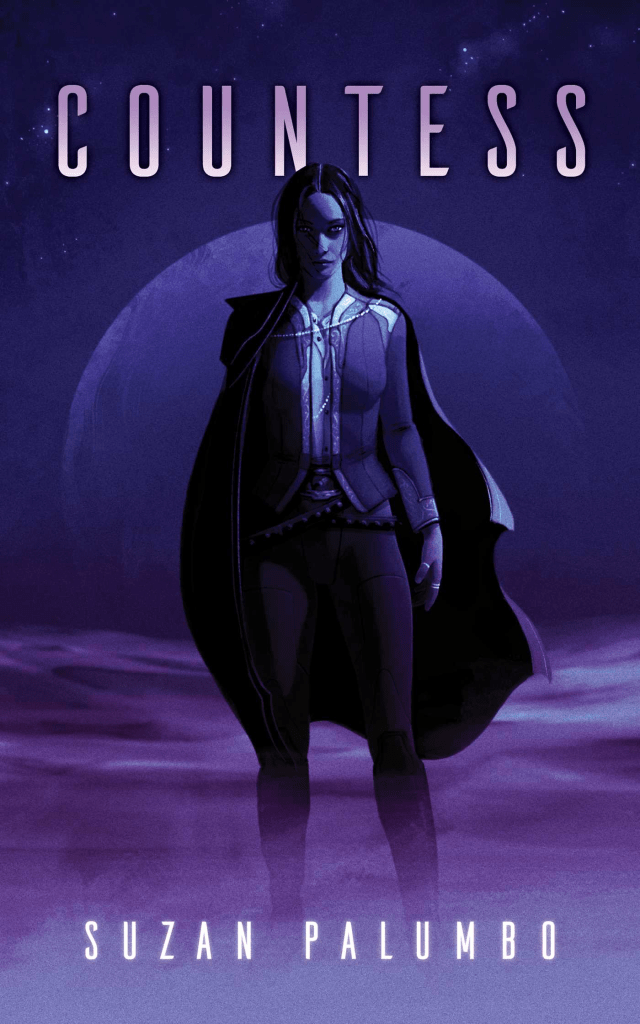
Countess – Suzan Palumbo – “But there’s an air-pellet hole/I can crawl through to you/I am the fly in the ointment/I can spread more disease than the fleas/Which nibble away at your window display…”
How does it feel? How does it feel for those of you with the right names to share a name with a Cocteau Twins track? For all of the Loreleis, Amelias, Beatrixes, Ivos, Carolyns, etc…do you realize how lucky you are?
Out of all of the Cocteau Twins songs I’ve heard, “Amelia” is one that embodies their general qualities the most, taken almost to an extreme. Regardless of whether or not I could hear the lyrics even if they weren’t nonsensical, they’re sunken so deep into the production that they become a kind of fog-like mist. The unmoored, bass-less flow of the track reminds me of something off of Victorialand, a record where bassist Simon Raymonde was notably missing. Liz Fraser’s vocals are as textural as ever, uttering a whole menagerie throat-fluttering bird calls amidst a barrage of gated reverb that descends upon you like the patter of heavy rain on a windshield. Next to some of their other tracks, it feels slightly less cohesive—the intensity of the gated reverb, reverb’d into high heaven as it is, doesn’t completely mesh with the airiness of the vocals or the other instrumentation. Somehow, it’s almost comforting—the Cocteau Twins stand out to me as a band who truly found their niche and stuck to it, digging in their heels to make that niche as unique and them as possible in the most artistic and adventurous way. Weirdly, it comforts me that it took them time to get their rhythm down, and even then, their earlier steps still blow me away. “Amelia” certainly does—the sheer variety of vocal styles that Fraser layers over one another is proof that even on a record that the band famously hated, their nascent talent couldn’t help but shine in its own way.
…AND A BOOK TO GO WITH IT:
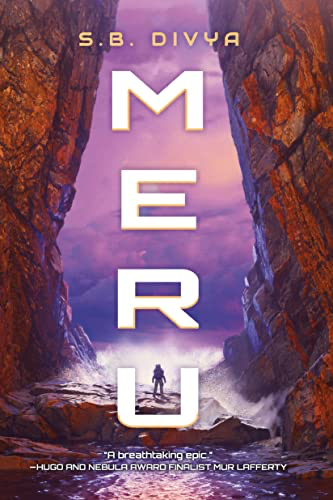
Meru – S.B. Divya – I can only imagine that the experience of being a god-like Alloy and floating in space sounds something like the Cocteau Twins.
Since this post consists entirely of songs, consider all of them to be today’s song.
That’s it for this week’s Sunday Songs! Have a wonderful rest of your day, and take care of yourselves!
Happy Tuesday, bibliophiles! Wow, already the last day of summer for me…I go back to school tomorrow, bright and early…oh, joy. At least I’ll be able to see my friends again.
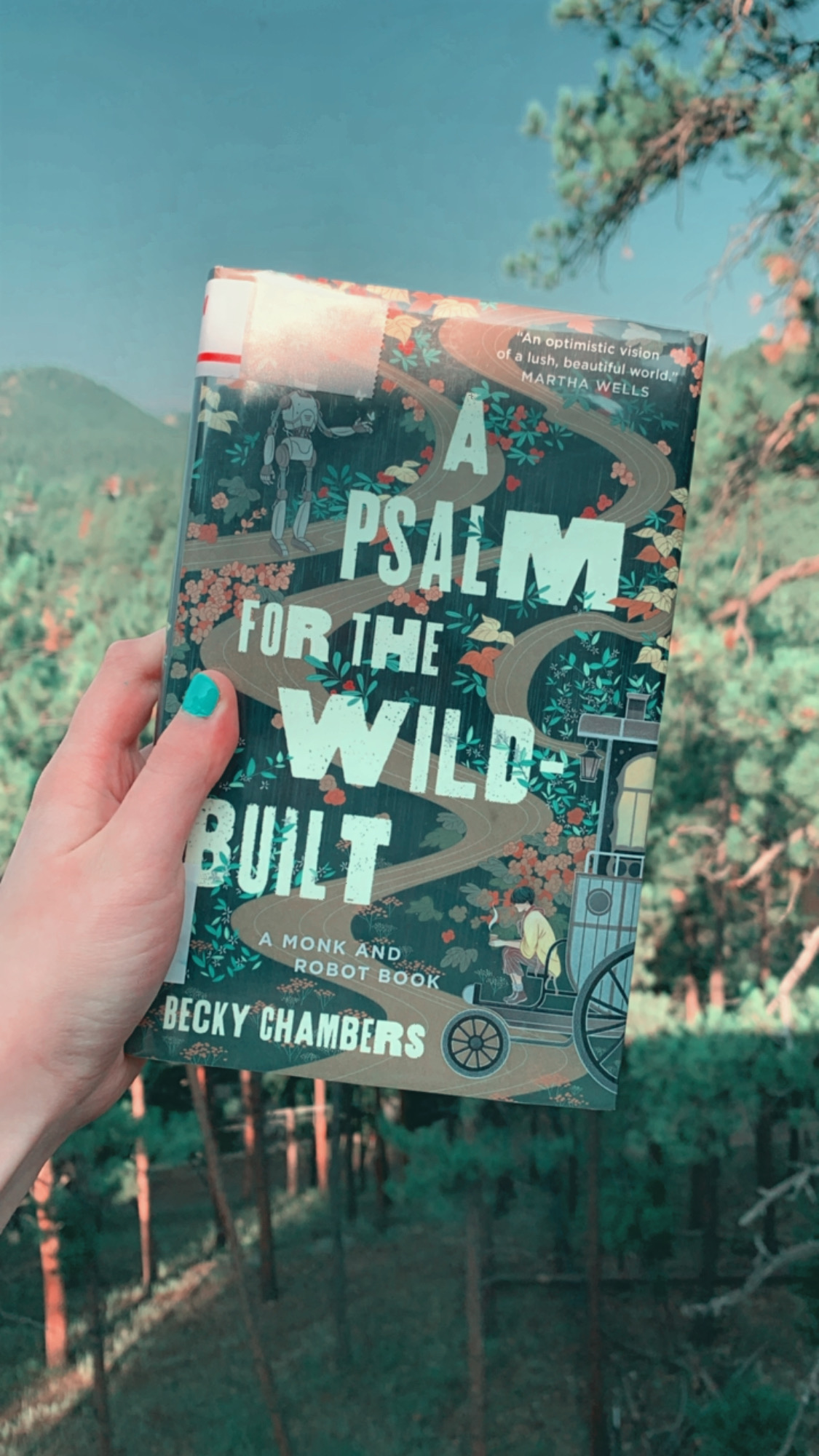
Anyways, here’s one of my library holds from this week that I enjoyed immensely! I found out about it after reading (and loving) the Wayfarers series. I put it on hold and forgot that I had, and it unexpectedly came in the library last week! And I’m so glad that it did – A Psalm for the Wild-Built was just the kind of book I needed: heartwarming, gentle and philosophical.
Sibling Dex is tired of their quiet life as a monk in the city. Insistent on bringing spice into their life, they leave for the rural parts of town to become a tea monk, giving out tea and consolation to those who need it most. But something is still missing, so they take their tea cart into the uncharted woods.
There, they come upon Mosscap, a robot living in the woods who is eager to know about humans and their ways. Robots are the stuff of legends in Sibling Dex’s world; centuries before, they migrated to the woods, never to be seen again, leaving humans to their own devices. Knowing nothing about each other, Dex and Mosscap embark on a journey through uncharted territory, seeking answers – and finding more than they expected.
TW/CW: honestly? I’ve got nothing here, there’s nothing terribly violent, tragic, or graphic in any way here. It’s a gentle book, and honestly? We need more books like this
Okay, this book had no right to be JUST WHAT I NEEDED. I’d already fallen in love with Becky Chambers’ penchant for making sci-fi tender and human in the Wayfarers series, but A Psalm for the Wild-Built was truly the book equivalent of a warm hug.
Everything about this book made me all soft and warm inside. Chambers’ writing made for a beautiful, atmospheric world, filled with lush plant life, factories grown over with vines, and quirky robots wandering the woods. My mind tended to wander back to the Redwoods and Sequoias while picturing the setting – lots of tall trees, bright greenery, and all sorts of little creatures in every nook and cranny. The worldbuilding was spectacular – I was instantly immersed in the world of Dex and Mosscap, and the fact that it was all squeezed into less than 200 pages was even more impressive. It truly felt like a lived-in world, one that I wouldn’t hesitate to grab a tea cart and take a ride through the woods in.
And the characters? I now have an aggressive need to give both Mosscap and Dex hugs. Sibling Dex’s struggles with dissatisfaction and restlessness were all too relatable, and I loved their journey over the course of the novel. And Mosscap? Mosscap was just all kinds of delightful. From the cover, I pictured a shrunk-down sort of Iron Giant with the voice of C3-PO for it. It was such a cheery, eager, and curious character, and it was the perfect match for Dex’s more introspective tendencies. They made the sweetest pair, and I loved exploring Becky Chambers’ world with them.
Through it all, there’s consistent themes of dealing with dissatisfaction and the meaning of life itself. Like I said – A Psalm for the Wild-Built me told me exactly what I needed to hear, and that is that any time you feel dissatisfied, think of how miraculous life itself is – the existence of the universe and consciousness is such a marvel, why not treat it that way? Which, in a world where we’re all fed up and cagey from staying home and living out day after day in constant repetition, is a crucial message for us. I’ll be doing my best to take it to heart.
All in all, easily the sweetest sci-fi/fantasy novel I’ve ever read, equal parts journeying into the unknown and musing on the nature of life itself. 4.5 stars!
A Psalm for the Wild-Built is the first novel in Becky Chambers’ Monk & Robot series, continuing with the forthcoming A Prayer for the Crown-Shy, slated for release in 2022. Chambers is also the author of the Wayfarers series (The Long Way to a Small, Angry Planet, A Closed and Common Orbit, Record of a Spaceborn Few, and The Galaxy, and the Ground Within) and the novella To Be Taught, If Fortunate.
Today’s song:
UGH THE GUITAR IN THIS SONG…this album is magic
That’s it for this week’s Book Review Tuesday! Have a wonderful rest of your day, and take care of yourselves!
I refuse to believe that it’s almost April…one year since the original quarantine, nope…
GENERAL THOUGHTS
March has been…an interesting month, I guess. Definitely had its ups and downs, and it was super cold. It’s usually a really snowy month here in Colorado, and we got dumped on in the middle of the month…not quite the #Snowmageddon that everybody was saying it was going to be, but we got about two feet at my house. A lot, but we’ve had worse…
School’s been a bit rough, but I’m at least glad that everything had time to wind down before Spring Break. I have my SAT test coming up in April and my AP exams in May, so heads up, I’ll probably be less active in the next two months.
Other than that, I’ve definitely made some great progress! Mostly with my writing; I wrote my short story for the writing contest, shared it with family and close friends, got some feedback, AND I SUBMITTED IT ON MONDAY! AAAAAAAAAAAH
I also started on Falcon & The Winter Soldier (I didn’t like episode 1 very much, but 2 got better), watched the Snyder Cut, and drank lots of tea and hot chocolate. Here’s hoping that April will be a bit better. Not that March was awful, but I could’ve done without…y’know, precalc. I’ve been listening to the new Julien Baker a lot too, as well as more Mother Mother, thanks to a playlist my friend made for me.
Also, I rewatched Fargo in its entirety. I’ll admit to curling into the fetal position and sobbing several times.
[aggressive tissue-blowing intensifies]
And I’m SO CLOSE to 400 followers! I LOVE YOU ALL 🥺
READINGAND BLOGGING:
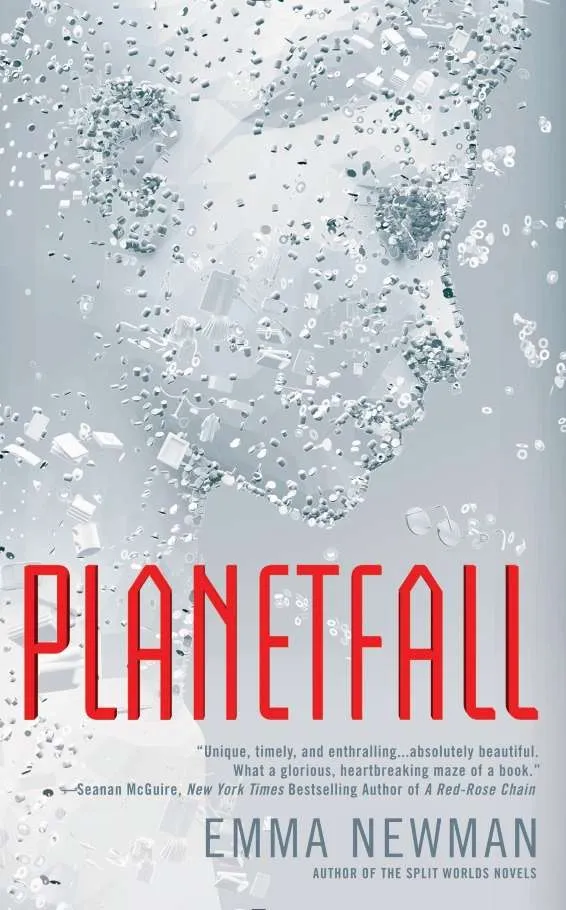
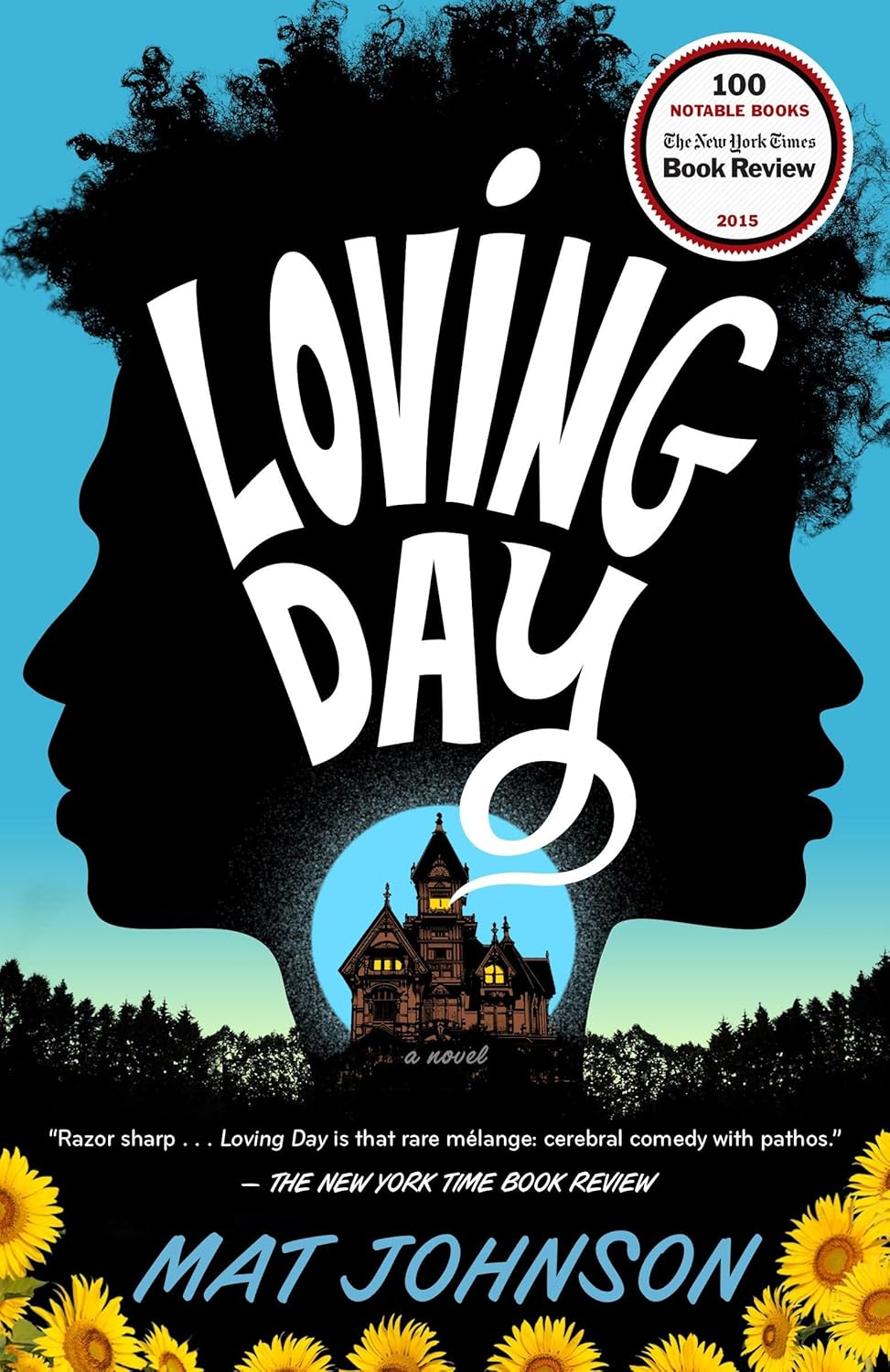
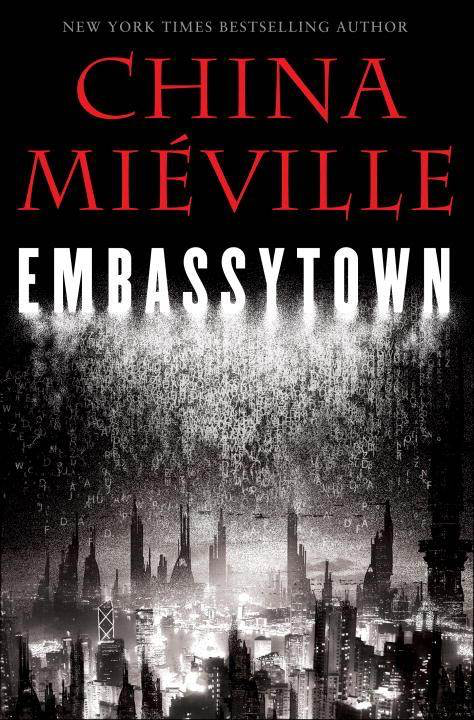
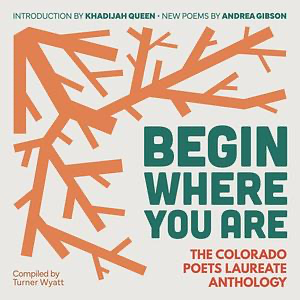
I managed to read 23 books this month! (24, if you count reading a certain B.P.R.D. twice.) I’ve definitely had a great reading month; I re-read a few favorites, and I discovered several awesome reads! And I had very few books that I didn’t like, so that’s a plus. Here’s everything…









 The Bookish Mutant