Posted in Book Review Tuesday

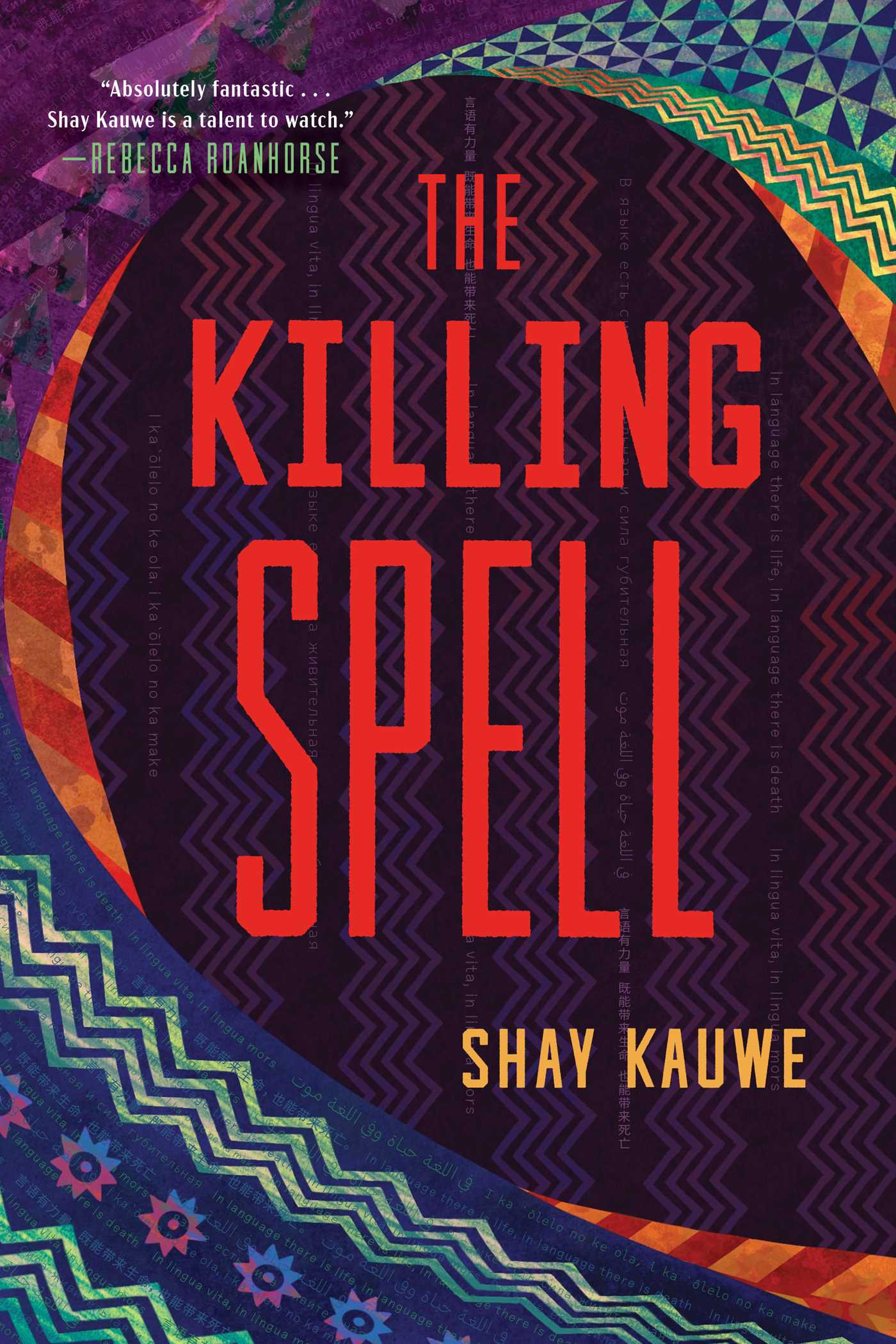
Book Review Tuesday (5/26/26) – The Killing Spell

Happy Tuesday, bibliophiles!

As I’ve been doing my AAPI books focus during AAPI Heritage Month over the years, I noticed that I’ve unintentionally neglected the PI part of the acronym, which is a real shame. Unfortunately, as with a lot of marginalized groups, it’s difficult to find books—especially genre fiction—by marginalized authors; in fact, The Killing Spell is billed as the first traditionally published adult fantasy by a Native Hawaiian author, which…insert the “disappointed, but not surprised” meme. It took until 2026 for this to happen? Christ.

Anyways, I was intrigued by that, and by the urban fantasy premise. In the end, The Killing Spell was a fun and ambitious fantasy debut.

Enjoy this week’s review!

The Killing Spell – Shay Kauwe

200 years ago, a flood of unforeseen proportions changed the world forever. The Hawaiian Islands were submerged in the ocean, and the survivors found refuge on the coast of California. Kea Petrova lives in this Hawaiian Homestead in what remains of Los Angeles, honing her language-based magic. Discriminated against by the powers that be—both because of her heritage and her magic—she tries to keep her head down. But when a powerful politician is murdered by a killing spell connected to the Hawaiian language, Kea has a target on her back. Desperate to prove her innocence, she teams up with a corrupt politician to clear her name. But what they’ll uncover may shake the magical world of L.A. to its very foundations…

TW/CW: murder, violence, sexual harassment, racism, colonialism/imperialism themes

The Killing Spell is a great debut, but what stands out about it is that I can just feel how much fun Shay Kauwe had while writing it. Though it wasn’t without its flaws, I could feel that same sense of fun and adventure on every page of this novel. I guarantee that you’ll have a blast reading it!

The characters in The Killing Spell are also a standout for sure. Kea was such a compelling main character; she has that perfect combination of being flawed enough to seem real but likable enough to root for. She’s headstrong and stubborn more often than not (to be fair, it’s justified half the time), but she’s so determined and witty that it almost makes up for it. She had the perfect combination of traits to make all of her adventures instantly worth following. The other characters were differing degrees of fun and campy, which suited the classic murder mystery atmosphere. The only character that I didn’t like as much was Sora. He was a little too cliched for my liking, and as much as I love a good enemies-to-lovers arc, Kea and Sora lacked romantic chemistry to me. The romance subplot was just forced in general—thinking back to the story as a whole, it really didn’t enhance anything about it. But he’s the exception to the rule—Shay Kauwe’s characters were a joy to follow.

Despite The Killing Spell being set 200 years in the future, it checked off all of the boxes for a fun murder mystery. I think I just like genre fiction-mystery/thriller melds in general—they just present so many fun opportunities to use worldbuilding to make a compelling world and explain the structures of it by showing you what it means for things to go wrong. There’s so much here for the diehard fantasy fans, but I think if you’re a mystery reader who wants to get into fantasy, you should absolutely pick up The Killing Spell. The setting is modern enough for a lot of the classic murder mystery beats to happen, and with the right balance of seriousness and camp; you’ve got your mysterious poisonings, unlikely detective teams, and seducing people for clues in a dance hall, all wrapped up in a futuristic fantasy package. What was clear to me was that The Killing Spell was Kauwe’s love letter to both genres, and that passion was evident with every successive page.

Language-based magic was already a fascinating magic system for Shay Kauwe to explore, but it bolsters the novel’s themes, which were one of The Killing Spell‘s biggest strengths. Many of the characters (most prominently Kea) are Native Hawaiian, and there is so much discussion about sovereignty and land ownership, as well as the preservation of Indigenous cultures. But I think the language magic and the discussions of the “legitimacy” of languages was the strongest theme in the novel. Through this magic system, Kauwe starts some very cogent discussions about what languages that people and governments deems “important” in its often Eurocentric view, and the bias against languages that don’t have as many speakers; there’s also lots of very potent discussions about cultural pride and how it can be an act of resistance when the dominant, hegemonic cultures are bent on deeming it “lesser.” Kauwe’s pride in Native Hawaiian culture shone through in The Killing Spell, and from an outside perspective, I think these kinds of perspectives are so vital to fantasy as a genre.

Most of the elements above would’ve added up to a solid four stars for me. I had some minor nitpicks, but most of them aren’t very relevant. What is relevant, however, is the worldbuilding, which left a lot to be desired. Aside from the language-based magic, which was well-thought out and thematically strong, the worldbuilding got messy. The whole impetus for the emergence of magic was this cataclysmic flood, which somehow released this language magic into the world. How this happened just…isn’t explained. At all. There was a flood, the Hawaiian Islands sunk, and…magic appeared? I guess? And The Killing Spell happens 200 years after said flood. You’d think that there would be some sort of major societal change, right? Other than the vague system of magical mobs that rule L.A., we get no explanation as to how the world reorganized itself or how magic changed society at large. This is supposed to be 200 years in the future, but nothing would’ve changed if this was just an urban fantasy set today. Other than the Hawaiian Homestead plot, we don’t get any real consequences of how the world changed after the flood. And locations outside of America get mentioned, but what the hell happened to them? Come to think of it, what’s going on in America outside of L.A.? Ultimately, the foundation was there, but Kauwe didn’t expand on it nearly enough for the worldbuilding to actually hold water.

All in all, an action-packed debut rife with magic, mystery, and intrigue. 3.75 stars!

The Killing Spell is Shay Kauwe’s debut novel, and a standalone.

Today’s song:

ANOTHER BANGER CATE LE BON ALBUM IN THE BOOKS! cyrk is excellent, and this song makes me emotional out of nowhere…

That’s it for this week’s Book Review Tuesday! Have a wonderful rest of your day, and take care of yourselves!

Posted in Book Review Tuesday

Book Review Tuesday (5/12/26) – Interstellar Megachef

Happy Tuesday, bibliophiles!

It’s funny that I should be reading/reviewing Interstellar Megachef when I am, because just a week ago, I was talking to my older brother about how you sometimes have to wade through the most cornball book covers and titles known to man to find good cozy fiction sometimes. Different strokes, I guess, but oh my God, this book cover is painfully corny. (And mismarketed, but I’ll talk more about that). But ultimately, it was mostly worth the gambit: although it had some structural issues, it was a solid novel about food, love, and immigration…in space, of course.

Enjoy this week’s review!

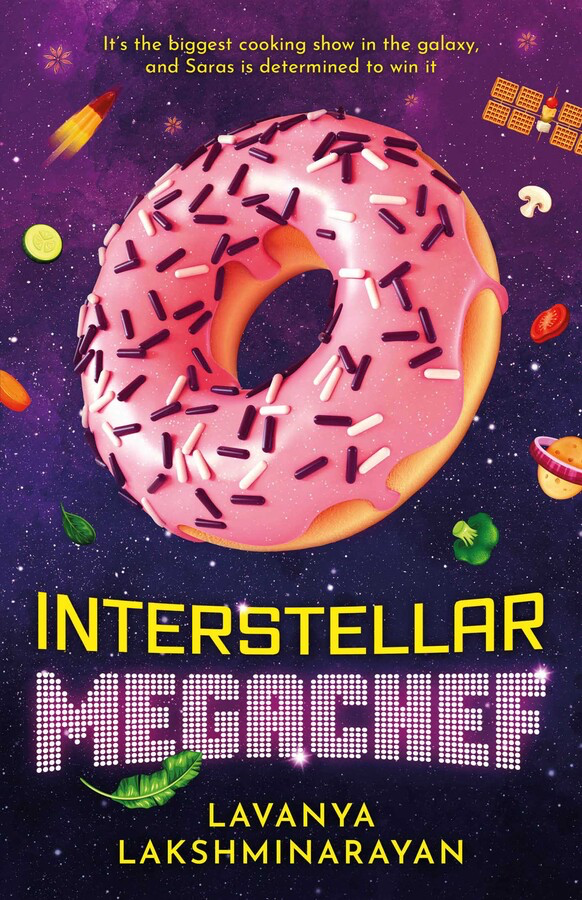
Interstellar Megachef – Lavanya Lakshminarayan

Saraswati Kaveri is determined to prove herself. After running away from her family on Earth, she upends her life to immigrate to the famed planet Primus—and earn a spot on its most popular cooking show, Interstellar Megachef. It’s not an easy feat, especially when the humans of Primus are deeply prejudiced against Earthlings, who they see as backwards and violent. But when Saras’s plans go awry, she has a chance encounter with Serenity Ko, a disgraced tech developer who might have just the solution for her to redeem herself—and her cooking.

TW/CW: xenophobia/racism, racial slurs (fictional), substance abuse

First off: Interstellar Megachef is mismarketed. Cornball cover art aside, the Interstellar Megachef aspect of the book is fairly understated. This isn’t a spoiler, but Saras gets disqualified in the first episode of the show—and this happens about a quarter into the novel. (However, Interstellar Megachef comes back as a plot point, so it’s not entirely absent from the plot afterwards.) So I’m assuming that it was marketing reasons that gave this novel its title and tagline. So fair warning, if you’re expecting the entire novel to be food-centric, I’d suggest that you dial back your expectations.

Where Interstellar Megachef succeeds is its powerful commentary on the experience of being an immigrant. To me, good cozy sci-fi succeeds when it retains the low stakes, but doesn’t hold back on discussing whatever issues it seeks to tackle; Lakshminarayan does this to great success. Saras’s experiences as an Earthling immigrant to Primus were a biting indictment of how we treat immigrants, from the outright racism and xenophobia to the more subtle micro-aggressions that they’re taught to simply put up with. The labor that Saras has to do just to be marginally accepted by her Primian peers was poignant, and it spoke to the limits of “acceptance” that mainstream society often has for immigrants: she’s only valuable to them if she’s able to serve a purpose to them. But Saras’s commitment to going against the grain and staying true to her culture gave this novel a poignant, beating heart that propelled its narrative skyward.

Interstellar Megachef also boasts a particularly vibrant sci-fi world. Of course, there are elements that didn’t quite make me suspend my disbelief; I couldn’t quite believe that Earthling humans were more discriminated against than the nigh-incomprehensible mecha tentacle aliens, but that was necessary to the plot, so I get why that was a thing. (Also, the Primian naming convention of every adult being named after the Nine Virtues was okay in concept, but confusing logistically, when you have at least four characters with the same first name per virtue.) Lakshminarayan’s descriptions of this futuristic world were so bright and lived-in, and I truly felt immersed into this neon, intergalactic future for humanity. The aliens were fun, but I feel like their role in society was underutilized, especially when the themes of prejudice and marginalization are concerned. That being said, Lakshminarayan often delivered this worldbuilding in portions that went on for three paragraphs in some cases, which unceremoniously took away from the main narrative. All of the detail and hard work was there, but integrating smoothly into the narrative was a different story, unfortunately.

However, my biggest issue with Interstellar Megachef was the pacing. I’m used to some slowness when it’s cozy sci-fi that we’re talking about, but there were some parts of the novel that seriously dragged. We take so many detours into characters that aren’t central to the main plot, and they don’t serve much of a purpose—they did almost nothing to enrich the plot or the characters. They just seemed like vehicles for Lakshminarayan to do some even more unwieldy exposition for the world (like the three-paragraph-long dumps weren’t enough…). And it’s not as though the book was too short to cut some parts—my paperback edition is around 450 pages. Did we need a whole chapter about politicians negotiating with an alien species that we don’t even see afterwards? There was definitely some trimming needed. The issues with the pacing don’t end here; with all of these detours, it took away so much from the focal plot, making the development of the main characters feel rushed by comparison.

We took so much time on said detours that the romance between Saras and Serenity was rendered rushed and unbelievable. However, part of that was due to Lakshminarayan not giving them much chemistry at all from the start. I just wasn’t convinced of them being a couple, even towards the end of the book. They just didn’t seem compatible at all—and that’s not even counting some of the terrible things that Serenity does to “prank” Saraswati that realistically should’ve been dealbreakers. (Saras!! Get out of there, girl! You deserve better!) By the time they got together at the end of the novel, I was entirely unconvinced of them as a happy couple. It was just so forced from the start, like a bungled attempt at enemies-to-lovers banter.

All in all, a solid stab at a cozy space-opera, full of potent commentary and a vibrant world, but lacking in plot and some believability. 3.5 stars!

Interstellar Megachef is the first book in the Flavour Hacker series, followed by Intergalactic Feast. Lakshminarayan is also the author of The Ten Percent Thief.

Today’s song:

That’s it for this week’s Book Review Tuesday! Have a wonderful rest of your day, and take care of yourselves!

Posted in Book Review Tuesday

Book Review Tuesday (5/5/26) – Saltcrop

Happy Tuesday, bibliophiles!

GUESS WHO’S BACK…WITH A BACHELOR’S DEGREE! 🎓 YIPPEE!! Either way, I’ll be back to my normal posting schedule for the foreseeable future, as I’m now done with finals and all of my graduation festivities.

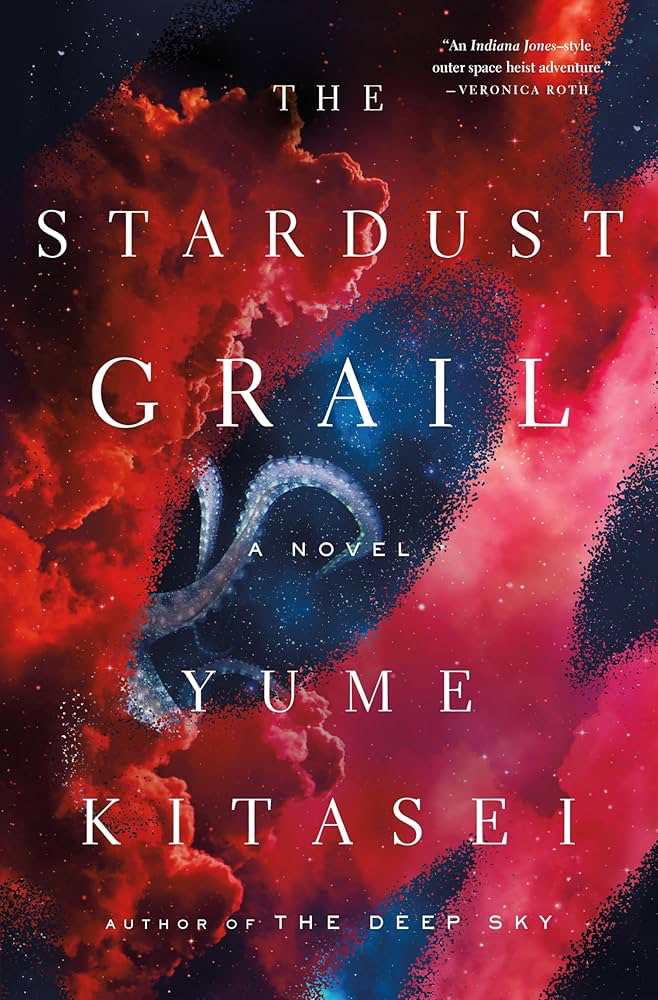
I’ve been a fan of Yume Kitasei since her debut, The Deep Sky. Her second novel, The Stardust Grail, was a 5-star read for me—it’s truly a gem, if you haven’t read it already. (After re-reading it last month, I’m firmly convinced that we need another book set in that universe. Her worldbuilding was so expansive!! It needs a companion novel!! Please!!) So I was ecstatic to hear that she was writing another sci-fi novel. It seems she’s been jumping between all kinds of sci-fi subgenres: a literary thriller with The Deep Sky, space opera with The Stardust Grail, and now dystopia with Saltcrop. And though it didn’t blow me away like The Stardust Grail did, Saltcrop is still a worthy, timely testament to Kitasei’s talents.

Enjoy this week’s review!

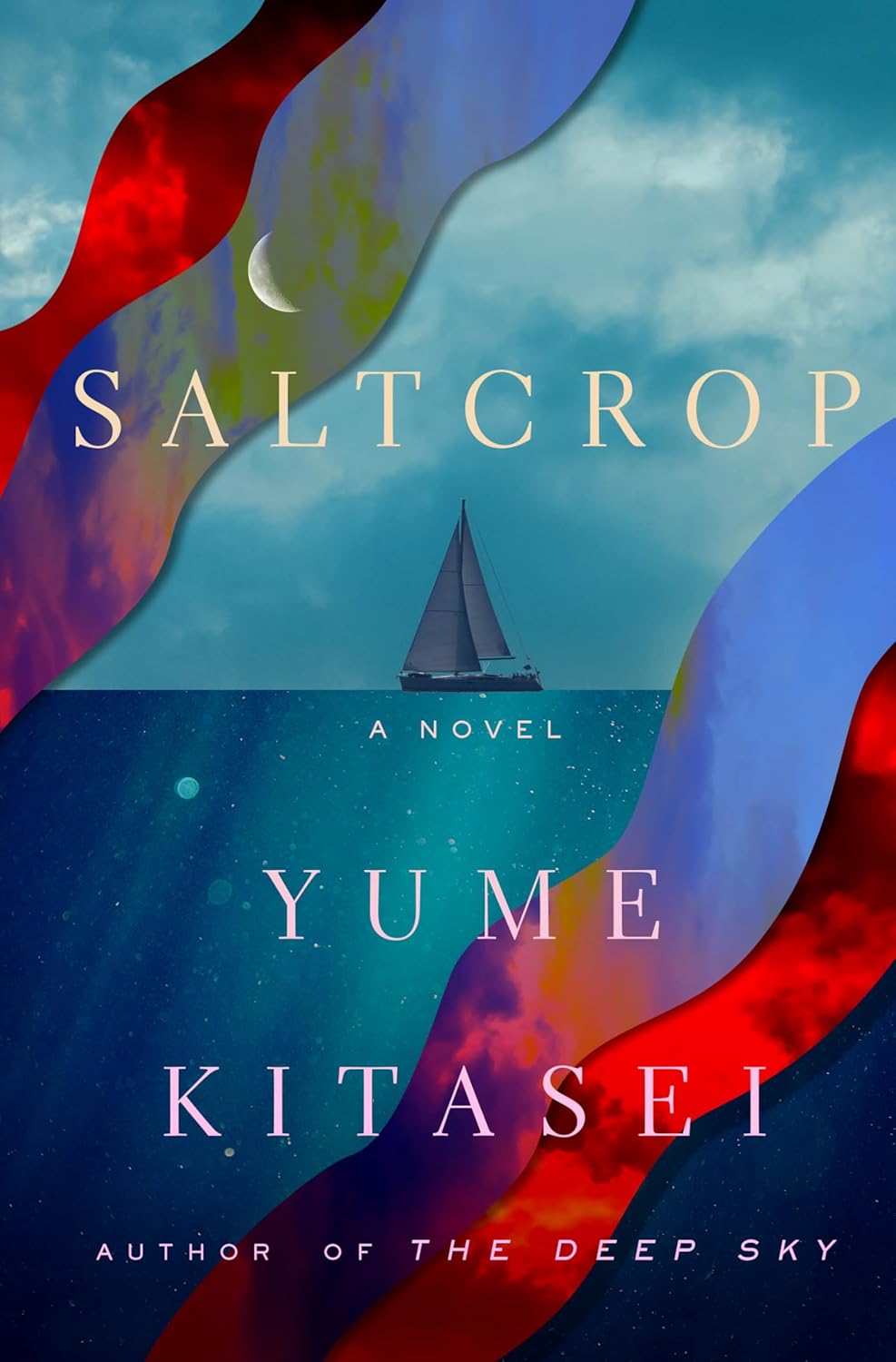
Saltcrop – Yume Kitasei

In a world ravaged by climate change, the three Shimizu sisters–Nora, Carmen, and Skipper—eke out a living with their aging grandmother. But Nora has been missing for months without an explanation. Carmen has faith that Nora will turn up soon, but Skipper suspects foul play. The sisters voyage out into uncertain waters to find Nora, but when they stumble into an intricate conspiracy that’s more than they bargained for, they must decide whether the journey was worth it at all—and if Nora is even out there in the first place.

TW/CW: medical content, body horror, death of parents, abuse, violence, murder, illness, animal death, chronic illness themes

One of the coolest things about watching Yume Kitasei’s career expand, from a reader’s perspective, is her willingness to try almost anything within the sci-fi genre. Her first novel was a more literary, sci-fi thriller; her second, a daring space opera with influences from Star Wars and Indiana Jones. Saltcrop is wholly different than both of them, and perhaps the greatest thing about it is that Kitasei never seems to run out of ideas, and that she’s unafraid to chase them.

Saltcrop is full of heart, and to me, that was its main strength. What formed this heart was the central relationship between Skipper, Carmen, and Nora. Even though 1/3 sisters was notably missing for 2/3rds of the novel, her presence was palpable; all that was possible due to the subtle interactions that Kitasei wove through Skipper and Carmen, both past and present. Their clashing but united dynamic as sisters propelled the novel in such a poignant way. Though you know from the start that Skipper and Carmen would cross the ocean for their sister (and they do), Kitasei never falters in giving you the sense of the complex but steadfast love that they have for each other. It feels like a middle finger to all of the dystopian media that posits that the apocalypse will somehow deteriorate our inherently human urge to love and help each other. Siblings will be siblings, even when climate change floods the world—Kitasei means that in every sense possible.

The setting of Saltcrop is familiar: a flooded dystopian world rendered unrecognizable by climate change, where the poor eke out a hardened existence while the rich continue to get richer. It’s a plot we’ve heard many times before, but Kitasei’s touch made it much more human. Aside from the exploration of the sisters’s relationships, I think what made Saltcrop’s plot and worldbuilding so memorable were the vignettes that made it human. Kitasei’s flooded world was peppered with stories of ordinary people, dead and alive, who made a living in spite of nearly inhospitable circumstances. It doesn’t shy away from the dark and ugly parts of this world (namely the spread of illness and corporate greed) Combine that with the clearly exhaustive research she did about agriculture, epidemiology, and genetic modification that got especially relevant in the last half of the novel, and Saltcrop was one of the most lived-in dystopias that I’ve read in quite some time.

I said earlier that Saltcrop is fairly different from her previous two novels, but in terms of writing, I think it trends closer to The Deep Sky, which is to say that it leans more into the literary side of her prose. And if there’s anybody I trust with more literary prose, it’s Kitasei. Her eye for poignant, needle-sharp descriptions that lodge themselves into your heart is stronger than ever—there are casual gut-punches laid about everywhere. Even in the heart of a climate-ravaged dystopia, there were almost Fargo-like interludes where reality and memory warp, which was all the more potent considering the themes of remembrance in Saltcrop. (The bear scene in the middle especially comes to mind.) Like the plot, Kitasei’s prose turned an environment that we’ve seen many times before into something wholly fresh and enlivened.

I’ll admit, I have some mixed feelings about the ending. On the one hand, I loved how the sisters rallied together to try and bring down the antagonist corporation, which routinely swallowed all of their attempts at resisting; the gradual, quiet victory was hopeful, and felt realistic to the long and rocky road to justice that we see with these kinds of issues. However, I feel like there were so many unanswered questions at the end; without spoiling anything, it felt like the setup to another novel, but there was so much left unsolved and unsaid, and yet Kitasei gave it the tone of a bittersweet ending, but a concrete ending all the same. It only felt wrapped up in the sense of the corporation plot, but beyond that, it felt unfinished. I’m all for an ambiguous ending, but with such a key piece of the puzzle missing, it didn’t feel satisfying in the slightest.

All in all, a startlingly human post-apocalyptic story of sisterhood and survival. 4 stars!

Saltcrop is a standalone, but Yume Kitasei is also the author of The Deep Sky and The Stardust Grail.

Today’s song:

genuinely criminal that this isn’t available on streaming, but this is, hands down, one of the best Wilco covers out there

That’s it for this week’s Book Review Tuesday! Have a wonderful rest of your day, and take care of yourselves!
Posted in Books

The Bookish Mutant’s Books for AAPI Heritage Month (2026 Edition)

Happy Monday, bibliophiles! This is the last of my scheduled posts, so you can expect that I’ll be slowly getting back to my normal posting routine soon.

Here in the U.S., May is Asian American and Pacific Islander Heritage Month! As with all of the heritage and pride months, it has always been difficult to ignore how complicated of a moment it is. In particular, I think of the unspeakable violence that ICE has been inflicting on AAPI immigrants, and Asian people at large, no matter their status; combine that with the blatant racism that this administration has allowed, and it has made this time in American history exceedingly dangerous. But we have to remember that it has always been this way, in some way, shape or form—our historical treatment of AAPI people in America has been nothing short of shameful, from the conception of this country to now.

Yet as with every year, the best way to combat the government wanting to silence AAPI voices—and all marginalized voices—is having pride in one’s heritage and educating oneself. Pride and education are the two things that the government deems most dangerous in any marginalized community, and fostering them is the ultimate antidote to the continual erasure of AAPI voices from our history and literature. So I hope with this list, which draws from fiction and nonfiction and from many different backgrounds and genres, helps this effort.

For my past lists, click below: 

Let’s begin, shall we?

THE BOOKISH MUTANT’S BOOKS FOR AAPI HERITAGE MONTH (2026 EDITION)

FANTASY AND MAGICAL REALISM:

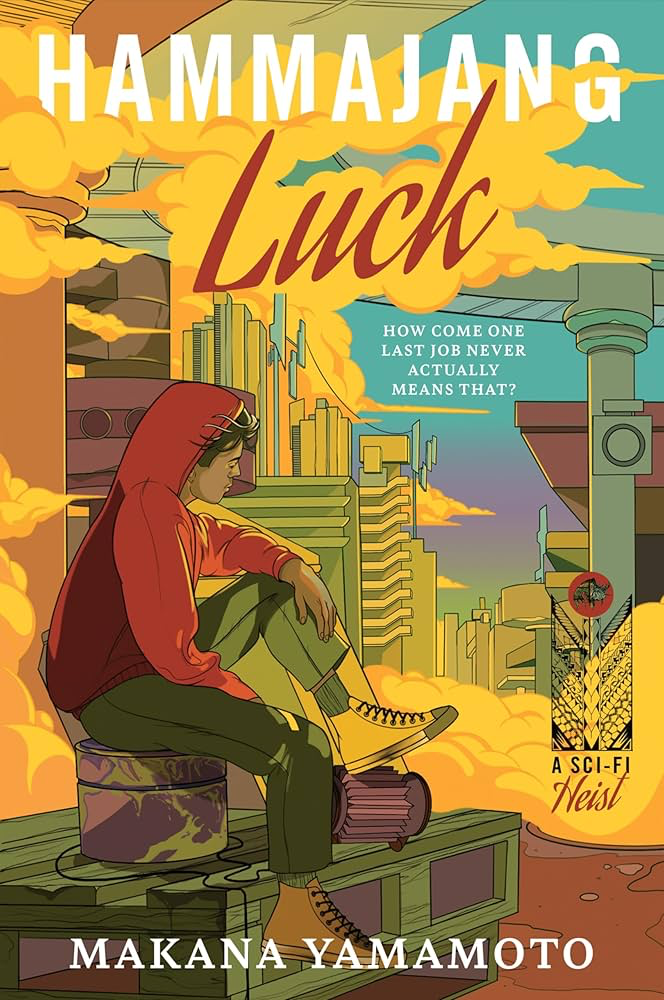
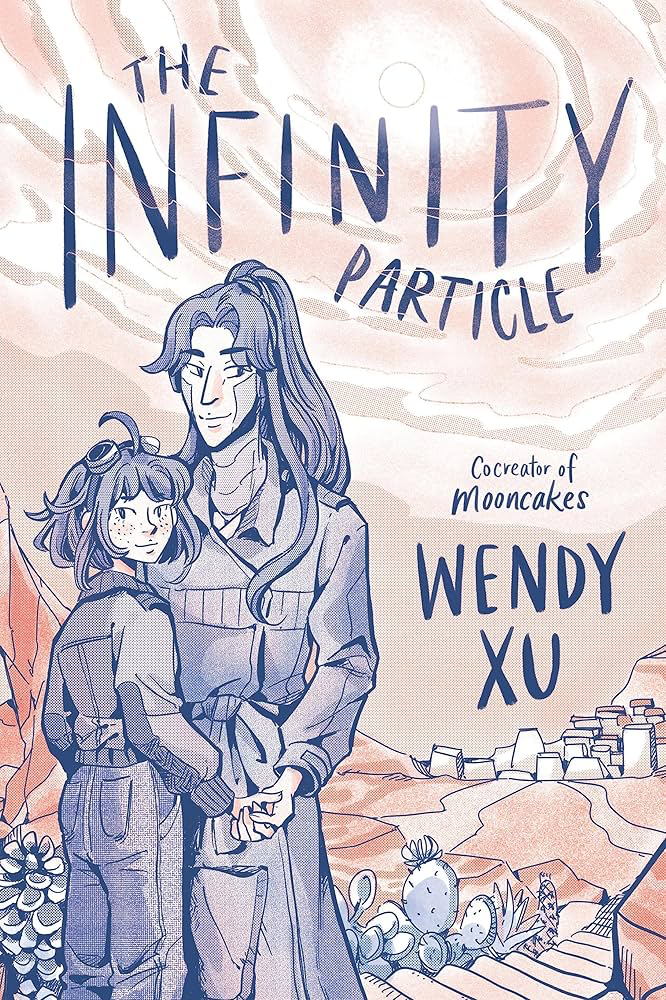
SCIENCE FICTION:

REALISTIC AND HISTORICAL FICTION:

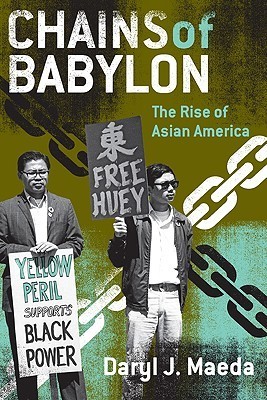
NONFICTION:

TELL ME WHAT YOU THINK! Have you read any of these books, and if so, what did you think of them? What are some of your favorite books by AAPI authors? Let me know in the comments!

Today’s song:

That’s it for this recommendations post! Have a wonderful rest of your day, and take care of yourselves!
Posted in Monthly Wrap-Ups

May/June 2025 Wrap-Up 🧶

Happy Monday, bibliophiles!

Insert panicking about how 2025 is already halfway gone, yada yada yada. It’s always jarring to get to that point after you’ve spent the first half of it relatively unaware, but honestly? Given the truly magnificent shitshow 2025 has been…good riddance.

Let’s begin, shall we?

GENERAL THOUGHTS:

My school got out jarringly early, which was nice, but part of me is still reckoning with the fact that “summer” has now expanded to fit all but the first week of May in it. I shouldn’t complain. It’s given me a lot of extra time to read and do all of the things that I lamented not being able to do while I was in school. I picked back up with guitar lessons, started improving my knitting, listened to several amazing albums (while knitting), and honed down my drawing. It’s all I can do to keep the anxiety/boredom-depression that starts threatening to consume everything once I get too into a routine, but I’ve got a part-time job, so I’m throwing as much as I can at my brain to keep it occupied.

And Jesus, it’s hard to keep it occupied. Nothing’s changed since my last wrap-up, and my constant state of teetering over the edge of snapping thanks to the news is ever-present, especially this month (FUCK TRUMP AND GET ICE OFF OUR STREETS). There’s nothing like being on vacation and appreciating the splendor that Colorado’s public lands provide us with and then seeing that a bunch of senators wanted to sell off millions of acres of that “undeveloped land”. At least they’re not quite as on that anymore, though I urge everyone to keep the pressure on them, because there are far too many issues that they’re either exacerbating or ignoring. But especially during Pride Month, I have to remind myself that taking care of myself and giving back to my community is an act of resistance, especially as a queer, neurodivergent person, because a) the government doesn’t want us to exist (because why else would THEY SHUT DOWN THE LGBTQ+ SUICIDE HOTLINE? Inexcusable, comically mustache-twirling, depraved evil right there), and b) they want us to be over-individualistic so that we ignore what connects all of us.

But it hasn’t been all freaking out, I promise. I went on a lovely road trip to Crested Butte with my family, and I spent a week up in the mountains looking at so many wonderful wildflowers. Getting back to both my family and my hobbies has made me more centered—the foundation is still wobbly (because of…everything), but I can always count on them to keep me grounded and keep me in the present. I found solace in my community during Pride Month, though I didn’t end up going to any of the local parades because of either plans or the heat. (Denver, I love you, but I’m not standing out in 90+ degree heat. I’m here and I’m queer, but I’m also really pale and don’t want to get excessively sweaty or sunburned.) My existence is an act of resistance, and as much as I can, I will use it for good.

If anything, it’s at least good to have a summer where I actually have movies to look forward to (definitely Superman, and I’m on the fence about Fantastic Four, but I’ll see it, if only for Cousin Thing). Y’all…The Phoenician Scheme. It’s so beautiful, dude. Wes Anderson is physically incapable of making a bad movie. Go see it. GO SEE IT.

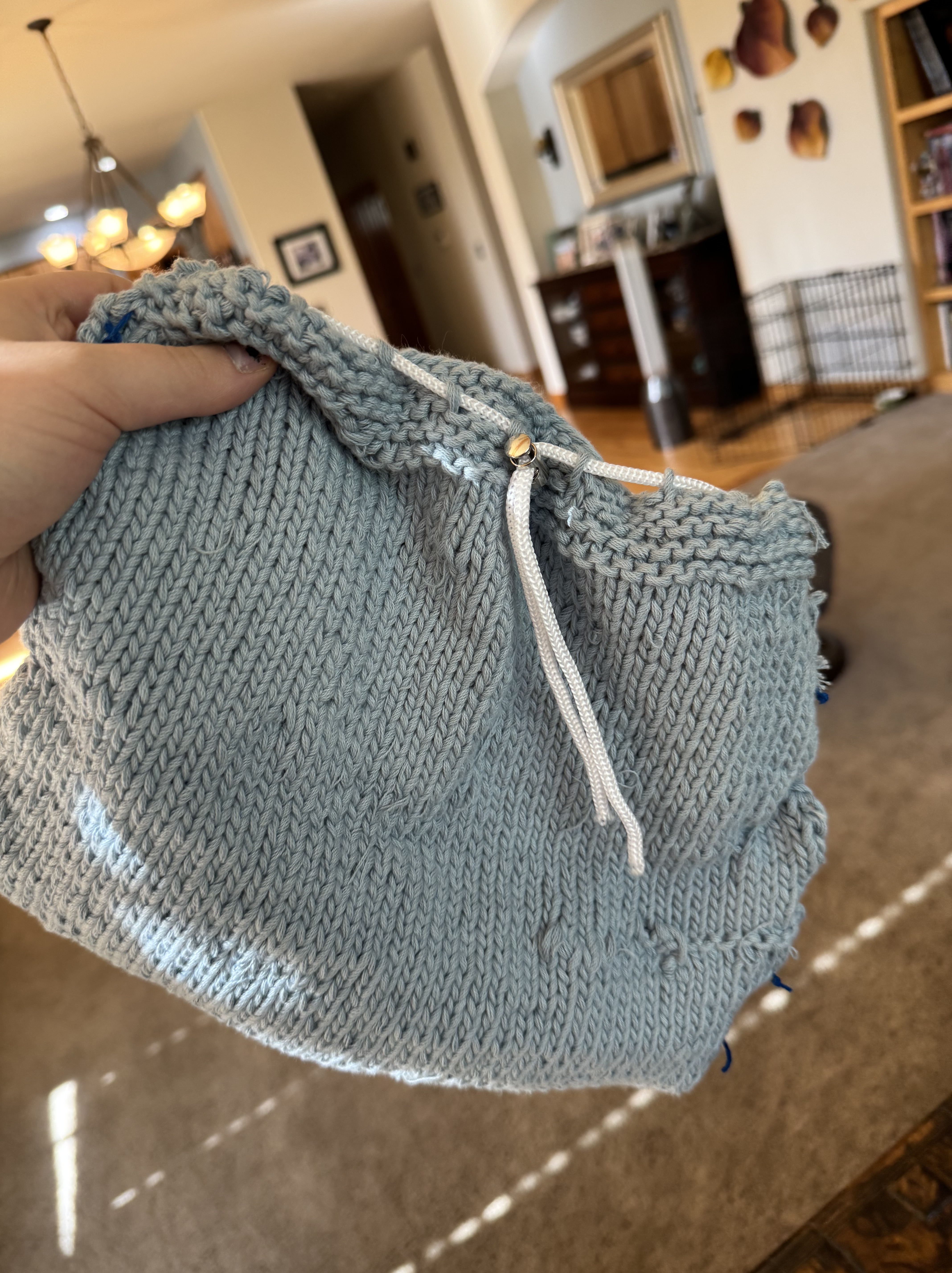
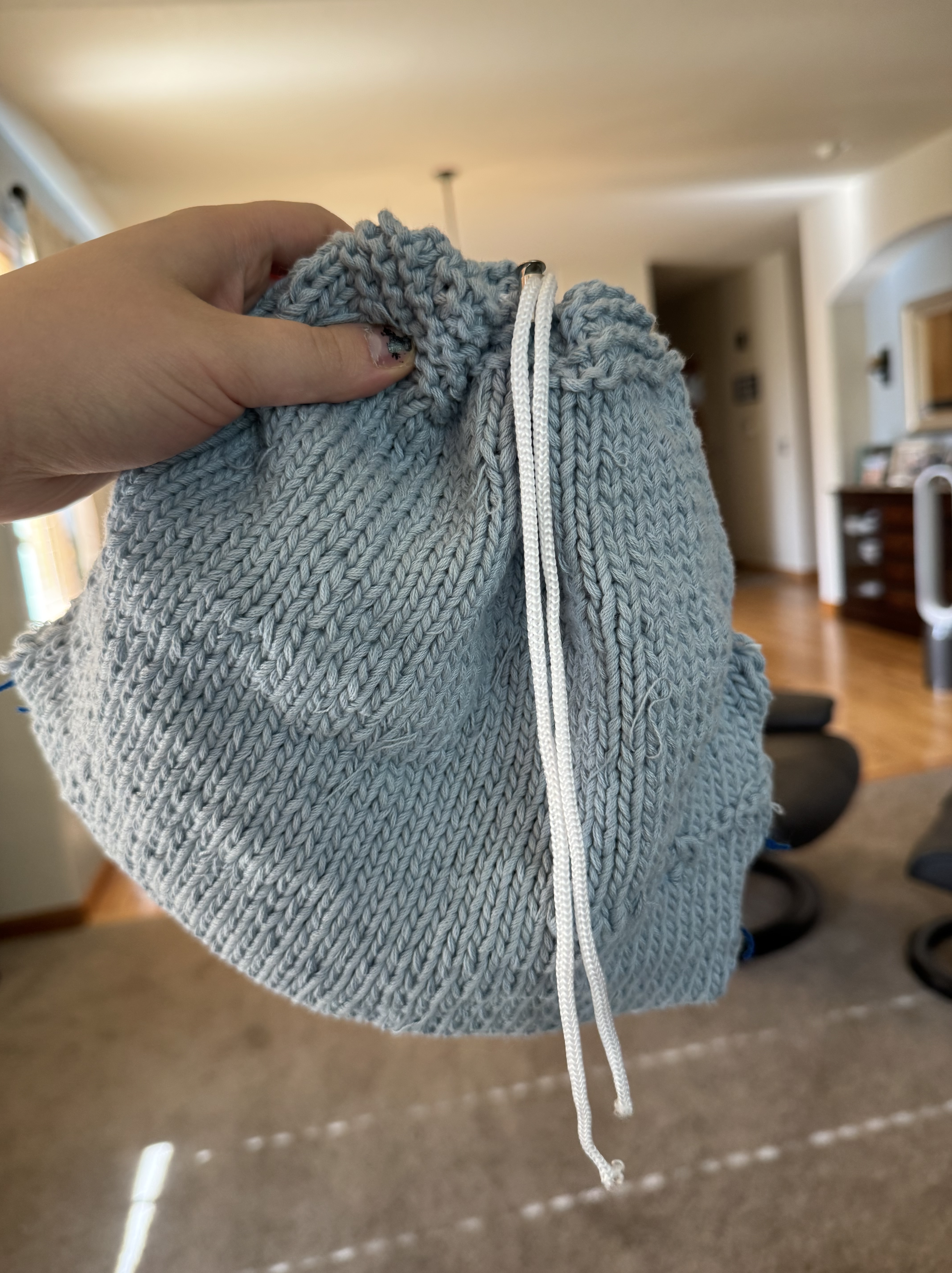
Also, I managed to knit my first functional thing in mid-June…here’s this bag I finished up before my vacation!

My magnum opus. Obviously. I’m now keeping a paused knitting project in it, so I hope it’s not one of those “gingerbread man living in a gingerbread house completely oblivious to the fact that he lives in a house of his own flesh” situation. I try not to think about it.

MAY READING WRAP-UP:

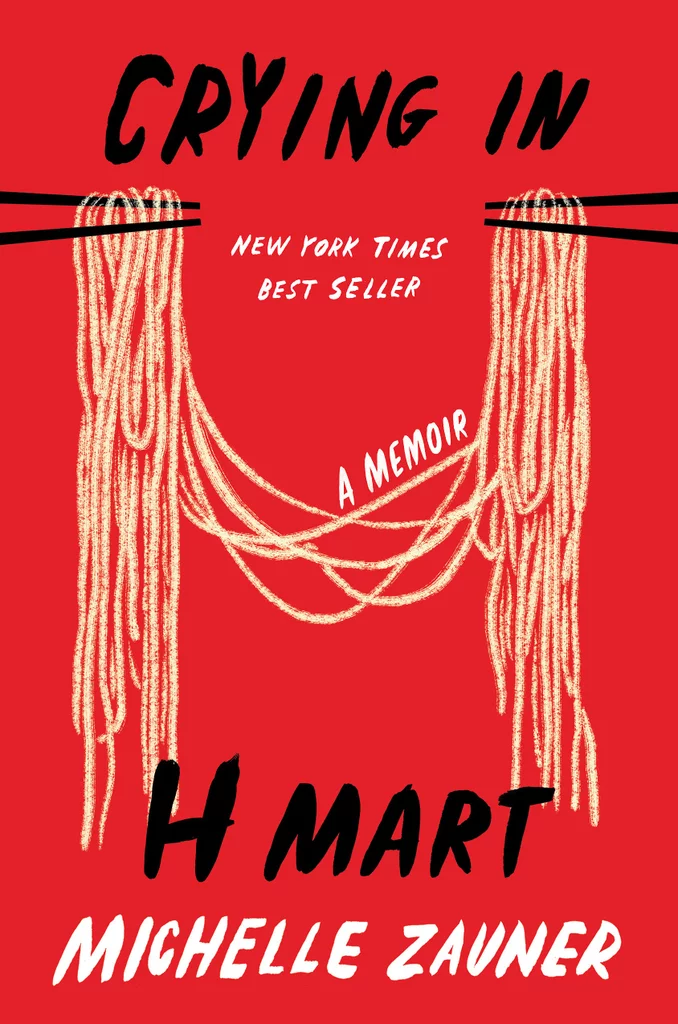
I read 13 books this month! In an absolute whiplash of ratings, I had two DNFs and two 5-star reads this month, but between them, there were some great reads. Surprisingly, the nonfiction books (both of which had red covers, coincidentally) were the stars this month!

1 – 1.75 stars:

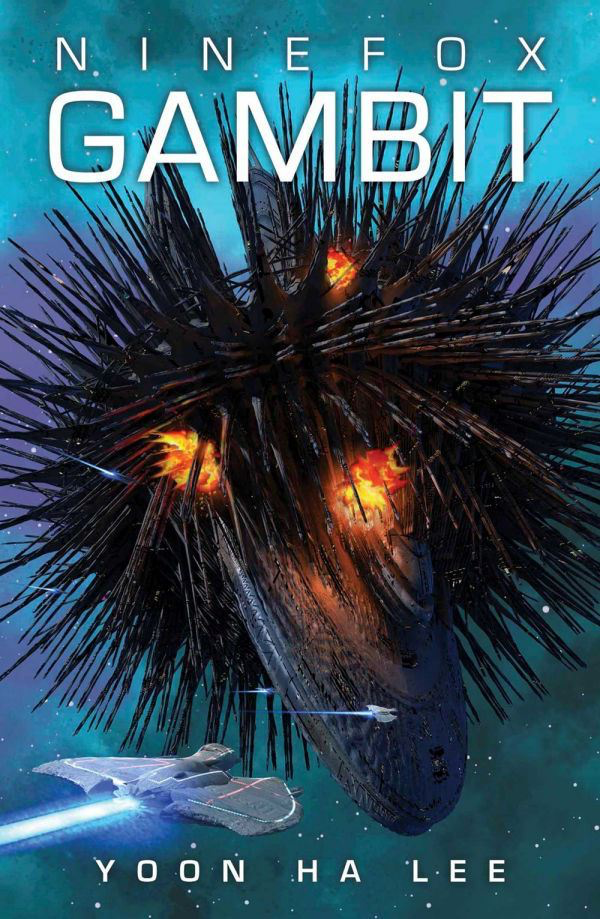
Ninefox Gambit

2 – 2.75 stars:

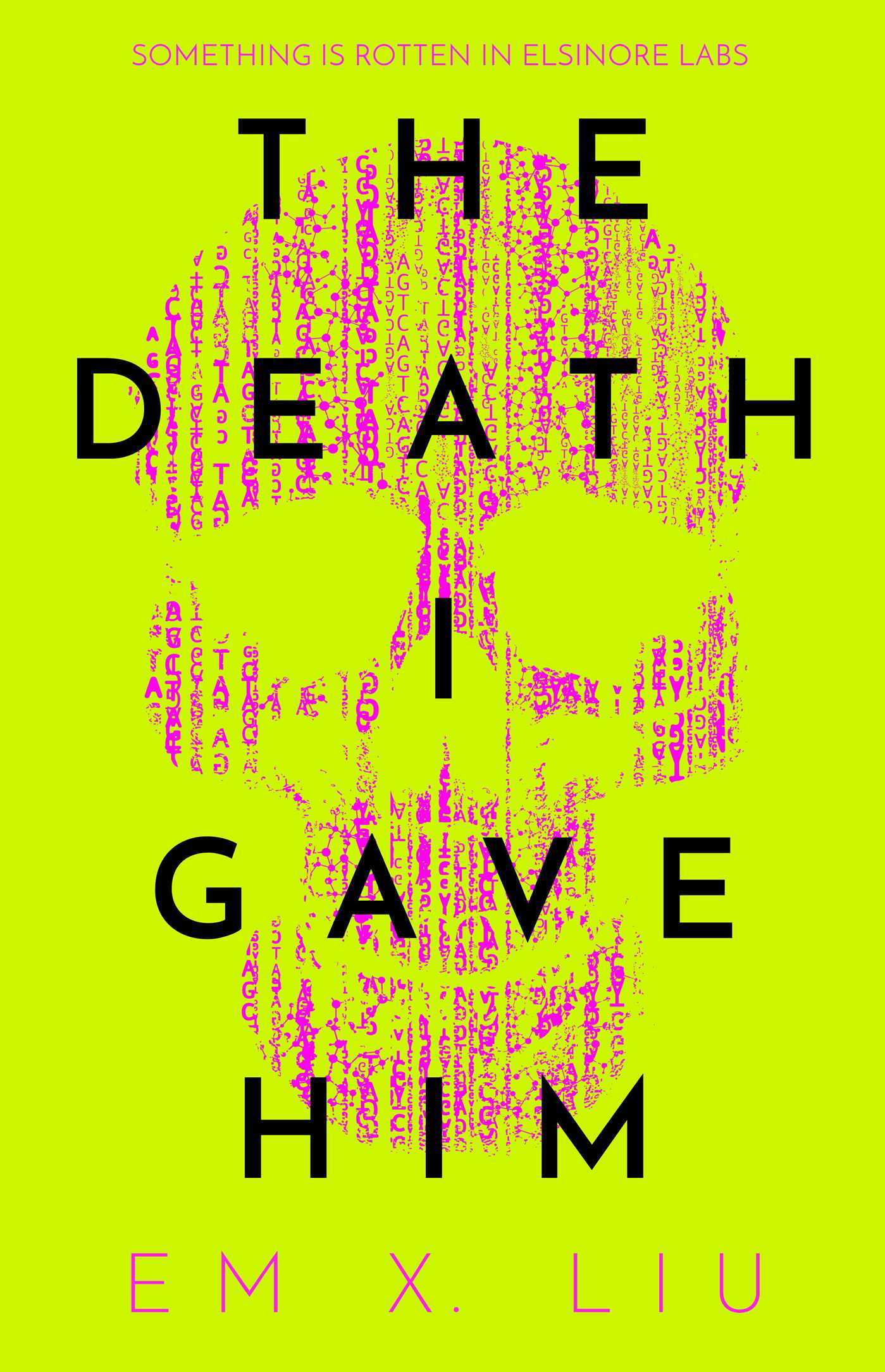
The Death I Gave Him

3 – 3.75 stars:

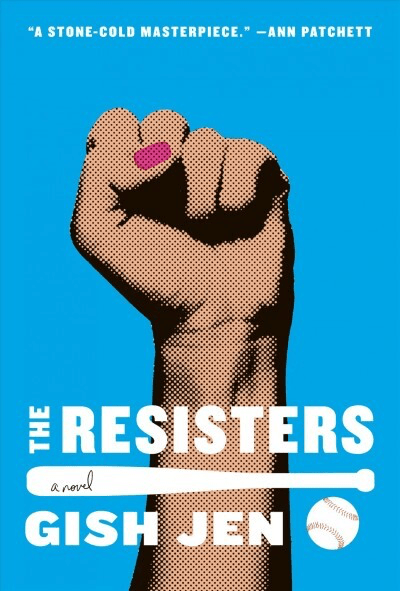
The Resisters

4 – 4.75 stars:

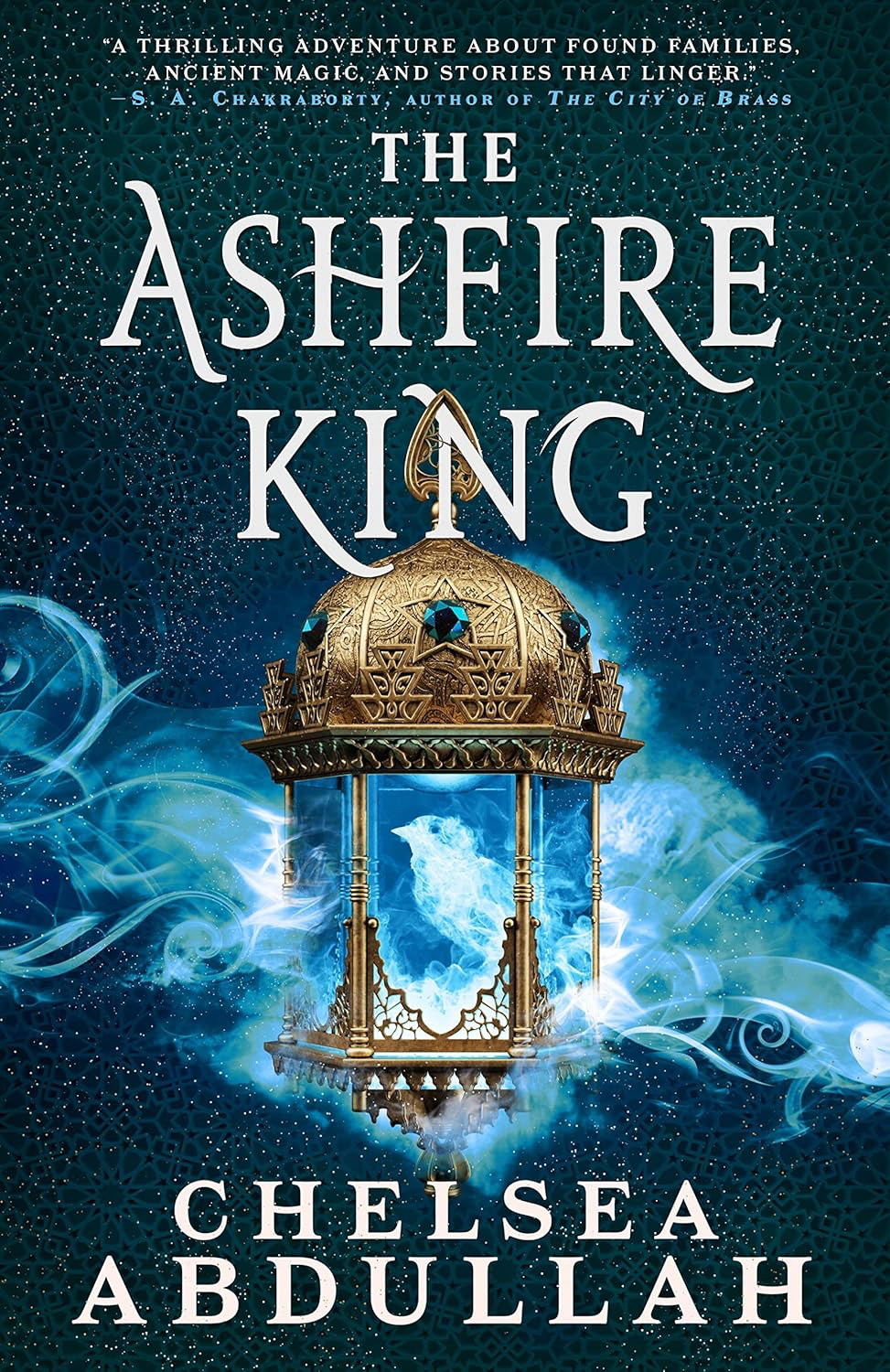
The Ashfire King

5 stars:

Crying in H Mart

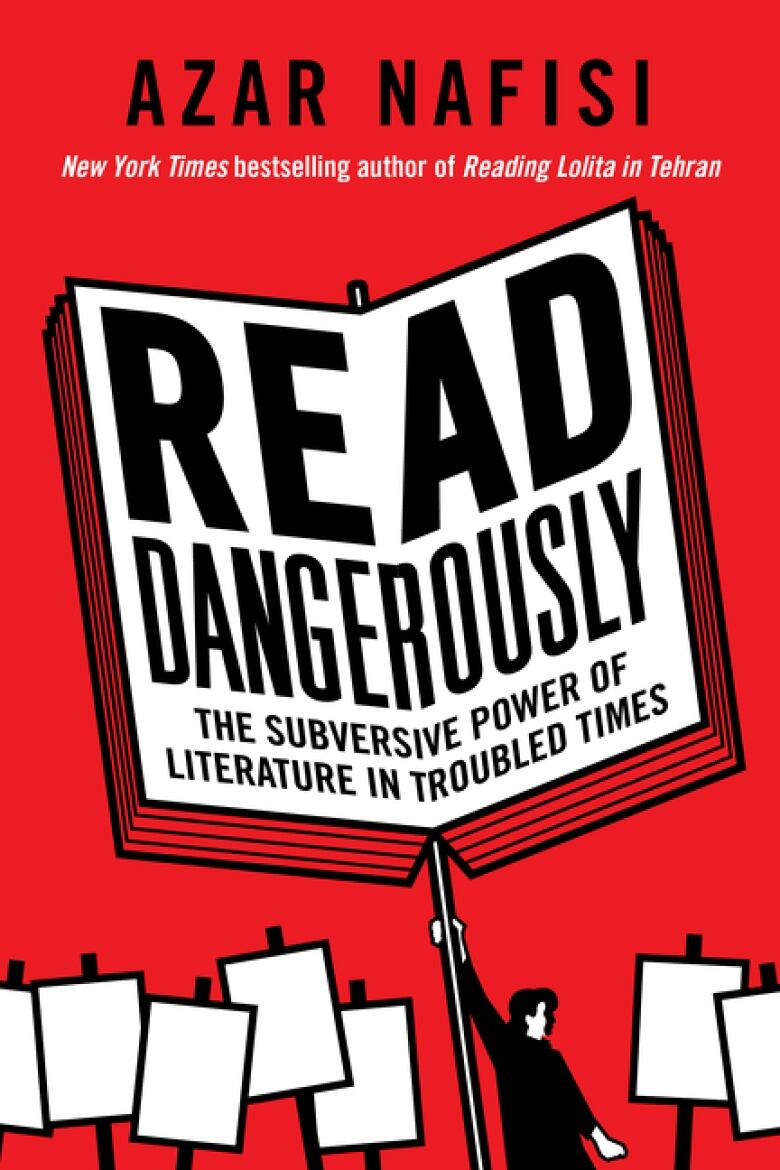
FAVORITE BOOK OF THE MONTH: Read Dangerously: The Subversive Power of Literature in Troubled Times5 stars

Read Dangerously: The Subversive Power of Literature in Troubled Times

REVIEWS:

SUNDAY SONGS:

BONUS:

JUNE READING WRAP-UP:

I read 16 books this month! Even with my part-time job, summer has given me more time to read, which is always welcome. Although there were some misses in the mix, I had a great bunch of (mostly) queer reads for pride month, both from familiar and new authors!

1 – 1.75 stars:

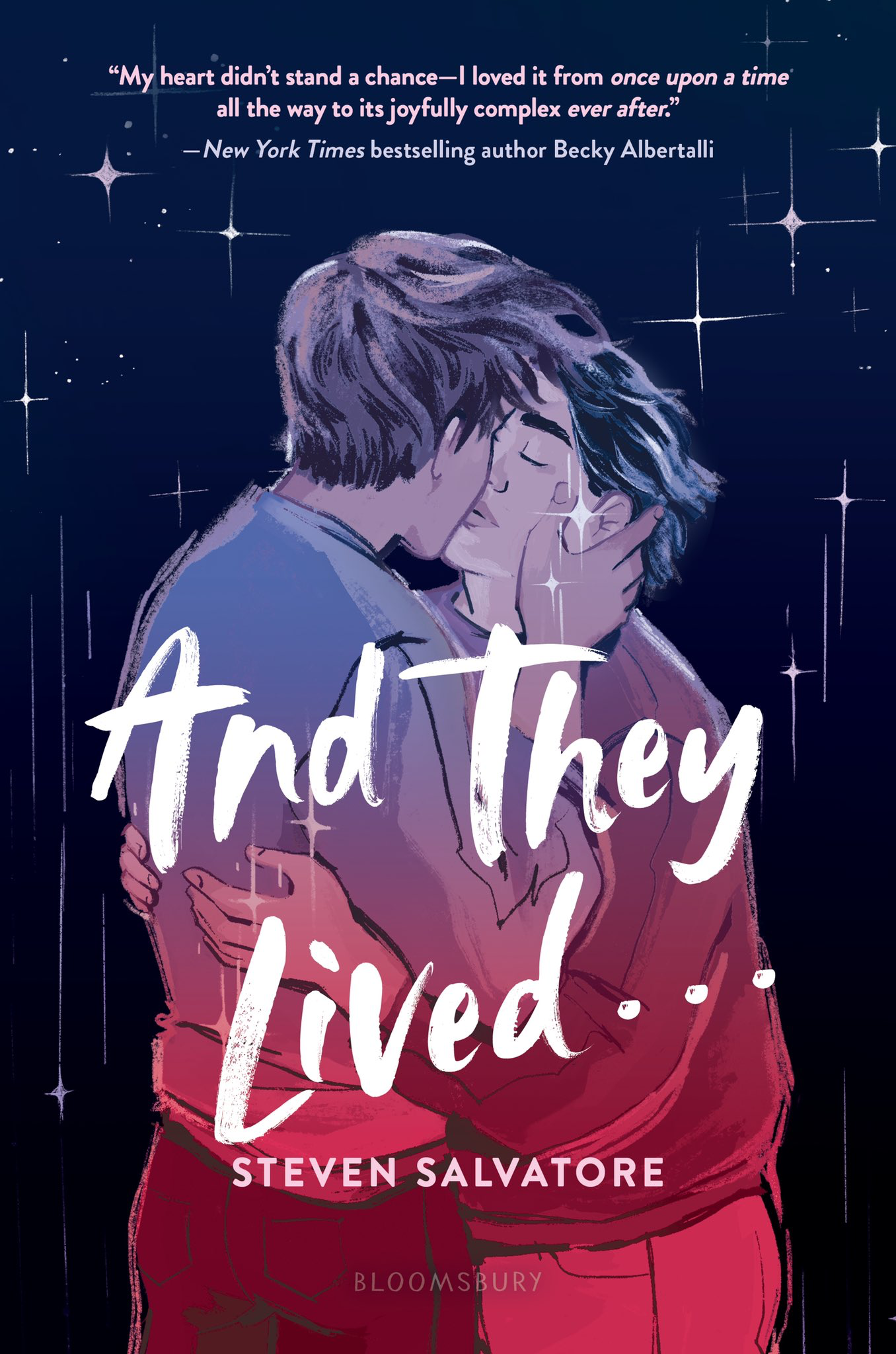
And They Lived…

2 – 2.75 stars:

3 – 3.75 stars:

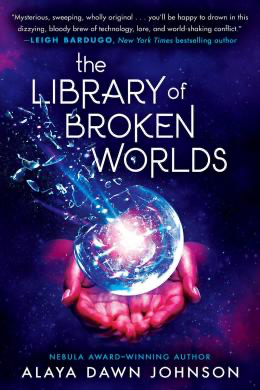
The Library of Broken Worlds

4 – 4.75 stars:

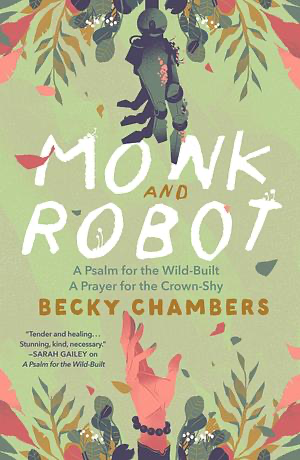
Monk and Robot

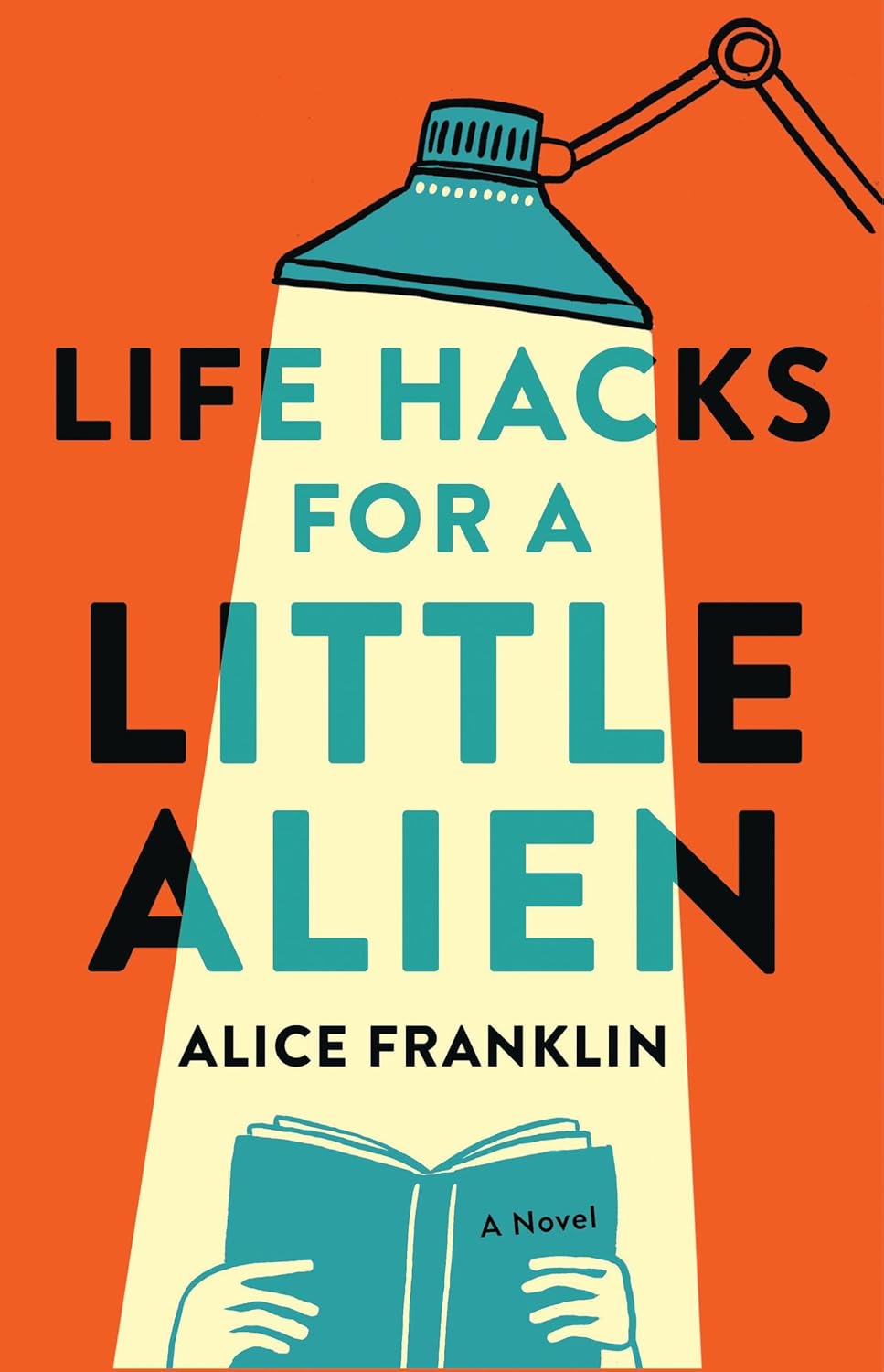
FAVORITE BOOK OF THE MONTH: Life Hacks for a Little Alien4.5 stars

Life Hacks for a Little Alien

REVIEWS:

SUNDAY SONGS:

BONUS:

Today’s song:

That’s it for this month in blogging! Have a wonderful rest of your day, and take care of yourselves!
Posted in Book Review Tuesday

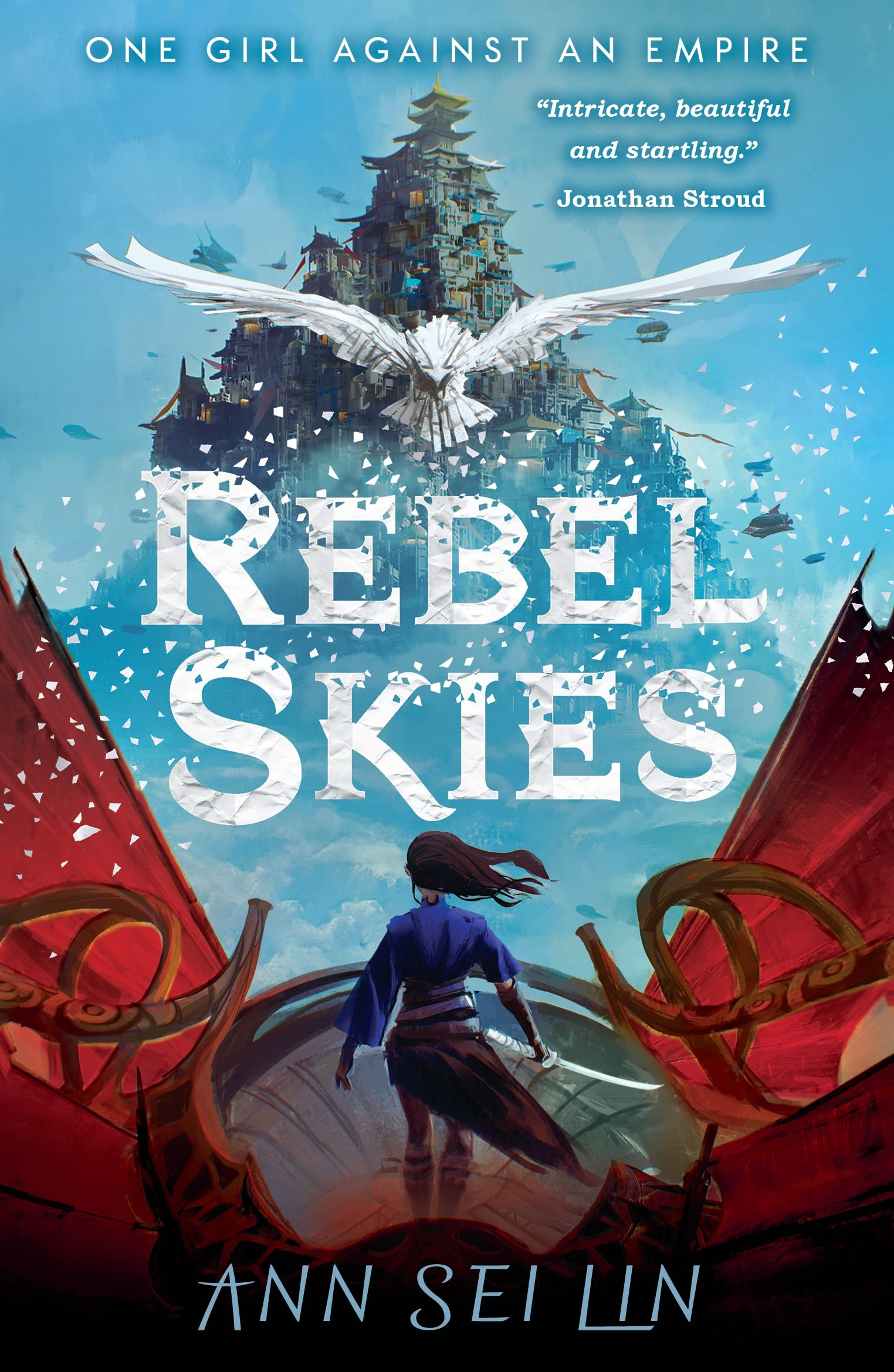
Book Review Tuesday (5/20/25) – Rebel Skies

Happy Tuesday, bibliophiles!

Update: I do have something nice to say, so I’ll say something. Beyond the heinous Studio Ghibli AI trend (and if anybody here thought that was “cute,” even when the White House twitter did it, get thee away from this blog), people tend to narrow Studio Ghibli down to a very shallow, cutesy aesthetic that discounts the heart of Hayao Miyazaki’s incredible visions. Rebel Skies was one of the few pieces of media inspired by Miyazaki that clearly gets him—rich worldbuilding with whimsy and darkness in equal measure. Yet even if you take that comparison away, Rebel Skies is a YA book to be reckoned with, full of heart, spirit, and skyships.

Enjoy this week’s review!

Rebel Skies (Rebel Skies, #1) – Ann Sei Lin

In the Sky Cities, no one is more revered—and feared—more than Crafters: those who possess the power to draw magic from paper and make creatures come to life. Kurara, a young servant aboard a flying ship, has barely honed her powers, only using them for party tricks. But when her best friend, Haru, is revealed to be a Shinigami—a creature made of paper—and grievously injured, Kurara flees to a skyship in order to find answers. There, she hones her Crafting with Himura, an ornery Crafter with secrets of her own. As she gets to know the motley crew of her ship, Kurara discovers that Haru’s identity isn’t the only secret that’s been kept from her—and that there are enough to bring down the Empire.

TW/CW: fire, animal death, torture, death, descriptions of injury

Ann Sei Lin seems to know as well as anyone that we need a bit more whimsy in YA fantasy. The edgelord stuff has gotten boring. It’s fantasy, come on now! I get that if magic was the norm, people might not be impressed by it, but there has to be some wonder in your life, right?

First off, the worldbuilding was tons of fun! Though the Studio Ghibli-inspired elements are plentiful, if I had to summarize the world of Rebel Skies, it wouldn’t be with that. If anything, it’s more of a steampunk version of Kubo and the Two Strings. You’ve got Nausicaä-esque airships and floating cities (which both felt very Philip Reeve as well) combined with paper-based magic, and all of the possibilities you can think of along with it—paper animals, paper people, and monstrous paper beasts. (Oh, and the paper animals can talk. Gotta toss some talking animals in there.) I’m not usually one for steampunk, but this isn’t your garden-variety “slap gears and tiny hats on everything in Victorian England and call it a day” steampunk—not only is the world inspired by Asian cultures (mainly Japan), the blend of magic and machinery married easily, and often whimsically. Though the colors I imagined trended towards rusty and earth-toned, Lin couldn’t have made her world more vibrant—and multilayered; not only were there base-level divisions between the people who lived on the ground and the people who lived in the sky, there were all sorts of customs, stereotypes, and quirks that were given to each, which in turn influenced how all the mismatched patchwork of characters interacted with each other.

For me, it doesn’t get much better than the worldbuilding informing the themes of the book. Not only did I love all of the intricacies of the paper magic in Rebel Skies, I love how Lin used it to explore the theme of autonomy, and especially the lack of it. Kurara herself has been ordered around as a servant, and she sees the same thing being done to the magical beings around her; she sees how Himura treats Akane, his shikigami fox, and questions whether or not he’s really so content to devote his entire existence to serving Himura. Add that to the visceral trauma of discovering that her best friend is made of paper and has been seemingly puppeteered from afar, and the reigning empire is performing cruel experiments on its shikigami, and Kurara’s ultimate motive to both her personal journey and her journey to wrong the rights of her world lies in autonomy, and having a reciprocal, ethical relationship to her magic. It’s an excellent metaphor and an excellent addition of nuance to the worldbuilding—if the world relies on unbalanced relationships, how can I shift them so as not to do to others what others have done to me?

You all know by now how much of a sucker I am for a good found family story, and while Rebel Skies didn’t completely fulfill that promise, I love the group dynamic between all of the characters. Even though the subplot of Sayo and Kurara warming up to each other felt a bit rote, I liked the progression that their characters had. Kurara and the rest of the pirates were lots of fun, and they gave the skyship a lively, lived-in feel. I’m also a sucker for the trope of older, gruff characters taking excitable younger characters under their wing; Himura was a solid addition to the canon, but I feel like he’s hiding too much to truly be a mentor to Kurara. I’m interested to see where it goes in Rebel Fire, but my gut says that it’s going to be some kind of subversion. We’ll see. Either way, Rebel Skies’ motley crew lived up to its description, making the setting all the more lively and adventurous.

As someone who read voraciously in my childhood and longed for some kind of bridge between middle grade and the too-broad age range of YA (12 to 18 is so arbitrary and baffling, you’ll not hear the end of it from me), Rebel Skies automatically won me over. It’s categorized as YA, but it feels right in the middle of MG whimsy and adventure and more YA stakes and themes. Kurara, even as a teenager, has a childlike sense of wonder, and although some of her interactions came off as slightly more childish than her age, it hits a charming balance of innocence and discovery that feels like the ideal bridge between the age jump between the two categories. As a longtime YA reader, it hits a natural sweet spot, but in its balance of darker, more YA elements with the same kind of voice as older MG, Lin has written a book that could serve as both a younger YA reader’s introduction to the genre and an easy pleaser for the YA reader.

That being said, the one major flaw in Rebel Skies is that I didn’t see why Himura’s POV was necessary. He was a solid character, but this novel was clearly Kurara’s story. I enjoyed hearing his voice and Lin wrote it well, but I don’t think his input to the story served a purpose other than giving his side of events…that we’d already been shown through Kurara’s POV. We get that Kurara’s been slow in her training, and then Himura repeats it as such. We do get plot information that we wouldn’t have otherwise gotten from Kurara, but if that’s the only reason that Himura gets his own chapters, then what’s the point? There could be multiple interesting ways for Kurara to get this information that could deepen or complicate the relationship she has with Himura—she could overhear a conversation or sneak a look at some of his documents, for instance, and he could catch her in the act, adding more conflict to the plot. Again, he was a perfectly fine character, but aside from the interludes, Rebel Skies wasn’t meant to be a dual-POV novel. It’s the Kurara show, c’mon!

Overall, a memorable fantasy book with lush worldbuilding, a lively cast of characters, and a unique voice that balances middle grade adventurousness with the more matured nuance of YA. 4 stars!

Rebel Skies is the first book in the Rebel Skies trilogy, followed by Rebel Fire and Rebel Dawn. Rebel Skies is Ann Sei Lin’s debut novel.

Today’s song:

I’m totally new to BCNR, but I saw them open for St. Vincent the other night, and they were great performers!! this was probably my favorite of theirs.

That’s it for this week’s Book Review Tuesday! Have a wonderful rest of your day, and take care of yourselves!

Posted in Book Review Tuesday

Book Review Tuesday (5/13/25) – The Knockout

Happy Tuesday, bibliophiles!

I always feel bad whenever I come back after period of hibernation only to come back with a negative review. I just have to get it all out sometimes! I’ll probably have something nice to say by next week.

Say it with me, kids: just because a book has diverse representation doesn’t erase the flaws in its writing! Sadly, The Knockout was not the one-two punch that the title promised: it tried to hard to sound hip and teenager-y, and nosedived spectacularly.

Enjoy this week’s review!

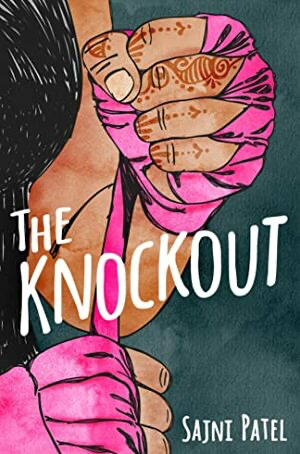
The Knockout – S.A. Patel

Kareena Thakkar knows her power. She’s been building up her skills in Muay Thai, and she’s good enough to qualify for the US Muay Thai Open—an event that could take her to the Olympics if she wins. But even though it’s where her passion lies, Kareena is divided between her Muay Thai world, her peers’ desires for her to be traditionally feminine and act the way a good Indian girl should. With her ill father and the Olympics on the line—as well as a cute boy, Kareena must decide which world she’d rather stay in—or if she needs to divide those worlds after all.

TW/CW: bullying, terminal illness, misogyny, medical content

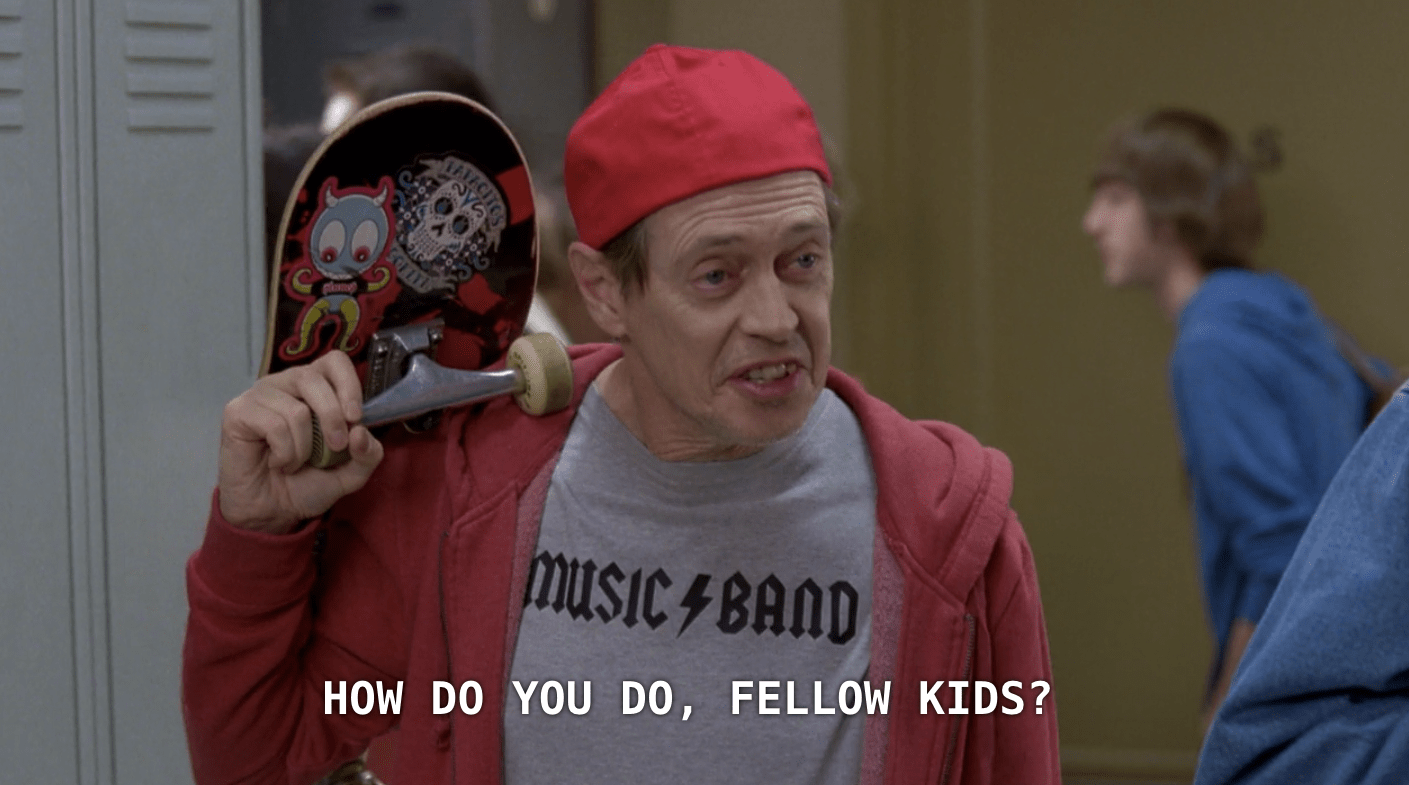
Look. I read YA frequently, knowing that it’s a market of books about teenagers mostly written by adults. Even by that standard, I haven’t read a book so deeply how do you do, fellow kids? as The Knockout in some time. I wanted to badly to root for Kareena, but her insufferable voice—and by extension, Patel’s writing—made it a real ordeal.

Kareena’s voice was the most glaring issue that The Knockout had. Firstly, she didn’t sound or act like a 17-year-old. If anything, between her language and her maturity, she sounded closer to 13 or 14. The kind of stiff, teen movie comebacks she doled out to her bullies were nowhere near the kind of experience a person would have at 17—especially someone who had been through as many struggles as her. In my experience, what you need to do when writing teenagers (or any character who’s younger than you) is to emphasize how you (or your peers) remember feeling—what you’d prioritize, what was important to you, how you would react to situations, etc. Writing like a teenager is about the emotion, because there are a lot of them running around your brain at that age. Sure, it’s hard to nail the voice, and granted, I don’t have the age distance from Kareena that Patel has. But there’s lots of easy ways to not do it, and some of those are a) extensively leaning on what you think is “hip” slang, and b) automatically skewing the character’s voices as young as possible within the teenage range. Between the unnecessary censorship of cursing here and there and her childish outbursts, Kareena was not believably 17. Additionally, Patel’s insistence at integrating what she thought to be “current” Gen Z slang was painfully bad. If anything, it dated The Knockout leagues more than making it relevant. It’s not the teenage experience, but instead the teenage movie experience, simply parroting what adults think teenagers sound like. It positions itself as current and relatable while never encapsulating what it was like to be a teenager, making what should’ve been the heart of the novel hollow.

As with Kareena’s supposed 17 years of age, I was never convinced of the stakes in The Knockout. When Patel established how good Kareena was at Muay Thai, all it did was make Kareena feel unnecessarily overpowered. I normally only say that about fantasy or sci-fi novels, but she was just too good to the point that every fight she did seemed to be a fleeting moment of struggle before she absolutely pummels her opponent. This continued throughout the duration of the novel. Even though Kareena had the Olympics on the line, I never once got the sense that this was hard for her. Her training seemed to be the only time she struggled—other than that, she just flew through the US Muay Thai open without a problem. If she actually experienced tangible setbacks within her practice or the Muay Thai open, I would’ve been more motivated to root for her. Yet everything seemed to be handed to her on a platter, making the stakes feel almost nonexistent. I knew from the start that Kareena would get everything that she wanted, and while I appreciate the value of having diverse characters succeeding in their narratives, it made for a book with no stakes.

Bullying is a major plot point in The Knockout, but I don’t think that Patel succeeded in making all of it completely believable. As far as Kareena getting bullied by her other Indian-American peers for not being “Indian” enough went, that was one of the few parts of the book that was successful; unlike the main plot, it gave Kareena’s struggles some tangible weight. However, I wasn’t fully convinced that her doing Muay Thai was something so outrageous that she thinks that she’ll be bullied by the whole school for it. I get that it’s not a traditionally feminine sport, but with the way that Kareena talked about Muay Thai, you would think that she’s coming out of the closet. Even with the cliched interactions between Kareena and her peers, I just couldn’t imagine her being bullied for it, and not just because if someone were to slam her into a locker, teen movie-style, she’d slam right back. Kareena being a Muay Thai champion didn’t feel nearly as dirty as a secret as Patel lead us to believe, which made some of the novel’s more personal stakes less believable as well.

Additionally, I have mixed feelings about the romance between Kareena and Amit. It didn’t fully sidetrack the book for me, but I wasn’t fully invested either. I did like that Amit was instrumental in helping Kareena reconnect with parts of her Indian culture, but I don’t think he had much of a personality beyond what he did for Kareena. They seemed to have almost all the same interests, and Amit didn’t have anything to distinguish himself other than not doing Muay Thai. He was just a blank slate with similarities to Kareena baked in so that there could be some instant “chemistry” between the two of them. The only tension in the romance was when Kareena met his more traditional family, so the tension didn’t even lie with him—it was all outside factors that threatened the integrity of the relationship. The only differences I can really think of about Amit and Kareena is that he comes from a more traditional family and he’s…well, a different gender. That’s it. He wasn’t a person, he was just a boyfriend. I do think that this kind of story is good with a romantic subplot, especially considering that it’s YA realistic fiction, but like almost everything else in The Knockout, I could not get invested whatsoever.

That being said, I do have some positives for the book. I’ve seen a lot of books, especially YA ones, where the main character has to choose between their traditional culture and the more “appealing” American culture. The Knockout, by contrast, had Kareena be raised by two parents who weren’t connected to their culture in a conventional way—they were flexible with letting their daughter be who she wanted to be without sacrificing their Indian heritage in the process. Kareena was disconnected from her roots in some ways (which she begins to remedy in this novel), but both she and her parents emphasize that there’s no single way to be Indian. I can’t speak to any cultural accuracies, of course, but I loved this as a message for a YA book in this context—there’s no one way to be any identity, be it in terms of gender, ethnicity, race, or anything else. Paired with the expectations of femininity that society puts on Kareena, it’s a wonderful message. I also really liked that Kareena had a combination of multiple interests that weren’t traditionally feminine—in addition to Muay Thai, she’s also passionate about computer science. Sadly, all this was overshadowed by the flaws in most of the novel, but if you took all that away, at least The Knockout has something beneficial to say. I just wish it was said in a less cliched, more authentic way.

All in all, a book with a positive message if you soldiered through it, but was bogged down by childish dialogue writing and characters (even by YA standards) and a lack of all-around believability. 2 stars.

The Knockout is a standalone. She is also the author of several books for teens and adults, including Isha, Unscripted, The Design of Us, First Love, Take Two, The Trouble With Hating You, Sleepless in Dubai, My Sister’s Big Fat Indian Wedding, and the Venom series (A Drop of Venom and A Touch of Blood).

Today’s song:

That’s it for this week’s Book Review Tuesday! Have a wonderful rest of your day, and take care of yourselves!
Posted in Books

The Bookish Mutant’s Books for AAPI Heritage Month (2025 Edition)

Happy Monday, bibliophiles! I’m not fully back on schedule yet (still in the process of cleaning up my dorm), but I figured I would put out this post for the occasion.

Here in the U.S., May is Asian American and Pacific Islander Heritage Month! Among the many histories that America has been attempting to erase is that of the AAPI (Asian American and Pacific Islander) community, even though they are a critical part of our country’s history. We’re so quick to dismiss the discrimination of Chinese immigrant laborers in the late 1800’s, the Japanese internment camps, and the bigotry faced by South Asian Americans, whether or not they were Muslim, as part of the rampant Islamophobia post-9/11. This history may not be in the spotlight as far as discrimination targets, but just because it’s getting less press doesn’t mean it’s there. Just look at Maggie Tokuda-Hall, who received requests from her publisher to remove specific mentions of racism from the author’s note of her picture book, Love in the Library, which takes place in the Japanese internment camps. (Good on her for not taking the licensing deal. Another reason to love Tokuda-Hall, who appears on this list!) Erasing the horrors of discrimination and racism from our shelves only serves to raise an uneducated, uncritical generation—the opposite of what we need right now.

Looking back on my previous lists, I noticed something. I’ve neglected the PI in AAPI, and that’s a mistake on my part. Books by Pacific Islanders rarely seem to get the spotlight, even during AAPI Heritage month, but that still doesn’t excuse me overlooking that part of the acronym—and the world. This is the first year that I actually do have a few great recommendations from Pacific Islander authors, but please let me know if you have any more recommendations! I’m on the lookout.

For my past lists, click below: 

Let’s begin, shall we?

THE BOOKISH MUTANT’S BOOKS FOR AAPI HERITAGE MONTH (2025 EDITION)

FANTASY:

FICTION:

SCIENCE FICTION:

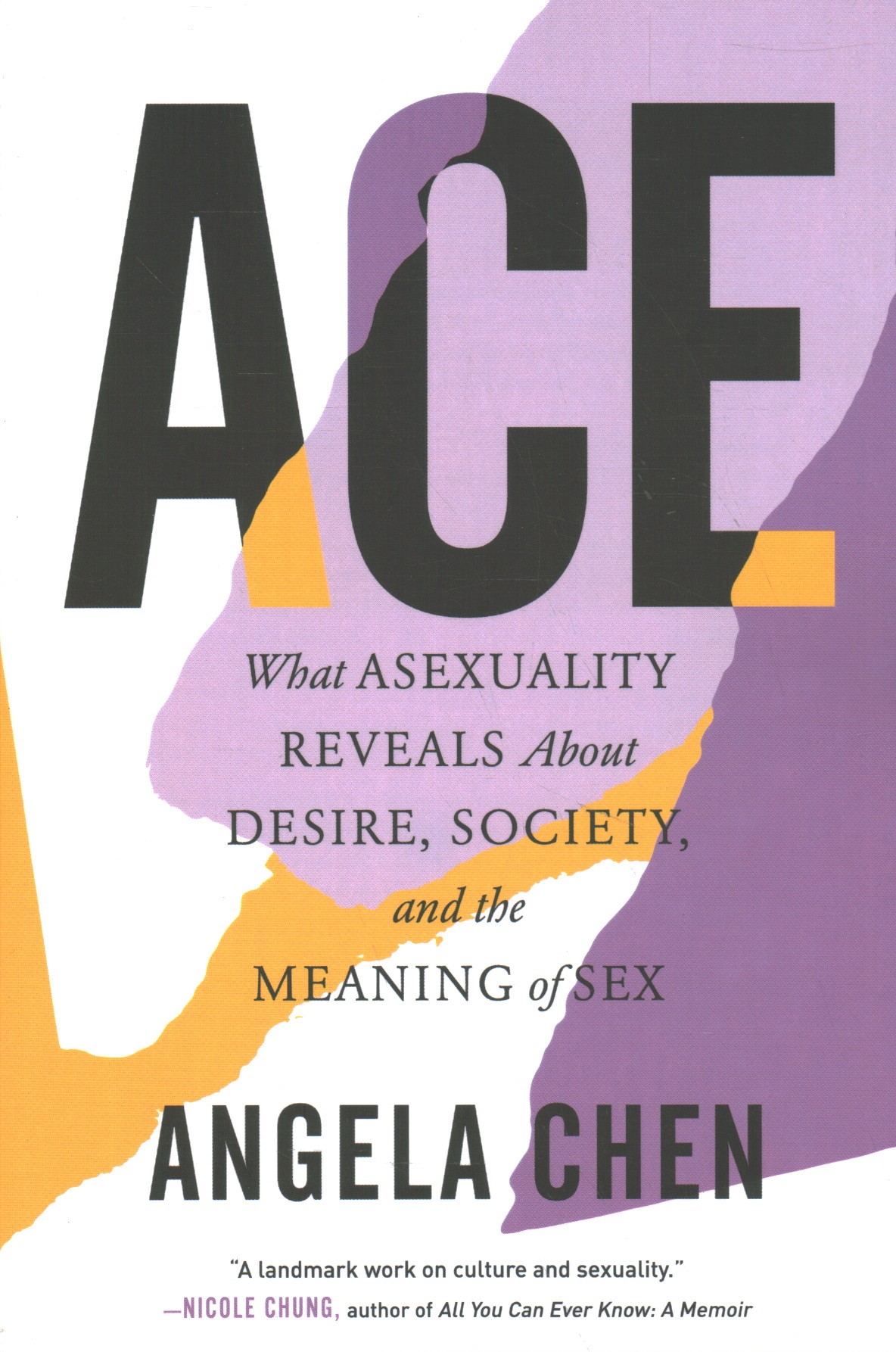
NONFICTION:

TELL ME WHAT YOU THINK! Have you read any of the books on this list, and if so, what did you think of them? What are some of your favorite books by AAPI authors?

Today’s song:

That’s it for this list! Have a wonderful rest of your day, and take care of yourselves!
Posted in Monthly Wrap-Ups

May 2024 Wrap-Up ⌨️

Happy Friday, bibliophiles!

Finally summer! Finally, more time to read…and most of what I’ve read this month has been good, I’d say.

Let’s begin, shall we?

GENERAL THOUGHTS:

Save for the first week of the month, May has been the first month where I’ve been able to relax somewhat! Finals were over and I’d moved out of my dorm before I knew it. Straight A’s and finally being free of my STEM requirements isn’t too shabby, I’d say! I’m so proud of what I’ve accomplished this year—and I’m so glad that I can have some downtime. And I’ve made good use of it so far—May has been my best month in terms of amount of books read (although the quality of…some of said books is another story), and I’ve definitely benefitted from the time spent reading! I’ve also been trying to focus more on art this summer, and consciously taking a slice out of each day to draw has been an adventure so far. I had a solid week where I had three or four blog posts all on the back burner simultaneously, so I unintentionally made a loose schedule for blogging every day as well, so I’m getting some writing in while I recover from writing two short stories and a 20,000 word novella all in one semester. I’ve also been pruning my Goodreads TBR…I’ve managed to cut it down from around 770 to around 720, so I’d say that’s been a success?

Other than that, I’ve just been cleaning things out of the dorm and bringing them back to my house, sleeping, watching Abbott Elementary (THEY FINALLY DID IT!!! THEY FINALLY LET THEM KISS!!!), Taskmaster, and Hacks (we love Jean Smart in this house), and relishing in the warm weather and the beginning of summer. I feel like every time I’m in the car with my family, I just pass the hills and feel the need to comment on how much I love that shade of green that summertime brings. But it’s so beautiful. Every single time. It never gets old. Thank you, shades of summer green.

READING AND BLOGGING:

I read 19 books this month! I’ve been oscillating between both ends of the spectrum this month, for sure—I read one of the worst books I’ve read this year, but also two of the very best. Somehow, it’s pretty evenly split as far as ratings go when I’ve lined them all up that way, but it’s been up and down all month, but on a track towards betterment midway through. I focused on AAPI books for May, and I found some fantastic books as a result from both familiar and new-to-me authors!

1 – 1.75 stars:

Dear Wendy

2 – 2.75 stars:

The Emperor and the Endless Palace

3 – 3.75 stars:

Camp Zero

4 – 4.75 stars:

This Book Won’t Burn

5 stars:

The Travelling Cat Chronicles

FAVORITE BOOK OF THE MONTH – Squire5 stars

POSTS I’M PROUD OF:

POSTS FROM OTHER WONDERFUL PEOPLE THAT I ENJOYED:

SONGS/ALBUMS I’VE BEEN ENJOYING:

strong contender for album of the year!!!
why did I put off listening to this album for so long??
affirmations: I have listened to this song a healthy amount of times
this show was…insane?? idk if I’m built for punk shows but IDLES knocked it out of the park
lovely new album!!
got hooked on this band after seeing them open for IDLES!! fantastic stuff
such a wonderful album!!

Today’s song:

That’s it for this month in blogging! Have a wonderful rest of your day, and take care of yourselves!
Posted in Book Review Tuesday

Book Review Tuesday (5/28/24) – The Traveling Cat Chronicles

Happy Tuesday, bibliophiles!
I’ve been trying to find and read more translated books, but in my hunt, I’d completely forgotten that I’d put The Traveling Cat Chronicles on my TBR over four years ago. Any story about a cat is right up my alley (yes, I was a Warriors kid back in the day, why do you ask?), but now that I’ve read this one, I’ve concluded that it’s an essential read for all cat lovers—and anyone who’s ever experienced the unbreakable bond of having a special pet.

Enjoy this week’s review!

The Travelling Cat Chronicles – Hiro Arikawa, translated by Philip Gabriel

Ever since Satoru rescued a stray cat, from the brink of death, they have been inseparable from day one as cat and owner. Nana, named for his crooked tail that looks like the number seven, loves to spend time with Satoru. But due to circumstances that Nana has yet to comprehend, Satoru can no longer take care of his beloved cat. In an attempt to find an adequate home for Nana, human and cat go on a roadtrip in a van across Japan, visiting childhood friends in order to find a suitable candidate. On this trip of a lifetime, Nana will discover things beyond his comprehension—and a love for his owner that will only grow deeper.

TW/CW: illness, animal injury, loss of loved ones (past)

Goodness…this was the sweetest book I’ve read in a long time. It’s essential reading for anybody who’s ever owned and loved a cat, but also for anyone who has ever felt the sacred connection of a good pet. It’s full of laughs, but tugs at the heartstrings in a perfect balance—it’s a wholly human book, but a wholly feline one as well.

Having a good cat voice in a novel aimed mainly at adults is not an easy task. Especially since this book was first published in 2012, it would have been far too easy to go down the “I can haz cheezburger, hooman?” route and just derail the emotional core of the narrative. But Nana’s voice was hysterical, and not in a forced way at all. It’s clearly the voice of a cat from a longtime cat owner; Nana is very particular about everything, doesn’t like change, doesn’t like being petted the wrong way, and is very picky about his food. When Satoru makes an assumption about his habits, he openly derails the flow of the story just so he can clear the air and admit that no, he does not, in fact, like those mouse toys. What made it so funny was how believable it is—no matter the temperament of the cats you may have owned, you’ve 100% owned a cat like Nana. I found myself thinking of my sweet girl Hobbes, who has a similarly no-nonsense attitude about where and when she’s petted and likes to go after small birds but doesn’t kill them, leaving them to fly around the house and shed feathers everywhere She’s an angel, obviously.

Even though parts of the narrative switch to the perspectives of the human characters, Nana’s perspective was what made the heart of The Traveling Cat Chronicles. Throughout their trip through Japan, I loved seeing all of these new sights through Nana’s feline eyes, whether it was seeing the ocean (very bad) and Mt. Fuji (very good) for the first time or meeting Satoru’s many childhood friends. Perceiving all of this novelty through the narration of a cat wasn’t necessarily new to me, given my reading habits from ages 7-12, but for an adult novel, I loved seeing this perspective with more maturity, but the same amount of humor. Hearing Nana describe things as simple as the music coming from Satoru’s car radio (how does this cat come up with such eloquent metaphors?) to the chatter of the dogs on the boat towards the end of the novel in ways that felt so new, but wholly feline—and for that, I have to give so much praise to Hiro Arikawa; some of it was humorous, but some of these observations felt heartwarming in that they felt real, just the passing thoughts of a smaller animal in a big, big world.

However, Nana’s voice isn’t the entire novel—The Traveling Cat Chronicles also sees the backstories of not just its main character, Satoru, but of the childhood friends and family members that he visits. Nana was the star of the show, but some of these flashback sequences served to deepen the emotional core of the novel, especially in the case of Satoru; from his troubled childhood to his adolescence, we see Satoru’s life through other people’s eyes. Even beyond Nana’s narration, we only ever get glimpses Satoru, one of the novel’s two protagonists, entirely through lenses other than his own. Another strength was that these flashbacks were spaced apart perfectly: frequently enough that we could get fragments of Satoru’s backstory and understand it in concert with the current timeline, but far enough apart that they didn’t strangle the story. And each flashback was emotional in its own right, no matter how momentous or insignificant each vignette was. Each one felt authentic in its focus—in our minds, something as fleeting as sneaking off on a field trip weighs as much as a death in the family, and that was exactly how Arikawa told these stories.

I’ll refrain from spoiling the ending (although you can easily predict it from a few hints scattered throughout the novel), but it doesn’t make it any less heartbreaking—and beautiful. The cat’s-eye view on the events unfolding before Nana make them all the more harrowing, simply because you can’t quite explain these things to a cat, even if they understand in the abstract that something’s wrong. For cats, we are seemingly immortal monoliths until we aren’t—and it’s confusing for a creature that can understand our language, but just barely misses what makes us what we are. But beyond that, it reminds us of the inseparable connections between us and our pets. Our lives are short, but the lives of our cats, dogs, and other animals are even shorter; yet still, the mark that they leave on our lives, just like our friends, is a mark that cannot be replicated or replaced.

As I read the end of The Traveling Cat Chronicles, I was reminded of my Anakin, who passed about two months ago. He’d been in my life since I was a little kid, and by the time he peacefully passed at the ripe old age of 17, I was almost finished with my sophomore year of college. There will never be another cat quite like him, in all of his crusty, screamy, and truly lovable glory. His absence has been harder for me to take than some of my other childhood pets that have passed; when his lifelong companion Padmé died, I grieved heavily, but I had Anakin there to console me. When I came back home for the first time after he passed, I expected to see him in the guest room. Two months later, and I still peer over at the sofa, expecting him to be curled up between the cushions, fitfully sleeping in a pile of his own shedded fur. But that is the mark that he’s left on my life—impermanent, but unlike any other creature. Just as we must look to the small pleasures of life, we, like Satoru and Nana, must appreciate the impact of the smallest lifetimes on our hearts.

All in all, a cat-lover’s dream book which balances humor and heart in equal measure. 5 stars!
The Traveling Cat Chronicles is not part of a series, but Hiro Arikawa has also written a companion book of short stories, The Goodbye Cat. She is also the author of several other novels that have been translated into multiple languages.

Today’s song:

yeah this has a chokehold on me yet again 🕺

That’s it for this week’s Book Review Tuesday! Have a wonderful rest of your day, and take care of yourselves!