Posted in Book Review Tuesday

Book Review Tuesday (5/30/23) – The Memory Police

Happy Tuesday, bibliophiles!

I forget how exactly I came across this novel, but it was one of the first books that I put on my Libby wish list way back in March 2020, when I lived off of Kindle books. At the time it was always on hold for weeks when I tried to check it out, and so gradually, it faded to the bottom of the list. But after years of forgetting about it, I rediscovered this novel—and it was finally available! Usually, literary science fiction doesn’t always do it for me, but The Memory Police was a strangely quiet dystopia with a powerful undercurrent.

Enjoy this week’s review!

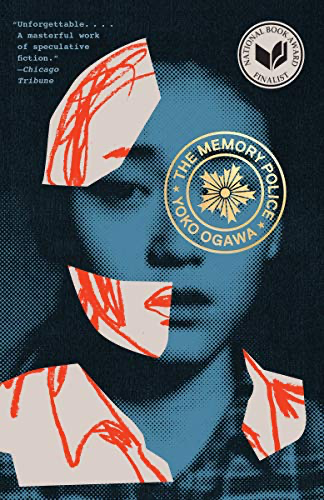
The Memory Police – Yōko Ogawa (translated by Stephen Snyder)

A young writer leads a quiet life on a distant, unnamed island, grieving a multitude of losses. Her parents passed away many years ago, but it isn’t just people that are disappearing—it’s objects, animals, and ideas as well: hats, birds, ribbons, and all manner of things. Once they disappear, nobody on the island has any recollection of their existence—they simply fade from public memory. And to enforce this, the island is under the iron fist of the Memory Police, who are there to make sure that these forgotten things stay that way. But she seems to be one of the only people who still clings to the memory of what’s been lost.

When the writer’s editor falls under suspicion from the Memory Police, she hatches a plan to hide him under her floorboards, silently completing her novel as they evade capture. And as more and more objects begin to fade into obscurity, her writing may be the only thing left to cling to.

TW/CW: loss of loved ones (past), kidnapping, police brutality

The Memory Police has been compared time and time again to 1984, and the comparison is clear, but it seemed to take a more literary approach. And while the “literary” part initially made me suspicious, this was one of the most creative and wholly human dystopian novels that I’ve read in a long time!

What sets The Memory Police apart from most other dystopias that you can think of is its perspective. We aren’t given an extensive history as to how the unnamed island came to be under such totalitarian rule, and how everything began disappearing and why. Nor do any of the characters—save for the main character’s editor, referred to only as ‘R’ in this translation—have names, save for their roles or jobs (the protagonist’s parents) or their physical appearance (the old man). All this book seeks to do is give you an ordinary person’s view into something haunting—the protagonist is just as confused as you are, and she is moving through this world in the only way that she can. Naturally, I was curious about the main plot points (how and why everything was disappearing, and how the Memory Police came to be), but I got that the point wasn’t to explain such things, but to see it happening firsthand through somebody else’s eyes, when they may know about as much as we do. I assumed the Memory Police were in control of what disappeared and they had some degree of immunity, which I was curious about, but the decision to omit these details at least made sense as a stylistic choice.

Make no mistake—The Memory Police is certainly haunting, but there’s a quietness to it that makes it stand out from the rest. In this state-surveilled, isolated island environment, this novel is the closest thing that you can get to a slice-of-life story. Other than some chilling instances involving break-ins by the Memory Police, it’s the story of one woman flying under the radar and trying to write her novel as the world is crumbling around her. There’s a constant fear surrounding everything, but in between, she finds time to craft a novel, share secret memories about her parents’ world and what they loved, and hold parties from an elderly man who helps keep her editor hidden. Sometimes, frightening change doesn’t come in the form of something obvious—it’s often slow and goes unnoticed, and it is the small things that keep us going through it.

Literary science fiction like this often comes off like it’s trying to be better than “regular” science fiction, like it boasts some lofty message that your common novel can’t possible get across. I’m glad to say that The Memory Police does none of that—some of the writing does fit that style, but nothing about it comes across as belittling or haughty. In fact, it has an incredibly powerful message. With all of the plot centering around the loss of memory and holding on to the last remnants of a past world, the ending made an incredibly powerful statement: as long as there is somebody around to keep a memory of something alive, memories never really die—they always stay with us. It’s a beautiful message on loss, and about resistance in general—maybe the most powerful thing we can do in the face of tyranny is to know that there is a way to change things, and hold memories of what our forebears did in the face of similar situations. This book is proof that dystopias don’t have to be flashy and overtly gritty to get their themes across—quietness can be just as powerful.

All in all, a nontraditional dystopia that made an incredible impact from reveling in its quiet moments. 4 stars!

The Memory Police is a standalone, but Yōko Ogawa is the author of many other novels that have been translated into several different languages, including Revenge, The Housekeeper and the Professor, Hotel Iris, and more.

Today’s song:

Peter Gabriel Summer 2 is upon us

That’s it for this week’s Book Review Tuesday! Have a wonderful rest of your day, and take care of yourselves!

Posted in Book Review Tuesday

Book Review Tuesday (5/23/23) – Only a Monster

Happy Tuesday, bibliophiles!

This book has been on my radar for quite some time—I’m always up for a good urban fantasy every once in a while, and the V.E. Schwab comparison had me hesitantly optimistic. I figured it would be a good read for AAPI Heritage Month, but…alas, it was such a mess, and ultimately not worth my time.

Enjoy this week’s review!

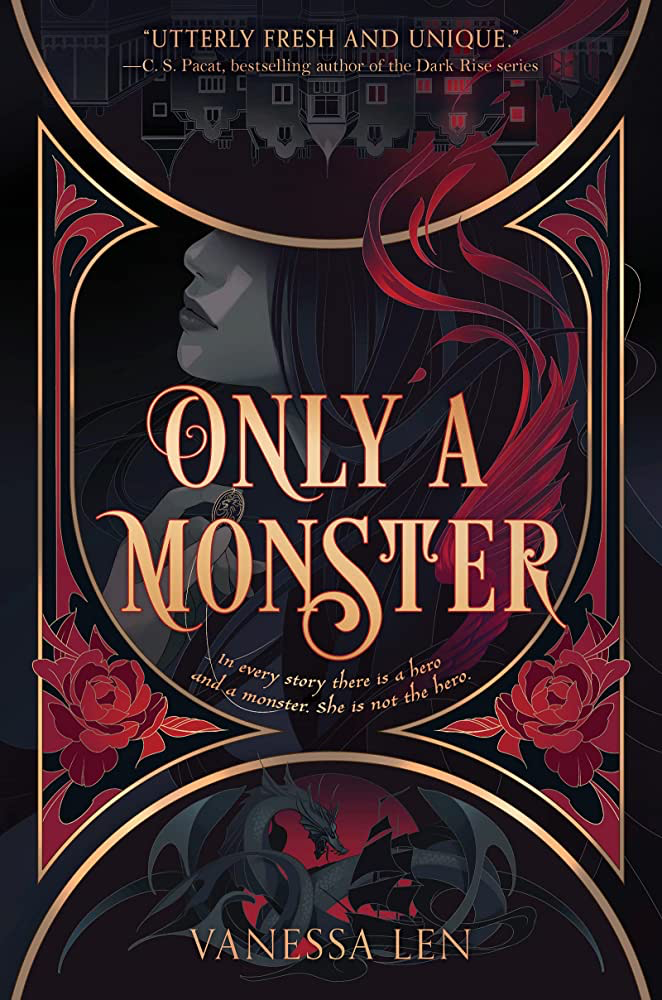
Only a Monster (Monsters, #1) – Vanessa Len

Joan is set to have the perfect summer. She’s staying in London with her late mother’s side of the family, amidst historical buildings, a steady job (with a handsome co-worker, Nick), and the smell of magic in the air. But when a disaster leaves most of her family dead, Joan is confronted with an ugly truth—she comes from a long line of time-stealing monsters. Worse still, the handsome Nick comes from a long line of monster hunters. Can Joan hone her powers before the monster hunters track her down?

TW/CW (from Vanessa Len): murder, violence, blood, loss of loved ones (on & off-page), substance abuse, xenophobia (fantasy), racism, interrogation, brainwashing, weapon use

DNF at 27%.

Before I get into my rant: I’ll always appreciate how much time and love it takes to write a book and put it out there. Any kind of creative output like this is highly admirable, and I can give this novel a certain degree of slack knowing that it’s Vanessa Len’s debut novel. That being said, Only a Monster really wasn’t it for me, and sometimes 1-star rants can be good for the soul as long as they aren’t actively hurting anybody. Gotta air it all out sometimes.

I went into Only a Monster expecting for it to be a nice break from some of the denser books I’d just read—something fun, something charmingly over-the-top. And…well, the over-the-top element was very much present, but not in a good way at all. From what I read of this novel, it was really just a mess that lacked any sort of nuance whatsoever.

We had the setup right from the start—a monsters versus monster-hunters conflict, “Joan is not the hero of this story,” et cetera, et cetera. Before reading this, I figured a lot of that language was just going to be for the sake of putting a nice hook on the front cover and other marketing purposes; I assumed that the book was going to get into some of the morally gray (as much of a buzzword that’s become with books these days) aspects of that conflict, but…no. From the get-go, we’re hit over the head with a comically large sledgehammer that JOAN IS NOT THE HERO OF THE STORY!!! and that BEING A MONSTER IS BAD BAD BAD!! and that MONSTERS AND HEROES!!!! DO NOT MIX!!! EVER!!! It’s not so much a theme so much as it is a metal pipe that gets painfully shoved down your throat. It got to the point where I felt like it was insulting my intelligence—I didn’t need to be told all this over and over. I really didn’t. Jeez. It could’ve been developed somewhat compellingly, but….no.

Beyond that, I didn’t know going in to Only a Monster that there was going to be a dreaded love triangle, which…[EXTREMELY LOUD INCORRECT BUZZER]

If there’s anything that can instantly ruin a book, it’s that. THERE’S NO NEED. And the setup wasn’t even anything that hasn’t been done before—each love interest is on one side of the conflict (monster and monster-hunter), and while I didn’t care to stick around to find out how it was resolved, I had a feeling that it would end up as a trash fire. What I did manage to get, however, was the description of Nick as “stupidly good-looking.” Can we please, as a society, get rid of this? Please? It’s starting to become just like “she let out a breath she didn’t know she was holding” at this point. Again: zero nuance.

All in all, a bitter disappointment of a book that lacked the creativity and nuance that the blurb and reviews promised. 1 star.

Only a Monster is the first in Vanessa Len’s Monsters trilogy, which will continue with Never a Hero (slated for release this August) and an untitled third book.

Today’s song:

WE LOVE THE MAGNETIC FIELDS IN THIS HOUSE

That’s it for this week’s Book Review Tuesday! Have a wonderful rest of your day, and take care of yourselves!

Posted in Books

The Bookish Mutant’s Books for AAPI Heritage Month (2023 Edition)

Happy Wednesday, bibliophiles! I wrote most of this post in advance, but as of now, I’m about to move out of my dorm!! I HAVE SUCCESSFULLY FINISHED MY FIRST YEAR OF COLLEGE!!

Here in the U.S., May is Asian American and Pacific Islander Heritage Month, and I’ve compiled another list of book recommendations for the occasion! Diverse reading shouldn’t be restricted to a single month, but it’s so important to amplify marginalized—in this case, AAPI—voices during this month. My lists serve as guides to read during not just their respective months, but any time you’d like.

However, this year is a little different. Even though I’m too lazy to change the header image (sometimes you’ve gotta be a bit stingy with your media space), I’ve decided to put both YA and adult books on this list. I’ve started to read more adult books in the past few years, and I’d be remiss if I didn’t include some of these books on this list. So it’s a slightly wider pool to choose from this year—read at your leisure!

If you’d like to see my past lists, click below:

Enjoy these recommendations!

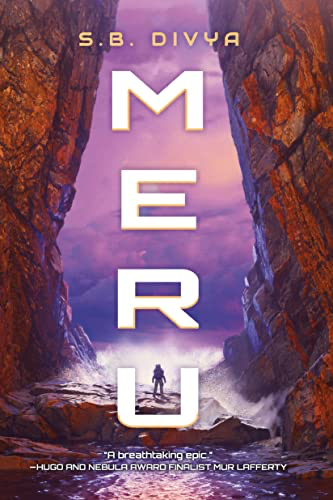
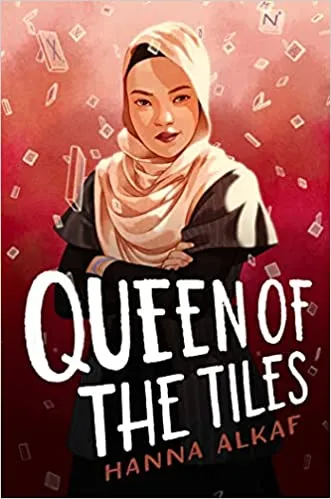
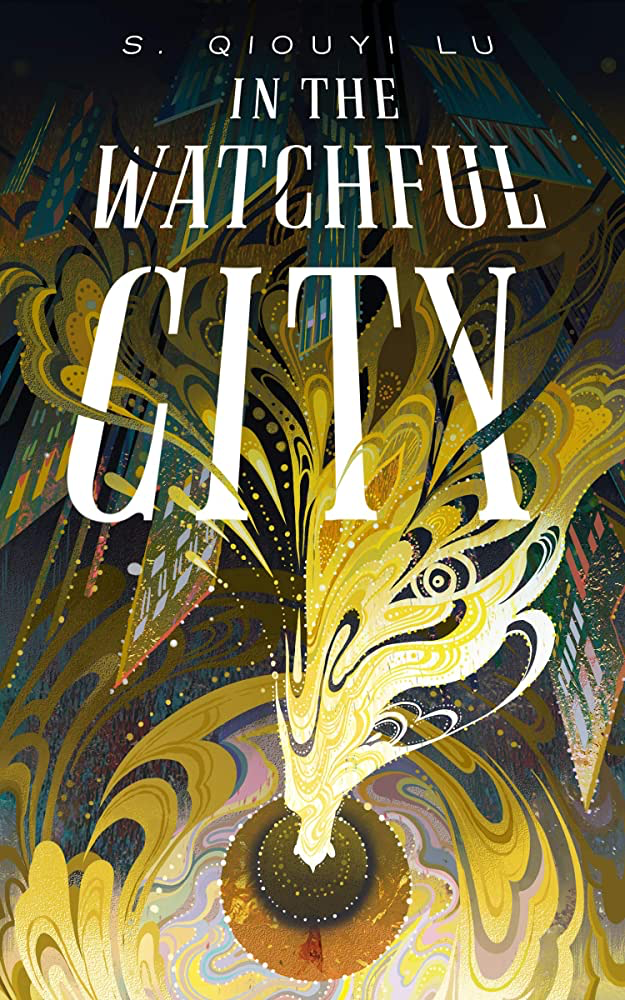
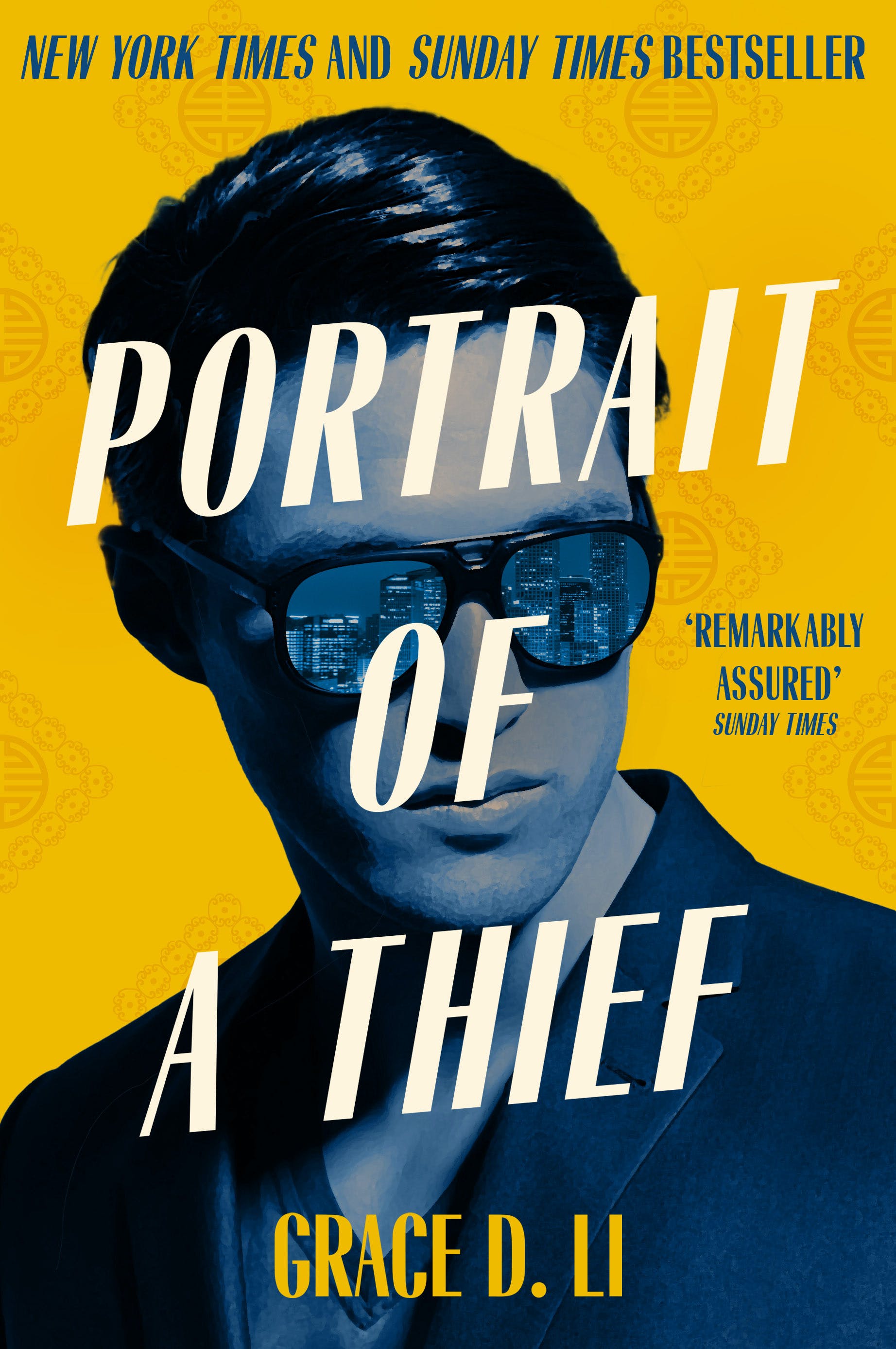
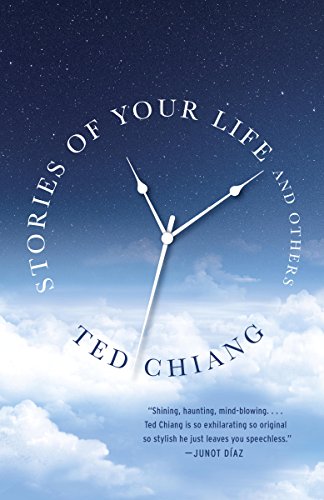
THE BOOKISH MUTANT’S BOOKS FOR AAPI HERITAGE MONTH

YA:

ADULT:

TELL ME WHAT YOU THINK! Have you read any of these books, and what did you think of them? What are some of your favorite books by AAPI authors? Let me know in the comments!

Today’s song:

I FEEL LIKE I’VE ASCENDED TO ANOTHER PLANE OF EXISTENCE HELP

That’s it for this list of recommendations! HAve a wonderful rest of your day, and take care of yourselves!

Posted in Book Review Tuesday

Book Review Tuesday (5/9/23) – Not Here to Be Liked

Happy Tuesday, bibliophiles!

I put this one on my TBR years ago, and I only fished it out of the void a few days ago, after looking for some books to read for AAPI heritage month. I’d read mixed reviews, so I went in with low expectations, but I came out with a fantastic and nuanced story of feminism in a high school setting!

Enjoy this week’s review!

Not Here to Be Liked – Michelle Quach

Eliza Quan knows that she’s qualified for the position of editor-in-chief at her high school newspaper. She’s been with them since the beginning of her high school career, and sure, she may not be the warmest person 24/7, but she has what it takes to bring the newspaper to new heights. The problem? Her classmates don’t seem to think so.

When she loses the editor-in-chief election to Len DiMartile, who only joined the newspaper after an injury prevented him from playing baseball and decided to run against her on a whim, she feels as though all of her hard work has come to nothing. And she knows she’s qualified—so why does this sexist activity keep running amok in her school? After pouring out her thoughts in a manifesto, Eliza thinks it’s all over. But after the manifesto is posted to the paper’s website without her permission, it causes a ripple effect of protest and accusations. Among the sides being taken, can Eliza transform this drama into genuine change at her school?

TW/CW: sexism/misogyny (external & internalized), racism, bullying, slut-shaming, substance abuse (alcohol)

Don’t you just love it when you’ve forgotten about a book existing, so you go in with low expectations, and you end up dazzled? Top 10 feelings, for sure.

I’ve read my fair share of feminist, realistic-fiction YA in my day, and sadly, it’s easy for them to miss the mark, whether it’s introducing diverse characters for the sake of intersectionality and doing nothing with them (Six Angry Girls) or having a protagonist who only focuses on very surface-level aspects of feminism without getting any more nuanced (half of Watch Us Rise). But Not Here to Be Liked delivered the nuance, heart, and punch that it was supposed to, making for a powerful story of systemic misogyny and leadership.

I think some of the reviews seemed to miss the point when talking about Eliza—she’s a great character, but she’s not intended to be entirely likable. It’s in the title, after all! Sure—she’s determined to make the school paper as good as possible, and sometimes, that comes off as abrasive or strict. But that’s the point—were she a man, these traits would be praised: she’s “too harsh,” but he’s “willing to take charge” or “a fearless leader.” See the double standard? That’s what this book was trying to say all along. And Quach did an excellent job of having a flawed but incredibly root-able protagonist: every position that she takes is a laudable one that’s backed up more often than not. Eliza was robbed of her position, simply because a man’s charisma meant more than a woman’s experience and talent.

Not Here to Be Liked also portrayed how we think of feminism so well! As soon as Eliza’s manifesto is leaked and both support and vitriol begin to flow towards her, many of her classmates stand behind her, but their support is often half-baked; it’s a great commentary on that shallow, hollow white feminism that’s so prevalent among people who aren’t willing to do anything politically uncomfortable: slapping an “I am a feminist” pin on your shirt, saying “smash the patriarchy!” a few times because it’s briefly profitable, and being done with it. This novel does an incredible job of dissecting the true nuance of feminism and teaching others that making genuine change isn’t simple or easy—there are always more layers than you think there are. It’s never just about gender—it’s about race, sexuality, class, and so many other facets of our national (and international) identity. And even though this book doesn’t necessarily cover every bit of it—it’s a big ask for a single book to cover every single component that falls under feminism—it didn’t need to: misogyny and racism were the main focuses, and they were dealt with in a nuanced way. Apart from a misunderstanding of the Bechdel test (the book seemed to interpret a lot of it as how much real women think about men, when Bechdel’s focus was more about how female characters are written, especially in male-dominated Hollywood), it’s a great view of feminism in a YA setting.

Plus, with all of my gripes, Not Here to Be Liked did something of an enemies-to-lovers romance pretty well! Going into this novel, that part was what I was most suspicious about, but Quach, unlike many romances with “enemies-to-lovers” slapped onto them as a buzzword, actually handled in a way that felt authentic. The stages of Eliza and Len’s relationship didn’t feel like it was cut into neat, digestible slices—they had their ups and downs, and the result wasn’t entirely black and white, either. That’s what love is. It’s not quantifiable by any of the labels we put on it, and that’s how it’s supposed to be. Personally, I didn’t think that they had a whole lot of chemistry together, but their relationship was well-written enough that I could push some of that to the side.

All in all, an incredible story of one young woman’s fight for justice in her high school that scores high on its protagonist and depictions of feminism. 4 stars!

Not Here to Be Liked is a standalone, but Michelle Quach is also the author of The Boy You Always Wanted, which is slated for release on August 1, 2023.

Today’s song:

almost finished with Kindred on FX, and I have mixed feelings about it, but for now, at least I got this eery Beatles cover out of it

That’s it for this week’s Book Review Tuesday! Have a wonderful rest of your day, and take care of yourselves!

Posted in Uncategorized

Book Review Tuesday (4/11/23) – Stars & Smoke

Happy Tuesday, bibliophiles!

Here’s the thing—I’m not sure if I would read this book if it weren’t for Marie Lu. It’s not the kind of story that I would normally pick up, but if I’ve learned one thing as a longtime fan, it’s that she’s deft at writing for a variety of different genres. After finishing Stars and Smoke, it proved my point—I probably wouldn’t have read it otherwise, but it was still a fun read.

Enjoy this week’s review!

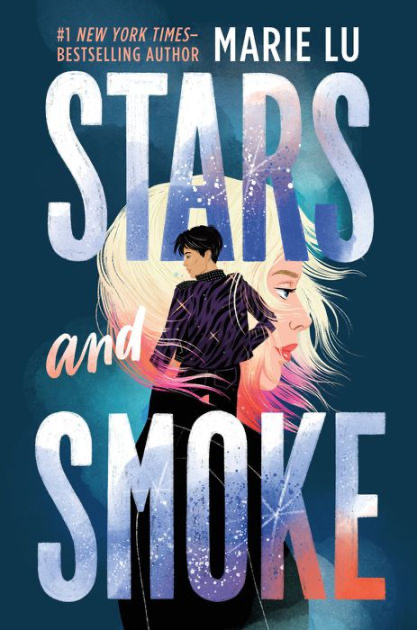
Stars and Smoke (Stars and Smoke, #1) – Marie Lu

Winter Young is on top of the world. The former backup dancer has had a meteoric rise to fame with his solo career, with sold-out tours and chart-topping albums every year. But his talents are wanted elsewhere—as a spy.

For Sydney Cosette, Winter is the key to taking down Eli Morrison, a prominent crime boss. After Morrison’s daughter, Penelope, requests a private concert for her birthday, Sydney and her colleagues recruit him for the Panacea Group, a spy organization willing to do the dirty work that most won’t do. Winter is the perfect opportunity to infiltrate Eli Morrison’s rank—and take him down for good. But sparks are flying between Winter and Sydney—sparks that could compromise the mission itself…

TW/CW: poisoning, murder, loss of loved ones

I’ve been a fan of Marie Lu since middle school, and she’s become an autobuy author for me, no matter the story—in my experience, she’s shown herself to be incredibly versatile when it comes to hopping genres. When I saw the description for this book, I knew one thing: I probably wouldn’t have read this book had her name been on it. It didn’t seem like my type of story. And although that’s still true, Marie Lu gave it her best shot at that magic touch that she applies to every novel she writes.

Lu said that in the acknowledgements that after the pandemic and all of the chaos and awful things that have happened as of late, this book was meant to be a piece of light escapism to distract from it all. Given how dark some of her works have gotten, I really respect creating a book just for that purpose—some days you can’t swallow a whole, literary masterpiece full of emotional turmoil. And as with every other novel she’s written, Lu achieves that goal perfectly. Stars and Smoke is pure fun—it’s the YA version of an action-packed blockbuster, filled with fun and romance. Lu keeps the plot and pace going steadily, and I never found myself getting bored.

However, even though most of the book hinged on the premise of said romance, it barely felt fleshed out. In the last 2-3 years, I’ve seen the “enemies to lovers” trope being slapped on advertisements and blurbs for books as a selling point from its popularity from both fan fiction and BookTok. Listen—I adore the dynamic when it’s done well, but the trope has become such a buzzword that a lot of authors seem to have forgotten what it’s really about. All too often, the stretch between “enemies” and “lovers” is virtually nonexistent, making for a half-baked romance that ends up feeling like it has no chemistry—going to complete disgust to head-over-heels in love in no time at all.

Stars and Smoke, unfortunately, fell into this trap as well, which is frankly surprising, since Marie Lu has done enemies-to-lovers (and romance in general) well before. Winter and Sydney seemed to have hardly any chemistry at all—they seemed to go from “eh, I really don’t want to work with [x]” (and vice versa) to “excuse me while I write a chart-topping love confession for [x]” in a very short span of time. The “enemies” part was very understated too—not that I’m complaining, but if anything, it was more “mild annoyance to sorta lovers, I guess” than anything. Again: enemies to lovers has become a complete buzzword. Trope terms are helpful, but love is often more complicated than that, and the key to getting them right is to recognize the nuance beyond the basic premise of the trope.

All in all, a light, fun novel that lacked in the romance department, but delivered in the pure escapism that it promised. 3.5 stars!

Stars and Smoke is the first in a planned duology, concluding with an as-of-yet unnamed sequel set to be released sometime in 2024. Marie Lu is also the author of the Legend series (Legend, Prodigy, Champion, and Rebel), the Young Elites trilogy (The Young Elites, The Rose Society, and The Midnight Star), the Warcross duology (Warcross and Wildcard), the standalone Kingdom of Back, the Skyhunter duology (Skyhunter and Steelstriker), and many other books for children and young adults.

Today’s song:

criminally short

That’s it for this week’s Book Review Tuesday! Have a wonderful rest of your day, and take care of yourselves!

Posted in Book Review Tuesday

Book Review Tuesday (4/4/23) – Strike the Zither

Happy Tuesday, bibliophiles!

Descendant of the Crane and The Ones We’re Meant to Find made me an instant fan of Joan He, and so I was immediately hooked when I found out that she was cooking up another piece of folkloric-feeling historical fiction! And now that I’ve finished this novel, I can safely say that Joan He has never once let me down. Fingers crossed that it’s consistent.

Enjoy this week’s review!

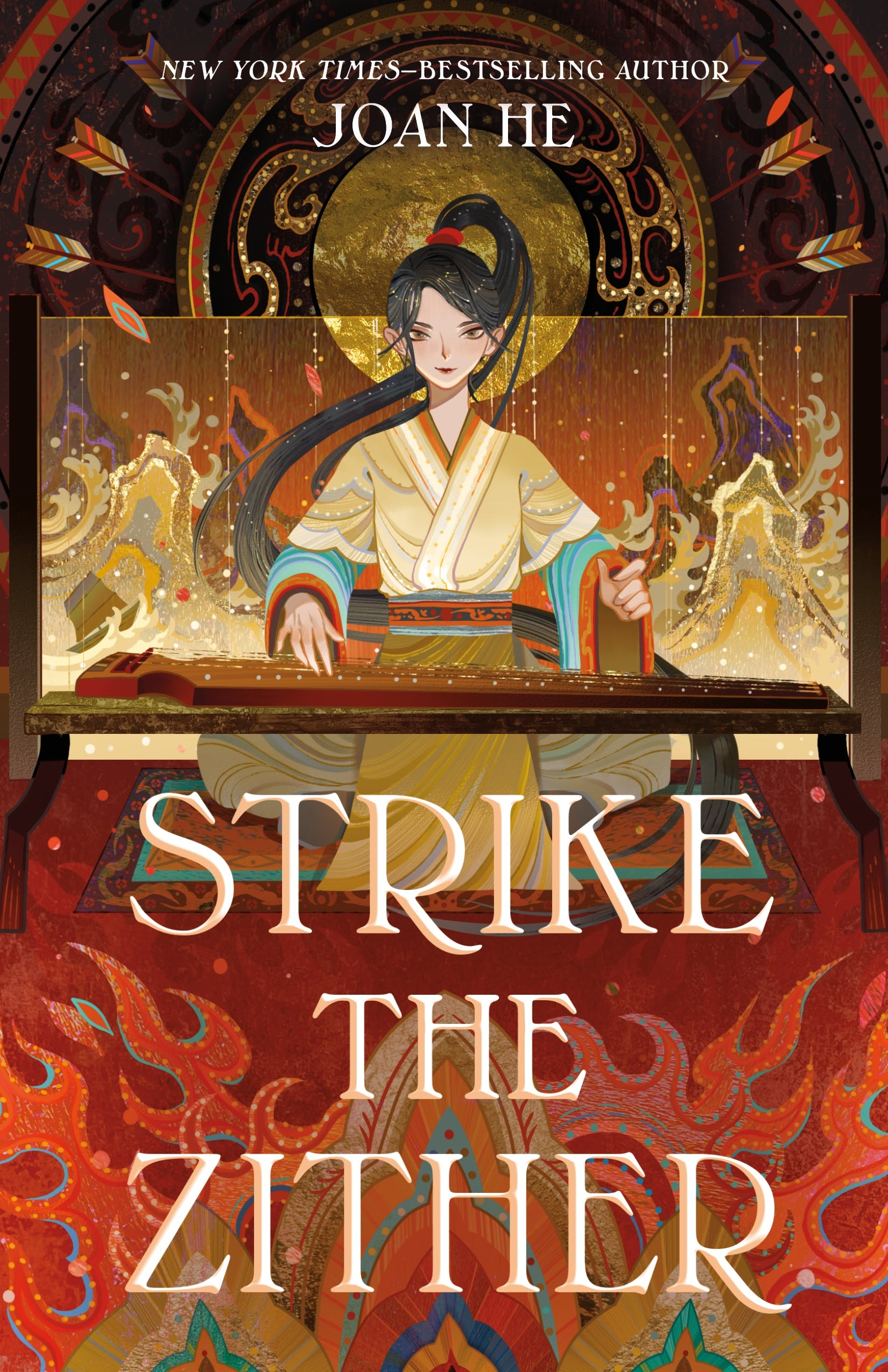
Strike the Zither (Kingdom of Three, #1) – Joan He

Zephyr has spent her whole life mapping survival out strategically. It was necessary after she was orphaned while she was still young, but as the strategist of the warlordess Xin Ren, she now holds the fate of a warring country in her hands. Three factions are fighting for dominance under a figurehead of an empress, and any sudden moves could mean that one faction takes over the entire Xin Dynasty.

When Zephyr is sent on a mission to infiltrate the ranks of the enemy to ensure the safekeeping of Xin Ren’s loyal followers, she collides with Crow, an enemy strategist with an agenda of his own. But the boiling point of all three factions is fast approaching, and Zephyr must do anything in order to make it out alive—even if it means exposing herself to the enemy.

TW/CW: death, blood, war themes, violence, torture, animal death, vomiting, abuse, body-shaming, xenophobia (fictional)

I’m not sure why I’m so hesitant to say that Joan He can do no wrong at this point. She’s never missed. Not with Descendant of the Crane, not with The Ones We’re Meant to Find, and certainly not with this novel. Her first two books were already works of art, and I’m glad to say that He is consistent in the quality of her writing, and consistent in her ability to put out so much unique media into the world of literature.

Each Joan He book is memorable in its own way, but what stood out to me about Strike the Zither was how wonderfully cinematic it was. It wasn’t frustratingly quippy or overtly self-serious; He knew just when to hit the balance, juxtaposing war with well-placed zither solos and political intrigue. He seems to do political intrigue especially well—there’s a way to make it genuinely interesting without having the entire focus be on court drama, which happens so often in YA, and with both this novel and Descendant of the Crane, she teases each development just enough to continually keep my attention. With the stylized art on the cover, I could honestly imagine this novel being adapted into a darker Laika Studios stop-motion film, but no matter the medium, Strike the Zither feels like it was born for the screen.

He also has an awareness of her characters that not many YA authors do—she knows that Zephyr and all of the other supporting characters are over the top, and she absolutely rolls with it. Again, Strike the Zither was a master class in balance; Zephyr neither fell into the all-too-common self-seriousness of YA, nor did she constantly break out into the dreaded Marvel Funny personality. She’s theatrical, but in a fun way that doesn’t mire itself in angst unnecessarily. Given this novel’s roots in Chinese classics and folklore, it’s the perfect way to write it; He mentions that the original epic of the Three Kingdoms had a tendency to put historical figures on a godlike pedestal, and this felt like a tongue-in-cheek response to that style.

The pacing of this novel also sealed the deal for me; although it was a little difficult to get into right out of the gate with how the world and its characters were so rapidly introduced, once it got going, the pace never faltered. Every action felt calculated, like the strategist that Zephyr is, and each choice elevated the plot to heights that I didn’t expect Strike the Zither to reach. The main twist was so deftly executed, and it had me grinning from ear to ear when I came across it, and my excitement never waned over the course of this novel. This one’s a must-read, trust me.

All in all, an impressive display of Joan He’s talent on all fronts. 4 stars! I can’t wait for the rest of the duology!

Strike the Zither is the first book in the Kingdom of Three duology; the sequel, Sound the Gong, is set for release in October of 2023 (!!!). Joan He is also the author of Descendant of the Crane and The Ones We’re Meant to Find, both of which are standalones.

Today’s song:

I’ve had this on repeat for the past few days :,) so lovely

That’s it for this week’s Book Review Tuesday! Have a wonderful rest of your day, and take care of yourselves!

Posted in Books

Feminist YA Books for Women’s History Month (2023 Edition)

Happy Wednesday, bibliophiles, and more importantly, Happy International Women’s Day!

Aside from that, the month of March in the U.S. is Women’s History Month! These past few years have been tumultuous for women here in the U.S. and elsewhere, with the attacks on bodily autonomy being some of the most violent in recent years. But despite it all, we cannot lose hope—by lifting each other up, we can foster an environment that respects women as equals. And as I’ve always said, literature is resistance: it isn’t just real-life heroes that can inspire us to incite change—fictional heroines can have just the same effect. So for the occasion, I’ve gathered even more feminist YA book recommendations.

For my previous lists, click below:

Enjoy these book recommendations!

FEMINIST YA BOOKS FOR WOMEN’S HISTORY MONTH (2023 EDITION)

Most Likely, Sarah Watson

GENRES: Contemporary, realistic fiction, romance, LGBTQ+

MY RATING: ⭐️⭐️⭐️.5

An intersectional story that weaves together the lives of four girls in their senior year of high school—one of which will become the president of the United States.

Extasia, Claire Legrand

GENRES: Dystopia, paranormal, horror, romance, LGBTQ+

MY RATING: ⭐️⭐️⭐️⭐️.5

Claire Legrand has made another gem of a feminist novel—this time, a chilling tale of unseen beasts and hidden power.

One for All, Lillie Lainoff

GENRES: Historical fiction, retellings

MY RATING: ⭐️⭐️⭐️.75, rounded up to ⭐️⭐️⭐️⭐️

A genderbent retelling of The Three Musketeers with a disabled, swordfighting protagonist—actually by a disabled author too!

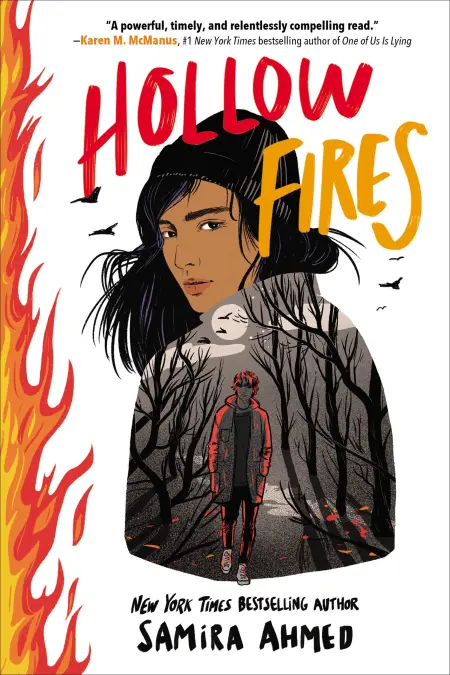
Hollow Fires, Samira Ahmed

GENRES: Contemporary, realistic fiction, mystery

MY RATING: ⭐️⭐️⭐️⭐️

Samira Ahmed always ends up showing up on these lists, and for good reason—she’s never missed with any of her raw and fiercely feminist novels, and Hollow Fires is no exception.

The Most Dazzling Girl in Berlin, Kip Wilson

GENRES: Historical fiction, romance, LGBTQ+

MY RATING: ⭐️⭐️⭐️⭐️.25

A beautiful novel in verse about two queer girls who perform in a cabaret in 1930’s Berlin.

The Lesbiana’s Guide to Catholic School, Sonora Reyes

GENRES: Contemporary, realistic fiction, romance, LGBTQ+

MY RATING: ⭐️⭐️⭐️⭐️

A fantastic novel about a lesbian Mexican-American girl navigating a Catholic high school—and her budding feelings for a classmate.

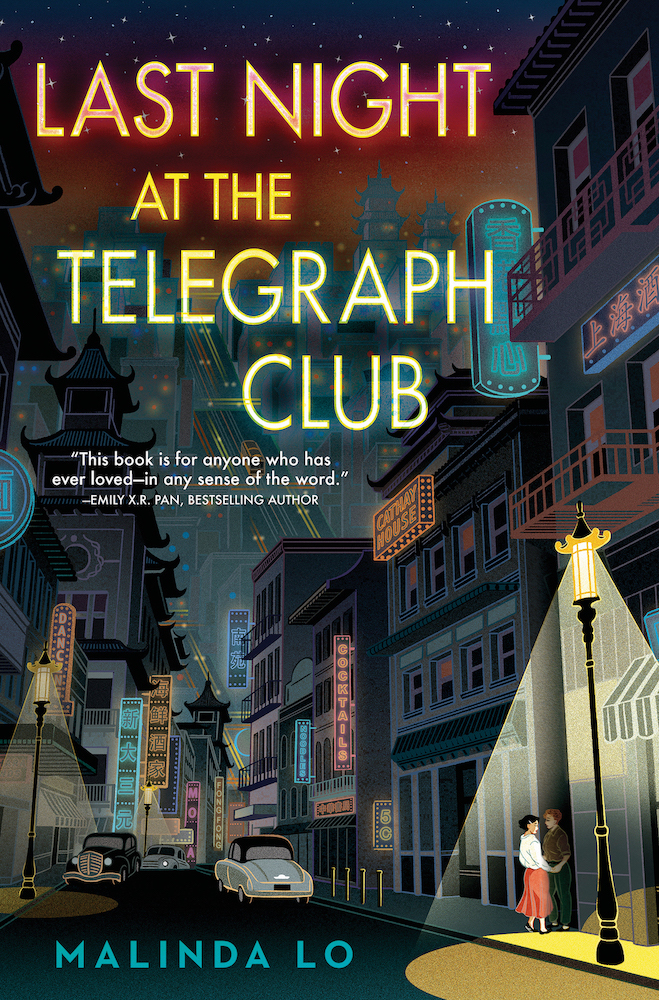
Last Night at the Telegraph Club – Malinda Lo

GENRES: Historical fiction, LGBTQ+, romance

MY RATING: ⭐️⭐️⭐️.5

A raw but tender love story of two queer, Chinese-American girls in 1950’s Chinatown.

Cool. Awkward. Black. – Edited by Karen Strong (anthology)

GENRES: Fiction, fantasy, science fiction, paranormal, LGBTQ+, romance

MY RATING: ⭐️⭐️⭐️.5

An anthology of Black stories of all genres, but with a particular focus on geek culture!

The Reckless Kind, Carly Heath

GENRES: Historical fiction, LGBTQ+, romance

MY RATING: ⭐️⭐️⭐️⭐️⭐️

I’ve described this one enough times, but I promise that I will NEVER shut up about how meaningful this book is. Just go read it. TRUST ME.

Follow Your Arrow, Jessica Verdi

GENRES: Contemporary, realistic fiction, LGBTQ+, romance

MY RATING: ⭐️⭐️⭐️

Though this book was far from perfect, I think it’s still worth it to put on this list; the writing and romance weren’t great, but Follow Your Arrow has plenty of timely discussions around bisexuality and how we treat queer women.

HONORABLE MENTION:

The Trouble With White Women: A Counterhistory of Feminism, Kyla Schuller

GENRES: nonfiction

MY RATING: ⭐️⭐️⭐️⭐️.5

Although this list was intended to be just for YA and fiction, I’d be remiss if I made a post about feminism and didn’t include this book. The Trouble With White Women presents a view on feminism that is necessary for moving past simply white feminism, and presents the feminist movement through those on the margins, such as Frances Harper, Pauli Murray, and Alexandria Ocasio Cortez. It’s seriously one of the best nonfiction books I’ve read in ages—on any subject matter.

TELL ME WHAT YOU THINK! What did you think of the books on this list? What are your favorite feminist YA books? Let me know in the comments!

Today’s song:

Most of the Warpaint I’ve heard hasn’t done much for me (aside from their great cover of “Ashes to Ashes”), but I love the quietness of this one!

That’s it for this list of recommendations! Have a wonderful rest of your day, and take care of yourselves!

Posted in Book Review Tuesday

Book Review Tuesday (1/31/23) – A Million to One

Happy Tuesday, bibliophiles!

I hate to end the month on a negative note review-wise, but I just wasn’t a fan of this novel. I’ve been following Adiba Jaigidar’s books for a little while, and for the most part (still don’t see why Hani and Ishu still gets that much hype), she does well with writing diverse YA romances. I was excited to see her take on a different genre, but to my disappointment, A Million to One read as a half-baked, flimsy excuse for a heist.

For my review of Hani and Ishu’s Guide to Fake Dating, click here!

Enjoy this week’s review!

A Million to One – Adiba Jaigirdar

Josefa, Emilie, Hinnah, and Violeta: four girls from radically different backgrounds, thrown together on the RMS Titanic. Their mission: to steal a copy of the Rubaiyat, embedded with jewels and worth a fortune. With all of their skills combined, the girls are confident that they can swipe the priceless book once and for all. But the Titanic is filled with distractions, romance, and all sorts of obstacles, and the job may be easier said than done. Add in the recent revelation that the Titanic is sinking, and the four realize that they may be in over their heads…

TW/CW: drowning, mentions of parental abuse, loss of loved ones, abandonment

Yikes. I think I’m gonna have to break up with Adiba Jaigirdar after this one. I loved The Henna Wars, Hani and Ishu’s Guide to Fake Dating was decent but nothing earth-shattering, and now A Million to One was just plain disappointing. Her books have just gotten progressively worse for me? I really appreciate that she’s branching out from romance, but it really seems like she bit off more than she could chew.

Before I get to all my gripes, I will say that I loved, as with all of Jaigirdar’s novels, the amount of diversity. It’s historical fiction, but we have Black, Pakistani, and Croatian characters, a sapphic romance, and all but one of the main characters are immigrants, which is always fantastic to see. The thing about A Million to One was that everything came down to the execution, and the execution failed miserably.

If I had to sum up A Million to One in brief terms, it feels like Jaigirdar was watching your garden-variety heist movie, fell asleep half an hour in, and then tried to write a book from that memory as soon as she woke up. All of the beats of a typical heist were technically there, but they all but stood around and did nothing. Everything that should have been interesting about this novel—getting the gang together, the Titanic setting, carrying out the heist, the romance—was glossed over in favor of a good 100 pages of dithering in between each major plot point. It was the skeleton of a heist, lacking all of the meat and muscle that would have made it substantial.

For instance: the first few chapters of the novel. These were dedicated to Josefa assembling her crew, which is the kind of beat that I really enjoy in any kind of heist plot. However, all it consisted of was Josefa randomly going up to the rest of the characters with seemingly no explanation and offering them the job, and them either agreeing to it immediately (???), or, if we were lucky, having a paragraph of deliberation before agreeing to it. This could have been a perfect opportunity to develop the characters (especially since they weren’t developed much at all throughout the novel anyway) and introduce their personalities/roles in the heist, but we got absolutely none of that. It wasn’t like A Million to One was so long that this part of the plot needed to be cut down for time—it’s barely over 300 pages. There was no excuse for that.

And for the amount of opportunities that Jaigirdar had to develop these four characters, most of them were shockingly underdeveloped. Other than some insight on the motivations of Violeta and Emilie, all four characters had nearly indistinguishable voices, personalities, and no reason for being on the mission other than a vague role. We got a bit of a tragic backstory for Hinnah, at least, but a tragic backstory with nothing else to go off of does not a well-developed character make. In addition, we only got a vague idea of what the characters’ roles were—the actress, the thief, the acrobat, and the forger—often with no context. For instance: Violeta was supposed to be an actress, but we got no idea of her background, her training, and how she got to be so good. For a novel that seemed to market the diversity and individuality of the crew, it would’ve been leagues better if I had been able to tell who was who without the chapter titles.

The majority of the novel ended up being a bunch of meaningless dithering about on the Titanic, which was intended to…build up the suspense, I supposed, but it felt like far too many pages of The Gang running around the ship, chatting with a boy or two, trying to throw the guards off their trail, and making no progress whatsoever. There was supposed to be a romance somewhere hidden in there, but it ended up being my problem with Hani and Ishu, amplified: two characters just got thrown together with zero prior chemistry, insinuation, or anything that would suggest love. It got to the point where any movement in the novel was indistinguishable, and by the time I finally got around to the actual heist, any semblance of suspense or action had vanished. The only thing that managed to partially grab my attention was the fact that the Titanic had started to sink, but by then, the only aspect that somewhat grabbed my attention was that half of the main cast died. If major character deaths are the only thing that are keeping your reader interested, then something is very wrong with your plot.

All in all, a break from form for Adiba Jaigirdar, but one that ended in a half-baked, borderline boring disaster. 2 stars.

A Million to One is a standalone, but Adiba Jaigirdar is also the author of The Henna Wars, Hani and Ishu’s Guide to Fake Dating, and the forthcoming The Dos and Donuts of Love.

I’ve already posted once today, but have another song anyway:

such a lovely cover 😭

That’s it for this week’s Book Review Tuesday! Have a wonderful rest of your day, and take care of yourselves!

Posted in Book Review Tuesday

Book Review Tuesday (12/20/22) – A Venom Dark and Sweet (The Book of Tea, #2)

Happy Tuesday, bibliophiles!

I really enjoyed the first book in the Book of Tea duology, A Magic Steeped in Poison, because of its unique magic system and immersive world. Lucky for us, book 2 came out mere months after Magic (HOW), so I got to get my hands on Venom somewhat soon after reading book 1. However, a lot of what I loved about Magic was watered down in the sequel—Lin’s writing remained strong, but a good portion of what made Magic so unique had been sidelined.

Tread lightly! This review may contain spoilers for A Magic Steeped in Poison. If you haven’t read it and intend on doing so, read at your own risk.

For my review of book 1, A Magic Steeped in Poison, click here!

A Venom Dark and Sweet (The Book of Tea, #2) – Judy I. Lin

After the Banished Prince returns to take his place on the throne of Dàxi, Ning and the other exiled royals are forced into hiding. Evading the Prince’s systematic tea poisonings across the kingdom, it’s up to Ning to expose the fraud and treachery of the new ruler. But an even greater evil lurks in the shadows, and if Ning and her newfound allies can’t stop the hostile takeover of their kingdom, they may fall to an even worse fate than they could have ever imagined.

TW/CW: fantasy violence, death, substance abuse, torture

I really wished I liked A Venom Dark and Sweet more than I did; the series was off to such a strong start with A Magic Steeped in Poison, but this sequel bordered on lackluster in comparison. Without the novelty of the unique elements that made book 1 so memorable, there wasn’t much else to carry the plot, save for Lin’s excellent writing; nevertheless, it was still entertaining.

As with Magic, Judy I. Lin’s beautiful writing was the strongest point of the whole novel. Her prose continues to be as lush and immersive as the world she created, and even when the plot faltered, Lin’s words carried it afloat until the end of the book. It wasn’t quite enough to overshadow the weaker aspects of this book, but it gets an extra half-star from me—it largely picked up the slack of the rest of the book.

However, the rest of Venom didn’t seem to have much to it. Most of the book seemed to just be the two parties skirting around each other/trying to avoid getting killed, and it just felt like 350-odd pages of a wild goose chase. After how compelling the political intrigue and the magic system of Magic were, I expected so much more from this book, but there seemed to be hardly any payoff to anything that happened in book 1. We did get some bits of fascinating worldbuilding (the bamboo forest, for one, we needed more of that), but they were delivered in such brief, fleeting chunks that they left me feeling disappointed. It was decent on its own, but I just wanted more—more exploration of the world, more exploration of the magic system, more stakes.

And speaking of no payoff…did Lin just forget that she was teasing a romance between Ning and Kang? Venom was told in dual POVs between the two of them, but they didn’t end up meeting until about the 95% mark and then…nothing really happened? My issue isn’t that they were just platonic (in fact, I’d be all for that), but given that Lin was teasing a romance between them for a good portion of Magic, I really wished there had been some sort of resolution.

All in all, a promising sequel with beautiful prose, but a lackluster conclusion to the duology as a whole. 3.5 stars.

A Venom Dark and Sweet is the final book in the Book of Tea duology, preceded by A Magic Steeped in Poison. Judy I. Lin is also the author of the forthcoming Song of the Six Realms, slated for release in 2024.

Today’s song:

finished learning this on guitar today, so much fun

That’s it for this week’s Book Review Tuesday! Have a wonderful rest of your day, and take care of yourselves!
Posted in Book Review Tuesday

Book Review Tuesday (11/29/22) – The All-Consuming World

Happy Tuesday, bibliophiles!

I never learn, do I? Every few weeks, I always start craving sci-fi again, and when there’s nothing readily available at the library or on Kindle, I just sift through the dust bunnies in my TBR until I find something interesting. And to be fair, The All-Consuming World did sound interesting. I was willing to give it a chance despite the pitifully low ratings it’s been getting (a 3.28/5 on Goodreads, as of now), but it turned out to be exactly the disappointment that the reviews promised.

Enjoy this week’s review!

The All-Consuming World – Cassandra Khaw

Maya’s glory days are over. After being resurrected dozens of times, she’s slowly outgrown the Dirty Dozen, the galaxy’s most infamous criminal group, and decided to make her own way. But when the galaxy’s ruler, an all-powerful, sentient AI, threatens to hold their realm in a chokehold, it’s up to Maya to recruit the disbanded bunch of cyborgs, clones, and lowlives to save the galaxy from complete control.

TW/CW: body horror, sci-fi violence, amputation/emergency medical procedures, suicide

DNF at 35%.

I genuinely can’t think of a book with a more jarring writing style than this one. Jarring can sometimes be good, but in the case of The All-Consuming World, it seemed like a case of vast stylistic indecision, and this indecision dragged the entire book down with it. I really wanted to like this book—queer space opera is always up my alley, and I always want to try and support queer authors—but it ended up being a sore disappointment all the way through. (What I could stand to read before I gave up, anyway.) As I always say with my negative reviews: I completely understand. Putting yourself out there as an author is an immensely hard thing to do, and I always admire the work put in. But this book just did not click with me at all.

The writing style is what, for me, made The All-Consuming World crash and burn. Maya was clearly supposed to be a rough-around-the-edges character, battered and bruised, and all around Tough and Gritty™️, and at least half what I read seemed to try and get that voice…with at least 15 f-bombs dropped within rapid succession of each other on each page. Now, I don’t have a problem with swearing at all, and I appreciate the art of a well-placed, well-timed swear. But the excess of ill-placed cusses (along with more f-bombs than there are leaves on the trees in the Amazon Rainforest)—half of which were in combinations that made absolutely no sense at all—made for writing that read more like a middle schooler trying to be edgy than a tough and hardened criminal.

But on the other hand, the other half of what I read was some of the wordiest, floweriest prose I’ve ever read. And some of that had moments of being good—I’ll give Khaw some credit for that—but it was such a jarring contrast. Sometimes, juxtaposition like this works, but the two, distinct voices that Khaw was trying to go for had such a vast gulf in tone between them that it lacked any sense of cohesion whatsoever. I really wanted to stick it out to see what happened, but it was just giving me such a headache to try and weather the writing, so I had to quit.

I stopped at 35% of the way through, and I still don’t have a clue what was going on, plot-wise. I seriously can’t remember if there was a plot beneath all of the flashbacks and exposition, impenetrable prose, and multitudinous f-bombs. From the synopsis, I was told that Dimmuborgir was supposed to be a central plot point, but I only remember it being mentioned a single time. Yes, 35% of the way in isn’t all that far, but that close to the halfway point, I would’ve thought that the characters would have at least moved the slightest bit towards their destination. It was all very…vague. Vague sense of rebellion towards a vague concept of an omniscient, ruling AI with a vague set of characters that fell into either AI or Hardened Criminal™️ boxes. And the worldbuilding? Left the building before the book had even begun. Trying to read The All-Consuming World felt like trying to dig through a messy closet, and emerging an hour later without having found the thing you needed to find in the first place.

All in all, a book that it pains me to rate so low, but crashed and burned in almost every conceivable aspect. 1 star.

The All-Consuming World is a standalone, but Cassandra Khaw is also the author of the Persons Non Grata series (Hammers on Bone and A Song for Quiet), Nothing but Blackened Teeth, These Deathless Bones, and several other novels and novellas.

Today’s song:

BACK TO BLUR AGAIN!! so far, this is my least favorite album of theirs that I’ve listened to, but it’s still a fantastic listen—take this song, for instance

That’s it for this week’s Book Review Tuesday! Have a wonderful rest of your day, and take care of yourselves!