Posted in Book Review Tuesday

Book Review Tuesday (10/21/25) – Failure to Communicate

Happy Tuesday, bibliophiles!

I found out about this book earlier this year while looking for more sci-fi with queer and/or disabled rep (as I always am). This book seemed to have nearly the perfect premise—I just can’t get over how genius it is to have an autistic protagonist who’s had to study human behavior her whole life study alien behavior as well in order to initiate First Contact. I ended up buying it for Bookshop.org’s recent Anti-Prime Sale, and I ate it up in a handful of days. Though not without its flaws, Failure to Communicate delivers almost completely on its remarkable premise, full of political intrigue, aliens, and heart.

Enjoy this week’s review!

Failure to Communicate (Xandri Corelel, #1) – Kaia Sønderby

Xandri Corelel has spent her life studying everyone around her, be they people or aliens. She’s been forced to, after centuries of eugenics has made her one of the few autistic humans left in the universe. She uses these skills as a Xeno-Liaison, negotiating with all sorts of aliens on behalf of the Starsystems Alliance. But when presented with a potentially hostile species possessing one of the most powerful weapons in the universe, Xandri faces the most difficult negotiation of her career—one that may chance the face of interspecies relations forever.

TW/CW: ableism, xenophobia (fictional), violence, blood, genocide themes, slavery, animal death

“Autistic person spends entire life trying to understand human behavior, doesn’t fully understand it, then spends her entire career understanding alien behavior instead” has to win the gold medal for the best sci-fi premise I’ve heard in years. (Also, felt.) And though not all of it delivered on said premise, Failure to Communicate is a hidden gem for sure.

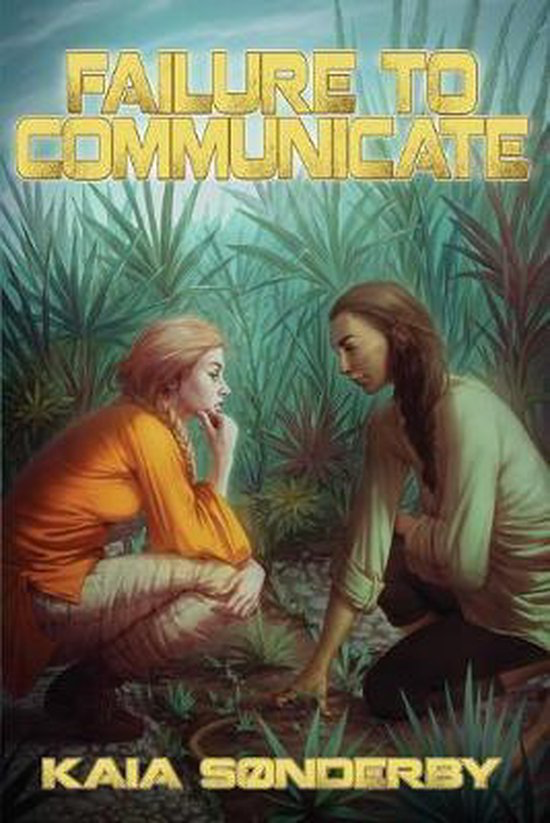
Now, I’m reviewing a space opera book which features a whole host of alien species, which means it’s time for my obligatory creature design rant. The aliens in Failure to Communicate are…a complicated case, for sure. The majority of them are basically larger, intelligent versions of real-world animals (with some brief exceptions), but Sønderby is self-aware of the fact; for instance, the Psittacans (a name that Xandri gave the species and didn’t develop on its own, thankfully) basically look like giant parrots, but Xandri explains that in-universe, all of their parrot-like features aren’t anything like what we would call, say, feathers, but evolved in such a way that they looked exactly like Earth parrots independently of Earth. This same explanation is given to pretty much all of the other species in the book, which is a bit too convenient to apply to 90% of the aliens in the novel. As for the Anmerilli, though I’m not disparaging the cover artist in any way, I feel like the cover didn’t do justice to their more alien features—and man, was I relieved that these aliens weren’t just humans with extra steps. Well…if you boiled it down, they kind of were, but there were enough traits that they at least got to the level of a decently compelling Star Wars humanoid. (Also, Sønderby’s descriptions of the Zechak also made me picture them as genocidal Piglins, which was…uh, interesting, for sure.)

But what almost made up with that for me was the in-depth explanations of their respective cultures. In the end, Failure to Communicate wasn’t necessarily a book about biology—it was a book about politics, anthropology, culture, and communication. That, at least, was incredibly fleshed out and much more thoroughly thought-out—as it should’ve been. Dissecting some of the alien cultures was one of the best parts of the novel. These cultures and the conflicts between them formed the backbone of the novel. Though until the end, Failure to Communicate is somewhat light on action, Xandri’s experiences with navigating the intricacies of dozens of alien cultures was nothing short of compelling—Sønderby has the mind of an anthropologist, and there was truly no stone left unturned. I loved that she didn’t shy away from depicting the discomfort that comes with interacting with other cultures for the first time and having one’s own values brush up against theirs—it’s bound to happen with First Contact, and it’s bound to happen in a lot of novel, multicultural interactions. There were some places where I felt there needed to be more nuance (ex. the whole situation with the Zechak; yes, they’re genocidal, but it verged too close to “this entire species consists of genocidal, cold-blooded killers,” which Xandri tries to self-correct, but isn’t emphasized enough. I’d find that hard to believe), but overall, I loved Sønderby’s cultural explorations.

Sønderby’s commitment to not shying away from discomfort was one of the best parts of the novel, and that was made manifest in her main character, Xandri. There was a ton about her that I loved—her keen eye for cultural quirks, her inner monologues about the idiosyncrasies of the neurodivergent world, and her unflappable sense of justice. However, she was far from a perfect character—even being in a world populated with aliens, she harbored her own unconscious biases and prejudices, which she frequently had to come to terms with throughout her mission. She lashed out, she made rash decisions—she was imperfect. And though she was easy to root for, she had plenty of flaws, a balance that is difficult for any author to strike.

Failure to Communicate isn’t an action-heavy book, which I’m all for—waiter! More cozy sci-fi, please! However, I hesitate to call this novel “cozy,” especially considering the moment when shit hits the fan during the last third of it. Everything that happens then swiftly merits the “cozy” title being unceremoniously ripped off. Nonetheless, Sønderby takes some cues from cozy sci-fi’s best; I loved how she let the plot meander in the more interpersonal conflicts as opposed to the big and showy ones, and let the often messy character dynamics take the lead. The ending was also messy and bittersweet, but not in a way that lacks resolution—it is a resolution, just a very complicated one with quite a lot of uncomfortable implications for Xandri. Another example of Sønderby not shying away from making things complex. I do like that it ended on a very hopeful note, as much of a wreck as some things ended up being.

Being neurodivergent, the subject of disability was part of what drew me into Failure to Communicate. I’ve mentioned on here that I have SPD, which shares some similarities with autism, and I related to Xandri’s lifelong mission to study and understand the neurotypical people around her in order to try and piece together how their world worked. She deals with a hefty dose of ableism (both from well-intentioned and malicious people) throughout the book, which was quite rough, but I loved that she never compromised her pride in being autistic. Sønderby takes the trope of futuristic societies erasing disability as a sign of progress to task, which amplifies Xandri’s struggles as an autistic woman into the struggles of possibly being the only autistic person in the entire galaxy. Which…yeah. The ableism is inevitable at that point. The only disability aspect that I’m not so sure about was having the twist that Marco was also disabled (specifically, he has bipolar disorder); I do appreciate that Sønderby uses it as an opportunity to show that almost identical conditions can produce a hero as well as a villain and that the pressures of ableism drove him to betray the team, but I really don’t think the latter had enough nuance to it. Not that disabled characters can’t be evil, obviously, but it felt too much like making a mentally ill character automatically a villain simply because they’re mentally ill. I’m willing to give Sønderby the benefit of the doubt because she handled all of the other disability-related topics so wonderfully, but it still didn’t sit completely right with me.

Also, I just have to mention that this book is so, so queer. BLESS. First off, I loved that Xandri was bisexual, but I appreciated that she was polyamorous too—there’s hardly any depictions of polyamory out there that don’t make their characters the butt of a joke or a fetish, so this was a breath of fresh air, for sure.

All in all, a wholly unique space opera about communication, culture, and collision. 4 stars!

Failure to Communicate is the first novel in the Xandri Corelel series, followed by Tone of Voice and preceded by Testing Pandora, a prequel novella. Kaia Sønderby is also the author of the YA fantasy novel Damsel to the Rescue.

Today’s song:

That’s it for this week’s Book Review Tuesday! Have a wonderful rest of your day, and take care of yourselves!

Posted in Books

The Bookish Mutant’s Books for Bisexual Visibility Week (2025 Edition) 🩷💜💙

Happy Tuesday, bibliophiles!

This past week, September 16-23, has been Bisexual Visibility Week, and today, September 23rd, is Bisexual Visibility Day! See me. I’m right here. Well, in your screen. Along with my Latine Heritage Month post, this is another one that I’ve neglected to do some years since it comes at a slightly dicey time in the school year, but I probably shouldn’t be neglecting, since it, y’know, directly correlates to my identity. Oops. A little embarrassing, but once again, no time like the present.

Every year. Every year, I swear to god. I’m much less online than I used to be, but from what I see snatches of, every other year, some discourse comes back about whether or not bisexuals are actually “queer enough” or if straight-passing bisexuals are allowed at pride, or something equally meaningless. (Also, I feel like everyone debating the latter should remember that Brenda Howard, a bisexual woman, was a key figure in creating Pride events and rallies as we know them here in the States.) Just seeing flashes of whatever’s going down on TikTok makes me lose a year off my life. But it brings up a point that I’ve often thought about when it comes to the queer community: the infighting needs to stop. Please. There’s no sense in playing the oppression olympics amongst ourselves, especially when the threats against the LGBTQ+ community at large are so much more pressing. Also, please stop being weird about bisexual people. This is coming from somebody who’s had the privilege of not experiencing any direct biphobia, thankfully, but has heard it in real life directed at friends and loved ones, as well as seeing it run rampant on the internet. All of this petty fighting is a distraction from what’s really happening: not long after they removed the word transgender from the Stonewall National Monument website, they removed the word bisexual from the “history and culture” section. As of now, they’ve since reinstated it (though the absence of trans people remains glaring…love to all my trans siblings, in light of, well, everything), but it sends a clear message: they’re bent on cutting our community up until they can conveniently erase it from American history. And we will not be erased.

To all of my fellow bisexuals: you are bisexual enough. No matter your relationship status, attraction, or partner, you will always be bisexual. Nobody can dictate your identity but you. Not the internet, not the people in your life—nobody. There is no one central bisexual experience, but every individual experience under the sun is valid, so long as you want to claim it. You’re the captain of this ship, and you are bisexual enough. And you are loved. I don’t know about you, but I’ve loved being bisexual in the nearly seven years (Jesus, has it been that long?)

For my lists from previous years, click below: 

Let’s begin, shall we?

🩷💜💙THE BOOKISH MUTANT’S BOOKS FOR BISEXUAL VISIBILITY WEEK (2025 EDITION)🩷💜💙

FANTASY & MAGICAL REALISM:

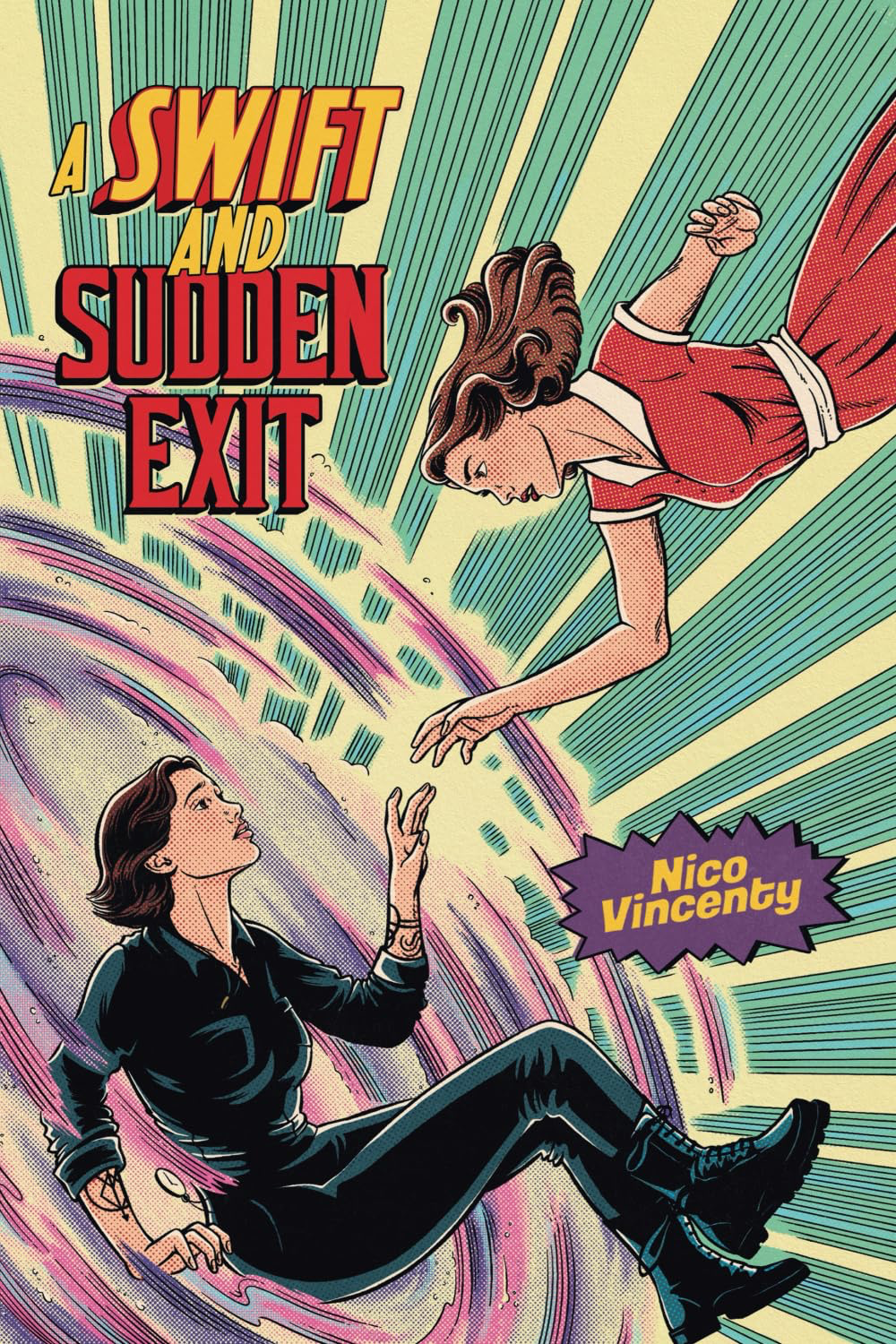
SCIENCE FICTION:

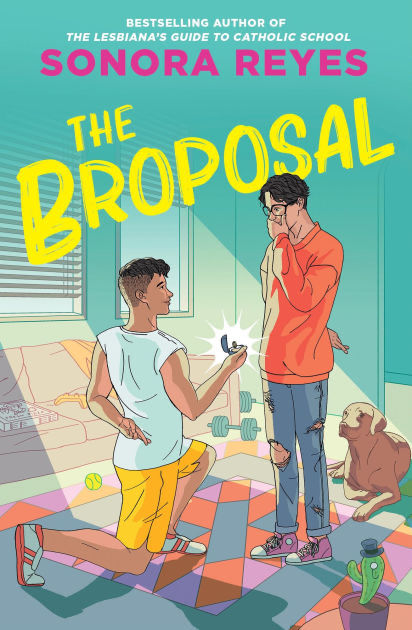
REALISTIC AND HISTORICAL FICTION:

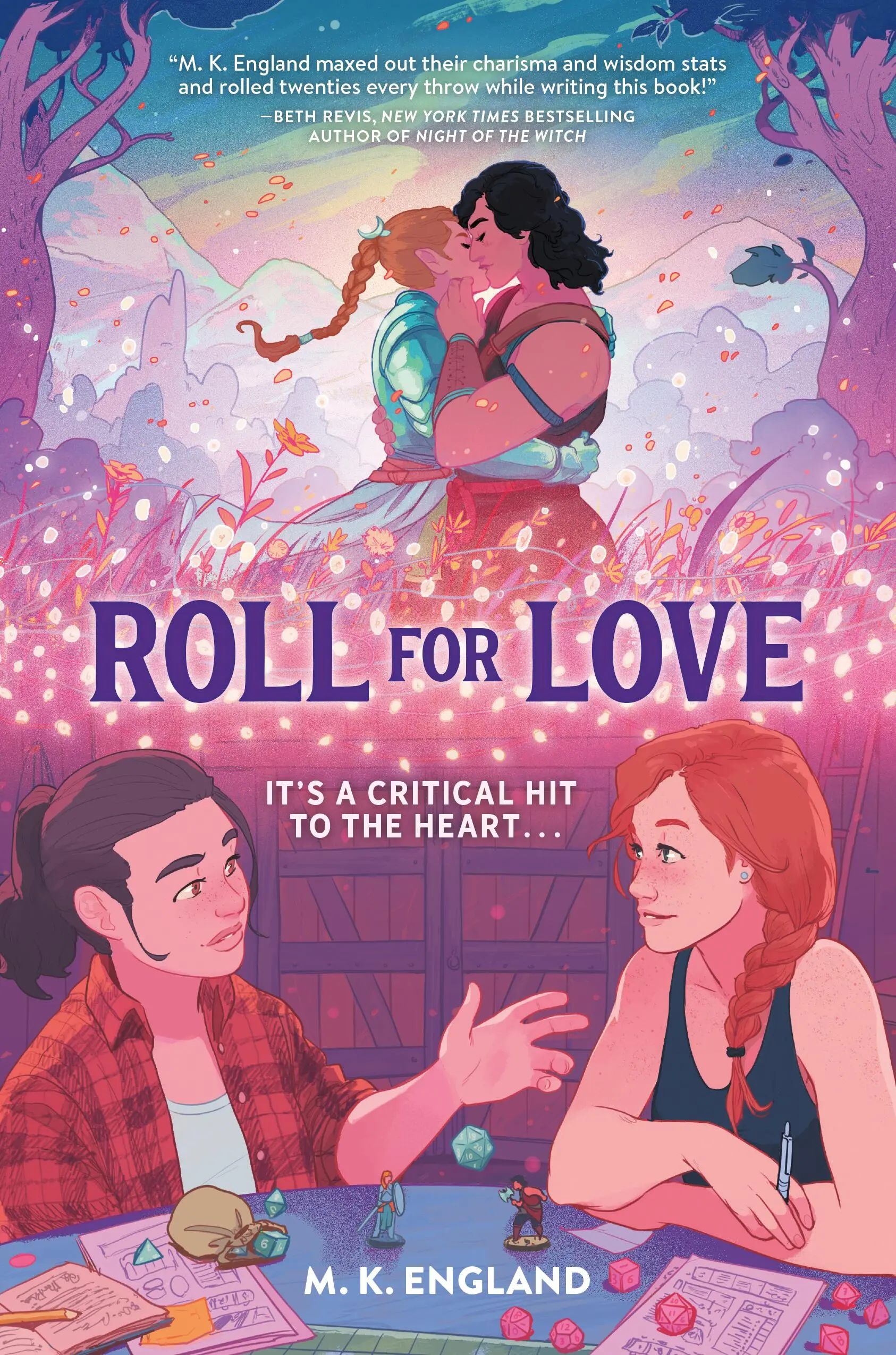
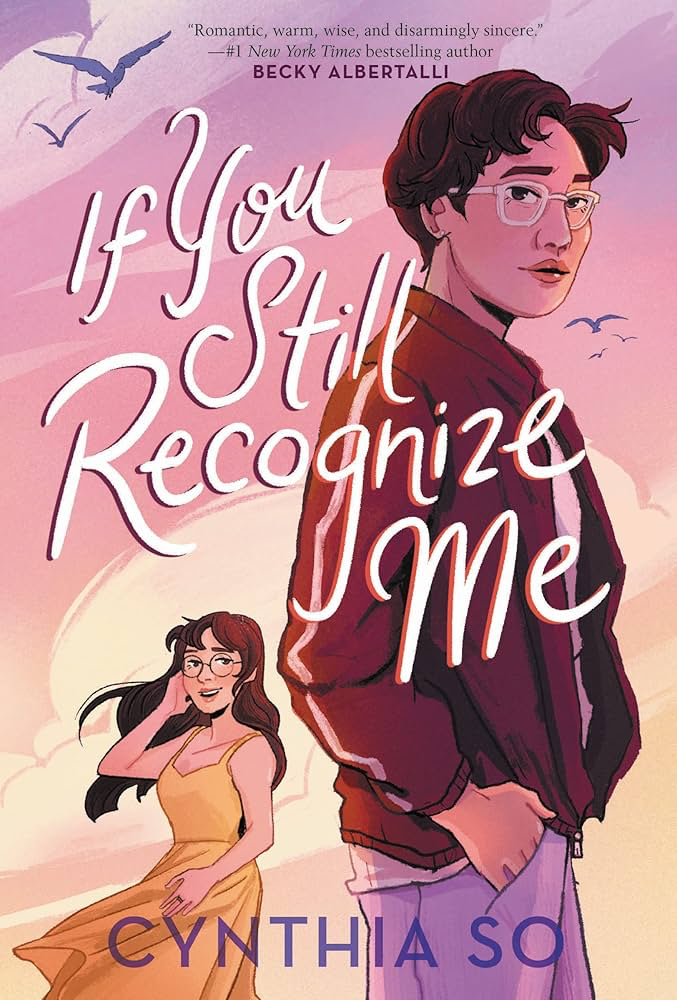
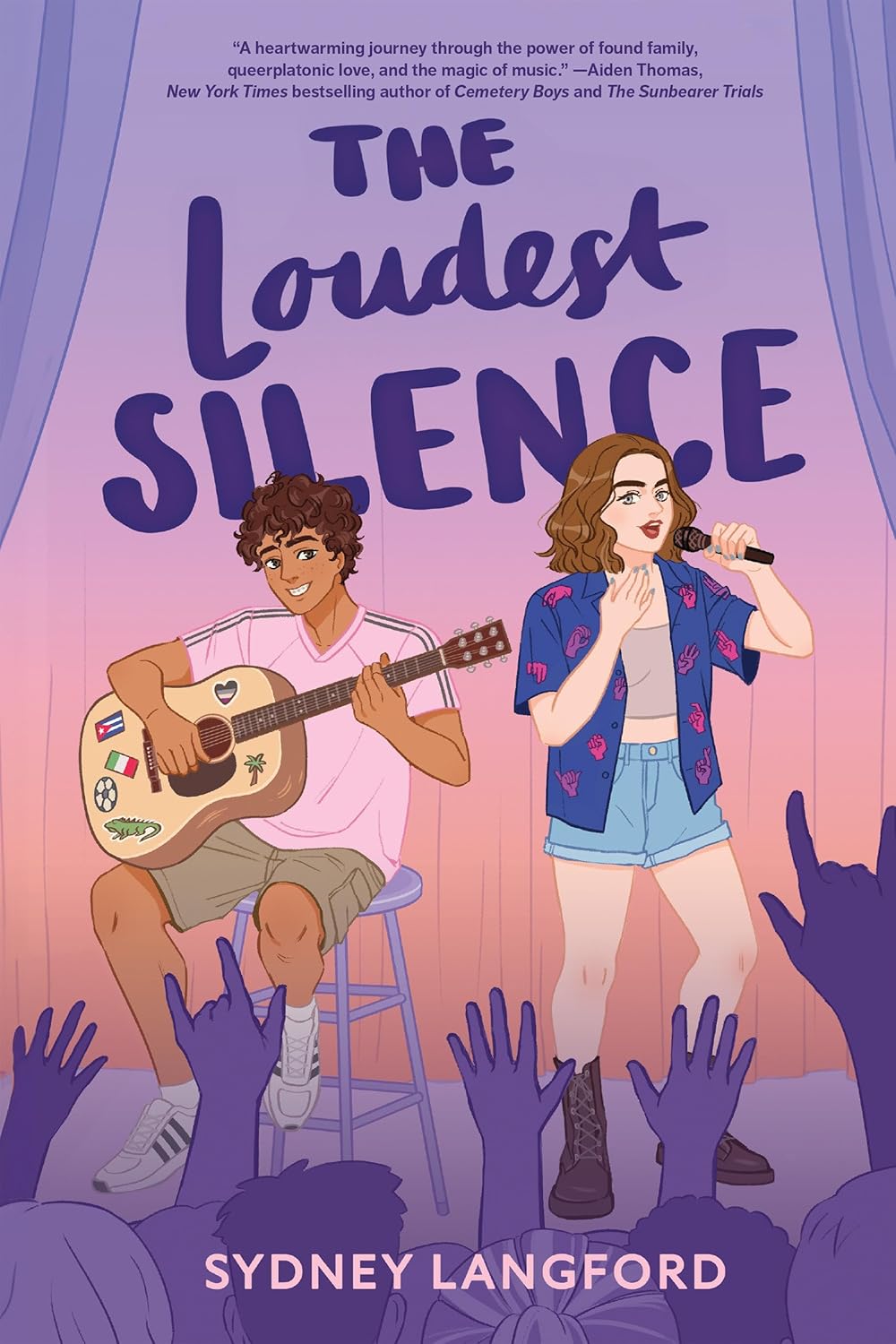
or “dear god, how do almost all of these books have pink/purple pastel covrers?”

TELL ME WHAT YOU THINK! Have you read any of these books, and if so, what did you think of them? What are some of your favorite books by bisexual authors? Let me know in the comments!

Today’s song:

MICHELANGELO DYING IS UPON US, LET’S GOOOOO

That’s it for this recommendations post! Have a wonderful rest of your day, and take care of yourselves!

Posted in Book Review Tuesday

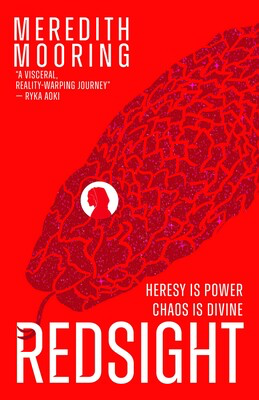
Book Review Tuesday (7/29/25) – Redsight

Happy Tuesday, bibliophiles!

As Disability Pride Month comes to a close, here’s one last book to finish off the month. This one has been on my TBR for at least a year, and it’s evaded me in the library thus far—thankfully, Barnes & Noble finally brought my chase to an end. Even though I’m growing a little weary of every new sci-fi that hinges on the promise of “incomprehensible space religion, woooooo,” Redsight provided a fascinating twist in the subgenre.

Enjoy this week’s review!

Redsight – Meredith Mooring

Korinna knows that she is doomed to a life of obscurity. Even though her being a Redseer gives her the power to manipulate space-time itself, she is the weakest of her order, and little mercy is shown to the weak. Resigning herself to a position navigating a warship for the treacherous Imperium, Korinna is at war with herself. But when the warship is boarded by strange pirates, Korinna learns that she has power beyond comprehension—all deliberately hidden. With her newfound abilities and a desire to uncover the secrets of the Goddesses that once ruled the galaxy, Korinna searches for answers, but what she finds may be more dangerous than she could have ever bargained for.

TW/CW: violence, gore, blood, death of children (off-page)

In the last six or seven years, I’ve seen a major trend in science fiction where the plot centers around an ancient, ominous Space Religion™️ (see: Gideon the Ninth, The First Sister, The Genesis of Misery). It’s a Thing. The usual suspects include an AI/vague cosmic entity deity, some form of cult, vague to overt references to Catholicism, and repression. I’m honestly fine with all of these things—in fact, having a cultish religion on an intergalactic scale is often a fascinating way to set up a story, and can be used to many ends, whether it’s deepening worldbuilding or critiquing organized religion in the real world, as it often does. My problem was that it’s everywhere. I feel like every other space opera I find is some kind of retelling of Joan of Arc or “what if God was real and it was a robot and the robot wanted to kill you?” Again, interesting once or twice, but after a point, they all start to blend together. On a personal level, I guess it’s partly because I don’t often connect as deeply to stories about religion/religious trauma, but I swear every other adult sci-fi book out there is like this.

Redsight is one of those books. However, it had enough different aspects that it was separated from the rest for me. It honestly veers into space fantasy at times, toeing the line between that and space opera expertly. Even though the redseers and all of the other witches in the universe had a slightly similar structure to some other books I’d read (spooky magic, incomprehensible goddesses trapped in tombs for thousands of years, etc.), it was Mooring’s exploration of how this insular cult of witches affected the outside world that stood out to me. The space-time manipulation is awesome, first off, but there’s also a host of space pirates, sprawling libraries, and transformative magic that goes…wrong. Snakes are involved. Also, Korinna and the others don’t exist in a vacuum—they’re a small part of a massive galaxy and are entangled in all manner of messy, manipulative politics throughout the universe. (There’s a strong Bene Gesserit vibe going on…I guess Dune might be to blame for the big spooky space religion trend?) They are outwardly very strange to others, and they don’t feel self-contained, as some other similar books are—they felt like a small part of a much more expansive world, which is what set it apart. Plus, I loved how it served as a critique of both that can come from organized religion AND the corruption that spreads into imperial politics—it’s all a great examination of systemic corruption, which I enjoyed thoroughly.

One of the more unique aspects of Redsight was how disability was handled. Up until we leave the Navitas, where all of the redseers are trained, pretty much all of the characters you meet are blind. All of the priests and priestesses of Vermicula are blind, and the way that Mooring shows us how it’s accommodated in the universe is fascinating. Through the power of redsight, they can sense most everything they need to sense through…well, manipulating the fabric of time and space, which is pretty badass in and of itself. But beyond that, I love how many intricacies to Korinna’s life are detailed. We see how she senses space around her with her blindness, how the Order of Vermicula produces special tactile books so that everyone can read the holy texts, and how she navigates the universe without being accommodated like she was within the Order. Knowing that Mooring herself is blind, I’m sure that she thought of everything when it came to how Korinna would navigate the universe, accommodations or not, and it showed through in her writing.

If you’re looking for a twisty book, then Redsight is the book for you! Even though I feel like I’m iffy when it comes to predicting twists, the ones in this novel had me constantly guessing. Mooring nails a critical combination of a very slow-burn first third of the novel, gradually building tension, while also throwing out a red herring where you think you know what the big mid-book reveal is, but…oh boy, I did not. (Red herrings, Redsight, red witches…lots of red in this book! Say, what’s that pooling on the floor?) In all seriousness, Mooring did an excellent job of creating tension and putting up all manner of red flags and misleading clues, and they came up organically: they were both the result of Korinna not knowing any better and the propaganda and narrative control that both the Order of Vermicula and the Imperium had over the knowledge that was passed onto her. It deepened the worldbuilding and the pacing of Redsight…for the most part.

All that being said, the ending was quite rushed. With as much buildup as this novel had, it was kind of bound to happen. All things considered, Redsight is Mooring’s debut novel, so I can let some of it go, because I enjoyed the majority of it. But there was just far too much crammed into the last 100 or so pages of the novel. Even with the theme of undoing systemic corruption, the speed at which it happened was truly just bonkers. For the truly mind-boggling, cosmic scale that everything in Redsight happened in, it seemed illogical that everything that happened in the novel would’ve been able to happen so quickly. After all of that, it was wrapped up strangely tightly—the loose ends were tied up basically because…the Goddesses can just do whatever, and it’s fine. I guess if you’re dealing with universe-creating Goddesses, by that logic, they can also clean up messy endings? It felt cheap. For the amount of time spent just on the buildup in the first third of the novel, everything was resolved far too quickly than seemed plausible, even with my suspension of disbelief.

All in all, a gripping and captivating—if a little messy—story of corruption and history, all set within the bounds of a boundless, magic-filled universe. 4 stars!

Redsight is a standalone, and Meredith Mooring’s debut novel.

Today’s song:

That’s it for this week’s Book Review Tuesday! Have a wonderful rest of your day, and take care of yourselves!
Posted in Books

🏳️‍⚧️🏳️‍🌈The Bookish Mutant’s Books for Pride Month (2025 Edition)🏳️‍🌈🏳️‍⚧️

Happy Monday, bibliophiles!

Here in the U.S., June is Pride Month! I usually start off these posts with something about how the world is slowly getting kinder to queer people, but that, as always, the shadows of homophobia and transphobia loom large. Well…Christ, it sure is looming larger than ever. Misinformed voters have decided that they’re perfectly content to return us to an administration that has already required passports to revert to the carrier’s assigned gender at birth and has been emboldened to toy with the idea of repealing the right to same-sex marriage. Of course, here I am sitting on my comfy couch in my comfy blue state of Colorado that thankfully has a) a gay governor (shoutout to Jared Polis), and b) enshrined the right to same-sex marriage in the constitution, but that doesn’t mean that my heart doesn’t constantly ache. All of us in the queer community are deeply interconnected. What hurts one of us hurts all of us.

Book banning across the country has disproportionately targeted queer books, deeming the presence of such subjects in children’s, middle grade, and YA literature as pornography and grooming. And god forbid that a drag queen commits the incredibly sexual and predatory act of…[checks notes] reading picture books to kids at libraries. Republicans have their priorities twisted. That’s old, old news by now. Books and libraries were never meant to be war zones, but fascists have made it their mission, then and now, to declare the right to information and new ideas as the most dangerous threat to their power. This goes for books both queer and non-queer. But the power of queer books can’t be overstated. Even I, who grew up in an incredibly supportive, accepting environment (biggest thank you imaginable to my wonderful family for being that way), was enlightened and comforted when, in the short period when I was closeted, I found bisexual characters in books that reflected my story and my feelings. Queer literature is revelatory, and it saves lives. For queer people, it gives them the comfort that they aren’t alone. For others, it gives them a glimpse into perspectives that they might not have otherwise considered, and compels them to empathize with people who are different than them.

So this pride month, and all year round (as always), when you think of what you can do to support the LGBTQ+ community, consider picking up a book. Support queer authors. Buy from queer-owned bookstores, because they tend to be pretty cool places. Support your local library (because they need it now more than ever)—checking out queer books shows them that they’re in demand, and that encourages librarians to keep on shelving them. For us book bloggers and other social media-oriented folks: keep on reviewing and shouting out books. And for all of us: no president, no government, and no legislation can take away your queerness. No one has that power but you. Your queerness is revolutionary and beautiful. Keep on being queer.

So here is my annual list of great LGBTQ+ reads from all sorts of genres, backgrounds, and identities. If I’ve mistakenly identified something about a book’s representation, please let me know! I’ve mixed YA and Adult books here, and I’ve also added a nonfiction section for the first time, as I’ve done with my other recommendation lists.

A refresher on my key:

MC: Main character

LI: Love interest

SC: Side character(s)

For my posts from previous years, click below:

Let’s begin, shall we?

🌈THE BOOKISH MUTANT’S BOOKS FOR PRIDE MONTH (2025 EDITION)🌈

FANTASY:

Includes paranormal, magical realism, horror, and genre fusion(s)

SCIENCE FICTION:

Includes dystopia, speculative fiction, & genre fusion(s)

REALISTIC FICTION

NONFICTION:

TELL ME WHAT YOU THINK! Have you read any of these books, and if so, what did you think of them? What are some of your favorite queer books that you’ve read recently? Let me know in the comments!

Today’s song:

lindsey…please tell me this is a sign that you’re cooking something…

That’s it for this year’s pride recommendations! Have a wonderful rest of your day, and take care of yourselves!

Posted in Book Review Tuesday

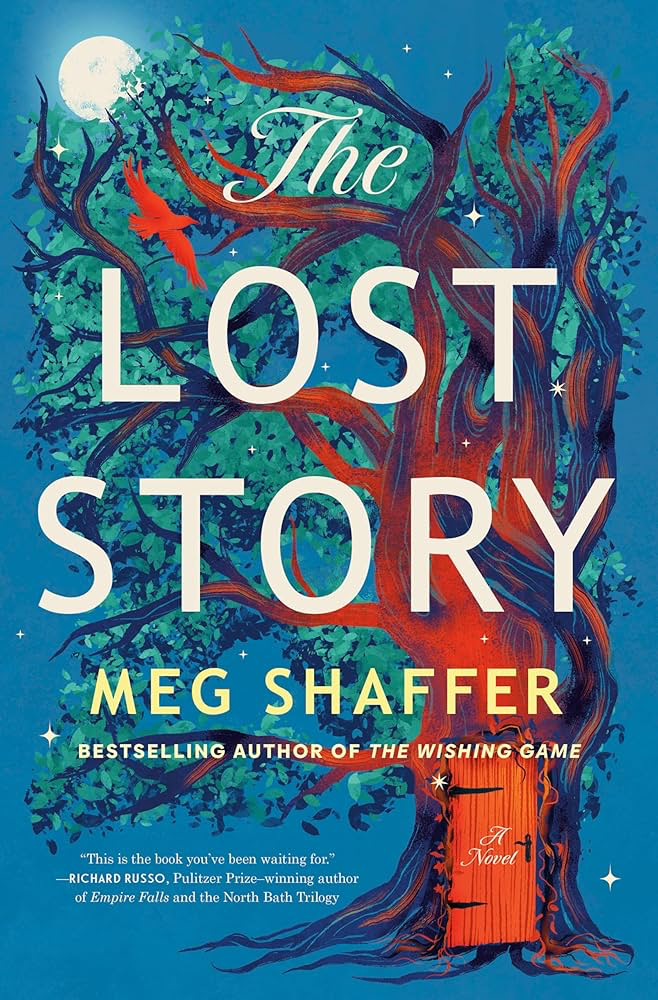
Book Review Tuesday (12/24/24) – The Lost Story

Happy Tuesday, bibliophiles, and a merry Christmas Eve (and Christmas, in advance) to those who celebrate! No matter your beliefs, I hope you’re staying warm and spending time with your loved ones this week. Happy holidays! ❄️⛄️🎄🍪

I discovered Meg Shaffer’s debut novel, The Wishing Game, about a month back and loved it. (Bottom line: if you’re an adult who wished they could’ve gotten Willy Wonka’s golden ticket as a kid, READ IT.) Naturally, I moved onto The Lost Story the minute it became available at the library. Although it wasn’t as strong as Shaffer’s debut, The Lost Story is a testament to the healing power of fantasy.

Enjoy this week’s review!

The Lost Story – Meg Shaffer

When they were 15, Rafe Howell and Jeremy Cox went missing in the West Virginia woods. Six months after their disappearance, they came back, seemingly unscathed. What the rest of the world doesn’t know is that they escaped to a fantasy world hidden deep in the Red Crow State Forest. But only Jeremy remembers their odyssey. Now, distanced for 15 years, Rafe remembers nothing about what happened that day, and Jeremy has a magical knack for discovering missing persons.

Emilie Wendell has gotten wind of Jeremy’s talent for locating the missing, and enlists his help to find her older sister, who vanished in the same stretch of woods where he and Rafe went missing all those years ago. With Rafe and Jeremy in tow, Emilie discovers a magical world that could have only sprung from the mind of a child, only visible to those who look hard enough. But confronting this world and its secrets may lead to the very reason that Jeremy and Rafe never spoke of their time together—and the reason why Emilie’s sister never returned.

TW/CW: near death situations, discussions of child endangerment/kidnapping (past), abuse (physical and emotional), homophobia, loss of loved ones (past), fantasy violence, mentions of suicide (past)

I never got around to reviewing The Wishing Game (which I liked better than The Lost Story) here, but it’s safe to say that Meg Shaffer is out here doing the good work, and by the good work I mean writing books about reclaiming childhood innocence and joy via the stories we loved as children. Having read both books, Shaffer really gets the power of stories—and the power of rediscovering them in adulthood. The balance between childlike wonder and whimsy and the harrowing realities that come with adulthood are a difficult balance to strike, but The Lost Story lives in the reality between them and never denies either aspect. Rafe and Jeremy’s journey of healing, rescuing people who may not need to be rescued, and realizing their love for each other was a rickety, emotional ride, but one that, once the plot got going, paid off in spades. Plus, I love that Shaffer made this story a distinctly queer one—I always love queer books, but the fantasy escapism plot with their queer identities made so much sense when you consider how fiction can be a sanctuary for queer people.

Part of what made that aspect of The Lost Story land so well was that Shanandoah truly felt like a child’s wonderland. There was a charm to the misplaced names (the Valkyries being only what a young girl would think of the real Valkyries of Norse myth, for instance) and the over-the-top magical ones, and each fantasy element had the nonsensical aspect of a child’s mind. This world is full of magical horses, impossibly sweet fruit, vengeful spirits, and everything a child could possibly populate a fantasy world with—and all of it is delightful. The Narnia influence was clear (it’s wonderful! Imagine C.S. Lewis without the proselytizing), but there was a whimsy to it that Shaffer excelled in—even if it was separate from the real world, she fully succeeding in making a world feel like it was ripped from the pages of a 13-year-old girl’s notebook.

However, I really didn’t see the point of Emilie being a part of the story. In contrast to Jeremy and Rafe’s complicated relationship, the only thread connecting her to the narrative was the fact that it was her sister who happened to have gone missing. Her personality bordered on grating—there wasn’t much to her other than a determination to find her sister and having her “teehee! so quirky”-isms when the plot called for it. (But did it really call for it?) My main issue with her is that she didn’t have the development that the other characters did. She witnesses the wonders and horrors of Shanandoah and comes out of it having barely changed, save for the fact that she’s reunited with Shannon. In contrast with Rafe and Jeremy, it just seemed increasingly obvious that she didn’t have as much business being there, even though she was purportedly the main character. The Lost Story might have been stronger if she had been nixed entirely—she was placed as the protagonist, but at its heart, it was the story of Rafe, Jeremy, and Shannon, not her.

Additionally, The Lost Story had some issues with its pacing. It took nearly halfway through the book for the characters to reach Shanandoah, the whole premise of the book. The first third or so, although Shaffer’s establishment of the exposition was spread out evenly, tended to drag. Instead of more development that could have lead more to the (excellent) arcs of the characters later on, we get drawn-out scenes of banter between the main characters once they reunite, as well as some tired training montages that could have been flattened out into a much shorter scene. As a result, the first half of the events in Shanandoah were rushed together—our heroes reach this famed fantasy land, and almost immediately, they’re separated and thrown on wildly different adventures that only converge in the last quarter or so. For such a grounded story, there needed to be more even allocation of events that truly mattered, which is why I couldn’t give it the full 4 stars.

That being said, I loved how the duality of the themes were tied together in the end. For all of the characters, the land of Shanandoah was escapism, but they had different ways of handling reality while in it. For Rafe and Jeremy, they couldn’t stay because there were real monsters they had to confront; Shanandoah worked both as a place for them to rekindle their relationship, but also to confront the very real demons back in the real West Virginia. For them, they had to return to the real world to heal. But for Shannon, Shanandoah was the realest part of her life. She had gotten into a situation that no child should ever be placed in, and for that, her childhood wish for another world came true, and it became her sanctuary. If The Lost Story had gone with either interpretation, I would’ve been happy, but I loved Shaffer’s approach in depicting both sides of fantasy and escapism. Fantasy can be a place to ignore all of your troubles, but also a place you return to when you need healing. Even if it’s fictional, it can be the truest, realest part of you. Both can be true.

All in all, a heartfelt and heartstring-tugging fantasy for all of the kids who wanted to return to Narnia. 3.75 stars, rounded up to 4!

The Lost Story is a standalone, but Meg Shaffer is also the author of The Wishing Game.

Today’s song:

That’s it for this week’s Book Review Tuesday! Have a wonderful rest of your day, and take care of yourselves!
Posted in Book Review Tuesday

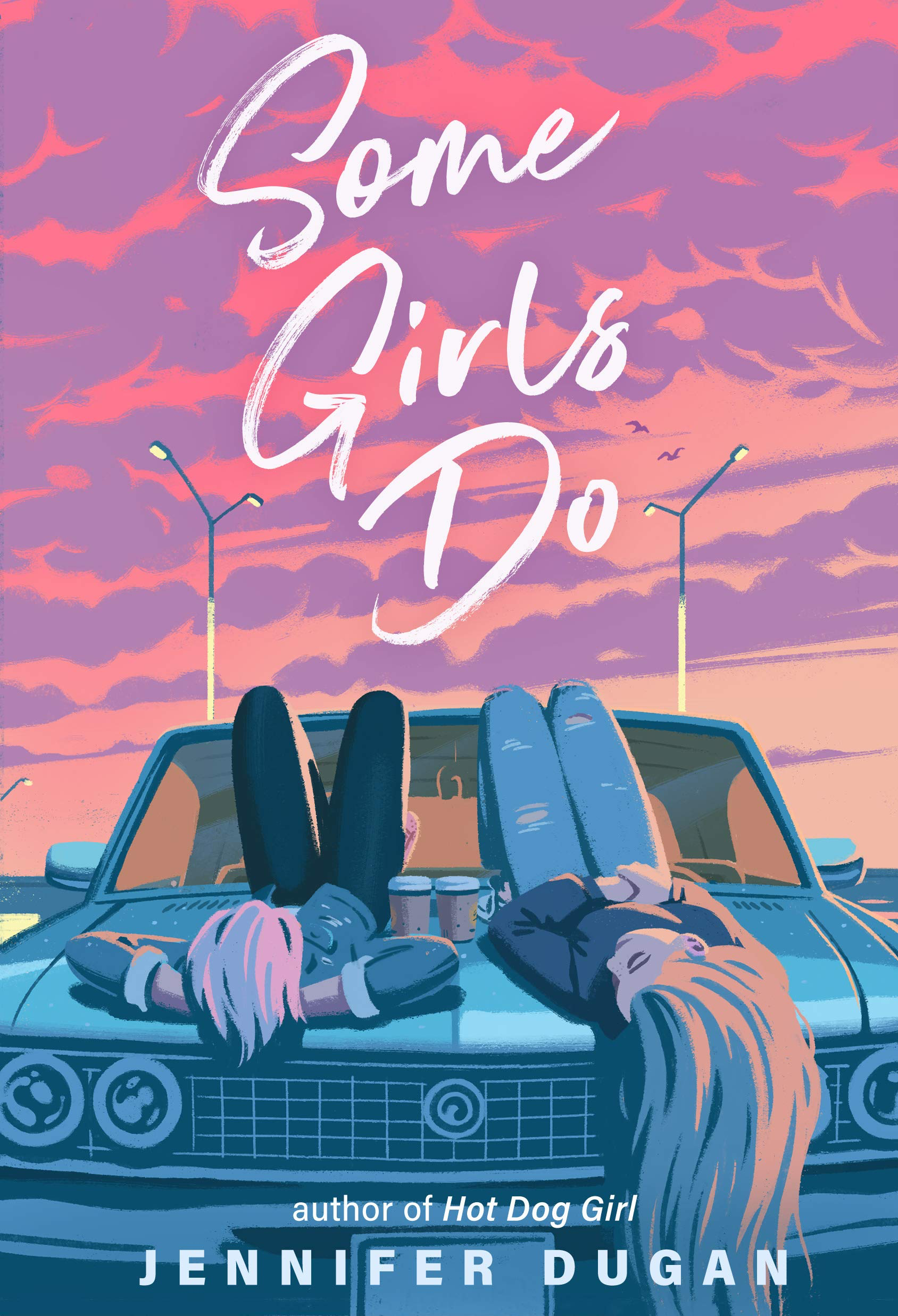
Book Review Tuesday (9/24/24) – Some Girls Do

Happy Tuesday, bibliophiles!

More importantly, Happy Bisexual Visibility Day…one day late! 🩷💜💙 I figured I would center a bisexual story for this week, and between my readings for school, I’ve been trying to squeeze in some books for this occasion and for Latinx Heritage Month as well. I’ve read a handful of Jennifer Dugan’s other novels, and I can always count on her for a solid queer YA romance. Some Girls Do wasn’t her best work, but when it hit the right notes, it was appropriately sweet.

Enjoy this week’s review!

Some Girls Do – Jennifer Dugan

Ruby Torino is intent on keeping her head down until she graduates high school. Even though she’s sick of competing in beauty pageants to appease her mother, she knows that it’s the only way out—the next one’s prize is a scholarship to a community college. There, she can be openly bisexual and not have to please her parents. But when Morgan Matthews, an out-and-proud athlete who was kicked out of her Catholic school after they found out she was a lesbian, transfers to Ruby’s school, her world is turned upside down. Against all odds, the girls end up falling for each other. But Ruby can’t risk coming out—and Morgan can’t seem to let it go.

TW/CW: homophobia, biphobia, verbal and emotional abuse, pressure to come out

Some Girls Do wasn’t a perfect romance, but it was about imperfect people, and for half of the main cast, it worked out. It didn’t blow me away, but it was a solid read for Bisexual Visibility Week!

I wasn’t a fan of both members of the couple (more on that later), but Ruby was such an excellently complicated protagonist! All of her life, she’s been in a volatile position, what with her mother, who had her when she was a teenager, pressuring her into competing in beauty pageants to fulfill the dream she never got to live out herself. Between that and her abusive, homophobic father, she’s learned to guard herself, making her outward personality prickly and unapproachable, even as she blends in with the popular crowd. She’s far from a perfect person, and yet I found myself rooting for her in a way that I couldn’t bring myself to root for Morgan; Ruby’s struggles were tangible and her victories hard-won, and the biggest aspect that kept me reading Some Girls Do was the desire to see her dreams fulfilled.

I find that there’s a limbo that a good amount of queer media doesn’t talk about in terms of environments that people can grow up in. The hometown of Ruby and Morgan is in an in-between place: on paper, it’s mildly liberal and accepting, but there’s still a stigma around queer people. The high school has a pride club, but its members fear holding hands in the hallways. Some of Morgan’s friends act supportive, yet turn up their noses at the idea of the pride club. It’s a dynamic that I haven’t seen explored in queer media often, and Dugan did such a wonderful job in both portraying it and shedding a light on it. Like Ruby and Morgan’s relationship, it’s uncertain what the next day will bring, but there are pockets of unconditional shelter and safety if you look hard enough.

With that out of the way…Morgan. I was not a fan of her. To Dugan’s credit, it’s shown pretty clearly where she’s coming from; by being out, she’s had to risk everything, and is adamant that those who wronged her are proven wrong. But in being so out and proud, she comes off as callous and selfish in all of the wrong ways. When she and Ruby are trying to make it work, she continually pressures Ruby to come out, seemingly oblivious to the very real consequences that could befall her if her parents found out that she was bisexual. Even in her staunch “warrior defending the LGBTQ+ community” stance, she somehow completely forgot that not everyone has the privilege to be openly queer. There was some reconciliation of her attitude and said privilege towards the last part of the book, but in the end, it felt like too little too late.

In concept, Ruby and Morgan’s relationship was cute; once they got into a good rhythm, they had moments of quiet, tender bonding and sweet banter in equal measure. Yet despite Dugan’s efforts to make it work, the way that Morgan was written made it so that it never fully landed. It felt as though no matter how hard they fell for each other, Morgan would never accept that Ruby wasn’t comfortable with public being her girlfriend; even though there were moments at the Pride Club meant for Morgan to learn the error of her ways, she continued to pressure Ruby to do things that weren’t just uncomfortable but unsafe for her. If you took all of that out of the equation, they had some solid chemistry. But Morgan’s unwillingness to accept that Ruby had to stay closeted for her safety made the foundations of what could have been a good romance fold. Encouraging your partner to put her safety in jeopardy is decidedly not romantic.

All in all, a sapphic romance starring some girls that were thoughtfully written and easy to root for, but some girls that were too selfish to even try to like. 3.5 stars!

Some Girls Do is a standalone, but Jennifer Dugan is also the author of several other novels for YA and Adult audiences, including Hot Dog Girl, Melt With You, Verona Comics, The Last Girls Standing, Love at First Set, and many more.

Today’s song:

I’m SO glad my shuffle brought this one out of the depths, I forgot how much I loved it :.)

That’s it for this week’s Book Review Tuesday! Have a wonderful rest of your day, and take care of yourselves!
Posted in Book Review Tuesday

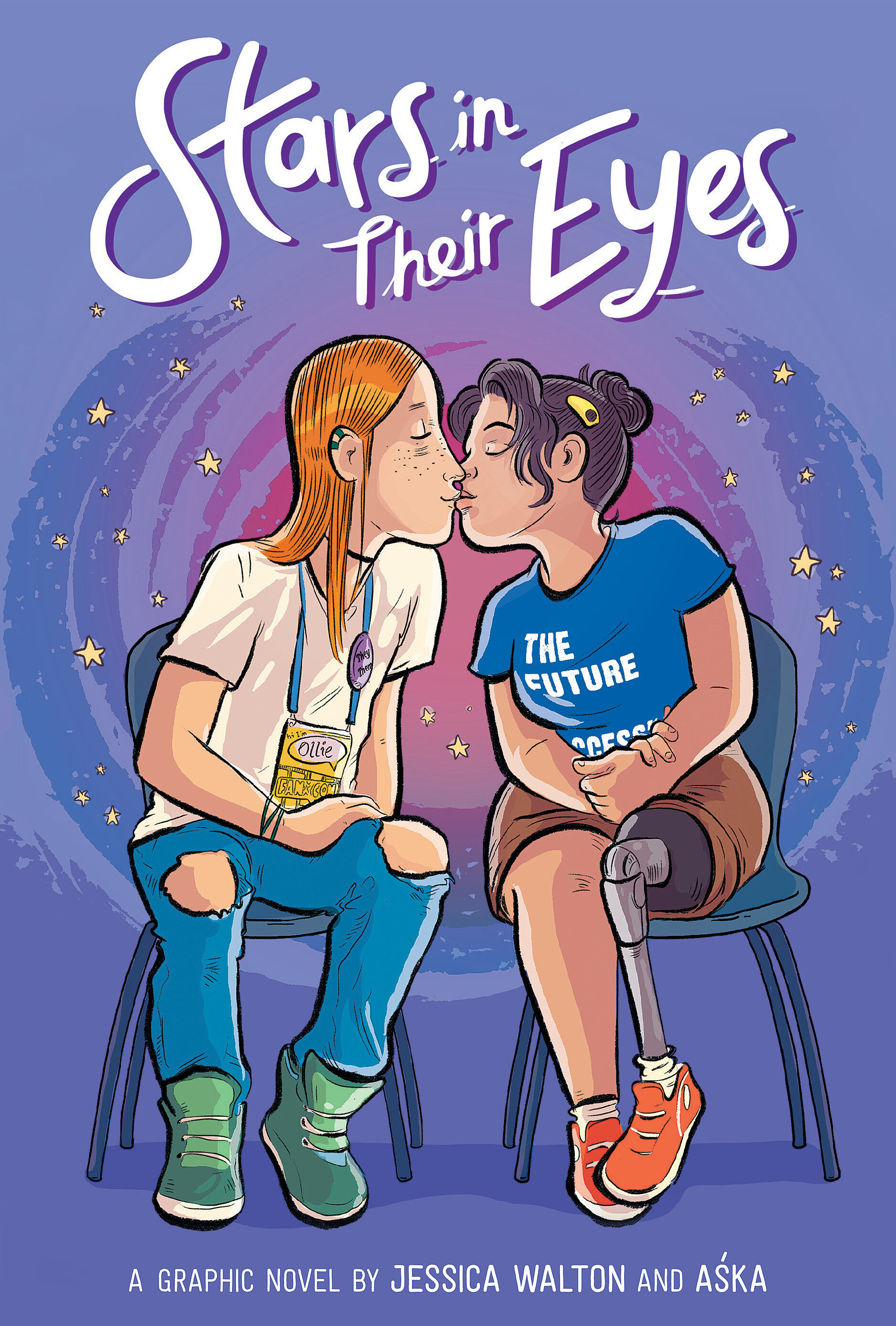
Book Review Tuesday (7/9/24) – Stars in Their Eyes

Happy Tuesday, bibliophiles!

I’m always on the hunt for books with disability and bisexual rep, and I’ll always go for a graphic novel, so Stars in Their Eyes was a natural pick for me! With a charming story and graceful handling of social issues, this graphic novel was an adorable, light read that’s perfect for readers in transition between middle grade and YA.

Enjoy this week’s review!

Stars in Their Eyes – Jessica Walton and Aśka

Maisie has saved up to go to her first FanCon, and now she’s finally on her way! She’s excited to meet her idol Kara Bufano, an action star who’s an amputee just like her. On arrival, FanCon isn’t everything that Maisie thought it would be—it’s loud, confusing, and it’s making her chronic pain act up. But when she meets Ollie, one of the young FanCon volunteers, it’s love at first sight. Maisie feels comfortable talking about her disability and queerness with them, but how will they manage when FanCon is over and they have to go home?

TW/CW: panic attacks, descriptions of cancer (past)

I’m firm in the belief that there should be some kind of smaller, transitory genre between middle grade and YA; the gulf between kid’s books and books meant for teens, especially in terms of maturity, is larger than most realize. But Stars in Their Eyes hits the perfect sweet spot between the two. With younger protagonists but a more nuanced view of social issues—and love at first sight—this graphic novel is a light, comforting read!

Even though I can’t speak to the accuracy of the specific disability rep (Maisie has a lower-leg amputation as a result of childhood cancer), it was so refreshing to see a disabled character written by a disabled author! It’s kind of painful to say that, but…the bar is so low, after so many middle grade and YA books that misrepresent disability. Nevertheless, the discussions surrounding Maisie’s disability were not only important to represent, but well-executed as well! There were plenty of natural segues that were used in Walton’s writing to get into topics such as overexertion and the importance of positive representation (!!!!), and it’s wonderful to see a pointed criticism of the narrative that disabled people exist to inspire non-disabled people. Stars in Their Eyes is bound to be so meaningful to so many young disabled readers, and it warmed my heart.

Stars in Their Eyes is also bound to be crucial for young queer people as well! Maisie is bisexual. and Ollie, the love interest, is nonbinary, but beyond that, there was an emphasis on being young and discovering your identity that I’m so glad is being represented. At 14, Maisie has only come out to a handful of people, and is nervous about being in queer spaces and going to queer events; it’s an issue that I rarely see in queer media, but it’s so important for young queer people know that it’s okay to be nervous about these things! There’s a first time for everything and everyone, and it’s natural to be shy or scared about showcasing your identity or belonging in queer spaces for the first time.

The comic con setting of Stars in Their Eyes was spot-on! I went to comic cons frequently when I was Maisie and Ollie’s age, and it’s a wondrous, nerdy experience—and it’s also an overwhelming one. It’s been several years since I’ve been to one, but I’m glad that this fictional one had a quiet-down room—I hope that soon becomes part of the institution, because what a lot of people don’t talk about with comic cons is that they’re a lot. (Man, I wish my comic con had one of those back in the day…) There’s so much to take in, from all of the booths and celebrities and cosplayers (and all of them crowded in one building), but all of that amounts to a ton of crowds and sensory overload. It’s the first comic con story I’ve seen tackle this aspect, and it’s a refreshing angle to see discussed. I have sensory issues, so that’s mainly why I got overwhelmed so easily at comic con, but it’s great to show younger readers that even though comic con is a wonderful place, it’s natural to be overwhelmed, sensory issues or not.

However, even though pop culture and comic cons were the focus of Stars in Their Eyes, a key part of it was mishandled and hindered some of my enjoyment of this graphic novel. Aside from two fictional TV shows that Maisie and Ollie bond over, almost everything is a fake reference—Barb from Stranger Things is now Bard from Danger Things, Star Wars is now Sci-fi Wars (??) and the Dark Side is the Far Side (????), and any Doctor Who-related media is referred to as “Time Doctors.” I get making faux-pop culture references to dodge copyright or establish a fictional world, but the sheer amount of them and how obviously they were referencing other very popular pieces of media just got so tiring and eye roll-inducing after a while. If it’s that obvious that you’re referencing a piece of media, it defeats the purpose of having a fake piece of media. It got so concentrated that I ended up bumping my rating down from the full 4 stars.

All in all, a lighthearted graphic novel about first love, geekdom, and the being confident in your queer and disabled identities. 3.75 stars, rounded up to 4!

Stars in Their Eyes is a standalone; Jessica Walton is also the author of Introducing Teddy, and has also contributed to the anthologies Growing Up Disabled in Australia, The (Other) F Word: A Celebration of the Fat & Fierce, and Meet Me at the Intersection.

Today’s song:

decided to give cate le bon a try after hearing her work with wilco & st. vincent…pompeii did NOT disappoint!!

That’s it for this week’s Book Review Tuesday! Have a wonderful rest of your day, and take care of yourselves!
Posted in Books

🏳️‍🌈🏳️‍⚧️The Bookish Mutant’s Books for Pride Month (2024 Edition) 🏳️‍⚧️🏳️‍🌈

Happy Wednesday, bibliophiles!

Here in the U.S., June is Pride Month! And every month, I find myself having a downer of an introduction, just because the world only gets kinder to queer people in the smallest increments, it seems. The vocal minority in this country are still bent on erasing all evidence that queer people exist in the first place, like an offending stain on a white tablecloth. (A note to homophobes: has it ever occurred to you that you don’t have to look at pride flags or queer couples? You can just look away and not make it anybody else’s problem…life is so short, man.) But our community is one characterized by resilience: no amount of book bans, culture wars, or bigotry will wipe us off the map. We are are here, we have always been here, and we will always be here. Nothing you do will make us disappear. Don’t let the vocal minority distract you from the beauty created and progress made by our community.

So once again, here’s a list of YA and Adult books with queer characters and themes, curated by your local bisexual. I also added the specific representation of each book.

Just a refresher on my key:

MC: Main character

LI: Love interest

SC: Side character(s)

For my previous lists, see below:

Enjoy these book recs!

🌈THE BOOKISH MUTANT’S BOOKS FOR PRIDE MONTH (2024 EDITION)🌈

FANTASY

SCIENCE FICTION

REALISTIC FICTION:

TELL ME WHAT YOU THINK! Have you read any of these books, and if so, did you enjoy them? What are some of your favorite queer books that you’ve read in the last year? Let me know in the comments!

Today’s song:

That’s it for this year’s pride recommendations! Have a wonderful rest of your day, and take care of yourselves!
Posted in Books

YA Books for Bisexual Visibility Week (2023 Edition) 💗💜💙

Happy Saturday. bibliophiles!

We’ve come around again to Bisexual Visibility Week, which lasts from September 16 – September 23rd! September 23rd is also recognized as Bisexual Visibility Day. And to celebrate, I’ve rounded up another batch of some of my favorite bisexual books that I’ve read in the past few years. Even though I’ve been out as bisexual for nearly five years, seeing myself represented in that aspect of my identity never ceases to warm my heart. I’t’s hard to match the feeling of being seen, really seen, like some of these books have made me feel. But like my last post about Latinx Heritage Month, I wasn’t able to compile a list last year since I was still settling into college. So I prepared a post in advance so I can share my favorite bisexual books that I’ve read since my last post. (And although I’m trying to add more age ranges to these posts, almost all of the ones I wanted to highlight ended up being YA books, so here you are.) Enjoy!

For my lists from previous years, click below:

Let’s begin, shall we?

THE BOOKISH MUTANT’S BOOKS FOR BISEXUAL VISIBILITY WEEK (2023 EDITION)

CONTEMPORARY/REALISTIC FICTION:

PARANORMAL:

FANTASY:

TELL ME WHAT YOU THINK! Have you read any of these books, and if so, what did you think of them? What are your favorite bisexual books? Let me know in the comments!

Today’s song:

loving this album

That’s it for this year’s bisexual visibility week recs! Have a wonderful rest of your day, and take care of yourselves!
Posted in Book Review Tuesday

Book Review Tuesday (8/22/23) – Imogen, Obviously

Happy Tuesday, bibliophiles!
I’ve been reading Becky Albertalli’s YA books since middle school, and they’ve always had a special place in my heart. Although some of them have been hit-or-miss, I was looking forward to reading this one—it seemed so deeply personal to her, and I was so excited for the bisexual rep! And although it wasn’t perfect, it was such a deeply authentic depiction of the bisexual experience.
Enjoy this week’s review!

Imogen, Obviously – Becky Albertalli

Imogen Scott knows her place—the token ally amongst her very queer friend group. She knows the nuances of queer culture and discourse in and out, but she’s confident in her heterosexuality. But all of that changes when she stays with her best friend Lili at her new dorm in college. Lili, who happened to tell everybody that Imogen was her ex in an ill-thought-out lie. Imogen is happy to keep up the ruse, but when she meets Tessa, one of Lili’s new (and very cute) friends, she begins to question whether or not it’s the role of “ally” that’s the lie after all.

TW/CW: biphobia/homophobia (external & internalized), forced outing, underage drinking

From the start, I knew that Imogen, Obviously was going to be a deeply personal book for Becky Albertalli. That’s exactly what it was, and that’s exactly what it should have been. Even though it wasn’t without its flaws, Imogen, Obviously is an incredibly important book in that it shows us a narrative of bisexuality that isn’t portrayed as much, and that there is no one true narrative of how bisexuality is in the first place.

As a bisexual reader, Imogen’s story resonated so much with me, even if our coming-out journeys were different. And the fact that Imogen has a coming-out journey that deviates from a lot of the bisexual representation in media in general is a breath of fresh air; along her path of self-discovery, there’s some fantastic discussions about how we internalize stereotypes, the pressure to be “queer enough,” internalize biphobia and feeling like you don’t belong in queer spaces, and so much more. (And I’m glad that somebody’s talking about how random bisexual “traits” that float around social media…I once saw one that said “you may be bisexual if winter is your favorite season”…huh? What does that have to do with anything?) It’s a love letter to those who who feel like exceptions from the norm in a place that’s already populated by outsiders.

Adding onto that, what makes Imogen, Obviously such an important book to me is that it has such an important message about bisexuality, and about queerness in general: there is no one way to be bi, and that the entire queer experience doesn’t have to be entangled with suffering. We watch Imogen struggle with feelings of imposter syndrome in the queer community and repeatedly being put down by a “friend” who feels like she has the ultimate queer authority because she’s experienced quite a lot of homophobia, and it serves as an important reminder: we can’t exclude queer people from their own community just because they “aren’t queer enough” by some arbitrary measure. Again, it speaks to the personal element of this book, what with Albertalli’s own recent forced outing, but it’s a message that needs to be loud and clear.

Apart from the many wonderful messages that this book spreads, I loved watching the relationship between Imogen and Tessa develop! It really felt accurate to having your first queer crush in real time, with all of the stomach butterflies and shy conversations. They were a lovely match for each other, and although I was cheering for Imogen for every page, the two of them made my little bi heart so happy. Their romance really was a resonant and joyful one, something that Albertalli has nearly mastered writing.

All that being said, I had some issues with the writing that prevented me from giving Imogen, Obviously the full four-star treatment. I don’t remember enough about her other books to say how they were written (it’s been a while), but the way that she wrote these high school and college characters just felt so…off. She just peppered in all of the gen z slang into her dialogue whenever possible, and none of it felt natural or genuine. It felt like somebody observing gen z and/or TikTok from a distance, then trying to employ said slang from memory. It all felt so clunky, and at times, as much as I hate to say it, painful. I’m pretty sure that nobody says “discoursing” as a verb for discussing discourse. As fantastic as the rest of the book was, the cringy nature of the writing put me off from fully enjoying it.

All in all, a beautiful and necessary depiction of bisexuality that was hindered by its attempt to capture gen z speak, but excelled in every other department. 3.75 stars, rounded up to 4!

Imogen, Obviously is a standalone, but Becky Albertalli is also the author of the Simonverse (Simon vs. the Homo Sapiens Agenda, Leah on the Offbeat, and Love, Creekwood) and Kate in Waiting. she is also the co-author of What If It’s Us and Here’s to Us (with Adam Silvera) and Yes, No, Maybe So (with Aisha Saeed).

Today’s song:

That’s it for this week’s Book Review Tuesday! Have a wonderful rest of your day, and take care of yourselves!