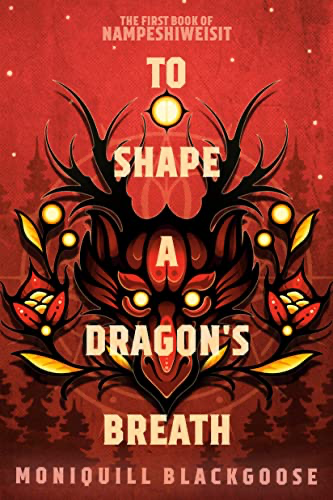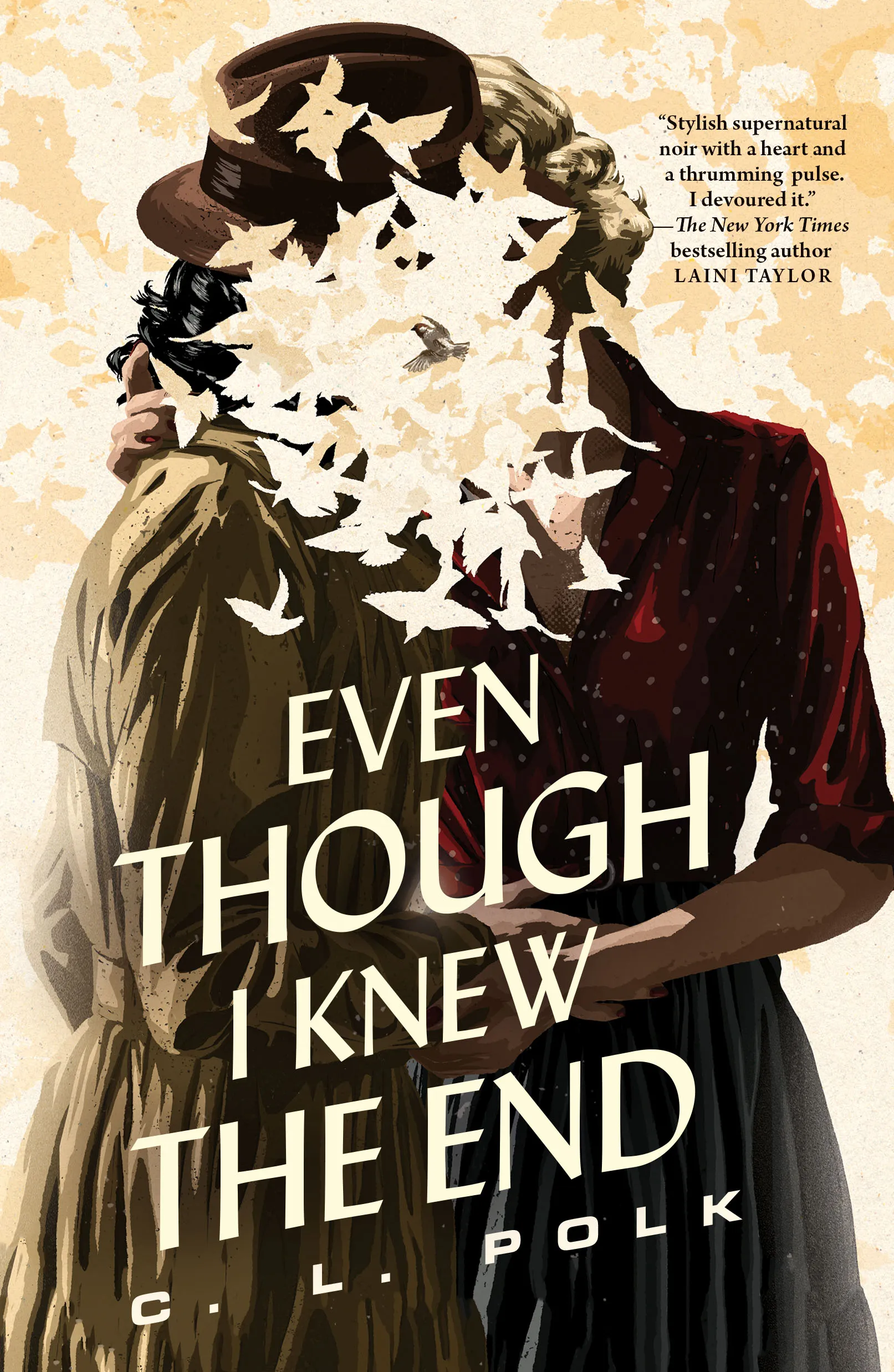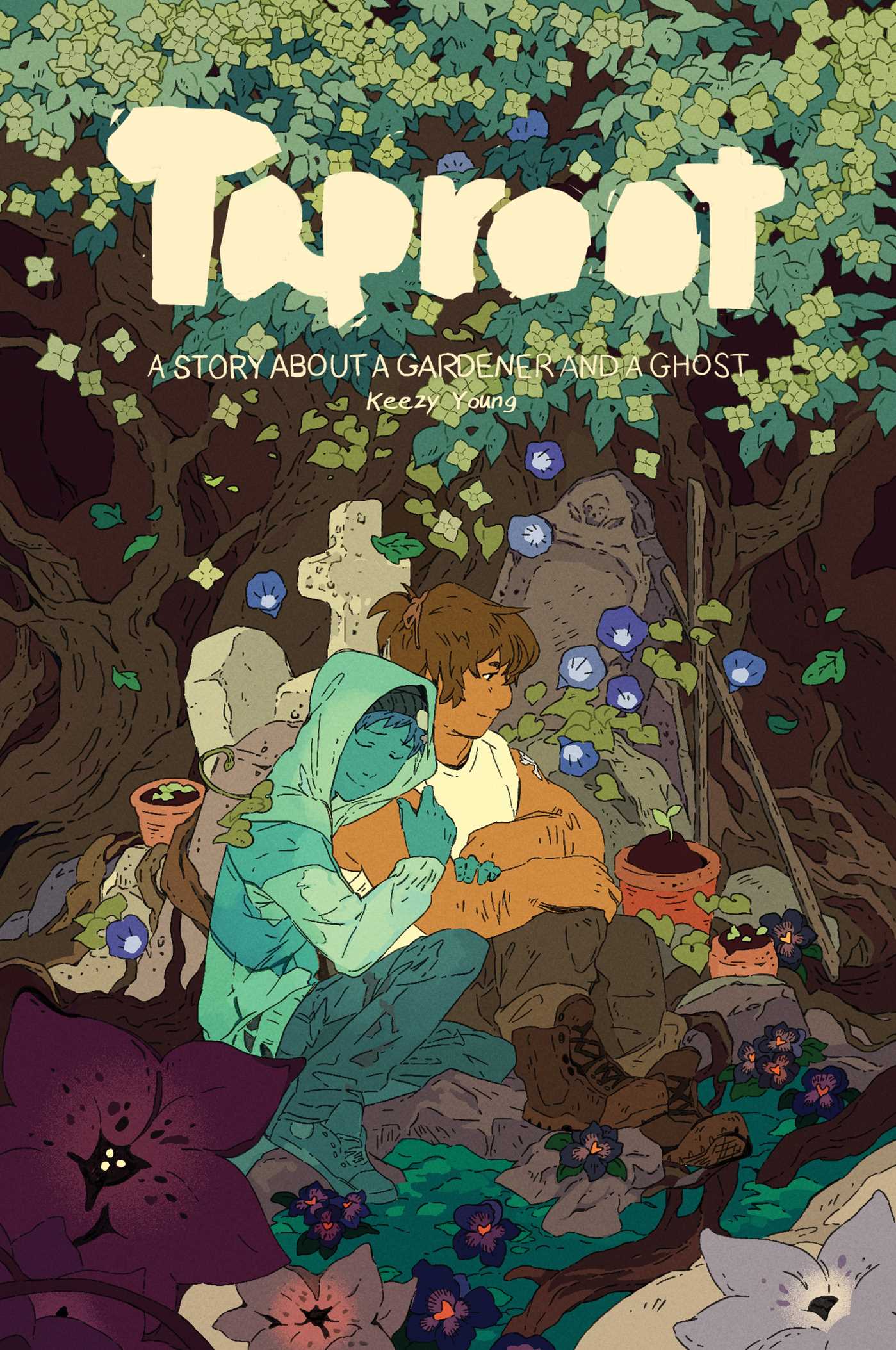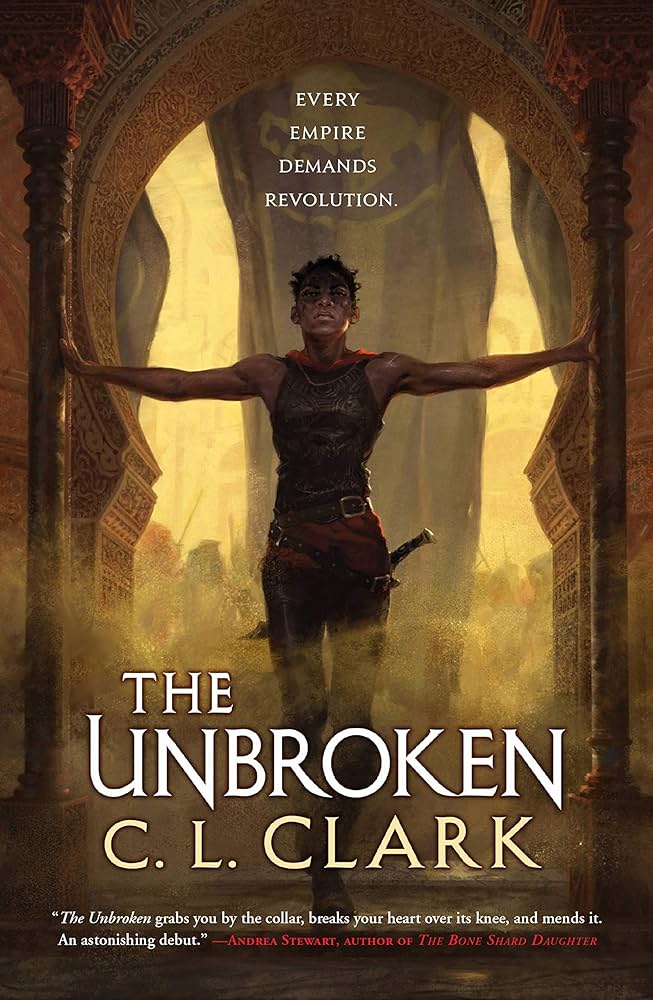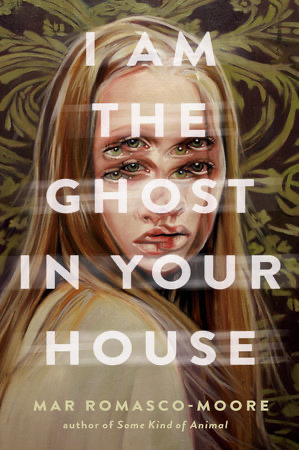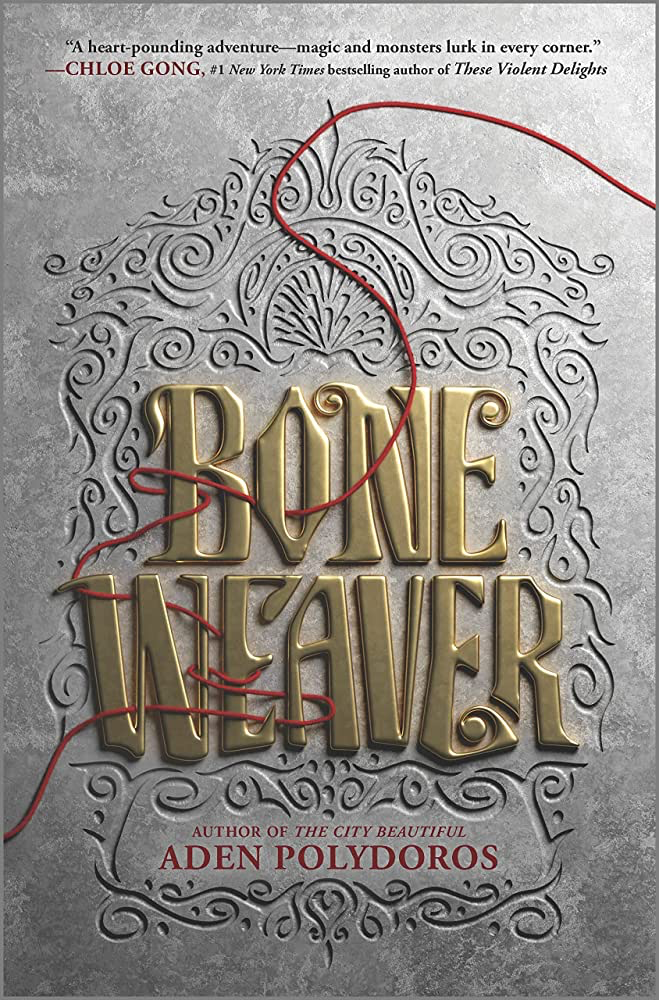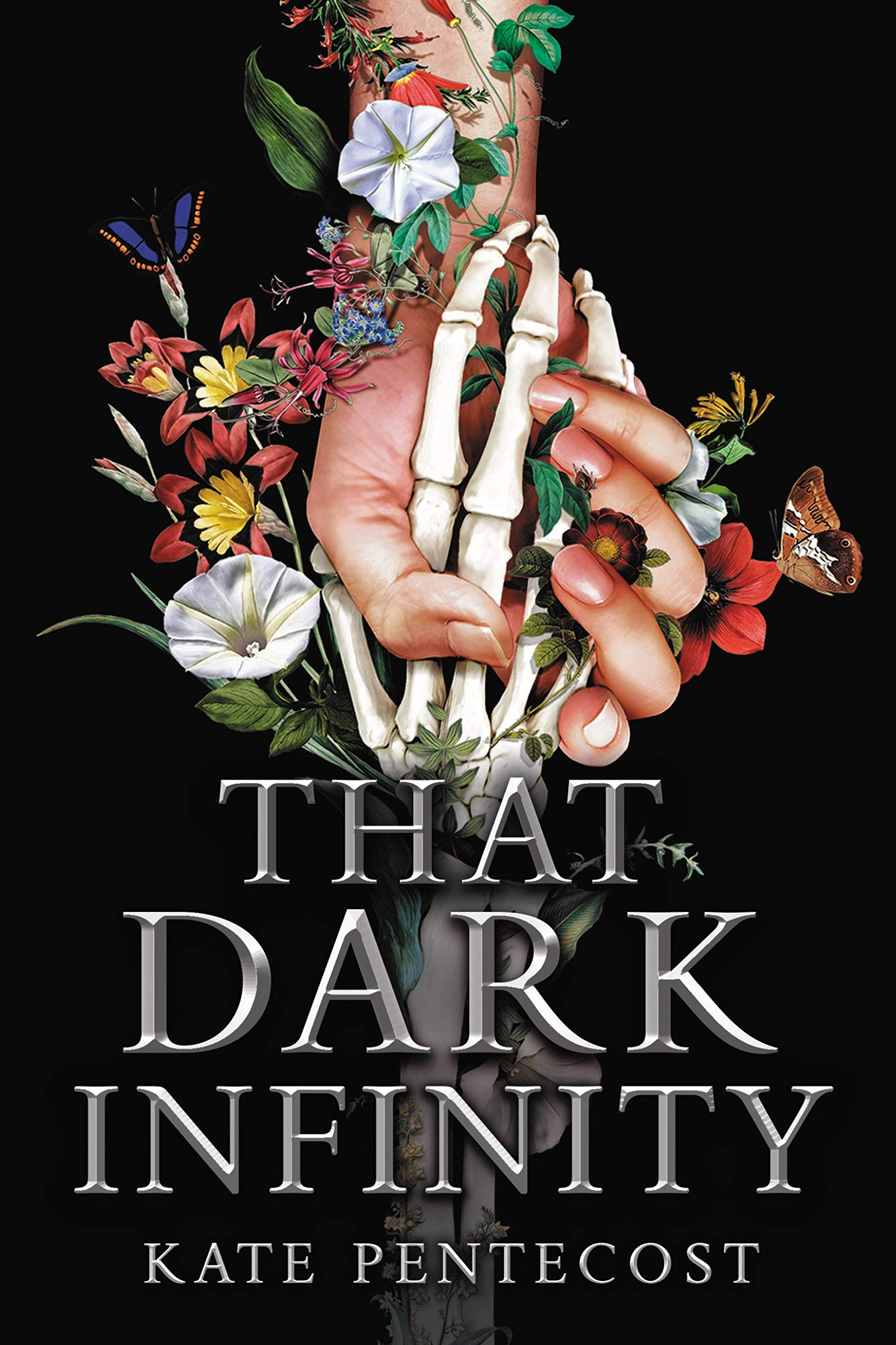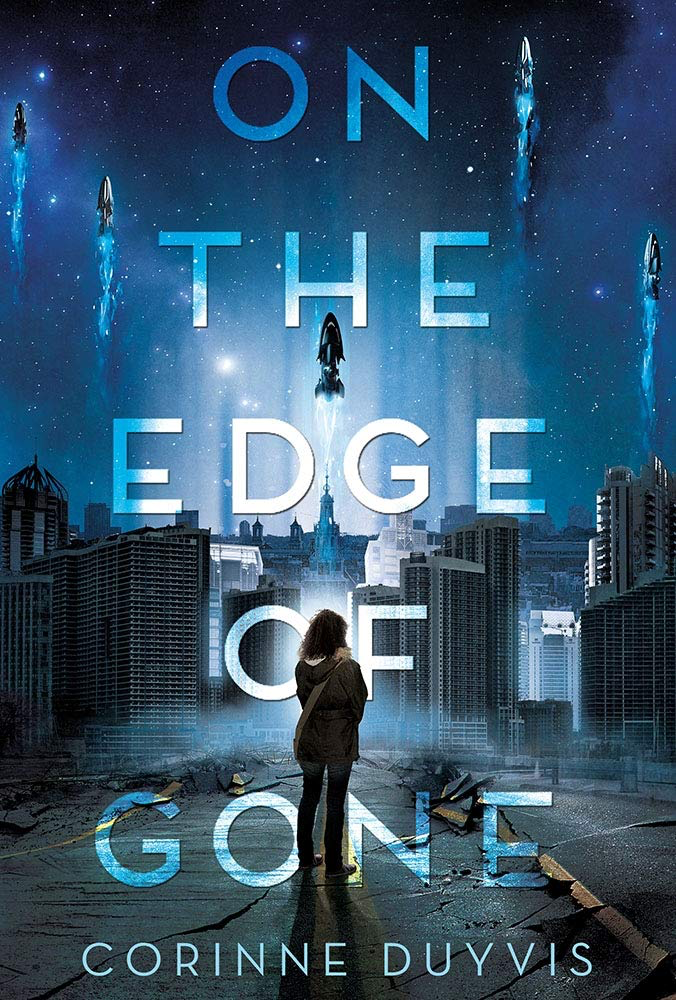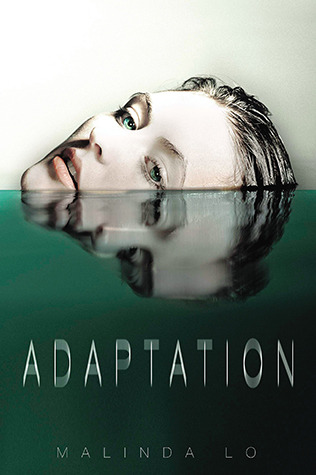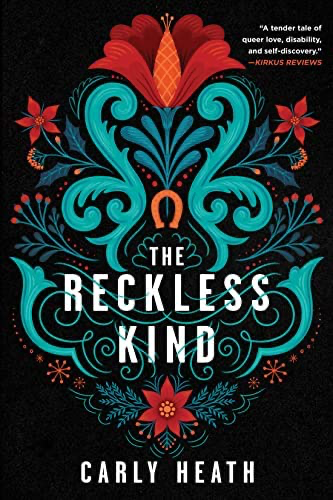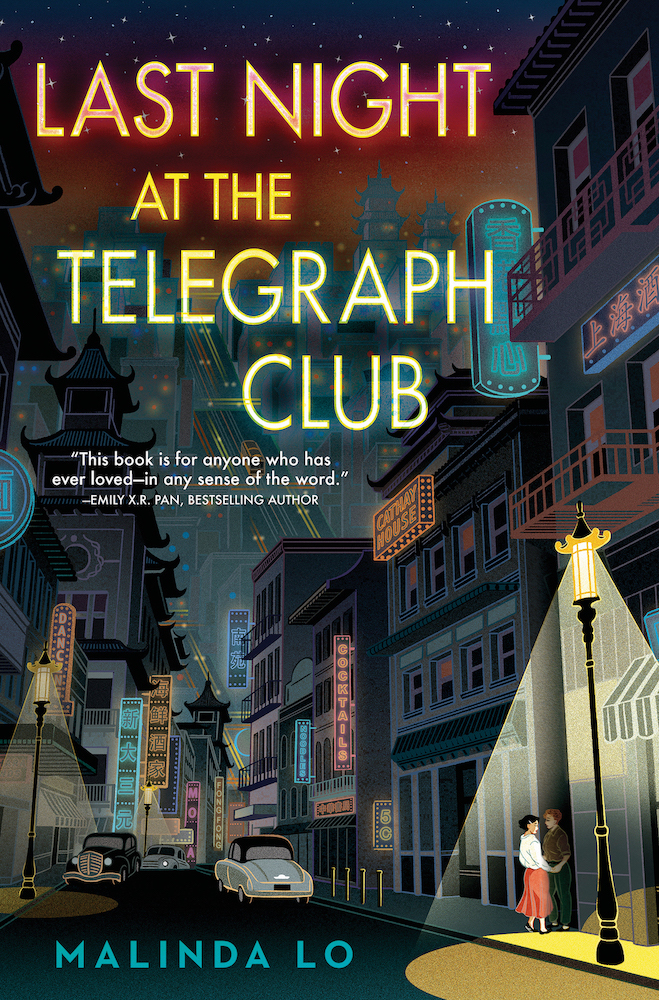
Posted in Books

🏳️‍⚧️🏳️‍🌈The Bookish Mutant’s Books for Pride Month (2025 Edition)🏳️‍🌈🏳️‍⚧️

Happy Monday, bibliophiles!

Here in the U.S., June is Pride Month! I usually start off these posts with something about how the world is slowly getting kinder to queer people, but that, as always, the shadows of homophobia and transphobia loom large. Well…Christ, it sure is looming larger than ever. Misinformed voters have decided that they’re perfectly content to return us to an administration that has already required passports to revert to the carrier’s assigned gender at birth and has been emboldened to toy with the idea of repealing the right to same-sex marriage. Of course, here I am sitting on my comfy couch in my comfy blue state of Colorado that thankfully has a) a gay governor (shoutout to Jared Polis), and b) enshrined the right to same-sex marriage in the constitution, but that doesn’t mean that my heart doesn’t constantly ache. All of us in the queer community are deeply interconnected. What hurts one of us hurts all of us.

Book banning across the country has disproportionately targeted queer books, deeming the presence of such subjects in children’s, middle grade, and YA literature as pornography and grooming. And god forbid that a drag queen commits the incredibly sexual and predatory act of…[checks notes] reading picture books to kids at libraries. Republicans have their priorities twisted. That’s old, old news by now. Books and libraries were never meant to be war zones, but fascists have made it their mission, then and now, to declare the right to information and new ideas as the most dangerous threat to their power. This goes for books both queer and non-queer. But the power of queer books can’t be overstated. Even I, who grew up in an incredibly supportive, accepting environment (biggest thank you imaginable to my wonderful family for being that way), was enlightened and comforted when, in the short period when I was closeted, I found bisexual characters in books that reflected my story and my feelings. Queer literature is revelatory, and it saves lives. For queer people, it gives them the comfort that they aren’t alone. For others, it gives them a glimpse into perspectives that they might not have otherwise considered, and compels them to empathize with people who are different than them.

So this pride month, and all year round (as always), when you think of what you can do to support the LGBTQ+ community, consider picking up a book. Support queer authors. Buy from queer-owned bookstores, because they tend to be pretty cool places. Support your local library (because they need it now more than ever)—checking out queer books shows them that they’re in demand, and that encourages librarians to keep on shelving them. For us book bloggers and other social media-oriented folks: keep on reviewing and shouting out books. And for all of us: no president, no government, and no legislation can take away your queerness. No one has that power but you. Your queerness is revolutionary and beautiful. Keep on being queer.

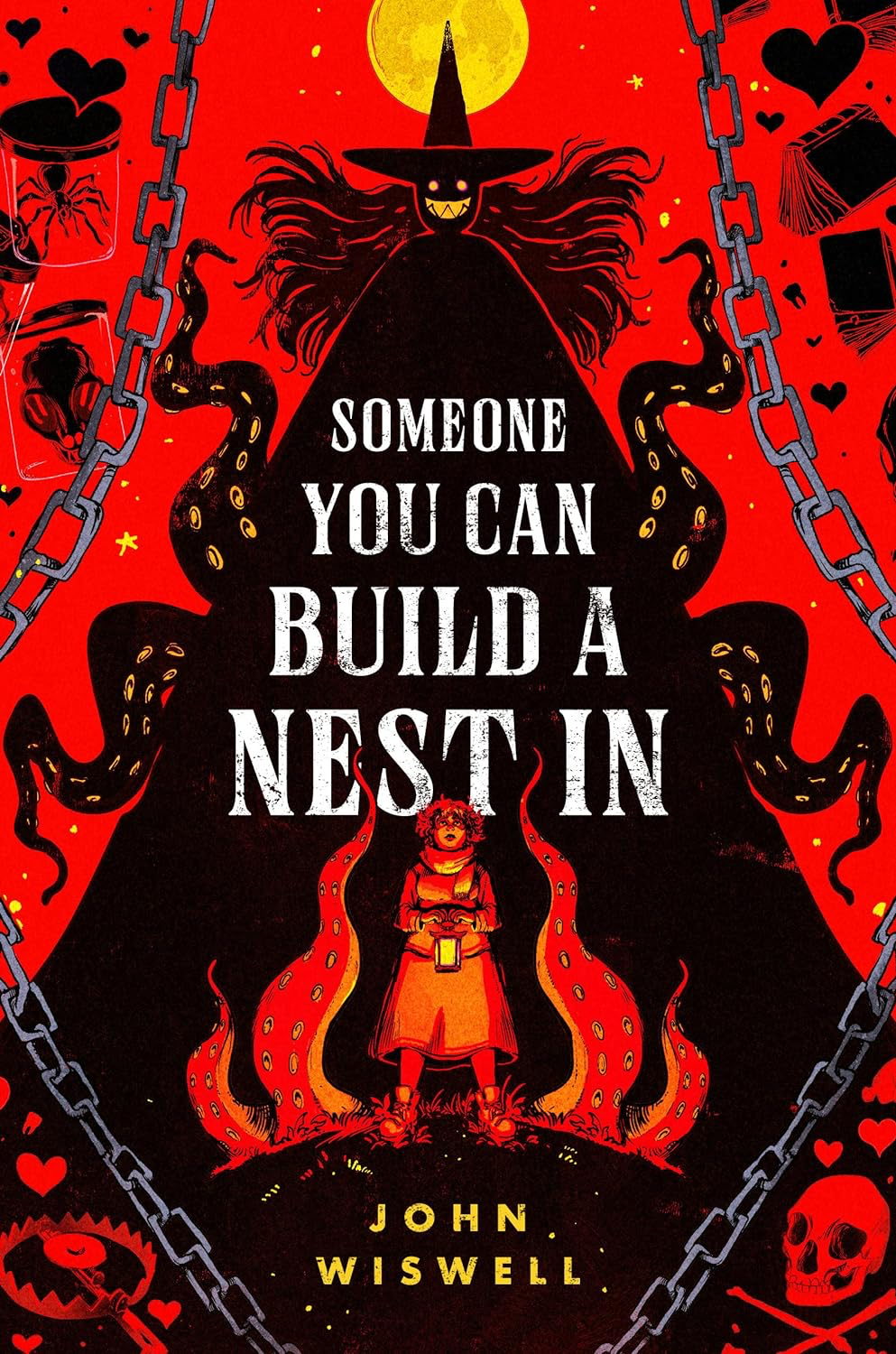
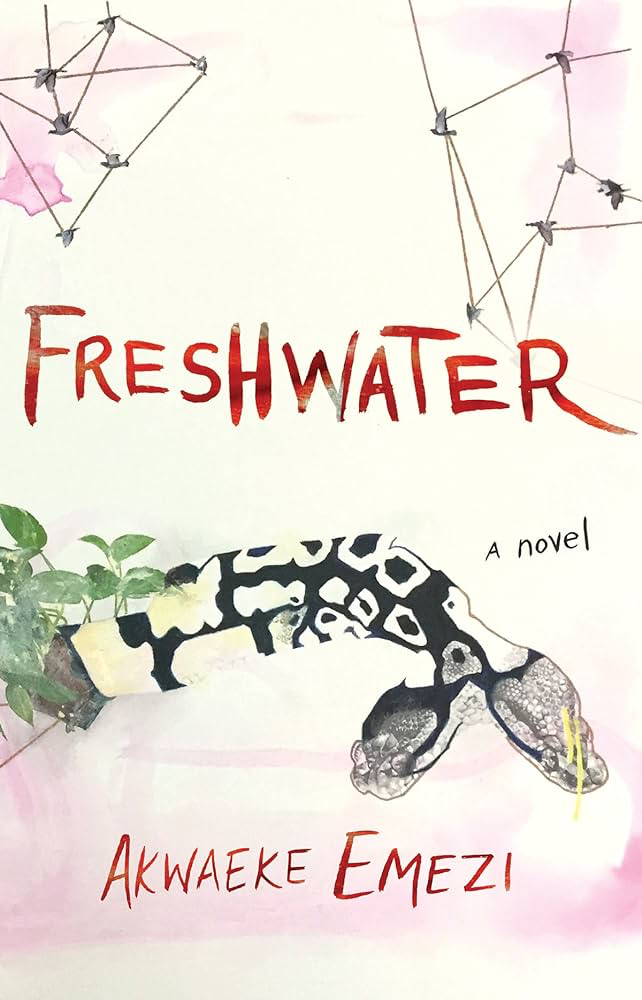
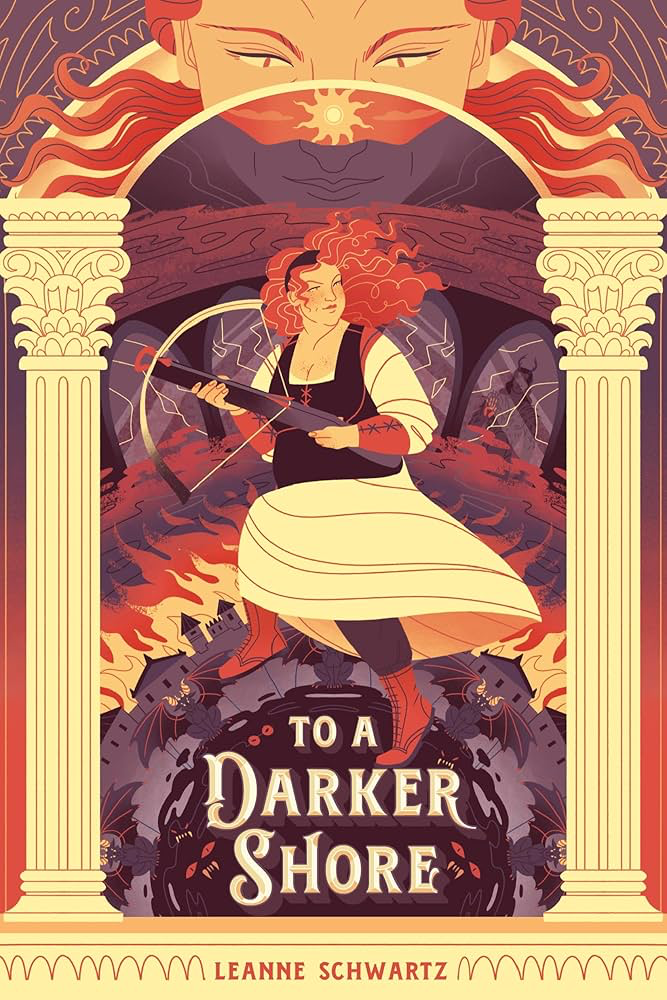
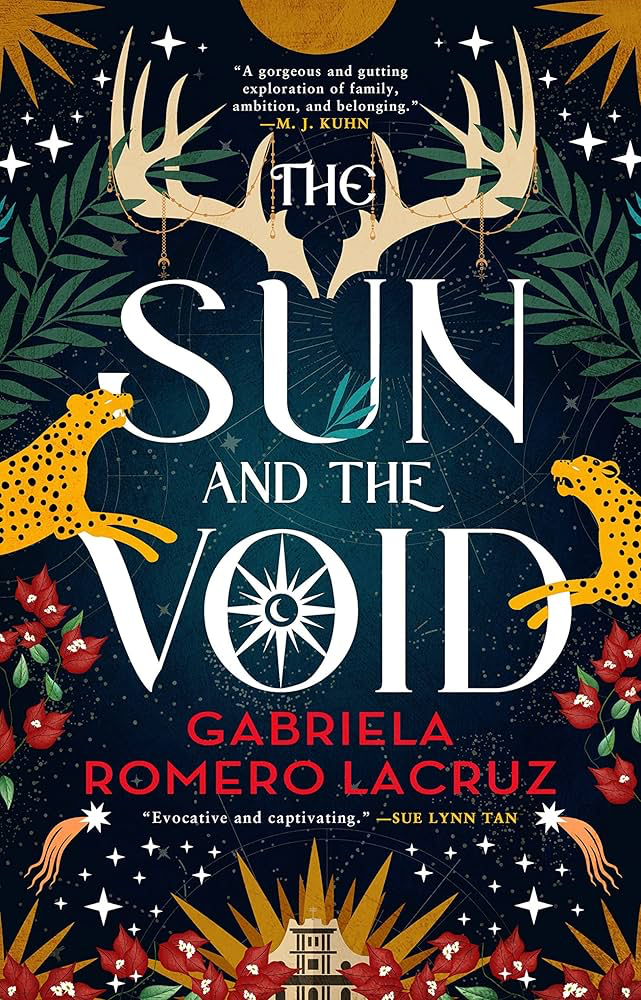
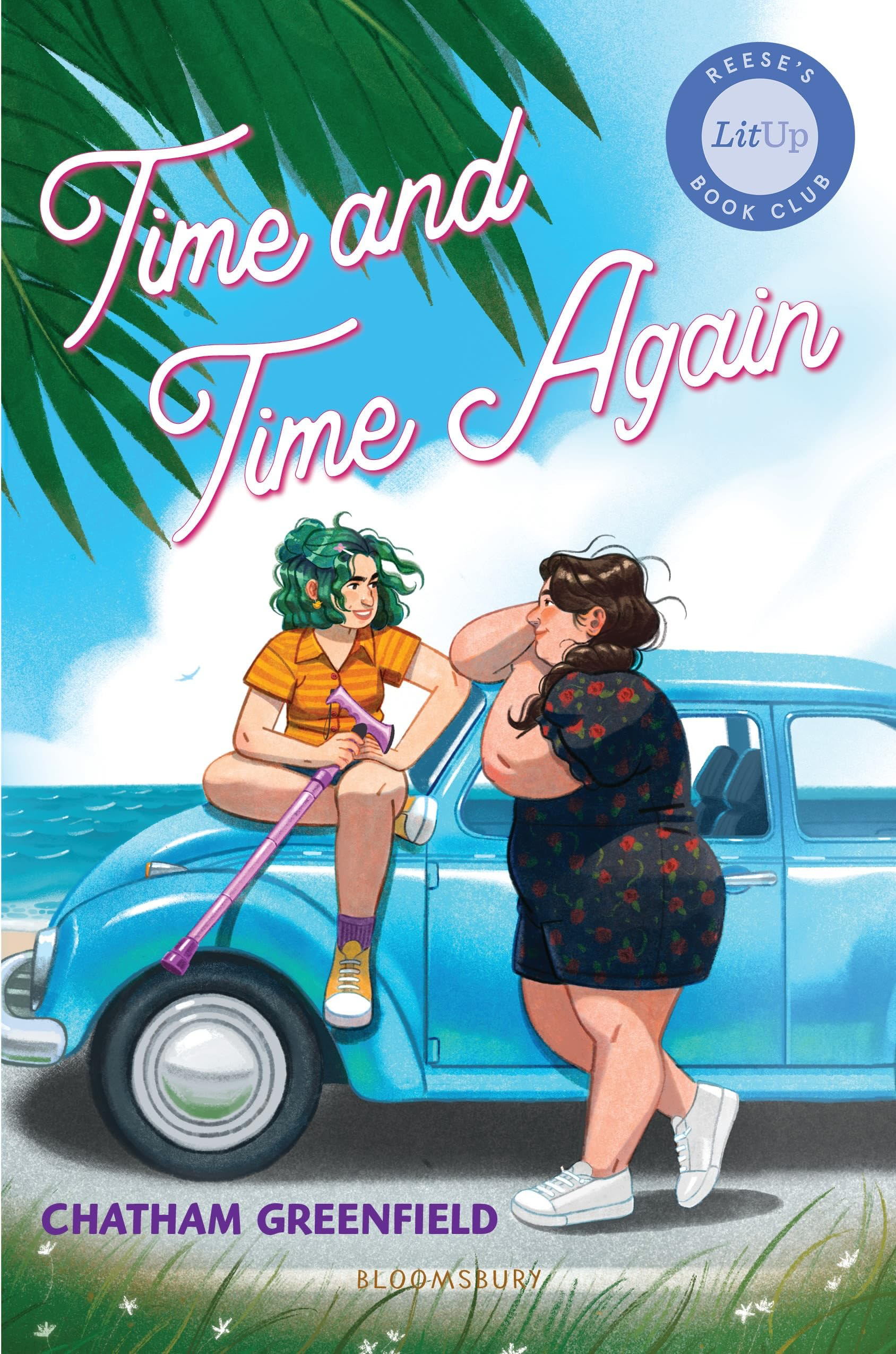
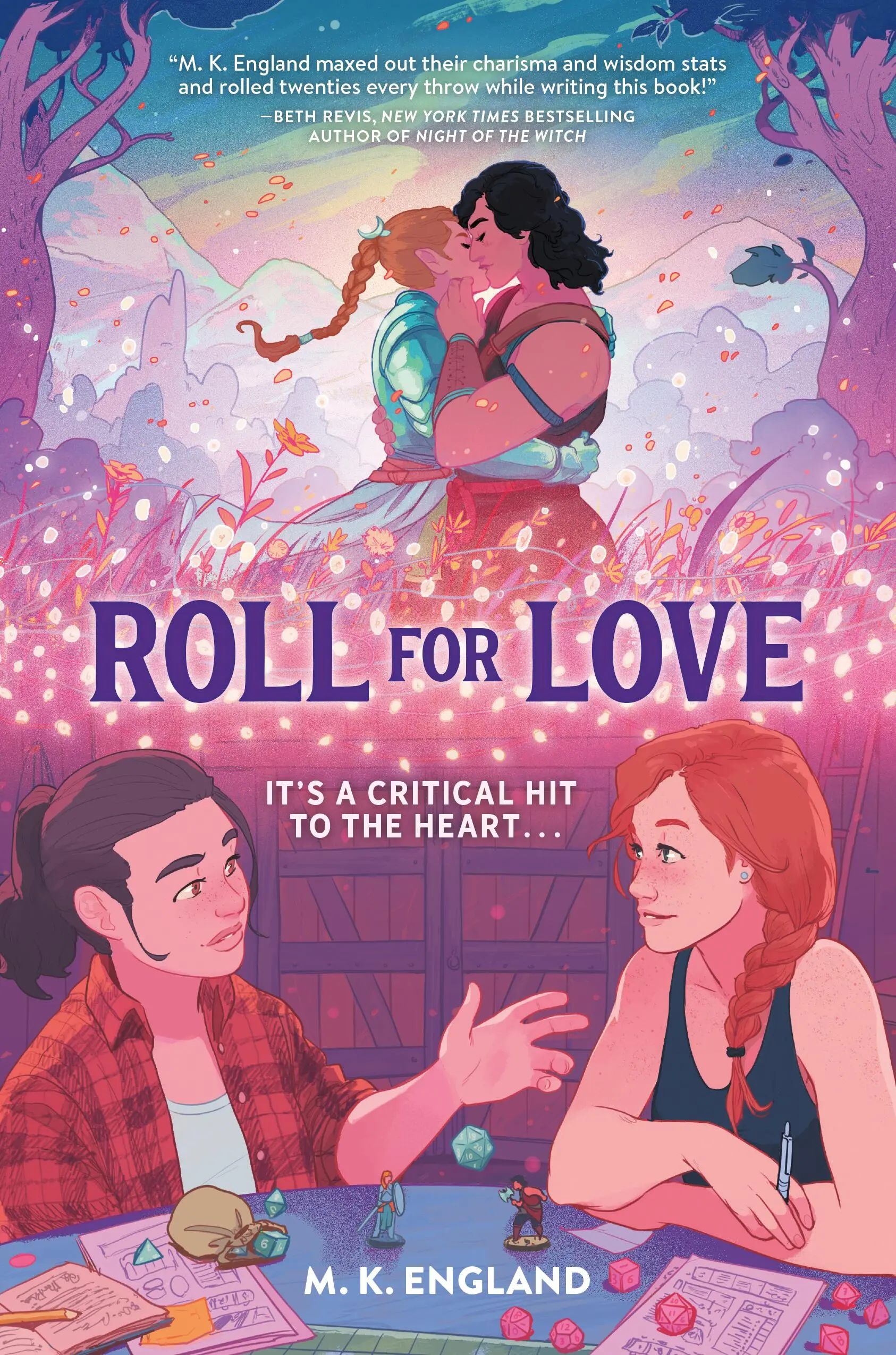
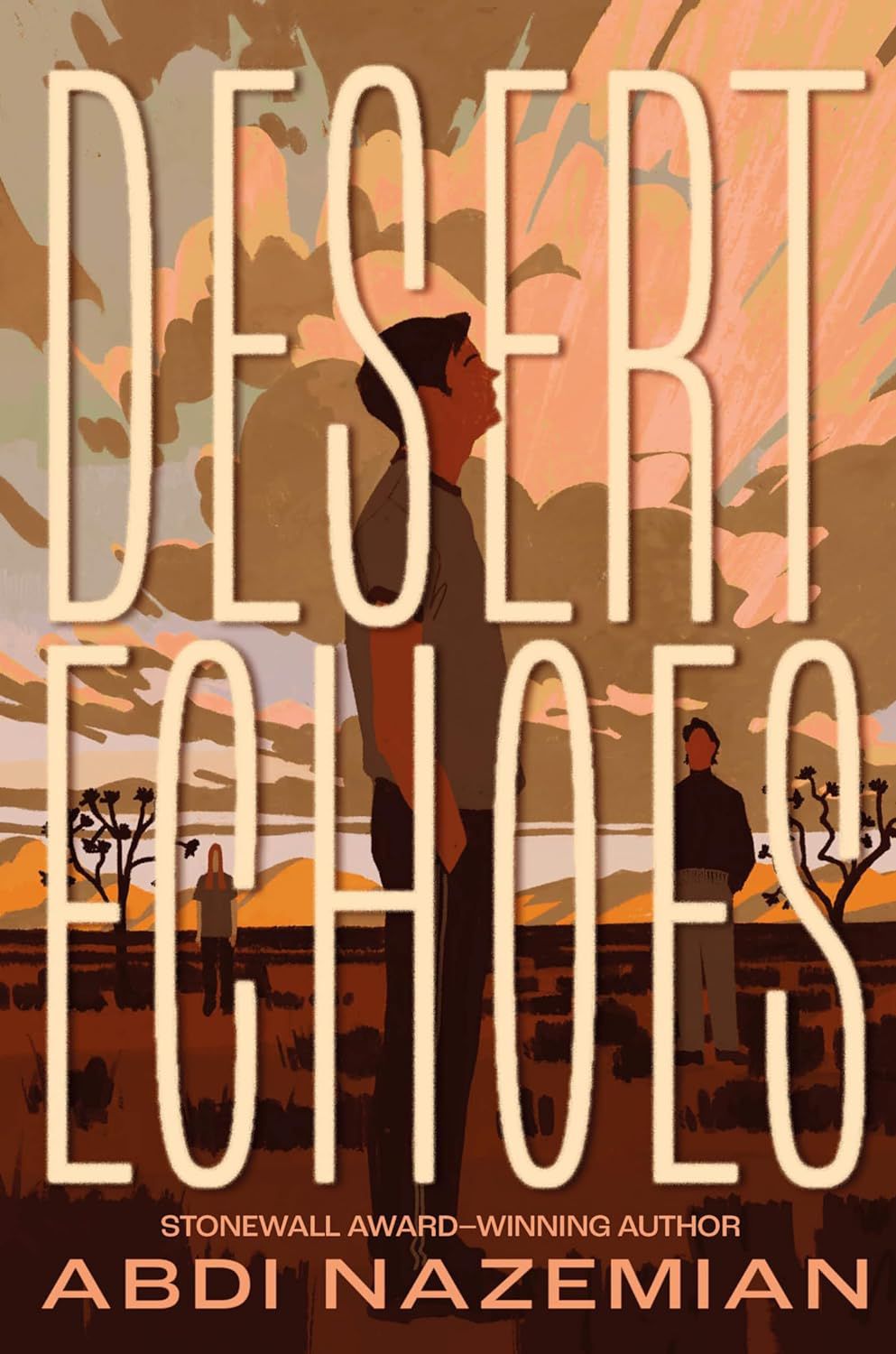
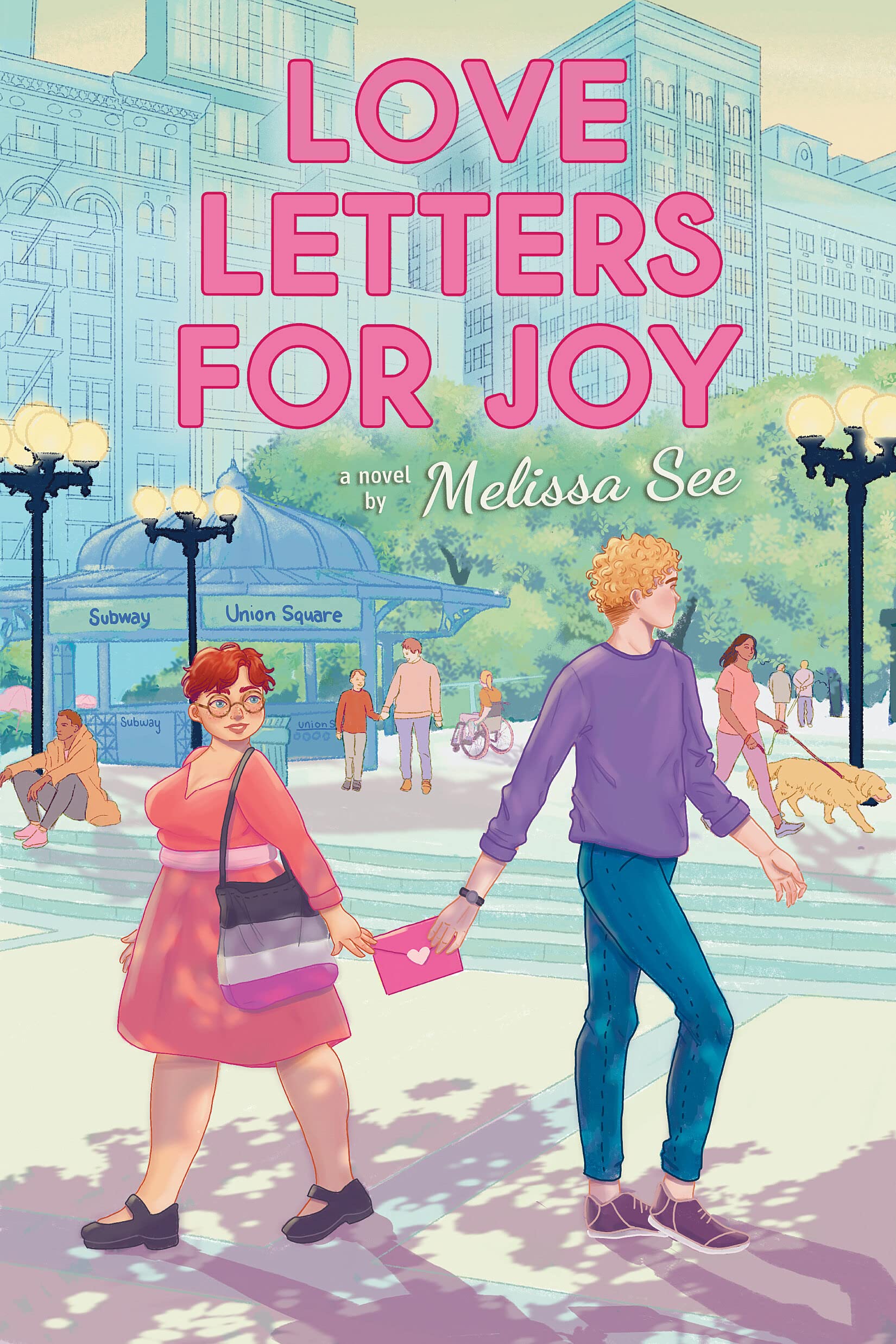
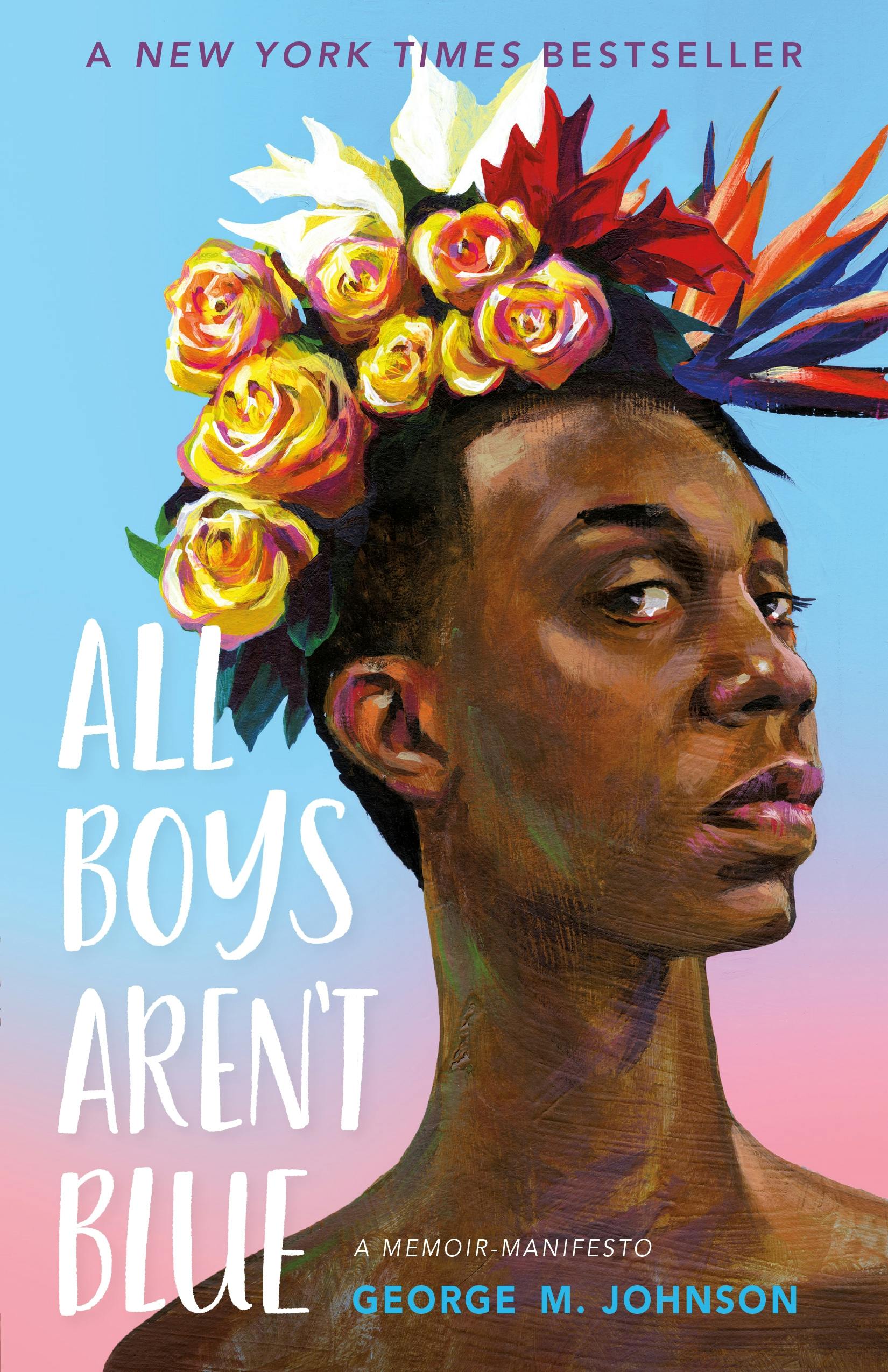
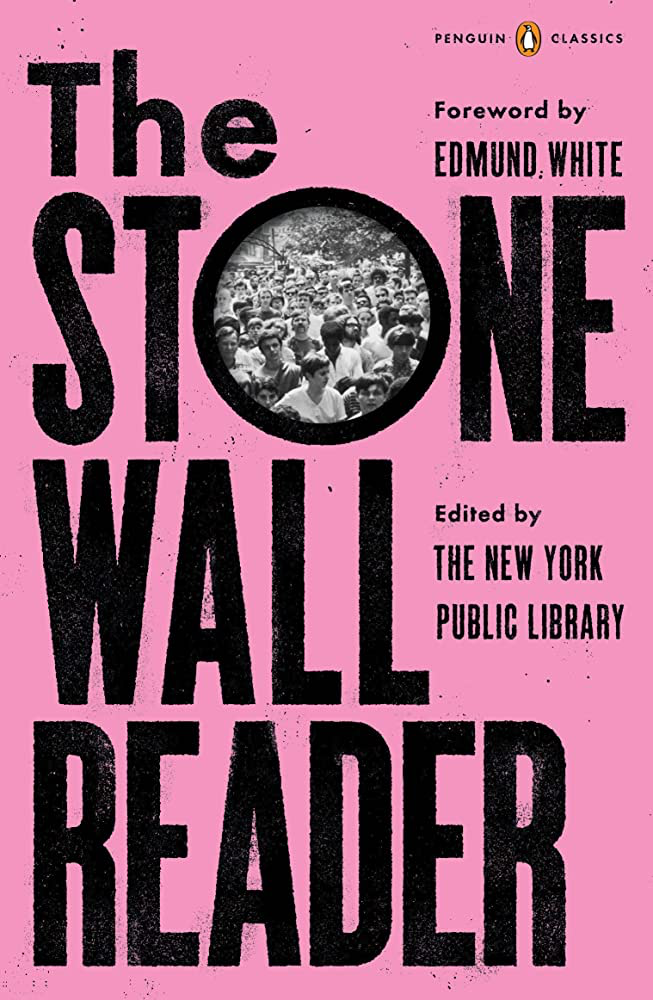
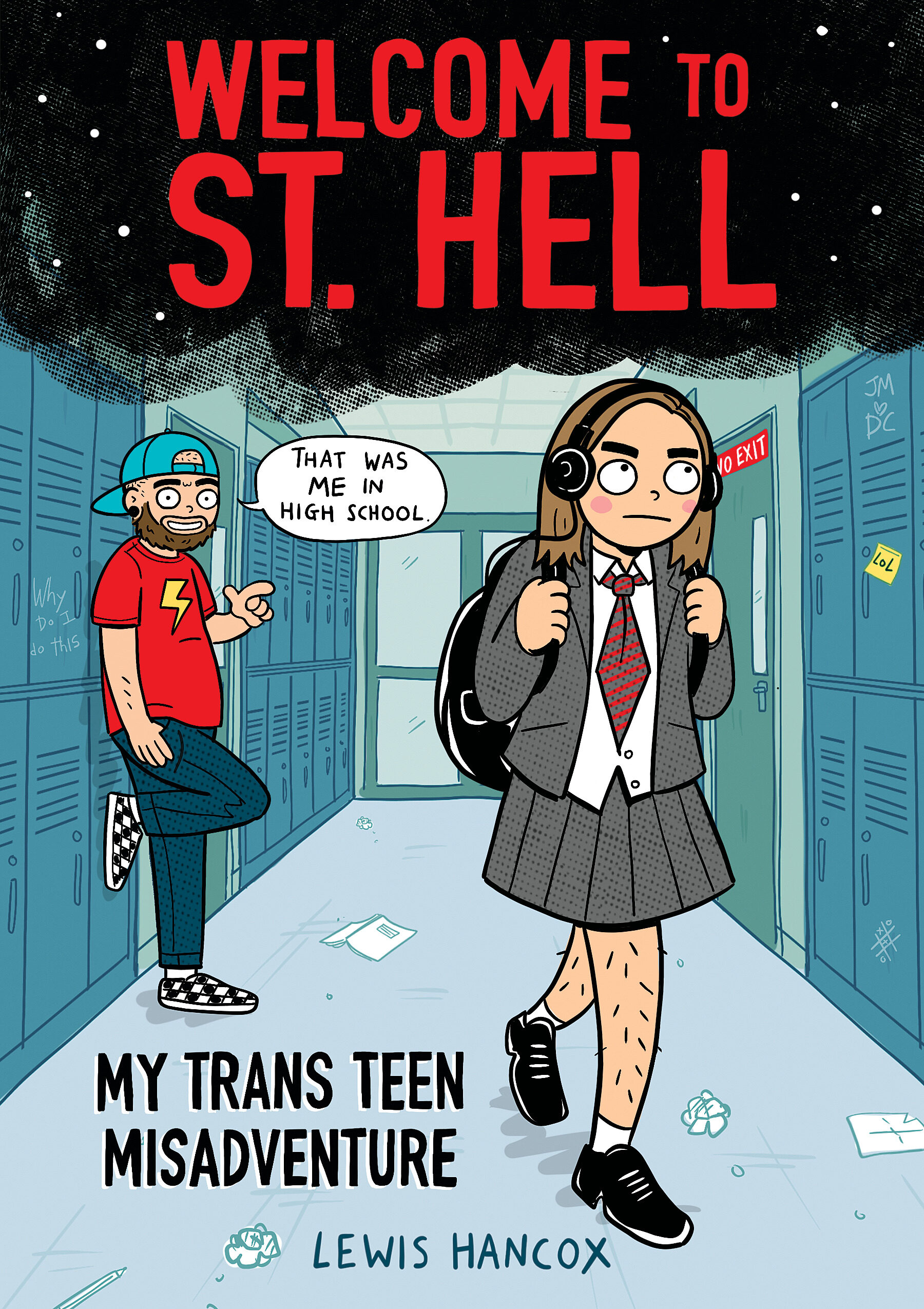
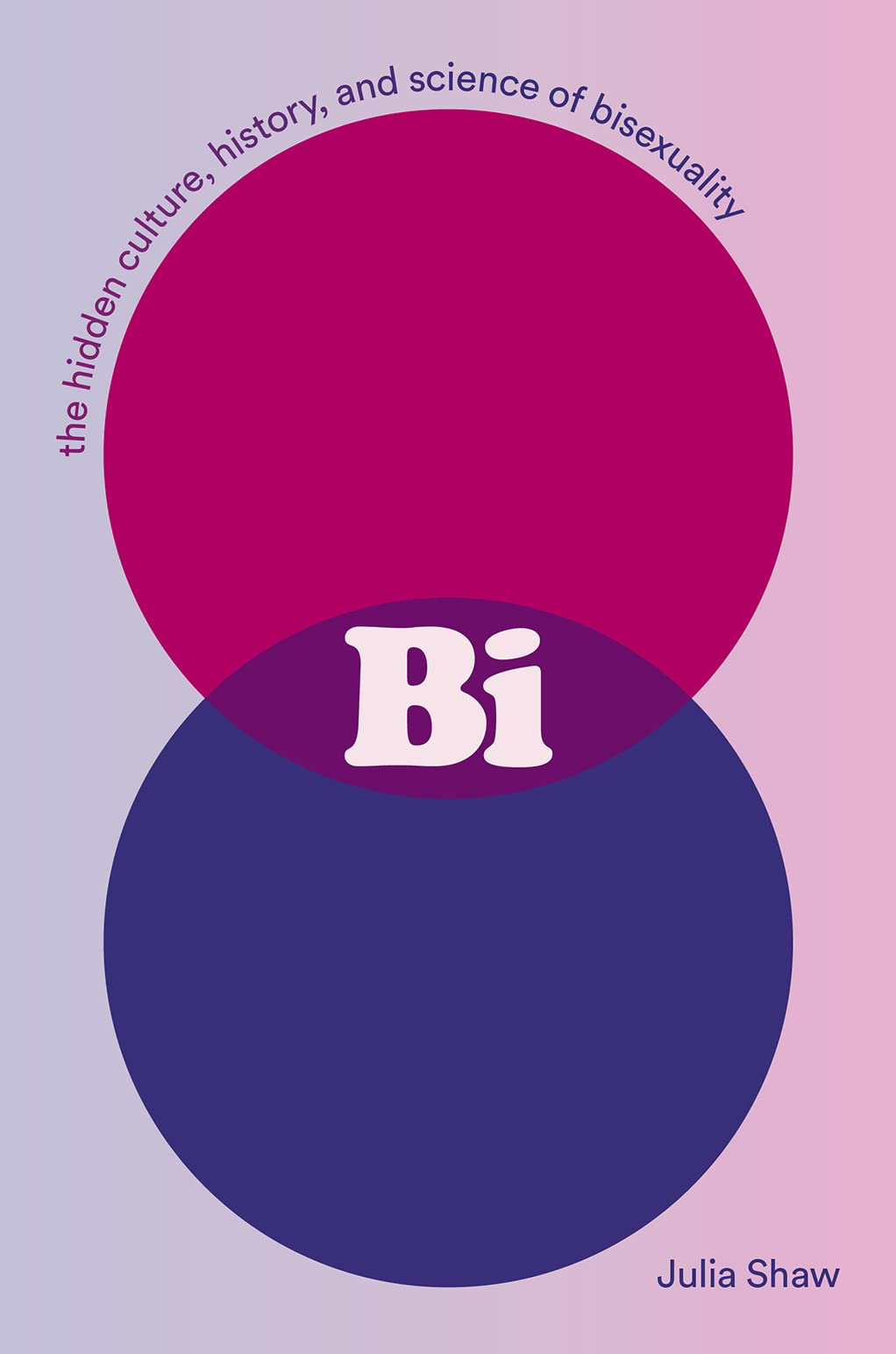
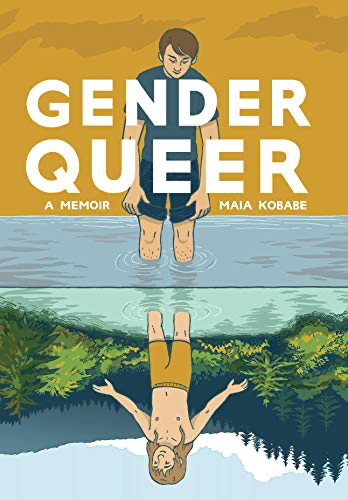
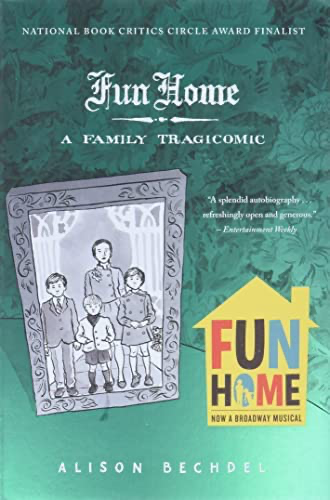
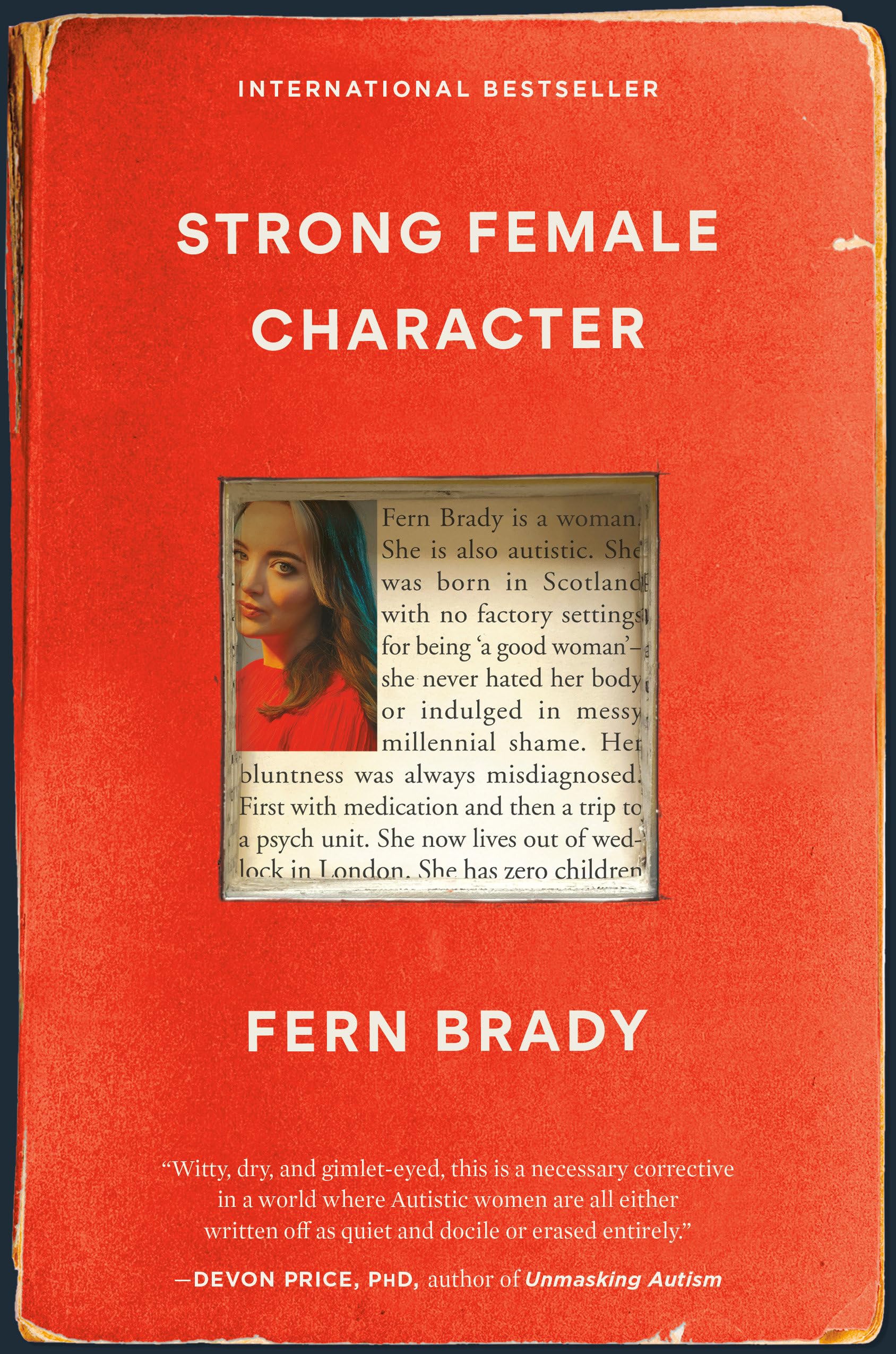
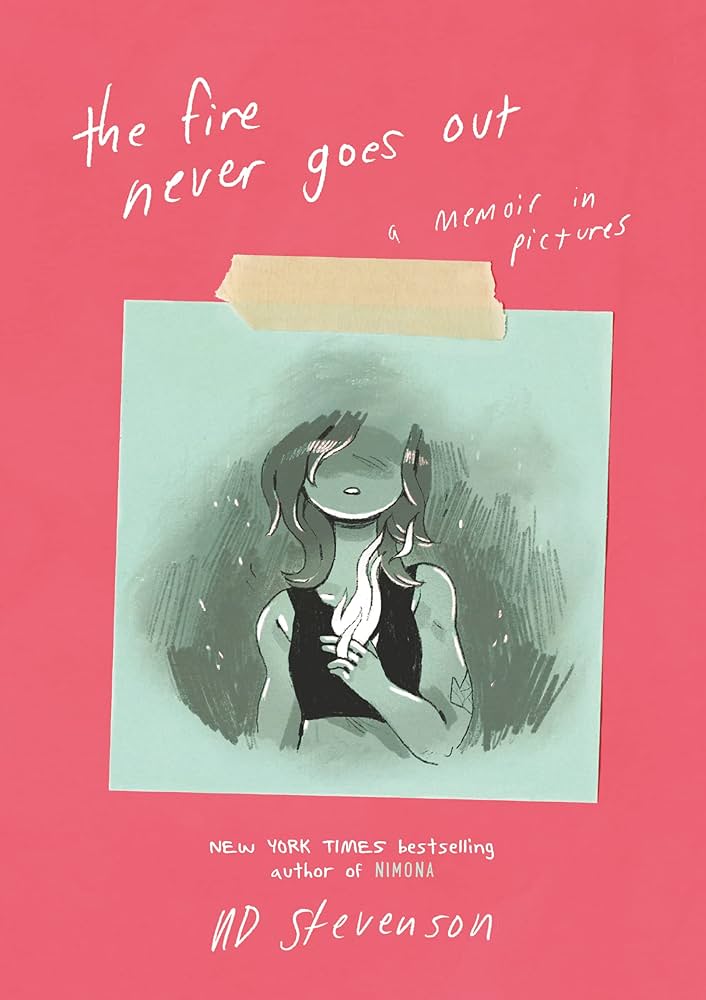
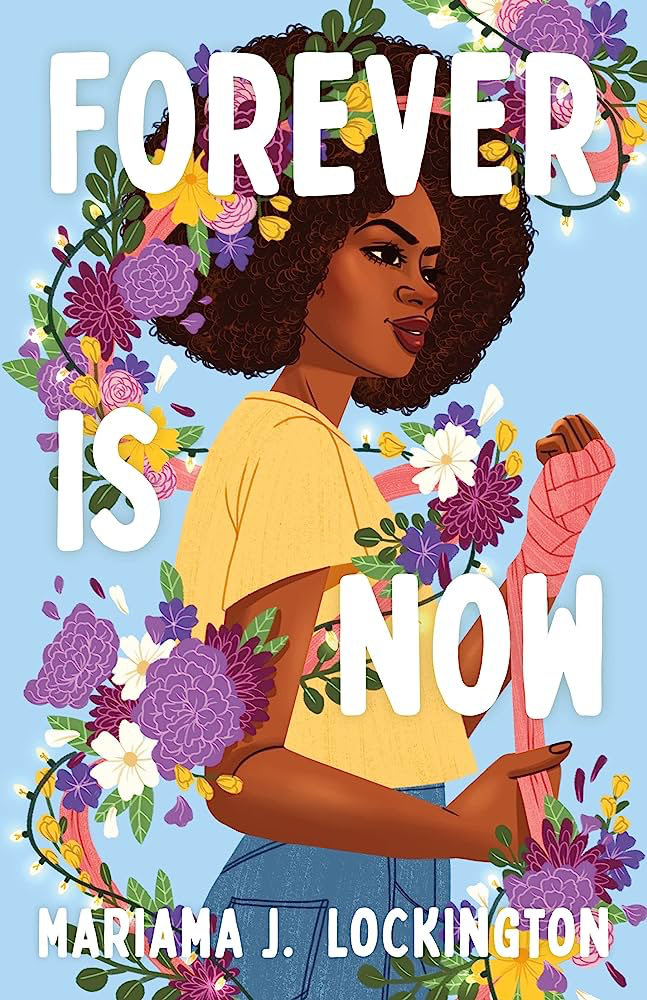
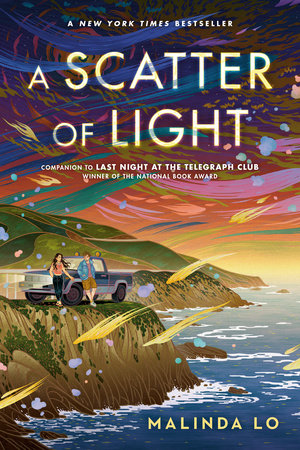
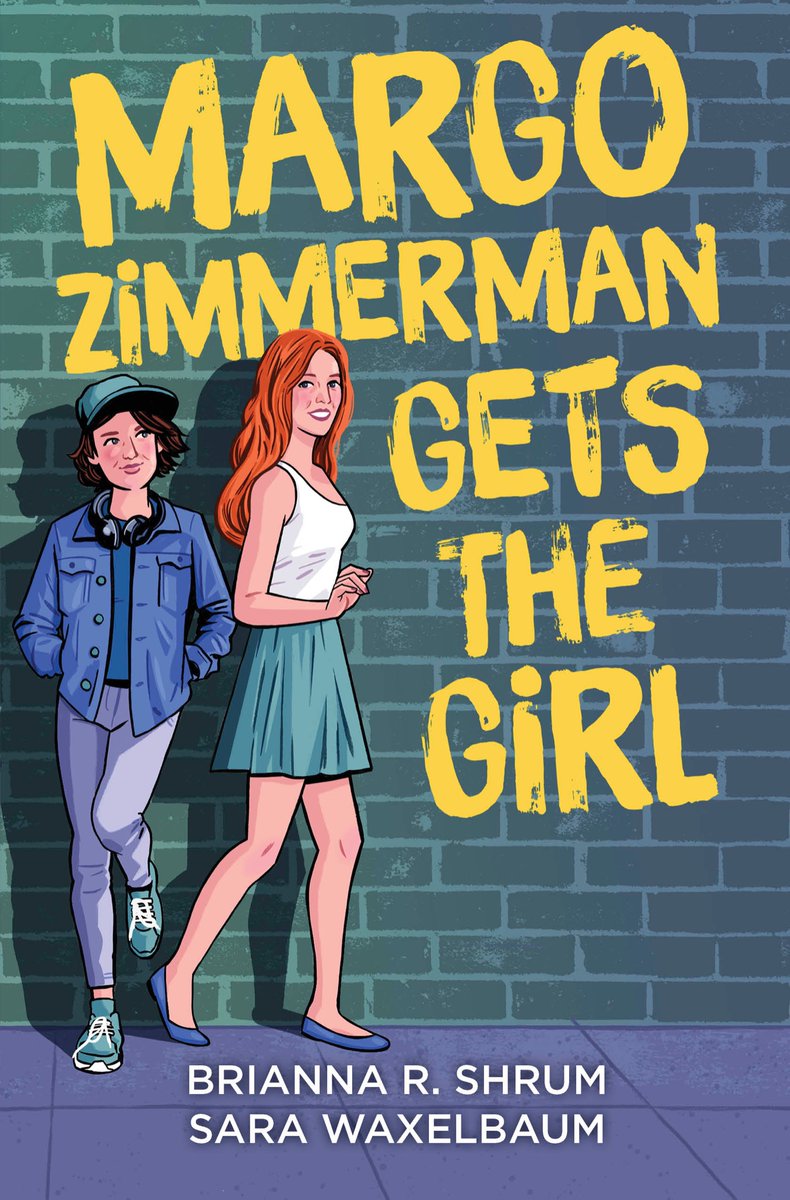
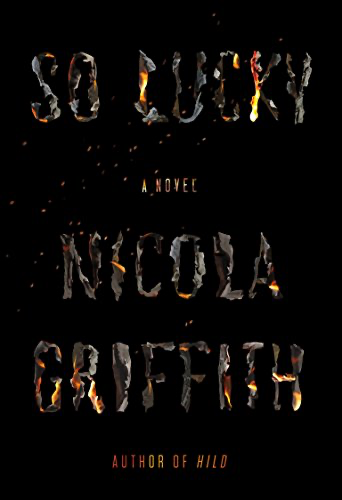
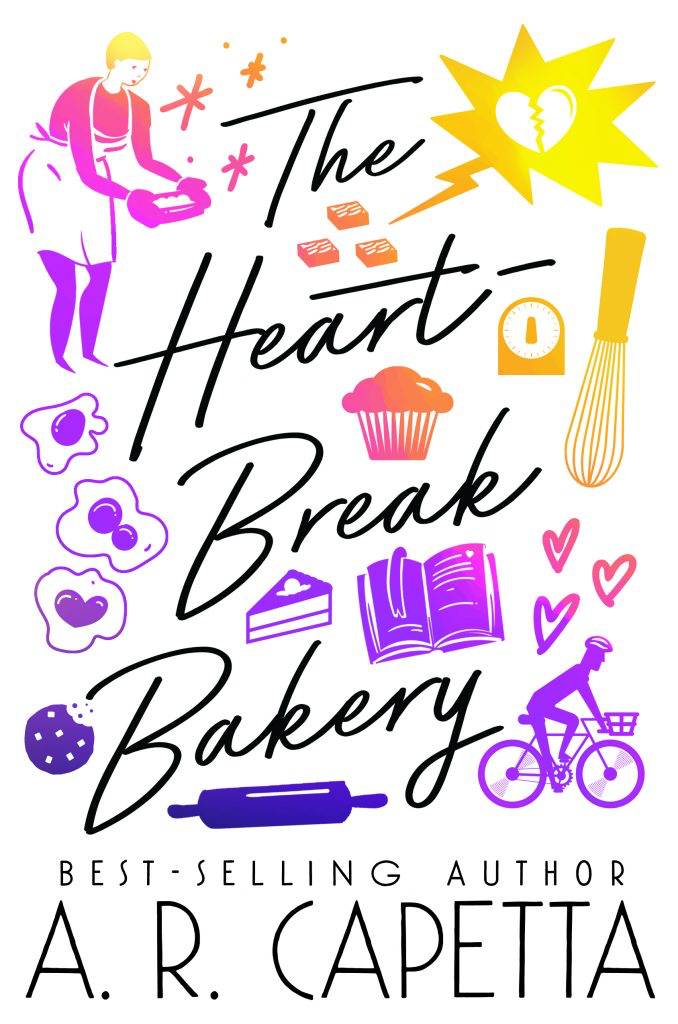
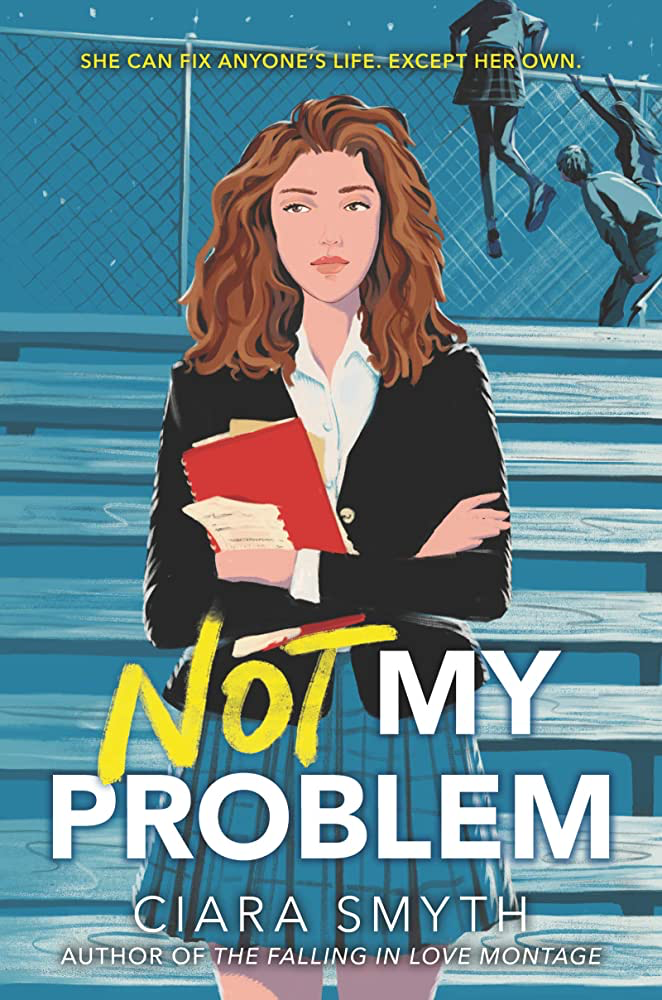
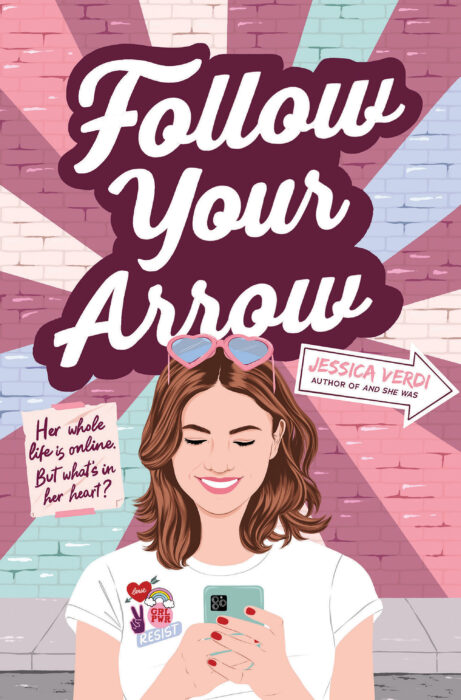
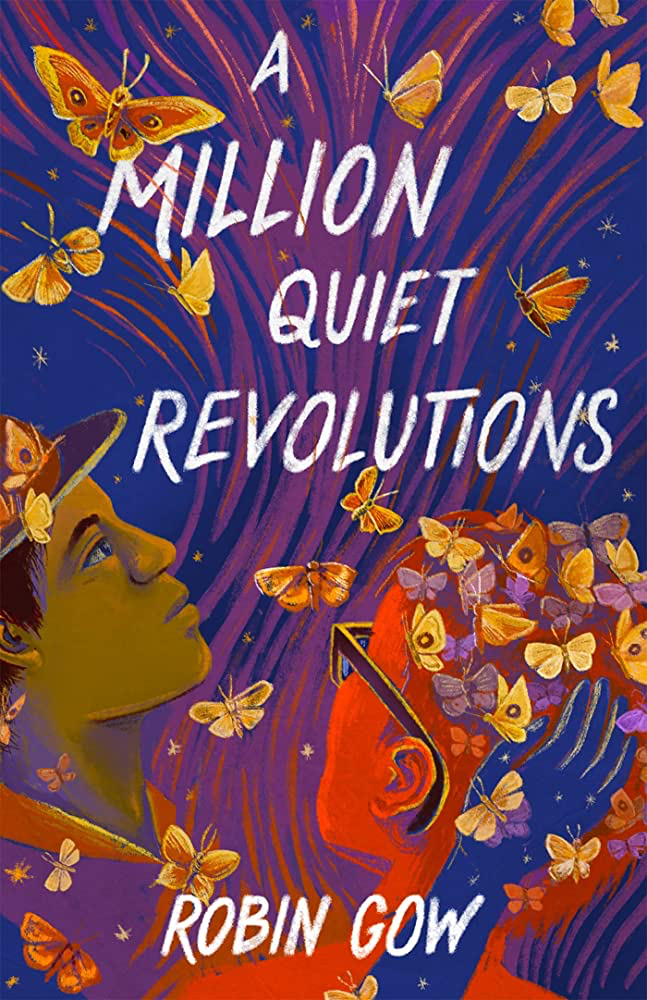
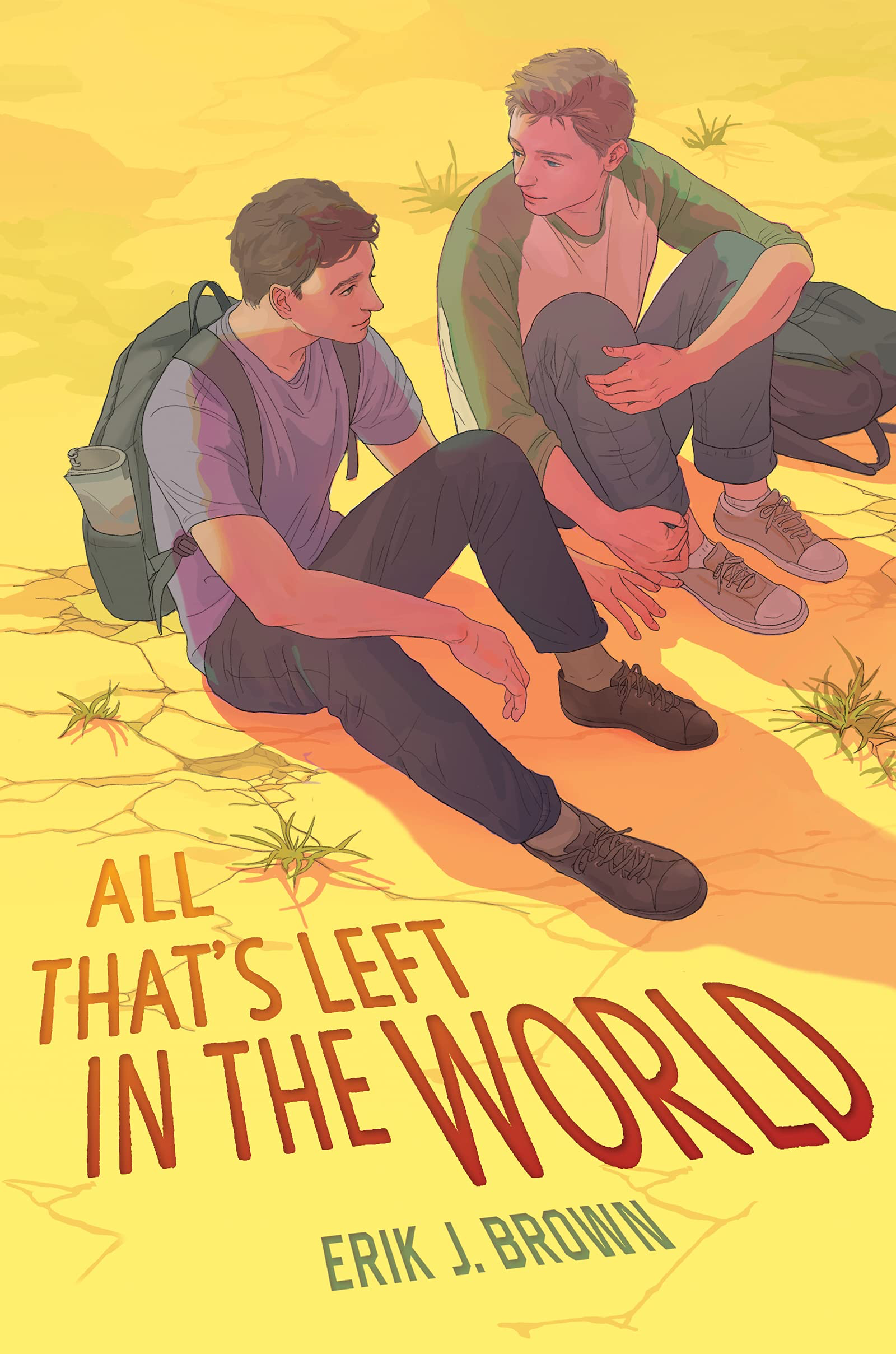
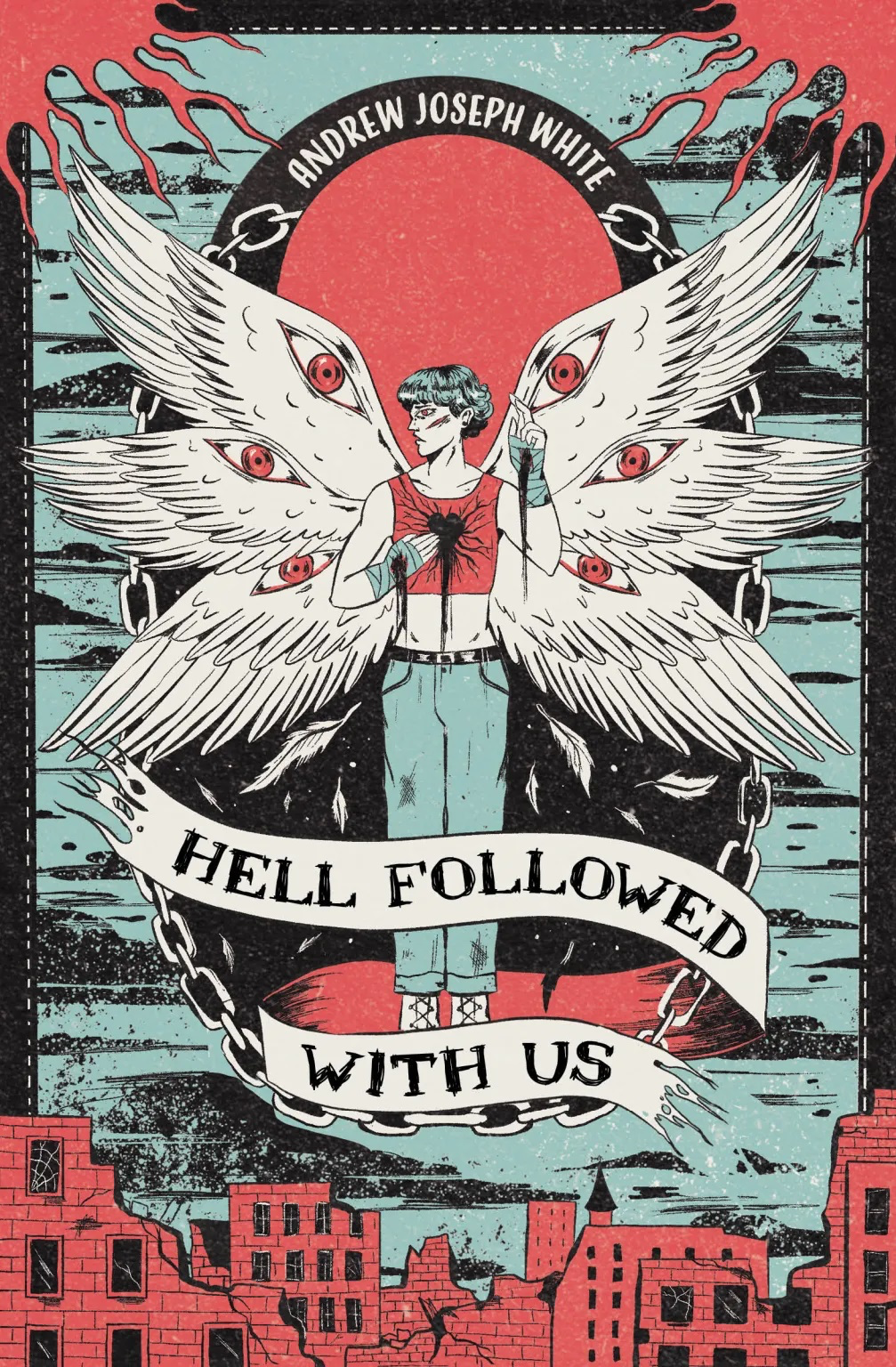
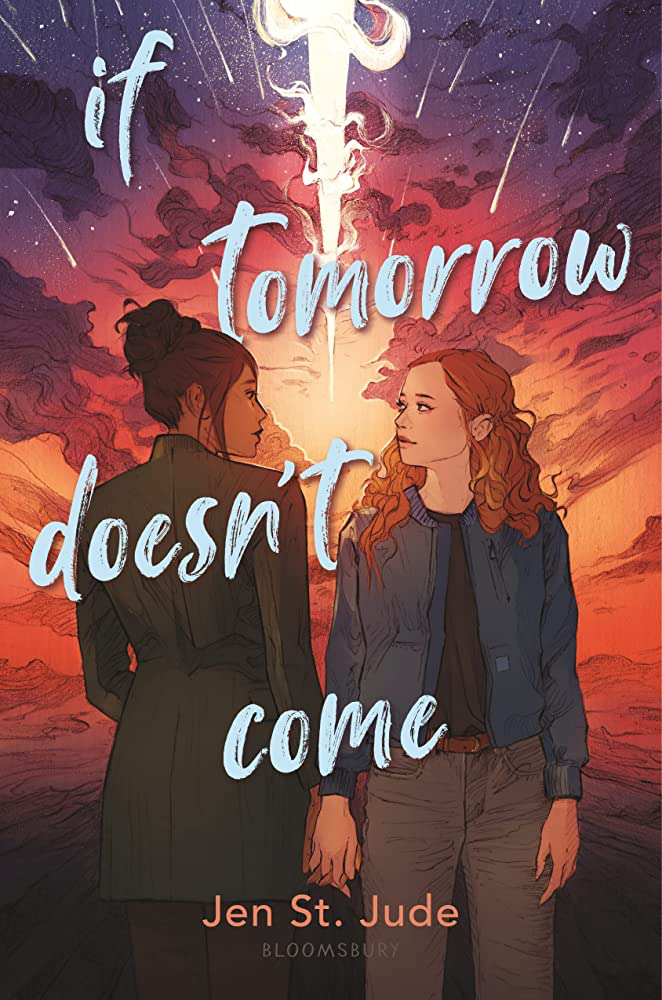
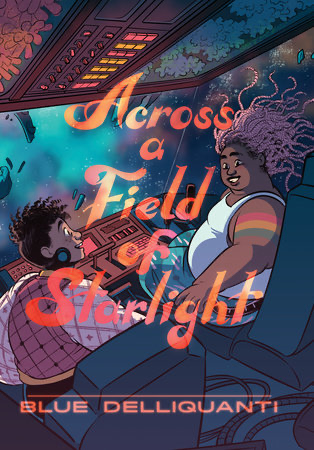
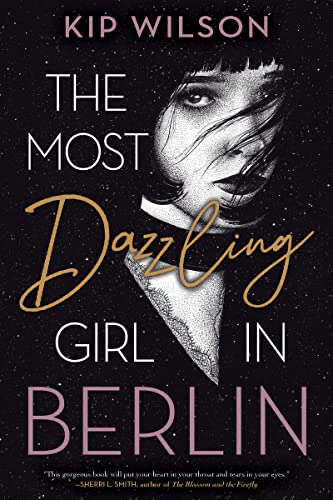
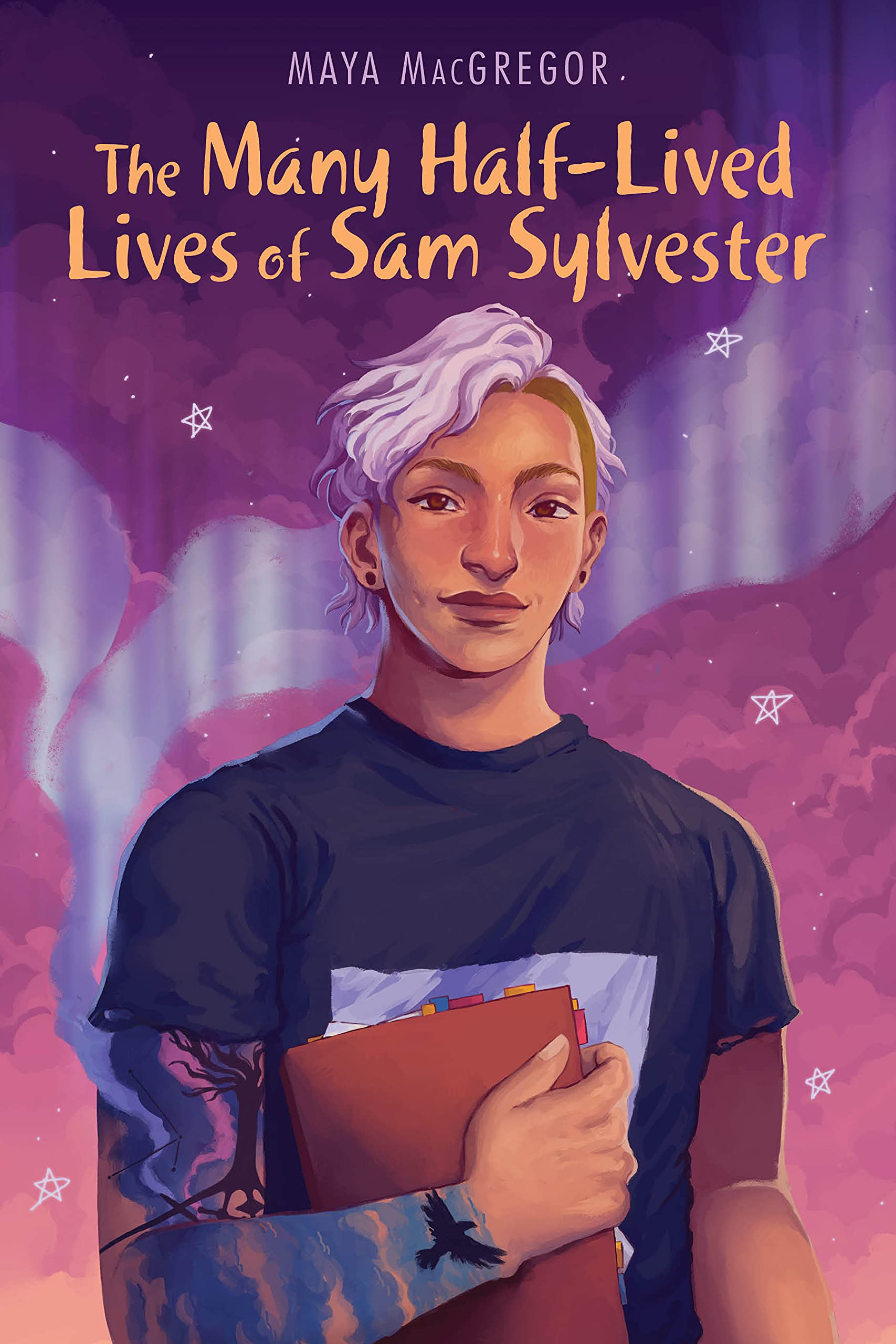
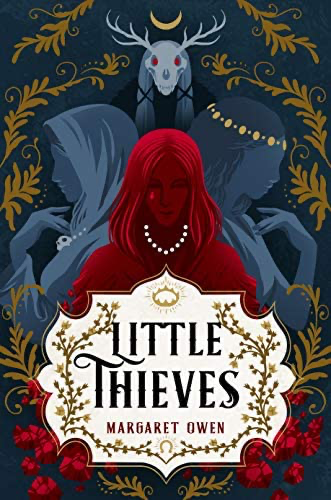
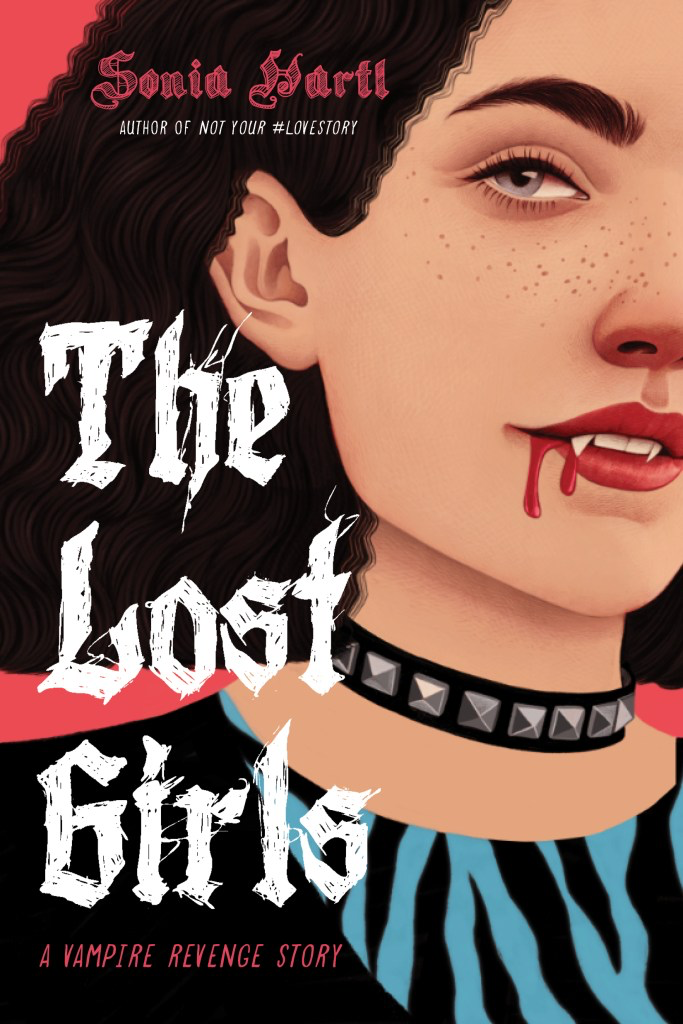
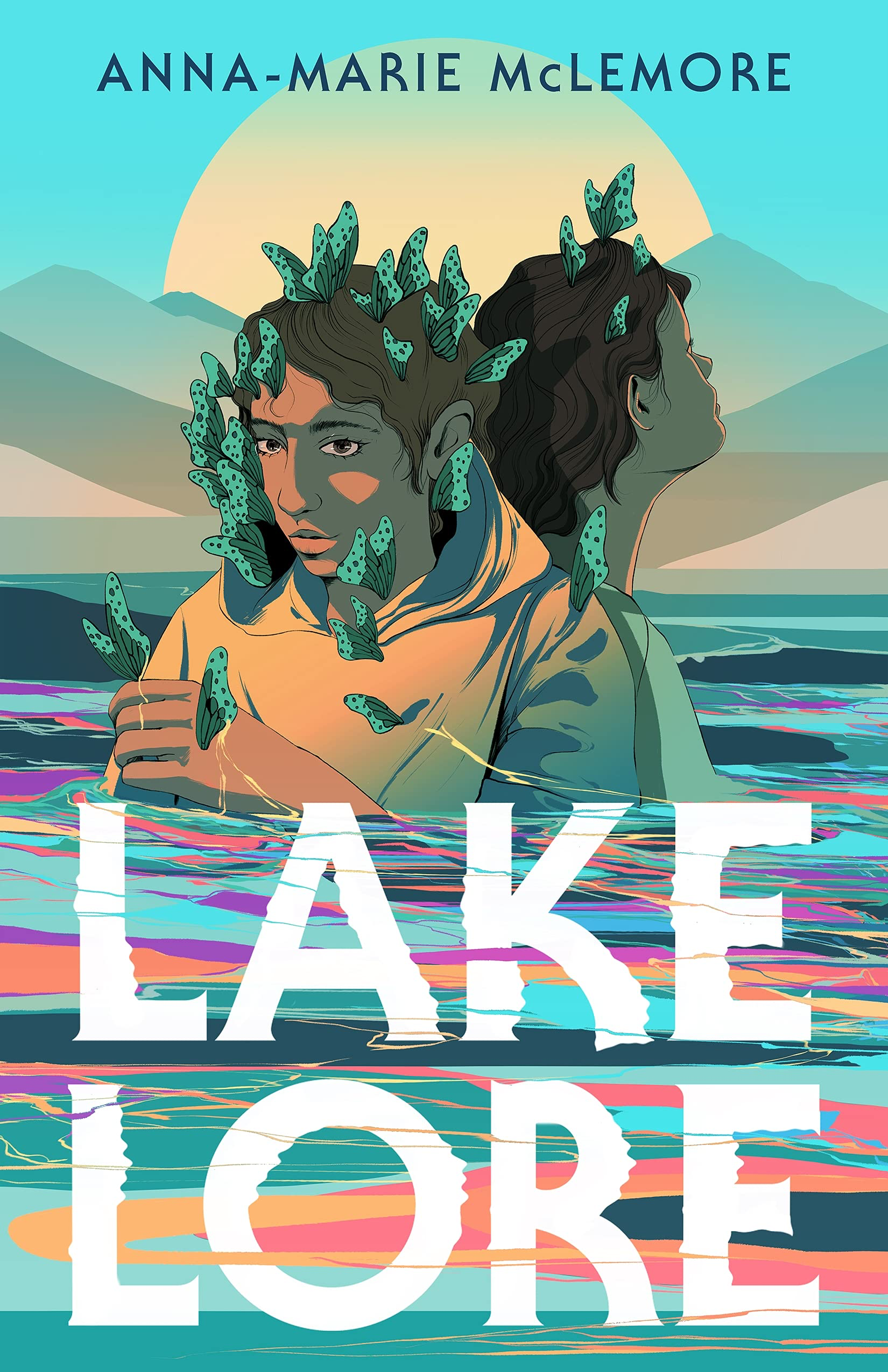
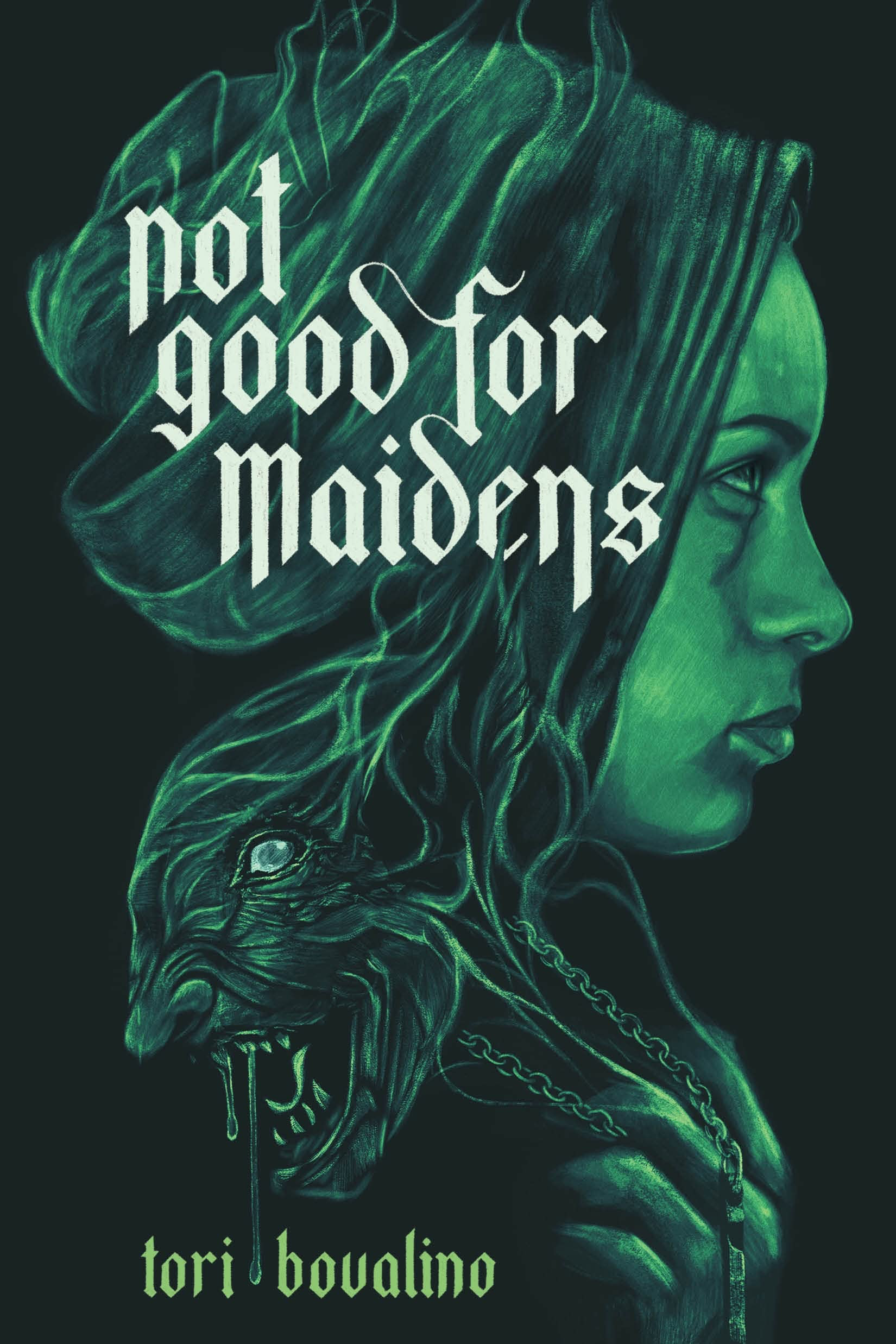
So here is my annual list of great LGBTQ+ reads from all sorts of genres, backgrounds, and identities. If I’ve mistakenly identified something about a book’s representation, please let me know! I’ve mixed YA and Adult books here, and I’ve also added a nonfiction section for the first time, as I’ve done with my other recommendation lists.

A refresher on my key:

MC: Main character

LI: Love interest

SC: Side character(s)

For my posts from previous years, click below:

Let’s begin, shall we?

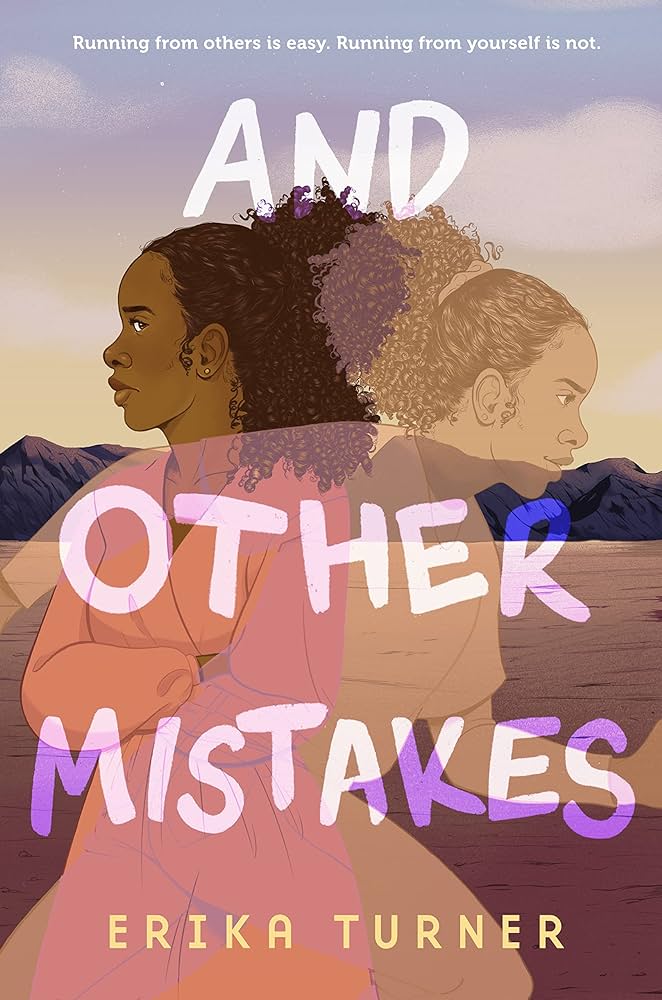
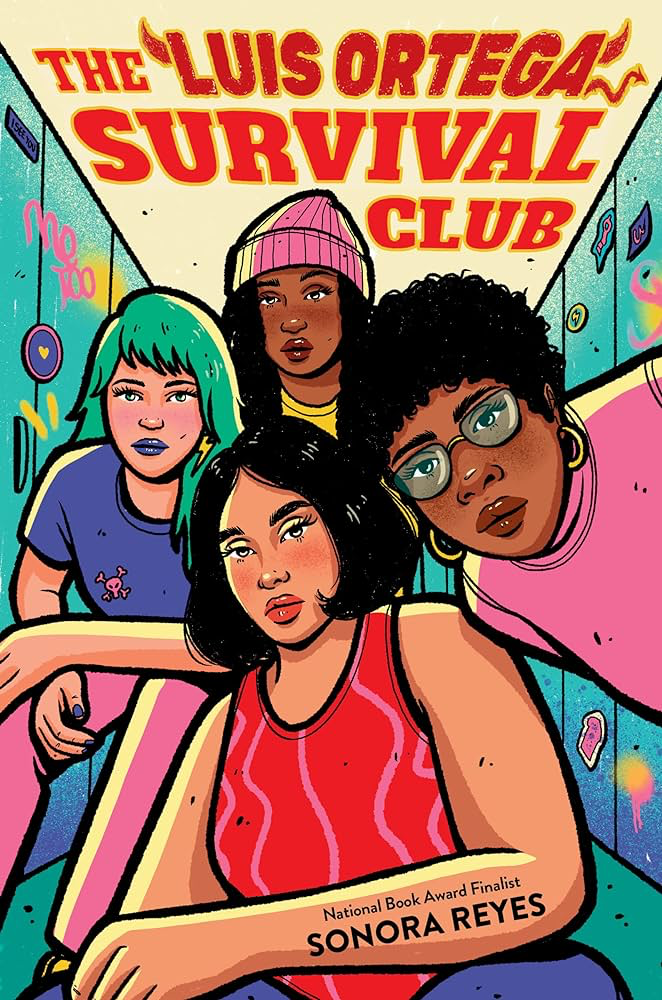
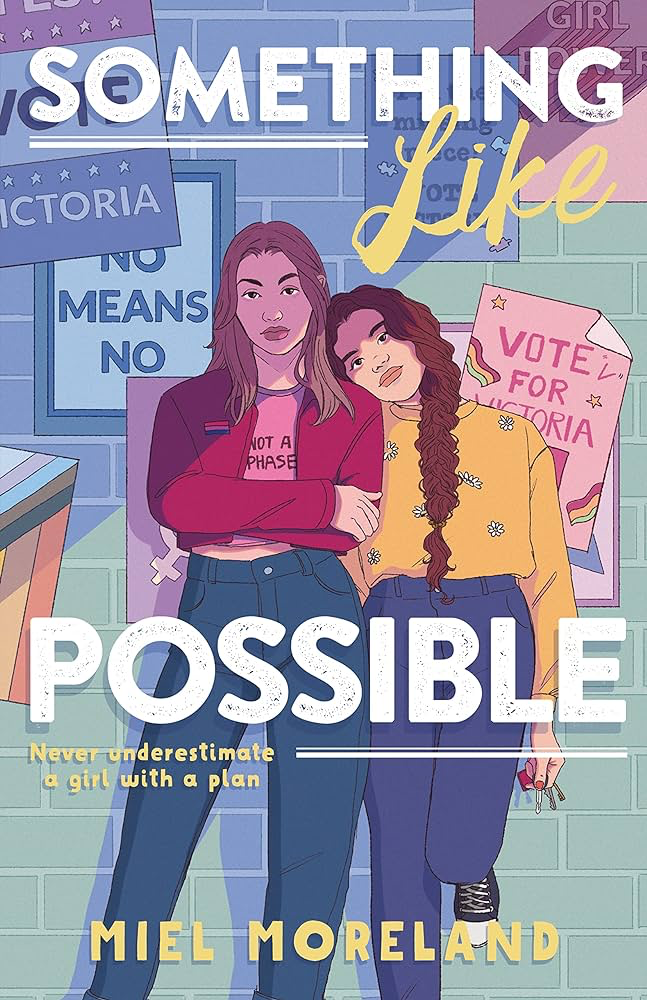
🌈THE BOOKISH MUTANT’S BOOKS FOR PRIDE MONTH (2025 EDITION)🌈

FANTASY:

Includes paranormal, magical realism, horror, and genre fusion(s)
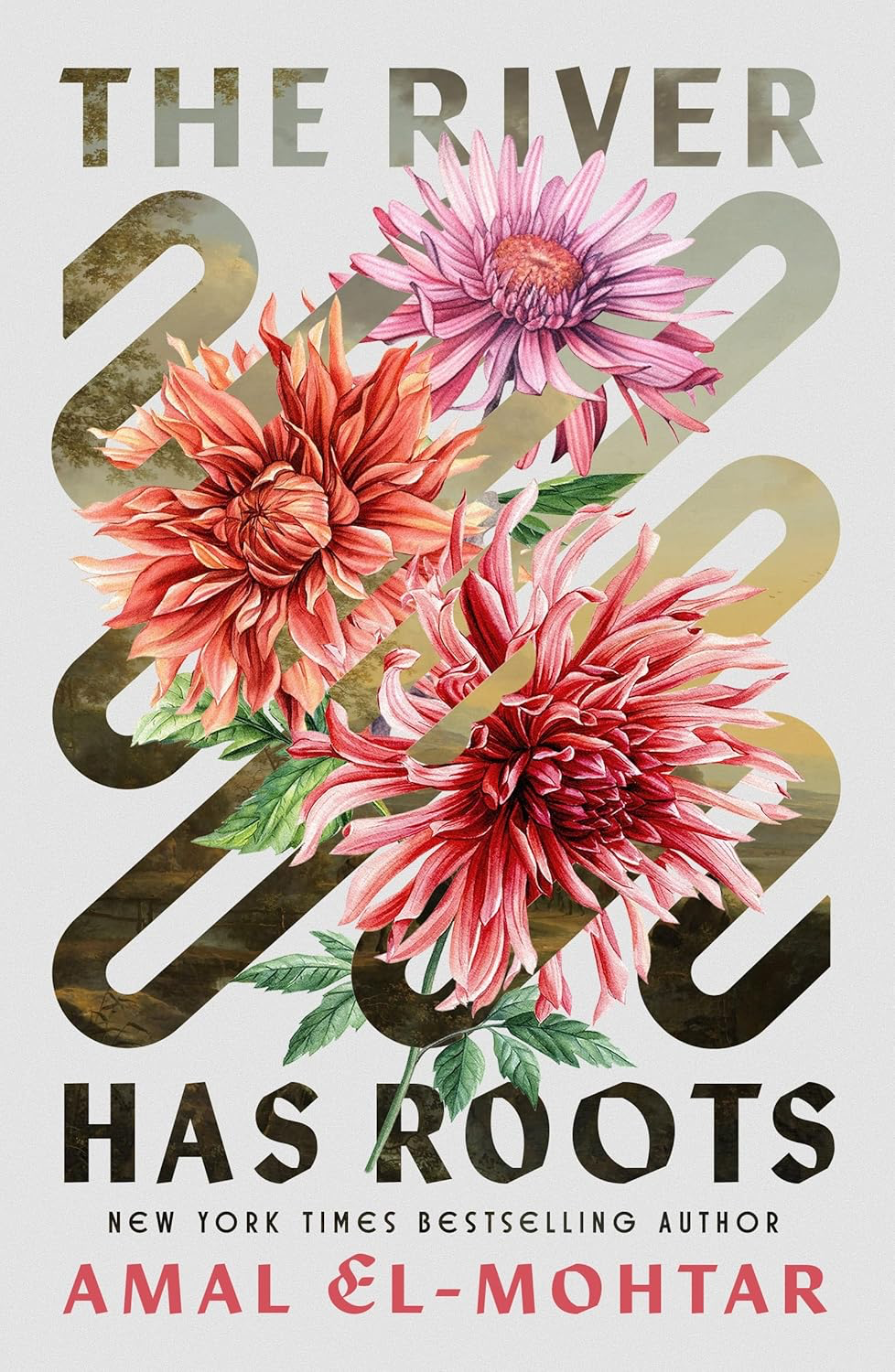
SCIENCE FICTION:

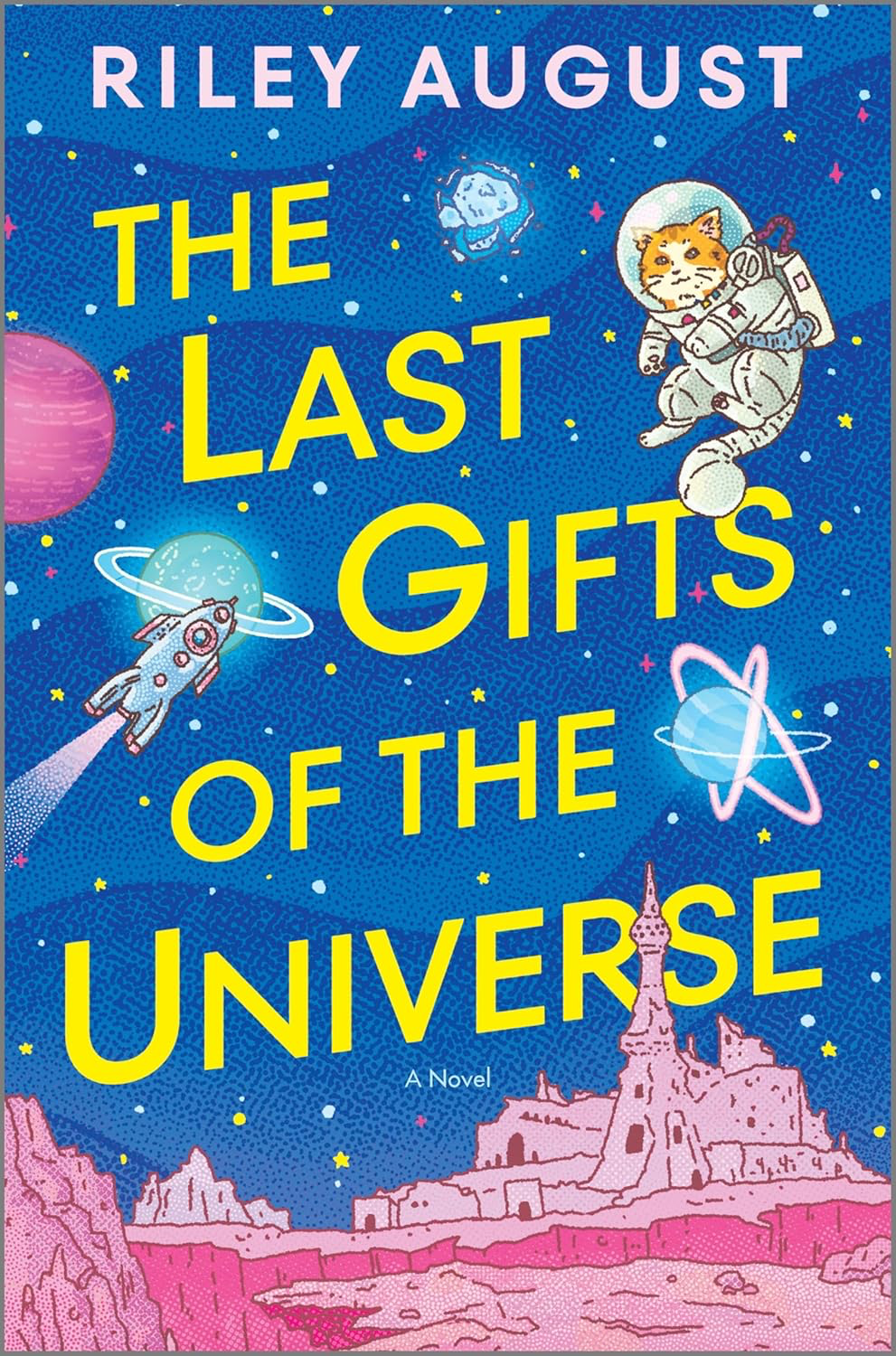
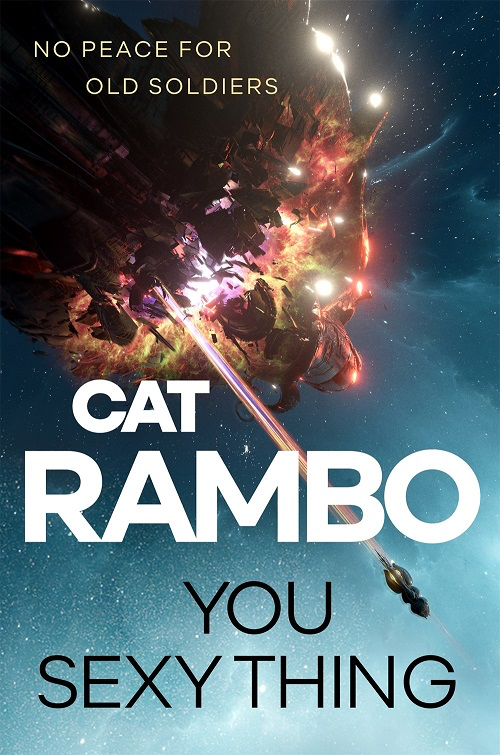
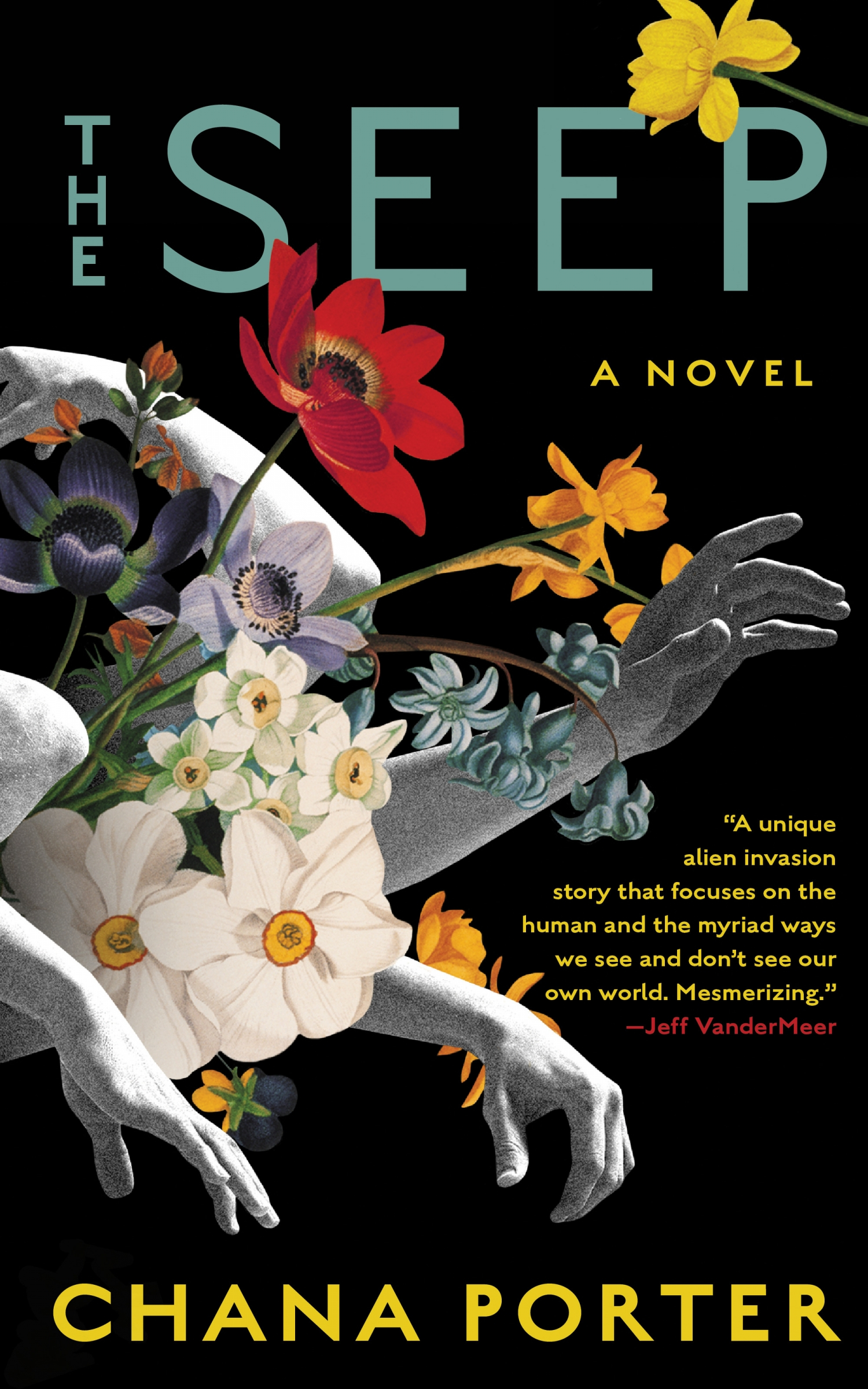
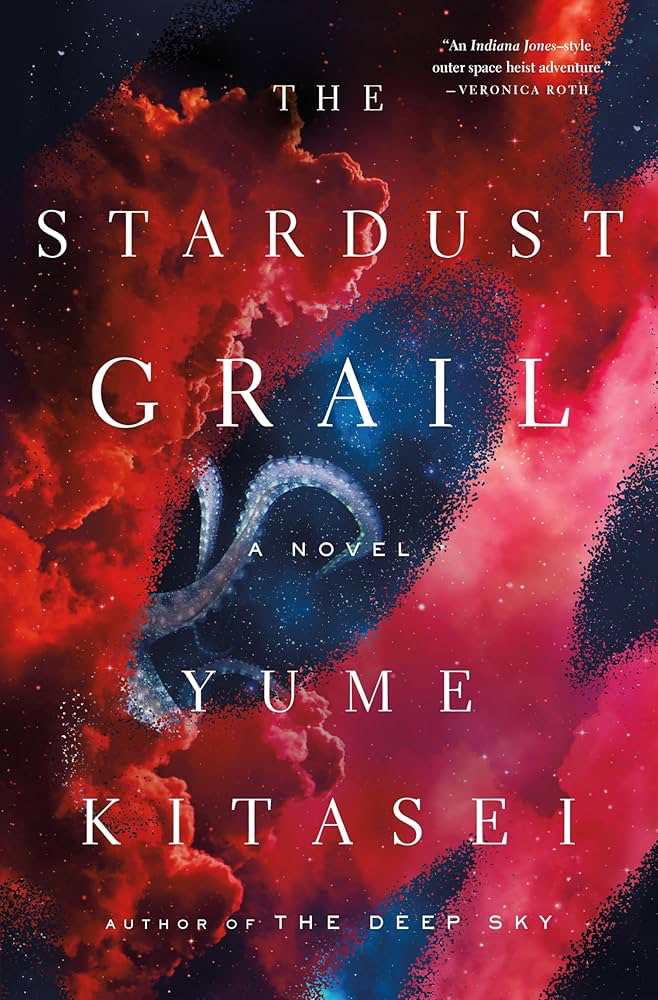
Includes dystopia, speculative fiction, & genre fusion(s)
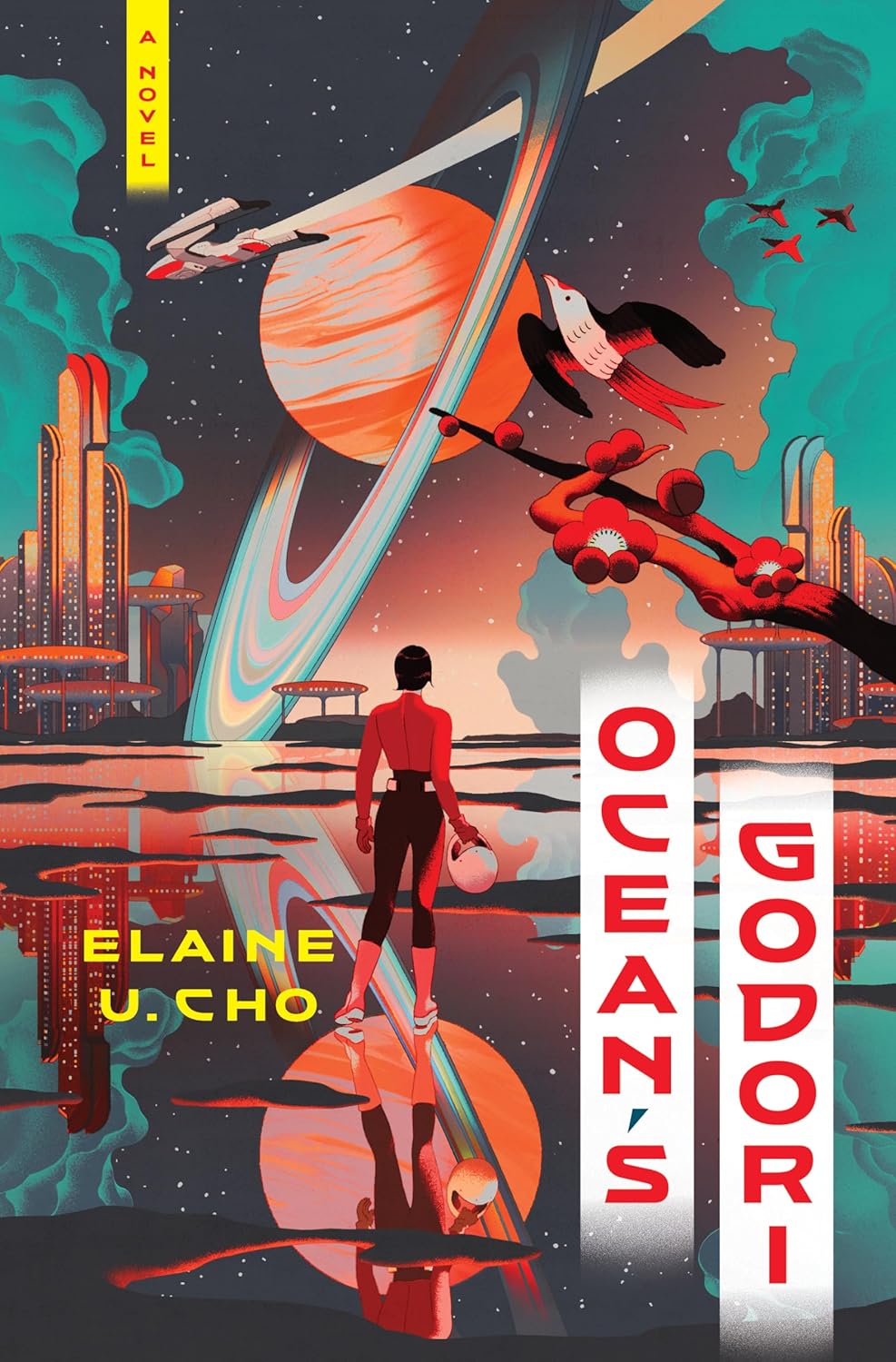
REALISTIC FICTION

NONFICTION:

TELL ME WHAT YOU THINK! Have you read any of these books, and if so, what did you think of them? What are some of your favorite queer books that you’ve read recently? Let me know in the comments!

Today’s song:

lindsey…please tell me this is a sign that you’re cooking something…

That’s it for this year’s pride recommendations! Have a wonderful rest of your day, and take care of yourselves!

Posted in Book Review Tuesday

Book Review Tuesday (12/24/24) – The Lost Story

Happy Tuesday, bibliophiles, and a merry Christmas Eve (and Christmas, in advance) to those who celebrate! No matter your beliefs, I hope you’re staying warm and spending time with your loved ones this week. Happy holidays! ❄️⛄️🎄🍪

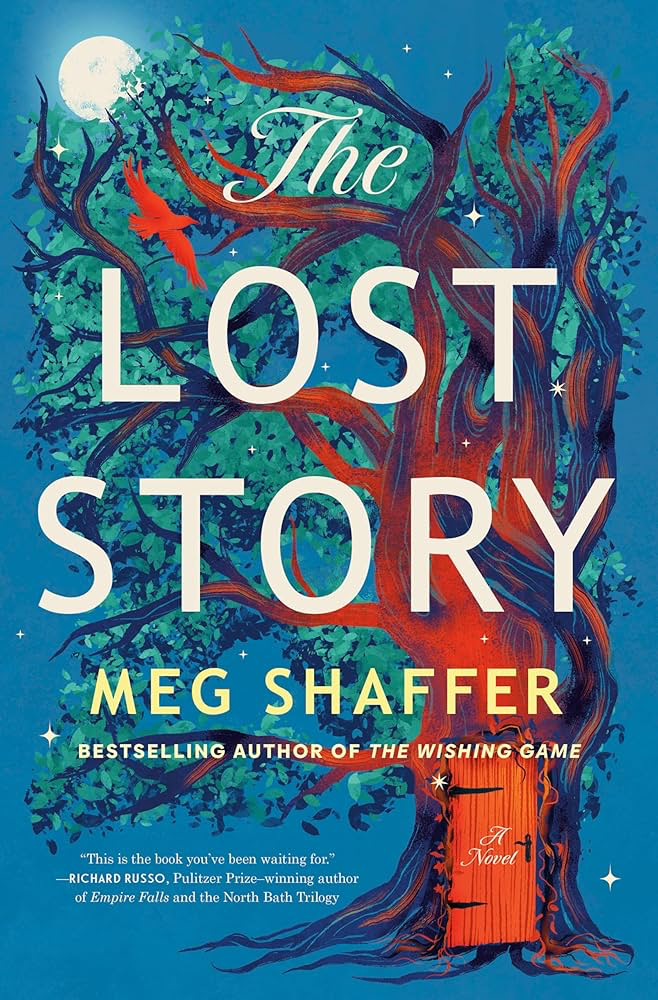
I discovered Meg Shaffer’s debut novel, The Wishing Game, about a month back and loved it. (Bottom line: if you’re an adult who wished they could’ve gotten Willy Wonka’s golden ticket as a kid, READ IT.) Naturally, I moved onto The Lost Story the minute it became available at the library. Although it wasn’t as strong as Shaffer’s debut, The Lost Story is a testament to the healing power of fantasy.

Enjoy this week’s review!

The Lost Story – Meg Shaffer

When they were 15, Rafe Howell and Jeremy Cox went missing in the West Virginia woods. Six months after their disappearance, they came back, seemingly unscathed. What the rest of the world doesn’t know is that they escaped to a fantasy world hidden deep in the Red Crow State Forest. But only Jeremy remembers their odyssey. Now, distanced for 15 years, Rafe remembers nothing about what happened that day, and Jeremy has a magical knack for discovering missing persons.

Emilie Wendell has gotten wind of Jeremy’s talent for locating the missing, and enlists his help to find her older sister, who vanished in the same stretch of woods where he and Rafe went missing all those years ago. With Rafe and Jeremy in tow, Emilie discovers a magical world that could have only sprung from the mind of a child, only visible to those who look hard enough. But confronting this world and its secrets may lead to the very reason that Jeremy and Rafe never spoke of their time together—and the reason why Emilie’s sister never returned.

TW/CW: near death situations, discussions of child endangerment/kidnapping (past), abuse (physical and emotional), homophobia, loss of loved ones (past), fantasy violence, mentions of suicide (past)

I never got around to reviewing The Wishing Game (which I liked better than The Lost Story) here, but it’s safe to say that Meg Shaffer is out here doing the good work, and by the good work I mean writing books about reclaiming childhood innocence and joy via the stories we loved as children. Having read both books, Shaffer really gets the power of stories—and the power of rediscovering them in adulthood. The balance between childlike wonder and whimsy and the harrowing realities that come with adulthood are a difficult balance to strike, but The Lost Story lives in the reality between them and never denies either aspect. Rafe and Jeremy’s journey of healing, rescuing people who may not need to be rescued, and realizing their love for each other was a rickety, emotional ride, but one that, once the plot got going, paid off in spades. Plus, I love that Shaffer made this story a distinctly queer one—I always love queer books, but the fantasy escapism plot with their queer identities made so much sense when you consider how fiction can be a sanctuary for queer people.

Part of what made that aspect of The Lost Story land so well was that Shanandoah truly felt like a child’s wonderland. There was a charm to the misplaced names (the Valkyries being only what a young girl would think of the real Valkyries of Norse myth, for instance) and the over-the-top magical ones, and each fantasy element had the nonsensical aspect of a child’s mind. This world is full of magical horses, impossibly sweet fruit, vengeful spirits, and everything a child could possibly populate a fantasy world with—and all of it is delightful. The Narnia influence was clear (it’s wonderful! Imagine C.S. Lewis without the proselytizing), but there was a whimsy to it that Shaffer excelled in—even if it was separate from the real world, she fully succeeding in making a world feel like it was ripped from the pages of a 13-year-old girl’s notebook.

However, I really didn’t see the point of Emilie being a part of the story. In contrast to Jeremy and Rafe’s complicated relationship, the only thread connecting her to the narrative was the fact that it was her sister who happened to have gone missing. Her personality bordered on grating—there wasn’t much to her other than a determination to find her sister and having her “teehee! so quirky”-isms when the plot called for it. (But did it really call for it?) My main issue with her is that she didn’t have the development that the other characters did. She witnesses the wonders and horrors of Shanandoah and comes out of it having barely changed, save for the fact that she’s reunited with Shannon. In contrast with Rafe and Jeremy, it just seemed increasingly obvious that she didn’t have as much business being there, even though she was purportedly the main character. The Lost Story might have been stronger if she had been nixed entirely—she was placed as the protagonist, but at its heart, it was the story of Rafe, Jeremy, and Shannon, not her.

Additionally, The Lost Story had some issues with its pacing. It took nearly halfway through the book for the characters to reach Shanandoah, the whole premise of the book. The first third or so, although Shaffer’s establishment of the exposition was spread out evenly, tended to drag. Instead of more development that could have lead more to the (excellent) arcs of the characters later on, we get drawn-out scenes of banter between the main characters once they reunite, as well as some tired training montages that could have been flattened out into a much shorter scene. As a result, the first half of the events in Shanandoah were rushed together—our heroes reach this famed fantasy land, and almost immediately, they’re separated and thrown on wildly different adventures that only converge in the last quarter or so. For such a grounded story, there needed to be more even allocation of events that truly mattered, which is why I couldn’t give it the full 4 stars.

That being said, I loved how the duality of the themes were tied together in the end. For all of the characters, the land of Shanandoah was escapism, but they had different ways of handling reality while in it. For Rafe and Jeremy, they couldn’t stay because there were real monsters they had to confront; Shanandoah worked both as a place for them to rekindle their relationship, but also to confront the very real demons back in the real West Virginia. For them, they had to return to the real world to heal. But for Shannon, Shanandoah was the realest part of her life. She had gotten into a situation that no child should ever be placed in, and for that, her childhood wish for another world came true, and it became her sanctuary. If The Lost Story had gone with either interpretation, I would’ve been happy, but I loved Shaffer’s approach in depicting both sides of fantasy and escapism. Fantasy can be a place to ignore all of your troubles, but also a place you return to when you need healing. Even if it’s fictional, it can be the truest, realest part of you. Both can be true.

All in all, a heartfelt and heartstring-tugging fantasy for all of the kids who wanted to return to Narnia. 3.75 stars, rounded up to 4!

The Lost Story is a standalone, but Meg Shaffer is also the author of The Wishing Game.

Today’s song:

That’s it for this week’s Book Review Tuesday! Have a wonderful rest of your day, and take care of yourselves!

Posted in Book Review Tuesday

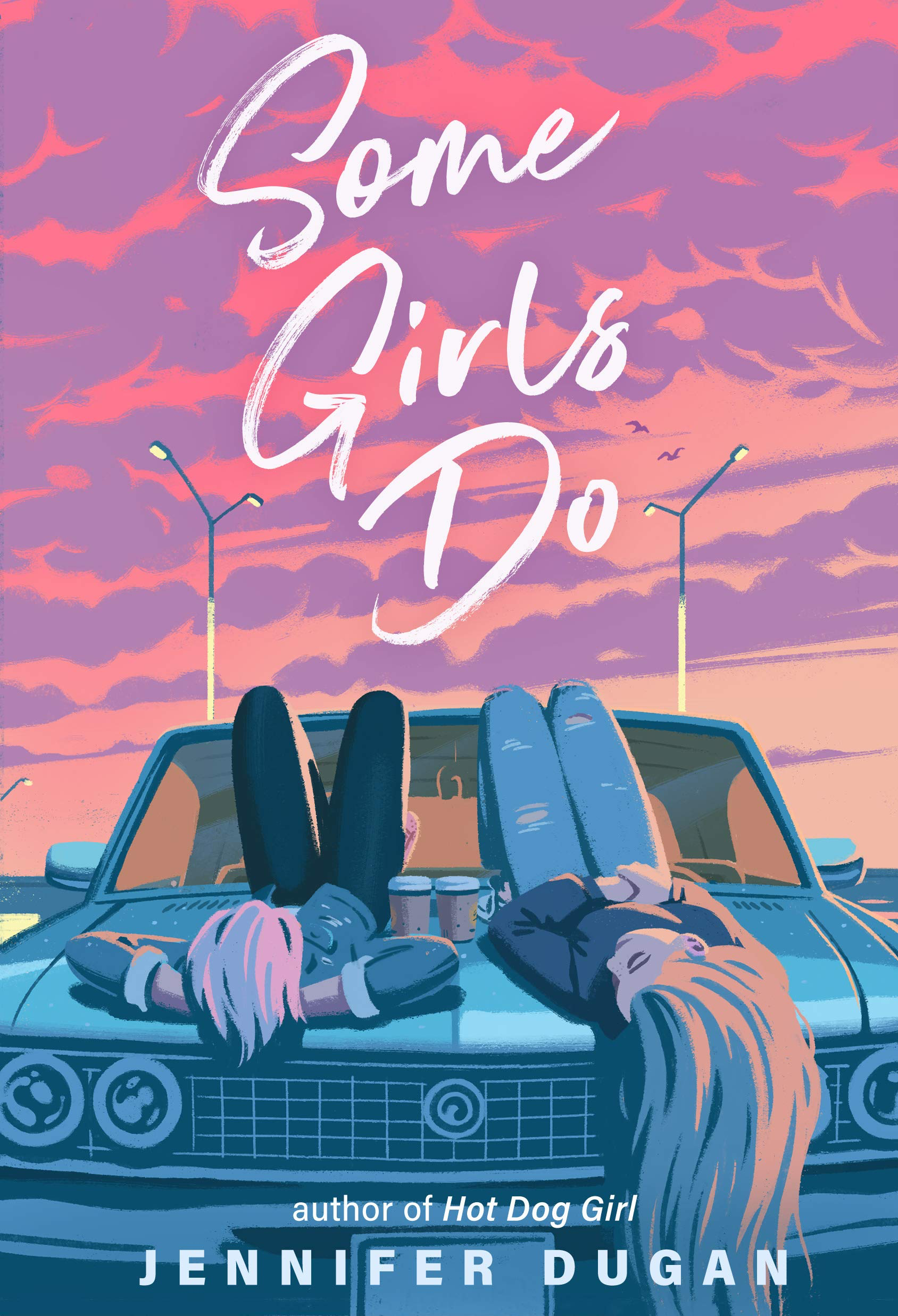
Book Review Tuesday (9/24/24) – Some Girls Do

Happy Tuesday, bibliophiles!

More importantly, Happy Bisexual Visibility Day…one day late! 🩷💜💙 I figured I would center a bisexual story for this week, and between my readings for school, I’ve been trying to squeeze in some books for this occasion and for Latinx Heritage Month as well. I’ve read a handful of Jennifer Dugan’s other novels, and I can always count on her for a solid queer YA romance. Some Girls Do wasn’t her best work, but when it hit the right notes, it was appropriately sweet.

Enjoy this week’s review!

Some Girls Do – Jennifer Dugan

Ruby Torino is intent on keeping her head down until she graduates high school. Even though she’s sick of competing in beauty pageants to appease her mother, she knows that it’s the only way out—the next one’s prize is a scholarship to a community college. There, she can be openly bisexual and not have to please her parents. But when Morgan Matthews, an out-and-proud athlete who was kicked out of her Catholic school after they found out she was a lesbian, transfers to Ruby’s school, her world is turned upside down. Against all odds, the girls end up falling for each other. But Ruby can’t risk coming out—and Morgan can’t seem to let it go.

TW/CW: homophobia, biphobia, verbal and emotional abuse, pressure to come out

Some Girls Do wasn’t a perfect romance, but it was about imperfect people, and for half of the main cast, it worked out. It didn’t blow me away, but it was a solid read for Bisexual Visibility Week!

I wasn’t a fan of both members of the couple (more on that later), but Ruby was such an excellently complicated protagonist! All of her life, she’s been in a volatile position, what with her mother, who had her when she was a teenager, pressuring her into competing in beauty pageants to fulfill the dream she never got to live out herself. Between that and her abusive, homophobic father, she’s learned to guard herself, making her outward personality prickly and unapproachable, even as she blends in with the popular crowd. She’s far from a perfect person, and yet I found myself rooting for her in a way that I couldn’t bring myself to root for Morgan; Ruby’s struggles were tangible and her victories hard-won, and the biggest aspect that kept me reading Some Girls Do was the desire to see her dreams fulfilled.

I find that there’s a limbo that a good amount of queer media doesn’t talk about in terms of environments that people can grow up in. The hometown of Ruby and Morgan is in an in-between place: on paper, it’s mildly liberal and accepting, but there’s still a stigma around queer people. The high school has a pride club, but its members fear holding hands in the hallways. Some of Morgan’s friends act supportive, yet turn up their noses at the idea of the pride club. It’s a dynamic that I haven’t seen explored in queer media often, and Dugan did such a wonderful job in both portraying it and shedding a light on it. Like Ruby and Morgan’s relationship, it’s uncertain what the next day will bring, but there are pockets of unconditional shelter and safety if you look hard enough.

With that out of the way…Morgan. I was not a fan of her. To Dugan’s credit, it’s shown pretty clearly where she’s coming from; by being out, she’s had to risk everything, and is adamant that those who wronged her are proven wrong. But in being so out and proud, she comes off as callous and selfish in all of the wrong ways. When she and Ruby are trying to make it work, she continually pressures Ruby to come out, seemingly oblivious to the very real consequences that could befall her if her parents found out that she was bisexual. Even in her staunch “warrior defending the LGBTQ+ community” stance, she somehow completely forgot that not everyone has the privilege to be openly queer. There was some reconciliation of her attitude and said privilege towards the last part of the book, but in the end, it felt like too little too late.

In concept, Ruby and Morgan’s relationship was cute; once they got into a good rhythm, they had moments of quiet, tender bonding and sweet banter in equal measure. Yet despite Dugan’s efforts to make it work, the way that Morgan was written made it so that it never fully landed. It felt as though no matter how hard they fell for each other, Morgan would never accept that Ruby wasn’t comfortable with public being her girlfriend; even though there were moments at the Pride Club meant for Morgan to learn the error of her ways, she continued to pressure Ruby to do things that weren’t just uncomfortable but unsafe for her. If you took all of that out of the equation, they had some solid chemistry. But Morgan’s unwillingness to accept that Ruby had to stay closeted for her safety made the foundations of what could have been a good romance fold. Encouraging your partner to put her safety in jeopardy is decidedly not romantic.

All in all, a sapphic romance starring some girls that were thoughtfully written and easy to root for, but some girls that were too selfish to even try to like. 3.5 stars!

Some Girls Do is a standalone, but Jennifer Dugan is also the author of several other novels for YA and Adult audiences, including Hot Dog Girl, Melt With You, Verona Comics, The Last Girls Standing, Love at First Set, and many more.

Today’s song:

I’m SO glad my shuffle brought this one out of the depths, I forgot how much I loved it :.)

That’s it for this week’s Book Review Tuesday! Have a wonderful rest of your day, and take care of yourselves!

Posted in Book Review Tuesday

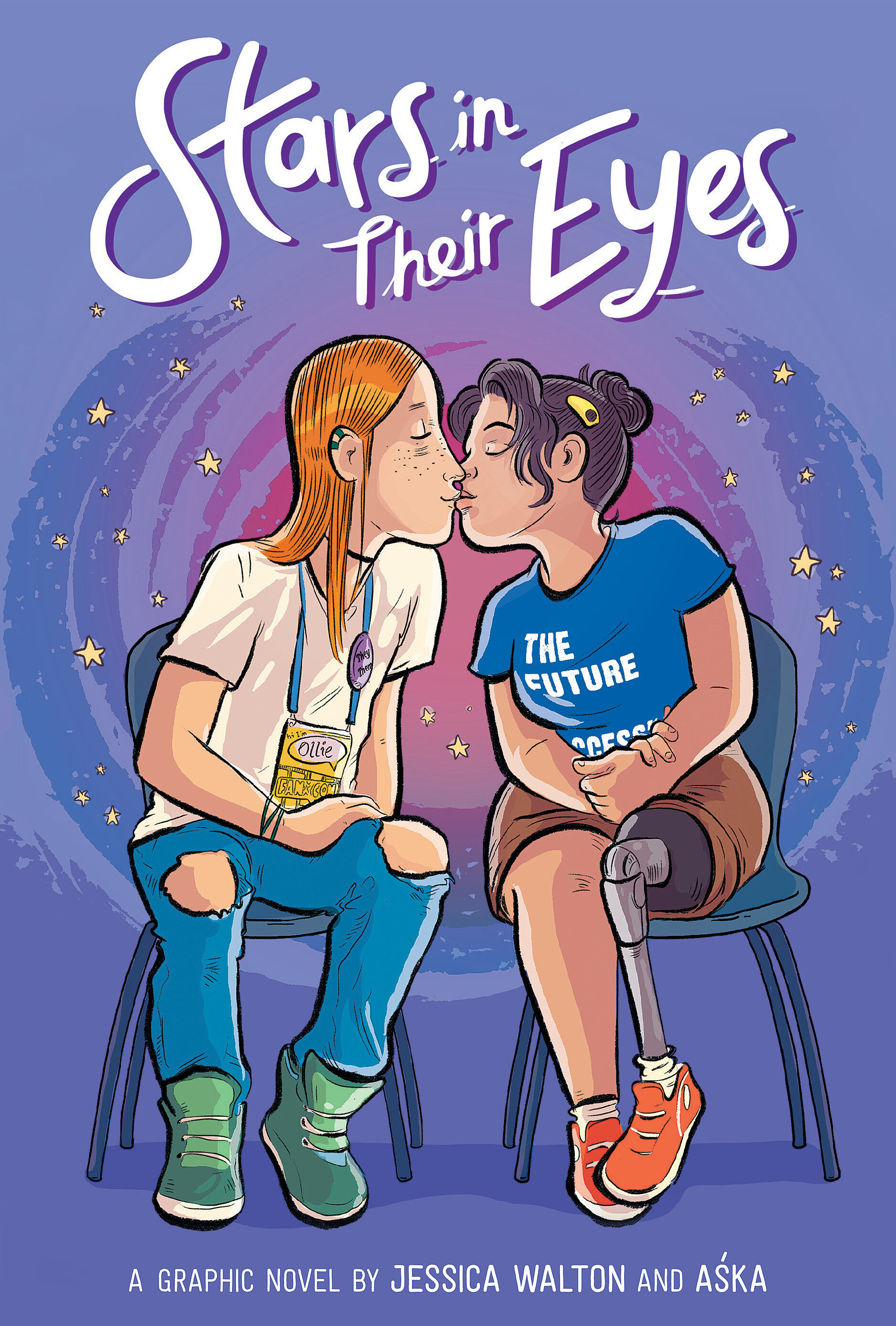
Book Review Tuesday (7/9/24) – Stars in Their Eyes

Happy Tuesday, bibliophiles!

I’m always on the hunt for books with disability and bisexual rep, and I’ll always go for a graphic novel, so Stars in Their Eyes was a natural pick for me! With a charming story and graceful handling of social issues, this graphic novel was an adorable, light read that’s perfect for readers in transition between middle grade and YA.

Enjoy this week’s review!

Stars in Their Eyes – Jessica Walton and Aśka

Maisie has saved up to go to her first FanCon, and now she’s finally on her way! She’s excited to meet her idol Kara Bufano, an action star who’s an amputee just like her. On arrival, FanCon isn’t everything that Maisie thought it would be—it’s loud, confusing, and it’s making her chronic pain act up. But when she meets Ollie, one of the young FanCon volunteers, it’s love at first sight. Maisie feels comfortable talking about her disability and queerness with them, but how will they manage when FanCon is over and they have to go home?

TW/CW: panic attacks, descriptions of cancer (past)

I’m firm in the belief that there should be some kind of smaller, transitory genre between middle grade and YA; the gulf between kid’s books and books meant for teens, especially in terms of maturity, is larger than most realize. But Stars in Their Eyes hits the perfect sweet spot between the two. With younger protagonists but a more nuanced view of social issues—and love at first sight—this graphic novel is a light, comforting read!

Even though I can’t speak to the accuracy of the specific disability rep (Maisie has a lower-leg amputation as a result of childhood cancer), it was so refreshing to see a disabled character written by a disabled author! It’s kind of painful to say that, but…the bar is so low, after so many middle grade and YA books that misrepresent disability. Nevertheless, the discussions surrounding Maisie’s disability were not only important to represent, but well-executed as well! There were plenty of natural segues that were used in Walton’s writing to get into topics such as overexertion and the importance of positive representation (!!!!), and it’s wonderful to see a pointed criticism of the narrative that disabled people exist to inspire non-disabled people. Stars in Their Eyes is bound to be so meaningful to so many young disabled readers, and it warmed my heart.

Stars in Their Eyes is also bound to be crucial for young queer people as well! Maisie is bisexual. and Ollie, the love interest, is nonbinary, but beyond that, there was an emphasis on being young and discovering your identity that I’m so glad is being represented. At 14, Maisie has only come out to a handful of people, and is nervous about being in queer spaces and going to queer events; it’s an issue that I rarely see in queer media, but it’s so important for young queer people know that it’s okay to be nervous about these things! There’s a first time for everything and everyone, and it’s natural to be shy or scared about showcasing your identity or belonging in queer spaces for the first time.

The comic con setting of Stars in Their Eyes was spot-on! I went to comic cons frequently when I was Maisie and Ollie’s age, and it’s a wondrous, nerdy experience—and it’s also an overwhelming one. It’s been several years since I’ve been to one, but I’m glad that this fictional one had a quiet-down room—I hope that soon becomes part of the institution, because what a lot of people don’t talk about with comic cons is that they’re a lot. (Man, I wish my comic con had one of those back in the day…) There’s so much to take in, from all of the booths and celebrities and cosplayers (and all of them crowded in one building), but all of that amounts to a ton of crowds and sensory overload. It’s the first comic con story I’ve seen tackle this aspect, and it’s a refreshing angle to see discussed. I have sensory issues, so that’s mainly why I got overwhelmed so easily at comic con, but it’s great to show younger readers that even though comic con is a wonderful place, it’s natural to be overwhelmed, sensory issues or not.

However, even though pop culture and comic cons were the focus of Stars in Their Eyes, a key part of it was mishandled and hindered some of my enjoyment of this graphic novel. Aside from two fictional TV shows that Maisie and Ollie bond over, almost everything is a fake reference—Barb from Stranger Things is now Bard from Danger Things, Star Wars is now Sci-fi Wars (??) and the Dark Side is the Far Side (????), and any Doctor Who-related media is referred to as “Time Doctors.” I get making faux-pop culture references to dodge copyright or establish a fictional world, but the sheer amount of them and how obviously they were referencing other very popular pieces of media just got so tiring and eye roll-inducing after a while. If it’s that obvious that you’re referencing a piece of media, it defeats the purpose of having a fake piece of media. It got so concentrated that I ended up bumping my rating down from the full 4 stars.

All in all, a lighthearted graphic novel about first love, geekdom, and the being confident in your queer and disabled identities. 3.75 stars, rounded up to 4!

Stars in Their Eyes is a standalone; Jessica Walton is also the author of Introducing Teddy, and has also contributed to the anthologies Growing Up Disabled in Australia, The (Other) F Word: A Celebration of the Fat & Fierce, and Meet Me at the Intersection.

Today’s song:

decided to give cate le bon a try after hearing her work with wilco & st. vincent…pompeii did NOT disappoint!!

That’s it for this week’s Book Review Tuesday! Have a wonderful rest of your day, and take care of yourselves!

Posted in Books

🏳️‍🌈🏳️‍⚧️The Bookish Mutant’s Books for Pride Month (2024 Edition) 🏳️‍⚧️🏳️‍🌈

Happy Wednesday, bibliophiles!

Here in the U.S., June is Pride Month! And every month, I find myself having a downer of an introduction, just because the world only gets kinder to queer people in the smallest increments, it seems. The vocal minority in this country are still bent on erasing all evidence that queer people exist in the first place, like an offending stain on a white tablecloth. (A note to homophobes: has it ever occurred to you that you don’t have to look at pride flags or queer couples? You can just look away and not make it anybody else’s problem…life is so short, man.) But our community is one characterized by resilience: no amount of book bans, culture wars, or bigotry will wipe us off the map. We are are here, we have always been here, and we will always be here. Nothing you do will make us disappear. Don’t let the vocal minority distract you from the beauty created and progress made by our community.

So once again, here’s a list of YA and Adult books with queer characters and themes, curated by your local bisexual. I also added the specific representation of each book.

Just a refresher on my key:

MC: Main character

LI: Love interest

SC: Side character(s)

For my previous lists, see below:

Enjoy these book recs!

🌈THE BOOKISH MUTANT’S BOOKS FOR PRIDE MONTH (2024 EDITION)🌈

FANTASY

SCIENCE FICTION

REALISTIC FICTION:

TELL ME WHAT YOU THINK! Have you read any of these books, and if so, did you enjoy them? What are some of your favorite queer books that you’ve read in the last year? Let me know in the comments!

Today’s song:

That’s it for this year’s pride recommendations! Have a wonderful rest of your day, and take care of yourselves!
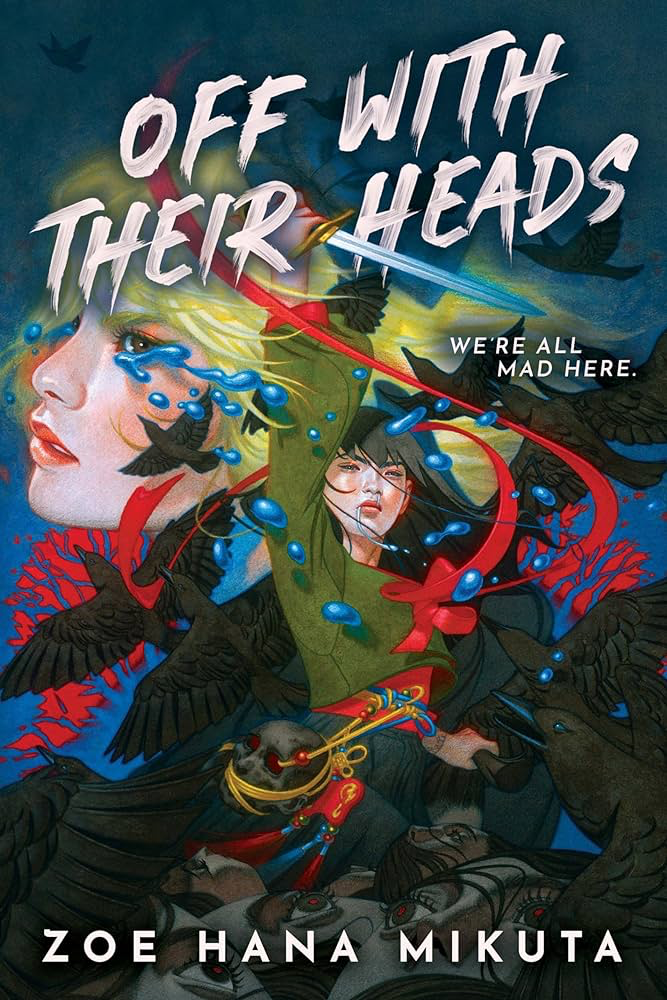
Posted in Books

YA Books for Bisexual Visibility Week (2023 Edition) 💗💜💙

Happy Saturday. bibliophiles!

We’ve come around again to Bisexual Visibility Week, which lasts from September 16 – September 23rd! September 23rd is also recognized as Bisexual Visibility Day. And to celebrate, I’ve rounded up another batch of some of my favorite bisexual books that I’ve read in the past few years. Even though I’ve been out as bisexual for nearly five years, seeing myself represented in that aspect of my identity never ceases to warm my heart. I’t’s hard to match the feeling of being seen, really seen, like some of these books have made me feel. But like my last post about Latinx Heritage Month, I wasn’t able to compile a list last year since I was still settling into college. So I prepared a post in advance so I can share my favorite bisexual books that I’ve read since my last post. (And although I’m trying to add more age ranges to these posts, almost all of the ones I wanted to highlight ended up being YA books, so here you are.) Enjoy!

For my lists from previous years, click below:

Let’s begin, shall we?

THE BOOKISH MUTANT’S BOOKS FOR BISEXUAL VISIBILITY WEEK (2023 EDITION)

CONTEMPORARY/REALISTIC FICTION:

PARANORMAL:

FANTASY:

TELL ME WHAT YOU THINK! Have you read any of these books, and if so, what did you think of them? What are your favorite bisexual books? Let me know in the comments!

Today’s song:

loving this album

That’s it for this year’s bisexual visibility week recs! Have a wonderful rest of your day, and take care of yourselves!
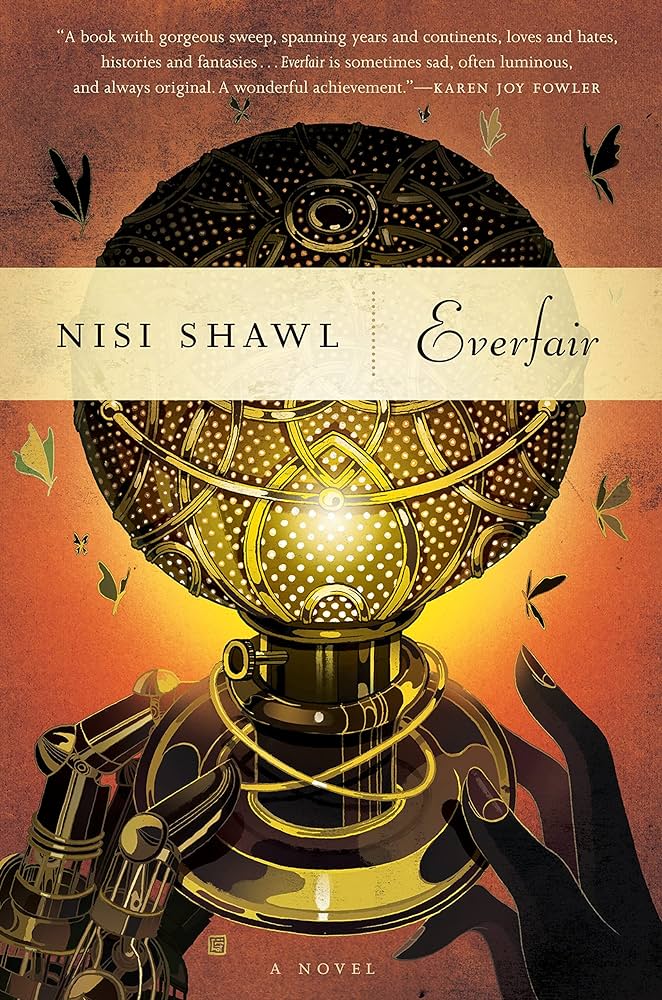
Posted in Book Review Tuesday

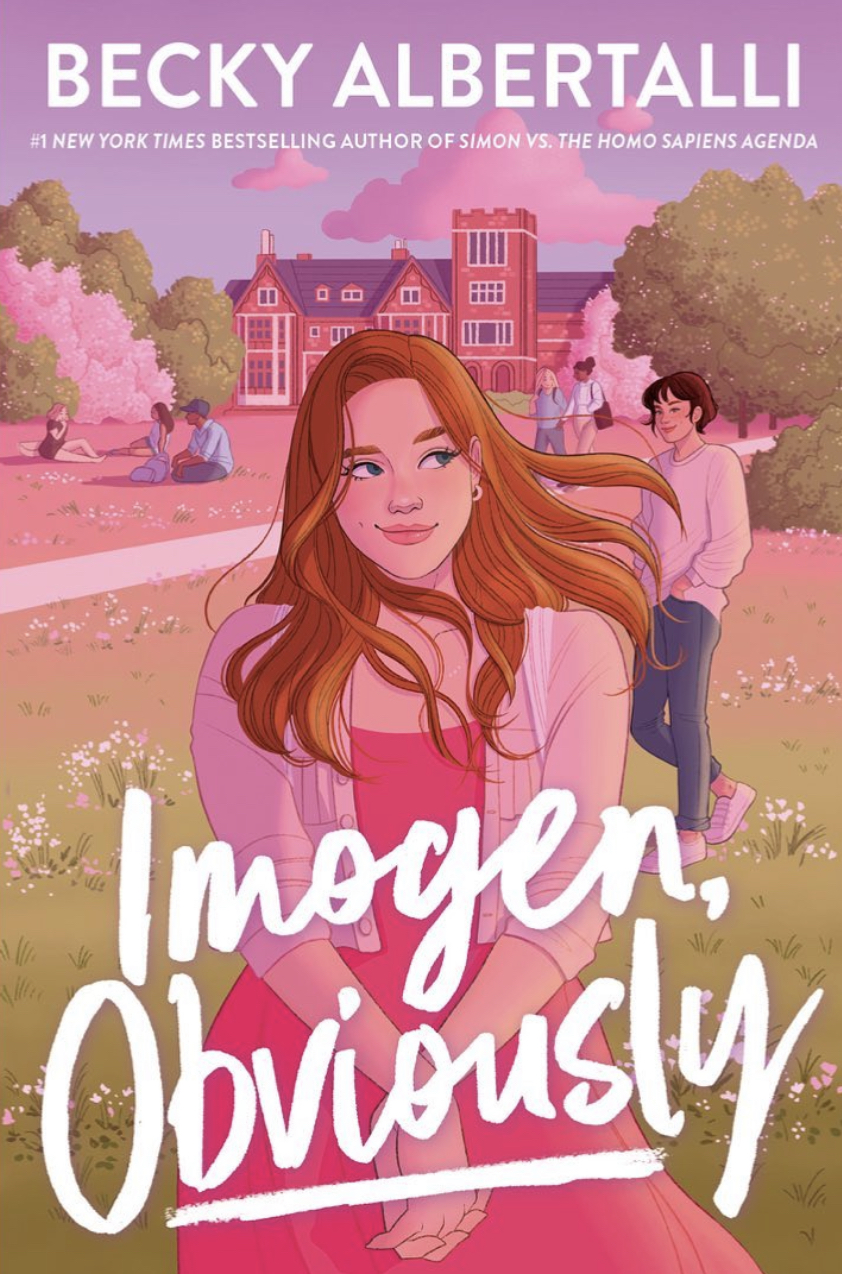
Book Review Tuesday (8/22/23) – Imogen, Obviously

Happy Tuesday, bibliophiles!

I’ve been reading Becky Albertalli’s YA books since middle school, and they’ve always had a special place in my heart. Although some of them have been hit-or-miss, I was looking forward to reading this one—it seemed so deeply personal to her, and I was so excited for the bisexual rep! And although it wasn’t perfect, it was such a deeply authentic depiction of the bisexual experience.

Enjoy this week’s review!

Imogen, Obviously – Becky Albertalli

Imogen Scott knows her place—the token ally amongst her very queer friend group. She knows the nuances of queer culture and discourse in and out, but she’s confident in her heterosexuality. But all of that changes when she stays with her best friend Lili at her new dorm in college. Lili, who happened to tell everybody that Imogen was her ex in an ill-thought-out lie. Imogen is happy to keep up the ruse, but when she meets Tessa, one of Lili’s new (and very cute) friends, she begins to question whether or not it’s the role of “ally” that’s the lie after all.

TW/CW: biphobia/homophobia (external & internalized), forced outing, underage drinking

From the start, I knew that Imogen, Obviously was going to be a deeply personal book for Becky Albertalli. That’s exactly what it was, and that’s exactly what it should have been. Even though it wasn’t without its flaws, Imogen, Obviously is an incredibly important book in that it shows us a narrative of bisexuality that isn’t portrayed as much, and that there is no one true narrative of how bisexuality is in the first place.

As a bisexual reader, Imogen’s story resonated so much with me, even if our coming-out journeys were different. And the fact that Imogen has a coming-out journey that deviates from a lot of the bisexual representation in media in general is a breath of fresh air; along her path of self-discovery, there’s some fantastic discussions about how we internalize stereotypes, the pressure to be “queer enough,” internalize biphobia and feeling like you don’t belong in queer spaces, and so much more. (And I’m glad that somebody’s talking about how random bisexual “traits” that float around social media…I once saw one that said “you may be bisexual if winter is your favorite season”…huh? What does that have to do with anything?) It’s a love letter to those who who feel like exceptions from the norm in a place that’s already populated by outsiders.

Adding onto that, what makes Imogen, Obviously such an important book to me is that it has such an important message about bisexuality, and about queerness in general: there is no one way to be bi, and that the entire queer experience doesn’t have to be entangled with suffering. We watch Imogen struggle with feelings of imposter syndrome in the queer community and repeatedly being put down by a “friend” who feels like she has the ultimate queer authority because she’s experienced quite a lot of homophobia, and it serves as an important reminder: we can’t exclude queer people from their own community just because they “aren’t queer enough” by some arbitrary measure. Again, it speaks to the personal element of this book, what with Albertalli’s own recent forced outing, but it’s a message that needs to be loud and clear.

Apart from the many wonderful messages that this book spreads, I loved watching the relationship between Imogen and Tessa develop! It really felt accurate to having your first queer crush in real time, with all of the stomach butterflies and shy conversations. They were a lovely match for each other, and although I was cheering for Imogen for every page, the two of them made my little bi heart so happy. Their romance really was a resonant and joyful one, something that Albertalli has nearly mastered writing.

All that being said, I had some issues with the writing that prevented me from giving Imogen, Obviously the full four-star treatment. I don’t remember enough about her other books to say how they were written (it’s been a while), but the way that she wrote these high school and college characters just felt so…off. She just peppered in all of the gen z slang into her dialogue whenever possible, and none of it felt natural or genuine. It felt like somebody observing gen z and/or TikTok from a distance, then trying to employ said slang from memory. It all felt so clunky, and at times, as much as I hate to say it, painful. I’m pretty sure that nobody says “discoursing” as a verb for discussing discourse. As fantastic as the rest of the book was, the cringy nature of the writing put me off from fully enjoying it.

All in all, a beautiful and necessary depiction of bisexuality that was hindered by its attempt to capture gen z speak, but excelled in every other department. 3.75 stars, rounded up to 4!

Imogen, Obviously is a standalone, but Becky Albertalli is also the author of the Simonverse (Simon vs. the Homo Sapiens Agenda, Leah on the Offbeat, and Love, Creekwood) and Kate in Waiting. she is also the co-author of What If It’s Us and Here’s to Us (with Adam Silvera) and Yes, No, Maybe So (with Aisha Saeed).

Today’s song:

That’s it for this week’s Book Review Tuesday! Have a wonderful rest of your day, and take care of yourselves!

Posted in Book Review Tuesday

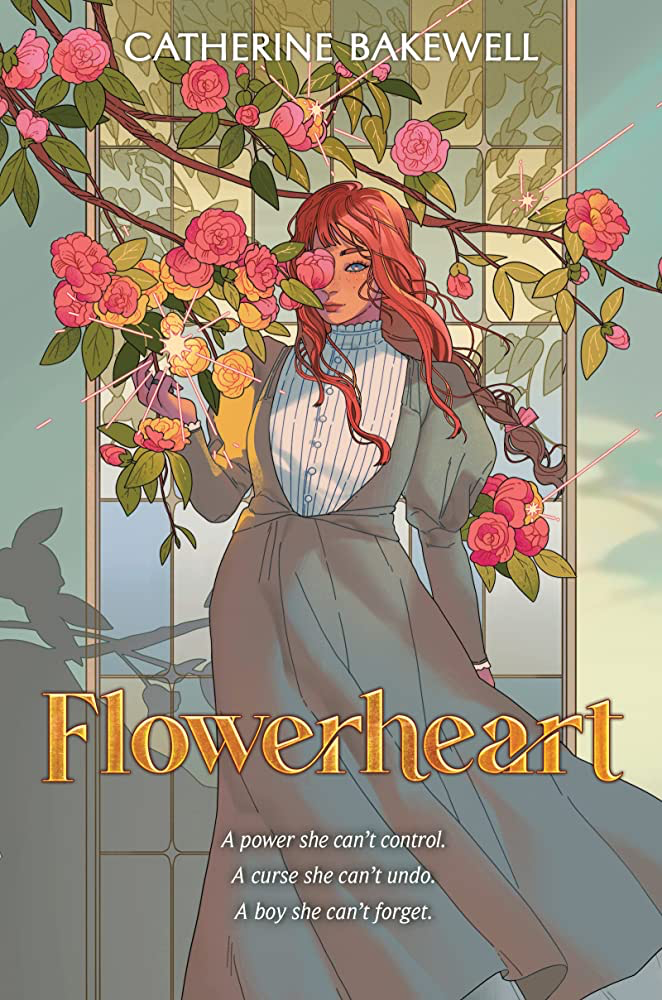
Book Review Tuesday (6/27/23) – Flowerheart

Happy Tuesday, bibliophiles!

Here’s some queer fantasy for my last review of Pride Month 2023. I’m so glad that cozy sci-fi/fantasy as a subgenre is slowly multiplying nowadays, and that’s exactly what drew me to Flowerheart. I borrowed it from the Kindle library and ate it up in a few hours flat—though it wasn’t without its flaws, it was a charming, sweet palate-cleanser with lots of flowers and queer rep!

Enjoy this week’s review!

Flowerheart – Catherine Bakewell

Clara has a gift—she can summon flowers at will, making them grow in any space she focuses on. But she’s only 16, and her flower magic is uncontrollable—and sometimes dangerous. When she accidentally causes poisonous flowers to grow in her father’s chest, Clara is distraught—and in desperate need of someone to heal his ailment and help her hone her magic. But the best magician for the job just happens to be Xavier, her former best friend who she can’t quite hide her feelings for. With Xavier hiding secrets and Clara racing against the clock, can they heal her father—and rein in her wild magic?

TW/CW: body horror, substance abuse (fantasy), absent parent, sick parent, mental illness, emetophobia

I love the title of this book as much as the next person, but I’m not gonna pretend that it isn’t a valid Warrior Cats name. Just saying. I’ll bet you money that it was somebody’s OC from 2014.

Flowerheart has a 3.58/5 average rating on Goodreads at present. I have a thing where I’ll see ratings in the 3.5 range and think “oooh, this could be a disappointment,” and then I’ll finish the book and realize that it was just about right on the money. It makes sense. I can see why several people loved it, but a good amount of people felt lukewarm about it or disliked it. For me, I’m sort of in the middle—it was a charming, sweet palate-cleanser, but the holes in the story and some of the writing style prevented me from enjoying it all the way.

The main selling point for Flowerheart seemed to be its coziness—setting aside the annoying, clearly BookTok marketing tactic to put “cottagecore” in the actual description, Bakewell passed with flying colors in terms of this book’s coziness! Other than a brief moment of fantasy body horror (said Flowers growing from Clara’s dad’s Heart), there’s very little that’s stressful. The book also has a strong emphasis on embracing your emotions and learning to love them (as opposed to suppressing them), which is always a win in my book (no pun intended). The queer-normative world was also a delight alongside of that—Clara is bisexual and in a straight-passing relationship, and there are several trans and nonbinary side characters! I ate this book up fairly quickly, but it was a delightful world to stay in, however short the stay was.

That being said, I really wanted more from the world. There really isn’t much to chew on other than the fact that everybody has a unique type of magic, there’s a ruling council of magicians that keeps everybody in check, and that most of the names have a vaguely European root or origin. Other than that, there was almost nothing to hold up the worldbuilding—if it were a house on stilts, the stilts might as well have been popsicle sticks. Where does the magic come from? What is the technology level of this world? Why are they letting 16-year-olds onto this magician council that makes all of the important decisions? Where even were we in the first place? Was there even a name for the place that Flowerheart was set in??? Cozy sci-fi/fantasy and expansive worldbuilding can coexist (see: anything by Becky Chambers), so the subgenre isn’t the issue. I didn’t need a huge, elaborate picture of the world of Flowerheart, but it was sadly clear that Bakewell did the bare minimum in terms of worldbuilding. I really did want more.

Aside from that, my main issue (if you can call it that) was the writing style. On its own, I liked it a lot—it had the perfect, charmingly over-the-top kind of style to it, and it suited the story very well. I saw another review that compared it to Harry Potter, and it made a lot of sense—it did sound very distinctly British. But Harry Potter is mostly middle-grade, and Flowerheart tended to skew the same way in its voice; Clara’s voice read more as a 12-14 year old than a 16 year old. Again: it’s not the coziness and relatively low stakes that made it feel more middle-grade, but the way that the characters were written. Not much of an issue, but I really feel like this would’ve been more successful if Clara was a few years younger.

All in all, a cozy fantasy that was filled with quite a few holes, but still sweet enough to enjoy. 3 stars.

Flowerheart is a standalone, but Catherine Bakewell is also the author of the middle-grade novel We Are the Song.

Today’s song:

ughhhhhh this album is so good

That’s it for this week’s Book Review Tuesday! Have a wonderful rest of your day, and take care of yourselves!
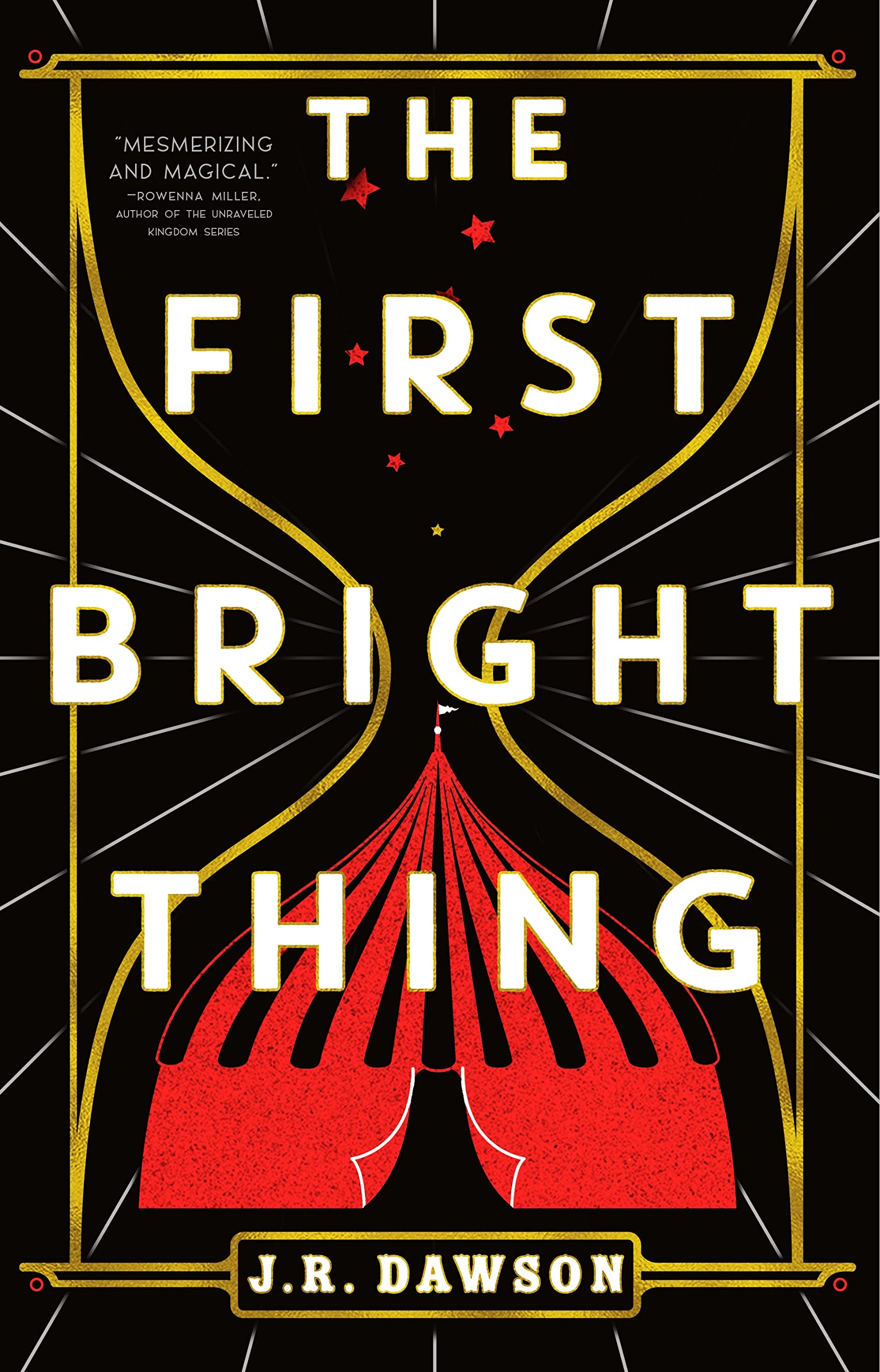
Posted in Uncategorized

🏳️‍⚧️ LGBTQ+ Historical Icons Book Tag 🏳️‍🌈

Happy Wednesday, bibliophiles!

I’ve had a few pride-related book tags that I’ve been waiting to do since last June, so I figured I’d break this one out right about now. I found this one over at The Corner of Laura, who also created the tag.

Rules

  • Link back to the original creator (The Corner of Laura) and link back to this page (otherwise, the original creator won’t get a notification).
  • Thank whoever tagged you and link back to their post
  • (Optional) Use the graphics and don’t forget to credit the original creator (Text prompts are at the end of the tag if you’d prefer to use those)
  • (Optional) Tag 5 or more other people.

Let’s begin, shall we?

🏳️‍🌈THE LGBTQ+ HISTORICAL ICONS BOOK TAG🏳️‍⚧️

SAPPHO: Greek poet known for her lyric poetry which is believed to describe homoerotic feeling | A book of poetry (or written in verse)

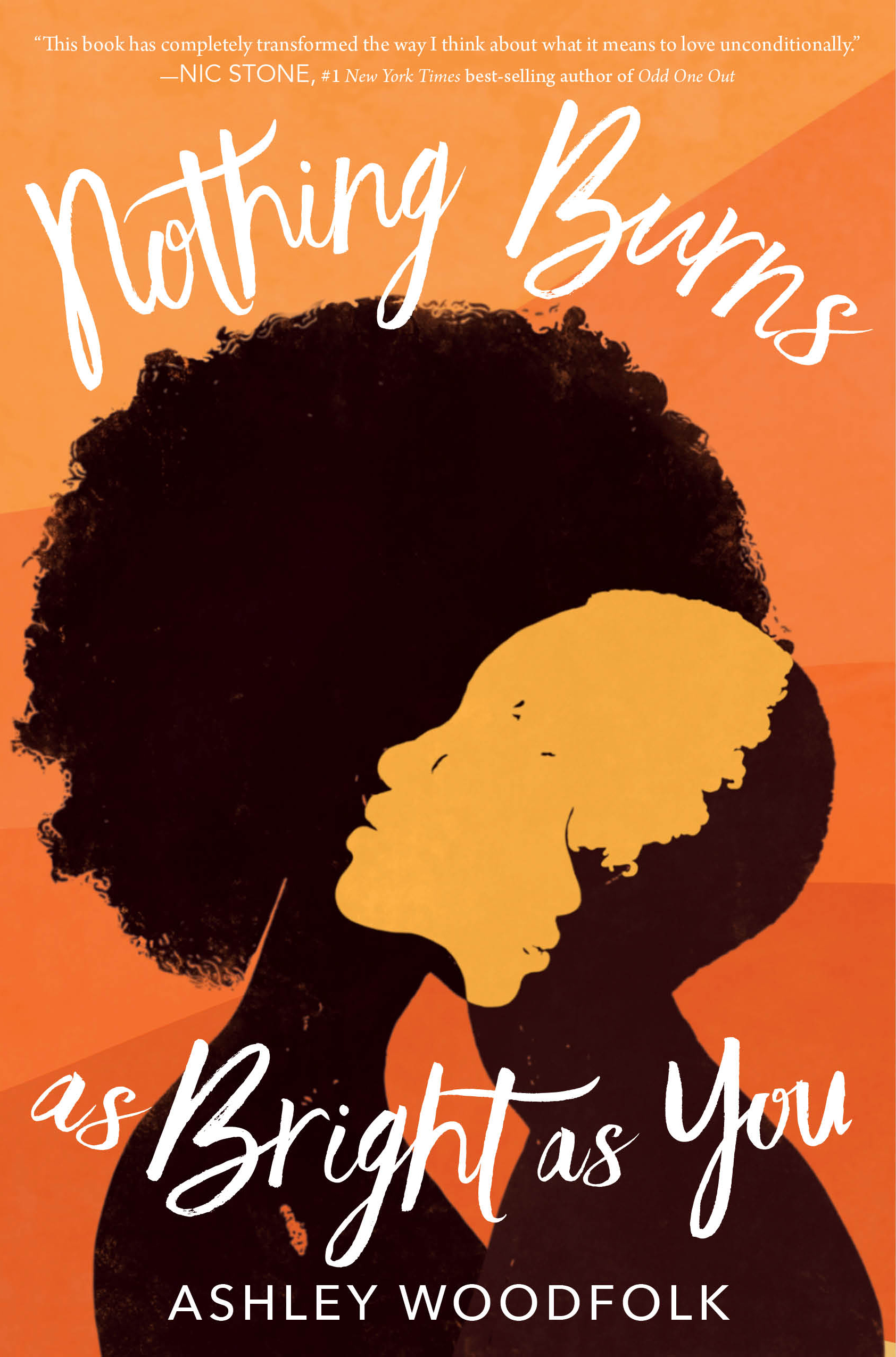
Nothing Burns as Bright as You is a beautiful novel in verse about the complicated relationship shared by two Black queer girls.

ALAN TURING: Mathematician known for cracking the Enigma code but who was persecuted for his homosexuality | A character who deserved better

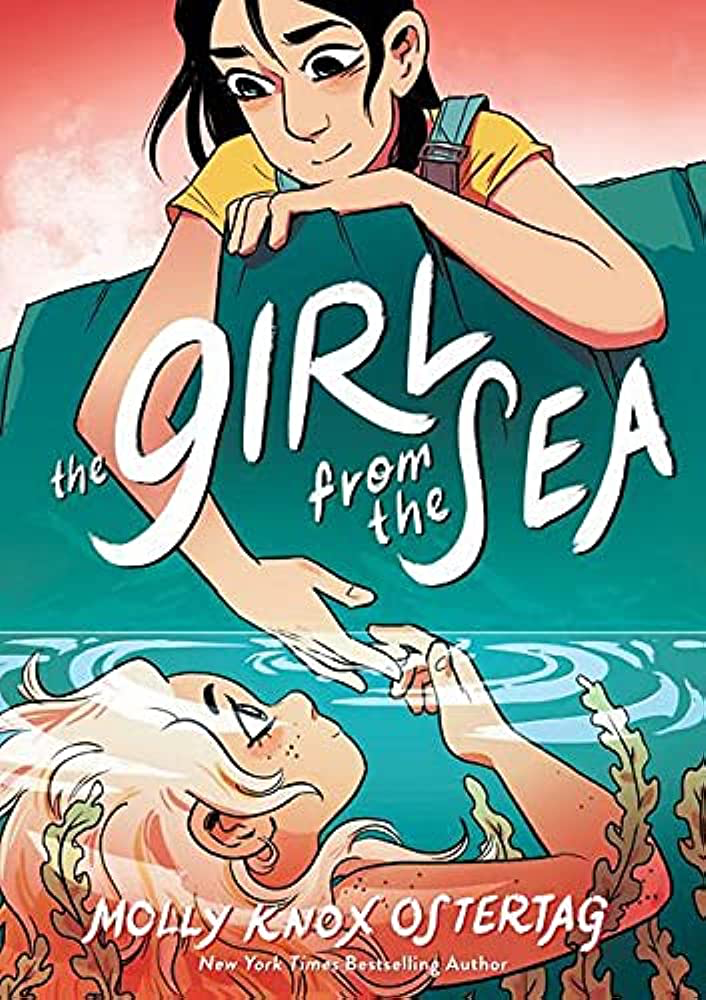
As sweet as The Girl from the Sea was, I found myself getting so stressed out about how Morgan treated Keltie in the beginning. She just kept pushing her around and neglecting her, and while it did resolve itself neatly and they fell in love, I still felt so bad for Keltie. She’s just an adorable creature, dude, she doesn’t need all that human baggage…

GILBERT BAKER: Creator of the rainbow Pride Flag | The most colorful book you own

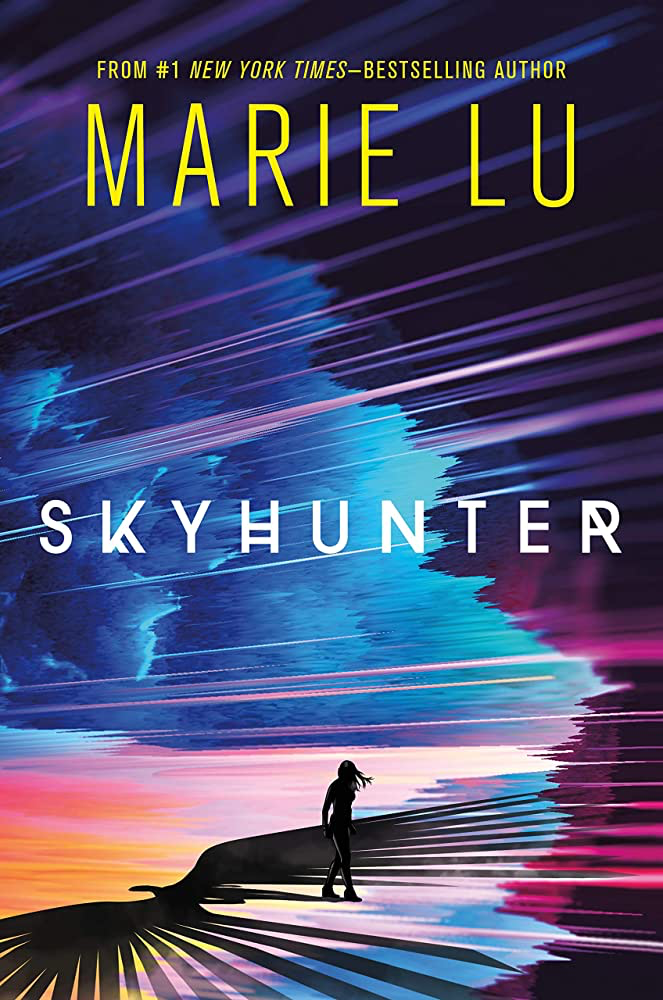
Skyhunter has one of my favorite book covers in my collection—it dazzles me every single time I look at it!

ANNE LISTER: Landowner, industrialist and considered to be the first modern lesbian | A book written as a diary (or includes diary entries)

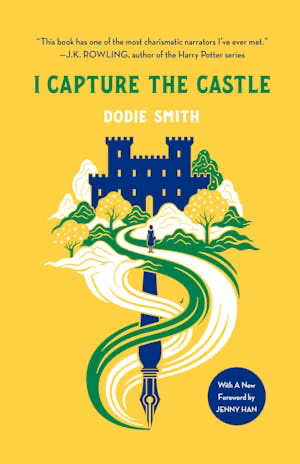
I have fond memories of reading the copy of I Capture the Castle that my mom bought for me while I was out sick years ago, and re-reading it several times since. It’s seriously the sweetest, most charming book—a big thank you to my mom for turning me on to this one.

MARSHA P. JOHNSON: Prominent figure in the Stonewall Uprising and founder of several LGBTQ rights organisations | A character you’d would want fighting at your side

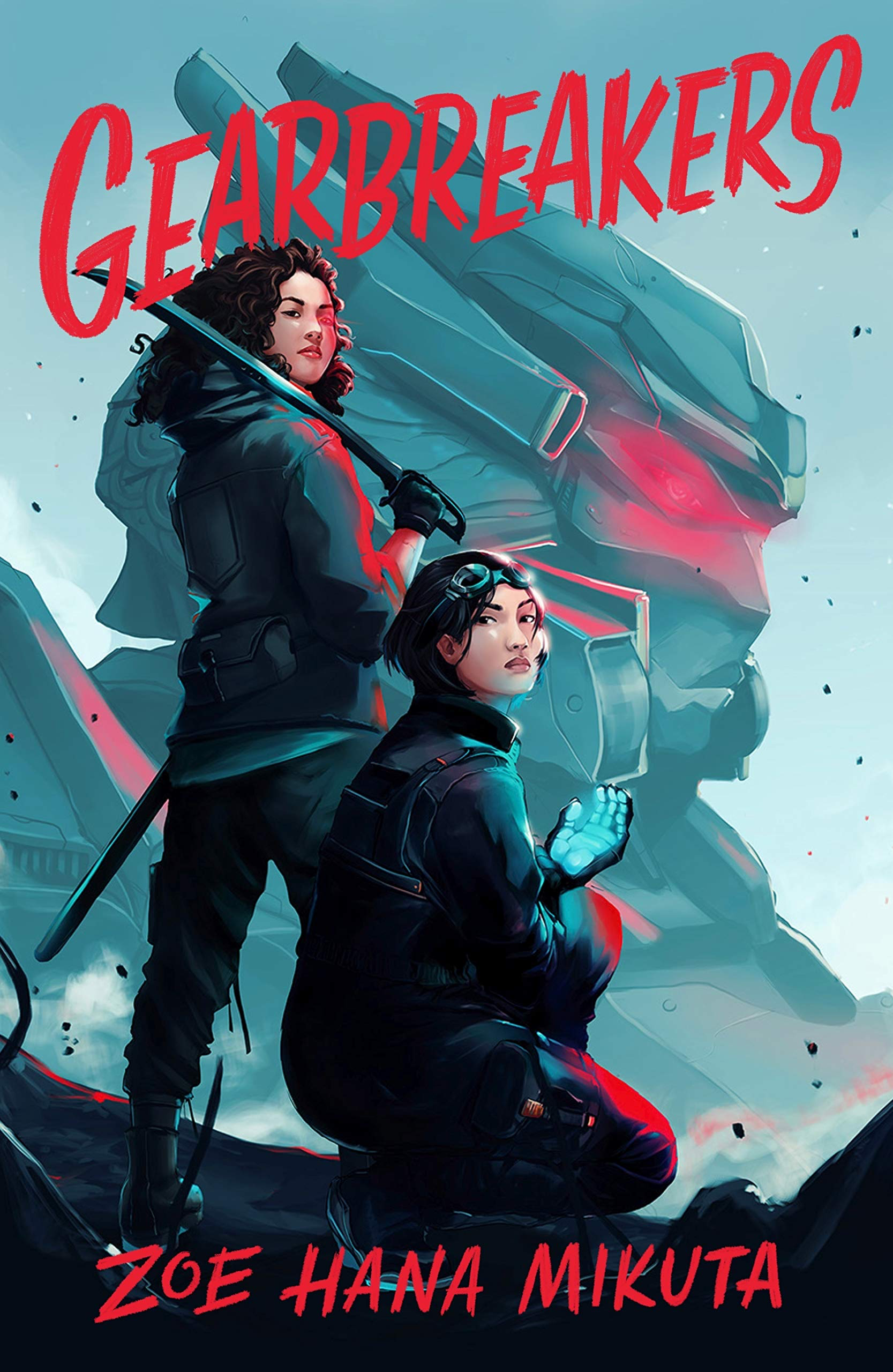
Sona and Eris from Gearbreakers are both formidable in their own ways—either one (or both) would be an easy pick to have fight at my side.

ALFRED KINSEY: Creator of the Kinsey scale | A book set in academia

I haven’t read a whole lot of books sets in academia (and I’ve never gotten the hype for dark academia, so I tend to steer clear of those), but Leigh Bardugo never misses, so obviously this prompt has to go to Ninth House.

LUCY HICKS ANDERSON: First trans woman to defend her identity in court | A book where a major scene takes place in court

It was so hard to think of any books besides To Kill a Mockingbird (Laura’s answer) with a courtroom scene, but I read Meru not long ago, and it has a particularly climactic and poignant courtroom scene—a futuristic one, but a courtroom scene all the same.

OPEN PROMPT: Your choice | A book that inspires you

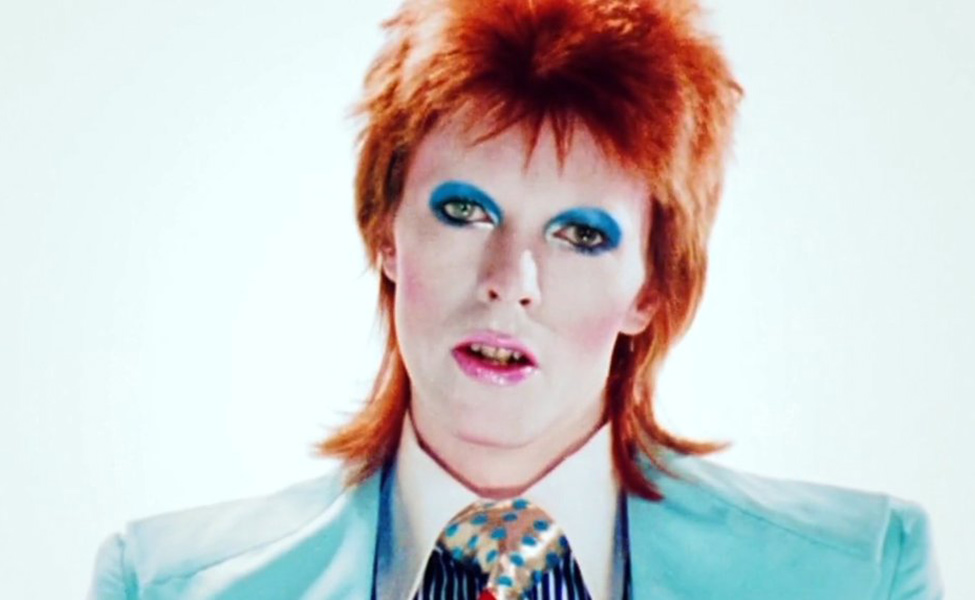
Of course, I’m going with David Bowie as my LGBTQ+ historical icon of choice—who else? He’s been a hero of mine for years, and a hero to so many. Even in the 60’s, before he rose to stardom, he was already breaking down barriers, and continued to do so in all aspects of his career thereafter. Calling somebody “ahead of their time” is thrown around quite often, but I really think that the world wasn’t ready—and wouldn’t be ready for today—for Ziggy Stardust. And personally, I can’t think of a better beacon of hope to me than him; I started getting into his music at a time when I was struggling to find my place and looking for a light at the end of the alternative weirdo tunnel. And here was Bowie, wearing dresses in the 70’s, openly declaring his bisexuality, and creating a cosmic persona that touched the hearts of so many people. I’ve certainly felt like an alien all my life, but he, if anyone, is to credit for teaching me to embrace that feeling—to quote him, “oh no, love! You’re not alone.” From one bisexual alien to another: thank you.

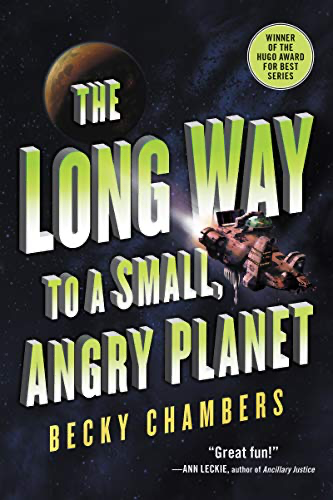
As for a book that inspires me, I’d easily give that title to Becky Chambers’ Wayfarers series. Sci-fi always seems defined by cosmic stakes and harrowing violence, and while that can work in moderation, these books really cemented the idea that a narrative doesn’t have to be centered around struggle or suffering to be worth reading—and writing. Here, Chambers has created a vast, creative space opera universe with complex political background noise and dozens of strange creatures, but they’re not embroiled in some lofty, intergalactic conflict: they’re just going about their lives. It’s something that almost no other piece of sci-fi media has ever done—it’s very common in realistic fiction, but the concept that happiness and healing as genuine plot points can exist alongside aliens and starships just blew my mind. I aspire to write at least one thing as comforting and cozy as Becky Chambers someday.

And remember, kids: grimdark is just as unrealistic as sunshine, lollipops and rainbows, because they represent opposite ends of the same literary spectrum. Making a book excessively dark and gritty doesn’t automatically make it deep, and giving a character an excess of trauma and a tragic backstory doesn’t automatically make them fleshed-out and well-written.

I tag:

Today’s song:

we love a good guitar freakout

That’s it for this book tag! Have a wonderful rest of your day, and take care of yourselves!

Posted in Uncategorized

YA Book Recommendations for Pride Month (2023 Edition) 🏳️‍🌈🏳️‍⚧️

Happy Monday, bibliophiles!

Here we are again in pride month! It certainly is a joyous time of year, but in the past few years, it’s been a difficult one, too. All across the country, we have seen waves of anti-LGBTQ+ legislation, and the rhetoric that queer people are unnatural and wish to convert your children has spread like wildfire. We’ve also seen a dangerous increase in book bans—particularly by queer authors and authors of color. Books with diverse perspectives aren’t harming children—depriving children of these books is the dangerous part. Now more than ever is it important to read diversely: there’s never any harm in seeing a different perspective through literature. And if you’re really that concerned about “protecting the children,” maybe you should advocate for stricter gun laws instead of worrying about drag queen story hour.

In past years, I’ve split this post up into multiple (organized by genre), but I decided to make it all one post this year to keep it all more organized.

For my previous pride month lists, see below:

KEY:

  • MC: main character
  • LI: love interest
  • SC: side character

Enjoy this month’s Pride Month book recommendations!
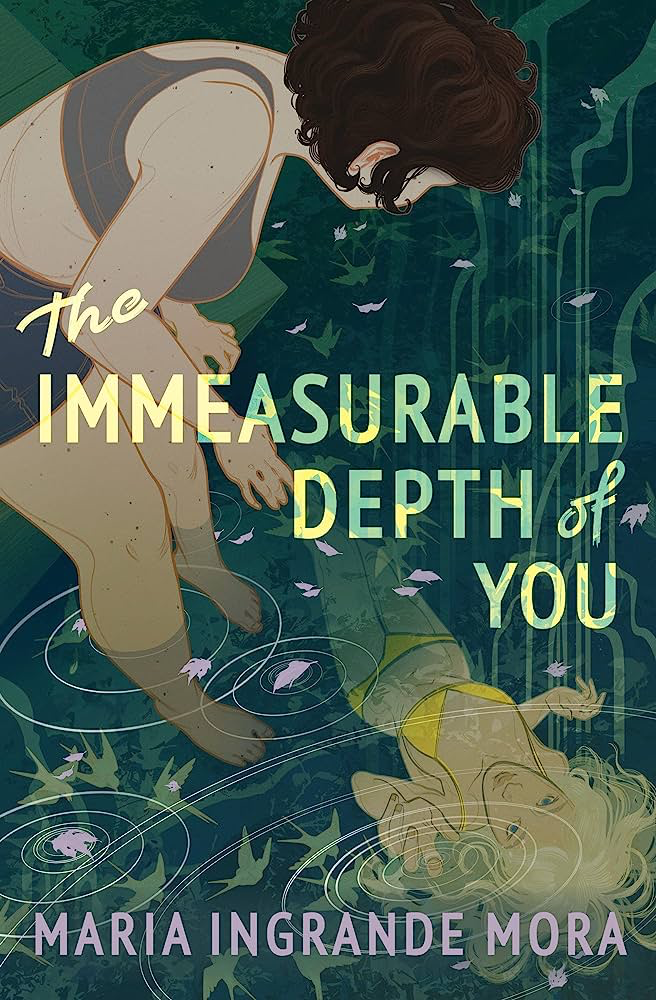
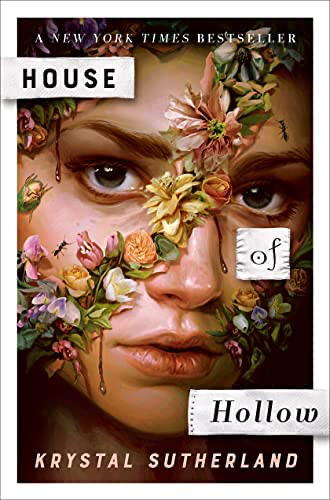
🏳️‍🌈🏳️‍⚧️THE BOOKISH MUTANT’S YA PRIDE MONTH RECOMMENDATIONS (2023 EDITION)🏳️‍🌈🏳️‍⚧️

CONTEMPORARY, REALISTIC FICTION, AND NOVELS IN VERSE:

SCIENCE FICTION:

HISTORICAL FICTION:

FANTASY, MAGICAL REALISM, AND PARANORMAL:

TELL ME WHAT YOU THINK! What are your favorite queer reads that you’ve read recently? Have you read any books on this list, and what did you think of them? Tell me in the comments!
Today’s song:

That it for this year’s pride month recommendations! Have a wonderful rest of your day, and take care of yourselves!