Posted in Book Review Tuesday

Book Review Tuesday (9/16/25) – Mistress of Bones

Happy Tuesday, bibliophiles!

Guess who’s back/back again…with a negative review. Oopsies.

Yeah, sorry. I feel like this always happens, and I hate that it’s happening a) right when I come back to blogging in earnest and b) at the start of Latine Heritage Month. I swear this has happened so many times. (Don’t worry! I made a whole post about so many more books by Latine authors that are actually worth a read!) But a gal’s gotta review some bad books sometimes, and remember, kids: a book’s diversity doesn’t immediately mean that there aren’t any issues with the writing.

I’ve been hearing about Mistress of Bones around the blogosphere, and the premise seemed like some classic, YA fantasy fun. I regret to inform you that I’ve once again been duped into reading a very lackluster and generic fantasy book. There’s some slack I’m willing to give this novel because it’s Maria Z. Medina’s debut, but god, I haven’t read such a hot mess in quite some time.

Enjoy this week’s review!

Mistress of Bones – Maria Z. Medina

Azul de Arroyo cares for little more in life than her beloved older sister, who had an early death at fourteen. But by channeling the bone magic of her people, she was able to resurrect her at a young age. But when her sister is killed again, she has no choice to journey to the capital city in order to steal back her sister’s bones and return her to life. Soon, Azul has run afoul of the Emissary of Lord Death; her escapades have not gone unnoticed, and he’s got his eye on her. The rules of Death cannot be reversed so easily, and he’ll do anything to stop her—however pulled he is to her. Dragged into a tangled web of dark magic and court intrigue, Azul must do everything in her power to bring her sister back—even at the cost of the world.

TW/CW: animal death, loss of loved ones, violence, gore, murder

DNF at about 60%. I just couldn’t take it. I really tried to make it through this one, but at a certain point, I realized just how fleeting life is, and wanted to spend that life with something other than this novel.

Listen. There’s a certain amount of slack I’m willing to give a novel like this based on a) the fact that it’s a debut novel, and b) how hard it is to get published as a marginalized author. Every novel is, to some extent, a labor of love, and I’m sure this was the truth for Mistress of Bones. I don’t mean to discount the work of Medina and anybody else involved. But god, this was a MESS. Labor of love as writing always is, this needed at least two more rounds of editing. At LEAST.

The problem with the setup of Mistress of Bones wasn’t that it had a nonlinear timeline. I don’t even know if I would call it nonlinear, but there aren’t adequate words to describe…quite what the situation with this novel is. It’s less nonlinear and more just thousands of flashbacks in a trenchcoat posing as a novel. I didn’t mind them in the prologue, and in fact, I did actually enjoy the way the prologue set up the narrative and the tone of the story. It was appropriately spooky and it set up Azul’s character nicely—it got the job done. However, this novel ended up being 50% flashbacks. Mind you, they weren’t just to the same period as the prologue, but jumping to entirely random years in the past. None of it made any logical sense, and not even in a convoluted way—it wasn’t complex, the plot points were just scattered every which way. At that point, if that much of your plot is propped up by taking random detours into the past, there’s something desperately wrong with the plot. Take the flashbacks away, and the plot was just the writing equivalent of a pile of crumpled-up tissues on the ground.

I’m usually one for bombastic dialogue; in fact, I’d like to think that I have a good tolerance, given the steady diet of classic sci-fi novels and ’80s X-Men comics I consumed when I was in high school. If done right, campy dialogue can enhance the atmosphere and the writing style in many ways. But Mistress of Bones missed the mark by miles. The key to its downfall was how self-serious it all was. Once again: I still read a good amount of YA, and there’s a certain amount of drama that you’ve got to accept from the get-go. But Medina constantly had teenagers exclaiming “Bah!” like Romantic English poets and then spouting off the corniest lines of dialogue known to man without an inch of self-awareness. (Thomas Thorne-core, and I don’t mean that in a good way. iykyk.) It was just so self-serious that it defeated the purpose of amping up the drama. What’s more is that all of the characters had the exact same voice. I expected it to be just reserved for the spooky edgelord male YA love interest, but no…they were ALL involved in this. If you’re aiming for drama, you at least have to do it right.

Speaking of the characters…they were also woefully mishandled. I’m wise enough in my older years (read: my early twenties) to know that hardly any YA fantasy book marketed with a Six of Crows comparison delivers. But this was a special kind of mismarketing. First off, only Azul, the Emissary, and Nereida really got any page time. There were a handful of other purportedly important characters skittering about somewhere, but they got so little page time that I lost interest in them and their minimal sway over the plot. Not only that, but even between the main characters, they all had virtually the same voice. They all had that pompous, overly self-serious tone that I spoke about earlier, but there was almost zero variation between any of them. You mean to say that a witch, the emissary of death himself, and a seventeen year old girl would have the exact same speaking voice? It’s almost like they were indistinguishable from each other on purpose—I can’t think of any other explanation for the breadth of how far this hot mess spreads.

Beneath it all, I can’t really say that there was much about Mistress of Bones that grabbed my attention. There were a few quirks in the worldbuilding that kept me reading for a good length, but they were barely sustained. I’m always excited to see Latine-inspired worlds and cultures in genre fiction, but it barely extended past the Spanish-inspired names. I was intrigued by the whole concept of the floating continents and the gods that mandated this seismic shift, but it barely seemed to have any bearing on the plot or the characters. The Emissary of Death should’ve had significant sway over the plot and over Azul’s actions, but the title only served to give him more edgelord love interest points. Looking back, I think this issue boils down most of my problems with Mistress of Bones as a whole: it was all setup with no payoff. We were promised a multilayered, multi-POV fantasy with romance and intrigue, and we only got the bones of those things (no pun intended). It was all skeleton, with no skin or muscle tissue to make the novel into something that could function on its own.

All in all, a novel full of messy, undelivered promises masquerading as a plot. 1.5 stars.

Mistress of Bones is Maria Z. Medina’s debut novel and the first novel in the Mistress of Bones duology; no information is currently available about the sequel.

Today’s song:

GORILLAZ AND SPARKS, THIS IS NOT A DRILL

That’s it for this week’s Book Review Tuesday! Have a wonderful rest of your day, and take care of yourselves!

Posted in Book Review Tuesday

Book Review Tuesday (8/12/25) – The Full Moon Coffee Shop

Happy Tuesday, bibliophiles! Apparently today marks ten whole years since I started with this blog…granted, it was a pretty far cry from what it is today, but it’s a marvel that I’ve kept it going for this long. Thanks for tagging along, everyone! 🫡

In my ongoing quest to read more translated books, I’ve stumbled upon a lot more Japanese books about cats than I anticipated. Granted, they’ve varied greatly, but it’s a pattern. Not that I’m complaining—I’ll read most anything involving cats! Which is partly why I decided to read The Full Moon Coffee Shop. It sounded downright whimsical, and to some degree it was, but ultimately, that quality was dulled by the formulaic nature of…well, pretty much everything else.

Enjoy this week’s review!

The Full Moon Coffee Shop – Mai Mochizuki (translated by Jesse Kirkwood)

The Full Moon Coffee Shop is no ordinary café. It only appears during the night of the full moon. Its waitstaff are talking cats, and you can never order what you want—they only serve you what you need. And if you find yourself in the Full Moon Coffee Shop, you’re in need of direction in life. Weaving together the interconnected stories of five unlikely strangers, the Full Moon Coffee Shop may be the answer to their burning questions—and the healing they desperately need.

TW/CW: cheating/affairs, sexism, grief

One of the biggest letdowns in reading: finding a book that seems super cute and whimsical, and then said whimsy is there in name only. You can’t just give us an incorporeal coffee shop manned by talking astrologer cats and then be so unconvinced by your own whimsy! God.

The worst thing that a cozy book can be is preachy. Having a low-stakes novel centered around life lessons, healing, and character growth doesn’t mean that you have to have a Learning Moment™️ worded like a PSA every few chapters. It’s a pitfall that’s easy to fall into with cozy fiction, but it’s one that takes away the magic for me. For novels that are meant to be about taking quiet moments that are often taken for granted and giving them more weight and value to the narrative, having everything explained to you seems so contrary to what “cozy” means to me. I just resent books that try to show character development decently, and then ruin it all by assuming that the reader doesn’t have the capacity to figure out what just happened and regurgitating it word-for-word. This was the main problem with this novel—it assumed so little of the reader and spelled everything out in the least subtle way. Every chapter of The Full Moon Coffee Shop pulled a “And what did we learn today, kids?” moment at the end without fail, and it just got so tedious so quickly. It just felt so preachily worded and repetitive, dulling any emotional impact this story could’ve had.

I feel so conflicted when talking about the writing of The Full Moon Coffee Shop. I read it in translation, so I really don’t know who’s to blame for the quality of the writing. I don’t know if Mai Mochizuki’s original text was dryly written to begin with or if Jesse Kirkwood’s English translation somehow dulled some of Mochizuki’s writing style and rendered it blander than before! I have no clue! Gaaaaaaaah! In any case, The Full Moon Coffee Shop was written so stiffly for a book that billed itself as so whimsical. The characters’ inner monologues all feel very rote and one-note and there’s hardly any sensory descriptions to immerse the reader in the setting. The writing let me down the most when we were introduced to the coffee shop itself, the most unique part of the novel; while I enjoyed the concepts of everything, from the celestial-themed desserts to the talking cat waitstaff, it was all described with the sparsest possible detail, the bare minimum word count to get the reader to visualize a new image. The Full Moon Coffee Shop is a slim novel, so it’s not like more detailed descriptions would’ve made it overly long—I was barely immersed in both the real-world and magical settings. The same can be said for the characters, who were barely developed beyond a problem they needed solving. The writing just felt like the bare minimum of describing…well, everything.

For me, one of the main issues with The Full Moon Coffee Shop was just how formulaic everything was. I had the same issue with What You Are Looking For is In the Library, a similarly cozy book about finding direction in life, but in that case, the stories were so repetitive and short and seemed to be saying the exact same thing, so my patience ran thin much earlier than with this novel. Once again, cozy doesn’t necessarily mean predictable—it should mean something that’s low-stakes, not repetitive. The Full Moon Coffee Shop felt like hearing the same story three times over; character is dissatisfied with life, character discovers coffee shop, character gets their natal chart read, character has a revelation and magically figures out how to fix their life. Rinse and repeat for 200 pages. You can see how tired that got. I appreciated that Mochizuki at least attempted to switch things up for the last story, but it didn’t do much to my interest in the story. All that changes is that it’s framed through the characters thinking that the coffee shop experience is a dream. Sadly, that amounted to little more than a perspective change and a switch to a handwritten font. It just got so repetitive and boring after a while, and even though the stories focused on different problems, Mochizuki rarely had anything new to say.

I hadn’t read a ton of reviews of The Full Moon Coffee Shop going in, but it seems a lot of people had problems with the heavy emphasis on astrology. The presence of astrology in and of itself wasn’t an issue for me, but it was more how said astrology was woven into the novel that got on my nerves. “Woven” is a generous word—even as someone who’s at least sort of into astrology, I felt absolutely sledgehammered over the head with every minute detail of it. After a certain point, The Full Moon Coffee Shop just became Astrology for Dummies. You know that meme of the kid pretending to read the Bible, but there’s a Minecraft book peeking out of the Bible? That’s what it felt like. It’s less of a novel and more somebody talking at you about the natal charts of complete strangers for 200 pages. I guess it might be beneficial to assume that your reader doesn’t know much about astrology, but Mochizuki got so bogged down in explaining every minute detail of every character’s astrology that the real meat of the story got lost. For me, it took away from the heart of the story, which should’ve been getting insights into the characters and their healing journeys. I feel like astrology easily could’ve been a fascinating aspect of the novel if not for how unsubtly it was shoehorned in—there could’ve been a chance to give it some narrative significance rather than spending 50 pages explaining astrology to the reader like they’re 5 years old.

Despite the formula of The Full Moon Coffee Shop getting on my nerves, I at least appreciated some of the messaging that the cats gave to the characters on how to fix their lives, particularly in the second chapter. However, the advice that the cats gave Mizuki seemed downright weird. I get that she’s not having success in her career, but the cats telling her to get with the times and not write what she loves just seemed so odd to me. There could’ve been something so poignant about success not being everything and her failures only being a small part of her career, but the cats were just talking to her like they were corporate executives telling her to be hip with the kids! Not only did that rub me the wrong way, the story itself seemed to refute the cats’ advice as well. Mizuki ends up finding success when she injects her signature style into a project that she was only doing for the money, thereby finding success in being herself and putting her own personal spin on things! Crazy concept! So why even have the cats tell her that in the first place, if that’s not even the lesson that the novel leads us to believe that Mizuki takes away from it?

All in all, a cozy novel that billed itself as tender and sweet, but ended up being unsubtle, preachy, and unconvinced of its own lessons. 2 stars.

The Full Moon Coffee Shop is the first in the Full Moon Coffee Shop series, followed by Best Wishes from The Full Moon Coffee Shop. Mai Mochizuki is also the author of the Holmes of Kyoto series.

Today’s song:

That’s it for this week’s Book Review Tuesday! Have a wonderful rest of your day, and take care of yourselves!
Posted in Book Review Tuesday

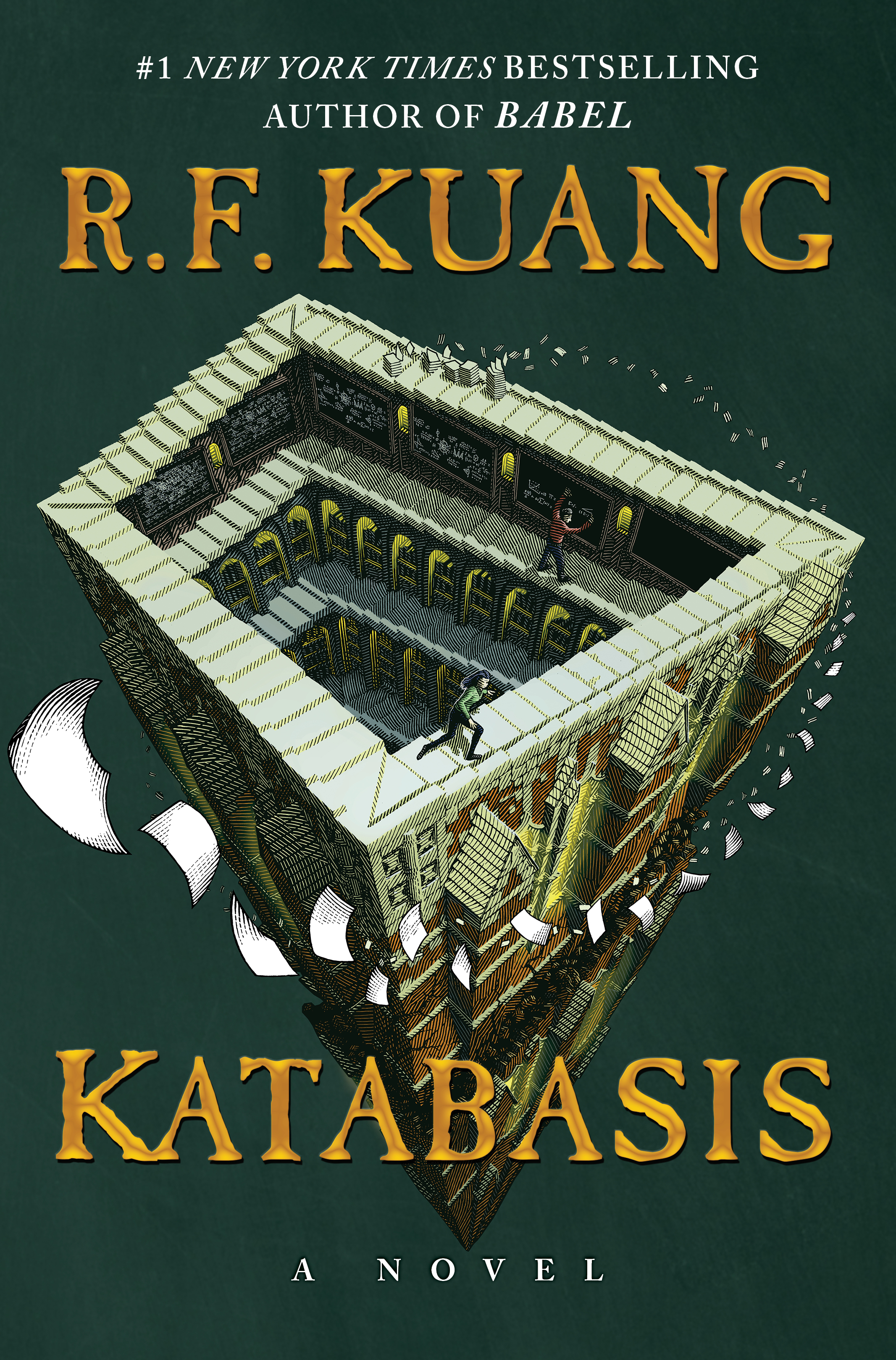
Book Review Tuesday (8/5/25) – On Earth As It Is on Television

Happy Tuesday, bibliophiles!

On Earth As It Is on Television has been on my TBR for at least a few years, and I’ve nearly bought it at least twice at my local Barnes & Noble before settling on it last week. It seemed quirky and interesting, but this novel ended up blowing me away with how inventive, heartfelt, and downright funny it was. The best 5-star reads come out of nowhere, and On Earth As It Is on Television is one of them.

Enjoy this week’s review!

On Earth As It Is on Television – Emily Jane

Aliens have finally come to Earth. Without warning, dozens of spaceships appear over Earth, causing a worldwide panic. Days later, they leave without a word. As the world falls into chaos, the lives of three people intersect as the world struggles to reckon with this occurrence. Blaine struggles to wrangle his TV-addicted children, now convinced that they need to skin people to find the aliens within, and go along with the mercurial plans of his wife, Anne. Catatonic for 30 years, Oliver suddenly regains consciousness, only to be whisked away on a strange journey by a stray cat. Heather, always the outsider among her stepfamily, ponders if the aliens could finally mark the start in the next chapter of her mundane life. All of their journeys converge as the world reckons with their place in the universe—and what could be next for the human race.

TW/CW: car accident, death, imprisonment, suicidal ideation, substance abuse

I did not expect a book with such a massive volume of millennial cat meme-isms to nearly make me cry multiple times. One minute they’re going on about Mr. Meow-Mitts and “himb peets” or something, and 20 pages later I’m a puddle on the floor. What a book.

There’s not a ton I can compare to in terms of On Earth As It Is on Television, but if anything, it’s quite like No One Is Talking About This, a book that also deals with the chaos of 21st century life; there’s a lot of meme-speak, there’s a lot of mindless media consumption, and there’s a whole lot of absurdity. A lot of the humor takes cues from the oversaturation of memes in the 2010’s (cats, bacon, etc.), but it’s a lot funnier than that entails—it’s more about the ridiculousness of that microcosm than it is about the actual humor; for me, it fed into the whole side of the story that was about the ridiculousness of modern life, as we are oversaturated with…well, everything. Plastic, fatty foods, cat memes. (If you have minimal tolerance for phrases like “heckin chonker” and “floofy boi,” this might not be the book for you. It’s a lot, but stay with it, trust me.) Surprisingly, this ends up being very poignant by the end of the novel, but it was both an astute observation on our 21st century state of being in a perpetual deluge of mindless information and content. Jane cranks the absurdity up to its absolute maximum without it feeling overwhelming—it’s totally goofy at times, but it’s great satire as well.

Both of the sci-fi books that I’ve rated in the 4.75-5 star range this year have involved cats in some way. Coincidence? I think not. (Shoutout to The Last Gifts of the Universe and Pumpkin the cat.) The way that On Earth As It Is on Television uses cats was one of the funnier parts of the novel, setting aside the pervasion of cat meme-speak. As well as causing worldwide panic, the alien ships have an unexplained effect on the world’s cat population—they all come back telepathic, and the results are hilarious. It’s clear that Jane is a cat lover, and it came through in every page. It added another wonderful layer of silliness to an already absurd novel, and I thoroughly enjoyed it. And honestly, it seemed completely plausible for cats to be the ones to pick up on alien frequencies, out of all the creatures on Earth.

Usually for a 5-star novel, I get super attached to at least a few characters. On Earth As It Is on Television might honestly be an exception, but that’s not a slight against it in the least. I didn’t like all of the characters—in fact, I doubt it was the point for them to be likable—but they all felt real. Blaine didn’t have a distinct personality for the beginnings of the novel, but you come to realize that he’s been so swallowed up by trying to juggle everyone else that it’s become his personality. Avril and Jas are the most insufferable children you could ever dream up, but they feel like the terrible kids you’re stuck sitting next to at the DMV or on the plane. Heather came off dramatic and whiny more often than not, but I could easily see how much her life felt out of her control. All of this is to say that though they were not all likable in the traditional sense, they felt real, and that was what felt refreshing. For a novel that tracked the trajectories of ordinary people, they felt especially authentic. It’s a mass reckoning with the absurdity of life, and Jane makes every detour worth it.

If anything, it was the characters’ journeys that were the most compelling part of the novel. All of the interconnected characters throughout On Earth As It Is on Television were thrown into circumstances outside of their control, both physical and mental, and nowhere that any of them went ended up being predictable. The concrete trajectories ranged from the ordinary (Heather feeling forgotten amongst her stepfamily) to the outright bizarre (a catatonic man regaining consciousness after 20 years and going on the world’s weirdest road trip with a telepathic cat), but all of them presented such rich character development. They crisscrossed all over the country, at times laugh-out-loud funny and other times more grounded and solemn. Wacky as it was, Jane used them all to wring out so much emotional development from a worldwide crisis that affects everyone differently; grappling with the fallout of feeling important in the universe, but then being forgotten just as quickly.

I’m a sucker for fun alien designs, and I didn’t expect On Earth As It Is on Television to deliver as much as it did. The Malorts aren’t peak creature design, but with their three-handed meerkat-like appearances and affinities for plastic crap, they hammered home the themes of the novel excellently. I wasn’t looking for any kind of realism in this novel, which is why I’m so glad that Jane went so bonkers with the design and culture of the Malorts, from their dietary preferences to their fascination with cats. They were a perfect vehicle for the absurdity that this novel emphasizes, and they provided as many laughs as the humans. There was a moment where there was so much plastic involved in the novel that I thought that the wry commentary on consumerism was going to fall flat, but the Malorts ended up turning it into a solution for climate change in-universe: why not give the Great Pacific Garbage Patch to a bunch of aliens who really like plastic for some reason? It was totally wonderful and goofy, but it segued nicely into the novel’s themes of finding joy in unlikely and mundane places and things.

More on that…any book that makes observations of shiny, plastic souvenirs and children repeating meme-isms into something genuinely poignant and moving deserves some kind of praise. But by the end, I loved what it had to say about the nature of life, however absurd it may be: everything is messy and out of your control, but that’s okay. Life is worth living for all of the strange detours and tiny miracles that you can find in every day life—cats, children singing, good food, silly television, and unexpected forks in the road. No matter our place in the universe or what the government does, we can always look to the ordinary to find solace. And beyond that, we can look to each other—our family, our friends, and strangers—to anchor us in the face of upheaval. On Earth As It Is on Television is a novel about many things (cats, TV, road trips, aliens), but above all, it’s about the small miracles that make life worth living—and what better way to end such a strange, beautiful novel? When we are inundated with mindless consumption, what better resistance is there than to notice life’s small, organic miracles? Finding and reading this novel felt exactly how it was intended to be read—on a whim, and being unexpectedly moved by it in so many places.

All in all, a clever, quirky, and unexpectedly moving novel about the biggest and smallest things in our human—and alien—experiences. 4.75 stars, rounded up to 5!

On Earth As It Is on Television is a standalone, but Emily Jane is also the author of Here Beside the Rising Tide and the forthcoming American Werewolves.

Today’s song:

BIOPHILIA ‼️

That’s it for this week’s Book Review Tuesday! Have a wonderful rest of your day, and take care of yourselves!
Posted in Book Review Tuesday

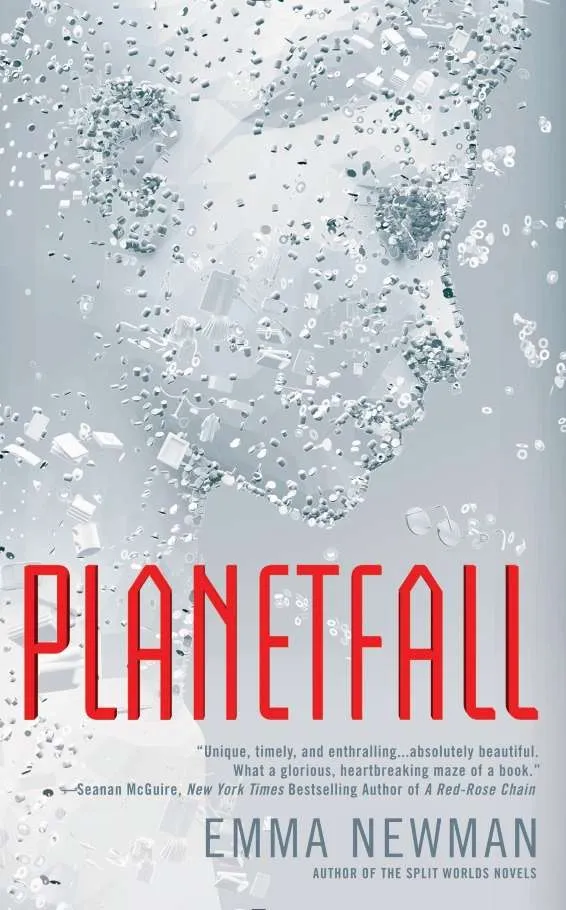
Book Review Tuesday (7/29/25) – Redsight

Happy Tuesday, bibliophiles!

As Disability Pride Month comes to a close, here’s one last book to finish off the month. This one has been on my TBR for at least a year, and it’s evaded me in the library thus far—thankfully, Barnes & Noble finally brought my chase to an end. Even though I’m growing a little weary of every new sci-fi that hinges on the promise of “incomprehensible space religion, woooooo,” Redsight provided a fascinating twist in the subgenre.

Enjoy this week’s review!

Redsight – Meredith Mooring

Korinna knows that she is doomed to a life of obscurity. Even though her being a Redseer gives her the power to manipulate space-time itself, she is the weakest of her order, and little mercy is shown to the weak. Resigning herself to a position navigating a warship for the treacherous Imperium, Korinna is at war with herself. But when the warship is boarded by strange pirates, Korinna learns that she has power beyond comprehension—all deliberately hidden. With her newfound abilities and a desire to uncover the secrets of the Goddesses that once ruled the galaxy, Korinna searches for answers, but what she finds may be more dangerous than she could have ever bargained for.

TW/CW: violence, gore, blood, death of children (off-page)

In the last six or seven years, I’ve seen a major trend in science fiction where the plot centers around an ancient, ominous Space Religion™️ (see: Gideon the Ninth, The First Sister, The Genesis of Misery). It’s a Thing. The usual suspects include an AI/vague cosmic entity deity, some form of cult, vague to overt references to Catholicism, and repression. I’m honestly fine with all of these things—in fact, having a cultish religion on an intergalactic scale is often a fascinating way to set up a story, and can be used to many ends, whether it’s deepening worldbuilding or critiquing organized religion in the real world, as it often does. My problem was that it’s everywhere. I feel like every other space opera I find is some kind of retelling of Joan of Arc or “what if God was real and it was a robot and the robot wanted to kill you?” Again, interesting once or twice, but after a point, they all start to blend together. On a personal level, I guess it’s partly because I don’t often connect as deeply to stories about religion/religious trauma, but I swear every other adult sci-fi book out there is like this.

Redsight is one of those books. However, it had enough different aspects that it was separated from the rest for me. It honestly veers into space fantasy at times, toeing the line between that and space opera expertly. Even though the redseers and all of the other witches in the universe had a slightly similar structure to some other books I’d read (spooky magic, incomprehensible goddesses trapped in tombs for thousands of years, etc.), it was Mooring’s exploration of how this insular cult of witches affected the outside world that stood out to me. The space-time manipulation is awesome, first off, but there’s also a host of space pirates, sprawling libraries, and transformative magic that goes…wrong. Snakes are involved. Also, Korinna and the others don’t exist in a vacuum—they’re a small part of a massive galaxy and are entangled in all manner of messy, manipulative politics throughout the universe. (There’s a strong Bene Gesserit vibe going on…I guess Dune might be to blame for the big spooky space religion trend?) They are outwardly very strange to others, and they don’t feel self-contained, as some other similar books are—they felt like a small part of a much more expansive world, which is what set it apart. Plus, I loved how it served as a critique of both that can come from organized religion AND the corruption that spreads into imperial politics—it’s all a great examination of systemic corruption, which I enjoyed thoroughly.

One of the more unique aspects of Redsight was how disability was handled. Up until we leave the Navitas, where all of the redseers are trained, pretty much all of the characters you meet are blind. All of the priests and priestesses of Vermicula are blind, and the way that Mooring shows us how it’s accommodated in the universe is fascinating. Through the power of redsight, they can sense most everything they need to sense through…well, manipulating the fabric of time and space, which is pretty badass in and of itself. But beyond that, I love how many intricacies to Korinna’s life are detailed. We see how she senses space around her with her blindness, how the Order of Vermicula produces special tactile books so that everyone can read the holy texts, and how she navigates the universe without being accommodated like she was within the Order. Knowing that Mooring herself is blind, I’m sure that she thought of everything when it came to how Korinna would navigate the universe, accommodations or not, and it showed through in her writing.

If you’re looking for a twisty book, then Redsight is the book for you! Even though I feel like I’m iffy when it comes to predicting twists, the ones in this novel had me constantly guessing. Mooring nails a critical combination of a very slow-burn first third of the novel, gradually building tension, while also throwing out a red herring where you think you know what the big mid-book reveal is, but…oh boy, I did not. (Red herrings, Redsight, red witches…lots of red in this book! Say, what’s that pooling on the floor?) In all seriousness, Mooring did an excellent job of creating tension and putting up all manner of red flags and misleading clues, and they came up organically: they were both the result of Korinna not knowing any better and the propaganda and narrative control that both the Order of Vermicula and the Imperium had over the knowledge that was passed onto her. It deepened the worldbuilding and the pacing of Redsight…for the most part.

All that being said, the ending was quite rushed. With as much buildup as this novel had, it was kind of bound to happen. All things considered, Redsight is Mooring’s debut novel, so I can let some of it go, because I enjoyed the majority of it. But there was just far too much crammed into the last 100 or so pages of the novel. Even with the theme of undoing systemic corruption, the speed at which it happened was truly just bonkers. For the truly mind-boggling, cosmic scale that everything in Redsight happened in, it seemed illogical that everything that happened in the novel would’ve been able to happen so quickly. After all of that, it was wrapped up strangely tightly—the loose ends were tied up basically because…the Goddesses can just do whatever, and it’s fine. I guess if you’re dealing with universe-creating Goddesses, by that logic, they can also clean up messy endings? It felt cheap. For the amount of time spent just on the buildup in the first third of the novel, everything was resolved far too quickly than seemed plausible, even with my suspension of disbelief.

All in all, a gripping and captivating—if a little messy—story of corruption and history, all set within the bounds of a boundless, magic-filled universe. 4 stars!

Redsight is a standalone, and Meredith Mooring’s debut novel.

Today’s song:

That’s it for this week’s Book Review Tuesday! Have a wonderful rest of your day, and take care of yourselves!
Posted in Book Review Tuesday

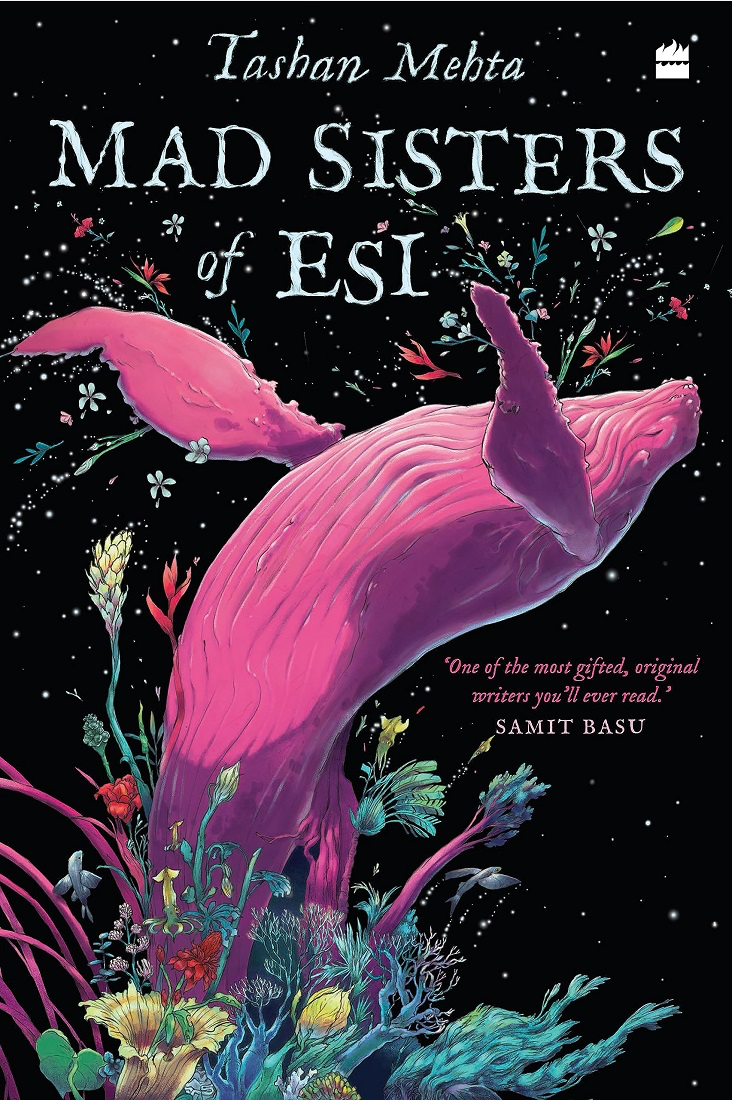
Book Review Tuesday (7/22/25) – The Ephemera Collector

Happy Tuesday, bibliophiles!

Continuing with Disability Pride Month, here’s a fascinating 2025 debut! I love books about libraries and archives, both for personal reasons and because of the possibilities that they hold. Add in the queer, science fiction aspect of it, and I was instantly hooked. The Ephemera Collector turned out to be one of the more unique books I’ve read recently, both in its mixed-media approach and the sprawling nature of its vision.

Enjoy this week’s review!

The Ephemera Collector – Stacy Nathaniel Jackson

2035. In a divided, polluted Los Angeles, Xandria Brown pours her passion into her work as an archivist. Collecting ephemera from prominent Black authors, artists, and activists, she fights to preserve her work as the threat of corporate encroachment in her library looms. After the death of her wife, only her health bots, which monitor her symptoms of long COVID, keep her company. But when the library goes into lockdown for undisclosed reasons, Xandria and her health bots must get to the bottom of the mystery—and make sure that her collections are unscathed.

TW/CW: ableism, eugenics, racism, violence, medical content

Though not without its flaws, this is one of those novels where you can really feel how much of a labor of love it was for the author. The Ephemera Collector is Stacy Nathaniel Jackson’s debut novel, which he published in his 60’s (!!!). It’s a mix of prose, poetry, and visual media, and I honestly wish I’d read a physical copy instead of an ebook in this case, because I feel like my Kindle couldn’t grasp the formatting fully. Nevertheless, The Ephemera Collector is a unique novel in all senses: a unique dystopia, a unique Afrofuturist novel, and a startlingly original piece of sci-fi.

Stacy Nathaniel Jackson’s vision of the United States 10 years from now was certainly bleak, but his worldbuilding was what made The Ephemera Collector stand out so much to me. No stone was left unturned in terms of what happens to America in the next 10 years, from the threat of corporate oversight on Xandria’s archives of Black history to the COVID-34 pandemic that occurs a year before the novel is set. It was bleak to me, but not necessarily cynical to me; yeah, us going into a second global pandemic only 14 years after “getting through” the first one seems a bit cynical, but given how this country absolutely bungled how we handled COVID-19, it feels somewhat realistic. Yet the weirder and further you get from the center of what makes Jackson’s dystopia a dystopia, the more imaginative the worldbuilding gets. Xandria is followed around by health bots that all have distinct personalities. There’s a whole Atlantis 2: Electric Boogaloo situation with a group of POC separatists who settle underwater off the coast of California. The weirder Jackson gets with it, the better the worldbuilding becomes; those unique touches are what stuck with me the most.

Yet even though Jackson’s vision of the future is full of polluted air and government corruption (not too far off…oof), it never fully felt like completely gloom and doom. In the end, I feel like this novel was about the importance of preserving history, and the main character’s fight is to keep corporations out of her exhibition of Black history, namely a collection of ephemera about Octavia Butler. Our protagonist is a queer, disabled Black woman who comes from a line of disabled Black ancestors, and she is standing her ground when it comes to preserving their history as a fundamental thread in the fabric of our country. Xandria putting up this fight, for me, was what kept The Ephemera Collector from being fully cynical. To imagine a darker vision of the future is one thing, but to have a character fight it, win, and outlast said corruption and hatred (somehow, she lives to be 300 years old? I assumed it was the gene editing, but it’s never fully explained) was what gave me hope in the end. Xandria, a battered woman who faced threats to her archives, non-consensual gene editing and eugenicist practices, and the death of her wife, comes out the victor in the end, triumphant over everything she fought to defeat. She is alive to preserve the history of her ancestors, but she is also proof that even the groups that America is most determined to erase will survive no matter what this country throws at them—and outlive them by centuries.

Going into The Ephemera Collector, I knew it wouldn’t be the easiest book to digest. The reviews warned me of a novel that frequently went on tangents that didn’t relate to the main storyline, and a novel that was disorganized in general. Having that in mind, I went in with low expectations. While I do think this novel was a bit disorganized at worst, I think it was partially the point. This is a book about an archivist poring through artifacts in a massive library. Jackson’s style is very stream-of-consciousness, and I feel like it uniquely reflects what Xandria’s mindset would accurately be if she spent most of her waking hours as an archivist. It reminded me vaguely of The Library of Broken Worlds, a very different book from this one, but still a sprawling, magnificent at best, deeply convoluted at worst novel set in a vast library. Maybe that’s just what you’re in for if you write imaginative books about sci-fi/fantasy libraries. There were some sections that strayed too far from the main plot for my taste (more on that later), but overall, I enjoyed the breaks in form, whether it was the switches from prose to poetry to the anecdotes about Xandria’s ancestry. It really put me in mind of an archivist, and that seems exactly what Jackson set out to do. For me, it also tied back into the theme of preserving history—all of what we see is the history that Xandria fought so hard to keep alive and non-sanitized by corporations.

Here’s the thing, though. I was fine with the earlier tangents because I could see the thread that connected them to the rest of the novel. But around 60% of the way through, The Ephemera Collector quite literally loses the plot. Without warning, it switches to an entirely new story that’s barely connected to the main story—and that’s being generous. The only possible connection I could find was that one of the characters was a relative of Xandria, but that’s it. There’s no connection to her or the library. My dilemma is that although it was very distant from the rest of the novel, it was still a compellingly written storyline. It dealt with one of the more fascinating parts of the worldbuilding: the separatist community who created an underwater settlement, and later became pseudo-climate refugees when it became untenable to live underwater for any longer. It was so strange and lovely to pick apart, but it didn’t connect to the main narrative until the very last minute. Even in the context of Xandria looking through the archives, there wasn’t a clear thread. I’m tempted to give this less than 4 stars, because although this frustrated me, the writing was just that good. In my more arbitrary system, I guess it would be more in the 3.8-3.9 range, if we’re getting really specific, but I like it more than a 3.75. It’s a weird dilemma, but so is the whole novel, really.

All in all, a deeply imaginative Afrofuturist novel that pushed the boundaries of what a dystopia can be. 4 stars!

The Ephemera Collector is a standalone and Stacy Nathaniel Jackson’s debut.

Today’s song:

NEW GUERILLA TOSS, WOOOO

That’s it for this week’s Book Review Tuesday! Have a wonderful rest of your day, and take care of yourselves!
Posted in Uncategorized

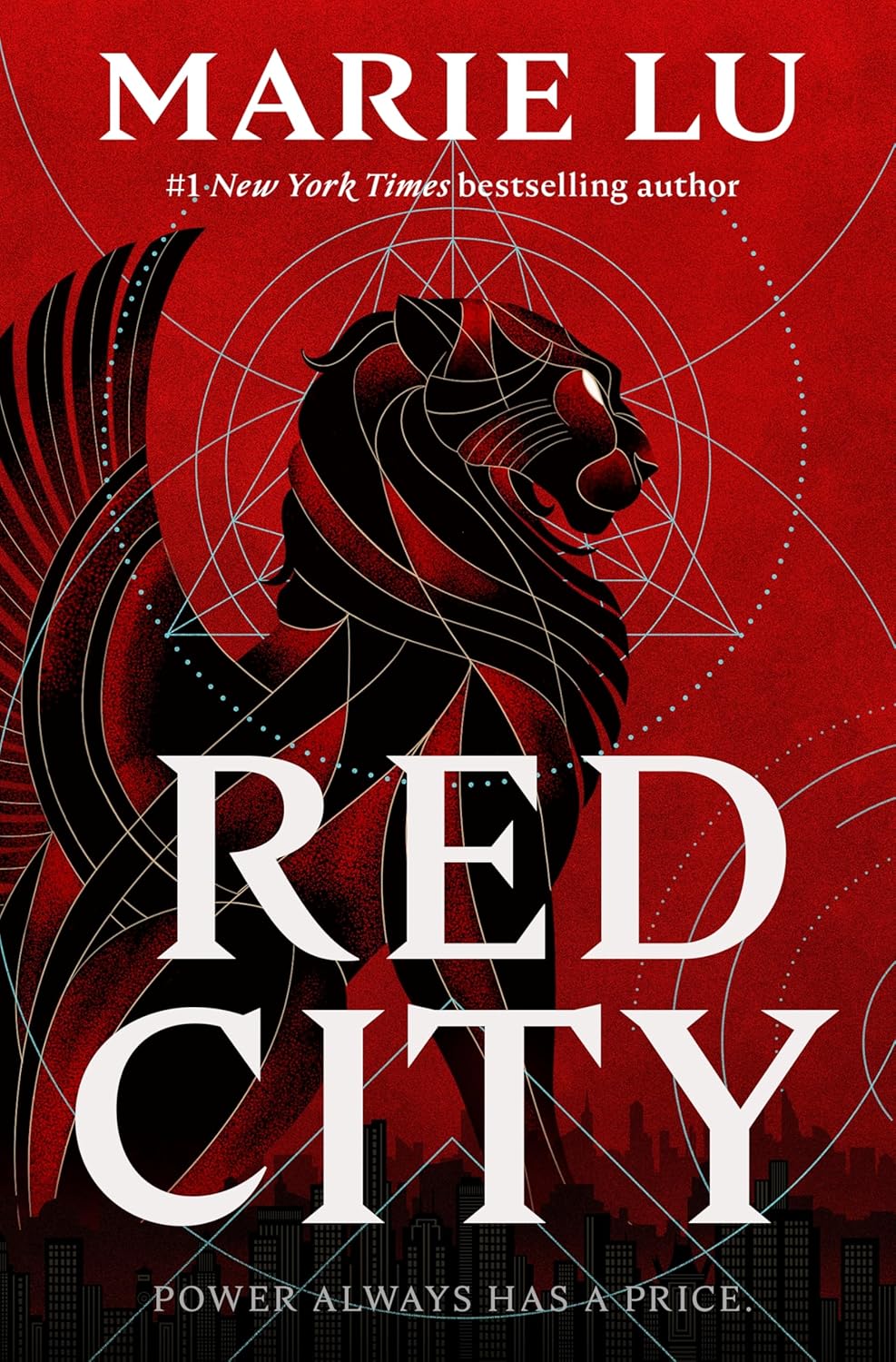
Book Review Tuesday (7/12/25) – Can’t Spell Treason Without Tea

Happy Tuesday, bibliophiles!

Continuing with my reviews for Disability Pride Month, here’s a sweet cozy fantasy with queer, disabled leads! Of course, those three factors are what drew me in, and I was in the mood for something more low-stakes. Though it wasn’t the best cozy fantasy out there, Can’t Spell Treason Without Tea was a sweet diversion.

Enjoy this week’s review!

Can’t Spell Treason Without Tea (Tomes & Tea, #1) – Rebecca Thorne

All Reyna and Kianthe want to do is escape. Kianthe is tethered to her job as the most powerful mage in the Queendom, and Reyna works as one of the Queen’s most esteemed bodyguards. But against all odds, they run away together to live out their shared dream: opening a bookshop that serves tea. As their dream falls into place, they discover that it’s not as easy as they thought to abandon their lives and run away, from the guards searching for Reyna and the complications of Kianthe’s magic. But they’re determined to make their dreams come true, and they’ll stop at nothing to have a moment of peace.

TW/CW: fire, injury, loss of loved ones, murder, violence, panic attacks

If you can get past the initially corny title, there’s some comfort to be had here, just like a good cup of relaxing tea. Am I committed to sticking around for the even punnier titles in the rest of the series? Not really, if I’m being honest. That said, if you’re looking for something fluffy, romantic, and sweet, Can’t Spell Treason Without Tea is the perfect diversion for you.

As far as coziness goes, Can’t Spell Treason Without Tea was a solid entry into the genre! Although it’s more action-oriented than a typical cozy fantasy novel, the pacing works in such a way that it takes a backseat to the more quiet, gentle parts of the novel. Thorne’s way of describing the mountainous landscape and the interior of the bookshop was relaxing and cozy; if it hadn’t been July when I read this, it would’ve been the perfect book to read while swaddled in blankets during the winter. It’s hard to get a reader invested in a relationship that’s already been going strong for at least a few years, but those quiet moments were perfect to get acquainted with Reyna and Kianthe. There’s plentiful soft, tender moments between the couple, both when they’re enjoying spending time together and when they’re trying to work out issues—often related to hurdles with getting the bookshop to work, but usually with something more interpersonal at its heart. If you can already get past the corny title, chances are, you’ll get past some of the more corny book and tea-related puns—for the most part, it’s a very silly, fluffy book, and it 100% fulfills its purpose as such. And damn, I needed a fluffy book.

Though this isn’t the best cozy genre fiction I’ve ever read, I think Thorne’s writing style lends itself perfectly to the subgenre. She had a very soothing way of describing the world and the characters—every description felt very bucolic and gentle, making even the world seem comforting alongside the storyline. With this style, she was able to render the quiet, tender moments of relationship development between Reyna and Kianthe beautifully, whether it was working out disagreements in their visions of the bookshop or helping the other work through panic attacks. Her writing just has a calming quality that not many writers do—an essential tool when you’re writing cozy fiction. Thorne’s passion for her characters and world truly shone through in every word, and it was clear that they took great care in making their writing as true to the intended mood as possible.

A rotating cast of characters is going to be a staple if your novel centers around a bookshop that serves tea, but that isn’t even where this novel’s character problem arises: it’s how they’re introduced. The issue with having Can’t Spell Treason Without Tea being placed smack dab in the middle of an established relationship is that many of the other characters are established as being involved with them, but you’re barely offered an explanation as to why. It seems like there’s quite a lot of short stories and one-shots and whatnot surrounding the novel, but without that context, it was rather disorienting juggling all of the characters when the protagonists had established relationships with them and their roles were hardly ever fully explained. Combine that with the fact that there were so many of these characters, and you’ve got a bit of a mess as far as getting the reader to care about anyone besides the protagonists.

Now, about the worldbuilding…or, “go, girl, give us nothing!” The worldbuilding wasn’t the main draw for me when I picked up Can’t Spell Treason Without Tea, but even then, it was rather underwhelming. Generically European and vaguely medieval high fantasy setting strikes again…free me from this prison!! I get that the romance and the characterization was the more central aspect to the book, but I still think that Thorne could’ve done much more with her worldbuilding. Try as I might, there wasn’t anything new offered about the setting. Though the descriptions of said setting were soothingly written, I struggled to find anything that stood out about the world—not even the magic system or the creatures. The monarchy and mythical creatures (griffins, dragons, etc.) were standard fare, but even those didn’t have any small quirks that would distinguish them from any other fantasy novel. If I think of what drew me in to this book, my mind goes to it being cozy and having queer/disabled leads; though I loved these aspects and think they were done wonderfully, they don’t strike me as necessarily unique—I’ve read other books with these exact qualities that had original worldbuilding to back them up. I’m not saying that this book had to have some insanely convoluted worldbuilding or anything, but at least give us something!

All in all, a cozy fantasy that was sweet enough to tide me over, but could’ve done with something more to distinguish it from all the rest. 3.5 stars!

Can’t Spell Treason Without Tea is the first novel in the Tomes & Tea series, which continues with A Pirate’s Life for Tea, Tea You at the Altar, and the final book, Alchemy and a Cup of Tea, which is slated for release in August of 2025. Rebecca Thorne is also the author of This Gilded Abyss and The Day Death Stopped.

Today’s song:

saw car seat headrest on saturday night…you will most DEFINITELY be hearing about that soon!!

That’s it for this week’s Book Review Tuesday! Have a wonderful rest of your day, and take care of yourselves!
Posted in Book Review Tuesday

Book Review Tuesday (7/1/25) – The Library of Broken Worlds

Happy Tuesday, bibliophiles, and happy Disability Pride Month! I’ll have something up for the occasion later this week, but for now, here’s the first book review of the month.

I’ve had this novel on my TBR for a few years. I read Alaya Dawn Johnson’s Trouble the Saints several years ago and remembered it being on the denser side, so I was hesitant going into this novel, especially with the low ratings on both Goodreads and Storygraph. I understand those ratings now—this book is not for the faint of heart, but it was also victim to some serious mismarketing, in my opinion. It’s a sprawling novel that hops between worlds and genres, and despite its flaws, it’s one of the most ambitious novels I’ve read in a while.

Enjoy this week’s review!

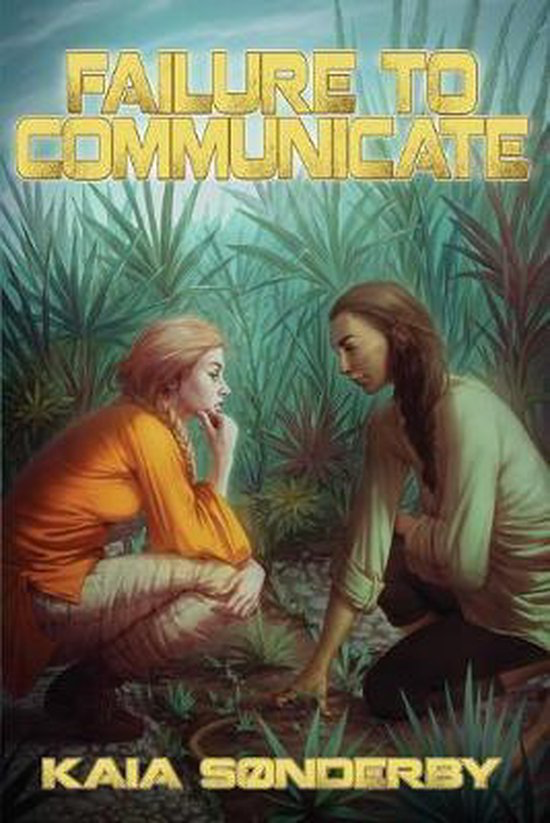
The Library of Broken Worlds – Alaya Dawn Johnson

Centuries ago, tesseract technology made travel and connection across the stars. Now, in the Library, where all of the tesseracts are held and all of the political machinations go on, Freida spends her childhood wandering amongst all kinds of strange magic and technology. She was artificially created by the Library, and has access to all of its texts. But as she grows older, she begins to understand the corruption deep within the Library. Her friends face persecution from all sides, both from mortal people and the gods beyond their reach. To save them, she must dig deeper than she’s ever ventured into the Library—and what she finds there could change her life.

TW/CW: genocide, loss of loved ones, sexual assault, colonialism/imperialism, violence

Right off the bat, let me just say: this is truly a weird book. For the most part, I mean that affectionately. It’s weirder than most YA I’ve read, and even weirder than some adult books. It’s also one of the more ambitious books I’ve read in quite some time. Straddling the line between hard sci-fi and full-blown fantasy, The Library of Broken Worlds is an ambitious—if not incredibly messy—novel.

I’ll start off by saying this: The Library of Broken Worlds really shouldn’t have been YA. Even though Freida is about 17 here, all of the concepts jammed in here really don’t feel like they should be for the 12-18 crowd. That might just be another consequence of 12-18 being a ridiculous jump in maturity for a single age range, but I digress. There are a lot of aspects that feel more well-suited for the more adult crowd. You sit in on a lot of court hearings, the politics get both deeply philosophical and intricate, and you’re dunked into the worldbuilding like one might be dunked face-first into a bucket of ice water. I think you can still work with a teenage character in an adult story (see: The Fifth Season), so I feel like it wouldn’t be much of an adjustment. As voracious of a reader as I was when I was in the peak market for YA books, I feel like I would’ve DNF’d this book in my teens. But that’s not to say that I didn’t love The Library of Broken Worlds. Had it been adjusted for an older audience, I think it might have been more successful—if not in marketing than anything else.

The case of the worldbuilding in The Library of Broken Worlds is a complicated one. It’s both the biggest strength and the biggest weakness of the novel. The worldbuilding itself is marvelous—what I could get of it. This novel is such a unique blend of sci-fi and fantasy. You have a Library as the central hub to travel to other parts of the galaxy, and the main characters is an artificially-created being created by the will of the Library itself. There’s lots of intergalactic folktales, extinct alien civilizations, a triad of nature gods that preside over the universe and form the basic divisions between its people, and a ton of worms and grubs. Gotta love the grubs. There’s a lot of ’em. The world is also refreshingly queernormative, with a variety of characters with different neopronouns and a young sapphic couple at the forefront of the story. In the acknowledgements, Johnson said that Studio Ghibli and Hayao Miyazaki were the biggest inspirations for the book. The comparison didn’t fully make sense to me, but in a way, I can see that the blend of sci-fi and fantasy, along with some of the more imagery, could feel like a darker, more convoluted version of Miyazaki. It’s such a lovingly created and multilayered world—I just wish we could’ve explored more of it.

Now, let’s go back to that word, convoluted, because it applies to…well, everything. I often talk about how writers often have the issue of vomiting all of their worldbuilding in chunks that distract from the story. This book has the exact opposite problem. From the start, you’re thrown headfirst into an exceedingly complex and convoluted world, expecting to know all of the terms and political divisions as they’re thrown about every which way. It felt like the scene from The Big Lebowski where The Dude is repeatedly getting his head dunked into the toilet (“WHERE’S THE MONEY, LEBOWSKI?”), but each time, you get a face full of completely wild fantasy terms that only get the most barebones explanations. By the time you’re sort of acclimated to the world and you think you’re getting a break, somebody’s pissing on your rug that really pulled the room together (more unexplained worldbuilding out of nowhere that overcomplicates things further). I still don’t fully know what a “broonie” is, and at this point I’m too afraid to ask. This book was in desperate need of a glossary, Jesus Christ. And a lot more exposition, as well as less convoluted and all-over-the-place explanations for what little was explained beyond the basics.

The characters in The Library of Broken Worlds were also a treat to explore! I wish we got more of some of the side characters, since there were so many, but it was Frieda’s story first and foremost. Though some parts of her were underdeveloped, Frieda was a solid protagonist; although she almost falls into a very typical mold of the YA protagonist whose life is out of her control and is different from the others (and is understandably angsty about it), these things are for reasons that are fully fleshed-out—the weight on her shoulder never feels manufactured, and the way that Johnson writes her trauma, from various sources, was very sensitive. I don’t think we got enough of Joshua (he’s almost forgotten about halfway through and only comes back in the last few bits of the climax), but I did like Nergüi’s coldness and eventual insightfulness as a counter to Frieda’s passion and hunger for knowledge.

There are some fascinating themes, political and otherwise, at play in The Library of Broken Worlds. In an attempt to be more utopian, the main government has built its government and legal system on the basis of freedom from and freedom to, and the discussion surrounding that, especially where those definitions get dangerously misused (justifying planetwide colonialism and genocide). Johnson didn’t shy away from getting into a ton of moral dilemmas. However, aside from that theme, I loved how The Library of Broken Worlds handles cycles. Simply by existing counter to her original purpose, Freida is breaking a cycle of her sisters being created for a specific purpose, and embracing empathy and love. But by doing that, she is also breaking a multitude of other cycles—the personal cycles of being traumatized and taking it out on others, and the vast, historical cycles of injustice and mass cruelty. The tesseracts also felt a bit like the interconnectedness of actions as well as events throughout history, and Freida exists at the confluence of it, making her able to fully see how she is able to reshape both her destiny and the unjust system that she lives under. As rocky and convoluted of a road Johnson takes us to get there, I appreciate that it was taken in the first place, because the payoff was mostly worth it in the end.

For most of what I just detailed, I nearly gave The Library of Broken Worlds the full 4 stars. But given the state of the book, I just…couldn’t. For all of its boundless creativity, timely themes, and observant insights, this novel was just a mess. I think this could’ve been the second-to-last draft before sending it off to the publisher, because as good as it was, the writing was all over the place. You’re unceremoniously thrust into the worldbuilding, and the only reason that I ended up acclimating (and even that’s a stretch) to everything was that this novel is nearly 450 pages long. It desperately needed more exposition, as well as clearer explanations of the key terms that come into play throughout the novel. The pacing was off—though I enjoyed the explorations of politics that Johnson employed throughout, I think we could’ve spent more time getting to know the world and less time sitting in space congressional hearings. There were a multitude of loose ends that didn’t fully get tied up. I guess that’s a consequence of such an expansive world, but The Library of Broken Worlds needed some serious refinement. I don’t normally find myself saying this, but give this book 50 more pages and a glossary, and I think some of these issues could be fixed.

All in all, an expansive piece of sci-fi/fantasy with highly commendable worldbuilding and themes, but which needed more page time and another round of edits to fully achieve its purpose. 3.75 stars!

The Library of Broken Worlds is a standalone novel, but Alaya Dawn Johnson is also the author of several novels for teens and adults, including Trouble the Saints, Love is the Drug, Moonshine, Racing the Dark, and The Summer Prince.

Today’s song:

That’s it for this week’s Book Review Tuesday! Have a wonderful rest of your day, and take care of yourselves!
Posted in Book Review Tuesday

Book Review Tuesday (6/3/25) – The Death I Gave Him

Happy Tuesday, bibliophiles!

Here’s a continuation of my recent sci-fi mood…I’ve been looking to add more sci-fi to my TBR, because I seem to exhaust my supply faster than I can keep up. The premise of The Death I Gave Him being a queer, sci-fi/thriller retelling of Hamlet enticed me, but sadly, this novel didn’t deliver—not on the retelling front, and not entirely on the thriller part either.

Enjoy this week’s review!

The Death I Gave Him – Em X. Liu

Hayden Lichfield is intent on carrying out the mission that his father is pioneering—the Sisyphus Formula, a substance that could one day reverse death itself. Enticed by immortality and down on his luck, Hayden throws himself into his work. But when his father is found murdered in Elsinore Labs, Hayden has no idea who to turn to—and who wanted to murder the man who wanted to beat death. Trapped in his room with only his AI, Horatio, to trust, Hayden scrambles for answers, and everyone around him is a suspect. But is it not just Hayden’s friends, but his father that have been lying to him all along?

TW/CW: murder, blood, descriptions of injury, suicidal ideation, grief, death of a parent

Trying to describe whether or not The Death I Gave Him qualifies as a retelling feels like the Ship of Theseus. If all of your characters’ names allude to Hamlet and you set your story in Denmark, but not much else relates to Hamlet, is it still a Hamlet retelling? How much Hamlet does one need to remove for it to still feel like a retelling? Sadly, Em X. Liu is proof that there is a limit to how much you can remove before it stops feeling like a retelling. It’s Hamlet in name only.

Having read Hamlet less than a year ago, I went into The Death I Gave Him with a fairly fresh memory. However, if not for the more obvious name changes (Hamlet becomes Hayden, Polonius becomes Paul, etc.) and the fact that it’s set in Denmark, I really wouldn’t have thought that this was a Hamlet retelling. I’m fine with loose retellings, but I don’t think it should’ve been billed as such. The whole Denmark setting definitely felt like very a “see? This is Hamlet, I promise!” move and wasn’t relevant to the plot whatsoever. I’m fine with loose retellings, but I feel like the similarities end with what I just described above. I’m not sure if this even qualifies as a retelling so much as people named after characters in Hamlet. Also, none of these people were nearly crazy enough to be in a Hamlet retelling. You’ve got to have someone go at least a little insane to have a proper Hamlet retelling. Hayden got a wee bit depressed and existential towards the end, but there wasn’t nearly enough “something is rotten in the state of Denmark” insanity to make it feel like a true tribute to Shakespeare. It just felt like a rather emotionally stunted novel even though it’s based off of something so dramatic. Some tonal liberties are inevitable for any given adaptation, but these ones just didn’t feel true to Hamlet, which made the more obvious Hamlet references feel more like preventative measures to make sure that people remembered that this was a Hamlet retelling.

Having mixed formats (interview excerpts, security camera footage, etc.) can be a great tool to add some additional context—and a unique flavor—to a novel, and I think it works especially well with thrillers, which The Death I Gave Him partially was. However, I don’t think Liu properly executed this format. Granted, it’s difficult to pull off, but when it’s executed well, it adds another layer of mystery to what is hopefully another layer of mystery. The problem Liu seemed to have is that, with the exception of the security camera footage, all of the other perspectives sounded exactly the same. All of the interviews, document excerpts, and “fictional” interludes by Horatio were in the same tense and the same POV, which basically rendered the format useless. Beyond that, these interviews and whatnot were from multiple people, but they all had virtually the same narrative voice. By the end of the novel, it didn’t even matter where the excerpts were coming from—they all sounded the same. If you’re going to pull off this kind of format, you have to make each component sound unique—if everything sounds the same, what’s the point in specifying which chapter is an interview and which one is a fictional account?

Also, none of the characters seemed to have much of a purpose outside of being props, aside from Hayden, Horatio, and maybe Felicia if I’ve being generous. Even though we get a significant portion of the novel through her interviews and written segments, I never even got a specific read on her voice since it was so similar to every other character’s. Paul, Rasmussen, and Charles were just there until they conveniently weren’t. The timeless fun of Hamlet comes from seeing everybody scheming against each other and different motives clashing against each other, but everybody was just rendered into very similar characters with too similar motives to each other for the mystery to really be worth it.

The same was true of the plot. I was committed to The Death I Gave Him because I was excited by the premise and wanted to see how the plot unfolded. I will say that Liu did a great job of setting the scene and cramming us in said locked room of this locked-room mystery. However, very little happened in said locked room—other than a handful of scattered moments, the place was quite slow, and the ratio of information that was revealed to the amount of pages it correlated to was way off—it felt like we only got significant revelations every 100 pages, and The Death I Gave Him is a little over 300 pages. There needed to be much more intrigue and complicating factors and clashing motives for this novel to work as a mystery; what we had was quite lackluster.

All in all, a sci-fi retelling of Hamlet that missed the mark on its source material and its new plot. 2 stars.

The Death I Gave Him is a standalone, but Em X. Liu is also the author of the novella If Found, Return to Hell and several short stories in various anthologies and magazines.

Today’s song:

That’s it for this week’s Book Review Tuesday! Have a wonderful rest of your day, and take care of yourselves!

Posted in Book Review Tuesday

Book Review Tuesday (5/27/25) – Light Years from Home

Happy Tuesday, bibliophiles!

I’ve had several of Mike Chen’s novels floating around my TBR for quite some time. I’d forgotten that I’d read a short story of his in From a Certain Point of View: The Empire Strikes Back, and I figured I’d give his novel-length writing a try. Plus, I was just in a sci-fi mood (as I always am). Despite the flaws that dragged down the premise, Light Years from Home was an ambitious novel that blended genres and didn’t shy away from being messy. Whether it successfully cleaned up its messes, however, is up for debate.

Enjoy this week’s review!

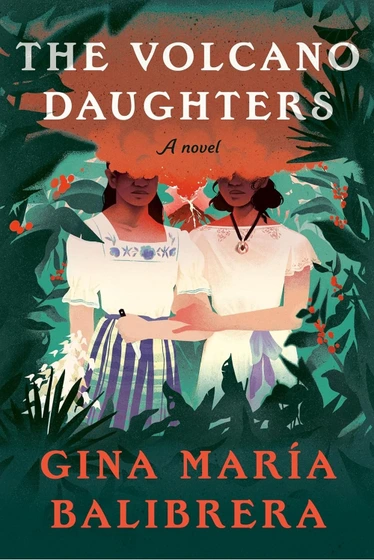
Light Years from Home – Mike Chen

15 years ago, the Shao family was thrown into disarray. Jakob, the only son, and their father disappeared. Their father later returned, dazed, disoriented, and convinced that he and Jakob were abducted by aliens. He died soon after.

Jakob has been missing for over a decade now. Sisters Evie and Kass haven’t spoken since the incident, with Evie diving into alien conspiracy theories and Kass throws herself into her work and caring for their aging mother. But when Jakob returns, parroting their late father’s theories about alien abduction, the sisters have no choice to bury the hatchet and reunite. As Jakob’s story grows wilder and the rift between the sisters widens, they must contend with the possibility that all of this may be true—but can Jakob be trusted? And if his story is true, what does it mean for the fate of Earth?

TW/CW: death of a parent, grief, dementia themes, substance abuse (smoking, drinking)

In the acknowledgments, Mike Chen says that this story was initially inspired by “Red” by Belly, and I’m tempted to give it another half a star just because I’ve never heard anyone outside of my immediate family or Pitchfork talk about them. The title also makes me think of The Rolling Stones’ “2000 Light Years from Home,” but that’s a vague enough title that it could be a reference to a lot of things. Although Belly didn’t save every flaw, Light Years from Home is a solid meld of science fiction and realistic fiction.

Light Years from Home has one of the most compelling beginnings of a book that I’ve read recently. You’re thrown right into the action aboard a Seven Bells spaceship in a classic space opera setting. Jakob cradles his alien comrade in his arms as they die, and thus begins his perilous quest back to Earth. But the reader and Jakob are the only people who know about this—the only other character who did (their dad) is notably dead. It would’ve been easy to just have the characters not believe him, but Jakob is already established as an unreliable person—his real life experience sounds suspiciously like an outrageous lie he would’ve told in his college days, which gives the characters both more obstacles to overcome, but more of their messy family dynamic to dissect. In terms of plot, Light Years from Home was a great study in not taking the easy way out—everything was messy and tangled, making for a book that had lots of drama and hurdles to pick apart.

Every single member of the Shao member was on the obnoxious, insufferable side (save for maybe Evie), but Chen did a great job of capturing the complicated family dynamic in the novel. Fifteen years after Jakob’s abduction, the wounds remain raw, and not a single member of the family has recovered from the fallout. Although I wasn’t satisfied at all with the character development of…well, any of the family (I’ll get to that later), Chen did an excellent job of weaving together all of the contrasting beliefs, motivations, and traumas that each family member had. All of them dealt with Jakob and their dad’s disappearance and death, respectively, in wildly different ways, and their coping mechanisms butted heads over the course of the novel. Even though this was ultimately handled poorly at the end, I did also appreciate the sensitive depiction of their mom’s dementia; Chen did a very respectful job of depicting the emotional impact of her memory loss and not being able to recognize her own children.

For all of the focus on the messy Shao family, the promised character development that their dynamic hinged on was not delivered on. There should’ve been plenty of conflict with Jakob reckoning with the man he was on Earth versus the man he was while serving in space with the Seven Bells, yet none of that happened. All of his character development happened off-page, resulting in a character that came off more flatly than I think was intended. Likewise, Kass and Evie were set up for significant development, but nothing happened with them either. Evie’s beliefs were reinforced and she and stayed static throughout the novel, not giving up her fantasies of aliens for the sake of the family. The closest Kass got, if you could call “okay, I guess aliens do exist” character development, was a brief revelation that even though she’s a therapist, that she doesn’t know everything about herself or her family, and that she shouldn’t pretend to know everything. That last half of my sentence amounted to about a paragraph around 50 pages before the novel ended, and it felt like entirely too little too soon. In the end, the character development was a jumble of unfulfilled promises—we got the shells of what could’ve been nuanced characters, but despite the bizarre journey they went on, they came out the exact same as they were before.

Also…I’m sorry, what the hell was that ending? Somehow, it was one of the most anticlimactic parts of the whole novel, and weird in ways that didn’t make sense. Jakob returns to the Seven Bells, but there’s hardly any fanfare or even extended moments of grief from the sisters, even though their brother has just decided to spend the rest of his life in space and never see them again. There wasn’t nearly enough emotion to it, and nor was there page time—this moment only gets around 4-6 pages tops. Instead of an emotional resolution with her daughters, the mom somehow un-dementias herself and remembers everything, and is also eerily content with her only son’s decision to spend the rest of his life in space. It all just felt so rushed and emotionally stunted compared to the rest of the novel, and not nearly as detailed as it needed to be. Weird is the only way to adequately describe it. I felt lost, but also robbed of what could’ve been something so bittersweet. I feel like it’s partially a side effect of none of the characters having any character development, but it felt like such a lack of a resolution. It was practically a non-ending.

All in all, a sci-fi/realistic fiction blend that embraced messiness in both plot and character, but had significant trouble with cleaning it up. 3.5 stars!

Light Years from Home is a standalone, but Mike Chen is the author of several novels. He has contributed short stories to From a Certain Point of View: The Empire Strikes Back and Return of the Jedi, and the full-length novel Brotherhood to the Star Wars universe. He is also the author of We Could Be Heroes, Vampire Weekend, Here and Now and Then, A Quantum Love Story, and many more novels for adults.

Today’s song:

NEW MARY IN THE JUNKYARD WOOOOOOOOOOO

That’s it for this week’s Book Review Tuesday! Have a wonderful rest of your day, and take care of yourselves!
Posted in Book Review Tuesday

Book Review Tuesday (4/15/25) – Afrotistic

Happy Tuesday, bibliophiles!

April is Autism Acceptance Month, and although I probably won’t have time to make a whole post about it (blame finals), I figured I would review a book with an autistic protagonist and an autistic author! This one’s been on my TBR for a few years, but I was only able to find a copy more recently. Although it wasn’t perfect, it’s a great book to introduce a younger audience to autistic issues, especially from a more diverse perspective.

Enjoy this week’s review!

Afrotistic – Kala Allen Omeiza

15-year-old Noa Ohunene Jenkins doesn’t know where she fits in—or if she can fit in at all. All of her life, she’s never felt Black enough or autistic enough. And now that she’s moving to a new high school, she doesn’t know if she’ll fit into either communities—much less her new school. Noa has her mind set on one thing: a place in the Dean’s Merit Society. The problem is, the only way she’ll get in is if she has leadership experience. Scrambling for answers, she decides to gather up fellow autistic teenagers and forms a group to discuss autistic issues. But will it be enough to show her peers and teachers that she’s just as worthy of praise?

TW/CW: ableism, racism, bullying, mentions of suicide (past), brief mentions of police brutality (in reference to police violence towards autistic people)

Afrotistic has been languishing on my TBR for way too long, but even though it wasn’t a perfect book, I think it’s a great book to introduce people—especially kids and young adults—to autism, ableism, and the intersection of race and disability! It’s already difficult to find neurodivergent representation in literature, but rarer within that category is autistic people of color—for that alone, Afrotistic is such an important book.

For some reason, I misremembered Afrotistic as being middle grade. Who knows why. I kept that assumption going in, and then I of course found out that Noa is 15 years old and a sophomore in high school. Whoops. That being said, going in with that mindset wasn’t all that bad, because I really feel like Afrotistic hits that sweet spot between middle grade and YA that’s so often unexplored. It appeals to a mid-teens age range because of its protagonist, but the writing is accessible enough that I feel like kids as young as 12 or 13 could comfortably read and relate to Noa and the other characters. (The fact that 12-18 is such a huge range of maturity for a single age group is whole can of worms, so I’ll save it for another time.) There are some more mature and sensitive topics that are briefly discussed (police brutality against autistic people of color, for one), but it’s brief enough that I feel like that age range could process and learn from it. Neurodivergent representation is hard to find in books aimed at all ages, and I feel Omeiza’s accessible writing style, as well as the relatability of Noa as a protagonist, makes for a book that could teach tons of pre-teens and young adults alike about Black and autistic identity.

Another reason I’m glad that Afrotistic exists is because of the intersectionality! The primary focus is on Noa’s identity as a young, Black, autistic girl, and how she’s struggled to make her voice heard because of how little attention is paid to neurodivergent (and disabled in general) people of color. Both through the essay excerpts in the story and through her real-time experiences not being believed by her peers and teachers, it was a poignant narrative about how neurodivergent people of color have to fight even harder to have their needs met and understood. Going off of that, I appreciated that within the Roaring Pebbles, there was a lot of intersectionality as well; as well as all of them being autistic, there was a mixed-race character with cerebral palsy, as well as men and women being present.

That being said, I wasn’t as charmed by the characters as the characters themselves seemed to be. I loved Noa and was rooting for her throughout the story, but I found myself less compelled by some of the other characters. It was clear that the friendship between Noa and Brayden was supposed to be one of the core friendships in the novel, but I really didn’t feel any kind of friendship chemistry between them. All Brayden seemed to do was make jokes that didn’t land and make awfully pushy remarks to Noa joining his youth group. I get that Noa is also Christian and doesn’t necessarily mind, but I feel like even if I was also Christian and I had somebody trying to get me to join their youth group that persistently, I’d snap. The issue with most of the other characters is that they were rather underdeveloped; this was inevitable with the amount of characters that were focused on in the Roaring Pebbles, but even the ones that had more page time were boiled down to one or two traits at most. I get that it’s difficult to juggle that many characters, but even the ones that were relatively more in the spotlight weren’t given enough traits to make them stand out. Going back to the whole pushy youth group thing with Brayden, I found it hard to believe that every single member of the Roaring Pebbles were completely fine with their group being filtered through said youth group and having a name with biblical inspiration. I get that if you’re strapped for resources, any venue you can have to gather is essential, but I would imagine that at least one of these characters isn’t Christian…

Additionally, what also soured me to some of these characters was the random side plots that weighed the story down. There’s a whole, completely unnecessary thread of two of the boys in Roaring Pebbles fighting over a girl that gets entirely too much page time and only served to derail the plot. About half of the conflicts that occur throughout Afrotistic felt of this nature—some of them were natural (like the inevitable issue that some of the autistic people have different triggers, which was something I appreciated being included and discussed), but others felt like filler. Here’s the issue: Afrotistic is only about 250 pages (on my Kindle edition), so there could have been so many more opportunities to discuss more aspects of Noa’s friendships, identity, or even her home life. Instead, we got problems that were solved far too quickly and didn’t contribute anything to the plot.

Also: I’m not completely sure how to feel about this, but I had to mention it. At some point, when Noa is surveying the different cliques in the lunchroom, she labels two of them the “woke kids” and the “cool woke kids.” It was…odd, to say the least? I can kind of see it as being a factor of her not feeling autistic/Black enough for those crowds, but I’ve never once heard cliques described as “woke” unless it’s some weird, insecure conservative person. I guess I’m so used to seeing “woke” being lobbed at anything vaguely liberal (or considerate of basic human decency) these days, but Afrotistic was published in 2022, and the same was true then. I’m just not sure how I feel about that.

All in all, a timely novel that deftly highlights the issues that autistic people of color face, but stumbled in terms of its characters and frequent plot digressions. 3.5 stars!

Afrotistic is a standalone novel, but Kala Allen Omeiza is also the author of Autistic and Black: Our Experiences of Growth, Progress, and Empowerment, and The Worst Saturday Ever.

Today’s song:

SO glad I found this song!! Brian Eno never gets old

That’s it for this week’s Book Review Tuesday! Have a wonderful rest of your day, and take care of yourselves!