Posted in Monthly Wrap-Ups

July 2024 Wrap-Up 🌤

Happy Wednesday, bibliophiles!

Somehow July’s already over…it felt awfully fast, yet the heat made the evenings so slow…time, huh?

Let’s begin, shall we?

GENERAL THOUGHTS:

July for sure had its ups and downs; I was getting hit with the election anxiety big time at the beginning of the month…so naturally, I was overjoyed at the prospect that Biden had dropped out of the election. Comforting that my options aren’t just “old white man with dementia” and “old white man with dementia who also happens to be a felon.” (Still. No excuse to vote for the felon, folks. Harris 2024!). So my faith has been restored on that front, and I’ve ended the month on a much more hopeful note, thankfully. America remains a dumpster fire, but least there’s some light at the end of the tunnel.

I was able to read a good amount this month, though! As is with every year, I was scrambling to find more and more books with disability rep for Disability Pride Month (there’s a solid amount out there, but it’s still fairly scarce), but I ended up reading some excellent books as a result! Summer has confined me to the house for the most part, what with the miserable heat (listen, I like summer, but not 90 degree heat, let me be clear), but it’s given me plenty of time to read—and to write! I participated in Camp NaNoWriMo this month, and as of today, I reached my goal of 50,000 words a day early! I had no idea that I’d be able to pull it off a day early—I had my ups and downs as far as motivation goes, but now, I’m a little over halfway through my first draft of this novel! I’ve also had fun with my blogging this month, and I feel like I’ve written some productive reviews.

Other than that, I’ve just been drawing, playing guitar, drinking a ton of tea, watching Succession (nearly finished with season 2!), watching and re-watching several Studio Ghibli movies (technically, I saw Ponyo when I was 5, but it felt like a fever dream back then…MUCH more beautiful now!), and doing everything I can to get out of this heat.

READING AND BLOGGING:

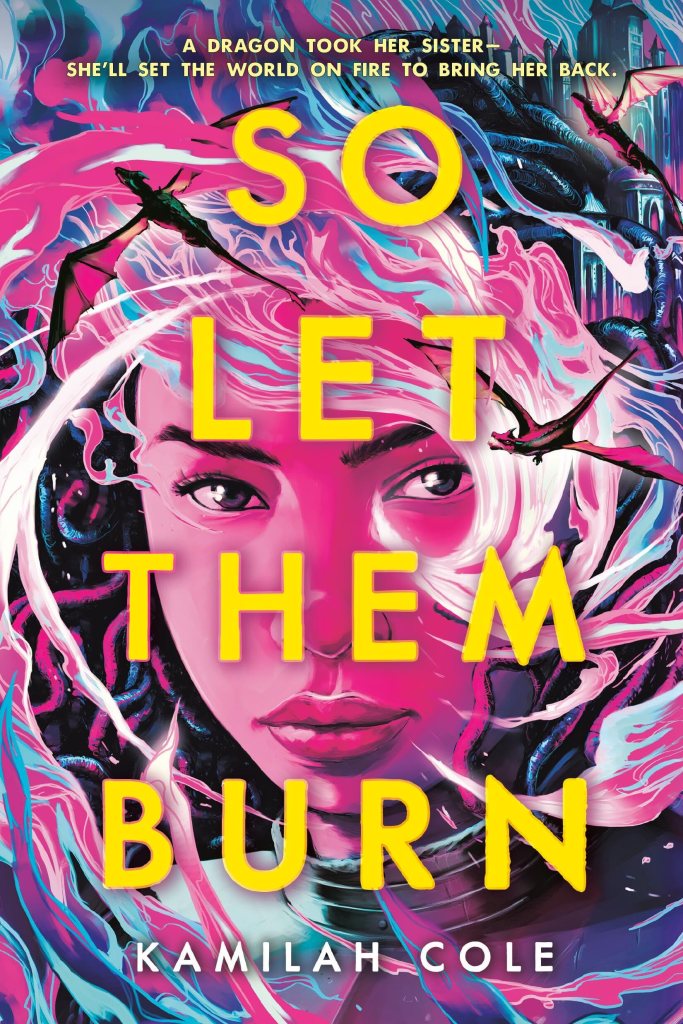
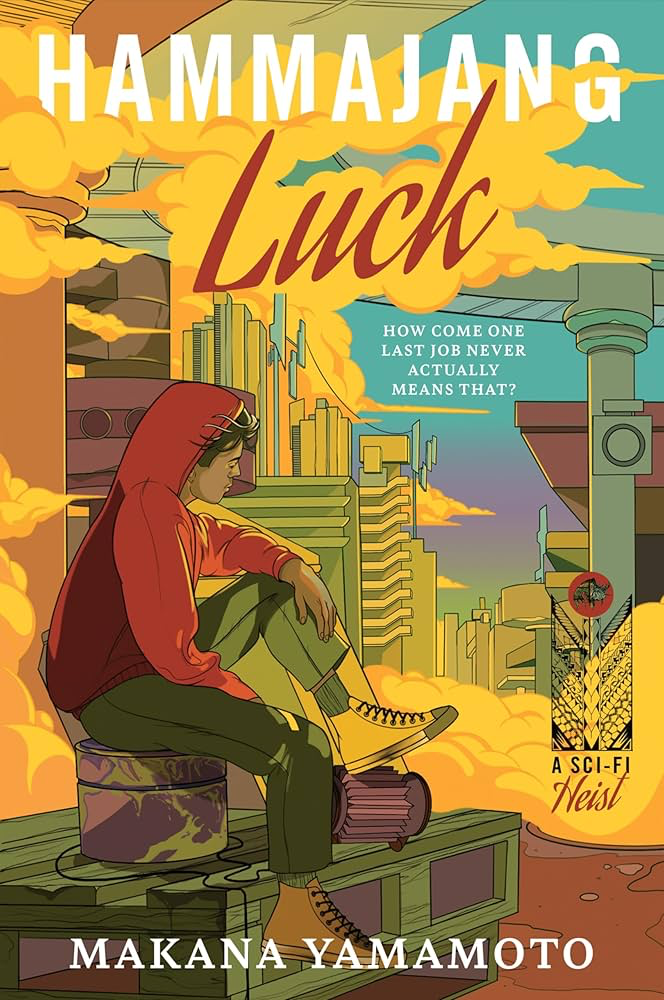
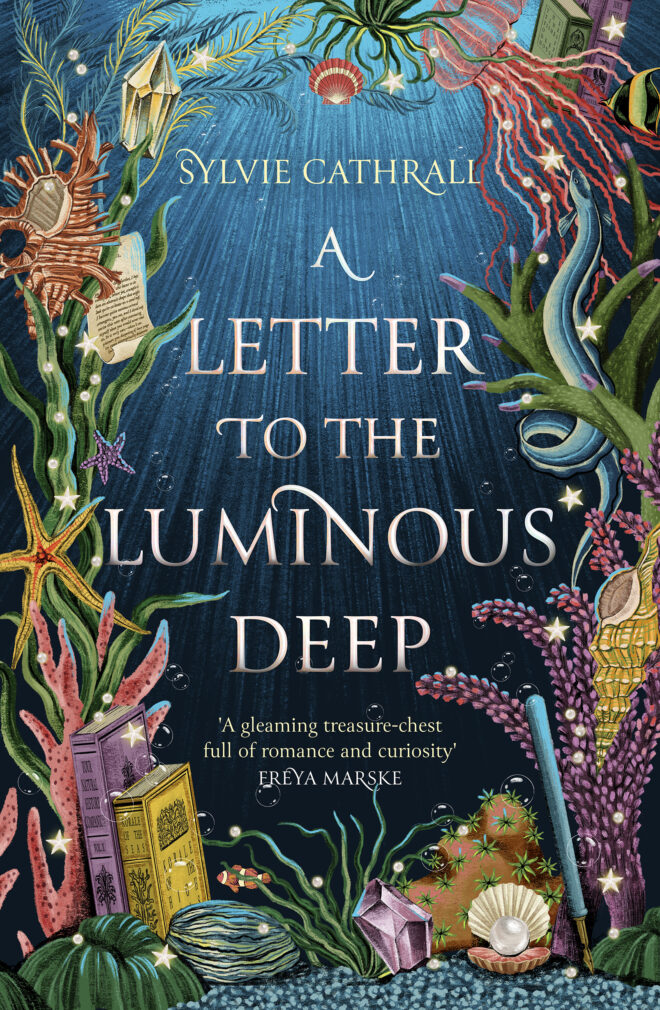
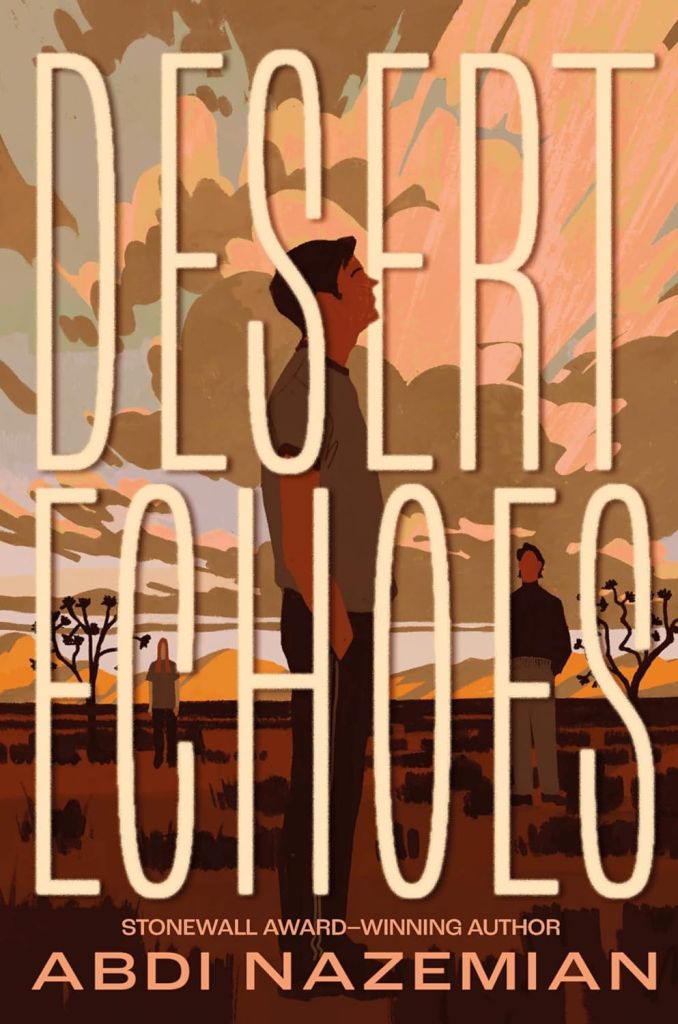
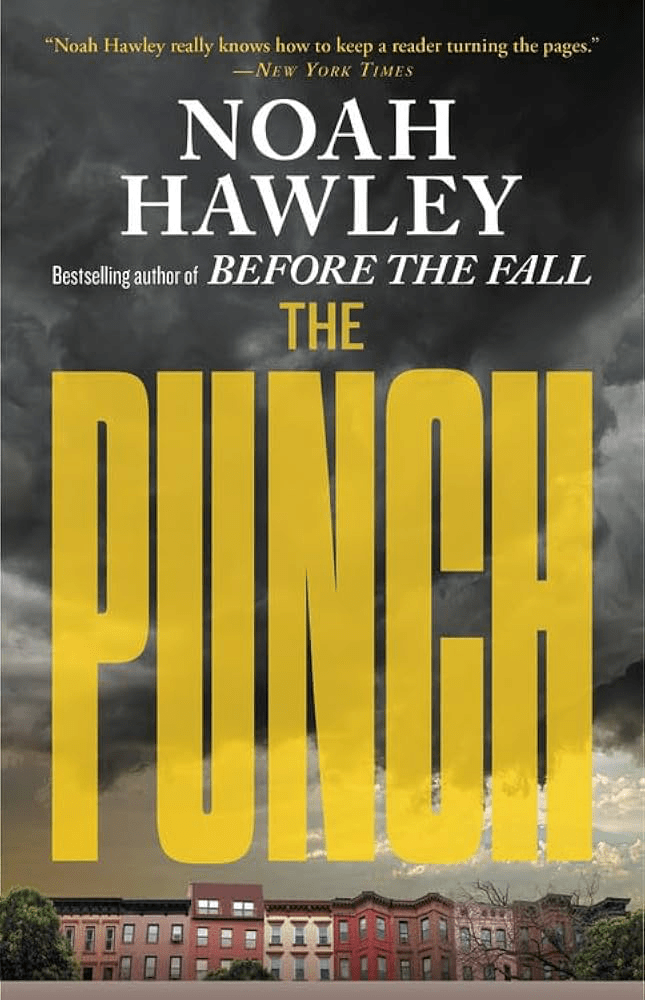
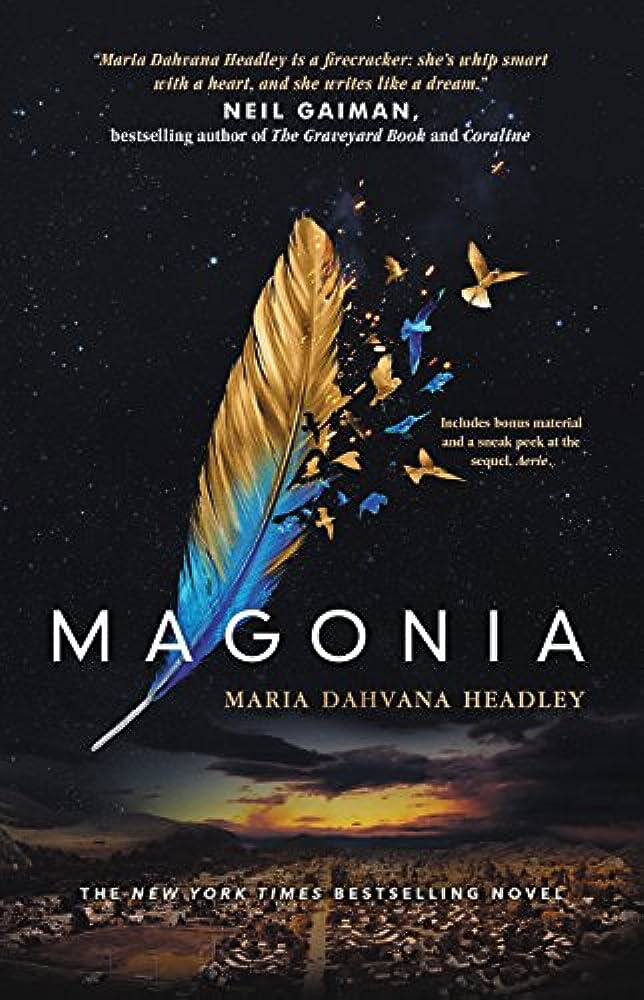
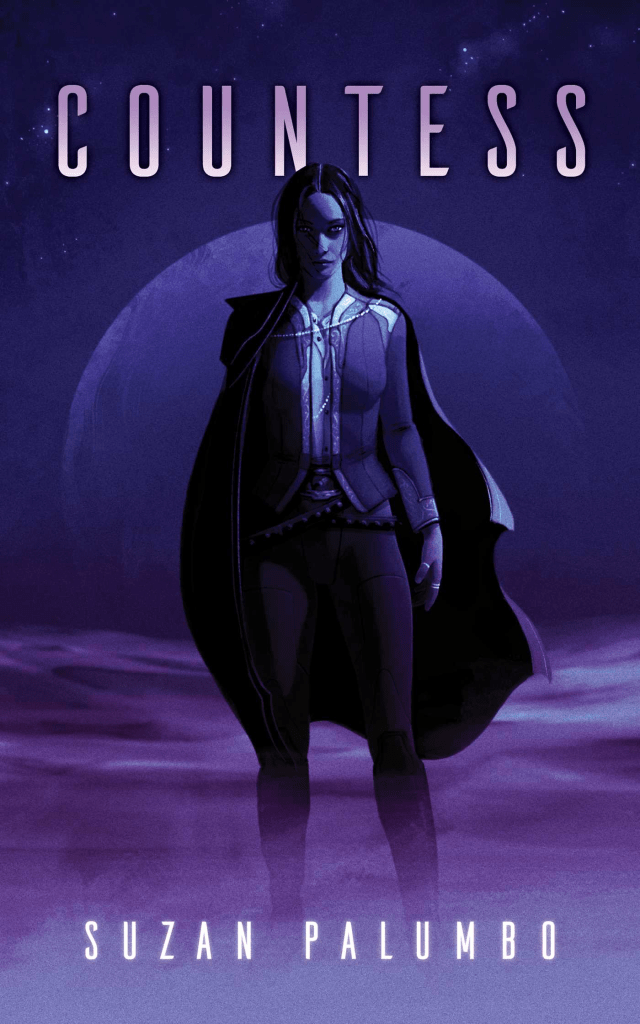
I read 18 books this month! As with every month, there were some hits (nearly 5 stars) and misses (an unfortunate DNF…), but I especially had fun reading books for this year’s Disability Pride Month!

1 – 1.75 stars:

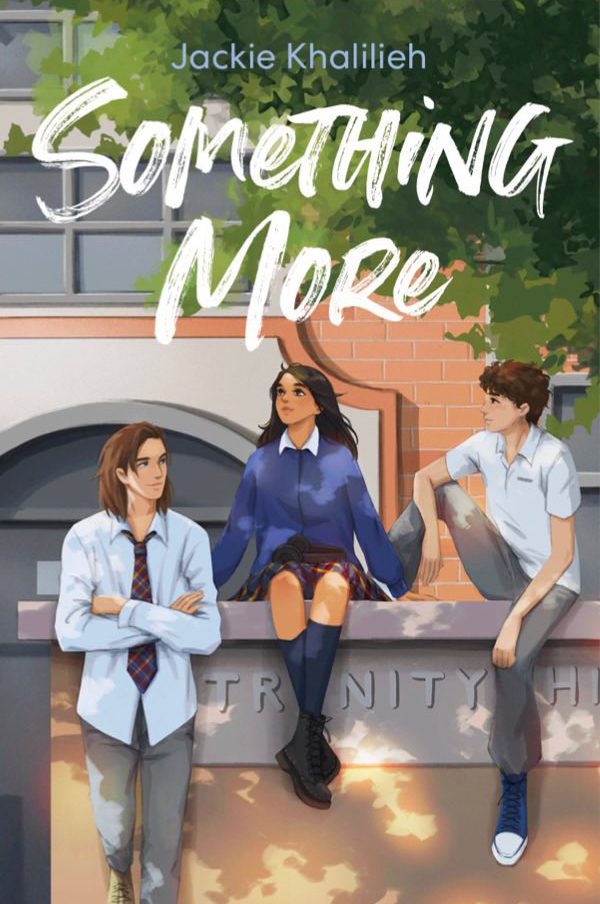
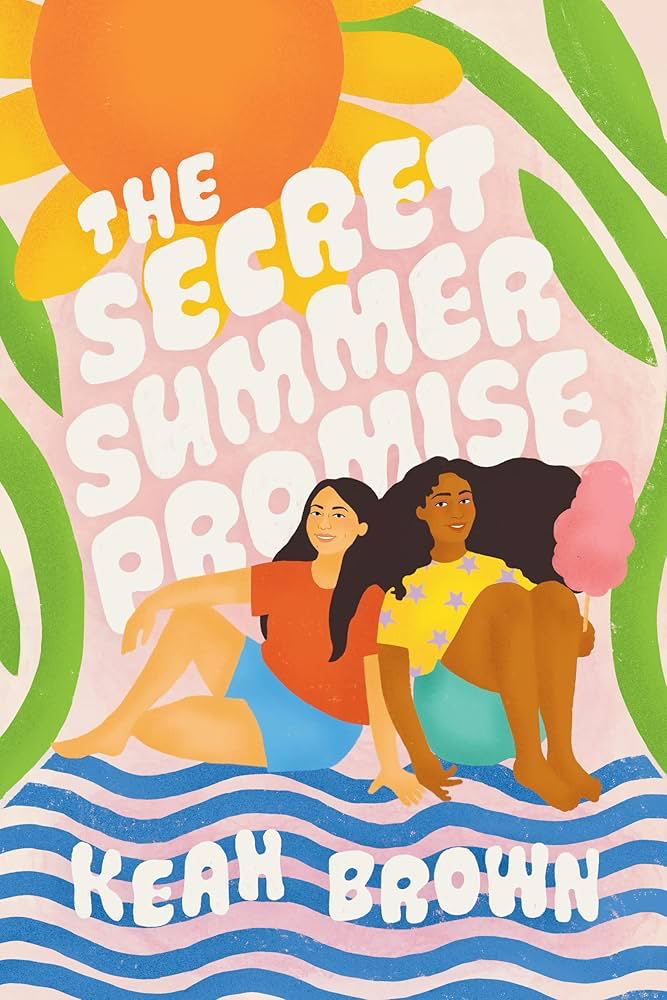
The Secret Summer Promise

2 – 2.75 stars:

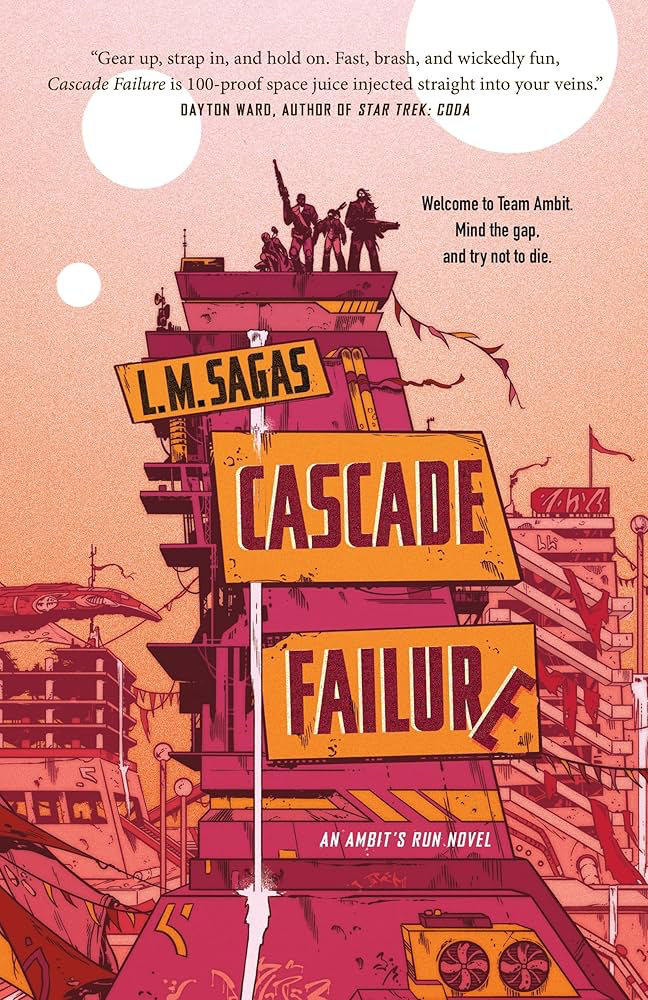
Cascade Failure

3 – 3.75 stars:

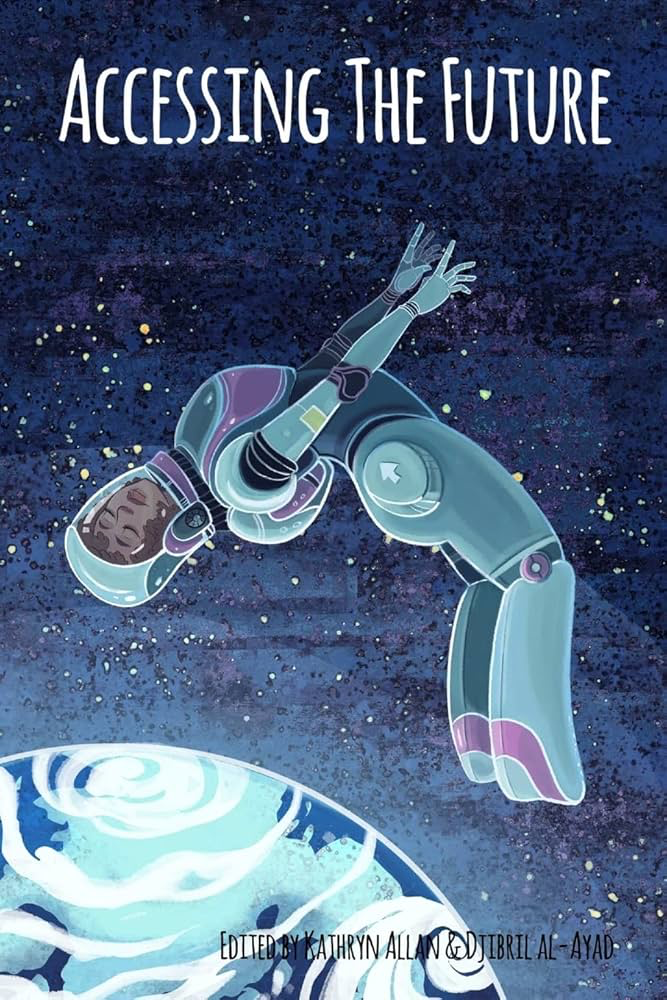
Accessing the Future

4 – 4.75 stars:

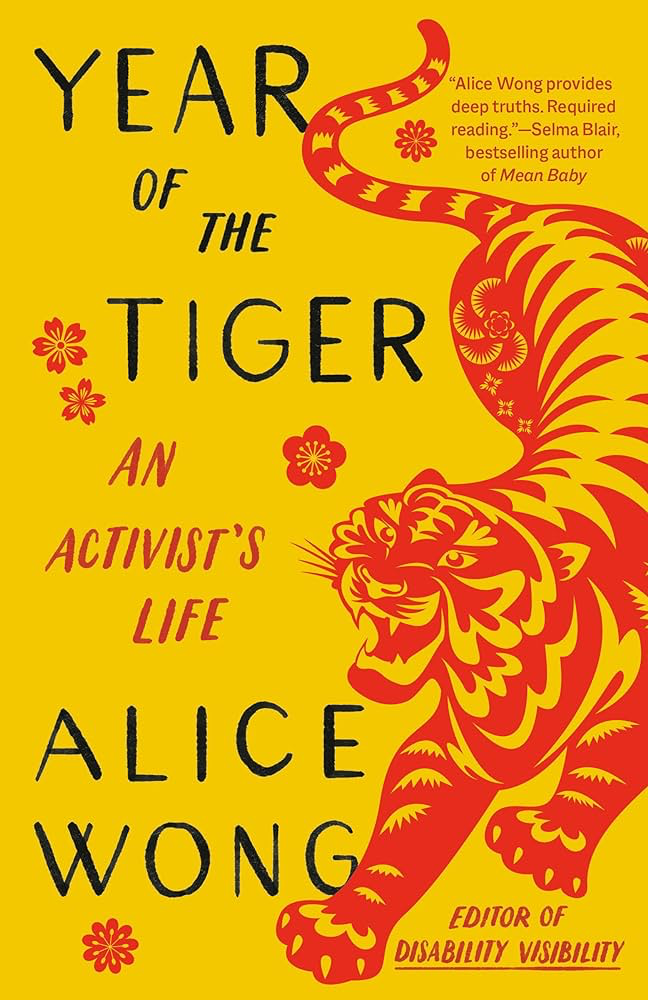
Year of the Tiger

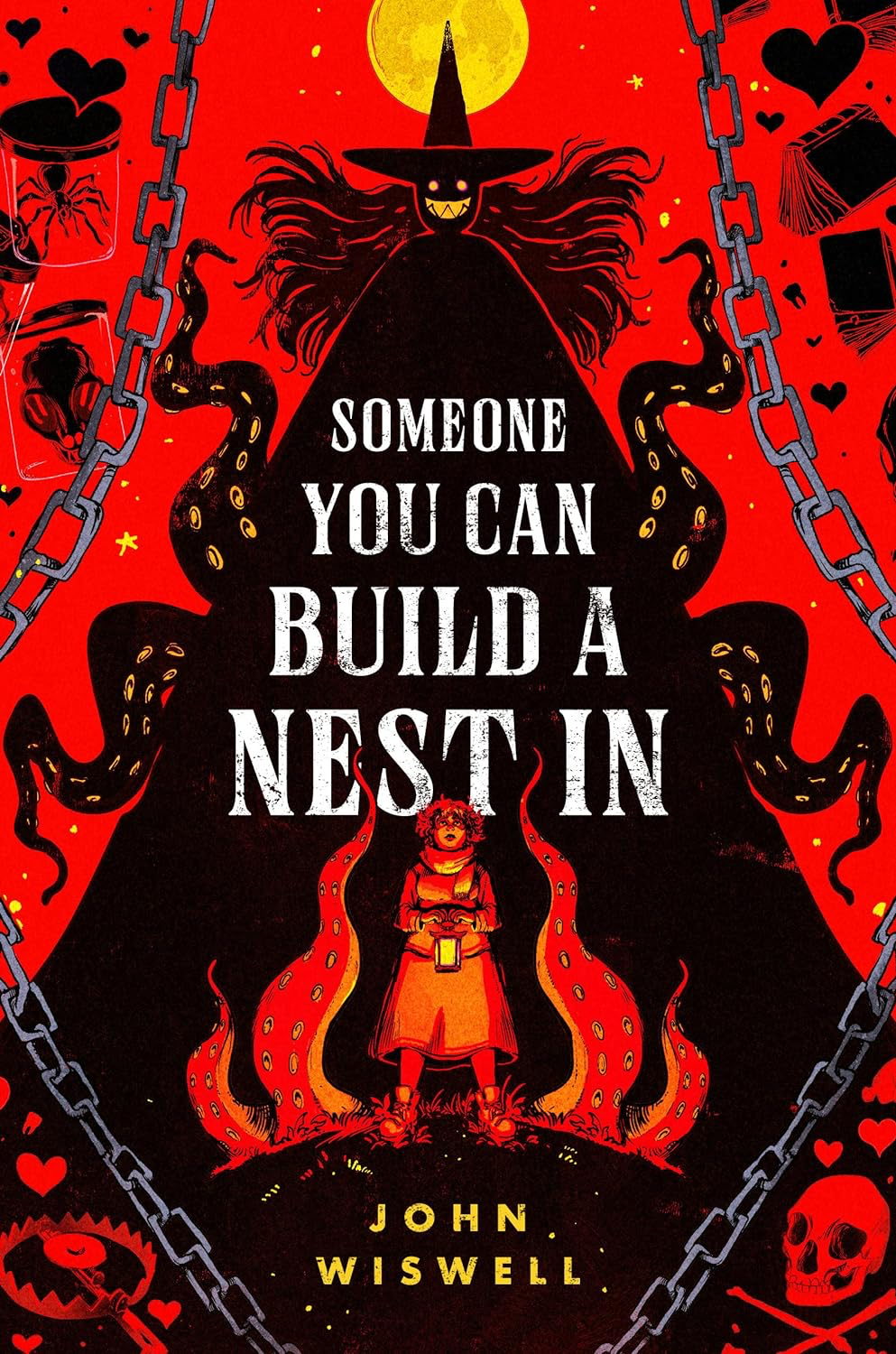
FAVORITE BOOK OF THE MONTH – Someone You Can Build a Nest In – 4.5 stars

Someone You Can Build a Nest In

POSTS I’M PROUD OF:

POSTS FROM OTHER WONDERFUL PEOPLE THAT I ENJOYED:

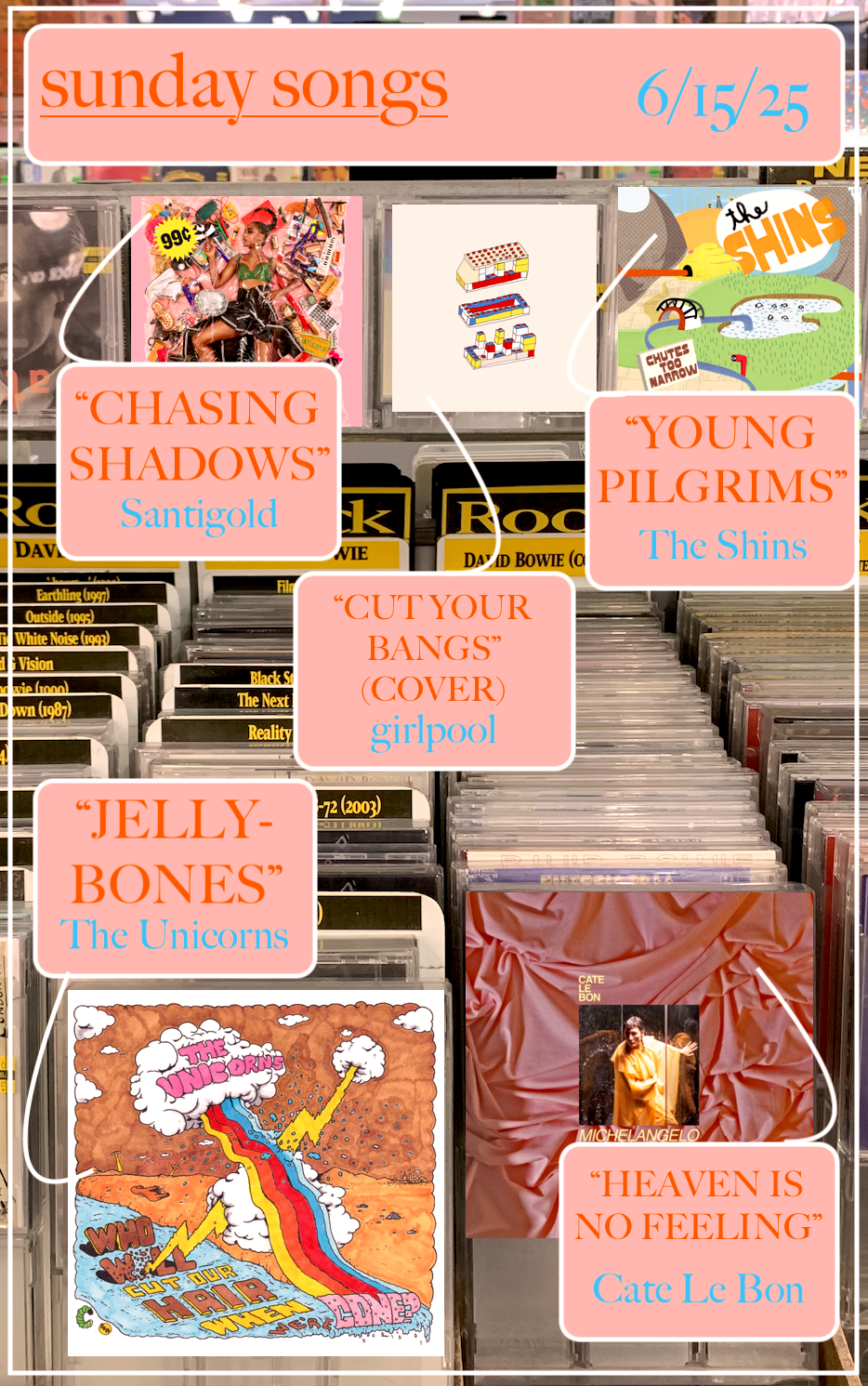
SONGS/ALBUMS THAT I’VE BEEN ENJOYING:

so glad I gave this album a try!
:,)
this song’s had a massive chokehold on me for at least three weeks now…
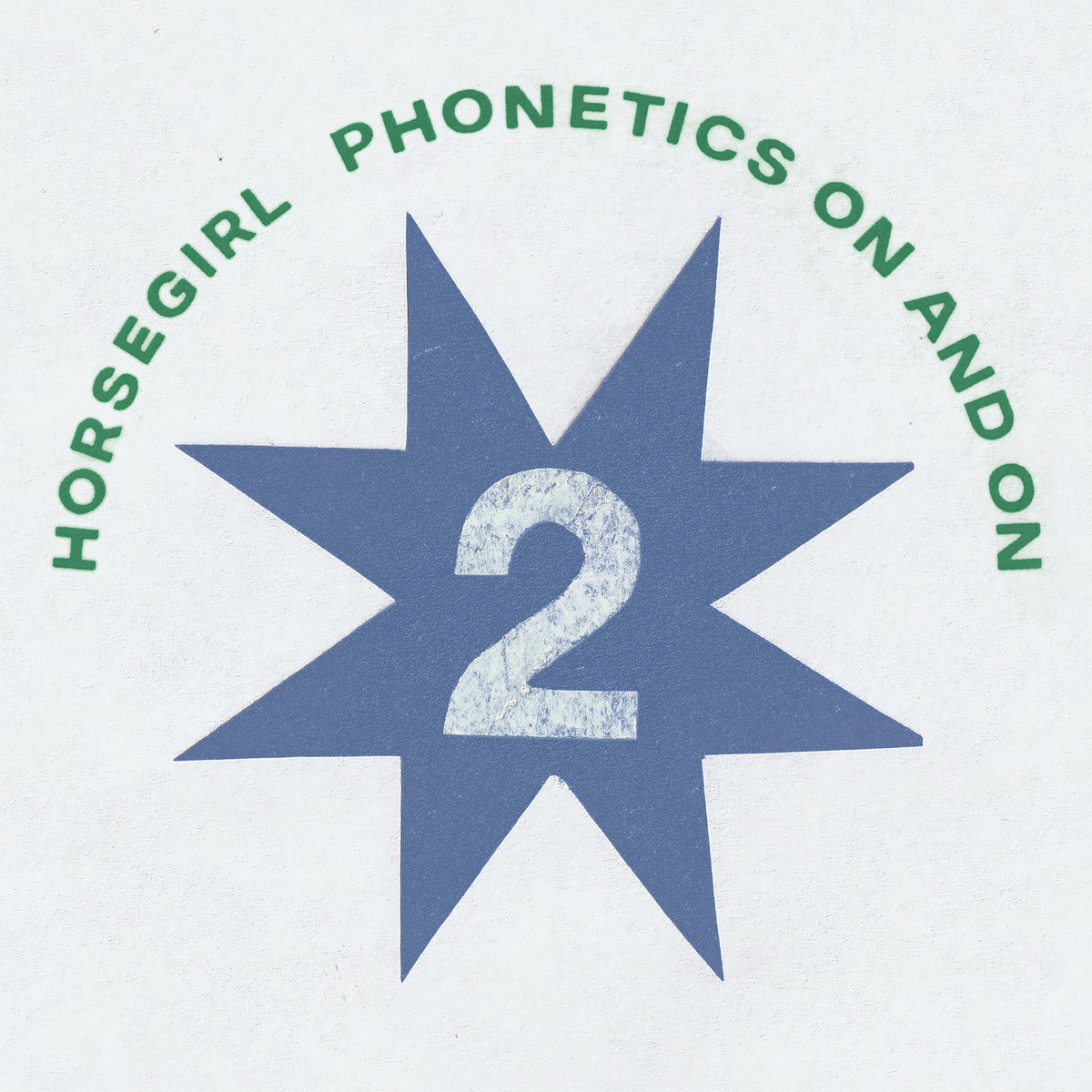
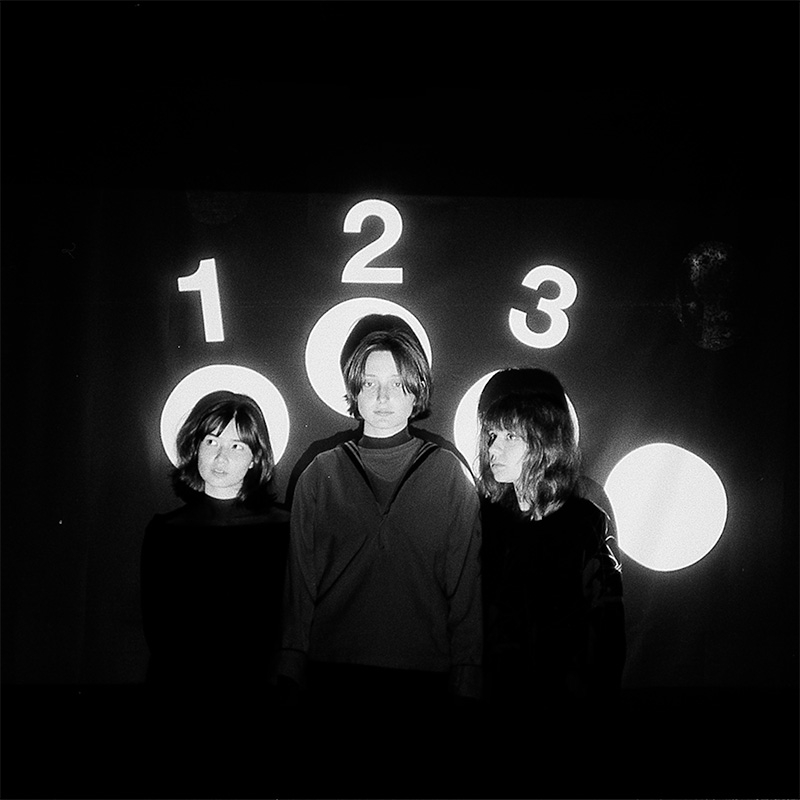
thank you to horsegirl for deerhoof and this song!!
this album is instant calm…
so glad I remembered this song… :,)

Today’s song:

RETURN OF THE SNAIL

That’s it for this month in blogging! Have a wonderful rest of your day, and take care of yourselves!

Posted in Sunday Songs

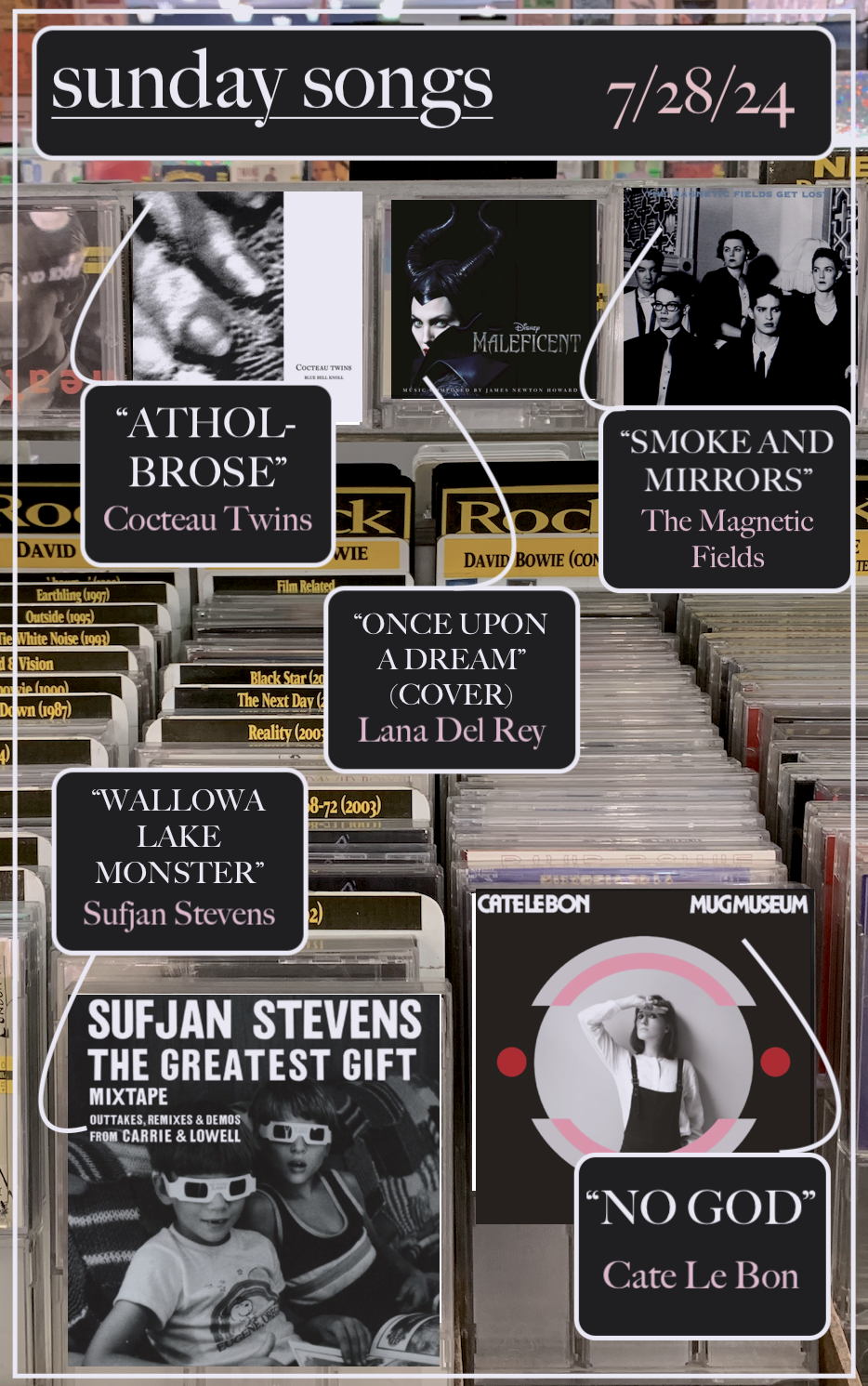
Sunday Songs: 7/28/24

Happy Sunday, bibliophiles! I hope this week has treated you well.

This week: surprise, surprise…I have sympathy for exactly one (1) live-action Disney remake. Soak it up while you can.

Enjoy this week’s songs!

SUNDAY SONGS: 7/28/24

“Wallowa Lake Monster” – Sufjan Stevens

The other night, a friend of mine and I were discussing the merits of album intros—cinematic curtain-openers (David Bowie’s “Future Legend”), gradually creeping easers (IDLES’ “IDEA 01”), and intros so engrossing that the rest of the album almost doesn’t measure up (Cate Le Bon’s “Dirt on the Bed”). I ended up making a Top 5 list that got so overblown that it expanded to top 10, but my friend was remarkably able to whittle it down to 5. “Wallowa Lake Monster” was squarely at the top of their list, and now I understand exactly why.

I’d call “Wallowa Lake Monster” a member of the first category, though in a different sense than “Future Legend.” The album it opens is The Greatest Gift, a mixtape of remixes, demos, and tracks cut from Carrie and Lowell, making “Wallowa Lake Monster” a b-side. I’m now experiencing “Burning Bridge” levels of how the hell was this a b-side, because, in my limited experience of Sufjan Stevens, how does one cut a track this cinematic? Who knows, with what little I know of Carrie and Lowell, save for that it deals with his complicated relationship to his mother. The gliding electronics seem to ripple like lake water itself, as wispy as Stevens’ voice as he opens his tale as one might a storybook: his mother’s twin struggles of alcoholism and schizophrenia become the backdrop for the Wallowa Lake Monster, a creature from Nez Perce legend, as it slowly pulls her under the waves: “And like the cedar wax wing, she was drunk all day/We put her in the sheet, little wreath, candles on the crate/As the monster showed its face.” There’s enough references, from scientific names for flowers to Dungeons & Dragons monsters to the Odyssey, to require three different dictionaries open at once while listening—Stevens has often fallen into the “overly pretentious” side of indie rock in my purview, and although that’s still not without basis, it’s clear that he’s a very literary-minded songwriter. It wasn’t surprising to learn that Stevens originally got his MFA in creative writing! A line as literary as “The undertow refrained with the flame of a feathered snake/Charybdis in its shallow grave” couldn’t have come from anyone but an English major, and that’s pretentious game recognizing game.

Yet in spite of such stunning lyricism, the lyric-less parts are what floored me on the first listen of “Wallowa Lake Monster.” After the flitting, storybook storytelling, clouded in Oregon fog, there was no other way to go but a nearly three-minute, instrumental outro, from synths that cut like searchlights through the dark to a cavernous choir that only rises in its intensity. It grows to such a bellow that you feel its physicality towering over you, much like I would imagine the fraught memory of such a deeply flawed yet deeply important figure in one’s life. It nearly eclipses all else about the song until its final, electronic exhalations.

…AND A BOOK TO GO WITH IT:

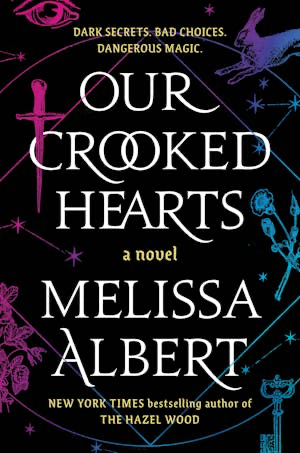
Our Crooked Hearts – Melissa Albert: brimming with magic and secrets, this novel explores a similarly fraught relationship between mother and child.

“No God” – Cate Le Bon

When I talked about “Dirt on the Bed” last week, I talked about how much Cate Le Bon reminded me of St. Vincent, down to their humbler, more arty beginnings. They’re both arty at present, but the art I’m thinking of is more the quaint, fresh-out-of music college sound that St. Vincent had on Marry Me, an era that she recently jokingly referred to as her “asexual Pollyanna” period. Ouch…I can’t say that it doesn’t make sense, because it…does, in a way, but it feels dismissive of all the rampant creativity swirling about in that album.

Cate Le Bon seems to have wallowed in that artsy, borderline twee period for much longer than St. Vincent did; Mug Museum is her third album, and the tracks I’ve heard all ring with that early-2010’s indie, folksy leaning. Le Bon’s Welsh lilt twists ordinary words into melted candy, and much like St. Vincent, her riffs wind around the melody like tiny flower buds bursting from vines crawling up a fading brick wall. Some songs were made for summer strolls, and “No God”‘s bright melodies brim with sunshine and the security of concrete under your feet as you take a morning walk through the city, stopping to sniff a basket of flowers in the window of a storefront. Her vocals get their well-deserved spotlight in the chorus, rich and bubbling with each drawn-out cry of “No Go-o-o-o-o-d,” swirling into the morning dew.

Yet the cheery exterior hides the grief that clouds her 2013 album Mug Museum; much of the album was written after the death of Le Bon’s beloved grandmother, and the title itself explains the memories contained in ordinary objects—an accumulation of mugs, for instance. But the grief of Mug Museum is more of a recognition of lineage; Le Bon said that “The album was inspired by the loss of my maternal grandmother but rather than it being a grief laden album it is more about what someone at the top of the female chain leaves behind.” The lilting repetition of “No God” is suddenly recontextualized as not necessarily spiritual, but the loss of the ground beneath your feet, the rug pulled out from under you now that there’s no maternal anchor. The God here is more a feeling of connection to your feminine ancestors and the security it brings—and the upending of that security once death overcomes the family.

…AND A BOOK TO GO WITH IT:

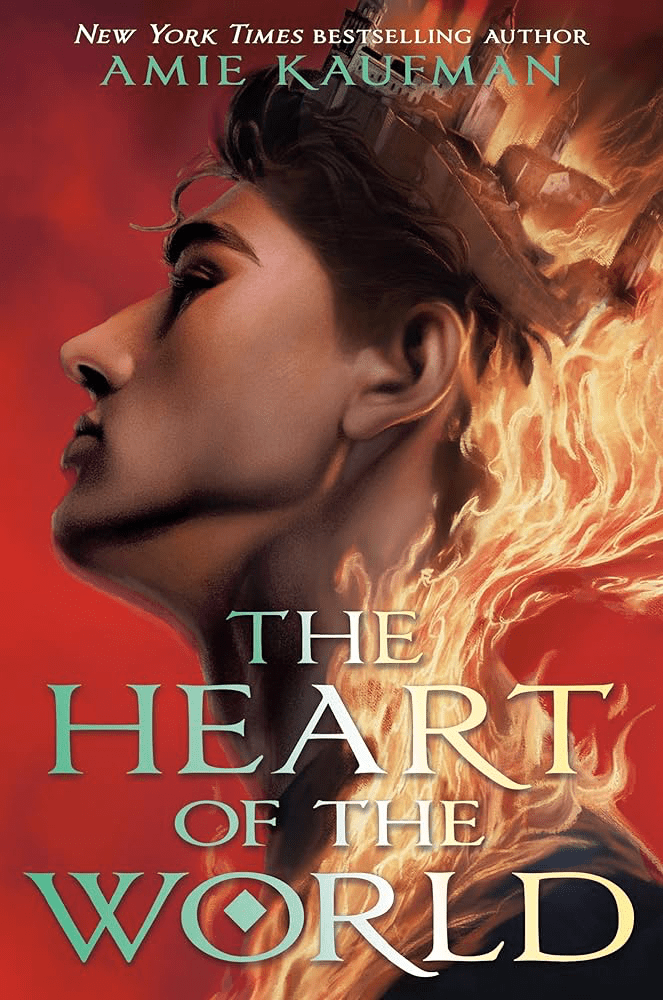
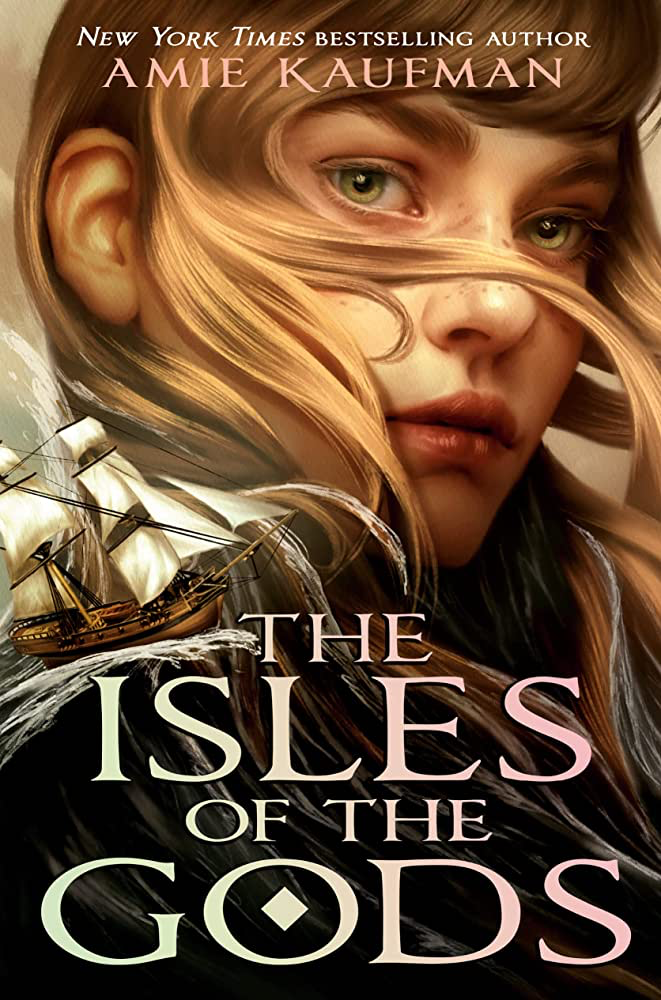
The Isles of the Gods – Amie Kaufman“When leading lambs lose track/Hands hold me back/I saw a face again/I pulled it from my head/No looking, I know it well…”

“Athol-brose” – Cocteau Twins

Another merit I’ve discovered in my apparent Cocteau Twins summer is that they’re perfect for easing overstimulation. In my ongoing journey to better manage my sensory issues, I’ve compiled a playlist full of songs I use to come down from sensory overload, distinct from the playlist where I just pile on all the slow songs. Sensory overload calming demands a more specific kind of slowness, the kind that oozes relaxation and massages every fold of my overstimulated brain.

There you have it. I’ve just described most of the Cocteau Twins’ discography. The combination of their lazy, dreamlike pace and the swirl of graceful gibberish in Elizabeth Fraser’s vocals make them prime sensory calm material. (That instant muscular relaxation I felt when I first heard “Oomingmak” is a sensation I desperately need to bottle the next time I’m overstimulated.) After a recent bout of overstimulation that had me cycling through all of their music that I had on my phone, I decided to bump Blue Bell Knoll up to a higher priority on my Sisyphean Album Bucket List, but also…y’know, Cocteau Twins. I’m waiting until I’m hibernating in December or January for the wintry Victorialand, but Blue Bell Knoll, with its bedsheet white, silken melodies was a welcome embrace after a month of election anxiety (finally quelled for the most part…anyways, HARRIS 2024). I’m glad that I’d only heard “Carolyn’s Fingers” (a song that goes eerily well with “Creep”…somebody needs to make that mashup), because letting Blue Bell Knoll wash over me in nearly-new wholeness was the best way to breathe it in.

“Athol-brose” starts off with a soft-spoken, percussive beat, but quickly swallows you in a murmuring whirlpool, a whispering chorus of voices bobbing and humming in unison like songbirds on the wind. The more distinct, angular synths pave an easy path to Heaven or Las Vegas, their most famous effort, gliding on nebulous wings through a star-flecked field of melody. In Elizabeth Fraser’s mouth, ordinary words are made into alien percussion; the final repetition of “very very silly ball” rolls against her tongue like the rapid flutter of bee’s wings. Like the red floatboat that the album later sings of, “Athol-brose” feels about the closest thing to riding on a motorboat through a sea of stars, then reaching your fingers out to reach for each glowing filament, watching the light trail around your fingertips.

…AND A BOOK TO GO WITH IT:

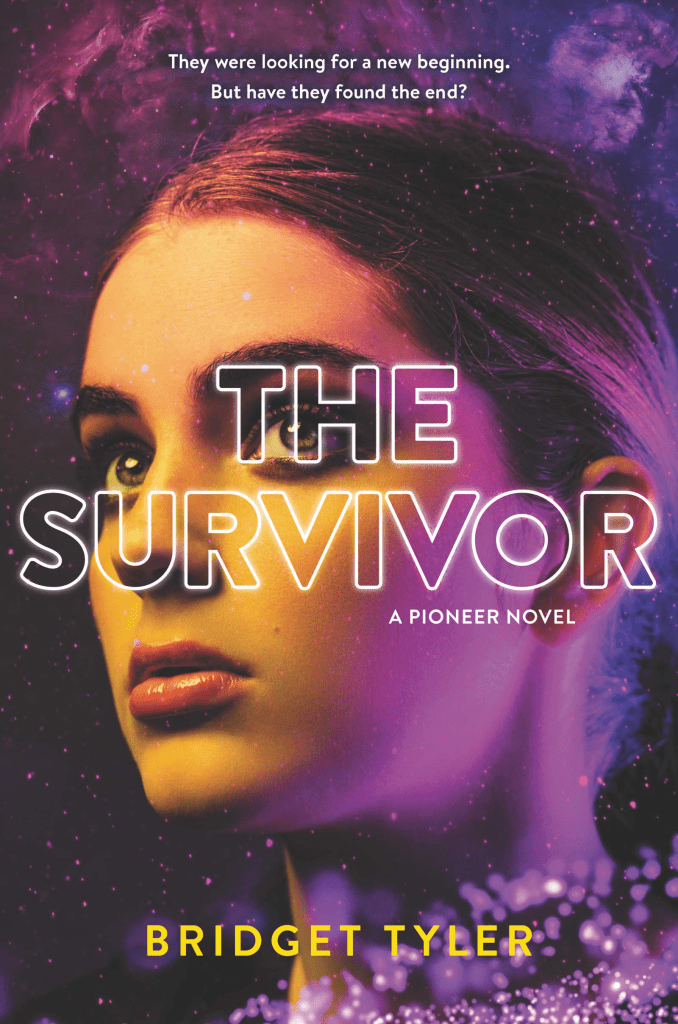
The Survivor (The Pioneer, #2) – Bridget Tylerthere’s a deeply moving scene where an alien character sees his home from space for the first time, and that initial flush of sound fits that explosive wonder.

“Once Upon a Dream” (from Maleficent) – Lana Del Rey

Lana Del Rey and live-action Disney remakes are two things that have never been my cup of tea, although I’ve engaged with some of her music (“Video Games” remains a nostalgic favorite of mine) and some of the movies when I was younger. I write this fully acknowledging that the rose-colored glasses are so far up the bridge of my nose that they’re digging into my skin, but dare I say that this cover—and the film—are exceptions to the mediocrity? Maleficent was one of my favorite movies growing up, and, yeah, it’s Disney, I’m not about to rush to their defense, but I swear it’s the only one of the remakes where they didn’t outright remake it; they flipped it to Maleficent’s perspective and didn’t just rehash the story with CGI…as all the others have done. Who knows. Admittedly, I haven’t exactly been paying close attention to Disney’s army of remakes.

Either way, this is the one instance of trailerized music that clicks into place for me; James Newton Howard’s haunting, sweeping orchestration clearly set the tone for all of the Epic™️ Trailer Music that came after it, but none of his imitators captured that grandeur he establishes. Lana Del Rey’s husky but rich voice hums through a cover that brushes that silky line between darkness and fairytale innocence. I’ll say it again: nostalgia is at the wheel here, but I’d be lying if I said that remembering this cover and listening to it 10 years after Maleficent’s release didn’t give me goosebumps.

…AND A BOOK TO GO WITH IT:

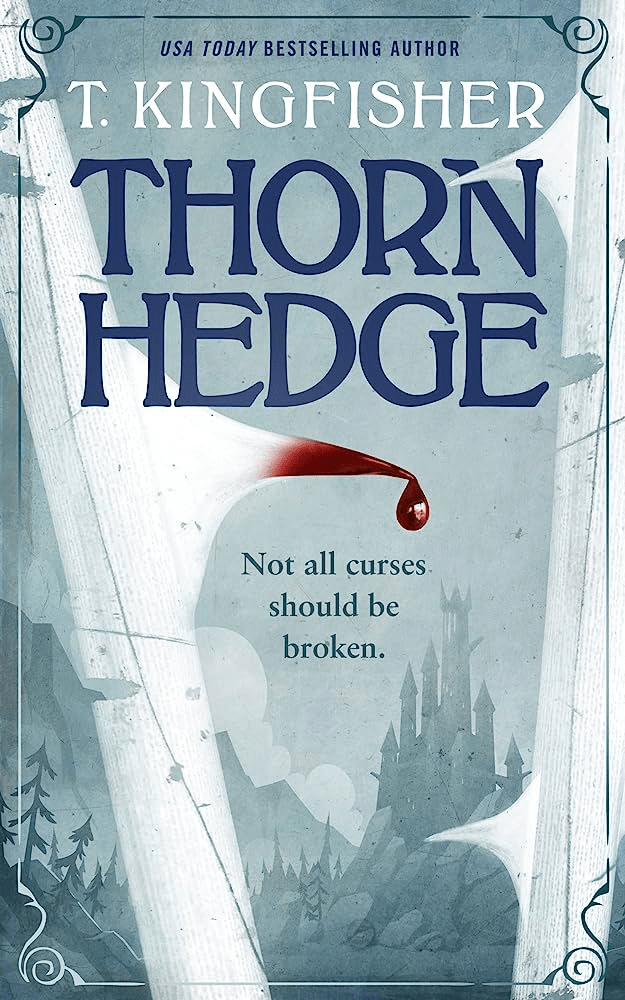
Thornhedge – T. Kingfishera Sleeping Beauty retelling that doesn’t shy away from hidden darkness.

“Smoke and Mirrors” – The Magnetic Fields

At this point, Stephen Merritt has probably had every weird, toxic ex in the book—either that, or he’s happened to have just a handful with all of those horrible qualities rolled into one. Either way, songs like “Smoke and Mirrors” paint him as exhausted by all of them, and understandably so; this track in particular recounts a lover who tried to woo him with sex and affection to distract from the implosion of their relationship (“Smoke and mirrors, special effects/A little fear, a little sex”). He does admit that it was mutual, but keeping up the façade clearly ground him to the bone. Somehow, Merritt makes sounding so exhausted so enchanting and artful. Melding with the appropriately smoky, hazy atmosphere, his voice drifts in and out of focus, just a passing cloud in the thick fog of synths, backing vocals, and bass. Merritt makes such a disaffected mindset into something purple-gray and glittering at the edges, even if all that color and shine is a sham when you fan all the fumes away.

…AND A BOOK TO GO WITH IT:

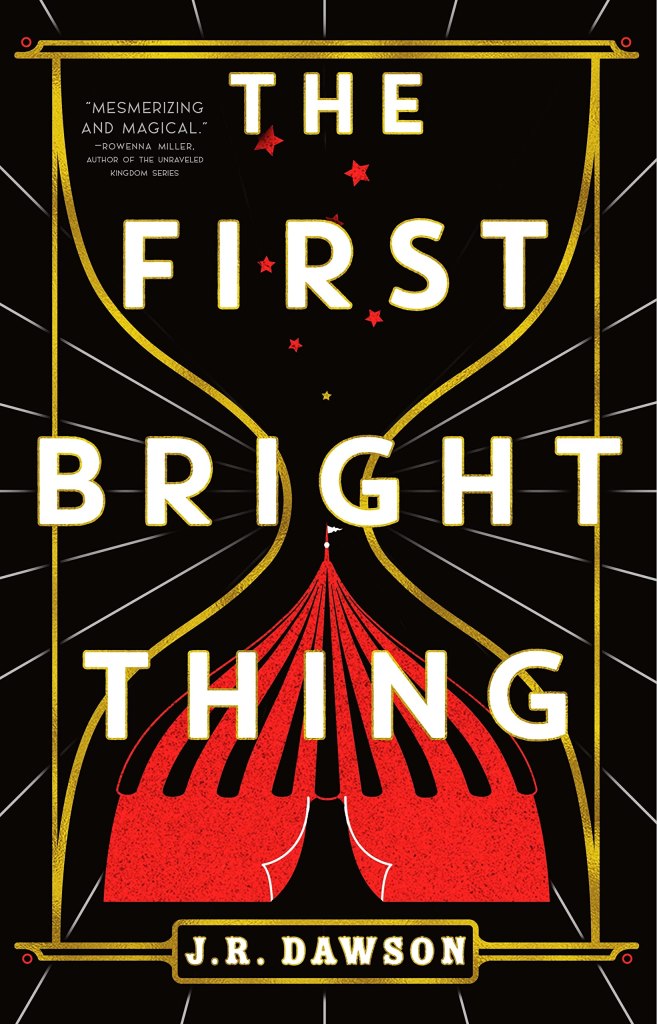
The First Bright Thing – J.R. Dawson“We were foolish, you and I/But there’s no reason to cry/We put on a lovely show, but that’s all/I had to go…”

Since this post consists entirely of songs, consider all of them to be today’s song.

That’s it for this week’s Book Review Tuesday! Have a wonderful rest of your day, and take care of yourselves!

Posted in Sunday Songs

Sunday Songs: 7/21/24

Happy Sunday, bibliophiles! I hope this week has treated you well.

This week: music for pretentious weirdos (me), music for animation, and music that makes me cry on the regular.

Enjoy this week’s songs!

SUNDAY SONGS: 7/21/24

“Dirt on the Bed” – Cate Le Bon

I came into Pompeii with plenty of curiosity, having finally gotten around to listening to Cate Le Bon after hearing her work producing Wilco’s latest album, Cousin, and her vocal feature on St. Vincent’s “All Born Screaming.” Vaguely remembering the buzz and air of weirdness around Pompeii, I decided to listen to it first.

Pompeii and “Dirt on the Bed” have reminded me of why a spectacular album intro can be both a blessing and a curse. If nothing surpasses the first track, then the rest of the album can never recover—or at least reach the heights of the first song. You can enjoy yourself, but never as much as you did after one song. Just one. It’s a horrible dilemma. Pompeii was fantastic from the start, but after the first four songs, nothing’s quite the same—great, but like my experience with R.E.M.’s Green, nothing tops the back-to-back splendor of the first four songs. And that splendor is set in motion by the crawling intro, “Dirt on the Bed.” As the title suggests, it has the dread of something unclean creeping into the house, like a nun on the scent of sin in a shuttered Catholic girl’s school. An off-kilter, stumbling chorus of brass blooms in moldy bursts, an airborne sickness pulsating through each thrum of the bass. Now I know exactly why St. Vincent chose to work with Le Bon—”Dirt on the Bed” is especially evidence of this, but all I could think of during Pompeii is that it felt like St. Vincent had remained lyrically and instrumentally in Actor, but slowly adorned her music with synths. They’re so similar to each other, down to their folkier, precocious indie beginnings that blossomed into full-on devotion to strangeness. This is modern art pop at some of its best, unabashedly weird and precise in every flourish. “Dirt on the Bed” makes even more sense when you see it as a product of a pandemic-produced album; it paces listlessly, putting on a smile as it tries to scrub every trace of illness and dread from a spotless house. Even as calmly as Le Bon sings each lyric, foreboding seeps through every misty horn blast.

That’s how an album intro is done. After several more listens, I’d say that nothing comes quite as close to it, but “Dirt on the Bed,” “Moderation,” “French Boys,” and “Pompeii” is SUCH an undefeated stretch of songs. Pompeii is worth a listen just for that, as is the album’s very St. Vincent closer, “Wheel.”

…AND A BOOK TO GO WITH IT:

Drunk on All Your Strange New Words – Eddie Robson“Sound doesn’t go away/In habitual silence/It reinvents the surface/Of everything you touch…”

“Poor Song” – Yeah Yeah Yeahs

…okay, I can’t possibly be normal about this because I cry a little every time I hear it. Either way, there’s an undiluted purity about this song that makes any kind of analysis feel like ten steps in the wrong direction. It’s a paramount example of how easily beauty and simplicity can intertwine, and it cuts more deeply than some songs I know with hundreds of metaphors.

It’s very nearly perfect. Karen O tends to do that.

…AND A BOOK TO GO WITH IT:

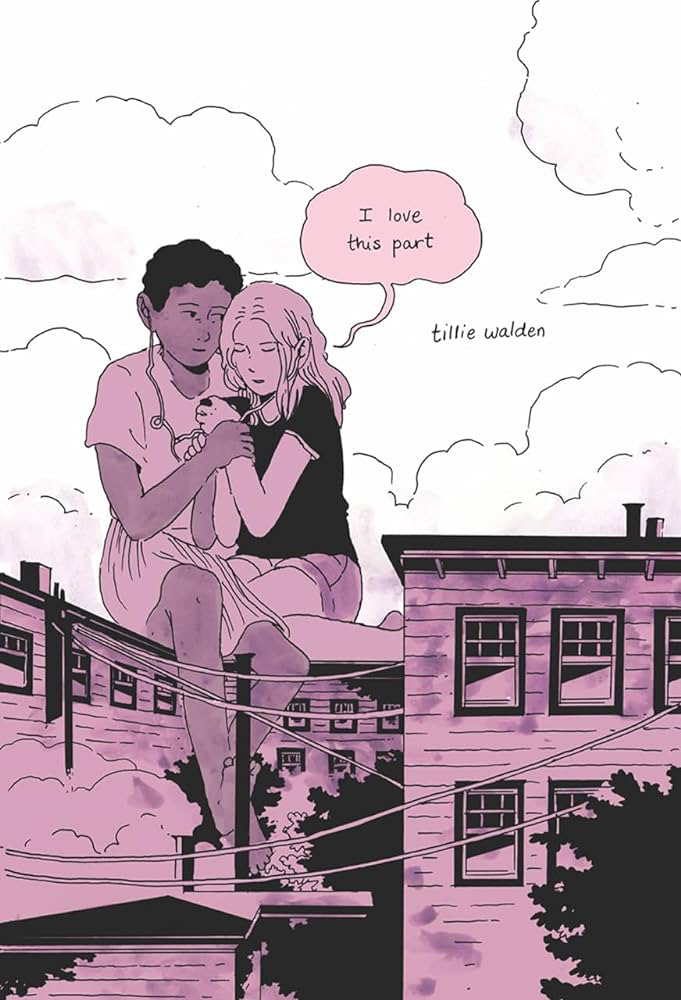
I Love This Part – Tillie Waldenquiet and gentle teenage romance.

“It’s A Wonderful Life” – Sparklehorse

One of the first times I remember hearing this song was in the car with my dad, as I come across many a good song. Looking back, since I was so young, it must have been a trip back into Sparklehorse’s catalogue shortly after Mark Linkous’ tragic passing. But as we drove home that night, the windows buffeted by snow or sleet, my dad made a wry remark about the lyrics: “he’s not feeling too good, huh?”

With every emotion comes an infinite number of ways to express it, not just confined to song. There’s the kind of songwriting that outright says that you’re sad, while others cloak it in metaphor. Neither is better than the other, but what Mark Linkous did feels like a category all its own, albeit closer to category #2. Many of the lyrics of “It’s A Wonderful Life” (if there was ever a more sarcastic title) are nonsensical, as his lyrics often are (“I wore a rooster’s blood/When it flew like doves”), but nestled between these impenetrable tidbits, the ones that do make sense land like anvils to the gut. I’ve never heard such sadness and shame articulated in the line “I’m the dog that ate your birthday cake.” Dare I say it’s one of my favorite song lyrics ever? It’s up there, just for such an unadorned, bare line to have such an instantly devastating effect; You can picture that dog, not knowing that it’s not supposed to eat human food and not processing that there’s a child sobbing at their ruined birthday, but being able to detect the shame all the same, but never know the reason why. It cowers, but it doesn’t know why it’s feeling this way. Linkous delivers it with all of that shame, clouded in the atmospheric cage of keyboards that prickle with heat lightning.

With that kind of lyricism, it came as a massive shock that this wasn’t one of his classic pieces of melancholy. In fact, Linkous wrote it as a jab at critics who panned an image of overarching depression over his catalogue: “I got fed up with people in America thinking that my music is morose and depressing and all that. That song is like a “fuck you” to journalists, or people who are not smart enough to see what it is.” And…listen, I’m a guilty party. I still think that Sparklehorse is one of the preeminent purveyors of high-quality sad bastard music, and he had enough strife in his life to justify every tear-jerking lyric. Yet this new light makes the lyrics I thought were nonsensical fall into place. Linkous describes the rest of the song as follows: “In the end, it was more about how every day, you should pick up something, no matter how minuscule or microscopic it is, and when you go to bed, you can say I was glad that I was alive to see that. That’s really what it’s about.” Wearing rooster’s blood when it flew like doves becomes a fleeting, once-in-a-lifetime capture of lightning in a bottle, and being the only one who can ride that horse th’yonder suddenly rings out as a humbly sung badge of honor. It was never sarcastic—it’s a wonderful life. I won’t ever be able to hear “I’m the dog that ate your birthday cake” without the sadness it insinuates, so maybe I’m just as much a part of the problem as the journalists he was taking a shot at, but the main takeaway for me is how versatile of a lyricist he is—if you look closely enough, he makes the absurdities of life both tragic and humbly hopeful.

Either way you absorb “It’s A Wonderful Life,” you can’t deny how otherworldly it sounds. Even years after I first heard and subsequently clung to this song, I can only name maybe one other artist who has ever come close to sounding like this—Lisa Germano, who, whether or not the two knew of each other, has a similar modus operandi of making music that sounded like rotting wood and empty doll’s heads. Lyrically and sonically, almost nobody sounds like Sparklehorse, and I suspect it’ll take a miracle for anyone to come close.

…AND A BOOK TO GO WITH IT:

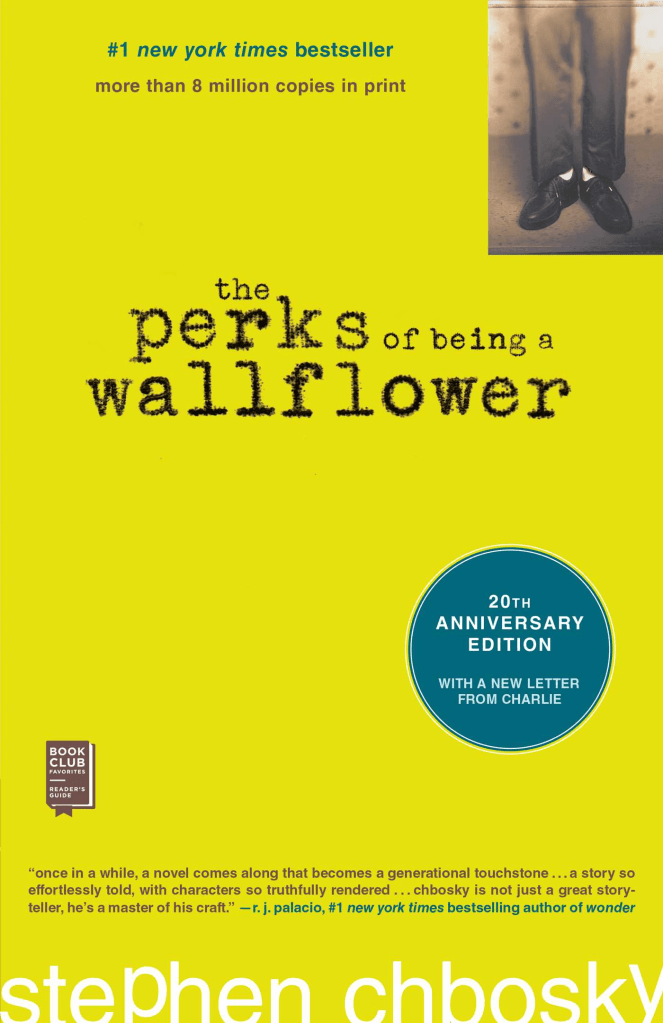
The Perks of Being a Wallflower – Stephen Chbosky Sparklehorse is no “Something,” but the crushing weight of depression and self-loathing comes across similarly.

“Girl from Germany” – Sparks

I’d heard bits and pieces of Sparks before, but like “Future Teenage Cave Artists” last week, I have Horsegirl and their episode of What’s In My Bag? to thank. Love those pretentious (affectionate) weirdos.

It seems I’ve only gotten through one strand in the massive haystack in terms of the INCREDIBLY prolific career of Sparks, which started in 1967 (under several different names) and had its most recent entry last year. Edgar Wright made a documentary about their musical exploits, and the list of artists they’ve influenced seems to span an infinite number of genres, all the way up to Horsegirl in 2023. So, having only heard two of their songs (including this one): hats off to you guys, really! Being that flagrantly weird for almost six decades is nothing short of impressive, and I can’t help but admire their musicianship in that regard.

“Girl from Germany” scratches my eternal itch for early-’70s glam rock, although it’s not all glam—it’s more glam in the sense that Brian Eno was glam at the same time, not quite like Bowie or Bolan were glam. Squeaky-clean, warm guitars as far as the eye can see and a healthy dose of theatricality cloaks this track make for a song that’s deliciously meticulous in every aspect. Russell Mael affects high-pitched vocals that wouldn’t be out of place in The Rocky Horror Picture Show while Ron Mael’s keyboard melodies glitter like light reflected off a glass of wine. And like Brian Eno, they used such a theatrical machine to touch on touchy subjects—in this case, in the climate of the early ’70s, bringing home a German girl to relatives who were mired in the horrors of World War II: “Well, the car I drive is parked outside, it’s German-made/They resent that less than the people who are German-made.” Even if every affectation is theatrical to the core, it’s still a prejudice that resurfaces today—assuming that any given person is an extension of the government and horrors of their homeland, and having to grapple with the cultural fallout of such a simple gesture of love.

…AND A BOOK TO GO WITH IT:

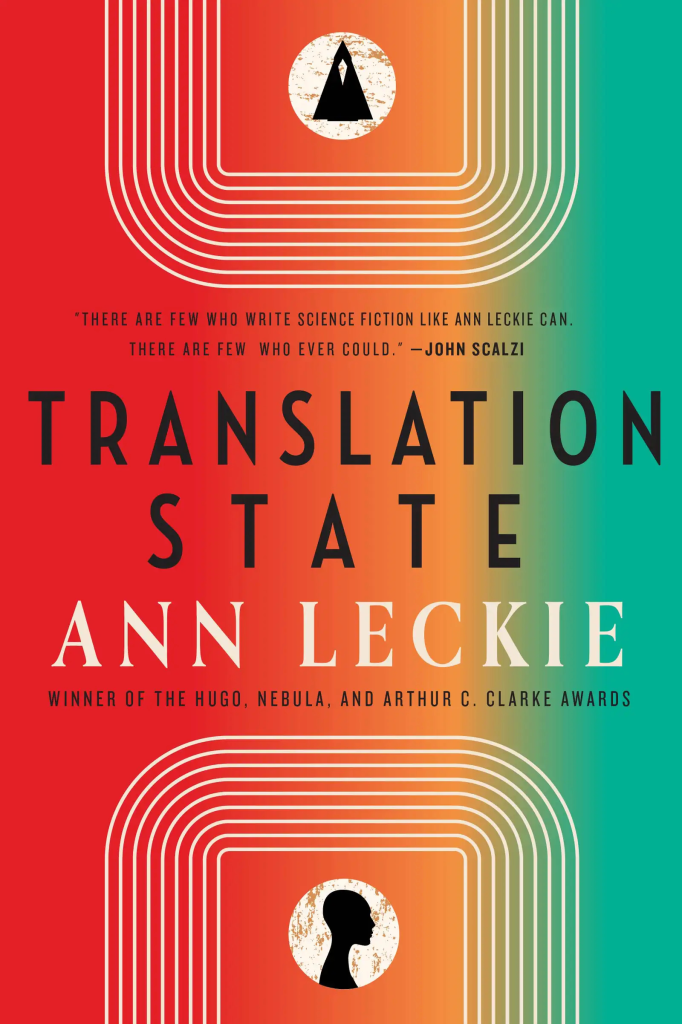
Translation State – Ann Leckie – cross-cultural confusion and characters with heart.

“Hideaway” – The Olivia Tremor Control

Having only heard one song (this one) from Black Foliage: Animation Music, I’ve already logged it into my slipshod mental list of album titles that perfectly describe the music they contain. The Olivia Tremor Control have always been masters of musical density, making soundscapes that unfold like intricate pop-up books, each layer of noise a painted paper cutout in an endless jungle. “Hideaway,” so far, is the pinnacle of that density; with each successive strain of woozy, turn-of-the-century homage to ’60s psychedelia, you’re pulled into a lush forest of plants that unfold just enough to let the tiniest slivers of light through. It’s not just the black foliage that hits the mark so fittingly—the “animation music,” as Will Cullen Hart called it, is “all the stuff floating around…To me, that’s what [animation music] is: sort-of a sound and space, personified—just flying around to greet you in a friendly way.” All at once, the xylophone chimes and trumpet blasts give “Hideaway” the feel of both the colored-pencil animations in Fantastic Planet and the bouncing characters in Schoolhouse Rock!, a papery and breathless expedition into a darkened forest of cartoonish proportions.

…AND A BOOK TO GO WITH IT:

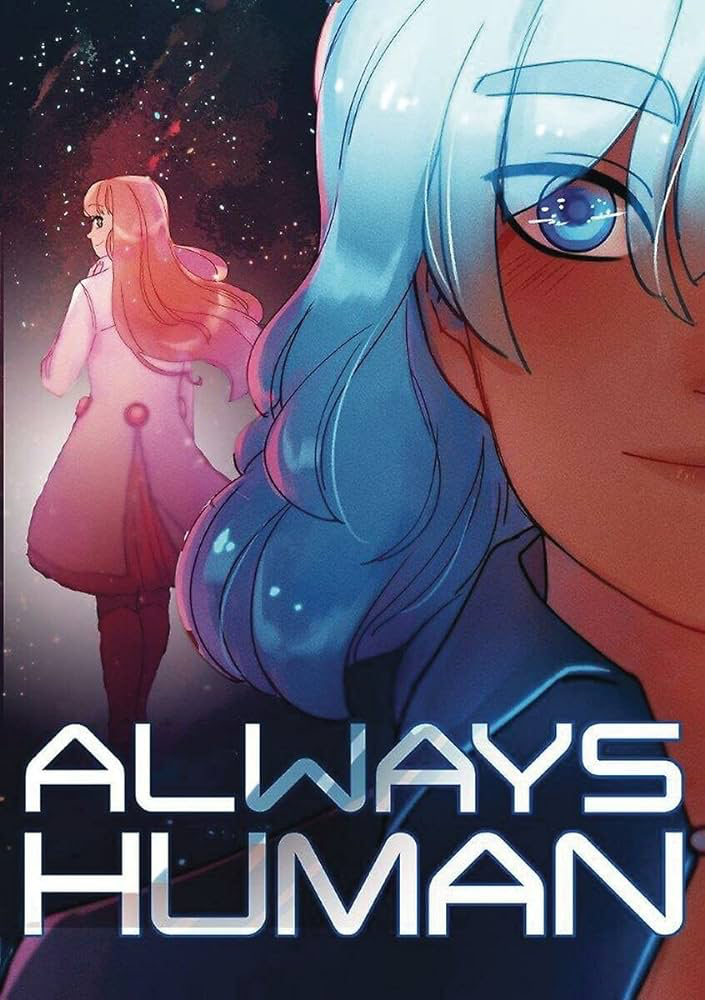
Always Human – Ari North simple, stylized art with vibrant colors—perfect for animation music.

Since this post consists entirely of songs, consider all of them to be today’s song.

That’s it for this week’s Sunday Songs! Have a wonderful rest of your day, and take care of yourselves!

Posted in TV

WondLa (Apple TV+) – Series review

Happy Thursday, bibliophiles!

It’s been a while since I’ve done any sort of movie or TV review, but this is as good an occasion as any. In 2021, it was announced that Skydance Animation would be adapting Tony DiTerlizzi’s WondLa trilogy; in April, after years of delays, we got our first look. From the get-go, it looked startlingly different from the original novel’s aesthetic language and illustration style. As it turns out, that wasn’t the only change that they made to these books.

After such a disappointing prospect, I vowed to tell myself that WondLa was a piece of media entirely separate from DiTerlizzi’s magical sci-fi world. Now that I’ve watched the show, keeping that mentality was easier than I thought—WondLa barely resembles its source material, but none of the changes made any logical sense. It’s all but left behind what made the original trilogy so memorable, and the result is a Disney mimic with hardly any heart or soul.

Enjoy this TV review!

WONDLA – TV REVIEW

Streaming on: Apple TV+

Release date: June 28, 2024 (all episodes available)

WARNING: This review contains major spoilers for both the TV adaptation and the book series, so tread lightly!

Before I get into my disappointment vomit, I will say that there are a handful of aspects about WondLa that I genuinely enjoyed. The 3D, Disney-style animation isn’t my cup of tea, but it’s objectively good animation, and it shows most vibrantly though the backgrounds; although Orbona isn’t as alien as it could have been, the tiny fibers and leaves of each wandering tree and the architectural details of the buildings in Lacus and Solas were rendered beautifully. Joy Ngiaw’s score, although a bit generic in places, had moments of sounding appropriately epic and adventurous—very clearly John Williams-inspired in places. I’ll get to the squishy curse later, but there were a handful of alien species that were translated well from book to screen; Besteel is almost exactly how he looks in the book, and although some of their costumes left…something to be desired, the Arsians (Zin, Loroc, and Darius) were faithfully animated as well. I suppose the latter wasn’t much of a hurdle for Skydance, who seems to favor soft, squishy designs, but given how many other designs they bungled, it’s worth noting. It’s something that clearly took a lot of hard work and dedication to produce, and I’d be at fault if I didn’t acknowledge the labor that went into producing this show. At no point here do I want to disparage the hard work of the animators or the voice cast—this is just the opinion of one person, after all!

Now.

To give you an idea of what my fundamental issue with WondLa is, take a look at this side-by-side comparison of Tony DiTerlizzi’s original artwork with Skydance’s animated adaptation:

I’m still in physical pain when I look at the two next to each other. For the rest of this review, go ahead and call me Kurt Cobain, because hey! Wait! I’ve got a new complaint! Buckle up.

The main issue with Apple TV+’s WondLa is that it fundamentally denies the weirdness of the original books. Not only does everything look smooth, clean, and approachable, it’s Disneyfied in such a way that it loses sight of the core of the story—navigating an alien world, and forming bonds with beings that first frightened you. Even in the supposedly alien Orbona, everything is bright, cheery, and the kind of squishy that’s only useful for marketable plushies; the aliens only look alien insofar as they’re bluish and feathery. Even the Halcyonus couldn’t escape the curse of Disney hyper-masculinity and -femininity, where the women are skinny as rakes and have massive eyes, while the men are built like refrigerators and have tiny eyes. All of the futuristic human elements have lost their retro charm—Sanctuary 573 is now what would happen if you translated white room syndrome into an entire building. (Perfect conditions to raise a child, amirite?) Nowhere does this journey feel strange—you’re just hammered over the head with how Eva is supposed to think that it’s strange, time and time again.

Having The Search for WondLa 3D animated in this style was a fundamental mistake in adapting it. A lot of the more unique elements required a much larger budget to bring to life, and as a result, none of the original designs retain the vibrance that they had in the books. I love that they made Eva Nine mixed-race (WOOOO) and the reasoning behind it is in line with DiTerlizzi’s original vision for the story, but just because she’s a woman of color doesn’t mean that her design has to be sad and boring! Young girls of color deserve role models that haven’t had all of their defining traits stripped away for budget reasons! The budget was why her signature braids were lost, but even then, they could have added the bright colors in her utilitunic. Muthr now looks like a Playmobil figure with exceedingly rudimentary facial expressions (and having her fatal injury be nothing but a massive dent destroyed any of the emotional impact of her death), and Otto…looks nothing like the water bear that he supposedly evolved from. (Why is he furry? Why is his tail so bulbous?? Why is Otto?) Rovender looks…decent, compared to them, but the front-facing predator eyes still ick me out. It’s just not right. My gripes with the Halcyonus have already been stated, the one Mirthian we see looks like a weasel (and not the slightest bit smiley), and Queen Ojo now has gravity-defying lashes, very faint versions of her signature makeup, and a generic, human-looking tiara…for some reason.

Apparently the show experienced budget cuts and changes in leadership during its production, but that’s the only excuse I can think of for how rushed this storyline felt. Even from an objective stance, fitting almost 500 pages’ worth of material into a 7-episode show with less than half an hour’s runtime per episode is just mind-boggling. Predictably, everything gets the juice squeezed out of it as a result, rendering any kind of character development rushed and inorganic. The first episode alone is just an excruciatingly long training montage, complete with the entire theme song for Beeboo and Company—excuse me, Meego and Friends—instead of…y’know, exposition that wasn’t dump-trucked down the viewer’s throat. I can almost give it slack for being a children’s show, but the book never had that problem, despite being for the same target audience. All of the explanations of Eva’s childhood that took up almost an entire episode only took a handful of chapters in The Search for WondLa. The fact that it was geared towards a younger audience makes Eva Nine’s Percy Jackson-style aging up from 12 to 16 even more illogical—if it’s so clearly for children, why make her a teenager?

Which brings me to what I felt was the most offensive aspect of WondLa: the handling of the characters. Such a compressed time frame left zero room for not just character development, but expanding any of the characters beyond a single base trait.

This show turned Eva Nine (Jeanine Mason) into an adorkable Disney princess. Gone is the inquisitive, sensitive 12-year-old she once was, and in her place is the exact same character I’ve seen in at least 10 different Disney movies—clumsy, socially inept (and not even in a way that makes sense for the “raised in a bunker by a robot” plot), and teenage in ways that speak more to stereotypes about teenagers rather than the truths of girlhood that the books touched on. She’s so quirky! Look at her, she can talk to animals, but has no idea how to talk to humans! Teehee! Admittedly, one change that I did genuinely find funny was that one of the first thing she does upon realizing that she can telepathically communicate with animals is get into an animal’s mind to rig this universe’s equivalent of a horse race. That, at least, felt like something the Eva Nine I know would do at age 12.

Rovender Kitt (Gary Anthony Williams), everybody’s favorite blue father figure, got boiled down to a single character trait—and not even one that defines him in the novels. He’s gruff, he’s got a dry sense of humor, and in the beginning, he’s prickly—as you would be, if you were suddenly in charge of a feral twelve-year-old who confidently tells you that she can talk to animals. But WondLa just made him downright mean—again, a consequence of the terrible pacing, but he stays surly and outright hostile to Eva and Muthr for the glut of the series, until we’re lead to believe that absence has made the heart grow fonder, and he automatically does a 180 and becomes a part of their family. Rovender, who becomes a role model to Eva, was all but reduced to someone who would gladly sell her and Muthr off for parts…until he magically isn’t, to advance the plot. Muthr (Teri Hatcher) had a similar treatment; at least the overprotectiveness that they reduced her too wasn’t necessarily a mischaracterization like Rovender, but never once do we see her internal struggles with obeying her programming versus obeying the foreign laws of the natural world—and coming to love them. Another victim of this god-awful pacing…almost all of said scenes where she experiences these changes were cut from the book. However, it is a sweet, full-circle moment that Hatcher gets to voice Muthr here after being the voice of all three audiobooks. She’s got lots of experience with voicing mothers as well, what with being both the real mother and Other Mother in Coraline. (“Don’t you DARE disobey me, Eva Nine!”)

Besteel (Chiké Okonkwo), at least, was faithful in both design and personality; his design looked appropriately menacing, as was his vocal presence. He appropriately felt like a bully, but one with the hunger for power and strength to bring whomever he wanted to their knees. On the other hand, Otto (Brad Garrett)…where do I begin? His design already looks unbelievably cursed (to quote an Instagram commenter, “they done JJ the Jet Plane’d Otto”), but the way they adapted his telepathic communication made me want to throw my laptop across the room. In the novels, Eva Nine only hears his voice in one to two word sentence fragments, like how you’d imagine your pet speaking to you. It’s cute, but never oversaturated with attempts to be cutesy. This version of Otto has been butchered into the corniest, Secret Life of Pets, cutesy mess—he speaks in full sentences now, but they all sound like “sorry, I ate the yummy fish!” or “you better get us out of here before dinner-stick man gets here!” (Also…my guy’s an herbivore, why would he concern himself with yummy fish anyway?)

Such inconsistencies also translated to the side characters as well. Loroc (Navid Negahban) could have been perfect casting—Loroc does eventually look like the alien version of The Devil With the Yellow Eyes from Legion, after all—but the script makes his lines painfully corny and his design equally laughable. Zin (Maz Jobrani) was merged with his sniveling taxidermist, and all of his scientific wisdom and curiosity was flattened into a pushover who just wanted to dissect Eva and be done with it. Queen Ojo (Sarah Hollis) had a character change that was almost understandable; having her bond with Eva and indicate early on the pressure she’s facing as a young royal could have been charming, if not for, again, how corny the script was. Cadmus Pryde (Alan Tudyk) was a notable cameo, but his lines sounded rushed, even when he comes in at the big reveal at the end of the final episode. (Plus…why does he look like the Chris Pine character in Wish?) Again: I’d say none of the voice actors are at fault, but the terrible script most certainly is.

WondLa experienced a multitude of changes to the storyline as well as the designs; sometimes, tweaking the plot or characters in an adaptation can lead to a more meaningful version of the original (see: Fantastic Mr. Fox and How to Train Your Dragon). Tony DiTerlizzi’s apparent willingness for the writers to interpret WondLa as they see fit is almost refreshing—we writers cling tightly to our stories, so I suppose that it’s good for him to be so open-minded about this adaptation, and easier for the show runners to work with. That being said, almost all of the changes I could think of made no sense.

A multitude of characters or topics are renamed (ex. Beeboo and Company to Meego and Friends, Dynastes Corporation to Dynasty Corporation) for reasons that don’t even advance the plot. Darius, who was notably dead in the first book, replaces the role of Arius, only for her to prove a momentary obstacle and not deliver the prophecy to Eva that’s so integral to the plot later on. (I guess that explains the flattening of Zin’s character—if there’s no mark on Eva’s wrist for him to see, then why would he be sympathetic?) Loroc, who does not make an appearance until the second book, has already waltzed into the narrative, albeit in a similar role. And at the end of the show, it’s not Hailey in his battered Bijou who comes to find Eva, but…Cadmus? Why?? But along the way, it seemed like the writers were trying to signal that yes, this is the book you know and love, don’t worry! Here’s a spiderfish! You remember those guys, right? [Points at something that looks like a salamander] What struck me wasn’t necessarily that the plot had changed—that was inevitable—but that none of the changes made any narrative sense—characters and events were just thrown around with no sense of how their roles shape the series. (Also, gotta love the wholly unsubtle shoehorning of references to Skydance’s most recent and very mediocre-looking movie Luck...it felt like a commercial…)

However, I will say, among the many switches and swaps that were made, the role of Caruncle (John Ratzenberger) made sense. His voice (which I recognized without knowing his name…seems like he’s been in every Pixar movie since the dawn of time?) fit with Caruncle’s sleazy character, and although he’s embodying the version of Caruncle that we don’t see until book three, it made sense to have him here to bait Eva. At his core, he’s still slimy, deceptive, and not knowledgeable at all about what he’s selling, so it made sense.

Also, because I couldn’t let this slide: there’s a whole sequence where Eva is being playfully interrogated by two alien children, who ask if she really has ten toes…which results in a sequence where they focus on a teenage girl’s feet for an…uncomfortably long time. Just…why? Was Quentin Tarantino involved in this script? Jesus Christ…

But one change made me realize just how little the writers seemed to understand about the heart of the story, and it sums up how warped of an adaptation WondLa really is. In a climactic moment where Eva finds a replica of her WondLa—a corroded copy of The Wonderful Wizard of Oz—in the ruins of the New York Public Library, she lines it up with an untarnished copy. Here she is, having found her guiding vision of family and wholeness, and this is her response:

“It’s just a book?”

Nothing is sacred, is it?

My only comfort comes from my dear friend, who is an avid Percy Jackson fan: someday, a decade or so down the line, maybe we’ll have a more faithful adaptation. One can only hope. You might be asking me, Madeline, why are you so concerned about pacing and writing and all that? It’s a kid’s show! Here’s my answer: just because a piece of media is for a younger audience doesn’t mean that it shouldn’t be high quality and well-written. It can be done, and has been done many times! In book form, that was what The Search for WondLa was! Remember when I mentioned Fantastic Mr. Fox and How to Train Your Dragon! You can drastically change a children’s story and stay true to its message and emotional core! It’s not like these things aren’t possible.

For the fundamental understanding of what made the WondLa trilogy so impactful and unique—and the emotional duress it put me through—1 star.

Today’s song:

That’s it for this TV review! Have a wonderful rest of your day, and take care of yourselves!
Posted in Book Review Tuesday

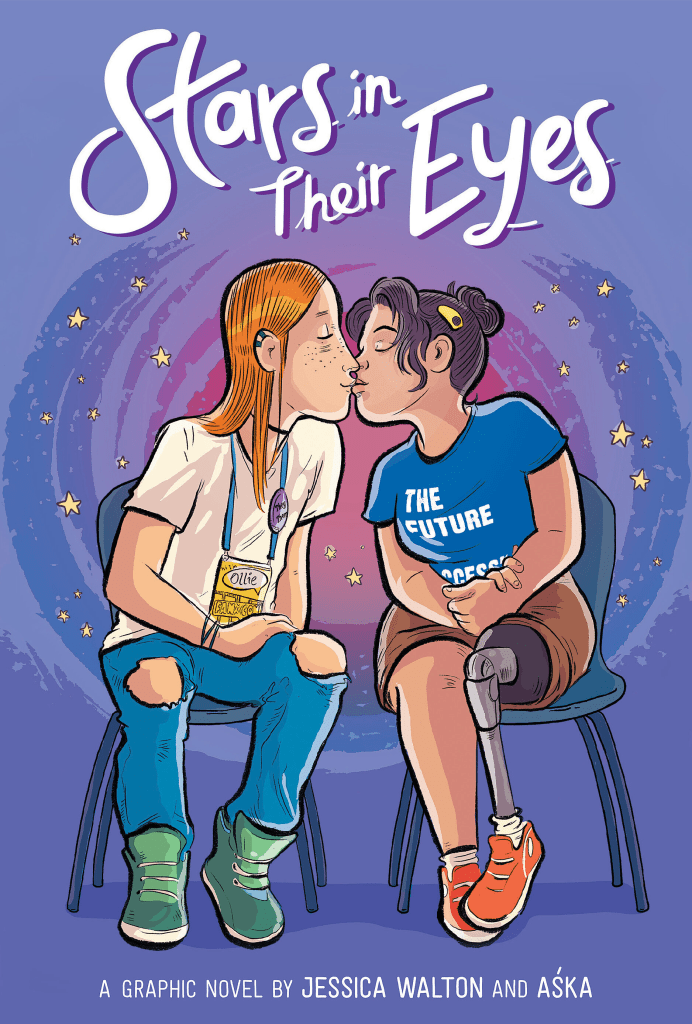
Book Review Tuesday (7/9/24) – Stars in Their Eyes

Happy Tuesday, bibliophiles!

I’m always on the hunt for books with disability and bisexual rep, and I’ll always go for a graphic novel, so Stars in Their Eyes was a natural pick for me! With a charming story and graceful handling of social issues, this graphic novel was an adorable, light read that’s perfect for readers in transition between middle grade and YA.

Enjoy this week’s review!

Stars in Their Eyes – Jessica Walton and Aśka

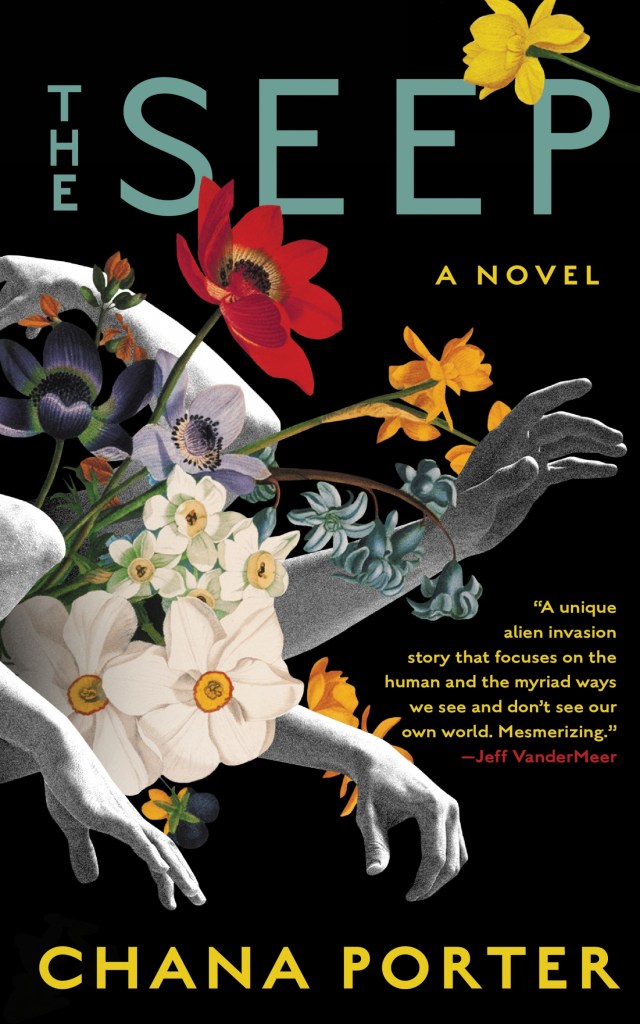
Maisie has saved up to go to her first FanCon, and now she’s finally on her way! She’s excited to meet her idol Kara Bufano, an action star who’s an amputee just like her. On arrival, FanCon isn’t everything that Maisie thought it would be—it’s loud, confusing, and it’s making her chronic pain act up. But when she meets Ollie, one of the young FanCon volunteers, it’s love at first sight. Maisie feels comfortable talking about her disability and queerness with them, but how will they manage when FanCon is over and they have to go home?

TW/CW: panic attacks, descriptions of cancer (past)

I’m firm in the belief that there should be some kind of smaller, transitory genre between middle grade and YA; the gulf between kid’s books and books meant for teens, especially in terms of maturity, is larger than most realize. But Stars in Their Eyes hits the perfect sweet spot between the two. With younger protagonists but a more nuanced view of social issues—and love at first sight—this graphic novel is a light, comforting read!

Even though I can’t speak to the accuracy of the specific disability rep (Maisie has a lower-leg amputation as a result of childhood cancer), it was so refreshing to see a disabled character written by a disabled author! It’s kind of painful to say that, but…the bar is so low, after so many middle grade and YA books that misrepresent disability. Nevertheless, the discussions surrounding Maisie’s disability were not only important to represent, but well-executed as well! There were plenty of natural segues that were used in Walton’s writing to get into topics such as overexertion and the importance of positive representation (!!!!), and it’s wonderful to see a pointed criticism of the narrative that disabled people exist to inspire non-disabled people. Stars in Their Eyes is bound to be so meaningful to so many young disabled readers, and it warmed my heart.

Stars in Their Eyes is also bound to be crucial for young queer people as well! Maisie is bisexual. and Ollie, the love interest, is nonbinary, but beyond that, there was an emphasis on being young and discovering your identity that I’m so glad is being represented. At 14, Maisie has only come out to a handful of people, and is nervous about being in queer spaces and going to queer events; it’s an issue that I rarely see in queer media, but it’s so important for young queer people know that it’s okay to be nervous about these things! There’s a first time for everything and everyone, and it’s natural to be shy or scared about showcasing your identity or belonging in queer spaces for the first time.

The comic con setting of Stars in Their Eyes was spot-on! I went to comic cons frequently when I was Maisie and Ollie’s age, and it’s a wondrous, nerdy experience—and it’s also an overwhelming one. It’s been several years since I’ve been to one, but I’m glad that this fictional one had a quiet-down room—I hope that soon becomes part of the institution, because what a lot of people don’t talk about with comic cons is that they’re a lot. (Man, I wish my comic con had one of those back in the day…) There’s so much to take in, from all of the booths and celebrities and cosplayers (and all of them crowded in one building), but all of that amounts to a ton of crowds and sensory overload. It’s the first comic con story I’ve seen tackle this aspect, and it’s a refreshing angle to see discussed. I have sensory issues, so that’s mainly why I got overwhelmed so easily at comic con, but it’s great to show younger readers that even though comic con is a wonderful place, it’s natural to be overwhelmed, sensory issues or not.

However, even though pop culture and comic cons were the focus of Stars in Their Eyes, a key part of it was mishandled and hindered some of my enjoyment of this graphic novel. Aside from two fictional TV shows that Maisie and Ollie bond over, almost everything is a fake reference—Barb from Stranger Things is now Bard from Danger Things, Star Wars is now Sci-fi Wars (??) and the Dark Side is the Far Side (????), and any Doctor Who-related media is referred to as “Time Doctors.” I get making faux-pop culture references to dodge copyright or establish a fictional world, but the sheer amount of them and how obviously they were referencing other very popular pieces of media just got so tiring and eye roll-inducing after a while. If it’s that obvious that you’re referencing a piece of media, it defeats the purpose of having a fake piece of media. It got so concentrated that I ended up bumping my rating down from the full 4 stars.

All in all, a lighthearted graphic novel about first love, geekdom, and the being confident in your queer and disabled identities. 3.75 stars, rounded up to 4!

Stars in Their Eyes is a standalone; Jessica Walton is also the author of Introducing Teddy, and has also contributed to the anthologies Growing Up Disabled in Australia, The (Other) F Word: A Celebration of the Fat & Fierce, and Meet Me at the Intersection.

Today’s song:

decided to give cate le bon a try after hearing her work with wilco & st. vincent…pompeii did NOT disappoint!!

That’s it for this week’s Book Review Tuesday! Have a wonderful rest of your day, and take care of yourselves!
Posted in Music

All Born Screaming – album review

Happy Friday, bibliophiles!
2024 has proven to be momentous for my inner middle schooler. A new St. Vincent album, and the Apple TV+ adaptation of The Search for WondLa…exists. I may revert to my middle school self if everything else about the show is as terrible as the “reimagined” character designs. But that’s not what I’m reviewing today.

Those of you who have stuck around on this blog may remember me enthusiastically reviewing Daddy’s Home on the heels of surviving the hell that was junior year during COVID. Those who have stuck around longer still remember my middle-school rant about MASSEDUCTION. (I’d rather you…not remember the specifics of the latter, but I still count that album as her lowest point.) Her self-titled record was as much of a friend as an album can be when I was 12, struggling to reconcile being unapologetically myself and wanting the acceptance of my peers. Marry Me was the first album I ever bought with my own money, and Actor, Strange Mercy, and Love This Giant all saw me through high school. All that is to say that St. Vincent has been there for me in the best of times and the worst of times. So naturally, I did scream when I found out about All Born Screaming—not just a new album, but a supposed return to her harder sensibilities—was coming out this year. And while it wasn’t fully the rock album that was marketed—or as musically cohesive as she tends to be—All Born Screaming is, without a doubt, some of her best work in years.

As I’ve been excited about this album for months—and writing more about music than I have in past years—I’ve already reviewed 3/10 of the tracks from All Born Screaming, so I’ll link to each separate installment of Sunday Songs that I reviewed them in, so as not to sound like a feral, sobbing, broken record.

Let’s begin, shall we?

ALL BORN SCREAMING – ST. VINCENT

Release date: April 26, 2024 (Total Pleasure)

TRACK 1: “Hell Is Near” – 8/10

St. Vincent tying the aesthetic and merch in with images of marigolds is pure evil. Diabolical. Diabolical of them to pair one of my favorite artists of all time with my favorite flower…holding out until she announces a date near me until I buy that one marigold shirt, because it’s an inevitability. It’s only a matter of time.

“Hell Is Near” is an opener that creeps through the shadows on feet that you can barely see coming. With a thumping bass that thrums like a heartbeat witnessing horrors in the dark, it feels like the slithering transition between eras and personas, especially with the allusion to “The Nowhere Inn” (“Snubbed out smoke in a pack from the Nowhere Inn”). I can almost see Clark crawling out of some kind of giant shadow box as the song progresses, the heartbeat bass echoing off of every wall as her hands emerge from the darkness. I can’t help but think of the chord progression of “Prince Johnny”—this album is the most similar to the self-titled record since the record itself, and it’s clear that she’s cobbling this current aesthetic upon shadowier corners of that era, with guitar riffs that seem to interlock like strands of DNA. It’s a slow trickle of an opener, and as it dissolves into a flurry of high piano notes and fluttering synth, it leaves you guessing—where could she possibly be taking us to next?

TRACK 2: “Reckless” – 8.5/10

“Reckless” almost feels more like an opener than “Hell Is Near” does, even though the latter does a fantastic job of being an opener. After “Hell Is Near” dissolves, we return to sparse wasteland that the first track set up, but with a significantly darker tone—both speak of leaving the past behind, but “Reckless” turns “Hell Is Near”‘s willingness to move on to dwelling on it.

If there’s one thing about new music that I always live for, it’s those moments where you hear a lyric for the first time and physically have to stop in your tracks just to process how beautiful it is. Last year, I had that moment with Wilco’s stunning “Sunlight Ends”—”you dance/like the dust in the light” made all time stop around me. Jeff Tweedy just does that. And so does Annie Clark—it’s hard to think of a line on All Born Screaming more hard-hitting than this: “I’ve been mourning you since the day I met you.” Even if it precedes “Flea” and its tale of a love so predatory that it becomes parasitic, this feels like the fallout; it feels like a reconciliation, or just a realization of a feeling of destroying everything you touch, knowing that your actions will eventually drive away everyone that you will ever love. Whatever the narrator did has become so thoughtless and violent that it’s left them with nothing but “the smell of your hair on the curtains, babe,” and all that is left of them is a memory that they cling to with all that they can, knowing that what they did was enough to send them running for good. The sparkling synths that burst like faulty wiring at 2:38, around 2/3 of the way through, feel like the memory of the outburst that left them isolated, longing for something more, as Clark stares out the window like a widow remembering how her lover was slain in the war. This, unlike “Hell Is Near,” felt like a more certain sign of things to come—the wires have been cut, the dishes are shattered on the floor, and your heels are burnt and bleeding from stepping on them both.

TRACK 3: “Broken Man” – 10/10

Reviewed on 3/10—I haven’t stopped foaming at the mouth, thank you very much

TRACK 4: “Flea” – 10/10

Reviewed on 4/7—no, I still haven’t recovered from “I look at you and all I see is meat,” why do you ask?

TRACK 5: “Big Time Nothing” – 8.5/10

This is what MASSEDUCTION should have been.

All Born Screaming was what Clark called “post-plague pop,” and nothing exemplifies the “pop” aspect more than this song. Like the spandex she wore on the MASSEDUCTION tour, the skittering synths clamp the beat down enough so that it hardly even has room to squirm. There’s threads of Björk’s electronic catwalk-strutters and the obvious (to me, at least) nod to Peter Gabriel with the last utterance of “big time nothing” being cut off to a chorus of “big time”; a very fitting nod, since these two Big Times deal with the same Big Time in question: the allure—and detriment—of being under the magnifying glass of fame. Gabriel’s “Big Time” was his view on what fame turned people into—and what he feared that, as his own fame grew, he might become. (Of course he wasn’t going to, though. He’s too humble of a guy.) And even though Daddy’s Home was the first album post-MASSEDUCTION to deal with the litany of events Clark experienced, this one seems to address the scrutiny she felt under the microscope of paparazzi while she dated Cara Delevigne; she was already renowned in indie circles, but she’d never been exposed to that kind of relentless tabloid predation before, and, understandably, it’s done a number on her mental health.

Each lyric is a rapid-fire command, as though being dictated to a model while she’s spinning around for the camera: “Don’t blink, don’t wait/Don’t walk, you’re late/Don’t fall from grace, behave/Don’t trip, sashay.” Every misstep is tabloid fodder, and every move she makes is under heavy surveillance. The dead-eyed delivery of each spit lyric cements the soullessness of it all, other than an occasional vocal dip (“Don’t feel so sick”) where it turns from dead to sinister, a pseudo-coo that seems to come with a promise through red lips and an emotionless pat on the shoulder. It’s pop, but the kind of pop that’s delivered with Clark’s keen (and weary) observations on being in the celebrity spotlight—this is the natural evolution of “Los Ageless,” especially my favorite lyric from it: “girls in cages playing their guitars.” You can entertain, but you can’t move.

TRACK 6: “Violent Times” – 8.5/10

When the starts the All Born Screaming tour, she just has to transition this with “Marrow.” Or any track from Actor, come to think of it. “Violent Times” feels like a version of Actor that leans more into the boldness than the flighty, hiding-under-the-bed sensibilities. With a brass section powerful enough to flatten a forest, the dial is turned from observational pop back to the in-your-face force of “Broken Man,” but instead of the latter’s formal urges, it’s a leather jacket-clad beckoning back to a lover, sunglasses tilted down the nose and not a smear of lipstick out of place. As the brass blasts and the papery drumbeat thrums, Clark sultrily sings of the never-ending glow of kindness in the darkest hour—”I forgot people be so kind in these violent times.” Even though it’s made for Clark’s signature, birdlike dance moves, slick and smoky, it touches at some of the album’s tenderest moments. In the chaos of the modern world, it becomes more difficult day by day to remember that there’s still good left in it. But as Clark reminds us, what’s preserved from history’s great tragedies is always the innate, human quality of love: “When in the ashes of Pompeii/Lovers discovered in an embrace/For all eternity.” The subject matter and the musical atmosphere seem eons away, but in Clark’s hands, they’re all but twins, molded from the same warm clay into one of the most iconic tracks of the year.

TRACK 7: “The Power’s Out” – 9/10

Speaking of nods to other artists…

This one is the most obvious out of the many tributes to her musical inspirations, but for me, it’s the most emotional and poignant. “The Power’s Out” is, in essence, a four and a half minute long tribute to the iconic opener from David Bowie’s The Rise and Fall of Ziggy Stardust and the Spiders from Mars, “Five Years”—in my opinion, one of the greatest album openers of all time, given the artistry, fly-on-the-wall observations, and the overwhelm of emotion. The nods are practically everywhere. My brother pointed out how the drumbeat is almost identical, albeit with one beat more and significantly digitized. The parallels are everywhere:

“Came the message on the station/’The power’s out across the nation/And, Ladies and gentleman, it seems we got a problem’/The man on my screen said, just as somebody shot him.” (Clark)

“News guy wept and told us/Earth was really dying/Cried so much his face was wet/Then I knew he was not lying.” (Bowie)

“It was pouring like a movie/Every stranger looked like they knew me.” (Clark)

“And it was cold and it rained, so I felt like an actor.” (Bowie)

“And ‘Ladies and gentleman, do remember me smiling’/The queer on the train said as she jumped off the platform/And some blind folks held the police, crying/I swear to you I would not lie.” (Clark)

“A cop knelt and kissed the feet of a priest/And a queer threw up at the sight of that.” (Bowie)

I’ve got a whole Charlie Kelly conspiracy cork board laid out in my head. It’s all blatantly intentional, and it’s beautiful to me, coming from someone who has said that “there’s nobody who I would put above Bowie.” But what separates “Five Years” and “The Power’s Out” for me is the grounding. “Five Years” was the grand sweep of the beginning of his famous concept album, where Ziggy Stardust comes to Earth in its final five years to teach humanity the power of love and music before their time is expired. It’s more emotional than “The Power’s Out” for me (because, like Clark, there’s nobody I would put above Bowie…but she’s very close), but even with the barrage of anguish that Bowie pours out at the song’s climactic, chaotic flurry of an ending, you still know it’s part of something fictional. With “The Power’s Out,” there’s no pretense of total annihilation or alien saviors—it’s the horror of reality, the horror of contending with modern life. The world isn’t ending, but the disarray of the city and the fear being grown and harvested in barrels makes every day seem like a catastrophe. We’re assaulted with hate and fear from all corners of the world, now more than ever, and no one is exempt. With all of the horrific events flooding us, all we can do is try to move through it as best we can, yet still be expected to return to it and live through it all over again; all of the chaos, fear, and violence Clark describes is wrapped up in a whispery confession in the final line, as though to a partner: “That’s why I never came home.” It’s a beautiful conversation with Bowie, one that grounds its inspiration in the maelstrom of dystopian chaos that is 21st century living.

TRACK 8: “Sweetest Fruit” – 9/10

Reviewed on 4/28—good LORD, this is phenomenal

TRACK 9: “So Many Planets” – 6/10

Why does the thumbnail for this video look like I’m at a parent-teacher conference and St. Vincent’s about to pull up my math grade and tell me that my test scores have been slipping 😭

There have been various moments on this album that have made me go “huh?”—unexpected musical turns left and right. It’s an album that, if nothing else, has kept me on my toes. But this was the first on the album that was not a good “huh.” Most of the early reviews of the album called it the emotional centerpiece, so I was expecting something in line with “I Prefer Your Love,” “Live In The Dream,” or even “Slow Disco”—St. Vincent knows how to bring things down to Earth from the grandeur that she paints. But “So Many Planets” is just a jumble of confusing decisions. Here’s the thing: the lyrics are vulnerably beautiful, but the tonal dissonance between said lyrics and the music makes the aftertaste one that I don’t like all the way. It’s got this odd, synthy, bounce, and her delivery is oddly stiff and angular. Usually, Clark is one to mesh two oddly contrasting elements and make them work (see: “Violent Times”), but here, it just feels so tonally distant that it falls flat. Separately, these aspects are commendable, but they weren’t meant to be together. This is the low point of the album, without a doubt, but in the grand scheme of things, if this is the worst song, then it’s a fantastic album.

TRACK 10: “All Born Screaming” (fear. Cate Le Bon) – 7/10

All Born Screaming, as wonderful as it is, doesn’t stick the landing so well…until it does. Combined with “So Many Planets,” “All Born Screaming” is another tonally dissonant, pseudo-reggae ball of confusion that sits strangely in my mouth. It seems like the kind of thing to be paired with the kind of perky dance that Clark often did with her backup dancers on the Daddy’s Home tour, and for a song that’s meant to be the album’s closing thesis and its title track, it…doesn’t work. Most of my thoughts on this song parallel my thoughts on “So Many Planets.”

But.

About halfway through, the freakout starts. Distorted voices bubble through the wire, guitars whine and screech, and an accelerated, anxious heartbeat propels “All Born Screaming” into its final form. Joined by the cavernous voice of Cate Le Bon, Clark turns the album’s title into a clarion call, howling out to the masses: an affirmation that despite it all, we are still here. We were all born screaming, and we will continue to scream until our last breath. We are here, and we won’t go away. We went into the woods that Clark spoke of, scarred by brambles and wild animals, but in one piece, stronger for having pushed through the journey. In the background, the electronics accelerate like sleek cars down a racetrack, setting off sparks. This takes up half of “All Born Screaming”‘s nearly 7-minute length, but even if the first part had been cut away, it would still be one of the most poignant moments on the entire album. I almost get choked up at the sudden drop-off of the electronics and the shift to just the chorus of Clark and Le Bon. It gets to you. Gets you right through the ribs…I just wish the whole song got the memo.

It’s an ode to growth in all of its ugliness, knowing that whatever you have survived, you can and will survive it again.

going insane trying to choose just one photo from this photoshoot to use bc THEY’RE ALL SO GOOOOOOOOOOD

I averaged out the ratings for each track, and it came out at an 8.5! All Born Screaming, even if it does lean in a musically scatterbrained direction, is some of St. Vincent’s most vulnerable work to date. Self-produced and deeply personal, it seems to map her heart in ways that haven’t been done in her previous albums. All of that shows—it’s a bold, furious, and boundlessly creative ode to surviving—of crawling free of the darkness and finding your way home to the guiding light of love. The journey may turn you feral, but once you’re free of all of the vile parts, you’re free—to scream. And there is no one’s primal scream I’d rather hear more than that of Annie Clark.
Since this post consists entirely of songs, consider all of them to be today’s song.

That’s it for this album review! Have a wonderful rest of your day, and take care of yourselves!