Posted in Book Review Tuesday

Book Review Tuesday (7/14/26) – Machine (White Space, #2)

Happy Tuesday, bibliophiles!

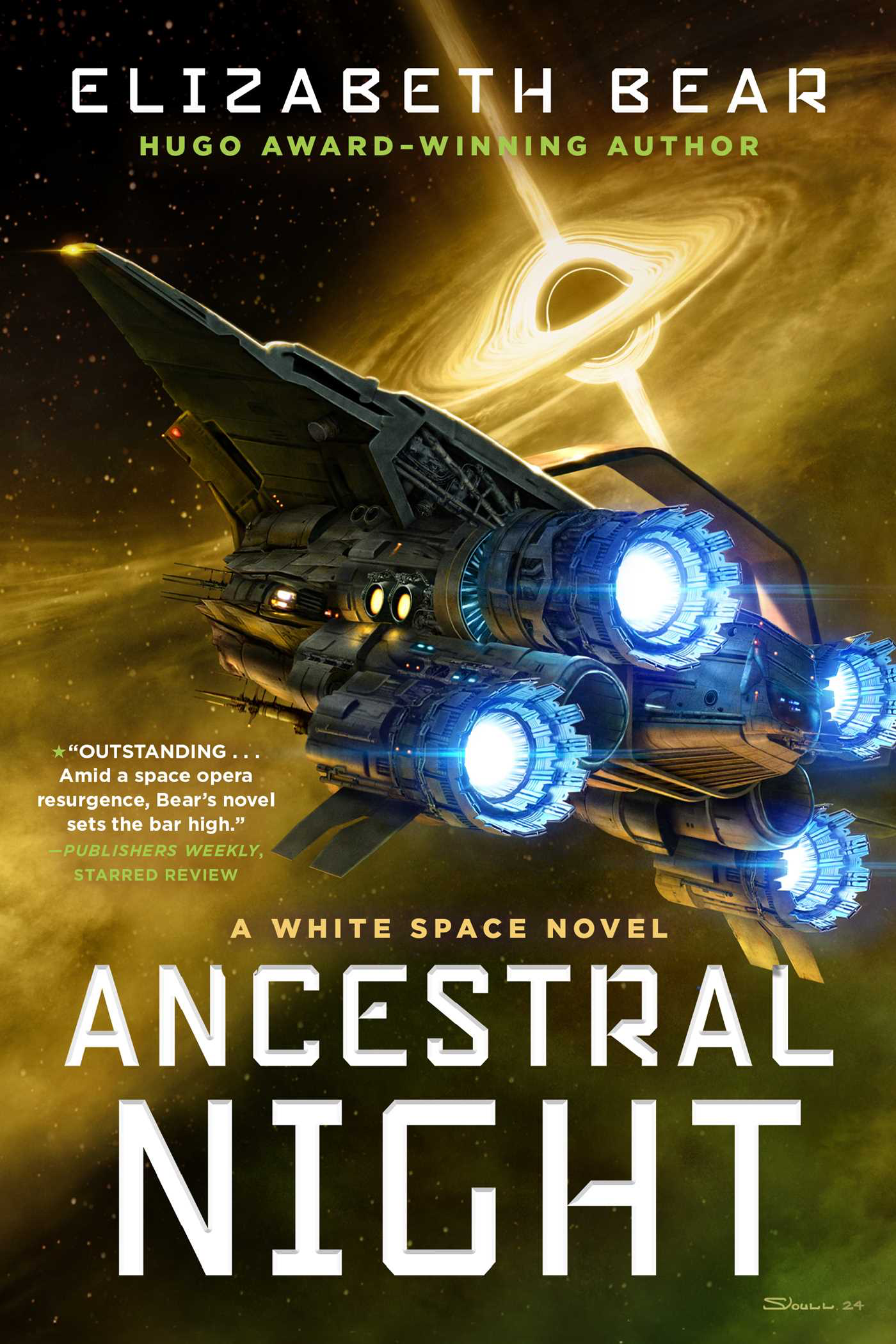
Thankfully, after last week’s disappointment, we’ve got something to save the track record for Disability Pride Month. I started Elizabeth Bear’s White Space trilogy earlier this year, and I knew I wanted a physical copy of book 2. It’s one of the great joys in life when a sequel is better than the first book—and Ancestral Night was already a 4.5-star read for me, so this was huge! Machine was a fantastic step up for a series that’s already a cut above the rest.

Enjoy this week’s review!
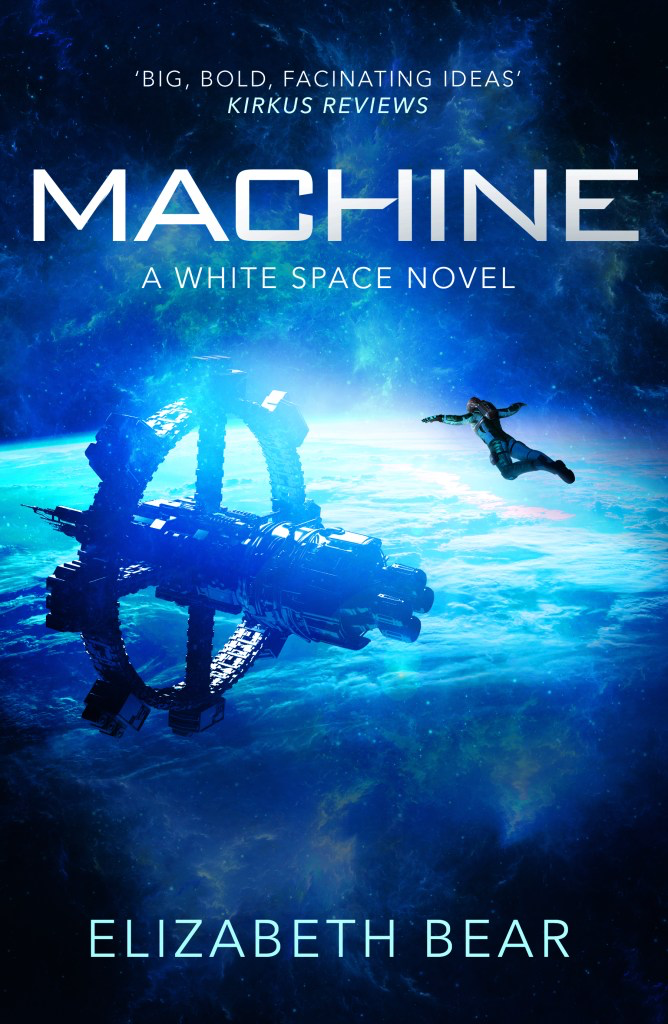
Machine (White Space, #2) – Elizabeth Bear

Dr. Brookllyn Jens is a special kind of doctor. Her patients are usually aliens, and her status as an emergency specialist means that her job description tends to involve having to jump out of spaceships. It’s already a job that keeps her on the edge. But when Dr. Jens and her crew discover two ships that have been abandoned for thousands of years, they uncover a mystery with layers upon layers of disastrous implications. With a strange, antiquated AI, an entire human crew in cryosleep, and a potential conspiracy on their hands, Dr. Jens and her crew must race against the clock to make sure that everybody makes it out alive.

TW/CW: ableism, misogyny, medical content, xenophobia, violence, murder

Genuinely, my sole problem with this novel is the title. Elizabeth Bear thought out this intricate and complex space opera world full of thousands of aliens and unique space travel, and couldn’t think of a more memorable title than Machine? I mean, yeah. There sure are Machines. Lots of ’em. But come on, really.

As much as I enjoyed Haimey’s story in Ancestral Night, I really think that making the White Space series several collected companion novels was the right move. It expands the intricate world that Elizabeth Bear has crafted in so many exciting ways that were only possible through the eyes of a different cast of characters. I loved the ways that the Synarche and all of the different species within it were fleshed out. Bear’s writing is as sharp as ever—her voice is so witty and hilarious, but she also knows just how to stick the landing when it comes to the more climactic or serious moments. The pacing was top-notch, especially considering that Machine is nearly 500 pages long—I blew through hundreds of pages at a time, and Bear never lost me.

I absolutely adored Dr. Jens as a protagonist, and Bear’s willingness to let her protagonists be messy yet lovable people made her shine. Dr. Jens has such a dry sense of humor, and her wry observations about the world around her made Machine such an entertaining read. But beyond that, I loved her continuous self-reflection—about the ideas she’s constructed about herself, but also about her work and the world around her. The supporting cast was so vibrant and lovable—it was a treat to see Cheerilaq again, first off, but all of the characters were so delightful and added a real human (and syster) authenticity to Core General’s staff. Sometimes your coworker gets on your nerves for no discernible reason, and they’re also a massive cetacean-like being getting wheeled around in a massive tank. On that subject, I loved all of the new Systers that Bear introduces. My creature design brain predictably became that meme of the dog with the propeller beanie and the giant lollipop seeing all of the truly alien aliens that populated the Synarche. But Bear went beyond good creature design and into crafting memorable, multilayered characters, which is what makes her space opera stand out in the end.

In particular, the expansion of the AI and robots in the Synarche was one of the most intriguing aspects of the world that Bear discusses in Machine. The whole plotline with Helen Alloy was one of the most well-executed. I love how Bear interrogates the objectification of women and how sci-fi has historically translated this into female-presenting robots. The visceral discomfort that Dr. Jens has that Helen was specifically created to have a hypersexualized, feminine form felt was like seeing the sun peer through the clouds after decades of weird men writing all kinds of messed-up sex-bots. It’s treated with the appropriate level of disgust—both on Helen and Dr. Jens’s part. Helen’s manipulation also ends up being vital to the later twist, and her entire arc of deconstructing the lies that she was programmed with was handled with such tenderness. Beyond the robots, I think that thread of treating people who have been brought up with hateful ideologies and not immediately dismissing those with different opinions was one of the best aspects of Machine; Bear’s insistence that people—human, alien, or AI—are not inherently bad, only victims of harmful ideas, was so necessary.

Bear’s take on disability in a sci-fi context was also such a respectful and well-researched one! She listed off several sensitivity readers in the acknowledgements, and their work paid off—for someone who seems to be non-disabled, by all accounts, this might be one of the most caring representations of a disabled person and their struggles in sci-fi I’ve seen by a non-disabled author. Dr. Jens has a chronic pain disorder, and she has a special exo-suit that manages some of her pain, but not all of it—sci-fi tech still has limitations in the far, far future. She still aches and gets physically taxed from her daring missions. Granted, I’m not chronically ill, but it felt like Bear paid so much attention to how Dr. Jens’s symptoms would present and how her high-stakes profession would affect it. Additionally, there’s a lot of talk about how disability is handled in the future; there was lots of discussion of “rightminding,” a process that, among other things, mitigates the effects of some mental illnesses. It would’ve been so easy to just slap it on as a cure-all technology, but Bear’s approach was one that I rarely see in sci-fi. It’s not necessarily “disability isn’t cured,” but it’s handled on a case-by-case basis, there’s an understanding that different kinds of disabled people have different needs and opinions about how they want to live with their disabilities with the technology available. This rejection of the one-size-fits-all approach to disability was a breath of fresh air, and wasn’t afraid to get into the nuance of how disabled people live their lives.

Disability wasn’t the only issue that gets dealt with in a refreshing amount of nuance. Bear was not afraid to get into the weeds with this novel, and it made my reading experience so much better. Machine, more so than its predecessor, gets into how a utopia and utopian ideas can be twisted into something sinister. It all feels very Ursula K. LeGuin—the Synarche is without a doubt an ambiguous utopia like The Dispossessed. (First off, I liked that Bear interrogates the ethics of “rightminding” targeting potentially “dangerous ideologies,” and how that ends up being decidedly non-utopian.) I appreciated that Bear discusses how well-intentioned utopias can be co-opted into vehicles for hatred, but also how that revelation wracks the people who genuinely believed in this utopia—people like Dr. Jens. Her arc in having faith in her hospital and the Synarche was so human—her entire reality and faith in the organization she devoted her life to is messily upended. But the realization that she comes to—that you can take the good work you wanted to do and the faith in your fellow people outside of corrupt organizations and do your own work—was one that feels so vital. I also loved the thematic potential of the infectious meme—not unlike the spread of a hateful ideology—that is treated as an infection that has to be weaned out with attention and care. Bear’s depictions of that crushing realization and how Dr. Jens and her coworkers pick up the pieces was so heartfelt, and a very potent message in this day and age.

All in all, a spectacular companion to Ancestral Night that expanded Elizabeth Bear’s masterfully crafted space opera universe with pulse-pounding action and heart. 5 stars!

Machine is the second book in the White Space trilogy, a series of companion novels set in the same universe; it is also includes Ancestral Night (book 1) and Folded Sky (book 3). Elizabeth Bear is also the author of several other series, including the New Amsterdam series (New Amsterdam, Seven for a Secret, The White City, Ad Eternum, and Garrett Investigates), the Jacob’s Ladder trilogy (Dust, Sanction, and Grail) and many others

Today’s song:

still going through my mom’s records from the ’80s. this remains peak.

That’s it for this week’s Book Review Tuesday! Have a wonderful rest of your day, and take care of yourselves!

Posted in Books

♿️ The Bookish Mutant’s Books for Disability Pride Month (2026 Edition) ♿️

Happy Monday, bibliophiles!

Here in the U.S., July is Disability Pride Month! It seems like every year, representation—and all-around recognition—for disabled people only progresses by millimeters. Time and time again, it’s left on the back burner by so-called intersectional activists, continually ignored from unaccommodating public education to inaccessible infrastructure in the biggest cities and the smallest towns. It’s gotten bleaker still with the damaging rhetoric spread by R.F.K. Junior and by the Trump administration at large. And we’ve somehow let the r-word insidiously creep back into common use. I feel like it’s relevant that when I was in high school, I frequently heard people call their phones “autistic” when they were broken or not working—2019 wasn’t as long as ago as people would like to think. Dehumanizing disabled people has always been baked deep into the roots of our language and slang—and yet it’s so easy to just switch words around.

In short, the world hasn’t exactly gotten kinder to any of us in the disabled community. But recently my best friend sent me this hilarious (and wonderful) reel, and it reminded me of the endurance of our community:

Yes, this is totally goofy. But it’s true. Despite all of the rampant campaigns to dehumanize and outright eradicate disabled people in all aspects of life, we are still here. The disabled community is as diverse as our struggles, but we have weathered all of them. There are countless issues that we have to face, in the highest forms of government and even in the simple ways we interact with friends and strangers. But if there’s one thing that the disabled community has done, it is endure—and endurance is nothing without community. The strength of our community is what has allowed us to create a more accessible world, little by little, and it is the key for making the world a kinder and more accessible place to be.

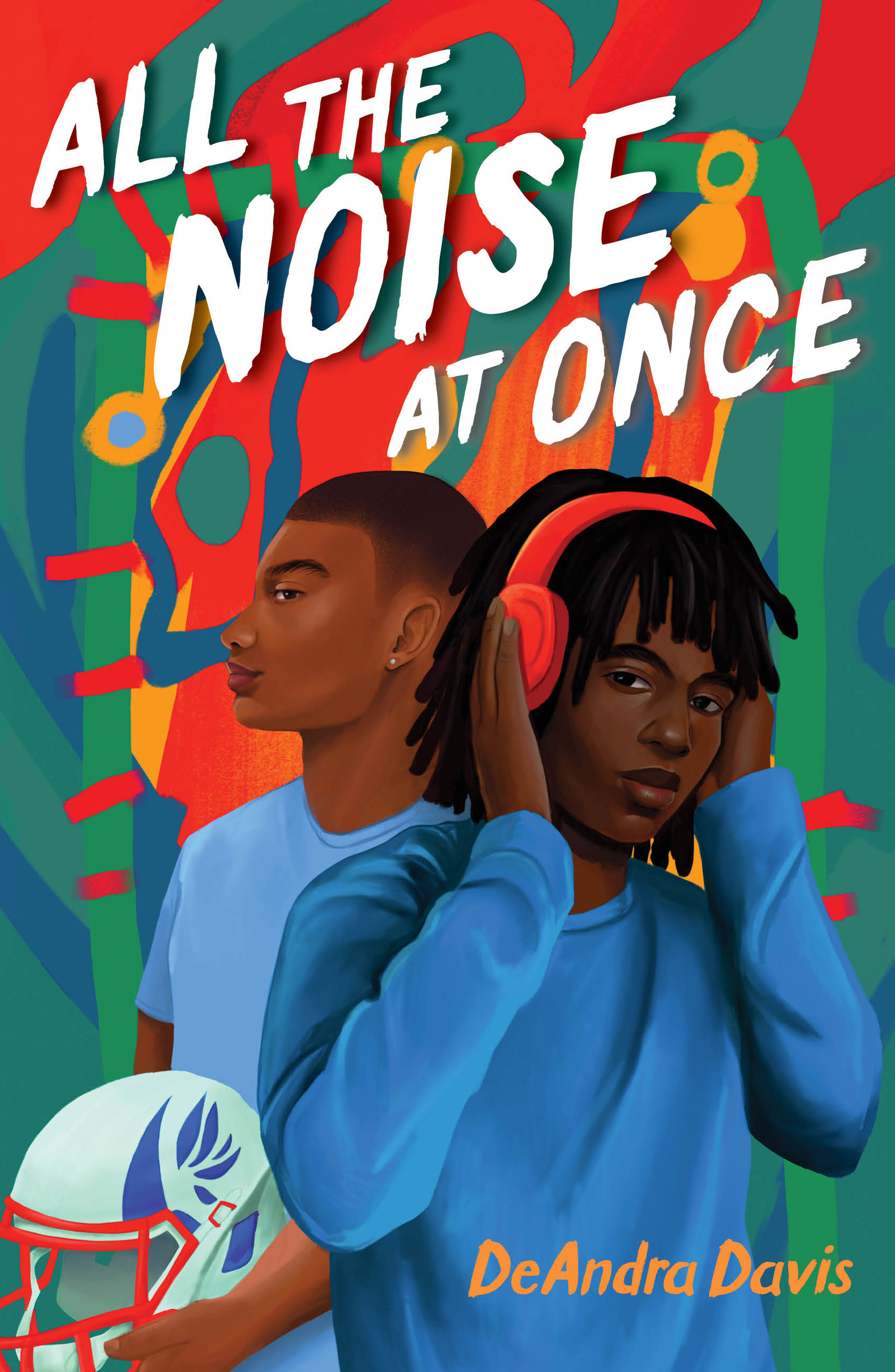
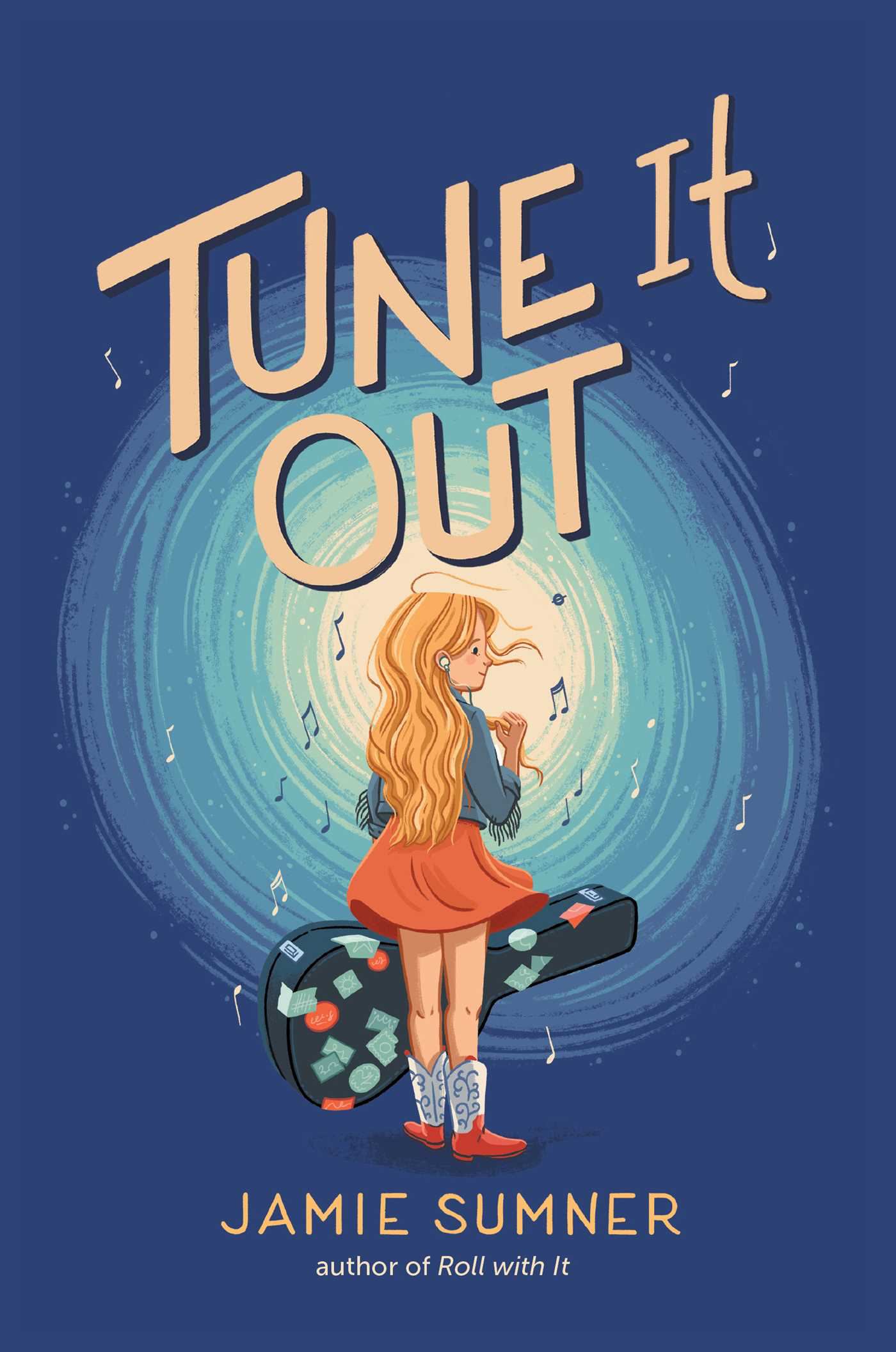
Also, four years out from my installation of this post where I talked about the absolute dearth of SPD representation out there (see 2022 in the “previous lists” section below), I’ve finally read one more book with a main character with SPD. Halfway through 2026, and it was one of the best books I’ve read this year by a long shot. Thank you, Jamie Sumner. Representation matters. 🩵

NOTE: my memory (and the internet) is imperfect, so if I’ve misrepresented/mislabeled any of the specific rep in these books, don’t hesitate to let me know!

KEY FOR TERMS IN THIS POST:

  • MC: Main character
  • LI: Love interest
  • SC: Side character

For my previous lists, click below: 

Let’s begin, shall we?

♿️ THE BOOKISH MUTANT’S BOOKS FOR DISABILITY PRIDE MONTH (2026 EDITION) ♿️

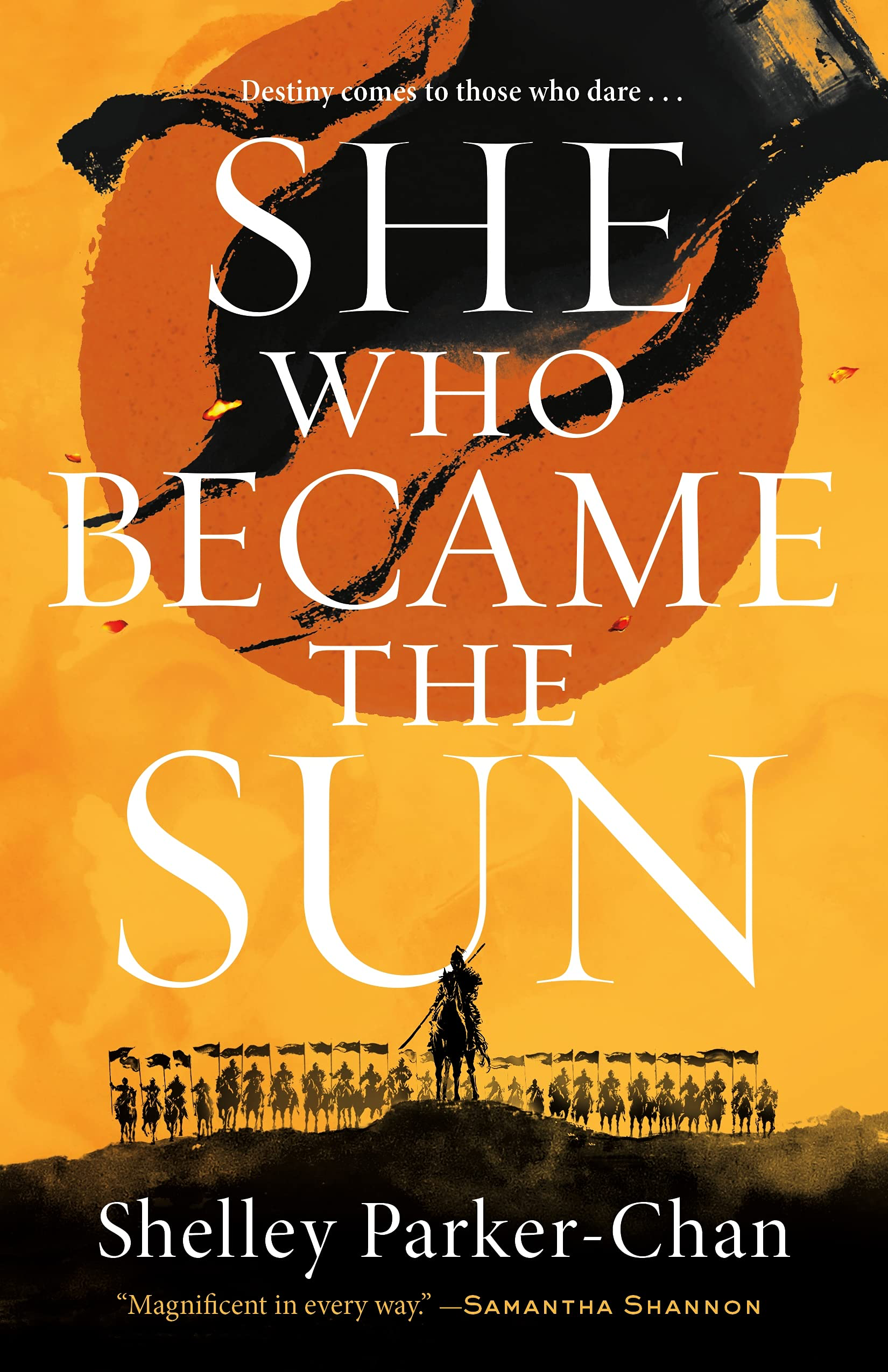
FANTASY:

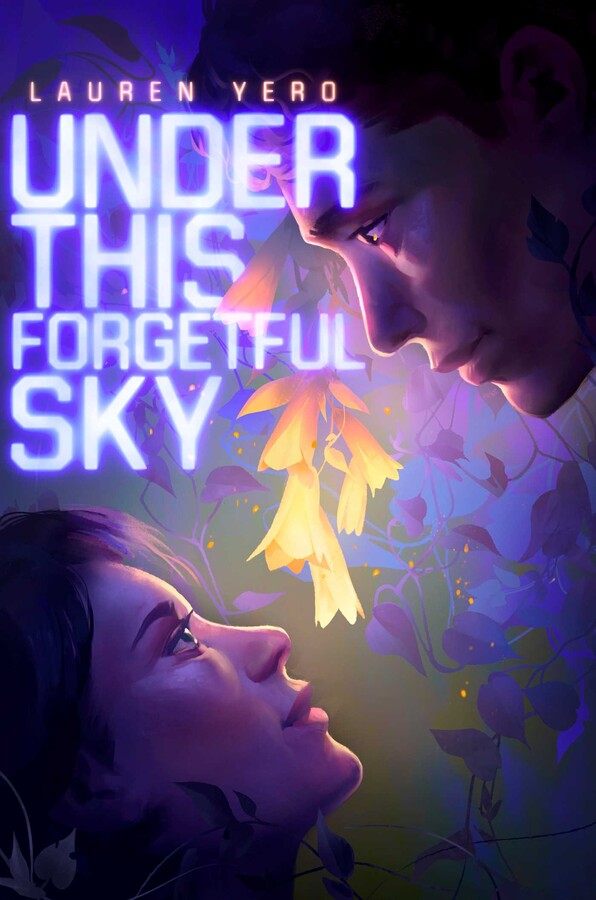
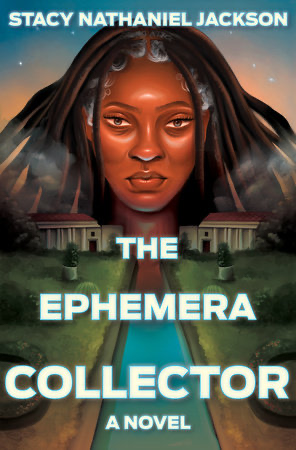
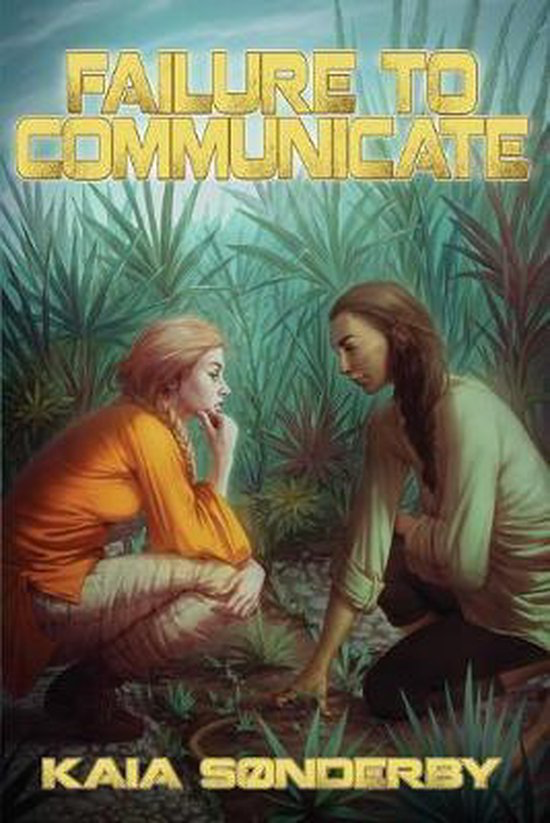
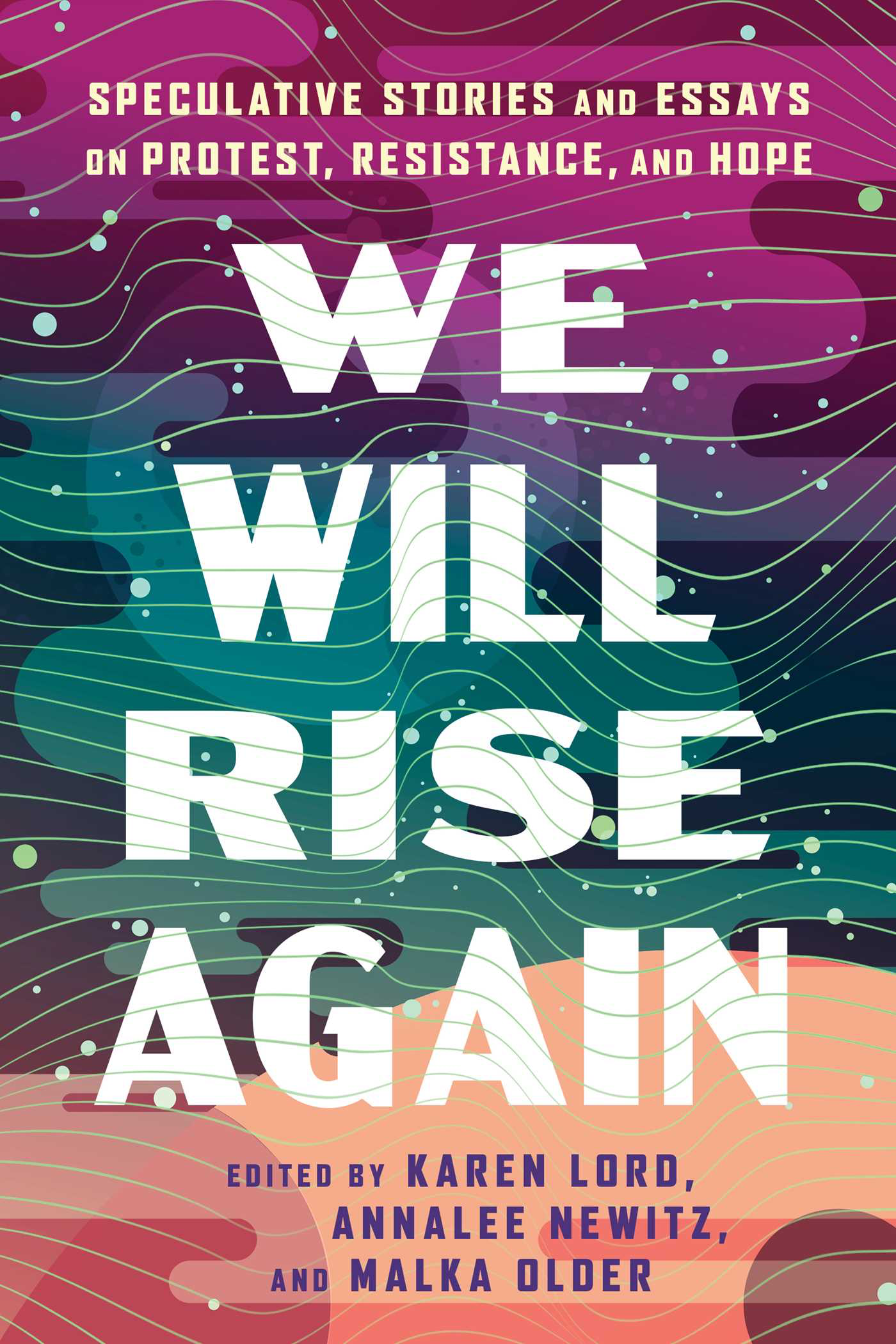
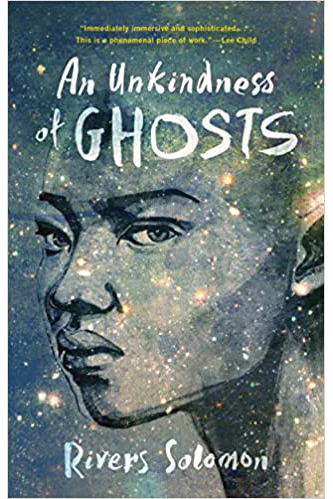
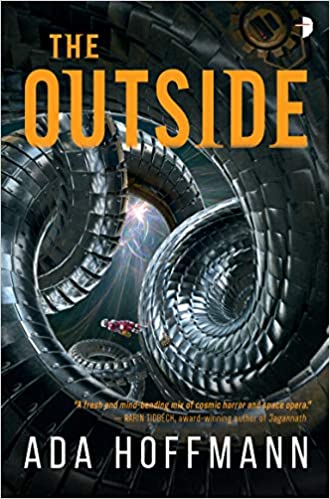
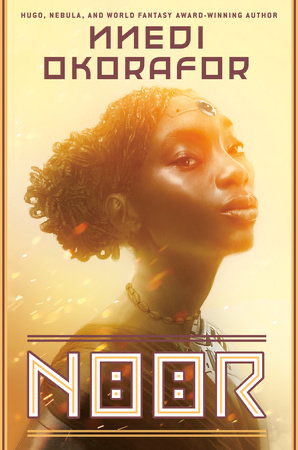
SCIENCE FICTION:

REALISTIC/HISTORICAL FICTION:

*the POV character in Pod is a dolphin, but I feel that the representation still counts.

NONFICTION:

TELL ME WHAT YOU THINK! Have you read any of the books on this list? What are your favorite books with disability rep? Let me know in the comments!

Today’s song:

THIS JUST IN, ROLE MODEL HERMIT IS A BANGER

That’s it for this post! Have a wonderful rest of your day, and take care of yourselves!

Posted in Book Review Tuesday

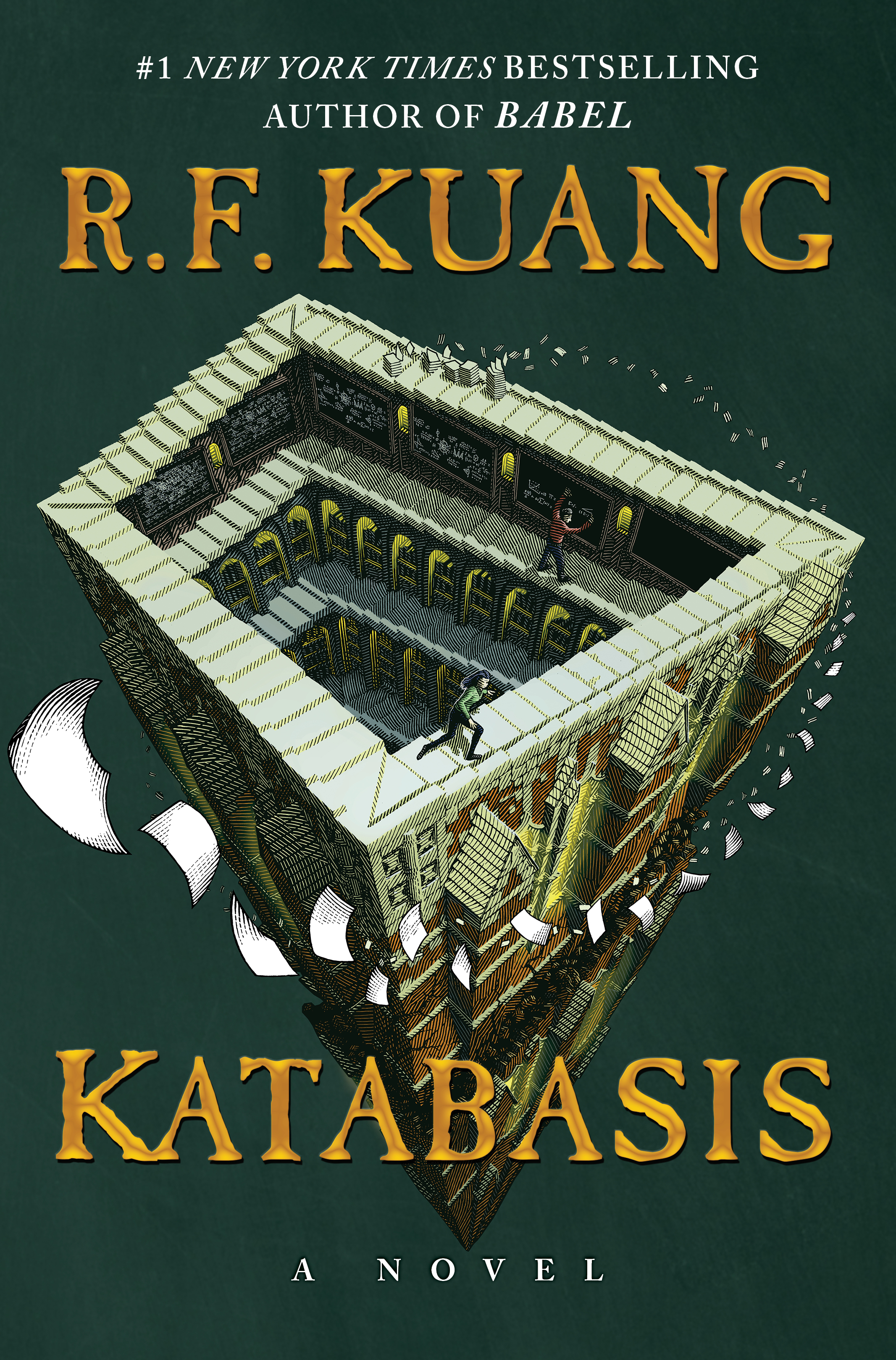
Book Review Tuesday (12/16/25) – Katabasis

Happy Tuesday, bibliophiles!

I’ve been a fan of R.F. Kuang’s work for years (though I’ve steered away from the Poppy War trilogy, given how many people I know have been emotionally eviscerated in its wake). As bored as I am with dark academia, if there’s anybody I trust with the genre, it’s Kuang—and for the most part, her latest venture into the bowels of academia (and Hell itself) was an adventurous success!

Enjoy this week’s review!

Katabasis – R.F. Kuang

Professor Grimes is going to Hell, and it’s all Alice Law’s fault.

After a backfired spell sends their advisor to an early grave, two rival Cambridge grad students find a way to enter Hell to bring back Professor Grimes. Braving all manner of demonic horrors beyond their wildest nightmares, Alice Law and Peter Murdoch have agreed to risk it all for their beloved professor. Yet the further they travel through Hell, they must come to grips with the man Professor Grimes was—and if the man they idolized was really worth going to Hell for.

TW/CW: violence, gore, loss of loved ones, sexual assault/harassment, suicidal ideation/suicide, ableism

There’s really nobody doing it like R.F. Kuang. She isn’t my favorite author of all time, but nonetheless, I don’t think I’ll ever find another fantasy book that has both spooky scary skeletons sending shivers up my spine AND a well-placed dig at Jacques Derrida. That’s how it’s done.

Right after it was released, Katabasis seems to have made a major splash in the book community (namely BookTok)—partly because Kuang’s next novel was bound to be highly anticipated, but partly because it sparked some debate about anti-intellectualism. But compared to something like Babel, which is practically footnotes upon footnotes, I feel like this…isn’t that bad? Sure, it’s very esoteric, but most everything is so easily searchable online? Or in the library? Granted, I understood a fair amount of this solely because I took a literary theory course for my English degree, but even then…just google what you don’t know! And maybe you’ll learn something fun! I don’t know how one would go into an R.F. Kuang book and not expect something academically-minded, but maybe this is just the people who were only used to the strictly realistic fiction of Yellowface? Who knows.

Either way, the academic aspect of Katabasis was such a fun element for me. Whether or not that’s because I’m so hopelessly English-majoring it out here, but I loved all of the subtle nods to world mythologies and literature. (The bit about postmodern and poststructuralist magic cracked me UP. Poststructuralism slander healed my soul. Thanks, literary theory.) But ultimately, I loved what Kuang said about academia; there’s the satirical part that it can be Hell, but also that it demands an inhumanity of you that is systemically supported and produces such spectacular burnout. Being the genius that people like Grimes wanted required students like Alice and Peter to relinquish their humanity in pursuit of knowledge and prestige, and that’s something that you shouldn’t have to sacrifice to get what you want. Given Kuang’s accolades and track record, I’m sure she’s experienced this firsthand, but it was a potent statement on the pressure that’s put on students, especially in the Ivy Leagues and other prestigious institutions, magical or not.

Katabasis had a wild version of Hell, and so much of the fun of the book was exploring it. Granted, it is rather all over the place, but I feel like it emphasizes Kuang’s initial rule of Hell: there are no rules in Hell. There’s the parts that are just Cambridge but in Hell, carnivorous hordes of Tim Burton-esque skeletons, deities from all kinds of mythologies, and one very lucky cat. (Shoutout to Archimedes, I’m glad he survived!) Entire sections of Hell are made out of M.C. Escher’s structures, there’s impossible shapes everywhere, and all of it serves to make Alice and Peter get as close to snapping as possible—exactly what you’d expect from Hell. Tonally, it was also kind of all over the place; some of it was genuinely horrific, while other parts bordered on Beetlejuice-esque camp. But all of these disparate elements made sense as a sort of archive of all possible Hells; it’s a very academic Hell, but beyond that, it seems like an exercise in writing that Kuang had tons of fun writing. That passion poured off every page!

Alice and Peter’s relationship formed the core of the novel, and I loved following them as characters. They made such an odd couple of rivals to friends to…something more, I’d imagine, and their personalities bounced so well off of each other. The perspectives that both of them brought to Kuang’s satire of academia—Alice’s struggles as a woman of color and Peter’s as a chronically ill person—really hammered the commentary home. My main criticism of Katabasis has to do with the 75% mark (more on that later), but I feel like part of why it felt so off-balance for me was that Peter wasn’t there. Alice was a compelling character on her own, but Katabasis leaned so much on their shared dynamic, the scholarly banter they bounced off of each other and the warring struggles that eventually coalesced as they realized their dual mistake in idolizing Grimes. They had such effortless chemistry both as rivals and friends, making them easy to root for.

Of course, when you’ve created a Hell this dizzyingly intricate and complex, you’re bound to get lost. Alice and Peter did, and so did Kuang herself. There’s a point at the 75% mark where the plot, along with the characters, gets hopelessly lost. By this point, we’ve moved on past “we’re here to get Grimes,” but it seems like none of the detours served the novel in any way. The real kicker is that this part of Hell isn’t even that new or interesting—it’s even more academic commentary, which, while I liked it at first, was just repetitive and regurgitated the same satire about academia that Kuang had already talked about in the first third of the book. I’m all for taking detours to explore an unknown realm, but this one didn’t even feel new at all. My edition of Katabasis is around 540 pages, mind you, so it’s not like cutting too much of this would’ve made it too short. I feel like not every little thing about a novel directly needs to serve the plot, but I feel like it should at least develop the characters or show us something new, and this part of Katabasis did none of those things. Thank goodness we were whisked out of Hell soon after that.

All in all, an inventive and satirical journey into the depths of Hell—which, as it turns out, looks an awful lot like Cambridge. 4 stars!

Katabasis is a standalone, but R.F. Kuang is the author of several other fantasy and fiction novels, including Yellowface, Babel, and the Poppy War trilogy (The Poppy War, The Dragon Republic, and The Burning God).

Today’s song:

I just need everybody to know that this cover exists. That’s it.

That’s it for this week’s Book Review Tuesday! Have a wonderful rest of your day, and take care of yourselves!
Posted in Books

The Bookish Mutant’s Books for Disability Pride Month (2023 edition) ♿️

Happy Friday, bibliophiles!

Here in the U.S., July is Disability Pride Month! Although I’ve seen some more recognition for it in the past few years, I find myself saying this over and over—disability issues are left behind in intersectional feminism far too often. The larger representation in media of disabled people as otherwise white and cishet, the lack of accessibility at many pride events, and the hurdles that most disabled students have to go through in order to get accommodations at school is proof. And yet, around 27% of Americans have some sort of disability—myself included. As the literary world has slowly shown more stories with disabled characters, it’s more important than ever to uplift disabled voices.

Like some of my other themed lists this year, I’ve decided to expand it beyond YA, because I’d be remiss if I didn’t include some of the amazing Adult and MG reads with disabled rep over the years. I’ve separated all of these recs by age group, and included their genres, my rating, and the type of disability rep.

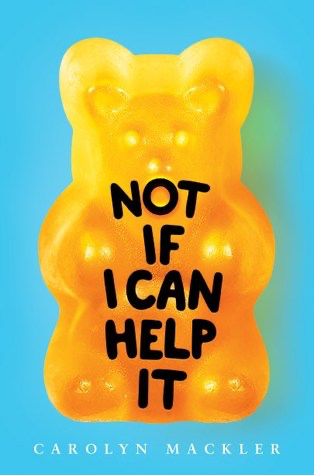
(SHOUTOUT TO NOT IF I CAN HELP IT, I FINALLY HAVE A MORSEL OF SPD REP)

for my lists from previous years, click here:

  • 2022 (+ on having SPD and the lack of representation)
  • 2021

Let’s begin, shall we?

THE BOOKISH MUTANT’S BOOKS FOR DISABILITY PRIDE MONTH (2023 EDITION)

YA:

ADULT:

MIDDLE GRADE:

TELL ME WHAT YOU THINK! Have you read any of these books, and what did you think of them? What are your favorite books with disabled rep? Let me know in the comments!

Today’s song:

That’s it for this year’s Disability Pride recs! Have a wonderful rest of your day, and take care of yourselves!
Posted in Books

YA Books for Disability Pride Month (2022 Edition) + my experience with SPD and why representation really, really matters

Happy Monday, bibliophiles!

It’s July again, which means—though it’s too often overlooked—that it’s Disability Pride Month here in the U.S.! Even as intersectional as feminism and diversity efforts have become in recent years, the disabled community has been left out of the picture more often than not. YA books are no exception—even now, it’s difficult to find good, solid disability rep, and even harder to find books from disabled authors. So uplifting disabled voices is always important, as with uplifting all kinds of marginalized voices.

I’ve talked a little about good and bad disability rep on this blog, but I haven’t talked about how it affects me—I did put it in my bio a few months ago offhandedly, but I’m disabled as well. I have sensory processing disorder (SPD), a neurological disability that causes me to over-respond to sensory input, mainly sound; My nervous system doesn’t translate stimulus like a neurotypical brain would, making me over-respond to certain sensory input. Big crowds, loud noises (fire alarms, stopping buses, and almost anything that you can find in a city) are major causes of anxiety and discomfort for me, and often cause me to go into a fight-or-flight position or overload entirely.

As a result, being in situations with lots of sensory stimuli, such as school or social gatherings, can be exhausting, what with trying to juggle keeping my cool with said stimuli and participating fully in an activity. It also affects how I go about ordinary tasks as well—driving, for instance, has been a struggle, what with my hypersensitivity combined with my iffy-at-best motor coordination. (Part of SPD is that the nervous system doesn’t fully integrate all of my senses, which is why tasks like these are difficult for me.) SPD makes me feel everything—sound especially—far more intensely than a neurotypical person might, which often overloads my system.

Here’s the thing: although I’ve seen other parts of my identity—bisexuality, being mixed race, or even just personalities like mine—represented in books, I’ve never seen SPD represented in a book. Not on TV, movies, or any other kind of media, either. Never. I’ve been looking for years, but most of the time, what comes up when I search for books with characters that have SPD usually ends up being help books for parents with SPD kids. (Not to dismiss the value of those books—just not what I’m looking for.) There have been a few, but even then, they haven’t been available at the library. (I’ve got one on hold though—let’s hope Not If I Can Help It is good) I could always be missing something (PLS IF ANYBODY KNOWS ANY KIND OF MEDIA WITH GOOD SPD REP DROP SOME IN THE COMMENTS BEGGING YOU), but it’s been frustrating going to google and getting something that decidedly wasn’t what you were going for.

Even though I’ve seen myself represented in other ways, it’s frustrating to not have book characters—even side characters—that have similar experiences to me. Growing up, I had my fair share of not-so-subtle teasing for expressing some of my symptoms, and in that respect, I had no role models, no fictional characters to really look up to in that respect. That’s part of why I’m writing books with protagonists that have SPD—there’s always a kid out there who just needs a fictional character to look up to when they have nobody else. This is why representation matters—for those who never saw themselves represented growing up, and for those to come who may have the chance to feel represented.

So here are my disability pride month recs for 2022—not all of them are from disabled authors, but I’ve done my best to compile a list from a variety of genres, a variety of backgrounds (POC, queer, etc.), and a variety of disabilities.

(for my list from 2021, click here!)

Let’s begin, shall we?

YA BOOKS FOR DISABILITY PRIDE MONTH

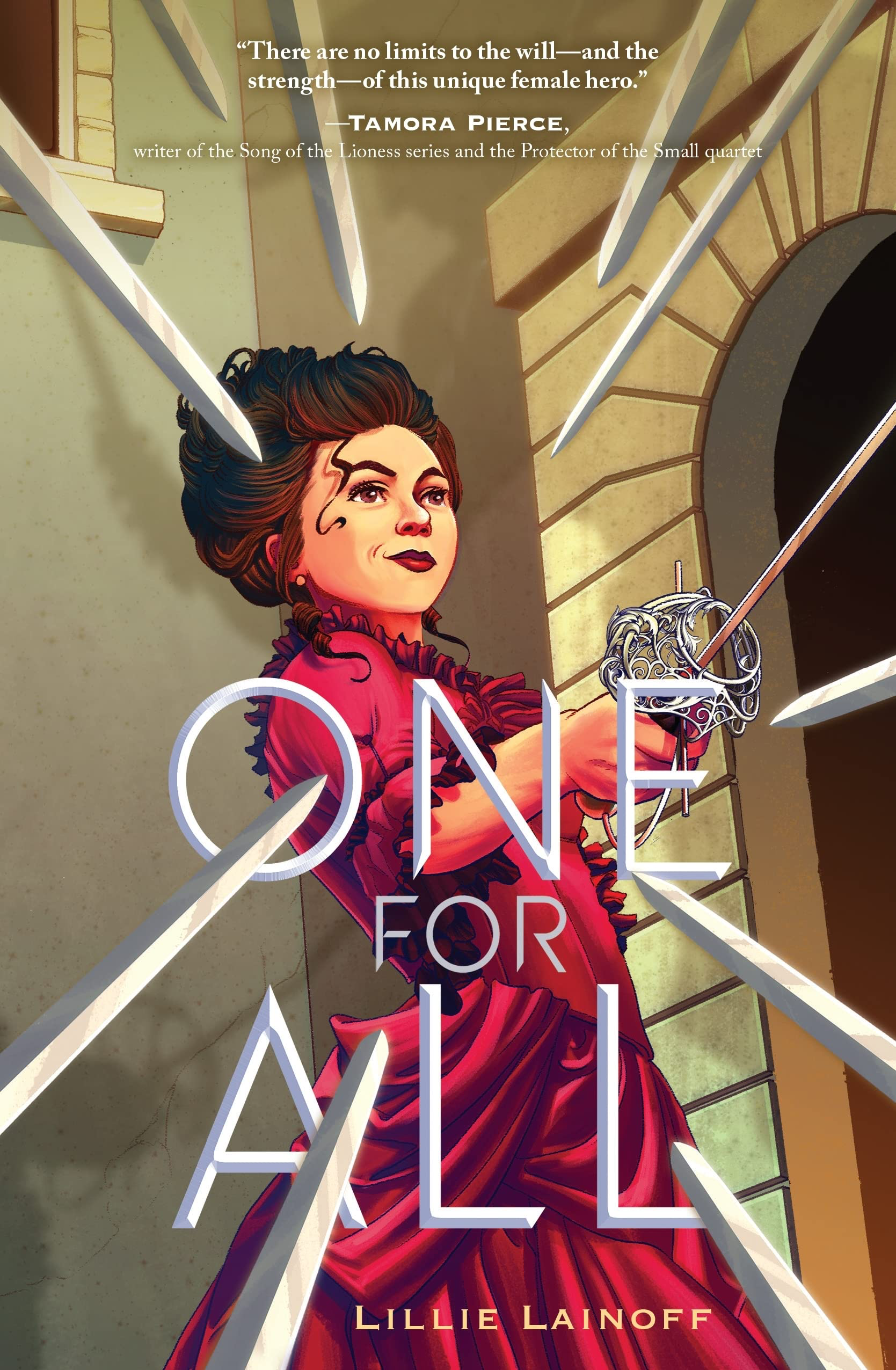
One for All, Lillie Lainoff

GENRES: Historical fiction, retellings

REP: MC with POTS (disabled author)

MY RATING: ⭐️⭐️⭐️.75, rounded up to ⭐️⭐️⭐️⭐️

A Three Musketeers retelling featuring a swordfighting, chronically ill protagonist!

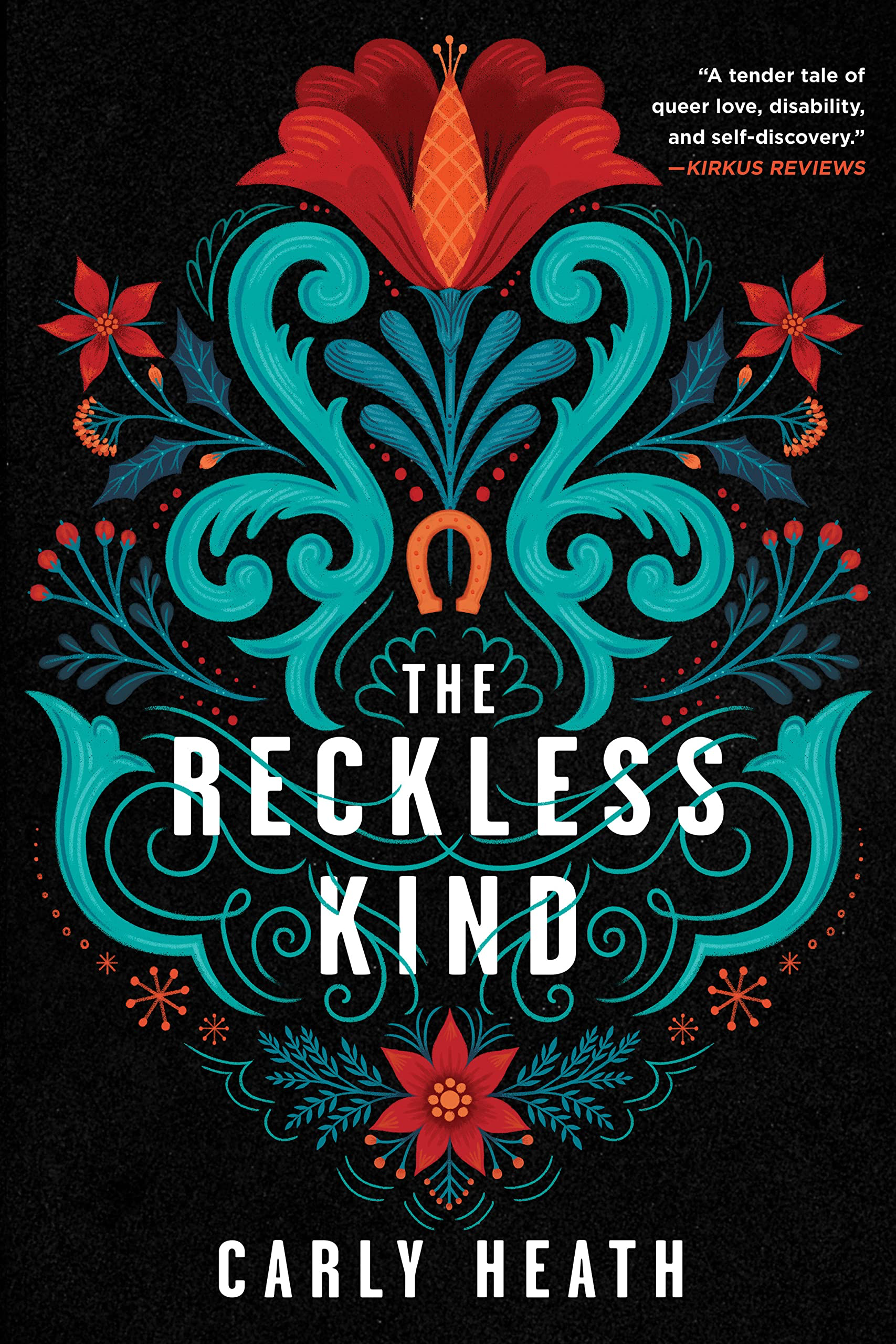
The Reckless Kind, Carly Heath

GENRES: Historical fiction, romance, LGBTQ+

REP: MC with Waardenburg syndrome, MC with Brown-Séquard syndrome, MC with anxiety, side characters with post-concussion syndrome (disabled author)

MY RATING: ⭐️⭐️⭐️⭐️⭐️

I’ll be reviewing this one soon—a beautiful and tender tale of a disabled, queerplatonic triad in 1900’s Norway!

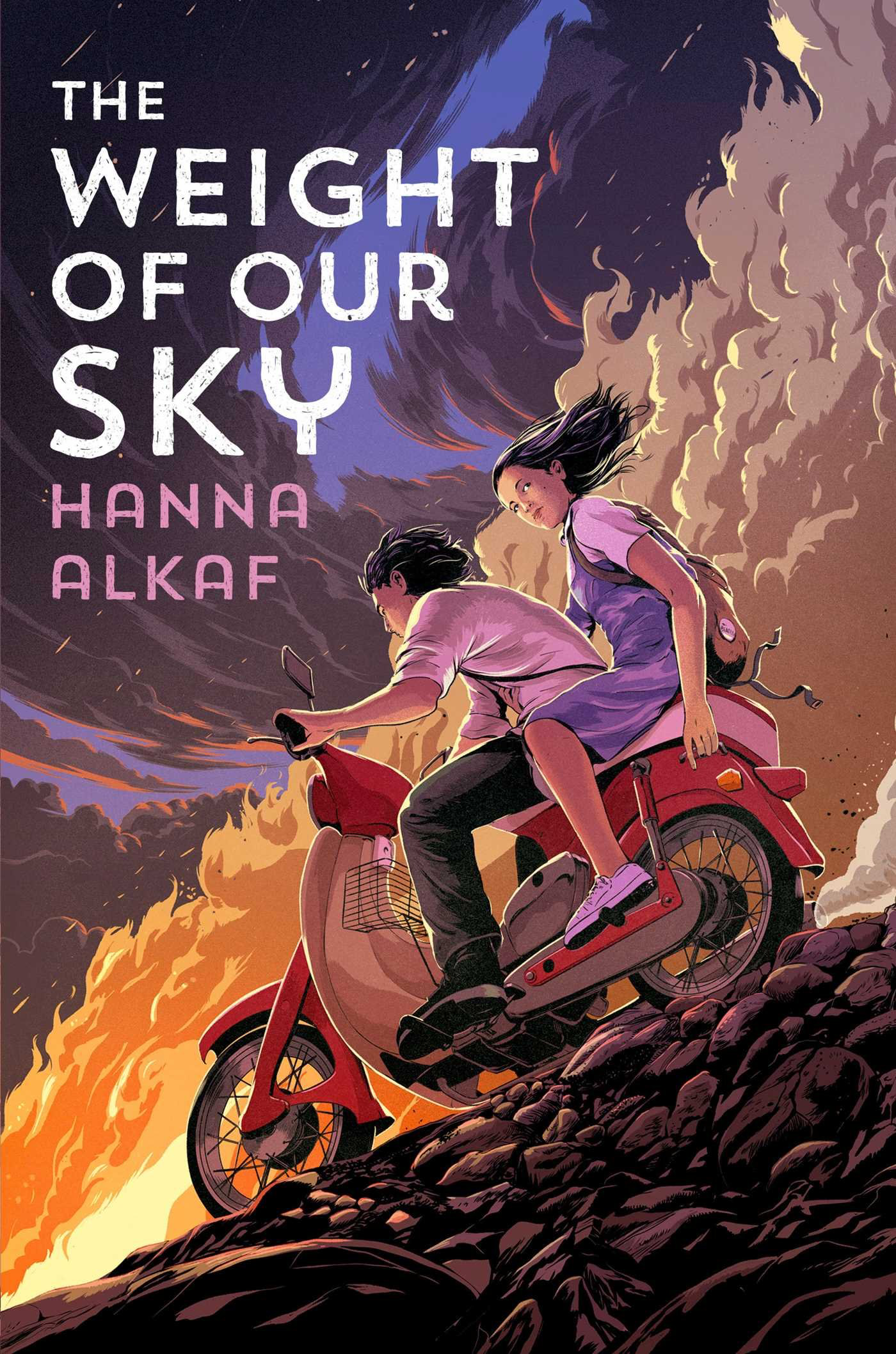
The Weight of Our Sky, Hanna Alkaf

GENRES: Historical fiction

REP: MC has OCD

MY RATING: ⭐️⭐️⭐️⭐️

A harrowing story of a girl with OCD in the Philippines searching for her mother during the race riots of 1969.

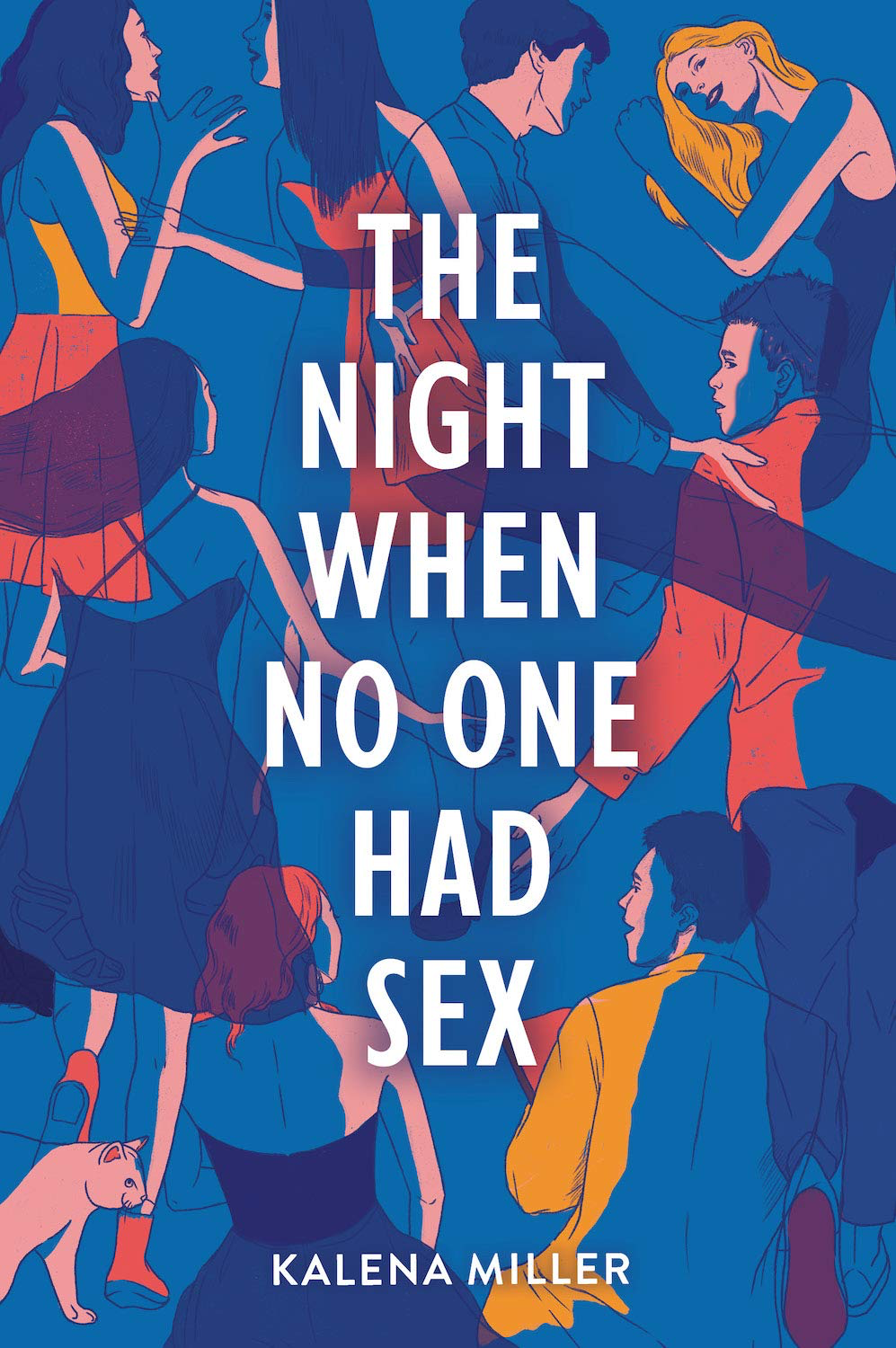
The Night When No One Had Sex, Kalena Miller

GENRES: Contemporary/realistic fiction, romance, LGBTQ+

REP: Multiple POVs; one MC has Lupus (chronic illness)

MY RATING: ⭐️⭐️⭐️.5

A diverse and funny story of four pairs of teenagers on prom night and a humorously failed sex pact.

The Boy Who Steals Houses, C.G. Drews

GENRES: Contemporary/realistic fiction, romance

REP: MC has anxiety, autistic side character (disabled author)

MY RATING: ⭐️⭐️⭐️.5

A messy and emotional story of a boy and his brother making their own in a world that turns its back on them.

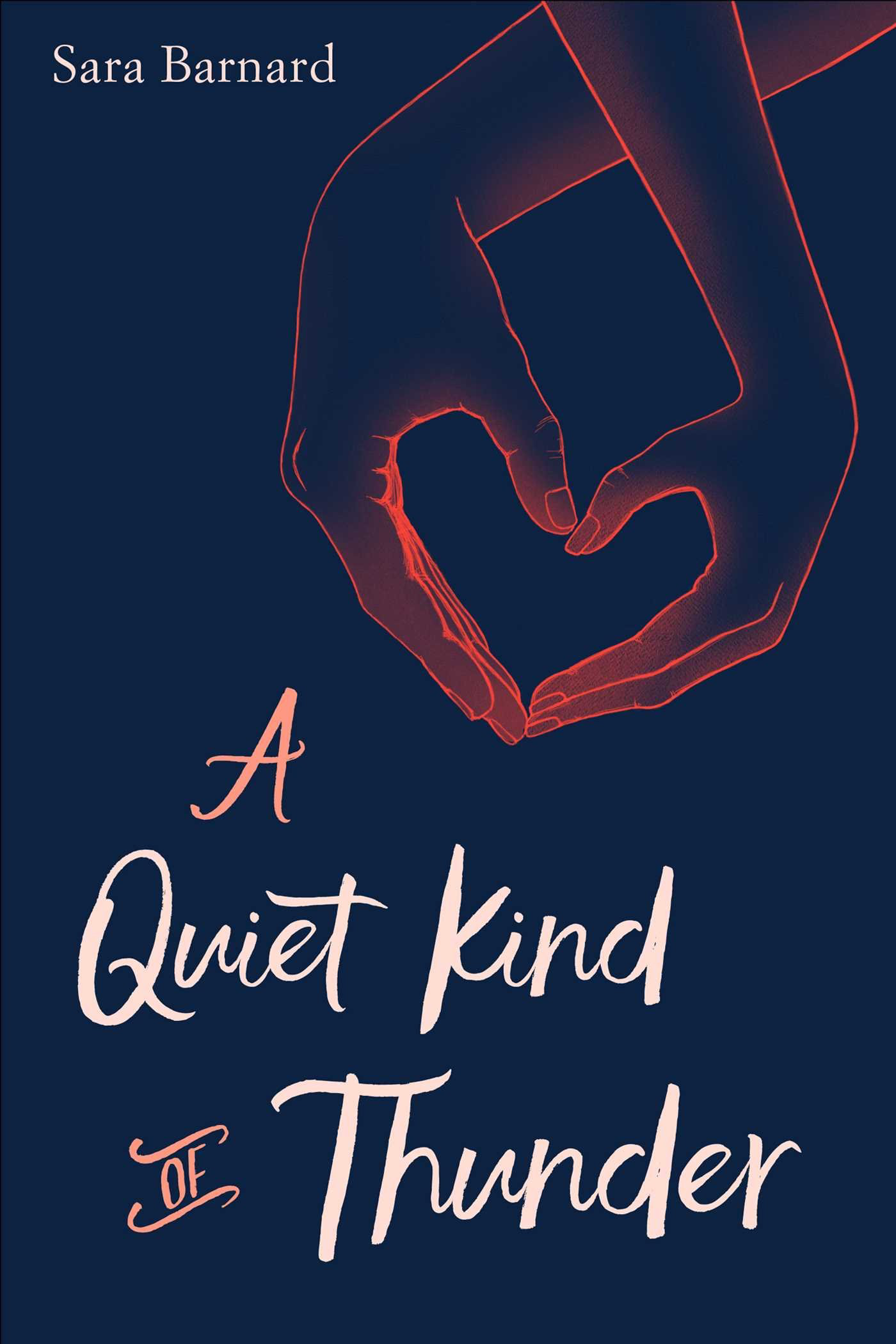
A Quiet Kind of Thunder, Sara Barnard

GENRES: Contemporary/realistic fiction, romance

REP: MC is selectively mute, Deaf love interest

MY RATING: ⭐️⭐️⭐️.5

A tender, sweet romance with disability front and center!

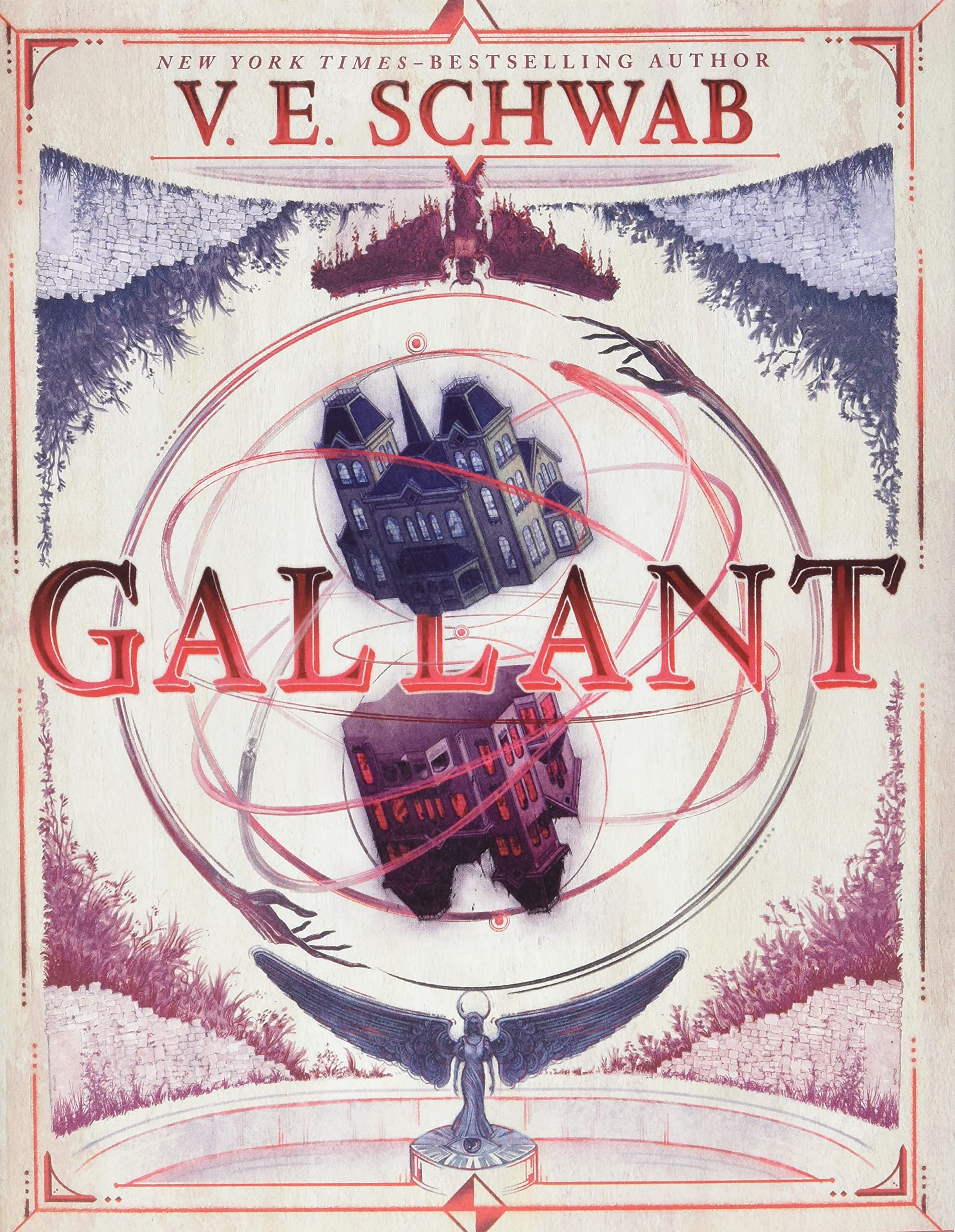
Gallant, V.E. Schwab

GENRES: Paranormal, fantasy

REP: MC is mute and uses sign language to communicate

MY RATING: ⭐️⭐️⭐️.75, rounded up to ⭐️⭐️⭐️⭐️

Though this wasn’t my favorite V.E. Schwab book, I loved its paranormal atmosphere!

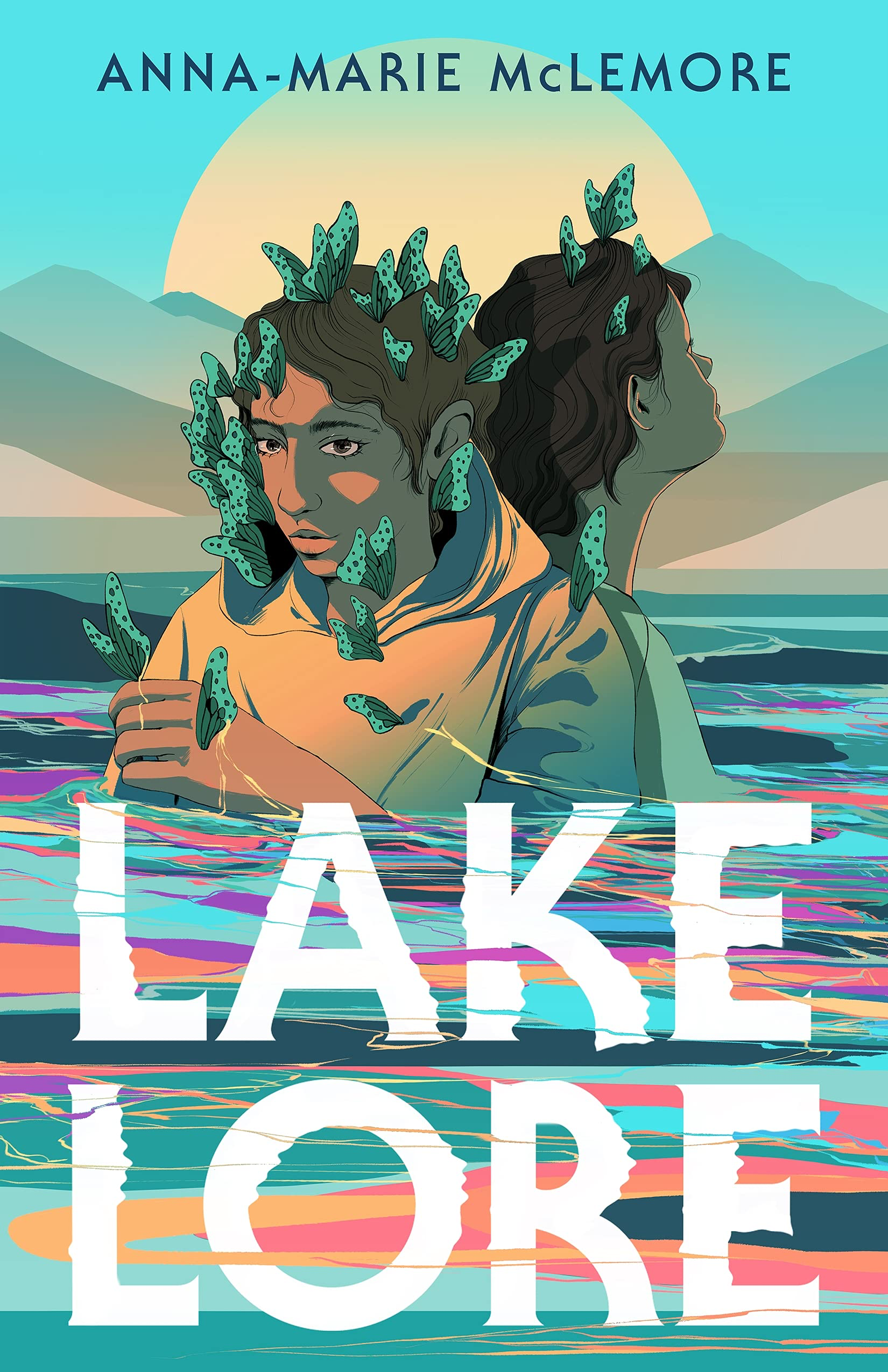
Lakelore, Anna-Marie McLemore

GENRES: Magical realism, fantasy, fiction, LGBTQ+

REP: MC with ADHD, MC with dyslexia (disabled author)

MY RATING: ⭐️⭐️⭐️.75, rounded up to ⭐️⭐️⭐️⭐️

Lakelore is one of the most intersectional pieces of magical realism or fantasy that I’ve ever read—both protagonists are nonbinary, Latinx, and neurodivergent!

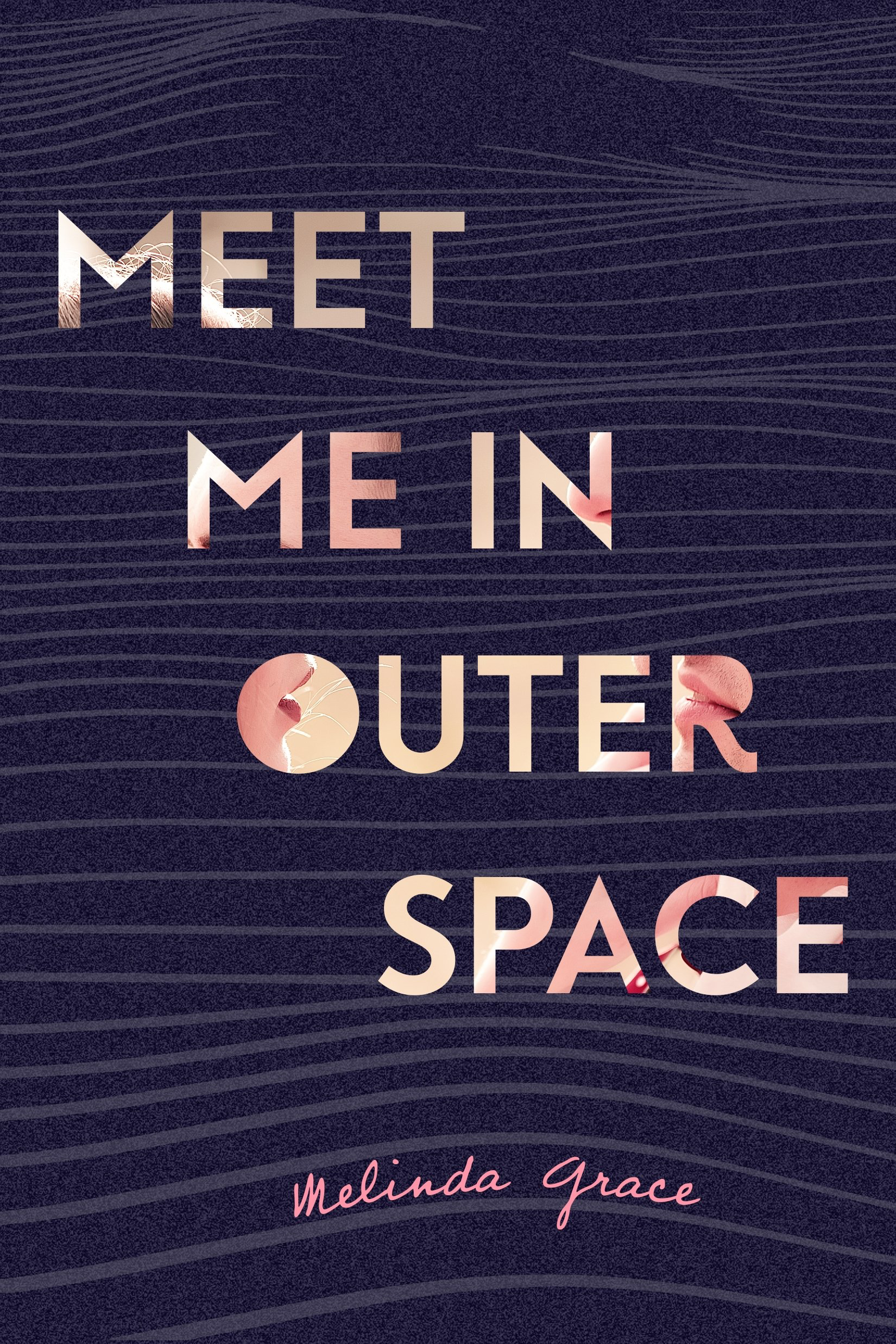
Meet Me in Outer Space, Melinda Grace

GENRES: Contemporary/realistic fiction, romance

REP: MC has Central Auditory Processing Disorder (CAPD) (disabled author)

MY RATING: ⭐️⭐️⭐️.75, rounded up to ⭐️⭐️⭐️⭐️

Although I wasn’t as big of a fan of the romance, I loved how Meet Me in Outer Space explored navigating disability in college!

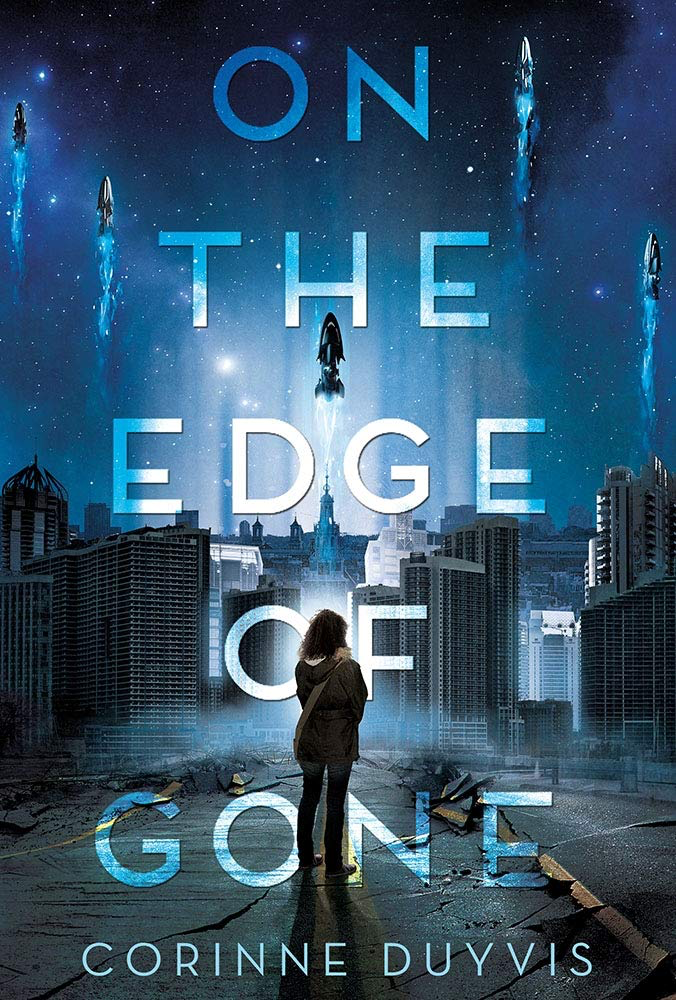
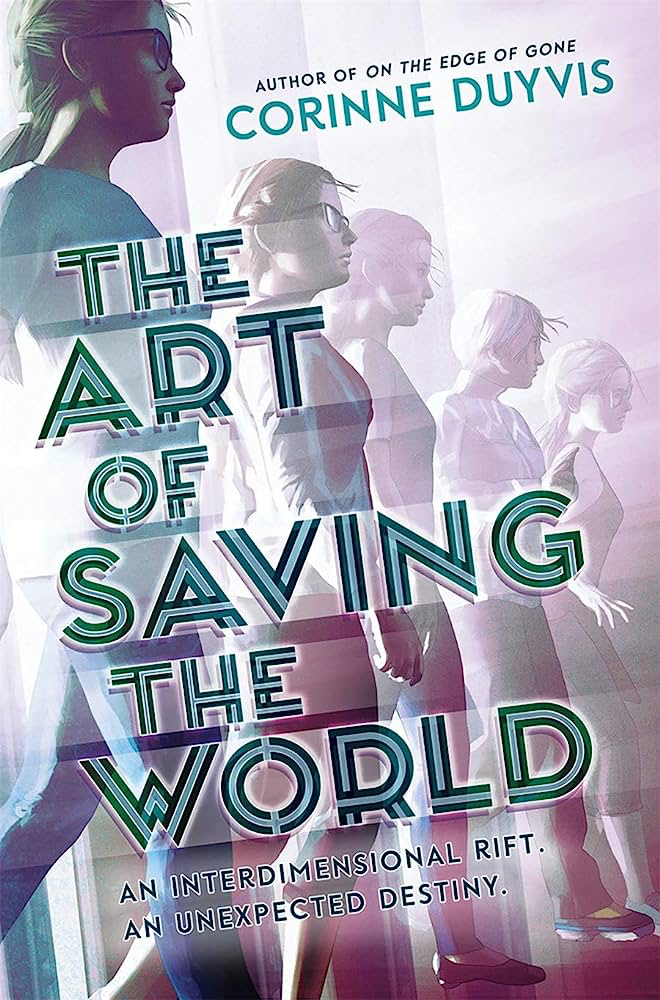
On the Edge of Gone, Corinne Duyvis

GENRES: Science fiction, survival, post-apocalyptic

REP: Autistic MC (disabled author)

MY RATING: ⭐️⭐️⭐️.5

A gripping post-apocalyptic book featuring a determined, Autistic protagonist!

TELL ME WHAT YOU THINK! Have you read any of these books, and if so, what did you think of them? What are your favorite YA books with disability rep? And please, does anybody have any recs for media with good SPD rep? Kinda desperate over here…

(I can only go with my headcanon that Jean Grey from X-Men has SPD for so long, folks, please…)

Today’s song:

I wanna hate Jack White so bad but HE JUST KEEPS PUTTING OUT SONGS LIKE THIS

That’s it for this post! Have a wonderful rest of your day, and take care of yourselves!
Posted in Book Review Tuesday

Book Review Tuesday (4/26/22) – One for All

Happy Tuesday, bibliophiles!
Disability representation—especially in YA—is few and far between, and even when I do find it, a lot of disability rep is still written by abled authors. (That isn’t always necessarily a bad thing, but it’s easy to fall into harmful tropes and misrepresent disability that way.) So when I heard about One for All, I was so excited—a feminist, historical fiction novel about a girl with a chronic illness! And beyond that—a girl with a chronic illness WHO SWORDFIGHTS. Doesn’t get much better than that, am I right? My copy finally came from the library last week, and although it wasn’t the perfect book, I enjoyed a lot of it!
Enjoy this week’s review!

One for All – Lillie Lainoff

Tania de Batz is determined for the world to see her as more than just a “sick girl.” As the daughter of a former musketeer, her passion is swordfighting, and with the help of her father, she’s become a skilled fighter. But when her father is brutally murdered, she discovers his dying request to send her to a finishing school.

But what she finds at L’Academie des Marieés is no finishing school—it’s a secretive school that trains young women as musketeers. Tania is soon swept into a world of swords and secrecy, and soon, she and her fellow students have an assassination plot to uncover. The only clue to the plot—and maybe even her father’s murder—lies in a boy named Étienne, but his charms may be Tania’s undoing.

TW/CW: ableism, blood, murder, loss of a loved one, past mention of sexual assault

Good disability representation—especially in YA—seems to only happen once in a blue moon. So I was so happy to find this book—a feminist historical fiction book written by a disabled author, no less! And while I did have a few problems with the story overall, One for All was no doubt a fantastic debut!

First things first—disability rep! While I can’t speak to the accuracy, Lillie Lainoff (the author) has the same chronic illness as Tania—Postural Orthostatic Tachycardia Syndrome (POTS)! Disabled representation from disabled voices always makes my heart so happy! For me, it’s even better that One for All is a historical fiction piece; most books with disabled characters only exist in contemporary/realistic fiction books, and I adamantly believe that disability rep in genres like historical fiction, fantasy, and science fiction is just as important, if not more important; it’s crucial for disabled readers to know that they don’t only exist in modern realistic fiction realities—they have always existed in history, and they can exist in fantasy and sci-fi worlds as well. One for All did a fantastic job at detailing all the aspects of Tania’s POTS and how it affected her daily life, from her routine to her social interactions and childhood. So many chronically ill readers will be able to see themselves in Tania, and that, to me, is immensely impactful.

Beyond that, One for All is fiercely feminist! It’s set in France in the 1600’s, and the themes of empowerment and sisterhood ran deeply through it. Throughout most of the book, Tania struggles with her place in the world as a disabled woman in a time where both are frowned upon, but her journey for self-empowerment is one that is sure to resonate with so many readers. Although some of the other students don’t treat Tania with the respect she deserves at first, there are themes of recognizing and correcting your previous ableism. The friendship that Tania eventually shares with the rest of the fellow L’Academie des Marieés students is wonderfully tender and strong, and it makes for an incredibly empowering novel overall.

As much as I loved the aforementioned aspects, however, there were a few aspects of One for All that I didn’t like as much. For the most part, I liked the writing style well enough; Lainoff’s prose flowed well and was appropriately descriptive when the time called for it. However, Lainoff’s style tended to fall towards the over-the-top side of the spectrum. I could let it slide in most instances—it fit with the mood and tone of the book in general—but in some cases, it felt overly purple and theatrical. It had a dramatic feel to it, and while it fit the classic retelling tone at times, it felt superfluous in other cases.

Additionally, I wasn’t quite as invested in the assassination part of the plot as I was in the rest of the book. Seeing as that (after Tania’s father’s murder) was the main driving force to the plot, it didn’t come through all the way; it was overshadowed by more mundane character interactions (which I did like), and as a result, felt rushed and oversimplified. For something that was supposed to be the primary inciting incident of the second half of the book or so, it felt more like a subplot than anything. As a result, I felt my mind wandering a bit during these parts, but it didn’t take me out of the book entirely.

All in all, a feminist retelling with a disabled heroine who all readers will want to cheer on. 3.75 stars, rounded up to 4!

One for All is a standalone and Lillie Lainoff’s debut novel.

Today’s song:

That’s it for this week’s Book Review Tuesday! Have a wonderful rest of your day, and take care of yourselves!