Posted in Sunday Songs

Sunday Songs: 10/18/26

Happy Sunday, bibliophiles! I hope this week has treated you well.

So last week, I got a comment on one of my Sunday Songs posts commending my song/book pairings. At first, it was nice to be recognized…and then I realized that the comment reeked of AI, was inexplicably posted four separate times, and came from a website that makes AI-generated playlists based off of book pairings. BOO, TOMATO, TOMATO!! USE YOUR BRAIN! Anyway, as always, you can get your completely AI-free, human-made, pretentious book-music pairings from an exhausted post-grad right here, and you don’t have to use up enough water to fuel a city to do it. There’s no excuse to use AI for much of anything these days. But this? Why deprive yourself of fun?

This week: Ziggy Stardust didn’t need a lawyer, but I’m defending him anyway. Plus, Björk does show tunes and Cate Le Bon enhances everything that she touches.

Enjoy this week’s review!
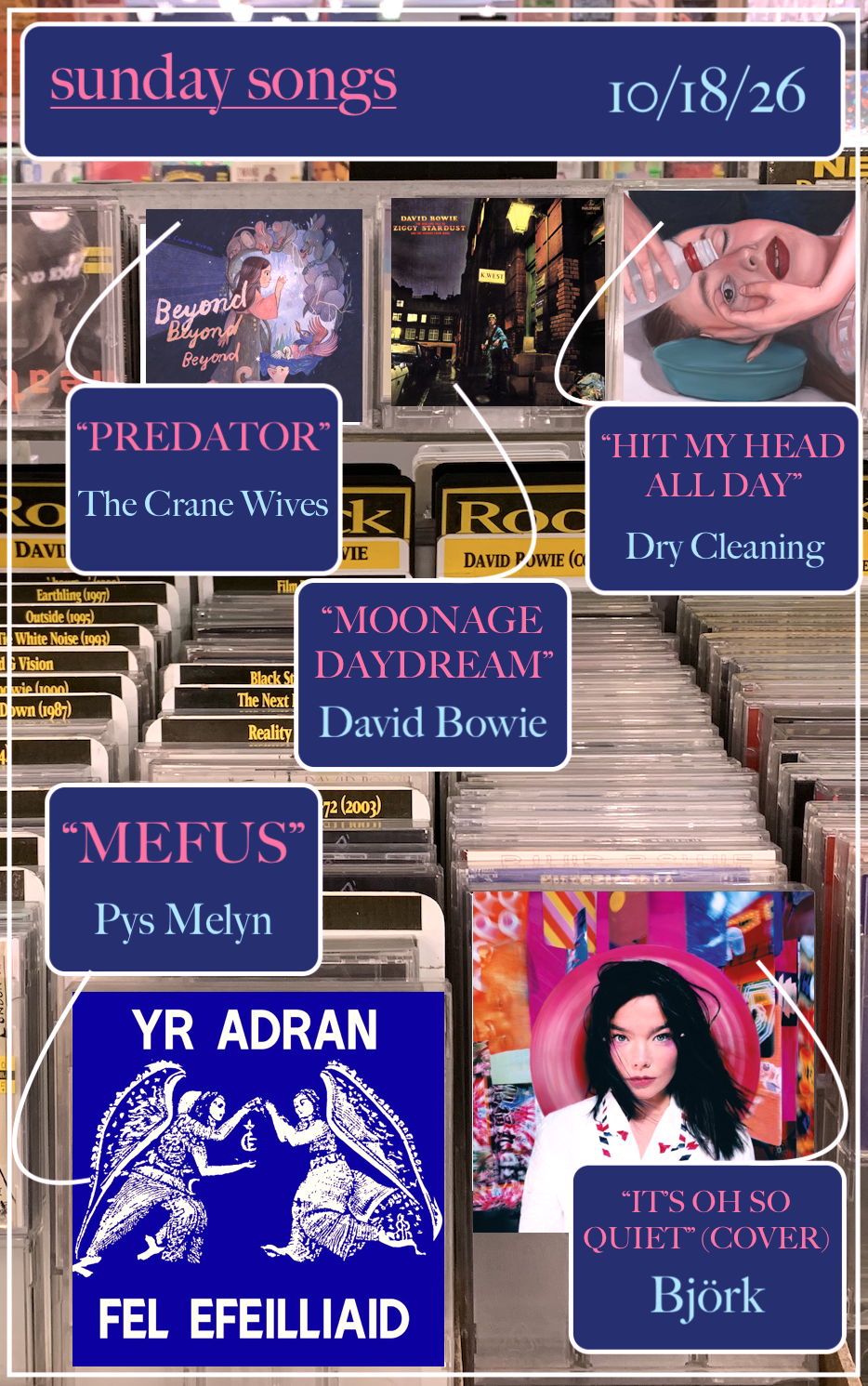
SUNDAY SONGS: 10/18/26

“Mefus” – Pys Melyn

I need to relinquish any shame that I have left about discovering great songs via social media. Sometimes you can stumble across random gems just from seeing some art on your cousin’s story. That’s the case with “Mefus,” and man, am I glad to have found this. How else would I have found a sunny, ’60s-inflected instrumental from some Welsh-language band that I’ve never heard of before? (I listened to all of this album, Fel Efeilliaid, the other day—it’s worth a listen, but “Mefus” remains my favorite track.) For all of the musicians desperately trying to sound like the ’60s and nosediving, Pys Melyn make it look easy; their plinking organs and shuffling drums seem like they were plucked straight from 1966. It sounds like what Wes Anderson would listen to on his morning jog. (Can’t you see this song soundtracking some of his meticulously-framed shots?) “Mefus” means strawberry in Welsh, and for a wordless song, it perfectly evokes summer sunlight and the carefree happiness of picking strawberries. Normally, I don’t gravitate towards instrumentals in terms of songs I have on repeat, but “Mefus” is nothing short of enchanting, a time capsule of the ’60s and of summers without a timestamp.

…AND A BOOK TO GO WITH IT:
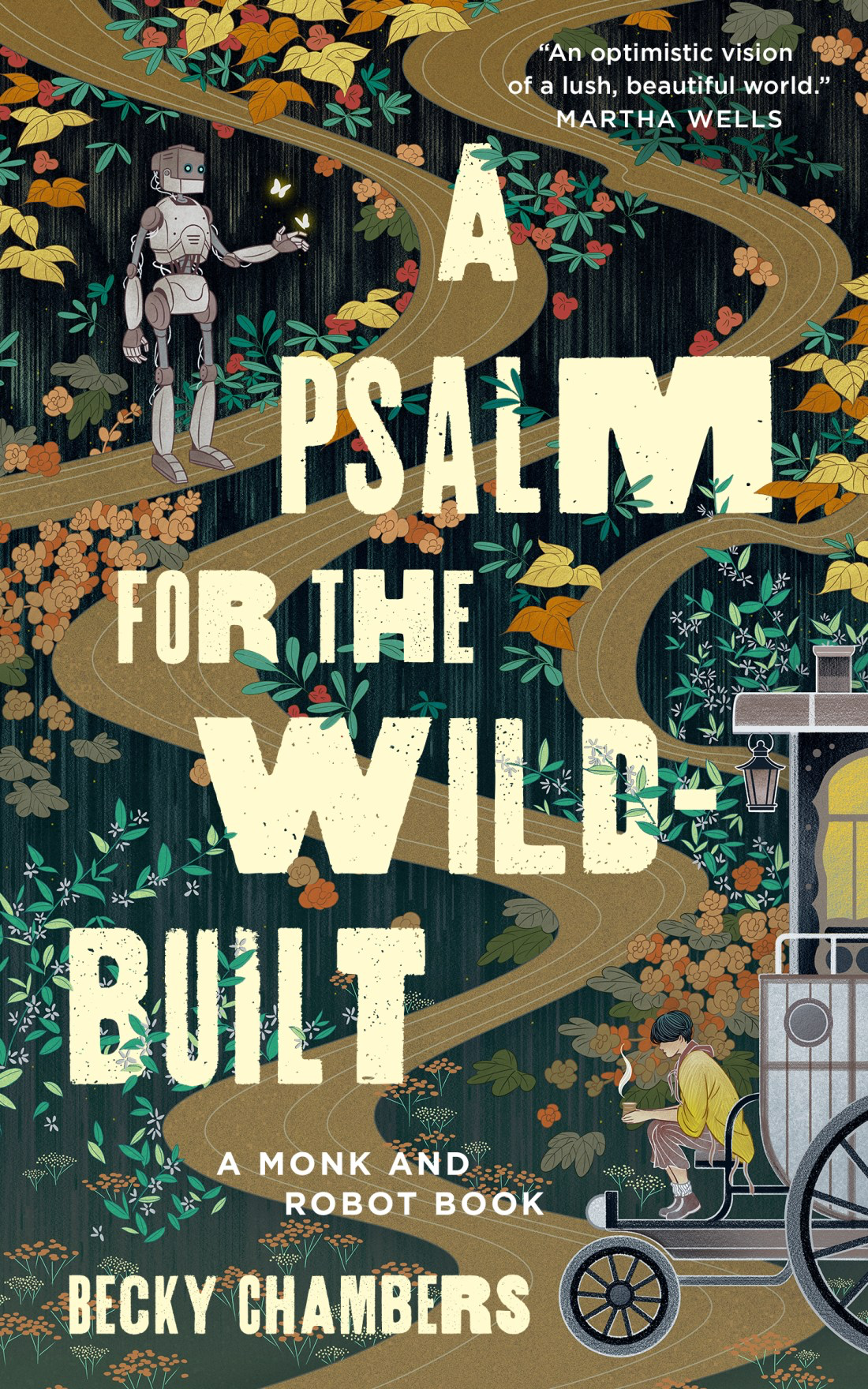
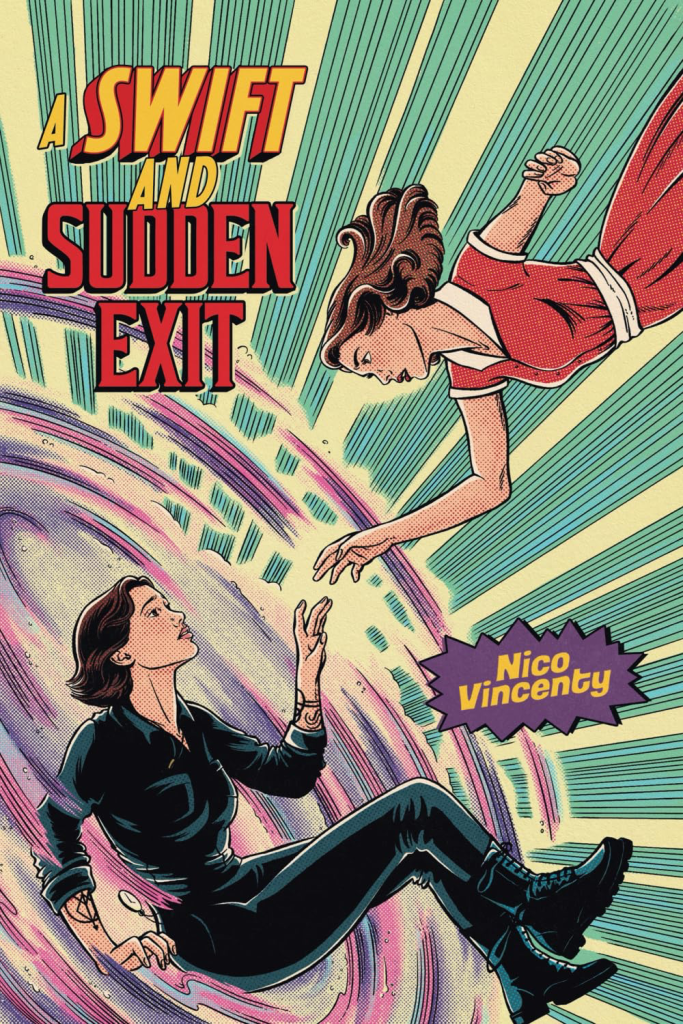
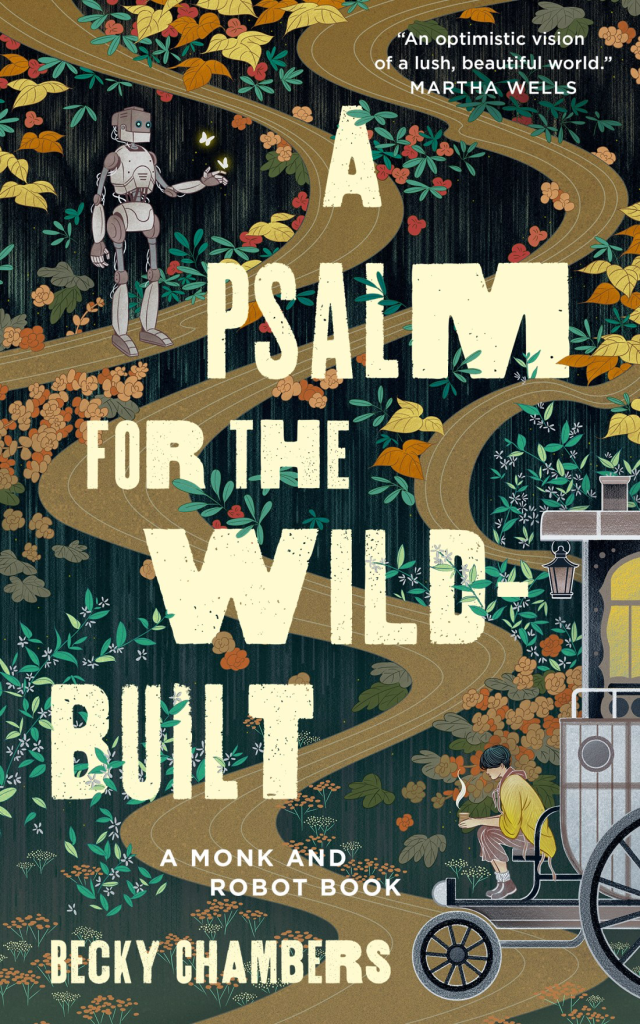
A Psalm for the Wild-Built (Monk & Robot, #1) – Becky Chambers – WE’RE SERENELY STROLLING THROUGH THE WOODS TO FIND OUR PURPOSE WITH THIS ONE ‼️‼️‼️🗣️🗣️🔥

“It’s Oh So Quiet” (Betty Hutton cover) – Björk

For all of the innovation on Post, I feel like there’s a case for “It’s Oh So Quiet” being one of the more solid pieces of proof of Björk’s genius—and the song isn’t even hers. It’s a cover of a Betty Hutton song from the ’50s, a show-tuney B-side that Björk’s tour manager at the time would frequently play in the van on tour. (That version is also a cover, in a way—it’s an English translation of a German song from 1948, “Und jeszt ist es still.”) Hutton’s version is loads of fun, but having listened to this cover for so long, it makes me weirdly anxious—it’s not supposed to be that fast! It’s too compressed! But it’s one of those covers that’s all but eclipsed the original, and it’s easy to see why.

Post is already a fairly weird album, considering how mainstream it got back in the mid-’90s, but nothing gets weirder than a solid stretch of cutting-edge electronics being unceremoniously interrupted by a ’50s show-tune popping up behind you like a jack-in-the-box. Strangely, the transition is barely jarring. To be fair, “The Modern Things” has the right kind of rhythm to ease you into “It’s Oh So Quiet.” But to me, it’s proof of Björk being a truly mercurial, unexpected presence in music. She morphs her tales of mysterious, post-apocalyptic, moss-covered presents and futures into a Broadway-like tune complete with clicking heels and a ’40s-style big band. And though Betty Hutton was doing some pretty impressive yelling on her own, you can’t talk about “It’s Oh So Quiet” without how Björk punctuates it with ecstatically wild screams. It cranks the intensity of the original—which already evoked the devil and bombs exploding—up to a thermometer-shattering level. It goes beyond love or lust and into something so all-consuming that it’s scarcely quantifiable in words—AAAAAAAAAAAAAAAAA! And that’s why I think that mouse-quiet feinting between each chorus, slowed down from the original, works so well; it stretches out that tension like an accordion, truly lulling you into a false sense of security before the brass section detonates in your face. WOW, BAM! AAAAAAAAAAAAAAA!

And I can’t not talk about Spike Jonze’s music video, and not for the plain reason that it’s an iconic touchstone in the history of ’90s music videos. “It’s Oh So Quiet” was the first Björk song that I ever fell in love with. I remember being genuinely spellbound by it when I was around six or seven (no way of getting around that). On its own, it felt like some part of my impressionable brain had been cracked straight open. But paired with the music video, which I distinctly remember watching with my mom huddled in the dark around the family computer, it was like tapping into some magical, unknown realm that I had no access to before. Of course, the magical realm was Björk, and I’d never be the same again. But the music video is just a pure joy. I’d fully believe it if this was just the effect that Björk naturally has on her environment: turning a sketchy tire shop into a dance floor, bringing mailboxes to life, and compelling entire hordes of strangers, from goths to businessmen in their suits and ties, into a spontaneous dance routine. And then she flies off. Manic pixie dream girl activities for anybody else, but that’s just Björk, and she’s naturally like that. It’s all very Amelie, pre-Amelie. Inexplicably, I started welling up when I rewatched the video for this post. Maybe it’s because it will always be that portal’s entrance to somewhere wondrous.

…AND A BOOK TO GO WITH IT:
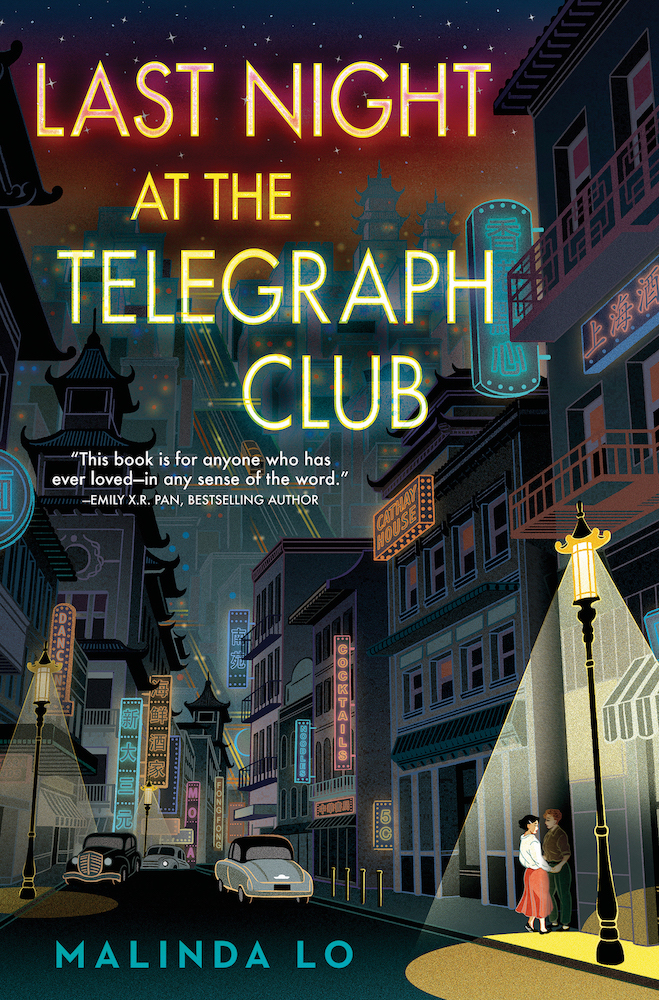
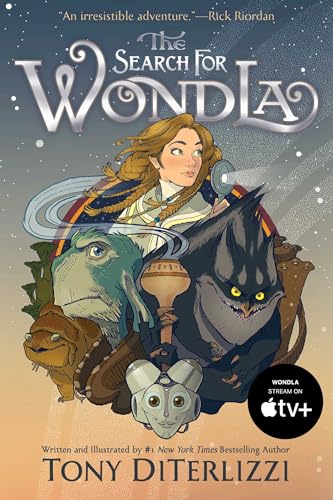
Last Night at the Telegraph Club – Malinda Lo – I suppose this would fit more with the ’50s version, but the atmosphere fits the setting of this novel.

“Predator” – The Crane Wives

My formal apologies: sorry, Crane Wives, I wasn’t familiar with your game.

To be fair, before one of my dear friends sent me some of their newer material, I primarily associated The Crane Wives with the kind of folk-pop that goes viral on TikTok from really corny DnD edits. I swear that’s happened multiple times. Real shame for a band with a fantastic name. But as with a lot of things, I didn’t dig deep enough—and there’s more to them than meets the phone-sized eye. It seems like a lot of their songs on their latest album, Beyond Beyond Beyond, expanded their palette considerably. I, for one, didn’t expect to come into “Predator” with a bassline faintly reeking of Radiohead, of all bands. (See also: “Black Hole Fantasy,” which has a great six-minute languish to it.) It seems like they’re undergoing a kind of Shakey Graves arc, splintering out from the folk model and into more adventurous territory. Sure, “Predator” has its missteps—easy on the handclaps, dude—but it’s got a real propulsive instrumental, darkly askew and more alternative than I’d given them credit for, a tale of being trapped in your own harmful habits (and getting tangled up in the same harmful habits of other people). It’s refreshing to know that I was wrong about a band—and it was to fun to realize that The Crane Wives had more to them than meets the eye.

…AND A BOOK TO GO WITH IT:
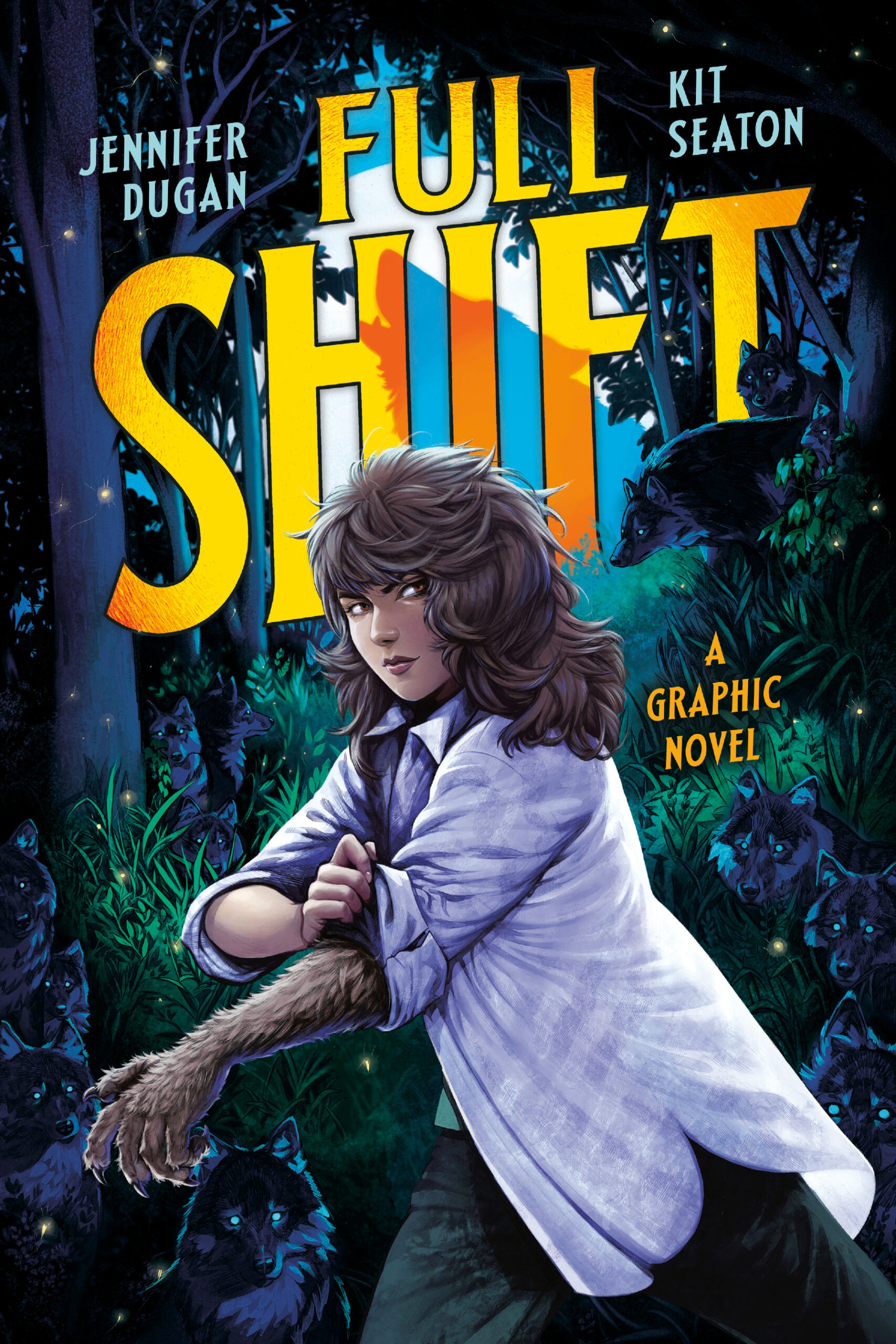
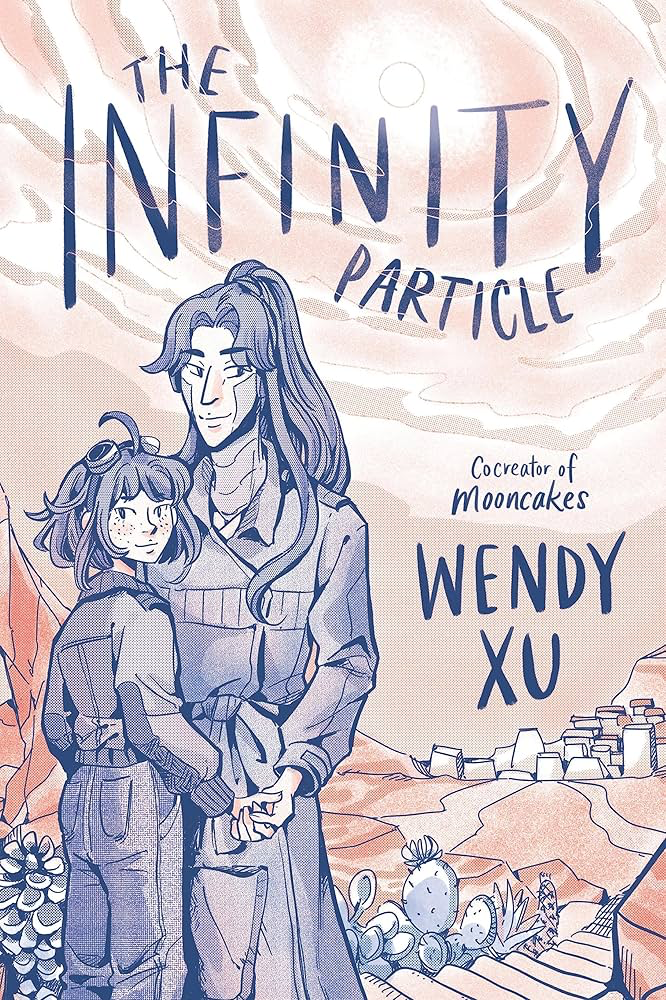
Full Shift – Jennifer Dugan and Kit Seaton – “What were you thinking?/Shouldn’t you know better?/You opened the door for an apex predator…”

“Moonage Daydream” – David Bowie

I put this on my Sunday Songs lineup because I’d listened to it again for the first time in a while, and predictably, fell in love with it all over again. But I didn’t stop and think that I’d be really writing about “Moonage Daydream.” What do you even say about “Moonage Daydream?” One of the most memorable singles from one of his most iconic albums of all time. The song that gave the name to Brett Morgen’s biopic/documentary/mind exploration from 2022. It was the track they put in Guardians of the Galaxy to great effect back in the day. The lyrics gave me my username on several other social media platforms. What the hell do you even say about “Moonage Daydream” that hasn’t already been said?

In a lot of Bowie fan spaces, there’s a kind of aversion amongst the die-hard fans towards the Ziggy era. I’m behind some of it—I feel like there’s a tendency for a lot of Bowie fans to gloss over all of the other radical transformations (both personal and musical) that he made over the span of his career in favor of only fixating on Ziggy Stardust and the glam era, and maybe a bit of his late ’70s work as a treat. On the one hand, it really is a disservice to disregard decades of his career, and if you listen to Bowie but only acknowledge the ’70s, you’re depriving yourself of so much of the mercurial artistry that he’s praised for. How can you understand that transformation if you don’t see the radical leaps he made from suit-and-tie pop star in the ’80s to the electronic, experimental mastermind of the ’90s, and so on? It’s made it weirdly uncool to like Ziggy the deeper you get into fan spaces.

Yet I find myself so defensive of the Ziggy/glam era; even as somebody who’s been poring through his discography for the better part of my life, it remains my favorite period of his, both aesthetically and musically. Part of that’s purely nostalgic, of course—you never forget your first love, and this is the first version of Bowie that I fell in love with. The specific confluence of the glam rock sound at its finest, the visual aesthetic, and the sci-fi themes combined with the inherent and coded queerness of a lot of lyrics scratches a way too specific itch in my brain. Yes, it was a persona like all the others, but I think we often gloss over the fact that every persona inadvertently represented parts of himself. For me, I’ve always seen it as something of a product of the shock and alienation he felt being thrust into the spotlight after being a struggling folkie barely making a splash in the industry for years. He was alien, no matter how he dressed. He felt like an alien.

And that’s what makes “Moonage Daydream” so staggering and important to this day. Beyond the hastily-crafted concept behind The Rise and Fall of Ziggy Stardust and the Spiders from Mars, it still stands as the cornerstone of what the album represented. As I’ve gotten older, I’ve realized that Ziggy Stardust, as grandiose as it is, has so many moments wanting to experience something real; I imagine it was a consequence of Bowie struggling to find a foothold anywhere and feeling alienated himself. From the quiet moments in “Soul Love” to the plastic-clad downfall of the titular “Ziggy Stardust,” there’s a yearning for the real behind the artificial. And that desire is what culminates in “Moonage Daydream,” a more straightforward love song behind all of the classically sci-fi lyrics. Behind the spandex, rayguns, and sensuality, Bowie wants to peel back what’s fake and fully fall in love. Could I be reading too much into it? Probably. But I think that’s what makes the yearning of this track feel authentic. Ziggy was always much more than the makeup and spandex—it was Bowie’s own desire to touch reality behind the artifice of modern life that he found himself suddenly faced with.

Also, the guitar solo just rips. God bless Mick Ronson.

…AND A BOOK TO GO WITH IT:
“Hit My Head All Day” – Dry Cleaning

The Cate Le Bon kick was bound to lead me to Dry Cleaning someday, but as with Me Oh My, my older brother was the impetus for listening to their newest album, Secret Love, which Le Bon produced. I’d vaguely heard of them in relation to her, but I’d never gotten around to listening to them. There’s no doubt that Secret Love has Le Bon’s magical fingerprints all over it; her thrumming bass, blasts of saxophone, and angular sensibilities translated well to the palette that Florence Shaw and co. already had going. Nonetheless, I have mixed feelings about the album. I think I’m just not fully on board with Shaw’s kind of post-ironic, dead-eyed kind of spoken word style. Sometimes it works in diagnosing the many ills of modern life, but at worst, it feels like some faux-deep thinkpiece I would’ve had to read for my women and gender studies minor. (Lookin’ at you, “My Soul/Half Pint.” That one just made me roll my eyes. “Maybe it’s time for men to clean for like/Five hundred years” pack it up, dude.) There’s only so much deadpan meanderings about how terrible society is before it starts getting old.

But “Hit My Head All Day?” Now this is something special. Unfortunately, it kind of ruined the rest of the album for me because nothing was quite so good as this (save for “Cruise Ship Designer,” one of the album’s more energetic tracks that reminds me a lot of Wire/Talking Heads). In a gloomy, six-minute sprawl buoyed by slinking, ’80s bass, Shaw sings as though she’s trapped in an ever-shrinking box, contorting her limbs to sharp corners. The lyrics muse on extreme desensitization and the desire to feel anything, everything, even if it means, well…hitting your head all day: “When I was a child, I wanted to be a horse/Eating onions, carrots, celery/I simply must have experiences/Manipulate me, wiggle my arms.” It’s reminiscent of Peter Gabriel’s “I Have the Touch” in its desire for connection, though this is decidedly drier and angular than Gabriel’s synthy, impassioned pleas. Here, Shaw’s dreary delivery makes the case all the more for the narrator’s lack of stimulation; you really do believe that she’s desperate to the point of banging her head against a wall.

…AND A BOOK TO GO WITH IT:
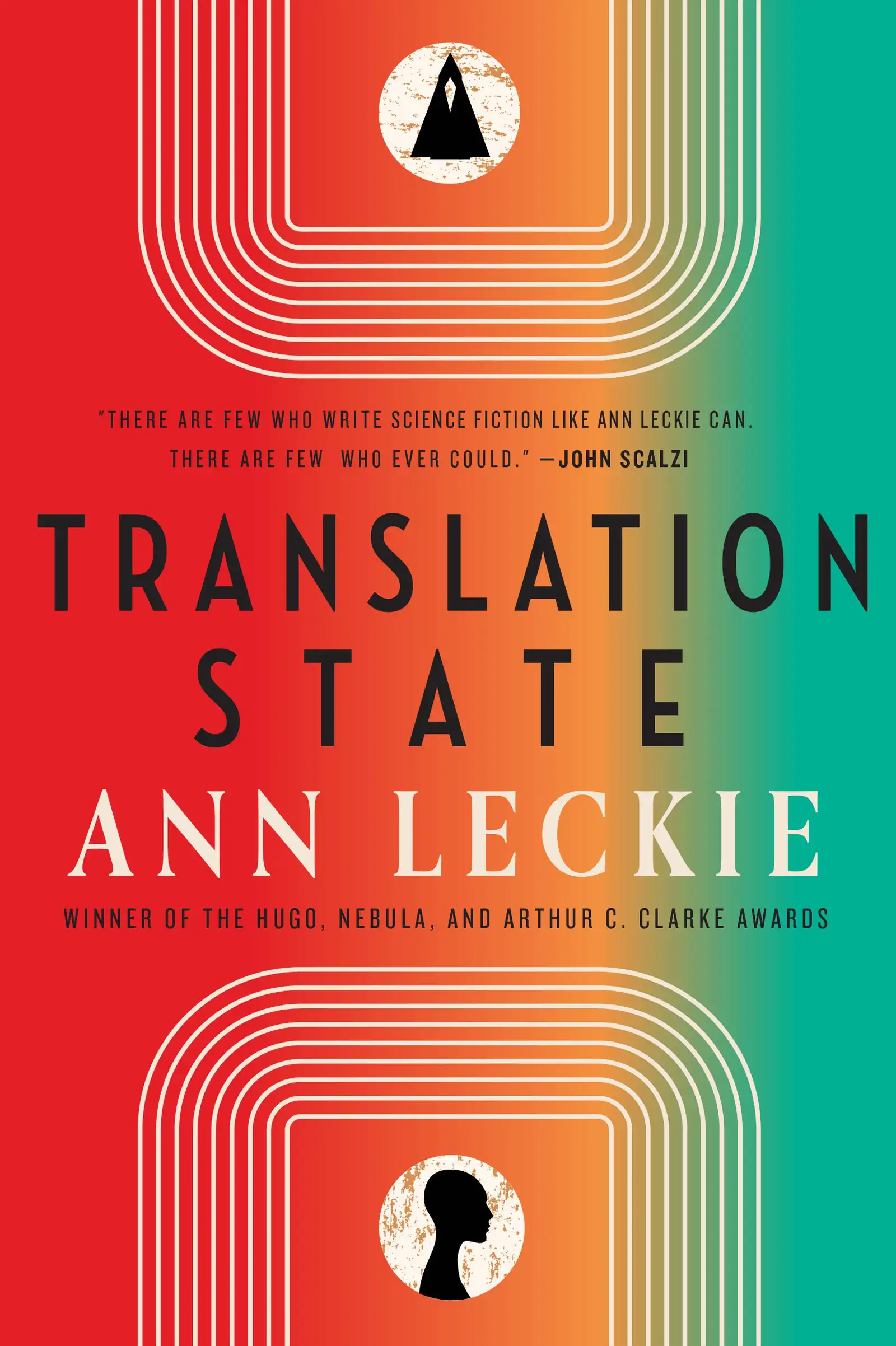
Translation State – Ann Leckie – “I simply must have experiences/Manipulate me, wiggle my arms/I hit my head in different places…”

Since this post consists entirely of songs, consider all of them to be today’s song.

That’s it for this week’s Sunday Songs! Have a wonderful rest of your day, and take care of yourselves!

Posted in Sunday Songs

Sunday Songs: 10/4/26

Happy Sunday, bibliophiles! I hope this week has treated you well.

This week: Madeline gets annoying about shoegaze and Björk again. Plus, Robyn Hitchcock songs that make you go “wahoo! Hell yeah!”

Enjoy this week’s songs!

SUNDAY SONGS: 10/4/26

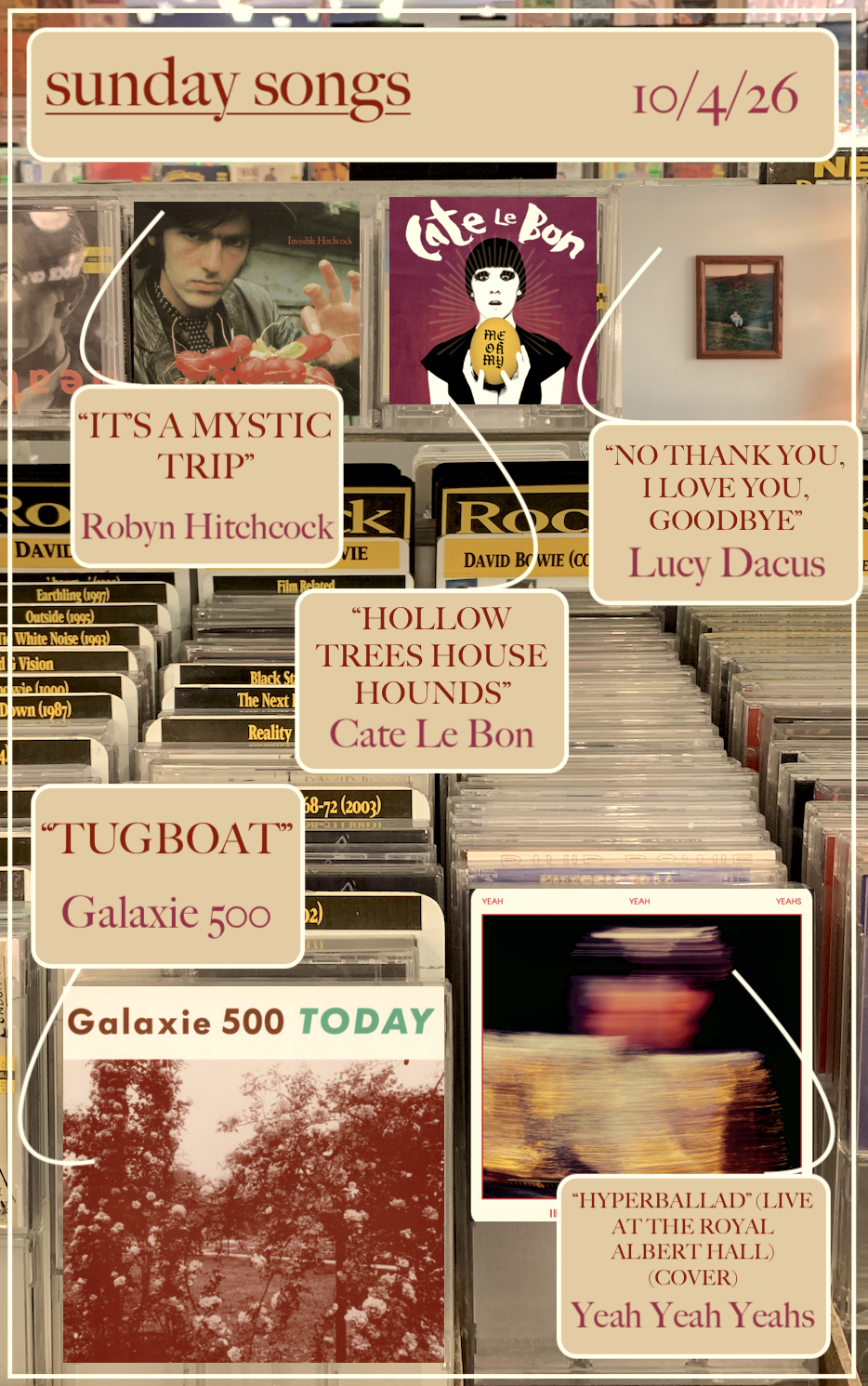
“Tugboat” – Galaxie 500

It’s been an embarrassingly long time coming for me to write about this song. I found out about it at least a month ago on the same BBC Radio 6 interview with mary in the junkyard that I discovered Jessica Pratt through. Admittedly, I talked about Jessica Pratt two weeks ago, and I’d had that revelation at least two weeks before I’d made the damn post. Sorry, excuse me while I pull down the massive Wizard of Oz curtain here…not that anybody really cared all that much about the timing here. There’s always a fair amount of lag in terms of the songs I’m writing about. Breaking my silence…

Anyways. Galaxie 500’s Today was drummer David Addison’s pick for his album. One way or another, I probably would’ve found my way to Galaxie 500 given how much I love shoegaze (and. Luna, for that matter), but I’m not complaining that today (figuratively) is the day. Plus, as the leaves around my apartment start to turn orange and the air turns sharp and chilly, it feels like the perfect environment to drift off to “Tugboat.” Even without the nautical title and lyric references, this track meanders like it’s a slow, lumbering boat miles away from the nearest coastline. Dean Wareham—who I didn’t even make the connection to until my dad pointed out that it was him—laments in a crooked rasp about wanting to be the one sailing that ship: “I don’t wanna stay at your party/I don’t wanna talk to your friends/I don’t wanna vote for your president/I just wanna be your tugboat captain.”

It’s 1/3rd love song, 1/3rd wistful plea to escape it all, and 1/3rd classic shoegaze freakout; once the repeated verse and chorus (if you can call them that) disappear into the mist, never to be seen again, Wareham launches into a spidery guitar riff as reverb swallows what remains of the song whole, like some sort of biblical leviathan. And sure, I’ll eat up some classic noisy shoegaze riff action any day of the week, but to me, it feels very thematically significant: after Wareham lays out his lament of wanting to escape, the last third of the song loses its structure, its DNA dissolving; to me, that’s exactly the escape he was looking for, and the tugboat captain has made his maiden voyage.

…AND A BOOK TO GO WITH IT:

The Celestial Seas – T.A. Chan – “I don’t wanna talk to your friends/I don’t wanna vote for your president/I just wanna be your tugboat captain…”

“Hyperballad” (Live at the Royal Albert Hall) [Björk cover] – Yeah Yeah Yeahs

Just writing down “acoustic Björk cover” feels offensive to me. For the majority of her catalogue, it’s a kind of unholy combination that really shouldn’t exist. How do you reduce the soundscapes of an artist who specializes in creating veritable jungles with sampling, synth textures, and percussion? It just feels like sacrilege to see all that and go “welp, lemme whip out the acoustic guitar…anyways, here’s Wonderwall, amirite?”

Fortunately, Yeah Yeah Yeahs are no stranger to sacrilege. (Sorry, I couldn’t resist.) To be fair to them, it’s not fully acoustic—it’s a live cut from Hidden in Pieces, performed at the Royal Albert Hall with a full string section. And if there was anybody that understands the pioneering spirit of Björk, it’s one of the many daring women that she inspired to get weird with it: Karen O. Even having been a Yeah Yeah Yeahs fan for over a decade, it seemed like this was territory that even they couldn’t succeed in, and boy, was I wrong. Of course, nothing beats Björk’s original, but there’s something about this understated, almost humbled take on this classic. Only accompanied by said guitar and the melancholy strings section, it takes the lyrics—a private exorcism to keep a relationship afloat—in a softer, strangely ashamed direction. Karen O’s vocals are, as expectedly, nothing short of heavenly, but they lend a sort of whispery, bittersweet pang to an already emotional song, heavy with the weight of sacrifice.

…AND A BOOK TO GO WITH IT:

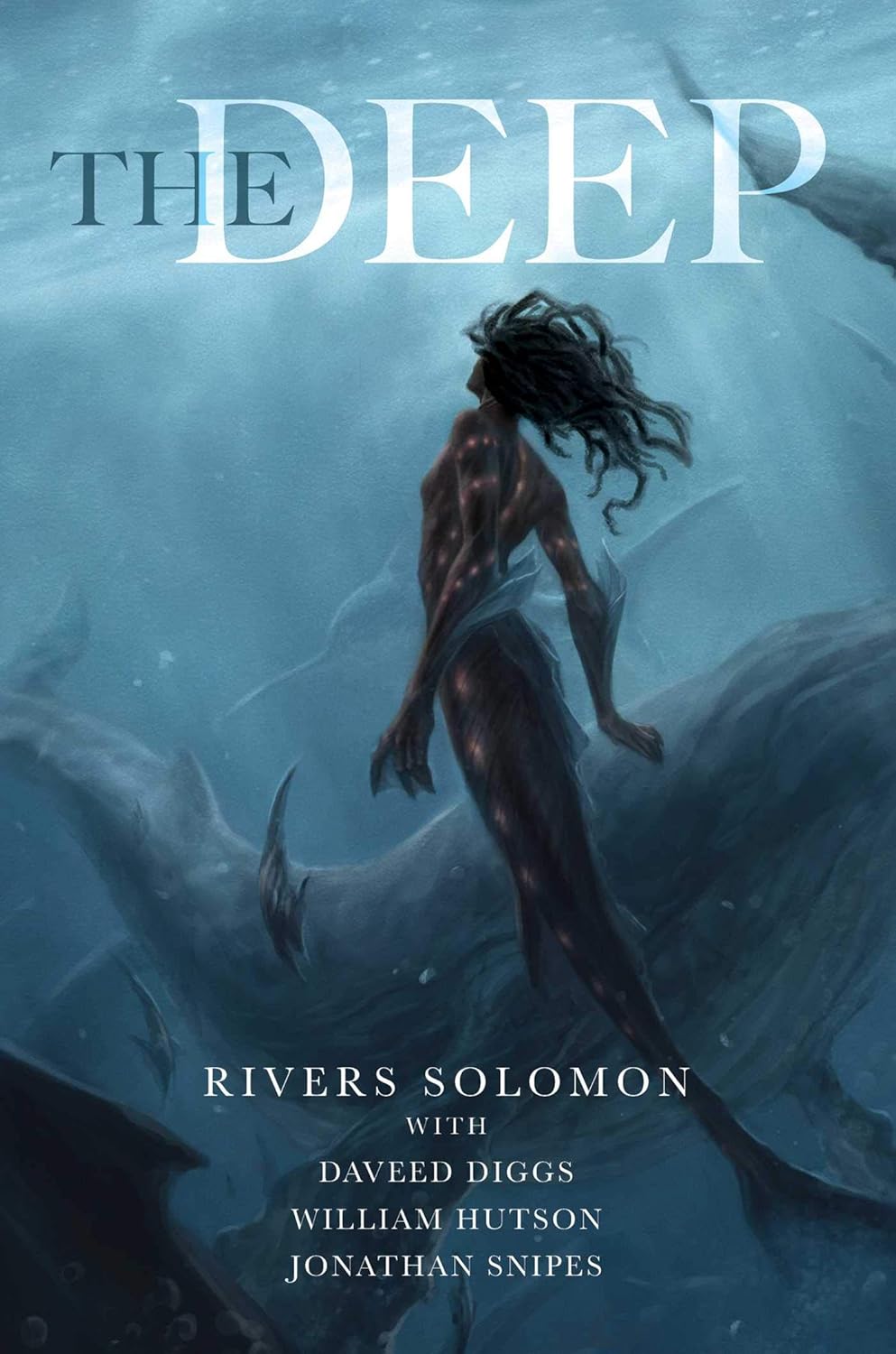
The Deep – Rivers Solomon – “I go through all this/Before you wake up/So I can feel happier/To be safe up here with you…”

“It’s a Mystic Trip” – Robyn Hitchcock

Robyn Hitchcock recently released Invisible Hitchcock, his collection of rarities, outtakes, and demos that was previously only available on cassette and CD back in the day, on Bandcamp last month. Other than the absolutely glorious cover, with Hitchcock somewhat menacingly showing you his radishes, is finally seeing the light of day for the first time since the ’80s, there’s one key reason why Invisible Hitchcock made me so excited. Why? Four words: “It’s a Mystic Trip.” Fuck yeah, finally!!

WAHOO!! HELL YEAH!!!! Or, in the words of the man himself, YAYSVILLE!! Listen, my poor dad didn’t get his justice after requesting this song at the most recent show and not hearing it, but at least “It’s a Mystic Trip” is more widely available (and in better audio quality than YouTube). About time, too, because this song is just joyous. I genuinely feel something close to ecstatic every time I listen to it, to the point where whichever neighbors saw me having a solo dance party to it definitely contemplated calling a hotline of some kind.

Dating somewhere back to the early ’80s, post-Soft Boys and at the beginning of his burgeoning solo career, Hitchcock described the songs on Invisible Hitchcock as offcuts from a period from “when New Romantics were at their zenith, I felt more comfortable clutching radishes outside a garden shed than trying to hang out in the Club for Heroes or the Batcave. I couldn’t get my quiff together, nor did I really want the digital patina sprinkled over my songs that seemed obligatory for 1980s pop music.” Keeping that timeframe in mind, “It’s a Mystic Trip” feels like the point where Hitchcock’s creative floodgates burst straight open. After The Soft Boys, who retained a punk sound while lyrically bucking up against tradition, this song goes headfirst, no holds barred, into straight-up psychedelia. His riffs seem to dance against the beat, which has the rhythm of the world’s most confident strut down a brick street. Compared to this, the Soft Boys’s lyrics sound like he’s holding back—he’s spouting the absolute quirkiest nonsense with the self-assured confidence of a time traveler peddling prophecies from the far, far future. Occasionally he veers into the exasperation of a checked-out British mother from the ’50’s at the objectively bonkers scenes unfolding in front of him: “Janice, don’t squat in the nettles/Last week, three people came in to be dignified/And they all got stung.” And to give you an idea of the average trajectory of “It’s a Mystic Trip,” here’s what comes immediately afterwards: “Lucy put her bean in her nostril/And Mr. Watkins said, ‘well, where there’s a barrel, there’s a bung!'” Naturally. It’s so British. But though it’s absurd through and through, there’s a relentless happiness to it. To me, even if it’s adjacent to the lyrics, “It’s a Mystic Trip” represents the moment where Hitchcock felt truly confident in breaking free of the mold, and setting carefree impulse in his songwriting free. I’d never call Hitchcock cringe (even affectionately, as somebody who’s embraced the cringe long ago) but it really does ring true to “to be cringe is to be free”: your best work comes along when you throw convention straight out the window.

…AND A BOOK TO GO WITH IT:

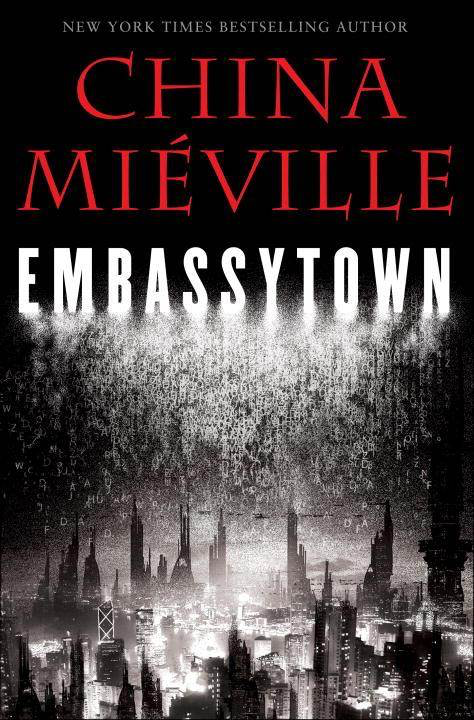
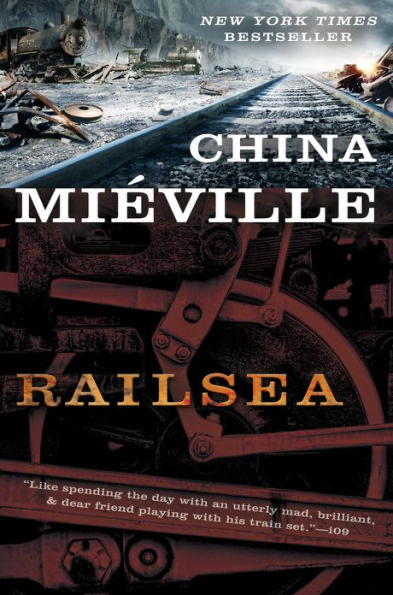
Railsea – China Miéville – I sometimes struggle pairing books with Robyn Hitchcock songs, and this one was no different. To me, Railsea has that same spirit of being relentlessly, batshit weird and reveling in throwing expectations to the winds. Shoutout to weird British dudes, I guess.

“Hollow Trees House Hounds” – Cate Le Bon

I’ve done it. I’ve scaled the mountain. Minus a few EPs, I’ve listened to Cate Le Bon’s entire discography. I effectively went backwards, since Me Oh My was her debut album. The St. Vincent comparisons are inevitable, but Me Oh My is very much her Marry Me, not just temporally but sonically. It has the kind of relentless, freewheeling energy of somebody letting it all out and trying everything, and it serves as a time capsule of a weirdo’s first solo foray into the music world. There’s a slightly more cohesive sound than Marry Me, but it has that same late 2000’s indie precociousness to it. It veers into being to twee at times, and honestly, her keyboard choices weren’t doing her any favors for a good half of the album. I hate to slander my queen here, but that fake organ noise makes her sound like the weird Christian lady from Edward Scissorhands in some places. But as a whole, it’s a portrait of a budding weirdo who would eventually hold the torch for many more weirdos to follow. The seeds are all sprouting here, and the blooms that are coming up look alien.

What I didn’t add about finishing Cate Le Bon’s discography is that my brother beat me to the punch. The student has become the master, etc. But he was the one who shared “Hollow Trees House Hounds,” and it kind of ruined Me Oh My for me because it’s the best track on the album by a long shot. It’s just a kooky delight. Out of the whole album, which is mostly acoustic, it’s one of the few rockier tracks, and it really does rock—the chunky guitar chords and the drums make it an instant boot-stomper. The riffs in between skitter and scramble, and all the while, Le Bon is spinning a surreal tale. From the start, she was already getting weird with the lyrics—I mean, look at the title—but the imagery of overgrown moss and vines and a forest to conquer is nothing but her. But I think the outro is an amazing foreshadowing of her career; the repetition of “No room for me/I’m serpentine” is the perfect distillation of her consistent refusal to be boxed in and her penchant for daring, unconventional musical choices. Plus, the shrillness of it reminds me of St. Vincent’s “Now Now”—the “You don’t mean that/Say you’re sorry” bit in particular.

I can’t not mention the music video, which is somewhere between Radiohead’s “There There” and Björk’s “Human Behaviour”—and “Bachelorette,” for that matter—it reeks of the Michel Gondry/Chris Hopewell influence, but with way more beheadings. Which is to say that neither of the examples I just listed had any beheadings at all. Kaiju Cate Le Bon can’t catch a break. But like Me Oh My, it’s totally offbeat and kooky, and very meticulously animated with magazine cutouts and whatnot. Once again, very late 2000’s-early 2010’s, but I miss that era of music videos.

…AND A BOOK TO GO WITH IT:

Lightfall: The Girl and the Galdurian – Tim Probert – more than fitting for a fantastical gallivant through strange, magical lands.

“No Thank You, I Love You, Goodbye” – Lucy Dacus

To quote one of the top YouTube comments on this video, “Phoebe set me up, Lucy knocked me down.” None of us were ready to get emotionally sniped by this. Lucy, diva, I know that No Burden turned 10 recently, but LET US BREATHE FOR A MINUTE before unleashing something like this! Christ. Either way, I’m not about to look a gift horse in the mouth, because “No Thank You, I Love You, Goodbye” is an excellent track. Originally a rarity recorded during the sessions for No Burden, it’s a revived time capsule from 2016, shaking with the same angst that colored the album. Amidst an onslaught of reverb that feels strong enough to drag somebody into the riptide, Dacus recounts being dragged along by a lover’s careless antics: “You used to scare me/Bottle on the dashboard/Reckless abandon, abandoning me/I swore to myself I would not follow your lead/So why did I get in the car every evening?” The churning chug of the production, grainy and building to an implosion we never hear, accentuates Dacus’s mounting feelings of being trapped in a corner, knowing that it’s nearly too late to save herself. But save herself she does—she lets the song peter out, as though leading a limping, wounded animal to safety, letting it fade into soft but firm promises: “Put me to rest, to rest/Say ‘no thank you, I love you, goodbye.'”

…AND A BOOK TO GO WITH IT:

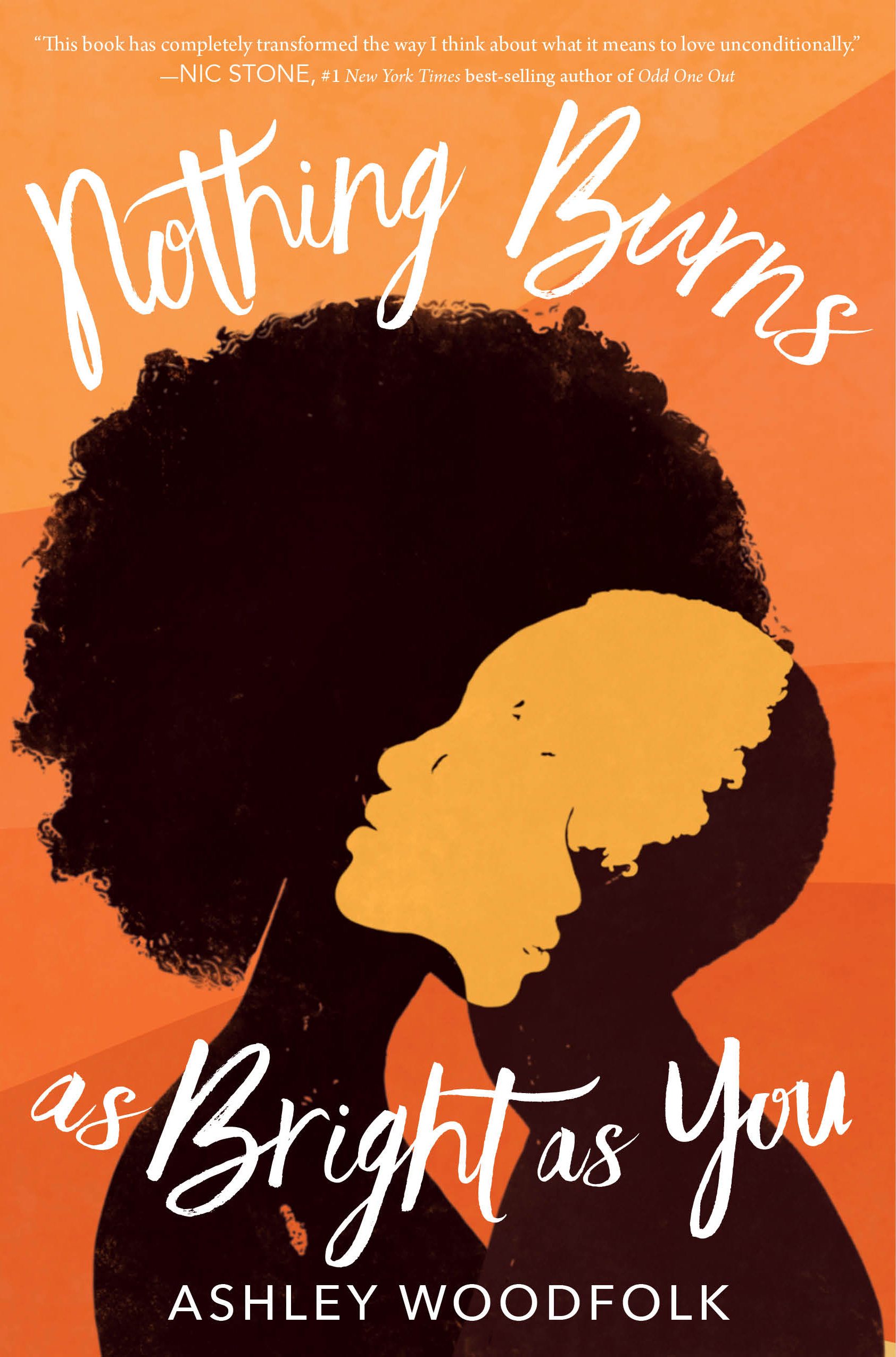
Nothing Burns as Bright as You – Ashley Woodfolk – “You used to scare me/Bottle on the dashboard/Reckless abandon, abandoning me/I swore to myself I would not follow your lead/So why did I get in the car every evening?”

Since this post consists entirely of songs, consider all of them to be today’s song.

That’s it for this week’s songs! Have a wonderful rest of your day, and take care of yourselves!

Posted in Sunday Songs

Sunday Songs: 9/20/26

Happy Sunday, bibliophiles! I hope this week has treated you well.

This week: women getting weird with it is a common theme here, but the vibe you gravitate towards is your choice today. Plus, Tall Dwarfs get lost in the woods.

Enjoy this week’s songs!

SUNDAY SONGS: 9/20/26

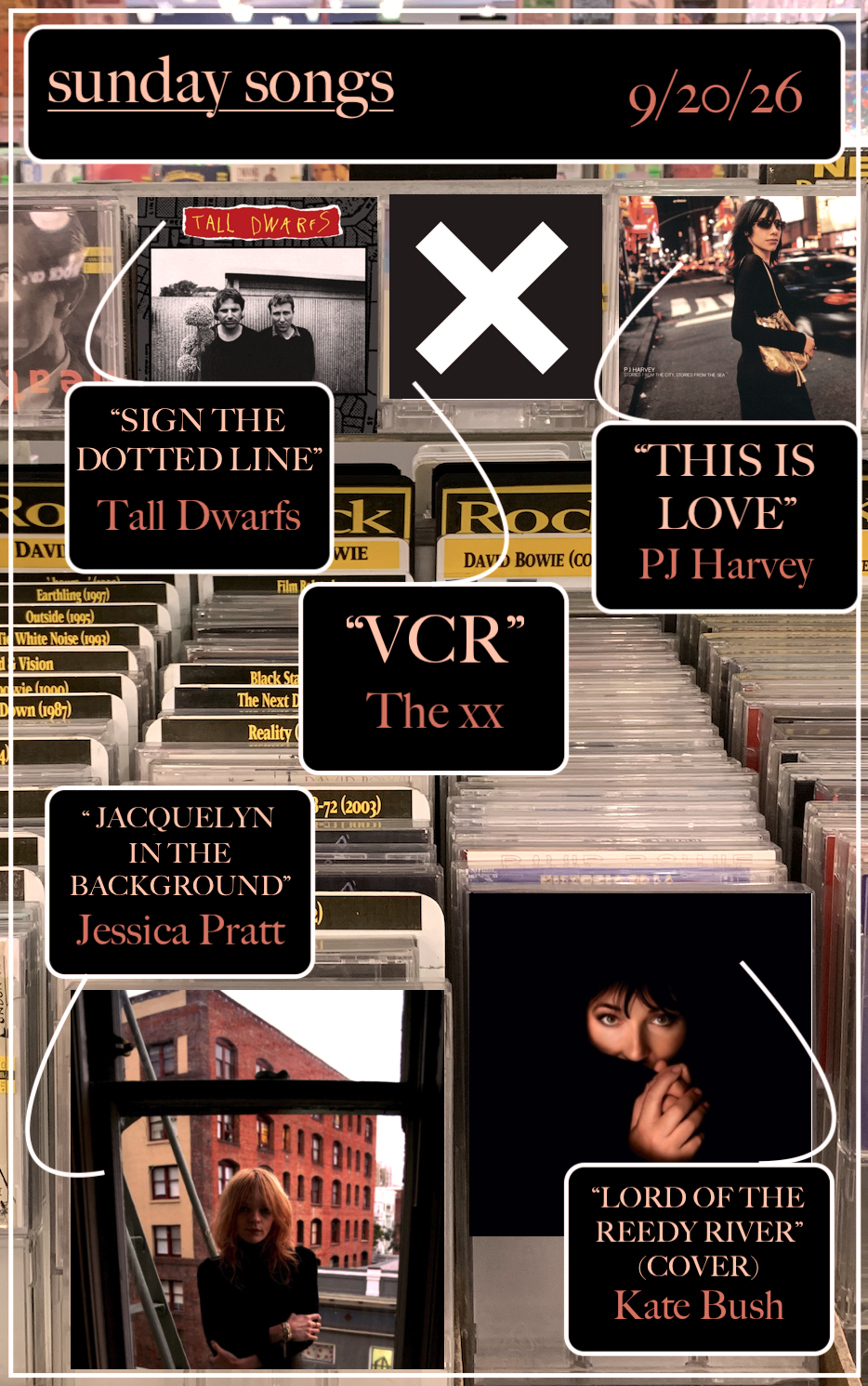
“Jacquelyn in the Background” – Jessica Pratt

Talking to Radio 6 Music for BBC, Clari Freeman-Taylor of mary in the junkyard described Jessica Pratt’s album On Your Own Love Again as “the kind of music that frogs would make on lily pads” and Pratt herself as “an alien.” And just like that, I was sold. Both of Freeman-Taylor’s descriptions are right on the money. There’s a charming, familiar yet alien quality to Pratt’s music. The first comparison that jumped out at me was early Cate Le Bon, before she’d gone full-throttle into sensory synth maximalism; St. Vincent circa Marry Me comes to mind as well. Their joint wavelengths of quirkiness manifest in similar ways, with folk skewed enough out of the ordinary to sound like something timeless but new.

I’ll always love a woman vocalist with an unabashedly unconventional voice. Pratt’s voice is nasally at the best of times, and that’s part of what makes Freeman-Taylor’s frog comparison genius: she totally sounds like she could be an extra on Over the Garden Wall, or something. Against the delicate pluckings of an acoustic guitar, “Jacquelyn in the Background” weaves a story that seems innocuous—just a folksy tale of mundane friendship—with flickers of uncertainty that belie some sort of imaginary friend narrative. Jacquelyn is in the background, but the image of her shifts colors, morphing as Pratt catches glimpses of her between shadows in her room. My favorite part of the song comes when the music catches up to the meaning: at 2:41, the pitch suddenly shifts and wobbles all over the place, dopplering in and out of the realm of the ordinary before tripping head over heels back into normalcy. Twitches of pitch-shifting fleck the rest of “Jacquelyn in the Background” until it ends. I was on board from the beginning, but that flourish of genius, connecting the narrative to the music itself, is what sold me on Jessica Pratt. If my never-ending album bucket list is anything to go by, it’ll be a long time coming, but something tells me that this isn’t the last time I’ll talk about her on here.

…AND A BOOK TO GO WITH IT:

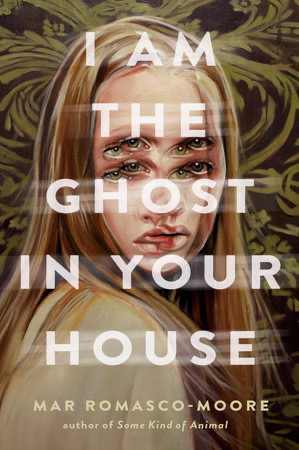
I Am the Ghost in Your House – Mar Romasco-Moore – “Ode to Jacquelyn, I see you coming through/See the changes in your smile/In the background, you’re coming in colors now/Leave your bad news for a while…”

“Lord of the Reedy River” (Donovan cover) – Kate Bush

I’m biased, since I listened to the Kate Bush version first and I really don’t know much of anything about Donovan. (To be fair, not all of her covers hit the mark—see her weirdly pseudo-reggae cover of Elton John’s “Rocket Man.” If that concept makes you go huh?, you’re not alone. To be fair, it’s not bad, it’s just a combination that doesn’t fully work.) But this cover elevates Donovan’s original song so much. Donovan’s version, a retelling of the Greek myth of Leda and the Swan, is eerie to begin with. It has that uneasiness that you find with a lot of ’60s folk songs, this kind of whispery discomfort that hints at unsaid things beneath the surface. But for a song about a myth about a mortal woman getting raped by Zeus in the form of a swan, the lyrics don’t suggest anything all that distressing, other than the waver in Donovan’s voice.

Kate Bush had to be keen on that undertone. Swapping Donovan’s acoustic guitar for flutes and a ghostly choir, her interpretation of “Lord of the Reedy River,” without changing the lyrics, makes it clear how inherently chilling the story is. There’s a quivering anxiety everything, shadows concealing feathers and uncertainty afoot. The male choir that Bush often used in her early years (to mixed results) hums discordantly, groaning and murmuring as though they’re spirits watching from the underworld itself. The only change is that Bush switches Donovan’s “she” to the more personal “I,” and that might be the most crucial change of all; closing the distance between Leda and the listener makes the mounting fear—and the implications of the myth itself—much more immediate.

…AND A BOOK TO GO WITH IT:

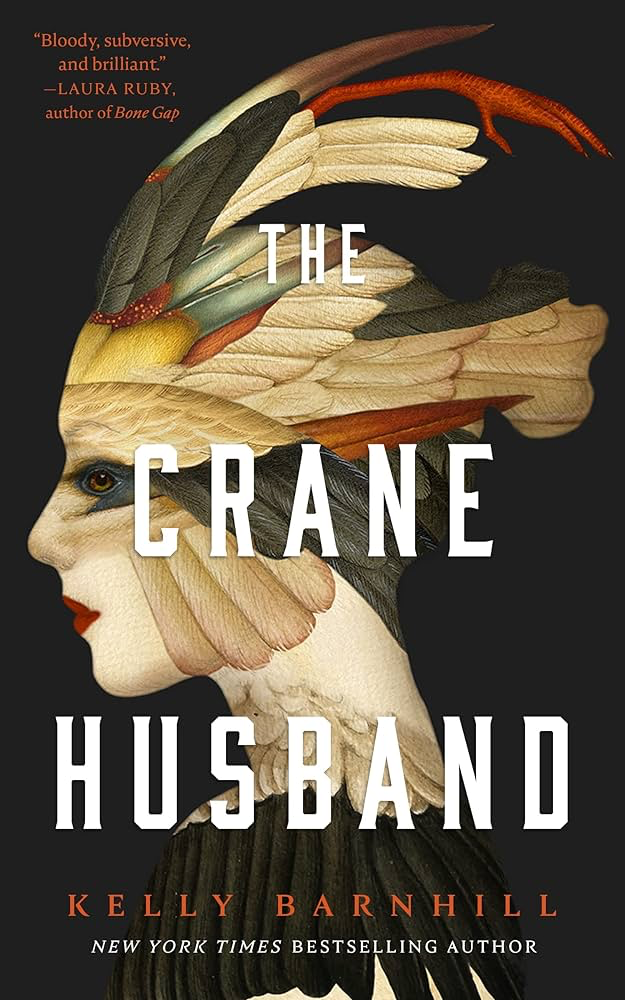
The Crane Husband – Kelly Barnhill – even with all of the Greek myth retellings I’ve read, I’ve never come across one of Leda and the Swan; and listen, fully admitting to double-dipping with this one, but it’s the first book that came to mind with eerie birds and uneven power dynamics (to put it lightly).

“Sign the Dotted Line” – Tall Dwarfs

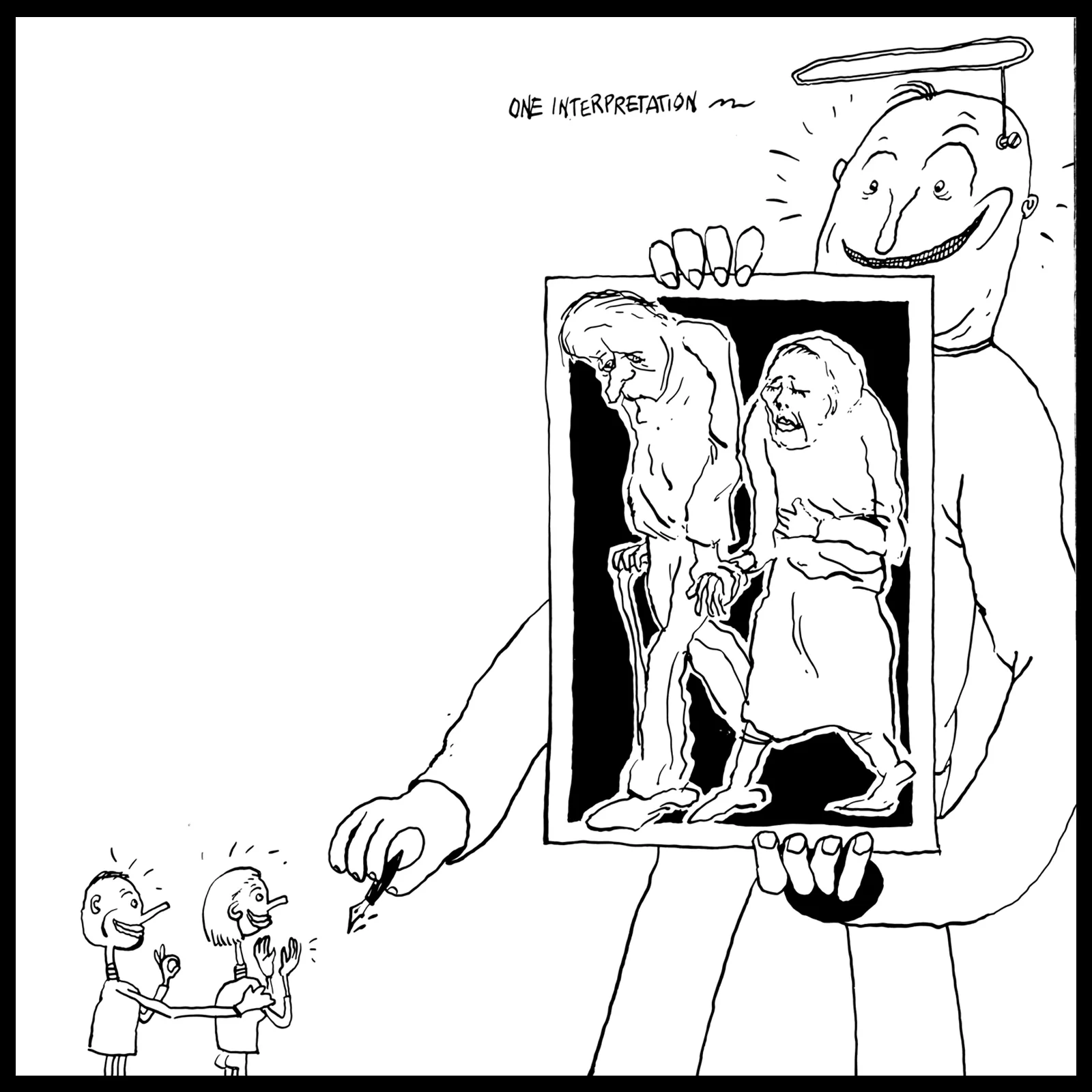
“Sign the Dotted Line” has a strangely childlike quality to me, but it’s a very specific brand of childlike. Other than the grim territory that some of the lyrics verge into, it feels like it should be soundtracking the quest of a band of feral children with bindles wielding big sticks as swords with dirt smeared on their knees, like something out of Calvin and Hobbes. (I’m imagining at least one of them is wearing a colander as a helmet.) The looping background percussion—which reviewer Roger Shepherd derogatorily likened to a “burping mud pool” (ouch)—adds to that feeling; if there were any more instrumentation other than guitars and said loop, it ought to be a washboard or a shaker made out of an rusty can filled with gravel. The jangly rhythm has the measured march of gallivanting through the woods with some glorious purpose, which is where the enduring charm of it comes to me: “Let’s descend through fog and rain/And see if we can find the same way out/Of this whole mess/It’s not as if we’d lose our lives/Or be impaled by carving knives just yet.” Knox’s lyricism is undeniably pretty sarcastic, but it has the kind of glee that comes along with losing your way and embracing it. Of course, that’s my interpretation—Shepherd, writing for Flying Nun (the Tall Dwarfs’s label), posited that “[it] could equally be about a musician signing up to a record company” or, based on this illustration by Knox in Weeville‘s liner notes, “a commentary on the willingness of people to surrender their lives to religion.”

art by Chris Knox, from the liner notes of Weeville

The screwed-on halo makes the whole drawing for me. (As do the dubious three arms.) Knox draws exactly how he writes songs—I love it when artists have that touch that’s so distinctly them that it translates across mediums. Either way, I’d take “Sign the Dotted Line” to be about willingness, earned or unearned—the “sign the dotted line” is undeniably sarcastic, but what awaits our heroes on the other side? That’s for you to decide.

…AND A BOOK TO GO WITH IT:

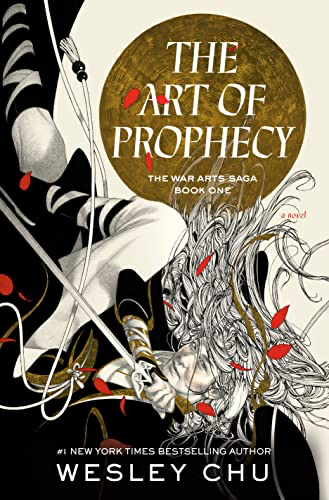
The Art of Prophecy – Wesley Chu – “Let’s descend through fog and rain/And see if we can find the same way out/Of this whole mess…”

“VCR” – The xx

“VCR” is inherently comforting. In the simplicity that The xx crafted out of some loops, guitars, and bass, they created a kind of nest where life is easy and romantic. Like the couple tearing off pieces of an abandoned building in the music video, it’s a song that’s for making you (and somebody else) feel like you’re the only people in the world. It’s a late-night blanket fort of a song, relishing in the quiet, cozy moments shared between two people: “And we, we live half in the day time/And we, we live half at night/Watch things on VCRs/With me and talk about big love/I think we’re superstars/You say you think we are the best thing/But you, you just know.” Falling asleep to this song on my beat-up, 13-year-old iPod feels like the best way to listen to “VCR”—it’s a song that nestles in those warm, half-asleep moments between dreaming and waking.

…AND A BOOK TO GO WITH IT:

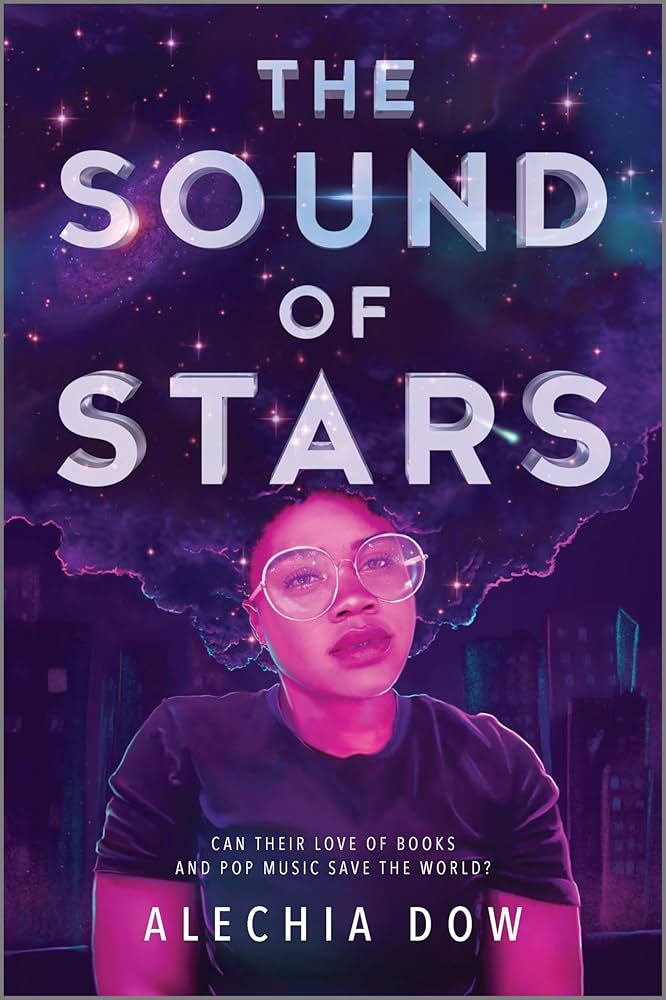
The Sound of Stars – Alechia Dow – “Watch things on VCRs, with me and talk about big love/I think we’re superstars, you say you think we are the best thing/But you, you just know, you just do…”

“This Is Love” – PJ Harvey

“This Is Love” rocks. Sometimes you don’t need so many paragraphs to describe how potent a song is, and this track is one of them. It’s just pure rock n’ roll, from the raw sensuality of the lyrics (very much giving meaning to the original meaning of rock n’ roll as a sexual slang term in the early 20th century) to the confidence she oozes with every shred of the guitar. Sure, I think women will never fully be free of the scrutiny that men don’t get when writing unabashedly sexy material, but PJ Harvey at least makes it feel like we’ve gotten somewhere, no matter what conservative panics may rise and fall. “This Is Love” is horny as fuck, and nothing but. And it rocks. The music video enhances that confident, sensual energy. It’s a simple setup, but every deliberate choice—PJ Harvey’s Dolly Parton-looking suit, that red lipstick, the bedazzled heels, the classic black and white tele she plays, the black and white background—exudes the confidence of somebody who already knew full well that she was an icon. It’s so gloriously in-your-face. Some songs scream “rock star” more than others—PJ Harvey, in this moment, was as emblematic of the term as you could possibly get.

…AND A BOOK TO GO WITH IT:

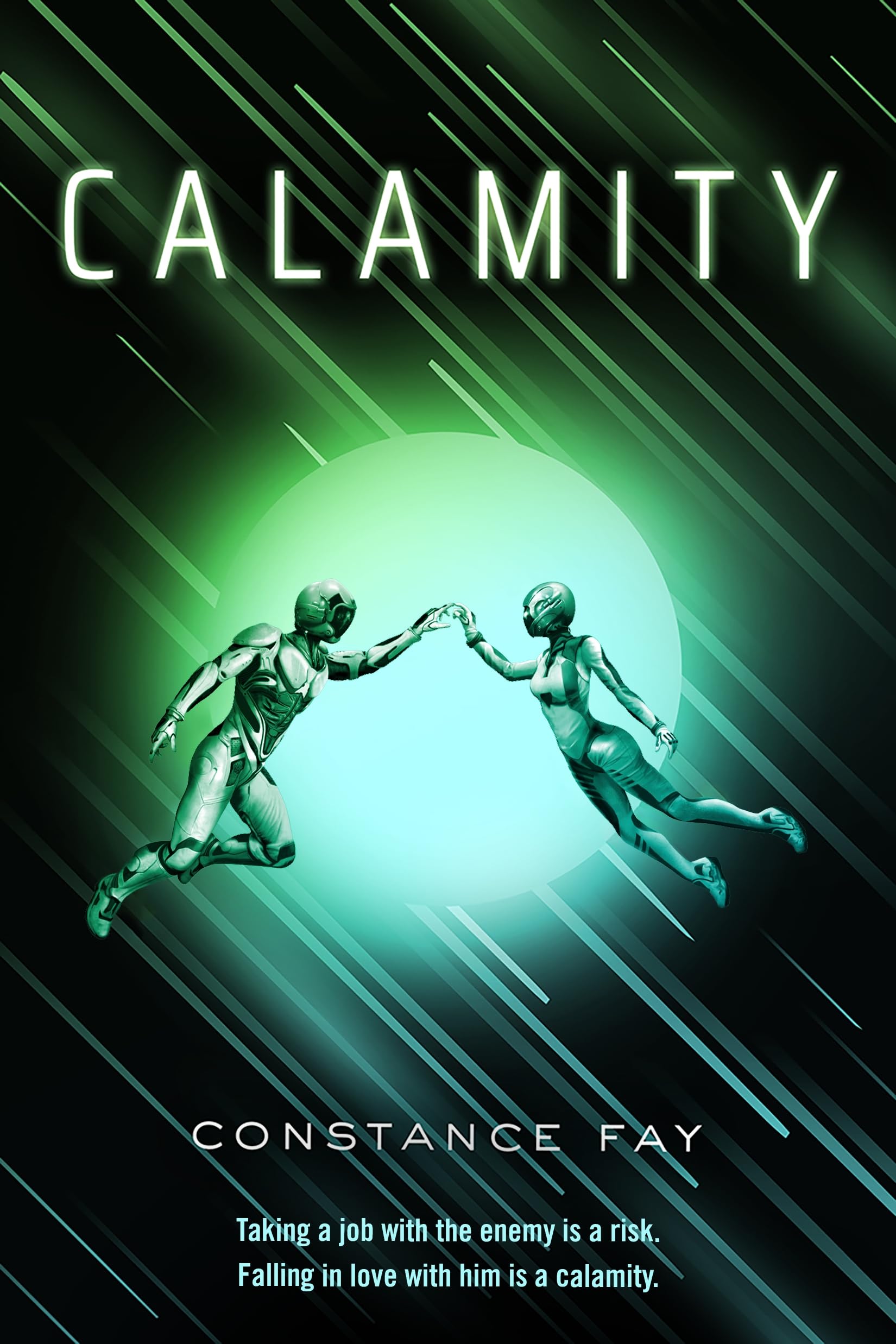
Calamity – Constance Fay – “I can’t believe life’s so complex/When I just want to sit here and watch you undress…”

Since this post consists entirely of songs, consider all of them to be today’s song.

That’s it for this week’s Sunday Songs! Have a wonderful rest of your day, and take care of yourselves!

Posted in Sunday Songs

Sunday Songs: 8/30/26

Happy Sunday, bibliophiles! I hope this week has treated you well.

This week: unfortunately, I’m still in a very ’80s time of my life. Plus, the Apples in Stereo take a break from the robots and take a nice dip in the ocean.

Enjoy this week’s songs!

SUNDAY SONGS: 8/30/26

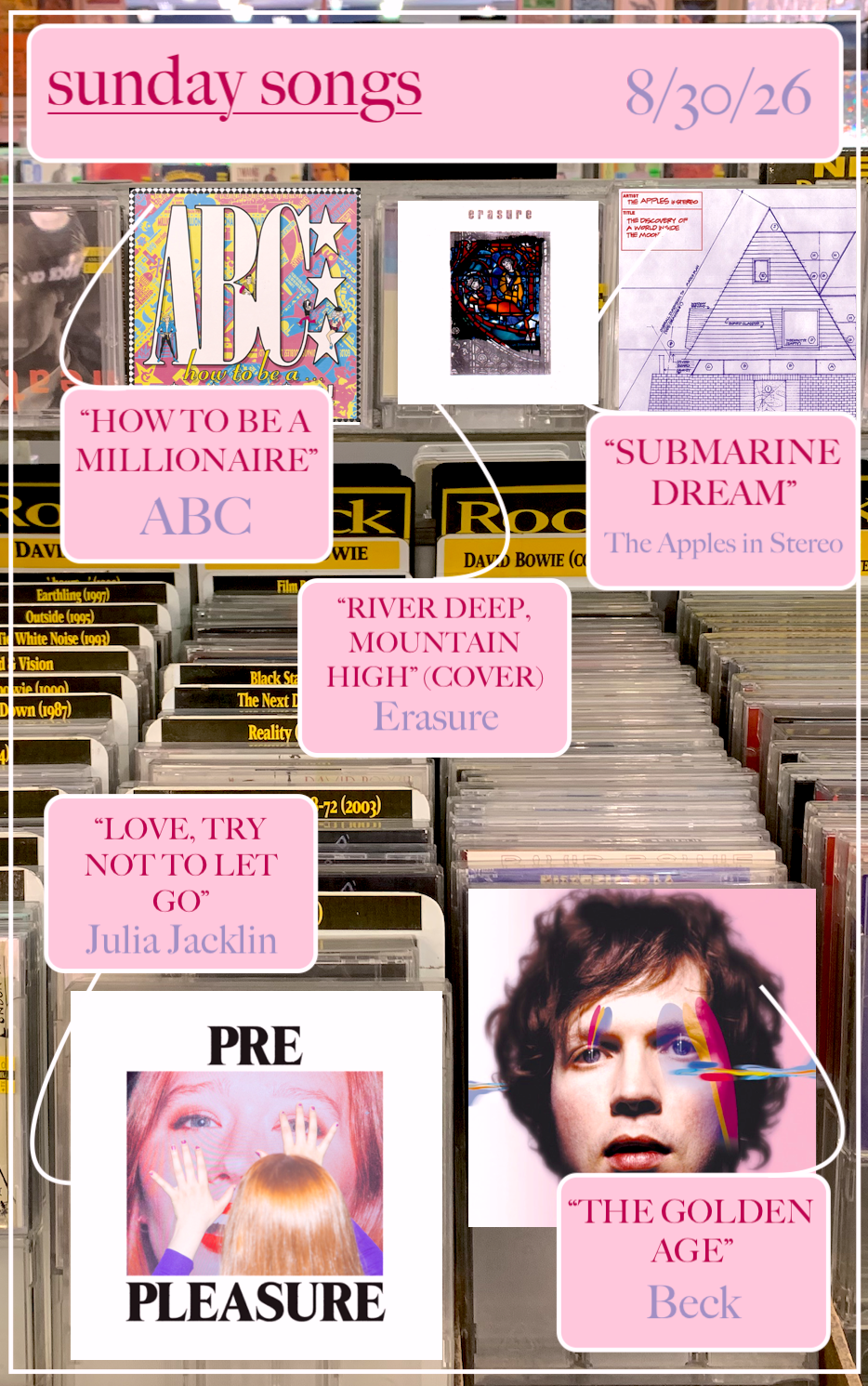
“Love, Try Not To Let Go” – Julia Jacklin

That soft shade of pink on Julia Jacklin’s face on the album cover of Pre-Pleasure couldn’t fit this track more. Setting aside the association of pink and romance, that blush color feels exactly the hue that “Love, Try Not To Let Go” is shaded in. Easygoing percussion and piano soundtracks Jacklin’s feathery vocals, as she drifts untethered from the Earth, swimming through memories and lust alike. I can’t help but be reminded of Fleetwood Mac’s “Dreams” when listening to this track—similar beat and key, for sure. I love all of the subtle touches that Jacklin layers into this track to make the image shine with such clarity, everything from the fact that the harmonies kick in when she starts off the pre-chorus with the word “echo” (it literally makes a kind of echo!) and the swiftness that the chorus rushes from a gentle piano ballad to a quivering burst of electric guitars. At the end of the final chorus, Jacklin’s vocals fizz into static, as though everything keeping her grounded has dissolved, leaving us with her lovelornly murmuring as the track fades. It’s such a memorable indie rock track, and an excellent piece of push-and-pull between rose-colored fantasies and less-than-ideal memories.

…AND A BOOK TO GO WITH IT:

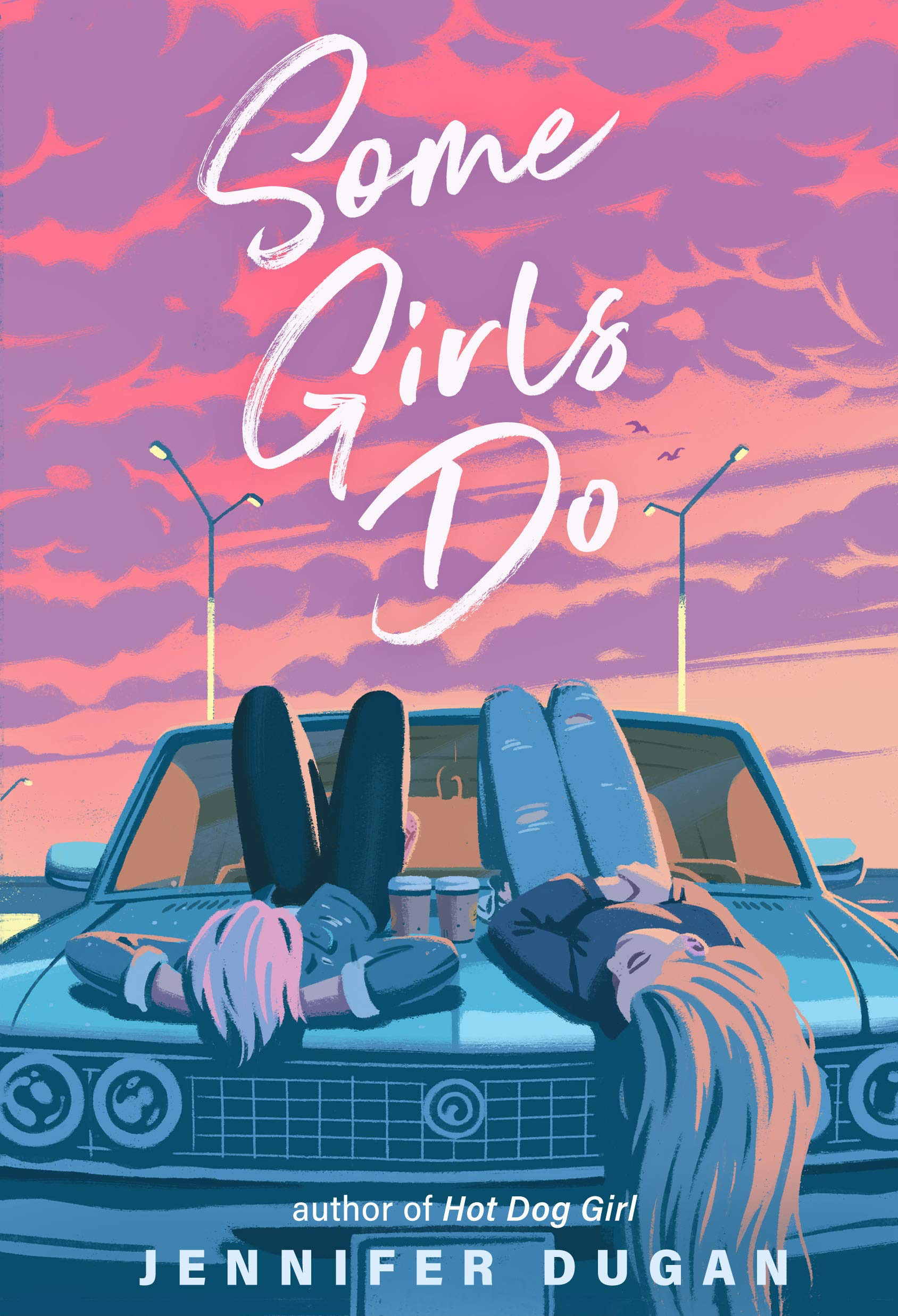
Some Girls Do – Jennifer Dugan – “The echo of my hometown/The things I never said/Consumes the space between me/And everyone I left…”

“The Golden Age” – Beck

Beck isn’t somebody I readily associate with slow songs. Pre-Sea Change, even his more meandering songs had a hint of humor to them (see: “Jack-Ass”). His impish spirit was always there, even under layers of acoustic guitars. It’s even more jarring that, other than some EPs and B-side collections, Sea Change came right on the heels of Midnite Vultures, ostensibly his funniest, most deeply unserious album. (I can’t imagine the whiplash of going from “Debra” to something this plainly depressing.) But given the circumstances surrounding Sea Change—his breakup with then-fiancee Leigh Limon—it’s no wonder that he couldn’t summon any humor.

None, maybe, save for the title: “The Golden Age” is the exact opposite of what he’s describing. The chorus is only two lines long: “These days, I barely get by/I don’t even try.” Nevertheless, Beck’s talent translates to every emotion—he’s just as skilled with this wallowing, acoustic lament as he is cracking jokes with a fanfare of saxophones in the background. The plucks of almost country electric guitar, acoustic strums, and keyboards give “The Golden Age” an air of sunshine, but the kind of glaring sunshine that comes from listlessly staring at it, utterly unsure of your direction in life. I think it represents how much of a chameleon Beck could be in his prime—no matter the situation or emotion, he could adapt to it in his own, irreplaceable way.

…AND A BOOK TO GO WITH IT:

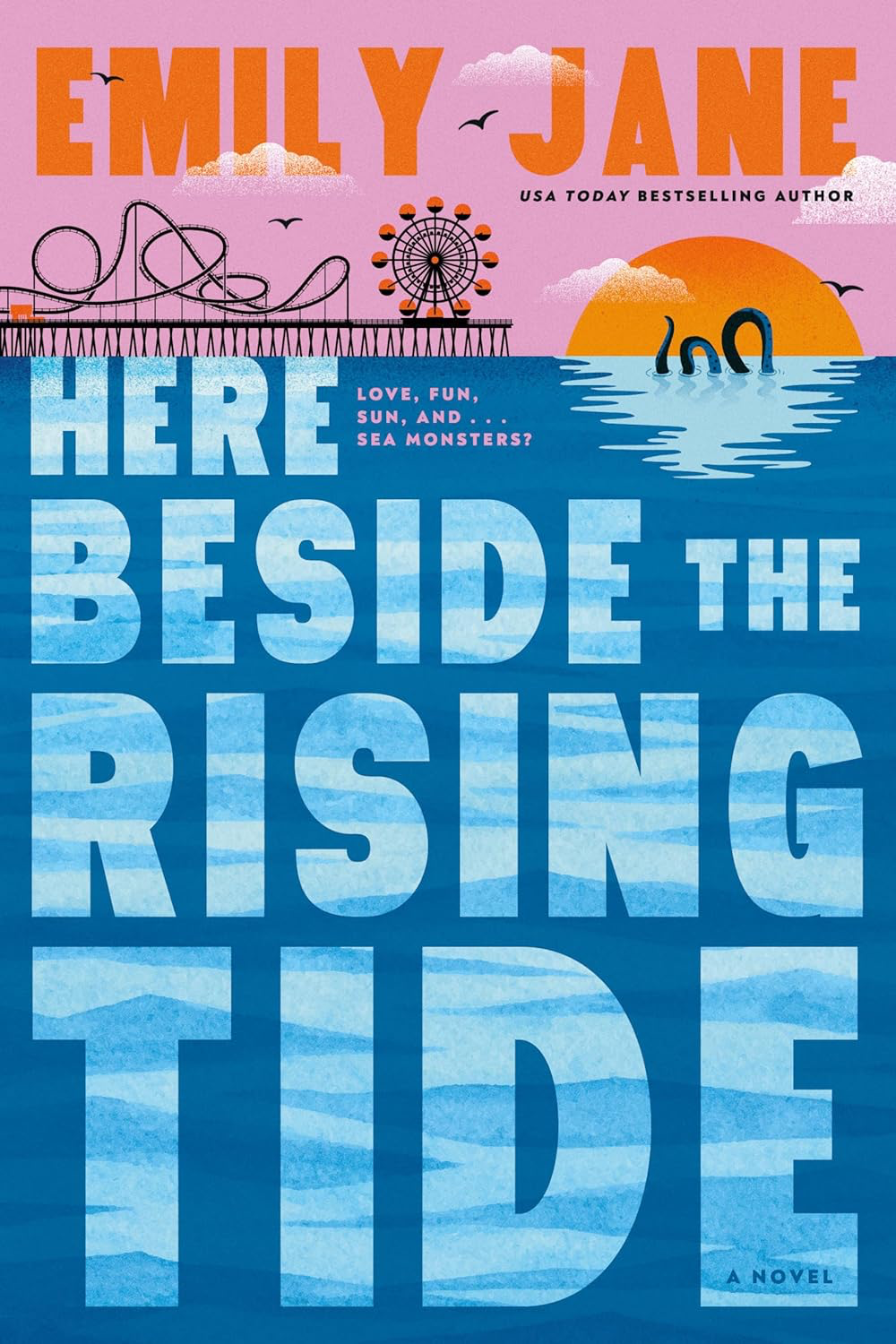
Here Beside the Rising Tide – Emily Jane – “It’s a treacherous road/With a desolated view/There’s distant lights/But here they’re far and few/And the sun don’t shine/Even when it’s day…”

“How to Be a Millionaire” – ABC

Maybe I’m just not reading the right stuff, but I swear that ABC don’t get credit for being one of the most distinctly ’80s bands to ever ’80s. It’s just so in-your-face ’80s. Sure, some of the cuts from How to Be a Zillionaire are…well, painfully so (if you’re looking for proof, there’s the extended Cold War metaphor on “Between You And Me.” Still a banger, but…it gets to a point). But songs like “How To Be a Millionaire” are just such perfect products of their time. I feel like this song sounds like being inside of a slot machine. This is a very distinctly Reagan/Thatcher-era commentary on consumerism and class inequality, with its synth chorus, and the rapidly looped utterances of “billions and billions and billions of pounds.” (It’s said so fast that it almost starts sounding like “beans.” I can’t unhear it.) But you can’t say that it’s not still relatable today—and not undeniably a genius pop song: “I’ve seen the future, I can’t afford it/Tell you the truth, sir, someone just bought it.” Surely this isn’t applicable to anything today…

…AND A BOOK TO GO WITH IT:

Machinehood – S.B. Divya – “Hardly surprising if you might consider/Loyalties go to the highest of bidders…”

“River Deep, Mountain High” (Ike & Tina Turner cover) – Erasure

Being a musician with an already-established career in the late ’80s must’ve been nuts. At any moment, your song could get sniped and covered by some gay Brits with synths out of nowhere.

Of course, “Always On My Mind/In My House” is the obvious example because it surpassed the original by miles. Ike & Tina Turner’s original version of “River Deep – Mountain High,” on the other hand, couldn’t possibly be touched by any cover—it’s just that good. But though it doesn’t reach nearly the same heights, boy, Erasure’s cover is loads of fun. I think I’ll eternally have a soft spot for it just because it’s the first version of the song that I ever heard, especially during my big Erasure phase when I was in elementary school. (And yet it took me until I was about 14 to realize that I was queer…”the closet is glass” doesn’t even begin to cover it 😭) Nothing could ever rip the synths away from Erasure, but here, they work both for and against the effectiveness of the cover—they’re gleeful, sure, but I feel like the exclusively electronic sound makes it feel slightly colder than the original, unintentionally. But “River Deep, Mountain High” isn’t cold by any means—you just need to listen to the original and hear how overwhelmingly exuberant it is. Nothing can reach the staggering heights of Tina Tuner’s joy on that song—Andy Bell and Vince Clarke came close, though. With an extended dance mix that revels in the translation of the organic to juddering synths, it’s clear that the same kind of exuberance that Ike & Tina imbued the original with was ever-present here, with Bell’s vocals soaring with every successive declaration of everlasting love. OH I LOVE YOU, BABY! BABY, BABY, BABY!

…AND A BOOK TO GO WITH IT:

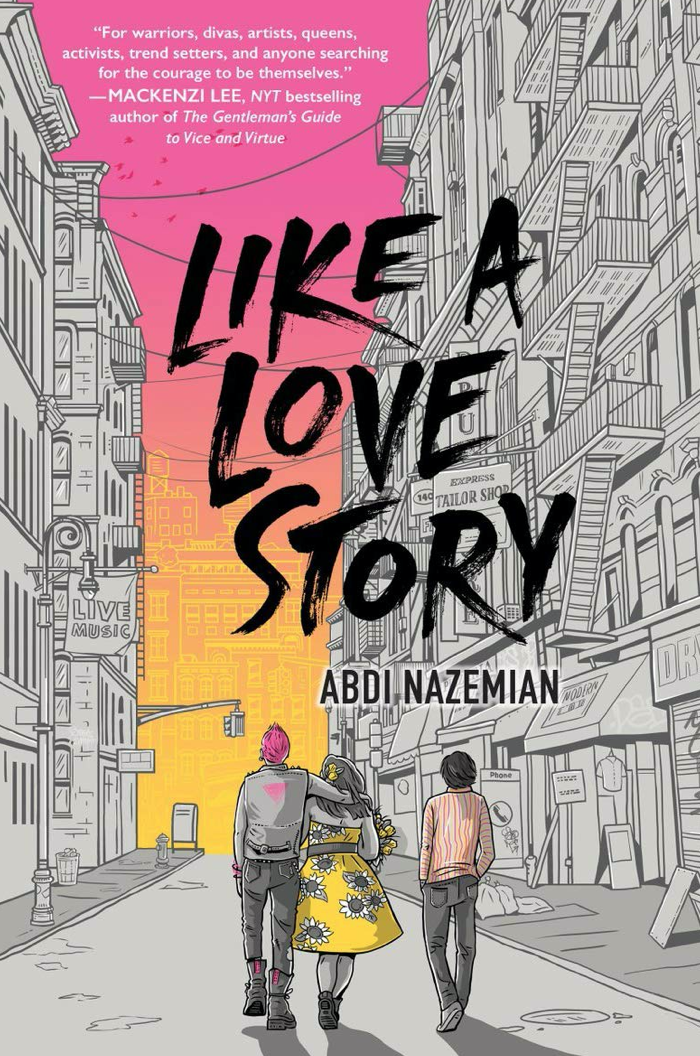
Like a Love Story – Abdi Nazemian – I promise that I’m not pairing this book with every queer ’80s bop. You can’t say that it isn’t fitting…

“Submarine Dream” – The Apples in Stereo

The Apples in Stereo have such a knack for creating an atmosphere. Most of the time, that atmosphere evokes a distant retro-future full of cartoonish robots and sleek spaceships, a world flung into the furthest corners of outer space. They’ve never been ones to have their feet planted on the dull ground of planet Earth. But if there’s anywhere here on this planet that’s just as wondrous and unknown as space, it’s the ocean—so it’s no wonder that Robert Schneider and co. wrote a song about it.

“Submarine Dream” feels like their tribute of sorts to “Octopus’s Garden,” in both its imagery and its ’60s-indebted sound. I feel like Ringo would be proud. Though it’s much slower than the former, it has that same carefree joy that comes from the freedom of the sea. The sparkling synths that they usually liken to robots have now translated to the glimmer of sunlight on the waves and the shimmer of pearls under the ocean’s surface. Gently flowing at a dreamy, lazy pace, Robert Schneider’s mixture of acoustic and electric guitars, as well as their synths, vibrant as the varied colors of a coral reef, drifts along. Weightless and starry-eyed, it makes you feel all the ease and awe of the mermaid-like protagonist as she watches the delicate wonders of the ocean: “The time slips through her hands/Just like the ocean sand/And everybody knows/That’s the way it goes.”

…AND A BOOK TO GO WITH IT:

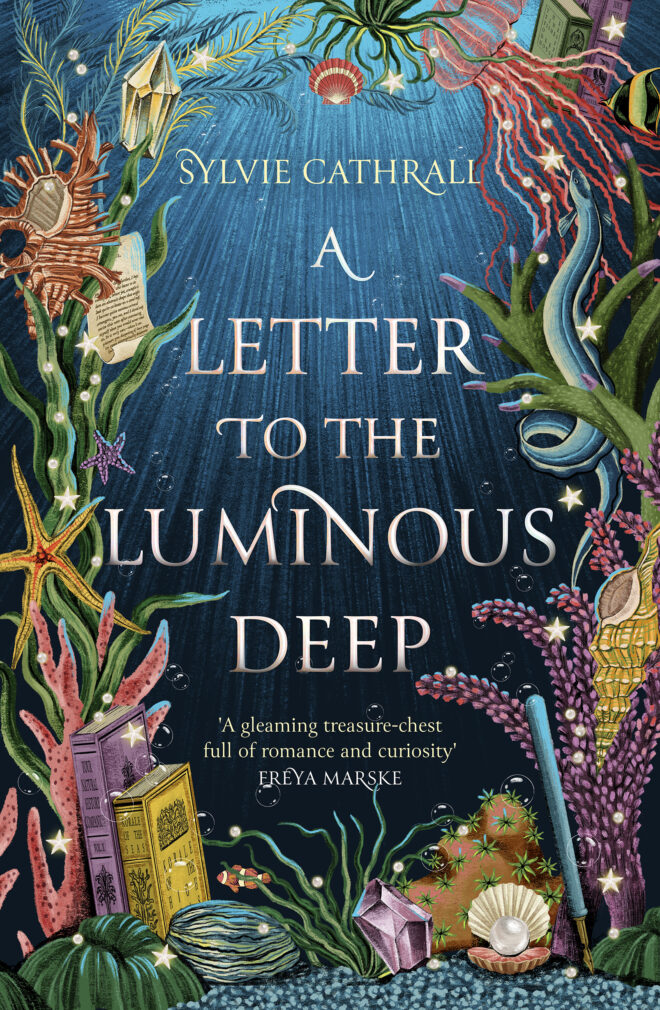
A Letter to the Luminous Deep – Sylvia Cathrall – “She likes the ocean caves/The world beneath the waves/Where everything is strange…”

BONUS DOUBLE FEATURE, BECAUSE THIS WEEK HAS BEEN HELL:

Admittedly, I didn’t have as strong of a connection to Dolly Parton’s music as many people did. But I’d be hard-pressed to think of somebody who has done the sheer amount of good in the world that she has. What a guiding light for so many, someone who shared her wealth and talent to make sure that the COVID vaccine was funded, that thousands of children in underserved communities could have books, that the LGBTQ+ and Black communities could feel accepted and welcome, and that people like her—who came from unassuming, working class roots—could be stars.

I picked this clip in particular because I remember seeing it floating around on Instagram sometime in high school. There was a tweet that went around that likened her fingerpicking the guitar with her signature acrylic nails to playing tennis in heels—and it’s spot on. Without knowing much about her, I saw that clip and thought to myself, there’s somebody who knows her stuff. Among everything, I hope we don’t pass over just how singularly talented she was. Rest easy, Dolly, knowing that you’ve done an insurmountable service to our country—and the world.

And then, as if this week wasn’t bad enough…

God. Even now, I’m struggling to find the words. Just looking at these clips is making me tear up. The Rocky Horror Picture Show is my main point of reference for the genius of Tim Curry. When my parents introduced it to me when I was 17, it was during the mire of COVID; I’d been out for about two years, but a global pandemic made it so that I hadn’t been able to engage much with a larger queer community (outside of my friends), socially and, to an extent, culturally. Something instantly clicked when I saw this film—here was a radically queer touchstone that, 50 years on, was a thing of transgressive beauty, a madcap, anything-goes film that retained a message of freedom and unconventional self-expression.

And that message applies to the rest of Curry’s long career, playing a variety of characters with an insatiable appetite for the villainous and unusual. His work created a sacred space for all of the freaks. I’m just glad that I can count myself among them. What a gift it’s been to have been moved so deeply by his art. Rest easy.

Don’t dream it, be it.

Since this post consists entirely of songs, consider all of them to be today’s song.

That’s it for this week’s Sunday Songs! Have a wonderful rest of your day, and take care of yourselves!
Posted in Sunday Songs

Sunday Songs: 8/9/26

Happy Sunday, bibliophiles! I hope this week has treated you well.

This week: A Beatles cover that David Bowie faltered on, but somebody else succeeded in. Plus, weird movies with weird scores, and mediocre movies with great needle drops.

Enjoy this week’s songs!

SUNDAY SONGS: 8/4/26

“All We Ever Look For” – Kate Bush

Kate Bush has her share of iconic album covers, but I swear Never for Ever has to take the cake for my favorite one. Can we acknowledge just how fantastic Nick Price’s album art is? Aside from capturing Kate Bush’s spirit and musical style, it’s just so kooky—how could you not love the parade of spooky storybook creatures coming out of Kate Bush’s skirt? It’s uniquely suited to most of the tracks I’ve heard from the album, but “All We Ever Look For” is an especially good fit. All of the flutes, koto, and quaint synth bubblings feel like they should be the backdrop for an elaborate story with stylized, woodcut characters rotating on a wheel, like a Rousseau painting that never came to be. The wheel is key here, not just because “All We Ever Look For” is neatly cyclical musically: the lyrics are as well: Bush explained in 1980 that “It’s about family relationships generally. Our parents got beaten physically. We get beaten psychologically. The last line – ‘All we ever look for – but we never did score.’” Aided by the almost medieval stylings of the instrumentals, the track plods along like a dirge, but what it’s mourning is the continuing cycles of generational trauma: “The whims that we’re weeping for/Our parents would be beaten for/Leave the breast/And then the rest/And then regret you ever left.” In a way, it remains a dirge—a kind of funeral for all of the generations who fell victim to these cycles.

…AND A BOOK TO GO WITH IT:

Wearing the Lion – John Wiswell – “All we ever look for, a god/All we ever look for, ooh, a drug/All we ever look for, a great big hug/All we ever look for, just a little bit of you…”

“Everytime I’m With You” (feat. Jason Lytle) – Sparklehorse & Danger Mouse

Dark Night of the Soul was Sparklehorse’s final project before his too-soon passing, and it was an ambitious one: a collaboration with producer Danger Mouse, with a guest list consisting of the usual suspects (Nina Persson, Jason Lytle, Vic Chestnutt) and the more unexpected (Gruff Rhys, David Lynch). I haven’t listened to the whole album, but Mark Linkous and Danger Mouse’s powers combined make something so cohesive, that you’d think only a singular mind was behind it. “Everytime I’m With You” creeps along with a proto-C418 instrumental (tell me that this doesn’t sound a little like “Chirp”), where Mark Linkous and Jason Lytle’s vocals meld in a slurring warble, musing about how “everytime that I’m with you/I am drunk, and so are you.” It’s a woozy track that almost feels drunk itself, like the subjects have infected the very structure of the song itself with their own intoxication. It bridges the gap between something brighter than Sparklehorse’s usual palette, and something gentler than Danger Mouse’s usual fare.

…AND A BOOK TO GO WITH IT:

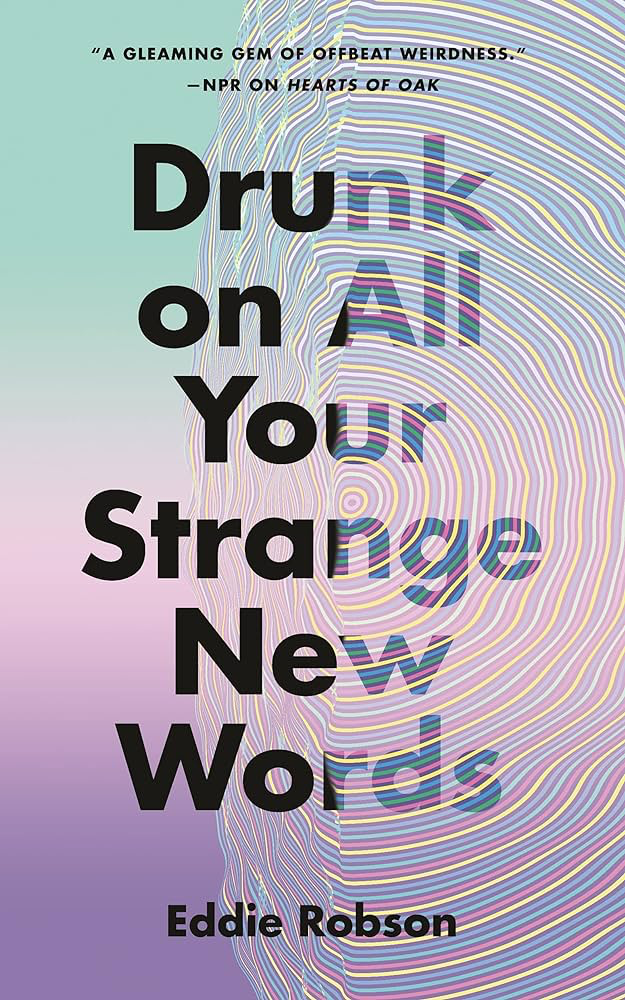
Drunk on All Your Strange New Words – Eddie Robson – “Yeah, everytime you come by/We get so trashed and stay up all night/Well, it’s so wrong, but it’s so right/Yeah, it’s alright…”

“Silver Lining” – Rilo Kiley

I’ve already aired out my many problems with Supergirl, but if it has one redeeming factor, it’s that it had a fantastic soundtrack. Then again, most of Rilo Kiley’s discography is made of songs that feel reverse-engineered for coming-of-age movies—and I’ve never gotten tired of it. It really doesn’t feel like a one trick pony situation, because they’ve clearly got the capability for breathless, adventurous indie pop (“Portions for Foxes”) and some truly devastating yet affirming wallops to the face (“A Better Son/Daughter”). It’s no wonder that “Silver Lining” was the pick for Supergirl; although the movie never followed through on this arc, it’s a stomping, indie-pop ode to dusting yourself off and regaining your self worth. Like Jenny Lewis leaving her fictional groom at the altar in the music video, this track celebrates, in all of its complicated, mushy feelings of guilt and freedom, of refusing to be treated as ornamental: “I never felt so wicked/As when I willed our love to die/And I was your silver lining/As the story goes/I was your silver lining/But now, I’m gold.”

…AND A BOOK TO GO WITH IT:

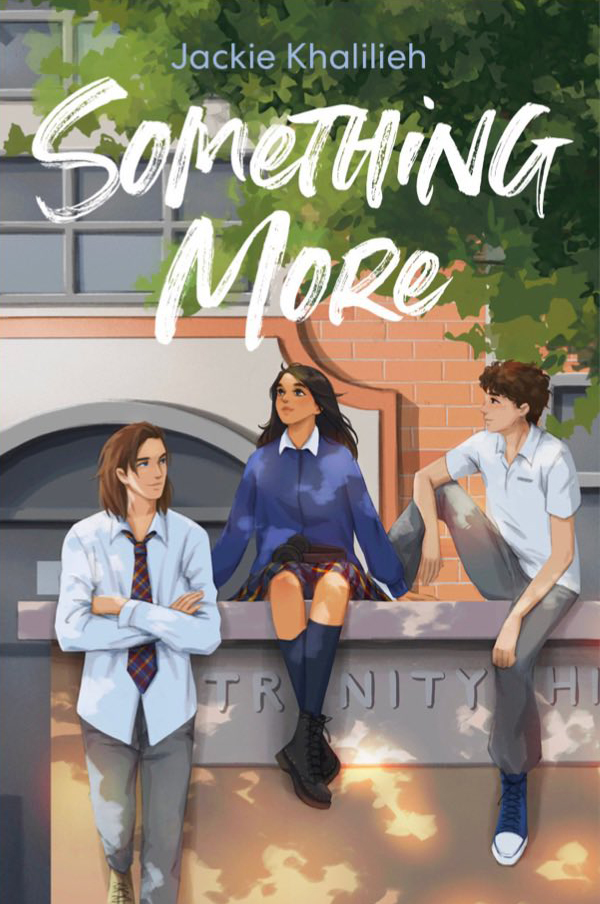
Something More – Jackie Khalilieh – “And I was your silver lining/As the story goes/I was your silver lining/But now, I’m gold.”

“Korben Dallas” (from The Fifth Element) – Éric Serra

The Fifth Element was back in theaters recently, so I had to do rewatch #3 on the big screen. Every time I watch it, I forget the sheer amount of bizarre things that had to align for this movie to have happened. It’d be easy to see this and lament the sameness that’s overcome pop culture, but I maintain that weirdness will always find a way to slip through the cracks. This, however, is on a level of originality—and absurdity—that just can’t be replicated. The supreme being of the universe teaches Bruce Willis about consent, and he still doesn’t quite get it. Gary Oldman with a horrendously funny haircut and a soul patch. Tricky gets two minutes of screen time and then gets blown up. Incompetent space priests. Top-tier creature design for 10 minutes. A climax synced up with a blue alien singing opera. It’s so unafraid of being weird, and for that, The Fifth Element will forever be aspirational for me as a creator. I just get jumpstarted with inspiration with every rewatch, once I get over the bafflement that Leeloo’s godawful Band-aid outfit got past that many layers of studio scrutiny. (War crime, I tell you.)

Most of the soundtrack for The Fifth Element gets overshadowed by said opera piece, and rightfully so, to an extent. But the pockets of brilliance like this in the score deserve so much more love. The “anything goes” attitude of The Fifth Element translated to Eric Serra’s score; you go into this film weaned on a few pieces that are very much indebted to John Williams’s Star Wars scores, only to be knocked senseless by this slick, grungy trip-hop track with some of the funkiest basslines ever committed to a sci-fi film. It has everything. Percussion that sounds like one of 23rd-century New York’s elevators malfunctioning, weird little electronic warbles, and a loop of a cat’s meow to coincide with the first glimpses of Korben Dallas’s cat. And did I mention the bass? Oh my god. It sets the scene with the immediacy of somebody kicking your door down in combat boots. All that, and it instantly gives you a sense of Dallas as a character (all sorts of disparate elements held together by…Bruce Willis, of course) and the aesthetic language—both visual and oral—of Luc Besson’s world. All that for a song that’s not even two minutes long. SUPER GREEN!

…AND A BOOK TO GO WITH IT:

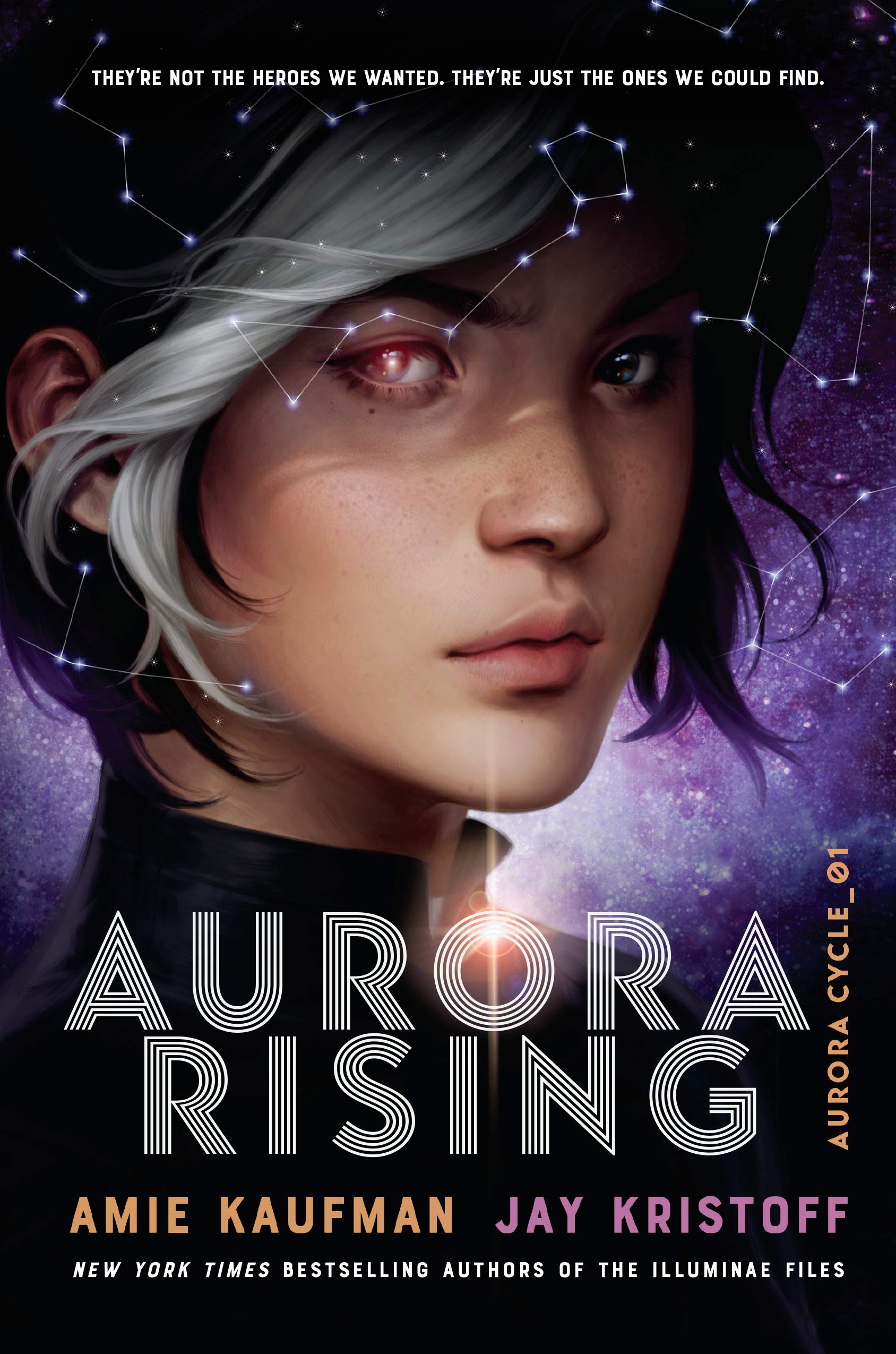
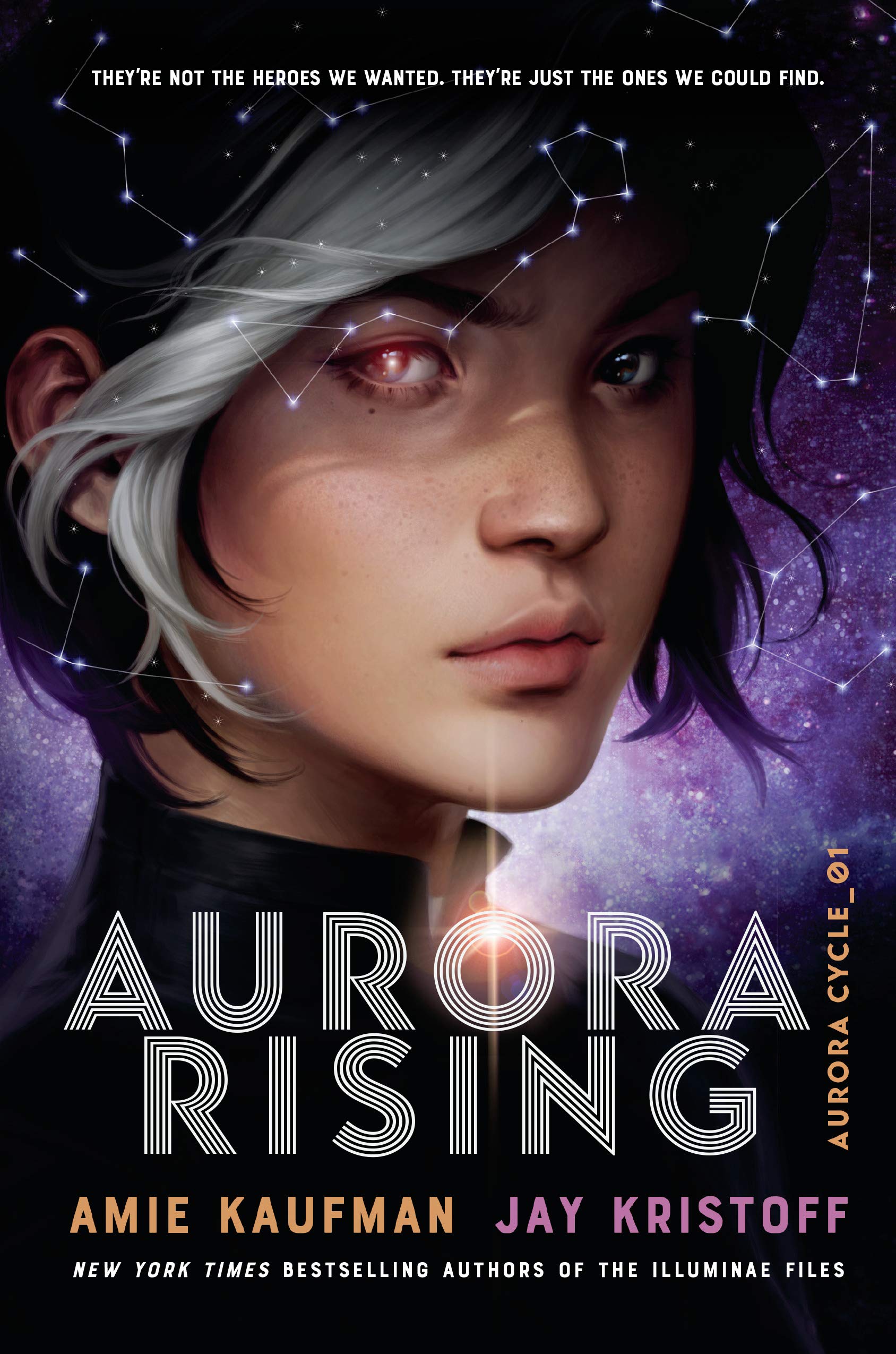
Aurora Rising (The Aurora Cycle, #1) – Amie Kaufman & Jay Kristoff – look, I know I used this last week, but Amie Kaufman has cited The Fifth Element as one of her favorite movies of all time, and has said that it was a major inspiration for this series. See? All the cool people like The Fifth Element.

“Across the Universe” (The Beatles cover) – Fiona Apple

I’ll never stop being a die-hard Bowie fan, but I’m mature enough to acknowledge when he misses. David Bowie covering one of The Beatles’s most moving and iconic songs—what could possibly go wrong? A lot of things, unfortunately. The vibes are just off. His cover of “Across the Universe” appeared on Young Americans, and even though John Lennon contributed guitars to this cover, I think it’s just an awkward pairing, with Bowie stretching his voice out too much and the worst of the plastic soul of Young Americans grating against the transcendental beauty of the original. Oof.

Fiona Apple, on the other hand, knocked it out of the park. Nothing can top The Beatles’s original version, but I think she captured what a lot of covers have failed to do. I’ve always taken the song to be about transience, but the persistence of love regardless; all of the overpowering sensations are threatening to overtake Lennon (“Pools of sorrow/Waves of joy/Are drifting through my open mind/Possessing and caressing me”), and yet he remains firm that “nothing’s gonna change my world”—he can still anchor himself to what matters, which seems to be that sense of “limitless, undying love.” (Of course, he wrote it after an argument with his ex-wife, which doesn’t paint the sunniest outlook on the song, but I think the meaning breaks through like sunlight regardless. It’s just an arresting song.) But I think what Apple understood about this song is how weightless it fundamentally is. Against Lennon’s poetry, where all manner of objects drift free of gravity or any earthly constraint, Apple’s voice—and the gentle yet cinematic instrumentation—make it feel as free-floating as the original. Like Lennon, her voice is quietly reverent of witnessing these wonders every single day, her pronunciations making the word “sorrow” into something that I mistook for “sound”—that’s how soft she makes things. Like the Paul Thomas Anderson-directed music video, which finds Apple oblivious to a diner getting robbed and ransacked, it has that core of tearfully transcendent emotion while still feeling wholly untethered from this earthly plane.

…AND A BOOK TO GO WITH IT:

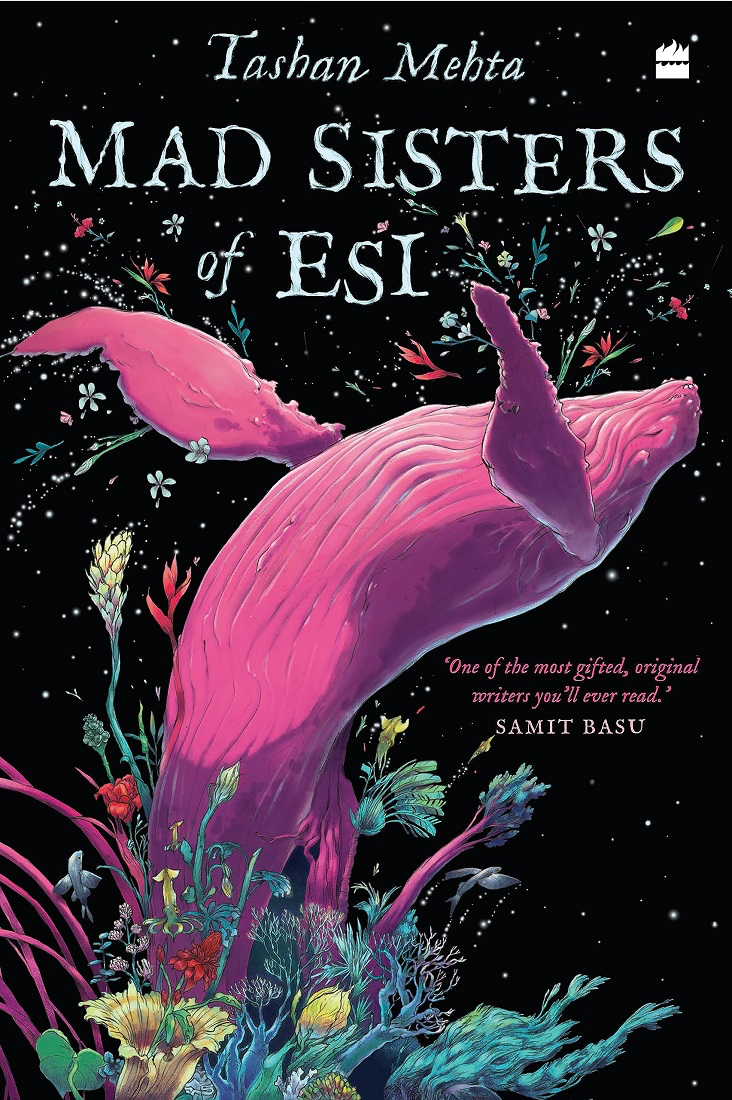
Mad Sisters of Esi – Tashan Mehta – “Images of broken light which dance before me like a million eyes/They call me on and on across the universe…”

Since this post consists entirely of songs, consider all of them to be today’s song.

That’s it for this week’s Sunday Songs! Have a wonderful rest of your day, and take care of yourselves!

Posted in Sunday Songs

Sunday Songs: 7/5/26

Happy Sunday, bibliophiles! I hope this week has treated you well.

This week: in honor of the 250th anniversary of our glorious, flawless United States of America, I’ve concocted a color scheme that pairs well with the sickly algal green of the Reflecting Pool. God bless America, or something. Worry not: there’s enough women, queers, and people of color to give half of the White House a stroke. D.E.I.!

Enjoy this week’s songs!

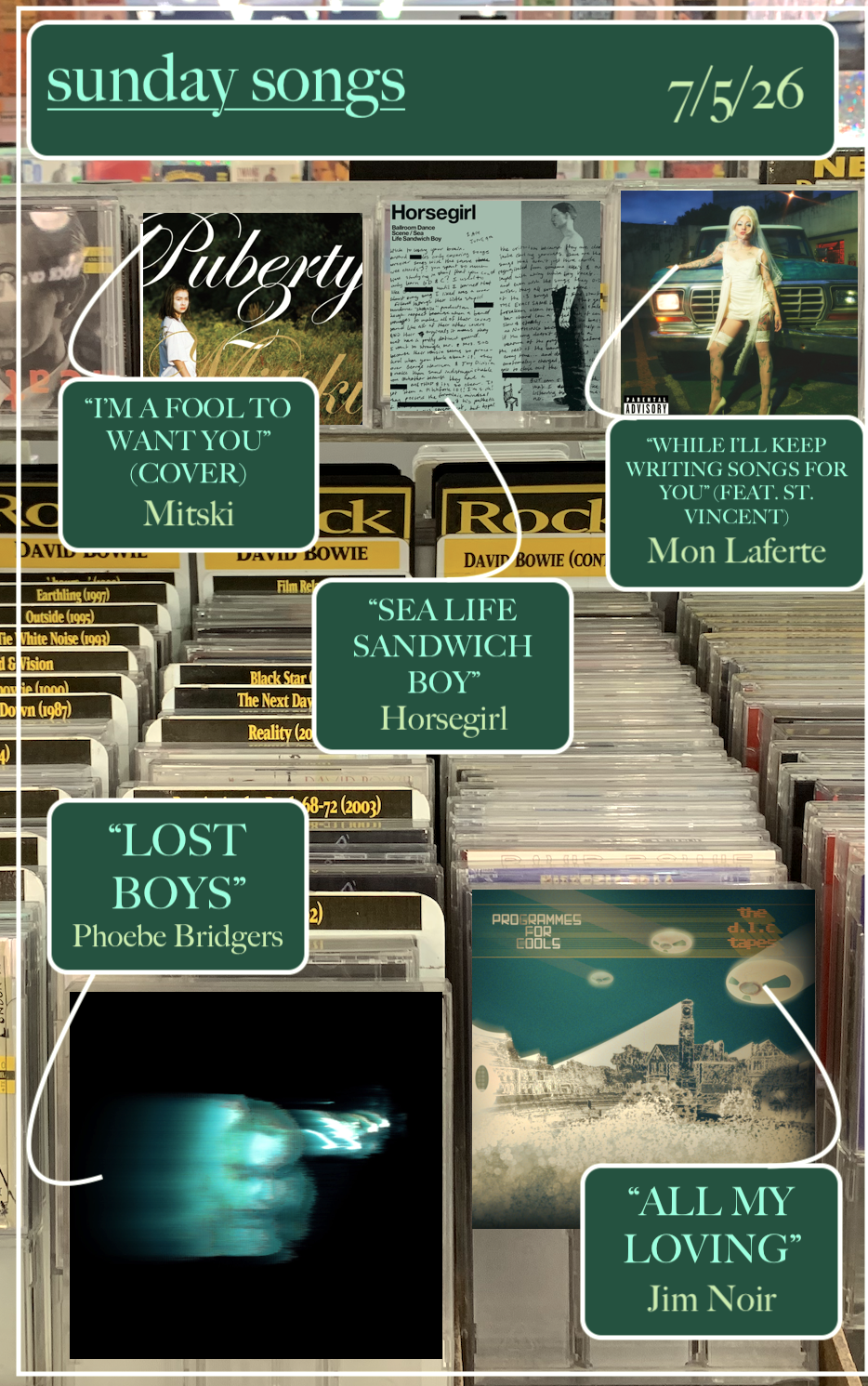
SUNDAY SONGS: 7/5/26

“Lost Boys” – Phoebe Bridgers

SHE’S BACK!! SHE’S BACK, THIS IS NOT A DRILL! LOST WEEKEND COMES OUT THIS AUGUST!!!

Returning to music—and the public eye—was always going to be a tall order for Phoebe Bridgers. In the absence of new music since 2022, her fame has unexpectedly skyrocketed. It’s so bizarre to think that when I got into her music in 2019, she was on par with artists like Soccer Mommy, Snail Mail, or Jay Som in terms of recognition, and now she’s selling out arena shows…whiplash, for sure. Opening for Taylor Swift on the Eras Tour was likely the turning point. Either way, when she finally came back, there would be an inevitable torrent of naysayers and unwarranted speculation. I almost still can’t believe that she’s back.

Most of my thoughts about “Lost Boys” coalesced while I was listening to it on repeat while making a grilled cheese, which feels strangely fitting—here’s a song with themes of immaturity and not wanting to grow up, and there I stood with the ultimate kid’s menu dinner. (At least it wasn’t American cheese and white bread.) But the doubts kept swirling around in my head. Is the production too polished? Are the horns and tempo too much like “Kyoto?” Was Punisher the only trick up Phoebe Bridgers’s sleeve after all? Sure, I maintain that the production feels on the unnecessarily slick side (damn you, Jack Antonoff). And it does ring similarly to “Kyoto.” But “Lost Boys” feels like being invited into something new. It feels like the lulling into a false sense of security before the sound of Lost Weekend unfolds in earnest.

Yet even if it wasn’t, “Lost Boys” would be a worthy addition to Bridgers’s catalogue. The “Kyoto” comparison is apt because they have that same quality of feeling like a reckless sprint—both to escape something they should’ve confronted long ago. Imagery of fantasy and escapism melds with Bridgers’s usual structure of very modern vignettes—these lost boys are emblematic of the kind of escapism she longs for, but she’s equally damaged by being in the company of that amount of emotional stuntedness and immaturity. It’s a bittersweet concoction, made all the more so by the effortless shifts from whispery reflection to the raw-throated count-off before the final chorus. “Fun” isn’t the word I’d normally describe Phoebe Bridgers with, but I can’t help but feel a rush of excitement every time I listen to this song—there’s something ecstatic about it amidst the uncertainty. Maybe it’s the fact that both Julien Baker and Lucy Dacus quietly contributed backing vocals. Either way, “Lost Boys” is a strong start for Bridgers’s long-awaited return.

…AND A BOOK TO GO WITH IT:

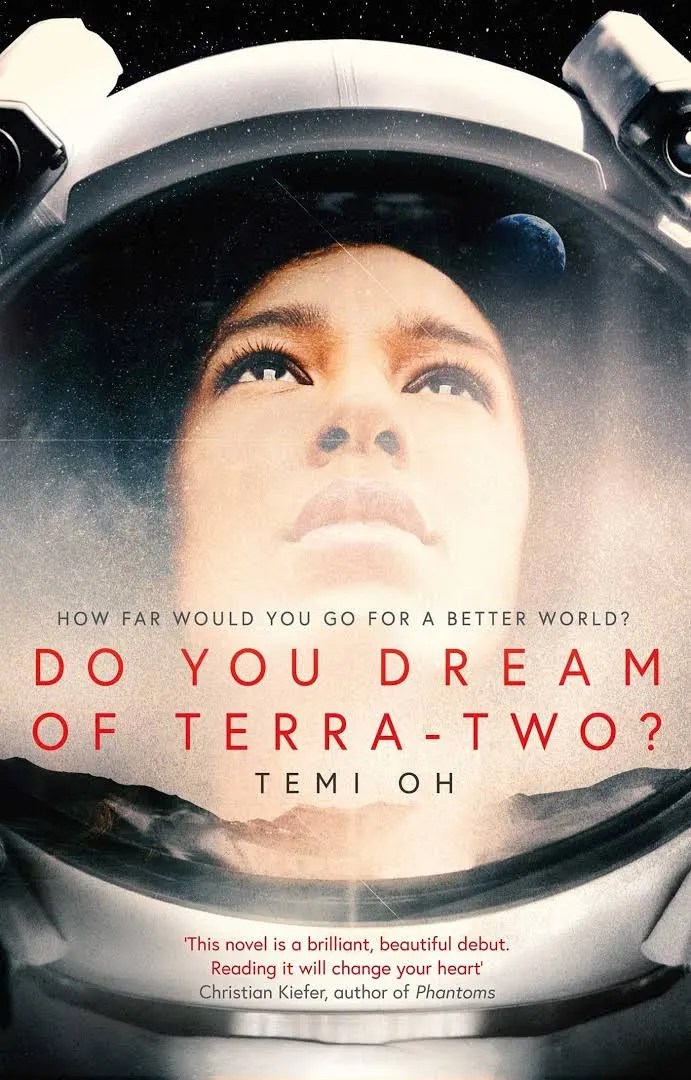
Do You Dream of Terra-Two? – Temi Oh – “To another life/Where they make you cut your hair/Impatient with a rifle and your papers/Weightless, but not scared…”

“All My Loving” – Jim Noir

Jim Noir’s new album, The DLC Tapes, is now available exclusively on Patreon and Ko-Fi! If you’re financially able, I highly recommend this album alongside Programmes for Cools.

After all this time…not one but TWO Jim Noir albums this year! We truly have a bountiful harvest on our hands. Alongside Programmes for Cools (now available on all streaming platforms), Jim Noir has released The DLC Tapes, an album of 13 more songs previously released as part of the Jim Noir EP Club. (This song is technically a double-dip that I featured all the way back in 2022, but it was well before I even started writing these posts. If any song deserves it, it’s this one.) From the start of the Programmes announcement, I was holding out hope that “All My Loving” (originally from EP 7) would make the cut—it was one of the best tracks from his entire run of EPs, a delightful piece of catchy, ’60s-indebted jangle-pop. Granted, the changes from EP 7 to The DLC Tapes are minimal—mainly just the production—but it was exactly what I was hoping for. “All My Loving” was already a prime example of just how neatly Noir has carved his niche over the years—it’s proof that his craft has only gotten better as the years have gone by. The cleaner production amplifies the cheery, dreamy mood of the track—the harmonies, the starbursts of space-age synth, and the warm organ all get their flowers with this fresh coat of polish.

…AND A BOOK TO GO WITH IT:

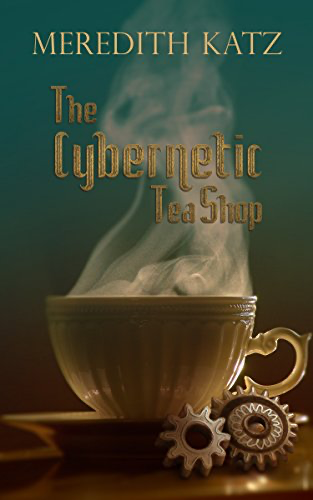
The Cybernetic Tea Shop – Meredith Katz – the lyrics are minimal, but the electronic, cozy feel of this track wouldn’t feel out of place in a tea shop run by robots.

“I’m a Fool to Want You” (Frank Sinatra cover) – Mitski

If there’s any artist who genuinely baffles me with the unexpectedness of their cover choices, it’s Mitski. Case in point: for the 10th anniversary of Puberty 2, Mitski released an extended edition that included two extra covers: one of One Direction, and one of Frank Sinatra. If I didn’t know any better, I’d say that Mitski was throwing darts at a board with all of the most popular artists of the past 70 years and covering whatever they landed on. But both of these covers—yes, also the One Direction one—show off the many different facets of her artistry that frequently show up in her original music. Her cover of “Fireproof” has notes of her more straightforward rock days, especially from Bury Me at Makeout Creek.

“I’m a Fool to Want You” is almost the exact opposite. Accompanied only by grainy, droning synths, she turned Sinatra’s swell of big band strings into some of her most desolate-sounding music. The comparison that immediately came to mind was This Mortal Coil’s cover of Syd Barrett’s “Late Night”; both are incredibly sparse in their instrumentation, letting both of their vocalists unnervingly tremble to their hearts’ contents, and shining a spotlight on the more abjectly dreary parts of the lyrics. The latter part is more applicable to “Late Night,” but Mitski’s interpretation “I’m a Fool to Want You” turns a lovelorn ballad into something weighed down with deep-seated shame. Without the backing of an orchestra and a chorus of voices, “I’m a Fool to Want You” becomes almost unbearably ominous and lonely…in typical Mitski fashion.

…AND A BOOK TO GO WITH IT:

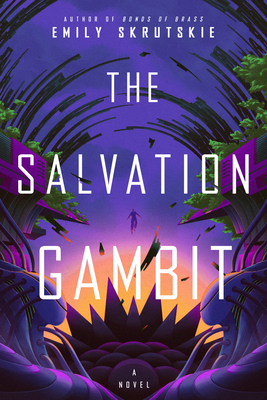
The Salvation Gambit – Emily Skrutskie – there’s a very “dark, ominous, abandoned spaceship” atmosphere that Mtiski creates with those droning synths.

“Sea Life Sandwich Boy” – Horsegirl

On the subject of songs that take me back to high school…

“Sea Life Sandwich Boy” occupies a brief but distinct place in my memory: sometime in the winter of 2021, during my senior year of high school—the start of my eventual Horsegirl awakening. This song will always be arm-in-arm with The Beatles’ “Oh! Darling”—I was listening to both of them on repeat at the time. It’s very indicative of Horsegirl’s early days—a very ’90s sound, a random, jokey title unrelated to the song, and vocals buried in grainy effects. No band starts out in their prime, but I’d say that Horsegirl started out damn near close—”Sea Life Sandwich Boy” could have easily been a standout on Versions of Modern Performance. Swimming in airy harmonies and precise riffs that make each note flicker like stars cut out of paper, “Sea Life Sandwich Boy” was an ambitious single for the band, but one that pays off to this day.

…AND A BOOK TO GO WITH IT:

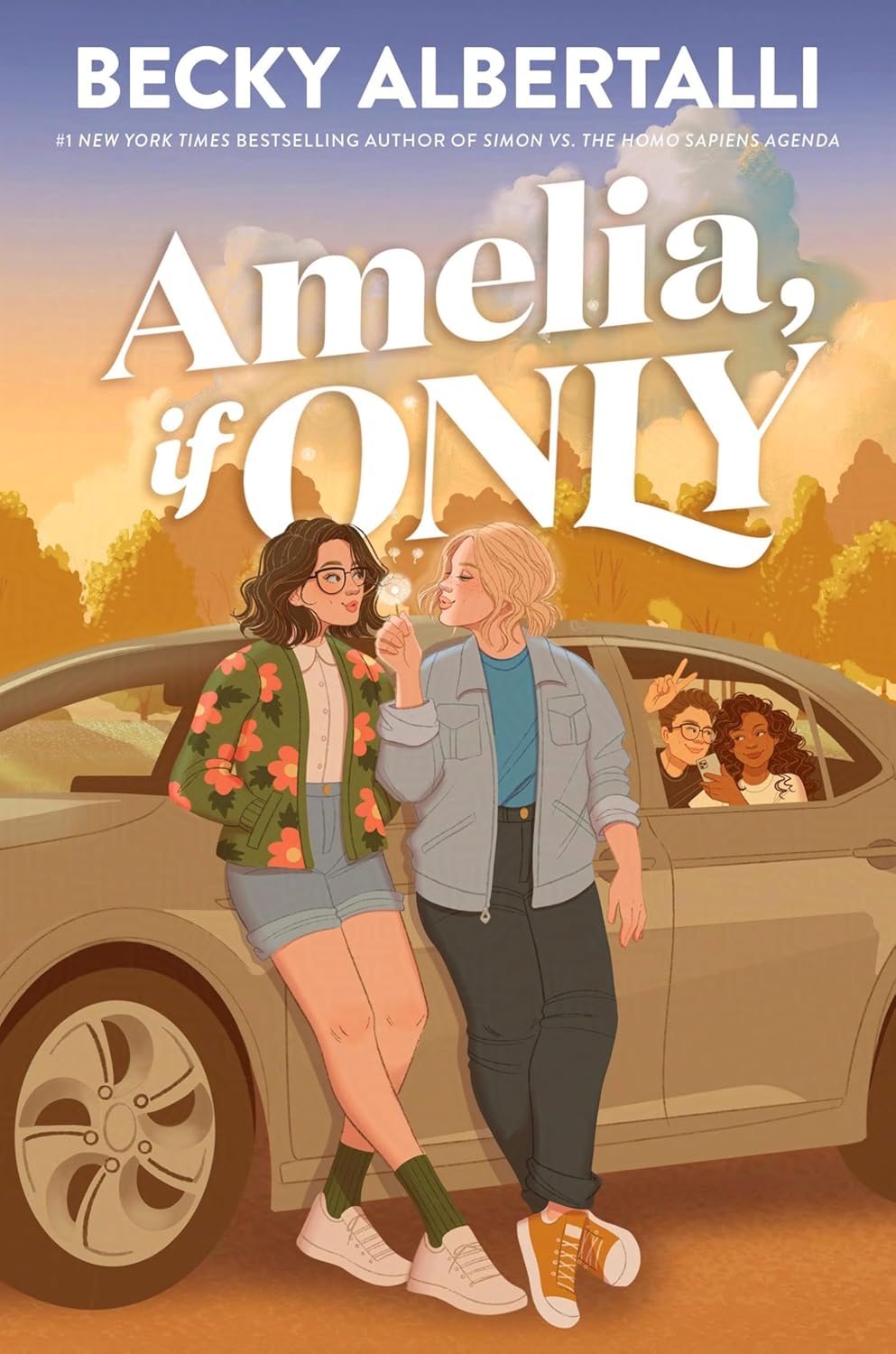
Amelia, If Only – Becky Albertalli – this is a very high school roadtrip playlist kind of song—exactly what this novel is.

“While I’ll Keep Writing Songs for You” (feat. St. Vincent) – Mon Laferte

Sure, this is Mon Laferte’s song, but it seems like a sign that St. Vincent is almost done ripping holes her tights and setting things on fire. Laferte and St. Vincent collaborated on “Tiempos Violentos” (“Violent Times“) off of Todos Nacen Gritando, her Spanish translation of All Born Screaming; There, Laferte delivers a visceral scream that rivals Annie Clark’s, but “While I’ll Keep Writing Songs For You” is worlds away from the battered rage of Todos Nacen Gritando. Instead, Laferte and Clark’s voices form harmonies that are nothing short of soul-warming—they’re seriously such a match made in heaven. “While I’ll Keep Writing Songs For You” is a somber, sleepless ballad about trying to cling to a static, depressed lover who barely seems to respond to her affection. Clark and Laferte’s wordless preludes almost say more than the lyrics, purely plaintive as though they’re trying to get the last word out in the emptiness of space. Laferte’s music video feels laser-attuned to the feel of the song—her she is, all dolled up and surrounded by flowers in her shopping cart, but the world beyond her borders on colorless.

…AND A BOOK TO GO WITH IT:

Our Wives Under the Sea – Julia Armfield – “Will we ever be ok?/You left hair in the shower again/Why don’t we laugh instead/There is no need/To argue over stupid things/You are still depressed/While I’ll keep writing songs for you…”

Since this post consists entirely of songs, consider all of them to be today’s song.

That’s it for this week’s songs! Have a wonderful rest of your day, and take care of yourselves!

Posted in Sunday Songs

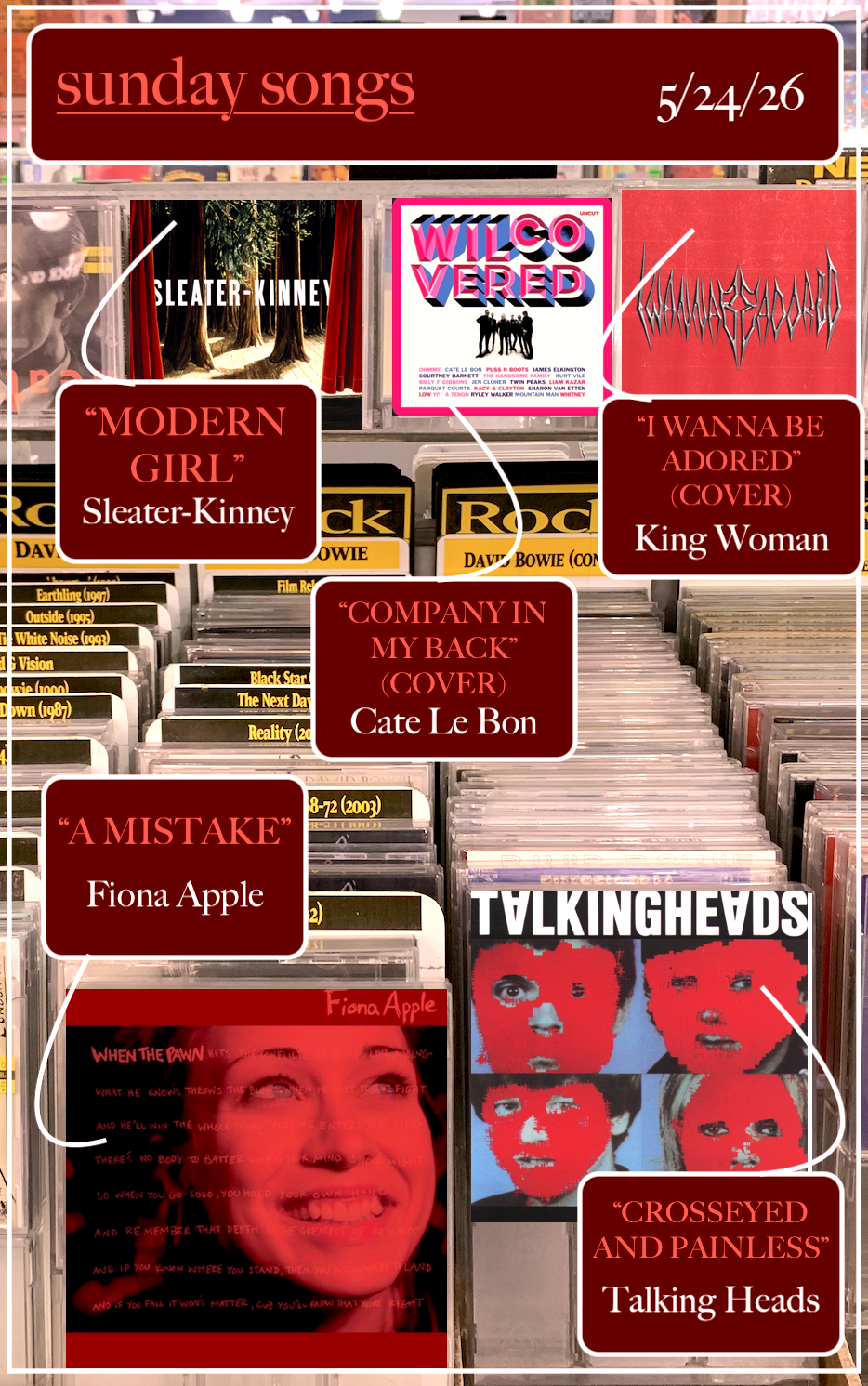
Sunday Songs: 5/24/26

Happy Sunday, bibliophiles! I hope this week has treated you well.

This week: inventive covers, timeless anthems, and some classic quirked-up white boy music.

Enjoy this week’s review!

SUNDAY SONGS: 5/24/26

“A Mistake” – Fiona Apple

If we live long enough under the patriarchy, most of us women have the urge to permanently destroy something at least once in their lives. Once is generous, honestly…have you read the news lately? For Fiona Apple, who had been heavily scrutinized under the public eye and lambasted by music critics in the years leading up to When the Pawn…, the urge must’ve been constant. That’s why “A Mistake” feels so genuine. It’s a slinky, trip-hoppy track about breaking free of society’s expectation of a “good girl” and deliberately wrecking things, fully cognizant of the consequences but not caring in the slightest: “And when the day is done and I look back/And the fact is I had fun/Fumbling around/All the advice I shunned, and I ran/Where they told me not to run/But I sure had fun.” No matter if you act on it, Apple taps into that universal urge to raise hell after being boxed in and stymied by expectations of femininity (“I wanna make a mistake/Why can’t I make a mistake?”), societal control, and an urge to just rebel, even if you don’t know what against. And then there’s the element of deliberately going against good advice—Apple’s trail of destruction, by her own admission, isn’t entirely justified, but there’s that constant, biting urge to defy well-meaning advice anyway. After all, “And if you wanna make sense/Whatcha lookin’ at me for?/I’m no good at math.” It’s all wrapped up in a complex package, not always thoughtful, but from a messy, nonsensical place of rage with nowhere to go. Screeching guitars that give the effect of buzzing insects and a luscious synth loop to back it all up, creating a fully-fledged ode to giving into your most reckless urges.

…AND A BOOK TO GO WITH IT:

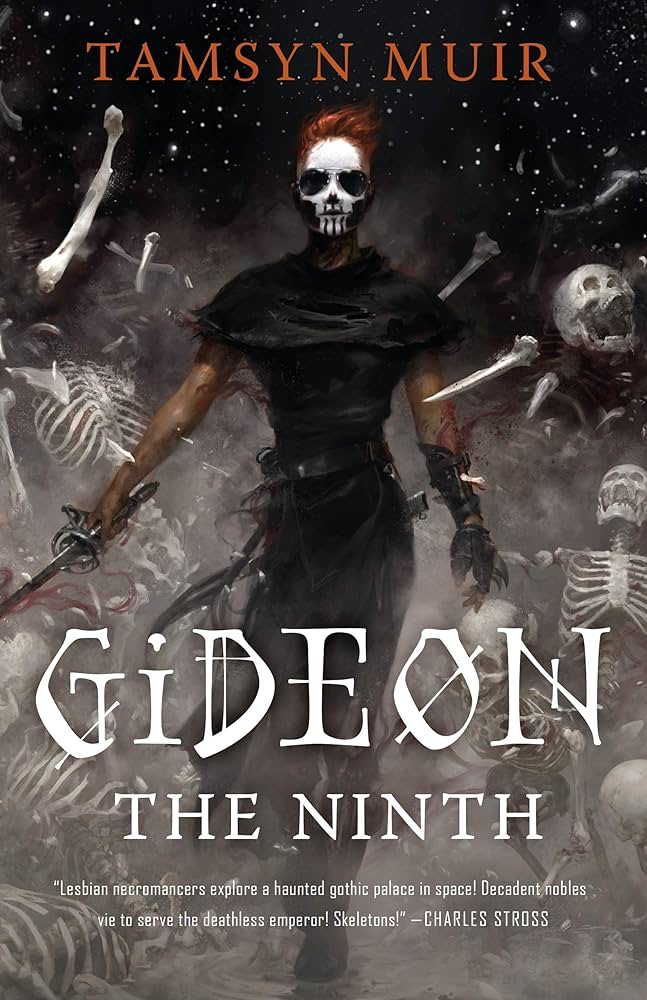
Gideon the Ninth – Tamsyn Muir – “So I’m gonna fuck it up again/I’m gonna do another detour/Unpave my path/And if you wanna make sense/Whatcha lookin’ at me for?/I’m no good at math…”

“Crosseyed and Painless” – Talking Heads

This might be the moment where I finally, finally get into Talking Heads. My brother recently listened to Remain In Light and introduced me to a handful of songs from it; apparently, he’d also fully Mandela-effected the idea that I owned a Remain In Light t-shirt, so maybe I should just listen to it. So much has been said about the album: the fusion of rock, funk, and early hip-hop, the influence of Afrobeats, the early electronic instrumentals. And all of that’s there. But you know what strikes me immediately?

Brian Eno. This just reeks of Eno. I mean, he obviously produced this album, but his rhythmic influence is so clear. “No One Receiving,” one of my favorite songs of his, is very Talking Heads, and he’d worked with the band on several albums at that point. But the frantic, anxious rhythms of “Crosseyed and Painless” and the chirping electronics are so Brian Eno. (He also provides backing vocals on the chorus, and Byrne’s certainly got some “King’s Lead Hat” in the delivery.) Maybe I just love it because of the Eno by proxy. But I feel like that would be a disservice to David Byrne and co., whose unique touch seems to have made Remain In Light so iconic. First off—oh my God, Tina Weymouth’s bass playing is nothing short of phenomenal. Once she finds the groove, she grabs ahold and never lets go. I think Byrne is what separates this from Eno in the end—though they share the same kind of angular energy, Byrne’s seamless shifts between desperate crooning in the chorus to frantic, anxious proto-rapping in the bridge: “Facts all come with points of view/Facts don’t do what I want them to/Facts just twist the truth around/Facts are living with their insides out.” That’s just nothing but David Byrne, as is this song’s spirit, in the end. Eno bolstered it, but the sweaty-palmed sprint through a state of alienation is nothing but Talking Heads.

…AND A BOOK TO GO WITH IT:

Volatile Memory – Seth Haddon – “Nothing there/No information left of any kind/Lifting my head/Looking for the danger signs…”

“Modern Girl” – Sleater-Kinney

I hate to say it, but the strongest memory I have of hearing “Modern Girl” was hearing Sleater-Kinney play it live while co-headlining with Wilco about five years back. They did the classic “this is our big song, sing it with us!” thing and tried to get the crowd to sing the chorus…and only a handful of people did. Yeesh. Probably some of the largest-scale secondhand embarrassment I’ve ever felt. But they’re plenty successful, well-known, and presumably happy with their lives, so I can’t imagine that one (1) crowd in Colorado not singing along with them made much of a dent on their egos.

Nonetheless, “Modern Girl” is one of the songs I took away from that setlist all the way back in 2021. Despite the painful mix on the version I have (once it gets loud, it gets crunchier than a bass-boosted meme from 2018…somebody remaster this already, Jesus 😭), it has the same staying power. It’s an anthemic, gradually building story of mounting emptiness; every verse, happily sung until bitterly screamed, scrambles for meaning in a world of artifice. There’s a void (a donut hole, if you will) at the heart of “Modern Girl” that fruitlessly gets filled by consumerism, mass media, and hollow love. It’s a sort of universal story of filling the hole in your life with all the plastic that TV advertises, only to find that “My whole life/Looks like a picture of a sunny day”—beautiful on the surface, but really just a flimsy piece of film in the end. Where you end up is sprawled out, floundering in the drowning tide of distortion that gradually swallows Carrie Brownstein and Corin Tucker’s riffs and harmonicas. Sometimes, all you can do when faced with the emptiness at the heart of your life is shout at it—and shout Sleater-Kinney does.

…AND A BOOK TO GO WITH IT:

On Earth As It Is on Television – Emily Jane – “My baby loves me/I’m so angry/Anger makes me a modern girl/Took my money/I couldn’t buy nothin’/I’m sick of this brave new world…”

“Company In My Back” (Wilco cover) – Cate Le Bon

Somehow, while spreading the gospel of Cate Le Bon to my family, I completely missed this cover, which my brother thankfully found. Wilco Covered, a limited-edition album only available on CD (and another big thank you to my dad for digging it up on eBay), was a real mixed bag, but this cover is a staggeringly good fit for both Le Bon and Wilco. “Company In My Back” comes from A Ghost Is Born, and Jeff Tweedy’s signature lyricism was already at some of its delightfully weirdest; “I attack with love/Pure bug beauty/Curl my lips and crawl up to you” is still one of the more memorable Wilco openings if we’re going by lyrics alone. Add in the wording of the chorus (“Holy shit/There’s a company in my back”) and some dulcimer, and you’ve got one of the more left field early Wilco songs out there. The original’s clattering percussion, like bug’s legs against tile, are equally so. It’s natural that Le Bon covered it, given her weirdo proclivities. Her moody lilt and agitated instrumentals fit in so naturally in her interpretation of this song. (I especially love the way she sings “They are hissing radiator tunes.” Pure magic.) This was recorded in 2019, and Reward has its footprints all over it, with blasts of saxophone to replace the acoustic guitars of the guitar. It’s such an excellent tribute, turning “Company In My Back” almost inside out while lovingly preserving the offbeat-ness of the original without sacrificing her own artistry.

…AND A BOOK TO GO WITH IT:

A Half-Built Garden – Ruthanna Emrys – “You learn so slow, old radiant beauty/I’ll curve my flight…”

“I Wanna Be Adored” (Stone Roses cover) – King Woman

What makes a cover good to me is when it captures the song’s spirit; like I just talked about with Cate Le Bon’s take on “Company In My Back,” it messes around with the instrumentals but retains Jeff Tweedy’s soul beneath it. Though King Woman’s take on “I Wanna Be Adored” doesn’t reach those heights (and how could it, with the original basically defining a good portion of the alternative/indie rock sound of the ’90s?), I think it succeeds in the same way. While the Stone Roses’ original dips into a dreamy haze, King Woman’s cover basically sounds like Stone Roses by way of Chelsea Wolfe. It’s longer and more drawn-out, with sludgy guitars and a thick, foggy echo clouding everything. Kristina Esfandiari shouts the iconic chorus as though into the mouth of a canyon, pleading into a cold void, a stark contrast to the speed at which it’s sung in the original. It’s an exciting take on this song—one that clearly melds King Woman’s style into the original’s beating heart.

…AND A BOOK TO GO WITH IT:

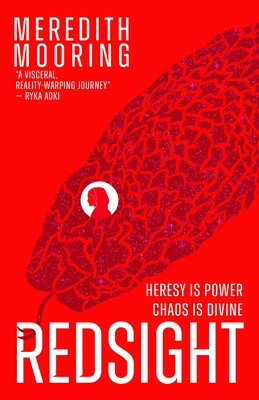
Redsight – Meredith Mooring – the sludgy, doomy atmosphere of this cover absolutely fits with this tale of dark magic in space.

BONUS: In addition to Programmes for Cools, Jim Noir has just released The DLC Tapes exclusively on Patreon—or you can buy it on his KoFi! It’s another album of polished releases from previous EPs and outtakes. Here’s the reworking of “Scene 2”:

Since this post consists entirely of songs, consider all of them to be today’s song.

That’s it for this week’s Sunday Songs! Have a wonderful rest of your day, and take care of yourselves!
Posted in Book Review Tuesday

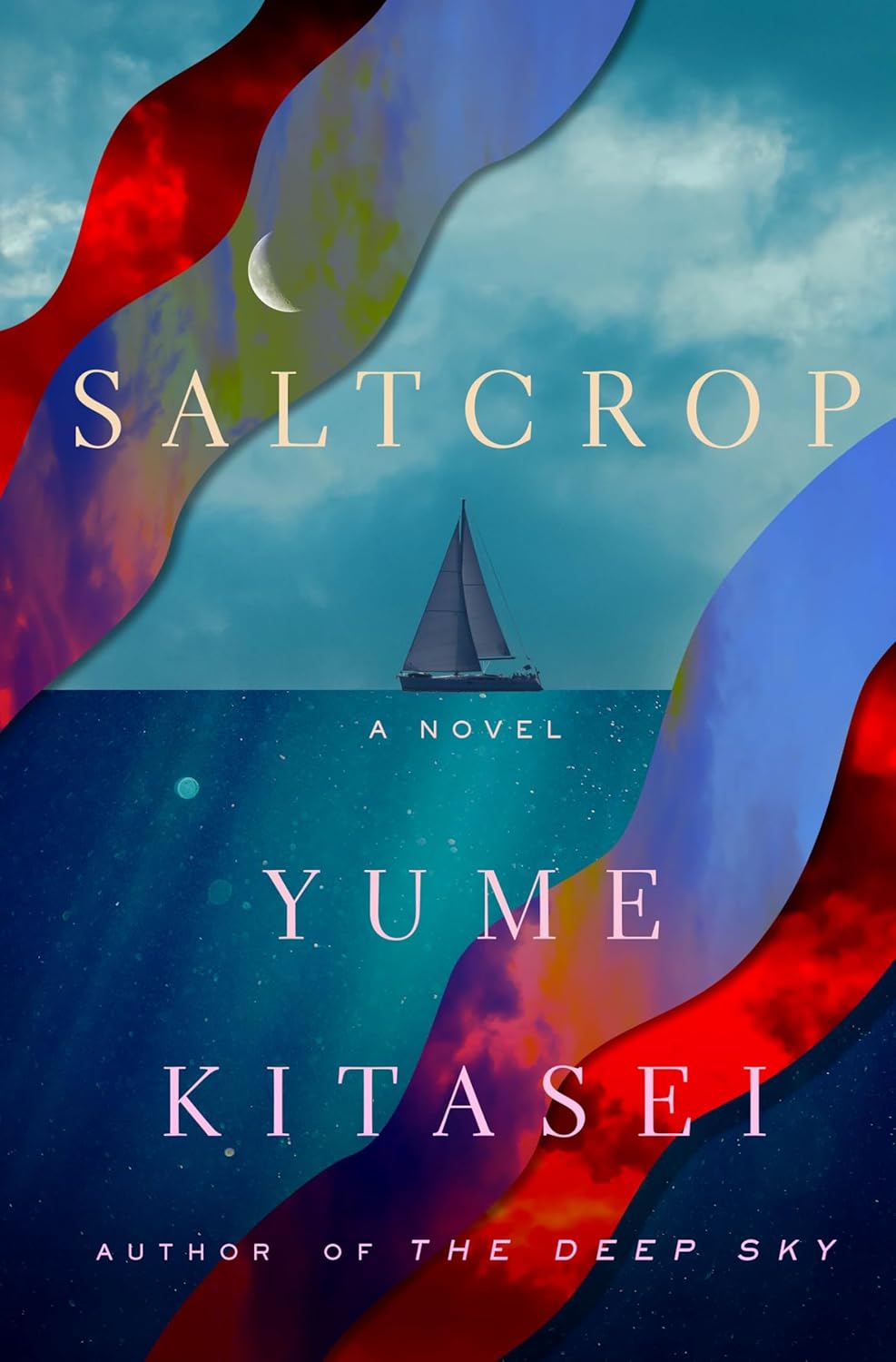
Book Review Tuesday (5/5/26) – Saltcrop

Happy Tuesday, bibliophiles!

GUESS WHO’S BACK…WITH A BACHELOR’S DEGREE! 🎓 YIPPEE!! Either way, I’ll be back to my normal posting schedule for the foreseeable future, as I’m now done with finals and all of my graduation festivities.

I’ve been a fan of Yume Kitasei since her debut, The Deep Sky. Her second novel, The Stardust Grail, was a 5-star read for me—it’s truly a gem, if you haven’t read it already. (After re-reading it last month, I’m firmly convinced that we need another book set in that universe. Her worldbuilding was so expansive!! It needs a companion novel!! Please!!) So I was ecstatic to hear that she was writing another sci-fi novel. It seems she’s been jumping between all kinds of sci-fi subgenres: a literary thriller with The Deep Sky, space opera with The Stardust Grail, and now dystopia with Saltcrop. And though it didn’t blow me away like The Stardust Grail did, Saltcrop is still a worthy, timely testament to Kitasei’s talents.

Enjoy this week’s review!

Saltcrop – Yume Kitasei

In a world ravaged by climate change, the three Shimizu sisters–Nora, Carmen, and Skipper—eke out a living with their aging grandmother. But Nora has been missing for months without an explanation. Carmen has faith that Nora will turn up soon, but Skipper suspects foul play. The sisters voyage out into uncertain waters to find Nora, but when they stumble into an intricate conspiracy that’s more than they bargained for, they must decide whether the journey was worth it at all—and if Nora is even out there in the first place.

TW/CW: medical content, body horror, death of parents, abuse, violence, murder, illness, animal death, chronic illness themes

One of the coolest things about watching Yume Kitasei’s career expand, from a reader’s perspective, is her willingness to try almost anything within the sci-fi genre. Her first novel was a more literary, sci-fi thriller; her second, a daring space opera with influences from Star Wars and Indiana Jones. Saltcrop is wholly different than both of them, and perhaps the greatest thing about it is that Kitasei never seems to run out of ideas, and that she’s unafraid to chase them.

Saltcrop is full of heart, and to me, that was its main strength. What formed this heart was the central relationship between Skipper, Carmen, and Nora. Even though 1/3 sisters was notably missing for 2/3rds of the novel, her presence was palpable; all that was possible due to the subtle interactions that Kitasei wove through Skipper and Carmen, both past and present. Their clashing but united dynamic as sisters propelled the novel in such a poignant way. Though you know from the start that Skipper and Carmen would cross the ocean for their sister (and they do), Kitasei never falters in giving you the sense of the complex but steadfast love that they have for each other. It feels like a middle finger to all of the dystopian media that posits that the apocalypse will somehow deteriorate our inherently human urge to love and help each other. Siblings will be siblings, even when climate change floods the world—Kitasei means that in every sense possible.

The setting of Saltcrop is familiar: a flooded dystopian world rendered unrecognizable by climate change, where the poor eke out a hardened existence while the rich continue to get richer. It’s a plot we’ve heard many times before, but Kitasei’s touch made it much more human. Aside from the exploration of the sisters’s relationships, I think what made Saltcrop’s plot and worldbuilding so memorable were the vignettes that made it human. Kitasei’s flooded world was peppered with stories of ordinary people, dead and alive, who made a living in spite of nearly inhospitable circumstances. It doesn’t shy away from the dark and ugly parts of this world (namely the spread of illness and corporate greed) Combine that with the clearly exhaustive research she did about agriculture, epidemiology, and genetic modification that got especially relevant in the last half of the novel, and Saltcrop was one of the most lived-in dystopias that I’ve read in quite some time.

I said earlier that Saltcrop is fairly different from her previous two novels, but in terms of writing, I think it trends closer to The Deep Sky, which is to say that it leans more into the literary side of her prose. And if there’s anybody I trust with more literary prose, it’s Kitasei. Her eye for poignant, needle-sharp descriptions that lodge themselves into your heart is stronger than ever—there are casual gut-punches laid about everywhere. Even in the heart of a climate-ravaged dystopia, there were almost Fargo-like interludes where reality and memory warp, which was all the more potent considering the themes of remembrance in Saltcrop. (The bear scene in the middle especially comes to mind.) Like the plot, Kitasei’s prose turned an environment that we’ve seen many times before into something wholly fresh and enlivened.

I’ll admit, I have some mixed feelings about the ending. On the one hand, I loved how the sisters rallied together to try and bring down the antagonist corporation, which routinely swallowed all of their attempts at resisting; the gradual, quiet victory was hopeful, and felt realistic to the long and rocky road to justice that we see with these kinds of issues. However, I feel like there were so many unanswered questions at the end; without spoiling anything, it felt like the setup to another novel, but there was so much left unsolved and unsaid, and yet Kitasei gave it the tone of a bittersweet ending, but a concrete ending all the same. It only felt wrapped up in the sense of the corporation plot, but beyond that, it felt unfinished. I’m all for an ambiguous ending, but with such a key piece of the puzzle missing, it didn’t feel satisfying in the slightest.

All in all, a startlingly human post-apocalyptic story of sisterhood and survival. 4 stars!

Saltcrop is a standalone, but Yume Kitasei is also the author of The Deep Sky and The Stardust Grail.

Today’s song:

genuinely criminal that this isn’t available on streaming, but this is, hands down, one of the best Wilco covers out there

That’s it for this week’s Book Review Tuesday! Have a wonderful rest of your day, and take care of yourselves!

Posted in Sunday Songs

Sunday Songs: 2/8/26

Happy Sunday, bibliophiles!

This week: unfortunately, the pink theme couldn’t be scheduled for the week of Valentine’s Day, so enjoy your pink disentangled from the holiday. Also, Madeline being pretentious from the age of 5, a whole lot of beep-boop-beep, and Kathleen Hanna’s answer to these trying times.

Enjoy this week’s songs!

SUNDAY SONGS: 2/8/26

“This Island” – Le Tigre

All rise for the anti-ragebait national anthem! The litany against ragebait, if you will.

I’m sure there’s some activism/politically-involved situation that Kathleen Hanna hasn’t written about, but you have to give it to her—in that sphere, she’s got a song for almost anything. Since 2024, every new Le Tigre song that I discover has hit hard in this political context, whether it’s the perennially relevant reminder to “Get Off The Internet” (destroy the right wing!) or the rallying cry of “Keep On Livin’.” Even in 2008, the internet already had shown the ugly side of not just enabling faceless trolls to spread misinformation, but for anger-inducing content to get the most engagement; it’s been a disaster for everything, really, but especially activism. Pair that with social media’s penchant to push the most shocking angles on news stories that are already shocking (and the sheer volume of said shocking, disheartening news), and you’ve got a recipe for disaster for anybody who wants to doggedly keep hope. It’s ground so many would-be activists into the ground, turning them into despairing doomers convinced that there’s no hope for the future.

“This Island” isn’t exactly the uplifting chant of “Keep On Livin'”, but it doesn’t necessarily need to be. Its target is that kind of person who’s so hopelessly entrenched in internet-peddled doom that they need a bucket of ice water to the face to snap them out of it. It’s tough love (part of the chorus is just a repetition of “You’re a mess!”), but it’s vital if you want to carry on. The brutal 3.3/10-rated (3.3? Did Le Tigre kick your puppy?) Pitchfork review of This Island lamented that the album sacrificed its normal political bite in favor of making it more watered down and commercially accessible. Yet although the instrumentals are smoother and the beats poppier, no major label production could ever defang Hanna and co.; “This Island” rings as an unflinching slap upside the head and a call to remember all of the good things happening in the world; the backdrop of the album was the War on Terror, but now, in…well, a new iteration of just that, this last verse hits harder than ever:

“The horizon’s like a ship in flames tonight/You say you just don’t know/If you can take this city, cause the/Rent’s high, and the war’s on/And it’s last call/Even your friends look worried/My friends all think you’re smart/We think you’re super-fine/But it’s high time/I mean it’s high tide…”

I’m not above doomscrolling. Goodness knows that I’ve needed said splash of cold water in my face more often than not. It’s not our fault—social media has been deliberately manufactured to keep you hooked as long as possible; in just the same way, the ruling class wants to keep you hopeless and constantly posting so that you only make money for their corporations and don’t rise up. What matters most is what you are—and what you do—outside of the internet. What matters is that you have the strength of your friends and community beside you. Even when it seems like all hope is lost, we can take this city. Le Tigre took this city in 2004—who’s to say that we can’t do it in 2026?

…AND A BOOK TO GO WITH IT:

We Will Rise Again: Speculative Stories and Essays on Protest, Resistance, and Hope – edited by Karen Lord, Annalee Newitz, and Malka Older – several of the stories in here have a similar aim that Le Tigre did back in the day: to merge political awareness with art.

“Always On My Mind/In My House” (cover) – Pet Shop Boys

Separately, the elements of this song should not work. If you just said, without context, that this was an ’80s synth pop cover of an Elvis song (which was, as with most Elvis songs, a cover in and of itself) that devolves into acid house halfway through and stretches to nearly 10 minutes long, I’d probably be put off, to say the least. It’s like the musical version of “I hate gay halloween, what do you meanyou’re dressed as [insert combination of niche references]?” Things that were only possible in the late ’80s, folks. But against all odds, this is incredible. A few weeks back, I was listening to this on repeat while making a digital drawing, and I got into a flow state so queer that the drawing practically flew from my fingertips. Originally conceived to commemorate the 10th anniversary of Elvis Presley’s death, this, “Always On My Mind” later morphed into the 9-plus-minute remix and combination with “In My House.” Retrospectively, most of the writing on this song talks about how, by all accounts, this shouldn’t have worked. And yet Neil Tennant and Chris Lowe make it look like the combination of Elvis, house, rap, and random firework samples was always meant to be. It’s a case study in lulling a listener into a false sense of security before letting the floor drop out from under them. Every beat drop and twist works seamlessly—the switch from house back into the Elvis cover at 5:26 knocks me off my feet every time. You already need a boatload of talent for a song to sound effortless, but to be able to unite so many disparate elements and make it into a chart-topper—this was the #1 Christmas single in the U.K. in 1987.—takes a special kind of band.

…AND A BOOK TO GO WITH IT:

A Swift and Sudden Exit – Nico Vicenty – thematically, it fits nicely with this book, but this had to have been hidden somewhere in the ’80s scenes (or the ’90s ones, for that matter).

“Cover Me” – Björk

I always come back to Post. To me, it’s one of her most experimental albums, but not in the sense of musical genre—it’s one of her more accessible ones, right after Debut. But it’s much more experimental in its mindset. She sends her feelers out in every possible direction, and the joy of the album comes from the sheer range of emotions and genres she explored, from grimy, electronic tracks to an attempt to channel Chris Isaak’s “Wicked Game” (in the way that only Björk could). The adventurous spirit that she first fostered on Debut, playing the role of ingenue in both her life and music, practically explodes out here. You can hear it more clearly on the louder songs, whether it’s the bevy of strange instrumentals pulsating outwards or Björk herself actually screaming—another staple of her music that’s carried on 30 years post-Post.

“Cover Me,” the penultimate track on the album, is often forgotten in the deluge of other masterpieces stacked on top of each other on Post. But to me, it represents, both lyrically and musically, a key part of where Björk would go later on in her career. It’s a prickly yet twinkly song—the main body of the instrumental consists of hammered dulcimer, which is played in such a way that it feels cautious, like any sudden movement or snap of branches could trigger a trapdoor; the feeling is accentuated by the humid, jungle-like atmosphere, with all sorts of rattling noises that disappear just as quickly as they appear. Without a doubt, it’s one of the less accessible tracks on the album. Every time I listen to “Cover Me,” I feel like I’ve stepped into Henri Rousseau’s painting “Tiger in a Tropical Storm (Surprised!),” pushing aside the woodcut-looking leaves and treading lightly so as not to alert the snarling tiger inches away from me; it’s fearful, but the fear is outweighed by the ecstasy of proving that “the impossible really exists.” Her lyricism feels fairytale-like, as though she’s mapping out an entirely new land, looking over her shoulder to guide you with her commentary; With a sly smirk, she declares, “I’m going hunting for mysteries.” Taking another step forward, she whispers back to you, almost afraid to admit: “This is really dangerous/But worth the effort.”

According to Björk, she wrote “Cover Me” to poke fun at herself for making the process of making the album so pointedly different, and purportedly, difficult. And yet, as the black sheep even in an album swarming with oddball anthems, it’s paved the way for exactly the kind of career that Björk has made for herself. Every part of her life has been about pushing music to its limits, whether it’s bridging together music, science, and technology to make a stunning album and an educational app or creating entirely new instruments for her tours. Björk has never shied away from what’s dangerous, and her willingness to bend, stretch, and outright break boundaries, musically and societally. Though she’s known by more iconic lyrics, this one might just be the best to describe her career so far: “I’m going to prove the impossible really exists.” And if there’s anything to be learned from her endeavors, is that all of that danger was well worth the effort.

…AND A BOOK TO GO WITH IT:

The Search for Wondla (The Search for WondLa, #1) – Tony DiTerlizzi – “While I crawl into the unknown/Cover me/I’m going hunting for mysteries/Cover me/I’m going to prove the impossible really exists…”

“Circuit” – Apples in Stereo & Marbles

Tragically, this song (and the album, Expo) aren’t even on YouTube. Criminal, if you ask me! But I think it should tell you how concerningly niche my music taste was, even as a child—”Circuit” was my favorite song when I was about 5. Less of a brag and more of a grim foreshadowing of me becoming an insufferably pretentious adult. Back in the day, I had this great little Hello Kitty CD player; I’ve got a specific memory of having this song on a playlist and having to press down on those thick, 2000’s buttons just so I could hear this song over and over, ad nauseam. I stand by 5-year-old Madeline—it never gets old.

Though it’s labeled under The Apples in Stereo, Marbles is the solo project of Robert Schneider, the Apples’s frontman; if you thought that you can’t possibly get any more beep-boop-beep than The Apples in Stereo…buckle up. Chiefly consisting of synths, Expo is nothing but electro-pop—emphasis on the electro. Every song I’ve heard from the album sounds like the kind of music that could only be made by squeaky robots from some ’50s pulp sci-fi movie. Little me specifically imagined Plex from Yo Gabba Gabba! singing it. It’s a self-contained sci-fi universe, complete with its alluring protagonist, some sort of robot or cyborg woman who “perceives circuitries/Inside everything she sees.” Lo and behold, this is the work of a man, not a machine. But with the precision applied to every single part of this track, “Circuit” truly is a well-oiled machine. Like the intricate, fragile fragments of a circuit board, every flourish of processed orchestral samples and every bubbly synth chord all work as cogs in a machine with so many moving parts, yet with effortless cohesion that so many artists can only dream of reaching. This is how you make a pop song. Embrace the beep-boop.

…AND A BOOK TO GO WITH IT:

The Infinity Particle – Wendy Xu – The robot is gender-swapped here, but he sure does see electricity.

“Typical Love” – Cate Le Bon

“Typical Love” was cut from the Pompeii sessions, but according to Cate Le Bon, was “disassembled and reassembled it many times but it always felt like a second cousin to the other tracks so was put aside for a rainy day.” It’s in limbo between the production of Pompeii but with the kind of lyrics I would’ve expected on Michelangelo Dying, cataloguing the quiet, suffocating mundanity of a relationship gone stale. If it had any closer cousin on Pompeii, it would probably be “French Boys”; it has the same kind of wry comedy of Le Bon putting on airs—she might as well be muttering “Typical love, typical love” before taking a drag from one of those long, old-fashioned cigarette holders. But as with most of her tracks, “Typical Love” is anything but typical, with percussive bursts of her own breath, saxophone blares that bleed out like oversaturated watercolors soaking through thin paper, and an Eno-like taste for taking repetition to its logical limit, stretching melodies and words until they no longer feel like their original forms. It’s all at once angular and circular, like an abstract painting, woven from brightly-colored, dancing shapes.

…AND A BOOK TO GO WITH IT:

Embassytown – China Miéville – “Nothing ever changed in your corridor eyes/Rely on me, baby/Rely on air/Only a shadow again/Typical love…”

Since this post consists entirely of songs, consider all of them to be today’s song.

That’s it for this week’s Sunday Songs! Have a wonderful rest of your day, and take care of yourselves!
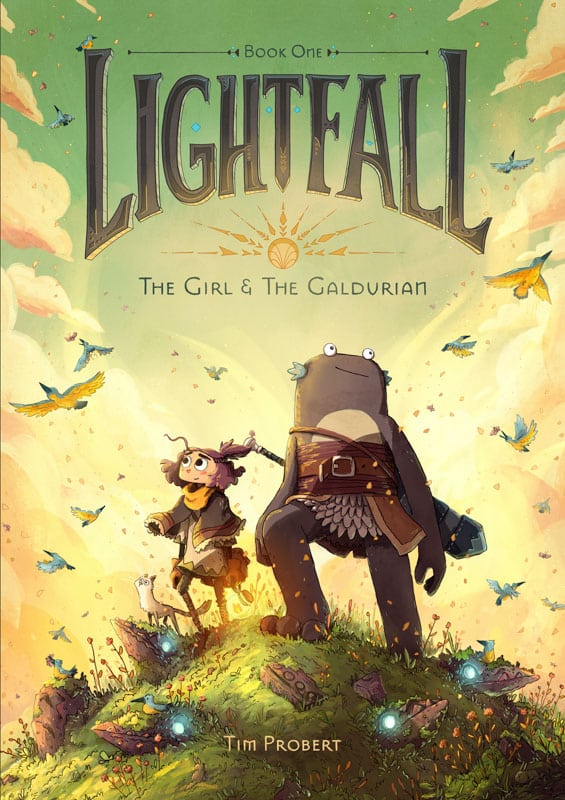
Posted in Sunday Songs

Sunday Songs: 12/21/25

Happy Sunday, bibliophiles! I hope this week has treated you well. Happy Hanukkah, Happy Winter Solstice, and in advance, Merry (almost) Christmas!
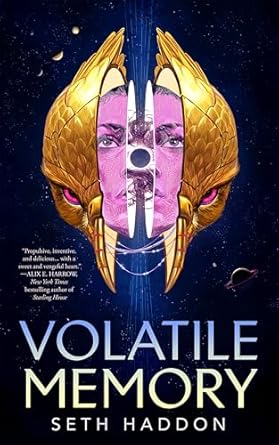
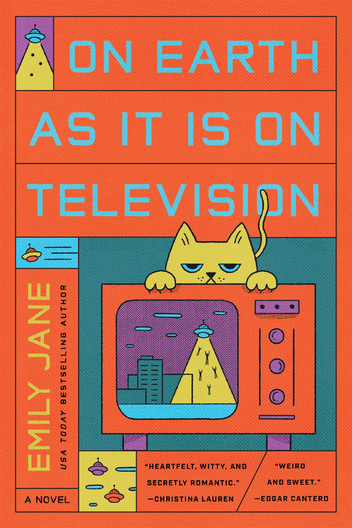
This week: speaking of which, I rarely end up aligning my Sunday Songs graphics to actually include any holiday-specific songs, but it worked out just right this year…you decide if it’s a pre-Christmas miracle.

SUNDAY SONGS: 12/16/25

“Have Yourself a Merry Little Christmas” (cover) – St. Vincent

Yet another song I’ve swiped from a movie I have no interest in seeing…listen, I saw ads for this movie exclusively through Pinterest and I had no idea it existed until these songs came out. At least we’ve got several Christmas classics reimagined by indie greats, even if the movie is an afterthought for me (see: Jeff Tweedy’s cover of “Christmas Must Be Tonight”).

When I first played this song, I was afraid, with the key, that we’d fall into “St. Vincent goes too far out of her vocal range; things get awkward” territory (see: her cover of Toadies’ “Possum Kingdom”). As much as I love her, she…clearly has her limits. But she slipped into this cover of a Christmas classic with relaxed, comforting ease. Though I like covers to deviate some from the original, I feel like the rule can be broken for Christmas songs—they’re holiday standards, and they’re standards for a reason. The soft keyboards and synths generate a cozy, fireplace atmosphere, and Clark’s warm voice adds that special layer of Christmas cheer that makes me feel as though I’m under a warm blanket watching snowflakes gather outside my window. Even though it’s far from the place for her signature shredding (though I’m not sure any Christmas song merits that), I love that she lent her voice to this song.

…AND A BOOK TO GO WITH IT:

Fangirl – Rainbow Rowell – I feel like I rarely read Christmasy books, but this one’s got lots of Christmas cheer.

“Drive My Car” (The Beatles cover) – The Donnas

Speaking of covers that barely deviate from the original…

There’s an element of “if it ain’t broke, don’t fit it” at play, especially since this is none other than The Beatles—there’s no denying that “Drive My Car” is an impeccable pop song, and a very nostalgic one for me as well. The other cover I can think of, by the exclusively-covers side project of Supergrass, The Hotrats, follows the same formula—and I love it. So sure, although it’s a little unadventurous that nothing’s really changed about The Donnas’ version of “Drive My Car,” sometimes covers don’t need all that much change. Some songs came out of the womb (or, in this case, out of the brains of Lennon and McCartney) nearly perfect, and there’s no point in trying to change it. The opposite can be true as well—“Cry Baby Cry” comes off of my favorite Beatles album, and yet I almost love Throwing Muses’ dreamy take on the song better than the original. (Apologies for the potential Beatlemaniac heresy.) And The Donnas’ cover retains exactly what made the original so fun—it’s catchy, it’s punchy, and the harmonization is as sharp as anything. Brett Anderson (no, not the Suede one) has the exact kind of vocals that “Drive My Car” needs—upfront, with a smooth yet sharp tone that demands to be front and center. You have to be a special kind of vocalist to pull off the iconic “beep beep, beep beep, YEAH!”—and Anderson absolutely is.

…AND A BOOK TO GO WITH IT:

The Monstrous Misses Mai – Van Hoang – “I told that girl I could start right away/When she said, ‘Listen, babe, I got something to say/I got no car and it’s breaking my heart/But I found a driver and that’s a start…'”

“(Nothing But) Flowers” – Talking Heads

Tiny Desk has had a score of heavy-hitters this year, and what better to…kind of cap the year off than David Byrne? With both new material from his latest album, Who is the Sky? and Talking Heads classics, it was truly just a shot of joy to the veins—just the thing I needed to loosen up after getting finals out of the way. For somebody so renowned for having a cagey stage presence, he seemed surprisingly loose. Maybe it’s just come with age or comfort level, but nonetheless, the joy was contagious.

I’ve slowly been picking up Talking Heads hits like ripe fruits on the side of the road. They’re one of those bands that I feel automatically a fan of, even though I only know 10 of their songs tops, just because I’ve become so attached to some of their songs. God knows I’ve got a score of fond memories attached to “Once in a Lifetime.” One of their latter-day hits, “(Nothing But) Flowers” is an upbeat yet almost cynical take on the post-apocalypse. Like many visions of the future, it imagines our polluted, industrial landscape returned to the vegetation, with Pizza Huts and Dairy Queens grown over and plowed away to make room for fields of wildflowers and wheat. Obvious references to the Garden of Eden, the world has become a pastoral haven—and yet, we cannot adjust to this sudden change, and even though our capitalist environment was pretty obviously worse, everybody yearns for that familiarity—”If this is paradise/I wish I had a lawnmower.”

It’s no wonder that Byrne chose this song for this Tiny Desk Concert, nearly 40 years after its initial release: the line “And as things fell apart/Nobody paid much attention” is a little too on the nose considering…everything. And that’s not even considering the overt political messaging in the music video. Even when we’re faced with a world full of broken, corrupt systems, we’ve become so used to living with the horrors that we might flounder when faced with something better. I hesitate to say that it’s fully cynical, since the vision Byrne and co. conjure is certainly akin to paradise, and yet the song ends with the cry of “I can’t get used to this lifestyle!” I suppose it’s less a condemnation of us and more of a condemnation of how capitalism has groomed us into thinking that it’s the Best Possible Lifestyle! while actively plowing us into the ground. It’s a testament to capitalist propaganda, for sure, to think that our hellscape of five McDonald’s in a two-mile radius and factories belching out chemicals into the air is better than idyllic fields of flowers and breathable air.
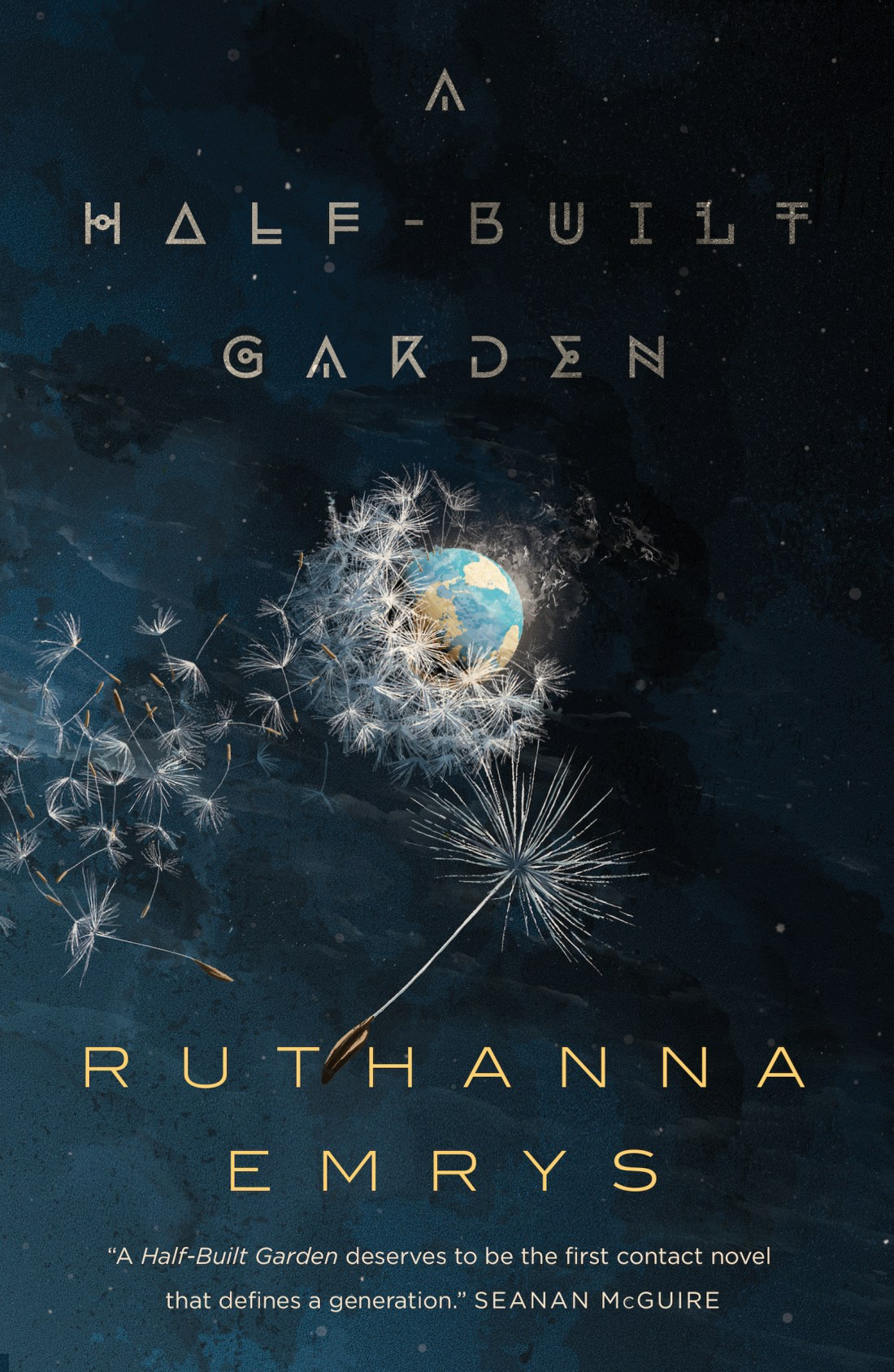
But it is, after all, propaganda: words, systems, all created by human hands. Human hands can dismantle it right over again and build something better. To quote Ursula K. Le Guin, “We live in capitalism. Its power seems inescapable. So did the divine right of kings. Any human power can be resisted and changed by human beings.” Like the flowers, I believe that we can overrun what was once Pizza Huts and factories and make do with what springs from the ashes.

…AND A BOOK TO GO WITH IT:

A Psalm for the Wild-Built – Becky Chambers – “This used to be real estate/Now it’s only fields and trees/Where, where is the town?/Now, it’s nothing but flowers…”

“If I Was Ever Lonely” – Sharp Pins

The lingering feeling I get with this song is that it has to be indicative of something. Something’s catching on. It could just be limited to Kai Slater, but I swear it’s proof that either Elephant 6, Jim Noir, or just weirdo, offbeat, ’60s-inspired indie is on the rise again. Radio DDR was released earlier this year, but if you hadn’t told me that this was Sharp Pins, I would’ve been fooled if you’d told me that this was a leaked Olivia Tremor Control demo from 1998. Either way you hear it, “If I Was Ever Lonely” is cloaked in pure, jangle-pop fun—there’s a very Brian Wilson-esque swing to it that makes you nod your head instantly. With the lo-fi production and the literal dizziness in the lyrics, listening to “If I Was Ever Lonely” strangely feels like staring into the sun. It’s not out of any sense of pain, but more of a carefree feeling of being so head-over-heels that everything is sunny and blurry at the edges.

…AND A BOOK TO GO WITH IT:

Just Your Local Bisexual Disaster – Andrea Mosqueda – “Watching from the back seat of your car/Wondering how far you can take it when I’m so lonely/Dancing in the ballroom hall/Seeing how far I can take it before I’m over you, girl…”

“One Evening” – Feist

So I’ve found the second-most popular Feist song beginning with the word “one,” it seems. (All thanks to a good friend, by the way—thank you!!) I’ve heard scattered Feist songs here and there—“1234” was a childhood staple, and I discovered “Undiscovered First” through Legion, one of many, many songs from Noah Hawley’s playlist that I desperately need to steal, or at least have a look at. The glimpses I’ve gotten are disparate, but from what I can tell, that means that Feist has range, or is at least fairly exploratory in her style. There’s the indie pop of “1234,” the anxious build of “Undiscovered First” or “A Commotion,” and “One Evening,” which has a softer, more loungey feel to it. The entire production is soft and sly in places, a song composed out of stolen glances from across the bar and accidental brushings of the hands of strangers. With soft-sung harmonies, it’s such a tightly-woven groove in such an unassuming song—beneath the softness, it boasts an airtight, deeply catchy composition.

…AND A BOOK TO GO WITH IT:

The Invisible Life of Addie LaRue – V.E. Schwab – “When we started/Both brokenhearted/Not believing/It could begin and end in one evening…”

Since this post consists entirely of songs, consider all of them to be today’s song.

That’s it for this week’s Book Review Tuesday! Have a wonderful rest of your day, and take care of yourselves!