Since today is both in the middle of Latinx Heritage Month and the start of spooky season proper, I figured I would deliver on both fronts. I’d heard a lot of buzz about this one, especially the fact that it had polyamorous representation—something I rarely see in literature, much less in YA. Genre fiction written in verse is also uncommon, so I had to pick up this book since it combined both of them. The result was something that was inventive at every turn.
Andres Santos is ready for a new start. After moving to Miami from São Paulo, he’s keen on leaving his past behind—especially his brush with mortality after nearly drowning and seeing the face of Death itself. He barely escaped by making a deal with Death for a second chance at life. Now, he’s a part of a happy, poly triad, deeply in love with spunky photographer Renee and joyous dancer Liora. But when a car crash puts Liora in a coma, Andres and Renee know that the only option is to confront Andres’ past—by returning to the Underworld where he once bargained for his very life.
TW/CW: car crash/coma, emotional abuse, suicide, self harm, eating disorders, fantasy violence
The minute that David Bowie was mentioned, I tried so hard not to go headfirst into liking this novel. My expectations were average, and I wanted to be surprised. And then “Space Oddity” became a recurring motif. You know me, I ate that up.
For the most part, I’ve rarely seen genre fiction and novels in verse mix. The latter is usually reserved for telling realistic fiction stories and occasional historical fiction, though I’ve only seen one or two examples of the latter. But using this method outside of fiction is something that, now that I’ve read Death’s Country, I feel should be utilized more often. Poetic language lends itself to describe the dark, fantastical setting of this novel and fantastical settings in general, and Romero’s is no exception; even if it doesn’t fill up the entire page, the flowing language renders the setting in luscious detail. Given that romance is also at the beating heart of this novel, Romero’s decision of putting it in verse made the romance feel all the more like the center of the narrative. Once more, her language didn’t just put the spotlight on it—the sparsity of the amount of words on the page truly made it feel like the center of the universe.
Even with the leaps and bounds that literature, mainly YA, has made in terms of queer representation, I’ve seen hardly any with polyamorous representation. (The only other one that I can remember is Iron Widow, which I also recommend!) What I liked about how Death’s Country handled it was that it was a polyamorous story, but that it wasn’t necessarily about polyamory; those stories have a place, but sometimes, the most powerful representation comes from seeing yourself in fantastical stories usually reserved for white, cishet, etc. protagonists. There are great discussions about the stigmas surrounding polyamory (cheating, slut-shaming, etc.), but they were only a part of the story, not the whole. The more that I think about it, a poly triad makes this story work in a way that it might not have with a couple; having two people, not just one, braving the Underworld for their girlfriend in a coma, presented a unique twist on a story that’s been retold countless times, and presented an opportunity to explore multiple perspectives of love under duress.
I went into Death’s Country expecting a meditation on death (obviously), but what I didn’t expect was such an insightful metaphor about how we idealize those we love in death. The Underworld in Death’s Country is almost a vehicle for reproducing what people deem most memorable about them: not just how they die, but how they were seen in death. Liora, who was adored unconditionally by both Andres and Renee, has been molded into a romanticized version of herself that, upon closer inspection, barely resembles the real Liora. Most of that is thanks to the manipulation of The Prince, but we later find out that even he is a reflection of the dark side of Andres’ love—that kind of unquestioning idealization that strips a real person into a glowing facsimile of who they once were. This provided an insight into these kinds of retellings (Death’s Country is a loose retelling of the myth of Orpheus and Eurydice) that they don’t normally touch on; death changes the people you love physically, but also mentally—in the perceptions of others that come to define them once their physical body is gone.
However, I feel like Death’s Country could have used a dual POV to execute the emotion to its absolute fullest. The only perspective we get is Andres, while we never get into the headspace of Renee, who is journeying with him through the underworld alongside him for the entire book. I wasn’t as big of a fan of Andres as a protagonist (I found him to be on the abrasive side at worst), but Romero’s writing of him was never sloppy or badly-executed in a technical sense. I just had the strongest sense that Renee had just as much of a story to tell as him! I get that Andres was specifically the one who made a deal with Death for another shot at life, but Liora isn’t just his girlfriend—she’s Renee’s girlfriend too. She needed more backstory, but I have a strong feeling that Death’s Country would have been enhanced if she’d also had more of a voice.
All in all, an inventive, fantastical novel-in-verse with plenty of fresh twists on otherwise well-trodden literary ground. 4 stars!
Death’s Country is a standalone, but R.M. Romero is also the author of The Dollmaker of Krakow, The Ghosts of Rose Hill, A Warning About Swans, and the forthcoming novel Tale of the Flying Forest.
Today’s song:
A NEW CURE ALBUM?? what a time to be alive
That’s it for this week’s Book Review Tuesday! Have a wonderful rest of your day, and take care of yourselves!
Halfway through 2024…no! No we aren’t 😀😀😀😀😀😀😀😀😀😀😀😀😀😀😀😀
Let’s begin, shall we?
GENERAL THOUGHTS:
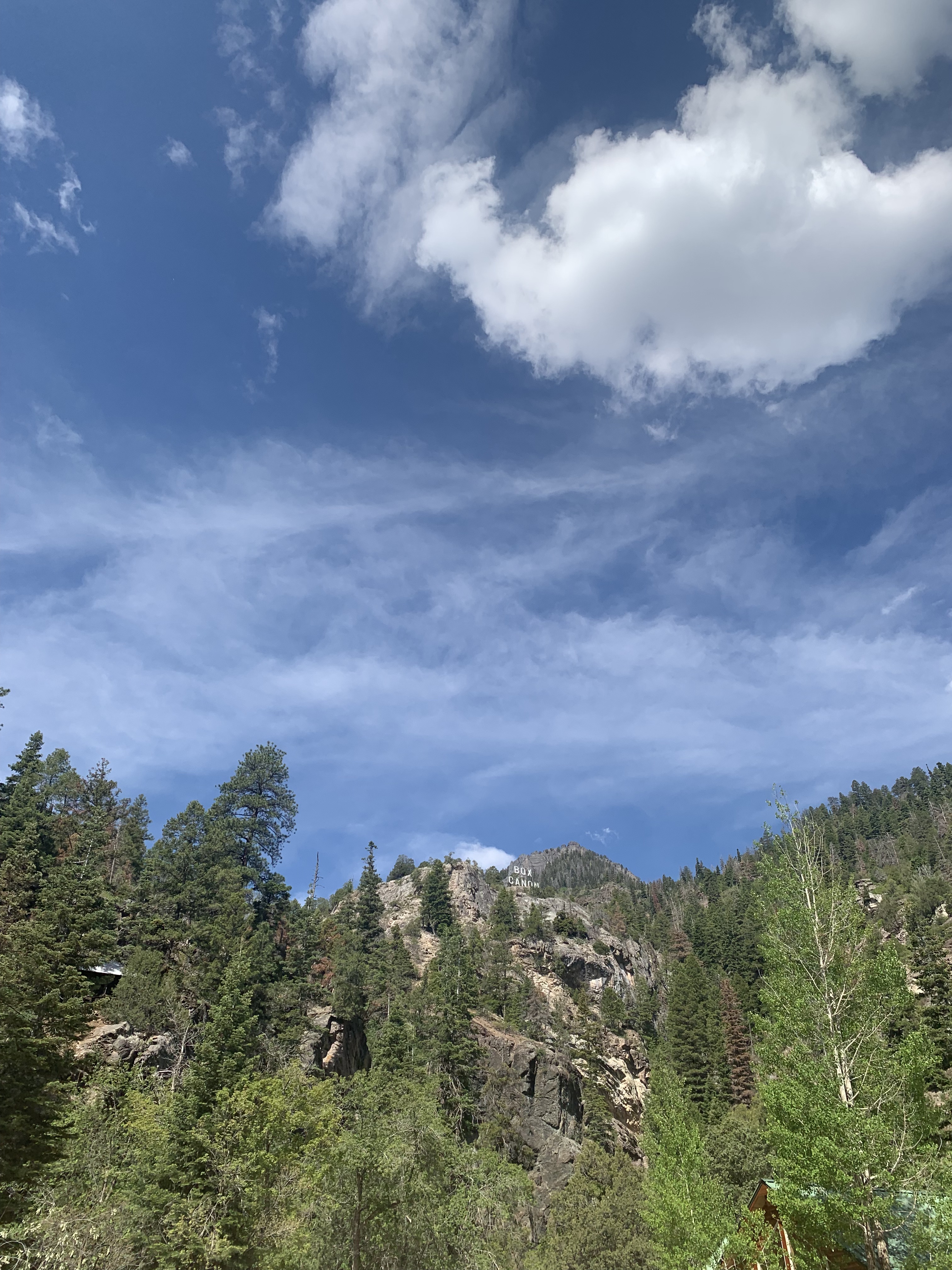
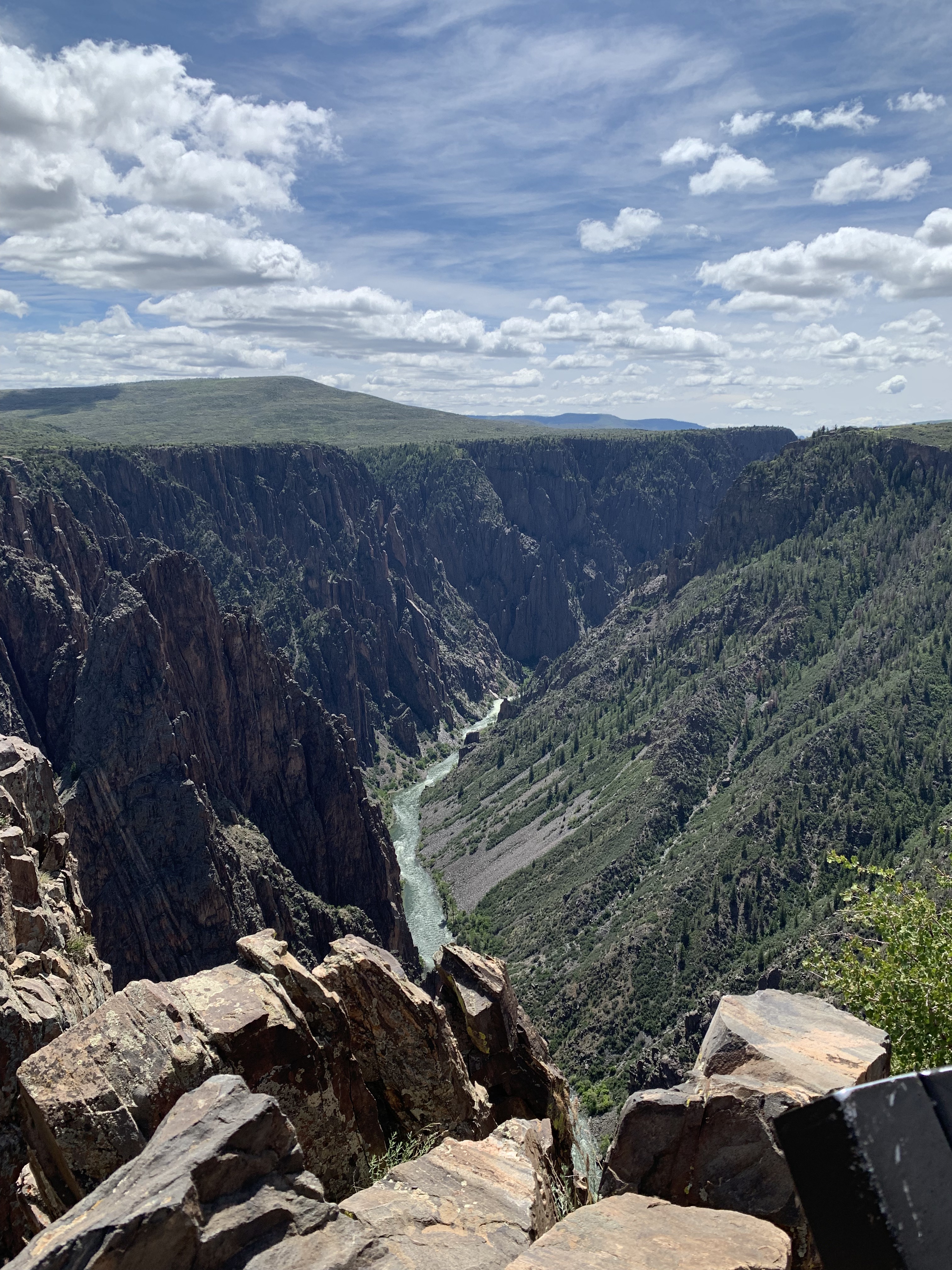
After how busy and hectic my sophomore year of college was, June has been a time to recharge in more ways than one. I went on a quiet vacation at the beginning of the month (Ouray and Black Canyon of the Gunnison—the latter is a very underrated national park, I highly recommend it!), and I’ve taken the rest of the month to…well, rest. I’ve tried to be on social media less and focus on art, writing, and generally nourishing my creativity. In preparation for Camp NaNoWriMo (I only ever do the July camp these days because November and April are both abysmally busy times for me now that I’m in college), I’ve decided to round out my sci-fi trilogy and write the first draft of book three; at this point, I’ve beefed up the outline like a grizzly bear before hibernation, so at least I’ll have some sense of direction…wish me luck!
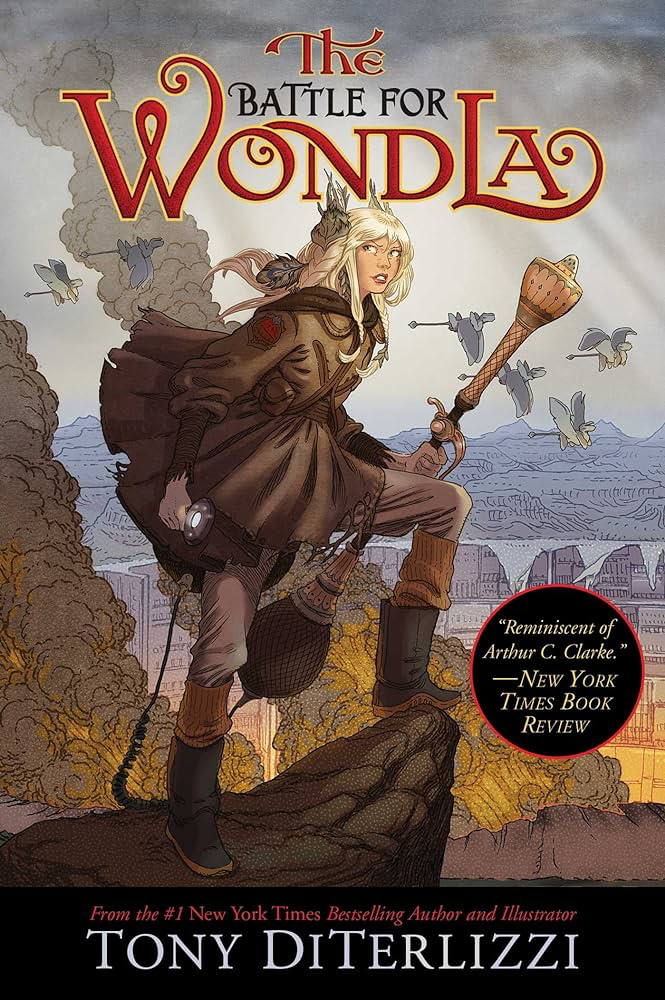
My reading month started out slower, and it’s had some dips, as always, but I ended up reading loads of fantastic queer books for pride month! Predictably, one of my vacation souvenirs wasn’t something related to where we went…no, I bought a copy of The Familiar at a local bookstore (support ’em!) knowing that it would take eons for my hold to arrive at the library. Worth it. I also figured it was as good a time as any to re-read my favorite series from when I was a kid—the WondLa trilogy. My verdict? It healed my soul and reinvigorated my creativity. Some kid’s books don’t age well, but WondLa never gets old.
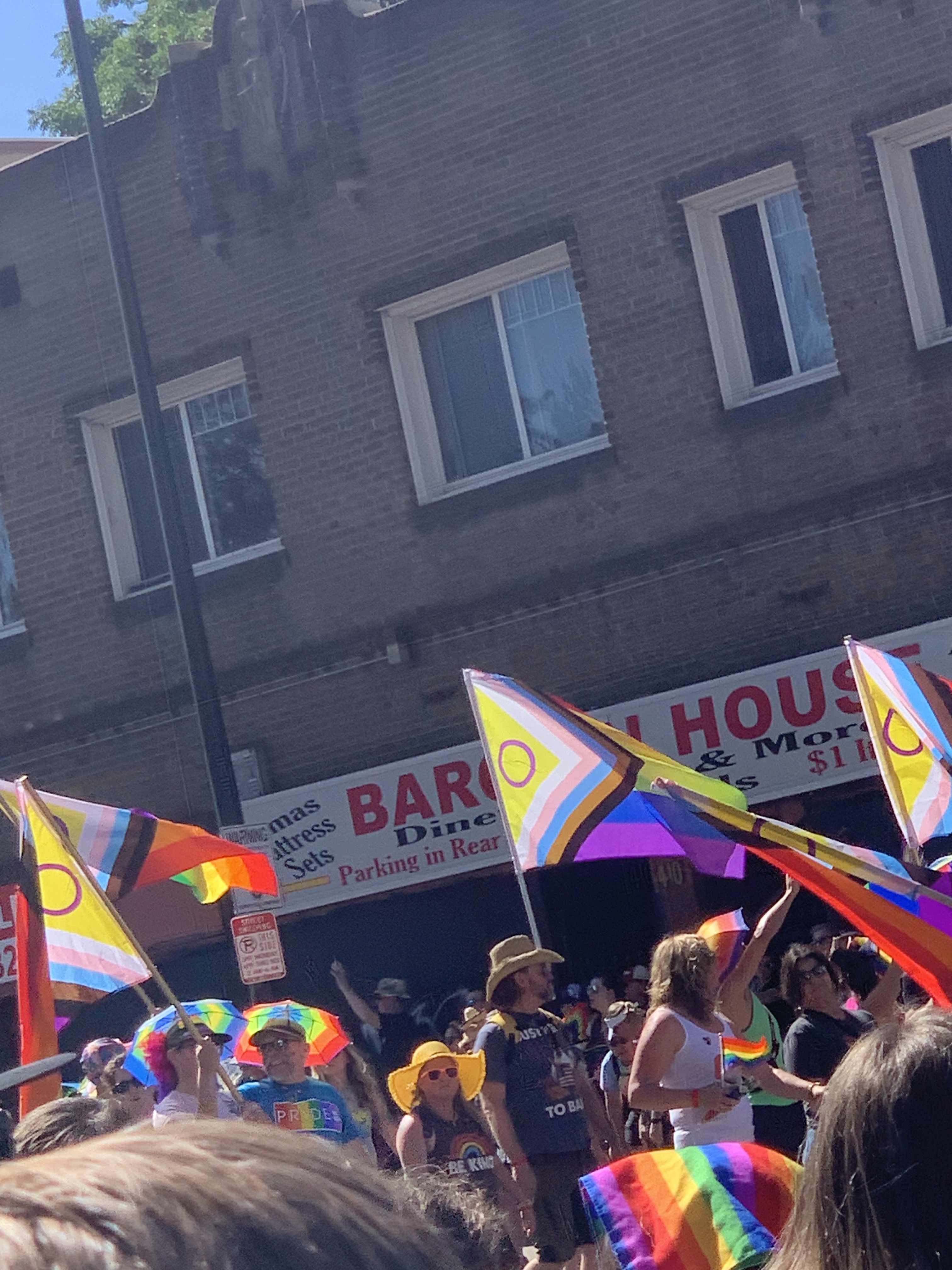
Other than that, I’ve just been making art, playing guitar, going to pride (so much fun!), watching Hacks, Succession (nearly finished with season 1, and all it’s done is made me fear business majors even more than I already do), and…morbidly, Apple TV+’s new show that they decided to call WondLa. I’m three episodes in, and it’s like watching a train wreck. Expect a retrospective on the WondLa trilogy and possibly a review of…whatever that show is that definitely isn’t WondLa.
On a lighter note, photos from my vacation and pride:
OurayBlack Canyon of the Gunnison50th anniversary of Denver Pride!
(The bear on the title of the post is in honor of a bear we saw crossing the road in Black Canyon. Could also represent bears in general? Happy pride.)
READING AND BLOGGING:
I read 18 books this month! It’s been another relaxed reading month, and although I had a slump towards the end of the month, I read several incredible books for pride month!
Another victim of me trying stubbornly to fit this into a color scheme, and also a victim of me trying to align my albums with what I draw on the whiteboard of my dorm. Listen, if the original sleeve was banned in the U.S., that generally means it’s a cool album cover, but probably not a good idea to be displayed for the world and my RA to see. And I was not about to draw David Bowie’s anatomically accurate canine lower half. Nah.
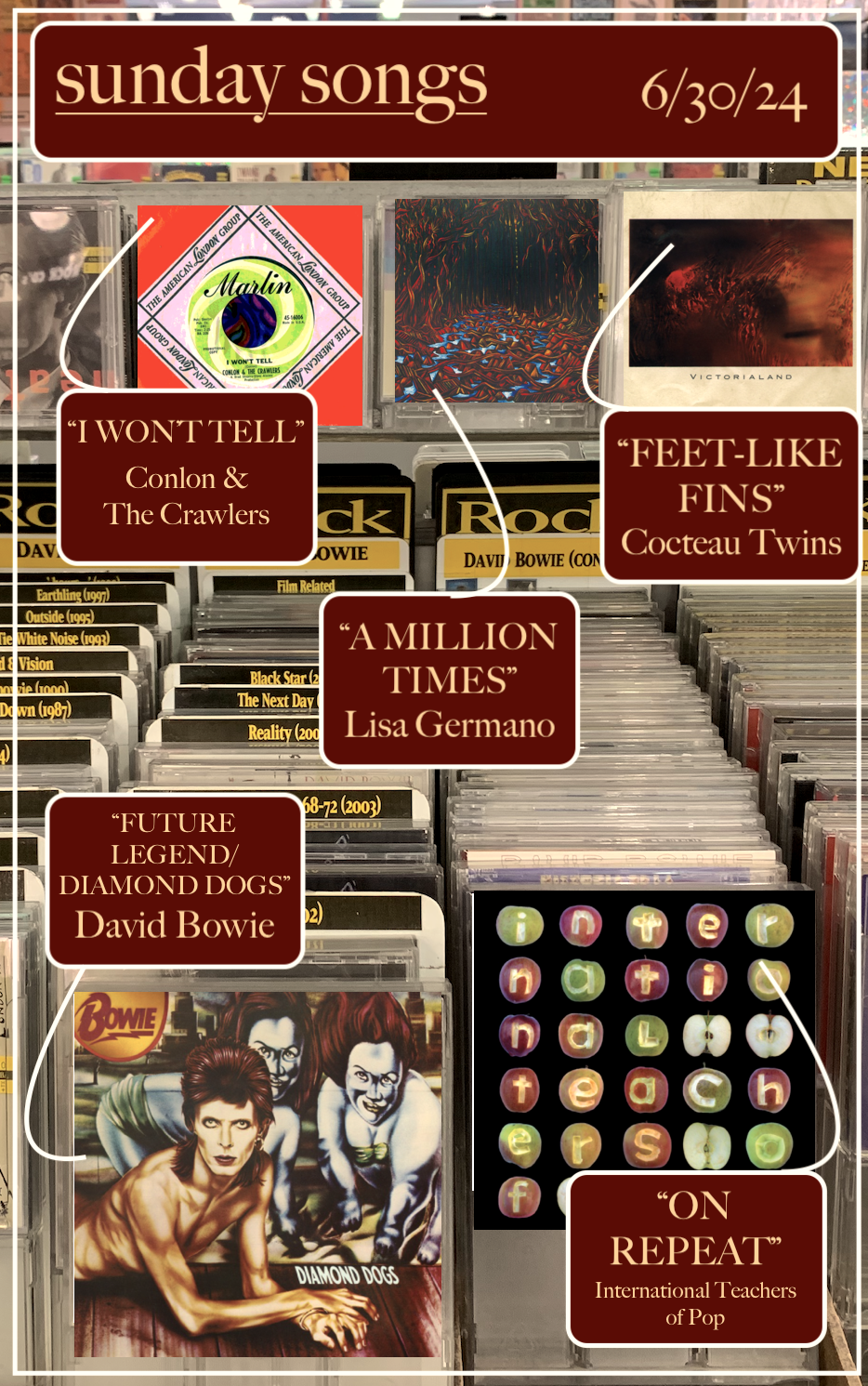
A time-proven rule: nobody does it like Bowie. You can put on all of the theater and spooky voices that you like, but nobody will ever replicate the sheer goosebumps that the intro to this album induces. The same can be said for many songs on this album (see: “Sweet Thing/Candidate/Sweet Thing [reprise]”), but I put “Future Legend” and “Diamond Dogs” together because the most enriching way to experience them is to experience them as a single song, and that single song is one of my favorite album intros of all time. Diamond Dogs is glam rock covered in flies—the lovelorn hope of Ziggy Stardust remains, but stinking of a world left in tatters, a hunk of rotting meat left for the mutant vultures in the searing desert heat. Cobbled from shreds of William S. Burroughs and Bowie’s failed attempt at a musical adaption of 1984, this album is a dystopia full of lust and peril. As a prologue, “Future Legend” is the height of Bowie’s theatricality. On anybody else, a dog’s howl, distorted as though bellowed through a plastic tube would feel like a feeble attempt to set a scene. Bowie, of course, makes it into the most bone-chilling alarm bell signaling the beginning of the end. It’s not the kind of sound any normal dog makes— it immediately triggers a sense of uncanny valley, a hair’s breadth away from being distinctly, evolutionarily wrong. His staticky narration is accompanied by synthy moans and high-pitched, delirious singsong beasts echoing “love me, love me!” as he tells of an alien landscape where all that remains of the 20th century is the excess it produced, the last monoliths that the mutant survivors of some horrific extinction now cling to. Panting dogs and drooling bloodsuckers lick their lips in the distance as Bowie lifts the curtain to declare this an era beyond the collapsed remnants of our sense of time. No month, no four-digit number to designate this hellscape: it is the year of the Diamond Dogs.
And “Diamond Dogs?” Hearing it for the first time while freshly 13 rearranged my molecular structure. In that moment, nobody had ever done anything as cool as that. It’s still true.
Because there will never be another album intro like this:
And in the death, as the last few corpses lay rotting on the slimy thoroughfare, The shutters lifted in inches in Temperance Building, high on Poacher’s Hill And red, mutant eyes gaze down on Hunger City. No more big wheels.
Fleas the size of rats sucked on rats the size of cats, And ten thousand peoploids split into small tribes, Coveting the highest of the sterile skyscrapers like packs of dogs assaulting the glass fronts of Love Me Avenue, Ripping and rewrapping mink and shiny silver fox, now legwarmers. Family badge of sapphire and cracked emerald. Any day now… The Year of the Diamond Dogs!
In terms of Co-Pilot, I end up focusing. more on Jim Noir, which…well, he has played a very prominent part in my musical life, but Leonore Wheatley’s musical ventures rarely get the praise they deserve. Wheatley’s talents extend to The Soundcarriers (big thank you to my brother for introducing me to them!), Co-Pilot (who released their incredible album Rotate almost a year ago!! Make some noise!!), and International Teachers of Pop, where she provides vocals alongside Katie Mason.
I’ve heard far too many bands who desperately want to market themselves as a second-coming of a certain era of music (We haven’t recovered from what Stranger Things did to shove the ’80s in everybody’s faces…I want out), but only end up sounding like plastic imitations. The key, which this school board of musicians has figured out, is not to set out to imitate. This sounds like a product that emerged from a desire to have fun and make catchy dance-pop and not try and sound like somebody more famous. Fun should be the prime motivation to make music, especially in a side project like this, but the bar’s low in such a hit-churning industry. You can hear Erasure and the Pet Shop Boys in every synthy buzz and flourish, but not because they set outto sound like them—it’s an homage, never an imitation. Mason and Wheatley’s harmonies center this pulsating track, built for booming bass and bouncing feet. (It really was a shame to see how lukewarm the crowd was in the video above—why are they barely dancing??) With lyrics swimming between existential dread and a desire for oblivious joy, “On Repeat” is the product an extensive pop study. Maybe the name is a touch presumptuous, but they’ve got the talent to back up their assertion, tongue-in-cheek or not.
…AND A BOOK TO GO WITH IT:
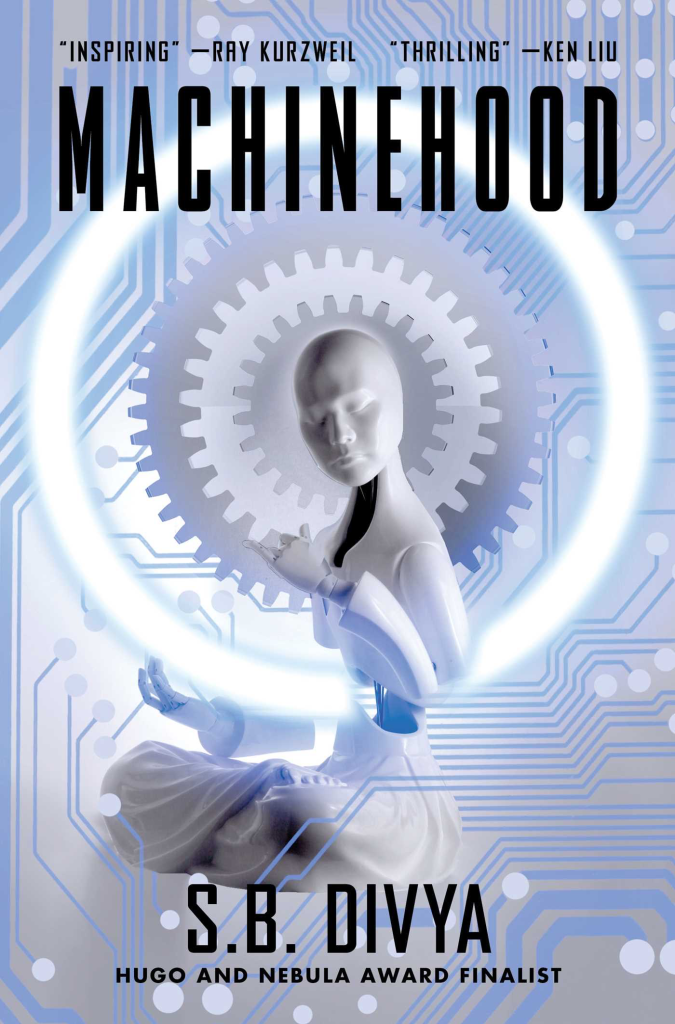
Machinehood – S.B. Divya – ooh! aah! capitalism! woo! woo! yeah! this economy cannot sustain human life! get funky!
Listen, I am BEGGING the Hacks fandom to do their stuff, because I can’t keep looping this song over and over on YouTube, and I don’t have a record player and therefore have no reason to snag the copies lingering on eBay…PLEASE. WE NEED TO GET THIS ON STREAMING. WHATEVER IT TAKES. DO YOUR STUFF!!!!!
“I Won’t Tell” was one of two one-off singles (the other being “You’re Comin’ On”) by Conlon & The Crawlers, an offshoot of The Nightcrawlers (top 10 band names that I totally want to steal for reasons that are totally not X-Men-related). From the looks of it, neither song went anywhere, and now the only remnants are floating around on eBay, and, thanks to some digging, a few eagle-eyed people on YouTube. All of this begs the question: how were they able to get this on Hacks? Somebody’s got a great record collection…unfortunately, the scene isn’t on YouTube, but it appears in Season 3, Episode 6, and briefly soundtracks a hilarious slo-mo of Ava and Deborah on a golf course, with Ava confidently strutting beside Deborah with her caddy vest on backwards.
The minute I heard it, I knew I had to hunt it down—it encapsulates a very distinct sound of the late-’60s that I just adore. It’s just deliciously jangly, from the opening riff (a reworked and arguably improved version of the opening to The Nightcrawlers’ “Little Black Egg”) to the almost banjo-like strum that builds the track’s backbone. Chuck Conlon’s butter-and-sugar voice spins the strings of “Little Black Egg” into a precocious, peculiar masterpiece—who would forget a song that opens with “A teaspoon holds more than a fork does/A long snail eats more than a short one?” This vibrant, jangly oddball is practically asking to be used for a tightly-shot Wes Anderson montage. Surely it’s obscure enough for him…
I’m not sure which direction I should go for next in terms of Lisa Germano’s discography. She has nine studio albums, two of which I’ve already listened to (Excerpts from a Love Circus and Slide). I know I’ll feel like a kicked puppy lying on a dirt road in the middle of nowhere after I listen to any given album, so chances are, it probably doesn’t matter where I start. Either way, on a whim, I dipped my toes into a handful of songs from her 2009 album Magic Neighbor. Many of the reviews have categorized it as having a childlike innocence juxtaposing the veil of darkness that never lifts from her discography, and there’s tangible strings of it stretched throughout. Even if you’ve dictionary-definition Been Through It like Germano has, I feel like you’d still have to have at least the tiniest mote of innocent glee—or humor—left in your soul to name a song “Kitty Train,” even if it’s a short instrumental break.
“A Million Times” has a childish glint to it, but childish here translates to complacency and toxicity; it feels like the emotional progression of “Small Heads,” musically twelve years down the line, but personally, only a handful. (At least…I hope so. I can only hope that the abusive bastard who inspired her to write any of the songs from Love Circus is just one guy, and that he got his comeuppance.) “Small Heads” acknowledges how unhappy she is in said relationship, but wryly admits that it’s not all the other party’s fault: “How convenient to forget/All the lies that you say/When you’re really really drunk…like me.” It’s a mutual kind of tangling, with both people ouroboros-ing themselves into their own minds so deeply that they’ve ceased to think of each other (“Did I ever think of you?/Did you ever think of me?/Probably not, with our heads in the clouds”), or, as Bowie might put it, “making love to [their] egos.” It’s all just fun and games, right? Whee! “What a lonely life!” she sings to the cheer of the crowd and dainty recorders.
Such fun and games echo through “A Million Times.” Said recorder has made a comeback, and all of the egg shakers and brushes in the background sound like remnants of rusty toys being disassembled. Just as childlike, Germano tosses the relationship across the room like a discarded doll, letting its limbs crumple now that she’s had her fun: “We fell in love and we were caught/Inside this game we call together/And it felt good until we found/We had more fun when we were strangers.” Every motion they go through is described in the same way that Ken tells Barbie “we’re girlfriend boyfriend,” smashing doll heads together to simulate kissing. Such kisses and games are a distraction from the inevitable implosion of their excuse for love—they’re so caught up in performing love that both of them have retreated into their own heads, convincing themselves, over and over, that they’re not sick of playing. It’s self-aware in the way that an arsonist is self-aware: they know that they’ve just burned down a building, but they’ll continue to set as many fires as they like. Germano seems to regress as she drags out her cry of “You can’t leave me/No, not really/We are happy with this misery/So we’ll start it all again/A million times, a million times.” Never before have I heard an accordion that sounds so distinctly ominous—the bellow of it as Germano’s lyrics get progressively poisonous might as well be the siren in a bomb shelter, a low, distant warning of disaster to come. “You can’t leave me” is simultaneously the rug of innocence being pulled out and the dread of pulling apart from someone who you know will collapse without you to parasitically cling to. Platonically, I’ve been the host/discarded toy in such situations, so for my sake and hers, I hope Germano’s since quit playing with her dollies. I’m willing to give her some leeway, since if she’s played up the eerie overtones in this song, she recognizes these patterns for the toxic mess they are.
Rounding out the month with yet another Cocteau Twins song…sorry, everybody. Get Victorialand‘ed, I guess. The only thing keeping me from swallowing this album in one gulp like some kind of deep-sea abomination of god is knowing that this is the perfect album for winter, what with the Artic and Antarctic inspiration.
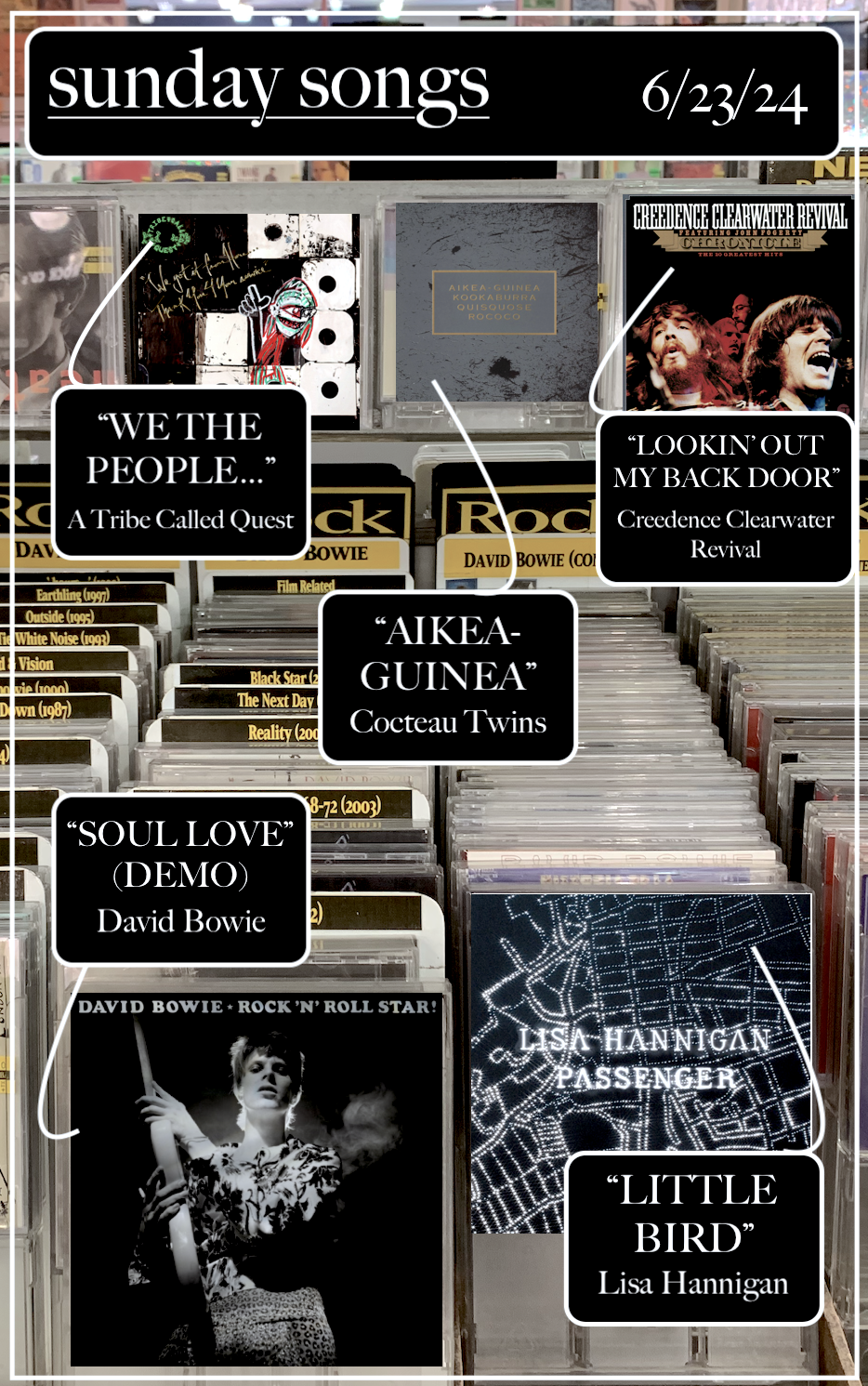
Situated near the end of the album, “Feet-like Fins” is a dewy spiderweb of reverb that glitters in waning sunlight through gray clouds. Crested by soft cymbal crescendos, you can never pick out a note from the track that isn’t vibrating like raindrops on a speaker. Even the bongos that gently steady the melody never truly feel percussive, nothing but droplets sending ripples out into the frigid water. Like “Aikea-Guinea,” “Feet-like Fins” is distinctly watery, but where the former feels like being tossed through the waters of time, this track is a gradual descent into the ocean, watching the last threads of silky light disappear into the shallows as you’re pulled downwards. Judging from the “Frozen World,”Living Planet-inspired patchwork of the album, the feet-like fins likely belonged to the various seals that appear throughout the episode: crab-eater seals, fur seals, and elephant seals; Indeed, the sleek movements of this track mirror their bubble-trailing paths through the water as they hunt for prey.
…AND A BOOK TO GO WITH IT:
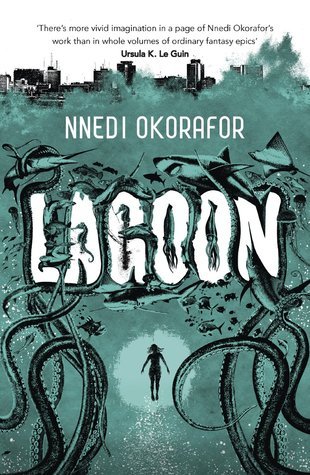
Lagoon – Nnedi Okorafor – a mysterious, alien lifeform stretches its feelers and emerges from the ocean…
Since this post consists entirely of songs, consider all of them to be today’s song.
That’s it for this week’s Sunday Songs! Have a wonderful rest of your day, and take care of yourselves!
This week on me being incredibly predictable: needless to say, I’m a wreck again. The demos. The David Bowie demos. They got me…………..
As if I wasn’t already eviscerated by what I’ve heard of Divine Symmetry (see: “Quicksand” [Demo]), we’re already back at it again with Rock n’ Roll Star!, a collection of demos, rarities, and live recordings from The Rise and Fall of Ziggy Stardust and the Spiders from Mars. For me, an album is one of the few things that isn’t ruined by seeing all of the moving cogs inside of its stomach; seeing the nymphs of what would become rock classics makes the process even more admirable—and more human, knowing how many costumes each song had to try on before debuting. A piece of “Moonage Daydream” was once less than two minutes, much less spacey, and called “So Long 60’s”; “Lady Stardust” went through several vocal changes before coming out the other side. Most of these were changes that were necessary for the songs to shine.
And yet, the demo version of “Soul Love” feels like the proper way that the song should have been all along. On Ziggy Stardust, it serves to ground the grandiose, anguished lament of “Five Years,” calming the album in vignettes of grief and young lovers. This demo includes some of Bowie’s notes—you can hear him telling his producers that he envisions the final products with lots of saxophone, which it eventually gained. There was no way that “Soul Love” would have ever made it onto Ziggy Stardust in its sparse, acoustic form; there’s no room for that kind of true quiet on an album that’s not only so lofty in its story, but unabashedly theatrical and glam rock. “Soul Love” was always intimate, but in isolation, with only Bowie and his acoustic guitar, the intimacy feels exactly how it was intended. In such a soft, enclosed space, the secrecy of “A boy and girl are talking/New words/That only they can share” and the silent mourning of “She kneels before the grave/A brave son/Who gave his life to save the slogans.” In the landscape of the Ziggy Stardust narrative, “Soul Love” is the period after the announcement of Earth’s impending doom, where fleeting images of people are shown in private, emotional moments—lovers embracing in the darkness, and a mother grieving her fallen son, but thinking also of the future—was it for the best that he was slain before the calamitous end of the world? That privacy is what makes the acoustic version feel much more fitting to the true intent of the song; the performance itself is as secretive and soft of a moment as the very vignettes that Bowie describes; hunched over his guitar, for the first time, you understand the purpose with which he sings “all I have is my love of love,” solid against his beating heart like loose change in his breast pocket.
The more I listen to “Little Bird,” the more I’m tempted to just copy and paste the lyrics here in lieu of actually writing something, because how else could I do justice to this song? When you’ve got the talent to open a song like this, how do you describe it any better than her?
“Your heart sings like a kettle/And your words, they boil away like steam/And a lie burns long, while the truth bites quick/A heart is built for both, it seems/You are lonely as a church/Despite the queuing out your door/I am empty as a promise, no more.”
One verse. One verse, and I can already feel my chest caving in. Christ. You can dress your story with all the metaphors you like, but Hannigan places them so intentionally that they were never throwaways to make anything more purple or flowery; there’s a quiet tragedy to them, like the squeal of a tea kettle as its contents boil. And it’s not just tying objects like teakettles and churches—thinking to make words disappear in a flush of steam and making the pinnacle of isolation a church is what makes them dig so deeply; it’s Hannigan gives new eyes to these metaphors that turn them into such gut-wrenching poetry. It encapsulates a sensation I often felt as a child, and on occasion now that I’m older: that of being in such a large crowd of people, and everything seeming to collapse into silence and loneliness around you, even though you’re as surrounded and secure as can be. Loneliness, homesickness, lovesickness—the more company it has, the more it aches, I find. Whatever the opposite of claustrophobia is how “Little Bird” is—the feeling of being in an enclosed space, but such a large and unfurnished one that it makes your body instinctively crouch into a small shape. It’s the caldera of loneliness as you grapple with the space one filled by someone, but now occupied by the tug-of-war between whatever made you stay and what made you let them go: “When the time comes/And rights have been read/I think of you often/But for once, I meant what I said.” But the paper-thin, lead-heavy lyrics would not be the same without their messenger—nothing brings it sailing back home like Hannigan’s solemn, wavering warble, each tremble never failing to give me full-body tremors.
In case that wasn’t enough to elicit a good cry, here’s her performance of it on her Tiny Desk Concert (skip to 2:32):
Of course I came back to this song in an election year. I distinctly remembering “We The People…” coloring the deep-rooted anxiety and turmoil of 2016, what with the hate machine that was Trump’s election campaign and eventual presidency. I really, really want to say that “We The People…” sounds dated, but nothing about it is. First off, A Tribe Called Quest are just that talented, but more importantly…nothing about this song’s politics is dated. Here we are in 2024, and Trump is back, and spewing the exact same rhetoric, now with callbacks to Hitler that aren’t even trying to hide it anymore. In his reelection campaign, the only change to his status are the impeachments (PLURAL, remember) and the 34 felony charges. Predictably, that’s done next to nothing to sway his rabid fanbase. I really wish I could say that this song was a product of its time. Maybe in 20 years, when all of this is behind us, it will be. But no, in eight years, nothing’s really changed. A Tribe Called Quest stripped the desires of Trump and his supporters down to the bone, and eight years later, it makes me ill to think that we’re trapped in this same cycle again.
But you know what else hasn’t changed? Our anger. Back in 2016, we knew the dangers of letting such a raging, narcissistic bigot with no political experience into the White House, and now we’ve survived it, and we’re bent on making sure it won’t happen again. The anger and determination of “We The People…” rings the same, but with more tenacity. It may be disheartening to be stuck in this hell time loop, but at least we have high-quality protest music whose wit (and infectious beat) hasn’t dulled in almost a decade. Thanks, Tribe.
I really don’t think it has, not at all. In fact, it only sharpens the image that “Aikea-Guinea” conjures as it fizzes like waves dissipating on a rocky shore. By 1985, gated reverb was king (and likely growing overused, at least in mainstream music…and remember, kids, we have “Intruder” to thank for it), but the Cocteau Twins knew just the way to use it to their advantage. By cloaking all of their percussion in it, “Aikea-Guinea” dissolves in your ears like fizzing candy, or more accurately, like crackling sea foam birthed from a freshly-broken wave. Like “Oomingmak,” it’s swathed in mist, but this mist comes from the aftermath of a storm out at sea, the air full of nostril-tingling salt and faint coldness making goosebumps prickle on your bare arms. With each punch of percussion, such seashells that Fraser described tumble through the water, colliding with each other as time and water erode them. Fraser’s voice, which bobs and balloons like frogs after nightfall, is as transient as plankton in the water, spiraling like the trails of bubbles that carry each shell through the currents of time.
I’m not even that ardent of a Creedence Clearwater Revival fan—my knowledge doesn’t extend much past the hits—but I firmly believe that this is one of those songs, like David Bowie’s “Kooks,” that every kid should have in their life. The only crime about this song is that it wasn’t released in the same key as the music video, which, in my opinion, makes the lighthearted daydream of it feel all the more daydream-like. And speaking of daydreams…usually, I don’t get all up in arms when a given song gets interpreted as being about drugs, but oh my god. Please. “Oh, it’s about tripping, the spoon is an allusion to cocaine, the—” SHUT UP!! SHUT UP!!!!!!!!!!!!!! JOHN FOGERTY WROTE THIS SONG FOR HIS THREE-YEAR-OLD SON, YOU EDGELORDS!!! IT’S NOT AN ACID TRIP, THE LYRICS WERE INSPIRED BY DR. SEUSS!!! For fuck’s sake, man…of all the lyric interpretation cop-outs, this has to be one of the most offensive for me. Just because it was written in 1969 doesn’t mean that it’s about acid…
I guess what tweaks me so much, other than how much of a mainstay of my childhood that “Lookin’ Out My Back Door” was, is that people automatically see silly, nonsensical imagery and automatically attribute it to acid. Do none of you have any imagination? What, did you forget how you got bored in your childhood and started imagining happy creatures dancing on the lawn? Is that how out of touch you are with your inner child?? Okay, I’m getting far too worked up about that, but god. It genuinely gets under my skin that a song of such purity still gets misinterpreted like this. Just goes to show you how we treat childlike wonder and imagination.
Anyway. All that said, no amount of misinterpretation will ever sully this song to me; there’s a joyous warmth to it that really can only be the product of happy creatures dancing on the lawn. I remember imagining them somewhere along the lines of Mercer Mayer’s Little Critter books, and that’s the beauty of it. This song, like Dr. Seuss, was made to be a picture book: the language is simple enough for a child to understand, but there’s so much silliness and vibrance abound that, just like a peeling, well-loved board book, they’ll be asking to hear “doo, doo, doo, lookin’ out my back door” time and time again.
On another note: I’d planned on including “Lookin’ Out My Back Door” this week anyway, but putting it on the heels of rewatching The Big Lebowski recently was only fitting:
Credit & link back to the creator: Isabelle @ Nine Tale Vixen
Each book you pick should have an LGBTQIA+ main character and/or an LGBTQIA+ author. Try to include diverse books: different romantic/sexual/gender orientations, different ethnicities, etc.
Let’s begin, shall we?
🌈READ THE RAINBOW BOOK TAG🌈
RED: A book that gives you courage or is about courage
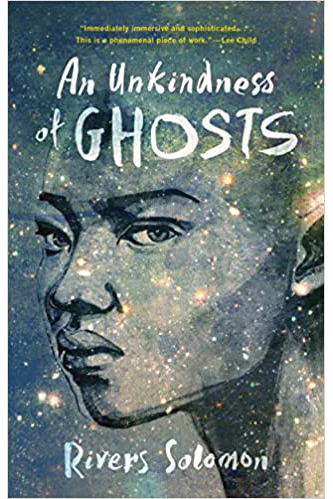
An Unkindness of Ghostsis a story of courage and resistance in circumstances that have all but walled you in—a generation ship that oppresses its lower-class passengers of color much like the antebellum South. Rivers Solomon never misses!
ORANGE: A book with a passionate/fierce protagonist
Jin-Lu from Road to Ruinis as tough as they come, but will do anything to protect the ones she loves. This novel was the perfect blend of post-apocalyptic sci-fi and fantasy!
YELLOW: A book that celebrates friendship
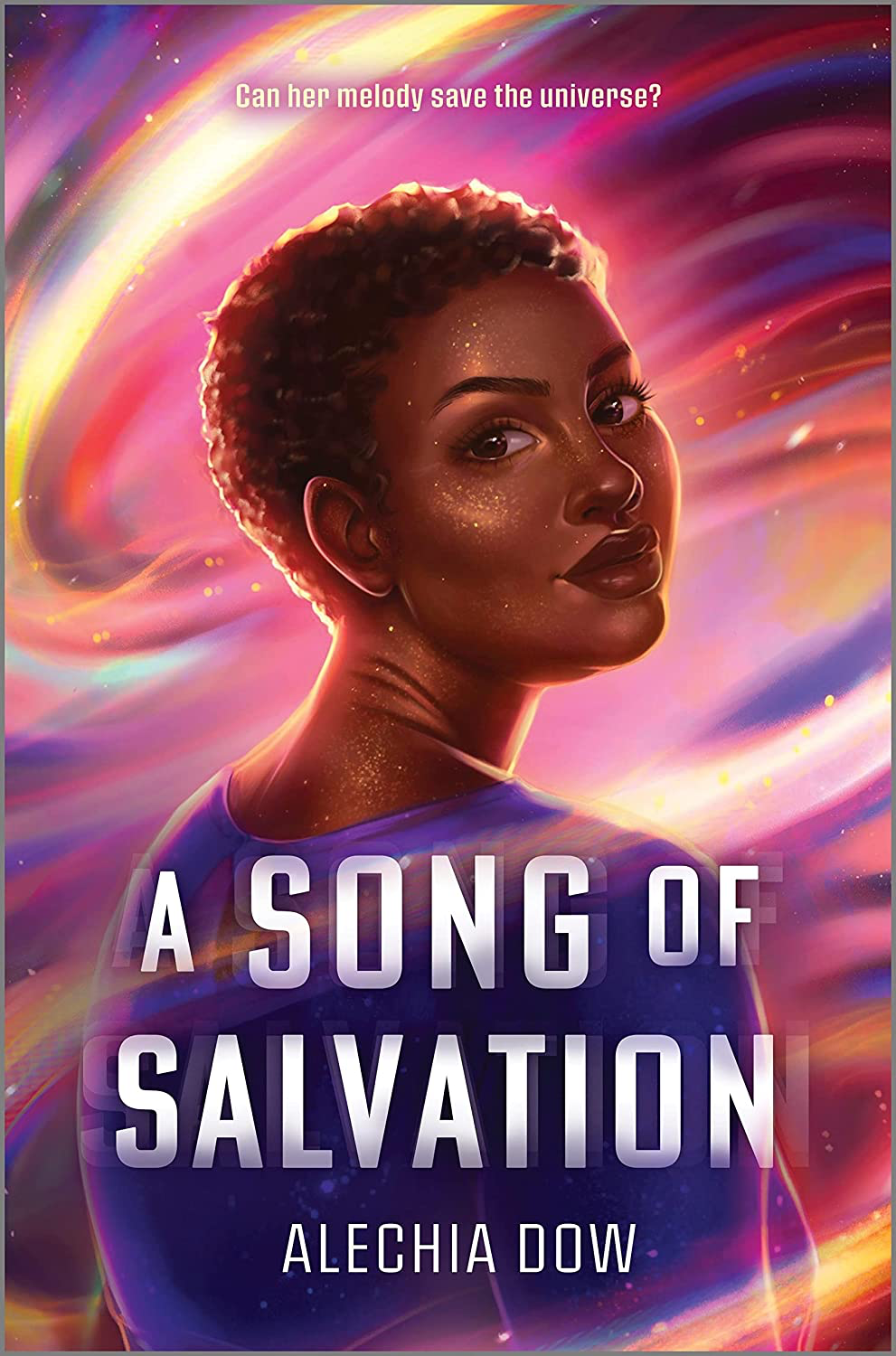
All of Alechia Dow’s books sparkle with themes of connection, but A Song of Salvationcenters around the friendship (and eventual romance) between its three unlikely leads! Not her best, but still a sweet book.
GREEN: A Middle Grade book and/or a book featuring kids
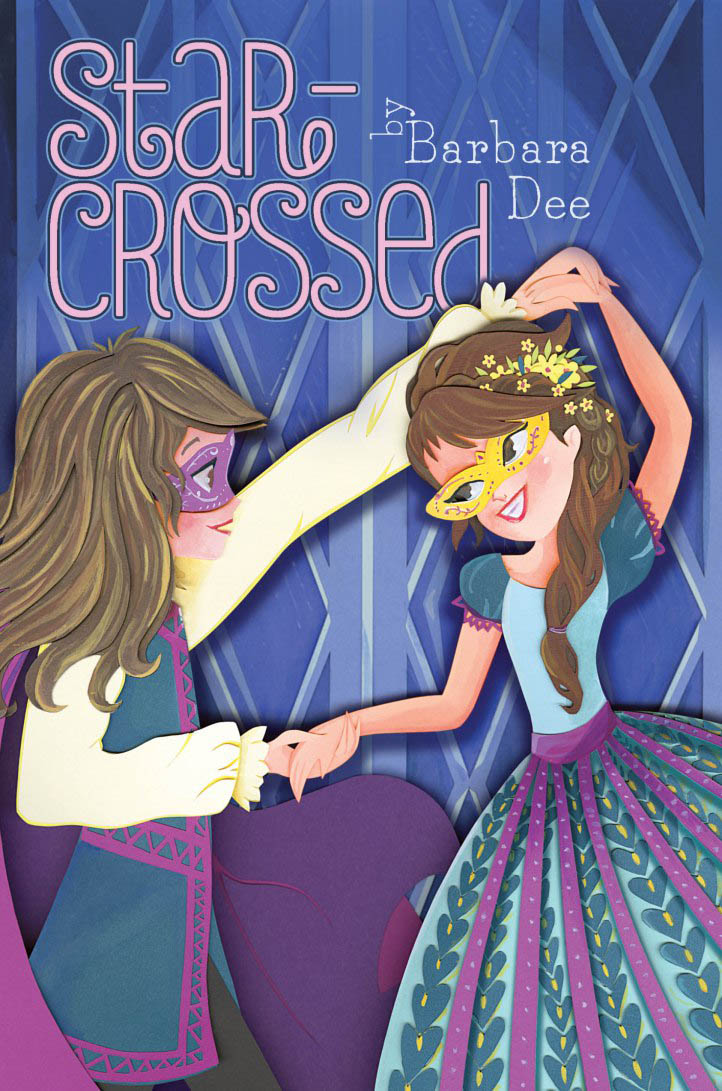
It’s been ages since I’ve read (or even thought about) Star-Crossed, but I’m glad I remembered it—such a sweet coming-of-age story about a bisexual girl playing a genderbent Romeo in her class production of Romeo & Juliet!
BLUE: A book which includes a wedding or an already-established LGBTQIA+ couple
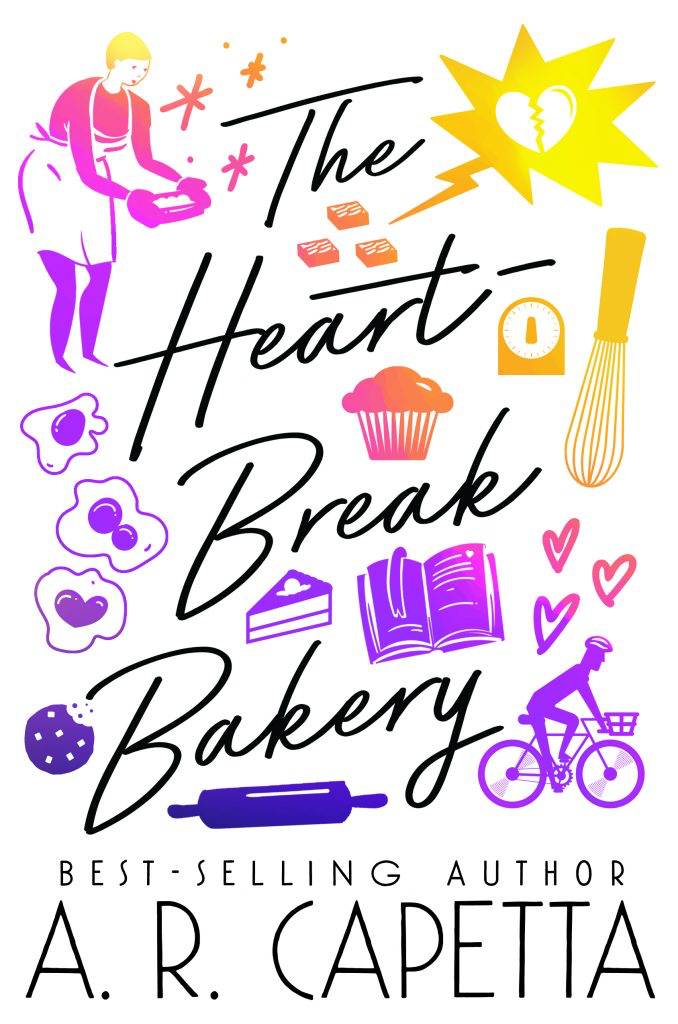
I seriously think that The Heartbreak Bakeryhas the most LGBTQ+ rep I’ve ever seen in a single book—several established queer couples, and characters spanning tons of sexualities, gender identities, and ethnicities!
PURPLE: A book featuring love at first sight
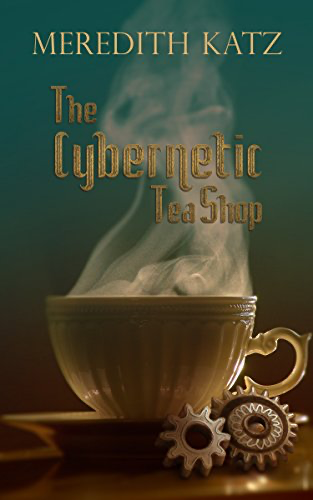
The Cybernetic Tea Shopis a sweet, cozy sci-fi novella about a robot who runs a tea shop and the romance that blooms between her and a technician!
BLACK: A book centered on an antihero or villain
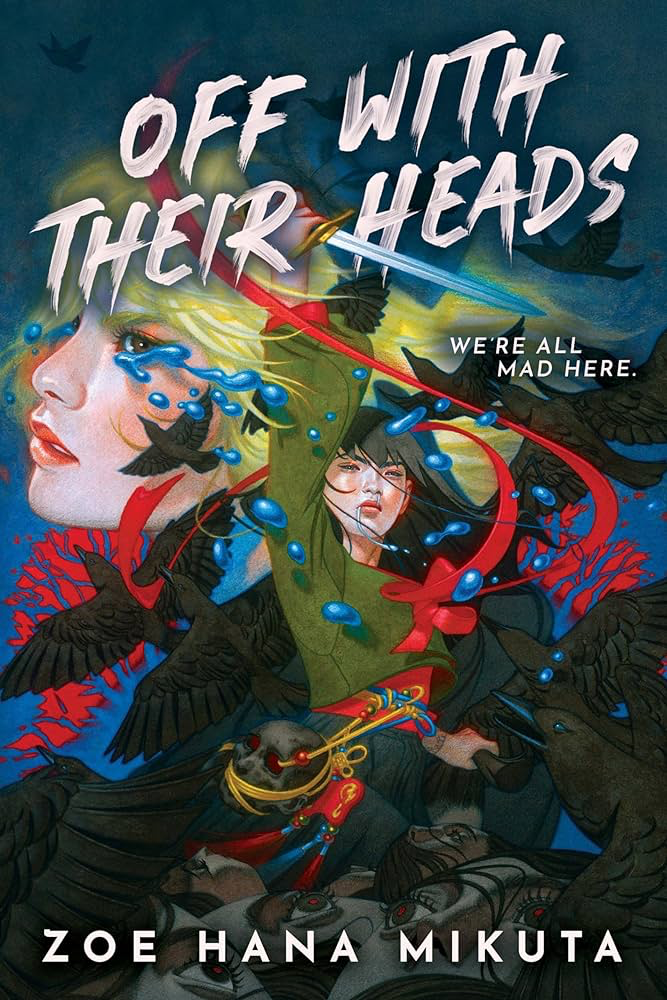
Off With Their Headscenters around two cunning, bloodthirsty, and vengeful characters, in an equally bloodthirsty and vengeful world loosely based on Alice in Wonderland.
BROWN: A book that celebrates family, chosen or given
Don’t let the gritty-looking title and cover fool you—Activation Degradationis one of the most emotional celebrations of found family that I’ve read all year! Highly recommend it.
LIGHT BLUE: A book about star-crossed lovers
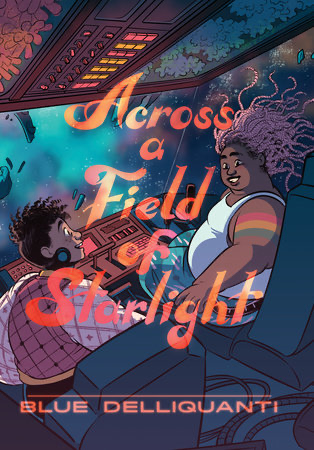
Across a Field of Starlightfeatures a nonbinary romance that stretches across solar systems, war, and ideology.
PINK: A book as sweet as cotton candy
Just Your Local Bisexual Disasteris a lighthearted, sweet romance about a bisexual girl scrambling to find a date for her sister’s quinceañera—and sort out her messy romantic history.
WHITE: A book that isn’t focused on romance
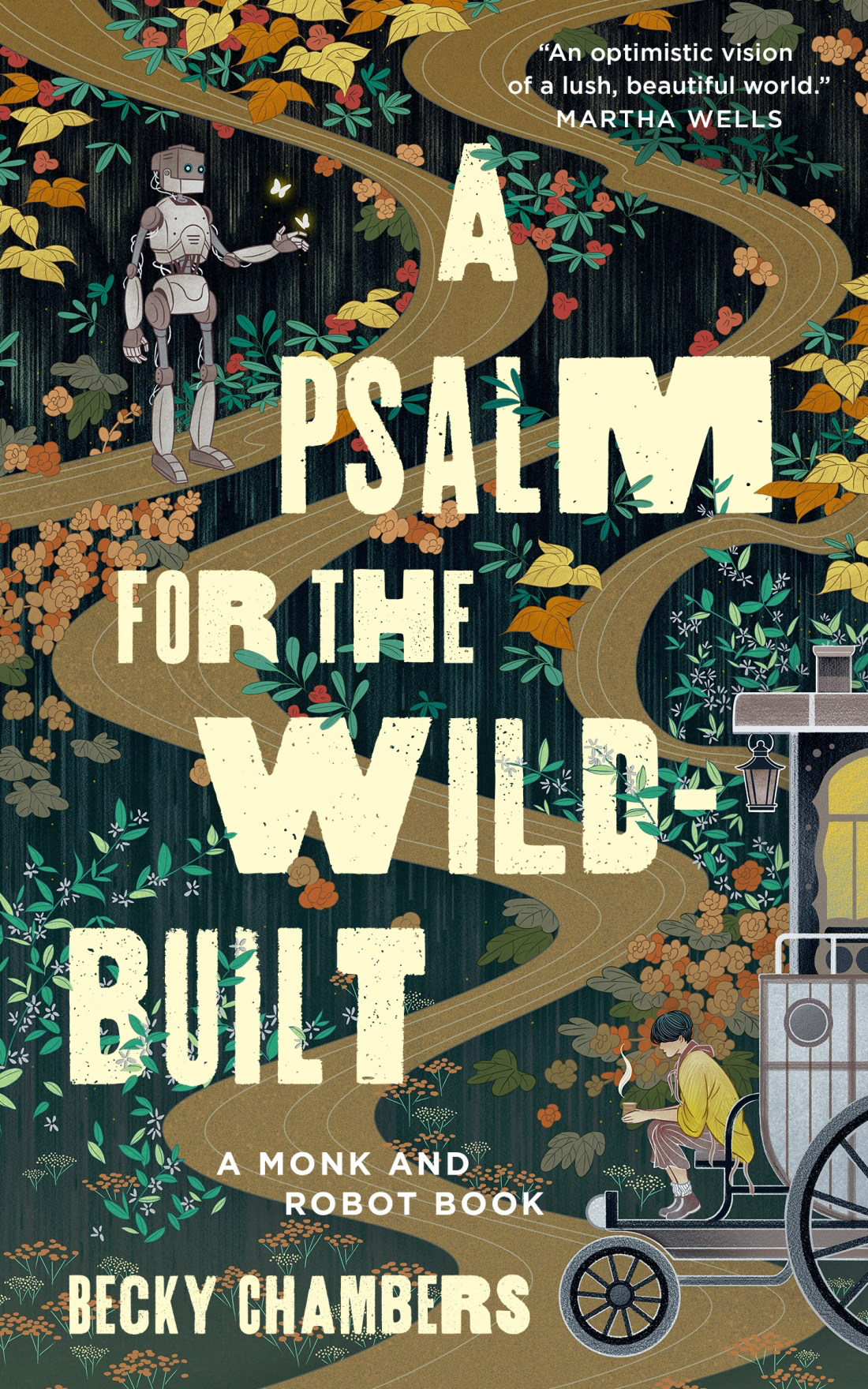
Another piece of lovely cozy sci-fi (from the cozy sci-fi queen herself), A Psalm for the Wild-Builthas no romance, and focuses on self-discovery and friendship!
PURPLE CIRCLE: A standalone book that is perfect and complete on its own
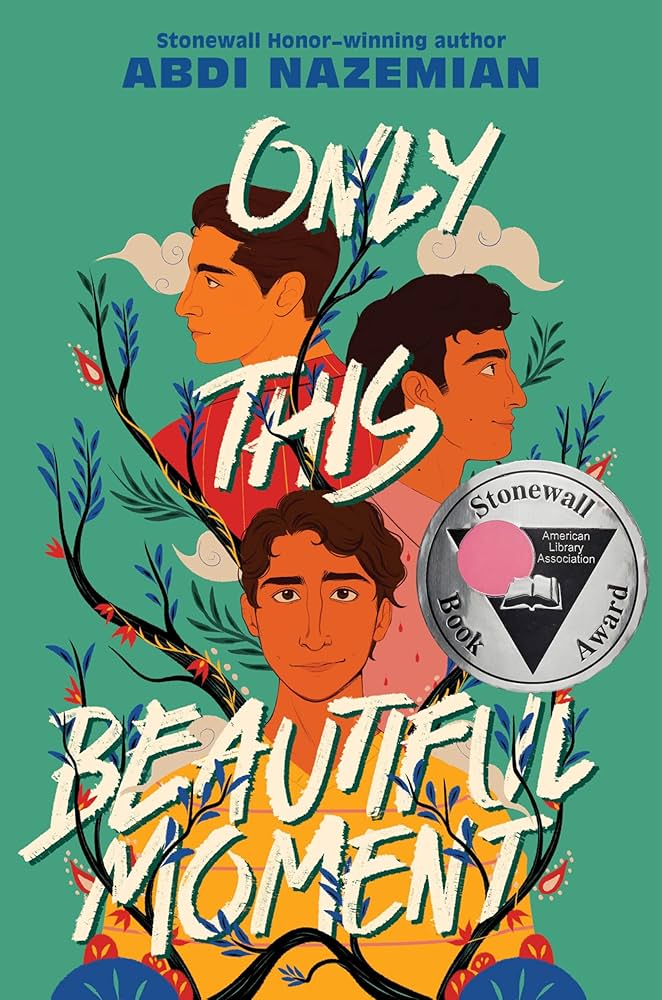
Only This Beautiful Momentis the story of three generations of men in an Iranian family, and the interwoven threads of sexuality, trauma, and love.
RAINBOW: Free choice! Recommend any LGBTQIA+ book that you love
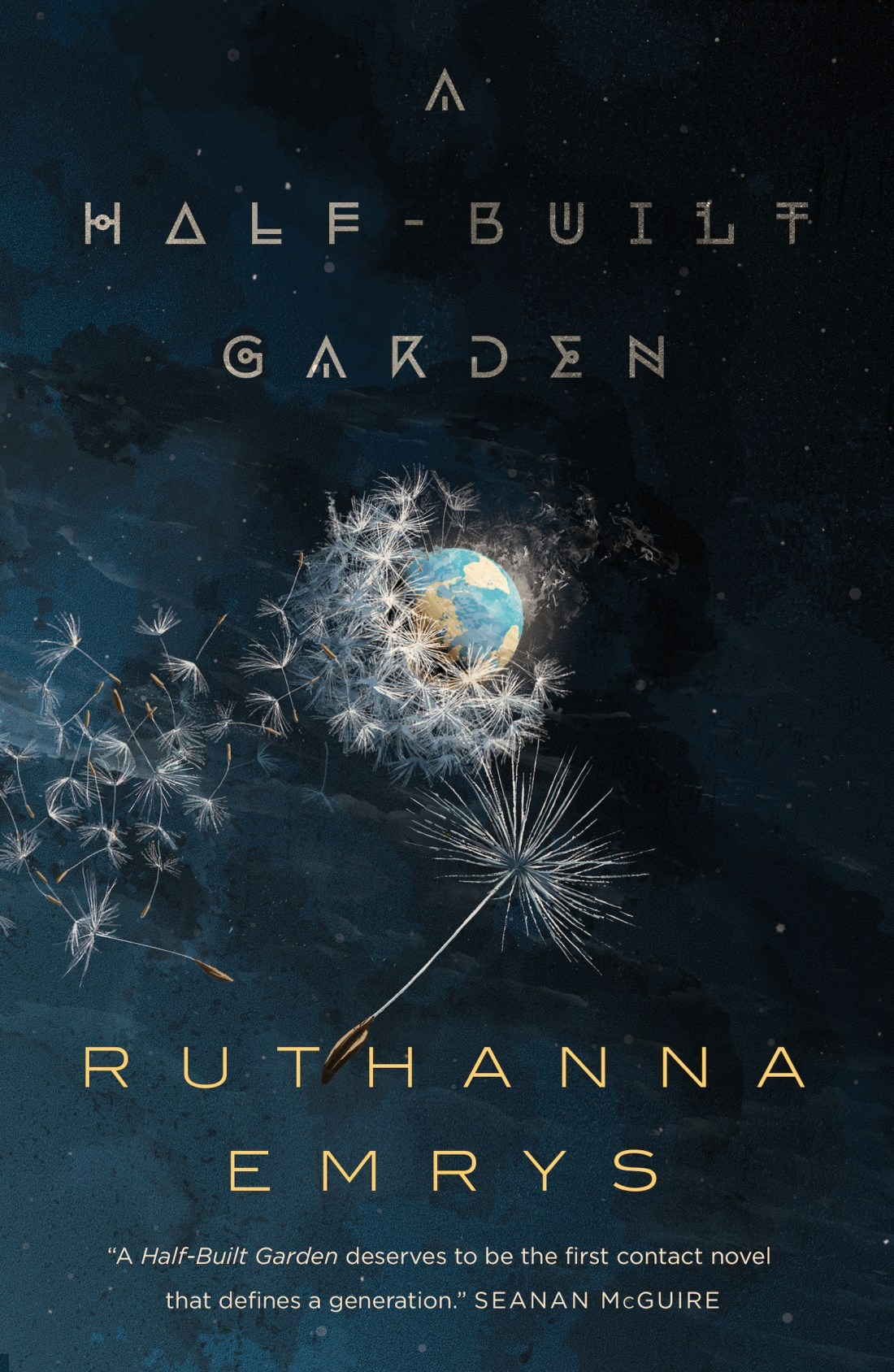
A Half-Built Gardenwas one of the best pieces of sci-fi that I read last year—a wonderfully nuanced and human vision of first contact, featuring a whole host of cleverly designed aliens!
I TAG ANYONE WHO WANTS TO PARTICIPATE!
Today’s song:
:,,,,,,,,,,)
That’s it for this book tag! Have a wonderful rest of your day, and take care of yourselves!
Happy Tuesday, bibliophiles! I’m back from vacation, and I’m feeling rested—and ready to review one of the books I read on my trip.
Junker Seven hung around on my TBR for about a year, and I ended up buying it on Kindle for my trip; as I’ve said ad nauseam, queer sci-fi is the stuff of life for me, so I’ll always lap it up when given the chance. Although I wish the worldbuilding (and the politics) were more creative, it was a solid tale of of love and the joy in reminding yourself that your existence is an act of resistance.
Castor Quasar makes a solitary but dangerous living as a junker, ferrying scrap—and fugitives—across the galaxy. They prefer to stay out of the business of others, whether that’s the widespread political unrest throughout the galaxy or simply making friends. But when Castor is offered a job with an exorbitant amount of money, they can’t help but be suspicious, even though the offer would mean valuable repairs for their ship—and an easier living. Their cargo is Juno Marcus, a trans activist with a target on her back and an urgent need to escape before the Intergalactic Peace Force finds her. Castor reluctantly agrees, but they soon find themself in over their head—and head over heels in love…
TW/CW: murder, loss of loved ones, transphobia, deadnaming, misgendering, ableism, police brutality
Junker Seven was by no means without its flaws, but if you’re looking for a love letter to trans love and identity, a slow-burn romance, and resistance in space, then you’ve come to the right place! Not my favorite, but this was a good book to start off pride month—unabashedly queer and political.
Structurally, there were a lot of odd worldbuilding choices (I’ll get to that later), but despite that, the world of Junker Seven felt wonderfully lived-in. The quiet moments where Castor was alone on their ship were what convinced me of this world being tangible; not everything is sleek, clean, and untouched. You never get the sense that the ship is cramped just because it was made so, but because of all of the choices that led Castor to the place they are today. It’s not just a plot device vehicle—it’s got special nooks and crannies that have been shifted over the years, and there’s a goldfish that’s been there through it all, Castor’s only constant companion. Details like this, as well as some of the pockets of resistance that Castor and Juno find throughout their journey, added a real human element to the story. Even with only two characters for most of the novel, Kelley did an excellent job of making the galaxy seem like a tangible place where humans have settled—and brought their unique ways into a new, far-future world.
If you’re looking for representation, especially trans representation, then you’re in the right place—Junker Seven has diversity in spades! Both the main character and the love interest are trans, as well as several side characters, and Castor is also disabled—they have burn scars, a prosthetic leg, and autism! The key part of said representation is that it never felt like a checklist; if the acknowledgements are any indication, Kelley’s goal was to create a resonant story of trans joy, love, and resistance, and though I’m not trans (disabled and queer, though), that love shone through; Junker Seven felt like a love letter to trans resistance all the way through, from Castor and Juno’s slowburn romance to Castor’s gradual radicalization. I love how the disability representation was handled as well! All of the details about Castor’s autism affects their job felt authentic as a neurodivergent person; no stone was left unturned, whether it was how wearing their prosthetic affected their sensory issues to how it affected their relationships. It’s clear from every page that the diversity in this novel wasn’t borne out of a need to tick off every possible marginalization—it was borne of a need to put authentic queer, trans, and disabled stories out into the world.
That being said, the worldbuilding of Junker Seven gets stranger the more I think about it. There are enough pockets that could convince you that, yes, this could be hard sci-fi that had some thought put into it, but the actual worldbuilding ends at the descriptions of the climates of the planets that Castor and Juno are hopping to and from. Other than that, the politics are the main focus, but given howpolitical this book is, I was surprised at how unoriginal it was in terms of the evolution of politics and queer resistance. Junker Seven is set several hundred years from now, and yet the politics are all but copied and pasted from the U.S. politics of today—no changes whatsoever, save for being stricter when it comes to the treatment of trans people in particular. Yes, history does tend to repeat itself in terms of treatment of the marginalized, but it’s never in the exact same way twice; technology changes, rhetoric changes, leadership changes. None of that is reflected in Junker Seven; honestly, it was familiar to such a degree that it would have worked more if it were set in a less futuristic dystopia set on Earth. This story is set so far in the future that minimal changes in language and policy just makes no sense. It would have been so much more potent—and creative, frankly—to see how the adapted technology of the future actually factored into how trans people in this universe were being oppressed. There were a few throwaway mentions of more advanced technology that was being used to surveil trans people, but that was about the extent that anything changed. It all boiled down to unused potential—there were so many opportunities to explore how (possible) aspects like advancing technology, increased policing, and advancements in genetic modification could affect the status of trans people throughout the galaxy. And yet, Kelley chose to change almost nothing about our current political climate and paste it into space—to the detriment of my suspension of disbelief. Oppression of marginalized groups remains the same in its goals, but not necessarily in its methods—those change with the times.
What also suspended my disbelief was how little we knew about Marwood save for that he was horrible. Save for being a Trump stand-in, we knew almost nothing about him, save for that a) he’s evil (Trump), b) there’s a widespread news network that’s basically his mouthpiece that he uses to demonize trans people (Fox News), and c) did I mention? He’s evil. I will give Kelley some credit for at least establishing the Zephyr News aspect and the fact that his nepotistic predecessor both ended presidential term limits and instated Marwood in a corrupt, illegitimate election so that his fascist, ultra-conservative values would live on. That, at least, felt like a reasonable enough start for a villainous character, but that was it. The key word here is start. I wouldn’t say it completely falls into the dystopian trope of “we’re not going to say anything about the government, but you have to understand. They’re BAD, guys. BAD,” but it comes rather close. This circles back to my overarching issue of unoriginal worldbuilding, but I wanted to know what separated Marwood from any other run-of-the-mill fascist—did he come from a celebrity background and had no real political experience, like Reagan or Trump, or was he a more cold and calculating type with political prowess who knows exactly how to undo any kind of progress and twist the laws in order to abuse his power? A successful, frightening villain needs to be more than an evil cardboard standup that lurks in the shadows, and we never got more than fragments to show that Marwood was more than a stand-in fascist to move the plot along. (Also, did the entire galaxy, after blending into an almost universal accent after several hundred years, universally adopt a vaguely American two-party system and government? It’s…yeah, I have trouble believing that too.)
Although the disability representation is excellent, as I said before, I did find it odd that it wasn’t a part of Castor’s radicalization; being disabled in the 21st century is already a cyberpunk dystopia as it is, so I’m surprised that there wasn’t much discussion of not just Castor’s experience with being disabled, but how it affected their work or their perception of politics. Save for a throwaway line about an autistic person being driven to a life of crime because of how poorly said autism was treated and handled, there wasn’t much rumination on it other than that. I get that the main focus of Junker Seven was trans resistance specifically, I do wish we at least got more of it than what we got. Come to think of it…as diverse as Junker Seven was, there wasn’t a whole lot of intersectionality in terms of politics. I think there was…maybe one line about race and police brutality, and that was about it? I wouldn’t say that this is inherently a flaw of the book itself, but, once again, given how unabashedly political it was, I did find it odd that there wasn’t at least a small mention of the intersection of queer/trans issues with aspects like race, class, and disability.
All in all, a solid piece of queer sci-fi which suffered from unoriginal and nonsensical worldbuilding, but was nonetheless a shining ode to queer resistance. 3.5 stars!
Junker Seven is the first of the Twin Suns duology, followed by the forthcoming sequel Rebel Rising, which is slated for release in September. Kelley has also released D3F3CT: A Twin Suns Novella, set in the same universe as Junker Seven, as well as the novellas As the Light Goes Out and A Very Lighthouse Christmas. They have also contributed to Spectrum: An Autistic Horror Anthology and the forthcoming Dead Cowpokes Don’t Wrangle: A Weird West Anthology.
Today’s song:
why, why, WHY DID I PUT OFF LISTENING TO THIS ALBUM FOR SO LONG??
That’s it for this week’s Book Review Tuesday! Have a wonderful rest of your day, and take care of yourselves!
2024 has proven to be momentous for my inner middle schooler. A new St. Vincent album, and the Apple TV+ adaptation of The Search for WondLa…exists. I may revert to my middle school self if everything else about the show is as terrible as the “reimagined” character designs. But that’s not what I’m reviewing today.
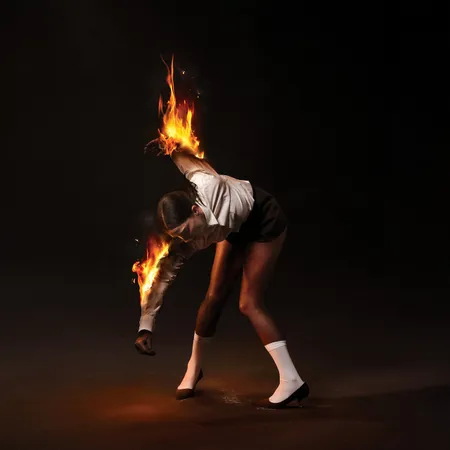
Those of you who have stuck around on this blog may remember me enthusiastically reviewing Daddy’s Home on the heels of surviving the hell that was junior year during COVID. Those who have stuck around longer still remember my middle-school rant about MASSEDUCTION. (I’d rather you…not remember the specifics of the latter, but I still count that album as her lowest point.) Her self-titled record was as much of a friend as an album can be when I was 12, struggling to reconcile being unapologetically myself and wanting the acceptance of my peers. Marry Me was the first album I ever bought with my own money, and Actor, Strange Mercy, and Love This Giant all saw me through high school. All that is to say that St. Vincent has been there for me in the best of times and the worst of times. So naturally, I did scream when I found out about All Born Screaming—not just a new album, but a supposed return to her harder sensibilities—was coming out this year. And while it wasn’t fully the rock album that was marketed—or as musically cohesive as she tends to be—All Born Screaming is, without a doubt, some of her best work in years.
As I’ve been excited about this album for months—and writing more about music than I have in past years—I’ve already reviewed 3/10 of the tracks from All Born Screaming, so I’ll link to each separate installment of Sunday Songs that I reviewed them in, so as not to sound like a feral, sobbing, broken record.
Let’s begin, shall we?
ALL BORN SCREAMING – ST. VINCENT
Release date: April 26, 2024 (Total Pleasure)
TRACK 1: “Hell Is Near” – 8/10
St. Vincent tying the aesthetic and merch in with images of marigolds is pure evil. Diabolical. Diabolical of them to pair one of my favorite artists of all time with my favorite flower…holding out until she announces a date near me until I buy that one marigold shirt, because it’s an inevitability. It’s only a matter of time.
“Hell Is Near” is an opener that creeps through the shadows on feet that you can barely see coming. With a thumping bass that thrums like a heartbeat witnessing horrors in the dark, it feels like the slithering transition between eras and personas, especially with the allusion to “The Nowhere Inn” (“Snubbed out smoke in a pack from the Nowhere Inn”). I can almost see Clark crawling out of some kind of giant shadow box as the song progresses, the heartbeat bass echoing off of every wall as her hands emerge from the darkness. I can’t help but think of the chord progression of “Prince Johnny”—this album is the most similar to the self-titled record since the record itself, and it’s clear that she’s cobbling this current aesthetic upon shadowier corners of that era, with guitar riffs that seem to interlock like strands of DNA. It’s a slow trickle of an opener, and as it dissolves into a flurry of high piano notes and fluttering synth, it leaves you guessing—where could she possibly be taking us to next?
TRACK 2: “Reckless” – 8.5/10
“Reckless” almost feels more like an opener than “Hell Is Near” does, even though the latter does a fantastic job of being an opener. After “Hell Is Near” dissolves, we return to sparse wasteland that the first track set up, but with a significantly darker tone—both speak of leaving the past behind, but “Reckless” turns “Hell Is Near”‘s willingness to move on to dwelling on it.
If there’s one thing about new music that I always live for, it’s those moments where you hear a lyric for the first time and physically have to stop in your tracks just to process how beautiful it is. Last year, I had that moment with Wilco’s stunning “Sunlight Ends”—”you dance/like the dust in the light” made all time stop around me. Jeff Tweedy just does that. And so does Annie Clark—it’s hard to think of a line on All Born Screaming more hard-hitting than this: “I’ve been mourning you since the day I met you.” Even if it precedes “Flea” and its tale of a love so predatory that it becomes parasitic, this feels like the fallout; it feels like a reconciliation, or just a realization of a feeling of destroying everything you touch, knowing that your actions will eventually drive away everyone that you will ever love. Whatever the narrator did has become so thoughtless and violent that it’s left them with nothing but “the smell of your hair on the curtains, babe,” and all that is left of them is a memory that they cling to with all that they can, knowing that what they did was enough to send them running for good. The sparkling synths that burst like faulty wiring at 2:38, around 2/3 of the way through, feel like the memory of the outburst that left them isolated, longing for something more, as Clark stares out the window like a widow remembering how her lover was slain in the war. This, unlike “Hell Is Near,” felt like a more certain sign of things to come—the wires have been cut, the dishes are shattered on the floor, and your heels are burnt and bleeding from stepping on them both.
All Born Screaming was what Clark called “post-plague pop,” and nothing exemplifies the “pop” aspect more than this song. Like the spandex she wore on the MASSEDUCTION tour, the skittering synths clamp the beat down enough so that it hardly even has room to squirm. There’s threads of Björk’s electronic catwalk-strutters and the obvious (to me, at least) nod to Peter Gabriel with the last utterance of “big time nothing” being cut off to a chorus of “big time”; a very fitting nod, since these two Big Times deal with the same Big Time in question: the allure—and detriment—of being under the magnifying glass of fame. Gabriel’s “Big Time” was his view on what fame turned people into—and what he feared that, as his own fame grew, he might become. (Of course he wasn’t going to, though. He’s too humble of a guy.) And even though Daddy’s Home was the first album post-MASSEDUCTION to deal with the litany of events Clark experienced, this one seems to address the scrutiny she felt under the microscope of paparazzi while she dated Cara Delevigne; she was already renowned in indie circles, but she’d never been exposed to that kind of relentless tabloid predation before, and, understandably, it’s done a number on her mental health.
Each lyric is a rapid-fire command, as though being dictated to a model while she’s spinning around for the camera: “Don’t blink, don’t wait/Don’t walk, you’re late/Don’t fall from grace, behave/Don’t trip, sashay.” Every misstep is tabloid fodder, and every move she makes is under heavy surveillance. The dead-eyed delivery of each spit lyric cements the soullessness of it all, other than an occasional vocal dip (“Don’t feel so sick”) where it turns from dead to sinister, a pseudo-coo that seems to come with a promise through red lips and an emotionless pat on the shoulder. It’s pop, but the kind of pop that’s delivered with Clark’s keen (and weary) observations on being in the celebrity spotlight—this is the natural evolution of “Los Ageless,” especially my favorite lyric from it: “girls in cages playing their guitars.” You can entertain, but you can’t move.
TRACK 6: “Violent Times” – 8.5/10
When the starts the All Born Screaming tour, she just has to transition this with “Marrow.” Or any track from Actor, come to think of it. “Violent Times” feels like a version of Actor that leans more into the boldness than the flighty, hiding-under-the-bed sensibilities. With a brass section powerful enough to flatten a forest, the dial is turned from observational pop back to the in-your-face force of “Broken Man,” but instead of the latter’s formal urges, it’s a leather jacket-clad beckoning back to a lover, sunglasses tilted down the nose and not a smear of lipstick out of place. As the brass blasts and the papery drumbeat thrums, Clark sultrily sings of the never-ending glow of kindness in the darkest hour—”I forgot people be so kind in these violent times.” Even though it’s made for Clark’s signature, birdlike dance moves, slick and smoky, it touches at some of the album’s tenderest moments. In the chaos of the modern world, it becomes more difficult day by day to remember that there’s still good left in it. But as Clark reminds us, what’s preserved from history’s great tragedies is always the innate, human quality of love: “When in the ashes of Pompeii/Lovers discovered in an embrace/For all eternity.” The subject matter and the musical atmosphere seem eons away, but in Clark’s hands, they’re all but twins, molded from the same warm clay into one of the most iconic tracks of the year.
TRACK 7: “The Power’s Out” – 9/10
Speaking of nods to other artists…
This one is the most obvious out of the many tributes to her musical inspirations, but for me, it’s the most emotional and poignant. “The Power’s Out” is, in essence, a four and a half minute long tribute to the iconic opener from David Bowie’s The Rise and Fall of Ziggy Stardust and the Spiders from Mars, “Five Years”—in my opinion, one of the greatest album openers of all time, given the artistry, fly-on-the-wall observations, and the overwhelm of emotion. The nods are practically everywhere. My brother pointed out how the drumbeat is almost identical, albeit with one beat more and significantly digitized. The parallels are everywhere:
“Came the message on the station/’The power’s out across the nation/And, Ladies and gentleman, it seems we got a problem’/The man on my screen said, just as somebody shot him.” (Clark)
“News guy wept and told us/Earth was really dying/Cried so much his face was wet/Then I knew he was not lying.”(Bowie)
–
“It was pouring like a movie/Every stranger looked like they knew me.” (Clark)
“And it was cold and it rained, so I felt like an actor.” (Bowie)
–
“And ‘Ladies and gentleman, do remember me smiling’/The queer on the train said as she jumped off the platform/And some blind folks held the police, crying/I swear to you I would not lie.” (Clark)
“A cop knelt and kissed the feet of a priest/And a queer threw up at the sight of that.” (Bowie)
I’ve got a whole Charlie Kelly conspiracy cork board laid out in my head. It’s all blatantly intentional, and it’s beautiful to me, coming from someone who has said that “there’s nobody who I would put above Bowie.” But what separates “Five Years” and “The Power’s Out” for me is the grounding. “Five Years” was the grand sweep of the beginning of his famous concept album, where Ziggy Stardust comes to Earth in its final five years to teach humanity the power of love and music before their time is expired. It’s more emotional than “The Power’s Out” for me (because, like Clark, there’s nobody I would put above Bowie…but she’s very close), but even with the barrage of anguish that Bowie pours out at the song’s climactic, chaotic flurry of an ending, you still know it’s part of something fictional. With “The Power’s Out,” there’s no pretense of total annihilation or alien saviors—it’s the horror of reality, the horror of contending with modern life. The world isn’t ending, but the disarray of the city and the fear being grown and harvested in barrels makes every day seem like a catastrophe. We’re assaulted with hate and fear from all corners of the world, now more than ever, and no one is exempt. With all of the horrific events flooding us, all we can do is try to move through it as best we can, yet still be expected to return to it and live through it all over again; all of the chaos, fear, and violence Clark describes is wrapped up in a whispery confession in the final line, as though to a partner: “That’s why I never came home.” It’s a beautiful conversation with Bowie, one that grounds its inspiration in the maelstrom of dystopian chaos that is 21st century living.
Why does the thumbnail for this video look like I’m at a parent-teacher conference and St. Vincent’s about to pull up my math grade and tell me that my test scores have been slipping 😭
There have been various moments on this album that have made me go “huh?”—unexpected musical turns left and right. It’s an album that, if nothing else, has kept me on my toes. But this was the first on the album that was not a good “huh.” Most of the early reviews of the album called it the emotional centerpiece, so I was expecting something in line with “I Prefer Your Love,”“Live In The Dream,” or even “Slow Disco”—St. Vincent knows how to bring things down to Earth from the grandeur that she paints. But “So Many Planets” is just a jumble of confusing decisions. Here’s the thing: the lyrics are vulnerably beautiful, but the tonal dissonance between said lyrics and the music makes the aftertaste one that I don’t like all the way. It’s got this odd, synthy, bounce, and her delivery is oddly stiff and angular. Usually, Clark is one to mesh two oddly contrasting elements and make them work (see: “Violent Times”), but here, it just feels so tonally distant that it falls flat. Separately, these aspects are commendable, but they weren’t meant to be together. This is the low point of the album, without a doubt, but in the grand scheme of things, if this is the worst song, then it’s a fantastic album.
TRACK 10: “All Born Screaming” (fear. Cate Le Bon) – 7/10
All Born Screaming, as wonderful as it is, doesn’t stick the landing so well…until it does. Combined with “So Many Planets,” “All Born Screaming” is another tonally dissonant, pseudo-reggae ball of confusion that sits strangely in my mouth. It seems like the kind of thing to be paired with the kind of perky dance that Clark often did with her backup dancers on the Daddy’s Home tour, and for a song that’s meant to be the album’s closing thesis and its title track, it…doesn’t work. Most of my thoughts on this song parallel my thoughts on “So Many Planets.”
But.
About halfway through, the freakout starts. Distorted voices bubble through the wire, guitars whine and screech, and an accelerated, anxious heartbeat propels “All Born Screaming” into its final form. Joined by the cavernous voice of Cate Le Bon, Clark turns the album’s title into a clarion call, howling out to the masses: an affirmation that despite it all, we are still here. We were all born screaming, and we will continue to scream until our last breath. We are here, and we won’t go away. We went into the woods that Clark spoke of, scarred by brambles and wild animals, but in one piece, stronger for having pushed through the journey. In the background, the electronics accelerate like sleek cars down a racetrack, setting off sparks. This takes up half of “All Born Screaming”‘s nearly 7-minute length, but even if the first part had been cut away, it would still be one of the most poignant moments on the entire album. I almost get choked up at the sudden drop-off of the electronics and the shift to just the chorus of Clark and Le Bon. It gets to you. Gets you right through the ribs…I just wish the whole song got the memo.
It’s an ode to growth in all of its ugliness, knowing that whatever you have survived, you can and will survive it again.
going insane trying to choose just one photo from this photoshoot to use bc THEY’RE ALL SO GOOOOOOOOOOD
I averaged out the ratings for each track, and it came out at an 8.5! All Born Screaming, even if it does lean in a musically scatterbrained direction, is some of St. Vincent’s most vulnerable work to date. Self-produced and deeply personal, it seems to map her heart in ways that haven’t been done in her previous albums. All of that shows—it’s a bold, furious, and boundlessly creative ode to surviving—of crawling free of the darkness and finding your way home to the guiding light of love. The journey may turn you feral, but once you’re free of all of the vile parts, you’re free—to scream. And there is no one’s primal scream I’d rather hear more than that of Annie Clark.
Since this post consists entirely of songs, consider all of them to be today’s song.
That’s it for this album review! Have a wonderful rest of your day, and take care of yourselves!
Happy Sunday, bibliophiles, and more importantly, happy Mother’s Day to my wonderful mama, to whom I owe so much in this life. My gratitude for you will never waver—I don’t know where I’d be without you. Every day, I only grow prouder that I’m your daughter.
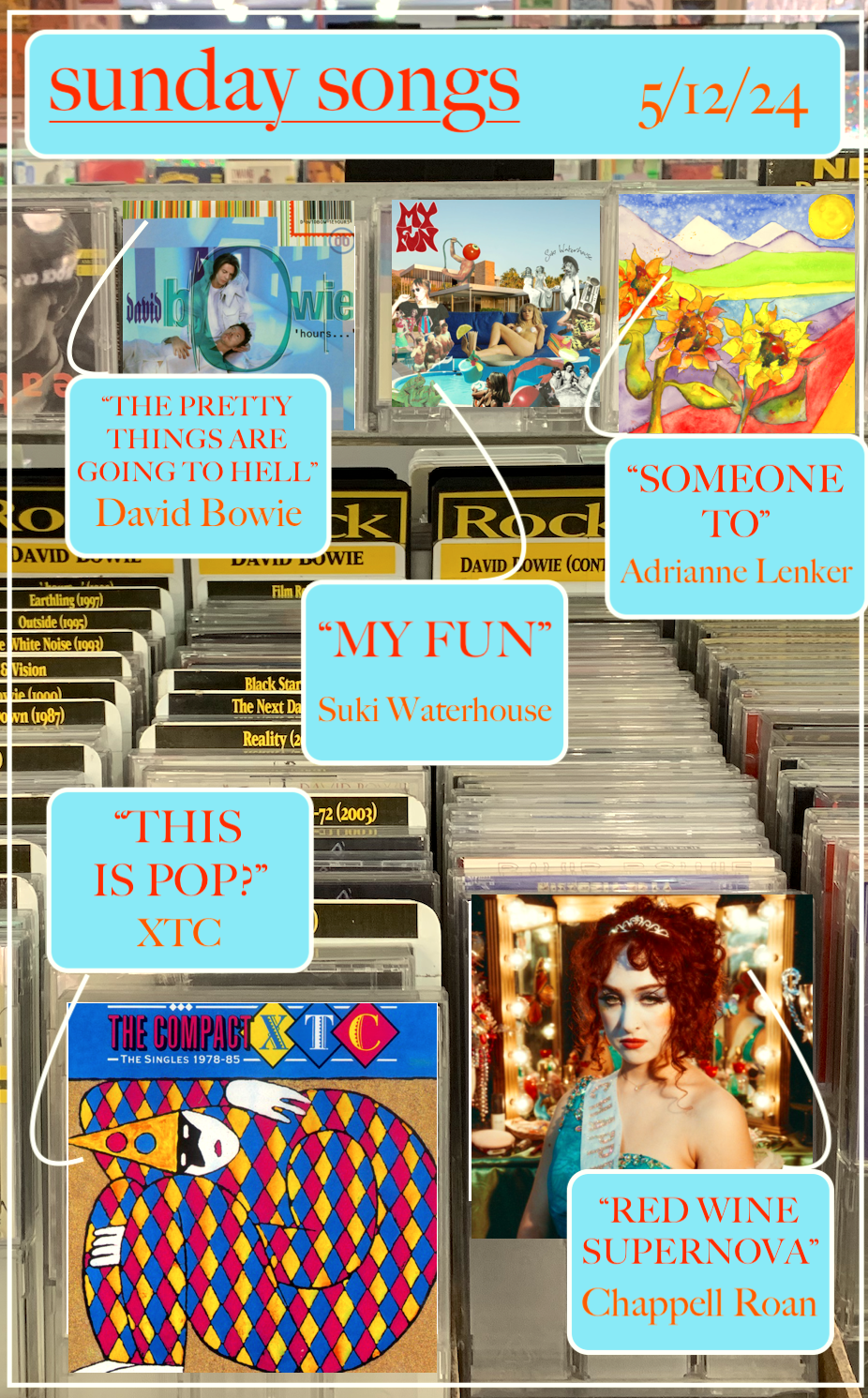
This week: there’s no doubt about it…this is pop.
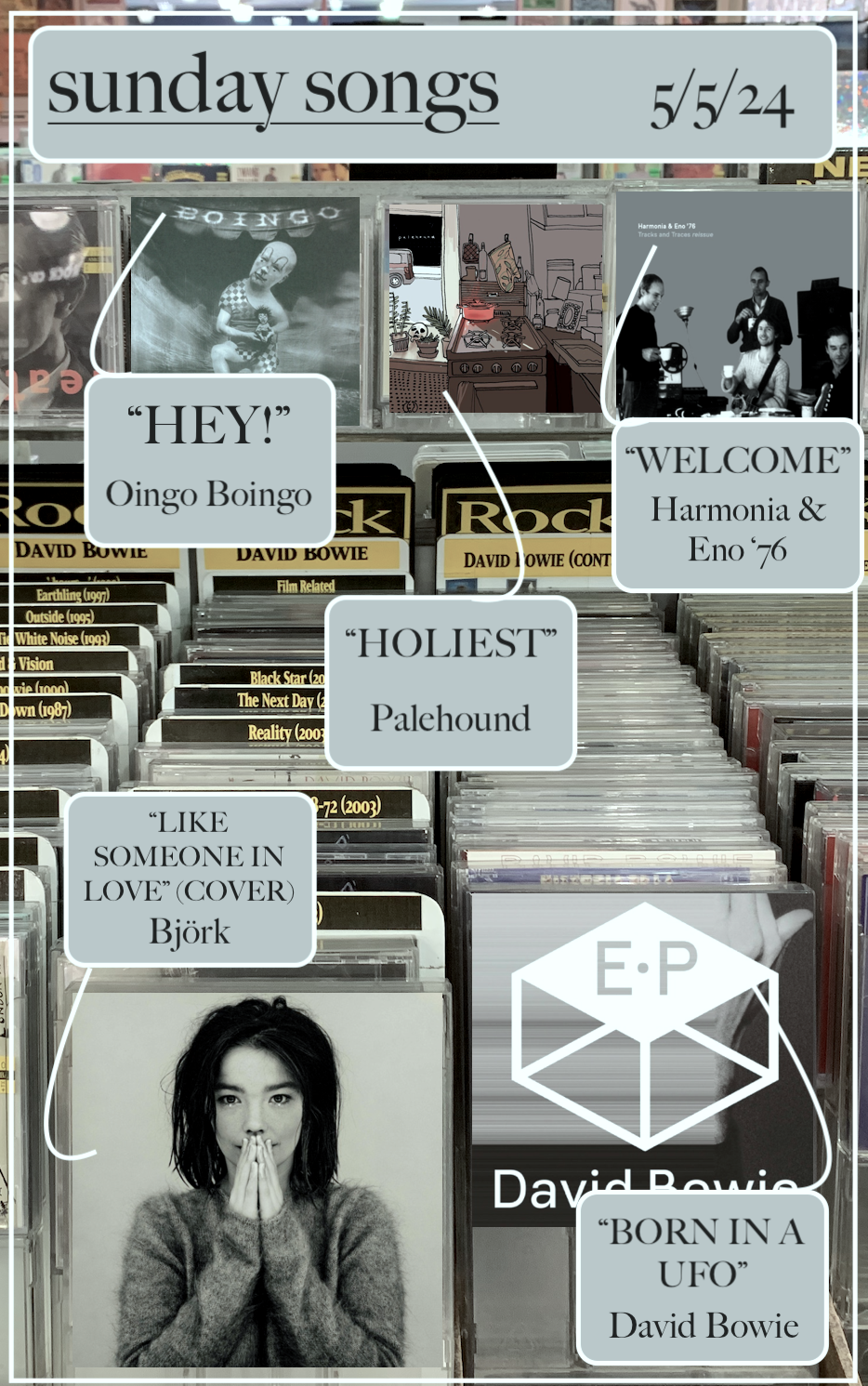
But before that: since I was deep in the trenches of finals hell last Sunday, here’s my graphic from last week, complete with an appropriately dreary color palette:
I thought I had a healthy relationship with XTC. I thought my days of playing “The Ballad of Peter Pumpkinhead” on loop for an entire meal straight were behind me. But then this decides to slap me upside the head…damn you, Trash Theory.
Never has a song this indignant been so deliriously catchy…take away all the instruments, and it’s Andy Partridge yelling about how arbitrary categories are in music (reasonable thing to yell about, but please chill, dude, I can see a filling in your molar 😭). But it’s the most danceable indignant song I’ve ever heard—that aspect of it makes it uniquely pop, just as Partridge is content to shout in your face about. In a landscape where music critics threw terms at XTC to see if any of them would stick (punk, post-punk, etc.), they staunchly had their own brand of pop engineered with the genes of the likes of The Monkees, The Beatles, and The Beach Boys, and they had no other intention other than to make pop music, no matter which category the critics shoved them into. Even in the video, at about the 2:01 mark, Partridge has started to look like this recurring experience has pushed him to the verge of his own Joker arc. (“Ahahaha! Ahahaha, call us post-punk one more time, I dare you…”)
It’s a definition of pop that I’d like to think Jeff Tweedy would align with—when describing Wilco’s most recent (and very excellent) album Cousin, he called it pop (specifically art pop), but not in the way most would interpret the definition: “To me, pop music will always be the genre that people used to also refer to as “Bubblegum.” It’s sweet and seemingly meant for mindless consumption, but has a Trojan Horse-like power to transform minds and hearts.” Like them, XTC can crank out earwormy hooks for days, but there’s always something beneath it—Andy Partridge and Colin Moulding always had something poking out from the wooden slats of that Trojan horse, whether it’s skeleton liberation or [Jesus? JFK? Neither, actually]. And if pop was their mission, they had it down to a science—it’s got a stompy groove that’s virtually impossible to not at least try to sway around to. (Can confirm, as I had this playing on my laptop while sitting in bed the other day and the urge still overcame me.) Moulding’s bass constructs the slickest, shiniest jungle gym for the rest of the band to swing around in, and Barry Andrews’ lightning-fast keyboard work leads me to believe that he’d been possessed by the spirit of Rowlf from The Muppets. You can’t help shaking your hips—this is pop. This is also the perfect song for an impromptu, one-man dorm dance party. Methodically tested and proven by yours truly. Does wonders for your mood.
Apologies for missing Lesbian Visibility Week by [check notes] about two weeks, but this should suffice, right? Frankly, kinda lesbophobic that it coincided with finals week this year.
Remember what I said about mainstream pop not being my thing? I’m woman enough to admit when I love it. And have I listened to this an unhealthy amount of times? Absolutely. Another banger for dancing alone in your dorm to, only much gayer and raunchier. And honestly? I hope Chappell Roan gets huge. She deserves stardom—her songs are impeccably performed and produced (the amount of gleeful electronic hums and glistening tidbits woven in the background of this song should be proof of that), and she’s got a massive talent for commanding a crowd and coming up with the most deliciously camp outfits (and lyrics). But even if she doesn’t, I do have a testament to her fanbase: a friend of mine officially became an American citizen not long ago (!!!), but the day she went in to take the oath happened to be the same day that she’d gotten tickets to see Chappell Roan. When I jokingly asked her afterwards if it was worth missing Roan for, her answer was a vehement “NO,” and if that doesn’t sum up the loyalty of her fans, I don’t know what will.
…AND A BOOK TO GO WITH IT:
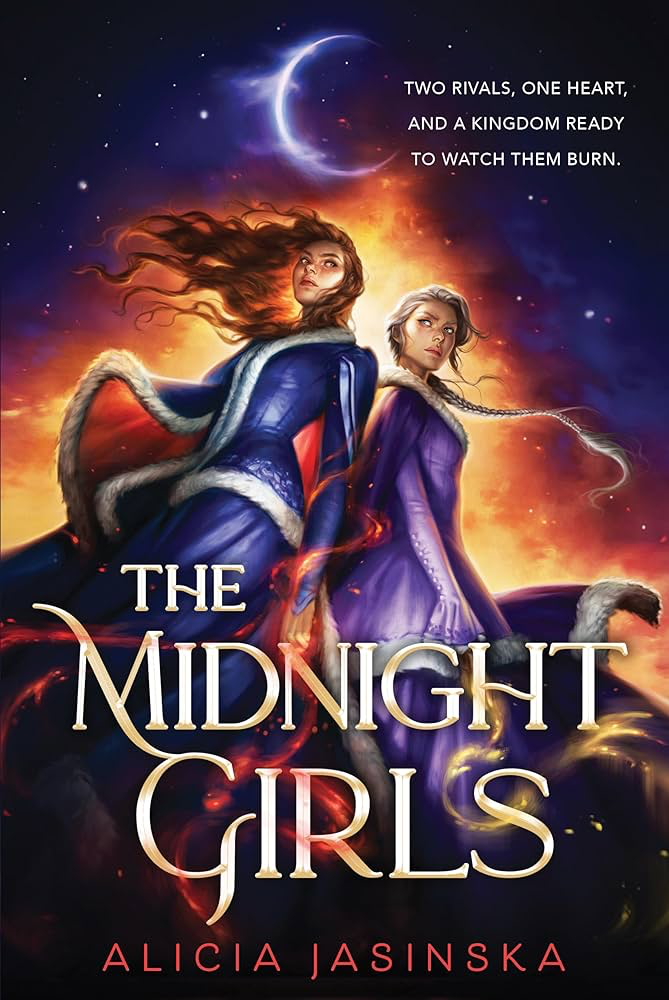
The Midnight Girls – Alicia Jasinska – somehow, I’ve never come across a book about lesbian magicians (somebody needs to write that), but lesbian monster-witches who eat human hearts are close enough, right?
’90s Bowie just could not stop cooking, huh?? On this track, at least. I’ve heard that hours… , which was cobbled from songs that were written for the video game Omikron: Nomad Soul, is less cohesive than some of his other ’90s output. hours… isn’t high on my Bowie priority, but dare I say that this song is pushing it higher? I might be setting myself up for disappointment here, but it can’t be any worse than…I don’t know, Tonight?
Or maybe Toy is a more apt comparison, the album that would have been released after hours… if not for it being shelved…then resurrected in 2021 as a largely mediocre cash grab. What struck me on a first listen of “The Pretty Things Are Going To Hell” is that it felt like a more chiseled, streamlined version of a Toy-era track. It has more focus—it’s got a target locked, and it speeds towards it with glammed-up efficiency and power. A collaboration with his longtime musical partner and Tin Machine bandmate Reeves Gabrels, it’s a clear callback to his glam days and some of his longtime collaborators during that era—the driving, Black Sabbath-like guitar notwithstanding, the title is a reference to both “Oh! You Pretty Things” and The Stooges’ “Your Pretty Face Is Going to Hell.” Bowie and Gabrels’ idea for the crunching guitar riff came from their desire to make “the simplest Neanderthal part possible,” which…well, to be fair, it is mostly one chord until the chorus hits, but I think it’s doing the power of said riff a disservice. It’s the bones and blood of the song, the meat anchoring down the swirl of percussion and electronics whirling around it like a blizzard.
“The Pretty Things Are Going to Hell” also had the potential for an iconic music video, but it was ultimately scrapped; directed by Dom and Nic, the team behind the iconic “I’m Afraid of Americans” music video, it would have seen Bowie performing live, but surrounded by giant puppets of four of his past personas: The Man Who Sold the World, Ziggy Stardust, The Thin White Duke, and the Pierrot from “Ashes to Ashes.” (The video linked above is the incomplete version of the video, containing only the footage of the real Bowie.) Said giant puppets were made by Jim Henson’s Creature Shop, but they were the reason that the video ended up being shelved: according to Bowie, “It was abandoned after we found that the puppets looked like puppets…it didn’t have the east European darkness that Dom and Nic had wanted to achieve.”
Bowie with “The Pretty Things…” puppetsSleep Paralysis Demon Ziggy Stardust (left) and puppeteer Rick Lyon (right).
What’s that about a “lack of darkness?” I totally didn’t want to sleep tonight, thanks! But it’s a very poignant concept to go with for the music video. The fast-paced drive of “The Pretty Things Are Going to Hell” speaks to its lyrics, full of speed-of-light debauchery and living on the edge: “The pretty things are going to hell/They wore it out but they wore it well.” At first, I couldn’t help but almost be sad that that the pretty things of “Oh! You Pretty Things” all but ended up dead in a ditch, but I don’t think that was the end goal; the existence of these giant, hulking puppets of his past selves are proof. It almost seems like an indictment of his youth—not the optimism or boundless creativity, but the reckless, drug-addled, and often downright reprehensible (looking right at you, Thin White Duke) behaviors that he let slip. The choice of the personas for these puppets are key—you have The Man Who Sold the World at the very sprout of his fame, and by the end, you have the Pierrot, a visual symbol of him trying to break free of addiction through “Ashes to Ashes.” There’s no Jareth or Let’s Dance era Bowie in sight—as much as I rag on ’80s Bowie…at least he had a better outlook on life and a healthier lifestyle. At least he was feeling good. But the ’70s lingered with him for all of his life: “I am the blood at the corner of your eye/I found the secrets, I found gold/I find you out before you grow old.” I almost think that the puppets looking puppet-like would have worked if this haunting by his past recklessness was what he was going for—they’re all so gaunt that they look like specters, even if it wasn’t the “darkness” that he and Dom and Nic were going for. Cynical as it may be, “The Pretty Things Are Going to Hell” seems like Bowie reconciling with his past—it’s something he’s trapped in amber (or massive puppets), but they’re false memories now, a version of himself that undeniably left a mark on the world: larger than him in stature, but most certainly less alive than the person he was at the turn of the century.
This is a level of cursed I didn’t anticipate when I started writing this post
It’s one thing to release a catchy, feel-good single, but it’s another to do that around a week after giving birth. Damn. A huge congratulations to Suki Waterhouse & Robert Pattinson on their new baby!
I almost wish this single was pushed back at least two months—partially to give Waterhouse a bit of rest, but also because “My Fun” is the perfect summer song. Or maybe it’s a gracious move: she’s given everyone enough time to add it to their summer playlists before the weather gets consistently warm. Either way, it’s one of the most carefree songs that she’s released in ages. Most of Waterhouse’s songs have been so meticulous and slick in their production, from the smooth glide of “Good Looking” to the sweeping, dress-twirling grandeur of “To Love.” By contrast, “My Fun” feels pasted from the same images as the music video—a collage of bright, silly imagery, cut-out pictures dancing in circles around each other. There’s bits of that “Authentic™️” raw audio here and there, with no sign of the sheen and polish of most of her catalogue. Instead, we’ve got an image of her that’s much more willing to let loose, unafraid to stumble around the place, even if it is curated. I never thought I’d see the day where we’d hear a recorder (and not just for a bit—it sticks around) in a Suki Waterhouse song, but I can’t think of many songs beside this one that make me think, “hmm, this would unironically be enhanced by a plastic recorder peeping in the background.” I guess shittyflute beat us all to that revelation, but that’s…much more front and center, shall we say. But it matches the carefree, poolside atmosphere of “My Fun”—sunbaked ease, with no worries plaguing you, save for when to set out on the next unplanned adventure.
i won’t let go of your hand – EP is available exclusively on bandcamp—all proceeds go to the Palestinian Children’s Relief Fund! Chip in what you can—the EP is pay what you want, so long as it’s $10 USD and up. Free Palestine.
I’m woefully behind on my Adrianne Lenker content—I’ve been so swallowed up in this year’s multitude of fantastic albums that I haven’t gotten around to listening to Bright Future, though I’ve loved most of the singles that came out of it (see 12/31 for my review of “Ruined”). It’s high time that I should—after all, the self-effacingly titled songs was my top album of 2023, according to Apple Music, so even if the data is screwy and that was just because I played “forwards beckon rebound” so many times in September, that ought to mean something. In the meantime, I bought i won’t let go of your hand – EP, since a) it’s Adrianne Lenker, c’mon, and b) any money sent to help Palestine is money well spent, in my book. The title is an apt one—the lo-fi acoustics make the whole EP sound like it’s being played from somewhere in a secluded cabin, which, given that this was the exact process that birthed most of the songs from songs, seems like a process she’d repeat. It’s a fruitful sound—and one suited for her personal lyrics. On the EP closer “someone to,” she speaks the lyrics as though she’s hiding inside of a cupboard, pressed against pots and pans as she rolls out her confessions: “Could you come forgive me? We get angry and hide/All of this lonely living, someone to walk beside.” Even if the instrumentals aren’t as intricate as I’ve come to know her work, the vulnerability remains front and center; “someone to” is a plea for forgiveness, peering through the dark to realize that all of the turmoil created from whatever relationship this song stemmed from has left her lonely. At around 2:21, she makes some percussive noises that, from what I can tell, came from thumping her fist on a counter or a similar surface—with the faint metal clangs, you can almost see cutlery and hanging pots rattling on their hooks, echoing through a cramped, wooden space. All of this adds to the log-cabin atmosphere that Lenker has mastered so beautifully—even if she didn’t return to the same cabin in Massachusetts that songs marinated in, she’s an expert at making the most of scarcity.
Unfortunately, I probably won’t be able to write up a book review or a Sunday Songs post this week, as I’m days away from finals. I started this post in advance, as I do with all of my wrap-ups, so that’s why I managed to put it out today. But from today on, I’ll be (mostly) radio silent for the next week or so. Wish me luck…
Let’s begin, shall we?
GENERAL THOUGHTS:
April’s been its fair share of crazy, what with job interviews, preparing for finals, and wrapping up my sophomore year of college. (How’d that happen??) It’s definitely taken a toll on my reading and blogging, but I’ve still had some free time in between. Said free time has been surprisingly fruitful this month—I finished up the 20,000 word novella that I had to write for one of my classes, and I had a solid weekend where I was able to brainstorm quite a bit for my main sci-fi trilogy. I’d still be doing said brainstorming if not for…y’know, studying for an astronomy final, but once I’m free of that, I’ll be back to making my outline even more excessively long. I’m almost there…
As I said, I had less time to read than I have in the past few months, but strangely, as far as ratings go, it’s been my most positive month. I say “strangely” because I felt like I was in a stint of good, but not great books for at least the first third of April. However, it picked up significantly, partially aided from a particularly lucky haul from Barnes & Noble with a dear friend of mine.
Other than that, I’ve just been watching The Bear, Taskmaster, and Ripley (how and why is Andrew Scott so good at being SO devious), writing when I can, and preparing for the end of the semester.
Oh, and remember how (hesitantly) excited I was about the fact that The Search for WondLa was being adapted into a TV show? We’ve just gotten the first look, and…
…not to be dramatic, but this is my villain origin story. This is my Joker arc. I’m beyond livid. They drained it. They drained it of the artistry and creativity. And the love. They made Muthr into one of those Playmobil people. Why is Otto furry and squishy? Why does Rovender have those front-facing predator eyes? Where are Eva Nine’s signature braids? Where’s the soul?
Yeah! I’m fine. They just turned my childhood into a sad, lifeless husk of a 3D animated TV show…
READING AND BLOGGING:
I read 15 books this month! Somehow, I feel like I was in a slump of good but not remarkable books for at least a third of the month, but somehow, I got through a whole month with no 2 or 1 star reads? That’s a new one for me.
imagine making Poor Things (2023) and failing to get across in two and a half hours what this song does in just under four minutes………couldn’t be me
xtc my beloved
as much as we praise Björk, I feel like she doesn’t get enough credit for how deeply romantic she can be…good god I feel so sappy and squishy listening to this song, it feels so good
david bowie make a song from the ’90s that isn’t criminally underrated challenge (impossible)
Today’s song:
hey, if we’re talking about keeping my inner middle schooler happy, at least this album was fantastic
That’s it for this month in blogging! Have a wonderful rest of your day, and take care of yourselves!
I was honestly so surprised that I hadn’t done this tag before—I found it, like I do most of my tags these days, on The Corner of Laura, and the tag was originally created by A Books Neverland.
Let’s begin, shall we?
🔟TEN BOOKISH QUESTIONS TAG🔟
HOW MANY BOOKS DO YOU CURRENTLY OWN?
…I don’t know the exact number, but certainly more than I have space for…
HOW MANY BOOKS ARE YOU CURRENTLY READING?
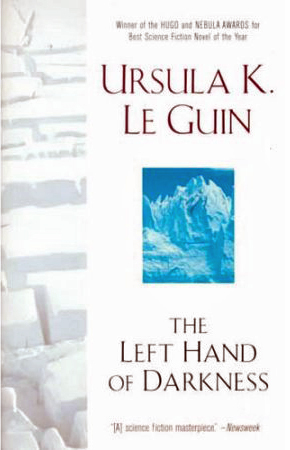
Normally, I stick to one book at a time, but since I’m often reading for other classes, it usually ends up being two or three at this time of the school year. Right now, I’m currently reading Ten Lowand re-reading The Left Hand of Darknessfor one of my classes.
CHOOSE A COUPLE OF BOOKS YOU READ BUT DIDN’T ENJOY.
I just chose a handful here that I’ve read (somewhat) recently and didn’t enjoy:
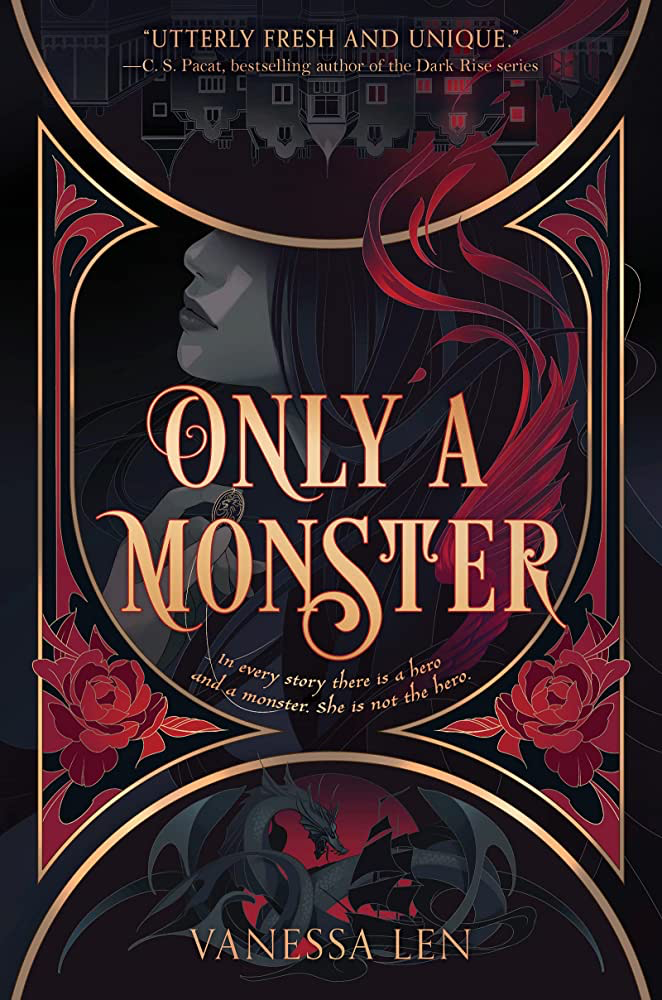
Only a Monster – Vanessa Len | I really, really wanted there to be some nuance, but no. Apparently we just had to have the themes beaten into our heads with a crowbar.
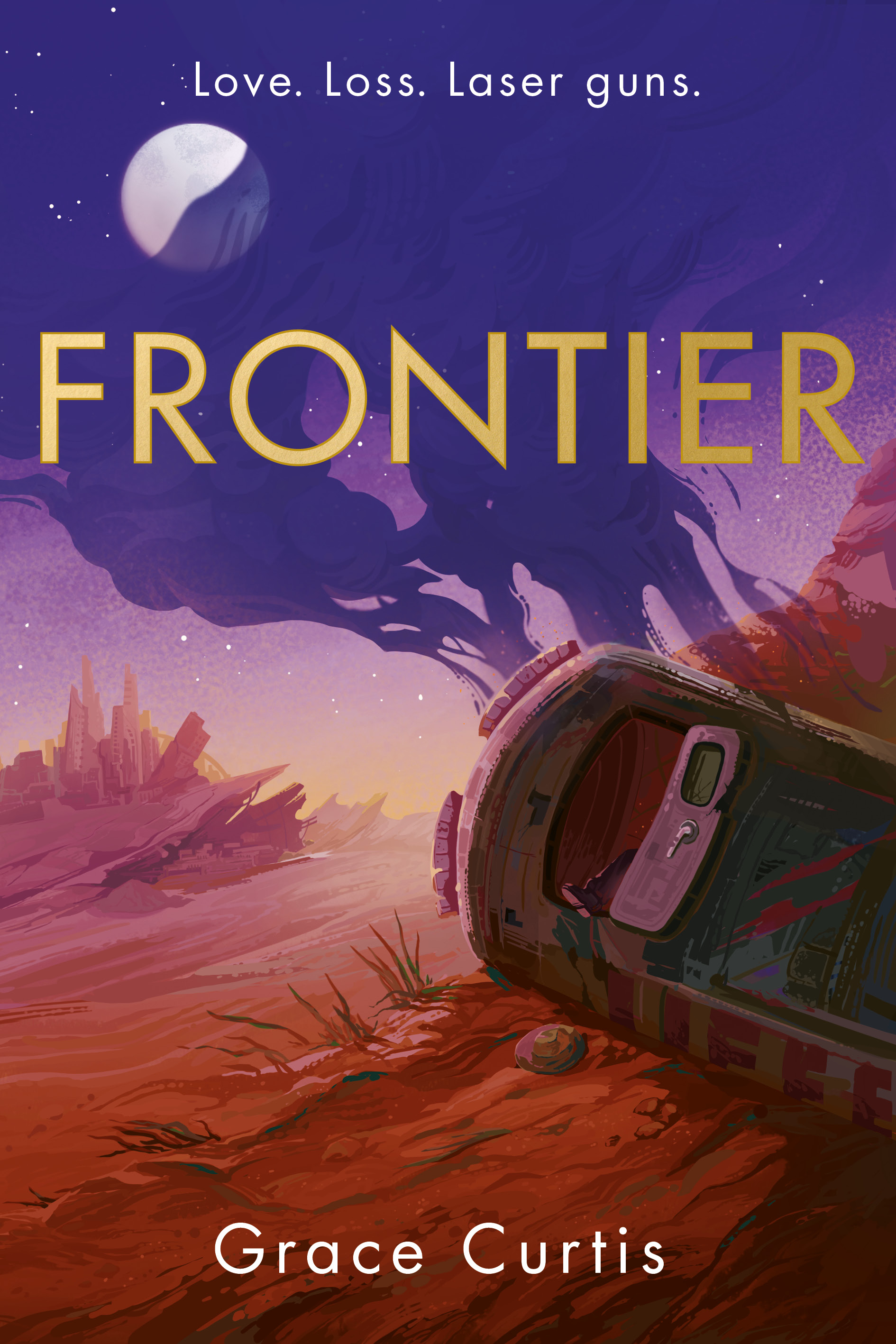
Frontier – Grace Curtis | for the fascinating premise it had, this novel just felt so…boring? For a book with the tagline of “love. loss. laser guns,” you’d think there would be more action, but every plot point just blurred into the next.
The Sevenfold Hunters – Rose Egal | this was my first DNF of the year, but it was more out of a feeling of “I have neither the time nor the will to read any more of this” than “I hate this book with a passion.” Even still, there were a lot of problems I had with what I read—mainly the implausibility of everything happening to the characters (and them emerging almost unscathed every time) and the sin of listing off every single character’s sexualities instead of organically weaving in their representation in a way that didn’t feel like checking off boxes.
A COVER BUY?
I put off reading Firekeeper’s Daughterfor quite some time, but after reading Warrior Girl Unearthed, I was fully convinced to buy this one…but the cover was a significant part of the sell. Absolutely gorgeous design, isn’t it?
A BOOK YOU OWN BUT HATE THE COVER OF?
I don’t hate the cover of Ammonite, but it kind of screams “graphic design is my passion,” y’know? Gotta love the ’90s.
A BOOK YOU HAVEN’T READ IN YEARS?
It’s been at least a decade since I’ve picked up any of the Warriorsbooks, but those consumed my life from 3rd to 5th grade like nothing else had before…god, those were the days. Nothing like cats violating every single term of the Geneva Conventions for some after-school reading.
A BOOK YOU WILL ALWAYS RECOMMEND?
Every time I go to any bookstore with friends, I inevitably try to steer them over to this one. The Long Way to a Small, Angry Planet is truly special. I swear.
ALL TIME FAVORITE BOOK SERIES?
Y’all already know the answer to this one…
WHERE DO YOU READ?
Mostly in bed or on the couch, but when the weather’s warm, I read outside, and when the weather’s cold, I read in the campus coffee shops.
I TAG ANYONE WHO WANTS TO PARTICIPATE!
Today’s song:
That’s it for this book tag! Have a wonderful rest of your day, and take care of yourselves!