Here in the U.S., July is Disability Pride Month! In the three years that I’ve been making these lists, disability is still forgotten even in many intersectional feminist circles, and the importance for uplifting the disabled community has never been more important than know, what with the fallout of the COVID-19 pandemic, where disabled people, especially those who are immunocompromised, were disproportionately affected. Every year, even though I look in as many places as I can, it’s difficult for me to find books with disabled stories at the forefront that don’t center suffering or being “inspiring.” (As of now, I have only ever read one book with my disability, SPD, and heard of only one other. Inspiration for me to write my own stories…) So with these lists, I hope to provide disabled books with a wide range of representation, both in terms of disability and in the intersection of race, gender, and sexuality.
NOTE: my memory (and the internet) is imperfect, so if I’ve misrepresented/mislabeled any of the specific rep in these books, don’t hesitate to let me know!
TELL ME WHAT YOU THINK! Have you read any of these books, and if so, did you enjoy them? What are some of your favorite books with disabled rep? Let me know in the comments!
Today’s song:
this song makes me SO so incredibly happy!! thank you to Horsegirl for recommending it!!
That’s it for this month’s recommendations! Have a wonderful rest of your day, and take care of yourselves!
For once, it’s felt like this month has been…the right length? I often come to the end of any given month still internally mid-month, but it really does feel like it’s the end of July. Maybe I can chalk that up to either a) being nearly finished with my Camp NaNoWriMo goal (!!!) or b) the fact that I’m always looking forward to August, since it’s my birthday month, but either way, July is nearly out the window. Hopefully this awful heat will be out the window, too.
Let’s begin, shall we?
GENERAL THOUGHTS:
July has definitely been on the busier side for me; between working at the library and going for my Camp NaNoWriMo goal, there’s been a lot of writing, a lot of shelving, and a lot of straightening. But it’s all been good busy, as tired as my legs get after standing up for so long on a shift; working in a library has been such a welcoming environment, and I’ve been having tons of fun writing out the first draft of my sci-fi sequel. (I also got to put some books on my library’s unofficial Disability Pride Month display, so that is ALWAYS a plus.) And as of tonight, I’ll be finished with my goal of 50,000 WORDS! I know I technically haven’t done it yet (I’m only about 700 words away from finishing right now, so that’s no big deal), but I’m super proud of myself. I’ve been working towards 50,000 for around 4 and a half years, so it feels amazing to finally be this close.
Despite that, I’ve had a lot more time to read this month! It’s been a good batch of books, too; there were only two books this month that I didn’t really like, and all of the others were good to amazing. Most of what I read was for Disability Pride Month, and I found so many amazing books with great disability rep, which is always wonderful. And now that I’m back home and working at the library, it’s been great to be reading physical books more often. As convenient as my Kindle is, nothing beats the feel of a physical book.
Other than that, I’ve just been listening to the new Palehound (fantastic) and Blur (disappointing) albums, continuing to binge my way through Taskmaster (almost halfway through season 10 now, Johnny Vegas being incredibly flustered has no right to be as funny as it is), watching Barbie (sobbing) and Oppenheimer (never in a million years would I have thought that Robert Downey Jr. would be THAT creepy), and trying to get out of the heat whenever possible. (How is it that it got to almost 120 degrees in Arizona and people still don’t think that climate change is real 😭)
READING AND BLOGGING:
I read 18 books this month! I think this may have been the best (if not one of the best) reading months I’ve had this year, in terms of quantity. And it was a great batch as well—only two books that fell into the 2-star range, a 5-star read, and tons of great reads for Disability Pride Month!
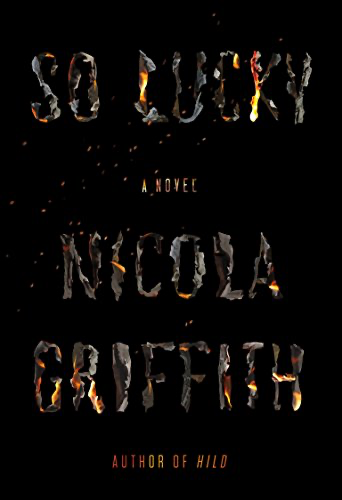
I came upon this book after poring through the “further reading” section of Alice Wong’s incredible Disability Visibility anthology (which you should also go read!!), and I put it on hold at the library soon after I heard about it. I was completely unfamiliar with Nicola Griffith before reading this novella, but she delivered so much power and resonance in the span of only 180 pages. We’re barely halfway through the year, but I know that I’ve got another favorite read of this year.
Mara Tagarelli has it all. Happily married and the head of a multimillion dollar AIDS foundation, she lives a life of contentment and security. But in the span of days, Mara is diagnosed with MS, and her wife leaves her soon after. Her colleagues now dismiss her needs, and she’s left without work, without the care she needs, and without any prospects for the future. But as she slowly begins to find a community, she realizes the power that she holds—to put those she values in danger, but to give them the justice that they deserve.
TW/CW: ableism, hate crimes, murder, medical mistreatment, misogyny
I finished this book several days ago, but I’m still positively reeling from the effect it had on me. I picked it up after seeing it included as a recommendation in the “further reading” section of Alice Wong’s Disability Visibility, thinking it would be something good to read during Disability Pride Month. What I found was something far more than just “something good to read”—it was wholly refreshing, resonant, and both heartbreaking and heartwarming. So Lucky wasn’t a novel that I expected to hit me so hard, but it did, and I am forever grateful for it.
I’ve never been more in love with such an angry character, to be honest. Griffith’s writing of Mara felt more than authentic, a character that climbed out of the page, demanding to have her voice heard. And although her anger is her primary character trait, it’s an anger that resonated with me like nothing has before; in a landscape where disabled women, both fictional and real, are expected to be demure and sadly accepting of their fate (but in a sexy way, of course, because they obviously only exist as objects of pleasure for men), having a character as fiery and determined as Mara very nearly made me cry. I don’t have MS, but I am a disabled reader, so watching Mara express her anger at her treatment, at her life, and at the world around her was more than I could have asked for. More disabled women who aren’t conventionally likable and are written authentically, please! Use this novella as a guide.
So Lucky is a hard read—it doesn’t pull any punches, and that’s exactly how it should have been. It displays a lot of some of the more harsh realities of being disabled, especially being physically disabled: dismissal by your colleagues, mistreatment at work (and eventually being fired because of said diagnosis), relationship turmoil, medical mistreatment, and disability-motivated hate crimes are all a part of the narrative that Griffith portrays. It’s visceral and heartbreaking, and it doesn’t hold back in the slightest. But never once did it feel amped up for tension, or unnecessarily exaggerated: this is the story of an angry woman, and the story of a system built on bringing her down, as well as others like her. It really represents a good portion of the spectrum of issues that disabled people, especially disabled women, face, and Nicola Griffith captured all of it with incredible aplomb.
Despite that, So Lucky never falls into hopelessness. Even though Mara faces hardships aplenty, it never portrays the disabled experience as defined solely by tragedy and suffering. In spite of it all, there is always hope: Mara finding an online community of other disabled people, taking care of her cat (shoutout to Rip), and coming to the realization that her anger was never from the MS itself: it was from the experience of living in a world that did not want her to succeed. At its heart, So Lucky is an incredibly raw story, but a fearlessly hopeful story, one where our protagonist knows that her anger doesn’t come from being disabled, but from existing in a world where disabled people are treated so poorly. And that anger only adds to her determination to continue to fight for a better, more accessible world. There is no disability to inspirationally overcome, only a system. I can’t think of much that’s more beautiful than that.
All in all, a short novella that packs a deeply impactful punch, and portrays disabled womanhood in a refreshing light. 5 stars!
So Lucky is a standalone, but Nicola Griffith is also the author of Ammonite, Hild, Cold Wind, Slow River, and many other books for adults spanning several genres.
Today’s song:
never in my life would I have anticipated liking a Weezer song THIS much, but you can blame Snail Mail for this one
That’s it for this week’s Book Review Tuesday! Have a wonderful rest of your day, and take care of yourselves!
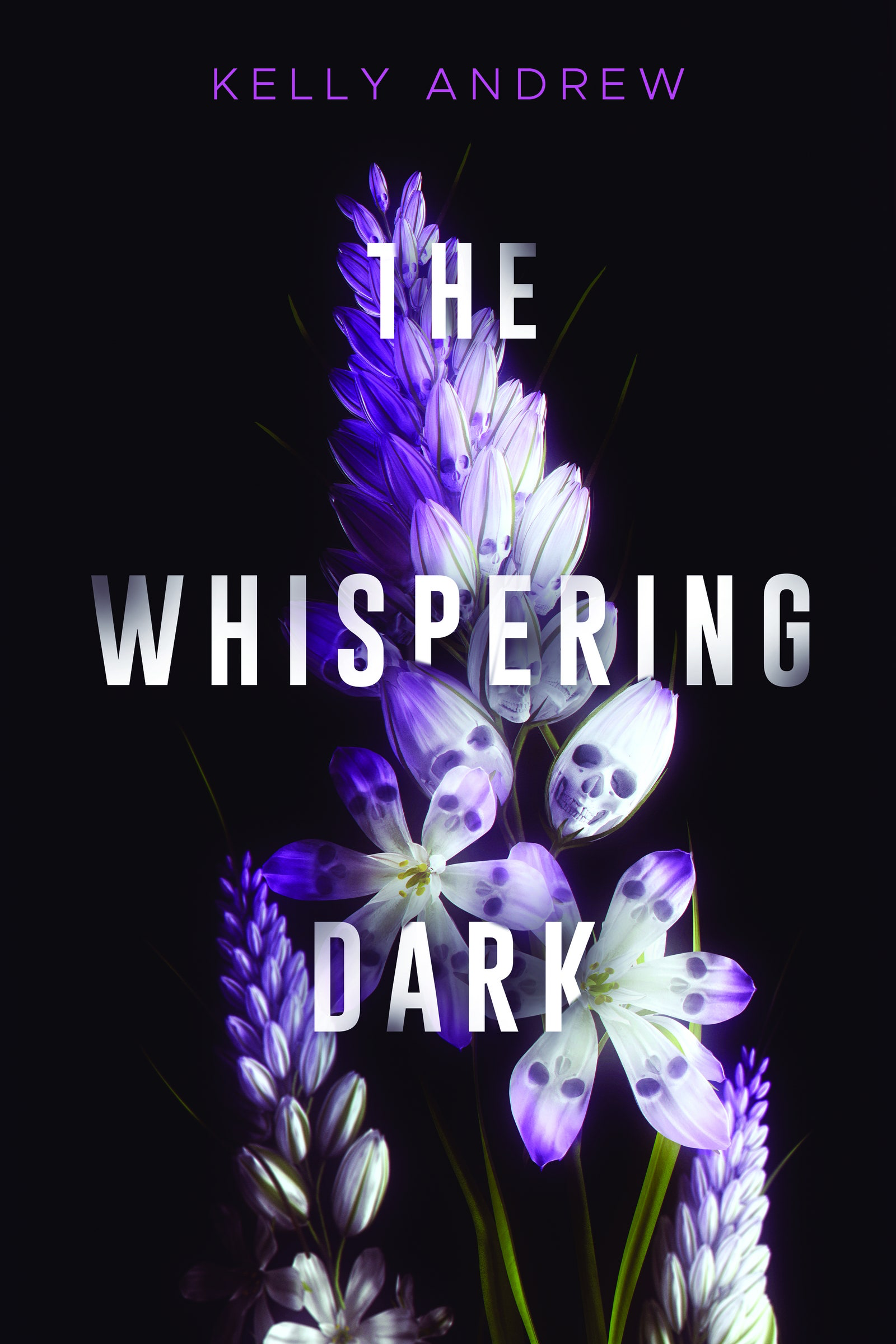
I’m willing to go out of my genre comfort zone when it comes to finding books with good disability rep, and that was the case for this book; dark academia usually puts me off (see my review of Victoria Lee’s A Lesson in Vengeance for the gist of my gripes about it), but I’m always here for books by disabled authors! In this case, it was worth it, but the experience wasn’t the one that I think the author intended—The Whispering Dark was a mess, but in kind of a fun way. For the most part.
Delaney Meyers-Petrov is determined to prove herself. All of her life, people have perceived her as fragile because of her Deafness, but when she’s accepted into the famed, rigorous Godbole University, she knows that this is the ultimate chance to show the world what she’s really made of. But Godbole isn’t an ordinary college—its students are trained to jump between parallel worlds, tapping into arcane magic in order to travel through alternate dimensions. As Delaney faces ableism from her peers and professors, a boy from her past, and the pressure to get good grades, the sinister side of Godbole begins to show its face. For months, boys have been going missing, and the answer to their disappearance may be right in front of her. Will she be able to get to the bottom of what’s killing Godbole’s student body—and work with this mysterious boy?
TW/CW: ableism, murder, blood, gore, past descriptions of death, near-death experiences
Look, you slip the phrase “unholy affliction” into a sentence, and you’ll automatically make me think of Soccer Mommy. And the more I think about it, the more it feels like the vibe of that song is what this book really, desperatelywanted to be, but…wasn’t. At all.
Normally, I steer clear of dark academia—the really bad stuff just feels like a bunch of Donna Tartt copycats writing about rich people being “morally gray” (read: smoking indoors, wearing turtlenecks and forming vague “secret societies”) and trying to capitalize off of a popular aesthetic. However, the fact that this one featured a disabled character written by a disabled author (!!!), convinced me to give The Whispering Dark a chance. Here’s the thing: the disability rep? It’s fantastic. Everything else? Not so much. The Whispering Dark was an absolute mess, but it got to the point where its utter ridiculousness was honestly kind of fun to read, so it wasn’t entirely a waste of time.
Let’s start off with the disability rep. Although I can’t speak to the accuracy of the specific rep (Delaney, the MC, is Deaf), it’s so refreshing to see disabled authors writing disabled characters—Kelly Andrew is also Deaf! And even without being Deaf, Andrew wrote some of the specificities of Delaney’s experience with her disability beautifully; I loved the details about how Delaney moved through life, from how the noises around her are described to subtle details like the change in sound when the battery runs out in her cochlear implant. Along with that, Andrew’s portrayal of being a disabled college student really resonated with me, from the nerves about personally confronting professors about accommodations to Delaney’s desire to prove herself.
Aside from that, it’s hard for me to find anything genuinely positive to say about The Whispering Dark. There are more positives in my eyes, to be fair, but they aren’t necessarily about how I think this novel was meant to be taken. In my experience, this book was SUPER campy, but the kind of campy that unintentionally resulted from taking itself so seriously that it becomes almost hilarious. I still can’t believe that all of this was played so straight—this book fell headfirst into every cheesy YA fantasy trope like a 5-year-old being pushed off of a diving board, and we were somehow expected to take it all seriously. You’ve got your edgy protagonist with her dyed hair and her edgy nickname, a mysterious, Ivy League school that teaches its students to jump between parallel worlds, students showing up dead, and a romance with a mysterious, dangerous older boy, who is compared by the MC to Patrick Bateman (I wish I was kidding), but still ends up being the one for whom the MC falls head-over-heels in love with. The way Andrew wrote it felt like she thought it was the most original idea in YA in the last decade, and honestly? I had to laugh. It felt like watching a terrible movie for the irony. Solid unintentional camp. I mean, look at how goofy that cover is.
And look—as campy as The Whispering Dark was, I at least expected there to be a little bit of worldbuilding. Here’s the thing: THERE WAS NONE. Interested in learning about Godbole University and how you can jump through parallel worlds with magic, according to Kelly Andrew? You’re outta luck. There aren’t any explanations for anything—you just get tossed around to parallel worlds without any explanation as to how. Want to know how the various types of magic factor into this world-hopping? Sorry, come back later. Want to know how the villain is using said world-hopping to kill unsuspecting students? Nope, looks like you’ve used up your three wishes. Again, it got to the point where it just felt so bad that it was funny—worldbuilding? Who is she? And it only proves my belief that dark academia, as a genre, suffers from “no plot, only vibes” syndrome time and time again.
All in all, a novel with great disability rep, but that took itself far too seriously for the campy train wreck that it was. We disabled readers deserve our mindless camp too. 3 stars.
The Whispering Dark is a standalone, and Kelly Andrew’s debut novel; her next novel, Your Blood, My Bones, is slated for release in 2024.
Today’s song:
That’s it for this week’s Book Review Tuesday! Have a wonderful rest of your day, and take care of yourselves!
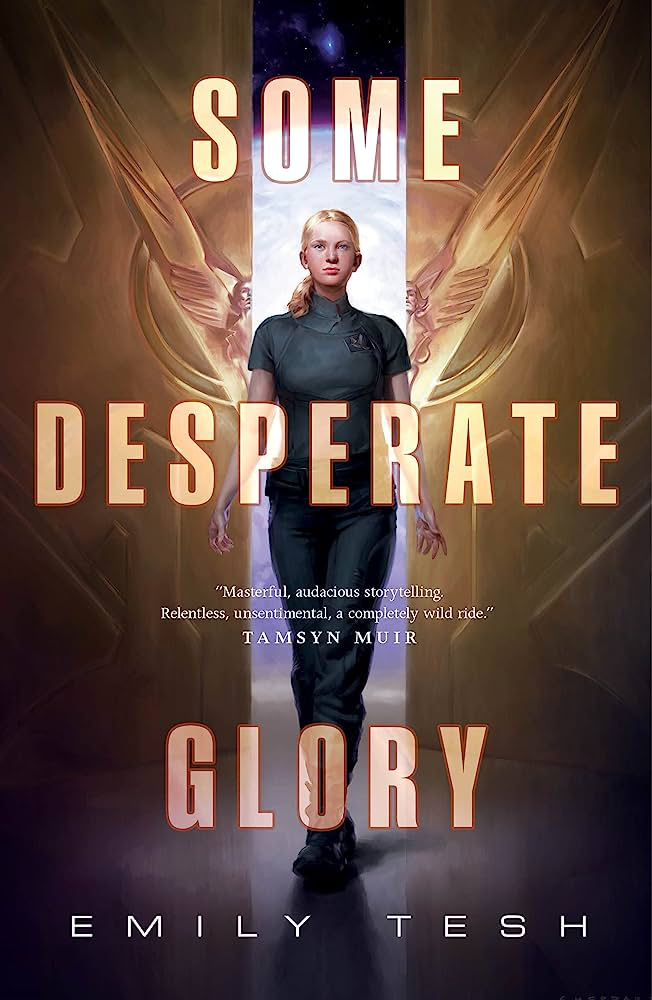
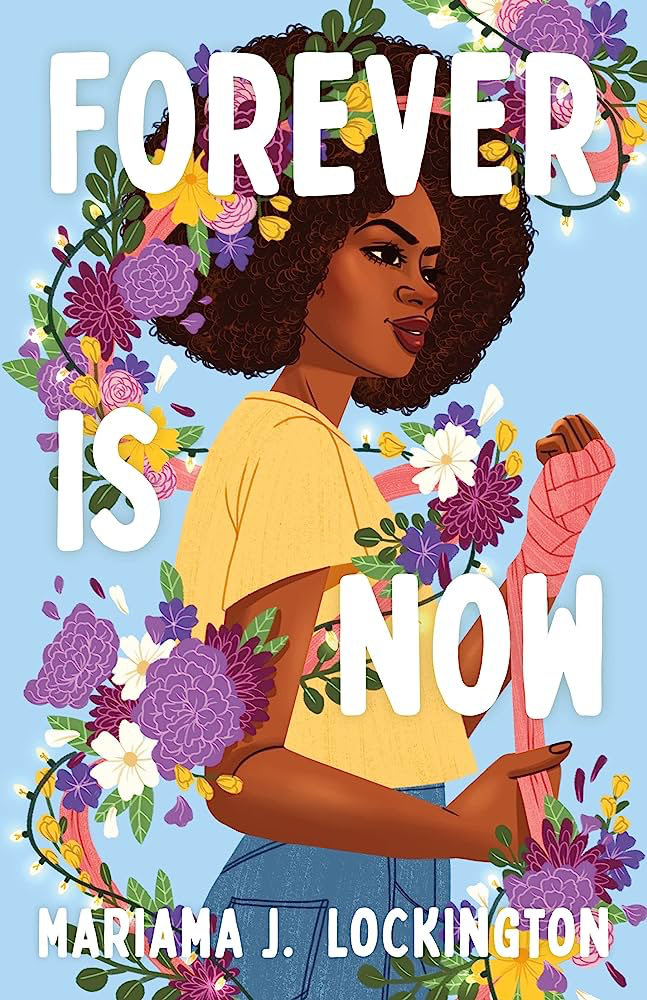
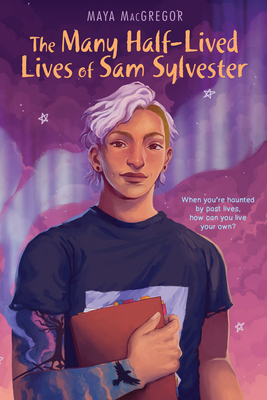
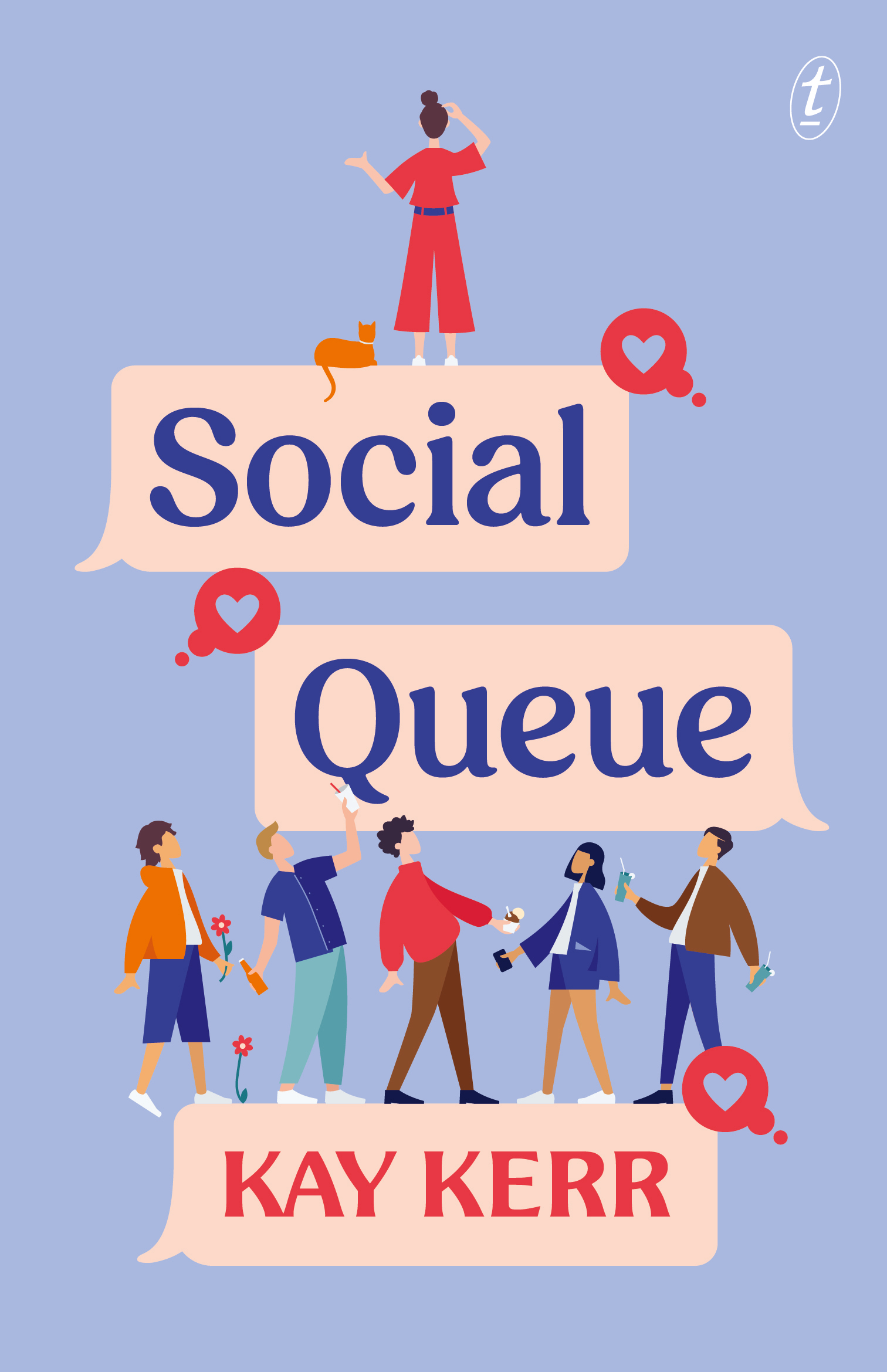
Here in the U.S., July is Disability Pride Month! Although I’ve seen some more recognition for it in the past few years, I find myself saying this over and over—disability issues are left behind in intersectional feminism far too often. The larger representation in media of disabled people as otherwise white and cishet, the lack of accessibility at many pride events, and the hurdles that most disabled students have to go through in order to get accommodations at school is proof. And yet, around 27% of Americans have some sort of disability—myself included. As the literary world has slowly shown more stories with disabled characters, it’s more important than ever to uplift disabled voices.
Like some of my other themed lists this year, I’ve decided to expand it beyond YA, because I’d be remiss if I didn’t include some of the amazing Adult and MG reads with disabled rep over the years. I’ve separated all of these recs by age group, and included their genres, my rating, and the type of disability rep.
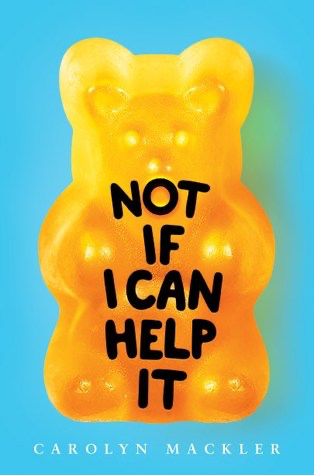
(SHOUTOUT TO NOT IF I CAN HELP IT, I FINALLY HAVE A MORSEL OF SPD REP)
for my lists from previous years, click here:
2022 (+ on having SPD and the lack of representation)
TELL ME WHAT YOU THINK! Have you read any of these books, and what did you think of them? What are your favorite books with disabled rep? Let me know in the comments!
Today’s song:
That’s it for this year’s Disability Pride recs! Have a wonderful rest of your day, and take care of yourselves!
As you can see above, the melting emoji represents my slow melting, a la the Wicked Witch of the West, because July in Colorado always threatens to melt me into a slushy puddle. At least we got some rain. (And hail, one time? got enough that it looked like snow in certain parts of the yard…)
GENERAL THOUGHTS:
Hot as it was, I’d say that July was another good month of summer. I’ve had tons more time to read and relax, and even though college is always on my mind nowadays, the time off has been good to collect my thoughts. I’ve gone hiking a few times, seen some fun movies, and tried to exercise a little more.
I got to read tons this month, and although it was generally a mixed bag (a lot more books in the 3-star range than usual), I still found some gems in the mix. For Disability Pride Month, I tried to focus on books with disabled characters, and I’ve found some reads with great disability rep—including the first book I’ve ever read with SPD rep! (Thanks, Carolyn Mackler!!) Camp NanoWriMo is nearly over—it’s had its ups and downs (couldn’t find the stats page for a while and fell behind on my word count, hit command v instead of command b and accidentally pasted the whole Pinnochio trailer into my document), but I’m so close to 45,000 words now!!
Other than that, I’ve just been playing my guitar, recovering from the last two episodes of Stranger Things (OW), seeing Thor: Love and Thunder (pure Taika Waititi fun), drawing, and listening to an excess of Peter Gabriel.
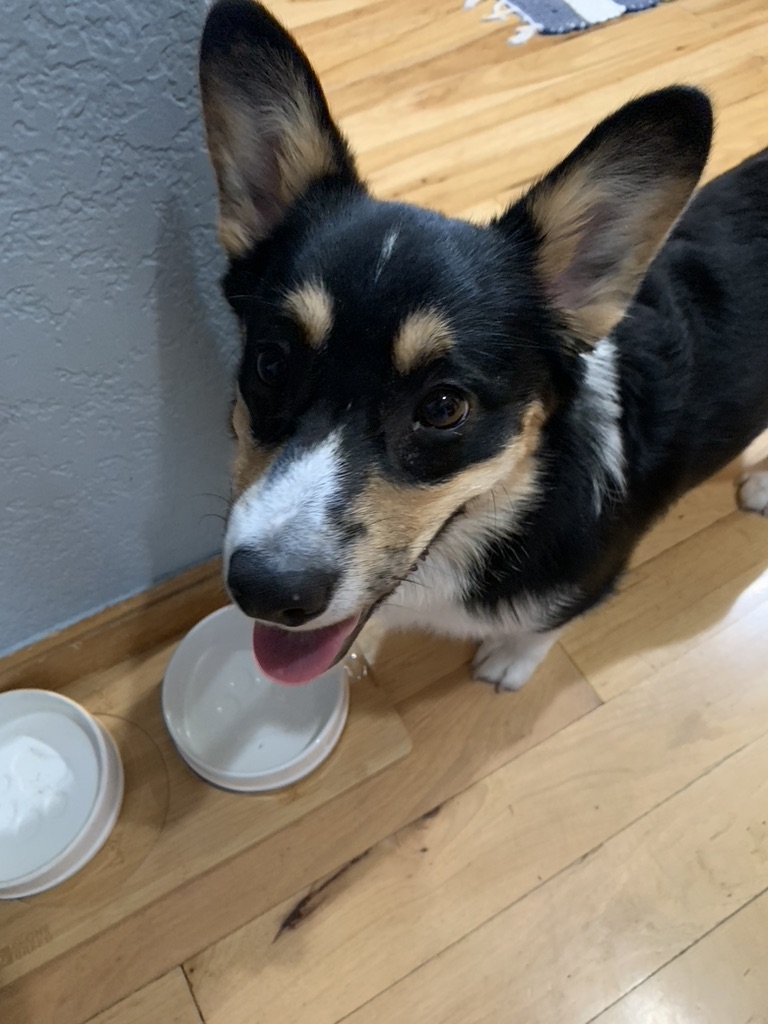
Also, I figured I’d give everybody an update on Ringo, since I haven’t posted about him much since we got him; he’s 7 months old now and even more of a menace to society, but he has the sweetest face…
the face of a serial foot biter
READING AND BLOGGING:
I read 25 books this month! This is probably gonna be the most books I’ll be able to read in a month, since it’s the middle of summer. It was a mixed bag, as always, but I found a few amazing 5-star reads in the bunch.
I wish I could put this one in flashing neon letters or skywriting or something, because my awesome brother has a blog too!!! he writes tons of short stories, poetry, and music/movie reviews, so go follow him!!!
Ever since I realized that literature has been something I could see myself in, I’ve been looking high and low for books with SPD representation. For years, all I managed to find were help books for parents SPD children (again—not diminishing their value, I was just looking for something else) and hardly any fiction in sight. By some miracle, I ended up coming across this book recently, and I was elated to find a book that finally reflected my disability! I set my expectations hesitantly high, but I ended up adoring Not If I Can Help It; I wish I had it when I was Willa’s age.
Willa has Sensory Processing Disorder—she hates the texture of certain foods, tags and seams on clothes irritate her to no end, and she gets overwhelmed easily. With her occupational therapist, she’s been able to manage it—and keep it a secret from her 5th-grade class. But when her dad breaks the news that he’s engaged to her best friend’s mom, she struggles to handle the change—she loves her best friend Ruby, but being her sister would be another situation entirely. As 5th grade draws to a close, can she and Ruby work things out—as best friends, and as sisters?
TW/CW: sensory overload, bullying
I’m going to go so far as to say that Not If I Can Help It is a fairly monumental book for me. It’s the first book I’ve ever read with a protagonist who has SPD, and as somebody with SPD, it fills my heart to see myself in a book like this. I’m so, so, so glad this book exists.
I’ve been trying to find any kind of SPD fiction for years, and Not If I Can Help It surprised me with how realistically and respectfully SPD was handled. I related so much to Willa—even though our specific brands of SPD differed (Willa’s seems to be more tactile, whereas mine are mainly auditory), I related so much to Willa’s experience, from her experience with handling change to the everyday things she does with her parents to cope with her SPD. (I JUST GOT MY OWN BODY SOCK TOO??? we love the body sock in this house) I’ve been going back to OT in preparation for college lately, and I also loved the scenes with Willa and her therapist in the sensory gym—again, so respectfully written and authentic! Mackler mentions in the acknowledgments that Not If I Can Help It was partially based off of her experience with one of her sons, who has SPD, and this is bound to be a book that so many of us with SPD will relate to—I certainly did.
It’s been a while since I’ve read any middle grade, but the gap was a lot easier to bridge than I thought it would be. Mackler’s writing, along with our shared experience, made me instantly feel for Willa. She’s such a unique, determined character, so full of life and spirit. I loved her individual quirks, and her growth over the novel made me wish that I had this kind of book when I was her age—I could’ve used a Willa when I was going into middle school. (Also, kudos to Willa for managing her SPD on top of living in MANHATTAN, wow…)
The story was additionally a super sweet one. I completely related to Willa’s reticence to having change, and all of the changes she experiences (her dad getting married to her best friend’s mom, going to middle school, and her longtime babysitter moving, to name a few) served to help her grow so much as a character. All of the supporting characters were wonderfully unique in their own ways, adding not only to the story, but helping to emphasize the point, to paraphrase Ruby’s mom, that we all have our “things” going on—not everybody is as normal as you may think they are, and that there will be all kinds of people to support you along your journey.
All in all, a book that I sorely wished that I’d been able to read when I was younger, but one that I’m so glad I got to read here and now. This is the first book with SPD rep that I’ve read, and given how authentically it was represented, it will always have a special place in my heart. Thanks so much to Carolyn Mackler and Willa. 💗 4.5 stars!
Not If I Can Help It is a standalone, but Carolyn Mackler is also the author of several middle grade and YA books, including Tangled, Infinite In Between, Love and Other Four-Letter Words, and The Earth, My Butt, and Other Big Round Things.
Today’s song:
adding this song to my internal list of songs with god tier intros
That’s it for this week’s Book Review Tuesday! Have a wonderful rest of your day, and take care of yourselves!
It’s July again, which means—though it’s too often overlooked—that it’s Disability Pride Month here in the U.S.! Even as intersectional as feminism and diversity efforts have become in recent years, the disabled community has been left out of the picture more often than not. YA books are no exception—even now, it’s difficult to find good, solid disability rep, and even harder to find books from disabled authors. So uplifting disabled voices is always important, as with uplifting all kinds of marginalized voices.
I’ve talked a little about good and bad disability rep on this blog, but I haven’t talked about how it affects me—I did put it in my bio a few months ago offhandedly, but I’m disabled as well. I have sensory processing disorder (SPD), a neurological disability that causes me to over-respond to sensory input, mainly sound; My nervous system doesn’t translate stimulus like a neurotypical brain would, making me over-respond to certain sensory input. Big crowds, loud noises (fire alarms, stopping buses, and almost anything that you can find in a city) are major causes of anxiety and discomfort for me, and often cause me to go into a fight-or-flight position or overload entirely.
As a result, being in situations with lots of sensory stimuli, such as school or social gatherings, can be exhausting, what with trying to juggle keeping my cool with said stimuli and participating fully in an activity. It also affects how I go about ordinary tasks as well—driving, for instance, has been a struggle, what with my hypersensitivity combined with my iffy-at-best motor coordination. (Part of SPD is that the nervous system doesn’t fully integrate all of my senses, which is why tasks like these are difficult for me.) SPD makes me feel everything—sound especially—far more intensely than a neurotypical person might, which often overloads my system.
Here’s the thing: although I’ve seen other parts of my identity—bisexuality, being mixed race, or even just personalities like mine—represented in books, I’ve never seen SPD represented in a book. Not on TV, movies, or any other kind of media, either. Never. I’ve been looking for years, but most of the time, what comes up when I search for books with characters that have SPD usually ends up being help books for parents with SPD kids. (Not to dismiss the value of those books—just not what I’m looking for.) There have been a few, but even then, they haven’t been available at the library. (I’ve got one on hold though—let’s hope Not If I Can Help Itis good) I could always be missing something (PLS IF ANYBODY KNOWS ANY KIND OF MEDIA WITH GOOD SPD REP DROP SOME IN THE COMMENTS BEGGING YOU), but it’s been frustrating going to google and getting something that decidedly wasn’t what you were going for.
Even though I’ve seen myself represented in other ways, it’s frustrating to not have book characters—even side characters—that have similar experiences to me. Growing up, I had my fair share of not-so-subtle teasing for expressing some of my symptoms, and in that respect, I had no role models, no fictional characters to really look up to in that respect. That’s part of why I’m writing books with protagonists that have SPD—there’s always a kid out there who just needs a fictional character to look up to when they have nobody else. This is why representation matters—for those who never saw themselves represented growing up, and for those to come who may have the chance to feel represented.
So here are my disability pride month recs for 2022—not all of them are from disabled authors, but I’ve done my best to compile a list from a variety of genres, a variety of backgrounds (POC, queer, etc.), and a variety of disabilities.
REP: MC with ADHD, MC with dyslexia (disabled author)
MY RATING: ⭐️⭐️⭐️.75, rounded up to ⭐️⭐️⭐️⭐️
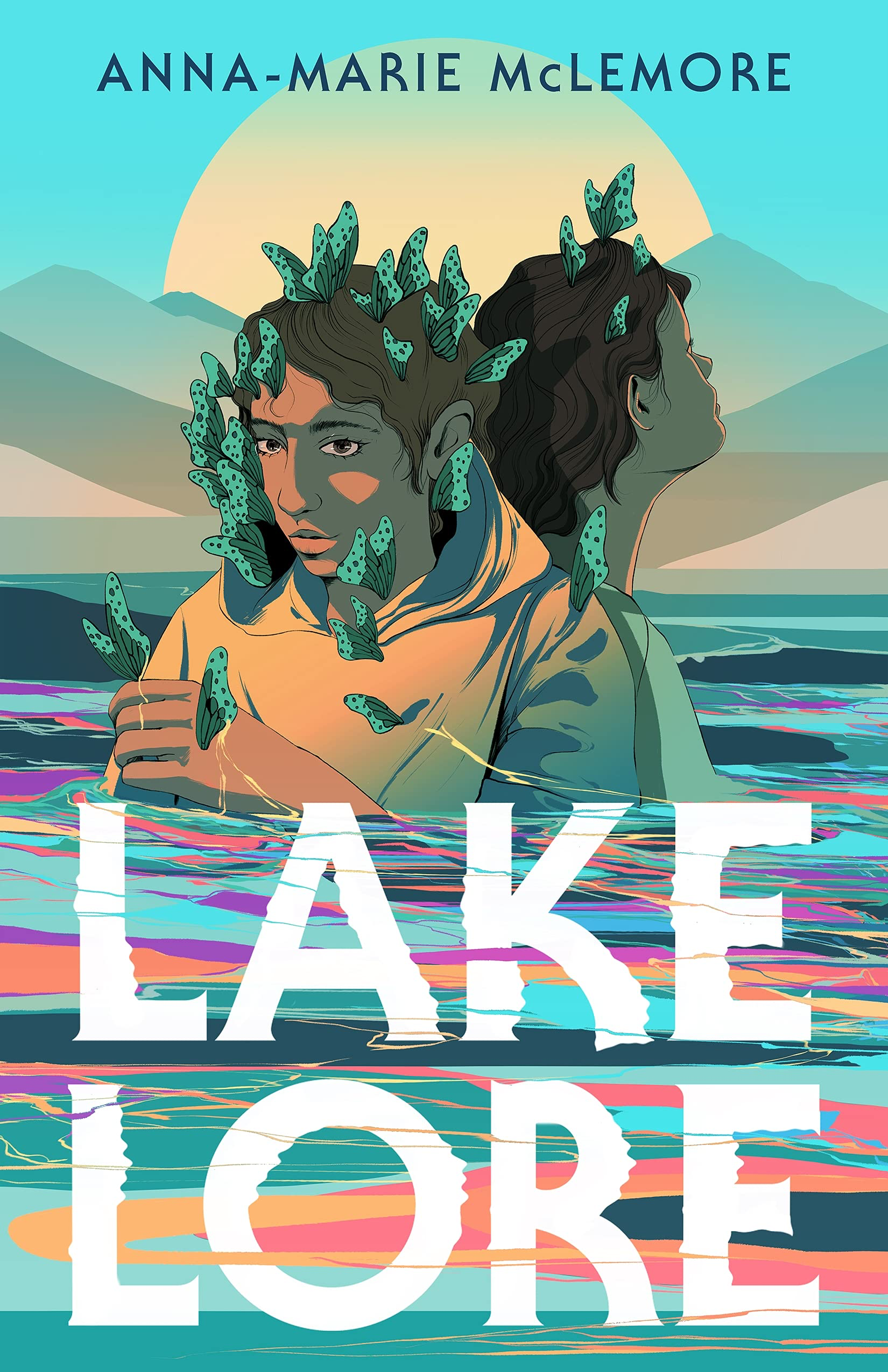
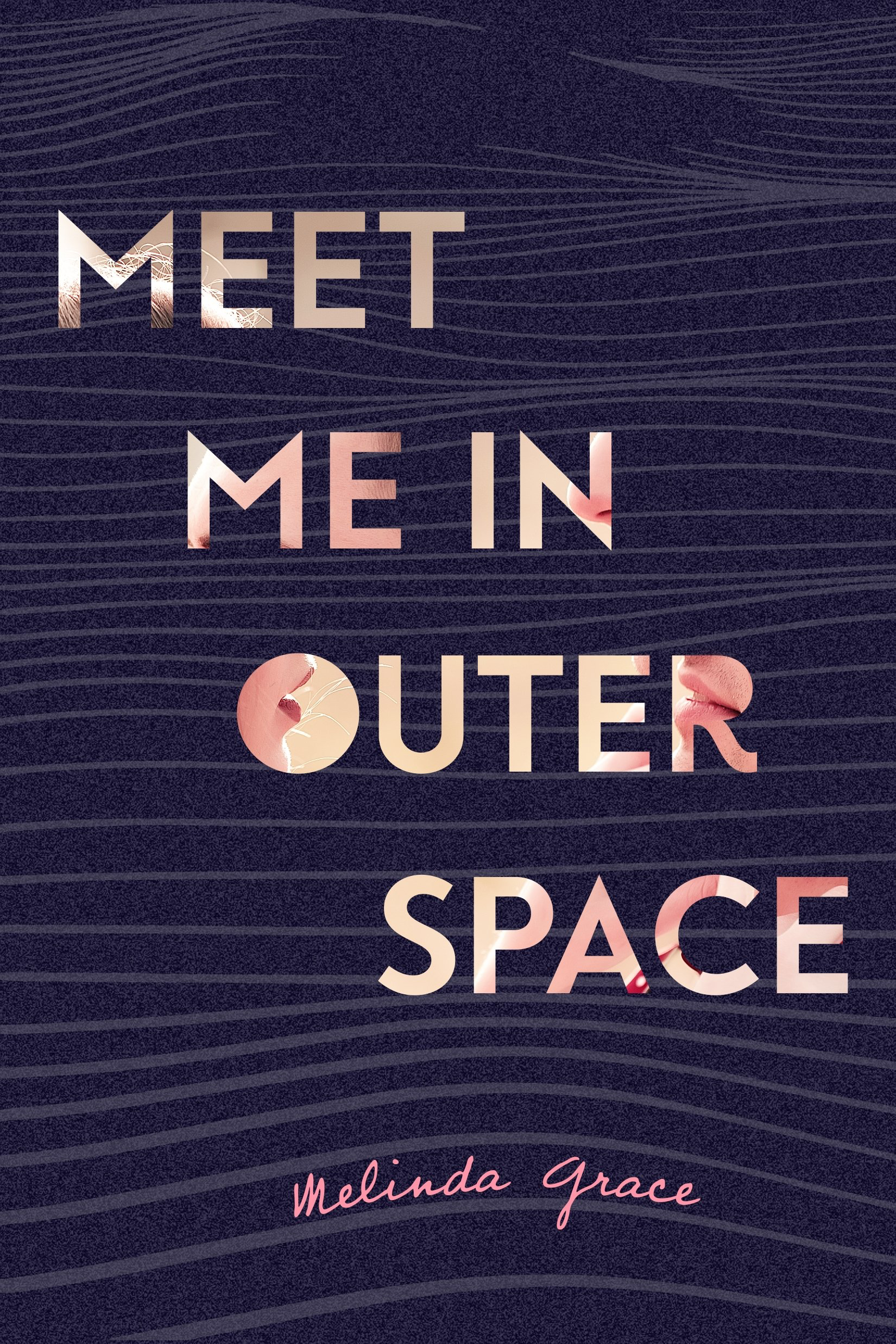
Lakelore is one of the most intersectional pieces of magical realism or fantasy that I’ve ever read—both protagonists are nonbinary, Latinx, and neurodivergent!
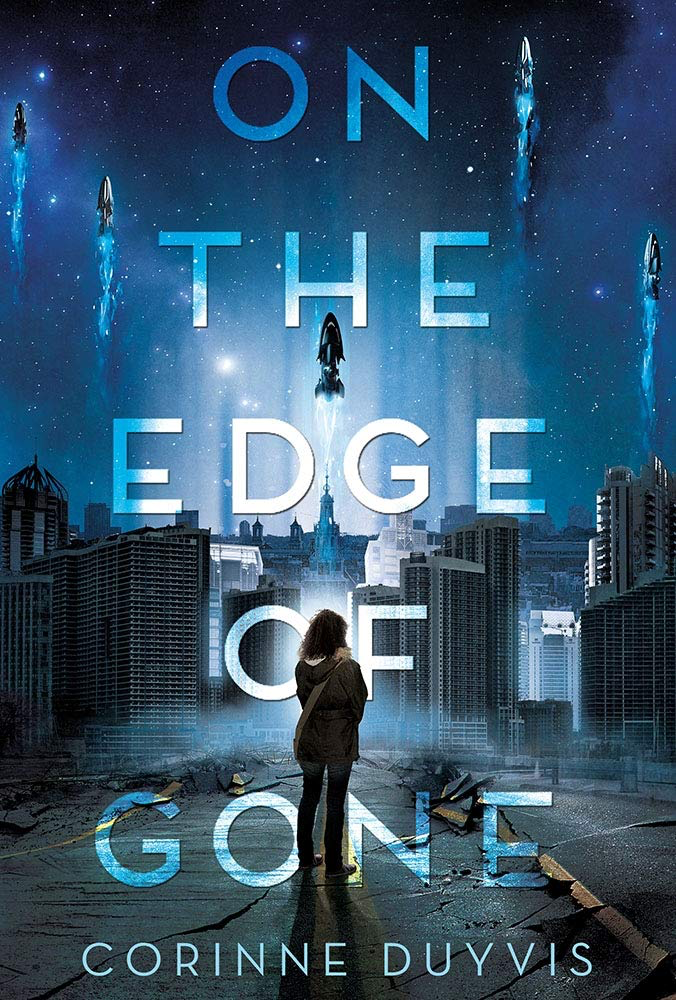
A gripping post-apocalyptic book featuring a determined, Autistic protagonist!
TELL ME WHAT YOU THINK! Have you read any of these books, and if so, what did you think of them? What are your favorite YA books with disability rep? And please, does anybody have any recs for media with good SPD rep? Kinda desperate over here…
(I can only go with my headcanon that Jean Grey from X-Men has SPD for so long, folks, please…)
Today’s song:
I wanna hate Jack White so bad but HE JUST KEEPS PUTTING OUT SONGS LIKE THIS
That’s it for this post! Have a wonderful rest of your day, and take care of yourselves!
Second month of summer? Hotter than I would’ve liked for it to be, but summer is summer. And this July was a good one, so I’m not complaining. (Except for when it’s 80 degrees in my room, even with the fan on and all the windows open…)
GENERAL THOUGHTS:
It’s been a fairly productive July for me, I’d say! I have nearly all of my summer homework done, and I had a lot of time to blog and do the things I like to do.
I got back into Camp NaNoWriMo this month as well! After a little trouble with fixing up my word count goal, I got back on track and reached my goal a few days ago! As far as that WIP goes, I’m nearing 250 pages, and I’m just past 66,000 words! It’s already a lot shorter than my first draft, which is…most certainly a good thing, because my first draft was nearly 600 pages long, and a good portion of it was filler. Guess I’ve learned from that…
This is also the first July that I had any idea that it was disability pride month! I looked around my TBR for some books with disability rep to read (and I’ll continue to look – always on the hunt for good disability rep!), and I’ve found some fantastic books as a result. And as always: AMPLIFY DISABLED VOICES 24/7/365. 💗
Other than that, I’ve just been drawing, watching Loki (AAAAAAAH) and It’s Always Sunny in Philadelphia, going to the movies for the first time in ages, doing a little hiking, and attempting to cool down my room before I go to sleep. Also, after several years and at least 3-4 people begging that I watch it, I finally started watching Gravity Falls! Good stuff so far, I’m only about a quarter of the way through season 1, but I’m liking it, for the most part.
And it’s nearly August now! Leo season…
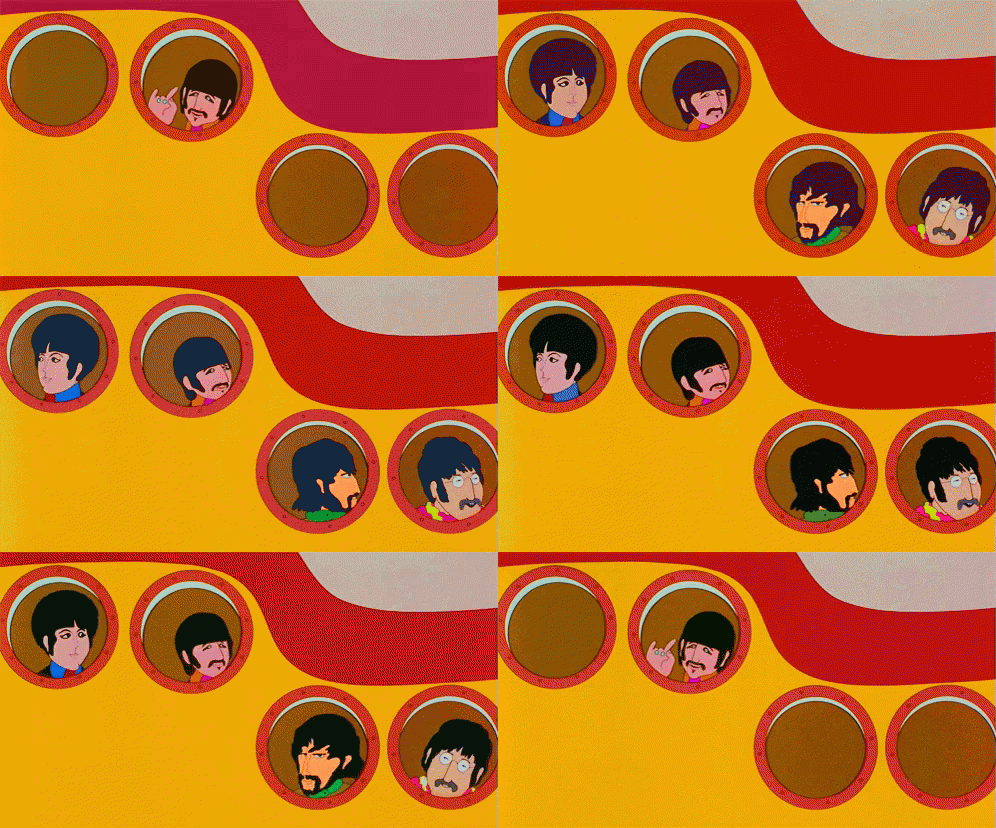
Also, I finally watched Yellow Submarine last night, and I LOVED IT! My eyes kinda hurt, but it was worth it for all the Beatles goodness.
READING AND BLOGGING:
I read 25 books this month! I think July has been my best reading month of the year, but at the cost of the first two DNFs of the year being among the ranks. At least I got to write a rant review about one of them. That was fun.
I also reached 450 followers recently, so thank you all!! 💗
I figured that I should scour my TBR for books for disability pride month (and to read beyond that, of course), and I found this one that I had shelved back in 2019. The cover immediately caught my eye (AAH THE COLOR SCHEME), but I still have mixed feelings about the book itself – not ragingly bad, or anything, but not amazing either.
Jenna has lived her whole life believing that she was born with cerebral palsy, and she’s never let it stop her from doing what she wants to do. But after discovering that her parents hid the fact that her CP was caused by an injury at birth, she’s infuriated with them – and the fact that she hasn’t been able to make her own decisions regarding the surgeries she gets. With the help of her lawyer uncle, she decides to push for medical emancipation.
All the while, Jenna’s childhood crush, Julian, has moved back into town. She reconnects with him over text with an anonymous persona, but will she have the courage to reveal her true self to him?
eh what the heck, I’m putting this here bc a) adequately describes said mixed feelings and b) I can’t think of any gifs to put in
WARNING: this review may contain some minor spoilers, so tread lightly!
This is…complicated. I picked this book up for disability pride month, and while I can’t speak to the representation itself (as I don’t have cerebral palsy), there were good and bad parts of this book, in terms of how disability was represented and the plot itself.
Let’s start off with the good stuff. Jenna as a character was definitely a great protagonist – she’s not perfect, but she’s incredibly determined and a very independent thinker. She’s a little messy at worst, but I really didn’t mind. She had a great personality, for the most part, and her struggle with getting medical emancipation was incredibly eye-opening.
Again, I can’t speak to how accurate the CP rep was, but for the most part, it seemed well researched. The author mentions in a note at the back of the book that she worked with kids with CP, which seems to have informed part of Jenna’s story. A good portion of it seemed to work – there was clearly a lot of research put into the different kinds of mobility aids that Jenna uses and the kinds of surgeries she went through. It also deftly defied the dreaded “cure narrative” – Jenna’s attitude towards her disability was more one of reaching for freedom than seeking to “overcome” it in anyway. It’s not often that we get this kind of story from abled authors, so I appreciated that.
However, I’m still a little miffed by how they represented Jenna’s disabled identity. At a point in the book, she reaches out to someone who went through a surgery that her parents want her to have (part of why she seeks to be medically emancipated). This person responds to Jenna later in the book via email, and explains that she leads a “differently-abled” club at her school; she explains how she prefers that term, even though most of the disabled community doesn’t. (For those of you who don’t know: it’s generally accepted that the majority of the disabled community prefers not to use the term “differently abled,” as the terminology is seen as sugarcoating or patronizing them and their experiences. Some disabled people may use the term, but when referring to the community, it’s good to just stick with “disabled.”)
Now, if this had come from a disabled author, I might have passed it by; as I said, not everybody in the disabled community dislikes the term “differently abled,” but disabled is usually the more accepted term. But since this is coming from an abled author, I’m really not sure how to feel about it; it’s generally abled people that have used started using the term (which is where the discourse comes from), so putting that on disabled people in a book – especially someone who Jenna looks to for advice – doesn’t sit right with me. Additionally, Jenna never explicitly says that she’s disabled; maybe I’m reading into it too much, but it just seems a little strange, coming from an abled writer writing a disabled character. (And on the subject of the club…did everybody in said club actually agree to call it the “differently abled club?” I find that hard to believe…)
this gif comes to mind…
Other than that, there were a lot of hospitalization scenes that felt a little too much like plot devices, and the scene with the rival hockey team (this is where the ableist slurs TW comes in) didn’t need to happen; all it did was give a bit of “I love my girlfriend!” points for Julian (he punches the guy who yells ableist slurs at Jenna), which created some conflict that I felt was completely unnecessary. It’s My Life certainly had a rom-com feel to some of it, so why not just keep it that way? CAN I GET SOME MORE DISABLED BOOKS THAT DON’T CENTER AROUND THE PROTAGONIST GETTING SLURS YELLED AT THEM, PLEASE?
My only other complaints were that some of the high school scenes weren’t super authentic, and I didn’t care a whole lot about the romance, but that’s the most minor of my issues. But overall, mixed feelings on this one – the themes of medical emancipation and Jenna’s character were great, but the disability representation, while I can’t speak to the CP accuracy, had some good intentions and research, but uncomfortable messages surrounding the identity itself. 3 stars.
It’s My Life is a standalone, but Stacie Ramey is also the author of The Sister Pact, The Homecoming, The Secrets We Bury, and Switching Fates.
Today’s song:
That’s it for this week’s Book Review Tuesday! Have a wonderful rest of your day, and take care of yourselves!

















 The Bookish Mutant