Posted in Book Review Tuesday

Book Review Tuesday (2/18/25) – Drown Me with Dreams (Sing Me to Sleep, #2)

Happy Tuesday, bibliophiles!

QUICK ANNOUNCEMENT: because I’m trying to divorce myself from Amazon as much as I can, I’m finally moving over from Goodreads to The Storygraph. From now on, my reviews will be available there @thebookishmutant.

I started the Sing Me to Sleep duology last year, and now that book 2 is out, I figured I would pick it up for Black History Month, but also so I could finally get some resolution! And I sure got a resolution…one that wasn’t as enjoyable as the first book, but nonetheless a twisty, romantic ending to a fantasy duology that balanced fun and social commentary.

Now, tread lightly! This review may contain spoilers for book one, Sing Me to Sleep. For my review of Sing Me to Sleep, click here!

Enjoy this week’s review!
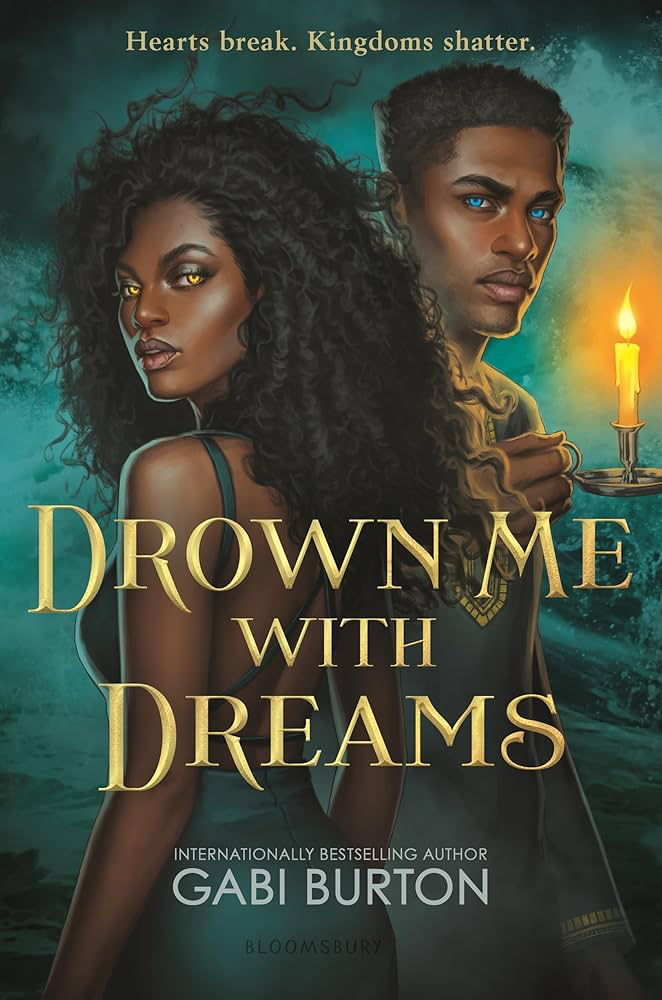
Drown Me with Dreams (Sing Me to Sleep, #2) – Gabi Burton

Saoirse is on the run. Now that her siren identity has been exposed, she must flee to the other side of the wall that divides Keirdre from the rest of the world. Taking sanctuary with the budding Resistance, Saoirse discovers a world full of different species that Keirdre drove out of its kingdom, all waiting for the day that they can take back what is rightfully theirs. But tensions are brewing, and war is imminent. On the other side of the wall, King Hayes, her secret love, awaits, but do his loyalties remain with Saoirse? And will Saoirse be able to fend off the rising tides of war?

TW/CW (from Gabi Burton): murder, graphic violence, discrimination/segregation (fantasy), genocide themes, blood, descriptions of injury, imprisonment

You would think that a book that’s over 400 pages would have plenty of time to work out all of the wrinkles in the plot and the worldbuilding…apparently not. In a perfect world, Drown Me with Dreams would be a great second book in a trilogy, but in this world, it was a duology concluder that tried to do far too much. That doesn’t mean that it was bad by any stretch of the imagination, but it was certainly a step below Sing Me to Sleep.

Oops. I end up stumbling into books with startling relevance to the current climate, and oh my god, am I sick of using that phrase. But. Drown Me with Dreams does an excellent job of expanding on its themes of resistance, racism, and misinformation! Saoirse has now figured out that there’s a wide world beyond the walls of Keirdre that has been obscured by the racist regime in her home kingdom; now that she knows the truth, she’s exposed to a myriad of perspectives and has to do the work herself to deconstruct the lies she’s been fed all of her life. She meets dozens of new mythical species that have been respectively discriminated against by Keirdre, and finds out firsthand how many falsehoods that the ruling powers have upheld for decades. The simultaneous revelations and discomfort of Saoirse discovering the truth is such a wonderful thing for a YA fantasy book like this to explore—in the end, it’s up to us, in our varying experiences in the real world, to discover the truth about how our governments can shape (and mis-shape) the narratives we grow up on. I also love the themes of solidarity present—fantasy or not, I love that the kind of feminism that Drown Me with Dreams champions is the kind that holds celebrating individual experience and solidarity under shared oppressions in equal regard. It’s the kind of unity that I believe will push feminism forward, and it made for a powerful statement in Drown Me with Dreams.

Even though Saoirse and King Hayes were kept apart for the first half of the novel, Drown Me with Dreams had a great resolution to their romance! Was it classic, YA fantasy romance cheese? Yes. Was it good cheese? Absolutely. To paraphrase one of my high school English teachers, there’s a difference between gourmet cheese and “American cheese-food.” I’ve been a YA reader for quite some time now, and there’s a difference between cringeworthy cheese and high-quality cheese. Drown Me with Dreams falls into the latter category, 100%. There’s angsty angry-kissing aplenty, but it’s written believably. If anyone is looking to do slow-burn, enemies-to-lovers romance right, look no further. Saoirse and Hayes weren’t just given enough time to have their romance develop—the stakes of their forbidden love were built up for the whole series, and their chemistry together made for some high quality smoldering. It’s not trying to be enemies-to-lovers in the way that most BookTok fantasy books try and fail to do—Burton’s given us a well-developed romance you can root for, and it made Drown Me with Dreams a standout read in that department.

In my review for Sing Me to Sleep, I mentioned that the book’s main flaw was that it was juggling far too many characters. In that same review, I commended Burton’s ability to craft a rich, layered fantasy world. Both of those aspects collided in Drown Me with Dreams with disappointing results. In Drown Me with Dreams, we finally see the world beyond Keirdre, and it’s full of all of the creatures that Keirdre drove out—dryads, goblins, sprites, you name it. On the surface, I was so excited to see this aspect of the world, but two main issues arose. The first was that we were introduced to a truckload of characters, almost 80% of which had barely anything memorable about them other than the fact that they were from a “new” species. Some of them were slightly consequential, but only just. I had so much trouble keeping track of all of them, which definitely muddied my reading experience. The second problem was that all of this worldbuilding was crammed into a single book—with a kingdom and world this expansive, it needed at least another book to develop fully, which hindered how fleshed out the world ended up being, after all of these promises of it being fascinating and new. (Also, I get the point about racist narratives being made with the goblins, but…what was the reason for making goblins into glorified elves? Why did they need to be conventionally attractive?)

Which brings me to my second major gripe: this series should not have been a duology. Not only are we introduced to a staggering amount of worldbuilding that only amounts to a single book, the same goes for the plot. A full resistance movement, the tensions within said resistance movement, the looming threat of war from multiple sides, and the fallout from said monumental war are crammed into 424 pages…should be enough, right? Most of what I described only happens in the last 2/3rds of the book, and nothing gets nearly the attention it deserves. We get dragged along with a pointless red herring of a love triangle (only for Saoirse to end up with her main romantic interest and for the other guy to just DIE GRUESOMELY? I didn’t really care about the guy, but pour one out for Carrik), and all of the interpersonal conflict rarely lasts, only providing detours on what should’ve been a rich plot on its own. As with the worldbuilding. Drown Me with Dreams should have had at least one more book to expand on everything. It’s a case of Burton biting off far more than she could chew, to unfulfilling results.

All in all, a duology-concluder that didn’t deliver on its epic worldbuilding promises and rushed its climax to a dizzying degree, but delivered on its past themes and promised romance. 3.5 stars!

Drown Me with Dreams is the second and final book in the Sing Me to Sleep duology, which begins with Sing Me to Sleep.

Today’s song:

so uh guess who’s obsessed with the apple tv+ björk concert film

That’s it for this week’s Book Review Tuesday! Have a wonderful rest of your day, and take care of yourselves!

Posted in Book Review Tuesday

Book Review Tuesday (2/13/24) – Sing Me to Sleep

Happy Tuesday, bibliophiles!

I always love stories about mermaids and sirens, so Sing Me to Sleep instantly went on my TBR when it came out last June. Sing Me to Sleep presented a land-bound take on sirens that proved fascinating, and resulted in a tense, seductive YA fantasy!

Enjoy this week’s review!

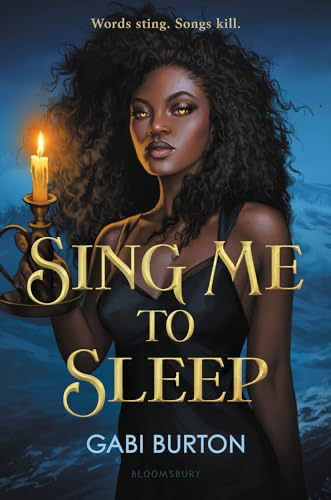
Sing Me to Sleep – Gabi Burton

Saoirse is hiding a deadly secret. She’s a siren, driven by the urge to kill and seduce, which has made her into the perfect assassin. Her talents took her all the way to the good graces of the royal family of Kierdre, but they don’t know of her true identity—and she must hide it at all costs, lest she incur the wrath of their creature-hating king. But working as one of the personal bodyguards to Prince Hayes has its perks, and soon, Saoirse finds herself questioning her loyalties—and drawn towards a prince who would kill her if he discovered her true self.

TW/CW: genocide (past), kidnapping, fantasy violence, murder, poisoning, drowning, stabbing, torture

I’m not going to bog down this review by starting it with another rant about how jaded I am with epic and high fantasy, but I’ll leave it at the fact that this was the reason that my expectations for Sing Me to Sleep were so average. But I ended up blowing through this novel, and I haven’t done that in weeks—it’s just pure fun.

I won’t lie—I was a little disappointed when I realized that Sing Me to Sleep took place primarily on land when they had a siren protagonist. Mermaids and sirens are an instant draw for me, so I was excited to explore some of those magical aspects and how Burton realized them in her fantasy world. However, once I got into the novel, I ended up enjoying how Saoirse’s siren status affected her when she was confined to land, from the call of the sea every time she came near it to being momentarily thrilled by having her head dunked underwater while being tortured for information. Burton’s handling of Saoirse’s hidden thirst for male blood was similarly well-executed; it set a kind of time bomb of sorts whenever she was around her targets, and made the stakes feel tangible and not just an aside thrown in to remind the reader that she’s a siren. The way that Burton utilized these aspects made for a novel with just the right amount of stakes, with tension in all the right places.

Sing Me to Sleep hinged on the twist of Saoirse, trained to seduce and take advantage of men before killing them to satisfy her bloodlust, accidentally falling for Prince Hayes and not knowing what to do with herself. I was banking on it being a little cheesy (this is YA fantasy, after all), but I really appreciated how slow Burton took it with the budding romance! Not only was the forbidden aspect of it enhanced by the aforementioned handling of Saoirse being a siren, Burton didn’t go headfirst into the romance, like so many authors end up doing while trying to pull off enemies-to-lovers. The initial hatred and disdain felt genuine, and Saoirse’s inner conflict when she realized that she was falling for one of her marks was appropriately a shock to her senses. Although I didn’t particularly care for Prince Hayes as a character, Saoirse’s reactions to him felt true to what enemies-to-lovers should be. I’m interested to see how the romance will play out in the sequel…

Again: I’ll spare you my gripes with epic fantasy as a whole, but unlike of much of the fantasy I can remember reading recently, Sing Me to Sleep had the beginnings of some fascinating fantasy worldbuilding! The novel does a great job of establishing all of the different magical races and subsequently detailing the history of discrimination and subjugation amongst them. Burton did have quite a lot on her plate, but for the most part, she juggled it well, making for a world with limits that made sense and enough hints within to make me want to read the sequel just to see how some of the hidden elements get explored. Half the hard part of worldbuilding is making it something that the reader is actually motivated to read once you’ve done all the heavy lifting to create it, and Burton succeeded on that front!

However, while Burton did well with juggling several moving parts in her worldbuilding, I’m not sure if I can say the same for her characters. Although Saoirse was a compelling protagonist with motives that were appropriately fleshed-out, most of the others—of which there were a ton—left a lot to be desired. Besides Hayes, if we got any trace of their personalities, it was left at one character trait (or physical description) to distinguish them, and not much else. Combine that with the expectation that there were dozens of these characters running around that we had to remember to get all of the plot, and it just made for a mess as far as remembering why any of them were important save for their job descriptions. If some of them had been cut out, it would have solved the whole problem—it’s just a case of Burton biting off much more than she could chew, which is entirely understandable for a debut novel.

All in all, an action-packed fantasy full of tension, forbidden love, and bloodlust. 4 stars!

Sing Me to Sleep is Gabi Burton’s debut novel and the first novel in the Sing Me to Sleep duology, concluded by Drown Me with Dreams, which is slated for release this August.

Today’s song:

That’s it for this week’s Book Review Tuesday! Have a wonderful rest of your day, and take care of yourselves!
Posted in Book Review Tuesday

Book Review Tuesday (1/9/24) – Like Thunder (The Desert Magician’s Duology, #2)

Happy Tuesday, bibliophiles!

After I finished Shadow Speaker back in December, I was eager to see what the newly published sequel, Like Thunder, had in store. It was finally available at the library recently, and it was one of my first reads of this year. And though it retained some of the issues that Shadow Speaker had, it was still a worthy sequel and end to the duology.

TREAD LIGHTLY! This review may contain spoilers for book one, Shadow Speaker. If you haven’t read it and intend to, read at your own risk.

For my review of Shadow Speaker, click here!

Enjoy this week’s review!

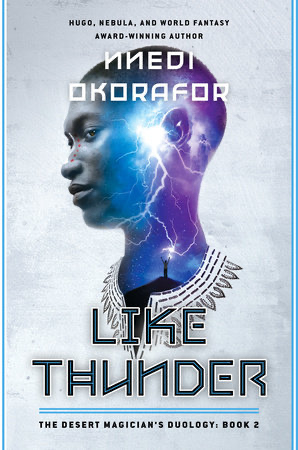
Like Thunder (The Desert Magician’s Duology, #2) – Nnedi Okorafor

2077. Three years after Ejii and Dikéogu saved Earth from the threat of Chief Ette and forced him to sign the truce to bring no harm to the Changed, Dikéogu has realized that the fight is not over. Estranged from his parents and living on his own, he knows that the truce is due to expire, and that the humans are growing more hostile to the Changed by the day. After disaster strikes and puts those that he love in danger, he sets off to find the one person he knows that can help save the day: Ejii. But when they reunite, saving the world—for the second time—is more difficult that either of them bargained for.

TW/CW: genocide, slavery, ableism, murder, death, loss of loved ones

In general, I was still a fan of this book, but strangely, even though a lot of my minor gripes with Shadow Speaker were resolved, they were often filled in with elements that ended up bringing down the narrative. That’s not to say that Like Thunder wasn’t a worthy sequel—it absolutely was, and it was a fitting way to finally end the Desert Magician’s Duology, all these years after Shadow Speaker was initially published.

The worldbuilding was, without a doubt, the strongest aspect of Shadow Speaker, and Like Thunder expanded on it in all the ways that it should have! Through Dikéogu’s eyes, we get to see parts of the Desert Magician world that Shadow Speaker left behind, and they greatly enhanced the ongoing narrative of change and prejudice. Not only do we get an expansion of the effect of what kind of powers possessed by the Changed, we also see the direct effects that being Changed has on people apart from the main characters that we saw in book one. Time was clearly on Nnedi Okorafor’s side here, since she presumably had so many years apart from Shadow Speaker to craft all of the world’s eccentricities, but even if there wasn’t such a large gap between now and then, I have faith that her worlds would have been fleshed out anyway—if there’s one thing that Okorafor has excelled at over the years, it’s crafting a detailed world.

A lot of this worldbuilding contributed to the themes that Like Thunder built up, and it serves as an incredibly powerful narrative about genocide. Now that the three-year treaty between Chief Ette and the Changed has expired, he doesn’t hide the hostility that he’s been waiting to unleash since then. No matter what perspective that it’s written from, genocide is always a difficult and delicate subject to write about, and Okorafor took great care in depicting it unapologetically—it’s brutal, authentic, and horrifying, just as it should have been. In general, I preferred Ejii’s perspective to Dikéogu’s (more on that later), but Dikéogu’s voice was well-suited to handling this kind of subject matter; he had the anger that the subject warrants, and his rage not only fueled his journey, but the emotion behind this depiction.

That being said, I wasn’t the biggest fan of Dikéogu being the main POV character in Like Thunder. Although seeing the effects of the treaty dissolving through his eyes was enlightening and his anger fueled much of the novel (and for good reason), in much of the down time of the novel, I found him to be borderline obnoxious. Most of it manifested in his treatment of a lot of the female characters in the novel—once he reunited with Ejii, he had this attitude that he was still owed her after all these years, and it got on my nerves to no end. I wouldn’t have minded a romantic subplot between the two of them, but Dikéogu’s insistence on being incredibly possessive of her soured the whole thing for me. His perspective was needed to a point, but I felt like he worked better as a side character.

Going off of that, there were a lot of cheap elements in Like Thunder that sullied the narrative for me. When I think of Nnedi Okorafor, I think a lot about subversion—subversion of genre conventions, subversion of tropes, etc. But throughout the novel, there were just so many elements that felt pointless and served no purpose—and were so common that it almost seemed beneath Okorafor to add them in the first place. We get the age-old “killing the main man’s girlfriend for the plot” trope; I think it was meant to convey some of the horrors of the genocide going on, but it was already pretty evident that Dikéogu’s life was significantly changed and he already knew the horrors of genocide firsthand, so there was no point in having that subplot at all, especially since it was blatantly shoved in there to try and advance Dikéogu’s narrative arc. And the love triangle…why? Why? Once we got to that part, combined with Dikéogu’s possessiveness of Ejii, it just felt like filler drama—it didn’t advance the plot at all, and it seemed like a cheap way to generate drama as well. It just seemed like a disservice to Okorafor’s inexhaustible creativity.

All in all, a satisfying conclusion to a solid sci-fi/fantasy duology that excelled in its worldbuilding, but suffered in its use of overused and stale tropes. 3.5 stars!

Like Thunder is the second and final installment in the Desert Magician’s Duology, preceded by Shadow Speaker. Nnedi Okorafor is also the author of Lagoon, the Binti series (Binti, Home, and The Night Masquerade), Noor, Remote Control, and several other books for teens and adults.

Today’s song:

NEW SMILE WOOOOOOOOOOOOOOOO

That’s it for this week’s Book Review Tuesday! Have a wonderful rest of your day, and take care of yourselves!

Posted in Book Review Tuesday

Book Review Tuesday (12/26/23) – The Siren, the Song, and the Spy (The Mermaid, the Witch, and the Sea, #2)

Happy Tuesday, bibliophiles! Also, a belated Merry Christmas and a Happy Kwanzaa to those celebrating!

To my parents: I tried so hard not to finish this in one day. I tried. But it was just too good. Just like how I devoured The Mermaid, the Witch, and the Sea around two and a half years ago, its sequel, The Siren, the Song, and the Spy captured my heart, and added some intricate depth, timely commentary, and no shortage of emotion to Maggie Tokuda-Hall’s fantasy world. Also to my parents: thank you so much for the incredible Christmas present!

WARNING: this review may contain spoilers for The Mermaid, the Witch, and the Sea—tread lightly!

for my review of book 1, click here!

Enjoy this week’s review!

The Siren, the Song, and the Spy (The Mermaid, the Witch, and the Sea, #2) – Maggie Tokuda-Hall

After the Pirate Supreme and their crew wounded the Emperor’s fleet, they have gone into hiding, growing the Resistance that they hope will end the colonial rule that has trapped them for decades. In the ruins of the battle, Genevieve, a loyal daughter of the empire, has washed up on the Red Shore. Now in the company of strangers, she must decide where her loyalties truly lie—and decide for herself if the empire has lied to her all along. Back on the mainland, Alfie is a spy in the Imperial Palace, hoping to tear it down from the inside. But when everyone is hiding false intentions, who can he trust in his quest to see the Resistance win?

Meanwhile, the Sea readies for battle, looking for vengeance after years of the Emperor robbing her of her daughters…

TW/CW: colonialism, genocide, blood, murder, self-harm (ritual), racism, animal death (off-page), ableism

I would have been satisfied if The Mermaid, the Witch, and the Sea was a standalone—it had an ambiguous, hopeful ending, and it’s rare to see novels that willingly keep their worlds in one book after an ending styled like that. Usually, when authors go and make said ambiguous but satisfying endings not so ambiguous by expanding the story and the world, it feels hollow—the sequel doesn’t always live up to the original, and sometimes, it just feels like a cash grab. The Siren, the Song, and the Spy is none of these things. It does what every sequel (and duology-closer) should do—it makes the already beloved characters, world, and plot all the more intricate and vast, but has no trouble sticking the landing and wrapping things up.

I think The Siren has the most POVs I’ve ever seen in a single book; some POVs only appear once or twice, but even still, I can think of at least ten (maybe more, I didn’t go back and count) that this novel cycles through over the course of just 320 pages. Usually, any number of POVs over five or six is too much for any author to handle; some characters don’t get developed the way they should, and some of them don’t need the page time or the internal dialogue that other characters need to make the story move forward. Normally, uneven emphasis on certain characters is also a flaw of multiple-POV novels. However, what Tokuda-Hall succeeded in was knowing when characters needed attention and when they didn’t; some chapters are dedicated to side characters, but they’re few and far between, and often shorter than the main character chapters. And somehow, by a stroke of luck, all of them felt necessary to the narrative—and all of them were compelling. Even minor antagonists got their time in the spotlight, but Tokuda-Hall used those moments to her advantage—sometimes, these chapters were more to reveal secrets than to peer inside characters’ heads. It’s a skill that very few authors have, but The Siren proved that Maggie Tokuda-Hall is incredibly adept at the art of the multiple-POV novel.

With Evelyn and Florian mostly out of the picture, The Siren develops many of the side characters present in The Mermaid—many of whom got necessary backstories, and often, something of a redemption arc. I didn’t expect to start rooting for Alfie after everything that he did in The Mermaid, but Tokuda-Hall did an excellent job of making him come to realize the error in his ways, and at least partially put him on the path to improvement. I don’t fully believe that he can ever be fully forgiven, and Tokuda-Hall acknowledges that, but what she’s also very skilled at is created complicated characters—”morally gray,” as much as it’s become a buzzword in both book communities and publishing these days, really is the best word for it. The difference is that Tokuda-Hall actually seems to know what the term really means. Introducing a batch of new characters (and not taking the easy route and killing a bunch of them off) was also a tricky task to surmount for Siren, but both the new characters and locations elevated the novel a ton; Koa and Kaia worked incredibly off of each other as siblings with wildly different personalities, and they meshed easily with some of the already established characters like Genevieve. And as with Mermaid, Siren is full of diversity—most of the new characters are people of color (as are most of the characters in the novel), and we also have Kaia, who has one hand, and a character who uses neopronouns.

Speaking of Genevieve…

I was already excited to see what Genevieve would do next after how Mermaid left off, but that was mostly because of how cunning of a character she was. At first, it didn’t seem necessary to me for her to have a redemption arc—she could have been such a sneaky minor villain, and I would’ve enjoyed seeing that develop. But her character arc was so much more than redemption—it was one of the most well-written case studies in colonial brainwashing and subsequent decolonization that I’ve read in years. What with her POV jumping back and forth between the past and the present, you can see exactly the kind of manipulation that went into her being duped into believing in Lady Ayer and the Emperor, betraying her own identity in the process. Her change of heart wasn’t straightforward either—it was plenty messy, and it wasn’t until she actually witnessed a full-on genocide that she realized what the empire was actually doing all along, but the messiness in the middle was what made her arc so memorable. Decolonizing one’s identity is anything but straightforward, and Genevieve’s journey of restructuring her beliefs and identity was rocky—as it should have been. Genevieve alone should be proof of Maggie Tokuda-Hall’s incredible skill in crafting authentic, messy characters.

On the subject of colonization and decolonization, I also appreciate the realistic—and unrelentingly anti-colonial—approach that Tokuda-Hall took to bringing down the empire. The stakes built up over both books made them feel like a real threat, and not just a hollow “evil empire” that’s only evil because the author takes great pains to tell you so. (Basing this empire off of multiple real-life examples of colonialism probably helped, but my point still stands.) The initial takedown was was incredibly emotional, and appropriately incorporated the awesome forces of the Sea. But after that final battle, what stuck out to me the most was the epilogue; it was very brief and appropriately hopeful, but what it emphasized was so important to understanding the process of decolonization—it’s messy. Even several years after the fact, everything isn’t magically fixed—things take time to rebuild, and not everybody instantly changes their minds. In such a short amount of time, Tokuda-Hall managed to portray an essential reality of colonialism that most sci-fi and fantasy narratives miss: change isn’t instantaneous, and the limbo between changes in power is a long, messy process.

All in all, a worthy sequel that proves Maggie Tokuda-Hall’s many, incredible special talents as an author—juggling dozens of POVs with ease, writing flawed characters with complicated arcs, and giving both colonialism and decolonization with the nuance that’s often missing from fantasy and sci-fi portrayals of the subject. 4.5 stars!

The Siren, the Song, and the Spy is the sequel to The Mermaid, the Witch, and the Sea, and is the end of the duology. Maggie Tokuda-Hall is also the author of several picture books and graphic novels, including Also an Octopus, Love in the Library, Squad, and the forthcoming The Worst Ronin.

Today’s song:

That’s it for this week’s Book Review Tuesday! Have a wonderful rest of your day, and take care of yourselves!

Posted in Book Review Tuesday

Book Review Tuesday (8/15/23) – Nightbirds

Happy Tuesday, bibliophiles!

I’ve seen this novel around a fair bit ever since it came out, both in the blogosphere and from our queen Amie Kaufman, who co-hosted the podcast Pub Dates with Kate J. Armstrong. It seemed like a more unique YA fantasy concept, and the 20’s-inspired setting intrigued me, and…okay, who wasn’t looking at that gorgeous cover? Now that I’ve read it, I can say that I enjoyed it, but I came away with mixed feelings—Nightbirds was a well-crafted fantasy in terms of worldbuilding, but its characters and general fence-sitting about what it wanted to say slightly put me off.

Enjoy this week’s review!

Nightbirds (Nightbirds, #1) – Kate J. Armstrong

In Simta, no one is more sought after than the Nightbirds. Long ago, these girls from the Great Houses were bestowed with the magic of witches, and with a kiss, they can grant that power to anyone who wishes to wield it. Matilde, Sayer, and Æsa are this season’s Nightbirds, but they have already learned that they will only ever be seen and treated as disposable. Yearning for something more to life, they stumble upon an underground networks of witches—witches whose powers come fro outside of the Great Houses, and are hidden from sight from the government. With the knowledge that their power will not be suppressed, the three Nightbirds set out to make things right.

TW/CW: misogyny, fantasy violence, murder, death, past mentions of torture, near-death situations

I came to this book mainly from the word of Amie Kaufman, who also happened to release a 1920’s-inspired YA fantasy this year. And while I did enjoy Nightbirds as a whole, the more I thought about it, the more drawbacks I found. If you’re torn between the two, stick with The Isles of the Gods.

Let’s start with the best part of the novel, though: the worldbuilding at the atmosphere! The Jazz Age inspiration was heavy, but it was executed incredibly; the worldbuilding, from the hidden magic to the forces trying to suppress it, was impeccably-crafted, with not a single stone unturned in terms of the intricacies of Simta and Armstrong’s world as a whole. It was a world that felt genuinely fun to be in—there was so much to explore along with the three main characters, and I enjoyed every minute of it.

All that wouldn’t have been possible with Armstrong’s atmospheric writing. There were other markers about Nightbirds that signaled it as a debut novel (more on that later), but for a first novel, the writing in this novel was fantastic! It’s the kind of writing that doesn’t just immerse you in the world, but dunks you headfirst into it with its vivid, vibrant imagery. Armstrong’s writing was so clear that I could visualize the world of Nightbirds almost cinematically, every scene played out like it already had a screen adaptation. The steady pacing added to that effect as well—it had a great balance of political intrigue, action, and down time to keep me intrigued for most of the novel.

However, the multiple POVs were an issue for me for most of the novel. The worst crimes that a multi-POV book can commit is not marking which POV the chapter is from, and switching POVs without warning in the middle of a chapter. Nightbirds was guilty of both. With these kinds of books, it’s often a struggle to pick out one character’s voice from another, but the third-person POV remedied that slightly. Even so, it was maddening trying to feel my way through the chapter and remember whose POV was being focused on. And speaking of the characters, they were in some serious need of being fleshed-out. Other than Matilde, whose personality was being entitled and stubborn, I could barely get a read on both Sayer and Æsa beyond what the synopsis said about them. Aside from Matilde, they had hardly any distinctive features, personalities, or traits, which made the whole multiple-POV mess all the more maddening. All of it could have been prevented with some chapter headers and giving the characters more life—it really wouldn’t have been all that hard of a fix.

And for a book that was advertised as being a feminist fantasy, Nightbirds really didn’t seem to know what it wanted to say. For a plot centered around an archaic system built on exploiting teenage girls, you would think that there would at least be some commentary on it. All we really got was a hollow, vague sense of taking back power, but there was no real call to action to do just that; aside from the revelation of the underground network of witches whose magic hasn’t been suppressed by the fantasy patriarchy, there’s hardly any real questioning of the system or realizing that there is a way to reform it and break away from it entirely. It’s like the book equivalent of thinking that you’re a feminist just because you post some instagram infographics on your story every once in a while and do nothing else. It’s saying “smash the patriarchy!” and then sitting comfortably and doing nothing. That’s basically what Matilde’s “character arc” ended up being, honestly. I know there’s probably better words to describe it, but the one that comes to mind is just…white woman-y. I guess I missed the queer rep (WHERE??? I saw no indication of any queerness 😭), but except for that and the conveniently described token side character of color, there was no hint of intersectionality. And no, I’m not saying that every book has to have an impeccably diverse cast, but for a book that billed itself as feminist and supposedly centered around tearing down oppressive systems, I feel like intersectionality should be taken far more into consideration. Nightbirds just came off as more white feminism than actual feminism.

All in all, a fantasy debut with stunning worldbuilding, but that was dragged down by its lack of fleshed-out characters and hardly any hint of the feminist messaging that it advertised. 3.5 stars.

Nightbirds is the first in the Nightbirds duology, which continues with the forthcoming sequel Fyrebirds. Nightbirds is Kate J. Armstrong’s debut novel.

Today’s song:

this is just such a GROOVE

That’s it for this week’s Book Review Tuesday! Have a wonderful rest of your day, and take care of yourselves!
Posted in Book Tags

The Trope Book Tag

Happy Thursday, bibliophiles! Hope you’re all doing well this week.

Before I begin—I don’t have any plans for a bookstagram, but I did just make an art account on Instagram, so if you’d like to see my art more regularly, here you are!

Riddhi @ Whispering Stories tagged me in this one a little while back (sorry for only getting to it now lol, just going through a bunch of tags), and I figured it would be a good day to finally do it! The tag was originally created by Ash @ inkwordsandash, and it sounds like a ton of fun!

Rules:

-mention the creator of the tag and pingback to the original post (Ash @inkwordsandash)
-tag 3+ people
-lastly, enjoy!!

Let’s begin, shall we?

📚THE TROPE BOOK TAG📚

ENEMIES TO LOVERS: a book you formerly hated/disliked but now love!

…I’m with Riddhi here, I’m not sure if there’s any book that I can think of that would fit this prompt. I rarely give books I don’t like a second chance…

SECOND CHANCE: a book you previously DNF’d but now adore!

Again, I rarely go back and give my DNFs a second chance—in my book (no pun intended), a book has to be pretty offensive for me to DNF it entirely, so if it gets to that point, the chances of me going back and re-reading it are pretty much zero.

LOVE TRIANGLE: a duology where you love both of the books

Yay! I can finally answer a prompt!

I just finished Alexandra Christo’s incredibly fun Into the Crooked Place duology (Into the Crooked Place and City of Spells) about a month ago. Each book was just as strong as the other, and I loved the unique and unlikely cast of characters.

FRIENDS TO LOVERS: a book recommended to you that you enjoyed

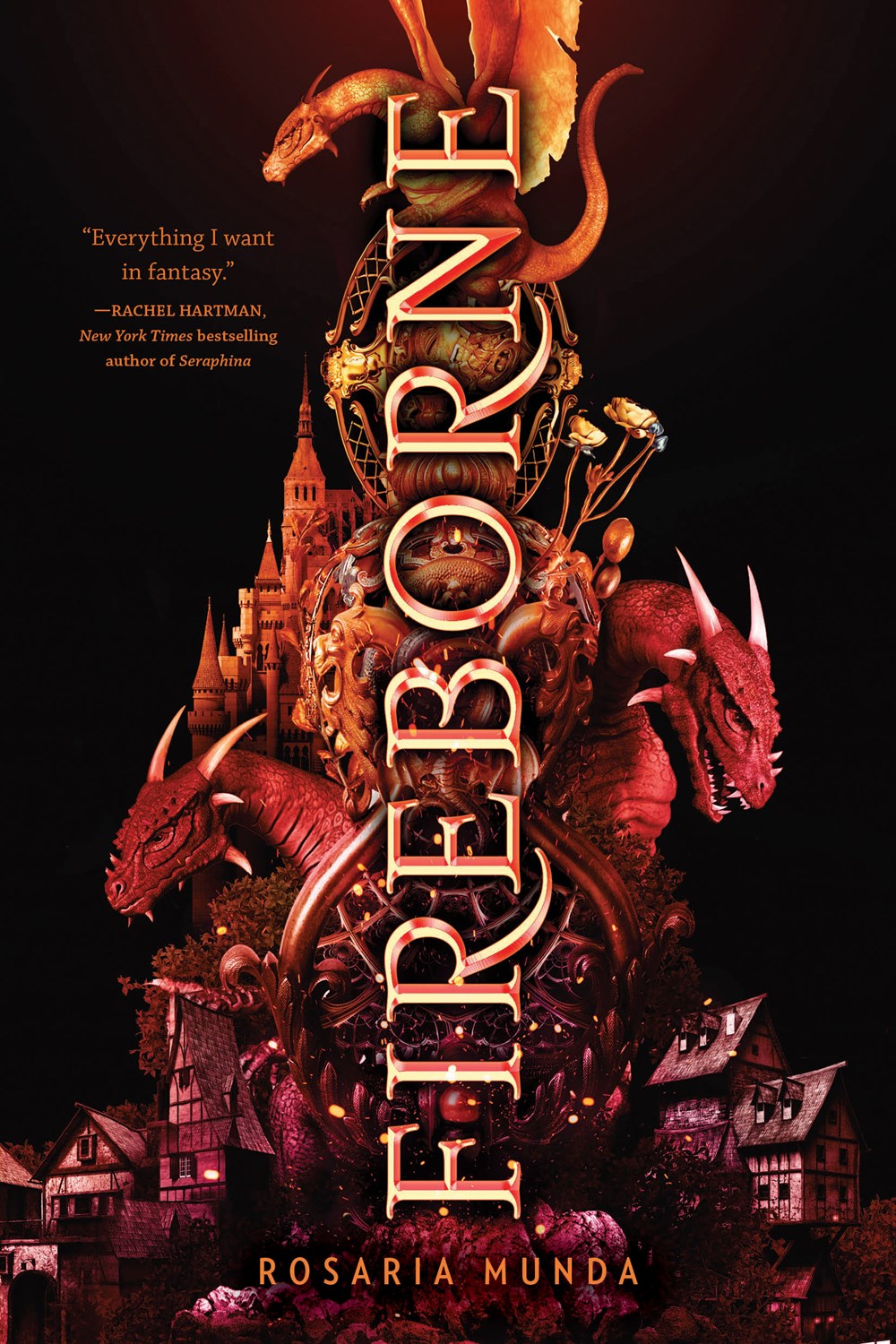
One of my best friends introduced me to Fireborne, and now I’m hooked on the series! I really need to get around to reading Furysong soon…

INSTA-LOVE: a book you knew you would love at first sight

I knew nothing about Across a Field of Starlight when I stumbled upon it in Barnes & Noble recently, but the cover and the promise of unapologetic queerness in space was enough to convince me—and it delivered in all of those aspects!

THE CHOSEN ONE: your all time favorite (of the year/month/[x] genre)

We’re not even halfway through January at this point, but so far, The Sirens of Mars has been my favorite book of the month! It’s a beautiful glimpse into the history of how our species has viewed, studied, and mythologized Mars, and it boasts some incredible writing.

FORBIDDEN LOVE: a loved book that you don’t talk about often

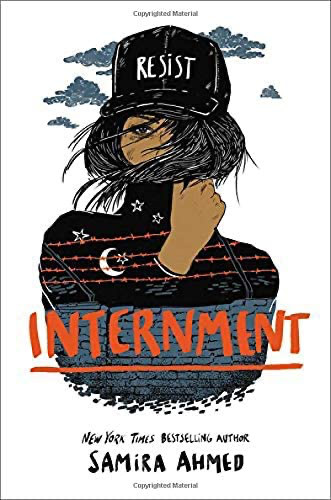
I feel like I talk about Samira Ahmed a fair amount on this blog, but Internment deserves all of the hype it’s received over the years; it’s a chilling reminder of where hate can lead a country and its people.

SECRET BILLIONAIRE: a book you read and enjoyed before you knew it was popular

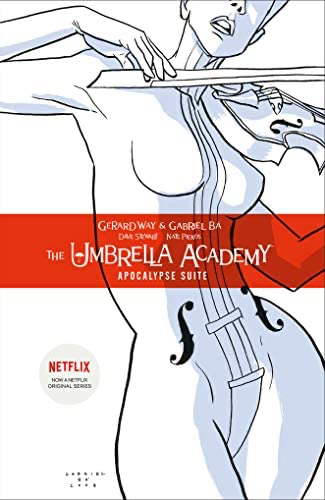
I suppose The Umbrella Academy fits this prompt—I read it a few months before the show came out on Netflix, and while the comic is better, in my opinion, I’m glad that the show has helped it reach a wider audience!

FOUND FAMILY: your most cherished books!

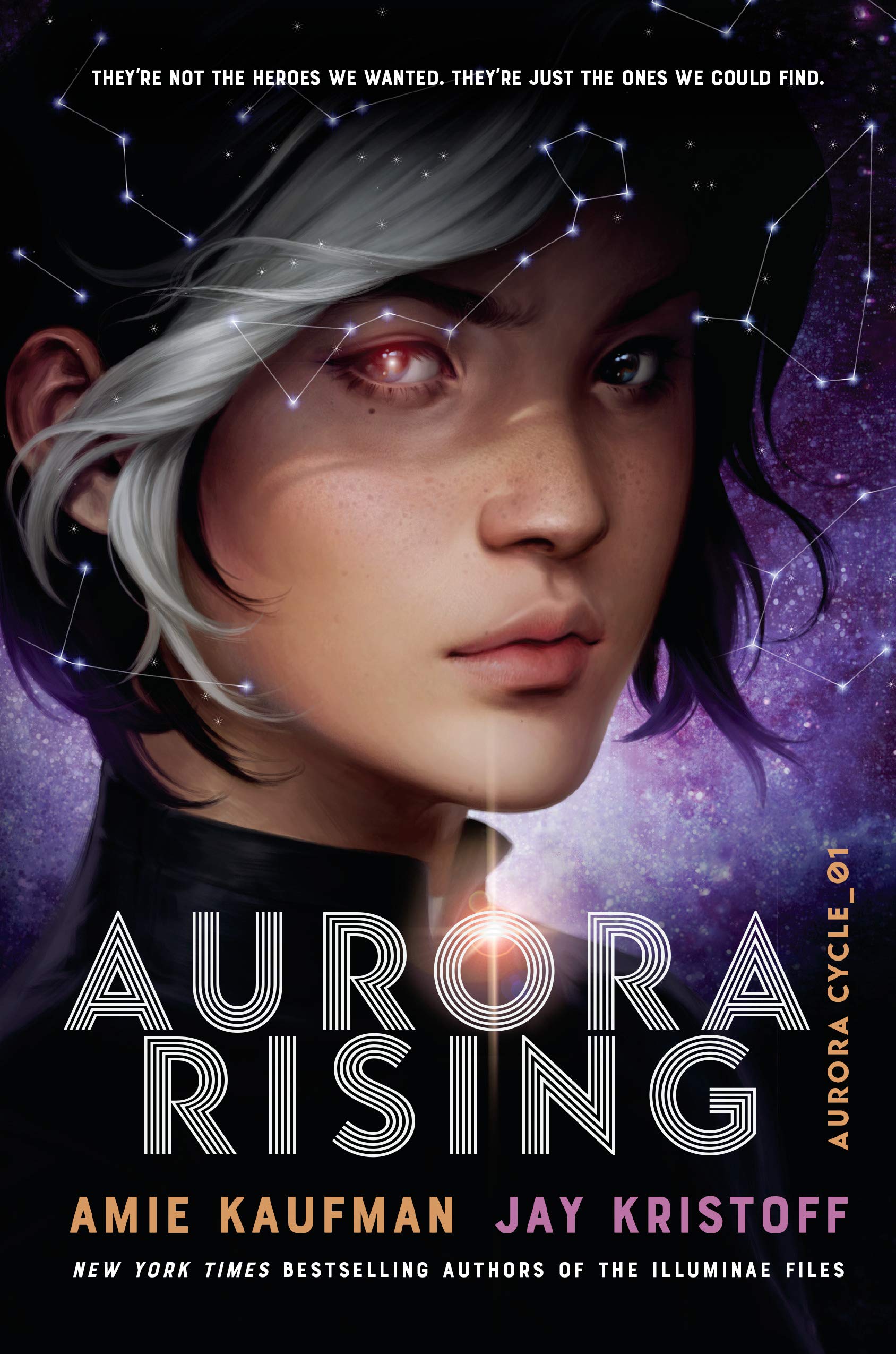
I’m fully aware of how much I sound like a broken record at this point, but here are my top 3, again: Frankenstein, Aurora Rising, and Heart of Iron!

FORCED PROXIMITY: a required reading book that you read and enjoyed

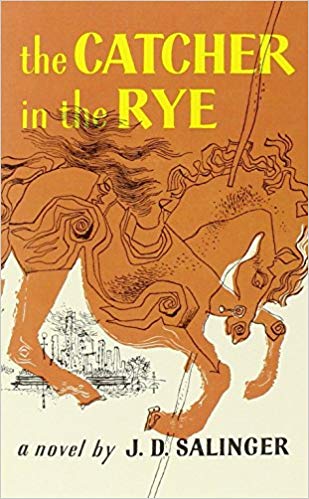
I’ve generally ended up at least liking most of the books I’ve had to read since high school, but The Catcher in the Rye is one of the few that got the full 5 stars from me.

I TAG:

Today’s song:

at this point, I’m convinced that Gorillaz is physically incapable of making a bad song

That’s it for this book tag! Have a wonderful rest of your day, and take care of yourselves!
Posted in Books

Series I Need to Finish Soon (Somebody remind me…)

Happy Thursday, bibliophiles, and for those of you in the U.S., Happy Thanksgiving! I’m thankful for all of your support, and I’m so thankful to have such a welcoming community here. 💗

I think this was a topic for Top Ten Tuesday a few weeks back, but I don’t usually do those since I do my book reviews that day. But it reminded me of a problem I often have—really enjoying a book, then never getting around to finishing the rest of the series. Too often, the sequel(s) immediately go on my TBR, and then…just disappear into oblivion and stay there for a few years. So this post is to call attention to some fun series—trilogies and duologies alike—that I need to finish, and a reminder for myself to finish said series.

Let’s begin, shall we?

SERIES I NEED TO FINISH SOON

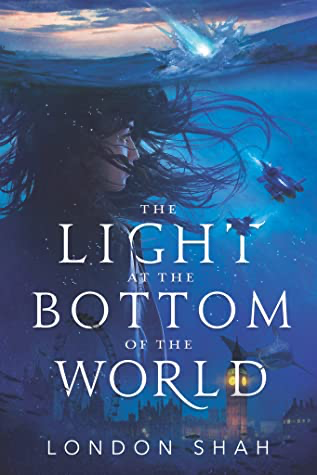
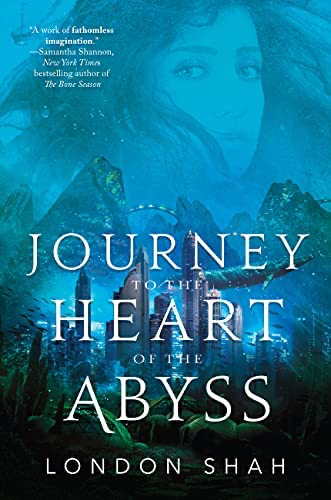
Light the Abyss – London Shah

I had so much fun with London Shah’s unique take on dystopia, The Light at the Bottom of the World, so I was eager to read the sequel! Book 2 came out last year, and the sad part is that I regularly saw it at my local library and never got around to picking it up. Someday…

For my review of The Light at the Bottom of the World, click here!

Into the Crooked Place – Alexandra Christo

A lot of people didn’t seem to be as much of a fan of Into the Crooked Place as I was; I understand the sentiment that it was too similar to Six of Crows (Wes certainly was…), but I think it had a really inventive and twisty take on the YA heist fantasy genre. City of Spells came out last year, and it’s been sitting on my Libby wishlist for far too long…

For my review of Into the Crooked Place, click here!

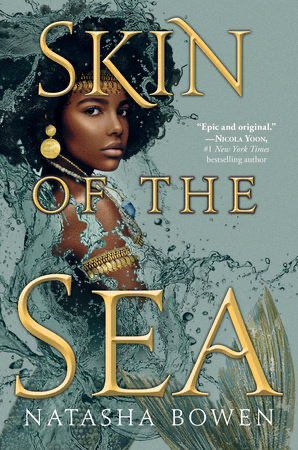
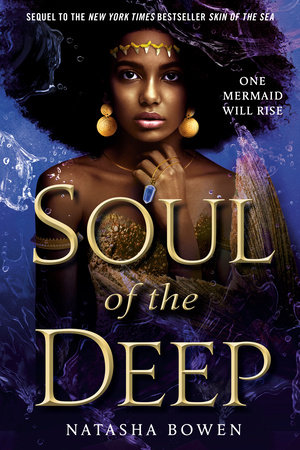
Skin of the Sea – Natasha Bowen

I sort of have an excuse for having not finished this series yet, since Soul of the Deep only came out about two months ago, but I can’t wait to finish Natasha Bowen’s incredible mermaid duology!

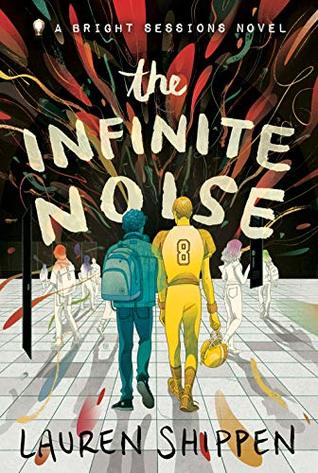
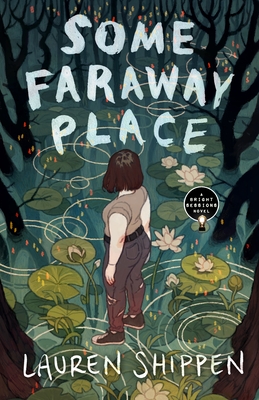
The Bright Sessions – Lauren Shippen

I haven’t even listened to the podcast that these books were based on (although I’ve heard it described as “X-Men if they got therapy,” so you’ve sold me there), but I’ve had so much fun exploring Lauren Shippen’s tender, superpowered world. Some Faraway Place came out last year, and I’ve been meaning to put it on hold for so long…

For my mini review of The Infinite Noise, click here!

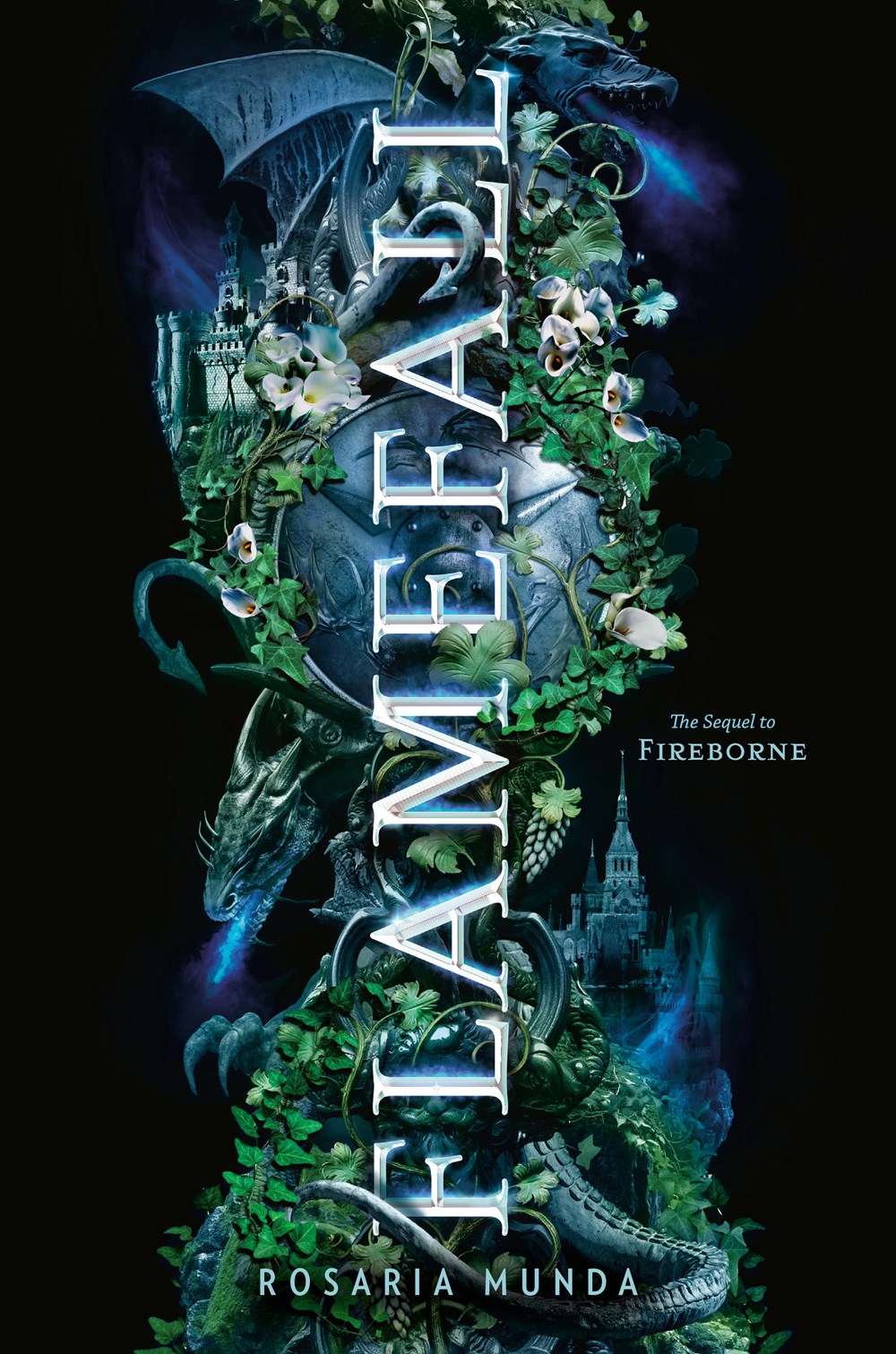
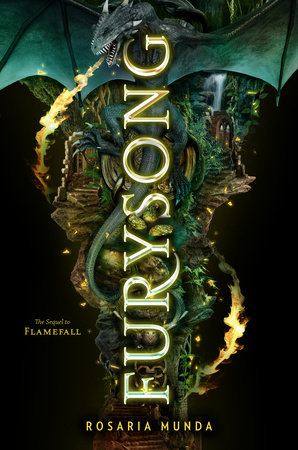
The Aurelian Cycle – Rosaria Munda

One of my best friends got me hooked on these fantastic books, and they’re proof that fantasy writers just don’t do nearly as much as they should with dragons. DRAGONS!!! (Also a protagonist that I imagine looking like a fantasy Black Widow…love Annie) Furysong came out this August, and I’m patiently waiting for it to be available on Libby…

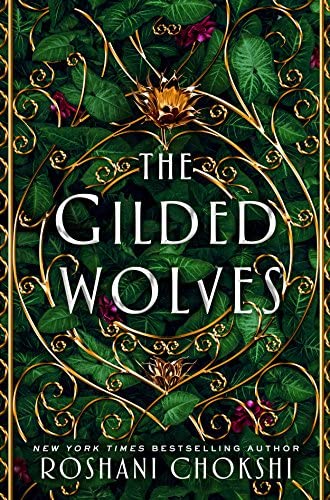
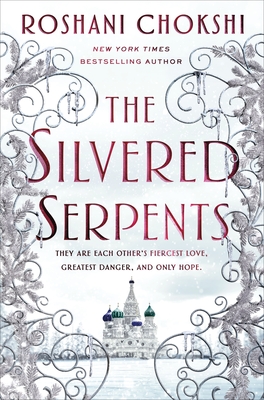
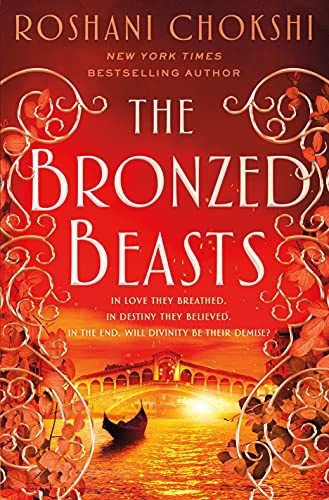
The Gilded Wolves – Roshani Chokshi

Another incredibly inventive and twisty heist fantasy, The Silvered Serpents left me on a devastating cliffhanger, and now that The Bronzed Beasts is out, I might be able to get some closure at last…

Tell me what you think! What are some series that you want to finish, but haven’t? Are the sequels I’ve listed worth the hype? Let me know in the comments!

Today’s song:

I need to listen to this album, don’t I

That’s it for this bookish post! Have a wonderful Thanksgiving, and take care of yourselves!
Posted in Book Review Tuesday, Books

Book Review Tuesday (8/4/20)–Into the Crooked Place

Happy Tuesday, bibliophiles!

I know I’ve been focusing a lot of my reviews and memes on fantasy in the past few weeks, but I promise that I’ll put in some sci-fi and other genres soon(ish). But the novel I’m reviewing today is vastly underrated, so I thought I’d spread the word.

I was browsing Edelweiss for eARCs to request the other day, and I stumbled upon a new book by Alexandra Christo. I’d liked To Kill a Kingdom before, and I figured that I’d give her another try. As it turns out, the book that I found was a sequel, and that book 1, Into the Crooked Place, was available at my library. To my surprise, I liked it even more than TKaK–a thrilling fantasy with a lovable cast of characters!

Enjoy this week’s review!

Into the Crooked Place by Alexandra Christo

Into the Crooked Place–Alexandra Christo

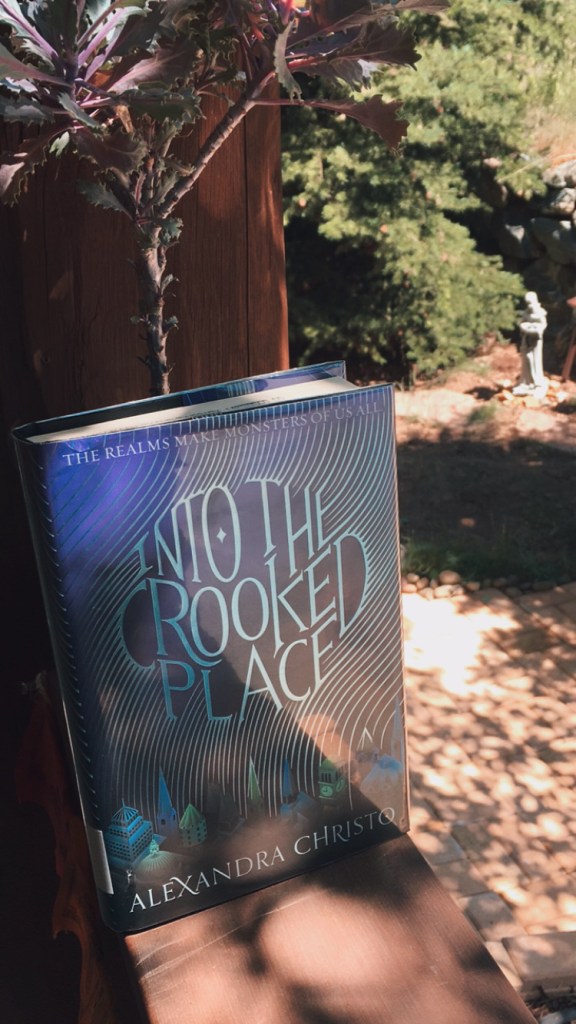
My library copy feat. the kale plant on our front porch

In a city as filled with crime as it is with magic, four unlikely criminals must join forces to halt an unstoppable evil.

Tavia makes a living as a busker, hawking magic to whoever wants it. Wesley is a feared crime lord, and the right-hand man of a gangster who has the city of Creije tightly clenched in his fist. Saxony is an undercover agent of the resistance, working to take down the crime empire that rules over her city. Karam watches over the worst of the worst, while building her reputation as a formidable fighter.

The four are drawn together after Tavia makes a critical mistake, and a vial of dark magic falls in the wrong hands. What seems like one misstep soon turns into a web of conspiracy and the threat of a magical war.

ShitpostBot 5000
-Tavia, probably

For such a low rating on Goodreads (3.43), I enjoyed nearly every page of Into the Crooked Place! At this point, comparing it to To Kill a Kingdom is like comparing apples and oranges–they’re both fantasies, but they’re very different novels. Either way, I enjoyed this one even more. Boasting a cast of characters with impeccable chemistry, magic, political intrigue, LGBTQ+ representation, and no shortage of witty banter, this novel is a must-read.

Into the Crooked Place is definitely a very character-driven novel, which worked well for the plot. Save for Wesley, who…okay, not gonna lie, was evident that Christo was trying far too hard to make Kaz Brekker 2: Electric Boogaloo, I adored all of the main characters. Tavia had no shortage of hilarious lines and antics, and I loved watching her character develop. Saxony was wonderful as well, but I think Karam is my favorite of the four. She reminded me a lot of a girl version of Kal from Aurora Rising, and she just warmed my heart. She and Saxony had the sweetest relationship, and they’re just [happiness noises] SO CUTE TOGETHER. So props to Christo for not only having a casual wlw relationship, but making it ADORABLE.

Must Be Protected At All Costs Bricky GIF ...

They all had wonderful chemistry, and it made for a wonderful execution of the found family trope.

Like I said, it’s definitely a more character-driven novel. Though the plot was a little bit weak, it almost fully made up for it in the explorations of the individual characters. Want to get to know them? Just put them all in a near-death experience and throw them on a train and see what happens. A good third of the book occurs in a single train car, and Christo managed to make me enjoy every second of it.

The world-building left a little to be desired, but what it lacked in structure, it made up for with the individual, original elements. All the little quirks of the magic system made for an interesting read, especially…BATS. I LOVED THE LITTLE MESSENGER BATS! What can go wrong with that?

Flying Bats GIFs - Get the best GIF on GIPHY

Overall, an exciting and character-driven fantasy that wasn’t without its flaws, but a fun ride all the way. 4 stars!

Bat GIFs - Get the best GIF on GIPHY

Into the Crooked Place is the first in a duology, ending with City of Spells, which comes out next March.

Today’s song:

That’s it for this week’s Book Review Tuesday! Have a wonderful rest of your day, and take care of yourselves!