Posted in Sunday Songs

Sunday Songs: 6/28/26

Happy Sunday, bibliophiles! I hope this week has treated you well.

This week: sort of doing a 180 on Let’s Dance, and reverting to my high school self via Stranger in the Alps.

Enjoy this week’s songs!

SUNDAY SONGS: 6/28/26

“Virginia Plain” – Roxy Music

Seeing old photos of Roxy Music always cracks me up…5/6 of them look goofy as hell in all that leather and animal print, and then there’s Brian Eno over here casually serving enough looks to feed a family of four. Good god, I don’t think anybody’s gotten that closet to valiantly fighting male-pattern baldness and winning. The receding hairline fought hard, but damn if Brian Eno wasn’t fighting just as hard.
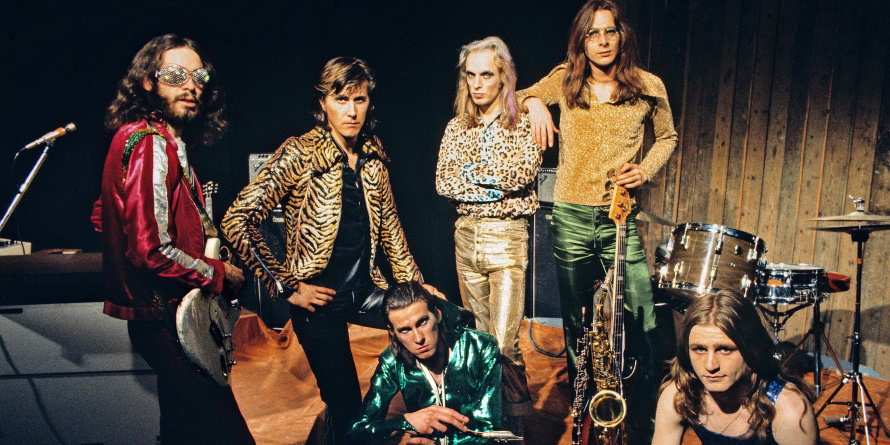
Okay, maybe I should go easier on the other members of the band, because “Virginia Plain” reminds me of why I love early ’70s glam rock so dearly. This song is just immaculate. It’s at that perfect, Ziggy-era moment in time right before glam fully broke into the mainstream. It’s all swagger, sheen, and pure skill—it’s a blast, but this song feels chiseled and streamlined to a meticulous level. Most of the Roxy Music songs I’ve heard instantly recall The Rocky Horror Picture Show to me, and Bryan Ferry’s seductive vocals feel so proto-Frank-N-Furter—I’d be surprised if Tim Curry didn’t take a few cues from him for his performance; the lyrics are classic glam as well (“You’re so sheer/You’re so chic/Teenage rebel of the week”). Phil Manzanera’s acrobatic guitar work soars, but it effortlessly shape-shifts from classic, guitar-based rock to electronic freakouts in mere seconds, leaving the space between the two eerily natural. I can’t imagine being alive in the ’70s and hearing Brian Eno’s space-age keyboards get unleashed in “Virginia Plain”—it would’ve cracked my mind in two, for sure. Some old British guy in 1972 definitely had a heart attack watching this. But to me, “Virginia Plain” embodies the best of glam rock: a sound that was meant to send a shock to the system, but pushed boundaries creatively as well as socially. It’s all shiny, leather boots and smudged eyeshadow, full to the brim with hard-earned confidence.

…AND A BOOK TO GO WITH IT:
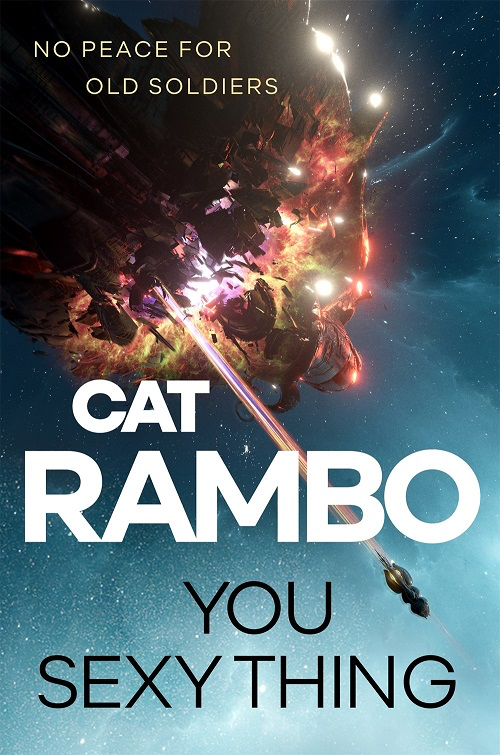
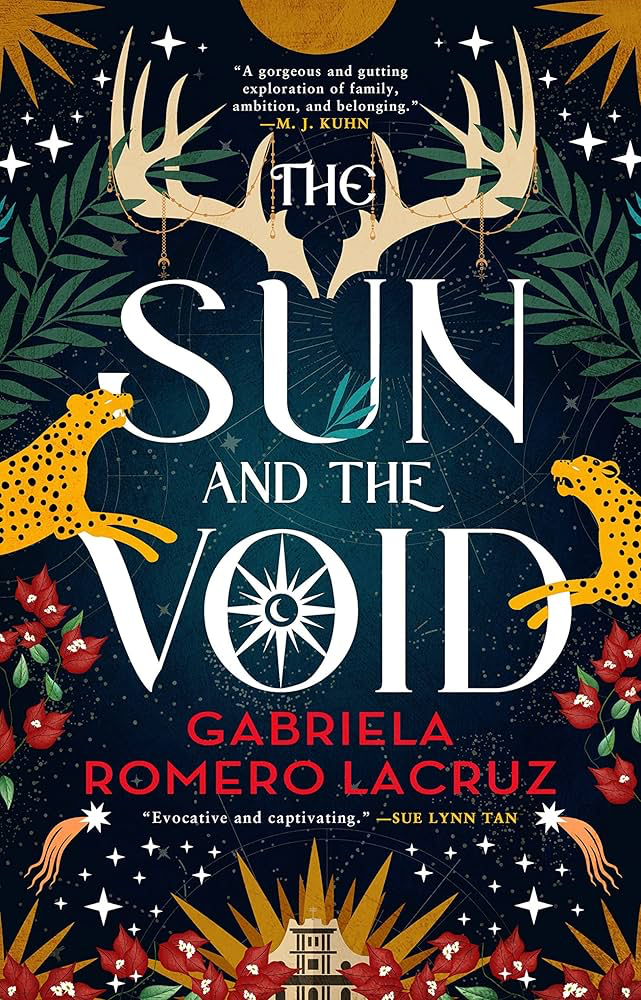
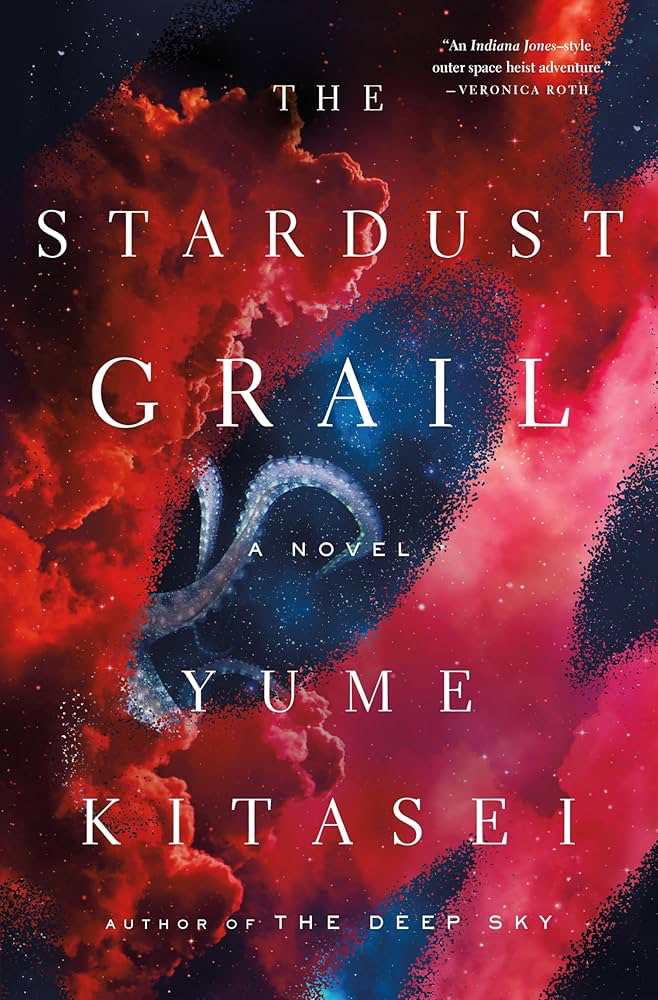
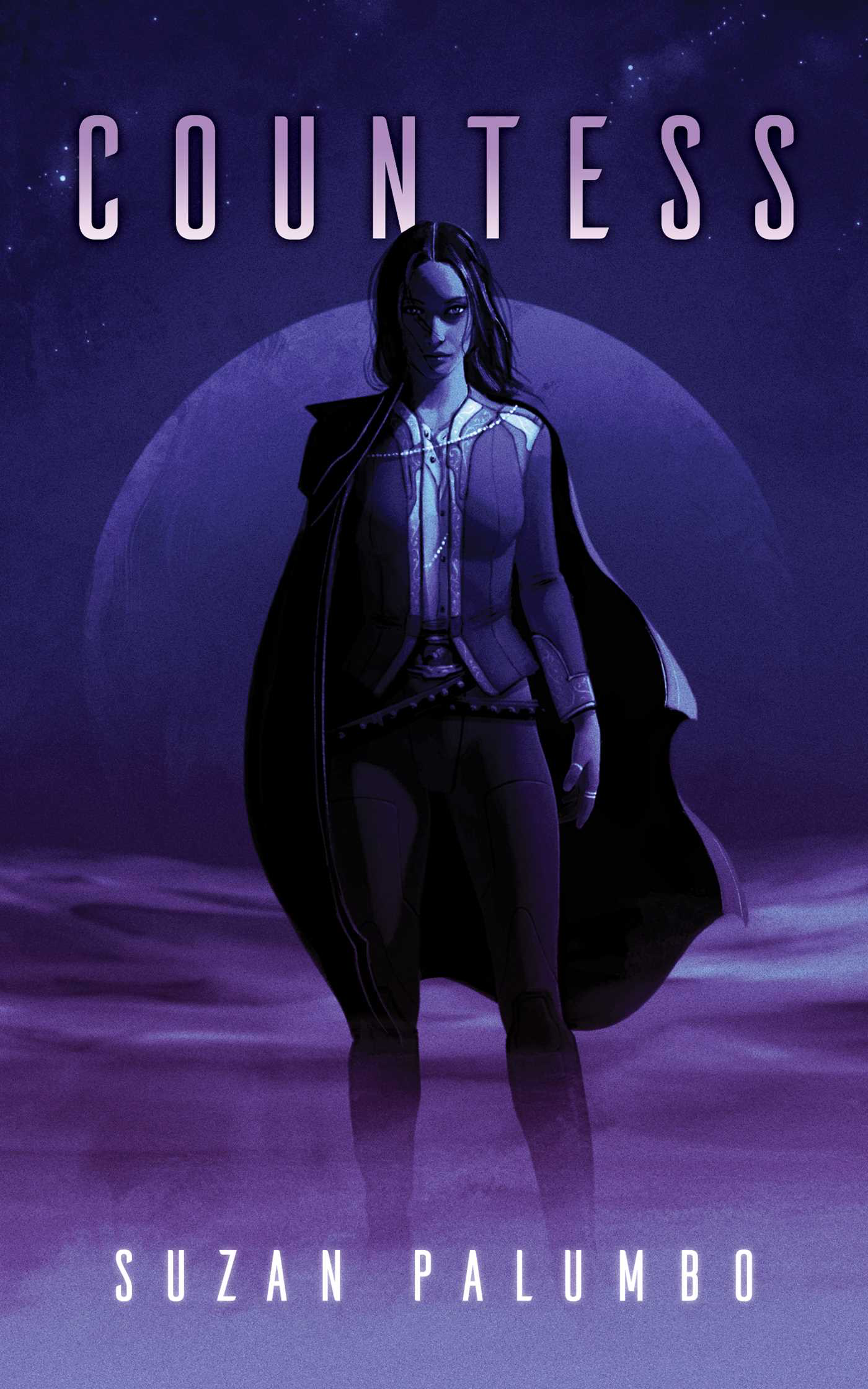
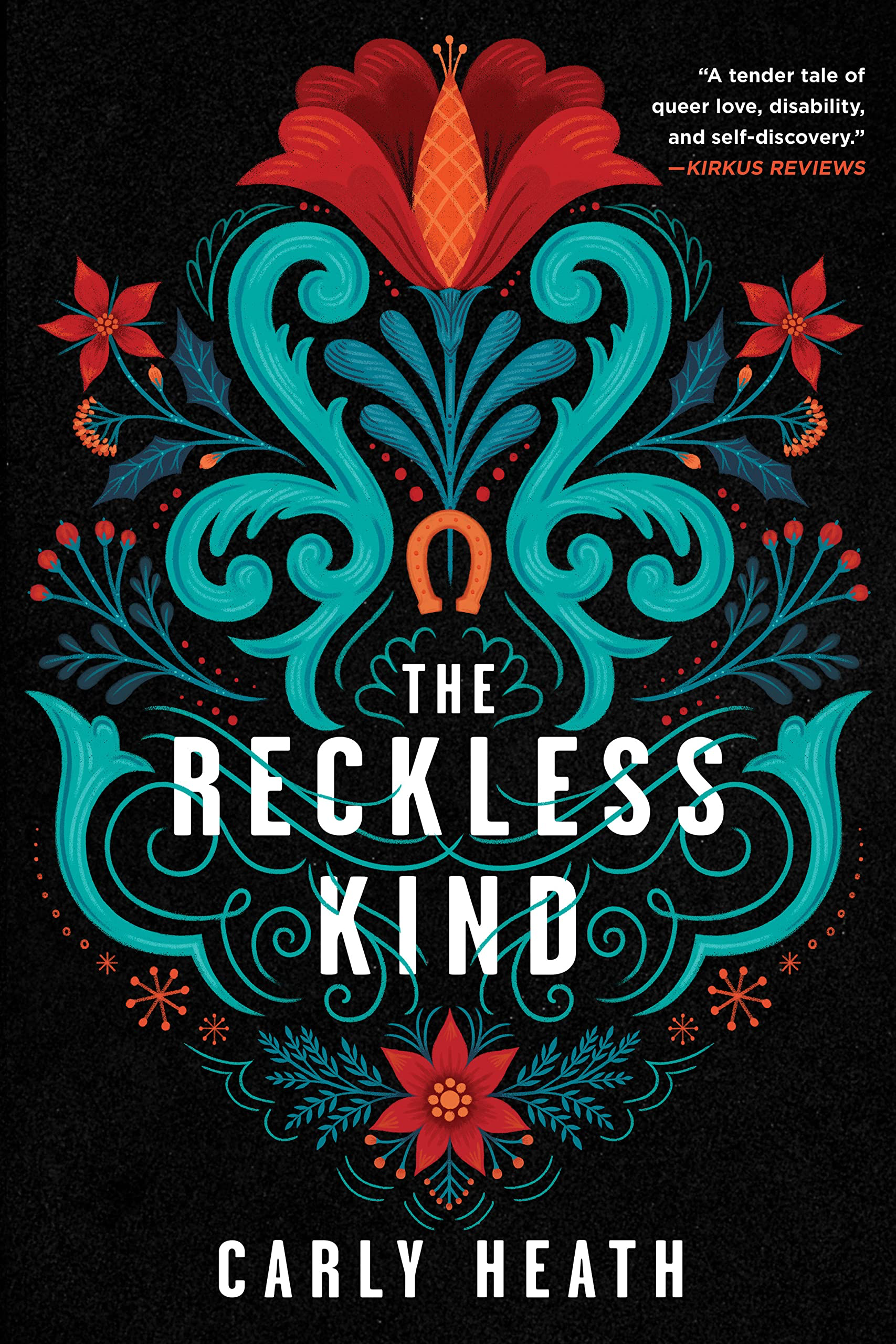
You Sexy Thing – Cat RamboI know this series is called Disco Space Opera, but…it’s just the vibes. The overwhelming vibes.

“Would You Rather” – Phoebe Bridgers

CW: domestic violence

Unfortunately for you all, the pharb sleeper agent that’s been inactive since about 2023 has been reawakened. You’ve been warned.

One of the hallmarks of early Phoebe Bridgers tracks is that they often had male duet partners who were an odd fit, vocally—they’re all good singers, but their vocal ranges and styles run counter to Bridgers’s style (see also: “Garden Song”). I think that was the initial reason that, when I first listened to Stranger in the Alps back in high school, that I was turned off from “Would You Rather”; Conor Oberst duets with Bridgers in the chorus—he’s objectively a talented singer, but his nasally voice just does not mesh with Bridgers. The same can be said for the music video, directed by Phoebe Bridgers’s younger brother, Jackson Bridgers…her penchant for gallows humor aside, what’s Conor Oberst doing with that stupid grin on his face while lip-syncing along to “in a suicide pact with our family and friends” at 1:53? Read the room, my dude…

But as with several songs on Stranger in the Alps that didn’t grab me on the first listen, “Would You Rather” only gets better—and more devastating—with each listen; her best instrumentation sounds like watching embers from a campfire become stars in the sky, and the delicate plucking at 1:05 is one such beautiful moment. According to Bridgers, “Would You Rather” was inspired by a mix of events—her childhood home burning down and her brother being suspected as the culprit, as well as an undercurrent of domestic violence; even for someone so usually candid about her experiences, I’m not surprised that neither she or the song has divulged any details of the latter. Sometimes the only way to be vulnerable is to always have the safety net of metaphor—to protect yourselves and the ones you love. Yet at the heart of it seems to be their bond as siblings: the chorus of “Come to find out/I’m a can on a string, you’re on the end/We found our way out/Of the suicide pact of our family and friends” emphasizes the lifeline that they’ve built with each other in spite of the strife that surrounded them growing up. There’s a bedraggled, burdened hope to it; despite the sense of being trapped by family, their mutual connection is what keeps them afloat in the end.

If you or a loved one is/has been a victim of domestic violence, click here for a link to the National Domestic Violence Hotline.

…AND A BOOK TO GO WITH IT:

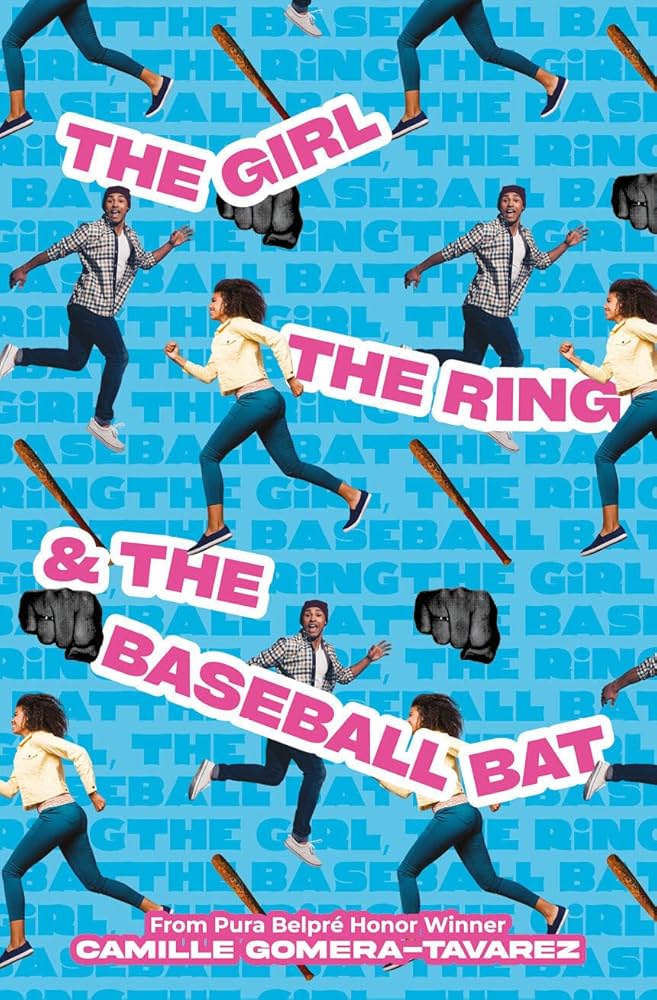
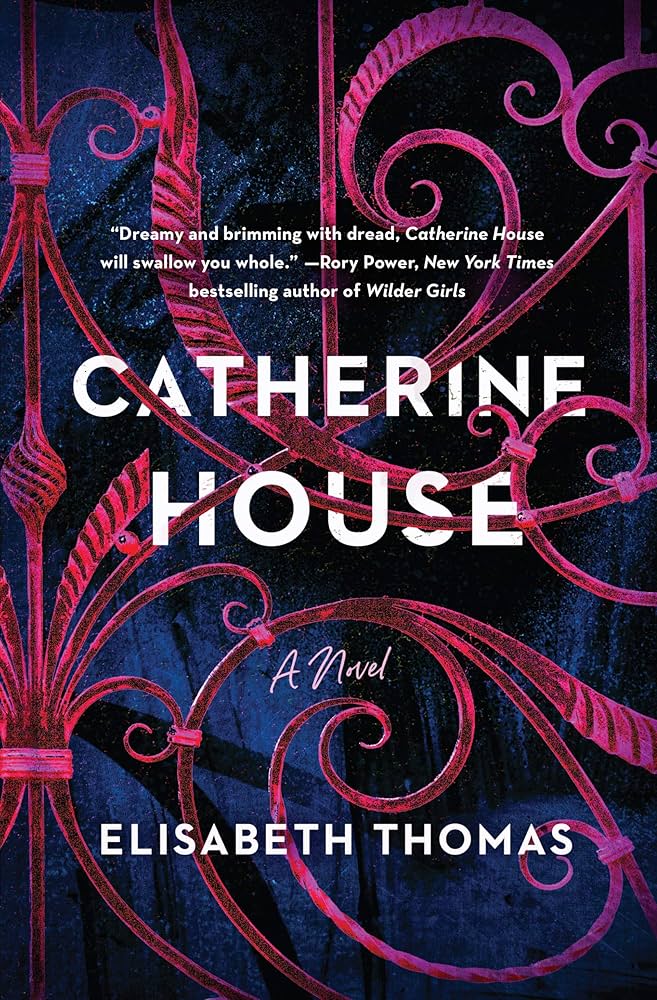
Where Sleeping Girls Lie – Faridah Àbíké-Íyímíde “Come to find out/I’m a can on a string, you’re on the end/We found our way out/Of the suicide pact of our family and friends

“Without You” – David Bowie

I owe you an apology, Let’s Dance (1983), I wasn’t familiar with your game.

It’s easy to think of the album as David Bowie’s sellout pop album, the one where he cast aside all the pretense of experimental daring and weirdness that he’d built up with the Berlin Trilogy and Scary Monsters (And Super Creeps), not to mention the infamous “David Bowie Straight” magazine cover for an accompanying issue of Rolling Stone. Here’s the thing: yes, it is a pop album. But it’s not as if Bowie wasn’t making pop music for a significant portion of his career in the ’70s. Sure, The Rise and Fall of Ziggy Stardust was stranger than most things on the airwaves, but it was pop. This was just his ’80s pop record, and like the albums before it, Let’s Dance has so many enduring hits to spare. Sure, it’s more sparse than some of his other albums, and there’s clearly a few afterthought tracks that were just made to make it complete, with its slim eight-track, 40-minute runtime (lookin’ at you, “Shake It”). But let’s be real: it’s hard to measure up when the first track on this album is “Modern Love.” Come on.

“Without You” is often regarded by critics as one of said afterthoughts to beef up Let’s Dance. I get where they’re coming from. For a songwriter like David Bowie, the lyrics are…well, yes, even as a fan, it’s a bit bland. But I feel like a three-year gap between releases after a powerhouse like Scary Monster (And Super Creeps) justifies it. Anybody would have to recharge after that. But “Without You” feels like Bowie’s take on a slow, yearning pop song, and he hits it out of the park. Strung with guitar flourishes that glimmer like string lights, “Without You” is a warm and wistful yearner, aided by the rich, graceful deepening of Bowie’s voice as he aged into his forties. Is it as instantly memorable or well-constructed as “Modern Love” or “Let’s Dance?” Maybe not, but it’s a damn good pop song.

As a bonus: even though they’re two distinct songs, Perfume Genius also has a great song called “Without You,” and for what it’s worth, it’s a good pairing with this song.

…AND A BOOK TO GO WITH IT:
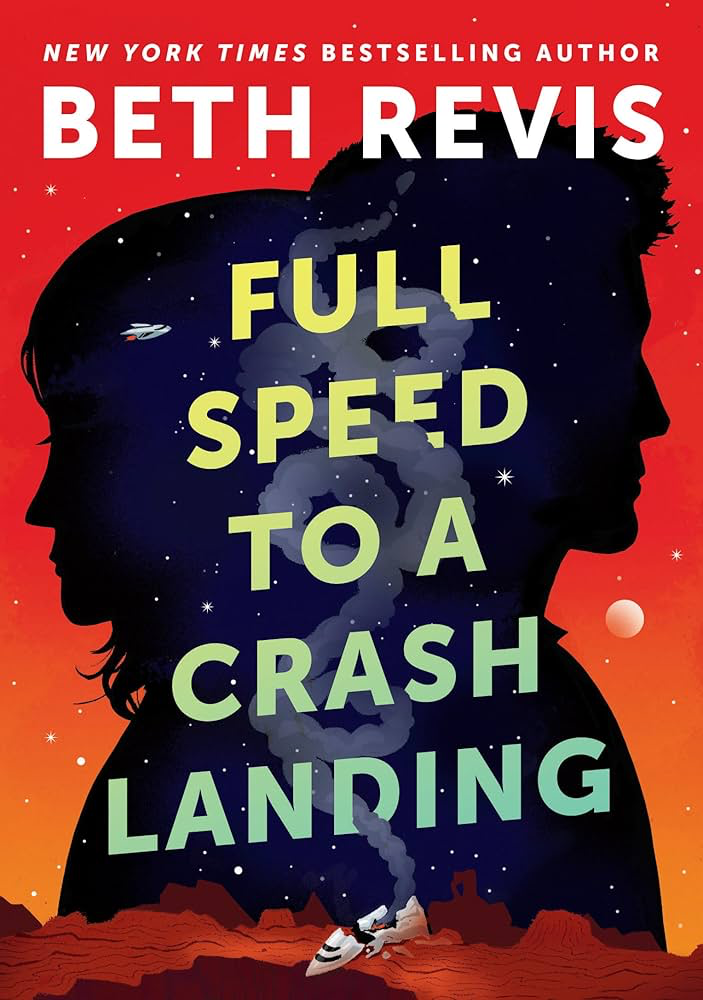
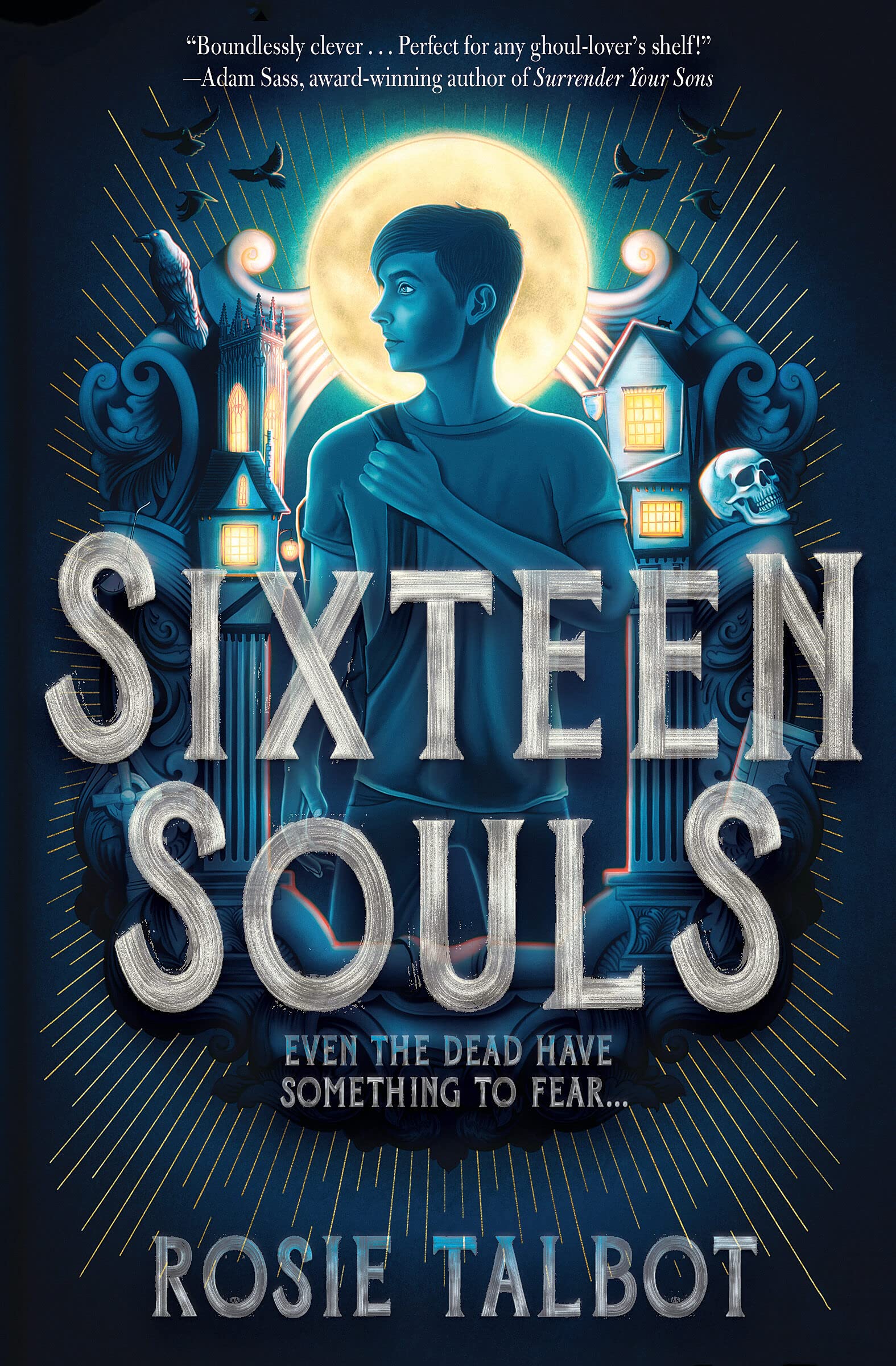
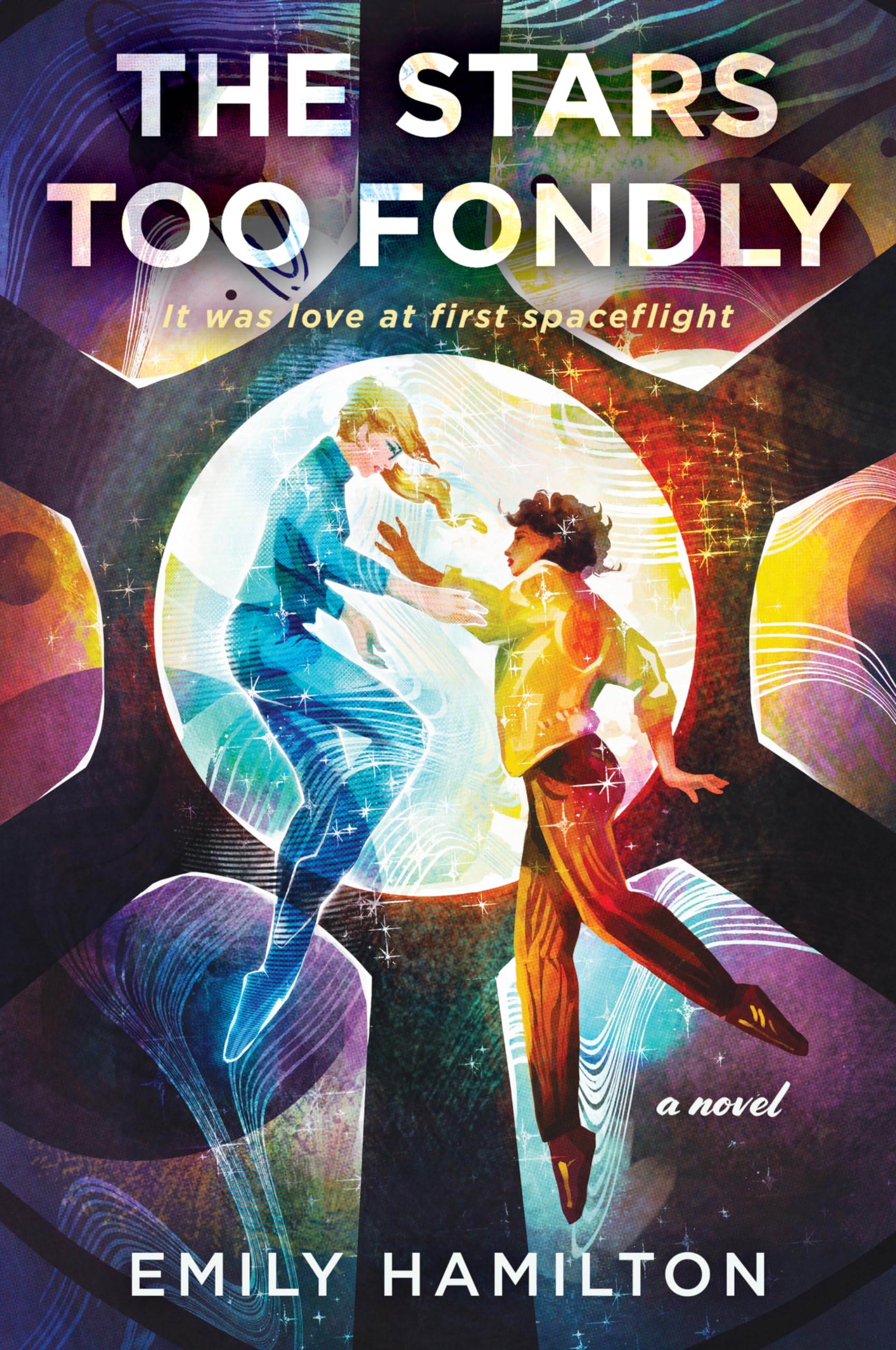
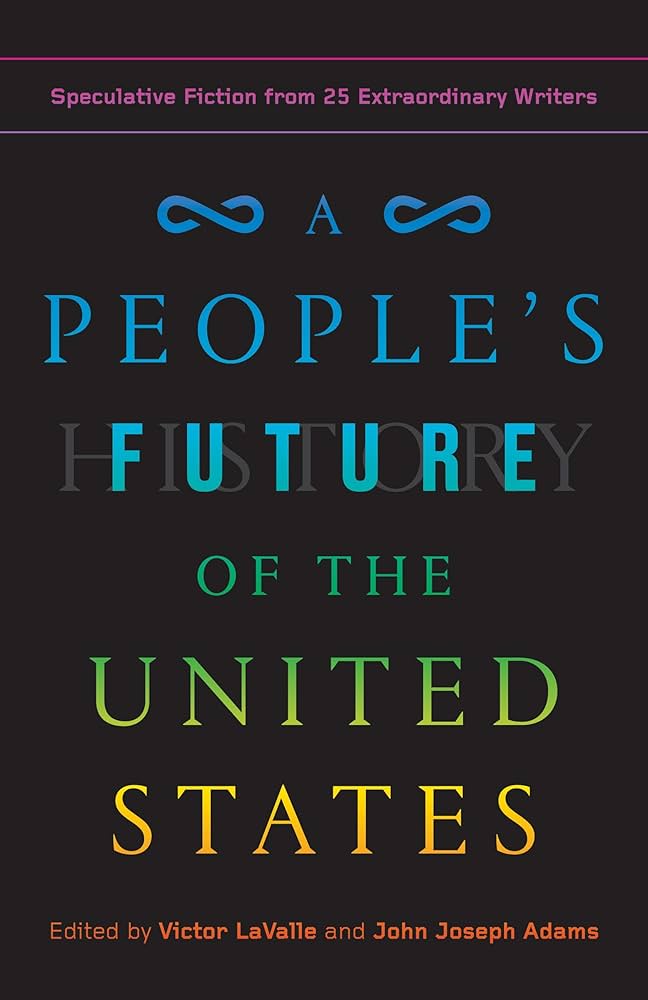
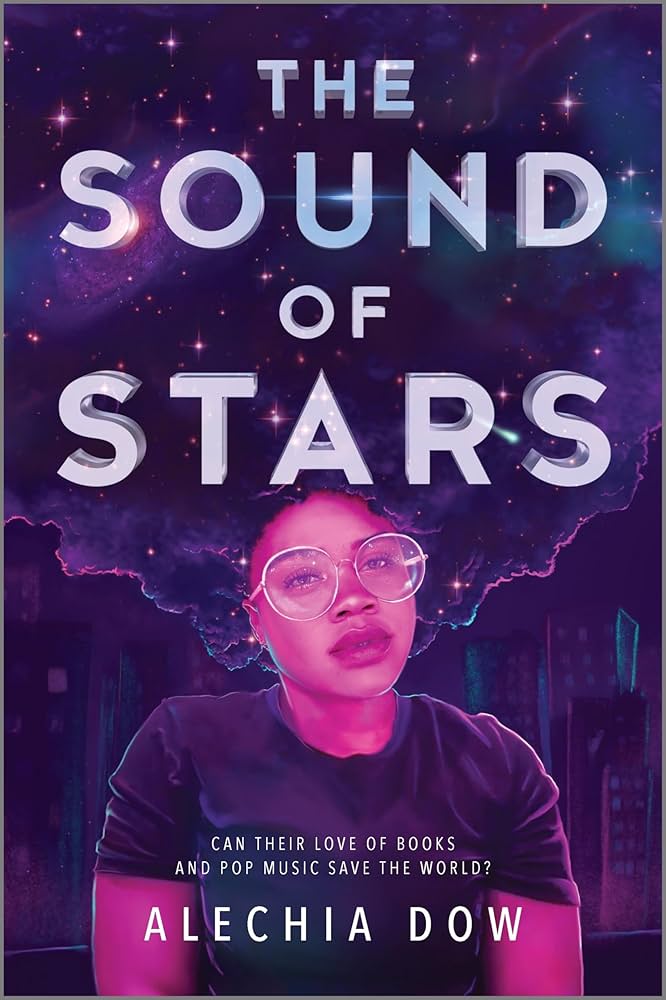
Full Speed to a Crash Landing – Beth Revis“Just when I’m ready to throw in my hand/Just when the best things in life are gone/I look into your eyes…”

“5AM Waltz” – Men I Trust

5 a.m. really is the perfect hour for this song. “5AM Waltz” is woozy in every sense of the word. Awash in reverb, the first two thirds feel like you’re stumbling around the kitchen in the middle of the night, trying to find the light-switch; it’s almost enough to feel directionless, but the directionlessness feels fully intentional. There’s lots of hyphenated genres that you find hints of—trip-hop, dream-pop, indie-pop—but whatever you’d call it, “5AM Waltz” is downright melodic and atmospheric, an exercise in crafting something memorable from less than two minutes.

…AND A BOOK TO GO WITH IT:

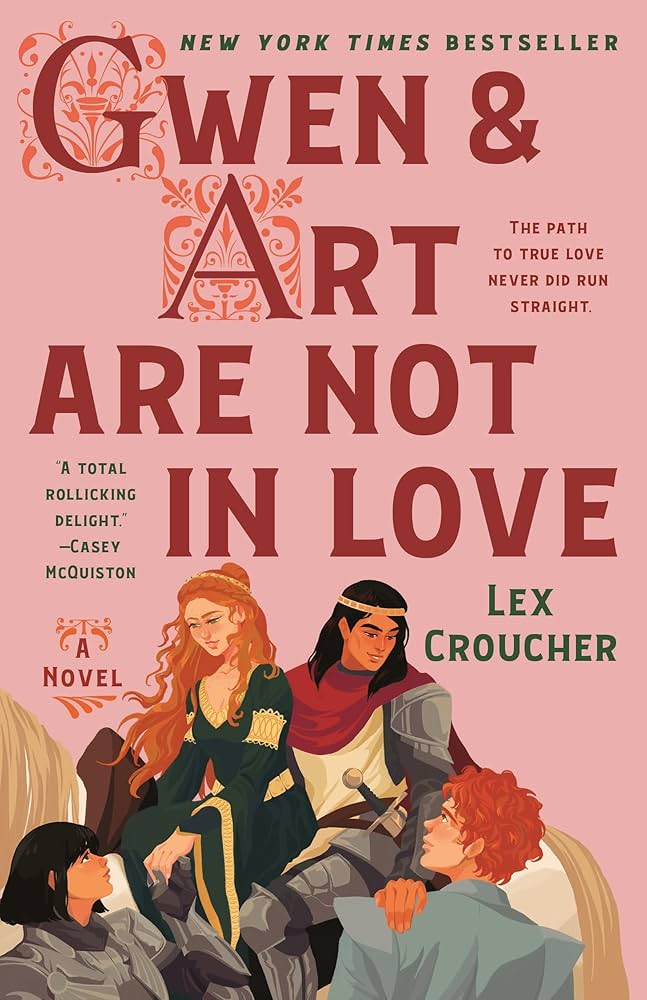
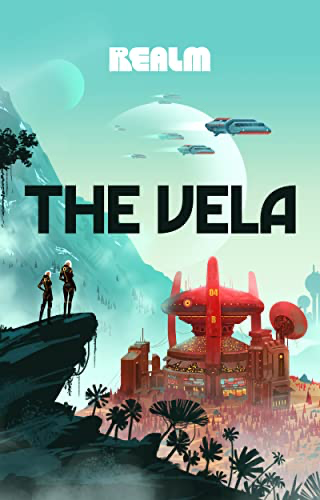
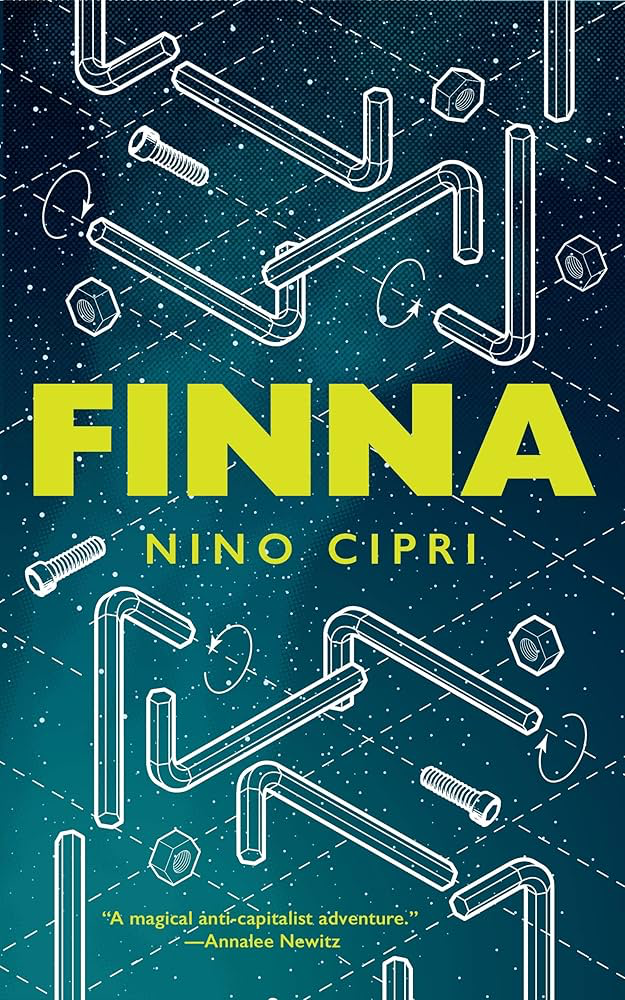
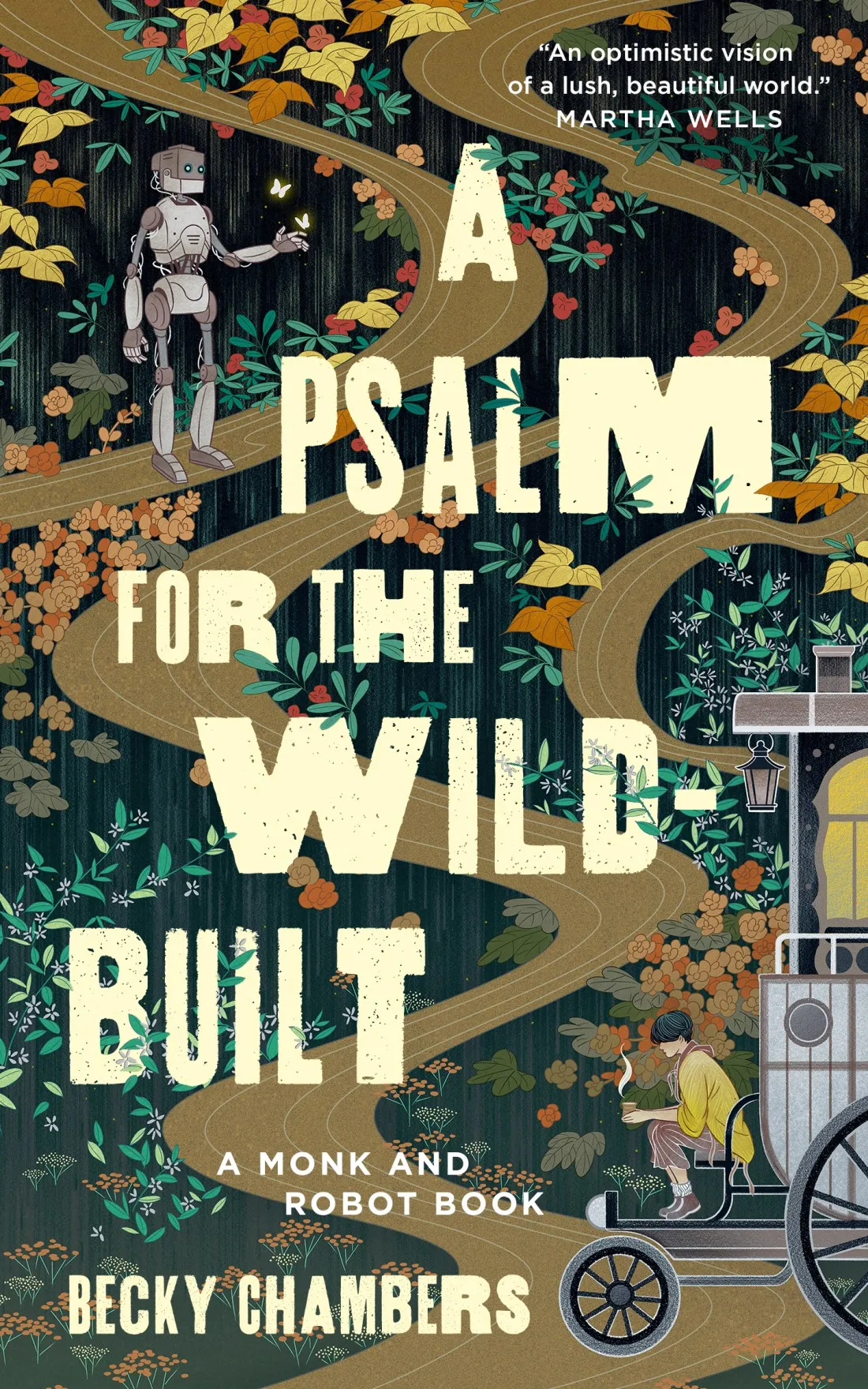
Floating Hotel – Grace Curtisfitting background music for a giant hotel in space, right?

“Oochy Woochy” – Graham Coxon

Chances are, if you haven’t listened to a ton of Graham Coxon’s solo work (like me), this song won’t give you a good idea of how his sound generally is. “Oochy Woochy” doesn’t sound anything like the frenetic, anxious indie-rock that he usually writes. But I think it’s proof of him being one of the members of Blur who was most willing to take risks with their sound, and it translated instantly when he had more creative freedom. I mean, this is basically a jazzy saxophone loop with a hip-hop-inflected beat. The lyrics amount to only “Oochy woochy/Yeah, baby,” with the later drawled like James Acaster. And it’s so fun. It’s the perfect walk-on song. That prolonged silence at the beginning allows the full force of the saxophones to bowl you over, and from there, it’s just such a fun, carefree groove to get lost in. Even the little quacking sounds punctuating the beat are strangely natural. He’s got range.

…AND A BOOK TO GO WITH IT:
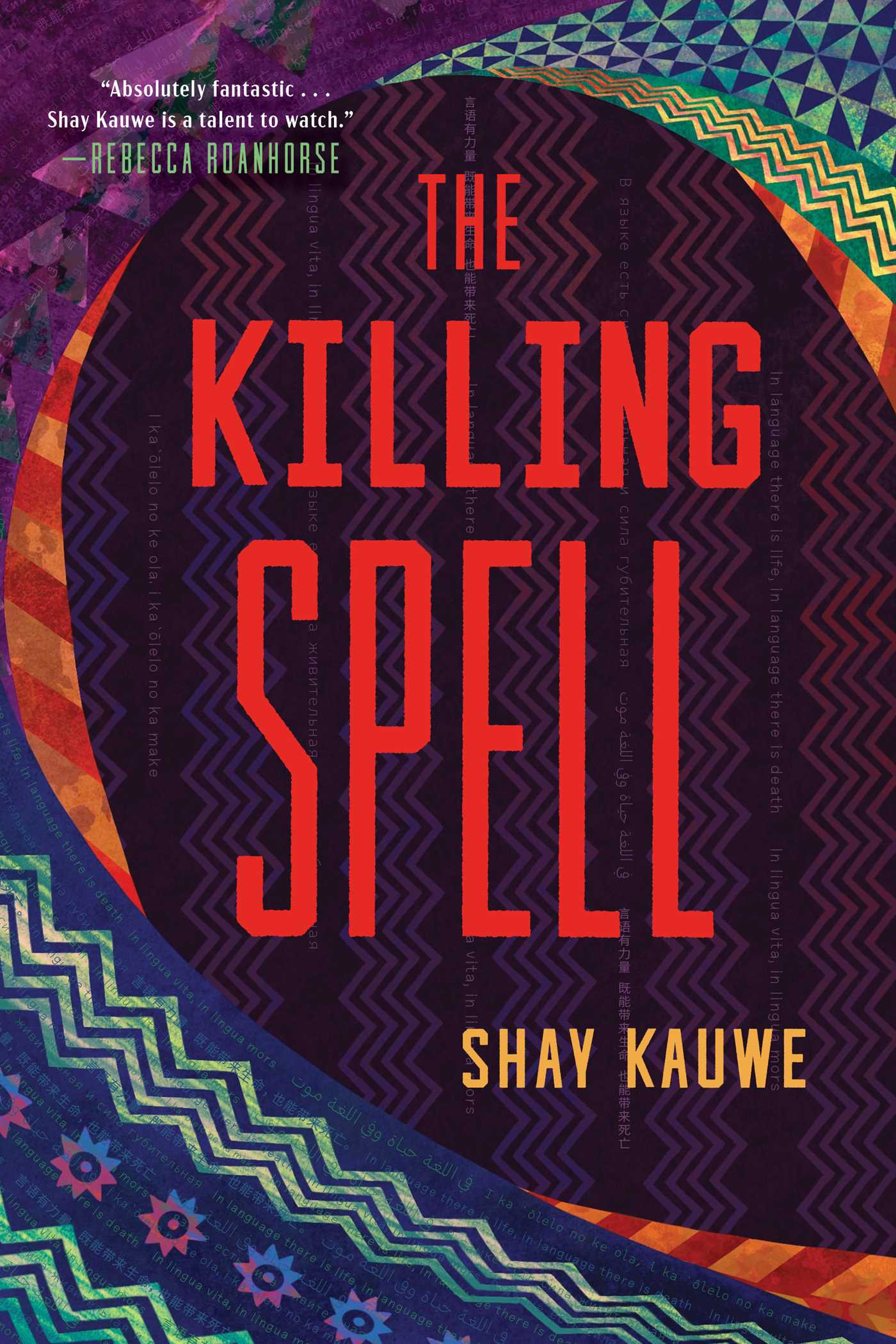
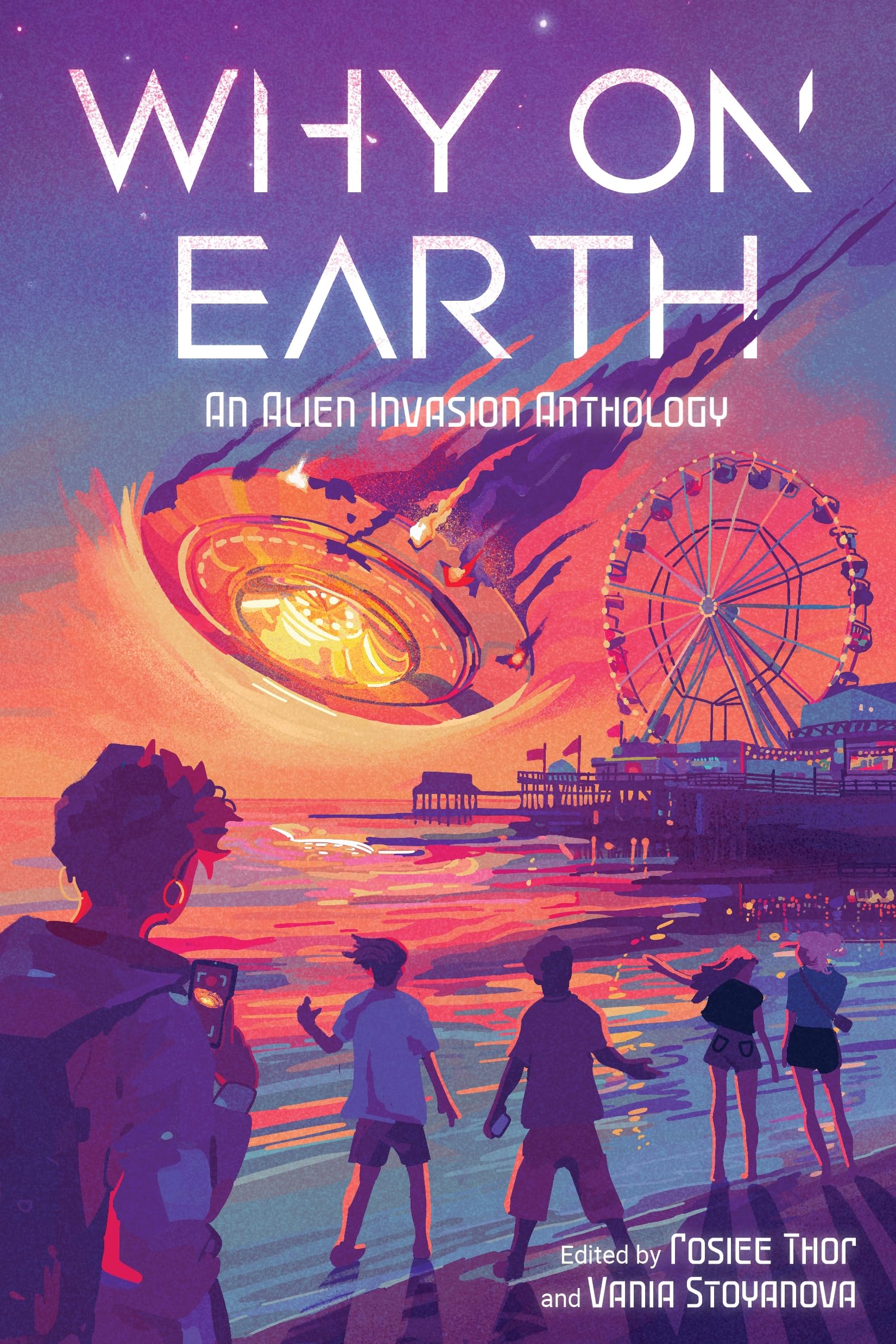
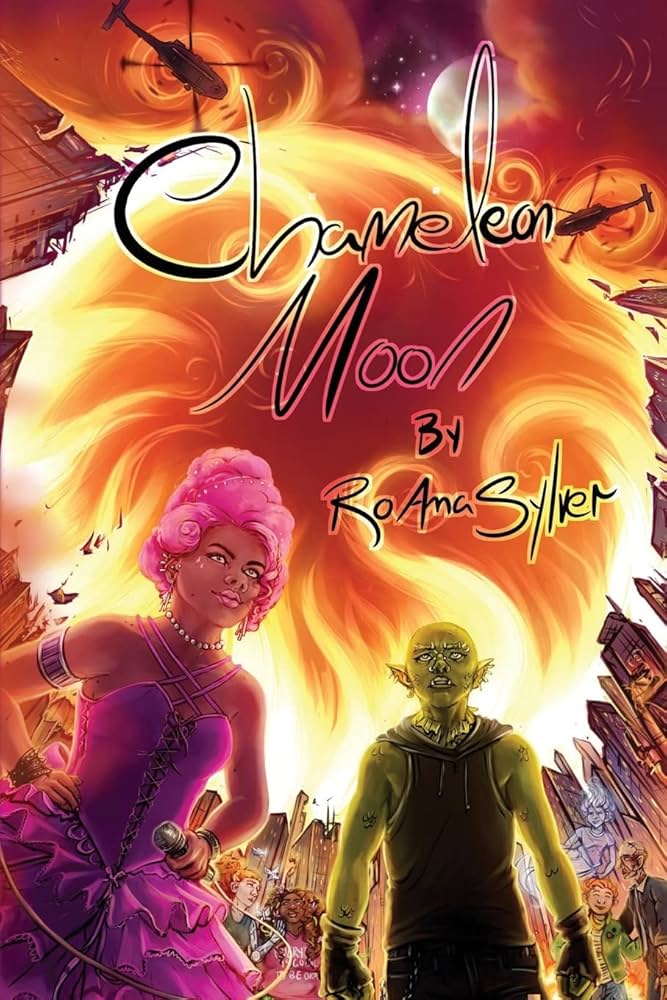
The Killing Spell – Shay Kauwethe ideal soundtrack for plunging into a crowded ballroom…somewhere in a post-apocalyptic L.A. with magic and murder running amok.

Since this post consists entirely of songs, consider all of them to be today’s song.

That’s it for this week’s Sunday Songs! Have a wonderful rest of your day, and take care of yourselves!

Posted in Book Review Tuesday

Book Review Tuesday (6/23/26) – Heaven’s Graveyard

Happy Tuesday, bibliophiles!

After my Idolfire freakout last week, I knew I had to get my hands on Heaven’s Graveyard as soon as I could. I put it on hold, but mercifully, it came in way sooner than I thought! YIPPEEEE!! It wasn’t as enchanting as Idolfire, but those are huge shoes to fill—Heaven’s Graveyard is still a cut above the rest.

Enjoy this week’s review!

Heaven’s Graveyard – Grace Curtis

Coda Callanuny has thrown herself into her university work. A student of archaeology, she’s been bent on solving a mystery that she’s been chasing since childhood: proving that Aleya, a figure of myth, was a real person and not a fairytale. But when a beloved professor—the only one who believes her theory—suddenly turns up dead, her chase for history becomes a chase for a murderer. It turns out that her professor’s findings could change the world, and in the wrong hands, could spell disaster. With the knowledge of a sunken, magical city in ruins, Cod must fight to protect the secrets that governments could kill for—and to protect the ones she loves.

TW/CW: murder, violence, misogyny, descriptions of injury, war themes, religious bigotry (fictional) animal cruelty, toxic relationship

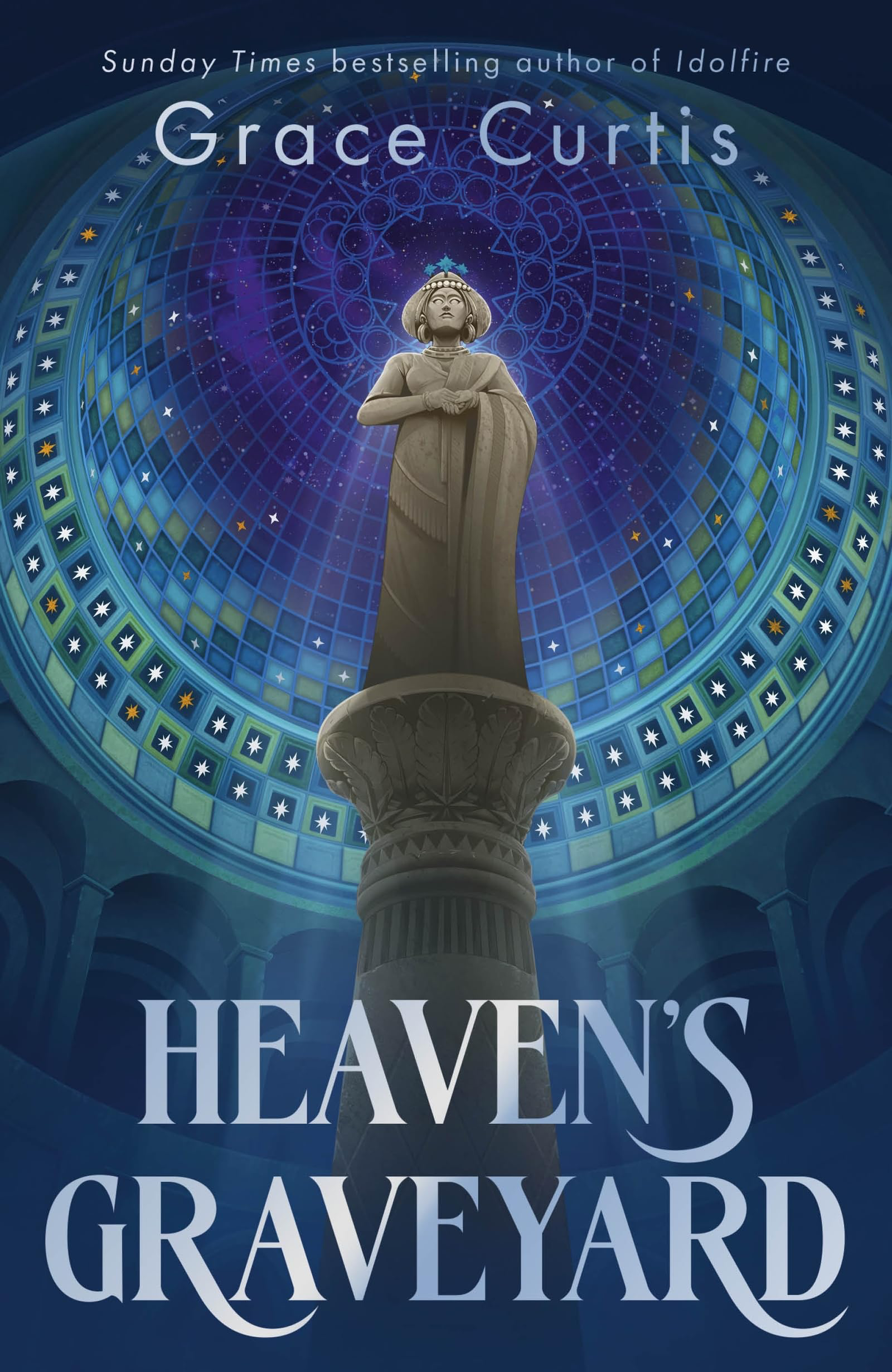
First off, can we stop to appreciate how gorgeous the cover is? Aled Thompson’s artwork is truly stunning.

There. Have you taken sufficient appreciation time? Very well, onto the review…

Once again—like Idolfire, which was billed as science fantasy for…reasons, I guess, Heaven’s Graveyard isn’t science fantasy either. I’d put it more in speculative fiction or fantasy, since this is a fantastical setting and magic exists, but said magic doesn’t play a central role; there also isn’t enough “new” technology to qualify as sci-fi. But enough about my ramblings about genre misclassification and mismarketing, let’s get into how excellent Heaven’s Graveyard is!

With Heaven’s Graveyard, Curtis proves that she is a master of worldbuilding. Watching the more archaic world in Idolfire transform into something semi-modern was a fascinating feat. In terms of technology, I’d say we’re somewhere at the equivalent of the 1900’s-1930’s (radios, fantasy forms of high-speed transportation, fairly advanced warfare methods, etc.); aside from being a breath of fresh air in a genre where medieval and Victorian settings reign supreme, it was planned out so meticulously. Between the explorations of politics, education, and religion, it felt as vibrant and real as Curtis’s other worlds. I particularly liked how Curtis explored the rise of the new Procumbent religion, and how it had come to dominate much of the world and how it seeped into said politics and education. Stepping into Heaven’s Graveyard felt like I’d gotten a ticket to visit this world, which is a must for good genre fiction!

As always, Curtis’s characters shone in Heaven’s Graveyard. The central characters lacked some of the oomph that made Idolfire stick with me—I loved Coda (and Sparrow was despicable, but excellently-written as a manipulative but charming prick), but she lacked the pull that Aleya and Kirby had on me. I think part of it was just that kind of grand, mythic arc that they had wasn’t present here, and although Cod’s arc was emotional, it didn’t move me nearly as much as the former’s. Granted, I knew going in that it wasn’t going to be the same, but I just feel like the full effects of Cod and Sparrow’s disastrous relationship were glossed over, to the point where it almost felt like an afterthought. Thal grew on me much more than I expected, and I loved the relationship that she and Cod had towards the end. Like Idolfire, all of the kooky side characters felt so real and made the world feel so much more lived-in, and every glimpse made the world so delightfully human.

Like Idolfire, Heaven’s Graveyard excels at the balancing act of pairing humor with darkness. In this case, it applied to the murder mystery side of the plot. In spite of the murder of one of Cod’s beloved mentors, Curtis’s take on mystery was surprisingly funny. Most of that came from the fact that, in the first half of the novel, the main obstacle that Cod faced was the infinite layers of bureaucracy from the university and her colleagues thinking that she’s gone nuts. Yet Curtis maintains the stakes—both external and personal—involved in the mystery. I loved the first reveal about Nivela, and I loved how it tied into how this novel examined how history and historical discoveries are often manipulated for political gain. There’s a thematic thread from Idolfire about revelations that could shatter the carefully maintained foundation that a country/empire/etc. has built for itself that I appreciated. Fast-paced and full of mystery, Curtis’s blend of genres was a success.

It’s clear that Heaven’s Graveyard comes from a deep passion for archaeology and history. On the surface level, I loved Curtis’s depiction of historians and academia, from Cod’s relentless search for the truth to the bureaucratic hoops that she has to endure, even in a fantasy world. Cod’s quest to prove that Aleya was real formed the core of her character, but I loved how it tied into her character arc and Curtis’s exploration of history and obsession. Cod’s quest becomes one that blurs the boundaries of genuine desire to uncover history and her own ego, and I loved the nuance that Curtis afforded it. It also provided a timely commentary on how we often feel the need to push aside the wishes of other people and cultures in the pursuit of knowledge, and without spoiling anything, I love how Cod comes to the realization that she does. It shows not just a deep reverence for archaeology and historians, but a love for the people whose bones that this history once belonged to.

All in all, a masterful blend of fantasy, speculative fiction, and mystery that made every page worth the ride. 4.25 stars!

Heaven’s Graveyard is a companion novel to Idolfire, which is set 2,000 years before this story in the same universe; however, according to Curtis, they can be read separately from each other. Grace Curtis is also the author of Floating Hotel and Frontier.

Today’s song:

today’s oddly specific song fragment that I love: the way that tom waits says the word “mackerel”

That’s it for this week’s Sunday Songs! Have a wonderful rest of your day, and take care of yourselves!
Posted in Book Review Tuesday

Book Review Tuesday (6/16/26) – Idolfire

Happy Tuesday, bibliophiles! Halfway through 2026 now…😵‍💫

If you told me about 3 years ago that I was this excited for a new Grace Curtis book, I wouldn’t have believed you. Full disclosure: I didn’t like Frontier, but the premise of Floating Hotel was so endearing to me that I took a chance on it…and loved it. And here I am now. (Special shoutout to Kat @ The Lily Cafe, who is the reason that I know that this book exists. Thanks, Kat!) I had a feeling I was going to enjoy Idolfire, but as we’re officially halfway through the year…this might be one of my favorite books that I’ve read this year!

Enjoy this week’s review!

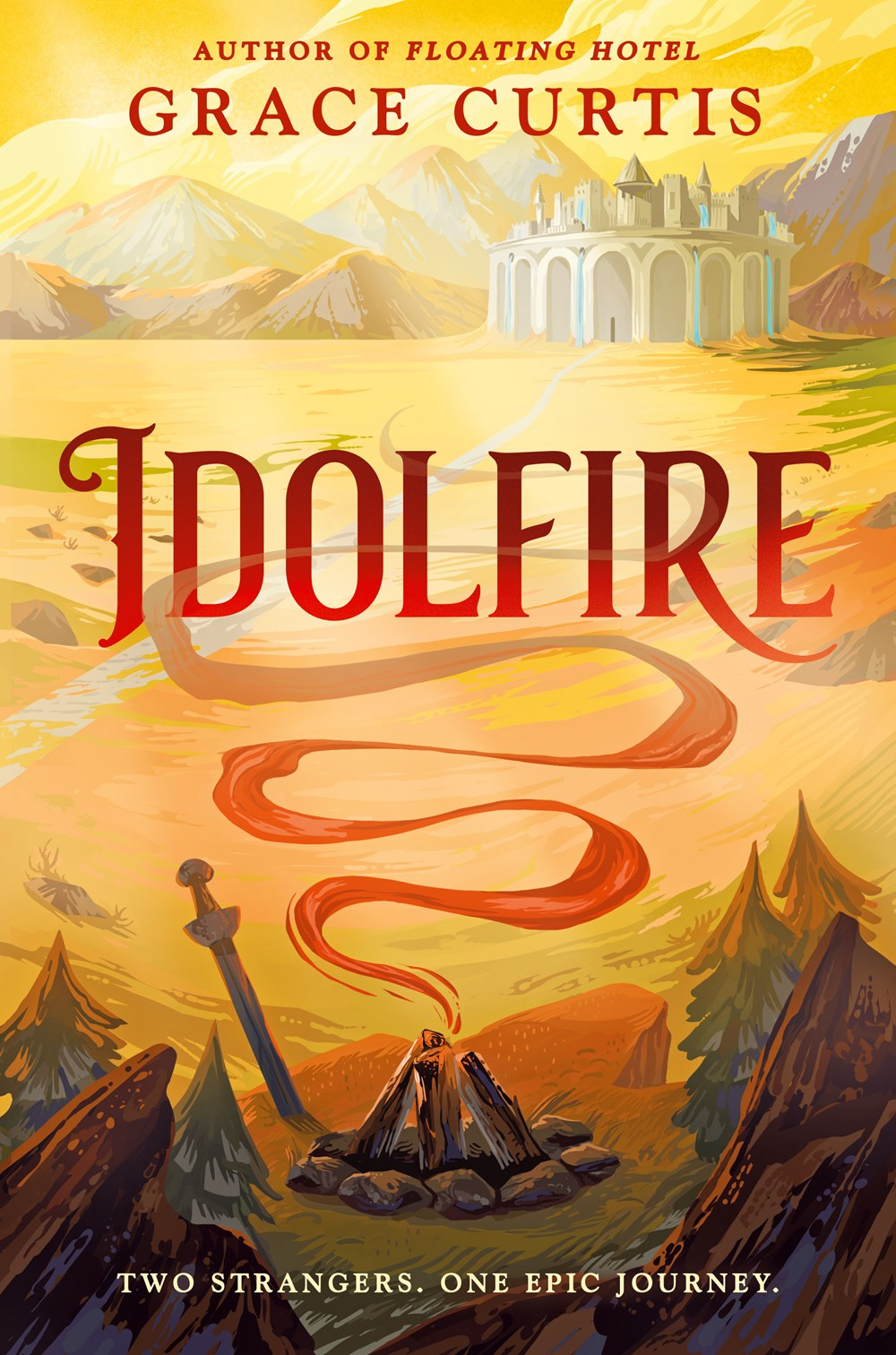
Idolfire – Grace Curtis

After illness tears her family apart, Kirby of Wall’s End sets off on the road to Nivela, a famed kingdom that has fallen from grace, but retains the promise of magic beyond its gates. Across the world, Aleya Ana-Ulai is searching for Nivela too, eager to prove herself after being abandoned by her family. When these two women from disparate regions meet on the road, neither knows that their togetherness is key to their survival. But the road to Nivela is long and treacherous, and it seems to hold everything but the answers they need within it. Aleya and Kirby must decide if the promise of Nivela is worth it—and if they’ll be able to survive at all.

TW/CW: violence, blood, war themes, loss of loved ones, child death, infertility

First off—this isn’t a slight on the book, but if you’re going in (like I did) expecting science fantasy, Idolfire is not that. This is straight up fantasy. I’m convinced that the “science fantasy” thing was tacked on for marketing reasons after Curtis wrote two sci-fi novels. Just be forewarned about that…and the fact that this book came dangerously close to destroying me. This might be one of the best books I’ve read all year.

Grace Curtis’s prose keeps getting better and better with each novel she writes. It’s prose that gave me genuine, heartwarming joy to read. She just has this way of making everything, from the setting to the subtle glances between characters, so wholly human; it goes beyond feeling lived-in and real and becomes something with a real heartbeat. Where Curtis succeeds is in shedding light on the unsaid; slight turns of phrase became quietly heartwarming or heartbreaking with a single word. Her renderings of the varied landscapes that Aleya and Kirby travel through are so rich and full of life. Every line of dialogue is razor-sharp, both in their humor and their power to devastate. If you want proof of Curtis’s improvement as a writer, Idolfire is the perfect evidence.

One of the strongest aspects of Idolfire was how it balanced humor and more sobering, serious themes. Curtis has really honed her talent for humor—there were so many moments throughout that were laugh-out-loud funny. Aleya and Kirby had such excellent chemistry (more on that later), but their separate senses of humor pinged off of each other exceptionally well, making for a fantastical road trip that never had a dull moment. And yet, Curtis gave the same amount of care to depict the darker themes of the novel alongside the lighter ones. Curtis’s depiction of war was one that has stayed with me; her descriptions of it have no interest in glorifying its purpose or its participants. Even for a novel billed with swordfighting, her sparse, devastating language in describing the horrors of war were so impactful in a genre where there’s often a degree of romantic language ascribed to something so horrendous. From the effect it has on the minds of individual soldiers to the scars that it wrought across the lands of Idolfire, Curtis explored every facet of living during wartime. Yet Curtis had the same level of care in the lighthearted and dark aspects of Idolfire—for a novel like this, it was a very difficult balance to strike, but Curtis absolutely clinched it, making for a novel that was, above all, human.

I didn’t think that Curtis’s character writing could get much better after Floating Hotel, but I was proven wrong. Although I loved the slice-of-life roving between multiple characters, I think that narrowing her focus down to two central characters did a great service to their development. Aleya and Kirby were some of the most memorable characters that Curtis has ever written. A less talented writer would’ve slapped a hasty grumpy-sunshine dynamic on them and left it at that, but they both had such richly layered personalities. Both of them had trauma so deeply embedded in their psyches, but Curtis did an excellent job of showing us how it manifested in both of them and shaped their personalities. I loved how Aleya’s more reserved, stoic nature played off of Kirby’s more mischievous personality, but the deeper you get, the more you realize that both of these traits serve as shields for both of them. They had such immediate, lovable chemistry, and the progression from begrudging companions on the road to lovers was impeccably paced, and every step of that progression felt so natural—and instantly lovable to root for. Without spoiling anything, things do turn out bittersweet for them, but I think the way that Curtis ended their story was poignant and fitting for both of them.

I also adored the road trip plot of Idolfire, and it kept me guessing constantly. Curtis’s talent for character writing also applied to the menagerie of weirdos that Aleya and Kirby met along the road to Nivela. Even the smallest glimpses we got of the denizens of Idolfire‘s expansive fantasy world were so fleshed-out, and they added so much life to the already fantastic worldbuilding. Balance is something that Curtis clearly has been honing, because like the balance between levity and darkness, there was a great balance of more action-packed moments—such as Aleya’s many swordfights—and downtime with Aleya and Kirby. The pacing was neat as a pin, and even the downtime between the more climactic parts of the novel were measured out to near-perfection. Idolfire really was a balancing act in so many ways, but Curtis toed the lines she set with enviable ease.

And if there’s anything that you can expect Curtis to do well with, it’s sharp commentary on empires and imperialism. Floating Hotel excelled at that as a point in the background, and Idolfire honed in on it even more. I think what Idolfire brings to the conversation is how ideas shape the image of an empire. Fully acknowledging that Curtis is British and I’m just projecting my experience onto this book, but I couldn’t help but think about Nivela—and Aleya and Kirby’s goals—in terms of the permanently out of reach “American dream,” and how an empire can build up an idea of itself while hiding a crumbling foundation beneath it. The further they go on their journey, the more they see the destructive aftermath of an idea twisted into something that excuses genocide and imperialism. I also liked how it tied into the magic system, with belief being what makes certain magic work/not work, and how that translated into the belief in Nivela, which has been faltering to the point of destruction. (Without getting into spoilery territory, there’s some really fascinating stuff about the very literal, human cost that this has in the world of Idolfire.) In the end, I think it was a beautiful meditation on the power of ideas, and how they can be twisted into something so terrible that it swallows the world, but how we can use that same power to create a more equitable world worth living in.

Ultimately, with ratings like these, there’s always that slight oomph that pushes it into 5 star territory. I think there’s still a few small nitpicks that made 5 stars not justifiable, but it sure was close. Overall, Idolfire was a deeply moving and human road trip fantasy, a meditation on the nature of the ideas and idols we hold up in our minds. 4.75 stars!

Idolfire is a standalone, but it has a companion novel, Heaven’s Graveyard, set 2,000 years later in the same universe. Grace Curtis is also the author of Frontier and Floating Hotel.

Today’s song:

I’m sorry, Let’s Dance (1983), I was unfamiliar with your game

That’s it for this week’s Book Review Tuesday! Have a wonderful rest of your day, and take care of yourselves!

Posted in Sunday Songs

Sunday Songs: 2/15/26

Happy Sunday, bibliophiles! I hope this week has treated you well.

This week: some of my favorite women in music getting unabashedly weird with it, the pioneering bisexuals of Britpop, and…crabs.

Enjoy this week’s songs!

SUNDAY SONGS: 2/15/26

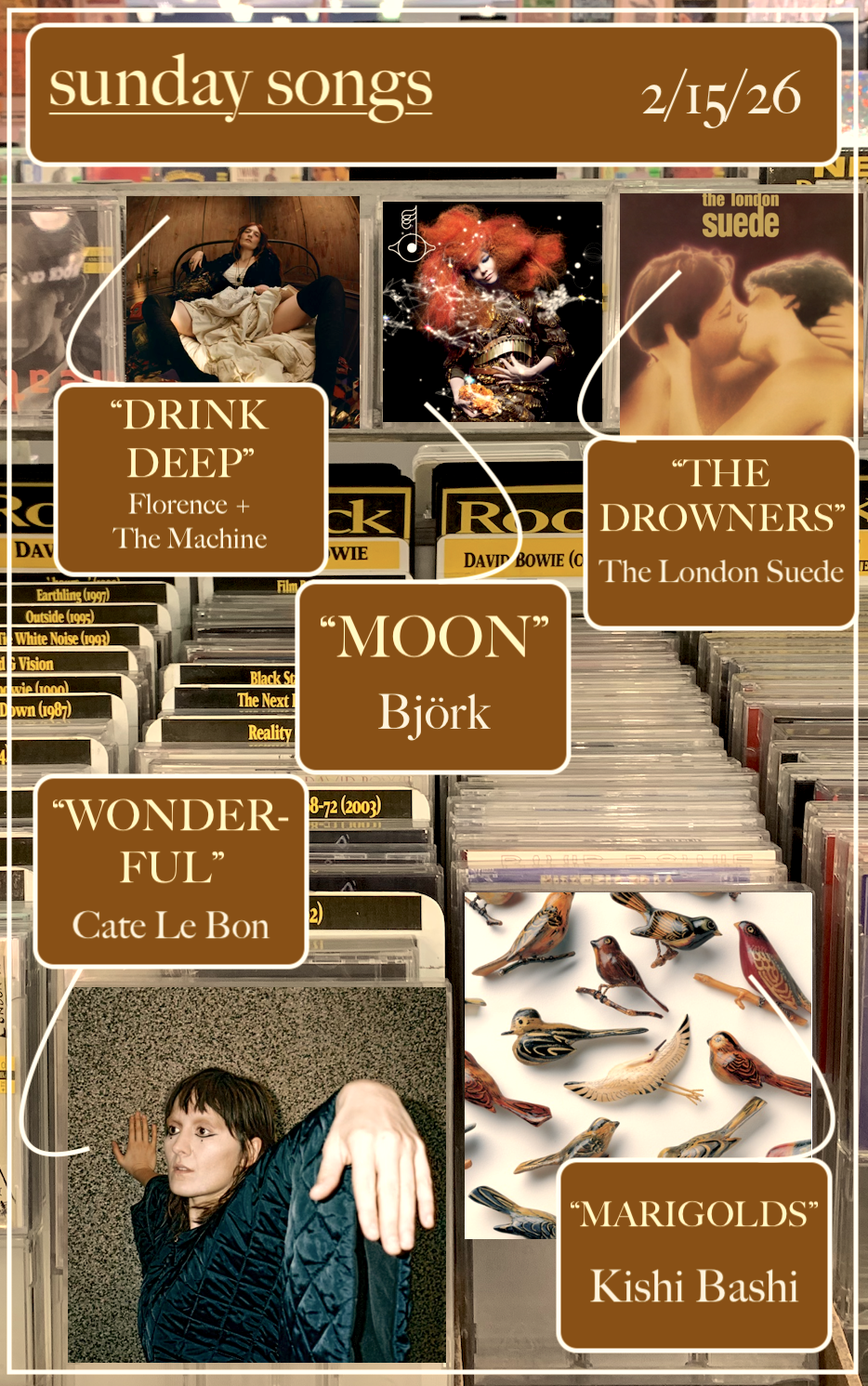
“Wonderful” – Cate Le Bon

In her review of Crab Day for Pitchfork, Laura Snapes said this about the album’s inspiration (Cate Le Bon’s young niece replacing the mean-spirited pranks of April Fool’s Day for Crab Day, where you celebrate by drawing crabs): “nonsense is often the best response to nonsense, that the constructs we use to prop up our lives are often totally arbitrary.” Le Bon has had a deep sense of absurdity, but Crab Day as an album is built all about taking ordinary things in our life to task, but also about being faced with the fact that half of the things in our lives are arbitrary, flimsy constructs. Some of it’s done gleefully, as in the creation of Crab Day, but for others, it’s more emotional—“I Was Born on the Wrong Day” came out of Le Bon’s mother digging up her birth certificate and admitting that they’d had her birthday wrong for decades. Crab Day, both lyrically and musically, explores the pain that comes from realizing that our world is built on the flimsiest stilts imaginable, but also the glee that comes with spitting in the face of them and embracing life’s absurdity.

There’s always been quirkiness surrounding Le Bon’s music, but Crab Day feels like the moment that the eggshell split open and she fully embraced offbeat, unconstrained creativity. That’s not to say that any of her earlier work isn’t creative—quite the opposite, having just listened to Mug Museum—but this album is where her current sound began to coalesce in earnest. It’s much more guitar-oriented than her more recent works, but it’s got all of the hallmarks of what’s become her signature style: artful blares of saxophone, offbeat lyrics, and slanted melodies and rhythms that read like the audio version of a picture frame hanging at a crooked angle. “Wonderful” exemplifies that crookedness, easily the most unfettered moment of weirdness on the album. The guitars scream Lodger-era David Bowie, and the lyrics of mid-’70s Brian Eno. But the fact that seemingly every commenter in the YouTube comments section has an entirely different band comparison as to what it sounds like proves how original Le Bon’s unique arrangement of elements is. With everything from the xylophones to Le Bon’s vocals at a breakneck pace, it’s an ode to being constantly in motion: “I wanna be your motion-picture film, oh yeah/I wanna be your ten-pin ball, ball, ball.” In the context of the album’s crusade to expose life’s absurdity, it feels like a concentration of her spirit throughout this album, but also her career at large: to be adventurous in all sorts of ways, and to be constantly be searching for a new way of setting creativity and weirdness in motion.

…AND A BOOK TO GO WITH IT:

Floating Hotel – Grace Curtisit’s difficult to match a song as singular as this to a book, since it’s so distinct; but if anything, this would match the bustle of a Wes Anderson-esque hotel in space.

“Marigolds” – Kishi Bashi

Realizing that Kishi Bashi had written a song named after my favorite flower was already an exciting revelation, but finding out how engrossing of a song it is made that discovery all the better. Tinged with both joy and melancholy, “Marigolds” surrounds cross-generational experiences, and bridging the gap of realizing that everybody around you has a complex inner life, separated by time, but united in the here and now: “It’s the realization that another person’s perception of the world is just as real to them as yours is to you, and that this humility is the first step in living in harmony on a planet that is ultimately made up of 8 billion parallel universes.” With that emotional core to the track, the field of marigolds couldn’t be a more perfect metaphor—each bloom appearing similar on the outside, but each one having a unique, complex makeup that can’t be seen from the outside. His usual lush string arrangements are layered in a glimmering swarm evoking the delicateness of flower petals and the ephemeral wingbeats of songbirds. Paired with a gorgeously animated music video by Geoff Hopkinson, featuring marigolds that turn into fantastical, jellyfish-like beings, “Marigolds” is an utterly transportive track, scented with pollen and wistful longing.

…AND A BOOK TO GO WITH IT:

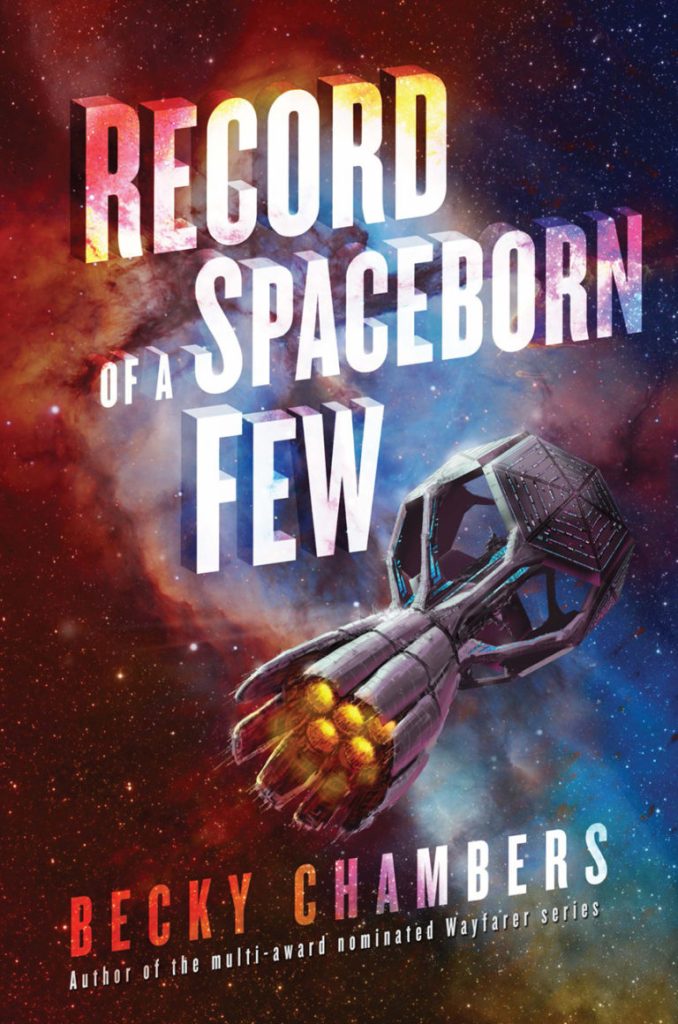
Record of a Spaceborn Few – Becky Chambers“I wish that I could grow up with you/I wanna see the world the way you do/I want to fall off the edge with you/I want to have fun with you…”

“Drink Deep” – Florence + The Machine

You guys, I’m sorry. Every time I hear a Florence + The Machine song, it’s described as some masterpiece that leaves permanent claw marks on your heart, and then I listen and I come back feeling…perfectly alright? I’m sure there’s something I’m missing, but some things just aren’t everybody’s cup of tea all the way. Objectively, Florence Welch has great vocal range, and I’ve never hated any song of hers, but I’ve also never thought to myself, “I need to listen to more Florence + The Machine.” Maybe part of it’s just that she’s been unfairly associated with the TikTokification of female rage (or, “female rage is when a woman sings loud and man is bad”) and “divine feminine” becoming a buzzword, but that’s not her fault at all. However, as I follow a lot of music publications online, I saw that Mark Bowen of IDLES was one of the producers on her latest album, Everybody Scream, so I was at least intrigued.

One of my dearest friends has been trying to convert me for quite some time (once again, SORRY), but I heard a snippet of this one, and I was hooked out of nowhere. It sounds almost nothing like any of her other songs I’ve heard. Again, Welch has a great voice, but I feel like a lot of her songs seem to rely on the strength of her voice in order to amp up the emotion, and the rest of the music doesn’t always follow. “Drink Deep” is more contemplative, but also, a lot eerier than I gave her credit for. Here, Welch translates her experience with her life passing her by as she’s touring (while everybody else moves about normally in their lives) as akin to being prisoner to the fae, trapped and ageless in their realm for hundreds of years while everyone else ages naturally: “What I thought was a night was a thousand years/What I thought was a sip was a thousand tears/But still, they said/Drink deep.” It devolves into a kind of Celtic-inspired folk horror where what Welch ends up essentially cannibalizing herself at the will of the fae—an apt metaphor for what the music industry puts its performers (especially women) through. The atmosphere of “Drink Deep,” with an ominous, thundering drumbeat, chimes, and a warbling choir reminiscent of Kate Bush’s “Rocket’s Tail,” evokes the passage into another, darker realm, a descent into an unbreakable deal made in blood.

…AND A BOOK TO GO WITH IT:

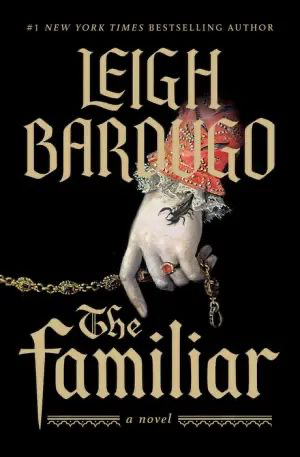
The Familiar – Leigh Bardugo“They gave me gowns and riches/Cut gold thread with their teeth/Every night I went to see them/No, I did not sleep/And every cup they brought to me/Oh, you know I did/Drink deep…”

“Moon” – Björk

Every time I mention Biophilia, it’s inevitable that I go on and on about the app—which is appropriate, since it is the backbone of the album. But I feel like you’re missing an entire chunk of the album if you don’t talk about the delicately constructed visual language of it—for me, you’re missing half the story if you don’t see the elaborate costumes and the artistry of the visuals. All of the music videos for Biophilia are showstopping, and the music video for “Moon” feels like the best introduction to the album’s aesthetic. Literally, it’s a moving version of the album cover, but the superposition of the moon phases over Björk’s body visually convey the lyrics and the concepts behind them. I love the jagged, glowing constellation-shapes surrounding her, both a map of the app and of a galaxy itself; and I cannot get enough of Björk’s costumes for this album cycle. That combination of her rusty, Mars-orange wig and the metallic shades all throughout her bronzy dress and the playable harp corset, against the stark black of the backdrop, are just such a memorable, cosmic color combination to me. The blue ringing her face and eyes brings out the contrast spectacularly. This is the epitome of a wholly realized creative vision brought to life. Granted, this is much later in her career, but it gives me some hope that maybe, in some ideal timeline, some of the projects that I’m envisioning can someday can get as much of my creative freedom inside of them as possible.

The best way that I can describe “Moon” is that I feel as though I’m listening to a perfect circle. Set in 17/8 sign to mimic the phases of the moon, the chorus of harps seem to circle each other, an elaborate, delicate Ouroboros that encircles itself forevermore. It takes a. rare genius to make a song sound like a shape, but that’s exactly the kind of musician that Björk is. Her mind!! Her MIND!! Having a lighter, more celestial tone for a song about the moon, a subject that often invokes more ominous, sweeping majesty or loneliness (see: Radiohead’s “Sail to the Moon,” Bachelor’s “Moon”) makes it stand out from its many, many peers; the instrumentation is so pearly and dewy, and her line about “adrenaline pearls” makes me think of “Cocoon” in the sweetest way. And more poignant still is how she relates these lunar phases to the phases we cycle through in life—”Best way to start anew/Is to fail miserably/Fail at loving/And fail at giving/Fail at creating a flow/Then realign the whole.”

…AND A BOOK TO GO WITH IT:

Activation Degradation – Marina J. Lostetter“As the lukewarm/Hands of the gods/Came down and gently/Picked my adrenalin pearls/They placed them in their mouths/And rinsed all the fear out…”

“The Drowners” – The London Suede

I think I just like 90% of Britpop. The only band in the genre that I’ve never liked is Oasis, and I’ve heard some argue that they’re not stylistically Britpop, but were just lumped into the genre because they blew up at the same time as bands like Blur and Pulp. I’m not sure if I can agree in good conscience just because I despise Oasis, but given what I’ve heard of them…it makes sense. Other than them, I’ve loved everything I’ve heard from the rest of the Big Four—and “The Drowners” is really convincing me that I need to listen to more of The London Suede.

At the forefront of every other explosive new subgenre, you will find a bisexual. The London Suede were one of the first bands to be called Britpop in earnest, and contributed a significant amount to its sound, although they were focused less on British social commentary and more on a dramatic, glam rock resurgence that recalled David Bowie’s storytelling and subversive sexuality and Morrissey’s literary-minded lyrics (and half-unbuttoned shirts). In their earlier days, they very much banked on the profitability and controversy of the queer imagery and lyrics in their band, as Bowie did back in the ’70s, from the lesbian couple on their self-titled album cover to Anderson’s obliquely queer lyrics and androgynous presentation. If he wasn’t bisexual, I’d honestly feel like it bordered on queerbaiting, relying on the shock value of subversive sexuality to make more money. But it’s not his fault, necessarily—God knows there’s legions of glam rock/metal artists from the ’70s and ’80s who glommed onto the queer aesthetics for the money it made them, and later disavowed queerness entirely. (Lookin’ at you, Alice Cooper.) Ultimately, The London Suede feel more like they’re indebted to English literary tradition to me—often queer, often subversive, and dramatically indulging in themes of class division and excess. That’s what Anderson and co. feels like to me, and “The Drowners,” with its cult of ambiguous sexuality, glamor, and wealth, feels like a worthy tribute.

…AND A BOOK TO GO WITH IT:

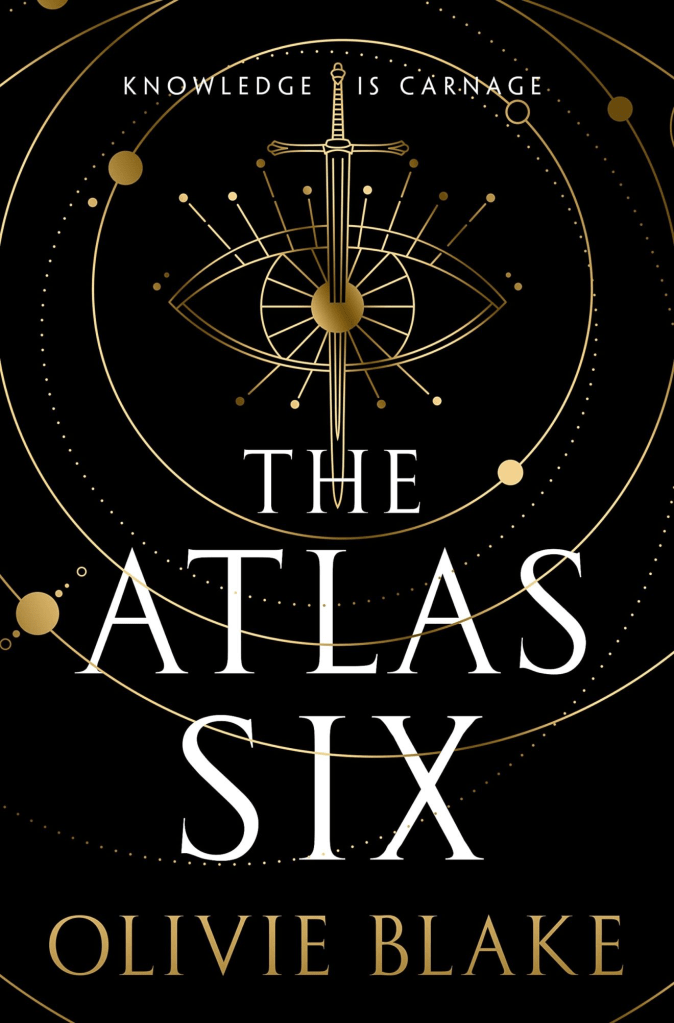
The Atlas Six – Olivie Blakethis brand of Britpop being big and dark academia being a major literary trend missing each other temporally is either a major blessing or a curse—they fit a little too well with each other.

Since this post consists entirely of songs, consider all of them to be today’s song.

That’s it for this week’s Sunday Songs! Have a wonderful rest of your day, and take care of yourselves!
Posted in Books

🏳️‍⚧️🏳️‍🌈The Bookish Mutant’s Books for Pride Month (2025 Edition)🏳️‍🌈🏳️‍⚧️

Happy Monday, bibliophiles!

Here in the U.S., June is Pride Month! I usually start off these posts with something about how the world is slowly getting kinder to queer people, but that, as always, the shadows of homophobia and transphobia loom large. Well…Christ, it sure is looming larger than ever. Misinformed voters have decided that they’re perfectly content to return us to an administration that has already required passports to revert to the carrier’s assigned gender at birth and has been emboldened to toy with the idea of repealing the right to same-sex marriage. Of course, here I am sitting on my comfy couch in my comfy blue state of Colorado that thankfully has a) a gay governor (shoutout to Jared Polis), and b) enshrined the right to same-sex marriage in the constitution, but that doesn’t mean that my heart doesn’t constantly ache. All of us in the queer community are deeply interconnected. What hurts one of us hurts all of us.

Book banning across the country has disproportionately targeted queer books, deeming the presence of such subjects in children’s, middle grade, and YA literature as pornography and grooming. And god forbid that a drag queen commits the incredibly sexual and predatory act of…[checks notes] reading picture books to kids at libraries. Republicans have their priorities twisted. That’s old, old news by now. Books and libraries were never meant to be war zones, but fascists have made it their mission, then and now, to declare the right to information and new ideas as the most dangerous threat to their power. This goes for books both queer and non-queer. But the power of queer books can’t be overstated. Even I, who grew up in an incredibly supportive, accepting environment (biggest thank you imaginable to my wonderful family for being that way), was enlightened and comforted when, in the short period when I was closeted, I found bisexual characters in books that reflected my story and my feelings. Queer literature is revelatory, and it saves lives. For queer people, it gives them the comfort that they aren’t alone. For others, it gives them a glimpse into perspectives that they might not have otherwise considered, and compels them to empathize with people who are different than them.

So this pride month, and all year round (as always), when you think of what you can do to support the LGBTQ+ community, consider picking up a book. Support queer authors. Buy from queer-owned bookstores, because they tend to be pretty cool places. Support your local library (because they need it now more than ever)—checking out queer books shows them that they’re in demand, and that encourages librarians to keep on shelving them. For us book bloggers and other social media-oriented folks: keep on reviewing and shouting out books. And for all of us: no president, no government, and no legislation can take away your queerness. No one has that power but you. Your queerness is revolutionary and beautiful. Keep on being queer.

So here is my annual list of great LGBTQ+ reads from all sorts of genres, backgrounds, and identities. If I’ve mistakenly identified something about a book’s representation, please let me know! I’ve mixed YA and Adult books here, and I’ve also added a nonfiction section for the first time, as I’ve done with my other recommendation lists.

A refresher on my key:

MC: Main character

LI: Love interest

SC: Side character(s)

For my posts from previous years, click below:

Let’s begin, shall we?

🌈THE BOOKISH MUTANT’S BOOKS FOR PRIDE MONTH (2025 EDITION)🌈

FANTASY:

Includes paranormal, magical realism, horror, and genre fusion(s)

SCIENCE FICTION:

Includes dystopia, speculative fiction, & genre fusion(s)

REALISTIC FICTION

NONFICTION:

TELL ME WHAT YOU THINK! Have you read any of these books, and if so, what did you think of them? What are some of your favorite queer books that you’ve read recently? Let me know in the comments!

Today’s song:

lindsey…please tell me this is a sign that you’re cooking something…

That’s it for this year’s pride recommendations! Have a wonderful rest of your day, and take care of yourselves!

Posted in Books

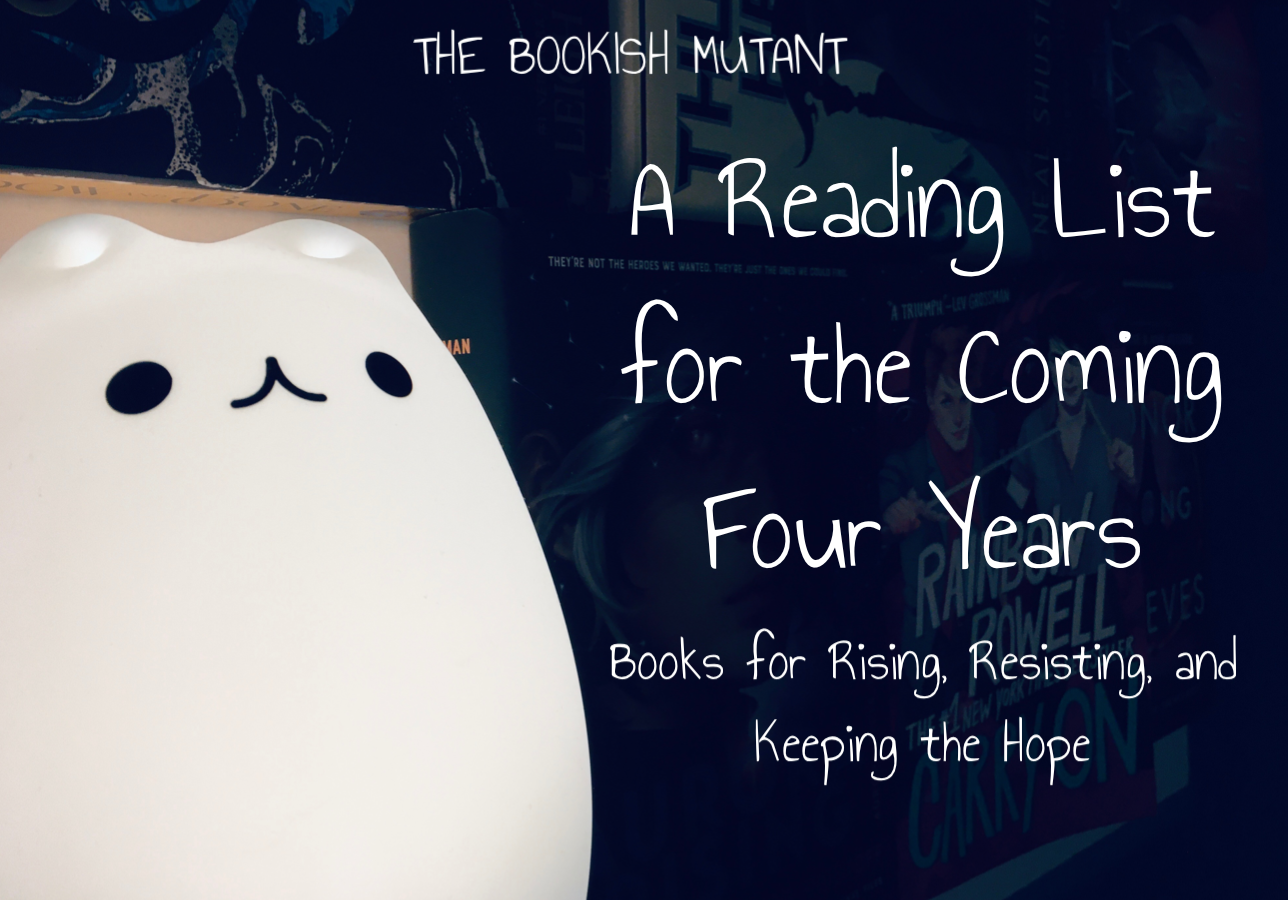
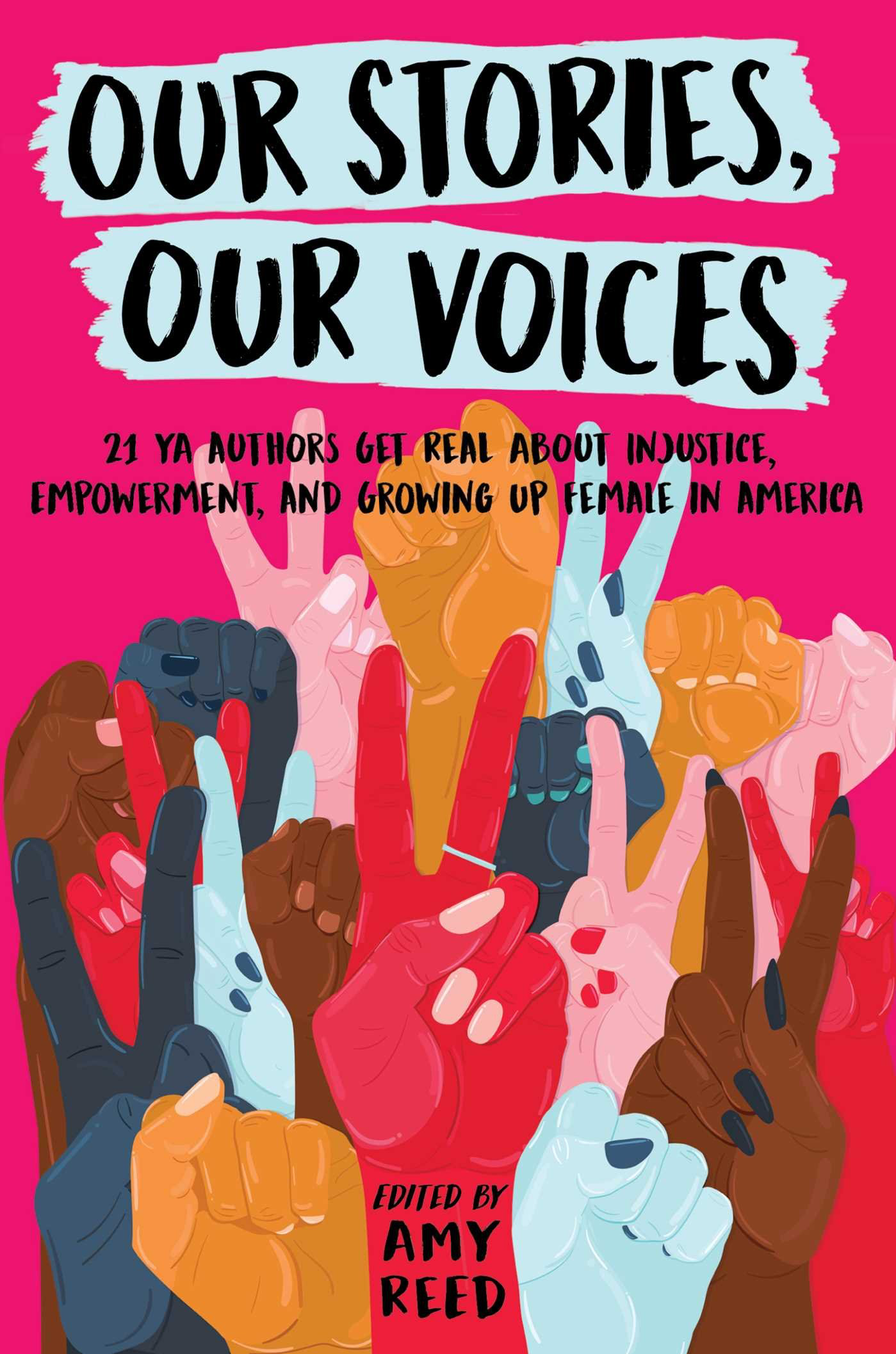
A Reading List for the Coming Four Years | Books for Rising, Resisting, and Keeping the Hope

Happy Monday, bibliophiles…sort of. We’re in for a long four years.

It’s already been said what a slap in the face it is to have Trump sworn in on the day we normally set aside to commemorate Martin Luther King Jr., one of America’s preeminent champions of civil rights. (I’m sure the administration will find some way to spin it in their favor, the same way that Trump spun the Women’s March. Eurgh.) I’m grieving. I will continue to grieve, so long as our country is once again helmed by a tyrant who uplifts the wealthy and bigoted while the marginalized are squashed underfoot. My processing this won’t end until we get him out of office (because I refuse to believe that this is the end), and that’s okay.

But today, as with most of the activity on this blog, I’d like to talk about books.

Anyone who has even had a semblance of a pulse on the news in the last five years or so has seen the increased hateful rhetoric surrounding books—particularly those concerned with promoting diverse voices. Mass book bans have swept the country, with everything from the most innocuous picture books to critical feminist knowledge being stricken down across the board, all in the name of “protecting the children.” The process of objecting to a book is frighteningly simple and straightforward, leading to bans on the basis of misinformation—just look at the time Amanda Gorman’s The Hill We Climb was challenged after a single complaint…and attributed to Oprah Winfrey (ah, yes, because all Black women are the same person, apparently). Apologies for the strong language here, but to quote a great button that I have on one of my jackets, “you know these fuckers banning books don’t read shit.” It’s true. Rarely do those in charge of banning, especially those in the highest offices in the country, consider the actual contents of the books—they simply get a whiff of anything that smells to them of D.E.I. or the “woke groomer agenda” and try to smite it out of the public consciousness.

It was never about the children. The majority of the books that are being banned to “protect children” aren’t even aimed at children. And even if they are, it’s only for superficial reasons—inclusions of, god forbid, diverse perspectives (LGBTQ+, POC, disabled, etc.) or acknowledgments that maybe, just maybe, America is not perfect and has never been perfect. It truly is dangerous. We’ve seen how the Trump campaign was built on twisting and exaggerating lies about this country, feeding its supporters that we must go back to some nonexistent, golden age. Of course it never existed, but the way that they do it is by blocking off access to information on all levels—perpetuating lies and attacking those who spread the truth. Book bans are how this is done at the largest level; it starts with the very youngest, and they claim to “protect the children” as they restrict their access to learning about how this country—and the world—truly is. The regimes that put blinders on its populations—especially the ones banning or burning books—never land on the right side of history.

I believe that the best way that you can combat this deliberate shielding of the truth is to read. In a world where the ruling class relies on you being complacent enough to accept their lies as fact, reading is the ultimate form of rebellion. We read to learn: about other kinds of living, other kinds of people, and possibilities in the imaginations of people you know nothing about. Literature is the site of change because it shows us this possibility—if you can imagine an alternative world, you can put it into action. When you feel powerless, remember that you have boundless knowledge at your fingertips.

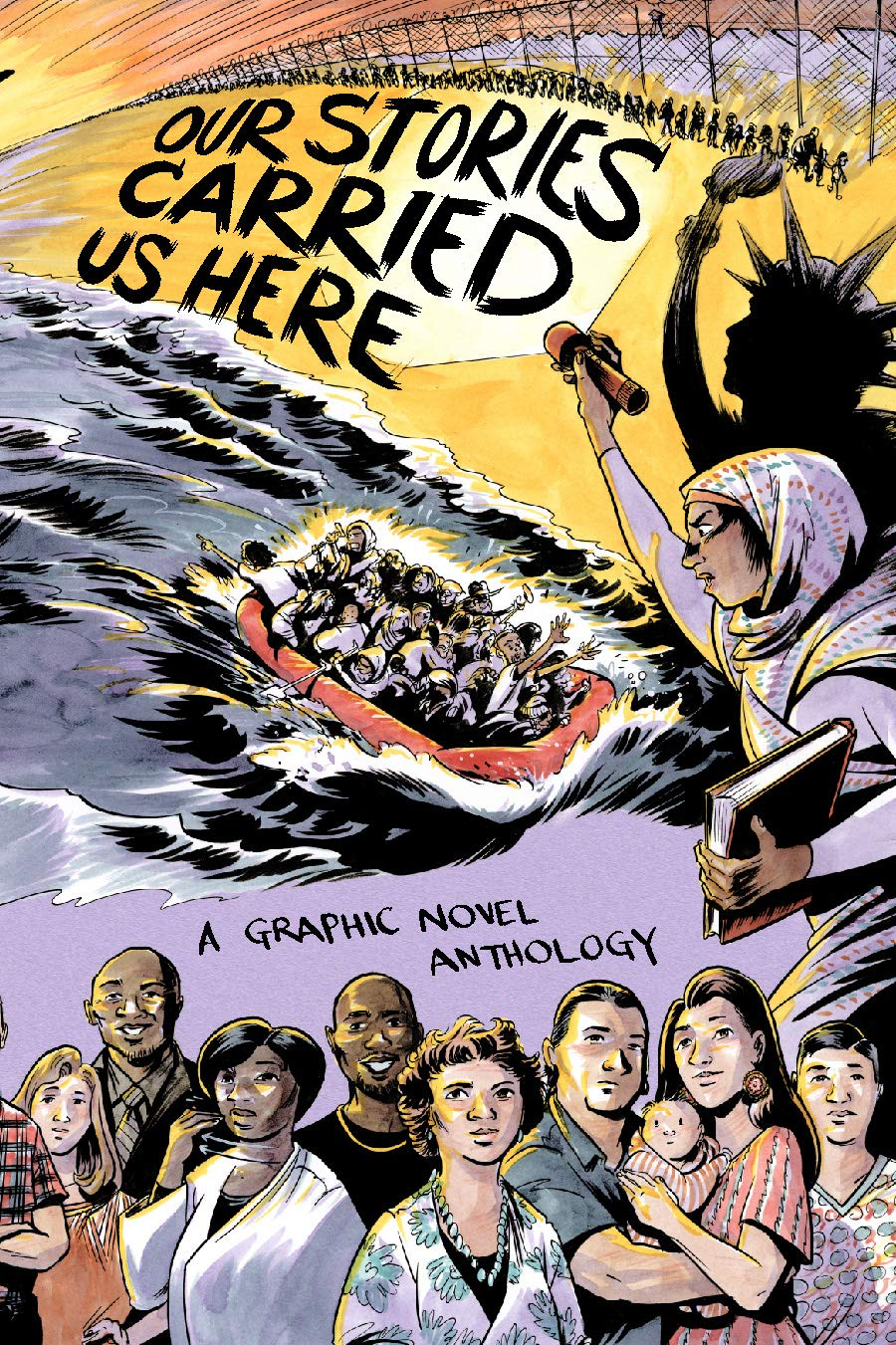
So I’ve compiled this reading list for anyone looking to rebel. I’ve gathered books of all age levels and from all kinds of diverse voices that Trump and his cronies would have you believe neither matter nor exist. Whether your stance is to directly fight the power or quietly rebel by imagining a way out, there are books here for you. Fiction and nonfiction, here are the tools you need to combat misinformation, bigotry, and hatred—and have a great read, too.

A READING LIST FOR THE COMING FOUR YEARS | Books for Rising, Resisting, and Keeping the Hope

FOR THE FIGHT:

These are the books about resistance, in the real world and in imagined worlds. If you need the motivation to stand up and fight for your rights and the encouragement to not pull punches when doing so, these are the books for you.

FOR A BETTER TOMORROW:

Here is something I want to emphasize going forward: it’s important to fight, but not all of us have the strength to do so—and that’s okay! Plenty of people aren’t ready to get out into the streets, and we need to respect that perspective. (This is coming from someone who isn’t quite ready either.) What we need the most in these times is hope, and though there is injustice in these books, they present stories where, despite hardships, joy prevails. They also present vital alternatives to the now—one of the most powerful ways of resisting, in my opinion, is to have the ability to imagine a better tomorrow, whether it’s alternate history, the distant future, or simply a kinder present.

FOR KNOWLEDGE:

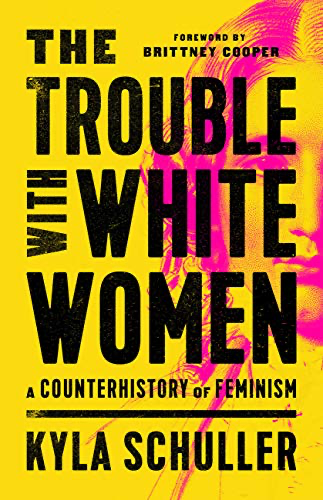
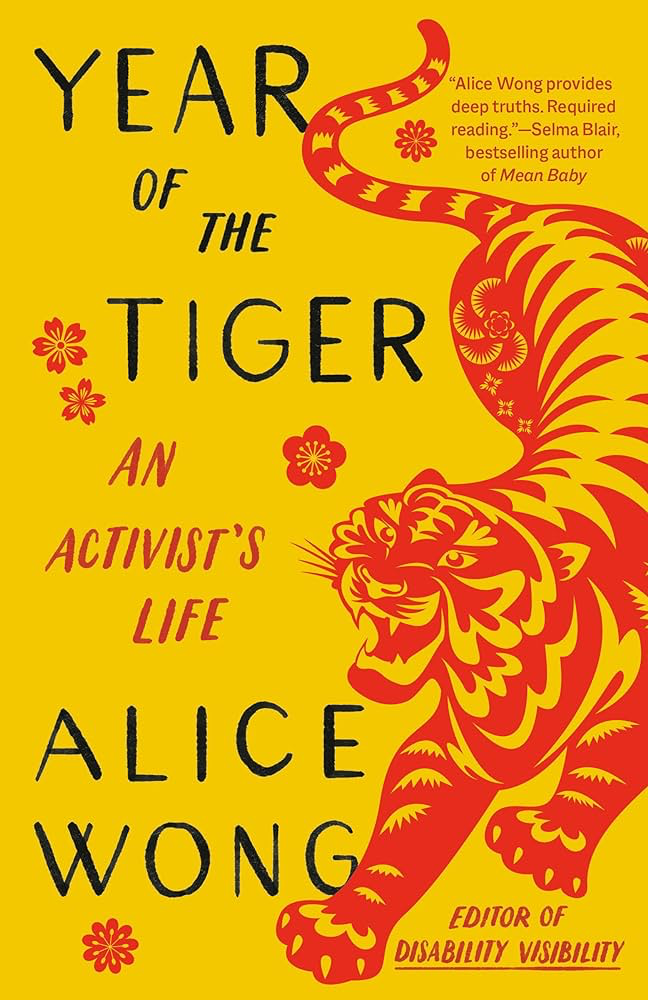
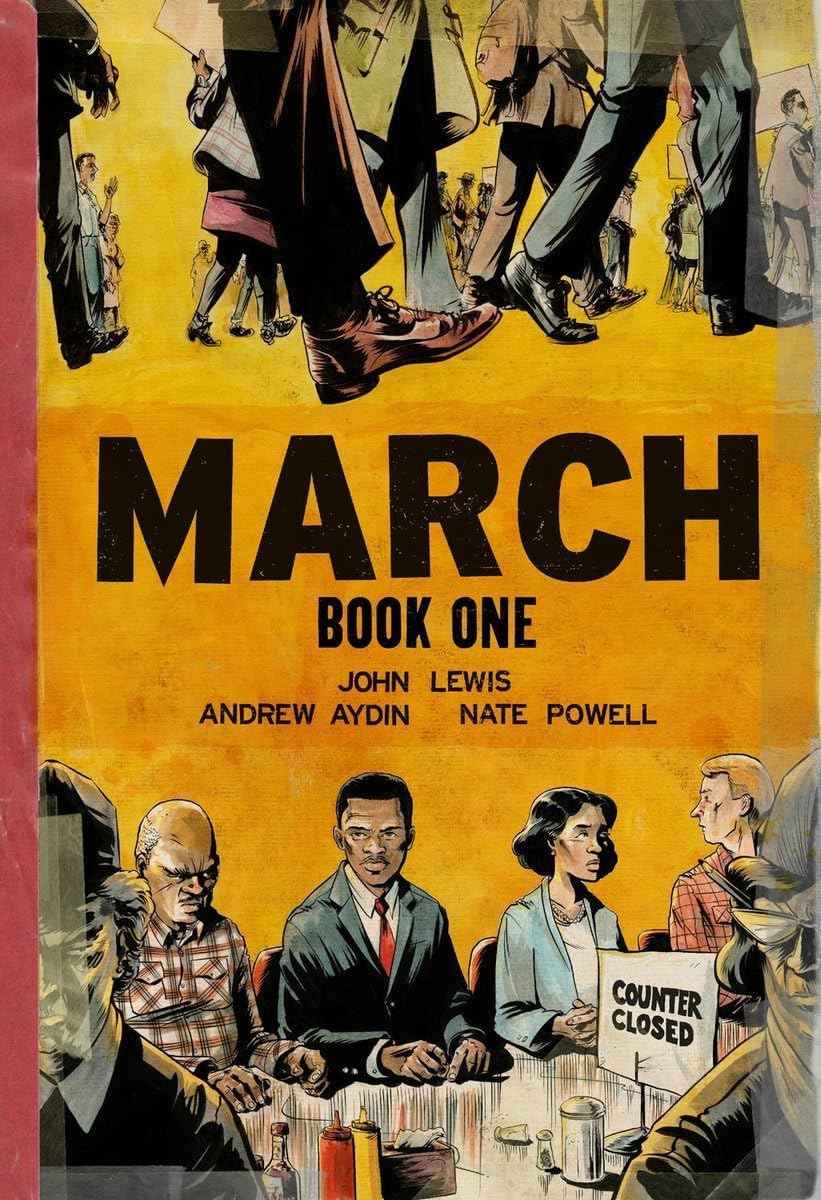
The best way to combat misinformation is to inform yourself. Here are some of my favorite nonfiction books about resistance and feminism and its many facets—race, sexuality, gender, ability, and more. Ranging from revered feminist scholars to more contemporary perspectives, I hope there is something for everybody here.

A SELECTION OF GREAT BOOKS BANNED FOR RIDICULOUS REASONS:

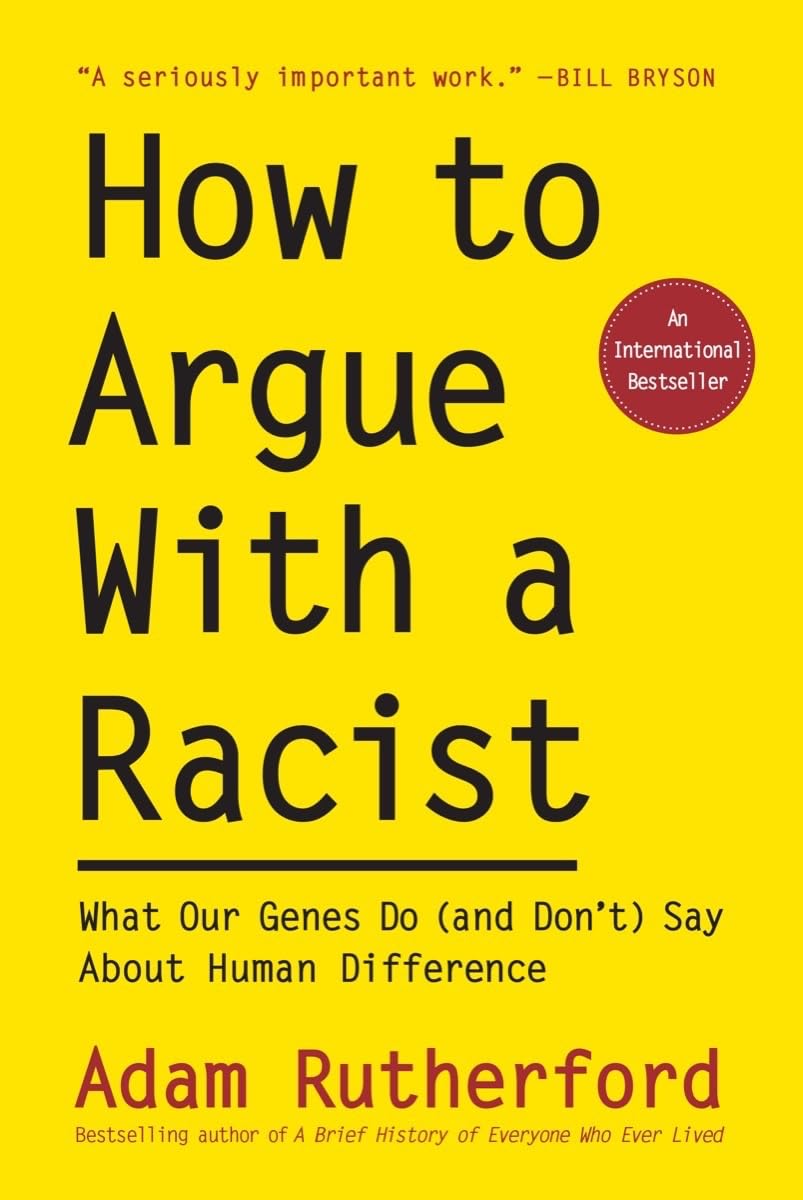
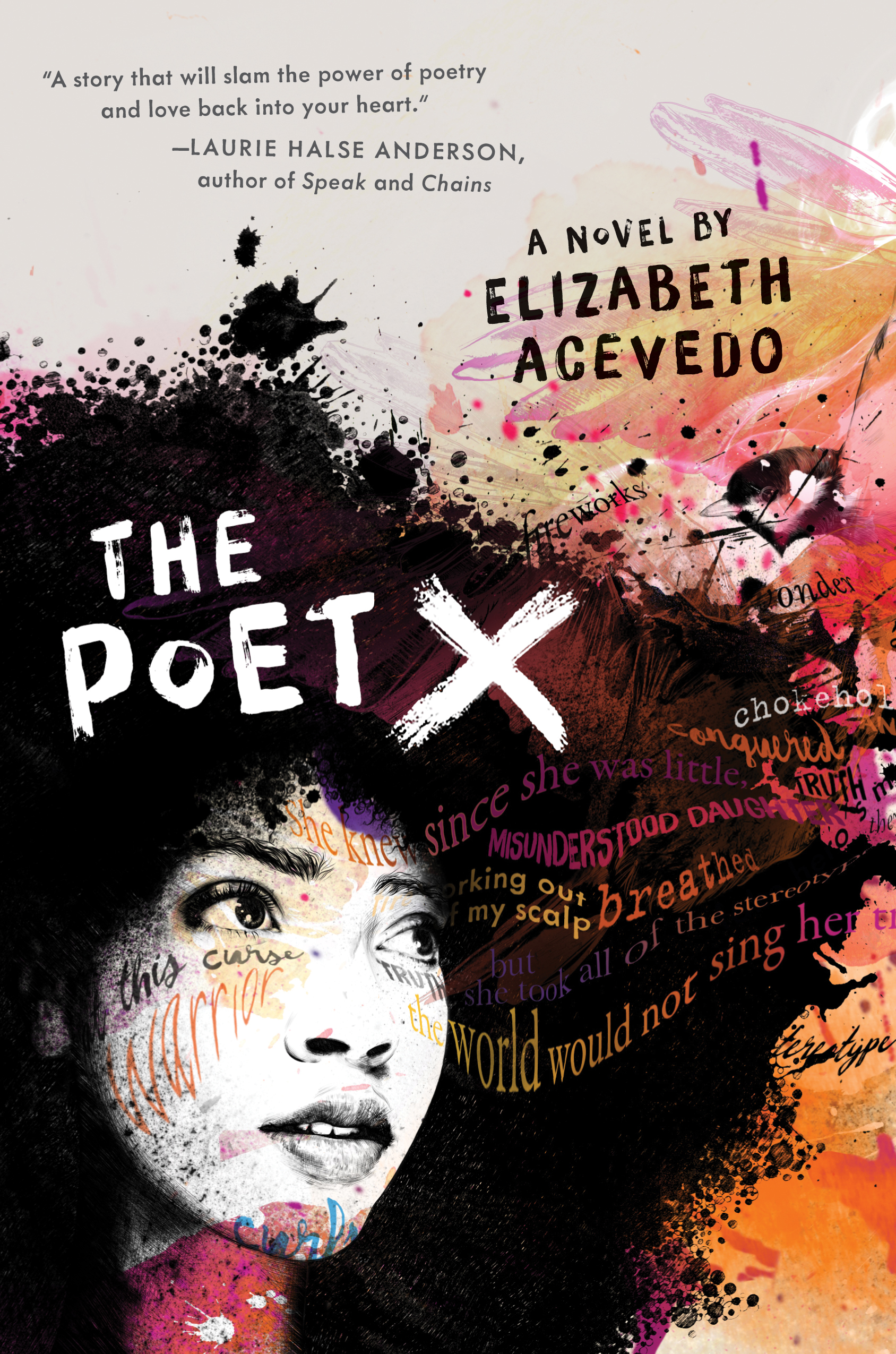
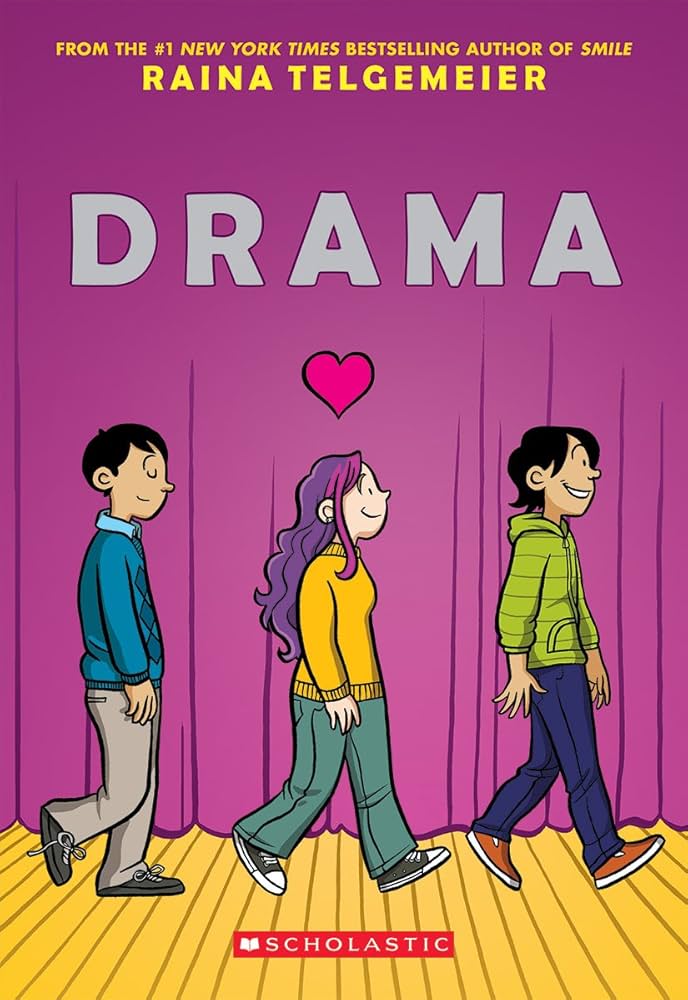
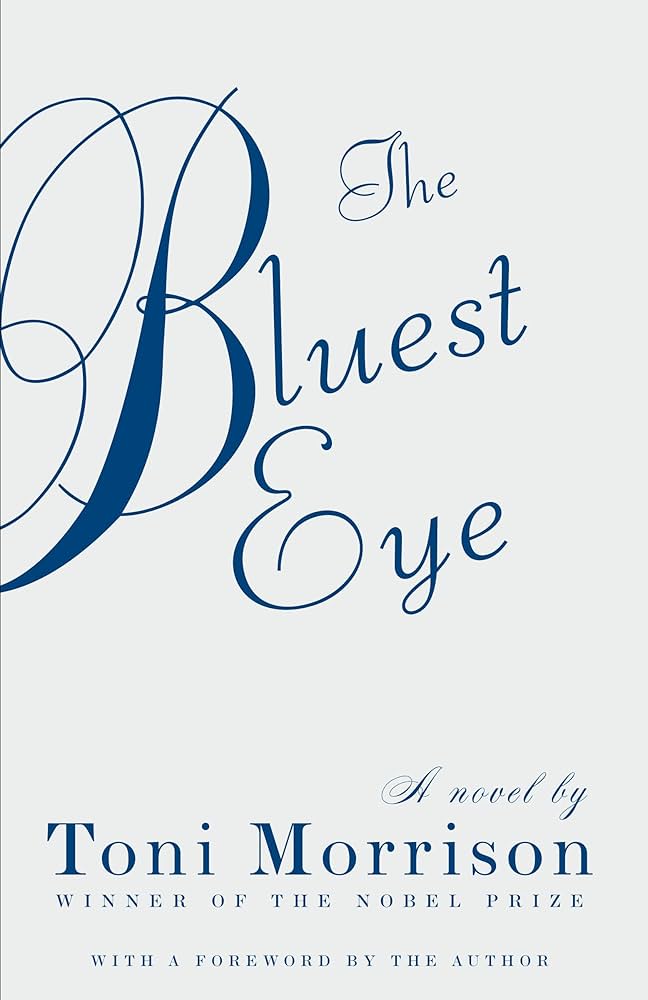
Here in the U.S., we’ve seen a deeply disheartening uptick in book bans for a number of reasons—none of them valid. Standing up to book bans is essential in these times, and through it, you can discover some excellent literature, whether they’re classics like Maus and The Bluest Eye or newcomers like The Poet X.

RESOURCES FOR FIGHTING AGAINST CENSORSHIP:

  • PEN Americaif you’ve been paying attention to efforts against book banning, you’ve likely seen PEN America come up, and for good reason—they are one of the foremost organizations fighting for the rights of authors and journalists, as well as the freedom to read and write.
  • Authors Against Book Bans – self-explanatory, but this organization has a variety of resources on how you can fight against book bans around the country.
  • M.K. England (Substack)although my list didn’t end up containing any of their books (sorry 😬), England has provided a comprehensive list of ways you can fight back against the potential threat of Project 2025 in terms of queer literature for younger (MG and YA) audiences.
  • SUPPORT! YOUR! LOCAL! LIBRARY! Wherever you are in this country, use as many of your library’s resources as you can! Whether you’re checking out books physically or digitally, or using their non-book services, libraries need all the support that they can get in these coming years.

That being said, this list is by no means exhaustive! I encourage you to look beyond this list to find even more books you love that live up to these principles. Scour the internet and your local library, and you are sure to find many more examples. Let me know in the comments what your favorite books about making change, resisting, and keeping hope are!

Today’s song:

it’s a relevant song for this post, but also, I did just listen to Humanz for the first time over the weekend. Not their best, but this was one of the highlights; as much as I despise Oasis, I do find it poetic that Albarn and Noel Gallagher sang together on this one after having the most ridiculous, decades-long rivalry. (To say nothing of Liam…)

That’s it for this post! Have a wonderful day, and…I know I put this at the end of every post, but please take care of yourselves. I love you.

Posted in Books

♿️ The Bookish Mutant’s Books for Disability Pride Month – 2024 Edition ♿️

Happy Monday, bibliophiles!

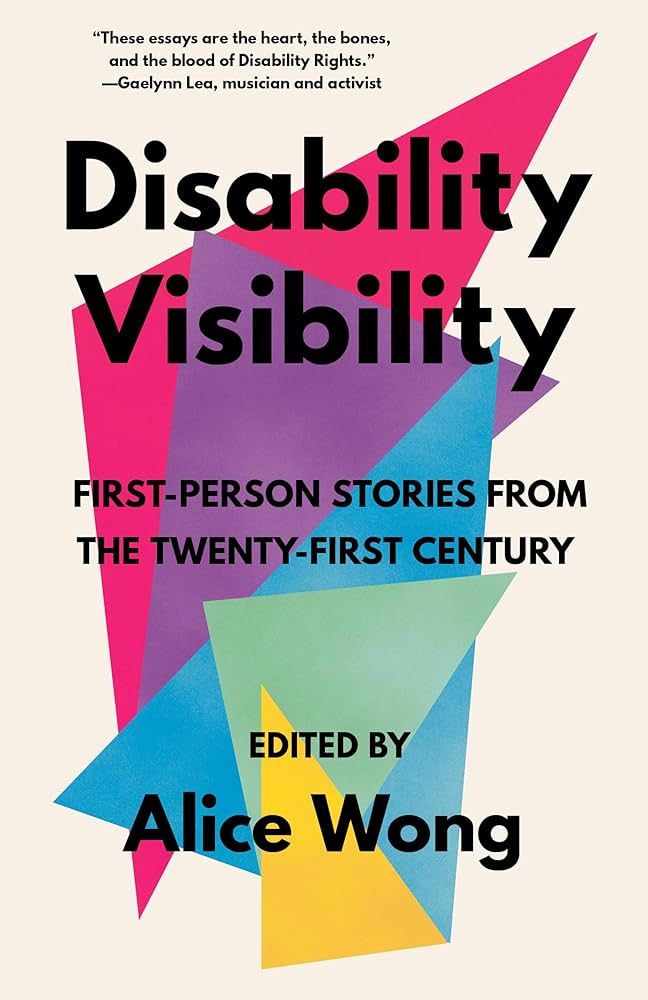
Here in the U.S., July is Disability Pride Month! In the three years that I’ve been making these lists, disability is still forgotten even in many intersectional feminist circles, and the importance for uplifting the disabled community has never been more important than know, what with the fallout of the COVID-19 pandemic, where disabled people, especially those who are immunocompromised, were disproportionately affected. Every year, even though I look in as many places as I can, it’s difficult for me to find books with disabled stories at the forefront that don’t center suffering or being “inspiring.” (As of now, I have only ever read one book with my disability, SPD, and heard of only one other. Inspiration for me to write my own stories…) So with these lists, I hope to provide disabled books with a wide range of representation, both in terms of disability and in the intersection of race, gender, and sexuality.

NOTE: my memory (and the internet) is imperfect, so if I’ve misrepresented/mislabeled any of the specific rep in these books, don’t hesitate to let me know!

KEY FOR TERMS IN THIS POST:

  • MC: Main character
  • LI: Love interest
  • SC: Side character

For my previous lists, click below:

Let’s begin, shall we?

♿️THE BOOKISH MUTANT’S BOOKS FOR DISABILITY PRIDE MONTH (2024 EDITION)♿️

FANTASY:

SCIENCE FICTION:

REALISTIC FICTION:

TELL ME WHAT YOU THINK! Have you read any of these books, and if so, did you enjoy them? What are some of your favorite books with disabled rep? Let me know in the comments!

Today’s song:

this song makes me SO so incredibly happy!! thank you to Horsegirl for recommending it!!

That’s it for this month’s recommendations! Have a wonderful rest of your day, and take care of yourselves!

Posted in Monthly Wrap-Ups

June 2024 Wrap-Up 🐻

Happy Sunday, bibliophiles!

Halfway through 2024…no! No we aren’t 😀😀😀😀😀😀😀😀😀😀😀😀😀😀😀😀

Let’s begin, shall we?

GENERAL THOUGHTS:

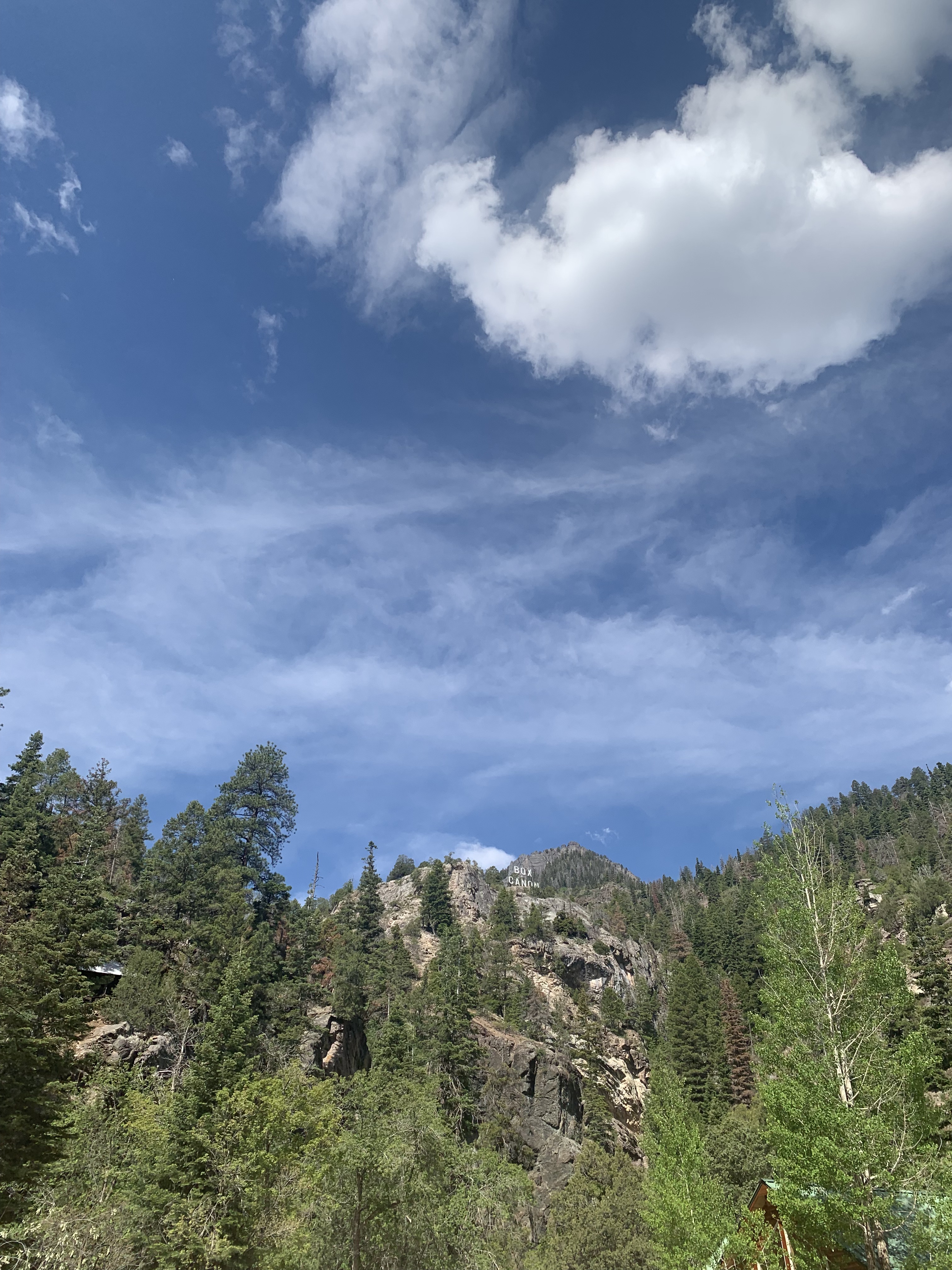
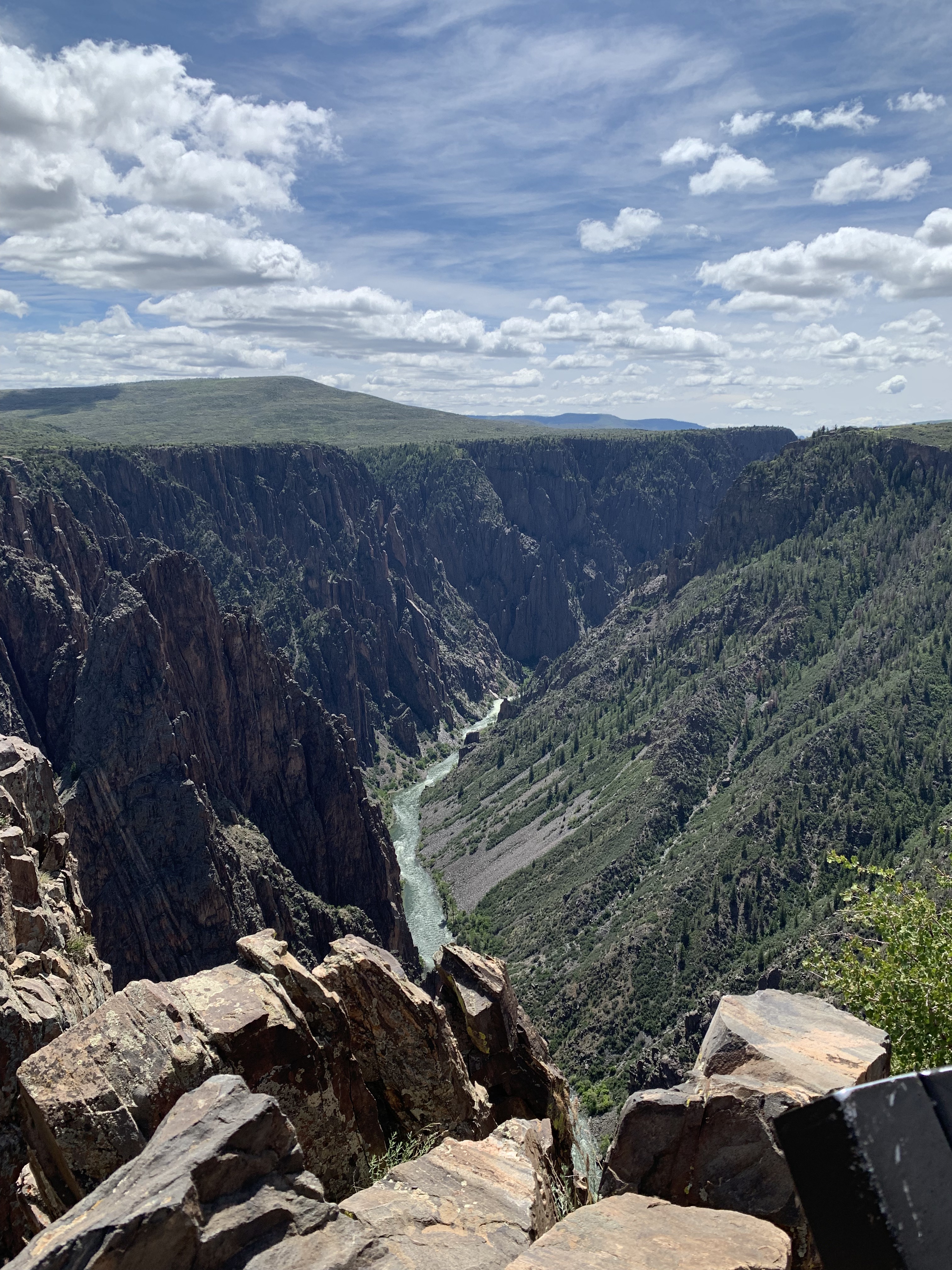
After how busy and hectic my sophomore year of college was, June has been a time to recharge in more ways than one. I went on a quiet vacation at the beginning of the month (Ouray and Black Canyon of the Gunnison—the latter is a very underrated national park, I highly recommend it!), and I’ve taken the rest of the month to…well, rest. I’ve tried to be on social media less and focus on art, writing, and generally nourishing my creativity. In preparation for Camp NaNoWriMo (I only ever do the July camp these days because November and April are both abysmally busy times for me now that I’m in college), I’ve decided to round out my sci-fi trilogy and write the first draft of book three; at this point, I’ve beefed up the outline like a grizzly bear before hibernation, so at least I’ll have some sense of direction…wish me luck!

My reading month started out slower, and it’s had some dips, as always, but I ended up reading loads of fantastic queer books for pride month! Predictably, one of my vacation souvenirs wasn’t something related to where we went…no, I bought a copy of The Familiar at a local bookstore (support ’em!) knowing that it would take eons for my hold to arrive at the library. Worth it. I also figured it was as good a time as any to re-read my favorite series from when I was a kid—the WondLa trilogy. My verdict? It healed my soul and reinvigorated my creativity. Some kid’s books don’t age well, but WondLa never gets old.

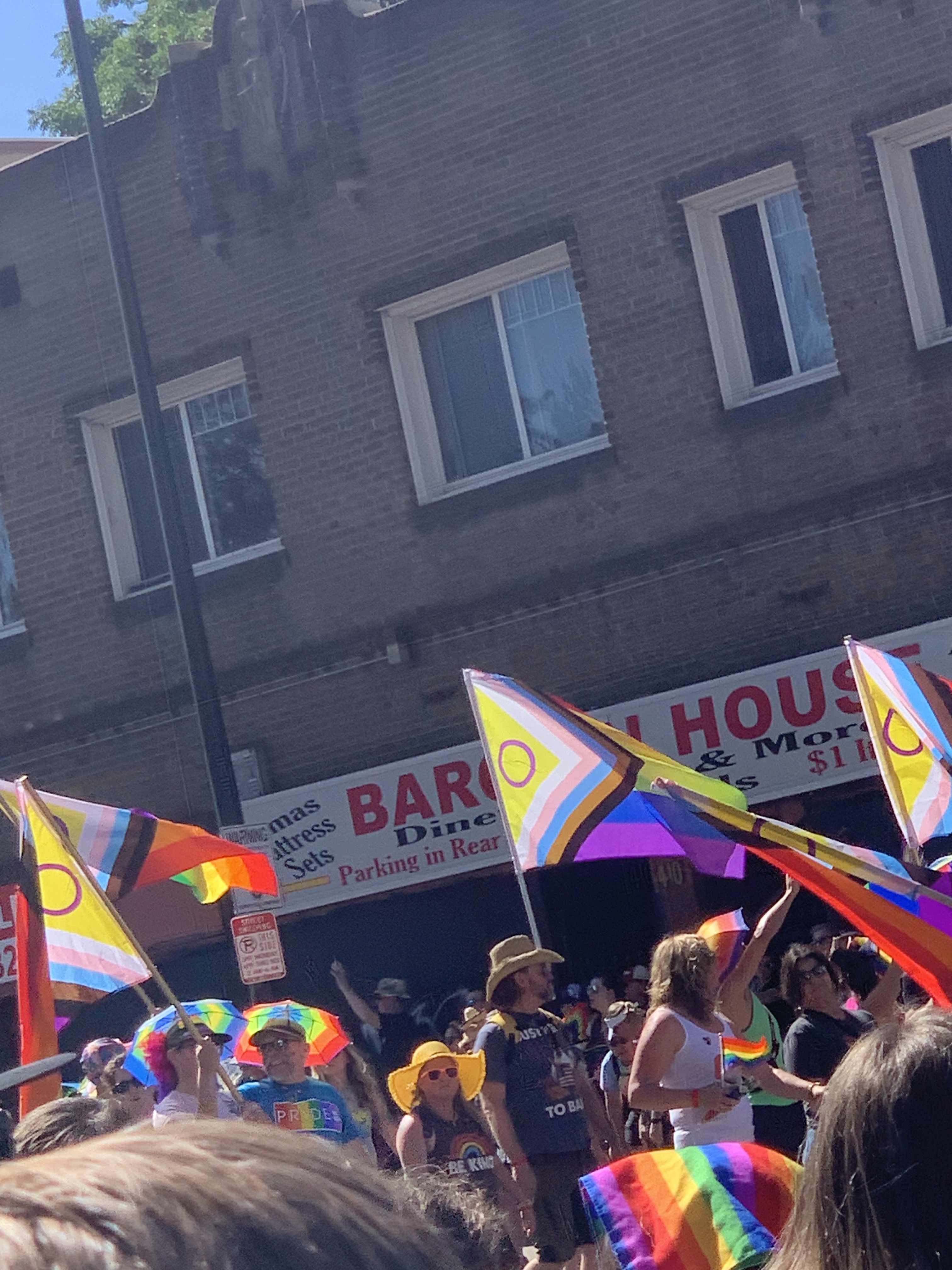
Other than that, I’ve just been making art, playing guitar, going to pride (so much fun!), watching Hacks, Succession (nearly finished with season 1, and all it’s done is made me fear business majors even more than I already do), and…morbidly, Apple TV+’s new show that they decided to call WondLa. I’m three episodes in, and it’s like watching a train wreck. Expect a retrospective on the WondLa trilogy and possibly a review of…whatever that show is that definitely isn’t WondLa.

On a lighter note, photos from my vacation and pride:

(The bear on the title of the post is in honor of a bear we saw crossing the road in Black Canyon. Could also represent bears in general? Happy pride.)

READING AND BLOGGING:

I read 18 books this month! It’s been another relaxed reading month, and although I had a slump towards the end of the month, I read several incredible books for pride month!

1 – 1.75 stars:

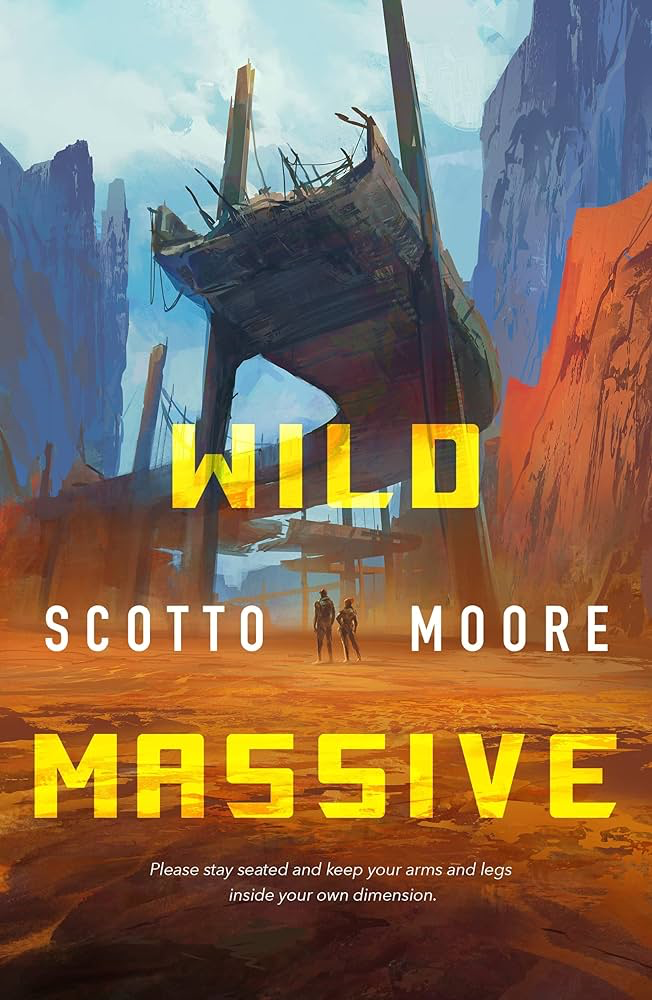
Wild Massive

2 – 2.75 stars:

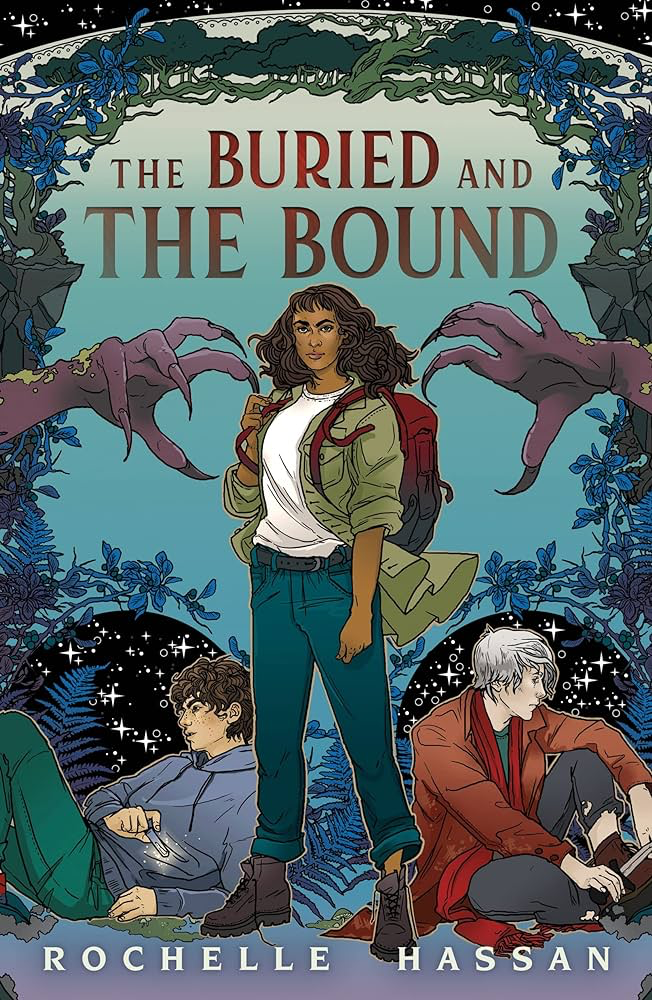
The Buried and the Bound

3 – 3.75 stars:

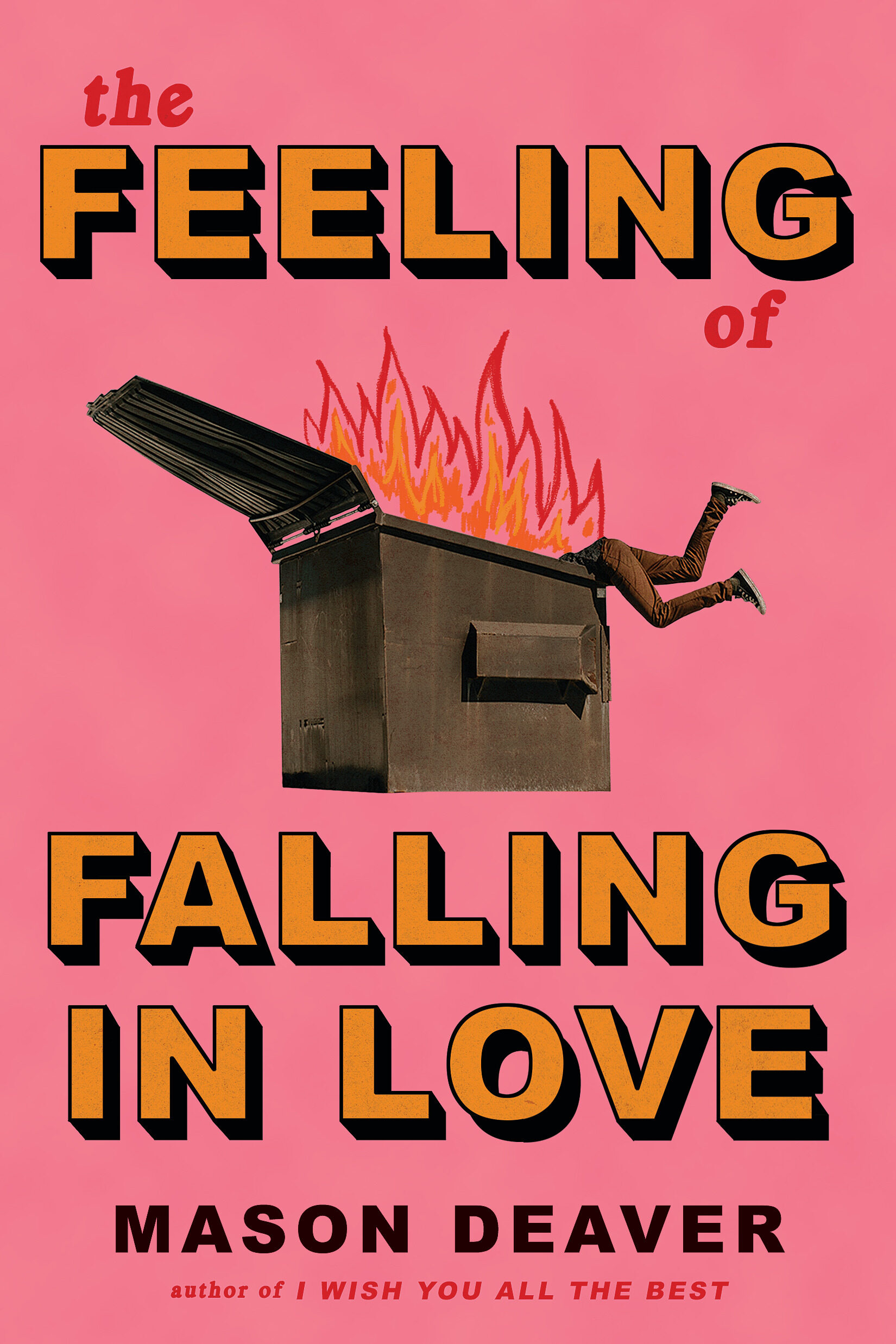
The Feeling of Falling in Love

4 – 4.75 stars:

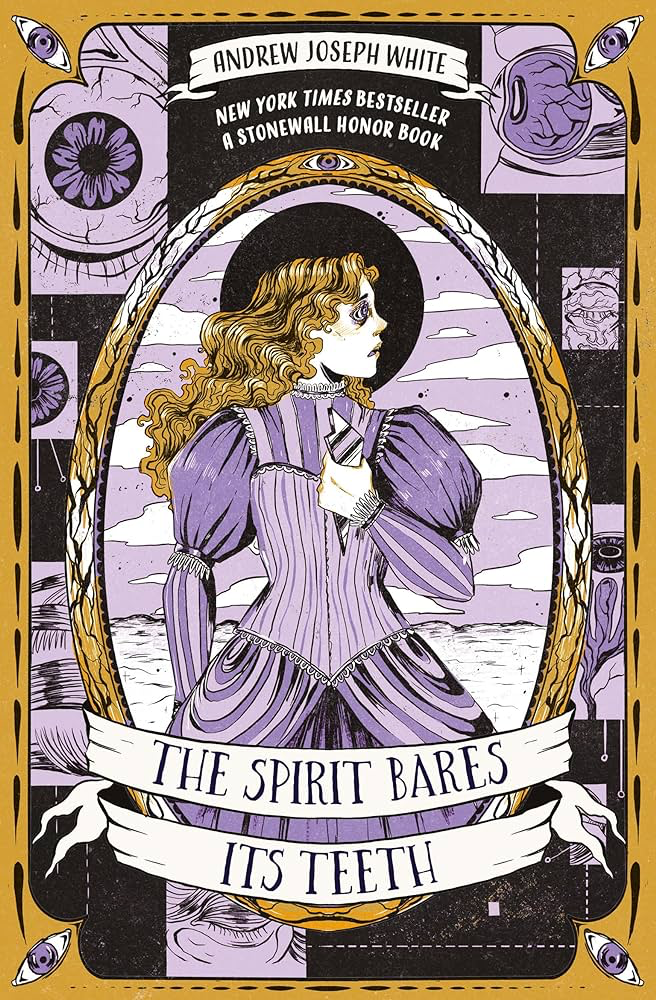
The Spirit Bares Its Teeth

5 stars:

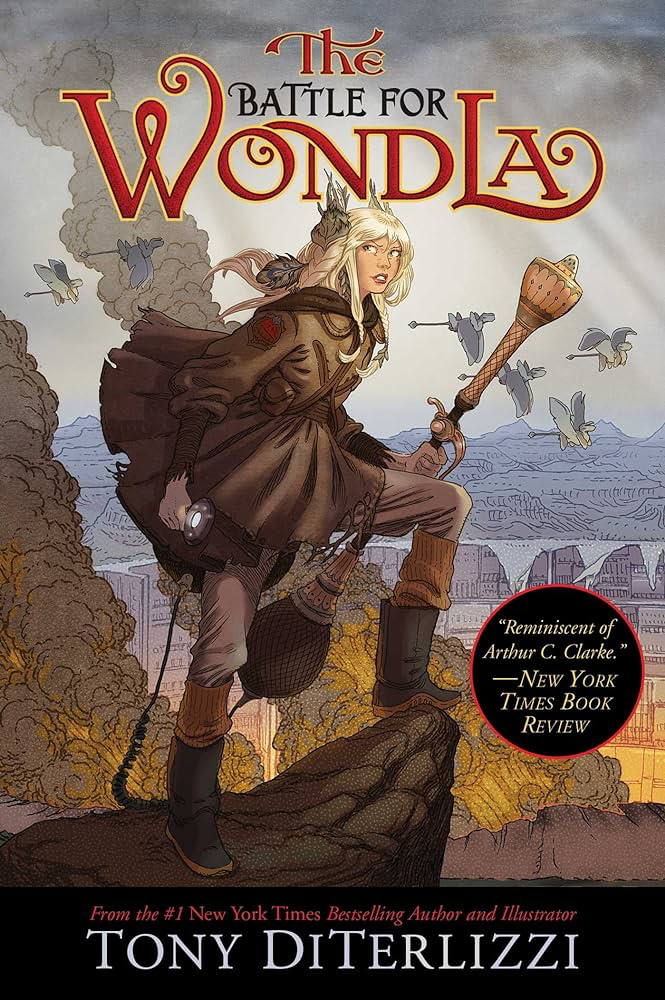
The Battle for WondLa

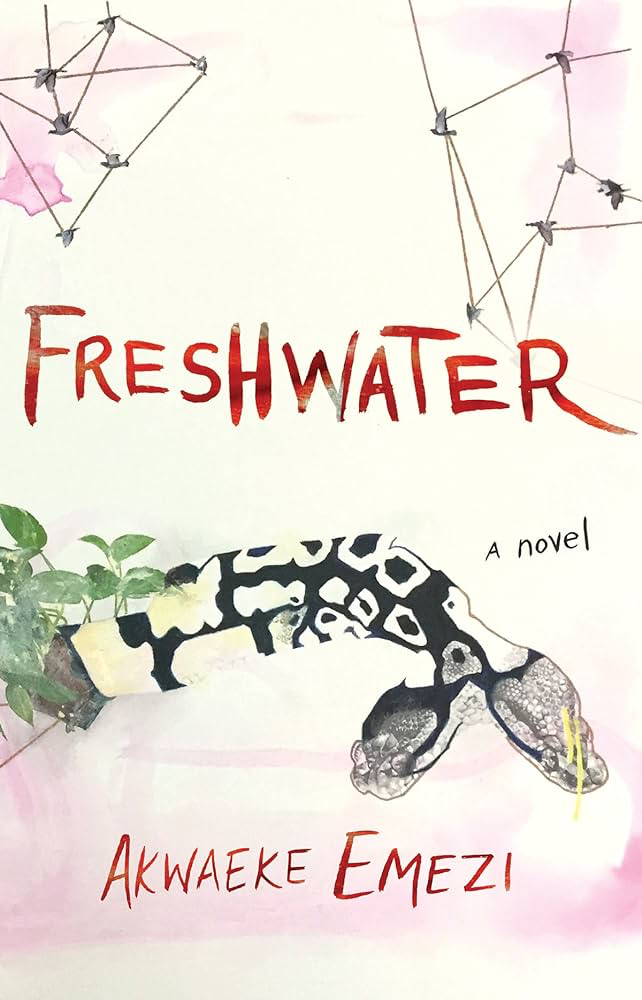
FAVORITE BOOK OF THE MONTH (NOT COUNTING RE-READS) – Freshwater – 4.5 stars

Freshwater

POSTS I’M PROUD OF:

POSTS FROM OTHER WONDERFUL PEOPLE THAT I ENJOYED:

SONGS/ALBUMS I’VE BEEN ENJOYING:

ADORE THIS ALBUM.
this song cracks me up…happy pride
forgot about this song for ages…thank you to my dad for resurrecting this one for me!
on a cocteau twins kick again…
LIVE LAUGH LISA GERMANO
great album!! with all the buzz it got when it came out, I’m surprised that I never heard anything about this one…
HOT WILCO SUMMER!!

Today’s song:

living for the Galaga noises at 0:26

That’s it for this month in blogging! Have a wonderful rest of your day, and take care of yourselves!

Posted in Sunday Songs

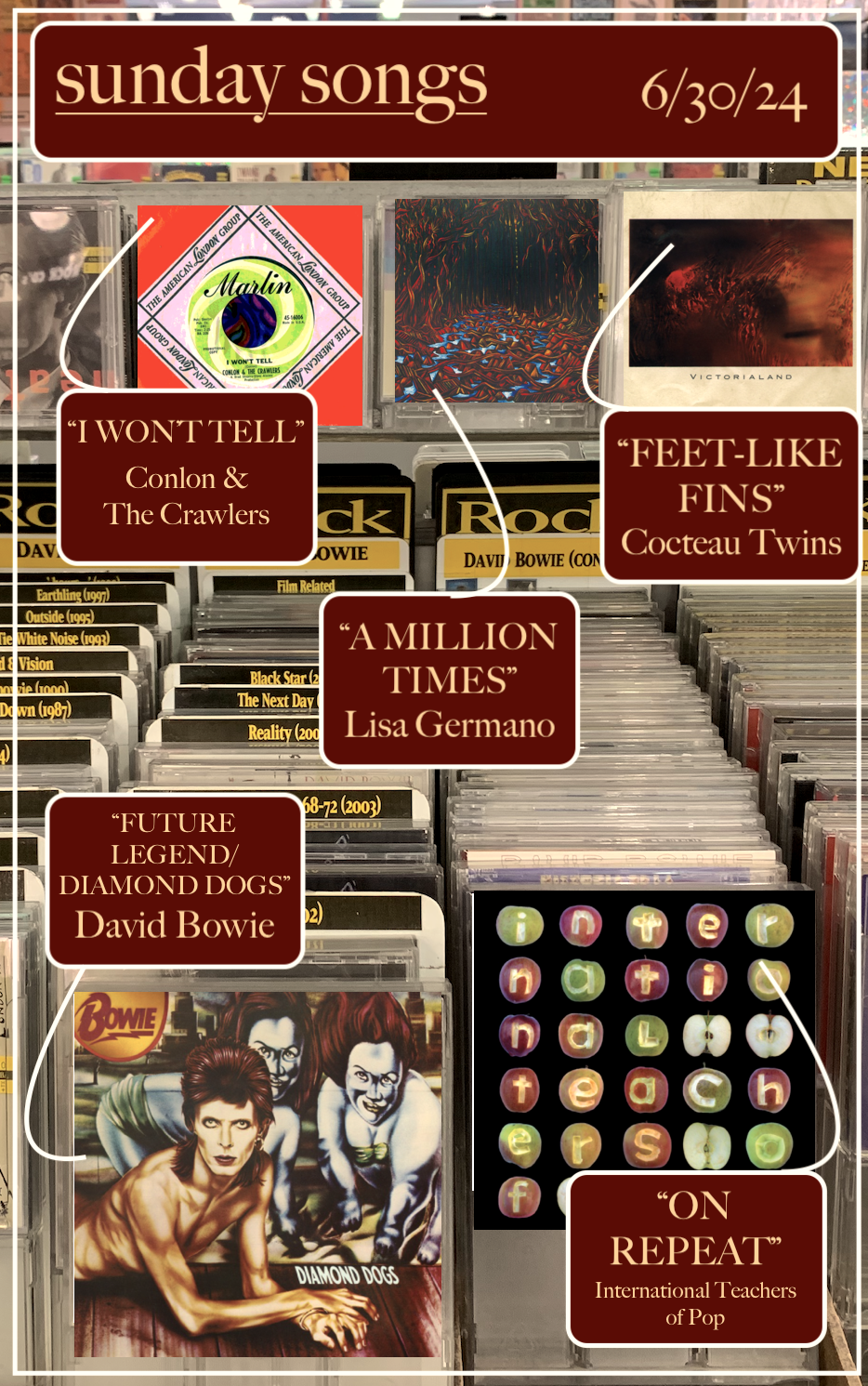
Sunday Songs: 6/30/24

Happy Sunday, bibliophiles! I hope this week has treated you well.

This week: this ain’t rock n’ roll…

Enjoy this week’s songs!

SUNDAY SONGS: 6/30/24

“Future Legend/Diamond Dogs” – David Bowie

Another victim of me trying stubbornly to fit this into a color scheme, and also a victim of me trying to align my albums with what I draw on the whiteboard of my dorm. Listen, if the original sleeve was banned in the U.S., that generally means it’s a cool album cover, but probably not a good idea to be displayed for the world and my RA to see. And I was not about to draw David Bowie’s anatomically accurate canine lower half. Nah.

A time-proven rule: nobody does it like Bowie. You can put on all of the theater and spooky voices that you like, but nobody will ever replicate the sheer goosebumps that the intro to this album induces. The same can be said for many songs on this album (see: “Sweet Thing/Candidate/Sweet Thing [reprise]”), but I put “Future Legend” and “Diamond Dogs” together because the most enriching way to experience them is to experience them as a single song, and that single song is one of my favorite album intros of all time. Diamond Dogs is glam rock covered in flies—the lovelorn hope of Ziggy Stardust remains, but stinking of a world left in tatters, a hunk of rotting meat left for the mutant vultures in the searing desert heat. Cobbled from shreds of William S. Burroughs and Bowie’s failed attempt at a musical adaption of 1984, this album is a dystopia full of lust and peril. As a prologue, “Future Legend” is the height of Bowie’s theatricality. On anybody else, a dog’s howl, distorted as though bellowed through a plastic tube would feel like a feeble attempt to set a scene. Bowie, of course, makes it into the most bone-chilling alarm bell signaling the beginning of the end. It’s not the kind of sound any normal dog makes— it immediately triggers a sense of uncanny valley, a hair’s breadth away from being distinctly, evolutionarily wrong. His staticky narration is accompanied by synthy moans and high-pitched, delirious singsong beasts echoing “love me, love me!” as he tells of an alien landscape where all that remains of the 20th century is the excess it produced, the last monoliths that the mutant survivors of some horrific extinction now cling to. Panting dogs and drooling bloodsuckers lick their lips in the distance as Bowie lifts the curtain to declare this an era beyond the collapsed remnants of our sense of time. No month, no four-digit number to designate this hellscape: it is the year of the Diamond Dogs.

And “Diamond Dogs?” Hearing it for the first time while freshly 13 rearranged my molecular structure. In that moment, nobody had ever done anything as cool as that. It’s still true.

Because there will never be another album intro like this:

And in the death, as the last few corpses lay rotting on the slimy thoroughfare,
The shutters lifted in inches in Temperance Building, high on Poacher’s Hill
And red, mutant eyes gaze down on Hunger City.
No more big wheels.

Fleas the size of rats sucked on rats the size of cats,
And ten thousand peoploids split into small tribes,
Coveting the highest of the sterile skyscrapers like packs of dogs assaulting the glass fronts of Love Me Avenue,
Ripping and rewrapping mink and shiny silver fox, now legwarmers.
Family badge of sapphire and cracked emerald.
Any day now…
The Year of the Diamond Dogs!

…AND A BOOK TO GO WITH IT:

1984 – George Orwellneed I really explain this?

“On Repeat” – International Teachers of Pop

In terms of Co-Pilot, I end up focusing. more on Jim Noir, which…well, he has played a very prominent part in my musical life, but Leonore Wheatley’s musical ventures rarely get the praise they deserve. Wheatley’s talents extend to The Soundcarriers (big thank you to my brother for introducing me to them!), Co-Pilot (who released their incredible album Rotate almost a year ago!! Make some noise!!), and International Teachers of Pop, where she provides vocals alongside Katie Mason.

I’ve heard far too many bands who desperately want to market themselves as a second-coming of a certain era of music (We haven’t recovered from what Stranger Things did to shove the ’80s in everybody’s faces…I want out), but only end up sounding like plastic imitations. The key, which this school board of musicians has figured out, is not to set out to imitate. This sounds like a product that emerged from a desire to have fun and make catchy dance-pop and not try and sound like somebody more famous. Fun should be the prime motivation to make music, especially in a side project like this, but the bar’s low in such a hit-churning industry. You can hear Erasure and the Pet Shop Boys in every synthy buzz and flourish, but not because they set out to sound like them—it’s an homage, never an imitation. Mason and Wheatley’s harmonies center this pulsating track, built for booming bass and bouncing feet. (It really was a shame to see how lukewarm the crowd was in the video above—why are they barely dancing??) With lyrics swimming between existential dread and a desire for oblivious joy, “On Repeat” is the product an extensive pop study. Maybe the name is a touch presumptuous, but they’ve got the talent to back up their assertion, tongue-in-cheek or not.

…AND A BOOK TO GO WITH IT:

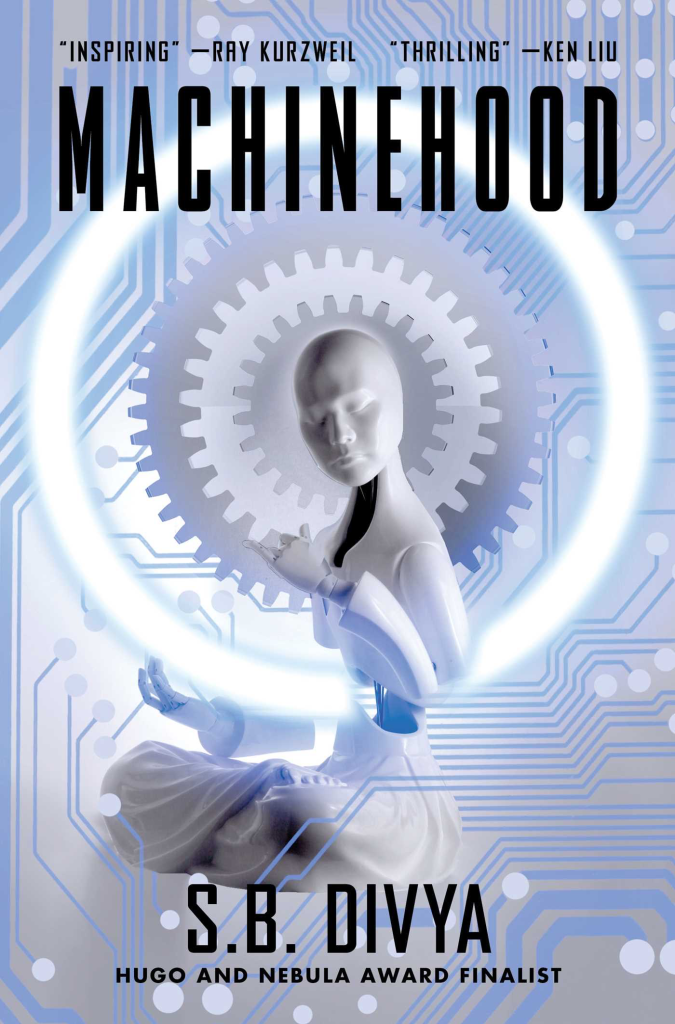
Machinehood – S.B. Divyaooh! aah! capitalism! woo! woo! yeah! this economy cannot sustain human life! get funky!

“I Won’t Tell” – Conlon & The Crawlers

Listen, I am BEGGING the Hacks fandom to do their stuff, because I can’t keep looping this song over and over on YouTube, and I don’t have a record player and therefore have no reason to snag the copies lingering on eBay…PLEASE. WE NEED TO GET THIS ON STREAMING. WHATEVER IT TAKES. DO YOUR STUFF!!!!!

“I Won’t Tell” was one of two one-off singles (the other being “You’re Comin’ On”) by Conlon & The Crawlers, an offshoot of The Nightcrawlers (top 10 band names that I totally want to steal for reasons that are totally not X-Men-related). From the looks of it, neither song went anywhere, and now the only remnants are floating around on eBay, and, thanks to some digging, a few eagle-eyed people on YouTube. All of this begs the question: how were they able to get this on Hacks? Somebody’s got a great record collection…unfortunately, the scene isn’t on YouTube, but it appears in Season 3, Episode 6, and briefly soundtracks a hilarious slo-mo of Ava and Deborah on a golf course, with Ava confidently strutting beside Deborah with her caddy vest on backwards.

The minute I heard it, I knew I had to hunt it down—it encapsulates a very distinct sound of the late-’60s that I just adore. It’s just deliciously jangly, from the opening riff (a reworked and arguably improved version of the opening to The Nightcrawlers’ “Little Black Egg”) to the almost banjo-like strum that builds the track’s backbone. Chuck Conlon’s butter-and-sugar voice spins the strings of “Little Black Egg” into a precocious, peculiar masterpiece—who would forget a song that opens with “A teaspoon holds more than a fork does/A long snail eats more than a short one?” This vibrant, jangly oddball is practically asking to be used for a tightly-shot Wes Anderson montage. Surely it’s obscure enough for him…

…AND A BOOK TO GO WITH IT:

Floating Hotel – Grace Curtislighthearted, jaunty, and equally matched on the Wes Anderson vibes front.

“A Million Times” – Lisa Germano

I’m not sure which direction I should go for next in terms of Lisa Germano’s discography. She has nine studio albums, two of which I’ve already listened to (Excerpts from a Love Circus and Slide). I know I’ll feel like a kicked puppy lying on a dirt road in the middle of nowhere after I listen to any given album, so chances are, it probably doesn’t matter where I start. Either way, on a whim, I dipped my toes into a handful of songs from her 2009 album Magic Neighbor. Many of the reviews have categorized it as having a childlike innocence juxtaposing the veil of darkness that never lifts from her discography, and there’s tangible strings of it stretched throughout. Even if you’ve dictionary-definition Been Through It like Germano has, I feel like you’d still have to have at least the tiniest mote of innocent glee—or humor—left in your soul to name a song “Kitty Train,” even if it’s a short instrumental break.

“A Million Times” has a childish glint to it, but childish here translates to complacency and toxicity; it feels like the emotional progression of “Small Heads,” musically twelve years down the line, but personally, only a handful. (At least…I hope so. I can only hope that the abusive bastard who inspired her to write any of the songs from Love Circus is just one guy, and that he got his comeuppance.) “Small Heads” acknowledges how unhappy she is in said relationship, but wryly admits that it’s not all the other party’s fault: “How convenient to forget/All the lies that you say/When you’re really really drunk…like me.” It’s a mutual kind of tangling, with both people ouroboros-ing themselves into their own minds so deeply that they’ve ceased to think of each other (“Did I ever think of you?/Did you ever think of me?/Probably not, with our heads in the clouds”), or, as Bowie might put it, “making love to [their] egos.” It’s all just fun and games, right? Whee! “What a lonely life!” she sings to the cheer of the crowd and dainty recorders.

Such fun and games echo through “A Million Times.” Said recorder has made a comeback, and all of the egg shakers and brushes in the background sound like remnants of rusty toys being disassembled. Just as childlike, Germano tosses the relationship across the room like a discarded doll, letting its limbs crumple now that she’s had her fun: “We fell in love and we were caught/Inside this game we call together/And it felt good until we found/We had more fun when we were strangers.” Every motion they go through is described in the same way that Ken tells Barbie “we’re girlfriend boyfriend,” smashing doll heads together to simulate kissing. Such kisses and games are a distraction from the inevitable implosion of their excuse for love—they’re so caught up in performing love that both of them have retreated into their own heads, convincing themselves, over and over, that they’re not sick of playing. It’s self-aware in the way that an arsonist is self-aware: they know that they’ve just burned down a building, but they’ll continue to set as many fires as they like. Germano seems to regress as she drags out her cry of “You can’t leave me/No, not really/We are happy with this misery/So we’ll start it all again/A million times, a million times.” Never before have I heard an accordion that sounds so distinctly ominous—the bellow of it as Germano’s lyrics get progressively poisonous might as well be the siren in a bomb shelter, a low, distant warning of disaster to come. “You can’t leave me” is simultaneously the rug of innocence being pulled out and the dread of pulling apart from someone who you know will collapse without you to parasitically cling to. Platonically, I’ve been the host/discarded toy in such situations, so for my sake and hers, I hope Germano’s since quit playing with her dollies. I’m willing to give her some leeway, since if she’s played up the eerie overtones in this song, she recognizes these patterns for the toxic mess they are.

…AND A BOOK TO GO WITH IT:

The Emperor and the Endless Palace – Justinian Huang“We fell in love and we were caught/Inside this game we call together/And it felt good until we found/We had more fun when we were strangers…”

“Feet-like Fins” – Cocteau Twins

Rounding out the month with yet another Cocteau Twins song…sorry, everybody. Get Victorialand‘ed, I guess. The only thing keeping me from swallowing this album in one gulp like some kind of deep-sea abomination of god is knowing that this is the perfect album for winter, what with the Artic and Antarctic inspiration.

Situated near the end of the album, “Feet-like Fins” is a dewy spiderweb of reverb that glitters in waning sunlight through gray clouds. Crested by soft cymbal crescendos, you can never pick out a note from the track that isn’t vibrating like raindrops on a speaker. Even the bongos that gently steady the melody never truly feel percussive, nothing but droplets sending ripples out into the frigid water. Like “Aikea-Guinea,” “Feet-like Fins” is distinctly watery, but where the former feels like being tossed through the waters of time, this track is a gradual descent into the ocean, watching the last threads of silky light disappear into the shallows as you’re pulled downwards. Judging from the “Frozen World,” Living Planet-inspired patchwork of the album, the feet-like fins likely belonged to the various seals that appear throughout the episode: crab-eater seals, fur seals, and elephant seals; Indeed, the sleek movements of this track mirror their bubble-trailing paths through the water as they hunt for prey.

…AND A BOOK TO GO WITH IT:

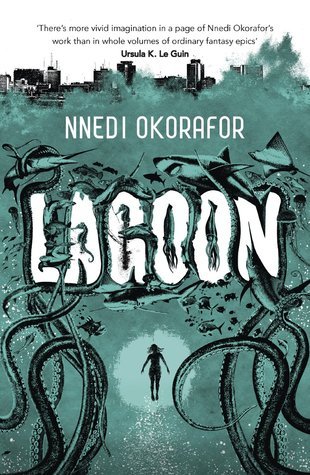
Lagoon – Nnedi Okorafora mysterious, alien lifeform stretches its feelers and emerges from the ocean…

Since this post consists entirely of songs, consider all of them to be today’s song.

That’s it for this week’s Sunday Songs! Have a wonderful rest of your day, and take care of yourselves!
Posted in Book Review Tuesday

Book Review Tuesday (6/17/24) – Floating Hotel

Happy Tuesday, bibliophiles!
Old news: I’m desperate for good cozy sci-fi, and most of that desperation comes from the fact that nobody does it like Becky Chambers, but publishers will slap “perfect for Becky Chambers fans!” on literally any sci-fi book with a hint of several people crammed on a ship. It has to stop. Floating Hotel looked like it might actually live up to those expectations, but I was hesitant because I didn’t enjoy Grace Curtis’ debut, Frontier. But I’m glad I gave Floating Hotel a chance, because it was just what I needed!

Enjoy this week’s review!

Floating Hotel – Grace Curtis

The Grand Abeona Hotel knows no borders, no political affiliations, and no galaxy or planet to call home. But for many, the Grand Abeona is their home away from home—a safe haven where nobody cares who you are and why you’re here. Run by Carl, the aging manager who first came to the hotel as a stowaway, the Grand Abeona is home to a vibrant cast of characters, all of whom will have paths that will unexpectedly intersect. And as small mysteries begin piling up in the far corners of the Grand Abeona, Carl and the hotel’s misfit staff must pull the pieces together before the hotel itself is put in harm’s way.

TW/CW: death, torture (both offscreen), verbal abuse

In retrospect, there’s really no better book that I could have read on my Kindle, which has the Grand Budapest Hotel on the case. Some things were just meant to be.

I doubt anyone will ever top Becky Chambers in terms of cozy sci-fi, but Grace Curtis comes close—and that’s exactly why I’m so glad that I gave her another chance. Though it’s not without its mystery and relatively high-stakes subplots, Floating Hotel is a cup of tea for the soul: quiet, observant, and downright warm and charming.

My main issue with Frontier was that it promised action, but delivered next to nothing; it’s not that I don’t like books without action, but when your book’s tagline is “love, loss, and laser guns,” you kind of…have to deliver there, no? After reading Floating Hotel, it’s clear that quieter, cozy sci-fi is what Curtis was meant to write; aside from the rebellion subplot, which was relatively under-the-radar and wasn’t a major issue until the last 20% of the novel, this novel had comfortably low stakes. Although there was a fair amount of turmoil in the empire established in the world of Floating Hotel, you really do feel like the Grand Abeona is a safe haven from all of the ills of the galaxy. There, nobody cares who you are, so long as you have a story to tell.

Another issue with Frontier was that, with all of the characters and subplots it juggled, a lot of the plot points blended together, giving the reader little time to connect with anybody. If my leap from Frontier’s 2-star rating to my 4-star rating of Floating Hotel wasn’t indication enough, Curtis has significantly improved on that aspect of her writing in the space between the two novels! This novel similarly juggles a multitude of characters—many of whom only get one chapter in the vast sea of POVs—but all of them have a unique place in the story. None of the backstories or motivations felt forced, and all of them connected back to how the Grand Abeona has healed them as people; through all of their eyes, whether it’s a waitress, a piano player, or a professor visiting for a conference, you can see just how important of the Grand Abeona is as a safe haven. Floating Hotel is one of the few books with more than 10 (I think?) POVs that has truly worked for me, and it’s a combination of really being able to connect each one to the hotel and its story, and it incorporates other characters organically before we even get their POVs—the interconnectedness was so smooth that I didn’t mind the massive amount of voices displayed.
Curtis clearly understands the cozy part of cozy sci-fi that so many people who market books as “cozy” never seem to get—the near absence of stakes. For the majority of the novel, it’s a very down-to-earth, slice-of-life kind of plot where all of the mysteries are more humorous than troubling; I mean, one of the main subplots of the first half of the novel is trying to find the culprit of an anonymous admirer leaving love letters in the lobby index. And I ate it up. It’s just so gentle!! Is the fate of the galaxy at stake? Absolutely not! The hotel staff is just getting together once a week to watch terrible movies for nostalgia’s sake!! Peak cozy sci-fi right here, folks!! There are queer and disabled characters abound (WOOHOO!!), but neither homophobia nor ableism are plot points at all! They’re just going about their lives!! This is the stuff!!
What both Curtis and Becky Chambers get right about cozy sci-fi as well is that cozy doesn’t necessarily equal apolitical. In the background, there’s plenty of discussions of imperialism with the tyrannical empire crawling with shady cloning and nepotism (take a guess at how those two things tie together…). Curtis isn’t afraid to take stabs at capitalism, environmental destruction, xenophobia (I love the subplot about the empire banning media about aliens because it would compromise the perceived superiority of the human race), and so much more over the course of the novel, and it elevates it exponentially. It emphasizes another truth (for me, at least) about cozy sci-fi, and being a gentle person in general—cozy or quiet does not equal docile or unwilling to speak out about injustice. To quote IDLES, another bastion of kindness: “Ain’t no doormats here/It doesn’t mean you have to bow, or say “Your Highness”/Just kill ’em with kindness.”

All in all, a gentle and masterful piece of cozy sci-fi, and a marked improvement from Grace Curtis’ debut. Consider my faith in her writing restored! 4 stars!
Floating Hotel is a standalone, but Grace Curtis is also the author of Frontier.

Today’s song:

am I ashamed of listening to this on repeat while writing the third book in my sci-fi trilogy? absolutely not.

That’s it for this week’s Book Review Tuesday! Have a wonderful rest of your day, and take care of yourselves!