Posted in Sunday Songs

Sunday Songs: 8/2/26

Happy Sunday, bibliophiles!

This week: bear with me, this color scheme is hanging on for dear life. Also, the many connotations (positive and negative) of “they were really just doing whatever in the ’80s.”

Enjoy this week’s songs!

SUNDAY SONGS: 8/2/26

“Wherever I Lay My Phone (That’s My Home)” – Super Furry Animals

I love when album covers have absolute Creatures on them. Super Furry Animals lived up to their name in that regard—we’ve got the raccoon critter and its evil twin on Radiator, whatever’s going on with Phantom Power, and perhaps the most Creature of all their Creatures: the one-eyed, many-legged missing link in Minion evolution on the Guerrilla album cover. I love that dude.

In their heyday, it seems like Super Furry Animals were willing to do whatever. For me, that’s why they’re so iconic—they refused to be predictable, even if they weren’t setting out to be experimental, as was the case with Guerrilla, according to Gruff Rhys. This is the only track I’ve heard off of Guerrilla, but it’s apparently just one of the many, many detours they were willing to take on the album. “Wherever I Lay My Phone (That’s My Home)” is full of false starts and twists, all made to make you jump—it’s one of the band’s many flirtations with dance music, and it’s littered with jittering beat drops aplenty. They crammed all manner of sounds into this track (one of them being a sample of an early ringtone), from foghorn like blares at the beginning to bass that can only be described as blorping (hear me out here), and all kinds of autotune, distortion, and sped-up chipmunk voices. The beauty of Super Furry Animals is that it all works together; with the electronic connective tissue, none of the seemingly random sound effects and touches feel random. Apparently, while touring for Guerrilla, this song was used as the opener to their shows—understandably, because I’d go fucking nuts if I heard this right out of the gate.

…AND A BOOK TO GO WITH IT:

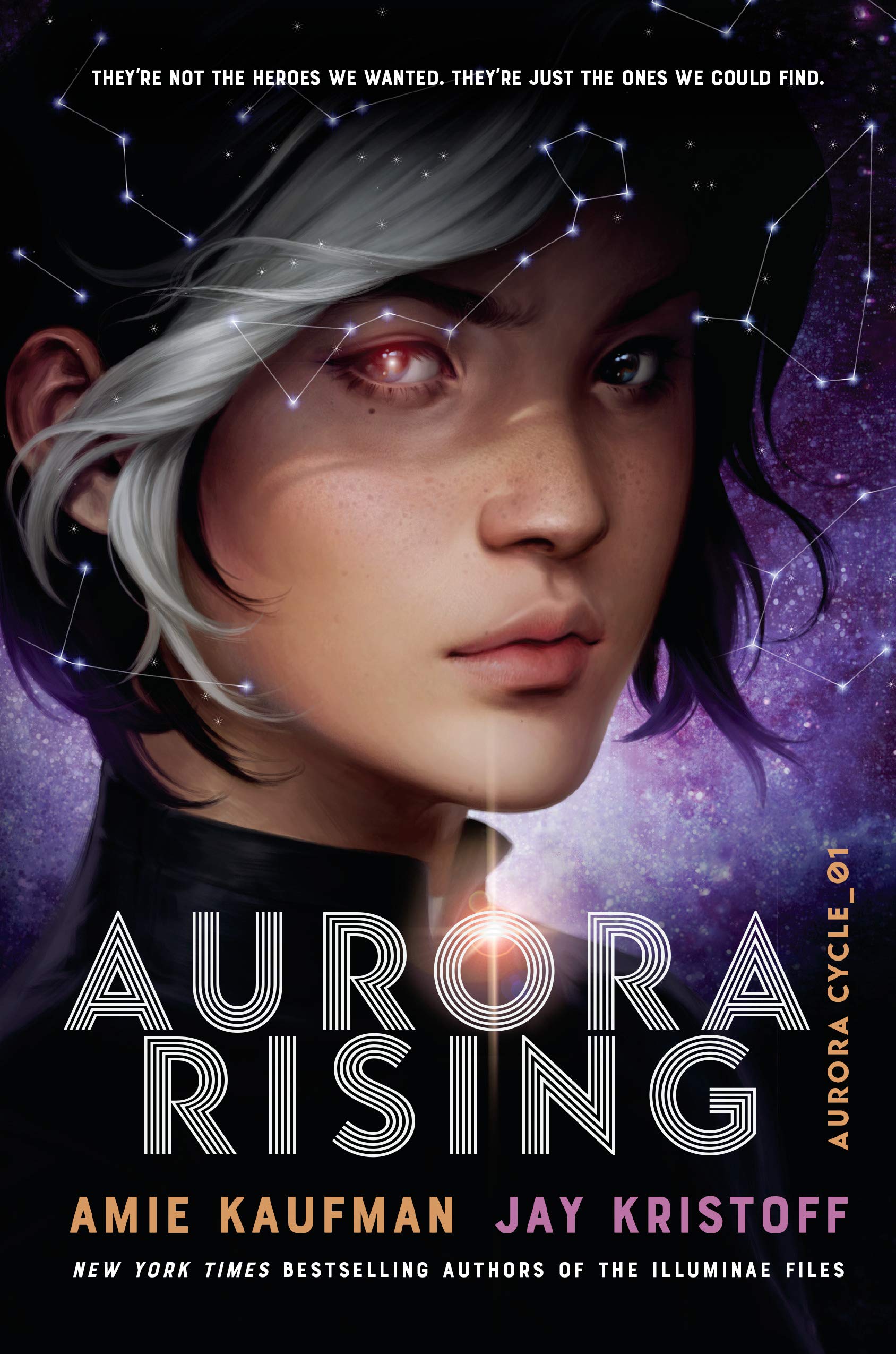
Aurora Rising (The Aurora Cycle, #1) – Amie Kaufman and Jay Kristoff this song could 100% be playing during the ballroom scene on the Sempiternity, right? Or maybe the bar fight right before.

“Seen and Not Seen” – Talking Heads

Pitchfork’s review of Remain in Light contains this goldmine of a line: “At nearly every turn, Remain in Light thwarts cognitive sense to appeal to the gut. Or maybe the limbic system? I’m not a doctor—whatever part of human physiology is responsible for getting funky.” I don’t think there’s ever been an album so dissociative and alienated that’s simultaneously so funky. That’s probably the best distillation of Talking Heads—and most of David Byrne’s career, honestly—I can think of. To be honest, it wasn’t the showstopping marvel that everybody makes it out to be, but it was great regardless. I’d listened to “Crosseyed & Painless” and “Once in a Lifetime” so much that the best was already ruined for me. The second half meanders slightly, but it’s such a unique, influential, and unreplicatable blend of isolation and togetherness.

I’ve never really been one for spoken-word tracks, but I’ve warmed up to them lately, in no small part thanks to Jeff Tweedy’s “Parking Lot,” which is probably the pinnacle of them. (The quiet vulnerability of “I’d like to teach the world to sing…fuck, anything” is a high point of the album.) “Seen and Not Seen” is entirely out-of-body, with David Byrne’s voice devoid of almost any emotion. He describes a man with a desire to change his appearance who has tricked himself into thinking that he can “by force of will, cause his face to approach those of his ideal” after focusing on models in magazines and passersby on the street. He’s burrowed so far into his own head that he’s convinced that everyone around him has been able to replicate the process; every face he sees is the product of relentless wishing. It’s interesting that the facial features that the protagonist wants—”a more hooked nose, wider, thinner lips, beady eyes, a larger forehead”—aren’t traditionally desirable facial features, at least in the eyes of pop culture and Western beauty standards. It’s simply the image the character has in mind. “Seen and Not Seen” has the dread of a sci-fi short story from the ’70s, something that Philip K. Dick could’ve conceived, sans drugs and casual misogyny. There’s a distinct discomfort about how removed it is, but it’s a key piece of Remain in Light’s distanced story.

…AND A BOOK TO GO WITH IT:

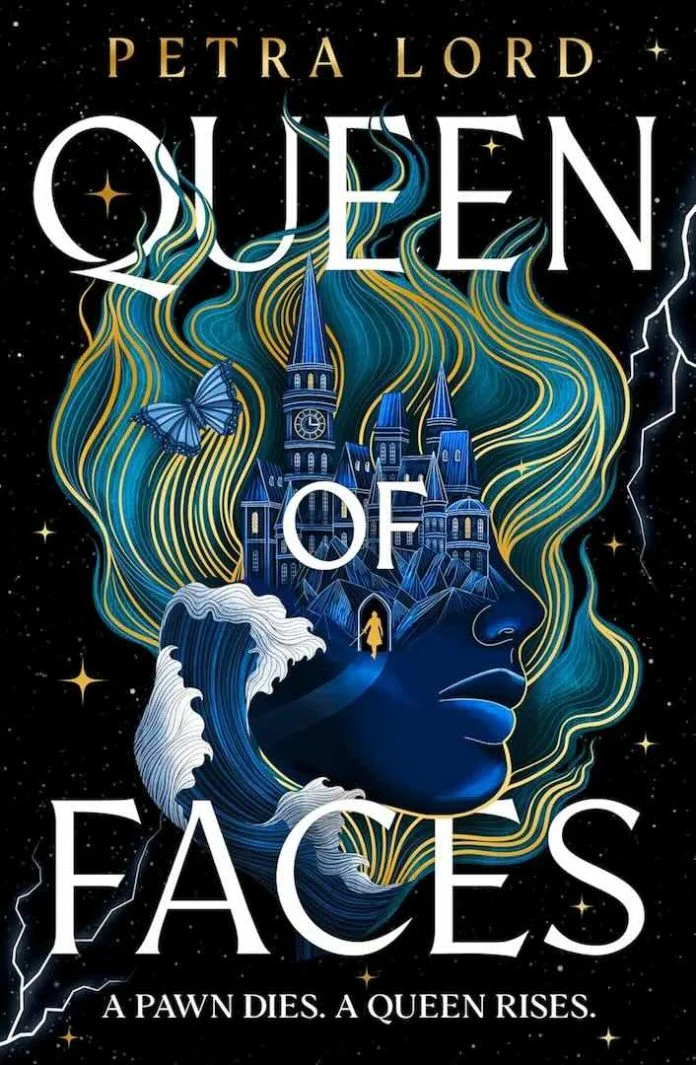
Queen of Faces – Petra LordI’m reminded a lot of the Chassises in this novel: magical, synthetic bodies and faces that can be swapped and altered at will, guaranteed that you’re rich enough.

“Your Touch” – Saâda Bonaire

The creation of Saâda Bonaire might be the epitome of the statement “they were just doing whatever in the ’80s.” It was the brainchild of German DJ Ralph Von Richtoven, who formed a loose supergroup that consisted of two models-turned-singers (Stefanie Lange and Claudia Hossfeld) and a bunch of musicians (namely Kurdish and Turkish) who had been found in an immigration center. (There was also the fact that Lange and Hossfeld would be dressed in traditional Bedouin clothing, which…hoo, boy. Yikes.) It was an early exploration of “world music,” which would later become a cornerstone of the ’80s. Richtoven’s ambition was in vain, and the project lay unfunded and unreleased until 2013. Incidentally, I heard about it through my brother, who heard it playing at some random coffee shop, which sounds like the exact kind of obscure music that only a barista could unearth. The result sounds like an alien trying to recreate ’80s disco-pop from memory. “Your Touch” adheres so strictly to what ’80s pop was, and yet it retains that left-of-center skew that makes it tread into lovable weirdo territory. Spacey synths bounce, tapes rewind, and telephones ring as Lange and Hossfeld coo about frustration (sexual and just generally situational). “Your Touch” speaks to the kind of creative freedom that was running rampant in the era; of course, it wasn’t without its cultural and financial boundaries crossed (again, probably for the best that it didn’t go forward with the cultural appropriation), but in spite of its failure at the time, it was the product of somebody with creativity to spare, and that’s the strange beauty of it.

…AND A BOOK TO GO WITH IT:

Love Galaxy – Sierra Branhambetween the reality TV, sexuality, and espionage, there’s plenty of this energy going on here…in space, of course.

“Ghost in Sunlight” – Robyn Hitchcock

The Confuser! Even though I’ve been steadily following the singles on Robyn Hitchcock’s latest album, I haven’t gotten around to talking about them much here, which is a real shame. (“Yesterday’s Rain” and “My Dead Astronaut” are some of my other standouts.) Overall, it’s another showcase of his brand of quirky, jangly psych-pop, defiantly himself after decades in the industry. Having seen a few of these songs live, the studio versions of a handful of songs weren’t as potent, but fantastic nonetheless (see: “I Am This Thing”). “Ghost in Sunlight” was one of such songs. The experience of seeing it live was nothing short of enrapturing—and downright raw. Hitchcock played it solo on piano. I feel like should’ve stayed as such, because the sheer force of his craft bowled me over. He just delivered one of the most gut-wrenching lines in his catalogue (“They tore up the tracks this morning/The tracks they laid the day that you were born”) and followed it up with a raspy, powerful belt; imagine, if you will, a sprightly British man in his ’70s banging away at the piano, screaming his throat raw, then pausing to yell “FUCK ICE!” and going right back to the screaming. Nobody, and I mean nobody, is doing it quite like him.

In his defense, that spur-of-the-moment vulnerability is hard to replicate. The more polished version of “Ghost in Sunlight” that appears on The Confuser doesn’t quite capture that same feeling of wounded primality. Yet Hitchcock’s lyricism, even with his oddball lyricism, retains the core that made the live performance so memorable. That central metaphor of “a ghost in sunlight” evokes such an ephemeral image, of something already transparent on the brink of disappearance altogether. It’s all about the painful parts of transience, of old institutions and memories crumbling with time: “You disappear/Like a ghost in sunlight/Your outline fades away.” I imagine it’s more raw for Hitchcock, seeing as he’s in his 70s, watching bygone eras fade away. “They tore up the tracks this morning/The tracks they laid the day that you were born/Look at them, they’re gone” is one of Hitchcock’s most devastating and impactful lyrics to date. The Confuser is chock-full of surprises like them, and although the whole album isn’t a success, it’s well worth a listen.

…AND A BOOK TO GO WITH IT:

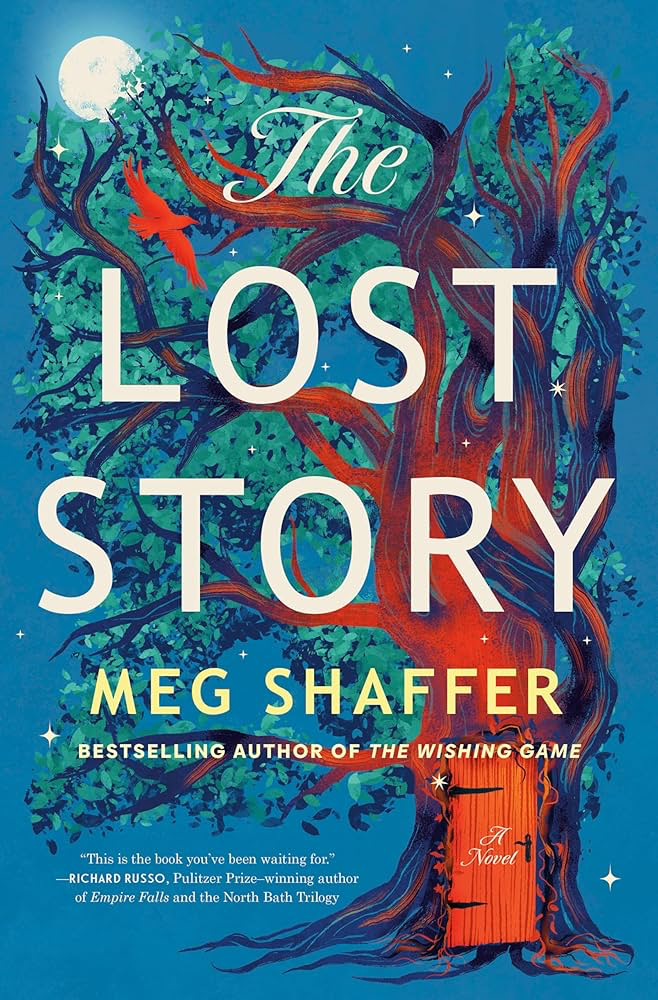
The Lost Story – Meg Shaffer“They tore up the tracks this morning/The tracks they laid the day that you were born/Look at them, they’re gone…”

“Mine’s Not a High Horse” – The Shins

I haven’t talked about The Shins much on here, which is a real shame. Speaking of which, if we’ve got any Shins fans here…are y’all okay? And I thought the Phoebe Bridgers drought was bad! We’ve gone almost a decade without a new album, send help…

James Mercer is a lyricist for the ages, one of the few songwriters that deserves the title of being called a poet. But as much as great joy and tragedy can be wellsprings for poetry, so too can petty arguments. “Mine’s Not a High Horse” is the kind of poetry that sounds like it sprung up while seething in the shower post-argument, and that’s some of the best kind of poetry there is. (See also: “Therefore, I Am.”) I recently revisited Chutes Too Narrow through the episode of Life of the Record, and that kind of argument was how “Mine’s Not a High Horse” was born; by Mercer’s admission, it was a culmination over several arguments and conversations he’d recently had. It has that “oh, and ANOTHER thing!” feel that you can only get while replaying an argument for an audience of an empty shampoo bottle, but with Mercer’s signature touch. I’d be hard-pressed to think of a putdown more eloquent—and brutal—than “Will you remember my reply/When your high horse dies?” YOWCH. Of course, my main takeaway is that Mercer’s horse may, in fact, have been a little bit higher, but what resulted is a perfect indie rock kiss-off to whomever it may concern.

…AND A BOOK TO GO WITH IT:

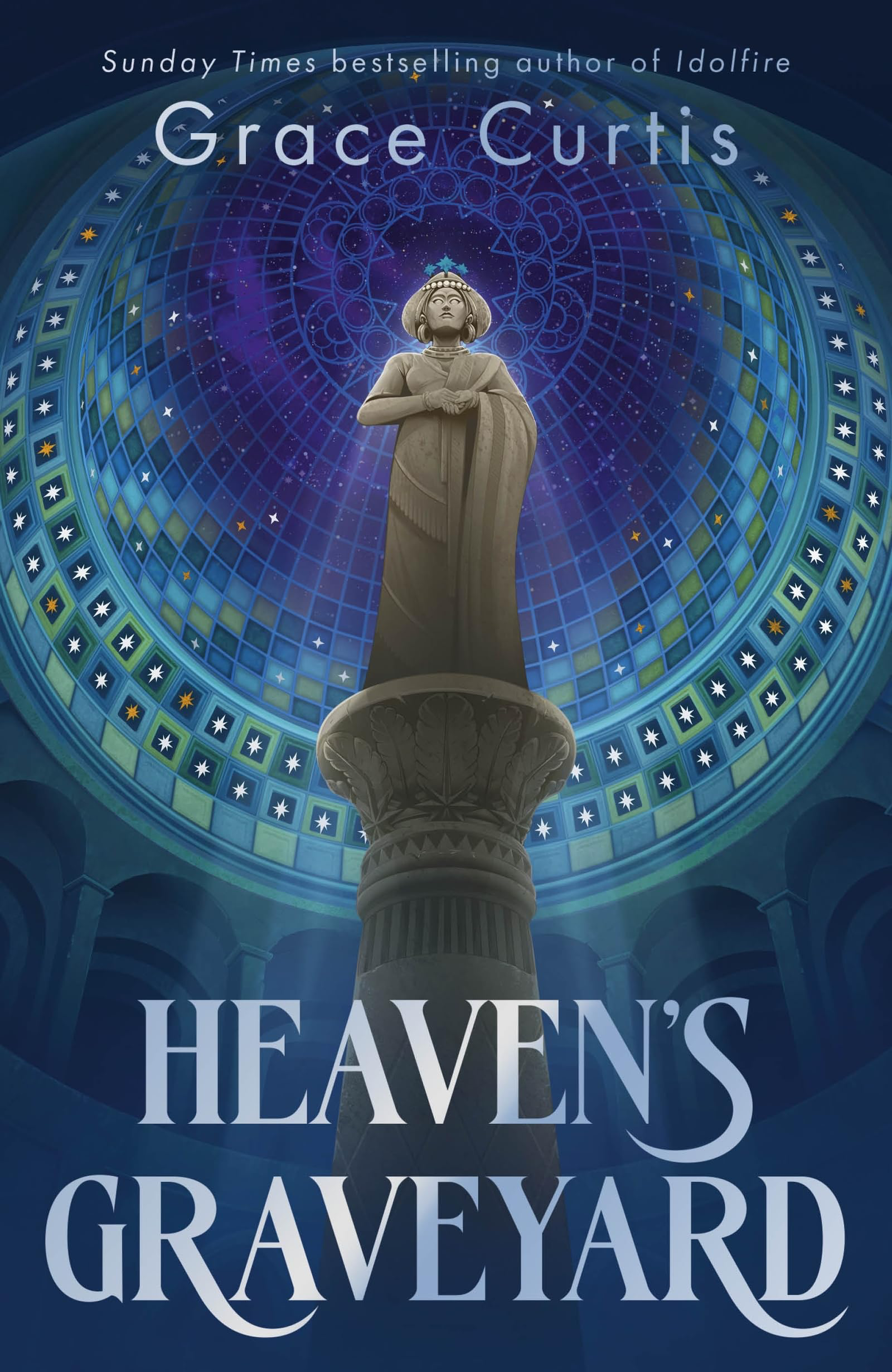
Heaven’s Graveyard – Grace Curtis“Don’t ask for his opinion/They ought to drown him in holy water/Will you remember my reply/When your high horse dies?”

Since this post consists entirely of songs, consider all of them to be today’s song.

That’s it for this week’s Sunday Songs! Have a wonderful rest of your day, and take care of yourselves!


Posted in Monthly Wrap-Ups

May/June 2026 Wrap-Up 🪭

Happy Wednesday, bibliophiles!

I’m back with a wrap-up, and we’ve officially passed the halfway mark of 2026…jeez. Currently reporting you within hours of melting into a puddle like the Wicked Witch of the West from this heat. I feel like I should start paying my swamp cooler for the labor it’s been putting in for the past month. Stay cool and hydrated, everybody!

Let’s begin, shall we?

GENERAL THOUGHTS:

I’m coming to you in a very different place than I was while writing the March/April Wrap-Up, which is, for the most part, a welcome thing. Between my honors thesis, finals, and graduation, I had been constantly on for the most part. Sure, I had some time to squeeze in some fun and relaxation, but it was just go, go, go for most of the semester. But now I’ve got myself a nice Bachelor’s degree, and I’m spending it…not doing much. For right now, that’s exactly what I wanted.

I’ve spent most of the past few two reveling in the free time I have right now. I have several very disparate goals that I’ve set for the summer (exercise more, write one short story per month, and don’t buy any more yarn…send help, I’m drowning in yarn over here) that (knock on wood) I’ve managed to stay true to. But I love the routine I’ve set for myself. I love my college town, and I love taking walks to the local coffee shops, writing for an hour or two. (More often than not, those trips have also resulted in a trip to the record store, which has…[ahem] put a slight dent in my bank account. Maybe I need to put a ban on that too.) But ultimately, this summer has felt comfortably exploratory so far—I’m slowly trying new things, but they’ve all extended into cherished parts of my weekly routine.

So mostly, May and June have been about creativity. I’ve been more locked in than ever with my knitting, even if the results have been less than optimal. I’ve done so much more drawing and sketching. I’ve made more time to practice my guitar. I’ve written the most since I stopped my honors thesis. And I have more time to read than just before bed! Imagine that…

MAY READING WRAP-UP:

I read 13 books in May! It was really all over the place with a 5-star read and a DNF in the same month, but I read so many exciting books this month, both from new-to-me authors and familiar ones, focusing on AAPI authors for the Heritage Month.

1 – 1.75 stars:

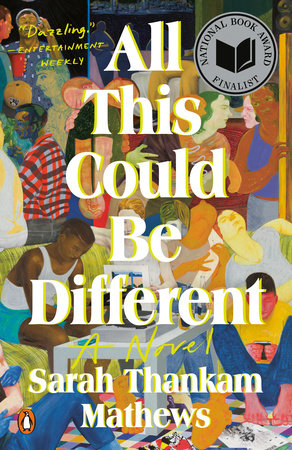
All This Could Be Different

2 – 2.75 stars:

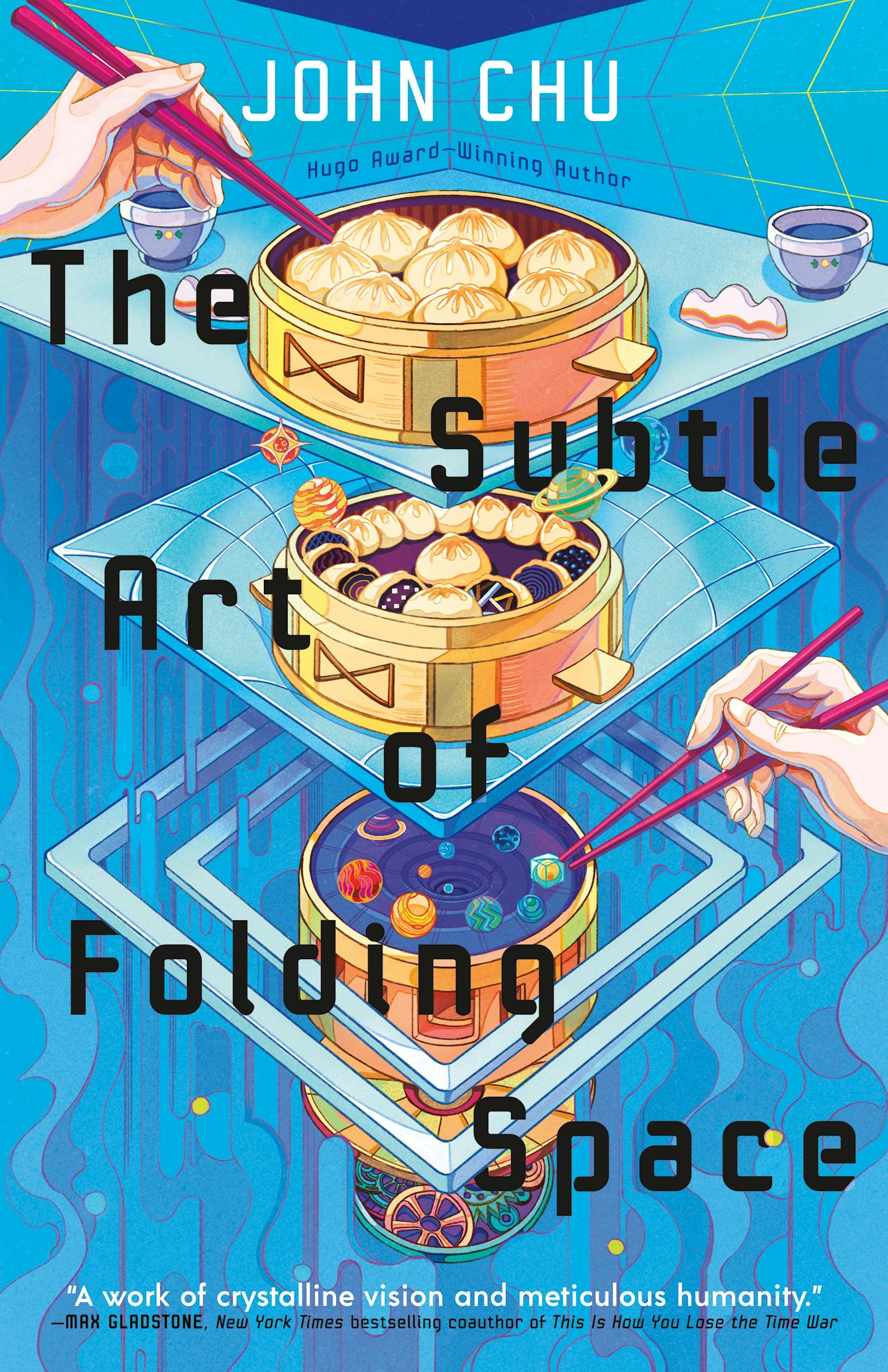
The Subtle Art of Folding Space

3 – 3.75 stars:

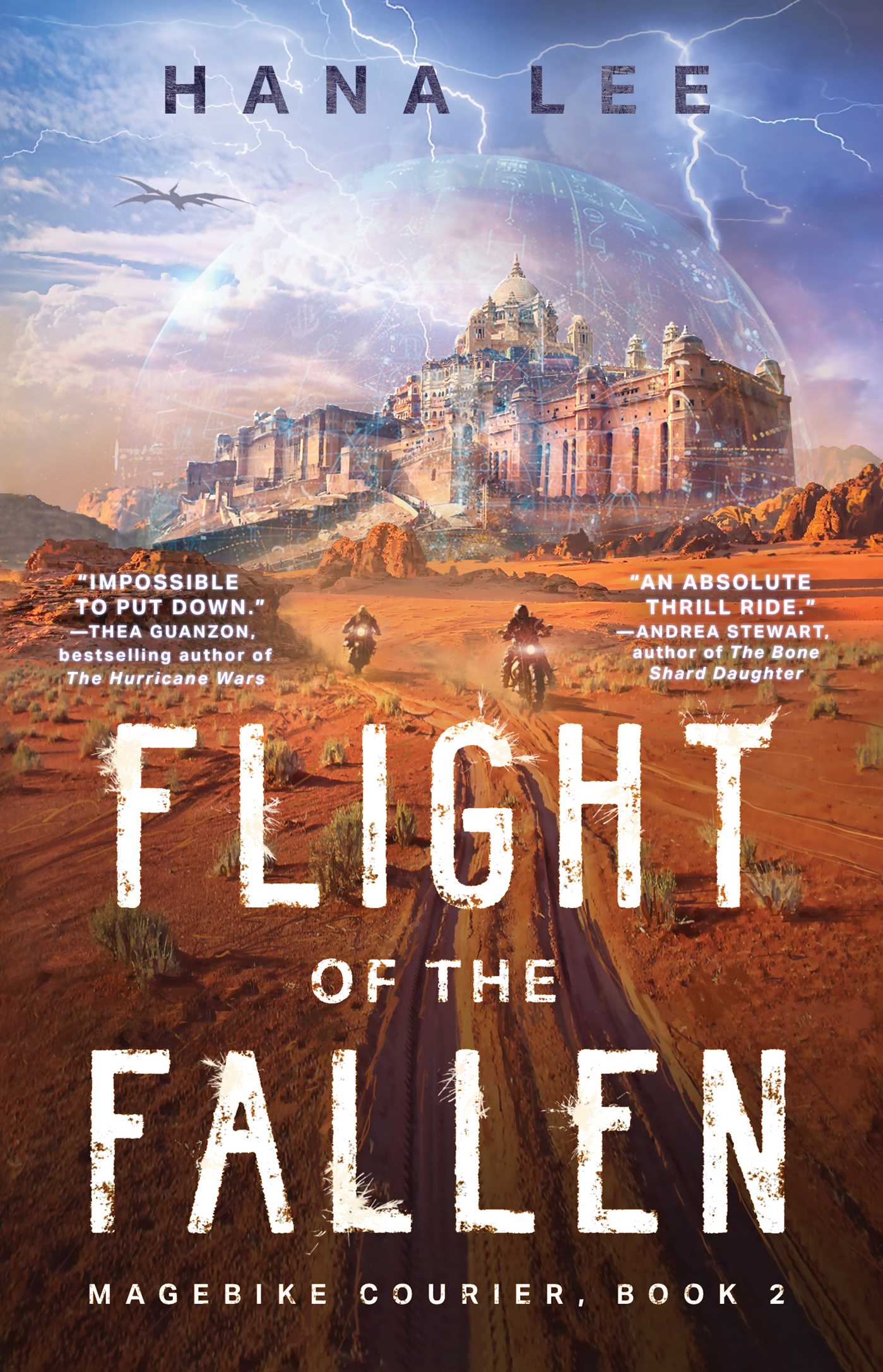
Flight of the Fallen

4 – 4.75 stars:

The Buffalo Hunter Hunter

5 stars:

See No Stranger: A Memoir and Manifesto of Revolutionary Love

FAVORITE BOOK OF THE MONTH (not counting re-reads): See No Stranger: A Memoir and Manifesto of Revolutionary Love5 stars

See No Stranger: A Memoir and Manifesto of Revolutionary Love

REVIEWS:

SUNDAY SONGS:

BONUS:

JUNE READING WRAP-UP:

I read 14 books in June! It’s the most books I’ve read in a month in 2026, definitely owing to being freed up by summer. Though my ratings were once again all across the board, they trended towards positive ones—and I had some excellent reads from new and familiar queer authors for Pride Month!

2 – 2.75 stars:

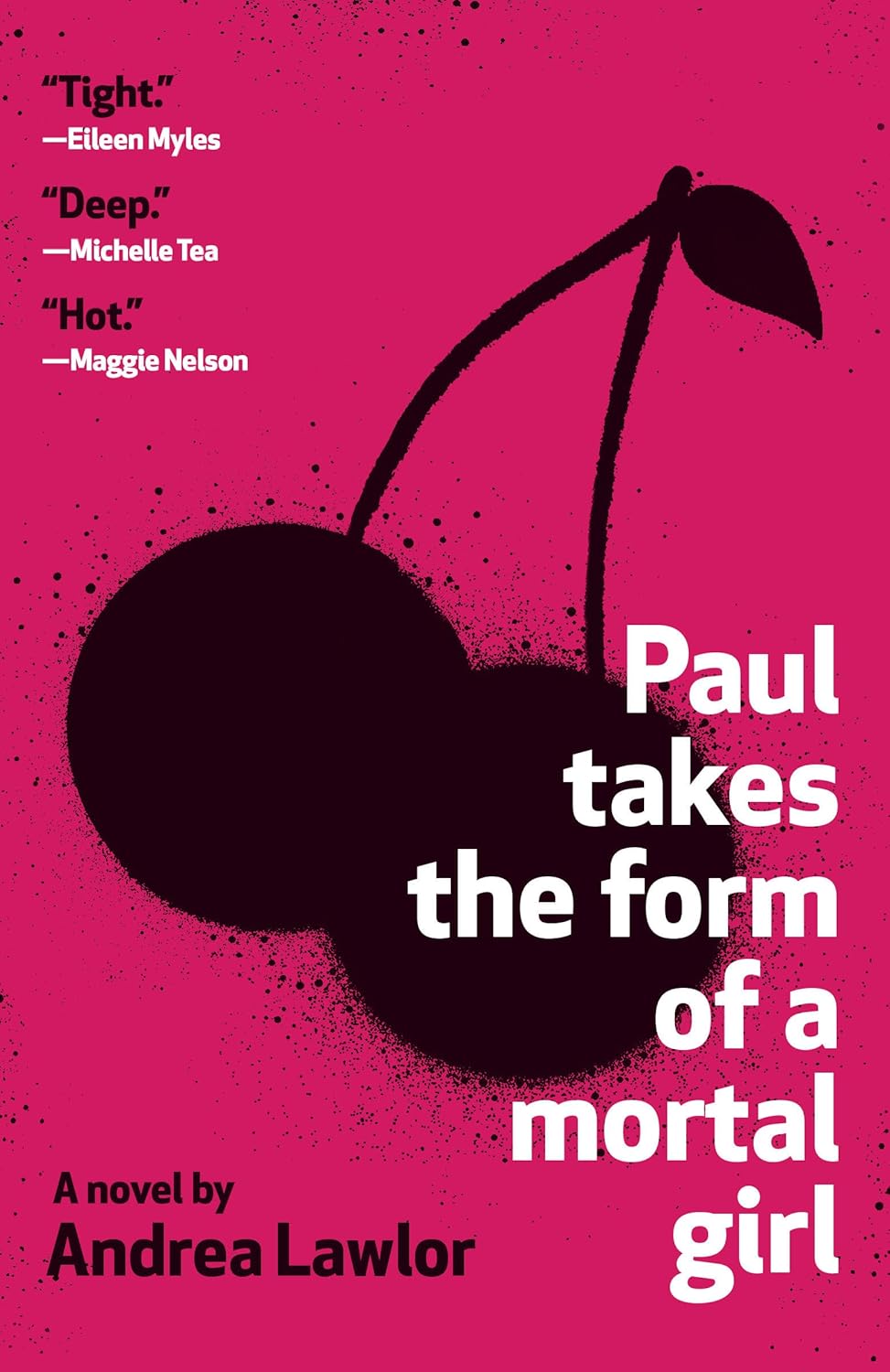
Paul Takes the Form of a Mortal Girl

3 – 3.75 stars:

Where Sleeping Girls Lie

4 – 4.75 stars:

Heaven’s Graveyard

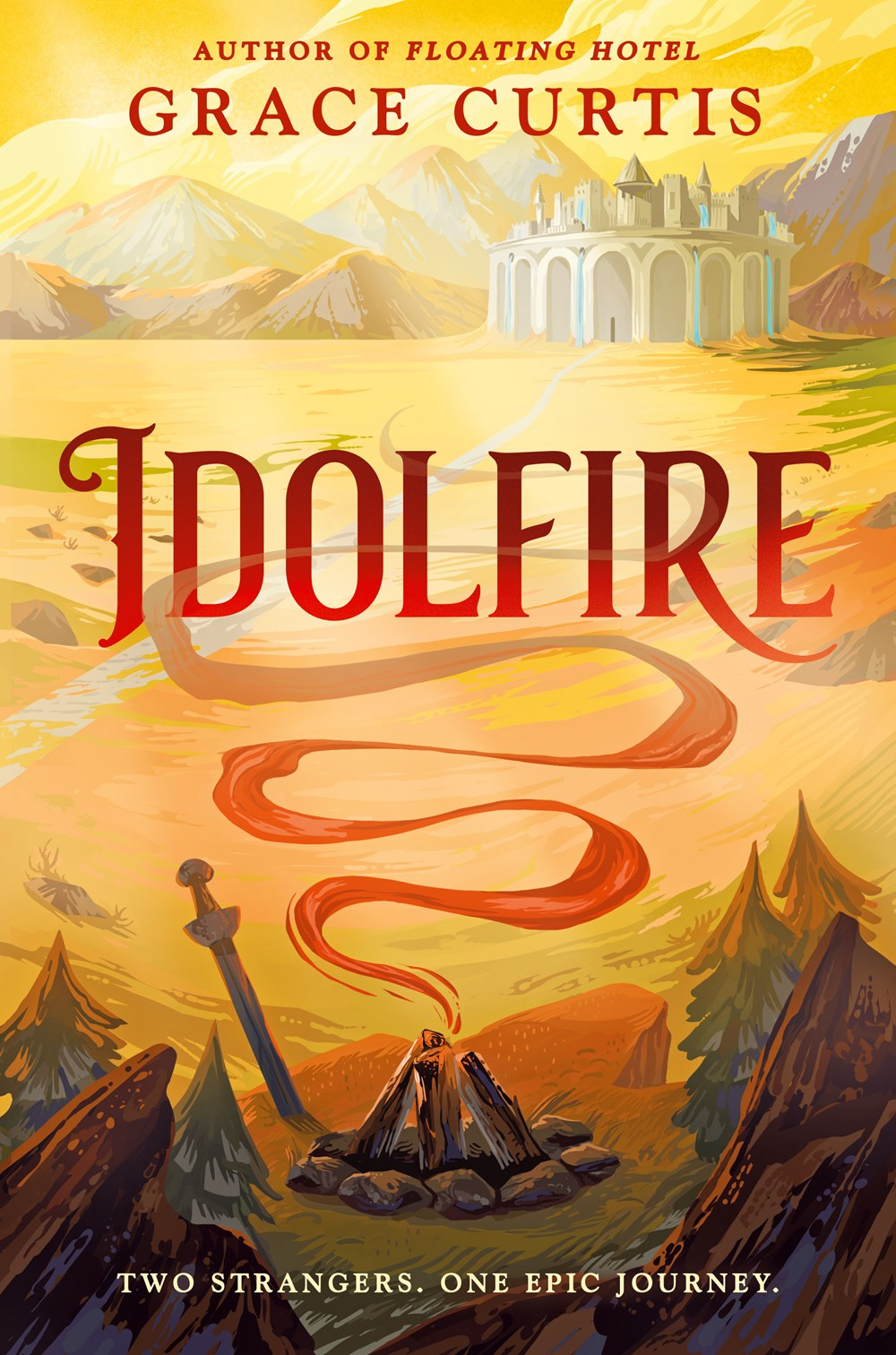
FAVORITE BOOK OF THE MONTH: Idolfire4.75 stars

Idolfire

REVIEWS:

SUNDAY SONGS:

BONUS:

Today’s song:

That’s it for this wrap-up! Have a wonderful rest of your day, and take care of yourselves!

Posted in Book Review Tuesday

Book Review Tuesday (6/23/26) – Heaven’s Graveyard

Happy Tuesday, bibliophiles!

After my Idolfire freakout last week, I knew I had to get my hands on Heaven’s Graveyard as soon as I could. I put it on hold, but mercifully, it came in way sooner than I thought! YIPPEEEE!! It wasn’t as enchanting as Idolfire, but those are huge shoes to fill—Heaven’s Graveyard is still a cut above the rest.

Enjoy this week’s review!

Heaven’s Graveyard – Grace Curtis

Coda Callanuny has thrown herself into her university work. A student of archaeology, she’s been bent on solving a mystery that she’s been chasing since childhood: proving that Aleya, a figure of myth, was a real person and not a fairytale. But when a beloved professor—the only one who believes her theory—suddenly turns up dead, her chase for history becomes a chase for a murderer. It turns out that her professor’s findings could change the world, and in the wrong hands, could spell disaster. With the knowledge of a sunken, magical city in ruins, Cod must fight to protect the secrets that governments could kill for—and to protect the ones she loves.

TW/CW: murder, violence, misogyny, descriptions of injury, war themes, religious bigotry (fictional) animal cruelty, toxic relationship

First off, can we stop to appreciate how gorgeous the cover is? Aled Thompson’s artwork is truly stunning.

There. Have you taken sufficient appreciation time? Very well, onto the review…

Once again—like Idolfire, which was billed as science fantasy for…reasons, I guess, Heaven’s Graveyard isn’t science fantasy either. I’d put it more in speculative fiction or fantasy, since this is a fantastical setting and magic exists, but said magic doesn’t play a central role; there also isn’t enough “new” technology to qualify as sci-fi. But enough about my ramblings about genre misclassification and mismarketing, let’s get into how excellent Heaven’s Graveyard is!

With Heaven’s Graveyard, Curtis proves that she is a master of worldbuilding. Watching the more archaic world in Idolfire transform into something semi-modern was a fascinating feat. In terms of technology, I’d say we’re somewhere at the equivalent of the 1900’s-1930’s (radios, fantasy forms of high-speed transportation, fairly advanced warfare methods, etc.); aside from being a breath of fresh air in a genre where medieval and Victorian settings reign supreme, it was planned out so meticulously. Between the explorations of politics, education, and religion, it felt as vibrant and real as Curtis’s other worlds. I particularly liked how Curtis explored the rise of the new Procumbent religion, and how it had come to dominate much of the world and how it seeped into said politics and education. Stepping into Heaven’s Graveyard felt like I’d gotten a ticket to visit this world, which is a must for good genre fiction!

As always, Curtis’s characters shone in Heaven’s Graveyard. The central characters lacked some of the oomph that made Idolfire stick with me—I loved Coda (and Sparrow was despicable, but excellently-written as a manipulative but charming prick), but she lacked the pull that Aleya and Kirby had on me. I think part of it was just that kind of grand, mythic arc that they had wasn’t present here, and although Cod’s arc was emotional, it didn’t move me nearly as much as the former’s. Granted, I knew going in that it wasn’t going to be the same, but I just feel like the full effects of Cod and Sparrow’s disastrous relationship were glossed over, to the point where it almost felt like an afterthought. Thal grew on me much more than I expected, and I loved the relationship that she and Cod had towards the end. Like Idolfire, all of the kooky side characters felt so real and made the world feel so much more lived-in, and every glimpse made the world so delightfully human.

Like Idolfire, Heaven’s Graveyard excels at the balancing act of pairing humor with darkness. In this case, it applied to the murder mystery side of the plot. In spite of the murder of one of Cod’s beloved mentors, Curtis’s take on mystery was surprisingly funny. Most of that came from the fact that, in the first half of the novel, the main obstacle that Cod faced was the infinite layers of bureaucracy from the university and her colleagues thinking that she’s gone nuts. Yet Curtis maintains the stakes—both external and personal—involved in the mystery. I loved the first reveal about Nivela, and I loved how it tied into how this novel examined how history and historical discoveries are often manipulated for political gain. There’s a thematic thread from Idolfire about revelations that could shatter the carefully maintained foundation that a country/empire/etc. has built for itself that I appreciated. Fast-paced and full of mystery, Curtis’s blend of genres was a success.

It’s clear that Heaven’s Graveyard comes from a deep passion for archaeology and history. On the surface level, I loved Curtis’s depiction of historians and academia, from Cod’s relentless search for the truth to the bureaucratic hoops that she has to endure, even in a fantasy world. Cod’s quest to prove that Aleya was real formed the core of her character, but I loved how it tied into her character arc and Curtis’s exploration of history and obsession. Cod’s quest becomes one that blurs the boundaries of genuine desire to uncover history and her own ego, and I loved the nuance that Curtis afforded it. It also provided a timely commentary on how we often feel the need to push aside the wishes of other people and cultures in the pursuit of knowledge, and without spoiling anything, I love how Cod comes to the realization that she does. It shows not just a deep reverence for archaeology and historians, but a love for the people whose bones that this history once belonged to.

All in all, a masterful blend of fantasy, speculative fiction, and mystery that made every page worth the ride. 4.25 stars!

Heaven’s Graveyard is a companion novel to Idolfire, which is set 2,000 years before this story in the same universe; however, according to Curtis, they can be read separately from each other. Grace Curtis is also the author of Floating Hotel and Frontier.

Today’s song:

today’s oddly specific song fragment that I love: the way that tom waits says the word “mackerel”

That’s it for this week’s Sunday Songs! Have a wonderful rest of your day, and take care of yourselves!
Posted in Book Review Tuesday

Book Review Tuesday (6/16/26) – Idolfire

Happy Tuesday, bibliophiles! Halfway through 2026 now…😵‍💫

If you told me about 3 years ago that I was this excited for a new Grace Curtis book, I wouldn’t have believed you. Full disclosure: I didn’t like Frontier, but the premise of Floating Hotel was so endearing to me that I took a chance on it…and loved it. And here I am now. (Special shoutout to Kat @ The Lily Cafe, who is the reason that I know that this book exists. Thanks, Kat!) I had a feeling I was going to enjoy Idolfire, but as we’re officially halfway through the year…this might be one of my favorite books that I’ve read this year!

Enjoy this week’s review!

Idolfire – Grace Curtis

After illness tears her family apart, Kirby of Wall’s End sets off on the road to Nivela, a famed kingdom that has fallen from grace, but retains the promise of magic beyond its gates. Across the world, Aleya Ana-Ulai is searching for Nivela too, eager to prove herself after being abandoned by her family. When these two women from disparate regions meet on the road, neither knows that their togetherness is key to their survival. But the road to Nivela is long and treacherous, and it seems to hold everything but the answers they need within it. Aleya and Kirby must decide if the promise of Nivela is worth it—and if they’ll be able to survive at all.

TW/CW: violence, blood, war themes, loss of loved ones, child death, infertility

First off—this isn’t a slight on the book, but if you’re going in (like I did) expecting science fantasy, Idolfire is not that. This is straight up fantasy. I’m convinced that the “science fantasy” thing was tacked on for marketing reasons after Curtis wrote two sci-fi novels. Just be forewarned about that…and the fact that this book came dangerously close to destroying me. This might be one of the best books I’ve read all year.

Grace Curtis’s prose keeps getting better and better with each novel she writes. It’s prose that gave me genuine, heartwarming joy to read. She just has this way of making everything, from the setting to the subtle glances between characters, so wholly human; it goes beyond feeling lived-in and real and becomes something with a real heartbeat. Where Curtis succeeds is in shedding light on the unsaid; slight turns of phrase became quietly heartwarming or heartbreaking with a single word. Her renderings of the varied landscapes that Aleya and Kirby travel through are so rich and full of life. Every line of dialogue is razor-sharp, both in their humor and their power to devastate. If you want proof of Curtis’s improvement as a writer, Idolfire is the perfect evidence.

One of the strongest aspects of Idolfire was how it balanced humor and more sobering, serious themes. Curtis has really honed her talent for humor—there were so many moments throughout that were laugh-out-loud funny. Aleya and Kirby had such excellent chemistry (more on that later), but their separate senses of humor pinged off of each other exceptionally well, making for a fantastical road trip that never had a dull moment. And yet, Curtis gave the same amount of care to depict the darker themes of the novel alongside the lighter ones. Curtis’s depiction of war was one that has stayed with me; her descriptions of it have no interest in glorifying its purpose or its participants. Even for a novel billed with swordfighting, her sparse, devastating language in describing the horrors of war were so impactful in a genre where there’s often a degree of romantic language ascribed to something so horrendous. From the effect it has on the minds of individual soldiers to the scars that it wrought across the lands of Idolfire, Curtis explored every facet of living during wartime. Yet Curtis had the same level of care in the lighthearted and dark aspects of Idolfire—for a novel like this, it was a very difficult balance to strike, but Curtis absolutely clinched it, making for a novel that was, above all, human.

I didn’t think that Curtis’s character writing could get much better after Floating Hotel, but I was proven wrong. Although I loved the slice-of-life roving between multiple characters, I think that narrowing her focus down to two central characters did a great service to their development. Aleya and Kirby were some of the most memorable characters that Curtis has ever written. A less talented writer would’ve slapped a hasty grumpy-sunshine dynamic on them and left it at that, but they both had such richly layered personalities. Both of them had trauma so deeply embedded in their psyches, but Curtis did an excellent job of showing us how it manifested in both of them and shaped their personalities. I loved how Aleya’s more reserved, stoic nature played off of Kirby’s more mischievous personality, but the deeper you get, the more you realize that both of these traits serve as shields for both of them. They had such immediate, lovable chemistry, and the progression from begrudging companions on the road to lovers was impeccably paced, and every step of that progression felt so natural—and instantly lovable to root for. Without spoiling anything, things do turn out bittersweet for them, but I think the way that Curtis ended their story was poignant and fitting for both of them.

I also adored the road trip plot of Idolfire, and it kept me guessing constantly. Curtis’s talent for character writing also applied to the menagerie of weirdos that Aleya and Kirby met along the road to Nivela. Even the smallest glimpses we got of the denizens of Idolfire‘s expansive fantasy world were so fleshed-out, and they added so much life to the already fantastic worldbuilding. Balance is something that Curtis clearly has been honing, because like the balance between levity and darkness, there was a great balance of more action-packed moments—such as Aleya’s many swordfights—and downtime with Aleya and Kirby. The pacing was neat as a pin, and even the downtime between the more climactic parts of the novel were measured out to near-perfection. Idolfire really was a balancing act in so many ways, but Curtis toed the lines she set with enviable ease.

And if there’s anything that you can expect Curtis to do well with, it’s sharp commentary on empires and imperialism. Floating Hotel excelled at that as a point in the background, and Idolfire honed in on it even more. I think what Idolfire brings to the conversation is how ideas shape the image of an empire. Fully acknowledging that Curtis is British and I’m just projecting my experience onto this book, but I couldn’t help but think about Nivela—and Aleya and Kirby’s goals—in terms of the permanently out of reach “American dream,” and how an empire can build up an idea of itself while hiding a crumbling foundation beneath it. The further they go on their journey, the more they see the destructive aftermath of an idea twisted into something that excuses genocide and imperialism. I also liked how it tied into the magic system, with belief being what makes certain magic work/not work, and how that translated into the belief in Nivela, which has been faltering to the point of destruction. (Without getting into spoilery territory, there’s some really fascinating stuff about the very literal, human cost that this has in the world of Idolfire.) In the end, I think it was a beautiful meditation on the power of ideas, and how they can be twisted into something so terrible that it swallows the world, but how we can use that same power to create a more equitable world worth living in.

Ultimately, with ratings like these, there’s always that slight oomph that pushes it into 5 star territory. I think there’s still a few small nitpicks that made 5 stars not justifiable, but it sure was close. Overall, Idolfire was a deeply moving and human road trip fantasy, a meditation on the nature of the ideas and idols we hold up in our minds. 4.75 stars!

Idolfire is a standalone, but it has a companion novel, Heaven’s Graveyard, set 2,000 years later in the same universe. Grace Curtis is also the author of Frontier and Floating Hotel.

Today’s song:

I’m sorry, Let’s Dance (1983), I was unfamiliar with your game

That’s it for this week’s Book Review Tuesday! Have a wonderful rest of your day, and take care of yourselves!