
Happy Sunday, bibliophiles! I hope this week has treated you well.
This week: Madeline gets annoying about shoegaze and Björk again. Plus, Robyn Hitchcock songs that make you go “wahoo! Hell yeah!”
Enjoy this week’s songs!
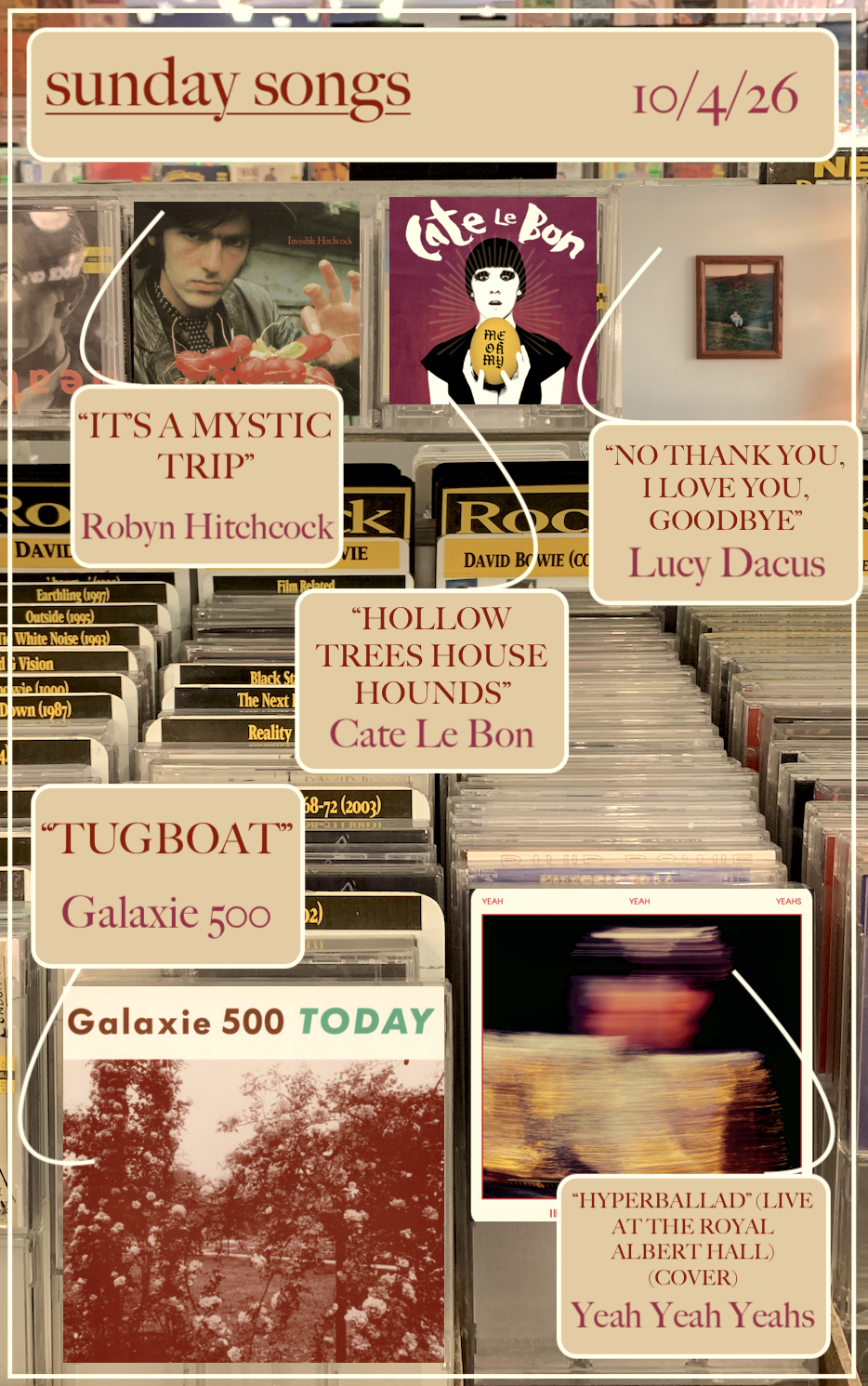
SUNDAY SONGS: 10/4/26
It’s been an embarrassingly long time coming for me to write about this song. I found out about it at least a month ago on the same BBC Radio 6 interview with mary in the junkyard that I discovered Jessica Pratt through. Admittedly, I talked about Jessica Pratt two weeks ago, and I’d had that revelation at least two weeks before I’d made the damn post. Sorry, excuse me while I pull down the massive Wizard of Oz curtain here…not that anybody really cared all that much about the timing here. There’s always a fair amount of lag in terms of the songs I’m writing about. Breaking my silence…
Anyways. Galaxie 500’s Today was drummer David Addison’s pick for his album. One way or another, I probably would’ve found my way to Galaxie 500 given how much I love shoegaze (and. Luna, for that matter), but I’m not complaining that today (figuratively) is the day. Plus, as the leaves around my apartment start to turn orange and the air turns sharp and chilly, it feels like the perfect environment to drift off to “Tugboat.” Even without the nautical title and lyric references, this track meanders like it’s a slow, lumbering boat miles away from the nearest coastline. Dean Wareham—who I didn’t even make the connection to until my dad pointed out that it was him—laments in a crooked rasp about wanting to be the one sailing that ship: “I don’t wanna stay at your party/I don’t wanna talk to your friends/I don’t wanna vote for your president/I just wanna be your tugboat captain.”
It’s 1/3rd love song, 1/3rd wistful plea to escape it all, and 1/3rd classic shoegaze freakout; once the repeated verse and chorus (if you can call them that) disappear into the mist, never to be seen again, Wareham launches into a spidery guitar riff as reverb swallows what remains of the song whole, like some sort of biblical leviathan. And sure, I’ll eat up some classic noisy shoegaze riff action any day of the week, but to me, it feels very thematically significant: after Wareham lays out his lament of wanting to escape, the last third of the song loses its structure, its DNA dissolving; to me, that’s exactly the escape he was looking for, and the tugboat captain has made his maiden voyage.
…AND A BOOK TO GO WITH IT:

The Celestial Seas – T.A. Chan – “I don’t wanna talk to your friends/I don’t wanna vote for your president/I just wanna be your tugboat captain…”
“Hyperballad” (Live at the Royal Albert Hall) [Björk cover] – Yeah Yeah Yeahs
Just writing down “acoustic Björk cover” feels offensive to me. For the majority of her catalogue, it’s a kind of unholy combination that really shouldn’t exist. How do you reduce the soundscapes of an artist who specializes in creating veritable jungles with sampling, synth textures, and percussion? It just feels like sacrilege to see all that and go “welp, lemme whip out the acoustic guitar…anyways, here’s Wonderwall, amirite?”
Fortunately, Yeah Yeah Yeahs are no stranger to sacrilege. (Sorry, I couldn’t resist.) To be fair to them, it’s not fully acoustic—it’s a live cut from Hidden in Pieces, performed at the Royal Albert Hall with a full string section. And if there was anybody that understands the pioneering spirit of Björk, it’s one of the many daring women that she inspired to get weird with it: Karen O. Even having been a Yeah Yeah Yeahs fan for over a decade, it seemed like this was territory that even they couldn’t succeed in, and boy, was I wrong. Of course, nothing beats Björk’s original, but there’s something about this understated, almost humbled take on this classic. Only accompanied by said guitar and the melancholy strings section, it takes the lyrics—a private exorcism to keep a relationship afloat—in a softer, strangely ashamed direction. Karen O’s vocals are, as expectedly, nothing short of heavenly, but they lend a sort of whispery, bittersweet pang to an already emotional song, heavy with the weight of sacrifice.
…AND A BOOK TO GO WITH IT:
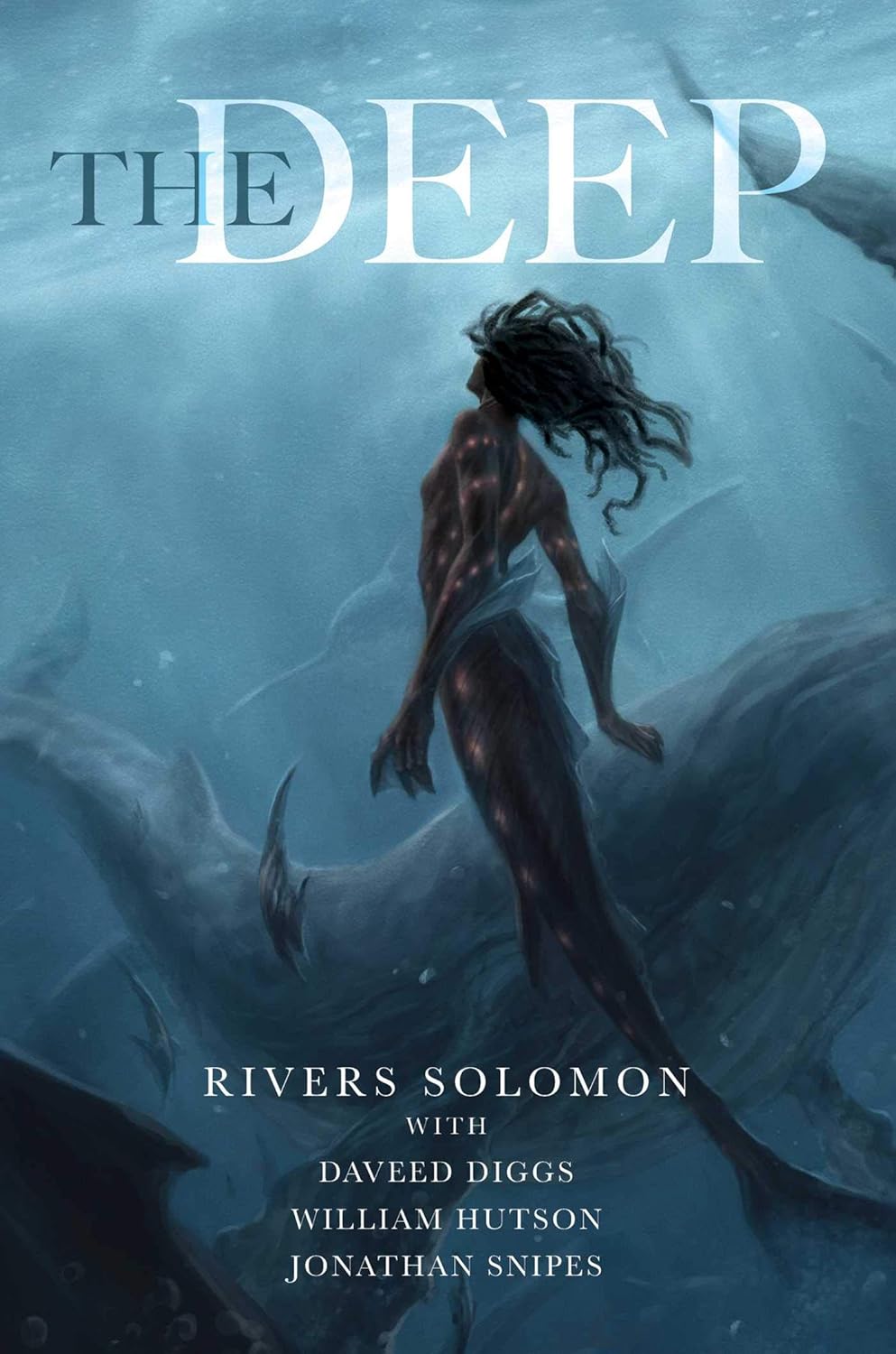
The Deep – Rivers Solomon – “I go through all this/Before you wake up/So I can feel happier/To be safe up here with you…”
“It’s a Mystic Trip” – Robyn Hitchcock
Robyn Hitchcock recently released Invisible Hitchcock, his collection of rarities, outtakes, and demos that was previously only available on cassette and CD back in the day, on Bandcamp last month. Other than the absolutely glorious cover, with Hitchcock somewhat menacingly showing you his radishes, is finally seeing the light of day for the first time since the ’80s, there’s one key reason why Invisible Hitchcock made me so excited. Why? Four words: “It’s a Mystic Trip.” Fuck yeah, finally!!
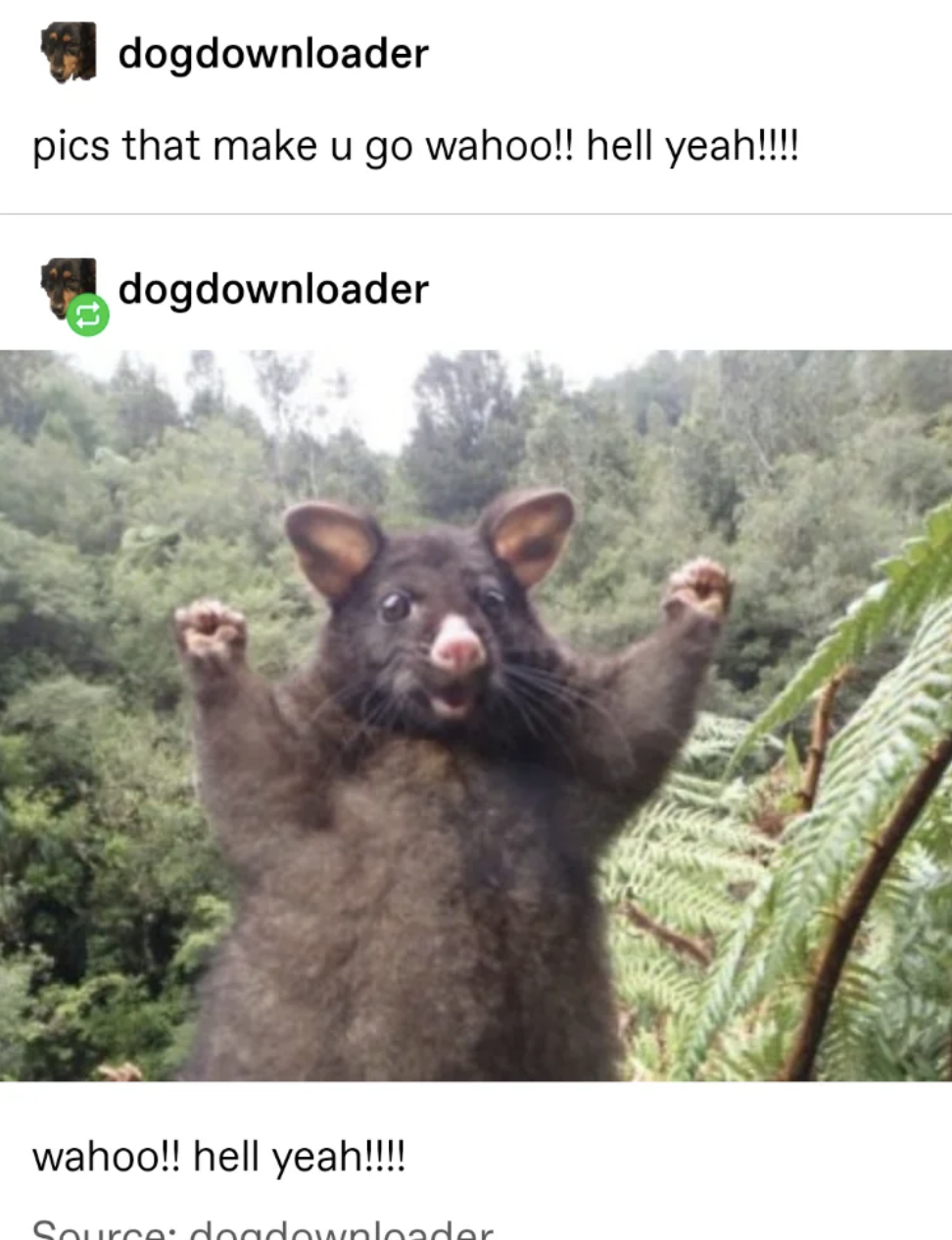
WAHOO!! HELL YEAH!!!! Or, in the words of the man himself, YAYSVILLE!! Listen, my poor dad didn’t get his justice after requesting this song at the most recent show and not hearing it, but at least “It’s a Mystic Trip” is more widely available (and in better audio quality than YouTube). About time, too, because this song is just joyous. I genuinely feel something close to ecstatic every time I listen to it, to the point where whichever neighbors saw me having a solo dance party to it definitely contemplated calling a hotline of some kind.
Dating somewhere back to the early ’80s, post-Soft Boys and at the beginning of his burgeoning solo career, Hitchcock described the songs on Invisible Hitchcock as offcuts from a period from “when New Romantics were at their zenith, I felt more comfortable clutching radishes outside a garden shed than trying to hang out in the Club for Heroes or the Batcave. I couldn’t get my quiff together, nor did I really want the digital patina sprinkled over my songs that seemed obligatory for 1980s pop music.” Keeping that timeframe in mind, “It’s a Mystic Trip” feels like the point where Hitchcock’s creative floodgates burst straight open. After The Soft Boys, who retained a punk sound while lyrically bucking up against tradition, this song goes headfirst, no holds barred, into straight-up psychedelia. His riffs seem to dance against the beat, which has the rhythm of the world’s most confident strut down a brick street. Compared to this, the Soft Boys’s lyrics sound like he’s holding back—he’s spouting the absolute quirkiest nonsense with the self-assured confidence of a time traveler peddling prophecies from the far, far future. Occasionally he veers into the exasperation of a checked-out British mother from the ’50’s at the objectively bonkers scenes unfolding in front of him: “Janice, don’t squat in the nettles/Last week, three people came in to be dignified/And they all got stung.” And to give you an idea of the average trajectory of “It’s a Mystic Trip,” here’s what comes immediately afterwards: “Lucy put her bean in her nostril/And Mr. Watkins said, ‘well, where there’s a barrel, there’s a bung!'” Naturally. It’s so British. But though it’s absurd through and through, there’s a relentless happiness to it. To me, even if it’s adjacent to the lyrics, “It’s a Mystic Trip” represents the moment where Hitchcock felt truly confident in breaking free of the mold, and setting carefree impulse in his songwriting free. I’d never call Hitchcock cringe (even affectionately, as somebody who’s embraced the cringe long ago) but it really does ring true to “to be cringe is to be free”: your best work comes along when you throw convention straight out the window.
…AND A BOOK TO GO WITH IT:
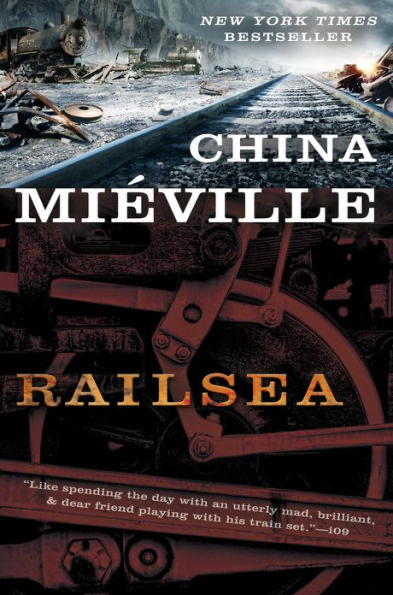
Railsea – China Miéville – I sometimes struggle pairing books with Robyn Hitchcock songs, and this one was no different. To me, Railsea has that same spirit of being relentlessly, batshit weird and reveling in throwing expectations to the winds. Shoutout to weird British dudes, I guess.
“Hollow Trees House Hounds” – Cate Le Bon
I’ve done it. I’ve scaled the mountain. Minus a few EPs, I’ve listened to Cate Le Bon’s entire discography. I effectively went backwards, since Me Oh My was her debut album. The St. Vincent comparisons are inevitable, but Me Oh My is very much her Marry Me, not just temporally but sonically. It has the kind of relentless, freewheeling energy of somebody letting it all out and trying everything, and it serves as a time capsule of a weirdo’s first solo foray into the music world. There’s a slightly more cohesive sound than Marry Me, but it has that same late 2000’s indie precociousness to it. It veers into being to twee at times, and honestly, her keyboard choices weren’t doing her any favors for a good half of the album. I hate to slander my queen here, but that fake organ noise makes her sound like the weird Christian lady from Edward Scissorhands in some places. But as a whole, it’s a portrait of a budding weirdo who would eventually hold the torch for many more weirdos to follow. The seeds are all sprouting here, and the blooms that are coming up look alien.
What I didn’t add about finishing Cate Le Bon’s discography is that my brother beat me to the punch. The student has become the master, etc. But he was the one who shared “Hollow Trees House Hounds,” and it kind of ruined Me Oh My for me because it’s the best track on the album by a long shot. It’s just a kooky delight. Out of the whole album, which is mostly acoustic, it’s one of the few rockier tracks, and it really does rock—the chunky guitar chords and the drums make it an instant boot-stomper. The riffs in between skitter and scramble, and all the while, Le Bon is spinning a surreal tale. From the start, she was already getting weird with the lyrics—I mean, look at the title—but the imagery of overgrown moss and vines and a forest to conquer is nothing but her. But I think the outro is an amazing foreshadowing of her career; the repetition of “No room for me/I’m serpentine” is the perfect distillation of her consistent refusal to be boxed in and her penchant for daring, unconventional musical choices. Plus, the shrillness of it reminds me of St. Vincent’s “Now Now”—the “You don’t mean that/Say you’re sorry” bit in particular.
I can’t not mention the music video, which is somewhere between Radiohead’s “There There” and Björk’s “Human Behaviour”—and “Bachelorette,” for that matter—it reeks of the Michel Gondry/Chris Hopewell influence, but with way more beheadings. Which is to say that neither of the examples I just listed had any beheadings at all. Kaiju Cate Le Bon can’t catch a break. But like Me Oh My, it’s totally offbeat and kooky, and very meticulously animated with magazine cutouts and whatnot. Once again, very late 2000’s-early 2010’s, but I miss that era of music videos.
…AND A BOOK TO GO WITH IT:
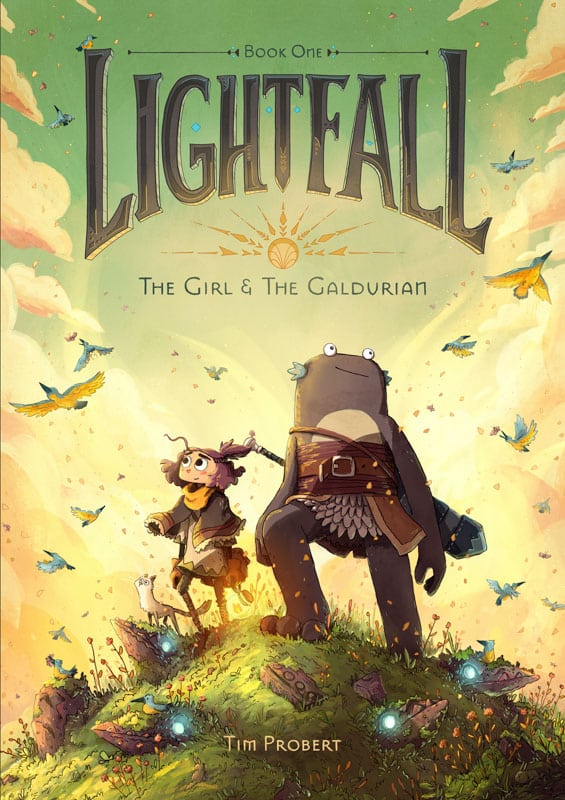
Lightfall: The Girl and the Galdurian – Tim Probert – more than fitting for a fantastical gallivant through strange, magical lands.
“No Thank You, I Love You, Goodbye” – Lucy Dacus
To quote one of the top YouTube comments on this video, “Phoebe set me up, Lucy knocked me down.” None of us were ready to get emotionally sniped by this. Lucy, diva, I know that No Burden turned 10 recently, but LET US BREATHE FOR A MINUTE before unleashing something like this! Christ. Either way, I’m not about to look a gift horse in the mouth, because “No Thank You, I Love You, Goodbye” is an excellent track. Originally a rarity recorded during the sessions for No Burden, it’s a revived time capsule from 2016, shaking with the same angst that colored the album. Amidst an onslaught of reverb that feels strong enough to drag somebody into the riptide, Dacus recounts being dragged along by a lover’s careless antics: “You used to scare me/Bottle on the dashboard/Reckless abandon, abandoning me/I swore to myself I would not follow your lead/So why did I get in the car every evening?” The churning chug of the production, grainy and building to an implosion we never hear, accentuates Dacus’s mounting feelings of being trapped in a corner, knowing that it’s nearly too late to save herself. But save herself she does—she lets the song peter out, as though leading a limping, wounded animal to safety, letting it fade into soft but firm promises: “Put me to rest, to rest/Say ‘no thank you, I love you, goodbye.'”
…AND A BOOK TO GO WITH IT:
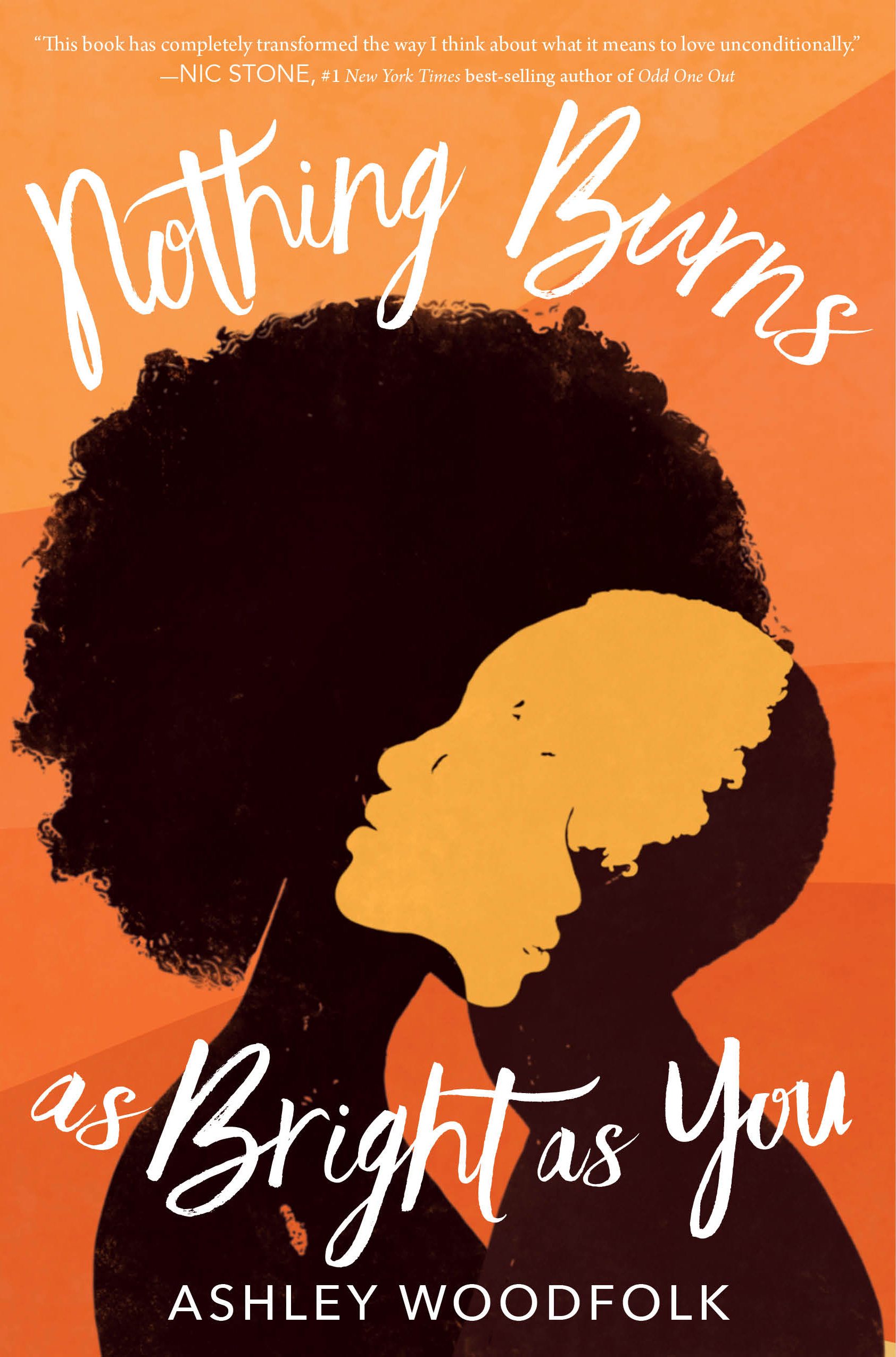
Nothing Burns as Bright as You – Ashley Woodfolk – “You used to scare me/Bottle on the dashboard/Reckless abandon, abandoning me/I swore to myself I would not follow your lead/So why did I get in the car every evening?”
Since this post consists entirely of songs, consider all of them to be today’s song.
That’s it for this week’s songs! Have a wonderful rest of your day, and take care of yourselves!