Posted in Book Review Tuesday

Book Review Tuesday (8/15/23) – Nightbirds

Happy Tuesday, bibliophiles!

I’ve seen this novel around a fair bit ever since it came out, both in the blogosphere and from our queen Amie Kaufman, who co-hosted the podcast Pub Dates with Kate J. Armstrong. It seemed like a more unique YA fantasy concept, and the 20’s-inspired setting intrigued me, and…okay, who wasn’t looking at that gorgeous cover? Now that I’ve read it, I can say that I enjoyed it, but I came away with mixed feelings—Nightbirds was a well-crafted fantasy in terms of worldbuilding, but its characters and general fence-sitting about what it wanted to say slightly put me off.

Enjoy this week’s review!

Nightbirds (Nightbirds, #1) – Kate J. Armstrong

In Simta, no one is more sought after than the Nightbirds. Long ago, these girls from the Great Houses were bestowed with the magic of witches, and with a kiss, they can grant that power to anyone who wishes to wield it. Matilde, Sayer, and Æsa are this season’s Nightbirds, but they have already learned that they will only ever be seen and treated as disposable. Yearning for something more to life, they stumble upon an underground networks of witches—witches whose powers come fro outside of the Great Houses, and are hidden from sight from the government. With the knowledge that their power will not be suppressed, the three Nightbirds set out to make things right.

TW/CW: misogyny, fantasy violence, murder, death, past mentions of torture, near-death situations

I came to this book mainly from the word of Amie Kaufman, who also happened to release a 1920’s-inspired YA fantasy this year. And while I did enjoy Nightbirds as a whole, the more I thought about it, the more drawbacks I found. If you’re torn between the two, stick with The Isles of the Gods.

Let’s start with the best part of the novel, though: the worldbuilding at the atmosphere! The Jazz Age inspiration was heavy, but it was executed incredibly; the worldbuilding, from the hidden magic to the forces trying to suppress it, was impeccably-crafted, with not a single stone unturned in terms of the intricacies of Simta and Armstrong’s world as a whole. It was a world that felt genuinely fun to be in—there was so much to explore along with the three main characters, and I enjoyed every minute of it.

All that wouldn’t have been possible with Armstrong’s atmospheric writing. There were other markers about Nightbirds that signaled it as a debut novel (more on that later), but for a first novel, the writing in this novel was fantastic! It’s the kind of writing that doesn’t just immerse you in the world, but dunks you headfirst into it with its vivid, vibrant imagery. Armstrong’s writing was so clear that I could visualize the world of Nightbirds almost cinematically, every scene played out like it already had a screen adaptation. The steady pacing added to that effect as well—it had a great balance of political intrigue, action, and down time to keep me intrigued for most of the novel.

However, the multiple POVs were an issue for me for most of the novel. The worst crimes that a multi-POV book can commit is not marking which POV the chapter is from, and switching POVs without warning in the middle of a chapter. Nightbirds was guilty of both. With these kinds of books, it’s often a struggle to pick out one character’s voice from another, but the third-person POV remedied that slightly. Even so, it was maddening trying to feel my way through the chapter and remember whose POV was being focused on. And speaking of the characters, they were in some serious need of being fleshed-out. Other than Matilde, whose personality was being entitled and stubborn, I could barely get a read on both Sayer and Æsa beyond what the synopsis said about them. Aside from Matilde, they had hardly any distinctive features, personalities, or traits, which made the whole multiple-POV mess all the more maddening. All of it could have been prevented with some chapter headers and giving the characters more life—it really wouldn’t have been all that hard of a fix.

And for a book that was advertised as being a feminist fantasy, Nightbirds really didn’t seem to know what it wanted to say. For a plot centered around an archaic system built on exploiting teenage girls, you would think that there would at least be some commentary on it. All we really got was a hollow, vague sense of taking back power, but there was no real call to action to do just that; aside from the revelation of the underground network of witches whose magic hasn’t been suppressed by the fantasy patriarchy, there’s hardly any real questioning of the system or realizing that there is a way to reform it and break away from it entirely. It’s like the book equivalent of thinking that you’re a feminist just because you post some instagram infographics on your story every once in a while and do nothing else. It’s saying “smash the patriarchy!” and then sitting comfortably and doing nothing. That’s basically what Matilde’s “character arc” ended up being, honestly. I know there’s probably better words to describe it, but the one that comes to mind is just…white woman-y. I guess I missed the queer rep (WHERE??? I saw no indication of any queerness 😭), but except for that and the conveniently described token side character of color, there was no hint of intersectionality. And no, I’m not saying that every book has to have an impeccably diverse cast, but for a book that billed itself as feminist and supposedly centered around tearing down oppressive systems, I feel like intersectionality should be taken far more into consideration. Nightbirds just came off as more white feminism than actual feminism.

All in all, a fantasy debut with stunning worldbuilding, but that was dragged down by its lack of fleshed-out characters and hardly any hint of the feminist messaging that it advertised. 3.5 stars.

Nightbirds is the first in the Nightbirds duology, which continues with the forthcoming sequel Fyrebirds. Nightbirds is Kate J. Armstrong’s debut novel.

Today’s song:

this is just such a GROOVE

That’s it for this week’s Book Review Tuesday! Have a wonderful rest of your day, and take care of yourselves!

Posted in Uncategorized

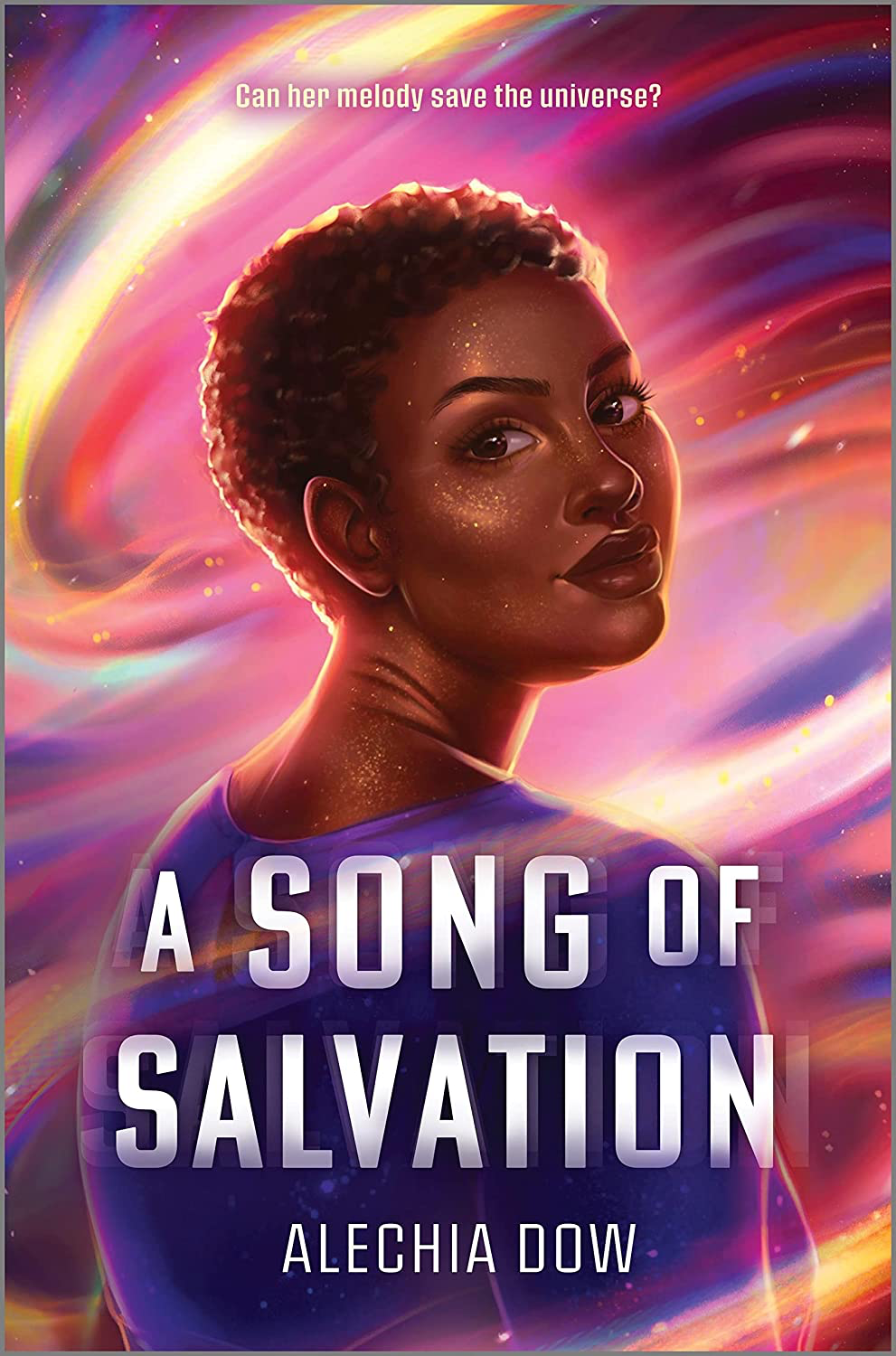
Book Review Tuesday (7/25/23) – A Song of Salvation

Happy Tuesday, bibliophiles! Everybody say happy birthday to Hobbes, who turns 7 today:

I’ve been following Alechia Dow ever since The Sound of Stars was a 5-star read for me way back in 2020; I’ve loved reading her brand of hopeful, queer YA sci-fi with Black characters at the forefront, and so I was so excited to hear that A Song of Salvation was set in the same universe as her first two books! Unfortunately, I found it to be more lackluster than her first two books, but that doesn’t mean that I still enjoyed it.

Enjoy this week’s review!

A Song of Salvation – Alechia Dow

Zaira Citlali knows her purpose. As the reincarnation of the goddess Indigo, she has been granted with their powers—but cannot seem to harness them. What’s worse, her mortal enemy, the destruction god Ozvios, remains at large, and as he creates war all across the galaxy, he’s eyeing Zaira as a prime sacrifice. But Zaira won’t go down without a fight, even if it means rushing to control her powers. With the help of Wesley, a disgruntled smuggler who just wants to get the job done, and Rubin, a celebrity podcaster that Wesley definitely doesn’t find ridiculously attractive, she must find her way to Terra, the center of intergalactic conflict, to ensure that the song of the universe remains intact.

TW/CW: themes of war, genocide, colonialism/imperialism, murder

I liked this book. But I wanted to like it so much more. Ever since The Sound of Stars, I’ve been trying to get my hands on every Alechia Dow that comes out—normally, I love her special brand of sweet, vibrant sci-fi with Black, queer characters at the forefront. But putting this book next to The Kindred has made me realize that I’m liking her books less and less with each one that comes out. And that makes me really sad. It almost makes me scared to re-read The Sound of Stars, which was a 5-star read for me, just out of fear that it won’t be as impactful for me now as it was back in 2020. All that is to say that A Song of Salvation was still a solid read, but a visible downgrade from both The Sound of Stars and The Kindred. It doesn’t feel like her best work at all.

I’ll start with the positives: if anything, A Song of Salvation was still fun and well-crafted. Dow’s space opera universe where queer characters of color are in charge of their own destinies and get to star in their own star-crossed romances is always a treat to step inside of. The new context and worldbuilding that Song adds to this already vibrant world made it even more fleshed out and real, and Dow was adept at handling all of the intergalactic politics as war descended upon the universe. It’s all richly layered and detailed, with no stone left unturned in terms of the eccentricities of everything going on. And of course, sci-fi with high(ish) stakes but with ultimately hopeful and happy resolutions are always a win. Before I get into my main gripes, I should clarify that I did enjoy the book—it was still a fun read, and better than a fair portion of YA sci-fi—but having read Dow’s other novels, it left me wanting more.

What was endearing to me about The Sound of Stars and The Kindred (the latter to a lesser extent) were the characters—Ellie and Morris felt so resonant, and Felix and Joy, even if they were slightly less so, were still a joy (no pun intended) to be around. Given that Dow’s books have leaned more on the side of character-driven, I expected Song to have the same kind of characters and character development, but unfortunately, I found it lacking. Zaira, Wesley, and Rubin were all fun characters, in the abstract, but it felt like Dow didn’t give them the same love and care that she did for her other characters. They all seemed to have a baseline personality trait each: Wesley is grumpy, Rubin is flamboyant, etc. There wasn’t a whole lot to Zaira, either—it genuinely saddens me to say this, but she feels like every single “reincarnated god/goddess/has the power of a deity” kind of character, whose only traits seem to be that they’re overpowered. And for all of the “I can’t control my powers :(” talk, she seemed to miraculously save the day most every time? That’s not to say that they weren’t all at least entertaining, though; they had a good group dynamic, and Wesley and Rubin were cute together. (Did anybody else feel like Rubin was a toned-down, YA version of Ruby from The Fifth Element? The name and everything…I can’t be the only one to see that…)

Plot-wise, A Song of Salvation struggled to remain relevant for at least half of the book; it felt like a lot of running about with no consequence to the story (and, y’know, the looming intergalactic war?). The second half more or less suffered from the same problem, but it hinged so much on the cameos from the previous books. Don’t get me wrong—it was really sweet to see Ellie, Morris, Joy, Felix, and all of the others, but the more that they showed up, the more it felt like they were being used as crutches to keep longtime readers interested in the story. And for such endearing, well-developed characters, having them used like this was such a shame. They were too well-written to just be cameos. It really felt like such a shame.

All in all, a fun addition to Alechia Dow’s sci-fi universe, but one that relied too much on the wondrousness of its predecessors to stand on its own. 3.5 stars.

A Song of Salvation is the companion to Alechia Dow’s other YA sci-fi novels, The Sound of Stars and The Kindred; they are not a concrete trilogy, but they are all set in the same universe, and can be (and probably should be, just to understand everything) read as such. Dow is also the author of the forthcoming middle grade novel Just A Pinch of Magic (slated for release this October) and All’s Fair(y) in Love & War (slated for release in 2025).

Today’s song:

haven’t been able to stop listening to this gaaaaah

That’s it for this week’s Book Review Tuesday! Have a wonderful rest of your day, and take care of yourselves!
Posted in Music

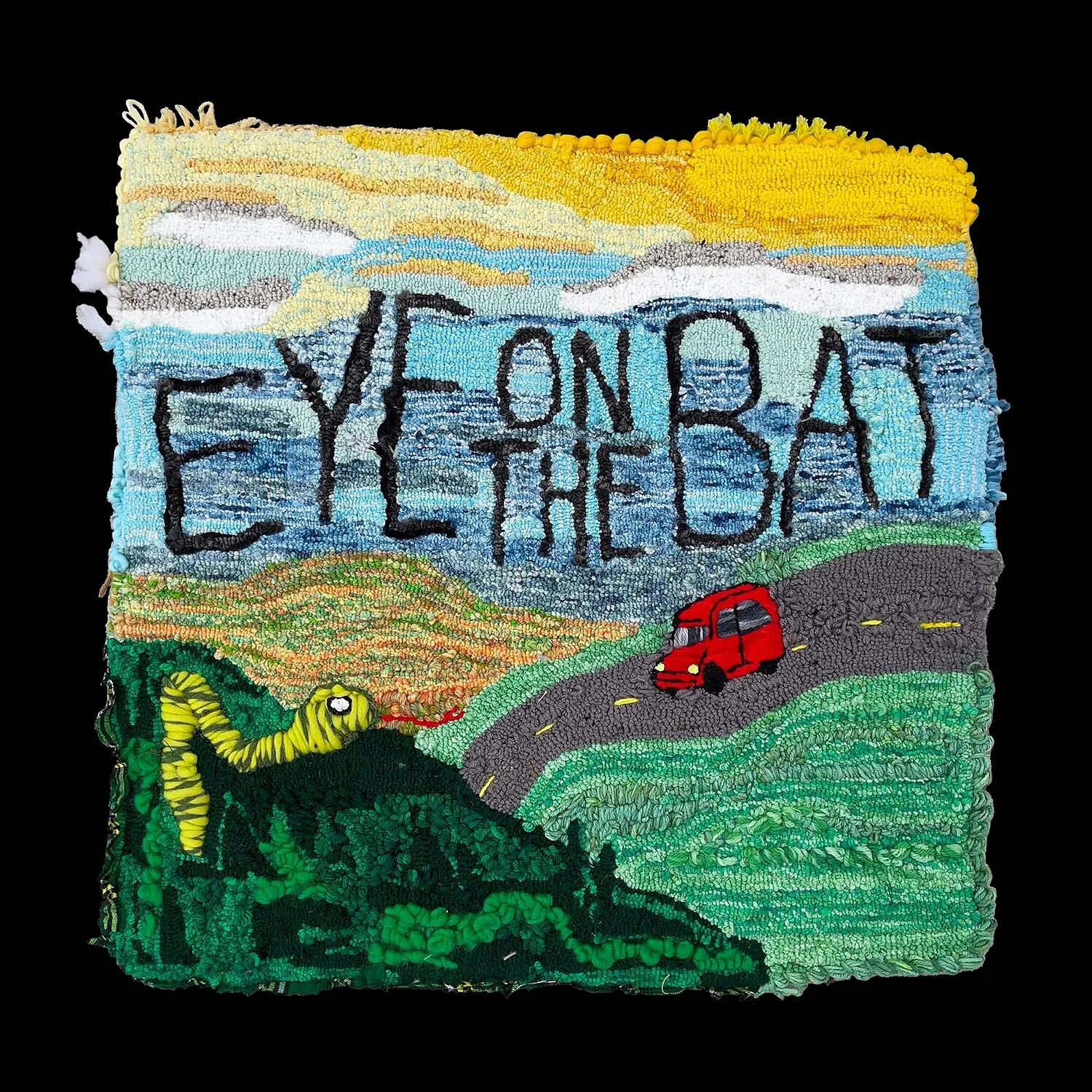
Eye on the Bat – Palehound album review

Happy Wednesday, bibliophiles!

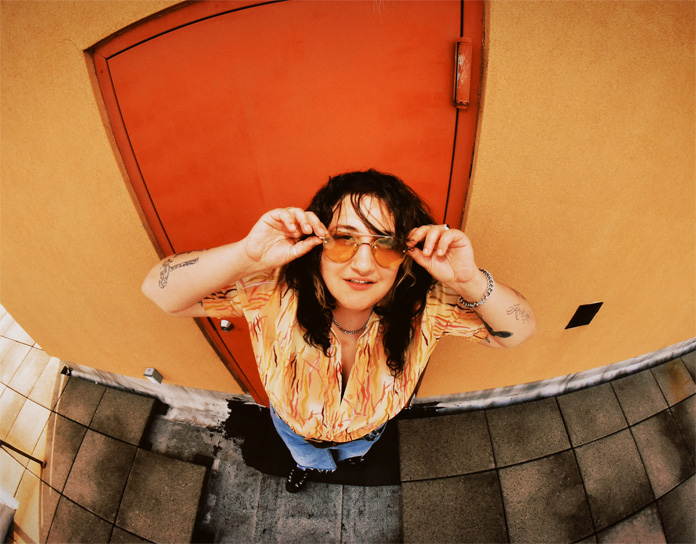
I haven’t even been into Palehound for a year; after loving Bachelor, her collaborative project with Jay Som, I decided to get a taste of her music last September, poring through her albums and EPs in a somewhat chronological order. There were hardly any misses that whole time—solid, guitar-driven indie rock the whole way through. So you can imagine my excitement when I found out that Palehound was releasing a new album this summer! And now, after playing it through many times, I’ve come to the conclusion that it’s a perfect indie summer album, full of sharp lyricism and shredding.

Enjoy this album review!

EYE ON THE BAT – PALEHOUND (album review)

Release date: July 14, 2023 (Polyvinyl records)

TRACK 1: “Good Sex” – 7.5/10

“Good Sex” is the perfect intro to Eye on the Bat: short, funny, and self-awarely so. It seems to stumble around as it builds to a nonexistent crescendo, as El Kempner paints a scene of plans gone wrong, each note climbing as the situation mounts into more and more awkwardness. The laugh in her voice escapes as she describes “our cat licking his ass and looking confused,” backed by two, persistent guitar chords in this song’s 1:41 entirety. Not the best track, but a great bit of self-deprecating, awkward humor to start the album off.

TRACK 2: “Independence Day” – 8.5/10

I am living life like writing a first draft

Cuz there is nothing to it if I can’t edit the past,

And even if I could, it would kill me to look back

No I don’t wanna see the other path…

Palehound, “Independence Day”

“Good Sex” may have been track 1, but I feel like “Independence Day” is where Eye on the Bat really starts off. One of the undeniable highlights of the album, Kempner presents a tumultuous breakup in the middle of a holiday, woven through bright and spidery acoustic riffs. It’s one of those great songs that doesn’t just paint an image, but makes you visualize it so clearly that you might as well be watching a movie. With every detail, Kempner sets her breakup against the backdrop of “foaming sugar in our laps/sparkler in my throat, can we just take it all back?” And the chorus, with its driving guitars and musing on alternate paths, makes for an exceptionally catchy and witty indie rock track.

TRACK 3: “The Clutch” – 8.5/10

I’m glad that you know better now

And I’m glad that you found yourself

But you didn’t need my help…

Palehound, “The Clutch”

Whoever decided to release “The Clutch” as the very first single from this album needs a raise. What better song to build up excitement for the album than this one? Eye on the Bat is undeniably a breakup album, but it’s the shreddiest breakup album that I can think of—and “The Clutch” is proof. From the get-go, it launches into guitar work that pierces its way through your headphones and feels, just as the chorus says, like “a punch in the gut.” The shift from the quieter instrumentation of Black Friday to Kempner’s fiery riffs on this album never feel unnatural—in fact, it feels like a return to form, calling back to earlier tracks like “Molly” or “Drooler.” Punchy and vibrant, this is, without question, one of Eye on the Bat’s best tracks.

TRACK 4: “Eye on the Bat” – 8.5/10

Broken wing ails a standing bird
She sings a gravelly call,
But flightlessness is nothing new
For an ostrich after all…

Palehound, “Eye on the Bat”

Eye on the Bat’s title track may slow the pace right after “The Clutch,” but the quality stays just the same. With its tangled riffs and steady drumbeat, it’s a real showcase of the deadpan wit of Palehound that endeared me to them when I first started listening to Dry Food. There’s not a single lyric that doesn’t pass my notice—I listened to these first few singles so much that I gaslit myself into thinking that “eye on the bat” was the actual expression and not “eye on the ball,” but that’s the power of a hooky song/album title. Other than being as snappy as it is, I can almost piece it into some of the album’s themes of being in the present; could “suckers will all tell you to keep watching for the ball/but better than that/keep your eye on the bat” be a mantra to focus not on what’s coming at you, but to focus on what’s tangibly in your hands? I certainly need to take that to heart, if it’s true.

TRACK 5: “U Want It U Got It” – 7/10

With a clicking, pulsing drum machine that sounds more like an old arcade game than Palehound’s normal sound, “U Want It U Got It” is a brief departure from the album’s cohesiveness—and from their sound in general. Though not all of it’s successful, it’s certainly catchy; though Kempner’s attempt to lower her voice comes out unsure and wavering, the steady, pulsating beat makes the song almost as vibrant as the other tracks. I wouldn’t say that there are any bad songs on this album, but this was a very brief low point. Experimenting is always welcome from Palehound, but this one doesn’t feel quite as successful, even if it’s a good listen. I’d still call it a good song.

TRACK 6: “Route 22” – 8/10

An instant head-nodder, “Route 22” feels all at once like classic Palehound and something fresh and new. It could’ve been right at home on A Place I’ll Always Go or Black Friday, but the maturing of Kempner’s songwriting makes it stand on its own. With its steady, Wilco-reminiscent, twangy-at-the-edges instrumentation and Kempner’s light, dreamy harmonization with herself, it’s a track that feels baked in the summer sun, smelling of fresh-cut grass and thinning clouds. Another highlight of Eye on the Bat, no doubt!

TRACK 7: “My Evil” – 7/10

This second single to come out of Eye on the Bat was my least favorite, and although I still like it, “My Evil” still hasn’t really grown on me. The lyrics are just as witty as any other song on the album, telling a narrative of grappling with yourself and the problems you’ve caused. But every time I listen to it, something feels like it’s missing. I still can’t quite put my finger on it, but something about “My Evil” feels almost bare and restrained, and not necessarily in an intentional way. With how well-written the lyrics are, it’s as though the music is struggling to catch up. That’s not to say that it’s an enjoyable song, but for Palehound’s fourth effort, it feels like it’s holding itself back. Either way, there’s no denying how great the lyric video is—whoever had the idea to make it mirror the opening credits to The Sopranos was genius.

TRACK 8: “Head Like Soup” – 8.5/10

My head like a pot of thick soup,
Stirred and tasted
I live to fill you up,
And I burn unwatched…

Palehound, “Head Like Soup”

What I thought was going to be a song about burnout or sickness (we’ve all had that feeling of having soup for brains, right?) turned out to be a great song about sacrificing your well-being for somebody else. And it’s one of the best songs on the whole album—certainly the best non-single tracks. I genuinely can’t find anything bad about this song; the instrumentation is impeccable, from the Wilco-esque chorus to the electronics creeping into the second verse. It pounds one minute and crawls in the next, never once losing its consistency or momentum. And what better way to end it than cranking up the distortion and letting it ring? Fantastic.

TRACK 9: “Right About You” – 7.5/10

With a gentler, folk sensibility to ease the album into its final minutes, “Right About You” is a tender, orange-colored piece of introspection. Every lyric makes a collage of moments leading up to an inevitable implosion, but lingers in the space between them. It’s a song that makes a gentle impact, like Kempner’s first lyric of “cold water breaking at our feet.” It isn’t as punchy and powerful as the rest of the album, but there’s no need for it to be—the final bits of introspection and quiet on this album are a perfect rest stop.

TRACK 10: “Fadin'” – 7/10

The fading (no pun intended) that “Right About You” set up culminates perfectly in this soft, gentle end of the album. With its drifting, subtle electronics painting the backdrop, “Fadin'” lingers in its faint distortion, almost all acoustic guitar and Kempner’s whispery vocals. However, it comes across as a song that solely came into being to be an album closer. Although it fits neatly into the themes of the album at large, I think it would have trouble standing on its own, as opposed to almost eery other track on this record. Nevertheless, it’s still a delightfully woozy, sleepy song, gently tucking you into bed as you say goodbye to the album.

I averaged out my ratings, and they came out right at a 7.8! Definitely reflects my thoughts to a T: a short, punchy album with no shortage of witty lyrics and songs to nod your head to. A perfect summer album, and a great addition to Palehound’s catalog!

Since this post consists entirely of songs, consider all of them to be today’s song.

That’s it for this album review! Have a wonderful rest of your day, and take care of yourselves!

Posted in Book Review Tuesday

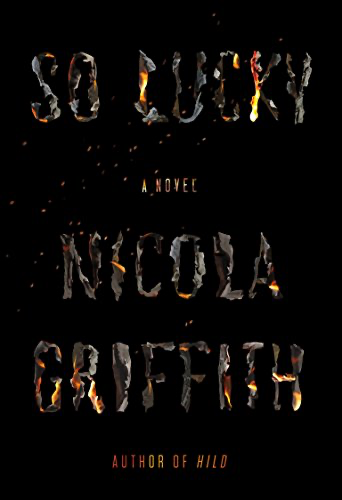
Book Review Tuesday (7/18/23) – So Lucky

Happy Tuesday, bibliophiles!

I came upon this book after poring through the “further reading” section of Alice Wong’s incredible Disability Visibility anthology (which you should also go read!!), and I put it on hold at the library soon after I heard about it. I was completely unfamiliar with Nicola Griffith before reading this novella, but she delivered so much power and resonance in the span of only 180 pages. We’re barely halfway through the year, but I know that I’ve got another favorite read of this year.

Enjoy this week’s review!

So Lucky – Nicola Griffith

Mara Tagarelli has it all. Happily married and the head of a multimillion dollar AIDS foundation, she lives a life of contentment and security. But in the span of days, Mara is diagnosed with MS, and her wife leaves her soon after. Her colleagues now dismiss her needs, and she’s left without work, without the care she needs, and without any prospects for the future. But as she slowly begins to find a community, she realizes the power that she holds—to put those she values in danger, but to give them the justice that they deserve.

TW/CW: ableism, hate crimes, murder, medical mistreatment, misogyny

I finished this book several days ago, but I’m still positively reeling from the effect it had on me. I picked it up after seeing it included as a recommendation in the “further reading” section of Alice Wong’s Disability Visibility, thinking it would be something good to read during Disability Pride Month. What I found was something far more than just “something good to read”—it was wholly refreshing, resonant, and both heartbreaking and heartwarming. So Lucky wasn’t a novel that I expected to hit me so hard, but it did, and I am forever grateful for it.

I’ve never been more in love with such an angry character, to be honest. Griffith’s writing of Mara felt more than authentic, a character that climbed out of the page, demanding to have her voice heard. And although her anger is her primary character trait, it’s an anger that resonated with me like nothing has before; in a landscape where disabled women, both fictional and real, are expected to be demure and sadly accepting of their fate (but in a sexy way, of course, because they obviously only exist as objects of pleasure for men), having a character as fiery and determined as Mara very nearly made me cry. I don’t have MS, but I am a disabled reader, so watching Mara express her anger at her treatment, at her life, and at the world around her was more than I could have asked for. More disabled women who aren’t conventionally likable and are written authentically, please! Use this novella as a guide.

So Lucky is a hard read—it doesn’t pull any punches, and that’s exactly how it should have been. It displays a lot of some of the more harsh realities of being disabled, especially being physically disabled: dismissal by your colleagues, mistreatment at work (and eventually being fired because of said diagnosis), relationship turmoil, medical mistreatment, and disability-motivated hate crimes are all a part of the narrative that Griffith portrays. It’s visceral and heartbreaking, and it doesn’t hold back in the slightest. But never once did it feel amped up for tension, or unnecessarily exaggerated: this is the story of an angry woman, and the story of a system built on bringing her down, as well as others like her. It really represents a good portion of the spectrum of issues that disabled people, especially disabled women, face, and Nicola Griffith captured all of it with incredible aplomb.

Despite that, So Lucky never falls into hopelessness. Even though Mara faces hardships aplenty, it never portrays the disabled experience as defined solely by tragedy and suffering. In spite of it all, there is always hope: Mara finding an online community of other disabled people, taking care of her cat (shoutout to Rip), and coming to the realization that her anger was never from the MS itself: it was from the experience of living in a world that did not want her to succeed. At its heart, So Lucky is an incredibly raw story, but a fearlessly hopeful story, one where our protagonist knows that her anger doesn’t come from being disabled, but from existing in a world where disabled people are treated so poorly. And that anger only adds to her determination to continue to fight for a better, more accessible world. There is no disability to inspirationally overcome, only a system. I can’t think of much that’s more beautiful than that.

All in all, a short novella that packs a deeply impactful punch, and portrays disabled womanhood in a refreshing light. 5 stars!

So Lucky is a standalone, but Nicola Griffith is also the author of Ammonite, Hild, Cold Wind, Slow River, and many other books for adults spanning several genres.

Today’s song:

never in my life would I have anticipated liking a Weezer song THIS much, but you can blame Snail Mail for this one

That’s it for this week’s Book Review Tuesday! Have a wonderful rest of your day, and take care of yourselves!
Posted in Books

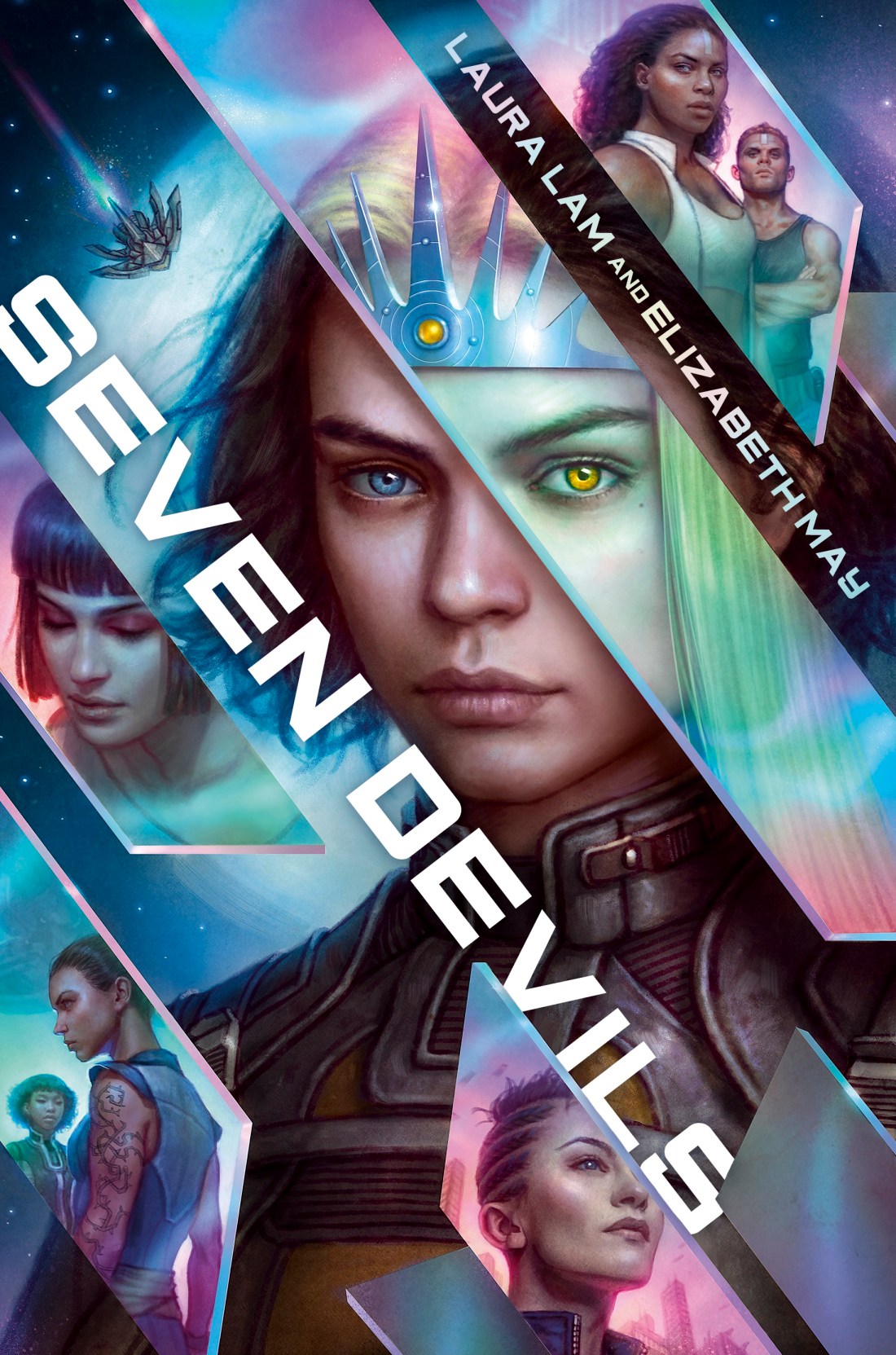
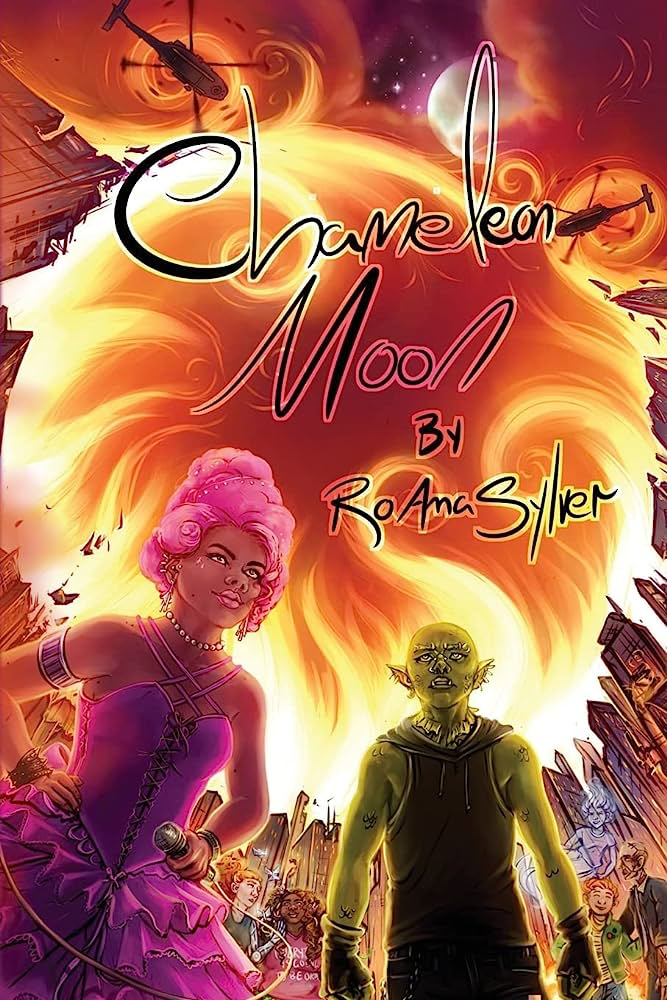
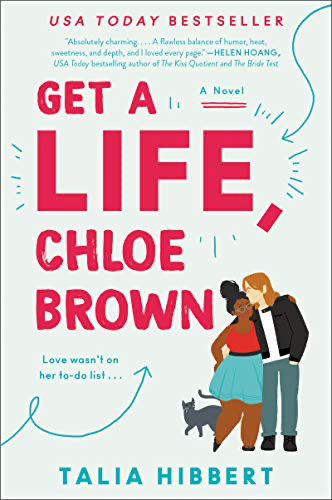
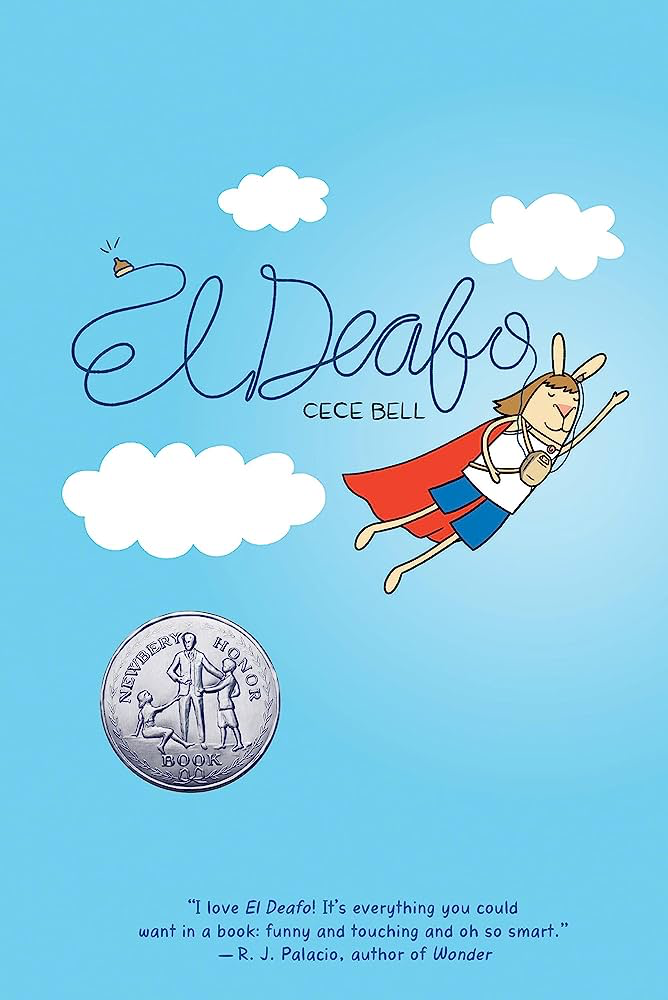
The Bookish Mutant’s Books for Disability Pride Month (2023 edition) ♿️

Happy Friday, bibliophiles!

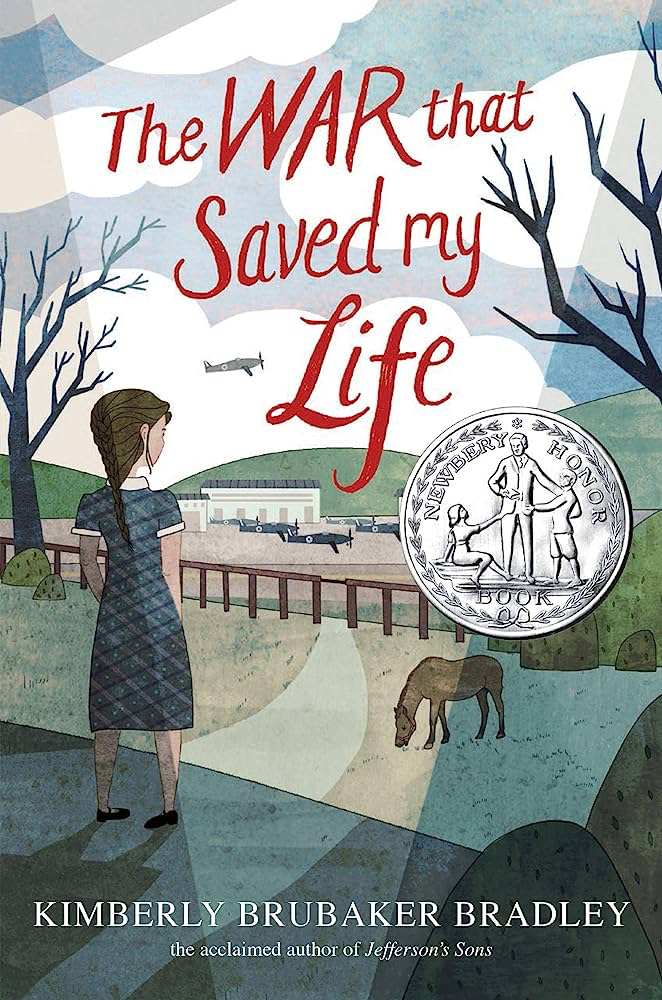
Here in the U.S., July is Disability Pride Month! Although I’ve seen some more recognition for it in the past few years, I find myself saying this over and over—disability issues are left behind in intersectional feminism far too often. The larger representation in media of disabled people as otherwise white and cishet, the lack of accessibility at many pride events, and the hurdles that most disabled students have to go through in order to get accommodations at school is proof. And yet, around 27% of Americans have some sort of disability—myself included. As the literary world has slowly shown more stories with disabled characters, it’s more important than ever to uplift disabled voices.

Like some of my other themed lists this year, I’ve decided to expand it beyond YA, because I’d be remiss if I didn’t include some of the amazing Adult and MG reads with disabled rep over the years. I’ve separated all of these recs by age group, and included their genres, my rating, and the type of disability rep.

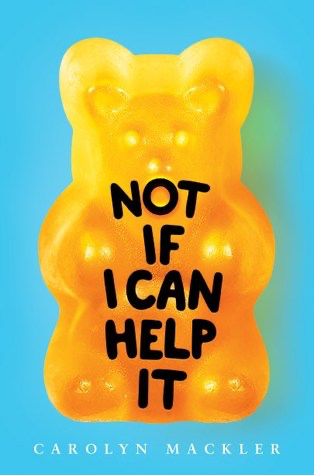
(SHOUTOUT TO NOT IF I CAN HELP IT, I FINALLY HAVE A MORSEL OF SPD REP)

for my lists from previous years, click here:

  • 2022 (+ on having SPD and the lack of representation)
  • 2021

Let’s begin, shall we?

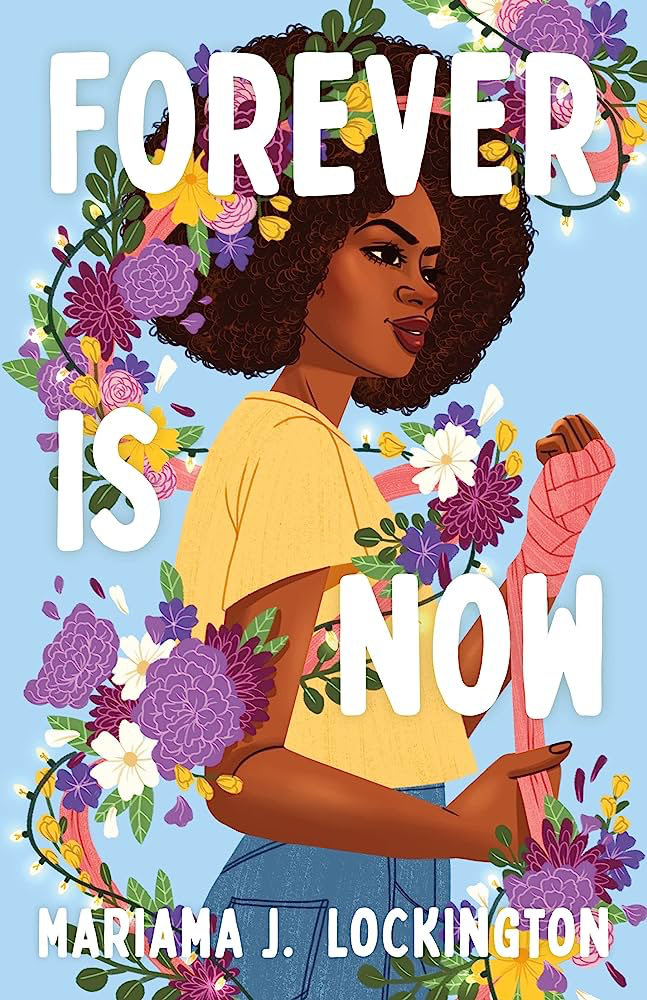
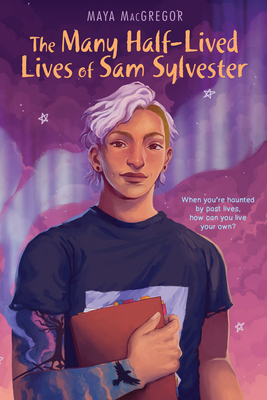
THE BOOKISH MUTANT’S BOOKS FOR DISABILITY PRIDE MONTH (2023 EDITION)

YA:

ADULT:

MIDDLE GRADE:

TELL ME WHAT YOU THINK! Have you read any of these books, and what did you think of them? What are your favorite books with disabled rep? Let me know in the comments!

Today’s song:

That’s it for this year’s Disability Pride recs! Have a wonderful rest of your day, and take care of yourselves!

Posted in Book Review Tuesday

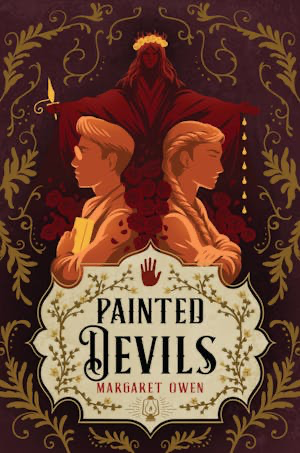
Book Review Tuesday (7/4/23) – Painted Devils (Little Thieves, #2)

Happy Tuesday, bibliophiles, and happy…Tuesday. The fact that the Fourth of July comes so close on the heels of the Supreme Court releasing the results of all of their major rulings has significantly soured most attempts I’ve tried to have at patriotism (especially since we have the incredibly unfortunate conservative majority controlling far more than they should), especially in our post-Roe era. None of that puts me in a particularly patriotic mood. But, as always, criticizing your country and pushing for change that will make it better is, to me, is the best kind of patriotism. And if nothing else, I get the day off work today. I’m not about to complain.

That aside, I’ve got an exciting review today! Ever since I devoured Little Thieves back in January, I’ve been itching to read the sequel, which came out this May. After a few failed attempts to get it on Libby, I finally got a physical copy from the library and ate it up as quickly as I did its predecessor. And although I liked it slightly less than book 1, Painted Devils retained its spirit—delightful from start to finish.

Now, tread lightly! This review may contain spoilers for book 1, Little Thieves, so if you haven’t read it and intend to do so, skip over this review.

For my review of Little Thieves, click here!

Enjoy this week’s review!

Painted Devils (Little Thieves, #2) – Margaret Owen

Vanja Schmidt may have succeeded in breaking a godly curse and finding love with Emeric, but that doesn’t mean that her conniving days are behind her. In fact, they’re very much alive—and proved when she fabricates a god to get out of a slippery situation. Problem is, the townsfolk have now accepted Vanja’s Scarlet Maiden as their god, and started a cult in her name. And the Scarlet Maiden demands a sacrifice in blood—a sacrifice that Vanja can’t afford to make. While Emeric goes on a hunt to verify the Scarlet Maiden’s existence, Vanja must find a way out of the sacrifice before time runs out—and before her fraud is exposed.

TW/CW: abuse (physical and verbal), fantasy violence, blood, body image issues, abandonment, animal death, cult imagery

Seeing the phrases “we live in a society” and “scrimblo” within 100 pages of each other in a medieval-inspired fantasy book felt like being hit by a train, to say the least, but the fact that Margaret Owen very nearly pulled it off is nothing short of a miracle. I’m still reeling just thinking about it.

My months of waiting and searching are finally over—I managed to get Painted Devils in my hands, and I’m so happy for it! Although it wasn’t quite as cohesive as Little Thieves was, it was nevertheless a delight from start to finish—being back with Vanja on her chaotic adventures was nothing short of a joy in a sea of YA fantasy novels that take themselves a little too seriously, even though their protagonists are only 16.

I’ll quickly start off with my one major gripe—the reason that I docked it down from book 1’s 4.5 stars to 4.25. Painted Devils, as much as I adored it, definitely fell into the curse of book 2: all of the good elements were still there, but they lacked the cohesion that the first book had. It was all fun, but a good portion of the middle felt like the characters were running around for no reason, without much consequence to the plot. Some of it felt like filler, and for a book that was almost 500 pages long, it didn’t feel altogether necessary.

Other than that, it’s hard to find any nitpicks or problems with Painted Devils! Even though Vanja has always been the main character, this book really felt more about her—it was wholly her story, about what happens when your storied past catches up to you, and how to reckon with your past to become the person you are today. Even amidst the near-constant humor that these books have relied on, Owen manages to tackle so much of Vanja’s character with incredible aplomb, balancing her bouncing-off-the-walls personality with some genuinely heartbreaking and wholly important discussions about familial manipulation and abuse. For a series that’s often been defined by its levity, Vanja’s journey towards self-love and acceptance was unexpectedly heartfelt. It’s exceedingly difficult to balance those two aspects, but Owen made it look easy.

Beyond that, I loved seeing the relationship between Emeric and Vanja develop, both romantically and platonically! They continue to be perfect foils for each other—a physical representation of the grounded and humorous qualities of this novel, and how they complement each other. Their personalities have started to bleed into each other in the sweetest way—Emeric starting to loosen up, and Vanja reluctantly trying to do the opposite—and every moment they shared together was a delight to read. Plus, the discussions about consent are always welcome, and a refreshing break from the years of 500+ year old fantasy love interest that we’ve all had to slog through in the last decade or so.

Owen’s writing, of course, continues to be the star. It’s rare that an author can make a character whose main trait is being “chaotic/morally gray” into something that goes above and beyond the buzzwords—Vanja continues to be impressively fleshed-out, and my life is all the better for it. Some of the more meme-y humor, like the previous book, continues to be jarring in places, but Owen’s other points of humor makes for a wonderfully charming read. There’s really not much else in the world of YA fantasy that succeed like Little Thieves and Painted Devils do: bringing the joy back to a magical, fairytale-inspired world, and balancing it with the reality and darkness that every bad, gritty fairytale retelling missed by a mile. Even with the frustrating ending, I’m so eager to see where the conclusion takes Vanja, Emeric, and all the rest.

I really feel like the world needs a 2D animated adaptation of these books. Just saying.

All in all, a sequel that was a delight to read, even with its lessened cohesion. 4.25 stars!

Painted Devils is the second book in Margaret Owen’s Little Thieves trilogy, preceded by Little Thieves and concluded by an untitled book slated for release in January of 2024. She is also the author of the Merciful Crow duology (The Merciful Crow and The Faithless Hawk).

Today’s song:

XYLOPHONE SOLO

That’s it for this week’s Book Review Tuesday! Have a wonderful rest of your day, and take care of yourselves!
Posted in Book Review Tuesday

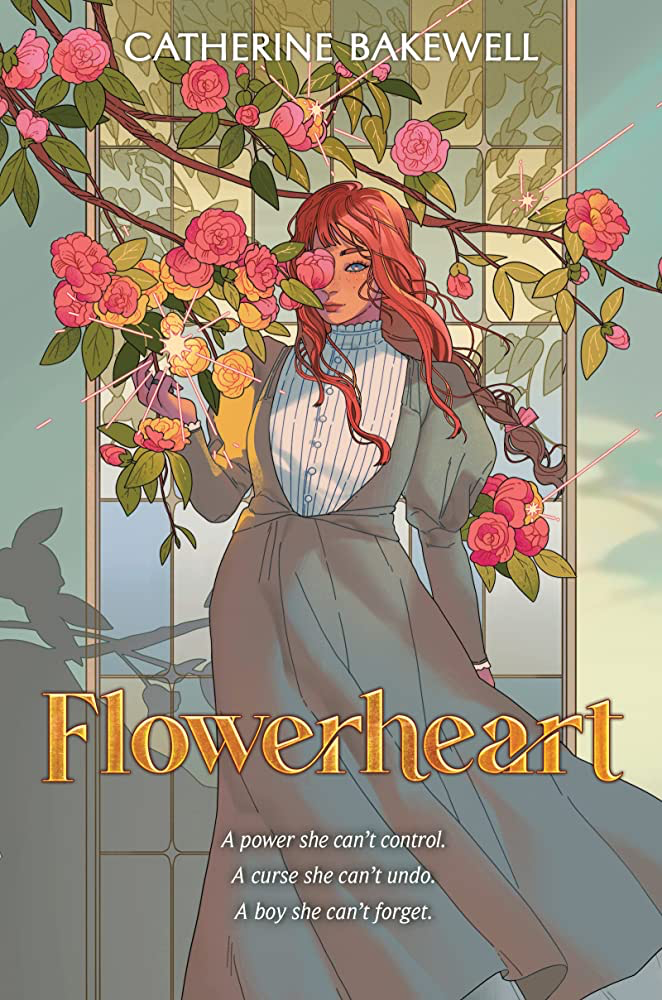
Book Review Tuesday (6/27/23) – Flowerheart

Happy Tuesday, bibliophiles!

Here’s some queer fantasy for my last review of Pride Month 2023. I’m so glad that cozy sci-fi/fantasy as a subgenre is slowly multiplying nowadays, and that’s exactly what drew me to Flowerheart. I borrowed it from the Kindle library and ate it up in a few hours flat—though it wasn’t without its flaws, it was a charming, sweet palate-cleanser with lots of flowers and queer rep!

Enjoy this week’s review!

Flowerheart – Catherine Bakewell

Clara has a gift—she can summon flowers at will, making them grow in any space she focuses on. But she’s only 16, and her flower magic is uncontrollable—and sometimes dangerous. When she accidentally causes poisonous flowers to grow in her father’s chest, Clara is distraught—and in desperate need of someone to heal his ailment and help her hone her magic. But the best magician for the job just happens to be Xavier, her former best friend who she can’t quite hide her feelings for. With Xavier hiding secrets and Clara racing against the clock, can they heal her father—and rein in her wild magic?

TW/CW: body horror, substance abuse (fantasy), absent parent, sick parent, mental illness, emetophobia

I love the title of this book as much as the next person, but I’m not gonna pretend that it isn’t a valid Warrior Cats name. Just saying. I’ll bet you money that it was somebody’s OC from 2014.

Flowerheart has a 3.58/5 average rating on Goodreads at present. I have a thing where I’ll see ratings in the 3.5 range and think “oooh, this could be a disappointment,” and then I’ll finish the book and realize that it was just about right on the money. It makes sense. I can see why several people loved it, but a good amount of people felt lukewarm about it or disliked it. For me, I’m sort of in the middle—it was a charming, sweet palate-cleanser, but the holes in the story and some of the writing style prevented me from enjoying it all the way.

The main selling point for Flowerheart seemed to be its coziness—setting aside the annoying, clearly BookTok marketing tactic to put “cottagecore” in the actual description, Bakewell passed with flying colors in terms of this book’s coziness! Other than a brief moment of fantasy body horror (said Flowers growing from Clara’s dad’s Heart), there’s very little that’s stressful. The book also has a strong emphasis on embracing your emotions and learning to love them (as opposed to suppressing them), which is always a win in my book (no pun intended). The queer-normative world was also a delight alongside of that—Clara is bisexual and in a straight-passing relationship, and there are several trans and nonbinary side characters! I ate this book up fairly quickly, but it was a delightful world to stay in, however short the stay was.

That being said, I really wanted more from the world. There really isn’t much to chew on other than the fact that everybody has a unique type of magic, there’s a ruling council of magicians that keeps everybody in check, and that most of the names have a vaguely European root or origin. Other than that, there was almost nothing to hold up the worldbuilding—if it were a house on stilts, the stilts might as well have been popsicle sticks. Where does the magic come from? What is the technology level of this world? Why are they letting 16-year-olds onto this magician council that makes all of the important decisions? Where even were we in the first place? Was there even a name for the place that Flowerheart was set in??? Cozy sci-fi/fantasy and expansive worldbuilding can coexist (see: anything by Becky Chambers), so the subgenre isn’t the issue. I didn’t need a huge, elaborate picture of the world of Flowerheart, but it was sadly clear that Bakewell did the bare minimum in terms of worldbuilding. I really did want more.

Aside from that, my main issue (if you can call it that) was the writing style. On its own, I liked it a lot—it had the perfect, charmingly over-the-top kind of style to it, and it suited the story very well. I saw another review that compared it to Harry Potter, and it made a lot of sense—it did sound very distinctly British. But Harry Potter is mostly middle-grade, and Flowerheart tended to skew the same way in its voice; Clara’s voice read more as a 12-14 year old than a 16 year old. Again: it’s not the coziness and relatively low stakes that made it feel more middle-grade, but the way that the characters were written. Not much of an issue, but I really feel like this would’ve been more successful if Clara was a few years younger.

All in all, a cozy fantasy that was filled with quite a few holes, but still sweet enough to enjoy. 3 stars.

Flowerheart is a standalone, but Catherine Bakewell is also the author of the middle-grade novel We Are the Song.

Today’s song:

ughhhhhh this album is so good

That’s it for this week’s Book Review Tuesday! Have a wonderful rest of your day, and take care of yourselves!
Posted in Uncategorized

🏳️‍⚧️ LGBTQ+ Historical Icons Book Tag 🏳️‍🌈

Happy Wednesday, bibliophiles!

I’ve had a few pride-related book tags that I’ve been waiting to do since last June, so I figured I’d break this one out right about now. I found this one over at The Corner of Laura, who also created the tag.

Rules

  • Link back to the original creator (The Corner of Laura) and link back to this page (otherwise, the original creator won’t get a notification).
  • Thank whoever tagged you and link back to their post
  • (Optional) Use the graphics and don’t forget to credit the original creator (Text prompts are at the end of the tag if you’d prefer to use those)
  • (Optional) Tag 5 or more other people.

Let’s begin, shall we?

🏳️‍🌈THE LGBTQ+ HISTORICAL ICONS BOOK TAG🏳️‍⚧️

SAPPHO: Greek poet known for her lyric poetry which is believed to describe homoerotic feeling | A book of poetry (or written in verse)

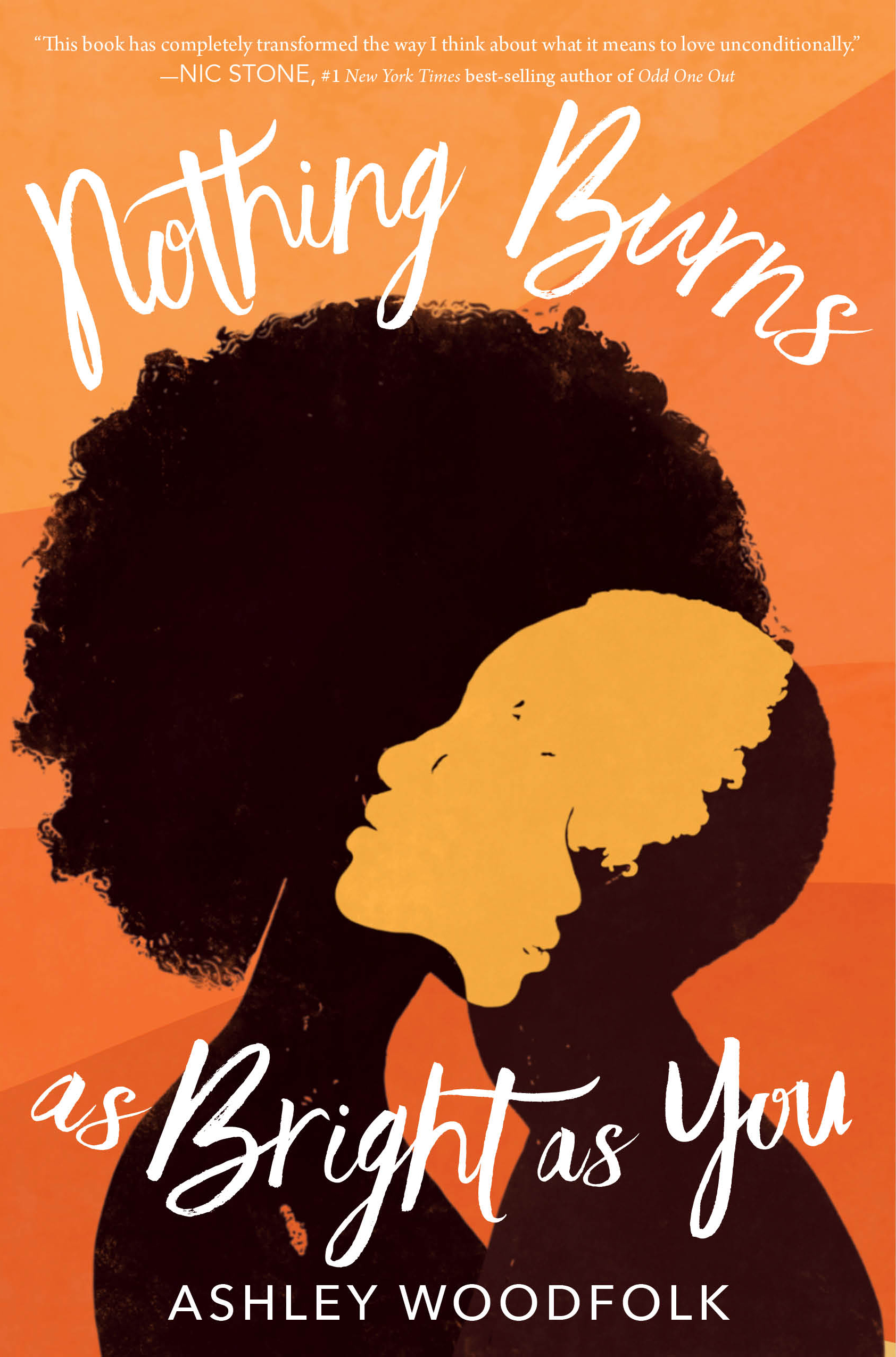
Nothing Burns as Bright as You is a beautiful novel in verse about the complicated relationship shared by two Black queer girls.

ALAN TURING: Mathematician known for cracking the Enigma code but who was persecuted for his homosexuality | A character who deserved better

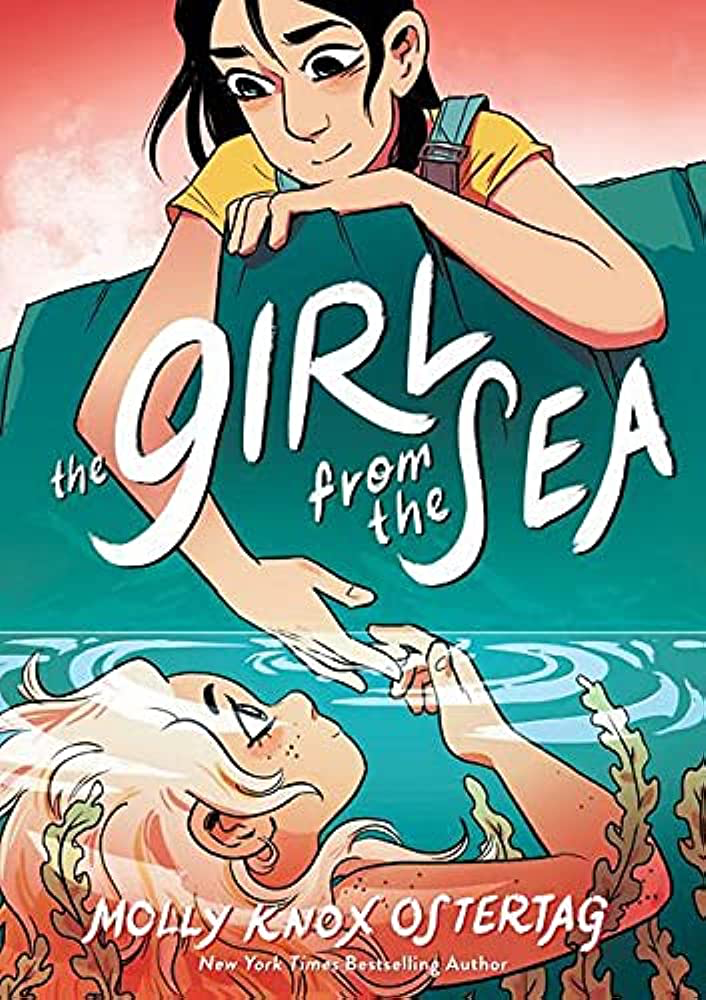
As sweet as The Girl from the Sea was, I found myself getting so stressed out about how Morgan treated Keltie in the beginning. She just kept pushing her around and neglecting her, and while it did resolve itself neatly and they fell in love, I still felt so bad for Keltie. She’s just an adorable creature, dude, she doesn’t need all that human baggage…

GILBERT BAKER: Creator of the rainbow Pride Flag | The most colorful book you own

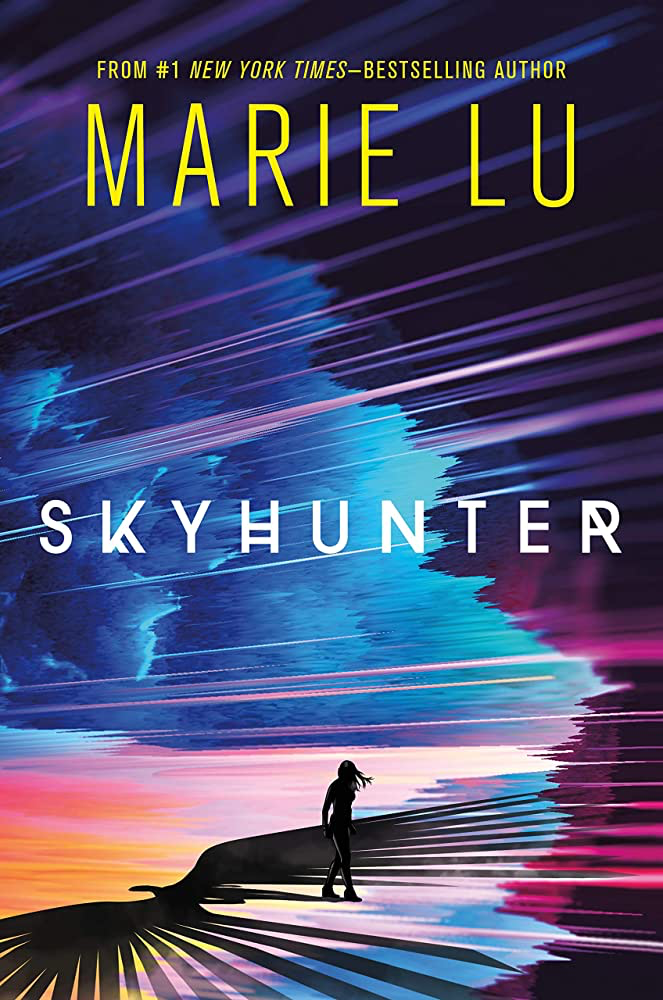
Skyhunter has one of my favorite book covers in my collection—it dazzles me every single time I look at it!

ANNE LISTER: Landowner, industrialist and considered to be the first modern lesbian | A book written as a diary (or includes diary entries)

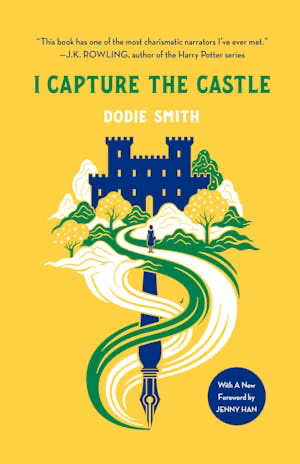
I have fond memories of reading the copy of I Capture the Castle that my mom bought for me while I was out sick years ago, and re-reading it several times since. It’s seriously the sweetest, most charming book—a big thank you to my mom for turning me on to this one.

MARSHA P. JOHNSON: Prominent figure in the Stonewall Uprising and founder of several LGBTQ rights organisations | A character you’d would want fighting at your side

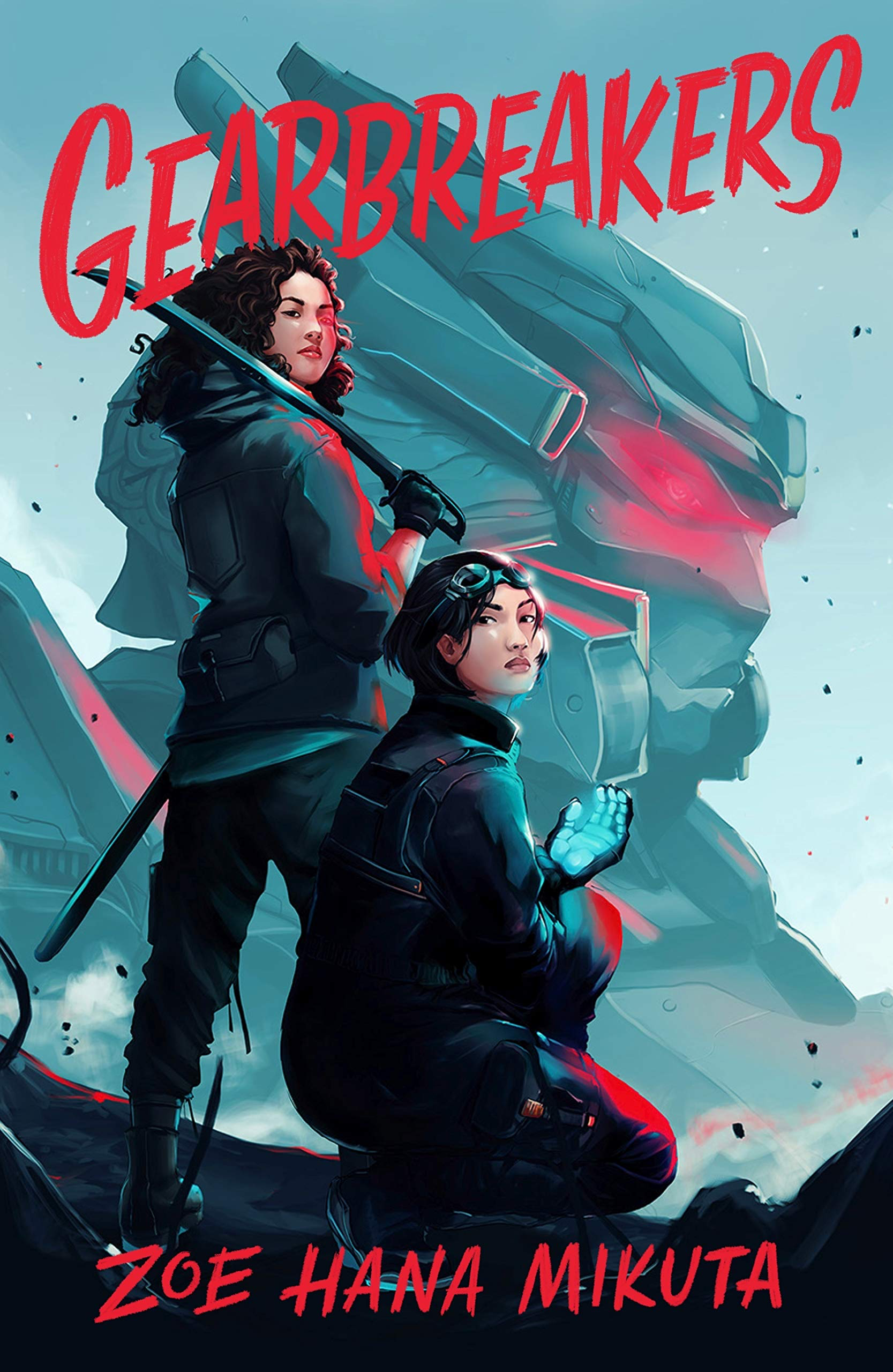
Sona and Eris from Gearbreakers are both formidable in their own ways—either one (or both) would be an easy pick to have fight at my side.

ALFRED KINSEY: Creator of the Kinsey scale | A book set in academia

I haven’t read a whole lot of books sets in academia (and I’ve never gotten the hype for dark academia, so I tend to steer clear of those), but Leigh Bardugo never misses, so obviously this prompt has to go to Ninth House.

LUCY HICKS ANDERSON: First trans woman to defend her identity in court | A book where a major scene takes place in court

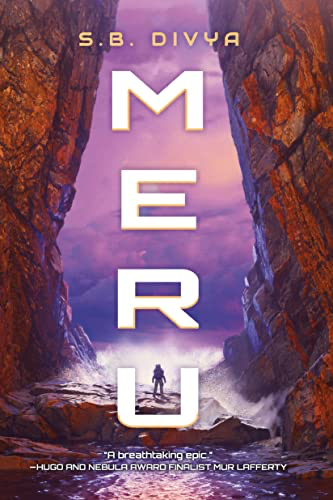
It was so hard to think of any books besides To Kill a Mockingbird (Laura’s answer) with a courtroom scene, but I read Meru not long ago, and it has a particularly climactic and poignant courtroom scene—a futuristic one, but a courtroom scene all the same.

OPEN PROMPT: Your choice | A book that inspires you

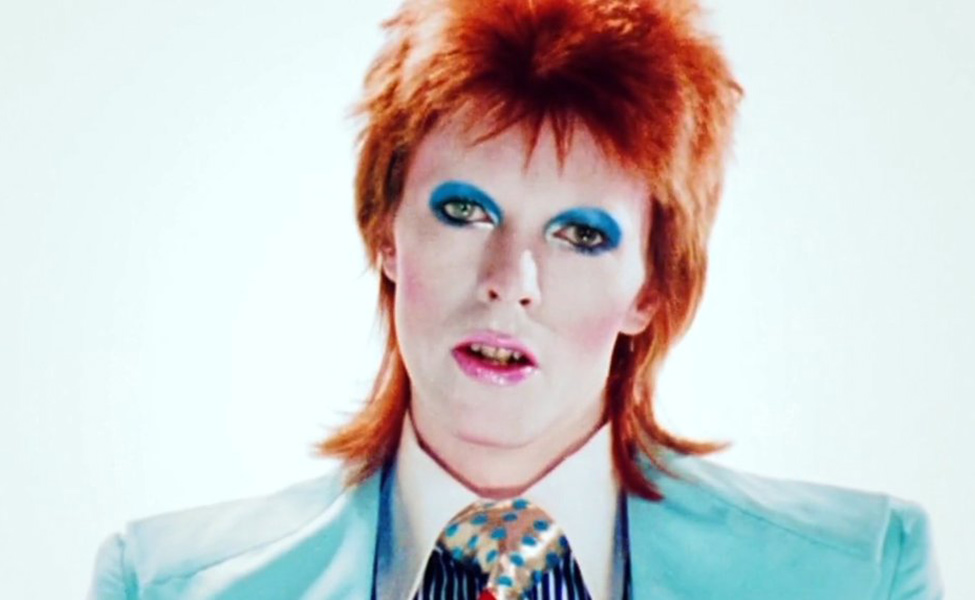
Of course, I’m going with David Bowie as my LGBTQ+ historical icon of choice—who else? He’s been a hero of mine for years, and a hero to so many. Even in the 60’s, before he rose to stardom, he was already breaking down barriers, and continued to do so in all aspects of his career thereafter. Calling somebody “ahead of their time” is thrown around quite often, but I really think that the world wasn’t ready—and wouldn’t be ready for today—for Ziggy Stardust. And personally, I can’t think of a better beacon of hope to me than him; I started getting into his music at a time when I was struggling to find my place and looking for a light at the end of the alternative weirdo tunnel. And here was Bowie, wearing dresses in the 70’s, openly declaring his bisexuality, and creating a cosmic persona that touched the hearts of so many people. I’ve certainly felt like an alien all my life, but he, if anyone, is to credit for teaching me to embrace that feeling—to quote him, “oh no, love! You’re not alone.” From one bisexual alien to another: thank you.

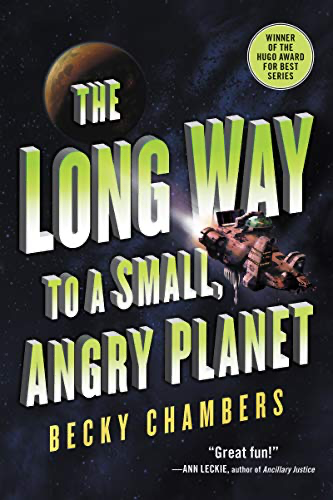
As for a book that inspires me, I’d easily give that title to Becky Chambers’ Wayfarers series. Sci-fi always seems defined by cosmic stakes and harrowing violence, and while that can work in moderation, these books really cemented the idea that a narrative doesn’t have to be centered around struggle or suffering to be worth reading—and writing. Here, Chambers has created a vast, creative space opera universe with complex political background noise and dozens of strange creatures, but they’re not embroiled in some lofty, intergalactic conflict: they’re just going about their lives. It’s something that almost no other piece of sci-fi media has ever done—it’s very common in realistic fiction, but the concept that happiness and healing as genuine plot points can exist alongside aliens and starships just blew my mind. I aspire to write at least one thing as comforting and cozy as Becky Chambers someday.

And remember, kids: grimdark is just as unrealistic as sunshine, lollipops and rainbows, because they represent opposite ends of the same literary spectrum. Making a book excessively dark and gritty doesn’t automatically make it deep, and giving a character an excess of trauma and a tragic backstory doesn’t automatically make them fleshed-out and well-written.

I tag:

Today’s song:

we love a good guitar freakout

That’s it for this book tag! Have a wonderful rest of your day, and take care of yourselves!

Posted in Uncategorized

Book Review Tuesday (6/20/23) – Meru

Happy Tuesday, bibliophiles!

I’ve been eyeing this book for a while—I remember it being heavily advertised on Goodreads when it was first released, and normally, I don’t pay much attention to Goodreads ads or sponsored books, but all you had to say was “space opera” and I was hooked. I’m a woman of simple tastes. It was cheap on the Kindle library, so I bought it to read on vacation. To my excitement, it ended up being my favorite book that I read on vacation—so detailed and gripping!

Enjoy this week’s review!

Meru (The Alloy Era, #1) – S.B. Divya

Jayanthi, like all other humans in her day and age, are confined to Earth. Kept there by the Alloys, evolved human descendants with advanced capabilities, she has been raised by Alloy parents on her homeworld, but has always dreamed of seeing the wider galaxy. But when an opportunity arises for Jayanthi to explore the newly discovered planet Meru with the aid of an Alloy pilot, she jumps at the chance—what better way to show the galaxy that humans are more than their violent past?

With the help of Vaya, her Alloy pilot, Jayanthi touches down on Meru. Soon, they find themselves embroiled in a human-alloy conflict, seemingly engineered to separate the two of them. Will Jayanthi and Vaya beat the odds—and restore faith in the human race?

TW/CW: ableism, xenophobia (fictional), sexual content/pregnancy, descriptions of injury, sci-fi violence

I got carsick while reading this book, but I don’t hold it against it at all. That was on me and my hubris of thinking that I wouldn’t get nauseous on a long car trip just this once. Whoops.

Reading some of the lower-rated reviews of Meru is kind of cracking me up…listen. I get that zie/zir pronouns (and neopronouns in general) are somewhat obscure, but of all the absolutely wild, dense, and out-there concepts that this book throws at you, that’s what makes you jump ship? Not the exceedingly complicated…well, everything else?

That being said, Meru lived up to the hype I’ve seen it getting for the past few months! It hit a sweet spot for me that a lot of sci-fi and fantasy books rarely do—creating a complex and multilayered universe, but very delicately balancing when and where to deliver all of this information. Divya came very close to going over the edge, but she navigated the worldbuilding delivery with aplomb.

So, about said worldbuilding. I’d say that Meru isn’t for the faint of heart, even for longtime sci-fi fans—as I mentioned in the beginning of the review, there’s a lot to take in, from the post-human history of the Alloys to all of the machinations surrounding new genetic modification laws in the future. But even though we do get some of this information in larger chunks, Divya excels at navigating which information is actually relevant to the scene it’s informing, and not sledgehammering you with extra information that only becomes relevant elsewhere in the book. It also helps that every inch of said worldbuilding is truly fascinating—it’s clear to see how much care was put into the creation of this universe.

If you’re talking about disability in sci-fi, you’re generally bound to open a particularly dicey can of worms. There’s quite a lot of eugenics narratives that a lot of readers have let slide for years, and the narrative of curing all disabilities is seen as positive, when a lot of the disabilities being described never needed curing in the first place. For the sake of this review, I’ll keep it short, but the bottom line is that it’s gross. But Meru takes a refreshing perspective on disability in sci-fi—not only was Jayanthi, the protagonist, specifically engineered to have sickle-cell anemia (now THAT’S a subversion I like), her disability is depicted in a far more advantageous and positive light. Anyone who’s ever touched a high school biology textbook probably remembers this example: despite its drawbacks, those with sickle-cell also have increased resistance to many tropical diseases. That’s exactly the case for Jayanthi, whose sickle-cell anemia makes her more suited to the environment of the planet Meru than those without it. Positive disability rep is good enough, but having it specifically depicted as something that gives the character the edge is something special. That, along with the wonderful discussions around disability and bodily autonomy (both allegorical and literal), made Meru a wonderful experience for me as a disabled reader.

In addition, Divya has created such a vibrant cast of characters in Meru! Jayanthi was such an endearing and powerful protagonist, and her relationship with the equally endearing Vaha was full of tenderness, despite its ups and downs. Almost all of the cast added to the book’s masterful suspense and tension, making you feel deeply for all of the relevant characters before things got (very) hairy. Plus, the integration of Sanskrit, several Indian-coded (and other POC characters), and loads of casual queerness was a breath of fresh air from all of the white, male, cishet sci-fi that still dominates the market. We need more books like Meru.

All in all, an intricately-crafted sci-fi novel that dazzled with its detailed worldbuilding, diversity, and refreshing discussions around disability. 4 stars!

Meru is the first book in S.B. Divya’s Alloy Era series, continued by the forthcoming Loka, slated for release in July of 2024. Divya is also the author of Machinehood and Run Time, as well as a contributor to several short story collections.

Today’s song:

NEW SMILE IT’S SO GOOOOOOOOOOOOOOOD (does this mean that we’re closer to hearing “Read the Room” too?????

That’s it for this week’s Book Review Tuesday! Have a wonderful rest of your day, and take care of yourselves!
Posted in Uncategorized

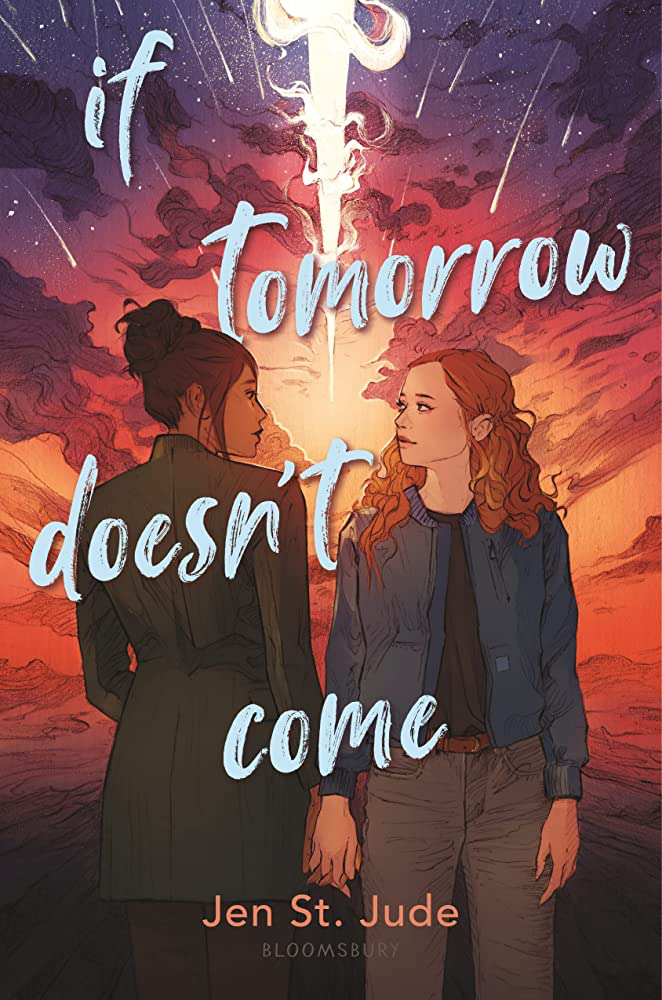
Book Review Tuesday (6/6/23) – If Tomorrow Doesn’t Come

Happy Tuesday, bibliophiles!
This book came out around a month ago, and I figured it would be a great read to start off pride month (after a very disappointing biography of Josephine Baker). If Tomorrow Doesn’t Come was my first exposure to Jen St. Jude (it’s her debut, after all), but after this, I’m ready to watch for anything else she writes.

Enjoy this week’s review!

If Tomorrow Doesn’t Come – Jen St. Jude

The news has just broken that an asteroid capable of wiping out the population is headed towards Earth in nine days. Avery Byrne had planned to drown herself on her college campus that day—being closeted from her religious parents, the mounting pressure of college, and undiagnosed depression had become too much to bear. But now, she’s forced to flee her college and face her family. Among them is Cass, her best friend and longtime crush, who she’s been hiding the truth from for years. With nine days until the end of the world, Avery must come face to face with everything that she wanted to run from, but must also realize the hope at the end of the world—maybe she finally has time to make things right.

TW/CW: suicide, suicide attempt(s), suicidal ideations, homophobia, religious bigotry, mental health issues (depression), natural disasters/end of the world scenarios (impending asteroid impact)

This is a heavy one. That can’t be understated enough—I always put trigger warnings before my reviews now, but these ones are really important to keep in mind. If Tomorrow Never Comes is a devastating novel—but a deeply important one, as long as you’re in the mental headspace for it.

That being said, one of the best parts about this novel is how Jen St. Jude handles such topics. It would’ve been easy to romanticize or otherwise dramatize Avery’s very real struggles with mental health and queer identity, but everything was handled with such care and grace. It’s clearly a very personal novel; nothing is glossed over, but nothing is overblown to amp up the tension needlessly. We’re very slowly coming out of the post-13 Reasons Why romanticization of suicide and mental health issues, so it’s very important that books like these exist to counteract that—presenting these subjects exactly as they are.

All of the relationships were also done so well in this novel! Each character was crafted with so much care, and the interactions that each one had with the other really made them stand out. The forced reunion of Avery, her friends, and her extended family in the event of the asteroid created so many moments that felt refreshingly human—messy and hard to read at times (part of the ending made me cry, full disclosure), but authentic and genuine. Again—in the face of an onslaught of very dramatic apocalypse-oriented YA in the past, it’s so nice to see one that’s full of emotion, but more in the way of real, interpersonal relationships and not 2012 love triangles in the face of impending doom.

That being said, I did have one major problem with this novel. I liked the format that St. Jude had where the novel was split into Avery’s past and present, but the flashback chapters felt somewhat stilted compared to the present day chapters. They leaned a lot more on telling—giving us information about Avery’s life, friends, and family in a very rote way, as opposed to letting all that bloom naturally. It’s even stranger considering that the present chapters didn’t have this problem at all—maybe it was just some kinks to work out when writing in Avery’s past tense. With all of the heart that this novel had, it just left me wishing for something as fluid as the other chapters.

I’ve seen some people complaining about the ending, but I feel like this novel couldn’t have ended any other way. This novel was always going to be about relationships during the apocalypse, and the mechanics of the apocalypse weren’t meant to be the star of the show. I will admit that I had to turn back to check that yes, this really was the end, it felt like the quiet, tender ending that this novel deserved.

All in all, an emotional and deeply personal story of love at the end of the world. 3.75 stars, rounded up to 4!

If Tomorrow Doesn’t Come is a standalone, and it is Jen St. Jude’s debut novel.

Today’s song:

SAW THE YEAH YEAH YEAHS LIVE LAST NIGHT IT WAS MAGICAL

That’s it for this week’s Book Review Tuesday! Have a wonderful rest of your day, and take care of yourselves!