Posted in Sunday Songs

Sunday Songs: 10/18/26

Happy Sunday, bibliophiles! I hope this week has treated you well.

So last week, I got a comment on one of my Sunday Songs posts commending my song/book pairings. At first, it was nice to be recognized…and then I realized that the comment reeked of AI, was inexplicably posted four separate times, and came from a website that makes AI-generated playlists based off of book pairings. BOO, TOMATO, TOMATO!! USE YOUR BRAIN! Anyway, as always, you can get your completely AI-free, human-made, pretentious book-music pairings from an exhausted post-grad right here, and you don’t have to use up enough water to fuel a city to do it. There’s no excuse to use AI for much of anything these days. But this? Why deprive yourself of fun?

This week: Ziggy Stardust didn’t need a lawyer, but I’m defending him anyway. Plus, Björk does show tunes and Cate Le Bon enhances everything that she touches.

Enjoy this week’s review!
SUNDAY SONGS: 10/18/26

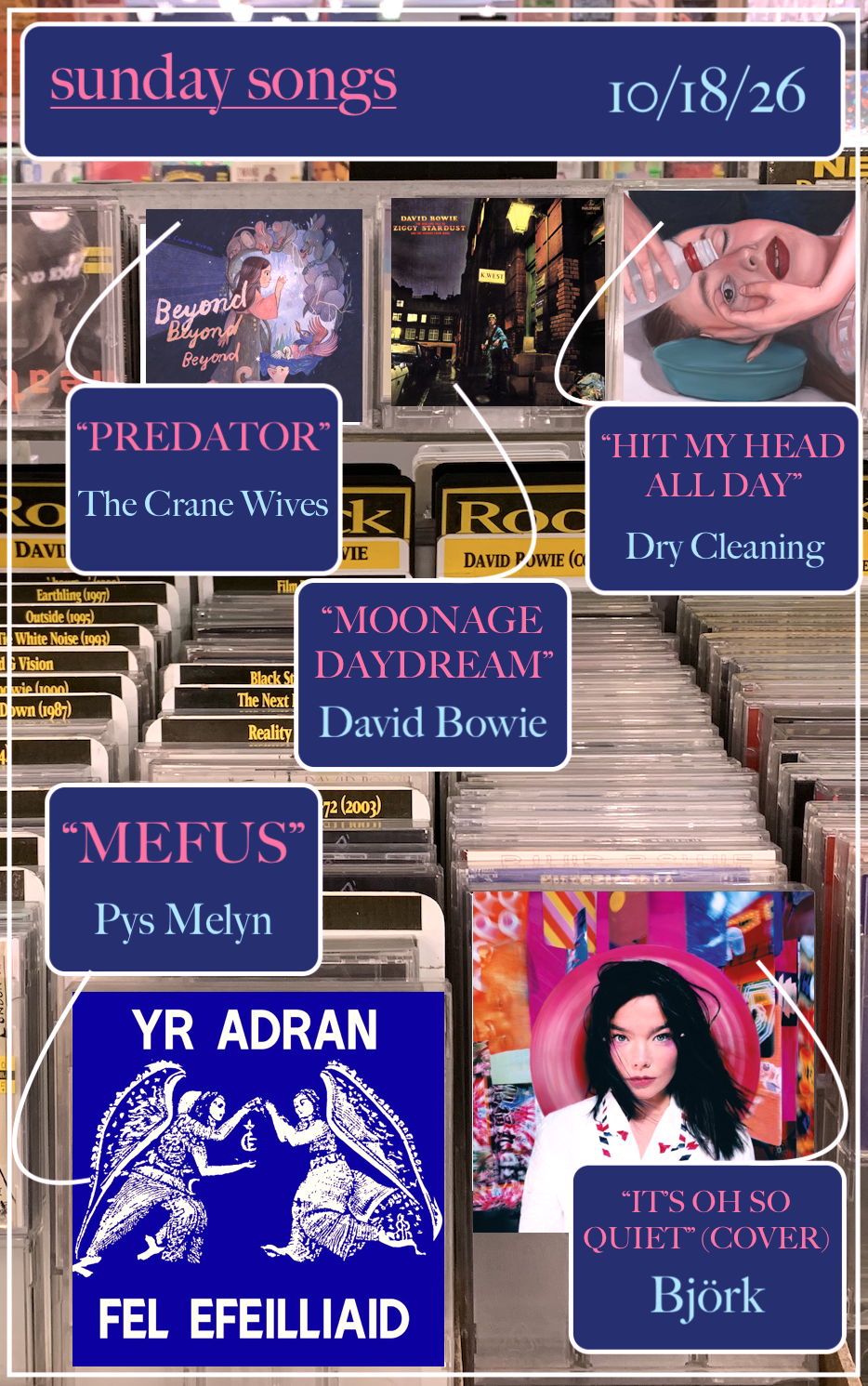
“Mefus” – Pys Melyn

I need to relinquish any shame that I have left about discovering great songs via social media. Sometimes you can stumble across random gems just from seeing some art on your cousin’s story. That’s the case with “Mefus,” and man, am I glad to have found this. How else would I have found a sunny, ’60s-inflected instrumental from some Welsh-language band that I’ve never heard of before? (I listened to all of this album, Fel Efeilliaid, the other day—it’s worth a listen, but “Mefus” remains my favorite track.) For all of the musicians desperately trying to sound like the ’60s and nosediving, Pys Melyn make it look easy; their plinking organs and shuffling drums seem like they were plucked straight from 1966. It sounds like what Wes Anderson would listen to on his morning jog. (Can’t you see this song soundtracking some of his meticulously-framed shots?) “Mefus” means strawberry in Welsh, and for a wordless song, it perfectly evokes summer sunlight and the carefree happiness of picking strawberries. Normally, I don’t gravitate towards instrumentals in terms of songs I have on repeat, but “Mefus” is nothing short of enchanting, a time capsule of the ’60s and of summers without a timestamp.

…AND A BOOK TO GO WITH IT:
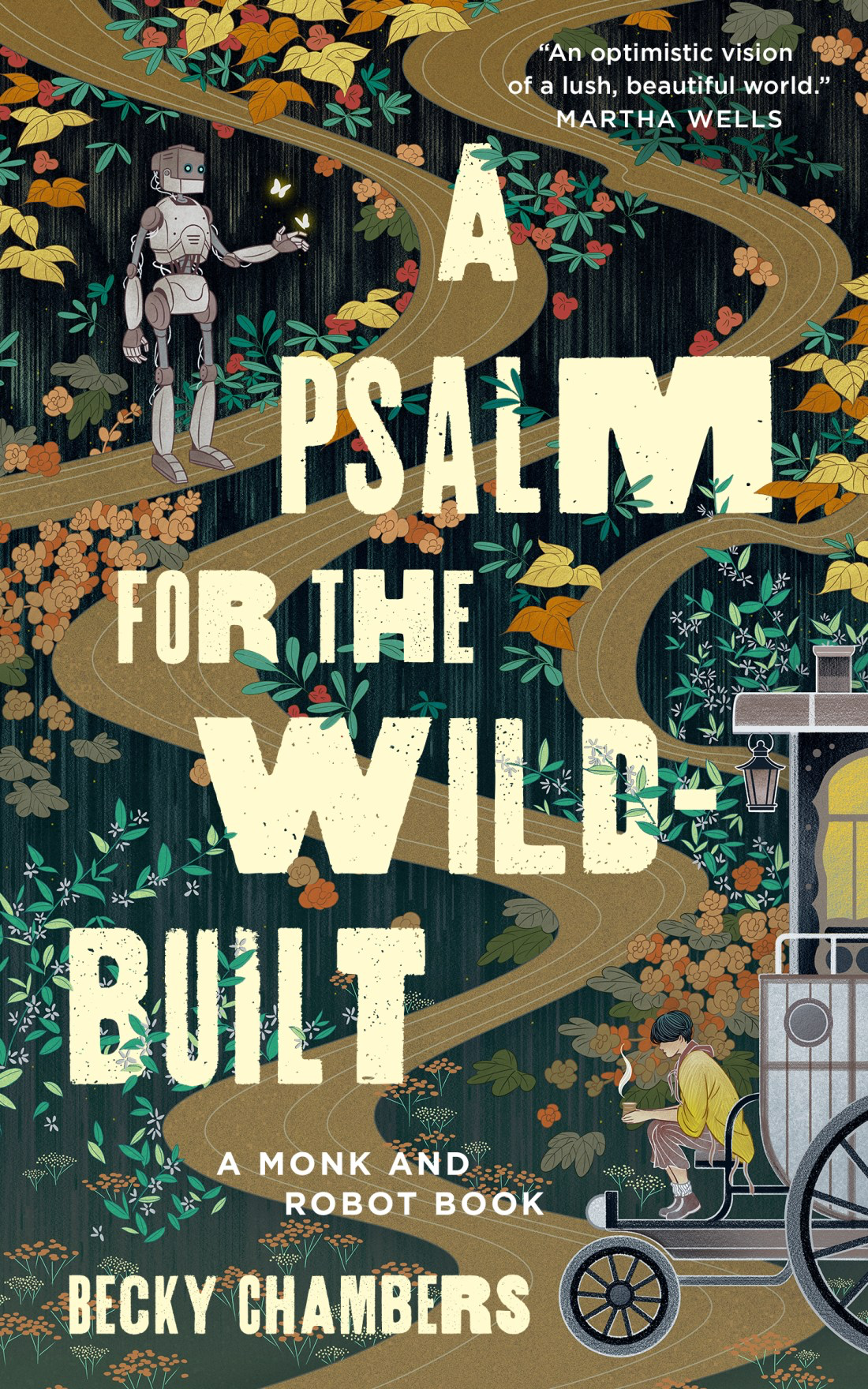
A Psalm for the Wild-Built (Monk & Robot, #1) – Becky Chambers – WE’RE SERENELY STROLLING THROUGH THE WOODS TO FIND OUR PURPOSE WITH THIS ONE ‼️‼️‼️🗣️🗣️🔥

“It’s Oh So Quiet” (Betty Hutton cover) – Björk

For all of the innovation on Post, I feel like there’s a case for “It’s Oh So Quiet” being one of the more solid pieces of proof of Björk’s genius—and the song isn’t even hers. It’s a cover of a Betty Hutton song from the ’50s, a show-tuney B-side that Björk’s tour manager at the time would frequently play in the van on tour. (That version is also a cover, in a way—it’s an English translation of a German song from 1948, “Und jeszt ist es still.”) Hutton’s version is loads of fun, but having listened to this cover for so long, it makes me weirdly anxious—it’s not supposed to be that fast! It’s too compressed! But it’s one of those covers that’s all but eclipsed the original, and it’s easy to see why.

Post is already a fairly weird album, considering how mainstream it got back in the mid-’90s, but nothing gets weirder than a solid stretch of cutting-edge electronics being unceremoniously interrupted by a ’50s show-tune popping up behind you like a jack-in-the-box. Strangely, the transition is barely jarring. To be fair, “The Modern Things” has the right kind of rhythm to ease you into “It’s Oh So Quiet.” But to me, it’s proof of Björk being a truly mercurial, unexpected presence in music. She morphs her tales of mysterious, post-apocalyptic, moss-covered presents and futures into a Broadway-like tune complete with clicking heels and a ’40s-style big band. And though Betty Hutton was doing some pretty impressive yelling on her own, you can’t talk about “It’s Oh So Quiet” without how Björk punctuates it with ecstatically wild screams. It cranks the intensity of the original—which already evoked the devil and bombs exploding—up to a thermometer-shattering level. It goes beyond love or lust and into something so all-consuming that it’s scarcely quantifiable in words—AAAAAAAAAAAAAAAAA! And that’s why I think that mouse-quiet feinting between each chorus, slowed down from the original, works so well; it stretches out that tension like an accordion, truly lulling you into a false sense of security before the brass section detonates in your face. WOW, BAM! AAAAAAAAAAAAAAA!

And I can’t not talk about Spike Jonze’s music video, and not for the plain reason that it’s an iconic touchstone in the history of ’90s music videos. “It’s Oh So Quiet” was the first Björk song that I ever fell in love with. I remember being genuinely spellbound by it when I was around six or seven (no way of getting around that). On its own, it felt like some part of my impressionable brain had been cracked straight open. But paired with the music video, which I distinctly remember watching with my mom huddled in the dark around the family computer, it was like tapping into some magical, unknown realm that I had no access to before. Of course, the magical realm was Björk, and I’d never be the same again. But the music video is just a pure joy. I’d fully believe it if this was just the effect that Björk naturally has on her environment: turning a sketchy tire shop into a dance floor, bringing mailboxes to life, and compelling entire hordes of strangers, from goths to businessmen in their suits and ties, into a spontaneous dance routine. And then she flies off. Manic pixie dream girl activities for anybody else, but that’s just Björk, and she’s naturally like that. It’s all very Amelie, pre-Amelie. Inexplicably, I started welling up when I rewatched the video for this post. Maybe it’s because it will always be that portal’s entrance to somewhere wondrous.

…AND A BOOK TO GO WITH IT:
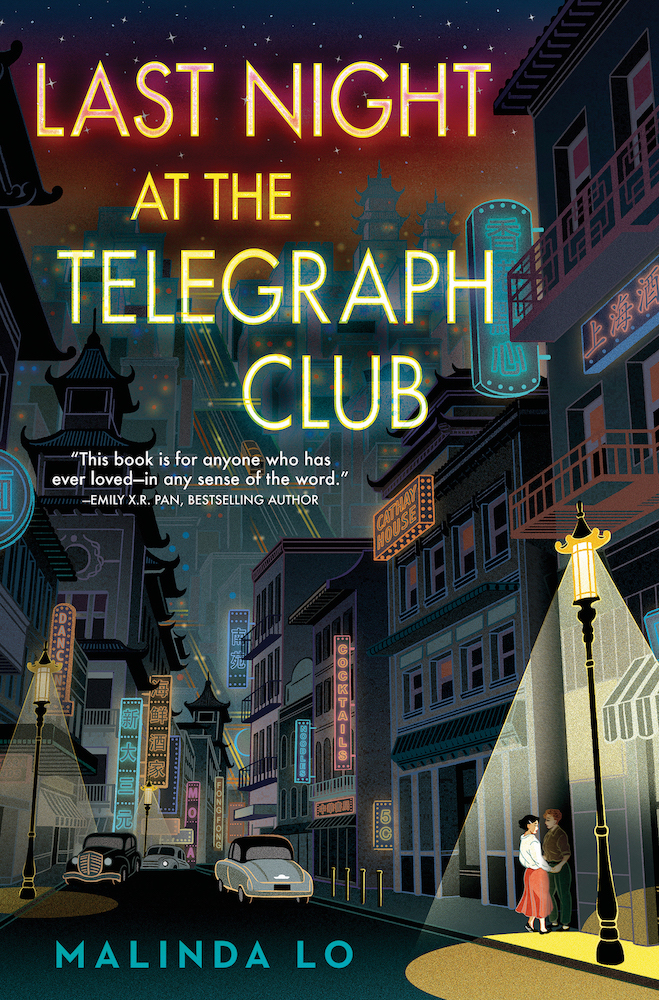
Last Night at the Telegraph Club – Malinda Lo – I suppose this would fit more with the ’50s version, but the atmosphere fits the setting of this novel.

“Predator” – The Crane Wives

My formal apologies: sorry, Crane Wives, I wasn’t familiar with your game.

To be fair, before one of my dear friends sent me some of their newer material, I primarily associated The Crane Wives with the kind of folk-pop that goes viral on TikTok from really corny DnD edits. I swear that’s happened multiple times. Real shame for a band with a fantastic name. But as with a lot of things, I didn’t dig deep enough—and there’s more to them than meets the phone-sized eye. It seems like a lot of their songs on their latest album, Beyond Beyond Beyond, expanded their palette considerably. I, for one, didn’t expect to come into “Predator” with a bassline faintly reeking of Radiohead, of all bands. (See also: “Black Hole Fantasy,” which has a great six-minute languish to it.) It seems like they’re undergoing a kind of Shakey Graves arc, splintering out from the folk model and into more adventurous territory. Sure, “Predator” has its missteps—easy on the handclaps, dude—but it’s got a real propulsive instrumental, darkly askew and more alternative than I’d given them credit for, a tale of being trapped in your own harmful habits (and getting tangled up in the same harmful habits of other people). It’s refreshing to know that I was wrong about a band—and it was to fun to realize that The Crane Wives had more to them than meets the eye.

…AND A BOOK TO GO WITH IT:
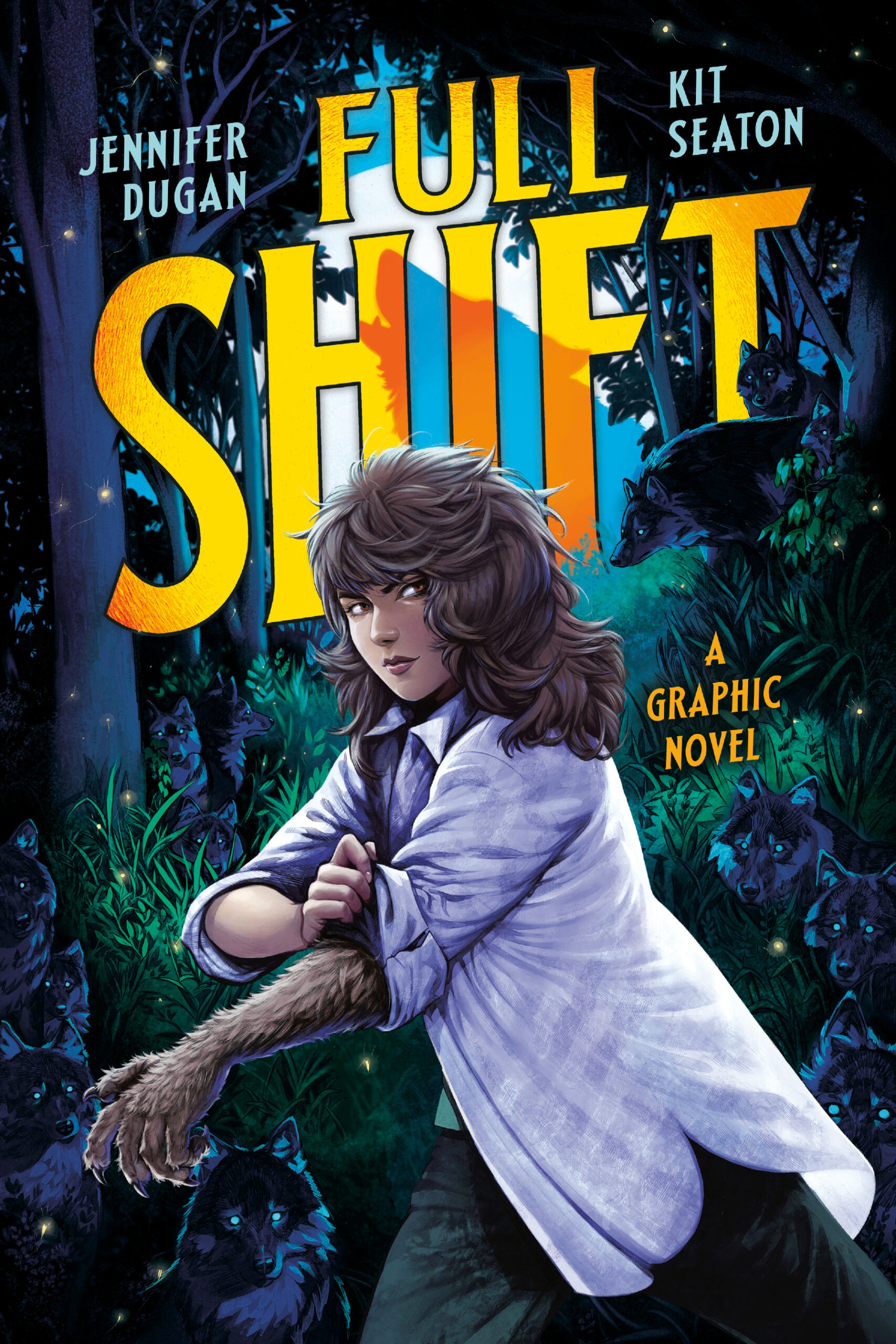
Full Shift – Jennifer Dugan and Kit Seaton – “What were you thinking?/Shouldn’t you know better?/You opened the door for an apex predator…”

“Moonage Daydream” – David Bowie

I put this on my Sunday Songs lineup because I’d listened to it again for the first time in a while, and predictably, fell in love with it all over again. But I didn’t stop and think that I’d be really writing about “Moonage Daydream.” What do you even say about “Moonage Daydream?” One of the most memorable singles from one of his most iconic albums of all time. The song that gave the name to Brett Morgen’s biopic/documentary/mind exploration from 2022. It was the track they put in Guardians of the Galaxy to great effect back in the day. The lyrics gave me my username on several other social media platforms. What the hell do you even say about “Moonage Daydream” that hasn’t already been said?

In a lot of Bowie fan spaces, there’s a kind of aversion amongst the die-hard fans towards the Ziggy era. I’m behind some of it—I feel like there’s a tendency for a lot of Bowie fans to gloss over all of the other radical transformations (both personal and musical) that he made over the span of his career in favor of only fixating on Ziggy Stardust and the glam era, and maybe a bit of his late ’70s work as a treat. On the one hand, it really is a disservice to disregard decades of his career, and if you listen to Bowie but only acknowledge the ’70s, you’re depriving yourself of so much of the mercurial artistry that he’s praised for. How can you understand that transformation if you don’t see the radical leaps he made from suit-and-tie pop star in the ’80s to the electronic, experimental mastermind of the ’90s, and so on? It’s made it weirdly uncool to like Ziggy the deeper you get into fan spaces.

Yet I find myself so defensive of the Ziggy/glam era; even as somebody who’s been poring through his discography for the better part of my life, it remains my favorite period of his, both aesthetically and musically. Part of that’s purely nostalgic, of course—you never forget your first love, and this is the first version of Bowie that I fell in love with. The specific confluence of the glam rock sound at its finest, the visual aesthetic, and the sci-fi themes combined with the inherent and coded queerness of a lot of lyrics scratches a way too specific itch in my brain. Yes, it was a persona like all the others, but I think we often gloss over the fact that every persona inadvertently represented parts of himself. For me, I’ve always seen it as something of a product of the shock and alienation he felt being thrust into the spotlight after being a struggling folkie barely making a splash in the industry for years. He was alien, no matter how he dressed. He felt like an alien.

And that’s what makes “Moonage Daydream” so staggering and important to this day. Beyond the hastily-crafted concept behind The Rise and Fall of Ziggy Stardust and the Spiders from Mars, it still stands as the cornerstone of what the album represented. As I’ve gotten older, I’ve realized that Ziggy Stardust, as grandiose as it is, has so many moments wanting to experience something real; I imagine it was a consequence of Bowie struggling to find a foothold anywhere and feeling alienated himself. From the quiet moments in “Soul Love” to the plastic-clad downfall of the titular “Ziggy Stardust,” there’s a yearning for the real behind the artificial. And that desire is what culminates in “Moonage Daydream,” a more straightforward love song behind all of the classically sci-fi lyrics. Behind the spandex, rayguns, and sensuality, Bowie wants to peel back what’s fake and fully fall in love. Could I be reading too much into it? Probably. But I think that’s what makes the yearning of this track feel authentic. Ziggy was always much more than the makeup and spandex—it was Bowie’s own desire to touch reality behind the artifice of modern life that he found himself suddenly faced with.

Also, the guitar solo just rips. God bless Mick Ronson.

…AND A BOOK TO GO WITH IT:
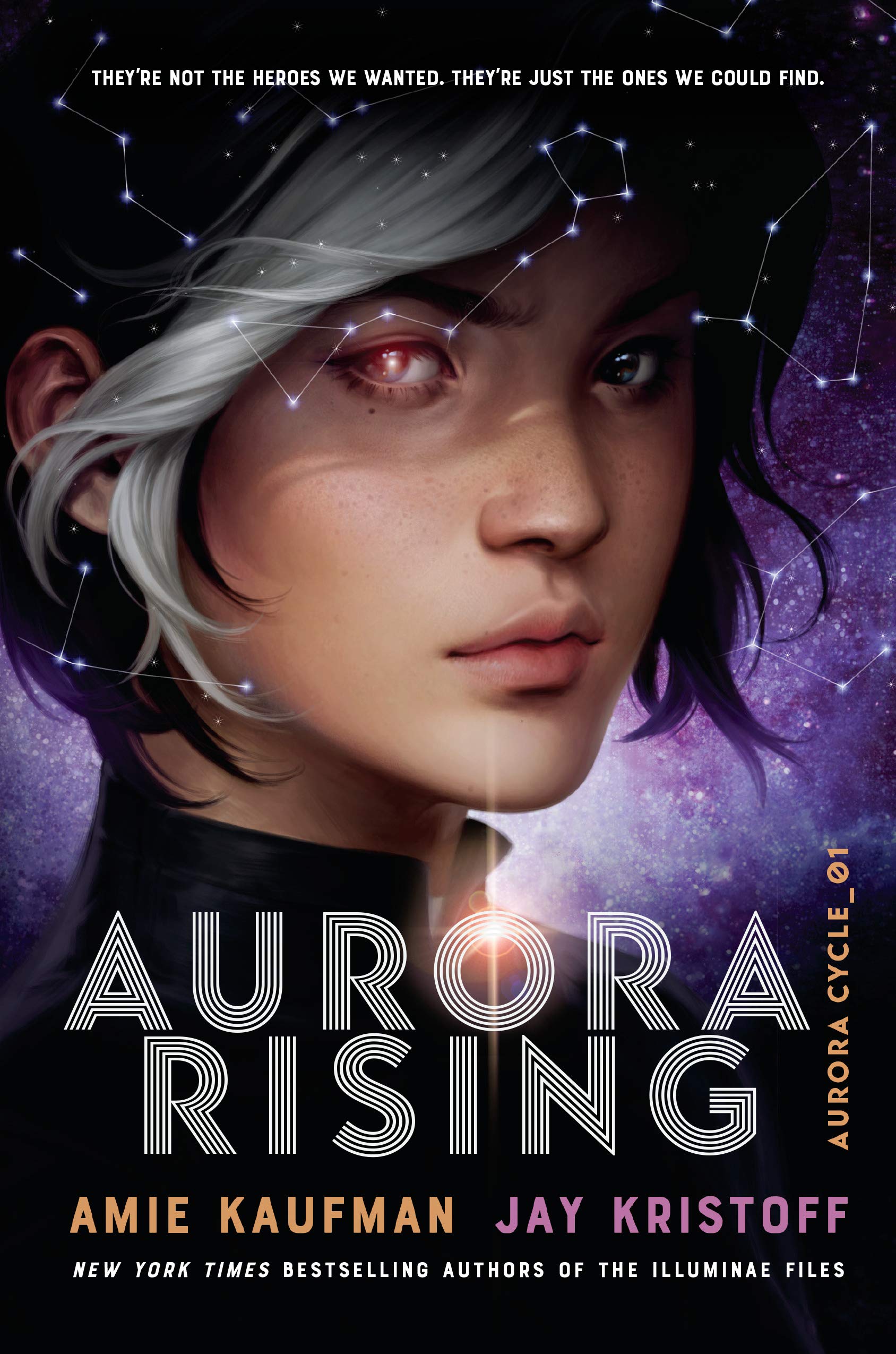
“Hit My Head All Day” – Dry Cleaning

The Cate Le Bon kick was bound to lead me to Dry Cleaning someday, but as with Me Oh My, my older brother was the impetus for listening to their newest album, Secret Love, which Le Bon produced. I’d vaguely heard of them in relation to her, but I’d never gotten around to listening to them. There’s no doubt that Secret Love has Le Bon’s magical fingerprints all over it; her thrumming bass, blasts of saxophone, and angular sensibilities translated well to the palette that Florence Shaw and co. already had going. Nonetheless, I have mixed feelings about the album. I think I’m just not fully on board with Shaw’s kind of post-ironic, dead-eyed kind of spoken word style. Sometimes it works in diagnosing the many ills of modern life, but at worst, it feels like some faux-deep thinkpiece I would’ve had to read for my women and gender studies minor. (Lookin’ at you, “My Soul/Half Pint.” That one just made me roll my eyes. “Maybe it’s time for men to clean for like/Five hundred years” pack it up, dude.) There’s only so much deadpan meanderings about how terrible society is before it starts getting old.

But “Hit My Head All Day?” Now this is something special. Unfortunately, it kind of ruined the rest of the album for me because nothing was quite so good as this (save for “Cruise Ship Designer,” one of the album’s more energetic tracks that reminds me a lot of Wire/Talking Heads). In a gloomy, six-minute sprawl buoyed by slinking, ’80s bass, Shaw sings as though she’s trapped in an ever-shrinking box, contorting her limbs to sharp corners. The lyrics muse on extreme desensitization and the desire to feel anything, everything, even if it means, well…hitting your head all day: “When I was a child, I wanted to be a horse/Eating onions, carrots, celery/I simply must have experiences/Manipulate me, wiggle my arms.” It’s reminiscent of Peter Gabriel’s “I Have the Touch” in its desire for connection, though this is decidedly drier and angular than Gabriel’s synthy, impassioned pleas. Here, Shaw’s dreary delivery makes the case all the more for the narrator’s lack of stimulation; you really do believe that she’s desperate to the point of banging her head against a wall.

…AND A BOOK TO GO WITH IT:
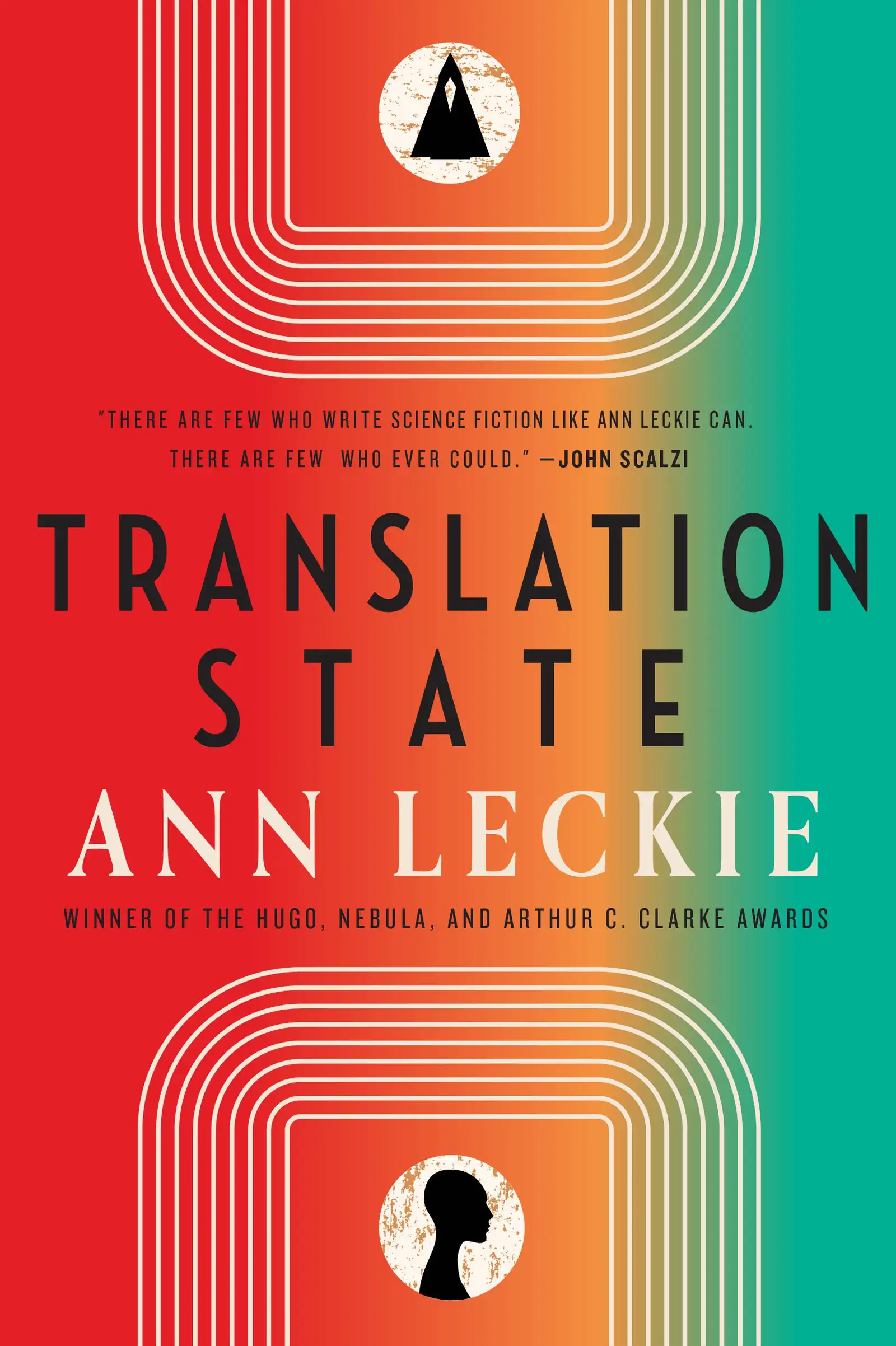
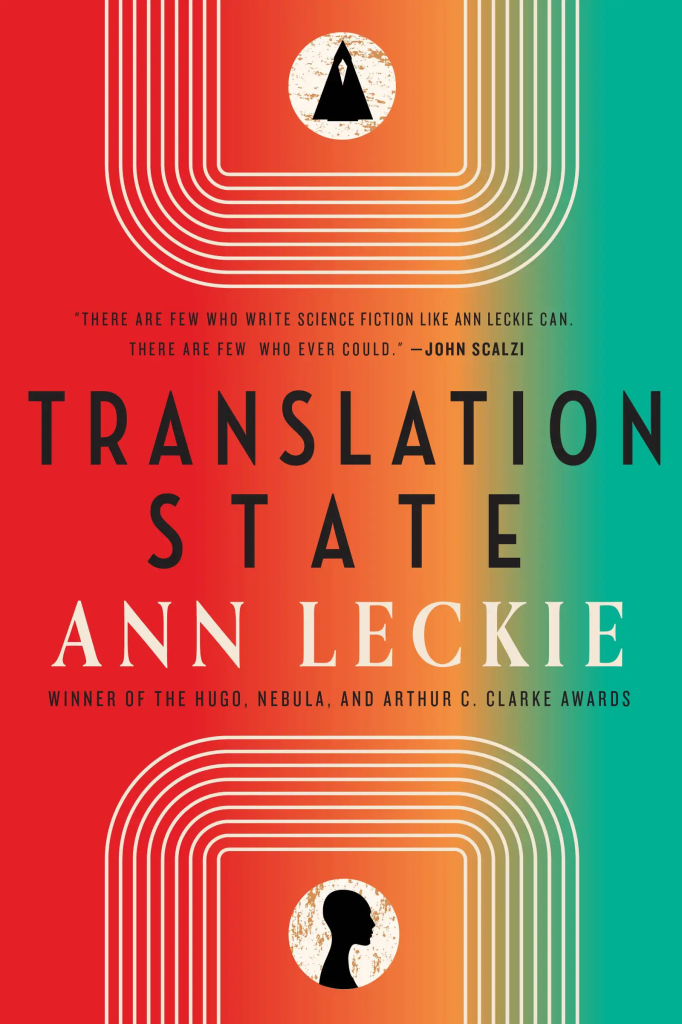
Translation State – Ann Leckie – “I simply must have experiences/Manipulate me, wiggle my arms/I hit my head in different places…”

Since this post consists entirely of songs, consider all of them to be today’s song.

That’s it for this week’s Sunday Songs! Have a wonderful rest of your day, and take care of yourselves!

Posted in Sunday Songs

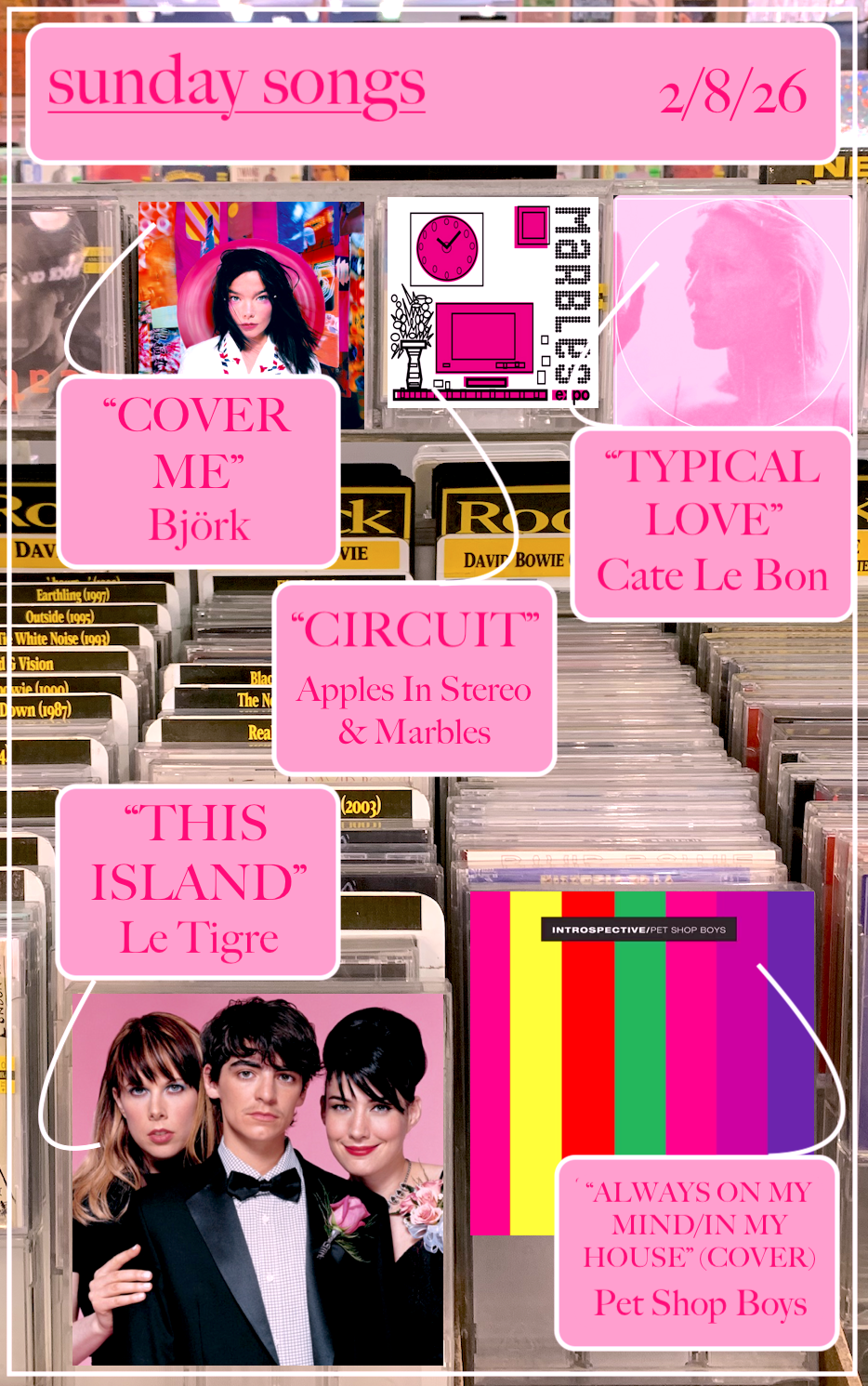
Sunday Songs: 2/8/26

Happy Sunday, bibliophiles!

This week: unfortunately, the pink theme couldn’t be scheduled for the week of Valentine’s Day, so enjoy your pink disentangled from the holiday. Also, Madeline being pretentious from the age of 5, a whole lot of beep-boop-beep, and Kathleen Hanna’s answer to these trying times.

Enjoy this week’s songs!

SUNDAY SONGS: 2/8/26

“This Island” – Le Tigre

All rise for the anti-ragebait national anthem! The litany against ragebait, if you will.

I’m sure there’s some activism/politically-involved situation that Kathleen Hanna hasn’t written about, but you have to give it to her—in that sphere, she’s got a song for almost anything. Since 2024, every new Le Tigre song that I discover has hit hard in this political context, whether it’s the perennially relevant reminder to “Get Off The Internet” (destroy the right wing!) or the rallying cry of “Keep On Livin’.” Even in 2008, the internet already had shown the ugly side of not just enabling faceless trolls to spread misinformation, but for anger-inducing content to get the most engagement; it’s been a disaster for everything, really, but especially activism. Pair that with social media’s penchant to push the most shocking angles on news stories that are already shocking (and the sheer volume of said shocking, disheartening news), and you’ve got a recipe for disaster for anybody who wants to doggedly keep hope. It’s ground so many would-be activists into the ground, turning them into despairing doomers convinced that there’s no hope for the future.

“This Island” isn’t exactly the uplifting chant of “Keep On Livin'”, but it doesn’t necessarily need to be. Its target is that kind of person who’s so hopelessly entrenched in internet-peddled doom that they need a bucket of ice water to the face to snap them out of it. It’s tough love (part of the chorus is just a repetition of “You’re a mess!”), but it’s vital if you want to carry on. The brutal 3.3/10-rated (3.3? Did Le Tigre kick your puppy?) Pitchfork review of This Island lamented that the album sacrificed its normal political bite in favor of making it more watered down and commercially accessible. Yet although the instrumentals are smoother and the beats poppier, no major label production could ever defang Hanna and co.; “This Island” rings as an unflinching slap upside the head and a call to remember all of the good things happening in the world; the backdrop of the album was the War on Terror, but now, in…well, a new iteration of just that, this last verse hits harder than ever:

“The horizon’s like a ship in flames tonight/You say you just don’t know/If you can take this city, cause the/Rent’s high, and the war’s on/And it’s last call/Even your friends look worried/My friends all think you’re smart/We think you’re super-fine/But it’s high time/I mean it’s high tide…”

I’m not above doomscrolling. Goodness knows that I’ve needed said splash of cold water in my face more often than not. It’s not our fault—social media has been deliberately manufactured to keep you hooked as long as possible; in just the same way, the ruling class wants to keep you hopeless and constantly posting so that you only make money for their corporations and don’t rise up. What matters most is what you are—and what you do—outside of the internet. What matters is that you have the strength of your friends and community beside you. Even when it seems like all hope is lost, we can take this city. Le Tigre took this city in 2004—who’s to say that we can’t do it in 2026?

…AND A BOOK TO GO WITH IT:

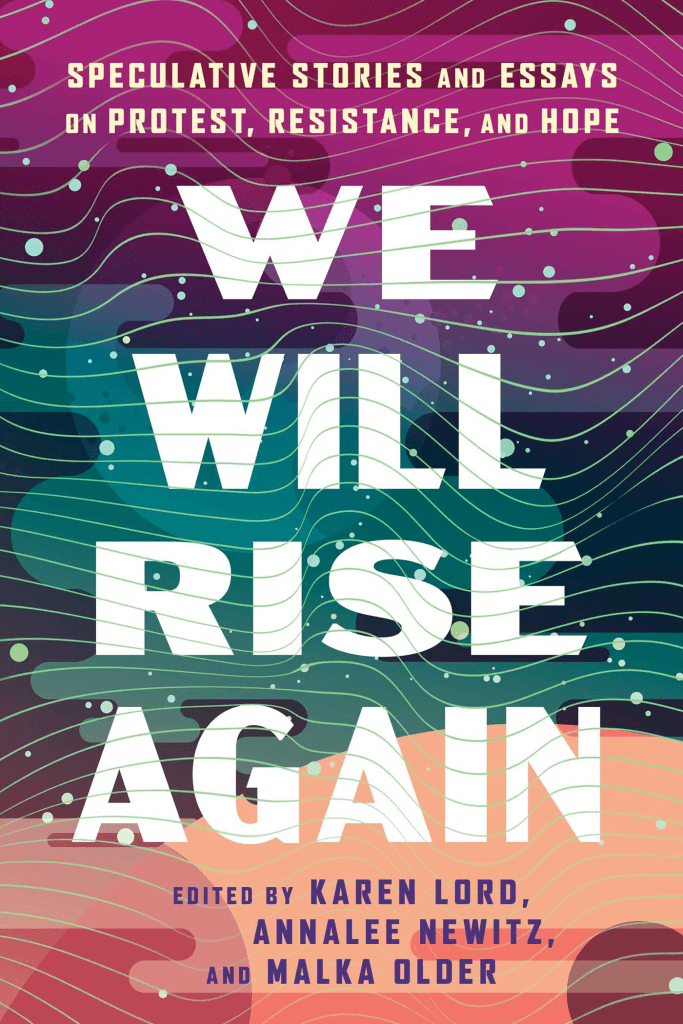
We Will Rise Again: Speculative Stories and Essays on Protest, Resistance, and Hope – edited by Karen Lord, Annalee Newitz, and Malka Older – several of the stories in here have a similar aim that Le Tigre did back in the day: to merge political awareness with art.

“Always On My Mind/In My House” (cover) – Pet Shop Boys

Separately, the elements of this song should not work. If you just said, without context, that this was an ’80s synth pop cover of an Elvis song (which was, as with most Elvis songs, a cover in and of itself) that devolves into acid house halfway through and stretches to nearly 10 minutes long, I’d probably be put off, to say the least. It’s like the musical version of “I hate gay halloween, what do you meanyou’re dressed as [insert combination of niche references]?” Things that were only possible in the late ’80s, folks. But against all odds, this is incredible. A few weeks back, I was listening to this on repeat while making a digital drawing, and I got into a flow state so queer that the drawing practically flew from my fingertips. Originally conceived to commemorate the 10th anniversary of Elvis Presley’s death, this, “Always On My Mind” later morphed into the 9-plus-minute remix and combination with “In My House.” Retrospectively, most of the writing on this song talks about how, by all accounts, this shouldn’t have worked. And yet Neil Tennant and Chris Lowe make it look like the combination of Elvis, house, rap, and random firework samples was always meant to be. It’s a case study in lulling a listener into a false sense of security before letting the floor drop out from under them. Every beat drop and twist works seamlessly—the switch from house back into the Elvis cover at 5:26 knocks me off my feet every time. You already need a boatload of talent for a song to sound effortless, but to be able to unite so many disparate elements and make it into a chart-topper—this was the #1 Christmas single in the U.K. in 1987.—takes a special kind of band.

…AND A BOOK TO GO WITH IT:

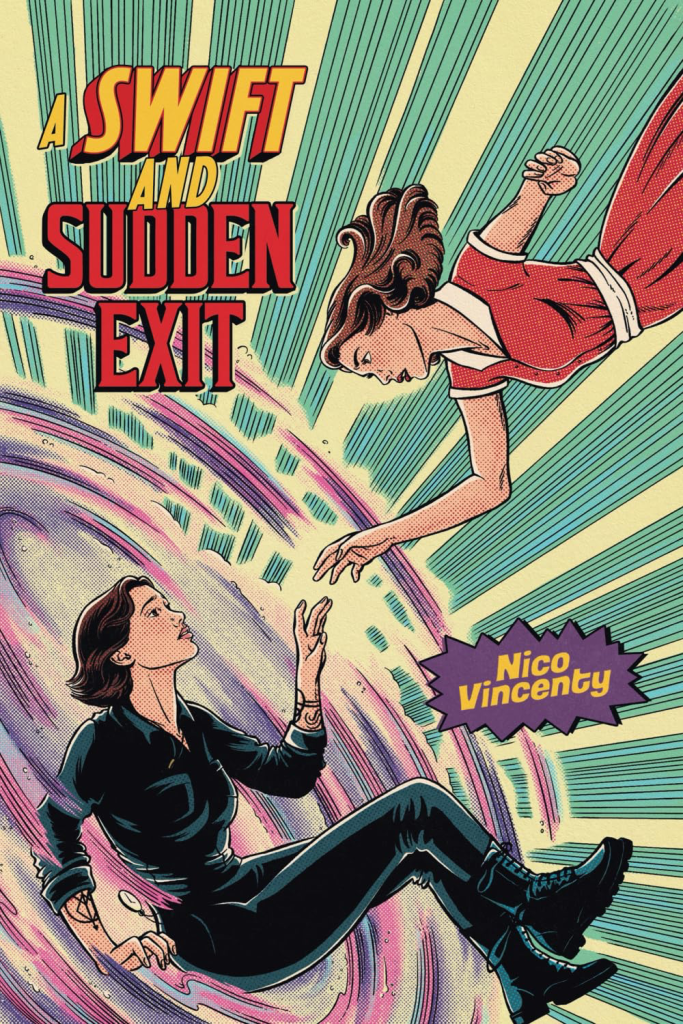
A Swift and Sudden Exit – Nico Vicenty – thematically, it fits nicely with this book, but this had to have been hidden somewhere in the ’80s scenes (or the ’90s ones, for that matter).

“Cover Me” – Björk

I always come back to Post. To me, it’s one of her most experimental albums, but not in the sense of musical genre—it’s one of her more accessible ones, right after Debut. But it’s much more experimental in its mindset. She sends her feelers out in every possible direction, and the joy of the album comes from the sheer range of emotions and genres she explored, from grimy, electronic tracks to an attempt to channel Chris Isaak’s “Wicked Game” (in the way that only Björk could). The adventurous spirit that she first fostered on Debut, playing the role of ingenue in both her life and music, practically explodes out here. You can hear it more clearly on the louder songs, whether it’s the bevy of strange instrumentals pulsating outwards or Björk herself actually screaming—another staple of her music that’s carried on 30 years post-Post.

“Cover Me,” the penultimate track on the album, is often forgotten in the deluge of other masterpieces stacked on top of each other on Post. But to me, it represents, both lyrically and musically, a key part of where Björk would go later on in her career. It’s a prickly yet twinkly song—the main body of the instrumental consists of hammered dulcimer, which is played in such a way that it feels cautious, like any sudden movement or snap of branches could trigger a trapdoor; the feeling is accentuated by the humid, jungle-like atmosphere, with all sorts of rattling noises that disappear just as quickly as they appear. Without a doubt, it’s one of the less accessible tracks on the album. Every time I listen to “Cover Me,” I feel like I’ve stepped into Henri Rousseau’s painting “Tiger in a Tropical Storm (Surprised!),” pushing aside the woodcut-looking leaves and treading lightly so as not to alert the snarling tiger inches away from me; it’s fearful, but the fear is outweighed by the ecstasy of proving that “the impossible really exists.” Her lyricism feels fairytale-like, as though she’s mapping out an entirely new land, looking over her shoulder to guide you with her commentary; With a sly smirk, she declares, “I’m going hunting for mysteries.” Taking another step forward, she whispers back to you, almost afraid to admit: “This is really dangerous/But worth the effort.”

According to Björk, she wrote “Cover Me” to poke fun at herself for making the process of making the album so pointedly different, and purportedly, difficult. And yet, as the black sheep even in an album swarming with oddball anthems, it’s paved the way for exactly the kind of career that Björk has made for herself. Every part of her life has been about pushing music to its limits, whether it’s bridging together music, science, and technology to make a stunning album and an educational app or creating entirely new instruments for her tours. Björk has never shied away from what’s dangerous, and her willingness to bend, stretch, and outright break boundaries, musically and societally. Though she’s known by more iconic lyrics, this one might just be the best to describe her career so far: “I’m going to prove the impossible really exists.” And if there’s anything to be learned from her endeavors, is that all of that danger was well worth the effort.

…AND A BOOK TO GO WITH IT:

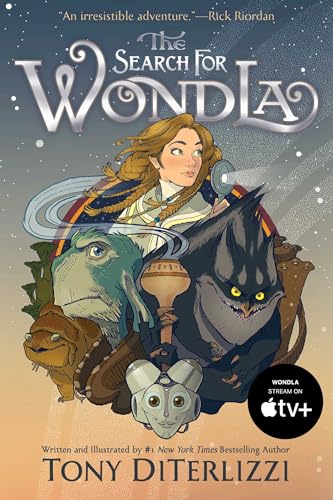
The Search for Wondla (The Search for WondLa, #1) – Tony DiTerlizzi – “While I crawl into the unknown/Cover me/I’m going hunting for mysteries/Cover me/I’m going to prove the impossible really exists…”

“Circuit” – Apples in Stereo & Marbles

Tragically, this song (and the album, Expo) aren’t even on YouTube. Criminal, if you ask me! But I think it should tell you how concerningly niche my music taste was, even as a child—”Circuit” was my favorite song when I was about 5. Less of a brag and more of a grim foreshadowing of me becoming an insufferably pretentious adult. Back in the day, I had this great little Hello Kitty CD player; I’ve got a specific memory of having this song on a playlist and having to press down on those thick, 2000’s buttons just so I could hear this song over and over, ad nauseam. I stand by 5-year-old Madeline—it never gets old.

Though it’s labeled under The Apples in Stereo, Marbles is the solo project of Robert Schneider, the Apples’s frontman; if you thought that you can’t possibly get any more beep-boop-beep than The Apples in Stereo…buckle up. Chiefly consisting of synths, Expo is nothing but electro-pop—emphasis on the electro. Every song I’ve heard from the album sounds like the kind of music that could only be made by squeaky robots from some ’50s pulp sci-fi movie. Little me specifically imagined Plex from Yo Gabba Gabba! singing it. It’s a self-contained sci-fi universe, complete with its alluring protagonist, some sort of robot or cyborg woman who “perceives circuitries/Inside everything she sees.” Lo and behold, this is the work of a man, not a machine. But with the precision applied to every single part of this track, “Circuit” truly is a well-oiled machine. Like the intricate, fragile fragments of a circuit board, every flourish of processed orchestral samples and every bubbly synth chord all work as cogs in a machine with so many moving parts, yet with effortless cohesion that so many artists can only dream of reaching. This is how you make a pop song. Embrace the beep-boop.

…AND A BOOK TO GO WITH IT:

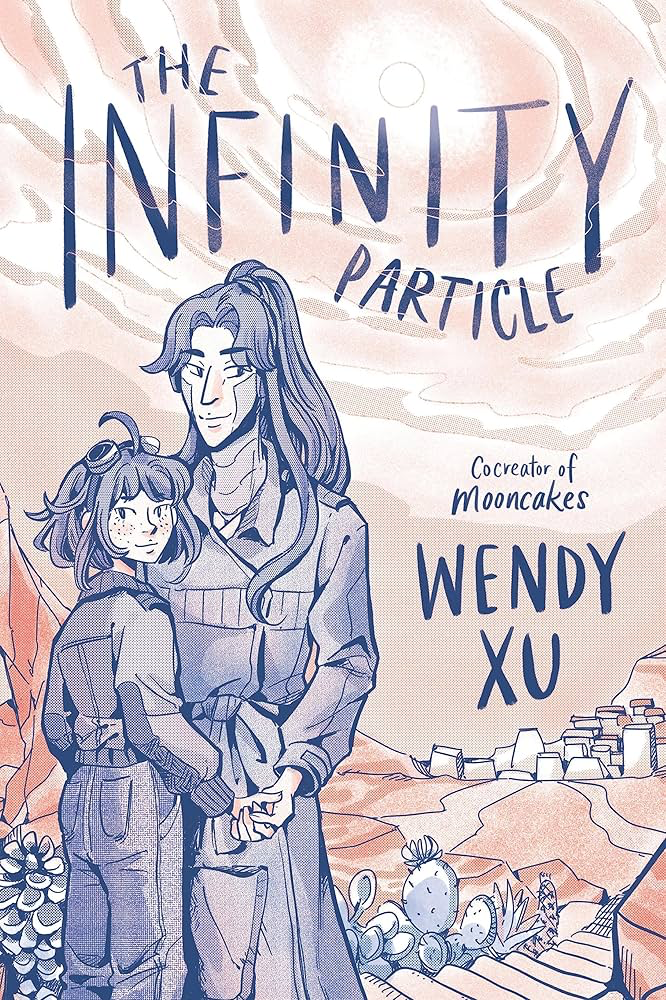
The Infinity Particle – Wendy Xu – The robot is gender-swapped here, but he sure does see electricity.

“Typical Love” – Cate Le Bon

“Typical Love” was cut from the Pompeii sessions, but according to Cate Le Bon, was “disassembled and reassembled it many times but it always felt like a second cousin to the other tracks so was put aside for a rainy day.” It’s in limbo between the production of Pompeii but with the kind of lyrics I would’ve expected on Michelangelo Dying, cataloguing the quiet, suffocating mundanity of a relationship gone stale. If it had any closer cousin on Pompeii, it would probably be “French Boys”; it has the same kind of wry comedy of Le Bon putting on airs—she might as well be muttering “Typical love, typical love” before taking a drag from one of those long, old-fashioned cigarette holders. But as with most of her tracks, “Typical Love” is anything but typical, with percussive bursts of her own breath, saxophone blares that bleed out like oversaturated watercolors soaking through thin paper, and an Eno-like taste for taking repetition to its logical limit, stretching melodies and words until they no longer feel like their original forms. It’s all at once angular and circular, like an abstract painting, woven from brightly-colored, dancing shapes.

…AND A BOOK TO GO WITH IT:

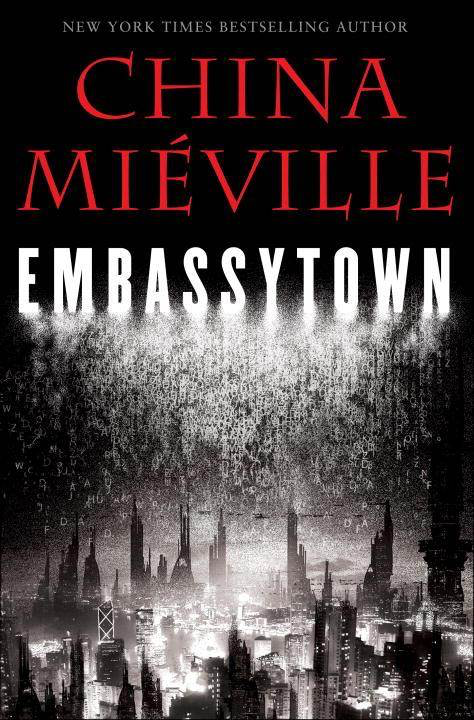
Embassytown – China Miéville – “Nothing ever changed in your corridor eyes/Rely on me, baby/Rely on air/Only a shadow again/Typical love…”

Since this post consists entirely of songs, consider all of them to be today’s song.

That’s it for this week’s Sunday Songs! Have a wonderful rest of your day, and take care of yourselves!
Posted in Sunday Songs

Sunday Songs: 2/11/24

Happy Sunday, bibliophiles!

Huzzah! No more black and white color palettes! Color has returned! And somehow, I’ve managed to cram way too many songs that I’ve had on repeat into a single post, so get ready for some rambly paragraphs. Also: music that changed the game (several games, in fact), people who really liked the ’60s, and me freaking out over an Instagram post that’s already over a week old.

Before we get into that, here are last week’s songs:

2/4/24:

Now, enjoy (oops) this week’s songs!

SUNDAY SONGS: 2/11/24

“Read the Room” – The Smile

I already rambled about this song plenty on my review of Wall of Eyes from last week, but if you haven’t read that, take my word for it. “Read the Room” was half the reason I was excited for the whole album in the first place just because of how arresting it was to hear it live for the first time without knowing they’d been cooking it up. From that, I thought I was going to destroy my hopes for this song because I’d hyped it up so much, but no. It’s still hypnotic in every way possible. Just listen, okay?

…AND A BOOK TO GO WITH IT:

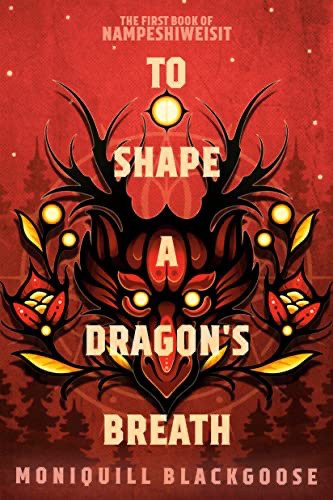
To Shape a Dragon’s Breath – Moniquill Blackgoose – massive egos and magic rainbows aplenty, but this time in the form of gaslighting and colonial pressures surrounding Anequs, an Indigenous woman fighting to make her voice heard.

“Enjoy” – Björk

Finally. I’ve finally gotten around to listening to Post, and with every song I come back to, I keep hitting myself for not listening to it sooner. Not just because some of my favorite Björk songs (and no shortage of childhood nostalgia, courtesy of my parents and their wonderfully indie taste) were on it, but just because I’ve seen it held on so high of a pedestal for so long. Normally, that’s not a primary motivator for listening to an album unless I’ve had it recommended by someone I trust, but if it’s Björk, talent of talents, that’s being held on said pedestal, then why shouldn’t I? Now that I’ve listened to it, I’m struck by the feeling that Post sounds simultaneously like nothing I’ve ever heard and everything I’ve ever heard. Every song sounds so unique, and yet screams of everything that’s come after it, whether you’re looking at the world of rock, trip-hop, or electronic—a route that Björk took on this album when she felt that rock music held little opportunity for the experimentation brewing inside of her. And that experimentation was truly wild—wild in the naturalistic sense, in the sense that she’s always meant when she’s said that she isn’t necessarily inspired by the music of her native Iceland, but of the volcanic landscape of Iceland itself. There’s musical eco-brutalism rife in this album, a full-frontal fusion of the natural and the industrial that grinds together into something that feels both alien and familiar, but wholly captivating. Maybe eco-brutalism isn’t quite the right word—I’m sure there is a word for this, but the “brutalism” part, although it is distinctly industrial in some places, feels sleeker and more technological. Post feels like that picture of a bunch of bright green plants crawling out of the dirt, but they’re planted inside of the headlight of a car; both images are strikingly different from each other, but they were always meant to be distinctly harmonious without bleeding into each other.

“Enjoy” was one of the songs that I hadn’t heard previously, and now, I’m practically waiting on its every beck and call. I just cannot stop listening to it. With something so simple as a walking, looping synth to provide its chrome backbone, “Enjoy” becomes a kind of cyberpunk catwalk, a confident strut through metal and neon lights. It’s no surprise that Tricky (who Björk had a short-lived relationship with at the time) had a hand in this track; it’s got trip-hop written all over it, but even that couldn’t place it as anything but purely Björk. With brass blasts punctuating the spiraling web of synths thickening every note, it feels like the formula that she’s molded like clay for her whole career—taking two distinct things that would sound horribly out of place in the hands of any other artist, but in her hands, sound like they were made to mesh together, a cyborg chimera of spare and found parts. And through it all, Björk’s signature, growling belt rings like a cry of confidence, a declaration (of independence?) as she struts the cyberpunk catwalk, hungry for tactile sensation, branching her feelers out for anything they can grasp. Björk described it as “[being] greedy, to be eager to consume a city,” and “Enjoy” feels like nothing but riotous consumption, something swallowing whole continents in its wake in a search for something to feel.

…AND A BOOK TO GO WITH IT:

Translation State – Ann Leckie – this novel features an alien character with a deep desire to experience the same sensations of other intelligent life that have been excluded from them; the overwhelming urge to seek out the tactile of “Enjoy” radiates through here as well.

“Chapter 8: ‘Seashore and Horizon'” – Cornelius

I’m a warm-weather creature at heart. I can’t get too warm, but I tend to come back alive once the sun comes out. I’m practically a reptile in that regard—I take any crumb of warmth that I can get, then I soak it up for the rest of the day like stolen nectar. Similarly, I find myself gravitating to sunnier, more summery music in these chillier, gloomier months. Here I am, looking out my window: all the trees are bare as can be, there’s half-melted snow sliding off the neighboring rooftops, and the ground beneath my feet is a mess of slush, dirt, and who knows what else. If you squint, there’s a tiny pocket of blue between the clouds, but it’s gray as far as the eye can see. But in these times, I turn to musical sunshine for my fix. I’m thinking back to last year, and that’s around the time when I was playing Fishbone’s “Everyday Sunshine” more often than not. Now, we’ve got some sparkly sunshine in the form of a trip to the beach.

Up until now, I only knew two Cornelius songs (“Mic Check” and “Smoke”), both collages of synth, samples, and brightly-colored, digitized sparkle. What I’ve taken away from looking into his background is that Cornelius (a.k.a. Keigo Oyamada), is, if nothing else, a student of The Beach Boys, to the point where he put a picture of himself dressed as Brian Wilson in the liner notes of Fantasma, the album where we get “Chapter 8.” Somehow, it never once dawned on me while listening to this song, but it’s like a sledgehammer in the face of Pet Sounds influence once you realize. This is literally just The Beach Boys if they had a few more synths and discovered sampling. And like what made Wilson and co. famous, “Chapter 8” feels like if warm sunshine over an endless, golden beach were channeled into just under three and a half minutes of music. Combined with the equally peppy powers of Robert Schneider and Hilarie Sidney of The Apples in Stereo, there’s no adequate words to describe this song other than carefree. You can almost see Schneider and Sidney nodding their heads in time as one strums an acoustic guitar, with animated sea creatures dancing around them. But what elevates the joy of this song is the way their high-pitched harmonies dance together, feather-light.

What a joyous, whimsical song! Sure would be a shame if…oh, for fuck’s sake, Cornelius did WHAT? Jesus Christ…at least The Apples in Stereo are good people…

…AND A BOOK TO GO WITH IT:

Sea Sirens (A Trot & Cap’n Bill Adventure) – Amy Chu and Janet K. Lee – a brightly-colored trip into a fantastical world under the sea.

“The Ballad of Peter Pumpkinhead” – XTC

Everybody’s weekly Apple Music replays should be generating soon, if memory serves, and I’m just waiting to see which spot out of the top 5 that this song has occupied, because it’s kind of a given that it’s going to be somewhere in there. It’s an inevitability at this point. As evidenced by this post, there’s no space left in my brain for important stuff to occupy, because it’s all been clogged with Björk, The Smile, and this for 2 weeks straight.

For XTC, it’s easy to see why. Andy Partridge always had aspirations of being a pop star, weaned on ’60s groups like The Monkees, whose style inspired his quirky musical career. And although he never got the Monkees-level fame that he’d always dreamed of (maybe that’s for the best? Who would want to have a fake show centered around you and then have to own up to not playing any of the instruments on live TV? Maybe that’s just me…), his pop craft is unmistakable. Their hits were more on the side of…well, ADHD, valium withdrawal, and poking sticks at God than “Daydream Believer,” but, as he frequently insisted, the music he and the other members of XTC was pop—it was just confined to the fringes, for the most part. “The Ballad of Peter Pumpkinhead” feels like it could have been the crowd pleaser at sold-out stadiums in some alternate universe where fawning girls had posters of Andy Partridge and Colin Moulding in mop haircuts on their walls. It’s a tragic and biting song, but it’s got the command of a song made for people to wave their hands along, raised in prayer in a mass mourning for Peter Pumpkinhead. The song did, in fact, start out as a smaller version of that kind of pity; the Peter Pumpkinhead character was inspired by a jack-o-lantern that Partridge had proudly carved, then slowly watched rot day by day, which led him to not only pity the poor thing, but toy with the concept of a person who was purely good, and therefore, according to Partridge, “I thought, ‘god, they’d make so many enemies!'” And it’s easy to see—not to be cynical with it, but most governments despise the idea of Peter Pumpkinhead-like people simply because he’s everything they’re not—charitable, kind, and just purely good, and capable of letting every criticism bounce off of them (“plots and sex scandals failed outright/Peter merely said ‘any kind of love is alright!'”). The music video, which was later heavily edited for us Americans, didn’t just expand on the allusions to Jesus in the song’s final verse (“Peter Pumpkinhead was too good/Had him nailed to a chunk of wood”), but straight up recreates the JFK assassination. Not just a few references or anything, no. It’s literally just JFK’s assassination, complete with a Marilyn Monroe lookalike, a flashing image of Cuba superimposed onto a picture of a pig, and a weeping Jackie Kennedy sprawled out of the back of the car. Certainly a ballsy move, but not even the ballsiest move they made when it came to American audiences. If being memorable was the aim, then they succeeded. But even without it, “Peter Pumpkinhead” has pathos in spades, the kind that brings people to their knees.

Hooray for Peter Pumpkinhead, indeed. He’s got my vote, but I feel like we already established that he’s not the kind of guy to run for public office, so I’d just shake his hand.

…AND A BOOK TO GO WITH IT:

The Last Human – Zack Jordan – being the last human in the galaxy tends to make you too many enemies, even if you don’t deserve it. Also tends to happen when you’re a teenage girl.

“The Party” – St. Vincent

Oh god. God. Help me. St. Vincent wiped her entire instagram and posted a video setting aside the blonde wig from the Daddy’s Home tour H-E-L-P. HELP ME. I AM NOT OKAY.

Through my unceasing hyperventilation, I’ve come back to some of her older genius through a scattered few songs from her (slides on hipster glasses) sophomore album, Actor, and its timeless gateway into the singer and guitarist that she’s become. It’s uplifted the quirky art-pop of Marry Me into something sharper, at times more sinister (“Marrow”), and at times more heartfelt (“Laughing With a Mouth of Blood”). Only two years into her solo career, and she’s already got a full brass section at her back, but even that couldn’t stop her as a singular, meteoric force; Actor proved that she had the plentiful talent to command a room and supercharge it with artfully jagged energy, always lingering on the edge of ecstasy and fear. Compared to some of the other tracks, “The Party” isn’t necessarily the captivating explosion of some of the other tracks, but it’s still an explosion in its own right. Like “Laughing,” it’s more downtempo both in instrumentation and lyricism; for the glut of the song, Annie Clark is only joined by spare drums and specks of tasteful piano chords as she wistfully recalls tired companionship with someone as a party winds down. There’s a kind of delirious drunkenness to it as Clark watches her subject fade through her fingers in the form of scant memory: “I licked the ice cube from your empty glass/Oh, we stayed much too late/’Til they’re cleaning the ashtrays.” Lines like “oh, that’s the trouble/of ticking and talking” are straight out of the cheeky, red-lipstick mannerisms of Marry Me, but as the song unfurls like a creature hatching from an egg, it’s a concentrated specimen of her growth in the years since. As her voice fades out of lyrics and into chorus, joined by a choir rising like fog, it feels like she has her finger lingering over the button to unleash chaos, a nuclear release of creativity. Drums skip beats and fade out of line, synths blip and crackle like they’re struggling to hang on, and Clark and her chorus rise from the waves like Aphrodite rising from the sea. For a section that occupies such a small space in the song, it crams so much dare I say cosmic fervor into only a minute and a half. If “Marrow” and “Actor Out of Work” are explosions, “The Party” is an explosion in slow motion, the kind you watch from afar as debris arcs over your head and flames balloon outwards into oblivion. It’s even more evident watching it unfold in Pitchfork’s Cemetery Gates series (why did they ever stop doing those, by the way?)—there’s no other way to hear the meticulous chaos, especially in its extended form, than in an old church, where surely, Clark’s talent reverberated through the walls like the aftershocks of an earthquake.

What I’m trying to say is that there is a right way to close out an album, and this is how.

…AND A BOOK TO GO WITH IT:

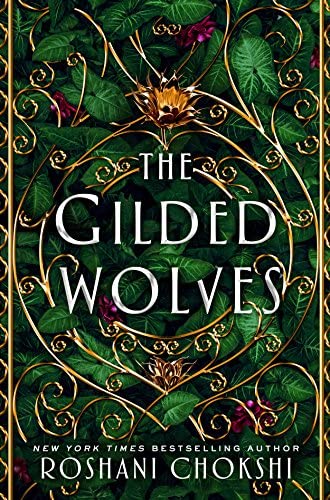
The Gilded Wolves – Roshani Chokshi – the image of a dying party and the faint, tender moments shared between the narrator and the unnamed character remind me of Séverin and Laila sharing a tense (but romantic) moment amidst magical glamour.

Since this post consists entirely of songs, consider all of them to be today’s song.

That’s it for this week’s Sunday Songs! Have a wonderful rest of your day, and take care of yourselves!
Posted in Uncategorized

January 2024 Wrap-Up 🎇

Happy Wednesday, bibliophiles! I hope this month has treated you well.

First month of the year is over, whew! I don’t wanna jinx it, but I think the rest of the year will be good.

Let’s begin with the first wrap-up of 2024, shall we?

GENERAL THOUGHTS:

January’s been a good start to the year so far, I’d say. The first half was wonderfully relaxing, what with the joys of how long winter break is in college, so I was able to recharge, catch up on reading, and get some sleep in before school started back up again. As for school, I think it’s shaping up to be a great semester! I’m finally taking some classes for my newly declared women and gender studies minor, and I’ve been enjoying those, along with the amazing English classes I’m taking for my major. It was disgustingly cold for a solid week, but at least my school had the sense to call a delay (would’ve preferred a snow day, but beggars can’t be choosers, I guess), but now it’s…unusually warm? It’s nice to be able to wear a t-shirt in the afternoons, if you ignore climate change.

As I said, January has given me the chance to get back on my old reading and blogging schedule. I still didn’t blog as much outside of my regular schedule (these scholarships I’m applying for aren’t gonna write themselves), but it was much nicer not having to do that outside of schoolwork. Fingers crossed, my workload is reasonable at the moment, so I’m soaking up all the time in the honeymoon period of the semester that I can. The reading batch I had was fantastic, for the most part! I had a streak of no books that I really didn’t like for a solid three weeks, and even after that, it’s mostly been 3-5 star reads all around! Anticipated reads, books I’ve been meaning to read for a while, and re-reads—it’s been a good bunch this month. I put my reading goal at 150 books this month, which my middle school self would probably declare something along the lines of “cowardly,” but to her I’d say to wait until college.

Other than that, I’ve just been catching up on sleep (for the first half of the month, anyway), drawing, watching Abbott Elementary (so comforting and delightful!), seeing Robyn Hitchcock live (dude’s a complete weirdo, but an insanely talented weirdo), and stocking up on hot chocolate and tea in equal measure in preparations for the permanently indecisive Colorado weather. Somebody’s gotta keep us on our toes.

READING AND BLOGGING:

I read 18 books this month! Winter break gave me a good head start for the first half of the month, but I’ve been able to keep up some of the momentum through the end. And it’s been a great batch too—I’ve only read one book this month that I really didn’t enjoy, and I re-read a favorite that got even better on the second go-around!

2 – 2.75 stars:

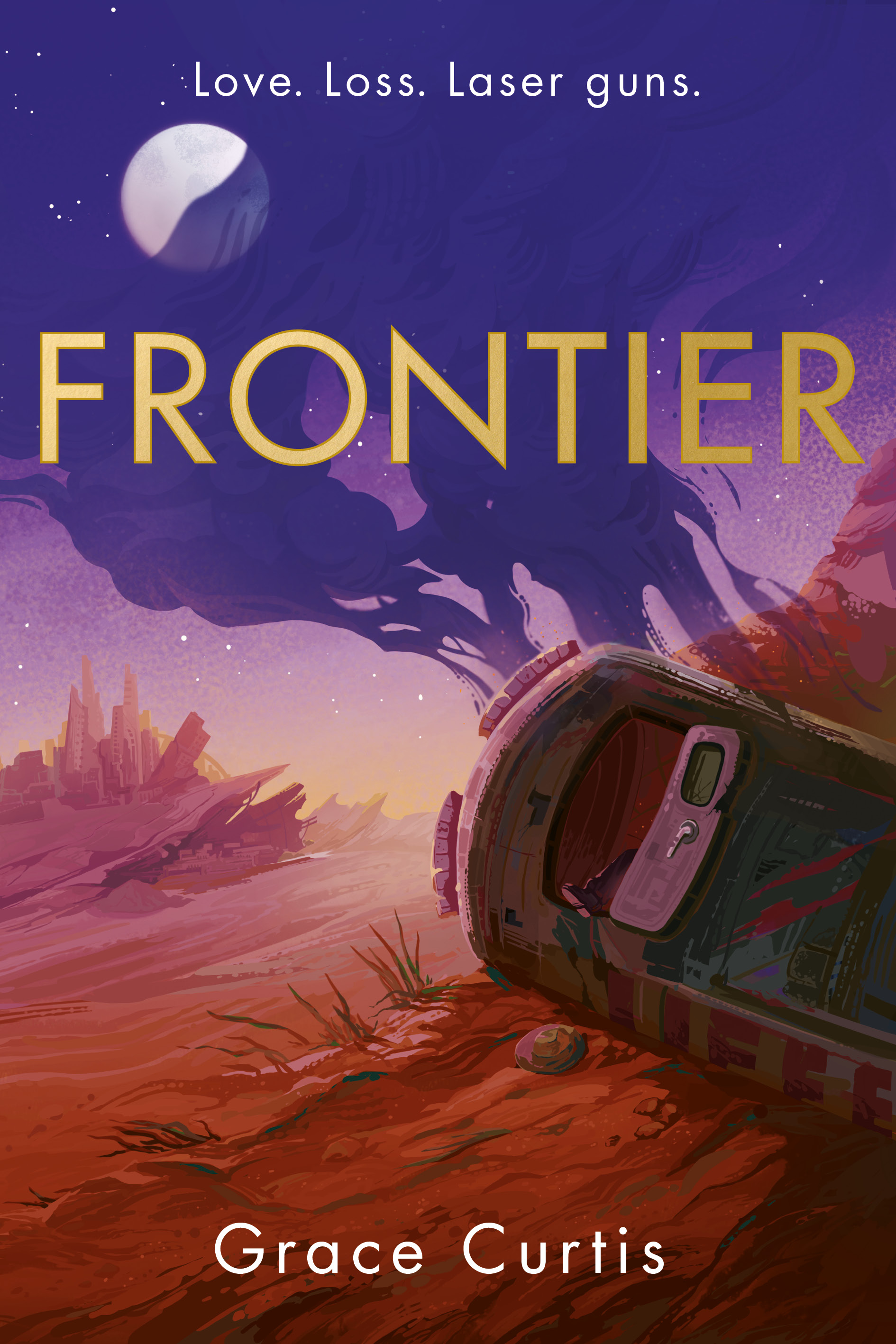
Frontier

3 – 3.75 stars:

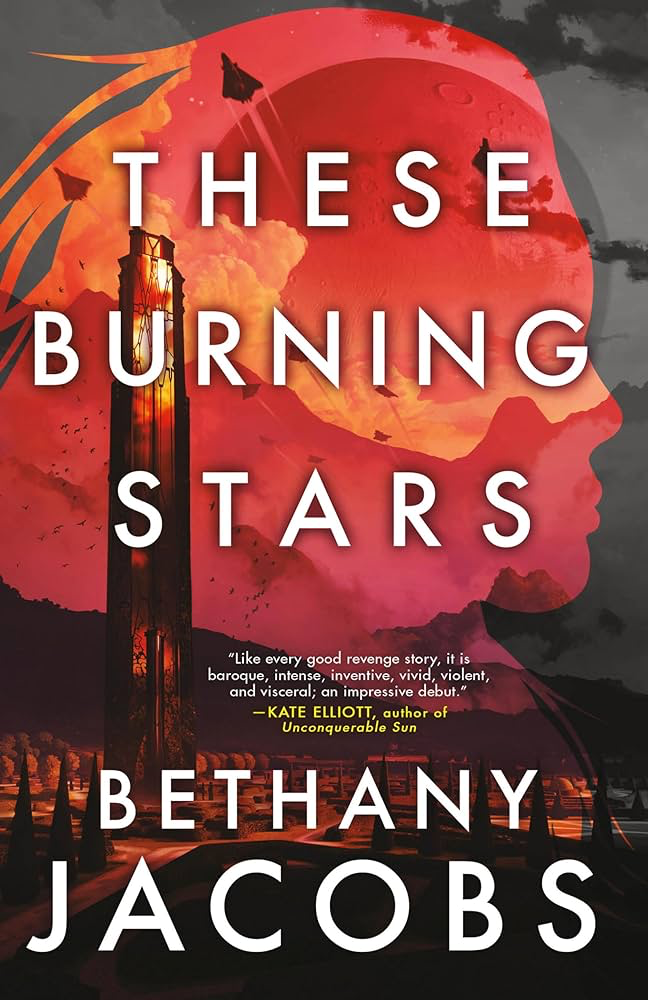
These Burning Stars

4 – 4.75 stars:

Yellowface

5 stars:

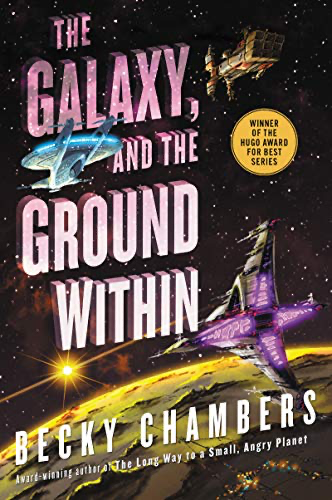
The Galaxy, and the Ground Within

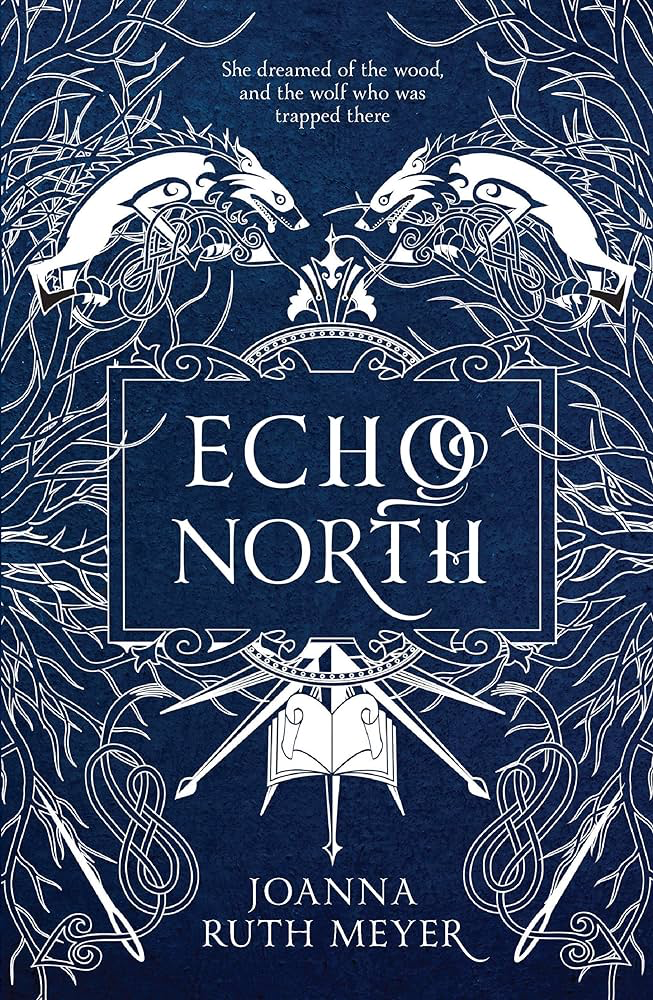
FAVORITE BOOK OF THE MONTH (not counting re-reads): Echo North – 4.5 stars

Echo North

POSTS I’M PROUD OF:

POSTS FROM OTHER WONDERFUL PEOPLE THAT I ENJOYED:

SONGS AND ALBUMS I’VE BEEN ENJOYING:

sobbing rn
nostalgia that I didn’t even know that I missed
and she got this song out of “lol my cat is cute”?????
first new-to-me album I’ve listened to this year!!
this album was very nearly everything I wanted it to be!!
THIS ALBUMMMMMMMM

Today’s song:

nonstop björkposting this week

That’s it for this first month of 2024 in blogging! Have a wonderful rest of your day, and take care of yourselves!
Posted in Book Review Tuesday

Book Review Tuesday (1/30/24) – Yellowface

Happy Tuesday, bibliophiles!

I’ve had several books by R.F. Kuang on my TBR for a year or two, and I’d forgotten about this one until it happened to come up as one of those “skip the line” checkouts on Libby. I decided to take the opportunity (as the holds line is usually nuts for this book), and I found myself adoring it so much more than I thought it would—a biting and timely satire of the publishing industry.

Enjoy this week’s review!

Yellowface – R.F. Kuang

June Hayward and Athena Liu have been friends since attending Yale together, working through writing projects and slowly finding themselves publishing their own works. But while Athena is enjoying success, six-figure book deals, and Netflix adaptations, June has barely been able to get a third printing of her only book. So when Athena dies in an unexpected accident, June sees the perfect opportunity: steal her unfinished manuscript, pass it off as hers, and profit. Armed with a new pseudonym and a racially ambiguous author photo, June Hayward becomes Juniper Song, and her book, The Last Front, becomes the toast of the literary scene. But evidence is beginning to pile up against her, and June will do anything to keep her newfound fame.

TW/CW: racism, death by choking, vomiting, substance abuse (alcohol), harassment, gaslighting, suicidal ideation

I’m glad I had my expectations at an average level for Yellowface, because this is one of the best satirical novels I’ve read in ages! This novel truly felt like it was attuned to the beating pulse of the dark side of the publishing industry, and it’s an exploration of diversity and publishing that’s incredibly necessary in this day and age.

I don’t think I’ve ever witnessed a novel that’s felt so true to today’s publishing scene in a long time—or ever, really, but to be fair, I haven’t read a lot of realistic fiction books in this vein. Yellowface is a biting, unflinching callout to how publishers view diversity; June’s story, though fictional, is testament to how the publishing industry views diversity and marginalization as profit to be made, not stories and identities to be uplifted, and how once they’ve checked one person of a certain demographic off a checklist, they think they’re set for “diversity.” Beyond that, it’s proof of how willingly publishers will silence marginalized voices in favor of white voices telling the stories of the marginalized, and how far they’re willing to go to keep up the façade. Truth be told, this novel did make me slightly spiral about the state of publishing as an aspiring author, but I suppose that means that R.F. Kuang did her job.

I’ve seen several reviews of Yellowface complaining that at least one of the main characters were self-inserts, but other than the whistleblower character (who only has a minor role until the end), the two main characters were dreadfully unlikable. To be fair, I’m not as familiar with Kuang’s work, but I don’t take her to be the kind of person to be so self-deprecating that she makes her self-insert into a disgusting mess of a character. In fact, Kuang excelled at making them incredibly unlikable—and hilarious in the process. I liked that, although Athena didn’t deserve what she got, that both her and June were depicted as despicable people in their own ways, but June was still portrayed to be disgustingly in the wrong—nobody’s angelic in this situation, and everybody has their flaws, but some people’s flaws pile up until they fester and collapse on top of them (June). Everything written in her voice was so cringey it was hysterical—watching her, for instance, editing the manuscript to make the British soldiers “more sympathetic” cracked me up, and Kuang clearly knew just the kind of circumstances that a white author would twist a marginalized story into—it felt painfully real, and painfully funny at the same time.

Typically, I’m not habitual thriller reader, but I’m a sucker for a story about a character digging their own grave, and god, Yellowface was the perfect scratch for that itch. June’s story of jealousy, temptation, and clinging towards fame that fall like dominoes toward her until culminating in the climax was painful but exhilarating to watch—for me, there’s nothing like watching a character’s downfall right before our eyes. June just kept digging herself further and further into eventual ruin, and with each push closer to the edge of being exposed for her (MANY) wrongdoings, Kuang perfectly amped up the tension. I was definitely white-knuckling my Kindle for a significant portion of the book just because of the sheer audacity of June thinking that none of her actions would amount to anything. It has the same feel as many of the self-destructive arcs in Fargo—the same kind of eventual tension that builds, and all the while, you know exactly how it ends, but what keeps you reading is wanting to discover how everything collapses onto them.

Without spoiling anything, I’ll say something brief about the ending. At first, it seemed a bit rushed and anticlimactic—I still hold that it was slightly rushed, but it’s a way-homer kind of ending. It wasn’t just a continuation of June feeding her own delusion—it’s terrifying proof that the system still works in favor of white authors clearly in the wrong. She may have hit the breaking point, but this controversy, just like the others, will only continue to drive up her sales. The system has not changed. As long as the publishing industry stays the way it is, she’ll still be rewarded. And that was the kind of scary reality that Kuang has proven with this novel.

All in all, a darkly witty thriller that brought a timely conversation about the publishing industry to the table—and executed it stellarly. 4.25 stars!

Yellowface is a standalone, but R.F. Kuang is also the author of the Poppy War trilogy (The Poppy War, The Dragon Republic, and The Burning God) and Babel.

Today’s song:

really and truly OBSESSED with this album

That’s it for this week’s Book Review Tuesday! Have a wonderful rest of your day, and take care of yourselves!