Posted in Book Review Tuesday

Book Review Tuesday (6/23/26) – Heaven’s Graveyard

Happy Tuesday, bibliophiles!

After my Idolfire freakout last week, I knew I had to get my hands on Heaven’s Graveyard as soon as I could. I put it on hold, but mercifully, it came in way sooner than I thought! YIPPEEEE!! It wasn’t as enchanting as Idolfire, but those are huge shoes to fill—Heaven’s Graveyard is still a cut above the rest.

Enjoy this week’s review!

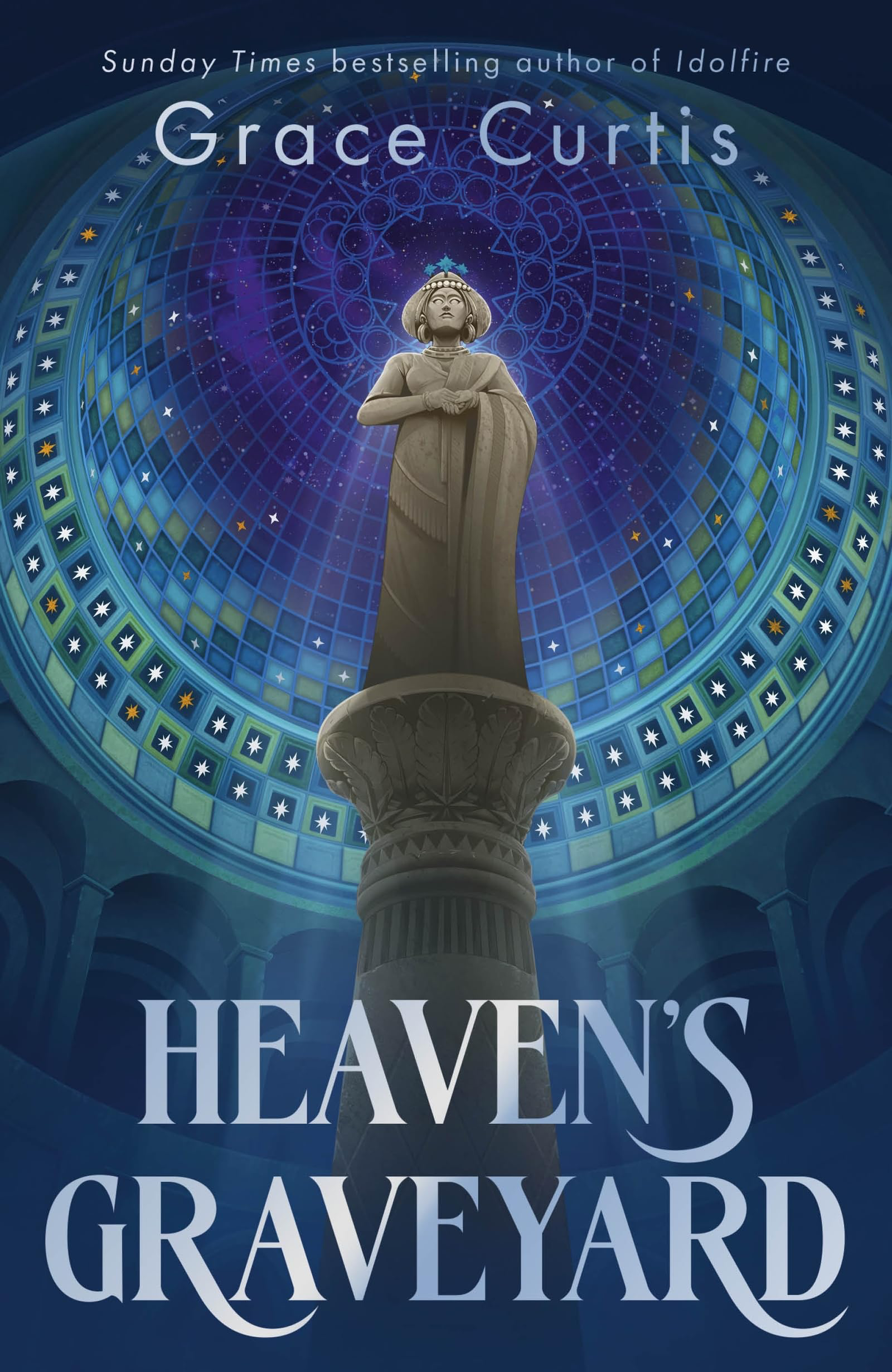
Heaven’s Graveyard – Grace Curtis

Coda Callanuny has thrown herself into her university work. A student of archaeology, she’s been bent on solving a mystery that she’s been chasing since childhood: proving that Aleya, a figure of myth, was a real person and not a fairytale. But when a beloved professor—the only one who believes her theory—suddenly turns up dead, her chase for history becomes a chase for a murderer. It turns out that her professor’s findings could change the world, and in the wrong hands, could spell disaster. With the knowledge of a sunken, magical city in ruins, Cod must fight to protect the secrets that governments could kill for—and to protect the ones she loves.

TW/CW: murder, violence, misogyny, descriptions of injury, war themes, religious bigotry (fictional) animal cruelty, toxic relationship

First off, can we stop to appreciate how gorgeous the cover is? Aled Thompson’s artwork is truly stunning.

There. Have you taken sufficient appreciation time? Very well, onto the review…

Once again—like Idolfire, which was billed as science fantasy for…reasons, I guess, Heaven’s Graveyard isn’t science fantasy either. I’d put it more in speculative fiction or fantasy, since this is a fantastical setting and magic exists, but said magic doesn’t play a central role; there also isn’t enough “new” technology to qualify as sci-fi. But enough about my ramblings about genre misclassification and mismarketing, let’s get into how excellent Heaven’s Graveyard is!

With Heaven’s Graveyard, Curtis proves that she is a master of worldbuilding. Watching the more archaic world in Idolfire transform into something semi-modern was a fascinating feat. In terms of technology, I’d say we’re somewhere at the equivalent of the 1900’s-1930’s (radios, fantasy forms of high-speed transportation, fairly advanced warfare methods, etc.); aside from being a breath of fresh air in a genre where medieval and Victorian settings reign supreme, it was planned out so meticulously. Between the explorations of politics, education, and religion, it felt as vibrant and real as Curtis’s other worlds. I particularly liked how Curtis explored the rise of the new Procumbent religion, and how it had come to dominate much of the world and how it seeped into said politics and education. Stepping into Heaven’s Graveyard felt like I’d gotten a ticket to visit this world, which is a must for good genre fiction!

As always, Curtis’s characters shone in Heaven’s Graveyard. The central characters lacked some of the oomph that made Idolfire stick with me—I loved Coda (and Sparrow was despicable, but excellently-written as a manipulative but charming prick), but she lacked the pull that Aleya and Kirby had on me. I think part of it was just that kind of grand, mythic arc that they had wasn’t present here, and although Cod’s arc was emotional, it didn’t move me nearly as much as the former’s. Granted, I knew going in that it wasn’t going to be the same, but I just feel like the full effects of Cod and Sparrow’s disastrous relationship were glossed over, to the point where it almost felt like an afterthought. Thal grew on me much more than I expected, and I loved the relationship that she and Cod had towards the end. Like Idolfire, all of the kooky side characters felt so real and made the world feel so much more lived-in, and every glimpse made the world so delightfully human.

Like Idolfire, Heaven’s Graveyard excels at the balancing act of pairing humor with darkness. In this case, it applied to the murder mystery side of the plot. In spite of the murder of one of Cod’s beloved mentors, Curtis’s take on mystery was surprisingly funny. Most of that came from the fact that, in the first half of the novel, the main obstacle that Cod faced was the infinite layers of bureaucracy from the university and her colleagues thinking that she’s gone nuts. Yet Curtis maintains the stakes—both external and personal—involved in the mystery. I loved the first reveal about Nivela, and I loved how it tied into how this novel examined how history and historical discoveries are often manipulated for political gain. There’s a thematic thread from Idolfire about revelations that could shatter the carefully maintained foundation that a country/empire/etc. has built for itself that I appreciated. Fast-paced and full of mystery, Curtis’s blend of genres was a success.

It’s clear that Heaven’s Graveyard comes from a deep passion for archaeology and history. On the surface level, I loved Curtis’s depiction of historians and academia, from Cod’s relentless search for the truth to the bureaucratic hoops that she has to endure, even in a fantasy world. Cod’s quest to prove that Aleya was real formed the core of her character, but I loved how it tied into her character arc and Curtis’s exploration of history and obsession. Cod’s quest becomes one that blurs the boundaries of genuine desire to uncover history and her own ego, and I loved the nuance that Curtis afforded it. It also provided a timely commentary on how we often feel the need to push aside the wishes of other people and cultures in the pursuit of knowledge, and without spoiling anything, I love how Cod comes to the realization that she does. It shows not just a deep reverence for archaeology and historians, but a love for the people whose bones that this history once belonged to.

All in all, a masterful blend of fantasy, speculative fiction, and mystery that made every page worth the ride. 4.25 stars!

Heaven’s Graveyard is a companion novel to Idolfire, which is set 2,000 years before this story in the same universe; however, according to Curtis, they can be read separately from each other. Grace Curtis is also the author of Floating Hotel and Frontier.

Today’s song:

today’s oddly specific song fragment that I love: the way that tom waits says the word “mackerel”

That’s it for this week’s Sunday Songs! Have a wonderful rest of your day, and take care of yourselves!

Posted in Book Review Tuesday

Book Review Tuesday (6/16/26) – Idolfire

Happy Tuesday, bibliophiles! Halfway through 2026 now…😵‍💫

If you told me about 3 years ago that I was this excited for a new Grace Curtis book, I wouldn’t have believed you. Full disclosure: I didn’t like Frontier, but the premise of Floating Hotel was so endearing to me that I took a chance on it…and loved it. And here I am now. (Special shoutout to Kat @ The Lily Cafe, who is the reason that I know that this book exists. Thanks, Kat!) I had a feeling I was going to enjoy Idolfire, but as we’re officially halfway through the year…this might be one of my favorite books that I’ve read this year!

Enjoy this week’s review!

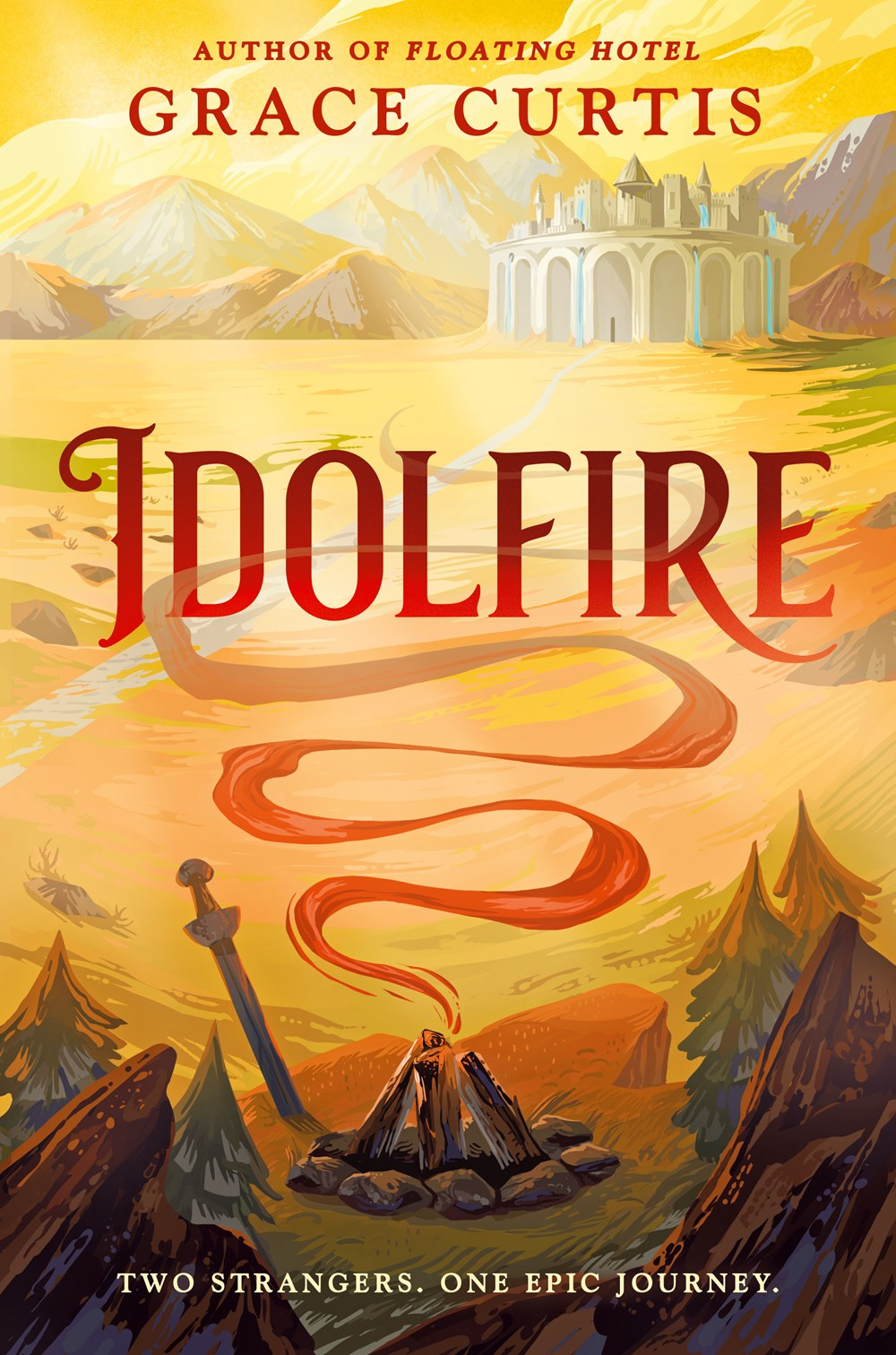
Idolfire – Grace Curtis

After illness tears her family apart, Kirby of Wall’s End sets off on the road to Nivela, a famed kingdom that has fallen from grace, but retains the promise of magic beyond its gates. Across the world, Aleya Ana-Ulai is searching for Nivela too, eager to prove herself after being abandoned by her family. When these two women from disparate regions meet on the road, neither knows that their togetherness is key to their survival. But the road to Nivela is long and treacherous, and it seems to hold everything but the answers they need within it. Aleya and Kirby must decide if the promise of Nivela is worth it—and if they’ll be able to survive at all.

TW/CW: violence, blood, war themes, loss of loved ones, child death, infertility

First off—this isn’t a slight on the book, but if you’re going in (like I did) expecting science fantasy, Idolfire is not that. This is straight up fantasy. I’m convinced that the “science fantasy” thing was tacked on for marketing reasons after Curtis wrote two sci-fi novels. Just be forewarned about that…and the fact that this book came dangerously close to destroying me. This might be one of the best books I’ve read all year.

Grace Curtis’s prose keeps getting better and better with each novel she writes. It’s prose that gave me genuine, heartwarming joy to read. She just has this way of making everything, from the setting to the subtle glances between characters, so wholly human; it goes beyond feeling lived-in and real and becomes something with a real heartbeat. Where Curtis succeeds is in shedding light on the unsaid; slight turns of phrase became quietly heartwarming or heartbreaking with a single word. Her renderings of the varied landscapes that Aleya and Kirby travel through are so rich and full of life. Every line of dialogue is razor-sharp, both in their humor and their power to devastate. If you want proof of Curtis’s improvement as a writer, Idolfire is the perfect evidence.

One of the strongest aspects of Idolfire was how it balanced humor and more sobering, serious themes. Curtis has really honed her talent for humor—there were so many moments throughout that were laugh-out-loud funny. Aleya and Kirby had such excellent chemistry (more on that later), but their separate senses of humor pinged off of each other exceptionally well, making for a fantastical road trip that never had a dull moment. And yet, Curtis gave the same amount of care to depict the darker themes of the novel alongside the lighter ones. Curtis’s depiction of war was one that has stayed with me; her descriptions of it have no interest in glorifying its purpose or its participants. Even for a novel billed with swordfighting, her sparse, devastating language in describing the horrors of war were so impactful in a genre where there’s often a degree of romantic language ascribed to something so horrendous. From the effect it has on the minds of individual soldiers to the scars that it wrought across the lands of Idolfire, Curtis explored every facet of living during wartime. Yet Curtis had the same level of care in the lighthearted and dark aspects of Idolfire—for a novel like this, it was a very difficult balance to strike, but Curtis absolutely clinched it, making for a novel that was, above all, human.

I didn’t think that Curtis’s character writing could get much better after Floating Hotel, but I was proven wrong. Although I loved the slice-of-life roving between multiple characters, I think that narrowing her focus down to two central characters did a great service to their development. Aleya and Kirby were some of the most memorable characters that Curtis has ever written. A less talented writer would’ve slapped a hasty grumpy-sunshine dynamic on them and left it at that, but they both had such richly layered personalities. Both of them had trauma so deeply embedded in their psyches, but Curtis did an excellent job of showing us how it manifested in both of them and shaped their personalities. I loved how Aleya’s more reserved, stoic nature played off of Kirby’s more mischievous personality, but the deeper you get, the more you realize that both of these traits serve as shields for both of them. They had such immediate, lovable chemistry, and the progression from begrudging companions on the road to lovers was impeccably paced, and every step of that progression felt so natural—and instantly lovable to root for. Without spoiling anything, things do turn out bittersweet for them, but I think the way that Curtis ended their story was poignant and fitting for both of them.

I also adored the road trip plot of Idolfire, and it kept me guessing constantly. Curtis’s talent for character writing also applied to the menagerie of weirdos that Aleya and Kirby met along the road to Nivela. Even the smallest glimpses we got of the denizens of Idolfire‘s expansive fantasy world were so fleshed-out, and they added so much life to the already fantastic worldbuilding. Balance is something that Curtis clearly has been honing, because like the balance between levity and darkness, there was a great balance of more action-packed moments—such as Aleya’s many swordfights—and downtime with Aleya and Kirby. The pacing was neat as a pin, and even the downtime between the more climactic parts of the novel were measured out to near-perfection. Idolfire really was a balancing act in so many ways, but Curtis toed the lines she set with enviable ease.

And if there’s anything that you can expect Curtis to do well with, it’s sharp commentary on empires and imperialism. Floating Hotel excelled at that as a point in the background, and Idolfire honed in on it even more. I think what Idolfire brings to the conversation is how ideas shape the image of an empire. Fully acknowledging that Curtis is British and I’m just projecting my experience onto this book, but I couldn’t help but think about Nivela—and Aleya and Kirby’s goals—in terms of the permanently out of reach “American dream,” and how an empire can build up an idea of itself while hiding a crumbling foundation beneath it. The further they go on their journey, the more they see the destructive aftermath of an idea twisted into something that excuses genocide and imperialism. I also liked how it tied into the magic system, with belief being what makes certain magic work/not work, and how that translated into the belief in Nivela, which has been faltering to the point of destruction. (Without getting into spoilery territory, there’s some really fascinating stuff about the very literal, human cost that this has in the world of Idolfire.) In the end, I think it was a beautiful meditation on the power of ideas, and how they can be twisted into something so terrible that it swallows the world, but how we can use that same power to create a more equitable world worth living in.

Ultimately, with ratings like these, there’s always that slight oomph that pushes it into 5 star territory. I think there’s still a few small nitpicks that made 5 stars not justifiable, but it sure was close. Overall, Idolfire was a deeply moving and human road trip fantasy, a meditation on the nature of the ideas and idols we hold up in our minds. 4.75 stars!

Idolfire is a standalone, but it has a companion novel, Heaven’s Graveyard, set 2,000 years later in the same universe. Grace Curtis is also the author of Frontier and Floating Hotel.

Today’s song:

I’m sorry, Let’s Dance (1983), I was unfamiliar with your game

That’s it for this week’s Book Review Tuesday! Have a wonderful rest of your day, and take care of yourselves!

Posted in Book Review Tuesday

Book Review Tuesday (6/9/26) – Queen of Faces

Happy Tuesday, bibliophiles!

I’ve seen a lot of buzz about Queen of Faces in the past few months, and it seemed intriguing. Plus, you know I’m always up for queer rep in my fantasy! So of course, I had to pick Queen of Faces up. (Unrelated, but I’ve had “Queen of Eyes” by The Soft Boys stuck in my head solely because of reading this book. New title for the sequel just dropped?) I’m glad to say that though it wasn’t perfect, Queen of Faces was a promising debut fantasy novel!

Enjoy this week’s review!

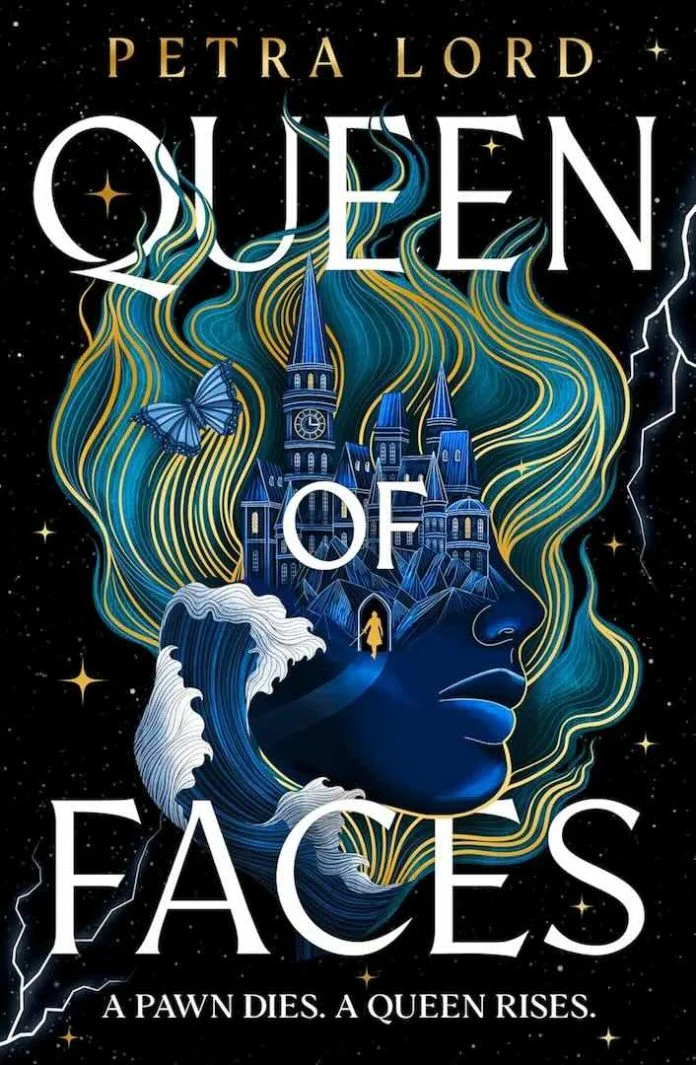
Queen of Faces – Petra Lord

Anabelle Gage is trapped in a body that isn’t hers—cheap, male, and rapidly deteriorating. Her only way to swap into a new, magical body is to be accepted into Paragon Academy, the most prestigious school in all of the Eight Oceans. After failing her entrance exams, Anabelle is certain that she’s doomed to die in the body she’s trapped in. One run-in with the law later, and she’s faced with Nicholas Carriwitch, Paragon’s renowned headmaster, who gives her a choice: be his right-hand mercenary, or die for her transgressions. Now entangled in a world of magic, crime, and mystery, Anabelle must decide if her choice was worth it—and how to get out of the body that she hates.

TW/CW: descriptions of injury, blood, suicide, violence, racism (fictional ethnicities/nationalities), war themes, dysphoria

In this day and age, it truly makes my heart sing to see queer voices flourishing in YA and middle grade voices flourish. I just had this lingering feeling that this is going to make so many trans teens so, so happy. This novel is so thematically strong; Ana’s journey was full of twists and turns, but it was so easy to sympathize with her and her continual struggle to find herself—not just in a new chassis (the magical bodies that can be swapped in this universe), but in terms of her identity. Lord includes a lot of motifs about transformation; there’s a recurring bit about caterpillars, butterflies, and metamorphosis that was, granted, a bit heavy-handed at the worst of times, but for a YA audience, was a lovely and poignant metaphor for both transness and general coming-of-age. Her journey is a perfect one for a YA audience, trans or not—her feelings of insecurity and unsureness about her identity and purpose are sure to deeply resonate with so many people.

Queen of Faces is billed as dark academia, but I’m not sure if it completely fits the label. We get some of that classic magical school format paired with the dark underbelly that Ana discovers, but most of the plot focuses on Ana’s time as a mercenary, and not necessarily Paragon Academy itself. That being said, it’s not necessarily an issue with the book—more just an issue with the marketing. Paragon Academy started to feel like an afterthought towards the end, and there were definitely some loose ends that could’ve been tied up with that plot. However, Ana’s mercenary plot was what drove the novel, and it was the most compelling part of the story for me. Lord has a knack for writing action sequences, and her tense atmosphere was flawlessly maintained for the whole novel. I loved how Ana and Wes played off of each other during this plot, and all of the friends-turned-foes (and vice versa) had excellent chemistry; Ana and Wes are shaping up to be the kind of enemies-to-lovers YA couple that I would’ve loved in high school. (However, the weird pseudo-love triangle going on was, yes, pretty YA, but it was so rushed and unfinished that I couldn’t even excuse it being YA. It was just…odd.) Beyond that, I loved how all of this coalesced into Ana’s character development, and her discovery of the truth of her mysterious job—and her superiors—was such a vital component to her eventually self-realization.

The worldbuilding in Queen of Faces was a mixed bag, but most of it was solid. Lord’s magic system was imaginative and well thought-out. I loved Lord’s visualizations of the branches forming, and I loved all of the consequences of how magic affected Caimor and the rest of the world. I also think the history of Caimor and the Eight Oceans was explained nicely, and without any unwieldy info-dumps. The system of the chassises and body-swapping was well-done as well, and served as a cogent commentary on class inequality. However, some of the other aspects of the worldbuilding were slightly shaky. I had a vague sense of the technology level—I assumed closer to the 1920’s given the presence of cars and radios, but not much more advanced than that, but I didn’t get a good sense of it. Lord also regularly inserted the fact that Ana loves romance manga, which felt jarring and out of place in this otherwise fantastical setting. I had the same issue with the fact that there’s something called the “Babel Curse,” which would imply the existence of Christianity/the Bible in this otherwise completely fantasy universe. Small issues, sure, but they took me out of the narrative with how much they were mentioned. But for a debut novel’s stab at worldbuilding, it’s a good start.

Queen of Faces unfortunately suffered from some pacing issues. The first third or so was paced reasonably well, and I had a good sense for how the events of the novel had progressed. However, once Anabelle gets to Paragon Academy, there’s time-skipping all over the place; my irrational hatred for random timeskips is just that—irrational—but Lord often didn’t let the reader know that these timeskips had even happened until the last relevant minute. I fully thought that only days had passed by, and boom…it’s been a month? The pacing was just so uneven that it was difficult to get my footing in places, which took me out of the main narrative, especially in the first half of the novel. Given the fact that we’ve mostly left Paragon Academy behind by the second half of the novel, it didn’t help that the pacing also left so many loose threads unresolved. Things evened out towards the end, but it never fully recovered from the topsy-turvy pacing at the beginning.

All in all, a daring and mysterious debut full of dark magic, shifting alliances, and conspiracies. 3.75 stars!

Queen of Faces is Petra Lord’s debut novel and the first book in the Queen of Faces series; its followup, King of Masks, is slated for release in 2027.

Today’s song:

That’s it for this week’s Book Review Tuesday! Have a wonderful rest of your day, and take care of yourselves!
Posted in Books

🏳️‍⚧️🏳️‍🌈The Bookish Mutant’s Books for Pride Month (2026 Edition)🏳️‍🌈🏳️‍⚧️

Happy Thursday, bibliophiles!
Here in the U.S., June is Pride Month! You know the drill. I hate how bittersweet these posts are, and the bitter keeps growing. I see the beauty of this month and our queer community, but I can’t help but shrivel from the reminders that there have been repeated attempts to take queer books off the shelves across the country, and that the trans community here in the states has been under attack more than ever. My heart truly, truly hurts for all of us. I hurt. Of course, here I am, being cisgender in my cushy blue state with an openly gay governor, but nonetheless, I hurt whenever any other member of the queer community is hurt.

I’ve been an out and proud bisexual for almost eight years. Not long, in the grand scheme of things, but these years have taught me so much about queer people and the LGBTQ+ community. If there’s anything that I see in us, it’s our tenacity. No matter the slew of hateful legislation and rhetoric, we always come back stronger than ever. If there’s anything that the queer community doesn’t do, it’s back down in the face of a threat. In spite of the never-ending threats from outside and inside (the infighting never stops, y’all need to be normal about each other, please), we are like dandelions pushing through the cracks in the pavement: we never surrender, and we continue to bloom in the face of adversity.

But here’s the thing. I don’t like having to be this resilient. I don’t think any of us do. But if there’s anything to take solace in, it’s that our community is so strong and diverse that there will always be someone fighting. Yes, we all have to do what we must, but it’s important to remember that simply surviving, just being, is resistance in the face of the government wanting the public to believe that we aren’t worthy of the same rights as everybody else and that our stories are not fit for public consumption. You don’t have to be out and proud. All you have to do is be.

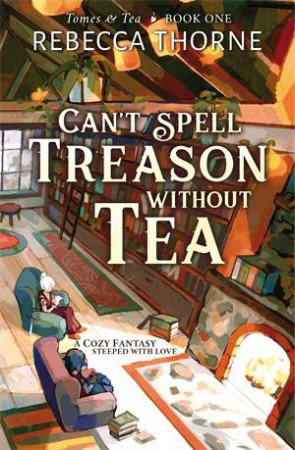
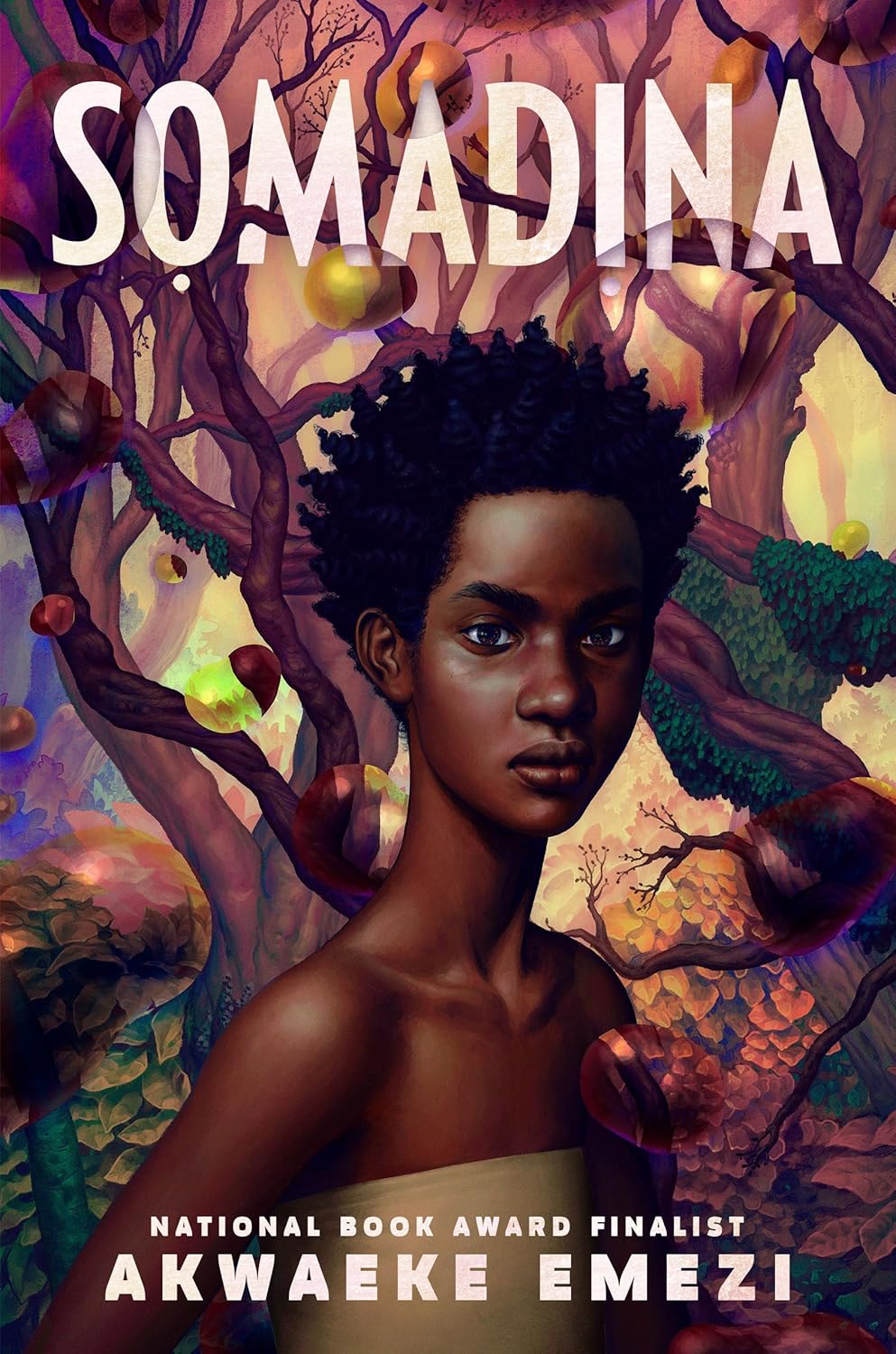
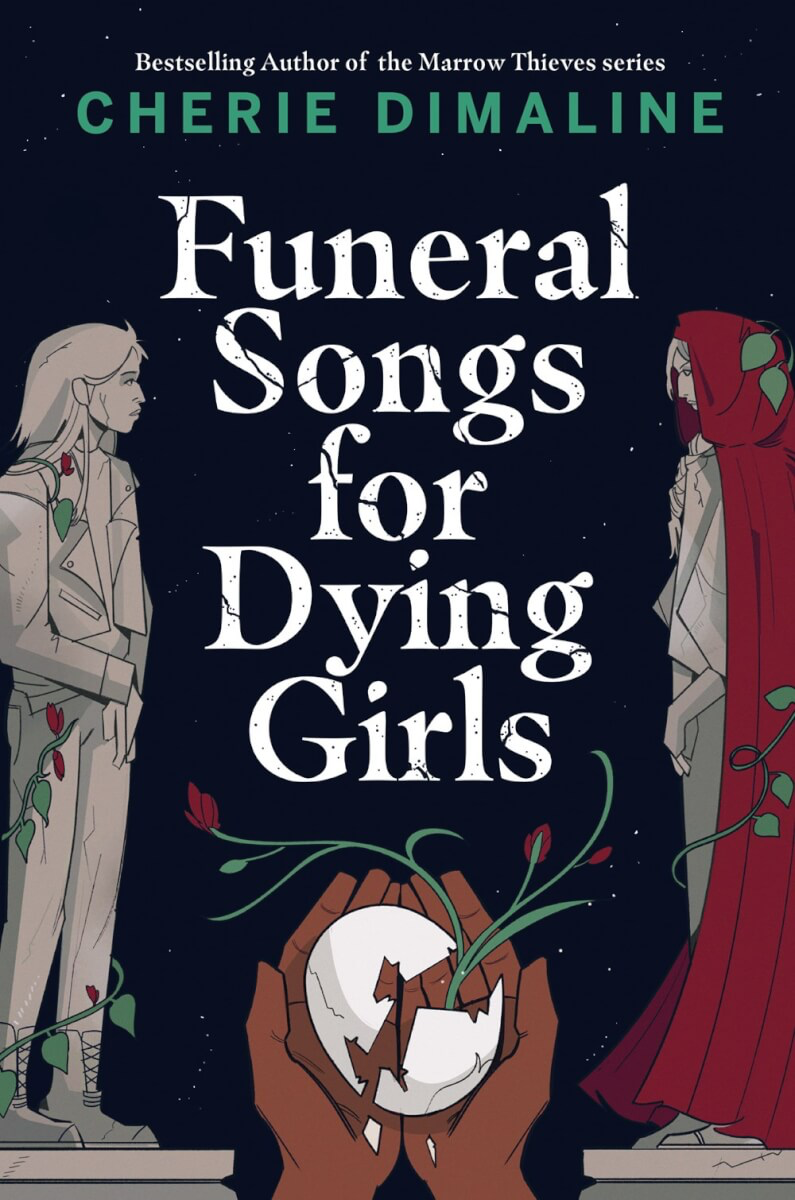
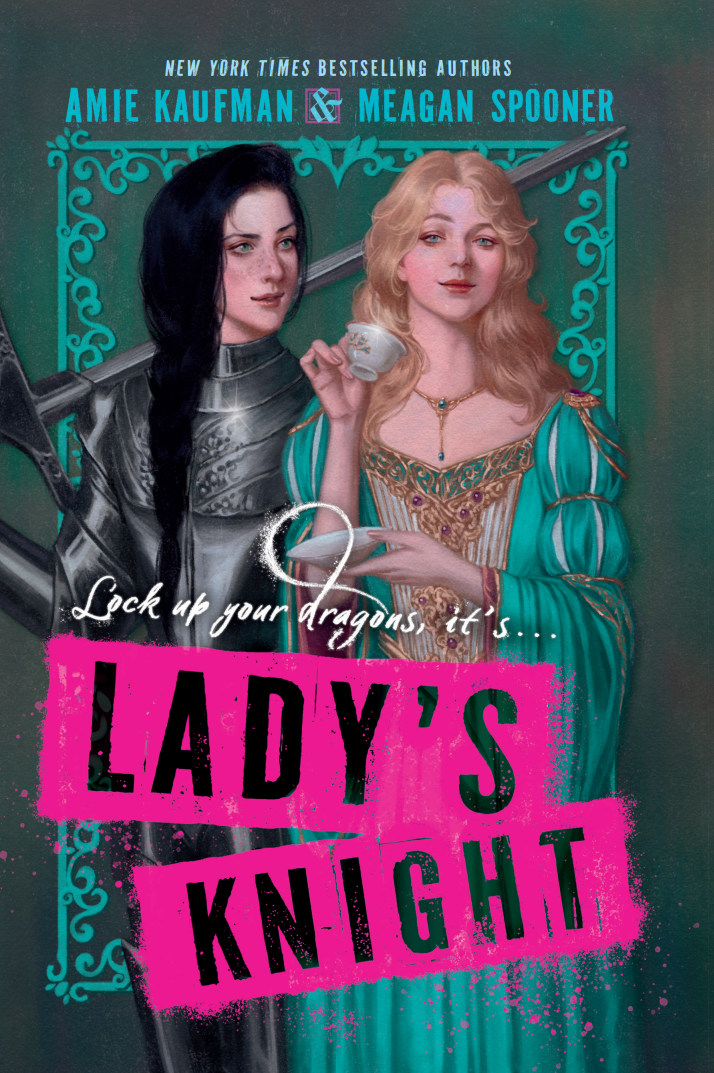
So here’s my annual pride month recommendations list of queer books from a variety of genres and backgrounds. I’ve compiled all kinds of books from various sexual orientations and gender identities, as well as backgrounds (queer people of color, disabled queer people, queer immigrants, etc.). Hopefully there’s something for everyone. (As always, if I’ve mistakenly identified anything on this list, please let me know! I’m only human.)

Now, more than ever, it’s crucial to support the LGBTQ+ community (especially the trans community, who are under attack more than ever) in whatever way you can. If you want to show your support them monetarily, here are some great organizations to donate to:

This is a non-exhaustive list, and I encourage you to seek out organizations in your area! There are so many wonderful people across the country (and the world) doing great work for the LGBTQ+ community.

A refresher on my key:

MC: Main character

LI: Love interest

SC: Side character(s)

For my posts from previous years, click below: 

Let’s begin, shall we? 

🏳️‍⚧️🏳️‍🌈THE BOOKISH MUTANT’S BOOKS FOR PRIDE MONTH (2025 EDITION)🏳️‍🌈🏳️‍⚧️

FANTASY:

SCIENCE FICTION:

REALISTIC/HISTORICAL FICTION:

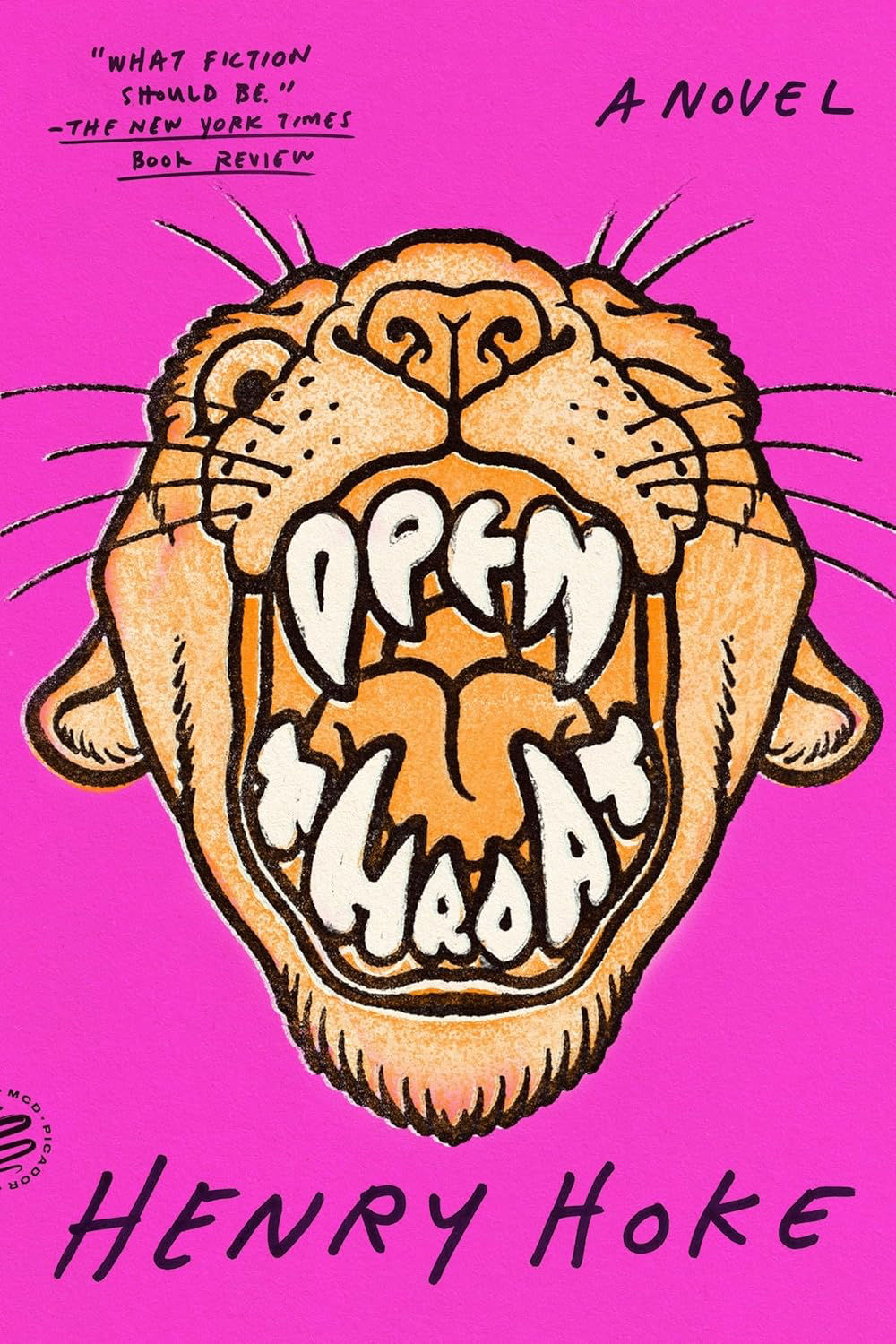
*it’s worth noting that the main character of this novella is a mountain lion, but I feel like it still counts.

**the cover for The Golden Boy’s Guide to Bipolar has not yet been updated to reflect Sonido Reyes’s name change.

ANTHOLOGIES (VARIOUS GENRES):

NONFICTION:

TELL ME WHAT YOU THINK! Have you read any of these books, and if so, what did you think of them? What are some of your favorite queer books that you’ve read recently? Let me know in the comments!
Today’s song:

That’s it for this recommendations post! Have a wonderful rest of your day, and take care of yourselves!